<?xml version="1.0" encoding="UTF-8"?>
<!DOCTYPE html PUBLIC "-//W3C//DTD XHTML 1.1//EN" "http://www.w3.org/TR/xhtml11/DTD/xhtml11.dtd">
<html xmlns="http://www.w3.org/1999/xhtml" xml:lang="en">
<head>
<meta content="text/html; charset=UTF-8" http-equiv="content-type" />
<meta http-equiv="Content-Language" content="en" />
<meta name="generator" content="Pressbooks 6.19.0" />
<meta name="pb-editors" content="Dani Collins" />
<meta name="pb-authors" content="Christine Miller" />
<meta name="pb-title" content="Human Biology" />
<meta name="pb-language" content="en" />
<meta name="pb-cover-image" content="https://humanbiology.pressbooks.tru.ca/wp-content/uploads/sites/6/2020/12/Textbook-Title-Page.png" />
<meta name="pb-book-license" content="cc-by-nc" />
<meta name="pb-primary-subject" content="MFC" />
<meta name="pb-publisher" content="Thompson Rivers University" />
<meta name="pb-publisher-city" content="Kamloops" />
<meta name="pb-publication-date" content="1598918400" />
<meta name="pb-copyright-holder" content="Christine Miller" />
<meta name="pb-about-unlimited" content="This textbook is ideal for an introductory level Human Biology course. It is aligned with the British Columbia Adult Basic Education learning outcomes for Provincial Level Biology, which is the equivalent of Grade 12 Anatomy and Physiology. This textbook begins with an introduction to sciences and the scientific method, and then addresses the human body in increasing scale: from biological molecules, to cells and tissues, to organs and all eleven organ systems; with an overarching focus on health. Each chapter begins and ends with a case study related to the chapter topic.  The text employs clear writing, case studies for each chapter, interactive self-marking study activities, highlights of Indigenous knowledge and examples, pop-up glossary, and links to resources for extending learning.  Images are meant to be inclusive and were chosen with equity/diversity/inclusion in mind." />
<meta name="pb-short-title" content="Human Biology" />
<meta name="pb-subtitle" content="Human Anatomy and Physiology" />
<meta name="pb-about-140" content="BC Adult Basic Education Provincial Level Biology: Human Biology" />
<meta name="pb-about-50" content="This textbook is ideal for an introductory level Human Biology course. It is aligned with the British Columbia Adult Basic Education learning outcomes for Provincial Level Biology, which is the equivalent of Grade 12 Anatomy and Physiology. This textbook begins with an introduction to sciences and the scientific method, and then addresses the human body in increasing scale: from biological molecules, to cells and tissues, to organs and all eleven organ systems; with an overarching focus on health. The text employs clear writing, case studies for each chapter, interactive self-marking study activities, highlights of Indigenous knowledge and examples, pop-up glossary, and links to resources for extending learning." />
<meta name="pb-custom-copyright" content="2020 © Christine MillerHuman Biology by Christine Miller was adapted from the CK-12 Foundation textbook “College Human Biology” by Jean Brainard and Rachel Henderson, which is under a CC BY-NC 4.0 Licence. For a full list of changes, see the “Statement of Adaptation” at the end of the book.Cover image: “Balance” by Tamey Wood, CC BY-NC 4.0 Licence." />
<title>Human Biology</title>
</head>
<body lang='en' >
<div class="front-matter before-title " id="front-matter-introduction">
	<div class="front-matter-title-wrap">
		<p class="front-matter-number">1</p>
		<h1 class="front-matter-title"><span class="display-none">Introduction</span></h1>
			</div>
	<div class="ugc front-matter-ugc">
				 <p><img class="size-full wp-image-9077 aligncenter" src="http://humanbiology.pressbooks.tru.ca/wp-content/uploads/sites/6/2020/12/Textbook-Title-Page.png" alt="" width="816" height="1056" srcset="https://humanbiology.pressbooks.tru.ca/wp-content/uploads/sites/6/2020/12/Textbook-Title-Page.png 816w, https://humanbiology.pressbooks.tru.ca/wp-content/uploads/sites/6/2020/12/Textbook-Title-Page-232x300.png 232w, https://humanbiology.pressbooks.tru.ca/wp-content/uploads/sites/6/2020/12/Textbook-Title-Page-791x1024.png 791w, https://humanbiology.pressbooks.tru.ca/wp-content/uploads/sites/6/2020/12/Textbook-Title-Page-768x994.png 768w, https://humanbiology.pressbooks.tru.ca/wp-content/uploads/sites/6/2020/12/Textbook-Title-Page-65x84.png 65w, https://humanbiology.pressbooks.tru.ca/wp-content/uploads/sites/6/2020/12/Textbook-Title-Page-225x291.png 225w, https://humanbiology.pressbooks.tru.ca/wp-content/uploads/sites/6/2020/12/Textbook-Title-Page-350x453.png 350w" sizes="(max-width: 816px) 100vw, 816px" title="" /></p> 
	</div>
				
				
	</div>
<div id="half-title-page"><h1 class="title">Human Biology</h1></div>
<div id="title-page">
			<h1 class="title">Human Biology</h1>
		<h2 class="subtitle">Human Anatomy and Physiology</h2>
					<p class="author">Christine Miller</p>
								<p class="publisher">Thompson Rivers University</p>
		<p class="publisher-city">Kamloops</p>
	</div>
<div id="copyright-page">
	<div class="ugc">
					
<div class="license-attribution"><p><img src="https://humanbiology.pressbooks.tru.ca/wp-content/themes/pressbooks-book/packages/buckram/assets/images/cc-by-nc.svg" alt="Icon for the Creative Commons Attribution-NonCommercial 4.0 International License" /></p><p>Human Biology Copyright © 2020 by <span>Christine Miller</span> is licensed under a <a rel="license" href="https://creativecommons.org/licenses/by-nc/4.0/">Creative Commons Attribution-NonCommercial 4.0 International License</a>, except where otherwise noted.</p></div>

							<p>2020 © Christine Miller</p><p>Human Biology by Christine Miller was adapted from the CK-12 Foundation textbook “<a href="https://www.ck12.org/book/ck-12-human-biology/" target="_blank" rel="noopener" data-auth="NotApplicable">College Human Biology</a>” by Jean Brainard and Rachel Henderson, which is under a <a href="https://creativecommons.org/licenses/by-nc/4.0/" target="_blank" rel="noopener" data-auth="NotApplicable">CC BY-NC 4.0 Licence</a>. For a full list of changes, see the “<a href="https://humanbiology.pressbooks.tru.ca/back-matter/appendix/">Statement of Adaptation</a>” at the end of the book.</p><p>Cover image: &#8220;Balance&#8221; by Tamey Wood, <a href="https://creativecommons.org/licenses/by-nc/4.0/" target="_blank" rel="noopener" data-auth="NotApplicable">CC BY-NC 4.0 Licence</a>.</p>
							</div>
</div>
<div id="toc">
	<h1>Contents</h1>
	<ul>
					<li class="part">
	<a href="#part-chapter-1-nature-and-processes-of-science">
					Chapter 1 - Nature and Processes of Science
			</a>
</li>

					<li class="chapter numberless">
	<a href="#chapter-slug-1-1-case-study-why-should-you-learn-about-science">
		<span class="toc-chapter-title">1.1 Case Study: Why Should You Learn About Science?</span>
							</a>
	</li>

					<li class="chapter standard">
	<a href="#chapter-slug-1-2-what-is-science">
		<span class="toc-chapter-title">1.2 What is Science?</span>
							</a>
	</li>

					<li class="chapter standard">
	<a href="#chapter-slug-1-3-the-nature-of-science-2">
		<span class="toc-chapter-title">1.3 The Nature of Science</span>
							</a>
	</li>

					<li class="chapter standard">
	<a href="#chapter-slug-1-4-scientific-investigations">
		<span class="toc-chapter-title">1.4 Scientific Investigations</span>
							</a>
	</li>

					<li class="chapter standard">
	<a href="#chapter-slug-1-5-theories-in-science">
		<span class="toc-chapter-title">1.5 Theories in Science</span>
							</a>
	</li>

					<li class="chapter standard">
	<a href="#chapter-slug-1-6-traditional-ecological-knowledge">
		<span class="toc-chapter-title">1.6 Traditional Ecological Knowledge</span>
							</a>
	</li>

					<li class="chapter standard">
	<a href="#chapter-slug-1-7-pseudoscience-and-other-misuses-of-science">
		<span class="toc-chapter-title">1.7 Pseudoscience and Other Misuses of Science</span>
							</a>
	</li>

					<li class="chapter standard">
	<a href="#chapter-case-study-conclusion-to-give-a-shot-or-not">
		<span class="toc-chapter-title">1.8 Case Study Conclusion: To Give a Shot or Not</span>
							</a>
	</li>

					<li class="part">
	<a href="#part-chapter-2-biology-the-study-of-life">
					Chapter 2 - Biology: The Study of Life
			</a>
</li>

					<li class="chapter standard">
	<a href="#chapter-slug-2-1-case-study-why-should-you-study-human-biology">
		<span class="toc-chapter-title">2.1 Case Study: Why Should You Study Human Biology?</span>
							</a>
	</li>

					<li class="chapter standard">
	<a href="#chapter-slug-2-2-shared-traits-of-all-living-things">
		<span class="toc-chapter-title">2.2 Shared Traits of All Living Things</span>
							</a>
	</li>

					<li class="chapter standard">
	<a href="#chapter-slug-2-3-basic-principles-of-biology">
		<span class="toc-chapter-title">2.3 Basic Principles of Biology</span>
							</a>
	</li>

					<li class="chapter standard">
	<a href="#chapter-slug-2-4-diversity-of-life">
		<span class="toc-chapter-title">2.4 Diversity of Life</span>
							</a>
	</li>

					<li class="chapter standard">
	<a href="#chapter-slug-2-5-the-human-animal">
		<span class="toc-chapter-title">2.5 The Human Animal</span>
							</a>
	</li>

					<li class="chapter standard">
	<a href="#chapter-slug-2-6-case-study-conclusion-our-invisible-inhabitants">
		<span class="toc-chapter-title">2.6 Case Study Conclusion: Our Invisible Inhabitants</span>
							</a>
	</li>

					<li class="part">
	<a href="#part-chapter-3-biological-molecules">
					Chapter 3 -  Biological Molecules
			</a>
</li>

					<li class="chapter standard">
	<a href="#chapter-slug-3-1-case-study-chemistry-and-your-life">
		<span class="toc-chapter-title">3.1 Case Study: Chemistry and Your Life</span>
							</a>
	</li>

					<li class="chapter standard">
	<a href="#chapter-slug-3-2-elements-and-compounds">
		<span class="toc-chapter-title">3.2 Elements and Compounds</span>
							</a>
	</li>

					<li class="chapter standard">
	<a href="#chapter-slug-3-3-biochemical-compounds">
		<span class="toc-chapter-title">3.3 Biochemical Compounds</span>
							</a>
	</li>

					<li class="chapter standard">
	<a href="#chapter-slug-3-4-carbohydrates">
		<span class="toc-chapter-title">3.4 Carbohydrates</span>
							</a>
	</li>

					<li class="chapter standard">
	<a href="#chapter-slug-3-5-lipids">
		<span class="toc-chapter-title">3.5 Lipids</span>
							</a>
	</li>

					<li class="chapter standard">
	<a href="#chapter-slug-3-6-proteins">
		<span class="toc-chapter-title">3.6 Proteins</span>
							</a>
	</li>

					<li class="chapter standard">
	<a href="#chapter-slug-3-7-nucleic-acids">
		<span class="toc-chapter-title">3.7 Nucleic Acids</span>
							</a>
	</li>

					<li class="chapter standard">
	<a href="#chapter-slug-3-8-chemical-reactions">
		<span class="toc-chapter-title">3.8 Chemical Reactions</span>
							</a>
	</li>

					<li class="chapter standard">
	<a href="#chapter-slug-3-9-energy-in-chemical-reactions">
		<span class="toc-chapter-title">3.9 Energy in Chemical Reactions</span>
							</a>
	</li>

					<li class="chapter standard">
	<a href="#chapter-slug-3-10-chemical-reactions-in-living-things">
		<span class="toc-chapter-title">3.10 Chemical Reactions in Living Things</span>
							</a>
	</li>

					<li class="chapter standard">
	<a href="#chapter-slug-3-11-water-and-life">
		<span class="toc-chapter-title">3.11 Water and Life</span>
							</a>
	</li>

					<li class="chapter standard">
	<a href="#chapter-slug-3-12-acids-and-bases">
		<span class="toc-chapter-title">3.12 Acids and Bases</span>
							</a>
	</li>

					<li class="chapter standard">
	<a href="#chapter-slug-3-13-case-study-conclusion-diet-dilemma">
		<span class="toc-chapter-title">3.13 Case Study Conclusion: Diet Dilemma</span>
							</a>
	</li>

					<li class="part">
	<a href="#part-chapter-4-cells">
					Chapter 4 Cells
			</a>
</li>

					<li class="chapter standard">
	<a href="#chapter-slug-4-1-case-study-the-importance-of-cells">
		<span class="toc-chapter-title">4.1 Case Study: The Importance of Cells</span>
							</a>
	</li>

					<li class="chapter standard">
	<a href="#chapter-slug-4-2-discovery-of-cells-and-cell-theory">
		<span class="toc-chapter-title">4.2 Discovery of Cells and Cell Theory</span>
							</a>
	</li>

					<li class="chapter standard">
	<a href="#chapter-slug-4-3-variation-in-cells">
		<span class="toc-chapter-title">4.3 Variation in Cells</span>
							</a>
	</li>

					<li class="chapter standard">
	<a href="#chapter-slug-4-4-plasma-membrane">
		<span class="toc-chapter-title">4.4 Plasma Membrane</span>
							</a>
	</li>

					<li class="chapter standard">
	<a href="#chapter-slug-4-5-cytoplasm-and-cytoskeleton">
		<span class="toc-chapter-title">4.5 Cytoplasm and Cytoskeleton</span>
							</a>
	</li>

					<li class="chapter standard">
	<a href="#chapter-slug-4-6-cell-organelles">
		<span class="toc-chapter-title">4.6 Cell Organelles</span>
							</a>
	</li>

					<li class="chapter standard">
	<a href="#chapter-slug-4-7-passive-transport">
		<span class="toc-chapter-title">4.7 Passive Transport</span>
							</a>
	</li>

					<li class="chapter standard">
	<a href="#chapter-slug-4-8-active-transport">
		<span class="toc-chapter-title">4.8 Active Transport</span>
							</a>
	</li>

					<li class="chapter standard">
	<a href="#chapter-slug-4-9-energy-needs-of-living-things">
		<span class="toc-chapter-title">4.9 Energy Needs of Living Things</span>
							</a>
	</li>

					<li class="chapter standard">
	<a href="#chapter-slug-4-10-cellular-respiration">
		<span class="toc-chapter-title">4.10 Cellular Respiration</span>
							</a>
	</li>

					<li class="chapter standard">
	<a href="#chapter-slug-4-11-anaerobic-processes">
		<span class="toc-chapter-title">4.11 Anaerobic Processes</span>
							</a>
	</li>

					<li class="chapter standard">
	<a href="#chapter-slug-4-12-cell-cycle-and-cell-division">
		<span class="toc-chapter-title">4.12 Cell Cycle and Cell Division</span>
							</a>
	</li>

					<li class="chapter standard">
	<a href="#chapter-slug-4-13-mitosis-and-cytokinesis">
		<span class="toc-chapter-title">4.13 Mitosis and Cytokinesis</span>
							</a>
	</li>

					<li class="chapter standard">
	<a href="#chapter-slug-4-14-case-study-conclusion-more-than-just-tired">
		<span class="toc-chapter-title">4.14 Case Study Conclusion: More Than Just Tired</span>
							</a>
	</li>

					<li class="part">
	<a href="#part-chapter-5-genetics">
					Chapter 5 Genetics
			</a>
</li>

					<li class="chapter standard">
	<a href="#chapter-slug-5-1-case-study-genes-and-inheritance">
		<span class="toc-chapter-title">5.1 Case Study: Genes and Inheritance</span>
							</a>
	</li>

					<li class="chapter standard">
	<a href="#chapter-slug-5-2-chromosomes-and-genes">
		<span class="toc-chapter-title">5.2 Chromosomes and Genes</span>
							</a>
	</li>

					<li class="chapter standard">
	<a href="#chapter-slug-5-3-dna">
		<span class="toc-chapter-title">5.3 DNA</span>
							</a>
	</li>

					<li class="chapter standard">
	<a href="#chapter-dna-replication">
		<span class="toc-chapter-title">5.4 DNA Replication</span>
							</a>
	</li>

					<li class="chapter standard">
	<a href="#chapter-slug-5-4-rna">
		<span class="toc-chapter-title">5.5 RNA</span>
							</a>
	</li>

					<li class="chapter standard">
	<a href="#chapter-slug-5-5-genetic-code">
		<span class="toc-chapter-title">5.6 Genetic Code</span>
							</a>
	</li>

					<li class="chapter standard">
	<a href="#chapter-slug-5-6-protein-synthesis">
		<span class="toc-chapter-title">5.7 Protein Synthesis</span>
							</a>
	</li>

					<li class="chapter standard">
	<a href="#chapter-slug-5-7-mutations">
		<span class="toc-chapter-title">5.8 Mutations</span>
							</a>
	</li>

					<li class="chapter standard">
	<a href="#chapter-slug-5-8-regulation-of-gene-expression">
		<span class="toc-chapter-title">5.9 Regulation of Gene Expression</span>
							</a>
	</li>

					<li class="chapter standard">
	<a href="#chapter-slug-5-9-mendels-experiments-and-laws-of-inheritance">
		<span class="toc-chapter-title">5.10 Mendel's Experiments and Laws of Inheritance</span>
							</a>
	</li>

					<li class="chapter standard">
	<a href="#chapter-slug-5-10-genetics-of-inheritance">
		<span class="toc-chapter-title">5.11 Genetics of Inheritance</span>
							</a>
	</li>

					<li class="chapter standard">
	<a href="#chapter-slug-5-11-sexual-reproduction-meiosis-and-gametogenesis">
		<span class="toc-chapter-title">5.12 Sexual Reproduction, Meiosis, and Gametogenesis</span>
							</a>
	</li>

					<li class="chapter standard">
	<a href="#chapter-slug-5-12-mendelian-inheritance">
		<span class="toc-chapter-title">5.13 Mendelian Inheritance</span>
							</a>
	</li>

					<li class="chapter standard">
	<a href="#chapter-slug-5-13-non-mendelian-inheritance">
		<span class="toc-chapter-title">5.14 Non-Mendelian Inheritance</span>
							</a>
	</li>

					<li class="chapter standard">
	<a href="#chapter-slug-5-14-genetic-disorders">
		<span class="toc-chapter-title">5.15 Genetic Disorders</span>
							</a>
	</li>

					<li class="chapter standard">
	<a href="#chapter-slug-5-15-genetic-engineering">
		<span class="toc-chapter-title">5.16 Genetic Engineering</span>
							</a>
	</li>

					<li class="chapter standard">
	<a href="#chapter-slug-5-16-the-human-genome">
		<span class="toc-chapter-title">5.17 The Human Genome</span>
							</a>
	</li>

					<li class="chapter standard">
	<a href="#chapter-slug-5-17-case-study-conclusion-cancer-in-the-family">
		<span class="toc-chapter-title">5.18 Case Study Conclusion: Cancer in the Family</span>
							</a>
	</li>

					<li class="part">
	<a href="#part-chapter-8-human-variation">
					Chapter 6 Human Variation
			</a>
</li>

					<li class="chapter standard">
	<a href="#chapter-slug-8-1-case-study-our-similarities-and-differences">
		<span class="toc-chapter-title">6.1 Case Study: Our Similarities and Differences</span>
							</a>
	</li>

					<li class="chapter standard">
	<a href="#chapter-slug-8-2-genetic-variation">
		<span class="toc-chapter-title">6.2 Genetic Variation</span>
							</a>
	</li>

					<li class="chapter standard">
	<a href="#chapter-slug-8-3-classifying-human-variation">
		<span class="toc-chapter-title">6.3 Classifying Human Variation</span>
							</a>
	</li>

					<li class="chapter standard">
	<a href="#chapter-slug-8-4-human-responses-to-environmental-stress">
		<span class="toc-chapter-title">6.4 Human Responses to Environmental Stress</span>
							</a>
	</li>

					<li class="chapter standard">
	<a href="#chapter-slug-8-6-variation-in-blood-types">
		<span class="toc-chapter-title">6.5 Variation in Blood Types</span>
							</a>
	</li>

					<li class="chapter standard">
	<a href="#chapter-slug-8-8-human-responses-to-high-altitude">
		<span class="toc-chapter-title">6.6 Human Responses to High Altitude</span>
							</a>
	</li>

					<li class="chapter standard">
	<a href="#chapter-slug-8-9-human-responses-to-extreme-climates">
		<span class="toc-chapter-title">6.7 Human Responses to Extreme Climates</span>
							</a>
	</li>

					<li class="chapter standard">
	<a href="#chapter-slug-8-10-nutritional-adaptation">
		<span class="toc-chapter-title">6.8 Nutritional Adaptation</span>
							</a>
	</li>

					<li class="chapter standard">
	<a href="#chapter-slug-8-11-case-study-conclusion-your-genes-may-help-you-save-a-life">
		<span class="toc-chapter-title">6.9 Case Study Conclusion: Your Genes May Help You Save a Life</span>
							</a>
	</li>

					<li class="part">
	<a href="#part-chapter-9-introduction-to-the-human-body">
					Chapter 7 Introduction to the Human Body
			</a>
</li>

					<li class="chapter standard">
	<a href="#chapter-slug-9-1-case-study-under-pressure">
		<span class="toc-chapter-title">7.1 Case Study: Under Pressure</span>
							</a>
	</li>

					<li class="chapter standard">
	<a href="#chapter-slug-9-2">
		<span class="toc-chapter-title">7.2 Organization of the Body</span>
							</a>
	</li>

					<li class="chapter standard">
	<a href="#chapter-slug-9-3">
		<span class="toc-chapter-title">7.3 Human Cells and Tissues</span>
							</a>
	</li>

					<li class="chapter standard">
	<a href="#chapter-slug-7-3-tissues">
		<span class="toc-chapter-title">7.4 Tissues</span>
							</a>
	</li>

					<li class="chapter standard">
	<a href="#chapter-slug-9-4-human-organs-and-organ-systems">
		<span class="toc-chapter-title">7.5 Human Organs and Organ Systems</span>
							</a>
	</li>

					<li class="chapter standard">
	<a href="#chapter-slug-9-4">
		<span class="toc-chapter-title">7.6 Human Body Cavities</span>
							</a>
	</li>

					<li class="chapter standard">
	<a href="#chapter-slug-9-5">
		<span class="toc-chapter-title">7.7 Interactions of Organ Systems</span>
							</a>
	</li>

					<li class="chapter standard">
	<a href="#chapter-slug-9-6">
		<span class="toc-chapter-title">7.8 Homeostasis and Feedback</span>
							</a>
	</li>

					<li class="chapter standard">
	<a href="#chapter-slug-9-7-case-study-conclusion-under-pressure">
		<span class="toc-chapter-title">7.9 Case Study Conclusion: Under Pressure</span>
							</a>
	</li>

					<li class="part">
	<a href="#part-chapter-10-nervous-system">
					Chapter 8 Nervous System
			</a>
</li>

					<li class="chapter standard">
	<a href="#chapter-slug-10-1-case-study-the-control-center-of-your-body">
		<span class="toc-chapter-title">8.1 Case Study: The Control Centre of Your Body</span>
							</a>
	</li>

					<li class="chapter standard">
	<a href="#chapter-slug-10-2-introduction-to-the-nervous-system">
		<span class="toc-chapter-title">8.2 Introduction to the Nervous System</span>
							</a>
	</li>

					<li class="chapter standard">
	<a href="#chapter-slug-10-3-neurons-and-glial-cells">
		<span class="toc-chapter-title">8.3 Neurons and Neuroglia</span>
							</a>
	</li>

					<li class="chapter standard">
	<a href="#chapter-slug-10-4-nerve-impulses">
		<span class="toc-chapter-title">8.4 Nerve Impulses</span>
							</a>
	</li>

					<li class="chapter standard">
	<a href="#chapter-slug-10-5-central-nervous-system">
		<span class="toc-chapter-title">8.5 Central Nervous System</span>
							</a>
	</li>

					<li class="chapter standard">
	<a href="#chapter-slug-10-6-peripheral-nervous-system">
		<span class="toc-chapter-title">8.6 Peripheral Nervous System</span>
							</a>
	</li>

					<li class="chapter standard">
	<a href="#chapter-slug-10-7-human-senses">
		<span class="toc-chapter-title">8.7 Human Senses</span>
							</a>
	</li>

					<li class="chapter standard">
	<a href="#chapter-slug-10-8-psychoactive-drugs">
		<span class="toc-chapter-title">8.8 Psychoactive Drugs</span>
							</a>
	</li>

					<li class="chapter standard">
	<a href="#chapter-slug-10-9-case-study-conclusion-fading-memory">
		<span class="toc-chapter-title">8.9 Case Study Conclusion: Fading Memory</span>
							</a>
	</li>

					<li class="part">
	<a href="#part-chapter-11-endocrine-system">
					Chapter 9 Endocrine System
			</a>
</li>

					<li class="chapter standard">
	<a href="#chapter-slug-11-1-case-study-hormones-and-health">
		<span class="toc-chapter-title">9.1 Case Study: Hormones and Health</span>
							</a>
	</li>

					<li class="chapter standard">
	<a href="#chapter-slug-11-2-introduction-to-the-endocrine-system">
		<span class="toc-chapter-title">9.2 Introduction to the Endocrine System</span>
							</a>
	</li>

					<li class="chapter standard">
	<a href="#chapter-slug-11-3-endocrine-hormones">
		<span class="toc-chapter-title">9.3 Endocrine Hormones</span>
							</a>
	</li>

					<li class="chapter standard">
	<a href="#chapter-slug-11-4-pituitary-gland">
		<span class="toc-chapter-title">9.4 Pituitary Gland</span>
							</a>
	</li>

					<li class="chapter standard">
	<a href="#chapter-slug-11-5-thyroid-gland">
		<span class="toc-chapter-title">9.5 Thyroid Gland</span>
							</a>
	</li>

					<li class="chapter standard">
	<a href="#chapter-slug-11-6-adrenal-glands">
		<span class="toc-chapter-title">9.6 Adrenal Glands</span>
							</a>
	</li>

					<li class="chapter standard">
	<a href="#chapter-slug-11-7-pancreas">
		<span class="toc-chapter-title">9.7 Pancreas</span>
							</a>
	</li>

					<li class="part">
	<a href="#part-chapter-12-integumentary-system">
					Chapter 10 Integumentary System
			</a>
</li>

					<li class="chapter standard">
	<a href="#chapter-slug-12-1-case-study-skin-hair-and-nails-decorative-but-functional">
		<span class="toc-chapter-title">10.1 Case Study: Skin, Hair, and Nails - Decorative but Functional</span>
							</a>
	</li>

					<li class="chapter standard">
	<a href="#chapter-slug-12-2-introduction-to-the-integumentary-system">
		<span class="toc-chapter-title">10.2 Introduction to the Integumentary System</span>
							</a>
	</li>

					<li class="chapter standard">
	<a href="#chapter-slug-12-3-epidermis">
		<span class="toc-chapter-title">10.3 Epidermis</span>
							</a>
	</li>

					<li class="chapter standard">
	<a href="#chapter-slug-12-4-dermis">
		<span class="toc-chapter-title">10.4 Dermis</span>
							</a>
	</li>

					<li class="chapter standard">
	<a href="#chapter-slug-12-5-hair">
		<span class="toc-chapter-title">10.5 Hair</span>
							</a>
	</li>

					<li class="chapter standard">
	<a href="#chapter-slug-12-6-nails">
		<span class="toc-chapter-title">10.6 Nails</span>
							</a>
	</li>

					<li class="chapter standard">
	<a href="#chapter-slug-12-7-skin-cancer">
		<span class="toc-chapter-title">10.7 Skin Cancer</span>
							</a>
	</li>

					<li class="chapter standard">
	<a href="#chapter-slug-12-8-case-study-conclusion-wearing-his-heart-on-his-sleeve">
		<span class="toc-chapter-title">10.8 Case Study Conclusion: Wearing His Heart on His Sleeve</span>
							</a>
	</li>

					<li class="part">
	<a href="#part-chapter-13-skeletal-system">
					Chapter 11 Skeletal System
			</a>
</li>

					<li class="chapter standard">
	<a href="#chapter-slug-13-1-case-study-your-support-system">
		<span class="toc-chapter-title">11.1 Case Study: Your Support System</span>
							</a>
	</li>

					<li class="chapter standard">
	<a href="#chapter-slug-13-2-introduction-to-the-skeletal-system">
		<span class="toc-chapter-title">11.2 Introduction to the Skeletal System</span>
							</a>
	</li>

					<li class="chapter standard">
	<a href="#chapter-slug-13-3-divisions-of-the-skeletal-system">
		<span class="toc-chapter-title">11.3 Divisions of the Skeletal System</span>
							</a>
	</li>

					<li class="chapter standard">
	<a href="#chapter-slug-13-4-structure-of-bone">
		<span class="toc-chapter-title">11.4 Structure of Bone</span>
							</a>
	</li>

					<li class="chapter standard">
	<a href="#chapter-slug-13-5-bone-growth-remodeling-and-repair">
		<span class="toc-chapter-title">11.5 Bone Growth, Remodeling, and Repair</span>
							</a>
	</li>

					<li class="chapter standard">
	<a href="#chapter-slug-13-6-joints">
		<span class="toc-chapter-title">11.6 Joints</span>
							</a>
	</li>

					<li class="chapter standard">
	<a href="#chapter-slug-13-7-disorders-of-the-skeletal-system">
		<span class="toc-chapter-title">11.7 Disorders of the Skeletal System</span>
							</a>
	</li>

					<li class="chapter standard">
	<a href="#chapter-slug-13-8-case-study-conclusion-a-pain-in-the-foot">
		<span class="toc-chapter-title">11.8 Case Study Conclusion: A Pain in the Foot</span>
							</a>
	</li>

					<li class="part">
	<a href="#part-chapter-14-muscular-system">
					Chapter 12 Muscular System
			</a>
</li>

					<li class="chapter standard">
	<a href="#chapter-slug-14-1-case-study-muscles-and-movement">
		<span class="toc-chapter-title">12.1 Case Study: Muscles and Movement</span>
							</a>
	</li>

					<li class="chapter standard">
	<a href="#chapter-slug-14-2-introduction-to-the-muscular-system">
		<span class="toc-chapter-title">12.2 Introduction to the Muscular System</span>
							</a>
	</li>

					<li class="chapter standard">
	<a href="#chapter-slug-14-3-types-of-muscle-tissue">
		<span class="toc-chapter-title">12.3 Types of Muscle Tissue</span>
							</a>
	</li>

					<li class="chapter standard">
	<a href="#chapter-slug-14-4-muscle-contraction">
		<span class="toc-chapter-title">12.4 Muscle Contraction</span>
							</a>
	</li>

					<li class="chapter standard">
	<a href="#chapter-slug-14-5-physical-exercise">
		<span class="toc-chapter-title">12.5 Physical Exercise</span>
							</a>
	</li>

					<li class="chapter standard">
	<a href="#chapter-slug-14-6-disorders-of-the-muscular-system">
		<span class="toc-chapter-title">12.6 Disorders of the Muscular System</span>
							</a>
	</li>

					<li class="chapter standard">
	<a href="#chapter-slug-14-7-case-study-conclusion-needing-to-relax">
		<span class="toc-chapter-title">12.7 Case Study Conclusion: Needing to Relax</span>
							</a>
	</li>

					<li class="part">
	<a href="#part-chapter-15-respiratory-system">
					Chapter 13 Respiratory System
			</a>
</li>

					<li class="chapter standard">
	<a href="#chapter-slug-15-1-case-study-respiratory-system-and-gas-exchange">
		<span class="toc-chapter-title">13.1 Case Study: Respiratory System and Gas Exchange</span>
							</a>
	</li>

					<li class="chapter standard">
	<a href="#chapter-slug-15-2-structure-and-function-of-the-respiratory-system">
		<span class="toc-chapter-title">13.2 Structure and Function of the Respiratory System</span>
							</a>
	</li>

					<li class="chapter standard">
	<a href="#chapter-slug-15-3-breathing">
		<span class="toc-chapter-title">13.3 Breathing</span>
							</a>
	</li>

					<li class="chapter standard">
	<a href="#chapter-slug-15-4-gas-exchange">
		<span class="toc-chapter-title">13.4 Gas Exchange</span>
							</a>
	</li>

					<li class="chapter standard">
	<a href="#chapter-slug-15-5-disorders-of-the-respiratory-system">
		<span class="toc-chapter-title">13.5 Disorders of the Respiratory System</span>
							</a>
	</li>

					<li class="chapter standard">
	<a href="#chapter-slug-15-6-smoking-and-health">
		<span class="toc-chapter-title">13.6 Smoking and Health</span>
							</a>
	</li>

					<li class="chapter standard">
	<a href="#chapter-slug-15-7-case-study-conclusion-cough-that-wont-quit">
		<span class="toc-chapter-title">13.7 Case Study Conclusion: Cough That Won't Quit</span>
							</a>
	</li>

					<li class="part">
	<a href="#part-chapter-16-cardiovascular-system">
					Chapter 14 Cardiovascular System
			</a>
</li>

					<li class="chapter standard">
	<a href="#chapter-slug-16-1-case-study-your-bodys-transportation-system">
		<span class="toc-chapter-title">14.1 Case Study: Your Body's Transportation System</span>
							</a>
	</li>

					<li class="chapter standard">
	<a href="#chapter-slug-16-2-introduction-to-the-cardiovascular-system">
		<span class="toc-chapter-title">14.2 Introduction to the Cardiovascular System</span>
							</a>
	</li>

					<li class="chapter standard">
	<a href="#chapter-slug-16-3-heart">
		<span class="toc-chapter-title">14.3 Heart</span>
							</a>
	</li>

					<li class="chapter standard">
	<a href="#chapter-slug-16-4-blood-vessels">
		<span class="toc-chapter-title">14.4 Blood Vessels</span>
							</a>
	</li>

					<li class="chapter standard">
	<a href="#chapter-slug-16-5-blood">
		<span class="toc-chapter-title">14.5 Blood</span>
							</a>
	</li>

					<li class="chapter standard">
	<a href="#chapter-slug-16-6-cardiovascular-disease">
		<span class="toc-chapter-title">14.6 Cardiovascular Disease</span>
							</a>
	</li>

					<li class="chapter standard">
	<a href="#chapter-slug-16-7-case-study-conclusion-flight-risk">
		<span class="toc-chapter-title">14.7 Case Study Conclusion: Flight Risk</span>
							</a>
	</li>

					<li class="part">
	<a href="#part-chapter-17-digestive-system">
					Chapter 15 Digestive System
			</a>
</li>

					<li class="chapter standard">
	<a href="#chapter-slug-17-1-case-study-food-processing">
		<span class="toc-chapter-title">15.1 Case Study: Food Processing</span>
							</a>
	</li>

					<li class="chapter standard">
	<a href="#chapter-slug-17-2-introduction-to-the-digestive-system">
		<span class="toc-chapter-title">15.2 Introduction to the Digestive System</span>
							</a>
	</li>

					<li class="chapter standard">
	<a href="#chapter-slug-17-3-digestion-and-absorption">
		<span class="toc-chapter-title">15.3 Digestion and Absorption</span>
							</a>
	</li>

					<li class="chapter standard">
	<a href="#chapter-slug-17-4-upper-gastrointestinal-tract">
		<span class="toc-chapter-title">15.4 Upper Gastrointestinal Tract</span>
							</a>
	</li>

					<li class="chapter standard">
	<a href="#chapter-slug-17-5-lower-gastrointestinal-tract">
		<span class="toc-chapter-title">15.5 Lower Gastrointestinal Tract</span>
							</a>
	</li>

					<li class="chapter standard">
	<a href="#chapter-slug-17-6-accessory-organs-of-digestion">
		<span class="toc-chapter-title">15.6 Accessory Organs of Digestion</span>
							</a>
	</li>

					<li class="chapter standard">
	<a href="#chapter-slug-17-7-disorders-of-the-gastrointestinal-tract">
		<span class="toc-chapter-title">15.7 Disorders of the Gastrointestinal Tract</span>
							</a>
	</li>

					<li class="chapter standard">
	<a href="#chapter-slug-17-8-case-study-conclusion-please-dont-pass-the-bread">
		<span class="toc-chapter-title">15.8 Case Study Conclusion: Please Don’t Pass the Bread</span>
							</a>
	</li>

					<li class="part">
	<a href="#part-chapter-18-excretory-system">
					Chapter 16 Excretory System
			</a>
</li>

					<li class="chapter standard">
	<a href="#chapter-slug-18-1-case-study-waste-management">
		<span class="toc-chapter-title">16.1 Case Study: Waste Management</span>
							</a>
	</li>

					<li class="chapter standard">
	<a href="#chapter-slug-18-2-organs-of-excretion">
		<span class="toc-chapter-title">16.2 Organs of Excretion</span>
							</a>
	</li>

					<li class="chapter standard">
	<a href="#chapter-slug-18-3-introduction-to-the-urinary-system">
		<span class="toc-chapter-title">16.3 Introduction to the Urinary System</span>
							</a>
	</li>

					<li class="chapter standard">
	<a href="#chapter-slug-18-4-kidneys">
		<span class="toc-chapter-title">16.4 Kidneys</span>
							</a>
	</li>

					<li class="chapter standard">
	<a href="#chapter-slug-18-5-ureters-urinary-bladder-and-urethra">
		<span class="toc-chapter-title">16.5 Ureters, Urinary Bladder, and Urethra</span>
							</a>
	</li>

					<li class="chapter standard">
	<a href="#chapter-slug-18-6-disorders-of-the-urinary-system">
		<span class="toc-chapter-title">16.6 Disorders of the Urinary System</span>
							</a>
	</li>

					<li class="chapter standard">
	<a href="#chapter-slug-18-7-case-study-conclusion-drink-and-flush">
		<span class="toc-chapter-title">16.7 Case Study Conclusion: Drink and Flush</span>
							</a>
	</li>

					<li class="part">
	<a href="#part-chapter-19-immune-system">
					Chapter 17 Immune System
			</a>
</li>

					<li class="chapter standard">
	<a href="#chapter-slug-19-1-case-study-your-defense-system">
		<span class="toc-chapter-title">17.1 Case Study: Your Defense System</span>
							</a>
	</li>

					<li class="chapter standard">
	<a href="#chapter-slug-19-2-introduction-to-the-immune-system">
		<span class="toc-chapter-title">17.2 Introduction to the Immune System</span>
							</a>
	</li>

					<li class="chapter standard">
	<a href="#chapter-slug-19-3-lymphatic-system">
		<span class="toc-chapter-title">17.3 Lymphatic System</span>
							</a>
	</li>

					<li class="chapter standard">
	<a href="#chapter-slug-19-4-innate-immune-system">
		<span class="toc-chapter-title">17.4 Innate Immune System</span>
							</a>
	</li>

					<li class="chapter standard">
	<a href="#chapter-slug-19-5-adaptive-immune-system">
		<span class="toc-chapter-title">17.5 Adaptive Immune System</span>
							</a>
	</li>

					<li class="chapter standard">
	<a href="#chapter-slug-19-6-disorders-of-the-immune-system">
		<span class="toc-chapter-title">17.6 Disorders of the Immune System</span>
							</a>
	</li>

					<li class="chapter standard">
	<a href="#chapter-slug-19-7-case-study-conclusion-defending-your-defenses">
		<span class="toc-chapter-title">17.7 Case Study Conclusion: Defending Your Defenses</span>
							</a>
	</li>

					<li class="part">
	<a href="#part-chapter-20-reproductive-system">
					Chapter 18 Reproductive System
			</a>
</li>

					<li class="chapter standard">
	<a href="#chapter-slug-20-1-case-study-making-babies">
		<span class="toc-chapter-title">18.1 Case Study: Making Babies</span>
							</a>
	</li>

					<li class="chapter standard">
	<a href="#chapter-slug-20-2-introduction-to-the-reproductive-system">
		<span class="toc-chapter-title">18.2 Introduction to the Reproductive System</span>
							</a>
	</li>

					<li class="chapter standard">
	<a href="#chapter-slug-20-3-structures-of-the-male-reproductive-system">
		<span class="toc-chapter-title">18.3 Structures of the Male Reproductive System</span>
							</a>
	</li>

					<li class="chapter standard">
	<a href="#chapter-slug-20-4-functions-of-the-male-reproductive-system">
		<span class="toc-chapter-title">18.4 Functions of the Male Reproductive System</span>
							</a>
	</li>

					<li class="chapter standard">
	<a href="#chapter-slug-20-5-disorders-of-the-male-reproductive-system">
		<span class="toc-chapter-title">18.5 Disorders of the Male Reproductive System</span>
							</a>
	</li>

					<li class="chapter standard">
	<a href="#chapter-slug-20-6-structures-of-the-female-reproductive-system">
		<span class="toc-chapter-title">18.6 Structures of the Female Reproductive System</span>
							</a>
	</li>

					<li class="chapter standard">
	<a href="#chapter-slug-20-7-functions-of-the-female-reproductive-system">
		<span class="toc-chapter-title">18.7 Functions of the Female Reproductive System</span>
							</a>
	</li>

					<li class="chapter standard">
	<a href="#chapter-slug-20-8-menstrual-cycle">
		<span class="toc-chapter-title">18.8 Menstrual Cycle</span>
							</a>
	</li>

					<li class="chapter standard">
	<a href="#chapter-slug-20-9-disorders-of-the-female-reproductive-system">
		<span class="toc-chapter-title">18.9 Disorders of the Female Reproductive System</span>
							</a>
	</li>

					<li class="chapter standard">
	<a href="#chapter-slug-20-10-infertility">
		<span class="toc-chapter-title">18.10 Infertility</span>
							</a>
	</li>

					<li class="chapter standard">
	<a href="#chapter-slug-20-11-contraception">
		<span class="toc-chapter-title">18.11 Contraception</span>
							</a>
	</li>

					<li class="chapter standard">
	<a href="#chapter-slug-20-12-case-study-conclusion-trying-to-conceive">
		<span class="toc-chapter-title">18.12 Case Study Conclusion: Trying to Conceive</span>
							</a>
	</li>

					<li class="part">
	<a href="#part-review-questions-and-answers">
					Review Questions and Answers
			</a>
</li>

					<li class="chapter standard">
	<a href="#chapter-chapter-1-answers">
		<span class="toc-chapter-title">Chapter 1 Answers: Nature and Processes of Science</span>
							</a>
	</li>

					<li class="chapter standard">
	<a href="#chapter-chapter-2-answers">
		<span class="toc-chapter-title">Chapter 2 Answers: Biology: The Study of Life</span>
							</a>
	</li>

					<li class="chapter standard">
	<a href="#chapter-chapter-3-answers">
		<span class="toc-chapter-title">Chapter 3 Answers: Biological Molecules</span>
							</a>
	</li>

					<li class="chapter standard">
	<a href="#chapter-chapter-4-answers">
		<span class="toc-chapter-title">Chapter 4 Answers: Cells</span>
							</a>
	</li>

					<li class="chapter standard">
	<a href="#chapter-chapter-5-answers">
		<span class="toc-chapter-title">Chapter 5 Answers: Genetics</span>
							</a>
	</li>

					<li class="chapter standard">
	<a href="#chapter-chapter-6-answers">
		<span class="toc-chapter-title">Chapter 6 Answers: Human Variation</span>
							</a>
	</li>

					<li class="chapter standard">
	<a href="#chapter-chapter-7-answers">
		<span class="toc-chapter-title">Chapter 7 Answers: Introduction to the Human Body</span>
							</a>
	</li>

					<li class="chapter standard">
	<a href="#chapter-chapter-8-answers">
		<span class="toc-chapter-title">Chapter 8 Answers: Nervous System</span>
							</a>
	</li>

					<li class="chapter standard">
	<a href="#chapter-chapter-9-answers">
		<span class="toc-chapter-title">Chapter 9 Answers: Endocrine System</span>
							</a>
	</li>

					<li class="chapter standard">
	<a href="#chapter-chapter-10-answers">
		<span class="toc-chapter-title">Chapter 10 Answers: Integumentary System</span>
							</a>
	</li>

					<li class="chapter standard">
	<a href="#chapter-chapter-11-answers">
		<span class="toc-chapter-title">Chapter 11 Answers: Skeletal System</span>
							</a>
	</li>

					<li class="chapter standard">
	<a href="#chapter-chapter-12-answers">
		<span class="toc-chapter-title">Chapter 12 Answers: Muscular System</span>
							</a>
	</li>

					<li class="chapter standard">
	<a href="#chapter-chapter-13-answers">
		<span class="toc-chapter-title">Chapter 13 Answers: Respiratory System</span>
							</a>
	</li>

					<li class="chapter standard">
	<a href="#chapter-chapter-14-answers">
		<span class="toc-chapter-title">Chapter 14 Answers: Cardiovascular System</span>
							</a>
	</li>

					<li class="chapter standard">
	<a href="#chapter-chapter-15-answers">
		<span class="toc-chapter-title">Chapter 15 Answers: Digestive System</span>
							</a>
	</li>

					<li class="chapter standard">
	<a href="#chapter-chapter-16-answers">
		<span class="toc-chapter-title">Chapter 16 Answers: Excretory System</span>
							</a>
	</li>

					<li class="chapter standard">
	<a href="#chapter-chapter-17-answers">
		<span class="toc-chapter-title">Chapter 17 Answers: Immune System</span>
							</a>
	</li>

					<li class="chapter standard">
	<a href="#chapter-chapter-18-answers">
		<span class="toc-chapter-title">Chapter 18 Answers: Reproductive System</span>
							</a>
	</li>

					<li class="back-matter appendix">
	<a href="#back-matter-appendix">
		<span class="toc-chapter-title">Statement of Adaption</span>
							</a>
	</li>

					<li class="back-matter glossary">
	<a href="#back-matter-glossary">
		<span class="toc-chapter-title">Glossary</span>
							</a>
	</li>

					<li class="back-matter appendix">
	<a href="#back-matter-appendix-2">
		<span class="toc-chapter-title">Appendix</span>
							</a>
	</li>

			</ul>
</div>
<div class="part-wrapper" id="part-chapter-1-nature-and-processes-of-science-wrapper">
    <div class="part  introduction" id="part-chapter-1-nature-and-processes-of-science">
	<div class="part-title-wrap">
		<p class="part-number">I</p>
		<h1 class="part-title">Chapter 1 - Nature and Processes of Science</h1>
	</div>
	<div class="ugc part-ugc">
		
	</div>
			
				
	</div>
<div class="chapter numberless " id="chapter-slug-1-1-case-study-why-should-you-learn-about-science" title="1.1 Case Study: Why Should You Learn About Science?">
	<div class="chapter-title-wrap">
		<p class="chapter-number"></p>
		<h1 class="chapter-title">1.1 Case Study: Why Should You Learn About Science?</h1>
								</div>
	<div class="ugc chapter-ugc">
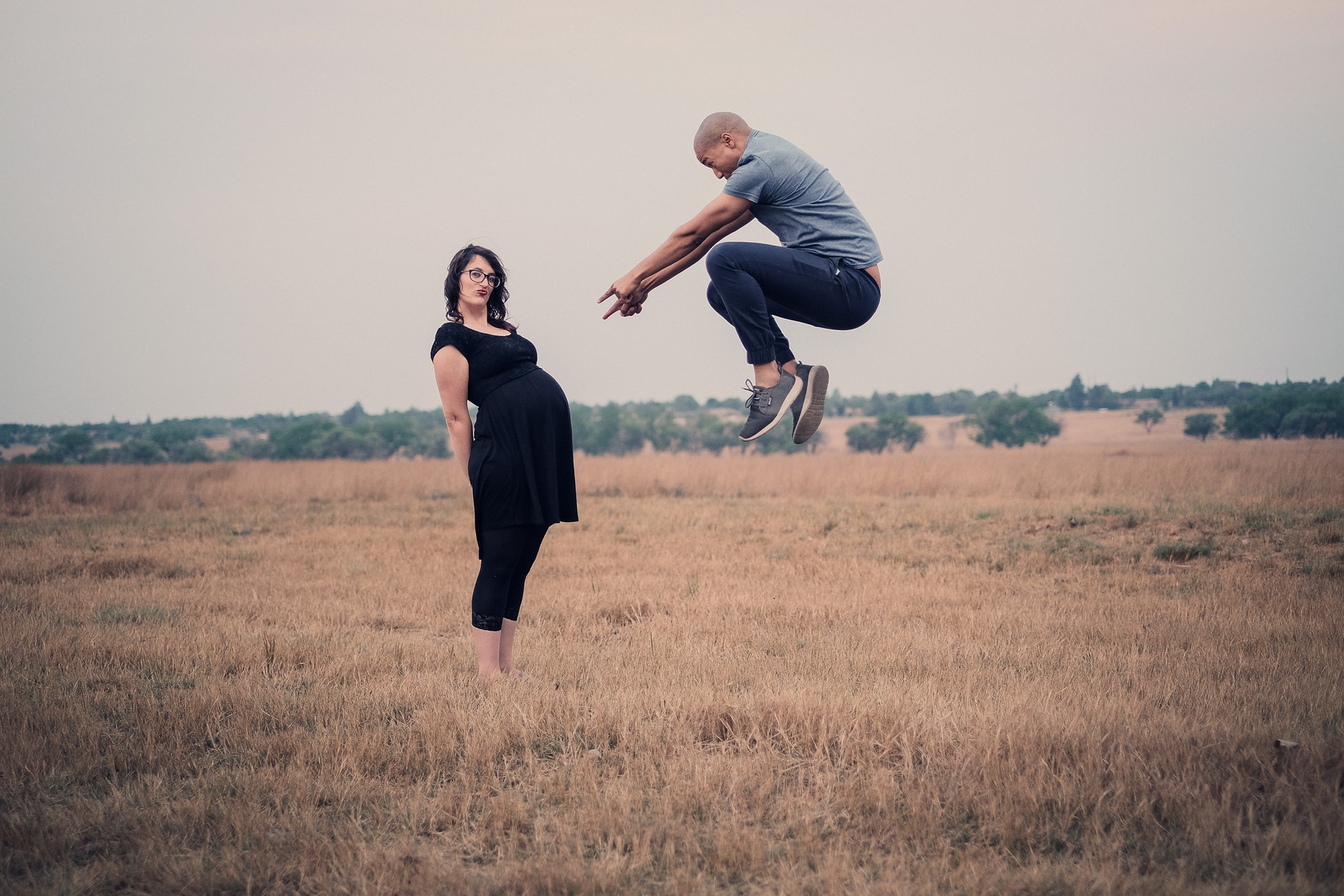
				 <p style="margin-top: 2.14286em;margin-bottom: 1.42857em;line-height: 1.28571em"><span style="font-size: 1em;font-weight: normal">Created by: CK-12/Adapted by: Christine Miller</span></p> <div class="wp-caption aligncenter" id="attachment_35" aria-describedby="caption-attachment-35" style="width: 400px"><img class="wp-image-35" src="http://humanbiology.pressbooks.tru.ca/wp-content/uploads/sites/6/2018/10/Pregnant-couple.jpg" alt="1.1.1" width="400" height="267" srcset="https://humanbiology.pressbooks.tru.ca/wp-content/uploads/sites/6/2018/10/Pregnant-couple.jpg 1950w, https://humanbiology.pressbooks.tru.ca/wp-content/uploads/sites/6/2018/10/Pregnant-couple-300x200.jpg 300w, https://humanbiology.pressbooks.tru.ca/wp-content/uploads/sites/6/2018/10/Pregnant-couple-768x512.jpg 768w, https://humanbiology.pressbooks.tru.ca/wp-content/uploads/sites/6/2018/10/Pregnant-couple-1024x683.jpg 1024w, https://humanbiology.pressbooks.tru.ca/wp-content/uploads/sites/6/2018/10/Pregnant-couple-65x43.jpg 65w, https://humanbiology.pressbooks.tru.ca/wp-content/uploads/sites/6/2018/10/Pregnant-couple-225x150.jpg 225w, https://humanbiology.pressbooks.tru.ca/wp-content/uploads/sites/6/2018/10/Pregnant-couple-350x233.jpg 350w" sizes="(max-width: 400px) 100vw, 400px" title="" /><div class="wp-caption-text" id="caption-attachment-35"><em>Figure 1.1.1 Excitement!</em></div></div> <h1 style="margin-top: 2.14286em;margin-bottom: 1.42857em;line-height: 1.28571em">Case Study: To Give a Shot or Not</h1> <p><span style="font-size: 1em">Samantha and</span>&nbsp;Aki are expecting their first child. They are excited for the baby to arrive, but they are nervous, too. Will the baby be healthy? Will they be good parents? It seems like there are&nbsp;a million decisions to&nbsp;make. Will Samantha breastfeed or will they use formula? Will they buy a crib or let the baby sleep in their bed? Samantha goes online to try to find some answers. She finds a website&nbsp;by&nbsp;an author who writes books&nbsp;about&nbsp;parenting. On this site, she reads an article that argues that children should not be given many&nbsp;standard childhood vaccines, including the measles, mumps, and rubella (MMR) vaccine.</p> <p>The article claims that the MMR vaccine has been proven to cause autism. It&nbsp;gives examples of&nbsp;three&nbsp;children who came down with autism-like symptoms shortly after their first MMR vaccination at&nbsp;one&nbsp;year of age. The author believes that the recent increase in the incidence of children diagnosed with autism-spectrum disorders is due to the fact that&nbsp;childhood vaccinations&nbsp;have also increased.</p> <p>Samantha is concerned. She does not want to create lifelong challenges for her child by increasing his risk of autism. Besides, aren’t diseases like measles, mumps, and rubella basically eradicated by now? Why should she&nbsp;endanger&nbsp;the health of her baby by injecting him with vaccines for diseases that are a thing of the past?</p> <div class="wp-caption alignright" id="attachment_36" aria-describedby="caption-attachment-36" style="width: 300px"><img class="wp-image-36 size-medium" title="Photo by Julie Johnson on Unsplash" src="http://humanbiology.pressbooks.tru.ca/wp-content/uploads/sites/6/2018/10/Newborn-300x200.jpg" alt="A sleeping infant swaddled in blankets." width="300" height="200" srcset="https://humanbiology.pressbooks.tru.ca/wp-content/uploads/sites/6/2018/10/Newborn-300x200.jpg 300w, https://humanbiology.pressbooks.tru.ca/wp-content/uploads/sites/6/2018/10/Newborn-768x512.jpg 768w, https://humanbiology.pressbooks.tru.ca/wp-content/uploads/sites/6/2018/10/Newborn-1024x682.jpg 1024w, https://humanbiology.pressbooks.tru.ca/wp-content/uploads/sites/6/2018/10/Newborn-65x43.jpg 65w, https://humanbiology.pressbooks.tru.ca/wp-content/uploads/sites/6/2018/10/Newborn-225x150.jpg 225w, https://humanbiology.pressbooks.tru.ca/wp-content/uploads/sites/6/2018/10/Newborn-350x233.jpg 350w, https://humanbiology.pressbooks.tru.ca/wp-content/uploads/sites/6/2018/10/Newborn.jpg 1351w" sizes="(max-width: 300px) 100vw, 300px" /><div class="wp-caption-text" id="caption-attachment-36"><em>Figure 1.1.2 When infants are too young to receive vaccinations, they are protected from contracting life-threatening diseases by the immunity of those around them who have received their vaccinations.</em></div></div> <p>Once baby James is born, Samantha and Aki bring him to the pediatrician’s office. Dr. Rodriguez says James needs some shots. Samantha is reluctant and shares what she&nbsp;read online. Dr. Rodriguez assures Samantha that&nbsp;the study that originally claimed a link between the MMR vaccine and autism has been found to be fraudulent, and that vaccines have repeatedly been demonstrated&nbsp;safe and effective in peer-reviewed studies.</p> <p>Although Samantha trusts her doctor, she is not fully convinced. What about the increase in the number of children with autism and the cases where symptoms of autism appeared after MMR vaccination? &nbsp;Samantha and Aki have a tough decision to make, but a better understanding of science can help them. In this chapter, you will learn about what science is (and what it is not), how it works, and how it relates to human health.&nbsp;At the end of this chapter, you will learn how Samantha and Aki use scientific evidence and reasoning to help them decide whether they should vaccinate their baby.</p> <div class="textbox shaded"><p>As you read this chapter, think about the following questions:</p> <ol><li>How&nbsp;do you think the quality of&nbsp;Samantha’s online source of information about vaccines compares&nbsp;to Dr. Rodriguez’s sources?</li> <li>Do you think the arguments presented here that claim that the MMR vaccine causes autism are scientifically valid? Could there be alternative explanations for the observations?</li> <li>Why do you think diseases like measles, polio, and mumps are rare these days? Why are we still vaccinating for these diseases?</li> </ol> </div> <div class="textbox textbox--learning-objectives"><div class="textbox__header"><h1 class="textbox__title"><span style="color: #ffffff">Chapter Overview: Science</span></h1> </div> <div class="textbox__content"><p>In this chapter, you will learn about the nature and process of science. Specifically, you will learn about:</p> <ul><li>What science is and the types of questions it can answer.</li> <li>How scientific knowledge advances through systematic and repeated experimentation and testing.</li> <li>How scientific ideas are open to revision, although sound scientific ideas can withstand repeated testing.</li> <li>What a scientific theory is and how it differs from&nbsp;common usage of the word “theory.”</li> <li>Examples of scientific breakthroughs in biology, including the development of the first vaccines, Mendel’s laws of inheritance, and the germ theory of disease.</li> <li>The scientific method, how it is used to answer scientific questions, and how it is often a nonlinear and iterative process.</li> <li>How scientific experiments are designed and carried out, including&nbsp;the use of&nbsp;controls,&nbsp;the manipulation of&nbsp;variables to test the effects on&nbsp;<em>other</em>&nbsp;variables, and ways to minimize sources of error.</li> <li>The importance of Traditional Ecological Knowledge and the ways in which knowledge can be collected and handed down through many generations.</li> <li>Characteristics of pseudoscience, which is defined as a claim, belief, or practice that is presented as scientific but does not adhere to scientific standards and methods.</li> </ul> </div> </div> <div class="textbox__header"><strong style="font-size: 1.424em">Attributions</strong></div> <p><strong>Figure 1.1.1</strong></p> <p><a href="https://unsplash.com/photos/yDJCs77BAu0" data-url="https://unsplash.com/photos/yDJCs77BAu0">&nbsp;Excitement</a> by <span class="_2aPXR"><a class="_3XzpS _1ByhS _4kjHg _1O9Y0 _3l__V _1CBrG xLon9" href="https://unsplash.com/@itsrandyrooi" data-url="https://unsplash.com/@itsrandyrooi">Randy Rooibaatjie</a></span> on <a href="https://unsplash.com/" data-url="https://unsplash.com/">Unsplash</a>, used under the <a href="https://unsplash.com/license" data-url="https://unsplash.com/license">Unsplash License</a> (https://unsplash.com/license).</p> <p><strong>Figure 1.1.2</strong></p> <p><a href="https://unsplash.com/photos/-MFnOGqXMwY" data-url="https://unsplash.com/photos/-MFnOGqXMwY">Baby in black and white swaddle blanket,</a> by <a href="https://unsplash.com/@thirdwheelphoto" data-url="https://unsplash.com/@thirdwheelphoto">Julie Johnson</a> on <a href="https://unsplash.com/" data-url="https://unsplash.com/">Unsplash</a>, used under the <a href="https://unsplash.com/license" data-url="https://unsplash.com/license">Unsplash License</a> (https://unsplash.com/license).</p> 
	</div>


	</div>
<div class="chapter standard " id="chapter-slug-1-2-what-is-science" title="1.2 What is Science?">
	<div class="chapter-title-wrap">
		<p class="chapter-number">1</p>
		<h1 class="chapter-title">1.2 What is Science?</h1>
								</div>
	<div class="ugc chapter-ugc">
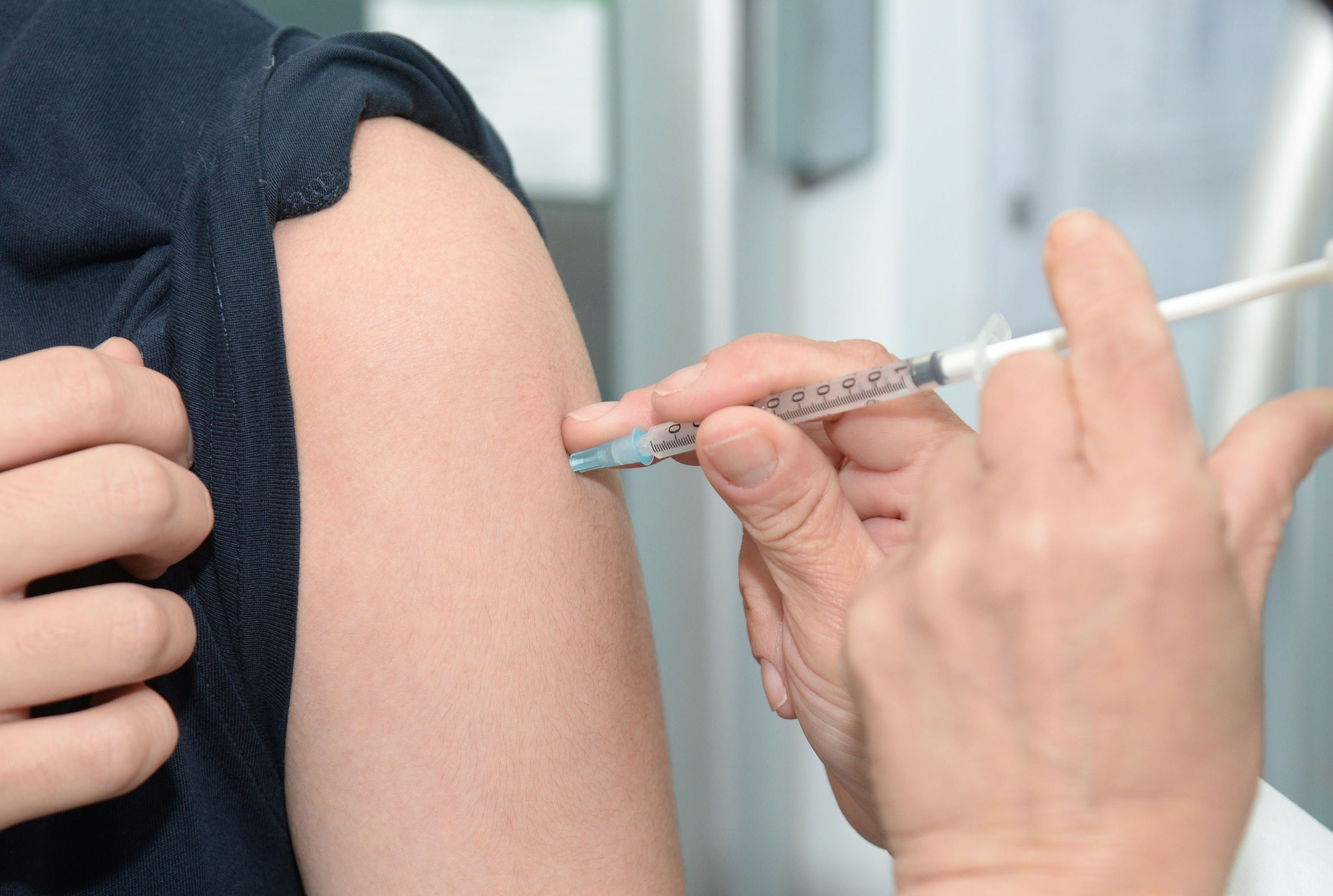
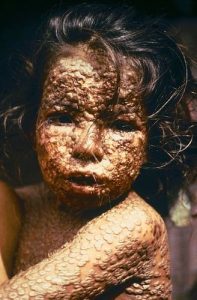
				 <p style="margin-top: 2.14286em;margin-bottom: 1.42857em;line-height: 1.28571em">Created by:&nbsp;CK-12/Adapted by: Christine Miller</p> <div class="wp-caption aligncenter" id="attachment_37" aria-describedby="caption-attachment-37" style="width: 400px"><img class="wp-image-37" src="http://humanbiology.pressbooks.tru.ca/wp-content/uploads/sites/6/2018/10/vaccine.jpg" alt="1.2.1 Vaccine" width="400" height="269" srcset="https://humanbiology.pressbooks.tru.ca/wp-content/uploads/sites/6/2018/10/vaccine.jpg 3000w, https://humanbiology.pressbooks.tru.ca/wp-content/uploads/sites/6/2018/10/vaccine-300x202.jpg 300w, https://humanbiology.pressbooks.tru.ca/wp-content/uploads/sites/6/2018/10/vaccine-768x516.jpg 768w, https://humanbiology.pressbooks.tru.ca/wp-content/uploads/sites/6/2018/10/vaccine-1024x688.jpg 1024w, https://humanbiology.pressbooks.tru.ca/wp-content/uploads/sites/6/2018/10/vaccine-65x44.jpg 65w, https://humanbiology.pressbooks.tru.ca/wp-content/uploads/sites/6/2018/10/vaccine-225x151.jpg 225w, https://humanbiology.pressbooks.tru.ca/wp-content/uploads/sites/6/2018/10/vaccine-350x235.jpg 350w" sizes="(max-width: 400px) 100vw, 400px" title="" /><div class="wp-caption-text" id="caption-attachment-37"><em>Figure 1.2.1 Getting vaccinated.</em></div></div> <h1 style="margin-top: 2.14286em;margin-bottom: 1.42857em;line-height: 1.28571em"><strong>Ouch!</strong></h1> <p>The person in Figure 1.2.1 is getting a flu vaccine. You probably know that getting a vaccine can hurt — but it’s usually worth it. A vaccine contains dead or altered forms of germs that normally cause a disease, such as flu or measles. The germs in vaccines have been inactivated or weakened so they can no longer cause illness, but are still “noticed” by the immune system.</p> <p>They stimulate the immune system to produce chemicals that can kill the&nbsp;<em>actual</em>&nbsp;germs if they enter the body, thus preventing future disease. How was such an ingenious way to prevent disease discovered? The short answer is more than two centuries of science.</p> <div><div class="wp-caption alignright" id="attachment_40" aria-describedby="caption-attachment-40" style="width: 236px"><img class="wp-image-40" title="Photo in the Public Domain, from the Centre for Disease Control and Prevention, ID#3265" src="http://humanbiology.pressbooks.tru.ca/wp-content/uploads/sites/6/2018/10/Smallpox-197x300.jpg" alt="A young child in Bangladesh is covered with skin lesions from smallpox. The scarring covers the child&amp;#039;s face, including lips and eyelids, as well as the torso and arms." width="236" height="359" srcset="https://humanbiology.pressbooks.tru.ca/wp-content/uploads/sites/6/2018/10/Smallpox-197x300.jpg 197w, https://humanbiology.pressbooks.tru.ca/wp-content/uploads/sites/6/2018/10/Smallpox-65x99.jpg 65w, https://humanbiology.pressbooks.tru.ca/wp-content/uploads/sites/6/2018/10/Smallpox-225x343.jpg 225w, https://humanbiology.pressbooks.tru.ca/wp-content/uploads/sites/6/2018/10/Smallpox.jpg 328w" sizes="(max-width: 236px) 100vw, 236px" /><div class="wp-caption-text" id="caption-attachment-40"><em>Figure 1.2.2 A young child in Bangladesh is covered with skin lesions from smallpox. Until it was eradicated, this highly contagious infection caused many deaths, and those that survived were often severely scarred for life.</em></div></div> <h1>Science as Process</h1> </div> <p>You may think of <strong><span class="glossary-term">science</span></strong> as a large and detailed body of knowledge, but science is also the process by which this knowledge is obtained.&nbsp;Science&nbsp;uses&nbsp;experimentation, evidence, and logic to continuously test ideas. Over time and through repeated experimentation&nbsp;and testing, scientific knowledge advances.</p> <p>We’ve been accumulating knowledge of vaccines for more than two centuries.&nbsp;The discovery of the first vaccine, as well as the process of vaccination, dates back to 1796. An English doctor named <a href="https://en.wikipedia.org/wiki/Edward_Jenner" target="_blank" rel="noopener noreferrer" data-url="https://en.wikipedia.org/wiki/Edward_Jenner">Edward Jenner</a> observed that people who became infected with cowpox did not get sick from smallpox, a similar but much more severe disease (Figure 1.2.2). Jenner decided to transmit cowpox to a young boy to see if it would protect him from smallpox. He gave the boy cowpox by scratching liquid from cowpox sores into the boy’s skin. Then, six weeks later, he scratched liquid from smallpox sores into the boy’s skin. As Jenner predicted, the boy did not get sick from smallpox. Jenner had discovered the first vaccine, although additional testing was needed to show that it really was effective.</p> <p>Almost a century passed before the next vaccine was discovered, a vaccine for cholera in 1879. Around the same time, French chemist <a href="https://en.wikipedia.org/wiki/Louis_Pasteur" target="_blank" rel="noopener noreferrer" data-url="https://en.wikipedia.org/wiki/Louis_Pasteur">Louis Pasteur</a> found evidence that many human diseases are caused by germs, which earned&nbsp;him&nbsp;the title of “father of germ theory.” Since Pasteur’s time, vaccines have been discovered for scores of additional diseases caused by germs, and scientists are currently researching vaccines for many others.</p> <div><h1>Benefits of Science</h1> </div> <p>Medical advances such as the discovery of vaccines are one of the most important benefits of science, but science and scientific knowledge are also crucial for most other human endeavors. Science is needed to design safe cars, predict storms, control&nbsp;global warming, develop new technologies of many kinds, help couples have children, and put humans on the moon. Clearly, the diversity of applications of scientific knowledge is vast!</p> <p>&nbsp;</p> <div><div class="textbox textbox--key-takeaways"><div class="textbox__header"><h1 class="textbox__title"><span style="color: #ffffff">1.2 Summary</span></h1> </div> <div class="textbox__content"><ul><li>Science is a large and detailed body of knowledge. It is also the process by which this knowledge is obtained.</li> <li>Science&nbsp;uses&nbsp;experimentation, evidence, and logic to continuously test ideas. Over time and&nbsp;through&nbsp;repeated experimentation&nbsp;and testing, scientific knowledge advances.</li> <li>Medical advances such as the&nbsp;development&nbsp;of vaccines are one of the most important benefits of science, but science and scientific knowledge are also crucial for most other human endeavors.</li> </ul> </div> </div> <div class="textbox textbox--exercises"><div class="textbox__header"><h1 class="textbox__title"><span style="color: #ffffff">1.2 Review Questions</span></h1> </div> <div class="textbox__content"><ol><li>Explain why science is considered both a process&nbsp;and&nbsp;a body of knowledge.</li> <li>State three specific examples of human endeavors that are based on scientific knowledge.</li> <li>How does science influence your daily life?</li> <li>Jenner used a young boy as a&nbsp;research&nbsp;subject in his smallpox vaccine research. Today, scientists must follow strict guidelines when using human subjects in their research. What unique concerns do you think might arise when human beings are used as research subjects?</li> <li>What gave Jenner the idea to develop a vaccine for smallpox?</li> <li>Why do you think almost a century passed between the&nbsp;development&nbsp;of the first vaccine (for smallpox) and the development of the next vaccine (for cholera)</li> </ol> </div> </div> </div> <div class="textbox textbox--examples"><div class="textbox__header"><h1 class="textbox__title"><span style="color: #ffffff">1.2 Explore More</span></h1> </div> <div class="textbox__content"><p>https://www.youtube.com/watch?time_continue=1&amp;v=yqUFy-t4MlQ&amp;feature=emb_logohttps://www.ted.com/talks/uri_alon_why_science_demands_a_leap_into_the_unknown?language=en</p> <p style="text-align: center">How we conquered the deadly smallpox virus – Simona Zompi, TED-Ed, 2013.</p> <p class="textbox__title"></p></div> </div> <h2 id="x-ck12-YzhkZDM1NjIyZWY2OTkxNDVlODQ3NzVmZGJkNzkyYmY.-wlj"><strong>Attributions</strong></h2> <p><strong>Figure 1.2.1</strong></p> <p><a href="https://unsplash.com/photos/a1p0Z7RSkL8" data-url="https://unsplash.com/photos/a1p0Z7RSkL8">Vacina, centro de vacinação</a>, by <span class="_2aPXR"><a href="https://unsplash.com/@hyttalosouza" data-url="https://unsplash.com/@hyttalosouza">Hyttalo Souza</a>&nbsp;on <a href="https://unsplash.com/" data-url="https://unsplash.com/">Unsplash</a>, used under the <a href="https://unsplash.com/license" data-url="https://unsplash.com/license">Unsplash License</a> (https://unsplash.com/license).&nbsp;</span></p> <p><strong>Figure 1.2.2</strong></p> <p><a href="https://phil.cdc.gov/details.aspx?pid=3265" data-url="https://phil.cdc.gov/details.aspx?pid=3265">Child with Smallpox/ID#3265</a>, by CDC/ James Hicks, from the&nbsp;Centre for Disease Control and Prevention, is in the <a href="https://commons.wikimedia.org/wiki/Commons:Licensing#Material_in_the_public_domain" data-url="https://commons.wikimedia.org/wiki/Commons:Licensing#Material_in_the_public_domain">public domain</a> (https://en.wikipedia.org/wiki/Public_domain).</p> <h2><strong>References</strong></h2> <p class="hanging-indent">TED-Ed. (2013, October 28). How we conquered the deadly smallpox virus – Simona Zompi.&nbsp; YouTube. https://www.youtube.com/watch?v=yqUFy-t4MlQ&amp;feature=youtu.be</p> <p class="hanging-indent">Wikipedia contributors. (2020, August 9). Edward Jenner. In&nbsp;<i>Wikipedia. </i>https://en.wikipedia.org/w/index.php?title=Edward_Jenner&amp;oldid=971970576</p> <p class="hanging-indent">Wikipedia contributors. (2020, August 5). Louis Pasteur. In&nbsp;<i>Wikipedia. </i>&nbsp;https://en.wikipedia.org/w/index.php?title=Louis_Pasteur&amp;oldid=971330056</p> <p>&nbsp;</p> <p>&nbsp;</p> 
	</div>


	</div>
<div class="chapter standard " id="chapter-slug-1-3-the-nature-of-science-2" title="1.3 The Nature of Science">
	<div class="chapter-title-wrap">
		<p class="chapter-number">2</p>
		<h1 class="chapter-title">1.3 The Nature of Science</h1>
								</div>
	<div class="ugc chapter-ugc">
				 <div><p><span style="text-align: initial;font-size: 1em">Created by:&nbsp;CK-12/Adapted by: Christine Miller</span></p> <p><img class="wp-image-41 aligncenter" title="CC0 1.0 Universal (CC0 1.0) from openclipart.org" src="http://humanbiology.pressbooks.tru.ca/wp-content/uploads/sites/6/2018/10/Question-Guy-271x300.png" alt="Clip art of a person thinking with a thought bubble filled with question marks." width="166" height="184" srcset="https://humanbiology.pressbooks.tru.ca/wp-content/uploads/sites/6/2018/10/Question-Guy-271x300.png 271w, https://humanbiology.pressbooks.tru.ca/wp-content/uploads/sites/6/2018/10/Question-Guy-65x72.png 65w, https://humanbiology.pressbooks.tru.ca/wp-content/uploads/sites/6/2018/10/Question-Guy-225x249.png 225w, https://humanbiology.pressbooks.tru.ca/wp-content/uploads/sites/6/2018/10/Question-Guy-350x387.png 350w, https://humanbiology.pressbooks.tru.ca/wp-content/uploads/sites/6/2018/10/Question-Guy.png 695w" sizes="(max-width: 166px) 100vw, 166px" /></p> <h1 style="margin-top: 2.14286em;margin-bottom: 1.42857em;line-height: 1.28571em"><span style="text-align: initial;font-size: 1em"><span style="font-size: 22.784px">Defining Science</span></span></h1> </div> <p><strong><span class="glossary-term">Science</span></strong>&nbsp;is a distinctive way of gaining knowledge about the natural world that starts with a question and then tries to answer the question&nbsp;using&nbsp;evidence and logic.&nbsp;It&nbsp;is an exciting exploration of all the whys and hows that any curious person might&nbsp;ask&nbsp;about the world. You can be part of that exploration! Besides your curiosity, all you need is a basic understanding of how scientists think and how <span class="glossary-term">science</span> is done. In this concept, you’ll learn how to think like a scientist.</p> <h2><span style="font-size: 1em;font-weight: bold">Thinking Like a Scientist</span></h2> <p>Thinking like a scientist rests on certain underlying assumptions. Scientists assume that:</p> <p>&nbsp;</p> <div><img class="aligncenter wp-image-1856" src="http://humanbiology.pressbooks.tru.ca/wp-content/uploads/sites/6/2019/06/Thinking-like-a-scientist.png" alt="" width="300" height="300" srcset="https://humanbiology.pressbooks.tru.ca/wp-content/uploads/sites/6/2019/06/Thinking-like-a-scientist.png 345w, https://humanbiology.pressbooks.tru.ca/wp-content/uploads/sites/6/2019/06/Thinking-like-a-scientist-150x150.png 150w, https://humanbiology.pressbooks.tru.ca/wp-content/uploads/sites/6/2019/06/Thinking-like-a-scientist-300x300.png 300w, https://humanbiology.pressbooks.tru.ca/wp-content/uploads/sites/6/2019/06/Thinking-like-a-scientist-65x65.png 65w, https://humanbiology.pressbooks.tru.ca/wp-content/uploads/sites/6/2019/06/Thinking-like-a-scientist-225x225.png 225w" sizes="(max-width: 300px) 100vw, 300px" title="" /></div> <h2>Nature Is&nbsp;Understandable</h2> <p>Scientists think of nature as a single system controlled by natural laws. By discovering natural laws, scientists strive to increase their understanding of the natural world. Laws of nature are expressed as scientific laws. A&nbsp;<strong><span class="glossary-term">scientific law</span></strong>&nbsp;is a statement that describes what always happens under certain conditions in nature.</p> <h2>Scientific Ideas Are Open to&nbsp;Change</h2> <p>Science is&nbsp;both&nbsp;a process&nbsp;and&nbsp;body of knowledge.&nbsp;Scientific knowledge is generated through systematic processes, such as&nbsp;<span class="glossary-term"><strong>observation</strong></span>&nbsp;and experimentation.&nbsp;Scientists are always testing and revising their ideas, and as new observations are made, existing ideas may be challenged. Ideas may be replaced with new ideas that better fit the facts, but more often, existing ideas are simply revised. Through many new discoveries over time, scientists gradually build an increasingly accurate and detailed understanding of the natural world.</p> <h2>Scientific Knowledge May Be Long Lasting</h2> <p>Many scientific ideas have&nbsp;stood&nbsp;the test of time. About 200 years ago, the scientist <a href="https://en.wikipedia.org/wiki/John_Dalton" data-url="https://en.wikipedia.org/wiki/John_Dalton">John Dalton</a> proposed atomic theory — the theory that all matter is made of tiny particles called atoms. This theory is still valid today. During the two centuries since the theory was first proposed,&nbsp;scientists have&nbsp;learned a lot more about atoms and the even smaller particles&nbsp;that compose them. Nonetheless, the idea that all matter consists of atoms remains valid. There are many other examples of basic&nbsp;scientific&nbsp;ideas that have been tested repeatedly and proven sound. You will learn about many of them as you study human biology.</p> <h2>Not All Questions Can be Answered by Science</h2> <p><strong><span class="glossary-term">Science</span></strong> rests on evidence and logic, and evidence comes from observations. Therefore, science deals only with things that can be observed. An&nbsp;<strong><span class="glossary-term">observation</span></strong>&nbsp;is anything that is detected through human&nbsp;senses&nbsp;or with instruments or&nbsp;measuring devices that extend human&nbsp;senses. Things that cannot be observed or measured by&nbsp;current&nbsp;means — such as supernatural beings or events — are outside the bounds of science. Consider these two questions about life on Earth:</p> <ul><li>Did life on Earth evolve over time?</li> <li>How did life on Earth originate?</li> </ul> <p>The first question can be answered by science on the basis of scientific evidence (such as&nbsp;fossils&nbsp;and logical arguments). The second question could be a matter of belief, but no evidence can be gathered to support or refute it. Therefore, it is outside the realm of science.</p> <div><div class="textbox textbox--key-takeaways"><div class="textbox__header"><h1 class="textbox__title"><span style="color: #ffffff">1.3 Summary</span></h1> </div> <div class="textbox__content"><ul><li>Science is a distinctive way of gaining knowledge about the natural world that tries to answer questions&nbsp;using&nbsp;evidence and logic.</li> <li>Scientists assume that nature can be understood&nbsp;through systematic study.</li> <li>Scientific ideas are open to revision.</li> <li>Sound scientific ideas withstand the test of time.</li> <li>Science cannot provide answers to all of our questions.</li> </ul> </div> </div> <div class="textbox textbox--exercises"><div class="textbox__header"><h1 class="textbox__title"><span style="color: #ffffff">1.3 Review Questions</span></h1> </div> <div class="textbox__content"><ol><li>Define science.</li> <li>What is the general goal of science?</li> <li><div class="textbox interactive-content"><span class="interactive-content__icon"></span> <p>An interactive H5P element has been excluded from this version of the text. You can view it online here:<br /> <a href="https://humanbiology.pressbooks.tru.ca/?p=467#h5p-46" title="Nature of Science" data-url="https://humanbiology.pressbooks.tru.ca/?p=467#h5p-46">https://humanbiology.pressbooks.tru.ca/?p=467#h5p-46</a> </p> </div> </li> <li>Identify four basic assumptions that scientists make when they study the natural world.</li> <li>Do observations in science have to be made by the naked eye? Can you think of a way in which scientists might be able to make observations about something they cannot directly see?</li> <li>If something cannot be observed, can it be tested scientifically? Explain your reasoning.</li> <li>Scientific knowledge builds upon itself. Give an example of a scientific idea from the reading where the initial idea&nbsp;developed further&nbsp;as science advanced.</li> <li>Discuss this statement: “Scientific ideas are always changing, so they can’t be trusted.” Do you think this is true?</li> <li>Why do you think that scientific knowledge expands as technology becomes more advanced?</li> </ol> </div> </div> <div class="textbox textbox--examples"><div class="textbox__header"><h1 class="textbox__title">1.3 Explore More</h1> </div> <div class="textbox__content"><div class="textbox interactive-content interactive-content--oembed"><span class="interactive-content__icon"></span> <p>One or more interactive elements has been excluded from this version of the text. You can view them online here: <a href="#oembed-2" title="Nature of Science" data-url="https://humanbiology.pressbooks.tru.ca/?p=467#oembed-2">https://humanbiology.pressbooks.tru.ca/?p=467#oembed-2</a> </p> </div> <p style="text-align: center">Nature of Science with the Ameoba Sisters, 2019.</p> </div> </div> <p>&nbsp;</p> </div> <div><h2><strong>References</strong></h2> <p class="hanging-indent">Amoeba Sisters. (2019, Jun 6). Nature of science with Ameoba Sisters. YouTube. https://www.youtube.com/watch?v=3nAETHZTObk</p> <p class="hanging-indent">Wikipedia contributors. (2020, July 25). John Dalton. In&nbsp;<i>Wikipedia. </i>&nbsp;https://en.wikipedia.org/w/index.php?title=John_Dalton&amp;oldid=969425891</p> <p>&nbsp;</p> </div> 
	</div>


	</div>
<div class="chapter standard " id="chapter-slug-1-4-scientific-investigations" title="1.4 Scientific Investigations">
	<div class="chapter-title-wrap">
		<p class="chapter-number">3</p>
		<h1 class="chapter-title">1.4 Scientific Investigations</h1>
								</div>
	<div class="ugc chapter-ugc">
				 <div><p><span style="text-align: initial;font-size: 1em">Created by:&nbsp;CK-12/Adapted by: Christine Miller</span></p> <h1 style="margin-top: 2.14286em;margin-bottom: 1.42857em;line-height: 1.28571em">“Doing” Science</h1> </div> <p>Science is as much about doing&nbsp;as&nbsp;knowing. Scientists are always trying to learn more and gain a better understanding of the natural world. There are basic methods of gaining knowledge that are common to all of science. At the&nbsp;heart&nbsp;of science is the scientific investigation. A&nbsp;<strong><span class="glossary-term">scientific investigation</span></strong>&nbsp;is a systematic approach to answering questions about the physical and natural world.&nbsp;Scientific investigations can be observational&nbsp;—&nbsp; for example, observing a cell under a&nbsp;microscope&nbsp;and recording detailed descriptions. Other scientific investigations&nbsp;are&nbsp;experimental — for example, treating a cell with a drug while recording changes in the behavior of the cell.</p> <p>The flow chart below&nbsp;shows the typical steps followed in an experimental&nbsp;scientific investigation.&nbsp;The series of steps shown in the flow chart is frequently referred to as the&nbsp;<strong><span class="glossary-term">scientific method</span>.</strong>&nbsp;Science textbooks often present this simple, linear “recipe” for a scientific investigation. This is an oversimplification of how science is actually done, but it&nbsp;does highlight the basic plan and purpose of&nbsp;an experimental&nbsp;scientific investigation: testing ideas with evidence. Each of the steps in the flow chart is discussed in greater detail below.</p> <div class="wp-caption alignleft" id="attachment_45" aria-describedby="caption-attachment-45" style="width: 300px"><img class="wp-image-45 size-medium" title="By Thebiologyprimer [CC0], from Wikimedia Commons" src="http://humanbiology.pressbooks.tru.ca/wp-content/uploads/sites/6/2018/10/The_Scientific_Method_simple-300x280.png" alt="Diagram shows the scientific cycle arranged in a circular formation: Observation, questions, hypothesis, experiment, analysis, conclusion and then returning to observation again." width="300" height="280" srcset="https://humanbiology.pressbooks.tru.ca/wp-content/uploads/sites/6/2018/10/The_Scientific_Method_simple-300x280.png 300w, https://humanbiology.pressbooks.tru.ca/wp-content/uploads/sites/6/2018/10/The_Scientific_Method_simple-65x61.png 65w, https://humanbiology.pressbooks.tru.ca/wp-content/uploads/sites/6/2018/10/The_Scientific_Method_simple-225x210.png 225w, https://humanbiology.pressbooks.tru.ca/wp-content/uploads/sites/6/2018/10/The_Scientific_Method_simple-350x327.png 350w, https://humanbiology.pressbooks.tru.ca/wp-content/uploads/sites/6/2018/10/The_Scientific_Method_simple.png 468w" sizes="(max-width: 300px) 100vw, 300px" /><div class="wp-caption-text" id="caption-attachment-45"><em>Figure 1.4.1 The Scientific Method is a never ending cycle.</em></div></div> <p><strong><span class="glossary-term">Science</span></strong> is actually a complex endeavor that cannot be reduced to a single, linear sequence of steps, like the instructions on a package of cake mix. Real science is nonlinear, iterative (repetitive), creative, unpredictable, and exciting. Scientists often undertake the steps of an investigation in a different sequence, or they repeat the same steps many times as they gain more information and develop new ideas. Scientific investigations often raise new questions as old ones are answered. Successive investigations may address the same questions, but at ever deeper levels. Alternatively, an investigation might lead to an unexpected&nbsp;observation that sparks a new question and takes the&nbsp;research&nbsp;in a completely different direction.</p> <p>Knowing how scientists “do” science can help you in your everyday life, even if you aren’t a scientist. Some steps of the scientific process&nbsp;—&nbsp;such as asking questions and evaluating evidence&nbsp;—&nbsp;can be applied to answering real-life questions and solving practical problems.</p> <div><h1>Making Observations</h1> </div> <div class="wp-caption alignright" id="attachment_46" aria-describedby="caption-attachment-46" style="width: 300px"><img class="wp-image-46 size-medium" title="Photo by rawpixel on Unsplash" src="http://humanbiology.pressbooks.tru.ca/wp-content/uploads/sites/6/2018/10/Xray-300x141.jpg" alt="A health professional viewing an xray." width="300" height="141" srcset="https://humanbiology.pressbooks.tru.ca/wp-content/uploads/sites/6/2018/10/Xray-300x141.jpg 300w, https://humanbiology.pressbooks.tru.ca/wp-content/uploads/sites/6/2018/10/Xray-768x360.jpg 768w, https://humanbiology.pressbooks.tru.ca/wp-content/uploads/sites/6/2018/10/Xray-1024x480.jpg 1024w, https://humanbiology.pressbooks.tru.ca/wp-content/uploads/sites/6/2018/10/Xray-65x30.jpg 65w, https://humanbiology.pressbooks.tru.ca/wp-content/uploads/sites/6/2018/10/Xray-225x106.jpg 225w, https://humanbiology.pressbooks.tru.ca/wp-content/uploads/sites/6/2018/10/Xray-350x164.jpg 350w" sizes="(max-width: 300px) 100vw, 300px" /><div class="wp-caption-text" id="caption-attachment-46"><em>Figure 1.4.2 Health professionals use many tools in order to make observations.</em></div></div> <p>Testing an idea typically begins with observations. An&nbsp;<strong><span class="glossary-term">observation</span></strong> is anything that is detected through human senses or with instruments or measuring devices that enhance human senses. We usually think of observations as things we see with our eyes, but we can also make observations with our sense of touch, smell, taste, or hearing. In addition, we can extend and improve our own senses with instruments such as thermometers and microscopes. Other instruments can be used to sense things that human senses cannot detect at all, such as ultraviolet light or radio waves.</p> <div class="wp-caption alignleft" id="attachment_47" aria-describedby="caption-attachment-47" style="width: 300px"><img class="wp-image-47 size-medium" title="Photo by Ministry of Information Photo Division Photographer [Public domain], via Wikimedia Commons" src="http://humanbiology.pressbooks.tru.ca/wp-content/uploads/sites/6/2018/10/Alexander-Flemming-300x251.jpg" alt="A black and white photo of Alexander Fleming examining bacterial growth on a petri dish." width="300" height="251" srcset="https://humanbiology.pressbooks.tru.ca/wp-content/uploads/sites/6/2018/10/Alexander-Flemming-300x251.jpg 300w, https://humanbiology.pressbooks.tru.ca/wp-content/uploads/sites/6/2018/10/Alexander-Flemming-65x54.jpg 65w, https://humanbiology.pressbooks.tru.ca/wp-content/uploads/sites/6/2018/10/Alexander-Flemming-225x188.jpg 225w, https://humanbiology.pressbooks.tru.ca/wp-content/uploads/sites/6/2018/10/Alexander-Flemming-350x293.jpg 350w, https://humanbiology.pressbooks.tru.ca/wp-content/uploads/sites/6/2018/10/Alexander-Flemming.jpg 500w" sizes="(max-width: 300px) 100vw, 300px" /><div class="wp-caption-text" id="caption-attachment-47"><em>Figure 1.4.3 Alexander Fleming examining bacterial growth.</em></div></div> <p>Sometimes, chance observations lead to important scientific discoveries. One such&nbsp;observation&nbsp;was made by the Scottish biologist <a href="https://en.wikipedia.org/wiki/Alexander_Fleming" target="_blank" rel="noopener noreferrer" data-url="https://en.wikipedia.org/wiki/Alexander_Fleming">Alexander Fleming</a> (pictured&nbsp;below) in the 1920s. Fleming’s name may sound familiar to you because he is famous for&nbsp;a&nbsp;major&nbsp;discovery. Fleming had been growing a certain type of&nbsp;bacteria&nbsp;on glass plates in his lab when he noticed that one of the plates&nbsp;was&nbsp;contaminated with&nbsp;mold. On closer examination, Fleming observed that the area around the mold was free of&nbsp;bacteria.</p> <h1>Asking Questions</h1> <p>Observations often lead to interesting questions. This is especially true if the observer is thinking like a scientist. Having scientific training and knowledge is also useful. Relevant background knowledge and logical thinking help make sense of observations so the observer can form particularly salient questions. Fleming, for example, wondered whether the&nbsp;mold&nbsp;—&nbsp;or some substance it produced&nbsp;—&nbsp;had killed&nbsp;bacteria&nbsp;on the plate. Fortunately for us, Fleming didn’t just throw out the mold-contaminated plate. Instead, he investigated his question and in so doing, discovered the antibiotic penicillin.</p> <div><h1>Hypothesis&nbsp;Formation</h1> </div> <p>Typically, the next step in a scientific investigation is to form a&nbsp;hypothesis. A&nbsp;<strong><span class="glossary-term">hypothesis</span></strong>&nbsp;is a possible answer to a scientific question. But it isn’t just&nbsp;<em>any</em>&nbsp;answer. A hypothesis must be based on scientific knowledge. In other words, it shouldn’t be at odds with what is already known about the natural world. A hypothesis also must be logical, and it is beneficial if the hypothesis is relatively simple. In addition, to be useful in science, a hypothesis must be testable and <span class="glossary-term"><strong>falsifiable</strong></span>. In other words, it must be possible to subject the hypothesis to a test that generates evidence for or against it. It must also be possible to make observations that would disprove the hypothesis if it really is false.</p> <p>For example,&nbsp;Fleming’s hypothesis might have been:&nbsp;“A particular kind of bacteria growing on a plate will die when exposed to a particular kind of&nbsp;mold.”&nbsp;The hypothesis is logical and based directly on observations. The hypothesis is also simple,&nbsp;involving just one type each of mold and bacteria growing on a plate. In addition, hypotheses are subject to “if/then” conditions.&nbsp;Thus, Fleming might have stated, “If a certain type of mold is introduced to a particular kind of bacteria growing on a plate, then the bacteria will die.” This makes&nbsp;the hypothesis&nbsp;easy to test and ensures that it is falsifiable. If the bacteria were to grow in the presence of the mold, it would disprove the hypothesis (assuming the hypothesis is really false).</p> <div><h1>Hypothesis Testing</h1> </div> <p>Hypothesis testing is at the&nbsp;heart&nbsp;of&nbsp;the scientific method. How would Fleming test his hypothesis? He would gather relevant data as evidence.&nbsp;<strong><span class="glossary-term">Evidence</span></strong>&nbsp;is any type of data that may be used to test a hypothesis.&nbsp;<strong><span class="glossary-term">Data</span></strong>&nbsp;(singular, datum)&nbsp;are essentially just observations. The observations may be measurements in an&nbsp;experiment&nbsp;or just something the researcher notices. Testing a hypothesis then involves using the data to answer two basic questions:</p> <ol><li>If my hypothesis is true, what would I expect to observe?</li> <li>Does what I actually observe match what I expected to observe?</li> </ol> <p>A hypothesis is supported if the actual observations (data) match the expected observations. A hypothesis is refuted if the actual observations differ from the expected observations.</p> <p>The scientific method is employed by scientists around the world, but it is not always conducted in the order above. Sometimes,&nbsp;hypothesis&nbsp;are formulated before observations are collected; sometimes observations are made before hypothesis are created. Regardless, it is important that scientists record their procedures carefully, allowing others to reproduce and verify the experimental data and results. After many experiments provide results supporting a hypothesis, the hypothesis becomes a&nbsp;<strong><span class="glossary-term">theory</span></strong>.&nbsp;Theories&nbsp;remain theories forever, and are constantly being retested with every&nbsp;experiment&nbsp;and&nbsp;observation. Theories can never become fact or&nbsp;<strong><span class="glossary-term">law</span></strong>.</p> <p>In science, a law is a mathematical relationship that exists between observations under a given set of conditions. There is a fundamental difference between observations of the physical world and explanations of the nature of the physical world. Hypotheses and&nbsp;theories&nbsp;are explanations, whereas laws and measurements are observational</p> <div><div class="textbox textbox--key-takeaways"><div class="textbox__header"><h1 class="textbox__title"><span style="color: #ffffff">1.4 Summary</span></h1> </div> <div class="textbox__content"><ul><li>The scientific method consists of making observations, formulating a hypothesis, testing the hypothesis with new observations, making a new hypothesis if the new observations contradict the old hypothesis, or continuing to test the hypothesis if the observations agree.</li> <li>A hypothesis is a tentative explanation that can be tested by further&nbsp;observation.</li> <li>A theory is a hypothesis that has been supported with repeated testing.</li> <li>A&nbsp;scientific law&nbsp;is a statement that summarizes the results of many observations.</li> <li>Experimental data must be verified by&nbsp;reproduction&nbsp;from other scientists.</li> <li>Theories must agree with all observations made on the phenomenon under study.</li> <li>Theories are continually tested, forever.</li> </ul> </div> </div> <div class="textbox textbox--exercises"><div class="textbox__header"><h1 class="textbox__title"><span style="color: #ffffff">1.4 Review Questions</span></h1> </div> <div class="textbox__content"><div class="textbox interactive-content"><span class="interactive-content__icon"></span> <p>An interactive H5P element has been excluded from this version of the text. You can view it online here:<br /> <a href="https://humanbiology.pressbooks.tru.ca/?p=469#h5p-2" title="Steps in the Scientific Method - Order the pictures" data-url="https://humanbiology.pressbooks.tru.ca/?p=469#h5p-2">https://humanbiology.pressbooks.tru.ca/?p=469#h5p-2</a> </p> </div> </div> <div>&nbsp; &nbsp; &nbsp; &nbsp; <div class="textbox interactive-content"><span class="interactive-content__icon"></span> <p>An interactive H5P element has been excluded from this version of the text. You can view it online here:<br /> <a href="https://humanbiology.pressbooks.tru.ca/?p=469#h5p-9" title="Science Terms Flashcards" data-url="https://humanbiology.pressbooks.tru.ca/?p=469#h5p-9">https://humanbiology.pressbooks.tru.ca/?p=469#h5p-9</a> </p> </div> </div> <div></div> </div> <div class="textbox textbox--examples"><div class="textbox__header"><h1 class="textbox__title"><span style="color: #ffffff">1.4 Explore More</span></h1> </div> <div class="textbox__content"><div class="textbox interactive-content interactive-content--oembed"><span class="interactive-content__icon"></span> <p>One or more interactive elements has been excluded from this version of the text. You can view them online here: <a href="#oembed-2" title="How simple ideas lead to scientific discoveries" data-url="https://humanbiology.pressbooks.tru.ca/?p=469#oembed-2">https://humanbiology.pressbooks.tru.ca/?p=469#oembed-2</a> </p> </div> <p style="text-align: center">How simple ideas lead to scientific discoveries, TED-Ed,&nbsp; 2012.</p> </div> </div> <h2><strong>Attributions</strong></h2> <p><strong>Figure 1.4.1</strong></p> <p class="firstHeading" xml:lang="en"><a href="https://commons.wikimedia.org/wiki/File:The_Scientific_Method_(simple).png" data-url="https://commons.wikimedia.org/wiki/File:The_Scientific_Method_(simple).png">The Scientific Method (simple)</a>, by <a href="https://commons.wikimedia.org/wiki/User:Thebiologyprimer" data-url="https://commons.wikimedia.org/wiki/User:Thebiologyprimer">Thebiologyprimer</a> on Wikimedia Commons&nbsp;is used under a <a href="https://creativecommons.org/publicdomain/zero/1.0/deed.en" data-url="https://creativecommons.org/publicdomain/zero/1.0/deed.en">CC0 1.0</a> Universal Public Domain Dedication license (https://creativecommons.org/publicdomain/zero/1.0/deed.en).</p> <p><strong>Figure 1.4.2</strong></p> <p xml:lang="en"><a href="https://pixabay.com/photos/anatomy-bone-bones-check-doctor-3003099/" data-url="https://pixabay.com/photos/anatomy-bone-bones-check-doctor-3003099/">Anatomy Bone Bones Check Doctor Examine Film</a>, by <a href="https://pixabay.com/users/rawpixel-4283981/" data-url="https://pixabay.com/users/rawpixel-4283981/">rawpixel</a> on <a href="https://pixabay.com/" data-url="https://pixabay.com/">Pixabay</a>, used under the <a href="https://pixabay.com/service/license/" data-url="https://pixabay.com/service/license/">Pixabay License</a> (https://pixabay.com/de/service/license/).</p> <p><strong>Figure 1.4.3</strong></p> <p><a href="https://commons.wikimedia.org/wiki/File:Penicillin_Past,_Present_and_Future-_the_Development_and_Production_of_Penicillin,_England,_1944_D17802.jpg" data-url="https://commons.wikimedia.org/wiki/File:Penicillin_Past,_Present_and_Future-_the_Development_and_Production_of_Penicillin,_England,_1944_D17802.jpg">Penicillin Past, Present and Future- the Development and Production of Penicillin, England, 1944</a>, by Ministry of Information Photo Division Photographer. This photograph was scanned and released by the Imperial War Museum on the <a class="external text" href="http://www.iwm.org.uk/corporate/privacy-copyright/licence" rel="nofollow" data-url="http://www.iwm.org.uk/corporate/privacy-copyright/licence">IWM Non Commercial Licence.</a> It is now in the <a href="https://commons.wikimedia.org/wiki/Commons:Licensing#Material_in_the_public_domain" data-url="https://commons.wikimedia.org/wiki/Commons:Licensing#Material_in_the_public_domain">public domain</a> (https://en.wikipedia.org/wiki/Public_domain).</p> </div> <h2><strong>References</strong></h2> <p class="hanging-indent">TED-Ed. (2012, Mar 13). How simple ideas lead to scientific discoveries. YouTube. https://www.youtube.com/watch?v=F8UFGu2M2gM</p> <p class="hanging-indent">Wikipedia contributors. (2020, July 7). Alexander Fleming. In&nbsp;<i>Wikipedia. </i>https://en.wikipedia.org/w/index.php?title=Alexander_Fleming&amp;oldid=966489433</p> <p>&nbsp;</p> 
	</div>


	</div>
<div class="chapter standard " id="chapter-slug-1-5-theories-in-science" title="1.5 Theories in Science">
	<div class="chapter-title-wrap">
		<p class="chapter-number">4</p>
		<h1 class="chapter-title">1.5 Theories in Science</h1>
								</div>
	<div class="ugc chapter-ugc">
				 <p>Created by:&nbsp;CK-12/Adapted by: Christine Miller</p> <h1 style="margin-top: 2.14286em;margin-bottom: 1.42857em;line-height: 1.28571em">What Is a&nbsp;Scientific Theory?</h1> <p>Germ theory, which is described in detail below, is one of several scientific theories you will read about in human biology. A&nbsp;<strong><span class="glossary-term">scientific theory</span></strong>&nbsp;is a broad explanation for events. Scientific theories are widely accepted by the&nbsp;scientific community. To become a theory, an explanation must be strongly supported by a great deal of evidence.</p> <p>People commonly use the word&nbsp;<strong><span class="glossary-term">theory</span></strong>&nbsp;to describe a guess or hunch about how or why something happens. For example, you might say, “I think a woodchuck dug this hole in the ground, but it’s just a theory.” Using the word&nbsp;theory&nbsp;in this way is different from the way it is used in science. A&nbsp;scientific theory&nbsp;is not just a guess or hunch that may or may not be true. In science, a theory is an explanation that has a high likelihood of being correct because it is so well supported by evidence.</p> <p>&nbsp;</p> <div class="textbox interactive-content interactive-content--oembed"><span class="interactive-content__icon"></span> <p>One or more interactive elements has been excluded from this version of the text. You can view them online here: <a href="#oembed-3" title="What’s the difference between a scientific law and theory? - Matt Anticole" data-url="https://humanbiology.pressbooks.tru.ca/?p=471#oembed-3">https://humanbiology.pressbooks.tru.ca/?p=471#oembed-3</a> </p> </div> <p style="text-align: center"><em>What is the difference between a scientific law and theory? by Matt Anticole, TEDEd, 2015</em></p> <div><h1>Germ Theory: A Human Biology Example</h1> <div class="wp-caption alignleft" id="attachment_52" aria-describedby="caption-attachment-52" style="width: 226px"><img class="wp-image-52 size-medium" title="Image by Francesco Redenti 1820-1876. (Wellcome Library Record no. 3120i) [Public domain], via Wikimedia Commons" src="http://humanbiology.pressbooks.tru.ca/wp-content/uploads/sites/6/2018/10/Redenti_-_Girolamo_Fracastoro-226x300.jpg" alt="A black and white side-profile caricature of Girolamo Fracastoro wearing tradition middle-18th century attire." width="226" height="300" srcset="https://humanbiology.pressbooks.tru.ca/wp-content/uploads/sites/6/2018/10/Redenti_-_Girolamo_Fracastoro-226x300.jpg 226w, https://humanbiology.pressbooks.tru.ca/wp-content/uploads/sites/6/2018/10/Redenti_-_Girolamo_Fracastoro-65x86.jpg 65w, https://humanbiology.pressbooks.tru.ca/wp-content/uploads/sites/6/2018/10/Redenti_-_Girolamo_Fracastoro-225x298.jpg 225w, https://humanbiology.pressbooks.tru.ca/wp-content/uploads/sites/6/2018/10/Redenti_-_Girolamo_Fracastoro-350x464.jpg 350w, https://humanbiology.pressbooks.tru.ca/wp-content/uploads/sites/6/2018/10/Redenti_-_Girolamo_Fracastoro.jpg 396w" sizes="(max-width: 226px) 100vw, 226px" /><div class="wp-caption-text" id="caption-attachment-52"><em>Figure 1.5.1 Girolamo Fracastoro made the first clear statement of the germ theory of disease.</em></div></div> </div> <p>The&nbsp;<strong><span class="glossary-term">germ theory of disease</span></strong>&nbsp;states that contagious diseases are caused by germs, or <strong><span class="glossary-term">microorganisms</span></strong>, which are organisms that are too small to be seen without magnification. Microorganisms which cause disease are called <strong><span class="glossary-term">pathogens</span></strong>. Human pathogens include&nbsp;bacteria and viruses, among other microscopic entities. When pathogens invade humans or other living hosts, they grow, reproduce, and make their hosts sick. Diseases caused by germs are contagious because the microorganisms that cause them can spread from person to person.</p> <h2>First Statement of Germ Theory</h2> <p>Germ theory was first clearly stated by an Italian physician named <a href="https://en.wikipedia.org/wiki/Girolamo_Fracastoro" target="_blank" rel="noopener noreferrer" data-url="https://en.wikipedia.org/wiki/Girolamo_Fracastoro">Girolamo Fracastoro</a> (pictured in Figure 1.5.1) in the mid-1500s. Fracastoro proposed that contagious diseases are caused by transferable “seed-like entities,” which we now call germs. According to Fracastoro, germs spread through populations through direct or indirect contact between individuals, making people sick.</p> <p>Fracastoro’s idea, though essentially correct, was disregarded by other physicians. Instead, <a href="https://en.wikipedia.org/wiki/Hippocrates" data-url="https://en.wikipedia.org/wiki/Hippocrates">Hippocrates</a>‘ and <a href="https://en.wikipedia.org/wiki/Galen" data-url="https://en.wikipedia.org/wiki/Galen">Galen’s</a> idea of <a href="https://en.wikipedia.org/wiki/Miasma_theory" data-url="https://en.wikipedia.org/wiki/Miasma_theory">miasma</a> remained the accepted explanation for the spread of disease for another 300 years. However, evidence for Fracastoro’s idea accumulated during that time. Some of the earliest evidence was provided by the Dutch lens and&nbsp;microscope&nbsp;maker <a href="https://en.wikipedia.org/wiki/Antonie_van_Leeuwenhoek" target="_blank" rel="noopener noreferrer" data-url="https://en.wikipedia.org/wiki/Antonie_van_Leeuwenhoek">Anton van Leeuwenhoek</a>, who is&nbsp;considered by many to be the father of microbiology. By the 1670s, van Leeuwenhoek had directly observed many different types of microorganisms, including&nbsp;bacteria.</p> <h2>Evidence from Puerperal Fever</h2> <p>One of the first physicians to demonstrate that a microorganism is the cause of a specific human disease was the Hungarian obstetrician <a href="https://en.wikipedia.org/wiki/Ignaz_Semmelweis" target="_blank" rel="noopener noreferrer" data-url="https://en.wikipedia.org/wiki/Ignaz_Semmelweis">Ignaz Semmelweis</a> in the 1840s. The disease was puerperal fever, an often-fatal infection of the&nbsp;female reproductive organs. Puerperal fever is also called childbed fever, because it usually affects women who have just given birth.</p> <div class="wp-caption alignright" id="attachment_54" aria-describedby="caption-attachment-54" style="width: 300px"><img class="wp-image-54 size-medium" title="Graph by Power.corrupts [Public domain], from Wikimedia Commons" src="http://humanbiology.pressbooks.tru.ca/wp-content/uploads/sites/6/2018/10/1024px-Yearly_mortality_rates_1833-1858-300x185.png" alt="" width="300" height="185" srcset="https://humanbiology.pressbooks.tru.ca/wp-content/uploads/sites/6/2018/10/1024px-Yearly_mortality_rates_1833-1858-300x185.png 300w, https://humanbiology.pressbooks.tru.ca/wp-content/uploads/sites/6/2018/10/1024px-Yearly_mortality_rates_1833-1858-768x475.png 768w, https://humanbiology.pressbooks.tru.ca/wp-content/uploads/sites/6/2018/10/1024px-Yearly_mortality_rates_1833-1858.png 1024w, https://humanbiology.pressbooks.tru.ca/wp-content/uploads/sites/6/2018/10/1024px-Yearly_mortality_rates_1833-1858-65x40.png 65w, https://humanbiology.pressbooks.tru.ca/wp-content/uploads/sites/6/2018/10/1024px-Yearly_mortality_rates_1833-1858-225x139.png 225w, https://humanbiology.pressbooks.tru.ca/wp-content/uploads/sites/6/2018/10/1024px-Yearly_mortality_rates_1833-1858-350x216.png 350w" sizes="(max-width: 300px) 100vw, 300px" /><div class="wp-caption-text" id="caption-attachment-54"><em>Figure 1.5.2 Semmelweis showed how deaths from puerperal fever increased after doctors began doing autopsies at Wien Maternity Clinic (first vertical line) and decreased after doctors started disinfecting their hands (red box).</em></div></div> <p>Semmelweis observed that deaths from puerperal fever occurred much more often when women had been attended by doctors at his hospital than by midwives at home. Semmelweis also noticed that doctors often came directly from autopsies to the beds of women about to give birth. From his observations, Semmelweis inferred that puerperal fever was a contagious disease caused by some type of matter carried to pregnant patients on the hands of doctors from autopsied bodies. As a consequence, Semmelweis urged doctors and medical students at his hospital to wash their hands with chlorinated lime water before examining pregnant women. After this change, the hospital’s death rate for women who had just given birth fell from 18 to 2 per cent, which was a 90 per cent reduction. Some of Semmelweis’ findings are presented in the graph above-right.</p> <p>Semmelweis published his results, but they were derided by the medical profession. The idea that doctors themselves were the carriers of a fatal disease was taken as a personal affront by his fellow physicians. One of Semmelweis’ peers protested indignantly that doctors are gentlemen and that gentlemen’s hands are always clean. As a result of attitudes such as this, Semmelweis became the target of a vicious smear campaign. Eventually, Semmelweis had a mental breakdown and was committed to a mental hospital, where he died.</p> <h2>Father of Germ Theory</h2> <div class="wp-caption alignleft" id="attachment_57" aria-describedby="caption-attachment-57" style="width: 136px"><img class="wp-image-57" title="Image by By Photo Credit:Content Providers(s): [Public domain], via Wikimedia" src="http://humanbiology.pressbooks.tru.ca/wp-content/uploads/sites/6/2018/10/Streptococcus_pyogenes_01_thumbnail.png" alt="A view through a microscope showing larger irregularly oval blue cells, and strings of smaller yellow round cells. The chains of small yellow cells are the Streptococcus pyogenes." width="136" height="133" srcset="https://humanbiology.pressbooks.tru.ca/wp-content/uploads/sites/6/2018/10/Streptococcus_pyogenes_01_thumbnail.png 240w, https://humanbiology.pressbooks.tru.ca/wp-content/uploads/sites/6/2018/10/Streptococcus_pyogenes_01_thumbnail-65x64.png 65w, https://humanbiology.pressbooks.tru.ca/wp-content/uploads/sites/6/2018/10/Streptococcus_pyogenes_01_thumbnail-225x220.png 225w" sizes="(max-width: 136px) 100vw, 136px" /><div class="wp-caption-text" id="caption-attachment-57"><em>Figure 1.5.3 Pasteur discovered that the bacterium Streptococcus pyogenes causes puerperal fever.</em></div></div> <div class="wp-caption alignright" id="attachment_55" aria-describedby="caption-attachment-55" style="width: 170px"><img class="wp-image-55" title="Image by Albert Edelfelt [Public domain], via Wikimedia Commons" src="http://humanbiology.pressbooks.tru.ca/wp-content/uploads/sites/6/2018/10/Tableau_Louis_Pasteur-246x300.jpg" alt="A painting showing Louis Pasteur sitting in his lab examining a substance in a bottle" width="170" height="207" srcset="https://humanbiology.pressbooks.tru.ca/wp-content/uploads/sites/6/2018/10/Tableau_Louis_Pasteur-246x300.jpg 246w, https://humanbiology.pressbooks.tru.ca/wp-content/uploads/sites/6/2018/10/Tableau_Louis_Pasteur-65x79.jpg 65w, https://humanbiology.pressbooks.tru.ca/wp-content/uploads/sites/6/2018/10/Tableau_Louis_Pasteur-225x274.jpg 225w, https://humanbiology.pressbooks.tru.ca/wp-content/uploads/sites/6/2018/10/Tableau_Louis_Pasteur-350x427.jpg 350w, https://humanbiology.pressbooks.tru.ca/wp-content/uploads/sites/6/2018/10/Tableau_Louis_Pasteur.jpg 492w" sizes="(max-width: 170px) 100vw, 170px" /><div class="wp-caption-text" id="caption-attachment-55"><em>Figure 1.5.4 Louis Pasteur investigated the causes of diseases, such as puerperal fever</em>.</div></div> <p>Throughout the later 1800s, more formal investigations were conducted about the relationship between germs and disease. Some of the most important were undertaken by <a href="https://en.wikipedia.org/wiki/Louis_Pasteur" target="_blank" rel="noopener noreferrer" data-url="https://en.wikipedia.org/wiki/Louis_Pasteur">Louis Pasteur</a>. Pasteur (right) was a French chemist who did careful experiments to show that&nbsp;fermentation, food spoilage, and certain diseases are caused by microorganisms. He discovered the cause of puerperal fever in 1879. He determined it was an infection caused by the bacterium&nbsp;<em>Streptococcus pyogenes,</em> shown under magnification (Figure 1.5.3).</p> <p>&nbsp;</p> <p>Although Pasteur was not the first person to propose germ theory, his investigations clearly supported it. He also became a strong proponent of the theory and managed to convince most of the&nbsp;scientific community&nbsp;of its validity. For these reasons, Pasteur is often regarded as the father of germ theory.</p> <div class="textbox interactive-content"><span class="interactive-content__icon"></span> <p>An interactive H5P element has been excluded from this version of the text. You can view it online here:<br /> <a href="https://humanbiology.pressbooks.tru.ca/?p=471#h5p-3" title="The Scientific Method- Drag the Words" data-url="https://humanbiology.pressbooks.tru.ca/?p=471#h5p-3">https://humanbiology.pressbooks.tru.ca/?p=471#h5p-3</a> </p> </div> <div><div class="textbox textbox--key-takeaways"><div class="textbox__header"><h1 class="textbox__title"><span style="color: #ffffff">1.5 Summary</span></h1> </div> <div class="textbox__content"><ul><li>&nbsp;A scientific theory is a broad explanation that is widely accepted because it is strongly supported by a great deal of evidence.</li> <li>An example of a scientific theory is the germ theory of disease. According to this theory, contagious diseases are caused by germs, or microorganisms.</li> <li>The germ theory of disease was first proposed in the mid-1500s. It was not widely accepted until the late 1800s, when it was strongly supported by experimental evidence from Louis Pasteur.</li> </ul> </div> </div> <div class="textbox textbox--exercises"><div class="textbox__header"><h1 class="textbox__title"><span style="color: #ffffff">1.5 Review Questions</span></h1> </div> <div class="textbox__content"><ol><li>Define scientific theory.</li> <li>Compare&nbsp;the way&nbsp;the word&nbsp;<em>theory&nbsp;</em>is used in science&nbsp;versus&nbsp;in everyday language.</li> <li>What is the germ theory of disease? How did it develop?</li> <li>Explain why Pasteur, rather than Fracastoro or Semmelweis, is called the father of germ theory.</li> <li>Galen and Fracastoro may have come up with different&nbsp;<em>explanations&nbsp;</em>for how disease is spread, but what&nbsp;<em>observations&nbsp;</em>do you think they made that were similar?</li> <li>Use the explanation of Semmelweis’&nbsp;research&nbsp;and the graph in Figure 1.9 to answer the following questions: <ul><li>What was Semmelweis’&nbsp;observation&nbsp;that led him to undertake this study? What question was he trying to answer?</li> <li>What was the&nbsp;hypothesis&nbsp;(i.e. proposed&nbsp;answer&nbsp;for a&nbsp;scientific question) that Semmelweis was testing?</li> <li>Why did Semmelweis track death rates from puerperal fever at Dublin Maternity Hospital, where autopsies were not performed?</li> <li>What were two pieces of evidence shown in the graph that supported Semmelweis’&nbsp;hypothesis?</li> <li>Why do you think it was important that Semmelweis compared Dublin Maternity Hospital and Wien Maternity Clinic over the same years?</li> </ul> </li> <li>What is the difference between a microorganism and a&nbsp;pathogen?</li> <li>Explain why the&nbsp;development&nbsp;of the&nbsp;microscope&nbsp;lent support to the germ theory of disease.</li> <li>Does the&nbsp;observation&nbsp;of microorganisms alone conclusively prove that germ theory is correct? Why or why not?</li> <li>Who do you think was using more&nbsp;scientific reasoning: Semmelweis or the physicians that derided his results? Explain your answer.</li> </ol> </div> </div> </div> <div class="textbox textbox--examples"><div class="textbox__header"><h1 class="textbox__title"><span style="color: #ffffff">1.5 Explore More</span></h1> </div> <div class="textbox__content"><div class="textbox interactive-content interactive-content--oembed"><span class="interactive-content__icon"></span> <p>One or more interactive elements has been excluded from this version of the text. You can view them online here: <a href="#oembed-4" title="Semmelweis" data-url="https://humanbiology.pressbooks.tru.ca/?p=471#oembed-4">https://humanbiology.pressbooks.tru.ca/?p=471#oembed-4</a> </p> </div> <p style="text-align: center">Sammelweis – USA/ Austria Film Belvedere Film, Semmelweis Orvostörténeti Múzeum, 2013</p> </div> </div> <h2><strong>Attributions</strong></h2> <p><strong>Figure 1.5.1</strong></p> <p><a href="https://commons.wikimedia.org/wiki/File:Redenti_-_Girolamo_Fracastoro.jpg" data-url="https://commons.wikimedia.org/wiki/File:Redenti_-_Girolamo_Fracastoro.jpg">Fracastoro, Girolamo, 1478-1553,</a>. by <a href="https://en.wikipedia.org/wiki/Francesco_Redenti" data-url="https://en.wikipedia.org/wiki/Francesco_Redenti">Francesco Redenti 1820-1876</a>, from&nbsp;<a class="external text" href="http://catalogue.wellcomelibrary.org/record=b1166269" rel="nofollow" data-url="http://catalogue.wellcomelibrary.org/record=b1166269">Wellcome Library Record no. 3120i</a>, is in the <a href="https://commons.wikimedia.org/wiki/Commons:Licensing#Material_in_the_public_domain" data-url="https://commons.wikimedia.org/wiki/Commons:Licensing#Material_in_the_public_domain">public domain</a> (https://en.wikipedia.org/wiki/Public_domain).</p> <p><strong>Figure 1.5.2</strong></p> <p><a href="https://commons.wikimedia.org/wiki/File:Yearly_mortality_rates_1833-1858.png" data-url="https://commons.wikimedia.org/wiki/File:Yearly_mortality_rates_1833-1858.png">Puerperal fever yearly mortality rates, 1833-1858</a>, by&nbsp;<a title="User:Power.corrupts" href="https://commons.wikimedia.org/wiki/User:Power.corrupts" data-url="https://commons.wikimedia.org/wiki/User:Power.corrupts">Power.corrupts</a>, has been released into the <a href="https://commons.wikimedia.org/wiki/Commons:Licensing#Material_in_the_public_domain" data-url="https://commons.wikimedia.org/wiki/Commons:Licensing#Material_in_the_public_domain">public domain</a> (https://en.wikipedia.org/wiki/Public_domain).</p> <p><strong>Figure 1.5.3</strong></p> <p id="firstHeading" class="firstHeading" xml:lang="en"><a href="https://commons.wikimedia.org/wiki/File:Streptococcus_pyogenes_01.jpg" data-url="https://commons.wikimedia.org/wiki/File:Streptococcus_pyogenes_01.jpg">Streptococcus pyogenes 01</a>, from Centers for Disease Control and Prevention’s Public Health Image Library (PHIL), ID <a class="external text" href="https://phil.cdc.gov/phil/details.asp?pid=2110" rel="nofollow" data-url="https://phil.cdc.gov/phil/details.asp?pid=2110">#2110</a><b>,&nbsp;</b>is in the <a href="https://commons.wikimedia.org/wiki/Commons:Licensing#Material_in_the_public_domain" data-url="https://commons.wikimedia.org/wiki/Commons:Licensing#Material_in_the_public_domain">public domain</a> (https://en.wikipedia.org/wiki/Public_domain).</p> <p><strong>Figure 1.5.4</strong></p> <p class="firstHeading" xml:lang="en"><a href="https://commons.wikimedia.org/wiki/File:Albert_Edelfelt_-_Louis_Pasteur_-_1885.jpg" data-url="https://commons.wikimedia.org/wiki/File:Albert_Edelfelt_-_Louis_Pasteur_-_1885.jpg">Albert Edelfelt – Louis Pasteur – 1885</a>, photograph by <a href="https://www.flickr.com/photos/havala/" data-url="https://www.flickr.com/photos/havala/">Ondra Havala,</a> is in the <a href="https://commons.wikimedia.org/wiki/Commons:Licensing#Material_in_the_public_domain" data-url="https://commons.wikimedia.org/wiki/Commons:Licensing#Material_in_the_public_domain">public domain</a> (https://en.wikipedia.org/wiki/Public_domain).</p> <h2><strong>References</strong></h2> <p class="hanging-indent">Semmelweis Orvostörténeti Múzeum. (2013, October 31). Sammelweiz. YouTube. https://www.youtube.com/watch?v=rPiW6Y_oDJo&amp;amp;feature=emb_logo</p> <p class="hanging-indent">TEDEd. (2015). What’s the difference between a scientific law and a theory? – Matt Anticole. YouTube. https://www.youtube.com/watch?v=GyN2RhbhiEU&amp;t=91s</p> <p class="hanging-indent">Wikipedia contributors. (2020, August 3). Antonie van Leeuwenhoek. In&nbsp;<i>Wikipedia. </i>&nbsp;https://en.wikipedia.org/w/index.php?title=Antonie_van_Leeuwenhoek&amp;oldid=970998908</p> <p class="hanging-indent">Wikipedia contributors. (2020, July 28). Galen. In&nbsp;<i>Wikipedia. </i>&nbsp;https://en.wikipedia.org/w/index.php?title=Galen&amp;oldid=969901897</p> <p class="hanging-indent">Wikipedia contributors. (2020, July 1). Girolamo Fracastoro. In&nbsp;<i>Wikipedia. </i>&nbsp;https://en.wikipedia.org/w/index.php?title=Girolamo_Fracastoro&amp;oldid=965417568</p> <p class="hanging-indent">Wikipedia contributors. (2020, July 30). Hippocrates. In&nbsp;<i>Wikipedia. </i>&nbsp;https://en.wikipedia.org/w/index.php?title=Hippocrates&amp;oldid=970254565</p> <p class="hanging-indent">Wikipedia contributors. (2020, July 21). Ignaz Semmelweis. In&nbsp;<i>Wikipedia. </i>&nbsp;https://en.wikipedia.org/w/index.php?title=Ignaz_Semmelweis&amp;oldid=968773367</p> <p class="hanging-indent">Wikipedia contributors. (2020, August 5). Louis Pasteur. In&nbsp;<i>Wikipedia. </i>https://en.wikipedia.org/w/index.php?title=Louis_Pasteur&amp;oldid=971330056</p> <p class="hanging-indent">Wikipedia contributors. (2020, August 5). Miasma theory. In&nbsp;<i>Wikipedia. </i>https://en.wikipedia.org/w/index.php?title=Miasma_theory&amp;oldid=971286379</p> <p>&nbsp;</p> <p>&nbsp;</p> <p>&nbsp;</p> 
	</div>


	</div>
<div class="chapter standard " id="chapter-slug-1-6-traditional-ecological-knowledge" title="1.6 Traditional Ecological Knowledge">
	<div class="chapter-title-wrap">
		<p class="chapter-number">5</p>
		<h1 class="chapter-title">1.6 Traditional Ecological Knowledge</h1>
								</div>
	<div class="ugc chapter-ugc">
				 <div><p><span style="text-align: initial;font-size: 1em">Created by: Christine Miller</span></p> <h1 style="margin-top: 2.14286em;margin-bottom: 1.42857em;line-height: 1.28571em">Definition</h1> </div> <p>In order to truly understand the concept of &nbsp;Traditional Ecological Knowledge (TEK), it is important to gather as many definitions as possible- this gives us an accurate breadth of the term with all its nuances.&nbsp; Click through the images below to read several descriptions of TEK.</p> <div class="textbox interactive-content"><span class="interactive-content__icon"></span> <p>An interactive H5P element has been excluded from this version of the text. You can view it online here:<br /> <a href="https://humanbiology.pressbooks.tru.ca/?p=473#h5p-225" title="Definitions of Traditional Ecological Knowledge." data-url="https://humanbiology.pressbooks.tru.ca/?p=473#h5p-225">https://humanbiology.pressbooks.tru.ca/?p=473#h5p-225</a> </p> </div> <h1>Value</h1> <p>People who have lived in a community for generations are often the first to notice any signs of environmental change. &nbsp;Information about a particular region’s climate and ecology is retained when the people from the region take on location as part of their cultural identity across generations. &nbsp;This traditional knowledge is passed from generation to generation through story telling and mentorship.</p> <p>TEK shares some similarities with what is termed “Western Science”. &nbsp;Both recognize that knowledge is always growing and changing and that observations are critical to recognizing patterns and causalities in nature. &nbsp;In addition, both TEK and Western Science recognize interdependence in biological systems and the need to treat ecology as&nbsp; a complex system. &nbsp;TEK differs in some ways from Western Science: knowledge is passed on orally, partly through metaphor and story, and this learned knowledge is embedded into daily living. &nbsp;TEK also differs from Western Science in that TEK is tied in to morality, spirituality and individual identity, making it more than just knowledge; it is sacred knowledge.</p> <h1>Examples</h1> <div class="wp-caption alignright" id="attachment_84" aria-describedby="caption-attachment-84" style="width: 200px"><img class="wp-image-84 size-medium" style="font-size: 1em;font-weight: bold" title="By Walter Siegmund (talk) - Own work, CC BY-SA 3.0, https://commons.wikimedia.org/w/index.php?curid=25387182" src="http://humanbiology.pressbooks.tru.ca/wp-content/uploads/sites/6/2018/10/Avalanche-Lily-200x300.jpg" alt="An Avalanche Lily in Bloom. The plant has two wide oval shaped leaves growing from the base of the plant. A single slender stem suspends a yellow flower with six yellow petals. The flower is tilted towards the ground and the anthers and stamen hang below the petals." width="200" height="300" srcset="https://humanbiology.pressbooks.tru.ca/wp-content/uploads/sites/6/2018/10/Avalanche-Lily-200x300.jpg 200w, https://humanbiology.pressbooks.tru.ca/wp-content/uploads/sites/6/2018/10/Avalanche-Lily-65x98.jpg 65w, https://humanbiology.pressbooks.tru.ca/wp-content/uploads/sites/6/2018/10/Avalanche-Lily-225x338.jpg 225w, https://humanbiology.pressbooks.tru.ca/wp-content/uploads/sites/6/2018/10/Avalanche-Lily-350x525.jpg 350w, https://humanbiology.pressbooks.tru.ca/wp-content/uploads/sites/6/2018/10/Avalanche-Lily.jpg 600w" sizes="(max-width: 200px) 100vw, 200px" /><div class="wp-caption-text" id="caption-attachment-84"><em>Figure 1.6.1 Avalanche Lily in bloom.</em></div></div> <p>People who are indigenous to the province of British Columbia have been managing natural resources in this area for time immemorial. &nbsp;Numerous examples of sustainable harvesting methods can be found across the province, but our example, harvesting and management of the Avalanche Lily, comes from the <a href="https://en.wikipedia.org/wiki/Secwepemc" data-url="https://en.wikipedia.org/wiki/Secwepemc">Secwepemc</a> peoples of the interior of British Columbia. &nbsp;Many thanks to Nancy Turner, Marianne Boelscher Ignace and Ronald Ignace for their documentation of these practices in their paper: <a href="https://www.researchgate.net/publication/248146362_Traditional_Ecological_Knowledge_and_Wisdom_of_Aboriginal_Peoples_in_British_Columbia" target="_blank" rel="noopener noreferrer" data-url="https://www.researchgate.net/publication/248146362_Traditional_Ecological_Knowledge_and_Wisdom_of_Aboriginal_Peoples_in_British_Columbia">Traditional Ecological Knowledge and Wisdom of Aboriginal Peoples in British Columbia</a></p> <p>The Avalanche Lily is a yellow-flowered member of the lily family native to Western North America. &nbsp;This flower grows from an edible &nbsp;bulb which ranges in size from 3-5 centimetres. &nbsp;The Secwepemc people have harvested these bulbs as an important food source for generations. &nbsp;Oral transmission of knowledge allowed the Secwepemc people to use thousands of years of accumulated data around growing cycles, seasons and management practices to harvest these plants effectively while maintaining a healthy population of lilies for future use. &nbsp;Very intentional conservation strategies were/are practiced when harvesting the bulbs:</p> <ul><li>Bulbs were harvested according to elevation in order to collect bulbs in the right stage of maturity and to spread out harvesting and yield over several months. &nbsp;Bulbs picked early in the season were too soft, and bulbs picked late were too watery.</li> <li>Only the largest bulbs were selected by choosing stems with multiple fruiting bodies.</li> <li>As bulbs were harvested, smaller bulbs were replanted, seeds were scattered and the soil was tilled by the harvesters.</li> <li>Areas which had been extensively harvested were often left for several years to allow the lily population time to recover.</li> </ul> <p>The two videos below show how knowledge of a particular ecosystem is handed down through the traditions of mentorship and storytelling:</p> <p>&nbsp;</p> <div class="textbox interactive-content interactive-content--oembed"><span class="interactive-content__icon"></span> <p>One or more interactive elements has been excluded from this version of the text. You can view them online here: <a href="#oembed-2" title="Modern Science, Native Knowledge" data-url="https://humanbiology.pressbooks.tru.ca/?p=473#oembed-2">https://humanbiology.pressbooks.tru.ca/?p=473#oembed-2</a> </p> </div> <p style="text-align: center"><em>Modern science, native knowledge, by The Nature Conservancy, 2015</em></p> <p style="text-align: center"><a href="https://www.nfb.ca/film/first_stories_nganawendaanan_ndeing/" target="_blank" rel="noopener noreferrer" data-url="https://www.nfb.ca/film/first_stories_nganawendaanan_ndeing/"><img class="wp-image-216 aligncenter" src="http://humanbiology.pressbooks.tru.ca/wp-content/uploads/sites/6/2018/10/First-Stories-Sustainable-Harvesting-1-300x140.png" alt="" width="508" height="237" srcset="https://humanbiology.pressbooks.tru.ca/wp-content/uploads/sites/6/2018/10/First-Stories-Sustainable-Harvesting-1-300x140.png 300w, https://humanbiology.pressbooks.tru.ca/wp-content/uploads/sites/6/2018/10/First-Stories-Sustainable-Harvesting-1-768x359.png 768w, https://humanbiology.pressbooks.tru.ca/wp-content/uploads/sites/6/2018/10/First-Stories-Sustainable-Harvesting-1-65x30.png 65w, https://humanbiology.pressbooks.tru.ca/wp-content/uploads/sites/6/2018/10/First-Stories-Sustainable-Harvesting-1-225x105.png 225w, https://humanbiology.pressbooks.tru.ca/wp-content/uploads/sites/6/2018/10/First-Stories-Sustainable-Harvesting-1-350x164.png 350w, https://humanbiology.pressbooks.tru.ca/wp-content/uploads/sites/6/2018/10/First-Stories-Sustainable-Harvesting-1.png 973w" sizes="(max-width: 508px) 100vw, 508px" title="" /></a><br /> <em>First Stories – Nganawendaanan Nde’ing (I Keep Them in My Heart), by Shannon Letande, 2006</em></p> <h1>TEK is Part of Place</h1> <p>The Traditional Ecological Knowledge held by Indigenous communities often includes very location specific knowledge.&nbsp; There are many diverse groups of First Peoples in British Columbia, each with expert knowledge about the ecology of their specific ancestral regions.&nbsp; The link to the map from the <a href="https://native-land.ca/" data-url="https://native-land.ca/">Native Land Digital</a> website shows some of the traditional boundaries of the Indigenous people in British Columbia. Click on the areas to see where First Nations communities are located.</p> <div class="textbox textbox--key-takeaways"><div class="textbox__header"><h1 class="textbox__title"><span style="color: #ffffff">1.6 Summary</span></h1> </div> <div class="textbox__content"><ul><li>Traditional Ecological Knowledge (TEK) is an important and valuable body of knowledge</li> <li>People groups who have lived in an area over generations pass down TEK through storytelling and mentorship</li> <li>TEK and Western Science share certain characteristics, including use of observations, and identification of patterns and causalities in nature</li> <li>TEK and Western Science differ in that TEK is passed down through oral storytelling and is deeply rooted in morality, spirituality and individual identity</li> </ul> </div> </div> <p>&nbsp;</p> <div class="textbox textbox--exercises"><div class="textbox__header"><h1 class="textbox__title"><span style="color: #ffffff">1.6 Review Questions</span></h1> </div> <div class="textbox__content"><p>Type your exercises here.</p> <ol><li>Define Traditional Ecological Knowledge.</li> <li>How is TEK passed down through generations?</li> <li>How does TEK differ from Western Science?</li> <li>What are some ways in which TEK can inform resource management?</li> <li>What are some of the ramifications of loss of TEK?&nbsp; How can TEK be maintained?</li> </ol> </div> </div> <div class="textbox textbox--examples"><div class="textbox__header"><h1 class="textbox__title"><span style="color: #ffffff">1.6 Explore More</span></h1> </div> <div class="textbox__content"><p>https://www.youtube.com/watch?time_continue=2&amp;v=pHNlel72eQc&amp;feature=emb_logo</p> <p style="text-align: center">TEDxTC – Winona LaDuke – Seeds of Our Ancestors, Seeds of Life, by TEDx-TC, 2012</p> </div> </div> <h2><strong>Attributions</strong></h2> <p><strong>Definitions of Traditional Ecological Knowledge</strong></p> <ul><li><span class="_20NLS _1ByhS"><span class="_20NLS _1ByhS"><a href="https://unsplash.com/photos/oz07J1XUIVs" data-url="https://unsplash.com/photos/oz07J1XUIVs">Kamloops, BC, Canada</a> by <span class="_1JARO"><a class="_3XzpS _1ByhS _4kjHg _1O9Y0 _3l__V _1CBrG xLon9" href="https://unsplash.com/@louispaulin" data-url="https://unsplash.com/@louispaulin">Louis Paulin</a> on <a href="https://unsplash.com/" data-url="https://unsplash.com/">Unsplash</a> is used under the <a class="ICezk _2GAZm _2WvKc" href="https://unsplash.com/license" data-url="https://unsplash.com/license">Unsplash License</a> (https://unsplash.com/license).&nbsp;</span></span></span> <div class="_2BNtU"><div class="_3wz4V _3g2uF _1c9QY _29Ao0"><div class="_2LKaU"><div class="_1fC6_"><div class="_3x_oL _30-Kv"><div class="_2Em44 _2KLco"><div class="_3_xrB"></div> </div> </div> </div> </div> </div> </div> </li> <li><a href="https://unsplash.com/photos/SdzuR0GKizM" data-url="https://unsplash.com/photos/SdzuR0GKizM">The Totem Poles of Capilano, Vancouver</a> by <a class="_3XzpS _1ByhS _4kjHg _1O9Y0 _3l__V _1CBrG xLon9" href="https://unsplash.com/@nookscribe" data-url="https://unsplash.com/@nookscribe">Udayaditya Barua</a> <span class="_20NLS _1ByhS"><span class="_1JARO">on <a href="https://unsplash.com/" data-url="https://unsplash.com/">Unsplash</a> is used under the <a class="ICezk _2GAZm _2WvKc" href="https://unsplash.com/license" data-url="https://unsplash.com/license">Unsplash License</a> (https://unsplash.com/license).&nbsp;</span></span></li> <li><a href="https://unsplash.com/photos/oK5Sld0OLJs" data-url="https://unsplash.com/photos/oK5Sld0OLJs">Alouette Lake</a> by <a class="_3XzpS _1ByhS _4kjHg _1O9Y0 _3l__V _1CBrG xLon9" href="https://unsplash.com/@chloeevans" data-url="https://unsplash.com/@chloeevans">Chloe Evans</a> <span class="_20NLS _1ByhS"><span class="_1JARO">on <a href="https://unsplash.com/" data-url="https://unsplash.com/">Unsplash</a> is used under the <a class="ICezk _2GAZm _2WvKc" href="https://unsplash.com/license" data-url="https://unsplash.com/license">Unsplash License</a> (https://unsplash.com/license).&nbsp;</span></span></li> </ul> <p><strong>Figure 1.6.1</strong></p> <p class="firstHeading" xml:lang="en"><a href="https://commons.wikimedia.org/w/index.php?curid=25387182" data-url="https://commons.wikimedia.org/w/index.php?curid=25387182">Erythronium grandiflorum 5077</a>, by <a href="https://commons.wikimedia.org/wiki/User:Wsiegmund" data-url="https://commons.wikimedia.org/wiki/User:Wsiegmund">Walter Siegmund</a> on Wikimedia Commons is used under a <a href="https://creativecommons.org/licenses/by-sa/3.0" data-url="https://creativecommons.org/licenses/by-sa/3.0">CC BY-SA 3.0</a> (https://creativecommons.org/licenses/by-sa/3.0) license.</p> <h2>References</h2> <p class="hanging-indent">Herkes, J. (n.d.). Continuing studies: Traditional ecological knowledge. University of Northern British Columbia. Retrieved from https://www.unbc.ca/continuing-studies/courses/traditional-ecological-knowledge</p> <p class="hanging-indent"><span class="author">Inglis, J. T.</span> (<span class="pubYear">1993)</span>. <span class="articleTitle"><em>Traditional ecological knowledge: Concepts and cases</em> (p. vi)</span><em>.</em> Canadian Museum of Nature, Ottawa, Ontario, Canada.</p> <p class="hanging-indent">Letande, S. (2006). First Stories – Nganawendaanan Nde’ing (I keep them in my heart). https://www.nfb.ca/film/first_stories_nganawendaanan_ndeing/</p> <p class="hanging-indent">Minerals Management Service (n.d.). What is Traditional Knowledge [online]. Government of Alaska.https://web.archive.org/web/20030328053734/http://www.mms.gov/alaska/native/tradknow/tk_mms2.htm</p> <p class="hanging-indent">TEDx-TC. (2012, March 4). TEDxTC – Winona LaDuke – Seeds of our ancestors, seeds of life. https://www.youtube.com/watch?v=pHNlel72eQc&amp;feature=youtu.be</p> <p class="hanging-indent">The Nature Conservancy. (2015, February 25). Modern science, native knowledge. YouTube. https://www.youtube.com/watch?v=1QRpnHoGivk</p> <p class="hanging-indent">Turner, N., Ignace, M., &amp; Ignace, R. (2000, October 1). Traditional ecological knowledge and wisdom of Aboriginal peoples in British Columbia. <i>Ecological Applications,</i> <i>10</i>(5), 1275-1287. doi:10.2307/2641283</p> <p class="hanging-indent">Wakefield, A.J. (1999, September 11). MMR vaccination and autism. <em>Lancet</em>, 354(9182), 949-950.&nbsp; https://www.thelancet.com/journals/lancet/article/PIIS0140-6736(05)75696-8/fulltext <span class="article-header__doi bulleted"><span class="article-header__doi__label">doi:</span>https://doi.org/10.1016/S0140-6736(05)75696-8</span></p> <p><cite id="cit384">&nbsp;</cite></p> <p>&nbsp;</p> 
	</div>


	</div>
<div class="chapter standard " id="chapter-slug-1-7-pseudoscience-and-other-misuses-of-science" title="1.7 Pseudoscience and Other Misuses of Science">
	<div class="chapter-title-wrap">
		<p class="chapter-number">6</p>
		<h1 class="chapter-title">1.7 Pseudoscience and Other Misuses of Science</h1>
								</div>
	<div class="ugc chapter-ugc">
				 <p>Created by:&nbsp;CK-12/Adapted by: Christine Miller</p> <h1 style="margin-top: 2.14286em;margin-bottom: 1.42857em;line-height: 1.28571em">What Is Pseudoscience?</h1> <p><strong><span class="glossary-term">Pseudoscience</span></strong>&nbsp;is a claim, belief, or practice that is presented as scientific but does not adhere to the standards and methods of science. True science is based on repeated evidence-gathering and testing of falsifiable hypotheses. Pseudoscience does not adhere to these criteria.&nbsp;In addition to&nbsp;phrenology, some other examples of pseudoscience include astrology, extrasensory perception (ESP), reflexology, reincarnation, and Scientology,</p> <h2>Characteristics of Pseudoscience</h2> <p>Whether a field is actually science or just pseudoscience is not always clear. However, pseudoscience generally exhibits certain common characteristics. Indicators of pseudoscience include:</p> <ul><li><strong>The use of vague, exaggerated, or untestable claims:</strong>&nbsp;Many claims made by pseudoscience cannot be tested with evidence. As a result, they cannot be falsified, even if they are not true.</li> <li><strong>An over-reliance on confirmation rather than refutation:</strong>&nbsp;Any incident that appears to justify a pseudoscience claim is treated as proof of the claim. Claims are assumed true until proven otherwise, and&nbsp;the burden of disproof is placed on skeptics of the claim.</li> <li><strong>A lack of openness to testing by other experts:</strong>&nbsp;Practitioners of pseudoscience avoid subjecting their ideas to peer review. They may refuse to share their data and justify the need for secrecy&nbsp;with&nbsp;claims&nbsp;of proprietary or privacy.</li> <li><strong>An&nbsp;absence of progress in advancing knowledge:</strong>&nbsp;In pseudoscience, ideas are not subjected to repeated testing followed by rejection or refinement, as hypotheses are in true science. Ideas in pseudoscience&nbsp;may remain unchanged for hundreds — or even thousands — of years. In fact, the older an idea is, the more it tends to be trusted in pseudoscience.</li> <li><strong>Personalization of issues:</strong>&nbsp;Proponents of pseudoscience adopt beliefs that have little or no rational basis, so they may try to confirm their beliefs by treating critics as enemies. Instead of arguing to support their own beliefs, they attack the motives and character of their critics.</li> <li><strong>The use of misleading language:</strong>&nbsp;Followers of pseudoscience may use scientific-sounding terms to make their ideas sound more convincing. For example, they may use the formal name dihydrogen monoxide to refer to&nbsp;plain old water.</li> </ul> <h2>Persistence of Pseudoscience</h2> <p>Despite failing to meet scientific standards, many pseudosciences survive. Some pseudosciences remain very popular with large numbers of believers. A good example is astrology.</p> <p>Astrology is&nbsp;the study of the movements and relative positions of celestial objects as a means for divining information about human affairs and terrestrial events. Many ancient cultures attached importance to astronomical events, and some developed elaborate systems for predicting terrestrial events from celestial observations. Throughout most of its history in the West, astrology was considered a scholarly tradition and was common in academic circles. With the advent of modern Western science, astrology was called into question. It was challenged on both theoretical and experimental grounds, and it was eventually shown to have no scientific validity or explanatory power.</p> <div class="wp-caption alignleft" id="attachment_58" aria-describedby="caption-attachment-58" style="width: 300px"><img class="wp-image-58 size-medium" title="Image in the public domain." src="http://humanbiology.pressbooks.tru.ca/wp-content/uploads/sites/6/2018/10/zodiac-29420_1280-300x212.png" alt="" width="300" height="212" srcset="https://humanbiology.pressbooks.tru.ca/wp-content/uploads/sites/6/2018/10/zodiac-29420_1280-300x212.png 300w, https://humanbiology.pressbooks.tru.ca/wp-content/uploads/sites/6/2018/10/zodiac-29420_1280-768x544.png 768w, https://humanbiology.pressbooks.tru.ca/wp-content/uploads/sites/6/2018/10/zodiac-29420_1280-1024x725.png 1024w, https://humanbiology.pressbooks.tru.ca/wp-content/uploads/sites/6/2018/10/zodiac-29420_1280-65x46.png 65w, https://humanbiology.pressbooks.tru.ca/wp-content/uploads/sites/6/2018/10/zodiac-29420_1280-225x159.png 225w, https://humanbiology.pressbooks.tru.ca/wp-content/uploads/sites/6/2018/10/zodiac-29420_1280-350x248.png 350w, https://humanbiology.pressbooks.tru.ca/wp-content/uploads/sites/6/2018/10/zodiac-29420_1280.png 1280w" sizes="(max-width: 300px) 100vw, 300px" /><div class="wp-caption-text" id="caption-attachment-58"><em>Figure 1.7.1 Zodiac signs.</em></div></div> <p>Today, astrology is considered a pseudoscience, yet it continues to have many devotees. Most people know their astrological sign, and many people are familiar with the personality traits supposedly associated with their sign. Astrological readings and horoscopes are readily available online and in print media, and a lot of people read them,&nbsp;even if only occasionally. About a third of all adult Americans actually believe that astrology is scientific. Studies suggest that the&nbsp;persistent popularity of pseudosciences such as astrology reflects a high level of scientific illiteracy. It seems that many Americans do not have an accurate understanding of scientific principles and methodology. They are not convinced by scientific arguments against their beliefs.</p> <h2>Dangers of Pseudoscience</h2> <p>Belief in astrology&nbsp;is unlikely to&nbsp;cause a person harm, but belief in some other pseudosciences might — especially in&nbsp;health care-related areas. Treatments that seem scientific but are not may be ineffective, expensive, and even dangerous to patients. Seeking out pseudoscientific treatments may also delay or preclude patients from seeking scientifically-based medical treatments that have been tested and found safe and effective. In short, irrational health care may not be harmless.</p> <div><h1>Scientific Hoaxes, Frauds, and Fallacies</h1> </div> <p>Pseudoscience is not the only way that science may be misused. Scientific <span class="glossary-term"><strong>hoaxes</strong></span>, frauds, and fallacies may misdirect the pursuit of science, put patients at risk, or mislead and confuse the public. An example of each of these misuses of science and its negative effects is described below.</p> <h2>The Piltdown Hoax</h2> <div class="wp-caption alignleft" id="attachment_59" aria-describedby="caption-attachment-59" style="width: 233px"><img class="wp-image-59" title="Image by By James Howard McGregor [Public domain], via Wikimedia Commons" src="http://humanbiology.pressbooks.tru.ca/wp-content/uploads/sites/6/2018/10/Piltdown-Man-300x285.jpg" alt="A side profile view of an artists rendition of what the Piltdown Man may have looked like, had he been real." width="233" height="221" srcset="https://humanbiology.pressbooks.tru.ca/wp-content/uploads/sites/6/2018/10/Piltdown-Man-300x285.jpg 300w, https://humanbiology.pressbooks.tru.ca/wp-content/uploads/sites/6/2018/10/Piltdown-Man-65x62.jpg 65w, https://humanbiology.pressbooks.tru.ca/wp-content/uploads/sites/6/2018/10/Piltdown-Man-225x214.jpg 225w, https://humanbiology.pressbooks.tru.ca/wp-content/uploads/sites/6/2018/10/Piltdown-Man-350x333.jpg 350w, https://humanbiology.pressbooks.tru.ca/wp-content/uploads/sites/6/2018/10/Piltdown-Man.jpg 500w" sizes="(max-width: 233px) 100vw, 233px" /><div class="wp-caption-text" id="caption-attachment-59"><em>Figure 1.7.2 This reconstruction of Piltdown Man’s head was based on jaw and skull bone fragments.</em></div></div> <p>Piltdown Man (see picture left) was a paleontological hoax in which bone fragments were presented as the fossilized remains of a previously unknown early human. These fragments consisted of parts of a skull and jawbone, reported to have been found in 1908 in a gravel pit at Piltdown, East Sussex, England. The significance of the specimen remained the subject of controversy until it was exposed in 1953 as a hoax. It eventually came to light that the specimen consisted of the lower jawbone of an orangutan deliberately combined with skull bones of a modern human. The Piltdown hoax is perhaps the most infamous paleontological hoax ever perpetrated, both for its impact on the direction of research on human evolution and for the length of time&nbsp;between&nbsp;its “discovery”&nbsp;and&nbsp;its full exposure as a forgery.</p> <div class="wp-caption alignright" id="attachment_60" aria-describedby="caption-attachment-60" style="width: 247px"><img class="wp-image-60" title="Photo by Anrie [CC BY-SA 3.0 (https://creativecommons.org/licenses/by-sa/3.0)], from Wikimedia Commons" src="http://humanbiology.pressbooks.tru.ca/wp-content/uploads/sites/6/2018/10/Sterkfontein_Piltdown_man-300x294.jpg" alt="A replica of the infamous Piltdown skull. The skull is encased in a glass sphere. The replica shows portions of the skull which were bone in white, and the portions of the skull which were inferred in black." width="247" height="242" srcset="https://humanbiology.pressbooks.tru.ca/wp-content/uploads/sites/6/2018/10/Sterkfontein_Piltdown_man-300x294.jpg 300w, https://humanbiology.pressbooks.tru.ca/wp-content/uploads/sites/6/2018/10/Sterkfontein_Piltdown_man-768x752.jpg 768w, https://humanbiology.pressbooks.tru.ca/wp-content/uploads/sites/6/2018/10/Sterkfontein_Piltdown_man-1024x1002.jpg 1024w, https://humanbiology.pressbooks.tru.ca/wp-content/uploads/sites/6/2018/10/Sterkfontein_Piltdown_man-65x64.jpg 65w, https://humanbiology.pressbooks.tru.ca/wp-content/uploads/sites/6/2018/10/Sterkfontein_Piltdown_man-225x220.jpg 225w, https://humanbiology.pressbooks.tru.ca/wp-content/uploads/sites/6/2018/10/Sterkfontein_Piltdown_man-350x343.jpg 350w, https://humanbiology.pressbooks.tru.ca/wp-content/uploads/sites/6/2018/10/Sterkfontein_Piltdown_man.jpg 1416w" sizes="(max-width: 247px) 100vw, 247px" /><div class="wp-caption-text" id="caption-attachment-60"><em>Figure 1.7.3 A replica of the infamous Piltdown skull.</em></div></div> <p>In 1912, the head of the geological department at the British Museum proposed that Piltdown man represented an evolutionary missing link between apes and humans. With its human-like cranium and ape-like jaw, it seemed to support the idea then prevailing in England that human evolution began with the brain. The Piltdown specimen led scientists down a blind alley in the belief that the human brain increased in size before the jaw underwent size reductions to become more like the modern human jaw. This belief confused and misdirected the study of human evolution for decades, and actual fossils of early humans were ignored because they didn’t support the accepted paradigm.</p> <h2>The Vaccine-Autism Fraud</h2> <p>You may have heard that certain vaccines put the health of young children at risk. This persistent idea is not supported by scientific evidence or accepted by the vast majority of experts in the field. It stems largely from an elaborate medical research fraud that was reported in a 1998 article published in the respected British medical journal,&nbsp;<em>The Lancet.</em>&nbsp;The main author of the article was a British physician named <a href="https://en.wikipedia.org/wiki/Andrew_Wakefield" data-url="https://en.wikipedia.org/wiki/Andrew_Wakefield">Andrew Wakefield</a>. In the article, Wakefield and his colleagues described case histories of 12 children, most of whom were reported to have developed autism soon after the administration of the MMR (measles,&nbsp;mumps,&nbsp;rubella) vaccine.</p> <p>Several subsequent peer-reviewed studies failed to show any association between the MMR vaccine and autism. It also later emerged that Wakefield had received research funding from a group of people who were suing vaccine manufacturers.&nbsp;In 2004, ten of Wakefield’s 12 coauthors formally retracted the conclusions&nbsp;in&nbsp;their paper. In 2010, editors of&nbsp;<em>The Lancet</em>retracted the entire paper. That same year, Wakefield was charged with deliberate falsification of research and barred from practicing medicine in the United Kingdom. Unfortunately, by then, the damage had already been done. Parents afraid that their children would develop autism had refrained from having them vaccinated. British MMR vaccination rates fell from nearly 100 per cent to 80 per cent in the years following the study. The consensus of medical experts today is that Wakefield’s fraud put hundreds of thousands of children at risk because of the lower vaccination rates and also diverted research efforts and funding away from finding the true cause of autism.</p> <h2>Correlation-Causation Fallacy</h2> <p>Many statistical tests used in scientific research calculate correlations between variables. Correlation refers to how closely related two data sets are, which may be a useful starting point for further investigation. Correlation, however, is also one of the most misused types of evidence, primarily because of the logical fallacy that correlation implies causation. In reality, just because two variables are correlated does not&nbsp;<em>necessarily</em>&nbsp;mean that either variable causes the other.</p> <p>A few simple examples, illustrated by the graphs&nbsp;below, can be used to demonstrate the correlation-causation fallacy. Assume a study found that both per capita consumption of mozzarella cheese and the number of Civil Engineering doctorates awarded are correlated; that is, rates of both events increase together. If correlation really did imply causation, then you could conclude from the second example that the increase in age of Miss America causes an increase in murders of a specific type or vice versa.</p> <div class="wp-caption aligncenter" id="attachment_126" aria-describedby="caption-attachment-126" style="width: 900px"><img class="wp-image-126" src="http://humanbiology.pressbooks.tru.ca/wp-content/uploads/sites/6/2018/10/Cheese-and-Degrees-4.png" alt="A chart showing the correlation between per capita consumption of mozzarella cheese, and the number of civil engineering doctorates awarded." width="900" height="355" srcset="https://humanbiology.pressbooks.tru.ca/wp-content/uploads/sites/6/2018/10/Cheese-and-Degrees-4.png 4333w, https://humanbiology.pressbooks.tru.ca/wp-content/uploads/sites/6/2018/10/Cheese-and-Degrees-4-300x118.png 300w, https://humanbiology.pressbooks.tru.ca/wp-content/uploads/sites/6/2018/10/Cheese-and-Degrees-4-768x303.png 768w, https://humanbiology.pressbooks.tru.ca/wp-content/uploads/sites/6/2018/10/Cheese-and-Degrees-4-1024x404.png 1024w, https://humanbiology.pressbooks.tru.ca/wp-content/uploads/sites/6/2018/10/Cheese-and-Degrees-4-65x26.png 65w, https://humanbiology.pressbooks.tru.ca/wp-content/uploads/sites/6/2018/10/Cheese-and-Degrees-4-225x89.png 225w, https://humanbiology.pressbooks.tru.ca/wp-content/uploads/sites/6/2018/10/Cheese-and-Degrees-4-350x138.png 350w" sizes="(max-width: 900px) 100vw, 900px" title="" /><div class="wp-caption-text" id="caption-attachment-126">Figure 1.7.4 Spurious Correlations [Causation Fallacy] – Consumption of mozzarella cheese and awarded Doctorates</div></div> <div class="wp-caption aligncenter" id="attachment_141" aria-describedby="caption-attachment-141" style="width: 900px"><img class="wp-image-141" src="http://humanbiology.pressbooks.tru.ca/wp-content/uploads/sites/6/2018/10/Ms-America-and-Murder-1.jpg" alt="A chart showing a correlation between the age of Miss America, and the number of Murders by steam, hot vapours, and hot objects." width="900" height="355" srcset="https://humanbiology.pressbooks.tru.ca/wp-content/uploads/sites/6/2018/10/Ms-America-and-Murder-1.jpg 4333w, https://humanbiology.pressbooks.tru.ca/wp-content/uploads/sites/6/2018/10/Ms-America-and-Murder-1-300x118.jpg 300w, https://humanbiology.pressbooks.tru.ca/wp-content/uploads/sites/6/2018/10/Ms-America-and-Murder-1-768x303.jpg 768w, https://humanbiology.pressbooks.tru.ca/wp-content/uploads/sites/6/2018/10/Ms-America-and-Murder-1-1024x404.jpg 1024w, https://humanbiology.pressbooks.tru.ca/wp-content/uploads/sites/6/2018/10/Ms-America-and-Murder-1-65x26.jpg 65w, https://humanbiology.pressbooks.tru.ca/wp-content/uploads/sites/6/2018/10/Ms-America-and-Murder-1-225x89.jpg 225w, https://humanbiology.pressbooks.tru.ca/wp-content/uploads/sites/6/2018/10/Ms-America-and-Murder-1-350x138.jpg 350w" sizes="(max-width: 900px) 100vw, 900px" title="" /><div class="wp-caption-text" id="caption-attachment-141">Figure 1.7.5 Spurious Correlations (Causation Fallacy)- Miss America and Murder</div></div> <p>An actual example of the correlation-causation fallacy occurred during the latter half of the 20th century. Numerous studies showed that women taking hormone replacement therapy (HRT) to treat menopausal symptoms also had a lower-than-average incidence of coronary heart disease (CHD). This correlation was misinterpreted as evidence that HRT protects women against CHD. Subsequent studies that controlled other factors related to CHD disproved this presumed causal connection. The studies found that women taking HRT were more likely to come from higher socio-economic groups, with better-than-average diets and exercise regimens. Rather than HRT causing lower CHD incidence, these studies concluded that HRT and lower CHD were both effects of higher socio-economic status and related lifestyle factors.</p> <p>Check out this “Rough Guide to Spotting Bad Science” infographic from Compound Interest:</p> <div class="wp-caption alignnone" id="attachment_74" aria-describedby="caption-attachment-74" style="width: 1754px"><img class="wp-image-74 size-full" src="http://humanbiology.pressbooks.tru.ca/wp-content/uploads/sites/6/2018/10/Guide-to-Spotting-Bad-Science.png" alt="" width="1754" height="2480" srcset="https://humanbiology.pressbooks.tru.ca/wp-content/uploads/sites/6/2018/10/Guide-to-Spotting-Bad-Science.png 1754w, https://humanbiology.pressbooks.tru.ca/wp-content/uploads/sites/6/2018/10/Guide-to-Spotting-Bad-Science-212x300.png 212w, https://humanbiology.pressbooks.tru.ca/wp-content/uploads/sites/6/2018/10/Guide-to-Spotting-Bad-Science-768x1086.png 768w, https://humanbiology.pressbooks.tru.ca/wp-content/uploads/sites/6/2018/10/Guide-to-Spotting-Bad-Science-724x1024.png 724w, https://humanbiology.pressbooks.tru.ca/wp-content/uploads/sites/6/2018/10/Guide-to-Spotting-Bad-Science-65x92.png 65w, https://humanbiology.pressbooks.tru.ca/wp-content/uploads/sites/6/2018/10/Guide-to-Spotting-Bad-Science-225x318.png 225w, https://humanbiology.pressbooks.tru.ca/wp-content/uploads/sites/6/2018/10/Guide-to-Spotting-Bad-Science-350x495.png 350w" sizes="(max-width: 1754px) 100vw, 1754px" title="" /><div class="wp-caption-text" id="caption-attachment-74">Figure 1.7.6 A Rough Guide to Spotting Bad Science.</div></div> <div><div class="textbox textbox--key-takeaways"><div class="textbox__header"><h1 class="textbox__title"><span style="color: #ffffff">1.7 Summary</span></h1> </div> <div class="textbox__content"><ul><li>Pseudoscience is a claim, belief, or practice that is presented as scientific, but does not adhere to scientific standards and methods.</li> <li>Indicators of pseudoscience include untestable claims, lack of openness to testing by experts, absence of progress in advancing knowledge, and attacks&nbsp;on the&nbsp;motives and character of critics.</li> <li>Some pseudosciences, including astrology, remain popular. This suggests&nbsp;that many people do not possess the scientific literacy needed to distinguish&nbsp;pseudoscience&nbsp;from true science, or to be convinced by scientific arguments against them.</li> <li>Belief in a pseudoscience such as astrology is unlikely to cause harm, but belief in pseudoscientific medical treatments may be harmful.</li> <li>In addition to pseudoscience, other examples of the misuse of science include scientific hoaxes (such as the Piltdown hoax), scientific frauds (such as the MMR vaccine-autism fraud), and scientific fallacies (such as the correlation-causation fallacy).</li> </ul> </div> </div> </div> <div><div class="textbox textbox--exercises"><div class="textbox__header"><h1 class="textbox__title"><span style="color: #ffffff">1.7 Review Questions</span></h1> </div> <div class="textbox__content"><ol><li>Define pseudoscience. Give three examples.</li> <li>What are some indicators that a claim, belief, or practice might be pseudoscience rather than true science?</li> <li>Astrology was once considered a science, and it was common in academic circles. Why did its status change from a science to a pseudoscience?</li> <li>What are possible reasons that some pseudosciences remain popular even after they have been shown to have no scientific validity or explanatory power?</li> <li>List three other ways besides pseudoscience that science can be misused, and identify an example of each.</li> <li>Explain how misuses of science may waste money and effort.&nbsp;How can they&nbsp;potentially cause harm to the public?</li> <li>Many claims made by pseudoscience cannot be tested with evidence. From a scientific perspective, why is it important that claims be testable?</li> <li>What do you think is the difference between pseudoscience and belief?</li> <li>If you see a website that claims that an herbal supplement causes weight loss and they use a lot of scientific terms to explain how it works, can you be assured that the drug is scientifically proven to work? If not, what are some steps you can take to determine whether or not the drug does in fact work?</li> <li>Why do you think it was problematic that Andrew Wakefield received funding from a group of people who were suing vaccine manufacturers?</li> <li>What do you think it says about the 1998 Wakefield paper that ten of the 12 coauthors formally retracted their conclusions?</li> </ol> </div> </div> </div> <div class="textbox textbox--examples"><div class="textbox__header"><h1 class="textbox__title"><span style="color: #ffffff">1.7 Explore More</span></h1> </div> <div class="textbox__content"><div class="textbox interactive-content interactive-content--oembed"><span class="interactive-content__icon"></span> <p>One or more interactive elements has been excluded from this version of the text. You can view them online here: <a href="#oembed-3" title="How to spot a misleading graph - Lea Gaslowitz" data-url="https://humanbiology.pressbooks.tru.ca/?p=475#oembed-3">https://humanbiology.pressbooks.tru.ca/?p=475#oembed-3</a> </p> </div> <p style="text-align: center">How to spot a misleading graph – Lea Gaslowitz, TED-Ed, 2017.</p> <div class="textbox interactive-content interactive-content--oembed"><span class="interactive-content__icon"></span> <p>One or more interactive elements has been excluded from this version of the text. You can view them online here: <a href="#oembed-4" title="How statistics can be misleading - Mark Liddell" data-url="https://humanbiology.pressbooks.tru.ca/?p=475#oembed-4">https://humanbiology.pressbooks.tru.ca/?p=475#oembed-4</a> </p> </div> <p style="text-align: center">How statistics can be misleading – Mark Liddell, TED-Ed, 2016.</p> </div> </div> <p>&nbsp;</p> <h3><strong>Attributions</strong></h3> <p><strong>Figure 1.7.1</strong></p> <p><a href="https://www.maxpixel.net/Zodiac-Gemini-Aries-Aquarius-Cancer-Signs-Leo-29420" data-url="https://www.maxpixel.net/Zodiac-Gemini-Aries-Aquarius-Cancer-Signs-Leo-29420">Zodiac Signs Cancer Aquarius Aries Gemini Leo</a> from <a href="http://maxpixel.net" data-url="http://maxpixel.net">Max Pixel</a>, is used under a <a href="https://creativecommons.org/publicdomain/zero/1.0/deed.en" data-url="https://creativecommons.org/publicdomain/zero/1.0/deed.en">CC0 1.0</a> Universal Public Domain Dedication license (https://creativecommons.org/publicdomain/zero/1.0/deed.en).</p> <p><strong>Figure 1.7.2</strong></p> <p class="firstHeading" xml:lang="en"><a href="https://commons.wikimedia.org/wiki/File:Piltdown_Man_-_McGregor_model.jpg" data-url="https://commons.wikimedia.org/wiki/File:Piltdown_Man_-_McGregor_model.jpg">Piltdown Man – McGregor model</a>, by <a href="https://archive.org/stream/practicaltreatis00case/practicaltreatis00case#page/46/mode/2up" data-url="https://archive.org/stream/practicaltreatis00case/practicaltreatis00case#page/46/mode/2up">James Howard McGregor</a> on Wikimedia Commons is in the <a href="https://commons.wikimedia.org/wiki/Commons:Licensing#Material_in_the_public_domain" data-url="https://commons.wikimedia.org/wiki/Commons:Licensing#Material_in_the_public_domain">public domain</a> (https://en.wikipedia.org/wiki/Public_domain)<b>.</b></p> <p><strong>Figure 1.7.3</strong></p> <p class="firstHeading" xml:lang="en"><a href="https://commons.wikimedia.org/wiki/File:Sterkfontein_Piltdown_man.jpg" data-url="https://commons.wikimedia.org/wiki/File:Sterkfontein_Piltdown_man.jpg">Sterkfontein Piltdown man</a>, by <a href="https://commons.wikimedia.org/wiki/User:Anrie" data-url="https://commons.wikimedia.org/wiki/User:Anrie">Anrie </a>&nbsp;on Wikimedia Commons is used under a <a href="https://creativecommons.org/licenses/by-sa/3.0" data-url="https://creativecommons.org/licenses/by-sa/3.0">CC BY-SA 3.0</a> (https://creativecommons.org/licenses/by-sa/3.0) license.</p> <p><strong>Figure 1.7.4</strong></p> <p><a href="http://www.tylervigen.com/spurious-correlations" data-url="http://www.tylervigen.com/spurious-correlations">Spurious Correlations (Causation Fallacy) – Consumption of mozzarella cheese and awarded Doctorates</a> by Tyler Vigen on <a href="http://tylervigen.com" data-url="http://tylervigen.com">Tylervigen.com</a> is used under a <a href="https://creativecommons.org/licenses/by/4.0/" data-url="https://creativecommons.org/licenses/by/4.0/">CC BY 4.0</a> (https://creativecommons.org/licenses/by/4.0/) license.</p> <p><strong>Figure 1.7.5</strong></p> <p><a href="http://www.tylervigen.com/spurious-correlations" data-url="http://www.tylervigen.com/spurious-correlations">Spurious Correlations (Causation Fallacy) – Miss America and Murder</a>, by Tyler Vigen, is used under a <a href="https://creativecommons.org/licenses/by/4.0/" data-url="https://creativecommons.org/licenses/by/4.0/">CC BY 4.0</a> (https://creativecommons.org/licenses/by/4.0/) license.</p> <p><strong>Figure 1.7.6</strong></p> <p><a href="https://www.compoundchem.com/2014/04/02/a-rough-guide-to-spotting-bad-science/" data-url="https://www.compoundchem.com/2014/04/02/a-rough-guide-to-spotting-bad-science/">A rough guide to spotting bad science,</a> by <a href="http://compoundchem.com" data-url="http://compoundchem.com">Compound Interest</a>, is used under a <a href="https://creativecommons.org/licenses/by-nc-nd/2.0/ca/" data-url="https://creativecommons.org/licenses/by-nc-nd/2.0/ca/">CC BY-NC-ND 2.0</a> (https://creativecommons.org/licenses/by-nc-nd/2.0/ca/) license</p> <h3><strong>References</strong></h3> <p class="hanging-indent">TED-Ed. (2017, July 6). How to spot a misleading graph – Lea Gaslowitz. YouTube. https://www.youtube.com/watch?v=E91bGT9BjYk&amp;feature=youtu.be</p> <p class="hanging-indent">Wakefield, A.J., Murch, S.H., Anthony, A., Linnell, J., Casson, D.M., Malik, M., et al. (1998). Ileal-lymphoid-nodular hyperplasia, non-specific colitis, and pervasive developmental disorder in children. <em>Lancet</em>, 351: 637–41.</p> <p class="hanging-indent">Wikipedia contributors. (2020, June 18). Andrew Wakefield. <i>Wikipedia.</i>&nbsp;https://en.wikipedia.org/w/index.php?title=Andrew_Wakefield&amp;oldid=963243135</p> 
	</div>


	</div>
<div class="chapter standard " id="chapter-case-study-conclusion-to-give-a-shot-or-not" title="1.8 Case Study Conclusion: To Give a Shot or Not">
	<div class="chapter-title-wrap">
		<p class="chapter-number">7</p>
		<h1 class="chapter-title">1.8 Case Study Conclusion: To Give a Shot or Not</h1>
								</div>
	<div class="ugc chapter-ugc">
				 <p id="x-ck12-NDJmYTczYjUzYjNkNmFjNDNhMGRmYWU0YWJjZmQzMzY.-0ah">Created by CK-12/Adapted by Christine Miller</p> <p>As you read in the beginning of this chapter, new parents Samantha and Aki left their pediatrician’s office still unsure whether or not to vaccinate baby James. Dr. Rodriguez gave them a list of reputable sources where they could look up information about the safety of vaccines,&nbsp;including&nbsp;the Centers for Disease Control and Prevention (CDC). Samantha and Aki read that the consensus within the scientific community is that there is no link between vaccines and autism. They find a long list of studies published in peer-reviewed scientific journals that disprove any link. Additionally, some of the studies are “meta-analyses” that analyzed the findings from many individual studies. The new parents are reassured by the fact that many different researchers, using a large number of subjects in numerous well-controlled and well-reviewed studies, all came to the same conclusion.</p> <div class="wp-caption alignright" id="attachment_2260" aria-describedby="caption-attachment-2260" style="width: 300px"><img class="wp-image-2260" src="http://humanbiology.pressbooks.tru.ca/wp-content/uploads/sites/6/2019/06/avel-chuklanov-DUmFLtMeAbQ-unsplash-scaled.jpg" alt="" width="300" height="200" srcset="https://humanbiology.pressbooks.tru.ca/wp-content/uploads/sites/6/2019/06/avel-chuklanov-DUmFLtMeAbQ-unsplash-scaled.jpg 2560w, https://humanbiology.pressbooks.tru.ca/wp-content/uploads/sites/6/2019/06/avel-chuklanov-DUmFLtMeAbQ-unsplash-300x200.jpg 300w, https://humanbiology.pressbooks.tru.ca/wp-content/uploads/sites/6/2019/06/avel-chuklanov-DUmFLtMeAbQ-unsplash-1024x683.jpg 1024w, https://humanbiology.pressbooks.tru.ca/wp-content/uploads/sites/6/2019/06/avel-chuklanov-DUmFLtMeAbQ-unsplash-768x512.jpg 768w, https://humanbiology.pressbooks.tru.ca/wp-content/uploads/sites/6/2019/06/avel-chuklanov-DUmFLtMeAbQ-unsplash-1536x1024.jpg 1536w, https://humanbiology.pressbooks.tru.ca/wp-content/uploads/sites/6/2019/06/avel-chuklanov-DUmFLtMeAbQ-unsplash-2048x1365.jpg 2048w, https://humanbiology.pressbooks.tru.ca/wp-content/uploads/sites/6/2019/06/avel-chuklanov-DUmFLtMeAbQ-unsplash-65x43.jpg 65w, https://humanbiology.pressbooks.tru.ca/wp-content/uploads/sites/6/2019/06/avel-chuklanov-DUmFLtMeAbQ-unsplash-225x150.jpg 225w, https://humanbiology.pressbooks.tru.ca/wp-content/uploads/sites/6/2019/06/avel-chuklanov-DUmFLtMeAbQ-unsplash-350x233.jpg 350w" sizes="(max-width: 300px) 100vw, 300px" title="" /><div class="wp-caption-text" id="caption-attachment-2260"><em>Figure 1.8.1 Do your research!</em></div></div> <p id="x-ck12-MWQzNDU3ZWI2Y2U1ODJhYjNhODU5MWRkYTc4YzI0YTQ.-jpt">Samantha also went back to the web page that originally scared her about the safety of vaccines. She found that the author was not a medical doctor or scientific researcher, but rather a self-proclaimed “child wellness expert.” He sold books and advertising on his site, some of which were related to claims of vaccine injury. She realized that he was both an unqualified and potentially biased source of information.</p> <p id="x-ck12-Mzc1ZWJjM2E0MTllZDM2ZTU5ZDYzZjI3YTFiYjIzYTk.-sry">Samantha also realized that some of his arguments were based on correlations between autism and vaccines, but, as the saying goes, “correlation does not imply causation.” For instance, the recent rise in autism rates may have occurred during the same time period as an increase in the number of vaccines given in childhood, but Samantha could think of many other environmental and social factors that have also changed during this time period. There are just too many variables to come to the conclusion that vaccines, or anything else, are the cause of the rise in autism rates based on that type of argument alone. Also, she learned that the age of onset of autism symptoms happens to typically be around the time that the MMR vaccine is first given, so the apparent association in the timing may just be a coincidence.</p> <p id="x-ck12-NDI2ZDk3MTRkZTk4ODdjNGRmNjFkZTA2NWVmZDRjMjQ.-crs">Finally, Samantha came across news about&nbsp; a measles outbreak in Vancouver, British Columbia in the winter of 2019. Measles wasn’t just a disease of the past! She learned that measles and whooping cough, which had previously been rare thanks to widespread vaccinations, are now on the rise, and that people choosing not to vaccinate their children seems to be one of the contributing factors. She realized that it is important to vaccinate her baby against these diseases, not only to protect him from their potentially deadly effects, but also to protect others in the population.</p> <p id="x-ck12-YzI1YTFhNDI3MTVkOGYzYjljZTNiOTE0NWYxNTNhNjI.-ets">In their reading, Samantha and Aki learn that scientists do not yet know the causes of autism, but they feels reassured by the abundance of data that disproves any link with vaccines. Both parents think that the potential benefits of protecting their baby’s health against deadly diseases outweighs any unsubstantiated claims about vaccines. They will be making an appointment to get baby James his shots soon.</p> <div class="textbox textbox--learning-objectives"><div class="textbox__header"><h1 class="textbox__title"><span style="color: #ffffff">Chapter 1 Summary</span></h1> </div> <div class="textbox__content"><p id="x-ck12-NjMwMjU4MjIwNDc5OWNjOGU4YWY1N2Y5NGM2OGNjMWU.-hbt">In this chapter, you learned about some of the same concepts that helped Samantha and Aki make an informed decision. Specifically:</p> <ul id="x-ck12-YjJiMzQyYTM5NjU2OGQyYzlmN2U2YjdkMWIzYTdhOGQ.-yap"><li>Science is a distinctive way of gaining knowledge about the natural world that is based on the use of evidence to logically test ideas. As such, science is&nbsp;a&nbsp;process,&nbsp;as well as&nbsp;a body of knowledge.</li> <li>A scientific theory, such as the germ theory of disease, is the highest level of explanation in science. A theory is a broad explanation for many phenomena that is widely accepted because it is supported by a great deal of evidence.</li> <li>The scientific&nbsp;investigation is the cornerstone of science as a process. A scientific investigation is a systematic approach to answering questions about the physical and natural world. An investigation may be observational or experimental.</li> <li>A scientific experiment is a type of scientific investigation in which the researcher manipulates variables under controlled conditions to test expected outcomes. Experiments are the gold standard for scientific investigations and can establish causation between variables.</li> <li>Nonexperimental scientific investigations such as observational studies and modeling may be undertaken when experiments are impractical, unethical, or impossible. Observational studies generally can establish correlation — but not causation — between variables.</li> <li>A pseudoscience, such as astrology, is a field that is presented as scientific but that does not adhere to scientific standards and methods. Other misuses of science include deliberate hoaxes, frauds, and fallacies made by researchers.</li> <li>Strict guidelines must be followed when using human subjects in scientific research. Among the most important protections is the requirement for informed consent.</li> </ul> <p id="x-ck12-ZjkwMmVhNTI0YzVjODU2OGEyNjNkZDI4YjAwNGE1MTM.-grg">Now that you know about the nature and process of science, you can apply these concepts in the next chapter to the study of human biology.</p> </div> </div> <div class="textbox textbox--exercises"><div class="textbox__header"><h1 class="textbox__title"><span style="color: #ffffff">Chapter 1 Review</span></h1> </div> <div class="textbox__content"><ol><li id="x-ck12-MzhmMWVhNTkyNTM3NzIwMTNjZmQ5YmMwNGYzMmYwNTY.-fvj"><div class="textbox interactive-content"><span class="interactive-content__icon"></span> <p>An interactive H5P element has been excluded from this version of the text. You can view it online here:<br /> <a href="https://humanbiology.pressbooks.tru.ca/?p=477#h5p-47" title="Scientific Method and &amp;quot;Doing&amp;quot; Science" data-url="https://humanbiology.pressbooks.tru.ca/?p=477#h5p-47">https://humanbiology.pressbooks.tru.ca/?p=477#h5p-47</a> </p> </div> </li> <li>Why does a good hypothesis have to be falsifiable?</li> <li id="x-ck12-ZWNiZGI2YTgwM2FlMTkxYmM1NjQ1YjE3YzdhYzc4MzI.-ko2">Name one scientific law.</li> <li>Name one scientific theory.</li> <li>Give an example of a scientific idea that was later discredited.</li> <li>A statistical measurement called a P-value is often used in science to determine whether or not a difference between two groups is actually significant or simply due to chance. A P-value of 0.03 means that there is a 3% chance that the difference is due to chance alone. Do you think a P-value of 0.03 would indicate that the difference is likely to be significant? Why or why not?</li> <li>Why is it important that scientists communicate their findings to others? How do they usually do this?</li> <li>What is a “control group” in science?</li> <li>In a scientific experiment, why is it important to only change one variable at a time?</li> <li>Which is the <em style="text-align: initial;font-size: 1em">dependent variable</em> <span style="text-align: initial;font-size: 1em">– the variable that is manipulated or the variable that is being affected by the change?</span></li> <li><span style="text-align: initial;font-size: 1em">You see an ad for a “miracle supplement” called NQP3 that claims the supplement will reduce belly fat. They say it works by reducing the hormone cortisol and by providing your body with missing unspecified “nutrients”, but they do not cite any peer-reviewed clinical studies. They show photographs of three people who appear slimmer after taking the product. A board-certified plastic surgeon endorses the product on television. Answer the following questions about this product.</span></li> </ol> <p id="x-ck12-ZTkxNDRjODFiZjIwODEzNjc5MjYwMWZmN2U2ZDkyMzk.-o4e" class="x-ck12-indent" style="padding-left: 30px">a. Do you think that because a doctor endorsed the product, it really works? Explain your answer.</p> <p id="x-ck12-NTgwZmIwM2ExNjcwOGFkM2E5N2RjZDUzMDQwZDkzMWU.-7mz" class="x-ck12-indent" style="padding-left: 30px">b. What are two signs that these claims could actually be pseudoscience instead of true science?</p> <p id="x-ck12-NTliOGZkOGFlM2YzZjE5NzM2YWEwNmUzYTUxNTEzZjI.-spq" class="x-ck12-indent" style="padding-left: 30px">c. Do you think the photographs are good evidence that the product works? Why or why not?</p> <p id="x-ck12-Yjc0YTIxZGZkNzYyZTkyYzYwNGNjMTM2ODg5OWRkNmI.-aiy" class="x-ck12-indent" style="padding-left: 30px">d. If you wanted to do a strong scientific study of whether this supplement does what it claims, what would you do? Be specific about the subjects, data collected, how you would control variables, and how you would analyze the data.</p> <p id="x-ck12-Zjg5MjRhOTIzY2FhZTVmYjhkODFmODQ3YjAzOWMxOGU.-604" class="x-ck12-indent" style="padding-left: 30px">e. What are some ways that you would ensure that the subjects in your experiment in part d are treated ethically and according to human subjects protections regulations?</p> </div> </div> <h2>Attribution</h2> <p><strong>Figure 1.8.1</strong></p> <p>[<a href="https://unsplash.com/photos/DUmFLtMeAbQ" data-url="https://unsplash.com/photos/DUmFLtMeAbQ">Photo of person sitting in front of personal computer</a>] by <a href="https://unsplash.com/@chuklanov" data-url="https://unsplash.com/@chuklanov">Avel Chuklanov</a> on <a href="https://unsplash.com/" data-url="https://unsplash.com/">Unsplash</a> is used under the <a class="ICezk _2GAZm _2WvKc" href="https://unsplash.com/license" data-url="https://unsplash.com/license">Unsplash License</a> (https://unsplash.com/license).</p> 
	</div>


	</div>

</div>
<div class="part-wrapper" id="part-chapter-2-biology-the-study-of-life-wrapper">
    <div class="part  " id="part-chapter-2-biology-the-study-of-life">
	<div class="part-title-wrap">
		<p class="part-number">II</p>
		<h1 class="part-title">Chapter 2 - Biology: The Study of Life</h1>
	</div>
	<div class="ugc part-ugc">
		
	</div>
			
				
	</div>
<div class="chapter standard " id="chapter-slug-2-1-case-study-why-should-you-study-human-biology" title="2.1 Case Study: Why Should You Study Human Biology?">
	<div class="chapter-title-wrap">
		<p class="chapter-number">8</p>
		<h1 class="chapter-title">2.1 Case Study: Why Should You Study Human Biology?</h1>
								</div>
	<div class="ugc chapter-ugc">
				 <p>Created by CK-12/Adapted by Christine Miller</p> <h1 style="margin-top: 2.14286em;margin-bottom: 1.42857em;line-height: 1.28571em">Case Study: Our Invisible Inhabitants</h1> <div class="wp-caption alignleft" id="attachment_104" aria-describedby="caption-attachment-104" style="width: 200px"><img class="wp-image-104 size-medium" style="color: #373d3f;font-weight: bold;font-size: 1em" src="http://humanbiology.pressbooks.tru.ca/wp-content/uploads/sites/6/2018/10/Sick-patient-200x300.jpg" alt="" width="200" height="300" srcset="https://humanbiology.pressbooks.tru.ca/wp-content/uploads/sites/6/2018/10/Sick-patient-200x300.jpg 200w, https://humanbiology.pressbooks.tru.ca/wp-content/uploads/sites/6/2018/10/Sick-patient-65x98.jpg 65w, https://humanbiology.pressbooks.tru.ca/wp-content/uploads/sites/6/2018/10/Sick-patient-225x338.jpg 225w, https://humanbiology.pressbooks.tru.ca/wp-content/uploads/sites/6/2018/10/Sick-patient-350x525.jpg 350w, https://humanbiology.pressbooks.tru.ca/wp-content/uploads/sites/6/2018/10/Sick-patient.jpg 634w" sizes="(max-width: 200px) 100vw, 200px" title="" /><div class="wp-caption-text" id="caption-attachment-104"><em>Figure 2.1.1 Lanying has the flu. Can she stop taking her antibiotics once she starts feeling better?</em></div></div> <p>Lanying is suffering from a fever, body aches, and a painful sore throat&nbsp;that&nbsp;feels&nbsp;worse when she swallows. She visits her doctor, who examines her and performs a throat culture. When the results come back, he tells her that she has strep throat, which is caused by the bacteria&nbsp;<a href="https://www.mayoclinic.org/diseases-conditions/strep-throat/symptoms-causes/syc-20350338" target="_blank" rel="noopener noreferrer" data-url="https://www.mayoclinic.org/diseases-conditions/strep-throat/symptoms-causes/syc-20350338">Streptococcus&nbsp;pyogenes</a>. He prescribes an antibiotic&nbsp;that will either&nbsp;kill the bacteria or&nbsp;stop it&nbsp;from reproducing, and advises her to take the full course of the treatment even if she is feeling better earlier. Stopping early can cause an increase in bacteria that are resistant to antibiotics.</p> <div><div class="mceTemp"></div> </div> <p>Lanying takes the antibiotic as prescribed. Toward the end of the course, her throat is feeling much better — but she can’t say the same for other parts of her body! She has developed diarrhea and an itchy vaginal yeast infection. She calls her doctor, who suspects that the antibiotic treatment has caused&nbsp;both the&nbsp;digestive distress and&nbsp;the&nbsp;yeast infection. He explains that our bodies are home to many different kinds of microorganisms, some of which are actually&nbsp;beneficial&nbsp;to us because they help us digest our food&nbsp;and&nbsp;minimize&nbsp;the population of harmful microorganisms. When we take an antibiotic, many of these “good” bacteria are killed along with the “bad,” disease-causing bacteria, which can result in diarrhea and yeast infections.</p> <p>Lanying’s doctor&nbsp;prescribes an antifungal medication for&nbsp;her&nbsp;yeast infection. He also recommends that she eat yogurt with live cultures, which will help replace the beneficial bacteria in her gut. Our bodies contain a delicate balance of inhabitants that are invisible without a microscope, and changes in that balance can cause unpleasant health effects.</p> <div><h1>What Is Human Biology?</h1> </div> <p><span style="text-align: initial;font-size: 1em">As you read the rest of this book, you’ll learn more amazing facts about the human organism,&nbsp;and you’ll get a better sense of&nbsp;how biology relates to your health.&nbsp;Human biology&nbsp;is the scientific study of the human species, which includes the fascinating story of human evolution and a detailed account of our genetics, anatomy, physiology, and ecology. In short,&nbsp;the study&nbsp;focuses on how we got here, how we function, and the role we play in the natural world. This helps us to better understand human health, because we can learn how to stay healthy and how diseases and injuries can be treated.&nbsp;Human biology&nbsp;should be&nbsp;of personal interest to you&nbsp;to the extent that it can benefit&nbsp;your own health, as well as the health of your friends and family. This branch of science also has broader implications for society and the human species as a whole.</span></p> <div class="textbox shaded">&nbsp;As you continue reading, think about what you want to learn about your own body. What questions or concerns do you have? Make a list of them and use it to guide your study of human biology. You can revisit the list throughout the course to see if your questions have been answered. If not, you’ll have the tools you need to find the answers. You will have learned how to find sources of information about human biology, and you’ll be able to judge which sources are most reliable.</div> <p>&nbsp;</p> <div class="textbox textbox--learning-objectives"><div class="textbox__header"><h1 class="textbox__title"><span style="color: #ffffff">Chapter Overview: Living Organisms and Human Biology</span></h1> </div> <div class="textbox__content"><p>In the rest of this chapter, you’ll learn about the traits shared by all living things, the basic principles that underlie all of biology, the vast diversity of living organisms, what it means to be human, and our place in the animal kingdom. Specifically, you’ll learn:</p> <ul><li>The seven traits shared by all living things: <span class="glossary-term"><strong>homeostasis</strong>,</span> or the maintenance of a more-or-less constant internal environment; multiple levels of organization consisting of one or more <span class="glossary-term"><strong>cells</strong></span>; the use of energy and <span class="glossary-term"><strong>metabolism</strong></span>; the ability to grow and develop; the ability to evolve adaptations to the environment; the ability to detect and respond to environmental stimuli; and the ability to <span class="glossary-term"><strong>reproduce</strong></span>.</li> <li>The basic principles that unify all fields of biology, including gene theory, homeostasis, and evolutionary theory.</li> <li>The diversity of life (including the different kinds of biodiversity), the definition of a species, the classification and naming systems for living organisms, and how evolutionary relationships can be represented through diagrams, such as phylogenetic trees.</li> <li>How the human species is classified and how we’ve evolved from our close relatives and ancestors.</li> <li>The physical traits and social behaviors that humans share with other primates.</li> </ul> </div> </div> <div></div> <div class="textbox shaded"><p style="text-align: start">As you read this chapter, consider&nbsp;the following questions about Lanying’s situation:</p> <ol style="margin-top: 1.42857em;margin-bottom: 1.42857em"><li>What do single-celled organisms (such as the bacteria and yeast living in and on Lanying) have in common with humans?</li> <li>How are bacteria, yeast, and humans classified?</li> <li>How do the concepts of <span class="glossary-term">homeostasis</span> and <span class="glossary-term">biodiversity</span> apply to Lanying’s situation?</li> <li>Why can stopping antibiotics early cause the development of antibiotic-resistant bacteria?</li> </ol> </div> <p>&nbsp;</p> <h2>Attribution</h2> <p><strong>Figure 2.1.1</strong></p> <p><a href="https://unsplash.com/photos/oidJ1WGkIeY" data-url="https://unsplash.com/photos/oidJ1WGkIeY">Photo (face mask)</a> by <a href="https://unsplash.com/@fifthperspective" data-url="https://unsplash.com/@fifthperspective">Michael Amadeus</a>, on <a href="https://unsplash.com/" data-url="https://unsplash.com/">Unsplash</a> is used under the <a href="https://unsplash.com/license" data-url="https://unsplash.com/license">Unsplash license</a> (https://unsplash.com/license).</p> <h2>Reference</h2> <p class="hanging-indent">Mayo Clinic Staff (n.d.). Strep throat [online article]. MayoClinic.org. https://www.mayoclinic.org/diseases-conditions/strep-throat/symptoms-causes/syc-20350338</p> 
	</div>


	</div>
<div class="chapter standard " id="chapter-slug-2-2-shared-traits-of-all-living-things" title="2.2 Shared Traits of All Living Things">
	<div class="chapter-title-wrap">
		<p class="chapter-number">9</p>
		<h1 class="chapter-title">2.2 Shared Traits of All Living Things</h1>
								</div>
	<div class="ugc chapter-ugc">
				 <p>Created by CK-12/Adapted by Christine Miller</p> <h1>The Thinker</h1> <div class="wp-caption alignright" id="attachment_105" aria-describedby="caption-attachment-105" style="width: 188px"><img class="wp-image-105" title="Auguste Rodin [CC0]" src="http://humanbiology.pressbooks.tru.ca/wp-content/uploads/sites/6/2018/10/The-thinker-225x300.jpg" alt="The Thinker (French: Le Penseur) is a bronze sculpture by Auguste Rodin, usually placed on a stone pedestal. The work shows a nude male figure of over life-size sitting on a rock with his chin resting on one hand as though deep in thought, often used as an image to represent philosophy." width="188" height="250" srcset="https://humanbiology.pressbooks.tru.ca/wp-content/uploads/sites/6/2018/10/The-thinker-225x299.jpg 225w, https://humanbiology.pressbooks.tru.ca/wp-content/uploads/sites/6/2018/10/The-thinker-768x1022.jpg 768w, https://humanbiology.pressbooks.tru.ca/wp-content/uploads/sites/6/2018/10/The-thinker-769x1024.jpg 769w, https://humanbiology.pressbooks.tru.ca/wp-content/uploads/sites/6/2018/10/The-thinker-65x87.jpg 65w, https://humanbiology.pressbooks.tru.ca/wp-content/uploads/sites/6/2018/10/The-thinker-350x466.jpg 350w, https://humanbiology.pressbooks.tru.ca/wp-content/uploads/sites/6/2018/10/The-thinker.jpg 1024w" sizes="(max-width: 188px) 100vw, 188px" /><div class="wp-caption-text" id="caption-attachment-105"><em>Figure 2.2.1 The Thinker by Auguste Rodin.</em></div></div> <p>You’ve probably seen this famous statue created by the French sculptor <a href="https://en.wikipedia.org/wiki/Auguste_Rodin" data-url="https://en.wikipedia.org/wiki/Auguste_Rodin">Auguste Rodin</a>. Rodin’s skill as a sculptor is especially evident here because the statue — which is made of bronze — looks so lifelike. How does a bronze statue&nbsp;differ from a living,&nbsp;breathing&nbsp;human being or other living organism? What is life? What does it mean to be alive? Science has answers to these questions.</p> <div><h1>Characteristics of Living Things</h1> </div> <p>To be classified as a living thing, most scientists agree that an object must have all seven of the traits listed below. Humans share these characteristics with other living things.</p> <ol><li>Homeostasis</li> <li>Organization</li> <li>Metabolism</li> <li>Growth</li> <li>Adaptation</li> <li>Response to stimuli</li> <li>Reproduction</li> </ol> <h2>Homeostasis</h2> <p>All living things are able to maintain a more-or-less constant internal environment. Regardless of the conditions around them, they can keep things relatively stable on the inside. The condition in which a system is maintained in a more-or-less steady state is called <span class="glossary-term"><strong>homeostasis</strong></span>.&nbsp;Human beings, for example, maintain a stable internal body&nbsp;temperature. If you go outside when the air temperature is below&nbsp;freezing, your body doesn’t freeze. Instead, by shivering and other means, it maintains a stable internal temperature.</p> <div class="wp-caption aligncenter" id="attachment_106" aria-describedby="caption-attachment-106" style="width: 534px"><img class="size-full wp-image-106" src="http://humanbiology.pressbooks.tru.ca/wp-content/uploads/sites/6/2018/10/Homeostasis-of-body-temperature.png" alt="" width="534" height="363" srcset="https://humanbiology.pressbooks.tru.ca/wp-content/uploads/sites/6/2018/10/Homeostasis-of-body-temperature.png 534w, https://humanbiology.pressbooks.tru.ca/wp-content/uploads/sites/6/2018/10/Homeostasis-of-body-temperature-300x204.png 300w, https://humanbiology.pressbooks.tru.ca/wp-content/uploads/sites/6/2018/10/Homeostasis-of-body-temperature-65x44.png 65w, https://humanbiology.pressbooks.tru.ca/wp-content/uploads/sites/6/2018/10/Homeostasis-of-body-temperature-225x153.png 225w, https://humanbiology.pressbooks.tru.ca/wp-content/uploads/sites/6/2018/10/Homeostasis-of-body-temperature-350x238.png 350w" sizes="(max-width: 534px) 100vw, 534px" title="" /><div class="wp-caption-text" id="caption-attachment-106"><em>Figure 2.2.2 Homeostasis of body temperature.</em></div></div> <div><h2><span style="font-size: 1.266em">Organization</span></h2> </div> <p>Living things have multiple levels of organization. Their molecules are organized into one or more&nbsp;cells. A&nbsp;<span class="glossary-term"><strong>cell</strong></span> is the basic unit of the structure and function of living things. Cells are the building blocks of living organisms. An average adult human being, for example, consists of trillions of cells. Living things may appear very different from one another on the outside, but their cells are very similar. Compare the human cells and onion cells in Figures 2.2.3 and 2.2.4. What similarities do you see?</p> <p>&nbsp;</p> <div class="wp-caption aligncenter" id="attachment_108" aria-describedby="caption-attachment-108" style="width: 296px"><img class="wp-image-108" title="Joseph Elsbernd [CC BY-SA 2.0 (https://creativecommons.org/licenses/by-sa/2.0)]" src="http://humanbiology.pressbooks.tru.ca/wp-content/uploads/sites/6/2018/10/Cheek-Cells-300x200.jpg" alt="Shows the image through a microscope of human cheek cells. The cells are oval in shape and light blue, with a darker blue spot close to the centre. The light blue shows the cell membrane and cytoplasm and the darker blue shows the nucleus of the cell." width="296" height="197" srcset="https://humanbiology.pressbooks.tru.ca/wp-content/uploads/sites/6/2018/10/Cheek-Cells-300x200.jpg 300w, https://humanbiology.pressbooks.tru.ca/wp-content/uploads/sites/6/2018/10/Cheek-Cells-65x43.jpg 65w, https://humanbiology.pressbooks.tru.ca/wp-content/uploads/sites/6/2018/10/Cheek-Cells-225x150.jpg 225w, https://humanbiology.pressbooks.tru.ca/wp-content/uploads/sites/6/2018/10/Cheek-Cells-350x233.jpg 350w, https://humanbiology.pressbooks.tru.ca/wp-content/uploads/sites/6/2018/10/Cheek-Cells.jpg 640w" sizes="(max-width: 296px) 100vw, 296px" /><div class="wp-caption-text" id="caption-attachment-108"><em>Figure 2.2.3 Human cheek cells.</em></div></div> <div><div class="wp-caption aligncenter" id="attachment_109" aria-describedby="caption-attachment-109" style="width: 297px"><img class="wp-image-109" title="kaibara87 [CC BY 2.0 (https://creativecommons.org/licenses/by/2.0)]" src="http://humanbiology.pressbooks.tru.ca/wp-content/uploads/sites/6/2018/10/Onion-Cells-300x200.jpg" alt="Shows an image through a microscope of onion cells. The cells are packed together and are rectangular in shape. Their cell walls and nuclei are stained a darker blue and the cytoplasm is whitish." width="297" height="197" srcset="https://humanbiology.pressbooks.tru.ca/wp-content/uploads/sites/6/2018/10/Onion-Cells-300x200.jpg 300w, https://humanbiology.pressbooks.tru.ca/wp-content/uploads/sites/6/2018/10/Onion-Cells-768x512.jpg 768w, https://humanbiology.pressbooks.tru.ca/wp-content/uploads/sites/6/2018/10/Onion-Cells.jpg 1024w, https://humanbiology.pressbooks.tru.ca/wp-content/uploads/sites/6/2018/10/Onion-Cells-65x43.jpg 65w, https://humanbiology.pressbooks.tru.ca/wp-content/uploads/sites/6/2018/10/Onion-Cells-225x150.jpg 225w, https://humanbiology.pressbooks.tru.ca/wp-content/uploads/sites/6/2018/10/Onion-Cells-350x233.jpg 350w" sizes="(max-width: 297px) 100vw, 297px" /><div class="wp-caption-text" id="caption-attachment-109"><em>Figure 2.2.4 Onion cells.</em></div></div> </div> <h2>Metabolism</h2> <p>All living things can use&nbsp;energy. They&nbsp;require&nbsp;energy&nbsp;to maintain internal conditions (homeostasis), to grow, and to execute other processes.&nbsp;Living&nbsp;cells&nbsp;use&nbsp;the “machinery” of&nbsp;<span class="glossary-term"><strong>metabolism</strong></span>,&nbsp;which is the building up and breaking down of chemical compounds.&nbsp;Living things can transform&nbsp;energy&nbsp;by building up large molecules from smaller ones. This form of metabolism is called&nbsp;<span class="glossary-term"><strong>anabolism</strong>.</span> Living things can also break down, or decompose, large organic molecules into smaller ones. This form of metabolism is called&nbsp;<span class="glossary-term"><strong>catabolism</strong></span>.</p> <p>Consider&nbsp;weight&nbsp;lifters&nbsp;who&nbsp;eat high-protein&nbsp;diets. A&nbsp;protein&nbsp;is a large molecule made up of several small&nbsp;amino acids. When we eat&nbsp;proteins, our&nbsp;digestive system&nbsp;breaks&nbsp;them down&nbsp;into&nbsp;amino acids&nbsp;(catabolism), so that they are small enough to be absorbed&nbsp;by&nbsp;the&nbsp;digestive system&nbsp;and into the&nbsp;blood. From there,&nbsp;amino acids&nbsp;are transported to&nbsp;muscles, where they are converted back to&nbsp;proteins&nbsp;(anabolism).</p> <div class="wp-caption alignright" id="attachment_112" aria-describedby="caption-attachment-112" style="width: 300px"><img class="wp-image-112 size-medium" title="Photo by Jakob Owens on Unsplash" src="http://humanbiology.pressbooks.tru.ca/wp-content/uploads/sites/6/2018/10/Baby-300x200.jpg" alt="Image shows a man and woman holding hands with a toddler between them. All three are walking down a grassy path in their bare feet." width="300" height="200" srcset="https://humanbiology.pressbooks.tru.ca/wp-content/uploads/sites/6/2018/10/Baby-300x200.jpg 300w, https://humanbiology.pressbooks.tru.ca/wp-content/uploads/sites/6/2018/10/Baby-768x512.jpg 768w, https://humanbiology.pressbooks.tru.ca/wp-content/uploads/sites/6/2018/10/Baby-1024x683.jpg 1024w, https://humanbiology.pressbooks.tru.ca/wp-content/uploads/sites/6/2018/10/Baby-65x43.jpg 65w, https://humanbiology.pressbooks.tru.ca/wp-content/uploads/sites/6/2018/10/Baby-225x150.jpg 225w, https://humanbiology.pressbooks.tru.ca/wp-content/uploads/sites/6/2018/10/Baby-350x233.jpg 350w, https://humanbiology.pressbooks.tru.ca/wp-content/uploads/sites/6/2018/10/Baby.jpg 1350w" sizes="(max-width: 300px) 100vw, 300px" /><div class="wp-caption-text" id="caption-attachment-112"><em>Figure 2.2.5 Humans grow and develop.</em></div></div> <h2>Growth</h2> <p>All living things have the capacity for growth. Growth is an increase in size that occurs when there is a higher rate of <span class="glossary-term"><strong>anabolism</strong></span> than <span class="glossary-term"><strong>catabolism</strong></span>. A human infant, for example,&nbsp;has changed&nbsp;dramatically in size by the time it reaches&nbsp;adulthood, as is apparent from the image&nbsp;below. In what other ways do we change as we grow from&nbsp;infancy&nbsp;to&nbsp;adulthood?</p> <div><p>A human infant has a lot of growing to do before adulthood.</p> </div> <h2>&nbsp;Adaptations and Evolution</h2> <p>An&nbsp;<a href="https://en.wikipedia.org/wiki/Adaptation" data-url="https://en.wikipedia.org/wiki/Adaptation">adaptation</a>&nbsp;is a characteristic that helps living things survive and reproduce in a given environment. It comes about because living things have the ability to change over time in response to&nbsp;the environment. A change in the characteristics of living things over time is called&nbsp;<a href="https://en.wikipedia.org/wiki/Evolution" target="_blank" rel="noopener noreferrer" data-url="https://en.wikipedia.org/wiki/Evolution">evolution</a>.&nbsp;It&nbsp;develops in a&nbsp;population&nbsp;of organisms&nbsp;through random genetic&nbsp;mutations and&nbsp;natural selection.</p> <h2>Response to Stimuli</h2> <p>All living things detect changes in their environment and respond to them. These stimuli can be internal or external, and the response can take many forms, from the&nbsp;movement&nbsp;of a unicellular organism&nbsp;in response to&nbsp;external chemicals (called <a href="https://en.wikipedia.org/wiki/Chemotaxis" target="_blank" rel="noopener noreferrer" data-url="https://en.wikipedia.org/wiki/Chemotaxis">chemotaxis</a>) to complex reactions involving all the&nbsp;senses&nbsp;of a&nbsp;multicellular organism. A response is often expressed by motion; for example, the leaves of a plant turning toward the&nbsp;sun&nbsp;(called <a href="https://en.wikipedia.org/wiki/Phototropism" target="_blank" rel="noopener noreferrer" data-url="https://en.wikipedia.org/wiki/Phototropism">phototropism</a>).</p> <p>Click through the images below: the venus fly trap, the cat, and the flower are all showing response to a stimuli.</p> <div class="textbox interactive-content"><span class="interactive-content__icon"></span> <p>An interactive H5P element has been excluded from this version of the text. You can view it online here:<br /> <a href="https://humanbiology.pressbooks.tru.ca/?p=419#h5p-6" title="Response to Stimuli" data-url="https://humanbiology.pressbooks.tru.ca/?p=419#h5p-6">https://humanbiology.pressbooks.tru.ca/?p=419#h5p-6</a> </p> </div> <p><em>Figure 2.2.6 Examples of responses to environmental stimuli.&nbsp;</em></p> <h2>Reproduction</h2> <p>All living things are capable of&nbsp;<span class="glossary-term"><strong>reproduction</strong></span>, the process by which living things give rise to offspring. Reproduction may be as simple as a single cell dividing to form two daughter cells, which is how&nbsp;bacteria&nbsp;reproduce. Reproduction in human beings and many other organisms, of course, is much more complicated. Nonetheless, whether a living thing is a human being or a bacterium, it is normally capable of reproduction.</p> <h3><span class="interactive-content__icon"></span> An interactive H5P element has been excluded from this version of the text. You can view it online here:<br /> <a href="https://humanbiology.pressbooks.tru.ca/?p=419#h5p-5" title="7 Characteristics of Living Things" data-url="https://humanbiology.pressbooks.tru.ca/?p=419#h5p-5">https://humanbiology.pressbooks.tru.ca/?p=419#h5p-5</a> </h3> <h1>Feature: Myth vs. Reality</h1> <p><strong>Myth:</strong>&nbsp;Viruses are living things.</p> <p><strong>Reality:</strong>&nbsp;The traditional scientific view of <a href="https://en.wikipedia.org/wiki/Virus" target="_blank" rel="noopener noreferrer" data-url="https://en.wikipedia.org/wiki/Virus">viruses</a> is that they originate from bits of&nbsp;DNA&nbsp;or&nbsp;RNA shed from the cells of living things, but that they are not living things&nbsp;<em>themselves</em>. Scientists have long argued that viruses are not living things because they do not&nbsp;exhibit&nbsp;most of the defining traits of living organisms. A single&nbsp;virus, called a virion, consists of a set of genes (DNA&nbsp;or RNA) inside a protective&nbsp;protein&nbsp;coat, called a capsid. Viruses have organization, but they are not cells, and they do not possess the cellular “machinery” that living things use to carry out life processes. As a result, viruses cannot undertake metabolism, maintain homeostasis, or grow.</p> <div class="wp-caption alignleft" id="attachment_207" aria-describedby="caption-attachment-207" style="width: 256px"><img class="wp-image-207 size-medium" src="http://humanbiology.pressbooks.tru.ca/wp-content/uploads/sites/6/2018/10/Bacteriophage-256x300.jpg" alt="Transmission electron micrograph of multiple bacteriophages attached to a bacterial cell wall; the magnification is approximately 200,000" width="256" height="300" srcset="https://humanbiology.pressbooks.tru.ca/wp-content/uploads/sites/6/2018/10/Bacteriophage-256x300.jpg 256w, https://humanbiology.pressbooks.tru.ca/wp-content/uploads/sites/6/2018/10/Bacteriophage-768x899.jpg 768w, https://humanbiology.pressbooks.tru.ca/wp-content/uploads/sites/6/2018/10/Bacteriophage-875x1024.jpg 875w, https://humanbiology.pressbooks.tru.ca/wp-content/uploads/sites/6/2018/10/Bacteriophage-65x76.jpg 65w, https://humanbiology.pressbooks.tru.ca/wp-content/uploads/sites/6/2018/10/Bacteriophage-225x263.jpg 225w, https://humanbiology.pressbooks.tru.ca/wp-content/uploads/sites/6/2018/10/Bacteriophage-350x410.jpg 350w, https://humanbiology.pressbooks.tru.ca/wp-content/uploads/sites/6/2018/10/Bacteriophage.jpg 1480w" sizes="(max-width: 256px) 100vw, 256px" title="" /><div class="wp-caption-text" id="caption-attachment-207"><em>Figure 2.2.7 Transmission electron micrograph of multiple bacteriophages attached to a bacterial cell wall; the magnification is approximately 200,000.</em></div></div> <p>They do not seem to respond to their environment, and they can reproduce only by invading and using “tools” inside host cells to produce more virions. The only traits viruses seem to share with living things is the ability to evolve adaptations to their environment. In fact, some viruses evolve so quickly that it is difficult to design drugs and vaccines against them! That’s why maintaining protection from the viral disease influenza, for example, requires a new flu vaccine each year.</p> <p>Within the last decade, new discoveries in virology (the study of viruses) suggest that this traditional view about viruses may be incorrect, and that the “myth” that viruses are living things may be the reality. Researchers have discovered giant viruses that contain more genes than cellular life forms, such as&nbsp;bacteria. Some of the genes code for&nbsp;proteins&nbsp;needed to build new viruses,&nbsp;which suggests&nbsp;that these giant viruses may be able&nbsp;—&nbsp;or were once able&nbsp;—&nbsp;to reproduce without a host cell. Some of the strongest evidence that viruses are living things comes from studies of their proteins, which show that viruses and cellular life share a common ancestor in the distant past. Viruses may have once existed as primitive cells, but at some point they lost their cellular nature&nbsp;and became&nbsp;modern viruses that require host cells to reproduce. This idea is not so far-fetched when you consider that many other&nbsp;species require a host to complete their&nbsp;life cycle.</p> <p>&nbsp;</p> <div><div class="textbox textbox--key-takeaways"><div class="textbox__header"><h1 class="textbox__title"><span style="color: #ffffff">2.2 Summary</span></h1> </div> <div class="textbox__content"><ul><li>To be classified as a living thing, most scientists agree that an object must exhibit seven characteristics.&nbsp;Humans share these traits with all other living things.</li> <li>All living things: <ul><li>Can maintain a more-or-less constant internal environment, which is called <span class="glossary-term"><strong>homeostasis</strong></span>.</li> <li>Have multiple levels of organization and consist of one or more <span class="glossary-term"><strong>cells</strong></span>.</li> <li>Can use energy and are capable of <span class="glossary-term"><strong>metabolism</strong></span>.</li> <li>Grow and develop.</li> <li>Can <span class="glossary-term"><strong>evolve</strong></span> adaptations to their environment.</li> <li>Can detect and respond to environmental stimuli.</li> <li>Are capable of <span class="glossary-term"><strong>reproduction</strong></span>, which is the process by which living things give rise to offspring.</li> </ul> </li> </ul> </div> </div> <div class="textbox textbox--exercises"><div class="textbox__header"><h1 class="textbox__title"><span style="color: #ffffff">2.2 Review Questions</span></h1> </div> <div class="textbox__content"><ol><li>Identify the seven traits that most scientists agree are shared by all living things.</li> <li>What is homeostasis? What is one way humans fulfill this criterion of living things?</li> <li>Define reproduction and describe two different examples.</li> <li>Assume that you found an object that looks like a dead twig. You wonder if it might be a stick insect. How could you ethically determine if it is a living thing?</li> <li>Describe viruses and which traits they do and do not share with living things. Do you think viruses should be considered living things? Why or why not?</li> <li>People who are biologically unable to reproduce are certainly still considered alive. Discuss why this situation does not invalidate the criteria that living things must be capable of reproduction.</li> <li>What are the two types of metabolism&nbsp;described here. What are their differences?</li> <li>What are some similarities between the cells&nbsp;of different organisms? If you are not familiar with the specifics of cells, simply describe the similarities you see in the pictures above.</li> <li>What are two processes in a living thing that use energy?</li> <li>Give an example of a response to stimuli in humans.</li> <li>Do unicellular organisms (such as bacteria) have an internal environment that they maintain through homeostasis? Why or why not?</li> <li>Evolution occurs through natural&nbsp;____________ .</li> <li>If alien life is found on other planets, do you think the aliens&nbsp;will have cells? Discuss your answer.</li> <li>Movement in response to an external chemical is called ___________, while movement towards light is called ___________ .</li> </ol> </div> </div> </div> <div class="textbox textbox--examples"><div class="textbox__header"><h1 class="textbox__title"><span style="color: #ffffff">2.2 Explore More</span></h1> </div> <div class="textbox__content"><div class="textbox interactive-content interactive-content--oembed"><span class="interactive-content__icon"></span> <p>One or more interactive elements has been excluded from this version of the text. You can view them online here: <a href="#oembed-2" title="Characteristics of Life" data-url="https://humanbiology.pressbooks.tru.ca/?p=419#oembed-2">https://humanbiology.pressbooks.tru.ca/?p=419#oembed-2</a> </p> </div> <p style="text-align: center">Characteristics of Life, Ameoba Sisters, 2017.</p> </div> </div> <h2>Attributions</h2> <p><strong>Figure 2.2.1</strong></p> <p><a href="https://commons.wikimedia.org/wiki/File:The_Thinker_MET_131262.jpg" data-url="https://commons.wikimedia.org/wiki/File:The_Thinker_MET_131262.jpg">The Thinker MET 131262</a>, by <a href="https://en.wikipedia.org/wiki/Auguste_Rodin" data-url="https://en.wikipedia.org/wiki/Auguste_Rodin">Auguste Rodin</a>, 1910, from the <a href="https://www.metmuseum.org/art/collection/search/191811" data-url="https://www.metmuseum.org/art/collection/search/191811">Metropolitan Museum of Art</a>, is in the <a href="http://public domain" data-url="http://public domain">public domain</a> (https://en.wikipedia.org/wiki/Public_domain).</p> <p><strong>Figure 2.2.2</strong></p> <p><a href="https://cnx.org/contents/GFy_h8cu@10.8:BP24ZReh@7/Homeostasis" data-url="https://cnx.org/contents/GFy_h8cu@10.8:BP24ZReh@7/Homeostasis">Homeostasis: Figure 4</a>, by <a href="https://cnx.org/contents/GFy_h8cu@10.8:BP24ZReh@7/Homeostasis" data-url="https://cnx.org/contents/GFy_h8cu@10.8:BP24ZReh@7/Homeostasis">OpenStax College, Biology</a> is used under a <a href="https://creativecommons.org/licenses/by/4.0" data-url="https://creativecommons.org/licenses/by/4.0">CC BY 4.0</a> (https://creativecommons.org/licenses/by/4.0) license. Download for free at http://cnx.org/contents/04fdb865-17a1-43d8-bb33-36f821ddd119@7.</p> <p><strong>Figure 2.2.3</strong></p> <p><a href="https://www.flickr.com/photos/codonaug/6936088946" data-url="https://www.flickr.com/photos/codonaug/6936088946">Human cheek cells</a>, by <a class="owner-name truncate" title="Go to Joseph Elsbernd's photostream" href="https://www.flickr.com/photos/codonaug/" data-url="https://www.flickr.com/photos/codonaug/">Joseph Elsbernd,</a> 2012, on <a href="https://www.flickr.com/" data-url="https://www.flickr.com/">Flickr</a>, is used under a <a href="https://creativecommons.org/licenses/by-sa/2.0/" data-url="https://creativecommons.org/licenses/by-sa/2.0/">CC BY-SA 2.0</a> (https://creativecommons.org/licenses/by-sa/2.0/) license.</p> <p><strong>Figure 2.2.4<br /> </strong></p> <p><a href="https://www.flickr.com/photos/kaibara/3839720754/" data-url="https://www.flickr.com/photos/kaibara/3839720754/">Onion cells 2</a>, by <a class="owner-name truncate" title="Go to Umberto Salvagnin's photostream" href="https://www.flickr.com/photos/kaibara/" data-url="https://www.flickr.com/photos/kaibara/">Umberto Salvagnin</a>, 2009, on <a href="https://www.flickr.com/" data-url="https://www.flickr.com/">Flickr</a>, is used under a <a href="https://creativecommons.org/licenses/by/2.0/" data-url="https://creativecommons.org/licenses/by/2.0/">CC BY 2.0</a> (https://creativecommons.org/licenses/by/2.0/) license.</p> <p><strong>Figure 2.2.5</strong></p> <p><a href="https://unsplash.com/photos/M0M-FR2iedk" data-url="https://unsplash.com/photos/M0M-FR2iedk">Photo (family)</a> by <a href="https://unsplash.com/@jakobowens1" data-url="https://unsplash.com/@jakobowens1">Jakob Owens</a> on <a href="https://unsplash.com/license" data-url="https://unsplash.com/license">Unsplash</a> is used under the <a href="https://unsplash.com/license" data-url="https://unsplash.com/license">Unsplash License</a> (https://unsplash.com/license).</p> <p><strong>Figure 2.2.6</strong></p> <ul><li><a href="https://commons.wikimedia.org/w/index.php?curid=1553455" data-url="https://commons.wikimedia.org/w/index.php?curid=1553455">Trap of Dionaea muscipula</a> by <a title="User:Che" href="https://commons.wikimedia.org/wiki/User:Che" data-url="https://commons.wikimedia.org/wiki/User:Che">che</a> on Wikimedia Commons is used under a <a href="https://creativecommons.org/licenses/by-sa/2.5/deed.en" data-url="https://creativecommons.org/licenses/by-sa/2.5/deed.en">CC BY-SA 2.5</a> (https://creativecommons.org/licenses/by-sa/2.5/deed.en) license.</li> <li><a href="https://pxhere.com/en/photo/999103" data-url="https://pxhere.com/en/photo/999103">Plants leaning towards the sunlight</a> from <a href="http://pxhere.com" data-url="http://pxhere.com">Pxhere</a> is used under a <a href="https://creativecommons.org/publicdomain/zero/1.0/" data-url="https://creativecommons.org/publicdomain/zero/1.0/">CC0 1.0</a> universal<br /> public domain dedication license (https://creativecommons.org/publicdomain/zero/1.0/).</li> <li><a href="https://commons.wikimedia.org/wiki/File:Surprised_young_cat.JPG" data-url="https://commons.wikimedia.org/wiki/File:Surprised_young_cat.JPG">Surprised young cat</a>&nbsp;by&nbsp;<a title="User:Watchduck" href="https://commons.wikimedia.org/wiki/User:Watchduck" data-url="https://commons.wikimedia.org/wiki/User:Watchduck">Watchduck</a> (a.k.a. Tilman Piesk) on Wikimedia Commons is used under a <a href="https://creativecommons.org/licenses/by/3.0" data-url="https://creativecommons.org/licenses/by/3.0">CC BY 3.0</a> (https://creativecommons.org/licenses/by/3.0) license.</li> </ul> <p><strong>Figure 2.2.7</strong></p> <p><a href="https://commons.wikimedia.org/wiki/File:Phage.jpg" data-url="https://commons.wikimedia.org/wiki/File:Phage.jpg">Bacteriophages</a>, by <a href="https://en.wikipedia.org/wiki/User:Graham_Beards" data-url="https://en.wikipedia.org/wiki/User:Graham_Beards">Dr. Graham Beards</a>, is used under a <a href="https://creativecommons.org/licenses/by-sa/3.0" data-url="https://creativecommons.org/licenses/by-sa/3.0">CC BY-SA 3.0</a> (https://creativecommons.org/licenses/by-sa/3.0) license.</p> <h2>References</h2> <p class="hanging-indent">Ameoba Sisters. (2017, October 26). Characteristics of life. YouTube. https://www.youtube.com/watch?v=cQPVXrV0GNA&amp;feature=youtu.be</p> <p class="hanging-indent">OpenStax. (2016, March 23). Figure 4 The body is able to regulate temperature in response to signals from the nervous system. In <em>OpenStax, Biology </em>(Section 33.3). OpenStax CNX. http://cnx.org/contents/185cbf87-c72e-48f5-b51e-f14f21b5eabd@10.8.</p> <p class="hanging-indent">Wikipedia contributors. (2020, June 14). Adaptation. <em>Wikipedia</em>. https://en.wikipedia.org/w/index.php?title=Adaptation&amp;oldid=962556016</p> <p class="hanging-indent">Wikipedia contributors. (2020, June 21). Auguste Rodin. <i>Wikipedia.</i>&nbsp;https://en.wikipedia.org/w/index.php?title=Auguste_Rodin&amp;oldid=963668399</p> <p class="hanging-indent">Wikipedia contributors. (2020, June 22). Chemotaxis. <em>Wikipedia.</em> https://en.wikipedia.org/w/index.php?title=Chemotaxis&amp;oldid=963884872</p> <p class="hanging-indent">Wikipedia contributors. (2020, June 22). Evolution. <em>Wikipedia</em>. https://en.wikipedia.org/w/index.php?title=Evolution&amp;oldid=963929880</p> <p class="hanging-indent">Wikipedia contributors. (2020, June 20). Phototropism. <em>Wikipedia</em>. https://en.wikipedia.org/w/index.php?title=Phototropism&amp;oldid=963567791</p> <p class="hanging-indent">Wikipedia contributors. (2020, June 22). Virus. <em>Wikipedia</em>. https://en.wikipedia.org/w/index.php?title=Virus&amp;oldid=963829311</p> <p>&nbsp;</p> 
	</div>


	</div>
<div class="chapter standard " id="chapter-slug-2-3-basic-principles-of-biology" title="2.3 Basic Principles of Biology">
	<div class="chapter-title-wrap">
		<p class="chapter-number">10</p>
		<h1 class="chapter-title">2.3 Basic Principles of Biology</h1>
								</div>
	<div class="ugc chapter-ugc">
				 <p>Created by CK-12/Adapted by Christine Miller</p> <h1 style="margin-top: 2.14286em;margin-bottom: 1.42857em;line-height: 1.28571em">Why Are Humans Such Sweaty&nbsp;Animals?</h1> <div class="wp-caption alignright" id="attachment_132" aria-describedby="caption-attachment-132" style="width: 300px"><img class="wp-image-132 size-medium" title="Photo by Hans Reniers on Unsplash" src="http://humanbiology.pressbooks.tru.ca/wp-content/uploads/sites/6/2018/10/sweaty-300x200.jpg" alt="Image shows a close-up view of the upper portion of a person&amp;#039;s face. The person&amp;#039;s skin shows redness due to heat and beads of sweat on their brow." width="300" height="200" srcset="https://humanbiology.pressbooks.tru.ca/wp-content/uploads/sites/6/2018/10/sweaty-300x200.jpg 300w, https://humanbiology.pressbooks.tru.ca/wp-content/uploads/sites/6/2018/10/sweaty-768x512.jpg 768w, https://humanbiology.pressbooks.tru.ca/wp-content/uploads/sites/6/2018/10/sweaty-1024x683.jpg 1024w, https://humanbiology.pressbooks.tru.ca/wp-content/uploads/sites/6/2018/10/sweaty-65x43.jpg 65w, https://humanbiology.pressbooks.tru.ca/wp-content/uploads/sites/6/2018/10/sweaty-225x150.jpg 225w, https://humanbiology.pressbooks.tru.ca/wp-content/uploads/sites/6/2018/10/sweaty-350x233.jpg 350w, https://humanbiology.pressbooks.tru.ca/wp-content/uploads/sites/6/2018/10/sweaty.jpg 1350w" sizes="(max-width: 300px) 100vw, 300px" /><div class="wp-caption-text" id="caption-attachment-132"><em>Figure 2.3.1 Humans sweat to lower their body temperature.</em></div></div> <p>Combine&nbsp;exercise&nbsp;and a hot day, and you get sweat — and lots of it. Sweating is one of the adaptations humans have evolved to maintain&nbsp;homeostasis, or a constant internal environment. When sweat evaporates from the skin, it uses up some of the excess&nbsp;heat&nbsp;energy&nbsp;on the skin, thus helping to reduce the body’s&nbsp;temperature. Humans are among the sweatiest of all&nbsp;species, with a fine-tuned ability to maintain a steady internal temperature, even at very high outside temperatures.</p> <div><h1>Unifying Principles of Biology</h1> </div> <p>All living things have mechanisms for&nbsp;homeostasis. Homeostasis is one of four basic principles or&nbsp;theories&nbsp;that explain the structure and function of all&nbsp;species&nbsp;(including our own)<em>.</em>&nbsp;Whether biologists are interested in ancient life, the life of&nbsp;bacteria, or how humans could live on&nbsp;Mars, they&nbsp;base&nbsp;their understanding of biology on these unifying principles:</p> <ul><li><span class="glossary-term"><strong>Cell theory</strong></span></li> <li><span class="glossary-term"><strong>Gene theory</strong></span></li> <li><span class="glossary-term"><strong>Homeostasis</strong></span></li> <li><span class="glossary-term">Evolutionary theory</span></li> </ul> <h2>Cell Theory</h2> <p>According to&nbsp;<strong><span class="glossary-term">cell theory</span></strong>, all living things are made of&nbsp;cells, and living cells come only from&nbsp;<em>other</em>&nbsp;living&nbsp;cells. Each living thing begins life as a single cell. Some living things, including&nbsp;bacteria, remain single-celled. Other living things, including plants and&nbsp;animals, grow and develop into many cells. Your own body is made up of an amazing 100 trillion cells. But even you — like all other living things — began life as a single cell.</p> <p>Watch this TED-Ed video about the origin of cell theory:</p> <div class="textbox interactive-content interactive-content--oembed"><span class="interactive-content__icon"></span> <p>One or more interactive elements has been excluded from this version of the text. You can view them online here: <a href="#oembed-3" title="The wacky history of cell theory - Lauren Royal-Woods" data-url="https://humanbiology.pressbooks.tru.ca/?p=421#oembed-3">https://humanbiology.pressbooks.tru.ca/?p=421#oembed-3</a> </p> </div> <div class="textbox textbox--sidebar textbox--key-takeaways"></div> <p style="text-align: center">The Wacky History of Cell Theory – Lauren Royal-Woods, TED-Ed, 2012</p> <h2>Gene Theory</h2> <p><strong><span class="glossary-term">Gene theory</span></strong>&nbsp;is the idea that the characteristics of living things are controlled by genes, which are passed from parents to their offspring. Genes are located on larger structures called&nbsp;chromosomes. Chromosomes are found inside every cell, and they consist of molecules of&nbsp;DNA&nbsp;(deoxyribonucleic acid). Those molecules of DNA are encoded with instructions that “tell”&nbsp;cells&nbsp;how to behave.</p> <h2>Homeostasis</h2> <p><strong><span class="glossary-term">Homeostasis</span></strong>, or the condition in which a system is maintained in a more-or-less steady state, is a characteristic of individual living things, like the human ability to sweat. Homeostasis also applies to the entire biosphere, wherever life is found on Earth. Consider the concentration of oxygen in Earth’s atmosphere. Oxygen makes up 21 per cent of the atmosphere, and this concentration is fairly constant. What maintains this homeostasis in the atmosphere? The answer is&nbsp;<em>living things</em>.</p> <p>Most living things need oxygen to survive, so they remove oxygen from the air. On the other hand, many living things, including plants, give off oxygen when they&nbsp;convert carbon dioxide and&nbsp;water&nbsp;to food in the process of&nbsp;photosynthesis.&nbsp;These two processes balance out so the air maintains a constant level of oxygen.</p> <h2>Evolutionary Theory</h2> <div class="wp-caption alignleft" id="attachment_181" aria-describedby="caption-attachment-181" style="width: 301px"><img class="wp-image-181" src="http://humanbiology.pressbooks.tru.ca/wp-content/uploads/sites/6/2018/10/chameleon-on-branch-300x178.jpg" alt="A chameleon on a branch, surrounded by foliage. The chameleon is camouflaged to blend into its surroundings." width="301" height="179" srcset="https://humanbiology.pressbooks.tru.ca/wp-content/uploads/sites/6/2018/10/chameleon-on-branch-300x178.jpg 300w, https://humanbiology.pressbooks.tru.ca/wp-content/uploads/sites/6/2018/10/chameleon-on-branch-768x457.jpg 768w, https://humanbiology.pressbooks.tru.ca/wp-content/uploads/sites/6/2018/10/chameleon-on-branch-1024x609.jpg 1024w, https://humanbiology.pressbooks.tru.ca/wp-content/uploads/sites/6/2018/10/chameleon-on-branch-65x39.jpg 65w, https://humanbiology.pressbooks.tru.ca/wp-content/uploads/sites/6/2018/10/chameleon-on-branch-225x134.jpg 225w, https://humanbiology.pressbooks.tru.ca/wp-content/uploads/sites/6/2018/10/chameleon-on-branch-350x208.jpg 350w, https://humanbiology.pressbooks.tru.ca/wp-content/uploads/sites/6/2018/10/chameleon-on-branch.jpg 1920w" sizes="(max-width: 301px) 100vw, 301px" title="" /><div class="wp-caption-text" id="caption-attachment-181"><em>Figure 2.3.2 A chameleon exhibits its colour changing adaptation to match its background.</em></div></div> <p><strong><span class="glossary-term">Evolution</span></strong>&nbsp;is a change in the characteristics of populations of living things over time. Evolution can occur by a process called&nbsp;<strong><span class="glossary-term">natural selection</span></strong><strong>,&nbsp;</strong>which<strong>&nbsp;</strong>results from random genetic&nbsp;mutations&nbsp;in a&nbsp;population. If these mutations lead to changes that allow&nbsp;the living things&nbsp;to better survive, then their chances of surviving and reproducing&nbsp;in a given environment increase. They will then&nbsp;pass more genes to the next generation. Over many generations, this can lead to major changes in the characteristics of those living things. Evolution explains how living things are changing today, as well as how modern living things descended from ancient life forms that no longer exist on Earth.</p> <p>Traits that help living things survive and reproduce in a given environment are called&nbsp;<span class="glossary-term"><strong>adaptation<span style="font-size: 1em">s</span></strong><span style="text-align: initial;font-size: 1em"></span></span><span style="text-align: initial;font-size: 1em">. You can see an obvious adaptation in the image below. The chameleon is famous for its ability to change its colour to match its background as camouflage. Using camouflage, the chameleon can hide in plain sight.</span></p> <h1><span style="font-size: 1.266em;font-style: italic;font-weight: bold">Feature: Myth vs. Reality</span></h1> <p>Misconceptions about evolution are common. They include the following myths:</p> <table class="grid" style="border-collapse: collapse;width: 100%;height: 243px"><tbody><tr style="height: 50px"><td style="width: 30.058%;height: 50px"><h2><span style="color: #ff0000">Myth</span></h2> </td> <td style="width: 69.942%;height: 50px"><h2><span style="color: #339966">Reality</span></h2> </td> </tr> <tr style="height: 60px"><td style="width: 30.058%;height: 60px"><em>“Evolution is “just” a theory or educated guess.”</em></td> <td style="width: 69.942%;height: 60px"><strong>Scientists accept evolutionary theory as the best explanation for the&nbsp;diversity of life&nbsp;on Earth because of the large body of scientific evidence supporting it. Like any&nbsp;scientific theory, evolution is a broad, evidence-supported explanation for multiple phenomena.</strong></td> </tr> <tr style="height: 45px"><td style="width: 30.058%;height: 45px"><em>“The theory of evolution explains how life on Earth began.”</em></td> <td style="width: 69.942%;height: 45px"><strong>The&nbsp;theory of evolution&nbsp;explains how life&nbsp;<em>changed</em>&nbsp;on Earth after it began.</strong></td> </tr> <tr style="height: 60px"><td style="width: 30.058%;height: 60px"><em>“The theory of evolution means that humans evolved from apes like those in zoos.”</em></td> <td style="width: 69.942%;height: 60px"><strong>Humans and modern apes both evolved from a common ape-like ancestor millions of years ago.</strong></td> </tr> </tbody> </table> <div class="textbox textbox--key-takeaways"><div class="textbox__header"><h1 class="textbox__title"><span style="color: #ffffff">2.3 Summary</span></h1> </div> <div class="textbox__content"><ul><li>Four basic principles or theories unify all fields of biology: cell theory, gene theory, homeostasis, and evolutionary theory.</li> <li>According to cell theory, all living things are made of cells and come from other living cells.</li> <li>Gene theory states that the characteristics of living things are controlled by genes that pass from parents to offspring.</li> <li>All living things strive to maintain internal balance, or <span class="glossary-term"><strong>homeostasis</strong></span>.</li> <li>The characteristics of populations of living things change over time through the process of micro-evolution as organisms acquire adaptations, or traits that better suit them to a given environment.</li> </ul> <p>Use the flashcards below to review the four principles:</p> <div class="textbox interactive-content"><span class="interactive-content__icon"></span> <p>An interactive H5P element has been excluded from this version of the text. You can view it online here:<br /> <a href="https://humanbiology.pressbooks.tru.ca/?p=421#h5p-7" title="Unifying Principles of Biology - Flashcards" data-url="https://humanbiology.pressbooks.tru.ca/?p=421#h5p-7">https://humanbiology.pressbooks.tru.ca/?p=421#h5p-7</a> </p> </div> </div> </div> <div class="textbox textbox--exercises"><div class="textbox__header"><h1 class="textbox__title"><span style="color: #ffffff">2.3 Review Questions</span></h1> </div> <div class="textbox__content"><ol><li><div class="textbox interactive-content"><span class="interactive-content__icon"></span> <p>An interactive H5P element has been excluded from this version of the text. You can view it online here:<br /> <a href="https://humanbiology.pressbooks.tru.ca/?p=421#h5p-48" title="Basic Principles of Biology" data-url="https://humanbiology.pressbooks.tru.ca/?p=421#h5p-48">https://humanbiology.pressbooks.tru.ca/?p=421#h5p-48</a> </p> </div> </li> <li>How does sweating help the human body maintain homeostasis?</li> <li>Explain&nbsp;cell theory and gene theory.</li> <li>Describe an example of homeostasis in the atmosphere.</li> <li>Describe how you can apply the concepts of evolution,natural selection, adaptation, and homeostasis to the human ability to sweat.</li> <li>Which of the four unifying principles of biology is primarily concerned with: <ul><li>how DNA is passed down to offspring?</li> <li>how internal balance is maintained?</li> </ul> </li> <li>_____________ are located on ______________. <ul><li>chromosomes; genes</li> <li>genes;chromosomes</li> <li>genes; traits</li> <li>none of the above</li> </ul> </li> <li>Define an adaptation and give one example.</li> <li>Explain how gene theory and evolutionary theory relate to each other.</li> <li>Does evolution by&nbsp;natural selection occur within one generation? Why or why not?</li> <li>Explain why you think chameleons evolved the ability to change their colour to match their background, as well as how natural selection may have acted on the ancestors of chameleons to produce this adaptation.</li> </ol> </div> </div> <div class="textbox textbox--examples"><div class="textbox__header"><h1 class="textbox__title"><span style="color: #ffffff">2.3 Explore More</span></h1> </div> <div class="textbox__content"><div class="textbox interactive-content interactive-content--oembed"><span class="interactive-content__icon"></span> <p>One or more interactive elements has been excluded from this version of the text. You can view them online here: <a href="#oembed-4" title="Myths and misconceptions about evolution - Alex Gendler (TEDEducation)" data-url="https://humanbiology.pressbooks.tru.ca/?p=421#oembed-4">https://humanbiology.pressbooks.tru.ca/?p=421#oembed-4</a> </p> </div> <p style="text-align: center">Myths and misconceptions about evolution – Alex Gendler, TEDEd, 2013</p> </div> </div> <h2>Attributions</h2> <p><strong>Figure 2.3.1</strong></p> <p><a href="https://unsplash.com/photos/mE6e5-5jLu8" data-url="https://unsplash.com/photos/mE6e5-5jLu8">Photo</a><a href="https://unsplash.com/photos/mE6e5-5jLu8" data-url="https://unsplash.com/photos/mE6e5-5jLu8">(perspiration)</a>, by <a href="https://unsplash.com/@hansreniers" data-url="https://unsplash.com/@hansreniers">Hans Reniers</a> on <a href="https://unsplash.com/" data-url="https://unsplash.com/">Unsplash</a>. is used under the <a href="https://unsplash.com/license" data-url="https://unsplash.com/license">Unsplash license</a> (https://unsplash.com/license).</p> <p><strong>Figure 2.3.2</strong></p> <p><a href="https://pixabay.com/photos/chameleon-mediterranean-chameleon-1240928/" data-url="https://pixabay.com/photos/chameleon-mediterranean-chameleon-1240928/">Mediterranean Chameleon Reptile Lizard</a>, by <a href="https://pixabay.com/users/1588877-1588877/" data-url="https://pixabay.com/users/1588877-1588877/">user:1588877</a> on <a href="https://www.maxpixel.net/" data-url="https://www.maxpixel.net/">Pixabay</a>, is used under the <a href="https://pixabay.com/service/license/" data-url="https://pixabay.com/service/license/">Pixabay&nbsp;license</a> (https://pixabay.com/de/service/license/).</p> <h2><strong>References</strong></h2> <p class="hanging-indent">TED-Ed. (2012, June 4). The wacky history of cell theory – Lauren Royal-Woods. YouTube. https://www.youtube.com/watch?v=4OpBylwH9DU&amp;feature=youtu.be</p> <p class="hanging-indent">TED-Ed. (2013, July 8). Myths and misconceptions about evolution – Alex Gendler. YouTube. https://www.youtube.com/watch?v=mZt1Gn0R22Q&amp;t=10s</p> <p>&nbsp;</p> 
	</div>


	</div>
<div class="chapter standard " id="chapter-slug-2-4-diversity-of-life" title="2.4 Diversity of Life">
	<div class="chapter-title-wrap">
		<p class="chapter-number">11</p>
		<h1 class="chapter-title">2.4 Diversity of Life</h1>
								</div>
	<div class="ugc chapter-ugc">
				 <p>Created by CK-12/Adapted by Christine Miller</p> <h1 style="margin-top: 2.14286em;margin-bottom: 1.42857em;line-height: 1.28571em"><span style="font-size: 1.424em">So Many Species!</span></h1> <div class="wp-caption alignleft" id="attachment_237" aria-describedby="caption-attachment-237" style="width: 300px"><img class="wp-image-237 size-medium" style="color: #373d3f;font-weight: bold;font-size: 1em" src="http://humanbiology.pressbooks.tru.ca/wp-content/uploads/sites/6/2018/10/6-Kingdoms-300x300.jpg" alt="" width="300" height="300" srcset="https://humanbiology.pressbooks.tru.ca/wp-content/uploads/sites/6/2018/10/6-Kingdoms-300x300.jpg 300w, https://humanbiology.pressbooks.tru.ca/wp-content/uploads/sites/6/2018/10/6-Kingdoms-150x150.jpg 150w, https://humanbiology.pressbooks.tru.ca/wp-content/uploads/sites/6/2018/10/6-Kingdoms-768x768.jpg 768w, https://humanbiology.pressbooks.tru.ca/wp-content/uploads/sites/6/2018/10/6-Kingdoms-1024x1024.jpg 1024w, https://humanbiology.pressbooks.tru.ca/wp-content/uploads/sites/6/2018/10/6-Kingdoms-65x65.jpg 65w, https://humanbiology.pressbooks.tru.ca/wp-content/uploads/sites/6/2018/10/6-Kingdoms-225x225.jpg 225w, https://humanbiology.pressbooks.tru.ca/wp-content/uploads/sites/6/2018/10/6-Kingdoms-350x350.jpg 350w, https://humanbiology.pressbooks.tru.ca/wp-content/uploads/sites/6/2018/10/6-Kingdoms.jpg 1080w" sizes="(max-width: 300px) 100vw, 300px" title="" /><div class="wp-caption-text" id="caption-attachment-237"><em>Figure 2.4.1 The classification of species from each of the six kingdoms.</em></div></div> <p>The collage shows a single&nbsp;<strong><span class="glossary-term">species</span></strong>&nbsp;in each of the six kingdoms into which all of Earth’s living things are commonly classified. How many species are there in each&nbsp;<strong><span class="glossary-term">kingdom</span></strong>? In a word:&nbsp;<em>millions</em>. A total of almost two million living&nbsp;species&nbsp;have already been identified, and new species are being discovered all the time. Scientists estimate that there may be as many as 30 million&nbsp;unique&nbsp;species alive on Earth today! Clearly, there is a tremendous variety of life on Earth.</p> <h1>What Is&nbsp;Biodiversity?</h1> <p>Biological diversity, or&nbsp;<strong><span class="glossary-term">biodiversity</span></strong><strong>,</strong>&nbsp;refers to all of the variety of life that exists on Earth. Biodiversity can be described and measured at three different levels: species diversity, genetic diversity, and ecosystem diversity.</p> <ul><li>Species diversity&nbsp;refers to the number of different species in an ecosystem or on Earth as a whole. This is the&nbsp;most common&nbsp;way to measure biodiversity.&nbsp;Current&nbsp;estimates for Earth’s total number of living species range from 5 to 30 million species.</li> <li>Genetic diversity&nbsp;refers to the variation in genes within all of these species.</li> <li>Ecosystem diversity&nbsp;refers to the variety of&nbsp;ecosystems&nbsp;on Earth. An&nbsp;<strong><span class="glossary-term">ecosystem</span></strong>&nbsp;is a system formed by populations of many different species interacting with each other and their environment.</li> </ul> <div><div class="textbox interactive-content interactive-content--oembed"><span class="interactive-content__icon"></span> <p>One or more interactive elements has been excluded from this version of the text. You can view them online here: <a href="#oembed-3" title="Why is biodiversity so important? - Kim Preshoff" data-url="https://humanbiology.pressbooks.tru.ca/?p=424#oembed-3">https://humanbiology.pressbooks.tru.ca/?p=424#oembed-3</a> </p> </div> <p style="text-align: center">Why is Biodiversity So Important? – Kim Preshoff, TEDEd, 2015</p> <h1>Defining&nbsp;a&nbsp;Species</h1> </div> <p>Biodiversity is most often measured by counting species, but what is a species? The answer to that question is not as straightforward as you might think.&nbsp;Formally, a&nbsp;<strong><span class="glossary-term">species</span></strong>&nbsp;is defined as a group of actually or potentially interbreeding organisms. This means that members of the same species are similar enough to each other to produce fertile offspring together. By this definition of species, all human beings alive today belong to one species,&nbsp;<em>Homo sapiens.</em>&nbsp;All humans can potentially interbreed with each other, but not with members of any other species.</p> <p>In the real world, it isn’t always possible to make the observations necessary to determine whether or not different organisms can interbreed. For one thing, many species reproduce asexually, so individuals never interbreed — even with members of their own species. When studying extinct species represented by fossils, it is usually impossible to know if different organisms could interbreed. Keep in mind that 99 per cent of all species that have ever existed are now extinct! In practice, many biologists and virtually&nbsp;<em>all</em>&nbsp;paleontologists generally define species on the basis of morphology, rather than breeding behavior.&nbsp;Morphology&nbsp;refers to the form and structure of organisms. For classification purposes, it generally refers to relatively obvious physical traits. Typically, the more similar to one another different organisms&nbsp;<em>appear</em>, the greater the chance that they will be classified in the same species.</p> <div><h1>Classifying Living Things</h1> </div> <p>People have been trying to classify the tremendous&nbsp;diversity of life&nbsp;on Earth for more than two thousand years. The science of classifying organisms is called&nbsp;<strong><span class="glossary-term">taxonomy</span>.</strong>&nbsp;Classification is an important step in understanding the present diversity and past evolutionary&nbsp;history of life&nbsp;on Earth. It helps us make sense of the overwhelming diversity of living things.</p> <h2>Linnaean Classification</h2> <p>All modern classification systems have their&nbsp;roots&nbsp;in the Linnaean classification system, which was developed by Swedish botanist <a href="https://en.wikipedia.org/wiki/Carl_Linnaeus" target="_blank" rel="noopener noreferrer" data-url="https://en.wikipedia.org/wiki/Carl_Linnaeus">Carolus Linnaeus</a> in the 1700s. He tried to classify all living things known in his time by grouping together organisms that s</p> <div class="wp-caption alignright" id="attachment_187" aria-describedby="caption-attachment-187" style="width: 117px"><img class="size-medium wp-image-187" src="http://humanbiology.pressbooks.tru.ca/wp-content/uploads/sites/6/2018/10/Biological_classification_L_Pengo_vflip.svg_-117x300.png" alt="A diagram of the levels of classification of living things. In order: Life, Domain, Kingdom, Phylum, Class, Order, Family, Genus, Species" width="117" height="300" srcset="https://humanbiology.pressbooks.tru.ca/wp-content/uploads/sites/6/2018/10/Biological_classification_L_Pengo_vflip.svg_-117x300.png 117w, https://humanbiology.pressbooks.tru.ca/wp-content/uploads/sites/6/2018/10/Biological_classification_L_Pengo_vflip.svg_-768x1970.png 768w, https://humanbiology.pressbooks.tru.ca/wp-content/uploads/sites/6/2018/10/Biological_classification_L_Pengo_vflip.svg_-399x1024.png 399w, https://humanbiology.pressbooks.tru.ca/wp-content/uploads/sites/6/2018/10/Biological_classification_L_Pengo_vflip.svg_-65x167.png 65w, https://humanbiology.pressbooks.tru.ca/wp-content/uploads/sites/6/2018/10/Biological_classification_L_Pengo_vflip.svg_-225x577.png 225w, https://humanbiology.pressbooks.tru.ca/wp-content/uploads/sites/6/2018/10/Biological_classification_L_Pengo_vflip.svg_-350x898.png 350w, https://humanbiology.pressbooks.tru.ca/wp-content/uploads/sites/6/2018/10/Biological_classification_L_Pengo_vflip.svg_.png 1000w" sizes="(max-width: 117px) 100vw, 117px" title="" /><div class="wp-caption-text" id="caption-attachment-187">Figure 2.4.2 Classification of life.</div></div> <p>hared obvious morphological traits, such as number of legs or shape of leaves. For his contribution, Linnaeus is known as the “father of taxonomy.”</p> <p>The Linnaean system of classification consists of a hierarchy of groupings, called&nbsp;taxa&nbsp;(singular, taxon). &nbsp;In the original system, taxa ranged from the&nbsp;kingdom&nbsp;to the species. The<span class="glossary-term">&nbsp;<strong>kingdom</strong></span>&nbsp;(ex. plant kingdom, animal kingdom) is the largest and most inclusive grouping. It consists of organisms that share just a few basic similarities. The species is the smallest and most exclusive grouping. Ideally, it consists of organisms that are similar enough to interbreed, as discussed above. Similar species are classified together in the same genus (plural, genera), then similar genera are classified together in the same family, and so on, all the way up to the kingdom.</p> <p>A phrase to help you remember the order of the groupings is shown below.&nbsp;&nbsp;The first letter of each word is the first letter of the level of classification.</p> <p><strong>D</strong>ad <strong>K</strong>eeps&nbsp;<strong>P</strong>ots&nbsp;<strong>C</strong>lean <strong>O</strong>r <strong>F</strong>amily <strong>G</strong>ets <strong>S</strong>ick</p> <div><p>&nbsp;</p> <p>The hierarchy of taxa in the original Linnaean system of taxonomy included taxa from the species to the kingdom. The domain was added later.</p> </div> <h2>Binomial Nomenclature</h2> <p>Perhaps the single greatest contribution Linnaeus made to science was his method of naming species. This method, called&nbsp;binomial nomenclature,&nbsp;gives each species a unique, two-word Latin name consisting of the genus name&nbsp;followed by&nbsp;a specific species identifier. An example is&nbsp;<em>Homo sapiens,</em>&nbsp;the two-word Latin name for humans. It literally means “wise human.” This is a reference to our big brains.</p> <p>Why is having two names so important? It is similar to people having a first and a last name. You may know several people with the first name Michael, but adding Michael’s last name usually pins down exactly&nbsp;<em>which&nbsp;</em>Michael you mean. In the same way, having two names for a species helps to uniquely identify it.</p> <h2>Revisions in the Linnaean Classification</h2> <p>Linnaeus published his classification system in the 1700s. Since then, many new species have been discovered. Scientists can also now classify organisms on the basis of their biochemical and genetic similarities and differences, and not just their outward morphology. These changes have led to revisions in the original Linnaean system of classification.</p> <div class="wp-caption alignright" id="attachment_190" aria-describedby="caption-attachment-190" style="width: 423px"><img class="wp-image-190" src="http://humanbiology.pressbooks.tru.ca/wp-content/uploads/sites/6/2018/10/3-domains-300x300.png" alt="A diagram showing the three domains of life and major groups within each of the domains." width="423" height="423" srcset="https://humanbiology.pressbooks.tru.ca/wp-content/uploads/sites/6/2018/10/3-domains-300x300.png 300w, https://humanbiology.pressbooks.tru.ca/wp-content/uploads/sites/6/2018/10/3-domains-150x150.png 150w, https://humanbiology.pressbooks.tru.ca/wp-content/uploads/sites/6/2018/10/3-domains-768x768.png 768w, https://humanbiology.pressbooks.tru.ca/wp-content/uploads/sites/6/2018/10/3-domains-65x65.png 65w, https://humanbiology.pressbooks.tru.ca/wp-content/uploads/sites/6/2018/10/3-domains-225x225.png 225w, https://humanbiology.pressbooks.tru.ca/wp-content/uploads/sites/6/2018/10/3-domains-350x350.png 350w, https://humanbiology.pressbooks.tru.ca/wp-content/uploads/sites/6/2018/10/3-domains.png 1000w" sizes="(max-width: 423px) 100vw, 423px" title="" /><div class="wp-caption-text" id="caption-attachment-190"><em>Figure 2.4.3 The three domains of life and major groups within.</em></div></div> <p>A major change to the Linnaean system is the addition of a new taxon called the&nbsp;domain. The&nbsp;<strong><span class="glossary-term">domain</span></strong>&nbsp;is a taxon that is larger and more inclusive than the kingdom, as shown in the figure&nbsp;above. Most biologists agree that there are three domains of life on Earth:&nbsp;Bacteria,&nbsp;Archaea, and Eukarya . Both the&nbsp;Bacteria&nbsp;and the&nbsp;Archaea domains consist of single-celled organisms that lack a&nbsp;<span class="glossary-term"><strong>nucleus</strong></span>. This means that their genetic material is not enclosed within a membrane inside the cell. The Eukarya&nbsp;domain, in contrast, consists of all organisms whose&nbsp;<span class="glossary-term"><strong>cells</strong>&nbsp;</span><em>do&nbsp;</em>have a&nbsp;nucleus, so that their genetic material is enclosed within a membrane inside the cell. The Eukarya&nbsp;domain is made up of both single-celled and multicellular organisms. This domain includes several kingdoms, including the animal, plant, fungus, and protist kingdoms.</p> <div><p>The three domains of life, as well as how they are related to each other and to a common ancestor.&nbsp; There are several theories about how the three domains are related and which arose first, or from another.</p> <h2><span style="font-size: 1.424em">Phylogenetic Classification</span></h2> </div> <p>Linnaeus classified organisms based on morphology. Basically, organisms were grouped together if they looked alike. After&nbsp;Darwin&nbsp;published his&nbsp;theory of evolution&nbsp;in the 1800s, scientists looked for a way to classify organisms that&nbsp;accounted for&nbsp;phylogeny.&nbsp;<strong><span class="glossary-term">Phylogeny</span></strong>&nbsp;is the evolutionary history of a group of related organisms. It is represented by a phylogenetic tree, or some other tree-like diagram, like the one shown&nbsp;above&nbsp;to illustrate the three domains. A&nbsp;<strong><span class="glossary-term">phylogenetic tree</span></strong>&nbsp;shows how closely related different groups of organisms are to one another. &nbsp;Each branching point represents a common ancestor of the branching groups.</p> <div><div class="textbox textbox--key-takeaways"><div class="textbox__header"><h1 class="textbox__title"><span style="color: #ffffff">2.4 Summary</span></h1> </div> <div class="textbox__content"><ul><li>Biodiversity refers to the variety of life that exists on Earth. It includes species diversity, genetic diversity (within species), and ecosystem diversity.</li> <li>The formal biological definition of species is a group of actually or potentially interbreeding organisms. Our own species,&nbsp;<em>Homo sapiens,</em>is an example. In reality, organisms are often classified into species on the basis of morphology.</li> <li>A system for classifying living things was introduced by Linnaeus in the 1700s. It includes taxa from the species (least inclusive) to the kingdom (most inclusive). Linnaeus also introduced a system of naming species, which is called binomial nomenclature.</li> <li>The domain — a taxon higher than the kingdom — was later added to the Linnaean system. Living things are generally grouped into three domains: Bacteria, Archaea, and Eukarya. The human species and other animal species are placed in the Eukarya&nbsp;domain.</li> <li>Modern systems of classification&nbsp;take into account&nbsp;phylogenies, or evolutionary histories of related organisms, rather than just morphological similarities and differences. These relationships are often represented by phylogenetic trees or other tree-like diagrams</li> </ul> </div> </div> </div> <div><div class="textbox textbox--exercises"><div class="textbox__header"><h1 class="textbox__title"><span style="color: #ffffff">2.4 Review Questions</span></h1> </div> <div class="textbox__content"><ol><li>What is biodiversity? Identify three ways that biodiversity may be measured.</li> <li>Define biological species. Why is this definition often difficult to apply?</li> <li>Explain why it is important to classify living things, and outline the Linnaean system of classification.</li> <li>What is binomial nomenclature? Give an example.</li> <li><div class="textbox interactive-content"><span class="interactive-content__icon"></span> <p>An interactive H5P element has been excluded from this version of the text. You can view it online here:<br /> <a href="https://humanbiology.pressbooks.tru.ca/?p=424#h5p-49" title="Diversity of Life" data-url="https://humanbiology.pressbooks.tru.ca/?p=424#h5p-49">https://humanbiology.pressbooks.tru.ca/?p=424#h5p-49</a> </p> </div> </li> <li>Contrast the Linnaean and phylogenetic systems of classification.</li> <li>Describe the taxon called the domain, and compare the three widely recognized domains of living things.</li> <li>Based on the phylogenetic tree for the three domains of life above, explain whether you think Bacteria are more closely related to Archaea or Eukarya.</li> <li>A scientist discovers a new single-celled organism. Answer the following questions about this discovery. <ol type="a"><li>If this is all you know, can you place the organism into a particular domain? If so, what is the domain? If not, why not?</li> <li>What is one type of information that could help the scientist classify the organism?</li> </ol> </li> <li>Define morphology. Give an example of a morphological trait in humans.</li> <li>Which type of biodiversity is represented in the differences between humans?</li> <li>Why do you think it is important to the definition of a species that members of a species can produce&nbsp;<em>fertile&nbsp;</em>offspring?</li> <li>Go to the A-Z Animals&nbsp;<a href="https://a-z-animals.com/reference/animal-classification/" target="blank" rel="noopener noreferrer" data-url="https://a-z-animals.com/reference/animal-classification/">Animal Classification Page</a>. In the search box, put in your favorite animal and write out it’s classification.</li> </ol> </div> </div> </div> <div class="textbox textbox--examples"><div class="textbox__header"><h1 class="textbox__title"><span style="color: #ffffff">2.4 Explore More</span></h1> </div> <div class="textbox__content"><div class="textbox interactive-content interactive-content--oembed"><span class="interactive-content__icon"></span> <p>One or more interactive elements has been excluded from this version of the text. You can view them online here: <a href="#oembed-4" title="Classification" data-url="https://humanbiology.pressbooks.tru.ca/?p=424#oembed-4">https://humanbiology.pressbooks.tru.ca/?p=424#oembed-4</a> </p> </div> <p style="text-align: center">Classification, Amoeba Sisters, 2013.</p> </div> </div> <h2>Attributions</h2> <p><strong>Figure 2.4.1 (6 Kingdoms collage)</strong></p> <ul><li><a href="https://commons.wikimedia.org/wiki/File:SalmonellaNIAID.jpg" data-url="https://commons.wikimedia.org/wiki/File:SalmonellaNIAID.jpg">Salmonella</a>, by unknown/ <a class="external text" href="http://www3.niaid.nih.gov/topics/BiodefenseRelated/Biodefense/PublicMedia/image_library.htm" rel="nofollow" data-url="http://www3.niaid.nih.gov/topics/BiodefenseRelated/Biodefense/PublicMedia/image_library.htm">NIAID</a> on Wikimedia Commons is in the <a href="https://en.wikipedia.org/wiki/Public_domain" data-url="https://en.wikipedia.org/wiki/Public_domain">public domain</a> (https://en.wikipedia.org/wiki/Public_domain).</li> <li><a href="https://pxhere.com/en/photo/1407537" data-url="https://pxhere.com/en/photo/1407537">Fern</a> from&nbsp;<a href="https://pxhere.com/" data-url="https://pxhere.com/">pxhere</a>, is used under a <a href="https://creativecommons.org/publicdomain/zero/1.0/deed.en" data-url="https://creativecommons.org/publicdomain/zero/1.0/deed.en">CC0 1.0</a> universal public domain dedication license (https://creativecommons.org/publicdomain/zero/1.0/deed.en).</li> <li><a href="https://unsplash.com/photos/oJW6cBoCHfo" data-url="https://unsplash.com/photos/oJW6cBoCHfo">Photo [</a><a href="https://unsplash.com/photos/oJW6cBoCHfo" data-url="https://unsplash.com/photos/oJW6cBoCHfo">squirrel] </a>, by <a href="https://unsplash.com/@erprekurat" data-url="https://unsplash.com/@erprekurat">Radoslaw Prekurat</a> on <a href="http://unsplash.com" data-url="http://unsplash.com">Unsplash</a> is used under the&nbsp;<a href="https://unsplash.com/license" data-url="https://unsplash.com/license">Unsplash License</a> (https://unsplash.com/license).</li> <li><a href="https://pixabay.com/photos/blood-milk-mushroom-mushrooms-231816/" data-url="https://pixabay.com/photos/blood-milk-mushroom-mushrooms-231816/">Blood Milk Mushroom</a> by <a href="https://pixabay.com/users/hans-2/" data-url="https://pixabay.com/users/hans-2/">Hans</a> on <a href="http://pixabay.com" data-url="http://pixabay.com">Pixabay</a> is used under the <a href="https://pixabay.com/service/license/" data-url="https://pixabay.com/service/license/">Pixabay License</a> (https://pixabay.com/de/service/license/).</li> <li><a href="https://unsplash.com/photos/sT_vNkvZQWM" data-url="https://unsplash.com/photos/sT_vNkvZQWM">Fungi</a> by <a href="https://unsplash.com/@sjwright" data-url="https://unsplash.com/@sjwright">Ste Wright</a>&nbsp;on <a href="http://unsplash.com" data-url="http://unsplash.com">Unsplash</a> is used under the&nbsp;<a href="https://unsplash.com/license" data-url="https://unsplash.com/license">Unsplash License</a> (https://unsplash.com/license).</li> <li class="firstHeading" xml:lang="en"><a href="https://commons.wikimedia.org/wiki/File:EscherichiaColi_NIAID.jpg" data-url="https://commons.wikimedia.org/wiki/File:EscherichiaColi_NIAID.jpg">EscherichiaColi NIAID</a> [adapted], by <a href="https://www.niaid.nih.gov/" data-url="https://www.niaid.nih.gov/">Rocky Mountain Laboratories,&nbsp;</a><a class="extiw" title="ca:NIAID" href="https://ca.wikipedia.org/wiki/NIAID" data-url="https://ca.wikipedia.org/wiki/NIAID">ca:NIAID</a><a href="https://www.niaid.nih.gov/" data-url="https://www.niaid.nih.gov/">,&nbsp;</a><a class="extiw" title="ca:NIH" href="https://ca.wikipedia.org/wiki/NIH" data-url="https://ca.wikipedia.org/wiki/NIH">ca:NIH</a> on Wikimedia Commons is in the <a href="https://en.wikipedia.org/wiki/Public_domain" data-url="https://en.wikipedia.org/wiki/Public_domain">public domain</a> (https://en.wikipedia.org/wiki/Public_domain).</li> </ul> <p><strong>Figure 2.4.2</strong></p> <p><a href="https://commons.wikimedia.org/wiki/File:Biological_classification_L_Pengo_vflip.svg" data-url="https://commons.wikimedia.org/wiki/File:Biological_classification_L_Pengo_vflip.svg">Biological classification</a>, by <a href="https://en.wikipedia.org/wiki/User:Pengo" data-url="https://en.wikipedia.org/wiki/User:Pengo">Pengo [Peter Halasz]</a> on Wikimedia Commons is in the <a href="https://en.wikipedia.org/wiki/Public_domain" data-url="https://en.wikipedia.org/wiki/Public_domain">public domain</a> (https://en.wikipedia.org/wiki/Public_domain).</p> <p><strong>Figure 2.4.3</strong></p> <p>The three domains of life and major groups within, by C. Miller, 2019, is in the <a href="https://en.wikipedia.org/wiki/Public_domain" data-url="https://en.wikipedia.org/wiki/Public_domain">public domain</a> (https://en.wikipedia.org/wiki/Public_domain).</p> <h2>References</h2> <p class="hanging-indent">Amoeba Sisters. (2017, March 8). Classification. YouTube. https://www.youtube.com/watch?v=DVouQRAKxYo&amp;feature=youtu.be</p> <p class="hanging-indent">A-Z Animals. (2008, December 1). Animal classification. https://a-z-animals.com/reference/animal-classification/</p> <p class="hanging-indent"><span style="font-size: 1em">TED-Ed. (2015, April 20). </span><span style="text-align: initial;font-size: 1em">Why is biodiversity so important? – Kim Preshoff. YouTube. https://www.youtube.com/watch?v=GK_vRtHJZu4</span></p> <p class="hanging-indent"><span style="text-align: initial;text-indent: -1em;font-size: 1em">Wikipedia contributors. (2020, June 21). Carl Linnaeus. </span><i style="text-align: initial;text-indent: -1em;font-size: 1em">Wikipedia. </i><span style="text-align: initial;text-indent: -1em;font-size: 1em">https://en.wikipedia.org/w/index.php?title=Carl_Linnaeus&amp;oldid=963767022</span></p> 
	</div>


	</div>
<div class="chapter standard " id="chapter-slug-2-5-the-human-animal" title="2.5 The Human Animal">
	<div class="chapter-title-wrap">
		<p class="chapter-number">12</p>
		<h1 class="chapter-title">2.5 The Human Animal</h1>
								</div>
	<div class="ugc chapter-ugc">
				 <p>Created by CK-12/Adapted by Christine Miller</p> <p>&nbsp;</p> <div class="wp-caption aligncenter" id="attachment_5920" aria-describedby="caption-attachment-5920" style="width: 289px"><img class="wp-image-5920" src="http://humanbiology.pressbooks.tru.ca/wp-content/uploads/sites/6/2019/06/1024px-Macaca_nigra_self-portrait_large.jpg" alt="Figure 2.4.1" width="289" height="400" srcset="https://humanbiology.pressbooks.tru.ca/wp-content/uploads/sites/6/2019/06/1024px-Macaca_nigra_self-portrait_large.jpg 1024w, https://humanbiology.pressbooks.tru.ca/wp-content/uploads/sites/6/2019/06/1024px-Macaca_nigra_self-portrait_large-217x300.jpg 217w, https://humanbiology.pressbooks.tru.ca/wp-content/uploads/sites/6/2019/06/1024px-Macaca_nigra_self-portrait_large-740x1024.jpg 740w, https://humanbiology.pressbooks.tru.ca/wp-content/uploads/sites/6/2019/06/1024px-Macaca_nigra_self-portrait_large-768x1063.jpg 768w, https://humanbiology.pressbooks.tru.ca/wp-content/uploads/sites/6/2019/06/1024px-Macaca_nigra_self-portrait_large-65x90.jpg 65w, https://humanbiology.pressbooks.tru.ca/wp-content/uploads/sites/6/2019/06/1024px-Macaca_nigra_self-portrait_large-225x311.jpg 225w, https://humanbiology.pressbooks.tru.ca/wp-content/uploads/sites/6/2019/06/1024px-Macaca_nigra_self-portrait_large-350x484.jpg 350w" sizes="(max-width: 289px) 100vw, 289px" title="" /><div class="wp-caption-text" id="caption-attachment-5920"><em>Figure 2.5.1 Selfie!</em></div></div> <h1 style="margin-top: 2.14286em;margin-bottom: 1.42857em;line-height: 1.28571em">Primate Pals</h1> <p>Figure 2.5.1 Humans and monkeys share an evolutionary past.&nbsp; Humans belong to the animal kingdom, which includes small organisms — like insects — and larger organisms, like humans and monkeys. From genes to morphology to behavior, humans and monkeys are similar in many ways because they share an evolutionary past. Humans and monkeys also both belong to the order <strong><span class="glossary-term">Primate</span></strong>,&nbsp;which means&nbsp;they have more traits in common with each other than with&nbsp;insects.</p> <div><h1>How Humans Are Classified</h1> </div> <div class="wp-caption alignright" id="attachment_200" aria-describedby="caption-attachment-200" style="width: 295px"><img class="wp-image-200" src="http://humanbiology.pressbooks.tru.ca/wp-content/uploads/sites/6/2018/10/Human-taxonomy-273x300.png" alt="A diagram showing how humans are classified: Kingdom Animalia, Phylum Chordates, Class mammals, Order primates, Family hominids, Genus homo, Species sapiens" width="295" height="324" srcset="https://humanbiology.pressbooks.tru.ca/wp-content/uploads/sites/6/2018/10/Human-taxonomy-273x300.png 273w, https://humanbiology.pressbooks.tru.ca/wp-content/uploads/sites/6/2018/10/Human-taxonomy-65x71.png 65w, https://humanbiology.pressbooks.tru.ca/wp-content/uploads/sites/6/2018/10/Human-taxonomy-225x247.png 225w, https://humanbiology.pressbooks.tru.ca/wp-content/uploads/sites/6/2018/10/Human-taxonomy-350x385.png 350w, https://humanbiology.pressbooks.tru.ca/wp-content/uploads/sites/6/2018/10/Human-taxonomy.png 455w" sizes="(max-width: 295px) 100vw, 295px" title="" /><div class="wp-caption-text" id="caption-attachment-200"><em>Figure 2.5.2 This taxonomic diagram shows how our Homo sapiens species is classified.</em></div></div> <p>You probably know that modern humans&nbsp;are members of&nbsp;the&nbsp;species&nbsp;<em><a href="https://en.wikipedia.org/wiki/Homo_sapiens" data-url="https://en.wikipedia.org/wiki/Homo_sapiens">Homo sapiens</a>.</em>&nbsp;But what is our place in nature? How is our&nbsp;species classified? A simple&nbsp;classification&nbsp;is represented in the taxonomic diagram&nbsp;below, along with some representative characteristics.</p> <div><p><span style="text-align: initial;font-size: 1em">Let’s start at the bottom of the chart, with the&nbsp;</span>kingdom<span style="text-align: initial;font-size: 1em">. Among other animal characteristics, humans can move on their own,&nbsp;so they&nbsp;are placed in the animal&nbsp;</span>kingdom<span style="text-align: initial;font-size: 1em">. Further, humans belong to the animal phylum known as&nbsp;</span>chordates<span style="text-align: initial;font-size: 1em">, because we have a backbone.&nbsp;</span>The human animal&nbsp;<span style="text-align: initial;font-size: 1em">has&nbsp;</span>hair<span style="text-align: initial;font-size: 1em">&nbsp;and milk glands, so we are placed in the class of mammals. Within the mammal class, humans are placed in the primate order.</span></p> </div> <div><h1>Humans as&nbsp;Primates</h1> </div> <p>Living members of the <strong><span class="glossary-term">primate</span> </strong>order include monkeys, apes, and humans. At some point in the distant past, we shared ape-like ancestors with all of these modern groups of primates. We share between 93 and 99 per cent of our DNA sequences with them, which provides hard evidence that we have relatively recent common ancestors. Besides genes, what traits do we share with other primates?</p> <p>Primates are considered generalists among the mammals. A&nbsp;<strong><span class="glossary-term">generalist</span></strong>&nbsp;is an organism that can&nbsp;thrive in a wide variety of environmental conditions. Generalists also make use of a variety of different&nbsp;resources; for example, they consume many types of food.&nbsp;Although primates exhibit a wide range of characteristics, there are several traits shared by most primates.</p> <h2>Primate Traits</h2> <div class="wp-caption alignright" id="attachment_196" aria-describedby="caption-attachment-196" style="width: 300px"><img class="wp-image-196 size-medium" src="http://humanbiology.pressbooks.tru.ca/wp-content/uploads/sites/6/2018/10/capuchin_monkey-300x200.jpg" alt="A capuchin monkey sitting on the ground using a stone to break open a large seed pod." width="300" height="200" srcset="https://humanbiology.pressbooks.tru.ca/wp-content/uploads/sites/6/2018/10/capuchin_monkey-300x200.jpg 300w, https://humanbiology.pressbooks.tru.ca/wp-content/uploads/sites/6/2018/10/capuchin_monkey-768x512.jpg 768w, https://humanbiology.pressbooks.tru.ca/wp-content/uploads/sites/6/2018/10/capuchin_monkey-1024x683.jpg 1024w, https://humanbiology.pressbooks.tru.ca/wp-content/uploads/sites/6/2018/10/capuchin_monkey-65x43.jpg 65w, https://humanbiology.pressbooks.tru.ca/wp-content/uploads/sites/6/2018/10/capuchin_monkey-225x150.jpg 225w, https://humanbiology.pressbooks.tru.ca/wp-content/uploads/sites/6/2018/10/capuchin_monkey-350x233.jpg 350w, https://humanbiology.pressbooks.tru.ca/wp-content/uploads/sites/6/2018/10/capuchin_monkey.jpg 2047w" sizes="(max-width: 300px) 100vw, 300px" title="" /><div class="wp-caption-text" id="caption-attachment-196"><em>Figure 2.5.3 The capuchin monkey shows manual dexterity common to primates.</em></div></div> <p>Primates have pentadactylism, or five digits (fingers or toes) on each extremity (hand or foot). The fingers and toes have nails instead of claws and are covered with sensitive tactile pads. The thumbs (and in many species, the big toes, as well) are opposable, which means they can be brought into opposition with the other digits, allowing both a power grasp and a precision grip. You can see these features of the primate extremities in the capuchin monkey pictured in Figure 2.15.</p> <div><p>The five fingers, opposable thumb, and other primate features of the hand give this capuchin monkey great manual dexterity. This is the primary reason these primates are trained to assist quadraplegic human beings with daily tasks.</p> </div> <p>The primate body is generally semi-erect or erect, and primates have one of several modes of&nbsp;locomotion, including walking on all four legs (quadrupedalism), vertical clinging and leaping, swinging from branch to branch in trees (brachiation), or walking on two legs (bipedalism, which today only applies to humans).&nbsp;The primate shoulder girdle has a collar bone (clavicle), which is associated with a wide range of motion of the upper limbs.</p> <p>Relative to other mammals, primates rely less on their sense of smell. They have a reduced snout and relatively small area in the brain for processing olfactory (odor) information. Primates rely more on their sense of vision, which shows several improvements over that of other mammals. Most primates can see in colour. Primates also tend to have large eyes with forward placement in a relatively flat face. This results in an overlap of the visual fields of the two eyes, allowing stereoscopic (or three-dimensional) vision. Other indications of the importance of vision to primates is the protection given the eyes by a complete bony eye socket and the large size of the occipital lobe of the brain, where visual information is processed.</p> <div class="wp-caption alignleft" id="attachment_197" aria-describedby="caption-attachment-197" style="width: 300px"><img class="wp-image-197 size-medium" src="http://humanbiology.pressbooks.tru.ca/wp-content/uploads/sites/6/2018/10/Crab-eating-macaque-stone-tools-300x236.png" alt="Several pictures of Crab Eating Macaques using stones as tools to help them obtain food by crushing the shells of crabs." width="300" height="236" srcset="https://humanbiology.pressbooks.tru.ca/wp-content/uploads/sites/6/2018/10/Crab-eating-macaque-stone-tools-300x236.png 300w, https://humanbiology.pressbooks.tru.ca/wp-content/uploads/sites/6/2018/10/Crab-eating-macaque-stone-tools-768x603.png 768w, https://humanbiology.pressbooks.tru.ca/wp-content/uploads/sites/6/2018/10/Crab-eating-macaque-stone-tools.png 1024w, https://humanbiology.pressbooks.tru.ca/wp-content/uploads/sites/6/2018/10/Crab-eating-macaque-stone-tools-65x51.png 65w, https://humanbiology.pressbooks.tru.ca/wp-content/uploads/sites/6/2018/10/Crab-eating-macaque-stone-tools-225x177.png 225w, https://humanbiology.pressbooks.tru.ca/wp-content/uploads/sites/6/2018/10/Crab-eating-macaque-stone-tools-350x275.png 350w" sizes="(max-width: 300px) 100vw, 300px" title="" /><div class="wp-caption-text" id="caption-attachment-197"><em>Figure 2.5.4 Crab-eating macaques use a variety of stones as tools to kill and crush crabs in order to get the meat inside the shells.</em></div></div> <p>Primates are noted for their relatively large brains, high degree of intelligence, and complex behaviors. The part of the brain that is especially enlarged in primates is the cerebrum, which analyzes and synthesizes sensory information and transforms it to motor behaviors appropriate to the environment. Primates tend to have longer lifespans than most other mammals. In particular, there is a lengthening of the prenatal period and the postnatal period during which infants depend on adults, providing an extended opportunity for learning among juveniles. Most primates live in social groups. In fact, primates are among the most social of animals. Depending on the species, adult nonhuman primates may live in mated pairs or in groups with hundreds of members. Humans and some nonhuman primates can also make and use tools. The crab-eating macaques pictured below provide examples of tool use in nonhuman primates.</p> <div><h2><span style="font-size: 1.266em">Life in the Trees</span></h2> </div> <div class="wp-caption alignright" id="attachment_228" aria-describedby="caption-attachment-228" style="width: 300px"><img class="wp-image-228 size-medium" src="http://humanbiology.pressbooks.tru.ca/wp-content/uploads/sites/6/2018/10/Squirrel-Monkey-300x200.jpg" alt="Image shows a small monkey perched in the branches of a tree. The monkey has yellow fur on his lower arms, and a dark grey head and snout. His chest, ears and eye area have whitish fur." width="300" height="200" srcset="https://humanbiology.pressbooks.tru.ca/wp-content/uploads/sites/6/2018/10/Squirrel-Monkey-300x200.jpg 300w, https://humanbiology.pressbooks.tru.ca/wp-content/uploads/sites/6/2018/10/Squirrel-Monkey-768x512.jpg 768w, https://humanbiology.pressbooks.tru.ca/wp-content/uploads/sites/6/2018/10/Squirrel-Monkey-1024x682.jpg 1024w, https://humanbiology.pressbooks.tru.ca/wp-content/uploads/sites/6/2018/10/Squirrel-Monkey-65x43.jpg 65w, https://humanbiology.pressbooks.tru.ca/wp-content/uploads/sites/6/2018/10/Squirrel-Monkey-225x150.jpg 225w, https://humanbiology.pressbooks.tru.ca/wp-content/uploads/sites/6/2018/10/Squirrel-Monkey-350x233.jpg 350w, https://humanbiology.pressbooks.tru.ca/wp-content/uploads/sites/6/2018/10/Squirrel-Monkey.jpg 1920w" sizes="(max-width: 300px) 100vw, 300px" title="" /><div class="wp-caption-text" id="caption-attachment-228"><em>Figure 2.5.5 Primates evolved adaptations which suited them to life in the trees.</em></div></div> <p>Scientists think that many primate traits are adaptations to an arboreal (or tree-dwelling) lifestyle. <strong><span class="glossary-term">Primates</span></strong> are thought to have evolved in trees, and the majority of primates still live in trees. For life in the trees, the sense of vision trumps the sense of smell, and three-dimensional (3D) vision is especially important for grasping the next branch or limb. Having mobile limbs, a good grip, and manual dexterity are matters of life and death when one lives high above the ground. While some modern primates are mainly terrestrial (ground dwelling) rather than arboreal, all primates possess adaptations for life in the trees.</p> <div class="wp-caption alignleft" id="attachment_202" aria-describedby="caption-attachment-202" style="width: 300px"><img class="wp-image-202 size-medium" src="http://humanbiology.pressbooks.tru.ca/wp-content/uploads/sites/6/2018/10/Non-human_primate_range-300x139.png" alt="A map showing the distribution of non human primates. The map shows outlines of the continents, and the areas where non-human primates are highlighted in green. Areas highlighted include the southern portion of the continent of Africa, the northern portion of South America, and the very south east region of Asia, including India." width="300" height="139" srcset="https://humanbiology.pressbooks.tru.ca/wp-content/uploads/sites/6/2018/10/Non-human_primate_range-300x139.png 300w, https://humanbiology.pressbooks.tru.ca/wp-content/uploads/sites/6/2018/10/Non-human_primate_range-65x30.png 65w, https://humanbiology.pressbooks.tru.ca/wp-content/uploads/sites/6/2018/10/Non-human_primate_range-225x104.png 225w, https://humanbiology.pressbooks.tru.ca/wp-content/uploads/sites/6/2018/10/Non-human_primate_range-350x162.png 350w, https://humanbiology.pressbooks.tru.ca/wp-content/uploads/sites/6/2018/10/Non-human_primate_range.png 400w" sizes="(max-width: 300px) 100vw, 300px" title="" /><div class="wp-caption-text" id="caption-attachment-202"><em>Figure 2.5.6 This map shows the present worldwide distribution of nonhuman primates.</em></div></div> <p>The map to the left shows the present distribution of nonhuman primates around the world.&nbsp;Tropical&nbsp;forests in Central and South America are home to many species of monkeys, including the squirrel monkey pictured&nbsp;above. Old World&nbsp;tropical&nbsp;forests in Africa and Asia are home to many other species of monkeys, including the crab-eating macaque pictured&nbsp;above, as well as all modern apes.</p> <div><h1>Humans as Hominids</h1> </div> <div class="wp-caption alignleft" id="attachment_203" aria-describedby="caption-attachment-203" style="width: 195px"><img class="wp-image-203 size-medium" src="http://humanbiology.pressbooks.tru.ca/wp-content/uploads/sites/6/2018/10/Baby_Orangutan-195x300.jpg" alt="A mother orangutan holds her baby orangutan in her lap with her arm around the infant." width="195" height="300" srcset="https://humanbiology.pressbooks.tru.ca/wp-content/uploads/sites/6/2018/10/Baby_Orangutan-195x300.jpg 195w, https://humanbiology.pressbooks.tru.ca/wp-content/uploads/sites/6/2018/10/Baby_Orangutan-768x1183.jpg 768w, https://humanbiology.pressbooks.tru.ca/wp-content/uploads/sites/6/2018/10/Baby_Orangutan-665x1024.jpg 665w, https://humanbiology.pressbooks.tru.ca/wp-content/uploads/sites/6/2018/10/Baby_Orangutan-65x100.jpg 65w, https://humanbiology.pressbooks.tru.ca/wp-content/uploads/sites/6/2018/10/Baby_Orangutan-225x347.jpg 225w, https://humanbiology.pressbooks.tru.ca/wp-content/uploads/sites/6/2018/10/Baby_Orangutan-350x539.jpg 350w, https://humanbiology.pressbooks.tru.ca/wp-content/uploads/sites/6/2018/10/Baby_Orangutan.jpg 1024w" sizes="(max-width: 195px) 100vw, 195px" title="" /><div class="wp-caption-text" id="caption-attachment-203"><em>Figure 2.5.7 Orangutan mother and child.</em></div></div> <p>Who are our closest relatives in the primate order? We are placed in the family called&nbsp;<em>Hominidae.</em>&nbsp;Any member of this family is called a&nbsp;<strong><span class="glossary-term">hominid</span>.&nbsp;</strong>Hominids include four living genera: chimpanzees, gorillas, orangutans, and humans. Among these four genera are just seven living species: two in each genera, except humans, with our sole living species,&nbsp;<em>Homo sapiens.&nbsp;</em>The orangutan mother pictured cradling her child shows how similar these hominids are to us.</p> <p>Hominids are relatively large, tailless primates, ranging in size from the bonobo (or pygmy chimpanzee) — which may weigh as little as 30 kg (66 lb) — to the eastern gorilla, which may weigh over 200 kg (440 lb). Most modern humans fall somewhere&nbsp;within&nbsp;that range. In all species of hominids, males are somewhat larger and stronger, on average, than females, but the differences may not be&nbsp;significant. Except for humans, hominids are mainly quadrupedal, although they can get around bipedally if need be to gather food or nesting materials.&nbsp;Humans are the only habitually bipedal species of living hominids.</p> <p><span style="font-size: 1.424em;font-weight: bold">The Human Genus</span></p> <p>Within the hominid family, our species is placed in the genus&nbsp;<em>Homo<strong>.</strong></em>&nbsp;Our species,&nbsp;<em>Homo sapiens,</em>&nbsp;is the only living species in this genus. Several earlier species of&nbsp;<em>Homo</em>&nbsp;existed, but have since gone extinct, including the species&nbsp;<em>Homo erectus.</em></p> <div><p><span style="text-align: initial;font-size: 1em">By about 2.8 million years ago, early&nbsp;</span><em style="text-align: initial;font-size: 1em">Homo</em><span style="text-align: initial;font-size: 1em">&nbsp;species such as&nbsp;</span><em style="text-align: initial;font-size: 1em">Homo erectus</em><span style="text-align: initial;font-size: 1em">&nbsp;were probably nearly as efficient at bipedal&nbsp;</span><span style="text-align: initial;font-size: 1em">locomotion</span><span style="text-align: initial;font-size: 1em">&nbsp;as modern humans. Relative to quadrupedal primates, they had a broader pelvis, longer legs, and arched feet. However, from the neck up, they were still quite different from us. They typically had bigger jaws and teeth, a sloping forehead, and a relatively small brain.</span></p> </div> <div><h2><em>Homo sapiens</em></h2> </div> <div class="wp-caption alignright" id="attachment_208" aria-describedby="caption-attachment-208" style="width: 200px"><img class="wp-image-208 size-medium" src="http://humanbiology.pressbooks.tru.ca/wp-content/uploads/sites/6/2018/10/Homo-erectus-200x300.jpg" alt="The skeleton of a homo erectus" width="200" height="300" srcset="https://humanbiology.pressbooks.tru.ca/wp-content/uploads/sites/6/2018/10/Homo-erectus-200x300.jpg 200w, https://humanbiology.pressbooks.tru.ca/wp-content/uploads/sites/6/2018/10/Homo-erectus-768x1152.jpg 768w, https://humanbiology.pressbooks.tru.ca/wp-content/uploads/sites/6/2018/10/Homo-erectus-683x1024.jpg 683w, https://humanbiology.pressbooks.tru.ca/wp-content/uploads/sites/6/2018/10/Homo-erectus-65x98.jpg 65w, https://humanbiology.pressbooks.tru.ca/wp-content/uploads/sites/6/2018/10/Homo-erectus-225x338.jpg 225w, https://humanbiology.pressbooks.tru.ca/wp-content/uploads/sites/6/2018/10/Homo-erectus-350x525.jpg 350w, https://humanbiology.pressbooks.tru.ca/wp-content/uploads/sites/6/2018/10/Homo-erectus.jpg 1024w" sizes="(max-width: 200px) 100vw, 200px" title="" /><div class="wp-caption-text" id="caption-attachment-208"><em>Figure 2.5.8 Turkana Boy is the name given to a nearly complete skeleton of a Homo erectus (Homo ergaster) youth who lived at c. 1.5 to 1.6 million years ago. This specimen is the most complete early human skeleton ever found.</em></div></div> <p>During the roughly 2.8 million years of the evolution of the&nbsp;<em>Homo</em>&nbsp;genus, the remaining features of&nbsp;<em>Homo sapiens</em>&nbsp;evolved. These features include:</p> <ul><li>Small front teeth (incisors and canines) with relatively large molars, at least compared to other primates.</li> <li>A decrease in the size of the jaws and face and an increase in the size of the cranium, forming a nearly vertical forehead.</li> <li>A tremendous enlargement of the brain, especially in the cerebrum, which is the site of higher intellectual functions.</li> </ul> <p>The increase in brain size occurred very rapidly as far as evolutionary change goes, between about 800 thousand and 100 thousand years ago. During this period, the size of the brain increased from about 600 cm<sup>3</sup>&nbsp;to about 1400 cm<sup>3</sup> when the earliest <em>Homo sapiens</em>&nbsp;appeared. This was also a period of rapid&nbsp;climate change, and many scientists think that climate change&nbsp;was a major impetus for the evolution of a larger, more complex brain. In this view, as&nbsp;the environment&nbsp;became more unpredictable, bigger and “smarter” brains helped our ancestors survive.&nbsp;Running parallel to&nbsp;the biological evolution of the brain&nbsp;was the&nbsp;development&nbsp;of culture and technology, which were adapted for the purpose of exploiting&nbsp;the environment. These developments, made possible by a big brain, allowed modern humans and their recent ancestors to occupy virtually the entire world and become the dominant land&nbsp;animals.</p> <p>Our species&nbsp;<em>Homo sapiens</em>&nbsp;is the most recent iteration of the basic primate body plan. Because of our big, complex brain, we clearly have a much greater capacity for abstract thought and technological advances than any other primate — even chimpanzees, who are our closest living relatives. However, it is important to recognize that in other ways, we are not as adept as other living hominids around the world. We are physically weaker than gorillas, far less agile than orangutans, and arguably less well-mannered than bonobos.</p> <div><h1>Feature: Human Biology in the News</h1> </div> <p>Imagine squeezing through a 7-inch slit in rock to enter a completely dark cave full of lots and lots of old&nbsp;bones. It might sound like a nightmare to most people, but it was a necessary part of a recent exploration of human origins in South Africa as reported in the&nbsp;<em>New York Times</em>&nbsp;in September 2015. The cave and its&nbsp;bones&nbsp;were actually first discovered by spelunkers in 2013, who reported it to paleontologists. An international&nbsp;research project was soon launched to explore the cave. The researchers would eventually conclude that the cave was a hiding place for the dead of a previously unknown early species of&nbsp;<em>Homo,&nbsp;</em>whom they called&nbsp;<em>Homo naledi.&nbsp;</em>Members of this species lived in South Africa around 2.5 to 2.8 million years ago.</p> <div class="wp-caption alignleft" id="attachment_209" aria-describedby="caption-attachment-209" style="width: 362px"><img class="wp-image-209" src="http://humanbiology.pressbooks.tru.ca/wp-content/uploads/sites/6/2018/10/Comparison_of_skull_features-early-humans-300x150.jpg" alt="This image shows skulls from four different early hominid groups: Homo erectus, Homo habilis, Homo floresiensis, and Homo naldi. Differences in skull thickness, skull shape, brain size and tooth size are shown." width="362" height="181" srcset="https://humanbiology.pressbooks.tru.ca/wp-content/uploads/sites/6/2018/10/Comparison_of_skull_features-early-humans-300x150.jpg 300w, https://humanbiology.pressbooks.tru.ca/wp-content/uploads/sites/6/2018/10/Comparison_of_skull_features-early-humans-768x385.jpg 768w, https://humanbiology.pressbooks.tru.ca/wp-content/uploads/sites/6/2018/10/Comparison_of_skull_features-early-humans-1024x513.jpg 1024w, https://humanbiology.pressbooks.tru.ca/wp-content/uploads/sites/6/2018/10/Comparison_of_skull_features-early-humans-65x33.jpg 65w, https://humanbiology.pressbooks.tru.ca/wp-content/uploads/sites/6/2018/10/Comparison_of_skull_features-early-humans-225x113.jpg 225w, https://humanbiology.pressbooks.tru.ca/wp-content/uploads/sites/6/2018/10/Comparison_of_skull_features-early-humans-350x175.jpg 350w, https://humanbiology.pressbooks.tru.ca/wp-content/uploads/sites/6/2018/10/Comparison_of_skull_features-early-humans.jpg 2048w" sizes="(max-width: 362px) 100vw, 362px" title="" /><div class="wp-caption-text" id="caption-attachment-209"><em>Figure 2.5.9 Comparison of skull features of Homo naledi and other early human species.</em></div></div> <p><em>Homo naledi</em> individuals were about 5 feet (about 1.5 metres) tall and weighed around 100 pounds (about 45 kilograms), so they probably had no trouble squeezing into the cave. Modern humans are considerably larger on average. In order to retrieve the fossilized bones from the cave, six slender researchers had to be found on social media. They were the only ones who could fit through the crack to access the cave. The work was difficult and dangerous, but also incredibly exciting. The site constitutes one of the largest samples of any extinct early <em>Homo&nbsp;</em>species anywhere in the world, and the&nbsp;fossils represent a completely new species of that genus. The site also suggests that early members of our genus were intentionally depositing their dead in a remote place. This behavior was previously thought to be limited to later humans.</p> <p>Like other early&nbsp;<em>Homo</em>&nbsp;species,&nbsp;<em>Homo naledi</em>&nbsp;exhibits a mosaic of old and modern traits. From the neck down, these early hominins were well-adapted for upright walking. Their feet were virtually indistinguishable from modern human feet &nbsp;and their legs were also long like ours.&nbsp;<em>Homo naledi</em>&nbsp;had relatively small front teeth, but also a small brain, no larger than an average orange. Clearly, the spurt in brain growth in&nbsp;<em>Homo</em>&nbsp;did not occur in this species. The image to the left shows the different morphology of early human skulls.</p> <p>Watch the news for more exciting updates about this early species of our genus. Paleontologists researching the cave site estimate that there are hundreds — if not thousands — of fossilized bones still remaining in the cave. There are sure to be many more discoveries reported in the news media about this extinct&nbsp;<em>Homo</em>&nbsp;species.</p> <div class="textbox textbox--key-takeaways"><div class="textbox__header"><h1 class="textbox__title"><span style="color: #ffffff">2.5 Summary</span></h1> </div> <div class="textbox__content"><ul><li>The human species,&nbsp;<em>Homo</em>&nbsp;<em>sapiens,</em>&nbsp;is placed in the primate order of the class of mammals, which are&nbsp;chordates&nbsp;in the animal kingdom.</li> <li>Humans share many traits with other primates. They have five digits with nails and opposable thumbs; an excellent sense of vision, including the ability to see in colour and stereoscopic vision; a large brain, high degree of intelligence, and complex behaviors. Like most other primates, we also live in social groups. Many of our primate traits are adaptations to life in the trees.</li> <li>Within the primate order, our species is placed in the hominid family, which also includes chimpanzees, gorillas, and orangutans. All&nbsp;hominids are&nbsp;relatively large, tailless primates, in which males are generally bigger than females.</li> <li>The genus&nbsp;<em>Homo</em>&nbsp;first evolved about 2.8 million years ago. Early&nbsp;<em>Homo </em>species were fully bipedal, but had small brains. All are now extinct.</li> <li>During the last 800 thousand years,&nbsp;<em>Homo sapiens</em>&nbsp;evolved, with smaller faces, jaws, and front teeth, but much bigger brains than earlier&nbsp;<em>Homo</em>&nbsp;species.</li> </ul> </div> </div> <div class="textbox textbox--exercises"><div class="textbox__header"><h1 class="textbox__title"><span style="color: #ffffff">2.5 Review Questions</span></h1> </div> <div class="textbox__content"><ol><li>Outline how humans are classified. Name their taxa, starting with the kingdom and ending with the species.</li> <li>List several primate traits. Explain how they are related to a life in the trees.</li> <li><div class="textbox interactive-content"><span class="interactive-content__icon"></span> <p>An interactive H5P element has been excluded from this version of the text. You can view it online here:<br /> <a href="https://humanbiology.pressbooks.tru.ca/?p=427#h5p-50" title="The Human Animal" data-url="https://humanbiology.pressbooks.tru.ca/?p=427#h5p-50">https://humanbiology.pressbooks.tru.ca/?p=427#h5p-50</a> </p> </div> </li> <li>What are hominids? Describe how living hominids are classified.</li> <li>Discuss species in the genus&nbsp;<em>Homo.</em></li> <li>Relate climatic changes to the evolution of the genus&nbsp;<em>Homo&nbsp;</em>over&nbsp;the last million years.</li> <li>Why is it significant that we share 93% to 99% of our DNA sequence with other primates?</li> <li>Which species do you think we are more likely to share a greater amount of&nbsp;DNA&nbsp;sequence with — non-primate mammals (i.e. horses) or non-mammalian&nbsp;chordates (i.e. frogs)? Explain your answer.</li> <li>What is the relationship between shared DNA and shared traits?</li> <li>Compared to other mammals, primates have a relatively small area of their brain dedicated to olfactory processing. What does this tell you about the sense of smell in primates compared to other mammals? Why?</li> <li>Why do you think it is interesting that nonhuman primates can use tools?</li> <li>Explain why the discovery of&nbsp;<em>Homo naledi&nbsp;</em>was exciting.</li> </ol> </div> </div> <div class="textbox textbox--examples"><div class="textbox__header"><h1 class="textbox__title"><span style="color: #ffffff">2.5 Explore More</span></h1> </div> <div class="textbox__content"><div class="textbox interactive-content interactive-content--oembed"><span class="interactive-content__icon"></span> <p>One or more interactive elements has been excluded from this version of the text. You can view them online here: <a href="#oembed-3" title="Helping Hands: Matching Capuchins with Those in Need" data-url="https://humanbiology.pressbooks.tru.ca/?p=427#oembed-3">https://humanbiology.pressbooks.tru.ca/?p=427#oembed-3</a> </p> </div> <p style="text-align: center">Helping Hands: Matching Capuchins with Those in Need, from BUToday, 2009.</p> <p>&nbsp;</p> <div class="textbox interactive-content interactive-content--oembed"><span class="interactive-content__icon"></span> <p>One or more interactive elements has been excluded from this version of the text. You can view them online here: <a href="#oembed-4" title="New Human Ancestor Discovered: Homo naledi (EXCLUSIVE VIDEO) | National Geographic" data-url="https://humanbiology.pressbooks.tru.ca/?p=427#oembed-4">https://humanbiology.pressbooks.tru.ca/?p=427#oembed-4</a> </p> </div> <p style="text-align: center">New human ancestor discovered: homo naledi (EXCLUSIVE VIDEO)<br /> by National Geographic, 2015.</p> </div> </div> <h2>Attributions</h2> <p><strong>Figure 2.5.1</strong></p> <p><a href="https://commons.wikimedia.org/wiki/File:Macaca_nigra_self-portrait_large.jpg" data-url="https://commons.wikimedia.org/wiki/File:Macaca_nigra_self-portrait_large.jpg">Macaca nigra self-portrait</a> on Wikimedia Commons is in the <a href="https://en.wikipedia.org/wiki/Public_domain" rel="license" data-url="https://en.wikipedia.org/wiki/Public_domain">public domain</a> (https://en.wikipedia.org/wiki/Public_domain). (<i>As the work was created from a <b>non-human animal</b>, it has no human author in whom copyright is vested – </i>See the <a href="https://wtop.com/news/2014/08/monkey-selfie-copyright-issue-settled/" data-url="https://wtop.com/news/2014/08/monkey-selfie-copyright-issue-settled/">Wtop.com news article</a>.)</p> <p><strong>Figure 2.5.2</strong></p> <p><a href="https://www.ck12.org/biology/classification/lesson/Linnaean-Classification-BIO/" data-url="https://www.ck12.org/biology/classification/lesson/Linnaean-Classification-BIO/">Classification of the human species</a>, by Christopher Auyeung (based on <a href="https://commons.wikimedia.org/wiki/File:Biological_classification_L_Pengo_vflip.svg" data-url="https://commons.wikimedia.org/wiki/File:Biological_classification_L_Pengo_vflip.svg">original image</a> from <a href="https://en.wikipedia.org/wiki/User:Pengo" data-url="https://en.wikipedia.org/wiki/User:Pengo">Peter Halasz</a> on Wikimedia Commons), CK-12 Foundation, is used under a <a href="https://creativecommons.org/licenses/by-nc/3.0/" data-url="https://creativecommons.org/licenses/by-nc/3.0/">CC BY-NC 3.0 </a>(https://creativecommons.org/licenses/by-nc-sa/3.0/) license. (Original image in <a href="https://en.wikipedia.org/wiki/Public_domain" data-url="https://en.wikipedia.org/wiki/Public_domain">public domain</a>).</p> <div><img src="https://www.ck12info.org/wp-content/uploads/2016/05/logo_ck12.png" alt="" title="" /> <span style="font-size: 1em">©</span><a style="font-size: 1em" href="http://www.ck12.org/" data-url="http://www.ck12.org/">CK-12 Foundation</a> <span style="font-size: 1em">Licensed under&nbsp;</span><a style="font-size: 1em" href="http://creativecommons.org/licenses/by-nc/3.0/" data-url="http://creativecommons.org/licenses/by-nc/3.0/"><img class="alignnone size-full wp-image-8217" title="CK-12 Foundation is licensed under Creative Commons AttributionNonCommercial 3.0 Unported (CC BY-NC 3.0)" src="https://www.ck12info.org/wp-content/uploads/2016/05/icon_licence.png" alt="CK-12 Foundation is licensed under Creative Commons AttributionNonCommercial 3.0 Unported (CC BY-NC 3.0)" /></a><span style="font-size: 1em">&nbsp;•&nbsp;</span><a style="font-size: 1em" href="http://www.ck12.org/about/terms-of-use/" data-url="http://www.ck12.org/about/terms-of-use/">Terms of Use</a><span style="font-size: 1em">&nbsp;•&nbsp;</span><a style="font-size: 1em" href="http://www.ck12.org/about/attribution/" data-url="http://www.ck12.org/about/attribution/">Attribution</a></div> <p><strong>Figure 2.5.3</strong></p> <p><a href="https://commons.wikimedia.org/wiki/File:Stone_tool_use_by_a_capuchin_monkey.jpg" data-url="https://commons.wikimedia.org/wiki/File:Stone_tool_use_by_a_capuchin_monkey.jpg">Stone tool use by a capuchin monkey</a>, by <a href="https://commons.wikimedia.org/w/index.php?title=User:Tfalotico&amp;action=edit&amp;redlink=1" data-url="https://commons.wikimedia.org/w/index.php?title=User:Tfalotico&amp;action=edit&amp;redlink=1">Tiago Falótico</a> , is used under a <a href="https://creativecommons.org/licenses/by-sa/4.0" data-url="https://creativecommons.org/licenses/by-sa/4.0">CC BY-SA 4.0</a> (https://creativecommons.org/licenses/by-sa/4.0/) license.</p> <p><strong>Figure 2.5.4</strong></p> <p><a href="https://commons.wikimedia.org/wiki/File:Macaca_fascicularis_aurea_stone_tools_-_journal.pone.0072872.g002.png" data-url="https://commons.wikimedia.org/wiki/File:Macaca_fascicularis_aurea_stone_tools_-_journal.pone.0072872.g002.png">Macaca fascicularis aurea stone tools</a>, by Haslam M, Gumert MD, Biro D, Carvalho S, Malaivijitnond S, <a href="https://journals.plos.org/plosone/article/figure?id=10.1371/journal.pone.0072872.g002" data-url="https://journals.plos.org/plosone/article/figure?id=10.1371/journal.pone.0072872.g002">Figure 2, PLOS One</a>, 2013, is used under a <a href="https://creativecommons.org/licenses/by/2.5" data-url="https://creativecommons.org/licenses/by/2.5">CC BY 2.5</a> (https://creativecommons.org/licenses/by/2.5/) license.</p> <p><strong>Figure 2.5.5</strong></p> <p><a href="https://www.maxpixel.net/Cute-Squirrel-Monkey-Wildlife-Monkey-Tree-Animal-1307046" data-url="https://www.maxpixel.net/Cute-Squirrel-Monkey-Wildlife-Monkey-Tree-Animal-1307046">Squirrel monkey</a>, on <a href="https://www.maxpixel.net/" data-url="https://www.maxpixel.net/">Max Pixel</a>, is used under a <a href="https://creativecommons.org/publicdomain/zero/1.0/deed.en" data-url="https://creativecommons.org/publicdomain/zero/1.0/deed.en">CC0 1.0</a> (https://creativecommons.org/publicdomain/zero/1.0/deed.en) universal public domain dedication license.</p> <p><strong>Figure 2.5.6</strong></p> <p><a href="https://commons.wikimedia.org/wiki/File:Non-human_primate_range.png" data-url="https://commons.wikimedia.org/wiki/File:Non-human_primate_range.png">Non-human primate range</a> [map], by <a href="https://commons.wikimedia.org/wiki/User:Jackhynes" data-url="https://commons.wikimedia.org/wiki/User:Jackhynes">Jackhynes</a>, 2008, is in the <a href="https://en.wikipedia.org/wiki/Public_domain" data-url="https://en.wikipedia.org/wiki/Public_domain">public domain</a> (https://en.wikipedia.org/wiki/Public_domain).</p> <p><strong>Figure 2.5.7</strong></p> <p><a href="https://www.flickr.com/photos/hisgett/7109563039" data-url="https://www.flickr.com/photos/hisgett/7109563039">Baby Orangutan 3</a>, by <a href="https://www.flickr.com/photos/hisgett/" data-url="https://www.flickr.com/photos/hisgett/">Tony Hisgett</a>, 2012, on Flickr, is used under a <a href="https://creativecommons.org/licenses/by/2.0/" data-url="https://creativecommons.org/licenses/by/2.0/">CC BY 2.0</a> (https://creativecommons.org/licenses/by/2.0/) license.</p> <p><strong>Figure 2.5.8</strong></p> <p><a href="https://commons.wikimedia.org/wiki/File:Em_-_Homo_erectus,_Turkana_boy_-_1.jpg" rel="cc:attributionURL" data-url="https://commons.wikimedia.org/wiki/File:Em_-_Homo_erectus,_Turkana_boy_-_1.jpg">Homo erectus,</a> by <a href="https://commons.wikimedia.org/wiki/User:DenesFeri" data-url="https://commons.wikimedia.org/wiki/User:DenesFeri">Emőke Dénes</a>, is used under a <a href="https://creativecommons.org/licenses/by-sa/4.0" data-url="https://creativecommons.org/licenses/by-sa/4.0">CC BY-SA 4.0 </a>(https://creativecommons.org/licenses/by-sa/4.0/) license.</p> <p><strong>Figure 2.5.9</strong></p> <p class="firstHeading" xml:lang="en"><a href="https://commons.wikimedia.org/wiki/File:Comparison_of_skull_features_of_Homo_naledi_and_other_early_human_species.jpg" data-url="https://commons.wikimedia.org/wiki/File:Comparison_of_skull_features_of_Homo_naledi_and_other_early_human_species.jpg">Comparison of skull features of Homo naledi and other early human species</a>, by <a href="https://www.ncbi.nlm.nih.gov/pmc/articles/PMC4559885/" data-url="https://www.ncbi.nlm.nih.gov/pmc/articles/PMC4559885/">Chris Stringer</a>, Natural History Museum, United Kingdom, 2015, is used under a <a href="https://creativecommons.org/licenses/by/4.0" data-url="https://creativecommons.org/licenses/by/4.0">CC BY 4.0 </a>(https://creativecommons.org/licenses/by/4.0/) license.</p> <h2><strong style="text-align: initial;font-size: 1em">References</strong></h2> <p class="hanging-indent" xml:lang="en">BUToday. (2009, October 5). Helping hands: matching capuchins with those in need. YouTube. https://www.youtube.com/watch?v=vRzp9O9Qc1o&amp;feature=youtu.be</p> <p class="hanging-indent" xml:lang="en">Kelleher, C. (2014, August 22). Monkey ‘selfie’ copyright issue settled [online article]. <em>WTOP.com/News</em>. https://wtop.com/news/2014/08/monkey-selfie-copyright-issue-settled/</p> <p class="hanging-indent" xml:lang="en"><span style="text-align: initial;font-size: 1em">National Geographic. (2015, </span>September 5). New human ancestor discovered: h<span style="font-size: 1em">omo naledi (EXCLUSIVE VIDEO) | National Geographic.</span> <span style="text-align: initial;font-size: 1em">YouTube. https://www.youtube.com/watch?v=oxgnlSbYLSc&amp;feature=youtu.be</span></p> <p xml:lang="en"><!-- pb_fixme --></p> <!-- pb_fixme --> 
	</div>


	</div>
<div class="chapter standard " id="chapter-slug-2-6-case-study-conclusion-our-invisible-inhabitants" title="2.6 Case Study Conclusion: Our Invisible Inhabitants">
	<div class="chapter-title-wrap">
		<p class="chapter-number">13</p>
		<h1 class="chapter-title">2.6 Case Study Conclusion: Our Invisible Inhabitants</h1>
								</div>
	<div class="ugc chapter-ugc">
				 <p>Created by CK-12/Adapted by Christine Miller</p> <div class="wp-caption alignleft" id="attachment_230" aria-describedby="caption-attachment-230" style="width: 300px"><img class="size-medium wp-image-230" src="http://humanbiology.pressbooks.tru.ca/wp-content/uploads/sites/6/2018/10/Streptococcus-2-300x284.jpg" alt="" width="300" height="284" srcset="https://humanbiology.pressbooks.tru.ca/wp-content/uploads/sites/6/2018/10/Streptococcus-2-300x284.jpg 300w, https://humanbiology.pressbooks.tru.ca/wp-content/uploads/sites/6/2018/10/Streptococcus-2-768x726.jpg 768w, https://humanbiology.pressbooks.tru.ca/wp-content/uploads/sites/6/2018/10/Streptococcus-2-65x61.jpg 65w, https://humanbiology.pressbooks.tru.ca/wp-content/uploads/sites/6/2018/10/Streptococcus-2-225x213.jpg 225w, https://humanbiology.pressbooks.tru.ca/wp-content/uploads/sites/6/2018/10/Streptococcus-2-350x331.jpg 350w, https://humanbiology.pressbooks.tru.ca/wp-content/uploads/sites/6/2018/10/Streptococcus-2.jpg 958w" sizes="(max-width: 300px) 100vw, 300px" title="" /><div class="wp-caption-text" id="caption-attachment-230"><em>Figure 2.6.1 A photomicrograph of Streptococcus pyogenes bacteria.</em></div></div> <p>As you may recall from the beginning of the chapter, Lanying’s strep throat was caused by&nbsp;<em>Streptococcus pyogenes&nbsp;</em>bacteria, the species shown in the photomicrograph in Figure 2.6.1. She took antibiotics to treat the <em>S. pyogenes</em> infection, but this also affected her “good” bacteria, throwing off the balance of microorganisms living inside her and resulting in diarrhea and a yeast infection.</p> <p>After reading this chapter, you should know that microorganisms such as bacteria and yeast that live in humans are also similar to us in many ways. They are living organisms, so we share the traits of homeostasis, organization, metabolism, growth, adaptation, response to stimuli, and reproduction. Like us, microorganisms contain genes, consist of cells, and have the ability to evolve. Lanying’s beneficial gut bacteria help digest her food as part of their metabolic processes. Lanying got a yeast infection likely because the growth and reproductive rates of the yeast living on her body were not held in check by beneficial bacteria after she took the antibiotics. You can see there are many ways in which an understanding of the basic characteristics of all life can directly apply to your own.</p> <p>You also learned how living organisms are classified, from bacteria that are in the Bacteria domain, to yeast (fungus kingdom) and humans (animal kingdom) which are both in the Eukarya domain. You probably now recognize that <em>Streptococcus pyogenes&nbsp;</em>is the binomial nomenclature for this species, and the fact that&nbsp;<em>Streptococcus</em>&nbsp;refers to the genus name.</p> <p>As Lanying’s doctor told her, there are many different species of microorganisms living in the human digestive system. You should recognize this type of biodiversity is called species diversity. This diversity is maintained in a balance, or homeostasis, that can be upset when one type of organism is killed, for instance, by antibiotics.</p> <p>Lanying’s doctor advised her to complete the entire course of antibiotics because stopping too early would kill or inhibit the bacteria that are most susceptible to the antibiotic, while leaving the bacteria that are more resistant to the antibiotic alive. This difference in susceptibility to antibiotics is an example of genetic diversity. Over time, the surviving antibiotic-resistant bacteria will have increased survival and reproductive rates compared to the more susceptible bacteria, and the trait of antibiotic resistance will become more common in the population. In this way, bacteria can evolve and become better adapted to its environment — at a major cost to our health, because our antibiotics will no longer be effective! Improper use of antibiotics leading to increased antibiotic resistance is an issue of major concern to public health experts.</p> <div class="wp-caption alignright" id="attachment_2271" aria-describedby="caption-attachment-2271" style="width: 339px"><img class="wp-image-2271" src="http://humanbiology.pressbooks.tru.ca/wp-content/uploads/sites/6/2019/06/Yogurt-scaled.jpg" alt="" width="339" height="226" srcset="https://humanbiology.pressbooks.tru.ca/wp-content/uploads/sites/6/2019/06/Yogurt-scaled.jpg 2560w, https://humanbiology.pressbooks.tru.ca/wp-content/uploads/sites/6/2019/06/Yogurt-300x200.jpg 300w, https://humanbiology.pressbooks.tru.ca/wp-content/uploads/sites/6/2019/06/Yogurt-1024x681.jpg 1024w, https://humanbiology.pressbooks.tru.ca/wp-content/uploads/sites/6/2019/06/Yogurt-768x511.jpg 768w, https://humanbiology.pressbooks.tru.ca/wp-content/uploads/sites/6/2019/06/Yogurt-1536x1022.jpg 1536w, https://humanbiology.pressbooks.tru.ca/wp-content/uploads/sites/6/2019/06/Yogurt-2048x1362.jpg 2048w, https://humanbiology.pressbooks.tru.ca/wp-content/uploads/sites/6/2019/06/Yogurt-65x43.jpg 65w, https://humanbiology.pressbooks.tru.ca/wp-content/uploads/sites/6/2019/06/Yogurt-225x150.jpg 225w, https://humanbiology.pressbooks.tru.ca/wp-content/uploads/sites/6/2019/06/Yogurt-350x233.jpg 350w" sizes="(max-width: 339px) 100vw, 339px" title="" /><div class="wp-caption-text" id="caption-attachment-2271"><em>Figure 2.6.2 Yogurt contains probiotics, including lactobacillus acidophilus, which is important for vaginal health.</em></div></div> <p>Lanying’s doctor suggested that she also take some probiotics — food or supplements that contain “good microorganisms.”&nbsp; These good bacteria help our bodies digest food and keep out “bad microorganisms.”&nbsp; Specifically, <em><a href="https://en.wikipedia.org/wiki/Lactobacillus_acidophilus" data-url="https://en.wikipedia.org/wiki/Lactobacillus_acidophilus">lactobacillus acidophilus</a></em> could help combat her yeast infection and help restore normal gut function.</p> <p>After reading this chapter, you know how humans are classified, and you’ve learned some characteristics of humans and other closely related species. Beyond our more obvious features of big brains, intelligence, and the ability to walk upright, we also serve as a home to many different microorganisms that may be invisible to the naked eye but play a big role in maintaining our health.</p> <div><div class="textbox textbox--learning-objectives"><div class="textbox__header"><h1 class="textbox__title"><span style="color: #ffffff">Chapter 2 Summary</span></h1> </div> <div class="textbox__content"><p>In this chapter, you learned about the basic principles of biology and how humans are situated among other living organisms. Specifically, you learned:</p> <ul><li>To be classified as a living thing, most scientists agree that an object must exhibit seven characteristics, including: <ul><li>Maintaining a more-or-less constant internal environment, which is called homeostasis.</li> <li>Having multiple levels of organization and consisting of one or more cells.</li> <li>Using energy and being capable of metabolism.</li> <li>Being able to grow and develop.</li> <li>Being capable of evolving adaptations to the environment.</li> <li>Being able to detect and respond to environmental stimuli.</li> <li>Being capable of reproducing, which is the process by which living things give rise to offspring.</li> </ul> </li> <li>Four basic principles or theories unify all the fields of biology: cell theory, gene theory, homeostasis, and evolutionary theory. <ul><li>According to cell theory, all living things are made of cells and come from other living cells.</li> <li>Gene theory states that the characteristics of living things are controlled by genes that pass from parents to offspring.</li> <li>All living things — and even the entire biosphere — strive to maintain homeostasis.</li> <li>The characteristics of living things change over time as they evolve, and some acquire adaptations&nbsp;or traits that better suit them to a given environment.</li> </ul> </li> <li>Biodiversity refers to the variety of life that exists on Earth. It includes species diversity, genetic diversity within species, and ecosystem diversity.</li> <li>The formal biological definition of “species” is a group of actually or potentially interbreeding organisms. In reality, organisms are often classified into species on the basis of morphology.</li> <li>A system for classifying living things was introduced by Linnaeus in the 1700s. It includes taxa from the species (least inclusive) to the kingdom (most inclusive). Linnaeus also introduced a system of naming species, called binomial nomenclature.</li> <li>The domain, a taxon higher than the kingdom, was later added to the Linnaean system. Living things are generally grouped into three domains: Bacteria, Archaea, and Eukarya. Humans and other animal species are placed in the Eukarya domain.</li> <li>Modern systems of classification&nbsp;take into account&nbsp;phylogenies, or evolutionary histories of related organisms, rather than just morphological similarities and differences. These relationships are often represented by phylogenetic trees or other tree-like diagrams.</li> <li>The human species,&nbsp;<em>Homo</em>&nbsp;<em>sapiens,</em>&nbsp;is placed in the primate order of the class of mammals, which are chordates in the animal kingdom.</li> <li>Traits that humans share with other primates include: five digits with nails and opposable thumbs; an excellent sense of vision, including stereoscopic vision and the ability to see in colour; and a large brain, high degree of intelligence, and complex behaviors. Like most other primates, we also live in social groups. Many of our primate traits are adaptations to life in the trees.</li> <li>Within the primate order, our species is placed in the hominid family, which also includes chimpanzees, gorillas, and orangutans.</li> <li>The genus&nbsp;<em>Homo</em>&nbsp;first evolved about 2.8 million years ago. Early&nbsp;<em>Homo</em>&nbsp;species were fully bipedal but had small brains. All are now extinct.</li> <li>During the last 800 thousand years,&nbsp;<em>Homo sapiens</em>&nbsp;evolved, with smaller faces, jaws, and front teeth, but much bigger brains than earlier&nbsp;<em>Homo</em>&nbsp;species.</li> </ul> <p>Now you understand the basic principles of biology and some of the characteristics of living organisms. In the next chapter, you will learn about the molecules that make up living organisms, as well as the chemistry that allows organisms to exist and function.</p> </div> </div> <div class="textbox textbox--exercises"><div class="textbox__header"><h1 class="textbox__title"><span style="color: #ffffff">Chapter 2 Review&nbsp;</span></h1> </div> <div class="textbox__content"><ol><li>What are the four basic unifying principles of biology?</li> <li>A scientist is exploring in a remote area with many unidentified species. He finds an unknown object that does not appear to be living. What is one way he could tell whether it is a dead organism that was once alive or an inanimate object that was never living?</li> <li>Cows are dependent on bacteria living in their digestive systems to help break down cellulose in the plant material that they eat. Explain what characteristics these bacteria must have to be considered living organisms themselves (and not just part of the cow).</li> <li>What is the basic unit of structure and function in living things?</li> <li>Give one example of homeostasis that occurs in humans.</li> <li>Can a living thing exist without using energy? Why or why not?</li> <li><div class="textbox interactive-content"><span class="interactive-content__icon"></span> <p>An interactive H5P element has been excluded from this version of the text. You can view it online here:<br /> <a href="https://humanbiology.pressbooks.tru.ca/?p=429#h5p-8" title="Order the levels of classification" data-url="https://humanbiology.pressbooks.tru.ca/?p=429#h5p-8">https://humanbiology.pressbooks.tru.ca/?p=429#h5p-8</a> </p> </div> </li> <li><div class="textbox interactive-content"><span class="interactive-content__icon"></span> <p>An interactive H5P element has been excluded from this version of the text. You can view it online here:<br /> <a href="https://humanbiology.pressbooks.tru.ca/?p=429#h5p-51" title="Intro to Human Biology" data-url="https://humanbiology.pressbooks.tru.ca/?p=429#h5p-51">https://humanbiology.pressbooks.tru.ca/?p=429#h5p-51</a> </p> </div> </li> <li>Give an example of a response to stimuli that occurs in a unicellular organism.</li> <li>A scientist discovers two types of similar looking insects that have not been previously identified. Answer the following questions about this discovery. <ol type="a"><li>What is one way she can try to determine whether the two types are the same species?</li> <li>If they are not the same species, what are some ways she can try to determine how closely related they are to each other?</li> <li>What is the name for a type of diagram she can create to demonstrate their evolutionary relationship to each other and to other insects?</li> <li>If she determines that the two types are different species but the same genus, create your own names for them using binomial nomenclature. You can be creative and make up the genus and species names, but be sure to put them in the format of binomial nomenclature.</li> <li>If they are the same species but have different colours, what kind of biodiversity does this most likely reflect?</li> <li>If they are the same species, but one type of insect has a better sense of smell for their limited food source than the other type, what do you think will happen over time? Assume the insects will experience natural selection.</li> </ol> </li> </ol> <ol start="12"><li style="list-style-type: none"></li> <li>Amphibians, such as frogs, have a backbone, but no hair. What is the most specific taxon that they share with humans?</li> <li>What is one characteristic of extinct&nbsp;<em>Homo&nbsp;</em>species that was larger than&nbsp;that of&nbsp;modern humans?</li> <li>What is one characteristic of modern humans that is larger than that of&nbsp;extinct&nbsp;<em>Homo&nbsp;</em>species?</li> <li>How does&nbsp;the long period of dependency (of infants on adults) in primates relate to learning?</li> <li>Name one type of primate in the hominid family, other than humans.</li> <li>Why do you think that scientists compare the bones of structures (such as the feet) of extinct&nbsp;<em>Homo&nbsp;</em>species to ours?</li> <li>Some mammals other than primates — such as cats — also have their eyes placed in the front of their face. How do you think the vision of a cat compares to that of a mouse, where the eyes are placed more at the sides?</li> <li>Living sponges are animals. Are we in the same kingdom as sponges? Explain your answer.</li> </ol> </div> </div> </div> <h2>Attributions</h2> <p><strong>Figure 2.6.1</strong></p> <p><a href="https://phil.cdc.gov/Details.aspx?pid=2109" data-url="https://phil.cdc.gov/Details.aspx?pid=2109">A photomicrograph of Streptococcus pyogenes bacteria</a>, by Centers for Disease Control and Prevention, Public Health Image Library <a href="https://phil.cdc.gov/Details.aspx?pid=2109" data-url="https://phil.cdc.gov/Details.aspx?pid=2109">(PHIL) ID#2109</a>, is in the <a href="https://en.wikipedia.org/wiki/Public_domain" data-url="https://en.wikipedia.org/wiki/Public_domain">public domain</a> (https://en.wikipedia.org/wiki/Public_domain).</p> <p><strong>Figure 2.6.2</strong></p> <p class="firstHeading" xml:lang="en"><span style="font-size: 1em">&nbsp;</span><a href="https://unsplash.com/photos/4caIPcmVDII" data-url="https://unsplash.com/photos/4caIPcmVDII">Yogurt,</a> by <a href="https://unsplash.com/@saracervera" data-url="https://unsplash.com/@saracervera">Sara Cervera</a>, 2019, is used under the <a href="https://unsplash.com/license" data-url="https://unsplash.com/license">Unsplash License</a> (https://unsplash.com/license).</p> <h2 xml:lang="en">References</h2> <p class="hanging-indent">Wikipedia contributors. (2020, April 3). Lactobacillus acidophilus. <i>Wikipedia. </i>https://en.wikipedia.org/w/index.php?title=Lactobacillus_acidophilus&amp;oldid=948947925</p> 
	</div>


	</div>

</div>
<div class="part-wrapper" id="part-chapter-3-biological-molecules-wrapper">
    <div class="part  " id="part-chapter-3-biological-molecules">
	<div class="part-title-wrap">
		<p class="part-number">III</p>
		<h1 class="part-title">Chapter 3 -  Biological Molecules</h1>
	</div>
	<div class="ugc part-ugc">
		
	</div>
			
				
	</div>
<div class="chapter standard " id="chapter-slug-3-1-case-study-chemistry-and-your-life" title="3.1 Case Study: Chemistry and Your Life">
	<div class="chapter-title-wrap">
		<p class="chapter-number">14</p>
		<h1 class="chapter-title">3.1 Case Study: Chemistry and Your Life</h1>
								</div>
	<div class="ugc chapter-ugc">
				 <p>Created by CK-12/Adapted by Christine Miller</p> <h1>Case Study: Diet Dilemma</h1> <div class="wp-caption alignright" id="attachment_248" aria-describedby="caption-attachment-248" style="width: 300px"><img class="size-medium wp-image-248" src="http://humanbiology.pressbooks.tru.ca/wp-content/uploads/sites/6/2018/10/diabetes-528678_1920-300x200.jpg" alt="Image shows equipment related to treatment of diabetes. Blood sugar monitor, insulin, hypodermic needle, and a prescription bottle." width="300" height="200" srcset="https://humanbiology.pressbooks.tru.ca/wp-content/uploads/sites/6/2018/10/diabetes-528678_1920-300x200.jpg 300w, https://humanbiology.pressbooks.tru.ca/wp-content/uploads/sites/6/2018/10/diabetes-528678_1920-768x512.jpg 768w, https://humanbiology.pressbooks.tru.ca/wp-content/uploads/sites/6/2018/10/diabetes-528678_1920-1024x683.jpg 1024w, https://humanbiology.pressbooks.tru.ca/wp-content/uploads/sites/6/2018/10/diabetes-528678_1920-65x43.jpg 65w, https://humanbiology.pressbooks.tru.ca/wp-content/uploads/sites/6/2018/10/diabetes-528678_1920-225x150.jpg 225w, https://humanbiology.pressbooks.tru.ca/wp-content/uploads/sites/6/2018/10/diabetes-528678_1920-350x233.jpg 350w, https://humanbiology.pressbooks.tru.ca/wp-content/uploads/sites/6/2018/10/diabetes-528678_1920.jpg 1920w" sizes="(max-width: 300px) 100vw, 300px" title="" /><div class="wp-caption-text" id="caption-attachment-248"><em>Figure 3.1.1 Diabetes requires careful monitoring and adjustment of blood sugar.</em></div></div> <p>Joseph is a college student who has watched his father suffer from complications of <a href="https://www.mayoclinic.org/diseases-conditions/type-2-diabetes/symptoms-causes/syc-20351193" target="_blank" rel="noopener noreferrer" data-url="https://www.mayoclinic.org/diseases-conditions/type-2-diabetes/symptoms-causes/syc-20351193">type 2 diabetes</a> for the past few years. For people with type 2 diabetes, the hormone insulin does not transmit its signal sufficiently. Insulin normally removes sugar from the bloodstream and brings it into the body’s cells. Diabetes prevents blood sugar levels from being properly regulated, and this can cause damage to the cells.</p> <p>Diabetes can be treated with insulin injections, as shown above, as well as with dietary modifications, but complications can still occur. Joseph’s father has some nerve damage (or <a href="https://www.mayoclinic.org/diseases-conditions/peripheral-neuropathy/symptoms-causes/syc-20352061" target="_blank" rel="noopener noreferrer" data-url="https://www.mayoclinic.org/diseases-conditions/peripheral-neuropathy/symptoms-causes/syc-20352061">neuropathy</a>) in his feet which makes his feet numb. He didn’t notice when he developed minor injuries to his feet which caused some serious infections.</p> <div class="wp-caption alignleft" id="attachment_249" aria-describedby="caption-attachment-249" style="width: 300px"><img class="size-medium wp-image-249" src="http://humanbiology.pressbooks.tru.ca/wp-content/uploads/sites/6/2018/10/luke-pamer-40086-unsplash-2-300x200.jpg" alt="A healthy diet and exercise can prevent Type 2 Diabetes. Image shows a man with a backpack on a hike." width="300" height="200" srcset="https://humanbiology.pressbooks.tru.ca/wp-content/uploads/sites/6/2018/10/luke-pamer-40086-unsplash-2-300x200.jpg 300w, https://humanbiology.pressbooks.tru.ca/wp-content/uploads/sites/6/2018/10/luke-pamer-40086-unsplash-2-65x43.jpg 65w, https://humanbiology.pressbooks.tru.ca/wp-content/uploads/sites/6/2018/10/luke-pamer-40086-unsplash-2-225x150.jpg 225w, https://humanbiology.pressbooks.tru.ca/wp-content/uploads/sites/6/2018/10/luke-pamer-40086-unsplash-2-350x233.jpg 350w, https://humanbiology.pressbooks.tru.ca/wp-content/uploads/sites/6/2018/10/luke-pamer-40086-unsplash-2.jpg 612w" sizes="(max-width: 300px) 100vw, 300px" title="" /><div class="wp-caption-text" id="caption-attachment-249"><em>Figure 3.1.2 A healthy diet and exercise can prevent Type 2 Diabetes.</em></div></div> <p>Joseph is obese and knows that his weight — along with a family history of diabetes — increases his risk of getting the disease himself. He wants to avoid the health issues that his father suffered, so he begins walking every day for exercise and starts to lose&nbsp; weight. Joseph also wants to improve his diet in order to lose <em>more</em>&nbsp;weight, lower his risk of diabetes, and improve his general health, but he is overwhelmed with all of the different dietary advice he reads online and hears from his friends and family.</p> <p>Joseph’s father tells him to limit refined carbohydrates, such as white bread and rice, because that is what&nbsp;<em>he&nbsp;</em>does to help keep his blood sugar at an acceptable level, but Joseph’s friend tells him that eating a diet high in carbohydrates and low in fat is a good way to lose weight. Joseph reads online that “eating clean” by eating whole, unprocessed foods and avoiding food with “chemicals” can help with weight loss. One piece of advice that <em>everyone</em>&nbsp;seems to agree on is that drinking enough water is good for overall health.</p> <p>All this dietary advice may sound confusing, but you can better understand health conditions, such as diabetes, and the role of diet and nutrition by understanding chemistry. Chemistry is much more than chemical reactions in test tubes in a lab — it is the atoms, molecules, and reactions that make us who we are and keep us alive and functioning properly. Our diets are one of the main ways our bodies take in raw materials that are needed for the important chemical reactions that take place inside of us.</p> <div><div class="textbox textbox--learning-objectives"><div class="textbox__header"><h1><span style="color: #ffffff">Chapter Overview: Chemistry&nbsp;</span></h1> </div> <div class="textbox__content"><p>As you read this chapter, you will learn more about how chemistry relates to our lives, health, and the foods we eat. Specifically, you will learn about:</p> <ul><li>The nature of chemical substances, including elements, compounds, and their component <span class="glossary-term"><strong>atoms</strong> </span>and molecules.</li> <li>The structures and functions of biochemical compounds, including carbohydrates, lipids, proteins, and nucleic acids (such as <span class="glossary-term"><strong>DNA</strong></span> and RNA).</li> <li>What chemical reactions are, how energy is involved in chemical reactions, how enzymes assist in chemical reactions, and some types of biochemical reactions in living organisms.</li> <li>Properties of water and the importance of water for most biochemical processes.</li> <li>What pH is, and why maintaining a proper pH in the body is important for biochemical reactions.</li> </ul> </div> </div> </div> <div class="textbox shaded"><p>As you read the chapter, think about the following questions&nbsp;regarding&nbsp;Joseph’s situation, as well as how diabetes and diet relate to the chemistry of life:</p> <ol><li>Why do you think Joseph’s father’s diabetes increases Joseph’s&nbsp;risk of getting diabetes?</li> <li>What is the difference between refined (simple) carbohydrates and complex carbohydrates? Why are refined carbohydrates particularly problematic for people with diabetes?</li> <li>Insulin is a peptide hormone. In which class of biochemical compounds would you categorize insulin?</li> <li>Why is drinking enough water important for overall health? Can you drink too much water?</li> <li>Sometimes “eating clean” is described as avoiding “chemicals” in food. Think about the definition of “chemicals” and how it relates to what we eat.</li> </ol> </div> <h2>Attributions</h2> <p><strong>Figure 3.1.1</strong></p> <p><a href="https://pixabay.com/photos/diabetes-blood-sugar-diabetic-528678/" rel="cc:attributionURL" data-url="https://pixabay.com/photos/diabetes-blood-sugar-diabetic-528678/">Diabetes-equipment</a> by&nbsp;<a href="https://pixabay.com/users/stevepb-282134/?utm_source=link-attribution&amp;utm_medium=referral&amp;utm_campaign=image&amp;utm_content=528678" rel="dc:creator" data-url="https://pixabay.com/users/stevepb-282134/?utm_source=link-attribution&amp;utm_medium=referral&amp;utm_campaign=image&amp;utm_content=528678">Steve Buissinne [stevepb]</a> on <a href="https://pixabay.com/" data-url="https://pixabay.com/">Pixabay</a>&nbsp;is used under the <a href="https://pixabay.com/service/license/" data-url="https://pixabay.com/service/license/">Pixabay License</a> (https://pixabay.com/de/service/license/).</p> <p><strong>Figure 3.1.2</strong></p> <p><a href="https://unsplash.com/photos/8QYY0M-wTmE" rel="cc:attributionURL" data-url="https://unsplash.com/photos/8QYY0M-wTmE">Early Morning Hike,</a> by<a href="https://unsplash.com/@luke_pamer" rel="dc:creator" data-url="https://unsplash.com/@luke_pamer">&nbsp;Luke Pamer</a> on <a href="https://unsplash.com/" data-url="https://unsplash.com/">Unsplash,</a> is used under the <a href="https://unsplash.com/license" data-url="https://unsplash.com/license">Unsplash license</a> (https://unsplash.com/license).</p> <h2>References</h2> <p class="hanging-indent">Mayo Clinic Staff. (n.d.). Peripheral neuropathy [online article]. MayoClinic.org. https://www.mayoclinic.org/diseases-conditions/peripheral-neuropathy/symptoms-causes/syc-20352061</p> <p class="hanging-indent">Mayo Clinic Staff. (n.d.). Type 2 diabetes [online article]. MayoClinic.org. https://www.mayoclinic.org/diseases-conditions/type-2-diabetes/symptoms-causes/syc-20351193</p> 
	</div>


	</div>
<div class="chapter standard " id="chapter-slug-3-2-elements-and-compounds" title="3.2 Elements and Compounds">
	<div class="chapter-title-wrap">
		<p class="chapter-number">15</p>
		<h1 class="chapter-title">3.2 Elements and Compounds</h1>
								</div>
	<div class="ugc chapter-ugc">
				 <p>Created by:&nbsp;CK-12/Adapted by Christine Miller</p> <h1 style="margin-top: 2.14286em;margin-bottom: 1.42857em;line-height: 1.28571em"><span style="font-size: 1.424em">What Are You Made of?</span></h1> <div class="wp-caption alignleft" id="attachment_250" aria-describedby="caption-attachment-250" style="width: 300px"><img class="wp-image-250 size-medium" style="color: #373d3f;font-weight: bold;font-size: 1em" title="Arawalk Cay, The Bahamas, by Gregory Culmer, on Unsplash, is used under the Unsplash license" src="http://humanbiology.pressbooks.tru.ca/wp-content/uploads/sites/6/2018/10/Man-sitting-300x199.jpg" alt="" width="300" height="199" srcset="https://humanbiology.pressbooks.tru.ca/wp-content/uploads/sites/6/2018/10/Man-sitting-300x199.jpg 300w, https://humanbiology.pressbooks.tru.ca/wp-content/uploads/sites/6/2018/10/Man-sitting-65x43.jpg 65w, https://humanbiology.pressbooks.tru.ca/wp-content/uploads/sites/6/2018/10/Man-sitting-225x149.jpg 225w, https://humanbiology.pressbooks.tru.ca/wp-content/uploads/sites/6/2018/10/Man-sitting-350x232.jpg 350w, https://humanbiology.pressbooks.tru.ca/wp-content/uploads/sites/6/2018/10/Man-sitting.jpg 613w" sizes="(max-width: 300px) 100vw, 300px" /><div class="wp-caption-text" id="caption-attachment-250"><em>Figure 3.2.1 What are we?</em></div></div> <p>Your entire body is made of cells and cells are made of molecules.If you look at your hand, what do you see? Of course, you see skin, which consists of <strong><span class="glossary-term">cells</span></strong>. But what are skin cells&nbsp;<em>made</em>&nbsp;of? Like all living&nbsp;cells, they are made of matter. In fact,&nbsp;<em>all</em>&nbsp;things are made of matter.&nbsp;<strong><span class="glossary-term">Matter</span></strong>&nbsp;is anything that takes up space and has mass. Matter, in turn, is made up of chemical substances. A&nbsp;<strong><span class="glossary-term">chemical substance</span></strong>&nbsp;is matter that has a definite&nbsp;composition&nbsp;that is&nbsp;consistent&nbsp;throughout. A chemical substance may be either an&nbsp;element&nbsp;or a&nbsp;compound.</p> <h1>Elements and Atoms</h1> <p>An&nbsp;<strong><span class="glossary-term">element</span></strong>&nbsp;is a&nbsp;pure substance. It cannot be broken down into other types of substances. Each&nbsp;element&nbsp;is made up of just one type of&nbsp;<strong><span class="glossary-term">atom</span></strong>.</p> <h2>Structure of an&nbsp;Atom</h2> <div class="wp-caption alignright" id="attachment_253" aria-describedby="caption-attachment-253" style="width: 226px"><img class="wp-image-253" title="Lithium Atom diagram, by AG Caesar, is used under a CC BY-SA 4.0 International license" src="http://humanbiology.pressbooks.tru.ca/wp-content/uploads/sites/6/2018/10/Atom-diagram-300x300.png" alt="Diagram of a lithium atom. Three protons and four neutrons are in the nucleus, and three electrons are orbiting the nucleus." width="226" height="226" srcset="https://humanbiology.pressbooks.tru.ca/wp-content/uploads/sites/6/2018/10/Atom-diagram-300x300.png 300w, https://humanbiology.pressbooks.tru.ca/wp-content/uploads/sites/6/2018/10/Atom-diagram-150x150.png 150w, https://humanbiology.pressbooks.tru.ca/wp-content/uploads/sites/6/2018/10/Atom-diagram-65x65.png 65w, https://humanbiology.pressbooks.tru.ca/wp-content/uploads/sites/6/2018/10/Atom-diagram-225x225.png 225w, https://humanbiology.pressbooks.tru.ca/wp-content/uploads/sites/6/2018/10/Atom-diagram-350x350.png 350w, https://humanbiology.pressbooks.tru.ca/wp-content/uploads/sites/6/2018/10/Atom-diagram.png 512w" sizes="(max-width: 226px) 100vw, 226px" /><div class="wp-caption-text" id="caption-attachment-253"><em>Figure 3.2.2 An atom consists of three subatomic components: protons, neutrons and electrons.</em></div></div> <p>An&nbsp;<strong><span class="glossary-term">atom</span></strong> is the smallest particle of an element that still has the properties of that element. Every substance is composed of atoms. Atoms are extremely small, typically about a ten-billionth of a metre in diametre. However, atoms <em>do not</em> have well-defined boundaries, as suggested by the atomic model shown&nbsp;below.</p> <div><p><span style="text-align: initial;font-size: 1em">Every <strong><span class="glossary-term">atom</span></strong> is composed of a central area — called the&nbsp;</span><strong><span class="glossary-term">nucleus</span></strong><span style="text-align: initial;font-size: 1em">&nbsp;— and one or more subatomic particles called <strong><span class="glossary-term">electrons</span></strong>, which move around the nucleus. The nucleus&nbsp;</span><em style="text-align: initial;font-size: 1em">also</em><span style="text-align: initial;font-size: 1em">&nbsp;consists of subatomic particles. It contains one or more <strong><span class="glossary-term">proton</span></strong>s and typically a similar number of <strong><span class="glossary-term">neutrons</span></strong>. The number of protons in the&nbsp;</span>nucleus<span style="text-align: initial;font-size: 1em">&nbsp;determines the type of element an atom represents. An atom of hydrogen, for example, contains just one&nbsp;</span>proton<span style="text-align: initial;font-size: 1em">. Atoms of the same element may have different numbers of neutrons in the nucleus. Atoms of the same element with the same number of protons — but different numbers of neutrons — are called&nbsp;</span><strong style="text-align: initial;font-size: 1em"><span class="glossary-term">isotopes</span>.</strong></p> </div> <p>Protons have a positive electric charge and neutrons have no electric charge. Virtually all of an atom’s mass is in the protons and neutrons in the&nbsp;nucleus. Electrons surrounding the nucleus have almost no mass,&nbsp;as well as&nbsp;a negative electric charge. If the number of protons and electrons in an atom are equal, then an atom is electrically neutral, because the positive and negative charges cancel each other out. If an atom has more or fewer electrons than protons, then it has an overall negative or positive charge, respectively, and it is called an&nbsp;<strong><span class="glossary-term">ion</span></strong><strong>.</strong></p> <p>The negatively-charged electrons of an atom are attracted to the positively-charged protons in the nucleus by a force called&nbsp;<strong><span class="glossary-term">electromagnetic force</span>,</strong>&nbsp;for which opposite charges attract. Electromagnetic force between protons in the nucleus causes these subatomic particles to repel each other, because they have the same charge. However, the protons and neutrons in the nucleus are attracted to each other by a different force, called&nbsp;<strong><span class="glossary-term">nuclear force</span>,</strong>&nbsp;which is usually stronger than the electromagnetic force. Nuclear force repels the positively-charged protons from each other.</p> <h2>Periodic Table of the Elements</h2> <p>There are almost 120 known elements. As you can see in the Periodic Table of the Elements shown&nbsp;below, the majority of elements are&nbsp;metals. Examples of metals are iron (Fe) and copper (Cu). Metals are shiny and good conductors of electricity and&nbsp;heat. Nonmetal elements are far fewer in number. They include hydrogen (H) and oxygen (O). They lack the properties of metals.</p> <div><p>&nbsp;The periodic table of the elements arranges elements in groups based on their properties. The element most important to life is carbon (C). Find carbon in the table. What type of element is it: metal or nonmetal?</p> </div> <div><div class="wp-caption aligncenter" id="attachment_259" aria-describedby="caption-attachment-259" style="width: 573px"><img class="wp-image-259" title="Periodic Table Armtuk3 by Armtuk, is used under CC BY-SA 3.0 license." src="http://humanbiology.pressbooks.tru.ca/wp-content/uploads/sites/6/2018/10/Periodic-table-300x246.png" alt="The Periodic Table of Elements" width="573" height="470" srcset="https://humanbiology.pressbooks.tru.ca/wp-content/uploads/sites/6/2018/10/Periodic-table-300x246.png 300w, https://humanbiology.pressbooks.tru.ca/wp-content/uploads/sites/6/2018/10/Periodic-table-768x631.png 768w, https://humanbiology.pressbooks.tru.ca/wp-content/uploads/sites/6/2018/10/Periodic-table-1024x841.png 1024w, https://humanbiology.pressbooks.tru.ca/wp-content/uploads/sites/6/2018/10/Periodic-table-65x53.png 65w, https://humanbiology.pressbooks.tru.ca/wp-content/uploads/sites/6/2018/10/Periodic-table-225x185.png 225w, https://humanbiology.pressbooks.tru.ca/wp-content/uploads/sites/6/2018/10/Periodic-table-350x287.png 350w, https://humanbiology.pressbooks.tru.ca/wp-content/uploads/sites/6/2018/10/Periodic-table.png 2000w" sizes="(max-width: 573px) 100vw, 573px" /><div class="wp-caption-text" id="caption-attachment-259"><em>Figure 3.2.3 The Periodic Table of Elements.</em></div></div> <h2>Compounds and Molecules</h2> </div> <p>A&nbsp;<strong><span class="glossary-term">compound</span></strong>&nbsp;is a unique substance that consists of two or more elements combined in fixed proportions. This means that the&nbsp;composition&nbsp;of a&nbsp;compound&nbsp;is always the same. The smallest particle of most compounds in living things is called a&nbsp;<strong><span class="glossary-term">molecule</span>.</strong></p> <div class="wp-caption alignright" id="attachment_285" aria-describedby="caption-attachment-285" style="width: 256px"><img class="wp-image-285 size-full" title="Water molecule, by Sakurambo, is released into the public domain." src="http://humanbiology.pressbooks.tru.ca/wp-content/uploads/sites/6/2018/10/Water-molecule-1.png" alt="Image shows a model of a water molecule. A large central oxygen atom is connected to two adjacent, smaller white hydrogen atoms." width="256" height="184" srcset="https://humanbiology.pressbooks.tru.ca/wp-content/uploads/sites/6/2018/10/Water-molecule-1.png 256w, https://humanbiology.pressbooks.tru.ca/wp-content/uploads/sites/6/2018/10/Water-molecule-1-65x47.png 65w, https://humanbiology.pressbooks.tru.ca/wp-content/uploads/sites/6/2018/10/Water-molecule-1-225x162.png 225w" sizes="(max-width: 256px) 100vw, 256px" /><div class="wp-caption-text" id="caption-attachment-285"><em>Figure 3.2.4 A molecule of water consists of one atom of oxygen and two atoms of hydrogen connected by covalent bonds.</em></div></div> <p>Consider&nbsp;water&nbsp;as an example. A molecule of water always contains one atom of oxygen and two atoms of hydrogen. The&nbsp;composition&nbsp;of water is expressed by the&nbsp;chemical formula&nbsp;H<sub>2</sub>O. A model of a water molecule is shown in Figure 3.2.4.</p> <p>What causes the atoms of a&nbsp;water&nbsp;molecule to “stick” together? The answer is&nbsp;<em>chemical bonds</em>. A&nbsp;<strong><span class="glossary-term">chemical bond</span></strong>&nbsp;is a force that holds together the atoms of molecules. Bonds in molecules involve the sharing of electrons among atoms. New&nbsp;chemical bonds&nbsp;form when substances react with one another. A&nbsp;<strong><span class="glossary-term">chemical reaction</span></strong>&nbsp;is a process that changes some chemical substances into others. A&nbsp;chemical reaction&nbsp;is needed to form a compound, and another chemical reaction is needed to separate the substances in that compound.</p> <p>&nbsp;</p> <div><div class="textbox textbox--key-takeaways"><div class="textbox__header"><h1 class="textbox__title"><span style="color: #ffffff">3.2 Summary</span></h1> </div> <div class="textbox__content"><ul><li>All <span class="glossary-term"><strong>matter</strong></span> consists of chemical substances. A <span class="glossary-term"><strong>chemical substance</strong></span> has a definite composition&nbsp;which is consistent&nbsp;throughout. A chemical substance may be either an element or a compound.</li> <li>An <span class="glossary-term"><strong>element</strong></span> is a&nbsp;pure substance&nbsp;that cannot be broken down into other types of substances.</li> <li>An <span class="glossary-term"><strong>atom</strong></span> is the smallest particle of an element that still has the properties of that element. Atoms, in turn, are composed of subatomic particles, including negative <span class="glossary-term"><strong>electrons</strong></span>, positive <span class="glossary-term"><strong>protons</strong></span>, and neutral <span class="glossary-term"><strong>neutrons</strong></span>. The number of protons in an atom determines the element it represents.</li> <li>Atoms have equal numbers of electrons and protons, so they have no charge. Ions are atoms that have lost or gained electrons,&nbsp;and as a result&nbsp;have either a positive or negative charge. Atoms with the same number of protons — but different numbers of neutrons — are called <span class="glossary-term"><strong>isotopes</strong></span>.</li> <li>There are almost 120 known elements. The majority of elements are&nbsp;metals. A smaller number are&nbsp;nonmetals. The latter include carbon, hydrogen, and oxygen.</li> <li>A compound is a substance that consists of two or more elements in a unique composition. The smallest particle of a compound is called a <span class="glossary-term"><strong>molecule</strong></span>.&nbsp;Chemical bonds&nbsp;hold together the atoms of molecules. Compounds can form only in&nbsp;chemical reactions, and they can break down only in other chemical reactions.</li> </ul> </div> </div> </div> <div><div class="textbox textbox--exercises"><div class="textbox__header"><h1 class="textbox__title"><span style="color: #ffffff">3.2 Review Questions</span></h1> </div> <div class="textbox__content"><ol><li><div class="textbox interactive-content"><span class="interactive-content__icon"></span> <p>An interactive H5P element has been excluded from this version of the text. You can view it online here:<br /> <a href="https://humanbiology.pressbooks.tru.ca/?p=436#h5p-10" title="Label the atom" data-url="https://humanbiology.pressbooks.tru.ca/?p=436#h5p-10">https://humanbiology.pressbooks.tru.ca/?p=436#h5p-10</a> </p> </div> </li> <li>What is an element? Give three examples.</li> <li>Define <em>compound</em>. Explain how compounds form.</li> <li>Compare and contrast atoms and molecules.</li> <li>The compound called water can be broken down into its constituent elements by applying an electric current to it. What ratio of elements is produced in this process?</li> <li>Relate ions and isotopes to elements and atoms.</li> <li>What is the most important element to life?</li> <li>Iron oxide is often known as rust — the reddish substance you might find on corroded metal. The chemical formula for this type of iron oxide is Fe<sub>2</sub>O<sub>3</sub>. Answer the following questions about iron oxide and briefly explain each answer. <ol type="a"><li>Is iron oxide an element or a compound?</li> <li>Would one particle of iron oxide be considered a molecule or an atom?</li> <li>Describe the relative proportion of atoms in iron oxide.</li> <li>What causes the Fe and O to stick together in iron oxide?</li> <li>Is iron oxide made of metal atoms, metalloid atoms, nonmetal atoms, or a combination of any of these?</li> </ol> </li> <li>14C is an isotope&nbsp;of carbon used in the radiocarbon dating of organic material. The most common isotope of carbon is&nbsp;12C. Do you think&nbsp;14C and&nbsp;12C have different numbers of neutrons or protons? Explain your answer.</li> <li>Explain why ions have a positive or negative charge.</li> <li>Name the three subatomic particles described in this section.</li> </ol> </div> </div> </div> <div class="textbox textbox--examples"><div class="textbox__header"><h1 class="textbox__title"><span style="color: #ffffff">3.2 Explore More</span></h1> </div> <div class="textbox__content"><div class="textbox interactive-content interactive-content--oembed"><span class="interactive-content__icon"></span> <p>One or more interactive elements has been excluded from this version of the text. You can view them online here: <a href="#oembed-2" title="Just How Small is an Atom?" data-url="https://humanbiology.pressbooks.tru.ca/?p=436#oembed-2">https://humanbiology.pressbooks.tru.ca/?p=436#oembed-2</a> </p> </div> <p style="text-align: center">Just how small is an atom? TED-Ed, 2012</p> </div> </div> <h2>Attributions</h2> <p><strong>Figure 3.2.1</strong></p> <p><a href="https://unsplash.com/photos/z7uU0C-4iUo" data-url="https://unsplash.com/photos/z7uU0C-4iUo">Man Sitting</a>, by <a href="https://unsplash.com/@junkanoo_media" data-url="https://unsplash.com/@junkanoo_media">Gregory Culmer</a>, on <a href="https://unsplash.com/" data-url="https://unsplash.com/">Unsplash</a>, is used under the <a href="https://unsplash.com/license" data-url="https://unsplash.com/license">Unsplash license</a> (https://unsplash.com/license).</p> <p><strong>Figure 3.2.2</strong></p> <p><a href="https://commons.wikimedia.org/wiki/File:Atom_Diagram.svg" data-url="https://commons.wikimedia.org/wiki/File:Atom_Diagram.svg">Lithium Atom diagram</a>, by <a href="https://commons.wikimedia.org/wiki/User:AG_Caesar?uselang=bn" data-url="https://commons.wikimedia.org/wiki/User:AG_Caesar?uselang=bn">AG Caesar</a>, is used under a <a href="https://creativecommons.org/licenses/by-sa/4.0/deed.en" data-url="https://creativecommons.org/licenses/by-sa/4.0/deed.en">CC BY-SA 4.0 </a>(https://creativecommons.org/licenses/by-sa/4.0/deed.en)</p> <p><strong>Figure 3.2.3</strong></p> <p><a href="https://commons.wikimedia.org/wiki/File:Periodic_Table_Armtuk3.svg" data-url="https://commons.wikimedia.org/wiki/File:Periodic_Table_Armtuk3.svg">Periodic Table Armtuk3</a>, by <a href="https://commons.wikimedia.org/w/index.php?title=User:Armtuk&amp;action=edit&amp;redlink=1" data-url="https://commons.wikimedia.org/w/index.php?title=User:Armtuk&amp;action=edit&amp;redlink=1">Armtuk</a>, is used under a <a href="http://creativecommons.org/licenses/by-sa/3.0/" data-url="http://creativecommons.org/licenses/by-sa/3.0/">CC BY-SA 3.0</a> (https://creativecommons.org/licenses/by-sa/3.0/<a href="https://creativecommons.org/licenses/by-sa/3.0/" data-url="https://creativecommons.org/licenses/by-sa/3.0/">)</a>&nbsp;license.</p> <p><strong>Figure 3.2.4</strong></p> <p><a href="https://commons.wikimedia.org/wiki/File:Water_molecule.svg" data-url="https://commons.wikimedia.org/wiki/File:Water_molecule.svg">Water molecule</a>, by <a href="https://commons.wikimedia.org/wiki/User:Sakurambo~commonswiki" data-url="https://commons.wikimedia.org/wiki/User:Sakurambo~commonswiki">Sakurambo</a>, is released into the <a href="https://en.wikipedia.org/wiki/Public_domain" data-url="https://en.wikipedia.org/wiki/Public_domain">public domain</a> (https://en.wikipedia.org/wiki/Public_domain).</p> <h2>References</h2> <p class="hanging-indent">TED-Ed. (2012, April 16). Just how small is an atom. YouTube. https://www.youtube.com/watch?v=yQP4UJhNn0I&amp;feature=youtu.be</p> <p>&nbsp;</p> 
	</div>


	</div>
<div class="chapter standard " id="chapter-slug-3-3-biochemical-compounds" title="3.3 Biochemical Compounds">
	<div class="chapter-title-wrap">
		<p class="chapter-number">16</p>
		<h1 class="chapter-title">3.3 Biochemical Compounds</h1>
								</div>
	<div class="ugc chapter-ugc">
				 <p>Created by:&nbsp;CK-12/Adapted by Christine Miller</p> <div class="textbox interactive-content"><span class="interactive-content__icon"></span> <p>An interactive H5P element has been excluded from this version of the text. You can view it online here:<br /> <a href="https://humanbiology.pressbooks.tru.ca/?p=438#h5p-11" title="Carbohydrates" data-url="https://humanbiology.pressbooks.tru.ca/?p=438#h5p-11">https://humanbiology.pressbooks.tru.ca/?p=438#h5p-11</a> </p> </div> <p><em>Figure 3.3.1 Carbo-licious!</em></p> <h1 style="margin-top: 2.14286em;margin-bottom: 1.42857em;line-height: 1.28571em"><span style="font-size: 1.424em">Carbs Galore</span></h1> <p>What do all of these foods have in common? All of them consist mainly of large compounds called&nbsp;<strong><span class="glossary-term">carbohydrates</span></strong>, often referred to as “carbs.” Contrary to popular belief, carbohydrates are an important part of a healthy diet. They are also one of four major classes of biological <strong><span class="glossary-term">macromolecules</span></strong>.</p> <div><h1>Chemical Compounds in Living Things</h1> </div> <div class="wp-caption alignright" id="attachment_295" aria-describedby="caption-attachment-295" style="width: 225px"><img class="size-medium wp-image-295" src="http://humanbiology.pressbooks.tru.ca/wp-content/uploads/sites/6/2018/10/jewellery_beads_stones_necklace-1200668-225x300.jpg" alt="Image shows scattered beads and a beaded bracelet." width="225" height="300" srcset="https://humanbiology.pressbooks.tru.ca/wp-content/uploads/sites/6/2018/10/jewellery_beads_stones_necklace-1200668-225x300.jpg 225w, https://humanbiology.pressbooks.tru.ca/wp-content/uploads/sites/6/2018/10/jewellery_beads_stones_necklace-1200668-768x1024.jpg 768w, https://humanbiology.pressbooks.tru.ca/wp-content/uploads/sites/6/2018/10/jewellery_beads_stones_necklace-1200668-65x87.jpg 65w, https://humanbiology.pressbooks.tru.ca/wp-content/uploads/sites/6/2018/10/jewellery_beads_stones_necklace-1200668-350x467.jpg 350w, https://humanbiology.pressbooks.tru.ca/wp-content/uploads/sites/6/2018/10/jewellery_beads_stones_necklace-1200668.jpg 1200w" sizes="(max-width: 225px) 100vw, 225px" title="" /><div class="wp-caption-text" id="caption-attachment-295"><em>Figure 3.3.2 The individual beads represent monomers, and when the beads are connected to form the bracelet, it represents a polymer.</em></div></div> <p>The compounds found in living things are known as&nbsp;biochemical compounds or biological molecules. Biochemical compounds&nbsp;make up the&nbsp;<span class="glossary-term"><strong>cells</strong></span>&nbsp;and other structures of organisms. They also carry out life processes. Carbon is the basis of all&nbsp;biochemical compounds, so carbon is essential to life on Earth. Without carbon, life as we know it could not exist.</p> <p>Carbon is so basic to life because of its&nbsp;ability to form stable bonds with many elements, including itself. This property allows carbon to&nbsp;create&nbsp;a huge variety of very large and complex molecules. In fact, there are nearly 10 million carbon-based compounds in living things!</p> <p>Most biochemical compounds are very large molecules called polymers. A&nbsp;<strong><span class="glossary-term">polymer</span></strong>&nbsp;is built of repeating units of smaller compounds called&nbsp;<strong><span class="glossary-term">monomers</span>.</strong>&nbsp;Monomers are like the individual beads on a string of beads, and the whole string is the polymer. The individual beads (monomers) can do some jobs on their own, but sometimes you need a larger molecule, so the monomers can be connected to form polymers.</p> <p>&nbsp;</p> <div><h1>Classes of Biochemical Compounds</h1> </div> <p>Although there are millions of different biochemical compounds in Earth’s living things, all biochemical compounds contain the elements carbon, hydrogen, and oxygen. Some contain only these elements, while others contain additional elements, as well. The vast number of biochemical compounds can be grouped into just four major classes:&nbsp;<span class="glossary-term"><strong>carbohydrates</strong></span>,&nbsp;<span class="glossary-term"><strong>lipids</strong></span>,&nbsp;<span class="glossary-term"><strong>proteins</strong></span>, and&nbsp;<span class="glossary-term"><strong>nucleic acids</strong></span>.</p> <h2>Carbohydrates</h2> <div class="wp-caption alignright" id="attachment_303" aria-describedby="caption-attachment-303" style="width: 197px"><img class="wp-image-303" src="http://humanbiology.pressbooks.tru.ca/wp-content/uploads/sites/6/2018/10/Glucose.png" alt="Image shows a glucose molecule. The molecule contains 6 carbons fused into a ring with several hydroxide groups." width="197" height="214" srcset="https://humanbiology.pressbooks.tru.ca/wp-content/uploads/sites/6/2018/10/Glucose.png 157w, https://humanbiology.pressbooks.tru.ca/wp-content/uploads/sites/6/2018/10/Glucose-65x70.png 65w" sizes="(max-width: 197px) 100vw, 197px" title="" /><div class="wp-caption-text" id="caption-attachment-303"><em>Figure 3.3.3 Glucose is a common monosaccharide which can form large polymers including starch, glycogen and cellulose.</em></div></div> <p><span class="glossary-term"><strong>Carbohydrates</strong></span> include sugars and starches. These compounds contain only the elements carbon, hydrogen, and oxygen.&nbsp;In living things, carbohydrates&nbsp;provide&nbsp;<span class="glossary-term"><strong>energy</strong></span>&nbsp;to&nbsp;cells,&nbsp;store&nbsp;energy, and&nbsp;form&nbsp;certain structures (such as the cell walls of plants). The <span class="glossary-term"><strong>monomer</strong></span> that makes up large carbohydrate compounds is called a monosaccharide. The sugar glucose, represented by the chemical model in Figure 3.3.2, is a monosaccharide. It contains six carbon atoms (C), along with several atoms of hydrogen (H) and oxygen (O). Thousands of glucose molecules can join together to form a polysaccharide, such as starch.</p> <p>&nbsp;</p> <h2><span style="font-size: 1.424em">Lipids</span></h2> <div class="wp-caption alignleft" id="attachment_307" aria-describedby="caption-attachment-307" style="width: 300px"><img class="size-medium wp-image-307" src="http://humanbiology.pressbooks.tru.ca/wp-content/uploads/sites/6/2018/10/Lipid-Examples-300x200.jpg" alt="Image shows a bar of butter, two bottles of cooking oil, and a jar of coconut oil." width="300" height="200" srcset="https://humanbiology.pressbooks.tru.ca/wp-content/uploads/sites/6/2018/10/Lipid-Examples-300x200.jpg 300w, https://humanbiology.pressbooks.tru.ca/wp-content/uploads/sites/6/2018/10/Lipid-Examples-65x43.jpg 65w, https://humanbiology.pressbooks.tru.ca/wp-content/uploads/sites/6/2018/10/Lipid-Examples-225x150.jpg 225w, https://humanbiology.pressbooks.tru.ca/wp-content/uploads/sites/6/2018/10/Lipid-Examples-350x233.jpg 350w, https://humanbiology.pressbooks.tru.ca/wp-content/uploads/sites/6/2018/10/Lipid-Examples.jpg 512w" sizes="(max-width: 300px) 100vw, 300px" title="" /><div class="wp-caption-text" id="caption-attachment-307"><em>Figure 3.3.4 Fats and oils are examples of lipids</em></div></div> <p><span class="glossary-term"><strong>Lipids</strong></span> include fats and oils. They primarily contain the elements carbon, hydrogen, and oxygen, although some lipids contain additional elements, such as phosphorus. Lipids function in living things to store <span class="glossary-term"><strong>energy</strong></span>,&nbsp;form&nbsp;cell membranes, and&nbsp;carry&nbsp;messages. Lipids consist of repeating units that join together to form chains called fatty acids.&nbsp;Most naturally occurring fatty acids have an unbranched chain of an even number (generally&nbsp;between&nbsp;4 and 28) of carbon atoms.</p> <h2>Proteins</h2> <div class="wp-caption alignright" id="attachment_308" aria-describedby="caption-attachment-308" style="width: 300px"><img class="size-medium wp-image-308" src="http://humanbiology.pressbooks.tru.ca/wp-content/uploads/sites/6/2018/10/Protein-rich_Foods-300x225.jpg" alt="Image shows chicken breasts, eggs, nuts and lentils." width="300" height="225" srcset="https://humanbiology.pressbooks.tru.ca/wp-content/uploads/sites/6/2018/10/Protein-rich_Foods-300x225.jpg 300w, https://humanbiology.pressbooks.tru.ca/wp-content/uploads/sites/6/2018/10/Protein-rich_Foods-768x575.jpg 768w, https://humanbiology.pressbooks.tru.ca/wp-content/uploads/sites/6/2018/10/Protein-rich_Foods-65x49.jpg 65w, https://humanbiology.pressbooks.tru.ca/wp-content/uploads/sites/6/2018/10/Protein-rich_Foods-225x168.jpg 225w, https://humanbiology.pressbooks.tru.ca/wp-content/uploads/sites/6/2018/10/Protein-rich_Foods-350x262.jpg 350w, https://humanbiology.pressbooks.tru.ca/wp-content/uploads/sites/6/2018/10/Protein-rich_Foods.jpg 800w" sizes="(max-width: 300px) 100vw, 300px" title="" /><div class="wp-caption-text" id="caption-attachment-308"><em>Figure 3.3.5 There are many sources of dietary protein.</em></div></div> <p><span class="glossary-term"><strong>Proteins</strong></span>&nbsp;include&nbsp;<span class="glossary-term"><strong>enzymes</strong></span>, antibodies, and many other important compounds in living things. They contain the elements carbon, hydrogen, oxygen, nitrogen, and sulfur. Functions of proteins are very numerous. They help <strong><span class="glossary-term">cells</span></strong>&nbsp;keep their shape,&nbsp;compose&nbsp;muscles,&nbsp;speed&nbsp;up&nbsp;<span class="glossary-term"><strong>chemical reactions</strong></span>, and&nbsp;carry&nbsp;messages and materials. The monomers that make up large&nbsp;protein&nbsp;compounds are called&nbsp;<span class="glossary-term"><strong>amino acids</strong></span>.&nbsp;There are 20 different&nbsp;amino acids&nbsp;that combine into long chains (called polypeptides) to form the building blocks of a vast array of proteins in living things.</p> <h2>Nucleic Acids</h2> <p><span class="glossary-term"><strong>Nucleic acids</strong></span>&nbsp;include the molecules&nbsp;<span class="glossary-term"><strong>DNA</strong></span> (deoxyribonucleic acid) and <span class="glossary-term"><strong>RNA</strong></span>(ribonucleic acid). They contain the elements carbon, hydrogen, oxygen, nitrogen, and phosphorus. Their functions in living things are to encode instructions for making proteins, to help make proteins, and to pass instructions between parents and offspring. The monomer that makes up nucleic acids is the nucleotide. &nbsp;All nucleotides are the same, except for a component called a nitrogen base. There are four different nitrogen bases, and each nucleotide contains one of these four bases. The sequence of nitrogen bases in the chains of nucleotides in DNA and RNA makes up the code for protein synthesis, which is called the genetic code. The animation in Figure 3.3.5 represents the very complex structure of DNA, which consists of two chains of nucleotides.</p> <div class="wp-caption aligncenter" id="attachment_329" aria-describedby="caption-attachment-329" style="width: 182px"><img class="wp-image-329" src="http://humanbiology.pressbooks.tru.ca/wp-content/uploads/sites/6/2018/10/Bdna_cropped.gif" alt="A rotating model of DNA. It contains long strands of nucleotides. Each nucleotide consists of a deoxyribose sugar, a phosphate group, and a nitrogenous base. The sugar and phosphate groups linking in long chains. Two complementary strands of DNA are bound by hydrogen bonds holding complementary nitrogenous base pairs together." width="182" height="270" title="" /><div class="wp-caption-text" id="caption-attachment-329"><em>Figure 3.3.6 DNA is a polymer made of many monomers called nucleotides. DNA carries all the instructions a cell needs to carry out metabolism.</em></div></div> <div><div class="textbox textbox--key-takeaways"><div class="textbox__header"><h1 class="textbox__title"><span style="color: #ffffff">3.3 Summary</span></h1> </div> <div class="textbox__content"><ul><li>Biochemical compounds are carbon-based compounds found in living things. They make up <strong><span class="glossary-term">cells</span></strong>&nbsp;and other structures of organisms and carry out life processes. Most biochemical compounds are large molecules called <span class="glossary-term"><strong>polymers</strong></span> that consist of many repeating units of smaller molecules, which are called <span class="glossary-term"><strong>monomers</strong></span>.</li> <li>There are millions of biochemical compounds, but all of them fall into four major classes: <span class="glossary-term"><strong>carbohydrates</strong></span>, <span class="glossary-term">lipids</span>, <span class="glossary-term"><strong>proteins</strong></span>, and <span class="glossary-term"><strong>nucleic acids</strong></span>.</li> <li>Carbohydrates include sugars and starches. They provide cells with energy, store energy,&nbsp;and&nbsp;make up organic structures, such as the cell walls of plants.</li> <li>Lipids include fats and oils. They store energy, form cell membranes, and carry messages.</li> <li>Proteins include&nbsp;enzymes, antibodies, and numerous other important compounds in living things. They have many functions — helping cells keep their shape, making up&nbsp;muscles, speeding up&nbsp;chemical reactions, and carrying messages and materials.</li> <li>Nucleic acids include&nbsp;<span class="glossary-term"><strong>DNA</strong></span> and RNA. They encode instructions for making proteins, help make proteins, and pass encoded instructions from parents to offspring.</li> </ul> </div> </div> </div> <div><div class="textbox textbox--exercises"><div class="textbox__header"><h1 class="textbox__title"><span style="color: #ffffff">3.3 Review Questions</span></h1> </div> <div class="textbox__content"><ol><li>Why is carbon so important to life on Earth?</li> <li>What are biochemical compounds?</li> <li>Describe the diversity of biochemical compounds and explain how they are classified.</li> <li>Identify two types of carbohydrates. What are the main functions of this class of biochemical compounds?</li> <li>What roles are played by lipids in living things?</li> <li>The enzyme amylase is found in saliva. It helps break down starches in foods into simpler sugar molecules. What type of&nbsp;biochemical compound do you think amylase is?</li> <li>Explain how DNA and RNA contain the&nbsp;genetic code.</li> <li>What are the three elements present in every class of biochemical compound?</li> <li>Classify each of the following terms as a monomer or a polymer: <ol type="a"><li>Nucleic acid</li> <li>Amino acid</li> <li>Monosaccharide</li> <li>Protein</li> <li>Nucleotide</li> <li>Polysaccharide</li> </ol> </li> <li>Match each&nbsp; of the above monomers with its correct polymer and identify which class of biochemical compound is represented by each monomer/polymer pair.</li> <li>Is glucose a monomer or a polymer? Explain your answer.</li> <li>What is one element contained in proteins and nucleic acids, but not in carbohydrates?</li> <li>Describe the relationship between proteins and nucleic acids.</li> <li>Why do you think it is important to eat a diet that contains a balance of carbohydrates, proteins, and fats?</li> <li>Examine the picture of the meal in Figure 3.3.6.&nbsp; What types of biochemical compounds can you identify?</li> </ol> <div class="wp-caption aligncenter" id="attachment_509" aria-describedby="caption-attachment-509" style="width: 561px"><img class="wp-image-509" src="http://humanbiology.pressbooks.tru.ca/wp-content/uploads/sites/6/2019/06/Dinner.jpg" alt="Image shows four bowls of food, each containing noodles, a type of meat, green leafy vegetables and green onions in a broth. Each bowl has chopsticks resting on the side, and there are two smaller bowls in the centre holding lime and chilis." width="561" height="537" srcset="https://humanbiology.pressbooks.tru.ca/wp-content/uploads/sites/6/2019/06/Dinner.jpg 2838w, https://humanbiology.pressbooks.tru.ca/wp-content/uploads/sites/6/2019/06/Dinner-300x287.jpg 300w, https://humanbiology.pressbooks.tru.ca/wp-content/uploads/sites/6/2019/06/Dinner-768x734.jpg 768w, https://humanbiology.pressbooks.tru.ca/wp-content/uploads/sites/6/2019/06/Dinner-1024x979.jpg 1024w, https://humanbiology.pressbooks.tru.ca/wp-content/uploads/sites/6/2019/06/Dinner-65x62.jpg 65w, https://humanbiology.pressbooks.tru.ca/wp-content/uploads/sites/6/2019/06/Dinner-225x215.jpg 225w, https://humanbiology.pressbooks.tru.ca/wp-content/uploads/sites/6/2019/06/Dinner-350x335.jpg 350w" sizes="(max-width: 561px) 100vw, 561px" title="" /><div class="wp-caption-text" id="caption-attachment-509"><em>Figure 3.3.7 Which biomolecules do you see represented here?</em></div></div> </div> </div> <div class="textbox textbox--examples"><div class="textbox__header"><h1 class="textbox__title"><span style="color: #ffffff">3.3 Explore More</span></h1> </div> <div class="textbox__content"><div class="textbox interactive-content interactive-content--oembed"><span class="interactive-content__icon"></span> <p>One or more interactive elements has been excluded from this version of the text. You can view them online here: <a href="#oembed-2" title="Biomolecules (Older Video 2016)" data-url="https://humanbiology.pressbooks.tru.ca/?p=438#oembed-2">https://humanbiology.pressbooks.tru.ca/?p=438#oembed-2</a> </p> </div> <p style="text-align: center">Biomolecules (updated), by the Amoeba Sisters, 2016.</p> </div> </div> </div> <h2>Attributions</h2> <p><strong>Figure 3.3.1</strong></p> <ul><li><a href="https://pixabay.com/photos/baking-pastries-puff-pastry-spiral-1417494/" data-url="https://pixabay.com/photos/baking-pastries-puff-pastry-spiral-1417494/">Cinnamon buns</a> by <a href="https://pixabay.com/de/photos/backen-geb%C3%A4ck-bl%C3%A4tterteig-spirale-1417494/" data-url="https://pixabay.com/de/photos/backen-geb%C3%A4ck-bl%C3%A4tterteig-spirale-1417494/">adamkontor</a> on <a href="http://Pixabay.com" data-url="http://Pixabay.com">Pixabay</a> is used under the <a href="https://pixabay.com/service/license/" data-url="https://pixabay.com/service/license/">Pixabay License</a> (https://pixabay.com/de/service/license/).</li> <li><a href="https://pixabay.com/photos/sugar-granulated-sugar-sugar-cube-2510533/" data-url="https://pixabay.com/photos/sugar-granulated-sugar-sugar-cube-2510533/">Sugar</a> by <a class="hover_opacity" href="https://pixabay.com/de/users/Bru-nO-1161770/" data-url="https://pixabay.com/de/users/Bru-nO-1161770/">Bru-nO</a> on <a href="http://Pixabay.com" data-url="http://Pixabay.com">Pixabay</a> is used under the <a href="https://pixabay.com/service/license/" data-url="https://pixabay.com/service/license/">Pixabay License</a> (https://pixabay.com/de/service/license/).</li> <li><a href="https://pixabay.com/photos/potatoes-vegetables-field-eat-bio-448613/" data-url="https://pixabay.com/photos/potatoes-vegetables-field-eat-bio-448613/">Potatoes</a> by <a class="hover_opacity" href="https://pixabay.com/de/users/HolgersFotografie-47038/" data-url="https://pixabay.com/de/users/HolgersFotografie-47038/">HolgersFotografie</a> on <a href="http://Pixabay.com" data-url="http://Pixabay.com">Pixabay</a> is used under the <a href="https://pixabay.com/service/license/" data-url="https://pixabay.com/service/license/">Pixabay License</a> (https://pixabay.com/de/service/license/).</li> <li><span style="font-size: 1em"><a href="https://pixabay.com/photos/blueberries-oats-oatmeal-health-531209/" data-url="https://pixabay.com/photos/blueberries-oats-oatmeal-health-531209/">Blueberries; oatmeal</a> by <a class="hover_opacity" href="https://pixabay.com/de/users/iha31-560629/" data-url="https://pixabay.com/de/users/iha31-560629/">iha31</a> on <a href="http://Pixabay.com" data-url="http://Pixabay.com">Pixabay</a> is used under the <a href="https://pixabay.com/service/license/" data-url="https://pixabay.com/service/license/">Pixabay License</a> (https://pixabay.com/de/service/license/).</span></li> <li><a href="https://pixnio.com/food-and-drink/bread/bread-food-nutrition-toast-breakfast-meal-carbohydrates" data-url="https://pixnio.com/food-and-drink/bread/bread-food-nutrition-toast-breakfast-meal-carbohydrates">Bread</a> by pics_pd on <a href="http://pixnio.com" data-url="http://pixnio.com">Pixnio</a> is used under a&nbsp;<a title="public domain" href="https://creativecommons.org/licenses/publicdomain/" target="_blank" rel="license nofollow noopener noreferrer" data-url="https://creativecommons.org/licenses/publicdomain/">public domain certification</a> (https://creativecommons.org/licenses/publicdomain/).</li> <li><a href="https://pixabay.com/photos/spaghetti-noodles-tomatoes-pasta-3547078/" data-url="https://pixabay.com/photos/spaghetti-noodles-tomatoes-pasta-3547078/">Spaghetti</a> by <a class="hover_opacity" href="https://pixabay.com/de/users/RitaE-19628/" data-url="https://pixabay.com/de/users/RitaE-19628/">RitaE</a>&nbsp;<span style="font-size: 1em">on <a href="http://Pixabay.com" data-url="http://Pixabay.com">Pixabay</a> is used under the <a href="https://pixabay.com/service/license/" data-url="https://pixabay.com/service/license/">Pixabay License</a> (https://pixabay.com/de/service/license/).</span></li> </ul> <p><strong>Figure 3.3.2</strong><br /> <a href="https://pxhere.com/en/photo/1200668" rel="cc:attributionURL" data-url="https://pxhere.com/en/photo/1200668">jewellery_beads_stones_necklace-1200668</a> on <a href="https://pxhere.com/" data-url="https://pxhere.com/">Pxhere</a>, is used under a&nbsp;<a href="https://creativecommons.org/publicdomain/zero/1.0/" rel="license" data-url="https://creativecommons.org/publicdomain/zero/1.0/">CC0 1.0 </a>universal public domain dedication license (https://creativecommons.org/publicdomain/zero/1.0/).</p> <p><strong>Figure 3.3.3</strong><br /> <a href="https://commons.wikimedia.org/wiki/File:Beta-D-Glucopyranose.svg" rel="cc:attributionURL" data-url="https://commons.wikimedia.org/wiki/File:Beta-D-Glucopyranose.svg">Glucose</a>; Structure of beta-D-glucopyranose (Haworth projection), by <a href="https://commons.wikimedia.org/wiki/User:NEUROtiker" rel="dc:creator" data-url="https://commons.wikimedia.org/wiki/User:NEUROtiker">NEUROtiker</a> on Wikimedia Commons, has been released into the <a href="https://en.wikipedia.org/wiki/Public_domain" rel="license" data-url="https://en.wikipedia.org/wiki/Public_domain">public domain</a> (https://en.wikipedia.org/wiki/Public_domain).</p> <p><strong>Figure 3.3.4</strong><br /> <a href="https://commons.wikimedia.org/wiki/File:Butter_and_Oil_-_NCI_Visuals_Online.jpg" rel="cc:attributionURL" data-url="https://commons.wikimedia.org/wiki/File:Butter_and_Oil_-_NCI_Visuals_Online.jpg">Lipid Examples; Butter and Oil,</a> by Bill Branson (photographer), on Wikimedia Commons is released into the <a href="https://en.wikipedia.org/wiki/Public_domain" rel="license" data-url="https://en.wikipedia.org/wiki/Public_domain">public domain</a> (https://en.wikipedia.org/wiki/Public_domain).</p> <p><strong>Figure 3.3.5</strong><br /> <a href="https://commons.wikimedia.org/wiki/File:Protein-rich_Foods.jpg" rel="cc:attributionURL" data-url="https://commons.wikimedia.org/wiki/File:Protein-rich_Foods.jpg">Protein-rich_Foods,</a> by <a class="new" title="User:Smastronardo (page does not exist)" href="https://commons.wikimedia.org/w/index.php?title=User:Smastronardo&amp;action=edit&amp;redlink=1" data-url="https://commons.wikimedia.org/w/index.php?title=User:Smastronardo&amp;action=edit&amp;redlink=1">Smastronardo</a> on Wikimedia Commons, is used under a <a href="https://creativecommons.org/licenses/by-sa/4.0" data-url="https://creativecommons.org/licenses/by-sa/4.0">CC BY-SA 4.0</a> (https://creativecommons.org/licenses/by-sa/4.0) license.</p> <p><strong>Figure 3.3.6</strong><br /> <a href="https://commons.wikimedia.org/wiki/File:Bdna_cropped.gif" data-url="https://commons.wikimedia.org/wiki/File:Bdna_cropped.gif">Bdna_cropped</a> [gif], by <a title="User:Jahobr" href="https://commons.wikimedia.org/wiki/User:Jahobr" data-url="https://commons.wikimedia.org/wiki/User:Jahobr">Jahobr</a> on Wikimedia Commons, is released into the <a href="https://en.wikipedia.org/wiki/Public_domain" rel="license" data-url="https://en.wikipedia.org/wiki/Public_domain">public domain</a> (https://en.wikipedia.org/wiki/Public_domain) (This is a derivative work from <a title="File:Bdna.gif" href="https://commons.wikimedia.org/wiki/File:Bdna.gif" data-url="https://commons.wikimedia.org/wiki/File:Bdna.gif">Bdna.gif</a> by <a title="User:Spiffistan (page does not exist)" href="https://commons.wikimedia.org/w/index.php?title=User:Spiffistan&amp;action=edit&amp;redlink=1" data-url="https://commons.wikimedia.org/w/index.php?title=User:Spiffistan&amp;action=edit&amp;redlink=1">Spiffistan.</a>)</p> <p><strong>Figure 3.3.7</strong><a href="https://unsplash.com/photos/iXYD_ED94Gk" rel="cc:attributionURL" data-url="https://unsplash.com/photos/iXYD_ED94Gk">Dinner</a> by <a href="https://unsplash.com/@boeing" data-url="https://unsplash.com/@boeing">Quốc Trung</a> [@boeing] on <a href="https://unsplash.com/" data-url="https://unsplash.com/">Unsplash</a> is used under the <a href="https://unsplash.com/license" data-url="https://unsplash.com/license">Unsplash License</a> (https://unsplash.com/license).</p> <h2>Reference</h2> <p class="hanging-indent">Amoeba Sisters. (2016, February 11).&nbsp; Biomolecules (updated). YouTube. https://www.youtube.com/watch?v=YO244P1e9QM&amp;feature=youtu.be</p> 
	</div>


	</div>
<div class="chapter standard " id="chapter-slug-3-4-carbohydrates" title="3.4 Carbohydrates">
	<div class="chapter-title-wrap">
		<p class="chapter-number">17</p>
		<h1 class="chapter-title">3.4 Carbohydrates</h1>
								</div>
	<div class="ugc chapter-ugc">
				 <p><span style="font-size: 1em; font-weight: normal;">Created by:&nbsp;CK-12/Adapted by Christine Miller</span></p> <h1 style="margin-top: 2.14286em; margin-bottom: 1.42857em; line-height: 1.28571em;"><span style="font-size: 1.424em;">The Cellulose of Our Lives</span></h1> <p>Created by:&nbsp;CK-12/Adapted by Christine Miller</p> <div class="wp-caption alignleft" id="attachment_9095" aria-describedby="caption-attachment-9095" style="width: 300px"><img class="wp-image-9095 size-medium" src="http://humanbiology.pressbooks.tru.ca/wp-content/uploads/sites/6/2019/06/photo-1604176354204-9268737828e4-300x300.jpg" alt="Image shows a person holding a pile of jeans of various shades of blue." width="300" height="300" srcset="https://humanbiology.pressbooks.tru.ca/wp-content/uploads/sites/6/2019/06/photo-1604176354204-9268737828e4-300x300.jpg 300w, https://humanbiology.pressbooks.tru.ca/wp-content/uploads/sites/6/2019/06/photo-1604176354204-9268737828e4-1024x1024.jpg 1024w, https://humanbiology.pressbooks.tru.ca/wp-content/uploads/sites/6/2019/06/photo-1604176354204-9268737828e4-150x150.jpg 150w, https://humanbiology.pressbooks.tru.ca/wp-content/uploads/sites/6/2019/06/photo-1604176354204-9268737828e4-768x768.jpg 768w, https://humanbiology.pressbooks.tru.ca/wp-content/uploads/sites/6/2019/06/photo-1604176354204-9268737828e4-1536x1536.jpg 1536w, https://humanbiology.pressbooks.tru.ca/wp-content/uploads/sites/6/2019/06/photo-1604176354204-9268737828e4-2048x2048.jpg 2048w, https://humanbiology.pressbooks.tru.ca/wp-content/uploads/sites/6/2019/06/photo-1604176354204-9268737828e4-65x65.jpg 65w, https://humanbiology.pressbooks.tru.ca/wp-content/uploads/sites/6/2019/06/photo-1604176354204-9268737828e4-225x225.jpg 225w, https://humanbiology.pressbooks.tru.ca/wp-content/uploads/sites/6/2019/06/photo-1604176354204-9268737828e4-350x350.jpg 350w" sizes="(max-width: 300px) 100vw, 300px" title="" /><div class="wp-caption-text" id="caption-attachment-9095"><em>Where would we be without our jeans? They have been the go-to pants for many people for decades, and they are still as popular as ever. Jeans are made of denim, a type of cotton</em></div></div> <p>Where would we be without our jeans? They have been the go-to pants for many people for decades, and they are still as popular as ever. Jeans are made of denim, a type of cotton fabric. Cotton is a soft, fluffy fibre that grows in a protective case around the seeds of cotton plants. The fibre is almost pure cellulose. Cellulose is the single most abundant biochemical compound found in Earth’s living things, and it’s one of several types of carbohydrates.</p> <div></div> <h1>What Are Carbohydrates?</h1> <p><strong><span class="glossary-term">Carbohydrates</span></strong>&nbsp;are the most common class of&nbsp;biochemical compounds. They include sugars and starches. Carbohydrates&nbsp;are used to provide or store&nbsp;<span class="glossary-term">energy</span>, among other uses. Like most biochemical compounds, carbohydrates are built of small repeating units, or monomers, which form bonds with each other to make larger molecules, called polymers. In the case of carbohydrates, the small repeating units are known as&nbsp;<strong><span class="glossary-term">monosaccharides</span></strong><strong>.&nbsp;</strong>Each monosaccharide consists of six carbon atoms, as shown in the model of the monosaccharide glucose shown in Figure 3.4.2.</p> <div class="wp-caption alignleft" id="attachment_7031" aria-describedby="caption-attachment-7031" style="width: 277px"><img class="wp-image-7031 size-medium" src="http://humanbiology.pressbooks.tru.ca/wp-content/uploads/sites/6/2019/06/Alpha-D-glucose-from-xtal-1979-3D-balls-277x300.png" alt="" width="277" height="300" srcset="https://humanbiology.pressbooks.tru.ca/wp-content/uploads/sites/6/2019/06/Alpha-D-glucose-from-xtal-1979-3D-balls-277x300.png 277w, https://humanbiology.pressbooks.tru.ca/wp-content/uploads/sites/6/2019/06/Alpha-D-glucose-from-xtal-1979-3D-balls-944x1024.png 944w, https://humanbiology.pressbooks.tru.ca/wp-content/uploads/sites/6/2019/06/Alpha-D-glucose-from-xtal-1979-3D-balls-768x833.png 768w, https://humanbiology.pressbooks.tru.ca/wp-content/uploads/sites/6/2019/06/Alpha-D-glucose-from-xtal-1979-3D-balls-65x71.png 65w, https://humanbiology.pressbooks.tru.ca/wp-content/uploads/sites/6/2019/06/Alpha-D-glucose-from-xtal-1979-3D-balls-225x244.png 225w, https://humanbiology.pressbooks.tru.ca/wp-content/uploads/sites/6/2019/06/Alpha-D-glucose-from-xtal-1979-3D-balls-350x380.png 350w, https://humanbiology.pressbooks.tru.ca/wp-content/uploads/sites/6/2019/06/Alpha-D-glucose-from-xtal-1979-3D-balls.png 1014w" sizes="(max-width: 277px) 100vw, 277px" title="" /><div class="wp-caption-text" id="caption-attachment-7031"><em>Figure 3.4.2 A model of the monosaccharide glucose.&nbsp;</em></div></div> <div><h1>Sugars</h1> </div> <p><strong><span class="glossary-term">Sugars</span></strong>&nbsp;are the general name for sweet, short-chain, soluble carbohydrates, which are found in many foods. Their function in living things is&nbsp;to provide&nbsp;<span class="glossary-term">energy</span>. The simplest sugars consist of a single <span class="glossary-term">monosaccharide</span>. They include glucose, fructose, and galactose.&nbsp;<strong><span class="glossary-term">Glucose</span>&nbsp;</strong>is a simple sugar that is used for energy by the cells of living things. Fructose is a simple sugar found in fruits, and galactose is a simple sugar found in milk. Their chemical structures are shown in Figure 3.4.3. All monosaccharides have the formula C<sub>6</sub>H<sub>12</sub>O<sub>6</sub>.</p> <div class="wp-caption alignleft" id="attachment_318" aria-describedby="caption-attachment-318" style="width: 458px"><img class="wp-image-318" src="http://humanbiology.pressbooks.tru.ca/wp-content/uploads/sites/6/2018/10/Monosasccharides-300x238.jpg" alt="Image shows molecular diagrams of glucose, fructose, galactose, deoxyribose and ribose." width="458" height="363" srcset="https://humanbiology.pressbooks.tru.ca/wp-content/uploads/sites/6/2018/10/Monosasccharides-300x238.jpg 300w, https://humanbiology.pressbooks.tru.ca/wp-content/uploads/sites/6/2018/10/Monosasccharides-768x608.jpg 768w, https://humanbiology.pressbooks.tru.ca/wp-content/uploads/sites/6/2018/10/Monosasccharides.jpg 1024w, https://humanbiology.pressbooks.tru.ca/wp-content/uploads/sites/6/2018/10/Monosasccharides-65x51.jpg 65w, https://humanbiology.pressbooks.tru.ca/wp-content/uploads/sites/6/2018/10/Monosasccharides-225x178.jpg 225w, https://humanbiology.pressbooks.tru.ca/wp-content/uploads/sites/6/2018/10/Monosasccharides-350x277.jpg 350w" sizes="(max-width: 458px) 100vw, 458px" title="" /><div class="wp-caption-text" id="caption-attachment-318"><em>Figure 3.4.3 Five important monosaccharides.</em></div></div> <div><p><span style="text-align: initial; font-size: 1em;">Other sugars contain two <span class="glossary-term">monosaccharide</span> molecules and are called </span><strong style="text-align: initial; font-size: 1em;"><span class="glossary-term">disaccharides</span></strong><strong style="text-align: initial; font-size: 1em;">.</strong><span style="text-align: initial; font-size: 1em;">&nbsp;These include sucrose (table sugar), maltose, and lactose. Sucrose&nbsp;is composed of one fructose molecule and one glucose molecule,&nbsp;maltose is composed of two glucose molecules,&nbsp;and lactose&nbsp;is composed of&nbsp;one glucose molecule and one galactose molecule.&nbsp;Lactose occurs naturally in milk. Some people are </span><a style="text-align: initial; font-size: 1em;" href="https://www.mayoclinic.org/diseases-conditions/lactose-intolerance/symptoms-causes/syc-20374232" target="_blank" rel="noopener noreferrer" data-url="https://www.mayoclinic.org/diseases-conditions/lactose-intolerance/symptoms-causes/syc-20374232">lactose intolerant</a> <span style="text-align: initial; font-size: 1em;">because they can’t digest lactose. If they drink milk, it causes&nbsp;gas, cramps, and other unpleasant symptoms, unless the milk has been processed to remove the lactose.</span></p> </div> <div><h1>Complex Carbohydrates</h1> </div> <p>Some carbohydrates consist of hundreds — or even thousands! — of&nbsp;<span class="glossary-term">monosaccharides</span>&nbsp;bonded together in long chains. These carbohydrates are called&nbsp;<strong><span class="glossary-term">polysaccharides</span></strong>&nbsp;(“many saccharides”).&nbsp;Polysaccharides&nbsp;are also referred to as&nbsp;<strong><span class="glossary-term">complex carbohydrates</span>.</strong>&nbsp;Complex carbohydrates that are found in living things include starch, glycogen, cellulose, and chitin. Each type of complex&nbsp;<span class="glossary-term">carbohydrate</span>&nbsp;has different functions in living organisms, but they generally either store energy or make up certain structures in living things.</p> <h2>Starch</h2> <div class="wp-caption alignright" id="attachment_326" aria-describedby="caption-attachment-326" style="width: 300px"><img class="size-medium wp-image-326" src="http://humanbiology.pressbooks.tru.ca/wp-content/uploads/sites/6/2018/10/Potatoes-300x195.jpg" alt="Image shows potatoes in several colours and sizes." width="300" height="195" srcset="https://humanbiology.pressbooks.tru.ca/wp-content/uploads/sites/6/2018/10/Potatoes-300x195.jpg 300w, https://humanbiology.pressbooks.tru.ca/wp-content/uploads/sites/6/2018/10/Potatoes-768x499.jpg 768w, https://humanbiology.pressbooks.tru.ca/wp-content/uploads/sites/6/2018/10/Potatoes-1024x665.jpg 1024w, https://humanbiology.pressbooks.tru.ca/wp-content/uploads/sites/6/2018/10/Potatoes-65x42.jpg 65w, https://humanbiology.pressbooks.tru.ca/wp-content/uploads/sites/6/2018/10/Potatoes-225x146.jpg 225w, https://humanbiology.pressbooks.tru.ca/wp-content/uploads/sites/6/2018/10/Potatoes-350x227.jpg 350w, https://humanbiology.pressbooks.tru.ca/wp-content/uploads/sites/6/2018/10/Potatoes.jpg 1920w" sizes="(max-width: 300px) 100vw, 300px" title="" /><div class="wp-caption-text" id="caption-attachment-326"><em>Figure 3.4.4 Potatoes store glucose made via photosynthesis in the form of starch.</em></div></div> <p><strong><span class="glossary-term">Starch</span></strong> is a complex carbohydrate that is made by plants to store energy. For example, the potatoes pictured in Figure 3.4.4 are packed full of starches that consist mainly of repeating units of <span class="glossary-term">glucose</span> and other simple sugars. The leaves of potato plants make sugars by <span class="glossary-term"><span style="font-size: 1em;">photosynthesi</span><span style="text-align: initial; font-size: 1em;">s</span></span><span style="text-align: initial; font-size: 1em;">, and the sugars are carried to underground tubers where they are stored as starch. When we eat starchy foods such as potatoes, the starches are broken down by our&nbsp;</span>digestive system <span style="text-align: initial; font-size: 1em;">into sugars, which provide our&nbsp;</span><span class="glossary-term">cells</span><span style="text-align: initial; font-size: 1em;">&nbsp;with energy. Starches are easily and quickly digested with the help of digestive&nbsp;</span><span class="glossary-term">enzymes</span><span style="text-align: initial; font-size: 1em;">&nbsp;such as amylase, which is found in the saliva. If you chew a starchy saltine cracker for several minutes, you may start to taste the sugars released as the starch is digested.</span></p> <div><h2><span style="font-size: 1.266em; font-style: italic;">Glycogen</span></h2> </div> <p>Animals&nbsp;do not store energy as starch. Instead, animals store extra energy as the complex&nbsp;carbohydrate&nbsp;glycogen.&nbsp;<strong><span class="glossary-term">Glycogen</span></strong>&nbsp;is a <span class="glossary-term">polysaccharide</span> of <span class="glossary-term">glucose</span>. It serves as a form of energy storage in&nbsp;fungi&nbsp;(as well as animals), and it is the main storage form of glucose in the&nbsp;human body. In humans, glycogen is made and stored primarily in the&nbsp;cells&nbsp;of the liver and&nbsp;muscles. When energy is needed from either storage area, the glycogen is broken down to glucose for use by cells. Muscle glycogen is converted to glucose for use by muscle cells, and liver glycogen is converted to glucose for use throughout the rest of the body. Glycogen forms an energy reserve that can be quickly mobilized to meet a sudden need for glucose, but one that is less compact than the energy reserves of&nbsp;lipids, which are the primary form of energy storage in&nbsp;animals.</p> <p>Glycogen plays a critical part in the&nbsp;<span class="glossary-term">homeostasis</span>&nbsp;of glucose levels in the&nbsp;blood.&nbsp;When&nbsp;blood&nbsp;glucose levels rise too high, excess glucose can be stored in the liver by converting it to glycogen. When glucose levels in the blood fall too low, glycogen in the liver can be broken down to glucose and released into the blood.</p> <div class="wp-caption aligncenter" id="attachment_331" aria-describedby="caption-attachment-331" style="width: 520px"><img class="wp-image-331" src="http://humanbiology.pressbooks.tru.ca/wp-content/uploads/sites/6/2018/10/Homeostasis_of_blood_sugar-300x225.png" alt="Diagram shows the way in which the liver controls homeostasis of blood sugar by either storing glucose as glycogen when blood sugar levels are too high, or releasing glucose from glycogen when blood sugar levels are too low." width="520" height="390" srcset="https://humanbiology.pressbooks.tru.ca/wp-content/uploads/sites/6/2018/10/Homeostasis_of_blood_sugar-300x225.png 300w, https://humanbiology.pressbooks.tru.ca/wp-content/uploads/sites/6/2018/10/Homeostasis_of_blood_sugar-768x576.png 768w, https://humanbiology.pressbooks.tru.ca/wp-content/uploads/sites/6/2018/10/Homeostasis_of_blood_sugar-1024x768.png 1024w, https://humanbiology.pressbooks.tru.ca/wp-content/uploads/sites/6/2018/10/Homeostasis_of_blood_sugar-65x49.png 65w, https://humanbiology.pressbooks.tru.ca/wp-content/uploads/sites/6/2018/10/Homeostasis_of_blood_sugar-225x169.png 225w, https://humanbiology.pressbooks.tru.ca/wp-content/uploads/sites/6/2018/10/Homeostasis_of_blood_sugar-350x263.png 350w, https://humanbiology.pressbooks.tru.ca/wp-content/uploads/sites/6/2018/10/Homeostasis_of_blood_sugar.png 1200w" sizes="(max-width: 520px) 100vw, 520px" title="" /><div class="wp-caption-text" id="caption-attachment-331"><em>Figure 3.4.5 Your liver plays an important role in balancing blood sugar levels. Glycogen in your liver can either collect glucose out of your blood stream to lower blood sugar, or release glucose into the bloodstream to increase blood sugar.</em></div></div> <h2>Cellulose</h2> <div class="wp-caption alignright" id="attachment_334" aria-describedby="caption-attachment-334" style="width: 300px"><img class="size-medium wp-image-334" src="http://humanbiology.pressbooks.tru.ca/wp-content/uploads/sites/6/2018/10/Cotton-300x201.jpeg" alt="Image shows a field of ripe cotton. Waist height dried out brownish plants have white balls of cotton growing from where the flowers once were." width="300" height="201" srcset="https://humanbiology.pressbooks.tru.ca/wp-content/uploads/sites/6/2018/10/Cotton-300x201.jpeg 300w, https://humanbiology.pressbooks.tru.ca/wp-content/uploads/sites/6/2018/10/Cotton-768x515.jpeg 768w, https://humanbiology.pressbooks.tru.ca/wp-content/uploads/sites/6/2018/10/Cotton-65x44.jpeg 65w, https://humanbiology.pressbooks.tru.ca/wp-content/uploads/sites/6/2018/10/Cotton-225x151.jpeg 225w, https://humanbiology.pressbooks.tru.ca/wp-content/uploads/sites/6/2018/10/Cotton-350x235.jpeg 350w, https://humanbiology.pressbooks.tru.ca/wp-content/uploads/sites/6/2018/10/Cotton.jpeg 800w" sizes="(max-width: 300px) 100vw, 300px" title="" /><div class="wp-caption-text" id="caption-attachment-334"><em>Figure 3.4.6 Cotton fibres represent the purest natural form of cellulose, containing more than 90 per cent of this polysaccharide.</em></div></div> <p><strong><span class="glossary-term">Cellulose</span></strong> is a polysaccharide consisting of a linear chain of several hundred to many thousands of linked <span class="glossary-term">glucose</span> units. Cellulose is an important structural component of the cell walls of plants and many algae. Human uses of cellulose include the production of cardboard and paper, which consist mostly of cellulose from wood and cotton. The cotton fibres pictured are about 90 per cent cellulose.</p> <div><p><span style="text-align: initial; font-size: 1em;">Certain&nbsp;</span>animals<span style="text-align: initial; font-size: 1em;">, including termites and ruminants such as cows, can digest cellulose with the help of microorganisms that live in their gut. Humans cannot digest cellulose, but it nonetheless plays an important role in our diet. It acts as a water-attracting bulking agent for feces in the digestive tract and is often referred to as “dietary fibre.”&nbsp; In simpler terms, it helps you poop.</span></p> </div> <h2>Chitin</h2> <div class="wp-caption alignleft" id="attachment_337" aria-describedby="caption-attachment-337" style="width: 180px"><img class="wp-image-337" src="http://humanbiology.pressbooks.tru.ca/wp-content/uploads/sites/6/2018/10/Beetle-on-a-mushroom-200x300.jpg" alt="Image shows a ladbug perched on a mushroom." width="180" height="270" srcset="https://humanbiology.pressbooks.tru.ca/wp-content/uploads/sites/6/2018/10/Beetle-on-a-mushroom-200x300.jpg 200w, https://humanbiology.pressbooks.tru.ca/wp-content/uploads/sites/6/2018/10/Beetle-on-a-mushroom-768x1152.jpg 768w, https://humanbiology.pressbooks.tru.ca/wp-content/uploads/sites/6/2018/10/Beetle-on-a-mushroom-683x1024.jpg 683w, https://humanbiology.pressbooks.tru.ca/wp-content/uploads/sites/6/2018/10/Beetle-on-a-mushroom-65x98.jpg 65w, https://humanbiology.pressbooks.tru.ca/wp-content/uploads/sites/6/2018/10/Beetle-on-a-mushroom-225x338.jpg 225w, https://humanbiology.pressbooks.tru.ca/wp-content/uploads/sites/6/2018/10/Beetle-on-a-mushroom-350x525.jpg 350w" sizes="(max-width: 180px) 100vw, 180px" title="" /><div class="wp-caption-text" id="caption-attachment-337"><em>Figure 3.4.7 Chitin is an important structural component in fungal cell walls and the exoskeletons of insects.</em></div></div> <p><strong><span class="glossary-term">Chitin</span></strong>&nbsp;is a long-chain polymer of a derivative of <span class="glossary-term">glucose</span>. It is found in many living things. For example, it is a component of the cell walls of&nbsp;fungi; the exoskeletons of&nbsp;arthropods, such as&nbsp;crustaceans&nbsp;and&nbsp;insects ; and the beaks and internal shells of animals, such as squids and octopuses. The structure of chitin is similar to that of cellulose.</p> <div><p>In Figure 3.4.7, both the exoskeleton of the ladybug and the cell walls of the mushroom are made partly of the complex carbohydrate chitin.</p> </div> <div><h3></h3> <h3></h3> <h1></h1> <h1>The Right Molecule for the Job</h1> <p>Starch, glycogen, cellulose and chitin are all made from the <span class="glossary-term">monomer</span> <span class="glossary-term">glucose</span>.&nbsp; So how are they all so different?&nbsp; Their difference in structure and function is related to&nbsp;<em>how</em> they are linked together.&nbsp; Starch is linked in long chains with a small amount of branching, glycogen is linked in many branching chains, and chitin and cellulose form long single chains that pack together tightly.&nbsp; Each of these variations of linking the same monomer, glucose, together creates a different way the molecule can be used.&nbsp; As shown in the Figure 3.4.8 diagram, starch and glycogen have many exposed “ends” of their chains.&nbsp; These are areas where a glucose molecule can easily be removed for use as energy, whereas cellulose does not.&nbsp; For this reason, glycogen and starch are well-suited for energy storage in organisms while cellulose is not.&nbsp; Conversely, cellulose packs many monomers together in a sort of mesh that is very strong —<span style="font-size: 1em;">&nbsp;</span><span style="font-size: 1em; text-align: initial;">this is why it is a great option for building strong cell walls.</span></p> <div class="wp-caption aligncenter" id="attachment_346" aria-describedby="caption-attachment-346" style="width: 886px"><img class="wp-image-346" src="http://humanbiology.pressbooks.tru.ca/wp-content/uploads/sites/6/2018/10/Carbohydrate-structure-comparison.jpg" alt="Image shows molecules of starch, glycogen and cellulose." width="886" height="307" srcset="https://humanbiology.pressbooks.tru.ca/wp-content/uploads/sites/6/2018/10/Carbohydrate-structure-comparison.jpg 1582w, https://humanbiology.pressbooks.tru.ca/wp-content/uploads/sites/6/2018/10/Carbohydrate-structure-comparison-300x104.jpg 300w, https://humanbiology.pressbooks.tru.ca/wp-content/uploads/sites/6/2018/10/Carbohydrate-structure-comparison-768x266.jpg 768w, https://humanbiology.pressbooks.tru.ca/wp-content/uploads/sites/6/2018/10/Carbohydrate-structure-comparison-1024x354.jpg 1024w, https://humanbiology.pressbooks.tru.ca/wp-content/uploads/sites/6/2018/10/Carbohydrate-structure-comparison-65x22.jpg 65w, https://humanbiology.pressbooks.tru.ca/wp-content/uploads/sites/6/2018/10/Carbohydrate-structure-comparison-225x78.jpg 225w, https://humanbiology.pressbooks.tru.ca/wp-content/uploads/sites/6/2018/10/Carbohydrate-structure-comparison-350x121.jpg 350w" sizes="(max-width: 886px) 100vw, 886px" title="" /><div class="wp-caption-text" id="caption-attachment-346"><em>Figure 3.4.8 Starch, glycogen and cellulose are all made of many linked monomers of glucose. The shape and bonding of these monomers affects the function of the molecule.</em></div></div> <h1>Feature: My Human Biology</h1> </div> <p>You probably know that you should eat plenty of fibre, but do you know how much fibre you need, how fibre contributes to good health, or which foods are good sources of fibre? Dietary fibre consists mainly of cellulose, so it is found primarily in plant-based foods, including fruits, vegetables, whole grains, and legumes. Dietary fibre can’t be broken down and absorbed by your digestive system. Instead, it passes relatively unchanged through your gastrointestinal tract and is excreted in feces (otherwise known as poop). That’s how it helps keep you healthy.</p> <div class="wp-caption alignright" id="attachment_338" aria-describedby="caption-attachment-338" style="width: 300px"><img class="size-medium wp-image-338" src="http://humanbiology.pressbooks.tru.ca/wp-content/uploads/sites/6/2018/10/Beans-300x200.jpg" alt="Image shows a bowl of kidney beans." width="300" height="200" srcset="https://humanbiology.pressbooks.tru.ca/wp-content/uploads/sites/6/2018/10/Beans-300x200.jpg 300w, https://humanbiology.pressbooks.tru.ca/wp-content/uploads/sites/6/2018/10/Beans-768x512.jpg 768w, https://humanbiology.pressbooks.tru.ca/wp-content/uploads/sites/6/2018/10/Beans-1024x683.jpg 1024w, https://humanbiology.pressbooks.tru.ca/wp-content/uploads/sites/6/2018/10/Beans-65x43.jpg 65w, https://humanbiology.pressbooks.tru.ca/wp-content/uploads/sites/6/2018/10/Beans-225x150.jpg 225w, https://humanbiology.pressbooks.tru.ca/wp-content/uploads/sites/6/2018/10/Beans-350x233.jpg 350w" sizes="(max-width: 300px) 100vw, 300px" title="" /><div class="wp-caption-text" id="caption-attachment-338"><em>Figure 3.4.9 Beans are an excellent source of both soluble and insoluble fibre.</em></div></div> <p>Fibre in food is commonly classified as either soluble or insoluble fibre.</p> <ul><li><strong>Soluble fibre</strong> dissolves in water to form a gel-like substance as it passes through the gastrointestinal tract. It lowers blood levels of cholesterol and glucose, which is beneficial for your health. Good sources of soluble fibre include whole oats, peas, beans, and apples.</li> <li><strong>Insoluble fibre</strong> does not dissolve in water. This type of fibre increases the bulk of feces in the large intestine, and helps keep food wastes moving through, which may help prevent or correct constipation. Good sources of insoluble fibre include whole wheat, wheat bran, beans, and potatoes.</li> </ul> <div><p><span style="text-align: initial; font-size: 1em;">How much fibre do you need for good health? That depends on your age and gender. The Institute of Medicine recommends the daily fibre intake for adults shown in Table 3.4.1 below. Most dietitians further recommend a ratio of about three parts of insoluble fibre to one part of soluble fibre each day. Most fibre-rich foods contain both types of fibre, so it usually isn’t necessary to keep track of the two types of fibre as long as your overall fibre intake is adequate.</span></p> <p><strong>Table 3.4.1</strong></p> <p><em>Recommended Daily Fibre Intake for Males and Females</em></p> </div> <table style="height: 56px;"><tbody><tr style="height: 14px;"><td style="height: 14px; width: 419.826px;"><strong>Recommended Daily Fibre Intake for Males and Females</strong></td> </tr> <tr style="height: 14px;"><td style="height: 14px; width: 419.826px;"><strong>Gender</strong></td> <td style="height: 14px; width: 138.16px;"><strong>Age 50 or Younger</strong></td> <td style="height: 14px; width: 112.604px;"><strong>Age 51 or Older</strong></td> </tr> <tr style="height: 14px;"><td style="height: 14px; width: 419.826px;">Male</td> <td style="height: 14px; width: 138.16px;">38 grams</td> <td style="height: 14px; width: 112.604px;">30 grams</td> </tr> <tr style="height: 14px;"><td style="height: 14px; width: 419.826px;">Female</td> <td style="height: 14px; width: 138.16px;">25 grams</td> <td style="height: 14px; width: 112.604px;">21 grams</td> </tr> </tbody> </table> <p>Use food labels like the one shown below in Figure 3.4.10 and online fibre counters to find out how much total fibre you eat in a typical day. Are you consuming enough fibre for good health? If not, consider ways to increase your intake of this important substance. For example, substitute whole grains for refined grains, eat more legumes (such as beans), and try to consume at least five servings of fruits and vegetables each day.</p> <p>&nbsp;</p> <div class="wp-caption aligncenter" id="attachment_339" aria-describedby="caption-attachment-339" style="width: 183px"><img class="wp-image-339" src="http://humanbiology.pressbooks.tru.ca/wp-content/uploads/sites/6/2018/10/Nutrition-Label-150x300.jpg" alt="Image shows a nutrition label. It lists information about calories, fat, cholesterol, sodium, carbohydrates, protein and vitamins. This example shows that the food contains 4 grams of dietary fibre per serving." width="183" height="366" srcset="https://humanbiology.pressbooks.tru.ca/wp-content/uploads/sites/6/2018/10/Nutrition-Label-150x300.jpg 150w, https://humanbiology.pressbooks.tru.ca/wp-content/uploads/sites/6/2018/10/Nutrition-Label-65x130.jpg 65w, https://humanbiology.pressbooks.tru.ca/wp-content/uploads/sites/6/2018/10/Nutrition-Label-225x450.jpg 225w, https://humanbiology.pressbooks.tru.ca/wp-content/uploads/sites/6/2018/10/Nutrition-Label.jpg 300w" sizes="(max-width: 183px) 100vw, 183px" title="" /><div class="wp-caption-text" id="caption-attachment-339"><em>Figure 3.4.10 You can determine how much dietary fibre is in your food by reading the nutrition label.</em></div></div> <p><strong>Table 3.4.2</strong></p> <p><em>Carbohydrate Comparison</em></p> <table class="grid" style="border-collapse: collapse; width: 100%; height: 120px;"><tbody><tr style="height: 15px;"><td style="width: 25%; height: 15px;"><h5><strong>Name</strong></h5> </td> <td style="width: 25%; height: 15px;"><h5><strong>Class</strong></h5> </td> <td style="width: 25%; height: 15px;"><h5><strong>Function</strong></h5> </td> <td style="width: 25%; height: 15px;"><h5><strong>Location</strong></h5> </td> </tr> <tr style="height: 15px;"><td style="width: 25%; height: 15px;"><strong>Glucose</strong></td> <td style="width: 25%; height: 15px;">Monosaccharide</td> <td style="width: 25%; height: 15px;">Energy for cells</td> <td style="width: 25%; height: 15px;">Cells</td> </tr> <tr style="height: 15px;"><td style="width: 25%; height: 15px;"><strong>Starch</strong></td> <td style="width: 25%; height: 15px;">Polysaccharide</td> <td style="width: 25%; height: 15px;">Energy storage</td> <td style="width: 25%; height: 15px;">Plant cells</td> </tr> <tr style="height: 15px;"><td style="width: 25%; height: 15px;"><strong>Glycogen</strong></td> <td style="width: 25%; height: 15px;">Polysaccharide</td> <td style="width: 25%; height: 15px;">Energy storage</td> <td style="width: 25%; height: 15px;">Animal cells</td> </tr> <tr style="height: 30px;"><td style="width: 25%; height: 30px;"><strong>Cellulose</strong></td> <td style="width: 25%; height: 30px;">Polysaccharide</td> <td style="width: 25%; height: 30px;">Structural component in cell walls</td> <td style="width: 25%; height: 30px;">Plant cells</td> </tr> <tr style="height: 30px;"><td style="width: 25%; height: 30px;"><strong>Chitin</strong></td> <td style="width: 25%; height: 30px;">Polysaccharide</td> <td style="width: 25%; height: 30px;">Structural component in cell walls and exoskeletons</td> <td style="width: 25%; height: 30px;">Fungi and arthropods</td> </tr> </tbody> </table> <p>&nbsp;</p> <div><div class="textbox textbox--key-takeaways"><div class="textbox__header"><h1 class="textbox__title"><span style="color: #ffffff;">3.4 Summary</span></h1> </div> <div class="textbox__content"><ul><li><span class="glossary-term">Carbohydrates</span> are the most common class of&nbsp;biochemical compounds. The basic building block of carbohydrates is the monosaccharide, which consists of six carbon atoms.</li> <li>Sugars are sweet, short-chain, soluble carbohydrates that are found in many foods and supply us with energy. Simple sugars, such as <span class="glossary-term">glucose</span>, consist of just one <span class="glossary-term">monosaccharide</span>. Some sugars, such as sucrose (or table sugar), consist of two monosaccharides. These are called&nbsp;<span class="glossary-term">disaccharides</span>.</li> <li><span class="glossary-term">Complex carbohydrates</span>, or&nbsp;<span class="glossary-term">polysaccharides</span>, consist of hundreds — or even thousands — of monosaccharides. They include <span class="glossary-term">starch</span>, <span class="glossary-term">glycogen</span>, <span class="glossary-term">cellulose</span>, and <span class="glossary-term">chitin</span>. They generally either store energy or form structures, such as cell walls, in living things.</li> <li>Starch is a complex carbohydrate that is made by plants to store energy. Potatoes are a good food source of dietary starch, which is readily broken down into its component sugars during digestion.</li> <li>Glycogen is a complex carbohydrate that is made by animals and&nbsp;fungi to store energy. Glycogen plays a critical part in the&nbsp;homeostasis&nbsp;of blood glucose levels in humans.</li> <li>Cellulose is the single most common biochemical compound in living things. It forms the cell walls of plants and certain algae. Like most other animals, humans cannot digest cellulose, but it makes up most of the crucial dietary fibre in the human diet.</li> <li>Chitin is a complex carbohydrate, similar to cellulose, that makes up organic structures, such as the cell walls of fungi and the exoskeletons of&nbsp;insects&nbsp;and other&nbsp;arthropods.</li> </ul> </div> </div> </div> <div><div class="textbox textbox--exercises"><div class="textbox__header"><h1 class="textbox__title"><span style="color: #ffffff;">3.4 Review Questions</span></h1> </div> <div class="textbox__content"><ol><li>What are carbohydrates? Describe their structure.</li> <li>Compare and contrast sugars and complex carbohydrates.</li> <li><div class="textbox interactive-content"><span class="interactive-content__icon"></span> <p>An interactive H5P element has been excluded from this version of the text. You can view it online here:<br /> <a href="https://humanbiology.pressbooks.tru.ca/?p=440#h5p-13" title="Types of Complex Carbohydrates" data-url="https://humanbiology.pressbooks.tru.ca/?p=440#h5p-13">https://humanbiology.pressbooks.tru.ca/?p=440#h5p-13</a> </p> </div> </li> <li>If you chew on a starchy food (such as a saltine cracker) for several minutes, it may start to taste sweet. Explain why.</li> <li><em>True or False:&nbsp;</em>Glucose is mainly stored by lipids&nbsp;in the&nbsp;human body.</li> <li><div class="textbox interactive-content"><span class="interactive-content__icon"></span> <p>An interactive H5P element has been excluded from this version of the text. You can view it online here:<br /> <a href="https://humanbiology.pressbooks.tru.ca/?p=440#h5p-12" title="3.4 Review Question" data-url="https://humanbiology.pressbooks.tru.ca/?p=440#h5p-12">https://humanbiology.pressbooks.tru.ca/?p=440#h5p-12</a> </p> </div> </li> <li>Name three carbohydrates that contain glucose as a monomer.</li> <li>Jeans are made of tough, durable cotton. Based on what you know about the structure of carbohydrates, explain how you think this fabric gets its tough qualities.</li> <li>Which do you think is faster to digest — simple sugars or complex carbohydrates? Explain your answer.</li> <li><em>True or False:&nbsp;</em>Cellulose is broken down in the human&nbsp;digestive system into glucose molecules.</li> <li>___________ fibre dissolves in water, __________ fibre does not dissolve in water.</li> <li>What are the similarities and differences between muscle glycogen and liver glycogen?</li> <li>Which carbohydrate is used directly by the cells of living things for energy?</li> <li>Which of the following is&nbsp;<em>not&nbsp;</em>a complex carbohydrate? <ul><li>Chitin</li> <li>Starch</li> <li>Disaccharide</li> <li>None of the above</li> </ul> </li> </ol> </div> </div> <div class="textbox textbox--examples"><div class="textbox__header"><h1 class="textbox__title"><span style="color: #ffffff;">3.4 Explore More</span></h1> </div> <div class="textbox__content"><p class="title style-scope ytd-video-primary-info-renderer" style="text-align: center;"></p> <div class="textbox interactive-content interactive-content--oembed"><span class="interactive-content__icon"></span> <p>One or more interactive elements has been excluded from this version of the text. You can view them online here: <a href="#oembed-3" title="How do carbohydrates impact your health? - Richard J. Wood" data-url="https://humanbiology.pressbooks.tru.ca/?p=440#oembed-3">https://humanbiology.pressbooks.tru.ca/?p=440#oembed-3</a> </p> </div> <p class="title style-scope ytd-video-primary-info-renderer" style="text-align: center;">How do carbohydrates impact your health? – Richard J. Wood, TED-Ed, 2016</p> <p class="title style-scope ytd-video-primary-info-renderer" style="text-align: center;"></p> <div class="textbox interactive-content interactive-content--oembed"><span class="interactive-content__icon"></span> <p>One or more interactive elements has been excluded from this version of the text. You can view them online here: <a href="#oembed-4" title="Why is cotton in everything? - Michael R. Stiff" data-url="https://humanbiology.pressbooks.tru.ca/?p=440#oembed-4">https://humanbiology.pressbooks.tru.ca/?p=440#oembed-4</a> </p> </div> <p class="title style-scope ytd-video-primary-info-renderer" style="text-align: center;">Why is cotton in everything? – Michael R. Stiff, TED-Ed, 2020</p> </div> </div> <h2>Attributions</h2> <p><strong>Figure 3.4.1</strong></p> <p><a href="https://images.unsplash.com/photo-1604176354204-9268737828e4?ixlib=rb-1.2.1&amp;ixid=MnwxMjA3fDB8MHxwaG90by1wYWdlfHx8fGVufDB8fHx8&amp;auto=format&amp;fit=crop&amp;w=2080&amp;q=80" target="_blank" rel="noopener noreferrer" data-auth="NotApplicable" data-linkindex="8" data-url="https://images.unsplash.com/photo-1604176354204-9268737828e4?ixlib=rb-1.2.1&amp;ixid=MnwxMjA3fDB8MHxwaG90by1wYWdlfHx8fGVufDB8fHx8&amp;auto=format&amp;fit=crop&amp;w=2080&amp;q=80">Jeans</a>&nbsp;by &nbsp;<a href="https://unsplash.com/@maudefl" target="_blank" rel="noopener noreferrer" data-auth="NotApplicable" data-linkindex="9" data-url="https://unsplash.com/@maudefl">Maude Frédérique Lavoie</a>&nbsp;on&nbsp;<a href="https://unsplash.com/" target="_blank" rel="noopener noreferrer" data-auth="NotApplicable" data-linkindex="10" data-url="https://unsplash.com/">Unsplash</a>&nbsp;is used under the&nbsp;<a href="https://unsplash.com/license" target="_blank" rel="noopener noreferrer" data-auth="NotApplicable" data-linkindex="11" data-url="https://unsplash.com/license">Unsplash License</a>&nbsp;(<a href="https://unsplash.com/license" target="_blank" rel="noopener noreferrer" data-auth="NotApplicable" data-linkindex="12" data-url="https://unsplash.com/license">https://unsplash.com/license</a>).</p> <p><strong>Figure 3.4.2</strong></p> <p><a href="https://commons.wikimedia.org/wiki/File:Alpha-D-glucose-from-xtal-1979-3D-balls.png" rel="cc:attributionURL" data-url="https://commons.wikimedia.org/wiki/File:Alpha-D-glucose-from-xtal-1979-3D-balls.png">e-from-xtal-1979-Alpha-D-glucose-from-xtal-1979-3D-balls</a>&nbsp;by&nbsp;<a href="https://commons.wikimedia.org/wiki/User:Benjah-bmm27" rel="dc:creator" data-url="https://commons.wikimedia.org/wiki/User:Benjah-bmm27">Ben Mills [Benjah-bmm27]</a> on Wikimedia Commons, is released into the <a class="extiw" title="w:en:public domain" href="https://en.wikipedia.org/wiki/en:public_domain" data-url="https://en.wikipedia.org/wiki/en:public_domain">public domain</a> (https://en.wikipedia.org/wiki/Public_domain)<b>.</b></p> <p><strong>Figure 3.4.3</strong></p> <p><a href="https://commons.wikimedia.org/wiki/File:217_Five_Important_Monosaccharides-01.jpg" rel="cc:attributionURL" data-url="https://commons.wikimedia.org/wiki/File:217_Five_Important_Monosaccharides-01.jpg">Monosasccharides</a> by&nbsp;<a href="https://cnx.org/contents/FPtK1zmh@6.27:Z3NTbD77@4/Organic-Compounds-Essential-to-Human-Functioning" rel="dc:creator" data-url="https://cnx.org/contents/FPtK1zmh@6.27:Z3NTbD77@4/Organic-Compounds-Essential-to-Human-Functioning">OpenStax College</a> on Wikimedia Commons is used under a <a href="https://creativecommons.org/licenses/by/4.0/" rel="dc:creator" data-url="https://creativecommons.org/licenses/by/4.0/">CC BY 4.0 </a>(https://creativecommons.org/licenses/by/4.0) license.</p> </div> <p><strong>Figure 3.4.4</strong></p> <p><a href="https://www.publicdomainpictures.net/en/view-image.php?image=224396&amp;picture=potatoes" rel="cc:attributionURL" data-url="https://www.publicdomainpictures.net/en/view-image.php?image=224396&amp;picture=potatoes">Potatoes</a> by <a href="https://www.publicdomainpictures.net/en/browse-author.php?a=113726" data-url="https://www.publicdomainpictures.net/en/browse-author.php?a=113726">Jean Beaufort</a>, on <a href="https://www.publicdomainpictures.net/en/index.php" data-url="https://www.publicdomainpictures.net/en/index.php">Public Domain Pictures.net</a>, is used under a <a class="black_white_text" href="http://creativecommons.org/publicdomain/zero/1.0/" target="_blank" rel="license noopener noreferrer" data-url="http://creativecommons.org/publicdomain/zero/1.0/">CC0 1.0</a> Universal Public Domain Dedication license (https://creativecommons.org/publicdomain/zero/1.0/).</p> <div><p><strong>Figure 3.4.5</strong></p> <p><a href="https://commons.wikimedia.org/wiki/File:Homeostasis_of_blood_sugar.png" rel="cc:attributionURL" data-url="https://commons.wikimedia.org/wiki/File:Homeostasis_of_blood_sugar.png">Homeostasis_of_blood_sugar</a> by <a href="https://commons.wikimedia.org/wiki/User:Christinelmiller" data-url="https://commons.wikimedia.org/wiki/User:Christinelmiller">Christine Miller [christinelmiller]</a> Is used under a <a class="black_white_text" href="http://creativecommons.org/publicdomain/zero/1.0/" target="_blank" rel="license noopener noreferrer" data-url="http://creativecommons.org/publicdomain/zero/1.0/">CC0 1.0</a> Universal Public Domain Dedication license (https://creativecommons.org/publicdomain/zero/1.0/).</p> </div> <p><strong>Figure 3.4.6</strong></p> <p><a href="https://commons.wikimedia.org/wiki/File:Feld_mit_reifer_Baumwolle.jpeg#file" rel="cc:attributionURL" data-url="https://commons.wikimedia.org/wiki/File:Feld_mit_reifer_Baumwolle.jpeg#file">Cotton</a> by David Nance for Agricultural Research Service, the research agency of the United States Department of Agriculture, on Wikimedia Commons, is released into the <a class="extiw" title="w:en:public domain" href="https://en.wikipedia.org/wiki/en:public_domain" data-url="https://en.wikipedia.org/wiki/en:public_domain">public domain</a> (https://en.wikipedia.org/wiki/Public_domain)<b>.</b></p> <p><strong>Figure 3.4.7</strong></p> <p><a href="https://unsplash.com/photos/fc_tWL1W3TI" rel="cc:attributionURL" data-url="https://unsplash.com/photos/fc_tWL1W3TI">Ladybug on a mushroom /Fungi in the Woods</a> by&nbsp;<a href="https://unsplash.com/@brenkee" data-url="https://unsplash.com/@brenkee">Benjamin Balázs</a> on <a href="https://unsplash.com/" data-url="https://unsplash.com/">Unsplash</a> is used under the <a class="ICezk _2GAZm _2WvKc" href="https://unsplash.com/license" data-url="https://unsplash.com/license">Unsplash License</a> (https://unsplash.com/license).</p> <p><strong>Figure 3.4.8</strong></p> <p><a href="https://commons.wikimedia.org/wiki/File:219_Three_Important_Polysaccharides-01.jpg" rel="cc:attributionURL" data-url="https://commons.wikimedia.org/wiki/File:219_Three_Important_Polysaccharides-01.jpg">Carbohydrate structure comparison [Three Important Polysaccharides]</a>&nbsp;by&nbsp;<a href="https://cnx.org/contents/FPtK1zmh@6.27:Z3NTbD77@4/Organic-Compounds-Essential-to-Human-Functioning" rel="dc:creator" data-url="https://cnx.org/contents/FPtK1zmh@6.27:Z3NTbD77@4/Organic-Compounds-Essential-to-Human-Functioning">OpenStax College </a>is on Wikimedia Commons, used under a <a href="https://cnx.org/contents/FPtK1zmh@6.27:Z3NTbD77@4/Organic-Compounds-Essential-to-Human-Functioning" rel="dc:creator" data-url="https://cnx.org/contents/FPtK1zmh@6.27:Z3NTbD77@4/Organic-Compounds-Essential-to-Human-Functioning">CC BY 3.0 </a>(https://creativecommons.org/licenses/by/3.0) license.</p> <p><strong>Figure 3.4.9</strong></p> <p><a href="https://unsplash.com/photos/FW7Amhh_B8A" rel="cc:attributionURL" data-url="https://unsplash.com/photos/FW7Amhh_B8A">Beans</a> by&nbsp;<a href="https://unsplash.com/@mili_vigerova" rel="dc:creator" data-url="https://unsplash.com/@mili_vigerova">Milada Vigerova</a> on <a href="https://unsplash.com/" data-url="https://unsplash.com/">Unsplash</a> is used under the <a class="ICezk _2GAZm _2WvKc" href="https://unsplash.com/license" data-url="https://unsplash.com/license">Unsplash License</a> (https://unsplash.com/license).</p> <p><strong>Figure 3.4.10</strong></p> <p><a href="https://zh.wikipedia.org/wiki/File:FDA_Nutrition_Facts_Label_2014.jpg" rel="cc:attributionURL" data-url="https://zh.wikipedia.org/wiki/File:FDA_Nutrition_Facts_Label_2014.jpg">FDA Nutrition Facts Label 2014,</a> by <a href="https://www.fda.gov/food/food-labeling-nutrition/changes-nutrition-facts-label" data-url="https://www.fda.gov/food/food-labeling-nutrition/changes-nutrition-facts-label">US Food and Drug Administration</a>, on Wikimedia Commons is released into the <a class="extiw" title="w:en:public domain" href="https://en.wikipedia.org/wiki/en:public_domain" data-url="https://en.wikipedia.org/wiki/en:public_domain">public domain</a> (https://en.wikipedia.org/wiki/Public_domain)<b>.</b></p> <p><strong>Table 3.4.1</strong></p> <p>Recommended Daily Fibre Intake for Males and Females is from OpenStax, used under a&nbsp;<a href="https://creativecommons.org/licenses/by/4.0/" rel="dc:creator" data-url="https://creativecommons.org/licenses/by/4.0/">CC BY 4.0 </a>(https://creativecommons.org/licenses/by/4.0) license..</p> <p><strong>Table 3.4.2</strong></p> <p>Carbohydrate Comparison is from OpenStax. used under a <a href="https://creativecommons.org/licenses/by/4.0/" rel="dc:creator" data-url="https://creativecommons.org/licenses/by/4.0/">CC BY 4.0 </a>(https://creativecommons.org/licenses/by/4.0) license.</p> <h2>References</h2> <p class="hanging-indent">Betts, J.G., Young, K.A., Wise, J.A., Johnson, E., Poe, B., Kruse, D.H., Korol, O., Johnson, J.E., Womble, M., DeSaix, P. (2013, April 25). Figure 2.18. Five important monosaccharides [image]. In <em>Anatomy and Physiology</em>.&nbsp; OpenStax. https://openstax.org/books/anatomy-and-physiology/pages/1-introduction</p> <p class="hanging-indent" style="text-align: start;">Betts, J.G., Young, K.A., Wise, J.A., Johnson, E., Poe, B., Kruse, D.H., Korol, O., Johnson, J.E., Womble, M., DeSaix, P. (2013, April 25). Figure 2.20. Three important polysaccharides [image]. In <em>Anatomy and Physiology</em>.&nbsp; OpenStax. https://openstax.org/books/anatomy-and-physiology/pages/1-introduction</p> <p class="hanging-indent">Mayo Clinic. (n.d.). Lactose intolerance [online article]. Mayo Foundation for Medical Education and Research (MFMER). https://www.mayoclinic.org/diseases-conditions/lactose-intolerance/symptoms-causes/syc-20374232</p> <p class="hanging-indent">TED-Ed. (2016, January 11). How do carbohydrates impact your health? – Richard J. Wood. YouTube. https://youtu.be/wxzc_2c6GMg</p> <p class="title style-scope ytd-video-primary-info-renderer hanging-indent" style="text-align: left;">TED-Ed. (2020, January 23). Why is cotton in everything? – Michael R. Stiff. https://www.youtube.com/watch?v=tKLJ6KQAcjI</p> <p class="title style-scope ytd-video-primary-info-renderer" style="text-align: center;"><!-- pb_fixme --></p> <!-- pb_fixme --> 
	</div>


	</div>
<div class="chapter standard " id="chapter-slug-3-5-lipids" title="3.5 Lipids">
	<div class="chapter-title-wrap">
		<p class="chapter-number">18</p>
		<h1 class="chapter-title">3.5 Lipids</h1>
								</div>
	<div class="ugc chapter-ugc">
				 <div><p><span style="font-size: 1em;font-weight: normal">Created by:&nbsp;CK-12/Adapted by Christine Miller</span></p> <h1><span style="font-size: 1.602em;font-weight: bold">Yum!</span></h1> </div> <div class="wp-caption alignright" id="attachment_347" aria-describedby="caption-attachment-347" style="width: 190px"><img class="wp-image-347" src="http://humanbiology.pressbooks.tru.ca/wp-content/uploads/sites/6/2018/10/cheeseburger.jpg" alt="Image shows a cheeseburger and fries in a cardboard lunchbox." width="190" height="254" srcset="https://humanbiology.pressbooks.tru.ca/wp-content/uploads/sites/6/2018/10/cheeseburger.jpg 3024w, https://humanbiology.pressbooks.tru.ca/wp-content/uploads/sites/6/2018/10/cheeseburger-225x300.jpg 225w, https://humanbiology.pressbooks.tru.ca/wp-content/uploads/sites/6/2018/10/cheeseburger-768x1024.jpg 768w, https://humanbiology.pressbooks.tru.ca/wp-content/uploads/sites/6/2018/10/cheeseburger-65x87.jpg 65w, https://humanbiology.pressbooks.tru.ca/wp-content/uploads/sites/6/2018/10/cheeseburger-350x467.jpg 350w" sizes="(max-width: 190px) 100vw, 190px" title="" /><div class="wp-caption-text" id="caption-attachment-347"><em>Figure 3.5.1 Lipids can be unhealthy if consumed in large quantities.</em></div></div> <p>It glistens with fat, from the cheese to the fries. Both cheese and fries are typically high-fat foods, so this meal is definitely not recommended if you are following a low-fat diet. We need some fats in our diet for good health, but too much of a good thing can be harmful to our health, no matter how&nbsp;delicious&nbsp;it tastes. What are fats? And why do we have such a love-hate relationship with them? Read on to find out.</p> <div><h1>Lipids and Fatty Acids</h1> <p><span style="text-align: initial;font-size: 1em">Fats are actually a type of lipid.&nbsp;</span><strong style="text-align: initial;font-size: 1em"><span class="glossary-term">Lipids</span></strong><span style="text-align: initial;font-size: 1em">&nbsp;are a major class of&nbsp;biochemical compounds&nbsp;that includes oils, as well as fats. Among other things, organisms use lipids to store&nbsp;energy.</span></p> </div> <p>Lipid&nbsp;molecules consist mainly of repeating units called&nbsp;<strong><span class="glossary-term">fatty acids</span>.</strong>&nbsp;There are two types of fatty acids: saturated fatty acids and unsaturated fatty acids. Both types consist mainly of simple chains of carbon atoms bonded to one another and to hydrogen atoms. The two types of fatty acids differ in how many hydrogen atoms they contain&nbsp;and&nbsp;the number of&nbsp;bonds between carbon atoms.</p> <div class="textbox textbox--examples"><div class="textbox__header"><h1 class="textbox__title" style="margin-top: 2.14286em;margin-bottom: 1.42857em;line-height: 1.28571em"><span style="color: #ffffff">3.5 Cultural Connection: Fats in Tanning</span></h1> <p class="textbox__title"></p></div> <div class="textbox__content"><div class="wp-caption alignright" id="attachment_1566" aria-describedby="caption-attachment-1566" style="width: 434px"><img class="wp-image-1566" src="http://humanbiology.pressbooks.tru.ca/wp-content/uploads/sites/6/2019/06/1024px-Buffalo_Hide_Beaded_Guncase.jpg" alt="Image shows a plains first nations rifle guncase made from the hide of a buffalo. It has beadwork and fringes." width="434" height="299" srcset="https://humanbiology.pressbooks.tru.ca/wp-content/uploads/sites/6/2019/06/1024px-Buffalo_Hide_Beaded_Guncase.jpg 1024w, https://humanbiology.pressbooks.tru.ca/wp-content/uploads/sites/6/2019/06/1024px-Buffalo_Hide_Beaded_Guncase-300x207.jpg 300w, https://humanbiology.pressbooks.tru.ca/wp-content/uploads/sites/6/2019/06/1024px-Buffalo_Hide_Beaded_Guncase-768x530.jpg 768w, https://humanbiology.pressbooks.tru.ca/wp-content/uploads/sites/6/2019/06/1024px-Buffalo_Hide_Beaded_Guncase-65x45.jpg 65w, https://humanbiology.pressbooks.tru.ca/wp-content/uploads/sites/6/2019/06/1024px-Buffalo_Hide_Beaded_Guncase-225x155.jpg 225w, https://humanbiology.pressbooks.tru.ca/wp-content/uploads/sites/6/2019/06/1024px-Buffalo_Hide_Beaded_Guncase-350x241.jpg 350w" sizes="(max-width: 434px) 100vw, 434px" title="" /><div class="wp-caption-text" id="caption-attachment-1566"><em>Figure 3.5.2 The Plains First Nations used buffalo brains to tan their buffalo hides. These tanned hides where soft, flexible, and waterproof.</em></div></div> <p>Ancient civilizations all over the world have used fats in the hide tanning process.&nbsp; If raw hides (animal skins) aren’t tanned, they get very brittle and can breakdown.&nbsp; Tanning results in a hide that is soft, flexible, and resists decay.</p> <p>One method of tanning is called “brain tanning”.&nbsp; It’s name is quite self-explanatory — a mixture of boiled animal brains is used to tan a hide.&nbsp; A type of fat in the brain, called lecithin, is a natural tanning agent.&nbsp; Once the hide has been rubbed with the brain mixture, it is smoked and then it is ready for use!</p> <p>Brain tanning is preferred in many cultures because it creates hides which are waterproof and it doesn’t create environmentally harmful byproducts.</p> </div> </div> <h2>Saturated Fatty Acids</h2> <p>In&nbsp;<strong><span class="glossary-term">saturated fatty acids</span></strong>, carbon atoms are bonded to as many hydrogen atoms as possible. All the carbon-to-carbon atoms share just single bonds between them. This causes the molecules to form straight chains, as shown in the figure below. The straight chains can be packed together very tightly, allowing them to store energy in a compact form. Saturated fatty acids have relatively high melting points, which explains why they are solids at room temperature. Animals use saturated fatty acids to store <span class="glossary-term">energy</span>.&nbsp; Some dietary examples of saturated fats include butter and lard.</p> <div class="wp-caption alignnone" id="attachment_355" aria-describedby="caption-attachment-355" style="width: 701px"><img class="wp-image-355" src="http://humanbiology.pressbooks.tru.ca/wp-content/uploads/sites/6/2018/10/Fatty-acids-by-CK12.png" alt="Diagram shows examples of the shapes of different types of fatty acids. Saturated fatty acids form long straight chains. Monounsaturated fatty acids have a slight curve and saturated fatty acids can have multiple curves or bends." width="701" height="316" srcset="https://humanbiology.pressbooks.tru.ca/wp-content/uploads/sites/6/2018/10/Fatty-acids-by-CK12.png 1304w, https://humanbiology.pressbooks.tru.ca/wp-content/uploads/sites/6/2018/10/Fatty-acids-by-CK12-300x135.png 300w, https://humanbiology.pressbooks.tru.ca/wp-content/uploads/sites/6/2018/10/Fatty-acids-by-CK12-768x346.png 768w, https://humanbiology.pressbooks.tru.ca/wp-content/uploads/sites/6/2018/10/Fatty-acids-by-CK12-1024x461.png 1024w, https://humanbiology.pressbooks.tru.ca/wp-content/uploads/sites/6/2018/10/Fatty-acids-by-CK12-65x29.png 65w, https://humanbiology.pressbooks.tru.ca/wp-content/uploads/sites/6/2018/10/Fatty-acids-by-CK12-225x101.png 225w, https://humanbiology.pressbooks.tru.ca/wp-content/uploads/sites/6/2018/10/Fatty-acids-by-CK12-350x158.png 350w" sizes="(max-width: 701px) 100vw, 701px" title="" /><div class="wp-caption-text" id="caption-attachment-355"><em>Figure 3.5.3 Fatty acids can be saturated, monounsaturated, or unsaturated. This affects their state (solid or liquid) at room temperature.</em></div></div> <h2>Unsaturated Fatty Acids</h2> <p>In&nbsp;<strong><span class="glossary-term">unsaturated fatty acids</span></strong>, some carbon atoms are not bonded to as many hydrogen atoms as possible. Instead, they form double or even triple bonds with other carbon atoms. This causes the chains to bend (see Figure 3.5.3). The bent chains cannot be packed together very tightly. Unsaturated fatty acids have relatively low melting points, which explains why they are liquids at room temperature. Plants use unsaturated fatty acids to store energy.</p> <p>Monounsaturated fatty acids contain one less hydrogen&nbsp;atom&nbsp;than the same-length saturated fatty&nbsp;acid&nbsp;chain. Monounsaturated fatty acids are&nbsp;liquids at room&nbsp;temperature, but start to solidify at refrigerator temperatures. Good food sources of monounsaturated fats include olive&nbsp;oils,&nbsp;peanut oils, and avocados.</p> <p>Polyunsaturated fatty acids contain at least two fewer hydrogen atoms than the same-length saturated fatty&nbsp;acid&nbsp;chain. Polyunsaturated fatty acids are liquids at room temperature and remain in the&nbsp;liquid&nbsp;state in the refrigerator. Good food sources of polyunsaturated fats include&nbsp;safflower oils, soybean oils, and many nuts and seeds.</p> <div><h1>Types of Lipids</h1> </div> <p>Lipids may consist of fatty acids alone, or they may contain other&nbsp;chemical components,&nbsp;as well. For example, some lipids contain alcohol or phosphate groups. Types of lipids include&nbsp;triglycerides,&nbsp;phospholipids, and steroids. Each type has different functions in living things.</p> <h2>Triglycerides</h2> <p><strong><span class="glossary-term">Triglycerides</span></strong> are formed by combining a molecule of glycerol with three fatty&nbsp;acid&nbsp;molecules, as shown&nbsp;below.&nbsp;Glycerol (also called glycerine) is a simple&nbsp;compound&nbsp;known as a sugar alcohol. It is a colourless, odorless&nbsp;liquid&nbsp;that is sweet tasting and nontoxic. Triglycerides are the main constituent of body fat in humans and other&nbsp;animals. They are also found in fats derived from plants. There are many different types of triglycerides, with the main division being between those that contain saturated fatty acids and those that contain unsaturated fatty acids.</p> <div class="wp-caption alignright" id="attachment_367" aria-describedby="caption-attachment-367" style="width: 476px"><img class="wp-image-367" src="http://humanbiology.pressbooks.tru.ca/wp-content/uploads/sites/6/2018/10/Fat_triglyceride_shorthand_formula.png" alt="Image shows a model of a triglyceride. The glycerol molecule runs vertically along the left, and three saturated fatty acids run out horizontally from each of the three carbons in the glycerol molecule." width="476" height="211" srcset="https://humanbiology.pressbooks.tru.ca/wp-content/uploads/sites/6/2018/10/Fat_triglyceride_shorthand_formula.png 1152w, https://humanbiology.pressbooks.tru.ca/wp-content/uploads/sites/6/2018/10/Fat_triglyceride_shorthand_formula-300x133.png 300w, https://humanbiology.pressbooks.tru.ca/wp-content/uploads/sites/6/2018/10/Fat_triglyceride_shorthand_formula-768x340.png 768w, https://humanbiology.pressbooks.tru.ca/wp-content/uploads/sites/6/2018/10/Fat_triglyceride_shorthand_formula-1024x453.png 1024w, https://humanbiology.pressbooks.tru.ca/wp-content/uploads/sites/6/2018/10/Fat_triglyceride_shorthand_formula-65x29.png 65w, https://humanbiology.pressbooks.tru.ca/wp-content/uploads/sites/6/2018/10/Fat_triglyceride_shorthand_formula-225x100.png 225w, https://humanbiology.pressbooks.tru.ca/wp-content/uploads/sites/6/2018/10/Fat_triglyceride_shorthand_formula-350x155.png 350w" sizes="(max-width: 476px) 100vw, 476px" title="" /><div class="wp-caption-text" id="caption-attachment-367"><em>Figure 3.5.4 Triglycerides consist of a glycerol molecule (along the left side) with three attached fatty acids (coming off the right side). This diagram shows a saturated fatty acid, the storage form of fat in animals.</em></div></div> <div><p>&nbsp;</p> </div> <p>In the human bloodstream, triglycerides play an important role in metabolism as energy sources and transporters of dietary fat. They contain more than twice as much energy as <span class="glossary-term">carbohydrates</span>, the other major source of energy in the diet. When you eat, your body converts any calories it doesn’t need to use right away into triglycerides, which are stored in your fat cells. When you need energy between meals, hormones trigger the release of some of these stored triglycerides back into the bloodstream.</p> <h2>Phospholipids</h2> <div class="wp-caption alignright" id="attachment_372" aria-describedby="caption-attachment-372" style="width: 203px"><img class="wp-image-372" src="http://humanbiology.pressbooks.tru.ca/wp-content/uploads/sites/6/2018/10/Phospholipid_Structure.jpg" alt="Image shows a model of a phospholipid molecule. The phosphate group is at the top of the diagram, it is connected to a glycerol molecule below. The phosphate and glycerol molecule are grouped together and enclosed in a red circle. Two fatty acids are hanging below, attached to two neighbouring carbons on the glycerol molecule. The diagram notes that the glycerol/phosphate portion of the molecule is hydrophilic, and the fatty acids are hydrophobic." width="203" height="242" srcset="https://humanbiology.pressbooks.tru.ca/wp-content/uploads/sites/6/2018/10/Phospholipid_Structure.jpg 510w, https://humanbiology.pressbooks.tru.ca/wp-content/uploads/sites/6/2018/10/Phospholipid_Structure-251x300.jpg 251w, https://humanbiology.pressbooks.tru.ca/wp-content/uploads/sites/6/2018/10/Phospholipid_Structure-65x78.jpg 65w, https://humanbiology.pressbooks.tru.ca/wp-content/uploads/sites/6/2018/10/Phospholipid_Structure-225x269.jpg 225w, https://humanbiology.pressbooks.tru.ca/wp-content/uploads/sites/6/2018/10/Phospholipid_Structure-350x418.jpg 350w" sizes="(max-width: 203px) 100vw, 203px" title="" /><div class="wp-caption-text" id="caption-attachment-372"><em>Figure 3.5.5 A phospholipid is made up of a phosphate group connected to glycerol, which is connected to two fatty acids.</em></div></div> <p><strong><span class="glossary-term">Phospholipids</span></strong> are a major component of the cell membranes of all living things. Each phospholipid molecule has a “tail” consisting of two long fatty acids, and a “head” consisting of a phosphate group and glycerol molecule (see Figure 3.5.5). The phosphate group is a small, negatively-charged molecule causing it to be <span class="glossary-term">hydrophilic</span>, or attracted to water. The fatty acid tail of the phospholipid is <span class="glossary-term">hydrophobic</span>, or repelled by water. These properties allow phospholipids to form a two-layered cell membrane, which is also called a <strong>bilayer</strong>.</p> <p>&nbsp;</p> <p>As shown in Figure 3.5.6, a phospholipid bilayer forms when many phospholipid molecules line up tail to tail, forming an inner and outer surface of <span class="glossary-term">hydrophilic</span> heads. The hydrophyilic heads point toward both the watery extracellular space and the watery inside space (lumen) of the cell.&nbsp; The <span class="glossary-term">hydrophobic</span> fatty acids are nestled in the inner space of the bilayer.</p> <div class="wp-caption alignnone" id="attachment_373" aria-describedby="caption-attachment-373" style="width: 306px"><img class="wp-image-373" src="http://humanbiology.pressbooks.tru.ca/wp-content/uploads/sites/6/2018/10/Phospholipid_Bilayer.jpg" alt="Diagram shows a phospholipid bilayer. It consists of two mats of phospholipids layered on top of one another. The top mat has the hydrophilic heads oriented up, and the bottom layer has the hydrophilic heads oriented down, causing the hydrophobic regions of the two layers to come into contact." width="306" height="206" srcset="https://humanbiology.pressbooks.tru.ca/wp-content/uploads/sites/6/2018/10/Phospholipid_Bilayer.jpg 457w, https://humanbiology.pressbooks.tru.ca/wp-content/uploads/sites/6/2018/10/Phospholipid_Bilayer-300x202.jpg 300w, https://humanbiology.pressbooks.tru.ca/wp-content/uploads/sites/6/2018/10/Phospholipid_Bilayer-65x44.jpg 65w, https://humanbiology.pressbooks.tru.ca/wp-content/uploads/sites/6/2018/10/Phospholipid_Bilayer-225x152.jpg 225w, https://humanbiology.pressbooks.tru.ca/wp-content/uploads/sites/6/2018/10/Phospholipid_Bilayer-350x236.jpg 350w" sizes="(max-width: 306px) 100vw, 306px" title="" /><div class="wp-caption-text" id="caption-attachment-373"><em>Figure 3.5.6 Cell membranes consist of a double layer of phospholipid molecules.</em></div></div> <div><p>&nbsp;</p> <div class="wp-caption alignright" id="attachment_376" aria-describedby="caption-attachment-376" style="width: 452px"><img class="wp-image-376" src="http://humanbiology.pressbooks.tru.ca/wp-content/uploads/sites/6/2018/10/Progesterone.png" alt="Image shows a ball and stick diagram of the steroid progesterone. Progesterone consists of four fused carbon rings." width="452" height="308" srcset="https://humanbiology.pressbooks.tru.ca/wp-content/uploads/sites/6/2018/10/Progesterone.png 2000w, https://humanbiology.pressbooks.tru.ca/wp-content/uploads/sites/6/2018/10/Progesterone-300x204.png 300w, https://humanbiology.pressbooks.tru.ca/wp-content/uploads/sites/6/2018/10/Progesterone-768x523.png 768w, https://humanbiology.pressbooks.tru.ca/wp-content/uploads/sites/6/2018/10/Progesterone-1024x697.png 1024w, https://humanbiology.pressbooks.tru.ca/wp-content/uploads/sites/6/2018/10/Progesterone-65x44.png 65w, https://humanbiology.pressbooks.tru.ca/wp-content/uploads/sites/6/2018/10/Progesterone-225x153.png 225w, https://humanbiology.pressbooks.tru.ca/wp-content/uploads/sites/6/2018/10/Progesterone-350x238.png 350w" sizes="(max-width: 452px) 100vw, 452px" title="" /><div class="wp-caption-text" id="caption-attachment-376"><em>Figure 3.5.7 Progesterone is an example of a steroid.</em></div></div> <h2>Steroids</h2> </div> <p><strong><span class="glossary-term">Steroids</span> </strong>are lipids with a ring structure. Each steroid has a core of 17 carbon atoms, which are arranged in four rings of five or six carbons each (pictured in Figure 3.5.7). Steroids vary by the other components attached to this four-ring core. Hundreds of steroids are found in plants, animals, and fungi, but most steroids have one of just two principal biological functions. Some steroids (such as cholesterol) are important components of cell membranes, while many other steroids are <span class="glossary-term"><strong>hormones</strong></span>, which are messenger molecules. In humans, steroid hormones include cortisone — a fight-or-flight&nbsp;hormone&nbsp;— and the sex hormones estrogen, progesterone and testosterone.</p> <div><h1><span style="font-size: 1.424em">Feature: My&nbsp;Human Body</span></h1> </div> <p>During a routine checkup with your family doctor, your&nbsp;blood&nbsp;was collected for a&nbsp;lipid&nbsp;profile. The results are back, and your triglyceride level is 180 mg/dL. Your doctor says this is a little high. A blood triglyceride level of 150 mg/dL or lower is considered normal. Higher levels of triglycerides in the blood have been linked to an increased risk of <a href="https://www.mayoclinic.org/diseases-conditions/arteriosclerosis-atherosclerosis/symptoms-causes/syc-20350569" target="_blank" rel="noopener noreferrer" data-url="https://www.mayoclinic.org/diseases-conditions/arteriosclerosis-atherosclerosis/symptoms-causes/syc-20350569">atherosclerosis</a>,&nbsp;<a href="https://www.mayoclinic.org/diseases-conditions/heart-disease/symptoms-causes/syc-20353118" target="_blank" rel="noopener noreferrer" data-url="https://www.mayoclinic.org/diseases-conditions/heart-disease/symptoms-causes/syc-20353118">heart&nbsp;disease</a>, and <a href="https://www.mayoclinic.org/diseases-conditions/stroke/symptoms-causes/syc-20350113" target="_blank" rel="noopener noreferrer" data-url="https://www.mayoclinic.org/diseases-conditions/stroke/symptoms-causes/syc-20350113">stroke</a>.</p> <div class="wp-caption alignright" id="attachment_378" aria-describedby="caption-attachment-378" style="width: 398px"><img class="wp-image-378" src="http://humanbiology.pressbooks.tru.ca/wp-content/uploads/sites/6/2018/10/Healthy-plate.jpg" alt="Image shows a blue plate holding yogurt, soy beans, olives, pimentos, chickpeas, flatbread and various other diced vegetables." width="398" height="498" srcset="https://humanbiology.pressbooks.tru.ca/wp-content/uploads/sites/6/2018/10/Healthy-plate.jpg 3751w, https://humanbiology.pressbooks.tru.ca/wp-content/uploads/sites/6/2018/10/Healthy-plate-240x300.jpg 240w, https://humanbiology.pressbooks.tru.ca/wp-content/uploads/sites/6/2018/10/Healthy-plate-768x960.jpg 768w, https://humanbiology.pressbooks.tru.ca/wp-content/uploads/sites/6/2018/10/Healthy-plate-819x1024.jpg 819w, https://humanbiology.pressbooks.tru.ca/wp-content/uploads/sites/6/2018/10/Healthy-plate-65x81.jpg 65w, https://humanbiology.pressbooks.tru.ca/wp-content/uploads/sites/6/2018/10/Healthy-plate-225x281.jpg 225w, https://humanbiology.pressbooks.tru.ca/wp-content/uploads/sites/6/2018/10/Healthy-plate-350x438.jpg 350w" sizes="(max-width: 398px) 100vw, 398px" title="" /><div class="wp-caption-text" id="caption-attachment-378"><em>Figure 3.5.8 Changing your diet can help keep blood lipid levels healthy.</em></div></div> <p>If a&nbsp;blood&nbsp;test reveals that you have high triglycerides, the levels can be lowered through healthy lifestyle choices and/or prescription medications. Healthy lifestyle choices to control triglyceride levels include:</p> <ul><li><strong>Weight</strong><strong>&nbsp;</strong><strong>loss:</strong> If you are overweight, losing even 5 or 10 pounds (about 2.2 to 4.5 kg) may help lower your triglyceride level.</li> <li><strong>Calorie reduction:&nbsp;</strong>Extra calories are converted to triglycerides and stored as fat, so reducing your calories should also reduce your triglyceride level.</li> <li><strong>Reduction in sugars and refined foods:</strong>&nbsp;Simple&nbsp;carbohydrates, such as sugars and foods made with white flour, can increase triglyceride levels.</li> <li><strong>Healthier fats:&nbsp;</strong>Trade saturated fats found in animal foods for healthier unsaturated fats found in plants and oily&nbsp;fish. For example, substitute olive oil for butter and salmon for red meat.</li> <li><strong>Cut back on alcohol:</strong>&nbsp;Alcohol is high in calories and sugar. It has a strong effect on triglyceride levels.</li> <li><strong>Regular</strong><strong>&nbsp;</strong><strong>exercise</strong><strong>:</strong>&nbsp;Aim for at least 30 minutes of physical activity on most or all days of the week.</li> </ul> <p>If healthy lifestyle changes aren’t enough to bring down high triglyceride levels, drugs prescribed by your doctor are likely to help.</p> <div><div class="textbox textbox--key-takeaways"><div class="textbox__header"><h1 class="textbox__title"><span style="color: #ffffff">3.5 Summary</span></h1> </div> <div class="textbox__content"><ul><li>Lipids are a major class of&nbsp;biochemical compounds&nbsp;that includes oils and fats. Organisms use lipids for storing energy and for making cell membranes and hormones, which are chemical messengers.</li> <li>Lipid molecules consist mainly of repeating units called fatty acids. Depending on the proportion of hydrogen atoms they contain, fatty acids may be <span class="glossary-term">saturated</span> or <span class="glossary-term">unsaturated</span>. Animals store fat as saturated fatty acids, while plants store fat as unsaturated fatty acids.</li> <li>Types of lipids include <span class="glossary-term">triglycerides</span>, <span class="glossary-term">phospholipids</span>, and <span class="glossary-term">steroids</span>. Each type consists of fatty acids and certain other molecules. Each also has different functions.</li> <li>Triglycerides contain glycerol (an alcohol), in addition to fatty acids. Humans and other animals store fat as triglycerides in fat&nbsp;cells.</li> <li>In addition to fatty acids, phospholipids contain phosphate and glycerol. They are the main component of cell membranes in all living things.</li> <li>Steroids are lipids with a four-ring structure. Some steroids (such as cholesterol) are important components of cell membranes. Many other steroids are hormones. An example of a human&nbsp;hormone&nbsp;is cortisone, which is the fight-or-flight hormone.</li> </ul> </div> </div> <div class="textbox textbox--exercises"><div class="textbox__header"><h1 class="textbox__title"><span style="color: #ffffff">3.5 Review Questions</span></h1> </div> <div class="textbox__content"><ol><li>What are lipids?</li> <li><div class="textbox interactive-content"><span class="interactive-content__icon"></span> <p>An interactive H5P element has been excluded from this version of the text. You can view it online here:<br /> <a href="https://humanbiology.pressbooks.tru.ca/?p=442#h5p-52" title="Lipids" data-url="https://humanbiology.pressbooks.tru.ca/?p=442#h5p-52">https://humanbiology.pressbooks.tru.ca/?p=442#h5p-52</a> </p> </div> </li> <li>Compare and contrast saturated and unsaturated fatty acids.</li> <li>Identify three major types of lipids. Describe differences in their structures.</li> <li>How do triglycerides play an important role in human metabolism?</li> <li>Explain how phospholipids form cell membranes.</li> <li>What is cholesterol? What is its major function?</li> <li>Give three examples of steroid hormones in humans.</li> <li>Which type of fatty acid do you think is predominant in the cheeseburger and fries shown above? Explain your answer.</li> <li>Which type of fat would be the most likely to stay liquid in colder temperatures: bacon fat, olive oil, or soybean oil? Explain your answer.</li> <li>Why do you think that the shape of the different types of fatty acid molecules affects how easily they solidify?&nbsp; Can you think of an analogy for this?</li> <li>High cholesterol levels in the bloodstream can cause negative health effects. Explain why we wouldn’t want to get rid of&nbsp;<em>all&nbsp;</em>of the cholesterol in our bodies.</li> </ol> </div> </div> <div class="textbox textbox--examples"><div class="textbox__header"><h1 class="textbox__title"><span style="color: #ffffff">3.5 Explore More</span></h1> </div> <div class="textbox__content"><div class="textbox interactive-content interactive-content--oembed"><span class="interactive-content__icon"></span> <p>One or more interactive elements has been excluded from this version of the text. You can view them online here: <a href="#oembed-3" title="Cortisone and Healing - An overview of the science" data-url="https://humanbiology.pressbooks.tru.ca/?p=442#oembed-3">https://humanbiology.pressbooks.tru.ca/?p=442#oembed-3</a> </p> </div> <p class="title style-scope ytd-video-primary-info-renderer" style="text-align: center">Cortisone and Healing – An overview of the science, by Sportology and OrthoCarolina, 2015</p> <div class="textbox interactive-content interactive-content--oembed"><span class="interactive-content__icon"></span> <p>One or more interactive elements has been excluded from this version of the text. You can view them online here: <a href="#oembed-4" title="What is fat? - George Zaidan" data-url="https://humanbiology.pressbooks.tru.ca/?p=442#oembed-4">https://humanbiology.pressbooks.tru.ca/?p=442#oembed-4</a> </p> </div> <p class="title style-scope ytd-video-primary-info-renderer" style="text-align: center">What is fat? – George Zaidan, TED-Ed, 2013</p> </div> </div> <h2>Attributions</h2> <p><strong>Figure 3.5.1</strong></p> <p><a href="https://unsplash.com/photos/6fHRzS9yMj0?utm_source=unsplash&amp;utm_medium=referral&amp;utm_content=creditCopyText" rel="cc:attributionURL" data-url="https://unsplash.com/photos/6fHRzS9yMj0?utm_source=unsplash&amp;utm_medium=referral&amp;utm_content=creditCopyText">cheeseburger</a> by&nbsp;<a href="https://unsplash.com/@kayleighharrington" rel="dc:creator" data-url="https://unsplash.com/@kayleighharrington">kayleigh harrington</a> on <a href="https://unsplash.com/" data-url="https://unsplash.com/">Unsplash</a> is used under the <a class="ICezk _2GAZm _2WvKc" href="https://unsplash.com/license" data-url="https://unsplash.com/license">Unsplash License</a> (https://unsplash.com/license).</p> <p><strong>Figure 3.5.2</strong></p> <p><a href="https://commons.wikimedia.org/wiki/File:Buffalo_Hide_Beaded_Guncase.jpg" rel="cc:attributionURL" data-url="https://commons.wikimedia.org/wiki/File:Buffalo_Hide_Beaded_Guncase.jpg">Buffalo_Hide_Beaded_Guncase</a> by Unknown onWikimedia Commons, is used under the <a href="http://images.mohistory.org/image/B6472ECA-3EA6-1246-9CB8-B4DDC275FB50//original.jpg" data-url="http://images.mohistory.org/image/B6472ECA-3EA6-1246-9CB8-B4DDC275FB50//original.jpg">Missouri History Museum</a>‘s <a class="external text" href="https://web.archive.org/web/20170809113156/http://data.mohistory.org/molabapps/CCSearchNew/open-access.html" rel="nofollow" data-url="https://web.archive.org/web/20170809113156/http://data.mohistory.org/molabapps/CCSearchNew/open-access.html">MHS Open Access Policy</a>. Image is released into the <a class="extiw" title="en:public domain" href="https://en.wikipedia.org/wiki/public_domain" data-url="https://en.wikipedia.org/wiki/public_domain">p</a><a class="extiw" title="en:public domain" href="https://en.wikipedia.org/wiki/public_domain" data-url="https://en.wikipedia.org/wiki/public_domain">ublic domain</a> (https://en.wikipedia.org/wiki/Public_domain).</p> <p><strong>Figure 3.5.3</strong></p> <p><a href="https://www.ck12.org/book/ck-12-biology/r91/section/2.1/#x-ck12-QmlvLTAyLTAzLUZhdHR5LUFjaWRz" rel="cc:attributionURL" data-url="https://www.ck12.org/book/ck-12-biology/r91/section/2.1/#x-ck12-QmlvLTAyLTAzLUZhdHR5LUFjaWRz">Fatty acids</a> by <a href="https://www.ck12.org/book/ck-12-biology/r91/" data-url="https://www.ck12.org/book/ck-12-biology/r91/">CK-12 Foundation</a> is used under a <a href="https://creativecommons.org/licenses/by-nc/3.0/" data-url="https://creativecommons.org/licenses/by-nc/3.0/">CC BY-NC 3.0</a> (https://creativecommons.org/licenses/by-nc/3.0/) license.</p> <div><img src="https://www.ck12info.org/wp-content/uploads/2016/05/logo_ck12.png" alt="" title="" /> <span style="font-size: 1em">©</span><a style="font-size: 1em" href="http://www.ck12.org/" data-url="http://www.ck12.org/">CK-12 Foundation</a> <span style="font-size: 1em">Licensed under&nbsp;</span><a style="font-size: 1em" href="http://creativecommons.org/licenses/by-nc/3.0/" data-url="http://creativecommons.org/licenses/by-nc/3.0/"><img class="alignnone size-full wp-image-8217" title="CK-12 Foundation is licensed under Creative Commons AttributionNonCommercial 3.0 Unported (CC BY-NC 3.0)" src="https://www.ck12info.org/wp-content/uploads/2016/05/icon_licence.png" alt="CK-12 Foundation is licensed under Creative Commons AttributionNonCommercial 3.0 Unported (CC BY-NC 3.0)" /></a><span style="font-size: 1em">&nbsp;•&nbsp;</span><a style="font-size: 1em" href="http://www.ck12.org/about/terms-of-use/" data-url="http://www.ck12.org/about/terms-of-use/">Terms of Use</a><span style="font-size: 1em">&nbsp;•&nbsp;</span><a style="font-size: 1em" href="http://www.ck12.org/about/attribution/" data-url="http://www.ck12.org/about/attribution/">Attribution</a></div> <p><strong>Figure 3.5.4&nbsp;</strong></p> <p><a href="https://commons.wikimedia.org/wiki/File:Fat_triglyceride_shorthand_formula.PNG" rel="cc:attributionURL" data-url="https://commons.wikimedia.org/wiki/File:Fat_triglyceride_shorthand_formula.PNG">Fat_triglyceride_shorthand_formula</a> by Wolfgang Schaefer on Wikimedia Commons, is released into the <a class="extiw" title="w:en:public domain" href="https://en.wikipedia.org/wiki/en:public_domain" data-url="https://en.wikipedia.org/wiki/en:public_domain">public domain</a> (https://en.wikipedia.org/wiki/Public_domain).</p> <p><strong>Figure 3.5.5</strong></p> <p><a href="https://commons.wikimedia.org/wiki/File:0301_Phospholipid_Structure.jpg" rel="cc:attributionURL" data-url="https://commons.wikimedia.org/wiki/File:0301_Phospholipid_Structure.jpg">Phospholipid_Structure</a>&nbsp;by&nbsp;<a href="https://cnx.org/contents/FPtK1zmh@8.108:q2X995E3@12/The-Cell-Membrane" rel="dc:creator" data-url="https://cnx.org/contents/FPtK1zmh@8.108:q2X995E3@12/The-Cell-Membrane">OpenStax</a> on Wikimedia Commons, is used under a <a href="https://creativecommons.org/licenses/by/4.0/" rel="dc:creator" data-url="https://creativecommons.org/licenses/by/4.0/">CC BY 4.0 </a>(https://creativecommons.org/licenses/by/4.0<a href="https://cnx.org/contents/FPtK1zmh@8.108:q2X995E3@12/The-Cell-Membrane" rel="dc:creator" data-url="https://cnx.org/contents/FPtK1zmh@8.108:q2X995E3@12/The-Cell-Membrane">)</a> license.</p> <p><strong>Figure 3.5.6</strong></p> <p><a href="https://commons.wikimedia.org/wiki/File:0302_Phospholipid_Bilayer.jpg" rel="cc:attributionURL" data-url="https://commons.wikimedia.org/wiki/File:0302_Phospholipid_Bilayer.jpg">Phospholipid_Bilayer</a> by&nbsp;<a href="https://cnx.org/contents/FPtK1zmh@8.108:q2X995E3@12/The-Cell-Membrane" rel="dc:creator" data-url="https://cnx.org/contents/FPtK1zmh@8.108:q2X995E3@12/The-Cell-Membrane">OpenStax</a> on Wikimedia Commons, is used under a <a href="https://creativecommons.org/licenses/by/4.0/" rel="dc:creator" data-url="https://creativecommons.org/licenses/by/4.0/">CC BY 4.0 </a>(https://creativecommons.org/licenses/by/4.0<a href="https://cnx.org/contents/FPtK1zmh@8.108:q2X995E3@12/The-Cell-Membrane" rel="dc:creator" data-url="https://cnx.org/contents/FPtK1zmh@8.108:q2X995E3@12/The-Cell-Membrane">)</a> license.</p> <p><strong>Figure 3.5.7</strong></p> <p><a href="https://commons.wikimedia.org/wiki/File:5alpha-Dihydroprogesterone_3D_ball.png" rel="cc:attributionURL" data-url="https://commons.wikimedia.org/wiki/File:5alpha-Dihydroprogesterone_3D_ball.png">Progesterone, 5alpha-Dihydroprogesterone 3D ball</a>&nbsp;by <a href="https://commons.wikimedia.org/wiki/User:Jynto" data-url="https://commons.wikimedia.org/wiki/User:Jynto">Jynto</a> is used under a <a href="https://creativecommons.org/publicdomain/zero/1.0/deed.en" data-url="https://creativecommons.org/publicdomain/zero/1.0/deed.en">CC0 1.0</a> Universal Public Domain Dedication license (https://creativecommons.org/publicdomain/zero/1.0/deed.en).</p> <p><strong>Figure 3.5.8</strong></p> <p><a href="https://unsplash.com/photos/1SPu0KT-Ejg" rel="cc:attributionURL" data-url="https://unsplash.com/photos/1SPu0KT-Ejg">Healthy plate</a> by <a href="https://unsplash.com/@edgarraw?utm_source=unsplash&amp;utm_medium=referral&amp;utm_content=creditCopyText" rel="dc:creator" data-url="https://unsplash.com/@edgarraw?utm_source=unsplash&amp;utm_medium=referral&amp;utm_content=creditCopyText">Edgar Castrejon</a> on <a href="https://unsplash.com/" data-url="https://unsplash.com/">Unsplash</a> is used under the <a class="ICezk _2GAZm _2WvKc" href="https://unsplash.com/license" data-url="https://unsplash.com/license">Unsplash License</a> (https://unsplash.com/license).</p> <h2>References</h2> <p class="hanging-indent">Betts, J.G., Young, K.A., Wise, J.A., Johnson, E., Poe, B., Kruse, D.H., Korol, O., Johnson, J.E., Womble, M., DeSaix, P. (2013, April 25). Figure 3.2. Phospholipid structure [digital image]. In <em>Anatomy and Physiology</em>. OpenStax. https://openstax.org/books/anatomy-and-physiology/pages/3-1-the-cell-membrane</p> <p class="hanging-indent">Betts, J.G., Young, K.A., Wise, J.A., Johnson, E., Poe, B., Kruse, D.H., Korol, O., Johnson, J.E., Womble, M., DeSaix, P. (2013, April 25). Figure 3.3. Phospolipid bilayer [digital image]. In <em>Anatomy and Physiology</em>. OpenStax. https://openstax.org/books/anatomy-and-physiology/pages/3-1-the-cell-membrane</p> <p class="hanging-indent">Mayo Clinic. (n.d.). Arteriosclerosis / atherosclerosis [online article]. https://www.mayoclinic.org/diseases-conditions/arteriosclerosis-atherosclerosis/symptoms-causes/syc-20350569</p> <p class="hanging-indent">Mayo Clinic. (n.d.). Heart disease [online article]. https://www.mayoclinic.org/diseases-conditions/heart-disease/symptoms-causes/syc-20353118</p> <p class="hanging-indent">Mayo Clinic. (n.d.). Stroke [online article]. https://www.mayoclinic.org/diseases-conditions/stroke/symptoms-causes/syc-20350113</p> <p class="hanging-indent">Sportology/OrthoCarolina. (2015, February 26). Cortisone and healing – An overview of the science. YouTube. https://www.youtube.com/watch?v=zqSoyaDu4b0&amp;feature=youtu.be</p> <p class="hanging-indent">TED-Ed. (2013, May 22). What is fat? – George Zaidan. YouTube. https://www.youtube.com/watch?v=QhUrc4BnPgg&amp;feature=youtu.be</p> </div> 
	</div>


	</div>
<div class="chapter standard " id="chapter-slug-3-6-proteins" title="3.6 Proteins">
	<div class="chapter-title-wrap">
		<p class="chapter-number">19</p>
		<h1 class="chapter-title">3.6 Proteins</h1>
								</div>
	<div class="ugc chapter-ugc">
				 <p>Created by:&nbsp;CK-12/Adapted by Christine Miller</p> <h1 style="margin-top: 2.14286em;margin-bottom: 1.42857em;line-height: 1.28571em"><span style="font-size: 1.424em">Protein&nbsp;Shake</span></h1> <div class="wp-caption alignright" id="attachment_387" aria-describedby="caption-attachment-387" style="width: 232px"><img class="wp-image-387" src="http://humanbiology.pressbooks.tru.ca/wp-content/uploads/sites/6/2018/10/Protein_shake.jpg" alt="Image shows a glass containing a brown protein shake. Beside the glass are the ingredients used to make the shake: a small container of protein powder and a larger container of milk." width="232" height="239" srcset="https://humanbiology.pressbooks.tru.ca/wp-content/uploads/sites/6/2018/10/Protein_shake.jpg 1024w, https://humanbiology.pressbooks.tru.ca/wp-content/uploads/sites/6/2018/10/Protein_shake-291x300.jpg 291w, https://humanbiology.pressbooks.tru.ca/wp-content/uploads/sites/6/2018/10/Protein_shake-768x792.jpg 768w, https://humanbiology.pressbooks.tru.ca/wp-content/uploads/sites/6/2018/10/Protein_shake-993x1024.jpg 993w, https://humanbiology.pressbooks.tru.ca/wp-content/uploads/sites/6/2018/10/Protein_shake-65x67.jpg 65w, https://humanbiology.pressbooks.tru.ca/wp-content/uploads/sites/6/2018/10/Protein_shake-225x232.jpg 225w, https://humanbiology.pressbooks.tru.ca/wp-content/uploads/sites/6/2018/10/Protein_shake-350x361.jpg 350w" sizes="(max-width: 232px) 100vw, 232px" title="" /><div class="wp-caption-text" id="caption-attachment-387"><em>Figure 3.6.1 Protein shakes vary in quality based on which amino acids they contain.</em></div></div> <p>Drinks like this shake contain a lot of&nbsp;protein. Muscle tissue consists mainly of protein, so such drinks are popular with people who want to build muscle. Making up&nbsp;muscles&nbsp;is just one of a plethora of functions of this amazingly diverse class of biochemicals.</p> <div><h1>What Are Proteins?</h1> </div> <p><strong><span class="glossary-term">Proteins</span></strong>&nbsp;are a major class of&nbsp;biochemical compounds&nbsp;made up of small monomer molecules called&nbsp;<strong><span class="glossary-term">amino acids</span></strong><strong>.&nbsp;</strong>More than&nbsp;20 different&nbsp;amino acids&nbsp;are&nbsp;typically&nbsp;found in the proteins of living things. Small proteins may contain just a few hundred amino acids,&nbsp;while&nbsp;large proteins may contain thousands.</p> <div><h1>Protein Structure</h1> </div> <p>When amino acids bind together, they may form short chains of two or just a few amino acids. These short chains are called&nbsp;<strong>peptides</strong>. When amino acids form long chains, the chains are called&nbsp;<strong>polypeptides</strong>. A protein consists of one or more polypeptides.</p> <p>Proteins may have up to four levels of structure, from primary to quaternary.&nbsp;&nbsp;<span style="font-size: 1em">As a result, they can have&nbsp;tremendous diversity. Here are some additional details about the levels of protein structure:</span></p> <p style="text-align: center"><img class="wp-image-389 aligncenter" src="http://humanbiology.pressbooks.tru.ca/wp-content/uploads/sites/6/2018/10/Structures-of-Protein.jpg" alt="" width="545" height="726" srcset="https://humanbiology.pressbooks.tru.ca/wp-content/uploads/sites/6/2018/10/Structures-of-Protein.jpg 512w, https://humanbiology.pressbooks.tru.ca/wp-content/uploads/sites/6/2018/10/Structures-of-Protein-225x300.jpg 225w, https://humanbiology.pressbooks.tru.ca/wp-content/uploads/sites/6/2018/10/Structures-of-Protein-65x87.jpg 65w, https://humanbiology.pressbooks.tru.ca/wp-content/uploads/sites/6/2018/10/Structures-of-Protein-350x466.jpg 350w" sizes="(max-width: 545px) 100vw, 545px" title="" /></p> <p style="text-align: center"><em>Figure 3.6.2 Four protein structures.</em></p> <div><h1><span style="font-size: 1.424em">Functions of Proteins</span></h1> </div> <p>The diversity of protein structures explains&nbsp;why&nbsp;this class of&nbsp;biochemical compounds&nbsp;can play so many important roles in living things. What are the roles of proteins?</p> <ul><li>Some proteins have structural functions. They may help <span class="glossary-term">cells</span> keep their shape or make up muscle tissues.</li> <li>Many proteins are&nbsp;<span class="glossary-term">enzymes</span>&nbsp;that&nbsp;speed&nbsp;up&nbsp;<span class="glossary-term">chemical reactions</span>&nbsp;in&nbsp;cells.&nbsp;Enzymes&nbsp;are usually highly specific and accelerate only one or a few&nbsp;chemical reactions. Thousands of different&nbsp;biochemical reactionsare known to be catalyzed by enzymes, including most of the reactions involved in metabolism. A reaction without an&nbsp;enzyme&nbsp;might take millions of years to complete, whereas with the proper enzyme, it may take just a few milliseconds!</li> <li>Other proteins are&nbsp;<strong><span class="glossary-term">antibodies</span></strong>, which&nbsp;bind to specific foreign substances,&nbsp;like&nbsp;proteins on the surface of bacterial&nbsp;cells. This process targets the cells for destruction.</li> <li>Still other proteins carry messages or materials. Myoglobin, for example, is&nbsp;an oxygen-binding protein found in the muscle tissues of most mammals (including humans).</li> </ul> <p><span style="text-align: initial;font-size: 1em">The chief characteristic of proteins that allows their diverse set of functions is their ability to bind to other molecules so specifically and tightly. Myoglobin can bind specifically and tightly with oxygen. The region of a protein responsible for binding with another molecule is known as the&nbsp;</span><strong style="text-align: initial;font-size: 1em">binding site.</strong><span style="text-align: initial;font-size: 1em">&nbsp;This site is often a depression on the molecular surface, determined largely by the tertiary structure of the protein.</span></p> <div><h1>Protein Consumption, Digestion, and Synthesis</h1> </div> <p><span class="glossary-term">Proteins</span> are necessary in the diets of humans and other&nbsp;animals. We cannot make all the different <span class="glossary-term">amino acids</span> we need, so we must obtain some of them from the foods we consume.&nbsp;In&nbsp;the process of digestion, we break down the proteins in food into free amino acids that can then be used to synthesize our own proteins.&nbsp;Protein synthesis&nbsp;from amino&nbsp;acid monomers takes place in all cells and is controlled by genes. Once new proteins are synthesized, they generally do not last very long before they are degraded and their amino acids are recycled. A protein’s lifespan in mammalian cells is generally just a day or two.</p> <div><div class="textbox textbox--key-takeaways"><div class="textbox__header"><h1 class="textbox__title"><span style="color: #ffffff">3.6 Summary</span></h1> </div> <div class="textbox__content"><ul><li><span class="glossary-term">Proteins</span> are a major class of&nbsp;biochemical compounds. They’re made up of small <span class="glossary-term">monomer</span> molecules called <span class="glossary-term">amino acids</span>. More than 20 amino acids are commonly found in the proteins of living things. Proteins have tremendous diversity in terms of both structure and function.</li> <li>Long chains of amino acids form polypeptides. The sequence of amino acids in polypeptides makes up the primary structure of proteins. Proteins also have higher levels of structure. Secondary structure refers to configurations — such as helices and sheets — within polypeptide chains. Tertiary structure is a protein’s overall three-dimensional shape, which controls the molecule’s basic function. A quaternary structure forms if multiple protein molecules join together and function as a complex.</li> <li>Proteins&nbsp;help cells keep their shape, make up muscle tissues, act as&nbsp;enzymes&nbsp;or antibodies, and carry messages or materials. The chief characteristic that allows proteins’ diverse functions is their ability to bind specifically and tightly with other molecules.</li> <li>We cannot make all the amino acids we need to synthesize our own proteins, so we must obtain some of them from proteins in the foods we consume.</li> </ul> </div> </div> <div class="textbox textbox--exercises"><div class="textbox__header"><h1 class="textbox__title"><span style="color: #ffffff">3.6 Review Questions</span></h1> </div> <div class="textbox__content"><ol><li>What are proteins?</li> <li>Outline the four levels of protein structure.</li> <li>Identify four functions of proteins.</li> <li>Explain why proteins can take on so many different functions in living things.</li> <li>What is the role of proteins in the human diet?</li> <li>Can you have a protein with both an alpha helix and a pleated sheet? Why or why not?</li> <li>If there is a mutation in a gene that causes a different amino&nbsp;acid&nbsp;to be encoded than the one usually encoded in that position within the protein, would that affect: <ul><li>The primary structure of the protein? Explain your answer.</li> <li>The higher structures (secondary, tertiary, quaternary) of the protein? Explain your answer.</li> <li>The function of the protein? Explain your answer.</li> </ul> </li> <li>What is the region of a protein responsible for binding to another molecule? Which level or levels of protein structure creates this region?</li> <li>What is the region of a protein responsible for binding to another molecule? Which level or levels of protein structure creates this region?</li> <li><div class="textbox interactive-content"><span class="interactive-content__icon"></span> <p>An interactive H5P element has been excluded from this version of the text. You can view it online here:<br /> <a href="https://humanbiology.pressbooks.tru.ca/?p=444#h5p-15" title="Size of Proteins" data-url="https://humanbiology.pressbooks.tru.ca/?p=444#h5p-15">https://humanbiology.pressbooks.tru.ca/?p=444#h5p-15</a> </p> </div> </li> <li><em>True or False: </em>You can tell the function of all proteins&nbsp;based on&nbsp;their quaternary structure.</li> <li>Explain what the reading means when it says that amino acids are “recycled.”</li> </ol> </div> </div> <div class="textbox textbox--examples"><div class="textbox__header"><h1 class="textbox__title">3.6 Explore More</h1> </div> <div class="textbox__content"><div class="textbox interactive-content interactive-content--oembed"><span class="interactive-content__icon"></span> <p>One or more interactive elements has been excluded from this version of the text. You can view them online here: <a href="#oembed-2" title="Protein Structure and Folding" data-url="https://humanbiology.pressbooks.tru.ca/?p=444#oembed-2">https://humanbiology.pressbooks.tru.ca/?p=444#oembed-2</a> </p> </div> <p style="text-align: center">Protein Structure and Folding by The Amoeba Sisters, 2018.</p> </div> </div> <h2>Attributions</h2> <p><strong>Figure 3.6.1</strong></p> <p><a href="https://commons.wikimedia.org/wiki/File:Protein_shake.jpg" rel="cc:attributionURL" data-url="https://commons.wikimedia.org/wiki/File:Protein_shake.jpg">Protein_shake</a> by <a title="User:Sandstein" href="https://commons.wikimedia.org/wiki/User:Sandstein" data-url="https://commons.wikimedia.org/wiki/User:Sandstein">Sandstein</a>, on Wikimedia Commons, is used under a <a href="https://creativecommons.org/licenses/by/3.0/deed.en" data-url="https://creativecommons.org/licenses/by/3.0/deed.en">CC BY 3.0</a> (https://creativecommons.org/licenses/by/3.0) license.</p> <p><strong>Figure 3.6.2</strong></p> </div> <p><a href="https://commons.wikimedia.org/wiki/File:Figure_03_04_09.jpg" rel="cc:attributionURL" data-url="https://commons.wikimedia.org/wiki/File:Figure_03_04_09.jpg">Structures of Protein</a> by <a href="http://cnx.org/contents/185cbf87-c72e-48f5-b51e-f14f21b5eabd@10.53" data-url="http://cnx.org/contents/185cbf87-c72e-48f5-b51e-f14f21b5eabd@10.53">OpenStax</a>, on Wikimedia Commons, is used under a <a href="https://creativecommons.org/licenses/by/4.0" data-url="https://creativecommons.org/licenses/by/4.0">CC BY 4.0</a> (https://creativecommons.org/licenses/by/4.0) license.</p> <h2>References</h2> <p class="hanging-indent"><span class="list-comma">Amoeba Sisters. (2018, September 24). Protein structure and folding. YouTube. https://www.youtube.com/watch?v=hok2hyED9go</span></p> <p class="hanging-indent"><span class="list-comma">OpenStax</span><span class="list-comma">. (2012, Aug 22). Figure 9. The four levels of protein structure can be observed in these illustrations. (credit: modification of work by National Human Genome Research Institute)</span>. In <em>Biology</em>. OpenStax CNX. © Rice University. https://cnx.org/contents/GFy_h8cu@10.53:2zzm1QG9@7/Proteins (last revised May 27, 2016).</p> <p style="text-align: left"><!-- pb_fixme --></p> <!-- pb_fixme --> 
	</div>


	</div>
<div class="chapter standard " id="chapter-slug-3-7-nucleic-acids" title="3.7 Nucleic Acids">
	<div class="chapter-title-wrap">
		<p class="chapter-number">20</p>
		<h1 class="chapter-title">3.7 Nucleic Acids</h1>
								</div>
	<div class="ugc chapter-ugc">
				 <p><span style="font-size: 1em;font-weight: normal">Created by:&nbsp;CK-12/Adapted by Christine Miller</span></p> <h1>Who’s Who?</h1> <div class="textbox interactive-content"><span class="interactive-content__icon"></span> <p>An interactive H5P element has been excluded from this version of the text. You can view it online here:<br /> <a href="https://humanbiology.pressbooks.tru.ca/?p=446#h5p-16" title="Twins" data-url="https://humanbiology.pressbooks.tru.ca/?p=446#h5p-16">https://humanbiology.pressbooks.tru.ca/?p=446#h5p-16</a> </p> </div> <p><em>Figure 3.7.1 Identical twins show clearly the importance of genes in making us who we are. Genes would not be possible without nucleic acids.</em></p> <div><h1>What Are Nucleic Acids?</h1> </div> <p><strong><span class="glossary-term">Nucleic acids</span></strong>&nbsp;are the class of&nbsp;biochemical compounds&nbsp;that includes&nbsp;DNA and RNA. These molecules are built of small monomers called&nbsp;<strong><span class="glossary-term">nucleotides</span></strong>. Many nucleotides bind together to form a chain called a&nbsp;polynucleotide. The&nbsp;nucleic acid&nbsp;<strong><span class="glossary-term">DNA</span></strong>&nbsp;(deoxyribonucleic acid) consists of two polynucleotide chains or strands. Thus,&nbsp;DNA&nbsp;is sometimes called double-stranded. The&nbsp;nucleic acid&nbsp;<strong><span class="glossary-term">RNA</span></strong>&nbsp;(ribonucleic acid) consists of just one polynucleotide chain or strand, so&nbsp;RNA&nbsp;is sometimes called single-stranded.</p> <div><h1>Structure of Nucleic Acids</h1> </div> <p>Each nucleotide consists of three smaller molecules:</p> <ol><li>A sugar molecule (the sugar <span style="text-decoration: underline">d</span>eoxyribose in&nbsp;<span style="text-decoration: underline">D</span>NA&nbsp;and the sugar <span style="text-decoration: underline">r</span>ibose in <span style="text-decoration: underline">R</span>NA)</li> <li>A phosphate group</li> <li>A nitrogen base</li> </ol> <p>The nitrogen bases in a&nbsp;nucleic acid&nbsp;stick out from the backbone. There are four different nitrogen bases: cytosine, adenine, guanine, and either thymine (in DNA) or uracil (in RNA). In DNA, bonds form between bases on the two nucleotide chains and hold the chains together. Each type of&nbsp;base binds with just one other type of base: cytosine always binds with guanine, and adenine always binds with thymine. These pairs of bases are called&nbsp;<span class="glossary-term"><strong>complementary</strong><strong>&nbsp;</strong><strong>base&nbsp;</strong><strong>&nbsp;</strong><strong>pairs</strong></span>.</p> <div class="wp-caption aligncenter" id="attachment_525" aria-describedby="caption-attachment-525" style="width: 485px"><img class="wp-image-525" src="http://humanbiology.pressbooks.tru.ca/wp-content/uploads/sites/6/2019/06/DNA-diagram.jpg" alt="A short section of DNA showing complementary base pairing. Shows alternating deoxyribose and phosphate groups forming the two strands of the backbone of the molecule, and the nitrogenous bases pairing in the middle of the polymer- adenine pairing with thymine, and cytosine pairing with guanine." width="485" height="277" srcset="https://humanbiology.pressbooks.tru.ca/wp-content/uploads/sites/6/2019/06/DNA-diagram.jpg 336w, https://humanbiology.pressbooks.tru.ca/wp-content/uploads/sites/6/2019/06/DNA-diagram-300x171.jpg 300w, https://humanbiology.pressbooks.tru.ca/wp-content/uploads/sites/6/2019/06/DNA-diagram-65x37.jpg 65w, https://humanbiology.pressbooks.tru.ca/wp-content/uploads/sites/6/2019/06/DNA-diagram-225x129.jpg 225w" sizes="(max-width: 485px) 100vw, 485px" title="" /><div class="wp-caption-text" id="caption-attachment-525"><em>Figure 3.7.2 A short section of DNA showing complementary base pairing.</em></div></div> <div><p>As you can see in Figure 3.7.2, sugars and phosphate groups form the backbone of a polynucleotide chain. Hydrogen bonds between complementary bases hold the two polynucleotide chains together.</p> </div> <div class="wp-caption alignright" aria-describedby="caption-attachment-329" style="width: 290px"><img class="size-full wp-image-329" src="http://humanbiology.pressbooks.tru.ca/wp-content/uploads/sites/6/2018/10/Bdna_cropped.gif" alt="A rotating model of DNA. It contains long strands of nucleotides. Each nucleotide consists of a deoxyribose sugar, a phosphate group, and a nitrogenous base. The sugar and phosphate groups linking in long chains. Two complementary strands of DNA are bound by hydrogen bonds holding complementary nitrogenous base pairs together." width="290" height="430" title="" /><div class="wp-caption-text"><em>Figure 3.7.3 DNA is a polymer made of many monomers called nucleotides. DNA carries all the instructions a cell needs to carry out metabolism.</em></div></div> <p>The binding of complementary bases causes DNA molecules automatically to take their well-known&nbsp;<strong><span class="glossary-term">double helix</span></strong> shape, which is shown in the animation in Figure 3.7.3. A double helix is like a spiral staircase. It forms naturally and is very strong, making the two polynucleotide chains difficult to break apart.</p> <p><span style="text-align: initial;font-size: 1em">DNA Molecule. Hydrogen bonds between complementary bases help form the double helix of a DNA molecule. The letters A, T, G, and C stand for the bases adenine, thymine, guanine, and cytosine. The sequence of these four bases in DNA is a code that carries instructions for making proteins. Shown is a representation of how the double helix folds into a chromosome.</span></p> <p>&nbsp;</p> <div><p>&nbsp;</p> </div> <div><h1>Roles of Nucleic Acids</h1> </div> <p><span class="glossary-term">DNA</span> makes up genes, and the sequence of bases in DNA makes up the&nbsp;genetic code. Between “starts” and “stops,” the code carries instructions for the correct sequence of&nbsp;<span class="glossary-term">amino acids</span>&nbsp;in a&nbsp;protein.&nbsp;<span class="glossary-term">RNA</span>&nbsp;uses the information in DNA to assemble the correct amino acids and help make the <span class="glossary-term">protein</span>. The information in DNA is passed from parent&nbsp;cells&nbsp;to daughter cells whenever cells divide, and it is also passed from parents to offspring when organisms <span class="glossary-term">reproduce</span>. This is how inherited characteristics are passed from one generation to the next.</p> <div class="wp-caption alignright" id="attachment_1720" aria-describedby="caption-attachment-1720" style="width: 436px"><img class="wp-image-1720" src="http://humanbiology.pressbooks.tru.ca/wp-content/uploads/sites/6/2019/06/ATP-for-energy.png" alt="Image shows a diagram of the ATP molecule which consists of adenosine, ribose, and three phosphate groups. When the bond between the second and third phosphate group is broken, energy previously stored in the chemical bonds is released." width="436" height="529" srcset="https://humanbiology.pressbooks.tru.ca/wp-content/uploads/sites/6/2019/06/ATP-for-energy.png 910w, https://humanbiology.pressbooks.tru.ca/wp-content/uploads/sites/6/2019/06/ATP-for-energy-247x300.png 247w, https://humanbiology.pressbooks.tru.ca/wp-content/uploads/sites/6/2019/06/ATP-for-energy-768x932.png 768w, https://humanbiology.pressbooks.tru.ca/wp-content/uploads/sites/6/2019/06/ATP-for-energy-844x1024.png 844w, https://humanbiology.pressbooks.tru.ca/wp-content/uploads/sites/6/2019/06/ATP-for-energy-65x79.png 65w, https://humanbiology.pressbooks.tru.ca/wp-content/uploads/sites/6/2019/06/ATP-for-energy-225x273.png 225w, https://humanbiology.pressbooks.tru.ca/wp-content/uploads/sites/6/2019/06/ATP-for-energy-350x425.png 350w" sizes="(max-width: 436px) 100vw, 436px" title="" /><div class="wp-caption-text" id="caption-attachment-1720"><em>Figure 3.7.4 ATP (adenosine TRI phosphate) can be converted to ADP (adenosine DI phosphate) to release the energy stored in the chemical bonds between the second and third phosphate group.</em></div></div> <h1>ATP is Energy</h1> <p>There is one type of specialized nucleic acid that exists only as a <span class="glossary-term">monomer</span>.&nbsp; It stands apart from the other nucleic acids because it does not code for, or help create, proteins.&nbsp; &nbsp;This molecule is <strong><span class="glossary-term">ATP</span></strong>, which stands for adenosine triphosphate.&nbsp; It consists of a sugar, adenosine, and three phosphate groups.&nbsp; It’s primary role is as the basic <span class="glossary-term">energy</span> currency in the <span class="glossary-term">cell</span>.&nbsp; The way ATP works is all based on the phosphates.&nbsp; As shown in Figure 3.7.4, a large amount of energy is stored in the bond between the second and third phosphate group.&nbsp; When this bond is broken, it functions as an exothermic reaction and this energy can be used to power other processes taking place in the cell.</p> <div></div> <p>&nbsp;</p> <div><div class="textbox textbox--key-takeaways"><div class="textbox__header"><h1 class="textbox__title"><span style="color: #ffffff">3.7 Summary</span></h1> </div> <div class="textbox__content"><ul><li>Nucleic acids are the class of&nbsp;biochemical compounds&nbsp;that includes&nbsp;<span class="glossary-term">DNA</span> and <span class="glossary-term">RNA</span>. These molecules are built of small <span class="glossary-term">monomers</span> called nucleotides, which bind together in long chains to form <span class="glossary-term">polynucleotides</span>. DNA consists of two polynucleotides, and RNA consists of one polynucleotide.</li> <li>Each nucleotide consists of a sugar molecule, phosphate group, and nitrogen base. Sugars and phosphate groups of adjacent nucleotides bind together to form the “backbone” of the polynucleotide. Nitrogen bases jut out to the side of the sugar-phosphate backbone. Bonds between complementary bases hold together the two polynucleotide chains of DNA and cause it to take on its characteristic double helix shape.</li> <li>DNA makes up <span class="glossary-term">genes</span>, and the sequence of nitrogen bases in DNA makes up the&nbsp;genetic code&nbsp;for the synthesis of&nbsp;proteins. RNA helps synthesize proteins in&nbsp;cells. The genetic code in DNA is also passed from parents to offspring during&nbsp;reproduction,&nbsp;which explains&nbsp;how inherited characteristics are passed from one generation to the next.</li> </ul> </div> </div> <div class="textbox textbox--exercises"><div class="textbox__header"><h1 class="textbox__title"><span style="color: #ffffff">3.7 Review Questions</span></h1> </div> <div class="textbox__content"><ol><li>What are nucleic acids?</li> <li>How does RNA differ structurally&nbsp;from DNA?&nbsp; Draw a picture of each.</li> <li>Describe a nucleotide. Explain how nucleotides bind together to form a polynucleotide.</li> <li>What role do nitrogen bases in nucleotides play in the structure and function of DNA?</li> <li>What is a function&nbsp;of RNA?</li> <li>Using what you learned in this article about nucleic acids, explain why twins look so similar.</li> <li><div class="textbox interactive-content"><span class="interactive-content__icon"></span> <p>An interactive H5P element has been excluded from this version of the text. You can view it online here:<br /> <a href="https://humanbiology.pressbooks.tru.ca/?p=446#h5p-17" title="3.7 True/False" data-url="https://humanbiology.pressbooks.tru.ca/?p=446#h5p-17">https://humanbiology.pressbooks.tru.ca/?p=446#h5p-17</a> </p> </div> </li> <li>What are the nucleotides on the complementary strand of DNA below? <div class="textbox interactive-content"><span class="interactive-content__icon"></span> <p>An interactive H5P element has been excluded from this version of the text. You can view it online here:<br /> <a href="https://humanbiology.pressbooks.tru.ca/?p=446#h5p-18" title="DNA Complementary Base Pairing Drag and Drop" data-url="https://humanbiology.pressbooks.tru.ca/?p=446#h5p-18">https://humanbiology.pressbooks.tru.ca/?p=446#h5p-18</a> </p> </div> </li> <li>Arrange the following in order from the smallest to the largest level of organization: DNA, nucleotide, polynucleotide.</li> <li>As part of the DNA replication process, the two polynucleotide chains are separated from each other, but each individual chain remains intact. What type of bonds are broken in this process?</li> <li>Adenine, guanine, cytosine, and thymine are _______________.</li> <li>Some diseases and disorders are caused by genes. Explain why these genetic disorders can be passed down from parents to their children.</li> <li>Are there any genetic disorders that run in your family?</li> </ol> </div> </div> <div class="textbox textbox--examples"><div class="textbox__header"><h1 class="textbox__title"><span style="color: #ffffff">3.7 Explore More</span></h1> </div> <div class="textbox__content"><div class="textbox interactive-content interactive-content--oembed"><span class="interactive-content__icon"></span> <p>One or more interactive elements has been excluded from this version of the text. You can view them online here: <a href="#oembed-2" title="DNA: The book of you - Joe Hanson" data-url="https://humanbiology.pressbooks.tru.ca/?p=446#oembed-2">https://humanbiology.pressbooks.tru.ca/?p=446#oembed-2</a> </p> </div> <p style="text-align: center">DNA: The book of you – Joe Hanson, TED-Ed, 2012.</p> </div> </div> <h2>Attributions</h2> <p><strong>Figure 3.7.1</strong></p> <ul><li><a href="https://www.pexels.com/photo/twins-sitting-next-to-each-other-1727660/" data-url="https://www.pexels.com/photo/twins-sitting-next-to-each-other-1727660/">Twins sitting next to each other</a> by <a href="https://www.pexels.com/@thatguycraig000" data-url="https://www.pexels.com/@thatguycraig000">Craig Adderley</a>&nbsp;on <a href="https://www.pexels.com/" data-url="https://www.pexels.com/">Pexels</a> is used under the <a href="https://www.pexels.com/license/" data-url="https://www.pexels.com/license/">Pexels license</a> (https://www.pexels.com/license/).</li> <li><a href="https://www.pexels.com/photo/photography-of-women-wearing-strip-shirt-1018501/" data-url="https://www.pexels.com/photo/photography-of-women-wearing-strip-shirt-1018501/">Photograph Of Women Wearing Strip Shirt</a> by <a href="https://www.pexels.com/@paul-bonafide-eferianor-380942" data-url="https://www.pexels.com/@paul-bonafide-eferianor-380942">Paul Bonafide Eferiano</a> on <a href="https://www.pexels.com/" data-url="https://www.pexels.com/">Pexels</a> is used under the <a href="https://www.pexels.com/license/" data-url="https://www.pexels.com/license/">Pexels license</a> (https://www.pexels.com/license/).</li> <li><a href="https://www.pexels.com/photo/two-guys-sitting-by-the-beach-1697311/" data-url="https://www.pexels.com/photo/two-guys-sitting-by-the-beach-1697311/">Two guys sitting on a beach</a> by <a href="https://www.pexels.com/@daria" data-url="https://www.pexels.com/@daria">Daria Shevtsova</a> on&nbsp;<a href="https://www.pexels.com/" data-url="https://www.pexels.com/"><span style="font-size: 1em">Pexels</span></a><span style="font-size: 1em">&nbsp;</span><span style="text-align: initial;font-size: 1em">is used under the </span><a style="text-align: initial;font-size: 1em" href="https://www.pexels.com/license/" data-url="https://www.pexels.com/license/">Pexels license</a> <span style="text-align: initial;font-size: 1em">(https://www.pexels.com/license/).</span></li> <li><a href="https://pixabay.com/photos/children-twins-girls-young-652270/" data-url="https://pixabay.com/photos/children-twins-girls-young-652270/">Children Twins Girls Young Nicaraguan Portrait</a> by <a href="https://pixabay.com/users/skeeze-272447/" data-url="https://pixabay.com/users/skeeze-272447/">skeeze</a> on <a href="https://pixabay.com/" data-url="https://pixabay.com/">Pixabay</a> is used under the&nbsp; <a href="https://pixabay.com/service/license/" data-url="https://pixabay.com/service/license/">Pixabay License</a> (https://pixabay.com/service/license/).</li> </ul> <p><strong>Figure 3.7.2</strong></p> <p><a href="https://commons.wikimedia.org/wiki/File:DNA_Diagram.png" rel="cc:attributionURL" data-url="https://commons.wikimedia.org/wiki/File:DNA_Diagram.png">DNA-diagram</a> by&nbsp;Christine Miller [<a href="https://commons.wikimedia.org/wiki/User:Christinelmiller" rel="dc:creator" data-url="https://commons.wikimedia.org/wiki/User:Christinelmiller">Christinelmiller]</a> on Wikimedia Commons, is used under a <a href="https://creativecommons.org/licenses/by/4.0/" rel="dc:creator" data-url="https://creativecommons.org/licenses/by/4.0/">CC BY 4.0 </a>(https://creativecommons.org/licenses/by/4.0) license.</p> <p><strong>Figure 3.7.3</strong></p> <p><a href="https://commons.wikimedia.org/wiki/File:Bdna_cropped.gif" data-url="https://commons.wikimedia.org/wiki/File:Bdna_cropped.gif">Bdna_cropped</a> [gif] by <a class="new" title="User:Spiffistan (page does not exist)" href="https://commons.wikimedia.org/w/index.php?title=User:Spiffistan&amp;action=edit&amp;redlink=1" data-url="https://commons.wikimedia.org/w/index.php?title=User:Spiffistan&amp;action=edit&amp;redlink=1">Spiffistan</a>, derivative work: <a title="User:Jahobr" href="https://commons.wikimedia.org/wiki/User:Jahobr" data-url="https://commons.wikimedia.org/wiki/User:Jahobr">Jahobr</a>, on Wikimedia Commons, is released into the <a class="extiw" title="w:en:public domain" href="https://en.wikipedia.org/wiki/en:public_domain" data-url="https://en.wikipedia.org/wiki/en:public_domain">public domain</a> (https://en.wikipedia.org/wiki/Public_domain).</p> <p><strong>Figure 3.7.4</strong></p> <p>ATP for energy by Christine Miller is used under a <a href="https://creativecommons.org/licenses/by/4.0/" data-url="https://creativecommons.org/licenses/by/4.0/">CC BY 4.0</a> (https://creativecommons.org/licenses/by/4.0/) license.</p> </div> <h2>Reference</h2> <p class="hanging-indent">TED-Ed. (2012, November 26). DNA: The book of you – Joe Hanson. YouTube, 2012. https://www.youtube.com/watch?v=aeAL6xThfL8&amp;feature=youtu.be</p> <p>&nbsp;</p> 
	</div>


	</div>
<div class="chapter standard " id="chapter-slug-3-8-chemical-reactions" title="3.8 Chemical Reactions">
	<div class="chapter-title-wrap">
		<p class="chapter-number">21</p>
		<h1 class="chapter-title">3.8 Chemical Reactions</h1>
								</div>
	<div class="ugc chapter-ugc">
				 <p>Created by:&nbsp;CK-12/Adapted by Christine Miller</p> <h1 style="margin-top: 2.14286em;margin-bottom: 1.42857em;line-height: 1.28571em">Is It Magic?</h1> <div class="wp-caption alignleft" id="attachment_2296" aria-describedby="caption-attachment-2296" style="width: 267px"><img class="wp-image-2296" style="color: #373d3f;font-weight: bold;font-size: 1em" src="http://humanbiology.pressbooks.tru.ca/wp-content/uploads/sites/6/2019/06/Chlorine_gas_in_high_concentration.jpg" alt="Chlorine gas in high concentration in a Florence flask" width="267" height="267" srcset="https://humanbiology.pressbooks.tru.ca/wp-content/uploads/sites/6/2019/06/Chlorine_gas_in_high_concentration.jpg 1024w, https://humanbiology.pressbooks.tru.ca/wp-content/uploads/sites/6/2019/06/Chlorine_gas_in_high_concentration-300x300.jpg 300w, https://humanbiology.pressbooks.tru.ca/wp-content/uploads/sites/6/2019/06/Chlorine_gas_in_high_concentration-150x150.jpg 150w, https://humanbiology.pressbooks.tru.ca/wp-content/uploads/sites/6/2019/06/Chlorine_gas_in_high_concentration-768x768.jpg 768w, https://humanbiology.pressbooks.tru.ca/wp-content/uploads/sites/6/2019/06/Chlorine_gas_in_high_concentration-65x65.jpg 65w, https://humanbiology.pressbooks.tru.ca/wp-content/uploads/sites/6/2019/06/Chlorine_gas_in_high_concentration-225x225.jpg 225w, https://humanbiology.pressbooks.tru.ca/wp-content/uploads/sites/6/2019/06/Chlorine_gas_in_high_concentration-350x350.jpg 350w" sizes="(max-width: 267px) 100vw, 267px" title="" /><div class="wp-caption-text" id="caption-attachment-2296"><em>Figure 3.8.1 Chlorine gas in high concentration.</em></div></div> <p>The harmless-looking bottle in Figure 3.8.1 contains a greenish-yellow, poisonous gas. The gas is chlorine, which is also used as bleach and to keep the water in pools and hot tubs free of germs. Chlorine can kill just about anything. Would you breathe in chlorine gas or drink liquid chlorine? Of course not, but you often eat a compound containing chlorine. You probably eat this chlorine compound just about every day. Can you guess what it is? It’s table salt.</p> <div class="wp-caption alignright" id="attachment_534" aria-describedby="caption-attachment-534" style="width: 283px"><img class="wp-image-534" src="http://humanbiology.pressbooks.tru.ca/wp-content/uploads/sites/6/2019/06/salt-4160306_1280.jpg" alt="Image shows a salt shaker filled with salt sitting on a wooden counter." width="283" height="189" srcset="https://humanbiology.pressbooks.tru.ca/wp-content/uploads/sites/6/2019/06/salt-4160306_1280.jpg 1280w, https://humanbiology.pressbooks.tru.ca/wp-content/uploads/sites/6/2019/06/salt-4160306_1280-300x200.jpg 300w, https://humanbiology.pressbooks.tru.ca/wp-content/uploads/sites/6/2019/06/salt-4160306_1280-768x512.jpg 768w, https://humanbiology.pressbooks.tru.ca/wp-content/uploads/sites/6/2019/06/salt-4160306_1280-1024x682.jpg 1024w, https://humanbiology.pressbooks.tru.ca/wp-content/uploads/sites/6/2019/06/salt-4160306_1280-65x43.jpg 65w, https://humanbiology.pressbooks.tru.ca/wp-content/uploads/sites/6/2019/06/salt-4160306_1280-225x150.jpg 225w, https://humanbiology.pressbooks.tru.ca/wp-content/uploads/sites/6/2019/06/salt-4160306_1280-350x233.jpg 350w" sizes="(max-width: 283px) 100vw, 283px" title="" /><div class="wp-caption-text" id="caption-attachment-534"><em>Figure 3.8.2 Table salt contains the elements sodium and chloride.</em></div></div> <p>Table salt is actually sodium chloride (NaCl), which forms when chlorine and sodium (Na) combine in certain proportions. How does the toxic green chemical chlorine change into the harmless white&nbsp;compound&nbsp;we know as table salt? It isn’t magic — it’s chemistry, and it happens in a chemical reaction.</p> <div><h1>What Is a Chemical Reaction?</h1> </div> <p>A&nbsp;<span class="glossary-term"><strong>chemical</strong>&nbsp;<strong>reaction</strong></span>&nbsp;is a process that changes some chemical substances into others. A substance that starts a chemical reaction is called a&nbsp;<strong><span class="glossary-term">reactant</span>,</strong>&nbsp;and a substance that forms as a result of a chemical reaction is called a&nbsp;<strong><span class="glossary-term">product</span>.</strong>&nbsp;During the reaction, the&nbsp;reactants&nbsp;are used up to create the products.</p> <p>The burning of methane&nbsp;gas, as&nbsp;shown in the picture&nbsp;below, is a&nbsp;chemical reaction. In this reaction, the reactants are methane (CH<sub>4</sub>) and oxygen (O<sub>2</sub>), and the products are carbon dioxide (CO<sub>2</sub>) and&nbsp;water&nbsp;(H<sub>2</sub>O). As this example shows, a chemical reaction involves the breaking and forming of&nbsp;<strong><span class="glossary-term">chemical bonds</span></strong>, which&nbsp;are forces that hold together the atoms of a molecule. When methane burns, for example, bonds break within the methane and oxygen molecules, and new bonds form in the molecules of carbon dioxide and&nbsp;water.</p> <p>&nbsp;</p> <div class="wp-caption aligncenter" id="attachment_581" aria-describedby="caption-attachment-581" style="width: 508px"><img class="wp-image-581" src="http://humanbiology.pressbooks.tru.ca/wp-content/uploads/sites/6/2019/06/Gas-flame.jpg" alt="Image shows a lit gas stove burner. The flames are blue and there is a pot on the burner." width="508" height="327" srcset="https://humanbiology.pressbooks.tru.ca/wp-content/uploads/sites/6/2019/06/Gas-flame.jpg 1920w, https://humanbiology.pressbooks.tru.ca/wp-content/uploads/sites/6/2019/06/Gas-flame-300x193.jpg 300w, https://humanbiology.pressbooks.tru.ca/wp-content/uploads/sites/6/2019/06/Gas-flame-768x495.jpg 768w, https://humanbiology.pressbooks.tru.ca/wp-content/uploads/sites/6/2019/06/Gas-flame-1024x660.jpg 1024w, https://humanbiology.pressbooks.tru.ca/wp-content/uploads/sites/6/2019/06/Gas-flame-65x42.jpg 65w, https://humanbiology.pressbooks.tru.ca/wp-content/uploads/sites/6/2019/06/Gas-flame-225x145.jpg 225w, https://humanbiology.pressbooks.tru.ca/wp-content/uploads/sites/6/2019/06/Gas-flame-350x225.jpg 350w" sizes="(max-width: 508px) 100vw, 508px" title="" /><div class="wp-caption-text" id="caption-attachment-581"><em>Figure 3.8.3 Flames from methane burning.</em></div></div> <div><h1>Chemical Equations</h1> </div> <p>Chemical reactions&nbsp;can be represented by chemical equations. A&nbsp;<strong><span class="glossary-term">chemical equation</span></strong>&nbsp;is a symbolic way of showing what happens during a chemical reaction. The burning of methane, for example, can be represented by the chemical equation:</p> <p><strong>CH<span style="color: #008000"><sub>4</sub></span>&nbsp;+ <span style="color: #000080">2</span>O<span style="color: #008000"><sub>2</sub></span>&nbsp;→ CO<span style="color: #008000"><sub>2</sub></span>&nbsp;+ <span style="color: #000080">2</span>H<span style="color: #008000"><sub>2</sub></span>O</strong></p> <p>The arrow in a chemical equation separates the reactants from the products, and shows the direction in which the reaction proceeds. If the reaction could occur in the opposite direction as well, two arrows pointing in opposite directions would be used. The number <span style="color: #000080"><strong>2</strong></span> in front of O<sub>2</sub>&nbsp;and H<sub>2</sub>O, called the <em>coefficient</em>, shows that <strong><span style="color: #000080">two</span></strong> oxygen molecules and <span style="color: #000080"><strong>two</strong></span> water molecules are involved in the reaction. If just one molecule is involved, no number is placed in front of the chemical symbol.&nbsp;Note the <em>subscript</em> of <span style="color: #008000"><strong>2</strong></span> for the oxygen (O) and hydrogen (H) atoms in the oxygen and water molecules, respectively. That tells you that each oxygen molecule is made up of <span style="color: #008000"><strong>two</strong></span> oxygen atoms. If there is no subscript, then&nbsp;there is a single&nbsp;atom. Thus, one water molecule is made up of two hydrogen atoms and one oxygen&nbsp;atom. In order for this&nbsp;chemical reaction to take place, one methane molecule reacts with two oxygen molecules to form one carbon dioxide molecule and two water molecules.</p> <div><div class="wp-caption alignright" id="attachment_977" aria-describedby="caption-attachment-977" style="width: 290px"><img class="wp-image-977" src="http://humanbiology.pressbooks.tru.ca/wp-content/uploads/sites/6/2019/06/Antoine_lavoisier.jpg" alt="Shows a black and white caricature of Antoine Lavoisier with a thought bubble above his head containing the words &amp;quot; All the reactants must end up in the product - they can&amp;#039;t just disappear&amp;quot;." width="290" height="304" srcset="https://humanbiology.pressbooks.tru.ca/wp-content/uploads/sites/6/2019/06/Antoine_lavoisier.jpg 455w, https://humanbiology.pressbooks.tru.ca/wp-content/uploads/sites/6/2019/06/Antoine_lavoisier-286x300.jpg 286w, https://humanbiology.pressbooks.tru.ca/wp-content/uploads/sites/6/2019/06/Antoine_lavoisier-65x68.jpg 65w, https://humanbiology.pressbooks.tru.ca/wp-content/uploads/sites/6/2019/06/Antoine_lavoisier-225x236.jpg 225w, https://humanbiology.pressbooks.tru.ca/wp-content/uploads/sites/6/2019/06/Antoine_lavoisier-350x367.jpg 350w" sizes="(max-width: 290px) 100vw, 290px" title="" /><div class="wp-caption-text" id="caption-attachment-977"><em>Figure 3.8.4 Antoine Lavoisier is known as “the father of modern chemistry.”</em></div></div> <h1>Conservation of Mass</h1> </div> <p>In a chemical reaction, the quantity of each&nbsp;element&nbsp;does not change. There is the same amount of each element in the products as there was in the reactants. Mass is always conserved. According to the&nbsp;<strong><span class="glossary-term">law of conservation of mass</span></strong>&nbsp;—<strong>&nbsp;</strong>which was first demonstrated convincingly by French chemist <a href="https://en.wikipedia.org/wiki/Antoine_Lavoisier" data-url="https://en.wikipedia.org/wiki/Antoine_Lavoisier">Antoine Lavoisier</a> in 1785 — mass is neither created nor destroyed during a chemical reaction. Therefore, during a chemical reaction, the total mass of products is equal to the total mass of reactants.&nbsp;The&nbsp;conservation of mass&nbsp;is reflected in a reaction’s chemical equation. The same number of atoms of each&nbsp;element&nbsp;appears on each side of the arrow. In the chemical equation above, there are four hydrogen atoms on each side of the arrow. Can you find all four of them on each side of the equation?</p> <div><h1>Chemical vs. Physical Changes</h1> </div> <p>Many processes that happen all around us on a daily basis involve <span class="glossary-term">chemical reactions</span>. Not every change, however, is a chemical change. Some changes are simply physical and do not involve chemical reactions. Physical changes include change in size of pieces and change in state.&nbsp; If you break an eggshell and pour out the egg into a pan, its chemical makeup and properties do not change. This is just a physical change. No chemical reactions have occurred, and no chemical bonds have broken or formed. Other examples of physical changes are cutting paper into smaller pieces and letting an ice cube melt. What if you put the egg in the pan over a hot flame? The egg turns to a rubbery solid and changes colour. The properties of the egg have changed because its chemical makeup has changed. Cooking the egg is a chemical change that involves chemical reactions.</p> <p>Other common examples of chemical changes include a cake baking, metal rusting, and a candle burning.&nbsp;More practice is below.</p> <div><div class="textbox interactive-content"><span class="interactive-content__icon"></span> <p>An interactive H5P element has been excluded from this version of the text. You can view it online here:<br /> <a href="https://humanbiology.pressbooks.tru.ca/?p=449#h5p-19" title="Physical or Chemical Change?" data-url="https://humanbiology.pressbooks.tru.ca/?p=449#h5p-19">https://humanbiology.pressbooks.tru.ca/?p=449#h5p-19</a> </p> </div> <p><em>Figure 3.8.5 Chemical changes often involve chemical reactions as well.&nbsp;</em></p> <div class="textbox textbox--key-takeaways"><div class="textbox__header"><h1 class="textbox__title">3.8 Summary</h1> </div> <div class="textbox__content"><ul><li>A <span class="glossary-term">chemical reaction</span> is a process that changes some chemical substances into others. A substance that starts a chemical reaction is called a <span class="glossary-term">reactant</span>, and a substance that forms during a chemical reaction is called a <span class="glossary-term">product</span>. During the chemical reaction, bonds break in reactants and new bonds form in products.</li> <li>Chemical reactions can be represented by <span class="glossary-term">chemical equations</span>. According to the <span class="glossary-term">law of conservation of mass</span>, mass is always conserved in a chemical reaction, so a chemical equation must be balanced, with the same number of atoms of each type of element in the products as in the reactants.</li> <li>Many chemical reactions — such as iron rusting and organic matter rotting — occur all around us each day, but not <em>all</em> changes are chemical processes. Some changes — like ice melting or paper being torn into smaller pieces — are physical processes that do not involve chemical reactions and the formation of new substances.</li> </ul> </div> </div> <div class="textbox textbox--exercises"><div class="textbox__header"><h1 class="textbox__title">3.8 Review Questions</h1> </div> <div class="textbox__content"><ol><li>What is a chemical reaction?</li> <li>Define the reactants and products in a chemical reaction.</li> <li>List three examples of common changes that involve chemical reactions.</li> <li>Define a chemical bond.</li> <li>What is a chemical equation? Give an example.</li> <li>What does it mean for a chemical equation to be balanced? Why must a chemical equation be balanced?</li> <li>Our cells use glucose (C<sub>6</sub>H<sub>12</sub>O<sub>6</sub>) to obtain energy in a chemical reaction called cellular respiration. In this reaction, six oxygen molecules (O<sub>2</sub>) react with one glucose molecule. Answer the following questions about this reaction: <ul><li>How many oxygen atoms are in one molecule of glucose?</li> <li>Write out what the reactant side of this equation would look like.</li> <li>In total, how many oxygen atoms are in the reactants? Explain how you calculated your answer.</li> <li>In total, how many oxygen atoms are in the products? Is it possible to answer this question without knowing what the products are? Why or why not?</li> </ul> </li> <li>Answer the following questions about the following equation: CH<sub>4</sub>+ 2O<sub>2</sub> → CO<sub>2</sub> + 2H<sub>2</sub>O <ul><li>Can carbon dioxide (CO<sub>2</sub>)transform into methane (CH<sub>4</sub>) and oxygen (O<sub>2</sub>) in this reaction? Why or why not?</li> <li>How many molecules of carbon dioxide (CO<sub>2</sub>) are produced in this reaction?</li> </ul> </li> <li>Is the evaporation of liquid water into water vapor a chemical reaction? Why or why not?</li> <li>Why do bonds break in the reactants during a chemical reaction?</li> </ol> </div> </div> </div> <div><div class="textbox textbox--examples"><div class="textbox__header"><h1 class="textbox__title"><span style="color: #ffffff">3.8 Explore More</span></h1> </div> <div class="textbox__content"><div class="textbox interactive-content interactive-content--oembed"><span class="interactive-content__icon"></span> <p>One or more interactive elements has been excluded from this version of the text. You can view them online here: <a href="#oembed-3" title="The law of conservation of mass - Todd Ramsey" data-url="https://humanbiology.pressbooks.tru.ca/?p=449#oembed-3">https://humanbiology.pressbooks.tru.ca/?p=449#oembed-3</a> </p> </div> <p class="title style-scope ytd-video-primary-info-renderer" style="text-align: center">The law of conservation of mass – Todd Ramsey, TED-Ed, 2015.</p> <div class="textbox interactive-content interactive-content--oembed"><span class="interactive-content__icon"></span> <p>One or more interactive elements has been excluded from this version of the text. You can view them online here: <a href="#oembed-4" title="Chemical Changes: Crash Course Kids #19.2" data-url="https://humanbiology.pressbooks.tru.ca/?p=449#oembed-4">https://humanbiology.pressbooks.tru.ca/?p=449#oembed-4</a> </p> </div> <p style="text-align: center">Chemical Changes: Crash Course Kids #19.2, by Crash Course Kids, 2015.</p> </div> </div> <h2>Attributions</h2> <p><strong>Figure 3.8.1</strong></p> <p><a href="https://commons.wikimedia.org/wiki/File:Chlorine_gas_in_high_concentration.jpg" rel="cc:attributionURL" data-url="https://commons.wikimedia.org/wiki/File:Chlorine_gas_in_high_concentration.jpg">Chlorine_gas_in_high_concentration</a> by <a class="new" title="User:Larenmclane (page does not exist)" href="https://commons.wikimedia.org/w/index.php?title=User:Larenmclane&amp;action=edit&amp;redlink=1" data-url="https://commons.wikimedia.org/w/index.php?title=User:Larenmclane&amp;action=edit&amp;redlink=1">Larenmclane</a> on Wikimedia Commons, is used under a <a href="https://creativecommons.org/licenses/by-sa/4.0/" rel="license" data-url="https://creativecommons.org/licenses/by-sa/4.0/">CC BY-SA 4.0</a> (https://creativecommons.org/licenses/by-sa/4.0/deed.en) license.</p> <p><strong>Figure 3.8.2</strong></p> <p><a href="https://pixabay.com/photos/salt-salt-shaker-spices-kitchen-4160306/" rel="cc:attributionURL" data-url="https://pixabay.com/photos/salt-salt-shaker-spices-kitchen-4160306/">Tags: Salt Salt Shaker Spices Kitchen Spice Component; salt-4160306_1280</a> by <a href="https://pixabay.com/users/katie175-1833633/?utm_source=link-attribution&amp;utm_medium=referral&amp;utm_campaign=image&amp;utm_content=4160306" rel="dc:creator" data-url="https://pixabay.com/users/katie175-1833633/?utm_source=link-attribution&amp;utm_medium=referral&amp;utm_campaign=image&amp;utm_content=4160306">katie175</a> <span style="font-size: 1em">from <a href="https://pixabay.com/" data-url="https://pixabay.com/">Pixabay</a></span> <span style="font-size: 1em">is used under the <a href="https://pixabay.com/service/license/" data-url="https://pixabay.com/service/license/">Pixabay License</a> (https://pixabay.com/de/service/license/).</span></p> <p><strong>Figure 3.8.3</strong></p> <p><a href="https://pixabay.com/photos/gas-flame-gas-stove-italy-gas-cook-1452999/" rel="cc:attributionURL" data-url="https://pixabay.com/photos/gas-flame-gas-stove-italy-gas-cook-1452999/">Tags: Gas Flame Gas Stove Italy Gas Cook Kitchen</a> by&nbsp;<a href="https://pixabay.com/users/moerschy-127417/?utm_source=link-attribution&amp;utm_medium=referral&amp;utm_campaign=image&amp;utm_content=1452999" rel="dc:creator" data-url="https://pixabay.com/users/moerschy-127417/?utm_source=link-attribution&amp;utm_medium=referral&amp;utm_campaign=image&amp;utm_content=1452999">moerschy</a> <span style="font-size: 1em">from <a href="https://pixabay.com/" data-url="https://pixabay.com/">Pixabay</a></span> <span style="font-size: 1em">is used under the <a href="https://pixabay.com/service/license/" data-url="https://pixabay.com/service/license/">Pixabay License</a> (https://pixabay.com/de/service/license/).</span></p> <p><strong>Figure 3.8.4</strong></p> <p><a href="https://commons.wikimedia.org/wiki/File:Antoine_lavoisier.jpg" rel="cc:attributionURL" data-url="https://commons.wikimedia.org/wiki/File:Antoine_lavoisier.jpg">Antoine_lavoisier</a> by unknown on Wikimedia Commons has been adapted by Christine Miller. The orginal work, believed to be from http://www.schuster-ingolstadt.de/Chemie.htm has been released into the &nbsp;<a class="extiw" title="en:public domain" href="https://en.wikipedia.org/wiki/public_domain" data-url="https://en.wikipedia.org/wiki/public_domain">public domain</a> (https://en.wikipedia.org/wiki/Public_domain).</p> <p><strong>Figure 3.8.5</strong></p> <div class="h5p-media-copyright"><ul><li><a href="https://unsplash.com/photos/4-cUMjy98N8" data-url="https://unsplash.com/photos/4-cUMjy98N8">Ice cream melting</a> by <a class="_3XzpS _1ByhS _4kjHg _1O9Y0 _3l__V _1CBrG xLon9" href="https://unsplash.com/@aronvisuals" data-url="https://unsplash.com/@aronvisuals">Aron Visuals</a> on <a href="https://unsplash.com/" data-url="https://unsplash.com/">Unsplash</a> is used under the &nbsp;<a class="ICezk _2GAZm _2WvKc" href="https://unsplash.com/license" data-url="https://unsplash.com/license">Unsplash License</a> (https://unsplash.com/license).</li> <li><span style="font-size: 1em"><a href="https://unsplash.com/photos/5cFqO92t7pM" data-url="https://unsplash.com/photos/5cFqO92t7pM">Kombucha</a> [photo] </span><span style="font-size: 1em">by </span><a style="font-size: 1em" href="https://unsplash.com/@curryandlove" data-url="https://unsplash.com/@curryandlove">Klara Avsenik</a> <span style="font-size: 1em">on </span><a style="font-size: 1em" href="https://unsplash.com/" data-url="https://unsplash.com/">Unsplash</a> <span style="font-size: 1em">is used under the &nbsp;</span><a class="ICezk _2GAZm _2WvKc" style="font-size: 1em" href="https://unsplash.com/license" data-url="https://unsplash.com/license">Unsplash License</a> <span style="font-size: 1em">(https://unsplash.com/license). </span></li> <li><a style="font-size: 1em" href="https://www.publicdomainpictures.net/en/view-image.php?image=130897&amp;picture=grated-cheese" data-url="https://www.publicdomainpictures.net/en/view-image.php?image=130897&amp;picture=grated-cheese">Grated cheese</a> <span style="font-size: 1em">by Steve Buissinne&nbsp;on </span><a style="font-size: 1em" href="https://www.publicdomainpictures.net/en/index.php" data-url="https://www.publicdomainpictures.net/en/index.php">PublicDomainPictures</a> <span style="font-size: 1em">is used under the &nbsp;</span><a class="black_white_text" style="font-size: 1em" href="http://creativecommons.org/publicdomain/zero/1.0/" target="_blank" rel="license noopener noreferrer" data-url="http://creativecommons.org/publicdomain/zero/1.0/">CC0 1.0 </a><span style="font-size: 1em">Universal </span><span style="font-size: 1em">Public Domain Dedication license (</span><span style="font-size: 1em">https://creativecommons.org/publicdomain/zero/1.0/).</span></li> </ul> </div> <h2>References</h2> <p class="hanging-indent">Crash Course Kids. (2015, July 16). <span style="font-size: 1em;text-align: initial">Chemical changes: Crash Course Kids #19.2. YouTube. https://www.youtube.com/watch?v=37pir0ej_SE</span>​</p> <p class="hanging-indent">TED-Ed. (2015, February 26 ). The law of conservation of mass – Todd Ramsey. YouTube. https://www.youtube.com/watch?v=2S6e11NBwiw&amp;feature=emb_logo</p> <p class="hanging-indent">Wikipedia contributors. (2020, June 15). Antoine Lavoisier. <i>Wikipedia. </i>https://en.wikipedia.org/w/index.php?title=Antoine_Lavoisier&amp;oldid=962631283</p> </div> 
	</div>


	</div>
<div class="chapter standard " id="chapter-slug-3-9-energy-in-chemical-reactions" title="3.9 Energy in Chemical Reactions">
	<div class="chapter-title-wrap">
		<p class="chapter-number">22</p>
		<h1 class="chapter-title">3.9 Energy in Chemical Reactions</h1>
								</div>
	<div class="ugc chapter-ugc">
				 <p><span style="font-size: 1em;font-weight: normal">Created by:&nbsp;CK-12/Adapted by Christine Miller</span></p> <h1>Slow Burn</h1> <div class="wp-caption alignright" id="attachment_983" aria-describedby="caption-attachment-983" style="width: 397px"><img class="wp-image-983" src="http://humanbiology.pressbooks.tru.ca/wp-content/uploads/sites/6/2019/06/Rusty-truck.jpg" alt="Image shows a very rusty Ford truck with a surfboard in the back." width="397" height="265" srcset="https://humanbiology.pressbooks.tru.ca/wp-content/uploads/sites/6/2019/06/Rusty-truck.jpg 5616w, https://humanbiology.pressbooks.tru.ca/wp-content/uploads/sites/6/2019/06/Rusty-truck-300x200.jpg 300w, https://humanbiology.pressbooks.tru.ca/wp-content/uploads/sites/6/2019/06/Rusty-truck-768x512.jpg 768w, https://humanbiology.pressbooks.tru.ca/wp-content/uploads/sites/6/2019/06/Rusty-truck-1024x683.jpg 1024w, https://humanbiology.pressbooks.tru.ca/wp-content/uploads/sites/6/2019/06/Rusty-truck-65x43.jpg 65w, https://humanbiology.pressbooks.tru.ca/wp-content/uploads/sites/6/2019/06/Rusty-truck-225x150.jpg 225w, https://humanbiology.pressbooks.tru.ca/wp-content/uploads/sites/6/2019/06/Rusty-truck-350x233.jpg 350w" sizes="(max-width: 397px) 100vw, 397px" title="" /><div class="wp-caption-text" id="caption-attachment-983"><em>Figure 3.9.1 Rusting is a type of combustion reaction.</em></div></div> <p>This old truck gives off a small amount of&nbsp;heat&nbsp;as it rusts. The rusting of iron is a chemical process. It occurs when iron and oxygen go through a&nbsp;<span class="glossary-term">chemical reaction</span>&nbsp;similar to burning, or combustion. Obviously, the chemical reaction that occurs when something burns gives off&nbsp;<span class="glossary-term">energy</span>. You can feel the heat, and you may be able to see the light of flames. The rusting of iron is a much slower process, but it still gives off energy. It’s just that it releases energy so slowly that you can’t detect a change in&nbsp;temperature.</p> <div><h1>The Role of&nbsp;Energy in Chemical Reactions</h1> </div> <p>Matter rusting or burning are common examples of chemical changes.&nbsp;<strong>Chemical changes</strong>&nbsp;involve&nbsp;chemical reactions, in which some substances, called reactants, change at the molecular level to form new substances, which are called products. All chemical reactions involve&nbsp;energy, but not all chemical reactions&nbsp;<em>release</em>&nbsp;energy,&nbsp;like rusting and burning. In some chemical reactions, energy is&nbsp;<em>absorbed</em>&nbsp;rather than released.</p> <h2>Exothermic Reactions</h2> <div class="wp-caption alignleft" id="attachment_985" aria-describedby="caption-attachment-985" style="width: 400px"><img class="wp-image-985" src="http://humanbiology.pressbooks.tru.ca/wp-content/uploads/sites/6/2019/06/Compost.jpg" alt="A large pile of compost in a field. The compost has a cloud of steam around it, indicating release of heat into the environment as a result of the decomposition process." width="400" height="300" srcset="https://humanbiology.pressbooks.tru.ca/wp-content/uploads/sites/6/2019/06/Compost.jpg 640w, https://humanbiology.pressbooks.tru.ca/wp-content/uploads/sites/6/2019/06/Compost-300x225.jpg 300w, https://humanbiology.pressbooks.tru.ca/wp-content/uploads/sites/6/2019/06/Compost-65x49.jpg 65w, https://humanbiology.pressbooks.tru.ca/wp-content/uploads/sites/6/2019/06/Compost-225x169.jpg 225w, https://humanbiology.pressbooks.tru.ca/wp-content/uploads/sites/6/2019/06/Compost-350x263.jpg 350w" sizes="(max-width: 400px) 100vw, 400px" title="" /><div class="wp-caption-text" id="caption-attachment-985"><em>Figure 3.9.2 Exothermic reactions release energy.</em></div></div> <p>A&nbsp;chemical reaction&nbsp;that releases energy is called an&nbsp;<span class="glossary-term"><strong>exothermic reaction</strong></span>. This type of reaction can be represented&nbsp;with this&nbsp;general chemical equation:</p> <p>Reactants → Products +&nbsp;<span style="color: #ff0000"><strong>Heat</strong></span></p> <p>Another example of an exothermic reaction is chlorine combining with sodium to form table salt. The decomposition of organic matter also releases energy because of exothermic reactions. Sometimes on a chilly morning, you can see steam rising from a compost pile because of these chemical reactions (see photo in Figure 3.9.2).</p> <div><p>This compost pile is steaming because it is much warmer than the chilly air around it. The heat comes from all the exothermic chemical reactions taking place inside the compost as it decomposes.</p> </div> <p>A special type of exothermic reaction is an <span class="glossary-term"><strong>exergonic reaction</strong></span>– not only do exergonic reactions release energy, but in addition, they occur spontaneously.&nbsp; Many cell processes rely on exergonic reactions: in a chemical process&nbsp;called&nbsp;cellular respiration, which is&nbsp;similar to combustion, the sugar glucose is “burned” to provide&nbsp;cells&nbsp;with energy.</p> <h2>Endothermic Reactions</h2> <p>A&nbsp;chemical reaction&nbsp;that absorbs <span class="glossary-term">energy</span> is called an&nbsp;<strong><span class="glossary-term">endothermic reaction</span></strong>. This type of reaction can also be represented by a general chemical equation:</p> <p>Reactants +<strong><span style="color: #ff0000">&nbsp;Energy</span></strong>&nbsp;→ Products</p> <div class="wp-caption alignright" id="attachment_998" aria-describedby="caption-attachment-998" style="width: 334px"><img class="wp-image-998" style="font-size: 1em" src="http://humanbiology.pressbooks.tru.ca/wp-content/uploads/sites/6/2019/06/Cold-Pack.png" alt="Image shows a graphic of an instant cold pack. There are instructions for use on the front of the package. These instructions indicate that to use the cold pack, one must squeeze the package, mix the contents by kneading the bag. Once the cold pack is activated, it can be use to apply cold to minor injuries. The image also lists the two compounds in a cold pack: ammonium nitrate and water. Before use, these two compounds are kept separate, but once the cold pack is activated, these two compounds mix, producing an endothermic reaction, producing &amp;quot;cold&amp;quot;." width="334" height="274" srcset="https://humanbiology.pressbooks.tru.ca/wp-content/uploads/sites/6/2019/06/Cold-Pack.png 975w, https://humanbiology.pressbooks.tru.ca/wp-content/uploads/sites/6/2019/06/Cold-Pack-300x246.png 300w, https://humanbiology.pressbooks.tru.ca/wp-content/uploads/sites/6/2019/06/Cold-Pack-768x630.png 768w, https://humanbiology.pressbooks.tru.ca/wp-content/uploads/sites/6/2019/06/Cold-Pack-65x53.png 65w, https://humanbiology.pressbooks.tru.ca/wp-content/uploads/sites/6/2019/06/Cold-Pack-225x185.png 225w, https://humanbiology.pressbooks.tru.ca/wp-content/uploads/sites/6/2019/06/Cold-Pack-350x287.png 350w" sizes="(max-width: 334px) 100vw, 334px" title="" /><div class="wp-caption-text" id="caption-attachment-998"><em>Figure 3.9.3 This pack gets cold because of an endothermic reaction.</em></div></div> <p>Did you ever use a chemical cold pack like the one pictured? The pack cools down because of an&nbsp;endothermic reaction. When a tube inside the pack is broken, it releases ammonium nitrate, a chemical that reacts with&nbsp;water inside the pack. This reaction absorbs heat energy and quickly cools down the contents of the pack.</p> <p>Many other chemical processes involve endothermic reactions. Most cooking and baking, for example, involves the use of energy to produce chemical reactions. You can’t bake a cake or cook an egg without adding heat energy.</p> <p>Arguably, the most important endothermic reactions occur during&nbsp;photosynthesis. When plants produce sugar by photosynthesis, they take in light energy to power the necessary endothermic reactions. The sugar they produce provides plants and virtually all other living things with glucose for&nbsp;cellular respiration.</p> <div><h2>Activation Energy</h2> </div> <p>All chemical reactions&nbsp;require&nbsp;energy to get started. Even reactions that release energy need a boost of energy in order to begin. The energy needed to start a chemical reaction is called&nbsp;<strong><span class="glossary-term">activation energy</span></strong>. Activation energy is like the push a child needs to start going down a playground slide. The push gives the child enough energy to start moving, but once she starts, she keeps moving without being pushed again. Activation energy is illustrated in the graph in Figure 3.9.4.</p> <div class="wp-caption aligncenter" id="attachment_1004" aria-describedby="caption-attachment-1004" style="width: 338px"><img class="wp-image-1004" src="http://humanbiology.pressbooks.tru.ca/wp-content/uploads/sites/6/2019/06/Activation-energy.png" alt="Image shows a graph of the energy change during a chemical reaction. The reactants have a higher energy level than the products, implying that the reaction is exothermic. However, the reaction cannot occur spontaneously, it requires a small input of energy to get started. This input of energy is the activation energy." width="338" height="351" srcset="https://humanbiology.pressbooks.tru.ca/wp-content/uploads/sites/6/2019/06/Activation-energy.png 481w, https://humanbiology.pressbooks.tru.ca/wp-content/uploads/sites/6/2019/06/Activation-energy-289x300.png 289w, https://humanbiology.pressbooks.tru.ca/wp-content/uploads/sites/6/2019/06/Activation-energy-65x68.png 65w, https://humanbiology.pressbooks.tru.ca/wp-content/uploads/sites/6/2019/06/Activation-energy-225x234.png 225w, https://humanbiology.pressbooks.tru.ca/wp-content/uploads/sites/6/2019/06/Activation-energy-350x364.png 350w" sizes="(max-width: 338px) 100vw, 338px" title="" /><div class="wp-caption-text" id="caption-attachment-1004"><em>Figure 3.9.4 Even though this reaction is exothermic, it requires “help” to get started. This “help” is the activation energy.</em></div></div> <p>Why do chemical reactions need energy to get started? In order for reactions to begin, reactant molecules must bump into each other, so they must be moving — and movement requires energy. When reactant molecules bump together, they may repel each other because of intermolecular forces pushing them apart. Energy is also required to overcome these forces so the molecules can come together and react.</p> <div><div class="textbox textbox--key-takeaways"><div class="textbox__header"><h1 class="textbox__title"><span style="color: #ffffff">3.9 Summary</span></h1> </div> <div class="textbox__content"><ul><li>All <span class="glossary-term">chemical reactions</span> involve <span class="glossary-term">energy</span>. <span class="glossary-term">Exothermic reactions</span> release energy. <span class="glossary-term">Endothermic reactions</span> absorb energy.</li> <li>All chemical reactions need <span class="glossary-term">activation energy</span> to begin. Activation energy provides the “push” needed to get the reaction started.</li> </ul> </div> </div> </div> <div><div class="textbox textbox--exercises"><div class="textbox__header"><h1 class="textbox__title"><span style="color: #ffffff">3.9 Review Questions</span></h1> </div> <div class="textbox__content"><ol><li>Compare&nbsp;endothermic and exothermic chemical reactions. Give an example of a process that involves each type of reaction.</li> <li>Define activation energy.</li> <li>Explain why chemical reactions require activation energy.</li> <li>Heat is a form of ____________ .</li> <li>In which type of reaction is heat added to the reactants?</li> <li>In which type of reaction is heat produced?</li> <li>If there was no energy added to an endothermic reaction, would that reaction occur? Why or why not?</li> <li>If there was no energy added to an exothermic reaction, would that reaction occur? Why or why not?</li> <li>Explain why a chemical cold pack feels cold when activated.</li> <li>Explain why cellular respiration and photosynthesis are “opposites” of each other.</li> <li>Explain how the sun gives our&nbsp;cells&nbsp;energy indirectly.</li> </ol> </div> </div> </div> <div class="textbox textbox--examples"><div class="textbox__header"><h1 class="textbox__title"><span style="color: #ffffff">3.9 Explore More</span></h1> </div> <div class="textbox__content"><div class="textbox interactive-content interactive-content--oembed"><span class="interactive-content__icon"></span> <p>One or more interactive elements has been excluded from this version of the text. You can view them online here: <a href="#oembed-3" title="Activation energy: Kickstarting chemical reactions - Vance Kite" data-url="https://humanbiology.pressbooks.tru.ca/?p=451#oembed-3">https://humanbiology.pressbooks.tru.ca/?p=451#oembed-3</a> </p> </div> <p style="text-align: center">Activation energy: Kickstarting chemical reactions – Vance Kite, TED-Ed, 2013.</p> <div class="textbox interactive-content interactive-content--oembed"><span class="interactive-content__icon"></span> <p>One or more interactive elements has been excluded from this version of the text. You can view them online here: <a href="#oembed-4" title="The Sci Guys: Science at Home - SE1 - EP7: Hot Ice - Exothermic Reactions and Supercooled solutions" data-url="https://humanbiology.pressbooks.tru.ca/?p=451#oembed-4">https://humanbiology.pressbooks.tru.ca/?p=451#oembed-4</a> </p> </div> <p style="text-align: center">The Sci Guys: Science at Home – SE1 – EP7: Hot Ice – Exothermic Reactions and Supercooled solutions, The Sci Guys, 2013</p> </div> </div> <h2>Attributions</h2> <p><strong>Figure 3.9.1</strong></p> <p><a href="https://unsplash.com/photos/YKQawNUINXA" rel="cc:attributionURL" data-url="https://unsplash.com/photos/YKQawNUINXA">Rusty truck</a> by&nbsp;<a href="https://unsplash.com/@ross_sokolovski?utm_source=unsplash&amp;utm_medium=referral&amp;utm_content=creditCopyText" rel="dc:creator" data-url="https://unsplash.com/@ross_sokolovski?utm_source=unsplash&amp;utm_medium=referral&amp;utm_content=creditCopyText">Ross Sokolovski</a> on <a href="https://unsplash.com/" data-url="https://unsplash.com/">Unsplash</a> is used under the <a class="ICezk _2GAZm _2WvKc" href="https://unsplash.com/license" data-url="https://unsplash.com/license">Unsplash License</a> (https://unsplash.com/license).</p> <p><strong>Figure 3.9.2</strong></p> <p><a href="https://commons.wikimedia.org/wiki/File:Gently_steaming_compost%5E_-_geograph.org.uk_-_79035.jpg" rel="cc:attributionURL" data-url="https://commons.wikimedia.org/wiki/File:Gently_steaming_compost%5E_-_geograph.org.uk_-_79035.jpg">Compost</a>/&nbsp;<i>Gently steaming compost!</i> by <a href="https://www.geograph.org.uk/profile/759" data-url="https://www.geograph.org.uk/profile/759">John Winfield</a>&nbsp;on Wikimedia Commons, is used under a&nbsp;<span style="text-align: initial;font-size: 1em"><span class="plainlinks noprint"><a class="external text" href="https://creativecommons.org/licenses/by-sa/2.0/" rel="nofollow" data-url="https://creativecommons.org/licenses/by-sa/2.0/">CC BY-SA 2.0</a> (https://creativecommons.org/licenses/by-sa/2.0/) license.</span></span></p> <p><strong>Figure 3.9.3</strong></p> <p><a href="https://commons.wikimedia.org/wiki/File:CNX_Chem_11_01_Icepack.png" rel="cc:attributionURL" data-url="https://commons.wikimedia.org/wiki/File:CNX_Chem_11_01_Icepack.png">Cold Pack</a> by <a href="https://cnx.org/contents/havxkyvS@12.2:B6X9tZ1p@15/Energy-Basics" data-url="https://cnx.org/contents/havxkyvS@12.2:B6X9tZ1p@15/Energy-Basics">OpenStax /CNX</a> on Wikimedia Commons, is used under a <a href="https://creativecommons.org/licenses/by/4.0/deed.en" data-url="https://creativecommons.org/licenses/by/4.0/deed.en">CC BY 4.0</a> (https://creativecommons.org/licenses/by/4.0) license.</p> <p><strong>Figure 3.9.4&nbsp;</strong></p> <p><a href="https://www.ck12.org/book/CK-12-College-Human-Biology/section/3.8/" rel="cc:attributionURL" data-url="https://www.ck12.org/book/CK-12-College-Human-Biology/section/3.8/">Activation energy</a>&nbsp;by&nbsp;<a href="https://www.ck12.org/book/CK-12-College-Human-Biology/section/3.8/" rel="dc:creator" data-url="https://www.ck12.org/book/CK-12-College-Human-Biology/section/3.8/">CK12</a> is used under a <a href="https://creativecommons.org/licenses/by-nc/3.0/" data-url="https://creativecommons.org/licenses/by-nc/3.0/">CC BY-NC 3.0</a> (https://creativecommons.org/licenses/by-nc/3.0/) license.</p> <p><span style="font-size: 1.424em;font-weight: bold">References</span></p> <p class="hanging-indent"><span style="font-size: 1em">Brainard, J., Henderson, R. / </span><span style="text-align: initial;font-size: 1em">CK12. </span><span style="font-size: 1em">(2018, August 22). Figure: Activation Energy [digital image]. In </span><em style="font-size: 1em">CK-12 College Human Biology</em><span style="font-size: 1em">. CK12. https://flexbooks.ck12.org/cbook/ck-12-college-human-biology-flexbook-2.0</span></p> <p class="hanging-indent"><span class="name" style="text-align: initial;font-size: 1em">OpenStax. (2019, </span><span style="text-align: initial;font-size: 1em">Jul 30)</span><span style="text-align: initial;font-size: 1em">, Figure 6(b) A&nbsp;cold&nbsp;pack&nbsp;uses an endothermic process to create the sensation of&nbsp;cold. <em>OpenStax Chemistry.</em> OpenStax CNX. http://cnx.org/contents/85abf193-2bd2-4908-8563-90b8a7ac8df6@12.2. (Credit: a modification of&nbsp; work by “Skatebiker”/Wikimedia commons).</span></p> <p class="hanging-indent">TED-Ed. (2013, January 9). Activation energy: Kickstarting chemical reactions – Vance Kite. YouTube. https://www.youtube.com/watch?v=D0ZyjpAin_Y&amp;feature=youtu.be</p> <p class="hanging-indent">The Sci Guys. (2013, April 4). The Sci Guys: Science at home – SE1 – EP7: Hot ice – Exothermic reactions and supercooled solutions. YouTube. https://www.youtube.com/watch?v=znsPa1BSaIM&amp;feature=youtu.be</p> <p>&nbsp;</p> 
	</div>


	</div>
<div class="chapter standard " id="chapter-slug-3-10-chemical-reactions-in-living-things" title="3.10 Chemical Reactions in Living Things">
	<div class="chapter-title-wrap">
		<p class="chapter-number">23</p>
		<h1 class="chapter-title">3.10 Chemical Reactions in Living Things</h1>
								</div>
	<div class="ugc chapter-ugc">
				 <div><div class="wp-caption alignright" id="attachment_1015" aria-describedby="caption-attachment-1015" style="width: 372px"><img class="wp-image-1015" src="http://humanbiology.pressbooks.tru.ca/wp-content/uploads/sites/6/2019/06/Auto-Assembly-line.jpg" alt="Image shows a long line of sports cars in a factory. The cars are not yet fully assembled." width="372" height="293" srcset="https://humanbiology.pressbooks.tru.ca/wp-content/uploads/sites/6/2019/06/Auto-Assembly-line.jpg 1024w, https://humanbiology.pressbooks.tru.ca/wp-content/uploads/sites/6/2019/06/Auto-Assembly-line-300x236.jpg 300w, https://humanbiology.pressbooks.tru.ca/wp-content/uploads/sites/6/2019/06/Auto-Assembly-line-768x605.jpg 768w, https://humanbiology.pressbooks.tru.ca/wp-content/uploads/sites/6/2019/06/Auto-Assembly-line-65x51.jpg 65w, https://humanbiology.pressbooks.tru.ca/wp-content/uploads/sites/6/2019/06/Auto-Assembly-line-225x177.jpg 225w, https://humanbiology.pressbooks.tru.ca/wp-content/uploads/sites/6/2019/06/Auto-Assembly-line-350x275.jpg 350w" sizes="(max-width: 372px) 100vw, 372px" title="" /><div class="wp-caption-text" id="caption-attachment-1015"><em>Figure 3.10.1. Auto assembly line.</em></div></div> <p><span style="font-size: 1em">Created by:&nbsp;CK-12/Adapted by Christine Miller</span></p> <h1>Assembly Line</h1> </div> <p>We stay alive because millions of different <span class="glossary-term">chemical reactions</span> are taking place inside our bodies all the time. Each of our <span class="glossary-term">cells</span> is like the busy auto assembly line pictured in Figure 3.10.1. Raw materials, half-finished products, and waste materials are constantly being used, produced, transported, and excreted. The “workers” on the cellular assembly line are mainly enzymes. These are the <span class="glossary-term">proteins</span> that make <span class="glossary-term">biochemical reactions</span> happen.</p> <div><h1>What Are Biochemical Reactions?</h1> </div> <p><span class="glossary-term">Chemical reactions</span>&nbsp;that take place inside living things are called&nbsp;<strong><span class="glossary-term">biochemical reactions</span>.</strong>&nbsp;The sum of all the biochemical reactions in an organism is called&nbsp;<strong><span class="glossary-term">metabolism</span></strong>. Metabolism includes both <span class="glossary-term">exothermic</span> (energy-releasing)&nbsp;chemical reactions&nbsp;and <span class="glossary-term">endothermic</span> (energy-absorbing) chemical reactions.</p> <h2>Catabolic Reactions</h2> <p>Exothermic reactions in organisms are called&nbsp;<strong><span class="glossary-term">catabolic reactions</span></strong>. These reactions break down molecules into smaller units and release&nbsp;energy. An example of a catabolic reaction is the breakdown of glucose during&nbsp;cellular respiration, which releases energy that&nbsp;cells&nbsp;need to carry out life processes.</p> <h2>Anabolic Reactions</h2> <p>Endothermic reactions in organisms are called&nbsp;<strong><span class="glossary-term">anabolic reactions</span></strong>. These reactions build up bigger molecules from smaller ones and absorb&nbsp;<span class="glossary-term">energy</span>. An example of an anabolic reaction is the joining of&nbsp;<span class="glossary-term">amino acids</span>&nbsp;to form a&nbsp;<span class="glossary-term">protein</span>. Which type of reactions — catabolic or anabolic — do you think occur when your body digests food?</p> <div><h2>Enzymes</h2> </div> <div class="wp-caption alignleft" id="attachment_1028" aria-describedby="caption-attachment-1028" style="width: 276px"><img class="wp-image-1028" src="http://humanbiology.pressbooks.tru.ca/wp-content/uploads/sites/6/2019/06/Enzyme_activation_energy.png" alt="Image shows a graph of the energy in a chemical reaction as reactants A and B are converted to product AB. The activation energy for this reaction is shown in two ways: with and without an enzyme. The activation energy with the enzyme is lower than without." width="276" height="259" srcset="https://humanbiology.pressbooks.tru.ca/wp-content/uploads/sites/6/2019/06/Enzyme_activation_energy.png 314w, https://humanbiology.pressbooks.tru.ca/wp-content/uploads/sites/6/2019/06/Enzyme_activation_energy-300x281.png 300w, https://humanbiology.pressbooks.tru.ca/wp-content/uploads/sites/6/2019/06/Enzyme_activation_energy-65x61.png 65w, https://humanbiology.pressbooks.tru.ca/wp-content/uploads/sites/6/2019/06/Enzyme_activation_energy-225x211.png 225w" sizes="(max-width: 276px) 100vw, 276px" title="" /><div class="wp-caption-text" id="caption-attachment-1028"><em>Figure 3.10.2. The activation energy for a reaction is lowered in the presence of an enzyme</em>.</div></div> <p>Most of the biochemical reactions that happen inside of living organisms&nbsp;require&nbsp;help. Why is this the case? For one thing, temperatures inside living things are usually too low for biochemical reactions to occur quickly enough to maintain life. The concentrations of reactants may also be too low for them to come together and react. Where do the biochemical reactions get the help they need to proceed? From the enzymes.</p> <p>An&nbsp;<strong><span class="glossary-term">enzyme</span></strong> is a <span class="glossary-term">protein</span> that speeds up a <span class="glossary-term">biochemical reaction</span>. It is a biological <span class="glossary-term">catalyst</span>. An enzyme generally works by reducing the amount of <span class="glossary-term">activation energy</span> needed to start the reaction. The graph in Figure 3.10.2 shows the activation energy needed for glucose to combine with oxygen. Less activation energy is needed when the correct <span class="glossary-term">enzyme</span> is present than when it is not present.</p> <div><p>An enzyme speeds up the reaction by lowering the required activation energy. Compare the activation energy needed with and without the enzyme.</p> </div> <h2>How Well Enzymes Work</h2> <p>Enzymes are involved in most biochemical reactions, and they do their jobs extremely well. A typical biochemical reaction that would take several days or even several centuries to&nbsp;happen&nbsp;without an enzyme is likely to occur in just a split second with the proper enzyme! Without enzymes to&nbsp;speed&nbsp;up biochemical reactions, most organisms could not survive.</p> <p>Enzymes are substrate-specific. The&nbsp;<strong><span class="glossary-term">substrate</span></strong>&nbsp;of an enzyme is the specific substance it affects. Each enzyme works only with a particular substrate, which explains why there are so many different enzymes. In addition, for an enzyme to work, it requires specific conditions, such as the right&nbsp;temperature&nbsp;and&nbsp;pH. Some enzymes work best under acidic conditions, for example, while others work best in neutral environments.</p> <h3>Enzyme-Deficiency Disorders</h3> <p>There are hundreds of known inherited metabolic disorders in humans. In most of them, a single enzyme is either not produced by the body at all, or is otherwise produced in a form that doesn’t work. The missing or defective enzyme is like an absentee worker on the cell’s assembly line. Imagine the auto assembly line from the image at the start of this section.&nbsp; What if the worker who installed the steering wheel was absent?&nbsp; How would this impact the overall functioning of the vehicle?&nbsp; When an enzyme is missing, toxic chemicals build up, or an essential product isn’t made. Generally, the normal enzyme is missing because the individual with the disorder inherited two copies of a gene mutation, which may have originated many generations previously.</p> <p>Any given inherited metabolic disorder is generally quite rare in the general&nbsp;population. However, there are so many different metabolic disorders that a total of one in 1,000 to 2,500 newborns can be expected to have one.</p> <div class="textbox textbox--key-takeaways"><div class="textbox__header"><h1 class="textbox__title">3.10 Summary</h1> </div> <div class="textbox__content"><ul><li>Biochemical reactions are chemical reactions that take place inside of living things. The sum of all of the biochemical reactions in an organism is called&nbsp;metabolism.</li> <li>Metabolism includes catabolic reactions, which are energy-releasing (exothermic) reactions, as well as anabolic reactions, which are energy-absorbing (endothermic) reactions.</li> <li>Most biochemical reactions need a biological&nbsp;catalyst&nbsp;called an enzyme to&nbsp;speed&nbsp;up the reaction. Enzymes reduce the amount of&nbsp;activation energy&nbsp;needed for the reaction to begin. Most enzymes are&nbsp;proteins that affect just one specific substance, which is called the enzyme’s substrate.</li> <li>There are many inherited metabolic disorders in humans. Most of them are caused by a single defective or missing enzyme.</li> </ul> </div> </div> <div class="textbox textbox--exercises"><div class="textbox__header"><h1 class="textbox__title"><span style="color: #ffffff">3.10 Review Questions</span></h1> </div> <div class="textbox__content"><ol><li>What are biochemical reactions?</li> <li>Define metabolism.</li> <li>Compare and contrast catabolic and anabolic reactions.</li> <li>Explain the role of enzymes in biochemical reactions.</li> <li>What are enzyme-deficiency disorders?</li> <li>Explain why the relatively low temperature of living things,&nbsp;along with&nbsp;the low&nbsp;concentration&nbsp;of reactants, would cause biochemical reactions to occur very slowly in the body without enzymes.</li> <li>Answer the following questions about what happens after you eat a sandwich. <ul><li>Pieces of the sandwich go into your stomach, where there are digestive enzymes that break down the food. Which type of metabolic reaction is this? Explain your answer.</li> <li>During the process of digestion, some of the sandwich is broken down into glucose, which is then further broken down to release energy that your cells can use. Is this an exothermic endothermic reaction? Explain your answer.</li> <li>The&nbsp;proteins&nbsp;in the cheese, meat, and bread in the sandwich are broken down into their component&nbsp;amino acids. Then your body uses those amino acids to build new proteins. Which kind of metabolic reaction is represented by the building of these new proteins? Explain your answer.</li> </ul> </li> <li>Explain why your body doesn’t just use one or two enzymes for all of its biochemical reactions.</li> <li>A ________ is the specific substance that an enzyme affects in a biochemical reaction.</li> <li>An enzyme is a biological _____________ . <ul type="A"><li>catabolism</li> <li>form of activation energy</li> <li>catalyst</li> <li>reactant</li> </ul> </li> </ol> </div> </div> <div class="textbox textbox--examples"><div class="textbox__header"><h1 class="textbox__title"><span style="color: #ffffff">3.10 Explore More</span></h1> </div> <div class="textbox__content"><div class="textbox interactive-content interactive-content--oembed"><span class="interactive-content__icon"></span> <p>One or more interactive elements has been excluded from this version of the text. You can view them online here: <a href="#oembed-3" title="Enzymes (Updated)" data-url="https://humanbiology.pressbooks.tru.ca/?p=453#oembed-3">https://humanbiology.pressbooks.tru.ca/?p=453#oembed-3</a> </p> </div> <p style="text-align: center">Enzymes (Updated), by The Amoeba Sisters, 2016.</p> <div class="textbox interactive-content interactive-content--oembed"><span class="interactive-content__icon"></span> <p>One or more interactive elements has been excluded from this version of the text. You can view them online here: <a href="#oembed-4" title="What triggers a chemical reaction? - Kareem Jarrah" data-url="https://humanbiology.pressbooks.tru.ca/?p=453#oembed-4">https://humanbiology.pressbooks.tru.ca/?p=453#oembed-4</a> </p> </div> <p style="text-align: center">What triggers a chemical reaction? – Kareem Jarrah, TED-Ed, 2015.</p> </div> </div> <div id="menu" class="style-scope ytd-video-primary-info-renderer"><div id="top-level-buttons" class="style-scope ytd-menu-renderer"><span style="font-size: 1.424em;font-weight: bold">Attributions</span></div> </div> <p><strong>Figure 3.10.1</strong></p> <p><a href="https://commons.wikimedia.org/wiki/File:Final_assembly_2.jpg" rel="cc:attributionURL" data-url="https://commons.wikimedia.org/wiki/File:Final_assembly_2.jpg">Auto Assembly line</a> by <a href="https://www.flickr.com/photos/32659528@N00" data-url="https://www.flickr.com/photos/32659528@N00">Brian Snelson</a> on Wikimedia Commons is used under a <a href="https://creativecommons.org/licenses/by/2.0" data-url="https://creativecommons.org/licenses/by/2.0">CC BY 2.0</a> (https://creativecommons.org/licenses/by/2.0) license.</p> <p><strong>Figure 3.10.2</strong></p> <div class="standard post-453 chapter type-chapter status-publish hentry focusable" data-type="chapter"><div class="media-atttributions"><p><a href="https://commons.wikimedia.org/wiki/File:Enzyme_activation_energy.png" rel="cc:attributionURL" data-url="https://commons.wikimedia.org/wiki/File:Enzyme_activation_energy.png">Enzyme_activation_energy</a>&nbsp;by G. Andruk [<span class="licensetpl_attr"><a class="extiw" title="en:User:IMeowbot" href="https://en.wikipedia.org/wiki/User:IMeowbot" data-url="https://en.wikipedia.org/wiki/User:IMeowbot">IMeowbot</a>&nbsp;at the&nbsp;<a class="extiw" title="w:" href="https://en.wikipedia.org/wiki/" data-url="https://en.wikipedia.org/wiki/">English language Wikipedia]</a></span>, is used under a <a href="http://creativecommons.org/licenses/by-sa/3.0/" data-url="http://creativecommons.org/licenses/by-sa/3.0/">CC BY-SA 3.0</a> (http://creativecommons.org/licenses/by-sa/3.0/) license.</p> </div> </div> <h2>References</h2> <p class="hanging-indent">Amoeba Sisters. (<span style="font-size: 1em">2016, August 28). Enzymes (updated). YouTube. https://www.youtube.com/watch?v=qgVFkRn8f10&amp;feature=youtu.be</span></p> <p class="hanging-indent">TED-Ed. (2015, January 15). What triggers a chemical reaction? – Kareem Jarrah. YouTube. https://www.youtube.com/watch?v=8m6RtOpqvtU&amp;feature=youtu.be</p> <p class="hanging-indent"><!-- pb_fixme --></p> <!-- pb_fixme --> 
	</div>


	</div>
<div class="chapter standard " id="chapter-slug-3-11-water-and-life" title="3.11 Water and Life">
	<div class="chapter-title-wrap">
		<p class="chapter-number">24</p>
		<h1 class="chapter-title">3.11 Water and Life</h1>
								</div>
	<div class="ugc chapter-ugc">
				 <p>Created by:&nbsp;CK-12/Adapted by Christine Miller</p> <p>&nbsp;</p> <div class="wp-caption aligncenter" id="attachment_1050" aria-describedby="caption-attachment-1050" style="width: 400px"><img class="wp-image-1050" src="http://humanbiology.pressbooks.tru.ca/wp-content/uploads/sites/6/2019/06/Planet-Earth.jpg" alt="Image shows a photograph of earth taken from space." width="400" height="373" srcset="https://humanbiology.pressbooks.tru.ca/wp-content/uploads/sites/6/2019/06/Planet-Earth.jpg 1024w, https://humanbiology.pressbooks.tru.ca/wp-content/uploads/sites/6/2019/06/Planet-Earth-300x280.jpg 300w, https://humanbiology.pressbooks.tru.ca/wp-content/uploads/sites/6/2019/06/Planet-Earth-768x716.jpg 768w, https://humanbiology.pressbooks.tru.ca/wp-content/uploads/sites/6/2019/06/Planet-Earth-65x61.jpg 65w, https://humanbiology.pressbooks.tru.ca/wp-content/uploads/sites/6/2019/06/Planet-Earth-225x210.jpg 225w, https://humanbiology.pressbooks.tru.ca/wp-content/uploads/sites/6/2019/06/Planet-Earth-350x326.jpg 350w" sizes="(max-width: 400px) 100vw, 400px" title="" /><div class="wp-caption-text" id="caption-attachment-1050"><em>Figure 3.11.1. The Blue Marble: 71% of the earth’s surface is covered by water.</em></div></div> <div><h1>The Blue Marble</h1> <p><span style="text-align: initial;font-size: 1em">It’s often called the “water planet,” and it’s been given the nickname “the blue marble.” You probably just call it “home.” Almost three-quarters of our home planet is covered by water, and without it, life as we know it could not exist on Earth. Water, like carbon, has a special role in living things: it is needed by all known forms of life. Although water consists of simple molecules, each containing just three atoms, its structure gives it unique properties that help explain why it is vital to all living organisms.</span></p> </div> <div><div class="wp-caption alignright" id="attachment_1069" aria-describedby="caption-attachment-1069" style="width: 355px"><img class="wp-image-1069" src="http://humanbiology.pressbooks.tru.ca/wp-content/uploads/sites/6/2019/06/Total-water-on-earth.png" alt="Image shows a graphic representation of the condition and location of water on earth. 97% of water is saline, and only 3% is freshwater. Of this 3% freshwater, 69% is in icecaps and glaciers, 30% is ground water, and less than 1% is surface water in lakes, streams and rivers." width="355" height="334" srcset="https://humanbiology.pressbooks.tru.ca/wp-content/uploads/sites/6/2019/06/Total-water-on-earth.png 500w, https://humanbiology.pressbooks.tru.ca/wp-content/uploads/sites/6/2019/06/Total-water-on-earth-300x283.png 300w, https://humanbiology.pressbooks.tru.ca/wp-content/uploads/sites/6/2019/06/Total-water-on-earth-65x61.png 65w, https://humanbiology.pressbooks.tru.ca/wp-content/uploads/sites/6/2019/06/Total-water-on-earth-225x212.png 225w, https://humanbiology.pressbooks.tru.ca/wp-content/uploads/sites/6/2019/06/Total-water-on-earth-350x330.png 350w" sizes="(max-width: 355px) 100vw, 355px" title="" /><div class="wp-caption-text" id="caption-attachment-1069"><em>Figure 3.11.2. Most of the water on Earth consists of saltwater in the oceans. What per cent of Earth’s water is fresh water? Where is most of the fresh water found?</em></div></div> <h1>Water, Water Everywhere</h1> </div> <p>If you look at Figure 3.11.2, you will see where Earth’s water is found. The term <em>water&nbsp;</em>generally refers to its&nbsp;liquid&nbsp;state, and water is a liquid over a wide range of temperatures on Earth. Water, however, also occurs on Earth as a&nbsp;solid&nbsp;(ice) and as a&nbsp;gas&nbsp;(water vapor).</p> <div><h1>Structure and Properties of Water</h1> </div> <p>You are likely already aware of some of the properties of water. For example, you know that water is tasteless and odorless. You also probably know that water is transparent, which means that light can pass through it. This is important for organisms that live in the water, because some of them need sunlight to make food by photosynthesis.</p> <h2>Chemical&nbsp;Structure of Water</h2> <div class="wp-caption alignleft" id="attachment_1080" aria-describedby="caption-attachment-1080" style="width: 259px"><img class="wp-image-1080" src="http://humanbiology.pressbooks.tru.ca/wp-content/uploads/sites/6/2019/06/POlarity-of-water.png" alt="Image shows a diagram of water. It is made of a large central oxygen atom attached to two peripheral hydrogen atoms. The oxygen atom has a slight negative charge, and the two hydrogen atoms have a slight positive charge." width="259" height="192" srcset="https://humanbiology.pressbooks.tru.ca/wp-content/uploads/sites/6/2019/06/POlarity-of-water.png 1280w, https://humanbiology.pressbooks.tru.ca/wp-content/uploads/sites/6/2019/06/POlarity-of-water-300x222.png 300w, https://humanbiology.pressbooks.tru.ca/wp-content/uploads/sites/6/2019/06/POlarity-of-water-768x569.png 768w, https://humanbiology.pressbooks.tru.ca/wp-content/uploads/sites/6/2019/06/POlarity-of-water-1024x759.png 1024w, https://humanbiology.pressbooks.tru.ca/wp-content/uploads/sites/6/2019/06/POlarity-of-water-65x48.png 65w, https://humanbiology.pressbooks.tru.ca/wp-content/uploads/sites/6/2019/06/POlarity-of-water-225x167.png 225w, https://humanbiology.pressbooks.tru.ca/wp-content/uploads/sites/6/2019/06/POlarity-of-water-350x259.png 350w" sizes="(max-width: 259px) 100vw, 259px" title="" /><div class="wp-caption-text" id="caption-attachment-1080"><em>Figure 3.11.3. Because of unequal sharing of electrons in the covalent bonds that hold the water molecule together it is considered polar.</em></div></div> <p>To understand some of water’s properties, you need to know more about its chemical structure. Each molecule of water consists of one&nbsp;<span class="glossary-term">atom</span>&nbsp;of oxygen and two atoms of hydrogen. The oxygen atom in a water molecule attracts <span class="glossary-term">electrons</span> more strongly than the hydrogen atoms do. As a result, the oxygen atom has a slightly negative charge, and the hydrogen atoms have a slightly positive charge. A difference in electrical charge between different parts of the same molecule is called&nbsp;<strong><span class="glossary-term">polarity</span></strong>. The diagram in Figure 3.11.3 shows water’s polarity.</p> <p>&nbsp;</p> <div><p>&nbsp;</p> </div> <div class="wp-caption alignright" id="attachment_1083" aria-describedby="caption-attachment-1083" style="width: 282px"><img class="wp-image-1083" src="http://humanbiology.pressbooks.tru.ca/wp-content/uploads/sites/6/2019/06/Hydrogen-bonds.jpg" alt="Diagram shows four water molecules. The oxygen in the central water molecule is attracted to the hydrogen atoms in adjacent water molecules due to their opposite charge." width="282" height="279" srcset="https://humanbiology.pressbooks.tru.ca/wp-content/uploads/sites/6/2019/06/Hydrogen-bonds.jpg 400w, https://humanbiology.pressbooks.tru.ca/wp-content/uploads/sites/6/2019/06/Hydrogen-bonds-300x298.jpg 300w, https://humanbiology.pressbooks.tru.ca/wp-content/uploads/sites/6/2019/06/Hydrogen-bonds-65x65.jpg 65w, https://humanbiology.pressbooks.tru.ca/wp-content/uploads/sites/6/2019/06/Hydrogen-bonds-225x223.jpg 225w, https://humanbiology.pressbooks.tru.ca/wp-content/uploads/sites/6/2019/06/Hydrogen-bonds-350x347.jpg 350w" sizes="(max-width: 282px) 100vw, 282px" title="" /><div class="wp-caption-text" id="caption-attachment-1083"><em>Figure 3.11.4. Hydrogen bonding occurs between adjacent water molecules due to their polarity. A hydrogen bond is a weak intra-molecular force.</em></div></div> <p>When it comes to charged molecules, opposites attract. In the case of water, the positive (hydrogen) end of one water molecule is attracted to the negative (oxygen) end of a nearby water molecule. Because of this attraction, weak bonds form between adjacent water molecules, as shown in Figure 3.11.4. The type of bond that forms between water molecules is called a <strong><span class="glossary-term">hydrogen bond</span></strong>. Bonds between molecules are not as strong as bonds within molecules, but in water, they are strong enough to hold together nearby molecules.</p> <div><p>How do you think hydrogen bonding affects water’s properties?</p> </div> <h2>Properties of Water</h2> <div class="wp-caption alignleft" id="attachment_1142" aria-describedby="caption-attachment-1142" style="width: 393px"><img class="wp-image-1142" src="http://humanbiology.pressbooks.tru.ca/wp-content/uploads/sites/6/2019/06/Dew.jpg" alt="Image shows a close-up photograph of dewdrops on a blade of grass." width="393" height="262" srcset="https://humanbiology.pressbooks.tru.ca/wp-content/uploads/sites/6/2019/06/Dew.jpg 4272w, https://humanbiology.pressbooks.tru.ca/wp-content/uploads/sites/6/2019/06/Dew-300x200.jpg 300w, https://humanbiology.pressbooks.tru.ca/wp-content/uploads/sites/6/2019/06/Dew-768x512.jpg 768w, https://humanbiology.pressbooks.tru.ca/wp-content/uploads/sites/6/2019/06/Dew-1024x683.jpg 1024w, https://humanbiology.pressbooks.tru.ca/wp-content/uploads/sites/6/2019/06/Dew-65x43.jpg 65w, https://humanbiology.pressbooks.tru.ca/wp-content/uploads/sites/6/2019/06/Dew-225x150.jpg 225w, https://humanbiology.pressbooks.tru.ca/wp-content/uploads/sites/6/2019/06/Dew-350x233.jpg 350w" sizes="(max-width: 393px) 100vw, 393px" title="" /><div class="wp-caption-text" id="caption-attachment-1142"><em>Figure 3.11.5. Dew drops cling to blades of grass in this picture. Can you think of other examples of water forming drops? Hint: What happens when it rains on a newly waxed car?</em></div></div> <p>Hydrogen bonds between water molecules explain some of water’s properties — for example, why water molecules tend to “stick” together. Did you ever watch water drip from a leaky faucet or from a&nbsp;melting&nbsp;icicle? If you did, then you know that water always falls in drops, rather than as separate molecules. The dew drops pictured&nbsp;to the left&nbsp;are another example of water molecules sticking together.</p> <div></div> <p>Hydrogen bonds cause water to have a relatively high&nbsp;boiling&nbsp;point of 100°C (212°F). Extra&nbsp;<span class="glossary-term">energy</span>&nbsp;is needed to break these bonds and separate water molecules so they can escape into the air as water vapor. Because of its high boiling point, most water on Earth is in a&nbsp;liquid&nbsp;state, rather than a gaseous state. Water in its liquid state is needed by all living things. Hydrogen bonds also cause water to expand when it freezes. This, in turn, causes ice to have a lower density (that is, less mass per unit volume) than liquid water. The lower density of ice means that it floats on water. In cold climates, ice floats on top of the water in lakes. This allows lake&nbsp;animals like&nbsp;fish&nbsp;to survive the winter by staying in the&nbsp;liquid&nbsp;water under the ice.</p> <p>Watch the video below to hear more about hydrogen bonding and it’s effects on the properties of water:</p> <div class="textbox interactive-content interactive-content--oembed"><span class="interactive-content__icon"></span> <p>One or more interactive elements has been excluded from this version of the text. You can view them online here: <a href="#oembed-4" title="Why does ice float in water? - George Zaidan and Charles Morton" data-url="https://humanbiology.pressbooks.tru.ca/?p=455#oembed-4">https://humanbiology.pressbooks.tru.ca/?p=455#oembed-4</a> </p> </div> <div><p style="text-align: center">Why does ice float in water? – George Zaidan and Charles Morton, TED-ED, 2013.</p> <h2>Water and Living Things</h2> </div> <p>The human body is about 70 per cent water (not counting the water in body fat, which varies from person to person). The body needs all this water to function normally. Just why is so much water required by human beings and other organisms? Water can dissolve many substances that organisms need. Water’s polarity helps it dissolve other polar substances. Water is also necessary for many biochemical reactions. The examples below are among the most important biochemical processes that occur in living things, but they are just two of the many ways that water is involved in biochemical reactions.</p> <ul><li><strong>Photosynthesis</strong><strong>:</strong>&nbsp;In this process,&nbsp;cells&nbsp;use the&nbsp;energy&nbsp;in sunlight to change carbon dioxide and water to glucose and oxygen. The reactions of&nbsp;<span class="glossary-term">photosynthesis</span>&nbsp;can be represented by the chemical equation:</li> </ul> <p>6CO<sub>2</sub>&nbsp;+ 6H<sub>2</sub>O +&nbsp;<span style="color: #ff0000"><strong>Energy</strong></span>&nbsp;→ C<sub>6</sub>H<sub>12</sub>O<sub>6</sub>&nbsp;+ 6O<sub>2</sub></p> <ul><li><strong>Cellular respiration</strong><strong>:&nbsp;</strong>In this process,&nbsp;cells&nbsp;break down glucose in the presence of oxygen and release carbon dioxide, water, and energy. The reactions of&nbsp;<span class="glossary-term">cellular respiration</span>&nbsp;can be represented by the chemical equation:</li> </ul> <p>C<sub>6</sub>H<sub>12</sub>O<sub>6</sub>&nbsp;+ 6O<sub>2</sub>&nbsp;→ 6CO<sub>2</sub>&nbsp;+ 6H<sub>2</sub>O + <strong><span style="color: #ff0000">Energy</span></strong></p> <p>Water is involved in many other&nbsp;biochemical reactions and&nbsp;almost all life processes depend on water.</p> <div><h1>Feature: My&nbsp;Human Body</h1> </div> <div class="wp-caption aligncenter" id="attachment_1146" aria-describedby="caption-attachment-1146" style="width: 400px"><img class="wp-image-1146" src="http://humanbiology.pressbooks.tru.ca/wp-content/uploads/sites/6/2019/06/Wheelchair-marathoner.jpg" alt="Image shows a woman in a wheelchair taking part in a marathon." width="400" height="267" srcset="https://humanbiology.pressbooks.tru.ca/wp-content/uploads/sites/6/2019/06/Wheelchair-marathoner.jpg 6000w, https://humanbiology.pressbooks.tru.ca/wp-content/uploads/sites/6/2019/06/Wheelchair-marathoner-300x200.jpg 300w, https://humanbiology.pressbooks.tru.ca/wp-content/uploads/sites/6/2019/06/Wheelchair-marathoner-768x512.jpg 768w, https://humanbiology.pressbooks.tru.ca/wp-content/uploads/sites/6/2019/06/Wheelchair-marathoner-1024x683.jpg 1024w, https://humanbiology.pressbooks.tru.ca/wp-content/uploads/sites/6/2019/06/Wheelchair-marathoner-65x43.jpg 65w, https://humanbiology.pressbooks.tru.ca/wp-content/uploads/sites/6/2019/06/Wheelchair-marathoner-225x150.jpg 225w, https://humanbiology.pressbooks.tru.ca/wp-content/uploads/sites/6/2019/06/Wheelchair-marathoner-350x233.jpg 350w" sizes="(max-width: 400px) 100vw, 400px" title="" /><div class="wp-caption-text" id="caption-attachment-1146"><em>Figure 3.11.6. Endurance athletes are at risk for water intoxication.</em></div></div> <p>Are you a marathon runner or other endurance athlete? Do you live and work in a hot, humid climate? If you answered “yes” to either question, you may be at risk of water intoxication.</p> <p>Water is considered the least toxic chemical&nbsp;compound, so it may surprise you to learn that drinking too much water can cause serious illness and even death. Water intoxication is a potentially fatal disturbance in brain functions. It results when the normal balance of sodium and other electrolytes in the body is pushed outside safe limits by overhydration, or taking in too much water. The condition is also called&nbsp;<strong><span class="glossary-term">hyponatremia</span></strong>, which refers to a lower-than-normal level of sodium in the&nbsp;blood&nbsp;that occurs when more water is entering than leaving the body.</p> <p>As excessive water is consumed, fluid outside the&nbsp;<span class="glossary-term">cells</span>&nbsp;decreases in its&nbsp;concentration&nbsp;of sodium and other electrolytes relative to the concentration inside the cells. This causes fluid to enter the cells by&nbsp;<strong><span class="glossary-term">osmosis</span></strong>&nbsp;to balance the electrolyte concentration. The extra fluid in the cells causes them to swell. In the brain, this swelling increases the pressure inside the skull. It is this increase in pressure that leads to the first observable symptoms of water intoxication, which typically include headache, confusion, irritability, and drowsiness. As the condition worsens, additional symptoms may occur, such as difficulty&nbsp;breathing during exertion, muscle weakness and pain, or nausea and vomiting. If the condition persists, the cells in the brain may swell to the point where&nbsp;blood&nbsp;flow is interrupted or pressure is applied to the brain stem. This is extremely dangerous and may lead to seizures, brain damage, coma, or even death.</p> <p>Under normal circumstances, it is very rare to accidentally consume too much water. However, it is relatively common in athletes who participate in endurance activities, such as marathon running. A study conducted on participants of the 2002 Boston Marathon, for example, found that 13 per cent of the runners finished the race with water intoxication (Almond, et al., 2005). The study also found that water intoxication was just as likely to occur in runners who drank sports drinks containing electrolytes as those who drank plain water. Water intoxication is so common at marathon events that medical personnel who work at such events are trained to suspect water intoxication when runners collapse or show signs of confusion.</p> <p>Because of the publicity water intoxication has received lately, sports experts have&nbsp;lowered&nbsp;their recommendations for water intake during endurance events. They now advise drinking only when thirsty rather than drinking to “stay ahead of thirst,” which they&nbsp;recommended previously. Keeping water intake in line with water loss is the best way to prevent water intoxication. Mild water intoxication can be treated by restricting fluid intake. In more severe cases, treatment may require the use of diuretic drugs (which increase urination) or other types of drugs to reduce&nbsp;blood&nbsp;volume. Serious water intoxication should be considered a true medical emergency.</p> <div class="textbox textbox--key-takeaways"><div class="textbox__header"><h1 class="textbox__title"><span style="color: #ffffff">3.11 Summary</span></h1> </div> <div class="textbox__content"><ul><li>Most water on Earth consists of salt water in the oceans. Only a tiny percentage of the Earth’s water is fresh liquid water.</li> <li>Virtually all living things on Earth require liquid water. Water exists as a liquid over a wide range of temperatures and dissolves many substances. These properties depend on water’s polarity, which causes water molecules to “stick” together.</li> <li>The human body is about 70 per cent water (outside of fat). Organisms need water to dissolve many substances and for most biochemical processes, including <span class="glossary-term">photosynthesis</span> and <span class="glossary-term">cellular respiration</span>.</li> </ul> </div> </div> <div><div class="textbox textbox--exercises"><div class="textbox__header"><h1 class="textbox__title"><span style="color: #ffffff">3.11 Review Questions</span></h1> </div> <div class="textbox__content"><ol><li>Where is most of Earth’s fresh water found?</li> <li>Identify properties of water.</li> <li>What is polarity? Explain why water molecules are polar.</li> <li>Why do water molecules tend to “stick” together?</li> <li>What role does water play in photosynthesis and cellular respiration?</li> <li>Which do you think is stronger: the bonds between the hydrogen and oxygen atoms&nbsp;<em>within&nbsp;</em>a water molecule, or the bonds between the hydrogen and oxygen atoms&nbsp;<em>between</em>&nbsp;water molecules? Explain your answer.</li> <li>Given what you’ve learned about water intoxication (or hyponatremia), explain why you think drinking salt water would be bad for your cells.</li> <li>What is the name for the bonds that form between water molecules?</li> <li>Explain why water can dissolve other&nbsp;polar molecules.</li> <li>If there is&nbsp;pollution&nbsp;in the ocean that causes the water to become more cloudy or opaque, how do you think&nbsp;the ocean’s&nbsp;photosynthetic organisms will be affected? Explain your answer.</li> <li>Describe one way in which your body gets rid of excess water.</li> <li><em style="text-align: initial;font-size: 1em">True or False:&nbsp;</em><span style="text-align: initial;font-size: 1em">Ice floats on top of water because it is denser than water.</span></li> </ol> </div> </div> </div> <div class="textbox textbox--examples"><div class="textbox__header"><h1 class="textbox__title"><span style="color: #ffffff">3.11 Explore More</span></h1> </div> <div class="textbox__content"><div class="textbox interactive-content interactive-content--oembed"><span class="interactive-content__icon"></span> <p>One or more interactive elements has been excluded from this version of the text. You can view them online here: <a href="#oembed-5" title="Properties of Water" data-url="https://humanbiology.pressbooks.tru.ca/?p=455#oembed-5">https://humanbiology.pressbooks.tru.ca/?p=455#oembed-5</a> </p> </div> <p style="text-align: center">Properties of Water, by The Amoeba Sisters, 2016.</p> <div class="textbox interactive-content interactive-content--oembed"><span class="interactive-content__icon"></span> <p>One or more interactive elements has been excluded from this version of the text. You can view them online here: <a href="#oembed-6" title="How polarity makes water behave strangely - Christina Kleinberg" data-url="https://humanbiology.pressbooks.tru.ca/?p=455#oembed-6">https://humanbiology.pressbooks.tru.ca/?p=455#oembed-6</a> </p> </div> <p style="text-align: center">How polarity makes water behave strangely – Christina Kleinberg,&nbsp; TED-Ed, 2013.</p> <p>&nbsp;</p> </div> </div> <h2>Attributions</h2> <p><strong>Figure 3.11.1</strong></p> <p><a href="https://commons.wikimedia.org/wiki/File:The_Blue_Marble_4463x4163.jpg" rel="cc:attributionURL" data-url="https://commons.wikimedia.org/wiki/File:The_Blue_Marble_4463x4163.jpg">Planet Earth</a> by <i><a class="extiw" title="w:NASA" href="https://en.wikipedia.org/wiki/NASA" data-url="https://en.wikipedia.org/wiki/NASA">NASA</a> (</i>photo taken by either <a class="extiw" title="en:Harrison Schmitt" href="https://en.wikipedia.org/wiki/Harrison_Schmitt" data-url="https://en.wikipedia.org/wiki/Harrison_Schmitt">Harrison Schmitt</a>&nbsp; or <a href="https://en.wikipedia.org/wiki/Ronald_Evans" data-url="https://en.wikipedia.org/wiki/Ronald_Evans">Ron Evans</a> (of the <a class="extiw" title="en:Apollo 17" href="https://en.wikipedia.org/wiki/Apollo_17" data-url="https://en.wikipedia.org/wiki/Apollo_17">Apollo 17</a> crew), on Wikimedia Commons, is released into the <a class="extiw" title="w:public domain" href="https://en.wikipedia.org/wiki/public_domain" data-url="https://en.wikipedia.org/wiki/public_domain">public domain</a> (https://en.wikipedia.org/wiki/Public_domain).</p> <p><strong>Figure 3.11.2</strong></p> <p><a href="https://www.ck12.org/book/CK-12-College-Human-Biology/section/3.11/" rel="cc:attributionURL" data-url="https://www.ck12.org/book/CK-12-College-Human-Biology/section/3.11/">Total water on earth</a> by&nbsp;<span class="ImageAttribution__Details-sc-133gw9p-2 dJAIm"><span class="ImageAttribution__Value-sc-133gw9p-5 gaNGPC">LadyofHats at <a href="https://www.ck12.org/book/CK-12-College-Human-Biology/section/3.11/" rel="dc:creator" data-url="https://www.ck12.org/book/CK-12-College-Human-Biology/section/3.11/">CK12</a>, is used under a </span></span><span class="ImageAttribution__Details-sc-133gw9p-2 dJAIm"><a class="dxtrack-user-action Link__LinkItem-sc-15rka1e-0 kxTgHz" href="https://creativecommons.org/licenses/by-nc/3.0/" target="_blank" rel="noopener noreferrer" data-dx-desc="course_modality_image_attribution_license" data-url="https://creativecommons.org/licenses/by-nc/3.0/"><span class="ImageAttribution__Value-sc-133gw9p-5 gaNGPC">CC BY-NC 3.0</span></a> <span class="ImageAttribution__Value-sc-133gw9p-5 gaNGPC">(https://creativecommons.org/licenses/by-nc/3.0/) license.&nbsp;</span></span></p> <p><strong>Figure 3.11.3</strong></p> <p>Polarity of water by Christine Miller is released into the <a href="https://creativecommons.org/publicdomain/mark/1.0/" rel="license" data-url="https://creativecommons.org/publicdomain/mark/1.0/">Public Domain</a> (https://creativecommons.org/publicdomain/mark/1.0/).</p> <p><strong>Figure 3.11.4</strong></p> <p><a href="https://commons.wikimedia.org/wiki/File:3D_model_hydrogen_bonds_in_water.jpg" rel="cc:attributionURL" data-url="https://commons.wikimedia.org/wiki/File:3D_model_hydrogen_bonds_in_water.jpg">Hydrogen bonds</a>, translated by Michal Maňas (<a title="User:Snek01" href="https://commons.wikimedia.org/wiki/User:Snek01" data-url="https://commons.wikimedia.org/wiki/User:Snek01">User:snek01</a>) is released into the <a class="extiw" title="w:public domain" href="https://en.wikipedia.org/wiki/public_domain" data-url="https://en.wikipedia.org/wiki/public_domain">public domain</a> (https://en.wikipedia.org/wiki/Public_domain). (<a href="https://commons.wikimedia.org/wiki/File:Vodikove_mustky_kalotovy_model.jpg" data-url="https://commons.wikimedia.org/wiki/File:Vodikove_mustky_kalotovy_model.jpg">Original</a> uploader was <a class="extiw" title="w:cs:User:Qwerter" href="https://en.wikipedia.org/wiki/cs:User:Qwerter" data-url="https://en.wikipedia.org/wiki/cs:User:Qwerter">Qwerter</a>&nbsp;at&nbsp;<a class="extiw" title="w:cs:" href="https://en.wikipedia.org/wiki/cs:" data-url="https://en.wikipedia.org/wiki/cs:">Czech Wikipedia</a>.)</p> <p><strong>Figure 3.11.5</strong></p> <p><a href="https://unsplash.com/photos/xXNHvcaEKKk" rel="cc:attributionURL" data-url="https://unsplash.com/photos/xXNHvcaEKKk">Dew</a> by&nbsp;<a href="https://unsplash.com/@pc911?utm_source=unsplash&amp;utm_medium=referral&amp;utm_content=creditCopyText" rel="dc:creator" data-url="https://unsplash.com/@pc911?utm_source=unsplash&amp;utm_medium=referral&amp;utm_content=creditCopyText">Pascal Chanel</a> on <a href="https://unsplash.com/" data-url="https://unsplash.com/">Unsplash</a> is used under the <a class="ICezk _2GAZm _2WvKc" href="https://unsplash.com/license" data-url="https://unsplash.com/license">Unsplash License</a> (https://unsplash.com/license).</p> <p><strong>Figure 3.11.6</strong></p> <p><a href="https://unsplash.com/photos/jAi2WIZet6s" data-url="https://unsplash.com/photos/jAi2WIZet6s">Woman in a wheelchair marathon</a> by <a href="https://unsplash.com/@kandrerios" data-url="https://unsplash.com/@kandrerios">Kevin André</a> on <a href="https://unsplash.com/" data-url="https://unsplash.com/">Unsplash</a> is used under the <a class="ICezk _2GAZm _2WvKc" href="https://unsplash.com/license" data-url="https://unsplash.com/license">Unsplash License</a> (https://unsplash.com/license).</p> <h2>References</h2> <p class="hanging-indent">Almond, C.S., Shin, A.Y., Fortescue, E.B. et al. (2005, April). Hyponatremia among runners in the Boston Marathon. <em>The New England Journal of Medicine,</em> 352 (15), 1550–1624. doi:10.1056/NEJMoa043901. PMID 15829535.</p> <p class="hanging-indent">Amoeba Sisters. (2016, July 26). Properties of Water. YouTube. https://www.youtube.com/watch?v=3jwAGWky98c&amp;feature=youtu.be</p> <p class="hanging-indent">Ruiz Villarreal, M. (LadyofHats). (2016, August 15). Figure 2. Total water on earth [digital image]. In Brainard, J., Henderson, R., <em>CK-12’s College Human Biology FlexBook</em>® (section 3.11). CK12 Foundation. https://www.ck12.org/book/ck-12-college-human-biology/</p> <p class="hanging-indent">TED-Ed. (2013, February 4). How polarity makes water behave strangely – Christina Kleinberg. YouTube.&nbsp; https://www.youtube.com/watch?v=ASLUY2U1M-8&amp;feature=youtu.be</p> <p class="hanging-indent">TED-Ed. (2013, October 22). Why does ice float in water? – George Zaidan and Charles Morton. YouTube. https://www.youtube.com/watch?v=UukRgqzk-KE&amp;feature=youtu.be</p> <p>&nbsp;</p> <p>&nbsp;</p> <p>&nbsp;</p> 
	</div>


	</div>
<div class="chapter standard " id="chapter-slug-3-12-acids-and-bases" title="3.12 Acids and Bases">
	<div class="chapter-title-wrap">
		<p class="chapter-number">25</p>
		<h1 class="chapter-title">3.12 Acids and Bases</h1>
								</div>
	<div class="ugc chapter-ugc">
				 <div><div class="wp-caption alignright" id="attachment_1179" aria-describedby="caption-attachment-1179" style="width: 165px"><img class="wp-image-1179" src="http://humanbiology.pressbooks.tru.ca/wp-content/uploads/sites/6/2019/06/Leaky-battery.jpg" alt="Image shows the end of a battery which has leaked its acidic contents. The leak looks like a thick crust of a whitish substance." width="165" height="220" srcset="https://humanbiology.pressbooks.tru.ca/wp-content/uploads/sites/6/2019/06/Leaky-battery.jpg 1536w, https://humanbiology.pressbooks.tru.ca/wp-content/uploads/sites/6/2019/06/Leaky-battery-225x300.jpg 225w, https://humanbiology.pressbooks.tru.ca/wp-content/uploads/sites/6/2019/06/Leaky-battery-768x1024.jpg 768w, https://humanbiology.pressbooks.tru.ca/wp-content/uploads/sites/6/2019/06/Leaky-battery-65x87.jpg 65w, https://humanbiology.pressbooks.tru.ca/wp-content/uploads/sites/6/2019/06/Leaky-battery-350x467.jpg 350w" sizes="(max-width: 165px) 100vw, 165px" title="" /><div class="wp-caption-text" id="caption-attachment-1179"><em>Figure 3.12.1. Batteries contain strong acids which should not come into contact with skin or eyes.</em></div></div> <p><span style="font-size: 1em;font-weight: normal">Created by:&nbsp;CK-12/Adapted by Christine Miller</span></p> <h1>Danger!&nbsp; Acid!</h1> </div> <p>You probably know that&nbsp;&nbsp;batteries&nbsp;contain dangerous chemicals,&nbsp;including&nbsp;strong <span class="glossary-term">acids</span>. Strong acids can hurt you if they come into contact with your skin or&nbsp;eyes. Therefore, it may surprise you to learn that your life&nbsp;<em>depends</em>&nbsp;on acids. There are many acids inside your body, and some of them are as strong as battery&nbsp;acid. Acids are needed for&nbsp;digestion and some&nbsp;forms of <span class="glossary-term">energy</span>&nbsp;production. Genes are made of&nbsp;<span class="glossary-term">nucleic acids</span>,&nbsp;proteins&nbsp;of&nbsp;<span class="glossary-term">amino acids</span>, and&nbsp;lipids&nbsp;of <span class="glossary-term">fatty acids</span>.</p> <div><h1>Water&nbsp;and&nbsp;Solutions</h1> </div> <p>Acids (such as battery acid) are&nbsp;solutions. A&nbsp;<strong><span class="glossary-term">solution</span></strong>&nbsp;is a&nbsp;mixture&nbsp;of two or more substances that has the same&nbsp;composition&nbsp;throughout. Many solutions are a mixture of&nbsp;water&nbsp;and some other substance. Not all solutions are acids. Some are bases and some are neither acids nor bases. To understand acids and bases, you need to know more about pure water.</p> <p>In pure&nbsp;water&nbsp;(such as distilled water), a tiny fraction of water molecules naturally breaks down to form ions. An&nbsp;ion&nbsp;is an electrically charged&nbsp;atom or molecule. The breakdown of water is represented by the chemical equation:</p> <p>2 H<sub>2</sub>O → <span style="color: #ff0000">H<sub>3</sub>O</span><sup>+</sup>&nbsp;+ <span style="color: #3366ff">OH</span><sup>–</sup></p> <p>The products of this reaction are a hydronium&nbsp;ion&nbsp;(<span style="color: #ff0000">H3O<sup>+</sup></span>) and a hydroxide&nbsp;ion&nbsp;(<span style="color: #3366ff">OH<sup>–</sup></span>). The hydroxide ion, which has a negative charge, forms when a water molecule gives up a positively charged hydrogen ion (<span style="color: #ff0000">H<sup>+</sup></span>). The <span class="glossary-term">hydronium ion</span>, which has a positive charge, forms when another water molecule accepts the hydrogen ion.</p> <div><h1>Acidity and&nbsp;pH</h1> </div> <p>The&nbsp;concentration&nbsp;of hydronium ions in a&nbsp;solution&nbsp;is known as&nbsp;<strong><span class="glossary-term">acidity</span>.</strong>&nbsp;In pure water, the&nbsp;concentration&nbsp;of hydronium ions is very low; only about one in ten million water molecules naturally breaks down to form a hydronium ion. As a result, pure water is essentially neutral. <span class="glossary-term">Acidity</span> is measured on a scale called&nbsp;<strong><span class="glossary-term">pH</span></strong>, as shown in Figure 3.12.2. Pure water has a pH of 7, so the point of neutrality on the pH scale is 7.</p> <div class="wp-caption aligncenter" id="attachment_1196" aria-describedby="caption-attachment-1196" style="width: 600px"><img class="size-full wp-image-1196" src="http://humanbiology.pressbooks.tru.ca/wp-content/uploads/sites/6/2019/06/PH_Scale.png" alt="Image shows a pH scale. 0-6.9 is acidic, 7 is neutral, and 7.1-14 is basic." width="600" height="180" srcset="https://humanbiology.pressbooks.tru.ca/wp-content/uploads/sites/6/2019/06/PH_Scale.png 600w, https://humanbiology.pressbooks.tru.ca/wp-content/uploads/sites/6/2019/06/PH_Scale-300x90.png 300w, https://humanbiology.pressbooks.tru.ca/wp-content/uploads/sites/6/2019/06/PH_Scale-65x20.png 65w, https://humanbiology.pressbooks.tru.ca/wp-content/uploads/sites/6/2019/06/PH_Scale-225x68.png 225w, https://humanbiology.pressbooks.tru.ca/wp-content/uploads/sites/6/2019/06/PH_Scale-350x105.png 350w" sizes="(max-width: 600px) 100vw, 600px" title="" /><div class="wp-caption-text" id="caption-attachment-1196"><em>Figure 3.12.2. The pH scale measures acidity. It ranges from 1-14.</em></div></div> <div><p>This pH scale shows the acidity of many common substances. The lower the pH value, the more <span class="glossary-term">acidic</span> a substance is.</p> <div class="wp-caption aligncenter" id="attachment_2303" aria-describedby="caption-attachment-2303" style="width: 472px"><img class="wp-image-2303" src="http://humanbiology.pressbooks.tru.ca/wp-content/uploads/sites/6/2019/06/Ph-scale-with-examples.jpg" alt="Image of the pH scale and examples of substances for each of the numbers on the scale." width="472" height="809" srcset="https://humanbiology.pressbooks.tru.ca/wp-content/uploads/sites/6/2019/06/Ph-scale-with-examples.jpg 1069w, https://humanbiology.pressbooks.tru.ca/wp-content/uploads/sites/6/2019/06/Ph-scale-with-examples-175x300.jpg 175w, https://humanbiology.pressbooks.tru.ca/wp-content/uploads/sites/6/2019/06/Ph-scale-with-examples-597x1024.jpg 597w, https://humanbiology.pressbooks.tru.ca/wp-content/uploads/sites/6/2019/06/Ph-scale-with-examples-768x1317.jpg 768w, https://humanbiology.pressbooks.tru.ca/wp-content/uploads/sites/6/2019/06/Ph-scale-with-examples-896x1536.jpg 896w, https://humanbiology.pressbooks.tru.ca/wp-content/uploads/sites/6/2019/06/Ph-scale-with-examples-65x111.jpg 65w, https://humanbiology.pressbooks.tru.ca/wp-content/uploads/sites/6/2019/06/Ph-scale-with-examples-225x386.jpg 225w, https://humanbiology.pressbooks.tru.ca/wp-content/uploads/sites/6/2019/06/Ph-scale-with-examples-350x600.jpg 350w" sizes="(max-width: 472px) 100vw, 472px" title="" /><div class="wp-caption-text" id="caption-attachment-2303"><em>Figure 3.12.3. Examples of solutions for various pH levels.</em></div></div> </div> <h2>Acids</h2> <p>If a&nbsp;solution&nbsp;has a higher&nbsp;concentration&nbsp;of <span class="glossary-term">hydronium ion</span>s than pure water, it has a pH lower than 7. A solution with a pH lower than 7 is called an&nbsp;<strong><span class="glossary-term">acid</span></strong>. As the hydronium ion concentration increases, the pH value decreases. Therefore, the more acidic a solution is, the lower its pH value is.</p> <p>Did you ever taste vinegar? Like other acids, it tastes sour. Stronger acids can be harmful to organisms.&nbsp;Even stomach&nbsp;acid&nbsp;would eat through the stomach if it were not lined with a layer of mucus. Strong acids can also damage materials, even hard materials such as glass.</p> <h2>Bases</h2> <p>If a solution has a lower concentration of hydronium ions than pure water, it has a pH higher than 7. A solution with a pH higher than 7 is called a&nbsp;<strong><span class="glossary-term">base</span></strong>. Bases, such as baking soda, have a bitter taste. Like strong acids, strong bases can harm organisms and damage materials. For example, lye can burn the skin, and bleach can remove the colour from clothing.</p> <div><h1>Buffers</h1> <p>A <span class="glossary-term">buffer</span> is a solution that can resist changes in pH.&nbsp; Buffers are able to maintain a certain pH by absorbing any H+ or OH- ions added to the solution.&nbsp; Buffers are extremely important in biological systems in order to maintain a pH conducive to life.&nbsp; Bicarbonate is an example of a buffer which is used to maintain pH of the blood.&nbsp; In this buffering system, if blood becomes too acidic, carbonic acid will convert to carbon dioxide and water.&nbsp; If the blood becomes too basic, carbonic acid will convert to bicarbonate and H+ ions:</p> <p style="text-align: center"><strong>&nbsp;CO<sub>2</sub> + H<sub>2</sub>O ↔ H<sub>2</sub>CO<sub>3</sub> ↔ HCO<sub>3</sub><sup>–</sup> + H<sup>+</sup></strong></p> <h1>Acids, Bases, and&nbsp;Enzymes</h1> </div> <p>Many acids and bases in living things provide the pH that&nbsp;<span class="glossary-term">enzymes</span>&nbsp;need. Enzymes are biological catalysts that must work effectively for&nbsp;<span class="glossary-term">biochemical reactions</span>&nbsp;to occur.&nbsp;Most enzymes can do their job only at a certain level of acidity.&nbsp;<span class="glossary-term">Cells</span>&nbsp;secrete <span class="glossary-term">acids</span> and <span class="glossary-term">base<span style="font-size: 1em">s</span><span style="text-align: initial;font-size: 1em"></span></span><span style="text-align: initial;font-size: 1em">&nbsp;to maintain the proper pH for enzymes to do their work.</span></p> <p>Every time you digest food, acids and bases are at work in your&nbsp;digestive system. Consider the&nbsp;enzyme&nbsp;pepsin, which helps break down&nbsp;<span class="glossary-term">proteins&nbsp;</span>in the stomach. Pepsin needs an <span class="glossary-term">acidic</span> environment to do its job. The stomach secretes&nbsp;a&nbsp;strong <span class="glossary-term">acid</span> called hydrochloric acid that allows pepsin to work. When stomach contents enter the&nbsp;small intestine, the acid must be neutralized, because enzymes in the small intestine need a basic environment in order to work. An organ called the&nbsp;pancreas&nbsp;secretes a&nbsp;<span class="glossary-term">base</span>&nbsp;named bicarbonate into the small intestine, and this base neutralizes the acid.</p> <div><h1>Feature: My&nbsp;Human Body</h1> </div> <p>Do you ever have heartburn? The answer is probably “yes.” More than 60 million Americans have heartburn at least once a month, and more than 15 million suffer from it on a daily basis. Knowing more about heartburn may help you prevent it or know when it’s time to seek medical treatment.</p> <div class="wp-caption alignright" id="attachment_1355" aria-describedby="caption-attachment-1355" style="width: 303px"><img class="wp-image-1355" src="http://humanbiology.pressbooks.tru.ca/wp-content/uploads/sites/6/2019/06/GERD.png" alt="Image shows two diagrams of the stomach and esophagus. In the first diagram, the esophageal sphincter is tightly closed, preventing contents of the stomach from re-entering the esophagus. In the second diagram, the esophageal sphincter is relaxed, open, and the stomach contents are able to re-enter the esophagus." width="303" height="363" srcset="https://humanbiology.pressbooks.tru.ca/wp-content/uploads/sites/6/2019/06/GERD.png 1000w, https://humanbiology.pressbooks.tru.ca/wp-content/uploads/sites/6/2019/06/GERD-250x300.png 250w, https://humanbiology.pressbooks.tru.ca/wp-content/uploads/sites/6/2019/06/GERD-768x922.png 768w, https://humanbiology.pressbooks.tru.ca/wp-content/uploads/sites/6/2019/06/GERD-853x1024.png 853w, https://humanbiology.pressbooks.tru.ca/wp-content/uploads/sites/6/2019/06/GERD-65x78.png 65w, https://humanbiology.pressbooks.tru.ca/wp-content/uploads/sites/6/2019/06/GERD-225x270.png 225w, https://humanbiology.pressbooks.tru.ca/wp-content/uploads/sites/6/2019/06/GERD-350x420.png 350w" sizes="(max-width: 303px) 100vw, 303px" title="" /><div class="wp-caption-text" id="caption-attachment-1355"><em>Figure 3.12.4. Acid reflux results when the esophageal sphincter doesn’t close completely.</em></div></div> <p>Heartburn doesn’t have anything to do with the&nbsp;heart, but it does cause a burning sensation in the vicinity of the chest.&nbsp;Normally, the acid secreted into the stomach remains in the stomach where it is needed to allow pepsin to do its job of digesting&nbsp;proteins. A long tube called the esophagus carries food from the mouth to the stomach. A sphincter, or valve, between the esophagus and stomach opens to allow swallowed food to enter the stomach and then closes to prevent stomach contents from backflowing into the esophagus. If this sphincter is weak or relaxes inappropriately, stomach contents flow into the esophagus. Because stomach contents are usually acidic, this causes the burning sensation known as heartburn. People who are prone to heartburn and suffer from it often may be diagnosed with GERD, which stands for gastroesophageal reflux disease.</p> <p>GERD&nbsp;— as well as occasional heartburn&nbsp;—&nbsp;often can be improved by dietary and other lifestyle changes that decrease the amount and acidity of reflux from the stomach into the esophagus.</p> <ul><li>Some foods and beverages seem to contribute to GERD, so these should be avoided.&nbsp;Problematic foods include&nbsp;chocolate, fatty foods, peppermint, coffee, and alcoholic beverages.</li> <li>Decreasing portion size and eating the last meal of the day at least a couple of hours before bedtime may reduce the risk of reflux occurring.</li> <li>Smoking tends to weaken the lower esophageal sphincter, so quitting the habit may help control reflux.</li> <li>GERD is often associated with being overweight. Losing&nbsp;weight&nbsp;often brings improvement.</li> <li>Some people are helped by sleeping with the head of the bed elevated. This allows gravity to help control the backflow of acids into the esophagus from the stomach.</li> </ul> <p>If you have frequent heartburn and lifestyle changes don’t help, you may need medication to control the condition.&nbsp;Over-the-counter (OTC) antacids may be all that you need to control the occasional heartburn attack. OTC medications are usually bases that neutralize stomach acids. They may also create bubbles&nbsp;that help block stomach contents from entering the esophagus. For some people, OTC medications are not enough, and prescription medications are instead required for the control of&nbsp;GERD. These prescription medications generally work by inhibiting acid secretion in the stomach.</p> <p>Be sure to see a doctor if you can’t control your heartburn, or you have it often. Untreated GERD not only interferes with quality of life, it may also lead to more serious complications, ranging from esophageal bleeding to esophageal&nbsp;cancer.</p> <div><div class="textbox textbox--key-takeaways"><div class="textbox__header"><h1 class="textbox__title"><span style="color: #ffffff">3.12 Summary</span></h1> </div> <div class="textbox__content"><ul><li>A <span class="glossary-term">solution</span> is a&nbsp;mixture&nbsp;of two or more substances that has the same&nbsp;composition&nbsp;throughout. Many solutions consist of water and one or more dissolved substances.</li> <li><span class="glossary-term">Acidity</span> is a measure of the hydronium ion concentration in a solution.&nbsp;Pure water has a very low concentration and a pH of 7, which is the point of neutrality on the <span class="glossary-term">pH scale</span>.</li> <li>Acids have a higher hydronium ion concentration than pure water and a pH lower than 7. Bases have a lower hydronium ion concentration than pure water and a pH higher than 7.</li> <li>Many acids and bases in living things are secreted to provide the proper pH for enzymes to work properly. Enzymes are the biological catalysts (like pepsin) needed to digest&nbsp;protein&nbsp;in the stomach.&nbsp;Pepsin&nbsp;requires an acidic environment.</li> </ul> </div> </div> </div> <div><div class="textbox textbox--exercises"><div class="textbox__header"><h1 class="textbox__title"><span style="color: #ffffff">3.12 Review Questions</span></h1> </div> <div class="textbox__content"><ol><li><div class="textbox interactive-content"><span class="interactive-content__icon"></span> <p>An interactive H5P element has been excluded from this version of the text. You can view it online here:<br /> <a href="https://humanbiology.pressbooks.tru.ca/?p=457#h5p-53" title="Acids and Bases" data-url="https://humanbiology.pressbooks.tru.ca/?p=457#h5p-53">https://humanbiology.pressbooks.tru.ca/?p=457#h5p-53</a> </p> </div> </li> <li>What is a solution?</li> <li>Define acidity.</li> <li>Explain how acidity is measured.</li> <li>Compare and contrast acids and bases.</li> <li>Hydrochloric acid is secreted by the stomach to provide an acidic environment for the&nbsp;enzyme pepsin. What is the pH of this acid? How strong of an acid is it compared with other acids?</li> <li>Define an ion. Identify the ions in the equation below, and explain&nbsp;what makes them ions: <ul><li>2 H<sub>2</sub>O → H<sub>3</sub>O<sup>+</sup>&nbsp;+ OH<sup>–</sup></li> </ul> </li> <li>Explain why the&nbsp;pancreas&nbsp;secretes bicarbonate into the&nbsp;small intestine.</li> <li>Do you think pepsin would work in the&nbsp;small intestine? Why or why not?</li> <li>You may have mixed vinegar and baking soda and noticed that they bubble and react with each other. Explain why this happens. Explain also what happens to the pH of this solution after you mix the vinegar and baking soda.</li> <li>Pregnancy&nbsp;hormones can cause the lower esophageal sphincter to relax. What effect do you think this has on pregnant women? Explain your answer.</li> </ol> </div> </div> <div class="textbox textbox--examples"><div class="textbox__header"><h1 class="textbox__title"><span style="color: #ffffff">3.12 Explore More</span></h1> </div> <div class="textbox__content"><div class="textbox interactive-content interactive-content--oembed"><span class="interactive-content__icon"></span> <p>One or more interactive elements has been excluded from this version of the text. You can view them online here: <a href="#oembed-3" title="pH and Buffers" data-url="https://humanbiology.pressbooks.tru.ca/?p=457#oembed-3">https://humanbiology.pressbooks.tru.ca/?p=457#oembed-3</a> </p> </div> <p style="text-align: center">pH and Buffers by Bozeman Science, 2014.</p> <div class="textbox interactive-content interactive-content--oembed"><span class="interactive-content__icon"></span> <p>One or more interactive elements has been excluded from this version of the text. You can view them online here: <a href="#oembed-4" title="The strengths and weaknesses of acids and bases - George Zaidan and Charles Morton" data-url="https://humanbiology.pressbooks.tru.ca/?p=457#oembed-4">https://humanbiology.pressbooks.tru.ca/?p=457#oembed-4</a> </p> </div> <p class="title style-scope ytd-video-primary-info-renderer" style="text-align: center">The strengths and weaknesses of acids and bases – George Zaidan and Charles Morton, TED-Ed, 2013.</p> </div> </div> <div><h2>Attributions</h2> </div> <p><strong>Figure 3.12.1</strong></p> <p><a href="https://www.flickr.com/photos/41002268@N03/42971519835" rel="cc:attributionURL" data-url="https://www.flickr.com/photos/41002268@N03/42971519835">Leaky battery</a>&nbsp;by&nbsp;<a href="https://www.flickr.com/photos/41002268@N03/" rel="dc:creator" data-url="https://www.flickr.com/photos/41002268@N03/">Carbon Arc</a> on <a href="https://www.flickr.com/" data-url="https://www.flickr.com/">Flickr</a> is used under a <a href="https://creativecommons.org/licenses/by-nc-sa/2.0/" data-url="https://creativecommons.org/licenses/by-nc-sa/2.0/">CC BY-NC-SA 2.0</a> (https://creativecommons.org/licenses/by-nc-sa/2.0/) license. ​</p> <p><strong>Figure 3.12.2</strong></p> <p><a href="https://commons.wikimedia.org/wiki/File:PH_Scale.png#filelinks" rel="cc:attributionURL" data-url="https://commons.wikimedia.org/wiki/File:PH_Scale.png#filelinks">PH_Scale</a> by <a title="User:Christinelmiller" href="https://commons.wikimedia.org/wiki/User:Christinelmiller" data-url="https://commons.wikimedia.org/wiki/User:Christinelmiller">Christinelmiller</a> on Wikimedia Commons is used under a&nbsp; © <a href="https://creativecommons.org/publicdomain/zero/1.0/" rel="license" data-url="https://creativecommons.org/publicdomain/zero/1.0/">CC0 1.0 </a>(https://creativecommons.org/publicdomain/zero/1.0/) public domain dedication license.</p> <p><strong style="text-align: initial;font-size: 1em"><br /> Figure 3.12.3</strong></p> <p><a href="https://commons.wikimedia.org/wiki/File:2713_pH_Scale-01.jpg" rel="cc:attributionURL" data-url="https://commons.wikimedia.org/wiki/File:2713_pH_Scale-01.jpg">Ph scale with examples</a> by <a href="http://cnx.org/content/col11496/1.6/" data-url="http://cnx.org/content/col11496/1.6/">OpenStax College</a>, on Wikimedia Commons, is used under a <a href="https://creativecommons.org/licenses/by/3." data-url="https://creativecommons.org/licenses/by/3.">CC BY 3.0</a> (https://creativecommons.org/licenses/by/3.0) license.</p> <p><strong>Figure 3.12.4</strong></p> <p><a href="https://commons.wikimedia.org/wiki/File:GERD.png" rel="cc:attributionURL" data-url="https://commons.wikimedia.org/wiki/File:GERD.png">GERD</a> by <a title="User:BruceBlaus" href="https://commons.wikimedia.org/wiki/User:BruceBlaus" data-url="https://commons.wikimedia.org/wiki/User:BruceBlaus">BruceBlaus</a> on Wikimedia Commons is used under a <a href="https://creativecommons.org/licenses/by-sa/4.0/deed.en" data-url="https://creativecommons.org/licenses/by-sa/4.0/deed.en">CC BY-SA 4.0</a> (https://creativecommons.org/licenses/by-sa/4.0) license.</p> <h2>References</h2> <p class="hanging-indent">Betts, J.G.,&nbsp; Young, K.A., Wise, J.A., Johnson, E., Poe, B., Kruse, D.H., Korol, O., Johnson, J.E.,&nbsp; Womble, M., DeSaix, P. (2013, April 25). Figure 26.15 The pH Scale [digital image]. In <em>Anatomy and Physiology</em>. OpenStax. https://openstax.org/books/anatomy-and-physiology/pages/26-4-acid-base-balance</p> <p class="hanging-indent">Bozeman Science. (2014, February 22). pH and buffers. YouTube. https://www.youtube.com/watch?v=rIvEvwViJGk&amp;feature=youtu.be</p> <p class="hanging-indent">TED-Ed. (2013, October 24). The strengths and weaknesses of acids and bases – George Zaidan and Charles Morton. YouTube. https://www.youtube.com/watch?v=DupXDD87oHc&amp;feature=youtu.be</p> </div> <p>&nbsp;</p> 
	</div>


	</div>
<div class="chapter standard " id="chapter-slug-3-13-case-study-conclusion-diet-dilemma" title="3.13 Case Study Conclusion: Diet Dilemma">
	<div class="chapter-title-wrap">
		<p class="chapter-number">26</p>
		<h1 class="chapter-title">3.13 Case Study Conclusion: Diet Dilemma</h1>
								</div>
	<div class="ugc chapter-ugc">
				 <p>Created by:&nbsp;CK-12/Adapted by Christine Miller</p> <p>After reading this chapter, you should be able to see numerous connections between chemistry, human life, and health. In Joseph’s situation, chemistry is involved in the reasons why his father has diabetes, why his personal risk of getting diabetes is high, and why the dietary changes he is considering could be effective.</p> <div class="wp-caption alignleft" id="attachment_1376" aria-describedby="caption-attachment-1376" style="width: 504px"><img class="wp-image-1376" src="http://humanbiology.pressbooks.tru.ca/wp-content/uploads/sites/6/2019/06/Prevalence_of_Diabetes_by_Percent_of_Country_Population_2014_Gradient_Map.png" alt="Diagram shows a map of places in the world where diabetes is most prevalent. Northern Africa and the Middle East have high prevalence and South East Africa has low prevalence." width="504" height="275" srcset="https://humanbiology.pressbooks.tru.ca/wp-content/uploads/sites/6/2019/06/Prevalence_of_Diabetes_by_Percent_of_Country_Population_2014_Gradient_Map.png 862w, https://humanbiology.pressbooks.tru.ca/wp-content/uploads/sites/6/2019/06/Prevalence_of_Diabetes_by_Percent_of_Country_Population_2014_Gradient_Map-300x164.png 300w, https://humanbiology.pressbooks.tru.ca/wp-content/uploads/sites/6/2019/06/Prevalence_of_Diabetes_by_Percent_of_Country_Population_2014_Gradient_Map-768x420.png 768w, https://humanbiology.pressbooks.tru.ca/wp-content/uploads/sites/6/2019/06/Prevalence_of_Diabetes_by_Percent_of_Country_Population_2014_Gradient_Map-65x36.png 65w, https://humanbiology.pressbooks.tru.ca/wp-content/uploads/sites/6/2019/06/Prevalence_of_Diabetes_by_Percent_of_Country_Population_2014_Gradient_Map-225x123.png 225w, https://humanbiology.pressbooks.tru.ca/wp-content/uploads/sites/6/2019/06/Prevalence_of_Diabetes_by_Percent_of_Country_Population_2014_Gradient_Map-350x191.png 350w" sizes="(max-width: 504px) 100vw, 504px" title="" /><div class="wp-caption-text" id="caption-attachment-1376"><em>Figure 3.13.1. Prevalence of diabetes by per cent of country population.</em></div></div> <p>Type 2 diabetes affects populations worldwide and is caused&nbsp;primarily&nbsp;by a lack of response in the body to the hormone insulin, which causes problems in the regulation of blood sugar, or glucose. Insulin is a peptide hormone, and as you have learned, peptides are chains of amino acids. Therefore, insulin is in the class of biochemical compounds called proteins. Joseph is at increased risk of diabetes partly because there is a genetic component to the disease. DNA, which is a type of chemical compound called a nucleic acid, is passed down from parents to their offspring, and carries the instructions for the production of proteins in units called genes. If there is a problem in a gene (or genes) that contributes to the development of a disease, such as type 2 diabetes, this can get passed down to the offspring and may raise that child’s risk of getting the disease.</p> <p>But genetics is only part of the reason why Joseph is at an increased risk of diabetes. Obesity itself is a risk factor, and one that can be shared in families due to shared lifestyle factors (such as poor diet and lack of exercise), as well as&nbsp;genetics. Consumption of too many refined carbohydrates (like white bread and soda) may also contribute to obesity and the development of diabetes. As you probably now know, these simple carbohydrates are more easily and quickly broken down in the digestive system into glucose than larger complex carbohydrate molecules, such as those found in vegetables and whole grains. This can lead to dramatic spikes in blood sugar levels, which is particularly problematic for people with diabetes because they have trouble maintaining their blood sugar at a safe level. You can understand why Joseph’s father limits his consumption of refined carbohydrates, and in fact, some scientific studies have shown that avoiding refined carbohydrates may actually help reduce the risk of getting diabetes in the first place.</p> <div class="wp-caption alignright" id="attachment_1377" aria-describedby="caption-attachment-1377" style="width: 305px"><img class="wp-image-1377" src="http://humanbiology.pressbooks.tru.ca/wp-content/uploads/sites/6/2019/06/Healthy-meal.jpg" alt="Image shows a plate of food containing a salad, fish and broccoli." width="305" height="305" srcset="https://humanbiology.pressbooks.tru.ca/wp-content/uploads/sites/6/2019/06/Healthy-meal.jpg 640w, https://humanbiology.pressbooks.tru.ca/wp-content/uploads/sites/6/2019/06/Healthy-meal-150x150.jpg 150w, https://humanbiology.pressbooks.tru.ca/wp-content/uploads/sites/6/2019/06/Healthy-meal-300x300.jpg 300w, https://humanbiology.pressbooks.tru.ca/wp-content/uploads/sites/6/2019/06/Healthy-meal-65x65.jpg 65w, https://humanbiology.pressbooks.tru.ca/wp-content/uploads/sites/6/2019/06/Healthy-meal-225x225.jpg 225w, https://humanbiology.pressbooks.tru.ca/wp-content/uploads/sites/6/2019/06/Healthy-meal-350x350.jpg 350w" sizes="(max-width: 305px) 100vw, 305px" title="" /><div class="wp-caption-text" id="caption-attachment-1377"><em>Figure 3.13.2. A diet high in vegetables and lean meats can help reduce the risk of Type 2 Diabetes.</em></div></div> <p>Joseph’s friend recommended eating a low fat, high carbohydrate diet to lose weight, but you can see that&nbsp;the&nbsp;<em>type</em> of carbohydrate — simple or complex — is an important consideration. Eating a large amount of white bread and rice may not help Joseph reduce his risk of diabetes, but a healthy diet that helps him lose weight may lower his risk of diabetes, since obesity itself is a factor. Which specific diet will work best to help him lose weight probably depends on a variety of factors, including his biology, lifestyle, and food preferences. Joseph should consult with his doctor about his diet and exercise plan, so that his specific situation can be taken into account and monitored by a medical professional.</p> <p>Drinking enough water is usually good advice for everyone, especially if it replaces sugary drinks like soda. You now know that water is important for many of the chemical reactions that take place in the body. But you can have too much of a good thing — as in the case of marathon runners who can make themselves sick from drinking too much water! As you can see, proper balance, or homeostasis, is very important to the health of living organisms.</p> <p>Finally, you probably now realize that “chemicals” do not have to be scary, toxic substances. All matter consists of chemicals, including water, your body, and healthy fresh fruits and vegetables, like the ones pictured in Figure 3.12.2. When people advocate “clean eating” and avoiding “chemicals” in food, they are usually referring to avoiding synthetic — or man-made — chemical additives, such as preservatives. This can be a healthy way to eat because it involves eating a variety of whole, fresh, unprocessed foods. But there is no reason to be scared of chemicals in general — they are simply molecules and how they react depends on what they are, what other molecules are present, and the environmental conditions surrounding them.</p> <div class="textbox textbox--learning-objectives"><div class="textbox__header"><h1 class="textbox__title">Chapter 3 Summary</h1> </div> <div class="textbox__content"><p>By now, you should have a good understanding of the basics of the chemistry of life. Specifically, you have learned:</p> <ul><li>All <span class="glossary-term">matter</span> consists of chemical substances. A chemical substance has a definite and consistent composition and may be either an <span class="glossary-term">element</span> or a <span class="glossary-term">compound</span>.</li> <li>An <span class="glossary-term">element</span> is a pure substance that cannot be broken down into other types of substances. <ul><li>An <span class="glossary-term">atom</span> is the smallest particle of an element that still has the properties of that element. Atoms, in turn, are composed of subatomic particles, including negative <span class="glossary-term">electrons</span>, positive <span class="glossary-term">protons</span>, and neutral <span class="glossary-term">neutrons</span>. The number of protons in an atom determines the element it represents.</li> <li>Atoms have equal numbers of electrons and protons, so they have no charge. Ions are atoms that have lost or gained electrons, so they have either a positive or negative charge. Atoms with the same number of protons but different numbers of neutrons are called isotopes.</li> <li>There are almost 120 known elements. The majority of elements are metals. A smaller number are nonmetals, including carbon, hydrogen, and oxygen.</li> </ul> </li> <li>A <span class="glossary-term">compound</span> is a substance that consists of two or more elements in a unique composition. The smallest particle of a compound is called a molecule. Chemical bonds hold together the atoms of molecules. Compounds can form only in chemical reactions, and they can break down only in other chemical reactions. <ul><li>Biochemical compounds are carbon-based compounds found in living things. They make up <span class="glossary-term">cells</span>&nbsp;and other structures of organisms and carry out life processes. Most biochemical compounds are large molecules called <span class="glossary-term">polymers</span>&nbsp;that consist of many repeating units of smaller molecules called <span class="glossary-term">monomers</span>.</li> <li>There are millions of different biochemical compounds, but all of them fall into four major classes: <span class="glossary-term">carbohydrates</span>, <span class="glossary-term">lipids</span>, <span class="glossary-term">proteins</span>, and <span class="glossary-term">nucleic acids</span>.</li> </ul> </li> <li>Carbohydrates are the most common class of biochemical compounds. They provide cells with energy, store energy, and make up organic structures, such as the cell walls of plants. The basic building block of carbohydrates is the monosaccharide. <ul><li>Sugars are short-chain carbohydrates that supply us with energy. Simple sugars, such as glucose, consist of just one monosaccharide. Some sugars, such as sucrose (or table sugar) consist of two monosaccharides and are called disaccharides.</li> <li>Complex carbohydrates, or polysaccharides, consist of hundreds or even thousands of monosaccharides. They include starch, glycogen, cellulose, and chitin. <ul><li><span class="glossary-term">Starch</span> is made by plants to store energy and is readily broken down into its component sugars during digestion.</li> <li><span class="glossary-term">Glycogen</span> is made by animals and fungi to store energy and plays a critical part in the homeostasis of blood glucose levels in humans.</li> <li><span class="glossary-term">Cellulose</span> is the most common biochemical compound in living things. It forms the cell walls of plants and certain algae. Humans cannot digest cellulose, but it makes up most of the crucial dietary fibre in the human diet.</li> <li><span class="glossary-term">Chitin</span> makes up organic structures, such as the cell walls of fungi and the exoskeletons of insects and other arthropods.</li> </ul> </li> </ul> </li> <li>Lipids include fats and oils. They store energy, form cell membranes, and carry messages. <ul><li>Lipid molecules consist mainly of repeating units called <span class="glossary-term">fatty acids</span>. Fatty acids may be <span class="glossary-term">saturated</span> or <span class="glossary-term">unsaturated</span>, depending on the proportion of hydrogen atoms they contain. Animals store fat as saturated fatty acids, while plants store fat as unsaturated fatty acids.</li> <li>Types of lipids include triglycerides, phospholipids, and steroids. <ul><li><span class="glossary-term">Triglycerides </span>contain glycerol (an alcohol) in addition to fatty acids. Humans and other animals store fat as triglycerides in fat cells.</li> <li><span class="glossary-term">Phospholipids</span> contain phosphate and glycerol in addition to fatty acids. They are the main component of cell membranes in all living things.</li> <li><span class="glossary-term">Steroids</span> are lipids with a four-ring structure. Some steroids, such as cholesterol, are important components of cell membranes. Many other steroids are hormones.</li> </ul> </li> </ul> </li> <li>In living things, proteins include <span class="glossary-term">enzymes</span>, antibodies, and numerous other important compounds. They&nbsp;help&nbsp;cells keep their shape, make up muscles, speed up chemical reactions, and carry messages and materials (among other functions). <ul><li><span class="glossary-term">Proteins</span> are made up of small monomer molecules called <span class="glossary-term">amino acids</span>.</li> <li>Long chains of amino acids form polypeptides. The sequence of amino acids in polypeptides makes up the primary structure of proteins. Secondary structure refers to configurations such as helices and sheets within polypeptide chains. Tertiary structure is a protein’s overall three-dimensional shape, which controls the molecule’s basic function. A quaternary structure forms if multiple protein molecules join together and function as a complex.</li> <li>The chief characteristic that allows proteins’ diverse functions is their ability to bind specifically and tightly with other molecules.</li> </ul> </li> <li><span class="glossary-term">Nucleic acids</span> include <span class="glossary-term">DNA</span> and <span class="glossary-term">RNA</span>. They encode instructions for making proteins, helping make proteins, and passing the encoded instructions from parents to offspring. <ul><li>Nucleic acids are built of monomers called <span class="glossary-term">nucleotides</span>, which bind together in long chains to form polynucleotides. DNA consists of two polynucleotides, and RNA consists of one polynucleotide.</li> <li>Each nucleotide consists of a sugar molecule, phosphate group, and nitrogen base. Sugars and phosphate groups of adjacent nucleotides bind together to form the “backbone” of the polynucleotide. Bonds between complementary bases hold together the two polynucleotide chains of DNA and cause it to take on its characteristic double helix shape.</li> <li>DNA makes up genes, and the sequence of nitrogen bases in DNA makes up the genetic code for the synthesis of proteins. RNA helps synthesize proteins in cells. The genetic code in DNA is also passed from parents to offspring during reproduction, explaining how inherited characteristics are passed from one generation to the next.</li> </ul> </li> <li>A <span class="glossary-term">chemical reaction</span> is a process that changes some chemical substances into others. A substance that starts a chemical reaction is called a <span class="glossary-term">reactant</span>, and a substance that forms in a chemical reaction is called a <span class="glossary-term">product</span>. During the chemical reaction, bonds break in reactants and new bonds form in products.</li> <li>Chemical reactions can be represented by <span class="glossary-term">chemical equations</span>. According to the <span class="glossary-term">law of conservation of mass</span>, mass is always conserved in a chemical reaction, so a chemical equation must be balanced, with the same number of atoms of each type of element in the products as in the reactants.</li> <li>Many chemical reactions occur all around us each day, such as iron rusting and organic matter rotting, but not all changes are chemical processes. Some changes, such as ice melting or paper being torn into smaller pieces, are physical processes that do not involve chemical reactions and the formation of new substances.</li> <li>All chemical reactions involve energy, and&nbsp;they require&nbsp;<span class="glossary-term">activation energy</span> to begin. <span class="glossary-term">Exothermic reactions</span>&nbsp;release energy. <span class="glossary-term">Endothermic reactions</span>&nbsp;absorb energy.</li> <li><span class="glossary-term">Biochemical reactions</span>&nbsp;are chemical reactions that take place inside living things. The sum of all the biochemical reactions in an organism is&nbsp;called&nbsp;<span class="glossary-term">metabolism</span>. Metabolism includes catabolic reactions (exothermic reactions) and anabolic reactions (endothermic reactions).</li> <li>Most biochemical reactions&nbsp;require&nbsp;a biological <span class="glossary-term">catalyst</span> called an <span class="glossary-term">enzyme</span> to speed up the reaction by reducing the amount of activation energy needed for the reaction to begin. Most enzymes are proteins that affect just one specific substance, called the enzyme’s substrate.</li> <li>Virtually all living things on Earth require liquid water. Only a tiny per cent of Earth’s water is fresh liquid water. Water exists as a liquid over a wide range of temperatures, and it dissolves many substances. These properties depend on water’s polarity, which causes water molecules to “stick” together through weak bonds called hydrogen bonds.</li> <li>The human body is about 70 per cent water (outside of fat). Organisms need water to dissolve many substances and for most biochemical processes, including photosynthesis and cellular respiration.</li> <li>A solution is a mixture of two or more substances that has the same composition throughout. Many solutions consist of water and one or more dissolved substances.</li> <li><span class="glossary-term">Acidity</span> is a measure of the hydronium ion concentration in a solution. Pure water has a very low concentration and a pH of 7, which is the point of neutrality on the <span class="glossary-term">pH scale</span>. Acids have a higher hydronium ion concentration than pure water and a pH lower than 7. Bases have&nbsp;a lower hydronium ion concentration than pure water and a pH higher than 7.</li> <li>Many acids and bases in living things are secreted to provide the proper pH for enzymes to work properly.</li> </ul> <p>Now you understand the chemistry of the molecules that make up living things. In the next chapter, you will learn how these molecules make up the basic unit of structure and function in living organisms — cells — and you will be able to understand some of the crucial chemical reactions that occur within cells.</p> </div> </div> <div class="textbox textbox--exercises"><div class="textbox__header"><h1 class="textbox__title">Chapter 3 Review</h1> </div> <div class="textbox__content"><ol><li><div class="textbox interactive-content"><span class="interactive-content__icon"></span> <p>An interactive H5P element has been excluded from this version of the text. You can view it online here:<br /> <a href="https://humanbiology.pressbooks.tru.ca/?p=459#h5p-54" title="Biological Molecules" data-url="https://humanbiology.pressbooks.tru.ca/?p=459#h5p-54">https://humanbiology.pressbooks.tru.ca/?p=459#h5p-54</a> </p> </div> </li> <li>The chemical formula for the complex carbohydrate glycogen is C<sub>24</sub>H<sub>42</sub>O<sub>21</sub>. <ol type="a"><li>What are the elements in glycogen?</li> <li>How many atoms are in one molecule of glycogen?</li> <li>Is glycogen an ion? Why or why not?</li> <li>Is glycogen a monosaccharide or a polysaccharide? Besides memorizing this fact, how would you know this based on the information in the question?</li> <li>What is the function of glycogen in the human body?</li> </ol> </li> <li>What is the difference between an ion and a polar molecule? Give an example of each in your explanation.</li> <li>Define monomer and polymer.</li> <li><div class="textbox interactive-content"><span class="interactive-content__icon"></span> <p>An interactive H5P element has been excluded from this version of the text. You can view it online here:<br /> <a href="https://humanbiology.pressbooks.tru.ca/?p=459#h5p-54" title="Biological Molecules" data-url="https://humanbiology.pressbooks.tru.ca/?p=459#h5p-54">https://humanbiology.pressbooks.tru.ca/?p=459#h5p-54</a> </p> </div> </li> <li>What is the difference between a protein and a polypeptide?</li> <li><div class="textbox interactive-content"><span class="interactive-content__icon"></span> <p>An interactive H5P element has been excluded from this version of the text. You can view it online here:<br /> <a href="https://humanbiology.pressbooks.tru.ca/?p=459#h5p-56" title="Molecules of Life" data-url="https://humanbiology.pressbooks.tru.ca/?p=459#h5p-56">https://humanbiology.pressbooks.tru.ca/?p=459#h5p-56</a> </p> </div> </li> <li>People with diabetes have trouble controlling the level of glucose in their bloodstream. Knowing this, why do you think it is often recommended that people with diabetes limit their consumption of carbohydrates?</li> <li>Identify each of the following reactions as endothermic or exothermic. <ol type="a"><li>cellular respiration</li> <li>photosynthesis</li> <li>catabolic reactions</li> <li>anabolic reactions</li> </ol> </li> <li>Pepsin is an enzyme in the stomach that helps us digest protein. Answer the following questions about pepsin: <ol type="a"><li>What is the substrate for pepsin?</li> <li>How does pepsin work to speed up protein digestion?</li> <li>Given what you know about the structure of proteins, what do you think are some of the products of the reaction that pepsin catalyzes?</li> <li>The stomach is normally acidic. What do you think would happen to the activity of pepsin and protein digestion if the pH is raised significantly?</li> </ol> </li> </ol> </div> </div> <div><h2>Attributions</h2> <p><strong>Figure 3.13.1</strong></p> <div class="standard post-459 chapter type-chapter status-publish hentry focusable" data-type="chapter"><div class="media-atttributions"><p><a href="https://commons.wikimedia.org/wiki/File:Prevalence_of_Diabetes_by_Percent_of_Country_Population_(2014)_Gradient_Map.png" rel="cc:attributionURL" data-url="https://commons.wikimedia.org/wiki/File:Prevalence_of_Diabetes_by_Percent_of_Country_Population_(2014)_Gradient_Map.png">Prevalence_of_Diabetes_by_Percent_of_Country_Population_(2014)_Gradient_Map</a> by Walter Scott Wilkens [<a class="new" title="Wwilken2 (page does not exist)" href="https://commons.wikimedia.org/w/index.php?title=Wwilken2&amp;action=edit&amp;redlink=1" data-url="https://commons.wikimedia.org/w/index.php?title=Wwilken2&amp;action=edit&amp;redlink=1">Wwilken2</a>], University of Illinois – Urbana Champaign Department of Geography and GIScience, on Wikimedia Commons, is used under a <a href="https://creativecommons.org/licenses/by-sa/4.0/deed.en" rel="license" data-url="https://creativecommons.org/licenses/by-sa/4.0/deed.en">CC BY-SA 4.0</a> (https://creativecommons.org/licenses/by-sa/4.0) license.</p> <p><strong>Figure 3.13.2</strong></p> <p><a href="https://www.flickr.com/photos/melystu/30565936328" rel="cc:attributionURL" data-url="https://www.flickr.com/photos/melystu/30565936328">Healthy plate</a> by <a class="owner-name truncate" title="Go to Melinda Young Stuart's photostream" href="https://www.flickr.com/photos/melystu/" data-track="attributionNameClick" data-url="https://www.flickr.com/photos/melystu/">Melinda Young Stuart</a> on Flickr is used under a <a href="https://creativecommons.org/licenses/by-nc-nd/2.0/" data-url="https://creativecommons.org/licenses/by-nc-nd/2.0/">CC BY-NC-ND 2.0</a> (https://creativecommons.org/licenses/by-nc-nd/2.0/) license.</p> </div> </div> </div> 
	</div>


	</div>

</div>
<div class="part-wrapper" id="part-chapter-4-cells-wrapper">
    <div class="part  " id="part-chapter-4-cells">
	<div class="part-title-wrap">
		<p class="part-number">IV</p>
		<h1 class="part-title">Chapter 4 Cells</h1>
	</div>
	<div class="ugc part-ugc">
		
	</div>
			
				
	</div>
<div class="chapter standard " id="chapter-slug-4-1-case-study-the-importance-of-cells" title="4.1 Case Study: The Importance of Cells">
	<div class="chapter-title-wrap">
		<p class="chapter-number">27</p>
		<h1 class="chapter-title">4.1 Case Study: The Importance of Cells</h1>
								</div>
	<div class="ugc chapter-ugc">
				 <p>Created by:&nbsp;CK-12/Adapted by Christine Miller</p> <div class="wp-caption aligncenter" id="attachment_1380" aria-describedby="caption-attachment-1380" style="width: 333px"><img class="wp-image-1380" src="http://humanbiology.pressbooks.tru.ca/wp-content/uploads/sites/6/2019/06/athletes.jpg" alt="Image shows female track and field runners resting after a race. Three women are resting on the ground and two are leaning over with their hands on their knees, catching their breathe." width="333" height="500" srcset="https://humanbiology.pressbooks.tru.ca/wp-content/uploads/sites/6/2019/06/athletes.jpg 2592w, https://humanbiology.pressbooks.tru.ca/wp-content/uploads/sites/6/2019/06/athletes-200x300.jpg 200w, https://humanbiology.pressbooks.tru.ca/wp-content/uploads/sites/6/2019/06/athletes-768x1152.jpg 768w, https://humanbiology.pressbooks.tru.ca/wp-content/uploads/sites/6/2019/06/athletes-683x1024.jpg 683w, https://humanbiology.pressbooks.tru.ca/wp-content/uploads/sites/6/2019/06/athletes-65x98.jpg 65w, https://humanbiology.pressbooks.tru.ca/wp-content/uploads/sites/6/2019/06/athletes-225x338.jpg 225w, https://humanbiology.pressbooks.tru.ca/wp-content/uploads/sites/6/2019/06/athletes-350x525.jpg 350w" sizes="(max-width: 333px) 100vw, 333px" title="" /><div class="wp-caption-text" id="caption-attachment-1380"><em>Figure 4.1.1 Athletes after a difficult competition.</em></div></div> <div><h1>Case Study: More Than Just Tired</h1> </div> <p>We all get tired sometimes, especially if we have been doing a lot of physical activity, like the athletes pictured in Figure 4.1.1. But for Jasmin (Figure 4.1.2), a 34-year-old former high school track star who is now a recreational runner, her tiredness was going far beyond what she thought should be normal for someone in generally good physical shape.</p> <div class="wp-caption alignleft" id="attachment_1381" aria-describedby="caption-attachment-1381" style="width: 389px"><img class="wp-image-1381" src="http://humanbiology.pressbooks.tru.ca/wp-content/uploads/sites/6/2019/06/Exhausted.jpg" alt="Image shows an Asian woman standing at a bus stop. She is yawning." width="389" height="275" srcset="https://humanbiology.pressbooks.tru.ca/wp-content/uploads/sites/6/2019/06/Exhausted.jpg 4451w, https://humanbiology.pressbooks.tru.ca/wp-content/uploads/sites/6/2019/06/Exhausted-300x212.jpg 300w, https://humanbiology.pressbooks.tru.ca/wp-content/uploads/sites/6/2019/06/Exhausted-768x543.jpg 768w, https://humanbiology.pressbooks.tru.ca/wp-content/uploads/sites/6/2019/06/Exhausted-1024x724.jpg 1024w, https://humanbiology.pressbooks.tru.ca/wp-content/uploads/sites/6/2019/06/Exhausted-65x46.jpg 65w, https://humanbiology.pressbooks.tru.ca/wp-content/uploads/sites/6/2019/06/Exhausted-225x159.jpg 225w, https://humanbiology.pressbooks.tru.ca/wp-content/uploads/sites/6/2019/06/Exhausted-350x248.jpg 350w" sizes="(max-width: 389px) 100vw, 389px" title="" /><div class="wp-caption-text" id="caption-attachment-1381"><em>Figure 4.1.2 Jasmin was feeling a level of fatigue that was far beyond normal tiredness.</em></div></div> <p>She was experiencing extreme fatigue after her runs, as well as muscle cramping, spasms, and an unusual sense of heaviness in her legs. At first, she just chalked it up to getting older, but her exhaustion and pain worsened to the point where the former athlete could no longer run for more than a few minutes at a time. She began to experience other unusual symptoms, such as blurry vision and vomiting for no apparent reason.</p> <p>Concerned, Jasmin went to her doctor, who ran many tests and consulted with several specialists. After several months, she was finally diagnosed with a mitochondrial disease. Jasmin is surprised. She has an 8-year-old niece with a mitochondrial disease, but her niece’s symptoms started when she was very young, and they included seizures and learning disabilities. How can Jasmin have the same disease, but different symptoms? Why didn’t she have problems until adulthood, while her niece experienced symptoms at an early age? And what are mitochondria, anyway?</p> <div class="textbox textbox--learning-objectives"><div class="textbox__header"><h1 class="textbox__title"><span style="color: #ffffff">Chapter Overview: The Importance of Cells</span></h1> </div> <div class="textbox__content"><p>As you will learn in this chapter, mitochondria are important structures within our cells. This chapter will describe cells, which are the basic unit of structure and function in all living organisms. Specifically, you will learn:</p> <ul><li>How <span class="glossary-term">cells</span> were discovered, their common structures, and the principles of cell theory.</li> <li>The importance of size and shape to the functions of cells.</li> <li>The differences between eukaryotic cells (such as those in humans and other animals) and prokaryotic cells (such as bacteria).</li> <li>The structures and functions of cell parts, including mitochondria, the plasma membrane, cytoplasm, cytoskeleton, nucleus, ribosomes, Golgi apparatus, endoplasmic reticulum, vesicles, and vacuoles.</li> <li>The processes of passive and active transport to move substances into and out of cells and help maintain homeostasis.</li> <li>How organisms obtain the energy needed for life, including how the sugar glucose is broken down to produce ATP through the processes of anaerobic and aerobic cellular respiration.</li> <li>The phases of the cell cycle, how cells divide through mitosis, and how cancer can result from unregulated cell division.</li> </ul> </div> </div> <p>&nbsp;</p> <div class="textbox shaded"><p>As you read&nbsp;this&nbsp;chapter, think about the following questions related to Jasmin’s disease:</p> <ol><li>What are mitochondria? What is their structure and function, and where did they come from during evolution?</li> <li>Why are fatigue and “exercise intolerance” (such as Jasmin’s extreme exhaustion after running) common symptoms of mitochondrial diseases?</li> <li>Why do you think Jasmin has symptoms that affect so many different parts of her body, including her legs, eyes, and digestive system?</li> <li>Why do you think mitochondrial diseases can run in families like Jasmin’s?</li> </ol> </div> <h2>Attributes</h2> <p><strong>Figure 4.1.1</strong></p> <p><a href="https://unsplash.com/photos/PYphlXS0gbo" rel="cc:attributionURL" data-url="https://unsplash.com/photos/PYphlXS0gbo">Difficult competition</a> by <a href="https://unsplash.com/@sarti46" data-url="https://unsplash.com/@sarti46">Massimo Sartirana</a> on <a href="https://unsplash.com/" data-url="https://unsplash.com/">Unsplash</a> is used under the <a class="ICezk _2GAZm _2WvKc" href="https://unsplash.com/license" data-url="https://unsplash.com/license">Unsplash License</a> (https://unsplash.com/license).</p> <p><strong>Figure 4.1.2</strong></p> <p><a href="https://unsplash.com/@kevin_1658?utm_source=unsplash&amp;utm_medium=referral&amp;utm_content=creditCopyText" rel="cc:attributionURL" data-url="https://unsplash.com/@kevin_1658?utm_source=unsplash&amp;utm_medium=referral&amp;utm_content=creditCopyText">Exhausted</a> by <a href="https://unsplash.com/@grievek1610begur" rel="dc:creator" data-url="https://unsplash.com/@grievek1610begur">Kevin Grieve</a> on <a href="https://unsplash.com/" data-url="https://unsplash.com/">Unsplash</a> is used under the <a class="ICezk _2GAZm _2WvKc" href="https://unsplash.com/license" data-url="https://unsplash.com/license">Unsplash License</a> (https://unsplash.com/license).</p> 
	</div>


	</div>
<div class="chapter standard " id="chapter-slug-4-2-discovery-of-cells-and-cell-theory" title="4.2 Discovery of Cells and Cell Theory">
	<div class="chapter-title-wrap">
		<p class="chapter-number">28</p>
		<h1 class="chapter-title">4.2 Discovery of Cells and Cell Theory</h1>
								</div>
	<div class="ugc chapter-ugc">
				 <p>Created by:&nbsp;CK-12/Adapted by Christine Miller</p> <div class="textbox interactive-content"><span class="interactive-content__icon"></span> <p>An interactive H5P element has been excluded from this version of the text. You can view it online here:<br /> <a href="https://humanbiology.pressbooks.tru.ca/?p=578#h5p-20" title="Scanning Electron Microscope Images of Human Cells" data-url="https://humanbiology.pressbooks.tru.ca/?p=578#h5p-20">https://humanbiology.pressbooks.tru.ca/?p=578#h5p-20</a> </p> </div> <p><em>Figure 4.2.1 Human cells viewed with a very powerful tool called a scanning electron microscope.</em></p> <div><h1>Amazing Cells</h1> </div> <p>What are these incredible objects? Would it surprise you to learn that they are all human <span class="glossary-term">cells</span>? Cells are actually too small to see with the unaided eye. It is visible here in such detail because it is being viewed with a very powerful&nbsp;tool called a scanning electron microscope.&nbsp;Cells may be small in size, but they are&nbsp;<em>extremely</em>&nbsp;important to life. Like all other living things, you are made of cells. Cells are the basis of life, and without cells, life as we know it would not exist. You will learn more about these amazing building blocks of life in this section.</p> <div><h1>What Are Cells?</h1> </div> <p>If you look at living matter with a&nbsp;microscope&nbsp;— even a simple light microscope — you will see that it consists of <span class="glossary-term">cells</span>. Cells are the basic units of the structure and function of living things. They are the smallest units that can carry out the processes of life. All organisms are made up of one or more cells, and all cells have many of the same structures and carry out the same basic life processes. Knowing the structure of cells and the processes they carry out is necessary to an understanding of life itself.</p> <div><div class="wp-caption alignright" id="attachment_1428" aria-describedby="caption-attachment-1428" style="width: 421px"><img class="wp-image-1428" src="http://humanbiology.pressbooks.tru.ca/wp-content/uploads/sites/6/2019/06/Robert-Hookes-Diagrams.jpg" alt="Diagram shows sketches from the lab journal of Robert Hooke. It includes a sketch of cork as it appeared under the microscope, a sketch of the cork tree branch his sample came from, and a sketch of the microscope apparatus he used." width="421" height="247" srcset="https://humanbiology.pressbooks.tru.ca/wp-content/uploads/sites/6/2019/06/Robert-Hookes-Diagrams.jpg 1024w, https://humanbiology.pressbooks.tru.ca/wp-content/uploads/sites/6/2019/06/Robert-Hookes-Diagrams-300x176.jpg 300w, https://humanbiology.pressbooks.tru.ca/wp-content/uploads/sites/6/2019/06/Robert-Hookes-Diagrams-768x450.jpg 768w, https://humanbiology.pressbooks.tru.ca/wp-content/uploads/sites/6/2019/06/Robert-Hookes-Diagrams-65x38.jpg 65w, https://humanbiology.pressbooks.tru.ca/wp-content/uploads/sites/6/2019/06/Robert-Hookes-Diagrams-225x132.jpg 225w, https://humanbiology.pressbooks.tru.ca/wp-content/uploads/sites/6/2019/06/Robert-Hookes-Diagrams-350x205.jpg 350w" sizes="(max-width: 421px) 100vw, 421px" title="" /><div class="wp-caption-text" id="caption-attachment-1428"><em>Figure 4.2.2 Robert Hooke sketched the cork cells as they appeared under a simple light microscope.</em></div></div> <h2>Discovery of Cells</h2> </div> <p>The first time the word&nbsp;<em>cell</em>&nbsp;was used to refer to these tiny units of life was in 1665 by a British scientist named <a href="https://en.wikipedia.org/wiki/Robert_Hooke" data-url="https://en.wikipedia.org/wiki/Robert_Hooke">Robert Hooke</a>.&nbsp;Hooke was one of the earliest scientists to study living things under a&nbsp;microscope. The microscopes of his day were not very strong, but Hooke was still able to make an important discovery. When he looked at a thin slice of cork under his microscope, he was surprised to see what looked like a honeycomb. Hooke made the drawing in the figure&nbsp;to the right&nbsp;to show what he saw. As you can see, the cork was made up of many tiny units. Hooke called these units&nbsp;<em>cells</em>&nbsp;because they resembled cells in a monastery.</p> <div><p><span style="text-align: initial;font-size: 1em">Soon after Robert Hooke discovered cells in cork, <a href="https://en.wikipedia.org/wiki/Antonie_van_Leeuwenhoek" data-url="https://en.wikipedia.org/wiki/Antonie_van_Leeuwenhoek">Anton van Leeuwenhoek</a> in Holland made other important discoveries using a microscope. Leeuwenhoek made his own microscope&nbsp;</span>lenses<span style="text-align: initial;font-size: 1em">, and he was so good at it that his microscope was more powerful than other microscopes of his day. In fact, Leeuwenhoek’s microscope was almost as strong as&nbsp;</span><em style="text-align: initial;font-size: 1em">modern&nbsp;</em><span style="text-align: initial;font-size: 1em">light microscopes.&nbsp;Using his microscope, Leeuwenhoek was the first person to observe human cells and&nbsp;</span>bacteria<span style="text-align: initial;font-size: 1em">.</span></p> </div> <div><h2>Cell Theory</h2> </div> <p>By the early 1800s, scientists had observed cells of many different organisms. These observations led two German scientists named <a href="https://en.wikipedia.org/wiki/Theodor_Schwann" data-url="https://en.wikipedia.org/wiki/Theodor_Schwann">Theodor Schwann</a> and <a href="https://en.wikipedia.org/wiki/Matthias_Jakob_Schleiden" data-url="https://en.wikipedia.org/wiki/Matthias_Jakob_Schleiden">Matthias Jakob Schleiden</a> to propose&nbsp;cells as&nbsp;the basic building blocks of all living things. Around 1850, a German doctor named <a href="https://en.wikipedia.org/wiki/Rudolf_Virchow" data-url="https://en.wikipedia.org/wiki/Rudolf_Virchow">Rudolf Virchow</a> was studying cells under a microscope, when he happened to see them dividing and forming new cells. He realized that living cells produce new cells through division. Based on this realization, Virchow proposed that living cells arise only from other living cells.</p> <p>The ideas of all three scientists — Schwann, Schleiden, and Virchow — led to <span class="glossary-term">cell theory</span>, which is one of the fundamental&nbsp;theories&nbsp;unifying all of biology.</p> <p>Cell theory states that:</p> <ul><li>All organisms are made of one or more cells.</li> <li>All the life functions of organisms occur within cells.</li> <li>All cells come from existing cells.</li> </ul> <div><h2>Seeing Inside Cells</h2> </div> <p>Starting with Robert Hooke in the 1600s, the microscope opened up an amazing new world —&nbsp;a&nbsp;world of life at the level of the cell. As microscopes continued to improve, more discoveries were made about the cells of living things, but by the late 1800s, light microscopes had reached their limit. Objects much smaller than cells (including the structures inside cells) were too small to be seen with even the strongest light microscope.</p> <div class="wp-caption alignleft" id="attachment_2316" aria-describedby="caption-attachment-2316" style="width: 357px"><img class="wp-image-2316" src="http://humanbiology.pressbooks.tru.ca/wp-content/uploads/sites/6/2019/06/Electron-Microscope-image-of-a-cell.jpg" alt="" width="357" height="285" srcset="https://humanbiology.pressbooks.tru.ca/wp-content/uploads/sites/6/2019/06/Electron-Microscope-image-of-a-cell.jpg 1024w, https://humanbiology.pressbooks.tru.ca/wp-content/uploads/sites/6/2019/06/Electron-Microscope-image-of-a-cell-300x240.jpg 300w, https://humanbiology.pressbooks.tru.ca/wp-content/uploads/sites/6/2019/06/Electron-Microscope-image-of-a-cell-768x614.jpg 768w, https://humanbiology.pressbooks.tru.ca/wp-content/uploads/sites/6/2019/06/Electron-Microscope-image-of-a-cell-65x52.jpg 65w, https://humanbiology.pressbooks.tru.ca/wp-content/uploads/sites/6/2019/06/Electron-Microscope-image-of-a-cell-225x180.jpg 225w, https://humanbiology.pressbooks.tru.ca/wp-content/uploads/sites/6/2019/06/Electron-Microscope-image-of-a-cell-350x280.jpg 350w" sizes="(max-width: 357px) 100vw, 357px" title="" /><div class="wp-caption-text" id="caption-attachment-2316"><em>Figure 4.2.3 An electron microscope produced this image of the structures inside of a cell.</em></div></div> <p>Then, in the 1950s, a new type of microscope was invented. Called the&nbsp;electron&nbsp;microscope, it used a beam of electrons instead of light to observe extremely small objects. With an electron microscope, scientists could finally see the tiny structures inside cells. They could even see individual molecules and atoms. The electron microscope had a huge impact on biology. It allowed scientists to study organisms at the level of their molecules, and it led to the emergence of the molecular biology field. With the electron microscope, many more cell discoveries were made.</p> <div><h2>Structures Shared By All Cells</h2> </div> <p>Although cells are diverse, all cells have certain parts in common. These parts include a&nbsp;plasma membrane, cytoplasm, ribosomes, and&nbsp;DNA.</p> <div class="wp-caption aligncenter" id="attachment_1462" aria-describedby="caption-attachment-1462" style="width: 447px"><img class="wp-image-1462" src="http://humanbiology.pressbooks.tru.ca/wp-content/uploads/sites/6/2019/06/Basic-Components-of-a-cell.png" alt="Image shows a diagram of a cell containing the four basic components of a cell: a plasma membrane, DNA, ribosomes and a cytoplasm." width="447" height="344" srcset="https://humanbiology.pressbooks.tru.ca/wp-content/uploads/sites/6/2019/06/Basic-Components-of-a-cell.png 3000w, https://humanbiology.pressbooks.tru.ca/wp-content/uploads/sites/6/2019/06/Basic-Components-of-a-cell-300x230.png 300w, https://humanbiology.pressbooks.tru.ca/wp-content/uploads/sites/6/2019/06/Basic-Components-of-a-cell-768x590.png 768w, https://humanbiology.pressbooks.tru.ca/wp-content/uploads/sites/6/2019/06/Basic-Components-of-a-cell-1024x786.png 1024w, https://humanbiology.pressbooks.tru.ca/wp-content/uploads/sites/6/2019/06/Basic-Components-of-a-cell-65x50.png 65w, https://humanbiology.pressbooks.tru.ca/wp-content/uploads/sites/6/2019/06/Basic-Components-of-a-cell-225x173.png 225w, https://humanbiology.pressbooks.tru.ca/wp-content/uploads/sites/6/2019/06/Basic-Components-of-a-cell-350x269.png 350w" sizes="(max-width: 447px) 100vw, 447px" title="" /><div class="wp-caption-text" id="caption-attachment-1462"><em>Figure 4.2.4 Every cell consists of at least a plasma membrane, DNA, ribosomes and a cytoplasm.</em></div></div> <ol><li>The&nbsp;<strong><span class="glossary-term">plasma membrane</span></strong>&nbsp;(a type of&nbsp;cell membrane) is a thin coat of&nbsp;lipids&nbsp;that surrounds a cell. It forms the physical boundary between the cell and its environment. You can think of it as the “skin” of the cell.</li> <li><strong><span class="glossary-term">Cytoplasm</span></strong>&nbsp;refers to all of the cellular material inside of the&nbsp;plasma membrane. Cytoplasm is made up of a watery substance called cytosol, and it contains other cell structures, such as ribosomes.</li> <li><strong><span class="glossary-term">Ribosomes</span></strong>&nbsp;are the structures in the cytoplasm&nbsp;in which&nbsp;proteins&nbsp;are made.</li> <li><strong><span class="glossary-term">DNA</span></strong>&nbsp;is a&nbsp;nucleic acid&nbsp;found in cells. It contains the genetic instructions that cells need to make&nbsp;proteins.</li> </ol> <p>These four parts are common to&nbsp;<em>all</em>&nbsp;cells, from organisms as different as&nbsp;bacteria&nbsp;and human beings. How did all known organisms come to have such similar cells? The similarities show that all life on Earth has a common evolutionary history.</p> <div class="textbox textbox--key-takeaways"><div class="textbox__header"><h1 class="textbox__title"><span style="color: #ffffff">4.2 Summary</span></h1> </div> <div class="textbox__content"><ul><li><span class="glossary-term">Cells</span> are the basic units of structure and function in living things. They are the smallest units that can carry out the processes of life.</li> <li>In the 1600s, Hooke was the first to observe cells from an organism (cork). Soon after, microscopist van Leeuwenhoek observed many other living cells.</li> <li>In the early 1800s, Schwann and Schleiden theorized that cells are the basic building blocks of all living things. Around 1850, Virchow&nbsp;observed&nbsp;cells dividing. To previous learnings, he added that living cells arise only from other living cells. These ideas led to <span class="glossary-term">cell theory</span>, which states that all organisms are made of cells, that all life functions occur in cells, and that all cells come from other cells.</li> <li>It wasn’t until the 1950s that scientists could see what was inside the cell. The invention of the&nbsp;electron&nbsp;microscope allowed them to see&nbsp;organelles&nbsp;and other structures smaller than cells.</li> <li>There is&nbsp;variation in cells, but all cells have a plasma membrane, cytoplasm, ribosomes, and&nbsp;DNA. These similarities show that all life on Earth has a common ancestor in the distant past.</li> </ul> <div><p>&nbsp;</p> </div> </div> </div> <div><div class="textbox textbox--exercises"><div class="textbox__header"><h1 class="textbox__title"><span style="color: #ffffff">4.2 Review Questions</span></h1> </div> <div class="textbox__content"><ol><li>Describe cells.</li> <li>Explain how cells were discovered.</li> <li>Outline&nbsp;the&nbsp;development&nbsp;of cell theory.</li> <li><div class="textbox interactive-content"><span class="interactive-content__icon"></span> <p>An interactive H5P element has been excluded from this version of the text. You can view it online here:<br /> <a href="https://humanbiology.pressbooks.tru.ca/?p=578#h5p-57" title="Cells" data-url="https://humanbiology.pressbooks.tru.ca/?p=578#h5p-57">https://humanbiology.pressbooks.tru.ca/?p=578#h5p-57</a> </p> </div> </li> <li>Identify the structures shared by all cells.</li> <li>Proteins are made on _____________ .</li> <li><div class="textbox interactive-content"><span class="interactive-content__icon"></span> <p>An interactive H5P element has been excluded from this version of the text. You can view it online here:<br /> <a href="https://humanbiology.pressbooks.tru.ca/?p=578#h5p-58" title="Contributors to Cell Theory" data-url="https://humanbiology.pressbooks.tru.ca/?p=578#h5p-58">https://humanbiology.pressbooks.tru.ca/?p=578#h5p-58</a> </p> </div> </li> <li>Robert Hooke sketched what looked like honeycombs — or repeated circular or square units — when he observed plant cells under a microscope. <ol type=""><li>What is each unit?</li> <li>Of the shared parts of all cells, what makes up the outer surface of each unit?</li> <li>Of the shared parts of all cells, what makes up the inside of each unit?</li> </ol> </li> </ol> </div> </div> <div class="textbox textbox--examples"><div class="textbox__header"><h1 class="textbox__title"><span style="color: #ffffff">4.2 Explore More</span></h1> </div> <div class="textbox__content"><div class="textbox interactive-content interactive-content--oembed"><span class="interactive-content__icon"></span> <p>One or more interactive elements has been excluded from this version of the text. You can view them online here: <a href="#oembed-2" title="Introduction to Cells: The Grand Cell Tour" data-url="https://humanbiology.pressbooks.tru.ca/?p=578#oembed-2">https://humanbiology.pressbooks.tru.ca/?p=578#oembed-2</a> </p> </div> <p style="text-align: center">Introduction to Cells: The Grand Cell Tour, by The Amoeba Sisters, 2016.</p> </div> </div> <h2>Attributions</h2> <p><strong>Figure 4.2.1</strong></p> <ul><li><a href="https://phil.cdc.gov/Details.aspx?pid=18129" data-url="https://phil.cdc.gov/Details.aspx?pid=18129">A white blood cell (WBC) known as a neutrophil</a> by National Institute of Allergy and Infectious Diseases (NIAID) on the CDC/ Public Health Image Library (PHIL) Photo ID# 18129. is in the <a href="https://en.wikipedia.org/wiki/Public_domain" data-url="https://en.wikipedia.org/wiki/Public_domain">public domain</a> (https://en.wikipedia.org/wiki/Public_domain).</li> <li><a href="https://www.flickr.com/photos/niaid/5950870236/" data-url="https://www.flickr.com/photos/niaid/5950870236/">Healthy Human T Cell&nbsp;</a> by <a class="owner-name truncate" title="Go to NIAID's photostream" href="https://www.flickr.com/photos/niaid/" data-track="attributionNameClick" data-url="https://www.flickr.com/photos/niaid/">NIAID</a> on <a href="http://flickr.com" data-url="http://flickr.com">Flickr</a>. is used under a&nbsp;<a href="https://creativecommons.org/licenses/by/2.0/" data-url="https://creativecommons.org/licenses/by/2.0/">CC BY 2.0</a> (https://creativecommons.org/licenses/by/2.0/) license.</li> <li><a href="https://www.flickr.com/photos/niaid/29228845335/" data-url="https://www.flickr.com/photos/niaid/29228845335/">Human natural killer cell</a> by <a class="owner-name truncate" title="Go to NIAID's photostream" href="https://www.flickr.com/photos/niaid/" data-track="attributionNameClick" data-url="https://www.flickr.com/photos/niaid/">NIAID</a> on <a href="http://flickr.com" data-url="http://flickr.com">Flickr</a>. is used under a <a href="https://creativecommons.org/licenses/by/2.0/" data-url="https://creativecommons.org/licenses/by/2.0/">CC BY 2.0</a> (https://creativecommons.org/licenses/by/2.0/) license.</li> <li><a href="https://www.flickr.com/photos/zeissmicro/14255918978" data-url="https://www.flickr.com/photos/zeissmicro/14255918978">Human blood with red blood cells, T cells (orange) and platelets (green)</a> by <a class="owner-name truncate" title="Go to ZEISS Microscopy's photostream" href="https://www.flickr.com/photos/zeissmicro/" data-track="attributionNameClick" data-url="https://www.flickr.com/photos/zeissmicro/">ZEISS Microscopy</a> on <a href="http://flickr.com" data-url="http://flickr.com">Flickr</a>. is used under a <a href="https://creativecommons.org/licenses/by-nc-nd/2.0/" data-url="https://creativecommons.org/licenses/by-nc-nd/2.0/">CC BY-NC-ND 2.0</a> (https://creativecommons.org/licenses/by-nc-nd/2.0/) license.</li> <li><a href="https://www.flickr.com/photos/zeissmicro/14256058429" data-url="https://www.flickr.com/photos/zeissmicro/14256058429">Developing nerve cells&nbsp;</a> by <a class="owner-name truncate" title="Go to ZEISS Microscopy's photostream" href="https://www.flickr.com/photos/zeissmicro/" data-track="attributionNameClick" data-url="https://www.flickr.com/photos/zeissmicro/">ZEISS Microscopy</a> on <a href="http://flickr.com" data-url="http://flickr.com">Flickr</a>. is used under a&nbsp;<a href="https://creativecommons.org/licenses/by-nc-nd/2.0/" data-url="https://creativecommons.org/licenses/by-nc-nd/2.0/">CC BY-NC-ND 2.0</a> (https://creativecommons.org/licenses/by-nc-nd/2.0/) license.</li> </ul> <p><strong>Figure 4.2.2</strong></p> <p><a href="https://commons.wikimedia.org/wiki/File:Hooke-Microscope-cork.jpg" rel="cc:attributionURL" data-url="https://commons.wikimedia.org/wiki/File:Hooke-Microscope-cork.jpg">Hooke-microscope-cork</a> by Robert Hooke (1635-1702) [uploaded by <a title="User:Alejandro Porto" href="https://commons.wikimedia.org/wiki/User:Alejandro_Porto" data-url="https://commons.wikimedia.org/wiki/User:Alejandro_Porto">Alejandro Porto]</a> on Wikimedia Commons is released into the <a class="mw-redirect" title="Public domain" href="https://commons.wikimedia.org/wiki/Public_domain" data-url="https://commons.wikimedia.org/wiki/Public_domain">public domain</a> (https://en.wikipedia.org/wiki/Public_domain).</p> <p><strong>Figure 4.2.3</strong></p> <p><a href="https://commons.wikimedia.org/wiki/File:Chlamydomonas_TEM_07.jpg" rel="cc:attributionURL" data-url="https://commons.wikimedia.org/wiki/File:Chlamydomonas_TEM_07.jpg">Electron Microscope image of a cell</a> by Dartmouth Electron Microscope Facility, Dartmouth College on Wikimedia Commons is released into the <a class="mw-redirect" title="Public domain" href="https://commons.wikimedia.org/wiki/Public_domain" data-url="https://commons.wikimedia.org/wiki/Public_domain">public domain</a> (https://en.wikipedia.org/wiki/Public_domain).</p> <p><strong>Figure 4.2.4</strong></p> <p>Basic-Components-of-a-cell by Christine Miller is used under a&nbsp; <a href="https://creativecommons.org/publicdomain/zero/1.0/" rel="license" data-url="https://creativecommons.org/publicdomain/zero/1.0/">CC0 1.0</a> (https://creativecommons.org/publicdomain/zero/1.0/) license.</p> <h2>References</h2> <p class="hanging-indent">Amoeba Sisters. (2016, November 1). Introduction to cells: The grand cell tour. YouTube. https://www.youtube.com/watch?v=8IlzKri08kk&amp;feature=youtu.be</p> <p class="hanging-indent">National Institute of Allergy and Infectious Diseases (NIAID). (2011). A white blood cell (WBC) known as a neutrophil, as it was in the process of ingesting a number of spheroid shaped, methicillin-resistant, Staphylococcus aureus (MRSA) bacteria [digital image]. CDC/ Public Health Image Library (PHIL) Photo ID# 18129. https://phil.cdc.gov/Details.aspx?pid=18129.</p> <p class="hanging-indent">Wikipedia contributors. (2020, June 24). Antonie van Leeuwenhoek. In&nbsp;<i>Wikipedia</i>.&nbsp; https://en.wikipedia.org/w/index.php?title=Antonie_van_Leeuwenhoek&amp;oldid=964339564</p> <p class="hanging-indent">Wikipedia contributors. (2020, May 25). Matthias Jakob Schleiden. In&nbsp;<i>Wikipedia. </i>&nbsp;https://en.wikipedia.org/w/index.php?title=Matthias_Jakob_Schleiden&amp;oldid=958819219</p> <p class="hanging-indent">Wikipedia contributors. (2020, June 4). Rudolf Virchow. In&nbsp;<i>Wikipedia,. </i>&nbsp;https://en.wikipedia.org/w/index.php?title=Rudolf_Virchow&amp;oldid=960708716</p> <p class="hanging-indent">Wikipedia contributors. (2020, May 16). Theodor Schwann. In&nbsp;<i>Wikipedia. </i>&nbsp;https://en.wikipedia.org/w/index.php?title=Theodor_Schwann&amp;oldid=956919239</p> <p>&nbsp;</p> <p>&nbsp;</p> </div> 
	</div>


	</div>
<div class="chapter standard " id="chapter-slug-4-3-variation-in-cells" title="4.3 Variation in Cells">
	<div class="chapter-title-wrap">
		<p class="chapter-number">29</p>
		<h1 class="chapter-title">4.3 Variation in Cells</h1>
								</div>
	<div class="ugc chapter-ugc">
				 <p>Created by:&nbsp;CK-12/Adapted by Christine Miller</p> <div><div class="wp-caption aligncenter" id="attachment_1568" aria-describedby="caption-attachment-1568" style="width: 400px"><img class="wp-image-1568" src="http://humanbiology.pressbooks.tru.ca/wp-content/uploads/sites/6/2019/06/Borrelia_hermsii_Bacteria_13758011613.jpg" alt="Image shows a large red blood cell, with a filamentous green bacterium resting on its surface." width="400" height="300" srcset="https://humanbiology.pressbooks.tru.ca/wp-content/uploads/sites/6/2019/06/Borrelia_hermsii_Bacteria_13758011613.jpg 1024w, https://humanbiology.pressbooks.tru.ca/wp-content/uploads/sites/6/2019/06/Borrelia_hermsii_Bacteria_13758011613-300x225.jpg 300w, https://humanbiology.pressbooks.tru.ca/wp-content/uploads/sites/6/2019/06/Borrelia_hermsii_Bacteria_13758011613-768x576.jpg 768w, https://humanbiology.pressbooks.tru.ca/wp-content/uploads/sites/6/2019/06/Borrelia_hermsii_Bacteria_13758011613-65x49.jpg 65w, https://humanbiology.pressbooks.tru.ca/wp-content/uploads/sites/6/2019/06/Borrelia_hermsii_Bacteria_13758011613-225x169.jpg 225w, https://humanbiology.pressbooks.tru.ca/wp-content/uploads/sites/6/2019/06/Borrelia_hermsii_Bacteria_13758011613-350x263.jpg 350w" sizes="(max-width: 400px) 100vw, 400px" title="" /><div class="wp-caption-text" id="caption-attachment-1568"><em>Figure 4.3.1 A bacterium attacks a human erythrocyte. Both are cells.</em></div></div> <h1>Bacteria&nbsp;Attack!</h1> </div> <p>The colourful image in Figure 4.3.1 shows a bacterial cell (in green) attacking human red blood cells. The bacterium causes a disease called relapsing fever. The bacterial and human cells look very different in size and shape. Although all living cells have certain things in common — such as a plasma membrane and cytoplasm — different types of cells, even within the same organism, may have their own unique structures and functions. Cells with different functions generally have different shapes that suit them for their particular job. Cells vary not only in shape, but also in size, as this example shows. In most organisms, however, even the largest cells are no bigger than the period at the end of this sentence. Why are cells so small?</p> <div><h1>Explaining Cell Size</h1> </div> <p>Most organisms, even very large ones, have microscopic cells. Why don’t cells get bigger instead of remaining tiny and multiplying? Why aren’t you one giant cell rolling around school? What limits cell size?</p> <p>Once you know how a cell functions, the answers to these questions are clear. To carry out life processes, a cell must be able to quickly pass substances in and out of the cell. For example, it must be able to pass&nbsp;nutrients&nbsp;and oxygen into the cell and waste products out of the cell. Anything that enters or leaves a cell must cross its outer surface. The size of a cell is limited by its need to pass substances across that outer surface.</p> <p>Look at the three cubes in Figure 4.3.2. A <span style="text-align: initial;font-size: 1em">larger cube has less surface area relative to its volume than a smaller cube. This relationship also applies to cells — a larger cell has less surface area relative to its volume than a smaller cell. A cell with a larger volume also needs more nutrients and oxygen, and produces more waste. Because all of these substances must pass through the surface of the cell, a cell with a large volume will not have enough surface area to allow it to meet its needs. The </span><em style="text-align: initial;font-size: 1em">larger</em> <span style="text-align: initial;font-size: 1em">the cell is, the </span><em style="text-align: initial;font-size: 1em">smaller</em> <span style="text-align: initial;font-size: 1em">its ratio of surface area to volume, and the more difficult it will be for the cell to get rid of its waste and take in necessary substances. This is what limits the size of the cell.</span></p> <p>&nbsp;</p> <p>&nbsp;</p> <p>&nbsp;</p> <div class="wp-caption aligncenter" id="attachment_1570" aria-describedby="caption-attachment-1570" style="width: 741px"><img class="wp-image-1570" src="http://humanbiology.pressbooks.tru.ca/wp-content/uploads/sites/6/2019/06/Cell-Size.png" alt="Image shows three cubes: a small, a medium and a large. The cube with length of 1 has a surface area to volume ratio of 6:1. The cube with a length of 2 has a surface area to volume ratio of 3:1 and the cube with the length of 3 has a surface area to volume ratio of 2:1." width="741" height="556" srcset="https://humanbiology.pressbooks.tru.ca/wp-content/uploads/sites/6/2019/06/Cell-Size.png 800w, https://humanbiology.pressbooks.tru.ca/wp-content/uploads/sites/6/2019/06/Cell-Size-300x225.png 300w, https://humanbiology.pressbooks.tru.ca/wp-content/uploads/sites/6/2019/06/Cell-Size-768x576.png 768w, https://humanbiology.pressbooks.tru.ca/wp-content/uploads/sites/6/2019/06/Cell-Size-65x49.png 65w, https://humanbiology.pressbooks.tru.ca/wp-content/uploads/sites/6/2019/06/Cell-Size-225x169.png 225w, https://humanbiology.pressbooks.tru.ca/wp-content/uploads/sites/6/2019/06/Cell-Size-350x263.png 350w" sizes="(max-width: 741px) 100vw, 741px" title="" /><div class="wp-caption-text" id="caption-attachment-1570"><em>Figure 4.3.2 Surface area to volume ratio.</em></div></div> <div><h1>Cell Form and Function</h1> </div> <p>Cells with different functions often have varying shapes. The cells pictured below (Figure 4.3.3) are just a few examples of the many different shapes that human cells may have. Each type of cell&nbsp; has characteristics that help it do its job. The job of the nerve cell, for example, is to carry messages to other cells. The nerve cell has many long extensions that reach out in all directions, allowing it to pass messages to many other cells at once. Do you see the tail of each tiny sperm cell? Its tail helps a sperm cell “swim” through fluids in the female reproductive tract in order to reach an egg cell. The white blood cell has the job of destroying bacteria and other pathogens. It is a large cell that can engulf foreign invaders.</p> <div><div class="textbox interactive-content"><span class="interactive-content__icon"></span> <p>An interactive H5P element has been excluded from this version of the text. You can view it online here:<br /> <a href="https://humanbiology.pressbooks.tru.ca/?p=580#h5p-21" title="Types of Cells" data-url="https://humanbiology.pressbooks.tru.ca/?p=580#h5p-21">https://humanbiology.pressbooks.tru.ca/?p=580#h5p-21</a> </p> </div> <p><em>Figure 4.3.3 Human cells may have many different shapes that help them to do their jobs.</em></p> </div> <div><h1>Cells With and Without a&nbsp;Nucleus</h1> </div> <p>The&nbsp;<span class="glossary-term">nucleus</span>&nbsp;is a basic&nbsp;cell structure&nbsp;present in many — but not&nbsp;<em>all —</em>&nbsp;living cells. The&nbsp;<span class="glossary-term">nucleus</span>&nbsp;of a cell is a structure in the cytoplasm that is surrounded by a membrane (the nuclear membrane) and contains&nbsp;<span class="glossary-term">DNA</span>. Based on whether or not they have a nucleus, there are two basic types of cells: <span class="glossary-term">prokaryotic</span> cells and <span class="glossary-term">eukaryotic</span> cells.</p> <h2>Prokaryotic Cells</h2> <div class="wp-caption alignright" id="attachment_1574" aria-describedby="caption-attachment-1574" style="width: 392px"><img class="wp-image-1574" src="http://humanbiology.pressbooks.tru.ca/wp-content/uploads/sites/6/2019/06/2000px-Average_prokaryote_cell-_en.svg_.png" alt="Image shows a diagram of a bacterium. The bacterium is smaller than a typical eukaryotic cell, has fewer organelles and contains no membrane-bound organelles." width="392" height="319" srcset="https://humanbiology.pressbooks.tru.ca/wp-content/uploads/sites/6/2019/06/2000px-Average_prokaryote_cell-_en.svg_.png 2000w, https://humanbiology.pressbooks.tru.ca/wp-content/uploads/sites/6/2019/06/2000px-Average_prokaryote_cell-_en.svg_-300x244.png 300w, https://humanbiology.pressbooks.tru.ca/wp-content/uploads/sites/6/2019/06/2000px-Average_prokaryote_cell-_en.svg_-768x625.png 768w, https://humanbiology.pressbooks.tru.ca/wp-content/uploads/sites/6/2019/06/2000px-Average_prokaryote_cell-_en.svg_-1024x834.png 1024w, https://humanbiology.pressbooks.tru.ca/wp-content/uploads/sites/6/2019/06/2000px-Average_prokaryote_cell-_en.svg_-65x53.png 65w, https://humanbiology.pressbooks.tru.ca/wp-content/uploads/sites/6/2019/06/2000px-Average_prokaryote_cell-_en.svg_-225x183.png 225w, https://humanbiology.pressbooks.tru.ca/wp-content/uploads/sites/6/2019/06/2000px-Average_prokaryote_cell-_en.svg_-350x285.png 350w" sizes="(max-width: 392px) 100vw, 392px" title="" /><div class="wp-caption-text" id="caption-attachment-1574"><em>Figure 4.3.3 Bacteria are prokaryotes, meaning they do not have a nucleus. Their DNA is contained in a region called the nucleoid.</em></div></div> <p><strong><span class="glossary-term">Prokaryotic</span> cells</strong> are cells without a nucleus. The <span class="glossary-term">DNA</span> in prokaryotic cells is in the cytoplasm, rather than enclosed within a nuclear membrane.&nbsp; In addition, these cells are typically smaller than eukaryotic cells and contain fewer organelles.&nbsp; Prokaryotic cells are found in single-celled organisms, such as the bacterium represented by the model in Figure 4.3.3. Organisms with prokaryotic cells are called <strong>prokaryotes</strong>. They were the first type of organisms to evolve, and they are still the most common organisms today.</p> <div><p>&nbsp;</p> </div> <h2>Eukaryotic Cells</h2> <div class="wp-caption alignnone" id="attachment_1577" aria-describedby="caption-attachment-1577" style="width: 2500px"><img class="size-full wp-image-1577" src="http://humanbiology.pressbooks.tru.ca/wp-content/uploads/sites/6/2019/06/Animal-Cell-1.png" alt="Image shows a diagram of a eukaryotic cell. The cell has many organelles labelled, including: nucleus, nucleolus, rough endoplasmic reticulum, smooth endoplasmic reticulum, Golgi body, vesicles, mitochondria and centrioles." width="2500" height="1000" srcset="https://humanbiology.pressbooks.tru.ca/wp-content/uploads/sites/6/2019/06/Animal-Cell-1.png 2500w, https://humanbiology.pressbooks.tru.ca/wp-content/uploads/sites/6/2019/06/Animal-Cell-1-300x120.png 300w, https://humanbiology.pressbooks.tru.ca/wp-content/uploads/sites/6/2019/06/Animal-Cell-1-768x307.png 768w, https://humanbiology.pressbooks.tru.ca/wp-content/uploads/sites/6/2019/06/Animal-Cell-1-1024x410.png 1024w, https://humanbiology.pressbooks.tru.ca/wp-content/uploads/sites/6/2019/06/Animal-Cell-1-65x26.png 65w, https://humanbiology.pressbooks.tru.ca/wp-content/uploads/sites/6/2019/06/Animal-Cell-1-225x90.png 225w, https://humanbiology.pressbooks.tru.ca/wp-content/uploads/sites/6/2019/06/Animal-Cell-1-350x140.png 350w" sizes="(max-width: 2500px) 100vw, 2500px" title="" /><div class="wp-caption-text" id="caption-attachment-1577"><em>Figure 4.3.4 Eukaryotic cells, like this animal cell, contain a nucleus and many other membrane-bound organelles.</em></div></div> <p><strong><span class="glossary-term">Eukaryotic</span> cells</strong> are cells that contain a <span class="glossary-term">nucleus</span>. A typical eukaryotic cell is represented by the model in Figure 4.3.4. Eukaryotic cells are usually larger than prokaryotic cells. They are found in some single-celled and all multicellular organisms. Organisms with eukaryotic cells are called <strong>eukaryotes</strong>, and they range from&nbsp;fungi&nbsp;to&nbsp;humans.</p> <p>Besides a nucleus, eukaryotic cells also contain other&nbsp;organelles. An&nbsp;<strong><span class="glossary-term">organelle</span></strong>&nbsp;is a structure within the cytoplasm that performs a specific job in the cell.&nbsp;Organelles&nbsp;called&nbsp;<span class="glossary-term">mitochondria</span>, for example, provide&nbsp;<span class="glossary-term">energy</span>&nbsp;to the cell, and organelles called vesicles store substances in the cell. Organelles allow <span class="glossary-term">eukaryotic</span> cells to carry out more functions than <span class="glossary-term">prokaryotic</span> cells can.</p> <p>Interestingly, scientists think that mitochondria were once free-living prokaryotes that infected (or were engulfed by) larger cells. The two organisms developed a symbiotic relationship that was beneficial to both of them, resulting in the smaller prokaryote becoming an organelle within the larger cell. This is called endosymbiotic theory, and it is supported by a lot of evidence, including the fact that <span class="glossary-term">mitochondria</span> have their own <span class="glossary-term">DNA</span> separate from the DNA in the nucleus of the eukaryotic cell. Endosymbiotic theory will be described in more detail in later sections, and it’s also discussed in the video below.</p> <div><div class="textbox interactive-content interactive-content--oembed"><span class="interactive-content__icon"></span> <p>One or more interactive elements has been excluded from this version of the text. You can view them online here: <a href="#oembed-4" title="Endosymbiotic Theory" data-url="https://humanbiology.pressbooks.tru.ca/?p=580#oembed-4">https://humanbiology.pressbooks.tru.ca/?p=580#oembed-4</a> </p> </div> <p class="title style-scope ytd-video-primary-info-renderer" style="text-align: center">Endosymbiotic Theory, Amoeba Sisters, 2017.</p> <div class="textbox textbox--key-takeaways"><div class="textbox__header"><h1 class="textbox__title">4.3 Summary</h1> </div> <div class="textbox__content"><ul><li>Cells must be very small so they have a large enough surface area-to-volume ratio to maintain normal cell processes.</li> <li>Cells with different functions often have different shapes.</li> <li><span class="glossary-term">Prokaryotic</span> cells do not have a nucleus. <span class="glossary-term">Eukaryotic </span>cells&nbsp;<em>do</em>&nbsp;have a <span class="glossary-term">nucleus</span>, along with other&nbsp;<span class="glossary-term">organelles</span>.</li> </ul> </div> </div> </div> <div><div class="textbox textbox--exercises"><div class="textbox__header"><h1 class="textbox__title"><span style="color: #ffffff">4.3 Review Questions</span></h1> </div> <div class="textbox__content"><ol><li>Explain why most cells are very small.</li> <li>Discuss variations in the form and function of cells.</li> <li><div class="textbox interactive-content"><span class="interactive-content__icon"></span> <p>An interactive H5P element has been excluded from this version of the text. You can view it online here:<br /> <a href="https://humanbiology.pressbooks.tru.ca/?p=580#h5p-22" title="Cell Variation" data-url="https://humanbiology.pressbooks.tru.ca/?p=580#h5p-22">https://humanbiology.pressbooks.tru.ca/?p=580#h5p-22</a> </p> </div> </li> <li><div class="textbox interactive-content"><span class="interactive-content__icon"></span> <p>An interactive H5P element has been excluded from this version of the text. You can view it online here:<br /> <a href="https://humanbiology.pressbooks.tru.ca/?p=580#h5p-23" title="Prokaryote vs. Eukaryote T/F" data-url="https://humanbiology.pressbooks.tru.ca/?p=580#h5p-23">https://humanbiology.pressbooks.tru.ca/?p=580#h5p-23</a> </p> </div> </li> <li>Do human cells have organelles? Explain your answer.</li> <li>Which are usually larger – prokaryotic or eukaryotic cells? What do you think this means for their relative ability to take in needed substances and release wastes? Discuss your answer.</li> <li>DNA in eukaryotes is enclosed within the _______ &nbsp;________.</li> <li>Name three different types of cells in humans.</li> <li>Which organelle provides energy in eukaryotic cells?</li> <li>What is a function of a vesicle in a cell?</li> </ol> </div> </div> <div class="textbox textbox--examples"><div class="textbox__header"><h1 class="textbox__title"><span style="color: #ffffff">4.3 Explore More</span></h1> </div> <div class="textbox__content"><div class="textbox interactive-content interactive-content--oembed"><span class="interactive-content__icon"></span> <p>One or more interactive elements has been excluded from this version of the text. You can view them online here: <a href="#oembed-5" title="How we think complex cells evolved - Adam Jacobson" data-url="https://humanbiology.pressbooks.tru.ca/?p=580#oembed-5">https://humanbiology.pressbooks.tru.ca/?p=580#oembed-5</a> </p> </div> <p style="text-align: center">How we think complex cells evolved – Adam Jacobson, TED-Ed, 2015.</p> <div class="textbox interactive-content interactive-content--oembed"><span class="interactive-content__icon"></span> <p>One or more interactive elements has been excluded from this version of the text. You can view them online here: <a href="#oembed-6" title="Prokaryotic vs. Eukaryotic Cells (Updated)" data-url="https://humanbiology.pressbooks.tru.ca/?p=580#oembed-6">https://humanbiology.pressbooks.tru.ca/?p=580#oembed-6</a> </p> </div> <p style="text-align: center">Prokaryotic vs. Eukaryotic Cells (updated), Amoeba Sisters, 2018.</p> </div> </div> <h2>Attributions</h2> <p><strong>Figure 4.3.1</strong></p> <p><a href="https://commons.wikimedia.org/wiki/File:Borrelia_hermsii_Bacteria_(13758011613).jpg" rel="cc:attributionURL" data-url="https://commons.wikimedia.org/wiki/File:Borrelia_hermsii_Bacteria_(13758011613).jpg">Borrelia_hermsii_Bacteria_(13758011613)</a> by <a href="https://www.flickr.com/people/54591706@N02" data-url="https://www.flickr.com/people/54591706@N02">NAID</a> on Wikimedia Commons is released into the <a class="extiw" title="w:public domain" href="https://en.wikipedia.org/wiki/public_domain" data-url="https://en.wikipedia.org/wiki/public_domain">public domain</a> (https://en.wikipedia.org/wiki/Public_domain).</p> <p><strong>Figure 4.3.2</strong></p> <p>Cell Size by Christine Miller is released into the <a href="https://creativecommons.org/publicdomain/mark/1.0/" rel="license" data-url="https://creativecommons.org/publicdomain/mark/1.0/">Public Domain</a> (https://creativecommons.org/publicdomain/mark/1.0/).</p> <p><strong>Figure 4.3.3</strong></p> <ul><li><a style="font-size: 1em" href="https://commons.wikimedia.org/wiki/File:BioTek-Wikipedia-Image.tif" data-url="https://commons.wikimedia.org/wiki/File:BioTek-Wikipedia-Image.tif">Chondrocyte. BioTek-Wikipedia-Image</a> <span style="font-size: 1em">by BioTek Instruments, Inc. on Wikimedia Commons is used under a </span><a style="font-size: 1em" href="https://creativecommons.org/licenses/by-sa/3.0/deed.en" data-url="https://creativecommons.org/licenses/by-sa/3.0/deed.en">CC BY-SA 3.0</a> <span style="font-size: 1em">(https://creativecommons.org/licenses/by-sa/3.0/deed.en) license. </span></li> <li><a style="font-size: 1em" href="https://commons.wikimedia.org/wiki/File:Neutrophil_with_anthrax_copy.jpg" data-url="https://commons.wikimedia.org/wiki/File:Neutrophil_with_anthrax_copy.jpg">Neutrophil with anthrax copy</a> <span style="font-size: 1em">by Volker Brinkmann from </span><a style="font-size: 1em" href="https://journals.plos.org/plospathogens/issue?id=10.1371/issue.ppat.v01.i03" data-url="https://journals.plos.org/plospathogens/issue?id=10.1371/issue.ppat.v01.i03">PLOS Pathogens</a> <span style="font-size: 1em">on Wikimedia Commons is used under a&nbsp;</span><a style="font-size: 1em" href="https://creativecommons.org/licenses/by/2.5/deed.en" data-url="https://creativecommons.org/licenses/by/2.5/deed.en">CC BY 2.5</a> <span style="font-size: 1em">(https://creativecommons.org/licenses/by/2.5/deed.en) license.&nbsp;</span></li> <li><a href="https://commons.wikimedia.org/wiki/File:PLoSBiol4.e126.Fig6fNeuron.jpg" data-url="https://commons.wikimedia.org/wiki/File:PLoSBiol4.e126.Fig6fNeuron.jpg"><em>PLoSBio</em>l4.e126.Fig6fNeuron</a> by Lee, et al. from <a href="https://journals.plos.org/plosbiology/article?id=10.1371/journal.pbio.0040029" data-url="https://journals.plos.org/plosbiology/article?id=10.1371/journal.pbio.0040029">PLOS Biology</a> on Wikimedia Commons is used under a <a href="https://creativecommons.org/licenses/by/2.5/deed.en" data-url="https://creativecommons.org/licenses/by/2.5/deed.en">CC BY 2.5</a> (https://creativecommons.org/licenses/by/2.5/deed.en) license.</li> <li><a href="https://commons.wikimedia.org/wiki/File:Sperm_(265_33)_human.jpg" data-url="https://commons.wikimedia.org/wiki/File:Sperm_(265_33)_human.jpg">Sperm (265 33) human</a> by <a class="extiw" title="cs:Josef Reischig" href="https://cs.wikipedia.org/wiki/Josef_Reischig" data-url="https://cs.wikipedia.org/wiki/Josef_Reischig">Doc. RNDr. Josef Reischig, CSc.</a> on Wikimedia Commons is used under a <a href="https://creativecommons.org/licenses/by-sa/3.0" data-url="https://creativecommons.org/licenses/by-sa/3.0">CC BY-SA 3.0</a> (https://creativecommons.org/licenses/by-sa/3.0) license.</li> </ul> </div> <p><strong style="text-align: initial;font-size: 1em"><br /> Figure 4.3.4</strong></p> <p><a href="https://commons.wikimedia.org/wiki/File:Average_prokaryote_cell-_en.svg" rel="cc:attributionURL" data-url="https://commons.wikimedia.org/wiki/File:Average_prokaryote_cell-_en.svg">Model of a prokaryotic cell: bacterium</a> by Mariana Ruiz Villarreal [<a title="User:LadyofHats" href="https://commons.wikimedia.org/wiki/User:LadyofHats" data-url="https://commons.wikimedia.org/wiki/User:LadyofHats">LadyofHats]</a> on Wikimedia Commons is released into the <a class="extiw" title="w:public domain" href="https://en.wikipedia.org/wiki/public_domain" data-url="https://en.wikipedia.org/wiki/public_domain">public domain</a> (https://en.wikipedia.org/wiki/Public_domain).</p> <p><strong>Figure 4.3.5</strong></p> <p>Animal Cell adapted by Christine Miller is used under a <a href="https://creativecommons.org/publicdomain/zero/1.0/" rel="license" data-url="https://creativecommons.org/publicdomain/zero/1.0/">CC0 1.0</a> (https://creativecommons.org/publicdomain/zero/1.0/deed.en) public domain dedication license. (Original image, <a href="https://commons.wikimedia.org/wiki/File:Animal_Cell_Unannotated.svg" data-url="https://commons.wikimedia.org/wiki/File:Animal_Cell_Unannotated.svg">Animal Cell Unannotated,</a> is by <a href="https://commons.wikimedia.org/wiki/User:Kelvin13" data-url="https://commons.wikimedia.org/wiki/User:Kelvin13">Kelvin Song</a> on Wikimedia Commons.)</p> <h2>References</h2> <p class="hanging-indent">Amoeba Sisters. (2017, May 3). Endosymbiotic theory. YouTube. https://www.youtube.com/watch?v=FGnS-Xk0ZqU&amp;feature=youtu.be</p> <p class="hanging-indent">Amoeba Sisters. (2018, July 30). Prokaryotic vs. eukaryotic cells (updated). YouTube. https://www.youtube.com/watch?v=Pxujitlv8wc&amp;feature=youtu.be</p> <p class="hanging-indent">Brinkmann, V. (November 2005). Neutrophil engulfing Bacillus anthracis. <em>PLoS Pathogens 1</em> (3): Cover page [digital image]. DOI:10.1371. https://journals.plos.org/plospathogens/issue?id=10.1371/issue.ppat.v01.i03</p> <p class="hanging-indent">Lee, W.C.A., Huang, H., Feng, G., Sanes, J.R., Brown, E.N., et al. (2005, December 27) Figure 6f, slightly altered (plus scalebar, minus letter “f”.) [digital image]. Dynamic Remodeling of Dendritic Arbors in GABAergic Interneurons of Adult Visual Cortex. <em>PLoS Biology, 4</em>(2), e29. doi:10.1371/journal.pbio.0040029. https://journals.plos.org/plosbiology/article?id=10.1371/journal.pbio.0040029</p> <p class="hanging-indent">TED-Ed. (2015, February 17). How we think complex cells evolved – Adam Jacobson. https://www.youtube.com/watch?v=9i7kAt97XYU&amp;feature=youtu.be</p> <p>&nbsp;</p> <p>&nbsp;</p> 
	</div>


	</div>
<div class="chapter standard " id="chapter-slug-4-4-plasma-membrane" title="4.4 Plasma Membrane">
	<div class="chapter-title-wrap">
		<p class="chapter-number">30</p>
		<h1 class="chapter-title">4.4 Plasma Membrane</h1>
								</div>
	<div class="ugc chapter-ugc">
				 <p>Created by:&nbsp;CK-12/Adapted by Christine Miller</p> <div class="wp-caption alignnone" id="attachment_1587" aria-describedby="caption-attachment-1587" style="width: 373px"><img class="wp-image-1587" src="http://humanbiology.pressbooks.tru.ca/wp-content/uploads/sites/6/2019/06/Animal_Cell_Unannotated.svg_.png" alt="" width="373" height="216" srcset="https://humanbiology.pressbooks.tru.ca/wp-content/uploads/sites/6/2019/06/Animal_Cell_Unannotated.svg_.png 1024w, https://humanbiology.pressbooks.tru.ca/wp-content/uploads/sites/6/2019/06/Animal_Cell_Unannotated.svg_-300x173.png 300w, https://humanbiology.pressbooks.tru.ca/wp-content/uploads/sites/6/2019/06/Animal_Cell_Unannotated.svg_-768x443.png 768w, https://humanbiology.pressbooks.tru.ca/wp-content/uploads/sites/6/2019/06/Animal_Cell_Unannotated.svg_-65x38.png 65w, https://humanbiology.pressbooks.tru.ca/wp-content/uploads/sites/6/2019/06/Animal_Cell_Unannotated.svg_-225x130.png 225w, https://humanbiology.pressbooks.tru.ca/wp-content/uploads/sites/6/2019/06/Animal_Cell_Unannotated.svg_-350x202.png 350w" sizes="(max-width: 373px) 100vw, 373px" title="" /><div class="wp-caption-text" id="caption-attachment-1587"><em>Figure 4.4.1 Simple cut-away model of an animal cell.&nbsp;</em></div></div> <div class="wp-caption alignnone" id="attachment_1588" aria-describedby="caption-attachment-1588" style="width: 368px"><img class="wp-image-1588" src="http://humanbiology.pressbooks.tru.ca/wp-content/uploads/sites/6/2019/06/jello-mold.jpg" alt="" width="368" height="245" srcset="https://humanbiology.pressbooks.tru.ca/wp-content/uploads/sites/6/2019/06/jello-mold.jpg 1024w, https://humanbiology.pressbooks.tru.ca/wp-content/uploads/sites/6/2019/06/jello-mold-300x200.jpg 300w, https://humanbiology.pressbooks.tru.ca/wp-content/uploads/sites/6/2019/06/jello-mold-768x512.jpg 768w, https://humanbiology.pressbooks.tru.ca/wp-content/uploads/sites/6/2019/06/jello-mold-65x43.jpg 65w, https://humanbiology.pressbooks.tru.ca/wp-content/uploads/sites/6/2019/06/jello-mold-225x150.jpg 225w, https://humanbiology.pressbooks.tru.ca/wp-content/uploads/sites/6/2019/06/jello-mold-350x233.jpg 350w" sizes="(max-width: 368px) 100vw, 368px" title="" /><div class="wp-caption-text" id="caption-attachment-1588"><em>Figure 4.4.2 Jello molds containing fruit. </em></div></div> <div><h1>A Bag Full of Jell-O</h1> </div> <p>The simple cut-away model of an animal <span class="glossary-term">cell</span> (Figure 4.4.1) shows that a cell resembles a plastic bag full of Jell-O. Its basic structure is a <span class="glossary-term">plasma membrane</span> filled with <span class="glossary-term">cytoplasm</span>. Like Jell-O containing mixed fruit (Figure 4.4.2), the cytoplasm of the cell also contains various structures, including a <span class="glossary-term">nucleus</span> and other <span class="glossary-term">organelles</span>. Your body is composed of trillions of cells, but all of them perform the same basic life functions. They all obtain and use <span class="glossary-term">energy</span>, respond to the environment, and <span class="glossary-term">reproduce</span>. How do your cells carry out these basic functions and keep themselves — and you — alive? To answer these questions, you need to know more about the structures that make up cells, starting with the <span class="glossary-term">plasma membrane</span>.</p> <div><h1><strong>What is</strong> the <strong>Plasma Membrane?</strong></h1> </div> <p>The <span class="glossary-term">plasma membrane</span> is a structure that forms a barrier between the <span class="glossary-term">cytoplasm</span> inside the <span class="glossary-term">cell</span> and&nbsp;the environment&nbsp;outside the cell. Without the plasma membrane, there would be no cell.&nbsp;Although it is very thin and flexible, the plasma membrane protects and supports the cell by controlling everything that enters and leaves it.&nbsp;It allows only certain substances to pass through, while keeping others in or out. To understand how the plasma membrane controls what passes into or out of the cell, you need to know its basic structure.</p> <div><h2>Phospholipid Bilayer</h2> </div> <p>The plasma membrane is composed mainly of&nbsp;phospholipids, which consist of fatty acids and alcohol. The phospholipids in the plasma membrane are arranged in two layers, called a&nbsp;<strong><span class="glossary-term">phospholipid bilayer</span></strong>. As shown in the simplified diagram in Figure 4.4.3, each individual&nbsp; phospholipid molecule has a phosphate group head (in red) and two fatty acid tails (in yellow). The head “loves” water (<span class="glossary-term">hydrophilic</span>) and the tails “hate” water (<span class="glossary-term">hydrophobic</span>). The water-hating tails are on the interior of the membrane, whereas the water-loving heads point outward, toward either the cytoplasm (intracellular) or the fluid that surrounds the cell (extracellular).</p> <p><span class="glossary-term">Hydrophobic</span> molecules can easily pass through the <span class="glossary-term">plasma membrane</span> if they are small enough, because they are water-hating like the interior of the membrane. <span class="glossary-term">Hydrophilic</span> molecules, on the other hand, <em>cannot</em> pass through the plasma membrane — at least not without help — because they are water-loving like the exterior of the membrane.</p> <div class="wp-caption aligncenter" id="attachment_1592" aria-describedby="caption-attachment-1592" style="width: 457px"><img class="size-full wp-image-1592" src="http://humanbiology.pressbooks.tru.ca/wp-content/uploads/sites/6/2019/06/Phospholipid_Bilayer.jpg" alt="Image shows a diagram of a phospholipid bilayer. The bilayer is made up of two sheets of phospholipids, with the fatty acid tails facing towards the center, and the phosphate heads on the two external surfaces." width="457" height="308" srcset="https://humanbiology.pressbooks.tru.ca/wp-content/uploads/sites/6/2019/06/Phospholipid_Bilayer.jpg 457w, https://humanbiology.pressbooks.tru.ca/wp-content/uploads/sites/6/2019/06/Phospholipid_Bilayer-300x202.jpg 300w, https://humanbiology.pressbooks.tru.ca/wp-content/uploads/sites/6/2019/06/Phospholipid_Bilayer-65x44.jpg 65w, https://humanbiology.pressbooks.tru.ca/wp-content/uploads/sites/6/2019/06/Phospholipid_Bilayer-225x152.jpg 225w, https://humanbiology.pressbooks.tru.ca/wp-content/uploads/sites/6/2019/06/Phospholipid_Bilayer-350x236.jpg 350w" sizes="(max-width: 457px) 100vw, 457px" title="" /><div class="wp-caption-text" id="caption-attachment-1592"><em>Figure 4.4.3 The phospholipid bilayer is made up of two sheets of phospholipids, with the fatty acid tails facing the centre.</em></div></div> <div><h2>Other Molecules in the Plasma Membrane</h2> </div> <p>The plasma membrane also contains other molecules, primarily other <span class="glossary-term">lipids</span> and <span class="glossary-term">proteins</span>. The yellow molecules in the diagram here, for example, are the <span class="glossary-term">lipid</span> cholesterol. Molecules of the steroid lipid cholesterol help the plasma membrane keep its shape. Proteins in the plasma membrane (shown blue in Figure 4.4.4) include: transport <span class="glossary-term">proteins</span> that assist other substances in crossing the cell membrane, receptors that allow the cell to respond to chemical signals in its environment, and cell-identity markers that indicate what type of cell it is and whether it belongs in the body.</p> <div class="wp-caption aligncenter" id="attachment_1595" aria-describedby="caption-attachment-1595" style="width: 610px"><img class="wp-image-1595" src="http://humanbiology.pressbooks.tru.ca/wp-content/uploads/sites/6/2019/06/Lipid-bilayer.jpg" alt="Image shows a diagram of a plasma membrane. The lipid bilayer contains embedded molecules including proteins, glycoproteins, glycolipids, and cholesterol." width="610" height="279" srcset="https://humanbiology.pressbooks.tru.ca/wp-content/uploads/sites/6/2019/06/Lipid-bilayer.jpg 875w, https://humanbiology.pressbooks.tru.ca/wp-content/uploads/sites/6/2019/06/Lipid-bilayer-300x137.jpg 300w, https://humanbiology.pressbooks.tru.ca/wp-content/uploads/sites/6/2019/06/Lipid-bilayer-768x351.jpg 768w, https://humanbiology.pressbooks.tru.ca/wp-content/uploads/sites/6/2019/06/Lipid-bilayer-65x30.jpg 65w, https://humanbiology.pressbooks.tru.ca/wp-content/uploads/sites/6/2019/06/Lipid-bilayer-225x103.jpg 225w, https://humanbiology.pressbooks.tru.ca/wp-content/uploads/sites/6/2019/06/Lipid-bilayer-350x160.jpg 350w" sizes="(max-width: 610px) 100vw, 610px" title="" /><div class="wp-caption-text" id="caption-attachment-1595"><em>Figure 4.4.4 The plasma membrane contains many molecules embedded in the lipid bilayer.</em></div></div> <div><h2>Additional Functions of the Plasma Membrane</h2> </div> <p>The <span class="glossary-term">plasma membrane</span> may have extensions, such as whip-like <span class="glossary-term">flagella</span> (singular flagellum) or brush-like <span class="glossary-term">cilia</span> (singular cilium), shown below (Figure 4.4.5), that give it other functions. In single-celled organisms, these membrane extensions may help the organisms move. In multicellular organisms, the extensions have different functions. For example, the cilia on human lung cells sweep foreign particles and mucus toward the mouth and nose, while the flagellum on a human sperm cell allows it to swim.</p> <div class="wp-caption aligncenter" id="attachment_1598" aria-describedby="caption-attachment-1598" style="width: 379px"><img class="wp-image-1598" src="http://humanbiology.pressbooks.tru.ca/wp-content/uploads/sites/6/2019/06/Spermatozoa-human-3140x.jpg" alt="Image shows a scanning electron microscope image of three human sperm on a porous surface." width="379" height="265" srcset="https://humanbiology.pressbooks.tru.ca/wp-content/uploads/sites/6/2019/06/Spermatozoa-human-3140x.jpg 575w, https://humanbiology.pressbooks.tru.ca/wp-content/uploads/sites/6/2019/06/Spermatozoa-human-3140x-300x210.jpg 300w, https://humanbiology.pressbooks.tru.ca/wp-content/uploads/sites/6/2019/06/Spermatozoa-human-3140x-65x45.jpg 65w, https://humanbiology.pressbooks.tru.ca/wp-content/uploads/sites/6/2019/06/Spermatozoa-human-3140x-225x157.jpg 225w, https://humanbiology.pressbooks.tru.ca/wp-content/uploads/sites/6/2019/06/Spermatozoa-human-3140x-350x245.jpg 350w" sizes="(max-width: 379px) 100vw, 379px" title="" /><div class="wp-caption-text" id="caption-attachment-1598"><em>Figure 4.4.5 Human sperm with their long, whip-like flagella.</em></div></div> <div class="wp-caption aligncenter" id="attachment_1599" aria-describedby="caption-attachment-1599" style="width: 369px"><img class="wp-image-1599" src="http://humanbiology.pressbooks.tru.ca/wp-content/uploads/sites/6/2019/06/Cilia.jpg" alt="Image shows a scanning electron microscope image of the interior surface of bronchi. The cells lining the interior of this tube have clumps of cilia." width="369" height="378" srcset="https://humanbiology.pressbooks.tru.ca/wp-content/uploads/sites/6/2019/06/Cilia.jpg 1024w, https://humanbiology.pressbooks.tru.ca/wp-content/uploads/sites/6/2019/06/Cilia-293x300.jpg 293w, https://humanbiology.pressbooks.tru.ca/wp-content/uploads/sites/6/2019/06/Cilia-768x787.jpg 768w, https://humanbiology.pressbooks.tru.ca/wp-content/uploads/sites/6/2019/06/Cilia-1000x1024.jpg 1000w, https://humanbiology.pressbooks.tru.ca/wp-content/uploads/sites/6/2019/06/Cilia-65x67.jpg 65w, https://humanbiology.pressbooks.tru.ca/wp-content/uploads/sites/6/2019/06/Cilia-225x230.jpg 225w, https://humanbiology.pressbooks.tru.ca/wp-content/uploads/sites/6/2019/06/Cilia-350x359.jpg 350w" sizes="(max-width: 369px) 100vw, 369px" title="" /><div class="wp-caption-text" id="caption-attachment-1599"><em>Figure 4.4.6 Brush-like cilia on lung epithelial cells.</em></div></div> <div><p><strong>Feature: My&nbsp;</strong><strong>Human Body</strong></p> </div> <p>If you smoke or use e-cigarettes (vaping) and need another reason to quit, here’s a good one.&nbsp;We usually think of lung&nbsp;<span class="glossary-term">cancer</span>&nbsp;as the major disease caused by smoking. But smoking and vaping can have devastating effects on the body’s ability to protect itself from repeated, serious respiratory infections, such as bronchitis and pneumonia.</p> <div class="wp-caption aligncenter" id="attachment_5940" aria-describedby="caption-attachment-5940" style="width: 672px"><img class="wp-image-5940" src="http://humanbiology.pressbooks.tru.ca/wp-content/uploads/sites/6/2019/06/1024px-Adverse_effects_of_vaping_raster.png" alt="4.4.7 Adverse Affects of Vaping" width="672" height="910" srcset="https://humanbiology.pressbooks.tru.ca/wp-content/uploads/sites/6/2019/06/1024px-Adverse_effects_of_vaping_raster.png 1024w, https://humanbiology.pressbooks.tru.ca/wp-content/uploads/sites/6/2019/06/1024px-Adverse_effects_of_vaping_raster-222x300.png 222w, https://humanbiology.pressbooks.tru.ca/wp-content/uploads/sites/6/2019/06/1024px-Adverse_effects_of_vaping_raster-757x1024.png 757w, https://humanbiology.pressbooks.tru.ca/wp-content/uploads/sites/6/2019/06/1024px-Adverse_effects_of_vaping_raster-768x1040.png 768w, https://humanbiology.pressbooks.tru.ca/wp-content/uploads/sites/6/2019/06/1024px-Adverse_effects_of_vaping_raster-65x88.png 65w, https://humanbiology.pressbooks.tru.ca/wp-content/uploads/sites/6/2019/06/1024px-Adverse_effects_of_vaping_raster-225x305.png 225w, https://humanbiology.pressbooks.tru.ca/wp-content/uploads/sites/6/2019/06/1024px-Adverse_effects_of_vaping_raster-350x474.png 350w" sizes="(max-width: 672px) 100vw, 672px" title="" /><div class="wp-caption-text" id="caption-attachment-5940"><em>Figure 4.4.7 Airways of “healthy” vapors are abnormal – results of vaping.</em></div></div> <p><span class="glossary-term">Cilia</span> are microscopic, hair-like projects on&nbsp;cells&nbsp;that line the respiratory, reproductive, and digestive systems. Cilia in the&nbsp;respiratory system&nbsp;line most of your airways, where they have the job of trapping and removing dust, germs, and other foreign particles before they can make you sick. Cilia secrete mucus that traps particles, and they move in a continuous wave-like motion that sweeps the mucus and particles upward toward the throat, where they can be expelled from the body. When you are sick and cough up phlegm, that’s what you are doing.</p> <p>Smoking prevents cilia from performing these important functions. Chemicals in tobacco smoke paralyze the cilia so they can’t sweep mucus out of the airways. Those chemicals also inhibit the cilia from producing mucus. Fortunately, these effects start to wear off soon after the&nbsp;most recent&nbsp;exposure to tobacco smoke. If you stop smoking, your cilia will return to normal. Even if prolonged smoking has destroyed cilia, they will regrow and resume functioning in a matter of months after you stop smoking.</p> <div class="textbox textbox--key-takeaways"><div class="textbox__header"><h1 class="textbox__title"><span style="color: #ffffff">4.4 Summary</span></h1> </div> <div class="textbox__content"><ul><li>The <span class="glossary-term">plasma membrane</span> is a structure that forms a barrier between the <span class="glossary-term">cytoplasm</span> inside the cell and&nbsp;the environment&nbsp;outside the cell. It allows only certain substances to pass in or out of the cell.</li> <li>The <span class="glossary-term">plasma membrane</span> is composed mainly of a <span class="glossary-term">bilayer of phospholipid</span> molecules. It also contains other molecules, such as the steroid cholesterol, which helps the membrane keep its shape, and transport proteins, which help substances pass through the membrane.</li> <li>The&nbsp;plasma&nbsp;membranes of some cells have extensions that have other functions, like flagella to help&nbsp;sperm&nbsp;move, or cilia to help keep our airways clear.</li> </ul> </div> </div> <div class="textbox textbox--exercises"><div class="textbox__header"><h1 class="textbox__title"><span style="color: #ffffff">4.4 Review Questions</span></h1> </div> <div class="textbox__content"><ol><li>What are the general functions of the plasma membrane?</li> <li>Describe the phospholipid bilayer of the plasma membrane.</li> <li>Identify other molecules in the plasma membrane. State their functions.</li> <li>Why do some cells have plasma membrane extensions, like flagella and cilia?</li> <li>Explain why hydrophilic molecules cannot easily pass through the cell membrane. What type of molecule in the cell membrane might help hydrophilic molecules pass through it?</li> <li>Which part of a phospholipid molecule in the plasma membrane is made of fatty&nbsp;acid&nbsp;chains? Is this part hydrophobic or hydrophilic?</li> <li>The two layers of&nbsp;phospholipids&nbsp;in the plasma membrane are called a phospholipid ____________.</li> <li><div class="textbox interactive-content"><span class="interactive-content__icon"></span> <p>An interactive H5P element has been excluded from this version of the text. You can view it online here:<br /> <a href="https://humanbiology.pressbooks.tru.ca/?p=583#h5p-59" title="Plasma Membrane" data-url="https://humanbiology.pressbooks.tru.ca/?p=583#h5p-59">https://humanbiology.pressbooks.tru.ca/?p=583#h5p-59</a> </p> </div> </li> <li>Steroid hormones can pass directly through cell membranes. Why do you think this is the case?</li> <li>Some antibiotics work by making holes in the plasma membrane of bacterial cells. How do you think this kills the cells?</li> <li>What is the name of the long, whip-like extensions of the plasma membrane that helps some single-celled organisms move?</li> </ol> </div> </div> <div class="textbox textbox--examples"><div class="textbox__header"><h1 class="textbox__title"><span style="color: #ffffff">4.4 Explore More</span></h1> </div> <div class="textbox__content"><div class="textbox interactive-content interactive-content--oembed"><span class="interactive-content__icon"></span> <p>One or more interactive elements has been excluded from this version of the text. You can view them online here: <a href="#oembed-3" title="Insights into cell membranes via dish detergent - Ethan Perlstein" data-url="https://humanbiology.pressbooks.tru.ca/?p=583#oembed-3">https://humanbiology.pressbooks.tru.ca/?p=583#oembed-3</a> </p> </div> <p style="text-align: center">Insights into cell membranes via dish detergent – Ethan Perlstein, TED-Ed, 2013.</p> <div class="textbox interactive-content interactive-content--oembed"><span class="interactive-content__icon"></span> <p>One or more interactive elements has been excluded from this version of the text. You can view them online here: <a href="#oembed-4" title="Inside the Cell Membrane" data-url="https://humanbiology.pressbooks.tru.ca/?p=583#oembed-4">https://humanbiology.pressbooks.tru.ca/?p=583#oembed-4</a> </p> </div> <p style="text-align: center">Inside the cell membrane, by The Amoeba Sisters, 2018.</p> </div> </div> <h2>Attributions</h2> <p><strong>Figure 4.4.1</strong></p> <p><a href="https://commons.wikimedia.org/wiki/File:Animal_Cell_Unannotated.svg" data-url="https://commons.wikimedia.org/wiki/File:Animal_Cell_Unannotated.svg">Animal Cell Unannotated,</a> by <a href="https://commons.wikimedia.org/wiki/User:Kelvin13" data-url="https://commons.wikimedia.org/wiki/User:Kelvin13">Kelvin Song</a> on Wikimedia Commons is used under a <a href="https://creativecommons.org/publicdomain/zero/1.0/deed.en" data-url="https://creativecommons.org/publicdomain/zero/1.0/deed.en">CC0 1.0</a> (https://creativecommons.org/publicdomain/zero/1.0/deed.en) public domain dedication license.</p> <p><strong>Figure 4.4.2</strong></p> <p><a href="https://www.flickr.com/photos/aimeeknight/5184668689/" data-url="https://www.flickr.com/photos/aimeeknight/5184668689/">Jello mold at the mexican bakery</a> photo by <a href="https://www.flickr.com/photos/aimeeknight/" data-url="https://www.flickr.com/photos/aimeeknight/">Aimée Knight</a> on <a href="http://flickr.com" data-url="http://flickr.com">Flickr</a> is used under a <a href="https://creativecommons.org/licenses/by/2.0/" data-url="https://creativecommons.org/licenses/by/2.0/">CC BY 2.0</a> (https://creativecommons.org/licenses/by/2.0/) license.</p> <p><strong>Figure 4.4.3</strong></p> <p><a href="https://commons.wikimedia.org/wiki/File:0302_Phospholipid_Bilayer.jpg" rel="cc:attributionURL" data-url="https://commons.wikimedia.org/wiki/File:0302_Phospholipid_Bilayer.jpg">Phospholipid_Bilayer</a> by <a href="https://openstax.org/books/anatomy-and-physiology/pages/3-1-the-cell-membrane" data-url="https://openstax.org/books/anatomy-and-physiology/pages/3-1-the-cell-membrane">OpenStax</a> on Wikimedia Commons is used under a <a href="https://creativecommons.org/licenses/by/4.0" data-url="https://creativecommons.org/licenses/by/4.0">CC BY 4.0</a> (https://creativecommons.org/licenses/by/4.0) license.</p> <p><strong>Figure 4.4.4</strong></p> <p><a href="https://commons.wikimedia.org/wiki/File:0303_Lipid_Bilayer_With_Various_Components.jpg" rel="cc:attributionURL" data-url="https://commons.wikimedia.org/wiki/File:0303_Lipid_Bilayer_With_Various_Components.jpg">Lipid bilayer</a> by <a href="https://openstax.org/books/anatomy-and-physiology/pages/3-1-the-cell-membrane" data-url="https://openstax.org/books/anatomy-and-physiology/pages/3-1-the-cell-membrane">OpenStax</a> on Wikimedia Commons is used under a <a href="https://creativecommons.org/licenses/by/4.0" data-url="https://creativecommons.org/licenses/by/4.0">CC BY 4.0</a> (https://creativecommons.org/licenses/by/4.0) license.</p> <p><strong>Figure 4.4.5</strong></p> <p><a href="https://commons.wikimedia.org/wiki/File:Spermatozoa-human-3140x.jpg" rel="cc:attributionURL" data-url="https://commons.wikimedia.org/wiki/File:Spermatozoa-human-3140x.jpg">Spermatozoa-human-3140x</a> by No specific author on Wikimedia Commons is released into the <a class="extiw" title="w:WP:PD" href="https://en.wikipedia.org/wiki/WP:PD" data-url="https://en.wikipedia.org/wiki/WP:PD">public domain</a> (https://en.wikipedia.org/wiki/Public_domain).</p> <p><strong>Figure 4.4.6</strong></p> <p><a href="https://commons.wikimedia.org/wiki/File:Bronchiolar_epithelium_3_-_SEM.jpg" data-url="https://commons.wikimedia.org/wiki/File:Bronchiolar_epithelium_3_-_SEM.jpg">Cilia/ Bronchiolar epithelium 3 – SEM</a> by Charles Daghlian on Wikimedia Commons is released into the <a class="extiw" title="w:WP:PD" href="https://en.wikipedia.org/wiki/WP:PD" data-url="https://en.wikipedia.org/wiki/WP:PD">public domain</a> (https://en.wikipedia.org/wiki/Public_domain).</p> <p><strong>Figure 4.4.7</strong></p> <p><a href="https://commons.wikimedia.org/wiki/File:Adverse_effects_of_vaping_(raster).png" data-url="https://commons.wikimedia.org/wiki/File:Adverse_effects_of_vaping_(raster).png">Adverse effects of vaping (raster)</a> by <a title="User:Mikael Häggström" href="https://commons.wikimedia.org/wiki/User:Mikael_H%C3%A4ggstr%C3%B6m" data-url="https://commons.wikimedia.org/wiki/User:Mikael_H%C3%A4ggstr%C3%B6m">Mikael Häggström</a> on Wikimedia Commons is released into the <a class="extiw" title="w:WP:PD" href="https://en.wikipedia.org/wiki/WP:PD" data-url="https://en.wikipedia.org/wiki/WP:PD">public domain</a> (https://en.wikipedia.org/wiki/Public_domain).</p> <h2>References</h2> <p class="hanging-indent">Amoeba Sisters. (2018, February 27). Inside the cell membrane. YouTube. https://www.youtube.com/watch?v=qBCVVszQQNs&amp;feature=youtu.be</p> <p class="hanging-indent">Betts, J.G., Young, K.A., Wise, J.A., Johnson, E., Poe, B., Kruse, D.H., Korol, O., Johnson, J.E.. Womble, M., DeSaix. P. (2013, April 25). Figure 3.3 Phospolipid Bilayer [digital image]. In <em>Anatomy and Physiology. OpenStax. </em>https://openstax.org/books/anatomy-and-physiology/pages/3-1-the-cell-membrane</p> <p class="hanging-indent"><span class="os-title-label">Betts, J.G., Young, K.A., Wise, J.A., Johnson, E., Poe, B., Kruse, D.H., Korol, O., Johnson, J.E.. Womble, M., DeSaix. P. (2013, April 25). Figure&nbsp;</span><span class="os-number">3.4</span><span class="os-divider">&nbsp;</span><span id="5458" class="os-title" data-type="title">Cell Membrane</span> <span class="os-divider">[digital image]. In <em>Anatomy and Physiology. OpenStax. </em>https://openstax.org/books/anatomy-and-physiology/pages/3-1-the-cell-membrane</span></p> <p class="hanging-indent">Ghosh, A., Coakley, R. C., Mascenik, T., Rowell, T. R., Davis, E. S., Rogers, K., Webster, M. J., Dang, H., Herring, L. E., Sassano, M. F., Livraghi-Butrico, A., Van Buren, S. K., Graves, L. M., Herman, M. A., Randell, S. H., Alexis, N. E., &amp; Tarran, R. (n.d.). Chronic E-Cigarette Exposure Alters the Human Bronchial Epithelial Proteome.&nbsp;<i>American Journal of Respiratory and Critical /Care Medicine</i>,&nbsp;<i>198</i>(1), 67–76. https://doi-org.ezproxy.tru.ca/10.1164/rccm.201710-2033OC</p> <p class="hanging-indent">TED-Ed. (2013, February 26). Insights into cell membranes via dish detergent – Ethan Perlstein. YouTube. https://www.youtube.com/watch?v=yAXnYcUjn5k&amp;feature=youtu.be</p> <p>&nbsp;</p> 
	</div>


	</div>
<div class="chapter standard " id="chapter-slug-4-5-cytoplasm-and-cytoskeleton" title="4.5 Cytoplasm and Cytoskeleton">
	<div class="chapter-title-wrap">
		<p class="chapter-number">31</p>
		<h1 class="chapter-title">4.5 Cytoplasm and Cytoskeleton</h1>
								</div>
	<div class="ugc chapter-ugc">
				 <p>Created by:&nbsp;CK-12/Adapted by Christine Miller</p> <div class="wp-caption aligncenter" id="attachment_1605" aria-describedby="caption-attachment-1605" style="width: 633px"><img class="wp-image-1605" src="http://humanbiology.pressbooks.tru.ca/wp-content/uploads/sites/6/2019/06/Cell-organelles-labeled.png" alt="Image shows a diagram of a cell with many organelles and cell structures labelled, including: nucleus, nuclear envelope, nuclear pore, smooth ER, rough ER, ribosomes, mitochondrion, centrioles, vesicles, golgi body, cell membrane, chromatin." width="633" height="618" srcset="https://humanbiology.pressbooks.tru.ca/wp-content/uploads/sites/6/2019/06/Cell-organelles-labeled.png 1024w, https://humanbiology.pressbooks.tru.ca/wp-content/uploads/sites/6/2019/06/Cell-organelles-labeled-300x293.png 300w, https://humanbiology.pressbooks.tru.ca/wp-content/uploads/sites/6/2019/06/Cell-organelles-labeled-768x749.png 768w, https://humanbiology.pressbooks.tru.ca/wp-content/uploads/sites/6/2019/06/Cell-organelles-labeled-65x63.png 65w, https://humanbiology.pressbooks.tru.ca/wp-content/uploads/sites/6/2019/06/Cell-organelles-labeled-225x220.png 225w, https://humanbiology.pressbooks.tru.ca/wp-content/uploads/sites/6/2019/06/Cell-organelles-labeled-350x341.png 350w" sizes="(max-width: 633px) 100vw, 633px" title="" /><div class="wp-caption-text" id="caption-attachment-1605"><em>Figure 4.5.1 The cytoplasm is filled with many organelles, each doing their own specific jobs.</em></div></div> <div><h1>A Peek Inside the <span class="glossary-term">Cell</span></h1> </div> <p><span style="font-size: 1em">Figure 4.5.1 is an artist’s representation of what you might see if you could take a peek inside one of these basic building blocks of living things.&nbsp; </span><span style="font-size: 1em">A&nbsp;cell’s interior is obviously a crowded and busy space. It contains cytoplasm, dissolved substances, and many structures. It’s a hive of countless biochemical activities all going on at once.&nbsp;</span></p> <div><h1>Cytoplasm</h1> </div> <p><span class="glossary-term">Cytoplasm</span> is a thick, usually colourless solution that fills each cell and is enclosed by the <span class="glossary-term">cell membrane</span>. Cytoplasm presses against the cell membrane, filling out the cell and giving it its shape. Sometimes, cytoplasm acts like a watery solution, and sometimes, it takes on a more gel-like consistency. In <span class="glossary-term">eukaryotic</span> cells, the cytoplasm includes all of the material inside the <span class="glossary-term">cell</span> but outside of the <span class="glossary-term">nucleus</span>, which contains its own watery substance called the <span class="glossary-term">nucleoplasm</span>. All of the organelles in eukaryotic cells (such as the endoplasmic reticulum and mitochondria) are located in the cytoplasm. The cytoplasm helps to keep them in place. It is also the site of most metabolic activities in the cell, and it allows materials to pass easily throughout the cell.</p> <p>The portion of the cytoplasm surrounding&nbsp;<span class="glossary-term">organelles</span>&nbsp;is called&nbsp;<strong><span class="glossary-term">cytosol</span></strong>. Cytosol is the liquid part of cytoplasm. It is composed of about 80 per cent water, and it contains dissolved salts, <span class="glossary-term">fatty acids</span>, <span class="glossary-term">sugars</span>, <span class="glossary-term">amino acids</span>, and <span class="glossary-term">proteins</span> (such as enzymes). These dissolved substances are needed to keep the cell alive and carry out metabolic processes. <span class="glossary-term">Enzymes</span> dissolved in cytosol, for example, break down larger molecules into smaller products that can then be used by organelles of the cell. Waste products are also dissolved in the cytosol before they are taken in by vacuoles or expelled from the cell.</p> <div><div class="wp-caption alignright" id="attachment_1610" aria-describedby="caption-attachment-1610" style="width: 465px"><img class="wp-image-1610" src="http://humanbiology.pressbooks.tru.ca/wp-content/uploads/sites/6/2019/06/Cytoskeleton.jpg" alt="The cytoskeleton gives the cell an internal structure, like the frame of a house. In this photograph, filaments and tubules of the cytoskeleton have been stained green and red, respectively, so that they can be seen clearly. The blue dots are cell nuclei." width="465" height="465" srcset="https://humanbiology.pressbooks.tru.ca/wp-content/uploads/sites/6/2019/06/Cytoskeleton.jpg 512w, https://humanbiology.pressbooks.tru.ca/wp-content/uploads/sites/6/2019/06/Cytoskeleton-150x150.jpg 150w, https://humanbiology.pressbooks.tru.ca/wp-content/uploads/sites/6/2019/06/Cytoskeleton-300x300.jpg 300w, https://humanbiology.pressbooks.tru.ca/wp-content/uploads/sites/6/2019/06/Cytoskeleton-65x65.jpg 65w, https://humanbiology.pressbooks.tru.ca/wp-content/uploads/sites/6/2019/06/Cytoskeleton-225x225.jpg 225w, https://humanbiology.pressbooks.tru.ca/wp-content/uploads/sites/6/2019/06/Cytoskeleton-350x350.jpg 350w" sizes="(max-width: 465px) 100vw, 465px" title="" /><div class="wp-caption-text" id="caption-attachment-1610"><em>Figure 4.5.2 The cytoskeleton gives the cell an internal structure, like the frame of a house. In this photograph, filaments and tubules of the cytoskeleton have been stained green and red, respectively, so that they can be seen clearly. The blue dots are cell nuclei.</em></div></div> <h1>Cytoskeleton</h1> </div> <p>Although cytoplasm may appear to have no form or structure, it is actually highly organized. A framework of&nbsp;protein&nbsp;scaffolds called the&nbsp;<strong><span class="glossary-term">cytoskeleton</span></strong> provides the <span class="glossary-term">cytoplasm</span> and the cell with structure. The cytoskeleton consists of thread-like microfilaments, intermediate filaments, and microtubules that criss-cross the cytoplasm. You can see these filaments and tubules in the cells in Figure 4.5.2. As its name suggests, the cytoskeleton is like a cellular “skeleton.” It helps the cell maintain its shape and also helps to hold cell structures (like organelles) in place within the cytoplasm.</p> <div><p>&nbsp;</p> </div> <div><h1>Feature: Human Biology in the News</h1> </div> <p>News about an important study of the cytoplasm of eukaryotic&nbsp;cells&nbsp;came out in early 2016. Researchers in Dresden, Germany discovered that when cells are deprived of adequate&nbsp;nutrients, they may essentially shut down and become dormant. Specifically, when cells do not get enough nutrients, they shut down their metabolism, their&nbsp;energy level&nbsp;drops, and the&nbsp;pH&nbsp;of their cytoplasm decreases. Their normally&nbsp;liquid&nbsp;cytoplasm also assumes a&nbsp;solid&nbsp;state. The cells appear dead, as though a kind of rigor mortis has set in. The researchers think that these changes protect the sensitive structures inside the cells and allow the cells to survive difficult conditions. If nutrients are returned to the cells, they can emerge from their dormant state unharmed. They will continue to grow and multiply when conditions improve.</p> <p>This important basic science&nbsp;research&nbsp;was&nbsp;executed&nbsp;on a nonhuman organism: one-celled&nbsp;fungi&nbsp;called yeasts. Nonetheless, it may have important implications for humans, because yeasts have eukaryotic cells with many of the same structures as human cells. Yeast cells appear to be able to “trick” death by shutting down all life processes in a controlled way. Through continued study, researchers hope to learn whether human cells can be taught this “trick” as well.</p> <div class="textbox textbox--key-takeaways"><div class="textbox__header"><h1 class="textbox__title"><span style="color: #ffffff">4.5 Summary</span></h1> </div> <div class="textbox__content"><ul><li><span class="glossary-term">Cytoplasm</span> is a thick&nbsp;solution&nbsp;that fills a <span class="glossary-term">cell </span>and is enclosed by the&nbsp;<span class="glossary-term">cell membrane</span>. It has many functions. It helps give the cell shape, holds organelles, and provides a site for many of the&nbsp;biochemical reactions inside the cell.</li> <li>The&nbsp;liquid&nbsp;part of the cytoplasm is called cytosol. It is mainly&nbsp;water, and it contains many dissolved substances. The cytoplasm of a eukaryotic cell also contains a membrane-enclosed&nbsp;nucleus&nbsp;and other organelles.</li> <li>The cytoskeleton is a highly organized framework of&nbsp;protein&nbsp;filaments and tubules that criss-cross the cytoplasm of a cell. It gives the&nbsp;cell structure&nbsp;and helps hold cell structures (such as <span class="glossary-term">organelles</span>) in place within the cytoplasm.</li> </ul> </div> </div> <div class="textbox textbox--exercises"><div class="textbox__header"><h1 class="textbox__title"><span style="color: #ffffff">4.5 Review Questions</span></h1> </div> <div class="textbox__content"><ol><li>Describe the composition of cytoplasm.&nbsp; Draw a picture of a cell, including the basic components required to be considered a cell, and the organelles you have learned about in this section.</li> <li>What are some of the functions of cytoplasm?</li> <li>Outline the structure and functions of the cytoskeleton.</li> <li>Is the cytoplasm made of cells? Why or why not?</li> <li>Name two types of cytoskeletal structures.</li> <li>In the picture of the different cytoskeletal structures above (Figure 4.5.2), what do you notice about these different structures?</li> <li>Describe one example of a metabolic process that&nbsp;happens&nbsp;in the cytosol.</li> <li>In eukaryotic cells, all of the material inside of the cell, but&nbsp;outside of the nucleus is called the ___________ .</li> <li>What is the liquid part of cytoplasm called?</li> <li>What chemical substance&nbsp;composes&nbsp;most of the cytosol?</li> <li>When yeast cells deprived of&nbsp;nutrients go dormant, their cytoplasm assumes a&nbsp;solid state. What effect do you think a solid cytoplasm would have on normal cellular processes? Explain your answer.</li> </ol> </div> </div> <div class="textbox textbox--examples"><div class="textbox__header"><h1 class="textbox__title"><span style="color: #ffffff">4.5 Explore More</span></h1> </div> <div class="textbox__content"><div class="textbox interactive-content interactive-content--oembed"><span class="interactive-content__icon"></span> <p>One or more interactive elements has been excluded from this version of the text. You can view them online here: <a href="#oembed-2" title="Cytoskeleton Structure and Function" data-url="https://humanbiology.pressbooks.tru.ca/?p=586#oembed-2">https://humanbiology.pressbooks.tru.ca/?p=586#oembed-2</a> </p> </div> <p style="text-align: center">Cytoskeleton Structure and Function, National Center for Case Study<br /> Teaching in Science, 2015.</p> </div> </div> <h2>Attributions</h2> <p><strong>Figure 4.5.1</strong></p> <p><a href="https://commons.wikimedia.org/wiki/File:Cell-organelles-labeled.png" rel="cc:attributionURL" data-url="https://commons.wikimedia.org/wiki/File:Cell-organelles-labeled.png">Cell-organelles-labeled</a> by <a href="https://uk.wikipedia.org/wiki/%D0%9A%D0%BE%D1%80%D0%B8%D1%81%D1%82%D1%83%D0%B2%D0%B0%D1%87:Koswac" data-url="https://uk.wikipedia.org/wiki/%D0%9A%D0%BE%D1%80%D0%B8%D1%81%D1%82%D1%83%D0%B2%D0%B0%D1%87:Koswac">Koswac</a> on Wikimedia Commons is used under a <a href="https://creativecommons.org/licenses/by-sa/4.0" data-url="https://creativecommons.org/licenses/by-sa/4.0">CC BY-SA 4.0</a> (https://creativecommons.org/licenses/by-sa/4.0) license.</p> <p><strong>Figure 4.5.2</strong></p> <div class="standard post-586 chapter type-chapter status-publish hentry focusable" data-type="chapter"><div class="media-atttributions"><p><a href="https://commons.wikimedia.org/wiki/File:FluorescentCells.jpg" rel="cc:attributionURL" data-url="https://commons.wikimedia.org/wiki/File:FluorescentCells.jpg">Cytoskeleton/ Fluorescent Cells</a> by <a href="http://rsb.info.nih.gov/ij/images/" data-url="http://rsb.info.nih.gov/ij/images/">National Institute of Health (NIH)</a> on Wikimedia Commons is released into the <a class="extiw" title="w:en:public domain" href="https://en.wikipedia.org/wiki/en:public_domain" data-url="https://en.wikipedia.org/wiki/en:public_domain">public domain </a>(https://en.wikipedia.org/wiki/Public_domain).</p> <p>&nbsp;</p> </div> <div></div> <div></div> <div class="glossary"><span style="font-size: 1.424em;font-weight: bold;color: #333333">References</span></div> </div> <p class="hanging-indent">National Center for Case Study Teaching in Science. (2015, August 3). Cytoskeleton structure and function. YouTube. https://www.youtube.com/watch?v=YTv9ItGd050&amp;feature=youtu.be</p> 
	</div>


	</div>
<div class="chapter standard " id="chapter-slug-4-6-cell-organelles" title="4.6 Cell Organelles">
	<div class="chapter-title-wrap">
		<p class="chapter-number">32</p>
		<h1 class="chapter-title">4.6 Cell Organelles</h1>
								</div>
	<div class="ugc chapter-ugc">
				 <p>Created by:&nbsp;CK-12/Adapted by Christine Miller</p> <div class="wp-caption alignnone" id="attachment_1613" aria-describedby="caption-attachment-1613" style="width: 1024px"><img class="wp-image-1613 size-full" src="http://humanbiology.pressbooks.tru.ca/wp-content/uploads/sites/6/2019/06/Ribosomal-Art.jpg" alt="Image shows a large 3D work of art displayed at the Cold Spring Harbor Laboratory. It is a representation of ribosomes attached to a ribbon of metal meant to represent a strand of messenger RNA." width="1024" height="768" srcset="https://humanbiology.pressbooks.tru.ca/wp-content/uploads/sites/6/2019/06/Ribosomal-Art.jpg 1024w, https://humanbiology.pressbooks.tru.ca/wp-content/uploads/sites/6/2019/06/Ribosomal-Art-300x225.jpg 300w, https://humanbiology.pressbooks.tru.ca/wp-content/uploads/sites/6/2019/06/Ribosomal-Art-768x576.jpg 768w, https://humanbiology.pressbooks.tru.ca/wp-content/uploads/sites/6/2019/06/Ribosomal-Art-65x49.jpg 65w, https://humanbiology.pressbooks.tru.ca/wp-content/uploads/sites/6/2019/06/Ribosomal-Art-225x169.jpg 225w, https://humanbiology.pressbooks.tru.ca/wp-content/uploads/sites/6/2019/06/Ribosomal-Art-350x263.jpg 350w" sizes="(max-width: 1024px) 100vw, 1024px" title="" /><div class="wp-caption-text" id="caption-attachment-1613"><em>Figure 4.6.1 “Waltz of the Polypeptides” sculpture by New York City-based artist Mara G. Haseltine, on display at Cold Spring Harbor Laboratory, NY.&nbsp; This artwork features multiple ribosomes creating polypeptides according to the directions on a piece of messenger RNA.</em></div></div> <div><h1>Ribosome&nbsp;Review</h1> </div> <p>The 25-metre long sculpture shown in Figure 4.6.1 is a recognition of the beauty of one of the metabolic functions that takes place in the cells in your body.&nbsp; This artwork brings to life an important structure in living cells: the <strong><span class="glossary-term">ribosome</span></strong>, the&nbsp;cell structure&nbsp;where&nbsp;<span class="glossary-term">proteins</span>&nbsp;are synthesized. The slender silver strand is the messenger <span class="glossary-term">RNA</span>(mRNA)&nbsp;bringing the code for a <span class="glossary-term">protein</span> out into the cytoplasm.&nbsp; The purple and green structures are ribosomal subunits (which together form a single <span class="glossary-term">ribosome</span>), which can “read” the code on the mRNA and direct the bonding of the correct sequence of amino acids to create a protein.&nbsp;&nbsp;All living&nbsp;<span class="glossary-term">cells</span>&nbsp;— whether they are <span class="glossary-term">prokaryotic</span> or <span class="glossary-term">eukaryotic</span> — contain <span class="glossary-term">ribosomes</span>, but only eukaryotic cells also contain a&nbsp;<span class="glossary-term">nucleus</span>&nbsp;and several other types of <span class="glossary-term">organelles</span>.</p> <div><h1>What Are Organelles?</h1> </div> <p>An&nbsp;<strong><span class="glossary-term">organelle</span></strong>&nbsp;is a structure within the <span class="glossary-term">cytoplasm</span> of a <span class="glossary-term">eukaryotic</span> <span class="glossary-term">cell</span> that is enclosed within a membrane and performs a specific job. Organelles are involved in many vital cell functions. Organelles in animal cells include the&nbsp;<span class="glossary-term">nucleus</span>,&nbsp;<span class="glossary-term">mitochondria</span>,&nbsp;<span class="glossary-term">endoplasmic reticulum</span>,&nbsp;<span class="glossary-term">Golgi apparatus</span>, <span class="glossary-term">vesicles</span>, and <span class="glossary-term">vacuoles</span>. <span class="glossary-term">Ribosomes</span>&nbsp;are not enclosed within a membrane, but they are still commonly referred to as organelles in <span class="glossary-term">eukaryotic</span> cells.</p> <div><h1>The Nucleus</h1> </div> <p>The&nbsp;<strong><span class="glossary-term">nucleus</span></strong> is the largest organelle in a <span class="glossary-term">eukaryotic</span> cell, and it’s considered the cell’s control center. It contains most of the cell’s <span class="glossary-term">DNA</span>(which makes up chromosomes), and it is encoded with the genetic instructions for making <span class="glossary-term">proteins</span>. The function of the nucleus is to regulate gene expression, including controlling which proteins the cell makes. In addition to DNA, the nucleus contains a thick liquid called&nbsp;<strong><span class="glossary-term">nucleoplasm</span></strong>, which&nbsp;is similar in&nbsp;composition&nbsp;to the <span class="glossary-term">cytosol</span> found in the cytoplasm outside the nucleus.&nbsp;Most eukaryotic cells contain just a single nucleus, but some types of cells (such as red&nbsp;blood&nbsp;cells) contain no nucleus and a few other types of cells (such as muscle cells) contain multiple nuclei.</p> <div class="wp-caption alignright" id="attachment_1636" aria-describedby="caption-attachment-1636" style="width: 459px"><img class="wp-image-1636" src="http://humanbiology.pressbooks.tru.ca/wp-content/uploads/sites/6/2019/06/Nucleus-1.png" alt="This closeup of a cell nucleus shows that it is surrounded by a structure called the nuclear envelope, which contains tiny perforations, or pores. The nucleus also contains a dense center called the nucleolus." width="459" height="425" srcset="https://humanbiology.pressbooks.tru.ca/wp-content/uploads/sites/6/2019/06/Nucleus-1.png 1600w, https://humanbiology.pressbooks.tru.ca/wp-content/uploads/sites/6/2019/06/Nucleus-1-300x278.png 300w, https://humanbiology.pressbooks.tru.ca/wp-content/uploads/sites/6/2019/06/Nucleus-1-768x710.png 768w, https://humanbiology.pressbooks.tru.ca/wp-content/uploads/sites/6/2019/06/Nucleus-1-1024x947.png 1024w, https://humanbiology.pressbooks.tru.ca/wp-content/uploads/sites/6/2019/06/Nucleus-1-65x60.png 65w, https://humanbiology.pressbooks.tru.ca/wp-content/uploads/sites/6/2019/06/Nucleus-1-225x208.png 225w, https://humanbiology.pressbooks.tru.ca/wp-content/uploads/sites/6/2019/06/Nucleus-1-350x324.png 350w" sizes="(max-width: 459px) 100vw, 459px" title="" /><div class="wp-caption-text" id="caption-attachment-1636"><em>Figure 4.6.2 This closeup of a cell nucleus shows that it is surrounded by a structure called the nuclear envelope, which contains tiny perforations, or pores. The nucleus also contains a dense center called the nucleolus.</em></div></div> <p>As you can see in the model pictured in Figure 4.6.2, the membrane enclosing the nucleus is called the <strong><span class="glossary-term">nuclear envelope</span></strong>. This is actually a double membrane that encloses the entire organelle and isolates its contents from the cellular cytoplasm. Tiny holes called&nbsp;<strong><span class="glossary-term">nuclear pores</span></strong>&nbsp;allow large molecules to pass through the nuclear envelope, with the help of special proteins. Large proteins and&nbsp;<span class="glossary-term">RNA</span>&nbsp;molecules must be able to pass through the nuclear envelope so proteins can be synthesized in the cytoplasm and the genetic material can be maintained inside the nucleus. The nucleolus shown in the model&nbsp;below&nbsp;is mainly involved in the assembly of <span class="glossary-term">ribosomes</span>. After being produced in the <span class="glossary-term">nucleolus</span>, ribosomes are exported to the cytoplasm, where they are involved in the synthesis of proteins.</p> <div><h1>Mitochondria</h1> </div> <p>The&nbsp;<strong>mitochondrion</strong>&nbsp;(plural, <span class="glossary-term">mitochondria</span>) is an organelle that makes&nbsp;<span class="glossary-term">energy</span>&nbsp;available to the cell. This is why&nbsp;mitochondria&nbsp;are sometimes referred to as the “power plants of the cell.” They use energy from&nbsp;organic compounds&nbsp;(such as <span class="glossary-term">glucose</span>) to make molecules of&nbsp;<strong><span class="glossary-term">ATP</span> (adenosine triphosphate)</strong>, an energy-carrying molecule that is used almost universally inside cells for&nbsp;energy.</p> <div class="wp-caption alignleft" id="attachment_1634" aria-describedby="caption-attachment-1634" style="width: 459px"><img class="wp-image-1634" src="http://humanbiology.pressbooks.tru.ca/wp-content/uploads/sites/6/2019/06/Mitochondrion_structure.svg_.png" alt="Image shows a diagram of a mitochondrion. Labelled are the inner and outer membranes, the intermembrane space, the matrix, DNA and ribosomes." width="459" height="265" srcset="https://humanbiology.pressbooks.tru.ca/wp-content/uploads/sites/6/2019/06/Mitochondrion_structure.svg_.png 1990w, https://humanbiology.pressbooks.tru.ca/wp-content/uploads/sites/6/2019/06/Mitochondrion_structure.svg_-300x173.png 300w, https://humanbiology.pressbooks.tru.ca/wp-content/uploads/sites/6/2019/06/Mitochondrion_structure.svg_-768x443.png 768w, https://humanbiology.pressbooks.tru.ca/wp-content/uploads/sites/6/2019/06/Mitochondrion_structure.svg_-1024x591.png 1024w, https://humanbiology.pressbooks.tru.ca/wp-content/uploads/sites/6/2019/06/Mitochondrion_structure.svg_-65x37.png 65w, https://humanbiology.pressbooks.tru.ca/wp-content/uploads/sites/6/2019/06/Mitochondrion_structure.svg_-225x130.png 225w, https://humanbiology.pressbooks.tru.ca/wp-content/uploads/sites/6/2019/06/Mitochondrion_structure.svg_-350x202.png 350w" sizes="(max-width: 459px) 100vw, 459px" title="" /><div class="wp-caption-text" id="caption-attachment-1634"><em>Figure 4.6.3 Mitochondria contain their own DNA and ribosomes!</em></div></div> <p>Mitochondria (as in the Figure 4.6.3 diagram) have a complex structure including an inner and out membrane.&nbsp; In addition, mitochondria have their own DNA, ribosomes, and a version of cytoplasm, called matrix.&nbsp; Does this sound similar to the requirements to be considered a cell?&nbsp; That’s because they are!</p> <p>Scientists think that mitochondria were once free-living organisms because they contain their own&nbsp;<span class="glossary-term">DNA</span>. They theorize that ancient&nbsp;prokaryotes&nbsp;infected (or were engulfed by) larger <span class="glossary-term">prokaryotic</span> cells, and the two organisms evolved a <span class="glossary-term">symbiotic</span> relationship that benefited both of them. The larger cells provided the smaller prokaryotes with a place to live. In return, the larger cells got extra&nbsp;energy&nbsp;from the smaller prokaryotes. Eventually, the smaller prokaryotes became permanent guests of the larger cells, as <span class="glossary-term">organelles</span>&nbsp;inside them. This theory is called&nbsp;<strong><span class="glossary-term">endosymbiotic theory</span>,</strong> and it is widely accepted by biologists today. (See the video <span style="text-align: initial;font-size: 1em">in <a href="http://humanbiology.pressbooks.tru.ca/chapter/4-3-variation-in-cells/" data-url="http://humanbiology.pressbooks.tru.ca/chapter/4-3-variation-in-cells/">section 4.3</a> to learn all about endosymbiotic theory.)</span></p> <div><h1>Endoplasmic Reticulum</h1> </div> <p>The&nbsp;<strong><span class="glossary-term">endoplasmic reticulum</span></strong><strong>&nbsp;(ER)</strong> is an organelle that helps make and transport <span class="glossary-term">proteins</span> and <span class="glossary-term">lipids</span>. There are two types of endoplasmic reticulum: <span class="glossary-term">rough endoplasmic reticulum</span> (rER) and <span class="glossary-term">smooth endoplasmic reticulum</span> (sER). Both types are shown in Figure 4.6.4.</p> <ul><li>rER looks rough because it is studded with ribosomes. It provides a framework for the ribosomes, which make proteins. Bits of its membrane pinch off to form tiny sacs called vesicles, which carry proteins away from the ER.</li> <li>sER looks smooth because it does not have ribosomes. sER makes&nbsp;lipids, stores substances, and plays other roles.</li> </ul> <div class="wp-caption aligncenter" id="attachment_1629" aria-describedby="caption-attachment-1629" style="width: 726px"><img class="wp-image-1629" src="http://humanbiology.pressbooks.tru.ca/wp-content/uploads/sites/6/2019/06/Endomembrane_system_diagram_en.svg_.png" alt="Image shows a diagram of the organelles included in the endomembrane system, inclduing: nuclear envelope, rough ER, smooth ER, golgi body, cell membrane, and vesicles." width="726" height="577" srcset="https://humanbiology.pressbooks.tru.ca/wp-content/uploads/sites/6/2019/06/Endomembrane_system_diagram_en.svg_.png 1000w, https://humanbiology.pressbooks.tru.ca/wp-content/uploads/sites/6/2019/06/Endomembrane_system_diagram_en.svg_-300x238.png 300w, https://humanbiology.pressbooks.tru.ca/wp-content/uploads/sites/6/2019/06/Endomembrane_system_diagram_en.svg_-768x610.png 768w, https://humanbiology.pressbooks.tru.ca/wp-content/uploads/sites/6/2019/06/Endomembrane_system_diagram_en.svg_-65x52.png 65w, https://humanbiology.pressbooks.tru.ca/wp-content/uploads/sites/6/2019/06/Endomembrane_system_diagram_en.svg_-225x179.png 225w, https://humanbiology.pressbooks.tru.ca/wp-content/uploads/sites/6/2019/06/Endomembrane_system_diagram_en.svg_-350x278.png 350w" sizes="(max-width: 726px) 100vw, 726px" title="" /><div class="wp-caption-text" id="caption-attachment-1629"><em>Figure 4.6.4 The rough and smooth ER are part of a larger group of organelles termed “the endomembrane system”. All of the organelles in this system are composed of plasma membrane.</em></div></div> <div><p>The Figure 4.6.4 drawing includes the nucleus, rER, sER, and Golgi apparatus. From the drawing, you can see how all these organelles work together to make and transport proteins.</p> </div> <div><h1>Golgi Apparatus</h1> </div> <p>The&nbsp;<strong><span class="glossary-term">Golgi apparatus</span></strong> (shown in the Figure 4.6.4 diagram) is a large organelle that processes proteins and prepares them for use both inside and outside the cell. You can see the Golgi apparatus in the figure above. The Golgi apparatus is something like a post office. It receives items (proteins from the ER), then packages and labels them before sending them on to their destinations (to different parts of the cell or to the <span class="glossary-term">cell membrane</span> for transport out of the cell). The Golgi apparatus is also involved in the transport of lipids around the cell.</p> <div><h1>Vesicles and Vacuoles</h1> </div> <p>Both&nbsp;<strong><span class="glossary-term">vesicles</span></strong>&nbsp;and&nbsp;<strong><span class="glossary-term">vacuoles</span>&nbsp;</strong>are sac-like organelles made of phospholipid bilayer that store and transport materials in the cell. Vesicles are much smaller than vacuoles and have a variety of functions. The vesicles that pinch off from the membranes of the ER and Golgi apparatus store and transport <span class="glossary-term">protein</span> and <span class="glossary-term">lipid</span> molecules. You can see an example of this type of transport vesicle in the Figure 4.6.4. Some vesicles are used as chambers for biochemical reactions.</p> <p>There are some vesicles which are specialized to carry out specific functions.&nbsp; L<span style="font-size: 1em">ysosomes, which use&nbsp;enzymes&nbsp;to break down foreign matter and dead cells, have a double membrane to make sure their contents don’t leak into the rest of the cell.&nbsp; Peroxisomes are another type of specialized vesicle with the main function of breaking down fatty acids and some toxins.&nbsp;</span></p> <div><h1>Centrioles</h1> </div> <div class="wp-caption alignright" id="attachment_1637" aria-describedby="caption-attachment-1637" style="width: 442px"><img class="wp-image-1637" src="http://humanbiology.pressbooks.tru.ca/wp-content/uploads/sites/6/2019/06/Centrioles-1.png" alt="Image shows a diagram of a centriole, made up of microtubules. There are nine bundles of microtubules arranged in a circle to form the tube-shaped centriole." width="442" height="255" srcset="https://humanbiology.pressbooks.tru.ca/wp-content/uploads/sites/6/2019/06/Centrioles-1.png 1003w, https://humanbiology.pressbooks.tru.ca/wp-content/uploads/sites/6/2019/06/Centrioles-1-300x173.png 300w, https://humanbiology.pressbooks.tru.ca/wp-content/uploads/sites/6/2019/06/Centrioles-1-768x443.png 768w, https://humanbiology.pressbooks.tru.ca/wp-content/uploads/sites/6/2019/06/Centrioles-1-65x37.png 65w, https://humanbiology.pressbooks.tru.ca/wp-content/uploads/sites/6/2019/06/Centrioles-1-225x130.png 225w, https://humanbiology.pressbooks.tru.ca/wp-content/uploads/sites/6/2019/06/Centrioles-1-350x202.png 350w" sizes="(max-width: 442px) 100vw, 442px" title="" /><div class="wp-caption-text" id="caption-attachment-1637"><em>Figure 4.6.5 Centrioles are tiny cylinders near the nucleus, enlarged here to show their tubular structure.</em></div></div> <p><strong><span class="glossary-term">Centrioles</span></strong>&nbsp;are organelles involved in&nbsp;<span class="glossary-term">cell division</span>. The function of centrioles is to help organize the&nbsp;<span style="font-size: 1em"><span class="glossary-term">chromosomes</span></span><span style="text-align: initial;font-size: 1em">&nbsp;before cell division occurs so that each daughter cell has the correct number of chromosomes after the cell divides. Centrioles are found only in animal cells, and are located near the nucleus. Each centriole is made mainly of a&nbsp;</span>protein<span style="text-align: initial;font-size: 1em">&nbsp;named tubulin. The centriole is cylindrical in shape and consists of many microtubules, as shown in the model pictured&nbsp;</span>in Figure 4.6.5<span style="text-align: initial;font-size: 1em">.</span></p> <div><div class="wp-caption alignleft" id="attachment_1641" aria-describedby="caption-attachment-1641" style="width: 333px"><img class="wp-image-1641" src="http://humanbiology.pressbooks.tru.ca/wp-content/uploads/sites/6/2019/06/Ribosome_shape.png" alt="Image shows a diagram of a ribosome. It is made up of two sub-units, a smaller sub-unit shown in blue and a larger sub-unit shown in red." width="333" height="314" srcset="https://humanbiology.pressbooks.tru.ca/wp-content/uploads/sites/6/2019/06/Ribosome_shape.png 543w, https://humanbiology.pressbooks.tru.ca/wp-content/uploads/sites/6/2019/06/Ribosome_shape-300x283.png 300w, https://humanbiology.pressbooks.tru.ca/wp-content/uploads/sites/6/2019/06/Ribosome_shape-65x61.png 65w, https://humanbiology.pressbooks.tru.ca/wp-content/uploads/sites/6/2019/06/Ribosome_shape-225x212.png 225w, https://humanbiology.pressbooks.tru.ca/wp-content/uploads/sites/6/2019/06/Ribosome_shape-350x330.png 350w" sizes="(max-width: 333px) 100vw, 333px" title="" /><div class="wp-caption-text" id="caption-attachment-1641"><em>Figure 4.6.6 Ribosomes are made up of two subunits, each consisting of protein and rRNA.</em></div></div> <h1>Ribosomes</h1> </div> <p>Ribosomes are small structures where proteins are made. Although they are not enclosed within a membrane, they are frequently considered organelles. Each <span class="glossary-term">ribosome</span> is formed of two subunits, like the ones pictured at the beginning of this section (Figure 4.6.1) and in&nbsp; Figure 4.6.6. Both subunits consist of proteins and RNA. mRNA from the nucleus carries the genetic code, copied from DNA, which remains in the nucleus. At the ribosome, the genetic code in mRNA is used to assemble and join together amino acids to make proteins. Ribosomes can be found alone or in groups within the cytoplasm, as well as on the rER.</p> <div class="textbox textbox--key-takeaways"><div class="textbox__header"><h1 class="textbox__title"><span style="color: #ffffff">4.6 Summary</span></h1> </div> <div class="textbox__content"><ul><li>An <span class="glossary-term">organelle</span> is a structure within the cytoplasm of a <span class="glossary-term">eukaryotic</span> cell that is enclosed within a membrane and performs a specific job. Although <span class="glossary-term">ribosomes</span>&nbsp;are not enclosed within a membrane, they are still commonly referred to as organelles in eukaryotic cells.</li> <li>The <span class="glossary-term">nucleus</span> is the largest organelle in a eukaryotic cell, and it is considered to be the cell’s control center. It controls&nbsp;gene expression, including controlling which proteins the cell makes.</li> <li>The mitochondrion (plural, <span class="glossary-term">mitochondria</span>) is an organelle that makes energy available to the cells. It is like the power plant of the cell. According to the widely accepted <span class="glossary-term">endosymbiotic theory</span>, mitochondria evolved from prokaryotic cells that were once free-living organisms that infected or were engulfed by larger prokaryotic cells.</li> <li>The <span class="glossary-term">endoplasmic reticulum</span> (ER) is an organelle that helps make and transport proteins and lipids. <span class="glossary-term">Rough endoplasmic reticulum</span> (rER) is studded with ribosomes. <span class="glossary-term">Smooth endoplasmic reticulum</span> (sER) has no ribosomes.</li> <li>The <span class="glossary-term">Golgi apparatus</span> is a large organelle that processes proteins and prepares them for use both inside and outside the cell. It is also involved in the transport of lipids around the cell.</li> <li>Both&nbsp;<span class="glossary-term">vesicles</span> and <span class="glossary-term">vacuoles</span>&nbsp;are sac-like organelles that may be used to store and transport materials in the cell or as chambers for&nbsp;biochemical reactions. Lysosomes and peroxisomes are special types of vesicles that break down foreign matter, dead cells, or poisons.</li> <li><span class="glossary-term">Centrioles</span> are organelles located near the <span class="glossary-term">nucleus</span> that help organize the&nbsp;<span class="glossary-term">chromosomes</span>&nbsp;before&nbsp;<span class="glossary-term">cell division</span>&nbsp;so each daughter cell receives the correct number of chromosomes.</li> <li><span class="glossary-term">Ribosomes</span>&nbsp;are small structures where proteins are made. They are found in both&nbsp;<span class="glossary-term">prokaryotic</span> and <span class="glossary-term">eukaryotic</span> cells. They may be found alone or in groups within the <span class="glossary-term">cytoplasm</span> or on the rER.</li> </ul> </div> </div> <div class="textbox textbox--exercises"><div class="textbox__header"><h1 class="textbox__title"><span style="color: #ffffff">4.6 Review Questions</span></h1> </div> <div class="textbox__content"><ol><li>What is an&nbsp;organelle?</li> <li>Describe the structure and function of the nucleus.</li> <li>Explain how the nucleus, ribosomes, rough endoplasmic reticulum, and Golgi apparatus work together to make and transport proteins.</li> <li>Why are mitochondria referred to as the “power plants of the cell”?</li> <li>What roles are played by&nbsp;vesicles and vacuoles?</li> <li>Why&nbsp;do all cells need ribosomes — even prokaryotic cells that lack a nucleus and other&nbsp;cell organelles?</li> <li>Explain endosymbiotic theory as it relates to mitochondria. What is one piece of evidence that supports this theory?</li> <li><div class="textbox interactive-content"><span class="interactive-content__icon"></span> <p>An interactive H5P element has been excluded from this version of the text. You can view it online here:<br /> <a href="https://humanbiology.pressbooks.tru.ca/?p=588#h5p-60" title="Cell Organelles" data-url="https://humanbiology.pressbooks.tru.ca/?p=588#h5p-60">https://humanbiology.pressbooks.tru.ca/?p=588#h5p-60</a> </p> </div> </li> </ol> </div> </div> <div class="textbox textbox--examples"><div class="textbox__header"><h1 class="textbox__title"><span style="color: #ffffff">4.6 Explore More</span></h1> </div> <div class="textbox__content" style="text-align: center"><div class="textbox interactive-content interactive-content--oembed"><span class="interactive-content__icon"></span> <p>One or more interactive elements has been excluded from this version of the text. You can view them online here: <a href="#oembed-3" title="Biology: Cell Structure I Nucleus Medical Media" data-url="https://humanbiology.pressbooks.tru.ca/?p=588#oembed-3">https://humanbiology.pressbooks.tru.ca/?p=588#oembed-3</a> </p> </div> <p>Biology: Cell Structure I Nucleus Medical Media, Nucleus Medical Media, 2015.</p> <div class="textbox interactive-content interactive-content--oembed"><span class="interactive-content__icon"></span> <p>One or more interactive elements has been excluded from this version of the text. You can view them online here: <a href="#oembed-4" title="David Bolinsky: Visualizing the wonder of a living cell" data-url="https://humanbiology.pressbooks.tru.ca/?p=588#oembed-4">https://humanbiology.pressbooks.tru.ca/?p=588#oembed-4</a> </p> </div> <p>David Bolinsky: Visualizing the wonder of a living cell, TED, 2007.</p> </div> </div> <h2>Attributes</h2> <p><strong>Figure 4.6.1&nbsp;</strong></p> <p><a href="https://www.flickr.com/photos/pedrik/3534019319" rel="cc:attributionURL" data-url="https://www.flickr.com/photos/pedrik/3534019319">Ribosomes at Work</a> by <a class="owner-name truncate" title="Go to pedrik's photostream" href="https://www.flickr.com/photos/pedrik/" data-track="attributionNameClick" data-url="https://www.flickr.com/photos/pedrik/">Pedrik</a> on <a href="https://www.flickr.com/" data-url="https://www.flickr.com/">Flickr</a> is used under a <a href="https://creativecommons.org/licenses/by-nc-sa/2.0/" data-url="https://creativecommons.org/licenses/by-nc-sa/2.0/">CC BY-NC-SA 2.0</a> (https://creativecommons.org/licenses/by-nc-sa/2.0/) license.</p> <p><strong>Figure 4.6.2</strong></p> <p><a href="https://en.wikipedia.org/wiki/Cell_nucleus#/media/File:Blausen_0212_CellNucleus.png" rel="cc:attributionURL" data-url="https://en.wikipedia.org/wiki/Cell_nucleus#/media/File:Blausen_0212_CellNucleus.png">Nucleus</a> <span style="text-align: initial;font-size: 1em">by <a href="https://commons.wikimedia.org/wiki/User:BruceBlaus" data-url="https://commons.wikimedia.org/wiki/User:BruceBlaus">BruceBlaus</a> on Wikimedia Commons is used under a <a href="https://creativecommons.org/licenses/by/3.0" data-url="https://creativecommons.org/licenses/by/3.0">CC BY 3.0</a> (https://creativecommons.org/licenses/by/3.0) license.&nbsp;</span></p> <p><strong>Figure 4.6.3&nbsp;</strong></p> <p><a href="https://commons.wikimedia.org/wiki/File:Mitochondrion_structure.svg" rel="cc:attributionURL" data-url="https://commons.wikimedia.org/wiki/File:Mitochondrion_structure.svg">Mitochondrion_structure.svg</a> by <a href="https://commons.wikimedia.org/wiki/User:Kelvin13" data-url="https://commons.wikimedia.org/wiki/User:Kelvin13">Kelvinsong</a>; modified by <a href="https://commons.wikimedia.org/w/index.php?title=User:Sowlos&amp;action=edit&amp;redlink=1" data-url="https://commons.wikimedia.org/w/index.php?title=User:Sowlos&amp;action=edit&amp;redlink=1">Sowlos</a> on Wikimedia Commons is used and adapted by Christine Miller under a <a href="https://creativecommons.org/licenses/by-sa/3.0" data-url="https://creativecommons.org/licenses/by-sa/3.0">CC BY-SA 3.0</a> (https://creativecommons.org/licenses/by-sa/3.0) license.</p> <p><strong>Figure 4.6.4</strong></p> <p><a href="https://commons.wikimedia.org/wiki/File:Endomembrane_system_diagram_en.svg" rel="cc:attributionURL" data-url="https://commons.wikimedia.org/wiki/File:Endomembrane_system_diagram_en.svg">Endomembrane_system_diagram_en.svg</a> by Mariana Ruiz [<a title="User:LadyofHats" href="https://commons.wikimedia.org/wiki/User:LadyofHats" data-url="https://commons.wikimedia.org/wiki/User:LadyofHats">LadyofHats]</a> on Wikimedia Commons is released into the <a class="extiw" title="w:en:public domain" href="https://en.wikipedia.org/wiki/en:public_domain" data-url="https://en.wikipedia.org/wiki/en:public_domain">public domain </a>(https://en.wikipedia.org/wiki/Public_domain).</p> <p><strong>Figur<span style="font-size: 1em">e 4.6.5</span></strong></p> <p><a href="https://commons.wikimedia.org/wiki/File:Blausen_0214_Centrioles.png" rel="cc:attributionURL" data-url="https://commons.wikimedia.org/wiki/File:Blausen_0214_Centrioles.png">Centrioles</a> <span style="text-align: initial;font-size: 1em">by <a href="https://commons.wikimedia.org/wiki/User:BruceBlaus" data-url="https://commons.wikimedia.org/wiki/User:BruceBlaus">BruceBlaus</a> on Wikimedia Commons is used under a <a href="https://creativecommons.org/licenses/by/3.0" data-url="https://creativecommons.org/licenses/by/3.0">CC BY 3.0</a> (https://creativecommons.org/licenses/by/3.0) license.&nbsp;</span></p> <p><strong>Figure 4.6.6</strong></p> <p><a href="https://commons.wikimedia.org/wiki/File:Ribosome_shape.png" rel="cc:attributionURL" data-url="https://commons.wikimedia.org/wiki/File:Ribosome_shape.png">Ribosome_shape</a> by <a title="User:Vossman" href="https://commons.wikimedia.org/wiki/User:Vossman" data-url="https://commons.wikimedia.org/wiki/User:Vossman">Vossman</a> on Wikimedia Commons is used and adapted by Christine Miller under a <a href="https://creativecommons.org/licenses/by-sa/3.0" data-url="https://creativecommons.org/licenses/by-sa/3.0">CC BY-SA 3.0</a> (https://creativecommons.org/licenses/by-sa/3.0) license.</p> <h2>References</h2> <p class="hanging-indent">Blausen.com staff. (2014). Nucleus – Medical gallery of Blausen Medical 2014. <i>WikiJournal of Medicine</i>&nbsp;1&nbsp;(2).&nbsp;DOI:10.15347/wjm/2014.010.&nbsp;ISSN&nbsp;2002-4436. https://en.wikiversity.org/wiki/WikiJournal_of_Medicine/Medical_gallery_of_Blausen_Medical_2014</p> <p class="hanging-indent">Blausen.com staff (2014). Centrioles – Medical gallery of Blausen Medical 2014. <em>WikiJournal of Medicine 1</em> (2). DOI:10.15347/wjm/2014.010. ISSN 2002-4436.https://en.wikiversity.org/wiki/WikiJournal_of_Medicine/Medical_gallery_of_Blausen_Medical_2014</p> <p class="hanging-indent">Nucleus Medical Media. (2015, March 18). Biology: Cell structure I Nucleus Medical Media. YouTube. https://www.youtube.com/watch?v=URUJD5NEXC8&amp;feature=youtu.be</p> <p class="hanging-indent">TED. (2007, July 24). David Bolinsky: Visualizing the wonder of a living cell. YouTube. https://www.youtube.com/watch?v=Id2rZS59xSE&amp;feature=youtu.be</p> <p>&nbsp;</p> <p>&nbsp;</p> 
	</div>


	</div>
<div class="chapter standard " id="chapter-slug-4-7-passive-transport" title="4.7 Passive Transport">
	<div class="chapter-title-wrap">
		<p class="chapter-number">33</p>
		<h1 class="chapter-title">4.7 Passive Transport</h1>
								</div>
	<div class="ugc chapter-ugc">
				 <p>Created by:&nbsp;CK-12/Adapted by Christine Miller</p> <div><div class="wp-caption alignright" id="attachment_1650" aria-describedby="caption-attachment-1650" style="width: 403px"><img class="wp-image-1650" src="http://humanbiology.pressbooks.tru.ca/wp-content/uploads/sites/6/2019/06/windows.jpg" alt="Image shows a photo of a living room with large windows. There is a leather armchair, coffee table, lamp and books. The walls have wood panelling." width="403" height="504" srcset="https://humanbiology.pressbooks.tru.ca/wp-content/uploads/sites/6/2019/06/windows.jpg 4000w, https://humanbiology.pressbooks.tru.ca/wp-content/uploads/sites/6/2019/06/windows-240x300.jpg 240w, https://humanbiology.pressbooks.tru.ca/wp-content/uploads/sites/6/2019/06/windows-768x960.jpg 768w, https://humanbiology.pressbooks.tru.ca/wp-content/uploads/sites/6/2019/06/windows-819x1024.jpg 819w, https://humanbiology.pressbooks.tru.ca/wp-content/uploads/sites/6/2019/06/windows-65x81.jpg 65w, https://humanbiology.pressbooks.tru.ca/wp-content/uploads/sites/6/2019/06/windows-225x281.jpg 225w, https://humanbiology.pressbooks.tru.ca/wp-content/uploads/sites/6/2019/06/windows-350x438.jpg 350w" sizes="(max-width: 403px) 100vw, 403px" title="" /><div class="wp-caption-text" id="caption-attachment-1650">Figure 4.7.1 Just as windows in a house let light in, the cell membrane lets certain substances into and out of the cell.</div></div> <h1>Letting in the Light</h1> </div> <p>Look at the big windows in this house (Figure 4.7.1). Imagine all the light they must let in on a sunny day. Now imagine living in a house that has walls without any windows or doors. Nothing could enter or leave. Or imagine living in a house with holes in the walls instead of windows and doors. Things could enter or leave, but you couldn’t control what came in or went out. Only when a house has walls with windows and doors that can be opened or closed, can you control what enters or leaves. Windows and doors allow you to let in light and the family dog and keep out rain and bugs, for example.</p> <div><h1>Transport Across Membranes</h1> </div> <p>If a cell were a house, the&nbsp;<span class="glossary-term">plasma membrane</span>&nbsp;would be walls with windows and doors. Moving things in and out of the cell is an important&nbsp;function&nbsp;of the&nbsp;plasma membrane. It controls everything that enters and leaves the cell. There are two basic ways that substances can cross the plasma membrane: <span class="glossary-term">passive transport</span> — which requires no&nbsp;energy&nbsp;expenditure&nbsp;by&nbsp;the cell — and&nbsp;<span class="glossary-term">active transport</span>&nbsp;— which requires&nbsp;<span class="glossary-term">energy</span>&nbsp;from the cell.</p> <div><h1>Transport Without&nbsp;Energy&nbsp;Expenditure&nbsp;By The Cell</h1> </div> <p><strong><span class="glossary-term">Passive transport</span></strong>&nbsp;occurs when substances cross the <span class="glossary-term">plasma membrane</span> without any input of energy from the cell. No energy is&nbsp;required&nbsp;because the substances are moving from an area where they have a higher&nbsp;concentration&nbsp;to an area where they have a lower concentration.&nbsp;<strong><span class="glossary-term">Concentration</span></strong>&nbsp;refers to the number of particles of a substance per unit of volume. The more particles of a substance in a given volume, the higher the&nbsp;concentration. A substance&nbsp;<em>always</em>&nbsp;moves from an area where it is more concentrated to an area where it is less concentrated.</p> <p>There are several different types of passive transport, including simple&nbsp;<span class="glossary-term">diffusion</span>,&nbsp;<span class="glossary-term">osmosis</span>, and <span class="glossary-term">facilitated diffusion</span>. Each type is described below.</p> <h2>Simple&nbsp;Diffusion</h2> <p><strong><span class="glossary-term">Diffusion</span></strong> is the movement of a substance due to a difference in concentration. It happens without any help from other molecules. The substance simply moves from the area where it is more concentrated to the area where it is less concentrated. Picture someone spraying perfume in the corner of a room.&nbsp; Do the perfume molecules stay in the corner?&nbsp; No, they spread out, or diffuse throughout the room until they are evenly spread out.&nbsp; Figure 4.7.2 shows how diffusion works across a <span class="glossary-term">cell membrane</span>. Substances that can squeeze between the lipid molecules in the plasma membrane by simple diffusion are generally very small, hydrophobic molecules, such as molecules of oxygen and carbon dioxide.</p> <div class="wp-caption aligncenter" id="attachment_1659" aria-describedby="caption-attachment-1659" style="width: 759px"><img class="wp-image-1659" src="http://humanbiology.pressbooks.tru.ca/wp-content/uploads/sites/6/2019/06/Diffusion.png" alt="Image shows a diagram of the process of diffusion over time. The diagram shows three stages in time. In the first, all solutes are on one side of the plasma membrane. In the second stage, some of the solute has diffused through the plasma membrane, but there is still more on the first side. In the last stage, the molecules have diffused completely so that there are equal amounts on either side of the plasma membrane." width="759" height="483" srcset="https://humanbiology.pressbooks.tru.ca/wp-content/uploads/sites/6/2019/06/Diffusion.png 1000w, https://humanbiology.pressbooks.tru.ca/wp-content/uploads/sites/6/2019/06/Diffusion-300x191.png 300w, https://humanbiology.pressbooks.tru.ca/wp-content/uploads/sites/6/2019/06/Diffusion-768x489.png 768w, https://humanbiology.pressbooks.tru.ca/wp-content/uploads/sites/6/2019/06/Diffusion-65x41.png 65w, https://humanbiology.pressbooks.tru.ca/wp-content/uploads/sites/6/2019/06/Diffusion-225x143.png 225w, https://humanbiology.pressbooks.tru.ca/wp-content/uploads/sites/6/2019/06/Diffusion-350x223.png 350w" sizes="(max-width: 759px) 100vw, 759px" title="" /><div class="wp-caption-text" id="caption-attachment-1659">Figure 4.7.2 Molecules diffuse across a membrane from an area of higher concentration to an area of lower concentration until the concentration is the same on both sides of the membrane.</div></div> <div><div class="wp-caption alignright" id="attachment_1660" aria-describedby="caption-attachment-1660" style="width: 487px"><img class="wp-image-1660" src="http://humanbiology.pressbooks.tru.ca/wp-content/uploads/sites/6/2019/06/Osmosis.jpg" alt="Diagram shows a time lapse of the contents of a beaker. The beaker&amp;#039;s contents are separated into two with a semi-permeable membrane. One the left side of the beaker, there is a solution with low amount of solutes. One the right side of the beaker, there is a solution with a high amount of solutes. The second half of the diagram shows the same beaker after time has passed. Since the solutes could not move through the semi-permeable membrane, the water (the solvent) has moved to the right side, leaving less solution on the left side, but equalizing the concentrations of the two sides." width="487" height="233" srcset="https://humanbiology.pressbooks.tru.ca/wp-content/uploads/sites/6/2019/06/Osmosis.jpg 544w, https://humanbiology.pressbooks.tru.ca/wp-content/uploads/sites/6/2019/06/Osmosis-300x143.jpg 300w, https://humanbiology.pressbooks.tru.ca/wp-content/uploads/sites/6/2019/06/Osmosis-65x31.jpg 65w, https://humanbiology.pressbooks.tru.ca/wp-content/uploads/sites/6/2019/06/Osmosis-225x108.jpg 225w, https://humanbiology.pressbooks.tru.ca/wp-content/uploads/sites/6/2019/06/Osmosis-350x167.jpg 350w" sizes="(max-width: 487px) 100vw, 487px" title="" /><div class="wp-caption-text" id="caption-attachment-1660">Figure 4.7.3 Osmosis is a type of diffusion in which only water can cross the plasma membrane.</div></div> <h2>Osmosis</h2> </div> <p><strong><span class="glossary-term">Osmosis</span></strong>&nbsp;is a special type of <span class="glossary-term">diffusion</span> — the diffusion of&nbsp;<em>water</em> molecules across a membrane. Like other molecules, water moves from an area of higher concentration to an area of lower concentration. Water moves in or out of a cell until its concentration is the same on both sides of the plasma membrane.&nbsp; In Figure 4.7.3, the dotted red line shows a semi-permeable membrane.&nbsp; In the first beaker, there is an uneven concentration of solutes on either side of the membrane, but the solute cannot cross — diffusion of the solute can’t occur.&nbsp; In this case, water will move to even out the concentration as has happened on the beaker on the right side.&nbsp; The water levels are uneven, but the process of osmosis has evened out the concentration gradient.</p> <h2>Facilitated Diffusion</h2> <p>Water&nbsp;and many other substances cannot simply diffuse across a membrane. <span class="glossary-term">Hydrophilic</span> molecules, charged ions, and relatively large molecules (such as glucose) all need help with <span class="glossary-term">diffusion</span>.&nbsp;This&nbsp;help comes from special&nbsp;proteins&nbsp;in the membrane known as&nbsp;<span class="glossary-term"><strong>transport</strong><strong>&nbsp;</strong><strong>proteins</strong></span>. Diffusion with the help of transport&nbsp;proteins&nbsp;is called&nbsp;<strong><span class="glossary-term">facilitated diffusion</span></strong>. There are several types of transport proteins, including channel proteins and carrier proteins. Both are shown in Figure 4.7.4.</p> <ul><li><strong>Channel proteins</strong>&nbsp;form pores (or tiny holes) in the membrane. This allows&nbsp;water&nbsp;molecules and small ions to pass through the membrane without coming into contact with the hydrophobic tails of the&nbsp;lipid molecules in the interior of the membrane.</li> <li><strong>Carrier proteins</strong>&nbsp;bind with specific ions or molecules. In doing so, they change shape. As carrier proteins change shape, they carry the ions or molecules across the membrane.</li> </ul> <div class="wp-caption aligncenter" id="attachment_1662" aria-describedby="caption-attachment-1662" style="width: 685px"><img class="wp-image-1662" src="http://humanbiology.pressbooks.tru.ca/wp-content/uploads/sites/6/2019/06/facilitated_diffusion_in_cell_membrane-en.svg_.png" alt="Image shows a diagram of a cell membrane with different types of transport proteins imbedded. There are protein channels which allow small hydrophilic ions or molecules through, and there are carrier proteins which bind with a particular ion of molecule, and then shape in such a way that it moves the ion or molecule across the plasma membrane," width="685" height="299" srcset="https://humanbiology.pressbooks.tru.ca/wp-content/uploads/sites/6/2019/06/facilitated_diffusion_in_cell_membrane-en.svg_.png 2000w, https://humanbiology.pressbooks.tru.ca/wp-content/uploads/sites/6/2019/06/facilitated_diffusion_in_cell_membrane-en.svg_-300x131.png 300w, https://humanbiology.pressbooks.tru.ca/wp-content/uploads/sites/6/2019/06/facilitated_diffusion_in_cell_membrane-en.svg_-768x336.png 768w, https://humanbiology.pressbooks.tru.ca/wp-content/uploads/sites/6/2019/06/facilitated_diffusion_in_cell_membrane-en.svg_-1024x447.png 1024w, https://humanbiology.pressbooks.tru.ca/wp-content/uploads/sites/6/2019/06/facilitated_diffusion_in_cell_membrane-en.svg_-65x28.png 65w, https://humanbiology.pressbooks.tru.ca/wp-content/uploads/sites/6/2019/06/facilitated_diffusion_in_cell_membrane-en.svg_-225x98.png 225w, https://humanbiology.pressbooks.tru.ca/wp-content/uploads/sites/6/2019/06/facilitated_diffusion_in_cell_membrane-en.svg_-350x153.png 350w" sizes="(max-width: 685px) 100vw, 685px" title="" /><div class="wp-caption-text" id="caption-attachment-1662">Figure 4.7.4 Facilitated diffusion across a cell membrane. Channel proteins and carrier proteins help substances diffuse across a cell membrane. In this diagram, the channel and carrier proteins are helping substances move into the cell (from the extracellular space to the intracellular space).</div></div> <div><h1>Transport and&nbsp;Homeostasis</h1> </div> <p>For a <span class="glossary-term">cell</span> to function normally,&nbsp;the inside of it must maintain a stable state. The concentrations of salts,&nbsp;nutrients, and other substances must be kept within certain ranges. The state in which stable conditions are maintained inside a cell (or an entire organism) is called&nbsp;<strong><span class="glossary-term">homeostasis</span></strong>. Homeostasis requires constant adjustments, because conditions are always changing both inside and outside the cell. The transport of substances into and out of&nbsp;cells&nbsp;as described in this&nbsp;section&nbsp;plays an important role in homeostasis. By allowing the movement of substances into and out of&nbsp;cells, transport keeps conditions within normal ranges inside the cells and throughout the organism as a whole.</p> <p>Watch this video “Cell Transport,” by the Amoeba Sisters:</p> <div class="textbox interactive-content interactive-content--oembed"><span class="interactive-content__icon"></span> <p>One or more interactive elements has been excluded from this version of the text. You can view them online here: <a href="#oembed-4" title="Cell Transport" data-url="https://humanbiology.pressbooks.tru.ca/?p=590#oembed-4">https://humanbiology.pressbooks.tru.ca/?p=590#oembed-4</a> </p> </div> <p style="text-align: center">Cell Transport with the Amoeba Sisters, 2016.</p> <div class="textbox textbox--key-takeaways"><div class="textbox__header"><h1 class="textbox__title"><span style="color: #ffffff">4.7 Summary</span></h1> <p>&nbsp;</p> </div> <div class="textbox__content"><ul><li>Controlling the movement of&nbsp;things in and out of the cell is an important&nbsp;function&nbsp;of the <span class="glossary-term">plasma membrane</span>. There are two basic ways that substances can cross the plasma membrane: <span class="glossary-term">passive transport</span> — which requires no energy expenditure by the cell — and&nbsp;<span class="glossary-term">active transport</span>&nbsp;— which requires energy.</li> <li>No energy is needed from the cell for passive transport because it occurs when substances move naturally from an area of higher concentration to an area of lower concentration.</li> <li>Simple <span class="glossary-term">diffusion</span> is the movement of a substance due to differences in concentration. It happens without any help from other molecules. This is how very small, <span class="glossary-term">hydrophobic</span> molecules (such as oxygen and carbon dioxide) enter and leave the cell.</li> <li><span class="glossary-term">Osmosis</span> is the diffusion of water molecules across a membrane. Water moves in or out of a cell by osmosis until its concentration is the same on both sides of the plasma membrane.</li> <li><span class="glossary-term">Facilitated diffusion</span> is the movement of a substance across a membrane due to differences in concentration, but it only occurs with the help of transport proteins (such as channel proteins or carrier proteins) in the membrane. This is how large or <span class="glossary-term">hydrophilic</span> molecules and charged ions enter and leave the cell.</li> <li>Processes of passive transport play important roles in <span class="glossary-term">homeostasis</span>. By&nbsp;allowing the movement of&nbsp;substances into and out of the cell, they keep conditions within normal ranges inside the cell and the organism as a whole.</li> </ul> </div> </div> <div class="textbox textbox--exercises"><div class="textbox__header"><h1 class="textbox__title"><span style="color: #ffffff">4.7 Review Questions</span></h1> </div> <div class="textbox__content"><ol><li>What is the main difference between passive and active transport?</li> <li>Summarize three different ways that passive transport can occur. Give an example of a substance that is transported in each way.</li> <li>Explain how transport across the plasma membrane is related to homeostasis of the cell.</li> <li>In general, why can&nbsp;only very small, hydrophobic molecules cross the&nbsp;cell membrane&nbsp;by simple diffusion?</li> <li>Explain how facilitated diffusion assists with osmosis in&nbsp;cells. Define osmosis and facilitated diffusion in your answer.</li> <li>Imagine a hypothetical cell with a higher concentration of glucose inside the cell than outside. Answer the following questions about this cell, assuming all transport across the membrane is passive, not active. <ul><li>Can the glucose simply diffuse across the&nbsp;cell membrane? Why or why not?</li> <li>Assuming that there are glucose transport proteins in the cell membrane, which way would glucose flow — into or out of the cell? Explain your answer.</li> <li>If the concentration of glucose was equal inside and outside of the cell, do you think there would be a net flow of glucose across the cell membrane in one direction or the other? Explain your answer.</li> </ul> </li> <li>What are the similarities and differences between channel proteins and carrier proteins?</li> <li><div class="textbox interactive-content"><span class="interactive-content__icon"></span> <p>An interactive H5P element has been excluded from this version of the text. You can view it online here:<br /> <a href="https://humanbiology.pressbooks.tru.ca/?p=590#h5p-61" title="Passive Transport" data-url="https://humanbiology.pressbooks.tru.ca/?p=590#h5p-61">https://humanbiology.pressbooks.tru.ca/?p=590#h5p-61</a> </p> </div> </li> </ol> </div> </div> <div class="textbox textbox--examples"><div class="textbox__header"><h1 class="textbox__title"><span style="color: #ffffff">4.7 Explore More</span></h1> </div> <div class="textbox__content"><div class="textbox interactive-content interactive-content--oembed"><span class="interactive-content__icon"></span> <p>One or more interactive elements has been excluded from this version of the text. You can view them online here: <a href="#oembed-5" title="Osmosis and Water Potential (Updated)" data-url="https://humanbiology.pressbooks.tru.ca/?p=590#oembed-5">https://humanbiology.pressbooks.tru.ca/?p=590#oembed-5</a> </p> </div> <p style="text-align: center">Osmosis and Water Potential, Amoeba Sisters, 2018.</p> <div class="textbox interactive-content interactive-content--oembed"><span class="interactive-content__icon"></span> <p>One or more interactive elements has been excluded from this version of the text. You can view them online here: <a href="#oembed-6" title="Structure Of The Cell Membrane: Active and Passive Transport" data-url="https://humanbiology.pressbooks.tru.ca/?p=590#oembed-6">https://humanbiology.pressbooks.tru.ca/?p=590#oembed-6</a> </p> </div> <p style="text-align: center">Structure Of The Cell Membrane – Active and Passive Transport, Professor Dave Explains, 2016.</p> </div> </div> <h2>Attributions</h2> <p><strong>Figure 4.7.1</strong></p> <p><a href="https://unsplash.com/photos/EbivdbB83Y0" rel="cc:attributionURL" data-url="https://unsplash.com/photos/EbivdbB83Y0">Windows/ The Oyster Suite in Eureka, CA</a> by <a href="https://unsplash.com/@drewcoffman" data-url="https://unsplash.com/@drewcoffman">Drew Coffman</a> on <a href="https://unsplash.com/" data-url="https://unsplash.com/">Unsplash</a> is used under the <a class="ICezk _2GAZm _2WvKc" href="https://unsplash.com/license" data-url="https://unsplash.com/license">Unsplash License</a> https://unsplash.com/license).</p> <p><strong>Figure 4.7.2</strong></p> <p><a href="https://commons.wikimedia.org/wiki/File:Scheme_simple_diffusion_in_cell_membrane-en.svg" rel="cc:attributionURL" data-url="https://commons.wikimedia.org/wiki/File:Scheme_simple_diffusion_in_cell_membrane-en.svg">Diffusion/ Scheme simple diffusion in cell membrane </a>&nbsp;by Mariana Ruiz Villarreal [<a href="https://commons.wikimedia.org/wiki/User:LadyofHats" data-url="https://commons.wikimedia.org/wiki/User:LadyofHats">LadyofHats]</a> is released into the <a class="extiw" title="w:en:public domain" href="https://en.wikipedia.org/wiki/en:public_domain" data-url="https://en.wikipedia.org/wiki/en:public_domain">public domain </a>(https://en.wikipedia.org/wiki/Public_domain).</p> <p><strong>Figure 4.7.3</strong></p> <p><a href="https://commons.wikimedia.org/wiki/File:0307_Osmosis_cleaned.jpg" rel="cc:attributionURL" data-url="https://commons.wikimedia.org/wiki/File:0307_Osmosis_cleaned.jpg">Osmosis</a> by <a href="https://openstax.org/books/anatomy-and-physiology/pages/3-1-the-cell-membrane" data-url="https://openstax.org/books/anatomy-and-physiology/pages/3-1-the-cell-membrane">OpenStax</a> on Wikimedia Commons is used under a <a href="https://creativecommons.org/licenses/by/3.0" data-url="https://creativecommons.org/licenses/by/3.0">CC BY 3.0</a> (https://creativecommons.org/licenses/by/3.0) license.</p> <p><strong>Figure 4.7.4</strong></p> <p><a href="https://commons.wikimedia.org/wiki/File:Scheme_facilitated_diffusion_in_cell_membrane-en.svg" rel="cc:attributionURL" data-url="https://commons.wikimedia.org/wiki/File:Scheme_facilitated_diffusion_in_cell_membrane-en.svg">Scheme facilitated diffusion in cell membrane</a> by Mariana Ruiz Villarreal [<a href="https://commons.wikimedia.org/wiki/User:LadyofHats" data-url="https://commons.wikimedia.org/wiki/User:LadyofHats">LadyofHats]</a> is released into the <a class="extiw" title="w:en:public domain" href="https://en.wikipedia.org/wiki/en:public_domain" data-url="https://en.wikipedia.org/wiki/en:public_domain">public domain </a>(https://en.wikipedia.org/wiki/Public_domain).</p> <h2>References</h2> <p class="hanging-indent">Amoeba Sisters. (2016, June 24). Cell transport. YouTube. https://www.youtube.com/watch?v=Ptmlvtei8hw&amp;feature=youtu.be</p> <p class="hanging-indent">Amoeba Sisters. (2018, June 27). Osmosis and water potential. YouTube.&nbsp; https://www.youtube.com/watch?v=L-osEc07vMs&amp;feature=youtu.be</p> <p class="hanging-indent">Betts, J. G., Young, K.A., Wise, J.A., Johnson, E., Poe, B., Kruse, D.H., Korol, O., Johnson, J.E., Womble, M., DeSaix, P. (2013, April 25). Figure 3.7 Osmosis [digital image]. In <em>Anatomy and Physiology</em>. OpenStax. https://openstax.org/books/anatomy-and-physiology/pages/3-1-the-cell-membrane</p> <p class="hanging-indent">Professor Dave Explains. (2016, September 5). Structure of the cell membrane – Active and passive transport. https://www.youtube.com/watch?v=AcrqIxt8am8&amp;feature=youtu.be</p> <p>&nbsp;</p> <p>&nbsp;</p> 
	</div>


	</div>
<div class="chapter standard " id="chapter-slug-4-8-active-transport" title="4.8 Active Transport">
	<div class="chapter-title-wrap">
		<p class="chapter-number">34</p>
		<h1 class="chapter-title">4.8 Active Transport</h1>
								</div>
	<div class="ugc chapter-ugc">
				 <p>Created by:&nbsp;CK-12/Adapted by Christine Miller</p> <div class="wp-caption aligncenter" id="attachment_1668" aria-describedby="caption-attachment-1668" style="width: 369px"><img class="wp-image-1668" src="http://humanbiology.pressbooks.tru.ca/wp-content/uploads/sites/6/2019/06/Humvee-challenge-e1585588086447.jpg" alt="Four soldiers pushing a Humvee. Their backs are against the vehicle and their faces show that they are pushing as hard as they can." width="369" height="400" srcset="https://humanbiology.pressbooks.tru.ca/wp-content/uploads/sites/6/2019/06/Humvee-challenge-e1585588086447.jpg 1023w, https://humanbiology.pressbooks.tru.ca/wp-content/uploads/sites/6/2019/06/Humvee-challenge-e1585588086447-277x300.jpg 277w, https://humanbiology.pressbooks.tru.ca/wp-content/uploads/sites/6/2019/06/Humvee-challenge-e1585588086447-768x833.jpg 768w, https://humanbiology.pressbooks.tru.ca/wp-content/uploads/sites/6/2019/06/Humvee-challenge-e1585588086447-945x1024.jpg 945w, https://humanbiology.pressbooks.tru.ca/wp-content/uploads/sites/6/2019/06/Humvee-challenge-e1585588086447-65x70.jpg 65w, https://humanbiology.pressbooks.tru.ca/wp-content/uploads/sites/6/2019/06/Humvee-challenge-e1585588086447-225x244.jpg 225w, https://humanbiology.pressbooks.tru.ca/wp-content/uploads/sites/6/2019/06/Humvee-challenge-e1585588086447-350x379.jpg 350w" sizes="(max-width: 369px) 100vw, 369px" title="" /><div class="wp-caption-text" id="caption-attachment-1668"><em>Figure 4.8.1 The Humvee challenge – Active transport.</em></div></div> <h1>Like Pushing a Humvee Uphill</h1> <p>You can tell by their faces that these airmen (Figure 4.8.1) are expending a lot of <span class="glossary-term">energy</span> trying to push this Humvee up a slope. The men are participating in a competition that tests their brute strength against that of other teams. The Humvee weighs about 13 thousand pounds (about 5,897 kilograms), so it takes every ounce of energy they can muster to move it uphill against the force of gravity. Transport of some substances across a <span class="glossary-term">plasma membrane</span> is a little like pushing a Humvee uphill — it can’t be done without adding energy.</p> <div><h1>What Is Active Transport?</h1> </div> <p>Some substances can pass into or out of a cell across the&nbsp;<span class="glossary-term">plasma membrane</span>&nbsp;without any&nbsp;<span class="glossary-term">energy</span>&nbsp;required because they are moving from an area of higher&nbsp;concentration&nbsp;to an area of lower concentration. This type of transport is called&nbsp;<strong><span class="glossary-term">passive transport</span></strong>. Other substances require energy to cross a&nbsp;plasma membrane, often because they are moving from an area of lower&nbsp;concentration&nbsp;to an area of higher concentration, <em>against</em> the concentration gradient. This type of transport is called&nbsp;<strong><span class="glossary-term">active transport</span></strong>. The energy for active transport comes from the energy-carrying molecule called <span class="glossary-term">ATP</span> (adenosine triphosphate). Active transport may also require&nbsp;proteins&nbsp;called pumps,&nbsp;which are embedded in the plasma membrane. Two types of active transport are&nbsp;membrane pumps (such as the&nbsp;sodium-potassium pump) and vesicle transport.</p> <div><h2>The&nbsp;Sodium-Potassium Pump</h2> </div> <p>The&nbsp;<strong><span class="glossary-term">sodium-potassium pump</span></strong> is a mechanism of <span class="glossary-term">active transport</span> that moves sodium ions out of the cell and potassium ions into the cells — in all the trillions of <span class="glossary-term">cells</span> in the body! Both ions are moved from areas of lower to higher concentration, so energy is needed for this “uphill” process. The energy is provided by <span class="glossary-term">ATP</span>. The sodium-potassium pump also requires <span class="glossary-term">carrier proteins</span>. Carrier proteins bind with specific ions or molecules, and in doing so, they change shape. As carrier proteins change shape, they carry the ions or molecules across the membrane. Figure 4.8.2 shows in greater detail how the sodium-potassium pump works, as well as the specific roles played by carrier proteins in this process.</p> <div class="wp-caption aligncenter" id="attachment_1674" aria-describedby="caption-attachment-1674" style="width: 819px"><img class="wp-image-1674" src="http://humanbiology.pressbooks.tru.ca/wp-content/uploads/sites/6/2019/06/Sodium-Potassium-Pump-1.png" alt="Image shows a diagram of a sodium potassium pump. The pump collects three sodium ions, and moves them out of the cell, against the concentration gradient by changing its shape. Then, the pump collects 2 potassium ions and by changing its shape, moves these two ions into the cell, also against the concentration gradient." width="819" height="437" srcset="https://humanbiology.pressbooks.tru.ca/wp-content/uploads/sites/6/2019/06/Sodium-Potassium-Pump-1.png 1500w, https://humanbiology.pressbooks.tru.ca/wp-content/uploads/sites/6/2019/06/Sodium-Potassium-Pump-1-300x160.png 300w, https://humanbiology.pressbooks.tru.ca/wp-content/uploads/sites/6/2019/06/Sodium-Potassium-Pump-1-768x410.png 768w, https://humanbiology.pressbooks.tru.ca/wp-content/uploads/sites/6/2019/06/Sodium-Potassium-Pump-1-1024x546.png 1024w, https://humanbiology.pressbooks.tru.ca/wp-content/uploads/sites/6/2019/06/Sodium-Potassium-Pump-1-65x35.png 65w, https://humanbiology.pressbooks.tru.ca/wp-content/uploads/sites/6/2019/06/Sodium-Potassium-Pump-1-225x120.png 225w, https://humanbiology.pressbooks.tru.ca/wp-content/uploads/sites/6/2019/06/Sodium-Potassium-Pump-1-350x187.png 350w" sizes="(max-width: 819px) 100vw, 819px" title="" /><div class="wp-caption-text" id="caption-attachment-1674"><em>Figure 4.8.2 The sodium-potassium pump moves sodium ions (Na+) out of the cell and potassium ions (K+) into the cell. First, three sodium ions bind with a carrier protein in the cell membrane. The carrier protein then changes shape, powered by energy from ATP, and as it does, it pumps the three sodium ions out of the cell. At that point, two potassium ions bind to the carrier protein. The process is reversed, and the potassium ions are pumped into the cell.</em></div></div> <div><p><span style="text-align: initial;font-size: 1em">To appreciate the importance of the sodium-potassium pump, you need to know more about the roles of sodium and potassium in the body. Both are essential dietary minerals. You need to get them from the foods you eat. Both sodium and potassium are also electrolytes, which means they dissociate into ions (charged particles) in solution, allowing them to conduct electricity. Normal body functions require a very narrow range of concentrations of sodium and potassium ions in body fluids, both inside and outside of cells.</span></p> </div> <ul><li>Sodium is the principal&nbsp;ion&nbsp;in the fluid outside of&nbsp;cells. Normal sodium concentrations are about <em>ten times higher outside of cells</em> than inside of cells.&nbsp; To move sodium out of the cell is moving it against the concentration gradient</li> <li>Potassium is the principal&nbsp;ion&nbsp;in the fluid inside of cells. Normal potassium concentrations are about <em>30 times higher inside of cells</em> than outside of cells. To move potassium into the cell is moving it against the concentration gradient.</li> </ul> <p>These differences in concentration create an electrical and chemical gradient across the&nbsp;<span class="glossary-term">cell membrane</span>, called the&nbsp;<strong><span class="glossary-term">membrane potential</span></strong>. Tightly controlling the membrane potential is critical for vital body functions, including the transmission of <span class="glossary-term">nerve impulses</span> and contraction of muscles. A large percentage of the body’s energy goes to maintaining this potential across the membranes of its trillions of cells with the <span class="glossary-term">sodium-potassium pump</span>.</p> <div><h2>Vesicle Transport</h2> </div> <p>Some molecules, such as proteins, are too large to pass through the plasma membrane, regardless of their concentration inside and outside the cell. Very large molecules cross the plasma membrane with a different sort of help, called&nbsp;<strong><span class="glossary-term">vesicle transport</span></strong>. Vesicle transport requires energy input from the cell, so it is also a form of active transport. There are two types of vesicle transport: endocytosis and exocytosis. Both types are shown in Figure 4.8.3.</p> <div class="wp-caption alignnone" id="attachment_1678" aria-describedby="caption-attachment-1678" style="width: 1024px"><img class="wp-image-1678 size-full" src="http://humanbiology.pressbooks.tru.ca/wp-content/uploads/sites/6/2019/06/Cytosis.jpg" alt="Image shows a artist&amp;#039;s rendition of a cell performing endo and exo cytosis. On the left side of the diagram, the cell is taking in large molecules through the plasma membrane by forming a vesicle around the particle. This is endocytosis. On the right side of the diagram, large molecules are exiting the cell by arriving in vesicles that fuse with the membrane to release their contents. This is exocytosis." width="1024" height="576" srcset="https://humanbiology.pressbooks.tru.ca/wp-content/uploads/sites/6/2019/06/Cytosis.jpg 1024w, https://humanbiology.pressbooks.tru.ca/wp-content/uploads/sites/6/2019/06/Cytosis-300x169.jpg 300w, https://humanbiology.pressbooks.tru.ca/wp-content/uploads/sites/6/2019/06/Cytosis-768x432.jpg 768w, https://humanbiology.pressbooks.tru.ca/wp-content/uploads/sites/6/2019/06/Cytosis-65x37.jpg 65w, https://humanbiology.pressbooks.tru.ca/wp-content/uploads/sites/6/2019/06/Cytosis-225x127.jpg 225w, https://humanbiology.pressbooks.tru.ca/wp-content/uploads/sites/6/2019/06/Cytosis-350x197.jpg 350w" sizes="(max-width: 1024px) 100vw, 1024px" title="" /><div class="wp-caption-text" id="caption-attachment-1678"><em>Figure 4.8.3 Large molecules can enter and exit the cell with the help of vesicles. On the left side of the diagram you can see exocytosis, as large molecules exit the cell through the plasma membrane. On the right side of the diagram you can see endocytosis, as large molecules enter the cell through the plasma membrane, via vesicle formation.</em></div></div> <h3>Endocytosis</h3> <p><strong><span class="glossary-term">Endocytosis</span></strong>&nbsp;is a type of vesicle transport that moves a substance into the cell. The plasma membrane completely engulfs the substance, a vesicle pinches off from the membrane, and the vesicle carries the substance into the cell. When an entire cell or other&nbsp;solid&nbsp;particle is engulfed, the process is called&nbsp;<strong><span class="glossary-term">phagocytosis</span>.</strong>&nbsp;When fluid is engulfed, the process is called&nbsp;<strong><span class="glossary-term">pinocytosis</span></strong>.</p> <h3>Exocytosis</h3> <p><strong><span class="glossary-term">Exocytosis</span></strong>&nbsp;is a type of vesicle transport that moves a substance out of the cell (exo-, like “exit”). A vesicle containing the substance moves through the cytoplasm to the&nbsp;<span class="glossary-term">cell membrane</span>.&nbsp;Because the vesicle&nbsp;membrane&nbsp;is a&nbsp;<span class="glossary-term">phospholipid bilayer</span>&nbsp;like the plasma membrane, the vesicle membrane fuses with the&nbsp;cell membrane, and the substance is released outside the cell.</p> <div class="wp-caption aligncenter" id="attachment_1685" aria-describedby="caption-attachment-1685" style="width: 703px"><img class="wp-image-1685" src="http://humanbiology.pressbooks.tru.ca/wp-content/uploads/sites/6/2019/06/Endocytosis-and-Exocytosis.png" alt="Image shows a diagram of both endocytosis and exocytosis. On the left side of the diagram, and large particle is being brought into the cell by creating a pocket of plasma membrane around the particle. This pocket deepens and eventually pinches off from the rest of the membrane, forming a vesicle containing the particle. This process is called endocytosis. On the right side of the diagram, a vesicle containing substances for export out of the cell are contained in a vesicle. The vesicle travels to the cell membrane and the vesicular membrane fuses with the cell membrane, releasing the contents of the vesicle outside of the cell." width="703" height="607" srcset="https://humanbiology.pressbooks.tru.ca/wp-content/uploads/sites/6/2019/06/Endocytosis-and-Exocytosis.png 1280w, https://humanbiology.pressbooks.tru.ca/wp-content/uploads/sites/6/2019/06/Endocytosis-and-Exocytosis-300x259.png 300w, https://humanbiology.pressbooks.tru.ca/wp-content/uploads/sites/6/2019/06/Endocytosis-and-Exocytosis-768x662.png 768w, https://humanbiology.pressbooks.tru.ca/wp-content/uploads/sites/6/2019/06/Endocytosis-and-Exocytosis-1024x883.png 1024w, https://humanbiology.pressbooks.tru.ca/wp-content/uploads/sites/6/2019/06/Endocytosis-and-Exocytosis-65x56.png 65w, https://humanbiology.pressbooks.tru.ca/wp-content/uploads/sites/6/2019/06/Endocytosis-and-Exocytosis-225x194.png 225w, https://humanbiology.pressbooks.tru.ca/wp-content/uploads/sites/6/2019/06/Endocytosis-and-Exocytosis-350x302.png 350w" sizes="(max-width: 703px) 100vw, 703px" title="" /><div class="wp-caption-text" id="caption-attachment-1685"><em>Figure 4.8.4 Endocytosis brings substances into the cell via vesicle formation. Exocytosis allows substances to exit the cell by merging a transport vesicle with the cell membrane.</em></div></div> <div><p><span style="font-size: 1.602em;font-weight: bold">Feature: My Human Body</span></p> </div> <p>Maintaining the proper balance of sodium and potassium in body fluids by active transport is necessary for life itself, so it’s no surprise that getting the right balance of sodium and potassium in the diet is important for good health. Imbalances may increase the risk of <a href="https://www.mayoclinic.org/diseases-conditions/high-blood-pressure/symptoms-causes/syc-20373410" data-url="https://www.mayoclinic.org/diseases-conditions/high-blood-pressure/symptoms-causes/syc-20373410">high&nbsp;blood pressure</a>,&nbsp;<a href="https://www.mayoclinic.org/diseases-conditions/heart-disease/symptoms-causes/syc-20353118" data-url="https://www.mayoclinic.org/diseases-conditions/heart-disease/symptoms-causes/syc-20353118">heart&nbsp;disease</a>,&nbsp;<a href="https://www.mayoclinic.org/diseases-conditions/diabetes/symptoms-causes/syc-20371444" data-url="https://www.mayoclinic.org/diseases-conditions/diabetes/symptoms-causes/syc-20371444">diabetes</a>, and other disorders.</p> <p>If you are like the majority of North Americans, sodium and potassium are out of balance in your diet. You are likely to consume too much sodium and too little potassium. Follow these guidelines to help ensure that these minerals are balanced in the foods you eat:</p> <ul><li>Total sodium intake should be less than 2,300 mg/day. Most salt in the diet is found in processed foods, or added with a salt shaker. Stop adding salt and start checking food labels for sodium content. Foods considered low in sodium have less than 140 mg/serving (or 5 per cent daily value).</li> <li>Total potassium intake should be 4,700 mg/day. It’s easy to add potassium to the diet by choosing the right foods — and there are plenty of choices! Most fruits and vegetables are high in potassium. Potatoes, bananas, oranges, apricots, plums, leafy greens, tomatoes, lima beans, and avocado are especially good sources. Other foods with substantial amounts of potassium are fish, meat, poultry, and whole grains. The collage below shows some of these potassium-rich foods.</li> </ul> <p style="text-align: center"></p> <div class="textbox interactive-content"><span class="interactive-content__icon"></span> <p>An interactive H5P element has been excluded from this version of the text. You can view it online here:<br /> <a href="https://humanbiology.pressbooks.tru.ca/?p=592#h5p-24" title="Potassium-rich foods" data-url="https://humanbiology.pressbooks.tru.ca/?p=592#h5p-24">https://humanbiology.pressbooks.tru.ca/?p=592#h5p-24</a> </p> </div> <p><em>Figure 4.8.5 Potassium power!&nbsp;</em></p> <div><div class="textbox textbox--key-takeaways"><div class="textbox__header"><h1 class="textbox__title"><span style="color: #ffffff">4.8 Summary</span></h1> </div> <div class="textbox__content"><ul><li><span class="glossary-term">Active transport</span> requires <span class="glossary-term">energy</span> to move substances across a <span class="glossary-term">plasma membrane</span>, often because the substances are moving from an area of lower concentration to an area of higher concentration, or because of their large size. Two types of active transport are membrane pumps (such as the sodium-potassium pump) and vesicle transport.</li> <li>The <span class="glossary-term">sodium-potassium pump</span> is a mechanism of active transport that moves sodium ions out of the cell and potassium ions into the cell against a concentration gradient, in order to maintain the proper concentrations of ions, both inside and outside the cell, and to thereby control membrane potential.</li> <li><span class="glossary-term">Vesicle transport</span> is a type of active transport that uses <span class="glossary-term">vesicles</span>&nbsp;to move large molecules into or out of cells.</li> </ul> </div> </div> </div> <div class="textbox textbox--exercises"><div class="textbox__header"><h1 class="textbox__title"><span style="color: #ffffff">4.8 Review Questions</span></h1> </div> <div class="textbox__content"><ol><li>Define active transport.</li> <li><div class="textbox interactive-content"><span class="interactive-content__icon"></span> <p>An interactive H5P element has been excluded from this version of the text. You can view it online here:<br /> <a href="https://humanbiology.pressbooks.tru.ca/?p=592#h5p-62" title="Active Transport" data-url="https://humanbiology.pressbooks.tru.ca/?p=592#h5p-62">https://humanbiology.pressbooks.tru.ca/?p=592#h5p-62</a> </p> </div> </li> <li>What is the sodium-potassium pump? Why is it so important?</li> <li>The drawing below shows the fluid inside and outside of a cell. The dots represent molecules of a substance needed by the cell. Explain which type of transport — active or passive — is needed to move the molecules into the cell.<br /> <div class="wp-caption alignnone" id="attachment_2343" aria-describedby="caption-attachment-2343" style="width: 317px"><img class="wp-image-2343" src="http://humanbiology.pressbooks.tru.ca/wp-content/uploads/sites/6/2019/06/Active-Transport.png" alt="Image shows a cell with higher concentrations of a substance on the inside of the cell than on the outside of the cell. The cell is in a hypotonic solution" width="317" height="282" srcset="https://humanbiology.pressbooks.tru.ca/wp-content/uploads/sites/6/2019/06/Active-Transport.png 586w, https://humanbiology.pressbooks.tru.ca/wp-content/uploads/sites/6/2019/06/Active-Transport-300x267.png 300w, https://humanbiology.pressbooks.tru.ca/wp-content/uploads/sites/6/2019/06/Active-Transport-65x58.png 65w, https://humanbiology.pressbooks.tru.ca/wp-content/uploads/sites/6/2019/06/Active-Transport-225x200.png 225w, https://humanbiology.pressbooks.tru.ca/wp-content/uploads/sites/6/2019/06/Active-Transport-350x312.png 350w" sizes="(max-width: 317px) 100vw, 317px" title="" /><div class="wp-caption-text" id="caption-attachment-2343">Figure 4.8.6 Use this image to answer question #4</div></div> </li> <li>What are the similarities and differences between phagocytosis and pinocytosis?</li> <li>What is the functional significance of the shape change of the carrier protein in the sodium-potassium pump after the sodium ions bind?</li> <li>A potentially deadly poison derived from plants called <a href="https://en.wikipedia.org/wiki/Ouabain" data-url="https://en.wikipedia.org/wiki/Ouabain">ouabain</a> blocks the sodium-potassium pump and prevents it from working. What do you think this does to the sodium and potassium balance in cells? Explain your answer.</li> </ol> </div> </div> <div class="textbox textbox--examples"><div class="textbox__header"><h1 class="textbox__title"><span style="color: #ffffff">4.8 Explore More</span></h1> </div> <div class="textbox__content"><div class="textbox interactive-content interactive-content--oembed"><span class="interactive-content__icon"></span> <p>One or more interactive elements has been excluded from this version of the text. You can view them online here: <a href="#oembed-3" title="Neutrophil Phagocytosis - White Blood Cell Eats Staphylococcus Aureus Bacteria" data-url="https://humanbiology.pressbooks.tru.ca/?p=592#oembed-3">https://humanbiology.pressbooks.tru.ca/?p=592#oembed-3</a> </p> </div> <p style="text-align: center">Neutrophil Phagocytosis – White Blood Cell Eats Staphylococcus Aureus Bacteria,<br /> ImmiflexImmuneSystem, 2013.</p> <div class="textbox interactive-content interactive-content--oembed"><span class="interactive-content__icon"></span> <p>One or more interactive elements has been excluded from this version of the text. You can view them online here: <a href="#oembed-4" title="Cell Transport" data-url="https://humanbiology.pressbooks.tru.ca/?p=592#oembed-4">https://humanbiology.pressbooks.tru.ca/?p=592#oembed-4</a> </p> </div> <p style="text-align: center">Cell Transport, The Amoeba Sisters, 2016.</p> </div> </div> <h2>Attributions</h2> <p><strong>Figure 4.8.1</strong></p> <p><a href="https://commons.wikimedia.org/wiki/File:Defenders_compete_in_Aces_Cop_Combat_Challenge_150605-F-GF295-011.jpg" rel="cc:attributionURL" data-url="https://commons.wikimedia.org/wiki/File:Defenders_compete_in_Aces_Cop_Combat_Challenge_150605-F-GF295-011.jpg">Humvee challenge</a> by Airman 1st Class Collin Schmidt on Wikimedia Commons is released into the <a class="extiw" title="en:public domain" href="https://en.wikipedia.org/wiki/public_domain" data-url="https://en.wikipedia.org/wiki/public_domain">public domain</a> (https://en.wikipedia.org/wiki/Public_domain).</p> <p><strong>Figure 4.8.2</strong></p> <p>Sodium Potassium Pump by Christine Miller is used under a&nbsp;<a href="https://creativecommons.org/licenses/by/4.0/" rel="license" data-url="https://creativecommons.org/licenses/by/4.0/">CC BY 4.0</a>&nbsp; <span style="text-align: initial;font-size: 1em">(</span><span style="text-align: initial;font-size: 1em">https://creativecommons.org/licenses/by/4.0/) license.</span></p> <p><strong>Figure 4.8.3</strong></p> <p><a href="https://commons.wikimedia.org/wiki/File:Cytosis.jpg" rel="cc:attributionURL" data-url="https://commons.wikimedia.org/wiki/File:Cytosis.jpg">Cytosis</a> by <a class="new mw-userlink" title="User:Manu5 (page does not exist)" href="https://commons.wikimedia.org/w/index.php?title=User:Manu5&amp;action=edit&amp;redlink=1" data-url="https://commons.wikimedia.org/w/index.php?title=User:Manu5&amp;action=edit&amp;redlink=1">Manu5</a>&nbsp;on Wikimedia Commons is used under a <a href="https://creativecommons.org/licenses/by-sa/4.0" data-url="https://creativecommons.org/licenses/by-sa/4.0">CC BY-SA 4.0</a> (https://creativecommons.org/licenses/by-sa/4.0) license.</p> <p><strong>Figure 4.8.4&nbsp;</strong></p> <p>Endocytosis and Exocytosis by Christine Miller is used under a&nbsp;<a href="https://creativecommons.org/licenses/by/4.0/" rel="license" data-url="https://creativecommons.org/licenses/by/4.0/">CC BY 4.0</a>&nbsp; <span style="text-align: initial;font-size: 1em">(</span><span style="text-align: initial;font-size: 1em">https://creativecommons.org/licenses/by/4.0/) license. </span></p> <p><strong>Figure 4.8.5</strong></p> <ul><li><a href="https://commons.wikimedia.org/wiki/File:Cantaloupes.jpg" data-url="https://commons.wikimedia.org/wiki/File:Cantaloupes.jpg">Canteloupes. Image Number K7355-11</a> by <a href="https://www.ars.usda.gov/oc/images/photos/k7388-11/" data-url="https://www.ars.usda.gov/oc/images/photos/k7388-11/">Scott Bauer/ USDA</a> on Wikimedia Commons is in the <a class="extiw" title="en:public domain" href="https://en.wikipedia.org/wiki/public_domain" data-url="https://en.wikipedia.org/wiki/public_domain">public domain</a> (https://en.wikipedia.org/wiki/Public_domain).</li> <li><a href="https://unsplash.com/photos/4TY1uOJ5LG4" data-url="https://unsplash.com/photos/4TY1uOJ5LG4">Spinach</a> by <a class="_3XzpS _1ByhS _4kjHg _1O9Y0 _3l__V _1CBrG xLon9" href="https://unsplash.com/@chiapppa" data-url="https://unsplash.com/@chiapppa">chiara conti</a> on <a href="http://unsplash.com" data-url="http://unsplash.com">Unsplash</a> is used under the <a href="https://unsplash.com/license" data-url="https://unsplash.com/license">Unsplash license</a> (https://unsplash.com/license).</li> <li><a href="https://commons.wikimedia.org/wiki/File:Eleven_long_purple_eggplants.jpg" data-url="https://commons.wikimedia.org/wiki/File:Eleven_long_purple_eggplants.jpg">Eleven long purple eggplants</a> by <a title="User:JVRKPRASAD" href="https://commons.wikimedia.org/wiki/User:JVRKPRASAD" data-url="https://commons.wikimedia.org/wiki/User:JVRKPRASAD">JVRKPRASAD</a> on Wikimedia commons is used under a&nbsp; <a href="https://creativecommons.org/licenses/by-sa/4.0/deed.en" data-url="https://creativecommons.org/licenses/by-sa/4.0/deed.en">CC BY-SA 4.0 </a>(https://creativecommons.org/licenses/by-sa/4.0/deed.en) license.</li> <li><a href="https://www.pexels.com/photo/2286779" data-url="https://www.pexels.com/photo/2286779">Bananas</a> by <a href="https://www.pexels.com/@victorino" data-url="https://www.pexels.com/@victorino">Marco Antonio Victorino</a> on <a href="http://pexels.com" data-url="http://pexels.com">Pexels</a> is used under the <a href="https://www.pexels.com/license/" data-url="https://www.pexels.com/license/">Pexels license</a> (https://www.pexels.com/license/).</li> <li><a href="https://unsplash.com/photos/pmtoSHrzcM8" data-url="https://unsplash.com/photos/pmtoSHrzcM8">Potato picking</a> by <a class="_3XzpS _1ByhS _4kjHg _1O9Y0 _3l__V _1CBrG xLon9" href="https://unsplash.com/@trancisky" data-url="https://unsplash.com/@trancisky">Nic D</a> on <a href="http://unsplash.com" data-url="http://unsplash.com">Unsplash</a> is used under the <a href="https://unsplash.com/license" data-url="https://unsplash.com/license">Unsplash license</a> (https://unsplash.com/license).</li> <li><a href="https://unsplash.com/photos/YV593oyMKmo" data-url="https://unsplash.com/photos/YV593oyMKmo">Maldives</a> by <a class="_3XzpS _1ByhS _4kjHg _1O9Y0 _3l__V _1CBrG xLon9" href="https://unsplash.com/@sebaspenalambarri" data-url="https://unsplash.com/@sebaspenalambarri">Sebastian Pena Lambarri</a> on <a href="http://unsplash.com" data-url="http://unsplash.com">Unsplash</a> is used under the <a href="https://unsplash.com/license" data-url="https://unsplash.com/license">Unsplash license</a> (https://unsplash.com/license).</li> </ul> <p><strong>Figure 4.8.6</strong></p> <p>Active Transport by Christine Miller is released into the <a class="extiw" title="en:public domain" href="https://en.wikipedia.org/wiki/public_domain" data-url="https://en.wikipedia.org/wiki/public_domain">public domain</a> (https://en.wikipedia.org/wiki/Public_domain).</p> <h2>References</h2> <p class="hanging-indent">Amoeba Sisters. (2016, June 24). Cell transport [digital image]. YouTube. https://www.youtube.com/watch?v=Ptmlvtei8hw&amp;feature=youtu.be</p> <p class="hanging-indent">ImmiflexImmuneSystem. (2013). Neutrophil phagocytosis – White blood cell eats staphylococcus aureus bacteria. YouTube. https://www.youtube.com/watch?v=Z_mXDvZQ6dU</p> <p class="hanging-indent">Mayo Clinic Staff. (n.d.). Diabetes [online]. MayoClinic.org. https://www.mayoclinic.org/diseases-conditions/diabetes/symptoms-causes/syc-20371444</p> <p class="hanging-indent">Mayo Clinic Staff. (n.d.). High blood pressure (hypertension) [online]. MayoClinic.org. https://www.mayoclinic.org/diseases-conditions/high-blood-pressure/symptoms-causes/syc-20373410</p> <p class="hanging-indent">Mayo Clinic Staff. (n.d.). Heart disease [online]. MayoClinic.org.&nbsp; https://www.mayoclinic.org/diseases-conditions/heart-disease/symptoms-causes/syc-20353118</p> <p class="hanging-indent">Wikipedia contributors. (2020, June 19). Ouabain. In&nbsp;<i>Wikipedia. </i>&nbsp;https://en.wikipedia.org/w/index.php?title=Ouabain&amp;oldid=963440756</p> 
	</div>


	</div>
<div class="chapter standard " id="chapter-slug-4-9-energy-needs-of-living-things" title="4.9 Energy Needs of Living Things">
	<div class="chapter-title-wrap">
		<p class="chapter-number">35</p>
		<h1 class="chapter-title">4.9 Energy Needs of Living Things</h1>
								</div>
	<div class="ugc chapter-ugc">
				 <p>Created by:&nbsp;CK-12/Adapted by Christine Miller</p> <h1>Mush!</h1> <div class="wp-caption alignright" id="attachment_1706" aria-describedby="caption-attachment-1706" style="width: 414px"><img class="wp-image-1706" src="http://humanbiology.pressbooks.tru.ca/wp-content/uploads/sites/6/2019/06/Dogsled.jpg" alt="Image shows a photo of a sled carrying two men being pulled by 8 huskies." width="414" height="310" srcset="https://humanbiology.pressbooks.tru.ca/wp-content/uploads/sites/6/2019/06/Dogsled.jpg 1600w, https://humanbiology.pressbooks.tru.ca/wp-content/uploads/sites/6/2019/06/Dogsled-300x225.jpg 300w, https://humanbiology.pressbooks.tru.ca/wp-content/uploads/sites/6/2019/06/Dogsled-768x576.jpg 768w, https://humanbiology.pressbooks.tru.ca/wp-content/uploads/sites/6/2019/06/Dogsled-1024x768.jpg 1024w, https://humanbiology.pressbooks.tru.ca/wp-content/uploads/sites/6/2019/06/Dogsled-65x49.jpg 65w, https://humanbiology.pressbooks.tru.ca/wp-content/uploads/sites/6/2019/06/Dogsled-225x169.jpg 225w, https://humanbiology.pressbooks.tru.ca/wp-content/uploads/sites/6/2019/06/Dogsled-350x263.jpg 350w" sizes="(max-width: 414px) 100vw, 414px" title="" /><div class="wp-caption-text" id="caption-attachment-1706"><em>Figure 4.9.1 All living things require energy to maintain homeostasis. These sled dogs use energy as they pull the sled.</em></div></div> <p>These beautiful sled dogs are a metabolic marvel. While running up to 160 kilometres (about 99 miles) a day, they will each consume and burn about 12 thousand calories — about 240 calories per pound per day, which is the equivalent of about 24 Big Macs! A human endurance athlete, in contrast, typically burns only about 100 calories per pound (0.45 kg) each day. Scientists are intrigued by the amazing metabolism of sled dogs, although they still haven’t determined how they use up so much energy. But one thing is certain: all living things need energy for everything they do, whether it’s running a race or blinking an eye. In fact, every cell of your body constantly needs energy just to carry out basic life processes. You probably know that you get energy from the food you eat, but where does food come from? How does it come to contain energy? And how do your cells get the energy from food?</p> <div><h1>What Is Energy?</h1> </div> <p>In the scientific world,&nbsp;<strong><span class="glossary-term">energy</span></strong>&nbsp;is defined as the ability to do work. You can often see energy at work in living things&nbsp;—&nbsp;a bird flies through the air, a firefly glows in the dark, a dog wags its tail. These are obvious ways that living things use energy, but living things constantly use energy in less obvious ways, as well.</p> <div><h1>Why Living Things Need Energy</h1> </div> <p>Inside every <span class="glossary-term">cell</span> of all living things, energy is needed to carry out life processes. Energy is required to break down and build up molecules, and to transport many molecules across&nbsp;plasma&nbsp;membranes. All of life’s work needs energy. A lot of energy is also simply lost to&nbsp;the environment&nbsp;as&nbsp;heat. The story of life is a story of&nbsp;energy flow&nbsp;— its capture, its change of form, its use for work, and its loss as heat. Energy (unlike matter) cannot be recycled, so organisms require a constant input of energy. Life runs on chemical energy. Where do living organisms get this chemical energy?</p> <div><h1>How Organisms Get Energy</h1> </div> <p>The chemical energy that organisms need comes from food.&nbsp;<strong><span class="glossary-term">Food</span>&nbsp;</strong>consists of organic molecules that store energy in their&nbsp;chemical bonds. In terms of obtaining food for energy, there are two types of organisms:&nbsp;autotrophs and heterotrophs.</p> <h2>Autotrophs</h2> <p><strong><span class="glossary-term">Autotrophs</span></strong>&nbsp;are organisms that&nbsp;capture <span class="glossary-term">energy</span> from nonliving sources and transfer that energy into the living part of the ecosystem. They are also able to make their own food. Most autotrophs use the energy in sunlight to make food in the process of&nbsp;<strong><span class="glossary-term">photosynthesis</span></strong>. Only certain organisms — such as plants, algae, and some bacteria — can make food through photosynthesis. Some photosynthetic organisms are shown in Figure 4.9.2.</p> <table style="border-collapse: collapse;width: 100%"><tbody><tr><td style="width: 33.3333%"><img class="aligncenter wp-image-1712" src="http://humanbiology.pressbooks.tru.ca/wp-content/uploads/sites/6/2019/06/Plant-e1564025979402.jpg" alt="Image shows a photo of a leafy plant" width="200" height="124" srcset="https://humanbiology.pressbooks.tru.ca/wp-content/uploads/sites/6/2019/06/Plant-e1564025979402.jpg 3638w, https://humanbiology.pressbooks.tru.ca/wp-content/uploads/sites/6/2019/06/Plant-e1564025979402-300x186.jpg 300w, https://humanbiology.pressbooks.tru.ca/wp-content/uploads/sites/6/2019/06/Plant-e1564025979402-768x476.jpg 768w, https://humanbiology.pressbooks.tru.ca/wp-content/uploads/sites/6/2019/06/Plant-e1564025979402-1024x635.jpg 1024w, https://humanbiology.pressbooks.tru.ca/wp-content/uploads/sites/6/2019/06/Plant-e1564025979402-65x40.jpg 65w, https://humanbiology.pressbooks.tru.ca/wp-content/uploads/sites/6/2019/06/Plant-e1564025979402-225x140.jpg 225w, https://humanbiology.pressbooks.tru.ca/wp-content/uploads/sites/6/2019/06/Plant-e1564025979402-350x217.jpg 350w" sizes="(max-width: 200px) 100vw, 200px" title="" /></td> <td style="width: 33.3333%"><img class="aligncenter wp-image-1711" src="http://humanbiology.pressbooks.tru.ca/wp-content/uploads/sites/6/2019/06/Green-Algae.jpg" alt="Image shows a photograph of green algae living on the ocean floor" width="200" height="132" srcset="https://humanbiology.pressbooks.tru.ca/wp-content/uploads/sites/6/2019/06/Green-Algae.jpg 1024w, https://humanbiology.pressbooks.tru.ca/wp-content/uploads/sites/6/2019/06/Green-Algae-300x199.jpg 300w, https://humanbiology.pressbooks.tru.ca/wp-content/uploads/sites/6/2019/06/Green-Algae-768x509.jpg 768w, https://humanbiology.pressbooks.tru.ca/wp-content/uploads/sites/6/2019/06/Green-Algae-65x43.jpg 65w, https://humanbiology.pressbooks.tru.ca/wp-content/uploads/sites/6/2019/06/Green-Algae-225x149.jpg 225w, https://humanbiology.pressbooks.tru.ca/wp-content/uploads/sites/6/2019/06/Green-Algae-350x232.jpg 350w" sizes="(max-width: 200px) 100vw, 200px" title="" /></td> <td style="width: 33.3333%"><img class="aligncenter wp-image-1710" src="http://humanbiology.pressbooks.tru.ca/wp-content/uploads/sites/6/2019/06/Cyanobacteria.jpg" alt="" width="200" height="141" srcset="https://humanbiology.pressbooks.tru.ca/wp-content/uploads/sites/6/2019/06/Cyanobacteria.jpg 1024w, https://humanbiology.pressbooks.tru.ca/wp-content/uploads/sites/6/2019/06/Cyanobacteria-300x211.jpg 300w, https://humanbiology.pressbooks.tru.ca/wp-content/uploads/sites/6/2019/06/Cyanobacteria-768x540.jpg 768w, https://humanbiology.pressbooks.tru.ca/wp-content/uploads/sites/6/2019/06/Cyanobacteria-65x46.jpg 65w, https://humanbiology.pressbooks.tru.ca/wp-content/uploads/sites/6/2019/06/Cyanobacteria-225x158.jpg 225w, https://humanbiology.pressbooks.tru.ca/wp-content/uploads/sites/6/2019/06/Cyanobacteria-350x246.jpg 350w" sizes="(max-width: 200px) 100vw, 200px" title="" /></td> </tr> <tr><td style="width: 33.3333%"></td> <td style="width: 33.3333%"><em><span style="text-align: initial;font-size: 1em">Figure 4.9.2 Photosynthetic autotrophs, which make food using the energy in sunlight, include plants (left), algae (middle), and</span><span style="font-size: 1em;text-align: initial">&nbsp;certain bacteria (right).</span></em></td> <td style="width: 33.3333%"></td> </tr> </tbody> </table> <p><span class="glossary-term">Autotrophs</span>&nbsp;are also called&nbsp;<strong><span class="glossary-term">producers</span></strong>. They produce food not only for themselves, but for all other living things (known as consumers), as well. This is why autotrophs form the basis of food chains, such as the food chain shown In Figure 4.9.3.</p> <div class="wp-caption alignleft" id="attachment_1714" aria-describedby="caption-attachment-1714" style="width: 1500px"><img class="wp-image-1714 size-full" src="http://humanbiology.pressbooks.tru.ca/wp-content/uploads/sites/6/2019/06/Biomass_Pyramid.png" alt="Diagram shows two food pyramids, each with trophic levels labelled." width="1500" height="553" srcset="https://humanbiology.pressbooks.tru.ca/wp-content/uploads/sites/6/2019/06/Biomass_Pyramid.png 1500w, https://humanbiology.pressbooks.tru.ca/wp-content/uploads/sites/6/2019/06/Biomass_Pyramid-300x111.png 300w, https://humanbiology.pressbooks.tru.ca/wp-content/uploads/sites/6/2019/06/Biomass_Pyramid-768x283.png 768w, https://humanbiology.pressbooks.tru.ca/wp-content/uploads/sites/6/2019/06/Biomass_Pyramid-1024x378.png 1024w, https://humanbiology.pressbooks.tru.ca/wp-content/uploads/sites/6/2019/06/Biomass_Pyramid-65x24.png 65w, https://humanbiology.pressbooks.tru.ca/wp-content/uploads/sites/6/2019/06/Biomass_Pyramid-225x83.png 225w, https://humanbiology.pressbooks.tru.ca/wp-content/uploads/sites/6/2019/06/Biomass_Pyramid-350x129.png 350w" sizes="(max-width: 1500px) 100vw, 1500px" title="" /><div class="wp-caption-text" id="caption-attachment-1714"><em>Figure 4.9.3 Food chains: Aquatic and terrestrial ecosystems.</em></div></div> <div><p>A food chain shows how energy and matter flow from producers to consumers. Matter is recycled, but energy must keep flowing into the system. Where does this energy come from?</p> </div> <p>Watch the video “The simple story of photosynthesis and food – Amanda Ooten” from TED-Ed to learn more about photosynthesis:</p> <div class="textbox interactive-content interactive-content--oembed"><span class="interactive-content__icon"></span> <p>One or more interactive elements has been excluded from this version of the text. You can view them online here: <a href="#oembed-4" title="The simple story of photosynthesis and food - Amanda Ooten" data-url="https://humanbiology.pressbooks.tru.ca/?p=596#oembed-4">https://humanbiology.pressbooks.tru.ca/?p=596#oembed-4</a> </p> </div> <p style="text-align: center">The simple story of photosynthesis and food – Amanda Ooten, TED-Ed, 2013.</p> <h2>Heterotrophs</h2> <p><strong><span class="glossary-term">Heterotrophs</span></strong>&nbsp;are living things that cannot make their own food. Instead, they get their food by consuming other organisms, which is why they are also called&nbsp;<strong><span class="glossary-term">consumers</span></strong>. They may consume <span class="glossary-term">autotrophs</span> or other <span class="glossary-term">heterotrophs</span>. Heterotrophs include all animals and fungi, as well as many single-celled organisms. In Figure 4.9.3, all of the organisms are consumers except for the grasses and phytoplankton. What do you think would happen to consumers if all producers were to vanish from Earth?</p> <div><h1>Energy Molecules: Glucose and ATP</h1> </div> <p>Organisms mainly use two types of molecules for chemical energy: glucose and ATP. Both molecules are used as fuels throughout the living world. Both molecules are also key players in the process of&nbsp;<span class="glossary-term">photosynthesis</span>.</p> <h2>Glucose</h2> <p><strong><span class="glossary-term">Glucose</span></strong>&nbsp;is a <span class="glossary-term">simple&nbsp;carbohydrate</span>&nbsp;with the&nbsp;chemical formula&nbsp;C<sub>6</sub>H<sub>12</sub>O<sub>6</sub>. It stores chemical <span class="glossary-term">energy</span> in a concentrated, stable form. In your body, glucose is the form of energy that is carried in your blood and taken up by each of your trillions of <span class="glossary-term">cells</span>. Glucose is the end product of <span class="glossary-term">photosynthesis</span>, and it is the nearly universal food for life.&nbsp; In Figure 4.9.4, you can see how photosynthesis stores energy from the sun in the glucose molecule and then how cellular respiration breaks the bonds in glucose to retrieve the energy.</p> <div class="wp-caption aligncenter" id="attachment_1792" aria-describedby="caption-attachment-1792" style="width: 623px"><img class="wp-image-1792" src="http://humanbiology.pressbooks.tru.ca/wp-content/uploads/sites/6/2019/06/Photosynthesis-and-respiration.png" alt="Image shows the formula for photosynthesis: Carbon dioxide and water are converted to glucose and oxygen, which is an endothermic reaction drawing its energy from the sun. Cellular respiration carries out the opposite reaction, breaking down glucose in the presence of oxygen to produce carbon dioxide and water, and releasing the energy previously stored in the glucose molecule, which is an exothermic reaction." width="623" height="416" srcset="https://humanbiology.pressbooks.tru.ca/wp-content/uploads/sites/6/2019/06/Photosynthesis-and-respiration.png 2400w, https://humanbiology.pressbooks.tru.ca/wp-content/uploads/sites/6/2019/06/Photosynthesis-and-respiration-300x200.png 300w, https://humanbiology.pressbooks.tru.ca/wp-content/uploads/sites/6/2019/06/Photosynthesis-and-respiration-768x512.png 768w, https://humanbiology.pressbooks.tru.ca/wp-content/uploads/sites/6/2019/06/Photosynthesis-and-respiration-1024x683.png 1024w, https://humanbiology.pressbooks.tru.ca/wp-content/uploads/sites/6/2019/06/Photosynthesis-and-respiration-65x43.png 65w, https://humanbiology.pressbooks.tru.ca/wp-content/uploads/sites/6/2019/06/Photosynthesis-and-respiration-225x150.png 225w, https://humanbiology.pressbooks.tru.ca/wp-content/uploads/sites/6/2019/06/Photosynthesis-and-respiration-350x233.png 350w" sizes="(max-width: 623px) 100vw, 623px" title="" /><div class="wp-caption-text" id="caption-attachment-1792"><em>Figure 4.9.4 Energy transfer in photosynthesis and cellular respiration.</em></div></div> <h2>ATP</h2> <p><span style="font-size: 1em">If you remember from <a href="http://humanbiology.pressbooks.tru.ca/chapter/3-7-nucleic-acids/" data-url="http://humanbiology.pressbooks.tru.ca/chapter/3-7-nucleic-acids/">section 3.7 Nucleic Acids</a>,</span><span style="font-size: 1em">&nbsp;</span><strong><span class="glossary-term">ATP</span></strong> (adenosine triphosphate) is the energy-carrying molecule that cells use to power most cellular processes (nerve impulse conduction, protein synthesis and active transport are good examples of cell processes that rely on ATP as their energy source).&nbsp; ATP is made during the first half of photosynthesis and then used for energy during the second half of photosynthesis, when glucose is made. ATP releases energy when it gives up one of its three phosphate groups (Pi) and changes to ADP (adenosine diphosphate, which has two phosphate groups), as shown in Figure 4.9.5. Thus, the breakdown of ATP into ADP + Pi is a catabolic reaction that releases energy (exothermic). ATP is made from the combination of ADP and Pi, an anabolic reaction that takes in energy (endothermic).</p> <div class="wp-caption alignright" aria-describedby="caption-attachment-1720" style="width: 247px"><img class="size-medium wp-image-1720" src="http://humanbiology.pressbooks.tru.ca/wp-content/uploads/sites/6/2019/06/ATP-for-energy-247x300.png" alt="Image shows a diagram of the ATP molecule which consists of adenosine, ribose, and three phosphate groups. When the bond between the second and third phosphate group is broken, energy previously stored in the chemical bonds is released." width="247" height="300" srcset="https://humanbiology.pressbooks.tru.ca/wp-content/uploads/sites/6/2019/06/ATP-for-energy-247x300.png 247w, https://humanbiology.pressbooks.tru.ca/wp-content/uploads/sites/6/2019/06/ATP-for-energy-768x932.png 768w, https://humanbiology.pressbooks.tru.ca/wp-content/uploads/sites/6/2019/06/ATP-for-energy-844x1024.png 844w, https://humanbiology.pressbooks.tru.ca/wp-content/uploads/sites/6/2019/06/ATP-for-energy-65x79.png 65w, https://humanbiology.pressbooks.tru.ca/wp-content/uploads/sites/6/2019/06/ATP-for-energy-225x273.png 225w, https://humanbiology.pressbooks.tru.ca/wp-content/uploads/sites/6/2019/06/ATP-for-energy-350x425.png 350w, https://humanbiology.pressbooks.tru.ca/wp-content/uploads/sites/6/2019/06/ATP-for-energy.png 910w" sizes="(max-width: 247px) 100vw, 247px" title="" /><div class="wp-caption-text">Figure 4.9.5 ATP (adenosine TRI phosphate) can be converted to ADP (adensosine DI phosphate) to release the energy stored in the chemical bonds between the second and third phosphate group.</div></div> <h2>Why Organisms Need Both Glucose and ATP</h2> <p>Why do living things need glucose if ATP is the molecule that cells use for energy? Why don’t autotrophs just make ATP and be done with it? The answer is in the “packaging.” A molecule of glucose contains more chemical energy in a smaller “package” than a molecule of ATP. Glucose is also more stable than ATP. Therefore, glucose is better for storing and transporting energy. Glucose, however, is too powerful for cells to use. ATP, on the other hand, contains just the right amount of energy to power life processes within cells. For these reasons, both glucose and ATP are needed by living things.</p> <div><h1>How Energy Flows Through Living Things</h1> </div> <p>The flow of energy through living organisms begins with photosynthesis. This process stores energy from sunlight in the&nbsp;chemical bonds&nbsp;of glucose. By breaking the chemical bonds in glucose, cells release the stored energy and make the ATP they need. The process in which glucose is broken down and ATP is made is called&nbsp;<strong><span class="glossary-term">cellular respiration</span></strong>.</p> <p>Photosynthesis and cellular respiration are like two sides of the same coin. This is apparent in Figure 4.9.6. The products of one process are the reactants of the other. Together, the two processes store and release energy in living organisms. The two processes also work together to recycle oxygen in the Earth’s atmosphere.</p> <div class="wp-caption aligncenter" id="attachment_1789" aria-describedby="caption-attachment-1789" style="width: 565px"><img class="wp-image-1789" src="http://humanbiology.pressbooks.tru.ca/wp-content/uploads/sites/6/2019/06/Photo-synthesis-vs-respiration.jpg" alt="Image shows a diagram of photosynthesis taking place in chloroplasts and converting carbon dioxide and water into glucose and oxygen. The image also shows how the products of photosynthesis can be transferred into the mitochondria to undergo cellular respiration, converting them back into carbon dioxide and water, and in doing so, releasing the stored energy in the glucose molecule." width="565" height="600" srcset="https://humanbiology.pressbooks.tru.ca/wp-content/uploads/sites/6/2019/06/Photo-synthesis-vs-respiration.jpg 471w, https://humanbiology.pressbooks.tru.ca/wp-content/uploads/sites/6/2019/06/Photo-synthesis-vs-respiration-283x300.jpg 283w, https://humanbiology.pressbooks.tru.ca/wp-content/uploads/sites/6/2019/06/Photo-synthesis-vs-respiration-65x69.jpg 65w, https://humanbiology.pressbooks.tru.ca/wp-content/uploads/sites/6/2019/06/Photo-synthesis-vs-respiration-225x239.jpg 225w, https://humanbiology.pressbooks.tru.ca/wp-content/uploads/sites/6/2019/06/Photo-synthesis-vs-respiration-350x372.jpg 350w" sizes="(max-width: 565px) 100vw, 565px" title="" /><div class="wp-caption-text" id="caption-attachment-1789"><em>Figure 4.9.6 This diagram compares and contrasts photosynthesis and cellular respiration. It also shows how the two processes are related.</em></div></div> <div><p>&nbsp;</p> <div class="textbox textbox--key-takeaways"><div class="textbox__header"><h1 class="textbox__title"><span style="color: #ffffff">4.9 Summary</span></h1> </div> <div class="textbox__content"><ul><li>Energy is the ability to do work.&nbsp;It&nbsp;is needed by all living things and every living <span class="glossary-term">cell</span> to carry out life processes, such as breaking down and building up molecules, and transporting many molecules across cell membranes.</li> <li>The form of <span class="glossary-term">energy</span> that living things need for these processes is chemical energy, and it comes from food. Food consists of organic molecules that store energy in their&nbsp;chemical bonds.</li> <li><span class="glossary-term">Autotrophs</span>&nbsp;make their own food.&nbsp;Plants, for example, make food by <span class="glossary-term">photosynthesis</span>. Autotrophs are also called <span class="glossary-term">producers</span>.</li> <li><span class="glossary-term">Heterotrophs</span>s obtain food by eating other organisms. Heterotrophs are also&nbsp;known as&nbsp;<span class="glossary-term">consumers</span>.</li> <li>Organisms mainly use the molecules <span class="glossary-term">glucose</span> and <span class="glossary-term">ATP</span> for <span class="glossary-term">energy</span>. Glucose is a compact, stable form of energy that is carried in the&nbsp;blood and taken up by cells. ATP contains less energy and is used to power cell processes.</li> <li>The flow of energy through living things begins with photosynthesis, which creates glucose. In a process called&nbsp;<span class="glossary-term">cellular respiration</span>,&nbsp;organisms’ cells&nbsp;break down glucose and make the ATP they need.</li> </ul> </div> </div> <div class="textbox textbox--exercises"><div class="textbox__header"><h1 class="textbox__title"><span style="color: #ffffff">4.9 Review Questions</span></h1> </div> <div class="textbox__content"><ol><li>Define energy.</li> <li>Why do living things need energy?</li> <li><div class="textbox interactive-content"><span class="interactive-content__icon"></span> <p>An interactive H5P element has been excluded from this version of the text. You can view it online here:<br /> <a href="https://humanbiology.pressbooks.tru.ca/?p=596#h5p-63" title="Energy Needs of Living Things" data-url="https://humanbiology.pressbooks.tru.ca/?p=596#h5p-63">https://humanbiology.pressbooks.tru.ca/?p=596#h5p-63</a> </p> </div> </li> <li>Compare and contrast the two basic ways that organisms get&nbsp;energy.</li> <li>Describe the roles and relationships of the energy molecules glucose and ATP.</li> <li>Summarize how energy flows through living things.</li> <li>Why does the transformation of ATP to ADP release energy?</li> </ol> </div> </div> <div class="textbox textbox--examples"><div class="textbox__header"><h1 class="textbox__title"><span style="color: #ffffff">4.9 Explore More</span></h1> </div> <div class="textbox__content"><div class="textbox interactive-content interactive-content--oembed"><span class="interactive-content__icon"></span> <p>One or more interactive elements has been excluded from this version of the text. You can view them online here: <a href="#oembed-5" title="Learn Biology: Autotrophs vs. Heterotrophs" data-url="https://humanbiology.pressbooks.tru.ca/?p=596#oembed-5">https://humanbiology.pressbooks.tru.ca/?p=596#oembed-5</a> </p> </div> <p style="text-align: center">Learn Biology: Autotrophs vs. Heterotrophs, Mahalodotcom, 2011.</p> <div class="textbox interactive-content interactive-content--oembed"><span class="interactive-content__icon"></span> <p>One or more interactive elements has been excluded from this version of the text. You can view them online here: <a href="#oembed-6" title="Energy Transfer in Trophic Levels" data-url="https://humanbiology.pressbooks.tru.ca/?p=596#oembed-6">https://humanbiology.pressbooks.tru.ca/?p=596#oembed-6</a> </p> </div> <p style="text-align: center">Energy Transfer in Trophic Levels, Teacher’s Pet, 2015.</p> </div> </div> <h2>Attributions</h2> <div id="content" class="site-content"><div class="standard post-596 chapter type-chapter status-publish hentry focusable" data-type="chapter"><div class="media-atttributions"><p><strong style="text-align: initial;color: #333333;font-size: 1em">Figure 4.9.1</strong><br /> <a href="http://www.publicdomainfiles.com/show_file.php?id=13497693619203" rel="cc:attributionURL" data-url="http://www.publicdomainfiles.com/show_file.php?id=13497693619203">Three Airmen participate in dog-sled expedition</a> by <a href="https://www.af.mil/News/Photos/" data-url="https://www.af.mil/News/Photos/">U.S. Air Force</a> photo by Tech. Sgt. Dan Rea is released into the <a href="https://en.wikipedia.org/wiki/Public_domain" data-url="https://en.wikipedia.org/wiki/Public_domain">public domain</a> (https://en.wikipedia.org/wiki/Public_domain).</p> <p><strong>Figure 4.9.2</strong></p> <ul><li><a href="https://unsplash.com/photos/bBiuSdck8tU" rel="cc:attributionURL" data-url="https://unsplash.com/photos/bBiuSdck8tU">Plant [photo]</a> by&nbsp;<a href="https://unsplash.com/@renran" rel="dc:creator" data-url="https://unsplash.com/@renran">Ren Ran</a> on <a href="https://unsplash.com/" data-url="https://unsplash.com/">Unsplash</a> is used under the <a class="ICezk _2GAZm _2WvKc" href="https://unsplash.com/license" data-url="https://unsplash.com/license">Unsplash License</a> (https://unsplash.com/license).</li> <li><a href="https://www.flickr.com/photos/kewl/5312016650" rel="cc:attributionURL" data-url="https://www.flickr.com/photos/kewl/5312016650">Green Algae</a>&nbsp;by&nbsp;<a href="https://www.flickr.com/photos/kewl/" rel="dc:creator" data-url="https://www.flickr.com/photos/kewl/">Tristan Schmurr</a> on <a href="https://www.flickr.com/" data-url="https://www.flickr.com/">Flickr</a> is used under a <a href="https://creativecommons.org/licenses/by/2.0/" data-url="https://creativecommons.org/licenses/by/2.0/">CC BY 2.0</a> (https://creativecommons.org/licenses/by/2.0/) license.</li> <li><a href="https://www.flickr.com/photos/argonne/5909383026" rel="cc:attributionURL" data-url="https://www.flickr.com/photos/argonne/5909383026">Cyanobacteria</a>&nbsp;by <a href="https://www.flickr.com/photos/argonne/" data-url="https://www.flickr.com/photos/argonne/">Argon National Laboratory</a> on <a href="https://www.flickr.com/" data-url="https://www.flickr.com/">Flickr</a> is used under a <a href="https://creativecommons.org/licenses/by-nc-sa/2.0/" data-url="https://creativecommons.org/licenses/by-nc-sa/2.0/">CC BY-NC-SA 2.0 </a>(https://creativecommons.org/licenses/by-nc-sa/2.0/) license.</li> </ul> <p><strong>Figure 4.9.3</strong></p> <p><a href="https://en.m.wikipedia.org/wiki/File:Biomass_Pyramid.svg" rel="cc:attributionURL" data-url="https://en.m.wikipedia.org/wiki/File:Biomass_Pyramid.svg">Biomass_Pyramid</a> by <a class="new" title="User:Swiggity.Swag.YOLO.Bro (page does not exist)" href="https://commons.wikimedia.org/w/index.php?title=User:Swiggity.Swag.YOLO.Bro&amp;action=edit&amp;redlink=1" data-url="https://commons.wikimedia.org/w/index.php?title=User:Swiggity.Swag.YOLO.Bro&amp;action=edit&amp;redlink=1">Swiggity.Swag.YOLO.Bro</a> on Wikipedia is used and adapted by Christine Miller under a <a href="https://creativecommons.org/licenses/by-sa/4.0/deed.en" data-url="https://creativecommons.org/licenses/by-sa/4.0/deed.en">CC BY-SA 4.0</a> (https://creativecommons.org/licenses/by-sa/4.0/deed.en) license.</p> <p><strong>Figure 4.9.4</strong></p> <p>Photosynthesis and respiration by Christine Miller is used under a <a href="https://creativecommons.org/licenses/by/4.0/" rel="license" data-url="https://creativecommons.org/licenses/by/4.0/">CC BY 4.0</a> (https://creativecommons.org/licenses/by/4.0/) license.</p> <p><strong>Figure 4.9.5</strong></p> <p><a href="https://www.ck12.org/book/CK-12-College-Human-Biology/section/4.9/" rel="cc:attributionURL" data-url="https://www.ck12.org/book/CK-12-College-Human-Biology/section/4.9/">Photo synthesis and cellular respiration</a> by Lady of Hats/ CK-12 Foundation is used under a <a class="dxtrack-user-action Link__LinkItem-sc-15rka1e-0 kxTgHz" href="https://creativecommons.org/licenses/by-nc/3.0/" target="_blank" rel="noopener noreferrer" data-dx-desc="course_modality_image_attribution_license" data-url="https://creativecommons.org/licenses/by-nc/3.0/"><span class="ImageAttribution__Value-sc-133gw9p-5 gaNGPC">CC BY-NC 3.0</span></a> (https://creativecommons.org/licenses/by-nc/3.0/) license.</p> <div><img src="https://www.ck12info.org/wp-content/uploads/2016/05/logo_ck12.png" alt="" title="" /> <span style="font-size: 1em">©</span><a style="font-size: 1em" href="http://www.ck12.org/" data-url="http://www.ck12.org/">CK-12 Foundation</a></div> <div><div>Licensed under&nbsp;<a href="http://creativecommons.org/licenses/by-nc/3.0/" data-url="http://creativecommons.org/licenses/by-nc/3.0/"><img class="alignnone size-full wp-image-8217" title="CK-12 Foundation is licensed under Creative Commons AttributionNonCommercial 3.0 Unported (CC BY-NC 3.0)" src="https://www.ck12info.org/wp-content/uploads/2016/05/icon_licence.png" alt="CK-12 Foundation is licensed under Creative Commons AttributionNonCommercial 3.0 Unported (CC BY-NC 3.0)" /></a>&nbsp;•&nbsp;<a href="http://www.ck12.org/about/terms-of-use/" data-url="http://www.ck12.org/about/terms-of-use/">Terms of Use</a>&nbsp;•&nbsp;<a href="http://www.ck12.org/about/attribution/" data-url="http://www.ck12.org/about/attribution/">Attribution</a></div> </div> <p>&nbsp;</p> <h2>References</h2> <p class="hanging-indent">LadyofHats/CK-12 Foundation. (2016, August 15). Figure 5: Photosynthesis and cellular respiration [digital image]. In Brainard, J., and Henderson, R., <em>CK-12’s College Human Biology FlexBook® </em>(Section 4.9)<em>. </em>CK-12 Foundation. https://www.ck12.org/book/ck-12-college-human-biology/section/4.9/</p> <p class="hanging-indent">Mahalodotcom. (2011, January 14). Learn biology: Autotrophs vs. heterotrophs. YouTube. https://www.youtube.com/watch?v=eDalQv7d2cs</p> <p class="hanging-indent">Teacher’s Pet. (2015, March 23). Energy transfer in trophic levels. YouTube. https://www.youtube.com/watch?v=0glkXIj1DgE&amp;feature=emb_logo</p> <p class="hanging-indent">TED-Ed. (2013, March 5). The simple story of photosynthesis and food – Amanda Ooten. YouTube. https://www.youtube.com/watch?v=eo5XndJaz-Y&amp;feature=youtu.be</p> </div> </div> </div> </div> 
	</div>


	</div>
<div class="chapter standard " id="chapter-slug-4-10-cellular-respiration" title="4.10 Cellular Respiration">
	<div class="chapter-title-wrap">
		<p class="chapter-number">36</p>
		<h1 class="chapter-title">4.10 Cellular Respiration</h1>
								</div>
	<div class="ugc chapter-ugc">
				 <p>Created by:&nbsp;CK-12/Adapted by Christine Miller</p> <div class="wp-caption aligncenter" id="attachment_1795" aria-describedby="caption-attachment-1795" style="width: 333px"><img class="wp-image-1795" src="http://humanbiology.pressbooks.tru.ca/wp-content/uploads/sites/6/2019/06/SMores.jpg" alt="Image shows a photo of the ingredients for smores sitting on a table. In the background, a campfire is burning." width="333" height="500" srcset="https://humanbiology.pressbooks.tru.ca/wp-content/uploads/sites/6/2019/06/SMores.jpg 3313w, https://humanbiology.pressbooks.tru.ca/wp-content/uploads/sites/6/2019/06/SMores-200x300.jpg 200w, https://humanbiology.pressbooks.tru.ca/wp-content/uploads/sites/6/2019/06/SMores-768x1152.jpg 768w, https://humanbiology.pressbooks.tru.ca/wp-content/uploads/sites/6/2019/06/SMores-683x1024.jpg 683w, https://humanbiology.pressbooks.tru.ca/wp-content/uploads/sites/6/2019/06/SMores-65x97.jpg 65w, https://humanbiology.pressbooks.tru.ca/wp-content/uploads/sites/6/2019/06/SMores-225x337.jpg 225w, https://humanbiology.pressbooks.tru.ca/wp-content/uploads/sites/6/2019/06/SMores-350x525.jpg 350w" sizes="(max-width: 333px) 100vw, 333px" title="" /><div class="wp-caption-text" id="caption-attachment-1795"><em>Figure 4.10.1 Ready to make s’mores!</em></div></div> <div><h1>Bring on the S’mores!</h1> </div> <p>This inviting camp fire can be used for both&nbsp;heat&nbsp;and light. Heat and light are two&nbsp;forms of <span class="glossary-term">energy</span>&nbsp;that are released when a fuel like wood is burned. The&nbsp;<span class="glossary-term">cells&nbsp;</span>of living things also get&nbsp;energy&nbsp;by “burning.” They “burn” <span class="glossary-term">glucose</span> in&nbsp;a&nbsp;process called <span class="glossary-term">cellular respiration</span>.</p> <div><h1>What Is Cellular Respiration?</h1> </div> <p><strong><span class="glossary-term">Cellular respiration</span></strong>&nbsp;is the process by which living&nbsp;cells&nbsp;break down <span class="glossary-term">glucose</span> molecules and release&nbsp;<span class="glossary-term">energy</span>. The process is similar to burning, although it doesn’t produce light or intense&nbsp;heat&nbsp;as a campfire does. This is because cellular respiration releases the energy in glucose&nbsp;<em>slowly&nbsp;</em>and<em>&nbsp;</em>in many small steps. It uses the&nbsp;energy&nbsp;released to form molecules of&nbsp;<strong><span class="glossary-term">ATP</span></strong>, the energy-carrying molecules that&nbsp;cells&nbsp;use to power biochemical processes. In this way, cellular respiration is an example of energy coupling: glucose is broken down in an exothermic reaction, and then the energy from this reaction powers the endothermic reaction of the formation of ATP.&nbsp; Cellular respiration involves many&nbsp;chemical reactions, but they can all be summed up with this chemical equation:</p> <p style="text-align: center"><strong>C<sub>6</sub>H<sub>12</sub>O<sub>6</sub>&nbsp; 6O<sub>2</sub>&nbsp;→ 6CO<sub>2</sub>&nbsp; 6H<sub>2</sub>O Chemical Energy (in ATP)</strong></p> <p>In words, the equation shows that glucose (C<sub>6</sub>H<sub>12</sub>O<sub>6</sub>)&nbsp;and oxygen (O<sub>2</sub>)&nbsp;react to form carbon dioxide (CO<sub>2</sub>) and&nbsp;water&nbsp;(H<sub>2</sub>O), releasing energy in the process. Because oxygen is required for cellular respiration, it is an&nbsp;<span class="glossary-term"><strong>aerobic</strong></span> process.</p> <p>Cellular respiration occurs in the <span class="glossary-term">cells</span> of all living things, both <span class="glossary-term">autotrophs</span> and <span class="glossary-term">heterotrophs</span>. All of them burn <span class="glossary-term">glucose</span> to form <span class="glossary-term">ATP</span>. The reactions of <span class="glossary-term">cellular respiration</span> can be grouped into three stages: glycolysis, the Krebs cycle (also called the citric acid cycle), and electron transport. Figure 4.10.2 gives an overview of these three stages, which are also described in detail below.</p> <div class="wp-caption aligncenter" id="attachment_1797" aria-describedby="caption-attachment-1797" style="width: 720px"><img class="wp-image-1797" src="http://humanbiology.pressbooks.tru.ca/wp-content/uploads/sites/6/2019/06/Carbohydrate_Metabolism.jpg" alt="Image shows a diagram of the four stages in cellular respiration: Glycolysis, transition reaction, Kreb&amp;#039;s cycle, and the electron transport system." width="720" height="1122" srcset="https://humanbiology.pressbooks.tru.ca/wp-content/uploads/sites/6/2019/06/Carbohydrate_Metabolism.jpg 1793w, https://humanbiology.pressbooks.tru.ca/wp-content/uploads/sites/6/2019/06/Carbohydrate_Metabolism-192x300.jpg 192w, https://humanbiology.pressbooks.tru.ca/wp-content/uploads/sites/6/2019/06/Carbohydrate_Metabolism-768x1197.jpg 768w, https://humanbiology.pressbooks.tru.ca/wp-content/uploads/sites/6/2019/06/Carbohydrate_Metabolism-657x1024.jpg 657w, https://humanbiology.pressbooks.tru.ca/wp-content/uploads/sites/6/2019/06/Carbohydrate_Metabolism-65x101.jpg 65w, https://humanbiology.pressbooks.tru.ca/wp-content/uploads/sites/6/2019/06/Carbohydrate_Metabolism-225x351.jpg 225w, https://humanbiology.pressbooks.tru.ca/wp-content/uploads/sites/6/2019/06/Carbohydrate_Metabolism-350x546.jpg 350w" sizes="(max-width: 720px) 100vw, 720px" title="" /><div class="wp-caption-text" id="caption-attachment-1797"><em>Figure 4.10.2 Cellular respiration takes place in the stages shown here. The process begins with a molecule of glucose, which has six carbon atoms. What happens to each of these atoms of carbon?</em></div></div> <div><p>&nbsp;</p> </div> <div><h1>Cellular Respiration Stage I:&nbsp;Glycolysis</h1> </div> <p>The first stage of cellular respiration is&nbsp;<strong><span class="glossary-term">glycolysis</span></strong>,&nbsp;which happens&nbsp;in the <span class="glossary-term">cytosol</span> of the <span class="glossary-term">cytoplasm</span>.</p> <h2>Splitting Glucose</h2> <p>The word&nbsp;<em>glycolysis</em>&nbsp;literally means “glucose splitting,” which is exactly what happens in this stage.&nbsp;<span class="glossary-term">Enzymes</span>&nbsp;split a molecule of glucose into two molecules of pyruvate (also known as pyruvic acid). This occurs in several steps, as summarized in the&nbsp;following&nbsp;diagram.</p> <div class="wp-caption aligncenter" id="attachment_1800" aria-describedby="caption-attachment-1800" style="width: 784px"><img class="wp-image-1800" src="http://humanbiology.pressbooks.tru.ca/wp-content/uploads/sites/6/2019/06/Glycolysis.png" alt="" width="784" height="523" srcset="https://humanbiology.pressbooks.tru.ca/wp-content/uploads/sites/6/2019/06/Glycolysis.png 2400w, https://humanbiology.pressbooks.tru.ca/wp-content/uploads/sites/6/2019/06/Glycolysis-300x200.png 300w, https://humanbiology.pressbooks.tru.ca/wp-content/uploads/sites/6/2019/06/Glycolysis-768x512.png 768w, https://humanbiology.pressbooks.tru.ca/wp-content/uploads/sites/6/2019/06/Glycolysis-1024x683.png 1024w, https://humanbiology.pressbooks.tru.ca/wp-content/uploads/sites/6/2019/06/Glycolysis-65x43.png 65w, https://humanbiology.pressbooks.tru.ca/wp-content/uploads/sites/6/2019/06/Glycolysis-225x150.png 225w, https://humanbiology.pressbooks.tru.ca/wp-content/uploads/sites/6/2019/06/Glycolysis-350x233.png 350w" sizes="(max-width: 784px) 100vw, 784px" title="" /><div class="wp-caption-text" id="caption-attachment-1800"><em>Figure 4.10.3 Glycolysis is a complex ten-step reaction that ultimately converts glucose into two molecules of pyruvate.&nbsp;This releases energy, which is transferred to ATP. How many ATP molecules are made during this stage of cellular respiration?</em></div></div> <h2>Results of Glycolysis</h2> <p>Energy is needed at the start of <span class="glossary-term">glycolysis</span> to split the glucose molecule into two pyruvate molecules which go on to stage II of cellular respiration. The energy needed to split glucose is provided by two molecules of ATP; this is called the energy investment phase. As glycolysis proceeds, energy is released, and the energy is used to make four molecules of ATP; this is the energy harvesting phase. As a result, there is a <em>net gain</em> of two ATP molecules during glycolysis. During this stage, high-energy electrons are also transferred to molecules of NAD &nbsp;to produce two molecules of NADH, another energy-carrying molecule. NADH is used in stage III of cellular respiration to make more ATP.</p> <h2>Transition Reaction</h2> <p>Before pyruvate can enter the next stage of cellular respiration it needs to be modified slightly.&nbsp; The transition reaction is a very short reaction which converts the two molecules of pyruvate to two molecules of acetyl CoA, carbon dioxide, and two high energy electron pairs convert NAD to NADH.&nbsp; The carbon dioxide is released, the acetyl CoA moves to the mitochondria to enter the Kreb’s Cycle (stage II), and the NADH carries the high energy electrons to the Electron Transport System (stage III).</p> <div class="wp-caption aligncenter" id="attachment_9093" aria-describedby="caption-attachment-9093" style="width: 747px"><img class="wp-image-9093" src="http://humanbiology.pressbooks.tru.ca/wp-content/uploads/sites/6/2021/11/Transition-Reaction-4-10-14.png" alt="In the transition reaction, two molecules of pyruvate are converted to two molecules of acetyl coA and two molecules of carbon dioxide. The acetyl CoA moves to the Kreb&amp;#039;s cycle, the carbon dioxide diffuses out of the cell, and two hydrogen atoms are carried on NADH to the ETS." width="747" height="485" srcset="https://humanbiology.pressbooks.tru.ca/wp-content/uploads/sites/6/2021/11/Transition-Reaction-4-10-14.png 869w, https://humanbiology.pressbooks.tru.ca/wp-content/uploads/sites/6/2021/11/Transition-Reaction-4-10-14-300x195.png 300w, https://humanbiology.pressbooks.tru.ca/wp-content/uploads/sites/6/2021/11/Transition-Reaction-4-10-14-768x498.png 768w, https://humanbiology.pressbooks.tru.ca/wp-content/uploads/sites/6/2021/11/Transition-Reaction-4-10-14-65x42.png 65w, https://humanbiology.pressbooks.tru.ca/wp-content/uploads/sites/6/2021/11/Transition-Reaction-4-10-14-225x146.png 225w, https://humanbiology.pressbooks.tru.ca/wp-content/uploads/sites/6/2021/11/Transition-Reaction-4-10-14-350x227.png 350w" sizes="(max-width: 747px) 100vw, 747px" title="" /><div class="wp-caption-text" id="caption-attachment-9093"><em>Figure 4.10.14: During the Transition Reaction, pyruvate is converted to acetyl CoA and carbon dioxide.</em></div></div> <div><h2>Structure of the Mitochondrion</h2> </div> <div class="wp-caption alignleft" id="attachment_1804" aria-describedby="caption-attachment-1804" style="width: 496px"><img class="wp-image-1804" src="http://humanbiology.pressbooks.tru.ca/wp-content/uploads/sites/6/2019/06/Mitochondrion.png" alt="Image shows a diagram of a mitochondria. Several structures are labelled including cristae, matrix, DNA, intermembrane space, inner membrane, outer membrane, and ATP synthase particles." width="496" height="341" srcset="https://humanbiology.pressbooks.tru.ca/wp-content/uploads/sites/6/2019/06/Mitochondrion.png 1000w, https://humanbiology.pressbooks.tru.ca/wp-content/uploads/sites/6/2019/06/Mitochondrion-300x206.png 300w, https://humanbiology.pressbooks.tru.ca/wp-content/uploads/sites/6/2019/06/Mitochondrion-768x527.png 768w, https://humanbiology.pressbooks.tru.ca/wp-content/uploads/sites/6/2019/06/Mitochondrion-65x45.png 65w, https://humanbiology.pressbooks.tru.ca/wp-content/uploads/sites/6/2019/06/Mitochondrion-225x154.png 225w, https://humanbiology.pressbooks.tru.ca/wp-content/uploads/sites/6/2019/06/Mitochondrion-350x240.png 350w" sizes="(max-width: 496px) 100vw, 496px" title="" /><div class="wp-caption-text" id="caption-attachment-1804"><em>Figure 4.10.5 Labelled mitochondrion structure. </em></div></div> <p>Before you read about the last two stages of cellular respiration, you need to know more about the <span class="glossary-term">mitochondrion</span>, where these two stages take place. A diagram of a mitochondrion is shown in Figure 4.10.5.</p> <div><p>The structure of a mitochondrion is defined by an inner and outer membrane. This structure plays an important role in aerobic respiration.</p> </div> <p>As you can see from the figure, a mitochondrion has an inner and outer membrane. The space between the inner and outer membrane is called the&nbsp;<strong><span class="glossary-term">intermembrane space</span></strong>. The space enclosed by the inner membrane is called the&nbsp;<strong><span class="glossary-term">matrix</span></strong>. The second stage of cellular respiration (the Krebs cycle) takes place in the matrix. The third stage (electron&nbsp;transport)&nbsp;happens on&nbsp;the inner membrane.</p> <div><h1>Cellular Respiration Stage II: The&nbsp;Krebs Cycle</h1> </div> <p>Recall that <span class="glossary-term">glycolysis</span> produces two molecules of pyruvate (pyruvic acid), which are then converted to acetyl CoA during the short transition reaction. These molecules enter the matrix of a mitochondrion, where they start the&nbsp;<strong><span class="glossary-term">Krebs cycle</span> </strong>(also known as the Citric Acid Cycle). The reason this stage is considered a cycle is because a molecule called oxaloacetate is present at both the beginning and end of this reaction and is used to break down the two molecules of acetyl CoA.&nbsp; The reactions that occur next are shown in Figure 4.10.6.</p> <div class="wp-caption alignnone" id="attachment_1809" aria-describedby="caption-attachment-1809" style="width: 835px"><img class="wp-image-1809" src="http://humanbiology.pressbooks.tru.ca/wp-content/uploads/sites/6/2019/06/krebs-cycle.png" alt="Image shows a diagram of the reactants and products of the Krebs Cycle. Two molecules of acetyl CoA are converted to 4 carbon dioxide which are released as cellular waste, 2 ATP which are used in the cell for energy, and 8 NADH and 2 FADH2, both of which travel to the ETS." width="835" height="510" srcset="https://humanbiology.pressbooks.tru.ca/wp-content/uploads/sites/6/2019/06/krebs-cycle.png 1989w, https://humanbiology.pressbooks.tru.ca/wp-content/uploads/sites/6/2019/06/krebs-cycle-300x183.png 300w, https://humanbiology.pressbooks.tru.ca/wp-content/uploads/sites/6/2019/06/krebs-cycle-768x469.png 768w, https://humanbiology.pressbooks.tru.ca/wp-content/uploads/sites/6/2019/06/krebs-cycle-1024x626.png 1024w, https://humanbiology.pressbooks.tru.ca/wp-content/uploads/sites/6/2019/06/krebs-cycle-65x40.png 65w, https://humanbiology.pressbooks.tru.ca/wp-content/uploads/sites/6/2019/06/krebs-cycle-225x137.png 225w, https://humanbiology.pressbooks.tru.ca/wp-content/uploads/sites/6/2019/06/krebs-cycle-350x214.png 350w" sizes="(max-width: 835px) 100vw, 835px" title="" /><div class="wp-caption-text" id="caption-attachment-1809"><em>Figure 4.10.6 Reactants and products of the Krebs Cycle.</em></div></div> <div><p><span style="font-size: 1.424em;font-weight: bold">Steps of the Krebs Cycle</span></p> </div> <p>The <span class="glossary-term">Krebs cycle</span> itself actually begins when acetyl-CoA combines with a four-carbon molecule called OAA (oxaloacetate) (see Figure 4.10.6). This produces citric acid, which has six carbon atoms. This is why the Krebs cycle is also called the citric acid cycle.</p> <p>After citric acid forms, it goes through a series of reactions that release energy. The energy is captured in molecules of NADH, ATP, and FADH<sub>2</sub>, another energy-carrying&nbsp;coenzyme. Carbon dioxide is also released as a waste product of these reactions.</p> <p>The final step of the Krebs cycle <em>regenerates</em> OAA, the molecule that began the Krebs cycle. This molecule is needed for the next turn through the cycle. Two turns are needed because glycolysis produces <em>two</em> pyruvic acid molecules when it splits glucose.</p> <h2>Results of the Glycolysis, Transition Reaction and Krebs Cycle</h2> <p>After glycolysis, transition reaction, and the Krebs cycle, the glucose molecule has been broken down completely. All six of its carbon atoms have combined with oxygen to form carbon dioxide. The energy from its&nbsp;chemical bonds&nbsp;has been stored in a total of 16 energy-carrier molecules. These molecules are:</p> <ul><li>4 ATP (2 from glycolysis, 2 from Krebs Cycle)</li> <li>12 NADH (2 from glycolysis, 2 from transition reaction, and 8 from Krebs cycle)</li> <li>2 FADH<sub>2 </sub>(both from the Krebs cycle)</li> </ul> <p>The events of cellular respiration up to this point are&nbsp;<span style="font-size: 1em"><span class="glossary-term">exergonic reactions</span></span><span style="text-align: initial;font-size: 1em">– they are releasing energy that had been stored in the bonds of the glucose molecule.&nbsp; This energy will be transferred to the third and final stage of cellular respiration: the Electron Transport System, which is an <span class="glossary-term">endergonic reaction</span>.&nbsp; Using an exothermic reaction to power an endothermic reaction is known as <span class="glossary-term">energy coupling</span>.</span></p> <div><h1>Cellular Respiration Stage III:&nbsp;Electron Transport Chain</h1> </div> <div class="wp-caption alignright" id="attachment_1820" aria-describedby="caption-attachment-1820" style="width: 489px"><img class="wp-image-1820" src="http://humanbiology.pressbooks.tru.ca/wp-content/uploads/sites/6/2019/06/ETC.png" alt="Image shows the reactants and products of the electron transport chain. In this stage, 32 adenosine diphosphate and 32 inorganic phosphates combine to form 32 ATP. In addition, hydrogen and oxygen combine to form 6 molecules of water." width="489" height="277" srcset="https://humanbiology.pressbooks.tru.ca/wp-content/uploads/sites/6/2019/06/ETC.png 1596w, https://humanbiology.pressbooks.tru.ca/wp-content/uploads/sites/6/2019/06/ETC-300x170.png 300w, https://humanbiology.pressbooks.tru.ca/wp-content/uploads/sites/6/2019/06/ETC-768x435.png 768w, https://humanbiology.pressbooks.tru.ca/wp-content/uploads/sites/6/2019/06/ETC-1024x579.png 1024w, https://humanbiology.pressbooks.tru.ca/wp-content/uploads/sites/6/2019/06/ETC-65x37.png 65w, https://humanbiology.pressbooks.tru.ca/wp-content/uploads/sites/6/2019/06/ETC-225x127.png 225w, https://humanbiology.pressbooks.tru.ca/wp-content/uploads/sites/6/2019/06/ETC-350x198.png 350w" sizes="(max-width: 489px) 100vw, 489px" title="" /><div class="wp-caption-text" id="caption-attachment-1820"><em>Figure 4.10.7. Reactants and products of the electron transport chain.</em></div></div> <p><span style="text-align: initial;font-size: 1em"><span style="text-align: initial;font-size: 1em">&nbsp;ETC, the final stage in cellular respiration produces 32 ATP.&nbsp;&nbsp;</span></span>The Electron Transport Chain is the final stage of cellular respiration. In this stage, energy being transported by NADH and FADH<sub>2</sub>&nbsp;is transferred to ATP.&nbsp; In addition, oxygen acts as the final proton acceptor for the hydrogens released from all the NADH and FADH<sub>2</sub>, forming water.&nbsp; Figure 4.10.8 shows the reactants and products of the ETC.</p> <h2>Transporting Electrons</h2> <p>The <strong><span class="glossary-term">Electron transport chain</span></strong> is the third stage of cellular respiration and is illustrated in Figure 4.10.8. During this stage, high-energy electrons are released from NADH and FADH<sub>2</sub>, and they move along electron-transport chains on the inner membrane of the mitochondrion.&nbsp;An electron-transport chain is a series of molecules that transfer electrons from molecule to molecule by&nbsp;chemical reactions. Some of the energy from the electrons is used to pump hydrogen ions (H ) across the inner membrane, from the matrix into the intermembrane space. This&nbsp;ion&nbsp;transfer creates an&nbsp;<span class="glossary-term">electrochemical gradient</span>&nbsp;that drives the synthesis of <span class="glossary-term">ATP</span>.</p> <p>&nbsp;</p> <div class="wp-caption aligncenter" id="attachment_1819" aria-describedby="caption-attachment-1819" style="width: 811px"><img class="wp-image-1819" src="http://humanbiology.pressbooks.tru.ca/wp-content/uploads/sites/6/2019/06/The_Electron_Transport_Chain.jpg" alt="" width="811" height="558" srcset="https://humanbiology.pressbooks.tru.ca/wp-content/uploads/sites/6/2019/06/The_Electron_Transport_Chain.jpg 1024w, https://humanbiology.pressbooks.tru.ca/wp-content/uploads/sites/6/2019/06/The_Electron_Transport_Chain-300x206.jpg 300w, https://humanbiology.pressbooks.tru.ca/wp-content/uploads/sites/6/2019/06/The_Electron_Transport_Chain-768x528.jpg 768w, https://humanbiology.pressbooks.tru.ca/wp-content/uploads/sites/6/2019/06/The_Electron_Transport_Chain-65x45.jpg 65w, https://humanbiology.pressbooks.tru.ca/wp-content/uploads/sites/6/2019/06/The_Electron_Transport_Chain-225x155.jpg 225w, https://humanbiology.pressbooks.tru.ca/wp-content/uploads/sites/6/2019/06/The_Electron_Transport_Chain-350x241.jpg 350w" sizes="(max-width: 811px) 100vw, 811px" title="" /><div class="wp-caption-text" id="caption-attachment-1819"><em>Figure 4.10.8 Electron-transport chains on the inner membrane of the mitochondrion carry out the last stage of cellular respiration.</em></div></div> <div><p><span style="font-size: 1.424em;font-weight: bold">Making ATP</span></p> </div> <p>As shown in Figure 4.10.8, the pumping of hydrogen ions across the inner membrane creates a greater concentration of the ions in the intermembrane space than in the matrix. This gradient causes the ions to flow back across the membrane into the matrix, where their concentration is lower. ATP synthase acts as a channel protein, helping the hydrogen ions cross the membrane. It also acts as an enzyme, forming ATP from ADP and inorganic phosphate in a process called oxidative phosphorylation. After passing through the electron-transport chain, the “spent” electrons combine with oxygen to form water.</p> <div><h1>How Much ATP?</h1> </div> <p>You have seen how the three stages of <span class="glossary-term">aerobic respiration</span> use the energy in glucose to make <span class="glossary-term">ATP</span>. How much ATP is produced in all three stages combined? Glycolysis produces two ATP molecules, and the Krebs cycle produces two more. Electron transport begins with several molecules of NADH and FADH<sub>2</sub>&nbsp;from the Krebs cycle and transfers their energy into as many as 34 more ATP molecules. All told, then, up to 38 molecules of ATP can be produced from just one molecule of glucose in the process of cellular respiration.</p> <div><div class="textbox textbox--key-takeaways"><div class="textbox__header"><h1 class="textbox__title"><span style="color: #ffffff">4.10 Summary</span></h1> </div> <div class="textbox__content"><ul><li><span class="glossary-term">Cellular respiration</span> is the <span class="glossary-term">aerobic</span> process by which living cells break down <span class="glossary-term">glucose</span> molecules, release energy, and form molecules of <span class="glossary-term">ATP</span>.&nbsp;Generally speaking, this three-stage process involves glucose and oxygen reacting to form carbon dioxide and&nbsp;water.</li> <li>The first stage of cellular respiration, called <span class="glossary-term">glycolysis</span>, takes place in the cytoplasm. In this step,&nbsp;enzymes&nbsp;split a molecule of glucose into two molecules of pyruvate, which releases energy that is transferred to ATP.&nbsp; Following glycolysis, a short reaction called the transition reaction converts the pyruvate into two molecules of acetyl CoA.</li> <li>The organelle called a mitochondrion is the site of the other two stages of cellular respiration. The mitochondrion has an inner and outer membrane separated by an intermembrane space, and the inner membrane encloses a space called the matrix.</li> <li>The second stage of cellular respiration, called the <span class="glossary-term">Krebs cycle</span>, takes place in the matrix of a mitochondrion. During this stage, two turns through the cycle result in all of the carbon atoms from the two pyruvate molecules forming carbon dioxide and the energy from their&nbsp;chemical bonds&nbsp;being stored in a total of 16 energy-carrying molecules (including two from glycolysis and two from transition reaction).</li> <li>The third and final stage of cellular respiration, called <span class="glossary-term">electron transport</span>, takes place on the inner membrane of the mitochondrion. Electrons are transported from molecule to molecule down an electron-transport chain. Some of the energy from the electrons is used to pump hydrogen ions&nbsp;across the membrane, creating an&nbsp;electrochemical gradient&nbsp;that drives the synthesis of many more molecules of ATP.</li> <li>In all three stages of cellular respiration combined, as many as 38 molecules of ATP are produced from just one molecule of glucose.</li> </ul> </div> </div> </div> <div><div class="textbox textbox--exercises"><div class="textbox__header"><h1 class="textbox__title"><span style="color: #ffffff">4.10 Review Questions</span></h1> </div> <div class="textbox__content"><ol><li>What is the purpose of cellular respiration? Provide a concise summary of the process.</li> <li>State what happens during glycolysis.</li> <li>Describe the structure of a mitochondrion.</li> <li>What molecule is present at both the beginning and end of the Krebs cycle?</li> <li>What happens during the electron transport stage of cellular respiration?</li> <li>How many molecules of ATP can be produced from one molecule of glucose during all three stages of cellular respiration combined?</li> <li>Do plants undergo cellular respiration? Why or why not?</li> <li>Explain why the process of cellular respiration described in this section is considered aerobic.</li> <li>Name three energy-carrying molecules involved in cellular respiration.</li> <li><div class="textbox interactive-content"><span class="interactive-content__icon"></span> <p>An interactive H5P element has been excluded from this version of the text. You can view it online here:<br /> <a href="https://humanbiology.pressbooks.tru.ca/?p=599#h5p-26" title="Cellular Respiration" data-url="https://humanbiology.pressbooks.tru.ca/?p=599#h5p-26">https://humanbiology.pressbooks.tru.ca/?p=599#h5p-26</a> </p> </div> </li> <li>Which stage of aerobic cellular respiration produces the most ATP?</li> <li><div class="textbox interactive-content"><span class="interactive-content__icon"></span> <p>An interactive H5P element has been excluded from this version of the text. You can view it online here:<br /> <a href="https://humanbiology.pressbooks.tru.ca/?p=599#h5p-25" title="Breakdown of glucose during cellular respiration" data-url="https://humanbiology.pressbooks.tru.ca/?p=599#h5p-25">https://humanbiology.pressbooks.tru.ca/?p=599#h5p-25</a> </p> </div> </li> </ol> </div> </div> <div class="textbox textbox--examples"><div class="textbox__header"><h1 class="textbox__title"><span style="color: #ffffff">4.10 Explore More</span></h1> </div> <div class="textbox__content"><p>https://www.youtube.com/watch?time_continue=2&amp;v=00jbG_cfGuQ&amp;feature=emb_logo</p> <p style="text-align: center">ATP &amp; Respiration: Crash Course Biology #7, CrashCourse, 2012.</p> <div class="textbox interactive-content interactive-content--oembed"><span class="interactive-content__icon"></span> <p>One or more interactive elements has been excluded from this version of the text. You can view them online here: <a href="#oembed-2" title="(OLD VIDEO) Cellular Respiration and the Mighty Mitochondria" data-url="https://humanbiology.pressbooks.tru.ca/?p=599#oembed-2">https://humanbiology.pressbooks.tru.ca/?p=599#oembed-2</a> </p> </div> <p style="text-align: center">Cellular Respiration and the Mighty Mitochondria, The Amoeba Sisters, 2014.</p> </div> </div> <h2>Attributions</h2> <p><strong>Figure 4.10.1</strong></p> <p><a href="https://unsplash.com/photos/bU7vx56Fn50" rel="cc:attributionURL" data-url="https://unsplash.com/photos/bU7vx56Fn50">Smores</a> by <a href="https://unsplash.com/@jruscello" data-url="https://unsplash.com/@jruscello">Jessica Ruscello</a> on <a href="https://unsplash.com/" data-url="https://unsplash.com/">Unsplash</a> is used under the <a class="ICezk _2GAZm _2WvKc" href="https://unsplash.com/license" data-url="https://unsplash.com/license">Unsplash License</a> (https://unsplash.com/license).</p> <p><strong>Figure 4.10.2</strong></p> <p><a href="https://commons.wikimedia.org/wiki/File:2509_Carbohydrate_Metabolism.jpg" rel="cc:attributionURL" data-url="https://commons.wikimedia.org/wiki/File:2509_Carbohydrate_Metabolism.jpg">Carbohydrate_Metabolism</a> by <a href="https://openstax.org/books/anatomy-and-physiology/pages/24-2-carbohydrate-metabolism" data-url="https://openstax.org/books/anatomy-and-physiology/pages/24-2-carbohydrate-metabolism">OpenStax College</a> on Wikimedia Commons is used under a <a href="https://creativecommons.org/licenses/by/3.0/deed.en" data-url="https://creativecommons.org/licenses/by/3.0/deed.en">CC BY 3.0</a> (https://creativecommons.org/licenses/by/3.0) license.</p> <p><strong>Figure 4.10.3</strong></p> <p>Glycolysis by Christine Miller is used under a <a href="https://creativecommons.org/licenses/by/4.0/" rel="license" data-url="https://creativecommons.org/licenses/by/4.0/">CC BY 4.0</a> (https://creativecommons.org/licenses/by/4.0/) license.</p> <p><strong>Figure 4.10.4</strong></p> <p>Transition Reaction by Christine Miller is used under a <a href="https://creativecommons.org/licenses/by/4.0/" rel="license" data-url="https://creativecommons.org/licenses/by/4.0/">CC BY 4.0</a> (https://creativecommons.org/licenses/by/4.0/) license.</p> <p><strong>Figure 4.10.5</strong></p> <p><a href="https://commons.wikimedia.org/wiki/File:Animal_mitochondrion_diagram_en.svg" rel="cc:attributionURL" data-url="https://commons.wikimedia.org/wiki/File:Animal_mitochondrion_diagram_en.svg">Mitochondrion</a>&nbsp;by Mariana Ruiz Villarreal [<a title="User:LadyofHats" href="https://commons.wikimedia.org/wiki/User:LadyofHats" data-url="https://commons.wikimedia.org/wiki/User:LadyofHats">LadyofHats</a>] on Wikimedia Commons is released into the <a href="https://en.wikipedia.org/wiki/Public_domain" data-url="https://en.wikipedia.org/wiki/Public_domain">public domain</a> (https://en.wikipedia.org/wiki/Public_domain).</p> <p><strong>Figure 4.10.6</strong></p> <p>Krebs cycle by Christine Miller is used under a <a href="https://creativecommons.org/licenses/by/4.0/" rel="license" data-url="https://creativecommons.org/licenses/by/4.0/">CC BY 4.0</a> (https://creativecommons.org/licenses/by/4.0/) license.</p> <p><strong>Figure 4.10.7</strong></p> <p>Electron Transport Chain (ETC) by Christine Miller is used under a <a href="https://creativecommons.org/licenses/by/4.0/" rel="license" data-url="https://creativecommons.org/licenses/by/4.0/">CC BY 4.0</a> (https://creativecommons.org/licenses/by/4.0/) license.</p> <p><strong>Figure 4.10.8</strong></p> <p><a href="https://commons.wikimedia.org/wiki/File:2508_The_Electron_Transport_Chain.jpg" rel="cc:attributionURL" data-url="https://commons.wikimedia.org/wiki/File:2508_The_Electron_Transport_Chain.jpg">The_Electron_Transport_Chain</a> by <a href="https://openstax.org/books/anatomy-and-physiology/pages/24-2-carbohydrate-metabolism" data-url="https://openstax.org/books/anatomy-and-physiology/pages/24-2-carbohydrate-metabolism">OpenStax College</a> on Wikimedia Commons is used under a <a href="https://creativecommons.org/licenses/by/3.0/deed.en" data-url="https://creativecommons.org/licenses/by/3.0/deed.en">CC BY 3.0</a> (https://creativecommons.org/licenses/by/3.0) license.</p> </div> <h2>References</h2> <p class="hanging-indent">CrashCourse. (2012, March 12). ATP &amp; Respiration: Crash Course Biology #7. YouTube. https://www.youtube.com/watch?time_continue=2&amp;amp;v=00jbG_cfGuQ&amp;amp;feature=emb_logo</p> <p class="hanging-indent"><span class="os-title-label"><span class="search-highlight text" data-timestamp="1593971709033" data-highlight-id="be4d62de-64ba-45d3-9e0a-94a6f01c99c3" data-highlighted="true"><span class="search-highlight text focus" data-timestamp="1593971124968" data-highlight-id="cf2748f4-996a-4532-916c-452da1001e7f" data-highlighted="true">Betts, J. G., Young, K.A., Wise, J.A., Johnson, E., Poe, B., Kruse, D.H., Korol, O., Johnson, J.E., Womble, M., DeSaix, P. (2013, April 25). </span>Figure&nbsp;</span></span><span class="os-number"><span class="search-highlight text" data-timestamp="1593971709033" data-highlight-id="be4d62de-64ba-45d3-9e0a-94a6f01c99c3" data-highlighted="true">24.8</span></span><span class="os-divider">&nbsp;</span><span id="15064" class="os-title" data-type="title"><span class="search-highlight text" data-timestamp="1593971709033" data-highlight-id="be4d62de-64ba-45d3-9e0a-94a6f01c99c3" data-highlighted="true">Electron Transport Chain [digital image]</span></span><span class="os-caption"><span class="search-highlight text last" data-timestamp="1593971709033" data-highlight-id="be4d62de-64ba-45d3-9e0a-94a6f01c99c3" data-highlighted="true">. In <em>Anatomy &amp; Physiology, Connexions</em> (Section ). OpenStax.&nbsp; https://openstax.org/books/anatomy-and-physiology/pages/24-2-carbohydrate-metabolism</span></span></p> <p class="hanging-indent"><span class="os-title-label"><span class="search-highlight text focus" data-timestamp="1593971124968" data-highlight-id="cf2748f4-996a-4532-916c-452da1001e7f" data-highlighted="true">Betts, J. G., Young, K.A., Wise, J.A., Johnson, E., Poe, B., Kruse, D.H., Korol, O., Johnson, J.E., Womble, M., DeSaix, P. (2013, April 25). Figure </span></span><span class="os-number"><span class="search-highlight text focus" data-timestamp="1593971124968" data-highlight-id="cf2748f4-996a-4532-916c-452da1001e7f" data-highlighted="true">24.9</span></span><span class="os-divider">&nbsp;</span><span id="83491" class="os-title" data-type="title"><span class="search-highlight text focus" data-timestamp="1593971124968" data-highlight-id="cf2748f4-996a-4532-916c-452da1001e7f" data-highlighted="true">Carbohydrate Metabolism [digital image]</span></span><span class="os-caption"><span class="search-highlight text last focus" data-timestamp="1593971124968" data-highlight-id="cf2748f4-996a-4532-916c-452da1001e7f" data-highlighted="true">. </span></span>In <em>Anatomy &amp; Physiology, Connexions</em> (Section 24.2). OpenStax.&nbsp; https://openstax.org/books/anatomy-and-physiology/pages/24-2-carbohydrate-metabolism</p> <p class="hanging-indent">The Amoeba Sisters. (2014, October 22). Cellular Respiration and the Mighty Mitochondria. YouTube. https://www.youtube.com/watch?v=4Eo7JtRA7lg&amp;amp;t=3s</p> <p>&nbsp;</p> 
	</div>


	</div>
<div class="chapter standard " id="chapter-slug-4-11-anaerobic-processes" title="4.11 Anaerobic Processes">
	<div class="chapter-title-wrap">
		<p class="chapter-number">37</p>
		<h1 class="chapter-title">4.11 Anaerobic Processes</h1>
								</div>
	<div class="ugc chapter-ugc">
				 <p><span style="font-size: 1em">Created by:&nbsp;CK-12/Adapted by Christine Miller</span></p> <div class="wp-caption aligncenter" id="attachment_1825" aria-describedby="caption-attachment-1825" style="width: 400px"><img class="wp-image-1825" src="http://humanbiology.pressbooks.tru.ca/wp-content/uploads/sites/6/2019/06/Sprinters-e1564874496956.jpg" alt="Image shows a photo of women in a short distance running race on a track." width="400" height="391" srcset="https://humanbiology.pressbooks.tru.ca/wp-content/uploads/sites/6/2019/06/Sprinters-e1564874496956.jpg 2200w, https://humanbiology.pressbooks.tru.ca/wp-content/uploads/sites/6/2019/06/Sprinters-e1564874496956-300x293.jpg 300w, https://humanbiology.pressbooks.tru.ca/wp-content/uploads/sites/6/2019/06/Sprinters-e1564874496956-768x750.jpg 768w, https://humanbiology.pressbooks.tru.ca/wp-content/uploads/sites/6/2019/06/Sprinters-e1564874496956-1024x1000.jpg 1024w, https://humanbiology.pressbooks.tru.ca/wp-content/uploads/sites/6/2019/06/Sprinters-e1564874496956-65x63.jpg 65w, https://humanbiology.pressbooks.tru.ca/wp-content/uploads/sites/6/2019/06/Sprinters-e1564874496956-225x220.jpg 225w, https://humanbiology.pressbooks.tru.ca/wp-content/uploads/sites/6/2019/06/Sprinters-e1564874496956-350x342.jpg 350w" sizes="(max-width: 400px) 100vw, 400px" title="" /><div class="wp-caption-text" id="caption-attachment-1825"><em>Figure 4.11.1 Sprinters racing on a track.&nbsp;</em></div></div> <h1>Fast and Furious</h1> <p>These sprinters’ muscles&nbsp;will need a lot of&nbsp;energy&nbsp;to complete this short race, because they will be running at top&nbsp;speed. The action won’t last long, but it will be very intense. The energy each sprinter needs can’t be provided quickly enough by aerobic&nbsp;cellular respiration. Instead,&nbsp;their muscle&nbsp;cells must use a&nbsp;different process to power their activity.</p> <div><h1>Making ATP Without Oxygen</h1> </div> <p>Living things’&nbsp;cells&nbsp;power their activities with the energy-carrying molecule <span class="glossary-term">ATP</span> (adenosine triphosphate). The&nbsp;cells&nbsp;of most living things make ATP from <span class="glossary-term">glucose</span> in the process of <span class="glossary-term">cellular respiration</span>. This process occurs in three stages:&nbsp;<span class="glossary-term">glycolysis</span>, the&nbsp;<span class="glossary-term">Krebs cycle</span>, and&nbsp;<span class="glossary-term">electron transport</span>. The latter two stages require oxygen, making cellular respiration an <span class="glossary-term">aerobic</span> process. When oxygen is not available in cells, the ETS quickly shuts down.&nbsp; Luckily, there are also ways of making ATP from glucose which are&nbsp;<strong><span class="glossary-term">anaerobic</span>,</strong>&nbsp;which means that they do not require oxygen. These processes are referred to collectively as&nbsp;<strong><span class="glossary-term">anaerobic respiration</span></strong>.</p> <div><h1>Fermentation</h1> </div> <p>One important way of making ATP without oxygen is <strong><span class="glossary-term">fermentation</span>. </strong>Similar to aerobic cellular respiration, fermentation starts with <span class="glossary-term">glycolysis</span>, which converts glucose into pyruvate without requiring oxygen. Inn aerobic cellular respiration the pyruvate&nbsp; that is formed by glycolysis would go to the <span class="glossary-term">citric acid cycle</span> and the&nbsp;&nbsp; <span class="glossary-term">electron transport</span>) chain. However, in fermentation the pyruvate follows another pathway. There are two types of fermentation: <span class="glossary-term">alcoholic fermentation</span> and <span class="glossary-term">lactic acid fermentation</span>. Of these, only lactic acid fermentation takes place inside the human body.</p> <h2>Alcoholic Fermentation</h2> <div class="wp-caption alignleft" id="attachment_1831" aria-describedby="caption-attachment-1831" style="width: 443px"><img class="wp-image-1831" src="http://humanbiology.pressbooks.tru.ca/wp-content/uploads/sites/6/2019/06/alcoholic-fermentation.jpg" alt="" width="443" height="164" srcset="https://humanbiology.pressbooks.tru.ca/wp-content/uploads/sites/6/2019/06/alcoholic-fermentation.jpg 500w, https://humanbiology.pressbooks.tru.ca/wp-content/uploads/sites/6/2019/06/alcoholic-fermentation-300x111.jpg 300w, https://humanbiology.pressbooks.tru.ca/wp-content/uploads/sites/6/2019/06/alcoholic-fermentation-65x24.jpg 65w, https://humanbiology.pressbooks.tru.ca/wp-content/uploads/sites/6/2019/06/alcoholic-fermentation-225x83.jpg 225w, https://humanbiology.pressbooks.tru.ca/wp-content/uploads/sites/6/2019/06/alcoholic-fermentation-350x130.jpg 350w" sizes="(max-width: 443px) 100vw, 443px" title="" /><div class="wp-caption-text" id="caption-attachment-1831"><em>Figure 4.11.2 In alcoholic fermentation, pyruvate is converted to ethanol and carbon dioxide.&nbsp; During this process, NAD+ is formed, which allows glycolysis to continue making ATP.</em></div></div> <p><strong><span class="glossary-term">Alcoholic fermentation</span>&nbsp;</strong>is carried out by single-celled&nbsp;fungi&nbsp;(called yeasts), as well as some&nbsp;bacteria. We use alcoholic fermentation in these organisms to make <span class="glossary-term">biofuels</span>, bread, and wine. The <a href="https://en.wikipedia.org/wiki/Ethanol_fuel" data-url="https://en.wikipedia.org/wiki/Ethanol_fuel">biofuel ethanol</a> (a type of alcohol), for example, is produced by alcoholic fermentation of the glucose in corn or other plants. The process by which this happens is summarized in the diagram&nbsp;below. The two pyruvic acid molecules shown in the diagram come from the splitting of glucose in the first stage of the process (glycolysis). ATP is&nbsp;also made during&nbsp;glycolysis. Two molecules of ATP are produced from each molecule of glucose.</p> <div class="wp-caption alignright" id="attachment_1833" aria-describedby="caption-attachment-1833" style="width: 430px"><img class="wp-image-1833" src="http://humanbiology.pressbooks.tru.ca/wp-content/uploads/sites/6/2019/06/Bread-e1564876273763.jpg" alt="Image shows a close up view of a slice of bread. There are holes in the bread created by bubble of carbon dioxide." width="430" height="357" title="" /><div class="wp-caption-text" id="caption-attachment-1833"><em>Figure 4.11.3 Holes in bread created by carbon dioxide.</em></div></div> <p>Yeasts in bread dough also use alcoholic fermentation for&nbsp;energy. They produce carbon dioxide&nbsp;gas&nbsp;as a waste product. The carbon dioxide released causes bubbles in the dough and explains why the dough rises. Do you see the small holes in the bread pictured&nbsp;to the right? The holes were formed by bubbles of carbon dioxide&nbsp;gas.</p> <div><p>As you have probably guessed, yeast is also used in producing alcoholic beverages.&nbsp; When making beer, brewers will add yeast to a mix of barley and hops.&nbsp; In the absence of oxygen, yeast will carry out alcoholic fermentation in order to convert the glucose in the barley into energy, producing the alcohol content as well as the carbonation present in beer.</p> <p><span style="font-size: 1.424em;font-weight: bold">Lactic Acid Fermentation</span></p> </div> <p><strong><span class="glossary-term">Lactic acid fermentation</span></strong>&nbsp;is carried out by certain&nbsp;bacteria, including the bacteria in yogurt. It is also carried out by your muscle cells when you work them hard and fast. This is how the&nbsp;muscles&nbsp;of the sprinters pictured&nbsp;above&nbsp;get&nbsp;energy&nbsp;for their&nbsp;short-lived —&nbsp;but intense — activity. When this happens, your muscles are using ATP faster than your cardiovascular system can deliver oxygen!&nbsp; The process&nbsp;by&nbsp;which this happens is summarized in the diagram&nbsp;below. Again, the two pyruvic acid molecules shown in the diagram come from the splitting of glucose in the first stage of the process (glycolysis). It is also during this stage that two ATP molecules are produced. The rest of the processes produce lactic acid. Note that, unlike in alcoholic fermentation, there is no carbon dioxide waste product in lactic acid fermentation.</p> <div class="wp-caption aligncenter" id="attachment_1908" aria-describedby="caption-attachment-1908" style="width: 500px"><img class="wp-image-1908 size-full" src="http://humanbiology.pressbooks.tru.ca/wp-content/uploads/sites/6/2019/06/Lactic-Acid-Fermenation.jpg" alt="Image shows a diagram of the formula of lactic acid fermentation, in which pyruvic acid is converted into lactic acid." width="500" height="185" srcset="https://humanbiology.pressbooks.tru.ca/wp-content/uploads/sites/6/2019/06/Lactic-Acid-Fermenation.jpg 500w, https://humanbiology.pressbooks.tru.ca/wp-content/uploads/sites/6/2019/06/Lactic-Acid-Fermenation-300x111.jpg 300w, https://humanbiology.pressbooks.tru.ca/wp-content/uploads/sites/6/2019/06/Lactic-Acid-Fermenation-65x24.jpg 65w, https://humanbiology.pressbooks.tru.ca/wp-content/uploads/sites/6/2019/06/Lactic-Acid-Fermenation-225x83.jpg 225w, https://humanbiology.pressbooks.tru.ca/wp-content/uploads/sites/6/2019/06/Lactic-Acid-Fermenation-350x130.jpg 350w" sizes="(max-width: 500px) 100vw, 500px" title="" /><div class="wp-caption-text" id="caption-attachment-1908"><em>Figure 4.11.4 Lactic acid fermentation formula.</em></div></div> <div><p>Lactic acid fermentation produces lactic acid and NAD+. The NAD+ cycles back to allow glycolysis to continue so more ATP is made. Each circle represents a carbon atom.</p> </div> <p>Did you ever run a race, lift heavy weights, or participate in some other intense activity and notice that your&nbsp;muscles&nbsp;start to feel a burning sensation? This may occur when your muscle cells use lactic acid fermentation to provide ATP for energy. The buildup of lactic acid in the muscles causes&nbsp;a burning feeling.&nbsp;This painful sensation is useful if it gets you to stop overworking your muscles and allow them a recovery period, during which cells can eliminate the lactic acid.</p> <div><h1>Pros and Cons of Anaerobic Respiration</h1> </div> <p><em>With</em> oxygen, organisms can use&nbsp;aerobic&nbsp;cellular respiration to produce up to 38 molecules of ATP from just one molecule of glucose. <em>Without</em> oxygen, organisms must use anaerobic respiration to produce ATP, and this process produces only two molecules of ATP per molecule of glucose. Although anaerobic respiration produces less ATP, it has the advantage of doing so very quickly. For example, it allows your muscles to get the energy they need for short bursts of intense activity. Aerobic cellular respiration, in contrast, produces ATP more slowly.</p> <h1>Fermentation in Food Production</h1> <p>Anaerobic respiration is also used in the food industry.&nbsp; You read about yeast’s role in making bread and beer, but did you know that there are many microbes that are used to create the food we eat, including cheese, sour cream, yogurt, soy sauce, olives, pepperoni, and many more.&nbsp; Watch the video below to learn more about fermentation in the food industry.</p> <div class="textbox interactive-content interactive-content--oembed"><span class="interactive-content__icon"></span> <p>One or more interactive elements has been excluded from this version of the text. You can view them online here: <a href="#oembed-5" title="The beneficial bacteria that make delicious food - Erez Garty" data-url="https://humanbiology.pressbooks.tru.ca/?p=601#oembed-5">https://humanbiology.pressbooks.tru.ca/?p=601#oembed-5</a> </p> </div> <p style="text-align: center">The beneficial bacteria that make delicious food – Erez Garty, TED-Ed, 2016.</p> <div class="textbox textbox--examples"><div class="textbox__header"><h1 class="textbox__title"><span style="color: #ffffff">4.11 Cultural Connection</span></h1> </div> <div class="textbox__content"><p class="textbox__title" style="margin-top: 2.14286em;margin-bottom: 1.42857em;line-height: 1.28571em;color: #ffffff"><span style="color: #000000">Fishing has always been part of the culture and nutrition of Indigenous peoples living on the west coast of Canada.&nbsp; Fish provides delicious important nutrients such as protein, Omega-3 fatty acids, calcium, iron, and Vitamins A, B, C and D.&nbsp; Traditionally, no part of the fish was wasted, including head, eyes, internal organs, and eggs.</span></p> <p>Eulachon, also known as candle fish or oolichan, (pictured below) have been prized for their oil for thousands of years. The pathways of these fish dictated “grease trails” and are found from Bristol Bay, Alaska, all the way south to the Klamath River, California.&nbsp; Within BC, the areas of Nass, Knights Inlet, and Bella Coola had large trading centres for this important natural resource.</p> <div class="textbox interactive-content"><span class="interactive-content__icon"></span> <p>An interactive H5P element has been excluded from this version of the text. You can view it online here:<br /> <a href="https://humanbiology.pressbooks.tru.ca/?p=601#h5p-64" title="CC BY NC ND Brodie Guy 2018 https://www.flickr.com/photos/brodieguy/40166244435/in/photostream/ Nass Harbour, BC Canada" data-url="https://humanbiology.pressbooks.tru.ca/?p=601#h5p-64">https://humanbiology.pressbooks.tru.ca/?p=601#h5p-64</a> </p> </div> <p>Photos by Brodie Guy – <a href="https://brodieguy.com/" data-url="https://brodieguy.com/">www.brodieguy.com</a> <a href="https://creativecommons.org/licenses/by-nc-nd/4.0/" data-url="https://creativecommons.org/licenses/by-nc-nd/4.0/">CC BY-NC-ND 4.0</a></p> <p>&nbsp;</p> <p>Euchalon were and are eaten fresh, smoked or dried, and as grease.&nbsp; The grease remains a highly valued food to Indigenous coastal communities.&nbsp; The flavour of the grease varies greatly depending not only on where the fish is from and how it is made, but also how long it is left to ferment.&nbsp; To ferment the eulachon, fish are left in a wood-lined locker dug into the soil for 10 days.&nbsp; Fermentation uses the action of fungi and bacteria to break down the fish making oil extraction much faster and easier.</p> <p>To learn more, visit the <a href="https://www.fnha.ca/Documents/Traditional_Food_Fact_Sheets.pdf" data-url="https://www.fnha.ca/Documents/Traditional_Food_Fact_Sheets.pdf">First Nations Health Authority Traditional Foods Fact Sheet</a> and a feature in the Yukon News, <a href="https://www.yukon-news.com/business/eulachon-oolichan-hooligan-a-fish-by-any-other-name-is-just-as-oily/" data-url="https://www.yukon-news.com/business/eulachon-oolichan-hooligan-a-fish-by-any-other-name-is-just-as-oily/">“Eulachon, oolicahn, hooligan: A fish by any other name is just as oily.”</a></p> </div> <p>&nbsp;</p> </div> <p>&nbsp;</p> <div><div class="textbox textbox--key-takeaways"><div class="textbox__header"><h1 class="textbox__title"><span style="color: #ffffff">4.11 Summary</span></h1> </div> <div class="textbox__content"><ul><li>The cells of most living things produce <span class="glossary-term">ATP</span> from glucose by aerobic cellular respiration, which uses oxygen. Some organisms instead produce ATP from glucose by <span class="glossary-term">anaerobic respiration</span>, which does not require oxygen.</li> <li>An important way of making ATP without oxygen is <span class="glossary-term">fermentation</span>. There are two types of fermentation: <span class="glossary-term">alcoholic fermentation</span> and <span class="glossary-term">lactic acid fermentation</span>. Both start with <span class="glossary-term">glycolysis</span>, the first (anaerobic) stage of cellular respiration, in which two molecules of ATP are produced from one molecule of glucose.</li> <li>Alcoholic fermentation is carried out by single-celled organisms, including yeasts and some&nbsp;bacteria. We use alcoholic fermentation in these organisms to make biofuels, bread, and wine.</li> <li>Lactic acid fermentation is undertaken by certain bacteria, including the bacteria in yogurt, and also by our muscle cells when they are worked hard and fast.</li> <li>Anaerobic respiration produces <em>far</em> less ATP than does aerobic cellular respiration, but it has the advantage of being much faster. For example, it allows muscles to get the energy they need for short bursts of intense activity.</li> </ul> </div> </div> </div> <div><div class="textbox textbox--exercises"><div class="textbox__header"><h1 class="textbox__title"><span style="color: #ffffff">4.11 Review Questions</span></h1> </div> <div class="textbox__content"><ol><li>Explain&nbsp;the primary&nbsp;difference between aerobic cellular respiration and anaerobic respiration.</li> <li>What is fermentation?</li> <li>Compare and contrast alcoholic and lactic acid fermentation.</li> <li>Identify the major pros and the major cons of anaerobic respiration relative to aerobic cellular respiration.</li> <li>What process is shared between aerobic cellular respiration and anaerobic respiration? Describe the process briefly. Why can this process happen in anaerobic respiration, as well as aerobic respiration?</li> <li><div class="textbox interactive-content"><span class="interactive-content__icon"></span> <p>An interactive H5P element has been excluded from this version of the text. You can view it online here:<br /> <a href="https://humanbiology.pressbooks.tru.ca/?p=601#h5p-27" title="Fermentation" data-url="https://humanbiology.pressbooks.tru.ca/?p=601#h5p-27">https://humanbiology.pressbooks.tru.ca/?p=601#h5p-27</a> </p> </div> </li> <li>What is the reactant (or starting material)common to&nbsp;aerobic respiration and both types of fermentation?</li> </ol> </div> </div> <div class="textbox textbox--examples"><div class="textbox__header"><h1 class="textbox__title"><span style="color: #ffffff">4.11 Explore More</span></h1> </div> <div class="textbox__content"><div class="textbox interactive-content interactive-content--oembed"><span class="interactive-content__icon"></span> <p>One or more interactive elements has been excluded from this version of the text. You can view them online here: <a href="#oembed-6" title="Anaerobic Respiration" data-url="https://humanbiology.pressbooks.tru.ca/?p=601#oembed-6">https://humanbiology.pressbooks.tru.ca/?p=601#oembed-6</a> </p> </div> <p style="text-align: center">Anaerobic Respiration, Bozeman Science, 2013.</p> <div class="textbox interactive-content interactive-content--oembed"><span class="interactive-content__icon"></span> <p>One or more interactive elements has been excluded from this version of the text. You can view them online here: <a href="#oembed-7" title="Fermentation" data-url="https://humanbiology.pressbooks.tru.ca/?p=601#oembed-7">https://humanbiology.pressbooks.tru.ca/?p=601#oembed-7</a> </p> </div> <p style="text-align: center">Fermentation, The Amoeba Sisters, 2018.</p> <div class="textbox interactive-content interactive-content--oembed"><span class="interactive-content__icon"></span> <p>One or more interactive elements has been excluded from this version of the text. You can view them online here: <a href="#oembed-8" title="Science of Beer: Tapping the Power of Brewer's Yeast" data-url="https://humanbiology.pressbooks.tru.ca/?p=601#oembed-8">https://humanbiology.pressbooks.tru.ca/?p=601#oembed-8</a> </p> </div> <p style="text-align: center">Science of Beer: Tapping the Power of Brewer’s Yeast, KQED Science, 2014.</p> </div> </div> </div> <p>&nbsp;</p> <h2>Attributions</h2> <p><strong>Figure 4.11.1</strong></p> <p><a href="https://unsplash.com/photos/3R4vPrSB1c4" rel="cc:attributionURL" data-url="https://unsplash.com/photos/3R4vPrSB1c4">Sprinters</a> by <a href="https://unsplash.com/@jon_chng" data-url="https://unsplash.com/@jon_chng">Jonathan Chng</a> on <a href="https://unsplash.com/" data-url="https://unsplash.com/">Unsplash</a> is used under the <a class="ICezk _2GAZm _2WvKc" href="https://unsplash.com/license" data-url="https://unsplash.com/license">Unsplash License</a> (https://unsplash.com/license).</p> <p><strong>Figure 4.11.2</strong></p> <p><a href="https://www.ck12.org/book/CK-12-College-Human-Biology/section/4.11/" rel="cc:attributionURL" data-url="https://www.ck12.org/book/CK-12-College-Human-Biology/section/4.11/">Alcoholic fermentation</a> by Hana Zavadska/ CK-12 Foundation is used under a <a class="dxtrack-user-action Link__LinkItem-sc-15rka1e-0 kxTgHz" href="https://creativecommons.org/licenses/by-nc/3.0/" target="_blank" rel="noopener noreferrer" data-dx-desc="course_modality_image_attribution_license" data-url="https://creativecommons.org/licenses/by-nc/3.0/"><span class="ImageAttribution__Value-sc-133gw9p-5 gaNGPC">CC BY-NC 3.0</span></a> <span class="ImageAttribution__Value-sc-133gw9p-5 gaNGPC">(https://creativecommons.org/licenses/by-nc/3.0/) license.&nbsp;</span></p> <div><img src="https://www.ck12info.org/wp-content/uploads/2016/05/logo_ck12.png" alt="" title="" /> <span style="font-size: 1em">©</span><a style="font-size: 1em" href="http://www.ck12.org/" data-url="http://www.ck12.org/">CK-12 Foundation</a></div> <div><div>Licensed under&nbsp;<a href="http://creativecommons.org/licenses/by-nc/3.0/" data-url="http://creativecommons.org/licenses/by-nc/3.0/"><img class="alignnone size-full wp-image-8217" title="CK-12 Foundation is licensed under Creative Commons AttributionNonCommercial 3.0 Unported (CC BY-NC 3.0)" src="https://www.ck12info.org/wp-content/uploads/2016/05/icon_licence.png" alt="CK-12 Foundation is licensed under Creative Commons AttributionNonCommercial 3.0 Unported (CC BY-NC 3.0)" /></a>&nbsp;•&nbsp;<a href="http://www.ck12.org/about/terms-of-use/" data-url="http://www.ck12.org/about/terms-of-use/">Terms of Use</a>&nbsp;•&nbsp;<a href="http://www.ck12.org/about/attribution/" data-url="http://www.ck12.org/about/attribution/">Attribution</a></div> </div> <p><strong>Figure 4.11.3</strong></p> <p><a href="https://unsplash.com/photos/PffLsy3sB4U" rel="cc:attributionURL" data-url="https://unsplash.com/photos/PffLsy3sB4U">Bread [photo]</a> by <a href="https://unsplash.com/@orlovamaria" data-url="https://unsplash.com/@orlovamaria">Orlova Maria</a> on <a href="https://unsplash.com/" data-url="https://unsplash.com/">Unsplash</a> is used under the <a class="ICezk _2GAZm _2WvKc" href="https://unsplash.com/license" data-url="https://unsplash.com/license">Unsplash License</a> (https://unsplash.com/license).</p> <p><strong>Figure 4.11.4</strong></p> <p><a href="https://www.ck12.org/book/CK-12-College-Human-Biology/section/4.11/" rel="cc:attributionURL" data-url="https://www.ck12.org/book/CK-12-College-Human-Biology/section/4.11/">Lactic Acid Fermenation</a> by Hana Zavadska/ CK-12 Foundation is used under a <a class="dxtrack-user-action Link__LinkItem-sc-15rka1e-0 kxTgHz" href="https://creativecommons.org/licenses/by-nc/3.0/" target="_blank" rel="noopener noreferrer" data-dx-desc="course_modality_image_attribution_license" data-url="https://creativecommons.org/licenses/by-nc/3.0/"><span class="ImageAttribution__Value-sc-133gw9p-5 gaNGPC">CC BY-NC 3.0</span></a> <span class="ImageAttribution__Value-sc-133gw9p-5 gaNGPC">(https://creativecommons.org/licenses/by-nc/3.0/) license.&nbsp;</span></p> <div><img src="https://www.ck12info.org/wp-content/uploads/2016/05/logo_ck12.png" alt="" title="" /> <span style="font-size: 1em">©</span><a style="font-size: 1em" href="http://www.ck12.org/" data-url="http://www.ck12.org/">CK-12 Foundation</a> <span style="font-size: 1em">Licensed under&nbsp;</span><a style="font-size: 1em" href="http://creativecommons.org/licenses/by-nc/3.0/" data-url="http://creativecommons.org/licenses/by-nc/3.0/"><img class="alignnone size-full wp-image-8217" title="CK-12 Foundation is licensed under Creative Commons AttributionNonCommercial 3.0 Unported (CC BY-NC 3.0)" src="https://www.ck12info.org/wp-content/uploads/2016/05/icon_licence.png" alt="CK-12 Foundation is licensed under Creative Commons AttributionNonCommercial 3.0 Unported (CC BY-NC 3.0)" /></a><span style="font-size: 1em">&nbsp;•&nbsp;</span><a style="font-size: 1em" href="http://www.ck12.org/about/terms-of-use/" data-url="http://www.ck12.org/about/terms-of-use/">Terms of Use</a><span style="font-size: 1em">&nbsp;•&nbsp;</span><a style="font-size: 1em" href="http://www.ck12.org/about/attribution/" data-url="http://www.ck12.org/about/attribution/">Attribution</a></div> <h2>References</h2> <p class="hanging-indent">Bozeman Science. (2013, May 2). Anaerobic respiration. YouTube. https://www.youtube.com/watch?v=cDC29iBxb3w&amp;feature=youtu.be</p> <p class="hanging-indent">Hana Zavadska/CK-12 Foundation. (2016, August 15). Figure 2: Alcoholic fermentation&nbsp; [digital image]. In Brainard, J., and Henderson, R., <em>CK-12’s College Human Biology FlexBook®</em> (Section 4.11). CK-12 Foundation. https://www.ck12.org/book/ck-12-college-human-biology/section/4.11/</p> <p class="hanging-indent">Hana Zavadska/CK-12 Foundation. (2016, August 15). Figure 4: Lactic acid fermentation [digital image]. In Brainard, J., and Henderson, R., <em>CK-12’s College Human Biology</em> FlexBook® (Section 4.11). CK-12 Foundation. https://www.ck12.org/book/ck-12-college-human-biology/section/4.11/</p> <p class="hanging-indent">First Nations Health Authority. (2019, September 6). First Nations traditional foods facts Sheet [pdf]. https://www.fnha.ca/Documents/Traditional_Food_Fact_Sheets.pdf</p> <p class="hanging-indent">Genest, M. (2017, May 24)<em>. </em>Eulachon, oolichan, hooligan: A fish by any other name is just as oily [online article]. YukonNews.com. https://www.yukon-news.com/business/eulachon-oolichan-hooligan-a-fish-by-any-other-name-is-just-as-oily/</p> <p class="hanging-indent">KQED Science. (2014, February 11). Science of beer: Tapping the power of brewer’s yeast. YouTube. https://www.youtube.com/watch?v=TVtqwWGguFk&amp;feature=youtu.be</p> <p class="hanging-indent">TED-Ed. (2016). The beneficial bacteria that make delicious food – Erez Garty. YouTube. https://www.youtube.com/watch?v=eksagPy5tmQ&amp;feature=youtu.be</p> <p class="hanging-indent">The Amoeba Sisters. (2018, April 30). Fermentation. YouTube. https://www.youtube.com/watch?v=YbdkbCU20_M&amp;feature=youtu.be</p> <p class="hanging-indent">Wikipedia contributors. (2020, June 21). Ethanol fuel. In&nbsp;<i>Wikipedia. </i>&nbsp;https://en.wikipedia.org/w/index.php?title=Ethanol_fuel&amp;oldid=963675942</p> 
	</div>


	</div>
<div class="chapter standard " id="chapter-slug-4-12-cell-cycle-and-cell-division" title="4.12 Cell Cycle and Cell Division">
	<div class="chapter-title-wrap">
		<p class="chapter-number">38</p>
		<h1 class="chapter-title">4.12 Cell Cycle and Cell Division</h1>
								</div>
	<div class="ugc chapter-ugc">
				 <p>Created by:&nbsp;CK-12/Adapted by Christine Miller</p> <div class="wp-caption aligncenter" id="attachment_1923" aria-describedby="caption-attachment-1923" style="width: 400px"><img class="wp-image-1923" src="http://humanbiology.pressbooks.tru.ca/wp-content/uploads/sites/6/2019/06/Mom-and-baby.jpg" alt="Image shows a photo of a mother holding her baby girl." width="400" height="267" srcset="https://humanbiology.pressbooks.tru.ca/wp-content/uploads/sites/6/2019/06/Mom-and-baby.jpg 5687w, https://humanbiology.pressbooks.tru.ca/wp-content/uploads/sites/6/2019/06/Mom-and-baby-300x200.jpg 300w, https://humanbiology.pressbooks.tru.ca/wp-content/uploads/sites/6/2019/06/Mom-and-baby-768x512.jpg 768w, https://humanbiology.pressbooks.tru.ca/wp-content/uploads/sites/6/2019/06/Mom-and-baby-1024x683.jpg 1024w, https://humanbiology.pressbooks.tru.ca/wp-content/uploads/sites/6/2019/06/Mom-and-baby-65x43.jpg 65w, https://humanbiology.pressbooks.tru.ca/wp-content/uploads/sites/6/2019/06/Mom-and-baby-225x150.jpg 225w, https://humanbiology.pressbooks.tru.ca/wp-content/uploads/sites/6/2019/06/Mom-and-baby-350x233.jpg 350w" sizes="(max-width: 400px) 100vw, 400px" title="" /><div class="wp-caption-text" id="caption-attachment-1923"><em>Figure 4.12.1 Mother and growing baby girl. </em></div></div> <h1>So Many Cells!</h1> <p>This baby girl (Figure 4.12.1) has a lot of growing to do before she’s as big as her mom. Most of her growth will be the result of cell division. By the time she is an adult, her body will consist of trillions of cells. Cell division is just one of the stages that all cells go through during their life. This includes cells that are harmful, such as cancer cells. Cancer cells divide more often than normal cells, causing them to grow out of control. In fact, this is how cancer cells cause illness. In this concept, you will read about how cells divide, what other stages cells go through, and what causes cancer cells to divide out of control and harm the body.</p> <div><h1>The&nbsp;Cell Cycle</h1> </div> <p>Cell division is just one of several stages that a cell goes through during its lifetime. The&nbsp;<span class="glossary-term"><strong>cell cycle</strong></span>&nbsp;is a repeating series of events that includes growth,&nbsp;DNA&nbsp;synthesis, and cell division. The cell cycle in&nbsp;<span class="glossary-term">prokaryotes</span>&nbsp;is quite simple: the cell grows, its DNA replicates, and the cell divides. In <span class="glossary-term">eukaryotes</span>, the cell cycle is more complicated.</p> <h1>Eukaryotic Cell Cycle</h1> <p>The diagram in Figure 4.12.2 represents the cell cycle of a <span class="glossary-term">eukaryotic</span> cell. As you can see, the eukaryotic cell cycle has several phases. The mitotic phase (M) actually includes both mitosis and cytokinesis. This is when the nucleus and then the cytoplasm divide. The other three phases (G1, S, and G2) are generally grouped together as <strong><span class="glossary-term">interphase</span></strong>. During interphase, the cell grows, performs routine life processes, and prepares to divide. These phases are discussed below.</p> <div class="wp-caption aligncenter" id="attachment_1940" aria-describedby="caption-attachment-1940" style="width: 438px"><img class="wp-image-1940" src="http://humanbiology.pressbooks.tru.ca/wp-content/uploads/sites/6/2019/06/Cell-Cycle.png" alt="Image shows a diagram of the cell cycle, which includes Interphase (made up of three phases called first gap, synthesis and second gap) and the mitotic phase (made up of prophase, metaphase, anaphase, telophase, and cytokinesis)." width="438" height="362" srcset="https://humanbiology.pressbooks.tru.ca/wp-content/uploads/sites/6/2019/06/Cell-Cycle.png 500w, https://humanbiology.pressbooks.tru.ca/wp-content/uploads/sites/6/2019/06/Cell-Cycle-300x248.png 300w, https://humanbiology.pressbooks.tru.ca/wp-content/uploads/sites/6/2019/06/Cell-Cycle-65x54.png 65w, https://humanbiology.pressbooks.tru.ca/wp-content/uploads/sites/6/2019/06/Cell-Cycle-225x186.png 225w, https://humanbiology.pressbooks.tru.ca/wp-content/uploads/sites/6/2019/06/Cell-Cycle-350x289.png 350w" sizes="(max-width: 438px) 100vw, 438px" title="" /><div class="wp-caption-text" id="caption-attachment-1940"><em>Figure 4.12.2 Eukaryotic Cell Cycle. This diagram represents the cell cycle in eukaryotes. The First Gap (G1), Synthesis, and Second Gap (G2) phases make up interphase (I). The mitotic phase includes mitosis and cytokinesis. After the mitotic phase, two cells result.</em></div></div> <div><h2>Interphase</h2> </div> <p>The <span class="glossary-term">interphase</span> of the eukaryotic cell cycle can be subdivided into the three phases described below, which are represented in Figure 4.12.2.</p> <ul><li><strong>Growth Phase 1 (G1):</strong>&nbsp;During this phase, the cell grows rapidly, while performing routine metabolic processes. It also makes&nbsp;proteins&nbsp;needed for&nbsp;DNA&nbsp;replication and copies some of its&nbsp;organelles&nbsp;in preparation for cell division. A cell typically spends most of its life in this phase. This phase is also known as gap phase 1.</li> <li><strong>Synthesis Phase (S):</strong>&nbsp;During this phase, the cell’s&nbsp;DNA&nbsp;is copied in the process of DNA replication, in order to prepare for the upcoming mitotic phase.</li> <li><strong>Growth Phase 2 (G2):</strong>&nbsp;During this phase, the cell makes final preparations to divide. For example, it makes additional&nbsp;proteins&nbsp;and&nbsp;organelles. This phase is also known as gap phase 2.</li> </ul> <h2>Control of the Cell Cycle</h2> <p>If the cell cycle occurred without regulation, cells might go from one phase to the next before they were ready. What controls the cell cycle? How does the cell know when to grow, synthesize DNA, and divide? The cell cycle is controlled mainly by regulatory proteins. These proteins control the cycle by signaling the cell to either start or delay the next phase of the cycle. They ensure that the cell completes the previous phase before moving on. Regulatory proteins control the cell cycle at key checkpoints, which are shown in Figure 4.12.3. There are a number of main checkpoints.</p> <div class="wp-caption aligncenter" id="attachment_1943" aria-describedby="caption-attachment-1943" style="width: 842px"><img class="wp-image-1943" src="http://humanbiology.pressbooks.tru.ca/wp-content/uploads/sites/6/2019/06/Cell-Cycle-Checkpoints.png" alt="" width="842" height="696" title="" /><div class="wp-caption-text" id="caption-attachment-1943"><em>Figure 4.12.3 Eukaryotic Cell Cycle – Checkpoints. </em></div></div> <div><p>Checkpoints in the <span class="glossary-term">eukaryotic</span> <span class="glossary-term">cell cycle</span> ensure that the cell is ready to proceed before it moves on to the next phase of the cycle.</p> </div> <ul><li>The G1 checkpoint, just before entry into S phase, makes the key decision of whether the cell should divide.</li> <li>The S checkpoint determines if the DNA has been replicated properly.</li> <li>The mitosis&nbsp;checkpoint ensures that all the&nbsp;chromosomes&nbsp;are properly aligned before the cell is allowed to divide.</li> </ul> <h2>Cancer and the Cell Cycle</h2> <p><span class="glossary-term"><strong>Cancer</strong></span>&nbsp;is a disease that occurs when the cell cycle is no longer regulated. This happens because a cell’s <span class="glossary-term">DNA</span> becomes damaged. Damage can occur due to exposure to hazards, such as radiation or toxic chemicals. Cancerous cells generally divide much faster than normal cells. which may end up forming a mass of abnormal cells called a&nbsp;<span class="glossary-term"><strong>tumor</strong></span> (see Figure 4.12.4). The rapidly dividing cells take up nutrients and space that normal cells need. This can damage tissues and organs and eventually lead to death.</p> <div class="wp-caption alignnone" id="attachment_1985" aria-describedby="caption-attachment-1985" style="width: 500px"><img class="wp-image-1985 size-full" src="http://humanbiology.pressbooks.tru.ca/wp-content/uploads/sites/6/2019/06/Cancer-cells-forming-a-tumour.jpg" alt="Image shows a mass of cells in a cluster." width="500" height="357" srcset="https://humanbiology.pressbooks.tru.ca/wp-content/uploads/sites/6/2019/06/Cancer-cells-forming-a-tumour.jpg 500w, https://humanbiology.pressbooks.tru.ca/wp-content/uploads/sites/6/2019/06/Cancer-cells-forming-a-tumour-300x214.jpg 300w, https://humanbiology.pressbooks.tru.ca/wp-content/uploads/sites/6/2019/06/Cancer-cells-forming-a-tumour-65x46.jpg 65w, https://humanbiology.pressbooks.tru.ca/wp-content/uploads/sites/6/2019/06/Cancer-cells-forming-a-tumour-225x161.jpg 225w, https://humanbiology.pressbooks.tru.ca/wp-content/uploads/sites/6/2019/06/Cancer-cells-forming-a-tumour-350x250.jpg 350w" sizes="(max-width: 500px) 100vw, 500px" title="" /><div class="wp-caption-text" id="caption-attachment-1985"><em>Figure 4.12.4 These cells are cancer cells, growing out of control and forming a tumor.</em></div></div> <div><p><span style="font-size: 1.424em;font-weight: bold">Cell Division</span></p> </div> <p><span class="glossary-term"><strong>Cell division</strong></span>&nbsp;is the process in which one cell, called the parent cell, divides to form two new cells, referred to as daughter cells. How this happens depends on whether the cell is <span class="glossary-term">prokaryotic</span> or <span class="glossary-term">eukaryotic</span>.&nbsp;Cell division is simpler in&nbsp;prokaryotes&nbsp;than eukaryotes because prokaryotic cells themselves are simpler. Prokaryotic cells have a single circular chromosome, no&nbsp;nucleus, and few other&nbsp;organelles. Eukaryotic cells, in contrast, have multiple&nbsp;chromosomes&nbsp;contained within a nucleus and many other organelles. All of these cell parts must be duplicated and separated when the cell divides.</p> <p>Before a eukaryotic cell divides, all of the <span class="glossary-term">DNA</span> in the cell’s multiple&nbsp;chromosomes&nbsp;is replicated. Its <span class="glossary-term">organelles</span>&nbsp;are also duplicated.&nbsp;Cell division occurs&nbsp;in two major steps, called&nbsp;<span class="glossary-term"><strong>mitosis</strong></span> and cytokinesis, both of which are described in greater detail in <a href="http://humanbiology.pressbooks.tru.ca/chapter/5-1-case-study-genes-and-inheritance/" data-url="http://humanbiology.pressbooks.tru.ca/chapter/5-1-case-study-genes-and-inheritance/">Chapter 5</a><em>.</em></p> <ul><li>The first step in the division of a eukaryotic cell is&nbsp;<span class="glossary-term"><strong>mitosis</strong></span>, a multi-phase process in which the&nbsp;nucleus&nbsp;of the cell divides. During&nbsp;mitosis, the <span class="glossary-term">nuclear envelope</span> (membrane) breaks down and later reforms. The <span class="glossary-term">chromosomes</span>&nbsp;are also sorted and separated to ensure that each daughter cell receives a complete set of chromosomes.</li> <li>The second major step is&nbsp;<span class="glossary-term"><strong>cytokinesis</strong></span>. This step, which also occurs in prokaryotic cells, is when the cytoplasm divides, forming two daughter cells.</li> </ul> <div><h1>Feature: Human Biology in the News</h1> </div> <div class="wp-caption alignleft" id="attachment_1990" aria-describedby="caption-attachment-1990" style="width: 235px"><img class="wp-image-1990" src="http://humanbiology.pressbooks.tru.ca/wp-content/uploads/sites/6/2019/06/4446362464_9810a71ebb_o.jpg" alt="Image shows a black and white photograph of a woman smiling, with her hands on her hips. She is African American, and dressed in the style of the 1940s in a skirt and blazer." width="235" height="606" srcset="https://humanbiology.pressbooks.tru.ca/wp-content/uploads/sites/6/2019/06/4446362464_9810a71ebb_o.jpg 699w, https://humanbiology.pressbooks.tru.ca/wp-content/uploads/sites/6/2019/06/4446362464_9810a71ebb_o-398x1024.jpg 398w, https://humanbiology.pressbooks.tru.ca/wp-content/uploads/sites/6/2019/06/4446362464_9810a71ebb_o-65x167.jpg 65w, https://humanbiology.pressbooks.tru.ca/wp-content/uploads/sites/6/2019/06/4446362464_9810a71ebb_o-225x579.jpg 225w, https://humanbiology.pressbooks.tru.ca/wp-content/uploads/sites/6/2019/06/4446362464_9810a71ebb_o-350x901.jpg 350w" sizes="(max-width: 235px) 100vw, 235px" title="" /><div class="wp-caption-text" id="caption-attachment-1990"><em>Figure 4.12.5 The woman in this mid-1900s photo was named Henrietta Lacks. When she died in 1951 of an unusual form of cervical cancer, she was just 31 years old. A poor, African American tobacco farmer and mother of five, she (or at least her cells) would eventually be called immortal.</em></div></div> <p><a href="https://en.wikipedia.org/wiki/Henrietta_Lacks" data-url="https://en.wikipedia.org/wiki/Henrietta_Lacks">Henrietta Lacks</a> sought treatment for her cancer at <a href="https://en.wikipedia.org/wiki/Johns_Hopkins_Hospital" data-url="https://en.wikipedia.org/wiki/Johns_Hopkins_Hospital">Johns Hopkins University Hospital</a> at a time when researchers were trying to grow human cells in the lab for medical testing. Despite many attempts, the cells always died before they had undergone many cell divisions. Mrs. Lacks’s doctor, <a href="https://en.wikipedia.org/wiki/Howard_W._Jones" data-url="https://en.wikipedia.org/wiki/Howard_W._Jones">Howard Jones</a>, took a small sample of cells from her tumor without her knowledge and gave them to a Johns Hopkins researcher, <a href="https://en.wikipedia.org/wiki/George_Otto_Gey" data-url="https://en.wikipedia.org/wiki/George_Otto_Gey">George Gey</a>, who tried to grow them on a culture plate. For the first time in history, human cells grown on a culture plate kept dividing… and dividing and dividing and dividing. Copies of Henrietta’s cells&nbsp;—&nbsp;called <span class="glossary-term">HeLa cells</span>, for her name (<span style="text-decoration: underline">He</span>nrietta <span style="text-decoration: underline">La</span>cks) —&nbsp;are still alive today. In fact, there are currently&nbsp; billions of HeLa cells in laboratories around the world!</p> <p>Why Henrietta’s cells lived on when other human cells did not is still something of a mystery, but they are clearly extremely hardy and resilient cells. By 1953, when researchers learned of their ability to keep dividing indefinitely, factories were set up to start producing the cells commercially on a large scale for medical&nbsp;research. Since then, HeLa cells have been used in thousands of studies and have made possible hundreds of medical advances. <a href="https://en.wikipedia.org/wiki/Jonas_Salk" data-url="https://en.wikipedia.org/wiki/Jonas_Salk">Jonas Salk</a>, for example, used the cells in the early 1950s to test his polio vaccine. Over the decades since then, HeLa cells have been used to make important discoveries in the study of cancer, AIDS, and many other diseases. The cells were even sent to space on early space missions to learn how human cells respond to zero gravity. HeLa cells were also the first human cells ever cloned, and their genes were some of the first ever mapped. It is almost impossible to overestimate the profound importance of HeLa cells to human biology and medicine.</p> <p>You would think that Henrietta’s name would be well known in medical history for her unparalleled contributions to biomedical&nbsp;research. However, until 2010, her story was virtually unknown. That year, a science writer named <a href="https://en.wikipedia.org/wiki/Rebecca_Skloot" data-url="https://en.wikipedia.org/wiki/Rebecca_Skloot">Rebecca Skloot</a> published a nonfiction book, <em>The Immortal Life of Henrietta Lacks.</em> Based on a decade of research, this riveting account became an almost instantaneous best seller. As of 2016, Oprah Winfrey and collaborators planned to make a movie based on the book, and in recent years, numerous articles about Henrietta Lacks have appeared in the press.</p> <p>Ironically, Henrietta herself never knew her cells had been taken, and neither did her family. While her cells were making a lot of money and building scientific careers, her children were living in poverty, too poor to afford medical insurance. The story of Henrietta Lacks and her immortal cells raises ethical issues about human tissues and who controls them in biomedical research. There is no question that Henrietta Lacks deserves far more recognition for her contribution to the advancement of science and medicine.</p> <p>If you want to learn more about Henrietta Lacks and her immortal cells, read Rebecca Skloot’s&nbsp;<a href="https://en.wikipedia.org/wiki/The_Immortal_Life_of_Henrietta_Lacks" data-url="https://en.wikipedia.org/wiki/The_Immortal_Life_of_Henrietta_Lacks"><em>The Immortal Life of Henrietta Lacks</em></a> (or watch the movie, if it is available). You can also watch the short video below about Henrietta Lacks and her immortal cells by Robin Bulleri:</p> <div class="textbox interactive-content interactive-content--oembed"><span class="interactive-content__icon"></span> <p>One or more interactive elements has been excluded from this version of the text. You can view them online here: <a href="#oembed-3" title="The immortal cells of Henrietta Lacks - Robin Bulleri" data-url="https://humanbiology.pressbooks.tru.ca/?p=603#oembed-3">https://humanbiology.pressbooks.tru.ca/?p=603#oembed-3</a> </p> </div> <p style="text-align: center">The immortal cells of Henrietta Lacks – Robin Bulleri, TED-Ed, 2016.</p> <div><div class="textbox textbox--key-takeaways"><div class="textbox__header"><h1 class="textbox__title"><span style="color: #ffffff">4.12 Summary</span></h1> </div> <div class="textbox__content"><ul><li>The <span class="glossary-term">cell cycle</span> is a repeating series of events that includes growth, DNA synthesis, and <span class="glossary-term">cell division</span>.&nbsp;The cycle&nbsp;is more complicated in <span class="glossary-term">eukaryotic</span> than <span class="glossary-term">prokaryotic</span> cells.</li> <li>In a eukaryotic cell, the cell cycle has two major phases: mitotic phase and <span class="glossary-term">interphase</span>. During mitotic phase, first the nucleus and then the cytoplasm divide. During interphase, the cell grows, performs routine life processes, and prepares to divide.</li> <li>The cell cycle is controlled mainly by regulatory proteins that signal the cell to either start or delay the next phase of the cycle. They ensure that the cell completes the previous phase before moving on. There are a number of main checkpoints in the regulation of the cell cycle.</li> <li><span class="glossary-term">Cancer</span> is a disease that occurs when the cell cycle is no longer regulated, often because the cell’s DNA has become damaged. Cancerous cells grow out of control and may form a mass of abnormal cells called a <span class="glossary-term">tumor</span>.</li> <li>The cell division phase of the cell cycle in a eukaryotic cell occurs in two major steps:&nbsp;<span class="glossary-term">mitosis</span>&nbsp;— when the nucleus divides — and <span class="glossary-term">cytokinesis</span>, when the cytoplasm divides and two daughter cells form.</li> </ul> </div> </div> </div> <div><div class="textbox textbox--exercises"><div class="textbox__header"><h1 class="textbox__title"><span style="color: #ffffff">4.12 Review Questions</span></h1> </div> <div class="textbox__content"><ol><li><div class="textbox interactive-content"><span class="interactive-content__icon"></span> <p>An interactive H5P element has been excluded from this version of the text. You can view it online here:<br /> <a href="https://humanbiology.pressbooks.tru.ca/?p=603#h5p-28" title="Cell Cycle and Cell Division" data-url="https://humanbiology.pressbooks.tru.ca/?p=603#h5p-28">https://humanbiology.pressbooks.tru.ca/?p=603#h5p-28</a> </p> </div> </li> <li>Explain why cell division is more complex in eukaryotic than prokaryotic cells.</li> <li>Using a technique called flow cytometry, scientists can distinguish between cells with the normal amount of DNA and those that contain twice the normal amount of DNA as they go through the cell cycle. Which phases of the cell cycle will have cells with twice the amount of DNA? Explain your answer.</li> <li>What were scientists trying to do when they took tumor cells from Henrietta Lacks? Why did they specifically use tumor cells to try to achieve their goal?</li> </ol> </div> </div> <div class="textbox textbox--examples"><div class="textbox__header"><h1 class="textbox__title">4.12 Explore More</h1> </div> <div class="textbox__content"><div class="textbox interactive-content interactive-content--oembed"><span class="interactive-content__icon"></span> <p>One or more interactive elements has been excluded from this version of the text. You can view them online here: <a href="#oembed-4" title="The Cell Cycle (and cancer) [Updated]" data-url="https://humanbiology.pressbooks.tru.ca/?p=603#oembed-4">https://humanbiology.pressbooks.tru.ca/?p=603#oembed-4</a> </p> </div> <p style="text-align: center">The Cell Cycle (and cancer) [Updated], The Amoeba Sisters, 2018.</p> </div> </div> <h2>Attributions</h2> <p><strong>Figure 4.12.1</strong></p> <p><a href="https://unsplash.com/photos/M5fn9O2-77Q" rel="cc:attributionURL" data-url="https://unsplash.com/photos/M5fn9O2-77Q">Mom and baby</a> by&nbsp;<a href="https://unsplash.com/@joehahhahaha" rel="dc:creator" data-url="https://unsplash.com/@joehahhahaha">Taiying Lu</a> on <a href="https://unsplash.com/" data-url="https://unsplash.com/">Unsplash</a> is used under the <a class="ICezk _2GAZm _2WvKc" href="https://unsplash.com/license" data-url="https://unsplash.com/license">Unsplash License</a> (https://unsplash.com/license).</p> <p><strong>Figure 4.12.2</strong></p> <p><a href="https://www.ck12.org/book/CK-12-College-Human-Biology/section/4.12/" rel="cc:attributionURL" data-url="https://www.ck12.org/book/CK-12-College-Human-Biology/section/4.12/">Cell Cycle</a>&nbsp;by LadyofHats; <a href="https://www.ck12.org/book/ck-12-college-human-biology/section/4.12/" data-url="https://www.ck12.org/book/ck-12-college-human-biology/section/4.12/">CK-12 Foundation</a> is used under a <a class="dxtrack-user-action Link__LinkItem-sc-15rka1e-0 kxTgHz" href="https://creativecommons.org/licenses/by-nc/3.0/" target="_blank" rel="noopener noreferrer" data-dx-desc="course_modality_image_attribution_license" data-url="https://creativecommons.org/licenses/by-nc/3.0/"><span class="ImageAttribution__Value-sc-133gw9p-5 gaNGPC">CC BY-NC 3.0</span></a> (https://creativecommons.org/licenses/by-nc/3.0/) license.</p> <p><img src="https://www.ck12info.org/wp-content/uploads/2016/05/logo_ck12.png" alt="" title="" /> <span style="font-size: 1em">©</span><a style="font-size: 1em" href="http://www.ck12.org/" data-url="http://www.ck12.org/">CK-12 Foundation</a> <span style="font-size: 1em">Licensed under&nbsp;</span><a style="font-size: 1em" href="http://creativecommons.org/licenses/by-nc/3.0/" data-url="http://creativecommons.org/licenses/by-nc/3.0/"><img class="alignnone size-full wp-image-8217" title="CK-12 Foundation is licensed under Creative Commons AttributionNonCommercial 3.0 Unported (CC BY-NC 3.0)" src="https://www.ck12info.org/wp-content/uploads/2016/05/icon_licence.png" alt="CK-12 Foundation is licensed under Creative Commons AttributionNonCommercial 3.0 Unported (CC BY-NC 3.0)" /></a><span style="font-size: 1em">&nbsp;•&nbsp;</span><a style="font-size: 1em" href="http://www.ck12.org/about/terms-of-use/" data-url="http://www.ck12.org/about/terms-of-use/">Terms of Use</a><span style="font-size: 1em">&nbsp;•&nbsp;</span><a style="font-size: 1em" href="http://www.ck12.org/about/attribution/" data-url="http://www.ck12.org/about/attribution/">Attribution</a></p> <p><strong>Figure 4.12.3</strong></p> <p><a href="https://www.ck12.org/book/CK-12-College-Human-Biology/section/4.12/" rel="cc:attributionURL" data-url="https://www.ck12.org/book/CK-12-College-Human-Biology/section/4.12/">Cell Cycle Checkpoints</a> by LadyofHats; <a href="https://www.ck12.org/book/ck-12-college-human-biology/section/4.12/" data-url="https://www.ck12.org/book/ck-12-college-human-biology/section/4.12/">CK-12 Foundation</a> is used and adapted by Christine Miller under a <a class="dxtrack-user-action Link__LinkItem-sc-15rka1e-0 kxTgHz" href="https://creativecommons.org/licenses/by-nc/3.0/" target="_blank" rel="noopener noreferrer" data-dx-desc="course_modality_image_attribution_license" data-url="https://creativecommons.org/licenses/by-nc/3.0/"><span class="ImageAttribution__Value-sc-133gw9p-5 gaNGPC">CC BY-NC 3.0</span></a> (https://creativecommons.org/licenses/by-nc/3.0/) license.</p> <p><img src="https://www.ck12info.org/wp-content/uploads/2016/05/logo_ck12.png" alt="" title="" /> <span style="font-size: 1em">©</span><a style="font-size: 1em" href="http://www.ck12.org/" data-url="http://www.ck12.org/">CK-12 Foundation</a> <span style="font-size: 1em">Licensed under&nbsp;</span><a style="font-size: 1em" href="http://creativecommons.org/licenses/by-nc/3.0/" data-url="http://creativecommons.org/licenses/by-nc/3.0/"><img class="alignnone size-full wp-image-8217" title="CK-12 Foundation is licensed under Creative Commons AttributionNonCommercial 3.0 Unported (CC BY-NC 3.0)" src="https://www.ck12info.org/wp-content/uploads/2016/05/icon_licence.png" alt="CK-12 Foundation is licensed under Creative Commons AttributionNonCommercial 3.0 Unported (CC BY-NC 3.0)" /></a><span style="font-size: 1em">&nbsp;•&nbsp;</span><a style="font-size: 1em" href="http://www.ck12.org/about/terms-of-use/" data-url="http://www.ck12.org/about/terms-of-use/">Terms of Use</a><span style="font-size: 1em">&nbsp;•&nbsp;</span><a style="font-size: 1em" href="http://www.ck12.org/about/attribution/" data-url="http://www.ck12.org/about/attribution/">Attribution</a></p> <p><strong>Figure 4.12.4</strong></p> <p><a href="https://commons.wikimedia.org/wiki/File:Tubulovillous_Polyp_of_the_Colon_1.jpg" rel="cc:attributionURL" data-url="https://commons.wikimedia.org/wiki/File:Tubulovillous_Polyp_of_the_Colon_1.jpg">Cancer cells forming a tumour</a> by Ed Uthman, MD on Wikimedia Commons is released into the <a href="https://en.wikipedia.org/wiki/Public_domain" data-url="https://en.wikipedia.org/wiki/Public_domain">public domain</a> (https://en.wikipedia.org/wiki/Public_domain).</p> <p><strong>Figure 4.12.5</strong></p> <p><a href="https://www.flickr.com/photos/oregonstateuniversity/4446362464" rel="cc:attributionURL" data-url="https://www.flickr.com/photos/oregonstateuniversity/4446362464">Henrietta Lacks</a>&nbsp;by <a href="https://www.flickr.com/photos/oregonstateuniversity/" data-url="https://www.flickr.com/photos/oregonstateuniversity/">Oregon State University</a> on <a href="https://www.flickr.com/" data-url="https://www.flickr.com/">Flickr</a> is used under a <a href="https://creativecommons.org/licenses/by-sa/2.0/" data-url="https://creativecommons.org/licenses/by-sa/2.0/">CC BY-SA 2.0</a> (https://creativecommons.org/licenses/by-sa/2.0/) license.</p> <h2>References</h2> <p class="hanging-indent">Amoeba Sisters.&nbsp; (2018, March 20). The cell cycle (and cancer) [Updated]. YouTube. https://www.youtube.com/watch?v=QVCjdNxJreE&amp;feature=youtu.be</p> <p class="hanging-indent">TED-Ed. (2016, February 8). The immortal cells of Henrietta Lacks – Robin Bulleri. YouTube. https://www.youtube.com/watch?v=22lGbAVWhro&amp;feature=youtu.be</p> <p class="hanging-indent">Wikipedia contributors. (2020, June 23). Henrietta Lacks. In <em>Wikipedia</em>. https://en.wikipedia.org/w/index.php?title=Henrietta_Lacks&amp;oldid=964020268</p> <p class="hanging-indent">Wikipedia contributors. (2020, May 11). Howard W. Jones. In <em>Wikipedia</em>. https://en.wikipedia.org/w/index.php?title=Howard_W._Jones&amp;oldid=956033806</p> <p class="hanging-indent">Wikipedia contributors. (2020, July 1). George Otto Gey. In <em>Wikipedia</em>. https://en.wikipedia.org/w/index.php?title=George_Otto_Gey&amp;oldid=965394045</p> <p class="hanging-indent">Wikipedia contributors. (2020, July 6). Johns Hopkins Hospital. In ,<em style="font-size: 1em">Wikipedia.</em><span style="text-align: initial;font-size: 1em">&nbsp; https://en.wikipedia.org/w/index.php?title=Johns_Hopkins_Hospital&amp;oldid=966348552</span></p> <p class="hanging-indent">Wikipedia contributors. (2020, June 28). Jonas Salk. In <em>Wikipedia</em>.&nbsp; https://en.wikipedia.org/w/index.php?title=Jonas_Salk&amp;oldid=964883129</p> <p class="hanging-indent">Wikipedia contributors. (2020, April 14). Rebecca Skloot. In <em>Wikipedia</em>. https://en.wikipedia.org/w/index.php?title=Rebecca_Skloot&amp;oldid=950837115</p> <p class="hanging-indent">Wikipedia contributors. (2020, February 21). The immortal life of Henrietta Lacks. In <em>Wikipedia. </em>https://en.wikipedia.org/w/index.php?title=The_Immortal_Life_of_Henrietta_Lacks&amp;oldid=941942679</p> <p>&nbsp;</p> </div> 
	</div>


	</div>
<div class="chapter standard " id="chapter-slug-4-13-mitosis-and-cytokinesis" title="4.13 Mitosis and Cytokinesis">
	<div class="chapter-title-wrap">
		<p class="chapter-number">39</p>
		<h1 class="chapter-title">4.13 Mitosis and Cytokinesis</h1>
								</div>
	<div class="ugc chapter-ugc">
				 <p>Created by:&nbsp;CK-12/Adapted by Christine Miller</p> <h1>Divide and Split</h1> <div class="wp-caption alignright" id="attachment_1996" aria-describedby="caption-attachment-1996" style="width: 400px"><img class="wp-image-1996" src="http://humanbiology.pressbooks.tru.ca/wp-content/uploads/sites/6/2019/06/Anaphase_IF.jpg" alt="Image shows a cell in anaphase of mitosis. The image is taken using immunoflourescence microscopy and components of the cell including spindle fibers and genetic material show as vivid blues and greens." width="400" height="400" srcset="https://humanbiology.pressbooks.tru.ca/wp-content/uploads/sites/6/2019/06/Anaphase_IF.jpg 480w, https://humanbiology.pressbooks.tru.ca/wp-content/uploads/sites/6/2019/06/Anaphase_IF-150x150.jpg 150w, https://humanbiology.pressbooks.tru.ca/wp-content/uploads/sites/6/2019/06/Anaphase_IF-300x300.jpg 300w, https://humanbiology.pressbooks.tru.ca/wp-content/uploads/sites/6/2019/06/Anaphase_IF-65x65.jpg 65w, https://humanbiology.pressbooks.tru.ca/wp-content/uploads/sites/6/2019/06/Anaphase_IF-225x225.jpg 225w, https://humanbiology.pressbooks.tru.ca/wp-content/uploads/sites/6/2019/06/Anaphase_IF-350x350.jpg 350w" sizes="(max-width: 400px) 100vw, 400px" title="" /><div class="wp-caption-text" id="caption-attachment-1996"><em>Figure 4.13.1 A cell in anaphase of mitosis. </em></div></div> <p>Can you guess what the colourful image in Figure 4.13.1 represents? It shows a <span class="glossary-term">eukaryotic</span> cell during the process of <span class="glossary-term">cell division</span>. In particular, the image shows the cell in a part of cell division called anaphase, where the <span class="glossary-term">DNA</span> is being pulled to opposite ends of the cell. Normally, DNA is located in the <span class="glossary-term">nucleus</span> of most human cells. The nucleus divides before the cell itself splits in two, and before the nucleus divides, the cell’s DNA is replicated (or copied). There must be two copies of the DNA so that each daughter cell will have a complete copy of the genetic material from the parent cell. How is the replicated DNA sorted and separated so that each daughter cell gets a complete set of the genetic material? To answer that question, you first need to know more about DNA and the forms it takes.</p> <div><h1>The Forms of&nbsp;DNA</h1> </div> <div class="wp-caption alignright" id="attachment_2000" aria-describedby="caption-attachment-2000" style="width: 380px"><img class="wp-image-2000" src="http://humanbiology.pressbooks.tru.ca/wp-content/uploads/sites/6/2019/06/Chromosomes.png" alt="Diagram shows the forms that DNA takes, as a double helix, which will coil around itself, which will ultimately form a chromosome." width="380" height="408" srcset="https://humanbiology.pressbooks.tru.ca/wp-content/uploads/sites/6/2019/06/Chromosomes.png 1190w, https://humanbiology.pressbooks.tru.ca/wp-content/uploads/sites/6/2019/06/Chromosomes-279x300.png 279w, https://humanbiology.pressbooks.tru.ca/wp-content/uploads/sites/6/2019/06/Chromosomes-768x826.png 768w, https://humanbiology.pressbooks.tru.ca/wp-content/uploads/sites/6/2019/06/Chromosomes-952x1024.png 952w, https://humanbiology.pressbooks.tru.ca/wp-content/uploads/sites/6/2019/06/Chromosomes-65x70.png 65w, https://humanbiology.pressbooks.tru.ca/wp-content/uploads/sites/6/2019/06/Chromosomes-225x242.png 225w, https://humanbiology.pressbooks.tru.ca/wp-content/uploads/sites/6/2019/06/Chromosomes-350x376.png 350w" sizes="(max-width: 380px) 100vw, 380px" title="" /><div class="wp-caption-text" id="caption-attachment-2000"><em>Figure 4.13.2 Forms of DNA. </em></div></div> <p>Except when a eukaryotic cell divides, its nuclear DNA exists as a grainy material called&nbsp;<span class="glossary-term"><strong>chromatin</strong></span>.&nbsp;Only once a cell is about to divide and its DNA has replicated does DNA condense and coil into the familiar X-shaped form of a&nbsp;<span class="glossary-term"><strong>chromosome</strong></span><strong>,</strong>&nbsp;like the one shown&nbsp;below.</p> <div class="wp-caption alignleft" id="attachment_2001" aria-describedby="caption-attachment-2001" style="width: 344px"><img class="wp-image-2001" src="http://humanbiology.pressbooks.tru.ca/wp-content/uploads/sites/6/2019/06/Chromosome-chromatid-sister-chromatid.png" alt="Labelled diagram of a chromosome showing that in a chromosome with the typical &amp;quot;X&amp;quot; shape, it is comprised of two identical pieces of DNA, each called a chromatid." width="344" height="278" srcset="https://humanbiology.pressbooks.tru.ca/wp-content/uploads/sites/6/2019/06/Chromosome-chromatid-sister-chromatid.png 696w, https://humanbiology.pressbooks.tru.ca/wp-content/uploads/sites/6/2019/06/Chromosome-chromatid-sister-chromatid-300x243.png 300w, https://humanbiology.pressbooks.tru.ca/wp-content/uploads/sites/6/2019/06/Chromosome-chromatid-sister-chromatid-65x53.png 65w, https://humanbiology.pressbooks.tru.ca/wp-content/uploads/sites/6/2019/06/Chromosome-chromatid-sister-chromatid-225x182.png 225w, https://humanbiology.pressbooks.tru.ca/wp-content/uploads/sites/6/2019/06/Chromosome-chromatid-sister-chromatid-350x284.png 350w" sizes="(max-width: 344px) 100vw, 344px" title="" /><div class="wp-caption-text" id="caption-attachment-2001"><em>Figure 4.13.3 Diagram of a chromosome showing that in a chromosome with the typical “X” shape, it is comprised of two identical pieces of DNA, each called a chromatid.</em></div></div> <p>Most&nbsp;cells&nbsp;in the&nbsp;human body&nbsp;have&nbsp;two&nbsp;pairs of 23 different&nbsp;chromosomes, for a total of 46 chromosomes.&nbsp;Cells&nbsp;that have two&nbsp;pairs of&nbsp;chromosomes&nbsp;are called diploid.&nbsp;Because DNA has already replicated when it coils into a chromosome, each chromosome actually consists of two identical&nbsp;structures called&nbsp;<span class="glossary-term"><strong>sister</strong>&nbsp;<strong>chromatids</strong></span><strong>.</strong>&nbsp;Sister chromatids are joined together at a region called a <span class="glossary-term">centromere</span>.</p> <p>&nbsp;</p> <div><p>&nbsp;</p> <p>&nbsp;</p> <h1></h1> <h1>Mitosis</h1> </div> <div class="wp-caption alignright" id="attachment_2003" aria-describedby="caption-attachment-2003" style="width: 414px"><img class="wp-image-2003" src="http://humanbiology.pressbooks.tru.ca/wp-content/uploads/sites/6/2019/06/Aimple-Mitosis.png" alt="Diagram shows the stages of Mitosis in which DNA replicates, chromosomes align, sister chromatids separate, and then two diploid cell emerge." width="414" height="370" srcset="https://humanbiology.pressbooks.tru.ca/wp-content/uploads/sites/6/2019/06/Aimple-Mitosis.png 500w, https://humanbiology.pressbooks.tru.ca/wp-content/uploads/sites/6/2019/06/Aimple-Mitosis-300x268.png 300w, https://humanbiology.pressbooks.tru.ca/wp-content/uploads/sites/6/2019/06/Aimple-Mitosis-65x58.png 65w, https://humanbiology.pressbooks.tru.ca/wp-content/uploads/sites/6/2019/06/Aimple-Mitosis-225x201.png 225w, https://humanbiology.pressbooks.tru.ca/wp-content/uploads/sites/6/2019/06/Aimple-Mitosis-350x313.png 350w" sizes="(max-width: 414px) 100vw, 414px" title="" /><div class="wp-caption-text" id="caption-attachment-2003"><em>Figure 4.13.4 Mitosis is the phase of the eukaryotic cell cycle that occurs between DNA replication and the formation of two daughter cells. What happens during mitosis?</em></div></div> <p>The process in which the&nbsp;nucleus&nbsp;of a eukaryotic cell divides is called&nbsp;<strong>mitosis.</strong>&nbsp;During mitosis, the two sister chromatids that make up each chromosome separate from each other and move to opposite poles of the cell. This is shown in the figure&nbsp;below.</p> <p>Mitosis actually occurs in four phases. The phases are called prophase, metaphase, anaphase, and telophase.</p> <h2></h2> <h2></h2> <h2 style="text-align: left">Prophase</h2> <div class="wp-caption alignleft" id="attachment_2009" aria-describedby="caption-attachment-2009" style="width: 75px"><img class="wp-image-2009" src="http://humanbiology.pressbooks.tru.ca/wp-content/uploads/sites/6/2019/06/Prophasetiny.png" alt="" width="75" height="79" srcset="https://humanbiology.pressbooks.tru.ca/wp-content/uploads/sites/6/2019/06/Prophasetiny.png 500w, https://humanbiology.pressbooks.tru.ca/wp-content/uploads/sites/6/2019/06/Prophasetiny-285x300.png 285w, https://humanbiology.pressbooks.tru.ca/wp-content/uploads/sites/6/2019/06/Prophasetiny-65x68.png 65w, https://humanbiology.pressbooks.tru.ca/wp-content/uploads/sites/6/2019/06/Prophasetiny-225x237.png 225w, https://humanbiology.pressbooks.tru.ca/wp-content/uploads/sites/6/2019/06/Prophasetiny-350x368.png 350w" sizes="(max-width: 75px) 100vw, 75px" title="" /><div class="wp-caption-text" id="caption-attachment-2009"><em>Figure 4.13.5 Mitotic prophase.</em></div></div> <p>The first and longest phase of mitosis is&nbsp;<span class="glossary-term"><strong>prophase</strong></span>. During prophase, <span class="glossary-term">chromatin</span> condenses into&nbsp;<span class="glossary-term">chromosomes</span>, and the nuclear envelope (the membrane surrounding the nucleus) breaks down. In animal cells, the <span class="glossary-term">centrioles</span>&nbsp;near the&nbsp;nucleus&nbsp;begin to separate and move to opposite poles of the cell.&nbsp;<strong>Centrioles</strong> are small organelles found only in eukaryotic cells. They help ensure that the new cells that form after cell division each contain a complete set of chromosomes. As the centrioles move apart, a spindle starts to form between them. The spindle consists of fibres made of microtubules.</p> <div class="wp-caption aligncenter" id="attachment_2005" aria-describedby="caption-attachment-2005" style="width: 541px"><img class="wp-image-2005" src="http://humanbiology.pressbooks.tru.ca/wp-content/uploads/sites/6/2019/06/512px-Prophase_eukaryotic_mitosis.svg_.png" alt="Diagram shows a cell in prophase of mitosis. The nuclear envelope is breaking down, chromosomes are condensing, and spindle fibers are forming." width="541" height="380" srcset="https://humanbiology.pressbooks.tru.ca/wp-content/uploads/sites/6/2019/06/512px-Prophase_eukaryotic_mitosis.svg_.png 512w, https://humanbiology.pressbooks.tru.ca/wp-content/uploads/sites/6/2019/06/512px-Prophase_eukaryotic_mitosis.svg_-300x211.png 300w, https://humanbiology.pressbooks.tru.ca/wp-content/uploads/sites/6/2019/06/512px-Prophase_eukaryotic_mitosis.svg_-65x46.png 65w, https://humanbiology.pressbooks.tru.ca/wp-content/uploads/sites/6/2019/06/512px-Prophase_eukaryotic_mitosis.svg_-225x158.png 225w, https://humanbiology.pressbooks.tru.ca/wp-content/uploads/sites/6/2019/06/512px-Prophase_eukaryotic_mitosis.svg_-350x246.png 350w" sizes="(max-width: 541px) 100vw, 541px" title="" /><div class="wp-caption-text" id="caption-attachment-2005"><em>Figure 4.13.6 Diagram of a cell in prophase of mitosis. </em></div></div> <div><p>&nbsp;</p> <p>&nbsp;</p> <p><span style="font-size: 1.424em;font-weight: bold">Metaphase</span></p> </div> <div class="wp-caption alignleft" id="attachment_2011" aria-describedby="caption-attachment-2011" style="width: 89px"><img class="wp-image-2011" src="http://humanbiology.pressbooks.tru.ca/wp-content/uploads/sites/6/2019/06/500px-Mitotic_Metaphase.svg_.png" alt="" width="89" height="74" srcset="https://humanbiology.pressbooks.tru.ca/wp-content/uploads/sites/6/2019/06/500px-Mitotic_Metaphase.svg_.png 500w, https://humanbiology.pressbooks.tru.ca/wp-content/uploads/sites/6/2019/06/500px-Mitotic_Metaphase.svg_-300x251.png 300w, https://humanbiology.pressbooks.tru.ca/wp-content/uploads/sites/6/2019/06/500px-Mitotic_Metaphase.svg_-65x54.png 65w, https://humanbiology.pressbooks.tru.ca/wp-content/uploads/sites/6/2019/06/500px-Mitotic_Metaphase.svg_-225x188.png 225w, https://humanbiology.pressbooks.tru.ca/wp-content/uploads/sites/6/2019/06/500px-Mitotic_Metaphase.svg_-350x293.png 350w" sizes="(max-width: 89px) 100vw, 89px" title="" /><div class="wp-caption-text" id="caption-attachment-2011">Figure 4.13.7 M<em>etaphase.</em></div></div> <p>During&nbsp;<strong><span class="glossary-term">metaphase</span></strong>, spindle fibres attach to the centromere of each pair of sister chromatids. As you can see in Figure 4.13.7, the sister chromatids line up at the equator (or center) of the cell. The spindle fibres ensure that sister chromatids will separate and go to different daughter cells when the cell divides.</p> <div class="wp-caption aligncenter" id="attachment_2010" aria-describedby="caption-attachment-2010" style="width: 543px"><img class="wp-image-2010" src="http://humanbiology.pressbooks.tru.ca/wp-content/uploads/sites/6/2019/06/2000px-Metaphase_eukaryotic_mitosis.svg_.png" alt="Diagram shows metaphase of mitosis, in which the spindle fibers are fully formed and the chromosomes are aligned along the center of the cell." width="543" height="381" srcset="https://humanbiology.pressbooks.tru.ca/wp-content/uploads/sites/6/2019/06/2000px-Metaphase_eukaryotic_mitosis.svg_.png 2000w, https://humanbiology.pressbooks.tru.ca/wp-content/uploads/sites/6/2019/06/2000px-Metaphase_eukaryotic_mitosis.svg_-300x211.png 300w, https://humanbiology.pressbooks.tru.ca/wp-content/uploads/sites/6/2019/06/2000px-Metaphase_eukaryotic_mitosis.svg_-768x540.png 768w, https://humanbiology.pressbooks.tru.ca/wp-content/uploads/sites/6/2019/06/2000px-Metaphase_eukaryotic_mitosis.svg_-1024x720.png 1024w, https://humanbiology.pressbooks.tru.ca/wp-content/uploads/sites/6/2019/06/2000px-Metaphase_eukaryotic_mitosis.svg_-65x46.png 65w, https://humanbiology.pressbooks.tru.ca/wp-content/uploads/sites/6/2019/06/2000px-Metaphase_eukaryotic_mitosis.svg_-225x158.png 225w, https://humanbiology.pressbooks.tru.ca/wp-content/uploads/sites/6/2019/06/2000px-Metaphase_eukaryotic_mitosis.svg_-350x246.png 350w" sizes="(max-width: 543px) 100vw, 543px" title="" /><div class="wp-caption-text" id="caption-attachment-2010"><em>Figure 4.13.8 Diagram showing the metaphase of mitosis. </em></div></div> <h2>Anaphase</h2> <div class="wp-caption alignleft" id="attachment_2032" aria-describedby="caption-attachment-2032" style="width: 114px"><img class="wp-image-2032" src="http://humanbiology.pressbooks.tru.ca/wp-content/uploads/sites/6/2019/06/Anaphase.png" alt="" width="114" height="97" srcset="https://humanbiology.pressbooks.tru.ca/wp-content/uploads/sites/6/2019/06/Anaphase.png 216w, https://humanbiology.pressbooks.tru.ca/wp-content/uploads/sites/6/2019/06/Anaphase-65x55.png 65w" sizes="(max-width: 114px) 100vw, 114px" title="" /><div class="wp-caption-text" id="caption-attachment-2032"><em>Figure 4.13.9 Mitotic anaphase.</em></div></div> <p>During&nbsp;<strong><span class="glossary-term">anaphase</span></strong>, sister chromatids separate and the centromeres divide. The sister chromatids are pulled apart by the shortening of the spindle fibres. This is a little like reeling in a fish by shortening the fishing line. One sister chromatid moves to one pole of the cell, and the other sister chromatid moves to the opposite pole. At the end of anaphase, each pole of the cell has a complete set of chromosomes.</p> <div class="wp-caption aligncenter" id="attachment_2033" aria-describedby="caption-attachment-2033" style="width: 541px"><img class="wp-image-2033" src="http://humanbiology.pressbooks.tru.ca/wp-content/uploads/sites/6/2019/06/Anaphase_eukaryotic_mitosis.svg_.png" alt="Image shows a eukaryotic cell in anaphase of the cell cycle, in which sister chromatids have been separated from each other and are being pulled to opposite ends of the cell by spindle fibers." width="541" height="381" srcset="https://humanbiology.pressbooks.tru.ca/wp-content/uploads/sites/6/2019/06/Anaphase_eukaryotic_mitosis.svg_.png 1280w, https://humanbiology.pressbooks.tru.ca/wp-content/uploads/sites/6/2019/06/Anaphase_eukaryotic_mitosis.svg_-300x211.png 300w, https://humanbiology.pressbooks.tru.ca/wp-content/uploads/sites/6/2019/06/Anaphase_eukaryotic_mitosis.svg_-768x540.png 768w, https://humanbiology.pressbooks.tru.ca/wp-content/uploads/sites/6/2019/06/Anaphase_eukaryotic_mitosis.svg_-1024x720.png 1024w, https://humanbiology.pressbooks.tru.ca/wp-content/uploads/sites/6/2019/06/Anaphase_eukaryotic_mitosis.svg_-65x46.png 65w, https://humanbiology.pressbooks.tru.ca/wp-content/uploads/sites/6/2019/06/Anaphase_eukaryotic_mitosis.svg_-225x158.png 225w, https://humanbiology.pressbooks.tru.ca/wp-content/uploads/sites/6/2019/06/Anaphase_eukaryotic_mitosis.svg_-350x246.png 350w" sizes="(max-width: 541px) 100vw, 541px" title="" /><div class="wp-caption-text" id="caption-attachment-2033"><em>Figure 4.13.10 Diagram showing eukaryotic cell in anaphase of cell cycle. </em></div></div> <h2>Telophase</h2> <div class="wp-caption alignleft" id="attachment_2035" aria-describedby="caption-attachment-2035" style="width: 113px"><img class="wp-image-2035" src="http://humanbiology.pressbooks.tru.ca/wp-content/uploads/sites/6/2019/06/Mitotic_Telophase.svg_.png" alt="" width="113" height="70" srcset="https://humanbiology.pressbooks.tru.ca/wp-content/uploads/sites/6/2019/06/Mitotic_Telophase.svg_.png 1920w, https://humanbiology.pressbooks.tru.ca/wp-content/uploads/sites/6/2019/06/Mitotic_Telophase.svg_-300x186.png 300w, https://humanbiology.pressbooks.tru.ca/wp-content/uploads/sites/6/2019/06/Mitotic_Telophase.svg_-768x476.png 768w, https://humanbiology.pressbooks.tru.ca/wp-content/uploads/sites/6/2019/06/Mitotic_Telophase.svg_-1024x635.png 1024w, https://humanbiology.pressbooks.tru.ca/wp-content/uploads/sites/6/2019/06/Mitotic_Telophase.svg_-65x40.png 65w, https://humanbiology.pressbooks.tru.ca/wp-content/uploads/sites/6/2019/06/Mitotic_Telophase.svg_-225x140.png 225w, https://humanbiology.pressbooks.tru.ca/wp-content/uploads/sites/6/2019/06/Mitotic_Telophase.svg_-350x217.png 350w" sizes="(max-width: 113px) 100vw, 113px" title="" /><div class="wp-caption-text" id="caption-attachment-2035"><em>Figure 4.13.11 Mitotic telophase.</em></div></div> <p>During&nbsp;<strong><span class="glossary-term">telophase</span></strong>, the chromosomes begin to uncoil and form chromatin. This prepares the genetic material for directing the metabolic activities of the new cells. The spindle also breaks down, and new nuclear envelopes form.</p> <div class="wp-caption aligncenter" id="attachment_2036" aria-describedby="caption-attachment-2036" style="width: 540px"><img class="wp-image-2036" src="http://humanbiology.pressbooks.tru.ca/wp-content/uploads/sites/6/2019/06/Telophase_eukaryotic_mitosis.svg_.png" alt="Telophase is the stage in mitosis in which the nuclear envelope starts to reform, the chromosomes decondense and the cell continues to elongate." width="540" height="380" srcset="https://humanbiology.pressbooks.tru.ca/wp-content/uploads/sites/6/2019/06/Telophase_eukaryotic_mitosis.svg_.png 1000w, https://humanbiology.pressbooks.tru.ca/wp-content/uploads/sites/6/2019/06/Telophase_eukaryotic_mitosis.svg_-300x211.png 300w, https://humanbiology.pressbooks.tru.ca/wp-content/uploads/sites/6/2019/06/Telophase_eukaryotic_mitosis.svg_-768x540.png 768w, https://humanbiology.pressbooks.tru.ca/wp-content/uploads/sites/6/2019/06/Telophase_eukaryotic_mitosis.svg_-65x46.png 65w, https://humanbiology.pressbooks.tru.ca/wp-content/uploads/sites/6/2019/06/Telophase_eukaryotic_mitosis.svg_-225x158.png 225w, https://humanbiology.pressbooks.tru.ca/wp-content/uploads/sites/6/2019/06/Telophase_eukaryotic_mitosis.svg_-350x246.png 350w" sizes="(max-width: 540px) 100vw, 540px" title="" /><div class="wp-caption-text" id="caption-attachment-2036"><em>Figure 4.13.12 Diagram showing telophase in mitosis. </em></div></div> <div><h1>Cytokinesis</h1> </div> <div class="wp-caption alignleft" id="attachment_5597" aria-describedby="caption-attachment-5597" style="width: 128px"><img class="size-full wp-image-5597" src="http://humanbiology.pressbooks.tru.ca/wp-content/uploads/sites/6/2019/06/128px-Mitotic_Cytokinesis.svg_.png" alt="" width="128" height="79" srcset="https://humanbiology.pressbooks.tru.ca/wp-content/uploads/sites/6/2019/06/128px-Mitotic_Cytokinesis.svg_.png 128w, https://humanbiology.pressbooks.tru.ca/wp-content/uploads/sites/6/2019/06/128px-Mitotic_Cytokinesis.svg_-65x40.png 65w" sizes="(max-width: 128px) 100vw, 128px" title="" /><div class="wp-caption-text" id="caption-attachment-5597"><em>Figure 4.13.13 Mitotic cytokinesis.</em></div></div> <p><strong>Cytokinesis</strong>&nbsp;is the final stage of&nbsp;cell division. During cytokinesis, the cytoplasm splits in two and the cell divides, as shown&nbsp;below. In&nbsp;animal cells, the&nbsp;plasma membrane&nbsp;of the parent cell pinches inward along the cell’s equator until two daughter cells form.&nbsp;Thus, the goal of&nbsp;mitosis and cytokinesis&nbsp;is now complete, because one parent cell&nbsp;has given&nbsp;rise to two daughter cells. The daughter cells have the same chromosomes as the parent cell.</p> <div><div class="wp-caption aligncenter" id="attachment_2038" aria-describedby="caption-attachment-2038" style="width: 542px"><img class="wp-image-2038" src="http://humanbiology.pressbooks.tru.ca/wp-content/uploads/sites/6/2019/06/Cytokinesis_eukaryotic_mitosis.svg_.png" alt="Cytokinesis is the final step in cell division, in which the cytoplasm of the two new daughter cells completely separates." width="542" height="381" srcset="https://humanbiology.pressbooks.tru.ca/wp-content/uploads/sites/6/2019/06/Cytokinesis_eukaryotic_mitosis.svg_.png 1000w, https://humanbiology.pressbooks.tru.ca/wp-content/uploads/sites/6/2019/06/Cytokinesis_eukaryotic_mitosis.svg_-300x211.png 300w, https://humanbiology.pressbooks.tru.ca/wp-content/uploads/sites/6/2019/06/Cytokinesis_eukaryotic_mitosis.svg_-768x540.png 768w, https://humanbiology.pressbooks.tru.ca/wp-content/uploads/sites/6/2019/06/Cytokinesis_eukaryotic_mitosis.svg_-65x46.png 65w, https://humanbiology.pressbooks.tru.ca/wp-content/uploads/sites/6/2019/06/Cytokinesis_eukaryotic_mitosis.svg_-225x158.png 225w, https://humanbiology.pressbooks.tru.ca/wp-content/uploads/sites/6/2019/06/Cytokinesis_eukaryotic_mitosis.svg_-350x246.png 350w" sizes="(max-width: 542px) 100vw, 542px" title="" /><div class="wp-caption-text" id="caption-attachment-2038"><em>Figure 4.13.14 Diagram showing the final step in cell division: cytokinesis. </em></div></div> <div class="textbox textbox--key-takeaways"><div class="textbox__header"><h1 class="textbox__title"><span style="color: #ffffff">4.13 Summary</span></h1> </div> <div class="textbox__content"><ul><li>Until a <span class="glossary-term">eukaryotic</span> cell divides, its nuclear <span class="glossary-term">DNA</span> exists as a grainy material called <span class="glossary-term">chromatin</span>. After DNA replicates and the cell is about to divide, the DNA condenses and coils into the X-shaped form of a <span class="glossary-term">chromosome</span>. Each chromosome actually consists of two <span class="glossary-term">sister chromatids</span>, which are joined together at a <span class="glossary-term">centromere</span>.</li> <li>Mitosis is the process during which the nucleus of a eukaryotic cell divides. During this process, sister chromatids separate from each other and move to opposite poles of the cell. This happens in four phases: prophase, metaphase, anaphase, and telophase.</li> <li>Cytokinesis is the final stage of cell division, during which the cytoplasm splits in two and two daughter cells form.</li> </ul> </div> </div> </div> <div><div class="textbox textbox--exercises"><div class="textbox__header"><h1 class="textbox__title"><span style="color: #ffffff">4.13 Review Questions</span></h1> </div> <div class="textbox__content"><ol><li>Describe the different forms that DNA takes before and during cell division in a eukaryotic cell.</li> <li><div class="textbox interactive-content"><span class="interactive-content__icon"></span> <p>An interactive H5P element has been excluded from this version of the text. You can view it online here:<br /> <a href="https://humanbiology.pressbooks.tru.ca/?p=605#h5p-220" title="4.13 Review Questions" data-url="https://humanbiology.pressbooks.tru.ca/?p=605#h5p-220">https://humanbiology.pressbooks.tru.ca/?p=605#h5p-220</a> </p> </div> </li> <li>Identify the four phases of mitosis in an animal cell, and summarize what happens during each phase.</li> <li>Order the diagrams of the stages of mitosis: <div class="textbox interactive-content"><span class="interactive-content__icon"></span> <p>An interactive H5P element has been excluded from this version of the text. You can view it online here:<br /> <a href="https://humanbiology.pressbooks.tru.ca/?p=605#h5p-29" title="Mitosis - Image Sequencing" data-url="https://humanbiology.pressbooks.tru.ca/?p=605#h5p-29">https://humanbiology.pressbooks.tru.ca/?p=605#h5p-29</a> </p> </div> </li> <li>Explain what happens during cytokinesis in an animal cell.</li> <li>What do you think would happen if the sister chromatids of one of the chromosomes did not separate during mitosis?</li> <li>True or False: <div class="textbox interactive-content"><span class="interactive-content__icon"></span> <p>An interactive H5P element has been excluded from this version of the text. You can view it online here:<br /> <a href="https://humanbiology.pressbooks.tru.ca/?p=605#h5p-30" title="Mitosis and Cytokinesis True/False" data-url="https://humanbiology.pressbooks.tru.ca/?p=605#h5p-30">https://humanbiology.pressbooks.tru.ca/?p=605#h5p-30</a> </p> </div> </li> </ol> </div> </div> <div class="textbox textbox--examples"><div class="textbox__header"><h1 class="textbox__title"><span style="color: #ffffff">4.13 Explore More</span></h1> </div> <div class="textbox__content"><div class="textbox interactive-content interactive-content--oembed"><span class="interactive-content__icon"></span> <p>One or more interactive elements has been excluded from this version of the text. You can view them online here: <a href="#oembed-3" title="Mitosis" data-url="https://humanbiology.pressbooks.tru.ca/?p=605#oembed-3">https://humanbiology.pressbooks.tru.ca/?p=605#oembed-3</a> </p> </div> <p style="text-align: center">Mitosis, NDSU Virtual Cell Animations project (ndsuvirtualcell), 2012.</p> <div class="textbox interactive-content interactive-content--oembed"><span class="interactive-content__icon"></span> <p>One or more interactive elements has been excluded from this version of the text. You can view them online here: <a href="#oembed-4" title="Nondisjunction (Trisomy 21) - An Animated Tutorial" data-url="https://humanbiology.pressbooks.tru.ca/?p=605#oembed-4">https://humanbiology.pressbooks.tru.ca/?p=605#oembed-4</a> </p> </div> <p style="text-align: center">Nondisjunction (Trisomy 21) – An Animated Tutorial, Kristen Koprowski, 2012.</p> </div> </div> <h2>Attributions</h2> <p><strong>Figure 4.13.1</strong></p> <p><a href="https://commons.wikimedia.org/wiki/File:Anaphase_IF.jpg" rel="cc:attributionURL" data-url="https://commons.wikimedia.org/wiki/File:Anaphase_IF.jpg">Anaphase_IF</a> by Roy van Heesbeen on Wikimedia Commons is released into the <a href="https://en.wikipedia.org/wiki/Public_domain" data-url="https://en.wikipedia.org/wiki/Public_domain">public domain</a> (https://en.wikipedia.org/wiki/Public_domain).</p> <p><strong>Figure 4.13.2</strong></p> <p><a href="https://pixabay.com/vectors/genetics-chromosomes-rna-dna-156404/" rel="cc:attributionURL" data-url="https://pixabay.com/vectors/genetics-chromosomes-rna-dna-156404/">Chromosomes</a>&nbsp;by&nbsp;<a href="https://pixabay.com/users/openclipart-vectors-30363/?utm_source=link-attribution&amp;utm_medium=referral&amp;utm_campaign=image&amp;utm_content=156404" rel="dc:creator" data-url="https://pixabay.com/users/openclipart-vectors-30363/?utm_source=link-attribution&amp;utm_medium=referral&amp;utm_campaign=image&amp;utm_content=156404">OpenClipArt-Vectors</a> on <a href="https://pixabay.com/" data-url="https://pixabay.com/">Pixabay</a> is used under the <a href="https://pixabay.com/service/license/" data-url="https://pixabay.com/service/license/">Pixabay License</a> (https://pixabay.com/service/license/).</p> <p><strong>Figure 4.13.3</strong></p> <p>Chromosome/ Chromatid/ Sister Chromatid by Christine Miller is released into the <a href="https://en.wikipedia.org/wiki/Public_domain" data-url="https://en.wikipedia.org/wiki/Public_domain">public domain</a> (https://en.wikipedia.org/wiki/Public_domain).</p> <p><strong>Figure 4.13.4</strong></p> <p><a href="https://www.ck12.org/book/CK-12-College-Human-Biology/section/4.13/" rel="cc:attributionURL" data-url="https://www.ck12.org/book/CK-12-College-Human-Biology/section/4.13/">Simple Mitosis</a> by Mariana Ruiz Villarreal [<a href="https://commons.wikimedia.org/wiki/User:LadyofHats" rel="dc:creator" data-url="https://commons.wikimedia.org/wiki/User:LadyofHats">LadyofHats]</a> via <a href="https://www.ck12.org/book/ck-12-college-human-biology/" data-url="https://www.ck12.org/book/ck-12-college-human-biology/">CK-12 Foundation</a> is used under a <a href="https://creativecommons.org/licenses/by-nc/3.0/" data-url="https://creativecommons.org/licenses/by-nc/3.0/">CC BY-NC 3.0</a> (https://creativecommons.org/licenses/by-nc/3.0/) license.</p> <p><img src="https://www.ck12info.org/wp-content/uploads/2016/05/logo_ck12.png" alt="" title="" /> <span style="font-size: 1em">©</span><a style="font-size: 1em" href="http://www.ck12.org/" data-url="http://www.ck12.org/">CK-12 Foundation</a> <span style="font-size: 1em">Licensed under&nbsp;</span><a style="font-size: 1em" href="http://creativecommons.org/licenses/by-nc/3.0/" data-url="http://creativecommons.org/licenses/by-nc/3.0/"><img class="alignnone size-full wp-image-8217" title="CK-12 Foundation is licensed under Creative Commons AttributionNonCommercial 3.0 Unported (CC BY-NC 3.0)" src="https://www.ck12info.org/wp-content/uploads/2016/05/icon_licence.png" alt="CK-12 Foundation is licensed under Creative Commons AttributionNonCommercial 3.0 Unported (CC BY-NC 3.0)" /></a><span style="font-size: 1em">&nbsp;•&nbsp;</span><a style="font-size: 1em" href="http://www.ck12.org/about/terms-of-use/" data-url="http://www.ck12.org/about/terms-of-use/">Terms of Use</a><span style="font-size: 1em">&nbsp;•&nbsp;</span><a style="font-size: 1em" href="http://www.ck12.org/about/attribution/" data-url="http://www.ck12.org/about/attribution/">Attribution</a></p> <p><strong>Figure 4.13.5</strong></p> <p><a href="https://commons.wikimedia.org/wiki/File:Mitotic_Prophase.svg" rel="cc:attributionURL" data-url="https://commons.wikimedia.org/wiki/File:Mitotic_Prophase.svg">Mitotic Prophase [tiny]</a>&nbsp;by Mariana Ruiz Villarreal [<a href="https://commons.wikimedia.org/wiki/User:LadyofHats" rel="dc:creator" data-url="https://commons.wikimedia.org/wiki/User:LadyofHats">LadyofHats]</a> on Wikimedia Commons is released into the <a href="https://en.wikipedia.org/wiki/Public_domain" data-url="https://en.wikipedia.org/wiki/Public_domain">public domain</a> (https://en.wikipedia.org/wiki/Public_domain).</p> <p><strong>Figure 4.13.6</strong></p> <p><a href="https://commons.wikimedia.org/wiki/File:Prophase_eukaryotic_mitosis.svg" rel="cc:attributionURL" data-url="https://commons.wikimedia.org/wiki/File:Prophase_eukaryotic_mitosis.svg">Prophase Eukaryotic Mitosis</a> by Mariana Ruiz Villarreal [<a href="https://commons.wikimedia.org/wiki/User:LadyofHats" rel="dc:creator" data-url="https://commons.wikimedia.org/wiki/User:LadyofHats">LadyofHats]</a> on Wikimedia Commons is released into the <a href="https://en.wikipedia.org/wiki/Public_domain" data-url="https://en.wikipedia.org/wiki/Public_domain">public domain</a> (https://en.wikipedia.org/wiki/Public_domain).</p> <p><strong>Figure 4.13.7</strong></p> <p><a href="https://commons.wikimedia.org/wiki/File:Mitotic_Metaphase.svg" rel="cc:attributionURL" data-url="https://commons.wikimedia.org/wiki/File:Mitotic_Metaphase.svg">Mitotic_Metaphase</a> by Mariana Ruiz Villarreal [<a href="https://commons.wikimedia.org/wiki/User:LadyofHats" rel="dc:creator" data-url="https://commons.wikimedia.org/wiki/User:LadyofHats">LadyofHats]</a> on Wikimedia Commons is released into the <a href="https://en.wikipedia.org/wiki/Public_domain" data-url="https://en.wikipedia.org/wiki/Public_domain">public domain</a> (https://en.wikipedia.org/wiki/Public_domain).</p> <p><strong>Figure 4.13.8</strong></p> <p><a href="https://commons.wikimedia.org/wiki/File:Metaphase_eukaryotic_mitosis.svg" rel="cc:attributionURL" data-url="https://commons.wikimedia.org/wiki/File:Metaphase_eukaryotic_mitosis.svg">Metaphase Eukaryotic Mitosis</a> by Mariana Ruiz Villarreal [<a href="https://commons.wikimedia.org/wiki/User:LadyofHats" rel="dc:creator" data-url="https://commons.wikimedia.org/wiki/User:LadyofHats">LadyofHats]</a> on Wikimedia Commons is released into the <a href="https://en.wikipedia.org/wiki/Public_domain" data-url="https://en.wikipedia.org/wiki/Public_domain">public domain</a> (https://en.wikipedia.org/wiki/Public_domain).</p> <p><strong>Figure 4.13.9</strong></p> <p><a href="https://commons.wikimedia.org/w/index.php?curid=6767015" rel="cc:attributionURL" data-url="https://commons.wikimedia.org/w/index.php?curid=6767015">Anaphase</a> [adapted] by Mariana Ruiz Villarreal [<a href="https://commons.wikimedia.org/wiki/User:LadyofHats" rel="dc:creator" data-url="https://commons.wikimedia.org/wiki/User:LadyofHats">LadyofHats]</a> on Wikimedia Commons is released into the <a href="https://en.wikipedia.org/wiki/Public_domain" data-url="https://en.wikipedia.org/wiki/Public_domain">public domain</a> (https://en.wikipedia.org/wiki/Public_domain).</p> <p><strong>Figure 4.13.10</strong></p> <p><a href="https://commons.wikimedia.org/wiki/File:Anaphase_eukaryotic_mitosis.svg" rel="cc:attributionURL" data-url="https://commons.wikimedia.org/wiki/File:Anaphase_eukaryotic_mitosis.svg">Anaphase_eukaryotic_mitosis.svg</a> by Mariana Ruiz Villarreal [<a href="https://commons.wikimedia.org/wiki/User:LadyofHats" rel="dc:creator" data-url="https://commons.wikimedia.org/wiki/User:LadyofHats">LadyofHats]</a> on Wikimedia Commons is released into the <a href="https://en.wikipedia.org/wiki/Public_domain" data-url="https://en.wikipedia.org/wiki/Public_domain">public domain</a> (https://en.wikipedia.org/wiki/Public_domain).</p> <p><strong>Figure 4.13.11</strong></p> <p><a href="https://commons.wikimedia.org/wiki/File:Mitotic_Telophase.svg" rel="cc:attributionURL" data-url="https://commons.wikimedia.org/wiki/File:Mitotic_Telophase.svg">Mitotic Telophase</a> by Mariana Ruiz Villarreal [<a href="https://commons.wikimedia.org/wiki/User:LadyofHats" rel="dc:creator" data-url="https://commons.wikimedia.org/wiki/User:LadyofHats">LadyofHats]</a> on Wikimedia Commons is released into the <a href="https://en.wikipedia.org/wiki/Public_domain" data-url="https://en.wikipedia.org/wiki/Public_domain">public domain</a> (https://en.wikipedia.org/wiki/Public_domain).</p> <p><strong>Figure 4.13.12</strong></p> <p><a href="https://commons.wikimedia.org/wiki/File:Telophase_eukaryotic_mitosis.svg" data-url="https://commons.wikimedia.org/wiki/File:Telophase_eukaryotic_mitosis.svg">Telophase Eukaryotic Mitosis</a> by Mariana Ruiz Villarreal [<a href="https://commons.wikimedia.org/wiki/User:LadyofHats" rel="dc:creator" data-url="https://commons.wikimedia.org/wiki/User:LadyofHats">LadyofHats]</a> on Wikimedia Commons is released into the <a href="https://en.wikipedia.org/wiki/Public_domain" data-url="https://en.wikipedia.org/wiki/Public_domain">public domain</a> (https://en.wikipedia.org/wiki/Public_domain).</p> <p><strong>Figure 4.13.13</strong></p> <p><a href="https://commons.wikimedia.org/wiki/File:Mitotic_Cytokinesis.svg" data-url="https://commons.wikimedia.org/wiki/File:Mitotic_Cytokinesis.svg">Mitotic Cytokinesis</a> by Mariana Ruiz Villarreal [<a href="https://commons.wikimedia.org/wiki/User:LadyofHats" rel="dc:creator" data-url="https://commons.wikimedia.org/wiki/User:LadyofHats">LadyofHats]</a> on Wikimedia Commons is released into the <a href="https://en.wikipedia.org/wiki/Public_domain" data-url="https://en.wikipedia.org/wiki/Public_domain">public domain</a> (https://en.wikipedia.org/wiki/Public_domain).</p> <p><strong>Figure 4.13.14</strong></p> <p><a href="https://commons.wikimedia.org/wiki/File:Cytokinesis_eukaryotic_mitosis.svg" data-url="https://commons.wikimedia.org/wiki/File:Cytokinesis_eukaryotic_mitosis.svg">Cytokinesis Eukaryotic Mitosis</a> by Mariana Ruiz Villarreal [<a href="https://commons.wikimedia.org/wiki/User:LadyofHats" rel="dc:creator" data-url="https://commons.wikimedia.org/wiki/User:LadyofHats">LadyofHats]</a> on Wikimedia Commons is released into the <a href="https://en.wikipedia.org/wiki/Public_domain" data-url="https://en.wikipedia.org/wiki/Public_domain">public domain</a> (https://en.wikipedia.org/wiki/Public_domain).</p> <h2>References</h2> <p class="hanging-indent">Koprowski, K., Cabey, R. [Kristen Koprowski]. (2012). Nondisjunction (Trisomy 21) – An Animated Tutorial. YouTube. https://www.youtube.com/watch?v=EA0qxhR2oOk&amp;feature=youtu.be</p> <p class="hanging-indent">NDSU Virtual Cell Animations project [ndsuvirtualcell]. (2012). Mitosis. YouTube. https://www.youtube.com/watch?v=C6hn3sA0ip0&amp;t=21s</p> </div> 
	</div>


	</div>
<div class="chapter standard " id="chapter-slug-4-14-case-study-conclusion-more-than-just-tired" title="4.14 Case Study Conclusion: More Than Just Tired">
	<div class="chapter-title-wrap">
		<p class="chapter-number">40</p>
		<h1 class="chapter-title">4.14 Case Study Conclusion: More Than Just Tired</h1>
								</div>
	<div class="ugc chapter-ugc">
				 <div><p>Created by CK12/Adapted by Christine Miller</p> <div class="wp-caption alignright" id="attachment_2075" aria-describedby="caption-attachment-2075" style="width: 516px"><img class="wp-image-2075" src="http://humanbiology.pressbooks.tru.ca/wp-content/uploads/sites/6/2019/06/Mitochondrial-Disease-muscle-sample.jpg" alt="Image shows a micrograph of muscle tissue. Two of the cells contain large numbers of small red granules, which are diseased mitochondria." width="516" height="344" srcset="https://humanbiology.pressbooks.tru.ca/wp-content/uploads/sites/6/2019/06/Mitochondrial-Disease-muscle-sample.jpg 1024w, https://humanbiology.pressbooks.tru.ca/wp-content/uploads/sites/6/2019/06/Mitochondrial-Disease-muscle-sample-300x200.jpg 300w, https://humanbiology.pressbooks.tru.ca/wp-content/uploads/sites/6/2019/06/Mitochondrial-Disease-muscle-sample-768x512.jpg 768w, https://humanbiology.pressbooks.tru.ca/wp-content/uploads/sites/6/2019/06/Mitochondrial-Disease-muscle-sample-65x43.jpg 65w, https://humanbiology.pressbooks.tru.ca/wp-content/uploads/sites/6/2019/06/Mitochondrial-Disease-muscle-sample-225x150.jpg 225w, https://humanbiology.pressbooks.tru.ca/wp-content/uploads/sites/6/2019/06/Mitochondrial-Disease-muscle-sample-350x233.jpg 350w" sizes="(max-width: 516px) 100vw, 516px" title="" /><div class="wp-caption-text" id="caption-attachment-2075"><em>Figure 4.14.1 When muscle tissue is stained with a particular type of dye, clumps of diseased mitochondria show up in red and are termed “ragged red fibres”.&nbsp; This is one of the diagnostic tools used to diagnose mitochondrial disease.</em></div></div> </div> <p>Jasmin discovered that her extreme fatigue, muscle pain, vision problems, and vomiting were due to problems in her <span class="glossary-term">mitochondria</span>, like the damaged <span class="glossary-term">mitochondria</span> shown in red in Figure 4.14.1. Mitochondria are small, membrane-bound organelles found in <span class="glossary-term">eukaryotic</span> cells that provide energy for the cells of the body. They do this by carrying out the final two steps of aerobic cellular respiration: the <span class="glossary-term">Krebs cycle</span> and <span class="glossary-term">electron transport</span>. This is the major way that the human body breaks down the sugar glucose from food into a form of energy cells can use, namely the molecule <span class="glossary-term">ATP</span>.</p> <p>Because mitochondria provide energy for cells, you can understand why Jasmin was experiencing extreme fatigue, particularly after running. Her damaged mitochondria could not keep up with her need for energy, particularly after intense exercise, which requires a lot of additional energy. What is perhaps <em>not</em>&nbsp;so obvious are the reasons for her other symptoms, such as blurry vision, muscle spasms, and vomiting. All of the cells in the body require energy in order to function properly. <a href="https://en.wikipedia.org/wiki/Mitochondrial_disease" data-url="https://en.wikipedia.org/wiki/Mitochondrial_disease">Mitochondrial diseases</a> can cause problems in mitochondria in any cell of the body, including muscle cells and cells of the nervous system, which includes the brain and nerves. The nervous system and muscles work together to control vision and digestive system functions, such as vomiting, so when they are not functioning properly, a variety of symptoms can emerge. This also explains why Jasmin’s niece, who&nbsp;has a similar mitochondrial disease, has symptoms related to brain function, such as seizures and learning disabilities. Our cells are microscopic, and mitochondria are even tinier — but they are essential for the proper functioning of our bodies. When they are damaged, serious health effects can occur.</p> <p>&nbsp;</p> <div class="wp-caption aligncenter" id="attachment_2091" aria-describedby="caption-attachment-2091" style="width: 469px"><img class="wp-image-2091" src="http://humanbiology.pressbooks.tru.ca/wp-content/uploads/sites/6/2019/06/Aunt-and-Neice.jpg" alt="Image shows an adult and child sitting together." width="469" height="345" srcset="https://humanbiology.pressbooks.tru.ca/wp-content/uploads/sites/6/2019/06/Aunt-and-Neice.jpg 1962w, https://humanbiology.pressbooks.tru.ca/wp-content/uploads/sites/6/2019/06/Aunt-and-Neice-300x220.jpg 300w, https://humanbiology.pressbooks.tru.ca/wp-content/uploads/sites/6/2019/06/Aunt-and-Neice-1024x752.jpg 1024w, https://humanbiology.pressbooks.tru.ca/wp-content/uploads/sites/6/2019/06/Aunt-and-Neice-768x564.jpg 768w, https://humanbiology.pressbooks.tru.ca/wp-content/uploads/sites/6/2019/06/Aunt-and-Neice-1536x1128.jpg 1536w, https://humanbiology.pressbooks.tru.ca/wp-content/uploads/sites/6/2019/06/Aunt-and-Neice-65x48.jpg 65w, https://humanbiology.pressbooks.tru.ca/wp-content/uploads/sites/6/2019/06/Aunt-and-Neice-225x165.jpg 225w, https://humanbiology.pressbooks.tru.ca/wp-content/uploads/sites/6/2019/06/Aunt-and-Neice-350x257.jpg 350w" sizes="(max-width: 469px) 100vw, 469px" title="" /><div class="wp-caption-text" id="caption-attachment-2091"><em>Figure 4.14.2 Mitochondrial disease can manifest itself very differently in different people, even if they are related.&nbsp; Jasmin and her niece have the same mitochondrial disease, but with different age of onset, different symptoms and different severity of symptoms.</em></div></div> <p>One seemingly confusing aspect of mitochondrial diseases is that the type of symptoms, severity of symptoms, and age of onset can vary wildly between people — even within the same family! In Jasmin’s case, she did not notice symptoms until adulthood, while her niece had more severe symptoms starting at a much younger age. This makes sense when you know more about how mitochondrial diseases work.</p> <p>Inherited mitochondrial diseases can be due to damage in either the <span class="glossary-term">DNA</span> in the nucleus of cells or in the DNA in the mitochondria themselves. Recall that mitochondria are thought to have evolved from prokaryotic organisms that were once free-living, but were then infected or engulfed by larger cells. One of the pieces of evidence that supports this <span class="glossary-term">endosymbiotic theory</span> is that mitochondria have their own, separate DNA. When the mitochondrial DNA is damaged (or mutated) it can result in some types of mitochondrial diseases. However, these mutations do not typically affect&nbsp;<em>all</em> of the mitochondria in a cell. During cell division, organelles such as mitochondria are replicated and passed down to the new daughter cells. If some of the mitochondria are damaged, and others are not, the daughter cells can have different amounts of damaged mitochondria. This helps explain the wide range of symptoms in people with mitochondrial diseases — even ones in the same family — because different cells in their bodies are affected in varying degrees. Jasmin’s niece was affected strongly and her symptoms were noticed early, while Jasmin’s symptoms were more mild and did not become apparent until adulthood.</p> <p>There is still much more that needs to be discovered about the different types of mitochondrial diseases. But by learning about cells, their organelles, how they obtain energy, and how they divide, you should now have a better understanding of the biology behind these diseases.</p> <p>Apply your understanding of cells to your own life. Can you think of other diseases that affect cellular structures or functions.&nbsp;Do they&nbsp;affect people you know? Since your entire body is made of cells, when&nbsp;cells&nbsp;are damaged or not functioning properly, it can cause a wide variety of health problems.</p> <div class="textbox textbox--learning-objectives"><div class="textbox__header"><h1 class="textbox__title">Chapter 4 Summary</h1> </div> <div class="textbox__content"><p>Type your learning objectives here.<br /> In this chapter you learned many facts about cells. Specifically, you learned that:</p> <ul><li>Cells are the basic units of structure and function of living things.</li> <li>The first cells were observed from cork by Hooke in the 1600s. Soon after, van Leeuwenhoek observed other living cells.</li> <li>In the early 1800s, Schwann and Schleiden theorized that cells are the basic building blocks of all living things. Around 1850, Virchow saw cells dividing, and added his own theory that living cells arise only from other living cells. These ideas led to cell theory, which states that all organisms are made of cells, all life functions occur in cells, and all cells come from other cells.</li> <li>The invention of the electron microscope in the 1950s allowed scientists to see organelles and other structures inside cells for the first time.</li> <li>There is variation in cells, but all cells have a <span class="glossary-term">plasma membrane</span>, <span class="glossary-term">cytoplasm</span>, <span class="glossary-term">ribosomes</span>, and <span class="glossary-term">DNA</span>.</li> </ul> <ul><li style="list-style-type: none"><ul><li>The plasma membrane is composed mainly of a bilayer of phospholipid molecules and forms a barrier between the cytoplasm inside the cell and the environment outside the cell. It allows only certain substances to pass in or out of the cell. Some cells have extensions of their plasma membrane with other functions, such as <span class="glossary-term">flagella</span> or <span class="glossary-term">cilia</span>.</li> <li>Cytoplasm is a thick solution that fills a cell and is enclosed by the plasma membrane. It helps give the cell shape, holds organelles, and provides a site for many of the biochemical reactions inside the cell. The liquid part of the cytoplasm is called cytosol.</li> <li>Ribosomes are small structures where proteins are made.</li> </ul> </li> <li>Cells are usually very small, so they have a large enough surface area-to-volume ratio to maintain normal cell processes. Cells with different functions often have different shapes.</li> <li><span class="glossary-term">Prokaryotic</span> cells do not have a <span class="glossary-term">nucleus</span>. <span class="glossary-term">Eukaryotic</span> cells have a nucleus, as well as other organelles. An organelle is a structure within the cytoplasm of a cell that is enclosed within a membrane and performs a specific job.</li> <li>The <span class="glossary-term">cytoskeleton</span> is a highly organized framework of protein filaments and tubules that criss-cross the cytoplasm of a cell. It gives the cell shape and helps to hold cell structures (such as organelles) in place.</li> <li>The nucleus is the largest organelle in a eukaryotic cell. It is considered to be the cell’s control center, and it contains DNA and controls gene expression, including which proteins the cell makes.</li> <li>The <span class="glossary-term">mitochondrion</span> is an organelle that makes energy available to cells. According to the widely accepted <span class="glossary-term">endosymbiotic theory</span>, mitochondria evolved from prokaryotic cells that were once free-living organisms that infected or were engulfed by larger prokaryotic cells.</li> <li>The endoplasmic reticulum (ER) is an organelle that helps make and transport proteins and lipids. <span class="glossary-term">Rough endoplasmic reticulum</span> (RER) is studded with ribosomes. <span class="glossary-term">Smooth endoplasmic reticulum</span> (SER) has no ribosomes.</li> <li>The <span class="glossary-term">Golgi apparatus</span> is a large organelle that processes proteins and prepares them for use both inside and outside the cell. It is also involved in the transport of lipids around the cell.</li> <li><span class="glossary-term">Vesicles </span>and <span class="glossary-term">vacuoles</span> are sac-like organelles that may be used to store and transport materials in the cell or as chambers for biochemical reactions. Lysosomes and peroxisomes are vesicles that break down foreign matter, dead cells, or poisons.</li> <li><span class="glossary-term">Centrioles</span> are organelles located near the nucleus that help organize the chromosomes before cell division so each daughter cell receives the correct number of chromosomes.</li> <li>There are two basic ways that substances can cross the cell’s plasma membrane: <span class="glossary-term">passive transport</span> (which requires no energy expenditure by the cell) and <span class="glossary-term">active transport</span> (which requires energy).</li> <li>No energy is needed from the cell for passive transport because it occurs when substances move naturally from an area of higher concentration to an area of lower concentration. Types of passive transport in cells include:</li> </ul> <ul><li style="list-style-type: none"><ul><li>Simple <span class="glossary-term">diffusion</span>, which is the movement of a substance due to differences in concentration without any help from other molecules. This is how very small, hydrophobic molecules, such as oxygen and carbon dioxide, enter and leave the cell.</li> <li><span class="glossary-term">Osmosis</span>, which is the diffusion of water molecules across the membrane.</li> <li><span class="glossary-term">Facilitated diffusion</span>, which is the movement of a substance across a membrane due to differences in concentration, but only with the help of transport proteins in the membrane (such as channel proteins or carrier proteins). This is how large or hydrophilic molecules and charged ions enter and leave the cell.</li> </ul> </li> <li><span class="glossary-term">Active transport</span> requires energy to move substances across the plasma membrane, often because the substances are moving from an area of lower concentration to an area of higher concentration or because of their large size. Two examples of active transport are the sodium-potassium pump and vesicle transport.</li> </ul> <ul><li style="list-style-type: none"><ul><li>The sodium-potassium pump moves sodium ions out of the cell and potassium ions into the cell, both against a concentration gradient, in order to maintain the proper concentrations of both ions inside and outside the cell and to thereby control membrane potential.</li> <li>Vesicle transport uses vesicles to move large molecules into or out of cells.</li> </ul> </li> <li>Energy is the ability to do work. It is needed by every living cell to carry out life processes.</li> <li>The form of energy that living things need is chemical energy, and it comes from food. Food consists of organic molecules that store energy in their chemical bonds.</li> <li><span class="glossary-term">Autotrophs</span> (producers) make their own food. Think of plants that make food by photosynthesis. <span class="glossary-term">Heterotrophs</span> (consumers) obtain food by eating other organisms.</li> <li>Organisms mainly use the molecules <span class="glossary-term">glucose</span> and <span class="glossary-term">ATP</span> for energy. Glucose is the compact, stable form of energy that is carried in the blood and taken up by cells. ATP contains less energy and is used to power cell processes.</li> <li>The flow of energy through living things begins with <span class="glossary-term">photosynthesis</span>, which creates glucose. The cells of organisms break down glucose and make ATP.</li> </ul> <ul><li><span class="glossary-term">Cellular respiration</span> is the aerobic process by which living cells break down glucose molecules, release energy, and form molecules of ATP. Overall, this three-stage process involves glucose and oxygen reacting to form carbon dioxide and water.</li> </ul> <ul><li style="list-style-type: none"><ul><li><span class="glossary-term">Glycolysis</span>, the first stage of cellular respiration, takes place in the cytoplasm. In this step, enzymes split a molecule of glucose into two molecules of pyruvate, which releases energy that is transferred to ATP.</li> <li>Transition Reaction takes place between glycolysis and Krebs Cycle. It is a very short reaction in which the pyruvate molecules from glycolysis are converted into Acetyl CoA in order to enter the Krebs Cycle.</li> <li><span class="glossary-term">Krebs Cycle</span>, the second stage of cellular respiration, takes place in the matrix of a mitochondrion. During this stage, two turns through the cycle result in all of the carbon atoms from the two pyruvate molecules forming carbon dioxide and the energy from their chemical bonds being stored in a total of 16 energy-carrying molecules (including four from glycolysis).</li> <li>The <span class="glossary-term">Electron Transport System</span>, he third stage of cellular respiration, takes place on the inner membrane of the mitochondrion. Electrons are transported from molecule to molecule down an electron-transport chain. Some of the energy from the electrons is used to pump hydrogen ions across the membrane, creating an electrochemical gradient that drives the synthesis of many more molecules of ATP.</li> <li>In all three stages of aerobic cellular respiration combined, as many as 38 molecules of ATP are produced from just one molecule of glucose.</li> </ul> </li> <li>Some organisms can produce ATP from glucose by <span class="glossary-term">anaerobic respiration</span>, which does not require oxygen. <span class="glossary-term">Fermentation</span> is an important type of anaerobic process. There are two types: alcoholic fermentation and lactic acid fermentation. Both start with glycolysis.</li> </ul> <ul><li style="list-style-type: none"><ul><li><span class="glossary-term">Alcoholic fermentation</span> is carried out by single-celled organisms, including yeasts and some bacteria. We use alcoholic fermentation in these organisms to make biofuels, bread, and wine.</li> <li><span class="glossary-term">Lactic acid fermentation</span> is undertaken by certain bacteria, including the bacteria in yogurt, and also by our muscle cells when they are worked hard and fast.</li> <li>Anaerobic respiration produces far less ATP (typically produces 2 ATP) than does aerobic cellular respiration, but it has the advantage of being much faster.</li> </ul> </li> <li>The <span class="glossary-term">cell cycle</span> is a repeating series of events that includes growth, DNA synthesis, and cell division.</li> <li>In a eukaryotic cell, the cell cycle has two major phases: interphase and mitotic phase. During interphase, the cell grows, performs routine life processes, and prepares to divide. During mitotic phase, first the nucleus divides (mitosis) and then the cytoplasm divides (cytokinesis), which produces two daughter cells.</li> </ul> <ul><li style="list-style-type: none"><ul><li>Until a eukaryotic cell divides, its nuclear DNA exists as a grainy material called chromatin. After DNA replicates and the cell is about to divide, the DNA condenses and coils into the X-shaped form of a chromosome. Each chromosome consists of two sister chromatids, which are joined together at a centromere.</li> <li>During mitosis, sister chromatids separate from each other and move to opposite poles of the cell. This happens in four phases: prophase, metaphase, anaphase, and telophase.</li> </ul> </li> <li>The cell cycle is controlled mainly by regulatory proteins that signal the cell to either start or delay the next phase of the cycle at key checkpoints.</li> <li><span class="glossary-term">Cancer</span> is a disease that occurs when the cell cycle is no longer regulated, often because the cell’s DNA has become damaged. Cancerous cells grow out of control and may form a mass of abnormal cells called a tumor.</li> </ul> <p>In this chapter, you learned about cells and some of their functions, as well as how they pass genetic material in the form of DNA to their daughter cells. In the next chapter, you will learn how DNA is passed down to offspring, which causes traits to be inherited. These traits may be innocuous (such as eye colour) or detrimental (such as mutations that cause disease). The study of how genes are passed down to offspring is called genetics, and as you will learn in the next chapter, this is an interesting topic that is highly relevant to human health.</p> </div> </div> <div><div class="textbox textbox--exercises"><div class="textbox__header"><h1 class="textbox__title">Chapter 4 Review</h1> </div> <div class="textbox__content"><ol><li>Sequence: <div class="textbox interactive-content"><span class="interactive-content__icon"></span> <p>An interactive H5P element has been excluded from this version of the text. You can view it online here:<br /> <a href="https://humanbiology.pressbooks.tru.ca/?p=608#h5p-34" title="Development of Cell Theory" data-url="https://humanbiology.pressbooks.tru.ca/?p=608#h5p-34">https://humanbiology.pressbooks.tru.ca/?p=608#h5p-34</a> </p> </div> </li> <li>Drag and Drop: <div class="textbox interactive-content"><span class="interactive-content__icon"></span> <p>An interactive H5P element has been excluded from this version of the text. You can view it online here:<br /> <a href="https://humanbiology.pressbooks.tru.ca/?p=608#h5p-31" title="Eukaryote and Prokaryote Drag and Drop" data-url="https://humanbiology.pressbooks.tru.ca/?p=608#h5p-31">https://humanbiology.pressbooks.tru.ca/?p=608#h5p-31</a> </p> </div> </li> <li>True or False: <div class="textbox interactive-content"><span class="interactive-content__icon"></span> <p>An interactive H5P element has been excluded from this version of the text. You can view it online here:<br /> <a href="https://humanbiology.pressbooks.tru.ca/?p=608#h5p-32" title="Cell biology True or False" data-url="https://humanbiology.pressbooks.tru.ca/?p=608#h5p-32">https://humanbiology.pressbooks.tru.ca/?p=608#h5p-32</a> </p> </div> </li> <li>Multiple Choice:&nbsp; <div class="textbox interactive-content"><span class="interactive-content__icon"></span> <p>An interactive H5P element has been excluded from this version of the text. You can view it online here:<br /> <a href="https://humanbiology.pressbooks.tru.ca/?p=608#h5p-33" title="Cell Biology Multiple Choice" data-url="https://humanbiology.pressbooks.tru.ca/?p=608#h5p-33">https://humanbiology.pressbooks.tru.ca/?p=608#h5p-33</a> </p> </div> </li> <li>Briefly explain how the energy in the food you eat gets there, and how it provides energy for your neurons in the form necessary to power this process.</li> <li>Explain why the inside of the plasma membrane — the side that faces the cytoplasm of the cell — must be hydrophilic.</li> <li>Explain the relationships between interphase, mitosis, and cytokinesis.</li> </ol> </div> </div> </div> <h2>Attributions</h2> <p><strong>Figure 4.14.1</strong></p> <p><a href="https://commons.wikimedia.org/wiki/File:Ragged_red_fibres_-_gtc_-_very_high_mag.jpg" rel="cc:attributionURL" data-url="https://commons.wikimedia.org/wiki/File:Ragged_red_fibres_-_gtc_-_very_high_mag.jpg">Mitochondrial Disease muscle sample</a> by <a title="User:Nephron" href="https://commons.wikimedia.org/wiki/User:Nephron" data-url="https://commons.wikimedia.org/wiki/User:Nephron">Nephron</a> is used under a <a href="https://creativecommons.org/licenses/by-sa/3.0/deed.en" data-url="https://creativecommons.org/licenses/by-sa/3.0/deed.en">CC BY-SA 3.0</a> (https://creativecommons.org/licenses/by-sa/3.0) license.</p> <p><strong>Figure 4.14.2</strong></p> <p><a href="https://unsplash.com/photos/Xu5d_zNq5yY" data-url="https://unsplash.com/photos/Xu5d_zNq5yY">Aunt and Niece</a> by <a href="https://unsplash.com/@tata186" data-url="https://unsplash.com/@tata186">Tatiana Rodriguez</a> on <a href="https://unsplash.com/" data-url="https://unsplash.com/">Unsplash</a> is used under the <a class="ICezk _2GAZm _2WvKc" href="https://unsplash.com/license" data-url="https://unsplash.com/license">Unsplash License</a> (https://unsplash.com/license).</p> <h2>Reference</h2> <p class="hanging-indent">Wikipedia contributors. (2020, June 6). Mitochondrial disease. In&nbsp;<i>Wikipedia. </i>&nbsp;https://en.wikipedia.org/w/index.php?title=Mitochondrial_disease&amp;oldid=961126371</p> 
	</div>


	</div>

</div>
<div class="part-wrapper" id="part-chapter-5-genetics-wrapper">
    <div class="part  " id="part-chapter-5-genetics">
	<div class="part-title-wrap">
		<p class="part-number">V</p>
		<h1 class="part-title">Chapter 5 Genetics</h1>
	</div>
	<div class="ugc part-ugc">
		
	</div>
			
				
	</div>
<div class="chapter standard " id="chapter-slug-5-1-case-study-genes-and-inheritance" title="5.1 Case Study: Genes and Inheritance">
	<div class="chapter-title-wrap">
		<p class="chapter-number">41</p>
		<h1 class="chapter-title">5.1 Case Study: Genes and Inheritance</h1>
								</div>
	<div class="ugc chapter-ugc">
				 <p>Created by:&nbsp;CK-12/Adapted by Christine Miller</p> <div><h1>Case Study: Cancer in the Family</h1> </div> <div class="wp-caption alignleft" id="attachment_2094" aria-describedby="caption-attachment-2094" style="width: 430px"><img class="wp-image-2094" src="http://humanbiology.pressbooks.tru.ca/wp-content/uploads/sites/6/2019/06/Family-Tree.png" alt="Image shows a family tree with three generations. The tree shows cartoon faces for each person on the tree, not names. The images show a variety of diverse faces." width="430" height="396" srcset="https://humanbiology.pressbooks.tru.ca/wp-content/uploads/sites/6/2019/06/Family-Tree.png 620w, https://humanbiology.pressbooks.tru.ca/wp-content/uploads/sites/6/2019/06/Family-Tree-300x276.png 300w, https://humanbiology.pressbooks.tru.ca/wp-content/uploads/sites/6/2019/06/Family-Tree-65x60.png 65w, https://humanbiology.pressbooks.tru.ca/wp-content/uploads/sites/6/2019/06/Family-Tree-225x207.png 225w, https://humanbiology.pressbooks.tru.ca/wp-content/uploads/sites/6/2019/06/Family-Tree-350x322.png 350w" sizes="(max-width: 430px) 100vw, 430px" title="" /><div class="wp-caption-text" id="caption-attachment-2094"><em>Figure 5.1.1 Family tree – three generations.</em></div></div> <p>People tend to carry similar traits to their biological parents, as illustrated by the family tree. Beyond just appearance, you can also inherit traits from your parents that you <em>can’t</em>&nbsp;see.</p> <p>Rebecca becomes very aware of this fact when she visits her new doctor for a physical exam. Her doctor asks several questions about her family medical history, including whether Rebecca has or had relatives with cancer. Rebecca tells her that her grandmother, aunt, and uncle — who have all passed away — had cancer. They all had breast cancer, including her uncle, and her aunt&nbsp;also&nbsp;had ovarian cancer. Her doctor asks how old they were when they were diagnosed with cancer. Rebecca is not sure exactly, but she knows that her grandmother was fairly young at the time, probably in her forties.</p> <p>Rebecca’s doctor explains that while the vast majority of cancers are not due to inherited factors, a cluster of cancers within a family may indicate that there are mutations in certain genes that increase the risk of getting certain types of cancer, particularly breast and ovarian cancer. Some signs that cancers may be due to these genetic factors are present in Rebecca’s family, such as cancer with an early age of onset (e.g., breast cancer before age 50), breast cancer in men, and breast cancer and ovarian cancer within the same person or family.</p> <p>Based on her family medical history, Rebecca’s doctor recommends that she see a genetic counselor, because these professionals can help determine whether the high incidence of cancers in her family could be due to inherited mutations in their genes. If so, they can test Rebecca to find out whether she has the particular variations of these genes that would increase her risk of getting cancer.</p> <p>When Rebecca sees the genetic counselor, he asks how her grandmother, aunt, and uncle with cancer are related to her. She says that these relatives are all on her mother’s side — they are her mother’s mother and siblings. The genetic counselor records this information in the form of a specific type of family tree, called a pedigree, indicating which relatives had which type of cancer, and how they are related to each other and to Rebecca.</p> <p>He also asks her ethnicity. Rebecca says that her family on both sides are Ashkenazi Jews (Jews whose ancestors came from central and eastern Europe). “But what does that have to do with anything?” she asks. The counselor tells Rebecca that mutations in two tumor-suppressor genes called <a href="https://en.wikipedia.org/wiki/BRCA1" data-url="https://en.wikipedia.org/wiki/BRCA1">BRCA1</a> and <a href="https://en.wikipedia.org/wiki/BRCA2" data-url="https://en.wikipedia.org/wiki/BRCA2">BRCA2</a>, located on chromosome 17 and 13, respectively, are particularly prevalent in people of <a href="https://en.wikipedia.org/wiki/Ashkenazi_Jews" data-url="https://en.wikipedia.org/wiki/Ashkenazi_Jews">Ashkenazi</a> Jewish descent and greatly increase the risk of getting cancer. About one in 40 Ashkenazi Jewish people have one of these mutations, compared to about one in 800 in the general population. Her ethnicity, along with the types of cancer, age of onset, and the specific relationships between her family members who had cancer, indicate to the counselor that she is a good candidate for genetic testing for the presence of these mutations.</p> <div class="wp-caption alignright" id="attachment_2096" aria-describedby="caption-attachment-2096" style="width: 429px"><img class="wp-image-2096" src="http://humanbiology.pressbooks.tru.ca/wp-content/uploads/sites/6/2019/06/Rebecca-scaled.jpg" alt="In this image, a woman looks thoughtfully out at the countryside." width="429" height="286" srcset="https://humanbiology.pressbooks.tru.ca/wp-content/uploads/sites/6/2019/06/Rebecca-scaled.jpg 2560w, https://humanbiology.pressbooks.tru.ca/wp-content/uploads/sites/6/2019/06/Rebecca-300x200.jpg 300w, https://humanbiology.pressbooks.tru.ca/wp-content/uploads/sites/6/2019/06/Rebecca-1024x683.jpg 1024w, https://humanbiology.pressbooks.tru.ca/wp-content/uploads/sites/6/2019/06/Rebecca-768x512.jpg 768w, https://humanbiology.pressbooks.tru.ca/wp-content/uploads/sites/6/2019/06/Rebecca-1536x1024.jpg 1536w, https://humanbiology.pressbooks.tru.ca/wp-content/uploads/sites/6/2019/06/Rebecca-2048x1366.jpg 2048w, https://humanbiology.pressbooks.tru.ca/wp-content/uploads/sites/6/2019/06/Rebecca-65x43.jpg 65w, https://humanbiology.pressbooks.tru.ca/wp-content/uploads/sites/6/2019/06/Rebecca-225x150.jpg 225w, https://humanbiology.pressbooks.tru.ca/wp-content/uploads/sites/6/2019/06/Rebecca-350x233.jpg 350w" sizes="(max-width: 429px) 100vw, 429px" title="" /><div class="wp-caption-text" id="caption-attachment-2096"><em>Figure 5.1.2 Rebecca is not sure if she wants to know if she is at an increased risk of breast and ovarian cancer.</em></div></div> <p>Rebecca says that her 72-year-old mother never had cancer, nor had many other relatives on that side of the family. How could the cancers be genetic? The genetic counselor explains that the mutations in the BRCA1 and BRCA2 genes, while dominant, are not inherited by <em>everyone</em> in a family. Also, even people with mutations in these genes do not necessarily get cancer — the mutations simply increase their risk of getting cancer. For instance, 55 to 65 per cent of women with a harmful mutation in the BRCA1 gene will get breast cancer before age 70, compared to 12 per cent of women in the general population who will get breast cancer sometime over the course of their lives.</p> <p>Rebecca is not sure she wants to know whether she has a higher risk of cancer. The genetic counselor understands her apprehension, but explains that if she knows that she has harmful mutations in either of these genes, her doctor will screen her for cancer more often and at earlier ages. Therefore, any cancers she may develop are likely to be caught earlier when they are often much more treatable. Rebecca decides to go through with the testing, which involves taking a blood sample, and nervously waits for her results.</p> <div class="textbox textbox--learning-objectives"><div class="textbox__header"><h1 class="textbox__title">Chapter Overview: Genetics</h1> </div> <div class="textbox__content"><p>At the end of this chapter, you will find out Rebecca’s test results. By then, you will have learned how traits are inherited from parents to offspring through genes, and how mutations in genes such as BRCA1 and BRCA2 can be passed down and cause disease. Specifically, you will learn about:</p> <ul><li>The structure of DNA.</li> <li>How DNA replication occurs.</li> <li>How DNA was found to be the inherited genetic material.</li> <li>How genes and their different alleles are located on chromosomes.</li> <li>The 23 pairs of human chromosomes, which include autosomal and sex chromosomes.</li> <li>How genes code for proteins using codons made of the sequence of nitrogen bases within RNA and DNA.</li> <li>The central dogma of molecular biology, which describes how DNA is transcribed into RNA, and then translated into proteins.</li> <li>The structure, functions, and possible evolutionary history of RNA.</li> <li>How proteins are synthesized through the transcription of RNA from DNA and the translation of protein from RNA, including how RNA and proteins can be modified, and the roles of the different types of RNA.</li> <li>What mutations are, what causes them, different specific types of mutations, and the importance of mutations in evolution and to human health.</li> <li>How the expression of genes into proteins is regulated and why problems in this process can cause diseases, such as cancer.</li> <li>How Gregor Mendel discovered the laws of inheritance for certain types of traits.</li> <li>The science of heredity, known as genetics, and the relationship between genes and traits.</li> <li>How gametes, such as eggs and sperm, are produced through meiosis.</li> <li>How sexual reproduction works on the cellular level and how it increases genetic variation.</li> <li>Simple Mendelian and more complex non-Mendelian inheritance of some human traits.</li> <li>Human genetic disorders, such as Down syndrome, hemophilia A, and disorders involving sex chromosomes.</li> <li>How biotechnology — which is the use of technology to alter the genetic makeup of organisms — is used in medicine and agriculture, how it works, and some of the ethical issues it may raise.</li> <li>The human genome, how it was sequenced, and how it is contributing to discoveries in science and medicine.</li> </ul> </div> </div> <div class="textbox shaded"><p>As you read this chapter, keep Rebecca’s situation in mind and think about the following questions:</p> <ol><li>BCRA1 and BCRA2 are also called Breast cancer type 1 and 2 susceptibility proteins.&nbsp; What do the BRCA1 and BRCA2 genes normally do? How can they cause cancer?</li> <li>Are BRCA1 and BRCA2 linked genes? Are they on autosomal or sex chromosomes?</li> <li>After learning more about pedigrees, draw the pedigree for cancer in Rebecca’s family. Use the pedigree to help you think about why it is possible that her mother does not have one of the BRCA gene mutations, even if her grandmother, aunt, and uncle did have it.</li> <li>Why do you think certain gene mutations are prevalent in certain ethnic groups?</li> </ol> </div> <h2>Attributions</h2> <p><strong>Figure 5.1.1</strong></p> <p><a href="http://www.clker.com/search/face/12" rel="cc:attributionURL" data-url="http://www.clker.com/search/face/12">Family Tree</a> [all individual face images] from <a href="http://www.clker.com/" data-url="http://www.clker.com/">Clker.com</a> used and adapted by Christine Miller under a <a href="https://creativecommons.org/publicdomain/zero/1.0/" data-url="https://creativecommons.org/publicdomain/zero/1.0/">CC0 1.0</a> public domain dedication license (https://creativecommons.org/publicdomain/zero/1.0/).</p> <p><strong>Figure 5.1.2</strong></p> <p><a href="https://unsplash.com/photos/P9rQn2qcEV0" rel="cc:attributionURL" data-url="https://unsplash.com/photos/P9rQn2qcEV0">Rebecca</a> by <a href="https://unsplash.com/@kylebroad" data-url="https://unsplash.com/@kylebroad">Kyle Broad</a> on <a href="https://unsplash.com/" data-url="https://unsplash.com/">Unsplash</a> is used under the <a class="ICezk _2GAZm _2WvKc" href="https://unsplash.com/license" data-url="https://unsplash.com/license">Unsplash License</a> (https://unsplash.com/license).</p> <h2>References</h2> <p class="hanging-indent">Wikipedia contributors. (2020, June 27). Ashkenazi Jews. In&nbsp;<i>Wikipedia. </i>&nbsp;https://en.wikipedia.org/w/index.php?title=Ashkenazi_Jews&amp;oldid=964691647</p> <p class="hanging-indent">Wikipedia contributors. (2020, June 22). BRCA1. In <em>Wikipedia</em>. https://en.wikipedia.org/w/index.php?title=BRCA1&amp;oldid=963868423</p> <p class="hanging-indent">Wikipedia contributors. (2020, May 25). BRCA2. In&nbsp;<i>Wikipedia. </i>&nbsp;https://en.wikipedia.org/w/index.php?title=BRCA2&amp;oldid=958722957</p> <p class="hanging-indent"><!-- pb_fixme --></p> <!-- pb_fixme --> 
	</div>


	</div>
<div class="chapter standard " id="chapter-slug-5-2-chromosomes-and-genes" title="5.2 Chromosomes and Genes">
	<div class="chapter-title-wrap">
		<p class="chapter-number">42</p>
		<h1 class="chapter-title">5.2 Chromosomes and Genes</h1>
								</div>
	<div class="ugc chapter-ugc">
				 <p>Created by: CK-12/Adapted by Christine Miller</p> <h1>Identical Twins, Identical Genes</h1> <div class="wp-caption alignnone" id="attachment_2358" aria-describedby="caption-attachment-2358" style="width: 400px"><img class="wp-image-2358" src="http://humanbiology.pressbooks.tru.ca/wp-content/uploads/sites/6/2019/06/Twins5-scaled.jpg" alt="" width="400" height="267" srcset="https://humanbiology.pressbooks.tru.ca/wp-content/uploads/sites/6/2019/06/Twins5-scaled.jpg 2560w, https://humanbiology.pressbooks.tru.ca/wp-content/uploads/sites/6/2019/06/Twins5-300x200.jpg 300w, https://humanbiology.pressbooks.tru.ca/wp-content/uploads/sites/6/2019/06/Twins5-1024x683.jpg 1024w, https://humanbiology.pressbooks.tru.ca/wp-content/uploads/sites/6/2019/06/Twins5-768x512.jpg 768w, https://humanbiology.pressbooks.tru.ca/wp-content/uploads/sites/6/2019/06/Twins5-1536x1024.jpg 1536w, https://humanbiology.pressbooks.tru.ca/wp-content/uploads/sites/6/2019/06/Twins5-2048x1365.jpg 2048w, https://humanbiology.pressbooks.tru.ca/wp-content/uploads/sites/6/2019/06/Twins5-65x43.jpg 65w, https://humanbiology.pressbooks.tru.ca/wp-content/uploads/sites/6/2019/06/Twins5-225x150.jpg 225w, https://humanbiology.pressbooks.tru.ca/wp-content/uploads/sites/6/2019/06/Twins5-350x233.jpg 350w" sizes="(max-width: 400px) 100vw, 400px" title="" /><div class="wp-caption-text" id="caption-attachment-2358"><em>Figure 5.2.1 Identical twins share the same DNA since they came from a single zygote.</em></div></div> <p>You probably can tell by their close resemblance that these two young ladies are identical twins (Figure 5.2.1). Identical twins develop from the same fertilized egg, so they inherit copies of the same <span class="glossary-term">chromosomes</span> and have all the same genes. Unless you have an identical twin, no one else in the world has exactly the same <span class="glossary-term">genes</span> as you. What are genes? How are they related to chromosomes? And how do genes make you the person you are? Let’s find out!</p> <div><h1>Introducing&nbsp;Chromosomes and Genes</h1> </div> <div class="wp-caption alignright" id="attachment_2110" aria-describedby="caption-attachment-2110" style="width: 424px"><img class="wp-image-2110 size-full" src="http://humanbiology.pressbooks.tru.ca/wp-content/uploads/sites/6/2019/06/Human_male_karyotype.gif" alt="" width="424" height="331" title="" /><div class="wp-caption-text" id="caption-attachment-2110"><em>Figure 5.2.2 Human male karyotype. There are 23 pairs of chromosomes per cell. The chromosomes in a pair are known as [pb_glossary id="2104"]homologous chromosomes[/pb_glossary].</em></div></div> <p><strong><span class="glossary-term">Chromosomes</span></strong>&nbsp;are coiled structures made of&nbsp;<span class="glossary-term">DNA</span>&nbsp;and&nbsp;<span class="glossary-term">proteins</span>. They are encoded with genetic instructions for making&nbsp;<span class="glossary-term">RNA</span>&nbsp;and <span class="glossary-term">proteins</span>. These instructions are organized into units called&nbsp;<strong><span class="glossary-term">genes</span></strong>. There may be hundreds (or even thousands!) of genes on a single chromosome.&nbsp;Genes are segments of&nbsp;DNA&nbsp;that code for particular pieces of&nbsp;RNA. Once formed, some RNA molecules go on to act as blueprints for building&nbsp;proteins, while other RNA molecules help regulate various processes inside the cell.&nbsp;Some regions of&nbsp;DNA&nbsp;do not code for&nbsp;RNA&nbsp;and serve a regulatory function, or have&nbsp;no known function.</p> <div><h1>Human Chromosomes</h1> </div> <p>Each species is characterized by a set number of chromosomes. Humans cells normally have two sets of chromosomes in each of their cells, one set inherited from each parent. Because chromosomes occur in pairs, these cells are called <span class="glossary-term">diploid</span> or 2N. There are 23 chromosomes in each set, for a total of 46 chromosomes per diploid cell. Each chromosome in one set is matched by a chromosome of the same type in the other set, so there are 23 pairs of chromosomes per cell. Each pair consists of chromosomes of the same size and shape, and they also contain the same genes. The chromosomes in a pair are known as <strong><span class="glossary-term">homologous chromosomes</span></strong>.</p> <div><p>All human cells (except gametes, which are sperm and egg cells) have the 23 pairs of chromosomes as shown in Figure 5.2.2.</p> <p>&nbsp;</p> </div> <div class="textbox interactive-content interactive-content--oembed"><span class="interactive-content__icon"></span> <p>One or more interactive elements has been excluded from this version of the text. You can view them online here: <a href="#oembed-4" title="Secrets of the X chromosome - Robin Ball" data-url="https://humanbiology.pressbooks.tru.ca/?p=614#oembed-4">https://humanbiology.pressbooks.tru.ca/?p=614#oembed-4</a> </p> </div> <p style="text-align: center">Secrets of the X chromosome – Robin Ball, TED-Ed, 2019.</p> <h2>Autosomes</h2> <p>Of the 23 pairs of human chromosomes, 22 pairs are called autosomes (pairs 1-22 in the Figure 5.2.2), or autosomal chromosomes. <strong><span class="glossary-term">Autosomes</span></strong> are chromosomes that contain genes for characteristics that are unrelated to biological sex. These chromosomes are the same in males and females. The great majority of human genes are located on autosomes.</p> <h2>Sex Chromosomes</h2> <div class="wp-caption alignleft" id="attachment_2114" aria-describedby="caption-attachment-2114" style="width: 336px"><img class="wp-image-2114" src="http://humanbiology.pressbooks.tru.ca/wp-content/uploads/sites/6/2019/06/Sex-chromosomes.jpg" alt="Image shows a artists rendition of the comparative sizes of the X and Y chromosome. The X chromosome is much larger than the Y chromsosome." width="336" height="308" srcset="https://humanbiology.pressbooks.tru.ca/wp-content/uploads/sites/6/2019/06/Sex-chromosomes.jpg 1600w, https://humanbiology.pressbooks.tru.ca/wp-content/uploads/sites/6/2019/06/Sex-chromosomes-300x275.jpg 300w, https://humanbiology.pressbooks.tru.ca/wp-content/uploads/sites/6/2019/06/Sex-chromosomes-1024x939.jpg 1024w, https://humanbiology.pressbooks.tru.ca/wp-content/uploads/sites/6/2019/06/Sex-chromosomes-768x704.jpg 768w, https://humanbiology.pressbooks.tru.ca/wp-content/uploads/sites/6/2019/06/Sex-chromosomes-1536x1408.jpg 1536w, https://humanbiology.pressbooks.tru.ca/wp-content/uploads/sites/6/2019/06/Sex-chromosomes-65x60.jpg 65w, https://humanbiology.pressbooks.tru.ca/wp-content/uploads/sites/6/2019/06/Sex-chromosomes-225x206.jpg 225w, https://humanbiology.pressbooks.tru.ca/wp-content/uploads/sites/6/2019/06/Sex-chromosomes-350x321.jpg 350w" sizes="(max-width: 336px) 100vw, 336px" title="" /><div class="wp-caption-text" id="caption-attachment-2114"><em>Figure 5.2.3 The X and Y chromosomes, also known as the sex chromosomes, determine the biological sex of an individual.</em></div></div> <p>The remaining pair of human chromosomes consists of the&nbsp;<strong>sex chromosomes</strong>, X and Y (Pair 23 in Figure 5.2.2 and in Figure 5.2.3). Females have two X chromosomes, and males have one X and one Y chromosome. In females, one of the X chromosomes in each cell is inactivated and known as a <span class="glossary-term"><strong>Barr body</strong></span>. This ensures that females, like males, have only one functioning copy of the X chromosome in each cell.</p> <p>As you can see from Figure 5.2.3, the X chromosome is much larger than the Y chromosome. The X chromosome has about two thousand genes, whereas the Y chromosome has fewer than 100, none of which is essential to survival. Virtually all of the X chromosome genes are unrelated to sex. Only the Y chromosome contains genes that determine sex. A single Y chromosome gene, called SRY (which stands for sex-determining region Y gene), triggers an embryo to develop into a male. Without a Y chromosome, an individual develops into a female, so you can think of female as the default sex of the human species.</p> <div><h1>Human Genes</h1> </div> <p>Humans have an estimated 20 thousand to 22 thousand genes. This may sound like a lot, but it really isn’t. Far simpler species have almost as many genes as humans. However, human cells use splicing and other processes to make multiple proteins from the instructions encoded in a single gene. Only about 25 per cent of the nitrogen base pairs of DNA in human chromosomes make up genes and their regulatory elements. The functions of many of the other base pairs are still unclear, but with more time and research their roles may become understood.</p> <p>The majority of human genes have two or more possible versions, called&nbsp;<strong><span class="glossary-term">alleles</span></strong>. Differences in&nbsp;alleles&nbsp;account for the considerable&nbsp;genetic variation&nbsp;among people. In fact, most human genetic variation is the result of differences in individual DNA&nbsp;base&nbsp;pairs within alleles.</p> <div><h1>Linkage</h1> </div> <p>Genes that are located on the same chromosome are called&nbsp;<strong><span class="glossary-term">linked genes</span></strong>. Linkage explains why certain characteristics are frequently inherited together. For example, genes for hair colour and eye colour are linked, so certain hair and eye colours tend to be inherited together, such as dark hair with dark eyes and blonde hair with blue eyes. Can you think of other human traits that seem to occur together? Do you think they might be controlled by linked genes?</p> <p>Genes located on the sex chromosomes are called&nbsp;<strong><span class="glossary-term">sex-linked genes</span></strong>. Most sex-linked genes are on the X chromosome, because the Y chromosome has relatively few genes. Strictly speaking, genes on the X chromosome are&nbsp;<strong><span class="glossary-term">X-linked genes</span></strong>, but the term sex-linked is often used to refer to them. The diagram below is called a linkage map: a linkage map shows the locations of specific genes on a chromosome. The linkage map below (Figure 5.2.4) shows the locations of a few of the genes on the human X chromosome.</p> <div class="textbox interactive-content"><span class="interactive-content__icon"></span> <p>An interactive H5P element has been excluded from this version of the text. You can view it online here:<br /> <a href="https://humanbiology.pressbooks.tru.ca/?p=614#h5p-35" title="Linkage Map for Human X Chromosome" data-url="https://humanbiology.pressbooks.tru.ca/?p=614#h5p-35">https://humanbiology.pressbooks.tru.ca/?p=614#h5p-35</a> </p> </div> <p><em>Figure 5.2.4 Linkage Map for the Human X Chromosome. This linkage map shows the locations of several genes on the X chromosome. Some of the genes code for normal proteins. Others code for abnormal proteins that lead to genetic disorders.</em></p> <div class="textbox textbox--key-takeaways"><div class="textbox__header"><h1 class="textbox__title"><span style="color: #ffffff">5.2 Summary</span></h1> </div> <div class="textbox__content"><ul><li><span class="glossary-term">Chromosomes</span> are coiled structures made of <span class="glossary-term">DNA</span> and <span class="glossary-term">proteins</span> that are encoded with genetic instructions for making&nbsp;<span class="glossary-term">RNA</span> and proteins. The instructions are organized into units called <span class="glossary-term">genes</span>, which are&nbsp;segments&nbsp;of DNA that code for particular pieces of RNA. The RNA molecules can then act as a blueprint for proteins, or directly help regulate various cellular processes.</li> <li>Each species is characterized by a set number of chromosomes. The normal chromosome complement of a human cell is 23 pairs of chromosomes. Of these, 22 pairs are <span class="glossary-term">autosomes</span>, which contain genes for characteristics unrelated to sex. The other pair consists of <span class="glossary-term">sex chromosomes </span>(XX in females, XY in males). Only the Y chromosome contains genes that determine sex.</li> <li>Humans have an estimated 20 thousand to 22 thousand genes. The majority of human genes have two or more possible versions, which are called&nbsp;<span class="glossary-term">alleles</span>.</li> <li>Genes that are located on the same chromosome are called <span class="glossary-term">linked genes</span>. Linkage explains why certain characteristics are frequently inherited together. A linkage map shows the locations of specific genes on a chromosome.</li> </ul> </div> </div> <div class="textbox textbox--exercises"><div class="textbox__header"><h1 class="textbox__title"><span style="color: #ffffff">5.2 Review Questions</span></h1> </div> <div class="textbox__content"><ol><li>What are&nbsp;chromosomes and genes? How are the two related?</li> <li>Describe human chromosomes and genes.</li> <li>Explain the difference between autosomes and sex chromosomes.</li> <li>What are linked genes, and what does a linkage map show?</li> <li>Explain why females are considered the default sex in humans.</li> <li>Explain the relationship between genes and alleles.</li> <li>Most males and females have two sex chromosomes. Why do only females have Barr bodies?</li> <li><div class="textbox interactive-content"><span class="interactive-content__icon"></span> <p>An interactive H5P element has been excluded from this version of the text. You can view it online here:<br /> <a href="https://humanbiology.pressbooks.tru.ca/?p=614#h5p-36" title="Place the terms related to DNA in order of structure size from largest to smallest" data-url="https://humanbiology.pressbooks.tru.ca/?p=614#h5p-36">https://humanbiology.pressbooks.tru.ca/?p=614#h5p-36</a> </p> </div> </li> <li><div class="textbox interactive-content"><span class="interactive-content__icon"></span> <p>An interactive H5P element has been excluded from this version of the text. You can view it online here:<br /> <a href="https://humanbiology.pressbooks.tru.ca/?p=614#h5p-37" title="5.2 Review Questions" data-url="https://humanbiology.pressbooks.tru.ca/?p=614#h5p-37">https://humanbiology.pressbooks.tru.ca/?p=614#h5p-37</a> </p> </div> </li> </ol> </div> </div> <div class="textbox textbox--examples"><div class="textbox__header"><h1 class="textbox__title"><span style="color: #ffffff">5.2 Explore More</span></h1> </div> <div class="textbox__content"><div class="textbox interactive-content interactive-content--oembed"><span class="interactive-content__icon"></span> <p>One or more interactive elements has been excluded from this version of the text. You can view them online here: <a href="#oembed-5" title="Y11-12 Biology: Coding and Non-Coding DNA" data-url="https://humanbiology.pressbooks.tru.ca/?p=614#oembed-5">https://humanbiology.pressbooks.tru.ca/?p=614#oembed-5</a> </p> </div> <p style="text-align: center">WACE Biology: Coding and Non-Coding DNA, Atomi, 2019.</p> <div class="textbox interactive-content interactive-content--oembed"><span class="interactive-content__icon"></span> <p>One or more interactive elements has been excluded from this version of the text. You can view them online here: <a href="#oembed-6" title="How Sex Genes Are More Complicated Than You Thought" data-url="https://humanbiology.pressbooks.tru.ca/?p=614#oembed-6">https://humanbiology.pressbooks.tru.ca/?p=614#oembed-6</a> </p> </div> <p style="text-align: center">How Sex Genes Are More Complicated Than You Thought, Seeker, 2015.</p> </div> </div> <h2>Attributions</h2> <p><strong>Figure 5.2.1</strong></p> <p><a href="https://unsplash.com/photos/Ij0K8xFHUWo" rel="cc:attributionURL" data-url="https://unsplash.com/photos/Ij0K8xFHUWo">Twins5</a> [photo] by <a href="https://unsplash.com/@tamtit24" data-url="https://unsplash.com/@tamtit24">Bùi Thanh Tâm</a> on <a href="https://unsplash.com/" data-url="https://unsplash.com/">Unsplash</a> is used under the <a class="ICezk _2GAZm _2WvKc" href="https://unsplash.com/license" data-url="https://unsplash.com/license">Unsplash License</a> (https://unsplash.com/license).</p> <p><strong>Figure 5.2.2</strong></p> <p><a href="https://commons.wikimedia.org/wiki/File:Human_male_karyotype.gif" rel="cc:attributionURL" data-url="https://commons.wikimedia.org/wiki/File:Human_male_karyotype.gif">Human_male_karyotype</a> by National Human Genome Research Institute/ NIH &nbsp;on Wikimedia Commons is released into the <a class="extiw" title="w:public domain" href="https://en.wikipedia.org/wiki/public_domain" data-url="https://en.wikipedia.org/wiki/public_domain">public domain</a> (https://en.wikipedia.org/wiki/Public_domain). (Original from the <a href="https://www.genome.gov/genetics-glossary/Karyotype" data-url="https://www.genome.gov/genetics-glossary/Karyotype">Talking Glossary of Genetics.</a>)</p> <p><strong>Figure 5.2.3</strong></p> <p><a href="https://www.flickr.com/photos/nihgov/28189336441" rel="cc:attributionURL" data-url="https://www.flickr.com/photos/nihgov/28189336441">Comparison between X and Y chromosomes</a> byJonathan Bailey, National Human Genome Research Institute, National Institutes of Health [<a class="owner-name truncate" title="Go to NIH Image Gallery's photostream" href="https://www.flickr.com/photos/nihgov/" data-track="attributionNameClick" data-url="https://www.flickr.com/photos/nihgov/">NIH] Image Gallery</a>, on <a href="https://www.flickr.com/" data-url="https://www.flickr.com/">Flickr</a> is used under a <a href="https://creativecommons.org/licenses/by-nc/2.0/" data-url="https://creativecommons.org/licenses/by-nc/2.0/">CC BY-NC 2.0</a> (https://creativecommons.org/licenses/by-nc/2.0/) license.</p> <p><strong>Figure 5.2.4</strong></p> <p>Linkage Map of Human X Chromosome by Christine Miller is used under a<br /> <a href="https://creativecommons.org/licenses/by/4.0/" data-url="https://creativecommons.org/licenses/by/4.0/">CC BY 4.0</a> (https://creativecommons.org/licenses/by/4.0/) license.</p> <p>&nbsp;</p> <p><span style="font-size: 1.424em;font-weight: bold">References</span></p> <p class="hanging-indent">Atomi. (2019, October 27). WACE Biology: Coding and Non-Coding DNA. YouTube. https://www.youtube.com/watch?v=M4ut72kfUJM&amp;feature=youtu.be</p> <p class="hanging-indent">Seeker. (2015, July 26). How Sex Genes Are More Complicated Than You Thought. YouTube. https://www.youtube.com/watch?v=jhHGCvMlrb0&amp;feature=youtu.be</p> <p class="hanging-indent">TED-Ed. (2017, April 18). Secrets of the X chromosome – Robin Ball. YouTube. https://www.youtube.com/watch?v=veB31XmUQm8&amp;feature=youtu.be</p> 
	</div>


	</div>
<div class="chapter standard " id="chapter-slug-5-3-dna" title="5.3 DNA">
	<div class="chapter-title-wrap">
		<p class="chapter-number">43</p>
		<h1 class="chapter-title">5.3 DNA</h1>
								</div>
	<div class="ugc chapter-ugc">
				 <p>Created by: CK-12/Adapted by Christine Miller</p> <div><div class="wp-caption aligncenter" id="attachment_2130" aria-describedby="caption-attachment-2130" style="width: 400px"><img class="wp-image-2130" src="http://humanbiology.pressbooks.tru.ca/wp-content/uploads/sites/6/2019/06/redhead-scaled.jpg" alt="" width="400" height="267" srcset="https://humanbiology.pressbooks.tru.ca/wp-content/uploads/sites/6/2019/06/redhead-scaled.jpg 2560w, https://humanbiology.pressbooks.tru.ca/wp-content/uploads/sites/6/2019/06/redhead-300x200.jpg 300w, https://humanbiology.pressbooks.tru.ca/wp-content/uploads/sites/6/2019/06/redhead-1024x683.jpg 1024w, https://humanbiology.pressbooks.tru.ca/wp-content/uploads/sites/6/2019/06/redhead-768x512.jpg 768w, https://humanbiology.pressbooks.tru.ca/wp-content/uploads/sites/6/2019/06/redhead-1536x1024.jpg 1536w, https://humanbiology.pressbooks.tru.ca/wp-content/uploads/sites/6/2019/06/redhead-2048x1365.jpg 2048w, https://humanbiology.pressbooks.tru.ca/wp-content/uploads/sites/6/2019/06/redhead-65x43.jpg 65w, https://humanbiology.pressbooks.tru.ca/wp-content/uploads/sites/6/2019/06/redhead-225x150.jpg 225w, https://humanbiology.pressbooks.tru.ca/wp-content/uploads/sites/6/2019/06/redhead-350x233.jpg 350w" sizes="(max-width: 400px) 100vw, 400px" title="" /><div class="wp-caption-text" id="caption-attachment-2130"><em>Figure 5.3.1 Woman with natural red hair.</em></div></div> <h1>What Makes You…You?</h1> </div> <p>This young woman has naturally red hair (Figure 5.3.1). Why is her hair red instead of some other colour? In general, what gives her the specific traits she has? There is a molecule in human beings and most other living things that is largely responsible for their traits. The molecule is large and has a spiral structure in eukaryotes. What molecule is it? With these hints, you probably know that the molecule is <span class="glossary-term">DNA</span>.</p> <div><h1>Introducing DNA</h1> </div> <p>Today, it is commonly known that&nbsp;<strong><span class="glossary-term">DNA</span></strong>&nbsp;is the genetic material that is passed from parents to offspring and determines our traits. For a long time, scientists knew such molecules existed — that is, they were aware that genetic information is contained within biochemical molecules.&nbsp;What&nbsp;they&nbsp;<em>didn’t</em> know was which specific molecules play this role. In fact, for many decades, scientists thought that <span class="glossary-term">proteins</span> were the molecules that contain genetic information.</p> <div><h1>Discovery that DNA&nbsp;is the Genetic Material</h1> </div> <p>Determining that DNA is the genetic material was an important milestone in biology. It took many scientists undertaking creative experiments over several decades to show with certainty that DNA is the molecule that determines the traits of organisms. This&nbsp;research&nbsp;began in the early part of the 20th century.</p> <div class="textbox interactive-content"><span class="interactive-content__icon"></span> <p>An interactive H5P element has been excluded from this version of the text. You can view it online here:<br /> <a href="https://humanbiology.pressbooks.tru.ca/?p=617#h5p-38" title="Timeline of Pivotal Events in DNA Research" data-url="https://humanbiology.pressbooks.tru.ca/?p=617#h5p-38">https://humanbiology.pressbooks.tru.ca/?p=617#h5p-38</a> </p> </div> <h2>Griffith’s Experiments with Mice</h2> <div class="wp-caption alignright" id="attachment_2135" aria-describedby="caption-attachment-2135" style="width: 500px"><img class="wp-image-2135 size-full" src="http://humanbiology.pressbooks.tru.ca/wp-content/uploads/sites/6/2019/06/Griffiths-mice.png" alt="Diagram showing the results of Griffith&amp;#039;s experiments with mice exposed to R-strain and S-strain viruses." width="500" height="294" srcset="https://humanbiology.pressbooks.tru.ca/wp-content/uploads/sites/6/2019/06/Griffiths-mice.png 500w, https://humanbiology.pressbooks.tru.ca/wp-content/uploads/sites/6/2019/06/Griffiths-mice-300x176.png 300w, https://humanbiology.pressbooks.tru.ca/wp-content/uploads/sites/6/2019/06/Griffiths-mice-65x38.png 65w, https://humanbiology.pressbooks.tru.ca/wp-content/uploads/sites/6/2019/06/Griffiths-mice-225x132.png 225w, https://humanbiology.pressbooks.tru.ca/wp-content/uploads/sites/6/2019/06/Griffiths-mice-350x206.png 350w" sizes="(max-width: 500px) 100vw, 500px" title="" /><div class="wp-caption-text" id="caption-attachment-2135"><em>Figure 5.3.2 Griffith’s Experimental Results. Griffith showed that a substance could be transferred to harmless bacteria and make them deadly.</em></div></div> <p>One of the first important discoveries was made in the 1920s by an American scientist named <a href="https://en.wikipedia.org/wiki/Frederick_Griffith" data-url="https://en.wikipedia.org/wiki/Frederick_Griffith">Frederick Griffith</a>.&nbsp; Griffith was studying mice and two different strains of a bacterium, called R (rough)-strain and S (smooth)-strain. He injected the two bacterial strains into mice. The S-strain was virulent and killed the mice, whereas the R-strain was not virulent and did not kill the mice. You can see these details in Figure 5.3.2. Griffith also injected mice with S-strain bacteria that had been killed by heat. As expected, the dead bacteria did not harm the mice. However, when the dead S-strain bacteria were mixed with live R-strain bacteria and injected, the mice died.</p> <p>Based on his observations, Griffith deduced that something in the dead S-strain was transferred to the previously harmless R-strain, making the R-strain deadly. What was this “something?” What type of substance could change the characteristics of the organism that received it?</p> <h2>Avery and His Colleagues Make a Major Contribution</h2> <p>In the early 1940s, a team of scientists led by Canadian-American <a href="https://en.wikipedia.org/wiki/Oswald_Avery" data-url="https://en.wikipedia.org/wiki/Oswald_Avery">Oswald Avery</a> tried to answer the question raised by Griffith’s research&nbsp;results. First, they inactivated various substances in the S-strain&nbsp;bacteria. Then they killed the S-strain bacteria and mixed the remains with live R-strain bacteria. (Keep in mind that the R-strain bacteria normally did not harm the mice.) When they inactivated&nbsp;<span class="glossary-term">proteins</span>, the R-strain was deadly to the injected mice. This ruled out proteins as the genetic material. Why? Even without the S-strain proteins, the R-strain was changed (or transformed) into the deadly strain. However, when the researchers inactivated <span class="glossary-term">DNA</span> in the S-strain, the R-strain remained harmless. This led to the conclusion that DNA&nbsp;—&nbsp;and not protein&nbsp;—&nbsp;is the substance that controls the characteristics of organisms. In other words, DNA is the genetic material.</p> <h2>Hershey and Chase Confirm the Results</h2> <p>The conclusion that DNA is the genetic material was not widely accepted until it was confirmed by additional&nbsp;research. In the 1950s, <a href="https://en.wikipedia.org/wiki/Alfred_Hershey" data-url="https://en.wikipedia.org/wiki/Alfred_Hershey">Alfred Hershey</a> and <a href="https://en.wikipedia.org/wiki/Martha_Chase" data-url="https://en.wikipedia.org/wiki/Martha_Chase">Martha Chase</a> did experiments with viruses and&nbsp;bacteria. Viruses are not&nbsp;cells. Instead, they&nbsp;are basically&nbsp;DNA (or RNA)&nbsp;inside a&nbsp;protein&nbsp;coat. To reproduce, a&nbsp;virus&nbsp;must insert its own genetic material into a cell (such as a bacterium). Then, it uses the cell’s machinery to make more viruses. The researchers used different radioactive elements to label the DNA and&nbsp;proteins&nbsp;in DNA viruses. This allowed them to identify which molecule the viruses inserted into bacterial&nbsp;cells. DNA was the molecule they identified. This confirmed that DNA is the genetic material.</p> <div><h2>Chargaff Focuses on DNA Bases</h2> </div> <p>Other important discoveries about DNA were made in the mid-1900s by <a href="https://en.wikipedia.org/wiki/Erwin_Chargaff" data-url="https://en.wikipedia.org/wiki/Erwin_Chargaff">Erwin Chargaff.</a> He studied DNA from many different&nbsp;species&nbsp;and was especially interested in the four different nitrogen bases of DNA: adenine (A), guanine (G), cytosine (C), and thymine (T). Chargaff found that concentrations of the four bases differed&nbsp;between&nbsp;species. Within any given&nbsp;species, however, the&nbsp;<a href="https://www.ck12.org/c/physical-science/concentration?referrer=crossref" data-url="https://www.ck12.org/c/physical-science/concentration?referrer=crossref">concentration</a>&nbsp;of adenine was always the same as the concentration of thymine, and the concentration of guanine was always the same as the concentration of cytosine. These observations came to be known as&nbsp;<strong><span class="glossary-term">Chargaff’s rules</span></strong>. The significance of the rules would not be revealed until the double-helix structure of DNA was discovered.</p> <div><h2>Discovery of the Double Helix</h2> </div> <div class="wp-caption alignleft" id="attachment_2137" aria-describedby="caption-attachment-2137" style="width: 322px"><img class="wp-image-2137" src="http://humanbiology.pressbooks.tru.ca/wp-content/uploads/sites/6/2019/06/DNA_Overview.png" alt="Image shows a diagram of DNA. It is in the form of an alpha helix, each double strand is 2 nanometers wide, and a full turn of the helix is 10 base pairs and measures approximately 3.4 nanometers." width="322" height="806" srcset="https://humanbiology.pressbooks.tru.ca/wp-content/uploads/sites/6/2019/06/DNA_Overview.png 799w, https://humanbiology.pressbooks.tru.ca/wp-content/uploads/sites/6/2019/06/DNA_Overview-120x300.png 120w, https://humanbiology.pressbooks.tru.ca/wp-content/uploads/sites/6/2019/06/DNA_Overview-409x1024.png 409w, https://humanbiology.pressbooks.tru.ca/wp-content/uploads/sites/6/2019/06/DNA_Overview-768x1922.png 768w, https://humanbiology.pressbooks.tru.ca/wp-content/uploads/sites/6/2019/06/DNA_Overview-614x1536.png 614w, https://humanbiology.pressbooks.tru.ca/wp-content/uploads/sites/6/2019/06/DNA_Overview-65x163.png 65w, https://humanbiology.pressbooks.tru.ca/wp-content/uploads/sites/6/2019/06/DNA_Overview-225x563.png 225w, https://humanbiology.pressbooks.tru.ca/wp-content/uploads/sites/6/2019/06/DNA_Overview-350x876.png 350w" sizes="(max-width: 322px) 100vw, 322px" title="" /><div class="wp-caption-text" id="caption-attachment-2137"><em>Figure 5.3.3 Watson and Crick developed a model of DNA showing its helical shape.</em></div></div> <p>After DNA was shown to be the genetic material, scientists wanted to learn more about its structure and function. <a href="https://en.wikipedia.org/wiki/James_Watson" data-url="https://en.wikipedia.org/wiki/James_Watson">James Watson</a> and <a href="https://en.wikipedia.org/wiki/Francis_Crick" data-url="https://en.wikipedia.org/wiki/Francis_Crick">Francis Crick</a> are usually given credit for discovering that DNA has a double helix shape, as shown in Figure 5.3.3. In fact, Watson and Crick’s discovery of the double helix depended heavily on the prior work of <a href="https://en.wikipedia.org/wiki/Rosalind_Franklin" data-url="https://en.wikipedia.org/wiki/Rosalind_Franklin">Rosalind Franklin</a> and other scientists, who had used X-rays&nbsp;to learn more about DNA’s structure. Unfortunately, Franklin and these others have not&nbsp;always&nbsp;been given credit for their important contributions to the discovery of the double helix.</p> <div><p>The DNA molecule has a double helix shape — the same basic shape as a spiral staircase. Do you see the resemblance? Which parts of the DNA molecule are like the steps of the spiral staircase?</p> </div> <p>The double helix shape of DNA,&nbsp;along&nbsp;with <span class="glossary-term">Chargaff’s rules</span>, led to a better understanding of DNA. As a&nbsp;nucleic acid, DNA is made from <span class="glossary-term">nucleotide</span> <span class="glossary-term">monomers</span>. Long chains of nucleotides form polynucleotides, and the DNA double helix consists of two polynucleotide chains. Each nucleotide consists of a sugar (deoxyribose), a phosphate group, and one of the four bases (adenine, cytosine, guanine, or thymine). The sugar and phosphate molecules in adjacent nucleotides bond together and form the “backbone” of each polynucleotide chain.</p> <p>Scientists concluded that bonds between the bases hold together the two polynucleotide chains of DNA. Moreover, adenine always bonds with thymine, and cytosine always bonds with guanine. That’s why these pairs of bases are called&nbsp;<span class="glossary-term"><strong>complementary</strong><strong>&nbsp;</strong><strong>base</strong><strong>&nbsp;</strong><strong>pairs</strong></span><strong>.</strong>&nbsp; Adenine and guanine have a two-ring structure, whereas cytosine and thymine have just one ring. If adenine were to bond with guanine, as well as thymine, for example, the distance between the two DNA chains would vary. When a one-ring molecule (like thymine) always bonds with a two-ring molecule (like adenine), however, the distance between the two chains remains constant. This maintains the uniform shape of the DNA double helix. The bonded base pairs (A-T and G-C) stick into the middle of the double helix, forming the “steps” of the spiral staircase.</p> <div><p>&nbsp;</p> </div> <div></div> <div><p>&nbsp;</p> <div class="textbox textbox--key-takeaways"><div class="textbox__header"><h1 class="textbox__title"><span style="color: #ffffff">5.3 Summary</span></h1> </div> <div class="textbox__content"><ul><li>Determining that <span class="glossary-term">DNA</span> is the genetic material was an important milestone in biology. One of the first important discoveries was made in the 1920s, when Griffith showed that something in virulent bacteria could be transferred to nonvirulent bacteria, making them virulent, as well.</li> <li>In the early 1940s, Avery and colleagues showed that the “something” Griffith found in his research was DNA and not&nbsp;protein. This result was confirmed by Hershey and Chase, who demonstrated that viruses insert DNA into bacterial&nbsp;cells&nbsp;so the cells will make copies of the viruses.</li> <li>In the mid-1950s, Chargaff showed that, within the DNA of any given species, the&nbsp;concentration&nbsp;of adenine is always the same as the concentration of thymine, and that the concentration of guanine is always the same as the concentration of cytosine. These observations came to be known as <span class="glossary-term">Chargaff's rules</span>.</li> <li>Around the same time, James Watson and Francis Crick, building on the prior X-ray research of Rosalind Franklin and others, discovered the double-helix structure of the DNA molecule. Along with Chargaff’s rules, this led to a better understanding of DNA’s structure and function.</li> <li>Knowledge of DNA’s structure helped scientists understand how DNA replicates, which must occur before&nbsp;cell division&nbsp;occurs so each daughter cell will have a complete set of&nbsp;chromosomes.</li> </ul> </div> </div> <div class="textbox textbox--exercises"><div class="textbox__header"><h1 class="textbox__title"><span style="color: #ffffff">5.3 Review Questions</span></h1> </div> <div class="textbox__content"><ol><li>Outline the discoveries that led to the determination that DNA (not protein) is the biochemical molecule that contains genetic information.</li> <li>State Chargaff’s rules. Explain how the rules are related to the structure of the DNA molecule.</li> <li>Explain how the structure of a DNA molecule is like a spiral staircase. Which parts of the staircase represent the various parts of the molecule?</li> <li><div class="textbox interactive-content"><span class="interactive-content__icon"></span> <p>An interactive H5P element has been excluded from this version of the text. You can view it online here:<br /> <a href="https://humanbiology.pressbooks.tru.ca/?p=617#h5p-65" title="DNA" data-url="https://humanbiology.pressbooks.tru.ca/?p=617#h5p-65">https://humanbiology.pressbooks.tru.ca/?p=617#h5p-65</a> </p> </div> </li> <li>Why do you think dead S-strain bacteria injected into mice did&nbsp;not harm the mice, but killed&nbsp;them when mixed with living (and normally harmless) R-strain bacteria?</li> <li>In Griffith’s&nbsp;experiment, do you think the&nbsp;heat&nbsp;treatment that killed the bacteria also inactivated the bacterial DNA? Why or why not?</li> <li>Give one example of the specific&nbsp;evidence that helped rule out proteins as genetic material.</li> </ol> <ol start="13"><li style="list-style-type: none"></li> </ol> </div> </div> <div class="textbox textbox--examples"><div class="textbox__header"><h1 class="textbox__title"><span style="color: #ffffff">5.3 Explore More</span></h1> </div> <div class="textbox__content"><div class="textbox interactive-content interactive-content--oembed"><span class="interactive-content__icon"></span> <p>One or more interactive elements has been excluded from this version of the text. You can view them online here: <a href="#oembed-3" title="The Discovery of the Structure of DNA | AMS OpenMind" data-url="https://humanbiology.pressbooks.tru.ca/?p=617#oembed-3">https://humanbiology.pressbooks.tru.ca/?p=617#oembed-3</a> </p> </div> <p style="text-align: center">The Discovery of the Structure of DNA, OpenMind, 2017.</p> <div class="textbox interactive-content interactive-content--oembed"><span class="interactive-content__icon"></span> <p>One or more interactive elements has been excluded from this version of the text. You can view them online here: <a href="#oembed-4" title="Rosalind Franklin: Great Minds" data-url="https://humanbiology.pressbooks.tru.ca/?p=617#oembed-4">https://humanbiology.pressbooks.tru.ca/?p=617#oembed-4</a> </p> </div> <p style="text-align: center">Rosalind Franklin: Great Minds, SciShow, 2013.</p> </div> </div> </div> <p>&nbsp;</p> <h2>Attributions</h2> <p><strong>Figure 5.3.1</strong></p> <p><a href="https://unsplash.com/photos/9VcFGAlf1lc" rel="cc:attributionURL" data-url="https://unsplash.com/photos/9VcFGAlf1lc">Redhead</a> [photo] by <a href="https://unsplash.com/@iiced?utm_source=unsplash&amp;utm_medium=referral&amp;utm_content=creditCopyText" rel="dc:creator" data-url="https://unsplash.com/@iiced?utm_source=unsplash&amp;utm_medium=referral&amp;utm_content=creditCopyText">Hichem Dahmani</a> on <a href="https://unsplash.com/" data-url="https://unsplash.com/">Unsplash</a> is used under the <a class="ICezk _2GAZm _2WvKc" href="https://unsplash.com/license" data-url="https://unsplash.com/license">Unsplash License</a> (https://unsplash.com/license).</p> <p><strong>Figure 5.3.2</strong></p> <p><a href="https://www.ck12.org/book/ck-12-human-biology/section/5.3/" rel="cc:attributionURL" data-url="https://www.ck12.org/book/ck-12-human-biology/section/5.3/">Griffith’s mice</a>&nbsp;by Mariana Ruiz Villarreal [<a href="https://commons.wikimedia.org/wiki/User:LadyofHats" data-url="https://commons.wikimedia.org/wiki/User:LadyofHats">LadyofHats</a>] for <a href="https://www.ck12.org/book/ck-12-human-biology/" data-url="https://www.ck12.org/book/ck-12-human-biology/">CK-12 Foundation</a> is used under a<br /> <a href="http://creativecommons.org/licenses/by-nc/3.0/" target="_blank" rel="noopener noreferrer" data-url="http://creativecommons.org/licenses/by-nc/3.0/">CC BY-NC 3.0</a> (https://creativecommons.org/licenses/by-nc/3.0/) license.</p> <p><img src="https://www.ck12info.org/wp-content/uploads/2016/05/logo_ck12.png" alt="" title="" /> <span style="font-size: 1em">©</span><a style="font-size: 1em" href="http://www.ck12.org/" data-url="http://www.ck12.org/">CK-12 Foundation</a> <span style="font-size: 1em">Licensed under&nbsp;</span><a style="font-size: 1em" href="http://creativecommons.org/licenses/by-nc/3.0/" data-url="http://creativecommons.org/licenses/by-nc/3.0/"><img class="alignnone size-full wp-image-8217" title="CK-12 Foundation is licensed under Creative Commons AttributionNonCommercial 3.0 Unported (CC BY-NC 3.0)" src="https://www.ck12info.org/wp-content/uploads/2016/05/icon_licence.png" alt="CK-12 Foundation is licensed under Creative Commons AttributionNonCommercial 3.0 Unported (CC BY-NC 3.0)" /></a><span style="font-size: 1em">&nbsp;•&nbsp;</span><a style="font-size: 1em" href="http://www.ck12.org/about/terms-of-use/" data-url="http://www.ck12.org/about/terms-of-use/">Terms of Use</a><span style="font-size: 1em">&nbsp;•&nbsp;</span><a style="font-size: 1em" href="http://www.ck12.org/about/attribution/" data-url="http://www.ck12.org/about/attribution/">Attribution</a></p> <p><strong>Figure 5.3.3</strong></p> <p><a href="https://commons.wikimedia.org/wiki/File:DNA_Overview.png" rel="cc:attributionURL" data-url="https://commons.wikimedia.org/wiki/File:DNA_Overview.png">DNA_Overview</a> by Michael Ströck [<a title="User:Mstroeck" href="https://commons.wikimedia.org/wiki/User:Mstroeck" data-url="https://commons.wikimedia.org/wiki/User:Mstroeck">mstroeck]</a> on Wikimedia Commons is used under a <a href="https://creativecommons.org/licenses/by-sa/3.0/deed.en" data-url="https://creativecommons.org/licenses/by-sa/3.0/deed.en">CC BY SA 3.0</a> (http://creativecommons.org/licenses/by-sa/3.0/) license.</p> <h2>References</h2> <p class="hanging-indent">Brainard, J/ CK-12. (2012). Concentration. In <em>Physical Science </em>[website]. CK12.org. https://www.ck12.org/c/physical-science/concentration/?referrer=crossref</p> <p class="hanging-indent">OpenMind. (2017, September 11). The discovery of the structure of DNA. YouTube. https://www.youtube.com/watch?v=V6bKn34nSbk&amp;feature=youtu.be</p> <p class="hanging-indent"><span style="text-align: initial;font-size: 1em">SciShow. (2013, July 9). Rosalind Franklin: Great minds. YouTube. https://www.youtube.com/watch?v=JiME-W58KpU&amp;feature=youtu.be</span></p> <p class="hanging-indent">Wikipedia contributors. (2020, June 27). Alfred Hershey. In&nbsp;<i>Wikipedia. </i>https://en.wikipedia.org/w/index.php?title=Alfred_Hershey&amp;oldid=964789559</p> <p class="hanging-indent">Wikipedia contributors. (2020, June 5). Erwin Chargaff. In <em>Wikipedia</em>.&nbsp; https://en.wikipedia.org/w/index.php?title=Erwin_Chargaff&amp;oldid=960942873</p> <p class="hanging-indent">Wikipedia contributors. (2020, June 29). Francis Crick. In&nbsp;<i>Wikipedia. </i>https://en.wikipedia.org/w/index.php?title=Francis_Crick&amp;oldid=965135362</p> <p class="hanging-indent">Wikipedia contributors. (2020, July 6). Frederick Griffith. In&nbsp;<i>Wikipedia. </i>https://en.wikipedia.org/w/index.php?title=Frederick_Griffith&amp;oldid=966352134</p> <p class="hanging-indent">Wikipedia contributors. (2020, July 5). James Watson. In <em>Wikipedia</em>. https://en.wikipedia.org/w/index.php?title=James_Watson&amp;oldid=966111944</p> <p class="hanging-indent">Wikipedia contributors. (2020, March 31). Martha Chase. In <em>Wikipedia</em>. https://en.wikipedia.org/w/index.php?title=Martha_Chase&amp;oldid=948408219</p> <p class="hanging-indent">Wikipedia contributors. (2020, July 2). Oswald Avery. In&nbsp;<i>Wikipedia. </i>&nbsp;https://en.wikipedia.org/w/index.php?title=Oswald_Avery&amp;oldid=965632585</p> <p class="hanging-indent">Wikipedia contributors. (2020, June 30). Rosalind Franklin. In <em>Wikipedia</em>.&nbsp; https://en.wikipedia.org/w/index.php?title=Rosalind_Franklin&amp;oldid=965334881</p> <p>&nbsp;</p> 
	</div>


	</div>
<div class="chapter standard " id="chapter-dna-replication" title="5.4 DNA Replication">
	<div class="chapter-title-wrap">
		<p class="chapter-number">44</p>
		<h1 class="chapter-title">5.4 DNA Replication</h1>
								</div>
	<div class="ugc chapter-ugc">
				 <div><div class="wp-caption alignright" id="attachment_2174" aria-describedby="caption-attachment-2174" style="width: 214px"><img class="wp-image-2174" src="http://humanbiology.pressbooks.tru.ca/wp-content/uploads/sites/6/2020/01/DNA_replication_split.svg_.png" alt="Image shows a diagram of DNA replication taking place. A single strand of DNA is partly unwound and new sections of complementary DNA are being added on each of the separated strands." width="214" height="432" srcset="https://humanbiology.pressbooks.tru.ca/wp-content/uploads/sites/6/2020/01/DNA_replication_split.svg_.png 256w, https://humanbiology.pressbooks.tru.ca/wp-content/uploads/sites/6/2020/01/DNA_replication_split.svg_-149x300.png 149w, https://humanbiology.pressbooks.tru.ca/wp-content/uploads/sites/6/2020/01/DNA_replication_split.svg_-65x131.png 65w, https://humanbiology.pressbooks.tru.ca/wp-content/uploads/sites/6/2020/01/DNA_replication_split.svg_-225x454.png 225w" sizes="(max-width: 214px) 100vw, 214px" title="" /><div class="wp-caption-text" id="caption-attachment-2174"><em>Figure 5.4.1 DNA replication takes place before a cell starts the process of cell division.</em></div></div> <p>By Christine Miller</p> <h1>DNA Replication: Overview</h1> </div> <p><span style="font-size: 1em">DNA replication is required for the growth or replication of an organism.&nbsp; You started as one single cell and are now made up of approximately 37 trillion cells!&nbsp; Each and every one of these cells contains the exact same copy of DNA, which originated from the first cell that was you.&nbsp; How did you get from one set of DNA, to 37 million sets, one for each cell?&nbsp; Through DNA replication.</span></p> <p>Knowledge of DNA’s structure helped scientists understand&nbsp; <strong><span class="glossary-term">DNA replication</span>,</strong> the process by which DNA is copied. It occurs during the synthesis (S) phase of the eukaryotic <span class="glossary-term">cell cycle</span>. DNA must be copied so that each new daughter cell will have a complete set of chromosomes after <span class="glossary-term">cell division</span> occurs.</p> <p>DNA replication is referred to as “semi-conservative”.&nbsp; What this means is when a strand of DNA is replicated, each of the two original strands acts as a template for a new complementary strand.&nbsp; When the replication process is complete, there are two identical sets of DNA, each containing one of the original strands of DNA, and one newly synthesized strand.</p> <p>DNA replication involves a certain sequence of events.&nbsp; For each event, there is a specific <span class="glossary-term">enzyme</span> which facilitates the process.&nbsp; There are four main enzymes that facilitate DNA replication: helicase, primase, DNA polymerase, and ligase.</p> <h1>DNA Replication: The Process</h1> <p>DNA replication begins when an enzyme called helicase unwinds, and unzips the DNA molecule.&nbsp; If you recall the structure of DNA, you may remember that it consists of two long strands of nucleotides held together by hydrogen bonds between complementary nitrogenous bases. This forms a ladder-like structure which is in a coiled shape.&nbsp; In order to start DNA replication, helicase needs to unwind the molecule and break apart the hydrogen bonds holding together complementary nitrogenous bases.&nbsp; This causes the two strands of DNA to separate.</p> <p>Small molecules called single-stranded binding proteins (SSB) attach to the loose strands of DNA to keep them from re-forming the hydrogen bonds that helicase just broke apart.</p> <div class="wp-caption alignnone" id="attachment_2176" aria-describedby="caption-attachment-2176" style="width: 807px"><img class="wp-image-2176" src="http://humanbiology.pressbooks.tru.ca/wp-content/uploads/sites/6/2020/01/Helicase-and-single-stranded-binding-proteins-1.png" alt="Image shows a diagram of helicase unwinding and unzipping a double stranded section of DNA. Single stranded binding proteins bind to the newly separated strands to prevent them from re-forming the hydrogen bonds." width="807" height="513" title="" /><div class="wp-caption-text" id="caption-attachment-2176"><em>Figure 5.4.2 Helicase unwinds and unzips the DNA molecule. SSB keep the two strands from re-attaching to one another.</em></div></div> <p>Once the nitrogenous bases from the inside of the DNA molecule are exposed, the creation of a new, complementary strand can begin.&nbsp; DNA polymerase creates the new strand, but it needs some help in finding the correct place to begin, so primase lays down a short section of RNA primer (shown in green in Figure 5.4.3).&nbsp; Once this short section of primer is laid, DNA polymerase can bind to the DNA molecule and start connecting nucleotides in the correct order to match the sequence of nitrogenous bases on the template (original) strand.</p> <div class="wp-caption alignnone" id="attachment_2181" aria-describedby="caption-attachment-2181" style="width: 1251px"><img class="wp-image-2181" src="http://humanbiology.pressbooks.tru.ca/wp-content/uploads/sites/6/2020/01/DNA-polymerase-and-primase.png" alt="Image shows a diagram of DNA replication. Helicase is separating the two strands of DNA, single stranded binding proteins are holding open the strand of DNA. Primase is laying down primer sequences to cue DNA polymerase where to begin synthesizing the new strand of DNA" width="1251" height="448" srcset="https://humanbiology.pressbooks.tru.ca/wp-content/uploads/sites/6/2020/01/DNA-polymerase-and-primase.png 3237w, https://humanbiology.pressbooks.tru.ca/wp-content/uploads/sites/6/2020/01/DNA-polymerase-and-primase-300x107.png 300w, https://humanbiology.pressbooks.tru.ca/wp-content/uploads/sites/6/2020/01/DNA-polymerase-and-primase-1024x367.png 1024w, https://humanbiology.pressbooks.tru.ca/wp-content/uploads/sites/6/2020/01/DNA-polymerase-and-primase-768x275.png 768w, https://humanbiology.pressbooks.tru.ca/wp-content/uploads/sites/6/2020/01/DNA-polymerase-and-primase-1536x550.png 1536w, https://humanbiology.pressbooks.tru.ca/wp-content/uploads/sites/6/2020/01/DNA-polymerase-and-primase-2048x733.png 2048w, https://humanbiology.pressbooks.tru.ca/wp-content/uploads/sites/6/2020/01/DNA-polymerase-and-primase-65x23.png 65w, https://humanbiology.pressbooks.tru.ca/wp-content/uploads/sites/6/2020/01/DNA-polymerase-and-primase-225x81.png 225w, https://humanbiology.pressbooks.tru.ca/wp-content/uploads/sites/6/2020/01/DNA-polymerase-and-primase-350x125.png 350w" sizes="(max-width: 1251px) 100vw, 1251px" title="" /><div class="wp-caption-text" id="caption-attachment-2181"><em>Figure 5.4.3 DNA Replication. DNA replication is a semi-conservative process. Half of the parent DNA molecule is conserved in each of the two daughter DNA molecules.</em></div></div> <div class="wp-caption alignright" id="attachment_2187" aria-describedby="caption-attachment-2187" style="width: 379px"><img class="wp-image-2187" src="http://humanbiology.pressbooks.tru.ca/wp-content/uploads/sites/6/2020/01/DNA.png" alt="Image shows a diagram of DNA in which the two strands run antiparallel to one another. This means that the nucleotides in the left-hand strand are oriented with the phosphate group in the &amp;quot;up&amp;quot; position, but in the right-hand strand the phosphate group is oriented in the &amp;quot;down&amp;quot; position." width="379" height="389" title="" /><div class="wp-caption-text" id="caption-attachment-2187"><em>Figure 5.4.4 The two strands of nucleotides that make up DNA run antiparallel to one another. Note in the left-hand strand the phosphate group is in the “up” position, and in the right-hand strand, the phosphate group is in the “down” position.</em></div></div> <p>If we think about the DNA molecule, we may remember that the two strands of DNA run antiparallel to one another.&nbsp; This means that in the sugar-phosphate backbone, one strand of the DNA has the sugar oriented in the “up” position, and the other strand has the phosphate oriented in the “up” position (see Figure 5.4.4).&nbsp; DNA polymerase is an enzyme which can only work in one direction on the DNA molecule.&nbsp; This means that one strand of DNA can be replicated in one long string, as DNA polymerase follows helicase as it unzips the DNA molecule.&nbsp; This strand is termed the “leading strand”.&nbsp; The other strand, however, can only be replicated in small chunks since the DNA polymerase replicates in the opposite direction that helicase is unzipping.&nbsp; This strand is termed the “lagging strand”.&nbsp; These small chunks of replicated DNA on the lagging strand are called Okazaki fragments.</p> <p>Take a look at Figure 5.4.5 and find the Okazaki fragments, the leading strand and the lagging strand.</p> <div class="wp-caption alignnone" id="attachment_2189" aria-describedby="caption-attachment-2189" style="width: 531px"><img class="wp-image-2189" src="http://humanbiology.pressbooks.tru.ca/wp-content/uploads/sites/6/2020/01/Leading-and-lagging-strand.jpg" alt="Image shows a diagram of DNADNA polymerase can only synthesize new DNA in one direction on the template strand. This results in one set of DNA being replicated in one long strand (the leading strand) and one replicated in small chunks called Okazaki fragments (the lagging strand)." width="531" height="326" srcset="https://humanbiology.pressbooks.tru.ca/wp-content/uploads/sites/6/2020/01/Leading-and-lagging-strand.jpg 800w, https://humanbiology.pressbooks.tru.ca/wp-content/uploads/sites/6/2020/01/Leading-and-lagging-strand-300x185.jpg 300w, https://humanbiology.pressbooks.tru.ca/wp-content/uploads/sites/6/2020/01/Leading-and-lagging-strand-768x472.jpg 768w, https://humanbiology.pressbooks.tru.ca/wp-content/uploads/sites/6/2020/01/Leading-and-lagging-strand-65x40.jpg 65w, https://humanbiology.pressbooks.tru.ca/wp-content/uploads/sites/6/2020/01/Leading-and-lagging-strand-225x138.jpg 225w, https://humanbiology.pressbooks.tru.ca/wp-content/uploads/sites/6/2020/01/Leading-and-lagging-strand-350x215.jpg 350w" sizes="(max-width: 531px) 100vw, 531px" title="" /><div class="wp-caption-text" id="caption-attachment-2189"><em>Figure 5.4.5 DNA polymerase can only synthesize new DNA in one direction on the template strand. This results in one set of DNA being replicated in one long strand (the leading strand) and one replicated in small chunks called Okazaki fragments (the lagging strand).</em></div></div> <p>Once DNA polymerase has replicated the DNA, a third enzyme called ligase completes the final stage of DNA replication, which is repairing the sugar-phosphate backbone.&nbsp; This connects the gaps in the backbone between Okazaki fragments.&nbsp; Once this is complete, the DNA coils back into its classic double helix structure.</p> <h1 style="margin-top: 2.14286em;margin-bottom: 1.42857em;line-height: 1.28571em">Semi-Conservative Replication</h1> <p>When DNA replication is complete, there are two identical sets of double stranded DNA, each with one strand from the original, template, DNA molecule, and one strand that was newly synthesized during the DNA replication process.&nbsp; Because each new set of DNA contains one old and one new strand, we describe DNA as being semi-conservative.</p> <p>&nbsp;</p> <p>Watch this video for a great overview of DNA replication:</p> <div class="textbox interactive-content interactive-content--oembed"><span class="interactive-content__icon"></span> <p>One or more interactive elements has been excluded from this version of the text. You can view them online here: <a href="#oembed-3" title="DNA Replication (Updated)" data-url="https://humanbiology.pressbooks.tru.ca/?p=2141#oembed-3">https://humanbiology.pressbooks.tru.ca/?p=2141#oembed-3</a> </p> </div> <p style="text-align: center">DNA Replication (Updated), Amoeba Sisters, 2019.</p> <p>&nbsp;</p> <div class="textbox textbox--key-takeaways"><div class="textbox__header"><h1 class="textbox__title"><span style="color: #ffffff">5.4 Summary</span></h1> </div> <div class="textbox__content"><ul><li>DNA replication requires the action of three main enzymes each with their own specific role: <ul><li>Helicase unzips and unwinds the DNA molecule.</li> <li>DNA polymerase creates a new complementary strand of DNA on each of the originals halves that were separated by helicase.&nbsp; New nucleotides are added through complementary base pairing: A pairs with T, and C with G.</li> <li>Ligase repairs gaps in the sugar-phosphate backbone between Okazaki fragments.</li> </ul> </li> <li>DNA replication is semi-conservative because each daughter molecule contains one strand from the parent molecule and one new complementary strand.</li> </ul> </div> </div> <div class="textbox textbox--exercises"><div class="textbox__header"><h1 class="textbox__title"><span style="color: #ffffff">5.4 Review Questions</span></h1> </div> <div class="textbox__content"><ol><li><div class="textbox interactive-content"><span class="interactive-content__icon"></span> <p>An interactive H5P element has been excluded from this version of the text. You can view it online here:<br /> <a href="https://humanbiology.pressbooks.tru.ca/?p=2141#h5p-39" title="DNA Replication" data-url="https://humanbiology.pressbooks.tru.ca/?p=2141#h5p-39">https://humanbiology.pressbooks.tru.ca/?p=2141#h5p-39</a> </p> </div> </li> </ol> <p>2. Why are Okazaki fragments formed?</p> <ol type="a"><li>Because helicase only unzips DNA in one direction.</li> <li><span style="font-size: 1em">Because DNA is in a double helix.</span></li> <li><span style="font-size: 1em">Because DNA polymerase only replicates DNA in one direction.</span></li> <li><span style="font-size: 1em">Because DNA replication is semi-conservative.</span></li> </ol> <p>3. Drag and drop to label the diagram.</p> <div class="textbox interactive-content"><span class="interactive-content__icon"></span> <p>An interactive H5P element has been excluded from this version of the text. You can view it online here:<br /> <a href="https://humanbiology.pressbooks.tru.ca/?p=2141#h5p-40" title="DNA Replication" data-url="https://humanbiology.pressbooks.tru.ca/?p=2141#h5p-40">https://humanbiology.pressbooks.tru.ca/?p=2141#h5p-40</a> </p> </div> <p>&nbsp;</p> </div> </div> <div class="textbox textbox--examples"><div class="textbox__header"><h1 class="textbox__title"><span style="color: #ffffff">5.4 Explore More</span></h1> </div> <div class="textbox__content"><div class="textbox interactive-content interactive-content--oembed"><span class="interactive-content__icon"></span> <p>One or more interactive elements has been excluded from this version of the text. You can view them online here: <a href="#oembed-4" title="DNA replication - 3D" data-url="https://humanbiology.pressbooks.tru.ca/?p=2141#oembed-4">https://humanbiology.pressbooks.tru.ca/?p=2141#oembed-4</a> </p> </div> <p style="text-align: center">DNA replication – 3D, yourgenome, 2015.</p> </div> </div> <h2>Attributions</h2> <p><strong>Figure 5.4.1</strong></p> <p><a href="https://commons.wikimedia.org/wiki/File:DNA_replication_split.svg" rel="cc:attributionURL" data-url="https://commons.wikimedia.org/wiki/File:DNA_replication_split.svg">DNA_replication_split.svg</a> by <a title="User:Madprime" href="https://commons.wikimedia.org/wiki/User:Madprime" data-url="https://commons.wikimedia.org/wiki/User:Madprime">Madprime</a> on Wikimedia Commons is used under a <a href="https://creativecommons.org/publicdomain/zero/1.0/deed.en" data-url="https://creativecommons.org/publicdomain/zero/1.0/deed.en">CC0 1.0</a><br /> Public Domain Dedication license (https://creativecommons.org/publicdomain/zero/1.0/deed.en).</p> <p><strong>Figure 5.4.2</strong></p> <p>Helicase and single stranded binding proteins (1) by Christine Miller is used under a <a href="https://creativecommons.org/licenses/by/4.0/" data-url="https://creativecommons.org/licenses/by/4.0/">CC BY 4.0</a> (https://creativecommons.org/licenses/by/4.0/) license.</p> <p><strong>Figure 5.4.3</strong></p> <p>DNA polymerase and primase by Christine Miller is used under a <a href="https://creativecommons.org/licenses/by/4.0/" data-url="https://creativecommons.org/licenses/by/4.0/">CC BY 4.0</a> (https://creativecommons.org/licenses/by/4.0/) license.</p> <p><strong>Figure 5.4.4</strong></p> <p>DNA strands run antiparallel by Christine Miller is used under a <a href="https://creativecommons.org/licenses/by/4.0/" data-url="https://creativecommons.org/licenses/by/4.0/">CC BY 4.0</a> (https://creativecommons.org/licenses/by/4.0/) license.</p> <p><strong>Figure 5.4.5</strong></p> <p><a href="https://www.flickr.com/photos/yourgenome/26855220652" rel="cc:attributionURL" data-url="https://www.flickr.com/photos/yourgenome/26855220652">Leading and lagging strand/ </a><a href="https://www.flickr.com/photos/yourgenome/26855220652" rel="cc:attributionURL" data-url="https://www.flickr.com/photos/yourgenome/26855220652">DNA Replication/ </a>&nbsp;by <a class="owner-name truncate no-outline" title="Go to yourgenome's photostream" href="https://www.flickr.com/photos/yourgenome/" data-track="attributionNameClick" data-url="https://www.flickr.com/photos/yourgenome/">yourgenome</a> on Flickr is used under a <a href="https://creativecommons.org/licenses/by-nc-sa/2.0/" data-url="https://creativecommons.org/licenses/by-nc-sa/2.0/">CC BY-NC-SA 2.0</a> (https://creativecommons.org/licenses/by-nc-sa/2.0/) license.</p> <h2>References</h2> <p class="hanging-indent">Amoeba Sisters. (2019, June 28). DNA replication (Updated). YouTube. https://www.youtube.com/watch?v=Qqe4thU-os8&amp;feature=youtu.be</p> <p class="hanging-indent">Betts, J. G., Young, K.A., Wise, J.A., Johnson, E., Poe, B., Kruse, D.H., Korol, O., Johnson, J.E., Womble, M., DeSaix, P. (2013, April 25). Figure 3.24 DNA Replication [digital image]. In <em>Anatomy and Physiology</em>. OpenStax. https://openstax.org/books/anatomy-and-physiology/pages/3-3-the-nucleus-and-dna-replication CC BY 4.0 (https://creativecommons.org/licenses/by/4.0/)</p> <p class="hanging-indent">yourgenome. (2015, June 26). DNA replication – 3D. YouTube. https://www.youtube.com/watch?v=TNKWgcFPHqw&amp;feature=youtu.be</p> 
	</div>


	</div>
<div class="chapter standard " id="chapter-slug-5-4-rna" title="5.5 RNA">
	<div class="chapter-title-wrap">
		<p class="chapter-number">45</p>
		<h1 class="chapter-title">5.5 RNA</h1>
								</div>
	<div class="ugc chapter-ugc">
				 <p>Created by: CK-12/Adapted by Christine Miller</p> <p>&nbsp;</p> <div class="wp-caption alignnone" id="attachment_2208" aria-describedby="caption-attachment-2208" style="width: 409px"><img class="wp-image-2208" src="http://humanbiology.pressbooks.tru.ca/wp-content/uploads/sites/6/2019/06/Transcription-and-translation.jpg" alt="Image shows a diagram of a basic overview of protein" width="409" height="392" srcset="https://humanbiology.pressbooks.tru.ca/wp-content/uploads/sites/6/2019/06/Transcription-and-translation.jpg 548w, https://humanbiology.pressbooks.tru.ca/wp-content/uploads/sites/6/2019/06/Transcription-and-translation-300x287.jpg 300w, https://humanbiology.pressbooks.tru.ca/wp-content/uploads/sites/6/2019/06/Transcription-and-translation-65x62.jpg 65w, https://humanbiology.pressbooks.tru.ca/wp-content/uploads/sites/6/2019/06/Transcription-and-translation-225x216.jpg 225w, https://humanbiology.pressbooks.tru.ca/wp-content/uploads/sites/6/2019/06/Transcription-and-translation-350x335.jpg 350w" sizes="(max-width: 409px) 100vw, 409px" title="" /><div class="wp-caption-text" id="caption-attachment-2208"><em>Figure 5.5.1 Diagram of a basic overview of protein. </em></div></div> <p><span style="font-size: 1.602em;font-weight: bold">A Deceptively Simple Model</span></p> <p>This simple model sums up one of the most important ideas in biology, which is called the central dogma of molecular biology (you’ll read more about it below). You probably recognize the spiral-shaped structure in the <span class="glossary-term">nucleus</span>. It represents a molecule of <span class="glossary-term">DNA</span>, the biochemical molecule that stores genetic information in most living cells. The yellow chain represents a newly formed polypeptide — the beginning stage of creating a <span class="glossary-term">protein</span>. Proteins are the class of biochemical molecules that carry out virtually all life processes. What is the structure in the center of the model? It appears to resemble DNA, but it is smaller and simpler. This molecule is the key to the central dogma, and it may have been the first type of biochemical molecule to evolve.</p> <div><h1>Central Dogma&nbsp;of Molecular Biology</h1> </div> <p>DNA&nbsp;is found in&nbsp;<span class="glossary-term">chromosomes</span>. In <span class="glossary-term">eukaryotic</span>&nbsp;cells, chromosomes always remain in the&nbsp;nucleus, but&nbsp;proteins&nbsp;are made at <span class="glossary-term">ribosomes</span>&nbsp;in the cytoplasm. How do the instructions in DNA get to the site of&nbsp;<span class="glossary-term">protein synthesis</span>&nbsp;outside the nucleus?</p> <p>Another type of&nbsp;<span class="glossary-term">nucleic acid</span>&nbsp;is responsible. This nucleic acid is&nbsp;<strong><span class="glossary-term">RNA</span></strong>, or ribonucleic&nbsp;acid. RNA is a small molecule that can squeeze through pores in the nuclear membrane. It carries the information from&nbsp;DNA&nbsp;in the&nbsp;nucleus&nbsp;to a&nbsp;ribosome&nbsp;in the cytoplasm and then helps assemble the&nbsp;protein. In short:</p> <p style="text-align: center"><strong>DNA </strong><strong>→</strong> <strong>RNA </strong><strong>→</strong><strong><em>&nbsp;</em></strong><strong>Protein</strong></p> <p>This expresses in words what the diagram in Figure 5.5.1 shows. The genetic instructions encoded in DNA in the nucleus are transcribed to RNA. Then, RNA carries the instructions to a ribosome in the cytoplasm, where they are translated into a protein. Discovering this sequence of events was a major milestone in molecular biology. It’s called the <strong><span class="glossary-term">central dogma of molecular biology</span></strong>.</p> <div><h1>Introducing RNA</h1> </div> <div class="wp-caption alignright" id="attachment_2363" aria-describedby="caption-attachment-2363" style="width: 270px"><img class="wp-image-2363" src="http://humanbiology.pressbooks.tru.ca/wp-content/uploads/sites/6/2019/06/RNA.gif" alt="A strand of RNA" width="270" height="324" title="" /><div class="wp-caption-text" id="caption-attachment-2363"><em>Figure 5.5.2 RNA is a single strand of nucleotides, each containing the sugar ribose, a phosphate group, and one of four bases, A, C, G, or U.</em></div></div> <p>DNA alone cannot “tell” your&nbsp;cells&nbsp;how to make&nbsp;proteins. It needs the help of RNA, the other main player in the central dogma of molecular biology. Like DNA, RNA is a&nbsp;nucleic acid, so it consists of repeating <span class="glossary-term">nucleotides</span> bonded together to form a polynucleotide chain. RNA differs from DNA in several ways: it exists as a single stranded molecule, contains the sugar <span class="glossary-term"><strong>ribose</strong></span> (as opposed to <span class="glossary-term"><strong>deoxyribose</strong></span>) and uses the base uracil instead of thymine.</p> <div><p>&nbsp;</p> <h2>Functions of RNA</h2> </div> <p>The main function of RNA is to help make proteins. There are three main types of RNA involved in&nbsp;protein synthesis:</p> <ol><li><div class="wp-caption alignright" id="attachment_2217" aria-describedby="caption-attachment-2217" style="width: 200px"><img class="wp-image-2217" src="http://humanbiology.pressbooks.tru.ca/wp-content/uploads/sites/6/2019/06/RNA.png" alt="Image shows a diagram of the three types of RNA: Messenger RNA, which is a single strand of RNA, Ribosomal RNA, which is an RNA-protein complex with two subunits, and transfer RNA, which is a single strand of RNA enfolded on itself with an anticodon region and a region which can carry a single amino acid." width="200" height="418" srcset="https://humanbiology.pressbooks.tru.ca/wp-content/uploads/sites/6/2019/06/RNA.png 2835w, https://humanbiology.pressbooks.tru.ca/wp-content/uploads/sites/6/2019/06/RNA-143x300.png 143w, https://humanbiology.pressbooks.tru.ca/wp-content/uploads/sites/6/2019/06/RNA-489x1024.png 489w, https://humanbiology.pressbooks.tru.ca/wp-content/uploads/sites/6/2019/06/RNA-768x1608.png 768w, https://humanbiology.pressbooks.tru.ca/wp-content/uploads/sites/6/2019/06/RNA-734x1536.png 734w, https://humanbiology.pressbooks.tru.ca/wp-content/uploads/sites/6/2019/06/RNA-978x2048.png 978w, https://humanbiology.pressbooks.tru.ca/wp-content/uploads/sites/6/2019/06/RNA-65x136.png 65w, https://humanbiology.pressbooks.tru.ca/wp-content/uploads/sites/6/2019/06/RNA-225x471.png 225w, https://humanbiology.pressbooks.tru.ca/wp-content/uploads/sites/6/2019/06/RNA-350x733.png 350w" sizes="(max-width: 200px) 100vw, 200px" title="" /><div class="wp-caption-text" id="caption-attachment-2217"><em>Figure 5.5.3 The three types of RNA take very different forms.</em></div></div> <p><strong><span class="glossary-term">Messenger RNA</span> (<span class="glossary-term">mRNA</span>)</strong>&nbsp;copies (or transcribes) the genetic instructions from DNA in the nucleus and carries them to the cytoplasm.</p></li> <li><strong><span class="glossary-term">Ribosomal RNA</span> (<span class="glossary-term">rRNA</span>)</strong>&nbsp;helps form ribosomes, where proteins are assembled. Ribosomes also contain proteins.</li> <li><strong><span class="glossary-term">Transfer RNA (tRNA)</span></strong>&nbsp;brings&nbsp;amino acids&nbsp;to ribosomes, where rRNA catalyzes the formation of&nbsp;chemical bonds&nbsp;between them to form a protein.</li> </ol> <p>In section <a href="http://humanbiology.pressbooks.tru.ca/chapter/5-6-protein-synthesis/" data-url="http://humanbiology.pressbooks.tru.ca/chapter/5-6-protein-synthesis/">5.7 Protein Synthesis</a>, you can read in detail about how these three types of RNA build primary structure of proteins.</p> <p>RNA is a very versatile molecule which plays multiple roles in living things. In addition to helping to make proteins, for example, there are RNA molecules that regulate the expression of genes, and RNA molecules that catalyze other <span class="glossary-term">biochemical reactions</span> needed to sustain life. Because of the diversity of roles that RNA molecules play, they have been called the Swiss Army knives of the cellular world.</p> <div><h3>It’s an RNA World</h3> </div> <p>The function of DNA is to store genetic information inside cells. It does this job well, but that’s about&nbsp;<em>all</em> it can do. DNA can’t act as an enzyme, for example, to catalyze biochemical reactions that are needed to keep us alive. Proteins are needed for this and many other life functions. Proteins work exceptionally well to keep us alive, but they are unable to store genetic information. Proteins need DNA for that. Without DNA, proteins could not exist. On the other hand, without proteins, DNA could not survive. This poses a chicken-and-egg sort of problem: Which evolved first? DNA or proteins?</p> <p>Some scientists think that the answer is neither. They speculate instead that RNA was the first biochemical to evolve. The reason? RNA can do more than one job. It can store information as DNA does, but it can also perform various jobs (such as catalysis) to keep cells alive, as proteins do. The idea that RNA was the first biochemical to evolve, predating both DNA and proteins, is called the <a href="https://en.wikipedia.org/wiki/RNA_world" data-url="https://en.wikipedia.org/wiki/RNA_world"><strong>RNA world</strong><strong>&nbsp;</strong><strong>hypothesis</strong></a>. According to this&nbsp;hypothesis, billions of years ago, RNA molecules evolved that could both survive and make copies of themselves. According to the hypothesis, early RNA molecules eventually evolved the ability to make proteins, and at some point RNA mutated to form DNA.</p> <div><h3>Feature: Reliable Sources</h3> </div> <p>The RNA world hypothesis has not gained enough support in the scientific community to be accepted as a scientific theory. In fact, there are probably as many detractors as supporters of the hypothesis. Do a web search to learn more about the RNA world hypothesis and the evidence and arguments for and against it. When weighing the information you gather, consider the likely reliability of the different websites you visit. Based on what you determine are the most reliable sources and the most convincing arguments, form your own opinion about the hypothesis. You may decide to accept or reject the hypothesis. Alternatively, you may decide to reserve judgement until — or <em>if</em> — more evidence or arguments are forthcoming.</p> <div class="textbox textbox--key-takeaways"><div class="textbox__header"><h1 class="textbox__title"><span style="color: #ffffff">5.5 Summary</span></h1> </div> <div class="textbox__content"><ul><li>The central dogma of molecular biology can be summed up as:&nbsp;DNA → RNA → Protein. This means that the genetic instructions encoded in <span class="glossary-term">DNA</span> are first transcribed to <span class="glossary-term">RNA</span>, and then from RNA they are translated into a <span class="glossary-term">protein</span>.</li> <li>Like DNA, RNA is a&nbsp;<span class="glossary-term">nucleic acid</span>. Unlike DNA, RNA consists of just one polynucleotide chain instead of two, contains the&nbsp;base&nbsp;uracil instead of thymine, and contains the sugar ribose instead of deoxyribose.</li> <li>The main function of RNA is helping to make proteins. There are three main types of RNA involved in protein synthesis: messenger RNA (<span class="glossary-term">mRNA</span>), ribosomal RNA (<span class="glossary-term">rRNA</span>), and transfer RNA (<span class="glossary-term">tRNA</span>). RNA has additional functions, including regulating&nbsp;gene expression&nbsp;and catalyzing other&nbsp;biochemical reactions.</li> <li>According to the RNA world hypothesis, RNA was the first type of biochemical molecule to evolve, predating both DNA and proteins. The hypothesis is based mainly on the multiple functions of RNA, which can store genetic information like DNA and carry out life processes (like proteins).</li> </ul> </div> </div> <div><div class="textbox textbox--exercises"><div class="textbox__header"><h1 class="textbox__title"><span style="color: #ffffff">5.5 Review Questions</span></h1> </div> <div class="textbox__content"><ol><li>State the central dogma of molecular biology.</li> <li>Drag and drop to compare the structure and function of DNA and RNA:</li> </ol> <div class="textbox interactive-content"><span class="interactive-content__icon"></span> <p>An interactive H5P element has been excluded from this version of the text. You can view it online here:<br /> <a href="https://humanbiology.pressbooks.tru.ca/?p=619#h5p-41" title="Comparison of DNA and RNA" data-url="https://humanbiology.pressbooks.tru.ca/?p=619#h5p-41">https://humanbiology.pressbooks.tru.ca/?p=619#h5p-41</a> </p> </div> <p>3.</p> <div class="textbox interactive-content"><span class="interactive-content__icon"></span> <p>An interactive H5P element has been excluded from this version of the text. You can view it online here:<br /> <a href="https://humanbiology.pressbooks.tru.ca/?p=619#h5p-43" title="Characteristics of RNA" data-url="https://humanbiology.pressbooks.tru.ca/?p=619#h5p-43">https://humanbiology.pressbooks.tru.ca/?p=619#h5p-43</a> </p> </div> <p>4. </p> <div class="textbox interactive-content"><span class="interactive-content__icon"></span> <p>An interactive H5P element has been excluded from this version of the text. You can view it online here:<br /> <a href="https://humanbiology.pressbooks.tru.ca/?p=619#h5p-44" title="RNA Question Set" data-url="https://humanbiology.pressbooks.tru.ca/?p=619#h5p-44">https://humanbiology.pressbooks.tru.ca/?p=619#h5p-44</a> </p> </div> </div> </div> <div class="textbox textbox--examples"><div class="textbox__header"><h1 class="textbox__title"><span style="color: #ffffff">5.5 Explore More</span></h1> </div> <div class="textbox__content"><div class="textbox interactive-content interactive-content--oembed"><span class="interactive-content__icon"></span> <p>One or more interactive elements has been excluded from this version of the text. You can view them online here: <a href="#oembed-3" title="The RNA Origin of Life" data-url="https://humanbiology.pressbooks.tru.ca/?p=619#oembed-3">https://humanbiology.pressbooks.tru.ca/?p=619#oembed-3</a> </p> </div> <p style="text-align: center">The RNA Origin of Life, NOVA PBS Official, 2014.</p> <div class="textbox interactive-content interactive-content--oembed"><span class="interactive-content__icon"></span> <p>One or more interactive elements has been excluded from this version of the text. You can view them online here: <a href="#oembed-4" title="DNA vs RNA (Updated)" data-url="https://humanbiology.pressbooks.tru.ca/?p=619#oembed-4">https://humanbiology.pressbooks.tru.ca/?p=619#oembed-4</a> </p> </div> <p style="text-align: center">DNA vs RNA (Updated), Amoeba Sisters, 2019.</p> </div> </div> <p>&nbsp;</p> </div> <h2>Attributions</h2> <p><strong>Figure 5.5.1</strong></p> <p><a href="https://openstax.org/resources/1dfbdea58671106a14e26fcc0735627299c23dfa" data-url="https://openstax.org/resources/1dfbdea58671106a14e26fcc0735627299c23dfa">From DNA to Protein: Transcription through Translation</a> by <a href="https://openstax.org/books/anatomy-and-physiology/pages/3-4-protein-synthesis#fig-ch03_04_05" data-url="https://openstax.org/books/anatomy-and-physiology/pages/3-4-protein-synthesis#fig-ch03_04_05">OpenStax College</a> on Wikimedia Commons is used under a <a href="https://creativecommons.org/licenses/by/4.0/" data-url="https://creativecommons.org/licenses/by/4.0/">CC BY 4.0</a> (https://creativecommons.org/licenses/by/4.0/) license.</p> <p><strong>Figure 5.5.2</strong></p> <p><a href="https://commons.wikimedia.org/wiki/File:Molbio-Header.svg" data-url="https://commons.wikimedia.org/wiki/File:Molbio-Header.svg">Molbio-Header</a> by <a class="extiw" title="en:User:Squidonius" href="https://en.wikipedia.org/wiki/User:Squidonius" data-url="https://en.wikipedia.org/wiki/User:Squidonius">Squidonius</a>&nbsp; on Wikimedia Commons is released into the <a class="extiw" title="w:public domain" href="https://en.wikipedia.org/wiki/public_domain" data-url="https://en.wikipedia.org/wiki/public_domain">public domain</a> (https://en.wikipedia.org/wiki/Public_domain)<i>.</i></p> <p><strong>Figure 5.5.2</strong></p> <p class="firstHeading" xml:lang="en"><a href="https://commons.wikimedia.org/wiki/File:ARNm-Rasmol.gif" data-url="https://commons.wikimedia.org/wiki/File:ARNm-Rasmol.gif">ARNm-Rasmol</a> by Corentin Le Reun on Wikimedia Commons is is released into the <a class="extiw" title="w:public domain" href="https://en.wikipedia.org/wiki/public_domain" data-url="https://en.wikipedia.org/wiki/public_domain">public domain</a> (https://en.wikipedia.org/wiki/Public_domain)<i>.</i><a class="extiw" title="w:en:public domain" href="https://en.wikipedia.org/wiki/en:public_domain" data-url="https://en.wikipedia.org/wiki/en:public_domain">ublic domain</a>.</p> <h2>References</h2> <p class="hanging-indent">Amoeba Sisters. (2019, August 29). DNA vs RNA (Updated). YouTube. https://www.youtube.com/watch?v=JQByjprj_mA&amp;feature=youtu.be</p> <p class="hanging-indent">Betts, J. G., Young, K.A., Wise, J.A., Johnson, E., Poe, B., Kruse, D.H., Korol, O., Johnson, J.E., Womble, M., DeSaix, P. (2013, April 25). Figure 3.29 From DNA to Protein: Transcription through Translation [digital image]. In <em>Anatomy and Physiology</em>. OpenStax. https://openstax.org/books/anatomy-and-physiology/pages/3-4-protein-synthesis#fig-ch03_04_05</p> <p class="hanging-indent">NOVA PBS Official. (2014, April 23). The RNA origin of life. YouTube. https://www.youtube.com/watch?v=VYQQD0KNOis&amp;feature=youtu.be</p> <p class="hanging-indent">Wikipedia contributors. (2020, June 28). RNA world. In <em>Wikipedia</em>. https://en.wikipedia.org/w/index.php?title=RNA_world&amp;oldid=964998696</p> <p>&nbsp;</p> 
	</div>


	</div>
<div class="chapter standard " id="chapter-slug-5-5-genetic-code" title="5.6 Genetic Code">
	<div class="chapter-title-wrap">
		<p class="chapter-number">46</p>
		<h1 class="chapter-title">5.6 Genetic Code</h1>
								</div>
	<div class="ugc chapter-ugc">
				 <p>Created by: CK-12/Adapted by Christine Miller</p> <div class="wp-caption alignnone" id="attachment_2224" aria-describedby="caption-attachment-2224" style="width: 824px"><img class="wp-image-2224" src="http://humanbiology.pressbooks.tru.ca/wp-content/uploads/sites/6/2019/06/AMY1gene.png" alt="" width="824" height="313" srcset="https://humanbiology.pressbooks.tru.ca/wp-content/uploads/sites/6/2019/06/AMY1gene.png 1024w, https://humanbiology.pressbooks.tru.ca/wp-content/uploads/sites/6/2019/06/AMY1gene-300x114.png 300w, https://humanbiology.pressbooks.tru.ca/wp-content/uploads/sites/6/2019/06/AMY1gene-768x292.png 768w, https://humanbiology.pressbooks.tru.ca/wp-content/uploads/sites/6/2019/06/AMY1gene-65x25.png 65w, https://humanbiology.pressbooks.tru.ca/wp-content/uploads/sites/6/2019/06/AMY1gene-225x85.png 225w, https://humanbiology.pressbooks.tru.ca/wp-content/uploads/sites/6/2019/06/AMY1gene-350x133.png 350w" sizes="(max-width: 824px) 100vw, 824px" title="" /><div class="wp-caption-text" id="caption-attachment-2224"><em>Figure 5.6.1 DNA stores information in the sequence of nitrogenous bases. This works similarly to computer coding.</em></div></div> <h1>Can You Code?</h1> <p>If someone asks you whether you can code, you probably assume they are referring to computer code. The image in Figure 5.6.1 represents an important code that you use all the time — but not with a computer! It’s the genetic code, and it is used by your <span class="glossary-term">cells</span> to store information, as well as to make <span class="glossary-term">RNA</span> and <span class="glossary-term">proteins</span>.</p> <div><h1>What Is the Genetic Code?</h1> </div> <p>The genetic code consists of the sequence of nitrogen bases in a polynucleotide chain of DNA or RNA. The bases are adenine (A), cytosine (C), guanine (G), and thymine (T) (or uracil, U, in RNA). The four bases make up the “letters” of the genetic code. The letters are combined in groups of three to form code “words,” called <span class="glossary-term">codons</span>. Each codon stands for (encodes) one <span class="glossary-term">amino acid</span>, unless it codes for a start or stop signal. There are 20 common amino acids in <span class="glossary-term">proteins</span>. With four bases forming three-base codons, there are 64 possible codons. This is more than enough to code for the 20 amino acids. The genetic code is shown in Figure 5.6.2.</p> <div class="wp-caption alignnone" id="attachment_2227" aria-describedby="caption-attachment-2227" style="width: 668px"><img class="wp-image-2227" src="http://humanbiology.pressbooks.tru.ca/wp-content/uploads/sites/6/2019/06/1000px-Aminoacids_table.png" alt="" width="668" height="661" srcset="https://humanbiology.pressbooks.tru.ca/wp-content/uploads/sites/6/2019/06/1000px-Aminoacids_table.png 1000w, https://humanbiology.pressbooks.tru.ca/wp-content/uploads/sites/6/2019/06/1000px-Aminoacids_table-300x297.png 300w, https://humanbiology.pressbooks.tru.ca/wp-content/uploads/sites/6/2019/06/1000px-Aminoacids_table-768x760.png 768w, https://humanbiology.pressbooks.tru.ca/wp-content/uploads/sites/6/2019/06/1000px-Aminoacids_table-65x64.png 65w, https://humanbiology.pressbooks.tru.ca/wp-content/uploads/sites/6/2019/06/1000px-Aminoacids_table-225x223.png 225w, https://humanbiology.pressbooks.tru.ca/wp-content/uploads/sites/6/2019/06/1000px-Aminoacids_table-350x346.png 350w" sizes="(max-width: 668px) 100vw, 668px" title="" /><div class="wp-caption-text" id="caption-attachment-2227"><em>Figure 5.6.2 The Genetic Code (decoder). </em></div></div> <div><p>To find the amino acid for a particular codon, find the first base in the codon in the centre of the circle in Figure 5.6.2, then the second base in the middle row out from the center, and finally the third base in the outer ring&nbsp; For example, CUG codes for leucine, AAG codes for lysine, and GGG codes for glycine. Try it out: Can you figure out what the codon AGC codes for?</p> </div> <h1>Reading the Genetic Code</h1> <p>If you find the codon AUG in Figure 5.6.2, you will see that it codes for the amino acid methionine. This codon is also the start codon that establishes the <span class="glossary-term">reading frame</span> of the code.&nbsp; The start codon is a necessary tool in translation, since a single chromosome contains many genes.&nbsp; In order to transcribe and translate a gene for a specific protein, we need to know where in the DNA code to start “reading” the instructions.&nbsp; AUG signals the start of a reading frame. &nbsp;After the AUG start codon, the next three bases are read as the second codon. The next three bases after that are read as the third codon, and so on. The sequence of bases is read, codon by codon, until a stop codon is reached. UAG, UGA, and UAA are all stop codons. They do not code for any amino acids.</p> <p>The importance of the reading frame is illustrated in the hypothetical situation&nbsp; below:</p> <p>The section of mRNA in Figure 5.6.3 is designed to create a chain of five specific amino acids.</p> <ul><li>&nbsp;In Option 1, a string of amino acids is created, but the chain does not have a stop codon, and so keeps on adding amino acids.&nbsp; This means the desired protein was not made.</li> <li>&nbsp; In Option 2, a stop codon was encountered and the amino acid chain was stopped after 3 amino acids. This means the desired protein was not made</li> <li>In Option 3, using the AUG start codon, a chain of five specific amino acids was successfully formed. Success!&nbsp; This was only possible because the start codon, AUG, specified the reading frame.</li> </ul> <div class="wp-caption aligncenter" id="attachment_2231" aria-describedby="caption-attachment-2231" style="width: 672px"><img class="wp-image-2231" src="http://humanbiology.pressbooks.tru.ca/wp-content/uploads/sites/6/2019/06/Reading-Frame-e1585076712406.png" alt="Illustrates the importance of the reading frame and the start codon in decoding mRNA" width="672" height="519" srcset="https://humanbiology.pressbooks.tru.ca/wp-content/uploads/sites/6/2019/06/Reading-Frame-e1585076712406.png 1551w, https://humanbiology.pressbooks.tru.ca/wp-content/uploads/sites/6/2019/06/Reading-Frame-e1585076712406-300x232.png 300w, https://humanbiology.pressbooks.tru.ca/wp-content/uploads/sites/6/2019/06/Reading-Frame-e1585076712406-1024x790.png 1024w, https://humanbiology.pressbooks.tru.ca/wp-content/uploads/sites/6/2019/06/Reading-Frame-e1585076712406-768x593.png 768w, https://humanbiology.pressbooks.tru.ca/wp-content/uploads/sites/6/2019/06/Reading-Frame-e1585076712406-1536x1185.png 1536w, https://humanbiology.pressbooks.tru.ca/wp-content/uploads/sites/6/2019/06/Reading-Frame-e1585076712406-65x50.png 65w, https://humanbiology.pressbooks.tru.ca/wp-content/uploads/sites/6/2019/06/Reading-Frame-e1585076712406-225x174.png 225w, https://humanbiology.pressbooks.tru.ca/wp-content/uploads/sites/6/2019/06/Reading-Frame-e1585076712406-350x270.png 350w" sizes="(max-width: 672px) 100vw, 672px" title="" /><div class="wp-caption-text" id="caption-attachment-2231"><em>Figure 5.6.3 This segment of mRNA could be read a few ways, but only one of them produces the desired protein. The start codon, AUG, indicates where to begin the reading frame.</em></div></div> <div><h1>Characteristics of the Genetic Code</h1> </div> <p>The genetic code has a number of important characteristics:</p> <ul><li><strong>The genetic code is universal. </strong>All known living things have the same genetic code, which shows that all organisms share a common evolutionary history.</li> <li><strong>The genetic code is unambiguous. </strong>This means that each codon codes for just one amino&nbsp;acid&nbsp;(or start or stop). This is necessary so there is no question about which amino acid is correct.</li> <li><strong>The genetic code is redundant. </strong>This means that each amino acid is encoded by more than one codon. For example, in Figure 5.6.2, four codons code for the amino acid threonine. Redundancy in the code helps prevent errors in protein synthesis. If a base in a codon changes by accident, there is a good chance that it will still code for the same amino acid.</li> </ul> <div><h1>Cracking the Code</h1> </div> <p>The double helix structure of&nbsp;<span class="glossary-term">DNA</span>&nbsp;was discovered in 1953. It took just eight more years to crack the genetic code. The scientist&nbsp;primarily&nbsp;responsible for deciphering the code was American biochemist <a href="https://en.wikipedia.org/wiki/Marshall_Warren_Nirenberg" data-url="https://en.wikipedia.org/wiki/Marshall_Warren_Nirenberg">Marshall Nirenberg</a>, who worked at the National Institutes of Health in the United States. When Nirenberg began the&nbsp;research&nbsp;in 1959, the manner in which&nbsp;<span class="glossary-term">proteins</span>&nbsp;are synthesized in&nbsp;cells&nbsp;was not well understood, and <span class="glossary-term">messenger&nbsp;RNA</span>&nbsp;had not yet been discovered. At that time, scientists didn’t even know whether&nbsp;<span class="glossary-term">DNA</span>&nbsp;or RNA was the molecule used as a template for&nbsp;<span class="glossary-term">protein synthesis</span>.&nbsp;Nirenberg, along with a collaborator named <a href="https://en.wikipedia.org/wiki/J._Heinrich_Matthaei" data-url="https://en.wikipedia.org/wiki/J._Heinrich_Matthaei">Heinrich Matthaei</a>, devised an ingenious&nbsp;experiment&nbsp;to determine which molecule — DNA or RNA — has this important role. They also began deciphering the genetic code.</p> <p>Nirenberg and Matthaei added the contents of bacterial&nbsp;cells&nbsp;to each of 20 test tubes. The cell contents provided the necessary “machinery” for the synthesis of a polypeptide molecule. The researchers also added all 20&nbsp;amino acids&nbsp;to the test tubes, with a different amino acid “tagged” by a radioactive&nbsp;element&nbsp;in each test tube. That way, if a polypeptide formed in a test tube, they would be able to tell which amino acid it contained. Then, they added synthetic RNA containing just one nitrogen&nbsp;base&nbsp;to all 20 test tubes. They used the base uracil in their first&nbsp;experiment. They discovered that an RNA chain consisting only of uracil bases produces a polypeptide chain of the amino acid phenylalanine. This experiment showed that RNA (rather than DNA) is the template for&nbsp;protein synthesis, but it also showed that a sequence of uracil bases codes for the amino acid phenylalanine. The year was 1961, and it was a momentous occasion. When Nirenberg presented the discovery at a scientific conference later that year, he received a standing ovation. As Nirenberg puts it, “…for the next five years I became like a scientific rock star.”</p> <p>After Nirenberg and Matthaei cracked the first word of the genetic code, they used similar experiments to show that each codon consists of three bases. Before long, they had discovered the codons for all 20 amino acids. In 1968, in recognition&nbsp;of&nbsp;this important achievement, Nirenberg was named a co-winner of the&nbsp;<a href="https://en.wikipedia.org/wiki/Nobel_Prize_in_Physiology_or_Medicine" data-url="https://en.wikipedia.org/wiki/Nobel_Prize_in_Physiology_or_Medicine">Nobel Prize&nbsp;in Physiology or Medicine</a>.</p> <div class="textbox textbox--key-takeaways"><div class="textbox__header"><h1 class="textbox__title"><span style="color: #ffffff">5.6 Summary</span></h1> </div> <div class="textbox__content"><ul><li>The genetic code consists of the sequence of nitrogen bases in a polynucleotide chain of DNA or RNA. The four bases make up the “letters” of the code. The letters are combined in groups of three to form code “words” known as codons, each of which encodes for one amino acid or a start or stop signal.</li> <li>AUG is the start codon, and it establishes the reading frame of the code. After the start codon, the next three bases are read as the second codon, the three bases after that as the third codon, and so on until a stop codon is reached.</li> <li>The genetic code is universal, unambiguous, and redundant.</li> <li>The genetic code was cracked in the 1960s, mainly by a series of ingenious experiments carried out by Marshall Nirenberg, who won a&nbsp;Nobel Prize&nbsp;for this achievement.</li> </ul> </div> </div> <div><div class="textbox textbox--exercises"><div class="textbox__header"><h1 class="textbox__title"><span style="color: #ffffff">5.6 Review Questions</span></h1> </div> <div class="textbox__content"><ol><li>Describe the genetic code and explain how it is “read”</li> <li>Identify three important characteristics of the genetic code.</li> <li>Summarize how the genetic code was deciphered.</li> </ol> <p><img class="alignnone wp-image-2227" src="http://humanbiology.pressbooks.tru.ca/wp-content/uploads/sites/6/2019/06/1000px-Aminoacids_table.png" alt="" width="395" height="391" srcset="https://humanbiology.pressbooks.tru.ca/wp-content/uploads/sites/6/2019/06/1000px-Aminoacids_table.png 1000w, https://humanbiology.pressbooks.tru.ca/wp-content/uploads/sites/6/2019/06/1000px-Aminoacids_table-300x297.png 300w, https://humanbiology.pressbooks.tru.ca/wp-content/uploads/sites/6/2019/06/1000px-Aminoacids_table-768x760.png 768w, https://humanbiology.pressbooks.tru.ca/wp-content/uploads/sites/6/2019/06/1000px-Aminoacids_table-65x64.png 65w, https://humanbiology.pressbooks.tru.ca/wp-content/uploads/sites/6/2019/06/1000px-Aminoacids_table-225x223.png 225w, https://humanbiology.pressbooks.tru.ca/wp-content/uploads/sites/6/2019/06/1000px-Aminoacids_table-350x346.png 350w" sizes="(max-width: 395px) 100vw, 395px" title="" /></p> <ol><li>Use the decoder above to answer the following questions: <ul><li>Is the code from DNA or RNA? How do you know?</li> <li>Which amino acid does the codon CAA code for?</li> <li>What does UGA code for?</li> <li>Look at the codons that code for the amino acid glycine. How many of them are there and how are they similar and different?</li> </ul> </li> <li><div class="textbox interactive-content"><span class="interactive-content__icon"></span> <p>An interactive H5P element has been excluded from this version of the text. You can view it online here:<br /> <a href="https://humanbiology.pressbooks.tru.ca/?p=621#h5p-45" title="Codons" data-url="https://humanbiology.pressbooks.tru.ca/?p=621#h5p-45">https://humanbiology.pressbooks.tru.ca/?p=621#h5p-45</a> </p> </div> </li> </ol> </div> </div> <div class="textbox textbox--examples"><div class="textbox__header"><h1 class="textbox__title"><span style="color: #ffffff">5.6 Explore More</span></h1> </div> <div class="textbox__content"><div class="textbox interactive-content interactive-content--oembed"><span class="interactive-content__icon"></span> <p>One or more interactive elements has been excluded from this version of the text. You can view them online here: <a href="#oembed-3" title="Comparing DNA Sequences" data-url="https://humanbiology.pressbooks.tru.ca/?p=621#oembed-3">https://humanbiology.pressbooks.tru.ca/?p=621#oembed-3</a> </p> </div> <p style="text-align: center">Comparing DNA Sequences, Bozeman Science, 2012.</p> <div class="textbox interactive-content interactive-content--oembed"><span class="interactive-content__icon"></span> <p>One or more interactive elements has been excluded from this version of the text. You can view them online here: <a href="#oembed-4" title="How to Read a Codon Chart" data-url="https://humanbiology.pressbooks.tru.ca/?p=621#oembed-4">https://humanbiology.pressbooks.tru.ca/?p=621#oembed-4</a> </p> </div> <p style="text-align: center">How to Read a Codon Chart, Amoeba Sisters, 2019.</p> </div> </div> <p><span style="font-size: 1.424em;font-weight: bold">Attributions</span></p> </div> <p><strong>Figure 5.6.1</strong></p> <p><a href="https://commons.wikimedia.org/wiki/File:AMY1gene.png" rel="cc:attributionURL" data-url="https://commons.wikimedia.org/wiki/File:AMY1gene.png">AMY1gene</a> by unknown author from <i><a class="extiw" title="en:National Science Foundation" href="https://en.wikipedia.org/wiki/National_Science_Foundation" data-url="https://en.wikipedia.org/wiki/National_Science_Foundation">National Science Foundation</a> on </i>Wikimedia Commons &nbsp;is released into <i>the <a class="extiw" title="w:public domain" href="https://en.wikipedia.org/wiki/public_domain" data-url="https://en.wikipedia.org/wiki/public_domain">public domain</a> (https://en.wikipedia.org/wiki/Public_domain).</i></p> <p><strong>Figure 5.6.2</strong></p> <p><a href="https://commons.wikimedia.org/wiki/File:Aminoacids_table.svg" rel="cc:attributionURL" data-url="https://commons.wikimedia.org/wiki/File:Aminoacids_table.svg">Aminoacids table (</a>Adapted) by <a href="https://commons.wikimedia.org/wiki/User:Mouagip" data-url="https://commons.wikimedia.org/wiki/User:Mouagip">Mouagip</a> <i>on </i>Wikimedia Commons &nbsp;is released into <i>the </i><a class="extiw" title="w:public domain" href="https://en.wikipedia.org/wiki/public_domain" data-url="https://en.wikipedia.org/wiki/public_domain">public domain</a><i>. </i>(Original: Codons sun (“codesonne” in German) by <a class="mw-userlink" title="User:Onie~commonswiki" href="https://commons.wikimedia.org/wiki/User:Onie~commonswiki" data-url="https://commons.wikimedia.org/wiki/User:Onie~commonswiki">Onie~commonswiki</a>])</p> <p><strong>Figure 5.6.3</strong></p> <p>Reading Frame (3 Options) by Christine Miller is used under a <a href="https://creativecommons.org/licenses/by-nc-sa/4.0/" rel="license" data-url="https://creativecommons.org/licenses/by-nc-sa/4.0/">CC BY-NC-SA 4.0</a>&nbsp; (https://creativecommons.org/licenses/by-nc-sa/4.0/) license.</p> <h2>References</h2> <p class="hanging-indent">Amoeba Sisters. (2019, September 17). How to read a codon chart. YouTube. https://www.youtube.com/watch?v=LsEYgwuP6ko&amp;feature=youtu.be</p> <p class="hanging-indent">Bozeman Science. (2012, September 15). Comparing DNA sequences. YouTube. https://www.youtube.com/watch?v=OSKwuOccAak&amp;feature=youtu.be</p> <p class="hanging-indent">Wikipedia contributors. (2020, July 2). Marshall Warren Nirenberg.&nbsp; In <i>Wikipedia.</i>&nbsp; https://en.wikipedia.org/w/index.php?title=Marshall_Warren_Nirenberg&amp;oldid=965562106</p> 
	</div>


	</div>
<div class="chapter standard " id="chapter-slug-5-6-protein-synthesis" title="5.7 Protein Synthesis">
	<div class="chapter-title-wrap">
		<p class="chapter-number">47</p>
		<h1 class="chapter-title">5.7 Protein Synthesis</h1>
								</div>
	<div class="ugc chapter-ugc">
				 <p>Created by: CK-12/Adapted by Christine Miller</p> <div class="wp-caption aligncenter" id="attachment_2239" aria-describedby="caption-attachment-2239" style="width: 400px"><img class="wp-image-2239" src="http://humanbiology.pressbooks.tru.ca/wp-content/uploads/sites/6/2019/06/How-proteins-are-made.jpg" alt="" width="400" height="207" srcset="https://humanbiology.pressbooks.tru.ca/wp-content/uploads/sites/6/2019/06/How-proteins-are-made.jpg 1024w, https://humanbiology.pressbooks.tru.ca/wp-content/uploads/sites/6/2019/06/How-proteins-are-made-300x155.jpg 300w, https://humanbiology.pressbooks.tru.ca/wp-content/uploads/sites/6/2019/06/How-proteins-are-made-768x398.jpg 768w, https://humanbiology.pressbooks.tru.ca/wp-content/uploads/sites/6/2019/06/How-proteins-are-made-65x34.jpg 65w, https://humanbiology.pressbooks.tru.ca/wp-content/uploads/sites/6/2019/06/How-proteins-are-made-225x116.jpg 225w, https://humanbiology.pressbooks.tru.ca/wp-content/uploads/sites/6/2019/06/How-proteins-are-made-350x181.jpg 350w" sizes="(max-width: 400px) 100vw, 400px" title="" /><div class="wp-caption-text" id="caption-attachment-2239"><em>Figure 5.7.1 How proteins are made.</em></div></div> <h1>The Art of Protein Synthesis</h1> <p>This amazing artwork (Figure 5.7.1) shows a process that takes place in the cells of all living things: the production of <span class="glossary-term">proteins</span>. This process is called <strong><span class="glossary-term">protein synthesis</span></strong>, and it<strong>&nbsp;</strong>actually consists of two processes —&nbsp;<span class="glossary-term">transcription</span>&nbsp;and <span class="glossary-term">translation</span>. In <span class="glossary-term">eukaryotic</span>&nbsp;cells, transcription takes place in the&nbsp;<span class="glossary-term">nucleus</span>. During transcription,&nbsp;<span class="glossary-term">DNA</span>&nbsp;is used as a template to make a molecule of messenger&nbsp;RNA&nbsp;(<span class="glossary-term">mRNA</span>). The molecule of mRNA then leaves the nucleus and goes to a&nbsp;<span class="glossary-term">ribosome</span>&nbsp;in the <span class="glossary-term">cytoplasm</span>, where translation occurs. During translation, the&nbsp;genetic code in mRNA is read and used to make a polypeptide. These two processes are summed up by the&nbsp;central dogma&nbsp;of molecular biology:&nbsp;<strong><span class="glossary-term">DNA</span></strong><strong>&nbsp;</strong><strong>→</strong> <strong><span class="glossary-term">RNA</span>&nbsp;</strong><strong>→</strong><strong>&nbsp;</strong><strong><span class="glossary-term">Protein</span></strong>.</p> <div><h1>Transcription</h1> </div> <p><strong>Transcription</strong>&nbsp;is the first part of the&nbsp;central dogma&nbsp;of molecular biology:&nbsp;<strong>DNA</strong><strong>&nbsp;</strong><strong>→</strong><strong>&nbsp;</strong><strong>RNA</strong>. It is the transfer of genetic instructions in DNA to mRNA. During transcription, a strand of mRNA is made to complement a strand of DNA. You can see how this happens in Figure 5.7.2.</p> <div class="wp-caption aligncenter" id="attachment_2243" aria-describedby="caption-attachment-2243" style="width: 601px"><img class="wp-image-2243" src="http://humanbiology.pressbooks.tru.ca/wp-content/uploads/sites/6/2019/06/Transcription.png" alt="" width="601" height="365" srcset="https://humanbiology.pressbooks.tru.ca/wp-content/uploads/sites/6/2019/06/Transcription.png 2000w, https://humanbiology.pressbooks.tru.ca/wp-content/uploads/sites/6/2019/06/Transcription-300x182.png 300w, https://humanbiology.pressbooks.tru.ca/wp-content/uploads/sites/6/2019/06/Transcription-1024x621.png 1024w, https://humanbiology.pressbooks.tru.ca/wp-content/uploads/sites/6/2019/06/Transcription-768x466.png 768w, https://humanbiology.pressbooks.tru.ca/wp-content/uploads/sites/6/2019/06/Transcription-1536x932.png 1536w, https://humanbiology.pressbooks.tru.ca/wp-content/uploads/sites/6/2019/06/Transcription-65x39.png 65w, https://humanbiology.pressbooks.tru.ca/wp-content/uploads/sites/6/2019/06/Transcription-225x136.png 225w, https://humanbiology.pressbooks.tru.ca/wp-content/uploads/sites/6/2019/06/Transcription-350x212.png 350w" sizes="(max-width: 601px) 100vw, 601px" title="" /><div class="wp-caption-text" id="caption-attachment-2243"><em>Figure 5.7.2 Transcription uses the sequence of bases in a strand of DNA to make a complementary strand of mRNA. Triplets are groups of three successive nucleotide bases in DNA. Codons are complementary groups of bases in mRNA.</em></div></div> <h2></h2> <p>Transcription begins <span style="font-size: 1em">when the enzyme RNA polymerase binds to a region of a gene called the promoter sequence. This signals the DNA to unwind so the enzyme can “read” the bases of DNA.&nbsp; The two strands of DNA are named based on whether they will be used as a template for RNA or not.&nbsp; <span style="background-color: #ffffff">The strand that is used as a template is called the template strand, or can also be called the a</span></span><span style="font-size: 1em;background-color: #ffffff">ntisense</span><span style="font-size: 1em"><span style="background-color: #ffff99"><span style="background-color: #ffffff">strand.&nbsp; The sequence of bases on the opposite strand of DNA is called the coding or sense strand.&nbsp;</span></span> Once the DNA has opened, and RNA polymerase has attached, the RNA polymerase moves along the DNA, adding RNA </span><span style="font-size: 1em">nucleotides to the growing mRNA strand.&nbsp; The template strand of DNA is used as to create mRNA through complementary base pairing. Once the</span> <span style="font-size: 1em">mRNA strand is complete, and it detaches from DNA. The result is&nbsp; a strand of mRNA that is nearly identical to the coding strand DNA – the only difference being that DNA uses the base thymine, and the mRNA uses uracil in the place of thymine</span></p> <h2>Processing mRNA</h2> <p>In <span class="glossary-term">eukaryotes</span>, the new <span class="glossary-term">mRNA</span> is not yet ready for translation. At this stage, it is called pre-mRNA, and it must go through more processing before it leaves the&nbsp;nucleus&nbsp;as mature mRNA. The processing may include splicing, editing, and polyadenylation. These processes modify the mRNA in various ways. Such modifications allow a single gene to be used to make more than one&nbsp;protein.</p> <ul><li><strong>Splicing </strong>removes introns from mRNA, as shown in Figure 5.7.3. <strong>Introns</strong>&nbsp;are regions that do not code for the protein. The remaining mRNA consists only of regions called&nbsp;<strong>exons</strong>&nbsp;that do code for the protein. The ribonucleoproteins in the diagram are small&nbsp;proteins&nbsp;in the nucleus that contain RNA and are needed for the splicing process.</li> <li><strong>Editing </strong>changes some of the nucleotides in mRNA. For example, a human protein called APOB, which helps transport&nbsp;lipids&nbsp;in the&nbsp;blood, has two different forms because of editing. One form is smaller than the other because editing adds an earlier stop signal in mRNA.</li> <li><strong>5′ Capping&nbsp;</strong>adds a methylated cap to the “head” of the mRNA.&nbsp; This cap protects the mRNA from breaking down, and helps the ribosomes know where to bind to the mRNA</li> <li><strong><span class="glossary-term">Polyadenylation</span> </strong>adds a “tail” to the mRNA. The tail consists of a string of As (adenine bases). It signals the end of mRNA. It is also involved in exporting mRNA from the nucleus, and it protects mRNA from&nbsp;enzymes that might break it down.</li> </ul> <div><div class="wp-caption aligncenter" id="attachment_2370" aria-describedby="caption-attachment-2370" style="width: 754px"><img class="wp-image-2370" src="http://humanbiology.pressbooks.tru.ca/wp-content/uploads/sites/6/2019/06/Pre-mRNA-processing-1.png" alt="mRNA requires processing before it leaves the nucleus" width="754" height="457" srcset="https://humanbiology.pressbooks.tru.ca/wp-content/uploads/sites/6/2019/06/Pre-mRNA-processing-1.png 1109w, https://humanbiology.pressbooks.tru.ca/wp-content/uploads/sites/6/2019/06/Pre-mRNA-processing-1-300x182.png 300w, https://humanbiology.pressbooks.tru.ca/wp-content/uploads/sites/6/2019/06/Pre-mRNA-processing-1-1024x620.png 1024w, https://humanbiology.pressbooks.tru.ca/wp-content/uploads/sites/6/2019/06/Pre-mRNA-processing-1-768x465.png 768w, https://humanbiology.pressbooks.tru.ca/wp-content/uploads/sites/6/2019/06/Pre-mRNA-processing-1-65x39.png 65w, https://humanbiology.pressbooks.tru.ca/wp-content/uploads/sites/6/2019/06/Pre-mRNA-processing-1-225x136.png 225w, https://humanbiology.pressbooks.tru.ca/wp-content/uploads/sites/6/2019/06/Pre-mRNA-processing-1-350x212.png 350w" sizes="(max-width: 754px) 100vw, 754px" title="" /><div class="wp-caption-text" id="caption-attachment-2370"><em>Figure 5.7.3 Pre mRNA processing. mRNA requires processing before it leaves the nucleus.</em></div></div> </div> <div><h1>Translation</h1> </div> <p><strong>Translation</strong>&nbsp;is the second part of the&nbsp;central dogma&nbsp;of molecular biology:&nbsp;<strong>RNA </strong><strong>→</strong> <strong>Protein</strong>. It is the process in which the genetic code in <span class="glossary-term">mRNA</span> is read to make a <span class="glossary-term">protein</span>. Translation is illustrated in Figure 5.7.4. After mRNA leaves the <span class="glossary-term">nucleus</span>, it moves to a <span class="glossary-term">ribosome</span>, which consists of rRNA and proteins. The ribosome reads the sequence of <span class="glossary-term">codons</span> in mRNA, and molecules of <span class="glossary-term">tRNA</span> bring <span class="glossary-term">amino acids</span> to the ribosome in the correct sequence.</p> <p>Translation occurs in three stages: Initiation, Elongation and Termination.</p> <p><strong>Initiation:</strong></p> <p>After transcription in the nucleus, the mRNA exits through a nuclear pore and enters the cytoplasm.&nbsp; At the region on the mRNA containing the methylated cap and the start codon, the small and large subunits of the ribosome&nbsp; bind to the mRNA.&nbsp; These are then joined by a tRNA which contains the anticodons matching the start codon on the mRNA.&nbsp; This group of molecues (mRNA, ribosome, tRNA) is called an initiation complex.</p> <p><strong>Elongation:</strong></p> <p>tRNA keep bringing amino acids to the growing polypeptide according to complementary base pairing between the codons on the mRNA and the anticodons on the tRNA.&nbsp; As a tRNA moves into the ribosome, its amino acid is transferred to the growing polypeptide.&nbsp; Once this transfer is complete, the tRNA leaves the ribosome, the ribosome moves one codon length down the mRNA, and a new tRNA enters with its corresponding amino acid.&nbsp; This process repeats and the polypeptide grows.</p> <p><b>Termination</b><strong>:</strong></p> <p>At the end of the mRNA coding is a stop codon which will end the elongation stage.&nbsp; The stop codon doesn’t call for a tRNA, but instead for a type of protein called a release factor, which will cause the entire complex (mRNA, ribosome, tRNA, and polypeptide) to break apart, releasing all of the components.</p> <p>&nbsp;</p> <p>&nbsp;</p> <div><div class="wp-caption alignnone" id="attachment_2374" aria-describedby="caption-attachment-2374" style="width: 936px"><img class="wp-image-2374" src="http://humanbiology.pressbooks.tru.ca/wp-content/uploads/sites/6/2019/06/Translation.jpg" alt="" width="936" height="649" srcset="https://humanbiology.pressbooks.tru.ca/wp-content/uploads/sites/6/2019/06/Translation.jpg 1299w, https://humanbiology.pressbooks.tru.ca/wp-content/uploads/sites/6/2019/06/Translation-300x208.jpg 300w, https://humanbiology.pressbooks.tru.ca/wp-content/uploads/sites/6/2019/06/Translation-1024x710.jpg 1024w, https://humanbiology.pressbooks.tru.ca/wp-content/uploads/sites/6/2019/06/Translation-768x533.jpg 768w, https://humanbiology.pressbooks.tru.ca/wp-content/uploads/sites/6/2019/06/Translation-65x45.jpg 65w, https://humanbiology.pressbooks.tru.ca/wp-content/uploads/sites/6/2019/06/Translation-225x156.jpg 225w, https://humanbiology.pressbooks.tru.ca/wp-content/uploads/sites/6/2019/06/Translation-350x243.jpg 350w" sizes="(max-width: 936px) 100vw, 936px" title="" /><div class="wp-caption-text" id="caption-attachment-2374"><em>Figure 5.7.4 Translation takes place in three stages: Initiation, Elongation and Termination.</em></div></div> </div> <p>Watch this video “Protein Synthesis (Updated) with the Amoeba Sisters” to see this process in action:</p> <div class="textbox interactive-content interactive-content--oembed"><span class="interactive-content__icon"></span> <p>One or more interactive elements has been excluded from this version of the text. You can view them online here: <a href="#oembed-3" title="Protein Synthesis (Updated)" data-url="https://humanbiology.pressbooks.tru.ca/?p=623#oembed-3">https://humanbiology.pressbooks.tru.ca/?p=623#oembed-3</a> </p> </div> <p style="text-align: center">Protein Synthesis (Updated), Amoeba Sisters, 2018.</p> <div><h1>What Happens Next?</h1> </div> <p>After a polypeptide chain is synthesized, it may undergo additional processes. For example, it may assume a folded shape due to interactions between its amino acids. It may also bind with other polypeptides or with different types of molecules, such as <span class="glossary-term">lipids</span> or <span class="glossary-term">carbohydrates</span>. Many proteins travel to the <span class="glossary-term">Golgi apparatus</span> within the <span class="glossary-term">cytoplasm</span> to be modified for the specific job they will do.<span style="color: #ffffff;font-size: 1.602em;font-weight: bold;background-color: initial">7 Summary</span></p> <div class="textbox textbox--key-takeaways"><div class="textbox__header"><h2 class="textbox__title">5.7 Summary</h2> </div> <div class="textbox__content"><ul><li>Protein synthesis is the process in which&nbsp;cells&nbsp;make proteins. It occurs in two stages: transcription and translation.</li> <li>Transcription is the transfer of genetic instructions in DNA to mRNA in the nucleus. It includes three steps: initiation, elongation, and termination. After the mRNA is processed, it carries the instructions to a ribosome in the cytoplasm.</li> <li>Translation occurs at the ribosome, which consists of rRNA and proteins. In translation, the instructions in mRNA are read, and tRNA brings the correct sequence of amino acids to the ribosome. Then, rRNA helps bonds form between the amino acids, producing a polypeptide chain.</li> <li>After a polypeptide chain is synthesized, it may undergo additional processing to form the finished protein.</li> </ul> </div> </div> <div><div class="textbox textbox--exercises"><div class="textbox__header"><h1 class="textbox__title"><span style="color: #ffffff">5.7 Review Questions</span></h1> </div> <div class="textbox__content"><ol><li>Relate protein synthesis and its two major phases to the central dogma of molecular biology.</li> <li>Explain how mRNA is processed before it leaves the nucleus.</li> <li>What additional processes might&nbsp;a polypeptide chain undergo after it is synthesized?</li> <li>Where does transcription take place in eukaryotes?</li> <li>Where does translation take place?</li> <li><div class="textbox interactive-content"><span class="interactive-content__icon"></span> <p>An interactive H5P element has been excluded from this version of the text. You can view it online here:<br /> <a href="https://humanbiology.pressbooks.tru.ca/?p=623#h5p-66" title="Protein Synthesis" data-url="https://humanbiology.pressbooks.tru.ca/?p=623#h5p-66">https://humanbiology.pressbooks.tru.ca/?p=623#h5p-66</a> </p> </div> </li> </ol> </div> </div> <div class="textbox textbox--examples"><div class="textbox__header"><h1 class="textbox__title"><span style="color: #ffffff">5.7 Explore More</span></h1> </div> <div class="textbox__content"><div class="textbox interactive-content interactive-content--oembed"><span class="interactive-content__icon"></span> <p>One or more interactive elements has been excluded from this version of the text. You can view them online here: <a href="#oembed-4" title="Protein Synthesis" data-url="https://humanbiology.pressbooks.tru.ca/?p=623#oembed-4">https://humanbiology.pressbooks.tru.ca/?p=623#oembed-4</a> </p> </div> <p style="text-align: center">Protein Synthesis, Teacher’s Pet, 2014.</p> </div> </div> </div> <p>&nbsp;</p> <h2>Attributions</h2> <p><strong>Figure 5.7.1</strong></p> <p><a href="https://commons.wikimedia.org/wiki/File:How_proteins_are_made_NSF.jpg" rel="cc:attributionURL" data-url="https://commons.wikimedia.org/wiki/File:How_proteins_are_made_NSF.jpg">How proteins are made</a> by Nicolle Rager, <a class="extiw" title="en:National Science Foundation" href="https://en.wikipedia.org/wiki/National_Science_Foundation" data-url="https://en.wikipedia.org/wiki/National_Science_Foundation">National Science Foundation</a> on Wikimedia Commons is released into the <a class="extiw" title="w:public domain" href="https://en.wikipedia.org/wiki/public_domain" data-url="https://en.wikipedia.org/wiki/public_domain">public domain</a> (https://en.wikipedia.org/wiki/Public_domain)<i>.</i></p> <p><strong>Figure 5.7.2</strong></p> <p><a href="https://upload.wikimedia.org/wikipedia/commons/3/36/DNA_transcription.svg" rel="cc:attributionURL" data-url="https://upload.wikimedia.org/wikipedia/commons/3/36/DNA_transcription.svg">Transcription</a> by <a class="extiw" title="en:National Human Genome Research Institute" href="https://en.wikipedia.org/wiki/National_Human_Genome_Research_Institute" data-url="https://en.wikipedia.org/wiki/National_Human_Genome_Research_Institute">National Human Genome Research Institute</a>, (reworked and vectorized by <a class="new mw-userlink" title="User:Sulai (page does not exist)" href="https://commons.wikimedia.org/w/index.php?title=User:Sulai&amp;action=edit&amp;redlink=1" data-url="https://commons.wikimedia.org/w/index.php?title=User:Sulai&amp;action=edit&amp;redlink=1">Sulai)</a> on Wikimedia Commons is released into the <a class="extiw" title="w:public domain" href="https://en.wikipedia.org/wiki/public_domain" data-url="https://en.wikipedia.org/wiki/public_domain">public domain</a> (https://en.wikipedia.org/wiki/Public_domain)<i>.</i></p> <p><strong>Figure 5.7.3</strong></p> <p>Pre mRNA processing by Christine Miller is used under a <a href="https://creativecommons.org/licenses/by-nc-sa/4.0/" data-url="https://creativecommons.org/licenses/by-nc-sa/4.0/">CC BY-NC-SA 4.0</a>&nbsp; (https://creativecommons.org/licenses/by-nc-sa/4.0/) license.</p> <p><strong>Figure 5.7.4</strong></p> <p><a href="https://commons.wikimedia.org/wiki/File:OSC_Microbio_11_04_TlnInit.jpg" rel="cc:attributionURL" data-url="https://commons.wikimedia.org/wiki/File:OSC_Microbio_11_04_TlnInit.jpg">Translation</a>&nbsp;by <a href="https://openstax.org/books/microbiology/pages/11-4-protein-synthesis-translation" data-url="https://openstax.org/books/microbiology/pages/11-4-protein-synthesis-translation">CNX OpenStax</a> on Wikimedia Commons is used under a <a href="https://creativecommons.org/licenses/by/4.0/deed.en" data-url="https://creativecommons.org/licenses/by/4.0/deed.en">CC BY 4.0</a> (https://creativecommons.org/licenses/by/4.0) license.</p> <h2>References</h2> <p class="hanging-indent">Amoeba Sisters. (2018, January 18) Protein synthesis (Updated). YouTube. https://www.youtube.com/watch?v=oefAI2x2CQM&amp;feature=youtu.be</p> <p class="hanging-indent">Parker, N., Schneegurt, M., Thi Tu, A-H., Lister, P., Forster, B.M. (2016, November 1). Microbiology [online]. Figure 11.15 Translation in bacteria begins with the formation of the initiation complex. In <em>Microbiology</em> (Section 11-4). OpenStax. https://openstax.org/books/microbiology/pages/11-4-protein-synthesis-translation</p> <p class="hanging-indent">Teacher’s Pet. (2014, December 7). Protein synthesis. YouTube. https://www.youtube.com/watch?v=2zAGAmTkZNY&amp;feature=youtu.be</p> 
	</div>


	</div>
<div class="chapter standard " id="chapter-slug-5-7-mutations" title="5.8 Mutations">
	<div class="chapter-title-wrap">
		<p class="chapter-number">48</p>
		<h1 class="chapter-title">5.8 Mutations</h1>
								</div>
	<div class="ugc chapter-ugc">
				 <p>Created by: CK-12/Adapted by Christine Miller</p> <div class="wp-caption aligncenter" id="attachment_2380" aria-describedby="caption-attachment-2380" style="width: 400px"><img class="wp-image-2380" src="http://humanbiology.pressbooks.tru.ca/wp-content/uploads/sites/6/2019/06/11027734365_3b6c9ec284_o-scaled.jpg" alt="" width="400" height="264" srcset="https://humanbiology.pressbooks.tru.ca/wp-content/uploads/sites/6/2019/06/11027734365_3b6c9ec284_o-scaled.jpg 2560w, https://humanbiology.pressbooks.tru.ca/wp-content/uploads/sites/6/2019/06/11027734365_3b6c9ec284_o-300x198.jpg 300w, https://humanbiology.pressbooks.tru.ca/wp-content/uploads/sites/6/2019/06/11027734365_3b6c9ec284_o-1024x677.jpg 1024w, https://humanbiology.pressbooks.tru.ca/wp-content/uploads/sites/6/2019/06/11027734365_3b6c9ec284_o-768x508.jpg 768w, https://humanbiology.pressbooks.tru.ca/wp-content/uploads/sites/6/2019/06/11027734365_3b6c9ec284_o-1536x1015.jpg 1536w, https://humanbiology.pressbooks.tru.ca/wp-content/uploads/sites/6/2019/06/11027734365_3b6c9ec284_o-2048x1354.jpg 2048w, https://humanbiology.pressbooks.tru.ca/wp-content/uploads/sites/6/2019/06/11027734365_3b6c9ec284_o-65x43.jpg 65w, https://humanbiology.pressbooks.tru.ca/wp-content/uploads/sites/6/2019/06/11027734365_3b6c9ec284_o-225x149.jpg 225w, https://humanbiology.pressbooks.tru.ca/wp-content/uploads/sites/6/2019/06/11027734365_3b6c9ec284_o-350x231.jpg 350w" sizes="(max-width: 400px) 100vw, 400px" title="" /><div class="wp-caption-text" id="caption-attachment-2380"><em>Figure 5.8.1 Teenage Mutant Ninja Turtles Cosplay: Raphael and Michelangelo. </em></div></div> <p><span style="font-size: 1.602em;font-weight: bold">Mutant Cosplay</span></p> <p>You probably recognize these costumed comic fans in Figure 5.8.1 as two of the four Teenage Mutant Ninja Turtles. Can a mutation really turn a reptile into an anthropomorphic superhero? Of course not — but mutations <em>can</em> often result in other drastic (but more realistic) changes in living things.</p> <div><h1>What Are Mutations?</h1> </div> <p><strong><span class="glossary-term">Mutations</span></strong>&nbsp;are random changes in the sequence of bases in&nbsp;<span class="glossary-term">DNA</span>&nbsp;or&nbsp;<span class="glossary-term">RNA</span>. The word&nbsp;<em>mutation</em>&nbsp;may make you think of the <a href="https://en.wikipedia.org/wiki/Teenage_Mutant_Ninja_Turtles" data-url="https://en.wikipedia.org/wiki/Teenage_Mutant_Ninja_Turtles">Ninja&nbsp;Turtles</a>, but that’s a misrepresentation of how most mutations work. First of all,&nbsp;<em>everyone</em>&nbsp;has mutations. In fact, most people have dozens (or even hundreds!) of mutations in their&nbsp;DNA. Secondly, from an evolutionary perspective, mutations are essential. They are needed for evolution to occur because they are the ultimate source of all new&nbsp;genetic variation&nbsp;in any&nbsp;<span class="glossary-term">species</span>.</p> <div><h1>Causes of Mutations</h1> </div> <p>Mutations have many possible causes. Some mutations seem to happen spontaneously, without any outside influence. They occur when errors are made during&nbsp;DNA&nbsp;replication or during the&nbsp;transcription&nbsp;phase of&nbsp;protein synthesis. Other mutations are caused by environmental factors. Anything in&nbsp;the environment&nbsp;that can cause a mutation is known as a&nbsp;<strong><span class="glossary-term">mutagen</span></strong>. Examples of mutagens are shown in the figure&nbsp;below.</p> <div class="wp-caption aligncenter" id="attachment_2383" aria-describedby="caption-attachment-2383" style="width: 899px"><img class="wp-image-2383" src="http://humanbiology.pressbooks.tru.ca/wp-content/uploads/sites/6/2019/06/Mutagens.png" alt="Examples of Radiation, chemicals and infectious agents: An mage of a sun icon and hand x-ray for UV and x-ray radiation; a picture of hands holding a cigarrette and a vape, 3 smokies on a grill (nitrates/ nitrites and mutagenic BBQ chemicals) and a stylized image of a woman in a green acne face mask with benzoyl peroxide to represent chemicals. To represent infectious agents: an orange spherical virus as human papillomavirus (HPV) and a purple spirilla bacterium with flagella for Helicobacter Pylori - a bacteria spread through contaminated food." width="899" height="697" srcset="https://humanbiology.pressbooks.tru.ca/wp-content/uploads/sites/6/2019/06/Mutagens.png 2048w, https://humanbiology.pressbooks.tru.ca/wp-content/uploads/sites/6/2019/06/Mutagens-300x232.png 300w, https://humanbiology.pressbooks.tru.ca/wp-content/uploads/sites/6/2019/06/Mutagens-1024x794.png 1024w, https://humanbiology.pressbooks.tru.ca/wp-content/uploads/sites/6/2019/06/Mutagens-768x595.png 768w, https://humanbiology.pressbooks.tru.ca/wp-content/uploads/sites/6/2019/06/Mutagens-1536x1190.png 1536w, https://humanbiology.pressbooks.tru.ca/wp-content/uploads/sites/6/2019/06/Mutagens-65x50.png 65w, https://humanbiology.pressbooks.tru.ca/wp-content/uploads/sites/6/2019/06/Mutagens-225x174.png 225w, https://humanbiology.pressbooks.tru.ca/wp-content/uploads/sites/6/2019/06/Mutagens-350x271.png 350w" sizes="(max-width: 899px) 100vw, 899px" title="" /><div class="wp-caption-text" id="caption-attachment-2383"><em>Figure 5.8.2 Examples of Mutagens. Types of mutagens include radiation, chemicals, and infectious agents. Do you know of other examples of each type of mutagen shown here?</em></div></div> <div><p>&nbsp;</p> </div> <p><span style="font-size: 1.602em;font-weight: bold">Types of Mutations</span></p> <p>Mutations come in a variety of types. Two major categories of mutations are germline mutations and somatic mutations.</p> <ul><li><strong><span class="glossary-term">Germline mutations</span> </strong>occur in gametes (the sex cells), such as eggs and&nbsp;sperm. These mutations are especially significant because they can be transmitted to offspring, causing every cell in the offspring&nbsp;to&nbsp;carry&nbsp;those&nbsp;mutations.</li> <li><strong><span class="glossary-term">Somatic mutations</span> </strong>occur in other&nbsp;cells&nbsp;of the body. These mutations may have little effect on the organism, because they are confined to just one cell and its daughter cells. Somatic mutations cannot be passed on to offspring.</li> </ul> <p>Mutations also differ in the way that the genetic material is changed. Mutations may change an entire chromosome, or they may alter just one or a few nucleotides.</p> <h2>Chromosomal Alterations</h2> <p><strong><span class="glossary-term">Chromosomal alterations</span></strong>&nbsp;are mutations that change chromosome structure. They occur when a section of a chromosome breaks off and rejoins incorrectly, or otherwise does not rejoin at all. Possible ways in which these mutations can occur are illustrated in the figure&nbsp;below.&nbsp;Chromosomal alterations are very serious. They often result in the death of the organism in which they occur. If the organism survives, it may be affected in multiple ways. An example of a human disease caused by a chromosomal duplication is <a href="https://en.wikipedia.org/wiki/Charcot%E2%80%93Marie%E2%80%93Tooth_disease" data-url="https://en.wikipedia.org/wiki/Charcot%E2%80%93Marie%E2%80%93Tooth_disease">Charcot-Marie-Tooth disease type 1 (CMT1)</a>.&nbsp;It is characterized by muscle weakness,&nbsp;as well as&nbsp;loss of muscle tissue and sensation. The most common cause of CMT1 is a duplication&nbsp;of&nbsp;part of&nbsp;chromosome 17.</p> <p>&nbsp;</p> <div class="wp-caption aligncenter" id="attachment_2387" aria-describedby="caption-attachment-2387" style="width: 434px"><img class="wp-image-2387 size-full" src="http://humanbiology.pressbooks.tru.ca/wp-content/uploads/sites/6/2019/06/Chromosomenmutationen.png" alt="" width="434" height="487" srcset="https://humanbiology.pressbooks.tru.ca/wp-content/uploads/sites/6/2019/06/Chromosomenmutationen.png 434w, https://humanbiology.pressbooks.tru.ca/wp-content/uploads/sites/6/2019/06/Chromosomenmutationen-267x300.png 267w, https://humanbiology.pressbooks.tru.ca/wp-content/uploads/sites/6/2019/06/Chromosomenmutationen-65x73.png 65w, https://humanbiology.pressbooks.tru.ca/wp-content/uploads/sites/6/2019/06/Chromosomenmutationen-225x252.png 225w, https://humanbiology.pressbooks.tru.ca/wp-content/uploads/sites/6/2019/06/Chromosomenmutationen-350x393.png 350w" sizes="(max-width: 434px) 100vw, 434px" title="" /><div class="wp-caption-text" id="caption-attachment-2387"><em>Figure 5.8.3 Chromosomal alterations are major changes in the genetic material.</em></div></div> <div><p><span style="font-size: 1.424em;font-weight: bold">Point Mutations</span></p> </div> <p>A&nbsp;<strong><span class="glossary-term">point mutation</span></strong> is a change in a single nucleotide in DNA. This type of mutation is usually less serious than a chromosomal alteration. An example of a point mutation is a mutation that changes the codon UUU to the codon UCU. Point mutations can be silent, missense, or nonsense mutations, as described in Table 5.8.1. The effects of point mutations depend on how they change the genetic code.</p> <table style="height: 101px;width: 100%"><caption>Table 5.8.1: The Effects of Point Mutations</caption> <thead><tr style="height: 14px"><th scope="col">Type</th> <th scope="col">Description</th> <th scope="col">Example</th> <th scope="col">Effect</th> </tr> </thead> <tbody><tr style="height: 29px"><td>Silent</td> <td>mutated codon codes for the same <span class="glossary-term">amino&nbsp;acid</span></td> <td>CAA (glutamine) → CAG (glutamine)</td> <td>none</td> </tr> <tr style="height: 29px"><td>Missense</td> <td>mutated codon codes for a different amino&nbsp;acid</td> <td>CAA (glutamine) → CCA (proline)</td> <td>variable</td> </tr> <tr style="height: 29px"><td>Nonsense</td> <td>mutated codon is a premature stop codon</td> <td>CAA (glutamine) → UAA (stop) usually</td> <td>serious</td> </tr> </tbody> </table> <h2>Frameshift Mutations</h2> <p>A&nbsp;<strong><span class="glossary-term">frameshift mutation</span></strong>&nbsp;is a deletion or insertion of one or more nucleotides, changing the <span class="glossary-term">reading frame</span> of the&nbsp;base&nbsp;sequence. Deletions remove nucleotides, and insertions add nucleotides. Consider the following sequence of bases in&nbsp;RNA:</p> <p><strong>AUG-AAU-ACG-GCU = start-asparagine-threonine-alanine</strong></p> <p>Now, assume that an insertion occurs in this sequence. Let’s say an&nbsp;<strong>A </strong>nucleotide is inserted after the start codon&nbsp;<strong>AUG.</strong>&nbsp;The sequence of bases becomes:</p> <p><strong>AUG-AA<span style="color: #800000;background-color: #ffff99">A</span>-UAC-GGC-U = start-lysine-tyrosine-glycine</strong></p> <p>Even though the rest of the sequence is unchanged, this insertion changes the reading frame and, therefore, all of the codons that follow it. As this example shows, a frameshift mutation can dramatically change how the codons in mRNA are read. This can have a drastic effect on the&nbsp;<span class="glossary-term">protein</span>&nbsp;product.</p> <div><h1>Effects of Mutations</h1> </div> <p>The majority of <span class="glossary-term">mutations</span>&nbsp;have neither negative nor positive effects on the organism in which they occur. These mutations are called neutral mutations. Examples include silent point mutations, which are neutral because they do not change the&nbsp;amino acids&nbsp;in the&nbsp;proteins&nbsp;they encode.</p> <p>Many other mutations have no effects on the organism because they are repaired before&nbsp;protein synthesis&nbsp;occurs.&nbsp;Cells&nbsp;have multiple repair mechanisms to fix mutations in DNA.</p> <h2>Beneficial Mutations</h2> <p>Some mutations — known as&nbsp;<strong>beneficial mutations</strong>&nbsp;—&nbsp;have a positive effect on the organism in which they occur. They generally code for new versions of&nbsp;proteins&nbsp;that help organisms adapt to their environment. If they increase an organism’s chances of surviving or reproducing, the mutations are likely to become more common over time. There are several well-known examples of beneficial mutations. Here are two such examples:</p> <ol><li>Mutations have occurred in&nbsp;bacteria&nbsp;that allow the bacteria to survive in the presence of antibiotic drugs, leading to the evolution of antibiotic-resistant strains of bacteria.</li> <li>A unique mutation is found in people in <a href="https://en.wikipedia.org/wiki/Limone_sul_Garda" data-url="https://en.wikipedia.org/wiki/Limone_sul_Garda">Limone</a>,&nbsp; a small town in Italy. The mutation protects them from developing atherosclerosis, which is the dangerous buildup of fatty materials in blood vessels despite a high-fat diet. The individual in which this mutation first appeared has even been identified and many of his descendants carry this gene.</li> </ol> <h2>Harmful Mutations</h2> <p>Imagine making a random change in a complicated&nbsp;machine, such as a car engine.&nbsp;There is a chance that the random change would result in a car that does not run well — or perhaps does not run at all. By the same token, a random change in a gene’s DNA may result in the production of a&nbsp;protein&nbsp;that does not function normally… or may not function at all.&nbsp;Such mutations are likely to be harmful.&nbsp;<strong>Harmful mutations</strong>&nbsp;may cause&nbsp;genetic disorders&nbsp;or&nbsp;<span class="glossary-term">cancer</span>.</p> <ul><li>A <strong>genetic disorder</strong> is a disease, syndrome, or other abnormal condition caused by a mutation in one or more genes, or by a chromosomal alteration. An example of a genetic disorder is <a href="https://en.wikipedia.org/wiki/Cystic_fibrosis" data-url="https://en.wikipedia.org/wiki/Cystic_fibrosis">cystic fibrosis</a>. A mutation in a single gene causes the body to produce thick, sticky mucus that clogs the lungs and blocks ducts in digestive organs.</li> <li><strong><span class="glossary-term">Cancer</span> </strong>is a disease in which&nbsp;cells&nbsp;grow out of control and form abnormal masses of cells (called tumors). It is generally caused by mutations in genes that regulate the&nbsp;<span class="glossary-term">cell cycle</span>. Because of the mutations, cells with damaged <span class="glossary-term">DNA</span> are allowed to divide without restriction.</li> </ul> <div><h1>Feature: My&nbsp;Human Body</h1> </div> <p>Inherited mutations are thought to play a role in roughly five to ten per cent of all cancers. Specific mutations that cause many of the known hereditary cancers have been identified. Most of the mutations occur in genes that control the growth of cells or the repair of damaged DNA.</p> <p>Genetic testing can be done to determine whether individuals have inherited specific cancer-causing mutations. Some of the most common inherited cancers for which genetic testing is available include hereditary <a href="https://en.wikipedia.org/wiki/Breast_cancer" data-url="https://en.wikipedia.org/wiki/Breast_cancer">breast</a> and <a href="https://en.wikipedia.org/wiki/Ovarian_cancer" data-url="https://en.wikipedia.org/wiki/Ovarian_cancer">ovarian&nbsp;cancer</a>, caused by mutations in genes&nbsp;called&nbsp;<a href="https://en.wikipedia.org/wiki/BRCA_mutation" data-url="https://en.wikipedia.org/wiki/BRCA_mutation">BRCA1 and BRCA2</a>. Besides breast and ovarian cancers, mutations in these genes may also cause pancreatic and prostate cancers.&nbsp;Genetic testing is generally done on a small sample of body fluid or tissue, such as&nbsp;blood, saliva, or skin cells. The sample is analyzed by a lab that specializes in genetic testing, and it usually takes at least a few weeks to get the test results.</p> <p>Should you get genetic testing to find out whether you have inherited a cancer-causing mutation? Such testing is not done routinely just to screen patients for risk of cancer. Instead, the tests are generally done only when the following three criteria are met:</p> <ol><li>The test can determine definitively whether a specific gene mutation is present. This is the case with the BRCA1 and BRCA2 gene mutations, for example.</li> <li>The test results would be useful to help guide future medical care. For example, if you found out you had a mutation in the BRCA1 or BRCA2 gene, you might get more frequent breast and ovarian cancer screenings than are generally recommended.</li> <li>You have a personal or family history that suggests you are at risk of an inherited cancer.</li> </ol> <p>Criterion number 3 is based, in turn, on such factors as:</p> <ul><li>Diagnosis of cancer at an unusually young age.</li> <li>Several different cancers occurring independently in the same individual.</li> <li>Several close genetic relatives having the same type of cancer (such as a maternal grandmother, mother, and sister all having breast cancer).</li> <li>Cancer occurring in both organs in a set of paired organs (such as both kidneys or both breasts).</li> </ul> <p>If you meet the criteria for genetic testing and are advised to undergo it, genetic counseling is highly recommended. A genetic counselor can help you understand what the results mean and how to make use of them to reduce your risk of developing cancer. For example, a positive test result that shows the presence of a mutation may not&nbsp;<em>necessarily</em>&nbsp;mean that you will develop cancer. It may depend on whether the gene is located on an autosome or sex chromosome, and whether the mutation is dominant or recessive. Lifestyle factors may also play a role in cancer risk even for hereditary cancers. Early detection can often be life saving if cancer does develop. Genetic counseling can also help you assess the chances that any children you may have will inherit the mutation.</p> <div><div class="textbox textbox--key-takeaways"><div class="textbox__header"><h1 class="textbox__title"><span style="color: #ffffff">5.8 Summary</span></h1> </div> <div class="textbox__content"><ul><li><span class="glossary-term">Mutations</span> are random changes in the sequence of bases in <span class="glossary-term">DNA</span> or&nbsp;<span class="glossary-term">RNA</span>. Most people have multiple mutations in their DNA without ill effects. Mutations are the ultimate source of all new&nbsp;genetic variation&nbsp;in any&nbsp;species.</li> <li>Mutations may happen spontaneously during <span class="glossary-term">DNA replication</span> or&nbsp;<span class="glossary-term">transcription</span>. Other mutations are caused by environmental factors called <span class="glossary-term">mutagens</span>. Mutagens include radiation, certain chemicals, and some infectious agents.</li> <li><span class="glossary-term">Germline mutations</span> occur in gametes and may be passed onto offspring. Every cell in the offspring will then have the mutation. <span class="glossary-term">Somatic mutations</span> occur in cells other than gametes and are confined to just one cell and its daughter cells. These mutations cannot be passed on to offspring.</li> <li><span class="glossary-term">Chromosomal alterations</span> are mutations that change chromosome structure and usually affect the organism in multiple ways.&nbsp;Charcot-Marie-Tooth disease type 1&nbsp;is an example of a chromosomal alteration in humans.</li> <li><span class="glossary-term">Point mutations</span> are changes in a single nucleotide. The effects of point mutations depend on how they change the&nbsp;genetic code&nbsp;and may range from no effects to very serious effects.</li> <li><span class="glossary-term">Frameshift mutations</span> change the reading frame of the&nbsp;genetic code&nbsp;and are likely to have a drastic effect on the encoded&nbsp;protein.</li> <li>Many mutations are neutral and have no effect on the organism in which they occur. Some mutations are beneficial and improve fitness. An example is a mutation that confers antibiotic&nbsp;resistance&nbsp;in&nbsp;bacteria. Other mutations are harmful and decrease fitness, such as the mutations that cause&nbsp;genetic disorders&nbsp;or <span class="glossary-term">cancers</span>.</li> </ul> </div> </div> <div class="textbox textbox--exercises"><div class="textbox__header"><h1 class="textbox__title"><span style="color: #ffffff">5.8 Review Question</span></h1> </div> <div class="textbox__content"><ol><li>Define mutation.</li> <li>Identify causes of mutation.</li> <li>Compare and contrast germline and somatic mutations.</li> <li>Describe chromosomal alterations, point mutations, and frameshift mutations. Identify the potential effects of each type of mutation.</li> <li>Why&nbsp;do many mutations have neutral effects?</li> <li>Give one&nbsp;example of a beneficial mutation and one&nbsp;example of a harmful mutation.</li> <li><div class="textbox interactive-content"><span class="interactive-content__icon"></span> <p>An interactive H5P element has been excluded from this version of the text. You can view it online here:<br /> <a href="https://humanbiology.pressbooks.tru.ca/?p=625#h5p-67" title="Mutations" data-url="https://humanbiology.pressbooks.tru.ca/?p=625#h5p-67">https://humanbiology.pressbooks.tru.ca/?p=625#h5p-67</a> </p> </div> </li> <li>Why do you think that exposure to mutagens (such as cigarette smoke) can cause cancer?</li> <li>Explain why the insertion or deletion of a single nucleotide can cause a frameshift mutation.</li> <li>Compare and contrast missense and nonsense mutations.</li> <li>Explain why mutations are important to&nbsp;evolution.</li> </ol> <p>&nbsp;</p> </div> </div> </div> <div class="textbox textbox--examples"><div class="textbox__header"><h1 class="textbox__title"><span style="color: #ffffff">5.8 Explore More</span></h1> </div> <div class="textbox__content"><div class="textbox interactive-content interactive-content--oembed"><span class="interactive-content__icon"></span> <p>One or more interactive elements has been excluded from this version of the text. You can view them online here: <a href="#oembed-4" title="How Radiation Changes Your DNA" data-url="https://humanbiology.pressbooks.tru.ca/?p=625#oembed-4">https://humanbiology.pressbooks.tru.ca/?p=625#oembed-4</a> </p> </div> <p style="text-align: center">How Radiation Changes Your DNA, Seeker, 2016.</p> <div class="textbox interactive-content interactive-content--oembed"><span class="interactive-content__icon"></span> <p>One or more interactive elements has been excluded from this version of the text. You can view them online here: <a href="#oembed-5" title="Where do genes come from? - Carl Zimmer" data-url="https://humanbiology.pressbooks.tru.ca/?p=625#oembed-5">https://humanbiology.pressbooks.tru.ca/?p=625#oembed-5</a> </p> </div> <p style="text-align: center">Where do genes come from? – Carl Zimmer, TED-Ed, 2014.</p> <div class="textbox interactive-content interactive-content--oembed"><span class="interactive-content__icon"></span> <p>One or more interactive elements has been excluded from this version of the text. You can view them online here: <a href="#oembed-6" title="What you should know about vaping and e-cigarettes | Suchitra Krishnan-Sarin" data-url="https://humanbiology.pressbooks.tru.ca/?p=625#oembed-6">https://humanbiology.pressbooks.tru.ca/?p=625#oembed-6</a> </p> </div> <p style="text-align: center">What you should know about vaping and e-cigarettes | Suchitra Krishnan-Sarin,<br /> TED, 2019.</p> </div> </div> <h2>Attributions</h2> <p><strong>Figure 5.8.1</strong></p> <p><a href="https://www.flickr.com/photos/patloika/11027734365/in/photostream/" rel="cc:attributionURL" data-url="https://www.flickr.com/photos/patloika/11027734365/in/photostream/">Ninja Turtles</a>&nbsp;by&nbsp;<a href="https://www.flickr.com/photos/patloika/" rel="dc:creator" data-url="https://www.flickr.com/photos/patloika/">Pat Loika</a> on <a href="https://www.flickr.com/" data-url="https://www.flickr.com/">Flickr</a> is used under a <a href="https://creativecommons.org/licenses/by/2.0/" data-url="https://creativecommons.org/licenses/by/2.0/">CC BY 2.0 </a>(https://creativecommons.org/licenses/by/2.0/<a href="https://creativecommons.org/licenses/by/4.0/" rel="license" data-url="https://creativecommons.org/licenses/by/4.0/">)</a> license.</p> <p><strong>Figure 5.8.2</strong></p> <div>Examples of Mutagens by Christine MIller is used under a <a href="https://creativecommons.org/licenses/by-sa/4.0/" data-url="https://creativecommons.org/licenses/by-sa/4.0/">CC BY SA 4.0</a> (https://creativecommons.org/licenses/by-sa/4.0/) license.<br /> Separate images are all in public domain or CC licensed:</div> <ul><li><a style="font-size: 1em" href="https://pixabay.com/illustrations/beauty-treatment-face-mask-girl-163540/" data-url="https://pixabay.com/illustrations/beauty-treatment-face-mask-girl-163540/">Beauty treatment face mask</a> <span style="font-size: 1em">by </span><a style="font-size: 1em" href="https://pixabay.com/users/no-longer-here-19203/" data-url="https://pixabay.com/users/no-longer-here-19203/">no-longer-here</a> <span style="font-size: 1em">on </span><a style="font-size: 1em" href="https://pixabay.com/" data-url="https://pixabay.com/">Pixabay</a> <span style="font-size: 1em">is used under the </span><a style="font-size: 1em" href="https://pixabay.com/service/license/" data-url="https://pixabay.com/service/license/">Pixabay License</a> <span style="font-size: 1em">(https://pixabay.com/service/license/).</span></li> <li><a href="https://www.flickr.com/photos/ajc1/277161177" data-url="https://www.flickr.com/photos/ajc1/277161177">HPV</a> by <a class="owner-name truncate" title="Go to AJC1's photostream" href="https://www.flickr.com/photos/ajc1/" data-track="attributionNameClick" data-url="https://www.flickr.com/photos/ajc1/">AJC1</a> on <a href="https://www.flickr.com/" data-url="https://www.flickr.com/">Flickr</a> is used under a&nbsp;<a href="https://creativecommons.org/licenses/by-nc/2.0/" data-url="https://creativecommons.org/licenses/by-nc/2.0/">CC BY-NC 2.0</a> (https://creativecommons.org/licenses/by-nc/2.0/) license.</li> <li><span style="background-color: #ffffff"><a style="background-color: #ffffff" href="https://www.flickr.com/search/?user_id=47353092%40N00&amp;view_all=1&amp;text=bacteria" data-url="https://www.flickr.com/search/?user_id=47353092%40N00&amp;view_all=1&amp;text=bacteria">H Pylori</a> by <a class="owner-name truncate" style="background-color: #ffffff" title="Go to AJC1's photostream" href="https://www.flickr.com/photos/ajc1/" data-track="attributionNameClick" data-url="https://www.flickr.com/photos/ajc1/">AJC1</a> on <a style="background-color: #ffffff" href="https://www.flickr.com/" data-url="https://www.flickr.com/">Flickr</a> is used under a <a style="background-color: #ffffff" href="https://creativecommons.org/licenses/by-nc/2.0/" data-url="https://creativecommons.org/licenses/by-nc/2.0/">CC BY-NC 2.0</a> (https://creativecommons.org/licenses/by-nc/2.0/) license.&nbsp;</span></li> <li><span style="font-size: 1em"><a href="https://www.flickr.com/photos/vaping360/18539459466" data-url="https://www.flickr.com/photos/vaping360/18539459466">Vape and Cigarette</a> by <a class="owner-name truncate" title="Go to Vaping360's photostream" href="https://www.flickr.com/photos/vaping360/" data-track="attributionNameClick" data-url="https://www.flickr.com/photos/vaping360/">Vaping360</a></span> on <a href="https://www.flickr.com/" data-url="https://www.flickr.com/">Flickr</a> is used under a <a href="https://creativecommons.org/licenses/by/2.0/" data-url="https://creativecommons.org/licenses/by/2.0/">CC BY 2.0</a> (https://creativecommons.org/licenses/by/2.0/) license.</li> <li><span style="font-size: 1em"><a href="https://commons.wikimedia.org/w/index.php?curid=12143891" data-url="https://commons.wikimedia.org/w/index.php?curid=12143891">Hand X-Ray</a> by</span> <a title="User:Hellerhoff" href="https://commons.wikimedia.org/wiki/User:Hellerhoff" data-url="https://commons.wikimedia.org/wiki/User:Hellerhoff">Hellerhoff</a> on Wikimedia Commons – <a href="https://creativecommons.org/licenses/by-sa/3.0/deed.en" data-url="https://creativecommons.org/licenses/by-sa/3.0/deed.en">CC BY-SA 3.0 </a>(https://creativecommons.org/licenses/by-sa/3.0/deed.en) license.</li> <li><a href="https://www.pxfuel.com/en/free-photo-obmsy" data-url="https://www.pxfuel.com/en/free-photo-obmsy"><span style="font-size: 1em">Hot dogs</span></a> <span style="font-size: 1em">by unknown on <a href="https://www.pxfuel.com/" data-url="https://www.pxfuel.com/">PxFuel</a> is used under the <a href="https://www.pxfuel.com/terms-of-use" data-url="https://www.pxfuel.com/terms-of-use">Pxfuel Terms </a>(https://www.pxfuel.com/terms-of-use).</span></li> <li>Sunshine face is clipart.</li> </ul> <p><strong>Figure 5.8.3</strong></p> <p><span style="text-align: initial;font-size: 1em;color: #373d3f">Scheme of possible chromosome mutations/ <a href="https://commons.wikimedia.org/w/index.php?curid=1413589" data-url="https://commons.wikimedia.org/w/index.php?curid=1413589">Chromosomenmutationen</a> by unknown on Wikimedia Commons is adapted from N</span><span style="color: #373d3f;font-size: 1em">IH</span><span style="text-align: initial;font-size: 1em;color: #373d3f">‘s <a href="https://www.genome.gov/genetics-glossary/Mutation" data-url="https://www.genome.gov/genetics-glossary/Mutation">Talking Glossary of Genetics</a>. [Changes as described by <a href="https://de.wikipedia.org/wiki/Benutzer:Dietzel65" data-url="https://de.wikipedia.org/wiki/Benutzer:Dietzel65">de:user:Dietzel65</a>]. Further use and adapation (text translated to English) by&nbsp;</span><span style="text-align: initial;font-size: 1em;color: #373d3f">Christine Miller as image is in the <a style="text-align: initial;font-size: 1em" href="https://creativecommons.org/publicdomain/mark/1.0/" rel="license" data-url="https://creativecommons.org/publicdomain/mark/1.0/">public domain</a> (https://en.wikipedia.org/wiki/Public_domain).</span></p> <p>&nbsp;</p> <p><span style="font-size: 1.424em;font-weight: bold">References</span></p> <p class="hanging-indent">Seeker. (2016, April 23). How radiation changes your DNA. YouTube. https://www.youtube.com/watch?v=PQjL4ZDuq2o&amp;feature=youtu.be</p> <p class="hanging-indent">TED. (2019, June 5). What you should know about vaping and e-cigarettes | Suchitra Krishnan-Sarin. YouTube. https://www.youtube.com/watch?v=a63t8r70QN0&amp;feature=youtu.be</p> <p class="hanging-indent">TED-Ed. (2014, September 22). Where do genes come from? – Carl Zimmer. YouTube. https://www.youtube.com/watch?v=z9HIYjRRaDE&amp;feature=youtu.be</p> <p class="hanging-indent">Wikipedia contributors. (2020, July 6). Breast cancer. In Wikipedia.&nbsp; https://en.wikipedia.org/w/index.php?title=Breast_cancer&amp;oldid=966366739</p> <p class="hanging-indent">Wikipedia contributors. (2020, July 9). Charcot–Marie–Tooth disease. In <em>Wikipedia</em>. https://en.wikipedia.org/w/index.php?title=Charcot%E2%80%93Marie%E2%80%93Tooth_disease&amp;oldid=966912915</p> <p class="hanging-indent">Wikipedia contributors. (2020, July 7). Cystic fibrosis. In <em>Wikipedia</em>.&nbsp; https://en.wikipedia.org/w/index.php?title=Cystic_fibrosis&amp;oldid=966566921</p> <p class="hanging-indent">Wikipedia contributors. (2020, June 4). Limone sul Garda. In&nbsp;<i>Wikipedia. </i>https://en.wikipedia.org/w/index.php?title=Limone_sul_Garda&amp;oldid=960771991</p> <p class="hanging-indent">Wikipedia contributors. (2020, June 23). Ovarian cancer. In <em>Wikipedia</em>.&nbsp; https://en.wikipedia.org/w/index.php?title=Ovarian_cancer&amp;oldid=964157192</p> <p class="hanging-indent">Wikipedia contributors. (2020, May 7). BRCA mutation. In <em>Wikipedia</em>. https://en.wikipedia.org/w/index.php?title=BRCA_mutation&amp;oldid=955463902</p> <p class="hanging-indent">Wikipedia contributors. (2020, July 10). Teenage Mutant Ninja Turtles. In <em>Wikipedia</em>. https://en.wikipedia.org/w/index.php?title=Teenage_Mutant_Ninja_Turtles&amp;oldid=967030468</p> <p>&nbsp;</p> 
	</div>


	</div>
<div class="chapter standard " id="chapter-slug-5-8-regulation-of-gene-expression" title="5.9 Regulation of Gene Expression">
	<div class="chapter-title-wrap">
		<p class="chapter-number">49</p>
		<h1 class="chapter-title">5.9 Regulation of Gene Expression</h1>
								</div>
	<div class="ugc chapter-ugc">
				 <p>Created by: CK-12/Adapted by Christine Miller</p> <div class="wp-caption alignnone" id="attachment_2399" aria-describedby="caption-attachment-2399" style="width: 997px"><img class="wp-image-2399" src="http://humanbiology.pressbooks.tru.ca/wp-content/uploads/sites/6/2019/06/Stem_cell_differentiation.svg_.png" alt="Shows differentiation pathways a stem cell can take, based on gene regulation: Sex cell, muscle cell, fat cell, bone cell, blood cell, nervous cell, epithelial cell or immune cell. ." width="997" height="704" srcset="https://humanbiology.pressbooks.tru.ca/wp-content/uploads/sites/6/2019/06/Stem_cell_differentiation.svg_.png 1280w, https://humanbiology.pressbooks.tru.ca/wp-content/uploads/sites/6/2019/06/Stem_cell_differentiation.svg_-300x212.png 300w, https://humanbiology.pressbooks.tru.ca/wp-content/uploads/sites/6/2019/06/Stem_cell_differentiation.svg_-1024x723.png 1024w, https://humanbiology.pressbooks.tru.ca/wp-content/uploads/sites/6/2019/06/Stem_cell_differentiation.svg_-768x542.png 768w, https://humanbiology.pressbooks.tru.ca/wp-content/uploads/sites/6/2019/06/Stem_cell_differentiation.svg_-65x46.png 65w, https://humanbiology.pressbooks.tru.ca/wp-content/uploads/sites/6/2019/06/Stem_cell_differentiation.svg_-225x159.png 225w, https://humanbiology.pressbooks.tru.ca/wp-content/uploads/sites/6/2019/06/Stem_cell_differentiation.svg_-350x247.png 350w" sizes="(max-width: 997px) 100vw, 997px" title="" /><div class="wp-caption-text" id="caption-attachment-2399"><em>Figure 5.9.1 Differentiation pathways for a stem cell based on gene regulation. </em></div></div> <div><h1>Express Yourself</h1> </div> <p>This sketch illustrates some of the variability in human&nbsp;<span class="glossary-term">cells</span>. The shape and other&nbsp;characteristics&nbsp;that make each type of cell unique depend mainly on the&nbsp;specific&nbsp;proteins&nbsp;that particular cell type makes. Proteins are encoded in genes. All the&nbsp;cells&nbsp;in an organism have the same genes, so they all have genetic instructions for the same proteins. Obviously, different types of cells must use (or express) different genes to make different proteins.</p> <div><h1>What Is Gene Expression?</h1> </div> <p>Using a <span class="glossary-term">gene</span> to make a&nbsp;<span class="glossary-term">protein</span>&nbsp;is called&nbsp;<strong>gene expression</strong>. It includes the synthesis of the protein by the processes of <span class="glossary-term">transcription</span> of <span class="glossary-term">DNA</span> into <span class="glossary-term">mRNA</span>,&nbsp; and <span class="glossary-term">translation</span> of mRNA into a protein. It may also include further processing of the protein after synthesis.</p> <p>Gene expression is regulated to ensure that the correct&nbsp;proteins&nbsp;are made when and where they are needed. Regulation may occur at any point in the expression of a gene, from the start of the&nbsp;transcription&nbsp;phase of&nbsp;protein synthesis&nbsp;to the processing of a protein after synthesis occurs. The regulation of transcription is one of the most complicated parts of gene regulation in <span class="glossary-term">eukaryotic</span>&nbsp;cells, and it is the focus of this concept.</p> <div><h1>Regulation of Transcription</h1> </div> <div class="wp-caption alignright" id="attachment_2407" aria-describedby="caption-attachment-2407" style="width: 718px"><img class="wp-image-2407" src="http://humanbiology.pressbooks.tru.ca/wp-content/uploads/sites/6/2019/06/Activators-and-Repressors.png" alt="" width="718" height="455" srcset="https://humanbiology.pressbooks.tru.ca/wp-content/uploads/sites/6/2019/06/Activators-and-Repressors.png 1968w, https://humanbiology.pressbooks.tru.ca/wp-content/uploads/sites/6/2019/06/Activators-and-Repressors-300x190.png 300w, https://humanbiology.pressbooks.tru.ca/wp-content/uploads/sites/6/2019/06/Activators-and-Repressors-1024x649.png 1024w, https://humanbiology.pressbooks.tru.ca/wp-content/uploads/sites/6/2019/06/Activators-and-Repressors-768x487.png 768w, https://humanbiology.pressbooks.tru.ca/wp-content/uploads/sites/6/2019/06/Activators-and-Repressors-1536x974.png 1536w, https://humanbiology.pressbooks.tru.ca/wp-content/uploads/sites/6/2019/06/Activators-and-Repressors-65x41.png 65w, https://humanbiology.pressbooks.tru.ca/wp-content/uploads/sites/6/2019/06/Activators-and-Repressors-225x143.png 225w, https://humanbiology.pressbooks.tru.ca/wp-content/uploads/sites/6/2019/06/Activators-and-Repressors-350x222.png 350w" sizes="(max-width: 718px) 100vw, 718px" title="" /><div class="wp-caption-text" id="caption-attachment-2407"><em>Figure 5.9.2 Regulation of Transcription. Regulatory proteins bind to their corresponding regulatory elements in order to control transcription.</em></div></div> <p>As shown in Figure 5.9.2, transcription is controlled by <strong><span class="glossary-term">regulatory proteins</span></strong>. These proteins bind to regions of&nbsp;DNA, called&nbsp;<strong><span class="glossary-term">regulatory elements</span></strong>, which are located near promoters. The <span class="glossary-term">promoter</span> is the region of a gene where&nbsp;RNA&nbsp;polymerase binds to initiate transcription of the&nbsp;DNA to <span class="glossary-term">mRNA</span>. After regulatory proteins bind to regulatory elements, the proteins can interact with RNA polymerase. Regulatory proteins are typically either activators or repressors.&nbsp;<strong><span class="glossary-term">Activators</span></strong>&nbsp;are regulatory proteins that promote transcription by enhancing the interaction of&nbsp;RNA polymerase with the promoter.&nbsp;<strong><span class="glossary-term">Repressors</span></strong>&nbsp;are regulatory proteins that prevent transcription by impeding the progress of&nbsp;RNA&nbsp;polymerase along the DNA strand, so the DNA cannot be transcribed to mRNA.</p> <p>&nbsp;</p> <div><p><span style="font-size: 1.424em;font-weight: bold">Enhancers</span></p> </div> <p>Although regulatory proteins and elements are typically the key players in the regulation of transcription, other factors may also be involved.&nbsp;Regulation of transcription may also involve enhancers.&nbsp;<strong>Enhancers</strong>&nbsp;are distant regions of DNA that can loop back to interact with a gene’s promoter. They can also&nbsp;increase the likelihood that transcription of the gene will occur.<span class="glossary-term">Enhancers</span></p> <h2>The TATA Box</h2> <p>Different types of cells have unique patterns of regulatory elements that result in&nbsp;<em>only</em>&nbsp;the necessary genes being transcribed. That’s why a&nbsp;blood cell and nerve cell, for example, are so different from each other. Some regulatory elements, however, are common to virtually&nbsp;<em>all</em>&nbsp;genes, regardless of the cells in which they occur. An example is the&nbsp;<strong><span class="glossary-term">TATA box</span></strong>, which&nbsp;is a regulatory&nbsp;element&nbsp;that is part of the promoter of almost every eukaryotic gene. A number of regulatory proteins bind to the TATA box, forming a multi-protein complex. It is only when all of the appropriate proteins are bound to the TATA box that RNA polymerase recognizes the complex and binds to the promoter so transcription can begin.</p> <div class="wp-caption aligncenter" id="attachment_2450" aria-describedby="caption-attachment-2450" style="width: 886px"><img class="wp-image-2450 size-full" src="http://humanbiology.pressbooks.tru.ca/wp-content/uploads/sites/6/2019/06/TATA_box_description.png" alt="Components of DNA regulating transcription: upstream enhancer, promoter sequences, TATA box: TATAWAW, Exons and Introns." width="886" height="203" srcset="https://humanbiology.pressbooks.tru.ca/wp-content/uploads/sites/6/2019/06/TATA_box_description.png 886w, https://humanbiology.pressbooks.tru.ca/wp-content/uploads/sites/6/2019/06/TATA_box_description-300x69.png 300w, https://humanbiology.pressbooks.tru.ca/wp-content/uploads/sites/6/2019/06/TATA_box_description-768x176.png 768w, https://humanbiology.pressbooks.tru.ca/wp-content/uploads/sites/6/2019/06/TATA_box_description-65x15.png 65w, https://humanbiology.pressbooks.tru.ca/wp-content/uploads/sites/6/2019/06/TATA_box_description-225x52.png 225w, https://humanbiology.pressbooks.tru.ca/wp-content/uploads/sites/6/2019/06/TATA_box_description-350x80.png 350w" sizes="(max-width: 886px) 100vw, 886px" title="" /><div class="wp-caption-text" id="caption-attachment-2450"><em>Figure 5.9.3 Components of DNA Regulating Transcription. W in the TATA box sequence can be either A or T.</em></div></div> <div><h1>Regulation During&nbsp;Development</h1> </div> <p>The&nbsp;regulation of gene expression&nbsp;is extremely important&nbsp;in&nbsp;an organism’s early&nbsp;development. Regulatory proteins must “turn on” certain genes in particular cells at just the right time, so the individual develops normal organs and organ systems. Homeobox genes are important genes that regulate development.</p> <p><strong><span class="glossary-term">Homeobox genes</span></strong>&nbsp;are a large group of similar genes that direct the formation of many body structures during the&nbsp;<span class="glossary-term">embryonic</span> stage. In humans, there are an estimated 235 functional homeobox genes. They are present on every chromosome and generally grouped in clusters. Homeobox genes contain instructions for making chains of 60&nbsp;<span class="glossary-term">amino acids</span>, called&nbsp;<strong><span class="glossary-term">homeodomains</span></strong>. Proteins containing homeodomains are&nbsp;transcription factors&nbsp;that bind to and control the activities of other genes. The homeodomain is the part of the protein that binds to the target gene and controls its expression.</p> <div><h1>Gene Expression and&nbsp;Cancer</h1> </div> <div class="wp-caption alignleft" id="attachment_2416" aria-describedby="caption-attachment-2416" style="width: 315px"><img class="wp-image-2416 size-full" style="font-size: 1em" src="http://humanbiology.pressbooks.tru.ca/wp-content/uploads/sites/6/2019/06/pathways-to-cancer.png" alt="This flow chart shows how a series of mutations in tumor-suppressor genes and proto-oncogenes leads to cancer." width="315" height="500" srcset="https://humanbiology.pressbooks.tru.ca/wp-content/uploads/sites/6/2019/06/pathways-to-cancer.png 315w, https://humanbiology.pressbooks.tru.ca/wp-content/uploads/sites/6/2019/06/pathways-to-cancer-189x300.png 189w, https://humanbiology.pressbooks.tru.ca/wp-content/uploads/sites/6/2019/06/pathways-to-cancer-65x103.png 65w, https://humanbiology.pressbooks.tru.ca/wp-content/uploads/sites/6/2019/06/pathways-to-cancer-225x357.png 225w" sizes="(max-width: 315px) 100vw, 315px" title="" /><div class="wp-caption-text" id="caption-attachment-2416"><em>Figure 5.9.4 This flow chart shows how a series of mutations in tumor-suppressor genes and proto-oncogenes leads to cancer.</em></div></div> <p>Some types of <span class="glossary-term">cancer </span>occur because of mutations in the genes that control the cell cycle. Cancer-causing mutations most often occur in two types of regulatory genes: proto-oncogenes and tumor-suppressor genes. Both are shown in Figure 5.9.4.</p> <ul><li><strong>Proto-oncogenes </strong>are genes that normally help cells divide. When a proto-oncogene mutates to become an oncogene, it is continuously expressed, even when it is not supposed to be. This is like a car’s accelerator pedal being stuck at full throttle. The car keeps racing at top&nbsp;speed. A cell, in this case,&nbsp;keeps dividing out of control, which can lead to cancer.</li> <li><strong>Tumor suppressor genes </strong>are genes that normally slow down or stop&nbsp;cell division. When a&nbsp;mutation&nbsp;occurs in a tumor suppressor gene, it can no longer control cell division. This is like a car without brakes. The car can’t be slowed or stopped.&nbsp;A cell, in this case,&nbsp;keeps dividing out of control, which can lead to cancer.</li> </ul> <p>&nbsp;</p> <p>&nbsp;</p> <div><div class="textbox textbox--key-takeaways"><div class="textbox__header"><h1 class="textbox__title"><span style="color: #ffffff">5.9 Summary</span></h1> </div> <div class="textbox__content"><ul><li>Using a <span class="glossary-term">gene</span> to make a <span class="glossary-term">protein</span> is called <span class="glossary-term">gene expression</span>. Gene expression is regulated to ensure that the correct proteins are made when and where they are needed. Regulation may occur at any stage of&nbsp;<span class="glossary-term">protein synthesis</span>&nbsp;or processing.</li> <li>The regulation of <span class="glossary-term">transcription</span> is controlled by <span class="glossary-term">regulatory proteins </span>that bind to regions of DNA called <span class="glossary-term">regulatory elements</span>, which are usually located near <span class="glossary-term">promoters</span>. Most regulatory proteins are either <span class="glossary-term">activators</span> that promote transcription, or <span class="glossary-term">repressors</span> that impede transcription.</li> <li>A regulatory&nbsp;element&nbsp;common to almost all eukaryotic genes is the TATA box. A number of regulatory proteins must bind to the TATA box in the promoter before transcription can proceed.</li> <li>Regulation of gene expression&nbsp;is extremely important during an organism’s early development. <span class="glossary-term">Homeobox genes</span> — which encode for chains of&nbsp;amino acids&nbsp;called <span class="glossary-term">homeodomains</span> — are important genes that regulate development.</li> <li>Some types of <span class="glossary-term">cancer</span> occur because of&nbsp;<span class="glossary-term">mutations</span>&nbsp;in the genes that control the&nbsp;<span class="glossary-term">cell cycle</span>. Cancer-causing mutations most often occur in two types of regulatory genes: tumor-suppressor genes and proto-oncogenes.</li> </ul> </div> </div> <div class="textbox textbox--exercises"><div class="textbox__header"><h1 class="textbox__title"><span style="color: #ffffff">5.9 Review Questions</span></h1> </div> <div class="textbox__content"><ol><li>Define gene expression.</li> <li>Why must gene expression be regulated?</li> <li>Explain how regulatory proteins may activate or repress transcription.</li> <li><div class="textbox interactive-content"><span class="interactive-content__icon"></span> <p>An interactive H5P element has been excluded from this version of the text. You can view it online here:<br /> <a href="https://humanbiology.pressbooks.tru.ca/?p=627#h5p-68" title="Regulation of Gene Expression" data-url="https://humanbiology.pressbooks.tru.ca/?p=627#h5p-68">https://humanbiology.pressbooks.tru.ca/?p=627#h5p-68</a> </p> </div> </li> <li>What is the TATA box, and how does it work?</li> <li>Describe homeobox genes and their role in&nbsp;an organism’s development.</li> <li>Discuss the role of regulatory gene mutations in cancer.</li> <li>Explain the relationship between proto-oncogenes and oncogenes.</li> <li>If a newly fertilized egg contained a&nbsp;mutation&nbsp;in a homeobox gene,&nbsp;how do you think this would affect the developing embryo? Explain your answer.</li> <li>Compare and contrast enhancers and activators.</li> </ol> <p>&nbsp;</p> </div> </div> <div class="textbox textbox--examples"><div class="textbox__header"><h1 class="textbox__title"><span style="color: #ffffff"><strong>5.9 Explore More</strong></span></h1> </div> <div class="textbox__content"><div class="textbox interactive-content interactive-content--oembed"><span class="interactive-content__icon"></span> <p>One or more interactive elements has been excluded from this version of the text. You can view them online here: <a href="#oembed-4" title="Regulated Transcription" data-url="https://humanbiology.pressbooks.tru.ca/?p=627#oembed-4">https://humanbiology.pressbooks.tru.ca/?p=627#oembed-4</a> </p> </div> <p style="text-align: center">Regulated Transcription, ndsuvirtualcell, 2008.</p> <div class="textbox interactive-content interactive-content--oembed"><span class="interactive-content__icon"></span> <p>One or more interactive elements has been excluded from this version of the text. You can view them online here: <a href="#oembed-5" title="How do cancer cells behave differently from healthy ones? - George Zaidan" data-url="https://humanbiology.pressbooks.tru.ca/?p=627#oembed-5">https://humanbiology.pressbooks.tru.ca/?p=627#oembed-5</a> </p> </div> <p style="text-align: center">How do cancer cells behave differently from healthy ones? – George Zaidan,<br /> TED-Ed, 2012.</p> <div class="textbox interactive-content interactive-content--oembed"><span class="interactive-content__icon"></span> <p>One or more interactive elements has been excluded from this version of the text. You can view them online here: <a href="#oembed-6" title="What is leukemia? - Danilo Allegra and Dania Puggioni" data-url="https://humanbiology.pressbooks.tru.ca/?p=627#oembed-6">https://humanbiology.pressbooks.tru.ca/?p=627#oembed-6</a> </p> </div> <p style="text-align: center">What is leukemia? – Danilo Allegra and Dania Puggioni, 2015.</p> </div> </div> </div> <h2>Attributions</h2> <p><strong>Figure 5.9.1</strong></p> <p><a href="https://commons.wikimedia.org/wiki/File:Stem_cell_differentiation.svg" rel="cc:attributionURL" data-url="https://commons.wikimedia.org/wiki/File:Stem_cell_differentiation.svg">Stem_cell_differentiation.svg</a> by <a class="new" title="User:Haileyfournier (page does not exist)" href="https://commons.wikimedia.org/w/index.php?title=User:Haileyfournier&amp;action=edit&amp;redlink=1" data-url="https://commons.wikimedia.org/w/index.php?title=User:Haileyfournier&amp;action=edit&amp;redlink=1">Haileyfournier</a> on Wikimedia Commons is used under a <a href="https://creativecommons.org/licenses/by-sa/4.0/deed.en" data-url="https://creativecommons.org/licenses/by-sa/4.0/deed.en">CC BY-SA 4.0</a> (https://creativecommons.org/licenses/by-sa/4.0) license.</p> <p><strong>Figure 5.9.2</strong></p> <p>Activators and Repressors by Christine Miller is used under a <a href="https://creativecommons.org/licenses/by-sa/4.0/deed.en" data-url="https://creativecommons.org/licenses/by-sa/4.0/deed.en">CC BY-SA 4.0</a> (https://creativecommons.org/licenses/by-sa/4.0) license.</p> <p><strong>Figure 5.9.3</strong></p> <p><a href="https://commons.wikimedia.org/wiki/File:TATA_box_description.png" rel="cc:attributionURL" data-url="https://commons.wikimedia.org/wiki/File:TATA_box_description.png">TATA_box_description</a> by <a class="new" title="User:Luttysar (page does not exist)" href="https://commons.wikimedia.org/w/index.php?title=User:Luttysar&amp;action=edit&amp;redlink=1" data-url="https://commons.wikimedia.org/w/index.php?title=User:Luttysar&amp;action=edit&amp;redlink=1">Luttysar</a> on Wikimedia Commons is used under a <a href="https://creativecommons.org/licenses/by-sa/4.0/deed.en" data-url="https://creativecommons.org/licenses/by-sa/4.0/deed.en">CC BY-SA 4.0</a> (https://creativecommons.org/licenses/by-sa/4.0) license.</p> <p><strong>Figure 5.9.4</strong></p> <p><a href="https://www.ck12.org/book/ck-12-college-human-biology/section/5.8/" rel="cc:attributionURL" data-url="https://www.ck12.org/book/ck-12-college-human-biology/section/5.8/">Pathways to cancer</a> by <a href="https://www.ck12.org/student/?_ga=2.233647837.2120627790.1594492874-1392032960.1592870652" data-url="https://www.ck12.org/student/?_ga=2.233647837.2120627790.1594492874-1392032960.1592870652">CK-12 Foundation</a> is used under a <a href="https://creativecommons.org/licenses/by-nc/3.0/" data-url="https://creativecommons.org/licenses/by-nc/3.0/">CC BY-NC 3.0</a> (http://creativecommons.org/licenses/by-nc/3.0/) license.</p> <p><img src="https://www.ck12info.org/wp-content/uploads/2016/05/logo_ck12.png" alt="" title="" /> <span style="font-size: 1em">©</span><a style="font-size: 1em" href="http://www.ck12.org/" data-url="http://www.ck12.org/">CK-12 Foundation</a> <span style="font-size: 1em">Licensed under&nbsp;</span><a style="font-size: 1em" href="http://creativecommons.org/licenses/by-nc/3.0/" data-url="http://creativecommons.org/licenses/by-nc/3.0/"><img class="alignnone size-full wp-image-8217" title="CK-12 Foundation is licensed under Creative Commons AttributionNonCommercial 3.0 Unported (CC BY-NC 3.0)" src="https://www.ck12info.org/wp-content/uploads/2016/05/icon_licence.png" alt="CK-12 Foundation is licensed under Creative Commons AttributionNonCommercial 3.0 Unported (CC BY-NC 3.0)" /></a><span style="font-size: 1em">&nbsp;•&nbsp;</span><a style="font-size: 1em" href="http://www.ck12.org/about/terms-of-use/" data-url="http://www.ck12.org/about/terms-of-use/">Terms of Use</a><span style="font-size: 1em">&nbsp;•&nbsp;</span><a style="font-size: 1em" href="http://www.ck12.org/about/attribution/" data-url="http://www.ck12.org/about/attribution/">Attribution</a></p> <p>&nbsp;</p> <p><span style="font-size: 1.424em;font-weight: bold">References</span></p> <p class="hanging-indent">Brainard, J/ CK-12 Foundation. (2012). Figure 3 Flow chart (series of mutations leading to cancer) [digital image]. In <em>CK-12 College Human Biology </em>(Section 5.8) [online Flexbook]<span style="text-align: initial;font-size: 1em">. CK12.org. https://www.ck12.org/c/physical-science/concentration/?referrer=crossref</span></p> <p class="hanging-indent">ndsuvirtualcell.(2008). Regulated transcription. YouTube. https://www.youtube.com/watch?v=vi-zWoobt_Q&amp;feature=youtu.be</p> <p class="hanging-indent">TED-Ed. (2012, December 5). How do cancer cells behave differently from healthy ones? – George Zaidan. YouTube. https://www.youtube.com/watch?v=BmFEoCFDi-w&amp;feature=youtu.be</p> <p class="hanging-indent">TED-Ed. (2015, April 15). What is leukemia? – Danilo Allegra and Dania Puggioni. YouTube. https://www.youtube.com/watch?v=Z3B-AaqjyjE&amp;feature=youtu.be</p> 
	</div>


	</div>
<div class="chapter standard " id="chapter-slug-5-9-mendels-experiments-and-laws-of-inheritance" title="5.10 Mendel's Experiments and Laws of Inheritance">
	<div class="chapter-title-wrap">
		<p class="chapter-number">50</p>
		<h1 class="chapter-title">5.10 Mendel's Experiments and Laws of Inheritance</h1>
								</div>
	<div class="ugc chapter-ugc">
				 <p>Created by: CK-12/Adapted by Christine Miller</p> <h1>Of Peas and People</h1> <div class="wp-caption alignleft" id="attachment_7753" aria-describedby="caption-attachment-7753" style="width: 185px"><img class="wp-image-7753" src="http://humanbiology.pressbooks.tru.ca/wp-content/uploads/sites/6/2019/06/sweet-pea-flower.jpg" alt="5.10.1" width="185" height="278" srcset="https://humanbiology.pressbooks.tru.ca/wp-content/uploads/sites/6/2019/06/sweet-pea-flower.jpg 1280w, https://humanbiology.pressbooks.tru.ca/wp-content/uploads/sites/6/2019/06/sweet-pea-flower-200x300.jpg 200w, https://humanbiology.pressbooks.tru.ca/wp-content/uploads/sites/6/2019/06/sweet-pea-flower-683x1024.jpg 683w, https://humanbiology.pressbooks.tru.ca/wp-content/uploads/sites/6/2019/06/sweet-pea-flower-768x1152.jpg 768w, https://humanbiology.pressbooks.tru.ca/wp-content/uploads/sites/6/2019/06/sweet-pea-flower-1024x1536.jpg 1024w, https://humanbiology.pressbooks.tru.ca/wp-content/uploads/sites/6/2019/06/sweet-pea-flower-65x98.jpg 65w, https://humanbiology.pressbooks.tru.ca/wp-content/uploads/sites/6/2019/06/sweet-pea-flower-225x338.jpg 225w, https://humanbiology.pressbooks.tru.ca/wp-content/uploads/sites/6/2019/06/sweet-pea-flower-350x525.jpg 350w" sizes="(max-width: 185px) 100vw, 185px" title="" /><div class="wp-caption-text" id="caption-attachment-7753">Figure 5.10.1 Mendel conducted his research in genetics using pea plants.</div></div> <p>These purple-flowered plants are not just pretty to look at. Plants like these led to a huge leap forward in biology. They’re&nbsp;common garden peas, and they were studied in the mid-1800s by an Austrian monk named <a href="https://en.wikipedia.org/wiki/Gregor_Mendel" data-url="https://en.wikipedia.org/wiki/Gregor_Mendel">Gregor&nbsp;Mendel</a>. Through careful experimentation, Mendel&nbsp;uncovered the secrets of heredity, or how parents pass characteristics to their offspring.&nbsp;You may not care much about heredity in pea plants, but you probably care about your&nbsp;<em>own</em>&nbsp;heredity. Mendel’s discoveries apply to people, as well as to peas — and to all other living things that reproduce sexually. In this concept, you will read about Mendel’s experiments and the secrets of heredity that he discovered.</p> <div><h1></h1> <h1>Mendel&nbsp;and His Pea Plants</h1> </div> <div class="wp-caption alignright" id="attachment_2437" aria-describedby="caption-attachment-2437" style="width: 204px"><img class="wp-image-2437" src="http://humanbiology.pressbooks.tru.ca/wp-content/uploads/sites/6/2019/06/Gregor_Mendel.jpg" alt="Image shows a photograph of Gregor Mendel" width="204" height="286" srcset="https://humanbiology.pressbooks.tru.ca/wp-content/uploads/sites/6/2019/06/Gregor_Mendel.jpg 512w, https://humanbiology.pressbooks.tru.ca/wp-content/uploads/sites/6/2019/06/Gregor_Mendel-214x300.jpg 214w, https://humanbiology.pressbooks.tru.ca/wp-content/uploads/sites/6/2019/06/Gregor_Mendel-65x91.jpg 65w, https://humanbiology.pressbooks.tru.ca/wp-content/uploads/sites/6/2019/06/Gregor_Mendel-225x316.jpg 225w, https://humanbiology.pressbooks.tru.ca/wp-content/uploads/sites/6/2019/06/Gregor_Mendel-350x491.jpg 350w" sizes="(max-width: 204px) 100vw, 204px" title="" /><div class="wp-caption-text" id="caption-attachment-2437"><em>Figure 5.10.2 Gregor Mendel. The Austrian monk Gregor Mendel experimented with pea plants. He did all of his research in the garden of the monastery where he lived.</em></div></div> <p>Gregor Mendel (Figure 5.10.2) was born in 1822. He grew up on his parents’ farm in Austria. He did well in school and became a friar (and later an abbot) at St. Thomas’ Abbey. Through sponsorship from the monastery, he went on to the University of Vienna, where he studied science and math. His professors encouraged him to learn science through experimentation, and to use math to make sense of his results. Mendel is best known for his experiments with pea plants (like the purple flower pictured in Figure 5.10.1).</p> <p>&nbsp;</p> <div><p>&nbsp;</p> </div> <p>&nbsp;</p> <h1>Blending Theory of Inheritance</h1> <div class="wp-caption alignleft" id="attachment_2439" aria-describedby="caption-attachment-2439" style="width: 265px"><img class="wp-image-2439" src="http://humanbiology.pressbooks.tru.ca/wp-content/uploads/sites/6/2019/06/Gregor-Mendel-in-Lego.jpg" alt="" width="265" height="199" srcset="https://humanbiology.pressbooks.tru.ca/wp-content/uploads/sites/6/2019/06/Gregor-Mendel-in-Lego.jpg 400w, https://humanbiology.pressbooks.tru.ca/wp-content/uploads/sites/6/2019/06/Gregor-Mendel-in-Lego-300x225.jpg 300w, https://humanbiology.pressbooks.tru.ca/wp-content/uploads/sites/6/2019/06/Gregor-Mendel-in-Lego-65x49.jpg 65w, https://humanbiology.pressbooks.tru.ca/wp-content/uploads/sites/6/2019/06/Gregor-Mendel-in-Lego-225x169.jpg 225w, https://humanbiology.pressbooks.tru.ca/wp-content/uploads/sites/6/2019/06/Gregor-Mendel-in-Lego-350x263.jpg 350w" sizes="(max-width: 265px) 100vw, 265px" title="" /><div class="wp-caption-text" id="caption-attachment-2439"><em>Figure 5.10.3 Gregor carried out much of his research at St. Thomas’ Abbey.</em></div></div> <p>During Mendel’s time, the blending theory of inheritance was popular.&nbsp;According to this theory,&nbsp;offspring have a blend (or mix) of their parents’ characteristics. Mendel, however, noticed plants in his own garden that&nbsp;<em>weren’t</em>&nbsp;a blend of the parents. For example, a tall plant and a short plant had offspring that were either tall or short — not medium in height. Observations such as these led Mendel to question the blending theory. He wondered if there was a different underlying principle that could explain how characteristics are inherited. He decided to&nbsp;experiment&nbsp;with pea plants to find out. In fact, Mendel experimented with almost <em>30 thousand pea plants</em> over the next several years!</p> <h1>Why Study Pea Plants?</h1> <p>Why did Mendel choose common, garden-variety pea plants for his experiments? Pea plants are a good choice because they are fast-growing and easy to raise. They also have several visible characteristics that can vary. These characteristics — some of which are illustrated in Figure 5.10.4 — include seed form and colour, flower colour, pod form and colour, placement of pods and flowers on stems, and stem length. Each of these characteristics has two common values. For example, seed form may be round or wrinkled, and flower colour may be white or purple (violet).</p> <div class="wp-caption alignnone" id="attachment_2438" aria-describedby="caption-attachment-2438" style="width: 905px"><img class="wp-image-2438 size-full" src="http://humanbiology.pressbooks.tru.ca/wp-content/uploads/sites/6/2019/06/Mendels_peas.png" alt="7 Characteristics of Peas" width="905" height="373" srcset="https://humanbiology.pressbooks.tru.ca/wp-content/uploads/sites/6/2019/06/Mendels_peas.png 905w, https://humanbiology.pressbooks.tru.ca/wp-content/uploads/sites/6/2019/06/Mendels_peas-300x124.png 300w, https://humanbiology.pressbooks.tru.ca/wp-content/uploads/sites/6/2019/06/Mendels_peas-768x317.png 768w, https://humanbiology.pressbooks.tru.ca/wp-content/uploads/sites/6/2019/06/Mendels_peas-65x27.png 65w, https://humanbiology.pressbooks.tru.ca/wp-content/uploads/sites/6/2019/06/Mendels_peas-225x93.png 225w, https://humanbiology.pressbooks.tru.ca/wp-content/uploads/sites/6/2019/06/Mendels_peas-350x144.png 350w" sizes="(max-width: 905px) 100vw, 905px" title="" /><div class="wp-caption-text" id="caption-attachment-2438"><em>Figure 5.10.4 Mendel investigated seven different characteristics in pea plants. In this chart, cotyledons refer to the tiny leaves inside seeds. Axial pods are located along the stems. Terminal pods are located at the ends of the stems.</em></div></div> <div><h1>Controlling Pollination</h1> </div> <p>To&nbsp;research&nbsp;how characteristics are passed from parents to offspring, Mendel needed to control&nbsp;<strong><span class="glossary-term">pollination</span></strong>, which is the&nbsp;fertilization&nbsp;step in the&nbsp;sexual reproduction&nbsp;of plants. Pollen consists of tiny grains that are the male sex&nbsp;cells (or gametes) of plants. They are produced by a male flower part called the anther. Pollination occurs when pollen is transferred from the anther to the stigma of the same or another flower. The stigma is a female part of a flower, and it passes pollen grains to female gametes in the ovary.</p> <p>Pea plants are naturally self-pollinating. In&nbsp;<strong><span class="glossary-term">self-pollination</span></strong>, pollen grains from anthers on one plant are transferred to stigmas of flowers on the same plant. Mendel was interested in the offspring of two different parent plants, so he had to prevent self-pollination. He removed the anthers from the flowers of some of the plants in his experiments. Then he pollinated them by hand using a small paintbrush with pollen from other parent plants of his choice.</p> <p>When pollen from one plant fertilizes another plant of the same&nbsp;species, it is called&nbsp;<strong><span class="glossary-term">cross-pollination</span></strong>. The offspring that result from such a cross are called&nbsp;<strong><span class="glossary-term">hybrids</span></strong>. When the term&nbsp;<em>hybrid</em>&nbsp;is used in this context, it refers to any offspring resulting from the breeding of two genetically distinct individuals.</p> <div><h1>Mendel’s First Set of Experiments</h1> </div> <p>At first, Mendel experimented with just one characteristic at a time. He began with flower colour. As shown in Figure 5.10.5, Mendel cross-pollinated purple- and white-flowered parent plants. The parent plants in the experiments are referred to as the P (for parent) generation.</p> <div class="wp-caption aligncenter" id="attachment_2444" aria-describedby="caption-attachment-2444" style="width: 324px"><img class="wp-image-2444" src="http://humanbiology.pressbooks.tru.ca/wp-content/uploads/sites/6/2019/06/f-d_09511c7f2c66ed322470a626e776904a524be6566020efad10107bb7IMAGE_THUMB_POSTCARD_TINYIMAGE_THUMB_POSTCARD_TINY.png" alt="Image illustrates the inheritance of colour in pea plants" width="324" height="410" srcset="https://humanbiology.pressbooks.tru.ca/wp-content/uploads/sites/6/2019/06/f-d_09511c7f2c66ed322470a626e776904a524be6566020efad10107bb7IMAGE_THUMB_POSTCARD_TINYIMAGE_THUMB_POSTCARD_TINY.png 395w, https://humanbiology.pressbooks.tru.ca/wp-content/uploads/sites/6/2019/06/f-d_09511c7f2c66ed322470a626e776904a524be6566020efad10107bb7IMAGE_THUMB_POSTCARD_TINYIMAGE_THUMB_POSTCARD_TINY-237x300.png 237w, https://humanbiology.pressbooks.tru.ca/wp-content/uploads/sites/6/2019/06/f-d_09511c7f2c66ed322470a626e776904a524be6566020efad10107bb7IMAGE_THUMB_POSTCARD_TINYIMAGE_THUMB_POSTCARD_TINY-65x82.png 65w, https://humanbiology.pressbooks.tru.ca/wp-content/uploads/sites/6/2019/06/f-d_09511c7f2c66ed322470a626e776904a524be6566020efad10107bb7IMAGE_THUMB_POSTCARD_TINYIMAGE_THUMB_POSTCARD_TINY-225x285.png 225w, https://humanbiology.pressbooks.tru.ca/wp-content/uploads/sites/6/2019/06/f-d_09511c7f2c66ed322470a626e776904a524be6566020efad10107bb7IMAGE_THUMB_POSTCARD_TINYIMAGE_THUMB_POSTCARD_TINY-350x443.png 350w" sizes="(max-width: 324px) 100vw, 324px" title="" /><div class="wp-caption-text" id="caption-attachment-2444"><em>Figure 5.10.5 Mendel’s first experiment with pea plants.&nbsp;</em></div></div> <p>Figure 5.10.5 shows Mendel’s first experiment with pea plants. The F1 generation results from the cross-pollination of two parent (P) plants, and it contains all purple flowers. The F2 generation results from the self-pollination of F1 plants, and contains 75% purple flowers and 25% white flowers.</p> <h2>F1 and F2 Generations</h2> <p>The offspring of the P generation are called the F1 (for filial, or “offspring”) generation. As shown in Figure 5.10.5, all of the plants in the F1 generation had purple flowers — none of them had white flowers. Mendel wondered what had happened to the white-flower characteristic. He assumed that some type of inherited factor produces white flowers and some other inherited factor produces purple flowers. Did the white-flower factor just disappear in the F1 generation? If so, then the offspring of the F1 generation — called the F2 generation — should <em>all</em>&nbsp;have purple flowers like their parents.</p> <p>To test this prediction, Mendel allowed the F1 generation plants to self-pollinate. He was surprised by the results. Some of the F2 generation plants had white flowers. He studied hundreds of F2 generation plants, and for every three purple-flowered plants, there was an average of one white-flowered plant.</p> <h2>Law of Segregation</h2> <p>Mendel did the same experiment for all seven characteristics. In each case, one value of the characteristic disappeared in the F1 plants, later showing up again in the F2 plants. In each case, 75 per cent of F2 plants had one value of the characteristic, while 25 per cent had the other value. Based on these observations, Mendel formulated his first law of inheritance. This law is called the <strong><span class="glossary-term">law of segregation</span></strong>. It states that there are two factors controlling a given characteristic, one of which dominates the other, and these factors separate and go to different gametes when a parent reproduces.</p> <div><h1>Mendel’s Second Set of Experiments</h1> </div> <p>Mendel wondered whether different characteristics are inherited together. For example, are purple flowers and tall stems always inherited together, or do these two characteristics show up in different combinations in offspring? To answer these questions, Mendel next investigated two characteristics at a time. For example, he crossed plants with yellow round seeds and plants with green wrinkled seeds. The results of this cross are shown in Figure 5.10.6.</p> <div class="wp-caption alignnone" id="attachment_2446" aria-describedby="caption-attachment-2446" style="width: 366px"><img class="wp-image-2446 size-full" src="http://humanbiology.pressbooks.tru.ca/wp-content/uploads/sites/6/2019/06/f-d_c9837ad4354fa77bf139410ea4dbae29dab1f9eb63381b2105707af7IMAGE_THUMB_POSTCARD_TINYIMAGE_THUMB_POSTCARD_TINY.png" alt="This chart represents Mendel&amp;#039;s second set of experiments. It shows the outcome of a cross between plants that differ in seed color (yellow or green) and seed form (shown here with a smooth round appearance or wrinkled appearance). The letters R, r, Y, and y represent genes for the characteristics Mendel was studying. Mendel didn’t know about genes, however, because genes would not be discovered until several decades later. This experiment demonstrates that, in the F2 generation, nine out of 16 were round yellow seeds, three out of 16 were wrinkled yellow seeds, three out of 16 were round green seeds, and one out of 16 was wrinkled green seeds." width="366" height="500" srcset="https://humanbiology.pressbooks.tru.ca/wp-content/uploads/sites/6/2019/06/f-d_c9837ad4354fa77bf139410ea4dbae29dab1f9eb63381b2105707af7IMAGE_THUMB_POSTCARD_TINYIMAGE_THUMB_POSTCARD_TINY.png 366w, https://humanbiology.pressbooks.tru.ca/wp-content/uploads/sites/6/2019/06/f-d_c9837ad4354fa77bf139410ea4dbae29dab1f9eb63381b2105707af7IMAGE_THUMB_POSTCARD_TINYIMAGE_THUMB_POSTCARD_TINY-220x300.png 220w, https://humanbiology.pressbooks.tru.ca/wp-content/uploads/sites/6/2019/06/f-d_c9837ad4354fa77bf139410ea4dbae29dab1f9eb63381b2105707af7IMAGE_THUMB_POSTCARD_TINYIMAGE_THUMB_POSTCARD_TINY-65x89.png 65w, https://humanbiology.pressbooks.tru.ca/wp-content/uploads/sites/6/2019/06/f-d_c9837ad4354fa77bf139410ea4dbae29dab1f9eb63381b2105707af7IMAGE_THUMB_POSTCARD_TINYIMAGE_THUMB_POSTCARD_TINY-225x307.png 225w, https://humanbiology.pressbooks.tru.ca/wp-content/uploads/sites/6/2019/06/f-d_c9837ad4354fa77bf139410ea4dbae29dab1f9eb63381b2105707af7IMAGE_THUMB_POSTCARD_TINYIMAGE_THUMB_POSTCARD_TINY-350x478.png 350w" sizes="(max-width: 366px) 100vw, 366px" title="" /><div class="wp-caption-text" id="caption-attachment-2446">Figure 5.10.6 Mendel’s second set of experiments.</div></div> <p><span style="text-align: initial;font-size: 1em">Figure 5.10.6 shows the outcome of a cross between plants that differ in seed colour (yellow or green) and seed form (shown here with a smooth round appearance or wrinkled appearance). The letters R, r, Y, and y represent genes for the characteristics Mendel was studying. Mendel didn’t know about genes, however, because genes would not be discovered until several decades later. This experiment demonstrates that, in the F2 generation, nine out of 16 were round yellow seeds, three out of 16 were wrinkled yellow seeds, three out of 16 were round green seeds, and one out of 16 was wrinkled green seeds.</span></p> <div><p><span style="font-size: 1.424em;font-weight: bold">F1 and F2 Generations</span></p> </div> <p>In this set of experiments, Mendel observed that plants in the F1 generation were all alike. All of them had yellow round seeds like one of the two parents. When the F1 generation plants self-pollinated, however, their offspring — the F2 generation — showed all possible combinations of the two characteristics. Some had green round seeds, for example, and some had yellow wrinkled seeds. These combinations of characteristics were not present in the F1 or P generations.</p> <h2>Law of Independent Assortment</h2> <p>Mendel repeated this experiment with other combinations of characteristics, such as flower colour and stem length. Each time, the results were the same as those shown in Figure 5.10.6. The results of Mendel’s second set of experiments led to his second law. This is the <strong><span class="glossary-term">law of independent assortment</span></strong>. It states that factors controlling different characteristics are inherited independently of each other.</p> <div><h1>Mendel’s Legacy</h1> </div> <p>You might think that Mendel’s discoveries would have made a big impact on science as soon as he made them, but you would be wrong. Why? Because Mendel’s work was largely ignored. Mendel was far ahead of his time, and he was working from a remote monastery. He had no reputation&nbsp;in&nbsp;the&nbsp;scientific community&nbsp;and had only published sparingly in the past. Additionally, he published&nbsp;this&nbsp;research&nbsp;in an&nbsp;obscure&nbsp;scientific journal. As a result, when&nbsp;<a href="https://en.wikipedia.org/wiki/Charles_Darwin" data-url="https://en.wikipedia.org/wiki/Charles_Darwin">Charles&nbsp;Darwin</a>&nbsp;published his landmark book on evolution in 1869, although Mendel’s work had been published just a few years earlier, Darwin was unaware of it. Consequently, Darwin knew nothing about&nbsp;Mendel’s laws, and didn’t understand heredity. This made Darwin’s arguments about evolution less convincing to many.</p> <p>Then, in 1900, three different European scientists&nbsp;—&nbsp;<a href="https://en.wikipedia.org/wiki/Hugo_de_Vries" data-url="https://en.wikipedia.org/wiki/Hugo_de_Vries">Hugo de DeVries</a>, <a href="https://en.wikipedia.org/wiki/Carl_Correns" data-url="https://en.wikipedia.org/wiki/Carl_Correns">Carl Correns</a>, and <a href="https://en.wikipedia.org/wiki/Erich_von_Tschermak" data-url="https://en.wikipedia.org/wiki/Erich_von_Tschermak">Erich von Tschermak</a>&nbsp;—&nbsp;arrived independently at&nbsp;Mendel’s laws. All three had done experiments similar to Mendel’s and come to the same conclusions that he had drawn several decades earlier. Only then was Mendel’s work rediscovered, so that Mendel himself could be given the credit he was due. Although Mendel knew nothing about genes, which were discovered after his death, he is now considered the father of genetics.</p> <div class="textbox textbox--examples"><div class="textbox__header"><h1 class="textbox__title"><span style="color: #ffffff">5.10 Cultural Connection</span></h1> </div> <div class="textbox__content"><p>Corn is the world’s most produced crop.&nbsp; Canada produces 13,000-14,000 metric Kilo tonnes of corn annually, mostly in fields in Ontario, Quebec and Manitoba.&nbsp; Approximately 1.5 million hectares are devoted to this crop which is critically important for both humans and livestock as a food source.&nbsp; Despite these high numbers of output, Canada is still only 11th on the list of world corn producers, with USA, China and Brazil claiming the top three places.&nbsp; How did corn become such an important part of modern agriculture?</p> <div class="wp-caption alignright" id="attachment_2456" aria-describedby="caption-attachment-2456" style="width: 431px"><img class="wp-image-2456" src="http://humanbiology.pressbooks.tru.ca/wp-content/uploads/sites/6/2019/06/Maize-teosinte.jpg" alt="" width="431" height="267" srcset="https://humanbiology.pressbooks.tru.ca/wp-content/uploads/sites/6/2019/06/Maize-teosinte.jpg 1037w, https://humanbiology.pressbooks.tru.ca/wp-content/uploads/sites/6/2019/06/Maize-teosinte-300x186.jpg 300w, https://humanbiology.pressbooks.tru.ca/wp-content/uploads/sites/6/2019/06/Maize-teosinte-1024x635.jpg 1024w, https://humanbiology.pressbooks.tru.ca/wp-content/uploads/sites/6/2019/06/Maize-teosinte-768x476.jpg 768w, https://humanbiology.pressbooks.tru.ca/wp-content/uploads/sites/6/2019/06/Maize-teosinte-65x40.jpg 65w, https://humanbiology.pressbooks.tru.ca/wp-content/uploads/sites/6/2019/06/Maize-teosinte-225x140.jpg 225w, https://humanbiology.pressbooks.tru.ca/wp-content/uploads/sites/6/2019/06/Maize-teosinte-350x217.jpg 350w" sizes="(max-width: 431px) 100vw, 431px" title="" /><div class="wp-caption-text" id="caption-attachment-2456"><em>Figure 5.10.7 Teosinte (top) is the ancestor of modern corn. Hybrids (middle) were created using artificial selection, until modern corn (bottom) was developed.</em></div></div> <p>We didn’t always have corn as we know it.&nbsp; Modern corn is descended from a type of grass called teosinte (Figure 5.10.7) native to Mesoamerica (southern part of North America).&nbsp; It is estimated that Indigenous people have been harvesting corn and corn ancestors for over 9000 years. Excavations of the Xihuatoxtla Shelter in southwestern Mexico revealed our earliest evidence of domesticated corn: maize remains on tools dating back 8,700 years.</p> <p>Ancient Indigenous peoples of southern Mexico developed corn from grass plants using a process we now call <span class="glossary-term">selective breeding</span>, also known as <span class="glossary-term">artificial selection</span>.&nbsp; &nbsp;Teosinte doesn’t resemble the corn we have today- it had only a few kernels individually encased on very hard shells, and yet today we have multiple varieties of corn with row upon row of bare kernels.&nbsp; This means that ancient agriculturalists among the Indigenous people of Mexico were intentionally cross-breeding strains of teosinte, and later, early maize to create plants which had more kernels, and reduced seed casings.&nbsp; Watch the TED Ed video in the Explore More section to see what other changes agriculturalists have made to modern-day corn.</p> </div> </div> <p>&nbsp;</p> <div class="textbox textbox--key-takeaways"><div class="textbox__header"><h1 class="textbox__title"><span style="color: #ffffff">5.10 Summary</span></h1> </div> <div class="textbox__content"><ul><li>Mendel experimented with the inheritance of traits in pea plants at a time when the blending theory of inheritance was popular. This is the theory that offspring have a blend of the characteristics of their parents.</li> <li>Pea plants were good choices for this&nbsp;research, largely because they have several visible characteristics that exist in two different forms. By controlling pollination, Mendel was able to cross pea plants with different forms of the traits.</li> <li>In Mendel’s first set of experiments, he experimented with just one characteristic at a time. The results of this set of experiments led to Mendel’s first law of inheritance, called the <span class="glossary-term">law of segregation</span>. This law states that there are two factors controlling a given characteristic, one of which dominates the other, and these factors separate and go to different gametes when a parent reproduces.</li> <li>In Mendel’s second set of experiments, he experimented with two characteristics at a time. The results of this set of experiments led to Mendel’s second law of inheritance, called the <span class="glossary-term">law of independent assortment</span>. This law states that the factors controlling different characteristics are inherited independently of each other.</li> <li>Mendel’s work was largely ignored during his own lifetime. However, when other researchers arrived at the same laws in 1900, Mendel’s work was rediscovered, and he was given the credit he was due. He is now considered the father of genetics.</li> </ul> </div> </div> <div><div class="textbox textbox--exercises"><div class="textbox__header"><h1 class="textbox__title"><span style="color: #ffffff">5.10 Review Questions</span></h1> </div> <div class="textbox__content"><p>&nbsp;</p> <ol><li>Why were pea plants a good choice for Mendel’s experiments?</li> <li><div class="textbox interactive-content"><span class="interactive-content__icon"></span> <p>An interactive H5P element has been excluded from this version of the text. You can view it online here:<br /> <a href="https://humanbiology.pressbooks.tru.ca/?p=629#h5p-69" title="Mendel&amp;#039;s Experiments and Law of Inheritance" data-url="https://humanbiology.pressbooks.tru.ca/?p=629#h5p-69">https://humanbiology.pressbooks.tru.ca/?p=629#h5p-69</a> </p> </div> </li> <li>How did the outcome of Mendel’s second set of experiments lead to his second law?</li> <li>Discuss the development of Mendel’s legacy.</li> <li>If Mendel’s law of independent assortment was&nbsp;<em>not&nbsp;</em>correct, and characteristics were&nbsp;<em>always</em>&nbsp;inherited together, what types of offspring do you think would have been produced by crossing plants with yellow round seeds and green wrinkled seeds? Explain your answer.</li> </ol> <p>&nbsp;</p> </div> </div> <div class="textbox textbox--examples"><div class="textbox__header"><h1 class="textbox__title"><span style="color: #ffffff">5.10 Explore More</span></h1> </div> <div class="textbox__content"><div class="textbox interactive-content interactive-content--oembed"><span class="interactive-content__icon"></span> <p>One or more interactive elements has been excluded from this version of the text. You can view them online here: <a href="#oembed-4" title="How Mendel's pea plants helped us understand genetics - Hortensia Jiménez Díaz" data-url="https://humanbiology.pressbooks.tru.ca/?p=629#oembed-4">https://humanbiology.pressbooks.tru.ca/?p=629#oembed-4</a> </p> </div> <p style="text-align: center">How Mendel’s pea plants helped us understand genetics – Hortensia Jiménez Díaz, TED-Ed, 2013.</p> <div class="textbox interactive-content interactive-content--oembed"><span class="interactive-content__icon"></span> <p>One or more interactive elements has been excluded from this version of the text. You can view them online here: <a href="#oembed-5" title="10 STRANGE HYBRID FRUITS" data-url="https://humanbiology.pressbooks.tru.ca/?p=629#oembed-5">https://humanbiology.pressbooks.tru.ca/?p=629#oembed-5</a> </p> </div> <p style="text-align: center">10 Strange Hybrid Fruits, Junkyboss, 2016.</p> <div class="textbox interactive-content interactive-content--oembed"><span class="interactive-content__icon"></span> <p>One or more interactive elements has been excluded from this version of the text. You can view them online here: <a href="#oembed-6" title="The history of the world according to corn - Chris A. Kniesly" data-url="https://humanbiology.pressbooks.tru.ca/?p=629#oembed-6">https://humanbiology.pressbooks.tru.ca/?p=629#oembed-6</a> </p> </div> <p style="text-align: center">The history of the world according to corn – Chris A. Kniesly, TED-Ed, 2019.</p> </div> </div> <h2>Attributions</h2> <p><strong>Figure 5.10.1</strong></p> <p><a href="https://www.publicdomainpictures.net/en/view-image.php?image=33799&amp;picture=sweet-pea-flower" data-url="https://www.publicdomainpictures.net/en/view-image.php?image=33799&amp;picture=sweet-pea-flower">Purple sweet pea flower</a> by unknown on Yana Ray on <a href="http://publicdomainpictures.net" data-url="http://publicdomainpictures.net">publicdomainpictures.net</a> is used under a&nbsp;<a href="https://creativecommons.org/publicdomain/zero/1.0/deed.en" data-url="https://creativecommons.org/publicdomain/zero/1.0/deed.en"><span style="font-size: 1em">CC0 1.0</span></a> <span style="font-size: 1em">p</span>ublic domain dedication license <span style="font-size: 1em">(</span><span style="font-size: 1em">https://creativecommons.org/publicdomain/zero/1.0/deed.en)</span>.</p> <p><strong>Figure 5.10.2</strong></p> <p><a href="https://commons.wikimedia.org/wiki/File:Gregor_Mendel.jpg" rel="cc:attributionURL" data-url="https://commons.wikimedia.org/wiki/File:Gregor_Mendel.jpg">Gregor_Mendel</a> by unknown from <a id="anch_38" href="https://www.nih.gov/" data-url="https://www.nih.gov/">National Institutes of Health</a>,&nbsp;<a id="anch_39" href="https://www.hhs.gov/" data-url="https://www.hhs.gov/">Health &amp; Human Services</a> on Wikimedia Commons is in the <a style="text-align: initial;font-size: 1em" href="https://en.wikipedia.org/wiki/Public_domain" rel="license" data-url="https://en.wikipedia.org/wiki/Public_domain">public domain</a> (https://en.wikipedia.org/wiki/Public_domain).</p> <p><strong>Figure 5.10.3</strong></p> <p><a href="https://www.flickr.com/photos/kaptainkobold/356759039" rel="cc:attributionURL" data-url="https://www.flickr.com/photos/kaptainkobold/356759039">Gregor Mendel in Lego</a>&nbsp;by&nbsp;<a href="https://www.flickr.com/photos/kaptainkobold/" rel="dc:creator" data-url="https://www.flickr.com/photos/kaptainkobold/">Alan</a> on <a href="https://www.flickr.com/" data-url="https://www.flickr.com/">Flickr</a> is used under a&nbsp; <a href="https://creativecommons.org/licenses/by-nc-sa/2.0/" rel="license" data-url="https://creativecommons.org/licenses/by-nc-sa/2.0/">CC BY-NC-SA 2.0</a> (https://creativecommons.org/licenses/by-nc-sa/2.0/) license.</p> <p><strong>Figure 5.10.4</strong></p> <p><a href="https://commons.wikimedia.org/wiki/File:Mendels_peas.png" rel="cc:attributionURL" data-url="https://commons.wikimedia.org/wiki/File:Mendels_peas.png">Mendels_peas</a> by Mariana Ruiz [<span class="licensetpl_attr"><a title="User:LadyofHats" href="https://commons.wikimedia.org/wiki/User:LadyofHats" data-url="https://commons.wikimedia.org/wiki/User:LadyofHats">LadyofHats</a></span>] on Wikimedia Commons is used under a&nbsp;<a href="https://creativecommons.org/publicdomain/zero/1.0/deed.en" data-url="https://creativecommons.org/publicdomain/zero/1.0/deed.en"><span style="font-size: 1em">CC0 1.0</span></a> <span style="font-size: 1em">p</span>ublic domain dedication license <span style="font-size: 1em">(</span><span style="font-size: 1em">https://creativecommons.org/publicdomain/zero/1.0/deed.en)</span>.</p> <p><strong>Figure 5.10.5</strong></p> <p><a href="https://dr282zn36sxxg.cloudfront.net/datastreams/f-d%3A09511c7f2c66ed322470a626e776904a524be6566020efad10107bb7%2BIMAGE_THUMB_POSTCARD_TINY%2BIMAGE_THUMB_POSTCARD_TINY.1" rel="cc:attributionURL" data-url="https://dr282zn36sxxg.cloudfront.net/datastreams/f-d%3A09511c7f2c66ed322470a626e776904a524be6566020efad10107bb7%2BIMAGE_THUMB_POSTCARD_TINY%2BIMAGE_THUMB_POSTCARD_TINY.1">Mendel’s first experiment with pea plants</a> by <a href="https://www.ck12.org/book/ck-12-human-biology/section/5.9/" data-url="https://www.ck12.org/book/ck-12-human-biology/section/5.9/">CK-12 Foundation</a> is used under a <a href="https://creativecommons.org/licenses/by-nc/3.0/" data-url="https://creativecommons.org/licenses/by-nc/3.0/">CC BY-NC 3.0</a> (https://creativecommons.org/licenses/by-nc/3.0/) license.</p> <p><img src="https://www.ck12info.org/wp-content/uploads/2016/05/logo_ck12.png" alt="" title="" /> <span style="font-size: 1em">©</span><a style="font-size: 1em" href="http://www.ck12.org/" data-url="http://www.ck12.org/">CK-12 Foundation</a> <span style="font-size: 1em">Licensed under&nbsp;</span><a style="font-size: 1em" href="http://creativecommons.org/licenses/by-nc/3.0/" data-url="http://creativecommons.org/licenses/by-nc/3.0/"><img class="alignnone size-full wp-image-8217" title="CK-12 Foundation is licensed under Creative Commons AttributionNonCommercial 3.0 Unported (CC BY-NC 3.0)" src="https://www.ck12info.org/wp-content/uploads/2016/05/icon_licence.png" alt="CK-12 Foundation is licensed under Creative Commons AttributionNonCommercial 3.0 Unported (CC BY-NC 3.0)" /></a><span style="font-size: 1em">&nbsp;•&nbsp;</span><a style="font-size: 1em" href="http://www.ck12.org/about/terms-of-use/" data-url="http://www.ck12.org/about/terms-of-use/">Terms of Use</a><span style="font-size: 1em">&nbsp;•&nbsp;</span><a style="font-size: 1em" href="http://www.ck12.org/about/attribution/" data-url="http://www.ck12.org/about/attribution/">Attribution</a></p> <p><strong>Figure 5.10.6</strong></p> <p><a href="https://dr282zn36sxxg.cloudfront.net/datastreams/f-d%3Ac9837ad4354fa77bf139410ea4dbae29dab1f9eb63381b2105707af7%2BIMAGE_THUMB_POSTCARD_TINY%2BIMAGE_THUMB_POSTCARD_TINY.1" rel="cc:attributionURL" data-url="https://dr282zn36sxxg.cloudfront.net/datastreams/f-d%3Ac9837ad4354fa77bf139410ea4dbae29dab1f9eb63381b2105707af7%2BIMAGE_THUMB_POSTCARD_TINY%2BIMAGE_THUMB_POSTCARD_TINY.1">Mendel’s Second Experiment</a>&nbsp; by by <a href="https://www.ck12.org/book/ck-12-human-biology/section/5.9/" data-url="https://www.ck12.org/book/ck-12-human-biology/section/5.9/">CK-12 Foundation</a> is used under a <a href="https://creativecommons.org/licenses/by-nc/3.0/" data-url="https://creativecommons.org/licenses/by-nc/3.0/">CC BY-NC 3.0</a> (https://creativecommons.org/licenses/by-nc/3.0/) license.</p> <p><img src="https://www.ck12info.org/wp-content/uploads/2016/05/logo_ck12.png" alt="" title="" /> <span style="font-size: 1em">©</span><a style="font-size: 1em" href="http://www.ck12.org/" data-url="http://www.ck12.org/">CK-12 Foundation</a> <span style="font-size: 1em">Licensed under&nbsp;</span><a style="font-size: 1em" href="http://creativecommons.org/licenses/by-nc/3.0/" data-url="http://creativecommons.org/licenses/by-nc/3.0/"><img class="alignnone size-full wp-image-8217" title="CK-12 Foundation is licensed under Creative Commons AttributionNonCommercial 3.0 Unported (CC BY-NC 3.0)" src="https://www.ck12info.org/wp-content/uploads/2016/05/icon_licence.png" alt="CK-12 Foundation is licensed under Creative Commons AttributionNonCommercial 3.0 Unported (CC BY-NC 3.0)" /></a><span style="font-size: 1em">&nbsp;•&nbsp;</span><a style="font-size: 1em" href="http://www.ck12.org/about/terms-of-use/" data-url="http://www.ck12.org/about/terms-of-use/">Terms of Use</a><span style="font-size: 1em">&nbsp;•&nbsp;</span><a style="font-size: 1em" href="http://www.ck12.org/about/attribution/" data-url="http://www.ck12.org/about/attribution/">Attribution</a></p> <p><strong>Figure 5.10.7</strong></p> </div> <p><a href="https://commons.wikimedia.org/wiki/File:Maize-teosinte.jpg" rel="cc:attributionURL" data-url="https://commons.wikimedia.org/wiki/File:Maize-teosinte.jpg">Maize-teosinte</a> by John Doebley on Wikimedia Commons is used under a <a href="https://creativecommons.org/licenses/by/3.0/deed.en" data-url="https://creativecommons.org/licenses/by/3.0/deed.en">CC BY 3.0</a> (https://creativecommons.org/licenses/by/3.0/deed.en) license.</p> <h2>References</h2> <p class="hanging-indent">Brainard, J/ CK-12 Foundation. (2016). Figure 5 Mendel’s first experiment [digital image]. In <em>CK-12 College Human Biology&nbsp;</em>(Section 5.9) [online Flexbook]. CK12.org. https://www.ck12.org/book/ck-12-human-biology/section/5.9/</p> <p class="hanging-indent">Brainard, J/ CK-12 Foundation. (2016). Figure 6 Mendel’s second experiment [digital image]. In <em>CK-12 College Human Biology&nbsp;</em>(Section 5.9) [online Flexbook]. CK12.org. https://www.ck12.org/book/ck-12-human-biology/section/5.9/</p> <p class="hanging-indent">Junkyboss. (2016, March 31). 10 Strange hybrid fruits. YouTube. https://www.youtube.com/watch?v=ogc367xyzfk&amp;feature=youtu.be</p> <p class="hanging-indent">TED-Ed. (2013, March 12). How Mendel’s pea plants helped us understand genetics – Hortensia Jiménez Díaz. YouTube. https://www.youtube.com/watch?v=Mehz7tCxjSE&amp;feature=youtu.be</p> <p class="hanging-indent">TED-Ed. (2019, November 26). The history of the world according to corn – Chris A. Kniesly. YouTube. https://www.youtube.com/watch?v=i6teBcfKpik&amp;feature=youtu.be</p> <p class="hanging-indent">Wikipedia contributors. (2020, June 1). Carl Correns. In <em>Wikipedia</em>.&nbsp; https://en.wikipedia.org/w/index.php?title=Carl_Correns&amp;oldid=960172546</p> <p class="hanging-indent">Wikipedia contributors. (2020, July 8). Charles Darwin. In&nbsp;<i>Wikipedia. </i>https://en.wikipedia.org/w/index.php?title=Charles_Darwin&amp;oldid=966652322</p> <p class="hanging-indent">Wikipedia contributors. (2020, March 9). Erich von Tschermak. In Wikipedia. https://en.wikipedia.org/w/index.php?title=Erich_von_Tschermak&amp;oldid=944695823</p> <p class="hanging-indent">Wikipedia contributors. (2020, July 7). Hugo de Vries. In <em>Wikipedia</em>.&nbsp; https://en.wikipedia.org/w/index.php?title=Hugo_de_Vries&amp;oldid=966513671</p> 
	</div>


	</div>
<div class="chapter standard " id="chapter-slug-5-10-genetics-of-inheritance" title="5.11 Genetics of Inheritance">
	<div class="chapter-title-wrap">
		<p class="chapter-number">51</p>
		<h1 class="chapter-title">5.11 Genetics of Inheritance</h1>
								</div>
	<div class="ugc chapter-ugc">
				 <p>Created by: CK-12/Adapted by Christine Miller</p> <div class="wp-caption aligncenter" id="attachment_2461" aria-describedby="caption-attachment-2461" style="width: 844px"><img class="wp-image-2461" src="http://humanbiology.pressbooks.tru.ca/wp-content/uploads/sites/6/2019/06/kelly-sikkema-FqqaJI9OxMI-unsplash-scaled.jpg" alt="Image shows a dark, curly-haired man in his 20s or 30s holding and kissing a toddler with similar physical features and curly, dark hair, while the toddler smiles." width="844" height="625" srcset="https://humanbiology.pressbooks.tru.ca/wp-content/uploads/sites/6/2019/06/kelly-sikkema-FqqaJI9OxMI-unsplash-scaled.jpg 2560w, https://humanbiology.pressbooks.tru.ca/wp-content/uploads/sites/6/2019/06/kelly-sikkema-FqqaJI9OxMI-unsplash-300x222.jpg 300w, https://humanbiology.pressbooks.tru.ca/wp-content/uploads/sites/6/2019/06/kelly-sikkema-FqqaJI9OxMI-unsplash-1024x758.jpg 1024w, https://humanbiology.pressbooks.tru.ca/wp-content/uploads/sites/6/2019/06/kelly-sikkema-FqqaJI9OxMI-unsplash-768x569.jpg 768w, https://humanbiology.pressbooks.tru.ca/wp-content/uploads/sites/6/2019/06/kelly-sikkema-FqqaJI9OxMI-unsplash-1536x1138.jpg 1536w, https://humanbiology.pressbooks.tru.ca/wp-content/uploads/sites/6/2019/06/kelly-sikkema-FqqaJI9OxMI-unsplash-2048x1517.jpg 2048w, https://humanbiology.pressbooks.tru.ca/wp-content/uploads/sites/6/2019/06/kelly-sikkema-FqqaJI9OxMI-unsplash-65x48.jpg 65w, https://humanbiology.pressbooks.tru.ca/wp-content/uploads/sites/6/2019/06/kelly-sikkema-FqqaJI9OxMI-unsplash-225x167.jpg 225w, https://humanbiology.pressbooks.tru.ca/wp-content/uploads/sites/6/2019/06/kelly-sikkema-FqqaJI9OxMI-unsplash-350x259.jpg 350w" sizes="(max-width: 844px) 100vw, 844px" title="" /><div class="wp-caption-text" id="caption-attachment-2461"><em>Figure 5.11.1 Like Father, Like Son.</em></div></div> <h1>Like Father, Like Son</h1> <p>This father-son duo share some similarities.&nbsp; The shape of their faces and their facial features look very similar. If you saw them together, you might well guess that they are father and son. People have long known that the characteristics of living things are similar between parents and their offspring. However, it wasn’t until the experiments of Gregor Mendel&nbsp;that scientists understood&nbsp;<em>how</em>&nbsp;those traits are inherited.</p> <div><h1>The Father of Genetics</h1> </div> <p>Mendel did experiments with pea plants to show how traits such as seed shape and flower colour are inherited. Based on his research, he developed his two well known laws of inheritance: the <span class="glossary-term">law of segregation</span> and the <span class="glossary-term">law of independent assortment</span>. When Mendel died in 1884, his work was still virtually unknown. In 1900, three other researchers working independently came to the same conclusions that Mendel had drawn almost half a century earlier. Only then was Mendel’s work rediscovered.</p> <p>Mendel knew nothing about genes, because they&nbsp;were discovered after his death. He did think, however, that some type of “factors” controlled traits, and that those “factors” were passed from parents to offspring. We now call these “factors” genes.&nbsp;<span class="glossary-term">Mendel's laws&nbsp;of inheritance</span>, now expressed in terms of genes,&nbsp;form the basis of&nbsp;<strong><span class="glossary-term">genetics</span></strong>, the science of heredity. For this reason, Mendel is often called the father of genetics.</p> <div><h1>The Language of Genetics</h1> </div> <p>Today, we know that traits of organisms are controlled by <span class="glossary-term">genes</span> on&nbsp;<span class="glossary-term">chromosomes</span>. To talk about inheritance in terms of genes and chromosomes, you need to know the language of genetics.&nbsp;The terms below serve&nbsp;as&nbsp;a good starting point. They are illustrated in the&nbsp;figure&nbsp;that follows.</p> <ul><li>A&nbsp;<strong><span class="glossary-term">gene</span></strong> is the part of a <span class="glossary-term">chromosome</span> that contains the&nbsp;genetic code&nbsp;for a given&nbsp;<span class="glossary-term">protein</span>. For example, in&nbsp;pea plants, a given gene might code for flower&nbsp;colour.</li> <li>The position of a given gene on a chromosome is called its&nbsp;<strong><span class="glossary-term">locus</span> </strong>(plural, loci). A gene might be located near the center, or at one end or the other of a <span class="glossary-term">chromosome</span>.</li> <li>A given gene may have different normal versions, which are called <strong><span class="glossary-term">alleles</span></strong><strong>.</strong> For example, in&nbsp;pea plants, there is a purple-flower allele (B) and a white-flower allele (b) for the flower-colour&nbsp;gene. Different&nbsp;alleles account for much of the variation in the traits of organisms, including people.</li> <li>In sexually reproducing organisms, each individual has two copies of each type of chromosome. Paired&nbsp;chromosomes&nbsp;of the same type are called&nbsp;<span class="glossary-term"><strong>homologous</strong><strong>&nbsp;</strong><strong>chromosomes</strong></span>. They are about the same size and shape, and they have all the same genes at the same loci.</li> </ul> <div class="wp-caption aligncenter" id="attachment_2466" aria-describedby="caption-attachment-2466" style="width: 500px"><img class="wp-image-2466 size-full" src="http://humanbiology.pressbooks.tru.ca/wp-content/uploads/sites/6/2019/06/f-d_56cb7ecdd193e58369e5f34a1b55594b30afa8c99312e8001ee5b70bIMAGE_THUMB_POSTCARD_TINYIMAGE_THUMB_POSTCARD_TINY.png" alt="" width="500" height="203" srcset="https://humanbiology.pressbooks.tru.ca/wp-content/uploads/sites/6/2019/06/f-d_56cb7ecdd193e58369e5f34a1b55594b30afa8c99312e8001ee5b70bIMAGE_THUMB_POSTCARD_TINYIMAGE_THUMB_POSTCARD_TINY.png 500w, https://humanbiology.pressbooks.tru.ca/wp-content/uploads/sites/6/2019/06/f-d_56cb7ecdd193e58369e5f34a1b55594b30afa8c99312e8001ee5b70bIMAGE_THUMB_POSTCARD_TINYIMAGE_THUMB_POSTCARD_TINY-300x122.png 300w, https://humanbiology.pressbooks.tru.ca/wp-content/uploads/sites/6/2019/06/f-d_56cb7ecdd193e58369e5f34a1b55594b30afa8c99312e8001ee5b70bIMAGE_THUMB_POSTCARD_TINYIMAGE_THUMB_POSTCARD_TINY-65x26.png 65w, https://humanbiology.pressbooks.tru.ca/wp-content/uploads/sites/6/2019/06/f-d_56cb7ecdd193e58369e5f34a1b55594b30afa8c99312e8001ee5b70bIMAGE_THUMB_POSTCARD_TINYIMAGE_THUMB_POSTCARD_TINY-225x91.png 225w, https://humanbiology.pressbooks.tru.ca/wp-content/uploads/sites/6/2019/06/f-d_56cb7ecdd193e58369e5f34a1b55594b30afa8c99312e8001ee5b70bIMAGE_THUMB_POSTCARD_TINYIMAGE_THUMB_POSTCARD_TINY-350x142.png 350w" sizes="(max-width: 500px) 100vw, 500px" title="" /><div class="wp-caption-text" id="caption-attachment-2466"><em>Figure 5.11.2 Chromosome, Gene, Locus, and Allele. This diagram shows how the concepts of chromosome, gene, locus, and allele are related. What is the difference between a gene and a locus? Between a gene and an allele?</em></div></div> <div><h2>Genotype</h2> </div> <p>When&nbsp;<span class="glossary-term">sexual reproduction</span>&nbsp;occurs, sex&nbsp;cells&nbsp;(called <span class="glossary-term">gametes</span>) unite during&nbsp;<span class="glossary-term">fertilization</span>&nbsp;to form a single cell called a&nbsp;<strong><span class="glossary-term">zygote</span></strong>. The zygote inherits two of each type of chromosome, with one chromosome of each type coming from the father, and the other coming from the mother. Because <span class="glossary-term">homologous chromosomes</span> have the same genes at the same loci, each individual also inherits two copies of each gene. The two copies may be the same allele or different&nbsp;<span class="glossary-term">alleles</span>. The alleles an individual inherits for a given gene make up the individual’s&nbsp;<strong><span class="glossary-term">genotype</span></strong>. &nbsp;As shown in Table 5.11.1, an organism with two of the same allele (for example, <em>BB</em>&nbsp;or&nbsp;<em>bb</em>) is called a&nbsp;<strong><span class="glossary-term">homozygote</span></strong>. An organism with two different alleles (in this example,&nbsp;<em>Bb</em>) is called a&nbsp;<strong><span class="glossary-term">heterozygote</span></strong>.</p> <p><strong>Table 5.11.1&nbsp;</strong></p> <p><em>Allele Combinations Associated With the Terms Homozygous and Heterozygous</em></p> <p><img class="wp-image-2476" src="http://humanbiology.pressbooks.tru.ca/wp-content/uploads/sites/6/2019/06/Untitled.png" alt="Illustrates allele combinations associated with the terms homozygous and heterozygous" width="746" height="345" srcset="https://humanbiology.pressbooks.tru.ca/wp-content/uploads/sites/6/2019/06/Untitled.png 681w, https://humanbiology.pressbooks.tru.ca/wp-content/uploads/sites/6/2019/06/Untitled-300x139.png 300w, https://humanbiology.pressbooks.tru.ca/wp-content/uploads/sites/6/2019/06/Untitled-65x30.png 65w, https://humanbiology.pressbooks.tru.ca/wp-content/uploads/sites/6/2019/06/Untitled-225x104.png 225w, https://humanbiology.pressbooks.tru.ca/wp-content/uploads/sites/6/2019/06/Untitled-350x162.png 350w" sizes="(max-width: 746px) 100vw, 746px" title="" /></p> <p>&nbsp;</p> <p><span style="font-size: 1.424em;font-weight: bold">Phenotype</span></p> <p>The expression of an organism’s genotype is referred to as its&nbsp;<strong><span class="glossary-term">phenotype</span></strong>, and it refers to the organism’s traits, such as purple or white flowers in pea plants. As you can see from Table 5.11.1, different genotypes may produce the same phenotype. In this example, both <em>BB</em>&nbsp;and&nbsp;<em>Bb</em>&nbsp;genotypes produce plants with the same phenotype, purple flowers. Why does this happen? In a&nbsp;<em>Bb</em>&nbsp;heterozygote, only the&nbsp;<em>B</em>&nbsp;allele is expressed, so the&nbsp;<em>b </em>allele doesn’t influence the phenotype. In general, when only one of two alleles is expressed in the phenotype, the expressed allele is called&nbsp;<strong><span class="glossary-term">dominant</span>,</strong>&nbsp;and the allele that isn’t expressed is called&nbsp;<strong><span class="glossary-term">recessive</span>.</strong></p> <p>The terms&nbsp;<em>dominant</em>&nbsp;and&nbsp;<em>recessive</em> may also be used to refer to phenotypic traits. For example, purple flower colour in pea plants is a dominant trait. It shows up in the phenotype whenever a plant inherits even one dominant allele for the trait. Similarly, white flower colour is a recessive trait. Like other recessive traits, it shows up in the phenotype only when a plant inherits <em>two</em>&nbsp;recessive alleles for the trait.</p> <div class="textbox textbox--key-takeaways"><div class="textbox__header"><h1 class="textbox__title"><span style="color: #ffffff">5.11 Summary</span></h1> </div> <div class="textbox__content"><ul><li>Mendel’s laws&nbsp;of inheritance, now expressed in terms of <span class="glossary-term">genes</span>, form the basis of genetics, which is the science of heredity.&nbsp;This is why Mendel is often called the father of genetics.</li> <li>A gene is the part of a <span class="glossary-term">chromosome</span> that codes for a given&nbsp;<span class="glossary-term">protein</span>. The position of a gene on a chromosome is its <span class="glossary-term">locus</span>.&nbsp;&nbsp;A given gene may have different versions, called <span class="glossary-term">alleles</span>.&nbsp;Paired chromosomes of the same type are called <span class="glossary-term">homologous chromosomes</span>. They have the same size and shape, and they have the same genes at the same <span class="glossary-term">loci</span>.</li> <li>The alleles an individual inherits for a given gene make up the individual’s <span class="glossary-term">genotype</span>. An organism with two of the same allele is called a homozygote, and an individual with two different alleles is called a heterozygote.</li> <li>The expression of an organism’s genotype is referred to as its <span class="glossary-term">phenotype</span>. A dominant allele is always expressed in the phenotype, even when just one dominant allele has been inherited. A recessive allele is expressed in the phenotype only when two recessive alleles have been inherited.</li> </ul> </div> </div> <div class="textbox textbox--exercises"><div class="textbox__header"><h1 class="textbox__title"><span style="color: #ffffff">5.11 Review Questions</span></h1> </div> <div class="textbox__content"><ol><li>Define genetics.</li> <li>Why is Gregor Mendel called the father of genetics if genes were not discovered until after his death?</li> <li><div class="textbox interactive-content"><span class="interactive-content__icon"></span> <p>An interactive H5P element has been excluded from this version of the text. You can view it online here:<br /> <a href="https://humanbiology.pressbooks.tru.ca/?p=631#h5p-70" title="Genetic of Inheritance" data-url="https://humanbiology.pressbooks.tru.ca/?p=631#h5p-70">https://humanbiology.pressbooks.tru.ca/?p=631#h5p-70</a> </p> </div> </li> <li>Imagine that there are two alleles, <em>R </em>and&nbsp;<em>r</em>, for a given gene.&nbsp;<em>R</em>&nbsp;is dominant to&nbsp;<em>r</em>. Answer the following questions about this gene: <ol type="a"><li>What are the possible homozygous and heterozygous genotypes?</li> <li>Which genotype or genotypes express the dominant&nbsp;<em>R&nbsp;</em>phenotype? Explain your answer.</li> <li>Are <em>R </em>and&nbsp;<em>r</em>&nbsp;on different loci? Why or why not?</li> <li>Can <em>R </em>and&nbsp;<em>r</em>&nbsp;be on the same exact chromosome? Why or why not? If not, where are they located?</li> </ol> </li> </ol> </div> </div> <div class="textbox textbox--examples"><div class="textbox__header"><h1 class="textbox__title"><span style="color: #ffffff">5.11 Explore More</span></h1> </div> <div class="textbox__content"><div class="textbox interactive-content interactive-content--oembed"><span class="interactive-content__icon"></span> <p>One or more interactive elements has been excluded from this version of the text. You can view them online here: <a href="#oembed-3" title="Alleles and Genes" data-url="https://humanbiology.pressbooks.tru.ca/?p=631#oembed-3">https://humanbiology.pressbooks.tru.ca/?p=631#oembed-3</a> </p> </div> <p style="text-align: center">Alleles and Genes, Amoeba Sisters, 2018.</p> <div class="textbox interactive-content interactive-content--oembed"><span class="interactive-content__icon"></span> <p>One or more interactive elements has been excluded from this version of the text. You can view them online here: <a href="#oembed-4" title="Genotypes and Phenotypes" data-url="https://humanbiology.pressbooks.tru.ca/?p=631#oembed-4">https://humanbiology.pressbooks.tru.ca/?p=631#oembed-4</a> </p> </div> <p style="text-align: center">Genotypes and Phenotypes, Bozeman Science, 2011.</p> </div> </div> <p>&nbsp;</p> <h2>Attributions</h2> <p><strong>Figure 5.11.1</strong></p> <p><a href="https://unsplash.com/photos/FqqaJI9OxMI" data-url="https://unsplash.com/photos/FqqaJI9OxMI">Father holding his baby boy with matching haircut</a> [photo] by <a href="https://unsplash.com/@kellysikkema" data-url="https://unsplash.com/@kellysikkema">Kelly Sikkema</a> on <a href="http://Unsplash.com" data-url="http://Unsplash.com">Unsplash</a> is used under the <a class="ICezk _2GAZm _2WvKc" href="https://unsplash.com/license" data-url="https://unsplash.com/license">Unsplash License</a> (https://unsplash.com/license).</p> <p><strong>Figure 5.11.2</strong></p> <p><a href="https://www.ck12.org/book/ck-12-college-human-biology/section/5.10/" data-url="https://www.ck12.org/book/ck-12-college-human-biology/section/5.10/">Chromosome, Gene, Locus, and Allele</a>&nbsp;by <a href="https://www.ck12.org/book/ck-12-college-human-biology/section/5.10/" data-url="https://www.ck12.org/book/ck-12-college-human-biology/section/5.10/">CK-12 Foundation</a> is used under a <a href="https://creativecommons.org/licenses/by-nc/3.0/" data-url="https://creativecommons.org/licenses/by-nc/3.0/">CC BY-NC 3.0</a> (https://creativecommons.org/licenses/by-nc/3.0/) license.</p> <p><img src="https://www.ck12info.org/wp-content/uploads/2016/05/logo_ck12.png" alt="" title="" /> <span style="font-size: 1em">©</span><a style="font-size: 1em" href="http://www.ck12.org/" data-url="http://www.ck12.org/">CK-12 Foundation</a> <span style="font-size: 1em">Licensed under&nbsp;</span><a style="font-size: 1em" href="http://creativecommons.org/licenses/by-nc/3.0/" data-url="http://creativecommons.org/licenses/by-nc/3.0/"><img class="alignnone size-full wp-image-8217" title="CK-12 Foundation is licensed under Creative Commons AttributionNonCommercial 3.0 Unported (CC BY-NC 3.0)" src="https://www.ck12info.org/wp-content/uploads/2016/05/icon_licence.png" alt="CK-12 Foundation is licensed under Creative Commons AttributionNonCommercial 3.0 Unported (CC BY-NC 3.0)" /></a><span style="font-size: 1em">&nbsp;•&nbsp;</span><a style="font-size: 1em" href="http://www.ck12.org/about/terms-of-use/" data-url="http://www.ck12.org/about/terms-of-use/">Terms of Use</a><span style="font-size: 1em">&nbsp;•&nbsp;</span><a style="font-size: 1em" href="http://www.ck12.org/about/attribution/" data-url="http://www.ck12.org/about/attribution/">Attribution</a></p> <p><strong>Table 5.11.1</strong></p> <p><em>Allele Combinations Associated With the Terms Homozygous and Heterozygous</em> by Christine Miller is released into the <a style="text-align: initial;font-size: 1em" href="https://creativecommons.org/publicdomain/mark/1.0/" rel="license" data-url="https://creativecommons.org/publicdomain/mark/1.0/">public domain</a> (https://en.wikipedia.org/wiki/Public_domain).</p> <h2>References</h2> <p class="hanging-indent">Amoeba Sisters. (2018, February 1). Alleles and genes. YouTube. https://www.youtube.com/watch?v=pv3Kj0UjiLE&amp;feature=youtu.be</p> <p class="hanging-indent">Bozeman Science. (2011, August 4). Genotypes and phenotypes. YouTube. https://www.youtube.com/watch?v=OaovnS7BAoc&amp;feature=youtu.be</p> <p class="hanging-indent">Brainard, J/ CK-12 Foundation. (2016). Figure 2 Chromosome, gene, locus, and allele [digital image]. In <em>CK-12 College Human Biology&nbsp;</em>(Section 5.10) [online Flexbook]. CK12.org. https://www.ck12.org/book/ck-12-human-biology/section/5.9/</p> <p>&nbsp;</p> <p>&nbsp;</p> 
	</div>


	</div>
<div class="chapter standard " id="chapter-slug-5-11-sexual-reproduction-meiosis-and-gametogenesis" title="5.12 Sexual Reproduction, Meiosis, and Gametogenesis">
	<div class="chapter-title-wrap">
		<p class="chapter-number">52</p>
		<h1 class="chapter-title">5.12 Sexual Reproduction, Meiosis, and Gametogenesis</h1>
								</div>
	<div class="ugc chapter-ugc">
				 <p>Created by: CK-12/Adapted by Christine Miller</p> <div class="wp-caption aligncenter" id="attachment_2482" aria-describedby="caption-attachment-2482" style="width: 496px"><img class="wp-image-2482" src="http://humanbiology.pressbooks.tru.ca/wp-content/uploads/sites/6/2019/06/loly-galina-JrHhKeQBM9A-unsplash-scaled.jpg" alt="Image demonstrates that within a family, the offspring resemble their parents, but are slightly different from both the parents and their siblings." width="496" height="744" title="" /><div class="wp-caption-text" id="caption-attachment-2482"><em>Figure 5.12.1 Family resemblance. </em></div></div> <h1>All in the Family</h1> <p>This family photo (Figure 5.12.1) clearly illustrates an important point: children in a family resemble their parents and each other, but the children never look exactly the same, unless they are identical twins. Each of the daughters in the photo have inherited a unique combination of traits from the parents. In this concept, you will learn how this happens. It all begins with sex — sexual reproduction, that is.</p> <div><h1>Sexual Reproduction</h1> </div> <p><strong><span class="glossary-term">Reproduction</span></strong>&nbsp;is the process by which organisms give rise to offspring. It is one of the defining characteristics of living things. Like many other organisms, human beings reproduce sexually.&nbsp;<strong><span class="glossary-term">Sexual reproduction</span> </strong>involves two parents. As you can see from Figure 5.12.2, in sexual reproduction, parents produce reproductive (sex) cells — called <strong><span class="glossary-term">gametes</span>&nbsp;</strong>— that unite to form an offspring. Gametes are&nbsp;<strong><span class="glossary-term">haploid</span></strong>&nbsp;(or <span class="glossary-term">1N</span>)&nbsp;cells.&nbsp;This means they contain one copy of each chromosome in the&nbsp;nucleus.&nbsp;Gametes are produced by a type of&nbsp;cell division&nbsp;called&nbsp;<span class="glossary-term">meiosis</span>, which is described in detail below. The process in which two gametes unite is called&nbsp;<span class="glossary-term"><strong>fertilizat</strong><strong>i</strong><strong>on</strong></span>. The fertilized cell that results is referred to as a&nbsp;<strong><span class="glossary-term">zygote</span></strong>. A zygote is a&nbsp;<strong><span class="glossary-term">diploid</span></strong>&nbsp;(or <span class="glossary-term">2N</span>) cell,&nbsp;which means it contains two copies of each chromosome. Thus, it has twice the number of&nbsp;chromosomes&nbsp;as a gamete.</p> <div class="wp-caption aligncenter" id="attachment_2488" aria-describedby="caption-attachment-2488" style="width: 555px"><img class="wp-image-2488" src="http://humanbiology.pressbooks.tru.ca/wp-content/uploads/sites/6/2019/06/Human-Life-Cycle.png" alt="Image illustrates the human life cycle" width="555" height="464" srcset="https://humanbiology.pressbooks.tru.ca/wp-content/uploads/sites/6/2019/06/Human-Life-Cycle.png 1851w, https://humanbiology.pressbooks.tru.ca/wp-content/uploads/sites/6/2019/06/Human-Life-Cycle-300x251.png 300w, https://humanbiology.pressbooks.tru.ca/wp-content/uploads/sites/6/2019/06/Human-Life-Cycle-1024x855.png 1024w, https://humanbiology.pressbooks.tru.ca/wp-content/uploads/sites/6/2019/06/Human-Life-Cycle-768x641.png 768w, https://humanbiology.pressbooks.tru.ca/wp-content/uploads/sites/6/2019/06/Human-Life-Cycle-1536x1283.png 1536w, https://humanbiology.pressbooks.tru.ca/wp-content/uploads/sites/6/2019/06/Human-Life-Cycle-65x54.png 65w, https://humanbiology.pressbooks.tru.ca/wp-content/uploads/sites/6/2019/06/Human-Life-Cycle-225x188.png 225w, https://humanbiology.pressbooks.tru.ca/wp-content/uploads/sites/6/2019/06/Human-Life-Cycle-350x292.png 350w" sizes="(max-width: 555px) 100vw, 555px" title="" /><div class="wp-caption-text" id="caption-attachment-2488"><em>Figure 5.12.2 Sexual reproduction involves the production of haploid gametes by meiosis, followed by fertilization and the formation of a diploid zygote. The number of chromosomes in a gamete is represented by the letter N. Why does the zygote have 2N, or twice as many, chromosomes?</em></div></div> <div><h1>Meiosis</h1> </div> <p>The process that produces haploid gametes is called meiosis.&nbsp;<strong><span class="glossary-term">Meiosis</span></strong> is a type of cell division in which the number of <span class="glossary-term">chromosomes</span> is reduced by half. It occurs only in certain special cells of an organism. During meiosis, <span class="glossary-term">homologous (paired) chromosomes</span> separate, and four <span class="glossary-term">haploid</span> cells form that have only one chromosome from each pair. The diagram (Figure 5.12.3) gives an overview of meiosis.</p> <div class="wp-caption aligncenter" id="attachment_2491" aria-describedby="caption-attachment-2491" style="width: 587px"><img class="wp-image-2491" src="http://humanbiology.pressbooks.tru.ca/wp-content/uploads/sites/6/2019/06/MajorEventsInMeiosis_variant_int.png" alt="Image shows the major events in Meiosis" width="587" height="352" srcset="https://humanbiology.pressbooks.tru.ca/wp-content/uploads/sites/6/2019/06/MajorEventsInMeiosis_variant_int.png 2000w, https://humanbiology.pressbooks.tru.ca/wp-content/uploads/sites/6/2019/06/MajorEventsInMeiosis_variant_int-300x180.png 300w, https://humanbiology.pressbooks.tru.ca/wp-content/uploads/sites/6/2019/06/MajorEventsInMeiosis_variant_int-1024x614.png 1024w, https://humanbiology.pressbooks.tru.ca/wp-content/uploads/sites/6/2019/06/MajorEventsInMeiosis_variant_int-768x460.png 768w, https://humanbiology.pressbooks.tru.ca/wp-content/uploads/sites/6/2019/06/MajorEventsInMeiosis_variant_int-1536x921.png 1536w, https://humanbiology.pressbooks.tru.ca/wp-content/uploads/sites/6/2019/06/MajorEventsInMeiosis_variant_int-65x39.png 65w, https://humanbiology.pressbooks.tru.ca/wp-content/uploads/sites/6/2019/06/MajorEventsInMeiosis_variant_int-225x135.png 225w, https://humanbiology.pressbooks.tru.ca/wp-content/uploads/sites/6/2019/06/MajorEventsInMeiosis_variant_int-350x210.png 350w" sizes="(max-width: 587px) 100vw, 587px" title="" /><div class="wp-caption-text" id="caption-attachment-2491"><em>Figure 5.12.3 Overview of Meiosis. During meiosis, homologous chromosomes separate and go to different daughter cells. This diagram shows just the nuclei of the cells. Notice the exchange of genetic material that occurs prior to the first cell division.</em></div></div> <div><p>&nbsp;</p> </div> <p>As you can see in&nbsp;the meiosis diagram, two cell divisions occur during the overall process,&nbsp;producing&nbsp;a total of four <span class="glossary-term">haploid</span> cells from one parent cell. The two cell divisions are called meiosis I and meiosis II.&nbsp;Meiosis I begins after&nbsp;<span class="glossary-term">DNA&nbsp;replicates</span> during <span class="glossary-term">interphase</span>. Meiosis II follows meiosis I without DNA replicating again. Both meiosis I and meiosis II occur in four phases, called prophase, metaphase, anaphase, and telophase. You may recognize these four phases from&nbsp;mitosis, the division of the&nbsp;nucleus&nbsp;that takes place during routine&nbsp;cell division&nbsp;of eukaryotic cells.</p> <h2>Meiosis I- Increasing genetic variation</h2> <p>The phases of Meiosis I are:</p> <ol><li><strong>Prophase I:</strong>&nbsp;The nuclear envelope begins to break down, and the&nbsp;chromosomes&nbsp;condense. Centrioles start moving to opposite poles of the cell, and a spindle begins to form. Importantly, homologous chromosomes pair up, which is unique to prophase I. In prophase of&nbsp;mitosis&nbsp;and meiosis II, homologous chromosomes do not form pairs in this way. During prophase I, crossing-over occurs. The significance of crossing-over is discussed below.</li> <li><strong>Metaphase I:</strong> Spindle fibres attach to the paired homologous chromosomes. The paired chromosomes line up along the equator of the cell, randomly aligning in a process called independent alignment.&nbsp; The significance of independent alignment is discussed below. This occurs only in metaphase I. In metaphase of mitosis and meiosis II, it is sister chromatids that line up along the equator of the cell.</li> <li><strong>Anaphase I:</strong> Spindle fibres shorten, and the chromosomes of each homologous pair start to separate from each other. One chromosome of each pair moves toward one pole of the cell, and the other chromosome moves toward the opposite pole.</li> <li><strong>Telophase I and Cytokinesis:</strong>&nbsp;The spindle breaks down, and new nuclear membranes form. The cytoplasm of the cell divides, and two haploid daughter cells result. The daughter cells each have a random assortment of chromosomes, with one from each homologous pair. Both daughter cells go on to meiosis II.</li> </ol> <div class="wp-caption aligncenter" id="attachment_2493" aria-describedby="caption-attachment-2493" style="width: 1052px"><img class="wp-image-2493 size-full" src="http://humanbiology.pressbooks.tru.ca/wp-content/uploads/sites/6/2019/06/Meiosis-1.png" alt="Illustrates the stages in Meiosis I" width="1052" height="582" srcset="https://humanbiology.pressbooks.tru.ca/wp-content/uploads/sites/6/2019/06/Meiosis-1.png 1052w, https://humanbiology.pressbooks.tru.ca/wp-content/uploads/sites/6/2019/06/Meiosis-1-300x166.png 300w, https://humanbiology.pressbooks.tru.ca/wp-content/uploads/sites/6/2019/06/Meiosis-1-1024x567.png 1024w, https://humanbiology.pressbooks.tru.ca/wp-content/uploads/sites/6/2019/06/Meiosis-1-768x425.png 768w, https://humanbiology.pressbooks.tru.ca/wp-content/uploads/sites/6/2019/06/Meiosis-1-65x36.png 65w, https://humanbiology.pressbooks.tru.ca/wp-content/uploads/sites/6/2019/06/Meiosis-1-225x124.png 225w, https://humanbiology.pressbooks.tru.ca/wp-content/uploads/sites/6/2019/06/Meiosis-1-350x194.png 350w" sizes="(max-width: 1052px) 100vw, 1052px" title="" /><div class="wp-caption-text" id="caption-attachment-2493"><em>Figure 5.12.4 Meiosis I is critical in creating genetic diversity in resulting gametes. Crossing over, in Prophase I and independent alignment in Metaphase I ensure that each resulting gamete is unique.</em></div></div> <h2>Meiosis II- Halfing the DNA</h2> <p>The phases of Meiosis II are:</p> <ol><li><strong>Prophase II:</strong>&nbsp;The nuclear envelope breaks down, and the spindle begins to form in each haploid daughter cell from meiosis I. The centrioles also start to separate.</li> <li><strong>Metaphase II:</strong> Spindle fibres line up the sister chromatids of each chromosome along the equator of the cell.</li> <li><strong>Anaphase II:</strong>&nbsp;Sister chromatids separate and move to opposite poles.</li> <li><strong>Telophase II and Cytokinesis:</strong>&nbsp;The spindle breaks down, and new nuclear membranes form. The cytoplasm of each cell divides, and four haploid cells result. Each cell has a unique combination of chromosomes.</li> </ol> <div><div><div class="wp-caption aligncenter" id="attachment_2498" aria-describedby="caption-attachment-2498" style="width: 1000px"><img class="wp-image-2498 size-full" src="http://humanbiology.pressbooks.tru.ca/wp-content/uploads/sites/6/2019/06/Meiosis-2-1.png" alt="Image shows the stages of Meiosis II" width="1000" height="582" srcset="https://humanbiology.pressbooks.tru.ca/wp-content/uploads/sites/6/2019/06/Meiosis-2-1.png 1000w, https://humanbiology.pressbooks.tru.ca/wp-content/uploads/sites/6/2019/06/Meiosis-2-1-300x175.png 300w, https://humanbiology.pressbooks.tru.ca/wp-content/uploads/sites/6/2019/06/Meiosis-2-1-768x447.png 768w, https://humanbiology.pressbooks.tru.ca/wp-content/uploads/sites/6/2019/06/Meiosis-2-1-65x38.png 65w, https://humanbiology.pressbooks.tru.ca/wp-content/uploads/sites/6/2019/06/Meiosis-2-1-225x131.png 225w, https://humanbiology.pressbooks.tru.ca/wp-content/uploads/sites/6/2019/06/Meiosis-2-1-350x204.png 350w" sizes="(max-width: 1000px) 100vw, 1000px" title="" /><div class="wp-caption-text" id="caption-attachment-2498"><em>Figure 5.12.5 In Meiosis II, dyads are separated to create four unique haploid cells.</em></div></div> <h1>Sexual Reproduction and&nbsp;Genetic Variation</h1> </div> <p>“It takes two to tango” might be a euphemism for sexual reproduction. Requiring&nbsp;<em>two</em>&nbsp;individuals to produce offspring, however, is also the main drawback of this way of reproducing, because it requires extra steps — and often a certain amount of luck — to successfully reproduce with a partner. On the other hand, sexual reproduction greatly increases the potential for&nbsp;genetic variation&nbsp;in offspring,&nbsp;which&nbsp;increases the likelihood that the resulting offspring will have genetic advantages. In fact, each offspring produced is almost guaranteed to be genetically unique, differing from both parents and from any other offspring. Sexual reproduction increases genetic variation in a number of ways:</p> <div class="wp-caption alignright" id="attachment_2501" aria-describedby="caption-attachment-2501" style="width: 518px"><img class="wp-image-2501" src="http://humanbiology.pressbooks.tru.ca/wp-content/uploads/sites/6/2019/06/Corssing-Over-by-OpenStax.jpg" alt="Image shows the process of crossing over as it occurs in Meiosis I" width="518" height="363" srcset="https://humanbiology.pressbooks.tru.ca/wp-content/uploads/sites/6/2019/06/Corssing-Over-by-OpenStax.jpg 800w, https://humanbiology.pressbooks.tru.ca/wp-content/uploads/sites/6/2019/06/Corssing-Over-by-OpenStax-300x210.jpg 300w, https://humanbiology.pressbooks.tru.ca/wp-content/uploads/sites/6/2019/06/Corssing-Over-by-OpenStax-768x539.jpg 768w, https://humanbiology.pressbooks.tru.ca/wp-content/uploads/sites/6/2019/06/Corssing-Over-by-OpenStax-65x46.jpg 65w, https://humanbiology.pressbooks.tru.ca/wp-content/uploads/sites/6/2019/06/Corssing-Over-by-OpenStax-225x158.jpg 225w, https://humanbiology.pressbooks.tru.ca/wp-content/uploads/sites/6/2019/06/Corssing-Over-by-OpenStax-350x245.jpg 350w" sizes="(max-width: 518px) 100vw, 518px" title="" /><div class="wp-caption-text" id="caption-attachment-2501"><em>Figure 5.12.6 Crossing over results in exchange of sections of DNA between homologous pairs of chromosomes.</em></div></div> <ul><li>When homologous chromosomes pair up during meiosis I, crossing-over can occur.&nbsp;<strong><span class="glossary-term">Crossing-over</span> </strong>is the exchange of genetic material between non-sister chromatids of <span class="glossary-term">homologous chromosomes</span>. It results in new combinations of genes on each chromosome. This is called recombination. You can see how it happens in the figure to the right.</li> <li>When cells divide during meiosis, homologous chromosomes are randomly distributed to daughter cells, and different chromosomes segregate independently of each other. This is called <strong><span class="glossary-term">independent alignment</span></strong>. It results in gametes that have unique combinations of chromosomes.&nbsp; You can see how it happens in Figure 5.12.7.</li> <li>In sexual reproduction, two gametes unite to produce an offspring. But which two of the millions of possible gametes will it be? This is a matter of chance, and it’s obviously another source of genetic variation in offspring.</li> </ul> <div class="wp-caption alignleft" id="attachment_2503" aria-describedby="caption-attachment-2503" style="width: 512px"><img class="wp-image-2503 size-full" src="http://humanbiology.pressbooks.tru.ca/wp-content/uploads/sites/6/2019/06/Independent_assortment.svg_.png" alt="Image shows how independent alignment increases genetic diversity in gametes." width="512" height="217" srcset="https://humanbiology.pressbooks.tru.ca/wp-content/uploads/sites/6/2019/06/Independent_assortment.svg_.png 512w, https://humanbiology.pressbooks.tru.ca/wp-content/uploads/sites/6/2019/06/Independent_assortment.svg_-300x127.png 300w, https://humanbiology.pressbooks.tru.ca/wp-content/uploads/sites/6/2019/06/Independent_assortment.svg_-65x28.png 65w, https://humanbiology.pressbooks.tru.ca/wp-content/uploads/sites/6/2019/06/Independent_assortment.svg_-225x95.png 225w, https://humanbiology.pressbooks.tru.ca/wp-content/uploads/sites/6/2019/06/Independent_assortment.svg_-350x148.png 350w" sizes="(max-width: 512px) 100vw, 512px" title="" /><div class="wp-caption-text" id="caption-attachment-2503"><em>Figure 5.12.7 Independent alignment greatly increases the genetic diversity among gametes produced.&nbsp; Depending on how the homologous pairs align (with paternal or maternal DNA on the left or right side) determines which mix of genes will end up in each of the four unique haploid gametes produced.</em></div></div> <p>With all of this recombination of genes, there is a need for a new set of vocabulary.&nbsp; Remember, that sister chromatids are two&nbsp;<em>identical</em> pieces of DNA connected at a centromere.&nbsp; Once crossing over has occured, we can no longer call them sister chromatids since they are no longer identical; we term them <strong>dyads.&nbsp; </strong>In addition, once crossing over has occurred, the pair of homologous chromosomes can be referred to as&nbsp;<strong>tetrads.&nbsp;&nbsp;</strong></p> <p>All of these mechanisms&nbsp;—&nbsp;crossing over, independent assortment, and the random union of gametes&nbsp;—&nbsp;work together to result in an amazing&nbsp;range&nbsp;of potential genetic variation. Each human couple, for example, has the potential to produce more than 64 trillion genetically unique children. No wonder we are all different!</p> <div class="textbox interactive-content interactive-content--oembed"><span class="interactive-content__icon"></span> <p>One or more interactive elements has been excluded from this version of the text. You can view them online here: <a href="#oembed-4" title="Meiosis (Updated)" data-url="https://humanbiology.pressbooks.tru.ca/?p=633#oembed-4">https://humanbiology.pressbooks.tru.ca/?p=633#oembed-4</a> </p> </div> <p style="text-align: center">Meiosis (updated), Amoeba Sisters, 2017.</p> <h1>Gametogenesis</h1> </div> <p>At the end of meiosis, four haploid cells have been produced, but the cells are not yet gametes. The cells need to develop before they become mature gametes capable of&nbsp;fertilization. The&nbsp;development&nbsp;of haploid cells into gametes is called&nbsp;<strong>gametogenesis</strong>. It&nbsp;differs between males and females.</p> <ul><li>A gamete produced by a male is called a&nbsp;<strong><span class="glossary-term">sperm</span></strong><strong>,</strong>&nbsp;and the process that produces a mature&nbsp;sperm&nbsp;is&nbsp;called&nbsp;<strong><span class="glossary-term">spermatogenesis</span></strong>. During this process, a sperm cell grows a tail and gains the ability to “swim,” like the human sperm cell shown in Figure 5.12.8.</li> <li>A gamete produced by a female is called an<span class="glossary-term"><strong>egg or ovum,</strong></span>&nbsp;and the process that produces a mature egg is called&nbsp;<strong><span class="glossary-term">oogenesis</span></strong>, during which just one functional egg is produced. The other three haploid cells that result from meiosis are called polar bodies, and they disintegrate. The single egg is a very large cell, as you can see from the human egg also shown in Figure 5.12.8.</li> </ul> <div class="wp-caption aligncenter" id="attachment_2510" aria-describedby="caption-attachment-2510" style="width: 391px"><img class="wp-image-2510 size-full" src="http://humanbiology.pressbooks.tru.ca/wp-content/uploads/sites/6/2019/06/Fertilization.jpg" alt="Image shows a sperm fertilizing an egg." width="391" height="265" srcset="https://humanbiology.pressbooks.tru.ca/wp-content/uploads/sites/6/2019/06/Fertilization.jpg 391w, https://humanbiology.pressbooks.tru.ca/wp-content/uploads/sites/6/2019/06/Fertilization-300x203.jpg 300w, https://humanbiology.pressbooks.tru.ca/wp-content/uploads/sites/6/2019/06/Fertilization-65x44.jpg 65w, https://humanbiology.pressbooks.tru.ca/wp-content/uploads/sites/6/2019/06/Fertilization-225x152.jpg 225w, https://humanbiology.pressbooks.tru.ca/wp-content/uploads/sites/6/2019/06/Fertilization-350x237.jpg 350w" sizes="(max-width: 391px) 100vw, 391px" title="" /><div class="wp-caption-text" id="caption-attachment-2510"><em>Figure 5.12.8 A human sperm is a tiny cell with a tail. A human egg is much larger. Both cells are mature haploid gametes that are capable of fertilization. What process is shown in this photograph?</em></div></div> <div><div class="textbox textbox--key-takeaways"><div class="textbox__header"><h1 class="textbox__title"><span style="color: #ffffff">5.12 Summary</span></h1> </div> <div class="textbox__content"><ul><li>In <span class="glossary-term">sexual reproduction</span>, two parents produce <span class="glossary-term">gametes</span> that unite in the process of&nbsp;<span class="glossary-term">fertilization</span>&nbsp;to form a single-celled <span class="glossary-term">zygote</span>. Gametes are <span class="glossary-term">haploid</span> cells with one copy of each of the 23 chromosomes, and the zygote is a <span class="glossary-term">diploid</span> cell with two&nbsp;copies of each of the 23 chromosomes.</li> <li><span class="glossary-term">Meiosis</span> is the type of cell division that produces four haploid daughter cells that may become gametes. Meiosis occurs in two stages, called meiosis I and meiosis II, each of which occurs in four phases (prophase, metaphase, anaphase, and telophase).</li> <li>Meiosis is followed by&nbsp;<span class="glossary-term">gametogenesis</span>, the process during which the haploid daughter cells change into mature gametes. Males produce gametes called <span class="glossary-term">sperm</span> in a process known as <span class="glossary-term">spermatogenesis</span>, and females produce gametes called <span class="glossary-term">eggs</span> in the process known as <span class="glossary-term">oogenesis</span>.</li> <li>Sexual reproduction produces genetically unique offspring. <span class="glossary-term">Crossing-over</span>, <span class="glossary-term">independent alignment</span>, and the random union of gametes work together to result in an amazing range of potential genetic variation.</li> </ul> </div> </div> <div class="textbox textbox--exercises"><div class="textbox__header"><h1 class="textbox__title"><span style="color: #ffffff">5.12 Review Questions</span></h1> </div> <div class="textbox__content"><ol><li><div class="textbox interactive-content"><span class="interactive-content__icon"></span> <p>An interactive H5P element has been excluded from this version of the text. You can view it online here:<br /> <a href="https://humanbiology.pressbooks.tru.ca/?p=633#h5p-71" title="Sexual Reproduction, Meiosis and Gametogenesis" data-url="https://humanbiology.pressbooks.tru.ca/?p=633#h5p-71">https://humanbiology.pressbooks.tru.ca/?p=633#h5p-71</a> </p> </div> </li> <li>Explain how sexual reproduction happens&nbsp;at the cellular level.</li> <li>Summarize what happens during Meiosis.</li> <li>Compare and contrast gametogenesis in males and females.</li> <li>Explain the mechanisms that increase genetic variation in the offspring produced by sexual reproduction.</li> <li>Why do gametes need to be haploid? What would happen to the chromosome number after fertilization if they were diploid?</li> <li>Describe one difference between Prophase I of Meiosis and Prophase of Mitosis.</li> <li>Do all of the chromosomes that you got from your mother go into one of your gametes? Why or why not?</li> </ol> </div> </div> <div class="textbox textbox--examples"><div class="textbox__header"><h1 class="textbox__title"><span style="color: #ffffff">5.12 Explore More</span></h1> </div> <div class="textbox__content"><div class="textbox interactive-content interactive-content--oembed"><span class="interactive-content__icon"></span> <p>One or more interactive elements has been excluded from this version of the text. You can view them online here: <a href="#oembed-5" title="Meiosis: Where the Sex Starts - Crash Course Biology #13" data-url="https://humanbiology.pressbooks.tru.ca/?p=633#oembed-5">https://humanbiology.pressbooks.tru.ca/?p=633#oembed-5</a> </p> </div> <p style="text-align: center">Meiosis: Where the Sex Starts – Crash Course Biology #13, CrashCourse, 2012.</p> <div class="textbox interactive-content interactive-content--oembed"><span class="interactive-content__icon"></span> <p>One or more interactive elements has been excluded from this version of the text. You can view them online here: <a href="#oembed-6" title="Mitosis vs. Meiosis: Side by Side Comparison" data-url="https://humanbiology.pressbooks.tru.ca/?p=633#oembed-6">https://humanbiology.pressbooks.tru.ca/?p=633#oembed-6</a> </p> </div> <p style="text-align: center">Mitosis vs Meiosis Comparison, Amoeba Sisters, 2018.</p> </div> </div> <p><span style="font-size: 1.424em;font-weight: bold">Attributions</span></p> </div> <p><strong>Figure 5.12.1</strong></p> <p><a href="https://unsplash.com/photos/JrHhKeQBM9A" rel="cc:attributionURL" data-url="https://unsplash.com/photos/JrHhKeQBM9A">Family portrait</a> by <a class="_3XzpS _1ByhS _4kjHg _1O9Y0 _3l__V _1CBrG xLon9" href="https://unsplash.com/@lolygalina" data-url="https://unsplash.com/@lolygalina">loly galina</a> on <a href="https://unsplash.com/" data-url="https://unsplash.com/">Unsplash</a> is used under the <a class="ICezk _2GAZm _2WvKc" href="https://unsplash.com/license" data-url="https://unsplash.com/license">Unsplash License</a> (https://unsplash.com/license).</p> <p><strong>Figure 5.12.2</strong></p> <p>Human Life Cycle by Christine Miller is used under a <a href="https://creativecommons.org/licenses/by-nc-sa/4.0/" rel="license" data-url="https://creativecommons.org/licenses/by-nc-sa/4.0/">CC BY-NC-SA 4.0</a> (https://creativecommons.org/licenses/by-nc-sa/4.0/) license.</p> <p><strong>Figure 5.12.3</strong></p> <p><a href="https://commons.wikimedia.org/wiki/File:MajorEventsInMeiosis_variant_int.svg" rel="cc:attributionURL" data-url="https://commons.wikimedia.org/wiki/File:MajorEventsInMeiosis_variant_int.svg">MajorEventsInMeiosis_variant_int</a> by <a title="User:PatríciaR" href="https://commons.wikimedia.org/wiki/User:Patr%C3%ADciaR" data-url="https://commons.wikimedia.org/wiki/User:Patr%C3%ADciaR">PatríciaR</a><span style="text-align: initial;font-size: 1em">&nbsp;(i<span style="font-size: 1em">nternationalization) on Wikimedia Commons is used and </span>adapted by Christine Miller. This image</span><span style="text-align: initial;font-size: 1em">&nbsp;in the </span><a class="extiw" style="text-align: initial;font-size: 1em" title="w:public domain" href="https://en.wikipedia.org/wiki/public_domain" data-url="https://en.wikipedia.org/wiki/public_domain">public domain.</a> (<span style="text-align: initial;font-size: 1em">Original image from <a href="https://en.wikipedia.org/wiki/National_Center_for_Biotechnology_Information" data-url="https://en.wikipedia.org/wiki/National_Center_for_Biotechnology_Information">NCBI</a>; original vector version by <a title="User:Jakov" href="https://commons.wikimedia.org/wiki/User:Jakov" data-url="https://commons.wikimedia.org/wiki/User:Jakov">Jakov.</a>)</span></p> <p><strong>Figure 5.12.4</strong></p> <p><a href="https://commons.wikimedia.org/wiki/File:Meiosis_Stages.svg" rel="cc:attributionURL" data-url="https://commons.wikimedia.org/wiki/File:Meiosis_Stages.svg">Meiosis 1/ Meiosis Stages</a> by <span style="color: #0000ff"><a class="mw-redirect" style="color: #0000ff" title="User:Ali Zifan" href="https://commons.wikimedia.org/wiki/User:Ali_Zifan" data-url="https://commons.wikimedia.org/wiki/User:Ali_Zifan">Ali Zifan</a></span> on Wikimedia Commons is used and adapted by Christine Miller under a&nbsp; <a href="https://creativecommons.org/licenses/by-sa/4.0/deed.en" data-url="https://creativecommons.org/licenses/by-sa/4.0/deed.en">CC <span style="font-size: 1em">BY-SA 4.0</span></a><span style="text-align: initial;font-size: 1em">&nbsp; (https://creativecommons.org/licenses/by-sa/4.0) license.</span></p> <p><strong>Figure 5.12.5</strong></p> <p><a href="https://commons.wikimedia.org/wiki/File:Meiosis_Stages.svg" rel="cc:attributionURL" data-url="https://commons.wikimedia.org/wiki/File:Meiosis_Stages.svg">Meiosis 2/ Meiosis Stages </a> by <span style="color: #0000ff"><a class="mw-redirect" style="color: #0000ff" title="User:Ali Zifan" href="https://commons.wikimedia.org/wiki/User:Ali_Zifan" data-url="https://commons.wikimedia.org/wiki/User:Ali_Zifan">Ali Zifan</a></span> on Wikimedia Commons is used and adapted by Christine Miller under a&nbsp; <a href="https://creativecommons.org/licenses/by-sa/4.0/deed.en" data-url="https://creativecommons.org/licenses/by-sa/4.0/deed.en">CC <span style="font-size: 1em">BY-SA 4.0</span></a><span style="text-align: initial;font-size: 1em">&nbsp; (https://creativecommons.org/licenses/by-sa/4.0) license.</span></p> <p><strong>Figure 5.12.6</strong></p> <p><a href="https://commons.wikimedia.org/wiki/File:Figure_17_02_01.jpg" rel="cc:attributionURL" data-url="https://commons.wikimedia.org/wiki/File:Figure_17_02_01.jpg">Crossover/ Figure 17 02 01</a> by <a href="https://cnx.org/contents/GFy_h8cu@10.53:Qq6Y1A16@5/Mapping-Genomes" data-url="https://cnx.org/contents/GFy_h8cu@10.53:Qq6Y1A16@5/Mapping-Genomes">CNX OpenStax</a> on Wikimedia Commons is used under a <a href="https://creativecommons.org/licenses/by/4.0/" data-url="https://creativecommons.org/licenses/by/4.0/">CC BY 4.0</a> (https://creativecommons.org/licenses/by/4.0) license.</p> <p><strong>Figure 5.12.7</strong></p> <p><a href="https://commons.wikimedia.org/wiki/File:Independent_assortment.svg" rel="cc:attributionURL" data-url="https://commons.wikimedia.org/wiki/File:Independent_assortment.svg">Independent_assortment</a> by <a class="new" title="User:Mtian20 (page does not exist)" href="https://commons.wikimedia.org/w/index.php?title=User:Mtian20&amp;action=edit&amp;redlink=1" data-url="https://commons.wikimedia.org/w/index.php?title=User:Mtian20&amp;action=edit&amp;redlink=1">Mtian20</a> on Wikimedia Commons is used under a <a href="https://creativecommons.org/licenses/by-sa/4.0/" rel="license" data-url="https://creativecommons.org/licenses/by-sa/4.0/">CC BY-SA 4.0</a> (https://creativecommons.org/licenses/by-sa/4.0) license.</p> <p><strong>Figure 5.12.8</strong></p> <p><a href="https://www.flickr.com/photos/81461206@N02/7468551760/" data-url="https://www.flickr.com/photos/81461206@N02/7468551760/">sperm fertilizing egg</a> by <a class="owner-name truncate" title="Go to AndreaLaurel's photostream" href="https://www.flickr.com/photos/81461206@N02/" data-track="attributionNameClick" data-url="https://www.flickr.com/photos/81461206@N02/">AndreaLaurel</a> on <a href="http://flickr.com" data-url="http://flickr.com">Flickr</a> is used under a <a href="https://creativecommons.org/licenses/by/2.0/" data-url="https://creativecommons.org/licenses/by/2.0/">CC BY 2.0</a> (https://creativecommons.org/licenses/by/2.0/) license.</p> <h2>References</h2> <p class="hanging-indent">Amoeba Sisters. (2017, July 11). Meiosis (updated). YouTube. https://www.youtube.com/watch?v=VzDMG7ke69g&amp;feature=youtu.be</p> <p class="hanging-indent">Amoeba Sisters. (2018, May 31). Mitosis vs meiosis comparison. YouTube. https://www.youtube.com/watch?v=zrKdz93WlVk&amp;feature=youtu.be</p> <p class="hanging-indent">CrashCourse, (2012, April 23). Meiosis: Where the sex starts – Crash Course Biology #13. YouTube. https://www.youtube.com/watch?v=qCLmR9-YY7o&amp;feature=youtu.be</p> <p class="hanging-indent">OpenStax CNX. (2016, May 27). Figure 1 Crossover may occur at different locations on the chromosome<span style="text-align: initial;font-size: 1em">. </span><span style="text-align: initial;font-size: 1em">In </span><em style="text-align: initial;font-size: 1em">OpenStax, Biology </em>(Section 17.2)<span style="text-align: initial;font-size: 1em">. http://cnx.org/contents/185cbf87-c72e-48f5-b51e-f14f21b5eabd@10.53.</span></p> <p class="hanging-indent"><!-- pb_fixme --></p> <!-- pb_fixme --> 
	</div>


	</div>
<div class="chapter standard " id="chapter-slug-5-12-mendelian-inheritance" title="5.13 Mendelian Inheritance">
	<div class="chapter-title-wrap">
		<p class="chapter-number">53</p>
		<h1 class="chapter-title">5.13 Mendelian Inheritance</h1>
								</div>
	<div class="ugc chapter-ugc">
				 <p>Created by: CK-12/Adapted by Christine Miller</p> <div class="wp-caption aligncenter" id="attachment_2514" aria-describedby="caption-attachment-2514" style="width: 691px"><img class="wp-image-2514" src="http://humanbiology.pressbooks.tru.ca/wp-content/uploads/sites/6/2019/06/Albino_baby_by_Felipe_Fernandes_07.jpg" alt="Image shows a young black woman holding and smiling at a delighted 9-month old albino baby." width="691" height="461" srcset="https://humanbiology.pressbooks.tru.ca/wp-content/uploads/sites/6/2019/06/Albino_baby_by_Felipe_Fernandes_07.jpg 2048w, https://humanbiology.pressbooks.tru.ca/wp-content/uploads/sites/6/2019/06/Albino_baby_by_Felipe_Fernandes_07-300x200.jpg 300w, https://humanbiology.pressbooks.tru.ca/wp-content/uploads/sites/6/2019/06/Albino_baby_by_Felipe_Fernandes_07-1024x684.jpg 1024w, https://humanbiology.pressbooks.tru.ca/wp-content/uploads/sites/6/2019/06/Albino_baby_by_Felipe_Fernandes_07-768x513.jpg 768w, https://humanbiology.pressbooks.tru.ca/wp-content/uploads/sites/6/2019/06/Albino_baby_by_Felipe_Fernandes_07-1536x1025.jpg 1536w, https://humanbiology.pressbooks.tru.ca/wp-content/uploads/sites/6/2019/06/Albino_baby_by_Felipe_Fernandes_07-65x43.jpg 65w, https://humanbiology.pressbooks.tru.ca/wp-content/uploads/sites/6/2019/06/Albino_baby_by_Felipe_Fernandes_07-225x150.jpg 225w, https://humanbiology.pressbooks.tru.ca/wp-content/uploads/sites/6/2019/06/Albino_baby_by_Felipe_Fernandes_07-350x234.jpg 350w" sizes="(max-width: 691px) 100vw, 691px" title="" /><div class="wp-caption-text" id="caption-attachment-2514"><em>Figure 5.13.1 Like mother, like son.</em></div></div> <div><h1>Albinism</h1> </div> <p>This child has much lighter skin and&nbsp;hair&nbsp;than his parents. He has a condition called <a href="https://en.wikipedia.org/wiki/Albinism_in_humans" data-url="https://en.wikipedia.org/wiki/Albinism_in_humans">albinism</a>, which results from a&nbsp;lack of&nbsp;the&nbsp;pigment melanin in the&nbsp;skin,&nbsp;hair, and&nbsp;eyes. Although&nbsp;he&nbsp;<em>looks</em>&nbsp;different than his parents, albinism is actually a genetic trait.&nbsp;<strong>Genetic traits</strong>&nbsp;are characteristics that are encoded in&nbsp;DNA. Most forms of albinism are recessive, which&nbsp;is why&nbsp;the child’s&nbsp;parents were able to&nbsp;pass&nbsp;the trait to him without exhibiting the condition themselves. You will learn more about this type of inheritance&nbsp;in this concept.&nbsp;Albinism is&nbsp;one of the few human traits that actually has a simple inheritance pattern,&nbsp;similar to&nbsp;the traits that <a href="https://en.wikipedia.org/wiki/Gregor_Mendel" data-url="https://en.wikipedia.org/wiki/Gregor_Mendel">Gregor&nbsp;Mendel</a>&nbsp;studied in&nbsp;pea plants. The way these traits are inherited by offspring from their parents is called <span class="glossary-term">Mendelian inheritance</span>.</p> <div><h1>What Is Mendelian Inheritance?</h1> </div> <p><strong>Mendelian inheritance</strong>&nbsp;refers to the inheritance of traits controlled by a single gene with two&nbsp;<span class="glossary-term">alleles</span>, one of which may be completely <span class="glossary-term">dominant</span> to the other. The pattern of inheritance of Mendelian traits depends on whether the traits are controlled by genes on <span class="glossary-term">autosome</span>s, or by genes on <span class="glossary-term">sex&nbsp;chromosomes</span>.</p> <ul><li><strong>Autosomal traits</strong>&nbsp;are controlled by genes on one of the 22 pairs of human <span class="glossary-term">autosomes</span>. Autosomes are all the&nbsp;chromosomes&nbsp;except the X or Y chromosome, and they do not differ between males and females, so autosomal traits are inherited in the same way, regardless of the sex of the parent or offspring.</li> <li>Traits controlled by genes on the sex&nbsp;chromosomes&nbsp;are called&nbsp;<strong><span class="glossary-term">sex-linked traits</span>.</strong>&nbsp;Because of the small size of the Y chromosome, most sex-linked traits are controlled by genes on the X chromosome. These traits are called&nbsp;<strong><span class="glossary-term">X-linked traits</span></strong>. Single-gene X-linked traits have a different pattern of inheritance than single-gene autosomal traits, because males have just one X chromosome. In addition, males always inherit their X chromosome from their mother, and they pass on their X chromosome to all of their daughters, but none of their sons.</li> </ul> <div><h1>Studying Inheritance Patterns</h1> </div> <p>There are two very useful tools for studying how traits are passed from one generation to the next. One tool is a&nbsp;pedigree, and the other is a Punnett square.</p> <h2>Pedigree</h2> <p>The chart below (Figure 5.13.2) is called a <strong><span class="glossary-term">pedigree</span></strong>. A pedigree shows how a trait is passed from generation to generation within a family.&nbsp;A pedigree can show, for example, whether a Mendelian trait is an <span class="glossary-term">autosomal</span> or <span class="glossary-term">X-linked</span> trait. It can also be used to infer the genotype of different members of the family.</p> <p>The trait represented by&nbsp;this&nbsp;chart is a hypothetical autosomal trait controlled by a dominant allele. At the top of the pedigree, you can see symbols representing a married couple. The husband&nbsp;<em>has</em> the trait (affected male), but the wife does not (unaffected female). The next row of the pedigree shows the couple’s children, as well as the spouses of three of the children. For example, the first child on the left is an affected male married to an unaffected female. The third row of the pedigree shows the next generation (the grandchildren of the couple at the top of the pedigree). One child in this generation — the affected female on the left — is the sibling of an unaffected male.</p> <div class="wp-caption aligncenter" id="attachment_2518" aria-describedby="caption-attachment-2518" style="width: 666px"><img class="wp-image-2518" src="http://humanbiology.pressbooks.tru.ca/wp-content/uploads/sites/6/2019/06/Pedigree_Chart2.svg_.png" alt="Shows an example of a pedigree." width="666" height="575" data-wp-editing="1" srcset="https://humanbiology.pressbooks.tru.ca/wp-content/uploads/sites/6/2019/06/Pedigree_Chart2.svg_.png 2000w, https://humanbiology.pressbooks.tru.ca/wp-content/uploads/sites/6/2019/06/Pedigree_Chart2.svg_-300x259.png 300w, https://humanbiology.pressbooks.tru.ca/wp-content/uploads/sites/6/2019/06/Pedigree_Chart2.svg_-1024x884.png 1024w, https://humanbiology.pressbooks.tru.ca/wp-content/uploads/sites/6/2019/06/Pedigree_Chart2.svg_-768x663.png 768w, https://humanbiology.pressbooks.tru.ca/wp-content/uploads/sites/6/2019/06/Pedigree_Chart2.svg_-1536x1326.png 1536w, https://humanbiology.pressbooks.tru.ca/wp-content/uploads/sites/6/2019/06/Pedigree_Chart2.svg_-65x56.png 65w, https://humanbiology.pressbooks.tru.ca/wp-content/uploads/sites/6/2019/06/Pedigree_Chart2.svg_-225x194.png 225w, https://humanbiology.pressbooks.tru.ca/wp-content/uploads/sites/6/2019/06/Pedigree_Chart2.svg_-350x302.png 350w" sizes="(max-width: 666px) 100vw, 666px" title="" /><div class="wp-caption-text" id="caption-attachment-2518"><em>Figure 5.13.2 A pedigree chart is similar to a family tree. It shows how a trait is passed from parents to offspring in a family. The trait represented by this pedigree is an autosomal dominant trait.</em></div></div> <div><p><span style="font-size: 1.424em;font-weight: bold">Punnett Square</span></p> </div> <p>A&nbsp;<strong><span class="glossary-term">Punnett square</span></strong> is a chart that allows you to easily determine the expected ratios of possible genotypes in the offspring of two parents. You can see a hypothetical example in Figure 5.13.3. In this case, the gene is autosomal, and both parents are heterozygotes <em>(Aa)</em>&nbsp;for the gene. Half of the gametes produced by each parent will have the&nbsp;<em>A</em>&nbsp;allele, and half will have the&nbsp;<em>a</em> allele. That’s because the two&nbsp;alleles&nbsp;are on homologous chromosomes, which always separate and go to separate gametes during&nbsp;meiosis. The alleles in the gametes from each parent are written down the side and across the top of the Punnett square. Filling in the&nbsp;cells&nbsp;of the Punnett square gives the possible genotypes of their children. It also shows the most likely ratios of the genotypes, which in this case is 25 per cent&nbsp;<em>AA,</em> 50 per cent&nbsp;<em>Aa,</em> and 25 per cent&nbsp;<em>aa.</em></p> <div class="wp-caption aligncenter" id="attachment_2521" aria-describedby="caption-attachment-2521" style="width: 816px"><img class="wp-image-2521" src="http://humanbiology.pressbooks.tru.ca/wp-content/uploads/sites/6/2019/06/Punnett-square.png" alt="Image shows a sample of a Punnett Square" width="816" height="544" srcset="https://humanbiology.pressbooks.tru.ca/wp-content/uploads/sites/6/2019/06/Punnett-square.png 1968w, https://humanbiology.pressbooks.tru.ca/wp-content/uploads/sites/6/2019/06/Punnett-square-300x200.png 300w, https://humanbiology.pressbooks.tru.ca/wp-content/uploads/sites/6/2019/06/Punnett-square-1024x683.png 1024w, https://humanbiology.pressbooks.tru.ca/wp-content/uploads/sites/6/2019/06/Punnett-square-768x512.png 768w, https://humanbiology.pressbooks.tru.ca/wp-content/uploads/sites/6/2019/06/Punnett-square-1536x1024.png 1536w, https://humanbiology.pressbooks.tru.ca/wp-content/uploads/sites/6/2019/06/Punnett-square-65x43.png 65w, https://humanbiology.pressbooks.tru.ca/wp-content/uploads/sites/6/2019/06/Punnett-square-225x150.png 225w, https://humanbiology.pressbooks.tru.ca/wp-content/uploads/sites/6/2019/06/Punnett-square-350x233.png 350w" sizes="(max-width: 816px) 100vw, 816px" title="" /><div class="wp-caption-text" id="caption-attachment-2521"><em>Figure 5.13.3 A Punnett square shows the most likely proportions of offspring by genotype for a particular mating type.</em></div></div> <div><p><span style="text-align: initial;font-size: 1em">A Punnett square can also be used to show how the X and Y chromosomes are passed from parents to their children. This is illustrated in the Punnett square in Figure 5.13.4</span><span style="text-align: initial;font-size: 1em">. It may help you understand the inheritance pattern of sex-linked traits.</span></p> <div class="wp-caption aligncenter" id="attachment_2522" aria-describedby="caption-attachment-2522" style="width: 295px"><img class="wp-image-2522" src="http://humanbiology.pressbooks.tru.ca/wp-content/uploads/sites/6/2019/06/f-d_0018fb7c7f3506876764d9d02d846116f8ed3a0040ed8a65cfc6be14IMAGE_THUMB_POSTCARD_TINYIMAGE_THUMB_POSTCARD_TINY.png" alt="Image shows how Punnett Square can be used to predict inheritance of sex-linked traits" width="295" height="419" srcset="https://humanbiology.pressbooks.tru.ca/wp-content/uploads/sites/6/2019/06/f-d_0018fb7c7f3506876764d9d02d846116f8ed3a0040ed8a65cfc6be14IMAGE_THUMB_POSTCARD_TINYIMAGE_THUMB_POSTCARD_TINY.png 352w, https://humanbiology.pressbooks.tru.ca/wp-content/uploads/sites/6/2019/06/f-d_0018fb7c7f3506876764d9d02d846116f8ed3a0040ed8a65cfc6be14IMAGE_THUMB_POSTCARD_TINYIMAGE_THUMB_POSTCARD_TINY-211x300.png 211w, https://humanbiology.pressbooks.tru.ca/wp-content/uploads/sites/6/2019/06/f-d_0018fb7c7f3506876764d9d02d846116f8ed3a0040ed8a65cfc6be14IMAGE_THUMB_POSTCARD_TINYIMAGE_THUMB_POSTCARD_TINY-65x92.png 65w, https://humanbiology.pressbooks.tru.ca/wp-content/uploads/sites/6/2019/06/f-d_0018fb7c7f3506876764d9d02d846116f8ed3a0040ed8a65cfc6be14IMAGE_THUMB_POSTCARD_TINYIMAGE_THUMB_POSTCARD_TINY-225x320.png 225w, https://humanbiology.pressbooks.tru.ca/wp-content/uploads/sites/6/2019/06/f-d_0018fb7c7f3506876764d9d02d846116f8ed3a0040ed8a65cfc6be14IMAGE_THUMB_POSTCARD_TINYIMAGE_THUMB_POSTCARD_TINY-350x497.png 350w" sizes="(max-width: 295px) 100vw, 295px" title="" /><div class="wp-caption-text" id="caption-attachment-2522"><em>Figure 5.13.4 Inheritance of Sex Chromosomes. Mothers pass only X chromosomes to their children. Fathers always pass their X chromosome to their daughters, and their Y chromosome to their sons. Can you explain why fathers always determine the sex of the offspring?</em></div></div> </div> <div><p>Here’s how to fill out a Punnett Square:</p> <div class="textbox interactive-content interactive-content--oembed"><span class="interactive-content__icon"></span> <p>One or more interactive elements has been excluded from this version of the text. You can view them online here: <a href="#oembed-5" title="Learn Biology: How to Draw a Punnett Square" data-url="https://humanbiology.pressbooks.tru.ca/?p=635#oembed-5">https://humanbiology.pressbooks.tru.ca/?p=635#oembed-5</a> </p> </div> <p style="text-align: center">Learn Biology: How to Draw a Punnett Square, mahalodotcom, 2011.</p> <p>Try out this Punnett Square:</p> <div class="textbox interactive-content"><span class="interactive-content__icon"></span> <p>An interactive H5P element has been excluded from this version of the text. You can view it online here:<br /> <a href="https://humanbiology.pressbooks.tru.ca/?p=635#h5p-72" title="Punnett Square Practice" data-url="https://humanbiology.pressbooks.tru.ca/?p=635#h5p-72">https://humanbiology.pressbooks.tru.ca/?p=635#h5p-72</a> </p> </div> <h1>Autosomal Mendelian Traits in Humans</h1> </div> <p>Not many human autosomal traits are controlled by a single gene with two&nbsp;alleles, but they are a good starting point for understanding human heredity. As discussed in the beginning of this concept, most forms of albinism in humans have&nbsp;a Mendelian inheritance pattern.&nbsp;Albinism&nbsp;is usually controlled by a single autosomal gene with two alleles. The&nbsp;allele&nbsp;for normal pigmentation (let’s call it&nbsp;<em>R</em>) is dominant to the&nbsp;allele&nbsp;for albinism (<em>r</em>). Individuals with either an&nbsp;<em>RR</em>&nbsp;or&nbsp;<em>Rr&nbsp;</em>genotype will not have albinism, because the&nbsp;<em>R</em>&nbsp;allele&nbsp;is dominant over the recessive&nbsp;<em>r</em>&nbsp;allele.</p> <p>However,&nbsp;consider what happens if two individuals with the&nbsp;<em>Rr</em>&nbsp;genotype reproduce with each other. The outcome&nbsp;would be&nbsp;similar to&nbsp;the example shown in the Punnett square&nbsp;above&nbsp;for two hypothetical&nbsp;<em>Aa</em>&nbsp;individuals.&nbsp;Their possible&nbsp;offspring&nbsp;could be&nbsp;<em>RR</em>&nbsp;(normal pigmentation),&nbsp;<em>Rr</em>&nbsp;(normal pigmentation), or&nbsp;<em>rr</em>&nbsp;(albinism). This explains why a child with albinism (<em>rr</em>), can have two parents that do not have albinism. Both unaffected parents must be a carrier of the recessive&nbsp;<em>r</em>&nbsp;allele, but they also have a dominant&nbsp;<em>R </em>allele that prevents them from having the condition themselves.</p> <p>Some other human traits that&nbsp;have a&nbsp;Mendelian inheritance pattern&nbsp;are Huntington’s disease and&nbsp;wet&nbsp;versus&nbsp;dry ear wax. You may have heard about other human traits that were&nbsp;<em>previously</em>&nbsp;thought to be Mendelian,&nbsp;such as dimples, a widow’s peak hairline, hitchiker’s thumb, and the ability to roll your tongue. As science has progressed, it is now understood that these are not actually Mendelian traits. In fact, most human traits are actually controlled by multiple genes, or otherwise have more than two alleles,&nbsp;which means they&nbsp;do not have&nbsp;a&nbsp;simple Mendelian inheritance pattern.</p> <div><h1>X-Linked Mendelian Traits in Humans</h1> </div> <div class="wp-caption alignright" id="attachment_2525" aria-describedby="caption-attachment-2525" style="width: 366px"><img class="wp-image-2525" style="font-size: 1em" src="http://humanbiology.pressbooks.tru.ca/wp-content/uploads/sites/6/2019/06/Red-Green-Colour-Blindness.png" alt="Shows a Ishihara plate for detecting red-green colour blindness." width="366" height="366" srcset="https://humanbiology.pressbooks.tru.ca/wp-content/uploads/sites/6/2019/06/Red-Green-Colour-Blindness.png 1024w, https://humanbiology.pressbooks.tru.ca/wp-content/uploads/sites/6/2019/06/Red-Green-Colour-Blindness-300x300.png 300w, https://humanbiology.pressbooks.tru.ca/wp-content/uploads/sites/6/2019/06/Red-Green-Colour-Blindness-150x150.png 150w, https://humanbiology.pressbooks.tru.ca/wp-content/uploads/sites/6/2019/06/Red-Green-Colour-Blindness-768x768.png 768w, https://humanbiology.pressbooks.tru.ca/wp-content/uploads/sites/6/2019/06/Red-Green-Colour-Blindness-65x65.png 65w, https://humanbiology.pressbooks.tru.ca/wp-content/uploads/sites/6/2019/06/Red-Green-Colour-Blindness-225x225.png 225w, https://humanbiology.pressbooks.tru.ca/wp-content/uploads/sites/6/2019/06/Red-Green-Colour-Blindness-350x350.png 350w" sizes="(max-width: 366px) 100vw, 366px" title="" /><div class="wp-caption-text" id="caption-attachment-2525"><em>Figure 5.13.5 This circle of colours containing the number 74 is part of the <a href="https://en.wikipedia.org/wiki/Ishihara_test" data-url="https://en.wikipedia.org/wiki/Ishihara_test">Ishihara colour blindness test.</a></em></div></div> <p>Because males have just one X chromosome, they have only one allele for any X-linked trait. Therefore, a recessive X-linked allele is always expressed in males. Because females have two X chromosomes, they have two alleles for any X-linked trait. Therefore, they must inherit two copies of the recessive allele to express an X-linked recessive trait. This explains why X-linked recessive traits are less common in females than males, and why they show a different pattern of inheritance than autosomal traits.</p> <div class="wp-caption alignleft" id="attachment_2527" aria-describedby="caption-attachment-2527" style="width: 334px"><img class="wp-image-2527" src="http://humanbiology.pressbooks.tru.ca/wp-content/uploads/sites/6/2019/06/XlinkRecessive-1.jpg" alt="Image shows the heredity implications of an X-linked recessive gene carried by the mother." width="334" height="431" srcset="https://humanbiology.pressbooks.tru.ca/wp-content/uploads/sites/6/2019/06/XlinkRecessive-1.jpg 307w, https://humanbiology.pressbooks.tru.ca/wp-content/uploads/sites/6/2019/06/XlinkRecessive-1-233x300.jpg 233w, https://humanbiology.pressbooks.tru.ca/wp-content/uploads/sites/6/2019/06/XlinkRecessive-1-65x84.jpg 65w, https://humanbiology.pressbooks.tru.ca/wp-content/uploads/sites/6/2019/06/XlinkRecessive-1-225x290.jpg 225w" sizes="(max-width: 334px) 100vw, 334px" title="" /><div class="wp-caption-text" id="caption-attachment-2527"><em>Figure 5.13.6 Heredity implications of an X-linked recessive gene carried by the mother. </em></div></div> <p>An example of a recessive X-linked trait is red-green colour blindness. People with this trait cannot distinguish between the colours red and green. More than one recessive gene on the X chromosome codes for this trait, which is fairly common in males, but relatively rare in females. Figure 5.13.6 shows a simple pedigree for this trait. A female with one of the recessive alleles for the trait does not have the trait herself, but can pass it on to her children. In this case, she is called a carrier of the trait. Half of any sons she has can be expected to have the trait, because there is a 50 per cent chance that they will inherit the X chromosome with the colour-blindness allele. Having only one X chromosome, the recessive allele will be expressed in the sons who inherit it. However, as long as the father is not affected, none of the woman’s daughters will have the trait. The daughters have a 50 per cent chance of inheriting the X chromosome with the colour-blindness allele, but it won’t be expressed because it is recessive to the normal allele they inherit from their father.</p> <div class="wp-caption alignright" id="attachment_2529" aria-describedby="caption-attachment-2529" style="width: 282px"><img class="wp-image-2529" src="http://humanbiology.pressbooks.tru.ca/wp-content/uploads/sites/6/2019/06/The_Young_Queen_Victoria.jpg" alt="" width="282" height="382" srcset="https://humanbiology.pressbooks.tru.ca/wp-content/uploads/sites/6/2019/06/The_Young_Queen_Victoria.jpg 1024w, https://humanbiology.pressbooks.tru.ca/wp-content/uploads/sites/6/2019/06/The_Young_Queen_Victoria-221x300.jpg 221w, https://humanbiology.pressbooks.tru.ca/wp-content/uploads/sites/6/2019/06/The_Young_Queen_Victoria-755x1024.jpg 755w, https://humanbiology.pressbooks.tru.ca/wp-content/uploads/sites/6/2019/06/The_Young_Queen_Victoria-768x1041.jpg 768w, https://humanbiology.pressbooks.tru.ca/wp-content/uploads/sites/6/2019/06/The_Young_Queen_Victoria-65x88.jpg 65w, https://humanbiology.pressbooks.tru.ca/wp-content/uploads/sites/6/2019/06/The_Young_Queen_Victoria-225x305.jpg 225w, https://humanbiology.pressbooks.tru.ca/wp-content/uploads/sites/6/2019/06/The_Young_Queen_Victoria-350x474.jpg 350w" sizes="(max-width: 282px) 100vw, 282px" title="" /><div class="wp-caption-text" id="caption-attachment-2529"><em>Figure 5.13.7 Queen Victoria carried hemophilia and she passed the hemophilia allele to two of her daughters and one of her sons. This portrait of her was painted in the 1840s.</em></div></div> <p>Another example of a recessive X-linked Mendelian trait is hemophilia, which is a disorder characterized by the blood’s inability to clot normally. England’s Queen Victoria (pictured in Figure 5.13.7) carried the disorder. Two of her five daughters inherited the hemophilia allele from their mother and were carriers. When they married royalty in other European countries, they spread the allele across Europe, including to the royal families of Spain, Germany, and Russia. Victoria’s son Prince Leopold also inherited the hemophilia allele from his mother, and he actually suffered from the disease. Understandably, hemophilia was once popularly called “the royal disease.”</p> <div><p>&nbsp;</p> <p><span style="font-size: 22.784px">Feature: My&nbsp;Human Body</span>.</p> </div> <p>Are you colour blind, or do you think you might be? If you inherited this X-linked recessive disorder, a world without clear differences between certain colours seems normal to you. It’s all you have ever known! Some people who are colour blind are not even aware of it. Simple tests have been devised to determine whether a person is colour blind, and to what degree. An example of such a test is pictured in Figure 5.13.5. What do you see when you look at this circle? Can you clearly perceive the number 74? If so, you probably have normal red-green colour vision. If you cannot see the number, you may have red-green colour blindness.</p> <div class="wp-caption aligncenter" id="attachment_2530" aria-describedby="caption-attachment-2530" style="width: 484px"><img class="wp-image-2530 size-full" src="http://humanbiology.pressbooks.tru.ca/wp-content/uploads/sites/6/2019/06/Deuteranopia.jpg" alt="Image shows the difference in perception of colours between a person with normal vision and someone with red-green colour blindness." width="484" height="278" srcset="https://humanbiology.pressbooks.tru.ca/wp-content/uploads/sites/6/2019/06/Deuteranopia.jpg 484w, https://humanbiology.pressbooks.tru.ca/wp-content/uploads/sites/6/2019/06/Deuteranopia-300x172.jpg 300w, https://humanbiology.pressbooks.tru.ca/wp-content/uploads/sites/6/2019/06/Deuteranopia-65x37.jpg 65w, https://humanbiology.pressbooks.tru.ca/wp-content/uploads/sites/6/2019/06/Deuteranopia-225x129.jpg 225w, https://humanbiology.pressbooks.tru.ca/wp-content/uploads/sites/6/2019/06/Deuteranopia-350x201.jpg 350w" sizes="(max-width: 484px) 100vw, 484px" title="" /><div class="wp-caption-text" id="caption-attachment-2530"><em>Figure 5.13.8 Perception of colours comparison.</em></div></div> <p>Being colour blind can cause a number of problems. These may range from minor frustrations to outright dangers. Here are a few examples:</p> <ul><li>If you are colour blind, it may be difficult to colour-coordinate clothing and furnishings. You may end up wearing colour combinations that people with normal colour vision think are odd or clashing.</li> <li>Many LED indicator lights are red or green.&nbsp;Power strips and electronic devices, for example, may have indicator lights to show whether they are on (green) or off (red).</li> <li>Test strips for pH, hard water, swimming pool chemicals, and other common tests are also often colour coded. Litmus paper for testing pH, for example, turns red in the presence of an acid, but if you are colour blind, you may not be able to read the test result.</li> <li>Do you like your steak well done? If you are colour blind, you may not be able to tell if the meat is still undercooked (red) or grilled just right. You also may not be able to distinguish ripe (red) from unripe (green) fruits and vegetables, such as tomatoes. And some foods, such as dark green spinach, may look more like mud than food, making them totally unappetizing.</li> <li>Weather maps often are colour coded. Is that rain (green) in your forecast, or a wintry mix of sleet and freezing rain (pink or red)? If you can’t tell the difference, you may go out on the roads when you shouldn’t, putting yourself in danger.</li> <li>Being able to distinguish red from green traffic lights may be a matter of life or death. This can be very difficult for someone with red-green colour blindness. In some countries, people with this vision defect are not allowed to drive.</li> </ul> <div class="textbox interactive-content"><span class="interactive-content__icon"></span> <p>An interactive H5P element has been excluded from this version of the text. You can view it online here:<br /> <a href="https://humanbiology.pressbooks.tru.ca/?p=635#h5p-73" title="Red Green Colour Blindness Pitfalls" data-url="https://humanbiology.pressbooks.tru.ca/?p=635#h5p-73">https://humanbiology.pressbooks.tru.ca/?p=635#h5p-73</a> </p> </div> <p><em>Figure 5.13.9&nbsp; Examples of challenges faced by those who are colour blind</em></p> <div><div class="textbox textbox--key-takeaways"><div class="textbox__header"><h1 class="textbox__title"><span style="color: #ffffff">5.13 Summary</span></h1> </div> <div class="textbox__content"><ul><li><span class="glossary-term">Mendelian inheritance</span> refers to the inheritance of traits controlled by a single <span class="glossary-term">gene</span> with two <span class="glossary-term">alleles</span>, one of which may be completely dominant to the other. The pattern of inheritance of Mendelian traits depends on whether the traits are controlled by genes on <span class="glossary-term">autosomes</span>, or by genes on <span class="glossary-term">sex chromosomes</span>.</li> <li>Two tools for studying inheritance are <span class="glossary-term">pedigrees</span> and&nbsp;<span class="glossary-term">Punnett squares</span>. A pedigree is a chart that shows how a trait is passed from generation to generation within a family. A Punnett square is a chart that shows the expected ratios of possible <span class="glossary-term">genotypes</span> in the offspring of two parents.</li> <li>Examples of human autosomal Mendelian traits include albinism and Huntington’s disease. Examples of human X-linked traits include red-green colour blindness and hemophilia.</li> </ul> </div> </div> <div class="textbox textbox--exercises"><div class="textbox__header"><h1 class="textbox__title"><span style="color: #ffffff">5.13 Review Questions</span></h1> </div> <div class="textbox__content"><ol><li>Define genetic traits and Mendelian inheritance.</li> <li><div class="textbox interactive-content"><span class="interactive-content__icon"></span> <p>An interactive H5P element has been excluded from this version of the text. You can view it online here:<br /> <a href="https://humanbiology.pressbooks.tru.ca/?p=635#h5p-74" title="Mendelian Inheritance" data-url="https://humanbiology.pressbooks.tru.ca/?p=635#h5p-74">https://humanbiology.pressbooks.tru.ca/?p=635#h5p-74</a> </p> </div> </li> <li>Explain why autosomal and X-linked Mendelian traits have different patterns of inheritance.</li> <li>Identify examples of human autosomal and X-linked Mendelian traits.</li> <li>Imagine a hypothetical human gene that has two alleles,<em>Q</em>and&nbsp;<em>q</em>.&nbsp;<em>Q</em>&nbsp;is dominant to&nbsp;<em>q</em>&nbsp;and the inheritance of this gene is Mendelian. Answer the following questions about this gene. <ol type="a"><li>If a woman has the genotype&nbsp;<em>Q q&nbsp;</em>and her husband has the genotype&nbsp;<em>QQ</em>, list each of their possible gametes. What proportion of their gametes will have each allele?</li> <li>What are the likely proportions of their offspring being<em>QQ</em>,<em>Qq</em>, or&nbsp;<em>qq</em>?</li> <li>Is this an autosomal trait or an X-linked trait? How do you know?</li> <li>What are the chances of their offspring exhibiting the dominant&nbsp;<em>Q&nbsp;</em>trait? Explain your answer.</li> </ol> </li> <li>Explain why fathers always pass their X chromosome down to their daughters.</li> </ol> </div> </div> </div> <div class="textbox textbox--examples"><div class="textbox__header"><h1 class="textbox__title"><span style="color: #ffffff">5.13 Explore More</span></h1> </div> <div class="textbox__content"><div class="textbox interactive-content interactive-content--oembed"><span class="interactive-content__icon"></span> <p>One or more interactive elements has been excluded from this version of the text. You can view them online here: <a href="#oembed-6" title="Punnett Squares and Sex-Linked Traits (OLD VIDEO)" data-url="https://humanbiology.pressbooks.tru.ca/?p=635#oembed-6">https://humanbiology.pressbooks.tru.ca/?p=635#oembed-6</a> </p> </div> <p style="text-align: center">Punnett Squares and Sex-Linked Traits, Amoeba Sisters, 2015.</p> <div class="textbox interactive-content interactive-content--oembed"><span class="interactive-content__icon"></span> <p>One or more interactive elements has been excluded from this version of the text. You can view them online here: <a href="#oembed-7" title="Pedigrees" data-url="https://humanbiology.pressbooks.tru.ca/?p=635#oembed-7">https://humanbiology.pressbooks.tru.ca/?p=635#oembed-7</a> </p> </div> <p style="text-align: center">Pedigrees, Amoeba Sisters, 2017.</p> <div class="textbox interactive-content interactive-content--oembed"><span class="interactive-content__icon"></span> <p>One or more interactive elements has been excluded from this version of the text. You can view them online here: <a href="#oembed-8" title="Secrets of the X chromosome - Robin Ball" data-url="https://humanbiology.pressbooks.tru.ca/?p=635#oembed-8">https://humanbiology.pressbooks.tru.ca/?p=635#oembed-8</a> </p> </div> <p style="text-align: center">Secrets of the X chromosome – Robin Ball, TED-Ed, 2017.</p> </div> </div> <p>&nbsp;</p> <h2>Attributions</h2> <p><strong>Figure 5.13.1</strong></p> <p><a href="https://commons.wikimedia.org/wiki/File:Albino_baby_by_Felipe_Fernandes_07.jpg" rel="cc:attributionURL" data-url="https://commons.wikimedia.org/wiki/File:Albino_baby_by_Felipe_Fernandes_07.jpg">Albino_baby_by_Felipe_Fernandes</a>&nbsp;by <a class="external text" href="https://www.flickr.com/photos/felipefdesign/" rel="nofollow" data-url="https://www.flickr.com/photos/felipefdesign/">Felipe Fernandes</a> on Wikimedia Commons is used under a <a href="https://creativecommons.org/licenses/by-sa/2.0/deed.en" data-url="https://creativecommons.org/licenses/by-sa/2.0/deed.en">CC BY-SA 2.0</a> (https://creativecommons.org/licenses/by-sa/2.0) license.</p> <p><strong>Figure 5.13.2</strong></p> <p><a href="https://commons.wikimedia.org/wiki/File:Autosomal_Dominant_Pedigree_Chart2.svg" rel="cc:attributionURL" data-url="https://commons.wikimedia.org/wiki/File:Autosomal_Dominant_Pedigree_Chart2.svg">Pedigree_Chart2.svg</a> by Jerome Walker on Wikimedia Commons is used under a <a href="http://creativecommons.org/licenses/by-sa/3.0/" data-url="http://creativecommons.org/licenses/by-sa/3.0/">CC BY-SA 3.0</a> (http://creativecommons.org/licenses/by-sa/3.0/) license. (Derivative work of original <a title="File:Autosomal Dominant Pedigree Chart.svg" href="https://commons.wikimedia.org/wiki/File:Autosomal_Dominant_Pedigree_Chart.svg" data-url="https://commons.wikimedia.org/wiki/File:Autosomal_Dominant_Pedigree_Chart.svg">image</a>&nbsp;created by&nbsp;<a class="new" title="User:GAThrawn22 (page does not exist)" href="https://commons.wikimedia.org/w/index.php?title=User:GAThrawn22&amp;action=edit&amp;redlink=1" data-url="https://commons.wikimedia.org/w/index.php?title=User:GAThrawn22&amp;action=edit&amp;redlink=1">GAThrawn22</a>)</p> <p><strong>Figure 5.13.3</strong></p> <p>Punnett square by Christine Miller is released into the <a style="text-align: initial;font-size: 1em" href="https://creativecommons.org/publicdomain/mark/1.0/" rel="license" data-url="https://creativecommons.org/publicdomain/mark/1.0/">public domain</a> (https://en.wikipedia.org/wiki/Public_domain).</p> <p><strong>Figure 5.13.4</strong></p> <p><a href="https://www.ck12.org/book/ck-12-college-human-biology/section/5.12/" rel="cc:attributionURL" data-url="https://www.ck12.org/book/ck-12-college-human-biology/section/5.12/">Inheritance of Sex Chromosomes</a> by <a href="https://www.ck12.org/book/ck-12-college-human-biology/section/5.12/" data-url="https://www.ck12.org/book/ck-12-college-human-biology/section/5.12/">CK-12 Foundation</a> is used under a <a href="https://creativecommons.org/licenses/by-nc/3.0/" data-url="https://creativecommons.org/licenses/by-nc/3.0/">CC BY-NC 3.0</a> (https://creativecommons.org/licenses/by-nc/3.0/) license.</p> <p><img src="https://www.ck12info.org/wp-content/uploads/2016/05/logo_ck12.png" alt="" title="" /> <span style="font-size: 1em">©</span><a style="font-size: 1em" href="http://www.ck12.org/" data-url="http://www.ck12.org/">CK-12 Foundation</a> <span style="font-size: 1em">Licensed under&nbsp;</span><a style="font-size: 1em" href="http://creativecommons.org/licenses/by-nc/3.0/" data-url="http://creativecommons.org/licenses/by-nc/3.0/"><img class="alignnone size-full wp-image-8217" title="CK-12 Foundation is licensed under Creative Commons AttributionNonCommercial 3.0 Unported (CC BY-NC 3.0)" src="https://www.ck12info.org/wp-content/uploads/2016/05/icon_licence.png" alt="CK-12 Foundation is licensed under Creative Commons AttributionNonCommercial 3.0 Unported (CC BY-NC 3.0)" /></a><span style="font-size: 1em">&nbsp;•&nbsp;</span><a style="font-size: 1em" href="http://www.ck12.org/about/terms-of-use/" data-url="http://www.ck12.org/about/terms-of-use/">Terms of Use</a><span style="font-size: 1em">&nbsp;•&nbsp;</span><a style="font-size: 1em" href="http://www.ck12.org/about/attribution/" data-url="http://www.ck12.org/about/attribution/">Attribution</a></p> <p><strong>Figure 5.13.5</strong></p> <p><a href="https://commons.wikimedia.org/wiki/File:Ishihara_9.png" rel="cc:attributionURL" data-url="https://commons.wikimedia.org/wiki/File:Ishihara_9.png">Red-Green Colour Blindness</a> by Unknown author on Wikimedia is released into the <a style="text-align: initial;font-size: 1em" href="https://creativecommons.org/publicdomain/mark/1.0/" rel="license" data-url="https://creativecommons.org/publicdomain/mark/1.0/">public domain</a> (https://en.wikipedia.org/wiki/Public_domain).&nbsp;(Original believed to be by <a href="https://en.wikipedia.org/wiki/Shinobu_Ishihara" data-url="https://en.wikipedia.org/wiki/Shinobu_Ishihara">Shinobu Ishihara</a>)</p> <p><strong>Figure 5.13.6</strong></p> <p><a href="https://commons.wikimedia.org/wiki/File:XlinkRecessive.jpg" rel="cc:attributionURL" data-url="https://commons.wikimedia.org/wiki/File:XlinkRecessive.jpg">XlinkRecessive</a> by US&nbsp;<a class="extiw" title="w:National Institutes of Health" href="https://en.wikipedia.org/wiki/National_Institutes_of_Health" data-url="https://en.wikipedia.org/wiki/National_Institutes_of_Health">National Institutes of Health</a> on Wikimedia Commons is in the <a style="text-align: initial;font-size: 1em" href="https://creativecommons.org/publicdomain/mark/1.0/" rel="license" data-url="https://creativecommons.org/publicdomain/mark/1.0/">public domain</a> (https://en.wikipedia.org/wiki/Public_domain).</p> <p><strong>Figure 5.13.7</strong></p> <p><a href="https://commons.wikimedia.org/wiki/File:The_Young_Queen_Victoria.jpg" rel="cc:attributionURL" data-url="https://commons.wikimedia.org/wiki/File:The_Young_Queen_Victoria.jpg">The_Young_Queen_Victoria (painted portrait</a> by <a href="https://en.wikipedia.org/wiki/Franz_Xaver_Winterhalter" data-url="https://en.wikipedia.org/wiki/Franz_Xaver_Winterhalter">Franz Xaver Winterhalter</a> (photograph from the Osborne House, Isle of Wight) on Wikimedia Commoons is in the <a style="text-align: initial;font-size: 1em" href="https://creativecommons.org/publicdomain/mark/1.0/" rel="license" data-url="https://creativecommons.org/publicdomain/mark/1.0/">public domain</a> (https://en.wikipedia.org/wiki/Public_domain).</p> <p><strong style="text-align: initial;font-size: 1em">Figure 5.13.8</strong></p> <p><a href="https://www.flickr.com/photos/webstyleguide/25379791138" rel="cc:attributionURL" data-url="https://www.flickr.com/photos/webstyleguide/25379791138">Deuteranopia/ Figure 9.10</a>&nbsp;by <a class="owner-name truncate" title="Go to Web Style Guide's photostream" href="https://www.flickr.com/photos/webstyleguide/" data-track="attributionNameClick" data-url="https://www.flickr.com/photos/webstyleguide/">Web Style Guide</a> on <a href="https://www.flickr.com/" data-url="https://www.flickr.com/">Flickr</a> is used under a <a href="https://creativecommons.org/licenses/by-nc-sa/4.0/" rel="license" data-url="https://creativecommons.org/licenses/by-nc-sa/4.0/">CC BY-NC-SA 2.0</a> (https://creativecommons.org/licenses/by-nc-sa/2.0/) license.</p> <p><strong>Figure 5.13.9</strong></p> <ul><li><a href="https://commons.wikimedia.org/w/index.php?title=File:LED_traffic_light.jpg&amp;oldid=248599431" data-url="https://commons.wikimedia.org/w/index.php?title=File:LED_traffic_light.jpg&amp;oldid=248599431">LED traffic light</a> by <a title="User:Bidgee" href="https://commons.wikimedia.org/wiki/User:Bidgee" data-url="https://commons.wikimedia.org/wiki/User:Bidgee">Bidgee</a> on <i>Wikimedia </i>is used under a <a href="https://creativecommons.org/licenses/by/3.0/deed.en" data-url="https://creativecommons.org/licenses/by/3.0/deed.en">CC BY 3.0</a> (https://creativecommons.org/licenses/by/3.0/deed.en) license.</li> <li><a href="https://commons.wikimedia.org/w/index.php?title=File:Universal_indicator_paper.jpg&amp;oldid=425236425" data-url="https://commons.wikimedia.org/w/index.php?title=File:Universal_indicator_paper.jpg&amp;oldid=425236425">Universal indicator paper</a> by <a href="https://commons.wikimedia.org/w/index.php?title=User:Bordercolliez&amp;action=edit&amp;redlink=1" data-url="https://commons.wikimedia.org/w/index.php?title=User:Bordercolliez&amp;action=edit&amp;redlink=1">Bordercolliez</a> on <em>Wikimedia </em>is used under a <a href="https://creativecommons.org/publicdomain/zero/1.0/deed.en" data-url="https://creativecommons.org/publicdomain/zero/1.0/deed.en">CC0 1.0</a><br /> Public Domain Dedication license (https://creativecommons.org/publicdomain/zero/1.0/deed.en)</li> <li><a href="https://pixabay.com/photos/fruit-tomatoes-food-1010514/" data-url="https://pixabay.com/photos/fruit-tomatoes-food-1010514/">Photo tags: Fruit tomatoes food fruits and vegetables fresh</a> by <a href="https://pixabay.com/users/inspiredimages-57296/" data-url="https://pixabay.com/users/inspiredimages-57296/">InspiredImages</a> on <a href="http://pixabay.com" data-url="http://pixabay.com">Pixabay</a> is used under the <a href="https://pixabay.com/service/license/" data-url="https://pixabay.com/service/license/">Pixabay License</a>&nbsp;(https://pixabay.com/service/license/).</li> <li><a href="https://commons.wikimedia.org/w/index.php?title=File:SIMPLE_CONTROL_WITH_INDICATOR_LIGHTS.jpg&amp;oldid=298043241" data-url="https://commons.wikimedia.org/w/index.php?title=File:SIMPLE_CONTROL_WITH_INDICATOR_LIGHTS.jpg&amp;oldid=298043241">Simple Control with Indicator LIghts</a> by <a class="new" title="User:Sam D. Wilbur (page does not exist)" href="https://commons.wikimedia.org/w/index.php?title=User:Sam_D._Wilbur&amp;action=edit&amp;redlink=1" data-url="https://commons.wikimedia.org/w/index.php?title=User:Sam_D._Wilbur&amp;action=edit&amp;redlink=1">Sam D. Wilbur</a> on Wikimedia is used under a <a href="https://creativecommons.org/licenses/by-sa/4.0/deed.en" data-url="https://creativecommons.org/licenses/by-sa/4.0/deed.en">CC BY-SA 4.0</a> (https://creativecommons.org/licenses/by-sa/4.0/deed.en) license.</li> <li><a href="https://pixabay.com/photos/feet-socks-checkered-striped-pants-11561/" data-url="https://pixabay.com/photos/feet-socks-checkered-striped-pants-11561/">Photo tags: Feet socks checkered striped pants colorful color</a> by <a href="https://pixabay.com/users/suppenkasper-1357/" data-url="https://pixabay.com/users/suppenkasper-1357/">Suppenkasper</a> on <a href="http://pixabay.com" data-url="http://pixabay.com">Pixabay</a> is used under the <a href="https://pixabay.com/service/license/" data-url="https://pixabay.com/service/license/">Pixabay License</a>&nbsp;(https://pixabay.com/service/license/).</li> </ul> <h2>References</h2> <p class="hanging-indent">Amoeba Sisters. (2015, January 23).&nbsp; Punnett squares and sex-linked traits. YouTube. https://www.youtube.com/watch?v=h2xufrHWG3E&amp;feature=youtu.be</p> <p class="hanging-indent">Amoeba Sisters. (2017, February 8). Pedigrees. YouTube. https://www.youtube.com/watch?v=Gd09V2AkZv4&amp;feature=youtu.be</p> <p class="hanging-indent">Brainard, J/ CK-12 Foundation. (2016). Figure 3 Inherited traits of sex chromosomes [digital image]. In <em>CK-12 College Human Biology&nbsp;</em>(Section 5.12) [online Flexbook]. CK12.org. https://www.ck12.org/book/ck-12-college-human-biology/section/5.12/</p> <p class="hanging-indent">mahalodotcom. (2011, January 14). Learn biology: How to draw a punnett square. YouTube. https://www.youtube.com/watch?v=prkHKjfUmMs&amp;feature=youtu.be</p> <p class="hanging-indent">TED-Ed. (2017, <span style="text-align: initial;font-size: 1em">April 18). Secrets of the X chromosome – Robin Ball. YouTube. https://www.youtube.com/watch?v=veB31XmUQm8&amp;feature=youtu.be</span></p> <p class="hanging-indent">Wikipedia contributors. (2020, June 26). Albinism in humans. In <em>Wikipedia</em>. https://en.wikipedia.org/w/index.php?title=Albinism_in_humans&amp;oldid=964622728</p> <p class="hanging-indent">Wikipedia contributors. (2020, June 29). Gregor Mendel. In <em>Wikipedia</em>. https://en.wikipedia.org/w/index.php?title=Gregor_Mendel&amp;oldid=965090119</p> <p class="hanging-indent">Wikipedia contributors. (2020, June 17). Ishihara test. In&nbsp;<i>Wikipedia. </i>https://en.wikipedia.org/w/index.php?title=Ishihara_test&amp;oldid=963014774</p> 
	</div>


	</div>
<div class="chapter standard " id="chapter-slug-5-13-non-mendelian-inheritance" title="5.14 Non-Mendelian Inheritance">
	<div class="chapter-title-wrap">
		<p class="chapter-number">54</p>
		<h1 class="chapter-title">5.14 Non-Mendelian Inheritance</h1>
								</div>
	<div class="ugc chapter-ugc">
				 <p>Created by: CK-12/Adapted by Christine Miller</p> <p>&nbsp;</p> <div class="textbox interactive-content"><span class="interactive-content__icon"></span> <p>An interactive H5P element has been excluded from this version of the text. You can view it online here:<br /> <a href="https://humanbiology.pressbooks.tru.ca/?p=639#h5p-75" title="Skin tones: Non-mendelian inheritance" data-url="https://humanbiology.pressbooks.tru.ca/?p=639#h5p-75">https://humanbiology.pressbooks.tru.ca/?p=639#h5p-75</a> </p> </div> <p><em>Figure 5.14.1 Collage of Diverse Faces.</em></p> <p>This collage shows some of the variation in human skin colour, which can range from very light to very dark, with every possible gradation in between.&nbsp; As you might expect, the skin color trait has a more complex genetic basis than just one gene with two alleles, which is the type of simple trait that Mendel studied in pea plants. Like skin color, many other human traits have more complicated modes of inheritance than Mendelian traits. Such modes of inheritance are called <strong><span class="glossary-term">non-Mendelian inheritance</span>,</strong>&nbsp;and they include inheritance of&nbsp;multiple allele traits, traits with codominance or incomplete dominance, and&nbsp;polygenic traits, among others. All of&nbsp;these modes&nbsp;are described below.</p> <div><h1>Multiple Allele Traits</h1> </div> <p>&nbsp;</p> <div class="wp-caption alignright" id="attachment_2709" aria-describedby="caption-attachment-2709" style="width: 385px"><img class="wp-image-2709" src="http://humanbiology.pressbooks.tru.ca/wp-content/uploads/sites/6/2019/06/Blood-types-1.png" alt="ABO Blood types" width="385" height="408" srcset="https://humanbiology.pressbooks.tru.ca/wp-content/uploads/sites/6/2019/06/Blood-types-1.png 641w, https://humanbiology.pressbooks.tru.ca/wp-content/uploads/sites/6/2019/06/Blood-types-1-283x300.png 283w, https://humanbiology.pressbooks.tru.ca/wp-content/uploads/sites/6/2019/06/Blood-types-1-65x69.png 65w, https://humanbiology.pressbooks.tru.ca/wp-content/uploads/sites/6/2019/06/Blood-types-1-225x239.png 225w, https://humanbiology.pressbooks.tru.ca/wp-content/uploads/sites/6/2019/06/Blood-types-1-350x371.png 350w" sizes="(max-width: 385px) 100vw, 385px" title="" /><div class="wp-caption-text" id="caption-attachment-2709"><em>Figure 5.14.2 ABO blood types per genotype.</em></div></div> <p>The majority of human genes are thought to have more than two normal versions, or&nbsp;alleles. Traits controlled by a single gene with more than two alleles are called&nbsp;<strong><span class="glossary-term">multiple allele traits</span></strong>. An example is ABO blood type. Your blood type refers to which of certain proteins called antigens are found on your red blood cells. There are three common alleles for this trait, which are represented by the letters A, B, and O.</p> <p>As shown in the table there are six possible ABO genotypes, because the three alleles, taken two at a time, result in six possible combinations. The A and B alleles are dominant to the O allele. As a result, both AA and AO genotypes have the same phenotype, with the A antigen in their blood (type A blood). Similarly, both BB and BO genotypes have the same phenotype, with the B antigen in their blood (type B blood). No antigen is associated with the O allele, so people with the OO genotype have no antigens for ABO blood type in their blood (type O blood).</p> <div><h1>Codominance</h1> </div> <p>Look at the genotype AB in the ABO blood group table. Alleles A and B for ABO blood type&nbsp;are neither <span class="glossary-term">dominant</span> nor <span class="glossary-term">recessive</span> to one another. Instead, they are codominant.&nbsp;<strong><span class="glossary-term">Codominance</span></strong>&nbsp;occurs when two alleles for a gene are expressed equally in the phenotype of <span class="glossary-term">heterozygotes</span>. In the case of ABO blood type, AB heterozygotes have a unique phenotype, with both A and B antigens in their blood (type AB blood).</p> <div><h1>Incomplete Dominance</h1> </div> <p>Another relationship that may occur between alleles for the same gene is&nbsp;<strong><span class="glossary-term">incomplete dominance</span>.</strong>&nbsp;This occurs when the dominant allele is not completely dominant. In this case, an intermediate phenotype results in heterozygotes who inherit both alleles. Generally, this happens when the two alleles for a given gene both produce&nbsp;proteins, but one&nbsp;protein&nbsp;is not functional. As a result, the heterozygote individual produces only half the amount of normal protein as is produced by an individual who is homozygous for the normal allele.</p> <p>An example of incomplete dominance in humans is <a href="https://www.mayoclinic.org/diseases-conditions/tay-sachs-disease/symptoms-causes/syc-20378190" data-url="https://www.mayoclinic.org/diseases-conditions/tay-sachs-disease/symptoms-causes/syc-20378190">Tay Sachs disease</a>. The normal allele for the gene in this case produces an&nbsp;<span class="glossary-term">enzyme</span>&nbsp;that is responsible for breaking down&nbsp;<span class="glossary-term">lipids</span>. A defective allele for the gene results in the production of a nonfunctional enzyme. Heterozygotes who have one normal and one defective allele produce half as much functional enzyme as the normal homozygote, and this is enough for normal&nbsp;development. Homozygotes who have only defective allele, however, produce only nonfunctional enzyme. This leads to the accumulation of lipids in the brain&nbsp;starting&nbsp;<em>in utero</em>, which causes significant brain damage. Most individuals with Tay Sachs disease die at a young age, typically by the age of five years.</p> <p>&nbsp;</p> <div class="wp-caption aligncenter" id="attachment_6216" aria-describedby="caption-attachment-6216" style="width: 551px"><img class="wp-image-6216 size-full" src="http://humanbiology.pressbooks.tru.ca/wp-content/uploads/sites/6/2019/06/Incomplete-dominance-hair-1.png" alt="5.14.2 Incomplete dominance of hair." width="551" height="348" srcset="https://humanbiology.pressbooks.tru.ca/wp-content/uploads/sites/6/2019/06/Incomplete-dominance-hair-1.png 551w, https://humanbiology.pressbooks.tru.ca/wp-content/uploads/sites/6/2019/06/Incomplete-dominance-hair-1-300x189.png 300w, https://humanbiology.pressbooks.tru.ca/wp-content/uploads/sites/6/2019/06/Incomplete-dominance-hair-1-65x41.png 65w, https://humanbiology.pressbooks.tru.ca/wp-content/uploads/sites/6/2019/06/Incomplete-dominance-hair-1-225x142.png 225w, https://humanbiology.pressbooks.tru.ca/wp-content/uploads/sites/6/2019/06/Incomplete-dominance-hair-1-350x221.png 350w" sizes="(max-width: 551px) 100vw, 551px" title="" /><div class="wp-caption-text" id="caption-attachment-6216"><em>Figure 5.14.3 Three phenotypes of hair through the incomplete dominance model.</em></div></div> <p>Another good example of incomplete dominance in humans is hair type.&nbsp; There are genes for straight and curly hair, and if an individual is heterozygous, they will typically have the phenotype of wavy hair.</p> <div><h1>Polygenic Traits</h1> </div> <div class="wp-caption alignleft" id="attachment_2549" aria-describedby="caption-attachment-2549" style="width: 500px"><img class="size-full wp-image-2549" src="http://humanbiology.pressbooks.tru.ca/wp-content/uploads/sites/6/2019/06/Average-height.png" alt="Like many other polygenic traits, adult height has a bell-shaped distribution." width="500" height="363" srcset="https://humanbiology.pressbooks.tru.ca/wp-content/uploads/sites/6/2019/06/Average-height.png 500w, https://humanbiology.pressbooks.tru.ca/wp-content/uploads/sites/6/2019/06/Average-height-300x218.png 300w, https://humanbiology.pressbooks.tru.ca/wp-content/uploads/sites/6/2019/06/Average-height-65x47.png 65w, https://humanbiology.pressbooks.tru.ca/wp-content/uploads/sites/6/2019/06/Average-height-225x163.png 225w, https://humanbiology.pressbooks.tru.ca/wp-content/uploads/sites/6/2019/06/Average-height-350x254.png 350w" sizes="(max-width: 500px) 100vw, 500px" title="" /><div class="wp-caption-text" id="caption-attachment-2549"><em>Figure 5.14.4 Human Adult Height. Like many other polygenic traits, adult height has a bell-shaped distribution.</em></div></div> <p>Many human traits are controlled by more than one gene. These traits are called&nbsp;<strong><span class="glossary-term">polygenic traits</span></strong>. The alleles of each gene have a minor additive effect on the phenotype. There are many possible combinations of alleles, especially if each gene has multiple alleles. Therefore, a whole continuum of phenotypes is possible.</p> <p>An example of a human polygenic trait is adult height. Several genes, each with more than one allele, contribute to this trait, so there are many possible adult heights. One adult’s height might be 1.655 m (5.430 feet), and another adult’s height might be 1.656 m (5.433 feet). Adult height ranges from less than 5 feet to more than 6 feet, with males, on average, being somewhat taller than females. The majority of people fall near the middle of the range of heights for their sex, as shown in <span style="text-align: initial;font-size: 1em">Figure 5.14.4.</span></p> <div><p><span style="font-size: 1.602em;font-weight: bold">Environmental Effects on Phenotype</span></p> </div> <div class="wp-caption alignright" id="attachment_2550" aria-describedby="caption-attachment-2550" style="width: 236px"><img class="wp-image-2550" src="http://humanbiology.pressbooks.tru.ca/wp-content/uploads/sites/6/2019/06/Tan-lines.jpg" alt="Image shows a hand with a tan line where a watch had been worn." width="236" height="236" srcset="https://humanbiology.pressbooks.tru.ca/wp-content/uploads/sites/6/2019/06/Tan-lines.jpg 2048w, https://humanbiology.pressbooks.tru.ca/wp-content/uploads/sites/6/2019/06/Tan-lines-300x300.jpg 300w, https://humanbiology.pressbooks.tru.ca/wp-content/uploads/sites/6/2019/06/Tan-lines-1024x1024.jpg 1024w, https://humanbiology.pressbooks.tru.ca/wp-content/uploads/sites/6/2019/06/Tan-lines-150x150.jpg 150w, https://humanbiology.pressbooks.tru.ca/wp-content/uploads/sites/6/2019/06/Tan-lines-768x768.jpg 768w, https://humanbiology.pressbooks.tru.ca/wp-content/uploads/sites/6/2019/06/Tan-lines-1536x1536.jpg 1536w, https://humanbiology.pressbooks.tru.ca/wp-content/uploads/sites/6/2019/06/Tan-lines-65x65.jpg 65w, https://humanbiology.pressbooks.tru.ca/wp-content/uploads/sites/6/2019/06/Tan-lines-225x225.jpg 225w, https://humanbiology.pressbooks.tru.ca/wp-content/uploads/sites/6/2019/06/Tan-lines-350x350.jpg 350w" sizes="(max-width: 236px) 100vw, 236px" title="" /><div class="wp-caption-text" id="caption-attachment-2550"><em>Figure 5.14.5 Due to the effects of UV radiation, the skin on the upper part of the arm is much darker in color than the&nbsp; skin that was protected by a watch strap.</em></div></div> <p>Many traits are affected by the environment, as well as by genes. This may be especially true for polygenic traits. Adult height, for example, might be negatively impacted by poor diet or childhood illness. Skin color is another polygenic trait. There is a wide range of skin colors in people worldwide. In addition to differences in genes, differences in exposure to ultraviolet (UV) light cause some variation. As shown in Figure 5.14.5, exposure to UV light darkens the skin.</p> <div><p>&nbsp;</p> </div> <div><h1>Pleiotropy</h1> </div> <p>Some genes affect more than one phenotypic trait. This is called&nbsp;<strong><span class="glossary-term">pleiotropy</span></strong>. There are numerous examples of pleiotropy in humans. They generally involve important&nbsp;proteins&nbsp;that are needed for the normal&nbsp;development&nbsp;or functioning of more than one organ system. An example of&nbsp;pleiotropy in humans occurs with the gene that codes for the main&nbsp;protein&nbsp;in collagen, a substance that helps form&nbsp;bones. This protein is also important in the ears and&nbsp;eyes.&nbsp;Mutations&nbsp;in the gene result in problems not only in bones, but also in these sensory organs, which is how the gene’s pleiotropic effects were discovered.</p> <p>Another example of pleiotropy occurs with <a href="https://www.mayoclinic.org/diseases-conditions/sickle-cell-anemia/symptoms-causes/syc-20355876" data-url="https://www.mayoclinic.org/diseases-conditions/sickle-cell-anemia/symptoms-causes/syc-20355876">sickle cell anemia</a>. This recessive genetic disorder occurs when there is a mutation in the gene that normally encodes the red blood cell <span class="glossary-term">protein</span> called hemoglobin. People with the disorder have two alleles for sickle cell hemoglobin, so named for the sickle shape (pictured in Figure 5.14.6) that their red blood cells take on under certain conditions (like physical exertion). The sickle-shaped red blood cells clog small blood vessels, causing multiple phenotypic effects, including stunting of physical growth, certain bone deformities, kidney failure, and strokes.</p> <div class="wp-caption aligncenter" id="attachment_2553" aria-describedby="caption-attachment-2553" style="width: 385px"><img class="wp-image-2553" src="http://humanbiology.pressbooks.tru.ca/wp-content/uploads/sites/6/2019/06/Sickle-cell-anemia.jpg" alt="Image shows the difference in morphology between a sickle cell and a normal red blood cell." width="385" height="434" srcset="https://humanbiology.pressbooks.tru.ca/wp-content/uploads/sites/6/2019/06/Sickle-cell-anemia.jpg 1024w, https://humanbiology.pressbooks.tru.ca/wp-content/uploads/sites/6/2019/06/Sickle-cell-anemia-266x300.jpg 266w, https://humanbiology.pressbooks.tru.ca/wp-content/uploads/sites/6/2019/06/Sickle-cell-anemia-907x1024.jpg 907w, https://humanbiology.pressbooks.tru.ca/wp-content/uploads/sites/6/2019/06/Sickle-cell-anemia-768x867.jpg 768w, https://humanbiology.pressbooks.tru.ca/wp-content/uploads/sites/6/2019/06/Sickle-cell-anemia-65x73.jpg 65w, https://humanbiology.pressbooks.tru.ca/wp-content/uploads/sites/6/2019/06/Sickle-cell-anemia-225x254.jpg 225w, https://humanbiology.pressbooks.tru.ca/wp-content/uploads/sites/6/2019/06/Sickle-cell-anemia-350x395.jpg 350w" sizes="(max-width: 385px) 100vw, 385px" title="" /><div class="wp-caption-text" id="caption-attachment-2553"><em>Figure 5.14.6 For comparison, the sickle-shaped red blood cell on the left is shown next to several normal red blood cells.</em></div></div> <div><p><span style="font-size: 1.602em;font-weight: bold">Epistasis</span></p> </div> <p>Some genes affect the expression of other genes. This is called&nbsp;<strong><span class="glossary-term">epistasis</span></strong>. Epistasis is similar to dominance, except that it occurs between different genes, rather than between different alleles for the same gene.</p> <p>Albinism is an example of epistasis. A person with albinism has virtually no pigment in the skin. The condition occurs due to an entirely different gene than the genes that encode skin&nbsp;color. Albinism occurs because a protein called tyrosinase, which is needed for the&nbsp;production of normal skin pigment, is not produced, due to a gene&nbsp;<span class="glossary-term">mutation</span>.&nbsp;If an individual has the albinism&nbsp;mutation, he or she will not have any skin pigment, regardless of the skin color genes that were inherited.</p> <div><h3>Feature: My&nbsp;Human Body</h3> </div> <p>Do you know your ABO blood type? In an emergency, knowing this valuable piece of information could possibly save your life. If you ever need a blood transfusion, it is vital that you receive blood that matches your own blood type. Why? If the blood transfused into your body contains an antigen that your own blood does not contain, antibodies in your blood&nbsp;plasma&nbsp;(the&nbsp;liquid&nbsp;part of your blood) will recognize the antigen as foreign to your body and cause a reaction called agglutination. In this reaction, the transfused red blood&nbsp;cells will clump together. The agglutination reaction is serious and potentially fatal.</p> <p>Knowing the antigens and antibodies present in each of the ABO blood types will help you understand which type(s) of blood you can safely receive if you ever need a transfusion. This information is shown in Figure 5.14.7 for all of the ABO blood types. If you have blood type A, this means that your red blood cells have the A antigen and that your blood plasma contains anti-B antibodies. If you were to receive a transfusion of type B or type AB blood, both of which have the B antigen, your anti-B antibodies would attack the transfused red blood cells, causing agglutination.</p> <p>&nbsp;</p> <div class="wp-caption aligncenter" id="attachment_2555" aria-describedby="caption-attachment-2555" style="width: 553px"><img class="wp-image-2555" src="http://humanbiology.pressbooks.tru.ca/wp-content/uploads/sites/6/2019/06/ABO_blood_type.svg_.png" alt="Image shows a table of each blood type, which antigens and antibodies are present, and acceptable blood donor types." width="553" height="356" srcset="https://humanbiology.pressbooks.tru.ca/wp-content/uploads/sites/6/2019/06/ABO_blood_type.svg_.png 1280w, https://humanbiology.pressbooks.tru.ca/wp-content/uploads/sites/6/2019/06/ABO_blood_type.svg_-300x193.png 300w, https://humanbiology.pressbooks.tru.ca/wp-content/uploads/sites/6/2019/06/ABO_blood_type.svg_-1024x658.png 1024w, https://humanbiology.pressbooks.tru.ca/wp-content/uploads/sites/6/2019/06/ABO_blood_type.svg_-768x494.png 768w, https://humanbiology.pressbooks.tru.ca/wp-content/uploads/sites/6/2019/06/ABO_blood_type.svg_-65x42.png 65w, https://humanbiology.pressbooks.tru.ca/wp-content/uploads/sites/6/2019/06/ABO_blood_type.svg_-225x145.png 225w, https://humanbiology.pressbooks.tru.ca/wp-content/uploads/sites/6/2019/06/ABO_blood_type.svg_-350x225.png 350w" sizes="(max-width: 553px) 100vw, 553px" title="" /><div class="wp-caption-text" id="caption-attachment-2555"><em>Figure 5.14.7 Antigens and antibodies in ABO blood types.</em></div></div> <div><p>&nbsp;</p> </div> <p>You may have heard that people with blood type O are called “universal donors,” and that people with blood type AB are called universal recipients. People with type O blood have neither A nor B antigens in their blood, so if their blood is transfused into someone with a different ABO blood type, it causes no immune reaction, meaning they can donate blood to anyone. On the other hand, people with type AB blood have no anti-A or anti-B antibodies in their blood, so they can receive a transfusion of blood from anyone. Which blood type(s) can safely receive a transfusion of type AB blood, and which blood type(s) can be safely received by those with type O blood?</p> <div class="textbox textbox--key-takeaways"><div class="textbox__header"><h1 class="textbox__title"><span style="color: #ffffff">5.14 Summary</span></h1> </div> <div class="textbox__content"><ul><li><span class="glossary-term">Non-Mendelian inheritance</span> refers to the inheritance of traits that have a more complex genetic basis than one <span class="glossary-term">gene</span> with two <span class="glossary-term">alleles</span> and complete <span class="glossary-term">dominance</span>.</li> <li>Multiple allele traits are controlled by a single gene with more than two alleles. An example of a human multiple allele trait is ABO blood type, for which there are three common alleles: A, B, and O.</li> <li><span class="glossary-term">Codominance</span> occurs when two alleles for a gene are expressed equally in the <span class="glossary-term">phenotype</span> of heterozygotes. A human example of codominance also occurs in the ABO blood type, in which the A and B alleles are codominant.</li> <li><span class="glossary-term">Incomplete dominance</span> is the case in which the dominant allele for a gene is not completely dominant to a recessive allele for the gene, so an intermediate phenotype occurs in <span class="glossary-term">heterozygotes</span> who inherit both alleles. A human example of incomplete dominance is Tay Sachs disease, in which heterozygotes produce half as much functional&nbsp;enzyme&nbsp;as normal homozygotes.</li> <li><span class="glossary-term">Polygenic traits</span> are controlled by more than one gene, each of which has a minor additive effect on the phenotype. This results in a whole continuum of phenotypes. Examples of human polygenic traits include skin color and adult&nbsp;height.</li> <li>Many traits are affected by&nbsp;the environment, as well as by genes. This may be especially true for polygenic traits.&nbsp;Skin color, for example, may be affected by exposure to UV light, and adult stature may be affected by diet or&nbsp;childhood&nbsp;disease.</li> <li><span class="glossary-term">Pleiotropy</span> refers to the situation in which a gene affects more than one phenotypic trait. A human example of pleiotropy occurs with sickle cell anemia. People who inherit two <span class="glossary-term">recessive</span> alleles for this disorder have abnormal red blood cells and may exhibit multiple other phenotypic effects, such as stunting of physical growth, kidney failure, and strokes.</li> <li><span class="glossary-term">Epistasis</span> is the situation in which one gene affects the expression of other genes. An example of epistasis is albinism, in which the albinism mutation negates the expression of skin color genes.</li> </ul> </div> </div> <div><div class="textbox textbox--exercises"><div class="textbox__header"><h1 class="textbox__title"><span style="color: #ffffff">5.14 Review Questions</span></h1> </div> <div class="textbox__content"><ol><li>What is non-Mendelian inheritance?</li> <li><div class="textbox interactive-content"><span class="interactive-content__icon"></span> <p>An interactive H5P element has been excluded from this version of the text. You can view it online here:<br /> <a href="https://humanbiology.pressbooks.tru.ca/?p=639#h5p-76" title="Non Mendelian Inheritance" data-url="https://humanbiology.pressbooks.tru.ca/?p=639#h5p-76">https://humanbiology.pressbooks.tru.ca/?p=639#h5p-76</a> </p> </div> </li> <li>Explain why the human ABO blood group is an example of a multiple allele trait with codominance.</li> <li>What is incomplete dominance? Give an example of this type of non-Mendelian inheritance in humans.</li> <li>Explain the genetic basis of human skin color.</li> <li>How can the human trait of adult height be influenced by the environment?</li> <li>Define pleiotropy, and give a human example.</li> <li>Compare and contrast epistasis and dominance.</li> <li>What is the difference between pleiotropy and epistasis?</li> </ol> <p>&nbsp;</p> </div> </div> </div> <div class="textbox textbox--examples"><div class="textbox__header"><h1 class="textbox__title"><span style="color: #ffffff">5.14 Explore More</span></h1> </div> <div class="textbox__content"><div class="textbox interactive-content interactive-content--oembed"><span class="interactive-content__icon"></span> <p>One or more interactive elements has been excluded from this version of the text. You can view them online here: <a href="#oembed-3" title="Incomplete Dominance, Codominance, Polygenic Traits, and Epistasis!" data-url="https://humanbiology.pressbooks.tru.ca/?p=639#oembed-3">https://humanbiology.pressbooks.tru.ca/?p=639#oembed-3</a> </p> </div> <p style="text-align: center">Incomplete Dominance, Codominance, Polygenic Traits, and Epistasis!,<br /> Amoeba Sisters, 2015.</p> <div class="textbox interactive-content interactive-content--oembed"><span class="interactive-content__icon"></span> <p>One or more interactive elements has been excluded from this version of the text. You can view them online here: <a href="#oembed-4" title="Non-Mendelian Genetics" data-url="https://humanbiology.pressbooks.tru.ca/?p=639#oembed-4">https://humanbiology.pressbooks.tru.ca/?p=639#oembed-4</a> </p> </div> <p style="text-align: center">Non-Mendelian Genetics, Teacher’s Pet, 2015.</p> </div> </div> <h2>Attributes</h2> <p><strong>Figure 5.14.1</strong></p> <ul><li><a href="https://unsplash.com/s/photos/portraits" data-url="https://unsplash.com/s/photos/portraits">Woman’s Face from Iran</a> by <span class="_1JARO"><a class="_3XzpS _1ByhS _4kjHg _1O9Y0 _3l__V _1CBrG xLon9" href="https://unsplash.com/@omidarmin" data-url="https://unsplash.com/@omidarmin">Omid Armin</a></span> on <a href="https://unsplash.com/" data-url="https://unsplash.com/">Unsplash</a> is used under the <a class="ICezk _2GAZm _2WvKc" href="https://unsplash.com/license" data-url="https://unsplash.com/license">Unsplash License</a> (https://unsplash.com/license).</li> <li><a href="https://unsplash.com/photos/7ip-IOC2yvA" data-url="https://unsplash.com/photos/7ip-IOC2yvA">Woman Wearing Black Coat</a> by <a href="https://unsplash.com/@pinkkilla" data-url="https://unsplash.com/@pinkkilla">Anastasiya Pavlova</a>&nbsp;on <a href="https://unsplash.com/" data-url="https://unsplash.com/">Unsplash</a> is used under the <a class="ICezk _2GAZm _2WvKc" href="https://unsplash.com/license" data-url="https://unsplash.com/license">Unsplash License</a> (https://unsplash.com/license).</li> <li><span style="background-color: #ffffff"><a class="_2RL3a xLon9" style="background-color: #ffffff" href="https://unsplash.com/photos/jns8BPueAgU" data-url="https://unsplash.com/photos/jns8BPueAgU"><span class="_20NLS _1ByhS">Dark haired man, Queretaro, México</span></a> by <span class="_1JARO"><a class="_3XzpS _1ByhS _4kjHg _1O9Y0 _3l__V _1CBrG xLon9" href="https://unsplash.com/@ldhai" data-url="https://unsplash.com/@ldhai">Leonel Hernandez Arteaga</a></span> on <a style="background-color: #ffffff" href="https://unsplash.com/" data-url="https://unsplash.com/">Unsplash</a> is used under the <a class="ICezk _2GAZm _2WvKc" style="background-color: #ffffff" href="https://unsplash.com/license" data-url="https://unsplash.com/license">Unsplash License</a> (https://unsplash.com/license). &lt;not found on Unsplash&gt;</span></li> <li><a href="https://unsplash.com/photos/iFgRcqHznqg" data-url="https://unsplash.com/photos/iFgRcqHznqg">Man in White V-Neck T-Shirt (self)</a> by <a href="https://unsplash.com/@miracletwentyone" data-url="https://unsplash.com/@miracletwentyone">Joseph Gonzalez</a> on <a href="https://unsplash.com/" data-url="https://unsplash.com/">Unsplash</a> is used under the <a class="ICezk _2GAZm _2WvKc" href="https://unsplash.com/license" data-url="https://unsplash.com/license">Unsplash License</a> (https://unsplash.com/license).</li> <li><a href="https://unsplash.com/photos/u3WmDyKGsrY" data-url="https://unsplash.com/photos/u3WmDyKGsrY">Natural Redhead in Brazil</a> by <a href="https://unsplash.com/@eugabrielsilverio" data-url="https://unsplash.com/@eugabrielsilverio">Gabriel Silvério</a> on <a href="https://unsplash.com/" data-url="https://unsplash.com/">Unsplash</a> is used under the <a class="ICezk _2GAZm _2WvKc" href="https://unsplash.com/license" data-url="https://unsplash.com/license">Unsplash License</a> (https://unsplash.com/license).</li> <li><a href="https://www.instagram.com/p/CBhxlohnSeJ/" data-url="https://www.instagram.com/p/CBhxlohnSeJ/">Dark-Skinned Woman with Large White Rose</a> by <a class="_3XzpS _1ByhS _4kjHg _1O9Y0 _3l__V _1CBrG xLon9" href="https://unsplash.com/@oladimeg" data-url="https://unsplash.com/@oladimeg">Oladimeji Oduns</a> on <a href="https://unsplash.com/" data-url="https://unsplash.com/">Unsplash</a> is used under the <a class="ICezk _2GAZm _2WvKc" href="https://unsplash.com/license" data-url="https://unsplash.com/license">Unsplash License</a> (https://unsplash.com/license).</li> </ul> <p><strong>Figure 5.14.2</strong></p> <p>ABO Blood Types Per Genotype by Christine Miller is released into the <a href="https://creativecommons.org/publicdomain/mark/1.0/" rel="license" data-url="https://creativecommons.org/publicdomain/mark/1.0/">public domain</a> (https://en.wikipedia.org/wiki/Public_domain).</p> <p><strong>Figure 5.14.3</strong></p> <p>Three Phenotypes of Hair Based on Inheritance/ <span style="font-size: 1em">Incomplete Dominance</span> <span style="text-align: initial;font-size: 1em">Hair </span><span style="text-align: initial;font-size: 1em">by Christine Miller is released into the </span><a style="text-align: initial;font-size: 1em" href="https://creativecommons.org/publicdomain/mark/1.0/" rel="license" data-url="https://creativecommons.org/publicdomain/mark/1.0/">public domain</a> (https://en.wikipedia.org/wiki/Public_domain).</p> <p><strong>Figure 5.14.4</strong></p> <p><a href="https://dr282zn36sxxg.cloudfront.net/datastreams/f-d%3Ad83f2c6640f7e493d532f370dbf49bb6a23ea2f578b553130dea2ad1%2BIMAGE_THUMB_POSTCARD_TINY%2BIMAGE_THUMB_POSTCARD_TINY.1" rel="cc:attributionURL" data-url="https://dr282zn36sxxg.cloudfront.net/datastreams/f-d%3Ad83f2c6640f7e493d532f370dbf49bb6a23ea2f578b553130dea2ad1%2BIMAGE_THUMB_POSTCARD_TINY%2BIMAGE_THUMB_POSTCARD_TINY.1">Average height /Human Adult Height</a> by <a href="https://www.ck12.org/book/ck-12-college-human-biology/section/5.13/" data-url="https://www.ck12.org/book/ck-12-college-human-biology/section/5.13/">CK-12 Foundation</a> is used under a <a href="https://creativecommons.org/licenses/by-nc/3.0/" rel="license" data-url="https://creativecommons.org/licenses/by-nc/3.0/">CC BY 3.0</a> (https://creativecommons.org/licenses/by-nc/3.0/) license.</p> <p><img src="https://www.ck12info.org/wp-content/uploads/2016/05/logo_ck12.png" alt="" title="" /> <span style="font-size: 1em">©</span><a style="font-size: 1em" href="http://www.ck12.org/" data-url="http://www.ck12.org/">CK-12 Foundation</a> <span style="font-size: 1em">Licensed under&nbsp;</span><a style="font-size: 1em" href="http://creativecommons.org/licenses/by-nc/3.0/" data-url="http://creativecommons.org/licenses/by-nc/3.0/"><img class="alignnone size-full wp-image-8217" title="CK-12 Foundation is licensed under Creative Commons AttributionNonCommercial 3.0 Unported (CC BY-NC 3.0)" src="https://www.ck12info.org/wp-content/uploads/2016/05/icon_licence.png" alt="CK-12 Foundation is licensed under Creative Commons AttributionNonCommercial 3.0 Unported (CC BY-NC 3.0)" /></a><span style="font-size: 1em">&nbsp;•&nbsp;</span><a style="font-size: 1em" href="http://www.ck12.org/about/terms-of-use/" data-url="http://www.ck12.org/about/terms-of-use/">Terms of Use</a><span style="font-size: 1em">&nbsp;•&nbsp;</span><a style="font-size: 1em" href="http://www.ck12.org/about/attribution/" data-url="http://www.ck12.org/about/attribution/">Attribution</a></p> <p><strong>Figure 5.14.5</strong></p> <p><a href="https://www.flickr.com/photos/katiebordner/15010445032" rel="cc:attributionURL" data-url="https://www.flickr.com/photos/katiebordner/15010445032">Tan lines</a> by <a class="owner-name truncate" title="Go to katiebordner's photostream" href="https://www.flickr.com/photos/katiebordner/" data-track="attributionNameClick" data-url="https://www.flickr.com/photos/katiebordner/">katiebordner</a>&nbsp;on <a href="http://flickr.com" data-url="http://flickr.com">Flickr</a> is used under a <span style="text-align: initial;font-size: 1em">&nbsp;</span><a style="text-align: initial;font-size: 1em" href="https://creativecommons.org/licenses/by/4.0/" rel="license" data-url="https://creativecommons.org/licenses/by/4.0/">CC BY 2.0</a> (https://creativecommons.org/licenses/by/2.0/) license.</p> <p><strong>Figure 5.14.6</strong></p> <p><a href="https://commons.wikimedia.org/wiki/File:1911_Sickle_Cells.jpg" rel="cc:attributionURL" data-url="https://commons.wikimedia.org/wiki/File:1911_Sickle_Cells.jpg">Sickle cell anemia</a> by <a href="https://openstax.org/books/anatomy-and-physiology/pages/18-3-erythrocytes" data-url="https://openstax.org/books/anatomy-and-physiology/pages/18-3-erythrocytes">OpenStax College</a> on Wikimedia Commons is used under a <a href="https://creativecommons.org/licenses/by/3.0/deed.en" rel="license" data-url="https://creativecommons.org/licenses/by/3.0/deed.en">CC BY 3.0</a> (https://creativecommons.org/licenses/by/3.0) ©</p> <p><strong style="text-align: initial;font-size: 1em">Figure 5.14.7</strong></p> <p><a href="https://commons.wikimedia.org/wiki/File:ABO_blood_type.svg" rel="cc:attributionURL" data-url="https://commons.wikimedia.org/wiki/File:ABO_blood_type.svg">ABO_blood_type.svg</a> by <a class="new" title="User:InvictaHOG (page does not exist)" href="https://commons.wikimedia.org/w/index.php?title=User:InvictaHOG&amp;action=edit&amp;redlink=1" data-url="https://commons.wikimedia.org/w/index.php?title=User:InvictaHOG&amp;action=edit&amp;redlink=1">InvictaHOG</a> on Wikimedia Commons is in the <a style="text-align: initial;font-size: 1em" href="https://creativecommons.org/publicdomain/mark/1.0/" rel="license" data-url="https://creativecommons.org/publicdomain/mark/1.0/">public domain</a> (https://en.wikipedia.org/wiki/Public_domain).</p> <h2>References</h2> <p class="hanging-indent">Amoeba Sisters. (2015, May 25). Incomplete dominance, codominance, polygenic traits, and epistasis! YouTube. https://www.youtube.com/watch?v=YJHGfbW55l0</p> <p class="hanging-indent">Betts, J. G., Young, K.A., Wise, J.A., Johnson, E., Poe, B., Kruse, D.H., Korol, O., Johnson, J.E., Womble, M., DeSaix, P. (2013, April 25). Figure 18.9 Sickle cells [digital image]. In <em>Anatomy and Physiology</em>. OpenStax. https://openstax.org/books/anatomy-and-physiology/pages/18-3-erythrocytes</p> <p class="hanging-indent">Brainard, J/ CK-12 Foundation. (2016). Figure 2 Human adult height [digital image]. In <em>CK-12 College Human Biology</em> (Section 5.13) [online Flexbook]. CK12.org. https://www.ck12.org/book/ck-12-college-human-biology/section/5.13/</p> <p class="hanging-indent">Mayo Clinic Staff. (n.d.). Tay-Sachs disease [online article]. MayoClinic.org. https://www.mayoclinic.org/diseases-conditions/tay-sachs-disease/symptoms-causes/syc-20378190</p> <p class="hanging-indent">Mayo Clinic Staff. (n.d.). Sickle cell anemia [online article]. MayoClinic.org. https://www.mayoclinic.org/diseases-conditions/sickle-cell-anemia/symptoms-causes/syc-20355876</p> <p class="hanging-indent">Teacher’s Pet. (2015, January 25). Non-mendelian genetics. YouTube. https://www.youtube.com/watch?v=-4vsio8TZrU</p> 
	</div>


	</div>
<div class="chapter standard " id="chapter-slug-5-14-genetic-disorders" title="5.15 Genetic Disorders">
	<div class="chapter-title-wrap">
		<p class="chapter-number">55</p>
		<h1 class="chapter-title">5.15 Genetic Disorders</h1>
								</div>
	<div class="ugc chapter-ugc">
				 <p>Created by: CK-12/Adapted by Christine Miller</p> <div class="wp-caption aligncenter" id="attachment_2561" aria-describedby="caption-attachment-2561" style="width: 564px"><img class="wp-image-2561" src="http://humanbiology.pressbooks.tru.ca/wp-content/uploads/sites/6/2019/06/Polydactyly_ECS.jpg" alt="Example of polydactyly" width="564" height="370" srcset="https://humanbiology.pressbooks.tru.ca/wp-content/uploads/sites/6/2019/06/Polydactyly_ECS.jpg 755w, https://humanbiology.pressbooks.tru.ca/wp-content/uploads/sites/6/2019/06/Polydactyly_ECS-300x197.jpg 300w, https://humanbiology.pressbooks.tru.ca/wp-content/uploads/sites/6/2019/06/Polydactyly_ECS-65x43.jpg 65w, https://humanbiology.pressbooks.tru.ca/wp-content/uploads/sites/6/2019/06/Polydactyly_ECS-225x148.jpg 225w, https://humanbiology.pressbooks.tru.ca/wp-content/uploads/sites/6/2019/06/Polydactyly_ECS-350x229.jpg 350w" sizes="(max-width: 564px) 100vw, 564px" title="" /><div class="wp-caption-text" id="caption-attachment-2561"><em>Figure 5.15.1 Bilateral polydactyly with short fingers in a baby with Ellis-van Creveld syndrome.</em></div></div> <h1>Polly Who?</h1> <p>Each hand in the Figure 5.15.1 photo has an extra pinky finger. This is a condition called <a href="https://www.healthline.com/health/polydactyly" data-url="https://www.healthline.com/health/polydactyly">polydactyly</a>, which literally means “many digits.” People with polydactyly may have extra fingers and/or toes, and the condition may affect just one hand or foot, or both hands and feet. Polydactyly is often genetic in origin and may be part of a genetic disorder associated with other abnormalities.</p> <div><h1>What Are Genetic Disorders?</h1> </div> <p><strong><span class="glossary-term">Genetic disorders</span></strong>&nbsp;are diseases, syndromes, or other abnormal conditions caused by&nbsp;<span class="glossary-term">mutations</span>&nbsp;in one or more genes, or by chromosomal alterations. Genetic disorders are typically present at birth, but they should not be confused with&nbsp;<strong><span class="glossary-term">congenital disorders</span></strong>,&nbsp;a category that includes&nbsp;any disorder present at birth, regardless of cause. Some congenital disorders are not caused by genetic mutations or chromosomal alterations. Instead, they are caused by problems that arise during embryonic or fetal&nbsp;development, or during the process of birth. An example of a nongenetic congenital disorder is <a href="https://www.cdc.gov/ncbddd/fasd/facts.html" data-url="https://www.cdc.gov/ncbddd/fasd/facts.html">fetal alcohol syndrome</a>. This is a collection of birth defects, including facial anomalies and intellectual disability, caused by maternal alcohol consumption during&nbsp;pregnancy.</p> <div><h1>Genetic Disorders Caused by Mutations</h1> </div> <p>Table 5.15.1 lists several genetic disorders caused by mutations in just one gene. Some of the disorders are caused by mutations in autosomal genes, others by mutations in X-linked genes. Which disorders would you expect to be more common in males than females?</p> <table style="border-collapse: collapse;width: 100%"><caption>Table 5.15.1: Types of Genetic Disorders, Their Effects and Mode of Inheritance</caption> <tbody><tr><th style="width: 23.6865%" scope="col">Genetic Disorder</th> <th style="width: 24.2894%" scope="col">Direct Effect of&nbsp;Mutation</th> <th style="width: 40.2239%" scope="col">Signs and Symptoms of the Disorder</th> <th style="width: 11.714%" scope="col">Mode of Inheritance</th> </tr> <tr><td style="width: 23.6865%"><a href="https://www.mayoclinic.org/diseases-conditions/marfan-syndrome/symptoms-causes/syc-20350782" data-url="https://www.mayoclinic.org/diseases-conditions/marfan-syndrome/symptoms-causes/syc-20350782">Marfan syndrome</a></td> <td style="width: 24.2894%">Defective protein in connective tissue</td> <td style="width: 40.2239%">Heart and bone defects and unusually long, slender limbs and fingers</td> <td style="width: 11.714%">Autosomal dominant</td> </tr> <tr><td style="width: 23.6865%"><a href="https://www.mayoclinic.org/diseases-conditions/sickle-cell-anemia/symptoms-causes/syc-20355876" data-url="https://www.mayoclinic.org/diseases-conditions/sickle-cell-anemia/symptoms-causes/syc-20355876">Sickle cell anemia</a></td> <td style="width: 24.2894%">Abnormal hemoglobin protein in red blood cells</td> <td style="width: 40.2239%">Sickle-shaped red blood cells that clog tiny blood vessels, causing pain and damaging organs and joints</td> <td style="width: 11.714%">Autosomal recessive</td> </tr> <tr><td style="width: 23.6865%"><a href="https://rarediseases.info.nih.gov/diseases/6735/hypophosphatemic-rickets" data-url="https://rarediseases.info.nih.gov/diseases/6735/hypophosphatemic-rickets">Hypophosphatemic&nbsp; (Vitamin D-resistant) rickets</a></td> <td style="width: 24.2894%">Lack of a substance needed for bones to absorb minerals</td> <td style="width: 40.2239%">Soft bones that easily become deformed, leading to bowed legs and other skeletal deformities</td> <td style="width: 11.714%">X-linked dominant</td> </tr> <tr><td style="width: 23.6865%"><a href="https://www.mayoclinic.org/diseases-conditions/hemophilia/symptoms-causes/syc-20373327" data-url="https://www.mayoclinic.org/diseases-conditions/hemophilia/symptoms-causes/syc-20373327">Hemophilia</a> A</td> <td style="width: 24.2894%">Reduced activity of a protein needed for blood clotting</td> <td style="width: 40.2239%">Internal and external bleeding that occurs easily and is difficult to control</td> <td style="width: 11.714%">X-linked recessive</td> </tr> </tbody> </table> <p>Very few genetic disorders are controlled by <span class="glossary-term">dominant</span> mutant&nbsp;[pHypophosphatemicb_glossary id=”2119″]alleles[/pb_glossary]. A dominant allele is expressed in every individual who inherits even one copy of it. If it causes a serious disorder, affected people may die young and fail to reproduce. Therefore, the mutant dominant allele is likely to die out of a&nbsp;population.</p> <p>A recessive mutant allele — such as the allele that causes <a href="https://www.mayoclinic.org/diseases-conditions/sickle-cell-anemia/symptoms-causes/syc-20355876" data-url="https://www.mayoclinic.org/diseases-conditions/sickle-cell-anemia/symptoms-causes/syc-20355876">sickle cell anemia</a> or <a href="https://www.mayoclinic.org/diseases-conditions/cystic-fibrosis/symptoms-causes/syc-20353700" data-url="https://www.mayoclinic.org/diseases-conditions/cystic-fibrosis/symptoms-causes/syc-20353700">cystic fibrosis</a> — is not expressed in people who inherit just&nbsp;<em>one </em>copy of it. These people are called&nbsp;<strong><span class="glossary-term">carriers</span></strong>. They do not have the disorder themselves, but they carry the mutant allele and their offspring can inherit it. Thus, the allele is likely to pass on to the next generation, rather than die out.</p> <div><h1>Genetic Disorders Caused by Chromosomal Alterations</h1> </div> <p>Mistakes may occur during&nbsp;<span class="glossary-term">meiosis</span>&nbsp;that result in&nbsp;<strong><span class="glossary-term">nondisjunction</span></strong>. This is the failure of replicated&nbsp;<span class="glossary-term">chromosomes</span>&nbsp;to separate properly during&nbsp;meiosis. Some of the resulting <span class="glossary-term">gametes</span> will be missing all or part of a chromosome, while others will have an extra copy of all or part of the chromosome. If such gametes are fertilized and form <span class="glossary-term">zygotes</span>, they usually do not survive. If they do survive, the individuals are likely to have serious genetic disorders.</p> <p>Table 5.15.2 lists several genetic disorders that are caused by abnormal numbers of chromosomes. Most chromosomal disorders involve the X chromosome. The X and Y chromosomes are the only chromosome pair in which the two chromosomes are very different in size. This explains why nondisjunction tends to occur more frequently in sex chromosomes than in autosomes.</p> <table class="grid" style="width: 100%;height: 251px"><caption>Table 5.15.2: Genetic Disorders, Their Genotypes, and Phenotypic Effects</caption> <thead><tr><th>Genetic Disorder</th> <th>Genotype</th> <th>Phenotypic Effects</th> </tr> </thead> <tbody><tr><td><a href="https://www.mayoclinic.org/diseases-conditions/down-syndrome/diagnosis-treatment/drc-20355983" data-url="https://www.mayoclinic.org/diseases-conditions/down-syndrome/diagnosis-treatment/drc-20355983">Down syndrome</a></td> <td>Extra copy (complete or partial) of chromosome 21 (see Figure 5.15.3)</td> <td>Developmental delays, distinctive facial appearance, and other abnormalities (see Figure 5.15.2)</td> </tr> <tr><td><a href="https://www.mayoclinic.org/diseases-conditions/turner-syndrome/symptoms-causes/syc-20360782" data-url="https://www.mayoclinic.org/diseases-conditions/turner-syndrome/symptoms-causes/syc-20360782">Turner syndrome</a></td> <td>One X chromosome but no other sex chromosome (XO)</td> <td>Female with short height and infertility(inability to reproduce)</td> </tr> <tr><td><a href="https://www.mayoclinic.org/diseases-conditions/triple-x-syndrome/symptoms-causes/syc-20350977" data-url="https://www.mayoclinic.org/diseases-conditions/triple-x-syndrome/symptoms-causes/syc-20350977">Triple X syndrome</a></td> <td>Three X chromosomes (XXX)</td> <td>Female with mild developmental delays and menstrual irregularities</td> </tr> <tr><td><a href="https://www.mayoclinic.org/diseases-conditions/klinefelter-syndrome/symptoms-causes/syc-20353949" data-url="https://www.mayoclinic.org/diseases-conditions/klinefelter-syndrome/symptoms-causes/syc-20353949">Klinefelter syndrome</a></td> <td>One Y chromosome and two or more X chromosomes (XXY, XXXY)</td> <td>Male with problems in sexual development and reduced levels of the male hormone testosterone</td> </tr> </tbody> </table> <table style="border-collapse: collapse;width: 95.1253%;height: 448px"><tbody><tr style="height: 428px"><td style="width: 50%;height: 428px"><div class="wp-caption alignnone" id="attachment_2567" aria-describedby="caption-attachment-2567" style="width: 638px"><img class="wp-image-2567" src="http://humanbiology.pressbooks.tru.ca/wp-content/uploads/sites/6/2019/06/Downs-in-the-Family-photo-by-nathan-anderson-GM5Yn5XRVqA-unsplash-scaled.jpg" alt="Image shows a family comprised of a woman (mom), a young adult with Down Syndrome and a man (dad)." width="638" height="435" srcset="https://humanbiology.pressbooks.tru.ca/wp-content/uploads/sites/6/2019/06/Downs-in-the-Family-photo-by-nathan-anderson-GM5Yn5XRVqA-unsplash-scaled.jpg 2560w, https://humanbiology.pressbooks.tru.ca/wp-content/uploads/sites/6/2019/06/Downs-in-the-Family-photo-by-nathan-anderson-GM5Yn5XRVqA-unsplash-300x205.jpg 300w, https://humanbiology.pressbooks.tru.ca/wp-content/uploads/sites/6/2019/06/Downs-in-the-Family-photo-by-nathan-anderson-GM5Yn5XRVqA-unsplash-1024x699.jpg 1024w, https://humanbiology.pressbooks.tru.ca/wp-content/uploads/sites/6/2019/06/Downs-in-the-Family-photo-by-nathan-anderson-GM5Yn5XRVqA-unsplash-768x524.jpg 768w, https://humanbiology.pressbooks.tru.ca/wp-content/uploads/sites/6/2019/06/Downs-in-the-Family-photo-by-nathan-anderson-GM5Yn5XRVqA-unsplash-1536x1048.jpg 1536w, https://humanbiology.pressbooks.tru.ca/wp-content/uploads/sites/6/2019/06/Downs-in-the-Family-photo-by-nathan-anderson-GM5Yn5XRVqA-unsplash-2048x1398.jpg 2048w, https://humanbiology.pressbooks.tru.ca/wp-content/uploads/sites/6/2019/06/Downs-in-the-Family-photo-by-nathan-anderson-GM5Yn5XRVqA-unsplash-65x44.jpg 65w, https://humanbiology.pressbooks.tru.ca/wp-content/uploads/sites/6/2019/06/Downs-in-the-Family-photo-by-nathan-anderson-GM5Yn5XRVqA-unsplash-225x154.jpg 225w, https://humanbiology.pressbooks.tru.ca/wp-content/uploads/sites/6/2019/06/Downs-in-the-Family-photo-by-nathan-anderson-GM5Yn5XRVqA-unsplash-350x239.jpg 350w" sizes="(max-width: 638px) 100vw, 638px" title="" /><div class="wp-caption-text" id="caption-attachment-2567"><em>Figure 5.15.2 Family with down syndrome child.</em></div></div> </td> <td style="width: 91.5728%;height: 428px"><div class="wp-caption alignnone" id="attachment_2566" aria-describedby="caption-attachment-2566" style="width: 407px"><img class="wp-image-2566" src="http://humanbiology.pressbooks.tru.ca/wp-content/uploads/sites/6/2019/06/Down_Syndrome_Karyotype.png" alt="Down Syndrome Karyotype" width="407" height="438" srcset="https://humanbiology.pressbooks.tru.ca/wp-content/uploads/sites/6/2019/06/Down_Syndrome_Karyotype.png 1024w, https://humanbiology.pressbooks.tru.ca/wp-content/uploads/sites/6/2019/06/Down_Syndrome_Karyotype-279x300.png 279w, https://humanbiology.pressbooks.tru.ca/wp-content/uploads/sites/6/2019/06/Down_Syndrome_Karyotype-952x1024.png 952w, https://humanbiology.pressbooks.tru.ca/wp-content/uploads/sites/6/2019/06/Down_Syndrome_Karyotype-768x827.png 768w, https://humanbiology.pressbooks.tru.ca/wp-content/uploads/sites/6/2019/06/Down_Syndrome_Karyotype-65x70.png 65w, https://humanbiology.pressbooks.tru.ca/wp-content/uploads/sites/6/2019/06/Down_Syndrome_Karyotype-225x242.png 225w, https://humanbiology.pressbooks.tru.ca/wp-content/uploads/sites/6/2019/06/Down_Syndrome_Karyotype-350x377.png 350w" sizes="(max-width: 407px) 100vw, 407px" title="" /><div class="wp-caption-text" id="caption-attachment-2566"><em>Figure 5.15.3 Trisomy 21 (Down Syndrome) Karyotype.</em></div></div> </td> </tr> <tr style="height: 76px"><td style="width: 50%;height: 20px"></td> <td style="width: 91.5728%;height: 20px"></td> </tr> </tbody> </table> <p><span style="font-size: 16px">A karyotype is a picture of a cell’s chromosomes. In Figure 5.15.3, note the extra chromosome 21. In Figure 5.15.2, a young man with Down syndrome exhibits the characteristic facial appearance.</span></p> <h1>Diagnosing and Treating Genetic Disorders</h1> <p>A genetic disorder that is caused by a&nbsp;mutation&nbsp;can be inherited. Therefore, people with a genetic disorder in their family may be concerned about having children with the disorder. A genetic counselor can help them understand the risks of their children being affected. If they decide to have children, they may be advised to have prenatal (“before birth”) testing to see if the fetus has any genetic abnormalities. One method of prenatal testing is <span class="glossary-term">amniocentesis</span>. In this procedure, a few fetal&nbsp;cells&nbsp;are extracted from the fluid surrounding the fetus&nbsp;<em>in utero</em>, and the fetal chromosomes are examined. Down syndrome and other chromosomal alterations can be detected in this way.</p> <div class="wp-caption alignleft" id="attachment_2571" aria-describedby="caption-attachment-2571" style="width: 412px"><img class="wp-image-2571" src="http://humanbiology.pressbooks.tru.ca/wp-content/uploads/sites/6/2019/06/Phenylketonuria_testing.jpg" alt="Image shows a how a PKU test is conducted." width="412" height="228" srcset="https://humanbiology.pressbooks.tru.ca/wp-content/uploads/sites/6/2019/06/Phenylketonuria_testing.jpg 512w, https://humanbiology.pressbooks.tru.ca/wp-content/uploads/sites/6/2019/06/Phenylketonuria_testing-300x166.jpg 300w, https://humanbiology.pressbooks.tru.ca/wp-content/uploads/sites/6/2019/06/Phenylketonuria_testing-65x36.jpg 65w, https://humanbiology.pressbooks.tru.ca/wp-content/uploads/sites/6/2019/06/Phenylketonuria_testing-225x124.jpg 225w, https://humanbiology.pressbooks.tru.ca/wp-content/uploads/sites/6/2019/06/Phenylketonuria_testing-350x193.jpg 350w" sizes="(max-width: 412px) 100vw, 412px" title="" /><div class="wp-caption-text" id="caption-attachment-2571"><em>Figure 5.15.3 The PKU test is conducted shortly after birth in order to determine if an infant has higher than normal levels of phenylalanine.</em></div></div> <p>The symptoms of genetic disorders can sometimes be treated or prevented. In the genetic disorder called <a href="https://www.mayoclinic.org/diseases-conditions/phenylketonuria/symptoms-causes/syc-20376302" data-url="https://www.mayoclinic.org/diseases-conditions/phenylketonuria/symptoms-causes/syc-20376302">phenylketonuria</a> (PKU), for example, the amino acid phenylalanine builds up in the body to harmful levels. PKU is caused by a <span class="glossary-term">mutation</span> in a gene that normally codes for an <span class="glossary-term">enzyme</span> needed to break down phenylalanine. When a person with PKU consumes foods high in phenylalanine (including many high-protein foods), the buildup of PKU can lead to serious health problems. In infants and young children, the build-up of phenylalanine can cause intellectual disability and delayed development, along with other serious problems. All babies in Canada and the United States and many other countries are screened for PKU soon after birth.&nbsp; As shown in Figure 5.15.3, the PKU test involves collecting a small amount of blood from the infant, typically from the heel using a small lancet.&nbsp; The blood is collected on a special type of filter paper and then brought to a laboratory for analysis. If PKU is diagnosed, the infant can be fed a low-phenylalanine diet, which prevents the buildup of phenylalanine and the health problems associated with it, including intellectual disability. As long as a low-phenylalanine diet is followed throughout life, most symptoms of the disorder can be prevented.</p> <div><h1>Curing Genetic Disorders</h1> </div> <p>Cures for genetic disorders are still in the early stages of development. One potential cure is&nbsp;gene therapy.&nbsp;<strong><span class="glossary-term">Gene therapy</span></strong>&nbsp;is an experimental technique that uses genes to treat or prevent disease. In gene therapy, normal <span class="glossary-term">genes</span> are introduced into <span class="glossary-term">cells</span> to compensate for abnormal genes. If a mutated gene causes a necessary <span class="glossary-term">protein</span> to be nonfunctional or missing, gene therapy may be able to introduce a normal copy of the gene to produce the needed functional protein.</p> <p>A gene inserted directly into a cell usually does not function, so a carrier called a&nbsp;<span class="glossary-term"><strong>vector</strong> </span>is genetically engineered to deliver the gene (see <em>Figure <em style="font-size: 1em">5.15.</em>4</em> <span style="text-align: initial;font-size: 1em">illustration). Certain viruses, such as adenoviruses, are often used as vectors. They can deliver the new gene by infecting cells. The viruses are modified so they do not cause disease when used in people. If the treatment is successful, the new gene delivered by the vector will allow the synthesis of a functioning protein. Researchers still must overcome many technical challenges before gene therapy will be a practical approach to curing genetic disorders.</span></p> <p>&nbsp;</p> <div class="wp-caption aligncenter" id="attachment_2575" aria-describedby="caption-attachment-2575" style="width: 559px"><img class="wp-image-2575" src="http://humanbiology.pressbooks.tru.ca/wp-content/uploads/sites/6/2019/06/Gene_therapy.jpg" alt="Image shows how adenoviruses are used in gene therapy." width="559" height="419" srcset="https://humanbiology.pressbooks.tru.ca/wp-content/uploads/sites/6/2019/06/Gene_therapy.jpg 495w, https://humanbiology.pressbooks.tru.ca/wp-content/uploads/sites/6/2019/06/Gene_therapy-300x225.jpg 300w, https://humanbiology.pressbooks.tru.ca/wp-content/uploads/sites/6/2019/06/Gene_therapy-65x49.jpg 65w, https://humanbiology.pressbooks.tru.ca/wp-content/uploads/sites/6/2019/06/Gene_therapy-225x169.jpg 225w, https://humanbiology.pressbooks.tru.ca/wp-content/uploads/sites/6/2019/06/Gene_therapy-350x262.jpg 350w" sizes="(max-width: 559px) 100vw, 559px" title="" /><div class="wp-caption-text" id="caption-attachment-2575"><em>Figure 5.15.4 Gene therapy is an experimental technique for curing a genetic disorder by changing the patient’s genetic makeup. Typically, gene therapy involves introducing a normal copy of a mutant gene into the patient’s cells.</em></div></div> <div></div> <div><h1>Feature: Human Biology in the News</h1> </div> <div class="wp-caption alignright" id="attachment_2568" aria-describedby="caption-attachment-2568" style="width: 377px"><img class="wp-image-2568" src="http://humanbiology.pressbooks.tru.ca/wp-content/uploads/sites/6/2019/06/Boy_with_Down_Syndrome.jpg" alt="Image shows an image of a young boy with Down Syndrome." width="377" height="519" srcset="https://humanbiology.pressbooks.tru.ca/wp-content/uploads/sites/6/2019/06/Boy_with_Down_Syndrome.jpg 1024w, https://humanbiology.pressbooks.tru.ca/wp-content/uploads/sites/6/2019/06/Boy_with_Down_Syndrome-218x300.jpg 218w, https://humanbiology.pressbooks.tru.ca/wp-content/uploads/sites/6/2019/06/Boy_with_Down_Syndrome-744x1024.jpg 744w, https://humanbiology.pressbooks.tru.ca/wp-content/uploads/sites/6/2019/06/Boy_with_Down_Syndrome-768x1058.jpg 768w, https://humanbiology.pressbooks.tru.ca/wp-content/uploads/sites/6/2019/06/Boy_with_Down_Syndrome-65x90.jpg 65w, https://humanbiology.pressbooks.tru.ca/wp-content/uploads/sites/6/2019/06/Boy_with_Down_Syndrome-225x310.jpg 225w, https://humanbiology.pressbooks.tru.ca/wp-content/uploads/sites/6/2019/06/Boy_with_Down_Syndrome-350x482.jpg 350w" sizes="(max-width: 377px) 100vw, 377px" title="" /><div class="wp-caption-text" id="caption-attachment-2568"><em>Figure 5.15.5 A Boy With Down Syndrome.</em></div></div> <p>Down syndrome is the most common genetic cause of intellectual disability. It occurs in about one in every 700 live births, and it currently affects nearly half a million Americans. Until recently, scientists thought that the changes leading to intellectual disability in people with Down syndrome all happen before birth.</p> <p>Even more recently, researchers discovered a genetic abnormality that affects brain development in people with Down syndrome throughout&nbsp;childhood&nbsp;and into&nbsp;adulthood. The newly discovered genetic abnormality changes&nbsp;communication&nbsp;between nerve cells in the brain, resulting in slower transmission of&nbsp;nerve impulses. This finding may eventually allow the development of strategies to promote brain functioning in Down syndrome patients, and it may also be applicable to other development disabilities, such as autism. The results of this promising study were published in the March 16, 2016 issue of the scientific journal&nbsp;Neuron<em>.</em></p> <div class="textbox textbox--key-takeaways"><div class="textbox__header"><h1 class="textbox__title"><span style="color: #ffffff">5.15 Summary</span></h1> </div> <div class="textbox__content"><ul><li><span class="glossary-term">Genetic disorders</span> are diseases, syndromes, or other abnormal conditions that are caused by <span class="glossary-term">mutations</span> in one or more <span class="glossary-term">genes</span>, or by chromosomal alterations.</li> <li>Examples of genetic disorders caused by single-gene mutations include Marfan syndrome (autosomal dominant), sickle cell anemia (autosomal recessive), vitamin D-resistant rickets (X-linked dominant), and hemophilia A (X-linked recessive). Very few genetic disorders are caused by dominant mutations because these&nbsp;alleles&nbsp;are less likely to be passed on to successive generations.</li> <li>Nondisjunction is the failure of replicated chromosomes to separate properly during&nbsp;meiosis. This may result in genetic disorders caused by abnormal numbers of chromosomes. An example is Down syndrome, in which the individual inherits an extra copy of chromosome 21. Most chromosomal disorders involve the X chromosome. An example is Klinefelter’s syndrome (XXY, XXXY).</li> <li>Prenatal genetic testing (by <span class="glossary-term">amniocentesis</span>, for example) can detect chromosomal alterations&nbsp;<em>in utero.</em>&nbsp;The symptoms of some genetic disorders can be treated or prevented. For example, symptoms of phenylketonuria (PKU) can be prevented by following a low-phenylalanine diet throughout life.</li> <li>Cures for genetic disorders are still in the early stages of development. One potential cure is <span class="glossary-term">gene therapy</span>, in which normal genes are introduced into cells by a vector such as a&nbsp;virus&nbsp;to compensate for mutated genes.</li> </ul> </div> </div> <div class="textbox textbox--exercises"><div class="textbox__header"><h1 class="textbox__title"><span style="color: #ffffff">5.15 Review Questions</span></h1> </div> <div class="textbox__content"><ol><li>Define genetic disorder.</li> <li>Identify three genetic disorders caused by mutations in a single gene.</li> <li>Why are single-gene genetic disorders more commonly controlled by recessive than dominant mutant&nbsp;alleles?</li> <li>What is nondisjunction? Why can&nbsp;it cause genetic disorders?</li> <li>Explain why genetic disorders caused by abnormal numbers of chromosomes most often involve the X chromosome.</li> <li>How is Down syndrome detected&nbsp;<em>in utero</em>?</li> <li>Use the example of PKU to illustrate how the symptoms of a genetic disorder can sometimes be prevented.</li> <li>Explain how gene therapy works.</li> <li>Compare and contrast genetic disorders and congenital disorders.</li> <li>Explain why parents that do not have Down syndrome can have a child with Down syndrome.</li> <li>Hemophilia A and Turner’s syndrome both involve problems with the X chromosome. In terms of how the X chromosome is affected, what is the major difference between these two types of disorders?</li> <li>Can you be a carrier of Marfan syndrome and not have the disorder? Explain your answer.</li> </ol> </div> </div> <div class="textbox textbox--examples"><div class="textbox__header"><p class="textbox__title">5.15 Explore More</p> </div> <div class="textbox__content"><div class="textbox interactive-content interactive-content--oembed"><span class="interactive-content__icon"></span> <p>One or more interactive elements has been excluded from this version of the text. You can view them online here: <a href="#oembed-4" title="How CRISPR lets you edit DNA - Andrea M. Henle" data-url="https://humanbiology.pressbooks.tru.ca/?p=641#oembed-4">https://humanbiology.pressbooks.tru.ca/?p=641#oembed-4</a> </p> </div> <p style="text-align: center">How CRISPR lets you edit DNA – Andrea M. Henle, TED-Ed, 2019.</p> <p>&nbsp;</p> <div class="textbox interactive-content interactive-content--oembed"><span class="interactive-content__icon"></span> <p>One or more interactive elements has been excluded from this version of the text. You can view them online here: <a href="#oembed-5" title="What you need to know about CRISPR | Ellen Jorgensen" data-url="https://humanbiology.pressbooks.tru.ca/?p=641#oembed-5">https://humanbiology.pressbooks.tru.ca/?p=641#oembed-5</a> </p> </div> <p style="text-align: center">What you need to know about CRISPR | Ellen Jorgensen, TED, 2016.</p> <p>&nbsp;</p> <div class="textbox interactive-content interactive-content--oembed"><span class="interactive-content__icon"></span> <p>One or more interactive elements has been excluded from this version of the text. You can view them online here: <a href="#oembed-6" title="The ethical dilemma of designer babies | Paul Knoepfler" data-url="https://humanbiology.pressbooks.tru.ca/?p=641#oembed-6">https://humanbiology.pressbooks.tru.ca/?p=641#oembed-6</a> </p> </div> <p style="text-align: center">The ethical dilemma of designer babies | Paul Knoepfler, TED, 2017.</p> </div> </div> <h2>Attributions</h2> <p><strong>Figure 5.15.1 </strong></p> <p><a href="https://commons.wikimedia.org/wiki/File:Polydactyly_ECS.jpg" rel="cc:attributionURL" data-url="https://commons.wikimedia.org/wiki/File:Polydactyly_ECS.jpg">Polydactyly_ECS</a> by Baujat G, Le Merrer M. on Wikimedia Commons is used under a <a href="https://creativecommons.org/licenses/by/4.0/" rel="license" data-url="https://creativecommons.org/licenses/by/4.0/">CC BY 2.0</a> (https://creativecommons.org/licenses/by/2.0) license.</p> <p><strong>Figure 5.15.2</strong></p> <p><a href="https://unsplash.com/photos/GM5Yn5XRVqA" rel="cc:attributionURL" data-url="https://unsplash.com/photos/GM5Yn5XRVqA">Downs/ All the Family [photo]</a> by <a href="https://unsplash.com/@nathananderson" data-url="https://unsplash.com/@nathananderson">Nathan Anderson</a> on <a href="https://unsplash.com/" data-url="https://unsplash.com/">Unsplash</a> is used under the <a class="ICezk _2GAZm _2WvKc" href="https://unsplash.com/license" data-url="https://unsplash.com/license">Unsplash License</a> (https://unsplash.com/license).</p> <p><strong>Figure 5.15.3</strong></p> <p><a href="https://commons.wikimedia.org/wiki/File:Phenylketonuria_testing.jpg" rel="cc:attributionURL" data-url="https://commons.wikimedia.org/wiki/File:Phenylketonuria_testing.jpg">Phenylketonuria_testing</a> by U.S. Air Force photo/Staff Sgt Eric T. Sheler in the <a href="https://www.archives.gov/research/military/air-force" data-url="https://www.archives.gov/research/military/air-force">US Air Force National Archives</a> on Wikimedia Commons is in the <a class="extiw" title="w:public domain" href="https://en.wikipedia.org/wiki/public_domain" data-url="https://en.wikipedia.org/wiki/public_domain">public domain</a> (https://en.wikipedia.org/wiki/Public_domain).</p> <p><strong>Figure 5.15.4</strong></p> <p><a href="https://commons.wikimedia.org/wiki/File:Gene_therapy.jpg#file" rel="cc:attributionURL" data-url="https://commons.wikimedia.org/wiki/File:Gene_therapy.jpg#file">Gene_therapy</a> by National Institutes of Health (<a href="https://en.wikipedia.org/wiki/National_Institutes_of_Health" data-url="https://en.wikipedia.org/wiki/National_Institutes_of_Health">NIH</a>) on Wikimedia Commons is in the <a class="extiw" title="w:public domain" href="https://en.wikipedia.org/wiki/public_domain" data-url="https://en.wikipedia.org/wiki/public_domain">public domain</a> (https://en.wikipedia.org/wiki/Public_domain).</p> <p><strong>Figure 5.15.5</strong></p> <p><a href="https://commons.wikimedia.org/wiki/File:Boy_with_Down_Syndrome.JPG" rel="cc:attributionURL" data-url="https://commons.wikimedia.org/wiki/File:Boy_with_Down_Syndrome.JPG">Boy_with_Down_Syndrome</a> by <a title="User:Vanellus Foto" href="https://commons.wikimedia.org/wiki/User:Vanellus_Foto" data-url="https://commons.wikimedia.org/wiki/User:Vanellus_Foto">Vanellus Foto</a> on Wikimedia Commons is used under a <a href="https://creativecommons.org/licenses/by-sa/3.0/deed.en" data-url="https://creativecommons.org/licenses/by-sa/3.0/deed.en">CC BY-SA 3.0</a> (https://creativecommons.org/licenses/by-sa/3.0/deed.en) license.</p> <h2>References</h2> <p class="hanging-indent">Baujat, G., Le Merrer, M. (2007, January 23). Ellis-Van Creveld syndrome. <em>Orphanet Journal of Rare Diseases,</em> 2, 27. https://doi.org/10.1186/1750-1172-2-27</p> <p class="hanging-indent"><span style="text-align: initial;font-size: 1em">Hecht, M. (2019, June 26). What is polydactyly? [online article]. <em>Healthline.</em> https://www.healthline.com/health/polydactyly</span></p> <p class="hanging-indent">Genetic and Rare Diseases Information Center (GARD). (2016). Hypophosphatemic rickets (previously called vitamin D-resistant rickets) [online article]. NIH. https://rarediseases.info.nih.gov/diseases/6735/hypophosphatemic-rickets [last updated 7/1/2020]</p> <p class="hanging-indent"><span style="text-align: initial;font-size: 1em">Mayo Clinic Staff. (n.d.). Cystic fibrosis [online article].</span> <span style="font-size: 1em;text-align: initial">MayoClinic.org. https://www.mayoclinic.org/diseases-conditions/cystic-fibrosis/symptoms-causes/syc-20353700</span></p> <p class="hanging-indent"><span style="text-align: initial;font-size: 1em">Mayo Clinic Staff. (n.d.). </span>Down syndrome <span style="text-align: initial;font-size: 1em">[online article]. MayoClinic.org. https://www.mayoclinic.org/diseases-conditions/down-syndrome/diagnosis-treatment/drc-20355983</span></p> <p class="hanging-indent"><span style="text-align: initial;font-size: 1em">Mayo Clinic Staff. (n.d.). Hemophilia [online article]. MayoClinic.org. https://www.mayoclinic.org/diseases-conditions/hemophilia/symptoms-causes/syc-20373327</span></p> <p class="hanging-indent"><span style="text-align: initial;font-size: 1em">Mayo Clinic Staff. (n.d.). Klinefelter syndrome [online article]. MayoClinic.org. https://www.mayoclinic.org/diseases-conditions/klinefelter-syndrome/symptoms-causes/syc-20353949</span></p> <p class="hanging-indent"><span style="text-align: initial;font-size: 1em">Mayo Clinic Staff. (n.d.). Marfan syndrome [online article].</span> <span style="font-size: 1em;text-align: initial">MayoClinic.org. https://www.mayoclinic.org/diseases-conditions/marfan-syndrome/symptoms-causes/syc-20350782</span></p> <p class="hanging-indent"><span style="text-align: initial;font-size: 1em">Mayo Clinic Staff. (n.d.). Phenylketonuria (PKU) [online article].</span> <span style="font-size: 1em;text-align: initial">MayoClinic.org. https://www.mayoclinic.org/diseases-conditions/phenylketonuria/symptoms-causes/syc-20376302</span></p> <p class="hanging-indent"><span style="text-align: initial;font-size: 1em">Mayo Clinic Staff. (n.d.). Sickle cell anemia [online article].</span> <span style="font-size: 1em;text-align: initial">MayoClinic.org. https://www.mayoclinic.org/diseases-conditions/sickle-cell-anemia/symptoms-causes/syc-20355876</span></p> <p class="hanging-indent"><span style="text-align: initial;font-size: 1em">Mayo Clinic Staff. (n.d.). </span>Turner syndrome <span style="text-align: initial;font-size: 1em">[online article].</span> <span style="font-size: 1em;text-align: initial">MayoClinic.org. https://www.mayoclinic.org/diseases-conditions/turner-syndrome/symptoms-causes/syc-20360782</span></p> <p class="hanging-indent"><span style="text-align: initial;font-size: 1em">Mayo Clinic Staff. (n.d.). </span>Triple X syndrome <span style="text-align: initial;font-size: 1em">[online article].</span> <span style="font-size: 1em;text-align: initial">MayoClinic.org. https://www.mayoclinic.org/diseases-conditions/triple-x-syndrome/symptoms-causes/syc-20350977</span></p> <p class="hanging-indent"><span style="font-size: 1em;text-align: initial">National Center on Birth Defects and Developmental Disabilities. (2020). Fetal alcohol spectrum disorders (FASDs): Basics about FASDs [webpage]. Centers for Disease Control and Prevention (CDC). https://www.cdc.gov/ncbddd/fasd/facts.html</span></p> <p class="hanging-indent"><span style="font-size: 1em;text-align: initial">TED-Ed. (2019, January 24). How CRISPR lets you edit DNA – Andrea M. Henle. YouTube. https://www.youtube.com/watch?v=6tw_JVz_IEc</span></p> <p class="hanging-indent">TED. (2016, October 24). What you need to know about CRISPR | Ellen Jorgensen. YouTube. https://www.youtube.com/watch?v=1BXYSGepx7Q&amp;feature=youtu.be</p> <p class="hanging-indent">TED. (2017, February 10). The ethical dilemma of designer babies | Paul Knoepfler. YouTube. https://www.youtube.com/watch?v=nOHbn8Q1fBM&amp;t=3s</p> 
	</div>


	</div>
<div class="chapter standard " id="chapter-slug-5-15-genetic-engineering" title="5.16 Genetic Engineering">
	<div class="chapter-title-wrap">
		<p class="chapter-number">56</p>
		<h1 class="chapter-title">5.16 Genetic Engineering</h1>
								</div>
	<div class="ugc chapter-ugc">
				 <p>Created by: CK-12/Adapted by Christine Miller</p> <div class="textbox interactive-content"><span class="interactive-content__icon"></span> <p>An interactive H5P element has been excluded from this version of the text. You can view it online here:<br /> <a href="https://humanbiology.pressbooks.tru.ca/?p=643#h5p-78" title="Healthy and Diseased Potato Plant: Results of Genetic Engineering" data-url="https://humanbiology.pressbooks.tru.ca/?p=643#h5p-78">https://humanbiology.pressbooks.tru.ca/?p=643#h5p-78</a> </p> </div> <p><em>Figure 5.16.1 Potato plants: One genetically engineered and healthy (left), and one infected with bacterial ring rot (right).</em></p> <div><h1>Please Pass the Potatoes</h1> </div> <p>You might want to pass on the potato plants on the right in Figure 5.16.1. They are infected with a virus, which is quickly killing them. The potato plants on the left are healthy and productive. Why aren’t they infected with the same virus? The plants on the left have been genetically engineered to make them resistant to the virus.</p> <div><h1>What Is&nbsp;Genetic Engineering?</h1> </div> <p><strong><span class="glossary-term">Genetic engineering</span></strong> is the use of technology to change the genetic makeup of living things for human purposes. Generally, the goal of genetic engineering is to modify organisms so they are more useful to humans. Genetic engineering, for example, may be used to create crops that yield more food or resist insect pests or viruses, such as the virus-resistant potatoes pictured (left) in Figure 5.16.1 . Research is also underway to use genetic engineering to cure human genetic disorders with gene therapy.</p> <div><h1>Genetic Engineering&nbsp;Methods</h1> </div> <p>Genetic engineering&nbsp;uses a variety of techniques to achieve its aims. Two commonly used techniques are gene&nbsp;cloning&nbsp;and the polymerase chain reaction.</p> <h2>Gene&nbsp;Cloning</h2> <p><strong><span class="glossary-term">Gene cloning</span></strong>&nbsp;is the process of isolating and making copies of a gene. This is useful for many purposes. For example, gene cloning might be used to isolate and make copies of a normal gene for&nbsp;gene therapy. Gene cloning involves four steps: isolation, ligation, transformation, and selection.</p> <ol><li>In the&nbsp;<strong>isolation</strong>&nbsp;step, an&nbsp;<span class="glossary-term">enzyme</span>&nbsp;is used to break&nbsp;<span class="glossary-term">DNA</span>&nbsp;at a specific&nbsp;base&nbsp;sequence. This is done to isolate a <span class="glossary-term">gene</span>.</li> <li>During&nbsp;<strong>ligation</strong>, the enzyme DNA ligase combines the isolated gene with plasmid DNA from bacteria. (Plasmid DNA is circular DNA that is not part of a chromosome and can replicate independently). The DNA that results is called <strong>recombinant DNA</strong>.</li> <li>In&nbsp;<strong>transformation</strong>, the&nbsp;recombinant DNA&nbsp;is inserted into a living cell, usually a bacterial cell.</li> <li><strong>Selection</strong>&nbsp;involves growing transformed&nbsp;bacteria&nbsp;to make sure they have the&nbsp;recombinant DNA. This is a necessary step because transformation is not always successful. Only bacteria that contain the recombinant DNA are selected for further use.</li> </ol> <div><div class="textbox interactive-content"><span class="interactive-content__icon"></span> <p>An interactive H5P element has been excluded from this version of the text. You can view it online here:<br /> <a href="https://humanbiology.pressbooks.tru.ca/?p=643#h5p-77" title="Gene Cloning" data-url="https://humanbiology.pressbooks.tru.ca/?p=643#h5p-77">https://humanbiology.pressbooks.tru.ca/?p=643#h5p-77</a> </p> </div> <p><span style="font-size: 1.424em;font-weight: bold">Polymerase Chain Reaction</span></p> </div> <p>The&nbsp;<strong>polymerase chain reaction (PCR)</strong> makes many copies of a gene or other DNA segment. This might be done in order to make large quantities of a gene for genetic testing. PCR involves three steps: denaturing, annealing, and extension. The three steps are illustrated in Figure 5.16.2. They are repeated many times in a cycle to make large quantities of the gene.</p> <ol><li><strong>Denaturing</strong>&nbsp;involves heating DNA to break the bonds holding together the two DNA strands, yielding two single strands of DNA.</li> <li><strong>Annealing</strong>&nbsp;involves cooling the single strands of DNA and mixing them with short DNA segments called primers. Primers have&nbsp;base&nbsp;sequences that are complementary to segments of the single DNA strands. As a result, bonds form between the DNA strands and primers.</li> <li><strong>Extension</strong> [or Elongation] occurs when an enzyme (Taq polymerase or Taq DNA polymerase) adds nucleotides to the primers. This produces new DNA molecules, each incorporating one of the original DNA strands.</li> </ol> <div class="wp-caption aligncenter" id="attachment_2587" aria-describedby="caption-attachment-2587" style="width: 1000px"><img class="wp-image-2587 size-full" src="http://humanbiology.pressbooks.tru.ca/wp-content/uploads/sites/6/2019/06/Polymerase_chain_reaction.svg_.png" alt="Polymerase Chain Reaction" width="1000" height="521" srcset="https://humanbiology.pressbooks.tru.ca/wp-content/uploads/sites/6/2019/06/Polymerase_chain_reaction.svg_.png 1000w, https://humanbiology.pressbooks.tru.ca/wp-content/uploads/sites/6/2019/06/Polymerase_chain_reaction.svg_-300x156.png 300w, https://humanbiology.pressbooks.tru.ca/wp-content/uploads/sites/6/2019/06/Polymerase_chain_reaction.svg_-768x400.png 768w, https://humanbiology.pressbooks.tru.ca/wp-content/uploads/sites/6/2019/06/Polymerase_chain_reaction.svg_-65x34.png 65w, https://humanbiology.pressbooks.tru.ca/wp-content/uploads/sites/6/2019/06/Polymerase_chain_reaction.svg_-225x117.png 225w, https://humanbiology.pressbooks.tru.ca/wp-content/uploads/sites/6/2019/06/Polymerase_chain_reaction.svg_-350x182.png 350w" sizes="(max-width: 1000px) 100vw, 1000px" title="" /><div class="wp-caption-text" id="caption-attachment-2587"><em>Figure 5.16.2 The polymerase chain reaction involves three steps, and high temperatures are needed for the process to work. The enzyme Taq polymerase is used in step three because it can withstand high temperatures.</em></div></div> <div><p>&nbsp;</p> </div> <p><span style="font-size: 1.602em;font-weight: bold">Uses of Genetic Engineering</span></p> <p>Methods of&nbsp;genetic engineering&nbsp;can be used for many practical purposes. They are used widely in both medicine and&nbsp;agriculture.</p> <h2>Applications in Medicine</h2> <div class="wp-caption alignright" id="attachment_2589" aria-describedby="caption-attachment-2589" style="width: 356px"><img class="wp-image-2589 size-full" src="http://humanbiology.pressbooks.tru.ca/wp-content/uploads/sites/6/2019/06/Genetic-Engineering-in-Medecine.png" alt="Genetic engineering in medicine" width="356" height="500" srcset="https://humanbiology.pressbooks.tru.ca/wp-content/uploads/sites/6/2019/06/Genetic-Engineering-in-Medecine.png 356w, https://humanbiology.pressbooks.tru.ca/wp-content/uploads/sites/6/2019/06/Genetic-Engineering-in-Medecine-214x300.png 214w, https://humanbiology.pressbooks.tru.ca/wp-content/uploads/sites/6/2019/06/Genetic-Engineering-in-Medecine-65x91.png 65w, https://humanbiology.pressbooks.tru.ca/wp-content/uploads/sites/6/2019/06/Genetic-Engineering-in-Medecine-225x316.png 225w, https://humanbiology.pressbooks.tru.ca/wp-content/uploads/sites/6/2019/06/Genetic-Engineering-in-Medecine-350x492.png 350w" sizes="(max-width: 356px) 100vw, 356px" title="" /><div class="wp-caption-text" id="caption-attachment-2589"><em>Figure 5.16.3 Genetically Engineering Bacteria to Produce a Human Protein. Bacteria can be genetically engineered to produce a human protein, such as a cytokine. A cytokine is a small protein that helps fight infections.</em></div></div> <p>In addition to <span class="glossary-term">gene therapy</span> for <span class="glossary-term">genetic disorders</span>, <span class="glossary-term">genetic engineering</span> can be used to transform <span class="glossary-term">bacteria</span> so they are able to make human <span class="glossary-term">proteins</span> (see Figure 5.16.3). Proteins made by the bacteria are injected into people who cannot produce them because of mutations.</p> <p><span class="glossary-term">Insulin</span> was the first human&nbsp;protein&nbsp;to be produced in this way. Insulin helps&nbsp;cells&nbsp;take up glucose from the&nbsp;blood. People with type 1&nbsp;diabetes have a&nbsp;mutation&nbsp;in the gene that normally codes for insulin. Without insulin, their blood glucose rises to harmfully high levels. At present, the only treatment for type 1 diabetes is the injection of insulin from outside sources. Until recently, there was no known way to make human insulin outside the&nbsp;human body. The problem was solved by gene cloning. The human insulin gene was cloned and used to transform bacterial cells, which could then produce large quantities of human insulin.</p> <h2>Applications in&nbsp;Agriculture</h2> <p>Genetic engineering&nbsp;has been used to create transgenic crops.&nbsp;<strong><span class="glossary-term">Transgenic crops</span></strong> are genetically modified with new genes that code for traits useful to humans.</p> <p>Transgenic crops have been created with a variety of different traits. They can yield more food, taste better, survive drought, tolerate salty soil, and resist insect pests, among other things. Scientists have even created a transgenic purple tomato (Figure 5.16.4) that contains high levels of cancer-fighting compounds called antioxidants.</p> <div class="wp-caption aligncenter" id="attachment_2592" aria-describedby="caption-attachment-2592" style="width: 302px"><img class="wp-image-2592" src="http://humanbiology.pressbooks.tru.ca/wp-content/uploads/sites/6/2019/06/Purple-Tomato-by-F-Delventhal-on-Flickr.jpg" alt="Purple tomato which has been genetically altered to contain higher levels of antioxidants." width="302" height="197" srcset="https://humanbiology.pressbooks.tru.ca/wp-content/uploads/sites/6/2019/06/Purple-Tomato-by-F-Delventhal-on-Flickr.jpg 799w, https://humanbiology.pressbooks.tru.ca/wp-content/uploads/sites/6/2019/06/Purple-Tomato-by-F-Delventhal-on-Flickr-300x196.jpg 300w, https://humanbiology.pressbooks.tru.ca/wp-content/uploads/sites/6/2019/06/Purple-Tomato-by-F-Delventhal-on-Flickr-768x502.jpg 768w, https://humanbiology.pressbooks.tru.ca/wp-content/uploads/sites/6/2019/06/Purple-Tomato-by-F-Delventhal-on-Flickr-65x42.jpg 65w, https://humanbiology.pressbooks.tru.ca/wp-content/uploads/sites/6/2019/06/Purple-Tomato-by-F-Delventhal-on-Flickr-225x147.jpg 225w, https://humanbiology.pressbooks.tru.ca/wp-content/uploads/sites/6/2019/06/Purple-Tomato-by-F-Delventhal-on-Flickr-350x229.jpg 350w" sizes="(max-width: 302px) 100vw, 302px" title="" /><div class="wp-caption-text" id="caption-attachment-2592"><em>Figure 5.16.4 A purple tomato is genetically modified to contain high levels of antioxidants. A gene for the compound was transferred into normal red tomatoes.</em></div></div> <div><p><span style="font-size: 1.602em;font-weight: bold">Ethical, Legal, and Social Issues</span></p> </div> <p>The use of&nbsp;genetic engineering&nbsp;has raised a number of ethical, legal, and social issues. Here are just a few:</p> <ul><li>Who owns genetically modified organisms (such as bacteria)? Can such organisms be patented like inventions?</li> <li>Are genetically modified foods safe to eat? Might they have harmful effects on the people who consume them?</li> <li>Are genetically engineered crops safe for the environment? Might they harm other organisms — or even entire&nbsp;ecosystems?</li> <li>Who controls a person’s genetic information? What safeguards ensure that the information is kept private?</li> <li>How far should we go to ensure that children are free of mutations?</li> </ul> <p>This example&nbsp;shows how complex such issues may be:</p> <div class="wp-caption alignleft" id="attachment_2595" aria-describedby="caption-attachment-2595" style="width: 431px"><img class="wp-image-2595" src="http://humanbiology.pressbooks.tru.ca/wp-content/uploads/sites/6/2019/06/Monarch_Butterfly_and_Bumble_Bee_on_Swamp_Milkweed_28960994212.jpg" alt="Image shows a monarch butterfly feeding from milkweed blossoms." width="431" height="289" srcset="https://humanbiology.pressbooks.tru.ca/wp-content/uploads/sites/6/2019/06/Monarch_Butterfly_and_Bumble_Bee_on_Swamp_Milkweed_28960994212.jpg 2048w, https://humanbiology.pressbooks.tru.ca/wp-content/uploads/sites/6/2019/06/Monarch_Butterfly_and_Bumble_Bee_on_Swamp_Milkweed_28960994212-300x201.jpg 300w, https://humanbiology.pressbooks.tru.ca/wp-content/uploads/sites/6/2019/06/Monarch_Butterfly_and_Bumble_Bee_on_Swamp_Milkweed_28960994212-1024x686.jpg 1024w, https://humanbiology.pressbooks.tru.ca/wp-content/uploads/sites/6/2019/06/Monarch_Butterfly_and_Bumble_Bee_on_Swamp_Milkweed_28960994212-768x514.jpg 768w, https://humanbiology.pressbooks.tru.ca/wp-content/uploads/sites/6/2019/06/Monarch_Butterfly_and_Bumble_Bee_on_Swamp_Milkweed_28960994212-1536x1028.jpg 1536w, https://humanbiology.pressbooks.tru.ca/wp-content/uploads/sites/6/2019/06/Monarch_Butterfly_and_Bumble_Bee_on_Swamp_Milkweed_28960994212-65x44.jpg 65w, https://humanbiology.pressbooks.tru.ca/wp-content/uploads/sites/6/2019/06/Monarch_Butterfly_and_Bumble_Bee_on_Swamp_Milkweed_28960994212-225x151.jpg 225w, https://humanbiology.pressbooks.tru.ca/wp-content/uploads/sites/6/2019/06/Monarch_Butterfly_and_Bumble_Bee_on_Swamp_Milkweed_28960994212-350x234.jpg 350w" sizes="(max-width: 431px) 100vw, 431px" title="" /><div class="wp-caption-text" id="caption-attachment-2595"><em>Figure 5.16.5 Monarch butterflies depend on milkweed as a food source, but are unable to feed from milkweed plants which have been cross-pollinated with corn which has been genetically engineered to contain a natural pesticide.</em></div></div> <p>A strain of corn has been created with a gene that encodes a natural pesticide. On the positive side, the transgenic corn is not eaten by&nbsp;insects, so there is more corn for people to eat. The corn also doesn’t need to be sprayed with chemical pesticides, which can harm people and other living things. On the negative side, the transgenic corn has been shown to cross-pollinate nearby milkweed plants. Offspring of the cross-pollinated milkweed plants are now known to be toxic to monarch butterfly caterpillars that depend on them for food. Scientists are concerned that this may threaten the monarch&nbsp;species, as well as other species that normally eat monarchs.</p> <p>As this example shows, the pros of&nbsp;genetic engineering&nbsp;may be obvious, but the cons may not be known until it is too late, and the damage has already been done. Unforeseen harm may be done to people, other&nbsp;species, and entire&nbsp;ecosystems. No doubt the ethical, legal, and social issues raised by&nbsp;genetic engineering&nbsp;will be debated for decades to come.</p> <div><h1>Feature: Reliable Sources</h1> </div> <p>Genetically modified foods (or GM foods) are foods produced from&nbsp;genetically modified&nbsp;organisms. These are organisms that have had changes introduced into their DNA using methods of&nbsp;genetic engineering. Commercial sale of GM foods began in 1994, with a tomato that had delayed ripening. By 2015, three major crops grown in the U.S. were raised mainly from GM seeds, including field corn, soybeans, and cotton. Many other crops were also raised from GM seeds, ranging from a variety of vegetables to sugar beets. Other sources of GM foods in our diet include meats, eggs, and dairy products from&nbsp;animals&nbsp;that have eaten GM feed, as well as a plethora of food products that contain some form of soy or corn products, such as soybean oil, soybean flour, corn oil, corn starch, and corn syrup. A quick glance at the ingredients list of most processed foods shows that these products are added to many of the items in a typical American diet.</p> <p>Most scientists think that GM foods are not necessarily any riskier to human health than conventional foods. Nonetheless, in many countries, including the U.S., GM foods are given more rigorous evaluations than conventional foods. For example, GM foods are assessed for toxicity, ability to cause allergic reactions, and stability of inserted genes. GM crops are also evaluated for possible environmental effects, such as outcrossing, which is the&nbsp;migration&nbsp;of genes from GM plants to conventional crops or wild plant&nbsp;species.</p> <p>Despite the extra measures used to evaluate GM foods, there is a lot of public concern about them, including whether they are safe&nbsp;for&nbsp;human health, how they are labeled, and their environmental impacts. These concerns are based on a number of factors, such as the worrying belief that scientists are creating entirely new species, and a perceived lack of benefits to the consumer of GM foods. People may also doubt the validity of risk assessments, especially with regard to long-term effects. Lack of labeling of GM foods is also an issue because it denies consumers the choice of buying GM or conventional foods.</p> <p>Find reliable online sources about GM foods. Look for information to answer the questions below.&nbsp;Make sure you&nbsp;evaluate&nbsp;the nature of the sources when you assess the reliability of the information they provide. Consider whether the sources may have a vested interest in one side of the issue or another. For example, major chemical companies might promote the use of seeds for crops that have been genetically engineered to be herbicide tolerant. Why? Because it boosts the use of the weed-killing chemical herbicides they produce and sell.</p> <ol><li>In what ways are crops modified genetically? What traits are introduced, and what methods are used to introduce them?</li> <li>What are the main human safety questions about GM foods? How is the human safety of GM foods assessed?</li> <li>What are the main environmental concerns about GM crops? How is risk assessment for&nbsp;the environment&nbsp;performed?</li> <li>What are the major pros and&nbsp;cons of GM crops and foods? Who is most affected by these pros and cons? For example, for pros, do growers and marketeers receive most of the benefits, or do consumers also reap rewards?</li> </ol> <div class="textbox textbox--key-takeaways"><div class="textbox__header"><h1 class="textbox__title"><span style="color: #ffffff">5.16 Summary</span></h1> </div> <div class="textbox__content"><ul><li><span class="glossary-term">Genetic engineering</span>&nbsp;is the use of technology to change the genetic makeup of living things for human purposes.</li> <li>Genetic engineering&nbsp;methods include <span class="glossary-term">gene cloning</span> and the <span class="glossary-term">polymerase chain reaction</span>.&nbsp;Gene cloning is the process of isolating and making copies of a DNA segment, such as a gene. The polymerase chain reaction makes many copies of a gene or other DNA segment.</li> <li>Genetic engineering&nbsp;can be used to transform <span class="glossary-term">bacteria</span> so they are able to make human&nbsp;<span class="glossary-term">proteins</span>, such as insulin. It can also be used to create transgenic crops,&nbsp;like&nbsp;crops that yield more food or resist insect pests.</li> <li>Genetic engineering&nbsp;has raised a number of ethical, legal, and social issues. For example, are genetically modified foods safe to eat? Who controls a person’s genetic information?</li> </ul> </div> </div> <div class="textbox textbox--exercises"><div class="textbox__header"><h1 class="textbox__title"><span style="color: #ffffff">5.16 Review Questions</span></h1> </div> <div class="textbox__content"><ol><li>Define genetic engineering</li> <li><div class="textbox interactive-content"><span class="interactive-content__icon"></span> <p>An interactive H5P element has been excluded from this version of the text. You can view it online here:<br /> <a href="https://humanbiology.pressbooks.tru.ca/?p=643#h5p-79" title="Genetic Engineering" data-url="https://humanbiology.pressbooks.tru.ca/?p=643#h5p-79">https://humanbiology.pressbooks.tru.ca/?p=643#h5p-79</a> </p> </div> </li> <li>What is recombinant DNA?</li> <li>Identify the steps of gene cloning.</li> <li>What is the purpose of the polymerase chain reaction?</li> <li>Make a flow chart outlining the steps involved in creating a transgenic crop.</li> <li>Explain how bacteria can be genetically engineered to produce a human protein.</li> <li>Identify an ethical, legal, or social issue raised bygenetic engineering. State your view on the issue, and develop a logical argument to support your view.</li> <li>Explain what primers are and what they do in PCR.</li> <li>The enzyme Taq polymerase was originally identified from bacteria that live in very hot environments, such as hotsprings. Why does this fact make Taq polymerase particularly useful in PCR&nbsp;reactions?</li> </ol> <p>&nbsp;</p> </div> </div> <div class="textbox textbox--examples"><div class="textbox__header"><h1 class="textbox__title"><span style="color: #ffffff">5.16 Explore More</span></h1> </div> <div class="textbox__content"><div class="textbox interactive-content interactive-content--oembed"><span class="interactive-content__icon"></span> <p>One or more interactive elements has been excluded from this version of the text. You can view them online here: <a href="#oembed-3" title="What is Genetic Engineering?" data-url="https://humanbiology.pressbooks.tru.ca/?p=643#oembed-3">https://humanbiology.pressbooks.tru.ca/?p=643#oembed-3</a> </p> </div> <p style="text-align: center">What is Genetic Engineering?, Eco-Wise Videos, 2015.</p> <div class="textbox interactive-content interactive-content--oembed"><span class="interactive-content__icon"></span> <p>One or more interactive elements has been excluded from this version of the text. You can view them online here: <a href="#oembed-4" title="Bringing biotechnology into the home: Cathal Garvey at TEDxDublin" data-url="https://humanbiology.pressbooks.tru.ca/?p=643#oembed-4">https://humanbiology.pressbooks.tru.ca/?p=643#oembed-4</a> </p> </div> <p style="text-align: center">Bringing biotechnology into the home: Cathal Garvey at TEDxDublin,<br /> TEDx Talks, 2013.</p> </div> </div> <p>&nbsp;</p> <h2>Attributions</h2> <p><strong>Figure 5.16.1</strong></p> <ul><li><a href="https://commons.wikimedia.org/wiki/File:PikiWiki_Israel_29426_Potato_Plant.jpg" data-url="https://commons.wikimedia.org/wiki/File:PikiWiki_Israel_29426_Potato_Plant.jpg">Potato Plant</a> by Lehava Maghar (<a class="mw-userlink" title="User:Pikiwikisrael" href="https://commons.wikimedia.org/wiki/User:Pikiwikisrael" data-url="https://commons.wikimedia.org/wiki/User:Pikiwikisrael">Pikiwikisrael</a>) on Wikimedia Commons via the <a class="external text" href="http://www.pikiwiki.org.il/?action=gallery&amp;img_id=29426" rel="nofollow" data-url="http://www.pikiwiki.org.il/?action=gallery&amp;img_id=29426">PikiWiki – Israel free image collection project</a> is used under a <a href="https://creativecommons.org/licenses/by/2.5/" data-url="https://creativecommons.org/licenses/by/2.5/">CC BY 2.5</a> (https://creativecommons.org/licenses/by/2.5/) license.</li> <li><a href="https://commons.wikimedia.org/wiki/File:Fl%C3%A9trissure_bact%C3%A9reinne_Clavibacter_michiganensis_ssp_sepedonicus_5357042.jpg" data-url="https://commons.wikimedia.org/wiki/File:Fl%C3%A9trissure_bact%C3%A9reinne_Clavibacter_michiganensis_ssp_sepedonicus_5357042.jpg">Potato Plant Infected with Bacterial Ring Rot</a> by William M. Brown Jr. on Wikimedia Commons via William M. Brown Jr., Bugwood.org via <a href="https://www.forestryimages.org/browse/detail.cfm?imgnum=5357042" data-url="https://www.forestryimages.org/browse/detail.cfm?imgnum=5357042">forestryimages.org</a> is used under a <a href="https://creativecommons.org/licenses/by/3.0/us/deed.en" data-url="https://creativecommons.org/licenses/by/3.0/us/deed.en">CC BY 3.0 US</a> (https://creativecommons.org/licenses/by/3.0/us/deed.en) license.</li> </ul> <p><strong>Figure 5.16.2</strong></p> <p><a href="https://commons.wikimedia.org/wiki/File:Polymerase_chain_reaction.svg" rel="cc:attributionURL" data-url="https://commons.wikimedia.org/wiki/File:Polymerase_chain_reaction.svg">Polymerase_chain_reaction.svg</a> by Enzoklop on Wikimedia Commons is used under a<br /> <a href="https://creativecommons.org/licenses/by-sa/3.0/deed.en" rel="license" data-url="https://creativecommons.org/licenses/by-sa/3.0/deed.en">CC BY-SA 3.0</a> (https://creativecommons.org/licenses/by-sa/3.0/deed.en) license.</p> <p><strong>Figure 5.16.3 </strong></p> <p><a href="https://www.ck12.org/book/ck-12-college-human-biology/section/5.15/" rel="cc:attributionURL" data-url="https://www.ck12.org/book/ck-12-college-human-biology/section/5.15/">Genetic Engineering in Medicine</a> by <a href="https://www.ck12.org/book/ck-12-college-human-biology/section/5.15/" data-url="https://www.ck12.org/book/ck-12-college-human-biology/section/5.15/">CK-12 Foundation</a> is used under a <a href="https://creativecommons.org/licenses/by-nc/3.0/" data-url="https://creativecommons.org/licenses/by-nc/3.0/">CC BY-NC 3.0</a>&nbsp; (https://creativecommons.org/licenses/by-nc/3.0/) license.</p> <p><img src="https://www.ck12info.org/wp-content/uploads/2016/05/logo_ck12.png" alt="" title="" /> <span style="font-size: 1em">©</span><a style="font-size: 1em" href="http://www.ck12.org/" data-url="http://www.ck12.org/">CK-12 Foundation</a> <span style="font-size: 1em">Licensed under&nbsp;</span><a style="font-size: 1em" href="http://creativecommons.org/licenses/by-nc/3.0/" data-url="http://creativecommons.org/licenses/by-nc/3.0/"><img class="alignnone size-full wp-image-8217" title="CK-12 Foundation is licensed under Creative Commons AttributionNonCommercial 3.0 Unported (CC BY-NC 3.0)" src="https://www.ck12info.org/wp-content/uploads/2016/05/icon_licence.png" alt="CK-12 Foundation is licensed under Creative Commons AttributionNonCommercial 3.0 Unported (CC BY-NC 3.0)" /></a><span style="font-size: 1em">&nbsp;•&nbsp;</span><a style="font-size: 1em" href="http://www.ck12.org/about/terms-of-use/" data-url="http://www.ck12.org/about/terms-of-use/">Terms of Use</a><span style="font-size: 1em">&nbsp;•&nbsp;</span><a style="font-size: 1em" href="http://www.ck12.org/about/attribution/" data-url="http://www.ck12.org/about/attribution/">Attribution</a></p> <p><strong>Figure 5.16.4</strong></p> <p><a href="https://www.flickr.com/photos/krossbow/7826368470/" rel="cc:attributionURL" data-url="https://www.flickr.com/photos/krossbow/7826368470/">Purple Tomato/Indigo Rose</a> by <a class="owner-name truncate" title="Go to F Delventhal's photostream" href="https://www.flickr.com/photos/krossbow/" data-track="attributionNameClick" data-url="https://www.flickr.com/photos/krossbow/">F Delventhal</a> on <a href="http://Flickr.com" data-url="http://Flickr.com">Flickr</a>&nbsp; is used under a&nbsp;<a href="https://creativecommons.org/licenses/by/2.0/" rel="license" data-url="https://creativecommons.org/licenses/by/2.0/">CC BY 2.0</a> (https://creativecommons.org/licenses/by/2.0/) license.</p> <p><strong>Figure 5.16.5</strong></p> <p><a href="https://commons.wikimedia.org/wiki/File:Monarch_Butterfly_and_Bumble_Bee_on_Swamp_Milkweed_(28960994212).jpg" rel="cc:attributionURL" data-url="https://commons.wikimedia.org/wiki/File:Monarch_Butterfly_and_Bumble_Bee_on_Swamp_Milkweed_(28960994212).jpg">Monarch_Butterfly_and_Bumble_Bee_on_Swamp_Milkweed_(28960994212)</a> by <a class="extiw" title="w:United States Fish and Wildlife Service" href="https://en.wikipedia.org/wiki/United_States_Fish_and_Wildlife_Service" data-url="https://en.wikipedia.org/wiki/United_States_Fish_and_Wildlife_Service">U.S. Fish and Wildlife Service</a> on Wikimedia Commons is in the <a class="extiw" title="w:public domain" href="https://en.wikipedia.org/wiki/public_domain" data-url="https://en.wikipedia.org/wiki/public_domain">public domain</a> (https://en.wikipedia.org/wiki/Public_domain)<i>.</i></p> <div class="hproduct commons-file-information-table"></div> <h2>References</h2> <p class="hanging-indent">Brainard, J/ CK-12 Foundation. (2016). Figure 4 Genetically engineering bacteria to produce a human protein. [digital image]. In <em>CK-12 College Human Biology</em> (Section 5.15) [online Flexbook]. CK12.org. https://www.ck12.org/book/ck-12-college-human-biology/section/5.15/</p> <p class="hanging-indent">Eco-Wise Videos. (2015, March 28). What is genetic engineering? YouTube. https://www.youtube.com/watch?v=3IsQ92KiBwM&amp;feature=youtu.be</p> <p class="hanging-indent">TEDx Talks. (2013, October 22). Bringing biotechnology into the home: Cathal Garvey at TEDxDublin. YouTube. https://www.youtube.com/watch?v=g_ZswrLFSdo&amp;feature=youtu.be</p> <p>&nbsp;</p> 
	</div>


	</div>
<div class="chapter standard " id="chapter-slug-5-16-the-human-genome" title="5.17 The Human Genome">
	<div class="chapter-title-wrap">
		<p class="chapter-number">57</p>
		<h1 class="chapter-title">5.17 The Human Genome</h1>
								</div>
	<div class="ugc chapter-ugc">
				 <p>Created by: CK-12/Adapted by Christine Miller</p> <div class="wp-caption aligncenter" id="attachment_2600" aria-describedby="caption-attachment-2600" style="width: 308px"><img class="wp-image-2600 size-full" src="http://humanbiology.pressbooks.tru.ca/wp-content/uploads/sites/6/2019/06/Vitruvian_man.jpg" alt="" width="308" height="308" srcset="https://humanbiology.pressbooks.tru.ca/wp-content/uploads/sites/6/2019/06/Vitruvian_man.jpg 308w, https://humanbiology.pressbooks.tru.ca/wp-content/uploads/sites/6/2019/06/Vitruvian_man-300x300.jpg 300w, https://humanbiology.pressbooks.tru.ca/wp-content/uploads/sites/6/2019/06/Vitruvian_man-150x150.jpg 150w, https://humanbiology.pressbooks.tru.ca/wp-content/uploads/sites/6/2019/06/Vitruvian_man-65x65.jpg 65w, https://humanbiology.pressbooks.tru.ca/wp-content/uploads/sites/6/2019/06/Vitruvian_man-225x225.jpg 225w" sizes="(max-width: 308px) 100vw, 308px" title="" /><div class="wp-caption-text" id="caption-attachment-2600"><em>Figure 5.17.1 A Black and White Copy of Leonardi de Vinci’s Vitruvian Man. </em></div></div> <div><h3>Vitruvian Man</h3> </div> <p>The drawing in Figure 5.17.1, named <a href="https://en.wikipedia.org/wiki/Vitruvian_Man" data-url="https://en.wikipedia.org/wiki/Vitruvian_Man"><em>Vitruvian Man</em></a>, was created by <a href="https://en.wikipedia.org/wiki/Leonardo_da_Vinci" data-url="https://en.wikipedia.org/wiki/Leonardo_da_Vinci">Leonardo da Vinci</a> in 1490. It was meant to show normal&nbsp;human body&nbsp;proportions.&nbsp;<em>Vitruvian</em>&nbsp;<em>Man</em>&nbsp;is used today to represent a different approach to the&nbsp;human body. It symbolizes a scientific&nbsp;research&nbsp;project that began in 1990, exactly 500 years after&nbsp;da Vinci created the drawing. That project, called the Human Genome Project, is the largest collaborative biological&nbsp;research&nbsp;project ever undertaken.</p> <div><h3>What Is the Human Genome?</h3> </div> <p>The&nbsp;<strong><span class="glossary-term">human genome</span>&nbsp;</strong>refers to all the <span class="glossary-term">DNA</span> of the human species. Human DNA consists of 3.3 billion base pairs, and it is divided into more than 20 thousand <span class="glossary-term">genes</span> on 23 <span class="glossary-term">chromosomes</span>. Humans inherit one set of chromosomes from each parent. So there are actually two copies of each of those 20,000 genes. The human genome also includes noncoding sequences of DNA, as shown in Figure 5.17.2.</p> <div class="wp-caption aligncenter" id="attachment_2603" aria-describedby="caption-attachment-2603" style="width: 500px"><img class="size-full wp-image-2603" src="http://humanbiology.pressbooks.tru.ca/wp-content/uploads/sites/6/2019/06/Human-Genome.png" alt="The human genome contains sections of DNA that do not code for proteins, these are called intergenic regions." width="500" height="384" srcset="https://humanbiology.pressbooks.tru.ca/wp-content/uploads/sites/6/2019/06/Human-Genome.png 500w, https://humanbiology.pressbooks.tru.ca/wp-content/uploads/sites/6/2019/06/Human-Genome-300x230.png 300w, https://humanbiology.pressbooks.tru.ca/wp-content/uploads/sites/6/2019/06/Human-Genome-65x50.png 65w, https://humanbiology.pressbooks.tru.ca/wp-content/uploads/sites/6/2019/06/Human-Genome-225x173.png 225w, https://humanbiology.pressbooks.tru.ca/wp-content/uploads/sites/6/2019/06/Human-Genome-350x269.png 350w" sizes="(max-width: 500px) 100vw, 500px" title="" /><div class="wp-caption-text" id="caption-attachment-2603"><em>Figure 5.17.2 Human Genome, Chromosomes, and Genes. Each chromosome of the human genome contains many genes, as well as noncoding intergenic (between genes) regions. Each pair of chromosomes is shown here in a different colour.</em></div></div> <div><h1>Discovering the Human Genome</h1> </div> <p>Scientists now know the sequence of all the&nbsp;DNA&nbsp;base&nbsp;pairs in the entire human genome. This knowledge was attained by the&nbsp;<strong><span class="glossary-term">Human Genome Project</span></strong><strong>&nbsp;</strong><strong>(<a href="https://www.genome.gov/human-genome-project" data-url="https://www.genome.gov/human-genome-project">HGP</a>),&nbsp;</strong>a $3 billion, international scientific&nbsp;research&nbsp;project that was formally launched in 1990. The project was completed in 2003, two years ahead of its 15-year projected deadline.</p> <p>Determining the sequence of the billions of&nbsp;base&nbsp;pairs that make up human&nbsp;<span class="glossary-term">DNA</span>&nbsp;was the main goal of the <a href="https://en.wikipedia.org/wiki/Human_Genome_Project" data-url="https://en.wikipedia.org/wiki/Human_Genome_Project">HGP</a>. Another goal was&nbsp;to map&nbsp;the&nbsp;location&nbsp;and&nbsp;determine&nbsp;the function of all the genes in the human genome.&nbsp;A&nbsp;somewhat surprising finding of the HGP is&nbsp;the relatively small number of human genes. There are only about 20,500 genes in human beings. This may sound like a lot, but it’s about the same number as in mice. Another surprising finding of the HGP is the large number of nearly identical, repeated DNA segments in the human genome. This number was previously&nbsp;believed&nbsp;to be much smaller.</p> <h2>A Collaborative Effort</h2> <div class="wp-caption alignright" id="attachment_2605" aria-describedby="caption-attachment-2605" style="width: 335px"><img class="wp-image-2605" src="http://humanbiology.pressbooks.tru.ca/wp-content/uploads/sites/6/2019/06/Human-genome_bookcase.png" alt="The first printout of the Human Genome presented as a series of books, displayed in the &amp;quot;Medicine Now&amp;quot; room at the Wellcome Collection, London." width="335" height="293" srcset="https://humanbiology.pressbooks.tru.ca/wp-content/uploads/sites/6/2019/06/Human-genome_bookcase.png 800w, https://humanbiology.pressbooks.tru.ca/wp-content/uploads/sites/6/2019/06/Human-genome_bookcase-300x262.png 300w, https://humanbiology.pressbooks.tru.ca/wp-content/uploads/sites/6/2019/06/Human-genome_bookcase-768x671.png 768w, https://humanbiology.pressbooks.tru.ca/wp-content/uploads/sites/6/2019/06/Human-genome_bookcase-65x57.png 65w, https://humanbiology.pressbooks.tru.ca/wp-content/uploads/sites/6/2019/06/Human-genome_bookcase-225x197.png 225w, https://humanbiology.pressbooks.tru.ca/wp-content/uploads/sites/6/2019/06/Human-genome_bookcase-350x306.png 350w" sizes="(max-width: 335px) 100vw, 335px" title="" /><div class="wp-caption-text" id="caption-attachment-2605"><em>Figure 5.17.3 The first printout of the human genome to be presented as a series of books, displayed in the ‘Medicine Now’ room at the Wellcome Collection, London. The 3.4 billion units of DNA code are transcribed into more than a hundred volumes, each a thousand pages long, in type so small as to be barely legible.</em></div></div> <p>Funding for the HGP came from the U.S. Department of&nbsp;Energy&nbsp;and the National Institutes of Health, as well as from foreign institutions. The actual research was undertaken by scientists in 20 universities in the U.S., United&nbsp;Kingdom, Australia, France, Germany, Japan, and China. A private U.S. company named <a href="https://en.wikipedia.org/wiki/Celera_Corporation" data-url="https://en.wikipedia.org/wiki/Celera_Corporation">Celera</a> also contributed to the effort. Although Celera had hoped to patent some of the genes it discovered, this was later denied. The entire DNA sequence of the genome is stored in databases that are available to anyone on the Internet. Additional data and tools for analyzing the human genome are also available online.</p> <h2>Reference Genome of the Human Genome Project</h2> <p>In 2003, the HGP published the results of its sequencing of DNA as a human reference genome. The reference genome sequences a full set of&nbsp;human chromosomes, but it clearly doesn’t represent the sequence of&nbsp;<em>every</em> human individual’s genome. Instead, it is the combined mosaic of a small number of anonymous donors. The DNA that was sequenced came from&nbsp;blood&nbsp;samples of the female donors and&nbsp;sperm&nbsp;samples of the male donors. All of the donors were of European origin, and more&nbsp;than 70 per cent of the reference DNA came from a single anonymous male donor from Buffalo, New York. Identities of all the donors&nbsp;were protected so neither they nor the researchers could know whose DNA was sequenced.</p> <p>Subsequent projects have sequenced the genomes of multiple distinct ethnic groups. Ongoing research is searching base by base for variations in the sequence. However, there is still only one reference genome available.</p> <h2>Benefits of the Human Genome Project</h2> <p>The sequencing of the human genome&nbsp;has&nbsp;benefits for many fields, including molecular medicine and&nbsp;human evolution.</p> <ul><li>Knowing the human DNA sequence can help us understand many human diseases. For example, it is helping&nbsp;researchers&nbsp;identify&nbsp;mutations&nbsp;linked to different forms of&nbsp;<span class="glossary-term">cancer</span>. It is also yielding insights into the genetic basis of cystic fibrosis, liver diseases, blood-clotting disorders, and Alzheimer’s disease, among others.</li> <li>The human DNA sequence can also help researchers tailor medications to individual <span class="glossary-term">genotypes</span>. This is called personalized medicine, and it has led to an entirely new field called pharmacogenomics. <span class="glossary-term">Pharmacogenomics</span><strong>,</strong> also called pharmacogenetics, is the study of how our genes affect the way we respond to drugs. You can read more about pharmacogenomics in the Feature section below.</li> <li>The analysis of similarities between DNA sequences from different organisms is opening new avenues in the study of evolution. For example, analyses are expected to shed light on many questions about the similarities and differences between humans and our closest relatives, the nonhuman&nbsp;primates.</li> </ul> <h2>Ethical, Legal, and Social Issues of the Human Genome Project</h2> <p>From its launch in 1990, the HGP proactively established and funded a separate committee to oversee potential ethical, legal, and social issues associated with the project.&nbsp; Some of these possible issues include:</p> <ul><li>The possible use of the knowledge generated by the project to discriminate against people. There were worries that that employers and health insurance companies would refuse to hire or insure people based on their genetic makeup, for instance, if they had genes that increased their risk of getting certain diseases.</li> <li>The issues surrounding “ownership” of DNA sequences.&nbsp; There have been requests by the both governmental agencies and private companies for patents of certain sequences of human genes called cDNA, although the US Patent Office has rejected all applications.</li> <li>Education of healthcare professionals, policy makers and the public about the complex issues involved in the HGP and what is done with the information acquired from it.</li> </ul> <p><span style="font-size: 1.602em;font-weight: bold">Feature: Human Biology in the News</span></p> <p>Not everyone responds to medications in the same way. A drug that works well for one person may not be effective&nbsp;for&nbsp;another. The dose of a drug that cures a disease in one individual may be inadequate for someone else. Some people may experience side effects from a given medication, whereas other people do not. This variation in responses to medications can be due to differences in our <span class="glossary-term">genes</span>. That’s where the field of pharmacogenetics comes in. News media have hailed it as the “new frontier in medicine.” It certainly seems to hold promise for improving the treatment of patients with pharmaceutical drugs.</p> <p>Pharmacogenomics is based on a special kind of genetic testing. It looks for small genetic variations that influence a person’s ability to activate and deactivate drugs. Results of the tests can help doctors choose the best drug and most effective dose for a given patient. Some of the greatest successes of pharmacogenomics have been in&nbsp;cancer&nbsp;treatment. Many of the drugs that treat cancer need to be activated by the patient’s own&nbsp;enzymes. Inherited variations in enzymes may affect how quickly or efficiently the drugs are activated. For example, if a patient’s enzymes break down a particular drug too slowly, then standard doses of the drug may not work very well for that patient. Drugs also must be deactivated to reduce their effects on healthy&nbsp;cells. If a patient’s enzymes deactivate a drug too slowly, then the drug may remain at high levels and cause side effects.</p> <p>One of the main benefits of pharmacogenomics is greater patient safety. Pharmacogenomic testing may help identify patients who are likely to experience adverse reactions to drugs, so that different, safer drugs can be prescribed. Another benefit of pharmacogenomics is eliminating the trial-and-error approach that is often used to find appropriate medications and doses for a given patient. This saves time and money, as well as improving patient outcomes.</p> <p>Because pharmacogenomics is new, some insurance companies do not cover it, and it can be very expensive. Also, not all of the genetic tests are widely available at this point. In addition, there may be ethical and legal issues associated with the genetic testing, including concerns about privacy issues.</p> <div class="textbox textbox--key-takeaways"><div class="textbox__header"><h1 class="textbox__title"><span style="color: #ffffff">5.17 Summary</span></h1> </div> <div class="textbox__content"><ul><li>The human genome refers to all of the <span class="glossary-term">DNA</span> of the human species. It consists of more than 3.3 billion base pairs divided into 20,500 <span class="glossary-term">genes </span> on 23 pairs of <span class="glossary-term">chromosomes</span>.</li> <li>The <span class="glossary-term">Human Genome Project</span> (HGP) was a multi-billion dollar international research project that began in 1990. By 2003, it had sequenced all of the DNA base pairs in the human genome. It also mapped the&nbsp;location&nbsp;and determined the function of all the genes in the human genome.</li> <li>In 2003, the HGP published the results of its sequence of DNA as a human reference genome. The entire DNA sequence is stored in databases that are available to anyone on the Internet.</li> <li>Sequencing of the human genome is helping researchers better understand&nbsp;cancer&nbsp;and <span class="glossary-term">genetic diseases</span>. It is also helping them tailor medications to individual patients, which is the focus of the new field of pharmacogenomics. In addition, it is helping researchers better understand&nbsp;human evolution.</li> <li>From its launch in 1990, the HGP established and funded a separate committee to oversee potential ethical, legal, and social issues associated with the project.</li> </ul> </div> </div> <div><div class="textbox textbox--exercises"><div class="textbox__header"><h1 class="textbox__title"><span style="color: #ffffff">5.17 Review Questions</span></h1> </div> <div class="textbox__content"><ol><li>Describe the human genome.</li> <li>What is the Human Genome Project?</li> <li>Identify two main goals of the Human Genome Project.</li> <li>What is the reference genome of the Human Genome Project? What is it based on?</li> <li>Explain how knowing the sequence of DNA bases in the human genome is beneficial for molecular medicine.</li> <li>What was one surprising finding of the Human Genome Project?</li> <li>Why do you think scientists didn’t just sequence the DNA from a single person for the Human Genome Project? Along those lines, why do you think it is important to include samples from different ethnic groups and genders in genome sequencing efforts?</li> <li>What is pharmacogenomics?</li> <li>If a patient were to have pharmacogenomics done to optimize their medication, what do you think the first step would be?</li> <li>List one advantage and one disadvantage of pharmacogenomics.</li> <li>Explain how the sequencing of the human genome relates to ethical concerns about genetic discrimination.</li> </ol> </div> </div> <div class="textbox textbox--examples"><div class="textbox__header"><h1 class="textbox__title"><span style="color: #ffffff">5.17 Explore More</span></h1> </div> <div class="textbox__content"><div class="textbox interactive-content interactive-content--oembed"><span class="interactive-content__icon"></span> <p>One or more interactive elements has been excluded from this version of the text. You can view them online here: <a href="#oembed-4" title="The race to sequence the human genome - Tien Nguyen" data-url="https://humanbiology.pressbooks.tru.ca/?p=645#oembed-4">https://humanbiology.pressbooks.tru.ca/?p=645#oembed-4</a> </p> </div> <p style="text-align: center">The race to sequence the human genome – Tien Nguyen, TED-Ed, 2015.</p> <p>&nbsp;</p> <div class="textbox interactive-content interactive-content--oembed"><span class="interactive-content__icon"></span> <p>One or more interactive elements has been excluded from this version of the text. You can view them online here: <a href="#oembed-5" title="How to read the genome and build a human being | Riccardo Sabatini" data-url="https://humanbiology.pressbooks.tru.ca/?p=645#oembed-5">https://humanbiology.pressbooks.tru.ca/?p=645#oembed-5</a> </p> </div> <p style="text-align: center">How to read the genome and build a human being | Riccardo Sabatini, TED, 2016.</p> <p>&nbsp;</p> <div class="textbox interactive-content interactive-content--oembed"><span class="interactive-content__icon"></span> <p>One or more interactive elements has been excluded from this version of the text. You can view them online here: <a href="#oembed-6" title="Personalized Medicine: A New Approach | Luigi Boccuto | TEDxGreenville" data-url="https://humanbiology.pressbooks.tru.ca/?p=645#oembed-6">https://humanbiology.pressbooks.tru.ca/?p=645#oembed-6</a> </p> </div> <p style="text-align: center">Personalized Medicine: A New Approach | Luigi Boccuto | TEDxGreenville,<br /> TEDx Talks, 2017.</p> <p>&nbsp;</p> </div> </div> <p><span style="font-size: 1.424em;font-weight: bold">Attributions</span></p> </div> <p><strong>Figure 5.17.1</strong></p> <p><a href="https://commons.wikimedia.org/wiki/File:Vitruvian_man.jpg" rel="cc:attributionURL" data-url="https://commons.wikimedia.org/wiki/File:Vitruvian_man.jpg">Vitruvian_man (black and white copy)</a> by <a href="https://commons.wikimedia.org/wiki/Leonardo_da_Vinci" data-url="https://commons.wikimedia.org/wiki/Leonardo_da_Vinci">Leonardo Da Vinci,</a> 1490, by <a class="new mw-userlink" title="User:Ianbond (page does not exist)" href="https://commons.wikimedia.org/w/index.php?title=User:Ianbond&amp;action=edit&amp;redlink=1" data-url="https://commons.wikimedia.org/w/index.php?title=User:Ianbond&amp;action=edit&amp;redlink=1">Ianbond</a> on Wikimedia Commons is released into the <a class="extiw" title="w:en:public domain" href="https://en.wikipedia.org/wiki/en:public_domain" data-url="https://en.wikipedia.org/wiki/en:public_domain">public domain</a> (https://en.wikipedia.org/wiki/Public_domain).</p> <p><strong>Figure 5.17.2</strong></p> <p><a href="https://www.ck12.org/book/ck-12-college-human-biology/section/5.16/" rel="cc:attributionURL" data-url="https://www.ck12.org/book/ck-12-college-human-biology/section/5.16/">Human Genome</a>&nbsp;by <a href="https://www.ck12.org/book/ck-12-college-human-biology/section/5.16/" data-url="https://www.ck12.org/book/ck-12-college-human-biology/section/5.16/">CK-12 Foundation</a>&nbsp; is used under a&nbsp;<a href="https://creativecommons.org/licenses/by-nc/3.0/" rel="license" data-url="https://creativecommons.org/licenses/by-nc/3.0/">CC BY-NC 3.0</a>&nbsp; (https://creativecommons.org/licenses/by-nc/3.0/) license.</p> <p><img src="https://www.ck12info.org/wp-content/uploads/2016/05/logo_ck12.png" alt="" title="" /> <span style="font-size: 1em">©</span><a style="font-size: 1em" href="http://www.ck12.org/" data-url="http://www.ck12.org/">CK-12 Foundation</a> <span style="font-size: 1em">Licensed under&nbsp;</span><a style="font-size: 1em" href="http://creativecommons.org/licenses/by-nc/3.0/" data-url="http://creativecommons.org/licenses/by-nc/3.0/"><img class="alignnone size-full wp-image-8217" title="CK-12 Foundation is licensed under Creative Commons AttributionNonCommercial 3.0 Unported (CC BY-NC 3.0)" src="https://www.ck12info.org/wp-content/uploads/2016/05/icon_licence.png" alt="CK-12 Foundation is licensed under Creative Commons AttributionNonCommercial 3.0 Unported (CC BY-NC 3.0)" /></a><span style="font-size: 1em">&nbsp;•&nbsp;</span><a style="font-size: 1em" href="http://www.ck12.org/about/terms-of-use/" data-url="http://www.ck12.org/about/terms-of-use/">Terms of Use</a><span style="font-size: 1em">&nbsp;•&nbsp;</span><a style="font-size: 1em" href="http://www.ck12.org/about/attribution/" data-url="http://www.ck12.org/about/attribution/">Attribution</a></p> <p><strong>Figure 5.17.3</strong></p> <p><a href="https://commons.wikimedia.org/wiki/File:Wellcome_genome_bookcase.png" rel="cc:attributionURL" data-url="https://commons.wikimedia.org/wiki/File:Wellcome_genome_bookcase.png">Human genome_bookcase</a> by <a class="extiw" title="en:User:Russ London" href="https://en.wikipedia.org/wiki/User:Russ_London" data-url="https://en.wikipedia.org/wiki/User:Russ_London">Russ London</a> at English Wikipedia is used under a <a href="https://creativecommons.org/licenses/by-sa/3.0/deed.en" rel="license" data-url="https://creativecommons.org/licenses/by-sa/3.0/deed.en">CC BY-SA 3.0</a>&nbsp;(https://creativecommons.org/licenses/by-sa/3.0/deed.en) license.</p> <h2>References</h2> <p class="hanging-indent">Brainard, J/ CK-12 Foundation. (2016). Figure 2 Human genome, chromosomes, and genes. [digital image]. In <em>CK-12 College Human Biology</em> (Section 5.16) [online Flexbook]. CK12.org. https://www.ck12.org/book/ck-12-college-human-biology/section/5.16/</p> <p class="hanging-indent">National Human Genome Research Institute (NHGRI). (n.d.). The Human Genome Project (HGP). National Institute of Health (NIH) /US Government. https://www.genome.gov/human-genome-project</p> <p class="hanging-indent">TED. (2016, May 24). How to read the genome and build a human being | Riccardo Sabatini. YouTube. https://www.youtube.com/watch?v=s6rJLXq1Re0&amp;t=2s</p> <p class="hanging-indent">TED-Ed. (2015, October 12). The race to sequence the human genome – Tien Nguyen. YouTube. https://www.youtube.com/watch?v=AhsIF-cmoQQ&amp;t=7s</p> <p class="hanging-indent">TEDx Talks. (2017, June 8). Personalized medicine: A new approach | Luigi Boccuto | TEDxGreenville. https://www.youtube.com/watch?v=J2ITkfzp0SY&amp;t=4s</p> <p class="hanging-indent">Wikipedia contributors. (2020, April 18). Celera Corporation. In <em>Wikipedia</em>.&nbsp; https://en.wikipedia.org/w/index.php?title=Celera_Corporation&amp;oldid=951693886</p> <p class="hanging-indent">Wikipedia contributors. (2020, July 6). Human Genome Project. In <em>Wikipedia</em>. https://en.wikipedia.org/w/index.php?title=Human_Genome_Project&amp;oldid=966272762</p> <p class="hanging-indent">Wikipedia contributors. (2020, July 12). Leonardo da Vinci. In <em>Wikipedia</em>.&nbsp; https://en.wikipedia.org/w/index.php?title=Leonardo_da_Vinci&amp;oldid=967303882</p> <p class="hanging-indent">Wikipedia contributors. (2020, May 19). Vitruvian Man. In Wikipedia. https://en.wikipedia.org/w/index.php?title=Vitruvian_Man&amp;oldid=957472578</p> 
	</div>


	</div>
<div class="chapter standard " id="chapter-slug-5-17-case-study-conclusion-cancer-in-the-family" title="5.18 Case Study Conclusion: Cancer in the Family">
	<div class="chapter-title-wrap">
		<p class="chapter-number">58</p>
		<h1 class="chapter-title">5.18 Case Study Conclusion: Cancer in the Family</h1>
								</div>
	<div class="ugc chapter-ugc">
				 <p>Created by: CK-12/Adapted by Christine Miller</p> <div class="wp-caption aligncenter" id="attachment_2608" aria-describedby="caption-attachment-2608" style="width: 500px"><img class="size-full wp-image-2608" src="http://humanbiology.pressbooks.tru.ca/wp-content/uploads/sites/6/2019/06/Rebeccas-Pedigree-Cancer.png" alt="Pedigree showing Cancer in the family" width="500" height="375" srcset="https://humanbiology.pressbooks.tru.ca/wp-content/uploads/sites/6/2019/06/Rebeccas-Pedigree-Cancer.png 500w, https://humanbiology.pressbooks.tru.ca/wp-content/uploads/sites/6/2019/06/Rebeccas-Pedigree-Cancer-300x225.png 300w, https://humanbiology.pressbooks.tru.ca/wp-content/uploads/sites/6/2019/06/Rebeccas-Pedigree-Cancer-65x49.png 65w, https://humanbiology.pressbooks.tru.ca/wp-content/uploads/sites/6/2019/06/Rebeccas-Pedigree-Cancer-225x169.png 225w, https://humanbiology.pressbooks.tru.ca/wp-content/uploads/sites/6/2019/06/Rebeccas-Pedigree-Cancer-350x263.png 350w" sizes="(max-width: 500px) 100vw, 500px" title="" /><div class="wp-caption-text" id="caption-attachment-2608"><em>Figure 5.18.1 Pedigree for Rebecca’s family, as described in the beginning of this chapter, showing individuals with cancer (red) and those that do not have cancer (blue). Circles represent women, squares represent men.</em></div></div> <div><p><strong style="font-size: 1.424em">Case Study Conclusion: Cancer in the Family</strong></p> </div> <p>Rebecca’s family tree, as illustrated in the <span class="glossary-term">pedigree</span> above (Figure 5.18.1), shows a high incidence of <span class="glossary-term">cancer</span> among close relatives. But are <span class="glossary-term">genes</span> the cause of cancer in this family? Only genetic testing, which is the sequencing of specific genes in an individual, can reveal whether a cancer-causing gene is being inherited in this family.</p> <p>Fortunately for Rebecca, the results of her genetic testing show that she does not have the <span class="glossary-term">mutations</span> in the BRCA1 and BRCA2 genes that most commonly increase a person’s risk of getting cancer.&nbsp;This doesn’t mean, however,&nbsp;that she doesn’t have&nbsp;<em>other</em> mutations in these genes that could increase her risk of getting cancer. There are many other mutations in BRCA genes whose effect on cancer risk is still not known — and there may be many more yet to be discovered. Figure 5.18.2 from the National Cancer Institute illustrates many of the different types of known mutations in the BRCA1 gene. It is important to continue to study the variations in genes such as BRCA in different people to better assess their possible contribution to the development of disease. As you now know from this chapter, many mutations are harmless, while others can cause significant health effects, depending on the specific mutation and the gene involved.</p> <div class="wp-caption aligncenter" id="attachment_2609" aria-describedby="caption-attachment-2609" style="width: 570px"><img class="size-full wp-image-2609" src="http://humanbiology.pressbooks.tru.ca/wp-content/uploads/sites/6/2019/06/Mutations_on_BRCA1.jpg" alt="Mutations in Cancer Susceptibility Genes: BRCA1" width="570" height="428" srcset="https://humanbiology.pressbooks.tru.ca/wp-content/uploads/sites/6/2019/06/Mutations_on_BRCA1.jpg 570w, https://humanbiology.pressbooks.tru.ca/wp-content/uploads/sites/6/2019/06/Mutations_on_BRCA1-300x225.jpg 300w, https://humanbiology.pressbooks.tru.ca/wp-content/uploads/sites/6/2019/06/Mutations_on_BRCA1-65x49.jpg 65w, https://humanbiology.pressbooks.tru.ca/wp-content/uploads/sites/6/2019/06/Mutations_on_BRCA1-225x169.jpg 225w, https://humanbiology.pressbooks.tru.ca/wp-content/uploads/sites/6/2019/06/Mutations_on_BRCA1-350x263.jpg 350w" sizes="(max-width: 570px) 100vw, 570px" title="" /><div class="wp-caption-text" id="caption-attachment-2609"><em>Figure 5.18.2 Use the knowledge you gained from this chapter to define nonsense, frameshift, and missense mutations. Do these tend to be neutral or harmful mutations?</em></div></div> <p>Mutations in BRCA genes are particularly likely to cause cancer because these genes encode for tumor-suppressor proteins that normally repair damaged DNA and control cell division. If these genes are mutated in a way that causes the proteins to not function properly, other mutations can accumulate and cell division can run out of control, which can cause cancer.</p> <p>BRCA1 and BRCA2 are on chromosomes 17 and 13, respectively, which are autosomes. As Rebecca’s genetic counselor mentioned, mutations in these genes have a dominant inheritance pattern. Now that you know the pattern of inheritance of <span class="glossary-term">autosomal</span> dominant genes, if Rebecca’s grandmother&nbsp;<em>did</em> have one copy of a mutated BRCA gene, what are the chances that Rebecca’s mother also has this mutation? Because it is dominant, only one copy of the gene is needed to increase the risk of cancer, and because it is on autosomes instead of sex chromosomes, the sex of the parent or offspring does not matter in the inheritance pattern. In this situation, Rebecca’s grandmother’s eggs would have had a 50 per cent chance of having a BRCA gene mutation (Mendel’s law of segregation). Therefore, Rebecca’s mother would have had a 50 per cent chance of inheriting this gene. Even though Rebecca does not have the most common BRCA mutations that increase the risk of cancer, it does not mean that her mother does not, because there would also only be a 50 per cent chance that she would pass it on to Rebecca. Rebecca’s mother, therefore, should consider getting tested for mutations in the BRCA genes, as well. Ideally, the individuals with cancer in a family should be tested first when a genetic cause is suspected, so that if there is a specific mutation being inherited, it can be identified, and the other family members can be tested for that same mutation.</p> <p>Mutations in both BRCA1 and BRCA2 are often found in Ashkenazi Jewish families. However, these genes are not linked in the chromosomal sense, because they are on different chromosomes and are therefore inherited independently, in accordance with Mendel’s law of independent assortment. Why would certain gene mutations be prevalent in particular ethnic groups? If people within an ethnic group tend to produce offspring with each other, their genes will remain prevalent within the group. These may be genes for harmless variations such as skin, hair, or eye colour, or harmful variations such as the mutations in the BRCA genes. Other genetically based diseases and disorders are sometimes more commonly found in particular ethnic groups, such as cystic fibrosis in people of European descent, and sickle cell anemia in people of African descent. You will learn more about the prevalence of certain genes and traits in particular ethnic groups and populations in the chapter on <em>Human Variation.</em></p> <p>As you learned in this chapter, genetics is not the sole determinant of phenotype. The environment can also influence many traits, including adult height and skin colour. The environment plays a major role in the development of cancer, too. Ninety to 95 per cent of all cancers do not have an identified genetic cause, and are often caused by mutagens in the environment, such as UV radiation from the sun or toxic chemicals in cigarette smoke. But for families like Rebecca’s, knowing their family health history and genetic makeup may help them better prevent or treat diseases that are caused by their genetic inheritance. If a person knows they have a gene that can increase their risk of cancer, they can make lifestyle changes and have early and more frequent cancer screenings. They may even choose to have preventative surgeries that can help reduce their risk of getting cancer and increase their odds of long-term survival if cancer does occur. The next time you go to the doctor and they ask whether any members of your family have had cancer, you will have a deeper understanding why this information is so important to your health.</p> <div class="textbox textbox--learning-objectives"><div class="textbox__header"><h1 class="textbox__title"><span style="color: #ffffff">Chapter 5 Summary</span></h1> </div> <div class="textbox__content"><p>In this chapter you learned about genetics — the science of heredity. Specifically you learned that:</p> <ul><li><span class="glossary-term">Chromosomes</span> are structures made of <span class="glossary-term">DNA</span> and <span class="glossary-term">proteins</span>&nbsp;that are encoded with genetic instructions for making <span class="glossary-term">RNA</span> and proteins. The instructions are organized into units called <span class="glossary-term">genes</span>, which are segments of DNA that code for particular pieces of RNA. The RNA molecules can then act as a blueprint for proteins, or directly help regulate various cellular processes.</li> </ul> <ul><li>Humans normally have 23 pairs of chromosomes. Of these, 22 pairs are <span class="glossary-term">autosomes</span>, which contain genes for characteristics unrelated to sex. The other pair consists of <span class="glossary-term">sex chromosomes</span> (XX in females, XY in males). Only the Y chromosome contains genes that determine sex.</li> <li>Humans have an estimated 20 thousand to 22 thousand genes. The majority of human genes have two or more possible versions, called <span class="glossary-term">alleles</span>.</li> <li>Genes that are located on the same chromosome are called <span class="glossary-term">linked genes</span>. Linkage explains why certain characteristics are frequently inherited together.</li> <li>Determining that DNA is the genetic material was an important milestone in biology.</li> </ul> <ul><li style="list-style-type: none"><ul><li>In the 1920s, Griffith showed that something in virulent bacteria could be transferred to nonvirulent bacteria, making them virulent, as well.</li> <li>In the 1940s, Avery and colleagues showed that the “something” Griffith found was DNA and not protein. This result was confirmed by Hershey and Chase, who demonstrated that viruses insert DNA into bacterial cells.</li> <li>In the 1950s, Chargaff showed that in DNA, the concentration of adenine is always the same as the concentration of thymine, and the concentration of guanine is always the same as the concentration of cytosine. These observations came to be known as <span class="glossary-term">Chargaff's rules</span>.</li> <li>In the 1950s, James Watson and Francis Crick, building on the prior X-ray research of Rosalind Franklin and others, discovered the double helix structure of the DNA molecule.</li> </ul> </li> <li>Knowledge of DNA’s structure helped scientists understand how DNA replicates, which must occur before <span class="glossary-term">cell division</span>. <span class="glossary-term">DNA replication</span> is semi-conservative because each daughter molecule contains one strand from the parent molecule and one new strand that is complementary to it.</li> <li>The <span class="glossary-term">central dogma of molecular biology</span> can be summed up as:&nbsp;DNA → RNA → Protein. This means that the genetic instructions encoded in DNA are transcribed to RNA. From RNA, they are translated into a protein.</li> <li>RNA is a <span class="glossary-term">nucleic acid</span>. Unlike DNA, RNA consists of just one polynucleotide chain instead of two, contains the base uracil instead of thymine, and contains the sugar ribose instead of deoxyribose.</li> <li>The main function of RNA is to help make proteins. There are three main types of RNA: <span class="glossary-term">messenger RNA</span> (mRNA), <span class="glossary-term">ribosomal RNA</span> (rRNA), and <span class="glossary-term">transfer RNA</span> (tRNA).</li> <li>According to the RNA world hypothesis, RNA was the first type of biochemical molecule to evolve, predating both DNA and proteins.</li> <li>The genetic code was cracked in the 1960s by Marshall Nirenberg. It consists of the sequence of nitrogen bases in a polynucleotide chain of DNA or RNA. The four bases make up the “letters” of the code. The letters are combined in groups of three to form code “words,” or <span class="glossary-term">codons</span>, each of which encodes for one <span class="glossary-term">amino acid</span> or a start or stop signal.</li> </ul> <ul><li style="list-style-type: none"><ul><li>AUG is the start codon, and it establishes the <span class="glossary-term">reading frame </span>of the code. After the start codon, the next three bases are read as the second codon, and so on until a stop codon is reached.</li> <li>The genetic code is universal, unambiguous, and redundant.</li> </ul> </li> <li>Protein synthesis is the process in which cells make proteins. It occurs in two stages: transcription and translation.</li> </ul> <ul><li style="list-style-type: none"><ul><li><span class="glossary-term">Transcription</span> is the transfer of genetic instructions in DNA to mRNA in the nucleus. It includes the steps of initiation, elongation, and termination. After the mRNA is processed, it carries the instructions to a ribosome in the cytoplasm.</li> <li><span class="glossary-term">Translation</span> occurs at the ribosome, which consists of rRNA and proteins. In translation, the instructions in mRNA are read, and tRNA brings the correct sequence of amino acids to the ribosome. Then rRNA helps bonds form between the amino acids, producing a polypeptide chain.</li> <li>After a polypeptide chain is synthesized, it may undergo additional processing to form the finished protein.</li> </ul> </li> <li><span class="glossary-term">Mutations </span>are random changes in the sequence of bases in DNA or RNA. They are the ultimate source of all new genetic variation in any species.</li> </ul> <ul><li style="list-style-type: none"><ul><li>Mutations may happen spontaneously during DNA replication or transcription. Other mutations are caused by environmental factors called <span class="glossary-term">mutagens</span>.</li> <li><span class="glossary-term">Germline mutations</span>&nbsp;occur in gametes and may be passed on to offspring. <span class="glossary-term">Somatic mutations</span>&nbsp;occur in cells other than gametes and cannot be passed on to offspring.</li> <li><span class="glossary-term">Chromosomal alterations</span> are mutations that change chromosome structure and usually affect the organism in multiple ways.&nbsp;Charcot-Marie-Tooth disease type 1&nbsp;is an example of a chromosomal alteration.</li> <li><span class="glossary-term">Point mutations</span> are changes in a single nucleotide. The effects of point mutations depend on how they change the genetic code, and may range from no effects to very serious effects.</li> <li><span class="glossary-term">Frameshift mutations</span> change the reading frame of the genetic code and are likely to have a drastic effect on the encoded protein.</li> <li>Many mutations are neutral and have no effects on the organism in which they occur. Some mutations are beneficial and improve fitness, while others are harmful and decrease fitness.</li> </ul> </li> <li>Using a gene to make a protein is called <span class="glossary-term">gene expression</span>. Gene expression is regulated to ensure that the correct proteins are made when and where they are needed. Regulation may occur at any stage of protein synthesis or processing.</li> </ul> <ul><li style="list-style-type: none"><ul><li>The regulation of transcription is controlled by regulatory proteins that bind to regions of DNA called regulatory elements, which are usually located near <span class="glossary-term">promoters</span>. Most regulatory proteins are either activators that promote transcription or <span class="glossary-term">repressors</span> that impede transcription.</li> <li>A regulatory element common to almost all eukaryotic genes is the <span class="glossary-term">TATA box</span>. A number of regulatory proteins must bind to the TATA box in the promoter before transcription can proceed.</li> <li>The regulation of gene expression is extremely important during the early development of an organism. <span class="glossary-term">Homeobox genes</span>, which encode for chains of amino acids called <span class="glossary-term">homeodomains</span>, are important genes that regulate development.</li> <li>Some types of cancer occur because of mutations in genes that control the <span class="glossary-term">cell cycle</span>. Cancer-causing mutations most often occur in two types of regulatory genes, called tumor-suppressor genes and proto-oncogenes.</li> </ul> </li> <li>Mendel experimented with the inheritance of traits in pea plants, which have two different forms of several visible characteristics. Mendel crossed pea plants with different forms of traits.</li> </ul> <ul><li style="list-style-type: none"><ul><li>In Mendel’s first set of experiments, he crossed plants that only differed in one characteristic. The results led to Mendel’s first law of inheritance, called the <span class="glossary-term">law of segregation</span>. This law states that there are two factors controlling a given characteristic, one of which dominates the other, and these factors separate and go to different gametes when a parent reproduces.</li> <li>In Mendel’s second set of experiments, he experimented with two characteristics at a time. The results led to Mendel’s second law of inheritance, called the <span class="glossary-term">law of independent assortment</span>. This law states that the factors controlling different characteristics are inherited independently of each other.</li> </ul> </li> <li>Mendel’s laws of inheritance, now expressed in terms of genes, form the basis of genetics, the science of heredity. Mendel is often called the father of genetics.</li> <li>The position of a gene on a chromosome is its <span class="glossary-term">locus</span>. A given gene may have different versions called <span class="glossary-term">alleles</span>.&nbsp;Paired chromosomes of the same type are called <span class="glossary-term">homologous chromosomes</span> and they have the same genes at the same loci.</li> <li>The alleles an individual inherits for a given gene make up the individual’s <span class="glossary-term">genotype</span>. An organism with two of the same alleles is called a <span class="glossary-term">homozygote</span>, and an individual with two different alleles is called a <span class="glossary-term">heterozygote</span>.</li> <li>The expression of an organism’s genotype is referred to as its <span class="glossary-term">phenotype</span>. A <span class="glossary-term">dominant</span> allele is always expressed in the phenotype, even when just one dominant allele has been inherited. A <span class="glossary-term">recessive</span> allele is expressed in the phenotype only when two recessive alleles have been inherited.</li> <li>In <span class="glossary-term">sexual reproduction</span>, two parents produce <span class="glossary-term">gametes</span> that unite in the process of <span class="glossary-term">fertilization</span> to form a single-celled <span class="glossary-term">zygote</span>. Gametes are <span class="glossary-term">haploid</span> cells with only one of each pair of homologous chromosomes, and the zygote is a <span class="glossary-term">diploid</span> cell with two of each pair of chromosomes.</li> <li><span class="glossary-term">Meiosis</span> is the type of cell division that produces four haploid daughter cells that may become gametes. Meiosis occurs in two stages, called meiosis I and meiosis II, each of which occurs in four phases (prophase, metaphase, anaphase, and telophase).</li> <li>Meiosis is followed by <span class="glossary-term">gametogenesis</span>, the process in which the haploid daughter cells change into mature gametes. Males produce gametes called sperm through <span class="glossary-term">spermatogenesis</span>, and females produce gametes called eggs through <span class="glossary-term">oogenesis</span>.</li> <li>Sexual reproduction produces offspring that are genetically unique. <span class="glossary-term">Crossing-over</span>, <span class="glossary-term">independent alignment</span>, and the random union of gametes result in a high degree of genetic variation.</li> <li><span class="glossary-term">Mendelian inheritance</span> refers to the inheritance of traits controlled by a single gene with two alleles, one of which may be completely dominant to the other. The pattern of inheritance of Mendelian traits depends on whether the traits are controlled by genes on <span class="glossary-term">autosomes</span> or by genes on <span class="glossary-term">sex chromosomes</span>.</li> </ul> <ul><li style="list-style-type: none"><ul><li>Examples of human autosomal Mendelian traits include albinism and Huntington’s disease. Examples of human X-linked traits include red-green colour blindness and hemophilia.</li> </ul> </li> <li>Two tools for studying inheritance are <span class="glossary-term">pedigrees</span> and <span class="glossary-term">Punnett squares</span>. A pedigree is a chart that shows how a trait is passed from generation to generation. A Punnett square is a chart that shows the expected ratios of possible genotypes in the offspring of two parents.</li> <li>Non-Mendelian inheritance refers to the inheritance of traits that have a more complex genetic basis than one gene with two alleles and complete dominance.</li> </ul> <ul><li style="list-style-type: none"><ul><li><span class="glossary-term">Multiple allele traits</span> are controlled by a single gene with more than two alleles. An example of a human multiple allele trait is ABO blood type.</li> <li><span class="glossary-term">Codominance</span> occurs when two alleles for a gene are expressed equally in the phenotype of heterozygotes. A human example of codominance occurs in the AB blood type, in which the A and B alleles are codominant.</li> <li><span class="glossary-term">Incomplete dominance</span> is the case in which the dominant allele for a gene is not completely dominant to a recessive allele, so an intermediate phenotype occurs in heterozygotes who inherit both alleles. A human example of incomplete dominance is Tay Sachs disease, in which heterozygotes produce half as much functional enzyme as normal homozygotes.</li> <li><span class="glossary-term">Polygenic traits</span> are controlled by more than one gene, each of which has a minor additive effect on the phenotype. This results in a continuum of phenotypes. Examples of human polygenic traits include skin colour and adult height. Many of these types of traits, as well as others, are affected by the environment, as well as by genes.</li> <li><span class="glossary-term">Pleiotropy</span> refers to the situation in which a gene affects more than one phenotypic trait. A human example of pleiotropy occurs with sickle cell anemia, which has multiple effects on the body.</li> <li><span class="glossary-term">Epistasis</span> is when one gene affects the expression of other genes. An example of epistasis is albinism, in which the albinism mutation negates the expression of skin colour genes.</li> </ul> </li> <li><span class="glossary-term">Genetic disorders</span> are diseases, syndromes, or other abnormal conditions that are caused by mutations in one or more genes or by chromosomal alterations.</li> </ul> <ul><li style="list-style-type: none"><ul><li>Examples of genetic disorders caused by single-gene mutations include Marfan syndrome (autosomal dominant), sickle cell anemia (autosomal recessive), vitamin D-resistant rickets (X-linked dominant), and hemophilia A (X-linked recessive). Very few genetic disorders are caused by dominant mutations because these alleles are less likely to be passed on to successive generations.</li> <li><span class="glossary-term">Nondisjunction</span> is the failure of replicated chromosomes to separate properly during meiosis. This may result in genetic disorders caused by abnormal numbers of chromosomes. An example is Down syndrome, in which the individual inherits an extra copy of chromosome 21. Most chromosomal disorders involve the X chromosome. An example is Klinefelter’s syndrome (XXY, XXXY).</li> <li>Prenatal genetic testing (by <span class="glossary-term">amniocentesis</span>, for example) can detect chromosomal alterations&nbsp;<em>in utero</em>. The symptoms of some genetic disorders can be treated or prevented. For example, symptoms of phenylketonuria (PKU) can be prevented by following a low-phenylalanine diet throughout life.</li> <li>Cures for genetic disorders are still in the early stages of development. One potential cure is <span class="glossary-term">gene therapy</span>, in which normal genes are introduced into cells by a vector such as a virus to compensate for mutated genes.</li> </ul> </li> <li><span class="glossary-term">Genetic engineering</span>&nbsp;is the use of technology to change the genetic makeup of living things for human purposes.</li> </ul> <ul><li style="list-style-type: none"><ul><li>Genetic engineering&nbsp;methods include <span class="glossary-term">gene cloning</span> and the <span class="glossary-term">polymerase chain reaction</span>.&nbsp;Gene cloning is the process of isolating and making copies of a DNA segment, such as a gene. The polymerase chain reaction makes many copies of a gene or other DNA segment.</li> <li>Genetic engineering&nbsp;can be used to transform bacteria so they are able to make human proteins, such as insulin. It can also be used to create <span class="glossary-term">transgenic crops</span>, such as crops that yield more food or resist insect pests.</li> <li>Genetic engineering&nbsp;has raised a number of ethical, legal, and social issues including health, environmental, and privacy concerns.</li> </ul> </li> <li>The <span class="glossary-term">human genome</span> refers to all of the DNA of the human species. It consists of more than 3.3 billion base pairs divided into 20,500 genes on 23 pairs of chromosomes.</li> <li>The <span class="glossary-term">Human Genome Project</span> (HGP) was a multi-billion dollar international research project that began in 1990. By 2003, it had sequenced and mapped the location of all of the DNA base pairs in the human genome. It published the results as a human reference genome that is available to anyone on the Internet.</li> <li>Sequencing of the human genome is helping researchers better understand <span class="glossary-term">cancer</span> and genetic diseases. It is also helping them tailor medications to individual patients, which is the focus of the new field of pharmacogenomics. In addition, it is helping researchers better understand human evolution.</li> </ul> </div> </div> <div><div class="textbox textbox--exercises"><div class="textbox__header"><h1 class="textbox__title"><span style="color: #ffffff">Chapter 5 Review</span></h1> </div> <div class="textbox__content"><ol><li><div class="textbox interactive-content"><span class="interactive-content__icon"></span> <p>An interactive H5P element has been excluded from this version of the text. You can view it online here:<br /> <a href="https://humanbiology.pressbooks.tru.ca/?p=647#h5p-80" title="Chapter 5 Review" data-url="https://humanbiology.pressbooks.tru.ca/?p=647#h5p-80">https://humanbiology.pressbooks.tru.ca/?p=647#h5p-80</a> </p> </div> </li> <li>What are the differences between a sequence of DNA and the sequence of mature mRNA that it produces?</li> <li>Scientists sometimes sequence DNA that they “reverse transcribe” from the mRNA in an organism’s cells, which is called complementary DNA (cDNA). Why do you think this technique might be particularly useful for understanding an organism’s proteins versus sequencing the whole genome (i.e. nuclear DNA) of the organism?</li> <li>A person has a hypothetical&nbsp;<em>A a&nbsp;</em>genotype. Answer the following questions about this genotype: <ol type="a"><li>What do&nbsp;<em>A&nbsp;</em>and&nbsp;<em>a</em>&nbsp;represent?</li> <li>If the person expresses only the phenotype associated with&nbsp;<em>A</em>, is this an example of complete dominance, codominance, or incomplete dominance? Explain your answer. Also, describe what the observed phenotypes would be if it were either of the two incorrect answers.</li> </ol> </li> <li>Explain how a mutation that occurs in a parent can result in a genetic disorder in their child. Be sure to include which type of cell or cells in the parent must be affected in order for this to happen.</li> <li>What is the term for an allele that is not expressed in a heterozygote?</li> <li>What might happen if codons encoded for more than one amino acid?</li> <li>Explain why a human gene can be inserted into bacteria and can still produce the correct human protein, despite being in a very different organism.</li> <li>What is gene therapy?&nbsp;Why is gene therapy considered a type of biotechnology?</li> </ol> </div> </div> </div> <h1>Chapter 5 Attributions and References</h1> <h2>Unit 5.18 Image Attributions</h2> <ul><li><strong>Figure 5.18.1 </strong><a style="text-align: initial;font-size: 1em" href="https://www.ck12.org/book/ck-12-college-human-biology/section/5.17/" rel="cc:attributionURL" data-url="https://www.ck12.org/book/ck-12-college-human-biology/section/5.17/">Rebeccas Pedigree Cancer</a><span style="text-align: initial;font-size: 1em">&nbsp;by </span><a style="text-align: initial;font-size: 1em" href="https://www.ck12.org/book/ck-12-college-human-biology/section/5.17/" data-url="https://www.ck12.org/book/ck-12-college-human-biology/section/5.17/">CK-12 Foundation</a> <span style="text-align: initial;font-size: 1em">is used under a&nbsp; </span><a style="text-align: initial;font-size: 1em" href="https://creativecommons.org/licenses/by/3.0/" rel="license" data-url="https://creativecommons.org/licenses/by/3.0/">CC BY 3.0</a> <span style="text-align: initial;font-size: 1em">(https://creativecommons.org/licenses/by/3.0/) license. </span><img style="text-align: initial;font-size: 1em" src="https://www.ck12info.org/wp-content/uploads/2016/05/logo_ck12.png" alt="" title="" /> <span style="font-size: 1em">©</span><a style="font-size: 1em" href="http://www.ck12.org/" data-url="http://www.ck12.org/">CK-12 Foundation</a> <span style="font-size: 1em">Licensed under&nbsp;</span><a style="font-size: 1em" href="http://creativecommons.org/licenses/by-nc/3.0/" data-url="http://creativecommons.org/licenses/by-nc/3.0/"><img class="alignnone size-full wp-image-8217" title="CK-12 Foundation is licensed under Creative Commons AttributionNonCommercial 3.0 Unported (CC BY-NC 3.0)" src="https://www.ck12info.org/wp-content/uploads/2016/05/icon_licence.png" alt="CK-12 Foundation is licensed under Creative Commons AttributionNonCommercial 3.0 Unported (CC BY-NC 3.0)" /></a><span style="font-size: 1em">&nbsp;•&nbsp;</span><a style="font-size: 1em" href="http://www.ck12.org/about/terms-of-use/" data-url="http://www.ck12.org/about/terms-of-use/">Terms of Use</a><span style="font-size: 1em">&nbsp;•&nbsp;</span><a style="font-size: 1em" href="http://www.ck12.org/about/attribution/" data-url="http://www.ck12.org/about/attribution/">Attribution</a></li> </ul> <ul><li><strong>Figure 5.18.2 </strong><a style="text-align: initial;font-size: 1em" href="https://commons.wikimedia.org/wiki/File:Mutations_on_BRCA1.jpg" rel="cc:attributionURL" data-url="https://commons.wikimedia.org/wiki/File:Mutations_on_BRCA1.jpg">Mutations_on_BRCA1</a> <span style="text-align: initial;font-size: 1em">by </span><a style="text-align: initial;font-size: 1em" href="https://www.cancer.gov/" data-url="https://www.cancer.gov/">National Cancer Institute (NCI)</a> <span style="text-align: initial;font-size: 1em">on Wikimedia Commons is in the </span><a class="extiw" style="text-align: initial;font-size: 1em" title="w:en:Public domain" href="https://en.wikipedia.org/wiki/en:Public_domain" data-url="https://en.wikipedia.org/wiki/en:Public_domain">public domain</a> <span style="text-align: initial;font-size: 1em">(https://en.wikipedia.org/wiki/Public_domain).</span></li> </ul> <h2>Reference</h2> <p class="hanging-indent">Brainard, J/ CK-12 Foundation. (2016). Figure 1 Pedigree for Rebecca’s family, as described in the beginning of this chapter, [digital image]. In <em>CK-12 College Human Biology</em> (Section 5.17) [online Flexbook]. CK12.org. https://www.ck12.org/book/ck-12-college-human-biology/section/5.17/</p> 
	</div>


	</div>

</div>
<div class="part-wrapper" id="part-chapter-8-human-variation-wrapper">
    <div class="part  " id="part-chapter-8-human-variation">
	<div class="part-title-wrap">
		<p class="part-number">VI</p>
		<h1 class="part-title">Chapter 6 Human Variation</h1>
	</div>
	<div class="ugc part-ugc">
		
	</div>
			
				
	</div>
<div class="chapter standard " id="chapter-slug-8-1-case-study-our-similarities-and-differences" title="6.1 Case Study: Our Similarities and Differences">
	<div class="chapter-title-wrap">
		<p class="chapter-number">59</p>
		<h1 class="chapter-title">6.1 Case Study: Our Similarities and Differences</h1>
								</div>
	<div class="ugc chapter-ugc">
				 <p>Created by: CK-12/Adapted by Christine Miller</p> <div class="wp-caption aligncenter" id="attachment_2613" aria-describedby="caption-attachment-2613" style="width: 333px"><img class="wp-image-2613" src="http://humanbiology.pressbooks.tru.ca/wp-content/uploads/sites/6/2019/06/Young_chemotherapy_patient_holds_teddy_bear.jpg" alt="" width="333" height="500" srcset="https://humanbiology.pressbooks.tru.ca/wp-content/uploads/sites/6/2019/06/Young_chemotherapy_patient_holds_teddy_bear.jpg 1024w, https://humanbiology.pressbooks.tru.ca/wp-content/uploads/sites/6/2019/06/Young_chemotherapy_patient_holds_teddy_bear-200x300.jpg 200w, https://humanbiology.pressbooks.tru.ca/wp-content/uploads/sites/6/2019/06/Young_chemotherapy_patient_holds_teddy_bear-683x1024.jpg 683w, https://humanbiology.pressbooks.tru.ca/wp-content/uploads/sites/6/2019/06/Young_chemotherapy_patient_holds_teddy_bear-768x1152.jpg 768w, https://humanbiology.pressbooks.tru.ca/wp-content/uploads/sites/6/2019/06/Young_chemotherapy_patient_holds_teddy_bear-65x98.jpg 65w, https://humanbiology.pressbooks.tru.ca/wp-content/uploads/sites/6/2019/06/Young_chemotherapy_patient_holds_teddy_bear-225x338.jpg 225w, https://humanbiology.pressbooks.tru.ca/wp-content/uploads/sites/6/2019/06/Young_chemotherapy_patient_holds_teddy_bear-350x525.jpg 350w" sizes="(max-width: 333px) 100vw, 333px" title="" /><div class="wp-caption-text" id="caption-attachment-2613"><em>Figure 6.1.1 A Young Chemotherapy Patient Holds a Teddy Bear.&nbsp;</em></div></div> <div><h1>Case Study: Your Genes May Help You Save a Life</h1> </div> <div class="wp-caption alignright" id="attachment_2614" aria-describedby="caption-attachment-2614" style="width: 249px"><img class="wp-image-2614" src="http://humanbiology.pressbooks.tru.ca/wp-content/uploads/sites/6/2019/06/Acute_leukemia-ALL.jpg" alt="Acute Leukemia blood smear" width="249" height="283" srcset="https://humanbiology.pressbooks.tru.ca/wp-content/uploads/sites/6/2019/06/Acute_leukemia-ALL.jpg 347w, https://humanbiology.pressbooks.tru.ca/wp-content/uploads/sites/6/2019/06/Acute_leukemia-ALL-264x300.jpg 264w, https://humanbiology.pressbooks.tru.ca/wp-content/uploads/sites/6/2019/06/Acute_leukemia-ALL-65x74.jpg 65w, https://humanbiology.pressbooks.tru.ca/wp-content/uploads/sites/6/2019/06/Acute_leukemia-ALL-225x256.jpg 225w" sizes="(max-width: 249px) 100vw, 249px" title="" /><div class="wp-caption-text" id="caption-attachment-2614"><em>Figure 6.1.2 One of the symptoms of Leukemia is over-production of non-functioning leukocytes, more commonly known as white blood cells.</em></div></div> <p>Like the little girl shown in Figure 6.1.1, seven-year-old Mateo is battling leukemia, a type of cancer that affects blood cells. Leukemia usually starts in the bone marrow where blood cells are produced. It causes the production of abnormal blood cells, most commonly white blood cells. Depending on the type of leukemia, it can also affect other types of blood cells. The abnormal blood cells replace the patient’s normal blood cells over time, which can lead to symptoms of fatigue, frequent infections, and easy bruising or bleeding. Leukemia can be fatal, but fortunately, there are some treatment options available that can prolong life — and may even cure the disease.</p> <p>Mateo has undergone chemotherapy to kill the cancerous cells, but his doctors have told his parents that it is not enough. Mateo needs a bone marrow transplant in order to replace his abnormal bone marrow with healthy bone marrow. His family members are eager to donate bone marrow to him, but first they must be tested to see if they are a compatible match.</p> <p>For blood transfusions, it is relatively easy to find a compatible blood donor, but bone marrow transplants require much more specific matching between donor and recipient. They must share several of the same type of proteins — called human leukocyte antigens (HLAs) — on the surface of their cells. One type of HLA protein is illustrated in Figure 6.1.3. Different people have different types of HLA proteins (or markers) depending on their specific genes. Typically, eight to ten HLA markers are tested and compared in the potential bone marrow donor and recipient. At least six or seven of these HLA markers must be identical between them in order for a match to be made.</p> <div><p>&nbsp;</p> </div> <div class="wp-caption alignleft" id="attachment_2615" aria-describedby="caption-attachment-2615" style="width: 274px"><img class="size-full wp-image-2615" src="http://humanbiology.pressbooks.tru.ca/wp-content/uploads/sites/6/2019/06/HLA_DQ_Illustration.png" alt="HLA-DQ Illustration" width="274" height="203" srcset="https://humanbiology.pressbooks.tru.ca/wp-content/uploads/sites/6/2019/06/HLA_DQ_Illustration.png 274w, https://humanbiology.pressbooks.tru.ca/wp-content/uploads/sites/6/2019/06/HLA_DQ_Illustration-65x48.png 65w, https://humanbiology.pressbooks.tru.ca/wp-content/uploads/sites/6/2019/06/HLA_DQ_Illustration-225x167.png 225w" sizes="(max-width: 274px) 100vw, 274px" title="" /><div class="wp-caption-text" id="caption-attachment-2615"><em>Figure 6.1.3 An illustration of a human leukocyte antigen protein, HLA-DQ, attached to the surface of a cell, showing its α (pink) and β (blue) chains.</em></div></div> <p>If the match is not good, the patient’s body could reject the bone marrow transplant. Conversely, the transplanted bone marrow could produce immune cells that attack the patient’s body. A good match between donor and recipient is critical for bone marrow donation to be safe and effective.</p> <p>A full sibling frequently provides the best match for bone marrow donation because they share many of the same genes from their parents. Mateo’s sister is tested, but unfortunately, she is not a match for him. This is not <em>all</em> that surprising since there is only about a 25 per cent chance that a sibling will be an identical HLA match. His parents and other family members are also tested, but none of them are a match, either. Mateo must join the 70 per cent of patients that need to look outside of their families for a bone marrow donor.</p> <p>How do you find a bone marrow match outside of your family? Fortunately, people from all over the world have signed up to be potential bone marrow donors, usually by providing a simple swab of the inside of their cheek. DNA from the cells collected on the swab is then tested for HLA type. The potential donor’s HLA information is put into a donor registry, and doctors can then search national and international registries for compatible matches for their patients.</p> <p>Patients are much more likely to be a match with a bone marrow donor of their same race or ethnic background. People with similar ancestry are more likely to share similar HLA genes. In Mateo’s case, his mother is African American, and his father is Japanese and Caucasian. His relatively rare combination of ethnic backgrounds may make it harder for him to find a match in the donor registries, as is the case for many multiethnic patients.</p> <p>Read the rest of this chapter to learn more about the genetic and phenotypic variations that exist in humans, and how some of these differences came about due to differing natural selection pressures in different areas of the world. At the end of the chapter, learn more about Mateo’s quest for a bone marrow donor, the need for bone marrow donors from diverse ethnic backgrounds, and how you may be able to save someone’s life based on your genetic makeup!</p> <div class="textbox textbox--learning-objectives"><div class="textbox__header"><h1 class="textbox__title">Chapter Overview: Human Variation</h1> </div> <div class="textbox__content"><p>In this chapter, you will learn about:</p> <ul><li>The extent, types, and patterns of human genetic variation —&nbsp; within and between populations.</li> <li>How knowledge about human genetic variation can give insight into human origins and history, and how it may lead to treatments for diseases.</li> <li>The ways human variation has been classified, and how some classification methods contribute to racism.</li> <li>How gene flow and natural selection can result in a gradual change in the frequency of a trait over a geographic area.</li> <li>The ways in which humans can adapt to environmental stresses — genetically, physiologically, and culturally.</li> <li>Differences in human blood types (including the ABO and Rh groups), how they may have evolved, and their relationships to diseases.</li> <li>How malaria has caused humans to develop a variety of blood cell adaptations over the course of our evolution, including the trait that causes sickle cell anemia.</li> <li>Adaptations humans have evolved to deal with the stress of living at high altitudes and in extreme climates, and the ways people can temporarily acclimate to these environmental conditions.</li> <li>Human adaptations to our food supply, including lactose tolerance, and weight and blood sugar regulation.</li> </ul> </div> </div> <div class="textbox__shaded"><div class="textbox shaded"><div class="textbox__shaded"><div class="textbox__content"><p>As you read the chapter, think about the following questions:</p> <ol><li>How similar are any two people genetically? Based on your answer, why do you think it is not easy to find an HLA match for bone marrow donation between people?</li> <li>What is the concept of race? What are its limitations? How does race or ethnicity relate to genetic variation?</li> <li>What is an antigen, such as the human leukocyte antigen? On a cellular and molecular level, what happens when there is not a good match between a tissue donor and recipient?</li> </ol> </div> </div> </div> <h2>Attributions</h2> <p><strong>Figure 6.1.1</strong></p> <p><a href="https://commons.wikimedia.org/wiki/File:Young_patient_holds_teddy_bear.jpg" rel="cc:attributionURL" data-url="https://commons.wikimedia.org/wiki/File:Young_patient_holds_teddy_bear.jpg">Young_chemotherapy_patient_holds_teddy_bear</a> by Bill Branson (Photographer) at <a class="extiw" title="en:National Cancer Institute" href="https://en.wikipedia.org/wiki/National_Cancer_Institute" data-url="https://en.wikipedia.org/wiki/National_Cancer_Institute">National Cancer Institute</a>/ <a class="extiw" title="en:National Institutes of Health" href="https://en.wikipedia.org/wiki/National_Institutes_of_Health" data-url="https://en.wikipedia.org/wiki/National_Institutes_of_Health">National Institutes of Health</a>, on Wikimedia Commons is in the <a class="extiw" title="w:en:public domain" href="https://en.wikipedia.org/wiki/en:public_domain" data-url="https://en.wikipedia.org/wiki/en:public_domain">public domain</a> (https://en.wikipedia.org/wiki/Public_domain).</p> <p><strong>Figure 6.1.2</strong></p> <p><a href="https://commons.wikimedia.org/wiki/File:Acute_leukemia-ALL.jpg" rel="cc:attributionURL" data-url="https://commons.wikimedia.org/wiki/File:Acute_leukemia-ALL.jpg">Acute_leukemia-ALL</a> by <a class="extiw" title="en:User:VashiDonsk" href="https://en.wikipedia.org/wiki/User:VashiDonsk" data-url="https://en.wikipedia.org/wiki/User:VashiDonsk">VashiDonsk</a> at English Wikipedia, now on Wikimedia Commons is used under a <a href="https://creativecommons.org/licenses/by-sa/3.0/deed.en" rel="license" data-url="https://creativecommons.org/licenses/by-sa/3.0/deed.en">CC BY-SA 3.0</a> (https://creativecommons.org/licenses/by-sa/3.0/deed.en) license.</p> <p><strong>Figure 6.1.3</strong></p> <p><a href="https://commons.wikimedia.org/wiki/File:DQ_Illustration.PNG" rel="cc:attributionURL" data-url="https://commons.wikimedia.org/wiki/File:DQ_Illustration.PNG">HLA_DQ_Illustration</a> by <a title="User:Pdeitiker" href="https://commons.wikimedia.org/wiki/User:Pdeitiker" data-url="https://commons.wikimedia.org/wiki/User:Pdeitiker">Pdeitiker</a> on Wikimedia Commons is released into the <a class="extiw" title="w:en:public domain" href="https://en.wikipedia.org/wiki/en:public_domain" data-url="https://en.wikipedia.org/wiki/en:public_domain">public domain</a> (https://en.wikipedia.org/wiki/Public_domain).</p> </div> 
	</div>


	</div>
<div class="chapter standard " id="chapter-slug-8-2-genetic-variation" title="6.2 Genetic Variation">
	<div class="chapter-title-wrap">
		<p class="chapter-number">60</p>
		<h1 class="chapter-title">6.2 Genetic Variation</h1>
								</div>
	<div class="ugc chapter-ugc">
				 <p>Created by: CK-12/Adapted by Christine Miller</p> <div class="wp-caption aligncenter" id="attachment_2631" aria-describedby="caption-attachment-2631" style="width: 400px"><img class="wp-image-2631" src="http://humanbiology.pressbooks.tru.ca/wp-content/uploads/sites/6/2019/06/Maasai_men_and_tourists_jumping.jpg" alt="" width="400" height="277" srcset="https://humanbiology.pressbooks.tru.ca/wp-content/uploads/sites/6/2019/06/Maasai_men_and_tourists_jumping.jpg 1280w, https://humanbiology.pressbooks.tru.ca/wp-content/uploads/sites/6/2019/06/Maasai_men_and_tourists_jumping-300x207.jpg 300w, https://humanbiology.pressbooks.tru.ca/wp-content/uploads/sites/6/2019/06/Maasai_men_and_tourists_jumping-1024x708.jpg 1024w, https://humanbiology.pressbooks.tru.ca/wp-content/uploads/sites/6/2019/06/Maasai_men_and_tourists_jumping-768x531.jpg 768w, https://humanbiology.pressbooks.tru.ca/wp-content/uploads/sites/6/2019/06/Maasai_men_and_tourists_jumping-65x45.jpg 65w, https://humanbiology.pressbooks.tru.ca/wp-content/uploads/sites/6/2019/06/Maasai_men_and_tourists_jumping-225x156.jpg 225w, https://humanbiology.pressbooks.tru.ca/wp-content/uploads/sites/6/2019/06/Maasai_men_and_tourists_jumping-350x242.jpg 350w" sizes="(max-width: 400px) 100vw, 400px" title="" /><div class="wp-caption-text" id="caption-attachment-2631"><em>Figure 6.2.1 Phenotypic variation is a great reason to jump for joy!</em></div></div> <h1>Jumping for Joy!</h1> <p>The people in Figure 6.2.1 illustrate some of the great phenotypic variation displayed in modern <em>Homo sapiens.</em> The lighter-skinned men in the photo are Euro-American tourists in Kenya (East Africa). The darker-skinned men are native Kenyans who belong to a tribal group named the Maasai. These men come from populations on different continents on opposite sides of the globe. Their populations have unique histories, environments, and cultures. Besides differences in skin colour, the men have different hair and eye colours, facial features, and body builds. Based on such obvious physical differences, you might think that our species is characterized by a high degree of genetic variation. In fact, there is much <em>less</em>&nbsp;genetic variation in the human species than there is in many other mammalian species, including our closest relatives — the chimpanzees.</p> <div><h1>Overview of Human Genetic Variation</h1> </div> <p>No two human individuals are genetically identical unless they are <span class="glossary-term">monozygotic</span> (identical) twins. Between any two people, <span class="glossary-term">DNA</span> differs, on average, at about one in one thousand nucleotide base pairs. We each have a total of about three billion base pairs, so any two people differ by an average of about three million base pairs. That may sound like a lot, but it’s only 0.1% of our total genetic makeup. This means that two people chosen at random are likely to be 99.9 per cent identical genetically, no matter where in the world they come from.</p> <p>At an individual level, most human genetic variation is not very important biologically, because it has no apparent adaptive significance. It neither enhances nor detracts from individual fitness. Only a small percentage of DNA variations actually occur in coding regions of DNA — which are sequences that are translated into <span class="glossary-term">proteins</span> — or in regulatory regions, which are sequences that control gene expression. Differences that occur in other regions of DNA have no impact on <span class="glossary-term">phenotype</span>. Even variations in coding regions of DNA may or may not affect phenotype. Some DNA variations may alter the <span class="glossary-term">amino acid</span> sequence of a protein, but not affect how the protein functions. Other DNA variations do not even change the amino acid sequence of the encoded protein.</p> <p>At a population level, genetic variation is crucial if evolution is to occur. Genetically-based differences in fitness among individuals are the key to evolution by natural selection. Without genetic variation within populations, there can be no differential fitness by genotype, and <span class="glossary-term">natural selection</span> cannot occur.</p> <h2>Patterns of Human Genetic Variation</h2> <p>Data comparing DNA sequences from around the world show that only about ten per cent of our total genetic variation occurs between people from different continents, like the American tourists and African Maasai pictured in Figure 6.1.1. The other 90 per cent of genetic variation occurs between people within continental populations, such as between North Americans or between Africans. Within any human population, many genes have two or more normal <span class="glossary-term">alleles</span> that contribute to genetic differences among individuals. The case in which a gene has two or more alleles in a population at frequencies greater than one per cent is called a <strong><span class="glossary-term">polymorphism</span>.</strong>&nbsp;A&nbsp;<strong><span class="glossary-term">single nucleotide polymorphism</span> (SNP)</strong>&nbsp;involves variation in just one nucleotide in a DNA sequence. SNPs account for most of our genetic differences. Other types of variations (such as deletions and insertions of <span class="glossary-term">nucleotides</span>&nbsp;in DNA sequences) account for a much smaller proportion of our overall genetic variation.</p> <p>Different populations may have different <span class="glossary-term">allele</span> frequencies for polymorphic genes. However, the distribution of allele frequencies in different populations around the world tends not to be discrete or distinct. Instead, the pattern is more often one of gradual geographic variations, or&nbsp;<strong><span class="glossary-term">clines</span>,</strong> in allele frequencies. You can see an example of a clinal distribution of allele frequencies in the map (Figure 6.2.2) below. Clinal distributions like this may be a reflection of natural selection pressures varying continuously over geographic space, or they may reflect a combination of genetic drift and gene flow of neutral alleles.</p> <div class="wp-caption aligncenter" id="attachment_2637" aria-describedby="caption-attachment-2637" style="width: 748px"><img class="wp-image-2637" src="http://humanbiology.pressbooks.tru.ca/wp-content/uploads/sites/6/2019/06/Geospatial_distribution_of_SNP_rs1426654-A_allele.png" alt="Example of clines in allele frequencies" width="748" height="545" srcset="https://humanbiology.pressbooks.tru.ca/wp-content/uploads/sites/6/2019/06/Geospatial_distribution_of_SNP_rs1426654-A_allele.png 2048w, https://humanbiology.pressbooks.tru.ca/wp-content/uploads/sites/6/2019/06/Geospatial_distribution_of_SNP_rs1426654-A_allele-300x219.png 300w, https://humanbiology.pressbooks.tru.ca/wp-content/uploads/sites/6/2019/06/Geospatial_distribution_of_SNP_rs1426654-A_allele-1024x746.png 1024w, https://humanbiology.pressbooks.tru.ca/wp-content/uploads/sites/6/2019/06/Geospatial_distribution_of_SNP_rs1426654-A_allele-768x560.png 768w, https://humanbiology.pressbooks.tru.ca/wp-content/uploads/sites/6/2019/06/Geospatial_distribution_of_SNP_rs1426654-A_allele-1536x1119.png 1536w, https://humanbiology.pressbooks.tru.ca/wp-content/uploads/sites/6/2019/06/Geospatial_distribution_of_SNP_rs1426654-A_allele-65x47.png 65w, https://humanbiology.pressbooks.tru.ca/wp-content/uploads/sites/6/2019/06/Geospatial_distribution_of_SNP_rs1426654-A_allele-225x164.png 225w, https://humanbiology.pressbooks.tru.ca/wp-content/uploads/sites/6/2019/06/Geospatial_distribution_of_SNP_rs1426654-A_allele-350x255.png 350w" sizes="(max-width: 748px) 100vw, 748px" title="" /><div class="wp-caption-text" id="caption-attachment-2637"><em>Figure 6.2.2 This map shows the Old World clinal distribution of a single nucleotide polymorphism. The inset map focuses on the Indian subcontinent in South Asia. The red dots are locations where samples were collected. The numbers on the X-axis are allele frequencies.</em></div></div> <div><p><span style="text-align: initial;font-size: 1em">Although most genetic variation occurs </span><em style="text-align: initial;font-size: 1em">within</em><span style="text-align: initial;font-size: 1em">&nbsp;rather than&nbsp;</span><em style="text-align: initial;font-size: 1em">between</em> <span style="text-align: initial;font-size: 1em">populations, certain alleles do seem to cluster in particular geographic areas. One example happens with the Duffy gene. Variations in this gene are the basis of the Duffy blood group, which is determined by the presence or absence of a red blood cell antigen, similar to the more familiar ABO blood group antigens. The genotype for having no antigen for the Duffy blood group is far higher in African populations and in people who have African ancestry than it is in non-African people, as indicated in the following </span>table<span style="text-align: initial;font-size: 1em">. Genes (such as the Duffy gene) may be useful as genetic markers to establish the ancestral populations of individuals.</span></p> <p><strong>Table 6.2.1</strong></p> <p><em>Population Frequencies for No Antigen in the Duffy Blood Group</em></p> <table class="grid" style="width: 608px;height: 56px"><caption><strong style="font-size: 14.4px;text-align: left">Population Frequencies for No Antigen in the Duffy Blood Group</strong></caption> <tbody><tr style="height: 14px"><td style="width: 208.063px;height: 14px"><strong>Population</strong></td> <td style="width: 452.063px;height: 14px"><strong>Per cent of Population Lacking Duffy Antigen</strong></td> </tr> <tr style="height: 14px"><td style="width: 208.063px;height: 14px">African</td> <td style="width: 452.063px;height: 14px">88-100</td> </tr> <tr style="height: 14px"><td style="width: 208.063px;height: 14px">African American</td> <td style="width: 452.063px;height: 14px">68</td> </tr> <tr style="height: 14px"><td style="width: 208.063px;height: 14px">non-African American</td> <td style="width: 452.063px;height: 14px">&lt;1</td> </tr> </tbody> </table> </div> <p>The reason for the different population frequencies for the Duffy antigen appears to be natural selection. People who lack the Duffy antigen are relatively resistant to <a href="https://www.healthlinkbc.ca/health-topics/hw119119" data-url="https://www.healthlinkbc.ca/health-topics/hw119119">malaria</a>, which is one of the oldest and most devastating human diseases. Malaria has been a persistent and widespread disease in sub-Saharan Africa for tens of thousands of years. DNA analyses suggest that the allele associated with lack of the Duffy antigen evolved at least twice in Africa and was strongly selected for,&nbsp;causing it to increase in frequency. The Duffy gene is just one of many genes that have polymorphic alleles, because one of the alleles protects against malaria. In fact, a greater number of known genetic polymorphisms may be attributed to selection because of malaria than any other single selective agent.</p> <h2>Factors Influencing the Level of Human Genetic Variation</h2> <p>The age and size of a population increases the genetic variation within that population. You would expect an older, larger population to have more genetic variation. The older a population is, the longer it has been accumulating mutations. The larger a population is, the more people there are in which mutations can occur. Anatomically modern humans evolved less than a quarter million years ago, which is a relatively short period of time for mutations to accumulate. Our population was also quite small at some point in the past, perhaps consisting of no more than ten thousand adults, which reduced genetic variation even more. These factors explain why humans are relatively homogeneous genetically as a species.</p> <div><h1>What We Can Learn From Knowledge of Human Genetic Variation</h1> </div> <p>Knowledge of genetic variation can help us understand our similarities and differences, our origins, and our evolutionary past. It can also help us understand human diseases and — hopefully — find new ways to treat them.</p> <h2>Human Origins</h2> <p>The data on human genetic variation generally supports the out-of-Africa hypothesis for human origins. According to this hypothesis, the common ancestor of all modern humans evolved in Africa around 200 thousand years ago. Then, starting no later than about 60 thousand years ago, part of the African population left Africa and migrated to Europe and Asia. As the migrants spread throughout the <a href="https://en.wikipedia.org/wiki/Old_World" data-url="https://en.wikipedia.org/wiki/Old_World">Old World</a>, they replaced (and/or absorbed) the populations of archaic humans they encountered.</p> <p>Most studies of human genetic variation find there is greater genetic diversity in African than non-African populations. This is consistent with the older age of the African population proposed by the out-of-Africa hypothesis. In addition, most of the genetic variation in non-African populations is a subset of the variation in African populations. This is consistent with the idea that part of the African population left Africa much later and migrated to other places in the Old World.</p> <p>Recent comparisons of modern human and archaic human (including <span class="glossary-term">Neanderthal</span> and <span class="glossary-term">Denisovan</span>) DNA show that interbreeding occurred between their populations, but to differing degrees. The result of new DNA sequences entering a population’s gene pool through interbreeding is called&nbsp;<strong><span class="glossary-term">admixture</span>.</strong>&nbsp;There is greater admixture with archaic humans in modern European, Asian, and Oceanic populations than in modern African populations. Populations with the greatest admixture are those in <a href="https://en.wikipedia.org/wiki/Melanesia" data-url="https://en.wikipedia.org/wiki/Melanesia">Melanesia</a>. About eight per cent of their DNA came from archaic Denisovans in East Asia.</p> <h2>Human Population History</h2> <p>Patterns of human genetic variation can be used to reconstruct population history. That history is literally recorded in our DNA. Any major population event (such as a significant reduction in population size or a high rate of migration) leaves a mark on a population’s genetic variation.</p> <ul><li>Going through a dramatic size reduction decreases intra-population genetic variation (variation occurring within a population). As a case in point, DNA analyses suggest that there may have been drastic size reductions in the human populations that colonized the New World between 15 thousand and 20 thousand years ago. There were also size reductions in the human populations that first left Africa at least 60 thousand years ago, which helps explain the lower genetic diversity of modern non-African populations.</li> <li>A high rate of migration between populations may lead to <span class="glossary-term">gene flow</span>, and this changes genetic variation in two ways. Gene flow decreases inter-population genetic variation (variation occurring between populations), while it increases intra-population variation. Gene flow — primarily between nearby populations — may contribute to the formation of clines in allele frequencies, as on the map in Figure 6.2.2.</li> </ul> <h2>Human Genetic Variation and Disease</h2> <p>An important benefit of studying human genetic variation is that we can learn more about the genetic basis of human diseases. The more we understand the causes of diseases, the more likely it is that we will be able to find effective treatments and cures for them.</p> <p>Some disorders are caused by mutations in a single gene. Most of these disorders are generally rare, but some of them occur at significantly higher frequencies in certain populations. For example, <a href="https://rarediseases.org/rare-diseases/ellis-van-creveld-syndrome/" data-url="https://rarediseases.org/rare-diseases/ellis-van-creveld-syndrome/">Ellis-van Creveld syndrome</a> has an unusually high frequency in Pennsylvania Amish populations, and <a href="https://rarediseases.org/rare-diseases/tay-sachs-disease/" data-url="https://rarediseases.org/rare-diseases/tay-sachs-disease/">Tay-Sachs disease</a> has a relatively high frequency in Ashkenazi Jewish populations. <a href="https://www.mayoclinic.org/diseases-conditions/albinism/symptoms-causes/syc-20369184" data-url="https://www.mayoclinic.org/diseases-conditions/albinism/symptoms-causes/syc-20369184">Albinism</a> is another single-gene disorder that has a variable frequency. In North America and Europe, rates of albinism are approximately 1:18,000. In Africa, in contrast, the rates range from 1:5,000 to 1:15,000. Some African populations have estimated albinism rates as high as 1:1000. The photo below (Figure 6.2.3) shows an African albino man from Mali, where there is a relatively high rate of albinism. High population-specific frequencies of single-gene disorders like these may be attributable to a variety of factors, such as small founding populations and a relative lack of gene flow.</p> <div class="wp-caption aligncenter" id="attachment_2642" aria-describedby="caption-attachment-2642" style="width: 207px"><img class="size-full wp-image-2642" src="http://humanbiology.pressbooks.tru.ca/wp-content/uploads/sites/6/2019/06/Mali_Salif_Keita2_400.jpg" alt="Example of a human displaying albinism" width="207" height="319" srcset="https://humanbiology.pressbooks.tru.ca/wp-content/uploads/sites/6/2019/06/Mali_Salif_Keita2_400.jpg 207w, https://humanbiology.pressbooks.tru.ca/wp-content/uploads/sites/6/2019/06/Mali_Salif_Keita2_400-195x300.jpg 195w, https://humanbiology.pressbooks.tru.ca/wp-content/uploads/sites/6/2019/06/Mali_Salif_Keita2_400-65x100.jpg 65w" sizes="(max-width: 207px) 100vw, 207px" title="" /><div class="wp-caption-text" id="caption-attachment-2642"><em>Figure 6.2.3 This man from Mali exhibits the lack of pigmentation that is a hallmark of albinism.</em></div></div> <div><p><span style="text-align: initial;font-size: 1em">It is likely that the majority of human diseases are caused by a complex mix of multiple genes (polygenic) and environmental factors (multifactorial). Examples of polygenic, multifactorial diseases are&nbsp;</span><a style="text-align: initial;font-size: 1em" href="https://www.mayoclinic.org/diseases-conditions/type-2-diabetes/symptoms-causes/syc-20351193" target="_blank" rel="noopener noreferrer" data-url="https://www.mayoclinic.org/diseases-conditions/type-2-diabetes/symptoms-causes/syc-20351193">type II diabetes</a> <span style="text-align: initial;font-size: 1em">and </span><a style="text-align: initial;font-size: 1em" href="https://www.mayoclinic.org/diseases-conditions/heart-disease/symptoms-causes/syc-20353118" target="_blank" rel="noopener noreferrer" data-url="https://www.mayoclinic.org/diseases-conditions/heart-disease/symptoms-causes/syc-20353118">heart disease</a><span style="text-align: initial;font-size: 1em">. We do not typically think of these diseases as genetic diseases, because our genes do not predetermine whether we develop them.&nbsp;Our genes, however, do influence our chances of developing the diseases under certain environmental conditions. Even our chances of developing some infectious diseases are influenced by our genes. For example, a variant allele for a gene called </span><a style="text-align: initial;font-size: 1em" href="https://ghr.nlm.nih.gov/gene/CCR5" data-url="https://ghr.nlm.nih.gov/gene/CCR5">CCR5</a> <span style="text-align: initial;font-size: 1em">seems to confer resistance to infection with </span><a style="text-align: initial;font-size: 1em" href="https://www.mayoclinic.org/diseases-conditions/hiv-aids/symptoms-causes/syc-20373524" target="_blank" rel="noopener noreferrer" data-url="https://www.mayoclinic.org/diseases-conditions/hiv-aids/symptoms-causes/syc-20373524">HIV</a><span style="text-align: initial;font-size: 1em">, the virus that causes AIDS.</span></p> </div> <div class="textbox textbox--key-takeaways"><div class="textbox__header"><h1 class="textbox__title"><span style="color: #ffffff">6.2 Summary</span></h1> </div> <div class="textbox__content"><ul><li>No two human individuals are genetically identical (except for <span class="glossary-term">monozygotic</span> twins), but the human species as a whole exhibits relatively little genetic diversity, relative to other mammalian species. Genetically, two people chosen at random are likely to be 99.9 per cent identical.</li> <li>Of the total genetic variation in humans, about 90 per cent occurs between people within continental populations. Only about 10 per cent occurs between people from different continents. Older, larger populations tend to have greater genetic variation, because there is more time and there are more people in which to accumulate mutations.</li> <li>Single nucleotide <span class="glossary-term">polymorphisms</span>&nbsp;account for most human genetic differences. <span class="glossary-term">Allele</span> frequencies for polymorphic genes generally have a clinal (rather than discrete) distribution.&nbsp;A minority of alleles seem to cluster in particular geographic areas, such as the allele for no antigen in the Duffy blood group. Such alleles may be useful as genetic markers to establish the ancestry of individuals.</li> <li>Knowledge of genetic variation can help us understand our similarities and differences. It can also help us reconstruct our evolutionary origins and history as a species. For example, the distribution of modern human genetic variation is consistent with the out-of-Africa hypothesis for the origin of modern humans.</li> <li>An important benefit of studying human genetic variation is learning more about the genetic basis of human diseases. This, in turn, should help us find more effective treatments and cures.</li> </ul> </div> </div> <div class="textbox textbox--exercises"><div class="textbox__header"><h1 class="textbox__title"><span style="color: #ffffff">6.2 Review Questions</span></h1> </div> <div class="textbox__content"><ol><li>Compare and contrast the significance of genetic variation at the individual and population levels.</li> <li>Describe genetic variation within and between human populations on different continents.</li> <li>Explain why allele frequencies for the Duffy gene may be used as a genetic marker for African ancestry.</li> <li>Identify factors that increase the level of genetic variation within populations.</li> <li><div class="textbox interactive-content"><span class="interactive-content__icon"></span> <p>An interactive H5P element has been excluded from this version of the text. You can view it online here:<br /> <a href="https://humanbiology.pressbooks.tru.ca/?p=706#h5p-81" title="Genetic Variation in Humans" data-url="https://humanbiology.pressbooks.tru.ca/?p=706#h5p-81">https://humanbiology.pressbooks.tru.ca/?p=706#h5p-81</a> </p> </div> </li> <li>Discuss genetic evidence that supports the out-of-Africa hypothesis of modern human origins.</li> <li>What evidence suggests that modern humans interbred with archaic human populations after modern humans left Africa?</li> <li>How do population size reductions and gene flow impact the genetic variation of populations?</li> <li>Describe the role of genetic variation in human disease.</li> <li>Explain the reasons why variation in a DNA sequence can have no effect on the fitness of an individual.</li> <li>Explain why migration between populations decreases inter-population genetic variation.&nbsp;How does this relate to the development of clines in allele frequency?</li> <li>The amount of mixing of modern human DNA and archaic human DNA is an example of &nbsp;_________ .</li> </ol> </div> </div> <div class="textbox textbox--examples"><div class="textbox__header"><h1 class="textbox__title"><span style="color: #ffffff">6.2 Explore More</span></h1> </div> <div class="textbox__content"><div class="textbox interactive-content interactive-content--oembed"><span class="interactive-content__icon"></span> <p>One or more interactive elements has been excluded from this version of the text. You can view them online here: <a href="#oembed-4" title="The Journey of Your Past | National Geographic" data-url="https://humanbiology.pressbooks.tru.ca/?p=706#oembed-4">https://humanbiology.pressbooks.tru.ca/?p=706#oembed-4</a> </p> </div> <p>The Journey of Your Past | National Geographic, National Geographic, 2013.</p> <p>&nbsp;</p> <div class="textbox interactive-content interactive-content--oembed"><span class="interactive-content__icon"></span> <p>One or more interactive elements has been excluded from this version of the text. You can view them online here: <a href="#oembed-5" title="Svante Pääbo: DNA clues to our inner neanderthal" data-url="https://humanbiology.pressbooks.tru.ca/?p=706#oembed-5">https://humanbiology.pressbooks.tru.ca/?p=706#oembed-5</a> </p> </div> <p style="text-align: center">Svante Pääbo: DNA clues to our inner neanderthal, TED, 2011.</p> <div class="textbox interactive-content interactive-content--oembed"><span class="interactive-content__icon"></span> <p>One or more interactive elements has been excluded from this version of the text. You can view them online here: <a href="#oembed-6" title="Why Are Some People Albino?" data-url="https://humanbiology.pressbooks.tru.ca/?p=706#oembed-6">https://humanbiology.pressbooks.tru.ca/?p=706#oembed-6</a> </p> </div> <p style="text-align: center">Why Are Some People Albino?, Seeker, 2015.</p> </div> </div> <p>&nbsp;</p> <h2>Attributions</h2> <p><strong>Figure 6.2.1</strong></p> <p><a href="https://commons.wikimedia.org/wiki/File:Maasai_men_and_tourists_jumping.jpg" rel="cc:attributionURL" data-url="https://commons.wikimedia.org/wiki/File:Maasai_men_and_tourists_jumping.jpg">Maasai_men_and_tourists_jumping</a>&nbsp;by <a href="https://en.wikipedia.org/wiki/Christopher_Michel" data-url="https://en.wikipedia.org/wiki/Christopher_Michel">Christopher Michel</a> on Wikimedia Commons is used under a <a href="https://creativecommons.org/licenses/by/2.0/deed.en" rel="license" data-url="https://creativecommons.org/licenses/by/2.0/deed.en">CC BY 2.0</a> (https://creativecommons.org/licenses/by/2.0/deed.en) (license.</p> <p><strong>Figure 6.2.2</strong></p> <p><a href="https://commons.wikimedia.org/wiki/File:Geospatial_distribution_of_SNP_rs1426654-A_allele.png" rel="cc:attributionURL" data-url="https://commons.wikimedia.org/wiki/File:Geospatial_distribution_of_SNP_rs1426654-A_allele.png">Geospatial_distribution_of_SNP_rs1426654-A_allele</a> by Basu Mallick C, Iliescu FM, Möls M, Hill S, Tamang R, Chaubey G, et al. on Wikimedia Commons is used under a&nbsp; <a href="https://creativecommons.org/licenses/by/2.5/deed.en" rel="license" data-url="https://creativecommons.org/licenses/by/2.5/deed.en">CC BY 2.5</a> (https://creativecommons.org/licenses/by/2.5/deed.en) license.</p> <p><strong>Figure 6.2.3</strong></p> <p><a href="https://commons.wikimedia.org/wiki/File:Mali_Salif_Keita2_400.jpg" rel="cc:attributionURL" data-url="https://commons.wikimedia.org/wiki/File:Mali_Salif_Keita2_400.jpg">Mali_Salif_Keita2_400</a> [cropped] by unknown from <a href="https://2009-2017.state.gov/cms_images/mali_singer2_400.jpg" data-url="https://2009-2017.state.gov/cms_images/mali_singer2_400.jpg">The Department of State, Washington, DC</a>. on Wikimedia Commons is in the <a class="extiw" title="w:en:Public domain" href="https://en.wikipedia.org/wiki/en:Public_domain" data-url="https://en.wikipedia.org/wiki/en:Public_domain">public domain</a> (https://en.wikipedia.org/wiki/Public_domain).</p> <h2><strong>References</strong></h2> <p class="hanging-indent">Basu Mallick C., Iliescu, F.M., Möls, M., Hill, S., Tamang, R., Chaubey, G., et al. (2013). The light skin allele of SLC24A5 in South Asians and Europeans shares identity by descent: Figure 2. Isofrequency map illustrating the geospatial distribution of SNP rs1426654-A allele across the world. <em>PLoS Genetics,</em> 9(11): e1003912. doi:10.1371/journal.pgen.1003912 http://journals.plos.org/plosgenetics/article?id=10.1371/journal.pgen.1003912</p> <p class="hanging-indent">HealthLinkBC. (2019, November 5). Health topics: Malaria [online article]. BC Government (gov.bc.ca). https://www.healthlinkbc.ca/health-topics/hw119119</p> <p class="hanging-indent">Mayo Clinic Staff. (n.d.). Albinism [online article]. MayoClinic.org. https://www.mayoclinic.org/diseases-conditions/albinism/symptoms-causes/syc-20369184</p> <p class="hanging-indent">Mayo Clinic Staff. (n.d.). Heart disease [online article]. MayoClinic.org. https://www.mayoclinic.org/diseases-conditions/heart-disease/symptoms-causes/syc-20353118</p> <p class="hanging-indent">Mayo Clinic Staff. (n.d.). HIV/AIDS [online article]. MayoClinic.org. https://www.mayoclinic.org/diseases-conditions/hiv-aids/symptoms-causes/syc-20373524</p> <p class="hanging-indent">Mayo Clinic Staff. (n.d.). Type 2 diabetes [online article]. MayoClinic.org. https://www.mayoclinic.org/diseases-conditions/type-2-diabetes/symptoms-causes/syc-20351193</p> <p class="rdr-primary-title hanging-indent">National Geographic. (2013, March 13). The journey of your past | National Geographic. YouTube. https://www.youtube.com/watch?v=RGtaq3PiIoU&amp;feature=youtu.be</p> <p class="rdr-primary-title hanging-indent">National Institutes of Health/ National Library of Medicine. (n.d.). Genes: CCR5 gene – C-C motif chemokine receptor 5 [online article]. US Government. https://ghr.nlm.nih.gov/gene/CCR5</p> <p class="rdr-primary-title hanging-indent">National Organization for Rare Disorders (NORD). (2012). Ellis Van Creveld syndrome [online article]. RareDiseases.org. https://rarediseases.org/rare-diseases/ellis-van-creveld-syndrome/</p> <p class="hanging-indent">National Organization for Rare Disorders (NORD). (2017). Tay Sachs disease [online article]. RareDiseases.org. https://rarediseases.org/rare-diseases/tay-sachs-disease/</p> <p class="hanging-indent">Seeker. (2015, <span style="font-size: 1em">July 25). </span><span style="font-size: 1em;text-align: initial">Why are some people albino?. YouTube. https://www.youtube.com/watch?v=cHRM2S_fBOk&amp;feature=youtu.be</span></p> <p class="hanging-indent">TED. (2011, August 30). Svante Pääbo: DNA clues to our inner neanderthal. YouTube. https://www.youtube.com/watch?v=kU0ei9ApmsY&amp;feature=youtu.be</p> <p class="hanging-indent">Wikipedia contributors. (2020, June 18). Melanesia. In&nbsp;<i>Wikipedia. </i>https://en.wikipedia.org/w/index.php?title=Melanesia&amp;oldid=963224885</p> <p class="hanging-indent">Wikipedia contributors. (2020, June 4). Old world. In <i>Wikipedia. </i>https://en.wikipedia.org/w/index.php?title=Old_World&amp;oldid=960713597</p> <p>&nbsp;</p> <p>&nbsp;</p> <p>&nbsp;</p> 
	</div>


	</div>
<div class="chapter standard " id="chapter-slug-8-3-classifying-human-variation" title="6.3 Classifying Human Variation">
	<div class="chapter-title-wrap">
		<p class="chapter-number">61</p>
		<h1 class="chapter-title">6.3 Classifying Human Variation</h1>
								</div>
	<div class="ugc chapter-ugc">
				 <p>Created by: CK-12/Adapted by Christine Miller</p> <div class="textbox interactive-content"><span class="interactive-content__icon"></span> <p>An interactive H5P element has been excluded from this version of the text. You can view it online here:<br /> <a href="https://humanbiology.pressbooks.tru.ca/?p=709#h5p-82" title="Gentic Variation Collage" data-url="https://humanbiology.pressbooks.tru.ca/?p=709#h5p-82">https://humanbiology.pressbooks.tru.ca/?p=709#h5p-82</a> </p> </div> <p><em>Figure 6.3.1 How would you classify these people?&nbsp;</em></p> <h1>Why Classify?</h1> <p>What do you see when you look at Figure 6.3.1? Did you sort individuals into categories based in gender, age, body type, facial features, skin colour or other characteristics?&nbsp; As humans, we seem to have a penchant for classifying and labeling people and things. It helps us establish a sense of order in the world around us. The 18th century taxonomist <a href="https://en.wikipedia.org/wiki/Carl_Linnaeus" target="_blank" rel="noopener noreferrer" data-url="https://en.wikipedia.org/wiki/Carl_Linnaeus">Carl Linnaeus</a>, for example, classified virtually all known living things into different species, genera, families, and other taxonomic categories. His classifications were based on observable phenotypic characteristics, such as skin colour. Modern biological classifications of living things are usually based on phylogenetic relationships. Phylogenies reflect evolutionary history and group together living things that are related by descent from a common ancestor.</p> <p>Starting with Linnaeus and continuing to the present, scientists and others have attempted to classify human variation. There are three basic approaches to classification: typological, populational, and clinal.</p> <div><h2>Typological Approach</h2> </div> <p>The&nbsp;typological approach&nbsp;involves creating a&nbsp;<span class="glossary-term">typology</span><strong>,</strong>&nbsp;which is a system of discrete types, or categories. This approach was widely used by scientists up through the early 20th century. Racial classifications are typological classifications. They place people into a small number of discrete categories, or&nbsp;races<strong>,</strong> based on a few readily observable traits, such as skin colour, hair texture, facial features, and body build.</p> <h2>Racial Classifications and Racism</h2> <p>Racial classifications of humans probably go back as long as people distinguished “us” from “them.” An early “scientific” classification of humans into races is Linnaeus’ 1735 classification. He divided&nbsp;<em>Homo sapiens</em>&nbsp;into continental races, which he named&nbsp;<em>europaeus, asiaticus, americanus,</em>&nbsp;and&nbsp;<em>afer.</em> Linnaeus described these races in terms of observable physical traits. He also associated, inaccurately, each race with different personality qualities and behaviors. For example, he described <em>Homo sapiens europaeus</em>&nbsp;as active and adventurous and&nbsp;<em>Homo sapiens afer</em>&nbsp;as lazy and careless. In 1795, the German naturalist <a href="https://en.wikipedia.org/wiki/Johann_Friedrich_Blumenbach" target="_blank" rel="noopener noreferrer" data-url="https://en.wikipedia.org/wiki/Johann_Friedrich_Blumenbach">Johann Friedrich Blumenbach</a> proposed five major races of&nbsp;<em>Homo sapiens</em>, which he named the caucasoid, mongoloid, negroid, American Indian, and Malayan races. Blumenbach thought that the caucasoid race was the original race, and that the other races arose in a process of “degeneration” from the caucasoids.</p> <div class="wp-caption aligncenter" id="attachment_2651" aria-describedby="caption-attachment-2651" style="width: 592px"><img class="wp-image-2651" src="http://humanbiology.pressbooks.tru.ca/wp-content/uploads/sites/6/2019/06/Huxley_races.png" alt="" width="592" height="274" srcset="https://humanbiology.pressbooks.tru.ca/wp-content/uploads/sites/6/2019/06/Huxley_races.png 1350w, https://humanbiology.pressbooks.tru.ca/wp-content/uploads/sites/6/2019/06/Huxley_races-300x139.png 300w, https://humanbiology.pressbooks.tru.ca/wp-content/uploads/sites/6/2019/06/Huxley_races-1024x474.png 1024w, https://humanbiology.pressbooks.tru.ca/wp-content/uploads/sites/6/2019/06/Huxley_races-768x356.png 768w, https://humanbiology.pressbooks.tru.ca/wp-content/uploads/sites/6/2019/06/Huxley_races-65x30.png 65w, https://humanbiology.pressbooks.tru.ca/wp-content/uploads/sites/6/2019/06/Huxley_races-225x104.png 225w, https://humanbiology.pressbooks.tru.ca/wp-content/uploads/sites/6/2019/06/Huxley_races-350x162.png 350w" sizes="(max-width: 592px) 100vw, 592px" title="" /><div class="wp-caption-text" id="caption-attachment-2651"><em>Figure 6.3.2 Huxley proposed that humans were categorized into nine races, and distributed geographically as shown in this map. Each colour represents one of Huxley’s proposed races. These categories included “Australoid,” “Xanthochroi,” “Melanochori,” “Negroes,” and “Mongoloids,” and they are not used today.</em></div></div> <p>In 1870, the English biologist <a href="https://en.wikipedia.org/wiki/Thomas_Henry_Huxley" target="_blank" rel="noopener noreferrer" data-url="https://en.wikipedia.org/wiki/Thomas_Henry_Huxley">Thomas Huxley</a> classified&nbsp;<em>Homo sapiens</em> into nine races <span style="text-align: initial;font-size: 1em">which were distributed geographically</span>. The map in Figure 6.3.2 shows how Huxley thought the races were distributed worldwide. <span style="text-align: initial;font-size: 1em">Each colour represents one of Huxley’s proposed races. These categories included “Australoid,” “Xanthochroi,” “Melanochori,” “Negroes,” and “Mongoloids,” and they are not used today. </span>It should be noted that Huxley did not hold such strong negative stereotypes about non-European (or non-caucasoid) races as did his intellectual forebears. Huxley, however, still attributed different behaviors to racial groups that had nothing to do with the colour of their skin or continent of origin.</p> <p>By the early 20th century, so-called&nbsp;<strong><span class="glossary-term">scientific racism</span></strong> was a popular ideology. This was the idea that race is a biological concept and that human behavior is partly determined by race. At around 1950, in a series of groundbreaking studies of skeletal anatomy, anthropologist <a href="https://en.wikipedia.org/wiki/Franz_Boas" target="_blank" rel="noopener noreferrer" data-url="https://en.wikipedia.org/wiki/Franz_Boas">Franz Boas</a> showed that cranial (skull) shape and size were highly malleable, depending on environmental factors (such as health and nutrition). He contrasted this with&nbsp;racial anthropologists’&nbsp;claims that head shape is a stable racial trait. In this way, Boas demonstrated that this commonly used racial trait was determined by the environment, and not just genes. Boas also worked to demonstrate that differences in human behavior are not determined primarily by innate biological dispositions, but are largely the result of cultural differences acquired through social learning.</p> <p>Unfortunately,&nbsp;<strong><span class="glossary-term">racism</span></strong> still persists today — in society at large, if not in science. This is the association of racial traits (such as skin colour) with unrelated traits (such as intelligence), often leading to prejudice and discrimination against people based only on how they look. The concept of human race is real, not in a biological sense, but in a social sense. Racial stereotypes and racism are deeply ingrained in our history and culture, and they have real material effects on human lives.</p> <h2>Additional Problems with Typological Classification</h2> <p>Besides the problem of racism, there are other problems with typological approaches to the biological classification of&nbsp;<em>Homo sapiens.</em>&nbsp;One problem is that most human biological traits are not either present or absent, but instead vary on a continuum. This type of distribution cannot be adequately represented by discrete categories, such as races. The typological approach also results in groupings of people that may be similar in terms of some traits, but not others. How people are grouped together depends on which traits are chosen. In addition, the number of groups that are needed to classify people depends on the number of traits that are used. The greater the number of traits, the greater the number of racial categories there must be. If racial categories depend on the traits chosen to define them, it is clear that the racial classifications are arbitrary and do not reflect biological reality.</p> <p>Another problem with typological classifications is that they lead to the mistaken belief that people within typological categories are more similar to each other than they are to people in other categories. There is actually more variation&nbsp;<em>within</em>&nbsp;than&nbsp;<em>between</em> typological groups. An estimated 90 per cent of human genetic variation occurs between people within races, and only 10 per cent occurs between races. Clearly, races are far from homogenous in terms of their genetic composition. In short, we are all more alike than we are different.</p> <div><h1>Populational Approach</h1> </div> <p>By the middle of the 20th century, scientists started advocating a&nbsp;<strong>populational approach</strong>&nbsp;to classifying&nbsp;<em>Homo sapiens.</em>&nbsp;This approach is based on the idea that the breeding population is the only biologically meaningful group. The&nbsp;<strong><span class="glossary-term">breeding population</span></strong>&nbsp;is the unit of evolution, and it includes people who have mated and produced offspring together for many generations. As a result, members of the same breeding population should share many genetic traits. You would also expect them to have many of the same phenotypic traits, because of their similar genetic makeup.</p> <p>While the populational approach makes sense in theory, in reality, it can rarely be applied, because most human populations are not closed breeding populations. Some people have always selected mates from outside their local population (even mating with archaic humans such as Neanderthals). This tendency has increased dramatically in recent centuries with the advent of efficient means of traveling long distances. As a consequence, there are very few remaining distinct breeding populations within the human species.</p> <div class="wp-caption alignright" id="attachment_2654" aria-describedby="caption-attachment-2654" style="width: 437px"><img class="wp-image-2654" src="http://humanbiology.pressbooks.tru.ca/wp-content/uploads/sites/6/2019/06/Nicobar_Islands.png" alt="Nicobar_Islands" width="437" height="299" srcset="https://humanbiology.pressbooks.tru.ca/wp-content/uploads/sites/6/2019/06/Nicobar_Islands.png 771w, https://humanbiology.pressbooks.tru.ca/wp-content/uploads/sites/6/2019/06/Nicobar_Islands-300x205.png 300w, https://humanbiology.pressbooks.tru.ca/wp-content/uploads/sites/6/2019/06/Nicobar_Islands-768x525.png 768w, https://humanbiology.pressbooks.tru.ca/wp-content/uploads/sites/6/2019/06/Nicobar_Islands-65x44.png 65w, https://humanbiology.pressbooks.tru.ca/wp-content/uploads/sites/6/2019/06/Nicobar_Islands-225x154.png 225w, https://humanbiology.pressbooks.tru.ca/wp-content/uploads/sites/6/2019/06/Nicobar_Islands-350x239.png 350w" sizes="(max-width: 437px) 100vw, 437px" title="" /><div class="wp-caption-text" id="caption-attachment-2654"><em>Figure 6.3.3 The Andaman Islands are boxed in red on this map of South and Southeast Asia.</em></div></div> <p>An example of one such population is the <a href="https://en.wikipedia.org/wiki/Sentinelese" target="_blank" rel="noopener noreferrer" data-url="https://en.wikipedia.org/wiki/Sentinelese">Sentinelese</a>, a small population of hunter-gatherers who live alone on a small island in the Andaman Islands (see the map). The Sentinelese are thought to be direct descendants of the first modern humans to leave Africa, and they may have lived in the Andaman Islands for as long as 60 thousand years. The Sentinelese are also one of the most isolated human populations on Earth. The fact that their language is distinctly different from other Andaman Islands languages is evidence that they have had little contact with other people for thousands of years. Although closed breeding populations (such as the Sentinelese) may be useful for investigating questions about evolutionary processes, they are not useful for classifying most of humanity.</p> <p>&nbsp;</p> <div><p><span style="font-size: 1.424em">Clinal Approach</span></p> </div> <p>By the 1960s, scientists began to use a&nbsp;<strong>clinal approach</strong>&nbsp;to classify human variation. This approach maps variation in traits over geographic regions (such as continents) or even worldwide. Clinal models are a useful way of describing human variation that does not lead to discrete races or other categories of people.</p> <div class="wp-caption alignleft" id="attachment_2656" aria-describedby="caption-attachment-2656" style="width: 516px"><img class="wp-image-2656 size-full" src="http://humanbiology.pressbooks.tru.ca/wp-content/uploads/sites/6/2019/06/Map_of_Group_O.png" alt="" width="516" height="284" srcset="https://humanbiology.pressbooks.tru.ca/wp-content/uploads/sites/6/2019/06/Map_of_Group_O.png 516w, https://humanbiology.pressbooks.tru.ca/wp-content/uploads/sites/6/2019/06/Map_of_Group_O-300x165.png 300w, https://humanbiology.pressbooks.tru.ca/wp-content/uploads/sites/6/2019/06/Map_of_Group_O-65x36.png 65w, https://humanbiology.pressbooks.tru.ca/wp-content/uploads/sites/6/2019/06/Map_of_Group_O-225x124.png 225w, https://humanbiology.pressbooks.tru.ca/wp-content/uploads/sites/6/2019/06/Map_of_Group_O-350x193.png 350w" sizes="(max-width: 516px) 100vw, 516px" title="" /><div class="wp-caption-text" id="caption-attachment-2656"><em>Figure 6.3.4 Distribution of Type O Blood in Indigenous Populations of the World.</em></div></div> <p>In Figure 6.3.4 you can see a worldwide clinal map for type O blood in the human ABO blood group system. The frequency of this trait is shown for the indigenous populations of various regions. It is lowest throughout Asia and highest in Native American populations in both North and South America. This geographic distribution results from the complex interaction of a variety of factors, including natural selection, genetic drift, and gene flow. You can read more about geographic variation in blood types in the concept <em>Variation in Blood Types.</em></p> <div><p><span style="text-align: initial;font-size: 1em">Clinal maps for many genetic traits show variation that changes gradually from one geographic area to another, which may happen because of the nature of gene flow. Gene flow occurs when mating takes place between people in different populations. The likelihood of mating with others depends on their distance from us. You may not marry the boy or girl next door, but your mate is more likely to be someone in the same state or country than someone on another continent.</span></p> </div> <p>Natural selection has a major impact on the clinal distribution of some traits, because variation in the traits tracks variation in selective pressures. For example, the environmental stressor of malaria varies throughout Africa with climate, as you can see in the left-hand map below (Figure 6.3.5). The sickle cell trait that protects from malaria has a similar distribution, as shown in the right-hand map.</p> <div class="textbox interactive-content"><span class="interactive-content__icon"></span> <p>An interactive H5P element has been excluded from this version of the text. You can view it online here:<br /> <a href="https://humanbiology.pressbooks.tru.ca/?p=709#h5p-84" title="Malaria and Hemoglobin S distribution" data-url="https://humanbiology.pressbooks.tru.ca/?p=709#h5p-84">https://humanbiology.pressbooks.tru.ca/?p=709#h5p-84</a> </p> </div> <p><em>Figure 6.3.5&nbsp;</em></p> <div class="textbox textbox--key-takeaways"><div class="textbox__header"><h1 class="textbox__title"><span style="color: #ffffff">6.3 Summary</span></h1> </div> <div class="textbox__content"><ul><li>Humans seem to have a need to <span class="glossary-term">classify</span> and label people based on their similarities and differences. Three approaches to classifying human variation include typological, populational, and clinal approaches.</li> <li>The typological approach involves creating a typology, which is a system of discrete categories, or races. This approach was widely used by scientists until the early 20th century. Racial categories are based on observable phenotypic traits (such as skin colour), but other traits and behaviors are often assumed to apply to racial groups, as well. The use of racial classifications often leads to <span class="glossary-term">racism</span>.</li> <li>By the mid-20th century, scientists started advocating a population approach. This assumes that the breeding population, which is the unit of evolution, is the only biologically meaningful group. While this approach makes sense in theory, in reality, it can rarely be applied to actual human populations. With few exceptions, most human populations are not closed breeding populations.</li> <li>By the 1960s, scientists began to use a clinal approach to classify human variation. This approach maps variation in the frequency of traits or alleles over geographic regions or worldwide. Clinal maps for many genetic traits show variation that changes gradually from one geographic area to another. This type of distribution may result from gene flow and/or natural selection.</li> </ul> </div> </div> <div class="textbox textbox--exercises"><div class="textbox__header"><h1 class="textbox__title"><span style="color: #ffffff">6.3 Review Questions</span></h1> </div> <div class="textbox__content"><ol><li style="margin-top: 0px">Name the 18th century taxonomist that classified virtually all known living things.</li> <li>Describe the typological approach to classifying human variation.</li> <li>Discuss why typological classifications of <em>Homo sapiens </em>are associated with racism.</li> <li>Why is the breeding population considered to be the most meaningful biological group?</li> <li>Explain why it is generally unrealistic to apply a populational approach to classifying the human species.</li> <li>What does a clinal map show?</li> <li>Explain how gene flow and natural selection can result in a gradual change in the frequency of a trait over geographic space.</li> <li>Most human traits vary on a continuum. Explain why this presents a problem for the typological classification approach.</li> <li><div class="textbox interactive-content"><span class="interactive-content__icon"></span> <p>An interactive H5P element has been excluded from this version of the text. You can view it online here:<br /> <a href="https://humanbiology.pressbooks.tru.ca/?p=709#h5p-83" title="Classifying Human Variation" data-url="https://humanbiology.pressbooks.tru.ca/?p=709#h5p-83">https://humanbiology.pressbooks.tru.ca/?p=709#h5p-83</a> </p> </div> </li> </ol> </div> </div> <div class="textbox textbox--examples"><div class="textbox__header"><h1 class="textbox__title"><span style="color: #ffffff">6.3 Explore More</span></h1> </div> <div class="textbox__content"><div class="textbox interactive-content interactive-content--oembed"><span class="interactive-content__icon"></span> <p>One or more interactive elements has been excluded from this version of the text. You can view them online here: <a href="#oembed-4" title="The Biology of Race in the Absence of Biological Races" data-url="https://humanbiology.pressbooks.tru.ca/?p=709#oembed-4">https://humanbiology.pressbooks.tru.ca/?p=709#oembed-4</a> </p> </div> <p style="text-align: center">The Biology of Race in the Absence of Biological Races,<br /> Centre for Genetic Medicine, 2015.</p> <div class="textbox interactive-content interactive-content--oembed"><span class="interactive-content__icon"></span> <p>One or more interactive elements has been excluded from this version of the text. You can view them online here: <a href="#oembed-5" title="Nina Jablonski breaks the illusion of skin color" data-url="https://humanbiology.pressbooks.tru.ca/?p=709#oembed-5">https://humanbiology.pressbooks.tru.ca/?p=709#oembed-5</a> </p> </div> <p style="text-align: center">Nina Jablonski breaks the illusion of skin color, TED, 2009.</p> <div class="textbox interactive-content interactive-content--oembed"><span class="interactive-content__icon"></span> <p>One or more interactive elements has been excluded from this version of the text. You can view them online here: <a href="#oembed-6" title="The science of skin color - Angela Koine Flynn" data-url="https://humanbiology.pressbooks.tru.ca/?p=709#oembed-6">https://humanbiology.pressbooks.tru.ca/?p=709#oembed-6</a> </p> </div> <p style="text-align: center">The science of skin color – Angela Koine Flynn, TED-Ed, 2016.</p> </div> </div> <p>&nbsp;</p> <h2>Attributions</h2> <p><strong>Figure 6.3.1</strong></p> <ul><li><a href="https://unsplash.com/photos/gYdjZzXNWlg" data-url="https://unsplash.com/photos/gYdjZzXNWlg">Three women sitting by flowers and laughing</a> by <a class="_3XzpS _1ByhS _4kjHg _1O9Y0 _3l__V _1CBrG xLon9" href="https://unsplash.com/@priscilladupreez" data-url="https://unsplash.com/@priscilladupreez">Priscilla Du Preez</a> on <a href="https://unsplash.com/" data-url="https://unsplash.com/">Unsplash</a> is used under the <a class="ICezk _2GAZm _2WvKc" href="https://unsplash.com/license" data-url="https://unsplash.com/license">Unsplash License</a> (https://unsplash.com/license).</li> <li><a href="https://unsplash.com/photos/qjHtxArSBT8" data-url="https://unsplash.com/photos/qjHtxArSBT8">Two women sitting on sofa</a> by <a href="https://unsplash.com/@canweallgo" data-url="https://unsplash.com/@canweallgo">AllGo</a>&nbsp;on <a href="https://unsplash.com/" data-url="https://unsplash.com/">Unsplash</a> is used under the <a class="ICezk _2GAZm _2WvKc" href="https://unsplash.com/license" data-url="https://unsplash.com/license">Unsplash License</a> (https://unsplash.com/license).</li> <li><a href="https://unsplash.com/photos/-Xv7k95vOFA" data-url="https://unsplash.com/photos/-Xv7k95vOFA">Young people in conversation</a> by <a href="https://unsplash.com/@alexisrbrown" data-url="https://unsplash.com/@alexisrbrown">Alexis Brown</a> on <a href="https://unsplash.com/" data-url="https://unsplash.com/">Unsplash</a> is used under the <a class="ICezk _2GAZm _2WvKc" href="https://unsplash.com/license" data-url="https://unsplash.com/license">Unsplash License</a> (https://unsplash.com/license).</li> <li><a href="https://unsplash.com/photos/zimQNLdnKp0" data-url="https://unsplash.com/photos/zimQNLdnKp0">Men talking in the cold</a> by <a href="https://unsplash.com/@ann_van_" data-url="https://unsplash.com/@ann_van_">Anna Vander Stel</a> on <a href="https://unsplash.com/" data-url="https://unsplash.com/">Unsplash</a> is used under the <a class="ICezk _2GAZm _2WvKc" href="https://unsplash.com/license" data-url="https://unsplash.com/license">Unsplash License</a> (https://unsplash.com/license).</li> <li><a href="https://unsplash.com/photos/-8UEuVWA-Tk" data-url="https://unsplash.com/photos/-8UEuVWA-Tk">Laughing by the tracks</a> by <a href="https://unsplash.com/@priscilladupreez" data-url="https://unsplash.com/@priscilladupreez">Priscilla Du Preez</a>&nbsp;on <a href="https://unsplash.com/" data-url="https://unsplash.com/">Unsplash</a> is used under the <a class="ICezk _2GAZm _2WvKc" href="https://unsplash.com/license" data-url="https://unsplash.com/license">Unsplash License</a> (https://unsplash.com/license).</li> </ul> <p><strong>Figure 6.3.2</strong></p> <p><a href="https://commons.wikimedia.org/wiki/File:Huxley_races.png" rel="cc:attributionURL" data-url="https://commons.wikimedia.org/wiki/File:Huxley_races.png">Huxley_races</a> by <a title="User:Wobble" href="https://commons.wikimedia.org/wiki/User:Wobble" data-url="https://commons.wikimedia.org/wiki/User:Wobble">Wobble</a> on Wikimedia Commons is released into the <a class="extiw" title="w:en:public domain" href="https://en.wikipedia.org/wiki/en:public_domain" data-url="https://en.wikipedia.org/wiki/en:public_domain">public domain</a> (https://en.wikipedia.org/wiki/Public_domain).</p> <p><strong>Figure 6.3.3</strong></p> <p><a href="https://commons.wikimedia.org/wiki/File:Nicobar_Islands.PNG" rel="cc:attributionURL" data-url="https://commons.wikimedia.org/wiki/File:Nicobar_Islands.PNG">Nicobar_Islands</a> is edited by <a href="https://nl.wikipedia.org/wiki/Gebruiker:Michiel1972" data-url="https://nl.wikipedia.org/wiki/Gebruiker:Michiel1972">M.Minderhoud</a> on Wikimedia Commons, and was released into the <a class="extiw" title="w:en:public domain" href="https://en.wikipedia.org/wiki/en:public_domain" data-url="https://en.wikipedia.org/wiki/en:public_domain">public domain</a> by its original author, <a class="external text" href="http://www.demis.nl/" rel="nofollow" data-url="http://www.demis.nl/">www.demis.nl</a>. (<i>See also&nbsp;<a class="extiw" title="de:Bild:Demis Bestätigung.gif" href="https://de.wikipedia.org/wiki/Bild:Demis_Best%C3%A4tigung.gif" data-url="https://de.wikipedia.org/wiki/Bild:Demis_Best%C3%A4tigung.gif">approval email on de.wp</a>&nbsp;and&nbsp;<a title="Template talk:PD-Demis" href="https://commons.wikimedia.org/wiki/Template_talk:PD-Demis" data-url="https://commons.wikimedia.org/wiki/Template_talk:PD-Demis">its clarification</a>.)</i></p> <p><strong>Figure 6.3.4</strong></p> <p><a href="https://commons.wikimedia.org/wiki/File:Map_of_Group_O.png" data-url="https://commons.wikimedia.org/wiki/File:Map_of_Group_O.png">Map_of_Group_O</a>/ (Percent of Native population that has the O blood type) by <a class="new mw-userlink" title="User:Ephert (page does not exist)" href="https://commons.wikimedia.org/w/index.php?title=User:Ephert&amp;action=edit&amp;redlink=1" data-url="https://commons.wikimedia.org/w/index.php?title=User:Ephert&amp;action=edit&amp;redlink=1">Ephert</a> on Wikimedia Commons is used under a <a href="https://creativecommons.org/licenses/by/3.0/deed.en" data-url="https://creativecommons.org/licenses/by/3.0/deed.en">CC BY 3.0</a> (https://creativecommons.org/licenses/by/3.0/deed.en) license. (Original <a href="https://commons.wikimedia.org/wiki/File:Mapa_del_grupo_O.GIF" data-url="https://commons.wikimedia.org/wiki/File:Mapa_del_grupo_O.GIF">Spanish edition</a> by&nbsp;<a title="User:Maulucioni" href="https://commons.wikimedia.org/wiki/User:Maulucioni" data-url="https://commons.wikimedia.org/wiki/User:Maulucioni">Maulucioni)</a></p> <p><strong>Figure 6.3.5</strong></p> <ul><li><a href="https://commons.wikimedia.org/wiki/File:Malaria_distribution.jpg" data-url="https://commons.wikimedia.org/wiki/File:Malaria_distribution.jpg">Malaria distribution</a> by <a class="extiw" title="wikipedia:User:Muntuwandi" href="https://en.wikipedia.org/wiki/User:Muntuwandi" data-url="https://en.wikipedia.org/wiki/User:Muntuwandi">Muntuwandi</a>&nbsp;at&nbsp;<a class="extiw" title="wikipedia:" href="https://en.wikipedia.org/wiki/" data-url="https://en.wikipedia.org/wiki/">English Wikipedia</a> on Wikimedia Commons is used under a <a href="https://creativecommons.org/licenses/by-sa/3.0/deed.en" data-url="https://creativecommons.org/licenses/by-sa/3.0/deed.en">CC BY-SA 3.0</a> (https://creativecommons.org/licenses/by-sa/3.0/deed.en) license.</li> <li><a href="https://commons.wikimedia.org/wiki/File:Sickle_cell_distribution.jpg" data-url="https://commons.wikimedia.org/wiki/File:Sickle_cell_distribution.jpg">Sickle cell distribution</a> by <a class="extiw" title="wikipedia:User:Muntuwandi" href="https://en.wikipedia.org/wiki/User:Muntuwandi" data-url="https://en.wikipedia.org/wiki/User:Muntuwandi">Muntuwandi</a>&nbsp;at&nbsp;<a class="extiw" title="wikipedia:" href="https://en.wikipedia.org/wiki/" data-url="https://en.wikipedia.org/wiki/">English Wikipedia</a> on Wikimedia Commons is used under a <a href="https://creativecommons.org/licenses/by-sa/3.0/deed.en" data-url="https://creativecommons.org/licenses/by-sa/3.0/deed.en">CC BY-SA 3.0</a> (https://creativecommons.org/licenses/by-sa/3.0/deed.en) license.</li> </ul> <h2>References</h2> <p class="hanging-indent"><span style="text-align: initial;font-size: 1em">Centre for Genetic Medicine. (2015, July 14). The biology of race in the absence of biological races. YouTube. https://www.youtube.com/watch?v=ntimKsWDUpA&amp;feature=youtu.be</span></p> <p class="hanging-indent">TED. (2009, August 7). Nina Jablonski breaks the illusion of skin color. YouTube. https://www.youtube.com/watch?v=QOSPNVunyFQ&amp;feature=youtu.be</p> <p class="hanging-indent">TED-Ed. (2016, February 16). The science of skin color – Angela Koine Flynn. YouTube. https://www.youtube.com/watch?v=_r4c2NT4naQ&amp;feature=youtu.be</p> <p class="hanging-indent">Wikipedia contributors. (2020, June 27). Carl Linnaeus. In&nbsp;<i>Wikipedia. </i>&nbsp;https://en.wikipedia.org/w/index.php?title=Carl_Linnaeus&amp;oldid=964690855</p> <p class="hanging-indent">Wikipedia contributors. (2020, May 18). Franz Boas. In <em>Wikipedia</em>. https://en.wikipedia.org/w/index.php?title=Franz_Boas&amp;oldid=957282443</p> <p class="hanging-indent">Wikipedia contributors. (2020, July 5). Johann Friedrich Blumenbach. In <em>Wikipedia</em>.&nbsp; https://en.wikipedia.org/w/index.php?title=Johann_Friedrich_Blumenbach&amp;oldid=966196943</p> <p class="hanging-indent">Wikipedia contributors. (2020, July 11). Sentinelese. In <em>Wikipedia</em>. https://en.wikipedia.org/w/index.php?title=Sentinelese&amp;oldid=967121254</p> <p class="hanging-indent">Wikipedia contributors. (2020, July 14). Thomas Henry Huxley. In&nbsp;<i>Wikipedia. </i>&nbsp;https://en.wikipedia.org/w/index.php?title=Thomas_Henry_Huxley&amp;oldid=967701553</p> <p>&nbsp;</p> 
	</div>


	</div>
<div class="chapter standard " id="chapter-slug-8-4-human-responses-to-environmental-stress" title="6.4 Human Responses to Environmental Stress">
	<div class="chapter-title-wrap">
		<p class="chapter-number">62</p>
		<h1 class="chapter-title">6.4 Human Responses to Environmental Stress</h1>
								</div>
	<div class="ugc chapter-ugc">
				 <p>Created by: CK-12/Adapted by Christine Miller</p> <div class="wp-caption aligncenter" id="attachment_2664" aria-describedby="caption-attachment-2664" style="width: 400px"><img class="wp-image-2664" src="http://humanbiology.pressbooks.tru.ca/wp-content/uploads/sites/6/2019/06/Free_Awesome_Girl_With_Braces_Close_Up.jpg" alt="" width="400" height="409" srcset="https://humanbiology.pressbooks.tru.ca/wp-content/uploads/sites/6/2019/06/Free_Awesome_Girl_With_Braces_Close_Up.jpg 1024w, https://humanbiology.pressbooks.tru.ca/wp-content/uploads/sites/6/2019/06/Free_Awesome_Girl_With_Braces_Close_Up-293x300.jpg 293w, https://humanbiology.pressbooks.tru.ca/wp-content/uploads/sites/6/2019/06/Free_Awesome_Girl_With_Braces_Close_Up-1002x1024.jpg 1002w, https://humanbiology.pressbooks.tru.ca/wp-content/uploads/sites/6/2019/06/Free_Awesome_Girl_With_Braces_Close_Up-768x785.jpg 768w, https://humanbiology.pressbooks.tru.ca/wp-content/uploads/sites/6/2019/06/Free_Awesome_Girl_With_Braces_Close_Up-65x66.jpg 65w, https://humanbiology.pressbooks.tru.ca/wp-content/uploads/sites/6/2019/06/Free_Awesome_Girl_With_Braces_Close_Up-225x230.jpg 225w, https://humanbiology.pressbooks.tru.ca/wp-content/uploads/sites/6/2019/06/Free_Awesome_Girl_With_Braces_Close_Up-350x358.jpg 350w" sizes="(max-width: 400px) 100vw, 400px" title="" /><div class="wp-caption-text" id="caption-attachment-2664"><em>Figure 6.4.1 Brace yourself!&nbsp;</em></div></div> <h1>Oh, the Agony!</h1> <p>Wearing braces can be very uncomfortable, but it is usually worth it. Braces and other orthodontic treatments can re-align the teeth and jaws to improve bite and appearance. Braces can change the position of the teeth and the shape of the jaws because the human body is malleable. Many phenotypic traits — even those that have a strong genetic basis — can be molded by the environment. Changing the <span class="glossary-term">phenotype</span> in response to the environment is just one of several ways we respond to environmental stress.</p> <div><h1>Types of Responses to Environmental Stress</h1> </div> <p>There are four different types of responses that humans may make to cope with <span class="glossary-term">environmental stress</span>:</p> <ol><li>Adaptation</li> <li>Developmental adjustment</li> <li>Acclimatization</li> <li>Cultural responses</li> </ol> <p>The first three types of responses are biological in nature, and the fourth type is cultural. Only adaptation involves genetic change and occurs at the level of the population or species. The other three responses do not require genetic change, and they occur at the individual level.</p> <div><h1>Adaptation</h1> </div> <p>An&nbsp;<strong><span class="glossary-term">adaptation</span></strong>&nbsp;is a genetically-based trait that has evolved because it helps living things survive and reproduce in a given environment. Adaptations generally evolve in a population over many generations in response to stresses that last for a long period of time. Adaptations come about through <span class="glossary-term">natural selection</span>. Those individuals who inherit a trait that confers an advantage in coping with an environmental stress are likely to live longer and reproduce more. As a result, more of their genes pass on to the next generation. Over many generations, the genes and the trait they control become more frequent in the population.</p> <h2>A Classic Example: Hemoglobin S and Malaria</h2> <p>Probably the most frequently-cited example of a genetic adaptation to an environmental stress is sickle cell trait. As you read in the previous section, people with sickle cell trait have one abnormal allele (S) and one normal allele (A) for hemoglobin, the red blood cell protein that carries oxygen in the blood. Sickle cell trait is an adaptation to the environmental stress of malaria, because people with the trait have resistance to this parasitic disease. In areas where malaria is endemic (present year-round), the sickle cell trait and its <span class="glossary-term">allele</span> have evolved to relatively high frequencies. &nbsp;It is a classic example of natural selection favoring <span class="glossary-term">heterozygotes</span> for a <span class="glossary-term">gene</span> with two <span class="glossary-term">alleles</span>. This type of selection keeps both alleles at relatively high frequencies in a population.</p> <h2>To Taste or Not to Taste</h2> <p>Another example of an adaptation in humans is the ability to taste bitter compounds. Plants produce a variety of toxic compounds in order to protect themselves from being eaten, and these toxic compounds often have a bitter taste. The ability to taste bitter compounds is thought to have evolved as an adaptation, because it prevented people from eating poisonous plants. Humans have many different genes that code for bitter taste receptors, allowing us to taste a wide variety of bitter compounds.</p> <p>A harmless bitter compound&nbsp;called&nbsp;<strong>phenylthiocarbamide (PTC)</strong>&nbsp;is not found naturally in plants, but it is similar to toxic bitter compounds that&nbsp;<em>are</em> found in plants. Humans’ ability to taste this harmless substance has been tested in many different populations. In virtually every population studied, there are some people who can taste PTC (called tasters), and some people who cannot taste PTC, (called nontasters). The ratio of tasters to non-tasters varies among populations, but on average, 75 per cent of people can taste PTC and 25 per cent cannot.</p> <div class="wp-caption alignright" id="attachment_2687" aria-describedby="caption-attachment-2687" style="width: 272px"><img class="wp-image-2687" src="http://humanbiology.pressbooks.tru.ca/wp-content/uploads/sites/6/2019/06/Tongue.jpg" alt="Tongue" width="272" height="288" srcset="https://humanbiology.pressbooks.tru.ca/wp-content/uploads/sites/6/2019/06/Tongue.jpg 756w, https://humanbiology.pressbooks.tru.ca/wp-content/uploads/sites/6/2019/06/Tongue-284x300.jpg 284w, https://humanbiology.pressbooks.tru.ca/wp-content/uploads/sites/6/2019/06/Tongue-65x69.jpg 65w, https://humanbiology.pressbooks.tru.ca/wp-content/uploads/sites/6/2019/06/Tongue-225x238.jpg 225w, https://humanbiology.pressbooks.tru.ca/wp-content/uploads/sites/6/2019/06/Tongue-350x370.jpg 350w" sizes="(max-width: 272px) 100vw, 272px" title="" /><div class="wp-caption-text" id="caption-attachment-2687"><em>Figure 6.4.2 The tiny red dots on the surface of the tongue consist of clumps of taste buds that contain receptor proteins for certain chemicals. We can taste those chemicals that bind strongly with any of the receptors.</em></div></div> <p>Like many scientific discoveries, human variation in PTC-taster status was discovered by chance. Around 1930, a chemist named Arthur Fox was working with powdered PTC in his lab. Some of the powder accidentally blew into the air. Another lab worker noticed that the powdered PTC tasted bitter, but Fox couldn’t detect any taste at all. Fox wondered&nbsp;how to explain&nbsp;this difference in PTC-tasting ability. Geneticists soon determined that PTC-taster status is controlled by a single <span class="glossary-term">gene</span> with two common alleles, usually represented by the letters&nbsp;<em>T</em>&nbsp;and&nbsp;<em>t</em>. The&nbsp;<em>T</em> allele encodes a chemical receptor protein (found in taste buds on the tongue, as illustrated in Figure 6.4.2) that can strongly bind to PTC. The other allele, <em>t</em>, encodes a version of the receptor protein that cannot bind as strongly to PTC. The particular combination of these two alleles that a person inherits determines whether the person finds PTC to taste very bitter (<em>TT</em>), somewhat bitter&nbsp;<em>(Tt),</em>&nbsp;or not bitter at all&nbsp;<em>(tt).</em></p> <p>&nbsp;</p> <p>If the ability to taste bitter compounds is advantageous, why does every human population studied contain a significant percentage of people who are nontasters?&nbsp;Why has the nontasting allele been preserved in human populations at all? Some scientists hypothesize that the nontaster allele actually confers the ability to taste some other, yet-to-be identified, bitter compound in plants. People who inherit both alleles would presumably be able to taste a wider range of bitter compounds, so they would have the greatest ability to avoid plant toxins. In other words, the <span class="glossary-term">heterozygote</span> <span class="glossary-term">genotype</span> for the taster gene would be the most fit and favored by <span class="glossary-term">natural selection</span>.</p> <p>Most people no longer have to worry whether the plants they eat contain toxins. The produce you grow in your garden or buy at the supermarket consists of known varieties that are safe to eat. However, natural selection may still be at work in human populations for the PTC-taster gene, because PTC tasters may be more sensitive than nontasters to bitter compounds in tobacco and vegetables in the cabbage family (that is, cruciferous vegetables, such as the broccoli, cauliflower, and cabbage pictured in Figure 6.4.3).</p> <ul><li>People who find PTC to taste very bitter are less likely to smoke tobacco, presumably because tobacco smoke has a stronger bitter taste to these individuals. In this case, selection would favor taster genotypes, because tasters would be more likely to avoid smoking and its serious health risks.</li> <li>Strong tasters find cruciferous vegetables to taste bitter. As a result, they may avoid eating these vegetables (and perhaps other foods, as well), presumably resulting in a diet that is less varied and nutritious. In this scenario, natural selection&nbsp;might&nbsp;work against taster genotypes.</li> </ul> <p><span style="text-align: initial;font-size: 1em"></span></p> <div class="textbox interactive-content"><span class="interactive-content__icon"></span> <p>An interactive H5P element has been excluded from this version of the text. You can view it online here:<br /> <a href="https://humanbiology.pressbooks.tru.ca/?p=711#h5p-85" title="Cruciferous Vegetables" data-url="https://humanbiology.pressbooks.tru.ca/?p=711#h5p-85">https://humanbiology.pressbooks.tru.ca/?p=711#h5p-85</a> </p> </div> <p></p> <p><em>Figure 6.4.3 Cruciferous vegetables.</em></p> <div><h1>Developmental Adjustment</h1> </div> <p>It takes a relatively long time for genetic change in response to environmental stress to produce a population with adaptations. Fortunately, we can adjust to some environmental stresses more quickly by changing in nongenetic ways. One type of nongenetic response to stress is&nbsp;<strong>developmental adjustment.</strong>&nbsp;This refers to phenotypic change that occurs during development in infancy or childhood, and that may persist into adulthood. This type of change may be irreversible by adulthood.</p> <h2>Phenotypic Plasticity</h2> <p>Developmental adjustment is possible because humans have a high degree of&nbsp;<strong>phenotypic plasticity,</strong>&nbsp;which is&nbsp;the ability to alter&nbsp;the <span class="glossary-term">phenotype</span> in response to changes in the environment. Phenotypic plasticity allows us to respond to changes that occur within our lifetime, and it is particularly important for species&nbsp;(like our own)&nbsp;that have a long generation time. With long generations, evolution of genetic adaptations may occur too slowly to keep up with changing environmental stresses.</p> <h2>Developmental Adjustment and Cultural Practices</h2> <p>Developmental adjustment may be the result of naturally occurring environmental stresses or cultural practices, including medical or dental treatments. Like our example at the beginning of this section, using braces to change the shape of the jaw and the position of the teeth is an example of a dental practice that brings about a developmental adjustment. Another example of developmental adjustment is the use of a back brace to treat scoliosis (see images in <em>Figure 6.4.4</em>). Scoliosis is an abnormal curvature from side to side in the spine. If the problem is not too severe, a brace, if worn correctly, should prevent the curvature from worsening as a child grows, although it cannot straighten a curve that is already present. Surgery may be required to do that.</p> <div class="wp-caption aligncenter" id="attachment_2688" aria-describedby="caption-attachment-2688" style="width: 651px"><img class="wp-image-2688" src="http://humanbiology.pressbooks.tru.ca/wp-content/uploads/sites/6/2019/06/Scoliosis_patient_in_cheneau_brace_correcting_from_56_to_27_deg.png" alt="" width="651" height="342" srcset="https://humanbiology.pressbooks.tru.ca/wp-content/uploads/sites/6/2019/06/Scoliosis_patient_in_cheneau_brace_correcting_from_56_to_27_deg.png 1024w, https://humanbiology.pressbooks.tru.ca/wp-content/uploads/sites/6/2019/06/Scoliosis_patient_in_cheneau_brace_correcting_from_56_to_27_deg-300x158.png 300w, https://humanbiology.pressbooks.tru.ca/wp-content/uploads/sites/6/2019/06/Scoliosis_patient_in_cheneau_brace_correcting_from_56_to_27_deg-768x404.png 768w, https://humanbiology.pressbooks.tru.ca/wp-content/uploads/sites/6/2019/06/Scoliosis_patient_in_cheneau_brace_correcting_from_56_to_27_deg-65x34.png 65w, https://humanbiology.pressbooks.tru.ca/wp-content/uploads/sites/6/2019/06/Scoliosis_patient_in_cheneau_brace_correcting_from_56_to_27_deg-225x118.png 225w, https://humanbiology.pressbooks.tru.ca/wp-content/uploads/sites/6/2019/06/Scoliosis_patient_in_cheneau_brace_correcting_from_56_to_27_deg-350x184.png 350w" sizes="(max-width: 651px) 100vw, 651px" title="" /><div class="wp-caption-text" id="caption-attachment-2688"><em>Figure 6.4.4 Scoliosis can be prevented from worsening by shaping the phenotype with a back brace.</em></div></div> <h2>Developmental Adjustment and Nutritional Stress</h2> <p>An important example of developmental adjustment that results from a naturally occurring environmental stress is the cessation of physical growth that occurs in children who are under nutritional stress. Children who lack adequate food to fuel both growth and basic metabolic processes are likely to slow down in their growth rate — or even to stop growing entirely. Shunting all available calories and nutrients into essential life functions may keep the child alive at the expense of increasing body size.</p> <p>Table 6.4.1 shows the effects of inadequate diet on children’s’ growth in several countries worldwide. For each country, the table gives the prevalence of <strong>stunting</strong>&nbsp;in children under&nbsp;the age of five. Children are considered stunted if their height is at least two standard deviations below the median height for their age in an international reference population.</p> <p><strong>Table 6.4.1</strong></p> <p><em>Percentage of Stunting in Young Children in Selected Countries (2011-2015)</em></p> <table class="grid aligncenter" style="border-collapse: collapse;width: 53.0094%;height: 142px"><tbody><tr style="height: 14px"><td style="height: 14px;width: 52.9369%;text-align: center" colspan="2"><strong>Percentage of Stunting in Young Children in Selected Countries (2011-2015)</strong></td> </tr> <tr style="height: 16px"><td style="height: 16px;width: 22.19%"><strong>Country</strong></td> <td style="height: 16px;width: 30.7469%"><strong>Per cent of Children Under Age 5 with Stunting</strong></td> </tr> <tr style="height: 14px"><td style="height: 14px;width: 22.19%">United States</td> <td style="height: 14px;width: 30.7469%">2.1</td> </tr> <tr style="height: 14px"><td style="height: 14px;width: 22.19%">Turkey</td> <td style="height: 14px;width: 30.7469%">9.5</td> </tr> <tr style="height: 14px"><td style="height: 14px;width: 22.19%">Mexico</td> <td style="height: 14px;width: 30.7469%">13.6</td> </tr> <tr style="height: 14px"><td style="height: 14px;width: 22.19%">Thailand</td> <td style="height: 14px;width: 30.7469%">16.3</td> </tr> <tr style="height: 14px"><td style="height: 14px;width: 22.19%">Iraq</td> <td style="height: 14px;width: 30.7469%">22.6</td> </tr> <tr style="height: 14px"><td style="height: 14px;width: 22.19%">Philippines</td> <td style="height: 14px;width: 30.7469%">33.6</td> </tr> <tr style="height: 14px"><td style="height: 14px;width: 22.19%">Pakistan</td> <td style="height: 14px;width: 30.7469%">45.0</td> </tr> <tr style="height: 14px"><td style="height: 14px;width: 22.19%">Papua New Guinea</td> <td style="height: 14px;width: 30.7469%">49.5</td> </tr> </tbody> </table> <p>After a growth slow-down occurs and if adequate food becomes available, a child may be able to make up the loss of growth. If food is plentiful, the child may grow more rapidly than normal until the original, genetically-determined growth trajectory is reached. If the inadequate diet persists, however, the failure of growth may become chronic, and the child may never reach his or her full potential adult size.</p> <p>Phenotypic plasticity of body size in response to dietary change has been observed in successive generations within populations. For example, children in Japan were taller, on average, in each successive generation&nbsp;after&nbsp;the end of World War II. Boys aged 14-15 years old in 1986 were an average of about 18 cm (7 in.) taller than boys of the same age in 1959, a generation earlier. This is a highly significant difference, and it occurred too quickly to be accounted for by genetic change. Instead, the increase in height is a developmental adjustment, thought to be largely attributable to changes in the Japanese diet since World War II. During this period, there was an increase in the amount of animal protein and fat, as well as in the total calories consumed.</p> <div><h1>Acclimatization</h1> </div> <p>Other responses to environmental stress are reversible and not permanent, whether they occur in childhood or adulthood. The development of reversible changes to environmental stress is called&nbsp;<strong><span class="glossary-term">acclimatization</span>.</strong>&nbsp;Acclimatization generally develops over a relatively short period of time.&nbsp;It may take just a few days or weeks to attain a maximum response to a stress. When the stress is no longer present, the acclimatized state declines, and the body returns to its normal baseline state. Generally, the shorter the time for acclimatization to occur, the more quickly the condition is reversed when the environmental stress is removed.</p> <h2>Acclimatization to UV Light</h2> <p>A common example of acclimatization is tanning of the skin (see Figure 6.4.5). This occurs in many people in response to exposure to ultraviolet radiation from the sun. Special pigment cells in the skin, called melanocytes, produce more of the brown pigment melanin when exposed to sunlight. The melanin collects near the surface of the skin where it absorbs UV radiation so it cannot penetrate and potentially damage deeper skin structures. Tanning is a reversible change in the phenotype that helps the body deal temporarily with the environmental stress of high levels of UV radiation. When the skin is no longer exposed to the sun’s rays, the tan fades, generally over a period of a few weeks or months.</p> <div class="textbox interactive-content"><span class="interactive-content__icon"></span> <p>An interactive H5P element has been excluded from this version of the text. You can view it online here:<br /> <a href="https://humanbiology.pressbooks.tru.ca/?p=711#h5p-86" title="UV Radiation Acclimatization" data-url="https://humanbiology.pressbooks.tru.ca/?p=711#h5p-86">https://humanbiology.pressbooks.tru.ca/?p=711#h5p-86</a> </p> </div> <p><em>Figure 6.4.5 Tanning of the skin occurs in many people in response to exposure to ultraviolet radiation from the sun.</em></p> <div><p><span style="font-size: 1.424em;font-weight: bold">Acclimatization to Heat</span></p> </div> <p>Another common example of acclimatization occurs in response to heat. Changes that occur with heat acclimatization include increased sweat output and earlier onset of sweat production, which helps the body stay cool because evaporation of sweat takes heat from the body’s surface in a process called evaporative cooling. It generally takes a couple of weeks for maximum heat acclimatization to come about by gradually working out harder and longer at high air temperatures. The changes that occur with acclimatization just as quickly subside when the body is no longer exposed to excessive heat.</p> <h2>Acclimatization to High Altitude</h2> <div class="wp-caption alignleft" id="attachment_2690" aria-describedby="caption-attachment-2690" style="width: 420px"><img class="wp-image-2690" src="http://humanbiology.pressbooks.tru.ca/wp-content/uploads/sites/6/2019/06/Nepalese-base-camp-by-Mark-Horrell-on-Flickr-CC-BY-NC-SA-.jpg" alt="Base camp in Nepal" width="420" height="315" srcset="https://humanbiology.pressbooks.tru.ca/wp-content/uploads/sites/6/2019/06/Nepalese-base-camp-by-Mark-Horrell-on-Flickr-CC-BY-NC-SA-.jpg 2048w, https://humanbiology.pressbooks.tru.ca/wp-content/uploads/sites/6/2019/06/Nepalese-base-camp-by-Mark-Horrell-on-Flickr-CC-BY-NC-SA--300x225.jpg 300w, https://humanbiology.pressbooks.tru.ca/wp-content/uploads/sites/6/2019/06/Nepalese-base-camp-by-Mark-Horrell-on-Flickr-CC-BY-NC-SA--1024x768.jpg 1024w, https://humanbiology.pressbooks.tru.ca/wp-content/uploads/sites/6/2019/06/Nepalese-base-camp-by-Mark-Horrell-on-Flickr-CC-BY-NC-SA--768x576.jpg 768w, https://humanbiology.pressbooks.tru.ca/wp-content/uploads/sites/6/2019/06/Nepalese-base-camp-by-Mark-Horrell-on-Flickr-CC-BY-NC-SA--1536x1152.jpg 1536w, https://humanbiology.pressbooks.tru.ca/wp-content/uploads/sites/6/2019/06/Nepalese-base-camp-by-Mark-Horrell-on-Flickr-CC-BY-NC-SA--65x49.jpg 65w, https://humanbiology.pressbooks.tru.ca/wp-content/uploads/sites/6/2019/06/Nepalese-base-camp-by-Mark-Horrell-on-Flickr-CC-BY-NC-SA--225x169.jpg 225w, https://humanbiology.pressbooks.tru.ca/wp-content/uploads/sites/6/2019/06/Nepalese-base-camp-by-Mark-Horrell-on-Flickr-CC-BY-NC-SA--350x263.jpg 350w" sizes="(max-width: 420px) 100vw, 420px" title="" /><div class="wp-caption-text" id="caption-attachment-2690"><em>Figure 6.4.6 Mountaineers must spend 4-5 days acclimatizing to high altitude before attempting to climb to the summit of Mount Everest.</em></div></div> <p>Short term acclimatization to high altitude occurs as a response to low levels of oxygen in the blood.&nbsp; This reduced level of oxygen is detected by carotid bodies, which will trigger in increase in breathing and heart rate.&nbsp; Over a period of weeks the body will compensate by increasing red blood cell production, thereby improving the oxygen-carrying capacity of the blood.&nbsp; This is why mountaineers wishing to climb to the peak of Mount Everest must complete the full climb in portions; it is recommended that climbers spend 2-3 days acclimatizing for every 600 metres of elevation increase.&nbsp; In addition, the higher to altitude, the longer it make take to acclimatize; climbers are advised to spend 4-5 days acclimatizing at base camp (whether the base camp in Nepal or China) before completing the final leg of the climb to the peak.&nbsp; The concentration of red blood cells gradually decreases to normal levels once a climber returns to their normal elevation.</p> <div><h1>Cultural Responses</h1> </div> <p>More than any other species, humans respond to environmental stresses with learned behaviors and technology. These cultural responses allow us to change our environments to control stresses, rather than changing our bodies genetically or physiologically to cope with the stresses. Even archaic humans responded to some environmental stresses in this way. For example, Neanderthals used shelters, fires, and animal hides as clothing to stay warm in the cold climate in Europe during the last ice age. Today, we use more sophisticated technologies to stay warm in cold climates while retaining our essentially tropical-animal anatomy and physiology. We also use technology (such as furnaces and air conditioners) to avoid temperature stress and stay comfortable in hot or cold climates.</p> <div class="textbox textbox--key-takeaways"><div class="textbox__header"><h1 class="textbox__title"><span style="color: #ffffff">6.4 Summary</span></h1> </div> <div class="textbox__content"><ul><li>Humans may respond to <span class="glossary-term">environmental stress </span>in four different ways: adaptation, developmental adjustment, acclimatization, and cultural responses.</li> <li>An adaptation is a genetically based trait that has evolved because it helps living things survive and reproduce in a given environment. Adaptations evolve by natural selection in populations over a relatively long period to time. Examples of adaptations include sickle cell trait as an adaptation to the stress of endemic malaria and the ability to taste bitter compounds as an adaptation to the stress of bitter-tasting toxins in plants.</li> <li>A developmental adjustment is a non-genetic response to stress that occurs during infancy or childhood, and that may persist into adulthood. This type of change may be irreversible. Developmental adjustment is possible because humans have a high degree of phenotypic plasticity. It may be the result of environmental stresses (such as inadequate food), which may stunt growth, or cultural practices (such as orthodontic treatments), which re-align the teeth and jaws.</li> <li>Acclimatization is the development of reversible changes to environmental stress that develop over a relatively short period of time. The changes revert to the normal baseline state after the stress is removed. Examples of acclimatization include tanning of the skin and physiological changes (such as increased sweating) that occur with heat acclimatization.</li> <li>More than any other species, humans respond to environmental stress with learned behaviors and technology, which are cultural responses. These responses allow us to change our environment to control stress, rather than changing our bodies genetically or physiologically to cope with stress. Examples include using shelter, fire, and clothing to cope with a cold climate.</li> </ul> </div> </div> <div class="textbox textbox--exercises"><div class="textbox__header"><h1 class="textbox__title"><span style="color: #ffffff">6.4 Review Questions</span></h1> </div> <div class="textbox__content"><ol><li>List four different types of responses that humans may make to cope with environmental stress.</li> <li>Define adaptation.</li> <li><div class="textbox interactive-content"><span class="interactive-content__icon"></span> <p>An interactive H5P element has been excluded from this version of the text. You can view it online here:<br /> <a href="https://humanbiology.pressbooks.tru.ca/?p=711#h5p-87" title="Human Responses to Environmental Stress" data-url="https://humanbiology.pressbooks.tru.ca/?p=711#h5p-87">https://humanbiology.pressbooks.tru.ca/?p=711#h5p-87</a> </p> </div> </li> <li>Explain how natural selection may have resulted in most human populations having people who can and people who cannot taste PTC.</li> <li>What is a developmental adjustment?</li> <li>Define phenotypic plasticity.</li> <li>Explain why phenotypic plasticity may be particularly important in a species with a long generation time.</li> <li>Why may stunting of growth occur in children who have an inadequate diet? Why is stunting preferable to the alternative?</li> <li>What is acclimatization?</li> <li>How does acclimatization to heat come about, and what are two physiological changes that occur in heat acclimatization?</li> <li>Give an example of a cultural response to heat stress.</li> <li>Which is more likely to be reversible — a change due to acclimatization, or a change due to developmental adjustment? Explain your answer.</li> </ol> </div> </div> <div class="textbox textbox--examples"><div class="textbox__header"><h1 class="textbox__title"><span style="color: #ffffff">6.4 Explore More</span></h1> </div> <div class="textbox__content"><div class="textbox interactive-content interactive-content--oembed"><span class="interactive-content__icon"></span> <p>One or more interactive elements has been excluded from this version of the text. You can view them online here: <a href="#oembed-3" title="Could we survive prolonged space travel? - Lisa Nip" data-url="https://humanbiology.pressbooks.tru.ca/?p=711#oembed-3">https://humanbiology.pressbooks.tru.ca/?p=711#oembed-3</a> </p> </div> <p style="text-align: center">Could we survive prolonged space travel? – Lisa Nip, TED-Ed, 2016.</p> <div class="textbox interactive-content interactive-content--oembed"><span class="interactive-content__icon"></span> <p>One or more interactive elements has been excluded from this version of the text. You can view them online here: <a href="#oembed-4" title="How this disease changes the shape of your cells - Amber M. Yates" data-url="https://humanbiology.pressbooks.tru.ca/?p=711#oembed-4">https://humanbiology.pressbooks.tru.ca/?p=711#oembed-4</a> </p> </div> <p style="text-align: center">How this disease changes the shape of your cells – Amber M. Yates, TED-Ed, 2019.</p> </div> </div> <p>&nbsp;</p> <h2>Attributions</h2> <p><strong>Figure 6.4.1</strong></p> <p><a href="https://commons.wikimedia.org/wiki/File:Free_Awesome_Girl_With_Braces_Close_Up.jpg" rel="cc:attributionURL" data-url="https://commons.wikimedia.org/wiki/File:Free_Awesome_Girl_With_Braces_Close_Up.jpg">Free_Awesome_Girl_With_Braces_Close_Up</a> by <a class="external text" href="https://www.flickr.com/people/40645538@N00" rel="nofollow" data-url="https://www.flickr.com/people/40645538@N00">D. Sharon Pruitt</a> from Hill Air Force Base, Utah, USA on Wikimedia Commons is used under a&nbsp; <a href="https://creativecommons.org/licenses/by/2.0/deed.en" rel="license" data-url="https://creativecommons.org/licenses/by/2.0/deed.en">CC BY 2.0 </a>(https://creativecommons.org/licenses/by/2.0/deed.en) license.</p> <p><strong>Figure 6.4.2</strong></p> <p><a href="https://commons.wikimedia.org/wiki/File:%D8%B2%D8%A8%D8%A7%D9%86_tongue.jpg" rel="cc:attributionURL" data-url="https://commons.wikimedia.org/wiki/File:%D8%B2%D8%A8%D8%A7%D9%86_tongue.jpg">Tongue</a> by <a class="new" title="User:Mahdiabbasinv (page does not exist)" href="https://commons.wikimedia.org/w/index.php?title=User:Mahdiabbasinv&amp;action=edit&amp;redlink=1" data-url="https://commons.wikimedia.org/w/index.php?title=User:Mahdiabbasinv&amp;action=edit&amp;redlink=1">Mahdiabbasinv</a> on Wikimedia Commons is used under a <a href="https://creativecommons.org/licenses/by-sa/4.0/deed.en" data-url="https://creativecommons.org/licenses/by-sa/4.0/deed.en">CC BY-SA 4.0</a> (https://creativecommons.org/licenses/by-sa/4.0/deed.en) license.</p> <p><strong>Figure 6.4.3</strong></p> <ul><li><a href="https://unsplash.com/photos/PT-GXFtQj-s" data-url="https://unsplash.com/photos/PT-GXFtQj-s">White cauliflower on brown wooden chopping board</a> by <a href="https://unsplash.com/@louishansel" data-url="https://unsplash.com/@louishansel">Louis Hansel @shotsoflouis</a> on <a href="https://unsplash.com/" data-url="https://unsplash.com/">Unsplash</a> is used under the <a class="ICezk _2GAZm _2WvKc" href="https://unsplash.com/license" data-url="https://unsplash.com/license">Unsplash License</a>&nbsp;(https://unsplash.com/license).</li> <li><a href="https://unsplash.com/photos/LpHYbY6Qu_o" data-url="https://unsplash.com/photos/LpHYbY6Qu_o">Broccoli on wooden chopping board</a> by <a href="https://unsplash.com/@louishansel" data-url="https://unsplash.com/@louishansel">Louis Hansel @shotsoflouis</a> on <a href="https://unsplash.com/" data-url="https://unsplash.com/">Unsplash</a> is used under the <a class="ICezk _2GAZm _2WvKc" href="https://unsplash.com/license" data-url="https://unsplash.com/license">Unsplash License</a>&nbsp;(https://unsplash.com/license).</li> <li><a href="https://unsplash.com/photos/knGwkn2j4ro" data-url="https://unsplash.com/photos/knGwkn2j4ro">Green cabbage close up</a> by <a class="_3XzpS _1ByhS _4kjHg _1O9Y0 _3l__V _1CBrG xLon9" href="https://unsplash.com/@photoliphecjd" data-url="https://unsplash.com/@photoliphecjd">Craig Dimmick</a>&nbsp;on <a href="https://unsplash.com/" data-url="https://unsplash.com/">Unsplash</a> is used under the <a class="ICezk _2GAZm _2WvKc" href="https://unsplash.com/license" data-url="https://unsplash.com/license">Unsplash License</a>&nbsp;(https://unsplash.com/license).</li> <li><a href="https://unsplash.com/photos/2Qzk3EJLNGE" data-url="https://unsplash.com/photos/2Qzk3EJLNGE">Cabbage hybrid/ brussel sprouts</a> by <a class="_3XzpS _1ByhS _4kjHg _1O9Y0 _3l__V _1CBrG xLon9" href="https://unsplash.com/@darkersolstice" data-url="https://unsplash.com/@darkersolstice">Solstice Hannan</a>&nbsp;on <a href="https://unsplash.com/" data-url="https://unsplash.com/">Unsplash</a> is used under the <a class="ICezk _2GAZm _2WvKc" href="https://unsplash.com/license" data-url="https://unsplash.com/license">Unsplash License</a>&nbsp;(https://unsplash.com/license).</li> <li><a href="https://unsplash.com/photos/_zV74zUnwmc" data-url="https://unsplash.com/photos/_zV74zUnwmc">Kale</a> by <a class="_3XzpS _1ByhS _4kjHg _1O9Y0 _3l__V _1CBrG xLon9" href="https://unsplash.com/@lauramakoj" data-url="https://unsplash.com/@lauramakoj">Laura Johnston</a>&nbsp;on <a href="https://unsplash.com/" data-url="https://unsplash.com/">Unsplash</a> is used under the <a class="ICezk _2GAZm _2WvKc" href="https://unsplash.com/license" data-url="https://unsplash.com/license">Unsplash License</a>&nbsp;(https://unsplash.com/license).</li> <li><a href="https://unsplash.com/photos/v25z8P-CPB4" data-url="https://unsplash.com/photos/v25z8P-CPB4">Tiny bok choy at the Asian market</a> by <a class="_3XzpS _1ByhS _4kjHg _1O9Y0 _3l__V _1CBrG xLon9" href="https://unsplash.com/@twoluckyspoons" data-url="https://unsplash.com/@twoluckyspoons">Jodie Morgan</a>&nbsp;on <a href="https://unsplash.com/" data-url="https://unsplash.com/">Unsplash</a> is used under the <a class="ICezk _2GAZm _2WvKc" href="https://unsplash.com/license" data-url="https://unsplash.com/license">Unsplash License</a>&nbsp;(https://unsplash.com/license).</li> </ul> <p><strong>Figure 6.4.4</strong></p> <p><a href="https://commons.wikimedia.org/wiki/File:Scoliosis_patient_in_cheneau_brace_correcting_from_56_to_27_deg.png" rel="cc:attributionURL" data-url="https://commons.wikimedia.org/wiki/File:Scoliosis_patient_in_cheneau_brace_correcting_from_56_to_27_deg.png">Scoliosis_patient_in_cheneau_brace_correcting_from_56_to_27_deg</a> by Weiss H.R. from <a href="https://scoliosisjournal.biomedcentral.com/articles/10.1186/1748-7161-2-19" data-url="https://scoliosisjournal.biomedcentral.com/articles/10.1186/1748-7161-2-19">Scoliosis Journal/BioMed Central Ltd</a>. on Wikimedia Commons is used under a <a href="https://creativecommons.org/licenses/by/2.0/deed.en" rel="license" data-url="https://creativecommons.org/licenses/by/2.0/deed.en">CC BY 2.0 </a>(https://creativecommons.org/licenses/by/2.0) license.</p> <p><strong>Figure 6.4.5</strong></p> <ul><li><a href="https://www.flickr.com/photos/21077319@N02/3667901661" data-url="https://www.flickr.com/photos/21077319@N02/3667901661">Tan Lines</a> by <a class="owner-name truncate" title="Go to k.steudel's photostream" href="https://www.flickr.com/photos/snaks/" data-track="attributionNameClick" data-url="https://www.flickr.com/photos/snaks/">k.steudel</a> on <a href="http://Flickr.com" data-url="http://Flickr.com">Flickr</a> is used under a <a href="https://creativecommons.org/licenses/by/2.0/" data-url="https://creativecommons.org/licenses/by/2.0/">CC BY 2.0</a> (https://creativecommons.org/licenses/by/2.0/) license.</li> <li><a href="https://www.flickr.com/photos/quinnanya/3760162521/sizes/l/" data-url="https://www.flickr.com/photos/quinnanya/3760162521/sizes/l/">Twin tan lines (all sizes)</a> by <a class="owner-name truncate" title="Go to Quinn Dombrowski's photostream" href="https://www.flickr.com/photos/quinnanya/" data-track="attributionNameClick" data-url="https://www.flickr.com/photos/quinnanya/">Quinn Dombrowski</a>&nbsp;on <a href="http://Flickr.com" data-url="http://Flickr.com">Flickr</a> is used under a <a href="https://creativecommons.org/licenses/by-sa/2.0/" data-url="https://creativecommons.org/licenses/by-sa/2.0/">CC BY-SA 2.0</a> (https://creativecommons.org/licenses/by-sa/2.0/) license.</li> <li><a href="https://www.flickr.com/photos/quinnanya/14518898810" data-url="https://www.flickr.com/photos/quinnanya/14518898810">Wedding ring tan line</a> by <a class="owner-name truncate" title="Go to Quinn Dombrowski's photostream" href="https://www.flickr.com/photos/quinnanya/" data-track="attributionNameClick" data-url="https://www.flickr.com/photos/quinnanya/">Quinn Dombrowski</a>&nbsp;on <a href="http://Flickr.com" data-url="http://Flickr.com">Flickr</a> is used under a <a href="https://creativecommons.org/licenses/by-sa/2.0/" data-url="https://creativecommons.org/licenses/by-sa/2.0/">CC BY-SA 2.0</a> (https://creativecommons.org/licenses/by-sa/2.0/) license.</li> <li><a href="https://www.flickr.com/photos/29333334@N06/3792695572" data-url="https://www.flickr.com/photos/29333334@N06/3792695572">Tan</a> by <a class="owner-name truncate" title="Go to Evil Erin's photostream" href="https://www.flickr.com/photos/evilerin/" data-track="attributionNameClick" data-url="https://www.flickr.com/photos/evilerin/">Evil Erin</a> on <a href="http://Flickr.com" data-url="http://Flickr.com">Flickr</a> is used under a&nbsp;<a href="https://creativecommons.org/licenses/by/2.0/" data-url="https://creativecommons.org/licenses/by/2.0/">CC BY 2.0</a> (https://creativecommons.org/licenses/by/2.0/) license.</li> </ul> <p><strong style="text-align: initial;font-size: 1em">Figure 6.4.6</strong></p> <p><a style="text-align: initial;font-size: 1em" href="https://www.flickr.com/photos/markhorrell/18787430274/in/photostream/" rel="cc:attributionURL" data-url="https://www.flickr.com/photos/markhorrell/18787430274/in/photostream/">Nepalese base camp</a> by <a class="owner-name truncate" title="Go to Mark Horrell's photostream" href="https://www.flickr.com/photos/markhorrell/" data-track="attributionNameClick" data-url="https://www.flickr.com/photos/markhorrell/">Mark Horrell</a><span style="text-align: initial;font-size: 1em">&nbsp;on <a href="http://flickr.com" data-url="http://flickr.com">Flickr</a> is used under a&nbsp;</span><a style="text-align: initial;font-size: 1em" href="https://creativecommons.org/licenses/by-nc-sa/2.0/" rel="license" data-url="https://creativecommons.org/licenses/by-nc-sa/2.0/">CC BY-NC-SA 2.0</a> (https://creativecommons.org/licenses/by-nc-sa/2.0/) license.</p> <h2>References</h2> <p class="hanging-indent">TED-Ed. (2016, October 4). Could we survive prolonged space travel? – Lisa Nip. YouTube. https://www.youtube.com/watch?v=upp9-w6GPhU&amp;feature=youtu.be</p> <p class="hanging-indent">TED-Ed. (2019, May 6). How this disease changes the shape of your cells – Amber M. Yates. YouTube. https://www.youtube.com/watch?v=hRnrIpUMyZQ&amp;feature=youtu.be</p> <p class="hanging-indent">Weiss, H. (2007). Is there a body of evidence for the treatment of patients with Adolescent Idiopathic Scoliosis (AIS)? [Figure 2 – digital photograph],&nbsp; <i>Scoliosis, </i>2(19).&nbsp;https://doi.org/10.1186/1748-7161-2-19</p> 
	</div>


	</div>
<div class="chapter standard " id="chapter-slug-8-6-variation-in-blood-types" title="6.5 Variation in Blood Types">
	<div class="chapter-title-wrap">
		<p class="chapter-number">63</p>
		<h1 class="chapter-title">6.5 Variation in Blood Types</h1>
								</div>
	<div class="ugc chapter-ugc">
				 <p>Created by: CK-12/Adapted by Christine Miller</p> <div class="wp-caption aligncenter" id="attachment_2701" aria-describedby="caption-attachment-2701" style="width: 602px"><img class="wp-image-2701" src="http://humanbiology.pressbooks.tru.ca/wp-content/uploads/sites/6/2019/06/Blood-Donation-by-USA-Department-of-Defence-Public-Domain.jpg" alt="Blood donation" width="602" height="401" srcset="https://humanbiology.pressbooks.tru.ca/wp-content/uploads/sites/6/2019/06/Blood-Donation-by-USA-Department-of-Defence-Public-Domain.jpg 1280w, https://humanbiology.pressbooks.tru.ca/wp-content/uploads/sites/6/2019/06/Blood-Donation-by-USA-Department-of-Defence-Public-Domain-300x200.jpg 300w, https://humanbiology.pressbooks.tru.ca/wp-content/uploads/sites/6/2019/06/Blood-Donation-by-USA-Department-of-Defence-Public-Domain-1024x682.jpg 1024w, https://humanbiology.pressbooks.tru.ca/wp-content/uploads/sites/6/2019/06/Blood-Donation-by-USA-Department-of-Defence-Public-Domain-768x511.jpg 768w, https://humanbiology.pressbooks.tru.ca/wp-content/uploads/sites/6/2019/06/Blood-Donation-by-USA-Department-of-Defence-Public-Domain-65x43.jpg 65w, https://humanbiology.pressbooks.tru.ca/wp-content/uploads/sites/6/2019/06/Blood-Donation-by-USA-Department-of-Defence-Public-Domain-225x150.jpg 225w, https://humanbiology.pressbooks.tru.ca/wp-content/uploads/sites/6/2019/06/Blood-Donation-by-USA-Department-of-Defence-Public-Domain-350x233.jpg 350w" sizes="(max-width: 602px) 100vw, 602px" title="" /><div class="wp-caption-text" id="caption-attachment-2701"><em>Figure 6.5.1 A phlebotomist draws blood from a blood donor.</em></div></div> <h1>Giving the Gift of Life</h1> <p>Did you ever donate blood? If you did, then you probably know that your blood type is an important factor in blood transfusions. People vary in the type of blood they inherit, and this determines which type(s) of blood they can safely receive in a transfusion. Do you know your blood type?</p> <div><h1>What Are Blood Types?</h1> </div> <p style="text-align: left"><span class="glossary-term">Blood</span> is composed of cells suspended in a liquid called plasma. There are three types of cells in blood: red blood cells, which carry oxygen; white blood cells, which fight infections and other threats; and platelets, which are cell fragments that help blood clot.&nbsp;<strong><span class="glossary-term">Blood type</span></strong>&nbsp;(or blood group) is a genetic characteristic associated with the presence or absence of certain molecules, called antigens, on the surface of red blood cells. These molecules may help maintain the integrity of the cell membrane, act as receptors, or have other biological functions. A&nbsp;<strong>blood group system</strong>&nbsp;refers to all of the <span class="glossary-term">gene</span>(s), <span class="glossary-term">alleles</span>, and possible <span class="glossary-term">genotypes</span>&nbsp;and <span class="glossary-term">phenotypes</span>&nbsp;that exist for a particular set of blood type antigens. Human blood group systems include the well-known ABO and Rhesus (Rh) systems, as well as at least 33 others that are less well known.</p> <h2>Antigens and Antibodies</h2> <p><strong><span class="glossary-term">Antigens</span></strong>&nbsp;—<strong>&nbsp;</strong>such as those on the red blood cells — are molecules that the immune system identifies as either self (produced by your own body) or non-self (not produced by your own body). Blood group antigens may be <span class="glossary-term">proteins</span>, <span class="glossary-term">carbohydrates</span>, glycoproteins (proteins attached to chains of sugars), or glycolipids (lipids attached to chains of sugars), depending on the particular blood group system. If antigens are identified as non-self, the immune system responds by forming antibodies that are specific to the non-self antigens. <strong><span class="glossary-term">Antibodies</span></strong> are large, Y-shaped proteins produced by the immune system that recognize and bind to non-self antigens. The analogy of a lock and key is often used to represent how an antibody and antigen fit together, as shown in the illustration below (Figure 6.5.2). When antibodies bind to antigens, it marks them for destruction by other immune system cells. Non-self antigens may enter your body on pathogens (such as bacteria or viruses), on foods, or on red blood cells in a blood transfusion from someone with a different blood type than your own. The last way is virtually impossible nowadays because of effective blood typing and screening protocols.</p> <div class="wp-caption aligncenter" id="attachment_2705" aria-describedby="caption-attachment-2705" style="width: 492px"><img class="wp-image-2705" src="http://humanbiology.pressbooks.tru.ca/wp-content/uploads/sites/6/2019/06/Antibody.svg_.png" alt="Antibody Lock and Key model" width="492" height="694" srcset="https://humanbiology.pressbooks.tru.ca/wp-content/uploads/sites/6/2019/06/Antibody.svg_.png 1000w, https://humanbiology.pressbooks.tru.ca/wp-content/uploads/sites/6/2019/06/Antibody.svg_-212x300.png 212w, https://humanbiology.pressbooks.tru.ca/wp-content/uploads/sites/6/2019/06/Antibody.svg_-725x1024.png 725w, https://humanbiology.pressbooks.tru.ca/wp-content/uploads/sites/6/2019/06/Antibody.svg_-768x1084.png 768w, https://humanbiology.pressbooks.tru.ca/wp-content/uploads/sites/6/2019/06/Antibody.svg_-65x92.png 65w, https://humanbiology.pressbooks.tru.ca/wp-content/uploads/sites/6/2019/06/Antibody.svg_-225x318.png 225w, https://humanbiology.pressbooks.tru.ca/wp-content/uploads/sites/6/2019/06/Antibody.svg_-350x494.png 350w" sizes="(max-width: 492px) 100vw, 492px" title="" /><div class="wp-caption-text" id="caption-attachment-2705"><em>Figure 6.5.2 Model of antigen and matching antibody. Antibodies will detect antigens based on a match in 3-dimensional shape, as per the lock and key model.</em></div></div> <h2>Genetics of Blood Type</h2> <p>An individual’s <span class="glossary-term">blood type</span> depends on which <span class="glossary-term">alleles</span> for a blood group system were inherited from their parents. Generally, blood type is controlled by alleles for a single <span class="glossary-term">gene</span>, or for two or more very closely linked genes. Closely linked genes are almost always inherited together, because there is little or no recombination between them. Like other genetic traits, a person’s blood type is generally fixed for life, but there are rare instances in which blood type can change. This could happen, for example, if an individual receives a bone marrow transplant to treat a disease, such as leukemia. If the bone marrow comes from a donor who has a different blood type, the patient’s blood type may eventually convert to the donor’s blood type, because red blood cells are produced in bone marrow.</p> <div><h1>ABO Blood Group System</h1> </div> <p>The&nbsp;<strong>ABO blood group system</strong> is the best known human blood group system. <span class="glossary-term">Antigens</span> in this system are glycoproteins. These antigens are shown in the list below. There are four common blood types for the ABO system:</p> <ol><li>Type A, in which only the A antigen is present.</li> <li>Type B, in which only the B antigen is present.</li> <li>Type AB, in which both the A and B antigens are present.</li> <li>Type O, in which neither the A nor the B antigen is present.</li> </ol> <h2>Genetics of the ABO System</h2> <p>The ABO blood group system is controlled by a single <span class="glossary-term">gene</span> on <a href="https://en.wikipedia.org/wiki/Chromosome_9" data-url="https://en.wikipedia.org/wiki/Chromosome_9">chromosome 9</a>. There are three common <span class="glossary-term">alleles</span> for the gene, often represented by the letters A , B , and O. With three alleles, there are six possible genotypes for ABO blood group. Alleles A and B, however, are both dominant to allele O and codominant to each other. This results in just four possible phenotypes (blood types) for the ABO system. These genotypes and phenotypes are shown in Table 6.5.1.</p> <p><strong>Table 6.5.1</strong></p> <p><em>ABO Blood Group System: Genotypes and Phenotypes</em></p> <table class="grid" style="border-collapse: collapse;width: 49.9637%"><tbody><tr><td style="width: 35.8231%;text-align: center" colspan="2"><strong>ABO Blood Group System</strong></td> </tr> <tr><td style="width: 15.0109%"><strong>Genotype</strong></td> <td style="width: 20.8122%"><strong>Phenotype (Blood Type, or Group)</strong></td> </tr> <tr><td style="width: 15.0109%">AA</td> <td style="width: 20.8122%">A</td> </tr> <tr><td style="width: 15.0109%">AO</td> <td style="width: 20.8122%">A</td> </tr> <tr><td style="width: 15.0109%">BB</td> <td style="width: 20.8122%">B</td> </tr> <tr><td style="width: 15.0109%">BO</td> <td style="width: 20.8122%">B</td> </tr> <tr><td style="width: 15.0109%">OO</td> <td style="width: 20.8122%">O</td> </tr> <tr><td style="width: 15.0109%">AB</td> <td style="width: 20.8122%">AB</td> </tr> </tbody> </table> <p>The diagram below (Figure 6.5.3) shows an example of how ABO blood type is inherited. In this particular example, the father has blood type A (genotype AO) and the mother has blood type B (genotype BO). This mating type can produce children with each of the four possible ABO <span class="glossary-term">phenotypes</span>, although in any given family, not all phenotypes may be present in the children.</p> <div class="wp-caption aligncenter" id="attachment_2706" aria-describedby="caption-attachment-2706" style="width: 590px"><img class="wp-image-2706" src="http://humanbiology.pressbooks.tru.ca/wp-content/uploads/sites/6/2019/06/ABO_system_codominance.svg_.png" alt="Example of the ABO system codominance" width="590" height="588" srcset="https://humanbiology.pressbooks.tru.ca/wp-content/uploads/sites/6/2019/06/ABO_system_codominance.svg_.png 1028w, https://humanbiology.pressbooks.tru.ca/wp-content/uploads/sites/6/2019/06/ABO_system_codominance.svg_-300x300.png 300w, https://humanbiology.pressbooks.tru.ca/wp-content/uploads/sites/6/2019/06/ABO_system_codominance.svg_-1024x1020.png 1024w, https://humanbiology.pressbooks.tru.ca/wp-content/uploads/sites/6/2019/06/ABO_system_codominance.svg_-150x150.png 150w, https://humanbiology.pressbooks.tru.ca/wp-content/uploads/sites/6/2019/06/ABO_system_codominance.svg_-768x765.png 768w, https://humanbiology.pressbooks.tru.ca/wp-content/uploads/sites/6/2019/06/ABO_system_codominance.svg_-65x65.png 65w, https://humanbiology.pressbooks.tru.ca/wp-content/uploads/sites/6/2019/06/ABO_system_codominance.svg_-225x224.png 225w, https://humanbiology.pressbooks.tru.ca/wp-content/uploads/sites/6/2019/06/ABO_system_codominance.svg_-350x349.png 350w" sizes="(max-width: 590px) 100vw, 590px" title="" /><div class="wp-caption-text" id="caption-attachment-2706"><em>Figure 6.5.3 Example of ABO blood group inheritance.</em></div></div> <div><p><span style="font-size: 1.424em;font-weight: bold">Medical Significance of ABO Blood Type</span></p> </div> <p>The ABO system is the most important blood group system in blood transfusions. If red blood cells containing a particular ABO antigen are transfused into a person who lacks that antigen, the person’s immune system will recognize the antigen on the red blood cells as non-self. Antibodies specific to that antigen will attack the red blood cells, causing them to agglutinate (or clump) and break apart. If a unit of incompatible blood were to be accidentally transfused into a patient, a severe reaction (called <a href="https://medlineplus.gov/ency/article/001303.htm" data-url="https://medlineplus.gov/ency/article/001303.htm">acute hemolytic transfusion reaction</a>) is likely to occur, in which many red blood cells are destroyed. This may result in kidney failure, shock, and even death. Fortunately, such medical accidents virtually never occur today.</p> <p>These antibodies are often spontaneously produced in the first years of life, after exposure to common microorganisms in the environment that have antigens similar to blood antigens. Specifically, a person with type A blood will produce anti-B antibodies, while a person with type B blood will produce anti-A antibodies. A person with type AB blood does not produce either antibody, while a person with type O blood produces both anti-A and anti-B antibodies. Once the antibodies have been produced, they circulate in the plasma. The relationship between ABO red blood cell antigens and plasma antibodies is shown in Figure 6.5.4.</p> <p>&nbsp;</p> <div class="wp-caption aligncenter" aria-describedby="caption-attachment-2555" style="width: 1016px"><img class="wp-image-2555" src="http://humanbiology.pressbooks.tru.ca/wp-content/uploads/sites/6/2019/06/ABO_blood_type.svg_.png" alt="Image shows a table of each blood type, which antigens and antibodies are present, and acceptable blood donor types." width="1016" height="653" srcset="https://humanbiology.pressbooks.tru.ca/wp-content/uploads/sites/6/2019/06/ABO_blood_type.svg_.png 1280w, https://humanbiology.pressbooks.tru.ca/wp-content/uploads/sites/6/2019/06/ABO_blood_type.svg_-300x193.png 300w, https://humanbiology.pressbooks.tru.ca/wp-content/uploads/sites/6/2019/06/ABO_blood_type.svg_-1024x658.png 1024w, https://humanbiology.pressbooks.tru.ca/wp-content/uploads/sites/6/2019/06/ABO_blood_type.svg_-768x494.png 768w, https://humanbiology.pressbooks.tru.ca/wp-content/uploads/sites/6/2019/06/ABO_blood_type.svg_-65x42.png 65w, https://humanbiology.pressbooks.tru.ca/wp-content/uploads/sites/6/2019/06/ABO_blood_type.svg_-225x145.png 225w, https://humanbiology.pressbooks.tru.ca/wp-content/uploads/sites/6/2019/06/ABO_blood_type.svg_-350x225.png 350w" sizes="(max-width: 1016px) 100vw, 1016px" title="" /><div class="wp-caption-text"><em>Figure 6.5.4 The relationship between ABO red blood cell antigens and plasma antibodies.</em></div></div> <div><p><em>The antibodies that circulate in the plasma are for different antigens than those on red blood cells, which are recognized as self antigens.</em></p> </div> <div class="wp-caption alignright" id="attachment_2713" aria-describedby="caption-attachment-2713" style="width: 273px"><img class="wp-image-2713 size-full" src="http://humanbiology.pressbooks.tru.ca/wp-content/uploads/sites/6/2019/06/Blood-Donor-and-recipient-ABO-e1588625024858.png" alt="Blood donors and recipients" width="273" height="272" srcset="https://humanbiology.pressbooks.tru.ca/wp-content/uploads/sites/6/2019/06/Blood-Donor-and-recipient-ABO-e1588625024858.png 273w, https://humanbiology.pressbooks.tru.ca/wp-content/uploads/sites/6/2019/06/Blood-Donor-and-recipient-ABO-e1588625024858-150x150.png 150w, https://humanbiology.pressbooks.tru.ca/wp-content/uploads/sites/6/2019/06/Blood-Donor-and-recipient-ABO-e1588625024858-65x65.png 65w, https://humanbiology.pressbooks.tru.ca/wp-content/uploads/sites/6/2019/06/Blood-Donor-and-recipient-ABO-e1588625024858-225x224.png 225w" sizes="(max-width: 273px) 100vw, 273px" title="" /><div class="wp-caption-text" id="caption-attachment-2713"><em>Figure 6.5.5 You can always donate blood to someone who has the same blood type as yours, but you may or may not be able to donate to people who have other blood types, as indicated in this diagram.</em></div></div> <p>Which blood types are compatible and which are not? Type O blood contains both anti-A and anti-B antibodies, so people with type O blood can only receive type O blood. However, they can&nbsp;<em>donate</em>&nbsp;blood to people of&nbsp;<em>any</em>&nbsp;ABO blood type, which is why individuals with type O blood are called&nbsp;<strong>universal donors.</strong>&nbsp;Type AB blood contains neither anti-A nor anti-B antibodies, so people with type AB blood can receive blood from people of any ABO blood type. That’s why individuals with type AB blood are called&nbsp;<strong>universal recipients.</strong>&nbsp;They can donate blood, however,&nbsp;<em>only</em> to people who also have type AB blood. These and other relationships between blood types of donors and recipients are summarized in the simple diagram to the right.</p> <h3>Geographic Distribution of ABO Blood Groups</h3> <p>The frequencies of blood groups for the ABO system vary around the world. You can see how the A and B alleles and the blood group O are distributed geographically on the maps in Figure 6.5.6.</p> <ul><li>Worldwide, B is the rarest ABO allele, so type B blood is the least common ABO blood type. Only about 16 per cent of all people have the B allele. Its highest frequency is in Asia. Its lowest frequency is among the indigenous people of Australia and the Americas.</li> <li>The A allele is somewhat more common around the world than the B allele, so type A blood is also more common than type B blood. The highest frequencies of the A allele are in Australian Aborigines, the Lapps (Sami) of Northern Scandinavia, and Blackfoot Native Americans in North America. The allele is nearly absent among Native Americans in Central and South America.</li> <li>The O allele is the most common ABO allele around the world, and type O blood is the most common ABO blood type. Almost two-thirds of people have at least one copy of the O allele. It is especially common in Native Americans in Central and South America, where it reaches frequencies close to 100 per cent. It also has relatively high frequencies in Australian Aborigines and Western Europeans. Its frequencies are lowest in Eastern Europe and Central Asia.</li> </ul> <div><div class="textbox interactive-content"><span class="interactive-content__icon"></span> <p>An interactive H5P element has been excluded from this version of the text. You can view it online here:<br /> <a href="https://humanbiology.pressbooks.tru.ca/?p=716#h5p-88" title="Global Distribution or Blood Groups" data-url="https://humanbiology.pressbooks.tru.ca/?p=716#h5p-88">https://humanbiology.pressbooks.tru.ca/?p=716#h5p-88</a> </p> </div> <p><em>Figure 6.5.6 Maps of populations that have the A, B and O alleles.&nbsp;</em></p> </div> <h2>Evolution of the ABO Blood Group System</h2> <p>The geographic distribution of ABO blood type alleles provides indirect evidence for the evolutionary history of these alleles. Evolutionary biologists hypothesize that the allele for blood type A evolved first, followed by the allele for blood type O, and then by the allele for blood type B. This chronology accounts for the percentages of people worldwide with each blood group, and is also consistent with known patterns of early population movements.</p> <p>The evolutionary forces of <span class="glossary-term">founder effect</span> and <span class="glossary-term">genetic drift</span> have no doubt played a significant role in the current distribution of ABO blood types worldwide. Geographic variation in ABO blood groups is also likely to be influenced by <span class="glossary-term">natural selection</span>, because different blood types are thought to vary in their susceptibility to certain diseases. For example:</p> <ul><li>People with type O blood may be more susceptible to cholera and plague. They are also more likely to develop gastrointestinal ulcers.</li> <li>People with type A blood may be more susceptible to smallpox and more likely to develop certain cancers.</li> <li>People with types A, B, and AB blood appear to be less likely to form blood clots that can cause strokes. However, early in our history, the ability of blood to form clots — which appears greater in people with type O blood — may have been a survival advantage.</li> <li>Perhaps the greatest natural selective force associated with ABO blood types is malaria. There is considerable evidence to suggest that people with type O blood are somewhat resistant to malaria, giving them a selective advantage where malaria is endemic.</li> </ul> <div><h1>Rhesus Blood Group System</h1> </div> <p>Another well-known blood group system is the&nbsp;<strong>Rhesus (Rh) blood group system</strong>. The Rhesus system has dozens of different antigens, but only five main antigens (called&nbsp;D, C, c, E, and e). The major Rhesus antigen is the D antigen. People with the D antigen are called Rh positive (Rh+), and people who lack the D antigen are called Rh negative (Rh-). Rhesus antigens are thought to play a role in transporting ions across cell membranes by acting as channel proteins.</p> <p>The Rhesus blood group system is controlled by two linked genes on <a href="https://en.wikipedia.org/wiki/Chromosome_1" data-url="https://en.wikipedia.org/wiki/Chromosome_1">chromosome 1</a>. One gene, called RHD, produces a single antigen, antigen D. The other gene, called RHCE, produces the other four relatively common Rhesus antigens (C, c, E, and e), depending on which alleles for this gene are inherited.</p> <h2>Rhesus Blood Group and Transfusions</h2> <p>After the ABO system, the Rhesus system is the second most important blood group system in blood transfusions. The D antigen is the one most likely to provoke an immune response in people who lack the antigen. People who have the D antigen (Rh+) can be safely transfused with either Rh+ or Rh- blood, whereas people who lack the D antigen (Rh-) can be safely transfused only with Rh- blood.</p> <p>Unlike anti-A and anti-B antibodies to ABO antigens, anti-D antibodies for the Rhesus system are not usually produced by sensitization to environmental substances.&nbsp;People who lack the D antigen (Rh-), however, may produce anti-D antibodies if exposed to Rh+ blood. This may happen accidentally in a blood transfusion, although this is extremely unlikely today. It may also happen during pregnancy with an Rh+ fetus if some of the fetal blood cells pass into the mother’s blood circulation.</p> <h2>Hemolytic Disease of the Newborn</h2> <p>If a woman who is Rh- is carrying an Rh+ fetus, the fetus may be at risk. This is especially likely if the mother has formed anti-D antibodies during a prior pregnancy because of a mixing of maternal and fetal blood during childbirth. Unlike antibodies against ABO antigens, antibodies against the Rhesus D antigen can cross the placenta and enter the blood of the fetus. This may cause&nbsp;<a href="https://www.ncbi.nlm.nih.gov/books/NBK2266/" data-url="https://www.ncbi.nlm.nih.gov/books/NBK2266/"><strong>hemolytic disease of the newborn (HDN)</strong></a>, also called erythroblastosis fetalis, an illness in which fetal red blood cells are destroyed by maternal antibodies, causing <span class="glossary-term">anemia</span>. This illness may range from mild to severe. If it is severe, it may cause brain damage and is sometimes fatal for the fetus or newborn. Fortunately, HDN can be prevented by preventing the formation of anti-D antibodies in the Rh- mother. This is achieved&nbsp;by injecting the&nbsp;mother&nbsp;with&nbsp;a medication called Rho(D) immune globulin.</p> <h2>Geographic Distribution of Rhesus Blood Types</h2> <p>The majority of people worldwide are Rh+, but there is regional variation in this blood group system, as there is with the ABO system. The aboriginal inhabitants of the Americas and Australia originally had very close to 100 per cent Rh+ blood. The frequency of the Rh+ blood type is also very high in African populations, at about 97 to 99 per cent. In East Asia, the frequency of Rh+ is slightly lower, at about 93 to 99 per cent. Europeans have the lowest frequency of the Rh+ blood type at about 83 to 85 per cent.</p> <p>What explains the population variation in Rhesus blood types? Prior to the advent of modern medicine, Rh+ positive children conceived by Rh- women were at risk of fetal or newborn death or impairment from HDN. This&nbsp;was&nbsp;an enigma, because presumably, natural selection would work to&nbsp;<em>remove</em>&nbsp;the rarer phenotype (Rh-) from populations. However, the frequency of this phenotype is relatively high in many populations.</p> <p>Recent studies have found evidence that natural selection may actually favor heterozygotes for the Rhesus D antigen. The selective agent in this case is thought to be&nbsp;<strong><span class="glossary-term">toxoplasmosis</span>,</strong>&nbsp;a parasitic disease caused by the protozoan&nbsp;<em>Toxoplasma gondii,</em> which is very common worldwide. You can see a life cycle diagram of the parasite in Figure 6.5.7. Infection by this parasite often causes no symptoms at all, or it may cause flu-like symptoms for a few days or weeks. Exposure to the parasite has been linked, however, to increased risk of mental disorders (such as schizophrenia), neurological disorders (such as Alzheimer’s), and other neurological problems, including delayed reaction times. One study found that people who tested positive for antibodies to the parasite were more than twice as likely to be involved in traffic accidents.</p> <div class="wp-caption aligncenter" id="attachment_2719" aria-describedby="caption-attachment-2719" style="width: 627px"><img class="wp-image-2719" src="http://humanbiology.pressbooks.tru.ca/wp-content/uploads/sites/6/2019/06/Toxoplasma_gondii_Life_cycle_PHIL_3421_lores.jpg" alt="Toxoplasmosis Life Cycle" width="627" height="822" srcset="https://humanbiology.pressbooks.tru.ca/wp-content/uploads/sites/6/2019/06/Toxoplasma_gondii_Life_cycle_PHIL_3421_lores.jpg 700w, https://humanbiology.pressbooks.tru.ca/wp-content/uploads/sites/6/2019/06/Toxoplasma_gondii_Life_cycle_PHIL_3421_lores-229x300.jpg 229w, https://humanbiology.pressbooks.tru.ca/wp-content/uploads/sites/6/2019/06/Toxoplasma_gondii_Life_cycle_PHIL_3421_lores-65x85.jpg 65w, https://humanbiology.pressbooks.tru.ca/wp-content/uploads/sites/6/2019/06/Toxoplasma_gondii_Life_cycle_PHIL_3421_lores-225x295.jpg 225w, https://humanbiology.pressbooks.tru.ca/wp-content/uploads/sites/6/2019/06/Toxoplasma_gondii_Life_cycle_PHIL_3421_lores-350x459.jpg 350w" sizes="(max-width: 627px) 100vw, 627px" title="" /><div class="wp-caption-text" id="caption-attachment-2719"><em>Figure 6.5.7 Toxoplasmosis (toxoplasma gondii): Infective and diagnostic stages.&nbsp;</em></div></div> <div><p><span style="text-align: initial;font-size: 1em">People who are heterozygous for the D antigen appear less likely to develop the negative neurological and mental effects of <em style="text-align: initial;font-size: 1em">Toxoplasma gondii </em>infection</span><span style="text-align: initial;font-size: 1em">. This could help explain why both phenotypes (Rh+ and Rh-) are maintained in most populations. There are also striking geographic differences in the prevalence of <a href="https://www.cdc.gov/parasites/toxoplasmosis/gen_info/faqs.html" data-url="https://www.cdc.gov/parasites/toxoplasmosis/gen_info/faqs.html">toxoplasmosis</a> worldwide, ranging from zero to 95 per cent in different regions. This could explain geographic variation in the D antigen worldwide, because its strength as a selective agent would vary with its prevalence.</span></p> </div> <div><h1>Feature: Myth vs. Reality</h1> <table class="grid" style="border-collapse: collapse;width: 100%;height: 140px"><tbody><tr style="height: 98px"><td style="width: 33.1116%;height: 98px"><h2><span style="color: #ff0000">Myth</span></h2> </td> <td style="width: 66.8884%;height: 98px"><h2><span style="color: #339966">Reality</span></h2> </td> </tr> <tr style="height: 14px"><td style="width: 33.1116%;height: 14px"><em><span style="font-size: 16px">“Your nutritional needs can be determined by your ABO blood type. Knowing your blood type allows you to choose the appropriate foods that will help you lose weight, increase your energy, and live a longer, healthier life.”</span></em></td> <td style="width: 66.8884%;height: 14px"><strong><span style="font-size: 16px">This idea was proposed in 1996 in a&nbsp;</span><em style="font-size: 16px">New York Times</em><span style="font-size: 16px">&nbsp;bestseller&nbsp;</span><em style="font-size: 16px">Eat Right for Your Type</em><span style="font-size: 16px">, by Peter D’Adamo, a naturopath. Naturopathy is a method of treating disorders that involves the use of herbs, sunlight, fresh air, and other natural substances. Some medical doctors consider naturopathy a pseudoscience. A major scientific review of the blood type diet could find no evidence to support it. In one study, adults eating the diet designed for blood type A showed improved health — but this occurred in everyone, regardless of their blood type. Because the blood type diet is based solely on blood type, it fails to account for other factors that might require dietary adjustments or restrictions. For example, people with diabetes — but different blood types — would follow different diets, and one or both of the diets might conflict with standard diabetes dietary recommendations and be dangerous.</span></strong></td> </tr> <tr style="height: 14px"><td style="width: 33.1116%;height: 14px"><em><span style="font-size: 16px">“ABO blood type is associated with certain personality traits. People with blood type A, for example, are patient and responsible, but may also be stubborn and tense, whereas people with blood type B are energetic and creative, but may also be irresponsible and unforgiving. In selecting a spouse, both your own and your potential mate’s blood type should be taken into account to ensure compatibility of your personalities.”</span></em></td> <td style="width: 66.8884%;height: 14px"><strong><span style="font-size: 16px">The belief that blood type is correlated with personality is widely held in Japan and other East Asian countries. The idea was originally introduced in the 1920s in a study commissioned by the Japanese government, but it was later shown to have no scientific support. The idea was revived in the 1970s by a Japanese broadcaster, who wrote popular books about it. There is no scientific basis for the idea, and it is generally dismissed as pseudoscience by the scientific community. Nonetheless, it remains popular in East Asian countries, just as astrology is popular in many other countries.</span></strong></td> </tr> </tbody> </table> </div> <p>&nbsp;</p> <p>&nbsp;</p> <div class="textbox textbox--key-takeaways"><div class="textbox__header"><h1 class="textbox__title"><span style="color: #ffffff">6.5 Summary</span></h1> </div> <div class="textbox__content"><ul><li>Blood type (or blood group) is a genetic characteristic associated with the presence or absence of <span class="glossary-term">antigens</span> on the surface of red blood cells. A blood group system refers to all of the <span class="glossary-term">gene</span>(s), <span class="glossary-term">alleles</span>, and possible <span class="glossary-term">genotypes</span>&nbsp;and <span class="glossary-term">phenotype</span>s that exist for a particular set of blood type antigens.</li> <li>Antigens are molecules that the immune system identifies as either self or non-self. If antigens are identified as non-self, the immune system responds by forming antibodies that are specific to the non-self antigens, leading to the destruction of cells bearing the antigens.</li> <li>The ABO blood group system is a system of red blood cell antigens controlled by a single gene with three common alleles on chromosome 9. There are four possible ABO blood types: A, B, AB, and O. The ABO system is the most important blood group system in blood transfusions. People with type O blood are universal donors, and people with type AB blood are universal recipients.</li> <li>The frequencies of ABO blood type alleles and blood groups vary around the world. The allele for the B antigen is least common, and blood type O is the most common. The evolutionary forces of founder effect, genetic drift, and natural selection are responsible for the geographic distribution of ABO alleles and blood types.&nbsp;People with type O blood, for example, may be somewhat resistant to malaria, possibly giving them a selective advantage where malaria is endemic.</li> <li>The Rhesus blood group system is a system of red blood cell antigens controlled by two genes with many alleles on chromosome 1. There are five common Rhesus antigens, of which antigen D is most significant. Individuals who have antigen D are called Rh+, and individuals who lack antigen D are called Rh-. Rh- mothers of Rh+ fetuses may produce antibodies against the D antigen in the fetal blood, causing hemolytic disease of the newborn (HDN).</li> <li>The majority of people worldwide are Rh+, but there is regional variation in this blood group system. This variation may be explained by natural selection that favors heterozygotes for the D antigen, because this genotype seems to be protected against some of the neurological&nbsp;consequences&nbsp;of the common parasitic infection toxoplasmosis.</li> </ul> </div> </div> <div class="textbox textbox--exercises"><div class="textbox__header"><h1 class="textbox__title"><span style="color: #ffffff">6.5 Review Questions</span></h1> </div> <div class="textbox__content"><ol><li>Define blood type and blood group system.</li> <li>Explain the relationship between antigens and antibodies.</li> <li>Identify the alleles, genotypes, and phenotypes in the ABO blood group system.</li> <li>Discuss the medical significance of the ABO blood group system.</li> <li>Compare the relative worldwide frequencies of the three ABO alleles.</li> <li>Give examples of how different ABO blood types vary in their susceptibility to diseases.</li> <li>Describe the Rhesus blood group system.</li> <li>Relate Rhesus blood groups to blood transfusions.</li> <li>What causes hemolytic disease of the newborn?</li> <li>Describe&nbsp;how toxoplasmosis may explain the persistence of the Rh- blood type in human populations.</li> <li>A woman is blood type O and Rh-, and her husband is blood type AB and Rh+. Answer the following questions about this couple and their offspring. <ol type="a"><li>What are the possible genotypes of their offspring in terms of ABO blood group?</li> <li>What are the possible phenotypes of their offspring in terms of ABO blood group?</li> <li>Can the woman donate blood to her husband? Explain your answer.</li> <li>Can the man donate blood to his wife? Explain your answer.</li> </ol> </li> <li>Type O blood is characterized by the presence of O antigens — explain why this statement is false.</li> <li>Explain why newborn hemolytic disease may be more likely to occur in a second pregnancy than in a first.</li> </ol> </div> </div> <div class="textbox textbox--examples"><div class="textbox__header"><h1 class="textbox__title"><span style="color: #ffffff">6.5 Explore More</span></h1> </div> <div class="textbox__content"><div class="textbox interactive-content interactive-content--oembed"><span class="interactive-content__icon"></span> <p>One or more interactive elements has been excluded from this version of the text. You can view them online here: <a href="#oembed-3" title="Why do blood types matter? - Natalie S. Hodge" data-url="https://humanbiology.pressbooks.tru.ca/?p=716#oembed-3">https://humanbiology.pressbooks.tru.ca/?p=716#oembed-3</a> </p> </div> <p style="text-align: center">Why do blood types matter? – Natalie S. Hodge, TED-Ed, 2015.</p> <div class="textbox interactive-content interactive-content--oembed"><span class="interactive-content__icon"></span> <p>One or more interactive elements has been excluded from this version of the text. You can view them online here: <a href="#oembed-4" title="What happens if you're injected with the wrong blood type? - Bill Schutt" data-url="https://humanbiology.pressbooks.tru.ca/?p=716#oembed-4">https://humanbiology.pressbooks.tru.ca/?p=716#oembed-4</a> </p> </div> <p class="title style-scope ytd-video-primary-info-renderer" style="text-align: center">How do blood transfusions work? – Bill Schutt, TED-Ed, 2020.</p> <p>&nbsp;</p> </div> </div> <p>&nbsp;</p> <h2>Attributes</h2> <p><strong>Figure 6.5.1</strong></p> <p><a href="https://www.defense.gov/Explore/News/Article/Article/604005/" rel="cc:attributionURL" data-url="https://www.defense.gov/Explore/News/Article/Article/604005/">Following the Blood Donation Trail</a> by <i>EJ Hersom/</i> USA Department of Defense is in the <a class="extiw" title="w:public domain" href="https://en.wikipedia.org/wiki/public_domain" data-url="https://en.wikipedia.org/wiki/public_domain">public domain</a>. [<a href="https://www.dimoc.mil/resources/limitations/" data-url="https://www.dimoc.mil/resources/limitations/">Disclaimer</a>: The appearance of U.S. Department of Defense (DoD) visual information does not imply or constitute DoD endorsement.]</p> <p><strong>Figure 6.5.2</strong></p> <p><a href="https://commons.wikimedia.org/wiki/File:Antibody.svg" rel="cc:attributionURL" data-url="https://commons.wikimedia.org/wiki/File:Antibody.svg">Antibody</a> by <a title="User:Fvasconcellos" href="https://commons.wikimedia.org/wiki/User:Fvasconcellos" data-url="https://commons.wikimedia.org/wiki/User:Fvasconcellos">Fvasconcellos</a>&nbsp; on Wikimedia Commons is released into&nbsp;the <a class="extiw" title="w:public domain" href="https://en.wikipedia.org/wiki/public_domain" data-url="https://en.wikipedia.org/wiki/public_domain">public domain</a> (https://en.wikipedia.org/wiki/Public_domain).</p> <p><strong>Figure 6.5.3</strong></p> <p><a href="https://commons.wikimedia.org/wiki/File:ABO_system_codominance.svg" data-url="https://commons.wikimedia.org/wiki/File:ABO_system_codominance.svg">ABO system codominance.svg</a>, adapted by <a href="https://commons.wikimedia.org/wiki/User:YassineMrabet" data-url="https://commons.wikimedia.org/wiki/User:YassineMrabet">YassineMrabet</a> (original “Codominant” image from <a href="https://ghr.nlm.nih.gov/primer/inheritance/riskassessment" data-url="https://ghr.nlm.nih.gov/primer/inheritance/riskassessment">US National Library of Medicine)</a>&nbsp;<i>on Wikimedia Commons is in the&nbsp;</i><a class="extiw" title="w:public domain" href="https://en.wikipedia.org/wiki/public_domain" data-url="https://en.wikipedia.org/wiki/public_domain">public domain</a> (https://en.wikipedia.org/wiki/Public_domain)<i>.</i></p> <p><strong>Figure 6.5.4</strong></p> <p><a href="https://commons.wikimedia.org/wiki/File:ABO_blood_type.svg" rel="cc:attributionURL" data-url="https://commons.wikimedia.org/wiki/File:ABO_blood_type.svg">ABO_blood_type.svg</a> by <a class="new" title="User:InvictaHOG (page does not exist)" href="https://commons.wikimedia.org/w/index.php?title=User:InvictaHOG&amp;action=edit&amp;redlink=1" data-url="https://commons.wikimedia.org/w/index.php?title=User:InvictaHOG&amp;action=edit&amp;redlink=1">InvictaHOG</a> on Wikimedia Commons is released into the <a class="extiw" title="w:public domain" href="https://en.wikipedia.org/wiki/public_domain" data-url="https://en.wikipedia.org/wiki/public_domain">public domain</a> (https://en.wikipedia.org/wiki/Public_domain)<i>.</i></p> <p><strong>Figure 6.5.5</strong></p> <p><a href="https://www.ck12.org/book/ck-12-college-human-biology/section/8.6/" rel="cc:attributionURL" data-url="https://www.ck12.org/book/ck-12-college-human-biology/section/8.6/">Blood Donor and recipient ABO</a>&nbsp;by <a href="https://www.ck12.org/book/ck-12-college-human-biology/section/8.6/" data-url="https://www.ck12.org/book/ck-12-college-human-biology/section/8.6/">CK-12 Foundation</a> is used under a <a href="https://creativecommons.org/licenses/by-nc/3.0/" data-url="https://creativecommons.org/licenses/by-nc/3.0/">CC BY-NC 3.0</a> (https://creativecommons.org/licenses/by-nc/3.0/) license.</p> <div><img src="https://www.ck12info.org/wp-content/uploads/2016/05/logo_ck12.png" alt="" title="" /> <span style="font-size: 1em">©</span><a style="font-size: 1em" href="http://www.ck12.org/" data-url="http://www.ck12.org/">CK-12 Foundation</a> <span style="font-size: 1em">Licensed under&nbsp;</span><a style="font-size: 1em" href="http://creativecommons.org/licenses/by-nc/3.0/" data-url="http://creativecommons.org/licenses/by-nc/3.0/"><img class="alignnone size-full wp-image-8217" title="CK-12 Foundation is licensed under Creative Commons AttributionNonCommercial 3.0 Unported (CC BY-NC 3.0)" src="https://www.ck12info.org/wp-content/uploads/2016/05/icon_licence.png" alt="CK-12 Foundation is licensed under Creative Commons AttributionNonCommercial 3.0 Unported (CC BY-NC 3.0)" /></a><span style="font-size: 1em">&nbsp;•&nbsp;</span><a style="font-size: 1em" href="http://www.ck12.org/about/terms-of-use/" data-url="http://www.ck12.org/about/terms-of-use/">Terms of Use</a><span style="font-size: 1em">&nbsp;•&nbsp;</span><a style="font-size: 1em" href="http://www.ck12.org/about/attribution/" data-url="http://www.ck12.org/about/attribution/">Attribution</a></div> <p><strong>Figure 6.5.6</strong></p> <ul><li><a href="https://en.wikipedia.org/wiki/File:Map_of_blood_group_a.gif" data-url="https://en.wikipedia.org/wiki/File:Map_of_blood_group_a.gif">Map of Blood Group A</a> by <a class="extiw" title="en:User:Muntuwandi" href="https://en.wikipedia.org/wiki/User:Muntuwandi" data-url="https://en.wikipedia.org/wiki/User:Muntuwandi">Muntuwandi</a>&nbsp;at&nbsp;<a class="external text" href="https://en.wikipedia.org/" data-url="https://en.wikipedia.org/">en.wikipedia</a> on Wikimedia Commons is used under a <a href="https://creativecommons.org/licenses/by-sa/3.0/" data-url="https://creativecommons.org/licenses/by-sa/3.0/">CC BY-SA 3.0</a> (https://creativecommons.org/licenses/by-sa/3.0/) license.</li> <li><a href="https://commons.wikimedia.org/wiki/File:Map_of_blood_group_b.gif" data-url="https://commons.wikimedia.org/wiki/File:Map_of_blood_group_b.gif">Map of Blood Group B</a> by <a class="extiw" title="en:User:Muntuwandi" href="https://en.wikipedia.org/wiki/User:Muntuwandi" data-url="https://en.wikipedia.org/wiki/User:Muntuwandi">Muntuwandi</a>&nbsp;at&nbsp;<a class="external text" href="https://en.wikipedia.org/" data-url="https://en.wikipedia.org/">en.wikipedia</a> on Wikimedia Commons is used under a <a href="https://creativecommons.org/licenses/by-sa/3.0/" data-url="https://creativecommons.org/licenses/by-sa/3.0/">CC BY-SA 3.0</a> (https://creativecommons.org/licenses/by-sa/3.0/) license.</li> <li><a href="https://en.wikipedia.org/wiki/File:Map_of_blood_group_o.gif" data-url="https://en.wikipedia.org/wiki/File:Map_of_blood_group_o.gif">Map of Blood Group O</a> by anthro palomar at&nbsp;<a class="external text" href="https://en.wikipedia.org/" data-url="https://en.wikipedia.org/">en.wikipedia</a> on Wikimedia Commons is used under a <a href="https://creativecommons.org/licenses/by-sa/3.0/" data-url="https://creativecommons.org/licenses/by-sa/3.0/">CC BY-SA 3.0</a> (https://creativecommons.org/licenses/by-sa/3.0/) license.</li> </ul> <p><strong>Figure 6.5.7</strong></p> <p><a href="https://commons.wikimedia.org/wiki/File:Toxoplasma_gondii_Life_cycle_PHIL_3421_lores.jpg" rel="cc:attributionURL" data-url="https://commons.wikimedia.org/wiki/File:Toxoplasma_gondii_Life_cycle_PHIL_3421_lores.jpg">Toxoplasma_gondii_Life_cycle_PHIL_3421_lores</a> by Alexander J. da Silva, PhD/Melanie Moser, <a class="extiw" title="w:Centers for Disease Control and Prevention" href="https://en.wikipedia.org/wiki/Centers_for_Disease_Control_and_Prevention" data-url="https://en.wikipedia.org/wiki/Centers_for_Disease_Control_and_Prevention">Centers for Disease Control and Prevention</a>‘s&nbsp;<a class="external text" href="https://phil.cdc.gov/" rel="nofollow" data-url="https://phil.cdc.gov/">Public Health Image Library</a> (PHIL<b><a class="external text" href="https://phil.cdc.gov/details.aspx?pid=3421" rel="nofollow" data-url="https://phil.cdc.gov/details.aspx?pid=3421">#3421</a></b>) on Wikimedia Commons is in the <a class="extiw" title="w:public domain" href="https://en.wikipedia.org/wiki/public_domain" data-url="https://en.wikipedia.org/wiki/public_domain">public domain</a> (https://en.wikipedia.org/wiki/Public_domain).</p> <p><strong>Table 6.5.1&nbsp;</strong></p> <p><em>ABO Blood Group System: Genotypes and Phenotypes</em> was created by Christine Miller.</p> <p>&nbsp;</p> <p><span style="font-size: 1.424em;font-weight: bold;text-align: initial">References</span></p> <p class="hanging-indent">Dean, L. (2005). Chapter 4 Hemolytic disease of the newborn. In <em>Blood Groups and Red Cell Antigens</em> [Internet]. National Center for Biotechnology Information (US). https://www.ncbi.nlm.nih.gov/books/NBK2266/</p> <p class="hanging-indent">Mayo Clinic Staff. (n.d.). Toxoplasmosis [online article]. MayoClinic.org. https://www.mayoclinic.org/diseases-conditions/toxoplasmosis/symptoms-causes/syc-20356249</p> <p class="hanging-indent">MedlinePlus. (2019, January 29). Hemolytic transfusion reaction [online article]. U.S. National Library of Medicine. https://en.wikipedia.org/w/index.php?title=Chromosome_9&amp;oldid=946440619</p> <p class="hanging-indent">TED-Ed. (2015, June 29). Why do blood types matter? – Natalie S. Hodge. YouTube. https://www.youtube.com/watch?v=xfZhb6lmxjk&amp;feature=youtu.be</p> <p class="hanging-indent">TED-Ed. (2020, February 18). How do blood transfusions work? – Bill Schutt. YouTube. https://www.youtube.com/watch?v=qcZKbjYyOfE&amp;feature=youtu.be</p> <p class="hanging-indent">Wikipedia contributors. (2020, May 10). Chromosome 1. In&nbsp;<i>Wikipedia. </i>&nbsp;https://en.wikipedia.org/w/index.php?title=Chromosome_1&amp;oldid=955942444</p> <p class="hanging-indent">Wikipedia contributors. (2020, March 20). Chromosome 9. In&nbsp;<i>Wikipedia. </i>&nbsp;https://en.wikipedia.org/w/index.php?title=Chromosome_9&amp;oldid=946440619</p> <p>&nbsp;</p> <p>&nbsp;</p> 
	</div>


	</div>
<div class="chapter standard " id="chapter-slug-8-8-human-responses-to-high-altitude" title="6.6 Human Responses to High Altitude">
	<div class="chapter-title-wrap">
		<p class="chapter-number">64</p>
		<h1 class="chapter-title">6.6 Human Responses to High Altitude</h1>
								</div>
	<div class="ugc chapter-ugc">
				 <p>Created by: CK-12/Adapted by Christine Miller</p> <div class="wp-caption aligncenter" id="attachment_2724" aria-describedby="caption-attachment-2724" style="width: 400px"><img class="wp-image-2724" src="http://humanbiology.pressbooks.tru.ca/wp-content/uploads/sites/6/2019/06/Machu-Pichu-by-adriana-aceves-65c5xq7Qgdk-unsplash-scaled.jpg" alt="Humans have adaptations to live in high altitudes" width="400" height="300" srcset="https://humanbiology.pressbooks.tru.ca/wp-content/uploads/sites/6/2019/06/Machu-Pichu-by-adriana-aceves-65c5xq7Qgdk-unsplash-scaled.jpg 2560w, https://humanbiology.pressbooks.tru.ca/wp-content/uploads/sites/6/2019/06/Machu-Pichu-by-adriana-aceves-65c5xq7Qgdk-unsplash-300x225.jpg 300w, https://humanbiology.pressbooks.tru.ca/wp-content/uploads/sites/6/2019/06/Machu-Pichu-by-adriana-aceves-65c5xq7Qgdk-unsplash-1024x768.jpg 1024w, https://humanbiology.pressbooks.tru.ca/wp-content/uploads/sites/6/2019/06/Machu-Pichu-by-adriana-aceves-65c5xq7Qgdk-unsplash-768x576.jpg 768w, https://humanbiology.pressbooks.tru.ca/wp-content/uploads/sites/6/2019/06/Machu-Pichu-by-adriana-aceves-65c5xq7Qgdk-unsplash-1536x1152.jpg 1536w, https://humanbiology.pressbooks.tru.ca/wp-content/uploads/sites/6/2019/06/Machu-Pichu-by-adriana-aceves-65c5xq7Qgdk-unsplash-2048x1536.jpg 2048w, https://humanbiology.pressbooks.tru.ca/wp-content/uploads/sites/6/2019/06/Machu-Pichu-by-adriana-aceves-65c5xq7Qgdk-unsplash-65x49.jpg 65w, https://humanbiology.pressbooks.tru.ca/wp-content/uploads/sites/6/2019/06/Machu-Pichu-by-adriana-aceves-65c5xq7Qgdk-unsplash-225x169.jpg 225w, https://humanbiology.pressbooks.tru.ca/wp-content/uploads/sites/6/2019/06/Machu-Pichu-by-adriana-aceves-65c5xq7Qgdk-unsplash-350x263.jpg 350w" sizes="(max-width: 400px) 100vw, 400px" title="" /><div class="wp-caption-text" id="caption-attachment-2724"><em>Figure 6.6.1 Machu Picchu in the Peruvian Andes.</em></div></div> <div><h1>High and Hypoxic</h1> </div> <p>This mountain scene of Machu Picchu in the Peruvian Andes is a sight to behold. Lurking behind the beauty of this and some other mountain ranges, however, is a potentially deadly threat to the human organism: high-altitude hypoxia. <strong><span class="glossary-term">Hypoxia</span></strong> is literally a lack of oxygen. It occurs to varying degrees at altitudes higher than about 2,500 metres above sea level. Yet despite the high altitude of the location shown in Figure 6.6.1, it is very evident that humans have been thriving in this environment for long periods of time; in fact, Machu Picchu was most likely built in the mid 1400s.&nbsp; Modern day peoples live in high altitude locations all over earth where hypoxia may occur, including&nbsp; the Himalaya Mountains in Asia, the Ethiopian Highlands in Africa, and the Rocky Mountains in North America.</p> <div><h1>Why Hypoxia Occurs at High Altitudes</h1> </div> <p>Although the percentage of oxygen in the atmosphere is the same at high altitudes as it is at sea level, the atmosphere is less dense at high altitudes. This means that the molecules of oxygen (and other gases) in the air are more spread out, so a given volume of air contains fewer oxygen molecules. This results in lower air pressure at high altitude. Air pressure decreases exponentially as altitude increases, as shown in the graph below (Figure 6.6.2).</p> <div class="wp-caption aligncenter" id="attachment_2726" aria-describedby="caption-attachment-2726" style="width: 769px"><img class="wp-image-2726" src="http://humanbiology.pressbooks.tru.ca/wp-content/uploads/sites/6/2019/06/Altitude_and_air_pressure__Everest.jpg" alt="Atmospheric pressure vs. Altitude" width="769" height="586" srcset="https://humanbiology.pressbooks.tru.ca/wp-content/uploads/sites/6/2019/06/Altitude_and_air_pressure__Everest.jpg 1024w, https://humanbiology.pressbooks.tru.ca/wp-content/uploads/sites/6/2019/06/Altitude_and_air_pressure__Everest-300x229.jpg 300w, https://humanbiology.pressbooks.tru.ca/wp-content/uploads/sites/6/2019/06/Altitude_and_air_pressure__Everest-768x585.jpg 768w, https://humanbiology.pressbooks.tru.ca/wp-content/uploads/sites/6/2019/06/Altitude_and_air_pressure__Everest-65x50.jpg 65w, https://humanbiology.pressbooks.tru.ca/wp-content/uploads/sites/6/2019/06/Altitude_and_air_pressure__Everest-225x171.jpg 225w, https://humanbiology.pressbooks.tru.ca/wp-content/uploads/sites/6/2019/06/Altitude_and_air_pressure__Everest-350x267.jpg 350w" sizes="(max-width: 769px) 100vw, 769px" title="" /><div class="wp-caption-text" id="caption-attachment-2726"><em>Figure 6.6.2 As altitude increases, atmospheric pressure decreases, which means there are fewer molecules of oxygen in a single breath at high elevations than a single breath at lower elevations.</em></div></div> <p>At sea level, air pressure is about 100 kPa. At this air pressure, the air is dense and oxygen passes easily from the air in the lungs through cell membranes into the bloodstream. This is because concentration affects diffusion — the higher the concentration of oxygen in the air we breath, the more it will diffuse into our blood.&nbsp; It is likely we evolved at or near sea level altitudes, so it is not surprising that the human body generally performs best at this altitude. However, as air pressure decreases at high altitudes, it becomes more difficult for adequate oxygen to pass into the bloodstream, and blood levels of oxygen start to fall.</p> <p>At 2,500 metres above sea level, air pressure is only about 75 per cent of that at sea level, and at five thousand metres, air pressure is only about 50 per cent of the sea level value. The latter altitude is about the altitude of the Mount Everest Base Camp and of the highest permanent human settlement (La Rinconada in Peru, pictured in Figure 6.6.3<span style="text-align: initial;font-size: 1em">). Altitudes above 2,500 metres generally require acclimatization or adaptation to prevent illness from hypoxia. Above 7,500 metres, serious symptoms of hypoxia are likely to develop. Altitudes above eight thousand metres are in the “death zone.” This is the zone where hypoxia becomes too great to sustain human life. The summit of Everest, with an altitude of 8,848 metres, is well within the death zone. Mountain climbers can survive there only by taking in extra oxygen from oxygen tanks and not staying at the summit very long.</span></p> <div class="wp-caption aligncenter" id="attachment_2727" aria-describedby="caption-attachment-2727" style="width: 400px"><img class="wp-image-2727" src="http://humanbiology.pressbooks.tru.ca/wp-content/uploads/sites/6/2019/06/La_Rinconada_Peru.jpg" alt="La Rinconada, Peru, the highest permanent human settlement" width="400" height="300" srcset="https://humanbiology.pressbooks.tru.ca/wp-content/uploads/sites/6/2019/06/La_Rinconada_Peru.jpg 1024w, https://humanbiology.pressbooks.tru.ca/wp-content/uploads/sites/6/2019/06/La_Rinconada_Peru-300x225.jpg 300w, https://humanbiology.pressbooks.tru.ca/wp-content/uploads/sites/6/2019/06/La_Rinconada_Peru-768x576.jpg 768w, https://humanbiology.pressbooks.tru.ca/wp-content/uploads/sites/6/2019/06/La_Rinconada_Peru-65x49.jpg 65w, https://humanbiology.pressbooks.tru.ca/wp-content/uploads/sites/6/2019/06/La_Rinconada_Peru-225x169.jpg 225w, https://humanbiology.pressbooks.tru.ca/wp-content/uploads/sites/6/2019/06/La_Rinconada_Peru-350x263.jpg 350w" sizes="(max-width: 400px) 100vw, 400px" title="" /><div class="wp-caption-text" id="caption-attachment-2727"><em>Figure 6.6.3 La Rincondada, Peru — the highest permanent human habitation.</em></div></div> <div><p><span style="font-size: 1.424em;font-weight: bold">Physiological Effects of Hypoxia</span></p> </div> <p>When a lowlander first goes to an altitude above 2,500 metres, the person’s blood oxygen level starts to fall. The immediate responses of the body to hypoxia are not very efficient, and they place additional stress on the body. The main changes are an increase in the breathing rate (hyperventilation) and an elevation of the heart rate. These rates may be as much as <em>double</em>&nbsp;their normal levels, and they may persist at high levels, even during rest. While these changes increase oxygen intake in the short term, they also place more stress on the body. For example, hyperventilation causes respiratory alkalosis, in which carbon dioxide levels in the blood become too low. The increased heart rate places stress on the cardiovascular system and may be especially dangerous for someone with an underlying heart problem.</p> <p>The first symptoms of hypoxia the lowlander is likely to notice is becoming tired and out of breath when performing physical tasks. Appetite is also likely to decline, as nonessential body functions are shut down at the expense of maintaining rapid breathing and heart rates. Other symptoms are also likely to develop, such as headache, dizziness, distorted vision, ringing in the ears, difficulty concentrating, insomnia, nausea, and vomiting. These are all symptoms of&nbsp;<strong><span class="glossary-term">high altitude sickness</span></strong>.</p> <p>More serious symptoms may also develop at high altitudes.&nbsp;Fluid collects in the lungs (high altitude pulmonary edema, or <a href="https://www.mayoclinic.org/diseases-conditions/pulmonary-edema/multimedia/img-20097483" data-url="https://www.mayoclinic.org/diseases-conditions/pulmonary-edema/multimedia/img-20097483">HAPE</a>) and in the brain (high altitude cerebral edema, or <a href="https://en.wikipedia.org/wiki/High-altitude_cerebral_edema" data-url="https://en.wikipedia.org/wiki/High-altitude_cerebral_edema">HACE</a>). HACE may result in permanent brain damage, and both HAPE and HACE can be fatal. The higher the altitude, the greater the likelihood of these serious high altitude disorders occurring, and the greater the risk of death.</p> <div><h1>Acclimatization to High Altitude</h1> </div> <div class="wp-caption alignright" id="attachment_2729" aria-describedby="caption-attachment-2729" style="width: 521px"><img class="wp-image-2729" src="http://humanbiology.pressbooks.tru.ca/wp-content/uploads/sites/6/2019/06/Swiss_Olympic_training_base.jpg" alt="Athletic high altitude training" width="521" height="347" srcset="https://humanbiology.pressbooks.tru.ca/wp-content/uploads/sites/6/2019/06/Swiss_Olympic_training_base.jpg 2048w, https://humanbiology.pressbooks.tru.ca/wp-content/uploads/sites/6/2019/06/Swiss_Olympic_training_base-300x200.jpg 300w, https://humanbiology.pressbooks.tru.ca/wp-content/uploads/sites/6/2019/06/Swiss_Olympic_training_base-1024x683.jpg 1024w, https://humanbiology.pressbooks.tru.ca/wp-content/uploads/sites/6/2019/06/Swiss_Olympic_training_base-768x512.jpg 768w, https://humanbiology.pressbooks.tru.ca/wp-content/uploads/sites/6/2019/06/Swiss_Olympic_training_base-1536x1024.jpg 1536w, https://humanbiology.pressbooks.tru.ca/wp-content/uploads/sites/6/2019/06/Swiss_Olympic_training_base-65x43.jpg 65w, https://humanbiology.pressbooks.tru.ca/wp-content/uploads/sites/6/2019/06/Swiss_Olympic_training_base-225x150.jpg 225w, https://humanbiology.pressbooks.tru.ca/wp-content/uploads/sites/6/2019/06/Swiss_Olympic_training_base-350x233.jpg 350w" sizes="(max-width: 521px) 100vw, 521px" title="" /><div class="wp-caption-text" id="caption-attachment-2729"><em>Figure 6.6.4 Endurance athletes may train at high elevations to build up their red blood cell count and muscle capillaries and then compete at lower elevations with an advantage.</em></div></div> <p>If a lowlander stays at high altitude for several days, the body starts to respond in ways that are less stressful. These responses are the result of acclimatization to high altitude. Additional red blood cells are produced and the tiniest blood vessels, called capillaries, become more numerous in muscle tissues. The lungs also increase slightly in size, as does the right ventricle of the heart, which is the heart chamber that pumps blood to the lungs. All of these changes make the processes of taking in oxygen and transporting it to cells more efficient.</p> <p>It might occur to you that these changes with acclimatization would improve fitness and performance in athletes, and you would be right. The same changes that help the body cope with high altitude increase fitness and performance at lower altitudes. That’s why athletes often travel to high altitudes to train, and then compete at lower altitudes. Figure 6.6.4 shows Olympic athletes training for long distance running at the Swiss Olympic Training Base in St. Moritz, located in the Swiss Alps.</p> <p>Full acclimatization to high altitude generally takes several weeks. The higher the altitude, the longer it takes. Even when acclimatization is successful and symptoms of high altitude sickness mostly abate, the lowlander may not be able to attain the same level of physical or mental performance as is possible at lower altitudes. When an altitude acclimatized individual returns to sea level, the changes that occurred at high altitude are no longer needed. The body reverts to the original, pre-high-altitude state in a matter of weeks.</p> <div><h1>Genetic Adaptations to High Altitude</h1> </div> <p>Well over 100 million people worldwide are estimated to live at altitudes higher than 2,500 metres above sea level. In Table 6.6.1, you can see how these people are distributed in the highest altitude regions around the globe.</p> <p><strong>Table 6.6.1</strong></p> <p><em>Human Populations Residing in High Altitude Regions</em></p> <table class="grid" style="border-collapse: collapse;width: 58.0557%"><tbody><tr style="height: 14px"><td style="height: 14px;width: 65.4123%;text-align: center" colspan="2"><strong>Human Populations Residing in High Altitude Regions</strong></td> </tr> <tr style="height: 14px"><td style="height: 14px;width: 33.2125%"><strong>High Altitude Region</strong></td> <td style="height: 14px;width: 32.1998%"><strong>Human Population</strong></td> </tr> <tr style="height: 14px"><td style="height: 14px;width: 33.2125%">Himalaya-Hindukush-Pamir Ranges, Tibetan Plateau (Asia)</td> <td style="height: 14px;width: 32.1998%">78,000,000</td> </tr> <tr style="height: 14px"><td style="height: 14px;width: 33.2125%">Andes Mountains (South America)</td> <td style="height: 14px;width: 32.1998%">35,000,000</td> </tr> <tr style="height: 14px"><td style="height: 14px;width: 33.2125%">Ethiopian Highlands (Africa)</td> <td style="height: 14px;width: 32.1998%">13,000,000</td> </tr> <tr style="height: 14px"><td style="height: 14px;width: 33.2125%">Rocky Mountains (North America)</td> <td style="height: 14px;width: 32.1998%">300,000</td> </tr> </tbody> </table> <p>Some Indigenous populations of Tibet, Peru, and Ethiopia have been living above 2,500 metres for hundreds of generations and have evolved genetic adaptations that protect them from high altitude hypoxia. In these populations, <span class="glossary-term">natural selection</span> has brought about irreversible, genetically-controlled changes that adapt them to high altitude conditions. As a result, they can live permanently at high altitudes without any, or with only minor, ill effects — even though they are constantly exposed to a level of oxygen that would cause high altitude sickness in most other people. Interestingly, different adaptations evolved in different regions in response to the same stress.</p> <h2>High Altitude Adaptations in Tibetan Highlanders</h2> <p>Highland populations in Tibet, such as the famous Sherpas who serve as Himalaya Mountain guides (see Figure 6.6.5), have lived at high altitudes for only about three thousand years. Their adaptations to high altitude include an increase in the rate of breathing even at rest without alkalosis occurring, and an expansion in the width of the blood vessels (both capillaries and arteries) that carry oxygenated blood to the cells. These changes allow them to carry more oxygen to their muscles and have a higher capacity for exercise at high altitude. Their adaptations to high altitude occurred very rapidly in evolutionary terms and are considered to be the most rapid process of phenotypically observable evolution in humans.</p> <div class="wp-caption aligncenter" id="attachment_2730" aria-describedby="caption-attachment-2730" style="width: 413px"><img class="wp-image-2730" src="http://humanbiology.pressbooks.tru.ca/wp-content/uploads/sites/6/2019/06/Sherpa_guide.jpg" alt="" width="413" height="550" srcset="https://humanbiology.pressbooks.tru.ca/wp-content/uploads/sites/6/2019/06/Sherpa_guide.jpg 1024w, https://humanbiology.pressbooks.tru.ca/wp-content/uploads/sites/6/2019/06/Sherpa_guide-225x300.jpg 225w, https://humanbiology.pressbooks.tru.ca/wp-content/uploads/sites/6/2019/06/Sherpa_guide-768x1024.jpg 768w, https://humanbiology.pressbooks.tru.ca/wp-content/uploads/sites/6/2019/06/Sherpa_guide-65x87.jpg 65w, https://humanbiology.pressbooks.tru.ca/wp-content/uploads/sites/6/2019/06/Sherpa_guide-350x467.jpg 350w" sizes="(max-width: 413px) 100vw, 413px" title="" /><div class="wp-caption-text" id="caption-attachment-2730"><em>Figure 6.6.5 The flushed skin of this Tibetan Sherpa guide is due to the increased arterial blood flow that is a genetic adaptation to high altitude hypoxia in Tibetan highlanders.</em></div></div> <div><h2><span style="font-size: 1.266em;font-style: italic">High Altitude Adaptations in Andean Highlanders</span></h2> </div> <p>Andean highlanders, such as Quechua Native Americans (see Figure 6.6.6), have been living at high altitudes for about 11 thousand years. Their genetic adaptations to high altitude are different than the Tibetan adaptations. They include greater red blood cell volume and increased concentration of hemoglobin, the oxygen-carrying protein that is the main component of red blood cells. These changes allow somewhat higher levels of oxygen to circulate in the blood without increasing the rate of breathing. Compared with other long-term residents at high altitudes, Andean highlanders are the least adapted and most likely to experience high altitude sickness.</p> <table class="grid" style="border-collapse: collapse;width: 85.3517%;height: 243px"><tbody><tr style="height: 229px"><td style="width: 26.8068%;height: 229px"><img class="alignnone wp-image-2731" src="http://humanbiology.pressbooks.tru.ca/wp-content/uploads/sites/6/2019/06/Quechuawomanandchild.jpg" alt="" width="349" height="261" srcset="https://humanbiology.pressbooks.tru.ca/wp-content/uploads/sites/6/2019/06/Quechuawomanandchild.jpg 1024w, https://humanbiology.pressbooks.tru.ca/wp-content/uploads/sites/6/2019/06/Quechuawomanandchild-300x225.jpg 300w, https://humanbiology.pressbooks.tru.ca/wp-content/uploads/sites/6/2019/06/Quechuawomanandchild-768x576.jpg 768w, https://humanbiology.pressbooks.tru.ca/wp-content/uploads/sites/6/2019/06/Quechuawomanandchild-65x49.jpg 65w, https://humanbiology.pressbooks.tru.ca/wp-content/uploads/sites/6/2019/06/Quechuawomanandchild-225x169.jpg 225w, https://humanbiology.pressbooks.tru.ca/wp-content/uploads/sites/6/2019/06/Quechuawomanandchild-350x263.jpg 350w" sizes="(max-width: 349px) 100vw, 349px" title="" /></td> <td style="width: 26.0818%;height: 229px"><img class="aligncenter wp-image-2732" src="http://humanbiology.pressbooks.tru.ca/wp-content/uploads/sites/6/2019/06/local-community-quechua-indians-grandpa-granddaughter.jpg" alt="" width="300" height="385" srcset="https://humanbiology.pressbooks.tru.ca/wp-content/uploads/sites/6/2019/06/local-community-quechua-indians-grandpa-granddaughter.jpg 910w, https://humanbiology.pressbooks.tru.ca/wp-content/uploads/sites/6/2019/06/local-community-quechua-indians-grandpa-granddaughter-234x300.jpg 234w, https://humanbiology.pressbooks.tru.ca/wp-content/uploads/sites/6/2019/06/local-community-quechua-indians-grandpa-granddaughter-798x1024.jpg 798w, https://humanbiology.pressbooks.tru.ca/wp-content/uploads/sites/6/2019/06/local-community-quechua-indians-grandpa-granddaughter-768x986.jpg 768w, https://humanbiology.pressbooks.tru.ca/wp-content/uploads/sites/6/2019/06/local-community-quechua-indians-grandpa-granddaughter-65x83.jpg 65w, https://humanbiology.pressbooks.tru.ca/wp-content/uploads/sites/6/2019/06/local-community-quechua-indians-grandpa-granddaughter-225x289.jpg 225w, https://humanbiology.pressbooks.tru.ca/wp-content/uploads/sites/6/2019/06/local-community-quechua-indians-grandpa-granddaughter-350x449.jpg 350w" sizes="(max-width: 300px) 100vw, 300px" title="" /></td> <td style="width: 32.463%;height: 229px"><img class="alignnone wp-image-2733" src="http://humanbiology.pressbooks.tru.ca/wp-content/uploads/sites/6/2019/06/peru-peruvian-costume-traditional.jpg" alt="" width="431" height="323" srcset="https://humanbiology.pressbooks.tru.ca/wp-content/uploads/sites/6/2019/06/peru-peruvian-costume-traditional.jpg 910w, https://humanbiology.pressbooks.tru.ca/wp-content/uploads/sites/6/2019/06/peru-peruvian-costume-traditional-300x225.jpg 300w, https://humanbiology.pressbooks.tru.ca/wp-content/uploads/sites/6/2019/06/peru-peruvian-costume-traditional-768x576.jpg 768w, https://humanbiology.pressbooks.tru.ca/wp-content/uploads/sites/6/2019/06/peru-peruvian-costume-traditional-65x49.jpg 65w, https://humanbiology.pressbooks.tru.ca/wp-content/uploads/sites/6/2019/06/peru-peruvian-costume-traditional-225x169.jpg 225w, https://humanbiology.pressbooks.tru.ca/wp-content/uploads/sites/6/2019/06/peru-peruvian-costume-traditional-350x263.jpg 350w" sizes="(max-width: 431px) 100vw, 431px" title="" /></td> </tr> <tr style="height: 14px"><td style="width: 26.8068%;height: 14px;text-align: left" colspan="3"><em>Figure 6.6.6 <span style="font-size: 16px">Quechua Native Americans in the Peruvian Andes.</span></em></td> </tr> </tbody> </table> <h3>High Altitude Adaptations in Ethiopian Highlanders</h3> <div class="wp-caption alignleft" id="attachment_2735" aria-describedby="caption-attachment-2735" style="width: 333px"><img class="wp-image-2735" src="http://humanbiology.pressbooks.tru.ca/wp-content/uploads/sites/6/2019/06/Ethiopian-Highlander-by-gerald-schombs-thUSm2Ib96E-unsplash-scaled.jpg" alt="" width="333" height="222" srcset="https://humanbiology.pressbooks.tru.ca/wp-content/uploads/sites/6/2019/06/Ethiopian-Highlander-by-gerald-schombs-thUSm2Ib96E-unsplash-scaled.jpg 2560w, https://humanbiology.pressbooks.tru.ca/wp-content/uploads/sites/6/2019/06/Ethiopian-Highlander-by-gerald-schombs-thUSm2Ib96E-unsplash-300x200.jpg 300w, https://humanbiology.pressbooks.tru.ca/wp-content/uploads/sites/6/2019/06/Ethiopian-Highlander-by-gerald-schombs-thUSm2Ib96E-unsplash-1024x683.jpg 1024w, https://humanbiology.pressbooks.tru.ca/wp-content/uploads/sites/6/2019/06/Ethiopian-Highlander-by-gerald-schombs-thUSm2Ib96E-unsplash-768x512.jpg 768w, https://humanbiology.pressbooks.tru.ca/wp-content/uploads/sites/6/2019/06/Ethiopian-Highlander-by-gerald-schombs-thUSm2Ib96E-unsplash-1536x1024.jpg 1536w, https://humanbiology.pressbooks.tru.ca/wp-content/uploads/sites/6/2019/06/Ethiopian-Highlander-by-gerald-schombs-thUSm2Ib96E-unsplash-2048x1365.jpg 2048w, https://humanbiology.pressbooks.tru.ca/wp-content/uploads/sites/6/2019/06/Ethiopian-Highlander-by-gerald-schombs-thUSm2Ib96E-unsplash-65x43.jpg 65w, https://humanbiology.pressbooks.tru.ca/wp-content/uploads/sites/6/2019/06/Ethiopian-Highlander-by-gerald-schombs-thUSm2Ib96E-unsplash-225x150.jpg 225w, https://humanbiology.pressbooks.tru.ca/wp-content/uploads/sites/6/2019/06/Ethiopian-Highlander-by-gerald-schombs-thUSm2Ib96E-unsplash-350x233.jpg 350w" sizes="(max-width: 333px) 100vw, 333px" title="" /><div class="wp-caption-text" id="caption-attachment-2735"><em>Figure 6.6.7 Ethiopian Highlands in East Africa.</em></div></div> <p>The Ethiopian Highlands (Figure 6.6.7) are high enough to have brought about genetic adaptations in long-term residents. Populations of Ethiopian Highlanders have lived above 2,500 metres for at least five thousand years, and above two thousand metres for as long as 70 thousand years. Many Ethiopian Highlanders today live at altitudes greater than 3,000 metres. However, Ethiopian Highland populations do not appear to have evolved the adaptations that characterize either Tibetan highlanders or Andean highlanders. They do not exhibit the hemoglobin changes or vascular changes of these other highland populations, but they do have greater arterial blood oxygen saturation. Research on Ethiopian adaptations to high altitude has just begun and is still very limited, but they appear to have a unique pattern of adaptation.</p> <p>&nbsp;</p> <div><div class="textbox textbox--key-takeaways"><div class="textbox__header"><h1 class="textbox__title"><span style="color: #ffffff">6.6 Summary</span></h1> </div> <div class="textbox__content"><ul><li>At high altitudes, humans face the stress of <span class="glossary-term">hypoxia</span>, or a lack of oxygen. Hypoxia occurs at high altitude because there is less oxygen in each breath of air and lower air pressure, which prevents adequate absorption of oxygen from the lungs.</li> <li>Initial responses to hypoxia include hyperventilation and elevated heart rate, but these responses are stressful to the body. Continued exposure to high altitude may cause high altitude sickness, with symptoms such as fatigue, shortness of breath, and loss of appetite. At higher altitudes, there is greater risk of serious illness.</li> <li>After several days at high altitude, acclimatization starts to occur in someone from a lowland population. More red blood cells and capillaries form and other changes occur. Full acclimatization may take several weeks. Returning to low altitude causes a reversal of the changes to the pre-high-altitude state in a matter of weeks.</li> <li>Well over 100 million people live at altitudes higher than 2,500 metres above sea level. Some Indigenous populations of Tibet, Peru, and Ethiopia have been living above 2,500 metres for thousands of years and have evolved genetic adaptations to high altitude hypoxia.</li> <li>Different high altitude populations have evolved different adaptations to the same hypoxic stress. Tibetan highlanders, for example, have a faster rate of breathing and wider arteries, whereas Peruvian highlanders have larger red blood cells and a greater concentration of the oxygen-carrying protein hemoglobin.</li> </ul> </div> </div> <div class="textbox textbox--exercises"><div class="textbox__header"><h1 class="textbox__title"><span style="color: #ffffff">6.6 Review Questions</span></h1> </div> <div class="textbox__content"><ol><li>Define hypoxia.</li> <li>Why does hypoxia occur at high altitudes?</li> <li>Describe the body’s immediate response to hypoxia at high altitude.</li> <li><div class="textbox interactive-content"><span class="interactive-content__icon"></span> <p>An interactive H5P element has been excluded from this version of the text. You can view it online here:<br /> <a href="https://humanbiology.pressbooks.tru.ca/?p=720#h5p-89" title="Human Responses to High Altitude" data-url="https://humanbiology.pressbooks.tru.ca/?p=720#h5p-89">https://humanbiology.pressbooks.tru.ca/?p=720#h5p-89</a> </p> </div> </li> <li>What is high altitude sickness, and what are its symptoms?</li> <li>What changes occur during acclimatization to high altitude?</li> <li>Where would you expect to find populations with genetic adaptations to high altitude?</li> <li>Discuss variation in adaptations to high altitude in different high altitude regions.</li> <li>Why do you think that adaptations to living at high altitude are different in different regions of the world?</li> <li>Using human responses to high altitude as an example, explain the difference between acclimatization and adaptation.</li> <li>Why are most humans not well-adapted to living at high altitudes?</li> <li>If a person that normally lives at sea level wants to climb a very high mountain, do you think it is better for them to move to higher elevations gradually or more rapidly? Explain your answer.</li> </ol> </div> </div> <div class="textbox textbox--examples"><div class="textbox__header"><h1 class="textbox__title"><span style="color: #ffffff">6.6 Explore More</span></h1> </div> <div class="textbox__content"><div class="textbox interactive-content interactive-content--oembed"><span class="interactive-content__icon"></span> <p>One or more interactive elements has been excluded from this version of the text. You can view them online here: <a href="#oembed-4" title="How People Have Evolved to Live in the Clouds" data-url="https://humanbiology.pressbooks.tru.ca/?p=720#oembed-4">https://humanbiology.pressbooks.tru.ca/?p=720#oembed-4</a> </p> </div> <p style="text-align: center">How People Have Evolved to Live in the Clouds, SciShow, 2019.</p> <div class="textbox interactive-content interactive-content--oembed"><span class="interactive-content__icon"></span> <p>One or more interactive elements has been excluded from this version of the text. You can view them online here: <a href="#oembed-5" title="The Best Kept Secret in Fitness" data-url="https://humanbiology.pressbooks.tru.ca/?p=720#oembed-5">https://humanbiology.pressbooks.tru.ca/?p=720#oembed-5</a> </p> </div> <p style="text-align: center">The Olympic Altitude Advantage, AsapSCIENCE, 2012.</p> <div class="textbox interactive-content interactive-content--oembed"><span class="interactive-content__icon"></span> <p>One or more interactive elements has been excluded from this version of the text. You can view them online here: <a href="#oembed-6" title="Alternative Treatment of Altitude Sickness: Manual Medicine | Kelly Riis-Johannessen | TEDxChamonix" data-url="https://humanbiology.pressbooks.tru.ca/?p=720#oembed-6">https://humanbiology.pressbooks.tru.ca/?p=720#oembed-6</a> </p> </div> <p style="text-align: center">Alternative Treatment of Altitude Sickness: Manual Medicine | Kelly Riis-Johannessen | TEDxChamonix, TEDx Talks, 2019.</p> </div> </div> <p>&nbsp;</p> </div> <h2>Attributions</h2> <p><strong>Figure 6.6.1</strong></p> <p><a href="https://unsplash.com/photos/65c5xq7Qgdk" rel="cc:attributionURL" data-url="https://unsplash.com/photos/65c5xq7Qgdk">Machu Pichu</a> by <a href="https://unsplash.com/@adrianaceves" data-url="https://unsplash.com/@adrianaceves">Adriana Aceves</a> on <a href="http://unsplash.com" data-url="http://unsplash.com">Unsplash</a> is used under the <a class="ICezk _2GAZm _2WvKc" href="https://unsplash.com/license" data-url="https://unsplash.com/license">Unsplash License</a> (https://unsplash.com/license).</p> <p><strong>Figure 6.6.2</strong></p> <p><a href="https://commons.wikimedia.org/wiki/File:Altitude_and_air_pressure_%26_Everest.jpg" rel="cc:attributionURL" data-url="https://commons.wikimedia.org/wiki/File:Altitude_and_air_pressure_%26_Everest.jpg">Altitude_and_air_pressure_&amp;_Everest</a> by <a title="User:Cruithne9" href="https://commons.wikimedia.org/wiki/User:Cruithne9" data-url="https://commons.wikimedia.org/wiki/User:Cruithne9">Cruithne9</a> on Wikimedia Commons is used under the <a href="https://creativecommons.org/licenses/by-sa/4.0/deed.en" rel="license" data-url="https://creativecommons.org/licenses/by-sa/4.0/deed.en">CC BY-SA 4.0 </a>&nbsp;(https://creativecommons.org/licenses/by-sa/4.0/deed.en) license.</p> <p><strong>Figure 6.6.3</strong></p> <p><a href="https://commons.wikimedia.org/wiki/File:La_Rinconada_Peru.jpg" rel="cc:attributionURL" data-url="https://commons.wikimedia.org/wiki/File:La_Rinconada_Peru.jpg">La_Rinconada_Peru</a> by <a href="https://www.blogger.com/profile/14211544536972849075" data-url="https://www.blogger.com/profile/14211544536972849075">Hildegard Willer </a>on Wikimedia Commons is used under the <a href="https://creativecommons.org/licenses/by-sa/4.0/deed.en" rel="license" data-url="https://creativecommons.org/licenses/by-sa/4.0/deed.en">CC BY-SA 4.0 </a>&nbsp;(https://creativecommons.org/licenses/by-sa/4.0/deed.en) license.</p> <p><strong>Figure 6.6.4</strong></p> <p><a href="https://commons.wikimedia.org/wiki/File:Swiss_Olympic_training_base.jpg" rel="cc:attributionURL" data-url="https://commons.wikimedia.org/wiki/File:Swiss_Olympic_training_base.jpg">Swiss_Olympic_training_base</a> by Christof Sonderegger von Photoplus.ch on Wikimedia Commons is used under the <a href="https://creativecommons.org/licenses/by-sa/3.0/deed.en" rel="license" data-url="https://creativecommons.org/licenses/by-sa/3.0/deed.en">CC BY-SA 3.0 </a>&nbsp;(https://creativecommons.org/licenses/by-sa/4.0/deed.en) license.</p> <p><strong>Figure 6.6.5</strong></p> <p><a href="https://commons.wikimedia.org/wiki/File:Sherpa_guide.jpg" rel="cc:attributionURL" data-url="https://commons.wikimedia.org/wiki/File:Sherpa_guide.jpg">Sherpa guide</a> by <a class="external text" href="https://www.flickr.com/photos/56796376@N00" rel="nofollow" data-url="https://www.flickr.com/photos/56796376@N00">McKay Savage</a> on Wikimedia Commons is used under a <a href="https://creativecommons.org/licenses/by/2.0/deed.en" data-url="https://creativecommons.org/licenses/by/2.0/deed.en">CC BY 2.0</a> (https://creativecommons.org/licenses/by/2.0/deed.en) license.</p> <p><strong>Figure 6.6.6</strong></p> <ul><li><a href="https://www.flickr.com/photos/91994044@N00/93022902/" rel="cc:attributionURL" data-url="https://www.flickr.com/photos/91994044@N00/93022902/">Quechua Mother and Child</a>&nbsp;by <a class="owner-name truncate" title="Go to Thomas Quine's photostream" href="https://www.flickr.com/photos/quinet/" data-track="attributionNameClick" data-url="https://www.flickr.com/photos/quinet/">Thomas Quine</a>&nbsp;on <a href="http://flickr.com" data-url="http://flickr.com">Flickr</a> is used under a <a href="https://creativecommons.org/licenses/by/2.0/" rel="license" data-url="https://creativecommons.org/licenses/by/2.0/">CC BY 2.0</a> (https://creativecommons.org/licenses/by/2.0/) license.</li> <li><a href="https://pixabay.com/fr/photos/communaut%C3%A9-locale-indiens-quechua-1630242/" rel="cc:attributionURL" data-url="https://pixabay.com/fr/photos/communaut%C3%A9-locale-indiens-quechua-1630242/">Tags: Local Community Quechua Indians Grandpa</a> [photo] by <a href="https://pixabay.com/fr/users/basinatura-94429/" data-url="https://pixabay.com/fr/users/basinatura-94429/">Basinatura</a> on <a href="http://pixabay.com" data-url="http://pixabay.com">Pixabay</a> is used under the <a href="https://pixabay.com/fr/service/license/" data-url="https://pixabay.com/fr/service/license/">Pixabay License</a> (https://pixabay.com/fr/service/license/).</li> <li><a href="https://pixabay.com/pl/photos/peru-peruwia%C5%84skie-kostium-2422775/" rel="cc:attributionURL" data-url="https://pixabay.com/pl/photos/peru-peruwia%C5%84skie-kostium-2422775/">Tags: Peruvian Traditional Costume Cuzco Andes Peru</a> by <a href="https://pixabay.com/pl/users/solenec1-5673897/" data-url="https://pixabay.com/pl/users/solenec1-5673897/">SoleneC1</a> on <a href="http://pixabay.com" data-url="http://pixabay.com">Pixabay</a> is used under the <a href="https://pixabay.com/fr/service/license/" data-url="https://pixabay.com/fr/service/license/">Pixabay License</a> (https://pixabay.com/fr/service/license/).</li> </ul> <p><strong>Figure 6.6.7</strong></p> <p><a href="https://unsplash.com/photos/thUSm2Ib96E" rel="cc:attributionURL" data-url="https://unsplash.com/photos/thUSm2Ib96E">Ethiopian Highlander</a> by <a href="https://unsplash.com/@geerald" data-url="https://unsplash.com/@geerald">Gerald Schömbs</a> on <a href="http://unsplash.com" data-url="http://unsplash.com">Unsplash</a> is used under the <a class="ICezk _2GAZm _2WvKc" href="https://unsplash.com/license" data-url="https://unsplash.com/license">Unsplash License</a> (https://unsplash.com/license).</p> <h2>References</h2> <p class="hanging-indent">AsapSCIENCE. (2012, July 5). The Olympic altitude advantage. YouTube. https://www.youtube.com/watch?v=wmkO8oWyg8Y&amp;feature=youtu.be</p> <p class="hanging-indent">Mayo Clinic Staff. (n.d.). High-altitude pulmonary edema [online article]. MayoClinic.org. https://www.mayoclinic.org/diseases-conditions/pulmonary-edema/multimedia/img-20097483</p> <p class="hanging-indent">SciShow. (2019, May 23). How people have evolved to live in the clouds. YouTube. https://www.youtube.com/watch?v=elOn5ZYg5fc&amp;feature=youtu.be</p> <p class="hanging-indent">TEDx Talks. (2019, March 27). Alternative treatment of altitude sickness: Manual medicine | Kelly Riis-Johannessen | TEDxChamonix. YouTube. https://www.youtube.com/watch?v=aIOaYh9Bkds&amp;feature=youtu.be</p> <p class="hanging-indent">Wikipedia contributors. (2020, April 13). High-altitude cerebral edema. In <em>Wikipedia</em>.&nbsp; https://en.wikipedia.org/w/index.php?title=High-altitude_cerebral_edema&amp;oldid=950658590</p> <p>&nbsp;</p> 
	</div>


	</div>
<div class="chapter standard " id="chapter-slug-8-9-human-responses-to-extreme-climates" title="6.7 Human Responses to Extreme Climates">
	<div class="chapter-title-wrap">
		<p class="chapter-number">65</p>
		<h1 class="chapter-title">6.7 Human Responses to Extreme Climates</h1>
								</div>
	<div class="ugc chapter-ugc">
				 <p>Created by: CK-12/Adapted by Christine Miller</p> <div class="textbox interactive-content"><span class="interactive-content__icon"></span> <p>An interactive H5P element has been excluded from this version of the text. You can view it online here:<br /> <a href="https://humanbiology.pressbooks.tru.ca/?p=722#h5p-91" title="Maasai Men" data-url="https://humanbiology.pressbooks.tru.ca/?p=722#h5p-91">https://humanbiology.pressbooks.tru.ca/?p=722#h5p-91</a> </p> </div> <p><em>Figure 6.7.1 Men from <span class="_20NLS _1ByhS">Maasai Mara, Kenya.</span></em></p> <h1>Built for Heat</h1> <p>These tall, slender men live near the equator in Kenya, East Africa — one of the hottest regions of the world. These and the other people of his tribal group, called the Maasai, are among the tallest, most linear people on the planet. Their body build is thought to be an adaptation to their climate, which is hot year-round.</p> <div><h1>Climate Extremes</h1> </div> <p><strong><span class="glossary-term">Climate</span></strong>&nbsp;refers to the average weather conditions in a region over a long period of time. One of the main determinants of climate is temperature. Both hot and cold temperatures are serious environmental stresses on the human body.</p> <p>In the cold, there is risk of&nbsp;<strong><span class="glossary-term">hypothermia</span>,</strong>&nbsp;which is a dangerous decrease in core body temperature. The normal temperature of the human body is 37 degrees C (98.6 degrees F). Hypothermia sets in when body temperature drops to 34.4 degrees C (94 degrees F). If body temperature falls below 29.4 degrees C (85 degrees F), it starts to cool very rapidly because the body’s temperature regulation mechanism starts to fail.</p> <p>The opposite problem occurs in the heat, where the risk is&nbsp;<strong><span class="glossary-term">hyperthermia</span>,</strong>&nbsp;which is a dangerous increase in core body temperature. If human body temperature rises above about 40.6 degrees C (105 degrees F), hyperthermia may become life threatening. If a temperature this high persists more than a few days, it generally damages the brain and other internal organs, leading to death.</p> <div><h2>Human Adaptation to Heat and Cold</h2> </div> <p>Humans are the most widespread species on the planet, and they have lived in extreme climates for tens of thousands of years.&nbsp;As a result, many human populations have had to cope with extreme temperatures for hundreds of generations, which has&nbsp;forced&nbsp;them to develop genetic adaptations to these climate extremes.</p> <p>The size and proportions of the human body may play an important role in how well an individual is able to handle hot or cold temperatures. In general, people with a tall, slender build, like the Maasai man pictured in Figure 6.7.1, are well adapted to heat, whereas people with a short, stocky build (like the Indigenous North American Inuit pictured in Figure 6.7.2) are well adapted to cold. These relationships between body build and climate were first noticed in other animal species in the 1800s by biologists Carl Bergmann and Joel Allen. These scientists formulated what are now known as Bergmann’s and Allen’s rules.</p> <div class="textbox interactive-content"><span class="interactive-content__icon"></span> <p>An interactive H5P element has been excluded from this version of the text. You can view it online here:<br /> <a href="https://humanbiology.pressbooks.tru.ca/?p=722#h5p-92" title="Inuit People" data-url="https://humanbiology.pressbooks.tru.ca/?p=722#h5p-92">https://humanbiology.pressbooks.tru.ca/?p=722#h5p-92</a> </p> </div> <p><em>Figure 6.7.2 Indigenous North American Inuit.</em></p> <h3>Bergmann’s Rule</h3> <p><strong><span class="glossary-term">Bergmann's rule</span></strong>&nbsp;states that within a broadly distributed taxonomic group, populations or species of larger size are found in colder environments, whereas populations or species of smaller size are found in warmer environments. Bergmann’s rule has been shown to generally apply to widespread species of mammals and birds, although there are also many exceptions to the rule.</p> <p>What explains Bergmann’s rule? Larger animals have a lower surface area to volume ratio than smaller animals, which is illustrated in Table 6.7.1 for a simple shape, a cube. From the table, you can see how the surface area to volume ratio of a cube decreases dramatically as the size of the cube increases. Because heat is lost through the surface of the body, an animal with a smaller surface area to volume ratio radiates less body heat per unit of mass. The larger body mass also allows the animal to generate more heat. A larger animal has more cells, so it can produce more body heat as a byproduct of cellular metabolism. Both of these factors allow a larger animal to stay warmer in a cold climate.</p> <p><strong>Table 6.7.1</strong></p> <p><em>Relationship of Surface Area to Volume in Cubes of Different Sizes</em></p> <table class="grid aligncenter" style="border-collapse: collapse;width: 55.62%;height: 175px"><tbody><tr style="height: 14px"><td style="height: 14px;width: 99.9275%;text-align: center" colspan="4"><strong>Relationship of Surface Area to Volume in Cubes of Different Sizes</strong></td> </tr> <tr style="height: 14px"><td style="height: 14px;width: 23.5936%"><strong>Side of Cube (cm)</strong></td> <td style="height: 14px;width: 27.8476%"><strong>Surface Area of Cube (cm</strong><strong>2</strong><strong>)</strong></td> <td style="height: 14px;width: 22.8146%"><strong>Volume of Cube (cm</strong><strong>3</strong><strong>)</strong></td> <td style="height: 14px;width: 25.6717%"><strong>Surface Area:Volume Ratio</strong></td> </tr> <tr style="height: 14px"><td style="height: 14px;width: 23.5936%">2</td> <td style="height: 14px;width: 27.8476%">24</td> <td style="height: 14px;width: 22.8146%">8</td> <td style="height: 14px;width: 25.6717%">3:1</td> </tr> <tr style="height: 14px"><td style="height: 14px;width: 23.5936%">4</td> <td style="height: 14px;width: 27.8476%">96</td> <td style="height: 14px;width: 22.8146%">64</td> <td style="height: 14px;width: 25.6717%">3:2</td> </tr> <tr style="height: 14px"><td style="height: 14px;width: 23.5936%">6</td> <td style="height: 14px;width: 27.8476%">216</td> <td style="height: 14px;width: 22.8146%">216</td> <td style="height: 14px;width: 25.6717%">3:3</td> </tr> <tr style="height: 14px"><td style="height: 14px;width: 23.5936%">12</td> <td style="height: 14px;width: 27.8476%">864</td> <td style="height: 14px;width: 22.8146%">1728</td> <td style="height: 14px;width: 25.6717%">3:6</td> </tr> <tr style="height: 14px"><td style="height: 14px;width: 23.5936%">20</td> <td style="height: 14px;width: 27.8476%">2400</td> <td style="height: 14px;width: 22.8146%">8000</td> <td style="height: 14px;width: 25.6717%">3:10</td> </tr> </tbody> </table> <p>Warmer climates impose the opposite problem: body heat generated by metabolism needs to be dissipated quickly rather than stored within the body. Smaller animals have a higher surface area to volume ratio that maximizes heat loss through the surface of the body and helps cool the body. With less mass and fewer cells, smaller animals also generate less heat due to cellular metabolism.</p> <div class="wp-caption alignleft" id="attachment_2752" aria-describedby="caption-attachment-2752" style="width: 432px"><img class="wp-image-2752" src="http://humanbiology.pressbooks.tru.ca/wp-content/uploads/sites/6/2019/06/Bergmanns_rule_-_Canis_lupus.jpg" alt="Bergmann&amp;#039;s Rule" width="432" height="568" srcset="https://humanbiology.pressbooks.tru.ca/wp-content/uploads/sites/6/2019/06/Bergmanns_rule_-_Canis_lupus.jpg 1024w, https://humanbiology.pressbooks.tru.ca/wp-content/uploads/sites/6/2019/06/Bergmanns_rule_-_Canis_lupus-228x300.jpg 228w, https://humanbiology.pressbooks.tru.ca/wp-content/uploads/sites/6/2019/06/Bergmanns_rule_-_Canis_lupus-779x1024.jpg 779w, https://humanbiology.pressbooks.tru.ca/wp-content/uploads/sites/6/2019/06/Bergmanns_rule_-_Canis_lupus-768x1010.jpg 768w, https://humanbiology.pressbooks.tru.ca/wp-content/uploads/sites/6/2019/06/Bergmanns_rule_-_Canis_lupus-65x85.jpg 65w, https://humanbiology.pressbooks.tru.ca/wp-content/uploads/sites/6/2019/06/Bergmanns_rule_-_Canis_lupus-225x296.jpg 225w, https://humanbiology.pressbooks.tru.ca/wp-content/uploads/sites/6/2019/06/Bergmanns_rule_-_Canis_lupus-350x460.jpg 350w" sizes="(max-width: 432px) 100vw, 432px" title="" /><div class="wp-caption-text" id="caption-attachment-2752"><em>Figure 6.7.3 According to Bergmann’s Rule, species of larger size are found in colder environments and species of smaller size are found in warmer regions.</em></div></div> <p>Anthropologists have found that many human populations tend to follow Bergmann’s rule. For example, a study of 100 human populations in the 1950s found a strong negative correlation between mean body mass and average yearly temperature. In other words, higher body mass was generally found in colder places, and lower body mass was generally found in hotter places.</p> <p>There are also exceptions to the rule, in part because we use cultural responses to temper environmental stresses so we do not need to change genetically or physiologically in order to cope.&nbsp;Humans, for example, use clothing and heated buildings to stay warm in cold climates, which tends to counter the effects of natural selection changing human body shape in cold climates.</p> <h2>Allen’s Rule</h2> <p><strong><span class="glossary-term">Allen’s rule</span></strong>&nbsp;is a corollary of Bergmann’s rule. It states that animals living in hotter climates generally have longer extremities (such as limbs, tails, snouts, and ears) than closely related animals living in colder climates. The explanation for Allen’s rule is similar to the rationale behind Bergmann’s rule. Longer extremities maximize an animal’s surface area, allowing greater heat loss through the surface of the body. Therefore, having long extremities is adaptive in hot climates where the main challenge is dissipating body heat.</p> <p>Anthropologists have noted that, in populations that have lived in tropical regions for long periods of time, the limbs of people tend to be longer in proportion to overall body height. The Maasai man pictured in Figure 6.7.1 is a clear example. His exceptionally long limbs — like those of other members of his population — are optimally proportioned for the hot climate in Kenya. The shorter-limbed body proportions of the Inuit people (Figure 6.7.2) suit them well for their cold climate. Marked differences in limb length have also been observed in related populations that have lived for long periods of time at different altitudes. High altitudes have colder climates than lower altitudes and — consistent with Allen’s rule —people tend to have shorter limbs at higher altitudes.</p> <div><h1>Other Human Responses to Heat</h1> </div> <p>Humans exhibit several other responses to high temperatures that are generally considered either short-term physiological responses or examples of longer-term acclimatization.</p> <h2>Sweating and Humidity</h2> <div class="wp-caption alignright" id="attachment_2753" aria-describedby="caption-attachment-2753" style="width: 346px"><img class="wp-image-2753" src="http://humanbiology.pressbooks.tru.ca/wp-content/uploads/sites/6/2019/06/Sweating-by-avi-richards-yzLvKZuK4hs-unsplash-scaled.jpg" alt="" width="346" height="461" srcset="https://humanbiology.pressbooks.tru.ca/wp-content/uploads/sites/6/2019/06/Sweating-by-avi-richards-yzLvKZuK4hs-unsplash-scaled.jpg 1921w, https://humanbiology.pressbooks.tru.ca/wp-content/uploads/sites/6/2019/06/Sweating-by-avi-richards-yzLvKZuK4hs-unsplash-225x300.jpg 225w, https://humanbiology.pressbooks.tru.ca/wp-content/uploads/sites/6/2019/06/Sweating-by-avi-richards-yzLvKZuK4hs-unsplash-768x1024.jpg 768w, https://humanbiology.pressbooks.tru.ca/wp-content/uploads/sites/6/2019/06/Sweating-by-avi-richards-yzLvKZuK4hs-unsplash-1152x1536.jpg 1152w, https://humanbiology.pressbooks.tru.ca/wp-content/uploads/sites/6/2019/06/Sweating-by-avi-richards-yzLvKZuK4hs-unsplash-1536x2048.jpg 1536w, https://humanbiology.pressbooks.tru.ca/wp-content/uploads/sites/6/2019/06/Sweating-by-avi-richards-yzLvKZuK4hs-unsplash-65x87.jpg 65w, https://humanbiology.pressbooks.tru.ca/wp-content/uploads/sites/6/2019/06/Sweating-by-avi-richards-yzLvKZuK4hs-unsplash-350x467.jpg 350w" sizes="(max-width: 346px) 100vw, 346px" title="" /><div class="wp-caption-text" id="caption-attachment-2753"><em>Figure 6.7.4 Sweating is a normal response to heat stress.</em></div></div> <p>Because humans are basically tropical animals, we generally have an easier time dealing with excessive heat than excessive cold. Evaporation of sweat is the main way we cool the body. The dancer in Figure 6.7.4 is sweating copiously while working out in a hot environment. Why does sweating cool us? When sweat evaporates from the skin, it requires heat. The heat comes from the surface of the body, resulting in evaporative cooling.</p> <div><p><span style="text-align: initial;font-size: 1em">How well we can deal with high air temperatures depends in large part on the humidity of the air. We have a harder time losing excess body heat when the humidity is high because our sweat does not evaporate as well as it does when the humidity is low. Instead, the sweat stays on the skin, making us feel clammy and warmer than we would feel if the humidity were lower. If the air is dry, on the other hand, sweat evaporates readily, and we feel more comfortable. For this reason, we are able to tolerate higher temperatures when the humidity is low. This is the basis of the common aphorism, “It’s not the heat, but the humidity.”</span></p> </div> <p>The&nbsp;<strong>heat index (HI)</strong> is a number that combines air temperature and relative humidity to indicate how hot the air feels due to the humidity. The heat index is also called “apparent temperature.” Figure 6.7.5 shows the heat index at different combinations of air temperature and relative humidity. As you can see, when the humidity is very high, even a 90-degree F (32 degrees C) temperature can be very dangerous.</p> <p>&nbsp;</p> <div class="wp-caption aligncenter" id="attachment_2754" aria-describedby="caption-attachment-2754" style="width: 638px"><img class="wp-image-2754" src="http://humanbiology.pressbooks.tru.ca/wp-content/uploads/sites/6/2019/06/Heat_Index.gif" alt="NOAA&amp;#039;s Natonal Weather Service Heat Index - this graph shows the the likelihood of dangerous heat disorders increasing with prolonged exposure or strenuous activity in relation to increased humidity and temperature." width="638" height="431" title="" /><div class="wp-caption-text" id="caption-attachment-2754"><em>Figure 6.7.5 NOAA’s National Weather Service Heat Index </em></div></div> <div><p><span style="font-size: 1.424em;font-weight: bold">Acclimatization to Heat</span></p> </div> <div class="wp-caption alignright" id="attachment_2755" aria-describedby="caption-attachment-2755" style="width: 269px"><img class="wp-image-2755" src="http://humanbiology.pressbooks.tru.ca/wp-content/uploads/sites/6/2019/06/Thirsty-by-dylan-alcock-q5kso2Wjsog-unsplash-scaled.jpg" alt="" width="269" height="179" srcset="https://humanbiology.pressbooks.tru.ca/wp-content/uploads/sites/6/2019/06/Thirsty-by-dylan-alcock-q5kso2Wjsog-unsplash-scaled.jpg 2560w, https://humanbiology.pressbooks.tru.ca/wp-content/uploads/sites/6/2019/06/Thirsty-by-dylan-alcock-q5kso2Wjsog-unsplash-300x200.jpg 300w, https://humanbiology.pressbooks.tru.ca/wp-content/uploads/sites/6/2019/06/Thirsty-by-dylan-alcock-q5kso2Wjsog-unsplash-1024x683.jpg 1024w, https://humanbiology.pressbooks.tru.ca/wp-content/uploads/sites/6/2019/06/Thirsty-by-dylan-alcock-q5kso2Wjsog-unsplash-768x512.jpg 768w, https://humanbiology.pressbooks.tru.ca/wp-content/uploads/sites/6/2019/06/Thirsty-by-dylan-alcock-q5kso2Wjsog-unsplash-1536x1024.jpg 1536w, https://humanbiology.pressbooks.tru.ca/wp-content/uploads/sites/6/2019/06/Thirsty-by-dylan-alcock-q5kso2Wjsog-unsplash-2048x1365.jpg 2048w, https://humanbiology.pressbooks.tru.ca/wp-content/uploads/sites/6/2019/06/Thirsty-by-dylan-alcock-q5kso2Wjsog-unsplash-65x43.jpg 65w, https://humanbiology.pressbooks.tru.ca/wp-content/uploads/sites/6/2019/06/Thirsty-by-dylan-alcock-q5kso2Wjsog-unsplash-225x150.jpg 225w, https://humanbiology.pressbooks.tru.ca/wp-content/uploads/sites/6/2019/06/Thirsty-by-dylan-alcock-q5kso2Wjsog-unsplash-350x233.jpg 350w" sizes="(max-width: 269px) 100vw, 269px" title="" /><div class="wp-caption-text" id="caption-attachment-2755"><em>Figure 6.7.6 Thirsty! The loss of water in hot temperatures may cause severe dehydration if the water is not replaced by drinking much more than usual.&nbsp;</em></div></div> <p>If humidity is low, evaporation of sweat can be an effective way to keep the body from overheating. However, the loss of water and salts in sweat can also be dangerous. In very hot conditions, an adult may lose up to four litres of sweat per hour and up to 14 litres per day. Such water losses may cause severe dehydration if the water is not replaced by drinking much more than usual. The loss of salts may also upset the normal salt balance in the body, which can be dangerous. Becoming acclimatized to heat by gradually increasing the exposure time to high temperatures — particularly while exercising or doing physical work — can reduce the risk of these effects.</p> <p>It may take up to 14 days to attain maximum heat acclimatization. As the body becomes acclimatized, sweat output increases, and sweating begins sooner. The salt content of the sweat also declines, as does the output of urine. These and other physiological changes help the body lose heat through the evaporation of sweat, while maintaining the proper balance of salts and fluids in the body. There may also be increased blood flow to the body surface through the widening of blood vessels near the skin. This is called&nbsp;<strong><span class="glossary-term">vasodilation</span>.</strong>&nbsp;This brings more heat from the body core to the skin, and from there it may be radiated out into the environment.</p> <p>Becoming acclimatized to heat allows one to safely perform more exercise or work in the heat. It also helps prevent heat-related illnesses&nbsp;by reducing&nbsp;strain on the body. Heat-related illnesses — from least to most serious — include heat cramps, heat exhaustion, and heat stroke.</p> <ul><li>Heat cramps are muscle spasms caused by loss of water and salts. They often follow prolonged sweating brought on by over-exertion in hot weather.</li> <li>Heat exhaustion is a condition in which over-heating of the body causes dizziness, headache, profuse sweating, rapid heartbeat. and other symptoms. Without prompt treatment, heat exhaustion can lead to heat stroke.</li> <li>Heat stroke is potentially life threatening and a medical emergency. Heat stroke results from prolonged exposure to high temperatures, usually in combination with dehydration. It leads to failure of the body’s temperature control system and is diagnosed when the core body temperature exceeds 105 degrees F (40 degrees C). Symptoms may include nausea, seizures, confusion, disorientation, and coma.</li> </ul> <p>Acclimatization to heat, like other types of acclimatization, is a reversible process. Just as quickly as heat acclimatization occurs, the physiological changes fade away in the absence of heat exposure. The body returns to its baseline state within a week or two of no longer exercising or working at high temperatures.</p> <div><h1>Other Human Responses to Cold</h1> </div> <p>Besides genetic difference in body build, there are two major ways the human body can respond to the cold. One way is by producing more body heat, and the other way is by conserving more body heat. An immediate response to cooling of the body is shivering. This is an involuntary and simultaneous contraction of many tiny muscles in the body. These muscle contractions generate a small amount of heat. Another early response to cold temperature is a narrowing of blood vessels near the skin. This is called&nbsp;<strong><span class="glossary-term">vasoconstriction</span>. </strong>This helps to shunt blood away from the body surface so more heat is held at the body core. The skin cools down and radiates less heat into the environment.</p> <h2>Hunting Response</h2> <p>At temperatures below freezing, vasoconstriction can be dangerous if it lasts too long. The extremities become too cold because of lack of blood flow, and cold injury (such as frostbite) may occur.&nbsp;<strong><span class="glossary-term">Frostbite</span></strong> is tissue destruction that occurs when tissue freezes. You can see a mild-to-moderate case of frostbite of the fingers in Figure 6.7.7. If frostbite is severe, it may lead to gangrene and amputation of the affected extremities.</p> <div class="wp-caption aligncenter" id="attachment_2757" aria-describedby="caption-attachment-2757" style="width: 378px"><img class="wp-image-2757" src="http://humanbiology.pressbooks.tru.ca/wp-content/uploads/sites/6/2019/06/Frostbitten_hands.jpg" alt="" width="378" height="249" srcset="https://humanbiology.pressbooks.tru.ca/wp-content/uploads/sites/6/2019/06/Frostbitten_hands.jpg 1024w, https://humanbiology.pressbooks.tru.ca/wp-content/uploads/sites/6/2019/06/Frostbitten_hands-300x197.jpg 300w, https://humanbiology.pressbooks.tru.ca/wp-content/uploads/sites/6/2019/06/Frostbitten_hands-768x506.jpg 768w, https://humanbiology.pressbooks.tru.ca/wp-content/uploads/sites/6/2019/06/Frostbitten_hands-65x43.jpg 65w, https://humanbiology.pressbooks.tru.ca/wp-content/uploads/sites/6/2019/06/Frostbitten_hands-225x148.jpg 225w, https://humanbiology.pressbooks.tru.ca/wp-content/uploads/sites/6/2019/06/Frostbitten_hands-350x230.jpg 350w" sizes="(max-width: 378px) 100vw, 378px" title="" /><div class="wp-caption-text" id="caption-attachment-2757"><em>Figure 6.7.7 Even moderate frostbite may produce blistering of the affected skin.</em></div></div> <p>The body counters the possibility of cold injury with a reaction called the&nbsp;<strong><span class="glossary-term">hunting response</span>. </strong>This is a process of alternating vasoconstriction and vasodilation in extremities exposed to cold. About five to ten minutes after the start of cold exposure, the blood vessels in the extremities suddenly dilate, which increases blood flow and subsequently the temperature of the extremities. This is soon followed by another phase of vasoconstriction, and then the process repeats.</p> <p>The hunting response occurs in most people, but several factors may influence the strength of the response. People who live or work regularly in cold environments show an increased hunting response.&nbsp;Through acclimatization, however, tropical residents can develop an increased response, which is indistinguishable from that of arctic residents. Genetic factors may play a role in the hunting response, but this is uncertain because it is difficult to differentiate between adaptation and acclimatization.</p> <h2>Persistent Vasoconstriction</h2> <p>Where temperatures rarely fall below freezing but are repeatedly very chilly, the hunting response may not occur. Instead, vasoconstriction may persist to keep heat within the body at the expense of cooling the skin. As long as the temperature stays above freezing, cold injury (such as frostbite) will not occur. This type of response has been shown to occur in indigenous desert dwellers in southern Africa and Australia, where the temperature is hot during the day and very cold at night. People in these populations also tend to deposit fat around the organs in their chest and abdomen. The fat serves as insulation, protecting vital structures from the cold.</p> <h2>High-Fat Diet</h2> <p>Besides shivering, another way to increase body heat is to&nbsp;raise&nbsp;the basal metabolic rate. The&nbsp;<strong><span class="glossary-term">basal metabolic rate</span> (BMR)</strong>&nbsp;is the amount of energy that a person needs to keep the body functioning at rest. The higher the BMR, the&nbsp;more heat the body generates,&nbsp;even without exercise or physical labor. The BMR can be increased by consuming large quantities of high-calorie fatty foods. People living in very cold subarctic regions, including the Inuit, traditionally ate whale and seal blubber and other high-fat foods, which helped them maintain a high BMR and stay warm.</p> <div class="textbox interactive-content"><span class="interactive-content__icon"></span> <p>An interactive H5P element has been excluded from this version of the text. You can view it online here:<br /> <a href="https://humanbiology.pressbooks.tru.ca/?p=722#h5p-90" title="High Fat Diet of Inuit People of Canada" data-url="https://humanbiology.pressbooks.tru.ca/?p=722#h5p-90">https://humanbiology.pressbooks.tru.ca/?p=722#h5p-90</a> </p> </div> <p><em>Figure 6.7.8&nbsp; Whale and seal blubber (mainly on abundant ring seals) is an important part of the traditional Inuit diet.&nbsp;</em></p> <div><h3>Feature: Human Biology in the News</h3> </div> <p>Too many news stories report young children being seriously injured or dying from heat stroke in hot vehicles. On average, 38 children die in hot vehicles each year from heat-related deaths after being trapped inside. Most often, this happens by accident, when a parent or caregiver unknowingly leaves a sleeping child in a car. In other cases, children get into cars on their own, and then cannot get out again.</p> <p>A child’s thermoregulatory system is not as efficient as that of an adult, and a child’s body temperature may increase as much as five times faster. This makes children prime candidates for heat stroke. A motor vehicle is also easily heated by direct sun. The windows of the vehicle allow solar radiation to pass through and heat up objects inside. A dark-coloured dashboard or seat may quickly reach a temperature of more than 180 degrees F (82 degrees C)! These hot surfaces can just as quickly heat the adjacent air, rapidly increasing the temperature of the air trapped inside the vehicle.</p> <p>Here are several simple tips that parents and caregivers can follow to prevent heat stroke tragedies:</p> <ul><li>Never leave children alone in or around cars — not even for a minute.</li> <li>Always open the back door and check the back seat before leaving your vehicle to be sure no child has been left behind.</li> <li>Put something you will need, such as your cell phone or handbag, in the back seat so you will have to open the back door to retrieve it whenever you park the car.</li> <li>Keep a large stuffed animal in the child’s car seat, and when the child is placed in the car seat, put the stuffed animal in the front passenger seat as a visual reminder that the child is in the back.</li> <li>Make sure you have a strict policy in place with everyone involved in the care of your child that you should always be called whenever your child does not show up at daycare or school as scheduled.</li> <li>Keep vehicles locked at all times, even in driveways and garages. Ask home visitors, child care providers, and neighbors to do the same.</li> <li>Keep car keys and remote vehicle openers out of reach of children.</li> <li>If a child is missing, immediately check the inside passenger compartments and trunks of all vehicles in the area. Check vehicles even if they are locked, because a child may lock a vehicle after entering and not be able to unlock it again to get out.</li> <li>If you see a child alone in a vehicle, call 911 immediately. If the child seems hot or sick, get them out of the vehicle as quickly as possible.</li> <li>Pay for gas at the pump and use drive-throughs at the bank, pharmacy, or wherever else they are available.</li> </ul> <div><div class="textbox textbox--key-takeaways"><div class="textbox__header"><h1 class="textbox__title"><span style="color: #ffffff">6.7 Summary</span></h1> </div> <div class="textbox__content"><ul><li>Both hot and cold temperatures are serious environmental stresses on the human body. In the cold, there is risk of <span class="glossary-term">hypothermia</span>, which is a dangerous decrease in core body temperature. In the heat, there is risk of <span class="glossary-term">hyperthermia</span>, which is a dangerous increase in core body temperature.</li> <li>According to <span class="glossary-term">Bergmann’s rule</span>, body size tends to be negatively correlated with temperature, because larger body size increases heat production and decreases heat loss. The opposite holds true for small body size. Bergmann’s rule applies to many human populations that are hot- or cold-adapted.</li> <li>According to <span class="glossary-term">Allen’s rule</span>, the length of body extremities is positively correlated with temperature, because longer extremities are better at dissipating excess body heat. The opposite applies to shorter extremities. Allen’s rule applies to relative limb lengths in many human populations that have adapted to heat or cold.</li> <li>Sweating is the primary way that humans lose body heat. The evaporation of sweat from the skin cools the body. This only works well when the relative humidity is fairly low. At high relative humidity, sweat does not readily evaporate to cool us down. The heat index (HI) indicates how hot it feels due to the humidity.</li> <li>Gradually working longer and harder in the heat can bring about heat acclimatization, in which the body has improved responses to heat stress. For example, sweating starts earlier, sweat contains less salt, and vasodilation brings heat to the surface to help cool the body. Full acclimatization takes up to 14 days and reverses just as quickly when the heat stress is removed.</li> <li>The human body can respond to cold by producing more heat (by shivering or increasing the basal metabolic rate) or by conserving heat (by vasoconstriction at the body surface or a layer of fat-insulating internal organs).</li> <li>At temperatures below freezing, the hunting response occurs to prevent cold injury, such as frostbite. This is a process of alternating vasoconstriction and vasodilation in extremities that are exposed to dangerous cold. Where temperatures are repeatedly cold but rarely below freezing, the hunting response may not occur, and the skin may remain cold due to vasoconstriction alone.</li> </ul> </div> </div> <div class="textbox textbox--exercises"><div class="textbox__header"><h1 class="textbox__title"><span style="color: #ffffff">6.7 Review Questions</span></h1> </div> <div class="textbox__content"><ol><li>Compare and contrast hypothermia and hyperthermia.</li> <li>State Bergmann’s and Allen’s rules.</li> <li>How do the Maasai and Inuit match the predictions based on Bergmann’s and Allen’s rules?</li> <li>Explain how sweating cools the body.</li> <li>What is the heat index?</li> <li>Relate the heat index to evaporative cooling of the body.</li> <li>Identify three heat-related illnesses, from least to most serious.</li> <li>How does heat acclimatization occur?</li> <li>State two major ways the human body can respond to the cold, and give an example of each.</li> <li>Explain how and why the hunting response occurs.</li> <li>Define basal metabolic rate.</li> <li>How does a high-fat diet help prevent hypothermia?</li> <li>Explain why frostbite most commonly occurs in the extremities, such as the fingers and toes.</li> </ol> </div> </div> <p><strong>&nbsp;</strong></p> <div class="textbox textbox--examples"><div class="textbox__header"><h1 class="textbox__title"><span style="color: #ffffff">6.7 Explore More</span></h1> <p>&nbsp;</p> </div> <div class="textbox__content"><div class="textbox interactive-content interactive-content--oembed"><span class="interactive-content__icon"></span> <p>One or more interactive elements has been excluded from this version of the text. You can view them online here: <a href="#oembed-6" title="What happens when you get heat stroke? - Douglas J. Casa" data-url="https://humanbiology.pressbooks.tru.ca/?p=722#oembed-6">https://humanbiology.pressbooks.tru.ca/?p=722#oembed-6</a> </p> </div> <p style="text-align: center">What happens when you get heat stroke? – Douglas J. Casa, TED-Ed, 2014.</p> <div class="textbox interactive-content interactive-content--oembed"><span class="interactive-content__icon"></span> <p>One or more interactive elements has been excluded from this version of the text. You can view them online here: <a href="#oembed-7" title="Hailstones' Inupiaq Traditions | Life Below Zero" data-url="https://humanbiology.pressbooks.tru.ca/?p=722#oembed-7">https://humanbiology.pressbooks.tru.ca/?p=722#oembed-7</a> </p> </div> <p style="text-align: center">Hailstones’ Inupiaq Traditions | Life Below Zero, National Geographic, 2014.</p> <div class="textbox interactive-content interactive-content--oembed"><span class="interactive-content__icon"></span> <p>One or more interactive elements has been excluded from this version of the text. You can view them online here: <a href="#oembed-8" title="How An Igloo Keeps You Warm" data-url="https://humanbiology.pressbooks.tru.ca/?p=722#oembed-8">https://humanbiology.pressbooks.tru.ca/?p=722#oembed-8</a> </p> </div> <p style="text-align: center">How An Igloo Keeps You Warm, It’s Okay To Be Smart, 2017.</p> <div class="textbox interactive-content interactive-content--oembed"><span class="interactive-content__icon"></span> <p>One or more interactive elements has been excluded from this version of the text. You can view them online here: <a href="#oembed-9" title="Why do we sweat? - John Murnan" data-url="https://humanbiology.pressbooks.tru.ca/?p=722#oembed-9">https://humanbiology.pressbooks.tru.ca/?p=722#oembed-9</a> </p> </div> <p style="text-align: center">Why do we sweat? – John Murnan, TED-Ed, 2018.</p> <div class="textbox interactive-content interactive-content--oembed"><span class="interactive-content__icon"></span> <p>One or more interactive elements has been excluded from this version of the text. You can view them online here: <a href="#oembed-10" title="Wim Hof Method" data-url="https://humanbiology.pressbooks.tru.ca/?p=722#oembed-10">https://humanbiology.pressbooks.tru.ca/?p=722#oembed-10</a> </p> </div> <p style="text-align: center">Wim Hof Method, Wim Hof, 2011.</p> </div> </div> <p>&nbsp;</p> </div> <h2>Attributions</h2> <p><strong>Figure 6.7.1</strong></p> <ul><li><a href="https://commons.wikimedia.org/wiki/File:Maasai_warrior.jpg" data-url="https://commons.wikimedia.org/wiki/File:Maasai_warrior.jpg">Maasai warrior</a> by <a title="User:Ninaras" href="https://commons.wikimedia.org/wiki/User:Ninaras" data-url="https://commons.wikimedia.org/wiki/User:Ninaras">Ninaras</a> on Wikimedia Commons is used under a <a href="https://creativecommons.org/licenses/by/4.0/deed.en" data-url="https://creativecommons.org/licenses/by/4.0/deed.en">CC BY 4.0</a> (https://creativecommons.org/licenses/by/4.0/deed.en) license.</li> <li><a href="https://unsplash.com/photos/XNs-qGCVVoI" data-url="https://unsplash.com/photos/XNs-qGCVVoI">Smiling man from </a><span class="_20NLS _1ByhS">Maasai Mara, Kenya by <a href="https://unsplash.com/@sneha_snaps" data-url="https://unsplash.com/@sneha_snaps">Sneha</a> on <a href="http://Unsplash.com" data-url="http://Unsplash.com">Unsplash</a> is used under the <a class="ICezk _2GAZm _2WvKc" href="https://unsplash.com/license" data-url="https://unsplash.com/license">Unsplash License</a> (https://unsplash.com/license).&nbsp;</span></li> </ul> <p><strong>Figure 6.7.2</strong></p> <ul><li><a href="https://commons.wikimedia.org/wiki/File:Inuit-Kleidung_1.jpg?uselang=lv" data-url="https://commons.wikimedia.org/wiki/File:Inuit-Kleidung_1.jpg?uselang=lv">Inuit-Kleidung women</a> by <a class="mw-userlink" title="User: Ansgar Walk" href="https://commons.wikimedia.org/wiki/User:Ansgar_Walk" data-url="https://commons.wikimedia.org/wiki/User:Ansgar_Walk">Ansgar Walk</a> on Wikimedia Commons is used under a <a href="https://creativecommons.org/licenses/by-sa/3.0/deed.lv" data-url="https://creativecommons.org/licenses/by-sa/3.0/deed.lv">CC BY-SA 3.0</a>&nbsp;(https://creativecommons.org/licenses/by-sa/3.0/deed.lv) license.</li> <li><a href="https://commons.wikimedia.org/wiki/File:Kulusuk,_Inuit_couple_(6822265499).jpg" data-url="https://commons.wikimedia.org/wiki/File:Kulusuk,_Inuit_couple_(6822265499).jpg">Kulusuk, Tunumiit Inuit couple</a> by <a class="external text" href="https://www.flickr.com/people/67769030@N07" rel="nofollow" data-url="https://www.flickr.com/people/67769030@N07">Arian Zwegers</a> on Wikimedia Commons is used under a <a href="https://creativecommons.org/licenses/by/2.0/deed.en" data-url="https://creativecommons.org/licenses/by/2.0/deed.en">CC BY 2.0</a> (https://creativecommons.org/licenses/by/2.0/deed.en) license.</li> <li><div id="yui_3_16_0_1_1594911766921_735" class="view attribution-view requiredToShowOnServer clear-float photo-attribution"><div class="attribution-info"><a href="https://www.flickr.com/photos/susanvg/4893451989" data-url="https://www.flickr.com/photos/susanvg/4893451989">Inuit girls</a>&nbsp;by <a class="owner-name truncate" title="Go to Susan van Gelder's photostream" href="https://www.flickr.com/photos/susanvg/" data-track="attributionNameClick" data-url="https://www.flickr.com/photos/susanvg/">Susan van Gelder</a> on <a href="http://flickr.com" data-url="http://flickr.com">Flickr</a> is used under a <a href="https://creativecommons.org/licenses/by-nc-sa/2.0/" data-url="https://creativecommons.org/licenses/by-nc-sa/2.0/">CC BY-NC-SA 2.0</a> (https://creativecommons.org/licenses/by-nc-sa/2.0/) license.</div> </div> <div id="yui_3_16_0_1_1594911766921_993" class="view sub-photo-title-desc-view requiredToShowOnServer"></div> </li> </ul> <p><strong>Figure 6.7.3</strong></p> <p><a href="https://commons.wikimedia.org/wiki/File:Bergmann%27s_rule_-_Canis_lupus.jpg" rel="cc:attributionURL" data-url="https://commons.wikimedia.org/wiki/File:Bergmann%27s_rule_-_Canis_lupus.jpg">Bergmann’s_rule_-_Canis_lupus</a>&nbsp;by <a class="new" title="User:Dhaval Vargiya (page does not exist)" href="https://commons.wikimedia.org/w/index.php?title=User:Dhaval_Vargiya&amp;action=edit&amp;redlink=1" data-url="https://commons.wikimedia.org/w/index.php?title=User:Dhaval_Vargiya&amp;action=edit&amp;redlink=1">Dhaval Vargiya</a> at <a href="https://www.flickr.com/people/80223459@N05" data-url="https://www.flickr.com/people/80223459@N05">Yellowstone National Park</a> on Wikimedia Commons is in the <a class="extiw" title="w:public domain" href="https://en.wikipedia.org/wiki/public_domain" data-url="https://en.wikipedia.org/wiki/public_domain">public domain</a> (https://en.wikipedia.org/wiki/Public_domain).</p> <p><strong>Figure 6.7.4</strong></p> <p><a href="https://unsplash.com/photos/yzLvKZuK4hs" rel="cc:attributionURL" data-url="https://unsplash.com/photos/yzLvKZuK4hs">Sweating</a> [photo] by <a href="https://unsplash.com/@avirichards?utm_source=unsplash&amp;utm_medium=referral&amp;utm_content=creditCopyText" data-url="https://unsplash.com/@avirichards?utm_source=unsplash&amp;utm_medium=referral&amp;utm_content=creditCopyText">Avi Richards</a> <span class="_20NLS _1ByhS">on <a href="http://Unsplash.com" data-url="http://Unsplash.com">Unsplash</a> is used under the <a class="ICezk _2GAZm _2WvKc" href="https://unsplash.com/license" data-url="https://unsplash.com/license">Unsplash License</a> (https://unsplash.com/license).&nbsp;</span></p> <p><strong>Figure 6.7.5</strong></p> <p><a href="https://commons.wikimedia.org/wiki/File:Heat_Index.gif" rel="cc:attributionURL" data-url="https://commons.wikimedia.org/wiki/File:Heat_Index.gif">Heat_Index</a>&nbsp;by <a href="https://en.wikipedia.org/wiki/National_Oceanic_and_Atmospheric_Administration" data-url="https://en.wikipedia.org/wiki/National_Oceanic_and_Atmospheric_Administration">U.S. National Oceanic and Atmospheric Administration</a> (NOAA) on Wikimedia Commons is in the <a class="extiw" title="w:public domain" href="https://en.wikipedia.org/wiki/public_domain" data-url="https://en.wikipedia.org/wiki/public_domain">public domain</a> (https://en.wikipedia.org/wiki/Public_domain).</p> <p><strong>Figure 6.7.6</strong></p> <p><a href="https://unsplash.com/@dylan_alcock?utm_source=unsplash&amp;utm_medium=referral&amp;utm_content=creditCopyText" rel="cc:attributionURL" data-url="https://unsplash.com/@dylan_alcock?utm_source=unsplash&amp;utm_medium=referral&amp;utm_content=creditCopyText">Thirsty</a> [photo] by <a href="https://unsplash.com/@dylan_alcock?utm_source=unsplash&amp;utm_medium=referral&amp;utm_content=creditCopyText" data-url="https://unsplash.com/@dylan_alcock?utm_source=unsplash&amp;utm_medium=referral&amp;utm_content=creditCopyText">Dylan Alcock</a> <span class="_20NLS _1ByhS">on <a href="http://Unsplash.com" data-url="http://Unsplash.com">Unsplash</a> is used under the <a class="ICezk _2GAZm _2WvKc" href="https://unsplash.com/license" data-url="https://unsplash.com/license">Unsplash License</a> (https://unsplash.com/license).&nbsp;</span></p> <p><strong>Figure 6.7.7</strong></p> <p><a href="https://commons.wikimedia.org/wiki/File:Frostbitten_hands.jpg" rel="cc:attributionURL" data-url="https://commons.wikimedia.org/wiki/File:Frostbitten_hands.jpg">Frostbitten_hands</a> by <a class="external text" href="https://www.flickr.com/photos/83654635@N00" rel="nofollow" data-url="https://www.flickr.com/photos/83654635@N00">Winky from Oxford, UK</a> on Wikimedia Commons is used under a <a href="https://creativecommons.org/licenses/by/2.0/deed.en" data-url="https://creativecommons.org/licenses/by/2.0/deed.en">CC BY 2.0</a> (https://creativecommons.org/licenses/by/2.0/deed.en) license.</p> <p><strong style="text-align: initial;font-size: 1em"><br /> Figure 6.7.8</strong></p> <ul><li><a href="https://commons.wikimedia.org/wiki/File:Ringed_seal_1_2000-08-13.jpg" data-url="https://commons.wikimedia.org/wiki/File:Ringed_seal_1_2000-08-13.jpg">Ringed seal preparation</a> by <a class="mw-userlink" title="User: Ansgar Walk" href="https://commons.wikimedia.org/wiki/User:Ansgar_Walk" data-url="https://commons.wikimedia.org/wiki/User:Ansgar_Walk">Ansgar Walk</a> on Wikimedia Commons is used under a <a href="https://creativecommons.org/licenses/by-sa/2.5/deed.en" data-url="https://creativecommons.org/licenses/by-sa/2.5/deed.en">CC BY-SA 2.5</a> (https://creativecommons.org/licenses/by-sa/2.5/deed.en) license.</li> <li><a href="https://www.flickr.com/photos/weartpix/4077647821/in/album-72157622616021123/" data-url="https://www.flickr.com/photos/weartpix/4077647821/in/album-72157622616021123/">Butchering a narwhal</a> by <a class="owner-name truncate" title="Go to Spencer &amp; Carole's photostream" href="https://www.flickr.com/photos/weartpix/" data-track="attributionNameClick" data-url="https://www.flickr.com/photos/weartpix/">Spencer &amp; Carole</a> on <a href="http://flickr.com" data-url="http://flickr.com">Flickr</a> is used under a <a href="https://creativecommons.org/licenses/by-nc-sa/2.0/" data-url="https://creativecommons.org/licenses/by-nc-sa/2.0/">CC BY-NC-SA 2.0</a> (https://creativecommons.org/licenses/by-nc-sa/2.0/) license.</li> <li><a href="https://www.flickr.com/photos/gridarendal/31713208470" data-url="https://www.flickr.com/photos/gridarendal/31713208470">Inuit children playing while the family is on seal hunt,</a>&nbsp;by <a class="owner-name truncate" title="Go to GRID-Arendal's photostream" href="https://www.flickr.com/photos/gridarendal/" data-track="attributionNameClick" data-url="https://www.flickr.com/photos/gridarendal/">GRID-Arendal</a> on <a href="http://flickr.com" data-url="http://flickr.com">Flickr</a> is used under a <a href="https://creativecommons.org/licenses/by-nc-sa/2.0/" data-url="https://creativecommons.org/licenses/by-nc-sa/2.0/">CC BY-NC-SA 2.0</a> (https://creativecommons.org/licenses/by-nc-sa/2.0/) license.</li> </ul> <h2>References</h2> <p class="hanging-indent">It’s Okay To Be Smart. (2017, January 9). How an igloo keeps you warm. YouTube. https://www.youtube.com/watch?v=1L7EI0vKVuU&amp;feature=youtu.be</p> <p class="hanging-indent">National Geographic. (2014, April 7). Hailstones’ Inupiaq traditions | Life below zero. YouTube. https://www.youtube.com/watch?v=_Ifq73REJiM&amp;feature=youtu.be</p> <p class="hanging-indent">TED-Ed. (2014, July 21). What happens when you get heat stroke? – Douglas J. Casa. YouTube. https://www.youtube.com/watch?v=PpHM4DfPZQU&amp;feature=youtu.be</p> <p class="hanging-indent">TED-Ed. (2018, May 15). Why do we sweat? – John Murnan. YouTube. https://www.youtube.com/watch?v=fctH_1NuqCQ&amp;feature=youtu.be</p> <p class="hanging-indent">Wim Hof. (2011, June 19). Wim Hof Method. YouTube. https://www.youtube.com/watch?v=j3sY67aGFXY&amp;feature=youtu.be</p> 
	</div>


	</div>
<div class="chapter standard " id="chapter-slug-8-10-nutritional-adaptation" title="6.8 Nutritional Adaptation">
	<div class="chapter-title-wrap">
		<p class="chapter-number">66</p>
		<h1 class="chapter-title">6.8 Nutritional Adaptation</h1>
								</div>
	<div class="ugc chapter-ugc">
				 <p>Created by: CK-12/Adapted by Christine Miller</p> <div class="wp-caption aligncenter" id="attachment_5997" aria-describedby="caption-attachment-5997" style="width: 400px"><img class="wp-image-5997" src="http://humanbiology.pressbooks.tru.ca/wp-content/uploads/sites/6/2019/06/Milk-Mustache-from-Flickr-CC-BY-SA-Cedar-Summit-Farm.jpg" alt="6.10.1" width="400" height="267" srcset="https://humanbiology.pressbooks.tru.ca/wp-content/uploads/sites/6/2019/06/Milk-Mustache-from-Flickr-CC-BY-SA-Cedar-Summit-Farm.jpg 2048w, https://humanbiology.pressbooks.tru.ca/wp-content/uploads/sites/6/2019/06/Milk-Mustache-from-Flickr-CC-BY-SA-Cedar-Summit-Farm-300x200.jpg 300w, https://humanbiology.pressbooks.tru.ca/wp-content/uploads/sites/6/2019/06/Milk-Mustache-from-Flickr-CC-BY-SA-Cedar-Summit-Farm-1024x683.jpg 1024w, https://humanbiology.pressbooks.tru.ca/wp-content/uploads/sites/6/2019/06/Milk-Mustache-from-Flickr-CC-BY-SA-Cedar-Summit-Farm-768x512.jpg 768w, https://humanbiology.pressbooks.tru.ca/wp-content/uploads/sites/6/2019/06/Milk-Mustache-from-Flickr-CC-BY-SA-Cedar-Summit-Farm-1536x1024.jpg 1536w, https://humanbiology.pressbooks.tru.ca/wp-content/uploads/sites/6/2019/06/Milk-Mustache-from-Flickr-CC-BY-SA-Cedar-Summit-Farm-65x43.jpg 65w, https://humanbiology.pressbooks.tru.ca/wp-content/uploads/sites/6/2019/06/Milk-Mustache-from-Flickr-CC-BY-SA-Cedar-Summit-Farm-225x150.jpg 225w, https://humanbiology.pressbooks.tru.ca/wp-content/uploads/sites/6/2019/06/Milk-Mustache-from-Flickr-CC-BY-SA-Cedar-Summit-Farm-350x233.jpg 350w" sizes="(max-width: 400px) 100vw, 400px" title="" /><div class="wp-caption-text" id="caption-attachment-5997"><em>Figure 6.10.1 Milk mustache!</em></div></div> <p><span style="font-size: 1.602em;font-weight: bold">Got Lactase?</span></p> <p>Do you remember the American “got milk?” slogan from the 1990s?&nbsp; It was used in advertisements for milk in which celebrities were pictured wearing milk “mustaches.” While the purpose of the “got milk?” ads was to sell more milk, there is no denying that drinking milk can actually be good for one’s health. Milk is naturally high in <span class="glossary-term">protein</span> and minerals. It can also be low in fat or even fat-free if treated to remove the <span class="glossary-term">lipids</span> that naturally occur in milk. However, before you reach for a tall, cold glass of milk,&nbsp; you might want to ask yourself another question: “got lactase?”</p> <div><h1>Adaptation to Lactose</h1> </div> <p>Do you drink milk? Or do you avoid drinking milk and consuming milk products because they cause you discomfort? If the latter is the case, then you may have trouble digesting milk.</p> <h2>Milk, Lactose, and Lactase</h2> <p>Milk naturally contains&nbsp;more than just&nbsp;proteins and lipids — it also contains carbohydrates. Specifically, milk contains the sugar&nbsp;<strong>lactose</strong>, which is a disaccharide (two-sugar) compound that consists of one molecule each of galactose and glucose, as shown in the structural formula below (Figure 6.8.2). Lactose makes up between two and eight per cent of milk by weight. The exact amount varies both within and between species.</p> <div class="wp-caption alignnone" id="attachment_2766" aria-describedby="caption-attachment-2766" style="width: 311px"><img class="wp-image-2766" src="http://humanbiology.pressbooks.tru.ca/wp-content/uploads/sites/6/2019/06/1000px-Lactose_Haworth.svg_.png" alt="" width="311" height="275" srcset="https://humanbiology.pressbooks.tru.ca/wp-content/uploads/sites/6/2019/06/1000px-Lactose_Haworth.svg_.png 1000w, https://humanbiology.pressbooks.tru.ca/wp-content/uploads/sites/6/2019/06/1000px-Lactose_Haworth.svg_-300x265.png 300w, https://humanbiology.pressbooks.tru.ca/wp-content/uploads/sites/6/2019/06/1000px-Lactose_Haworth.svg_-768x678.png 768w, https://humanbiology.pressbooks.tru.ca/wp-content/uploads/sites/6/2019/06/1000px-Lactose_Haworth.svg_-65x57.png 65w, https://humanbiology.pressbooks.tru.ca/wp-content/uploads/sites/6/2019/06/1000px-Lactose_Haworth.svg_-225x199.png 225w, https://humanbiology.pressbooks.tru.ca/wp-content/uploads/sites/6/2019/06/1000px-Lactose_Haworth.svg_-350x309.png 350w" sizes="(max-width: 311px) 100vw, 311px" title="" /><div class="wp-caption-text" id="caption-attachment-2766"><em>Figure 6.8.2 Each molecule of lactose consists of one molecule of galactose (left) and one molecule of glucose (right).</em></div></div> <div><p><span style="text-align: initial;font-size: 1em">Lactose in milk must be broken down into its two component sugars to be absorbed by the small intestine. The enzyme </span><strong style="text-align: initial;font-size: 1em">lactase</strong> <span style="text-align: initial;font-size: 1em">is needed for this process, as shown in </span><span style="text-align: initial;font-size: 1em">Figure 6.8.3</span><span style="text-align: initial;font-size: 1em">. Human infants are almost always born with the ability to synthesize lactase. This allows them to readily digest the lactose in their mother’s milk (or infant formula). In the majority of children, however, lactase synthesis begins to decline at about two years of age, and less and less lactase is produced throughout childhood.</span></p> </div> <div class="wp-caption alignnone" id="attachment_2767" aria-describedby="caption-attachment-2767" style="width: 1024px"><img class="size-full wp-image-2767" src="http://humanbiology.pressbooks.tru.ca/wp-content/uploads/sites/6/2019/06/Lactase.png" alt="" width="1024" height="192" srcset="https://humanbiology.pressbooks.tru.ca/wp-content/uploads/sites/6/2019/06/Lactase.png 1024w, https://humanbiology.pressbooks.tru.ca/wp-content/uploads/sites/6/2019/06/Lactase-300x56.png 300w, https://humanbiology.pressbooks.tru.ca/wp-content/uploads/sites/6/2019/06/Lactase-768x144.png 768w, https://humanbiology.pressbooks.tru.ca/wp-content/uploads/sites/6/2019/06/Lactase-65x12.png 65w, https://humanbiology.pressbooks.tru.ca/wp-content/uploads/sites/6/2019/06/Lactase-225x42.png 225w, https://humanbiology.pressbooks.tru.ca/wp-content/uploads/sites/6/2019/06/Lactase-350x66.png 350w" sizes="(max-width: 1024px) 100vw, 1024px" title="" /><div class="wp-caption-text" id="caption-attachment-2767"><em>Figure 6.8.3 The enzyme lactase is needed to break down the milk sugar lactose into its galactose and glucose components.</em></div></div> <h2>Lactose Intolerance</h2> <p><strong>Lactose intolerance</strong>&nbsp;is the inability of older children and adults to digest lactose in milk. People who are lactose intolerant may be able to drink small quantities of milk without any problems, but if they try to consume larger amounts, they are likely to suffer adverse effects. For example, they may have abdominal bloating and cramping, flatulence (gas), diarrhea, nausea, and vomiting. The symptoms may occur from 30 minutes&nbsp;to two hours after milk is consumed, and&nbsp;they’re&nbsp;generally worse when the quantity of milk consumed is greater. The symptoms result from the small intestine’s inability to digest and absorb lactose, so the lactose is passed on to the large intestine, where normal intestinal bacteria start breaking it down through the process of fermentation. This process releases gas and causes the other symptoms of lactose intolerance.</p> <p>Lactose intolerance is actually the original and normal condition of the human species, as well as&nbsp;all other mammalian species. Early humans were hunter-gatherers that subsisted on wild plant and animal foods. The animal foods may have included meat and eggs, but did not include milk because animals had not been domesticated. Therefore, beyond the weaning period, milk was not available for people to drink in early human populations. It makes good biological sense to stop synthesizing an enzyme that the body does not need. After a young child is weaned, it is a waste of materials and energy to keep producing lactase when milk is no longer likely to be consumed.</p> <p>Overall, an estimated 60 per cent of the world’s adult human population is thought to be lactose intolerant today. You can see the geographic distribution of modern human lactose intolerance on the map in Figure 6.8.4. Lactose intolerance (dark blue) approaches 100 per cent in populations throughout southern South America, southern Africa, and East and Southeast Asia.</p> <div><div class="wp-caption alignnone" id="attachment_2768" aria-describedby="caption-attachment-2768" style="width: 765px"><img class="wp-image-2768" src="http://humanbiology.pressbooks.tru.ca/wp-content/uploads/sites/6/2019/06/Lactose-Intolerance.png" alt="Worldwide map of Lactose Intolerance" width="765" height="381" srcset="https://humanbiology.pressbooks.tru.ca/wp-content/uploads/sites/6/2019/06/Lactose-Intolerance.png 2048w, https://humanbiology.pressbooks.tru.ca/wp-content/uploads/sites/6/2019/06/Lactose-Intolerance-300x149.png 300w, https://humanbiology.pressbooks.tru.ca/wp-content/uploads/sites/6/2019/06/Lactose-Intolerance-1024x510.png 1024w, https://humanbiology.pressbooks.tru.ca/wp-content/uploads/sites/6/2019/06/Lactose-Intolerance-768x383.png 768w, https://humanbiology.pressbooks.tru.ca/wp-content/uploads/sites/6/2019/06/Lactose-Intolerance-1536x765.png 1536w, https://humanbiology.pressbooks.tru.ca/wp-content/uploads/sites/6/2019/06/Lactose-Intolerance-65x32.png 65w, https://humanbiology.pressbooks.tru.ca/wp-content/uploads/sites/6/2019/06/Lactose-Intolerance-225x112.png 225w, https://humanbiology.pressbooks.tru.ca/wp-content/uploads/sites/6/2019/06/Lactose-Intolerance-350x174.png 350w" sizes="(max-width: 765px) 100vw, 765px" title="" /><div class="wp-caption-text" id="caption-attachment-2768"><em>Figure 6.8.4 Worldwide distribution of lactose intolerance in human populations.</em></div></div> </div> <p>Lactose intolerance is not considered a medical problem, because its symptoms can be avoided by avoiding milk or milk products. Dietary control of lactose intolerance may be a matter of trial and error, however, because different people may be able to consume different quantities of milk or milk products before symptoms occur. If you are lactose intolerant, be aware that low-fat and fat-free milk may contain somewhat more lactose than full-fat milk because the former often have added milk solids that are relatively high in lactose.</p> <h2>Lactase Persistence</h2> <p><strong>Lactase persistence</strong> is the opposite of lactose intolerance. People who are lactase persistent continue to produce the enzyme lactase beyond infancy and generally throughout life. As a consequence they are able to digest lactose and drink milk at older ages without adverse effects. The map in Figure 6.8.4 can also be read to show where lactase persistence occurs today. Populations with a low percentage of lactose intolerance (including most North Americans and Western and Northern Europeans) have high percentages of lactase-persistent people.</p> <p>Lactase persistence is a uniquely human trait that is not found in any other mammalian species. Why did lactase persistence evolve in humans? When some human populations began domesticating and keeping herds of animals, animal milk became a potential source of food. Animals such as cows, sheep, goats, camels, and even reindeer (see Figure 6.8.5) can be kept for their milk. These animal milks also contain lactose, so natural selection would be strong for any individuals who kept producing lactase beyond infancy and could make use of this nutritious food. Eventually, the trait of lactase persistence would increase in frequency and come to be the predominant trait in dairying populations.</p> <div class="wp-caption aligncenter" id="attachment_2769" aria-describedby="caption-attachment-2769" style="width: 400px"><img class="wp-image-2769" src="http://humanbiology.pressbooks.tru.ca/wp-content/uploads/sites/6/2019/06/Reindeer_herding.jpg" alt="" width="400" height="267" srcset="https://humanbiology.pressbooks.tru.ca/wp-content/uploads/sites/6/2019/06/Reindeer_herding.jpg 1024w, https://humanbiology.pressbooks.tru.ca/wp-content/uploads/sites/6/2019/06/Reindeer_herding-300x200.jpg 300w, https://humanbiology.pressbooks.tru.ca/wp-content/uploads/sites/6/2019/06/Reindeer_herding-768x512.jpg 768w, https://humanbiology.pressbooks.tru.ca/wp-content/uploads/sites/6/2019/06/Reindeer_herding-65x43.jpg 65w, https://humanbiology.pressbooks.tru.ca/wp-content/uploads/sites/6/2019/06/Reindeer_herding-225x150.jpg 225w, https://humanbiology.pressbooks.tru.ca/wp-content/uploads/sites/6/2019/06/Reindeer_herding-350x233.jpg 350w" sizes="(max-width: 400px) 100vw, 400px" title="" /><div class="wp-caption-text" id="caption-attachment-2769"><em>Figure 6.8.5 The Sami were traditionally reindeer herders and their population is nearly 100% lactase persistent. Few Sami still herd reindeer today, but their lactase persistence has persisted.</em></div></div> <p>It is likely that lactase persistence occurs as a result of both genes and environment. Some people inherit genes that help them keep producing lactase after infancy. Geneticists think that several different mutations for lactase persistence arose independently in different populations within the last ten thousand years. Part of lactase persistence may be due to continued exposure to milk in the childhood and adulthood diet. In other words, a person may be genetically predisposed to synthesize lactase at older ages because of a mutation, but they may need the continued stimulation of milk drinking to keep producing lactase.</p> <div><h1>Thrifty Gene or Drifty Gene?</h1> </div> <p>Besides variation in lactase persistence, human populations may vary in how efficiently they use calories in the foods they consume. People in some populations seem able to get by on quantities of food that would be inadequate for others, so they tend to gain weight easily. What explains these differences in people?</p> <h2>Thrifty Gene Hypothesis</h2> <p>In 1962, human geneticist <a href="https://en.wikipedia.org/wiki/James_V._Neel" data-url="https://en.wikipedia.org/wiki/James_V._Neel">James Neel</a> proposed the&nbsp;<strong><span class="glossary-term">thrifty gene hypothesis</span></strong>. According to this hypothesis, so-called “thrifty genes” evolved in some human populations because they allowed people to get by on fewer calories and store the rest as body fat when food was plentiful. According to Neel’s hypothesis, thrifty genes would have increased in frequency through natural selection, because they would help people survive during times of famine. People with the genes would be fatter and able to rely on their stored body fat for calories when food was scarce.</p> <p>Such thrifty genes would have been advantageous in early human populations of hunter-gatherers if food scarcity was a recurrent stress. However, in modern times, when most people have access to enough food year-round, thrifty genes would no longer be advantageous. In fact, under conditions of plentiful food, having thrifty genes would predispose people to gain weight and develop obesity. They would also tend to develop the chronic diseases associated with obesity, particularly type II diabetes.&nbsp;<strong><span class="glossary-term">Diabetes mellitus</span></strong>&nbsp;is a disease that occurs when there are problems with the pancreatic hormone&nbsp;<strong>insulin,</strong>&nbsp;which normally helps cells take up glucose from the blood and controls blood glucose levels. In type II diabetes, body cells become relatively resistant to insulin, leading to high blood glucose. This causes symptoms&nbsp;like&nbsp;excessive thirst and urination. Without treatment, diabetes can lead to serious consequences, such as blindness and kidney failure.</p> <p>Neel proposed his thrifty gene hypothesis not on the basis of genetic evidence for thrifty genes, but as a possible answer to the mystery of why genes that seem to promote diabetes have not been naturally selected out of some populations. The mystery arose from observations that certain populations — such as South Pacific Islanders, sub-Saharan Africans, and southwestern Native Americans — developed high levels of obesity and diabetes after they abandoned traditional diets and adopted Western diets.</p> <h2>Assessing the Thrifty Gene Hypothesis</h2> <p>One of the assumptions underlying the thrifty gene hypothesis is that human populations that recently developed high rates of obesity and diabetes after Western contact had a long history of recurrent famine. Anthropological evidence contradicts this assumption for at least some of the populations in question. South Pacific Islanders, for example, have long lived in a “land of plenty,” with lush tropical forests year-round on islands surrounded by warm waters full of fish. Another assumption underlying the thrifty gene hypothesis is that hunter-gatherer people became significantly fatter during periods of plenty. Again, there is little or no evidence that hunter-gatherers traditionally deposited large fat stores when food was readily available.</p> <p>Some geneticists have searched directly for so-called thrifty genes. Studies have revealed many genes with small effects associated with obesity or diabetes. However, these genes can explain only a few percentage points of the total population variation in obesity or diabetes.</p> <h2>The Drifty Gene and Other Hypotheses</h2> <p>Given the lack of evidence for the thrifty gene hypothesis, several researchers have suggested alternative hypotheses to explain population variation in obesity and diabetes. One hypothesis posits that susceptibility to obesity and diabetes may be a side effect of heat <span class="glossary-term">adaptation</span>. According to this idea, some populations evolved lower metabolic rates as an adaptation to heat stress, because lower metabolic rates reduced the amount of heat that the body produced. The lower metabolic rates also predisposed people to gain excess weight and develop obesity and diabetes.</p> <p>A thrifty phenotype hypothesis has also been proposed. This hypothesis suggests that individuals who have inadequate nutrition during fetal development might develop an insulin-resistant phenotype. The insulin-resistant phenotype would supposedly prepare these individuals for a life of famine, based on the environment within the womb. In a famine-free environment, however, the thrifty phenotype would lead to the development of diabetes.</p> <p>The most recent alternative to the thrifty gene hypothesis is the drifty gene hypothesis, which was proposed by biologist <a href="https://en.wikipedia.org/wiki/John_Speakman" data-url="https://en.wikipedia.org/wiki/John_Speakman">John Speakman</a>. He argues that genes protecting humans from obesity were under strong natural selection pressure for a very long period of time while human ancestors were subject to the risk of predation. According to this view, being able to outrun predators would have been an important factor selecting against fatness. When the risk of predation was lessened — perhaps as early as two million years ago — genes keeping fatness in check would no longer be selected for. Without selective pressure for these genes, their frequencies could change randomly due to genetic drift. In some populations, by chance, frequencies of the genes could decrease to relatively low levels, whereas in other populations the frequencies could be much higher.</p> <div><h1>Feature: Myth vs. Reality</h1> </div> <div class="wp-caption alignright" id="attachment_2772" aria-describedby="caption-attachment-2772" style="width: 267px"><img class="wp-image-2772" src="http://humanbiology.pressbooks.tru.ca/wp-content/uploads/sites/6/2019/06/Milk-Photo-by-Eiliv-Sonas-Aceron-on-Unsplash-scaled.jpg" alt="" width="267" height="400" srcset="https://humanbiology.pressbooks.tru.ca/wp-content/uploads/sites/6/2019/06/Milk-Photo-by-Eiliv-Sonas-Aceron-on-Unsplash-scaled.jpg 1707w, https://humanbiology.pressbooks.tru.ca/wp-content/uploads/sites/6/2019/06/Milk-Photo-by-Eiliv-Sonas-Aceron-on-Unsplash-200x300.jpg 200w, https://humanbiology.pressbooks.tru.ca/wp-content/uploads/sites/6/2019/06/Milk-Photo-by-Eiliv-Sonas-Aceron-on-Unsplash-683x1024.jpg 683w, https://humanbiology.pressbooks.tru.ca/wp-content/uploads/sites/6/2019/06/Milk-Photo-by-Eiliv-Sonas-Aceron-on-Unsplash-768x1152.jpg 768w, https://humanbiology.pressbooks.tru.ca/wp-content/uploads/sites/6/2019/06/Milk-Photo-by-Eiliv-Sonas-Aceron-on-Unsplash-1024x1536.jpg 1024w, https://humanbiology.pressbooks.tru.ca/wp-content/uploads/sites/6/2019/06/Milk-Photo-by-Eiliv-Sonas-Aceron-on-Unsplash-1365x2048.jpg 1365w, https://humanbiology.pressbooks.tru.ca/wp-content/uploads/sites/6/2019/06/Milk-Photo-by-Eiliv-Sonas-Aceron-on-Unsplash-65x97.jpg 65w, https://humanbiology.pressbooks.tru.ca/wp-content/uploads/sites/6/2019/06/Milk-Photo-by-Eiliv-Sonas-Aceron-on-Unsplash-225x337.jpg 225w, https://humanbiology.pressbooks.tru.ca/wp-content/uploads/sites/6/2019/06/Milk-Photo-by-Eiliv-Sonas-Aceron-on-Unsplash-350x525.jpg 350w" sizes="(max-width: 267px) 100vw, 267px" title="" /><div class="wp-caption-text" id="caption-attachment-2772"><em>Figure 6.8.6 Even if you are lactose intolerant, you may be able to drink milk or consume other dairy products without suffering adverse physical symptoms.</em></div></div> <p><strong>Myth:</strong>&nbsp;Lactose intolerance is an allergy to milk.</p> <p><strong>Reality:</strong> Lactose intolerance is not an allergy because it is not an immune system response.&nbsp;It is a sensitivity to milk caused by lactase deficiency so the sugar in milk cannot be digested. Milk allergy does exist, but it is a different condition that occurs in only about four per cent of people. It results when milk proteins (not milk sugar) trigger an immune reaction. How can you determine whether you have lactose intolerance or milk allergy? If you can drink lactose-free milk without symptoms, it is likely that you are lactose intolerant and not allergic to milk. However, if lactose-free milk also produces symptoms, it is likely that you have milk allergy. Note that it is possible to have both conditions.</p> <p><strong>Myth:</strong>&nbsp;If you are lactose intolerant, you will never be able to drink milk or consume other dairy products without suffering adverse physical symptoms.</p> <p><strong>Reality:</strong>&nbsp;Lactose intolerance does not mean that consuming milk and other dairy products is out of the question. Besides lactose-free milk, which is widely available, many dairy products have relatively low levels of lactose, so you may be able to consume at least small amounts of them without discomfort.&nbsp;You may be able to consume milk in the form of yogurt without any problems because the bacteria in yogurt produce lactase that breaks down the lactose. Greek yogurt may be your best bet, because it is lower in lactose to begin with. Aged cheeses also tend to have relatively low levels of lactose, because of the cheese-making process. Finally, by gradually adding milk or milk products to your diet, you may be able to increase your tolerance to lactose.</p> <div class="textbox textbox--key-takeaways"><div class="textbox__header"><h1 class="textbox__title"><span style="color: #ffffff">6.8 Summary</span></h1> </div> <div class="textbox__content"><ul><li>Milk contains the sugar lactose, a disaccharide. Lactose must be broken down into its two component sugars to be absorbed by the small intestine, and the enzyme lactase is needed for this process.</li> <li>In about 60 per cent of people worldwide, the ability to synthesize lactase and digest lactose declines after the first two years of life. These people become lactose intolerant and cannot consume much milk without suffering symptoms of bloating, cramps, and diarrhea.</li> <li>In populations that herded milking animals for thousands of years, lactase persistence evolved. People who were able to synthesize lactase and digest lactose throughout life were strongly favored by natural selection. People — including&nbsp;many Europeans and European-Americans —&nbsp;who descended from these early herders generally still have lactase persistence.</li> <li>Human populations may vary in how efficiently they use calories in food. Some people (especially South Pacific Islanders, Native Americans, and sub-Saharan Africans) seem to be able to get by on fewer calories than would be adequate for others, so they tend to easily gain weight, become obese, and develop diseases such as diabetes.</li> <li>The thrifty gene hypothesis answers the question of how genes for this ability could have evolved. It proposes that “thrifty genes” were selected for because they allowed people to use calories efficiently and store body fat when food was plentiful so they had a reserve to use when food was scarce. Thrifty genes become detrimental and lead to obesity and diabetes when food is consistently plentiful.</li> <li>Several assumptions underlying the thrifty gene hypothesis have been called into question, and genetic research has been unable to actually identify thrifty genes. Alternate hypotheses to the thrifty gene hypothesis have been proposed, including the drifty gene hypothesis. The latter hypothesis explains variation in the tendency to become obese by genetic drift on neutral genes.</li> </ul> </div> </div> <div class="textbox textbox--exercises"><div class="textbox__header"><h1 class="textbox__title"><span style="color: #ffffff">6.8 Review Questions</span></h1> </div> <div class="textbox__content"><ol><li><div class="textbox interactive-content"><span class="interactive-content__icon"></span> <p>An interactive H5P element has been excluded from this version of the text. You can view it online here:<br /> <a href="https://humanbiology.pressbooks.tru.ca/?p=724#h5p-93" title="Nutritional Adaptation" data-url="https://humanbiology.pressbooks.tru.ca/?p=724#h5p-93">https://humanbiology.pressbooks.tru.ca/?p=724#h5p-93</a> </p> </div> </li> <li>Distinguish between the terms lactose and lactase.</li> <li>What is lactose intolerance, and what percentage of all people have it?</li> <li>Where and why did lactase persistence evolve?</li> <li>What is the thrifty gene hypothesis?</li> <li>How well is the thrifty gene hypothesis supported by evidence?</li> <li>Describe an alternative hypothesis to the thrifty gene hypothesis.</li> <li>Do you think that a lack of exposure to dairy products might affect a person’s lactase level? Why or why not?</li> <li>Describe an experiment you would want to do or data you would want to analyze that would help to test the thrifty phenotype hypothesis. Remember, you are studying people, so be sure it is ethical! Discuss possible confounding factors that you should control for, or that might affect the interpretation of your results.</li> <li>Explain the relationship between insulin, blood glucose, and type II diabetes.</li> </ol> </div> </div> <div class="textbox textbox--examples"><div class="textbox__header"><h1 class="textbox__title"><span style="color: #ffffff">6.8 Explore More</span></h1> </div> <div class="textbox__content"><div class="textbox interactive-content interactive-content--oembed"><span class="interactive-content__icon"></span> <p>One or more interactive elements has been excluded from this version of the text. You can view them online here: <a href="#oembed-5" title="Why Are People Lactose Intolerant?" data-url="https://humanbiology.pressbooks.tru.ca/?p=724#oembed-5">https://humanbiology.pressbooks.tru.ca/?p=724#oembed-5</a> </p> </div> <p style="text-align: center">Why Are People Lactose Intolerant?, Super Scienced, 2016.</p> <div class="textbox interactive-content interactive-content--oembed"><span class="interactive-content__icon"></span> <p>One or more interactive elements has been excluded from this version of the text. You can view them online here: <a href="#oembed-6" title="Peter Attia: What if we're wrong about diabetes?" data-url="https://humanbiology.pressbooks.tru.ca/?p=724#oembed-6">https://humanbiology.pressbooks.tru.ca/?p=724#oembed-6</a> </p> </div> <p style="text-align: center">Peter Attia: What if we’re wrong about diabetes?, TED, 2013.</p> <div class="textbox interactive-content interactive-content--oembed"><span class="interactive-content__icon"></span> <p>One or more interactive elements has been excluded from this version of the text. You can view them online here: <a href="#oembed-7" title="The Last Nomadic Reindeer Herders in the World" data-url="https://humanbiology.pressbooks.tru.ca/?p=724#oembed-7">https://humanbiology.pressbooks.tru.ca/?p=724#oembed-7</a> </p> </div> <p style="text-align: center">The Last Nomadic Reindeer Herders in the World, Great Big Story, 2018.</p> <div class="textbox interactive-content interactive-content--oembed"><span class="interactive-content__icon"></span> <p>One or more interactive elements has been excluded from this version of the text. You can view them online here: <a href="#oembed-8" title="Experience a Traditional Whale Hunt in Northern Alaska | Short Film Showcase" data-url="https://humanbiology.pressbooks.tru.ca/?p=724#oembed-8">https://humanbiology.pressbooks.tru.ca/?p=724#oembed-8</a> </p> </div> <p style="text-align: center">Experience a Traditional Whale Hunt in Northern Alaska | Short Film Showcase, National Geographic, 2018.</p> </div> </div> <p>&nbsp;</p> <h2>Attributions</h2> <p><strong>Figure 6.8.1</strong></p> <p><a href="https://www.flickr.com/photos/cedarsummitfarm/7481908244" data-url="https://www.flickr.com/photos/cedarsummitfarm/7481908244">IMG_4325 Milk Mustache licking 3</a> by <a class="owner-name truncate" title="Go to Cedar Summit Farm's photostream" href="https://www.flickr.com/photos/cedarsummitfarm/" data-track="attributionNameClick" data-url="https://www.flickr.com/photos/cedarsummitfarm/">Cedar Summit Farm</a> on <a href="http://flickr.com" data-url="http://flickr.com">Flickr</a> is used under a <a href="https://creativecommons.org/licenses/by-sa/2.0/" data-url="https://creativecommons.org/licenses/by-sa/2.0/">CC BY SA 2.0</a> (https://creativecommons.org/licenses/by-sa/2.0/) license.</p> <p><strong>Figure 6.8.2</strong></p> <p><a href="https://commons.wikimedia.org/wiki/File:Lactose_Haworth.svg" data-url="https://commons.wikimedia.org/wiki/File:Lactose_Haworth.svg">Lactose Haworth</a> by <a title="User:NEUROtiker" href="https://commons.wikimedia.org/wiki/User:NEUROtiker" data-url="https://commons.wikimedia.org/wiki/User:NEUROtiker">NEUROtiker</a> on Wikimedia Commons is in the&nbsp;<a class="extiw" title="w:public domain" href="https://en.wikipedia.org/wiki/public_domain" data-url="https://en.wikipedia.org/wiki/public_domain">public domain</a> (https://en.wikipedia.org/wiki/Public_domain).</p> <p><strong style="text-align: initial;font-size: 1em">Figure 6.8.3</strong></p> <p><a href="https://commons.wikimedia.org/wiki/File:Lactase.png" rel="cc:attributionURL" data-url="https://commons.wikimedia.org/wiki/File:Lactase.png">Lactase</a> by <a class="mw-redirect" title="User:Boghog2" href="https://commons.wikimedia.org/wiki/User:Boghog2" data-url="https://commons.wikimedia.org/wiki/User:Boghog2">Boghog2</a> on Wikimedia Commons is released into the <a class="extiw" title="w:public domain" href="https://en.wikipedia.org/wiki/public_domain" data-url="https://en.wikipedia.org/wiki/public_domain">public domain </a>(https://en.wikipedia.org/wiki/Public_domain).</p> <p><strong>Figure 6.8.4</strong></p> <p><a href="https://commons.wikimedia.org/wiki/File:Laktoseintoleranz-1.svg" rel="cc:attributionURL" data-url="https://commons.wikimedia.org/wiki/File:Laktoseintoleranz-1.svg">Lactose Intolerance</a> by <a class="extiw" title="de:Benutzer:Rainer Zenz" href="https://de.wikipedia.org/wiki/Benutzer:Rainer_Zenz" data-url="https://de.wikipedia.org/wiki/Benutzer:Rainer_Zenz">Rainer Z</a>&nbsp;<a class="extiw" title="de:Benutzer Diskussion:Rainer Zenz" href="https://de.wikipedia.org/wiki/Benutzer_Diskussion:Rainer_Zenz" data-url="https://de.wikipedia.org/wiki/Benutzer_Diskussion:Rainer_Zenz">…</a> on Wikimedia Commons is released into the <a class="extiw" title="w:public domain" href="https://en.wikipedia.org/wiki/public_domain" data-url="https://en.wikipedia.org/wiki/public_domain">public domain</a> (https://en.wikipedia.org/wiki/Public_domain).</p> <p><strong>Figure 6.8.5</strong></p> <p><a href="https://commons.wikimedia.org/wiki/File:Reindeer_herding.jpg" rel="cc:attributionURL" data-url="https://commons.wikimedia.org/wiki/File:Reindeer_herding.jpg">Reindeer_herding</a> by <a class="external text" href="https://www.flickr.com/photos/51496968@N00" rel="nofollow" data-url="https://www.flickr.com/photos/51496968@N00">Mats Andersson</a> on Wikimedia Commons is used under a <a href="https://creativecommons.org/licenses/by/2.0/deed.en" data-url="https://creativecommons.org/licenses/by/2.0/deed.en">CC BY 2.0</a> (https://creativecommons.org/licenses/by/2.0/deed.en) license.</p> <p><strong>Figure 6.8.6</strong></p> <p><a href="https://unsplash.com/photos/_8bnn1GqX70" rel="cc:attributionURL" data-url="https://unsplash.com/photos/_8bnn1GqX70">Milk Photo</a> [photo] by <span class="_1JARO"><a class="_3XzpS _1ByhS _4kjHg _1O9Y0 _3l__V _1CBrG xLon9" href="https://unsplash.com/@shootdelicious" data-url="https://unsplash.com/@shootdelicious">Eiliv-Sonas Aceron</a> </span>on <a href="http://unsplash.com" data-url="http://unsplash.com">Unsplash</a> is used under the <a class="ICezk _2GAZm _2WvKc" href="https://unsplash.com/license" data-url="https://unsplash.com/license">Unsplash License</a> (https://unsplash.com/license).</p> <h2>References</h2> <p class="hanging-indent">Great Big Story. (2018, November 29). The last nomadic reindeer herders in the world. YouTube. https://www.youtube.com/watch?v=4O8k9qe8fjI&amp;feature=youtu.be</p> <p class="hanging-indent">Super Scienced. (2016, February 26). Why are people lactose intolerant? YouTube. https://www.youtube.com/watch?v=G1NGzycaQV0&amp;feature=youtu.be</p> <p class="hanging-indent">National Geographic. (2018, November 27). Experience a traditional whale hunt in northern Alaska | Short film showcase. YouTube. https://www.youtube.com/watch?v=XIYag5MWhPU&amp;feature=youtu.be</p> <p class="hanging-indent">TED. (2013, June 25). Peter Attia: What if we’re wrong about diabetes? YouTube. https://www.youtube.com/watch?v=UMhLBPPtlrY&amp;feature=youtu.be</p> <p class="hanging-indent">Wikipedia contributors. (2019, December 15). James V. Neel. In&nbsp;<i>Wikipedia. </i>https://en.wikipedia.org/w/index.php?title=James_V._Neel&amp;oldid=930860629</p> <p class="hanging-indent">Wikipedia contributors. (2020, June 9). John Speakman. In&nbsp;<i>Wikipedia. </i>https://en.wikipedia.org/w/index.php?title=John_Speakman&amp;oldid=961610417</p> <p>&nbsp;</p> 
	</div>


	</div>
<div class="chapter standard " id="chapter-slug-8-11-case-study-conclusion-your-genes-may-help-you-save-a-life" title="6.9 Case Study Conclusion: Your Genes May Help You Save a Life">
	<div class="chapter-title-wrap">
		<p class="chapter-number">67</p>
		<h1 class="chapter-title">6.9 Case Study Conclusion: Your Genes May Help You Save a Life</h1>
								</div>
	<div class="ugc chapter-ugc">
				 <p>Created by: CK-12/Adapted by Christine Miller</p> <div class="wp-caption aligncenter" id="attachment_2775" aria-describedby="caption-attachment-2775" style="width: 400px"><img class="wp-image-2775" src="http://humanbiology.pressbooks.tru.ca/wp-content/uploads/sites/6/2019/06/Give_Life_-_Donner_la_vie_37394425121.jpg" alt="" width="400" height="520" srcset="https://humanbiology.pressbooks.tru.ca/wp-content/uploads/sites/6/2019/06/Give_Life_-_Donner_la_vie_37394425121.jpg 1024w, https://humanbiology.pressbooks.tru.ca/wp-content/uploads/sites/6/2019/06/Give_Life_-_Donner_la_vie_37394425121-231x300.jpg 231w, https://humanbiology.pressbooks.tru.ca/wp-content/uploads/sites/6/2019/06/Give_Life_-_Donner_la_vie_37394425121-788x1024.jpg 788w, https://humanbiology.pressbooks.tru.ca/wp-content/uploads/sites/6/2019/06/Give_Life_-_Donner_la_vie_37394425121-768x998.jpg 768w, https://humanbiology.pressbooks.tru.ca/wp-content/uploads/sites/6/2019/06/Give_Life_-_Donner_la_vie_37394425121-65x84.jpg 65w, https://humanbiology.pressbooks.tru.ca/wp-content/uploads/sites/6/2019/06/Give_Life_-_Donner_la_vie_37394425121-225x292.jpg 225w, https://humanbiology.pressbooks.tru.ca/wp-content/uploads/sites/6/2019/06/Give_Life_-_Donner_la_vie_37394425121-350x455.jpg 350w" sizes="(max-width: 400px) 100vw, 400px" title="" /><div class="wp-caption-text" id="caption-attachment-2775"><em>Figure 6.9.1 Becoming a bone marrow donor can save the life of another.</em></div></div> <div><h1>Case Study Conclusion: Your Genes May Help You Save a Life</h1> </div> <p>As you have learned in this chapter, humans are much more genetically similar to each other than they are different. Any two people on Earth are 99.9 per cent genetically identical to each other — but the mere 0.1 per cent that is different can be very important, as in the case of bone marrow donation to treat diseases such as leukemia. A good match must exist between a bone marrow donor and recipient in genes that encode for human leukocyte antigen (HLA) proteins. As you have learned, antigens are molecules — often on the surface of cells — that the immune system uses to identify foreign invaders. If a patient receives a bone marrow transplant from a donor that has different types of HLAs than the patient does, antibodies in their immune system will identify the antigens as nonself and will launch an attack on the transplanted cells. Also, since bone marrow produces immune cells, antibodies in the transplanted tissue can actually attack the patient’s own cells using the same mechanism.</p> <p>As you have also learned, a good HLA match is often difficult to find, even between full siblings.&nbsp; Finding a match in the registries is particularly hard for non-Caucasian people — and even harder for people from multiethnic backgrounds, such as seven-year-old Mateo, who you read about in the beginning of this chapter. Mateo is of African, Japanese, and Caucasian descent — a relatively rare combination. Because HLA matches are more likely to occur between people of the same ethnicity, the donor registries would ideally have sufficient potential donors from every ethnicity and ethnic combination. Unfortunately, some ethnicities are not sufficiently represented in the donor registry. According to the U.S. National Marrow Donor Program, while 97 per cent of Caucasian patients find a match, the match rate drops to 83 per cent for Hispanic or Latino patients and 76 per cent for African American or black patients. Multi-ethnic patients generally have an even harder time finding a match because the relative rareness of their particular ethnic combination in the general population makes it less likely that enough people of their same ancestry are registered donors.</p> <p>As you learned in this chapter, human variation has historically been classified in several different ways, some of which resulted from or have contributed to racism. Most biological traits in humans exist on a continuum, and attempting to create biological categories of race based on discrete categories using a handful of traits is generally arbitrary and inaccurate. Gene flow through migration and mating between populations, genetic drift, and natural selection results in a gradual, clinal distribution of many human traits, rather than discrete categories. Mateo, for example, cannot be neatly placed into one racial category or another. Race and ethnic identity, however, remain important social and cultural concepts.</p> <p>Mateo’s ancestry <em>does</em> play a role in determining his specific types of HLA proteins, and he is more likely to find a bone marrow match with a donor of an ethnic background similar to his own. Although there is much more genetic variation <em>within</em>&nbsp;races than&nbsp;<em>between </em>races, HLA types tend to correlate with ethnicity more than some other traits. As you have seen throughout this chapter, some environmental factors in different geographic regions have provided strong natural selection pressures, resulting in the development of genetic differences between people whose ancestors came from different areas. For example, adaptations to differing UV levels, diseases, altitudes, and climates all likely led to the evolution of human variations in skin colour, blood cells, and body morphology. This type of association between race and ethnicity and genetic variation is similar to the link between ethnicity and HLA type.</p> <p>Mateo’s family was not able to find a match for him in the bone marrow registries, unlike the little boy pictured in Figure 6.9.1, but they are not giving up hope. His parents have started working with organizations to host bone marrow drives, where potential donors can provide cheek swabs to add themselves to the donor registry. His parents have contacted the news media with Mateo’s story, and family and friends are getting the word out on social media that more donors are needed, particular those with Mateo’s specific combination of ethnicities. They hope that even if they are unable to find a match for Mateo, bringing awareness to the issue may increase the ethnic diversity of the donor registry to save other lives.</p> <h1>You Can Help!</h1> <p>According to the <a href="https://blood.ca/en" data-url="https://blood.ca/en">Canadian Blood Services</a>, more donors are needed to join the bone marrow registry.&nbsp; Currently, there is a need for more young male donors: male stem cell donors are more likely to be matched with recipients because they offer better patient outcomes after transplant.&nbsp; There is also a need for donors with diverse ethnic backgrounds, particularly Aboriginal, Hispanic, African-Canadian, Filipino, and more.&nbsp; DIverse donors are needed to acheive the closest possible match for HLA between the donor and the recipient.</p> <p>Leukemia is not the only disease in which treatment involves bone marrow transplant — this course of action is often taken for conditions such as:</p> <ul><li>Aplastic anemia</li> <li>Inherited immune system disorders</li> <li>Inherited metabolic disorders</li> <li>Bone marrow diseases</li> <li>Lymphomas</li> </ul> <p>Are you registered? If not, it is a relatively simple process that could save someone’s life. A cheek swab is all that is initially needed. Only about one in 430 potential donors will actually be matched with a patient, and if you are chosen, it means that you are one of the only people on Earth who can donate to this patient because of your genetic similarity! If you decide to donate, bone marrow will either be surgically removed from the back of your pelvic bone, or blood-forming cells will be removed non-surgically from your bloodstream. Most donors are able to return to their normal activities one to seven days after donation — a small price to pay for potentially saving someone’s life!</p> <p>&nbsp;</p> <div class="textbox interactive-content interactive-content--oembed"><span class="interactive-content__icon"></span> <p>One or more interactive elements has been excluded from this version of the text. You can view them online here: <a href="#oembed-3" title="Stem cell donation: Step by step" data-url="https://humanbiology.pressbooks.tru.ca/?p=726#oembed-3">https://humanbiology.pressbooks.tru.ca/?p=726#oembed-3</a> </p> </div> <p style="text-align: center">Stem cell donation: Step by step, hemaquebec1998, 2015.</p> <div class="textbox interactive-content interactive-content--oembed"><span class="interactive-content__icon"></span> <p>One or more interactive elements has been excluded from this version of the text. You can view them online here: <a href="#oembed-4" title="Marrow donors talk about donating and the donation process" data-url="https://humanbiology.pressbooks.tru.ca/?p=726#oembed-4">https://humanbiology.pressbooks.tru.ca/?p=726#oembed-4</a> </p> </div> <p style="text-align: center">Marrow donors talk about donating and the donation process, Be The Match, 2012.</p> <p>&nbsp;</p> <div class="textbox textbox--learning-objectives"><div class="textbox__header"><h1><span style="color: #ffffff">Chapter 6&nbsp;Summary</span></h1> </div> <div class="textbox__content"><p>In this chapter, you learned about human variation and its origins. Specifically, you learned that:</p> <ul><li>No two human individuals are genetically identical (except for monozygotic twins), but the human species as a whole exhibits relatively little genetic diversity relative to other mammalian species. Genetically, two people chosen at random are likely to be 99.9 per cent identical.</li> <li>Of the total genetic variation in humans, about 90 per cent occurs between people within continental populations, and only about 10 per cent occurs between people from different continents. Older, larger populations tend to have greater genetic variation, because there’s been more time and there are more people in which to accumulate mutations.</li> <li><span class="glossary-term">Single nucleotide polymorphisms</span>&nbsp;account for most human genetic differences. Allele frequencies for polymorphic genes generally have a clinal, rather than discrete, distribution.&nbsp;A minority of alleles seem to cluster in particular geographic areas, such as the allele for no antigen in the Duffy blood group. Such alleles may be useful as genetic markers to establish the ancestry of individuals.</li> <li>Knowledge of genetic variation can help us understand our similarities and differences. It can also help us reconstruct our evolutionary origins and history as a species. For example, the distribution of modern human genetic variation is consistent with the out-of-Africa hypothesis for the origin of modern humans.</li> <li>An important benefit of studying human genetic variation is learning more about the genetic basis of human diseases. This should help us find more effective treatments and cures.</li> <li>Humans seem to have a need to classify and label people based on their similarities and differences. Three approaches to classifying human variation&nbsp;are&nbsp;typological, populational, and clinal approaches.</li> </ul> <ul><li style="list-style-type: none"><ul><li>The typological approach involves creating a system of discrete categories, or races (no longer used). This approach was widely used by scientists until the early 20th century. Racial categories are based on observable phenotypic traits (such as skin colour), but other traits and behaviors are often mistakenly assumed to apply to racial groups, as well. The use of racial classifications often leads to racism.</li> <li>By the mid-20th century, scientists started advocating a population approach (no longer used). This assumes that the breeding population, which is the unit of evolution, is the only biologically meaningful group. While this approach makes sense in theory, in reality, it can rarely be applied to actual human populations. With few exceptions, most human populations are not closed breeding populations.</li> <li>By the 1960s, scientists began to use a clinal approach to classify human variation. This approach maps variation in the frequency of traits or alleles over geographic regions or worldwide. Clinal maps for many genetic traits show variation that changes gradually from one geographic area to another. <span class="glossary-term">Gene flow</span> and/or <span class="glossary-term">natural selection</span> can cause this type of distribution.</li> </ul> </li> <li>Humans may respond to environmental stress in four different ways: adaptation, developmental adjustment, acclimatization, and cultural responses.</li> </ul> <ul><li style="list-style-type: none"><ul><li>An <span class="glossary-term">adaptation</span> is a genetically based trait that has evolved because it helps living things survive and reproduce in a given environment. Adaptations evolve by natural selection in populations over a relatively long period to time. Examples of adaptations include sickle cell trait as an adaptation to endemic malaria and the ability to taste bitter compounds as an adaptation to bitter-tasting toxins in plants.</li> <li>A developmental adjustment is a nongenetic response to stress that occurs during infancy or childhood. It may persist into adulthood and may be irreversible. Developmental adjustment is possible because humans have a high degree of phenotypic plasticity. It may be the result of environmental stresses, such as inadequate food — which may stunt growth — or cultural practices, such as orthodontic treatments, which re-align the teeth and jaws.</li> <li><span class="glossary-term">Acclimatization</span> is the development of reversible changes to environmental stress that develop over a relatively short period of time. The changes revert to the normal baseline state after the stress is removed. Examples of acclimatization include tanning of the skin and physiological changes (such as increased sweating) that occur with heat acclimatization.</li> <li>Cultural responses consist of learned behaviors and technology that allow us to change our environment to control stress, rather than changing our bodies genetically or physiologically to cope with stress. Examples include using shelter, fire, and clothing to cope with a cold climate.</li> </ul> </li> </ul> <ul><li>Blood type is a genetic characteristic associated with the presence or absence of <span class="glossary-term">antigens</span>&nbsp;on the surface of red blood cells. A blood group system refers to all of the <span class="glossary-term">gene</span>(s), alleles, and possible <span class="glossary-term">genotypes</span>&nbsp;and <span class="glossary-term">phenotypes</span>&nbsp;that exist for a particular set of blood type antigens.</li> </ul> <ul><li style="list-style-type: none"><ul><li>Antigens are molecules that the immune system identifies as either self or nonself. If antigens are identified as nonself, the immune system responds by forming <span class="glossary-term">antibodies</span> that are specific to the nonself antigens, leading to the destruction of cells bearing the antigens.</li> </ul> </li> <li>The ABO blood group system is a system of red blood cell antigens controlled by a single gene with three common alleles on chromosome 9. There are four possible ABO blood types: A, B, AB, and O. The ABO system is the most important blood group system in blood transfusions. People with type O blood are universal donors, and people with type AB blood are universal recipients.</li> <li>The frequencies of ABO blood type alleles and blood groups vary around the world. The allele for the B antigen is least common, and blood type O is the most common. Evolutionary forces of founder effect, genetic drift, and natural selection are responsible for the geographic distribution of ABO alleles and blood types. For example, people with type O blood may be somewhat resistant to malaria, possibly giving them a selective advantage where malaria is endemic.</li> <li>The Rhesus blood group system is a system of red blood cell antigens controlled by two genes with many alleles on chromosome 1. There are five common Rhesus antigens, of which antigen D is the most significant. Individuals who have antigen D are called Rh+, and individuals who lack antigen D are called Rh-. Rh- mothers of Rh+ fetuses may produce antibodies against the D antigen in the fetal blood, causing hemolytic disease of the newborn (HDN).</li> <li>The majority of people worldwide are Rh+, but there is regional variation in this blood group system. This variation may be explained by natural selection that favors <span class="glossary-term">heterozygotes</span>&nbsp;for the D antigen, because this genotype seems to be protected against some of the neurological&nbsp;consequences&nbsp;of the common parasitic infection toxoplasmosis.</li> </ul> <ul><li>At high altitudes, humans face the stress of <span class="glossary-term">hypoxia</span>, or a lack of oxygen. Hypoxia occurs at high altitude because there is less oxygen in each breath of air and lower air pressure, which prevents adequate absorption of oxygen from the lungs. <ul><li>Initial responses to hypoxia include hyperventilation and elevated heart rate, but these responses are stressful to the body. Continued exposure to high altitude may cause high altitude sickness, with symptoms such as fatigue, shortness of breath, and loss of appetite. At higher altitudes, there is greater risk of serious illness.</li> <li>After several days at high altitude, <span class="glossary-term">acclimatization</span> starts to occur in someone from a lowland population. More red blood cells and capillaries form,&nbsp;along with other changes. Full acclimatization may take several weeks. Returning to low altitude causes a reversal of the changes to the pre-high altitude state in a matter of weeks.</li> <li>Well over 100 million people live at altitudes higher than 2,500 metres above sea level. Some indigenous populations of Tibet, Peru, and Ethiopia have been living above 2,500 metres for thousands of years, and have evolved genetic adaptations to high altitude hypoxia. Different high altitude populations have evolved different adaptations to the same hypoxic stress. Tibetan highlanders, for example, have a faster rate of breathing and wider arteries, whereas Peruvian highlanders have larger red blood cells and a greater concentration of the oxygen-carrying protein hemoglobin.</li> </ul> </li> <li>Both hot and cold temperatures are serious environmental stresses on the human body. In the cold, there is risk of hypothermia, which is a dangerous decrease in core body temperature. In the heat, there is risk of hyperthermia, which is a dangerous increase in core body temperature.</li> <li>According to <span class="glossary-term">Bergmann’s rule</span>, body size tends to be negatively correlated with temperature, because larger body size increases heat production and decreases heat loss. The opposite holds true for small body size. Bergmann’s rule applies to many human populations that are hot or cold adapted.</li> <li>According <span class="glossary-term">Allen’s rule</span>, the length of body extremities is positively correlated with temperature, because longer extremities are better at dissipating excess body heat. The opposite applies to shorter extremities. Allen’s rule applies to relative limb lengths in many human populations that have adapted to heat or cold.</li> <li>Sweating is the primary way humans lose body heat. The evaporation of sweat from the skin cools the body. This only works well when the relative humidity is fairly low. At high relative humidity, sweat does not readily evaporate to cool us down. The heat index (HI) indicates how hot it feels due to the humidity.</li> <li>Gradually working longer and harder in the heat can bring about heat acclimatization, in which the body has improved responses to heat stress. Sweating starts earlier, sweat contains less salt, and vasodilation brings heat to the surface to help cool the body. Full acclimatization takes up to 14 days and reverses just as quickly when the heat stress is removed.</li> <li>The human body can respond to cold by producing more heat (by shivering or increasing the basal metabolic rate) or by conserving heat (by vasoconstriction at the body surface or a layer of fat-insulating internal organs).</li> <li>At temperatures below freezing, the hunting response occurs to prevent cold injury (such as frostbite). This is a process of alternating vasoconstriction and vasodilation in extremities that are exposed to dangerous cold. Where temperatures are repeatedly cold but rarely below freezing, the hunting response may not occur, and the skin may remain cold due to vasoconstriction alone.</li> <li>Milk contains the sugar lactose, a disaccharide. Lactose must be broken down into its two component sugars to be absorbed by the small intestine, and the enzyme lactase is needed for this process. <ul><li>In about 60 per cent of people worldwide, the ability to synthesize lactase and digest lactose declines after the first two years of life. These people become lactose intolerant, and cannot consume much milk without suffering symptoms such as bloating, cramps, and diarrhea.</li> <li>In populations that herded milking animals for thousands of years, lactase persistence evolved. People who were able to synthesize lactase and digest lactose throughout life were strongly favored by natural selection. People who descended from these early herders generally still have lactase persistence. That includes many Europeans and European-Americans.</li> </ul> </li> <li>Human populations may vary in how efficiently they use calories in food. Some people (especially South Pacific Islanders, Native Americans, and sub-Saharan Africans) may be able to get by on fewer calories than would be adequate for others, so they tend to easily gain weight, become obese, and develop diseases such as diabetes.</li> <li>The <span class="glossary-term">thrifty gene hypothesis</span> proposes that “thrifty genes” were selected for because they allowed people to use calories efficiently and store body fat when food was plentiful so they had a reserve to use when food was scarce. According to the hypothesis, thrifty genes become detrimental and lead to obesity and diabetes when food is plentiful all of the time.</li> <li>Several assumptions underlying the thrifty gene hypothesis have been called into question, and genetic research has been unable to actually identify thrifty genes. Alternate hypotheses to the thrifty gene hypothesis have been proposed, including the drifty gene hypothesis. The latter hypothesis explains variation in the tendency to become obese by genetic drift on neutral genes.</li> </ul> <p>In this chapter, you learned about how genetic variation can lead to differences in human characteristics. Genes encode for proteins, which carry out our bodies’ life processes. In the next chapter, you will learn about how proteins and other molecules make up the cells, tissues, and organs of the human body, and how these units work together in interacting systems to allow us to function.</p> </div> </div> <div class="textbox textbox--exercises"><div class="textbox__header"><h1><span style="color: #ffffff">Chapter 6&nbsp;Review</span></h1> </div> <div class="textbox__content"><ol><li>Explain why an evolutionarily older population is likely to have more genetic variation than a similarly-sized younger population.</li> <li>The genetic difference between any two people on Earth is only about 0.1 percent. Based on our evolutionary history, describe one reason why humans are relatively homogeneous genetically.</li> <li>What aspect(s) of human skin colour are due to adaptation? Be sure to define adaptation in your answer. What aspect(s) of human skin colour are due to acclimatization? Be sure to define acclimatization in your answer.</li> <li>For each of the following human responses to the environment, list whether it can be best described as an example of adaptation, acclimatization, or developmental adjustment: <ol type="a"><li>Reduction in height due to lack of food in childhood</li> <li>Resistance to malaria</li> <li>Shivering in the cold</li> <li>Changes in body size and dimensions to better tolerate heat or cold</li> </ol> </li> <li>Give an example of a human response to environmental stress that involves changes in behavior, instead of changes in physiology.</li> <li>What are two types of environmental stresses that caused genetic changes related to hemoglobin in some populations of humans?</li> <li>The ability of an organism to change their phenotype in response to the environment is called phenotypic __________ .</li> <li>List three natural selection pressures that differ geographically across the world and contributed to the evolution of human genetic variation in different regions.</li> <li><div class="textbox interactive-content"><span class="interactive-content__icon"></span> <p>An interactive H5P element has been excluded from this version of the text. You can view it online here:<br /> <a href="https://humanbiology.pressbooks.tru.ca/?p=726#h5p-94" title="Chapter 6 Review" data-url="https://humanbiology.pressbooks.tru.ca/?p=726#h5p-94">https://humanbiology.pressbooks.tru.ca/?p=726#h5p-94</a> </p> </div> </li> <li>You may have noticed that when a sudden hot day occurs during a cool period, it can feel even more uncomfortable than higher temperatures during a hot period — even with the same humidity levels. Using what you learned in this chapter, explain why you think that happens.</li> <li>Out of all mammals, why are humans the only ones that evolved lactase persistence?</li> <li>If the Inuit people who live in the Arctic were not able to get enough vitamin D from their diet, what do you think might happen to their skin colour over a long period of time? Explain your answer.</li> <li>Explain why malaria has been such a strong force of natural selection on human populations.</li> <li>Give one example of “heterozygote advantage” (i.e. when the heterozygous genotype has higher relative fitness than the dominant or recessive homozygous genotype) in humans.</li> <li>What is one way in which humans have evolved genetic adaptations in response to their food sources?</li> <li>Do you think adaptation to high altitude evolved once or several times? Explain your reasoning.</li> </ol> </div> </div> <h2><strong>&nbsp;Attribution</strong></h2> <p><strong>Figure 6.9.1</strong></p> <p><a href="https://commons.wikimedia.org/wiki/File:Give_Life_-_Donner_la_vie_(37394425121).jpg" data-url="https://commons.wikimedia.org/wiki/File:Give_Life_-_Donner_la_vie_(37394425121).jpg">Give Life – Donner la vie</a> by <a class="external text" href="https://www.flickr.com/people/150938310@N02" rel="nofollow" data-url="https://www.flickr.com/people/150938310@N02">Andrew Scheer</a> on Wikimedia Commons is used under a <a href="https://creativecommons.org/publicdomain/zero/1.0/deed.en" data-url="https://creativecommons.org/publicdomain/zero/1.0/deed.en">CC0 1.0</a> Universal Public Domain Dedication (https://creativecommons.org/publicdomain/zero/1.0/deed.en) license.</p> <h2>References</h2> <p class="hanging-indent">Be The Match. (2012, December 19). Marrow donors talk about donating and the donation process. YouTube. https://www.youtube.com/watch?v=rLO0Usg8vcY&amp;feature=youtu.be</p> <p class="hanging-indent">Canadian Blood Services. (n.d.). There is an immediate need for blood as demand is rising.&nbsp; https://www.blood.ca/en</p> <p class="hanging-indent">hemaquebec1998. (2015, August 27).Stem cell donation: Step by step. YouTube. https://www.youtube.com/watch?v=FyriQibRhLA&amp;feature=youtu.be</p> 
	</div>


	</div>

</div>
<div class="part-wrapper" id="part-chapter-9-introduction-to-the-human-body-wrapper">
    <div class="part  " id="part-chapter-9-introduction-to-the-human-body">
	<div class="part-title-wrap">
		<p class="part-number">VII</p>
		<h1 class="part-title">Chapter 7 Introduction to the Human Body</h1>
	</div>
	<div class="ugc part-ugc">
		
	</div>
			
				
	</div>
<div class="chapter standard " id="chapter-slug-9-1-case-study-under-pressure" title="7.1 Case Study: Under Pressure">
	<div class="chapter-title-wrap">
		<p class="chapter-number">68</p>
		<h1 class="chapter-title">7.1 Case Study: Under Pressure</h1>
								</div>
	<div class="ugc chapter-ugc">
				 <p>Created by CK-12/Adapted by Christine Miller</p> <div class="wp-caption aligncenter" id="attachment_2792" aria-describedby="caption-attachment-2792" style="width: 400px"><img class="wp-image-2792" src="http://humanbiology.pressbooks.tru.ca/wp-content/uploads/sites/6/2019/06/Football-tackel-by-john-torcasio-P2rqmExt74A-unsplash-scaled.jpg" alt="" width="400" height="270" srcset="https://humanbiology.pressbooks.tru.ca/wp-content/uploads/sites/6/2019/06/Football-tackel-by-john-torcasio-P2rqmExt74A-unsplash-scaled.jpg 2560w, https://humanbiology.pressbooks.tru.ca/wp-content/uploads/sites/6/2019/06/Football-tackel-by-john-torcasio-P2rqmExt74A-unsplash-300x203.jpg 300w, https://humanbiology.pressbooks.tru.ca/wp-content/uploads/sites/6/2019/06/Football-tackel-by-john-torcasio-P2rqmExt74A-unsplash-1024x692.jpg 1024w, https://humanbiology.pressbooks.tru.ca/wp-content/uploads/sites/6/2019/06/Football-tackel-by-john-torcasio-P2rqmExt74A-unsplash-768x519.jpg 768w, https://humanbiology.pressbooks.tru.ca/wp-content/uploads/sites/6/2019/06/Football-tackel-by-john-torcasio-P2rqmExt74A-unsplash-1536x1038.jpg 1536w, https://humanbiology.pressbooks.tru.ca/wp-content/uploads/sites/6/2019/06/Football-tackel-by-john-torcasio-P2rqmExt74A-unsplash-2048x1385.jpg 2048w, https://humanbiology.pressbooks.tru.ca/wp-content/uploads/sites/6/2019/06/Football-tackel-by-john-torcasio-P2rqmExt74A-unsplash-65x44.jpg 65w, https://humanbiology.pressbooks.tru.ca/wp-content/uploads/sites/6/2019/06/Football-tackel-by-john-torcasio-P2rqmExt74A-unsplash-225x152.jpg 225w, https://humanbiology.pressbooks.tru.ca/wp-content/uploads/sites/6/2019/06/Football-tackel-by-john-torcasio-P2rqmExt74A-unsplash-350x237.jpg 350w" sizes="(max-width: 400px) 100vw, 400px" title="" /><div class="wp-caption-text" id="caption-attachment-2792"><em>Figure 7.1.1 Football often involves forceful impact to the head which makes wearing a helmet critical.</em></div></div> <p>Looking at this photo of a football game (Figure 7.1.1), you can see why it is so important that the players wear helmets. As players tackle each other, football often involves forceful impact to the head. This can cause damage to the brain — temporarily (as in the case of a concussion) or long-term and more severe. Helmets are critical in reducing the incidence of <span class="glossary-term">traumatic brain injuries</span> (<a href="https://www.mayoclinic.org/diseases-conditions/traumatic-brain-injury/symptoms-causes/syc-20378557" data-url="https://www.mayoclinic.org/diseases-conditions/traumatic-brain-injury/symptoms-causes/syc-20378557">TBIs</a>), but they do not fully prevent them.</p> <p>As a former professional football player who also played in college and high school, 43-year-old Jayson sustained many high-impact head injuries over the course of his football playing years. A few years ago, Jayson began experiencing a variety of troubling symptoms, including the loss of bladder control (the involuntary leakage of urine), memory loss, and difficulty walking. Symptoms like these are often signs of damage to the nervous system, which includes the brain, spinal cord, and nerves, but they can result from many different types of injuries or diseases that affect the nervous system. In order to treat him properly, Jayson’s doctors needed to do several tests to determine the exact cause of his symptoms. The doctors ordered a spinal tap to see if he had an infection, and an MRI (magnetic resonance imaging) to see if there were any observable problems in and around his brain.</p> <p>The MRI revealed the cause of Jayson’s symptoms. There are fluid-filled spaces within the brain called ventricles, and compared to normal ventricles, Jayson’s ventricles were enlarged. Based on this observation, along with the results of other tests, Jayson’s doctor diagnosed him with <span class="glossary-term">hydrocephalus</span>, a term that literally means “water head.” <a href="https://www.mayoclinic.org/diseases-conditions/hydrocephalus/symptoms-causes/syc-20373604" data-url="https://www.mayoclinic.org/diseases-conditions/hydrocephalus/symptoms-causes/syc-20373604">Hydrocephalus</a> occurs when the fluid that fills the ventricles — called cerebrospinal fluid — builds up excessively, causing the ventricles to become enlarged. This puts pressure on the brain, which can cause a variety of neurological symptoms, including the ones Jayson was experiencing. In Figure 7.1.2, you can see the difference between normal ventricles and ventricles that are enlarged due to hydrocephalus. Notice in the image on the right how the brain becomes “squeezed” due to hydrocephalus.</p> <div class="wp-caption aligncenter" id="attachment_2795" aria-describedby="caption-attachment-2795" style="width: 624px"><img class="wp-image-2795" src="http://humanbiology.pressbooks.tru.ca/wp-content/uploads/sites/6/2019/06/Hydrocephalus_CDC.png" alt="" width="624" height="320" srcset="https://humanbiology.pressbooks.tru.ca/wp-content/uploads/sites/6/2019/06/Hydrocephalus_CDC.png 1024w, https://humanbiology.pressbooks.tru.ca/wp-content/uploads/sites/6/2019/06/Hydrocephalus_CDC-300x154.png 300w, https://humanbiology.pressbooks.tru.ca/wp-content/uploads/sites/6/2019/06/Hydrocephalus_CDC-768x394.png 768w, https://humanbiology.pressbooks.tru.ca/wp-content/uploads/sites/6/2019/06/Hydrocephalus_CDC-65x33.png 65w, https://humanbiology.pressbooks.tru.ca/wp-content/uploads/sites/6/2019/06/Hydrocephalus_CDC-225x115.png 225w, https://humanbiology.pressbooks.tru.ca/wp-content/uploads/sites/6/2019/06/Hydrocephalus_CDC-350x179.png 350w" sizes="(max-width: 624px) 100vw, 624px" title="" /><div class="wp-caption-text" id="caption-attachment-2795"><em>Figure 7.1.2 Comparison of an infant with and without hydrocephalus. The ventricles (shown in blue-gray) are located inside the brain (shown in pink).</em></div></div> <p>Hydrocephalus often occurs at birth, as a result of genetic factors or events that occurred during fetal development. Because babies are born with skull bones that are not fully fused, the skull of a baby born with hydrocephalus can expand and relieve some of the pressure on the brain, as reflected in the enlarged head size shown in Figure 7.1.2. Adults have fully fused, inflexible skulls, so when hydrocephalus occurs in an adult, the brain experiences all of the increased pressure.</p> <p>Why did Jayson develop hydrocephalus? There are many possible causes of hydrocephalus in adults, including tumors, infections, hemorrhages, and TBIs. Given his repeated and long history of football-related TBIs and the absence of any evidence of infection, tumor, or other cause, Jayson’s doctor thinks his head injuries were most likely responsible for his hydrocephalus.</p> <p>Although hydrocephalus is serious, there are treatments. Read the rest of this chapter to learn about the cells, tissues, organs, cavities, and systems of the body, how they are interconnected, and the importance of keeping the body in a state of <span class="glossary-term">homeostasis</span> (or balance). The amount of cerebrospinal fluid in the ventricles is normally kept at a relatively steady level, and the potentially devastating symptoms of hydrocephalus are an example of what can happen when a system in the body becomes unbalanced. At the end of the chapter, you will learn about Jayson’s treatment and prognosis.</p> <div class="textbox textbox--learning-objectives"><div class="textbox__header"><h1 class="textbox__title"><span style="color: #ffffff">Chapter Overview: Introduction to the Human Body</span></h1> </div> <div class="textbox__content"><p>In this chapter, you will learn about the general organization and functions of the human body. Specifically, you will learn about:</p> <ul><li>The organization of the body from <span class="glossary-term">atoms</span> and <span class="glossary-term">molecules</span> up through <span class="glossary-term">cells</span>, tissues, organs, and organ systems.</li> <li>How organ systems work together to carry out the functions of life.</li> <li>The variety of different specialized cell types in humans, the four major types of human tissues, and some of their functions.</li> <li>The five vital organs and the 11 major organ systems of the human body.</li> <li>Spaces in the body called body cavities, and the organs they hold and protect.</li> <li>The tissues and fluid that protect the brain and spinal cord.</li> <li>How organ systems communicate and interact in body processes, such as cellular respiration, digestion, the fight-or-flight response to stressors, and physical activities (such as sports).</li> <li>How homeostasis is maintained to keep the body in a relatively steady state, and the problems that can be caused by loss of homeostasis, such as diabetes.</li> </ul> </div> </div> <div class="textbox shaded"><p>As you read the chapter, think about the following questions:</p> <ol><li>What is the normal function of cerebrospinal fluid?</li> <li>What is a spinal tap and how does it test for infection?</li> <li>In Jayson’s case, what organs and organ systems are probably affected by his hydrocephalus? What are some ways in which these organ systems interact?</li> <li>The level of cerebrospinal fluid is normally kept in a state of homeostasis. What are other examples of types of homeostasis that keep your body functioning properly?</li> </ol> </div> <h2>Attributions</h2> <p><strong>Figure 7.1.1.</strong></p> <p><a href="https://unsplash.com/photos/P2rqmExt74A" rel="cc:attributionURL" data-url="https://unsplash.com/photos/P2rqmExt74A">Football tackel</a> [photo] by <a class="_3XzpS _1ByhS _4kjHg _1O9Y0 _3l__V _1CBrG xLon9" href="https://unsplash.com/@johntorcasio" data-url="https://unsplash.com/@johntorcasio">John Torcasio</a> on <a href="https://unsplash.com/" data-url="https://unsplash.com/">Unsplash</a> is used under the <a class="ICezk _2GAZm _2WvKc" href="https://unsplash.com/license" data-url="https://unsplash.com/license">Unsplash License</a> (https://unsplash.com/license).</p> <p><strong>Figure 7.1.2</strong></p> <p><a href="https://commons.wikimedia.org/wiki/File:Hydrocephalus_CDC.png" rel="cc:attributionURL" data-url="https://commons.wikimedia.org/wiki/File:Hydrocephalus_CDC.png">Hydrocephalus</a>&nbsp;by <a class="extiw" title="w:en:Centers for Disease Control and Prevention" href="https://en.wikipedia.org/wiki/en:Centers_for_Disease_Control_and_Prevention" data-url="https://en.wikipedia.org/wiki/en:Centers_for_Disease_Control_and_Prevention">Centers for Disease Control and Prevention (CDC)</a> <i><em>on Wikimedia Commons is in the </em></i><a class="extiw" title="w:public domain" href="https://en.wikipedia.org/wiki/public_domain" data-url="https://en.wikipedia.org/wiki/public_domain">public domain</a> (https://en.wikipedia.org/wiki/Public_domain)<i><em>.</em></i></p> <h2>References</h2> <p class="hanging-indent">Mayo Clinic Staff. (n.d.). Hydrocephalus [online article]. MayoClinic.org. https://www.mayoclinic.org/diseases-conditions/hydrocephalus/symptoms-causes/syc-20373604</p> <p class="hanging-indent">Mayo Clinic Staff. (n.d.). Traumatic brain injury [online article]. MayoClinic.org. https://www.mayoclinic.org/diseases-conditions/traumatic-brain-injury/symptoms-causes/syc-20378557</p> 
	</div>


	</div>
<div class="chapter standard " id="chapter-slug-9-2" title="7.2 Organization of the Body">
	<div class="chapter-title-wrap">
		<p class="chapter-number">69</p>
		<h1 class="chapter-title">7.2 Organization of the Body</h1>
								</div>
	<div class="ugc chapter-ugc">
				 <p>Created by CK-12 Foundation/Adapted by Christine Miller</p> <div class="textbox interactive-content"><span class="interactive-content__icon"></span> <p>An interactive H5P element has been excluded from this version of the text. You can view it online here:<br /> <a href="https://humanbiology.pressbooks.tru.ca/?p=734#h5p-95" title="Amazing Machines" data-url="https://humanbiology.pressbooks.tru.ca/?p=734#h5p-95">https://humanbiology.pressbooks.tru.ca/?p=734#h5p-95</a> </p> </div> <p><em>Figure 7.2.1 Complex machines.</em></p> <h1>A Fantastic Machine</h1> <p>These robots were created for research or to do complex tasks, but they look like they might be fun to play with too! They are all complex machines. Think about some other, more familiar machines, such as power drills, washing machines, and lawn mowers. Each machine consists of many parts, and each part does a specific job, yet all the parts work together to perform certain functions. Many people have compared the human body to a machine, albeit an extremely complex one. Like real machines, the human body also consists of many parts that work together to perform certain functions. In this case, these parts and functions keep the organism alive. The human body may be the most fantastic machine on Earth, as you will discover when you learn more about it in this concept.</p> <div><h1>What the Human Machine Can Do</h1> </div> <p>Imagine a machine that has all of the following attributes:</p> <ul><li>It can generate a “wind” of 166 km/hr (100 mi/hr).</li> <li>It can relay messages faster than 400 km/hr (249 mi/hr).</li> <li>It contains a pump that moves about a million barrels of fluid over its lifetime.</li> <li>It has a control center that contains billions of individual components.</li> <li>It can&nbsp;repair itself, if necessary.</li> <li>It may&nbsp;not wear out for up to a century or more.</li> </ul> <p>This machine&nbsp;has all of these abilities, and yet it consists mainly of&nbsp;water. What is it? It is the human body.</p> <div><h1>Organization of the Human Body</h1> </div> <p>The human body is a complicated, highly organized structure that consists of trillions of parts that function together to achieve all the functions needed to maintain life. The biology of the human body incorporates:</p> <ul><li>The body’s structure, the study of which is called <strong>anatomy</strong>.</li> <li>The body’s functioning, the study of which is called <strong>physiology</strong>.</li> </ul> <p>The organization of the human body can be seen as a hierarchy of increasing size and complexity, starting at the level of&nbsp;atoms and molecules, and ending at the level of the entire&nbsp;<strong>organism,</strong> which is an individual living thing. You can see the intervening levels of organization in Figure 7.2.2. Read about the levels in the sections that follow.</p> <p>&nbsp;</p> <div class="wp-caption aligncenter" id="attachment_2798" aria-describedby="caption-attachment-2798" style="width: 915px"><img class="wp-image-2798" src="http://humanbiology.pressbooks.tru.ca/wp-content/uploads/sites/6/2019/06/101_Levels_of_Org_in_Body.jpg" alt="" width="915" height="1081" srcset="https://humanbiology.pressbooks.tru.ca/wp-content/uploads/sites/6/2019/06/101_Levels_of_Org_in_Body.jpg 1242w, https://humanbiology.pressbooks.tru.ca/wp-content/uploads/sites/6/2019/06/101_Levels_of_Org_in_Body-254x300.jpg 254w, https://humanbiology.pressbooks.tru.ca/wp-content/uploads/sites/6/2019/06/101_Levels_of_Org_in_Body-867x1024.jpg 867w, https://humanbiology.pressbooks.tru.ca/wp-content/uploads/sites/6/2019/06/101_Levels_of_Org_in_Body-768x907.jpg 768w, https://humanbiology.pressbooks.tru.ca/wp-content/uploads/sites/6/2019/06/101_Levels_of_Org_in_Body-65x77.jpg 65w, https://humanbiology.pressbooks.tru.ca/wp-content/uploads/sites/6/2019/06/101_Levels_of_Org_in_Body-225x266.jpg 225w, https://humanbiology.pressbooks.tru.ca/wp-content/uploads/sites/6/2019/06/101_Levels_of_Org_in_Body-350x413.jpg 350w" sizes="(max-width: 915px) 100vw, 915px" title="" /><div class="wp-caption-text" id="caption-attachment-2798"><em>Figure 7.2.2 This diagram shows the levels of organization of the human body, from atoms to the whole organism.</em></div></div> <h2>Cells</h2> <p>The basic units of structure and function of the human body — as in all living things — are <span class="glossary-term">cells</span>. By the time the average person reaches adulthood, their body has an amazing 37 trillion of them! Each cell carries out basic life processes that allow the body to survive. In addition, most human cells are specialized in structure and function to carry out other specific roles. In fact, the human body may consist of as many as 200 different types of cells, each of which has a special job to do. Just a few of these different human cell types are pictured in Figure 7.2.3. These cells have obvious differences in structure that reflect their different functions. For example, nerve cells have long projections sticking out from the body of the cell. These projections help them carry electrical messages to other cells.</p> <div class="wp-caption alignnone" id="attachment_2800" aria-describedby="caption-attachment-2800" style="width: 1043px"><img class="wp-image-2800 size-full" src="http://humanbiology.pressbooks.tru.ca/wp-content/uploads/sites/6/2019/06/Feature_Stem_Cell_new-e1589225900314.png" alt="" width="1043" height="224" srcset="https://humanbiology.pressbooks.tru.ca/wp-content/uploads/sites/6/2019/06/Feature_Stem_Cell_new-e1589225900314.png 1043w, https://humanbiology.pressbooks.tru.ca/wp-content/uploads/sites/6/2019/06/Feature_Stem_Cell_new-e1589225900314-300x64.png 300w, https://humanbiology.pressbooks.tru.ca/wp-content/uploads/sites/6/2019/06/Feature_Stem_Cell_new-e1589225900314-1024x220.png 1024w, https://humanbiology.pressbooks.tru.ca/wp-content/uploads/sites/6/2019/06/Feature_Stem_Cell_new-e1589225900314-768x165.png 768w, https://humanbiology.pressbooks.tru.ca/wp-content/uploads/sites/6/2019/06/Feature_Stem_Cell_new-e1589225900314-65x14.png 65w, https://humanbiology.pressbooks.tru.ca/wp-content/uploads/sites/6/2019/06/Feature_Stem_Cell_new-e1589225900314-225x48.png 225w, https://humanbiology.pressbooks.tru.ca/wp-content/uploads/sites/6/2019/06/Feature_Stem_Cell_new-e1589225900314-350x75.png 350w" sizes="(max-width: 1043px) 100vw, 1043px" title="" /><div class="wp-caption-text" id="caption-attachment-2800"><em>Figure 7.2.3 A few of the many different types of cells in the human body are illustrated here. Each type of cell is specialized for a particular role in the body.</em></div></div> <h2>Tissues</h2> <p>The next level of organization in the human body is tissues. A&nbsp;<strong><span class="glossary-term">tissue</span></strong> is a group of connected cells that have a similar function. There are four basic types of human tissues: epithelial, muscle, nervous, and connective tissues. These four tissue types (shown in Figure 7.2.4) make up all the organs of the human body.</p> <div class="wp-caption aligncenter" id="attachment_2802" aria-describedby="caption-attachment-2802" style="width: 500px"><img class="size-full wp-image-2802" src="http://humanbiology.pressbooks.tru.ca/wp-content/uploads/sites/6/2019/06/Four-types-of-tissues.png" alt="" width="500" height="412" srcset="https://humanbiology.pressbooks.tru.ca/wp-content/uploads/sites/6/2019/06/Four-types-of-tissues.png 500w, https://humanbiology.pressbooks.tru.ca/wp-content/uploads/sites/6/2019/06/Four-types-of-tissues-300x247.png 300w, https://humanbiology.pressbooks.tru.ca/wp-content/uploads/sites/6/2019/06/Four-types-of-tissues-65x54.png 65w, https://humanbiology.pressbooks.tru.ca/wp-content/uploads/sites/6/2019/06/Four-types-of-tissues-225x185.png 225w, https://humanbiology.pressbooks.tru.ca/wp-content/uploads/sites/6/2019/06/Four-types-of-tissues-350x288.png 350w" sizes="(max-width: 500px) 100vw, 500px" title="" /><div class="wp-caption-text" id="caption-attachment-2802"><em>Figure 7.2.4 The human body contains these four types of tissues.</em></div></div> <div><p><span style="font-size: 1.424em;font-weight: bold">Organs and Organ Systems</span></p> </div> <p>Organs are the next level of organization of the human body. An&nbsp;<strong><span class="glossary-term">organ</span></strong> is a structure that consists of two or more types of tissues that work together to do the same job. Examples of human organs include the heart, brain, lungs, skin, and kidneys. Human organs are organized into organ systems, which are shown in Figure 7.2.5. An <strong><span class="glossary-term">organ system</span></strong>&nbsp;is a group of organs that work together to carry out a complex overall function. Each organ of the system does part of the larger job.</p> <div class="textbox interactive-content"><span class="interactive-content__icon"></span> <p>An interactive H5P element has been excluded from this version of the text. You can view it online here:<br /> <a href="https://humanbiology.pressbooks.tru.ca/?p=734#h5p-96" title="Body Systems" data-url="https://humanbiology.pressbooks.tru.ca/?p=734#h5p-96">https://humanbiology.pressbooks.tru.ca/?p=734#h5p-96</a> </p> </div> <p><em>Figure 7.2.5 The Human Organ Systems. Some of the system names shown in this illustration differ from the terminology used in this book, but the systems are the same.</em></p> <p>&nbsp;</p> <div><p><span style="font-size: 1.602em;font-weight: bold">A Well-Oiled Machine</span></p> </div> <p>All of the organs and organ systems of the human body normally work together like a well-oiled machine, because they are closely regulated by the nervous and endocrine systems. The&nbsp;nervous system&nbsp;controls virtually all body activities, and the&nbsp;endocrine system&nbsp;secretes hormones that help to regulate these activities. Functioning together, the organ systems supply&nbsp;body cells&nbsp;with all the substances they need and eliminate their wastes. They also keep&nbsp;temperature,&nbsp;pH, and other conditions at just the right levels to support life.</p> <div class="textbox textbox--key-takeaways"><div class="textbox__header"><h1 class="textbox__title"><span style="color: #ffffff">7.2 Summary</span></h1> </div> <div class="textbox__content"><ul><li>The human body is like an extremely complex machine. It consists of multiple parts that function together to maintain life. The biology of the human body incorporates the body’s structure (or anatomy) and the body’s functioning (or physiology).</li> <li>The organization of the human body is a hierarchy of increasing size and complexity, starting at the level of&nbsp;<span class="glossary-term">atoms</span>&nbsp;and <span class="glossary-term">molecules</span>, and ending at the level of the entire organism.</li> <li><span class="glossary-term">Cells</span>&nbsp;are the level of organization above&nbsp;atoms and molecules, and they are the basic units of structure and function of the human body. Each cell carries out basic life functions, as well as other specific roles. Variations in cell function are generally reflected in variations in&nbsp;cell structure.</li> <li>The next level of organization above cells is the <span class="glossary-term">tissue</span>. A tissue is a group of connected cells that have a similar function. There are four basic types of human tissues: epithelial, muscle, nervous, and connective tissues. These four types of tissues make up all the organs of the human body.</li> <li>The next level of organization above tissues is the <span class="glossary-term">organ</span>. An organ is a structure that consists of two or more types of tissues that work together to do the same job. Examples include the brain and&nbsp;heart.</li> <li>Human organs&nbsp;are organized into organ systems. An <span class="glossary-term">organ system</span> is a group of organs that work together to carry out a complex overall function. For example, the&nbsp;skeletal system&nbsp;provides structure to the body and protects internal organs.</li> <li>All of the organs and organ systems of the body normally work together like a well-oiled machine, because they are closely regulated by the nervous and endocrine systems.</li> </ul> </div> </div> <div class="textbox textbox--exercises"><div class="textbox__header"><h1 class="textbox__title"><span style="color: #ffffff">7.2 Review Questions</span></h1> </div> <div class="textbox__content"><ol><li>How is the human body like a complex machine?</li> <li>Describe the difference between human anatomy and human physiology.</li> <li><div class="textbox interactive-content"><span class="interactive-content__icon"></span> <p>An interactive H5P element has been excluded from this version of the text. You can view it online here:<br /> <a href="https://humanbiology.pressbooks.tru.ca/?p=734#h5p-97" title="Level of organization in the human body" data-url="https://humanbiology.pressbooks.tru.ca/?p=734#h5p-97">https://humanbiology.pressbooks.tru.ca/?p=734#h5p-97</a> </p> </div> </li> <li>Relate&nbsp;cell structure to cell function, and give examples of specific cell types in the human body.</li> <li>Define tissue, and identify the four types of tissues that make up the human body.</li> <li>What is an organ? Give three examples of organs in the human body.</li> <li>Define organ systems. Name five examples in the human body.</li> <li>How is the human body regulated so all of its organs and organ systems work together?</li> <li><div class="textbox interactive-content"><span class="interactive-content__icon"></span> <p>An interactive H5P element has been excluded from this version of the text. You can view it online here:<br /> <a href="https://humanbiology.pressbooks.tru.ca/?p=734#h5p-98" title="6.2 review questions" data-url="https://humanbiology.pressbooks.tru.ca/?p=734#h5p-98">https://humanbiology.pressbooks.tru.ca/?p=734#h5p-98</a> </p> </div> </li> <li>Which organ system’s function is to provide structure to the body and protect internal organs?</li> <li>Give one example of how the respiratory and circulatory systems work together.</li> </ol> </div> </div> <div class="textbox textbox--examples"><div class="textbox__header"><h1 style="margin-top: 2.14286em;margin-bottom: 1.42857em;line-height: 1.28571em;color: #333333"><span style="color: #ffffff">7.2 Explore More</span></h1> </div> <div class="textbox__content"><div class="textbox interactive-content interactive-content--oembed"><span class="interactive-content__icon"></span> <p>One or more interactive elements has been excluded from this version of the text. You can view them online here: <a href="#oembed-3" title="Rob Knight: How our microbes make us who we are" data-url="https://humanbiology.pressbooks.tru.ca/?p=734#oembed-3">https://humanbiology.pressbooks.tru.ca/?p=734#oembed-3</a> </p> </div> <p style="text-align: center">Rob Knight: How our microbes make us who we are, TED, 2015.</p> <div class="textbox interactive-content interactive-content--oembed"><span class="interactive-content__icon"></span> <p>One or more interactive elements has been excluded from this version of the text. You can view them online here: <a href="#oembed-4" title="Computers That Think Like Humans" data-url="https://humanbiology.pressbooks.tru.ca/?p=734#oembed-4">https://humanbiology.pressbooks.tru.ca/?p=734#oembed-4</a> </p> </div> <p style="text-align: center">Computers That Think Like Humans, Fw: Thinking, 2014.</p> </div> </div> <p>&nbsp;</p> <h2>Attributions</h2> <p><strong>Figure 7.2.1</strong></p> <ul><li><a href="https://unsplash.com/photos/YKW0JjP7rlU" data-url="https://unsplash.com/photos/YKW0JjP7rlU">White and brown human robot illustration</a> by <span class="_1JARO"><a class="_3XzpS _1ByhS _4kjHg _1O9Y0 _3l__V _1CBrG xLon9" href="https://unsplash.com/@franckinjapan" data-url="https://unsplash.com/@franckinjapan">Franck V.</a></span> on <a href="http://unsplash.com" data-url="http://unsplash.com">Unsplash</a> is used under the <a class="ICezk _2GAZm _2WvKc" href="https://unsplash.com/license" data-url="https://unsplash.com/license">Unsplash License</a> (https://unsplash.com/license).</li> <li><a href="https://unsplash.com/photos/1WBN-JKSmKI" data-url="https://unsplash.com/photos/1WBN-JKSmKI">Mighty Mouse, a Robotic Vehicle Range (RVR)</a> by <a class="_3XzpS _1ByhS _4kjHg _1O9Y0 _3l__V _1CBrG xLon9" href="https://unsplash.com/@scienceinhd" data-url="https://unsplash.com/@scienceinhd">Science in HD</a>&nbsp;on <a href="http://unsplash.com" data-url="http://unsplash.com">Unsplash</a> is used under the <a class="ICezk _2GAZm _2WvKc" href="https://unsplash.com/license" data-url="https://unsplash.com/license">Unsplash License</a> (https://unsplash.com/license).</li> <li><a href="https://commons.wikimedia.org/wiki/File:Lauron4c_2009_FZI_Karlsruhe.jpg" data-url="https://commons.wikimedia.org/wiki/File:Lauron4c_2009_FZI_Karlsruhe.jpg">Lauron4c 2009 FZI Karlsruhe</a> from the FZI Research Center for Information Technology – Department IDS (Germany) on Wikimedia Commons is released for free use.</li> <li>NASA Mars Rover (artist’s concept) by <a href="https://photojournal.jpl.nasa.gov/catalog/PIA04413" data-url="https://photojournal.jpl.nasa.gov/catalog/PIA04413">NASA/JPL/Cornell University, Maas Digital LLC </a>(#PIA04413)&nbsp; on Wikimedia Commons is in the <a class="extiw" title="w:public domain" href="https://en.wikipedia.org/wiki/public_domain" data-url="https://en.wikipedia.org/wiki/public_domain">public domain</a>&nbsp;(https://en.wikipedia.org/wiki/Public_domain).</li> </ul> <p><strong>Figure 7.2.2</strong></p> <p><a href="https://commons.wikimedia.org/wiki/File:101_Levels_of_Org_in_Body.jpg" rel="cc:attributionURL" data-url="https://commons.wikimedia.org/wiki/File:101_Levels_of_Org_in_Body.jpg">101_Levels_of_Org_in_Body</a> by <a href="http://OpenStax.https://openstax.org/books/anatomy-and-physiology/pages/1-2-structural-organization-of-the-human-body" data-url="http://OpenStax.https://openstax.org/books/anatomy-and-physiology/pages/1-2-structural-organization-of-the-human-body">OpenStax</a>&nbsp; on Wikimedia Commons is used under a <a href="https://creativecommons.org/licenses/by/4.0/deed.en" rel="license" data-url="https://creativecommons.org/licenses/by/4.0/deed.en">CC BY 4.0 </a>(https://creativecommons.org/licenses/by/4.0/deed.en) licence.</p> <p><strong>Figure 7.2.3</strong></p> <p><a href="https://commons.wikimedia.org/wiki/File:422_Feature_Stem_Cell_new.png" rel="cc:attributionURL" data-url="https://commons.wikimedia.org/wiki/File:422_Feature_Stem_Cell_new.png">Feature_Stem_Cell_new</a>&nbsp;by <a href="https://openstax.org/books/anatomy-and-physiology/pages/3-6-cellular-differentiation" data-url="https://openstax.org/books/anatomy-and-physiology/pages/3-6-cellular-differentiation">OpenStax College</a> on Wikimedia Commons is used under a <a href="https://creativecommons.org/licenses/by/3.0/deed.en" rel="license" data-url="https://creativecommons.org/licenses/by/3.0/deed.en">CC BY 3.0</a> (https://creativecommons.org/licenses/by/3.0/deed.en) license.</p> <p><strong>Figure 7.2.4</strong></p> <p><a href="https://www.ck12.org/book/ck-12-college-human-biology/section/9.2/" rel="cc:attributionURL" data-url="https://www.ck12.org/book/ck-12-college-human-biology/section/9.2/">Four types of tissues</a> by <a href="https://www.ck12.org/book/ck-12-college-human-biology/section/9.2/" data-url="https://www.ck12.org/book/ck-12-college-human-biology/section/9.2/">CK-12 Foundation/ Zachary Wilson</a> is used under a <a href="https://creativecommons.org/licenses/by-nc/3.0/" data-url="https://creativecommons.org/licenses/by-nc/3.0/">CC BY-NC 3.0</a> (https://creativecommons.org/licenses/by-nc/3.0/) license.</p> <div><img src="https://www.ck12info.org/wp-content/uploads/2016/05/logo_ck12.png" alt="" title="" /> <span style="font-size: 1em">©</span><a style="font-size: 1em" href="http://www.ck12.org/" data-url="http://www.ck12.org/">CK-12 Foundation</a> <span style="font-size: 1em">Licensed under&nbsp;</span><a style="font-size: 1em" href="http://creativecommons.org/licenses/by-nc/3.0/" data-url="http://creativecommons.org/licenses/by-nc/3.0/"><img class="alignnone size-full wp-image-8217" title="CK-12 Foundation is licensed under Creative Commons AttributionNonCommercial 3.0 Unported (CC BY-NC 3.0)" src="https://www.ck12info.org/wp-content/uploads/2016/05/icon_licence.png" alt="CK-12 Foundation is licensed under Creative Commons AttributionNonCommercial 3.0 Unported (CC BY-NC 3.0)" /></a><span style="font-size: 1em">&nbsp;•&nbsp;</span><a style="font-size: 1em" href="http://www.ck12.org/about/terms-of-use/?_ga=2.193208365.186153724.1598904551-1392032960.1592870652" data-url="http://www.ck12.org/about/terms-of-use/?_ga=2.193208365.186153724.1598904551-1392032960.1592870652">Terms of Use</a><span style="font-size: 1em">&nbsp;•&nbsp;</span><a style="font-size: 1em" href="http://www.ck12.org/about/attribution/" data-url="http://www.ck12.org/about/attribution/">Attribution</a></div> <p><strong>Figure 7.2.5</strong></p> <p><a href="https://commons.wikimedia.org/wiki/File:Organ_Systems_I.jpg" data-url="https://commons.wikimedia.org/wiki/File:Organ_Systems_I.jpg">Organ Systems 1</a> by <a href="https://openstax.org/books/anatomy-and-physiology/pages/1-2-structural-organization-of-the-human-body" data-url="https://openstax.org/books/anatomy-and-physiology/pages/1-2-structural-organization-of-the-human-body">Connexions/ OpenStax</a> on Wikimedia Commons is used under a <a href="https://creativecommons.org/licenses/by/3.0/deed.en" data-url="https://creativecommons.org/licenses/by/3.0/deed.en">CC BY 3.0</a> (https://creativecommons.org/licenses/by/3.0/deed.en) license.</p> <p>&nbsp;</p> <p><span style="font-size: 1.424em;font-weight: bold">References</span></p> <p class="hanging-indent">Betts, J. G., Young, K.A., Wise, J.A., Johnson, E., Poe, B., Kruse, D.H., Korol, O., Johnson, J.E., Womble, M., DeSaix, P. (2013, April 25). <span class="os-title-label">Figure&nbsp;</span><span class="os-number">1.3</span><span class="os-divider">&nbsp;</span><span id="42861" class="os-title" data-type="title"><span class="search-highlight first text last" data-timestamp="1594951484732" data-highlight-id="6aeb8ede-949a-42a7-8c5b-539b9c5c7092" data-highlighted="true">Levels of</span>&nbsp;Structural Organization of the Human Body</span> [digital image]. In <em>Anatomy and Physiology</em> (Section 1.2). OpenStax. https://openstax.org/books/anatomy-and-physiology/pages/1-2-structural-organization-of-the-human-body</p> <p class="hanging-indent"><span class="os-title-label">Betts, J. G., Young, K.A., Wise, J.A., Johnson, E., Poe, B., Kruse, D.H., Korol, O., Johnson, J.E., Womble, M., DeSaix, P. (2013, April 25). Figure&nbsp;</span><span class="os-number">1.4</span><span class="os-divider">&nbsp;</span><span id="7375" class="os-title" data-type="title"><span class="search-highlight first text last" data-timestamp="1594955809917" data-highlight-id="528f84b2-6176-4d78-a9ff-058c8cf1e4df" data-highlighted="true">Organ Systems</span> of the Human Body [digital image]. In <em>Anatomy and Physiology</em> (Section 1.2). OpenStax. https://openstax.org/books/anatomy-and-physiology/pages/1-2-structural-organization-of-the-human-body&nbsp;</span></p> <p class="hanging-indent"><span class="os-title-label">Betts, J. G., Young, K.A., Wise, J.A., Johnson, E., Poe, B., Kruse, D.H., Korol, O., Johnson, J.E., Womble, M., DeSaix, P. (2013, April 25). Figure&nbsp;</span><span class="os-number">3.36</span><span class="os-divider">&nbsp;</span><span id="16759" class="os-title" data-type="title">Stem Cells</span> <span class="os-divider">[digital image]. In <em>Anatomy and Physiology</em> (Section 3.6). OpenStax. https://openstax.org/books/anatomy-and-physiology/pages/3-6-cellular-differentiation</span></p> <p class="hanging-indent">Brainard, J/ CK-12 Foundation. (2016). Figure 4 The human body contains these four types of tissues [digital image]. In <em>CK-12 College Human Biology</em> (Section 9.12) [online Flexbook]. CK12.org. https://www.ck12.org/book/ck-12-college-human-biology/section/9.2/</p> <p class="hanging-indent">Fw: Thinking. (2014, May 14). Computers that think like humans. YouTube. https://www.youtube.com/watch?v=I43hq13MnYM&amp;feature=youtu.be</p> <p class="hanging-indent">TED. (2015, Febuary 23). Rob Knight: How our microbes make us who we are. YouTube. https://www.youtube.com/watch?v=i-icXZ2tMRM&amp;feature=youtu.be</p> <p>&nbsp;</p> 
	</div>


	</div>
<div class="chapter standard " id="chapter-slug-9-3" title="7.3 Human Cells and Tissues">
	<div class="chapter-title-wrap">
		<p class="chapter-number">70</p>
		<h1 class="chapter-title">7.3 Human Cells and Tissues</h1>
								</div>
	<div class="ugc chapter-ugc">
				 <p>Created by CK-12 Foundation/Adapted by Christine Miller</p> <div class="wp-caption alignright" id="attachment_2809" aria-describedby="caption-attachment-2809" style="width: 514px"><img class="wp-image-2809" src="http://humanbiology.pressbooks.tru.ca/wp-content/uploads/sites/6/2019/06/Bronchiolar_epithelium_4_-_SEM.jpg" alt="" width="514" height="526" srcset="https://humanbiology.pressbooks.tru.ca/wp-content/uploads/sites/6/2019/06/Bronchiolar_epithelium_4_-_SEM.jpg 1024w, https://humanbiology.pressbooks.tru.ca/wp-content/uploads/sites/6/2019/06/Bronchiolar_epithelium_4_-_SEM-293x300.jpg 293w, https://humanbiology.pressbooks.tru.ca/wp-content/uploads/sites/6/2019/06/Bronchiolar_epithelium_4_-_SEM-1000x1024.jpg 1000w, https://humanbiology.pressbooks.tru.ca/wp-content/uploads/sites/6/2019/06/Bronchiolar_epithelium_4_-_SEM-768x787.jpg 768w, https://humanbiology.pressbooks.tru.ca/wp-content/uploads/sites/6/2019/06/Bronchiolar_epithelium_4_-_SEM-65x67.jpg 65w, https://humanbiology.pressbooks.tru.ca/wp-content/uploads/sites/6/2019/06/Bronchiolar_epithelium_4_-_SEM-225x230.jpg 225w, https://humanbiology.pressbooks.tru.ca/wp-content/uploads/sites/6/2019/06/Bronchiolar_epithelium_4_-_SEM-350x359.jpg 350w" sizes="(max-width: 514px) 100vw, 514px" title="" /><div class="wp-caption-text" id="caption-attachment-2809"><em>Figure 7.3.1 Dust mop or human cells?</em></div></div> <p><span style="font-size: 1.602em;font-weight: bold">Dust Mop</span></p> <p>This photo (Figure 7.3.1) looks like a close-up of an old fashioned dust mop, and the object it shows has a somewhat similar function. The object, however, is greatly enlarged in the photo. Can you guess what it is? The answer may surprise you.</p> <p>It is a scanning-electron&nbsp;micrograph of human epithelial cells that line the bronchial passages. The floppy, dust-mop-like extensions are actually microscopic structures called cilia projecting from the outer surface of the epithelial cells. The function of the cilia is to trap dust, pathogens, and other particles in the air before it enters the lungs. The cilia also sway back and forth to sweep the trapped particles upward toward the throat, from which they can be expelled from the body.</p> <div><h1>Human Cells</h1> </div> <p>Like the ciliated bronchial cells in the micrograph above, many other cells in the&nbsp;human body&nbsp;are very distinctive and well-suited for special functions. To perform their special functions, cells may vary in a number of ways.</p> <h2>Variation in Human Cells</h2> <p>Some cells act as individual cells and are not attached to one another. Red&nbsp;blood&nbsp;cells are a good example. Their main function is to transport oxygen to other cells throughout the body, so they must be able to move freely through the&nbsp;circulatory system. Many other cells, in contrast, act together with other similar cells as part of the same tissue, so they are attached to one another and cannot move freely. For example, epithelial cells lining the respiratory tract are attached to each other to form a continuous surface that protects the&nbsp;respiratory system&nbsp;from particles and other hazards in the air.</p> <p>Many cells can divide readily and form new cells. Skin cells are constantly dying and being shed from the body and replaced by new skin cells, and bone cells can divide to form new bone for growth or repair. On the other hand, some other cells —&nbsp;like&nbsp;certain nerve cells — can divide and form new cells only under exceptional circumstances.&nbsp;Nervous system injuries (such as a severed spinal cord) generally cannot heal by the production of new cells,&nbsp;which results&nbsp;in a permanent loss of function.</p> <p>Many human cells have the primary job of producing and secreting a particular substance, such as a&nbsp;hormone&nbsp;or an&nbsp;enzyme. For example, special cells in the&nbsp;pancreas&nbsp;produce and secrete the hormone insulin, which regulates the level of glucose in the&nbsp;blood. Some of the epithelial cells that line the bronchial passages produce mucus, a sticky substance that helps trap particles in the air before it passes into the lungs.</p> <h2>Different, but Identical</h2> <p>All the different cell types within an individual human organism are genetically identical, so no matter how different the cells are, they all have the same genes. How can such different types of cells arise? The answer is differential regulation of genes. Cells with the same genes can be very different because different genes are expressed depending on the cell type.</p> <h2>Examples of Human Cell Types</h2> <p>Many common types of human cells — such as bone cells and white blood cells&nbsp;—&nbsp;actually consist of several subtypes of cells. Each subtype, in turn, has a special structure and function. A closer look at these cell types will give you a better appreciation for the diversity of structures and functions of human cells.</p> <h3>Bone Cells</h3> <p>There are four main subtypes of bone cells, as shown in Figure 7.3.2. Each type has a different form and function:</p> <ol><li><strong>Osteogenic cells</strong>&nbsp;are undifferentiated stem cells that differentiate to form osteoblasts in the tissue that covers the outside of bone.</li> <li><strong>Osteoblasts</strong>&nbsp;are immature bone cells that are involved in synthesizing new bone. They develop into osteocytes, or mature bone cells.</li> <li><strong>Osteocytes</strong>&nbsp;are star-shaped bone cells that make up the majority of bone tissue. They are the most common cells in mature bone.</li> <li><strong>Osteoclasts</strong>&nbsp;are very large, multinucleated cells responsible for the breakdown of&nbsp;bones&nbsp;through resorption. The breakdown of bone is very important in&nbsp;bone health, because it allows for bone remodeling.</li> </ol> <div class="wp-caption aligncenter" id="attachment_2812" aria-describedby="caption-attachment-2812" style="width: 807px"><img class="size-full wp-image-2812" src="http://humanbiology.pressbooks.tru.ca/wp-content/uploads/sites/6/2019/06/Bone_cells-by-OpenStax-CC-BY.jpg" alt="" width="807" height="567" srcset="https://humanbiology.pressbooks.tru.ca/wp-content/uploads/sites/6/2019/06/Bone_cells-by-OpenStax-CC-BY.jpg 807w, https://humanbiology.pressbooks.tru.ca/wp-content/uploads/sites/6/2019/06/Bone_cells-by-OpenStax-CC-BY-300x211.jpg 300w, https://humanbiology.pressbooks.tru.ca/wp-content/uploads/sites/6/2019/06/Bone_cells-by-OpenStax-CC-BY-768x540.jpg 768w, https://humanbiology.pressbooks.tru.ca/wp-content/uploads/sites/6/2019/06/Bone_cells-by-OpenStax-CC-BY-65x46.jpg 65w, https://humanbiology.pressbooks.tru.ca/wp-content/uploads/sites/6/2019/06/Bone_cells-by-OpenStax-CC-BY-225x158.jpg 225w, https://humanbiology.pressbooks.tru.ca/wp-content/uploads/sites/6/2019/06/Bone_cells-by-OpenStax-CC-BY-350x246.jpg 350w" sizes="(max-width: 807px) 100vw, 807px" title="" /><div class="wp-caption-text" id="caption-attachment-2812"><em>Figure 7.3.2 </em>Four subtypes of bone cells in the human skeletal system.</div></div> <div><h3>White Blood Cells</h3> </div> <p>White blood cells (also called leukocytes) are even more variable than bone cells. Five subtypes of white blood cells are shown in Figure 7.3.3. All of them are immune system cells involved in defending the body, but each subtype has a different function. They also differ in the normal proportion of all leukocytes they make up.</p> <ol><li><strong>Monocytes</strong> make up about five per cent of leukocytes. They engulf and destroy (phagocytize) pathogens in tissues.</li> <li><strong>Eosinophils</strong> compose&nbsp;about two per cent of leukocytes. They attack larger parasites and set off allergic responses.</li> <li><strong>Basophils</strong> make up less than one per cent of leukocytes. They release&nbsp;proteins&nbsp;called histamines that are involved in inflammation.</li> <li><strong>Lymphocytes</strong> make up about 30 per cent of leukocytes. They include B cells and T cells. B cells produce antibodies against nonself antigens, and T cells destroy virus-infected cells and&nbsp;cancer&nbsp;cells.</li> <li><strong>Neutrophils</strong> are the most numerous white blood cells, making up about 62 per cent of leukocytes. They phagocytize single-celled&nbsp;bacteria&nbsp;and&nbsp;fungi&nbsp;in the blood.</li> </ol> <div class="wp-caption aligncenter" id="attachment_2813" aria-describedby="caption-attachment-2813" style="width: 800px"><img class="wp-image-2813" src="http://humanbiology.pressbooks.tru.ca/wp-content/uploads/sites/6/2019/06/Blausen_0909_WhiteBloodCells.png" alt="" width="800" height="600" srcset="https://humanbiology.pressbooks.tru.ca/wp-content/uploads/sites/6/2019/06/Blausen_0909_WhiteBloodCells.png 1600w, https://humanbiology.pressbooks.tru.ca/wp-content/uploads/sites/6/2019/06/Blausen_0909_WhiteBloodCells-300x225.png 300w, https://humanbiology.pressbooks.tru.ca/wp-content/uploads/sites/6/2019/06/Blausen_0909_WhiteBloodCells-1024x768.png 1024w, https://humanbiology.pressbooks.tru.ca/wp-content/uploads/sites/6/2019/06/Blausen_0909_WhiteBloodCells-768x576.png 768w, https://humanbiology.pressbooks.tru.ca/wp-content/uploads/sites/6/2019/06/Blausen_0909_WhiteBloodCells-1536x1152.png 1536w, https://humanbiology.pressbooks.tru.ca/wp-content/uploads/sites/6/2019/06/Blausen_0909_WhiteBloodCells-65x49.png 65w, https://humanbiology.pressbooks.tru.ca/wp-content/uploads/sites/6/2019/06/Blausen_0909_WhiteBloodCells-225x169.png 225w, https://humanbiology.pressbooks.tru.ca/wp-content/uploads/sites/6/2019/06/Blausen_0909_WhiteBloodCells-350x263.png 350w" sizes="(max-width: 800px) 100vw, 800px" title="" /><div class="wp-caption-text" id="caption-attachment-2813"><em>Figure 7.3.3 Five subtypes of human white blood cells in the human immune system.</em></div></div> <div><p><span style="font-size: 1.602em;font-weight: bold">Tissues</span></p> </div> <p>Groups of connected cells form tissues. The cells in a tissue may all be the same type, or they may be of multiple types. In either case, the cells in the tissue work together to carry out a specific function. There are four main types of human tissues: connective, epithelial, muscle, and nervous tissues.&nbsp; We will be learning about each of the four tissue types in more detail in the next few sections, but here is a summary:</p> <h2>Epithelial Tissue</h2> <p><strong><span class="glossary-term">Epithelial tissue</span></strong>&nbsp;is made up of cells that line inner and outer body surfaces, such as the skin and the inner surface of the digestive tract. Epithelial tissue that lines inner body surfaces and body openings is called&nbsp;<strong>mucous membrane.</strong>&nbsp;This type of epithelial tissue produces&nbsp;<strong>mucus</strong>, a slimy substance that coats mucous membranes and traps pathogens, particles, and debris. Epithelial tissue protects the body and its internal organs, secretes substances (such as hormones) in addition to mucus, and absorbs substances (such as nutrients).</p> <p>Epithelial tissue is identified and named by shape and layering.&nbsp; Epithelial cells exist in three main shapes: squamous, cuboidal, and columnar.&nbsp; These specifically-shaped cells can, depending on function, be layered several different ways: simple, stratified, pseudostratified, and transitional.</p> <h2>Connective Tissue</h2> <p>Bone and blood are examples of connective tissue.&nbsp;<strong><span class="glossary-term">Connective tissue</span></strong> is very diverse. In general, it forms a framework and support structure for body tissues and organs. It’s made up of living cells separated by non-living material, called an <span class="glossary-term">extracellular matrix</span>, which can be solid or liquid. The extracellular matrix of bone, for example, is a rigid mineral framework. The extracellular matrix of blood is liquid plasma. Connective tissues such as bone and cartilage generally form the body’s structure.</p> <p>There are three main categories of connective tissue, based on the nature of the matrix. They &nbsp;look very different from one another, which is a reflection of their different functions:</p> <ol><li>Fibrous connective tissue: is characterized by a matrix which is flexible and is made of protein fibres including collagen, elastin and possibly reticular fibres.&nbsp; These tissues are found making up tendons, ligaments, and body membranes.</li> <li>Supportive connective tissue: is characterized by a solid matrix and is what is used to make bone and cartilage.&nbsp; These tissues are used for support and protection.</li> <li>Fluid connective tissue: is characterized by a fluid matrix and includes both blood and lymph.</li> </ol> <h2>Muscular Tissue</h2> <div class="wp-caption alignleft" id="attachment_4170" aria-describedby="caption-attachment-4170" style="width: 217px"><img class="wp-image-4170" title="12.3 Three muscle tissue types." src="http://humanbiology.pressbooks.tru.ca/wp-content/uploads/sites/6/2019/06/Skeletal_Smooth_Cardiac-178x300.jpg" alt="12.3 Three muscle tissue types: skeletal mjuscle, smooth muscle and cardiac muscle." width="217" height="366" srcset="https://humanbiology.pressbooks.tru.ca/wp-content/uploads/sites/6/2019/06/Skeletal_Smooth_Cardiac-178x300.jpg 178w, https://humanbiology.pressbooks.tru.ca/wp-content/uploads/sites/6/2019/06/Skeletal_Smooth_Cardiac-609x1024.jpg 609w, https://humanbiology.pressbooks.tru.ca/wp-content/uploads/sites/6/2019/06/Skeletal_Smooth_Cardiac-65x109.jpg 65w, https://humanbiology.pressbooks.tru.ca/wp-content/uploads/sites/6/2019/06/Skeletal_Smooth_Cardiac-225x378.jpg 225w, https://humanbiology.pressbooks.tru.ca/wp-content/uploads/sites/6/2019/06/Skeletal_Smooth_Cardiac-350x589.jpg 350w, https://humanbiology.pressbooks.tru.ca/wp-content/uploads/sites/6/2019/06/Skeletal_Smooth_Cardiac.jpg 635w" sizes="(max-width: 217px) 100vw, 217px" /><div class="wp-caption-text" id="caption-attachment-4170"><em>Figure 7.3.4 These magnified images show (a) skeletal muscle tissue, (b) smooth muscle tissue, and (c) cardiac muscle tissue.</em></div></div> <p><strong><span class="glossary-term">Muscular tissue</span> </strong>is made up of cells that have the unique ability to contract. There are three major types of muscle tissue, as pictured in Figure 7.3.4: skeletal, smooth, and cardiac muscle tissues.</p> <ol><li><strong style="font-size: 1em">Skeletal muscles</strong><span style="font-size: 1em">&nbsp;are striated (or striped) in appearance, because of their internal structure.&nbsp;Skeletal muscles&nbsp;are attached to&nbsp;bones&nbsp;by tendons, a type of connective tissue. When they pull on the bones, they enable the body to move. Skeletal muscles are under voluntary control.</span></li> <li><strong>Smooth&nbsp;muscles</strong>&nbsp;are nonstriated&nbsp;muscles. They are found in the walls of&nbsp;blood vessels&nbsp;and in the reproductive, gastrointestinal, and respiratory tracts. Smooth muscles are not under voluntary control.</li> <li><strong>Cardiac muscles</strong>&nbsp;are striated and found only in the&nbsp;heart. Their contractions cause the heart to pump blood. Cardiac muscles are not under voluntary control.</li> </ol> <h2></h2> <h2>Nervous Tissue</h2> <p><strong><span class="glossary-term">Nervous tissue</span></strong> is made up of neurons and other types of cells, generally called glial cells. Neurons transmit messages — usually through an electrochemical process —&nbsp;with support from the other cells. Nervous tissue makes up the&nbsp;central nervous system&nbsp;(mainly the brain and spinal cord) and&nbsp;peripheral nervous system&nbsp;(the network of nerves that runs throughout the rest of the body).</p> <div><h1>Feature: My Human Body</h1> </div> <p>If you are a blood donor, then you have donated tissue. Blood is a tissue that you can donate when you are alive. You may have indicated on your driver’s license application that you wish to be a tissue donor in the event of your death. Deceased people can donate many different tissues, including skin, bone, heart valves, and the corneas of the eyes. If you are not already registered as a tissue donor, the information from the BC Transplant link below may help you decide if you would like to register.</p> <p>As of April 2020, there were over 1.5 million donors registered in the BC Organ Donor Registry.&nbsp; In 2019, 480 lives were saved in BC as a result of organ donation, both through deceased donors and <span class="glossary-term">living donors</span>.&nbsp; Over the years, organ transplants have saved the lives of over 5,000 British Columbians.&nbsp; In 2019, 331 kidney transplants were conducted, the most common transplant needed, and of these, 120 kidneys were from living donors — people who donated their kidney and are still walking around to tell the tale!&nbsp; Despite these encouraging statistics, there are still over 640 British Columbians on the waiting list for a kidney transplant.</p> <p>Unlike organs — which generally must be transplanted immediately after the donor dies — donated tissues can be processed and stored for a long time for later use. Donated tissues can be used to replace burned skin and damaged bone, and to repair ligaments. Corneal tissues can be used for corneal transplants that restore sight in blind people. Unfortunately, there are not enough tissues to go around, and the need for donated tissues keeps rising.</p> <p>For more information on organ and tissue transplants, you can visit the <a href="http://www.transplant.bc.ca/" data-url="http://www.transplant.bc.ca/">BC Transplant</a> website.</p> <div class="textbox textbox--key-takeaways"><div class="textbox__header"><h1 class="textbox__title"><span style="color: #ffffff">7.3 Summary</span></h1> </div> <div class="textbox__content"><ul><li>Cells of the&nbsp;human body&nbsp;show a lot of variation. Some cells are unattached to other cells and can move freely, while others are attached to each other and cannot move freely. Some cells can divide readily and form new cells, and others can divide only under exceptional circumstances. Many cells are specialized to produce and secrete particular substances.</li> <li>All the different cell types within an individual have the same genes. Cells can vary because different genes are expressed depending on the cell type.</li> <li>Many common types of human cells actually consist of several subtypes of cells, each of which has a special structure and function.&nbsp;Subtypes of bone cells, for example, include osteocytes, osteoblasts, osteogenic cells, and osteoclasts.</li> <li>There are four major types of human tissues: connective, epithelial, muscle, and nervous tissues.</li> <li>Connective tissues, such as bone and blood, are made up of living cells that are separated by non-living material, called extracellular matrix.</li> <li>Epithelial tissues, such as skin and mucous membranes, protect the body and its internal organs. They also secrete or absorb substances.</li> <li>Muscle tissues are made up of cells that have the unique ability to contract. They include skeletal, smooth, and cardiac muscle tissues.</li> <li>Nervous tissues are made up of neurons — which transmit messages — and glial cells of various types, which play supporting roles.</li> </ul> </div> </div> <div class="textbox textbox--exercises"><div class="textbox__header"><h1 class="textbox__title"><span style="color: #ffffff">7.3 Review Questions</span></h1> </div> <div class="textbox__content"><ol><li>Give an example of cells that function individually and move freely. Additionally, give an example of cells that act together and are attached to other cells of the same type.</li> <li>What&nbsp;is an example of cells that can readily divide?&nbsp;What is an example of cells that can divide only under rare circumstances?</li> <li>Identify a type of cell that secretes an important substance. Name the substance it secretes.</li> <li>Explain how different cell types come about when all the cells in an individual human being are genetically identical.</li> <li>Compare and contrast four subtypes of human bone cells.</li> <li>Identify three types of human white blood cells. State their functions.</li> <li>Why are bone and blood both classified as connective tissues?</li> <li>Name another type of connective tissue. Describe its role in the human body.</li> <li>Based on the information above about types of epithelial tissues, list four general ways this type of tissue functions in the human body.</li> <li>Compare and contrast the three types of muscle tissues.</li> <li>Identify the two main types of cells that make up nervous tissue. Compare their general functions.</li> <li>Of the main types of human tissue, name two that can secrete hormones.</li> <li>Cells in a particular tissue… <ol type="a"><li>Are all of the same type</li> <li>Have different genes from cells in other tissues</li> <li>Work together to carry out a function</li> <li>Are always connected physically to each other</li> </ol> </li> <li>Why are mucus membranes often located in regions that interface between the body and the outside world?</li> <li>Skin is a type of _____________ tissue.</li> <li>Body fat is a type of ____________ tissue.</li> </ol> </div> </div> <div class="textbox textbox--examples"><div class="textbox__header"><h1 class="textbox__title"><span style="color: #ffffff">7.3 Explore More</span></h1> </div> <div class="textbox__content"><div class="textbox interactive-content interactive-content--oembed"><span class="interactive-content__icon"></span> <p>One or more interactive elements has been excluded from this version of the text. You can view them online here: <a href="#oembed-3" title="Could tissue engineering mean personalized medicine? - Nina Tandon" data-url="https://humanbiology.pressbooks.tru.ca/?p=736#oembed-3">https://humanbiology.pressbooks.tru.ca/?p=736#oembed-3</a> </p> </div> <p style="text-align: center">Could tissue engineering mean personalized medicine? – Nina Tandon, TED-Ed, 2013.</p> <div class="textbox interactive-content interactive-content--oembed"><span class="interactive-content__icon"></span> <p>One or more interactive elements has been excluded from this version of the text. You can view them online here: <a href="#oembed-4" title="Printing a human kidney - Anthony Atala" data-url="https://humanbiology.pressbooks.tru.ca/?p=736#oembed-4">https://humanbiology.pressbooks.tru.ca/?p=736#oembed-4</a> </p> </div> <p style="text-align: center">Printing a human kidney – Anthony Atala, TED-Ed, 2013.</p> </div> </div> <p>&nbsp;</p> <h2>Attributions</h2> <p><strong>Figure 7.3.1</strong></p> <p><a href="https://commons.wikimedia.org/wiki/File:Bronchiolar_epithelium_4_-_SEM.jpg" rel="cc:attributionURL" data-url="https://commons.wikimedia.org/wiki/File:Bronchiolar_epithelium_4_-_SEM.jpg">Bronchiolar_epithelium_4_-_SEM</a> by Louisa Howard on Wikimedia Commons is released into the <a class="extiw" title="w:en:public domain" href="https://en.wikipedia.org/wiki/en:public_domain" data-url="https://en.wikipedia.org/wiki/en:public_domain">public domain</a> (https://en.wikipedia.org/wiki/Public_domain)<b>.&nbsp;</b></p> <p><strong>Figure 7.3.2</strong></p> <p><a href="https://commons.wikimedia.org/wiki/File:604_Bone_cells.jpg" rel="cc:attributionURL" data-url="https://commons.wikimedia.org/wiki/File:604_Bone_cells.jpg">Bone_cells</a> by <a href="https://openstax.org/books/anatomy-and-physiology/pages/6-3-bone-structure" data-url="https://openstax.org/books/anatomy-and-physiology/pages/6-3-bone-structure">OpenStax College </a>&nbsp;on Wikimedia Commons is used under a <a href="https://creativecommons.org/licenses/by/3.0/deed.en" data-url="https://creativecommons.org/licenses/by/3.0/deed.en">CC BY 3.0</a> (https://creativecommons.org/licenses/by/3.0/deed.en) license.</p> <p><strong>Figure 7.3.3</strong></p> <ul><li><a href="https://commons.wikimedia.org/wiki/File:Blausen_0909_WhiteBloodCells.png" rel="cc:attributionURL" data-url="https://commons.wikimedia.org/wiki/File:Blausen_0909_WhiteBloodCells.png">Blausen_0909_WhiteBloodCells</a> by <a title="User:BruceBlaus" href="https://commons.wikimedia.org/wiki/User:BruceBlaus" data-url="https://commons.wikimedia.org/wiki/User:BruceBlaus">BruceBlaus</a> on Wikimedia Commons is used under a&nbsp;<a href="https://creativecommons.org/licenses/by/3.0" rel="license" data-url="https://creativecommons.org/licenses/by/3.0">CC BY 3.0</a> (https://creativecommons.org/licenses/by/3.0) license.</li> <li><a href="https://commons.wikimedia.org/wiki/File:414_Skeletal_Smooth_Cardiac.jpg" data-url="https://commons.wikimedia.org/wiki/File:414_Skeletal_Smooth_Cardiac.jpg">414 Skeletal Smooth Cardiac</a> by <a href="https://openstax.org/books/anatomy-and-physiology/pages/4-4-muscle-tissue-and-motion" data-url="https://openstax.org/books/anatomy-and-physiology/pages/4-4-muscle-tissue-and-motion">OpenStax College</a> on Wikimedia Commons is used under a <a href="https://creativecommons.org/licenses/by/3.0/deed.en" data-url="https://creativecommons.org/licenses/by/3.0/deed.en">CC BY 3.0</a> (https://creativecommons.org/licenses/by/3.0/deed.en) license.</li> </ul> <h2>References</h2> <p class="hanging-indent"><span class="os-title-label">Betts, J. G., Young, K.A., Wise, J.A., Johnson, E., Poe, B., Kruse, D.H., Korol, O., Johnson, J.E., Womble, M., DeSaix, P. (2013, April 25). </span>Figure 4.18 Muscle tissue <span class="os-title-label"><span id="3633" class="os-title" data-type="title">[digital image].&nbsp; </span>In <em>Anatomy and Physiology</em> (Section 4.4). OpenStax. https://openstax.org/books/anatomy-and-physiology/pages/4-4-muscle-tissue-and-motion</span></p> <p class="hanging-indent"><span class="os-title-label">Betts, J. G., Young, K.A., Wise, J.A., Johnson, E., Poe, B., Kruse, D.H., Korol, O., Johnson, J.E., Womble, M., DeSaix, P. (2013, April 25). Figure <span class="os-number">6.11</span><span class="os-divider">&nbsp;</span><span class="os-title" data-type="title">Bone cells [digital image].&nbsp; </span>In <em>Anatomy and Physiology</em> (Section 6.3). OpenStax. https://openstax.org/books/anatomy-and-physiology/pages/6-3-bone-structure</span></p> <p class="hanging-indent">Blausen.com Staff. (2014). Medical gallery of Blausen Medical 2014. <em>WikiJournal of Medicine 1</em>&nbsp;(2). DOI:10.15347/wjm/2014.010. ISSN 2002-4436.</p> <p class="hanging-indent">Brainard, J/ CK-12 Foundation. (2016). Figure 3 Five subtypes of human white blood cells in the human immune system [digital image]. In <em>CK-12 College Human Biology</em> (Section 9.3) [online Flexbook]. CK12.org. https://www.ck12.org/book/ck-12-college-human-biology/section/9.3/</p> <p class="hanging-indent">TED-Ed. (2013, May 17). Could tissue engineering mean personalized medicine? – Nina Tandon. YouTube. https://www.youtube.com/watch?v=_7TKiFRkKGY&amp;feature=youtu.be</p> <p class="hanging-indent">TED-Ed. (2013, March 15). Printing a human kidney – Anthony Atala. YouTube. https://www.youtube.com/watch?v=bX3C201O4MA&amp;feature=youtu.be</p> 
	</div>


	</div>
<div class="chapter standard " id="chapter-slug-7-3-tissues" title="7.4 Tissues">
	<div class="chapter-title-wrap">
		<p class="chapter-number">71</p>
		<h1 class="chapter-title">7.4 Tissues</h1>
								</div>
	<div class="ugc chapter-ugc">
				 <div><p>Created by Christine Miller</p> <div class="textbox interactive-content"><span class="interactive-content__icon"></span> <p>An interactive H5P element has been excluded from this version of the text. You can view it online here:<br /> <a href="https://humanbiology.pressbooks.tru.ca/?p=2823#h5p-99" title="The right materials for the job" data-url="https://humanbiology.pressbooks.tru.ca/?p=2823#h5p-99">https://humanbiology.pressbooks.tru.ca/?p=2823#h5p-99</a> </p> </div> <p><em>Figure 7.4.1 Construction — It’s important to have the right materials for the job.&nbsp;&nbsp;</em></p> <h1>The Right Material for the Job</h1> <p>Building a house is a big job and one that requires a lot of different materials for specific purposes.&nbsp; As you can see in Figure 7.4.1, many different types of materials are used to build a complete house, but each type of material fulfills certain functions.&nbsp; You wouldn’t use insulation to cover your roof, and you wouldn’t use lumber to wire your home.&nbsp; Just as a builder chooses the appropriate materials to build each aspect of a home (wires for electrical, lumber for framing, shingles for roofing), your body uses the right <em>cells</em> for each type of role.&nbsp; When many cells work together to perform a specific function, this is termed a <span class="glossary-term">tissue</span>.</p> <h1>Tissues</h1> </div> <p>Groups of connected cells form tissues. The cells in a tissue may all be the same type, or they may be of multiple types. In either case, the cells in the tissue work together to carry out a specific function, and they are always specialized to be able to carry out that function better than any other type of tissue.&nbsp; There are four main types of human tissues: connective, epithelial, muscle, and nervous tissues. We use tissues to build organs and organ systems.&nbsp; The 200 types of cells that the body can produce based on our single set of DNA can create all the types of tissue in the body.</p> <h1>Epithelial Tissue</h1> <p><strong><span class="glossary-term">Epithelial tissue</span></strong>&nbsp;is made up of cells that line inner and outer body surfaces, such as the skin and the inner surface of the digestive tract. Epithelial tissue that lines inner body surfaces and body openings is called&nbsp;<strong>mucous membrane.</strong>&nbsp;This type of epithelial tissue produces&nbsp;<strong>mucus</strong>, a slimy substance that coats mucous membranes and traps pathogens, particles, and debris. Epithelial tissue protects the body and its internal organs, secretes substances (such as hormones) in addition to mucus, and absorbs substances (such as nutrients).</p> <p>The key identifying feature of epithelial tissue is that it contains a free surface and a basement membrane.&nbsp; The free surface is not attached to any other cells and is either open to the outside of the body, or is open to the inside of a hollow organ or body tube.&nbsp; The basement membrane anchors the epithelial tissue to underlying cells.</p> <p>Epithelial tissue is identified and named by shape and layering.&nbsp; Epithelial cells exist in three main shapes: squamous, cuboidal, and columnar.&nbsp; These specifically shaped cells can, depending on function, be layered several different ways: simple, stratified, pseudostratified, and transitional.</p> <p>Epithelial tissue forms coverings and linings and is responsible for a range of functions including diffusion, absorption, secretion and protection.&nbsp; The shape of an epithelial cell can maximize its ability to perform a certain function.&nbsp; The thinner an epithelial cell is, the easier it is for substances to move through it to carry out diffusion and/or absorption.&nbsp; The larger an epithelial cell is, the more room it has in its cytoplasm to be able to make products for secretion, and the more protection it can provide for underlying tissues. Their are three main shapes of epithelial cells: squamous (which is shaped like a pancake- flat and oval), cuboidal (cube shaped), and columnar (tall and rectangular).</p> <div class="textbox interactive-content"><span class="interactive-content__icon"></span> <p>An interactive H5P element has been excluded from this version of the text. You can view it online here:<br /> <a href="https://humanbiology.pressbooks.tru.ca/?p=2823#h5p-100" title="Epithelial Cell Shapes" data-url="https://humanbiology.pressbooks.tru.ca/?p=2823#h5p-100">https://humanbiology.pressbooks.tru.ca/?p=2823#h5p-100</a> </p> </div> <p><em>Figure 7.4.2 The shape of epithelial tissues is important.&nbsp;&nbsp;</em></p> <p>Epithelial tissue will also organize into different layerings depending on their function.&nbsp; For example, multiple layers of cells provide excellent protection, but would no longer be efficient for diffusion, whereas a single layer would work very well for diffusion, but no longer be as protective; a special type of layering called transitional is needed for organs that stretch, like your bladder.&nbsp; Your tissues exhibit the layering that makes them most efficient for the function they are supposed to perform. There are four main layerings found in epithelial tissue: simple (one layer of cells), stratified (many layers of cells), pseudostratified (appears stratified, but upon closer inspection is actually simple), and transitional (can stretch, going from many layers to fewer layers).</p> <div class="textbox interactive-content"><span class="interactive-content__icon"></span> <p>An interactive H5P element has been excluded from this version of the text. You can view it online here:<br /> <a href="https://humanbiology.pressbooks.tru.ca/?p=2823#h5p-101" title="Epithelial Cell Layering" data-url="https://humanbiology.pressbooks.tru.ca/?p=2823#h5p-101">https://humanbiology.pressbooks.tru.ca/?p=2823#h5p-101</a> </p> </div> <p><em>Figure 7.4.3 The layerings found in epithelial tissues is important.&nbsp;&nbsp;</em></p> <p>See Table 7.4.1 for a summary of the different layering types and shapes epithelial cells can form and their related functions and locations.</p> <p style="text-align: left"><strong>Table 7.4.1 </strong></p> <p style="text-align: left"><em>Summary of Epithelial Tissue Cells</em></p> <p><img class="size-full wp-image-2830 aligncenter" src="http://humanbiology.pressbooks.tru.ca/wp-content/uploads/sites/6/2020/05/Summary_of_Epithelial_Tissue_Cells-from-wikipedia.jpg" alt="" width="937" height="1502" title="" /></p> <p>So far, we have identified epithelial tissue based on shape and layering.&nbsp; The representative diagrams we have seen so far are helpful for visualizing the tissue structures, but it is important to look at real examples of these cells.&nbsp; Since cells are too tiny to see with the naked eye, we rely on microscopes to help us study them.&nbsp;&nbsp;<strong><span class="glossary-term">Histology</span></strong> is the study of the microscopic anatomy and cells and tissues.&nbsp; See Table 7.4.2 to see some examples of slides of epithelial tissues prepared for the purpose of histology.</p> <p><strong>Table 7.4.2</strong></p> <p><em>Epithelial Tissues and Histological Samples</em></p> <p>&nbsp;</p> <table class="grid aligncenter" style="border-collapse: collapse;width: 84.3373%;height: 843px"><tbody><tr style="height: 14px"><td style="width: 8.45179%;height: 14px">Epithelial Tissue Type</td> <td style="width: 16.9932%;height: 14px">Tissue Diagram</td> <td style="width: 52.855%;height: 14px">Histological Sample</td> </tr> <tr style="height: 286px"><td style="width: 8.45179%;height: 286px">Stratified squamous <p>(from skin)</p></td> <td style="width: 16.9932%;height: 286px"><img class="wp-image-2830 aligncenter" src="http://humanbiology.pressbooks.tru.ca/wp-content/uploads/sites/6/2020/05/Summary_of_Epithelial_Tissue_Cells-from-wikipedia-e1589313321713.jpg" alt="" width="107" height="39" title="" /></td> <td style="width: 52.855%;height: 286px"><img class="wp-image-2836" src="http://humanbiology.pressbooks.tru.ca/wp-content/uploads/sites/6/2020/05/Epithelial_Tissues_Stratified_Squamous_Epithelium_40230842160-scaled-e1589313552577.jpg" alt="" width="328" height="300" srcset="https://humanbiology.pressbooks.tru.ca/wp-content/uploads/sites/6/2020/05/Epithelial_Tissues_Stratified_Squamous_Epithelium_40230842160-scaled-e1589313552577.jpg 896w, https://humanbiology.pressbooks.tru.ca/wp-content/uploads/sites/6/2020/05/Epithelial_Tissues_Stratified_Squamous_Epithelium_40230842160-scaled-e1589313552577-300x274.jpg 300w, https://humanbiology.pressbooks.tru.ca/wp-content/uploads/sites/6/2020/05/Epithelial_Tissues_Stratified_Squamous_Epithelium_40230842160-scaled-e1589313552577-768x702.jpg 768w, https://humanbiology.pressbooks.tru.ca/wp-content/uploads/sites/6/2020/05/Epithelial_Tissues_Stratified_Squamous_Epithelium_40230842160-scaled-e1589313552577-65x59.jpg 65w, https://humanbiology.pressbooks.tru.ca/wp-content/uploads/sites/6/2020/05/Epithelial_Tissues_Stratified_Squamous_Epithelium_40230842160-scaled-e1589313552577-225x206.jpg 225w, https://humanbiology.pressbooks.tru.ca/wp-content/uploads/sites/6/2020/05/Epithelial_Tissues_Stratified_Squamous_Epithelium_40230842160-scaled-e1589313552577-350x320.jpg 350w" sizes="(max-width: 328px) 100vw, 328px" title="" /></td> </tr> <tr style="height: 227px"><td style="width: 8.45179%;height: 227px">Simple cuboidal <p>(from kidney tubules)</p></td> <td style="width: 16.9932%;height: 227px"><img class="wp-image-2830 aligncenter" style="font-size: 14.4px" src="http://humanbiology.pressbooks.tru.ca/wp-content/uploads/sites/6/2020/05/Summary_of_Epithelial_Tissue_Cells-from-wikipedia-e1589313076678.jpg" alt="" width="158" height="36" title="" /></td> <td style="width: 52.855%;height: 227px"><img class="wp-image-2833" src="http://humanbiology.pressbooks.tru.ca/wp-content/uploads/sites/6/2020/05/Simple-cuboidal-epithelial-tissue-histology-by-Berkshire-Community-College-on-flickr.jpg" alt="" width="393" height="222" srcset="https://humanbiology.pressbooks.tru.ca/wp-content/uploads/sites/6/2020/05/Simple-cuboidal-epithelial-tissue-histology-by-Berkshire-Community-College-on-flickr.jpg 399w, https://humanbiology.pressbooks.tru.ca/wp-content/uploads/sites/6/2020/05/Simple-cuboidal-epithelial-tissue-histology-by-Berkshire-Community-College-on-flickr-300x169.jpg 300w, https://humanbiology.pressbooks.tru.ca/wp-content/uploads/sites/6/2020/05/Simple-cuboidal-epithelial-tissue-histology-by-Berkshire-Community-College-on-flickr-65x37.jpg 65w, https://humanbiology.pressbooks.tru.ca/wp-content/uploads/sites/6/2020/05/Simple-cuboidal-epithelial-tissue-histology-by-Berkshire-Community-College-on-flickr-225x127.jpg 225w, https://humanbiology.pressbooks.tru.ca/wp-content/uploads/sites/6/2020/05/Simple-cuboidal-epithelial-tissue-histology-by-Berkshire-Community-College-on-flickr-350x197.jpg 350w" sizes="(max-width: 393px) 100vw, 393px" title="" /></td> </tr> <tr style="height: 167px"><td style="width: 8.45179%;height: 167px">Pseudostratified ciliated columnar <p>(from trachea)</p></td> <td style="width: 16.9932%;height: 167px"><img class="wp-image-2830 aligncenter" src="http://humanbiology.pressbooks.tru.ca/wp-content/uploads/sites/6/2020/05/Summary_of_Epithelial_Tissue_Cells-from-wikipedia-e1589313435536.jpg" alt="" width="151" height="87" srcset="https://humanbiology.pressbooks.tru.ca/wp-content/uploads/sites/6/2020/05/Summary_of_Epithelial_Tissue_Cells-from-wikipedia-e1589313435536.jpg 292w, https://humanbiology.pressbooks.tru.ca/wp-content/uploads/sites/6/2020/05/Summary_of_Epithelial_Tissue_Cells-from-wikipedia-e1589313435536-65x37.jpg 65w, https://humanbiology.pressbooks.tru.ca/wp-content/uploads/sites/6/2020/05/Summary_of_Epithelial_Tissue_Cells-from-wikipedia-e1589313435536-225x129.jpg 225w" sizes="(max-width: 151px) 100vw, 151px" title="" /></td> <td style="width: 52.855%;height: 167px"><img class="wp-image-2837" src="http://humanbiology.pressbooks.tru.ca/wp-content/uploads/sites/6/2020/05/Pseudostratified_Epithelium-e1589314776658.jpg" alt="" width="415" height="298" srcset="https://humanbiology.pressbooks.tru.ca/wp-content/uploads/sites/6/2020/05/Pseudostratified_Epithelium-e1589314776658.jpg 410w, https://humanbiology.pressbooks.tru.ca/wp-content/uploads/sites/6/2020/05/Pseudostratified_Epithelium-e1589314776658-300x215.jpg 300w, https://humanbiology.pressbooks.tru.ca/wp-content/uploads/sites/6/2020/05/Pseudostratified_Epithelium-e1589314776658-65x47.jpg 65w, https://humanbiology.pressbooks.tru.ca/wp-content/uploads/sites/6/2020/05/Pseudostratified_Epithelium-e1589314776658-225x161.jpg 225w, https://humanbiology.pressbooks.tru.ca/wp-content/uploads/sites/6/2020/05/Pseudostratified_Epithelium-e1589314776658-350x251.jpg 350w" sizes="(max-width: 415px) 100vw, 415px" title="" /></td> </tr> </tbody> </table> <h1>Connective Tissue</h1> <p>Bone and blood are examples of connective tissue.&nbsp;<strong><span class="glossary-term">Connective tissue</span></strong> is very diverse. In general, it forms a framework and support structure for&nbsp;body tissues&nbsp;and organs.&nbsp;It’s&nbsp;made up of living cells&nbsp;separated by non-living material, called <span class="glossary-term">extracellular matrix</span>, which can be&nbsp;solid&nbsp;or&nbsp;liquid.&nbsp;The extracellular matrix of bone, for example, is a rigid mineral framework. The extracellular matrix of blood is&nbsp;liquid&nbsp;plasma.</p> <p>The key identifying feature of connective tissue is that is is composed of a scattering of cells in a non-cellular matrix. There are three main categories of connective tissue, based on the nature of the matrix. They &nbsp;look very different from one another, which is a reflection of their different functions:</p> <ol><li>Fibrous connective tissue: is characterized by a matrix which is flexible and is made of protein fibres including collagen, elastin and possibly reticular fibres.&nbsp; These tissues are found making up tendons, ligaments, and body membranes.</li> <li>Supportive connective tissue: is characterized by a solid matrix and is what is used to make bone and cartilage.&nbsp; These tissues are used for support and protection.</li> <li>Fluid connective tissue: is characterized by a fluid matrix and includes both blood and lymph.</li> </ol> <h2>Fibrous Connective Tissue</h2> <p>Fibrous connective tissue contains cells called <span class="glossary-term">fibroblasts</span>.&nbsp; These cells produce fibres of collagen, elastin, or reticular fibre which makes up the matrix of this type of connective tissue.&nbsp; Based on how tightly packed these fibres are and how they are oriented changes the properties, and therefore the function of the fibrous connective tissue.</p> <p>&nbsp;</p> <ul><li><strong>Loose fibrous connective tissue:&nbsp;</strong> composed of a loose and disorganized weave of collagen and elastin fibres, creating a tissue that is thin and flexible, yet still tough.&nbsp; This tissue, which is also sometimes referred to as “areolar tissue”, is found in membranes and surrounding blood vessels and most body organs.&nbsp; As you can see from the diagram in Figure 7.4.4, loose fibrous connective tissue fulfills the definition of connectives tissue since it is a scattering of cells (fibroblasts) in a non-cellular matrix (a mesh of collagen and elastin fibres).&nbsp; There are two types of specialized loose fibrous connective tissue: reticular and adipose.&nbsp; Adipose tissue stores fat and reticular tissue forms the spleen and lymph nodes.<br /> <table class="grid aligncenter" style="border-collapse: collapse;width: 68.8679%;height: 373px"><tbody><tr style="height: 172px"><td style="width: 46.3774%;height: 172px"><div class="wp-caption alignnone" id="attachment_2857" aria-describedby="caption-attachment-2857" style="width: 343px"><img class="wp-image-2857" src="http://humanbiology.pressbooks.tru.ca/wp-content/uploads/sites/6/2020/05/Loose-fibrous-connective-tissue.jpg" alt="Loose Fibrous Connective Tissue" width="343" height="284" srcset="https://humanbiology.pressbooks.tru.ca/wp-content/uploads/sites/6/2020/05/Loose-fibrous-connective-tissue.jpg 544w, https://humanbiology.pressbooks.tru.ca/wp-content/uploads/sites/6/2020/05/Loose-fibrous-connective-tissue-300x249.jpg 300w, https://humanbiology.pressbooks.tru.ca/wp-content/uploads/sites/6/2020/05/Loose-fibrous-connective-tissue-65x54.jpg 65w, https://humanbiology.pressbooks.tru.ca/wp-content/uploads/sites/6/2020/05/Loose-fibrous-connective-tissue-225x187.jpg 225w, https://humanbiology.pressbooks.tru.ca/wp-content/uploads/sites/6/2020/05/Loose-fibrous-connective-tissue-350x290.jpg 350w" sizes="(max-width: 343px) 100vw, 343px" title="" /><div class="wp-caption-text" id="caption-attachment-2857"><em>Figure 7.4.4 Diagram of loose fibrous connective tissue consists of a scattering of fibroblasts in a non-cellular matrix of loosely woven collagen and elastin fibres.</em></div></div> </td> <td style="width: 40.5573%;height: 172px"><div class="wp-caption alignnone" id="attachment_2858" aria-describedby="caption-attachment-2858" style="width: 323px"><img class="wp-image-2858" src="http://humanbiology.pressbooks.tru.ca/wp-content/uploads/sites/6/2020/05/Connective_Tissue_Loose_Aerolar_39977986150-scaled-e1589924098592.jpg" alt="Loose Fibrous Connective Tissue" width="323" height="295" srcset="https://humanbiology.pressbooks.tru.ca/wp-content/uploads/sites/6/2020/05/Connective_Tissue_Loose_Aerolar_39977986150-scaled-e1589924098592.jpg 546w, https://humanbiology.pressbooks.tru.ca/wp-content/uploads/sites/6/2020/05/Connective_Tissue_Loose_Aerolar_39977986150-scaled-e1589924098592-300x274.jpg 300w, https://humanbiology.pressbooks.tru.ca/wp-content/uploads/sites/6/2020/05/Connective_Tissue_Loose_Aerolar_39977986150-scaled-e1589924098592-65x59.jpg 65w, https://humanbiology.pressbooks.tru.ca/wp-content/uploads/sites/6/2020/05/Connective_Tissue_Loose_Aerolar_39977986150-scaled-e1589924098592-225x205.jpg 225w, https://humanbiology.pressbooks.tru.ca/wp-content/uploads/sites/6/2020/05/Connective_Tissue_Loose_Aerolar_39977986150-scaled-e1589924098592-350x319.jpg 350w" sizes="(max-width: 323px) 100vw, 323px" title="" /><div class="wp-caption-text" id="caption-attachment-2858"><em>Figure 7.4.5 Microscopic view of loose fibrous connective tissue.</em></div></div> </td> </tr> </tbody> </table> </li> <li><strong>Dense Fibrous Connective</strong> <strong>Tissue:&nbsp;</strong>composed of a dense mat of parallel collagen fibres and a scattering of fibroblasts, creating a tissue that is very strong.&nbsp; Dense fibrous connective tissue forms tendons and ligaments, which connect bones to muscles and/or bones to neighbouring bones.<br /> <table class="grid aligncenter" style="border-collapse: collapse;width: 85.6604%;height: 159px"><tbody><tr><td style="width: 50%"><div class="wp-caption alignnone" id="attachment_2865" aria-describedby="caption-attachment-2865" style="width: 343px"><img class="wp-image-2865" src="http://humanbiology.pressbooks.tru.ca/wp-content/uploads/sites/6/2020/05/Dense-Fibrous-Connective-Tissue.jpg" alt="Dense Fibrous Connective Tissue" width="343" height="340" srcset="https://humanbiology.pressbooks.tru.ca/wp-content/uploads/sites/6/2020/05/Dense-Fibrous-Connective-Tissue.jpg 544w, https://humanbiology.pressbooks.tru.ca/wp-content/uploads/sites/6/2020/05/Dense-Fibrous-Connective-Tissue-300x298.jpg 300w, https://humanbiology.pressbooks.tru.ca/wp-content/uploads/sites/6/2020/05/Dense-Fibrous-Connective-Tissue-150x150.jpg 150w, https://humanbiology.pressbooks.tru.ca/wp-content/uploads/sites/6/2020/05/Dense-Fibrous-Connective-Tissue-65x65.jpg 65w, https://humanbiology.pressbooks.tru.ca/wp-content/uploads/sites/6/2020/05/Dense-Fibrous-Connective-Tissue-225x223.jpg 225w, https://humanbiology.pressbooks.tru.ca/wp-content/uploads/sites/6/2020/05/Dense-Fibrous-Connective-Tissue-350x347.jpg 350w" sizes="(max-width: 343px) 100vw, 343px" title="" /><div class="wp-caption-text" id="caption-attachment-2865"><em>Figure 7.4.6 Dense fibrous connective tissue is composed of fibroblasts and a dense parallel packing of collagen fibres.</em></div></div> </td> <td style="width: 50%"><div class="wp-caption alignnone" id="attachment_2866" aria-describedby="caption-attachment-2866" style="width: 362px"><img class="wp-image-2866" src="http://humanbiology.pressbooks.tru.ca/wp-content/uploads/sites/6/2020/05/Dense_connective_tissue-400x-e1589925818790.jpg" alt="Dense Fibrous Connective Tissue" width="362" height="326" srcset="https://humanbiology.pressbooks.tru.ca/wp-content/uploads/sites/6/2020/05/Dense_connective_tissue-400x-e1589925818790.jpg 921w, https://humanbiology.pressbooks.tru.ca/wp-content/uploads/sites/6/2020/05/Dense_connective_tissue-400x-e1589925818790-300x270.jpg 300w, https://humanbiology.pressbooks.tru.ca/wp-content/uploads/sites/6/2020/05/Dense_connective_tissue-400x-e1589925818790-768x691.jpg 768w, https://humanbiology.pressbooks.tru.ca/wp-content/uploads/sites/6/2020/05/Dense_connective_tissue-400x-e1589925818790-65x59.jpg 65w, https://humanbiology.pressbooks.tru.ca/wp-content/uploads/sites/6/2020/05/Dense_connective_tissue-400x-e1589925818790-225x203.jpg 225w, https://humanbiology.pressbooks.tru.ca/wp-content/uploads/sites/6/2020/05/Dense_connective_tissue-400x-e1589925818790-350x315.jpg 350w" sizes="(max-width: 362px) 100vw, 362px" title="" /><div class="wp-caption-text" id="caption-attachment-2866"><em>Figure 7.4.7 Microscopic view of dense fibrous connective tissue.</em></div></div> </td> </tr> </tbody> </table> </li> </ul> <h2>Supportive Connective Tissue</h2> <p>Supportive connective tissue exhibits the defining feature of connective tissue in that it is a scattering of cells in a non-cellular matrix; what sets it apart from other connective tissues is its solid matrix.&nbsp; In this tissue group, the matrix is solid- either bone or cartilage.&nbsp; While fibrous connective tissue contained cells called fibroblasts which produced fibres, supportive connective tissue contains cells that either create bone (<span class="glossary-term">osteocytes</span>) or cells that create cartilage (<span class="glossary-term">chondrocytes</span>).</p> <h3>Cartilage</h3> <p>Chondrocytes produce the cartilage matrix in which they reside.&nbsp; Cartilage is made up of protein fibres and chondrocytes in lacunae.&nbsp; This is tissue is strong yet flexible and is used many places in the body for protection and support.&nbsp; Cartilage is one of the few tissues that is not vascular (doesn’t have a direct blood supply) meaning it relies on diffusion to obtain nutrients and gases; this is the cause of slow healing rates in injuries involving cartilage.&nbsp; There are three main types of cartilage:</p> <ul><li><strong>Hyaline cartilage</strong>: a smooth, strong and flexible tissue.&nbsp; Found at the ends of ribs and long bones, in the nose, and comprising the entire fetal skeleton.</li> <li><strong>Fibrocartilage</strong>: a very strong tissue containing thick bundles of collagen.&nbsp; Found in joints that need cushioning from high impact (knees, jaw).</li> <li><strong>Elastic cartilage</strong>: contains elastic fibres in addition to collagen,&nbsp; giving support with the benefit of elasticity.&nbsp; Found in earlobes and the epiglottis.<br /> <div class="wp-caption aligncenter" id="attachment_2873" aria-describedby="caption-attachment-2873" style="width: 550px"><img class="wp-image-2873" src="http://humanbiology.pressbooks.tru.ca/wp-content/uploads/sites/6/2020/05/Types_of_Cartilage-new.jpg" alt="Types of Connective Tissue" width="550" height="651" srcset="https://humanbiology.pressbooks.tru.ca/wp-content/uploads/sites/6/2020/05/Types_of_Cartilage-new.jpg 1927w, https://humanbiology.pressbooks.tru.ca/wp-content/uploads/sites/6/2020/05/Types_of_Cartilage-new-254x300.jpg 254w, https://humanbiology.pressbooks.tru.ca/wp-content/uploads/sites/6/2020/05/Types_of_Cartilage-new-865x1024.jpg 865w, https://humanbiology.pressbooks.tru.ca/wp-content/uploads/sites/6/2020/05/Types_of_Cartilage-new-768x909.jpg 768w, https://humanbiology.pressbooks.tru.ca/wp-content/uploads/sites/6/2020/05/Types_of_Cartilage-new-1298x1536.jpg 1298w, https://humanbiology.pressbooks.tru.ca/wp-content/uploads/sites/6/2020/05/Types_of_Cartilage-new-1731x2048.jpg 1731w, https://humanbiology.pressbooks.tru.ca/wp-content/uploads/sites/6/2020/05/Types_of_Cartilage-new-65x77.jpg 65w, https://humanbiology.pressbooks.tru.ca/wp-content/uploads/sites/6/2020/05/Types_of_Cartilage-new-225x266.jpg 225w, https://humanbiology.pressbooks.tru.ca/wp-content/uploads/sites/6/2020/05/Types_of_Cartilage-new-350x414.jpg 350w" sizes="(max-width: 550px) 100vw, 550px" title="" /><div class="wp-caption-text" id="caption-attachment-2873"><em>Figure 7.4.8 Three types of cartilage, each with distinct characteristics based on the nature of the matrix.</em></div></div> </li> </ul> <h3 style="margin-top: 2.14286em;margin-bottom: 1.42857em;line-height: 1.28571em">Bone</h3> <p>Osteocytes produce the bone matrix in which they reside.&nbsp; Since bone is very solid, these cells reside in small spaces called <span class="glossary-term">lacunae</span>.&nbsp; This bone tissue is composed of collagen fibres embedded in calcium phosphate giving it strength without brittleness.&nbsp; There are two types of bone: compact and spongy.</p> <ul><li><strong>Compact bone:</strong> has a dense matrix organized into cylindrical units called osteons.&nbsp; Each osteon contains a central canal (sometimes called a Harversian Canal) which allows for space for blood vessels and nerves, as well as concentric rings of bone matrix and osteocytes in lacunae, as per the diagram here.&nbsp; Compact bone is found in long bones and forms a shell around spongy bone.</li> </ul> <div class="wp-caption aligncenter" id="attachment_2875" aria-describedby="caption-attachment-2875" style="width: 609px"><img class="wp-image-2875" src="http://humanbiology.pressbooks.tru.ca/wp-content/uploads/sites/6/2020/05/Compact_bone_histology_2014-scaled.jpg" alt="Compact Bone" width="609" height="405" srcset="https://humanbiology.pressbooks.tru.ca/wp-content/uploads/sites/6/2020/05/Compact_bone_histology_2014-scaled.jpg 2560w, https://humanbiology.pressbooks.tru.ca/wp-content/uploads/sites/6/2020/05/Compact_bone_histology_2014-300x199.jpg 300w, https://humanbiology.pressbooks.tru.ca/wp-content/uploads/sites/6/2020/05/Compact_bone_histology_2014-1024x680.jpg 1024w, https://humanbiology.pressbooks.tru.ca/wp-content/uploads/sites/6/2020/05/Compact_bone_histology_2014-768x510.jpg 768w, https://humanbiology.pressbooks.tru.ca/wp-content/uploads/sites/6/2020/05/Compact_bone_histology_2014-1536x1021.jpg 1536w, https://humanbiology.pressbooks.tru.ca/wp-content/uploads/sites/6/2020/05/Compact_bone_histology_2014-2048x1361.jpg 2048w, https://humanbiology.pressbooks.tru.ca/wp-content/uploads/sites/6/2020/05/Compact_bone_histology_2014-65x43.jpg 65w, https://humanbiology.pressbooks.tru.ca/wp-content/uploads/sites/6/2020/05/Compact_bone_histology_2014-225x150.jpg 225w, https://humanbiology.pressbooks.tru.ca/wp-content/uploads/sites/6/2020/05/Compact_bone_histology_2014-350x233.jpg 350w" sizes="(max-width: 609px) 100vw, 609px" title="" /><div class="wp-caption-text" id="caption-attachment-2875"><em>Figure 7.4.9 Compact bone is composed of organized units called osteons.</em></div></div> <ul><li>Spongy bone: a very porous type of bone which most often contains bone marrow.&nbsp; It is found at the end of long bones, and makes up the majority of the ribs, shoulder blades and flat bones of the cranium.</li> </ul> <div class="wp-caption aligncenter" id="attachment_2876" aria-describedby="caption-attachment-2876" style="width: 347px"><img class="wp-image-2876 size-full" src="http://humanbiology.pressbooks.tru.ca/wp-content/uploads/sites/6/2020/05/Bone_normal_and_degraded_micro_structure-e1589929753605.jpg" alt="Spongy Bone" width="347" height="376" srcset="https://humanbiology.pressbooks.tru.ca/wp-content/uploads/sites/6/2020/05/Bone_normal_and_degraded_micro_structure-e1589929753605.jpg 347w, https://humanbiology.pressbooks.tru.ca/wp-content/uploads/sites/6/2020/05/Bone_normal_and_degraded_micro_structure-e1589929753605-277x300.jpg 277w, https://humanbiology.pressbooks.tru.ca/wp-content/uploads/sites/6/2020/05/Bone_normal_and_degraded_micro_structure-e1589929753605-65x70.jpg 65w, https://humanbiology.pressbooks.tru.ca/wp-content/uploads/sites/6/2020/05/Bone_normal_and_degraded_micro_structure-e1589929753605-225x244.jpg 225w" sizes="(max-width: 347px) 100vw, 347px" title="" /><div class="wp-caption-text" id="caption-attachment-2876"><em>Figure 7.4.10 Spongy bone contains a latticework of bone and open spaces to house bone marrow. Due to its structure, it is strong yet flexible, which is why it is found at the end of long bones.</em></div></div> <h3>Fluid Connective Tissue</h3> <p>Fluid connective tissue has a matrix that is fluid; unlike the other two categories of connective tissue, the cells that reside in the matrix do not actually <em>produc</em>e the matrix. Fibroblasts make the fibrous matrix, chondrocytes make the cartilaginous matrix, osteocytes make the bony matrix, yet blood cells <strong>do not</strong> make the fluid matrix of either lymph or plasma.&nbsp; This tissue still fits the definition of connective tissue in that it is still a scattering of cells in a non-cellular matrix.</p> <p>There are two types of fluid connective tissue:</p> <ul><li><strong>Blood:</strong> blood contains three types of cells suspended in plasma, and is contained in the cardiovascular system. <ul><li>Eryththrocytes, more commonly called red blood cells, are present in high numbers (roughly 5 million cells per mL) and are responsible for delivering oxygen from to the lungs to all the other areas of the body. These cells are relatively small in size with a diameter of around 7 micrometres and live no longer than 120 days.</li> <li>Leukocytes, often referred to as white blood cells, are present in lower numbers (approximately 5 thousand cells per mL) are responsible for various immune functions.&nbsp; They are typically larger than erythrocytes, but can live much longer, particularly white blood cells responsible for long term immunity.&nbsp; The number of leukocytes in your blood can go up or down based on whether or not you are fighting an infection.</li> <li>Thrombocytes, also known as platelets, are very small cells responsible for blood clotting.&nbsp; Thrombocytes are not actually true cells, they are fragments of a much larger cell called a megakaryocyte.</li> </ul> </li> <li><strong>Lymph:</strong> contains a liquid matrix and white blood cells and is contained in the lymphatic system, which ultimately drains into the cardiovascular system.</li> </ul> <div class="textbox interactive-content"><span class="interactive-content__icon"></span> <p>An interactive H5P element has been excluded from this version of the text. You can view it online here:<br /> <a href="https://humanbiology.pressbooks.tru.ca/?p=2823#h5p-102" title="Fluid Connective Tissue - Blood - Image Hotspot" data-url="https://humanbiology.pressbooks.tru.ca/?p=2823#h5p-102">https://humanbiology.pressbooks.tru.ca/?p=2823#h5p-102</a> </p> </div> <p><em>Figure 7.4.11 A stained lymphocyte surrounded by red blood cells viewed using a light microscope.&nbsp;</em></p> <h1>Muscular Tissue</h1> <p><strong><span class="glossary-term">Muscular tissue</span></strong> is made up of cells&nbsp; that have the unique ability to contract- which is the defining feature of muscular tissue.&nbsp; There are three major types of muscle tissue, as pictured in Figure 7.4.12 skeletal, smooth, and cardiac muscle tissues.</p> <h2>Skeletal Muscle</h2> <p>Skeletal muscles are voluntary muscles, meaning that you exercise conscious control over them.&nbsp; Skeletal muscles are attached to bones by tendons, a type of connective tissue. When these muscles shorten to pull on the bones to which they are attached, they enable the body to move. When you are exercising, reading a book, or making dinner, you are using skeletal muscles to move your body to carry out these tasks.</p> <p>Under the microscope, skeletal muscles are striated (or striped) in appearance, because of their internal structure which contains alternating protein fibres of actin and myosin.&nbsp; Skeletal muscle is described as multinucleated, meaning one “cell” has many nuclei.&nbsp; This is because in utero, individual cells destined to become skeletal muscle fused, forming muscle fibres in a process known as myogenesis.&nbsp; You will learn more about skeletal muscle and how it contracts in the Muscular System.</p> <div class="wp-caption aligncenter" id="attachment_2887" aria-describedby="caption-attachment-2887" style="width: 489px"><img class="wp-image-2887" src="http://humanbiology.pressbooks.tru.ca/wp-content/uploads/sites/6/2020/05/Skeletal_muscle_横纹肌1.jpg" alt="Skeletal Muscle" width="489" height="275" srcset="https://humanbiology.pressbooks.tru.ca/wp-content/uploads/sites/6/2020/05/Skeletal_muscle_横纹肌1.jpg 1280w, https://humanbiology.pressbooks.tru.ca/wp-content/uploads/sites/6/2020/05/Skeletal_muscle_横纹肌1-300x169.jpg 300w, https://humanbiology.pressbooks.tru.ca/wp-content/uploads/sites/6/2020/05/Skeletal_muscle_横纹肌1-1024x576.jpg 1024w, https://humanbiology.pressbooks.tru.ca/wp-content/uploads/sites/6/2020/05/Skeletal_muscle_横纹肌1-768x432.jpg 768w, https://humanbiology.pressbooks.tru.ca/wp-content/uploads/sites/6/2020/05/Skeletal_muscle_横纹肌1-65x37.jpg 65w, https://humanbiology.pressbooks.tru.ca/wp-content/uploads/sites/6/2020/05/Skeletal_muscle_横纹肌1-225x127.jpg 225w, https://humanbiology.pressbooks.tru.ca/wp-content/uploads/sites/6/2020/05/Skeletal_muscle_横纹肌1-350x197.jpg 350w" sizes="(max-width: 489px) 100vw, 489px" title="" /><div class="wp-caption-text" id="caption-attachment-2887"><em>Figure 7.4.12 Skeletal muscle is striated and multinucleated.</em></div></div> <h2>Smooth Muscle</h2> <p><strong>Smooth&nbsp;muscles</strong> are nonstriated muscles- they still contain the muscle fibres actin and myosin, but not in the same alternating arrangement seen in skeletal muscle.&nbsp; &nbsp;Smooth muscle is found in the tubes of the body – in the walls of blood vessels and in the reproductive, gastrointestinal, and respiratory tracts. Smooth muscles are not under voluntary control meaning that they operate unconsciously, via the autonomic nervous system.&nbsp; Smooth muscles move substances through a wave of contraction which cascades down the length of a tube, a process termed <strong><span class="glossary-term">peristalsis</span>.&nbsp; </strong></p> <p>Watch the YouTube video “<a href="https://www.youtube.com/watch?v=kVjeNZA5pi4" data-url="https://www.youtube.com/watch?v=kVjeNZA5pi4">What is Peristalsis</a>” by <a href="https://www.youtube.com/channel/UCxTlkZfjArUobBAeVwzJjYg/feed" data-url="https://www.youtube.com/channel/UCxTlkZfjArUobBAeVwzJjYg/feed">Mister Science</a> to see peristalsis in action.</p> <div class="textbox interactive-content interactive-content--oembed"><span class="interactive-content__icon"></span> <p>One or more interactive elements has been excluded from this version of the text. You can view them online here: <a href="#oembed-5" title="What is peristalsis?" data-url="https://humanbiology.pressbooks.tru.ca/?p=2823#oembed-5">https://humanbiology.pressbooks.tru.ca/?p=2823#oembed-5</a> </p> </div> <p style="text-align: center">What is Peristalsis, Mister Science, 2018.</p> <p>&nbsp;</p> <div class="wp-caption aligncenter" id="attachment_2889" aria-describedby="caption-attachment-2889" style="width: 391px"><img class="wp-image-2889" src="http://humanbiology.pressbooks.tru.ca/wp-content/uploads/sites/6/2020/05/Smooth_Muscle_new-e1590202536987.jpg" alt="Smooth Muscle" width="391" height="380" srcset="https://humanbiology.pressbooks.tru.ca/wp-content/uploads/sites/6/2020/05/Smooth_Muscle_new-e1590202536987.jpg 372w, https://humanbiology.pressbooks.tru.ca/wp-content/uploads/sites/6/2020/05/Smooth_Muscle_new-e1590202536987-300x291.jpg 300w, https://humanbiology.pressbooks.tru.ca/wp-content/uploads/sites/6/2020/05/Smooth_Muscle_new-e1590202536987-65x63.jpg 65w, https://humanbiology.pressbooks.tru.ca/wp-content/uploads/sites/6/2020/05/Smooth_Muscle_new-e1590202536987-225x218.jpg 225w, https://humanbiology.pressbooks.tru.ca/wp-content/uploads/sites/6/2020/05/Smooth_Muscle_new-e1590202536987-350x340.jpg 350w" sizes="(max-width: 391px) 100vw, 391px" title="" /><div class="wp-caption-text" id="caption-attachment-2889"><em>Figure 7.4.13 Smooth muscle is non-striated and each oval-shaped cell contains a single nuclei. (Micrograph provided by the Regents of University of Michigan Medical School © 2012)</em></div></div> <div class="wp-caption aligncenter" id="attachment_2888" aria-describedby="caption-attachment-2888" style="width: 410px"><img class="wp-image-2888" src="http://humanbiology.pressbooks.tru.ca/wp-content/uploads/sites/6/2020/05/PeristalsisN.jpg" alt="Peristalsis" width="410" height="306" srcset="https://humanbiology.pressbooks.tru.ca/wp-content/uploads/sites/6/2020/05/PeristalsisN.jpg 542w, https://humanbiology.pressbooks.tru.ca/wp-content/uploads/sites/6/2020/05/PeristalsisN-300x224.jpg 300w, https://humanbiology.pressbooks.tru.ca/wp-content/uploads/sites/6/2020/05/PeristalsisN-65x49.jpg 65w, https://humanbiology.pressbooks.tru.ca/wp-content/uploads/sites/6/2020/05/PeristalsisN-225x168.jpg 225w, https://humanbiology.pressbooks.tru.ca/wp-content/uploads/sites/6/2020/05/PeristalsisN-350x262.jpg 350w" sizes="(max-width: 410px) 100vw, 410px" title="" /><div class="wp-caption-text" id="caption-attachment-2888"><em>Figure 7.4.14 Peristalsis is a wave-like contraction of smooth muscle which pushes the contents of a tube ahead of the wave of contraction.</em></div></div> <p>&nbsp;</p> <h2>Cardiac Muscle</h2> <p><strong style="text-align: initial;font-size: 1em"><br /> Cardiac muscles</strong> <span style="font-weight: normal;text-align: initial;font-size: 1em">work involuntarily, meaning they are regulated by the autonomic nervous system.&nbsp; This is probably a good thing, since you wouldn’t want to have to consciously concentrate on keeping your heart beating all the time! Cardiac muscle, which is found only in the heart, is mononucleated and striated (due to alternating bands of myosin and actin). Their contractions cause the heart to pump blood. In order to make sure entire sections of the heart contract in unison, cardiac muscle tissue contains special cell junctions called <span class="glossary-term">intercalated discs</span>, which conduct the electrical signals used to “tell” the chambers of the heart when to contract.</span></p> <div class="wp-caption aligncenter" id="attachment_2893" aria-describedby="caption-attachment-2893" style="width: 584px"><img class="wp-image-2893" src="http://humanbiology.pressbooks.tru.ca/wp-content/uploads/sites/6/2020/05/Cardiac-Muscle-1.jpg" alt="Cardiac Muscle" width="584" height="438" srcset="https://humanbiology.pressbooks.tru.ca/wp-content/uploads/sites/6/2020/05/Cardiac-Muscle-1.jpg 2048w, https://humanbiology.pressbooks.tru.ca/wp-content/uploads/sites/6/2020/05/Cardiac-Muscle-1-300x225.jpg 300w, https://humanbiology.pressbooks.tru.ca/wp-content/uploads/sites/6/2020/05/Cardiac-Muscle-1-1024x768.jpg 1024w, https://humanbiology.pressbooks.tru.ca/wp-content/uploads/sites/6/2020/05/Cardiac-Muscle-1-768x576.jpg 768w, https://humanbiology.pressbooks.tru.ca/wp-content/uploads/sites/6/2020/05/Cardiac-Muscle-1-1536x1152.jpg 1536w, https://humanbiology.pressbooks.tru.ca/wp-content/uploads/sites/6/2020/05/Cardiac-Muscle-1-65x49.jpg 65w, https://humanbiology.pressbooks.tru.ca/wp-content/uploads/sites/6/2020/05/Cardiac-Muscle-1-225x169.jpg 225w, https://humanbiology.pressbooks.tru.ca/wp-content/uploads/sites/6/2020/05/Cardiac-Muscle-1-350x263.jpg 350w" sizes="(max-width: 584px) 100vw, 584px" title="" /><div class="wp-caption-text" id="caption-attachment-2893"><em>Figure 7.4.15 Cardiac muscle cells contain a single nucleus, have a striated appearance, and are joined by specialized junctions called intercalated discs.</em></div></div> <h2>Nervous Tissue</h2> <p><strong><span class="glossary-term">Nervous tissue</span></strong> is made up of neurons and a group of cells called neuroglia (also known as glial cells).&nbsp; Nervous tissue makes up the central nervous system (mainly the brain and spinal cord) and peripheral nervous system (the network of nerves that runs throughout the rest of the body).&nbsp; The defining feature of nervous tissue is that it is specialized to be able to generate and conduct nerve impulses.&nbsp; This function is carried out by neurons, and the purpose of neuroglia is to support neurons.</p> <p>A neuron has several parts to its structure:</p> <ul><li>Dendrites which collect incoming nerve impulses</li> <li>A cell body, or soma, which contains the majority of the neuron’s organelles, including the nucleus</li> <li>An axon, which carries nerve impulses away from the soma, to the next neuron in the chain</li> <li>A myelin sheath, which encases the axon and increases that rate at which nerve impulses can be conducted</li> <li>Axon terminals, which maintain physical contact with the dendrites of neighbouring neurons</li> </ul> <div class="wp-caption aligncenter" id="attachment_2896" aria-describedby="caption-attachment-2896" style="width: 411px"><img class="wp-image-2896" src="http://humanbiology.pressbooks.tru.ca/wp-content/uploads/sites/6/2020/05/Neuron.svg_.png" alt="" width="411" height="221" srcset="https://humanbiology.pressbooks.tru.ca/wp-content/uploads/sites/6/2020/05/Neuron.svg_.png 1280w, https://humanbiology.pressbooks.tru.ca/wp-content/uploads/sites/6/2020/05/Neuron.svg_-300x161.png 300w, https://humanbiology.pressbooks.tru.ca/wp-content/uploads/sites/6/2020/05/Neuron.svg_-1024x550.png 1024w, https://humanbiology.pressbooks.tru.ca/wp-content/uploads/sites/6/2020/05/Neuron.svg_-768x413.png 768w, https://humanbiology.pressbooks.tru.ca/wp-content/uploads/sites/6/2020/05/Neuron.svg_-65x35.png 65w, https://humanbiology.pressbooks.tru.ca/wp-content/uploads/sites/6/2020/05/Neuron.svg_-225x121.png 225w, https://humanbiology.pressbooks.tru.ca/wp-content/uploads/sites/6/2020/05/Neuron.svg_-350x188.png 350w" sizes="(max-width: 411px) 100vw, 411px" title="" /><div class="wp-caption-text" id="caption-attachment-2896"><em>Figure 7.4.16 Neurons a cell which specialize in conducting electrical impulses.</em></div></div> <div><p>Neuroglia can be understood as support staff for the neuron.&nbsp; The neurons have such an important job, they need cells to bring them nutrients, take away cell waste, and build their mylein sheath.&nbsp; There are many types of neuroglia, which are categorized based on their function and/or their location in the nervous system.&nbsp; Neuroglia outnumber neurons by as much as 50 to 1, and are much smaller.&nbsp; See the diagram in 7.4.17 to compare the size and number of neurons and neuroglia.</p> <div class="wp-caption aligncenter" id="attachment_2897" aria-describedby="caption-attachment-2897" style="width: 553px"><img class="wp-image-2897" src="http://humanbiology.pressbooks.tru.ca/wp-content/uploads/sites/6/2020/05/Nervous-Tissue-close-up.jpg" alt="Nervous Tissue" width="553" height="415" srcset="https://humanbiology.pressbooks.tru.ca/wp-content/uploads/sites/6/2020/05/Nervous-Tissue-close-up.jpg 2048w, https://humanbiology.pressbooks.tru.ca/wp-content/uploads/sites/6/2020/05/Nervous-Tissue-close-up-300x225.jpg 300w, https://humanbiology.pressbooks.tru.ca/wp-content/uploads/sites/6/2020/05/Nervous-Tissue-close-up-1024x768.jpg 1024w, https://humanbiology.pressbooks.tru.ca/wp-content/uploads/sites/6/2020/05/Nervous-Tissue-close-up-768x576.jpg 768w, https://humanbiology.pressbooks.tru.ca/wp-content/uploads/sites/6/2020/05/Nervous-Tissue-close-up-1536x1152.jpg 1536w, https://humanbiology.pressbooks.tru.ca/wp-content/uploads/sites/6/2020/05/Nervous-Tissue-close-up-65x49.jpg 65w, https://humanbiology.pressbooks.tru.ca/wp-content/uploads/sites/6/2020/05/Nervous-Tissue-close-up-225x169.jpg 225w, https://humanbiology.pressbooks.tru.ca/wp-content/uploads/sites/6/2020/05/Nervous-Tissue-close-up-350x263.jpg 350w" sizes="(max-width: 553px) 100vw, 553px" title="" /><div class="wp-caption-text" id="caption-attachment-2897"><em>Figure 7.4.17 Neuroglia, the small cells seen here, outnumber neurons (the two larger cells) by as much as 50 to 1.</em></div></div> <p>Try out this memory game to test your tissues knowledge:</p> <div class="textbox interactive-content"><span class="interactive-content__icon"></span> <p>An interactive H5P element has been excluded from this version of the text. You can view it online here:<br /> <a href="https://humanbiology.pressbooks.tru.ca/?p=2823#h5p-103" title="Tissues - Memory Game" data-url="https://humanbiology.pressbooks.tru.ca/?p=2823#h5p-103">https://humanbiology.pressbooks.tru.ca/?p=2823#h5p-103</a> </p> </div> </div> <p>&nbsp;</p> <div class="textbox textbox--key-takeaways"><div class="textbox__header"><h1 class="textbox__title"><span style="color: #ffffff">7.4 Summary</span></h1> </div> <ul><li>&nbsp;Tissues are made up of cells working together.</li> <li>There are four main types of tissues: epithelial, connective, muscular and nervous.</li> <li>Epithelial tissue makes up the linings and coverings of the body and is characterized by having a free surface and a basement membrane.&nbsp; Types of epithelial tissue are distinguished by shape of cell (squamous, cuboidal or columnar) and layering (simple, stratified, pseudostratified and transitional).&nbsp; Different epithelial tissues can carry out diffusion, secretion, absorption, and/or protection depending on their particular cell shape and layering.</li> <li>Connective tissue provides structure and support for the body and is characterized as a scattering of cells in a non-cellular matrix.&nbsp; There are three main categories of connective tissue, each characterized by a particular type of matrix: <ul><li>Fibrous connective tissue contains protein fibres.&nbsp; Both loose and dense fibrous connective tissue belong in this category.</li> <li>Supportive connective tissue contains a very solid matrix, and includes both bone and cartilage.</li> <li>Fluid connective tissue contains cells in a fluid matrix with the two types of blood and lymph.</li> </ul> </li> <li>Muscular tissue’s defining feature is that it is contractile.&nbsp; There are three types of muscular tissue:&nbsp; skeletal muscle which is found attached to the skeleton for voluntary movement, smooth muscle which moves substances through body tubes, and cardiac muscle which moves blood through the heart.</li> <li>Nervous tissue contains specialized cells called neurons which can conduct electrical impulses.&nbsp; Also found in nervous tissue are neuroglia, which support neurons by providing nutrients, removing wastes, and creating myelin sheath.</li> </ul> <p>&nbsp;</p> </div> <div class="textbox textbox--exercises"><div class="textbox__header"><h1 class="textbox__title"><span style="color: #ffffff">7.4 Review Questions</span></h1> </div> <div class="textbox__content"><ol><li>Define the term tissue.</li> <li><div class="textbox interactive-content"><span class="interactive-content__icon"></span> <p>An interactive H5P element has been excluded from this version of the text. You can view it online here:<br /> <a href="https://humanbiology.pressbooks.tru.ca/?p=2823#h5p-104" title="Epithelial Tissue" data-url="https://humanbiology.pressbooks.tru.ca/?p=2823#h5p-104">https://humanbiology.pressbooks.tru.ca/?p=2823#h5p-104</a> </p> </div> </li> <li>If a part of the body needed a lining that was both protective, but still able to absorb nutrients, what would be the best type of epithelial tissue to use?</li> <li><div class="textbox interactive-content"><span class="interactive-content__icon"></span> <p>An interactive H5P element has been excluded from this version of the text. You can view it online here:<br /> <a href="https://humanbiology.pressbooks.tru.ca/?p=2823#h5p-105" title="Connective Tissue" data-url="https://humanbiology.pressbooks.tru.ca/?p=2823#h5p-105">https://humanbiology.pressbooks.tru.ca/?p=2823#h5p-105</a> </p> </div> </li> <li>Where do you find skeletal muscle?&nbsp; Smooth muscle? Cardiac muscle?</li> <li><div class="textbox interactive-content"><span class="interactive-content__icon"></span> <p>An interactive H5P element has been excluded from this version of the text. You can view it online here:<br /> <a href="https://humanbiology.pressbooks.tru.ca/?p=2823#h5p-106" title="Guess the Tissue" data-url="https://humanbiology.pressbooks.tru.ca/?p=2823#h5p-106">https://humanbiology.pressbooks.tru.ca/?p=2823#h5p-106</a> </p> </div> </li> <li>What are some of the functions of neuroglia?</li> <li><div class="textbox interactive-content"><span class="interactive-content__icon"></span> <p>An interactive H5P element has been excluded from this version of the text. You can view it online here:<br /> <a href="https://humanbiology.pressbooks.tru.ca/?p=2823#h5p-107" title="Neuron" data-url="https://humanbiology.pressbooks.tru.ca/?p=2823#h5p-107">https://humanbiology.pressbooks.tru.ca/?p=2823#h5p-107</a> </p> </div> </li> </ol> </div> </div> <div class="textbox textbox--examples"><div class="textbox__header"><h1 class="textbox__title"><span style="color: #ffffff">7.4 Explore More</span></h1> </div> <div class="textbox__content"><div class="textbox interactive-content interactive-content--oembed"><span class="interactive-content__icon"></span> <p>One or more interactive elements has been excluded from this version of the text. You can view them online here: <a href="#oembed-6" title="Types of Human Body Tissue" data-url="https://humanbiology.pressbooks.tru.ca/?p=2823#oembed-6">https://humanbiology.pressbooks.tru.ca/?p=2823#oembed-6</a> </p> </div> <p style="text-align: center">Types of Human Body Tissue, MoomooMath and Science, 2017.</p> <div class="textbox interactive-content interactive-content--oembed"><span class="interactive-content__icon"></span> <p>One or more interactive elements has been excluded from this version of the text. You can view them online here: <a href="#oembed-7" title="How to 3D print human tissue - Taneka Jones" data-url="https://humanbiology.pressbooks.tru.ca/?p=2823#oembed-7">https://humanbiology.pressbooks.tru.ca/?p=2823#oembed-7</a> </p> </div> <p style="text-align: center">How to 3D print human tissue – Taneka Jones, TED-Ed, 2019.</p> <div class="textbox interactive-content interactive-content--oembed"><span class="interactive-content__icon"></span> <p>One or more interactive elements has been excluded from this version of the text. You can view them online here: <a href="#oembed-8" title="How bones make blood - Melody Smith" data-url="https://humanbiology.pressbooks.tru.ca/?p=2823#oembed-8">https://humanbiology.pressbooks.tru.ca/?p=2823#oembed-8</a> </p> </div> <p style="text-align: center">How bones make blood – Melody Smith, TED-Ed, 2020.</p> </div> </div> <h2>Attributions</h2> <p><strong>Figure 7.4.1</strong></p> <ul><li><a href="https://unsplash.com/photos/Za9oagRJNLM" data-url="https://unsplash.com/photos/Za9oagRJNLM">Construction man kneeling in front of wall</a> by <a class="_3XzpS _1ByhS _4kjHg _1O9Y0 _3l__V _1CBrG xLon9" href="https://unsplash.com/@charlesdeluvio" data-url="https://unsplash.com/@charlesdeluvio">Charles Deluvio</a> on <a href="https://unsplash.com/" data-url="https://unsplash.com/">Unsplash</a> is used under the <a class="ICezk _2GAZm _2WvKc" href="https://unsplash.com/license" data-url="https://unsplash.com/license">Unsplash License</a> (https://unsplash.com/license).</li> <li><a href="https://unsplash.com/photos/qJa6WDmRNwM" data-url="https://unsplash.com/photos/qJa6WDmRNwM">Beige wooden frame</a> by&nbsp;<a class="_3XzpS _1ByhS _4kjHg _1O9Y0 _3l__V _1CBrG xLon9" href="https://unsplash.com/@charlesdeluvio" data-url="https://unsplash.com/@charlesdeluvio">Charles Deluvio</a> on <a href="https://unsplash.com/" data-url="https://unsplash.com/">Unsplash</a> is used under the <a class="ICezk _2GAZm _2WvKc" href="https://unsplash.com/license" data-url="https://unsplash.com/license">Unsplash License</a> (https://unsplash.com/license).</li> <li><a href="https://unsplash.com/photos/_Agl-CUoQvc" data-url="https://unsplash.com/photos/_Agl-CUoQvc">Tambour on green</a> by <a href="https://unsplash.com/@chatelp" data-url="https://unsplash.com/@chatelp">Pierre Châtel-Innocenti</a>on <a href="https://unsplash.com/" data-url="https://unsplash.com/">Unsplash</a> is used under the <a class="ICezk _2GAZm _2WvKc" href="https://unsplash.com/license" data-url="https://unsplash.com/license">Unsplash License</a> (https://unsplash.com/license).</li> <li><a href="https://pixabay.com/es/photos/construcci%C3%B3n-esp%C3%A1rragos-fontaner%C3%ADa-273291/" data-url="https://pixabay.com/es/photos/construcci%C3%B3n-esp%C3%A1rragos-fontaner%C3%ADa-273291/">Tags: Construction Studs Plumbing Wiring</a> by <a class="hover_opacity" href="https://pixabay.com/es/users/JWahl-167616/" data-url="https://pixabay.com/es/users/JWahl-167616/">JWahl</a> on <a href="http://pixabay.com" data-url="http://pixabay.com">Pixabay</a> is used under the <a href="https://pixabay.com/es/service/license/" data-url="https://pixabay.com/es/service/license/">Pixabay License</a> (https://pixabay.com/es/service/license/).</li> </ul> <p><strong>Figure 7.4.2 and Figure 7.4.3</strong></p> <ul><li><a href="https://commons.wikimedia.org/wiki/File:Simple_columnar_epithelium_tissue.svg" data-url="https://commons.wikimedia.org/wiki/File:Simple_columnar_epithelium_tissue.svg">Simple columnar epithelium tissue</a>&nbsp;by <span style="font-size: 14.4px"><a class="new" title="User:Kamilx3 (page does not exist)" href="https://commons.wikimedia.org/w/index.php?title=User:Kamilx3&amp;action=edit&amp;redlink=1" data-url="https://commons.wikimedia.org/w/index.php?title=User:Kamilx3&amp;action=edit&amp;redlink=1">Kamil Danak</a> on Wikimedia Commons is used under a <a href="https://creativecommons.org/licenses/by-sa/3.0/deed.en" data-url="https://creativecommons.org/licenses/by-sa/3.0/deed.en">CC BY-SA 3.0</a> (https://creativecommons.org/licenses/by-sa/3.0/deed.en) license.&nbsp;</span></li> <li><a href="https://commons.wikimedia.org/wiki/File:Simple_cuboidal_epithelium.svg" data-url="https://commons.wikimedia.org/wiki/File:Simple_cuboidal_epithelium.svg">Simple cuboidal epithelium</a> by <span style="font-size: 14.4px"><a class="new" title="User:Kamilx3 (page does not exist)" href="https://commons.wikimedia.org/w/index.php?title=User:Kamilx3&amp;action=edit&amp;redlink=1" data-url="https://commons.wikimedia.org/w/index.php?title=User:Kamilx3&amp;action=edit&amp;redlink=1">Kamil Danak</a></span>&nbsp;on Wikimedia Commons is used under a <a href="https://creativecommons.org/licenses/by-sa/3.0/deed.en" data-url="https://creativecommons.org/licenses/by-sa/3.0/deed.en">CC BY-SA 3.0</a> (https://creativecommons.org/licenses/by-sa/3.0/deed.en) license.</li> <li><a href="https://commons.wikimedia.org/wiki/File:Simple_squamous_epithelium.svg#mw-jump-to-license" data-url="https://commons.wikimedia.org/wiki/File:Simple_squamous_epithelium.svg#mw-jump-to-license">Simple squamous epithelium</a> by <span style="font-size: 14.4px"><a class="new" title="User:Kamilx3 (page does not exist)" href="https://commons.wikimedia.org/w/index.php?title=User:Kamilx3&amp;action=edit&amp;redlink=1" data-url="https://commons.wikimedia.org/w/index.php?title=User:Kamilx3&amp;action=edit&amp;redlink=1">Kamil Danak</a> on Wikimedia Commons is used under a <a href="https://creativecommons.org/licenses/by-sa/3.0/deed.en" data-url="https://creativecommons.org/licenses/by-sa/3.0/deed.en">CC BY-SA 3.0</a> (https://creativecommons.org/licenses/by-sa/3.0/deed.en) license.&nbsp;</span></li> </ul> <p><strong>Figure 7.4.4</strong></p> <p><a href="https://commons.wikimedia.org/wiki/File:Figure_33_02_06.jpg" rel="cc:attributionURL" data-url="https://commons.wikimedia.org/wiki/File:Figure_33_02_06.jpg">Loose fibrous connective tissue</a> by <a href="https://cnx.org/contents/GFy_h8cu@10.53:-LfhWRES@4/Animal-Primary-Tissues" data-url="https://cnx.org/contents/GFy_h8cu@10.53:-LfhWRES@4/Animal-Primary-Tissues">CNX OpenStax. Biology</a>. on Wikimedial Commons is used under a <a href="https://creativecommons.org/licenses/by/4.0)" data-url="https://creativecommons.org/licenses/by/4.0)">CC BY 4.0</a>. (https://creativecommons.org/licenses/by/4.0) license.</p> <p><strong>Figure 7.4.5</strong></p> <p><a href="https://www.flickr.com/photos/146824358@N03/39977986150/" data-url="https://www.flickr.com/photos/146824358@N03/39977986150/">Connective Tissue: Loose Aerolar</a> by <a href="http://blogs.berkshirecc.edu/bccoer" rel="noreferrer nofollow" data-url="http://blogs.berkshirecc.edu/bccoer">Berkshire Community College Bioscience Image Library</a>&nbsp;on <a href="http://flickr.com" data-url="http://flickr.com">Flickr</a> is used under a <a href="https://creativecommons.org/publicdomain/zero/1.0/" rel="license" data-url="https://creativecommons.org/publicdomain/zero/1.0/">CC0 1.0</a> Universal public domain dedication (https://creativecommons.org/publicdomain/zero/1.0/) license.</p> <p><strong>Figure 7.4.6</strong></p> <p><a href="https://commons.wikimedia.org/wiki/File:Figure_33_02_07.jpg" rel="cc:attributionURL" data-url="https://commons.wikimedia.org/wiki/File:Figure_33_02_07.jpg">Dense Fibrous Connective Tissue</a> by by <a href="https://cnx.org/contents/GFy_h8cu@10.53:-LfhWRES@4/Animal-Primary-Tissues" data-url="https://cnx.org/contents/GFy_h8cu@10.53:-LfhWRES@4/Animal-Primary-Tissues">CNX OpenStax. Biology</a>. on Wikimedial Commons is used under a <a href="https://creativecommons.org/licenses/by/4.0)" data-url="https://creativecommons.org/licenses/by/4.0)">CC BY 4.0</a>. (https://creativecommons.org/licenses/by/4.0) license.</p> <p><strong>Figure 7.4.7</strong></p> <p><a href="https://commons.wikimedia.org/wiki/File:Dense_connective_tissue-400x.jpg" rel="cc:attributionURL" data-url="https://commons.wikimedia.org/wiki/File:Dense_connective_tissue-400x.jpg">Dense_connective_tissue-400x</a> by <a class="new" title="User:J Jana (page does not exist)" href="https://commons.wikimedia.org/w/index.php?title=User:J_Jana&amp;action=edit&amp;redlink=1" data-url="https://commons.wikimedia.org/w/index.php?title=User:J_Jana&amp;action=edit&amp;redlink=1">J Jana</a> on Wikimedia Commons is used under a&nbsp; <a href="https://creativecommons.org/licenses/by-sa/4.0/" rel="license" data-url="https://creativecommons.org/licenses/by-sa/4.0/">CC BY-SA 4.0</a> (https://creativecommons.org/licenses/by-sa/4.0/deed.en) license.</p> <p><strong>Figure 7.4.8</strong></p> <p><a href="https://commons.wikimedia.org/wiki/File:412_Types_of_Cartilage-new.jpg" rel="cc:attributionURL" data-url="https://commons.wikimedia.org/wiki/File:412_Types_of_Cartilage-new.jpg">Types_of_Cartilage-new</a> by<span style="text-align: initial;font-size: 1em">&nbsp;<a href="https://openstax.org/books/anatomy-and-physiology/pages/4-3-connective-tissue-supports-and-protects" data-url="https://openstax.org/books/anatomy-and-physiology/pages/4-3-connective-tissue-supports-and-protects">OpenStax College</a> on <span style="font-size: 1em">Wikipedia Commons is used under a </span><a href="https://creativecommons.org/licenses/by/3.0/" data-url="https://creativecommons.org/licenses/by/3.0/">CC BY 3.0</a> (https://creativecommons.org/licenses/by/3.0) license.&nbsp;</span></p> <p><strong>Figure 7.4.9</strong></p> <p><a href="https://commons.wikimedia.org/wiki/File:Compact_bone_histology_2014.jpg" rel="cc:attributionURL" data-url="https://commons.wikimedia.org/wiki/File:Compact_bone_histology_2014.jpg">Compact_bone_histology_2014</a> by <a title="User:Athikhun.suw" href="https://commons.wikimedia.org/wiki/User:Athikhun.suw" data-url="https://commons.wikimedia.org/wiki/User:Athikhun.suw">Athikhun.suw</a> on Wikimedia Commons is used under a&nbsp; <a href="https://creativecommons.org/licenses/by-sa/4.0/deed.en" rel="license" data-url="https://creativecommons.org/licenses/by-sa/4.0/deed.en">CC BY-SA 4.0</a> (https://creativecommons.org/licenses/by-sa/4.0/deed.en) license.</p> <p><strong>Figure 7.4.10</strong></p> <p><a href="https://commons.wikimedia.org/wiki/File:Bone_normal_and_degraded_micro_structure.jpg" rel="cc:attributionURL" data-url="https://commons.wikimedia.org/wiki/File:Bone_normal_and_degraded_micro_structure.jpg">Bone_normal_and_degraded_micro_structure</a> by <a class="new" title="User:Gtirouflet (page does not exist)" href="https://commons.wikimedia.org/w/index.php?title=User:Gtirouflet&amp;action=edit&amp;redlink=1" data-url="https://commons.wikimedia.org/w/index.php?title=User:Gtirouflet&amp;action=edit&amp;redlink=1">Gtirouflet</a> on Wikimedia Commons is used under a <a href="https://creativecommons.org/licenses/by-sa/3.0/deed.en" rel="license" data-url="https://creativecommons.org/licenses/by-sa/3.0/deed.en">CC BY-SA 3.0</a> (https://creativecommons.org/licenses/by-sa/3.0/deed.en) license.</p> <p><strong>Figure 7.4.11</strong></p> <p><a href="https://commons.wikimedia.org/wiki/File:Lymphocyte2.jpg" data-url="https://commons.wikimedia.org/wiki/File:Lymphocyte2.jpg">Lymphocyte2</a> by <a class="mw-userlink" title="User:NicolasGrandjean" href="https://commons.wikimedia.org/wiki/User:NicolasGrandjean" data-url="https://commons.wikimedia.org/wiki/User:NicolasGrandjean">NicolasGrandjean</a> on Wikimedia Commons is used under a <a href="https://creativecommons.org/licenses/by-sa/3.0/deed.en" data-url="https://creativecommons.org/licenses/by-sa/3.0/deed.en">CC BY-SA 3.0</a> (https://creativecommons.org/licenses/by-sa/3.0/deed.en) license.&nbsp; [No machine-readable author provided. NicolasGrandjean&nbsp;is assumed, based on copyright claims.]</p> <p><strong>Figure 7.4.12</strong></p> <p><a href="https://commons.wikimedia.org/wiki/File:Skeletal_muscle_%E6%A8%AA%E7%BA%B9%E8%82%8C1.JPG" rel="cc:attributionURL" data-url="https://commons.wikimedia.org/wiki/File:Skeletal_muscle_%E6%A8%AA%E7%BA%B9%E8%82%8C1.JPG">Skeletal_muscle_横纹肌1</a> by <a title="User:乌拉跨氪" href="https://commons.wikimedia.org/wiki/User:%E4%B9%8C%E6%8B%89%E8%B7%A8%E6%B0%AA" data-url="https://commons.wikimedia.org/wiki/User:%E4%B9%8C%E6%8B%89%E8%B7%A8%E6%B0%AA">乌拉跨氪</a> on Wikimedia Commons is used under a <a href="https://creativecommons.org/licenses/by-sa/4.0/" rel="license" data-url="https://creativecommons.org/licenses/by-sa/4.0/">CC BY-SA 4.0</a> (https://creativecommons.org/licenses/by-sa/4.0/deed.en) license.</p> <p><strong>Figure 7.4.13</strong></p> <p><a href="https://commons.wikimedia.org/wiki/File:1021_Smooth_Muscle_new.jpg" rel="cc:attributionURL" data-url="https://commons.wikimedia.org/wiki/File:1021_Smooth_Muscle_new.jpg">Smooth_Muscle_new</a> by <a href="https://openstax.org/books/anatomy-and-physiology/pages/10-8-smooth-muscle" data-url="https://openstax.org/books/anatomy-and-physiology/pages/10-8-smooth-muscle">OpenStax</a> on Wikimedia Commons is used under a <a href="https://creativecommons.org/licenses/by/4.0/" rel="license" data-url="https://creativecommons.org/licenses/by/4.0/">CC BY 4.0 </a>&nbsp;(https://creativecommons.org/licenses/by/4.0/deed.en) license.</p> <p><strong>Figure 7.4.14</strong></p> <p><a href="https://commons.wikimedia.org/wiki/File:2404_PeristalsisN.jpg" rel="cc:attributionURL" data-url="https://commons.wikimedia.org/wiki/File:2404_PeristalsisN.jpg">Peristalsis</a> by <a href="https://openstax.org/books/anatomy-and-physiology/pages/23-2-digestive-system-processes-and-regulation" data-url="https://openstax.org/books/anatomy-and-physiology/pages/23-2-digestive-system-processes-and-regulation">OpenStax</a> on Wikimedia Commons is used under a <a href="https://creativecommons.org/licenses/by/3.0/deed.en" rel="license" data-url="https://creativecommons.org/licenses/by/3.0/deed.en">CC BY 3.0 </a>(https://creativecommons.org/licenses/by/3.0/deed.en) license.</p> <p><strong>Figure 7.4.15</strong></p> <p><a href="https://www.flickr.com/photos/89557913@N00/6197702211/in/photostream/" rel="cc:attributionURL" data-url="https://www.flickr.com/photos/89557913@N00/6197702211/in/photostream/">400x Cardiac Muscle</a>&nbsp;by&nbsp;<a href="https://www.flickr.com/photos/89557913@N00/" rel="dc:creator" data-url="https://www.flickr.com/photos/89557913@N00/">Jessy731</a> on <a href="http://flickr.com" data-url="http://flickr.com">Flickr</a> is used and adapted by Christine Miller under a <a href="https://creativecommons.org/licenses/by-nc/2.0/" data-url="https://creativecommons.org/licenses/by-nc/2.0/">CC BY-NC 2.0</a>&nbsp;(https://creativecommons.org/licenses/by-nc/2.0/) license.</p> <p><strong>Figure 7.4.16</strong></p> <p><a href="https://commons.wikimedia.org/wiki/File:Neuron.svg" rel="cc:attributionURL" data-url="https://commons.wikimedia.org/wiki/File:Neuron.svg">Neuron.svg</a> by <a class="new" title="User:Dhp1080 (page does not exist)" href="https://commons.wikimedia.org/w/index.php?title=User:Dhp1080&amp;action=edit&amp;redlink=1" data-url="https://commons.wikimedia.org/w/index.php?title=User:Dhp1080&amp;action=edit&amp;redlink=1">User:Dhp1080</a> on Wikimedia Commons is used under a <a href="https://creativecommons.org/licenses/by-sa/3.0/deed.en" rel="license" data-url="https://creativecommons.org/licenses/by-sa/3.0/deed.en">CC BY-SA 3.0</a> (https://creativecommons.org/licenses/by-sa/3.0/deed.en) license.</p> <p><strong>Figure 7.4.17</strong></p> <p><a href="https://www.flickr.com/photos/89557913@N00/6198225348/in/album-72157627663341815/" rel="cc:attributionURL" data-url="https://www.flickr.com/photos/89557913@N00/6198225348/in/album-72157627663341815/">400x Nervous Tissue </a>&nbsp;by&nbsp;<a href="https://www.flickr.com/photos/89557913@N00/" rel="dc:creator" data-url="https://www.flickr.com/photos/89557913@N00/">Jessy731</a> on <a href="http://flickr.com" data-url="http://flickr.com">Flickr</a> is used under a <a href="https://creativecommons.org/licenses/by-nc/2.0/" rel="license" data-url="https://creativecommons.org/licenses/by-nc/2.0/">CC BY-NC 2.0</a> (https://creativecommons.org/licenses/by-nc/2.0/) license.</p> <p><strong>Table 7.4.1</strong></p> <p><a href="https://commons.wikimedia.org/wiki/File:423_Table_04_02_Summary_of_Epithelial_Tissue_CellsN.jpg#/media/File:423_Table_04_02_Summary_of_Epithelial_Tissue_CellsN.jpg" data-url="https://commons.wikimedia.org/wiki/File:423_Table_04_02_Summary_of_Epithelial_Tissue_CellsN.jpg#/media/File:423_Table_04_02_Summary_of_Epithelial_Tissue_CellsN.jpg">Summary of Epithelial Tissue Cells</a>, <span style="text-align: initial;font-size: 1em">by <a href="https://openstax.org/books/anatomy-and-physiology/pages/4-2-epithelial-tissue" data-url="https://openstax.org/books/anatomy-and-physiology/pages/4-2-epithelial-tissue">OpenStax College</a> on <span style="font-size: 1em">Wikipedia Commons is used under a </span><a href="https://creativecommons.org/licenses/by/3.0/" data-url="https://creativecommons.org/licenses/by/3.0/">CC BY 3.0</a> (https://creativecommons.org/licenses/by/3.0) license.&nbsp;</span></p> <p><strong>Table 7.4.2</strong></p> <ul><li><a href="https://commons.wikimedia.org/wiki/File:Epithelial_Tissues_Stratified_Squamous_Epithelium_(40230842160).jpg" rel="cc:attributionURL" data-url="https://commons.wikimedia.org/wiki/File:Epithelial_Tissues_Stratified_Squamous_Epithelium_(40230842160).jpg">Epithelial_Tissues_Stratified_Squamous_Epithelium_(40230842160)</a> by<br /> <a class="external text" href="https://www.flickr.com/people/146824358@N03" rel="nofollow" data-url="https://www.flickr.com/people/146824358@N03">Berkshire Community College Bioscience Image Library</a>&nbsp;on Wikimedia Commons is used under a&nbsp; <a href="https://creativecommons.org/publicdomain/zero/1.0/" rel="license" data-url="https://creativecommons.org/publicdomain/zero/1.0/">CC0 1.0</a> Universal Public Domain Dedication (https://creativecommons.org/publicdomain/zero/1.0/) license.</li> <li><a href="https://www.flickr.com/photos/146824358@N03/41681552782/" rel="cc:attributionURL" data-url="https://www.flickr.com/photos/146824358@N03/41681552782/">Simple cuboidal epithelial tissue histology</a> by <a href="https://www.flickr.com/photos/146824358@N03/" data-url="https://www.flickr.com/photos/146824358@N03/">Berkshire Community College</a> on <a href="http://Flickr.com" data-url="http://Flickr.com">Flickr</a> is used under a&nbsp; <a href="https://creativecommons.org/publicdomain/zero/1.0/" rel="license" data-url="https://creativecommons.org/publicdomain/zero/1.0/">CC0 1.0</a> Universal Public Domain Dedication (https://creativecommons.org/publicdomain/zero/1.0/) license.</li> <li><a href="https://commons.wikimedia.org/wiki/File:2304_Pseudostratified_Epithelium.jpg" rel="cc:attributionURL" data-url="https://commons.wikimedia.org/wiki/File:2304_Pseudostratified_Epithelium.jpg">Pseudostratified_Epithelium</a> by <a href="https://openstax.org/books/anatomy-and-physiology/pages/22-1-organs-and-structures-of-the-respiratory-system" data-url="https://openstax.org/books/anatomy-and-physiology/pages/22-1-organs-and-structures-of-the-respiratory-system">OpenStax College</a> on Wikimedia Commons is used under a <a href="https://creativecommons.org/licenses/by/3.0" data-url="https://creativecommons.org/licenses/by/3.0">CC BY 3.0</a> (https://creativecommons.org/licenses/by/3.0) license.</li> </ul> <h2>References</h2> <p class="hanging-indent">Betts, J. G., Young, K.A., Wise, J.A., Johnson, E., Poe, B., Kruse, D.H., Korol, O., Johnson, J.E., Womble, M., DeSaix, P. (2013, April 25). Figure 4.8 Summary of epithelial tissue cells [digital image].&nbsp; In <em>Anatomy and Physiology</em> (Section 4.2). OpenStax. https://openstax.org/books/anatomy-and-physiology/pages/4-2-epithelial-tissue</p> <p class="hanging-indent"><span class="os-title-label"><span class="search-highlight text" data-timestamp="1595304353878" data-highlight-id="24812396-94bb-4ad8-9c2b-9493f84bc468" data-highlighted="true">Betts, J. G., Young, K.A., Wise, J.A., Johnson, E., Poe, B., Kruse, D.H., Korol, O., Johnson, J.E., Womble, M., DeSaix, P. (2013, April 25). Figure&nbsp;</span></span><span class="os-number"><span class="search-highlight text" data-timestamp="1595304353878" data-highlight-id="24812396-94bb-4ad8-9c2b-9493f84bc468" data-highlighted="true">4.16</span></span><span class="os-divider">&nbsp;</span><span id="65771" class="os-title" data-type="title"><span class="search-highlight text" data-timestamp="1595304353878" data-highlight-id="24812396-94bb-4ad8-9c2b-9493f84bc468" data-highlighted="true">Types of cartilage [digital image].&nbsp; In <em>Anatomy and Physiology</em> (Section 4.3). OpenStax. https://openstax.org/books/anatomy-and-physiology/pages/4-3-connective-tissue-supports-and-protects </span></span></p> <p class="hanging-indent"><span class="os-title" data-type="title"><span class="search-highlight text" data-timestamp="1595304353878" data-highlight-id="24812396-94bb-4ad8-9c2b-9493f84bc468" data-highlighted="true"><span class="os-title-label">Betts, J. G., Young, K.A., Wise, J.A., Johnson, E., Poe, B., Kruse, D.H., Korol, O., Johnson, J.E., Womble, M., DeSaix, P. (2013, April 25). </span>Figure 10.23 Smooth muscle [digital micrograph].&nbsp; In <em>Anatomy and Physiology</em> (Section 10.8). OpenStax. https://openstax.org/books/anatomy-and-physiology/pages/10-8-smooth-muscle (Micrograph provided by the Regents of University of Michigan Medical School © 2012)</span></span></p> <p class="hanging-indent"><span class="os-title" data-type="title"><span class="search-highlight text" data-timestamp="1595304353878" data-highlight-id="24812396-94bb-4ad8-9c2b-9493f84bc468" data-highlighted="true"><span class="os-title-label">Betts, J. G., Young, K.A., Wise, J.A., Johnson, E., Poe, B., Kruse, D.H., Korol, O., Johnson, J.E., Womble, M., DeSaix, P. (2013, April 25). </span></span></span>Figure 22.5 Pseudostratified ciliated columnar epithelium <span class="os-title" data-type="title"><span class="search-highlight text" data-timestamp="1595304353878" data-highlight-id="24812396-94bb-4ad8-9c2b-9493f84bc468" data-highlighted="true">[digital micrograph].&nbsp; In <em>Anatomy and Physiology</em> (Section 22.1). OpenStax. https://openstax.org/books/anatomy-and-physiology/pages/22-1-organs-and-structures-of-the-respiratory-system </span></span></p> <p class="hanging-indent"><span class="os-title-label"><span class="search-highlight text" data-timestamp="1595349068914" data-highlight-id="cfc8b754-6300-4e64-bbd6-b284869dd483" data-highlighted="true"><span class="os-title" data-type="title">Betts, J. G., Young, K.A., Wise, J.A., Johnson, E., Poe, B., Kruse, D.H., Korol, O., Johnson, J.E., Womble, M., DeSaix, P. (2013, April 25). </span>Figure&nbsp;</span></span><span class="os-number"><span class="search-highlight text" data-timestamp="1595349068914" data-highlight-id="cfc8b754-6300-4e64-bbd6-b284869dd483" data-highlighted="true">23.5</span></span><span class="os-divider">&nbsp;</span><span id="4684" class="os-title" data-type="title"><span class="search-highlight text" data-timestamp="1595349068914" data-highlight-id="cfc8b754-6300-4e64-bbd6-b284869dd483" data-highlighted="true">Peristalsis [diagram]. <span class="os-title" data-type="title">In <em>Anatomy and Physiology</em> (Section 23.2). OpenStax. https://openstax.org/books/anatomy-and-physiology/pages/23-2-digestive-system-processes-and-regulation</span></span></span></p> <p class="hanging-indent">Mister Science. (2018). What is peristalsis? YouTube. https://www.youtube.com/watch?v=kVjeNZA5pi4</p> <p class="hanging-indent">MoomooMath and Science. (2017, May 18). Types of human body tissue. YouTube. https://www.youtube.com/watch?v=O0ZvbPak4ck&amp;feature=youtu.be</p> <p class="hanging-indent"><span style="text-align: initial;font-size: 1em">Open Stax. (2016, May 27). Figure 6 Loose connective tissue [digital image]. In <em>OpenStax Biology</em> (Section 33.2). OpenStax CNX. https://cnx.org/contents/GFy_h8cu@10.53:-LfhWRES@4/Animal-Primary-Tissues</span></p> <p class="hanging-indent"><span style="text-align: initial;font-size: 1em">Open Stax. (2016, May 27). Figure 7 Fibrous connective tissue from the tendon [digital image]. In <em>OpenStax Biology</em> (Section 33.2). OpenStax CNX. https://cnx.org/contents/GFy_h8cu@10.53:-LfhWRES@4/Animal-Primary-Tissues</span></p> <p class="hanging-indent"><span style="text-align: initial;font-size: 1em">TED-Ed. (2019, October 17). How to 3D print human tissue – Taneka Jones. YouTube. https://www.youtube.com/watch?v=uHbn7wLN_3k&amp;feature=youtu.be</span></p> <p class="hanging-indent">TED-Ed. (2020, January 27). How bones make blood – Melody Smith. YouTube. https://www.youtube.com/watch?v=1Qfmkd6C8u8&amp;feature=youtu.be</p> <p>&nbsp;</p> <p>&nbsp;</p> 
	</div>


	</div>
<div class="chapter standard " id="chapter-slug-9-4-human-organs-and-organ-systems" title="7.5 Human Organs and Organ Systems">
	<div class="chapter-title-wrap">
		<p class="chapter-number">72</p>
		<h1 class="chapter-title">7.5 Human Organs and Organ Systems</h1>
								</div>
	<div class="ugc chapter-ugc">
				 <p id="x-ck12-ZWM5YzFkNDMyNzk3YjI3ODZmMjg1YTI2Mjk0YzM1Y2I.-7rf">Created by CK12 Foundation/Adapted by Christine Miller</p> <div class="wp-caption aligncenter" id="attachment_2903" aria-describedby="caption-attachment-2903" style="width: 300px"><img class="wp-image-2903" src="http://humanbiology.pressbooks.tru.ca/wp-content/uploads/sites/6/2020/04/I-heart-you.png" alt="" width="300" height="166" srcset="https://humanbiology.pressbooks.tru.ca/wp-content/uploads/sites/6/2020/04/I-heart-you.png 1280w, https://humanbiology.pressbooks.tru.ca/wp-content/uploads/sites/6/2020/04/I-heart-you-300x166.png 300w, https://humanbiology.pressbooks.tru.ca/wp-content/uploads/sites/6/2020/04/I-heart-you-1024x568.png 1024w, https://humanbiology.pressbooks.tru.ca/wp-content/uploads/sites/6/2020/04/I-heart-you-768x426.png 768w, https://humanbiology.pressbooks.tru.ca/wp-content/uploads/sites/6/2020/04/I-heart-you-65x36.png 65w, https://humanbiology.pressbooks.tru.ca/wp-content/uploads/sites/6/2020/04/I-heart-you-225x125.png 225w, https://humanbiology.pressbooks.tru.ca/wp-content/uploads/sites/6/2020/04/I-heart-you-350x194.png 350w" sizes="(max-width: 300px) 100vw, 300px" title="" /><div class="wp-caption-text" id="caption-attachment-2903"><em>Figure 7.5.1&nbsp; I “Heart” You. </em></div></div> <h1>I “Heart” You</h1> <p>You’ve probably heard one song or another about the heart. Heartache, heartbreak… it’s all related to love. But did you ever wonder <em>why</em>&nbsp;we associate love with the&nbsp;heart?</p> <p id="x-ck12-ODdhYzUyYzJmNjBiYmJiZTI0YWQ1OTdiYzc1NDc1ZTE.-jru">The&nbsp;heart&nbsp;was once thought to be the center of all thought processes, as well as the site of all emotions. This notion may have stemmed from very early anatomical dissections that found many nerves traced to the region of the heart. The fact that the heart may start racing when one is excited or otherwise emotionally aroused may have contributed to this idea, as well. In&nbsp;reality, the heart is&nbsp;<em>not</em> the organ that controls thoughts or emotions. The organ that controls those functions, in actuality, is the brain. In this section, you’ll be introduced to the heart, brain, and other major organs of the human body.</p> <h1>Human Organs</h1> <p id="x-ck12-OGQwOTMzYmQ0ZWJlYTBiOTBjYmI4Yzg1YzFkNWU0MDA.-jsp">An <span class="glossary-term">organ</span> is a collection of <span class="glossary-term">tissues</span> joined in a structural unit to serve a common function. Organs exist in most multicellular organisms, including humans, other&nbsp;animals, and plants. In single-celled organisms (such as <span class="glossary-term">bacteria</span>), the functional equivalent of an organ is an organelle.</p> <h2>Tissues in Organs</h2> <p id="x-ck12-NTRiNmJkZTc3YTZhMjI3NDhkYmYwN2Y2MjUwZWFkNGE.-rph">Although organs consist of multiple tissue types, many organs are composed of a main tissue that is associated with the organ’s major function, along with other tissues that play supporting roles. The main tissue may be unique to that specific organ. For example, the main tissue of the heart is cardiac muscle, which performs the heart’s major function of pumping&nbsp;blood&nbsp;and is found only in the heart. The heart also includes nervous and connective tissues that are required for it to perform its major function. For example, nervous tissues control the beating of the heart, and connective tissues make up heart valves that keep blood flowing in just one direction through the heart.</p> <h2>Vital Organs</h2> <p id="x-ck12-MmUxMWJiMDYyNzc2ZTUyYmJiZDdmMzE5MzkwYjViMWQ.-y4l">The&nbsp;human body&nbsp;contains five organs that are considered vital for survival: the heart, brain,&nbsp;kidneys, liver, and lungs. The locations of these five organs — and several other internal organs — are shown in the figure below. If any of the five vital organs stops functioning and medical intervention is not readily available,&nbsp;the organism’s death will be&nbsp;imminent.</p> <ol id="x-ck12-YTgzMDVhNTFjMWYxZWM3YjA5YWIwNzdlMzZlNDljOGY.-j8d"><li>The&nbsp;<strong>heart</strong>&nbsp;is located in the center of the chest, and its function is to keep&nbsp;blood&nbsp;flowing through the body. Blood carries substances to the&nbsp;cells&nbsp;they need. It also carries wastes away from cells.</li> <li>The&nbsp;<strong>brain</strong>&nbsp;is located in the head and functions as the body’s control center. It is the seat of all thoughts, memories, perceptions, and feelings.</li> <li>The two&nbsp;<strong>kidneys</strong>&nbsp;are located in the back of the abdomen on either side of the body. Their function is to filter&nbsp;blood&nbsp;and form urine, which is excreted from the body.</li> <li>The&nbsp;<strong>liver</strong>&nbsp;is located on the right side of the abdomen. Its functions&nbsp;include filtering blood, secreting bile that is needed for digestion, and producing&nbsp;proteins&nbsp;necessary for blood clotting.</li> <li>The two&nbsp;<strong>lungs</strong>&nbsp;are located on either side of the upper chest. Their main function is exchanging oxygen and carbon dioxide with the blood.</li> </ol> <div class="wp-caption aligncenter" style="width: 400px"><img src="https://dr282zn36sxxg.cloudfront.net/datastreams/f-d%3A4a411848a97e75d7b3663f6b0e4a7c5d4734e65f9ded290e0d908451%2BIMAGE_THUMB_POSTCARD_TINY%2BIMAGE_THUMB_POSTCARD_TINY.1" alt="" width="400" height="444" data-flx-url="/flx/show/THUMB_POSTCARD/image/user%3Ay2fyaw5hlmnhaw4uaw50zxjuqgnrmtiub3jn/2393109-1497550606-14-40-512px-Man_shadow_anatomy.png" title="" /><div class="wp-caption-text"><em>Figure 7.5.2 Human anatomy/ Internal organs.&nbsp;</em></div></div> <p id="x-ck12-MWI4M2RjOGY5OGFhMGRmZDAzYThjYzIwM2RmNWZiNjI.-jmo">Use this shadow diagram of human anatomy to locate the five organs described above: heart, brain,&nbsp;kidneys, liver, and lungs. Do you know the functions of any of the other organs in the diagram?</p> <h1>Human Organ Systems</h1> <p id="x-ck12-MmIxYmM3YzJlYjcxNDQ5ZWQyMTI1MzI4NTk5NzlkY2Q.-eoz">Functionally related organs often cooperate to form whole organ systems. The 12 diagrams in Figure 7.5.3 show 11 human organ systems, including separate diagrams for the male and female reproductive systems. Some of the organs and functions of the organ systems are identified. Each system is also described in more detail in the text that follows. Most of these human organ systems are also the subject of separate chapters in this book.</p> <div id="x-ck12-ODhjYjI3ZWJmYjk0N2M2MzNkMGM5YjUzMjc2ODExMzQ.-3pi" class="x-ck12-img-postcard x-ck12-nofloat"><p id="x-ck12-MmIyZDljNjI4YmRlZWQwYTZhZjc1YTMzYjBlZmQ4YzA.-axo"></p> <div class="textbox interactive-content"><span class="interactive-content__icon"></span> <p>An interactive H5P element has been excluded from this version of the text. You can view it online here:<br /> <a href="https://humanbiology.pressbooks.tru.ca/?p=2427#h5p-96" title="Body Systems" data-url="https://humanbiology.pressbooks.tru.ca/?p=2427#h5p-96">https://humanbiology.pressbooks.tru.ca/?p=2427#h5p-96</a> </p> </div> <p><em>Figure 7.5.3 Human Organ Systems. These diagrams represent 11 human organ systems and show some of their organs and functions. The male and female reproductive systems are shown separately because of their significant differences.</em></p> </div> <div id="x-ck12-YjRhMjBjM2I4MmQyYjk5MjFjOGRiMGJjZTM0OGI4NjI.-3tk" class="x-ck12-img-postcard x-ck12-nofloat"><p id="x-ck12-ODc1MjdhNjBhNzdkOGRkM2JiY2FjYWFjYTExMTFlMjc.-xqj"><span style="font-size: 1.424em;font-weight: bold">Integumentary System</span></p> </div> <p id="x-ck12-MGQ0NWI5ODM4M2ZiZmZiYTg5YWY3NWNiMDI0YzAyMjY.-dni">Organs of the <span class="glossary-term">integumentary system</span> include the skin, hair, and nails. The skin is the largest organ in the body. It encloses and protects the body and is the site of many sensory receptors. The skin is the body’s first defense against pathogens, and it also helps regulate body&nbsp;temperature&nbsp;and eliminate wastes in sweat.</p> <h2>Skeletal System</h2> <p id="x-ck12-ZGJlZTBiMDY5YjRmZTE5ODk0ZDY1ZmMwNjkzOWUyMWQ.-lf8">The&nbsp;<span class="glossary-term">skeletal system</span>&nbsp;consists of&nbsp;bones,&nbsp;joints, teeth. The bones of the skeletal system are connected by tendons, ligaments, and cartilage. Functions of the skeletal system include supporting the body and giving it shape. Along with the muscular system, the skeletal system enables the body to move. The bones of the skeletal system also protect internal organs, store calcium, and produce red and white blood&nbsp;cells.</p> <h2>Muscular System</h2> <p id="x-ck12-OTg0MzA5NDIyM2IxNTg0NzRkOWM4ZTc2YTBhNDE0ZjA.-gvk">The <span class="glossary-term">muscular system</span> consists of three different types of&nbsp;muscles, including&nbsp;skeletal muscles, which are attached to&nbsp;bones&nbsp;by tendons and allow for voluntary movements of the body. Smooth muscle tissues control the involuntary movements of internal organs, such as the organs of the&nbsp;digestive system, allowing food to move through the system. Smooth muscles in&nbsp;blood vessels&nbsp;allow vasoconstriction and vasodilation, thereby helping to regulate body&nbsp;temperature. Cardiac muscle tissues control the involuntary beating of the heart, allowing it to pump blood through the blood vessels of the&nbsp;cardiovascular system.</p> <h2>Nervous System</h2> <p id="x-ck12-ZjFkNTEyYWUyZDNhN2NlYWJiZmIzMDFlNzJjY2QwOGY.-9kq">The&nbsp;<span class="glossary-term">nervous system&nbsp;</span>includes the brain and spinal cord — which make up the&nbsp;central nervous system&nbsp;— and nerves that run throughout the rest of the body, making up the&nbsp;peripheral nervous system. The nervous system controls both voluntary and involuntary responses of the human organism, and also detects and processes sensory information.</p> <h2>Endocrine System</h2> <p id="x-ck12-NTExZjhjMzcwOTc2ZjY5NDUzMWI2YWY3M2MxN2ZjMDE.-xmo">The&nbsp;<span class="glossary-term">endocrine system</span>&nbsp;is made up of glands that secrete hormones into the blood, which then carries hormones throughout the body. Endocrine hormones are chemical messengers that control many body functions, including metabolism, growth, and sexual&nbsp;development. The master gland of the endocrine system is the pituitary gland, which produces hormones that control other&nbsp;endocrine glands. Some of the other endocrine glands include the pancreas, thyroid gland, and adrenal glands.</p> <h2>Cardiovascular System</h2> <p id="x-ck12-NWE0ZWU4Y2E3NGVmYTUwMDY5YmM0YzZkNDRhZWE4YTU.-roe">The&nbsp;<span class="glossary-term">cardiovascular system</span>&nbsp;(also called circulatory system) includes the heart, blood, and three types of&nbsp;blood vessels: arteries, veins, and capillaries. The heart pumps blood, which travels through the blood vessels. The main function of the cardiovascular system is transport. Oxygen from the lungs and nutrients from the&nbsp;digestive system&nbsp;are transported to&nbsp;cells&nbsp;throughout the body. Carbon dioxide and other waste materials are picked up from the cells and transported to organs (such as the lungs and kidneys) for elimination from the body. The cardiovascular system also equalizes body&nbsp;temperature&nbsp;and transports endocrine hormones to cells in the body where they are needed.</p> <h2>Lymphatic System</h2> <p id="x-ck12-MGZhNWNhMzliNmFmNDRjZTgwMjFhYzI0YmUyYjJmODQ.-osh">The<span class="glossary-term">&nbsp;lymphatic system</span>&nbsp;is sometimes considered part of the immune system. It consists of a network of lymph vessels and ducts that collect excess fluid (called lymph) from extracellular spaces in tissues and transport the fluid to the bloodstream. The lymphatic system also includes many small collections of tissue, (called lymph nodes) and an organ called the spleen, both of which remove pathogens and cellular debris from the lymph or blood. In addition, the thymus gland in the lymphatic system produces some types of white blood cells (lymphocytes) that fight infections.</p> <h2>Respiratory System</h2> <p id="x-ck12-NjYwOTI3OGM4Y2U5MzMxYjNjYmQyNzE0NDcwMzc3OGQ.-mfg">Organs and other structures of the&nbsp;<span class="glossary-term">respiratory system</span>&nbsp;include the nasal passages, lungs, and a long tube called the trachea, which carries air between the nasal passages and lungs. The main function of the respiratory system is to deliver oxygen to the blood and remove carbon dioxide from the body. Gases are exchanged between the lungs and blood across the walls of capillaries lining tiny air sacs (alveoli) in the lungs.</p> <h2>Digestive System</h2> <p id="x-ck12-OTI4Y2I0ODI0ZjA5MDFmOGRlYjRhNzM3ZjUwN2EzZjM.-w7s">The <span class="glossary-term">digestive system</span> consists of several main organs&nbsp;—&nbsp;including the mouth, esophagus, stomach, and small and large intestines — that form a long tube called the gastrointestinal (GI) tract. Food moves through this tract, where it is digested. Its nutrients are then absorbed, and its waste products are excreted. The digestive system also includes accessory organs (such as the pancreas and liver) that produce&nbsp;enzymes&nbsp;and other substances needed for digestion, but through which food does not actually pass.</p> <h2>Urinary System</h2> <p id="x-ck12-NjBlNmU2ZGYzOGY2ZTJmOGM4NDdjNTNjMGZkY2Y5OTA.-nrd">The&nbsp;<span class="glossary-term">urinary system</span>&nbsp;is&nbsp;part of the&nbsp;<span class="glossary-term">excretory system</span>, which&nbsp;removes&nbsp;wastes from the body. The&nbsp;urinary system&nbsp;includes the pair of kidneys, which filter excess&nbsp;water&nbsp;and a waste product (called urea) from the blood and form urine. Two tubes called ureters carry the urine from the kidneys to the urinary bladder, which stores the urine until it is excreted from the body through another tube&nbsp;called&nbsp;the urethra. The kidneys also produce an&nbsp;enzyme&nbsp;called renin and a variety of hormones. These substances help regulate&nbsp;blood pressure, the production of red blood cells, and the balance of calcium and phosphorus in the body.</p> <h2>Male and Female Reproductive Systems</h2> <p id="x-ck12-ZTA3MTE2ODdlM2U4MjVkYzEyNDk3ZGM4MDRjMDhmODA.-w2i">The <span class="glossary-term">reproductive system</span> is the only body system that differs substantially between males and females. Both male and female reproductive systems produce sex-specific sex hormones (testosterone in males, estrogen in females) and gametes (sperm&nbsp;in males, eggs in females). However, the organs involved in these processes are different. The&nbsp;male reproductive system&nbsp;includes the epididymis, testes, and penis. The&nbsp;female reproductive system&nbsp;includes the uterus, ovaries, and mammary glands. The male and female systems also have different additional roles. For example, the male system has the role of delivering gametes to the female reproductive tract, whereas the female system has the roles of supporting an embryo and fetus until birth and also producing milk for the infant after birth.</p> <h1>Feature: Human Biology in the News</h1> <p id="x-ck12-ZDA0Zjk1Zjk0ZTYyMTI2MTYxMmU1Mjc4MDcyYmExODM.-6hl">Organ transplantation has been performed by surgeons for more than six decades, and you’ve no doubt heard of people receiving heart, lung, and kidney transplants. However, you may have never heard of a penis transplant. The first U.S. penis transplant was performed in May 2016 at Massachusetts General Hospital in Boston. The 15-hour procedure involved a team of more than 50 physicians, surgeons, and nurses. The patient was a 64-year-old man who had lost his penis to&nbsp;cancer&nbsp;in 2012. The surgical milestone involved grafting microscopic&nbsp;blood vessels&nbsp;and nerves of the donor organ to those of the recipient. As with most transplant patients, this patient will have to take immunosuppressing drugs for the rest of his life so his immune system will not reject the organ. The transplant team said that their success with this transplant “holds promise for patients with devastating genitourinary injuries and disease.” They also hope their experiences will be helpful for gender reassignment surgery.</p> <p>See the Johns Hopkins Medicine video below for a summary of how the penile and scrotum transplant procedure was carried out:</p> <div class="textbox interactive-content interactive-content--oembed"><span class="interactive-content__icon"></span> <p>One or more interactive elements has been excluded from this version of the text. You can view them online here: <a href="#oembed-4" title="World's First Total Penile and Scrotum Transplant | Johns Hopkins Medicine" data-url="https://humanbiology.pressbooks.tru.ca/?p=2427#oembed-4">https://humanbiology.pressbooks.tru.ca/?p=2427#oembed-4</a> </p> </div> <p style="text-align: center">World’s First Total Penile and Scrotum Transplant | Johns Hopkins Medicine, 2018.</p> <div class="textbox textbox--key-takeaways"><div class="textbox__header"><h1 style="margin-top: 2.14286em;margin-bottom: 1.42857em;line-height: 1.28571em;color: #333333"><span style="color: #ffffff">7.5&nbsp;Summary</span></h1> </div> <div class="textbox__content"><ul id="x-ck12-OWFhNDVjNmFiNDJmMzM5YWI1OWRjNWNiYWY5OWYxNWQ.-gne"><li>An organ is a collection of tissues joined in a structural unit to serve a common function. Many organs are composed of a major tissue that performs the organ’s main function, as well as other tissues that play supporting roles.</li> <li>The human body contains five organs that are considered vital for survival. They are the heart, brain, kidneys, liver, and lungs. If any of these five organs stops functioning, death of the organism is imminent without medical intervention.</li> <li>Functionally related organs often cooperate to form whole organ systems. There are 11 major organ systems in the human organism. They are the integumentary, skeletal, muscular, nervous, endocrine, cardiovascular, lymphatic, respiratory, digestive, urinary, and reproductive systems. Only the reproductive system varies significantly between males and females.</li> </ul> </div> </div> <div class="textbox textbox--exercises"><div class="textbox__header"><h1 style="margin-top: 2.14286em;margin-bottom: 1.42857em;line-height: 1.28571em;color: #333333"><span style="color: #ffffff">7.5 Review Questions</span></h1> </div> <div><ol><li id="x-ck12-N2IwOGZhZDBhMjA3NTZhMThlZTQ3Yjg2NWEwNTQ4OWI.-pj6">What is the primary tissue in the heart, and what is its role?</li> <li id="x-ck12-MDAyOGM5ZDhjZWU5ZGU4N2I4NTZiZGE1YjRiODNjMjQ.-nwp">What non-muscle tissues are found in the heart? What are their functions?</li> <li id="x-ck12-NTIxZGE0NDU2MmE1ZGQ0ZDMwZmJiNGQ4MjFmYjllMmQ.-js9">Identify two vital organs in the human body. Identify their locations and functions.</li> <li id="x-ck12-YWJiYzU3ZmJmNzU0ODlkNjA1ZTVlNDczYzg3Njg2MTI.-is1">List three human organ systems. For each organ system, identify some of its organs and functions.</li> <li id="x-ck12-ODZiOTYyYTc1Y2ViYTJhZTdhNzRlOWQyNmJkMWYyYzk.-g9d">Compare and contrast the male and female reproductive systems.</li> <li id="x-ck12-OTFiOTAzNDdkNmVmYTcwZmQxZjBiYjYyZmZhMWM1NGE.-xt4">For each of the following pairs of organ systems, describe one way in which they work together and/or overlap: <ol type="a"><li id="x-ck12-OGZmZGRkM2E1OGVlNmY5NmIxMmM4ODcxYjE1NTJlNDM.-rns">skeletal system and muscular system</li> <li id="x-ck12-ZWE0YjljZmE3MzE1MGZkYzhiNDViZDYwZjM4MTM2MzU.-l91">muscular system and digestive system</li> <li id="x-ck12-NmFmOWRiYTlmNjQ4ZGI0ZjRhNTYxZDY4NzMxNjBmMGI.-yhi">endocrine system and reproductive system</li> <li id="x-ck12-NDUxYjcwNTE5Y2I3NWUxM2ZmZTY3MjUwOTkyM2FlYmE.-wjo">cardiovascular system and urinary system</li> </ol> </li> <li id="x-ck12-NjA5MDdmMmZlMDMzMDQ2OWI1YWE3OTQ2ODBkOTEzY2E.-mu6">What is the largest organ of the human body?</li> <li id="x-ck12-YjQ4M2MxZDU3NjI3YjQzZWI5NTQxOWU3N2UxNDQ0ODk.-j2g">What are three organ systems involved in regulating human body temperature?</li> <li><div class="textbox interactive-content"><span class="interactive-content__icon"></span> <p>An interactive H5P element has been excluded from this version of the text. You can view it online here:<br /> <a href="https://humanbiology.pressbooks.tru.ca/?p=2427#h5p-221" title="7.5 Review" data-url="https://humanbiology.pressbooks.tru.ca/?p=2427#h5p-221">https://humanbiology.pressbooks.tru.ca/?p=2427#h5p-221</a> </p> </div> </li> </ol> </div> </div> <div id="x-ck12-r78" class="x-ck12-video-object"><div class="textbox textbox--examples"><div class="textbox__header"><h1 style="margin-top: 2.14286em;margin-bottom: 1.42857em;line-height: 1.28571em;color: #333333"><span style="color: #ffffff">7.5 Explore More</span></h1> </div> <div class="textbox__content"><div class="textbox interactive-content interactive-content--oembed"><span class="interactive-content__icon"></span> <p>One or more interactive elements has been excluded from this version of the text. You can view them online here: <a href="#oembed-5" title="Human Body 101 | National Geographic" data-url="https://humanbiology.pressbooks.tru.ca/?p=2427#oembed-5">https://humanbiology.pressbooks.tru.ca/?p=2427#oembed-5</a> </p> </div> <p style="text-align: center">Human Body 101 | National Geographic, 2017.</p> <div class="textbox interactive-content interactive-content--oembed"><span class="interactive-content__icon"></span> <p>One or more interactive elements has been excluded from this version of the text. You can view them online here: <a href="#oembed-6" title="Human Body Systems Functions Overview: The 11 Champions (Older Video 2016)" data-url="https://humanbiology.pressbooks.tru.ca/?p=2427#oembed-6">https://humanbiology.pressbooks.tru.ca/?p=2427#oembed-6</a> </p> </div> <p style="text-align: center">Human Body Systems Functions Overview: The 11 Champions (Updated),<br /> Amoeba Sisters, 2016.</p> </div> </div> <p><span style="font-size: 1.424em;font-weight: bold">Attributions</span></p> </div> <p><strong>Figure 7.5.1</strong></p> <p><a href="https://pixabay.com/vectors/love-i-love-you-heart-red-yellow-317639/" data-url="https://pixabay.com/vectors/love-i-love-you-heart-red-yellow-317639/">I “heart” you</a> by <a class="hover_opacity" href="https://pixabay.com/users/Mocho-156870/" data-url="https://pixabay.com/users/Mocho-156870/">Mocho</a>&nbsp;on <a href="http://pixabay.com" data-url="http://pixabay.com">Pixabay</a> is used under the <a href="https://pixabay.com/service/license/" data-url="https://pixabay.com/service/license/">Pixabay License</a> (https://pixabay.com/service/license/).</p> <p><strong>Figure 7.5.2</strong></p> <p><a href="https://commons.wikimedia.org/wiki/File:Internal_organs.svg" data-url="https://commons.wikimedia.org/wiki/File:Internal_organs.svg">Internal organs</a> by <a class="extiw" title="en:User:Mikael Häggström" href="https://en.wikipedia.org/wiki/User:Mikael_H%C3%A4ggstr%C3%B6m" data-url="https://en.wikipedia.org/wiki/User:Mikael_H%C3%A4ggstr%C3%B6m">Mikael Häggström</a> on Wikimedia Commons is in the <a class="extiw" title="w:en:public domain" href="https://en.wikipedia.org/wiki/en:public_domain" data-url="https://en.wikipedia.org/wiki/en:public_domain">public domain </a>(https://en.wikipedia.org/wiki/Public_domain).</p> <p><strong>Figure 7.5.3</strong></p> <ul><li><a href="https://commons.wikimedia.org/wiki/File:Organ_Systems_I.jpg" data-url="https://commons.wikimedia.org/wiki/File:Organ_Systems_I.jpg">Organ Systems I</a> by <a href="https://openstax.org/books/anatomy-and-physiology/pages/1-2-structural-organization-of-the-human-body" data-url="https://openstax.org/books/anatomy-and-physiology/pages/1-2-structural-organization-of-the-human-body">OpenStax</a> on Wikimedia Commons is used under a <a href="https://creativecommons.org/licenses/by/3.0/deed.en" data-url="https://creativecommons.org/licenses/by/3.0/deed.en">CC BY 3.0</a> (https://creativecommons.org/licenses/by/3.0/deed.en) license.</li> <li><a href="https://commons.wikimedia.org/wiki/File:Organ_Systems_II.jpg" data-url="https://commons.wikimedia.org/wiki/File:Organ_Systems_II.jpg">Organ Systems II</a> by <a href="https://openstax.org/books/anatomy-and-physiology/pages/1-2-structural-organization-of-the-human-body" data-url="https://openstax.org/books/anatomy-and-physiology/pages/1-2-structural-organization-of-the-human-body">OpenStax</a> on Wikimedia Commons is used under a <a href="https://creativecommons.org/licenses/by/3.0/deed.en" data-url="https://creativecommons.org/licenses/by/3.0/deed.en">CC BY 3.0</a> (https://creativecommons.org/licenses/by/3.0/deed.en) license.</li> </ul> <h2>References</h2> <p class="hanging-indent">Amoeba Sisters. (2016, April 24). Human body systems functions overview: The 11 champions. YouTube. https://www.youtube.com/watch?v=gEUu-A2wfSE&amp;feature=youtu.be</p> <p class="hanging-indent"><span class="os-title-label">Betts, J. G., Young, K.A., Wise, J.A., Johnson, E., Poe, B., Kruse, D.H., Korol, O., Johnson, J.E., Womble, M., DeSaix, P. (2013, April 25). Figure&nbsp;</span><span class="os-number">1.4</span><span class="os-divider">&nbsp;</span><span class="os-title" data-type="title">Organ systems of the human <span class="search-highlight first text last" data-timestamp="1595360261558" data-highlight-id="440dec11-99f1-4524-9fb9-eff301bd492c" data-highlighted="true">body [digital image]. In <em>Anatomy and Physiology</em> (Section 1.2). OpenStax. https://openstax.org/books/anatomy-and-physiology/pages/1-2-structural-organization-of-the-human-body#fig-ch01_02_03</span></span></p> <p class="hanging-indent"><span class="os-title-label">Betts, J. G., Young, K.A., Wise, J.A., Johnson, E., Poe, B., Kruse, D.H., Korol, O., Johnson, J.E., Womble, M., DeSaix, P. (2013, April 25). Figure </span><span class="os-number">1.5</span><span class="os-divider">&nbsp;</span><span id="53825" class="os-title" data-type="title">Organ systems of the human <span class="search-highlight first text last" data-timestamp="1595360261572" data-highlight-id="ec405e56-fd1b-4cf6-888e-182230bcddc7" data-highlighted="true">body</span>&nbsp;(continued)</span> <span class="os-divider"><span class="os-title" data-type="title"><span class="search-highlight first text last" data-timestamp="1595360261558" data-highlight-id="440dec11-99f1-4524-9fb9-eff301bd492c" data-highlighted="true">[digital image]. In <em>Anatomy and Physiology</em> (Section 1.2). OpenStax. https://openstax.org/books/anatomy-and-physiology/pages/1-2-structural-organization-of-the-human-body#fig-ch01_02_03</span></span></span></p> <p class="hanging-indent">Johns Hopkins Medicine. (2018, ). World’s first total penile and scrotum transplant | Johns Hopkins Medicine. YouTube. https://www.youtube.com/watch?v=NwHxIhP7zTE&amp;feature=youtu.be</p> <p class="hanging-indent">National Geographic. (2017, December 1). Human body 101 | National Geographic. YouTube. https://www.youtube.com/watch?v=Ae4MadKPJC0&amp;feature=youtu.be</p> <p>&nbsp;</p> 
	</div>


	</div>
<div class="chapter standard " id="chapter-slug-9-4" title="7.6 Human Body Cavities">
	<div class="chapter-title-wrap">
		<p class="chapter-number">73</p>
		<h1 class="chapter-title">7.6 Human Body Cavities</h1>
								</div>
	<div class="ugc chapter-ugc">
				 <p>Created by CK-12 Foundation</p> <div><p>&nbsp;</p> <div class="wp-caption aligncenter" id="attachment_2920" aria-describedby="caption-attachment-2920" style="width: 400px"><img class="wp-image-2920" src="http://humanbiology.pressbooks.tru.ca/wp-content/uploads/sites/6/2019/06/Brain_-_Lobes.png" alt="Brain Lobes" width="400" height="278" srcset="https://humanbiology.pressbooks.tru.ca/wp-content/uploads/sites/6/2019/06/Brain_-_Lobes.png 701w, https://humanbiology.pressbooks.tru.ca/wp-content/uploads/sites/6/2019/06/Brain_-_Lobes-300x208.png 300w, https://humanbiology.pressbooks.tru.ca/wp-content/uploads/sites/6/2019/06/Brain_-_Lobes-65x45.png 65w, https://humanbiology.pressbooks.tru.ca/wp-content/uploads/sites/6/2019/06/Brain_-_Lobes-225x156.png 225w, https://humanbiology.pressbooks.tru.ca/wp-content/uploads/sites/6/2019/06/Brain_-_Lobes-350x243.png 350w" sizes="(max-width: 400px) 100vw, 400px" title="" /><div class="wp-caption-text" id="caption-attachment-2920"><em>Figure 7.6.1 The human brain. </em></div></div> <p><strong>Contain the Brain</strong></p> </div> <p>You probably recognize the colourful object in this photo (Figure 7.6.1) as a human brain. The brain is arguably the most important organ in the human body. Fortunately for us, the brain has its own special “container,” called the cranial cavity. The cranial cavity enclosing the brain is just one of several cavities in the human body that form “containers” for vital organs.</p> <div><p><strong>What Are Body Cavities?</strong></p> </div> <p>The human body, like that of many other multicellular organisms, is divided into a number of body cavities. A&nbsp;<strong><span class="glossary-term">body cavity</span></strong> is a fluid-filled space inside the body that holds and protects internal organs. Human body cavities are separated by membranes and other structures. The two largest human body cavities are the ventral cavity and dorsal cavity. These two body cavities are subdivided into smaller body cavities. Both the dorsal and ventral cavities and their subdivisions are shown in the Figure 7.6.2 diagram.</p> <div class="wp-caption aligncenter" id="attachment_2919" aria-describedby="caption-attachment-2919" style="width: 503px"><img class="size-full wp-image-2919" src="http://humanbiology.pressbooks.tru.ca/wp-content/uploads/sites/6/2019/06/body_cavities-en.svg_.png" alt="Body Cavities" width="503" height="607" srcset="https://humanbiology.pressbooks.tru.ca/wp-content/uploads/sites/6/2019/06/body_cavities-en.svg_.png 503w, https://humanbiology.pressbooks.tru.ca/wp-content/uploads/sites/6/2019/06/body_cavities-en.svg_-249x300.png 249w, https://humanbiology.pressbooks.tru.ca/wp-content/uploads/sites/6/2019/06/body_cavities-en.svg_-65x78.png 65w, https://humanbiology.pressbooks.tru.ca/wp-content/uploads/sites/6/2019/06/body_cavities-en.svg_-225x272.png 225w, https://humanbiology.pressbooks.tru.ca/wp-content/uploads/sites/6/2019/06/body_cavities-en.svg_-350x422.png 350w" sizes="(max-width: 503px) 100vw, 503px" title="" /><div class="wp-caption-text" id="caption-attachment-2919"><em>Figure 7.6.2 Human body cavities.</em></div></div> <div><p><strong>Ventral Cavity</strong></p> </div> <p>The&nbsp;<strong><span class="glossary-term">ventral cavity</span></strong>&nbsp;is at the anterior (or front) of the trunk. Organs contained within this body cavity include the lungs, heart, stomach, intestines, and reproductive organs. The ventral cavity allows for considerable changes in the size and shape of the organs&nbsp;inside&nbsp;as they perform their functions.&nbsp;Organs such as the lungs, stomach, or uterus, for example, can expand or contract without distorting other tissues or disrupting the activities of nearby organs.</p> <p>The ventral cavity is subdivided into the <span class="glossary-term">thoracic</span> and <span class="glossary-term">abdominopelvic cavities</span>.</p> <ul><li>The&nbsp;<strong><span class="glossary-term">thoracic cavity</span></strong>&nbsp;fills the chest and is subdivided into two pleural cavities and the pericardial cavity. The pleural cavities hold the lungs, and the pericardial cavity holds the heart.</li> <li>The&nbsp;<strong><span class="glossary-term">abdominopelvic cavity</span></strong>&nbsp;fills the lower half of the trunk and is subdivided into the abdominal cavity and the pelvic cavity. The abdominal cavity holds digestive organs and the kidneys, and the pelvic cavity holds reproductive organs and organs of excretion.</li> </ul> <div><p><strong>Dorsal Cavity</strong></p> </div> <p>The&nbsp;<strong><span class="glossary-term">dorsal cavity</span></strong>&nbsp;is at the posterior (or back) of the body, including both the head and the back of the trunk. The dorsal cavity is subdivided into the cranial and spinal cavities.</p> <ul><li>The&nbsp;<strong><span class="glossary-term">cranial cavity</span></strong>&nbsp;fills most of the upper part of the skull and contains the brain.</li> <li>The&nbsp;<strong><span class="glossary-term">spinal cavity</span></strong>&nbsp;is a very long, narrow cavity inside the vertebral column. It runs the length of the trunk and contains the spinal cord.</li> </ul> <p>The brain and spinal cord are protected by the bones of the skull and the vertebrae of the spine. They are further protected by the&nbsp;<strong><span class="glossary-term">meninges</span>,</strong>&nbsp;a three-layer membrane that encloses the brain and spinal cord. A thin layer of&nbsp;<strong><span class="glossary-term">cerebrospinal fluid</span></strong>&nbsp;is maintained between two of the meningeal layers. This clear fluid is produced by the brain, and it provides extra protection and cushioning for the brain and spinal cord.</p> <div><p><strong>Feature: My Human Body</strong></p> </div> <p>The meninges membranes that protect the brain and spinal cord inside their cavities may become inflamed, generally due to a bacterial or viral infection. This condition is called <a href="https://www.mayoclinic.org/diseases-conditions/meningitis/symptoms-causes/syc-20350508" data-url="https://www.mayoclinic.org/diseases-conditions/meningitis/symptoms-causes/syc-20350508">meningitis</a>, and it can lead to serious long-term consequences such as deafness, epilepsy, or cognitive deficits, especially if not treated quickly. Meningitis can also rapidly become life-threatening, so it is classified as a medical emergency.</p> <p>Learning the symptoms of meningitis may help you or a loved one get prompt medical attention if you ever develop the disease. Common symptoms include fever, headache, and neck stiffness. Other symptoms include confusion or altered consciousness, vomiting, and an inability to tolerate light or loud noises. Young children often exhibit less specific symptoms, such as irritability, drowsiness, or poor feeding.</p> <p>Meningitis is diagnosed with a lumbar puncture (commonly known as a “spinal tap”), in which a needle is inserted into the spinal canal to collect a sample of <span class="glossary-term">cerebrospinal fluid</span>. The fluid is analyzed in a medical lab for the presence of pathogens. If meningitis is diagnosed, treatment consists of antibiotics and sometimes antiviral drugs. Corticosteroids may also be administered to reduce inflammation and the risk of complications (such as brain damage). Supportive measures such as IV fluids may also be provided.</p> <p>Some types of meningitis can be prevented with a vaccine. Ask your health care professional whether you have had the vaccine or should get it. Giving antibiotics to people who have had significant exposure to certain types of meningitis may reduce their risk of developing the disease. If someone you know is diagnosed with meningitis and you are concerned about contracting the disease yourself, see your doctor for advice.</p> <div class="textbox textbox--key-takeaways"><div class="textbox__header"><h1 class="textbox__title"><span style="color: #ffffff">7.6 Summary</span></h1> </div> <div class="textbox__content"><ul><li>The human body is divided into a number of body cavities, fluid-filled spaces in the body that hold and protect internal organs. The two largest human body cavities are the ventral cavity and dorsal cavity.</li> <li>The ventral cavity is at the anterior (or front) of the trunk. It is subdivided into the thoracic cavity and abdominopelvic cavity.</li> <li>The dorsal cavity is at the posterior (or back) of the body, and includes the head and the back of the trunk. It is subdivided into the cranial cavity and spinal cavity.</li> </ul> </div> </div> <div class="textbox textbox--exercises"><div class="textbox__header"><h1 class="textbox__title"><span style="color: #ffffff">7.6 Review Questions</span></h1> </div> <div class="textbox__content"><ol><li style="list-style-type: none"><ol><li>What is a body cavity?</li> <li>Compare and contrast the ventral and dorsal body cavities.</li> <li>Identify the subdivisions of the ventral cavity, and the organs each contains.</li> <li>Describe the subdivisions of the dorsal cavity and their contents.</li> <li>Identify and describe all the tissues that protect the brain and spinal cord.</li> <li>What do you think might happen if fluid were to build up excessively in one of the body cavities?</li> <li>Explain why a woman’s body can accommodate a full-term fetus during pregnancy without&nbsp;damaging&nbsp;her internal organs.</li> <li>Which body cavity does the needle enter in a lumbar puncture?</li> <li>What are the names given to the three body cavity divisions where the heart is located?What are the names given to the three body cavity divisions where the kidneys are located?</li> <li><div class="textbox interactive-content"><span class="interactive-content__icon"></span> <p>An interactive H5P element has been excluded from this version of the text. You can view it online here:<br /> <a href="https://humanbiology.pressbooks.tru.ca/?p=739#h5p-108" title="Body Cavities" data-url="https://humanbiology.pressbooks.tru.ca/?p=739#h5p-108">https://humanbiology.pressbooks.tru.ca/?p=739#h5p-108</a> </p> </div> </li> </ol> </li> </ol> </div> </div> <div class="textbox textbox--examples"><div class="textbox__header"><h1 class="textbox__title"><span style="color: #ffffff">7.6 Explore More</span></h1> </div> <div class="textbox__content"><div class="textbox interactive-content interactive-content--oembed"><span class="interactive-content__icon"></span> <p>One or more interactive elements has been excluded from this version of the text. You can view them online here: <a href="#oembed-2" title="Why is meningitis so dangerous? - Melvin Sanicas" data-url="https://humanbiology.pressbooks.tru.ca/?p=739#oembed-2">https://humanbiology.pressbooks.tru.ca/?p=739#oembed-2</a> </p> </div> <p style="text-align: center">Why is meningitis so dangerous? – Melvin Sanicas, TED-Ed, 2018.</p> </div> </div> <h2>Attributions</h2> <p><strong>Figure 7.6.1</strong></p> <p><a href="https://commons.wikimedia.org/wiki/File:Brain_-_Lobes.png" rel="cc:attributionURL" data-url="https://commons.wikimedia.org/wiki/File:Brain_-_Lobes.png">Brain Lobes</a> by John A Beal, Department of Cellular Biology &amp; Anatomy, Louisiana State University Health Sciences Center Shreveport on Wikimedia Commons is used under a <a href="https://creativecommons.org/licenses/by/2.5/deed.en" rel="license" data-url="https://creativecommons.org/licenses/by/2.5/deed.en">CC BY 2.5</a> (https://creativecommons.org/licenses/by/2.5/deed.en) license.</p> <p><strong>Figure 7.6.2</strong></p> <p><a href="https://commons.wikimedia.org/wiki/File:Scheme_body_cavities-en.svg" rel="cc:attributionURL" data-url="https://commons.wikimedia.org/wiki/File:Scheme_body_cavities-en.svg">body_cavities-en.svg</a> by <a class="extiw" title="w:User:Mysid" href="https://en.wikipedia.org/wiki/User:Mysid" data-url="https://en.wikipedia.org/wiki/User:Mysid">Mysid</a> (SVG) on Wikimedia Commons is in the <a class="extiw" title="w:en:Public domain" href="https://en.wikipedia.org/wiki/en:Public_domain" data-url="https://en.wikipedia.org/wiki/en:Public_domain">public domain</a> (https://en.wikipedia.org/wiki/Public_domain). (Original by US National Cancer Institute [<a href="https://training.seer.cancer.gov/module_anatomy/unit1_3_terminology3_cavities.html" data-url="https://training.seer.cancer.gov/module_anatomy/unit1_3_terminology3_cavities.html">NCI].</a>)</p> <h2>References</h2> <p class="hanging-indent">Mayo Clinic Staff. (n.d.). Meningitis. MayoClinic.org. https://www.mayoclinic.org/diseases-conditions/meningitis/symptoms-causes/syc-20350508</p> <p class="hanging-indent">TED-Ed. (2018, November 19). Why is meningitis so dangerous? – Melvin Sanicas. YouTube. https://www.youtube.com/watch?v=IaQdv_dBDqM&amp;feature=youtu.be</p> <p>&nbsp;</p> 
	</div>


	</div>
<div class="chapter standard " id="chapter-slug-9-5" title="7.7 Interactions of Organ Systems">
	<div class="chapter-title-wrap">
		<p class="chapter-number">74</p>
		<h1 class="chapter-title">7.7 Interactions of Organ Systems</h1>
								</div>
	<div class="ugc chapter-ugc">
				 <p>Created by CK-12 Foundation</p> <div class="textbox interactive-content"><span class="interactive-content__icon"></span> <p>An interactive H5P element has been excluded from this version of the text. You can view it online here:<br /> <a href="https://humanbiology.pressbooks.tru.ca/?p=742#h5p-109" title="Baseball Collage" data-url="https://humanbiology.pressbooks.tru.ca/?p=742#h5p-109">https://humanbiology.pressbooks.tru.ca/?p=742#h5p-109</a> </p> </div> <p><em>Figure 7.7.1 Everyone on a baseball team has a special job.&nbsp;</em></p> <div><h1>Teamwork</h1> </div> <p>Every player on a baseball team has a special job. In the Figure 7.7.1 collage, each player has their part of the infield or outfield covered in case the ball comes their way. Other players on the team cover different parts of the field, or they pitch or catch the ball. Playing baseball clearly requires teamwork. In that regard, the human body is like a baseball team. All of the organ systems of the human body must work together as a team to keep the body alive and well. Teamwork within the body begins with communication.</p> <div><h1>Communication&nbsp;Among Organ Systems</h1> </div> <p>Communication&nbsp;among <span class="glossary-term">organ systems</span>&nbsp;is vital if they are to work together as a team. They must be able to respond to each other and change their responses as needed to keep the body in balance. Communication among organ systems is controlled mainly by the <span class="glossary-term">autonomic&nbsp;nervous system</span>&nbsp;and the&nbsp;<span class="glossary-term">endocrine system</span>.</p> <p>The autonomic&nbsp;nervous system&nbsp;is the part of the <span class="glossary-term">nervous system</span> that controls involuntary functions.&nbsp;The autonomic nervous system, for example, controls&nbsp;heart&nbsp;rate,&nbsp;blood&nbsp;flow, and digestion. You don’t have to tell your heart to beat faster or to consciously squeeze&nbsp;muscles&nbsp;to push food through the&nbsp;digestive system. You don’t have to even&nbsp;<em>think</em>&nbsp;about these functions at all! The autonomic nervous system orchestrates all the signals needed to control them. It sends messages between parts of the nervous system, as well as between the nervous system and other organ systems via chemical messengers called neurotransmitters.</p> <p>The&nbsp;endocrine system&nbsp;is the system of <span class="glossary-term">glands</span>&nbsp;that secrete <span class="glossary-term">hormones</span> directly into the bloodstream. Once in the&nbsp;<span class="glossary-term">blood</span>,&nbsp;endocrine hormones circulate to&nbsp;cells&nbsp;everywhere in the body. The endocrine system itself is under control of the nervous system via a part of the brain called the <span class="glossary-term">hypothalamus</span>. The hypothalamus secretes hormones that travel directly to cells of the&nbsp;<span class="glossary-term">pituitary gland</span>, which is located beneath it. The pituitary gland is the master gland of the endocrine system. Most of its hormones either turn on or turn off other <span class="glossary-term">endocrine glands</span>. For example, if the pituitary gland secretes <a href="https://en.wikipedia.org/wiki/Thyroid-stimulating_hormone" data-url="https://en.wikipedia.org/wiki/Thyroid-stimulating_hormone">thyroid-stimulating&nbsp;hormone</a>, the hormone travels through the&nbsp;circulation&nbsp;to the&nbsp;thyroid gland, which is stimulated to secrete thyroid hormone. Thyroid hormone then travels to cells throughout the body, where it increases their metabolism.</p> <div><h1>Examples of Organ System Interactions</h1> </div> <p>An increase in cellular metabolism requires more&nbsp;<span class="glossary-term">cellular respiration</span>. Cellular respiration is a good example of organ system interactions, because it is a basic life process that occurs in all living&nbsp;<span class="glossary-term">cells</span>.</p> <h2>Cellular Respiration</h2> <p>Cellular respiration is the intracellular process that breaks down glucose with oxygen to produce carbon dioxide and&nbsp;energy&nbsp;in the form of <span class="glossary-term">ATP</span> molecules. It is the process by which&nbsp;cells&nbsp;obtain usable energy to power other cellular processes. Which organ systems are involved in cellular respiration? The <span class="glossary-term">glucose</span> needed for cellular respiration comes from the&nbsp;<span class="glossary-term">digestive system</span>&nbsp;via the&nbsp;<span class="glossary-term">cardiovascular system</span>. The oxygen needed for cellular respiration comes from the&nbsp;<span class="glossary-term">respiratory system</span>&nbsp;also via the cardiovascular system. The carbon dioxide produced in cellular respiration leaves the body by the opposite route. In short, cellular respiration requires — at a minimum — the digestive, cardiovascular, and respiratory systems.</p> <h2>Fight-or-Flight Response</h2> <p>The well-known&nbsp;<strong><span class="glossary-term">fight-or-flight response</span></strong> is a good example of how the <span class="glossary-term">nervous</span> and <span class="glossary-term">endocrine systems</span> control other organ system responses. The fight-or-flight response begins when the nervous system perceives sudden danger, as shown in the Figure 7.7.2 diagram. The brain sends a message to the endocrine system (via the pituitary gland) for the adrenal glands to secrete the hormones cortisol and adrenaline. These hormones flood the circulation and affect other organ systems throughout the body, including the cardiovascular, urinary, sensory, and digestive systems. Specific responses include increased heart rate, bladder relaxation, tunnel vision, and a shunting of blood away from the digestive system and toward the muscles, brain, and other vital organs needed to fight or flee.</p> <div class="wp-caption aligncenter" id="attachment_2942" aria-describedby="caption-attachment-2942" style="width: 457px"><img class="wp-image-2942" src="http://humanbiology.pressbooks.tru.ca/wp-content/uploads/sites/6/2019/06/The_Fight_or_Flight_Response.png" alt="The fight or flight response" width="457" height="998" srcset="https://humanbiology.pressbooks.tru.ca/wp-content/uploads/sites/6/2019/06/The_Fight_or_Flight_Response.png 2000w, https://humanbiology.pressbooks.tru.ca/wp-content/uploads/sites/6/2019/06/The_Fight_or_Flight_Response-137x300.png 137w, https://humanbiology.pressbooks.tru.ca/wp-content/uploads/sites/6/2019/06/The_Fight_or_Flight_Response-768x1679.png 768w, https://humanbiology.pressbooks.tru.ca/wp-content/uploads/sites/6/2019/06/The_Fight_or_Flight_Response-937x2048.png 937w, https://humanbiology.pressbooks.tru.ca/wp-content/uploads/sites/6/2019/06/The_Fight_or_Flight_Response-65x142.png 65w, https://humanbiology.pressbooks.tru.ca/wp-content/uploads/sites/6/2019/06/The_Fight_or_Flight_Response-225x492.png 225w, https://humanbiology.pressbooks.tru.ca/wp-content/uploads/sites/6/2019/06/The_Fight_or_Flight_Response-350x765.png 350w" sizes="(max-width: 457px) 100vw, 457px" title="" /><div class="wp-caption-text" id="caption-attachment-2942"><em>Figure 7.7.2 How the fight-or-flight response occurs.</em></div></div> <div><h1>Playing Baseball</h1> </div> <p>The people playing baseball in the opening collage (Figure 7.7.1) are using multiple organ systems in this voluntary activity. Their <span class="glossary-term">nervous systems</span> are focused on observing and preparing to respond to the next play. Their other systems are being controlled by the <span class="glossary-term">autonomic nervous system</span>. The players are using the <span class="glossary-term">muscular</span>, <span class="glossary-term">skeletal</span>, <span class="glossary-term">respiratory</span>, and <span class="glossary-term">cardiovascular systems</span>. Can you explain how each of these organ systems is involved in playing baseball?</p> <div><h1>Feature: Reliable Sources</h1> </div> <p>Teamwork among organ systems allows the human organism to work like a finely tuned&nbsp;machine&nbsp;— at least, it does until one of the organ systems fails. When that happens, other organ systems interacting in the same overall process will also be affected. This is especially likely if the affected system plays a controlling role in the process. An example is <a href="https://www.mayoclinic.org/diseases-conditions/type-1-diabetes/symptoms-causes/syc-20353011" data-url="https://www.mayoclinic.org/diseases-conditions/type-1-diabetes/symptoms-causes/syc-20353011">type 1&nbsp;diabetes</a>. This disorder occurs when the&nbsp;pancreas&nbsp;does not secrete the endocrine&nbsp;hormone&nbsp;<span class="glossary-term">insulin</span>. Insulin normally is secreted in response to an increasing level of <span class="glossary-term">glucose</span> in the blood, and it brings the level of glucose back to normal by stimulating&nbsp;body cells&nbsp;to take up insulin from the blood.</p> <p>Learn more about type 1&nbsp;diabetes. Use several reliable Internet sources to answer the following questions:</p> <ol><li>In type 1&nbsp;diabetes, what causes the <span class="glossary-term">endocrine system</span> to fail to produce insulin?</li> <li>If type 1 diabetes is not controlled, which organ systems are affected by high blood glucose levels? What are some of the specific effects?</li> <li>How can blood glucose levels be controlled in patients with type 1 diabetes?</li> </ol> <div><div class="textbox textbox--key-takeaways"><div class="textbox__header"><h1 class="textbox__title"><span style="color: #ffffff">7.7 Summary</span></h1> </div> <div class="textbox__content"><ul><li>The human body’s organ systems&nbsp;must work together to keep the body alive and functioning normally, which requires communication among systems. This communication is controlled by the <span class="glossary-term">autonomic nervous system</span> and <span class="glossary-term">endocrine system</span>. The autonomic nervous system controls involuntary body functions, such as&nbsp;heart&nbsp;rate and digestion. The endocrine system secretes hormones into the blood that travel to&nbsp;body cells&nbsp;and influence their activities.</li> <li><span class="glossary-term">Cellular respiration</span> is a good example of organ system interactions, because it is a basic life process that&nbsp;happens&nbsp;in all living cells. It is the intracellular process that breaks down glucose with oxygen to produce carbon dioxide and&nbsp;energy. Cellular respiration requires the interaction of the <span class="glossary-term">digestive</span>, <span class="glossary-term">cardiovascular</span>, and <span class="glossary-term">respiratory</span> systems.</li> <li>The <span class="glossary-term">fight-or-flight response</span> is a good example of how the <span class="glossary-term">nervous</span> and <span class="glossary-term">endocrine </span>systems control other organ system responses. It is triggered by a message from the brain to the endocrine system and prepares the body for flight or a fight. Many organ systems are stimulated to respond, including the cardiovascular, respiratory, and digestive systems.</li> <li>Playing baseball — or doing other voluntary physical activities — may involve the interaction of nervous, muscular, skeletal, respiratory, and cardiovascular systems.</li> </ul> </div> </div> <div class="textbox textbox--exercises"><div class="textbox__header"><h1 class="textbox__title"><span style="color: #ffffff">7.7 Review Questions</span></h1> </div> <div class="textbox__content"><ol><li>What is the autonomic nervous system?</li> <li>How do the autonomic nervous system and endocrine system communicate with other organ systems so the systems can interact?</li> <li>Explain how the brain communicates with the endocrine system.</li> <li>What is the role of the&nbsp;pituitary gland in the endocrine system?</li> <li>Identify the organ systems that play a role in cellular respiration.</li> <li>How does the&nbsp;hormone adrenaline prepare the body to fight or flee? What specific physiological changes does it bring about?</li> <li>Explain the role of the muscular system in digesting food.</li> <li>Describe how three different organ systems are involved when a player makes a particular play in baseball, such as catching a fly ball.</li> <li><div class="textbox interactive-content"><span class="interactive-content__icon"></span> <p>An interactive H5P element has been excluded from this version of the text. You can view it online here:<br /> <a href="https://humanbiology.pressbooks.tru.ca/?p=742#h5p-110" title="7.7 Review Questions Interaction of Organ Systems" data-url="https://humanbiology.pressbooks.tru.ca/?p=742#h5p-110">https://humanbiology.pressbooks.tru.ca/?p=742#h5p-110</a> </p> </div> </li> <li>What are two types of molecules that the body uses to communicate between organ systems?</li> <li>Explain why hormones can have such a wide variety of effects on the body.</li> </ol> </div> </div> <div class="textbox textbox--examples"><div class="textbox__header"><h1 class="textbox__title"><span style="color: #ffffff">7.7 Explore More</span></h1> </div> <div class="textbox__content"><div class="textbox interactive-content interactive-content--oembed"><span class="interactive-content__icon"></span> <p>One or more interactive elements has been excluded from this version of the text. You can view them online here: <a href="#oembed-4" title="3D Medical Animation - Peristalsis in Large Intestine/Bowel || ABP ©" data-url="https://humanbiology.pressbooks.tru.ca/?p=742#oembed-4">https://humanbiology.pressbooks.tru.ca/?p=742#oembed-4</a> </p> </div> <p style="text-align: center">3D Medical Animation – Peristalsis in Large Intestine/Bowel ||<br /> ©Animated Biomedical Productions (ABP), 2013.</p> <div class="textbox interactive-content interactive-content--oembed"><span class="interactive-content__icon"></span> <p>One or more interactive elements has been excluded from this version of the text. You can view them online here: <a href="#oembed-5" title="Adrenaline: Fight or Flight Response" data-url="https://humanbiology.pressbooks.tru.ca/?p=742#oembed-5">https://humanbiology.pressbooks.tru.ca/?p=742#oembed-5</a> </p> </div> <p style="text-align: center">Adrenaline: Fight or Flight Response, Henk van ‘t Klooster, 2013.</p> <div class="textbox interactive-content interactive-content--oembed"><span class="interactive-content__icon"></span> <p>One or more interactive elements has been excluded from this version of the text. You can view them online here: <a href="#oembed-6" title="Fight or Flight Response" data-url="https://humanbiology.pressbooks.tru.ca/?p=742#oembed-6">https://humanbiology.pressbooks.tru.ca/?p=742#oembed-6</a> </p> </div> <p style="text-align: center">Fight or Flight Response, Bozeman Science, 2012.</p> </div> </div> </div> <p>&nbsp;</p> <h2>Attributions</h2> <p><strong>Figure 7.7.1</strong></p> <ul><li><a href="https://commons.wikimedia.org/wiki/File:Baseball_positions.svg" data-url="https://commons.wikimedia.org/wiki/File:Baseball_positions.svg">Baseball positions</a> by <a title="User: Michael J" href="https://commons.wikimedia.org/wiki/User:Michael_J" data-url="https://commons.wikimedia.org/wiki/User:Michael_J">Michael J</a> on Wikimedia Commons is used under a <a href="https://creativecommons.org/licenses/by-sa/4.0/deed.de" data-url="https://creativecommons.org/licenses/by-sa/4.0/deed.de">CC BY-SA 4.0</a> (https://creativecommons.org/licenses/by-sa/4.0/deed.de) license.</li> <li><a href="https://commons.wikimedia.org/wiki/File:US_Navy_040229-N-8629D-070_U.S._Naval_Academy_first_basemen_Midshipman_1st_Class_Chris_Ashinhurst_attempts_to_pick-off_an_Indiana_University_opponent.jpg" data-url="https://commons.wikimedia.org/wiki/File:US_Navy_040229-N-8629D-070_U.S._Naval_Academy_first_basemen_Midshipman_1st_Class_Chris_Ashinhurst_attempts_to_pick-off_an_Indiana_University_opponent.jpg">US Navy 040229-N-8629D-070</a> photo by <a href="https://www.navy.mil/view_image.asp?id=12356" data-url="https://www.navy.mil/view_image.asp?id=12356">US Navy</a>‘s Photographer’s Mate 2nd Class Brett A. Dawson on Wikimedia Commons is released into the <a class="extiw" title="w:public domain" href="https://en.wikipedia.org/wiki/public_domain" data-url="https://en.wikipedia.org/wiki/public_domain">public domain</a> (https://en.wikipedia.org/wiki/Public_domain).</li> <li><a href="https://www.flickr.com/photos/mugen76/274423162" data-url="https://www.flickr.com/photos/mugen76/274423162">David Ortiz batter’s box</a> by <a class="owner-name truncate" title="Go to Albert Yau's photostream" href="https://www.flickr.com/photos/mugen76/" data-track="attributionNameClick" data-url="https://www.flickr.com/photos/mugen76/">Albert Yau</a>/ <a class="external text" href="https://www.flickr.com/people/mugen76" rel="nofollow" data-url="https://www.flickr.com/people/mugen76">SecondPrint Productions</a> on <a href="http://humanbiology.pressbooks.tru.ca/chapter/dna-replication/" data-url="http://humanbiology.pressbooks.tru.ca/chapter/dna-replication/">Flickr</a> is used under a <a href="https://creativecommons.org/licenses/by/2.0/deed.es" data-url="https://creativecommons.org/licenses/by/2.0/deed.es">CC BY 2.0</a> (https://creativecommons.org/licenses/by/2.0/deed.es) license.</li> <li><a href="https://es.m.wikipedia.org/wiki/Archivo:Fenway_from_Legend%27s_Box.jpg" data-url="https://es.m.wikipedia.org/wiki/Archivo:Fenway_from_Legend%27s_Box.jpg">Fenway-from Legend’s Box</a> by <a class="owner-name truncate" title="Go to Jared Vincent's photostream" href="https://www.flickr.com/photos/jaredvincent/" data-track="attributionNameClick" data-url="https://www.flickr.com/photos/jaredvincent/">Jared Vincent</a> on Wikipedia is used under a <a href="https://creativecommons.org/licenses/by/2.0/deed.en" data-url="https://creativecommons.org/licenses/by/2.0/deed.en">CC BY 2.0</a> (https://creativecommons.org/licenses/by/2.0/deed.en) license.</li> </ul> <p><strong>Figure 7.7.2</strong></p> <p><a href="https://commons.wikimedia.org/wiki/File:The_Fight_or_Flight_Response.png" rel="cc:attributionURL" data-url="https://commons.wikimedia.org/wiki/File:The_Fight_or_Flight_Response.png">The_Fight_or_Flight_Response</a>&nbsp;by <a class="new" title="User:Jvnkfood (page does not exist)" href="https://commons.wikimedia.org/w/index.php?title=User:Jvnkfood&amp;action=edit&amp;redlink=1" data-url="https://commons.wikimedia.org/w/index.php?title=User:Jvnkfood&amp;action=edit&amp;redlink=1">Jvnkfood</a>&nbsp;(original), converted to PNG and reduced to 8-bit by&nbsp;<a class="mw-redirect" title="User:Poyekhali" href="https://commons.wikimedia.org/wiki/User:Poyekhali" data-url="https://commons.wikimedia.org/wiki/User:Poyekhali">Pokéfan95</a> on Wikimedia Commons is used under a <a href="https://creativecommons.org/licenses/by-sa/4.0/deed.en" rel="license" data-url="https://creativecommons.org/licenses/by-sa/4.0/deed.en">CC BY-SA 4.0 </a>(https://creativecommons.org/licenses/by-sa/4.0/deed.en) license.</p> <h2>References</h2> <p class="hanging-indent">Animated Biomedical Productions. (2013, January 30). 3D Medical animation – Peristalsis in large intestine/bowel || ©ABP. YouTube. https://www.youtube.com/watch?v=Ujr0UAbyPS4&amp;feature=youtu.be</p> <p class="hanging-indent">Bozeman Science. (2012, January 9). Fight or flight response. YouTube. https://www.youtube.com/watch?v=m2GywoS77qc&amp;feature=youtu.be</p> <p class="hanging-indent">Henk van ‘t Klooster. (2013). Adrenaline: Fight or flight response. YouTube. https://www.youtube.com/watch?v=FBnBTkcr6No&amp;t=4s</p> <p class="hanging-indent">Mayo Clinic Staff. (n.d.). Type 1 diabetes. MayoClinic.org. https://www.mayoclinic.org/diseases-conditions/type-1-diabetes/symptoms-causes/syc-20353011</p> <p class="hanging-indent">Wikipedia contributors. (2020, July 22). Thyroid-stimulating hormone. In <em>Wikipedia</em>. https://en.wikipedia.org/w/index.php?title=Thyroid-stimulating_hormone&amp;oldid=968942540</p> 
	</div>


	</div>
<div class="chapter standard " id="chapter-slug-9-6" title="7.8 Homeostasis and Feedback">
	<div class="chapter-title-wrap">
		<p class="chapter-number">75</p>
		<h1 class="chapter-title">7.8 Homeostasis and Feedback</h1>
								</div>
	<div class="ugc chapter-ugc">
				 <p>Created by CK-12 Foundation/Adapted by Christine Miller</p> <div class="wp-caption aligncenter" id="attachment_2947" aria-describedby="caption-attachment-2947" style="width: 531px"><img class="wp-image-2947" src="http://humanbiology.pressbooks.tru.ca/wp-content/uploads/sites/6/2019/06/Nest_Thermostat.jpg" alt="" width="531" height="528" srcset="https://humanbiology.pressbooks.tru.ca/wp-content/uploads/sites/6/2019/06/Nest_Thermostat.jpg 760w, https://humanbiology.pressbooks.tru.ca/wp-content/uploads/sites/6/2019/06/Nest_Thermostat-300x298.jpg 300w, https://humanbiology.pressbooks.tru.ca/wp-content/uploads/sites/6/2019/06/Nest_Thermostat-150x150.jpg 150w, https://humanbiology.pressbooks.tru.ca/wp-content/uploads/sites/6/2019/06/Nest_Thermostat-65x65.jpg 65w, https://humanbiology.pressbooks.tru.ca/wp-content/uploads/sites/6/2019/06/Nest_Thermostat-225x224.jpg 225w, https://humanbiology.pressbooks.tru.ca/wp-content/uploads/sites/6/2019/06/Nest_Thermostat-350x348.jpg 350w" sizes="(max-width: 531px) 100vw, 531px" title="" /><div class="wp-caption-text" id="caption-attachment-2947"><em>Figure 7.8.1&nbsp; A thermostat controls a complex system to maintain a steady temperature in our homes.&nbsp;</em></div></div> <h1>Steady as She Goes</h1> <p>This device (Figure 7.8.1) looks simple, but it controls a complex system that keeps a home at a steady temperature — it’s a thermostat. The device shows the current temperature in the room, and also allows the occupant to set the thermostat to the desired temperature. A thermostat is a commonly cited model of how living systems — including the human body— maintain a steady state called homeostasis.</p> <div><h1>What Is Homeostasis?</h1> </div> <p><strong><span class="glossary-term">Homeostasis</span></strong>&nbsp;is the condition in which a system (such as the human body) is maintained in a more or less steady state. It is the job of&nbsp;<span class="glossary-term">cells</span>, <span class="glossary-term">tissues</span>, <span class="glossary-term">organs</span>, and <span class="glossary-term">organ systems</span>&nbsp;throughout the body to maintain many different variables within narrow ranges compatible with life. Keeping a stable internal environment requires continually monitoring the internal environment and constantly making adjustments to keep things in balance.</p> <h2>Set Point and Normal Range</h2> <p>For any given variable, such as body&nbsp;temperature&nbsp;or&nbsp;blood&nbsp;glucose level, there is a particular&nbsp;<strong><span class="glossary-term">set point</span></strong>&nbsp;that is the physiological optimum value.&nbsp;The set point for&nbsp;human body&nbsp;temperature, for example, is about 37 degrees C (98.6 degrees F). As the body works to maintain <span class="glossary-term">homeostasis</span> for temperature or any other internal variable, the value typically fluctuates around the set point. Such fluctuations are normal, as long as they do not become too extreme. The spread of values within which such fluctuations are considered insignificant is called the&nbsp;<strong><span class="glossary-term">normal range</span></strong>. In the case of body temperature, for example, the normal range for an adult is about 36.5 to 37.5 degrees C (97.7 to 99.5 degrees F).</p> <p>A good analogy for set point, normal range, and maintenance of homeostasis is driving.&nbsp; When you are driving a vehicle on the road, you are supposed to drive in the centre of your lane — this is analogous to the <span class="glossary-term">set point</span>.&nbsp; Sometimes, you are not driving in the <em>exact</em> centre of the lane, but you are still within your lines, so you are in the equivalent of the <span class="glossary-term">normal range</span>.&nbsp; However, if you were to get too close to the centre line or the shoulder of the road, you would take action to correct your position.&nbsp; You’d move left if you were too close to the shoulder, or right if too close to the centre line — which is analogous to our next concept, <span class="glossary-term">negative feedback</span> to maintain <span class="glossary-term">homeostasis</span>.</p> <h2>Maintaining Homeostasis</h2> <p><span class="glossary-term">Homeostasis</span> is normally maintained in the human body by an extremely complex balancing act. Regardless of the variable being kept within its normal range, maintaining homeostasis requires at least four interacting components: stimulus, sensor, control centre, and effector.</p> <ol><li>The&nbsp;<strong><span class="glossary-term">stimulus</span></strong>&nbsp;is provided by the variable being regulated. Generally, the stimulus indicates that the value of the variable has moved away from the set point or has left the normal range.</li> <li>The&nbsp;<strong><span class="glossary-term">sensor</span></strong> monitors the values of the variable and sends data on it to the control centre.</li> <li>The&nbsp;<strong><span class="glossary-term">control centre</span></strong> matches the data with normal values. If the value is not at the set point or is outside the normal range, the control centre sends a signal to the effector.</li> <li>The&nbsp;<strong><span class="glossary-term">effector</span></strong> is an organ, gland, muscle, or other structure that acts on the signal from the control centre to move the variable back toward the set point.</li> </ol> <p>Each of these components is illustrated in Figure 7.8.2. The diagram on the left is a general model showing how the components interact to maintain homeostasis. The diagram on the right shows the example of body temperature. From the diagrams, you can see that maintaining homeostasis involves feedback, which is data that feeds back to control a response. Feedback may be negative (as in the example below) or positive. All the feedback mechanisms that maintain homeostasis use <span class="glossary-term">negative feedback</span>. Biological examples of positive feedback are much less common.</p> <p>&nbsp;</p> <p>&nbsp;</p> <div class="wp-caption aligncenter" id="attachment_2954" aria-describedby="caption-attachment-2954" style="width: 777px"><img class="size-full wp-image-2954" src="http://humanbiology.pressbooks.tru.ca/wp-content/uploads/sites/6/2019/06/Negative_Feedback_Loops.jpg" alt="" width="777" height="456" srcset="https://humanbiology.pressbooks.tru.ca/wp-content/uploads/sites/6/2019/06/Negative_Feedback_Loops.jpg 777w, https://humanbiology.pressbooks.tru.ca/wp-content/uploads/sites/6/2019/06/Negative_Feedback_Loops-300x176.jpg 300w, https://humanbiology.pressbooks.tru.ca/wp-content/uploads/sites/6/2019/06/Negative_Feedback_Loops-768x451.jpg 768w, https://humanbiology.pressbooks.tru.ca/wp-content/uploads/sites/6/2019/06/Negative_Feedback_Loops-65x38.jpg 65w, https://humanbiology.pressbooks.tru.ca/wp-content/uploads/sites/6/2019/06/Negative_Feedback_Loops-225x132.jpg 225w, https://humanbiology.pressbooks.tru.ca/wp-content/uploads/sites/6/2019/06/Negative_Feedback_Loops-350x205.jpg 350w" sizes="(max-width: 777px) 100vw, 777px" title="" /><div class="wp-caption-text" id="caption-attachment-2954"><em>Figure 7.8.2 Maintaining homeostasis through feedback requires a stimulus, sensor, control centre, and effector.</em></div></div> <div><p><span style="font-size: 1.602em;font-weight: bold">Negative Feedback</span></p> </div> <p>In a&nbsp;<strong><span class="glossary-term">negative feedback loop</span></strong>, feedback serves to reduce an excessive response and keep a variable within the <span class="glossary-term">normal range</span>.&nbsp;Two&nbsp;processes controlled by negative feedback&nbsp;are&nbsp;body temperature regulation and control of&nbsp;blood&nbsp;glucose.</p> <h2>Body Temperature</h2> <p>Body temperature regulation involves <span class="glossary-term">negative feedback</span>, whether it lowers the temperature or raises it, as shown in Figure 7.8.3 and explained in the text that follows.</p> <div class="wp-caption aligncenter" id="attachment_2963" aria-describedby="caption-attachment-2963" style="width: 725px"><img class="size-full wp-image-2963" src="http://humanbiology.pressbooks.tru.ca/wp-content/uploads/sites/6/2019/06/Body-Temperature-Homeostasis.jpg" alt="Homeostasis of Body Temperature" width="725" height="504" srcset="https://humanbiology.pressbooks.tru.ca/wp-content/uploads/sites/6/2019/06/Body-Temperature-Homeostasis.jpg 725w, https://humanbiology.pressbooks.tru.ca/wp-content/uploads/sites/6/2019/06/Body-Temperature-Homeostasis-300x209.jpg 300w, https://humanbiology.pressbooks.tru.ca/wp-content/uploads/sites/6/2019/06/Body-Temperature-Homeostasis-65x45.jpg 65w, https://humanbiology.pressbooks.tru.ca/wp-content/uploads/sites/6/2019/06/Body-Temperature-Homeostasis-225x156.jpg 225w, https://humanbiology.pressbooks.tru.ca/wp-content/uploads/sites/6/2019/06/Body-Temperature-Homeostasis-350x243.jpg 350w" sizes="(max-width: 725px) 100vw, 725px" title="" /><div class="wp-caption-text" id="caption-attachment-2963"><em>Figure 7.8.3 Homeostasis of body temperature is maintained by negative feedback loops.</em></div></div> <div><p><span style="font-size: 1.424em">Cooling Down</span></p> </div> <p>The human body’s temperature regulatory centre is the <span class="glossary-term">hypothalamus</span> in the brain. When the hypothalamus receives data from sensors in the skin and brain that body temperature is higher than the <span class="glossary-term">set point</span>, it sets into motion the following responses:</p> <ul><li>Blood vessels&nbsp;in the skin dilate (vasodilation) to allow more&nbsp;blood&nbsp;from the warm body core to flow close to the surface of the body, so&nbsp;heat can be radiated into&nbsp;the environment.</li> <li>As blood flow to the skin increases, sweat glands in the skin are activated to increase their output of sweat (diaphoresis). When the sweat evaporates from the skin surface into the surrounding air, it takes&nbsp;heat&nbsp;with it.</li> <li>Breathing&nbsp;becomes deeper, and the person may breathe through the mouth instead of the nasal passages. This increases&nbsp;heat&nbsp;loss from the lungs.</li> </ul> <h3>Heating Up</h3> <p>When the brain’s temperature regulatory centre receives data that body temperature is lower than the set point, it sets into motion the following responses:</p> <ul><li>Blood vessels&nbsp;in the skin contract (vasoconstriction) to prevent blood from flowing close to the surface of the body, which reduces heat loss from the surface.</li> <li>As temperature falls lower, random signals to&nbsp;skeletal muscles&nbsp;are triggered, causing them to contract. This causes shivering, which generates a small amount of heat.</li> <li>The&nbsp;<span class="glossary-term">thyroid gland</span>&nbsp;may be stimulated by the brain (via the pituitary gland) to secrete more thyroid&nbsp;hormone. This hormone increases metabolic activity and heat production in&nbsp;cells&nbsp;throughout the body.</li> <li>The&nbsp;<span class="glossary-term">adrenal glands</span>&nbsp;may also be stimulated to secrete the&nbsp;hormone <span class="glossary-term">adrenaline</span>. This hormone causes the breakdown of <span class="glossary-term">glycogen</span> (the&nbsp;carbohydrate&nbsp;used for&nbsp;energy&nbsp;storage in animals) to <span class="glossary-term">glucose</span>, which can be used as an energy source. This catabolic chemical process is <span class="glossary-term">exothermic</span>, or heat producing.</li> </ul> <h2>Blood Glucose</h2> <p>In controlling&nbsp;the blood glucose level, certain endocrine&nbsp;cells&nbsp;in the&nbsp;pancreas&nbsp;(called alpha and beta cells) detect the level of glucose in the blood. They then respond appropriately to keep the level of blood glucose within the normal range.</p> <ul><li>If the blood glucose level rises above the normal range, pancreatic beta cells release the&nbsp;hormone&nbsp;insulin into the bloodstream. Insulin signals cells to take up the excess glucose from the blood until the level of blood glucose decreases to the normal range.</li> <li>If the blood glucose level falls below the normal range, pancreatic alpha cells release the hormone&nbsp;<strong>glucagon</strong>&nbsp;into the bloodstream. Glucagon signals cells to break down stored glycogen to glucose and release the glucose into the blood until the level of blood glucose increases to the normal range.</li> </ul> <div><p>&nbsp;</p> <div class="wp-caption aligncenter" aria-describedby="caption-attachment-331" style="width: 632px"><img class="wp-image-331" src="http://humanbiology.pressbooks.tru.ca/wp-content/uploads/sites/6/2018/10/Homeostasis_of_blood_sugar.png" alt="Diagram shows the way in which the liver controls homeostasis of blood sugar by either storing glucose as glycogen when blood sugar levels are too high, or releasing glucose from glycogen when blood sugar levels are too low." width="632" height="474" srcset="https://humanbiology.pressbooks.tru.ca/wp-content/uploads/sites/6/2018/10/Homeostasis_of_blood_sugar.png 1200w, https://humanbiology.pressbooks.tru.ca/wp-content/uploads/sites/6/2018/10/Homeostasis_of_blood_sugar-300x225.png 300w, https://humanbiology.pressbooks.tru.ca/wp-content/uploads/sites/6/2018/10/Homeostasis_of_blood_sugar-768x576.png 768w, https://humanbiology.pressbooks.tru.ca/wp-content/uploads/sites/6/2018/10/Homeostasis_of_blood_sugar-1024x768.png 1024w, https://humanbiology.pressbooks.tru.ca/wp-content/uploads/sites/6/2018/10/Homeostasis_of_blood_sugar-65x49.png 65w, https://humanbiology.pressbooks.tru.ca/wp-content/uploads/sites/6/2018/10/Homeostasis_of_blood_sugar-225x169.png 225w, https://humanbiology.pressbooks.tru.ca/wp-content/uploads/sites/6/2018/10/Homeostasis_of_blood_sugar-350x263.png 350w" sizes="(max-width: 632px) 100vw, 632px" title="" /><div class="wp-caption-text"><em>Figure 7.8.4 Your liver plays an important role in balancing blood sugar levels. Glycogen in your liver can either collect glucose out of your blood stream to lower blood sugar, or release glucose into the bloodstream to increase blood sugar.&nbsp; This happens through a negative feedback loop.</em></div></div> <p>&nbsp;</p> <div class="textbox interactive-content interactive-content--oembed"><span class="interactive-content__icon"></span> <p>One or more interactive elements has been excluded from this version of the text. You can view them online here: <a href="#oembed-3" title="Homeostasis and Negative/Positive Feedback" data-url="https://humanbiology.pressbooks.tru.ca/?p=744#oembed-3">https://humanbiology.pressbooks.tru.ca/?p=744#oembed-3</a> </p> </div> <p style="text-align: center">Homeostasis and Negative/Positive Feedback, Amoeba Sisters, 2017.</p> <h1>Positive Feedback</h1> </div> <p>In a&nbsp;<strong><span class="glossary-term">positive feedback loop</span></strong>, feedback serves to intensify a response until an end point is reached. Examples of processes controlled by positive feedback in the human body include blood clotting and childbirth.</p> <h2>Blood Clotting</h2> <div class="wp-caption aligncenter" id="attachment_2967" aria-describedby="caption-attachment-2967" style="width: 754px"><img class="wp-image-2967" src="http://humanbiology.pressbooks.tru.ca/wp-content/uploads/sites/6/2019/06/Positive_Feedback_Diagram_Blood_Clotting.png" alt="Positive Feedback Loops Blood Clotting" width="754" height="306" srcset="https://humanbiology.pressbooks.tru.ca/wp-content/uploads/sites/6/2019/06/Positive_Feedback_Diagram_Blood_Clotting.png 1000w, https://humanbiology.pressbooks.tru.ca/wp-content/uploads/sites/6/2019/06/Positive_Feedback_Diagram_Blood_Clotting-300x122.png 300w, https://humanbiology.pressbooks.tru.ca/wp-content/uploads/sites/6/2019/06/Positive_Feedback_Diagram_Blood_Clotting-768x312.png 768w, https://humanbiology.pressbooks.tru.ca/wp-content/uploads/sites/6/2019/06/Positive_Feedback_Diagram_Blood_Clotting-65x26.png 65w, https://humanbiology.pressbooks.tru.ca/wp-content/uploads/sites/6/2019/06/Positive_Feedback_Diagram_Blood_Clotting-225x91.png 225w, https://humanbiology.pressbooks.tru.ca/wp-content/uploads/sites/6/2019/06/Positive_Feedback_Diagram_Blood_Clotting-350x142.png 350w" sizes="(max-width: 754px) 100vw, 754px" title="" /><div class="wp-caption-text" id="caption-attachment-2967"><em>Figure 7.8.5 The diagram demonstrates positive feedback, using the example of blood clotting in the body. The damaged blood vessel wall releases chemicals that initiate the formation of a blood clot. Every time the blood clot builds up more, more chemicals are released that speed up the process. The process gets faster and faster until the blood vessel wall is completely healed and the positive feedback loop has ended. The graph represents the number of platelets aiding in the formation of the blood clot. The exponential form of the graph represents the positive feedback mechanism.</em></div></div> <p>When a wound causes bleeding, the body responds with a positive feedback loop to clot the blood and stop blood loss. Substances released by the injured blood vessel wall begin the process of blood clotting. Platelets in the blood start to cling to the injured site and release chemicals that attract additional platelets. As the platelets continue to amass, more of the chemicals are released and more platelets are attracted to the site of the clot. The positive feedback accelerates the process of clotting until the clot is large enough to stop the bleeding.</p> <h2>Childbirth</h2> <p>Figure 7.8.6 shows the positive feedback loop that controls childbirth. The process normally begins when the head of the infant pushes against the cervix. This stimulates nerve impulses, which travel from the cervix to the hypothalamus in the brain. In response, the hypothalamus sends the hormone <strong><span class="glossary-term">oxytocin</span></strong>&nbsp;to the&nbsp;pituitary gland,&nbsp;which secretes it into the bloodstream so it can be carried to the uterus. Oxytocin stimulates uterine contractions, which push the baby harder against the cervix. In response, the cervix starts to dilate in preparation for the passage of the baby. This cycle of positive feedback continues, with increasing levels of oxytocin, stronger uterine contractions, and wider dilation of the cervix until the baby is pushed through the birth canal and out of the body. At that point, the cervix is no longer stimulated to send&nbsp;nerve impulses&nbsp;to the brain, and the entire process stops.</p> <div class="wp-caption aligncenter" id="attachment_2966" aria-describedby="caption-attachment-2966" style="width: 714px"><img class="size-full wp-image-2966" src="http://humanbiology.pressbooks.tru.ca/wp-content/uploads/sites/6/2019/06/Pregnancy-Positive_Feedback.jpg" alt="Positive feedback childbirth" width="714" height="583" srcset="https://humanbiology.pressbooks.tru.ca/wp-content/uploads/sites/6/2019/06/Pregnancy-Positive_Feedback.jpg 714w, https://humanbiology.pressbooks.tru.ca/wp-content/uploads/sites/6/2019/06/Pregnancy-Positive_Feedback-300x245.jpg 300w, https://humanbiology.pressbooks.tru.ca/wp-content/uploads/sites/6/2019/06/Pregnancy-Positive_Feedback-65x53.jpg 65w, https://humanbiology.pressbooks.tru.ca/wp-content/uploads/sites/6/2019/06/Pregnancy-Positive_Feedback-225x184.jpg 225w, https://humanbiology.pressbooks.tru.ca/wp-content/uploads/sites/6/2019/06/Pregnancy-Positive_Feedback-350x286.jpg 350w" sizes="(max-width: 714px) 100vw, 714px" title="" /><div class="wp-caption-text" id="caption-attachment-2966"><em>Figure 7.8.6 Normal childbirth is driven by a positive feedback loop.&nbsp;</em></div></div> <div><p>Normal childbirth is driven by a positive feedback loop. Positive feedback causes an increasing deviation from the normal state to a fixed end point, rather than a return to a normal set point as in homeostasis.</p> </div> <div><h1>When Homeostasis Fails</h1> </div> <p>Homeostatic mechanisms work continuously to maintain stable conditions in the human body. Sometimes, however, the mechanisms fail. When they do,&nbsp;<strong><span class="glossary-term">homeostatic imbalance</span></strong>&nbsp;may result, in which cells may not get everything they need or toxic wastes may accumulate in the body. If homeostasis is not restored, the imbalance may lead to disease — or even death.&nbsp;<span class="glossary-term">Diabetes</span>&nbsp;is an example of a disease caused by homeostatic imbalance. In the case of diabetes, blood glucose levels are no longer regulated and may be dangerously high. Medical intervention can help restore homeostasis and possibly prevent permanent damage to the organism.</p> <p>Normal aging may bring about a reduction in the&nbsp;efficiency&nbsp;of the body’s control systems, which makes the body more susceptible to disease.&nbsp;Older people, for example, may have a harder time regulating their body temperature. This is one reason they are more likely than younger people to develop serious heat-induced illnesses, such as heat stroke.</p> <div><h1>Feature: My Human Body</h1> </div> <p><span class="glossary-term">Diabetes</span>&nbsp;is diagnosed in people who have abnormally high levels of blood glucose after fasting for at least 12 hours. A fasting level of blood glucose below 100 is normal. A level between 100 and 125 places you in the pre-diabetes category, and a level higher than 125 results in a diagnosis of diabetes.</p> <p>Of the two types of diabetes, <span class="glossary-term">type 2 diabetes</span> is the most common, accounting for about 90 per cent of all cases of diabetes in the United States. <a href="https://www.mayoclinic.org/diseases-conditions/type-2-diabetes/symptoms-causes/syc-20351193" data-url="https://www.mayoclinic.org/diseases-conditions/type-2-diabetes/symptoms-causes/syc-20351193">Type 2 diabetes</a> typically starts after the age of 40. However, because of the dramatic increase in recent decades in obesity in younger people, the age at which type 2 diabetes is diagnosed has fallen. Even children are now being diagnosed with type 2 diabetes. Today, about 3 million Canadians (8.1% of total population) are living with diabetes.</p> <p>You may at some point have your blood glucose level tested during a routine medical exam. If your blood glucose level indicates that you have diabetes, it may come as a shock to you because you may not have any symptoms of the disease. You are not alone, because as many as one in four diabetics do not know they have the disease. Once the diagnosis of diabetes sinks in, you may be devastated by the news. Diabetes can lead to heart attacks, strokes, blindness, kidney failure, nerve damage, and loss of toes or feet. The risk of death in adults with diabetes is 50 per cent greater than it is in adults without diabetes, and diabetes is the seventh leading cause of death of adults. In addition, controlling diabetes usually requires frequent blood glucose testing, watching what and when you eat, and taking medications or even insulin injections. All of this may seem overwhelming.</p> <p>The good news is that changing your lifestyle may stop the progression of type 2 diabetes or even reverse it. By adopting healthier habits, you may be able to keep your blood glucose level within the normal range without medications or insulin. Here’s how:</p> <ul><li><strong>Lose&nbsp;weight.</strong> Any&nbsp;weight&nbsp;loss is beneficial. Losing as little as&nbsp;seven&nbsp;per cent of your&nbsp;weight&nbsp;may be all that is needed to stop diabetes in its tracks. It is especially important to eliminate excess weight around your waist.</li> <li><strong>Exercise&nbsp;regularly.</strong>&nbsp;You should try to&nbsp;exercise&nbsp;for at least 30 minutes, five days a week. This will not only lower your blood sugar and help your insulin work better, but it will also lower your&nbsp;blood pressure&nbsp;and improve your&nbsp;heart&nbsp;health. Another bonus of exercise is that it will help you lose weight by increasing your basal metabolic rate.</li> <li><strong>Adopt a healthy diet.</strong> Decrease your consumption of refined carbohydrates, such as sweets and sugary drinks. Increase your intake of fibre-rich foods, such as fruits, vegetables, and whole grains. About one-quarter of each meal should consist of high-protein foods, such as fish, chicken, dairy products, legumes, or nuts.</li> <li><strong>Control stress.</strong>&nbsp;Stress can increase your blood glucose and also raise your&nbsp;blood pressure&nbsp;and risk of&nbsp;heart&nbsp;disease. When you feel stressed out, do&nbsp;breathing&nbsp;exercises or take a brisk walk or jog.&nbsp;Try to replace stressful thoughts with more calming ones.</li> <li><strong>Establish a support system.</strong>&nbsp;Enlist the help and support of loved ones, as well as medical professionals, such as a nutritionist and diabetes educator. Having a support system will help ensure that you are on the path to wellness, and that you can stick to your plan.</li> </ul> <div><div class="textbox textbox--key-takeaways"><div class="textbox__header"><h1 class="textbox__title"><span style="color: #ffffff">7.8 Summary</span></h1> </div> <div class="textbox__content"><ul><li><span class="glossary-term">Homeostasis</span> is the condition in which a system (such as the human body) is maintained in a more or less steady state. It is the job of cells, tissues, organs, and organ systems throughout the body to maintain homeostasis.</li> <li>For any given variable, such as body temperature, there is a particular <span class="glossary-term">set point</span> that is the physiological optimum value. The spread of values around the set point that is considered insignificant is called the <span class="glossary-term">normal range</span>.</li> <li>Homeostasis is generally maintained by a <span class="glossary-term">negative feedback loop</span> that includes a <span class="glossary-term">stimulus</span>, <span class="glossary-term">sensor</span>, <span class="glossary-term">control centre</span>, and <span class="glossary-term">effector</span>. Negative feedback serves to reduce an excessive response and to keep a variable within the normal range. Negative feedback loops control body temperature and the blood glucose level.</li> <li><span class="glossary-term">Positive feedback loops</span>&nbsp;are not common in biological systems. Positive feedback serves to intensify a response until an end point is reached. Positive feedback loops control blood clotting and childbirth.</li> <li>Sometimes homeostatic mechanisms fail, resulting in <span class="glossary-term">homeostatic imbalance</span>. Diabetes is an example of a disease caused by homeostatic imbalance. Aging can bring about a reduction in the&nbsp;efficiency&nbsp;of the body’s control system,&nbsp;which makes&nbsp;the elderly more susceptible to disease.</li> </ul> </div> </div> <div class="textbox textbox--exercises"><div class="textbox__header"><h1 class="textbox__title"><span style="color: #ffffff">7.8 Review Questions</span></h1> </div> <div class="textbox__content"><ol><li><div class="textbox interactive-content"><span class="interactive-content__icon"></span> <p>An interactive H5P element has been excluded from this version of the text. You can view it online here:<br /> <a href="https://humanbiology.pressbooks.tru.ca/?p=744#h5p-112" title="7.8 Homeostasis and Feedback" data-url="https://humanbiology.pressbooks.tru.ca/?p=744#h5p-112">https://humanbiology.pressbooks.tru.ca/?p=744#h5p-112</a> </p> </div> </li> <li><div class="textbox interactive-content"><span class="interactive-content__icon"></span> <p>An interactive H5P element has been excluded from this version of the text. You can view it online here:<br /> <a href="https://humanbiology.pressbooks.tru.ca/?p=744#h5p-111" title="7.8 Interactions of Organ Systems" data-url="https://humanbiology.pressbooks.tru.ca/?p=744#h5p-111">https://humanbiology.pressbooks.tru.ca/?p=744#h5p-111</a> </p> </div> </li> <li>Compare and contrast negative and positive feedback loops.</li> <li>Explain how negative feedback controls body temperature.</li> <li>Give two examples of physiological processes controlled by positive feedback loops.</li> <li>During breastfeeding, the stimulus of the baby sucking on the nipple increases the amount of milk produced by the mother. The more sucking, the more milk is usually produced. Is this an example of negative or positive feedback? Explain your answer.&nbsp;What do you think might be the evolutionary benefit of the milk production regulation mechanism&nbsp;you described?</li> <li>Explain why homeostasis is regulated by negative feedback loops, rather than positive feedback loops.</li> <li>The level of a sex hormone, testosterone (T), is controlled by negative feedback. Another hormone, gonadotropin-releasing hormone (GnRH), is released by the hypothalamus of the brain, which triggers the&nbsp;pituitary gland to release luteinizing hormone (LH). LH stimulates the gonads to produce T. When there is too much T in the bloodstream, it feeds back on the hypothalamus, causing it to produce less GnRH. While this does not describe all the feedback loops involved in regulating T, answer the following questions about this particular feedback loop. <ol type="a"><li>What is the stimulus in this system? Explain your answer.</li> <li>What is the control centre in this system? Explain your answer.</li> <li>In this system, is the pituitary considered the stimulus, sensor, control centre, or effector? Explain your answer.</li> </ol> </li> </ol> </div> </div> <div class="textbox textbox--examples"><div class="textbox__header"><h1 class="textbox__title"><span style="color: #ffffff">7.8 Explore More</span></h1> </div> <p>https://www.youtube.com/watch?v=LSgEJSlk6W4</p> <p style="text-align: center">Homeostasis – What Is Homeostasis – What Is Set Point For Homeostasis – Homeostasis In The Human Body, Whats Up Dude, 2017.</p> <div class="textbox interactive-content interactive-content--oembed"><span class="interactive-content__icon"></span> <p>One or more interactive elements has been excluded from this version of the text. You can view them online here: <a href="#oembed-4" title="GCSE Biology - Homeostasis" data-url="https://humanbiology.pressbooks.tru.ca/?p=744#oembed-4">https://humanbiology.pressbooks.tru.ca/?p=744#oembed-4</a> </p> </div> <div style="text-align: center">GCSE Biology – Homeostasis #38, Cognito, 2018.</div> <div></div> </div> </div> <h2>Attributions</h2> <p><strong>Figure 7.8.1</strong></p> <p><a href="https://commons.wikimedia.org/wiki/File:Nest_Thermostat.JPG" rel="cc:attributionURL" data-url="https://commons.wikimedia.org/wiki/File:Nest_Thermostat.JPG">Nest_Thermostat</a> by <a class="new" title="User:Amanitamano (page does not exist)" href="https://commons.wikimedia.org/w/index.php?title=User:Amanitamano&amp;action=edit&amp;redlink=1" data-url="https://commons.wikimedia.org/w/index.php?title=User:Amanitamano&amp;action=edit&amp;redlink=1">Amanitamano</a> on Wikimedia Commons is used under a <a href="https://creativecommons.org/licenses/by-sa/3.0/deed.en" rel="license" data-url="https://creativecommons.org/licenses/by-sa/3.0/deed.en">CC BY-SA 3.0</a> (https://creativecommons.org/licenses/by-sa/3.0/deed.en) license.</p> <p><strong>Figure 7.8.2</strong></p> <p><a href="https://commons.wikimedia.org/wiki/File:105_Negative_Feedback_Loops.jpg" rel="cc:attributionURL" data-url="https://commons.wikimedia.org/wiki/File:105_Negative_Feedback_Loops.jpg">Negative_Feedback_Loops</a>&nbsp;by <a href="https://openstax.org/books/anatomy-and-physiology/pages/1-5-homeostasis" data-url="https://openstax.org/books/anatomy-and-physiology/pages/1-5-homeostasis">OpenStax</a>&nbsp; on Wikimedia Commons is used under a <a href="https://creativecommons.org/licenses/by/4.0/deed.en" data-url="https://creativecommons.org/licenses/by/4.0/deed.en">CC BY 4.0</a> (https://creativecommons.org/licenses/by/4.0/deed.en) license.</p> <p><strong>Figure 7.8.3</strong></p> <p><a href="https://cnx.org/contents/GFy_h8cu@10.8:BP24ZReh@7/Homeostasis" rel="cc:attributionURL" data-url="https://cnx.org/contents/GFy_h8cu@10.8:BP24ZReh@7/Homeostasis">Body Temperature Homeostasis</a>&nbsp;by OpenStax College, <a href="https://cnx.org/contents/GFy_h8cu@10.8:BP24ZReh@7/Homeostasis" data-url="https://cnx.org/contents/GFy_h8cu@10.8:BP24ZReh@7/Homeostasis">Biology</a> is used under a <a href="https://creativecommons.org/licenses/by/4.0/" data-url="https://creativecommons.org/licenses/by/4.0/">CC BY 4.0</a> license.</p> <p><strong>Figure 7.8.4</strong></p> <p><a href="https://commons.wikimedia.org/wiki/File:Homeostasis_of_blood_sugar.png" rel="cc:attributionURL" data-url="https://commons.wikimedia.org/wiki/File:Homeostasis_of_blood_sugar.png">Homeostasis_of_blood_sugar</a> by <a title="User:Christinelmiller" href="https://commons.wikimedia.org/wiki/User:Christinelmiller" data-url="https://commons.wikimedia.org/wiki/User:Christinelmiller">Christinelmiller</a> on Wikimedia Commons is used under a &nbsp;<a href="https://creativecommons.org/publicdomain/zero/1.0/deed.en" rel="license" data-url="https://creativecommons.org/publicdomain/zero/1.0/deed.en">CC0 1.0 Universal Public Domain Dedication</a> (https://creativecommons.org/publicdomain/zero/1.0/deed.en) license.</p> <p><strong>Figure 7.8.5</strong></p> <p><a href="https://commons.wikimedia.org/wiki/File:Positive_Feedback_Diagram_(2).svg" rel="cc:attributionURL" data-url="https://commons.wikimedia.org/wiki/File:Positive_Feedback_Diagram_(2).svg">Positive_Feedback_Diagram_Blood_Clotting</a> by <a class="new" title="User:Elliottuttle (page does not exist)" href="https://commons.wikimedia.org/w/index.php?title=User:Elliottuttle&amp;action=edit&amp;redlink=1" data-url="https://commons.wikimedia.org/w/index.php?title=User:Elliottuttle&amp;action=edit&amp;redlink=1">Elliottuttle</a> on Wikimedia Commons is used under a <a href="https://creativecommons.org/licenses/by-sa/4.0/" rel="license" data-url="https://creativecommons.org/licenses/by-sa/4.0/">CC BY-SA 4.0 </a>&nbsp;(https://creativecommons.org/licenses/by-sa/4.0) license.</p> <p><strong>Figure 7.8.6</strong></p> <p><a href="https://commons.wikimedia.org/wiki/File:106_Pregnancy-Positive_Feedback.jpg" rel="cc:attributionURL" data-url="https://commons.wikimedia.org/wiki/File:106_Pregnancy-Positive_Feedback.jpg">Pregnancy-Positive_Feedback</a> by <a href="https://openstax.org/books/anatomy-and-physiology/pages/1-5-homeostasis" data-url="https://openstax.org/books/anatomy-and-physiology/pages/1-5-homeostasis">OpenStax</a>&nbsp; on Wikimedia Commons is used under a <a href="https://creativecommons.org/licenses/by/4.0/deed.en" data-url="https://creativecommons.org/licenses/by/4.0/deed.en">CC BY 4.0</a> (https://creativecommons.org/licenses/by/4.0/deed.en) license.</p> <h2>References</h2> <p class="hanging-indent">Amoeba Sisters. (2017, September 7). Homeostasis and negative/positive feedback. YouTube. https://www.youtube.com/watch?v=Iz0Q9nTZCw4&amp;feature=youtu.be</p> <p class="hanging-indent">Betts, J. G., Young, K.A., Wise, J.A., Johnson, E., Poe, B., Kruse, D.H., Korol, O., Johnson, J.E., Womble, M., DeSaix, P. (2013, April 25). <span class="os-title-label">Figure&nbsp;</span><span class="os-number">1.10</span><span class="os-divider">&nbsp;</span><span id="17231" class="os-title" data-type="title">Negative feedback loop [digital image/ diagram]. </span>&nbsp;In <em>Anatomy and Physiology</em> (Section 1.5). OpenStax. https://openstax.org/books/anatomy-and-physiology/pages/1-5-homeostasis</p> <p class="hanging-indent"><span class="os-title-label">Betts, J. G., Young, K.A., Wise, J.A., Johnson, E., Poe, B., Kruse, D.H., Korol, O., Johnson, J.E., Womble, M., DeSaix, P. (2013, April 25). Figure </span><span class="os-number">1.11</span><span class="os-divider">&nbsp;</span><span id="83721" class="os-title" data-type="title">Positive feedback loop</span><span class="os-divider">&nbsp;</span><span class="os-caption">normal childbirth is driven by a positive feedback loop <span class="os-title" data-type="title">[digital image/ diagram]. </span>&nbsp;In <em>Anatomy and Physiology</em> (Section 1.5). OpenStax. https://openstax.org/books/anatomy-and-physiology/pages/1-5-homeostasis</span></p> <p class="hanging-indent">Cognito. (2018, December 18). GCSE Biology – Homeostasis #38. YouTube. https://www.youtube.com/watch?v=XMsJ-3qRVJM&amp;feature=youtu.be</p> <p class="hanging-indent">Mayo Clinic Staff. (n.d.). Type 2 diabetes [online article]. MayoClinic.org. https://www.mayoclinic.org/diseases-conditions/type-2-diabetes/symptoms-causes/syc-20351193</p> <p class="hanging-indent">OpenStax CNX. (2016, March 23). Figure 4 The body is able to regulate temperature in response to signals from the nervous system [digital image]. In <em><span class="name">OpenStax</span>, Biology </em>(Section 33.3). https://cnx.org/contents/GFy_h8cu@10.8:BP24ZReh@7/Homeostasis</p> <p class="hanging-indent">Whats Up Dude. (2017, September 20). Homeostasis – What is homeostasis – What is set point for homeostasis – Homeostasis in the human body. YouTube. https://www.youtube.com/watch?v=LSgEJSlk6W4&amp;feature=youtu.be</p> 
	</div>


	</div>
<div class="chapter standard " id="chapter-slug-9-7-case-study-conclusion-under-pressure" title="7.9 Case Study Conclusion: Under Pressure">
	<div class="chapter-title-wrap">
		<p class="chapter-number">76</p>
		<h1 class="chapter-title">7.9 Case Study Conclusion: Under Pressure</h1>
								</div>
	<div class="ugc chapter-ugc">
				 <p>Created by CK-12 Foundation/Adapted by Christine Miller</p> <div><div class="wp-caption alignnone" id="attachment_2974" aria-describedby="caption-attachment-2974" style="width: 993px"><img class="wp-image-2974" src="http://humanbiology.pressbooks.tru.ca/wp-content/uploads/sites/6/2019/06/3D_Medical_Illustration_Meninges_Details.jpg" alt="" width="993" height="559" srcset="https://humanbiology.pressbooks.tru.ca/wp-content/uploads/sites/6/2019/06/3D_Medical_Illustration_Meninges_Details.jpg 1920w, https://humanbiology.pressbooks.tru.ca/wp-content/uploads/sites/6/2019/06/3D_Medical_Illustration_Meninges_Details-300x169.jpg 300w, https://humanbiology.pressbooks.tru.ca/wp-content/uploads/sites/6/2019/06/3D_Medical_Illustration_Meninges_Details-1024x576.jpg 1024w, https://humanbiology.pressbooks.tru.ca/wp-content/uploads/sites/6/2019/06/3D_Medical_Illustration_Meninges_Details-768x432.jpg 768w, https://humanbiology.pressbooks.tru.ca/wp-content/uploads/sites/6/2019/06/3D_Medical_Illustration_Meninges_Details-1536x864.jpg 1536w, https://humanbiology.pressbooks.tru.ca/wp-content/uploads/sites/6/2019/06/3D_Medical_Illustration_Meninges_Details-65x37.jpg 65w, https://humanbiology.pressbooks.tru.ca/wp-content/uploads/sites/6/2019/06/3D_Medical_Illustration_Meninges_Details-225x127.jpg 225w, https://humanbiology.pressbooks.tru.ca/wp-content/uploads/sites/6/2019/06/3D_Medical_Illustration_Meninges_Details-350x197.jpg 350w" sizes="(max-width: 993px) 100vw, 993px" title="" /><div class="wp-caption-text" id="caption-attachment-2974"><em>Figure 7.9.1 Meninges: Dura Mater, Arachnoid, and Pia Mater.</em></div></div> </div> <p>As you learned in this chapter, the human body consists of many complex systems that normally work together efficiently — like a well-oiled machine — to carry out life’s functions. For example, the image above (Figure 7.9.1) illustrates how the brain and spinal cord are protected by layers of membrane called meninges and fluid that flows between the meninges and in spaces called ventricles inside the brain. This fluid is called <span class="glossary-term">cerebrospinal fluid</span>, and as you have learned, one of its important functions is to cushion and protect the brain and spinal cord, which make up most of the <span class="glossary-term">central nervous system</span> (CNS). Additionally, cerebrospinal fluid circulates nutrients and removes waste products from the CNS. Cerebrospinal fluid is produced continually in the ventricles, circulates throughout the CNS, and is then reabsorbed by the bloodstream. If too much cerebrospinal fluid is produced, its flow is blocked, or not enough is reabsorbed, the system becomes out of balance and it can build up in the ventricles. This causes an enlargement of the ventricles called hydrocephalus that can put pressure on the brain, resulting in the types of neurological problems that former professional football player Jayson, described in the beginning of this chapter, is suffering from.</p> <p>Recall that Jayson’s symptoms included loss of bladder control, memory loss, and difficulty walking. The cause of his symptoms was not immediately clear, although his doctors suspected that it related to the nervous system, since the nervous system acts as the control centre of the body, controlling and regulating many other organ systems. Jayson’s memory loss directly implicated the brain’s involvement, since that is the site of thoughts and memory. The urinary system is also controlled in part by the nervous system, so the inability to hold urine appropriately can also be a sign of a neurological issue. Jayson’s trouble walking involved the muscular system, which works alongside the skeletal system to enable movement of the limbs. In turn, the contraction of muscles is regulated by the nervous system. You can see why a problem in the nervous system can cause a variety of different symptoms by affecting multiple organ systems in the human body.</p> <p>To try to find the exact cause of Jayson’s symptoms, his doctors performed a lumbar puncture (or spinal tap), which is the removal of some cerebrospinal fluid through a needle inserted into the lower part of the spinal canal. They then analyzed Jayson’s cerebrospinal fluid for the presence of pathogens (such as bacteria) to determine whether an infection was the cause of his neurological symptoms. When no evidence of infection was found, they used an MRI to observe the structures of his brain. This is when they discovered his enlarged ventricles, which are a hallmark of hydrocephalus.</p> <p>To treat Jayson’s hydrocephalus, a surgeon implanted a device called a shunt in his brain to remove the excess fluid. An illustration of a brain shunt is shown in Figure 9.7.2 . One side of the shunt consists of a small tube, called a catheter, which was inserted into Jayson’s ventricles. Excess cerebrospinal fluid is then drained through a one-way valve to the other end of the shunt, which was threaded under his skin to his abdominal cavity, where the fluid is released and can be reabsorbed by the bloodstream.</p> <div class="wp-caption aligncenter" id="attachment_2976" aria-describedby="caption-attachment-2976" style="width: 400px"><img class="wp-image-2976 size-full" src="http://humanbiology.pressbooks.tru.ca/wp-content/uploads/sites/6/2019/06/Hydrocephalus-with-Shunt-.png" alt="" width="400" height="413" srcset="https://humanbiology.pressbooks.tru.ca/wp-content/uploads/sites/6/2019/06/Hydrocephalus-with-Shunt-.png 400w, https://humanbiology.pressbooks.tru.ca/wp-content/uploads/sites/6/2019/06/Hydrocephalus-with-Shunt--291x300.png 291w, https://humanbiology.pressbooks.tru.ca/wp-content/uploads/sites/6/2019/06/Hydrocephalus-with-Shunt--65x67.png 65w, https://humanbiology.pressbooks.tru.ca/wp-content/uploads/sites/6/2019/06/Hydrocephalus-with-Shunt--225x232.png 225w, https://humanbiology.pressbooks.tru.ca/wp-content/uploads/sites/6/2019/06/Hydrocephalus-with-Shunt--350x361.png 350w" sizes="(max-width: 400px) 100vw, 400px" title="" /><div class="wp-caption-text" id="caption-attachment-2976"><em>Figure 7.9.2 An illustration of a brain shunt.</em></div></div> <p>Implantation of a shunt is the most common way to treat hydrocephalus, and for some people, it can allow them to recover almost completely. However, there can be complications associated with a brain shunt. The shunt can have mechanical problems or cause an infection. Also, the rate of draining must be carefully monitored and adjusted to balance the rate of cerebrospinal fluid removal with the rate of its production. If it is drained too fast, it is called overdraining, and if it is drained too slowly, it is called underdraining. In the case of underdraining, the pressure on the brain and associated neurological symptoms will persist. In the case of overdraining, the ventricles can collapse, which can cause serious problems, such as the tearing of blood vessels and hemorrhaging. To avoid these problems, some shunts have an adjustable pressure valve, where the rate of draining can be adjusted by placing a special magnet over the scalp. You can see how the proper balance between cerebrospinal fluid production and removal is so critical – both in the causes of hydrocephalus and in its treatment.</p> <p>In what other ways does your body regulate balance, or maintain a state of homeostasis? In this chapter you learned about the feedback loops that keep body temperature and blood glucose within normal ranges. Other important examples of homeostasis in the human body are the regulation of the pH in the blood and the balance of water in the body. You will learn more about homeostasis in different body systems in the coming chapters.</p> <p>Thanks to Jayson’s shunt, his symptoms are starting to improve, but he has not fully recovered. Time may tell whether the removal of the excess cerebrospinal fluid from his ventricles will eventually allow him to recover normal functioning or whether permanent damage to his nervous system has already been done. The flow of cerebrospinal fluid might seem simple, but when it gets out of balance, it can easily wreak havoc on multiple organ systems because of the intricate interconnectedness of the systems within the human “machine.”</p> <p>To learn more about hydrocephalus and its treatment, watch this video from Boston Children’s Hospital:</p> <div class="textbox interactive-content interactive-content--oembed"><span class="interactive-content__icon"></span> <p>One or more interactive elements has been excluded from this version of the text. You can view them online here: <a href="#oembed-2" title="Hydrocephalus and its treatment | Boston Children’s Hospital" data-url="https://humanbiology.pressbooks.tru.ca/?p=746#oembed-2">https://humanbiology.pressbooks.tru.ca/?p=746#oembed-2</a> </p> </div> <p style="text-align: center">Hydrocephalus and its treatment | Boston Children’s Hospital, 2011.</p> <p>&nbsp;</p> <div class="textbox textbox--learning-objectives"><div class="textbox__header"><h1 class="textbox__title"><span style="color: #ffffff">Chapter 7 Summary</span></h1> </div> <div class="textbox__content"><p>This chapter provided an overview of the organization and functioning of the human body. You learned that:</p> <ul><li>The human body consists of multiple parts that function together to maintain life. The biology of the human body incorporates the body’s structure — or <span class="glossary-term">anatomy</span> — and the body’s functioning, or <span class="glossary-term">physiology</span>.</li> <li>The organization of the human body is a hierarchy of increasing size and complexity, starting at the level of <span class="glossary-term">atoms</span> and <span class="glossary-term">molecules</span>&nbsp;and ending at the level of the entire <span class="glossary-term">organism</span>.</li> <li><span class="glossary-term">Cells</span> are the level of organization above atoms and molecules, and they are the basic units of structure and function of the human body. Each cell carries out basic life functions, as well as other specific roles. Cells of the human body show a lot of variation.</li> </ul> <ul><li style="list-style-type: none"><ul><li>Variations in cell function are generally reflected in variations in cell structure.</li> <li>Some cells are unattached to other cells and can move freely. Others are attached to each other and cannot move freely. Some cells can divide readily and form new cells, and others can divide only under exceptional circumstances. Many cells are specialized to produce and secrete particular substances.</li> <li>All the different cell types within an individual have the same genes. Cells can vary because different genes are expressed depending on the cell type.</li> <li>Many common types of human cells consist of several subtypes of cells, each of which has a special structure and function. For example, subtypes of bone cells include <span class="glossary-term">osteocytes</span>, osteoblasts, osteogenic cells, and osteoclasts.</li> </ul> </li> <li>A <span class="glossary-term">tissue </span>is a group of connected cells that have a similar function. There are four basic types of human tissues that make up all the organs of the human body: epithelial, muscle, nervous, and connective tissues.</li> </ul> <ul><li style="list-style-type: none"><ul><li><span class="glossary-term">Connective tissues</span>, such as bone, tendons and blood, are made up of a scattering of living cells that are separated by non-living material, called extracellular matrix.</li> <li><span class="glossary-term">Epithelial tissues</span>, such as skin and mucous membranes, protect the body and its internal organs and secrete or absorb substances.</li> <li><span class="glossary-term">Muscular tissues</span>&nbsp;are made up of cells that have the unique ability to contract. They include <span class="glossary-term">skeletal</span>, <span class="glossary-term">smooth</span>, and <span class="glossary-term">cardiac muscle</span> tissues.</li> <li><span class="glossary-term">Nervous tissues</span>&nbsp;are made up of <span class="glossary-term">neurons</span>, which transmit messages, and <span class="glossary-term">neuroglia</span> of various types, which play supporting roles.</li> </ul> </li> <li>An <span class="glossary-term">organ </span>is a structure that consists of two or more types of tissues that work together to do the same job.&nbsp;The <span class="glossary-term">brain</span> and the <span class="glossary-term">heart</span> are two examples.</li> </ul> <ul><li style="list-style-type: none"><ul><li>Many organs are composed of a major tissue that performs the organ’s main function, as well as other tissues that play supporting roles.</li> <li>The human body contains five organs that are considered vital for survival: the heart, brain, <span class="glossary-term">kidneys</span>, <span class="glossary-term">liver</span>, and <span class="glossary-term">lungs</span>. If any of these five organs stops functioning, death of the organism is imminent without medical intervention.</li> </ul> </li> <li>An <span class="glossary-term">organ system</span> is a group of organs that work together to carry out a complex overall function. For example, the <span class="glossary-term">skeletal system</span> provides structure to the body and protects internal organs.</li> </ul> <ul><li style="list-style-type: none"><ul><li>There are 11 major organ systems in the human organism. They are the <span class="glossary-term">integumentary</span>, <span class="glossary-term">skeletal</span>, <span class="glossary-term">muscular</span>, <span class="glossary-term">nervous</span>, <span class="glossary-term">endocrine</span>, <span class="glossary-term">cardiovascular</span>, <span class="glossary-term">lymphatic</span>, <span class="glossary-term">respiratory</span>, <span class="glossary-term">digestive</span>, <span class="glossary-term">urinary</span>, and <span class="glossary-term">reproductive systems</span>. Only the reproductive system varies significantly between males and females.</li> </ul> </li> <li>The human body is divided into a number of body cavities. A <span class="glossary-term">body cavity</span> is a fluid-filled space in the body that holds and protects internal organs. The two largest human body cavities are the ventral cavity and dorsal cavity.</li> </ul> <ul><li style="list-style-type: none"><ul><li>The <span class="glossary-term">ventral cavity</span> is at the anterior (or front) of the trunk. It is subdivided into the <span class="glossary-term">thoracic cavity</span>, <span class="glossary-term">abdominal cavity</span> and the <span class="glossary-term">pelvic cavity</span>.</li> <li>The <span class="glossary-term">dorsal cavity</span> is at the posterior (or back) of the body, and includes the head and the back of the trunk. It is subdivided into the <span class="glossary-term">cranial cavity</span> and <span class="glossary-term">spinal cavity</span>.</li> </ul> </li> <li>Organ systems of the human body must work together to keep the body alive and functioning normally. This requires communication among organ systems. This is controlled by the <span class="glossary-term">autonomic nervous system</span> and <span class="glossary-term">endocrine system</span>. The autonomic nervous system controls involuntary body functions, such as heart rate and digestion. The endocrine system secretes <span class="glossary-term">hormones</span> into the blood that travel to body cells and influence their activities.</li> </ul> <ul><li style="list-style-type: none"><ul><li><span class="glossary-term">Cellular respiration</span> is a good example of organ system interactions, because it is a basic life process that occurs in all living cells. It is the intracellular process that breaks down <span class="glossary-term">glucose</span> with oxygen to produce carbon dioxide and energy. Cellular respiration requires the interaction of the digestive, cardiovascular, and respiratory systems.</li> <li>The <span class="glossary-term">fight-or-flight response</span> is a good example of how the nervous and endocrine systems control other organ system responses. It is triggered by a message from the brain to the endocrine system and prepares the body for flight or a fight. Many organ systems are stimulated to respond, including the cardiovascular, respiratory, and digestive systems.</li> <li>Playing softball or doing other voluntary physical activities may involve the interaction of nervous, muscular, skeletal, respiratory, and cardiovascular systems.</li> </ul> </li> <li><span class="glossary-term">Homeostasis</span> is the condition in which a system such as the human body is maintained in a more or less steady state. It is the job of cells, tissues, organs, and organ systems throughout the body to maintain homeostasis.</li> </ul> <ul><li style="list-style-type: none"><ul><li>For any given variable (such as body temperature), there is a particular <span class="glossary-term">set point</span> that is the physiological optimum value. The spread of values around the set point that is considered insignificant is called the <span class="glossary-term">normal range</span>.</li> <li>Homeostasis is generally maintained by a <span class="glossary-term">negative feedback loop</span> that includes a <span class="glossary-term">stimulus</span>, <span class="glossary-term">sensor</span>, <span class="glossary-term">control centre</span>, and <span class="glossary-term">effector</span>. Negative feedback serves to reduce an excessive response and to keep a variable within the normal range. Negative feedback loops control body temperature and the blood glucose level.</li> <li>Sometimes homeostatic mechanisms fail, resulting in <span class="glossary-term">homeostatic imbalance</span>. Diabetes is an example of a disease caused by homeostatic imbalance. Aging can bring about a reduction in the efficiency of the body’s control system, making the elderly more susceptible to disease.</li> </ul> </li> <li><span class="glossary-term">Positive feedback loops</span> are not common in biological systems. Positive feedback serves to intensify a response until an end point is reached. Positive feedback loops control blood clotting and childbirth.</li> </ul> <p>The severe and broad impact of hydrocephalus on the body’s systems highlights the importance of the nervous system and its role as the master control system of the body. In the next chapter, you will learn much more about the structures and functioning of this fascinating and important system.</p> </div> </div> <div class="textbox textbox--exercises"><div class="textbox__header"><h1 class="textbox__title"><span style="color: #ffffff">Chapter 7 Review</span></h1> </div> <div class="textbox__content"><ol><li style="list-style-type: none"><ol><li>Compare and contrast tissues and organs.</li> <li><div class="textbox interactive-content"><span class="interactive-content__icon"></span> <p>An interactive H5P element has been excluded from this version of the text. You can view it online here:<br /> <a href="https://humanbiology.pressbooks.tru.ca/?p=746#h5p-113" title="Connective tissue" data-url="https://humanbiology.pressbooks.tru.ca/?p=746#h5p-113">https://humanbiology.pressbooks.tru.ca/?p=746#h5p-113</a> </p> </div> </li> <li><div class="textbox interactive-content"><span class="interactive-content__icon"></span> <p>An interactive H5P element has been excluded from this version of the text. You can view it online here:<br /> <a href="https://humanbiology.pressbooks.tru.ca/?p=746#h5p-114" title="Body Systems" data-url="https://humanbiology.pressbooks.tru.ca/?p=746#h5p-114">https://humanbiology.pressbooks.tru.ca/?p=746#h5p-114</a> </p> </div> </li> <li>Which type of tissue lines the inner and outer surfaces of the body?</li> <li>What is a vital organ? What happens if a vital organ stops working?</li> <li>Name three organ systems that transport or remove wastes from the body.</li> <li>Name two types of tissue in the digestive system.</li> <li><div class="textbox interactive-content"><span class="interactive-content__icon"></span> <p>An interactive H5P element has been excluded from this version of the text. You can view it online here:<br /> <a href="https://humanbiology.pressbooks.tru.ca/?p=746#h5p-222" title="Chapter 7 Review Drag and Drop" data-url="https://humanbiology.pressbooks.tru.ca/?p=746#h5p-222">https://humanbiology.pressbooks.tru.ca/?p=746#h5p-222</a> </p> </div> </li> <li>Describe one way in which the integumentary and cardiovascular systems work together to regulate homeostasis in the human body.</li> <li><div class="textbox interactive-content"><span class="interactive-content__icon"></span> <p>An interactive H5P element has been excluded from this version of the text. You can view it online here:<br /> <a href="https://humanbiology.pressbooks.tru.ca/?p=746#h5p-115" title="Body Cavities" data-url="https://humanbiology.pressbooks.tru.ca/?p=746#h5p-115">https://humanbiology.pressbooks.tru.ca/?p=746#h5p-115</a> </p> </div> </li> <li><em>True or False:&nbsp;</em>Body cavities are filled with air.</li> <li>In which organ system is the pituitary gland?&nbsp;Describe how the pituitary gland increases metabolism.</li> <li>When the level of thyroid hormone in the body gets too high, it acts on other cells to reduce production of more thyroid hormone. What type of feedback loop does this represent?</li> <li>Hypothetical organ A is the control centre in a feedback loop that helps maintain homeostasis. It secretes molecule A1 which reaches organ B, causing organ B to secrete molecule B1. B1 negatively feeds back onto organ A, reducing the production of A1 when the level of B1 gets too high. <ol type="a"><li>What is the stimulus in this feedback loop?</li> <li>If the level of B1 falls significantly below the set point, what do you think happens to the production of A1? Why?</li> <li>What is the effector in this&nbsp;feedback loop?</li> <li>If organs A and B are part of the endocrine system, what type of molecules do you think A1 and B1 are likely to be?</li> </ol> </li> <li>What are the two main systems that allow various organ systems to communicate with each other?</li> <li>What are two functions of the hypothalamus?</li> </ol> </li> </ol> <p>&nbsp;</p> </div> </div> <h2>Attributions</h2> <p><strong>Figure 7.9.1</strong></p> <p><a href="https://commons.wikimedia.org/wiki/File:3D_Medical_Illustration_Meninges_Details.jpg" data-url="https://commons.wikimedia.org/wiki/File:3D_Medical_Illustration_Meninges_Details.jpg">3D Medical Illustration Meninges Details</a> by <a href="https://www.scientificanimations.com" data-url="https://www.scientificanimations.com">Scientific Animations</a> on Wikimedia Commons is used under a <a href="https://creativecommons.org/licenses/by-sa/4.0/deed.en" data-url="https://creativecommons.org/licenses/by-sa/4.0/deed.en">CC BY-SA 4.0</a>&nbsp; (https://creativecommons.org/licenses/by-sa/4.0/deed.en) license.</p> <p><strong style="text-align: initial;font-size: 1em">Figure 7.9.2</strong></p> <p><a href="https://www.ck12.org/book/ck-12-college-human-biology/section/9.8/" rel="cc:attributionURL" data-url="https://www.ck12.org/book/ck-12-college-human-biology/section/9.8/">Hydrocephalus with Shunt</a> from <a href="https://www.ck12.org/book/ck-12-college-human-biology/section/9.8/" data-url="https://www.ck12.org/book/ck-12-college-human-biology/section/9.8/">CK-12 Foundation</a> is used under a <a href="https://creativecommons.org/licenses/by-nc/3.0/" data-url="https://creativecommons.org/licenses/by-nc/3.0/">CC BY-NC 3.0</a> (https://creativecommons.org/licenses/by-nc/3.0/) license.</p> <p><img style="font-size: 1em" src="https://www.ck12info.org/wp-content/uploads/2016/05/logo_ck12.png" alt="" title="" /> &nbsp;<span style="font-size: 1em">©</span><a style="font-size: 1em" href="http://www.ck12.org" data-url="http://www.ck12.org">CK-12 Foundation</a> <span style="font-size: 1em">Licensed under </span><a style="border: none;text-decoration: none" href="http://creativecommons.org/licenses/by-nc/3.0/" data-url="http://creativecommons.org/licenses/by-nc/3.0/"><img class="alignnone size-full wp-image-8217" style="border: none;vertical-align: bottom" title="CK-12 Foundation is licensed under Creative Commons AttributionNonCommercial 3.0 Unported (CC BY-NC 3.0)" src="https://img2.ck12.org/media/images/icon_licence.png" alt="CK-12 Foundation is licensed under Creative Commons AttributionNonCommercial 3.0 Unported (CC BY-NC 3.0)" width="80" /></a><span style="font-size: 1em">&nbsp;•&nbsp;</span><a style="font-size: 1em" href="http://www.ck12.org/about/terms-of-use/" data-url="http://www.ck12.org/about/terms-of-use/">Terms of Use</a><span style="font-size: 1em">&nbsp;•&nbsp;</span><a style="font-size: 1em" href="http://www.ck12.org/about/attribution/" data-url="http://www.ck12.org/about/attribution/">Attribution</a></p> <h2>References</h2> <p class="hanging-indent">Betts, J. G., Young, K.A., Wise, J.A., Johnson, E., Poe, B., Kruse, D.H., Korol, O., Johnson, J.E., Womble, M., DeSaix, P. (2013, April 25).&nbsp;<span class="os-title-label">Figure&nbsp;</span><span class="os-number">1.3</span><span class="os-divider">&nbsp;</span><span class="os-title" data-type="title"><span class="search-highlight first text last" data-timestamp="1594951484732" data-highlight-id="6aeb8ede-949a-42a7-8c5b-539b9c5c7092" data-highlighted="true">Levels of</span> structural organization of the human body</span>&nbsp;[digital image]. In&nbsp;<em>Anatomy and Physiology</em>&nbsp;(Section 1.2). OpenStax. https://openstax.org/books/anatomy-and-physiology/pages/1-2-structural-organization-of-the-human-body</p> <p class="hanging-indent"><span class="os-title-label">Betts, J. G., Young, K.A., Wise, J.A., Johnson, E., Poe, B., Kruse, D.H., Korol, O., Johnson, J.E., Womble, M., DeSaix, P. (2013, April 25). Figure&nbsp;</span><span class="os-number">1.4</span><span class="os-divider">&nbsp;</span><span class="os-title" data-type="title"><span class="search-highlight first text last" data-timestamp="1594955809917" data-highlight-id="528f84b2-6176-4d78-a9ff-058c8cf1e4df" data-highlighted="true">Organ systems</span> of the human body [digital image]. In <em>Anatomy and Physiology</em>&nbsp;(Section 1.2). OpenStax. https://openstax.org/books/anatomy-and-physiology/pages/1-2-structural-organization-of-the-human-body&nbsp;</span></p> <p class="hanging-indent"><span class="os-title-label">Betts, J. G., Young, K.A., Wise, J.A., Johnson, E., Poe, B., Kruse, D.H., Korol, O., Johnson, J.E., Womble, M., DeSaix, P. (2013, April 25). Figure&nbsp;</span><span class="os-number">1.15</span><span class="os-divider">&nbsp;</span><span id="26938" class="os-title" data-type="title">Dorsal and ventral body cavities</span> <span class="os-divider"><span class="os-title" data-type="title">[digital image]. In&nbsp;<em>Anatomy and Physiology</em> (Section 1.2). OpenStax. https://openstax.org/books/anatomy-and-physiology/pages/1-6-anatomical-terminology</span></span></p> <p class="hanging-indent">Boston Children’s Hospital. (2011, ). Hydrocephalus and its treatment | Boston Children’s Hospital. YouTube. https://www.youtube.com/watch?v=bHD8zYImKqA&amp;feature=youtu.be</p> <p class="hanging-indent">Brainard, J/ CK-12 Foundation. (2016). Figure 2 An illustration of a brain shunt [digital image]. In <em>CK-12 College Human Biology</em> (Section 9.8) [online Flexbook]. CK12.org. https://www.ck12.org/book/ck-12-college-human-biology/section/9.8/</p> <p class="hanging-indent">File:Body cavities lateral view labeled.jpg. (2018, January 4). <i>Wikimedia Commons</i>.&nbsp; https://commons.wikimedia.org/w/index.php?title=File:Body_Cavities_Lateral_view_labeled.jpg&amp;oldid=276851269. (Original image: <span class="os-title-label">Figure&nbsp;</span><span class="os-number">1.15</span><span class="os-divider">&nbsp;</span><span class="os-title" data-type="title">Dorsal and ventral <span class="search-highlight first text last" data-timestamp="1597187104310" data-highlight-id="dd6bb77b-db10-4510-a74c-807b0111f516" data-highlighted="true">body cavities,</span></span> from OpenStax, <em>Anatomy and Physiology</em>.)</p> <p class="hanging-indent">File:Body cavities lateral view labeled.jpg. (2018, January 4). <i>Wikimedia Commons. </i>&nbsp;https://commons.wikimedia.org/w/index.php?title=File:Body_Cavities_Lateral_view_labeled.jpg&amp;oldid=276851269. (Original image: OpenStax [Version 8.25 from the textbook OpenStax <em>Anatomy and Physiology</em>] adapted for Review questions by Christine Miller].</p> <p>&nbsp;</p> 
	</div>


	</div>

</div>
<div class="part-wrapper" id="part-chapter-10-nervous-system-wrapper">
    <div class="part  " id="part-chapter-10-nervous-system">
	<div class="part-title-wrap">
		<p class="part-number">VIII</p>
		<h1 class="part-title">Chapter 8 Nervous System</h1>
	</div>
	<div class="ugc part-ugc">
		
	</div>
			
				
	</div>
<div class="chapter standard " id="chapter-slug-10-1-case-study-the-control-center-of-your-body" title="8.1 Case Study: The Control Centre of Your Body">
	<div class="chapter-title-wrap">
		<p class="chapter-number">77</p>
		<h1 class="chapter-title">8.1 Case Study: The Control Centre of Your Body</h1>
								</div>
	<div class="ugc chapter-ugc">
				 <p>Created by CK-12 Foundation</p> <div><div class="wp-caption aligncenter" id="attachment_2998" aria-describedby="caption-attachment-2998" style="width: 400px"><img class="wp-image-2998" src="http://humanbiology.pressbooks.tru.ca/wp-content/uploads/sites/6/2019/06/Sticky-notes.jpg" alt="" width="400" height="267" srcset="https://humanbiology.pressbooks.tru.ca/wp-content/uploads/sites/6/2019/06/Sticky-notes.jpg 1920w, https://humanbiology.pressbooks.tru.ca/wp-content/uploads/sites/6/2019/06/Sticky-notes-300x200.jpg 300w, https://humanbiology.pressbooks.tru.ca/wp-content/uploads/sites/6/2019/06/Sticky-notes-1024x683.jpg 1024w, https://humanbiology.pressbooks.tru.ca/wp-content/uploads/sites/6/2019/06/Sticky-notes-768x512.jpg 768w, https://humanbiology.pressbooks.tru.ca/wp-content/uploads/sites/6/2019/06/Sticky-notes-1536x1024.jpg 1536w, https://humanbiology.pressbooks.tru.ca/wp-content/uploads/sites/6/2019/06/Sticky-notes-65x43.jpg 65w, https://humanbiology.pressbooks.tru.ca/wp-content/uploads/sites/6/2019/06/Sticky-notes-225x150.jpg 225w, https://humanbiology.pressbooks.tru.ca/wp-content/uploads/sites/6/2019/06/Sticky-notes-350x233.jpg 350w" sizes="(max-width: 400px) 100vw, 400px" title="" /><div class="wp-caption-text" id="caption-attachment-2998"><em>Figure 8.1.1 Sticky notes may help us remember. </em></div></div> <h1>Case Study: Fading Memory</h1> </div> <p>Each of these brightly-coloured sticky notes (Figure 8.1.1) represents a piece of information that someone doesn’t want to forget. Although we are all forgetful sometimes, most people do not have trouble remembering things that are important or routine to them, such as a friend’s name or how to get to class. Our <span class="glossary-term">brain</span> — the control centre of the <span class="glossary-term">nervous system</span> and the rest of the body — normally allows us to retain and recall information. If, however, the brain is damaged, a person may need to rely excessively on external reminders — like this wall of sticky notes — rather than their own memory… if they can remember to write things down in the first place.</p> <p>One person having trouble with&nbsp;her&nbsp;memory is 68-year-old Rosa. Rosa has been&nbsp;struggling to remember&nbsp;where she has set down objects in her house, and&nbsp;she forgot&nbsp;about a few doctor’s appointments and lunches she planned with friends. Her family began to notice that she would sometimes&nbsp;fail to&nbsp;recall recent conversations, requiring them to repeat things to her. Rosa would also sometimes struggle to find the right word in a conversation, and would put objects in unusual places, such as the milk in a cabinet instead of the refrigerator. While most people do things like this occasionally, it seemed to Rosa and her family that it was happening to her more&nbsp;regularly.</p> <div class="wp-caption alignright" id="attachment_2999" aria-describedby="caption-attachment-2999" style="width: 254px"><img class="wp-image-2999" src="http://humanbiology.pressbooks.tru.ca/wp-content/uploads/sites/6/2019/06/national-cancer-institute-GxkpcHYWTUg-unsplash-scaled.jpg" alt="" width="254" height="381" srcset="https://humanbiology.pressbooks.tru.ca/wp-content/uploads/sites/6/2019/06/national-cancer-institute-GxkpcHYWTUg-unsplash-scaled.jpg 1707w, https://humanbiology.pressbooks.tru.ca/wp-content/uploads/sites/6/2019/06/national-cancer-institute-GxkpcHYWTUg-unsplash-200x300.jpg 200w, https://humanbiology.pressbooks.tru.ca/wp-content/uploads/sites/6/2019/06/national-cancer-institute-GxkpcHYWTUg-unsplash-683x1024.jpg 683w, https://humanbiology.pressbooks.tru.ca/wp-content/uploads/sites/6/2019/06/national-cancer-institute-GxkpcHYWTUg-unsplash-768x1152.jpg 768w, https://humanbiology.pressbooks.tru.ca/wp-content/uploads/sites/6/2019/06/national-cancer-institute-GxkpcHYWTUg-unsplash-1024x1536.jpg 1024w, https://humanbiology.pressbooks.tru.ca/wp-content/uploads/sites/6/2019/06/national-cancer-institute-GxkpcHYWTUg-unsplash-1365x2048.jpg 1365w, https://humanbiology.pressbooks.tru.ca/wp-content/uploads/sites/6/2019/06/national-cancer-institute-GxkpcHYWTUg-unsplash-65x98.jpg 65w, https://humanbiology.pressbooks.tru.ca/wp-content/uploads/sites/6/2019/06/national-cancer-institute-GxkpcHYWTUg-unsplash-225x338.jpg 225w, https://humanbiology.pressbooks.tru.ca/wp-content/uploads/sites/6/2019/06/national-cancer-institute-GxkpcHYWTUg-unsplash-350x525.jpg 350w" sizes="(max-width: 254px) 100vw, 254px" title="" /><div class="wp-caption-text" id="caption-attachment-2999"><em>Figure 8.1.2 Rosa’s difficulty remembering things was impacting her relationships and her ability to live independently.</em></div></div> <p>Rosa&nbsp;also had other symptoms that were impacting her life, such as having trouble paying her bills on time and managing her budget, which she had previously done well.&nbsp;She&nbsp;ascribed these lapses in memory and mental functioning to the normal effects of aging, but her family was concerned. They noticed that she was also more irritable than usual and would sometimes verbally lash out at them, which was not like her. When she became disoriented on a walk around her neighborhood and a neighbor had to escort her home, her family convinced her to see a doctor.</p> <p>Besides a complete physical exam and lab tests, Rosa’s doctor interviewed Rosa and her family about her memory, ability to carry out daily tasks, and mood changes. He also administered a variety of tests to assess her memory and cognitive functioning, such as her ability to solve problems and use numbers and language correctly. Finally, he ordered a scan of her brain to investigate whether a tumor or some other observable cause was&nbsp;leading to&nbsp;changes in the functioning of her brain.</p> <p>Based on the results of these tests, Rosa’s doctor&nbsp;concluded&nbsp;that she most likely has mild <a href="https://www.mayoclinic.org/diseases-conditions/alzheimers-disease/symptoms-causes/syc-20350447" data-url="https://www.mayoclinic.org/diseases-conditions/alzheimers-disease/symptoms-causes/syc-20350447">Alzheimer’s disease</a> (AD). AD results from abnormal changes in the <span class="glossary-term">molecules</span> and <span class="glossary-term">cells</span> of the brain, characterized by clumps of <span class="glossary-term">proteins</span> (called amyloid plaques) between brain cells and tangled bundles of protein fibres (called neurofibrillary tangles) within certain brain cells. The affected brain cells stop functioning properly, lose their connections to other brain cells, and will eventually die. Figure 8.1.3 shows part of a cross-section of a brain from a patient who had severe AD, compared to a similar cross-section of a healthy brain. You can see how severely shrunken the brain with AD is, due to the death of many brain cells.</p> <div class="wp-caption aligncenter" id="attachment_3000" aria-describedby="caption-attachment-3000" style="width: 500px"><img class="size-full wp-image-3000" src="http://humanbiology.pressbooks.tru.ca/wp-content/uploads/sites/6/2019/06/Alzheimers_brain.jpg" alt="Healthy and Alzheimer&amp;#039;s Brain Comparison" width="500" height="492" srcset="https://humanbiology.pressbooks.tru.ca/wp-content/uploads/sites/6/2019/06/Alzheimers_brain.jpg 500w, https://humanbiology.pressbooks.tru.ca/wp-content/uploads/sites/6/2019/06/Alzheimers_brain-300x295.jpg 300w, https://humanbiology.pressbooks.tru.ca/wp-content/uploads/sites/6/2019/06/Alzheimers_brain-65x64.jpg 65w, https://humanbiology.pressbooks.tru.ca/wp-content/uploads/sites/6/2019/06/Alzheimers_brain-225x221.jpg 225w, https://humanbiology.pressbooks.tru.ca/wp-content/uploads/sites/6/2019/06/Alzheimers_brain-350x344.jpg 350w" sizes="(max-width: 500px) 100vw, 500px" title="" /><div class="wp-caption-text" id="caption-attachment-3000"><em>Figure 8.1.3 Alzheimer’s Disease ultimately results in loss of brain cells due to abnormal changes in the molecules and cells of the brain.</em></div></div> <p>AD is a progressive disease, which means the damage and associated symptoms get worse over time. Clinicians have categorized the progression into three main stages — mild, moderate, and severe AD. Typically, AD cannot be definitively diagnosed until after death, when the brain tissue can be directly examined for plaques and tangles. Based on Rosa’s symptoms and the results of her tests, though, her doctor thinks she most likely has mild AD. At this stage, the brain has started changing, but resulting symptoms are not yet severe.</p> <p>Although there is currently no cure for AD and Rosa&nbsp;<em>will</em>&nbsp;eventually get worse, her doctor says that medications and behavioral therapies may improve and prolong her functioning and quality of life over the next few years. He prescribes a medication that improves communication between brain cells, which has been shown to help some people with AD.</p> <p>As you read this chapter, you will learn more about how the brain and the rest of the nervous system work,&nbsp;along with&nbsp;the multitude of functions they control in the body. By the end of the chapter, you will have enough knowledge about the nervous system to learn more about why AD causes the symptoms that it does, how Rosa’s medication works, and some promising new approaches that may help physicians diagnose and treat AD patients at earlier stages.</p> <div class="textbox textbox--learning-objectives"><div class="textbox__header"><h1><span style="color: #ffffff">Chapter Overview: Nervous System</span></h1> </div> <div class="textbox__content"><p>In this chapter you will learn about the human nervous system, which includes the brain, spinal cord, and nerves. Specifically you will learn about:</p> <ul><li>The organization of the nervous system — including the central and peripheral nervous systems — and their organs and subdivisions.</li> <li>The cells of the nervous system — neurons and neuroglia — their parts, and their functions.</li> <li>How messages are sent by neurons through the nervous system, and to and from the rest of the body.</li> <li>How these messages (or nerve impulses) are transmitted by electrical changes within neurons, and through chemical molecules to other cells.</li> <li>The structure and functions of different parts of the central nervous system, which includes the brain and spinal cord, and some of the things that can go wrong when they are damaged.</li> <li>The structure and functions of the peripheral nervous system, which includes the nerves that carry motor and sensory information to and from the body to control voluntary and involuntary activities.</li> <li>The human senses, as well as how visual information, sounds, smells, tastes, touch, and balance are detected by sensory receptor cells and then sent to the brain for interpretation.</li> <li>How legal and illegal drugs can have psychoactive effects on the brain — altering mood, perceptions, thinking, and behavior — which can sometimes lead to addiction.</li> </ul> </div> </div> <div class="textbox shaded"><p>As you read the chapter, think about the following questions:</p> <ol><li>Based on Rosa’s symptoms, which parts of her brain may have been affected by Alzheimer’s disease?</li> <li>How are messages sent between cells in the nervous system? What molecules are involved in this process?&nbsp;In what ways can drugs alter this process?</li> <li>Why can’t Rosa’s brain simply grow new cells to replace the ones that have died?</li> </ol> </div> <h2>Attributions</h2> <p><strong>Figure 8.1.1</strong></p> <p><a href="https://pixabay.com/photos/note-sticky-note-sticky-notes-3615219/" rel="cc:attributionURL" data-url="https://pixabay.com/photos/note-sticky-note-sticky-notes-3615219/">Sticky notes</a> by&nbsp;<a href="https://pixabay.com/users/richstar-4166698/" rel="dc:creator" data-url="https://pixabay.com/users/richstar-4166698/">Richard Maguluko</a> from <a href="http://pixabay.com" data-url="http://pixabay.com">Pixabay</a> is used under the <a href="https://pixabay.com/service/license/" data-url="https://pixabay.com/service/license/">Pixabay License</a> (https://pixabay.com/service/license/).</p> <p><strong>Figure 8.1.2</strong></p> <p><a href="https://unsplash.com/@nci" rel="cc:attributionURL" data-url="https://unsplash.com/@nci">Washing hands</a> [photo] by <a href="https://unsplash.com/@nci" data-url="https://unsplash.com/@nci">National Cancer Institute</a> on <a href="https://unsplash.com/" data-url="https://unsplash.com/">Unsplash</a> is used under the <a class="ICezk _2GAZm _2WvKc" href="https://unsplash.com/license" data-url="https://unsplash.com/license">Unsplash License</a> (https://unsplash.com/license).</p> <p><strong>Figure 8.1.3</strong></p> <p><a href="https://commons.wikimedia.org/wiki/File:Alzheimers_brain.jpg" rel="cc:attributionURL" data-url="https://commons.wikimedia.org/wiki/File:Alzheimers_brain.jpg">Alzheimers_brain</a> by National Institute on Aging/ <a href="https://magazine.medlineplus.gov/pdf/fall_2010.pdf" data-url="https://magazine.medlineplus.gov/pdf/fall_2010.pdf">NIH’s Medline magazine</a> on Wikimedia commons is in the <a class="extiw" title="w:public domain" href="https://en.wikipedia.org/wiki/public_domain" data-url="https://en.wikipedia.org/wiki/public_domain">public domain</a> (https://en.wikipedia.org/wiki/Public_domain) <i>.</i></p> <h2>Reference</h2> <p class="hanging-indent">Mayo Clinic Staff. (n.d.). Alzheimer’s disease [online article]. MayoClinic.org. https://www.mayoclinic.org/diseases-conditions/alzheimers-disease/symptoms-causes/syc-20350447</p> 
	</div>


	</div>
<div class="chapter standard " id="chapter-slug-10-2-introduction-to-the-nervous-system" title="8.2 Introduction to the Nervous System">
	<div class="chapter-title-wrap">
		<p class="chapter-number">78</p>
		<h1 class="chapter-title">8.2 Introduction to the Nervous System</h1>
								</div>
	<div class="ugc chapter-ugc">
				 <p><span style="text-align: initial;font-size: 1em">Created by CK-12 Foundation/ Adapted by Christine Miller</span></p> <div class="wp-caption aligncenter" id="attachment_3003" aria-describedby="caption-attachment-3003" style="width: 372px"><img class="wp-image-3003" src="http://humanbiology.pressbooks.tru.ca/wp-content/uploads/sites/6/2019/06/Skateboard_1613.jpg" alt="" width="372" height="558" srcset="https://humanbiology.pressbooks.tru.ca/wp-content/uploads/sites/6/2019/06/Skateboard_1613.jpg 460w, https://humanbiology.pressbooks.tru.ca/wp-content/uploads/sites/6/2019/06/Skateboard_1613-200x300.jpg 200w, https://humanbiology.pressbooks.tru.ca/wp-content/uploads/sites/6/2019/06/Skateboard_1613-65x98.jpg 65w, https://humanbiology.pressbooks.tru.ca/wp-content/uploads/sites/6/2019/06/Skateboard_1613-225x338.jpg 225w, https://humanbiology.pressbooks.tru.ca/wp-content/uploads/sites/6/2019/06/Skateboard_1613-350x525.jpg 350w" sizes="(max-width: 372px) 100vw, 372px" title="" /><div class="wp-caption-text" id="caption-attachment-3003"><em>Figure 8.2.1 What would you do if this skateboarder suddenly appeared in front of your moving car?&nbsp;</em></div></div> <h1>In the Blink of an Eye</h1> <p>As you drive into a parking lot, a boy on a skateboard suddenly flies in front of your car across your field of&nbsp;vision. You see the boy in the nick of time and react immediately. You slam on the brakes and steer sharply to the right — all in the blink of an eye. You avoid a collision, but just barely. You’re shaken up, but thankful that no one was hurt. How did you respond so quickly? Rapid responses like this are controlled by your nervous system.</p> <div><h1>Overview of the Nervous System</h1> </div> <p>The&nbsp;<strong><span class="glossary-term">nervous system</span></strong>, illustrated in the sketch below, is the human organ system that coordinates all of the body’s <span class="glossary-term">voluntary</span> and <span class="glossary-term">involuntary</span> actions, by transmitting electrical signals to and from different parts of the body. Specifically, the nervous system extracts information from the internal and external environments, using <span class="glossary-term">sensory receptors</span>. Usually, it then&nbsp;sends signals encoding this information to the <span class="glossary-term">brain</span>, which processes the information to determine an appropriate response. Finally, the brain sends signals to&nbsp;muscles, <span class="glossary-term">organs</span>, or glands to bring about the response. In the example above, your&nbsp;eyes&nbsp;detected the boy, the information traveled to your brain, and your brain&nbsp;told&nbsp;your body to act so as to avoid a collision.</p> <div class="wp-caption aligncenter" id="attachment_3007" aria-describedby="caption-attachment-3007" style="width: 766px"><img class="wp-image-3007 size-full" src="http://humanbiology.pressbooks.tru.ca/wp-content/uploads/sites/6/2019/06/Nervous_system_diagram.svg_.png" alt="Nervous System" width="766" height="900" srcset="https://humanbiology.pressbooks.tru.ca/wp-content/uploads/sites/6/2019/06/Nervous_system_diagram.svg_.png 766w, https://humanbiology.pressbooks.tru.ca/wp-content/uploads/sites/6/2019/06/Nervous_system_diagram.svg_-255x300.png 255w, https://humanbiology.pressbooks.tru.ca/wp-content/uploads/sites/6/2019/06/Nervous_system_diagram.svg_-65x76.png 65w, https://humanbiology.pressbooks.tru.ca/wp-content/uploads/sites/6/2019/06/Nervous_system_diagram.svg_-225x264.png 225w, https://humanbiology.pressbooks.tru.ca/wp-content/uploads/sites/6/2019/06/Nervous_system_diagram.svg_-350x411.png 350w" sizes="(max-width: 766px) 100vw, 766px" title="" /><div class="wp-caption-text" id="caption-attachment-3007"><em>Figure 8.2.2 The human nervous system consists of the brain and spinal cord (central nervous system) and a network of branching nerves that travel throughout the body (peripheral nervous system). Some of the major nerves in the peripheral system are identified in this drawing.</em></div></div> <div><h2>Signals of the Nervous System</h2> </div> <p>The signals sent by the nervous system are electrical signals called&nbsp;<strong><span class="glossary-term">nerve impulses</span></strong>, and they are transmitted by special nervous system&nbsp;cells called&nbsp;<strong><span class="glossary-term">neurons</span></strong> (or nerve cells), like the one in Figure 8.2.3. Long projections (called axons) from neurons carry nerve impulses directly to specific target cells. A cell that receives nerve impulses from a neuron (typically a muscle or a gland) may be excited to perform a function, inhibited from carrying out an action, or otherwise controlled. In this way, the information transmitted by the nervous system is specific to particular cells and is transmitted very rapidly. In fact, the fastest nerve impulses travel at speeds greater than 100 metres per second! Compare this to the chemical messages carried by the hormones that are secreted into the blood by endocrine glands. These hormonal messages are “broadcast” to all the cells of the body, and they can travel only as quickly as the blood flows through the cardiovascular system.</p> <div class="wp-caption aligncenter" id="attachment_3008" aria-describedby="caption-attachment-3008" style="width: 859px"><img class="wp-image-3008" src="http://humanbiology.pressbooks.tru.ca/wp-content/uploads/sites/6/2019/06/MultipolarNeuron.png" alt="Neuron" width="859" height="554" srcset="https://humanbiology.pressbooks.tru.ca/wp-content/uploads/sites/6/2019/06/MultipolarNeuron.png 2500w, https://humanbiology.pressbooks.tru.ca/wp-content/uploads/sites/6/2019/06/MultipolarNeuron-300x193.png 300w, https://humanbiology.pressbooks.tru.ca/wp-content/uploads/sites/6/2019/06/MultipolarNeuron-1024x660.png 1024w, https://humanbiology.pressbooks.tru.ca/wp-content/uploads/sites/6/2019/06/MultipolarNeuron-768x495.png 768w, https://humanbiology.pressbooks.tru.ca/wp-content/uploads/sites/6/2019/06/MultipolarNeuron-1536x990.png 1536w, https://humanbiology.pressbooks.tru.ca/wp-content/uploads/sites/6/2019/06/MultipolarNeuron-2048x1321.png 2048w, https://humanbiology.pressbooks.tru.ca/wp-content/uploads/sites/6/2019/06/MultipolarNeuron-65x42.png 65w, https://humanbiology.pressbooks.tru.ca/wp-content/uploads/sites/6/2019/06/MultipolarNeuron-225x145.png 225w, https://humanbiology.pressbooks.tru.ca/wp-content/uploads/sites/6/2019/06/MultipolarNeuron-350x226.png 350w" sizes="(max-width: 859px) 100vw, 859px" title="" /><div class="wp-caption-text" id="caption-attachment-3008"><em>Figure 8.2.3 This model of a nerve cell shows part of its long axon which carries nerve impulses to other cells. The multiple shorter projections are called dendrites, and they receive nerve impulses from other cells.</em></div></div> <div><p>This simple model of a nerve cell shows part of its long axon which carries nerve impulses to other cells. The multiple shorter projections are called dendrites, and they receive nerve impulses from other cells.</p> </div> <h2>Organization of the Nervous System</h2> <p>As you might predict, the human <span class="glossary-term">nervous system</span> is very complex. It has multiple divisions, beginning with its two main parts, the <span class="glossary-term">central nervous system</span> (CNS) and the <span class="glossary-term">peripheral nervous system</span> (PNS), as shown in the diagram below (Figure 8.2.4). The CNS includes the <span class="glossary-term">brain</span> and <span class="glossary-term">spinal cord</span>, and the PNS consists mainly of <strong><span class="glossary-term">nerves</span></strong>, which are bundles of <span class="glossary-term">axons</span> from neurons. The nerves of the PNS connect the CNS to the rest of the body.</p> <div class="wp-caption aligncenter" id="attachment_3013" aria-describedby="caption-attachment-3013" style="width: 648px"><img class="wp-image-3013" src="http://humanbiology.pressbooks.tru.ca/wp-content/uploads/sites/6/2019/06/Overview_of_Nervous_System.jpg" alt="Central and Peripheral Nervous System" width="648" height="586" srcset="https://humanbiology.pressbooks.tru.ca/wp-content/uploads/sites/6/2019/06/Overview_of_Nervous_System.jpg 841w, https://humanbiology.pressbooks.tru.ca/wp-content/uploads/sites/6/2019/06/Overview_of_Nervous_System-300x271.jpg 300w, https://humanbiology.pressbooks.tru.ca/wp-content/uploads/sites/6/2019/06/Overview_of_Nervous_System-768x694.jpg 768w, https://humanbiology.pressbooks.tru.ca/wp-content/uploads/sites/6/2019/06/Overview_of_Nervous_System-65x59.jpg 65w, https://humanbiology.pressbooks.tru.ca/wp-content/uploads/sites/6/2019/06/Overview_of_Nervous_System-225x203.jpg 225w, https://humanbiology.pressbooks.tru.ca/wp-content/uploads/sites/6/2019/06/Overview_of_Nervous_System-350x316.jpg 350w" sizes="(max-width: 648px) 100vw, 648px" title="" /><div class="wp-caption-text" id="caption-attachment-3013">Figure 8.2.4 The two main divisions of the nervous system: the central nervous system (CNS) — which includes the brain and spinal cord — and the peripheral nervous system (PNS), which includes nerves and ganglia (singular, ganglion), which transmit information between the CNS to the rest of the body.</div></div> <div><p><span style="text-align: initial;font-size: 1em">The PNS can be further subdivided into two divisions, known as the <span class="glossary-term">autonomic </span>and <span class="glossary-term">somatic nervous system</span>s (Figure 8.2.5</span><span style="text-align: initial;font-size: 1em">).&nbsp;These divisions control different types of functions,&nbsp;and they often interact with the CNS to carry out these functions. The somatic nervous system controls activities that are under <span class="glossary-term">voluntary</span> control, such as turning a steering wheel. The autonomic nervous system controls activities that are <span class="glossary-term">not under voluntary control</span>, such as digesting a meal. The autonomic nervous system has&nbsp;three&nbsp;main&nbsp;divisions: the <span class="glossary-term">sympathetic division</span> (which controls the fight-or-flight response during emergencies), the <span class="glossary-term">parasympathetic division</span> (which controls the routine “housekeeping” functions of the body at other times),&nbsp;and the <span class="glossary-term">enteric division</span> (which provides local control of the digestive system).&nbsp;</span></p> </div> <div class="wp-caption aligncenter" id="attachment_3018" aria-describedby="caption-attachment-3018" style="width: 500px"><img class="wp-image-3018 size-full" src="http://humanbiology.pressbooks.tru.ca/wp-content/uploads/sites/6/2019/06/Divisions-of-the-Nervous-System.png" alt="Divisions of the Nervous System" width="500" height="363" srcset="https://humanbiology.pressbooks.tru.ca/wp-content/uploads/sites/6/2019/06/Divisions-of-the-Nervous-System.png 500w, https://humanbiology.pressbooks.tru.ca/wp-content/uploads/sites/6/2019/06/Divisions-of-the-Nervous-System-300x218.png 300w, https://humanbiology.pressbooks.tru.ca/wp-content/uploads/sites/6/2019/06/Divisions-of-the-Nervous-System-65x47.png 65w, https://humanbiology.pressbooks.tru.ca/wp-content/uploads/sites/6/2019/06/Divisions-of-the-Nervous-System-225x163.png 225w, https://humanbiology.pressbooks.tru.ca/wp-content/uploads/sites/6/2019/06/Divisions-of-the-Nervous-System-350x254.png 350w" sizes="(max-width: 500px) 100vw, 500px" title="" /><div class="wp-caption-text" id="caption-attachment-3018"><em>Figure 8.2.5 Divisions of the Nervous System. </em></div></div> <p>&nbsp;</p> <div><div class="textbox textbox--key-takeaways"><div class="textbox__header"><h1 class="textbox__title"><span style="color: #ffffff">8.2 Summary</span></h1> </div> <div class="textbox__content"><ul><li>The <span class="glossary-term">nervous system</span> is the human organ system that coordinates all of the body’s <span class="glossary-term">voluntary</span> and <span class="glossary-term">involuntary</span> actions, by transmitting signals to and from different parts of the body.</li> <li>The nervous system has two major divisions, called the&nbsp;<span class="glossary-term">central nervous system</span>&nbsp;(CNS) and the&nbsp;<span class="glossary-term">peripheral nervous system</span>&nbsp;(PNS). The CNS&nbsp;includes&nbsp;the <span class="glossary-term">brain</span> and <span class="glossary-term">spinal cord</span>, and the PNS consists mainly of <span class="glossary-term">nerves</span>&nbsp;that connect the CNS with the rest of the body.</li> <li>The PNS&nbsp;can be subdivided into&nbsp;two major divisions: the <span class="glossary-term">somatic nervous system</span> and the <span class="glossary-term">autonomic nervous system</span>.The somatic system controls activities that are under voluntary control. The autonomic system controls activities that are not under voluntary control. The autonomic nervous system is further divided into the <span class="glossary-term">sympathetic division</span> (which controls the fight-or-flight response), the <span class="glossary-term">parasympathetic division</span> (which controls most routine involuntary responses),&nbsp;and the <span class="glossary-term">enteric division</span> (which provides local control of the digestive system).</li> <li>Electrical signals sent by the nervous system are called&nbsp;<span class="glossary-term">nerve impulses</span>. They are transmitted by special&nbsp;cells&nbsp;called <span class="glossary-term">neurons</span>. Nerve impulses can travel to specific target cells very rapidly.</li> </ul> </div> </div> <div class="textbox textbox--exercises"><div class="textbox__header"><h1 class="textbox__title"><span style="color: #ffffff">8.2 Review Questions</span></h1> </div> <div class="textbox__content"><ol><li>List the general steps through which the nervous system generates&nbsp;an appropriate response to information from the internal and external environments.</li> <li>What are neurons?</li> <li>Compare and contrast the central and peripheral nervous systems.</li> <li><div class="textbox interactive-content"><span class="interactive-content__icon"></span> <p>An interactive H5P element has been excluded from this version of the text. You can view it online here:<br /> <a href="https://humanbiology.pressbooks.tru.ca/?p=751#h5p-117" title="Nervous System Drag and Drop" data-url="https://humanbiology.pressbooks.tru.ca/?p=751#h5p-117">https://humanbiology.pressbooks.tru.ca/?p=751#h5p-117</a> </p> </div> </li> <li>Which major division of the peripheral nervous system allows you to&nbsp;walk to class? Which major division of the peripheral nervous system&nbsp;controls your&nbsp;heart&nbsp;rate?</li> <li>Identify the functions of the three&nbsp;main&nbsp;divisions of the autonomic nervous system.</li> <li><div class="textbox interactive-content"><span class="interactive-content__icon"></span> <p>An interactive H5P element has been excluded from this version of the text. You can view it online here:<br /> <a href="https://humanbiology.pressbooks.tru.ca/?p=751#h5p-116" title="8.2 Review Questions Introduction to the Nervous System" data-url="https://humanbiology.pressbooks.tru.ca/?p=751#h5p-116">https://humanbiology.pressbooks.tru.ca/?p=751#h5p-116</a> </p> </div> </li> <li>What is an axon, and what is its function?</li> <li>Define nerve impulses.</li> <li>Explain generally how the brain and spinal cord can interact with and control the rest of the body.</li> <li>How are nerves and neurons related?</li> <li>What type of information from the outside environment do you think is detected by sensory receptors in your ears?</li> </ol> </div> </div> <div class="textbox textbox--examples"><div class="textbox__header"><h1 class="textbox__title"><span style="color: #ffffff">8.2 Explore More</span></h1> </div> <div class="textbox__content"><div class="textbox interactive-content interactive-content--oembed"><span class="interactive-content__icon"></span> <p>One or more interactive elements has been excluded from this version of the text. You can view them online here: <a href="#oembed-3" title="The Nervous System, Part 1: Crash Course Anatomy &amp; Physiology #8" data-url="https://humanbiology.pressbooks.tru.ca/?p=751#oembed-3">https://humanbiology.pressbooks.tru.ca/?p=751#oembed-3</a> </p> </div> <p style="text-align: center">The Nervous System, Part 1: Crash Course A&amp;P #8, CrashCourse, 2015.</p> <div class="textbox interactive-content interactive-content--oembed"><span class="interactive-content__icon"></span> <p>One or more interactive elements has been excluded from this version of the text. You can view them online here: <a href="#oembed-4" title="Engineering the Human Nervous System: Megan Moynahan at TEDxBrussels" data-url="https://humanbiology.pressbooks.tru.ca/?p=751#oembed-4">https://humanbiology.pressbooks.tru.ca/?p=751#oembed-4</a> </p> </div> <p style="text-align: center">Engineering the Human Nervous System: Megan Moynahan at TEDxBrussels,<br /> TEDx Talks, 2013.</p> </div> </div> <p>&nbsp;</p> </div> <h2>Attributions</h2> <p><strong>Figure 8.2.1</strong></p> <p><a href="https://commons.wikimedia.org/wiki/File:Skateboard_1613.jpg" rel="cc:attributionURL" data-url="https://commons.wikimedia.org/wiki/File:Skateboard_1613.jpg">Skateboard_1613</a> by Autoria propia on Wikimedia Commons is released into the <a class="extiw" title="w:en:public domain" href="https://en.wikipedia.org/wiki/en:public_domain" data-url="https://en.wikipedia.org/wiki/en:public_domain">public domain</a> (https://en.wikipedia.org/wiki/Public_domain) (Derivative work of this file:&nbsp;&nbsp;<a class="new" title="File:SkateboardinDog.jpg (page does not exist)" href="https://commons.wikimedia.org/w/index.php?title=File:SkateboardinDog.jpg&amp;action=edit&amp;redlink=1" data-url="https://commons.wikimedia.org/w/index.php?title=File:SkateboardinDog.jpg&amp;action=edit&amp;redlink=1">SkateboardinDog.jpg)</a></p> <p><strong>Figure 8.2.2</strong></p> <p><a style="text-align: initial;font-size: 1em" href="https://commons.wikimedia.org/wiki/File:TE-Nervous_system_diagram.svg" rel="cc:attributionURL" data-url="https://commons.wikimedia.org/wiki/File:TE-Nervous_system_diagram.svg">Nervous_system_diagram.svg</a><span style="text-align: initial;font-size: 1em">&nbsp;by&nbsp;</span><a style="text-align: initial;font-size: 1em" href="https://commons.wikimedia.org/wiki/User:The_Emirr" rel="dc:creator" data-url="https://commons.wikimedia.org/wiki/User:The_Emirr">The Emirr</a> on Wikimedia Commons is used under a&nbsp;<a style="text-align: initial;font-size: 1em" href="https://creativecommons.org/licenses/by/3.0/deed.en" rel="license" data-url="https://creativecommons.org/licenses/by/3.0/deed.en">CC BY 3.0</a> (https://creativecommons.org/licenses/by/3.0/deed.en) license.</p> <p><strong>Figure 8.2.3</strong></p> <p><a href="https://commons.wikimedia.org/wiki/File:Blausen_0657_MultipolarNeuron.png" rel="cc:attributionURL" data-url="https://commons.wikimedia.org/wiki/File:Blausen_0657_MultipolarNeuron.png">MultipolarNeuron</a> by <a title="User:BruceBlaus" href="https://commons.wikimedia.org/wiki/User:BruceBlaus" data-url="https://commons.wikimedia.org/wiki/User:BruceBlaus">BruceBlaus</a> on Wikimedia Commons is used under a <a href="https://creativecommons.org/licenses/by/3.0/deed.en" rel="license" data-url="https://creativecommons.org/licenses/by/3.0/deed.en">CC BY 3.0</a> (https://creativecommons.org/licenses/by/3.0/deed.en) license.</p> <p><strong>Figure 8.2.4</strong></p> <p><a href="https://commons.wikimedia.org/wiki/File:1201_Overview_of_Nervous_System.jpg" rel="cc:attributionURL" data-url="https://commons.wikimedia.org/wiki/File:1201_Overview_of_Nervous_System.jpg">Overview_of_Nervous_System</a>&nbsp;by <a href="https://openstax.org/books/anatomy-and-physiology/pages/12-1-basic-structure-and-function-of-the-nervous-system" data-url="https://openstax.org/books/anatomy-and-physiology/pages/12-1-basic-structure-and-function-of-the-nervous-system">OpenStax</a> on Wikimedia Commons is used under a <a href="https://creativecommons.org/licenses/by/4.0/" rel="license" data-url="https://creativecommons.org/licenses/by/4.0/">CC BY 4.0</a> (https://creativecommons.org/licenses/by/4.0/deed.en) license.</p> <p><strong>Figure 8.2.5</strong></p> <p><a href="https://www.ck12.org/book/ck-12-college-human-biology/section/10.2/" rel="cc:attributionURL" data-url="https://www.ck12.org/book/ck-12-college-human-biology/section/10.2/">Divisions of the Nervous System</a>&nbsp;by <a href="https://www.ck12.org/book/ck-12-college-human-biology/section/10.2/" data-url="https://www.ck12.org/book/ck-12-college-human-biology/section/10.2/">CK-12 Foundation</a> is used under the <a href="https://creativecommons.org/licenses/by-nc/3.0/" data-url="https://creativecommons.org/licenses/by-nc/3.0/">CC BY-NC 3.0</a> (https://creativecommons.org/licenses/by-nc/3.0/) license.</p> <div><img src="https://www.ck12info.org/wp-content/uploads/2016/05/logo_ck12.png" alt="" title="" /> <span style="font-size: 1em">©</span><a style="font-size: 1em" href="http://www.ck12.org/" data-url="http://www.ck12.org/">CK-12 Foundation</a> <span style="font-size: 1em">Licensed under&nbsp;</span><a style="font-size: 1em" href="http://creativecommons.org/licenses/by-nc/3.0/" data-url="http://creativecommons.org/licenses/by-nc/3.0/"><img class="alignnone size-full wp-image-8217" title="CK-12 Foundation is licensed under Creative Commons AttributionNonCommercial 3.0 Unported (CC BY-NC 3.0)" src="https://www.ck12info.org/wp-content/uploads/2016/05/icon_licence.png" alt="CK-12 Foundation is licensed under Creative Commons AttributionNonCommercial 3.0 Unported (CC BY-NC 3.0)" /></a><span style="font-size: 1em">&nbsp;•&nbsp;</span><a style="font-size: 1em" href="http://www.ck12.org/about/terms-of-use/" data-url="http://www.ck12.org/about/terms-of-use/">Terms of Use</a><span style="font-size: 1em">&nbsp;•&nbsp;</span><a style="font-size: 1em" href="http://www.ck12.org/about/attribution/" data-url="http://www.ck12.org/about/attribution/">Attribution</a></div> <h2>References</h2> <p class="hanging-indent">Betts, J. G., Young, K.A., Wise, J.A., Johnson, E., Poe, B., Kruse, D.H., Korol, O., Johnson, J.E., Womble, M., DeSaix, P. (2013, April 25). <span class="os-title-label">Figure&nbsp;</span><span class="os-number">12.2</span><span class="os-divider">&nbsp;</span><span id="5361" class="os-title" data-type="title">Central and peripheral nervous system </span>[digital image].&nbsp; In <em>Anatomy and Physiology</em> (Section 12.1). OpenStax. https://openstax.org/books/anatomy-and-physiology/pages/12-1-basic-structure-and-function-of-the-nervous-system</p> <p class="hanging-indent">Brainard, J/ CK-12 Foundation. (2016). Figure 5&nbsp; [digital image]. In <em>CK-12 College Human Biology</em> (Section 10.2) [online Flexbook]. CK12.org. https://www.ck12.org/book/ck-12-college-human-biology/section/10.2/</p> <p class="hanging-indent">CrashCourse. (2015, February 23). The nervous system, Part 1: Crash Course A&amp;P #8. YouTube. https://www.youtube.com/watch?v=qPix_X-9t7E&amp;feature=youtu.be</p> <p class="hanging-indent">TEDx Talks. (2013, November 3). Engineering the human nervous system: Megan Moynahan at TEDxBrussels. YouTube. https://www.youtube.com/watch?v=Nsxw5_Iz7mY&amp;feature=youtu.be</p> 
	</div>


	</div>
<div class="chapter standard " id="chapter-slug-10-3-neurons-and-glial-cells" title="8.3 Neurons and Neuroglia">
	<div class="chapter-title-wrap">
		<p class="chapter-number">79</p>
		<h1 class="chapter-title">8.3 Neurons and Neuroglia</h1>
								</div>
	<div class="ugc chapter-ugc">
				 <p>Created by CK-12 Foundation/Adapted by Christine Miller</p> <div class="wp-caption aligncenter" id="attachment_3023" aria-describedby="caption-attachment-3023" style="width: 400px"><img class="wp-image-3023" src="http://humanbiology.pressbooks.tru.ca/wp-content/uploads/sites/6/2019/06/Nervous-Tissue-Confocal-Microscopy-scaled.jpg" alt="" width="400" height="400" srcset="https://humanbiology.pressbooks.tru.ca/wp-content/uploads/sites/6/2019/06/Nervous-Tissue-Confocal-Microscopy-scaled.jpg 2560w, https://humanbiology.pressbooks.tru.ca/wp-content/uploads/sites/6/2019/06/Nervous-Tissue-Confocal-Microscopy-300x300.jpg 300w, https://humanbiology.pressbooks.tru.ca/wp-content/uploads/sites/6/2019/06/Nervous-Tissue-Confocal-Microscopy-1024x1024.jpg 1024w, https://humanbiology.pressbooks.tru.ca/wp-content/uploads/sites/6/2019/06/Nervous-Tissue-Confocal-Microscopy-150x150.jpg 150w, https://humanbiology.pressbooks.tru.ca/wp-content/uploads/sites/6/2019/06/Nervous-Tissue-Confocal-Microscopy-768x768.jpg 768w, https://humanbiology.pressbooks.tru.ca/wp-content/uploads/sites/6/2019/06/Nervous-Tissue-Confocal-Microscopy-1536x1536.jpg 1536w, https://humanbiology.pressbooks.tru.ca/wp-content/uploads/sites/6/2019/06/Nervous-Tissue-Confocal-Microscopy-2048x2048.jpg 2048w, https://humanbiology.pressbooks.tru.ca/wp-content/uploads/sites/6/2019/06/Nervous-Tissue-Confocal-Microscopy-65x65.jpg 65w, https://humanbiology.pressbooks.tru.ca/wp-content/uploads/sites/6/2019/06/Nervous-Tissue-Confocal-Microscopy-225x225.jpg 225w, https://humanbiology.pressbooks.tru.ca/wp-content/uploads/sites/6/2019/06/Nervous-Tissue-Confocal-Microscopy-350x350.jpg 350w" sizes="(max-width: 400px) 100vw, 400px" title="" /><div class="wp-caption-text" id="caption-attachment-3023"><em>Figure 8.3.1 A micrograph of human nervous tissue or modern art?</em></div></div> <div><h1>Life as Art</h1> </div> <p>This colourful picture (Figure 8.3.1) could be an abstract work of modern art. You might imagine it hanging in an art museum or art gallery. In fact, the picture illustrates real life — not artistic creation. It is a micrograph of human <span class="glossary-term">nervous tissue</span>. The neon green structures in the picture are <span class="glossary-term">neurons</span>. The neuron is one of two basic types of cells in the nervous system. The other type is the <span class="glossary-term">neuroglial</span> cell.</p> <p><span style="font-size: 1.602em;font-weight: bold">Neurons</span></p> <p><strong><span class="glossary-term">Neurons</span></strong>&nbsp;—<strong>&nbsp;</strong>also called nerve&nbsp;cells&nbsp;— are electrically excitable cells that are the main functional units of the&nbsp;<span class="glossary-term">nervous system</span>. Their function is to transmit&nbsp;<span class="glossary-term">nerve impulses</span>, and they are the only type of human cells that can carry out this function.</p> <h2>Neuron Structure</h2> <p>Figure 8.3.2 shows the structure of a typical neuron. Click on each of the main parts to learn about their functions.</p> <div class="textbox interactive-content"><span class="interactive-content__icon"></span> <p>An interactive H5P element has been excluded from this version of the text. You can view it online here:<br /> <a href="https://humanbiology.pressbooks.tru.ca/?p=753#h5p-118" title="Neuron Structure and Function" data-url="https://humanbiology.pressbooks.tru.ca/?p=753#h5p-118">https://humanbiology.pressbooks.tru.ca/?p=753#h5p-118</a> </p> </div> <p><em>Figure 8.3.2 The structure of a typical neuron.&nbsp;</em></p> <h2>Neurogenesis</h2> <p>Fully differentiated neurons, with all their special structures, cannot divide and form new daughter neurons. Until recently, scientists thought that new neurons could no longer be formed after the brain developed prenatally. In other words, they thought that people were born with all the brain neurons they would ever have, and as neurons died, they would not be replaced. However, new evidence shows that additional neurons can form in the brain, even in adults, from the division of undifferentiated neural stem cells found throughout the brain. The production of new neurons is called&nbsp;<strong><span class="glossary-term">neurogenesis</span>.</strong>&nbsp;The extent to which it can occur is not known, but it is not likely to be very great in humans.</p> <h2>Neurons in Nervous Tissues</h2> <p>The <span class="glossary-term">nervous tissue</span> in the <span class="glossary-term">brain</span> and <span class="glossary-term">spinal cord</span> consists of gray matter and white matter.&nbsp;<strong><span class="glossary-term">Gray matter</span></strong> contains mainly non-myelinated structures, including the cell bodies and dendrites of neurons. It is gray only in cadavers. Living gray matter is actually more pink than gray (see Figure 8.3.3) <strong><span class="glossary-term">White matter</span></strong> consists mainly of axons covered with a <span class="glossary-term">myelin sheath</span>, which gives them their white colour. White matter also makes up the <span class="glossary-term">nerves</span> of the <span class="glossary-term">peripheral nervous system</span>. Nerves consist of long bundles of myelinated <span class="glossary-term">axons</span> that extend to muscles, organs, or glands throughout the body. The axons in each nerve are bundled together like wires in a cable. Axons in nerves may be more than a metre long in an adult. The longest nerve runs from the base of the spine to the toes.</p> <div class="wp-caption aligncenter" id="attachment_3029" aria-describedby="caption-attachment-3029" style="width: 575px"><img class="wp-image-3029" src="http://humanbiology.pressbooks.tru.ca/wp-content/uploads/sites/6/2019/06/White_and_Gray_Matter.jpg" alt="White and Gray Matter" width="575" height="421" srcset="https://humanbiology.pressbooks.tru.ca/wp-content/uploads/sites/6/2019/06/White_and_Gray_Matter.jpg 975w, https://humanbiology.pressbooks.tru.ca/wp-content/uploads/sites/6/2019/06/White_and_Gray_Matter-300x220.jpg 300w, https://humanbiology.pressbooks.tru.ca/wp-content/uploads/sites/6/2019/06/White_and_Gray_Matter-768x562.jpg 768w, https://humanbiology.pressbooks.tru.ca/wp-content/uploads/sites/6/2019/06/White_and_Gray_Matter-65x48.jpg 65w, https://humanbiology.pressbooks.tru.ca/wp-content/uploads/sites/6/2019/06/White_and_Gray_Matter-225x165.jpg 225w, https://humanbiology.pressbooks.tru.ca/wp-content/uploads/sites/6/2019/06/White_and_Gray_Matter-350x256.jpg 350w" sizes="(max-width: 575px) 100vw, 575px" title="" /><div class="wp-caption-text" id="caption-attachment-3029"><em>Figure 8.3.3 You can see the layers of (pinkish) gray matter and white matter in this photo of a brain from a recently deceased human patient.</em></div></div> <h2>Types of Neurons</h2> <p>There are hundreds of different types of neurons in the human&nbsp;nervous system&nbsp;that exhibit a variety of structures and functions. Nonetheless, many&nbsp;neurons can be classified functionally based on the direction in which they carry nerve impulses.</p> <ul><li><span class="glossary-term"><strong>Sensory</strong>&nbsp;(also called afferent)&nbsp;<strong>neurons</strong></span>&nbsp;carry nerve impulses from <span class="glossary-term">sensory receptors</span>&nbsp;in <span class="glossary-term">tissues</span>&nbsp;and <span class="glossary-term">organs</span>&nbsp;to the&nbsp;<span class="glossary-term">central nervous system</span>. They change physical stimuli (such as touch, light, and sound) into nerve impulses.</li> <li><span class="glossary-term"><strong>Motor</strong>&nbsp;(also called efferent)&nbsp;<strong>neurons</strong></span><strong>,</strong> like the one in the diagram below (Figure 8.3.4), carry nerve impulses from the central nervous system to muscles and glands. They change nerve signals into the activation of these structures.</li> <li>Within the spinal cord or brain,&nbsp;<strong><span class="glossary-term">interneurons</span></strong> carry nerve impulses back and forth, often between sensory and motor neurons.</li> </ul> <p>&nbsp;</p> <div class="wp-caption aligncenter" id="attachment_3033" aria-describedby="caption-attachment-3033" style="width: 361px"><img class="wp-image-3033" src="http://humanbiology.pressbooks.tru.ca/wp-content/uploads/sites/6/2019/06/Neuromuscular-Junction.jpg" alt="Neuromuscular Junction" width="361" height="333" srcset="https://humanbiology.pressbooks.tru.ca/wp-content/uploads/sites/6/2019/06/Neuromuscular-Junction.jpg 500w, https://humanbiology.pressbooks.tru.ca/wp-content/uploads/sites/6/2019/06/Neuromuscular-Junction-300x277.jpg 300w, https://humanbiology.pressbooks.tru.ca/wp-content/uploads/sites/6/2019/06/Neuromuscular-Junction-65x60.jpg 65w, https://humanbiology.pressbooks.tru.ca/wp-content/uploads/sites/6/2019/06/Neuromuscular-Junction-225x207.jpg 225w, https://humanbiology.pressbooks.tru.ca/wp-content/uploads/sites/6/2019/06/Neuromuscular-Junction-350x323.jpg 350w" sizes="(max-width: 361px) 100vw, 361px" title="" /><div class="wp-caption-text" id="caption-attachment-3033"><em>Figure 8.3.4 The axon in this diagram is part of a motor neuron. It transmits nerve impulses from the central nervous system to a skeletal muscle, causing it to contract.</em></div></div> <p>&nbsp;</p> <p><span style="font-size: 19.936px;font-weight: bold">Neuroglia</span></p> <p>In addition to neurons, nervous tissues also consist of <span class="glossary-term">neuroglia</span>, also called <span class="glossary-term">glial cells</span>. The root of the word glial comes from a Greek word meaning “glue,” which reflects earlier ideas about the role of neuroglia in nervous tissues. Neuroglia were thought to be little more than “glue” holding together the all-important neurons, but this is no longer the case. They are now known to play many vital roles in the nervous system. There are several different types of neuroglia, each with a different function. You can see six types of neuroglia in Figure 8.3.5.</p> <div class="wp-caption aligncenter" id="attachment_3035" aria-describedby="caption-attachment-3035" style="width: 915px"><img class="wp-image-3035" src="http://humanbiology.pressbooks.tru.ca/wp-content/uploads/sites/6/2019/06/TypesofNeuroglia.png" alt="Types of Neuroglia" width="915" height="732" srcset="https://humanbiology.pressbooks.tru.ca/wp-content/uploads/sites/6/2019/06/TypesofNeuroglia.png 2500w, https://humanbiology.pressbooks.tru.ca/wp-content/uploads/sites/6/2019/06/TypesofNeuroglia-300x240.png 300w, https://humanbiology.pressbooks.tru.ca/wp-content/uploads/sites/6/2019/06/TypesofNeuroglia-1024x819.png 1024w, https://humanbiology.pressbooks.tru.ca/wp-content/uploads/sites/6/2019/06/TypesofNeuroglia-768x614.png 768w, https://humanbiology.pressbooks.tru.ca/wp-content/uploads/sites/6/2019/06/TypesofNeuroglia-1536x1229.png 1536w, https://humanbiology.pressbooks.tru.ca/wp-content/uploads/sites/6/2019/06/TypesofNeuroglia-2048x1638.png 2048w, https://humanbiology.pressbooks.tru.ca/wp-content/uploads/sites/6/2019/06/TypesofNeuroglia-65x52.png 65w, https://humanbiology.pressbooks.tru.ca/wp-content/uploads/sites/6/2019/06/TypesofNeuroglia-225x180.png 225w, https://humanbiology.pressbooks.tru.ca/wp-content/uploads/sites/6/2019/06/TypesofNeuroglia-350x280.png 350w" sizes="(max-width: 915px) 100vw, 915px" title="" /><div class="wp-caption-text" id="caption-attachment-3035"><em>Figure 8.3.5 Different types of glial cells (neuroglia) are found in the central nervous system and peripheral nervous system.</em></div></div> <p>In general, neuroglia provide support for neurons and help them carry out the basic function of nervous tissues, which is to transmit nerve impulses. For example, <span class="glossary-term">oligodendrocyte</span>s in the central nervous system and <span class="glossary-term">Schwann cell</span>s in the peripheral nervous system generate the lipids that make up <span class="glossary-term">myelin sheaths</span>, which increase the speed of nerve impulses’ transmission. Functions of other neuroglia cells include holding neurons in place, supplying neurons with nutrients, regulating the repair of neurons, destroying pathogens, removing dead neurons, and directing axons to their targets. Neuroglia may also play a role in the transmission of nerve impulses, but this is still under study. Unlike mature neurons, mature glial cells retain the ability to divide by undergoing mitosis.</p> <p>In the human brain, there are generally roughly equal numbers of neurons and neuroglia. If you think intelligence depends on how many neurons you have, think again. Having a relatively high number of <em>neuroglia</em> is actually associated with higher intelligence. When Einstein’s brain was analyzed, researchers discovered a significantly higher-than-normal ratio of neuroglia to neurons in areas of the brain associated with mathematical processing and language. On an evolutionary scale, as well, an increase in the ratio of neuroglia to neurons is associated with greater intelligence in species.</p> <div><h1>Feature: My&nbsp;Human Body</h1> </div> <p>Would you like your brain to make new neurons that could help you become a better learner? When it comes to learning new things, what college student&nbsp;<em>wouldn’t</em>&nbsp;want a little more brain power? If&nbsp;research about&nbsp;rats applies to humans, then sustained aerobic&nbsp;exercise&nbsp;(such as running) can increase neurogenesis in the adult brain, and specifically in the hippocampus, a brain structure important for learning temporally and/or spatially complex tasks, as well as memory. Although the&nbsp;research is still at the beginning stages, it suggests that exercise may actually lead to a “smarter” brain.&nbsp;Even if the&nbsp;research&nbsp;results are not ultimately confirmed for humans, though, it can’t hurt to get more aerobic&nbsp;exercise. It is certainly beneficial for your body, if not your brain!</p> <div class="textbox textbox--key-takeaways"><div class="textbox__header"><h1 class="textbox__title"><span style="color: #ffffff">8.3 Summary</span></h1> </div> <div class="textbox__content"><ul><li><span class="glossary-term">Neurons</span>&nbsp;are one of two major types of nervous system cells. They are electrically excitable cells that transmit nerve impulses.</li> <li><span class="glossary-term">Neuroglia</span> are the other major type of nervous system cells. There are many types of neuroglia and they have many specific functions. In general, neuroglia function to support, protect, and nourish neurons.</li> <li>The main parts of a neuron include the <span class="glossary-term">cell body</span>, <span class="glossary-term">dendrites</span>, and <span class="glossary-term">axon</span>. The cell body contains the&nbsp;<span class="glossary-term">nucleus</span>. Dendrites receive nerve impulses from other cells, and the axon transmits nerve impulses to other cells at axon terminals. A&nbsp;<span class="glossary-term">synapse</span>&nbsp;is a complex membrane junction at the end of an axon terminal that transmits signals to another cell.</li> <li>Axons are often wrapped in an electrically-insulating <span class="glossary-term">myelin sheath</span>, which is produced by neuroglia. Electrical signals occur at gaps in the myelin sheath, called <span class="glossary-term">nodes of Ranvier</span>, which speeds the conduction of nerve impulses down the axon.</li> <li><span class="glossary-term">Neurogenesis</span>, or the formation of new neurons by&nbsp;cell division, may occur in a mature human brain, but only to a limited extent.</li> <li>The nervous tissue in the brain and spinal cord consists of <span class="glossary-term">gray matter</span> (which contains unmyelinated cell bodies and dendrites of neurons) and <span class="glossary-term">white matter</span> (which contains mainly myelinated axons of neurons). Nerves of the peripheral nervous system consist of long bundles of myelinated axons that extend throughout the body.</li> <li>There are hundreds of types of neurons in the human nervous system, but many&nbsp;can be classified on the basis of the direction in which they carry nerve impulses. <span class="glossary-term">Sensory neurons</span>&nbsp;carry nerve impulses away from the body and toward the central nervous system, <span class="glossary-term">motor neurons</span>&nbsp;carry them away from the central nervous system and toward the body, and <span class="glossary-term">interneurons</span>&nbsp;often carry them between sensory and motor neurons.</li> </ul> </div> </div> <div class="textbox textbox--exercises"><div class="textbox__header"><h1 class="textbox__title"><span style="color: #ffffff">8.3 Review Questions</span></h1> </div> <div class="textbox__content"><ol><li><div class="textbox interactive-content"><span class="interactive-content__icon"></span> <p>An interactive H5P element has been excluded from this version of the text. You can view it online here:<br /> <a href="https://humanbiology.pressbooks.tru.ca/?p=753#h5p-224" title="8.3 Label the Neuron" data-url="https://humanbiology.pressbooks.tru.ca/?p=753#h5p-224">https://humanbiology.pressbooks.tru.ca/?p=753#h5p-224</a> </p> </div> </li> <li>Describe the myelin sheath and nodes of Ranvier. How does their arrangement allow nerve impulses to travel very rapidly along axons?</li> <li>Define neurogenesis. What is the potential for neurogenesis in the human brain?</li> <li>Relate neurons to different types of nervous tissues.</li> <li>Compare and contrast sensory and motor neurons.</li> <li>Identify the role of interneurons.</li> <li>Identify four specific functions of neuroglia.</li> <li>What is the relationship between the proportion of neuroglia to neurons and intelligence?</li> <li><div class="textbox interactive-content"><span class="interactive-content__icon"></span> <p>An interactive H5P element has been excluded from this version of the text. You can view it online here:<br /> <a href="https://humanbiology.pressbooks.tru.ca/?p=753#h5p-223" title="8.3 Review Drag and Drop" data-url="https://humanbiology.pressbooks.tru.ca/?p=753#h5p-223">https://humanbiology.pressbooks.tru.ca/?p=753#h5p-223</a> </p> </div> </li> <li><div class="textbox interactive-content"><span class="interactive-content__icon"></span> <p>An interactive H5P element has been excluded from this version of the text. You can view it online here:<br /> <a href="https://humanbiology.pressbooks.tru.ca/?p=753#h5p-119" title="8.3 Review Questions Neurons and Neuroglia" data-url="https://humanbiology.pressbooks.tru.ca/?p=753#h5p-119">https://humanbiology.pressbooks.tru.ca/?p=753#h5p-119</a> </p> </div> </li> </ol> </div> </div> <div class="textbox textbox--examples"><div class="textbox__header"><h1 class="textbox__title"><span style="color: #ffffff">8.3 Explore More</span></h1> </div> <div class="textbox__content"><div class="textbox interactive-content interactive-content--oembed"><span class="interactive-content__icon"></span> <p>One or more interactive elements has been excluded from this version of the text. You can view them online here: <a href="#oembed-3" title="Thriving in the Face of Adversity | Stephanie Buxhoeveden | TEDxHerndon" data-url="https://humanbiology.pressbooks.tru.ca/?p=753#oembed-3">https://humanbiology.pressbooks.tru.ca/?p=753#oembed-3</a> </p> </div> <p style="text-align: center">Thriving in the Face of Adversity | Stephanie Buxhoeveden | TEDxHerndon, TEDx Talks, 2015.</p> <div class="textbox interactive-content interactive-content--oembed"><span class="interactive-content__icon"></span> <p>One or more interactive elements has been excluded from this version of the text. You can view them online here: <a href="#oembed-4" title="You can grow new brain cells. Here's how | Sandrine Thuret | TED" data-url="https://humanbiology.pressbooks.tru.ca/?p=753#oembed-4">https://humanbiology.pressbooks.tru.ca/?p=753#oembed-4</a> </p> </div> <p style="text-align: center">You can grow new brain cells. Here’s how | Sandrine Thuret,<br /> TED, 2015.</p> </div> </div> <p>&nbsp;</p> <h2>Attributions</h2> <p><strong>Figure 8.3.1</strong></p> <p><a href="https://www.flickr.com/photos/zeissmicro/15662421264/" rel="cc:attributionURL" data-url="https://www.flickr.com/photos/zeissmicro/15662421264/">Nervous Tissue Confocal Microscopy/ </a>Mouse brain, confocal microscopy by <a class="owner-name truncate" title="Go to ZEISS Microscopy's photostream" href="https://www.flickr.com/photos/zeissmicro/" data-track="attributionNameClick" data-url="https://www.flickr.com/photos/zeissmicro/">ZEISS Microscopy</a> on <a href="http://flickr.com" data-url="http://flickr.com">Flickr</a> is used under a <a href="https://creativecommons.org/licenses/by-nc-nd/2.0/" data-url="https://creativecommons.org/licenses/by-nc-nd/2.0/">CC BY-NC-ND 2.0</a>&nbsp;(https://creativecommons.org/licenses/by-nc-nd/2.0/) license.</p> <p><strong>Figure 8.3.2</strong></p> <p><a href="https://commons.wikimedia.org/wiki/File:1206_The_Neuron.jpg?uselang=en" data-url="https://commons.wikimedia.org/wiki/File:1206_The_Neuron.jpg?uselang=en">Parts of a Neuron</a>&nbsp;by <a href="https://openstax.org/books/anatomy-and-physiology/pages/12-2-nervous-tissue" data-url="https://openstax.org/books/anatomy-and-physiology/pages/12-2-nervous-tissue">Open Stax</a> on Wikimedia Commons is used and adapted by Christine Miller under the <a class="mw-mmv-license" href="https://creativecommons.org/licenses/by/4.0" target="_blank" rel="noopener noreferrer" data-url="https://creativecommons.org/licenses/by/4.0">CC BY 4.0</a> (https://creativecommons.org/licenses/by/4.0/) license.</p> <p><strong>Figure 8.3.3</strong></p> <p><a href="https://commons.wikimedia.org/wiki/File:1202_White_and_Gray_Matter.jpg" rel="cc:attributionURL" data-url="https://commons.wikimedia.org/wiki/File:1202_White_and_Gray_Matter.jpg">White_and_Gray_Matter</a>&nbsp;by <a href="https://openstax.org/books/anatomy-and-physiology/pages/12-1-basic-structure-and-function-of-the-nervous-system" data-url="https://openstax.org/books/anatomy-and-physiology/pages/12-1-basic-structure-and-function-of-the-nervous-system">OpenStax</a>&nbsp; on Wikimedia Commons is used under a <a class="mw-mmv-license" href="https://creativecommons.org/licenses/by/4.0" target="_blank" rel="noopener noreferrer" data-url="https://creativecommons.org/licenses/by/4.0">CC BY 4.0</a> (https://creativecommons.org/licenses/by/4.0/) license.</p> <p><strong>Figure 8.3.4</strong></p> <p><a href="https://www.ck12.org/book/ck-12-college-human-biology/section/10.3/" rel="cc:attributionURL" data-url="https://www.ck12.org/book/ck-12-college-human-biology/section/10.3/">Neuromuscular Junction</a>&nbsp;by <a href="https://www.ck12.org/book/ck-12-college-human-biology/section/10.3/" data-url="https://www.ck12.org/book/ck-12-college-human-biology/section/10.3/">CK-12 Foundation</a> is used under a <a href="https://creativecommons.org/licenses/by-nc/3.0/" data-url="https://creativecommons.org/licenses/by-nc/3.0/">CC BY-NC 3.0</a> (https://creativecommons.org/licenses/by-nc/3.0/) license.</p> <div><img src="https://www.ck12info.org/wp-content/uploads/2016/05/logo_ck12.png" alt="" title="" /> <span style="font-size: 1em">©</span><a style="font-size: 1em" href="http://www.ck12.org/" data-url="http://www.ck12.org/">CK-12 Foundation</a> <span style="font-size: 1em">Licensed under&nbsp;</span><a style="font-size: 1em" href="http://creativecommons.org/licenses/by-nc/3.0/" data-url="http://creativecommons.org/licenses/by-nc/3.0/"><img class="alignnone size-full wp-image-8217" title="CK-12 Foundation is licensed under Creative Commons AttributionNonCommercial 3.0 Unported (CC BY-NC 3.0)" src="https://www.ck12info.org/wp-content/uploads/2016/05/icon_licence.png" alt="CK-12 Foundation is licensed under Creative Commons AttributionNonCommercial 3.0 Unported (CC BY-NC 3.0)" /></a><span style="font-size: 1em">&nbsp;•&nbsp;</span><a style="font-size: 1em" href="http://www.ck12.org/about/terms-of-use/" data-url="http://www.ck12.org/about/terms-of-use/">Terms of Use</a><span style="font-size: 1em">&nbsp;•&nbsp;</span><a style="font-size: 1em" href="http://www.ck12.org/about/attribution/" data-url="http://www.ck12.org/about/attribution/">Attribution</a></div> <p><strong>Figure 8.3.5</strong></p> <p><a href="https://commons.wikimedia.org/wiki/File:Blausen_0870_TypesofNeuroglia.png" rel="cc:attributionURL" data-url="https://commons.wikimedia.org/wiki/File:Blausen_0870_TypesofNeuroglia.png">TypesofNeuroglia</a> by <a title="User:BruceBlaus" href="https://commons.wikimedia.org/wiki/User:BruceBlaus" data-url="https://commons.wikimedia.org/wiki/User:BruceBlaus">BruceBlaus</a> on Wikimedia Commons is used under a <a href="https://creativecommons.org/licenses/by/3.0/deed.en" data-url="https://creativecommons.org/licenses/by/3.0/deed.en">CC BY 3.0</a> (https://creativecommons.org/licenses/by/3.0/deed.en) license.</p> <h2>References</h2> <p class="hanging-indent"><span class="os-title-label"><span class="search-highlight text" data-timestamp="1595470082529" data-highlight-id="51faf18f-9326-4018-b8ca-0aca2fda91c4" data-highlighted="true">Betts, J. G., Young, K.A., Wise, J.A., Johnson, E., Poe, B., Kruse, D.H., Korol, O., Johnson, J.E., Womble, M., DeSaix, P. (2016, May 18). Figure </span></span><span class="os-number"><span class="search-highlight text" data-timestamp="1595470082529" data-highlight-id="51faf18f-9326-4018-b8ca-0aca2fda91c4" data-highlighted="true">12.3</span></span><span class="os-divider">&nbsp;</span><span id="78826" class="os-title" data-type="title"><span class="search-highlight text" data-timestamp="1595470082529" data-highlight-id="51faf18f-9326-4018-b8ca-0aca2fda91c4" data-highlighted="true">Gray matter and white matter</span></span> <span class="os-divider">[digital image].&nbsp; In <em>Anatomy and Physiology</em> (Section 12.1). OpenStax. https://openstax.org/books/anatomy-and-physiology/pages/12-1-basic-structure-and-function-of-the-nervous-system</span></p> <p class="hanging-indent"><span class="os-title-label"><span class="search-highlight text" data-timestamp="1595470082529" data-highlight-id="51faf18f-9326-4018-b8ca-0aca2fda91c4" data-highlighted="true">Betts, J. G., Young, K.A., Wise, J.A., Johnson, E., Poe, B., Kruse, D.H., Korol, O., Johnson, J.E., Womble, M., DeSaix, P. (2016, May 18). Figure&nbsp;<span class="os-number">12.8</span><span class="os-divider">&nbsp;</span><span id="45826" class="os-title" data-type="title">Parts of a neuron <span class="os-divider">[digital image].&nbsp; In <em>Anatomy and Physiology</em> (Section 12.2). OpenStax. </span></span></span></span>https://openstax.org/books/anatomy-and-physiology/pages/12-2-nervous-tissue</p> <p class="hanging-indent">Blausen.com staff. (2014). Types of neuroglia cells [digital image]. Medical gallery of Blausen Medical 2014. <em>WikiJournal of Medicine,</em> 1 (2). DOI:10.15347/wjm/2014.010. ISSN 2002-4436. Wikiversity.org. https://en.wikiversity.org/wiki/WikiJournal_of_Medicine/Medical_gallery_of_Blausen_Medical_2014</p> <p class="hanging-indent">Brainard, J/ CK-12 Foundation. (2016). Figure 3 The axon in this diagram is part of a motor neuron.&nbsp; [digital image]. In <em>CK-12 College Human Biology</em> (Section 10.3) [online Flexbook]. CK12.org. https://www.ck12.org/book/ck-12-college-human-biology/section/10.3/</p> <p class="hanging-indent">TED. (2015, October 30). You can grow new brain cells. Here’s how | Sandrine Thuret. YouTube. https://www.youtube.com/watch?v=B_tjKYvEziI&amp;feature=youtu.be</p> <p class="hanging-indent">TEDx Talks. (2015, April 3). Thriving in the face of adversity | Stephanie Buxhoeveden | TEDxHerndon. YouTube. https://www.youtube.com/watch?v=zuLOT6GsAxw&amp;feature=youtu.be</p> 
	</div>


	</div>
<div class="chapter standard " id="chapter-slug-10-4-nerve-impulses" title="8.4 Nerve Impulses">
	<div class="chapter-title-wrap">
		<p class="chapter-number">80</p>
		<h1 class="chapter-title">8.4 Nerve Impulses</h1>
								</div>
	<div class="ugc chapter-ugc">
				 <p>Created by CK-12 Foundation/Adapted by Christine Miller</p> <div class="wp-caption aligncenter" id="attachment_3046" aria-describedby="caption-attachment-3046" style="width: 400px"><img class="wp-image-3046" src="http://humanbiology.pressbooks.tru.ca/wp-content/uploads/sites/6/2019/06/Lightening-by-Jeremy-Bishop-td7G4W1HSIE-unsplash-scaled.jpg" alt="" width="400" height="267" srcset="https://humanbiology.pressbooks.tru.ca/wp-content/uploads/sites/6/2019/06/Lightening-by-Jeremy-Bishop-td7G4W1HSIE-unsplash-scaled.jpg 2560w, https://humanbiology.pressbooks.tru.ca/wp-content/uploads/sites/6/2019/06/Lightening-by-Jeremy-Bishop-td7G4W1HSIE-unsplash-300x200.jpg 300w, https://humanbiology.pressbooks.tru.ca/wp-content/uploads/sites/6/2019/06/Lightening-by-Jeremy-Bishop-td7G4W1HSIE-unsplash-1024x683.jpg 1024w, https://humanbiology.pressbooks.tru.ca/wp-content/uploads/sites/6/2019/06/Lightening-by-Jeremy-Bishop-td7G4W1HSIE-unsplash-768x512.jpg 768w, https://humanbiology.pressbooks.tru.ca/wp-content/uploads/sites/6/2019/06/Lightening-by-Jeremy-Bishop-td7G4W1HSIE-unsplash-1536x1024.jpg 1536w, https://humanbiology.pressbooks.tru.ca/wp-content/uploads/sites/6/2019/06/Lightening-by-Jeremy-Bishop-td7G4W1HSIE-unsplash-2048x1365.jpg 2048w, https://humanbiology.pressbooks.tru.ca/wp-content/uploads/sites/6/2019/06/Lightening-by-Jeremy-Bishop-td7G4W1HSIE-unsplash-65x43.jpg 65w, https://humanbiology.pressbooks.tru.ca/wp-content/uploads/sites/6/2019/06/Lightening-by-Jeremy-Bishop-td7G4W1HSIE-unsplash-225x150.jpg 225w, https://humanbiology.pressbooks.tru.ca/wp-content/uploads/sites/6/2019/06/Lightening-by-Jeremy-Bishop-td7G4W1HSIE-unsplash-350x233.jpg 350w" sizes="(max-width: 400px) 100vw, 400px" title="" /><div class="wp-caption-text" id="caption-attachment-3046"><em>Figure 8.4.1 Lightning strikes due to a difference in electrical charge, and results in an electrical current.</em></div></div> <p><span style="font-size: 1.602em;font-weight: bold">When Lightning Strikes</span></p> <p>This amazing cloud-to-surface lightning occurred when a difference in electrical charge built up in a cloud relative to the ground. When the buildup of charge was great enough, a sudden discharge of electricity occurred. A <span class="glossary-term">nerve impulse</span> is similar to a lightning strike. Both a nerve impulse and a lightning strike occur because of differences in electrical charge, and both result in an electric&nbsp;current.</p> <div><h1>Generating&nbsp;Nerve Impulses</h1> </div> <p>A&nbsp;<strong><span class="glossary-term">nerve impulse</span></strong>, like a lightning strike, is an electrical phenomenon. A nerve impulse occurs because of a difference in electrical charge across the&nbsp;plasma membrane&nbsp;of a&nbsp;neuron. How does this difference in electrical charge come about? The answer involves&nbsp;<strong><span class="glossary-term">ions</span></strong>, which are electrically-charged <span class="glossary-term">atoms</span>&nbsp;or <span class="glossary-term">molecules</span>.</p> <h2>Resting Potential</h2> <p>When a <span class="glossary-term">neuron</span> is not actively transmitting a nerve impulse, it is in a resting state, ready to transmit a nerve impulse. During the resting state, the <span class="glossary-term">sodium-potassium pump</span> maintains a difference in charge across the <span class="glossary-term">cell membrane</span> of the neuron. The sodium-potassium pump is a mechanism of <span class="glossary-term">active transport</span> that moves sodium ions (Na+) out of cells and potassium ions (K+) into cells. The sodium-potassium pump moves both ions from areas of lower to higher concentration, using energy in <span class="glossary-term">ATP</span> and carrier proteins in the cell membrane. The video below, “Sodium Potassium Pump” by Amoeba Sisters, describes in greater detail how the sodium-potassium pump works. Sodium is the principal ion in the fluid outside of cells, and potassium is the principal ion in the fluid inside of cells. These differences in concentration create an electrical gradient across the cell membrane, called <strong><span class="glossary-term">resting potential</span>.</strong>&nbsp;Tightly controlling membrane resting potential is critical for the transmission of&nbsp;nerve impulses.</p> <p>&nbsp;</p> <div><div class="textbox interactive-content interactive-content--oembed"><span class="interactive-content__icon"></span> <p>One or more interactive elements has been excluded from this version of the text. You can view them online here: <a href="#oembed-5" title="Sodium Potassium Pump" data-url="https://humanbiology.pressbooks.tru.ca/?p=755#oembed-5">https://humanbiology.pressbooks.tru.ca/?p=755#oembed-5</a> </p> </div> <p style="text-align: center">Sodium Potassium Pump, Amoeba Sisters, 2020.</p> </div> <div><h1>Action Potential</h1> </div> <p>A nerve impulse is a sudden reversal of the electrical gradient across the&nbsp;plasma membrane&nbsp;of a resting&nbsp;neuron. The reversal of charge is called an&nbsp;<strong><span class="glossary-term">action potential</span>.</strong> It begins when the neuron receives a chemical signal from another cell or some other type of <span class="glossary-term">stimulus</span>.&nbsp; If the stimulus is strong enough to reach <span class="glossary-term">threshold</span>, an action potential will take place is a cascade along the axon.</p> <div class="textbox interactive-content"><span class="interactive-content__icon"></span> <p>An interactive H5P element has been excluded from this version of the text. You can view it online here:<br /> <a href="https://humanbiology.pressbooks.tru.ca/?p=755#h5p-120" title="Three Stages of Action Potential" data-url="https://humanbiology.pressbooks.tru.ca/?p=755#h5p-120">https://humanbiology.pressbooks.tru.ca/?p=755#h5p-120</a> </p> </div> <p>&nbsp;</p> <p>This reversal of charges ripples down the axon of the neuron very rapidly as an electric current, which is illustrated in the diagram below (Figure 8.4.2). A nerve impulse is an all-or-nothing response depending on if the stimulus input was strong enough to reach threshold. If a neuron responds at all, it responds completely. A greater stimulation does not produce a stronger impulse.</p> <div><div class="wp-caption aligncenter" id="attachment_3051" aria-describedby="caption-attachment-3051" style="width: 681px"><img class="wp-image-3051" src="http://humanbiology.pressbooks.tru.ca/wp-content/uploads/sites/6/2019/06/Action-Potential.png" alt="Action Potential" width="681" height="475" srcset="https://humanbiology.pressbooks.tru.ca/wp-content/uploads/sites/6/2019/06/Action-Potential.png 1043w, https://humanbiology.pressbooks.tru.ca/wp-content/uploads/sites/6/2019/06/Action-Potential-300x209.png 300w, https://humanbiology.pressbooks.tru.ca/wp-content/uploads/sites/6/2019/06/Action-Potential-1024x714.png 1024w, https://humanbiology.pressbooks.tru.ca/wp-content/uploads/sites/6/2019/06/Action-Potential-768x535.png 768w, https://humanbiology.pressbooks.tru.ca/wp-content/uploads/sites/6/2019/06/Action-Potential-65x45.png 65w, https://humanbiology.pressbooks.tru.ca/wp-content/uploads/sites/6/2019/06/Action-Potential-225x157.png 225w, https://humanbiology.pressbooks.tru.ca/wp-content/uploads/sites/6/2019/06/Action-Potential-350x244.png 350w" sizes="(max-width: 681px) 100vw, 681px" title="" /><div class="wp-caption-text" id="caption-attachment-3051"><em>Figure 8.4.2 An action potential speeds along an axon in milliseconds. Sodium ions flow in and cause the action potential, and then potassium ions flow out to reset the resting potential.</em></div></div> <p><span style="text-align: initial;font-size: 1em">In neurons with a myelin sheath on their axon, ions flow across the membrane only at the nodes between sections of myelin. As a result, the action potential appears to jump along the axon membrane from node to node, rather than spreading smoothly along the entire membrane. This increases the speed at which the action potential travels.</span></p> </div> <div><h1>Transmitting&nbsp;Nerve Impulses</h1> </div> <p>The place where an axon terminal meets another cell is called a&nbsp;<strong><span class="glossary-term">synapse</span></strong><strong>. </strong>This is where the transmission of a nerve impulse to another cell occurs. The cell that sends the nerve impulse is called the&nbsp;<strong><span class="glossary-term">presynaptic cell</span></strong>, and the cell that receives the nerve impulse is called the&nbsp;<strong><span class="glossary-term">postsynaptic cell</span></strong>.</p> <p>Some synapses are purely electrical and make direct electrical connections between neurons. Most synapses, however, are chemical synapses. Transmission of nerve impulses across chemical synapses is more complex.</p> <h2>Chemical Synapses</h2> <p>At a chemical synapse, both the presynaptic and postsynaptic areas of the cells are full of molecular machinery that is involved in the transmission of nerve impulses. As shown in Figure 8.4.3, the presynaptic area contains many tiny spherical vessels called <strong><span class="glossary-term">synaptic vesicles</span></strong>&nbsp;that are packed with chemicals called&nbsp;<strong><span class="glossary-term">neurotransmitters</span></strong>. When an <span class="glossary-term">action potential</span> reaches the axon terminal of the presynaptic cell, it opens channels that allow calcium to enter the terminal. Calcium causes synaptic vesicles to fuse with the membrane, releasing their contents into the narrow space between the presynaptic and postsynaptic membranes. This area is called the&nbsp;<strong><span class="glossary-term">synaptic cleft</span></strong>. The neurotransmitter molecules travel across the synaptic cleft and bind to&nbsp;<strong>receptors</strong>, which are&nbsp;proteins embedded in the membrane of the postsynaptic cell.</p> <div class="wp-caption aligncenter" id="attachment_3054" aria-describedby="caption-attachment-3054" style="width: 544px"><img class="size-full wp-image-3054" src="http://humanbiology.pressbooks.tru.ca/wp-content/uploads/sites/6/2019/06/Chemical_synapse_schema_cropped.jpg" alt="Chemical Synapse" width="544" height="678" srcset="https://humanbiology.pressbooks.tru.ca/wp-content/uploads/sites/6/2019/06/Chemical_synapse_schema_cropped.jpg 544w, https://humanbiology.pressbooks.tru.ca/wp-content/uploads/sites/6/2019/06/Chemical_synapse_schema_cropped-241x300.jpg 241w, https://humanbiology.pressbooks.tru.ca/wp-content/uploads/sites/6/2019/06/Chemical_synapse_schema_cropped-65x81.jpg 65w, https://humanbiology.pressbooks.tru.ca/wp-content/uploads/sites/6/2019/06/Chemical_synapse_schema_cropped-225x280.jpg 225w, https://humanbiology.pressbooks.tru.ca/wp-content/uploads/sites/6/2019/06/Chemical_synapse_schema_cropped-350x436.jpg 350w" sizes="(max-width: 544px) 100vw, 544px" title="" /><div class="wp-caption-text" id="caption-attachment-3054"><em>Figure 8.4.3 This diagram shows how an action potential transmits a signal across a synapse to another cell by neurotransmitter molecules. The inset diagram shows in detail the structures and processes occurring at a single axon terminal and synapse.</em></div></div> <div><p>&nbsp;</p> </div> <h2>Neurotransmitters and Receptors</h2> <p>There are more than a hundred known neurotransmitters, and more than one type of neurotransmitter may be released&nbsp;at&nbsp;a given synapse by a presynaptic&nbsp;cell. For example, it is common for a faster-acting neurotransmitter to be released, along with a slower-acting neurotransmitter. Many neurotransmitters also have multiple types of <span class="glossary-term">receptors</span> to which they can bind. Receptors, in turn, can be divided into two general groups: chemically gated&nbsp;ion&nbsp;channels and second messenger systems.</p> <ul><li>When a chemically gated ion channel is activated, it forms a passage that allows specific types of ions to flow across the&nbsp;cell membrane. Depending on the type of ion, the effect on the target cell may be <span class="glossary-term">excitatory</span> or <span class="glossary-term">inhibitory</span>.</li> <li>When a second messenger system is activated, it starts a cascade of molecular interactions inside the target cell. This may ultimately produce a wide variety of complex effects, such as increasing or decreasing the sensitivity of the cell to stimuli, or even altering gene&nbsp;transcription.</li> </ul> <p>The effect of a neurotransmitter on a postsynaptic cell depends mainly on the type of receptors that it activates, making it possible for a particular neurotransmitter to have different effects on various target cells. A neurotransmitter might excite one set of target cells, inhibit others, and have complex modulatory effects on still others, depending on the type of receptors. However, some neurotransmitters have relatively consistent effects on other cells. Consider the two most widely used neurotransmitters, <span class="glossary-term">glutamate</span> and <span class="glossary-term">GABA</span> (gamma-aminobutyric acid). Glutamate receptors are either excitatory or modulatory in their effects, whereas GABA receptors are all inhibitory in their effects in adults.</p> <p>Problems with neurotransmitters or their receptors can cause neurological disorders. The disease <a href="https://www.mayoclinic.org/diseases-conditions/myasthenia-gravis/symptoms-causes/syc-20352036" data-url="https://www.mayoclinic.org/diseases-conditions/myasthenia-gravis/symptoms-causes/syc-20352036">myasthenia gravis</a>, for example, is caused by <span class="glossary-term">antibodies</span> from the immune system blocking receptors for the neurotransmitter <span class="glossary-term">acetylcholine</span> in postsynaptic muscle cells. This inhibits the effects of acetylcholine on muscle contractions, producing symptoms, such as muscle weakness and excessive fatigue during simple activities. Some mental illnesses (including <a href="https://www.mayoclinic.org/diseases-conditions/depression/symptoms-causes/syc-20356007" data-url="https://www.mayoclinic.org/diseases-conditions/depression/symptoms-causes/syc-20356007">depression</a>) are caused, at least in part, by imbalances of certain neurotransmitters in the brain. One of the neurotransmitters involved in depression is thought to be <span class="glossary-term">serotonin</span>, which normally helps regulate mood, among many other functions. Some antidepressant drugs are thought to help alleviate depression in many patients by normalizing the activity of serotonin in the brain.</p> <div><div class="textbox textbox--key-takeaways"><div class="textbox__header"><h1 class="textbox__title"><span style="color: #ffffff">8.4 Summary</span></h1> </div> <div class="textbox__content"><ul><li>A <span class="glossary-term">nerve impulse</span> is an electrical phenomenon that occurs because of a difference in electrical charge across the&nbsp;plasma membrane&nbsp;of a neuron.</li> <li>The&nbsp;<span class="glossary-term">sodium-potassium pump</span>&nbsp;maintains an electrical gradient across the plasma membrane of a neuron when it is not actively transmitting a nerve impulse. This gradient is called the <span class="glossary-term">resting potential</span> of the neuron.</li> <li>An <span class="glossary-term">action potential</span> is a sudden reversal of the electrical gradient across the plasma membrane of a resting neuron. It begins when the neuron receives a chemical signal from another cell or some other type of stimulus. The action potential travels rapidly down the neuron’s axon as an electric current and occurs in three stages: Depolarization, Repolarization and Recovery.</li> <li>A nerve impulse is transmitted to another cell at either an electrical or a chemical <span class="glossary-term">synapse</span>. At a chemical synapse, <span class="glossary-term">neurotransmitter</span> chemicals are released from the presynaptic cell into the synaptic cleft between cells. The chemicals travel across the cleft to the postsynaptic cell and bind to receptors embedded in its membrane.</li> <li>There are many different types of neurotransmitters. Their effects on the postsynaptic cell generally depend on the type of receptor they bind to. The effects may be excitatory, inhibitory, or modulatory in more complex ways. Both physical and mental disorders may occur if there are problems with neurotransmitters or their receptors.</li> </ul> </div> </div> <div class="textbox textbox--exercises"><div class="textbox__header"><h1 class="textbox__title"><span style="color: #ffffff">8.4 Review Questions</span></h1> </div> <div class="textbox__content"><ol><li>Define nerve impulse.</li> <li>What is the resting potential of a neuron, and how is it maintained?</li> <li>Explain how and why an action potential occurs.</li> <li>Outline how a signal&nbsp;is transmitted from a presynaptic cell to a postsynaptic cell at a chemical synapse.</li> <li>What generally determines the effects of a neurotransmitter on a postsynaptic cell?</li> <li>Identify three general types of effects that neurotransmitters may have on postsynaptic cells.</li> <li>Explain how an electrical signal in a presynaptic neuron causes the transmission of a chemical signal at the synapse.</li> <li>The flow of which type of ion into a neuron results in an action potential?&nbsp;How do these ions get into the cell?&nbsp;What does this flow of ions do to the relative charge inside the neuron compared to the outside?</li> <li>Name three neurotransmitters.</li> <li><div class="textbox interactive-content"><span class="interactive-content__icon"></span> <p>An interactive H5P element has been excluded from this version of the text. You can view it online here:<br /> <a href="https://humanbiology.pressbooks.tru.ca/?p=755#h5p-121" title="8.4 Nerve Impulses" data-url="https://humanbiology.pressbooks.tru.ca/?p=755#h5p-121">https://humanbiology.pressbooks.tru.ca/?p=755#h5p-121</a> </p> </div> </li> <li><div class="textbox interactive-content"><span class="interactive-content__icon"></span> <p>An interactive H5P element has been excluded from this version of the text. You can view it online here:<br /> <a href="https://humanbiology.pressbooks.tru.ca/?p=755#h5p-122" title="Action Potential Drag and Drop" data-url="https://humanbiology.pressbooks.tru.ca/?p=755#h5p-122">https://humanbiology.pressbooks.tru.ca/?p=755#h5p-122</a> </p> </div> </li> </ol> </div> </div> <div class="textbox textbox--examples"><div class="textbox__header"><h1 class="textbox__title"><span style="color: #ffffff">8.4 Explore More</span></h1> <p>&nbsp;</p> </div> <div class="textbox__content"><div class="textbox interactive-content interactive-content--oembed"><span class="interactive-content__icon"></span> <p>One or more interactive elements has been excluded from this version of the text. You can view them online here: <a href="#oembed-6" title="Action Potentials" data-url="https://humanbiology.pressbooks.tru.ca/?p=755#oembed-6">https://humanbiology.pressbooks.tru.ca/?p=755#oembed-6</a> </p> </div> <p style="text-align: center">Action Potentials, Teacher’s Pet, 2018.</p> <div class="textbox interactive-content interactive-content--oembed"><span class="interactive-content__icon"></span> <p>One or more interactive elements has been excluded from this version of the text. You can view them online here: <a href="#oembed-7" title="TED Ed| What is depression? - Helen M. Farrell" data-url="https://humanbiology.pressbooks.tru.ca/?p=755#oembed-7">https://humanbiology.pressbooks.tru.ca/?p=755#oembed-7</a> </p> </div> <p style="text-align: center">TED Ed| What is depression? – Helen M. Farrell, Parta Learning, 2017.</p> <div class="textbox interactive-content interactive-content--oembed"><span class="interactive-content__icon"></span> <p>One or more interactive elements has been excluded from this version of the text. You can view them online here: <a href="#oembed-8" title="5 Weird Involuntary Behaviors Explained!" data-url="https://humanbiology.pressbooks.tru.ca/?p=755#oembed-8">https://humanbiology.pressbooks.tru.ca/?p=755#oembed-8</a> </p> </div> <p style="text-align: center">5 Weird Involuntary Behaviors Explained!, It’s Okay To Be Smart, 2015.</p> </div> </div> <p>&nbsp;</p> </div> <h2>Attributions</h2> <p><strong>Figure 8.4.1</strong></p> <p><a href="https://unsplash.com/photos/td7G4W1HSIE" rel="cc:attributionURL" data-url="https://unsplash.com/photos/td7G4W1HSIE">Lightening/ Purple Lightning, Dee Why</a>&nbsp; by <a class="_3XzpS _1ByhS _4kjHg _1O9Y0 _3l__V _1CBrG xLon9" href="https://unsplash.com/@jeremybishop" data-url="https://unsplash.com/@jeremybishop">Jeremy Bishop</a> on <a href="https://unsplash.com/" data-url="https://unsplash.com/">Unsplash</a> is used under the <a class="ICezk _2GAZm _2WvKc" href="https://unsplash.com/license" data-url="https://unsplash.com/license">Unsplash License</a> (https://unsplash.com/license).</p> <p><strong>Figure 8.4.2</strong></p> <p><a href="https://commons.wikimedia.org/wiki/File:Figure_35_02_04.png" rel="cc:attributionURL" data-url="https://commons.wikimedia.org/wiki/File:Figure_35_02_04.png">Action Potential</a> by <a href="https://cnx.org/contents/GFy_h8cu@10.53:cs_Pb-GW@6/How-Neurons-Communicate" data-url="https://cnx.org/contents/GFy_h8cu@10.53:cs_Pb-GW@6/How-Neurons-Communicate">CNX OpenStax, Biology</a> on Wikimedia Commons is used under a <a href="https://creativecommons.org/licenses/by/4.0/deed.en" data-url="https://creativecommons.org/licenses/by/4.0/deed.en">CC BY 4.0</a> (https://creativecommons.org/licenses/by/4.0/deed.en) license.</p> <p><strong>Figure 8.4.3</strong></p> <p><a href="https://commons.wikimedia.org/wiki/File:Chemical_synapse_schema_cropped.jpg" rel="cc:attributionURL" data-url="https://commons.wikimedia.org/wiki/File:Chemical_synapse_schema_cropped.jpg">Chemical_synapse_schema_cropped</a> by <a class="mw-userlink" title="User:Looie496" href="https://commons.wikimedia.org/wiki/User:Looie496" data-url="https://commons.wikimedia.org/wiki/User:Looie496">Looie496</a> created file (adapted from original from US National Institutes of Health, National Institute on Aging) is in the <a class="extiw" title="w:en:Public domain" href="https://en.wikipedia.org/wiki/en:Public_domain" data-url="https://en.wikipedia.org/wiki/en:Public_domain">public domain </a>(https://en.wikipedia.org/wiki/Public_domain).</p> <h2>References</h2> <p class="hanging-indent">Amoeba Sisters. (2020, January 29). Sodium potassium pump. YouTube. https://www.youtube.com/watch?v=7NY6XdPBhxo&amp;feature=youtu.be</p> <p class="hanging-indent">CNX OpenStax. (2016, May 27) Figure 4 The&nbsp;action&nbsp;potential is conducted down the axon as the axon membrane depolarizes, then repolarizes [digital image]. In <em>Open Stax, Biology</em> (Section 35.2). OpenStax CNX.&nbsp; https://cnx.org/contents/GFy_h8cu@10.53:cs_Pb-GW@6/How-Neurons-Communicate</p> <p class="hanging-indent">It’s Okay To Be Smart. (2015, January 26). 5 Weird involuntary behaviors explained! YouTube. https://www.youtube.com/watch?v=ZE8sRMZ5BCA&amp;feature=youtu.be</p> <p class="hanging-indent">Mayo Clinic Staff. (n.d.). Depression (major depressive disorder) [online article]. MayoClinic.org. https://www.mayoclinic.org/diseases-conditions/depression/symptoms-causes/syc-20356007</p> <p class="hanging-indent">Mayo Clinic Staff. (n.d.). Myasthenia gravis [online article]. MayoClinic.org. https://www.mayoclinic.org/diseases-conditions/myasthenia-gravis/symptoms-causes/syc-20352036</p> <p class="hanging-indent">National Institute on Aging. (2006, April 8). Alzheimers disease: Unraveling the mystery.&nbsp; National Institutes of Health. https://www.nia.nih.gov/ (<a href="https://web.archive.org/web/20070713113018/http://www.nia.nih.gov/Alzheimers/Publications/UnravelingTheMystery/Part1/NeuronsAndTheirJobs.htm" data-url="https://web.archive.org/web/20070713113018/http://www.nia.nih.gov/Alzheimers/Publications/UnravelingTheMystery/Part1/NeuronsAndTheirJobs.htm">archived version</a>)</p> <p class="hanging-indent">Parta Learning. (2017, December 8). TED Ed| What is depression? – Helen M. Farrell. YouTube. https://www.youtube.com/watch?v=rBcU_apy0h8&amp;t=291s</p> <p class="hanging-indent">Teacher’s Pet. (2018, August 26). Action potentials. YouTube. https://www.youtube.com/watch?v=FEHNIELPb0s&amp;feature=youtu.be</p> <p>&nbsp;</p> 
	</div>


	</div>
<div class="chapter standard " id="chapter-slug-10-5-central-nervous-system" title="8.5 Central Nervous System">
	<div class="chapter-title-wrap">
		<p class="chapter-number">81</p>
		<h1 class="chapter-title">8.5 Central Nervous System</h1>
								</div>
	<div class="ugc chapter-ugc">
				 <p>Created by CK-12 Foundation/Adapted by Christine Miller</p> <div class="wp-caption aligncenter" id="attachment_3070" aria-describedby="caption-attachment-3070" style="width: 804px"><img class="wp-image-3070" src="http://humanbiology.pressbooks.tru.ca/wp-content/uploads/sites/6/2019/06/Sensory_Homunculus-en.svg_.png" alt="Sensory Homunculus" width="804" height="791" srcset="https://humanbiology.pressbooks.tru.ca/wp-content/uploads/sites/6/2019/06/Sensory_Homunculus-en.svg_.png 2095w, https://humanbiology.pressbooks.tru.ca/wp-content/uploads/sites/6/2019/06/Sensory_Homunculus-en.svg_-300x295.png 300w, https://humanbiology.pressbooks.tru.ca/wp-content/uploads/sites/6/2019/06/Sensory_Homunculus-en.svg_-1024x1008.png 1024w, https://humanbiology.pressbooks.tru.ca/wp-content/uploads/sites/6/2019/06/Sensory_Homunculus-en.svg_-768x756.png 768w, https://humanbiology.pressbooks.tru.ca/wp-content/uploads/sites/6/2019/06/Sensory_Homunculus-en.svg_-1536x1512.png 1536w, https://humanbiology.pressbooks.tru.ca/wp-content/uploads/sites/6/2019/06/Sensory_Homunculus-en.svg_-2048x2016.png 2048w, https://humanbiology.pressbooks.tru.ca/wp-content/uploads/sites/6/2019/06/Sensory_Homunculus-en.svg_-65x64.png 65w, https://humanbiology.pressbooks.tru.ca/wp-content/uploads/sites/6/2019/06/Sensory_Homunculus-en.svg_-225x221.png 225w, https://humanbiology.pressbooks.tru.ca/wp-content/uploads/sites/6/2019/06/Sensory_Homunculus-en.svg_-350x344.png 350w" sizes="(max-width: 804px) 100vw, 804px" title="" /><div class="wp-caption-text" id="caption-attachment-3070"><em>Figure 8.5.1 This picture is called an </em>homunculus<em>.&nbsp;</em></div></div> <h1>Homunculus</h1> <p>The very odd-looking drawing in Figure 8.5.1 is called a homunculus. The beige mass represents a cross-sectional wedge of the human brain, and the drawing shows some areas of the brain associated with different parts of the body. As you can see, larger areas of the brain in this region are associated with the hands, face, and tongue, as compared to the areas associated with the legs and feet. Given the importance of speech, manual dexterity, and face-to-face social interactions in human beings, it is not surprising that relatively large areas of the brain are needed to control these body parts. The brain is the most complex organ in the human body and part of the central nervous system.</p> <div><h1>What Is the Central Nervous System?</h1> </div> <p>The <span class="glossary-term">central nervous system</span> (CNS) is the part of the nervous system that includes the <span class="glossary-term">brain</span> and <span class="glossary-term">spinal cord</span>. The drawing below (Figure 8.5.2) shows the central nervous system as one of two main divisions of the total nervous system. The other main division is the <span class="glossary-term">peripheral nervous system</span> (PNS). The CNS and PNS work together to control virtually all body functions.</p> <div class="wp-caption aligncenter" aria-describedby="caption-attachment-3013" style="width: 712px"><img class="wp-image-3013" src="http://humanbiology.pressbooks.tru.ca/wp-content/uploads/sites/6/2019/06/Overview_of_Nervous_System.jpg" alt="Central and Peripheral Nervous System" width="712" height="643" srcset="https://humanbiology.pressbooks.tru.ca/wp-content/uploads/sites/6/2019/06/Overview_of_Nervous_System.jpg 841w, https://humanbiology.pressbooks.tru.ca/wp-content/uploads/sites/6/2019/06/Overview_of_Nervous_System-300x271.jpg 300w, https://humanbiology.pressbooks.tru.ca/wp-content/uploads/sites/6/2019/06/Overview_of_Nervous_System-768x694.jpg 768w, https://humanbiology.pressbooks.tru.ca/wp-content/uploads/sites/6/2019/06/Overview_of_Nervous_System-65x59.jpg 65w, https://humanbiology.pressbooks.tru.ca/wp-content/uploads/sites/6/2019/06/Overview_of_Nervous_System-225x203.jpg 225w, https://humanbiology.pressbooks.tru.ca/wp-content/uploads/sites/6/2019/06/Overview_of_Nervous_System-350x316.jpg 350w" sizes="(max-width: 712px) 100vw, 712px" title="" /><div class="wp-caption-text"><em>Figure 8.5.2 The two main divisions of the nervous system: the central nervous system (CNS) — which includes the brain and spinal cord — and the peripheral nervous system (PNS), which includes nerves and ganglia (singular, ganglion), which transmit information between the CNS to the rest of the body.</em></div></div> <p>The delicate nervous tissues of the central nervous system are protected by major physical and chemical barriers. Physically, the brain and spinal cord are surrounded by tough <span class="glossary-term">meninges</span>, a three-layer protective sheath that also contains cushioning <span class="glossary-term">cerebrospinal fluid</span>. The&nbsp;bones&nbsp;of the skull and spinal vertebrae also contribute to physically protecting the brain and spinal cord. Chemically, the brain and spinal cord are isolated from the circulation&nbsp;—&nbsp;and most toxins or pathogens in the&nbsp;blood&nbsp;—&nbsp;by the&nbsp;<strong><span class="glossary-term">blood-brain barrier</span>.</strong>&nbsp;The blood-brain barrier is a highly selective membrane formed of endothelial&nbsp;cells&nbsp;that separates the circulating&nbsp;blood&nbsp;from extracellular fluid in the CNS. The barrier allows&nbsp;water, certain gases, glucose, and some other molecules needed by the brain and spinal cord to cross from the blood into the CNS, while keeping out potentially harmful substances. These physical and chemical barriers make the CNS less susceptible to injury than the PNS. However, damage to the CNS is likely to have more serious consequences.</p> <div><h1>The Brain</h1> </div> <p>The&nbsp;<strong><span class="glossary-term">brain</span></strong> is the control center of not only the rest of the nervous system, but of the entire organism. The adult brain makes up only about 2% of the body’s weight, but it uses about 20% of the body’s total energy. The brain contains an estimated 100 billion neurons, and each <span class="glossary-term">neuron</span> has thousands of synaptic connections to other neurons. The brain also has about the same number of <span class="glossary-term">neuroglia</span> as neurons. No wonder the brain uses so much energy! In addition, the brain uses mostly <span class="glossary-term">glucose</span> for energy. As a result, if the brain is deprived of glucose, it can lead to unconsciousness. The brain is able to store some glucose in the form of <span class="glossary-term">glycogen</span>, but in much smaller amounts than are found in the liver and skeletal muscles.</p> <p>The brain controls such mental processes as reasoning, imagination, memory, and language. It also interprets information from the senses and commands the body to respond appropriately. It controls basic physical processes (such as breathing and heartbeat), as well as voluntary activities (such as walking and writing). The brain has three major regions: the hindbrain, the midbrain and the forebrain. These parts are shown in Figure 8.5.3 and described below.</p> <div class="wp-caption aligncenter" id="attachment_3072" aria-describedby="caption-attachment-3072" style="width: 630px"><img class="wp-image-3072" src="http://humanbiology.pressbooks.tru.ca/wp-content/uploads/sites/6/2019/06/Diagram_showing_the_brain_stem_which_includes_the_medulla_oblongata_the_pons_and_the_midbrain_2_CRUK_294.svg_.png" alt="Diagram of forebrain, midbrain, and hindbrain" width="630" height="529" srcset="https://humanbiology.pressbooks.tru.ca/wp-content/uploads/sites/6/2019/06/Diagram_showing_the_brain_stem_which_includes_the_medulla_oblongata_the_pons_and_the_midbrain_2_CRUK_294.svg_.png 1219w, https://humanbiology.pressbooks.tru.ca/wp-content/uploads/sites/6/2019/06/Diagram_showing_the_brain_stem_which_includes_the_medulla_oblongata_the_pons_and_the_midbrain_2_CRUK_294.svg_-300x252.png 300w, https://humanbiology.pressbooks.tru.ca/wp-content/uploads/sites/6/2019/06/Diagram_showing_the_brain_stem_which_includes_the_medulla_oblongata_the_pons_and_the_midbrain_2_CRUK_294.svg_-1024x860.png 1024w, https://humanbiology.pressbooks.tru.ca/wp-content/uploads/sites/6/2019/06/Diagram_showing_the_brain_stem_which_includes_the_medulla_oblongata_the_pons_and_the_midbrain_2_CRUK_294.svg_-768x645.png 768w, https://humanbiology.pressbooks.tru.ca/wp-content/uploads/sites/6/2019/06/Diagram_showing_the_brain_stem_which_includes_the_medulla_oblongata_the_pons_and_the_midbrain_2_CRUK_294.svg_-65x55.png 65w, https://humanbiology.pressbooks.tru.ca/wp-content/uploads/sites/6/2019/06/Diagram_showing_the_brain_stem_which_includes_the_medulla_oblongata_the_pons_and_the_midbrain_2_CRUK_294.svg_-225x189.png 225w, https://humanbiology.pressbooks.tru.ca/wp-content/uploads/sites/6/2019/06/Diagram_showing_the_brain_stem_which_includes_the_medulla_oblongata_the_pons_and_the_midbrain_2_CRUK_294.svg_-350x294.png 350w" sizes="(max-width: 630px) 100vw, 630px" title="" /><div class="wp-caption-text" id="caption-attachment-3072"><em>Figure 8.5.3 Diagram of the forebrain, midbrain and hindbrain. </em></div></div> <div><p>&nbsp;</p> </div> <h2>The Hindbrain</h2> <div class="wp-caption alignright" id="attachment_3077" aria-describedby="caption-attachment-3077" style="width: 367px"><img class="wp-image-3077" src="http://humanbiology.pressbooks.tru.ca/wp-content/uploads/sites/6/2019/06/Brain_bulbar_region.svg_.png" alt="Hindbrain" width="367" height="372" srcset="https://humanbiology.pressbooks.tru.ca/wp-content/uploads/sites/6/2019/06/Brain_bulbar_region.svg_.png 1010w, https://humanbiology.pressbooks.tru.ca/wp-content/uploads/sites/6/2019/06/Brain_bulbar_region.svg_-296x300.png 296w, https://humanbiology.pressbooks.tru.ca/wp-content/uploads/sites/6/2019/06/Brain_bulbar_region.svg_-768x779.png 768w, https://humanbiology.pressbooks.tru.ca/wp-content/uploads/sites/6/2019/06/Brain_bulbar_region.svg_-65x66.png 65w, https://humanbiology.pressbooks.tru.ca/wp-content/uploads/sites/6/2019/06/Brain_bulbar_region.svg_-225x228.png 225w, https://humanbiology.pressbooks.tru.ca/wp-content/uploads/sites/6/2019/06/Brain_bulbar_region.svg_-350x355.png 350w" sizes="(max-width: 367px) 100vw, 367px" title="" /><div class="wp-caption-text" id="caption-attachment-3077"><em>Figure 8.5.4 The hindbrain consists of the cerebellum,</em> <em>medulla oblongata, and the pons. It plays the extremely important role of connecting the brain to the rest of the body via the spinal cord.</em></div></div> <p>The&nbsp;<strong><span class="glossary-term">hindbrain</span>, </strong>which includes the <span class="glossary-term">cerebellum</span>, <span class="glossary-term">medulla oblongata</span>, and the <span class="glossary-term">pons</span>. The hindbrain is the lowest part of the brain. It resembles a stalk and platform on which the cerebrum is perched. The components of the hindbrain connect the rest of the brain with the spinal cord and passes nerve impulses between the brain and spinal cord.</p> <h3>Cerebellum</h3> <p>The&nbsp;<strong><span class="glossary-term">cerebellum</span></strong> is located just below the cerebrum and at the back of the brain behind the brain stem. It coordinates your voluntary movements, balance, and posture.&nbsp; Information from your inner ear, joints and muscles, and eyes are all knitted together in the cerebellum so that you have awareness of where you are in 3-dimensional space.&nbsp; Patients who have suffered damage to their cerebellum may suffer from balance disorder. In addition the cerebellum plays a major role in motor learning (like how to ride a bike or how to do a backflip on a trampoline) through trial and error.&nbsp; While traditionally, the cerebellum was thought to only be involved in motor functions, we now know that it also plays an important role in memory and learning.</p> <h3>Medulla Oblongata</h3> <p>The&nbsp;<strong><span class="glossary-term">medulla oblongata</span></strong> makes up part of the brainstem and sits in front of and just below the cerebellum, at the very top of the spinal cord.&nbsp; It is responsible for control of heart rate, respiration rate and blood pressure, as well as reflexes such as vomiting, coughing, sneezing and swallowing.</p> <h3>Pons</h3> <p>The&nbsp;<strong><span class="glossary-term">pons</span></strong> is located in front of the cerebellum and above the medulla oblongata.&nbsp; It has several functions, including receiving sensory information from the face, regulating rate and depth of breaths, as well as sleep cycles.</p> <h2>Midbrain</h2> <div class="wp-caption alignleft" id="attachment_3079" aria-describedby="caption-attachment-3079" style="width: 317px"><img class="wp-image-3079" src="http://humanbiology.pressbooks.tru.ca/wp-content/uploads/sites/6/2019/06/Midbrain.png" alt="Midbrain" width="317" height="317" srcset="https://humanbiology.pressbooks.tru.ca/wp-content/uploads/sites/6/2019/06/Midbrain.png 1500w, https://humanbiology.pressbooks.tru.ca/wp-content/uploads/sites/6/2019/06/Midbrain-300x300.png 300w, https://humanbiology.pressbooks.tru.ca/wp-content/uploads/sites/6/2019/06/Midbrain-1024x1024.png 1024w, https://humanbiology.pressbooks.tru.ca/wp-content/uploads/sites/6/2019/06/Midbrain-150x150.png 150w, https://humanbiology.pressbooks.tru.ca/wp-content/uploads/sites/6/2019/06/Midbrain-768x768.png 768w, https://humanbiology.pressbooks.tru.ca/wp-content/uploads/sites/6/2019/06/Midbrain-65x65.png 65w, https://humanbiology.pressbooks.tru.ca/wp-content/uploads/sites/6/2019/06/Midbrain-225x225.png 225w, https://humanbiology.pressbooks.tru.ca/wp-content/uploads/sites/6/2019/06/Midbrain-350x350.png 350w" sizes="(max-width: 317px) 100vw, 317px" title="" /><div class="wp-caption-text" id="caption-attachment-3079"><em>Figure 8.5.5 The brainstem includes the midbrain, the pons and the medulla oblongata.</em></div></div> <p>The midbrain is the topmost part of the brainstem and is the essential connection between and brain and spinal cord.&nbsp; The three main parts of the midbrain are the colliculi, the tegmentum, and the cerebral peduncles.&nbsp; These structures are all considered part of the brainstem, which consists of the medulla oblongata, the pons and the midbrain.</p> <h3>Reticular Activating System</h3> <p>The <span class="glossary-term">reticular activating system</span> (RAS) is responsible for the sleep-wake cycle and wakefulness.&nbsp; It also regulates attention, ability to focus and arousal.</p> <h2>Forebrain</h2> <p>The forebrain is the anterior (forwardmost) part of the brain and includes the cerebrum, the thalamus and hypothalamus, hippocampus, amygdala, and limbic system.&nbsp; This portion of the brain is responsible for processing incoming sensory information, performing complex cognitive activities (speech, abstract thought, etc) and governing voluntary motor movements.&nbsp; &nbsp;The forebrain also controls body temperature, reproductive functions, eating, sleeping and the display of emotions.</p> <h3>Cerebrum</h3> <p>The&nbsp;<strong><span class="glossary-term">cerebrum</span></strong>&nbsp;is the largest part of the brain. It controls conscious, intellectual functions.&nbsp;Among other things,&nbsp;it controls reasoning, language, memory, sight, touch, and hearing. When you read a book, play a video game, or recognize a classmate, you are using your cerebrum.</p> <h4>Hemispheres and Lateralization of the Cerebrum</h4> <p>The cerebrum is divided from front to back into two halves called the left and right&nbsp;<strong><span class="glossary-term">hemispheres</span>.</strong>&nbsp;The two hemispheres are connected by a thick bundle of axons, known as the <span class="glossary-term">corpus callosum</span>, which lies deep within the brain. The corpus callosum is the main avenue of&nbsp;communication between the two hemispheres. It connects each point in the cerebrum to the mirror-image point in the opposite hemisphere.</p> <p>The right and left hemispheres of the cerebrum are similar in shape, and most areas of cerebrum are found in both hemispheres. Some areas, however, show&nbsp;<strong><span class="glossary-term">lateralization</span>,</strong>&nbsp;or a&nbsp;concentration&nbsp;in one hemisphere or the other.&nbsp;In most people, for example, language functions are more concentrated in the left hemisphere, whereas abstract reasoning and visual-spatial abilities are more concentrated in the right hemisphere.</p> <p>For reasons that are not yet clear, each hemisphere of the brain interacts primarily with the opposite side of the body. The left side of the brain receives messages from and sends commands to the right side of the body, and the right side of the brain&nbsp;receives messages from and sends commands to the left side of the body. Sensory nerves from the spinal cord to the brain and motor nerves from the brain to the spinal cord both cross the midline of the body at the level of the brain stem.</p> <h4>Lobes of the Cerebrum</h4> <p>Each <span class="glossary-term">hemisphere</span> of the cerebrum is further divided into the four lobes shown in Figure 8.5.6 and described below.</p> <div class="wp-caption aligncenter" id="attachment_3086" aria-describedby="caption-attachment-3086" style="width: 680px"><img class="wp-image-3086" src="http://humanbiology.pressbooks.tru.ca/wp-content/uploads/sites/6/2019/06/BrainLobes.png" alt="" width="680" height="408" srcset="https://humanbiology.pressbooks.tru.ca/wp-content/uploads/sites/6/2019/06/BrainLobes.png 2250w, https://humanbiology.pressbooks.tru.ca/wp-content/uploads/sites/6/2019/06/BrainLobes-300x180.png 300w, https://humanbiology.pressbooks.tru.ca/wp-content/uploads/sites/6/2019/06/BrainLobes-1024x614.png 1024w, https://humanbiology.pressbooks.tru.ca/wp-content/uploads/sites/6/2019/06/BrainLobes-768x461.png 768w, https://humanbiology.pressbooks.tru.ca/wp-content/uploads/sites/6/2019/06/BrainLobes-1536x922.png 1536w, https://humanbiology.pressbooks.tru.ca/wp-content/uploads/sites/6/2019/06/BrainLobes-2048x1229.png 2048w, https://humanbiology.pressbooks.tru.ca/wp-content/uploads/sites/6/2019/06/BrainLobes-65x39.png 65w, https://humanbiology.pressbooks.tru.ca/wp-content/uploads/sites/6/2019/06/BrainLobes-225x135.png 225w, https://humanbiology.pressbooks.tru.ca/wp-content/uploads/sites/6/2019/06/BrainLobes-350x210.png 350w" sizes="(max-width: 680px) 100vw, 680px" title="" /><div class="wp-caption-text" id="caption-attachment-3086"><em>Figure 8.5.6 The cerebrum is organized into four lobes: frontal, parietal, occipital, and temporal.</em></div></div> <div><p>Each hemisphere of the cerebrum consists of four parts, called lobes. Each lobe is associated with particular brain functions. Just one function of each lobe is listed here.</p> </div> <ul><li>The&nbsp;<strong><span class="glossary-term">frontal lobes</span></strong>&nbsp;are located at the front of the brain behind the forehead. The frontal lobes are associated with executive functions, such as attention, self-control, planning, problem solving, reasoning, abstract thought, language, and personality.</li> <li>The&nbsp;<strong><span class="glossary-term">parietal lobes</span></strong>&nbsp;are located behind the frontal lobes at the top of the head. The parietal lobes are involved in sensation — including&nbsp;temperature, touch, and taste. Reading and arithmetic are also functions of the parietal lobes.</li> <li>The&nbsp;<strong><span class="glossary-term">temporal lobes</span></strong>&nbsp;are located at the sides of the head below the frontal and parietal lobes. The temporal lobes enable hearing, the formation and retrieval of memories, and the integration of memories and sensations.</li> <li>The&nbsp;<strong><span class="glossary-term">occipital lobes</span></strong>&nbsp;are located at the back of the head below the parietal lobes. The occipital lobes are the smallest of the four pairs of lobes. They are dedicated almost solely to&nbsp;vision.</li> </ul> <h4>Cerebral Cortex</h4> <p>Most of the information processing in the brain actually takes place in the&nbsp;<strong><span class="glossary-term">cerebral cortex</span></strong>, a rind of gray matter and other tissues just a few millimetres thick that makes up the outer surface of the cerebrum in both hemispheres of the brain. The cerebral cortex has many folds in it, greatly increasing the amount of surface area of the brain that can fit within the skull. Because of all the folds in the human cerebral cortex, it has a surface area of about 2,500 cm<sup>2</sup>&nbsp;(2.5 ft<sup>2</sup>). The size and importance of the cerebral cortex is far greater in the human brain than the brains of any other vertebrates, including nonhuman&nbsp;primates.</p> <h3>The Limbic System</h3> <p>The limbic system consists of the hypothalamus, thalamus, the hippocampus and amygdala. The structures and interacting areas of the&nbsp;<b><span class="glossary-term">limbic system</span></b>&nbsp;are involved in motivation, emotion, learning, and memory.</p> <h4>Thalamus and Hypothalamus</h4> <p>Several structures are located deep within the brain and are important for communication between the brain and spinal cord (or the rest of the body). These structures include the hypothalamus and thalamus. The diagram below (Figure 8.5.7) shows where these structures are located in the brain. Like the two halves of the cerebrum, the hypothalamus and thalamus exist in two halves, one in each hemisphere.</p> <div class="wp-caption alignleft" id="attachment_3092" aria-describedby="caption-attachment-3092" style="width: 363px"><img class="wp-image-3092" src="http://humanbiology.pressbooks.tru.ca/wp-content/uploads/sites/6/2019/06/Diencephalon.jpg" alt="Thalamus and Hypothalamus" width="363" height="288" srcset="https://humanbiology.pressbooks.tru.ca/wp-content/uploads/sites/6/2019/06/Diencephalon.jpg 869w, https://humanbiology.pressbooks.tru.ca/wp-content/uploads/sites/6/2019/06/Diencephalon-300x238.jpg 300w, https://humanbiology.pressbooks.tru.ca/wp-content/uploads/sites/6/2019/06/Diencephalon-768x609.jpg 768w, https://humanbiology.pressbooks.tru.ca/wp-content/uploads/sites/6/2019/06/Diencephalon-65x52.jpg 65w, https://humanbiology.pressbooks.tru.ca/wp-content/uploads/sites/6/2019/06/Diencephalon-225x178.jpg 225w, https://humanbiology.pressbooks.tru.ca/wp-content/uploads/sites/6/2019/06/Diencephalon-350x278.jpg 350w" sizes="(max-width: 363px) 100vw, 363px" title="" /><div class="wp-caption-text" id="caption-attachment-3092"><em>Figure 8.5.7 Structures deep within the brain include the hypothalamus and thalamus.</em></div></div> <p>The&nbsp;<strong><span class="glossary-term">hypothalamus</span></strong>&nbsp;is located just above the brain stem, and is about the size of an almond. The hypothalamus is responsible for certain metabolic processes and other activities of the <span class="glossary-term">autonomic nervous system</span>, including body&nbsp;temperature,&nbsp;heart&nbsp;rate, hunger, thirst, fatigue, sleep, wakefulness, and circadian (24-hour) rhythms. The hypothalamus is also an important emotional center of the brain. The hypothalamus can regulate so many body functions because it responds to many different internal and external signals, including messages from the brain, light, steroid hormones, stress, and invading pathogens, among others.</p> <p>One way the hypothalamus influences body functions is by synthesizing hormones that directly influence body processes. It synthesizes the hormone <span class="glossary-term">oxytocin</span>, which stimulates uterine contractions during childbirth and the letdown of milk during lactation. It also synthesizes <span class="glossary-term">antidiuretic hormone</span>, which stimulates the kidneys to reabsorb more water and excrete more concentrated urine. These two hormones are sent from the hypothalamus via a stalk-like structure called the infundibulum (see Figure 8.5.7) directly to the posterior (back) portion of the pituitary gland, which secretes them into the blood.</p> <p>The main way the hypothalamus influences body functions is by controlling the&nbsp;<span class="glossary-term">pituitary gland</span>, known as the master gland of the&nbsp;endocrine system. The hypothalamus synthesizes neurohormones called releasing factors that travel through the infundibulum directly to the anterior (front) part of the pituitary gland. The releasing factors generally either stimulate or inhibit the secretion of anterior pituitary hormones, most of which control other glands of the endocrine system.</p> <p>The&nbsp;<strong><span class="glossary-term">thalamus</span>,</strong> which is located near the hypothalamus (see Figure 8.5.7), is a major hub for information traveling back and forth between the spinal cord and cerebrum. It relays sensory signals to the cerebral cortex and motor signals to the spinal cord. It is also involved in the regulation of consciousness, sleep, and alertness.</p> <div><h4>Hippocampus and Amygdala</h4> <p>The <span class="glossary-term">hippocampus</span> is a complex structure embedded deep in the temporal lobe.&nbsp; It plays a major role in learning and memory and contributes to regulation of motivation and emotion. The amygdala is the part of the brain responsible for formation and storage of memories associated with emotional events.</p> <p>Watch “The Limbic System” by Soton Brain Hub to learn about the location and functions of the limbic system.</p> <div class="textbox interactive-content interactive-content--oembed"><span class="interactive-content__icon"></span> <p>One or more interactive elements has been excluded from this version of the text. You can view them online here: <a href="#oembed-5" title="The Limbic System" data-url="https://humanbiology.pressbooks.tru.ca/?p=757#oembed-5">https://humanbiology.pressbooks.tru.ca/?p=757#oembed-5</a> </p> </div> <p style="text-align: center">The Limbic System, Soton Brain Hub, 2016.</p> <h1>Spinal Cord</h1> </div> <p>The&nbsp;<strong><span class="glossary-term">spinal cord</span></strong> is a long, thin, tubular bundle of nervous tissues that extends from the brain stem and continues down the center of the back to the pelvis. It is highlighted in yellow in Figure 8.5.8. The spinal cord is enclosed within, but is shorter than, the vertebral column.</p> <div class="wp-caption alignnone" id="attachment_3099" aria-describedby="caption-attachment-3099" style="width: 482px"><img class="wp-image-3099" src="http://humanbiology.pressbooks.tru.ca/wp-content/uploads/sites/6/2019/06/SpinalCord.png" alt="Spinal Cord" width="482" height="643" srcset="https://humanbiology.pressbooks.tru.ca/wp-content/uploads/sites/6/2019/06/SpinalCord.png 768w, https://humanbiology.pressbooks.tru.ca/wp-content/uploads/sites/6/2019/06/SpinalCord-225x300.png 225w, https://humanbiology.pressbooks.tru.ca/wp-content/uploads/sites/6/2019/06/SpinalCord-65x87.png 65w, https://humanbiology.pressbooks.tru.ca/wp-content/uploads/sites/6/2019/06/SpinalCord-350x467.png 350w" sizes="(max-width: 482px) 100vw, 482px" title="" /><div class="wp-caption-text" id="caption-attachment-3099"><em>Figure 8.5.8 The spinal cord (yellow) runs from the bottom of the brain to the lower back.</em></div></div> <h2>Structure of the Spinal Cord</h2> <p>The center of the spinal cord consists of gray matter, which is made up mainly of cell bodies of neurons, including interneurons and motor neurons. The gray matter is surrounded by white matter that consists mainly of myelinated axons of motor and sensory neurons. Spinal nerves, which connect the spinal cord to the PNS, exit from the spinal cord between vertebrae (see Figure 8.5.9).</p> <p>&nbsp;</p> <div><div class="wp-caption alignleft" id="attachment_3100" aria-describedby="caption-attachment-3100" style="width: 291px"><img class="wp-image-3100" src="http://humanbiology.pressbooks.tru.ca/wp-content/uploads/sites/6/2019/06/Spinal_readjustment_3.jpg" alt="Vertebrae" width="291" height="324" srcset="https://humanbiology.pressbooks.tru.ca/wp-content/uploads/sites/6/2019/06/Spinal_readjustment_3.jpg 447w, https://humanbiology.pressbooks.tru.ca/wp-content/uploads/sites/6/2019/06/Spinal_readjustment_3-270x300.jpg 270w, https://humanbiology.pressbooks.tru.ca/wp-content/uploads/sites/6/2019/06/Spinal_readjustment_3-65x72.jpg 65w, https://humanbiology.pressbooks.tru.ca/wp-content/uploads/sites/6/2019/06/Spinal_readjustment_3-225x250.jpg 225w, https://humanbiology.pressbooks.tru.ca/wp-content/uploads/sites/6/2019/06/Spinal_readjustment_3-350x389.jpg 350w" sizes="(max-width: 291px) 100vw, 291px" title="" /><div class="wp-caption-text" id="caption-attachment-3100"><em>Figure 8.5.9 This model shows three vertebrae (white) with branching spinal nerves (yellow) emerging from the either side of the spinal cord between vertebrae.</em></div></div> </div> <h2>Functions of the Spinal Cord</h2> <p>The spinal cord serves as an information superhighway. It passes messages from the body to the brain and from the brain to the body. Sensory (afferent) nerves carry&nbsp;nerve impulses&nbsp;to the brain from sensory receptor&nbsp;cells&nbsp;everywhere in and on the body. Motor (efferent) nerves carry nerve impulses away from the brain to glands, organs, or&nbsp;muscles throughout the body.</p> <p>The spinal cord also independently controls certain rapid responses called&nbsp;<strong>reflexes</strong> without any input from the brain. You can see how this may happen in Figure 8.5.10. A sensory receptor responds to a sensation and sends a nerve impulse along a sensory nerve to the spinal cord. In the spinal cord, the message passes to an interneuron and from the interneuron to a motor nerve, which carries the impulse to a muscle. The muscle contracts in response. These neuron connections form a reflex arc, which requires no input from the brain. No doubt you have experienced such reflex actions yourself. For example, you may have reached out to touch a pot on the stove, not realizing that it was very hot. Virtually at the same moment that you feel the burning heat, you jerk your arm back and remove your hand from the pot.</p> <p>&nbsp;</p> <div><div class="wp-caption alignnone" id="attachment_3101" aria-describedby="caption-attachment-3101" style="width: 1038px"><img class="wp-image-3101" src="http://humanbiology.pressbooks.tru.ca/wp-content/uploads/sites/6/2019/06/1507_Short_and_Long_Reflexes.jpg" alt="Reflex pathway diagram" width="1038" height="999" srcset="https://humanbiology.pressbooks.tru.ca/wp-content/uploads/sites/6/2019/06/1507_Short_and_Long_Reflexes.jpg 1991w, https://humanbiology.pressbooks.tru.ca/wp-content/uploads/sites/6/2019/06/1507_Short_and_Long_Reflexes-300x289.jpg 300w, https://humanbiology.pressbooks.tru.ca/wp-content/uploads/sites/6/2019/06/1507_Short_and_Long_Reflexes-1024x986.jpg 1024w, https://humanbiology.pressbooks.tru.ca/wp-content/uploads/sites/6/2019/06/1507_Short_and_Long_Reflexes-768x739.jpg 768w, https://humanbiology.pressbooks.tru.ca/wp-content/uploads/sites/6/2019/06/1507_Short_and_Long_Reflexes-1536x1479.jpg 1536w, https://humanbiology.pressbooks.tru.ca/wp-content/uploads/sites/6/2019/06/1507_Short_and_Long_Reflexes-65x63.jpg 65w, https://humanbiology.pressbooks.tru.ca/wp-content/uploads/sites/6/2019/06/1507_Short_and_Long_Reflexes-225x217.jpg 225w, https://humanbiology.pressbooks.tru.ca/wp-content/uploads/sites/6/2019/06/1507_Short_and_Long_Reflexes-350x337.jpg 350w" sizes="(max-width: 1038px) 100vw, 1038px" title="" /><div class="wp-caption-text" id="caption-attachment-3101"><em>Figure 8.5.10 This diagram shows what happens in a long reflex (top), in which sensory nerves carry the message all the way to the spinal cord; and in a short reflex (bottom), in which sensory nerves travel only to a ganglion outside the spinal cord. Note that interneurons are involved in reflexes, connecting sensory and motor neurons, but they are not actually shown in the diagram.</em></div></div> </div> <h2>Injuries to the Spinal Cord</h2> <p>Physical damage to the spinal cord may result in&nbsp;<strong><span class="glossary-term">paralysis</span>,</strong> which is loss of sensation and movement in part of the body. Paralysis generally affects all the areas of the body below the level of the injury, because nerve impulses are interrupted and can no longer travel back and forth between the brain and body beyond that point. If an injury to the spinal cord produces nothing more than swelling, the symptoms may be transient. However, if nerve fibres (axons) in the spinal cord are badly damaged, the loss of function may be permanent. Experimental studies have shown that spinal nerve fibres attempt to regrow, but tissue destruction usually produces scar tissue that cannot be penetrated by the regrowing nerves, as well other factors that inhibit nerve fibre regrowth in the central nervous system.</p> <div><h1>Feature: My&nbsp;Human Body</h1> </div> <p>Each year, many millions of people have a <a href="https://www.mayoclinic.org/diseases-conditions/stroke/symptoms-causes/syc-20350113" data-url="https://www.mayoclinic.org/diseases-conditions/stroke/symptoms-causes/syc-20350113">stroke</a>, and stroke is the second leading cause of death in adults.&nbsp;<strong><span class="glossary-term">Stroke</span>,</strong>&nbsp;also known as cerebrovascular accident, occurs when poor blood flow to the brain results in the death of brain cells. There are two main types of strokes:</p> <ul><li>Ischemic strokes occur due to lack of blood flow because of a blood clot in an artery going to the brain.</li> <li>Hemorrhagic strokes occur due to bleeding from a broken blood vessel in the brain.</li> </ul> <p>Either type of stroke may result in paralysis, loss of the ability to speak or comprehend speech, loss of bladder control, personality changes, and many other potential effects, depending on the part of the brain that is injured. The effects of a stroke may be mild and transient or more severe and permanent. A stroke may even be fatal. It generally depends on the type of stroke and how extensive it is.</p> <p>Are you at risk of a stroke? The main risk factor for stroke is age — about two-thirds of strokes occur in people over the age of 65. There is nothing you can do about your age, but most other stroke risk factors can be reduced with lifestyle changes or medications. The risk factors include high blood pressure, tobacco smoking, obesity, high blood cholesterol, diabetes mellitus, and atrial fibrillation.</p> <p>Chances are good that you or someone you know is at risk of a stroke, so it is important to recognize a stroke if one occurs. A stroke is a medical emergency, and the more quickly treatment is given, the better the outcome is likely to be. In the case of ischemic strokes, the use of clot-busting drugs may prevent permanent brain damage if administered within three or four hours of the stroke. Remembering the signs of a stroke is easy. They are summed up by the acronym FAST.</p> <div><div class="textbox textbox--key-takeaways"><div class="textbox__header"><h1 class="textbox__title"><span style="color: #ffffff">8.5 Summary</span></h1> </div> <div class="textbox__content"><ul><li>The <span class="glossary-term">central nervous system</span> is the part of the nervous system that includes the <span class="glossary-term">brain</span> and <span class="glossary-term">spinal cord</span>. It is physically protected by&nbsp;bones, meninges, and <span class="glossary-term">cerebrospinal fluid</span>. It is chemically protected by the blood-brain barrier.</li> <li>The brain is the control center of the nervous system and of the entire organism. The brain uses a relatively large proportion of the body’s&nbsp;energy, primarily in the form of glucose.</li> <li>The brain is divided into three major parts, each with different functions: the hindbrain, the midbrain and the forebrain.</li> <li>Hindbrain consists of the medulla oblongata, the pons and the cerebellum, each of which perform specific functions.</li> <li>The midbrain is primarily responsible for motor movement and in auditory and visual processing.</li> <li>The forebrain contains many structures including: <ul><li>The cerebrum, which is further divided into left and right hemispheres. Each hemisphere has four lobes: frontal, parietal, temporal, and occipital. Each lobe is associated with specific senses or other functions.</li> <li>The cerebrum&nbsp;has a&nbsp;thin outer layer called the cerebral cortex. Its many folds give it a large surface area. This is where most information processing takes place.</li> <li>Inner structures of the brain include the hypothalamus — which controls the&nbsp;endocrine system&nbsp;via the&nbsp;pituitary gland&nbsp;— and the thalamus, which has several involuntary functions.</li> <li>The hippocampus and amygdala, which are part of the limbic system and play important roles in memory, learning and emotions.</li> </ul> </li> <li>The spinal cord is a tubular bundle of nervous tissues that extends from the head down the middle of the back to the pelvis. It functions mainly to connect the brain with the&nbsp;peripheral nervous system. It also controls certain rapid responses called reflexes without any input from the brain.</li> <li>A spinal cord injury may lead to paralysis (loss of sensation and movement) of the body below the level of the injury, because nerve impulses can no longer travel up and down the spinal cord beyond that point.</li> </ul> </div> </div> <div class="textbox textbox--exercises"><div class="textbox__header"><h1 class="textbox__title"><span style="color: #ffffff">8.5 Review Questions</span></h1> </div> <div class="textbox__content"><ol><li>What is the central nervous system?</li> <li>How is the central nervous system protected?</li> <li>What is the overall function of the brain?</li> <li>Identify the three main parts of the brain and one function of each part.</li> <li>Describe the hemispheres of the brain.</li> <li>Explain and give examples of lateralization of the brain.</li> <li>Identify one function of each of the four lobes of the cerebrum.</li> <li><div class="textbox interactive-content"><span class="interactive-content__icon"></span> <p>An interactive H5P element has been excluded from this version of the text. You can view it online here:<br /> <a href="https://humanbiology.pressbooks.tru.ca/?p=757#h5p-123" title="Label the brain" data-url="https://humanbiology.pressbooks.tru.ca/?p=757#h5p-123">https://humanbiology.pressbooks.tru.ca/?p=757#h5p-123</a> </p> </div> </li> <li><div class="textbox interactive-content"><span class="interactive-content__icon"></span> <p>An interactive H5P element has been excluded from this version of the text. You can view it online here:<br /> <a href="https://humanbiology.pressbooks.tru.ca/?p=757#h5p-124" title="Brain" data-url="https://humanbiology.pressbooks.tru.ca/?p=757#h5p-124">https://humanbiology.pressbooks.tru.ca/?p=757#h5p-124</a> </p> </div> </li> <li>Summarize the structure and function of the cerebral cortex. Explain how the hypothalamus controls the endocrine system.</li> <li>Describe the spinal cord.</li> <li>What is the main function of the spinal cord?</li> <li>Explain how reflex actions occur.</li> <li>Why do severe spinal cord injuries usually cause paralysis?</li> <li>What do you think are some possible consequences of severe damage to the brain stem? How might this compare to the consequences of severe damage to the frontal lobe? Explain your answer.</li> <li>Information travels very quickly in the nervous system, but generally, the longer the path between areas, the longer it takes. Based on this, explain why you think reflexes often occur at the spinal cord level, and do not require input from the brain.</li> </ol> </div> </div> <div class="textbox textbox--examples"><div class="textbox__header"><h1 class="textbox__title"><span style="color: #ffffff">8.5 Explore More</span></h1> </div> <div class="textbox__content"><div class="textbox interactive-content interactive-content--oembed"><span class="interactive-content__icon"></span> <p>One or more interactive elements has been excluded from this version of the text. You can view them online here: <a href="#oembed-6" title="What if we could look inside human brains? - Moran Cerf" data-url="https://humanbiology.pressbooks.tru.ca/?p=757#oembed-6">https://humanbiology.pressbooks.tru.ca/?p=757#oembed-6</a> </p> </div> <p style="text-align: center">What if we could look inside human brains? – Moran Cerf, TED-Ed, 2013.</p> <div class="textbox interactive-content interactive-content--oembed"><span class="interactive-content__icon"></span> <p>One or more interactive elements has been excluded from this version of the text. You can view them online here: <a href="#oembed-7" title="The left brain vs. right brain myth - Elizabeth Waters" data-url="https://humanbiology.pressbooks.tru.ca/?p=757#oembed-7">https://humanbiology.pressbooks.tru.ca/?p=757#oembed-7</a> </p> </div> <p style="text-align: center">The left brain vs. right brain myth – Elizabeth Waters, TED-Ed, 2017.</p> <div class="textbox interactive-content interactive-content--oembed"><span class="interactive-content__icon"></span> <p>One or more interactive elements has been excluded from this version of the text. You can view them online here: <a href="#oembed-8" title="Split-brain patient 'Joe' being tested with stimuli presented in different visual fields" data-url="https://humanbiology.pressbooks.tru.ca/?p=757#oembed-8">https://humanbiology.pressbooks.tru.ca/?p=757#oembed-8</a> </p> </div> <p style="text-align: center">Split-brain patient ‘Joe’ being tested with stimuli presented in different visual fields,<br /> markmcdermott, 2010.</p> </div> </div> </div> <h2>Attributes</h2> <p><strong>Figure 8.5.1</strong></p> <p><a href="https://commons.wikimedia.org/wiki/File:Sensory_Homunculus-en.svg" rel="cc:attributionURL" data-url="https://commons.wikimedia.org/wiki/File:Sensory_Homunculus-en.svg">Sensory_Homunculus-en.svg</a> by <a title="User:Popadius" href="https://commons.wikimedia.org/wiki/User:Popadius" data-url="https://commons.wikimedia.org/wiki/User:Popadius">Popadius</a> on Wikimedia Commons is used under a <a href="https://creativecommons.org/licenses/by/3.0/deed.en" data-url="https://creativecommons.org/licenses/by/3.0/deed.en">CC BY 3.0</a> (https://creativecommons.org/licenses/by/3.0/deed.en) license. (This is a derivative work from File:1421 <a href="https://commons.wikimedia.org/wiki/File:1421_Sensory_Homunculus.jpg" data-url="https://commons.wikimedia.org/wiki/File:1421_Sensory_Homunculus.jpg">Sensory Homunculus</a>.jpg by <a href="https://openstax.org/books/anatomy-and-physiology/pages/14-2-central-processing" data-url="https://openstax.org/books/anatomy-and-physiology/pages/14-2-central-processing">OpenStax College</a>)</p> <p><strong>Figure 8.5.2</strong></p> <p><a href="https://commons.wikimedia.org/wiki/File:1201_Overview_of_Nervous_System.jpg" rel="cc:attributionURL" data-url="https://commons.wikimedia.org/wiki/File:1201_Overview_of_Nervous_System.jpg">Overview_of_Nervous_System</a>&nbsp;by <a href="https://openstax.org/books/anatomy-and-physiology/pages/12-1-basic-structure-and-function-of-the-nervous-system" data-url="https://openstax.org/books/anatomy-and-physiology/pages/12-1-basic-structure-and-function-of-the-nervous-system">OpenStax</a> on Wikimedia Commons is used under a <a href="https://creativecommons.org/licenses/by/4.0/" rel="license" data-url="https://creativecommons.org/licenses/by/4.0/">CC BY 4.0</a> (https://creativecommons.org/licenses/by/4.0/deed.en) license.</p> <p><strong>Figure 8.5.3</strong></p> <p><a href="https://commons.wikimedia.org/wiki/File:Diagram_showing_the_brain_stem_which_includes_the_medulla_oblongata,_the_pons_and_the_midbrain_(2)_CRUK_294.svg" rel="cc:attributionURL" data-url="https://commons.wikimedia.org/wiki/File:Diagram_showing_the_brain_stem_which_includes_the_medulla_oblongata,_the_pons_and_the_midbrain_(2)_CRUK_294.svg">Diagram_showing_the_brain_stem_which_includes_the_medulla_oblongata,_the_pons_and_the_midbrain_(2)_CRUK_294.svg</a> by <a href="https://www.cancerresearchuk.org/" data-url="https://www.cancerresearchuk.org/">Cancer Research UK</a> on Wikimedia Commons is used under a <a href="https://creativecommons.org/licenses/by-sa/4.0/" rel="license" data-url="https://creativecommons.org/licenses/by-sa/4.0/">CC BY-SA 4.0 </a> (https://creativecommons.org/licenses/by-sa/4.0) license.</p> <p><strong>Figure 8.5.4</strong></p> <p><a href="https://commons.wikimedia.org/wiki/File:Brain_bulbar_region.svg" rel="cc:attributionURL" data-url="https://commons.wikimedia.org/wiki/File:Brain_bulbar_region.svg">Brain_bulbar_region.svg</a> by <a title="User:Fvasconcellos" href="https://commons.wikimedia.org/wiki/User:Fvasconcellos" data-url="https://commons.wikimedia.org/wiki/User:Fvasconcellos">Fvasconcellos</a> on Wikimedia Commons is used under a <a href="https://creativecommons.org/licenses/by/2.5/deed.en" rel="license" data-url="https://creativecommons.org/licenses/by/2.5/deed.en">CC BY 2.5</a> license (derivative work from <a title="File:Brain human sagittal section.svg" href="https://commons.wikimedia.org/wiki/File:Brain_human_sagittal_section.svg" data-url="https://commons.wikimedia.org/wiki/File:Brain_human_sagittal_section.svg">Brain human sagittal section.svg</a>&nbsp; by Patrick J. Lynch; <a title="File:Brain bulbar region.PNG" href="https://commons.wikimedia.org/wiki/File:Brain_bulbar_region.PNG" data-url="https://commons.wikimedia.org/wiki/File:Brain_bulbar_region.PNG">Brain bulbar region.PNG</a> by <a class="extiw" title="w:User:DO11.10" href="https://en.wikipedia.org/wiki/User:DO11.10" data-url="https://en.wikipedia.org/wiki/User:DO11.10">DO11.10</a>).</p> <p><strong>Figure 8.5.5</strong></p> <p><a href="https://commons.wikimedia.org/wiki/File:Blausen_0114_BrainstemAnatomy.png" rel="cc:attributionURL" data-url="https://commons.wikimedia.org/wiki/File:Blausen_0114_BrainstemAnatomy.png">Midbrain</a> by <a title="User:BruceBlaus" href="https://commons.wikimedia.org/wiki/User:BruceBlaus" data-url="https://commons.wikimedia.org/wiki/User:BruceBlaus">BruceBlaus</a> on Wikimedia Commons is used under a <a style="text-align: initial;font-size: 1em" href="https://creativecommons.org/licenses/by/3.0/deed.en" rel="license" data-url="https://creativecommons.org/licenses/by/3.0/deed.en">CC BY 3.0 </a> (https://creativecommons.org/licenses/by/3.0) license.</p> <p><strong>Figure 8.5.6</strong></p> <p><a href="https://commons.wikimedia.org/wiki/File:Blausen_0111_BrainLobes.png" rel="cc:attributionURL" data-url="https://commons.wikimedia.org/wiki/File:Blausen_0111_BrainLobes.png">BrainLobes</a> by <a title="User:BruceBlaus" href="https://commons.wikimedia.org/wiki/User:BruceBlaus" data-url="https://commons.wikimedia.org/wiki/User:BruceBlaus">BruceBlaus</a> on Wikimedia Commons is used under a <a style="text-align: initial;font-size: 1em" href="https://creativecommons.org/licenses/by/3.0/deed.en" rel="license" data-url="https://creativecommons.org/licenses/by/3.0/deed.en">CC BY 3.0 </a> <span style="text-align: initial;font-size: 1em">(https://creativecommons.org/licenses/by/3.0) license.&nbsp;</span></p> <p><strong>Figure 8.5.7</strong></p> <p><a href="https://commons.wikimedia.org/wiki/File:1310_Diencephalon.jpg" rel="cc:attributionURL" data-url="https://commons.wikimedia.org/wiki/File:1310_Diencephalon.jpg">Diencephalon</a> by <a href="https://openstax.org/books/anatomy-and-physiology/pages/13-2-the-central-nervous-system" data-url="https://openstax.org/books/anatomy-and-physiology/pages/13-2-the-central-nervous-system">OpenStax</a> Wikimedia Commons is used under a <a href="https://creativecommons.org/licenses/by/4.0/deed.en" rel="license" data-url="https://creativecommons.org/licenses/by/4.0/deed.en">CC BY 4.0 </a>(https://creativecommons.org/licenses/by/4.0) license.</p> <p><strong>Figure 8.5.8</strong></p> <p><a href="https://commons.wikimedia.org/wiki/File:Blausen_0822_SpinalCord.png" rel="cc:attributionURL" data-url="https://commons.wikimedia.org/wiki/File:Blausen_0822_SpinalCord.png">SpinalCord</a> by <a title="User:BruceBlaus" href="https://commons.wikimedia.org/wiki/User:BruceBlaus" data-url="https://commons.wikimedia.org/wiki/User:BruceBlaus">BruceBlaus</a> on Wikimedia Commons is used under a <a style="text-align: initial;font-size: 1em" href="https://creativecommons.org/licenses/by/3.0/deed.en" rel="license" data-url="https://creativecommons.org/licenses/by/3.0/deed.en">CC BY 3.0 </a> <span style="text-align: initial;font-size: 1em">(https://creativecommons.org/licenses/by/3.0) license.&nbsp;</span></p> <p><strong>Figure 8.5.9</strong></p> <p><a href="https://commons.wikimedia.org/wiki/File:Spinal_readjustment_3.jpg" rel="cc:attributionURL" data-url="https://commons.wikimedia.org/wiki/File:Spinal_readjustment_3.jpg">Spinal_readjustment_3</a> by <a title="User:Tomwsulcer" href="https://commons.wikimedia.org/wiki/User:Tomwsulcer" data-url="https://commons.wikimedia.org/wiki/User:Tomwsulcer">Tomwsulcer</a> on&nbsp; Wikimedia Commons is used under a <a href="https://creativecommons.org/publicdomain/zero/1.0/deed.en" data-url="https://creativecommons.org/publicdomain/zero/1.0/deed.en">CC0 1.0</a> Universal Public Domain Dedication license (https://creativecommons.org/publicdomain/zero/1.0/deed.en).</p> <p><strong>Figure 8.5.10</strong></p> <p><a href="https://commons.wikimedia.org/wiki/File:1507_Short_and_Long_Reflexes.jpg" rel="cc:attributionURL" data-url="https://commons.wikimedia.org/wiki/File:1507_Short_and_Long_Reflexes.jpg">1507_Short_and_Long_Reflexes</a> by <a href="https://openstax.org/books/anatomy-and-physiology/pages/15-2-autonomic-reflexes-and-homeostasis" data-url="https://openstax.org/books/anatomy-and-physiology/pages/15-2-autonomic-reflexes-and-homeostasis">OpenStax</a> on Wikimedia Commons is used under a <a href="https://creativecommons.org/licenses/by/4.0/" rel="license" data-url="https://creativecommons.org/licenses/by/4.0/">CC BY 4.0</a> (https://creativecommons.org/licenses/by/4.0/deed.en) license.</p> <h2>References</h2> <p class="hanging-indent"><span class="os-title-label"><span class="search-highlight text" data-timestamp="1595633638606" data-highlight-id="256b2cf6-30ee-42bf-bd28-c8888f9c63bd" data-highlighted="true">Betts, J. G., Young, K.A., Wise, J.A., Johnson, E., Poe, B., Kruse, D.H., Korol, O., Johnson, J.E., Womble, M., DeSaix, P. (2013, 28 May). Figure <span class="os-number">14.23</span><span class="os-divider">&nbsp;</span><span id="30258" class="os-title" data-type="title">The sensory homunculus </span>[digital image]. In <em>Anatomy and Physiology</em> (Section 14.2). OpenStax. https://openstax.org/books/anatomy-and-physiology/pages/14-2-central-processing<br /> </span></span></p> <p class="hanging-indent">Betts, J. G., Young, K.A., Wise, J.A., Johnson, E., Poe, B., Kruse, D.H., Korol, O., Johnson, J.E., Womble, M., DeSaix, P. (2013, 28 May). Figure 15.8 Short and long reflexes [digital image]. In <em>Anatomy and Physiology</em> (Section 15.2). OpenStax. https://openstax.org/books/anatomy-and-physiology/pages/15-2-autonomic-reflexes-and-homeostasis</p> <p class="hanging-indent"><span class="os-title-label"><span class="search-highlight text" data-timestamp="1595633638606" data-highlight-id="256b2cf6-30ee-42bf-bd28-c8888f9c63bd" data-highlighted="true">Betts, J. G., Young, K.A., Wise, J.A., Johnson, E., Poe, B., Kruse, D.H., Korol, O., Johnson, J.E., Womble, M., DeSaix, P. (2016, May 18). </span></span>Figure 12.2 Central and peripheral nervous system <span class="os-title-label"><span class="search-highlight text" data-timestamp="1595633638606" data-highlight-id="256b2cf6-30ee-42bf-bd28-c8888f9c63bd" data-highlighted="true">[digital image]. In <em>Anatomy and Physiology</em> (Section 12.1). https://openstax.org/books/anatomy-and-physiology/pages/12-1-basic-structure-and-function-of-the-nervous-system</span></span></p> <p class="hanging-indent">Betts, J. G., Young, K.A., Wise, J.A., Johnson, E., Poe, B., Kruse, D.H., Korol, O., Johnson, J.E., Womble, M., DeSaix, P. (2016, May 18). Figure 13.11 The diencephalon [digital image]. In <em>Anatomy and Physiology</em> (Section 13.2). https://openstax.org/books/anatomy-and-physiology/pages/13-2-the-central-nervous-system</p> <p class="hanging-indent"><span style="text-align: initial;font-size: 1em">Blausen.com staff. (2014). Medical gallery of Blausen Medical 2014. <em>WikiJournal of Medicine,</em> <em>1</em> (2). DOI:10.15347/wjm/2014.010. ISSN 2002-4436</span></p> <p class="hanging-indent">markmcdermott. (2010). Split-brain patient ‘Joe’ being tested with stimuli presented in different visual fields. YouTube. https://www.youtube.com/user/markmcdermott/search?query=split</p> <p class="hanging-indent">Mayo Clinic Staff. (n.d.). Stroke [online article]. MayoClinic.org. https://www.mayoclinic.org/diseases-conditions/stroke/symptoms-causes/syc-20350113</p> <p class="hanging-indent">Soton Brain Hub. (2016, July 29). The limbic system. YouTube. https://www.youtube.com/watch?v=jcrWPo_s6EE&amp;feature=youtu.be</p> <p class="hanging-indent">TED-Ed. (2013, January 31). What if we could look inside human brains? – Moran Cerf. YouTube. https://www.youtube.com/watch?v=sewhbmh0ECg&amp;feature=youtu.be</p> <p class="hanging-indent">TED-Ed. (2017, July 24). The left brain vs. right brain myth – Elizabeth Waters. YouTube. https://www.youtube.com/watch?v=ZMSbDwpIyF4&amp;feature=youtu.be</p> <p>&nbsp;</p> 
	</div>


	</div>
<div class="chapter standard " id="chapter-slug-10-6-peripheral-nervous-system" title="8.6 Peripheral Nervous System">
	<div class="chapter-title-wrap">
		<p class="chapter-number">82</p>
		<h1 class="chapter-title">8.6 Peripheral Nervous System</h1>
								</div>
	<div class="ugc chapter-ugc">
				 <p>Created by CK-12 Foundation/Adapted by Christine Miller</p> <div class="wp-caption aligncenter" id="attachment_3106" aria-describedby="caption-attachment-3106" style="width: 400px"><img class="wp-image-3106" src="http://humanbiology.pressbooks.tru.ca/wp-content/uploads/sites/6/2019/06/Kids-piant-duet-by-PJMixer-on-Unsplash.jpg" alt="" width="400" height="268" srcset="https://humanbiology.pressbooks.tru.ca/wp-content/uploads/sites/6/2019/06/Kids-piant-duet-by-PJMixer-on-Unsplash.jpg 2048w, https://humanbiology.pressbooks.tru.ca/wp-content/uploads/sites/6/2019/06/Kids-piant-duet-by-PJMixer-on-Unsplash-300x201.jpg 300w, https://humanbiology.pressbooks.tru.ca/wp-content/uploads/sites/6/2019/06/Kids-piant-duet-by-PJMixer-on-Unsplash-1024x686.jpg 1024w, https://humanbiology.pressbooks.tru.ca/wp-content/uploads/sites/6/2019/06/Kids-piant-duet-by-PJMixer-on-Unsplash-768x514.jpg 768w, https://humanbiology.pressbooks.tru.ca/wp-content/uploads/sites/6/2019/06/Kids-piant-duet-by-PJMixer-on-Unsplash-1536x1028.jpg 1536w, https://humanbiology.pressbooks.tru.ca/wp-content/uploads/sites/6/2019/06/Kids-piant-duet-by-PJMixer-on-Unsplash-65x44.jpg 65w, https://humanbiology.pressbooks.tru.ca/wp-content/uploads/sites/6/2019/06/Kids-piant-duet-by-PJMixer-on-Unsplash-225x151.jpg 225w, https://humanbiology.pressbooks.tru.ca/wp-content/uploads/sites/6/2019/06/Kids-piant-duet-by-PJMixer-on-Unsplash-350x234.jpg 350w" sizes="(max-width: 400px) 100vw, 400px" title="" /><div class="wp-caption-text" id="caption-attachment-3106"><em>Figure 8.6.1 A duet with the peripheral nervous system.&nbsp;</em></div></div> <h1>One Piano, Four Hands</h1> <p>Did you ever see two people play the same piano? How do they coordinate all the movements of their own fingers — let alone synchronize them with those of their partner? The peripheral nervous system plays an important part in this challenge.</p> <div><h1>What Is the Peripheral Nervous System?</h1> </div> <p>The&nbsp;<strong><span class="glossary-term">peripheral nervous system</span> (PNS)</strong>&nbsp;consists of all the nervous tissue that lies outside of the&nbsp;<span class="glossary-term">central nervous system</span>&nbsp;(CNS). The main function of the PNS is to connect the CNS to the rest of the organism. It serves as a&nbsp;communication&nbsp;relay, going back and forth between the CNS and&nbsp;muscles, organs, and glands throughout the body.</p> <div class="wp-caption aligncenter" id="attachment_3107" aria-describedby="caption-attachment-3107" style="width: 421px"><img class="size-full wp-image-3107" src="http://humanbiology.pressbooks.tru.ca/wp-content/uploads/sites/6/2019/06/Nervous_system_diagram.png" alt="Peripheral Nervous System" width="421" height="695" srcset="https://humanbiology.pressbooks.tru.ca/wp-content/uploads/sites/6/2019/06/Nervous_system_diagram.png 421w, https://humanbiology.pressbooks.tru.ca/wp-content/uploads/sites/6/2019/06/Nervous_system_diagram-182x300.png 182w, https://humanbiology.pressbooks.tru.ca/wp-content/uploads/sites/6/2019/06/Nervous_system_diagram-65x107.png 65w, https://humanbiology.pressbooks.tru.ca/wp-content/uploads/sites/6/2019/06/Nervous_system_diagram-225x371.png 225w, https://humanbiology.pressbooks.tru.ca/wp-content/uploads/sites/6/2019/06/Nervous_system_diagram-350x578.png 350w" sizes="(max-width: 421px) 100vw, 421px" title="" /><div class="wp-caption-text" id="caption-attachment-3107"><em>Figure 8.6.2 The nerves of the peripheral nervous system are shown in blue in this diagram.</em></div></div> <div></div> <div><h1>Tissues of the Peripheral Nervous System</h1> </div> <p>The PNS is mostly made up of cable-like bundles of axons called&nbsp;<strong><span class="glossary-term">nerves</span></strong>,&nbsp;as well as&nbsp;clusters of neuronal cell bodies called&nbsp;<strong><span class="glossary-term">ganglia</span></strong>&nbsp;(singular,&nbsp;<strong><span class="glossary-term">ganglion</span></strong>). Nerves are generally classified&nbsp;as sensory, motor, or mixed nerves&nbsp;based on&nbsp;the direction in which they carry&nbsp;nerve impulses.</p> <ul><li><strong><span class="glossary-term">Sensory nerves</span></strong>&nbsp;transmit information from sensory receptors in the body to the CNS. Sensory nerves are also called afferent nerves. You can see an example in the figure&nbsp;below.</li> <li><strong><span class="glossary-term">Motor nerves</span></strong>&nbsp;transmit information from the CNS to&nbsp;muscles, organs, and glands. Motor nerves are also called efferent nerves. You can see one in the figure&nbsp;below.</li> <li><strong><span class="glossary-term">Mixed nerves</span></strong>&nbsp;contain both sensory and motor neurons, so they can transmit information in both directions. They have both afferent and efferent functions.</li> </ul> <p>&nbsp;</p> <div><div class="wp-caption aligncenter" id="attachment_3113" aria-describedby="caption-attachment-3113" style="width: 868px"><img class="wp-image-3113" src="http://humanbiology.pressbooks.tru.ca/wp-content/uploads/sites/6/2019/06/Afferent_and_efferent_neurons_en.svg_.png" alt="Afferent and Efferent Neurons" width="868" height="533" srcset="https://humanbiology.pressbooks.tru.ca/wp-content/uploads/sites/6/2019/06/Afferent_and_efferent_neurons_en.svg_.png 2000w, https://humanbiology.pressbooks.tru.ca/wp-content/uploads/sites/6/2019/06/Afferent_and_efferent_neurons_en.svg_-300x184.png 300w, https://humanbiology.pressbooks.tru.ca/wp-content/uploads/sites/6/2019/06/Afferent_and_efferent_neurons_en.svg_-1024x629.png 1024w, https://humanbiology.pressbooks.tru.ca/wp-content/uploads/sites/6/2019/06/Afferent_and_efferent_neurons_en.svg_-768x472.png 768w, https://humanbiology.pressbooks.tru.ca/wp-content/uploads/sites/6/2019/06/Afferent_and_efferent_neurons_en.svg_-1536x943.png 1536w, https://humanbiology.pressbooks.tru.ca/wp-content/uploads/sites/6/2019/06/Afferent_and_efferent_neurons_en.svg_-65x40.png 65w, https://humanbiology.pressbooks.tru.ca/wp-content/uploads/sites/6/2019/06/Afferent_and_efferent_neurons_en.svg_-225x138.png 225w, https://humanbiology.pressbooks.tru.ca/wp-content/uploads/sites/6/2019/06/Afferent_and_efferent_neurons_en.svg_-350x215.png 350w" sizes="(max-width: 868px) 100vw, 868px" title="" /><div class="wp-caption-text" id="caption-attachment-3113"><em>Figure 8.6.3 In this diagram, each nerve is depicted as a single neuron for simplicity. This afferent neuron sends nerve impulses from sensory receptors in the skin to the CNS. The efferent neuron is a motor neuron that sends nerve impulses from the CNS to a muscle. The cell body of the afferent neuron is located in a ganglion (not pictured), while the cell body of the motor neuron is located in the spinal cord.</em></div></div> </div> <div><h1>Divisions of the Peripheral Nervous System</h1> </div> <p>The PNS is divided into two major systems, called the <span class="glossary-term">autonomic nervous system</span> and the <span class="glossary-term">somatic nervous system</span>. In the diagram&nbsp;below, the autonomic system is shown on the left, and the somatic system on the right. Both systems of the PNS interact with the CNS and include sensory and motor neurons, but they use different&nbsp;circuits&nbsp;of nerves and ganglia.</p> <div class="wp-caption aligncenter" id="attachment_3114" aria-describedby="caption-attachment-3114" style="width: 1075px"><img class="wp-image-3114" src="http://humanbiology.pressbooks.tru.ca/wp-content/uploads/sites/6/2019/06/Autonomic-and-Somatic-Nervous-System.png" alt="Autonomic and Somatic Nervous System" width="1075" height="510" srcset="https://humanbiology.pressbooks.tru.ca/wp-content/uploads/sites/6/2019/06/Autonomic-and-Somatic-Nervous-System.png 1416w, https://humanbiology.pressbooks.tru.ca/wp-content/uploads/sites/6/2019/06/Autonomic-and-Somatic-Nervous-System-300x142.png 300w, https://humanbiology.pressbooks.tru.ca/wp-content/uploads/sites/6/2019/06/Autonomic-and-Somatic-Nervous-System-1024x486.png 1024w, https://humanbiology.pressbooks.tru.ca/wp-content/uploads/sites/6/2019/06/Autonomic-and-Somatic-Nervous-System-768x364.png 768w, https://humanbiology.pressbooks.tru.ca/wp-content/uploads/sites/6/2019/06/Autonomic-and-Somatic-Nervous-System-65x31.png 65w, https://humanbiology.pressbooks.tru.ca/wp-content/uploads/sites/6/2019/06/Autonomic-and-Somatic-Nervous-System-225x107.png 225w, https://humanbiology.pressbooks.tru.ca/wp-content/uploads/sites/6/2019/06/Autonomic-and-Somatic-Nervous-System-350x166.png 350w" sizes="(max-width: 1075px) 100vw, 1075px" title="" /><div class="wp-caption-text" id="caption-attachment-3114"><em>Figure 8.6.4 The two major divisions of the PNS are the autonomic and sensory nervous systems.</em></div></div> <h2>Somatic Nervous System</h2> <p>The&nbsp;<strong><span class="glossary-term">somatic nervous system</span></strong>&nbsp;primarily&nbsp;senses&nbsp;the external environment and controls voluntary activities about which decisions and commands come from the cerebral cortex of the brain. When you feel too warm, for example, you decide to turn on the air conditioner. As you walk across the room to the thermostat, you are using your somatic nervous system. In general, the somatic nervous system is responsible for all of your&nbsp;<em>conscious</em>&nbsp;perceptions of the outside world, as well as all of the voluntary motor activities you perform in response. Whether it’s playing a piano, driving a car, or playing basketball, you can thank your somatic nervous system for making it possible.</p> <p>Somatic sensory and motor information is transmitted through&nbsp;12 pairs of cranial nerves and 31 pairs of spinal nerves. Cranial nerves are in the head and neck and connect directly to the brain. Sensory components of cranial nerves&nbsp;transmit information about&nbsp;smells, tastes, light, sounds, and body position. Motor components of cranial nerves control&nbsp;skeletal muscles&nbsp;of the face, tongue, eyeballs, throat, head, and shoulders. Motor components of cranial nerves also control the salivary glands and swallowing. Four of the 12 cranial nerves participate in both sensory and motor functions as mixed nerves, having both sensory and motor neurons.</p> <p>Spinal nerves emanate from the spinal column between vertebrae. All of the spinal nerves are mixed nerves, containing both sensory and motor neurons. The areas of skin innervated by the 31 pairs of spinal nerves are shown in the figure&nbsp;below. These include sensory nerves in the skin that sense pressure,&nbsp;temperature, vibrations, and pain. Other sensory nerves are in the&nbsp;muscles, and they sense stretching and tension. Spinal nerves also include motor nerves that stimulate&nbsp;skeletal muscles&nbsp;to contract, allowing for voluntary body movements.</p> <div class="wp-caption aligncenter" id="attachment_3115" aria-describedby="caption-attachment-3115" style="width: 550px"><img class="wp-image-3115" src="http://humanbiology.pressbooks.tru.ca/wp-content/uploads/sites/6/2019/06/Dermatoms.svg_.png" alt="Nerves" width="550" height="778" srcset="https://humanbiology.pressbooks.tru.ca/wp-content/uploads/sites/6/2019/06/Dermatoms.svg_.png 744w, https://humanbiology.pressbooks.tru.ca/wp-content/uploads/sites/6/2019/06/Dermatoms.svg_-212x300.png 212w, https://humanbiology.pressbooks.tru.ca/wp-content/uploads/sites/6/2019/06/Dermatoms.svg_-724x1024.png 724w, https://humanbiology.pressbooks.tru.ca/wp-content/uploads/sites/6/2019/06/Dermatoms.svg_-65x92.png 65w, https://humanbiology.pressbooks.tru.ca/wp-content/uploads/sites/6/2019/06/Dermatoms.svg_-225x318.png 225w, https://humanbiology.pressbooks.tru.ca/wp-content/uploads/sites/6/2019/06/Dermatoms.svg_-350x495.png 350w" sizes="(max-width: 550px) 100vw, 550px" title="" /><div class="wp-caption-text" id="caption-attachment-3115"><em>Figure 8.6.5 This drawing shows the areas of the skin innervated by sensory spinal nerves of the somatic nervous system. The left half of the figure shows the nerves in the front of the body, and the right half shows the nerves in the back of the body. The area that each spinal nerve innervates is shown in a different colour.</em></div></div> <h2>Autonomic Nervous System</h2> <p>The&nbsp;<strong><span class="glossary-term">autonomic nervous system</span></strong>&nbsp;primarily&nbsp;senses&nbsp;the internal environment and controls involuntary activities. It is responsible for monitoring conditions in the internal environment and bringing about appropriate changes in them. In general, the&nbsp;autonomic&nbsp;nervous system is responsible for all the activities that go on inside your body&nbsp;<em>without</em>&nbsp;your conscious awareness or voluntary participation.</p> <p>Structurally, the autonomic nervous system consists of sensory and motor nerves that run between the CNS (especially the hypothalamus in the brain), internal organs (such as the&nbsp;heart, lungs, and digestive organs), and glands (such as the&nbsp;pancreas&nbsp;and sweat glands). <span class="glossary-term">Sensory neurons</span> in the autonomic system detect internal body conditions and send messages to the brain. Motor nerves in the autonomic system affect appropriate responses by controlling contractions of smooth or cardiac muscle, or glandular tissue. For example, when sensory nerves of the autonomic system detect a rise in body&nbsp;temperature, motor nerves signal smooth muscles in&nbsp;blood vessels&nbsp;near the body surface to undergo vasodilation, and the sweat glands in the skin to secrete more sweat to cool the body.</p> <p>The autonomic nervous system, in turn, has three subdivisions: the <span class="glossary-term">sympathetic division</span>, <span class="glossary-term">parasympathetic division</span>, and <span class="glossary-term">enteric division</span>. The first two subdivisions of the autonomic system are summarized in the figure&nbsp;below. Both affect the same organs and glands, but they generally do so in opposite ways.</p> <ul><li>The&nbsp;<strong>sympathetic division</strong>&nbsp;controls the fight-or-flight response. Changes occur in organs and glands throughout the body that prepare the body to fight or flee in response to a perceived danger. For example, the&nbsp;heart&nbsp;rate speeds up, air passages in the lungs become wider, more&nbsp;blood&nbsp;flows to the&nbsp;skeletal muscles, and the&nbsp;digestive system temporarily shuts down.</li> <li>The&nbsp;<strong>parasympathetic division</strong>&nbsp;returns the body to normal after the fight-or-flight response has occurred. For example, it slows down the&nbsp;heart&nbsp;rate, narrows air passages in the lungs, reduces&nbsp;blood&nbsp;flow to the skeletal muscles, and stimulates the&nbsp;digestive system&nbsp;to start working again. The parasympathetic division also maintains internal&nbsp;homeostasis&nbsp;of the body at other times.</li> <li>The&nbsp;<strong>enteric division</strong> is made up of nerve fibres that supply the organs of the digestive system. This division allows for the local control of many digestive functions.</li> </ul> <div class="wp-caption aligncenter" id="attachment_3116" aria-describedby="caption-attachment-3116" style="width: 597px"><img class="wp-image-3116" src="http://humanbiology.pressbooks.tru.ca/wp-content/uploads/sites/6/2019/06/The_Autonomic_Nervous_System.jpg" alt="The autonomic nervous system" width="597" height="598" srcset="https://humanbiology.pressbooks.tru.ca/wp-content/uploads/sites/6/2019/06/The_Autonomic_Nervous_System.jpg 1013w, https://humanbiology.pressbooks.tru.ca/wp-content/uploads/sites/6/2019/06/The_Autonomic_Nervous_System-300x300.jpg 300w, https://humanbiology.pressbooks.tru.ca/wp-content/uploads/sites/6/2019/06/The_Autonomic_Nervous_System-150x150.jpg 150w, https://humanbiology.pressbooks.tru.ca/wp-content/uploads/sites/6/2019/06/The_Autonomic_Nervous_System-768x770.jpg 768w, https://humanbiology.pressbooks.tru.ca/wp-content/uploads/sites/6/2019/06/The_Autonomic_Nervous_System-65x65.jpg 65w, https://humanbiology.pressbooks.tru.ca/wp-content/uploads/sites/6/2019/06/The_Autonomic_Nervous_System-225x225.jpg 225w, https://humanbiology.pressbooks.tru.ca/wp-content/uploads/sites/6/2019/06/The_Autonomic_Nervous_System-350x351.jpg 350w" sizes="(max-width: 597px) 100vw, 597px" title="" /><div class="wp-caption-text" id="caption-attachment-3116"><em>Figure 8.6.6 This diagram summarizes the structures and functions controlled by the parasympathetic and sympathetic divisions of the autonomic nervous system.</em></div></div> <p><span style="font-size: 1.602em;font-weight: bold">Disorders of the Peripheral Nervous System</span></p> <p>Unlike the CNS — which is protected by&nbsp;<span class="glossary-term">bone</span>s, <span class="glossary-term">meninges</span>, and <span class="glossary-term">cerebrospinal fluid</span> — the PNS has no such protections. The PNS also has no blood-brain barrier to protect it from toxins and pathogens in the&nbsp;blood. Therefore, the PNS is more subject to injury and disease than is the CNS. Causes of nerve injury include&nbsp;<a href="https://www.mayoclinic.org/diseases-conditions/diabetes/symptoms-causes/syc-20371444" data-url="https://www.mayoclinic.org/diseases-conditions/diabetes/symptoms-causes/syc-20371444">diabetes</a>,&nbsp;infectious diseases&nbsp;(such as <a href="https://www.mayoclinic.org/diseases-conditions/shingles/symptoms-causes/syc-20353054" data-url="https://www.mayoclinic.org/diseases-conditions/shingles/symptoms-causes/syc-20353054">shingles</a>), and poisoning by toxins (such as heavy metals). PNS disorders often have symptoms&nbsp;like&nbsp;loss of feeling, tingling, burning sensations, or muscle weakness. If a traumatic injury results in a nerve being transected (cut all the way through), it may regenerate, but this is a very slow process and may take many months.</p> <p>Two other diseases of the PNS are Guillain-Barre syndrome and Charcot-Marie-Tooth disease.</p> <ul><li><a href="https://www.mayoclinic.org/diseases-conditions/guillain-barre-syndrome/symptoms-causes/syc-20362793" data-url="https://www.mayoclinic.org/diseases-conditions/guillain-barre-syndrome/symptoms-causes/syc-20362793">Guillain-Barre syndrome</a> is a rare disease in which the immune system attacks nerves of the PNS, leading to muscle weakness and even paralysis. The exact cause of Guillain-Barre syndrome is unknown, but it often occurs after a viral or bacterial infection. There is no known cure for the syndrome, but most people eventually make a full recovery. Recovery can be slow, however, lasting anywhere from several weeks to several years.</li> <li><a href="https://www.mayoclinic.org/diseases-conditions/charcot-marie-tooth-disease/symptoms-causes/syc-20350517" data-url="https://www.mayoclinic.org/diseases-conditions/charcot-marie-tooth-disease/symptoms-causes/syc-20350517">Charcot-Marie-Tooth disease</a> is a hereditary disorder of the nerves, and one of the most common inherited neurological disorders. It affects predominantly the nerves in the feet and legs,&nbsp;and often&nbsp;in the hands and arms, as well. The disease is characterized by loss of muscle tissue and sense of touch. It is presently incurable.</li> </ul> <div><h1>Feature: My&nbsp;Human Body</h1> </div> <p>The autonomic nervous system is considered to be involuntary because it doesn’t require conscious input. However, it&nbsp;<em>is</em>&nbsp;possible to exert some voluntary control over it. People who practice yoga or other so-called mind-body techniques, for example,&nbsp;can&nbsp;reduce their heart rate and certain other autonomic functions. Slowing down these otherwise involuntary responses is a good way to relieve stress and reduce the wear-and-tear that stress can place on the body. Such techniques may also be useful for controlling post-traumatic stress disorder and chronic pain. Three types of integrative practices for these purposes&nbsp;are&nbsp;breathing exercises, body-based tension modulation exercises, and mindfulness techniques.</p> <p>Breathing exercises can help control the rapid, shallow breathing that often occurs when you are anxious or under stress. These exercises can be learned quickly, and they provide immediate feelings of relief. Specific breathing exercises include paced breath, diaphragmatic breathing, and Breathe2Relax or Chill Zone on MindShift™ CBT, which are downloadable breathing practice mobile applications, or “Apps”. Try syncing your breathing with Eric Klassen’s “Triangle breathing, 1 minute” video:</p> <p>https://www.youtube.com/watch?v=u9Q8D6n-3qw</p> <p style="text-align: center">Triangle breathing, 1 minute, Erin Klassen, 2015.</p> <p>Body-based tension modulation exercises include yoga postures (also known as “asanas”) and tension manipulation exercises. The latter include the Trauma/Tension Release&nbsp;Exercise&nbsp;(TRE) and the Trauma Resiliency Model (TRM). Watch this video for a brief — but informative — introduction to the TRE program:</p> <p>https://www.youtube.com/watch?v=67R974D8swM&amp;feature=youtu.be</p> <p style="text-align: center">TRE® : Tension and Trauma Releasing Exercises, an Introduction with Jessica Schaffer, Jessica Schaffer Nervous System RESET, 2015.</p> <p>Mindfulness techniques have been shown to reduce symptoms of depression, as well as those of anxiety and stress. They have also been shown to be useful for pain management and performance enhancement. Specific mindfulness programs include Mindfulness Based Stress Reduction (MBSR) and Mindfulness Mind-Fitness Training (MMFT). You can learn more about MBSR by watching the video below.</p> <div class="textbox interactive-content interactive-content--oembed"><span class="interactive-content__icon"></span> <p>One or more interactive elements has been excluded from this version of the text. You can view them online here: <a href="#oembed-4" title="Mindfulness-Based Stress Reduction (UMass Medical School, Center for Mindfulness)" data-url="https://humanbiology.pressbooks.tru.ca/?p=760#oembed-4">https://humanbiology.pressbooks.tru.ca/?p=760#oembed-4</a> </p> </div> <p style="text-align: center">Mindfulness-Based Stress Reduction (UMass Medical School, Center for Mindfulness), Palouse Mindfulness, 2017.</p> <div class="textbox textbox--key-takeaways"><div class="textbox__header"><h1 class="textbox__title"><span style="color: #ffffff">8.6 Summary</span></h1> </div> <div class="textbox__content"><ul><li>The <span class="glossary-term">peripheral nervous system</span> (PNS) consists of all the nervous tissue that lies outside the&nbsp;<span class="glossary-term">central nervous system</span> (CNS). Its main function is to connect the CNS to the rest of the organism.</li> <li>The PNS is made up of <span class="glossary-term">nerves</span> and <span class="glossary-term">ganglia</span>. Nerves are bundles of <span class="glossary-term">axons</span>, and ganglia are groups of <span class="glossary-term">cell bodies</span>. Nerves are classified as sensory, motor, or a mix of the two.</li> <li>The PNS is divided into the <span class="glossary-term">somatic</span> and <span class="glossary-term">autonomic nervous systems</span>. The somatic system controls <span class="glossary-term">voluntary</span> activities, whereas the autonomic system controls <span class="glossary-term">involuntary</span> activities.</li> <li>The autonomic nervous system is further divided into <span class="glossary-term">sympathetic</span>, <span class="glossary-term">parasympathetic</span>, and <span class="glossary-term">enteric divisions</span>. The sympathetic division controls <span class="glossary-term">fight-or-flight responses</span>&nbsp;during emergencies, the parasympathetic system controls routine body functions the rest of the time, and the enteric division provides local control over the <span class="glossary-term">digestive system</span>.</li> <li>The PNS is not as well protected physically or chemically as the CNS, so it is more prone to injury and disease. PNS problems include injury from&nbsp;diabetes, shingles, and heavy metal poisoning. Two disorders of the PNS are Guillain-Barre syndrome and Charcot-Marie-Tooth disease.</li> </ul> </div> </div> <div class="textbox textbox--exercises"><div class="textbox__header"><h1 class="textbox__title"><span style="color: #ffffff">8.6 Review Questions</span></h1> </div> <div class="textbox__content"><ol><li>Describe the general structure of the peripheral nervous system. State its primary function.</li> <li>What are ganglia?</li> <li>Identify three types of nerves based on the direction in which they carry&nbsp;nerve impulses.</li> <li>Outline all of the divisions of the peripheral nervous system.</li> <li>Compare and contrast the somatic and autonomic nervous systems.</li> <li>When and how does the sympathetic division of the autonomic nervous system affect the body?</li> <li>What is the function of the parasympathetic division of the autonomic nervous system?&nbsp;Specifically, how does it affect the body?</li> <li>Name and describe two peripheral nervous system disorders.</li> <li>Give one example of how the CNS interacts with the PNS to control a function in the body.</li> <li>For each of the following types of information, identify whether the neuron carrying it is sensory or motor, and whether it is most likely in the somatic or autonomic nervous system: <ol type="a"><li>Visual information</li> <li>Blood pressure information</li> <li>Information that causes muscle contraction in digestive organs after eating</li> <li>Information that causes muscle contraction in skeletal muscles based on the person’s decision to make a movement</li> </ol> </li> <li><div class="textbox interactive-content"><span class="interactive-content__icon"></span> <p>An interactive H5P element has been excluded from this version of the text. You can view it online here:<br /> <a href="https://humanbiology.pressbooks.tru.ca/?p=760#h5p-125" title="8.6 Peripheral Nervous System" data-url="https://humanbiology.pressbooks.tru.ca/?p=760#h5p-125">https://humanbiology.pressbooks.tru.ca/?p=760#h5p-125</a> </p> </div> </li> </ol> </div> </div> <div class="textbox textbox--examples"><div class="textbox__header"><h1 class="textbox__title" style="text-align: left"><span style="color: #ffffff">8.6 Explore More</span></h1> </div> <div class="textbox__content"><div class="textbox interactive-content interactive-content--oembed"><span class="interactive-content__icon"></span> <p>One or more interactive elements has been excluded from this version of the text. You can view them online here: <a href="#oembed-5" title="Phantom Limbs Explained" data-url="https://humanbiology.pressbooks.tru.ca/?p=760#oembed-5">https://humanbiology.pressbooks.tru.ca/?p=760#oembed-5</a> </p> </div> <p style="text-align: center">Phantom Limbs Explained, Plethrons, 2015.</p> <div class="textbox interactive-content interactive-content--oembed"><span class="interactive-content__icon"></span> <p>One or more interactive elements has been excluded from this version of the text. You can view them online here: <a href="#oembed-6" title="Why Do Hot Peppers Cause Pain?" data-url="https://humanbiology.pressbooks.tru.ca/?p=760#oembed-6">https://humanbiology.pressbooks.tru.ca/?p=760#oembed-6</a> </p> </div> <p style="text-align: center">Why Do Hot Peppers Cause Pain? Reactions, 2015.</p> </div> </div> <h2>Attributions</h2> <p><strong>Figure 8.6.1</strong></p> <p><a href="https://www.flickr.com/photos/pjmixer/4460758776" rel="cc:attributionURL" data-url="https://www.flickr.com/photos/pjmixer/4460758776">Kid’s piant duet</a> by&nbsp;<a href="https://www.flickr.com/photos/pjmixer/" rel="dc:creator" data-url="https://www.flickr.com/photos/pjmixer/">PJMixer</a> on <a href="http://flickr.com" data-url="http://flickr.com">Flickr</a> is used under a <a href="https://creativecommons.org/licenses/by-nc-nd/2.0/" rel="license" data-url="https://creativecommons.org/licenses/by-nc-nd/2.0/">CC BY-NC-ND 2.0</a>&nbsp;(https://creativecommons.org/licenses/by-nc-nd/2.0/) license.</p> <p><strong>Figure 8.6.2</strong></p> <p><a href="https://commons.wikimedia.org/wiki/File:Nervous_system_diagram.png" rel="cc:attributionURL" data-url="https://commons.wikimedia.org/wiki/File:Nervous_system_diagram.png">Nervous_system_diagram</a> by <a class="extiw" title="en:User:Persian Poet Gal" href="https://en.wikipedia.org/wiki/User:Persian_Poet_Gal" data-url="https://en.wikipedia.org/wiki/User:Persian_Poet_Gal"><span style="font-family: comic sans ms"><span style="color: purple">¤~Persian Poet Gal</span></span></a>&nbsp; on Wikimedia Commons is released into the <a class="extiw" title="w:en:public domain" href="https://en.wikipedia.org/wiki/en:public_domain" data-url="https://en.wikipedia.org/wiki/en:public_domain">public domain</a> (https://en.wikipedia.org/wiki/Public_domain).</p> <p><strong style="text-align: initial;font-size: 1em"><br /> Figure 8.6.3</strong></p> <p><a href="https://commons.wikimedia.org/wiki/File:Afferent_and_efferent_neurons_en.svg" rel="cc:attributionURL" data-url="https://commons.wikimedia.org/wiki/File:Afferent_and_efferent_neurons_en.svg">Afferent_and_efferent_neurons_en.svg</a> by <a title="User:Helixitta" href="https://commons.wikimedia.org/wiki/User:Helixitta" data-url="https://commons.wikimedia.org/wiki/User:Helixitta">Helixitta</a> on Wikimedia Commons is used under a <a href="https://creativecommons.org/licenses/by-sa/4.0/" rel="license" data-url="https://creativecommons.org/licenses/by-sa/4.0/">CC BY-SA 4.0 </a>&nbsp; (https://creativecommons.org/licenses/by-sa/4.0) license.</p> <p><strong>Figure 8.6.4</strong></p> <p><a href="https://commons.wikimedia.org/wiki/File:Autonomic_and_Somatic_Nervous_System.png" rel="cc:attributionURL" data-url="https://commons.wikimedia.org/wiki/File:Autonomic_and_Somatic_Nervous_System.png">Autonomic and Somatic Nervous System</a> by <a title="User:Christinelmiller" href="https://commons.wikimedia.org/wiki/User:Christinelmiller" data-url="https://commons.wikimedia.org/wiki/User:Christinelmiller">Christinelmiller</a> on Wikimedia Commons is used under a <a href="https://creativecommons.org/licenses/by-sa/4.0/" rel="license" data-url="https://creativecommons.org/licenses/by-sa/4.0/">CC BY-SA 4.0</a> (https://creativecommons.org/licenses/by-sa/4.0) license.</p> <p><strong>Figure 8.6.5</strong></p> <p><a href="https://commons.wikimedia.org/wiki/File:Dermatoms.svg" rel="cc:attributionURL" data-url="https://commons.wikimedia.org/wiki/File:Dermatoms.svg">Dermatoms.svg</a> by Ralf Stephan (mailto:ralf@ark.in-berlin.de) on Wikimedia Commons is released into the <a class="extiw" title="w:en:public domain" href="https://en.wikipedia.org/wiki/en:public_domain" data-url="https://en.wikipedia.org/wiki/en:public_domain">public domain</a> (https://en.wikipedia.org/wiki/Public_domain).</p> <p><strong>Figure 8.6.6</strong></p> <p><a href="https://commons.wikimedia.org/wiki/File:The_Autonomic_Nervous_System.jpg" rel="cc:attributionURL" data-url="https://commons.wikimedia.org/wiki/File:The_Autonomic_Nervous_System.jpg">The_Autonomic_Nervous_System</a> by <a title="User:Geo-Science-International" href="https://commons.wikimedia.org/wiki/User:Geo-Science-International" data-url="https://commons.wikimedia.org/wiki/User:Geo-Science-International">Geo-Science-International</a> on Wikimedia Commons is used and adapted by Christine Miller under a&nbsp;<a href="https://creativecommons.org/publicdomain/zero/1.0/" rel="license" data-url="https://creativecommons.org/publicdomain/zero/1.0/">CC0 1.0</a> Universal<br /> Public Domain Dedication license (https://creativecommons.org/publicdomain/zero/1.0/).</p> <h2>References</h2> <p class="hanging-indent">Erin Klassen. (2015, December 15). Triangle breathing, 1 minute. YouTube. https://www.youtube.com/watch?v=u9Q8D6n-3qw&amp;feature=youtu.be</p> <p class="hanging-indent">Jessica Schaffer Nervous System RESET. (2015, January 15). TRE® : Tension and trauma releasing exercises, an Introduction with Jessica Schaffer. YouTube. https://www.youtube.com/watch?v=67R974D8swM&amp;feature=youtu.be</p> <p class="hanging-indent">Mayo Clinic Staff. (n.d.). Charcot-Marie-Tooth disease [online article]. MayoClinic.org. https://www.mayoclinic.org/diseases-conditions/charcot-marie-tooth-disease/symptoms-causes/syc-20350517</p> <p class="hanging-indent">Mayo Clinic Staff. (n.d.). Diabetes [online article]. MayoClinic.org. https://www.mayoclinic.org/diseases-conditions/diabetes/symptoms-causes/syc-20371444</p> <p class="hanging-indent">Mayo Clinic Staff. (n.d.). Guillain-Barre syndrome [online article]. MayoClinic.org. https://www.mayoclinic.org/diseases-conditions/guillain-barre-syndrome/symptoms-causes/syc-20362793</p> <p class="hanging-indent">Mayo Clinic Staff. (n.d.). Shingles [online article]. MayoClinic.org. https://www.mayoclinic.org/diseases-conditions/shingles/symptoms-causes/syc-20353054</p> <p class="hanging-indent">Mayo Clinic Staff. (n.d.). Stroke [online article]. MayoClinic.org. https://www.mayoclinic.org/diseases-conditions/stroke/symptoms-causes/syc-20350113</p> <p class="hanging-indent">Palouse Mindfulness. (2017, March 25).&nbsp; Mindfulness-based stress reduction (UMass Medical School, Center for Mindfulness), YouTube. https://www.youtube.com/watch?v=0TA7P-iCCcY&amp;feature=youtu.be</p> <p class="hanging-indent">Plethrons, (2015, March 23). Phantom limbs explained. YouTube. https://www.youtube.com/watch?v=ySIDMU2cy0Y&amp;feature=youtu.be</p> <p class="hanging-indent">Reactions. (2015, December 1). Why do hot peppers cause pain? YouTube. https://www.youtube.com/watch?v=73yo5nJne6c&amp;feature=youtu.be</p> <p>&nbsp;</p> <p>&nbsp;</p> <p>&nbsp;</p> 
	</div>


	</div>
<div class="chapter standard " id="chapter-slug-10-7-human-senses" title="8.7 Human Senses">
	<div class="chapter-title-wrap">
		<p class="chapter-number">83</p>
		<h1 class="chapter-title">8.7 Human Senses</h1>
								</div>
	<div class="ugc chapter-ugc">
				 <p>Created by CK-12 Foundation/Adapted by Christine Miller</p> <div class="wp-caption aligncenter" id="attachment_3120" aria-describedby="caption-attachment-3120" style="width: 700px"><img class="wp-image-3120 size-full" src="http://humanbiology.pressbooks.tru.ca/wp-content/uploads/sites/6/2019/06/Bee-Stereogram.jpg" alt="" width="700" height="500" srcset="https://humanbiology.pressbooks.tru.ca/wp-content/uploads/sites/6/2019/06/Bee-Stereogram.jpg 700w, https://humanbiology.pressbooks.tru.ca/wp-content/uploads/sites/6/2019/06/Bee-Stereogram-300x214.jpg 300w, https://humanbiology.pressbooks.tru.ca/wp-content/uploads/sites/6/2019/06/Bee-Stereogram-65x46.jpg 65w, https://humanbiology.pressbooks.tru.ca/wp-content/uploads/sites/6/2019/06/Bee-Stereogram-225x161.jpg 225w, https://humanbiology.pressbooks.tru.ca/wp-content/uploads/sites/6/2019/06/Bee-Stereogram-350x250.jpg 350w" sizes="(max-width: 700px) 100vw, 700px" title="" /><div class="wp-caption-text" id="caption-attachment-3120"><em>Figure 8.7.1 This stereogram contains a hidden image, BEE-lieve it or not.</em></div></div> <p><span style="font-size: 1.602em;font-weight: bold">Seeing Is Believing</span></p> <p>At first glance, Figure 8.7.1 appears to be just random dots of colour, but hidden within it is the three-dimensional shape of a bee. Can you see it among the dots? This figure is an example of a <span class="glossary-term">stereogram</span>, which is a two-dimensional picture that, when viewed correctly, reveals a three-dimensional object. If you can’t see the hidden image, it doesn’t mean that there is anything wrong with your eyes. It’s all in how your brain interprets what your eyes are sensing. The eyes are special sensory organs, and vision is one of our special senses.</p> <div><h1>Special and&nbsp;General Senses</h1> </div> <p>The&nbsp;human body&nbsp;has two basic types of senses, called special senses and general senses.&nbsp;<strong><span class="glossary-term">Special senses</span></strong>&nbsp;have specialized sense organs that gather sensory information and change it into&nbsp;nerve impulses. Special senses include vision (for which the&nbsp;eyes&nbsp;are the specialized sense organs), hearing (ears), balance (ears), taste (tongue), and smell (nasal passages).&nbsp;<strong><span class="glossary-term">General senses</span>,</strong>&nbsp;in contrast, are all associated with the sense of touch. They lack special sense organs. Instead, sensory information about touch is gathered by the skin and other&nbsp;body tissues, all of which have important functions besides gathering sense information. Whether the senses are special or general, however,&nbsp;they all&nbsp;depend on&nbsp;cells called sensory receptors.</p> <div><h1>Sensory Receptors</h1> </div> <p>A&nbsp;<strong><span class="glossary-term">sensory receptor</span></strong>&nbsp;is a specialized nerve cell that responds to a stimulus in the internal or external environment by generating a&nbsp;nerve impulse. The nerve impulse then travels along the sensory (afferent) nerve to the&nbsp;central nervous system&nbsp;for processing and to form a response.</p> <p>There are several different types of sensory receptors that respond to different kinds of stimuli:</p> <ul><li><strong><span class="glossary-term">Mechanoreceptors</span></strong>&nbsp;respond to mechanical forces, such as pressure, roughness, vibration, and stretching. Most mechanoreceptors are found in the skin and are needed for the sense of touch. Mechanoreceptors are also found in the inner ear, where they are needed for the senses of&nbsp;hearing and balance.</li> <li><strong><span class="glossary-term">Thermoreceptors</span></strong>&nbsp;respond to variations in&nbsp;temperature. They are found mostly in the skin and detect temperatures that are above or below body temperature.</li> <li><strong><span class="glossary-term">Nociceptors</span></strong>&nbsp;respond to potentially damaging stimuli, which are generally perceived as pain. They are found in internal organs, as well as on the surface of the body. Different nociceptors are activated depending on the particular stimulus.&nbsp;Some detect damaging&nbsp;heat&nbsp;or cold, others detect excessive pressure, and still others detect painful chemicals (such as very hot spices in food).</li> <li><strong><span class="glossary-term">Photoreceptors</span></strong>&nbsp;detect and respond to light. Most photoreceptors are found in the&nbsp;eyes&nbsp;and are needed for the sense of vision.</li> <li><strong><span class="glossary-term">Chemoreceptors</span></strong>&nbsp;respond to certain chemicals. They are found mainly in taste buds on the tongue — where they are needed for the sense of taste — and in nasal passages, where they are needed for the sense of smell.</li> </ul> <div><h1>Touch</h1> </div> <p><strong><span class="glossary-term">Touch</span></strong> is the ability to sense pressure, vibration, temperature, pain, and other tactile stimuli. These types of stimuli are detected by mechanoreceptors, thermoreceptors, and nociceptors all over the body, most noticeably in the skin. These receptors are especially concentrated on the tongue, lips, face, palms of the hands, and soles of the feet. Various types of tactile receptors in the skin are shown in Figure 8.7.2.</p> <div class="wp-caption aligncenter" id="attachment_3130" aria-describedby="caption-attachment-3130" style="width: 787px"><img class="wp-image-3130" src="http://humanbiology.pressbooks.tru.ca/wp-content/uploads/sites/6/2019/06/Skin_TactileReceptors.png" alt="" width="787" height="787" title="" /><div class="wp-caption-text" id="caption-attachment-3130"><em>Figure 8.7.2 Tactile receptors in the skin include free nerve endings, Merkel cells, Meissner’s corpuscles, Pacinian corpuscles, root hair plexuses, and Ruffini corpuscles. Each type of sensory receptor responds to a different kind of tactile stimulus. For example, free nerve endings generally respond to pain and temperature variations, whereas Merkel cells are associated with the sense of light touch and the discrimination of shapes and textures.</em></div></div> <div><div class="wp-caption alignright" id="attachment_3131" aria-describedby="caption-attachment-3131" style="width: 216px"><img class="wp-image-3131" src="http://humanbiology.pressbooks.tru.ca/wp-content/uploads/sites/6/2019/06/Eye-by-Victor-Freitas-on-Unsplash-scaled.jpg" alt="" width="216" height="144" srcset="https://humanbiology.pressbooks.tru.ca/wp-content/uploads/sites/6/2019/06/Eye-by-Victor-Freitas-on-Unsplash-scaled.jpg 2560w, https://humanbiology.pressbooks.tru.ca/wp-content/uploads/sites/6/2019/06/Eye-by-Victor-Freitas-on-Unsplash-300x200.jpg 300w, https://humanbiology.pressbooks.tru.ca/wp-content/uploads/sites/6/2019/06/Eye-by-Victor-Freitas-on-Unsplash-1024x683.jpg 1024w, https://humanbiology.pressbooks.tru.ca/wp-content/uploads/sites/6/2019/06/Eye-by-Victor-Freitas-on-Unsplash-768x512.jpg 768w, https://humanbiology.pressbooks.tru.ca/wp-content/uploads/sites/6/2019/06/Eye-by-Victor-Freitas-on-Unsplash-1536x1024.jpg 1536w, https://humanbiology.pressbooks.tru.ca/wp-content/uploads/sites/6/2019/06/Eye-by-Victor-Freitas-on-Unsplash-2048x1365.jpg 2048w, https://humanbiology.pressbooks.tru.ca/wp-content/uploads/sites/6/2019/06/Eye-by-Victor-Freitas-on-Unsplash-65x43.jpg 65w, https://humanbiology.pressbooks.tru.ca/wp-content/uploads/sites/6/2019/06/Eye-by-Victor-Freitas-on-Unsplash-225x150.jpg 225w, https://humanbiology.pressbooks.tru.ca/wp-content/uploads/sites/6/2019/06/Eye-by-Victor-Freitas-on-Unsplash-350x233.jpg 350w" sizes="(max-width: 216px) 100vw, 216px" title="" /><div class="wp-caption-text" id="caption-attachment-3131"><em>Figure 8.7.3 The human eye is a sensory organ that collects and focusses light, forms images,&nbsp;and changes them to nerve impulses.</em></div></div> <p><span style="font-size: 1.602em;font-weight: bold">Vision</span></p> </div> <p><strong>Vision</strong>&nbsp;(or sight) is the ability to sense light and see. The&nbsp;<strong>eye</strong> is the special sensory organ that collects and focuses light and forms images. The eye, however, is not sufficient for us to see. The brain also plays a necessary role in vision.&nbsp; Vision is our primary sense and more than 50 per cent of the cerebral cortex is devoted to processing visual information.&nbsp; A person with normal colour vision can differentiate between hundreds of thousands of different colours, hues, and shades.</p> <h2>How the Eye Works</h2> <p>Figure 8.7.4 (below) shows the anatomy of the human eye in cross-section. The eye gathers and focuses light to form an image, and then changes the image to nerve impulses that travel to the brain. The eye’s functions are summarized in the following steps.</p> <ol><li>Light passes first through the&nbsp;<strong><span class="glossary-term">cornea</span></strong>, which is a clear outer layer that protects the eye and helps to focus the light by refracting (or bending) it.</li> <li>Next, light enters the interior of the eye through an opening called the&nbsp;<strong><span class="glossary-term">pupil</span></strong>. The size of this opening is controlled by the coloured part of the eye (called the <strong><span class="glossary-term">iris</span></strong>), which adjusts the size based on the brightness of the light. The iris causes the pupil to narrow in bright light and widen in dim light.&nbsp; Filling the space between the cornea and the iris is a semi-gelatinous fluid called <span class="glossary-term">aqueous humor</span> and functions to maintain the shape of the eye.</li> <li>The light then passes through the&nbsp;<strong><span class="glossary-term">lens</span></strong>, which refracts the light even more and focuses it on the retina at the back of the eye, as an inverted image. Sitting behind the lens is a gelatinous fluid called <span class="glossary-term">vitreous humor</span>, which functions to maintain the shape of the eye.</li> <li>The&nbsp;<strong><span class="glossary-term">retina</span></strong> contains two types of photoreceptors: rod and cone cells . <strong><span class="glossary-term">Rod cells</span></strong>, which are found mainly in all areas of the retina other than the very center, are particularly sensitive to low levels of light.&nbsp;<strong><span class="glossary-term">Cone cells</span></strong>, which are found mainly in the center of the retina, are sensitive to light of different colours, and allow colour vision. The rods and cones convert the light that strikes them to nerve impulses.</li> <li>The nerve impulses from the rods and cones travel to the optic nerve via the&nbsp;<strong><span class="glossary-term">optic disc</span> </strong>(also known as the optic nerve), which is a circular area at the back of the eye where the optic nerve connects to the retina.</li> </ol> <div class="wp-caption alignnone" id="attachment_3132" aria-describedby="caption-attachment-3132" style="width: 675px"><img class="wp-image-3132" src="http://humanbiology.pressbooks.tru.ca/wp-content/uploads/sites/6/2019/06/EyeAnatomy_01.png" alt="Diagram of the Eye" width="675" height="506" srcset="https://humanbiology.pressbooks.tru.ca/wp-content/uploads/sites/6/2019/06/EyeAnatomy_01.png 1024w, https://humanbiology.pressbooks.tru.ca/wp-content/uploads/sites/6/2019/06/EyeAnatomy_01-300x225.png 300w, https://humanbiology.pressbooks.tru.ca/wp-content/uploads/sites/6/2019/06/EyeAnatomy_01-768x576.png 768w, https://humanbiology.pressbooks.tru.ca/wp-content/uploads/sites/6/2019/06/EyeAnatomy_01-65x49.png 65w, https://humanbiology.pressbooks.tru.ca/wp-content/uploads/sites/6/2019/06/EyeAnatomy_01-225x169.png 225w, https://humanbiology.pressbooks.tru.ca/wp-content/uploads/sites/6/2019/06/EyeAnatomy_01-350x263.png 350w" sizes="(max-width: 675px) 100vw, 675px" title="" /><div class="wp-caption-text" id="caption-attachment-3132"><em>Figure 8.7.4 Trace the path of light through the eye as you read about in the five steps above.</em></div></div> <h2>Colour Vision</h2> <p>Humans have colour vision because we have three types of cone cells:&nbsp; blue, green and red.&nbsp; Each of these types of cone cell detects a specific wavelength of light, for which they are named.&nbsp; The combined stimulus&nbsp; is then perceived as a specific colour, based on the ratio of the amount stimulus coming from each of the three types of cone cells.&nbsp; Do you know what else uses these same three pieces of information to communicate colour?&nbsp; Your computer monitor!&nbsp; When working in a creative program, such as Paint, these three reference points of red (R), green (G), and blue (B), can be used to create any of the million colours the human eye can perceive, as illustrated in Figure 8.7.5. Take a look at each of the numerical values for red, green, and blue and what colour their combined values create:</p> <div class="textbox interactive-content"><span class="interactive-content__icon"></span> <p>An interactive H5P element has been excluded from this version of the text. You can view it online here:<br /> <a href="https://humanbiology.pressbooks.tru.ca/?p=762#h5p-126" title="RBG to Create Colour - Cone Cells" data-url="https://humanbiology.pressbooks.tru.ca/?p=762#h5p-126">https://humanbiology.pressbooks.tru.ca/?p=762#h5p-126</a> </p> </div> <p><em>Figure 8.7.5 RGB colours.&nbsp;</em></p> <h2>Role of the Brain in Vision</h2> <p>The optic nerves from both eyes meet and cross just below the bottom of the <span class="glossary-term">hypothalamus</span> in the brain. The information from both eyes is sent to the visual cortex in the <span class="glossary-term">occipital lobe</span> of the <span class="glossary-term">cerebrum</span>, which is part of the <span class="glossary-term">cerebral cortex</span>. The visual cortex is the largest system in the human brain, and is responsible for processing visual images. It interprets messages from both eyes and “tells” us what we are seeing.</p> <h2>Vision Problems</h2> <div class="wp-caption alignright" id="attachment_3146" aria-describedby="caption-attachment-3146" style="width: 279px"><img class="wp-image-3146" src="http://humanbiology.pressbooks.tru.ca/wp-content/uploads/sites/6/2019/06/Glasses-by-dmitry-ratushny-wpi3sDUrSEk-unsplash-scaled.jpg" alt="Vision Problems" width="279" height="185" srcset="https://humanbiology.pressbooks.tru.ca/wp-content/uploads/sites/6/2019/06/Glasses-by-dmitry-ratushny-wpi3sDUrSEk-unsplash-scaled.jpg 2560w, https://humanbiology.pressbooks.tru.ca/wp-content/uploads/sites/6/2019/06/Glasses-by-dmitry-ratushny-wpi3sDUrSEk-unsplash-300x199.jpg 300w, https://humanbiology.pressbooks.tru.ca/wp-content/uploads/sites/6/2019/06/Glasses-by-dmitry-ratushny-wpi3sDUrSEk-unsplash-1024x678.jpg 1024w, https://humanbiology.pressbooks.tru.ca/wp-content/uploads/sites/6/2019/06/Glasses-by-dmitry-ratushny-wpi3sDUrSEk-unsplash-768x509.jpg 768w, https://humanbiology.pressbooks.tru.ca/wp-content/uploads/sites/6/2019/06/Glasses-by-dmitry-ratushny-wpi3sDUrSEk-unsplash-1536x1017.jpg 1536w, https://humanbiology.pressbooks.tru.ca/wp-content/uploads/sites/6/2019/06/Glasses-by-dmitry-ratushny-wpi3sDUrSEk-unsplash-2048x1356.jpg 2048w, https://humanbiology.pressbooks.tru.ca/wp-content/uploads/sites/6/2019/06/Glasses-by-dmitry-ratushny-wpi3sDUrSEk-unsplash-65x43.jpg 65w, https://humanbiology.pressbooks.tru.ca/wp-content/uploads/sites/6/2019/06/Glasses-by-dmitry-ratushny-wpi3sDUrSEk-unsplash-225x149.jpg 225w, https://humanbiology.pressbooks.tru.ca/wp-content/uploads/sites/6/2019/06/Glasses-by-dmitry-ratushny-wpi3sDUrSEk-unsplash-350x232.jpg 350w" sizes="(max-width: 279px) 100vw, 279px" title="" /><div class="wp-caption-text" id="caption-attachment-3146"><em>Figure 8.7.6 The three vision problems described are typically solved by using glasses.</em></div></div> <p>Vision problems are very common. Two of the most common are <span class="glossary-term">myopia</span> and <span class="glossary-term">hyperopia</span>, and they often start in&nbsp;childhood&nbsp;or adolescence. Another common problem, called presbyopia, occurs in most people, beginning&nbsp;in middle&nbsp;adulthood. In all three conditions, the eyes fail to focus images correctly on the retina, resulting in blurred vision.</p> <h3>Myopia</h3> <div class="wp-caption alignleft" id="attachment_3147" aria-describedby="caption-attachment-3147" style="width: 398px"><img class="wp-image-3147 size-full" src="http://humanbiology.pressbooks.tru.ca/wp-content/uploads/sites/6/2019/06/Myopia_Diagram.jpg" alt="Myopia Diagram" width="398" height="307" srcset="https://humanbiology.pressbooks.tru.ca/wp-content/uploads/sites/6/2019/06/Myopia_Diagram.jpg 398w, https://humanbiology.pressbooks.tru.ca/wp-content/uploads/sites/6/2019/06/Myopia_Diagram-300x231.jpg 300w, https://humanbiology.pressbooks.tru.ca/wp-content/uploads/sites/6/2019/06/Myopia_Diagram-65x50.jpg 65w, https://humanbiology.pressbooks.tru.ca/wp-content/uploads/sites/6/2019/06/Myopia_Diagram-225x174.jpg 225w, https://humanbiology.pressbooks.tru.ca/wp-content/uploads/sites/6/2019/06/Myopia_Diagram-350x270.jpg 350w" sizes="(max-width: 398px) 100vw, 398px" title="" /><div class="wp-caption-text" id="caption-attachment-3147"><em>Figure 8.7.7 In a patient who is nearsighted, the image is focused in front of the retina, resulting in distant objects appearing out of focus.</em></div></div> <p><span class="glossary-term"><strong>Myopia</strong></span> (or nearsightedness) occurs when the light that comes into the eye does not directly focus&nbsp;<em>on</em>&nbsp;the retina, but&nbsp;<em>in front</em> of it, as shown in Figure 8.7.7. As a result, distant objects may appear out of focus, but the focus of close objects is not affected. Myopia may occur because the eyeball is elongated from front to back, or because the cornea is too curved. Myopia can be corrected with the use of corrective lenses, either eyeglasses or contact lenses. Myopia can also be corrected by refractive surgery performed with a laser.</p> <h3>Hyperopia</h3> <div class="wp-caption alignright" id="attachment_3148" aria-describedby="caption-attachment-3148" style="width: 400px"><img class="size-full wp-image-3148" src="http://humanbiology.pressbooks.tru.ca/wp-content/uploads/sites/6/2019/06/Hyperopia.gif" alt="Hyperopia" width="400" height="308" title="" /><div class="wp-caption-text" id="caption-attachment-3148"><em>Figure 8.7.8 In a patient who exhibits hyperopia, the image focuses at a point somewhere behind the retina, causing close objects to appear blurry.</em></div></div> <p><strong>Hyperopia</strong>&nbsp;(or farsightedness)&nbsp;happens&nbsp;when the light&nbsp;coming&nbsp;into the eye does not directly focus&nbsp;<em>on</em>&nbsp;the retina but&nbsp;<em>behind</em> it, as shown in Figure 8.7.8. This causes close objects to appear out of focus, but does not affect the focus of distant objects. Hyperopia may occur because the eyeball is too short from front to back, or because the lens is not curved enough. Hyperopia can be corrected through the use of corrective lenses or laser surgery.</p> <div></div> <h3>Presbyopia</h3> <p><strong>Presbyopia</strong> is a vision problem associated with aging, in which the eye gradually loses its ability to focus on close objects. The precise&nbsp;origin&nbsp;of presbyopia is not known for certain, but evidence suggests that the lens may become less elastic with age, causing the&nbsp;muscles&nbsp;that control the lens&nbsp;to&nbsp;lose power as people grow older. The first signs of presbyopia — eyestrain, difficulty seeing in dim light, problems focusing on small objects and fine print — are usually first noticed between the ages of 40 and 50. Most older people with this problem use corrective lenses to focus on close objects, because surgical procedures to correct presbyopia have not been as successful as those for myopia and hyperopia.</p> <div><h1>Hearing</h1> </div> <p><strong><span class="glossary-term">Hearing</span></strong>&nbsp;is the ability to sense&nbsp;sound waves, and the&nbsp;<strong><span class="glossary-term">ear</span></strong> is the organ that senses sound. Sound waves enter the ear through the ear canal and travel to the eardrum (see the diagram of the ear Figure 8.7.9). The sound waves strike the eardrum, and make it vibrate. The vibrations then travel through the three tiny bones (incus, malleus and stapes) of the middle ear, which amplify the vibrations. From the middle ear, the vibrations pass to the cochlea in the inner ear. The <strong><span class="glossary-term">cochlea</span></strong>&nbsp;is a coiled tube filled with&nbsp;liquid. The liquid moves in response to the vibrations, causing tiny&nbsp;hair&nbsp;cells(which are <span class="glossary-term">mechanoreceptors</span>) lining the cochlea to bend. In response, the hair cells send nerve impulses to the auditory nerve, which carries the impulses to the brain. The brain interprets the impulses and “tells” us what we are hearing.</p> <div class="wp-caption aligncenter" id="attachment_3154" aria-describedby="caption-attachment-3154" style="width: 480px"><img class="size-full wp-image-3154" src="http://humanbiology.pressbooks.tru.ca/wp-content/uploads/sites/6/2019/06/AnatomyHumanEar.gif" alt="" width="480" height="344" title="" /><div class="wp-caption-text" id="caption-attachment-3154"><em>Figure 8.7.9 Most of the structures of the ear are involved in hearing. Only the semicircular canals are not involved in hearing. Instead, they sense head position, which is used to monitor balance.</em></div></div> <div><p>&nbsp;</p> <p><span style="font-size: 1.602em;font-weight: bold">Balance</span></p> </div> <p>The ears are also responsible for the sense of balance.&nbsp;<strong><span class="glossary-term">Balance</span></strong>&nbsp;is the ability to sense and maintain an appropriate body position. The <span class="glossary-term">semicircular canals</span> inside the ear (see the figure&nbsp;above) contain fluid that moves when the head changes position. Tiny hairs lining the semicircular canals sense movement of the fluid. In response, they send nerve impulses to the vestibular nerve, which carries the impulses to the brain. The brain interprets the impulses and sends messages to the&nbsp;peripheral nervous system, which triggers contractions of&nbsp;skeletal muscles&nbsp;as needed to maintain balance.</p> <div><h1>Taste and&nbsp;Smell</h1> </div> <p><span class="glossary-term"><strong>Taste</strong></span> and <span class="glossary-term"><strong>smell</strong></span>&nbsp;are both abilities to sense chemicals, so both taste and olfactory (odor) receptors are <span class="glossary-term">chemoreceptors</span>. Both types of chemoreceptors send nerve impulses to the brain along sensory nerves, and the brain “tells” us what we are tasting or smelling.</p> <p>Taste receptors are found in tiny bumps on the tongue called&nbsp;<strong><span class="glossary-term">taste buds</span>.</strong>You can see a diagram of a taste receptor cell and related structures in Figure 8.7.10. Taste receptor cells make contact with chemicals in food through tiny openings called <strong><span class="glossary-term">taste pores</span></strong>. When certain chemicals bind with taste receptor cells, it generates nerve impulses that travel through afferent nerves to the CNS. There are separate taste receptors for sweet, salty, sour, bitter, and meaty tastes. The meaty — or savory — taste is called umami.</p> <div class="wp-caption aligncenter" id="attachment_3161" aria-describedby="caption-attachment-3161" style="width: 532px"><img class="wp-image-3161" src="http://humanbiology.pressbooks.tru.ca/wp-content/uploads/sites/6/2019/06/Taste_bud_2_eng.svg_.png" alt="" width="532" height="627" srcset="https://humanbiology.pressbooks.tru.ca/wp-content/uploads/sites/6/2019/06/Taste_bud_2_eng.svg_.png 868w, https://humanbiology.pressbooks.tru.ca/wp-content/uploads/sites/6/2019/06/Taste_bud_2_eng.svg_-254x300.png 254w, https://humanbiology.pressbooks.tru.ca/wp-content/uploads/sites/6/2019/06/Taste_bud_2_eng.svg_-768x906.png 768w, https://humanbiology.pressbooks.tru.ca/wp-content/uploads/sites/6/2019/06/Taste_bud_2_eng.svg_-65x77.png 65w, https://humanbiology.pressbooks.tru.ca/wp-content/uploads/sites/6/2019/06/Taste_bud_2_eng.svg_-225x265.png 225w, https://humanbiology.pressbooks.tru.ca/wp-content/uploads/sites/6/2019/06/Taste_bud_2_eng.svg_-350x413.png 350w" sizes="(max-width: 532px) 100vw, 532px" title="" /><div class="wp-caption-text" id="caption-attachment-3161"><em>Figure 8.7.10 Taste receptor cells are located in taste buds on the tongue. Basal cells are not involved in tasting, but differentiate into taste receptor cells. Taste receptor cells are replaced about every nine to ten days.</em></div></div> <div><div class="wp-caption aligncenter" id="attachment_3162" aria-describedby="caption-attachment-3162" style="width: 518px"><img class="wp-image-3162" src="http://humanbiology.pressbooks.tru.ca/wp-content/uploads/sites/6/2019/06/Head_olfactory_nerve.jpg" alt="Olfactory Cells" width="518" height="590" srcset="https://humanbiology.pressbooks.tru.ca/wp-content/uploads/sites/6/2019/06/Head_olfactory_nerve.jpg 725w, https://humanbiology.pressbooks.tru.ca/wp-content/uploads/sites/6/2019/06/Head_olfactory_nerve-264x300.jpg 264w, https://humanbiology.pressbooks.tru.ca/wp-content/uploads/sites/6/2019/06/Head_olfactory_nerve-65x74.jpg 65w, https://humanbiology.pressbooks.tru.ca/wp-content/uploads/sites/6/2019/06/Head_olfactory_nerve-225x256.jpg 225w, https://humanbiology.pressbooks.tru.ca/wp-content/uploads/sites/6/2019/06/Head_olfactory_nerve-350x398.jpg 350w" sizes="(max-width: 518px) 100vw, 518px" title="" /><div class="wp-caption-text" id="caption-attachment-3162"><em>Figure 8.7.11 The yellow structures inside this drawing of the nasal passages are an olfactory nerve with many nerve endings. The nerve endings sense chemicals in the air as it passes through the nasal cavities.</em></div></div> </div> <div><h1>Feature: Human Biology in the News</h1> </div> <p>The most common cause of blindness in the Western hemisphere is&nbsp;<strong><a href="https://www.webmd.com/eye-health/macular-degeneration/age-related-macular-degeneration-overview#1" data-url="https://www.webmd.com/eye-health/macular-degeneration/age-related-macular-degeneration-overview#1">age-related macular degeneration</a> (AMD).</strong> Approximately 1.4 million people in Canada have this type of blindness, and 196 million people are affected worldwide and is expected to increase to 288 millions people by the year 2040. At present, there is no cure for AMD. The disease occurs with the death of a layer of cells called retinal pigment epithelium, which normally provides nutrients and other support to the macula of the eye. The macula is an oval-shaped pigmented area near the center of the retina that is specialized for high visual acuity and has the retina’s greatest concentration of cones. When the epithelial cells die and the macula is no longer supported or nourished, the macula also starts to die. Patients experience a black spot in the center of their vision, and as the disease progresses, the black spot grows outward. Patients eventually lose the ability to read and even to recognize familiar faces before developing total blindness.</p> <p>In 2016, a landmark surgery was performed as a trial on a patient with severe AMD. In the first ever operation of its kind, Dr. Pete Coffey of the University of London implanted a tiny patch of cells behind the retina in each of the patient’s eyes. The cells were retinal pigmented epithelial cells that had been grown in a lab from&nbsp;<strong><span class="glossary-term">stem cells</span>,</strong>&nbsp;which are undifferentiated cells that&nbsp;can&nbsp;develop into other cell types.&nbsp;Within&nbsp;six months&nbsp;of&nbsp;the operation, the new cells were still surviving, and the doctor was hopeful that the patient’s vision loss would stop and even be reversed. At that point, several other operations had already been planned to test the new procedure. If these cases are a success, Dr. Coffey predicts that the surgery will become as routine as cataract surgery, and that it will prevent millions of patients from losing their vision.</p> <div class="textbox textbox--key-takeaways"><div class="textbox__header"><h1 class="textbox__title"><span style="color: #ffffff">8.7 Summary</span></h1> </div> <div class="textbox__content"><ul><li>The&nbsp;human body&nbsp;has two major types of senses: <span class="glossary-term">special senses</span> and <span class="glossary-term">general senses</span>. Special senses have specialized sense organs and include <span class="glossary-term">vision</span> (eyes), <span class="glossary-term">hearing</span> (ears), <span class="glossary-term">balance</span> (ears), <span class="glossary-term">taste</span> (tongue), and <span class="glossary-term">smell</span> (nasal passages). General senses are all associated with <span class="glossary-term">touch</span> and lack special sense organs. Touch receptors are found throughout the body, but particularly in the skin.</li> <li>All senses depend on sensory receptor cells to detect sensory stimuli and transform them into nerve impulses. Types of sensory receptors include <span class="glossary-term">mechanoreceptors</span>&nbsp;(mechanical forces), <span class="glossary-term">thermoreceptors</span>&nbsp;(temperature), <span class="glossary-term">nociceptors</span>&nbsp;(pain), <span class="glossary-term">photoreceptors</span>&nbsp;(light), and <span class="glossary-term">chemoreceptors</span>&nbsp;(chemicals).</li> <li>Touch&nbsp;is&nbsp;the ability to sense pressure, vibration,&nbsp;temperature, pain, and other tactile stimuli. The skin includes several different types of touch receptor cells.</li> <li>Vision is the ability to sense light and see. The eye is the special sensory organ that collects and focuses light, forms images, and changes them to nerve impulses. Optic nerves send information from the eyes to the brain, which processes the visual information and “tells” us what we are seeing.</li> <li>Common vision problems include <span class="glossary-term">myopia</span> (nearsightedness), <span class="glossary-term">hyperopia</span> (farsightedness), and <span class="glossary-term">presbyopia</span> (age-related decline in close vision). Vision problems can be corrected with lenses (eyeglasses or contacts) or — in many cases — with laser surgery.</li> <li>Hearing is the ability to sense sound waves, and the ear is the organ that senses sound. It changes sound waves to vibrations that trigger nerve impulses, which travel to the brain through the auditory nerve. The brain processes the information and “tells” us what we are hearing.</li> <li>The ear is also the organ responsible for the sense of balance, which is the ability to sense and maintain an appropriate body position. The ears send impulses about head position to the brain, which sends messages to&nbsp;skeletal muscles&nbsp;via the&nbsp;peripheral nervous system. The&nbsp;muscles&nbsp;respond by contracting to maintain balance.</li> <li>Taste and smell&nbsp;are both abilities to sense chemicals. Taste receptors in taste buds on the tongue sense chemicals in food,&nbsp;while&nbsp;olfactory receptors in the nasal passages sense chemicals in the air.&nbsp;Sense of smell contributes significantly to sense of taste.</li> </ul> </div> </div> <div class="textbox textbox--exercises"><div class="textbox__header"><h1 class="textbox__title"><span style="color: #ffffff">8.7 Review Questions</span></h1> </div> <div class="textbox__content"><ol><li style="list-style-type: none"><ol><li>Compare and contrast special senses and general senses.</li> <li>What are sensory receptors?</li> <li><div class="textbox interactive-content"><span class="interactive-content__icon"></span> <p>An interactive H5P element has been excluded from this version of the text. You can view it online here:<br /> <a href="https://humanbiology.pressbooks.tru.ca/?p=762#h5p-127" title="8.7 Sensory Receptors" data-url="https://humanbiology.pressbooks.tru.ca/?p=762#h5p-127">https://humanbiology.pressbooks.tru.ca/?p=762#h5p-127</a> </p> </div> </li> <li>Describe the&nbsp;range of tactile stimuli detected in the sense of touch.</li> <li>Explain how the eye collects and focuses light to form an image, and how it converts it to nerve impulses.</li> <li>Identify two common vision problems,along with&nbsp;their causes and their effects on vision.</li> <li><div class="textbox interactive-content"><span class="interactive-content__icon"></span> <p>An interactive H5P element has been excluded from this version of the text. You can view it online here:<br /> <a href="https://humanbiology.pressbooks.tru.ca/?p=762#h5p-128" title="8.7 Eye Diagram" data-url="https://humanbiology.pressbooks.tru.ca/?p=762#h5p-128">https://humanbiology.pressbooks.tru.ca/?p=762#h5p-128</a> </p> </div> </li> <li>Explain how structures of the ear collect and amplify sound waves and transform them to nerve impulses.</li> <li>What role does the ear play in balance? Which structures of the ear are involved in balance?</li> <li>Describe two ways that the body senses chemicals. What are the special sense organs involved in these senses?</li> <li>Explain why your skin can detect different types of stimuli, such as pressure and temperature.</li> <li>Is sensory information sent to the central nervous system via efferent or afferent nerves?</li> <li>Identify a mechanoreceptor used in two different human senses. Describe the type of mechanical stimuli that each detects.</li> <li>If a person is blind, but their retina is functioning properly, where do you think the damage might be? Explain your answer.</li> <li>When you see colours, what receptor cells are activated? Where are these receptors located? What lobe of the brain is primarily used to process visual information?</li> <li>The auditory nerve carries _______________.</li> </ol> </li> </ol> <ol><li style="list-style-type: none"><ol><li style="list-style-type: none"><ol type="a"><li>smell information</li> <li>taste information</li> <li>balance information</li> <li>sound information</li> </ol> </li> </ol> </li> </ol> </div> </div> <div class="textbox textbox--examples"><div class="textbox__header"><h1 class="textbox__title"><span style="color: #ffffff">8.7 Explore More</span></h1> </div> <div class="textbox__content"><div class="textbox interactive-content interactive-content--oembed"><span class="interactive-content__icon"></span> <p>One or more interactive elements has been excluded from this version of the text. You can view them online here: <a href="#oembed-5" title="What color is Tuesday? Exploring synesthesia - Richard E. Cytowic" data-url="https://humanbiology.pressbooks.tru.ca/?p=762#oembed-5">https://humanbiology.pressbooks.tru.ca/?p=762#oembed-5</a> </p> </div> <p style="text-align: center">What color is Tuesday? Exploring synesthesia – Richard E. Cytowic, TED-Ed, 2013.</p> <div class="textbox interactive-content interactive-content--oembed"><span class="interactive-content__icon"></span> <p>One or more interactive elements has been excluded from this version of the text. You can view them online here: <a href="#oembed-6" title="What Is Vertigo &amp; Why Do We Get It?" data-url="https://humanbiology.pressbooks.tru.ca/?p=762#oembed-6">https://humanbiology.pressbooks.tru.ca/?p=762#oembed-6</a> </p> </div> <p style="text-align: center">What Is Vertigo &amp; Why Do We Get It?, Seeker, 2016.</p> <div class="textbox interactive-content interactive-content--oembed"><span class="interactive-content__icon"></span> <p>One or more interactive elements has been excluded from this version of the text. You can view them online here: <a href="#oembed-7" title="How do animals see in the dark? - Anna Stöckl" data-url="https://humanbiology.pressbooks.tru.ca/?p=762#oembed-7">https://humanbiology.pressbooks.tru.ca/?p=762#oembed-7</a> </p> </div> <p style="text-align: center">How do animals see in the dark? – Anna Stöckl, TED-Ed,&nbsp; 2016.</p> <div class="textbox interactive-content interactive-content--oembed"><span class="interactive-content__icon"></span> <p>One or more interactive elements has been excluded from this version of the text. You can view them online here: <a href="#oembed-8" title="What are those floaty things in your eye? - Michael Mauser" data-url="https://humanbiology.pressbooks.tru.ca/?p=762#oembed-8">https://humanbiology.pressbooks.tru.ca/?p=762#oembed-8</a> </p> </div> <p style="text-align: center">What are those floaty things in your eye? – Michael Mauser, TED-Ed, 2014.</p> </div> </div> <h2>Attributions</h2> <p><strong>Figure 8.7.1</strong></p> <p><a href="https://www.flickr.com/photos/78717264@N00/2361310483/in/photostream/" rel="cc:attributionURL" data-url="https://www.flickr.com/photos/78717264@N00/2361310483/in/photostream/">Bee Stereogram</a>&nbsp;by&nbsp;<a href="https://www.flickr.com/photos/78717264@N00/" rel="dc:creator" data-url="https://www.flickr.com/photos/78717264@N00/">Be Mosaic</a> on <a href="http://flickr.com" data-url="http://flickr.com">Flickr</a> is used under a <a href="https://creativecommons.org/licenses/by-nc-sa/2.0/" rel="license" data-url="https://creativecommons.org/licenses/by-nc-sa/2.0/">CC BY-NC-SA 2.0</a> (https://creativecommons.org/licenses/by-nc-sa/2.0/) license.</p> <p><strong>Figure 8.7.2</strong></p> <p><a href="https://commons.wikimedia.org/wiki/File:Blausen_0809_Skin_TactileReceptors.png" rel="cc:attributionURL" data-url="https://commons.wikimedia.org/wiki/File:Blausen_0809_Skin_TactileReceptors.png">Skin_TactileReceptors</a> by <a title="User:BruceBlaus" href="https://commons.wikimedia.org/wiki/User:BruceBlaus" data-url="https://commons.wikimedia.org/wiki/User:BruceBlaus">BruceBlaus</a> on Wikimedia Commons is used under a <a href="https://creativecommons.org/licenses/by/3.0/deed.en" rel="license" data-url="https://creativecommons.org/licenses/by/3.0/deed.en">CC BY 3.0 </a>(https://creativecommons.org/licenses/by/3.0) license.</p> <p><strong>Figure 8.7.3</strong></p> <p><a href="https://unsplash.com/photos/jxQFMN7xzJc" data-url="https://unsplash.com/photos/jxQFMN7xzJc">Macro shot photograph of someone’s right eye </a>[photo] by <a href="https://unsplash.com/@whitfieldjordan?utm_source=unsplash&amp;utm_medium=referral&amp;utm_content=creditCopyText" rel="dc:creator" data-url="https://unsplash.com/@whitfieldjordan?utm_source=unsplash&amp;utm_medium=referral&amp;utm_content=creditCopyText">Jordan Whitfield</a> on <a href="http://unsplash.com" data-url="http://unsplash.com">Unsplash</a> is used under the <a class="ICezk _2GAZm _2WvKc" href="https://unsplash.com/license" data-url="https://unsplash.com/license">Unsplash License</a> (https://unsplash.com/license).</p> <p><strong>Figure 8.7.4</strong></p> <p><a href="https://commons.wikimedia.org/wiki/File:Blausen_0388_EyeAnatomy_01.png" rel="cc:attributionURL" data-url="https://commons.wikimedia.org/wiki/File:Blausen_0388_EyeAnatomy_01.png">EyeAnatomy_01</a> by <a title="User:BruceBlaus" href="https://commons.wikimedia.org/wiki/User:BruceBlaus" data-url="https://commons.wikimedia.org/wiki/User:BruceBlaus">BruceBlaus</a> on Wikimedia Commons is used under a <a href="https://creativecommons.org/licenses/by/3.0/deed.en" rel="license" data-url="https://creativecommons.org/licenses/by/3.0/deed.en">CC BY 3.0 </a>(https://creativecommons.org/licenses/by/3.0) license.</p> <p><strong>Figure 8.7.5</strong></p> <p>RGB colours [screenshots] from Microsoft Paint.</p> <p><strong>Figure 8.7.6</strong></p> <p><a href="https://unsplash.com/photos/wpi3sDUrSEk" rel="cc:attributionURL" data-url="https://unsplash.com/photos/wpi3sDUrSEk">Through the reading glasses</a>&nbsp;[photo] by <a class="_3XzpS _1ByhS _4kjHg _1O9Y0 _3l__V _1CBrG xLon9" href="https://unsplash.com/@ratushny" data-url="https://unsplash.com/@ratushny">Dmitry Ratushny</a> on <a href="http://unsplash.com" data-url="http://unsplash.com">Unsplash</a> is used under the <a class="ICezk _2GAZm _2WvKc" href="https://unsplash.com/license" data-url="https://unsplash.com/license">Unsplash License</a> (https://unsplash.com/license).</p> <p><strong>Figure 8.7.7</strong></p> <p><a href="https://commons.wikimedia.org/wiki/File:Myopia_Diagram.jpg" rel="cc:attributionURL" data-url="https://commons.wikimedia.org/wiki/File:Myopia_Diagram.jpg">Myopia_Diagram</a> by <a class="owner-name truncate no-outline" title="Go to National Eye Institute's photostream" href="https://www.flickr.com/photos/nationaleyeinstitute/" data-track="attributionNameClick" data-url="https://www.flickr.com/photos/nationaleyeinstitute/">National Eye Institute</a>/ National Institutes of Health on Wikimedia Commons is used under a <a href="https://creativecommons.org/licenses/by/2.0/deed.en" rel="license" data-url="https://creativecommons.org/licenses/by/2.0/deed.en">CC BY 2.0 </a>(https://creativecommons.org/licenses/by/2.0) license.</p> <p><strong>Figure 8.7.8</strong></p> <p><a href="https://commons.wikimedia.org/wiki/File:Hyperopia.gif" rel="cc:attributionURL" data-url="https://commons.wikimedia.org/wiki/File:Hyperopia.gif">Hyperopia</a> by <a href="https://www.nei.nih.gov/" data-url="https://www.nei.nih.gov/">National Institute of Health/NIH</a> on Wikimedia Commons is in the <a class="extiw" title="w:en:Public domain" href="https://en.wikipedia.org/wiki/en:Public_domain" data-url="https://en.wikipedia.org/wiki/en:Public_domain">public domain</a> (https://en.wikipedia.org/wiki/Public_domain).</p> <p><strong>Figure 8.7.9</strong></p> <p><a href="https://commons.wikimedia.org/wiki/File:AnatomyHumanEar.gif" rel="cc:attributionURL" data-url="https://commons.wikimedia.org/wiki/File:AnatomyHumanEar.gif">AnatomyHumanEar</a> by unknown author from <a href="https://www.osha.gov/dts/osta/otm/new_noise/" data-url="https://www.osha.gov/dts/osta/otm/new_noise/">Occupational Safety &amp; Health Administration</a> on Wikimedia Commons is in the <a class="extiw" title="w:en:Public domain" href="https://en.wikipedia.org/wiki/en:Public_domain" data-url="https://en.wikipedia.org/wiki/en:Public_domain">public domain</a> (https://en.wikipedia.org/wiki/Public_domain).</p> <p><strong style="text-align: initial;font-size: 1em">Figure 8.7.10</strong></p> <p><a href="https://commons.wikimedia.org/wiki/File:Taste_bud_2_eng.svg" rel="cc:attributionURL" data-url="https://commons.wikimedia.org/wiki/File:Taste_bud_2_eng.svg">Taste_bud_2_eng.svg</a> by <a class="new" title="User:Jonas Töle (page does not exist)" href="https://commons.wikimedia.org/w/index.php?title=User:Jonas_T%C3%B6le&amp;action=edit&amp;redlink=1" data-url="https://commons.wikimedia.org/w/index.php?title=User:Jonas_T%C3%B6le&amp;action=edit&amp;redlink=1">Jonas Töle</a> on Wikimedia Commons is used under a <a href="https://creativecommons.org/publicdomain/zero/1.0/deed.en" data-url="https://creativecommons.org/publicdomain/zero/1.0/deed.en">CC0 1.0</a> Universal Public Domain Dedication license (https://creativecommons.org/publicdomain/zero/1.0/deed.en).</p> <p><strong style="text-align: initial;font-size: 1em"><br /> Figure 8.7.11<br /> </strong></p> <p><a href="https://commons.wikimedia.org/wiki/File:Head_olfactory_nerve.jpg" rel="cc:attributionURL" data-url="https://commons.wikimedia.org/wiki/File:Head_olfactory_nerve.jpg">Head_olfactory_nerve</a> by <a class="mw-userlink" title="User:Patrick.lynch" href="https://commons.wikimedia.org/wiki/User:Patrick.lynch" data-url="https://commons.wikimedia.org/wiki/User:Patrick.lynch">Patrick.lynch</a>, medical illustrator on Wikimedia Commons is used under a <a href="https://creativecommons.org/licenses/by/2.5/deed.en" rel="license" data-url="https://creativecommons.org/licenses/by/2.5/deed.en">CC BY 2.5</a> (https://creativecommons.org/licenses/by/2.5/deed.en) license.</p> <h2>References</h2> <p class="hanging-indent">Age-Related Macular Degeneration. (n.d.). WebMD. https://www.webmd.com/eye-health/macular-degeneration/age-related-macular-degeneration-overview#3 (Reviewed by Alan Kozarsky, MD on October 26, 2019)</p> <p class="hanging-indent">Blausen.com Staff. (2014). Medical gallery of Blausen Medical 2014. <em>WikiJournal of Medicine 1</em> (2). DOI:10.15347/wjm/2014.010. ISSN 2002-4436.</p> <p class="hanging-indent">da Cruz, L., Fynes, K., Georgiadis, O. et al. (2018, March 19). Phase 1 clinical study of an embryonic stem cell–derived retinal pigment epithelium patch in age-related macular degeneration. <em>Natural Biotechnology, 36</em>, 328–337. https://doi.org/10.1038/nbt.4114</p> <p class="hanging-indent">File:Eye Diagram without text.gif. (2018, February 9).&nbsp;<i>Wikimedia Commons.</i> https://commons.wikimedia.org/w/index.php?title=File:Eye_Diagram_without_text.gif&amp;oldid=286008241 (original image from&nbsp;National Eye Institute&nbsp;– modified by&nbsp;User:Nordelch) [public domain (https://en.wikipedia.org/wiki/Public_domain)]</p> <p class="hanging-indent">Occupational Health and Safety Administration. (n.d.). Figure 7. Anatomy of the human ear [diagram]. In <em>OSHA Technical Manual</em> (Section III, Chapter 5 – Noise). United States Department of Labour [online]. https://www.osha.gov/dts/osta/otm/new_noise/</p> <p class="hanging-indent">Seeker. (2016, March 18). What is vertigo &amp; why do we get it? YouTube. https://www.youtube.com/watch?v=UL8YSLhqa5U&amp;feature=youtu.be</p> <p class="hanging-indent">TED-Ed. (2013, June 10). What color is Tuesday? Exploring synesthesia – Richard E. Cytowic. YouTube. https://www.youtube.com/watch?v=rkRbebvoYqI&amp;feature=youtu.be</p> <p class="hanging-indent">TED-Ed. (2014, December 1). What are those floaty things in your eye? – Michael Mauser. YouTube. https://www.youtube.com/watch?v=Y6e_m9iq-4Q&amp;feature=youtu.be</p> <p class="hanging-indent">TED-Ed. (2016, August 25). How do animals see in the dark? – Anna Stöckl​. YouTube. https://www.youtube.com/watch?v=t3CjTU7TaNA&amp;feature=youtu.be</p> <p>&nbsp;</p> 
	</div>


	</div>
<div class="chapter standard " id="chapter-slug-10-8-psychoactive-drugs" title="8.8 Psychoactive Drugs">
	<div class="chapter-title-wrap">
		<p class="chapter-number">84</p>
		<h1 class="chapter-title">8.8 Psychoactive Drugs</h1>
								</div>
	<div class="ugc chapter-ugc">
				 <p>Created by CK-12 Foundation/Adapted by Christine Miller</p> <div class="wp-caption aligncenter" id="attachment_3168" aria-describedby="caption-attachment-3168" style="width: 300px"><img class="wp-image-3168" src="http://humanbiology.pressbooks.tru.ca/wp-content/uploads/sites/6/2019/06/Cappucino-Art-by-drew-coffman-tZKwLRO904E-unsplash-scaled.jpg" alt="" width="300" height="169" srcset="https://humanbiology.pressbooks.tru.ca/wp-content/uploads/sites/6/2019/06/Cappucino-Art-by-drew-coffman-tZKwLRO904E-unsplash-scaled.jpg 2560w, https://humanbiology.pressbooks.tru.ca/wp-content/uploads/sites/6/2019/06/Cappucino-Art-by-drew-coffman-tZKwLRO904E-unsplash-300x169.jpg 300w, https://humanbiology.pressbooks.tru.ca/wp-content/uploads/sites/6/2019/06/Cappucino-Art-by-drew-coffman-tZKwLRO904E-unsplash-1024x576.jpg 1024w, https://humanbiology.pressbooks.tru.ca/wp-content/uploads/sites/6/2019/06/Cappucino-Art-by-drew-coffman-tZKwLRO904E-unsplash-768x432.jpg 768w, https://humanbiology.pressbooks.tru.ca/wp-content/uploads/sites/6/2019/06/Cappucino-Art-by-drew-coffman-tZKwLRO904E-unsplash-1536x864.jpg 1536w, https://humanbiology.pressbooks.tru.ca/wp-content/uploads/sites/6/2019/06/Cappucino-Art-by-drew-coffman-tZKwLRO904E-unsplash-2048x1152.jpg 2048w, https://humanbiology.pressbooks.tru.ca/wp-content/uploads/sites/6/2019/06/Cappucino-Art-by-drew-coffman-tZKwLRO904E-unsplash-65x37.jpg 65w, https://humanbiology.pressbooks.tru.ca/wp-content/uploads/sites/6/2019/06/Cappucino-Art-by-drew-coffman-tZKwLRO904E-unsplash-225x127.jpg 225w, https://humanbiology.pressbooks.tru.ca/wp-content/uploads/sites/6/2019/06/Cappucino-Art-by-drew-coffman-tZKwLRO904E-unsplash-350x197.jpg 350w" sizes="(max-width: 300px) 100vw, 300px" title="" /><div class="wp-caption-text" id="caption-attachment-3168"><em>Figure 8.8.1 A capaccino can affect your mental state, especially when it looks like this!</em></div></div> <p><span style="font-size: 1.602em;font-weight: bold">Art in a Cup</span></p> <p>Who knew that a cup of coffee could also be a work of art? A talented barista can make coffee look as good as it tastes. If you are a coffee drinker, you probably know that coffee can also affect your mental state. It can make you more alert, and it may improve your concentration. That’s because the caffeine in coffee is a psychoactive drug. In fact, caffeine is the most widely consumed psychoactive substance in the world. In North America, for example, 90 per cent of adults consume caffeine daily.</p> <div><h1>What Are Psychoactive Drugs?</h1> </div> <p><strong><span class="glossary-term">Psychoactive drugs</span></strong>&nbsp;are substances that change the function of the brain and result in alterations of mood, thinking, perception, and/or behavior. Psychoactive drugs may be used for many purposes, including therapeutic, ritual, or recreational purposes. Besides <span class="glossary-term">caffeine</span>, other examples of psychoactive drugs include cocaine, LSD, alcohol, tobacco, codeine, and morphine. Psychoactive drugs may be legal prescription medications (codeine and morphine), legal nonprescription drugs (alcohol and tobacco), or illegal drugs (cocaine and LSD).</p> <p>Cannabis (or marijuana) is also a psychoactive drug that while illegal in many countries is legal for use in Canada by individuals over the age of 19 years. Legal prescription medications (such as opioids) are also used illegally by increasingly large numbers of people. Some legal drugs, such as alcohol and nicotine, are readily available almost everywhere, as illustrated by the images below.</p> <div class="textbox interactive-content"><span class="interactive-content__icon"></span> <p>An interactive H5P element has been excluded from this version of the text. You can view it online here:<br /> <a href="https://humanbiology.pressbooks.tru.ca/?p=764#h5p-129" title="Legal Drugs for sale in Canada" data-url="https://humanbiology.pressbooks.tru.ca/?p=764#h5p-129">https://humanbiology.pressbooks.tru.ca/?p=764#h5p-129</a> </p> </div> <p><em>Figure 8.8.2 These psychoactive drugs are legal and accessible almost anywhere.&nbsp;&nbsp;</em></p> <div><p><span style="font-size: 1.602em;font-weight: bold">Classes of Psychoactive Drugs</span></p> </div> <p>Psychoactive drugs are divided into different classes&nbsp;based on&nbsp;their pharmacological effects. Several classes are listed below, along with examples of commonly used drugs in each class.</p> <ul><li><strong><span class="glossary-term">Stimulants</span></strong>&nbsp;are drugs that stimulate the brain and increase alertness and wakefulness. Examples of stimulants include caffeine, nicotine, cocaine, and amphetamines (such as Adderall).</li> <li><strong><span class="glossary-term">Depressants</span></strong>&nbsp;are drugs that calm the brain, reduce anxious feelings, and induce sleepiness. Examples of depressants include ethanol (in alcoholic beverages) and opioids, such as codeine and heroin.</li> <li><strong><span class="glossary-term">Anxiolytics</span></strong>&nbsp;are drugs that have a tranquilizing effect and inhibit anxiety. Examples of anxiolytic drugs include benzodiazepines (such as diazepam/Valium), barbiturates (such as phenobarbital), opioids, and antidepressant drugs (such as sertraline/Zoloft).</li> <li><strong><span class="glossary-term">Euphoriants</span></strong>&nbsp;are drugs that bring about a state of euphoria, or intense feelings of well-being and happiness. Examples of euphoriants include the so-called “club drug” MDMA (ecstasy), amphetamines, ethanol, and opioids (such as morphine).</li> <li><strong><span class="glossary-term">Hallucinogens</span></strong>&nbsp;are drugs that can cause hallucinations and other perceptual anomalies. They also cause subjective changes in thoughts, emotions, and consciousness. Examples of hallucinogens include LSD, mescaline, nitrous oxide, and psilocybin.</li> <li><strong><span class="glossary-term">Empathogens</span></strong>&nbsp;are drugs that produce feelings of empathy, or sympathy with other people. Examples of empathogens include amphetamines and MDMA.</li> </ul> <p>Many psychoactive drugs have multiple effects, so they may be placed in more than one class.&nbsp;One&nbsp;example is MDMA, pictured&nbsp;below, which may act both as a euphoriant and as an empathogen. In some people, MDMA may also have stimulant or hallucinogenic effects. As of 2016, MDMA had no accepted medical uses, but it was undergoing testing for use in the treatment of post-traumatic stress disorder and certain other types of anxiety disorders.</p> <div class="wp-caption aligncenter" id="attachment_3177" aria-describedby="caption-attachment-3177" style="width: 434px"><img class="size-full wp-image-3177" src="http://humanbiology.pressbooks.tru.ca/wp-content/uploads/sites/6/2019/06/Ecstasy_monogram.jpg" alt="" width="434" height="424" srcset="https://humanbiology.pressbooks.tru.ca/wp-content/uploads/sites/6/2019/06/Ecstasy_monogram.jpg 434w, https://humanbiology.pressbooks.tru.ca/wp-content/uploads/sites/6/2019/06/Ecstasy_monogram-300x293.jpg 300w, https://humanbiology.pressbooks.tru.ca/wp-content/uploads/sites/6/2019/06/Ecstasy_monogram-65x64.jpg 65w, https://humanbiology.pressbooks.tru.ca/wp-content/uploads/sites/6/2019/06/Ecstasy_monogram-225x220.jpg 225w, https://humanbiology.pressbooks.tru.ca/wp-content/uploads/sites/6/2019/06/Ecstasy_monogram-350x342.jpg 350w" sizes="(max-width: 434px) 100vw, 434px" title="" /><div class="wp-caption-text" id="caption-attachment-3177"><em>Figure 8.8.3 Ecstasy (MDMA) is most commonly taken in tablet form, like the tablets shown here.</em></div></div> <div><p><span style="font-size: 1.602em;font-weight: bold">Mechanisms of Action</span></p> </div> <p>Psychoactive drugs generally produce their effects by affecting brain chemistry, which in turn may cause changes in a person’s mood, thinking, perception, and behavior. Each drug tends to have a specific action on one or more neurotransmitters or neurotransmitter receptors in the brain. Generally, they act as either agonists or antagonists.</p> <ul><li><strong><span class="glossary-term">Agonists</span></strong>&nbsp;are drugs that increase the activity of particular <span class="glossary-term">neurotransmitters</span>. They might act by promoting the synthesis of the neurotransmitters, reducing their reuptake from synapses, or mimicking their action by binding to receptors for the neurotransmitters.</li> <li><strong><span class="glossary-term">Antagonists</span></strong>&nbsp;are drugs that decrease the activity of particular neurotransmitters. They might act by interfering with the synthesis of the neurotransmitters or by blocking their receptors so the neurotransmitters cannot bind to them.</li> </ul> <p>Consider the example of the neurotransmitter <span class="glossary-term">GABA</span>. This is one of the most common neurotransmitters in the brain, and it normally has an inhibitory effect on&nbsp;cells. GABA agonists — which increase its activity — include ethanol, barbiturates, and benzodiazepines, among other psychoactive drugs. All of these drugs work by promoting the activity of GABA receptors in the brain.</p> <div><h1>Uses of Psychoactive Drugs</h1> </div> <p>You may have been prescribed psychoactive drugs by your doctor. For example, your doctor may have prescribed you&nbsp;an opioid drug, such as codeine for pain (most likely in the form of Tylenol with added codeine). Chances are you also use nonprescription psychoactive drugs (like caffeine) for mental alertness. These are just two of the many possible uses of psychoactive drugs.</p> <h2>Medical Uses</h2> <div class="wp-caption alignright" id="attachment_3180" aria-describedby="caption-attachment-3180" style="width: 372px"><img class="wp-image-3180" src="http://humanbiology.pressbooks.tru.ca/wp-content/uploads/sites/6/2019/06/US_Navy_030513-N-1577S-001_Lt._Cmdr._Joe_Casey_Ships_Anesthetist_trains_on_anesthetic_procedures_with_Hospital_Corpsman_3rd_Class_Eric_Wichman_aboard_USS_Nimitz_CVN_68.jpg" alt="Anesthetic" width="372" height="567" srcset="https://humanbiology.pressbooks.tru.ca/wp-content/uploads/sites/6/2019/06/US_Navy_030513-N-1577S-001_Lt._Cmdr._Joe_Casey_Ships_Anesthetist_trains_on_anesthetic_procedures_with_Hospital_Corpsman_3rd_Class_Eric_Wichman_aboard_USS_Nimitz_CVN_68.jpg 1312w, https://humanbiology.pressbooks.tru.ca/wp-content/uploads/sites/6/2019/06/US_Navy_030513-N-1577S-001_Lt._Cmdr._Joe_Casey_Ships_Anesthetist_trains_on_anesthetic_procedures_with_Hospital_Corpsman_3rd_Class_Eric_Wichman_aboard_USS_Nimitz_CVN_68-197x300.jpg 197w, https://humanbiology.pressbooks.tru.ca/wp-content/uploads/sites/6/2019/06/US_Navy_030513-N-1577S-001_Lt._Cmdr._Joe_Casey_Ships_Anesthetist_trains_on_anesthetic_procedures_with_Hospital_Corpsman_3rd_Class_Eric_Wichman_aboard_USS_Nimitz_CVN_68-672x1024.jpg 672w, https://humanbiology.pressbooks.tru.ca/wp-content/uploads/sites/6/2019/06/US_Navy_030513-N-1577S-001_Lt._Cmdr._Joe_Casey_Ships_Anesthetist_trains_on_anesthetic_procedures_with_Hospital_Corpsman_3rd_Class_Eric_Wichman_aboard_USS_Nimitz_CVN_68-768x1171.jpg 768w, https://humanbiology.pressbooks.tru.ca/wp-content/uploads/sites/6/2019/06/US_Navy_030513-N-1577S-001_Lt._Cmdr._Joe_Casey_Ships_Anesthetist_trains_on_anesthetic_procedures_with_Hospital_Corpsman_3rd_Class_Eric_Wichman_aboard_USS_Nimitz_CVN_68-1008x1536.jpg 1008w, https://humanbiology.pressbooks.tru.ca/wp-content/uploads/sites/6/2019/06/US_Navy_030513-N-1577S-001_Lt._Cmdr._Joe_Casey_Ships_Anesthetist_trains_on_anesthetic_procedures_with_Hospital_Corpsman_3rd_Class_Eric_Wichman_aboard_USS_Nimitz_CVN_68-65x99.jpg 65w, https://humanbiology.pressbooks.tru.ca/wp-content/uploads/sites/6/2019/06/US_Navy_030513-N-1577S-001_Lt._Cmdr._Joe_Casey_Ships_Anesthetist_trains_on_anesthetic_procedures_with_Hospital_Corpsman_3rd_Class_Eric_Wichman_aboard_USS_Nimitz_CVN_68-225x343.jpg 225w, https://humanbiology.pressbooks.tru.ca/wp-content/uploads/sites/6/2019/06/US_Navy_030513-N-1577S-001_Lt._Cmdr._Joe_Casey_Ships_Anesthetist_trains_on_anesthetic_procedures_with_Hospital_Corpsman_3rd_Class_Eric_Wichman_aboard_USS_Nimitz_CVN_68-350x534.jpg 350w" sizes="(max-width: 372px) 100vw, 372px" title="" /><div class="wp-caption-text" id="caption-attachment-3180"><em>Figure 8.8.4 This person is being prepared to receive a general anesthetic prior to surgery.</em></div></div> <p>General anesthesia is one use of psychoactive drugs in medicine. With general anesthesia, pain is blocked and unconsciousness is induced. General anesthetics are most often used during surgical procedures and may be administered in gaseous form, as in Figure 8.8.4. General anesthetics include the drugs halothane and ketamine. Other psychoactive drugs are used to manage pain without affecting consciousness. They may be prescribed either for acute pain in cases of trauma (such as broken bones) or for chronic pain caused by arthritis, cancer, or fibromyalgia. Most often, the drugs used for pain control are opioids, such as morphine and codeine.</p> <p>Many psychiatric disorders are also managed with psychoactive drugs. Antidepressants&nbsp;like&nbsp;sertraline, for example, are used to treat depression, anxiety, and&nbsp;eating disorders. Anxiety disorders may also be treated with anxiolytics, such as buspirone and diazepam. Stimulants (such as amphetamines) are used to treat attention deficit disorder. Antipsychotics (such as clozapine and risperidone) — as well as mood stabilizers, such as lithium — are used to treat schizophrenia and bipolar disorder.</p> <h2>Ritual Uses</h2> <div class="wp-caption alignleft" id="attachment_3181" aria-describedby="caption-attachment-3181" style="width: 278px"><img class="wp-image-3181" src="http://humanbiology.pressbooks.tru.ca/wp-content/uploads/sites/6/2019/06/Peyote-Lophophora_williamsii_pm.jpg" alt="" width="278" height="177" srcset="https://humanbiology.pressbooks.tru.ca/wp-content/uploads/sites/6/2019/06/Peyote-Lophophora_williamsii_pm.jpg 1024w, https://humanbiology.pressbooks.tru.ca/wp-content/uploads/sites/6/2019/06/Peyote-Lophophora_williamsii_pm-300x191.jpg 300w, https://humanbiology.pressbooks.tru.ca/wp-content/uploads/sites/6/2019/06/Peyote-Lophophora_williamsii_pm-768x488.jpg 768w, https://humanbiology.pressbooks.tru.ca/wp-content/uploads/sites/6/2019/06/Peyote-Lophophora_williamsii_pm-65x41.jpg 65w, https://humanbiology.pressbooks.tru.ca/wp-content/uploads/sites/6/2019/06/Peyote-Lophophora_williamsii_pm-225x143.jpg 225w, https://humanbiology.pressbooks.tru.ca/wp-content/uploads/sites/6/2019/06/Peyote-Lophophora_williamsii_pm-350x223.jpg 350w" sizes="(max-width: 278px) 100vw, 278px" title="" /><div class="wp-caption-text" id="caption-attachment-3181"><em>Figure 8.8.5 The peyote cactus contains a hallucinogenic drug that is still used by some Native Americans for religious rituals.</em></div></div> <p>Certain psychoactive drugs, particularly hallucinogens, have been used for ritual purposes since prehistoric times. For example, Native Americans have used the mescaline-containing peyote cactus (pictured in Figure 8.8.5) for religious ceremonies for as long as 5,700 years. In prehistoric Europe, the mushroom <em>Amanita muscaria</em>, which contains a hallucinogenic drug called muscimol, was used for similar purposes. Various other psychoactive drugs — including jimsonweed, psilocybin mushrooms, and cannabis — have also been used for millennia, by various peoples, for ritual purposes.</p> <p>&nbsp;</p> <div><p><span style="font-size: 1.424em;font-weight: bold">Recreational Uses</span></p> </div> <p>The recreational use of psychoactive drugs generally has the purpose of altering one’s consciousness and creating a feeling of euphoria commonly called a “high.” Some of the drugs used most commonly for recreational purposes are cannabis, ethanol (alcohol), opioids, and stimulants (such as nicotine). Hallucinogens are also used recreationally, primarily for the alterations they cause in thinking and perception.</p> <p>Some investigators have suggested that the urge to alter one’s state of consciousness is a universal human drive, similar to the drive to satiate thirst, hunger, or sexual desire. They think that this instinct is even present in children, who may attain an altered state by repetitive motions, such as spinning or swinging. Some nonhuman animals also exhibit a drive to experience altered states. They may consume fermented berries or fruit and become intoxicated. The way cats respond to catnip (see Figure 8.8.6) is another example.</p> <div class="wp-caption aligncenter" id="attachment_3182" aria-describedby="caption-attachment-3182" style="width: 766px"><img class="wp-image-3182" src="http://humanbiology.pressbooks.tru.ca/wp-content/uploads/sites/6/2019/06/Cat-under-effects-of-catnip-by-katieb50-on-flickr.jpg" alt="" width="766" height="574" srcset="https://humanbiology.pressbooks.tru.ca/wp-content/uploads/sites/6/2019/06/Cat-under-effects-of-catnip-by-katieb50-on-flickr.jpg 2048w, https://humanbiology.pressbooks.tru.ca/wp-content/uploads/sites/6/2019/06/Cat-under-effects-of-catnip-by-katieb50-on-flickr-300x225.jpg 300w, https://humanbiology.pressbooks.tru.ca/wp-content/uploads/sites/6/2019/06/Cat-under-effects-of-catnip-by-katieb50-on-flickr-1024x768.jpg 1024w, https://humanbiology.pressbooks.tru.ca/wp-content/uploads/sites/6/2019/06/Cat-under-effects-of-catnip-by-katieb50-on-flickr-768x576.jpg 768w, https://humanbiology.pressbooks.tru.ca/wp-content/uploads/sites/6/2019/06/Cat-under-effects-of-catnip-by-katieb50-on-flickr-1536x1152.jpg 1536w, https://humanbiology.pressbooks.tru.ca/wp-content/uploads/sites/6/2019/06/Cat-under-effects-of-catnip-by-katieb50-on-flickr-65x49.jpg 65w, https://humanbiology.pressbooks.tru.ca/wp-content/uploads/sites/6/2019/06/Cat-under-effects-of-catnip-by-katieb50-on-flickr-225x169.jpg 225w, https://humanbiology.pressbooks.tru.ca/wp-content/uploads/sites/6/2019/06/Cat-under-effects-of-catnip-by-katieb50-on-flickr-350x263.jpg 350w" sizes="(max-width: 766px) 100vw, 766px" title="" /><div class="wp-caption-text" id="caption-attachment-3182"><em>Figure 8.8.6 This cat is taking advantage of a catnip plant and apparently enjoying its psychoactive effects.</em></div></div> <h3>Addiction, Dependence, and Rehabilitation</h3> <p>Psychoactive substances often bring about subjective changes that the user may find pleasant (euphoria) or advantageous (increased alertness). These changes are rewarding and positively reinforcing, so they have the potential for misuse, addiction, and dependence.&nbsp;<strong><span class="glossary-term">Addiction</span></strong>&nbsp;refers to the compulsive use of a drug, despite negative consequences that such use may entail. Sustained use of an addictive drug may produce dependence on the drug.&nbsp;<strong><span class="glossary-term">Dependence</span></strong>&nbsp;may be physical and/or psychological. It occurs when cessation of drug use produces withdrawal symptoms. Physical dependence produces physical withdrawal symptoms, which may include tremors, pain, seizures, or insomnia. Psychological dependence produces psychological withdrawal symptoms, such as anxiety, depression, paranoia, or hallucinations.</p> <p>Rehabilitation for drug dependence and addiction typically involves psychotherapy, which may include both individual and group therapy. Organizations such as <a href="https://www.aa.org/pages/en_US/regional-correspondent-us-and-canada" data-url="https://www.aa.org/pages/en_US/regional-correspondent-us-and-canada">Alcoholics Anonymous</a> (AA) and <a href="https://www.bcrna.ca/" data-url="https://www.bcrna.ca/">Narcotics Anonymous</a> (NA) may also be helpful for people trying to recover from addiction. These groups are self-described as international mutual aid fellowships,&nbsp;and&nbsp;their primary purpose is to help addicts achieve and maintain sobriety. In some cases, rehabilitation is aided by the temporary use of psychoactive substances that reduce cravings and withdrawal symptoms without creating addiction themselves.&nbsp;The drug methadone, for example, is commonly used&nbsp;to treat heroin addiction.</p> <div><h1>Feature: Human Biology in the News</h1> </div> <p>In North America, a lot of media attention is currently given to a rising tide of opioid addiction and overdose deaths. <strong><span class="glossary-term">Opioids</span></strong>&nbsp;are drugs derived from the opium poppy or synthetic versions of such drugs. They include the illegal drug heroin, as well as prescription painkillers such&nbsp;as codeine, morphine, hydrocodone, oxycodone, and fentanyl. In 2016, fentanyl received wide media attention when it was announced that an accidental fentanyl overdose was responsible for the death of music icon Prince. Fentanyl is an extremely strong and dangerous drug, said to be 50 to 100 times stronger than morphine, making risk of overdose death from fentanyl very high.</p> <p>The dramatic increase in opioid addiction and overdose deaths has been called an opioid epidemic. It is considered to be the worst drug crisis in Canadian history. Consider the following facts:</p> <ul><li>In 2016, there were almost 2,500 opioid-related deaths in Canada — almost 7 per day.</li> <li>The number of prescriptions written for opioids quadrupled between 1999 and 2010.&nbsp; If you have been prescribed codeine, fentanyl, morphine, oxycodone, hydromorphone or medical heroin, then you have been prescribed an opiate.</li> <li>There are many long-term health effects of using opioids, which include: <ul><li>Increased tolerance to the drug.</li> <li>Liver damage.</li> <li>Substance use disorder or addiction.</li> </ul> </li> </ul> <p>Doctors, public health professionals, and politicians have all called for new policies, funding, programs, and laws to address the opioid epidemic. Changes that have already been made include a shift from criminalizing to medicalizing the problem,&nbsp;more&nbsp;treatment programs, and more widespread distribution and use of the opioid-overdose antidote naloxone (Narcan). Opioids can slow or stop a person’s&nbsp;breathing, which is what usually causes overdose deaths. Naloxone helps the person wake up and keeps them breathing until emergency medical treatment can be provided.</p> <p>What, if anything, will work to stop the opioid epidemic in Canada and the United States? Keep watching the news to find out.</p> <div><div class="textbox textbox--key-takeaways"><div class="textbox__header"><h1 class="textbox__title"><span style="color: #ffffff">8.8 Summary</span></h1> </div> <div class="textbox__content"><ul><li><span class="glossary-term">Psychoactive drugs</span> are substances that change the function of the brain and result in alterations of mood, thinking, perception, and behavior. They include prescription medications (such as opioid painkillers), legal substances (such as nicotine and alcohol), and illegal drugs (such as LSD and heroin).</li> <li>Psychoactive drugs are divided into different classes according to their pharmacological effects. They include stimulants, depressants, anxiolytics, euphoriants, hallucinogens, and empathogens. Many psychoactive drugs have multiple effects, so they may be placed in more than one class.</li> <li>Psychoactive drugs generally produce their effects by affecting brain chemistry. Generally, they act either as agonists — which enhance the activity of particular <span class="glossary-term">neurotransmitters</span>&nbsp;— or as antagonists, which decrease the activity of particular neurotransmitters.</li> <li>Psychoactive drugs are used for various purposes, including medical,&nbsp;ritual,&nbsp;and recreational purposes.</li> <li>Misuse of psychoactive drugs may lead to <span class="glossary-term">addiction</span>, which is the compulsive use of a drug despite the negative consequences such use may entail. Sustained use of an addictive drug may produce physical or psychological <span class="glossary-term">dependence</span> on the drug. Rehabilitation typically involves psychotherapy, and sometimes the temporary use of other psychoactive drugs.</li> </ul> </div> </div> <div class="textbox textbox--exercises"><div class="textbox__header"><h1 class="textbox__title"><span style="color: #ffffff">8.8 Review Questions</span></h1> </div> <div class="textbox__content"><ol><li>What are psychoactive drugs?</li> <li>Identify six classes of psychoactive drugs, along with an example of a drug in each class.</li> <li>Compare and contrast psychoactive drugs that are agonists and&nbsp;psychoactive drugs that are antagonists.</li> <li>Describe two medical uses of psychoactive drugs.</li> <li>Give an example of a ritual use of a psychoactive drug.</li> <li>Generally speaking, why do people use psychoactive drugs recreationally?</li> <li>Define addiction.</li> <li>Identify possible withdrawal symptoms associated with physical dependence on a psychoactive drug.</li> <li>Why might a person with a heroin addiction be prescribed the psychoactive drug methadone?</li> <li>The prescription drug Prozac inhibits the reuptake of the neurotransmitter serotonin, causing more serotonin to be present in the&nbsp;synapse. Prozac can elevate mood, which is why it is sometimes used to treat depression. Answer the following questions about Prozac: <ol type="a"><li>Is Prozac an agonist or an antagonist for serotonin? Explain your answer.</li> <li>Is Prozac a psychoactive drug? Explain your answer.</li> </ol> </li> <li>Name three classes of psychoactive drugs that include opioids.</li> <li><em>True or False:&nbsp;</em>All psychoactive drugs are either illegal or available by prescription only.</li> <li><em>True or False:&nbsp;</em>Anxiolytics might be prescribed by a physician.</li> <li>Name two drugs that activate receptors for the neurotransmitter GABA.&nbsp;Why do you think these drugs generally have a depressant effect?</li> </ol> </div> </div> </div> <div class="textbox textbox--examples"><div class="textbox__header"><h1 class="textbox__title"><span style="color: #ffffff">8.8 Explore More</span></h1> </div> <div class="textbox__content"><div class="textbox interactive-content interactive-content--oembed"><span class="interactive-content__icon"></span> <p>One or more interactive elements has been excluded from this version of the text. You can view them online here: <a href="#oembed-4" title="How does caffeine keep us awake? - Hanan Qasim" data-url="https://humanbiology.pressbooks.tru.ca/?p=764#oembed-4">https://humanbiology.pressbooks.tru.ca/?p=764#oembed-4</a> </p> </div> <p style="text-align: center">How does caffeine keep us awake? – Hanan Qasim, TED-Ed, 2017.</p> <div class="textbox interactive-content interactive-content--oembed"><span class="interactive-content__icon"></span> <p>One or more interactive elements has been excluded from this version of the text. You can view them online here: <a href="#oembed-5" title="How do drugs affect the brain? - Sara Garofalo" data-url="https://humanbiology.pressbooks.tru.ca/?p=764#oembed-5">https://humanbiology.pressbooks.tru.ca/?p=764#oembed-5</a> </p> </div> <p style="text-align: center">How do drugs affect the brain? – Sara Garofalo, TED-Ed, 2017.</p> <div class="textbox interactive-content interactive-content--oembed"><span class="interactive-content__icon"></span> <p>One or more interactive elements has been excluded from this version of the text. You can view them online here: <a href="#oembed-6" title="Is marijuana bad for your brain? - Anees Bahji" data-url="https://humanbiology.pressbooks.tru.ca/?p=764#oembed-6">https://humanbiology.pressbooks.tru.ca/?p=764#oembed-6</a> </p> </div> <p style="text-align: center">Is marijuana bad for your brain? – Anees Bahji, TED-Ed, 2019.</p> </div> </div> <p>&nbsp;</p> <h2>Attributions</h2> <p><strong>Figure 8.8.1</strong></p> <p><a href="https://unsplash.com/photos/tZKwLRO904E" rel="cc:attributionURL" data-url="https://unsplash.com/photos/tZKwLRO904E">Cappucino Art by drew-coffman-tZKwLRO904E</a> [photo] by <a href="https://unsplash.com/@drewcoffman" data-url="https://unsplash.com/@drewcoffman">Drew Coffman</a> on <a href="https://unsplash.com/" data-url="https://unsplash.com/">Unsplash</a> is used under the <a class="ICezk _2GAZm _2WvKc" href="https://unsplash.com/license" data-url="https://unsplash.com/license">Unsplash License</a> (https://unsplash.com/license).</p> <p><strong>Figure 8.8.2</strong></p> <ul><li><a href="https://commons.wikimedia.org/wiki/File:3804,_Saint-Laurent,_Montreal_-_Cannabis_Culture_shop.jpg" data-url="https://commons.wikimedia.org/wiki/File:3804,_Saint-Laurent,_Montreal_-_Cannabis_Culture_shop.jpg">3804, Saint-Laurent, Montreal – Cannabis Culture shop</a> by&nbsp;<a class="external text" href="https://www.flickr.com/people/29442760@N00" rel="nofollow" data-url="https://www.flickr.com/people/29442760@N00">Exile on Ontario St</a> (Montreal, Canada) on Wikimedia Commons is used under a <a href="https://creativecommons.org/licenses/by-sa/2.0/deed.en" data-url="https://creativecommons.org/licenses/by-sa/2.0/deed.en">CC BY SA 2.0 </a>(https://creativecommons.org/licenses/by-sa/2.0/deed.en) license.</li> <li><a href="https://www.flickr.com/photos/theunabonger/478021002" data-url="https://www.flickr.com/photos/theunabonger/478021002">Drive Through Cigarette Store</a> by <a class="owner-name truncate no-outline" title="Go to Cosmo Spacely's photostream" href="https://www.flickr.com/photos/theunabonger/" data-track="attributionNameClick" data-url="https://www.flickr.com/photos/theunabonger/">Cosmo Spacely</a> on <a href="http://flickr.com" data-url="http://flickr.com">Flickr</a> is used under <a href="https://creativecommons.org/licenses/by-nc-sa/2.0/" data-url="https://creativecommons.org/licenses/by-nc-sa/2.0/">CC BY-NC-SA 2.0</a> (https://creativecommons.org/licenses/by-nc-sa/2.0/) license.</li> <li><a href="https://www.flickr.com/photos/ventriloblog/126224469/" data-url="https://www.flickr.com/photos/ventriloblog/126224469/">Franklin-Nicollet Liquors</a> by <a class="owner-name truncate" title="Go to Max Sparber's photostream" href="https://www.flickr.com/photos/ventriloblog/" data-track="attributionNameClick" data-url="https://www.flickr.com/photos/ventriloblog/">Max Sparber</a> on <a href="http://flickr.com" data-url="http://flickr.com">Flickr</a> is used under a <a href="https://creativecommons.org/licenses/by/2.0/deed.en" data-url="https://creativecommons.org/licenses/by/2.0/deed.en">CC BY 2.0</a> (https://creativecommons.org/licenses/by/2.0/deed.en) license.</li> </ul> <p><strong>Figure 8.8.3</strong></p> <p><a href="https://commons.wikimedia.org/wiki/File:Ecstasy_monogram.jpg#file" rel="cc:attributionURL" data-url="https://commons.wikimedia.org/wiki/File:Ecstasy_monogram.jpg#file">Ecstasy_monogram</a> by <i><a class="extiw" title="w:Drug Enforcement Administration" href="https://en.wikipedia.org/wiki/Drug_Enforcement_Administration" data-url="https://en.wikipedia.org/wiki/Drug_Enforcement_Administration">Drug Enforcement Administration</a> </i>on Wikimedia Commons is in the <a class="mw-redirect" title="Public domain" href="https://commons.wikimedia.org/wiki/Public_domain" data-url="https://commons.wikimedia.org/wiki/Public_domain">public domain</a> (https://en.wikipedia.org/wiki/Public_domain).</p> <p><strong>Figure 8.8.4</strong></p> <p><a href="https://commons.wikimedia.org/wiki/File:US_Navy_030513-N-1577S-001_Lt._Cmdr._Joe_Casey,_Ship%27s_Anesthetist,_trains_on_anesthetic_procedures_with_Hospital_Corpsman_3rd_Class_Eric_Wichman_aboard_USS_Nimitz_(CVN_68).jpg" rel="cc:attributionURL" data-url="https://commons.wikimedia.org/wiki/File:US_Navy_030513-N-1577S-001_Lt._Cmdr._Joe_Casey,_Ship%27s_Anesthetist,_trains_on_anesthetic_procedures_with_Hospital_Corpsman_3rd_Class_Eric_Wichman_aboard_USS_Nimitz_(CVN_68).jpg">US Navy 030513-N-1577S-001 Lt. Cmdr. Joe Casey, Ship’s Anesthetist, trains on anesthetic procedures with Hospital Corpsman 3rd Class Eric Wichman aboard USS Nimitz (CVN 68)</a> by U.S. Navy photo by Photographer’s Mate Airman Timothy F. Sosais on Wikimedia Commons is in the <a class="mw-redirect" title="Public domain" href="https://commons.wikimedia.org/wiki/Public_domain" data-url="https://commons.wikimedia.org/wiki/Public_domain">public domain</a> (https://en.wikipedia.org/wiki/Public_domain).</p> <p><strong>Figure 8.8.5</strong></p> <p><a href="https://commons.wikimedia.org/wiki/File:Lophophora_williamsii_pm.jpg" rel="cc:attributionURL" data-url="https://commons.wikimedia.org/wiki/File:Lophophora_williamsii_pm.jpg">Peyote Lophophora_williamsii_pm</a> by <a title="User:PeterMansfeld" href="https://commons.wikimedia.org/wiki/User:PeterMansfeld" data-url="https://commons.wikimedia.org/wiki/User:PeterMansfeld">Peter A. Mansfeld</a> on Wikimedia Commons is used under a <a href="https://creativecommons.org/licenses/by/3.0/deed.en" data-url="https://creativecommons.org/licenses/by/3.0/deed.en">CC BY 3.0</a> (https://creativecommons.org/licenses/by/3.0/deed.en) license.</p> <p><strong style="text-align: initial;font-size: 1em"><br /> Figure 8.8.6</strong></p> <div class="standard post-764 chapter type-chapter status-publish hentry focusable" data-type="chapter"><div class="media-atttributions"><p><a href="https://www.flickr.com/photos/10233916@N03/2526930264/in/photolist-3QtaE-4Zhtt7-844WT6-5HED3R-4Ribkb-6aaVt7-ekhNvK-9QFDgP-7Khsf-21p6zx-HPAcuZ-4wKSaH-RTW4nt-8KBR3K-9K4Hg2-9K7wTL-pCriyp-C4XKJ-7Q5Q-9K4HY2-6CaNK5-dZ5sqL-8yJNjk-7feRXF-JJpCF-S1Be3J-dYYKWx-dYYKTp-auB7co-7UmiU5-adcRHZ-7fiJF9-3jnSVf-9BpzN3-7fiFjb-7fiJJ1-7fiJVA-7fiJs7-dYYL96-7feRGP-dZ5sho-6KLkkz-7feRKP-7feSbx-7feSeV-7feNyR-7feRQT-7fiJMb-f87VTi-c2TF8J" rel="cc:attributionURL" data-url="https://www.flickr.com/photos/10233916@N03/2526930264/in/photolist-3QtaE-4Zhtt7-844WT6-5HED3R-4Ribkb-6aaVt7-ekhNvK-9QFDgP-7Khsf-21p6zx-HPAcuZ-4wKSaH-RTW4nt-8KBR3K-9K4Hg2-9K7wTL-pCriyp-C4XKJ-7Q5Q-9K4HY2-6CaNK5-dZ5sqL-8yJNjk-7feRXF-JJpCF-S1Be3J-dYYKWx-dYYKTp-auB7co-7UmiU5-adcRHZ-7fiJF9-3jnSVf-9BpzN3-7fiFjb-7fiJJ1-7fiJVA-7fiJs7-dYYL96-7feRGP-dZ5sho-6KLkkz-7feRKP-7feSbx-7feSeV-7feNyR-7feRQT-7fiJMb-f87VTi-c2TF8J">Cat under effects of catnip/Self Indulgence</a> by&nbsp;<a href="https://www.flickr.com/photos/10233916@N03/" rel="dc:creator" data-url="https://www.flickr.com/photos/10233916@N03/">Katieb50</a> on <a href="https://www.flickr.com/" rel="cc:attributionURL" data-url="https://www.flickr.com/">Flickr</a> is used under a&nbsp;<a href="https://creativecommons.org/licenses/by/2.0/deed.en" data-url="https://creativecommons.org/licenses/by/2.0/deed.en">CC BY 2.0</a> (https://creativecommons.org/licenses/by/2.0/deed.en) license.</p> <p>&nbsp;</p> </div> <div class="glossary"><span style="font-size: 1.424em;font-weight: bold;color: #333333">References</span></div> <div></div> </div> <p class="hanging-indent">Alcoholics Anonymous World Services, Inc. (n.d.). Regional correspondent U.S. and Canada [website]. https://www.aa.org/pages/en_US/regional-correspondent-us-and-canada</p> <p class="hanging-indent"><span style="color: #373d3f;font-size: 1em;text-align: initial;text-indent: -1em">Belzak, L., &amp; Halverson, J. (2018). The opioid crisis in Canada: a national perspective. La crise des opioïdes au Canada : une perspective nationale. </span><i style="color: #373d3f;font-size: 1em;text-align: initial;text-indent: -1em">Health promotion and chronic disease prevention in Canada : research, policy and practice</i><span style="color: #373d3f;font-size: 1em;text-align: initial;text-indent: -1em">,&nbsp;</span><i style="color: #373d3f;font-size: 1em;text-align: initial;text-indent: -1em">38</i><span style="color: #373d3f;font-size: 1em;text-align: initial;text-indent: -1em">(6), 224–233. https://doi.org/10.24095/hpcdp.38.6.02</span></p> <p class="hanging-indent">British Columbia Regional Service Committee of Narcotics Anonymous. (n.d.). Welcome to the B.C. region of N.A. [website]. https://www.bcrna.ca/</p> <p class="glossary hanging-indent"><span style="text-align: initial;color: #333333;font-size: 1em">Centers for Disease Control and Prevention (CDC). (2011 November 4). </span>Vital signs: overdoses of prescription opioid pain relievers—United States, 1999–2008.<span style="text-align: initial;color: #333333;font-size: 1em"><em>Morbidity and Mortality Weekly Report (MMWR),</em><em>60</em>(43):1487-1492. https://www.cdc.gov/mmwr/preview/mmwrhtml/mm6043a4.htm</span></p> <p class="hanging-indent"><span style="text-align: initial;color: #333333;font-size: 1em">TED-Ed. (2017, June 29). How do drugs affect the brain? – Sara Garofalo. YouTube. https://www.youtube.com/watch?v=8qK0hxuXOC8&amp;feature=youtu.be</span></p> <p class="hanging-indent">TED-Ed. (2017, July 17). How does caffeine keep us awake? – Hanan Qasim. YouTube. https://www.youtube.com/watch?v=foLf5Bi9qXs&amp;feature=youtu.be</p> <p class="hanging-indent">TED-Ed. (2019, December 2). Is marijuana bad for your brain? – Anees Bahji. YouTube. https://www.youtube.com/watch?v=Nlcr1jd_Tok&amp;feature=youtu.be</p> <p>&nbsp;</p> 
	</div>


	</div>
<div class="chapter standard " id="chapter-slug-10-9-case-study-conclusion-fading-memory" title="8.9 Case Study Conclusion: Fading Memory">
	<div class="chapter-title-wrap">
		<p class="chapter-number">85</p>
		<h1 class="chapter-title">8.9 Case Study Conclusion: Fading Memory</h1>
								</div>
	<div class="ugc chapter-ugc">
				 <p>Created by CK-12 Foundation/Adapted by Christine Miller</p> <div class="wp-caption aligncenter" id="attachment_3191" aria-describedby="caption-attachment-3191" style="width: 1023px"><img class="wp-image-3191" src="http://humanbiology.pressbooks.tru.ca/wp-content/uploads/sites/6/2019/06/Alzheimers_Disease.jpg" alt="" width="1023" height="791" srcset="https://humanbiology.pressbooks.tru.ca/wp-content/uploads/sites/6/2019/06/Alzheimers_Disease.jpg 2048w, https://humanbiology.pressbooks.tru.ca/wp-content/uploads/sites/6/2019/06/Alzheimers_Disease-300x232.jpg 300w, https://humanbiology.pressbooks.tru.ca/wp-content/uploads/sites/6/2019/06/Alzheimers_Disease-1024x792.jpg 1024w, https://humanbiology.pressbooks.tru.ca/wp-content/uploads/sites/6/2019/06/Alzheimers_Disease-768x594.jpg 768w, https://humanbiology.pressbooks.tru.ca/wp-content/uploads/sites/6/2019/06/Alzheimers_Disease-1536x1187.jpg 1536w, https://humanbiology.pressbooks.tru.ca/wp-content/uploads/sites/6/2019/06/Alzheimers_Disease-65x50.jpg 65w, https://humanbiology.pressbooks.tru.ca/wp-content/uploads/sites/6/2019/06/Alzheimers_Disease-225x174.jpg 225w, https://humanbiology.pressbooks.tru.ca/wp-content/uploads/sites/6/2019/06/Alzheimers_Disease-350x271.jpg 350w" sizes="(max-width: 1023px) 100vw, 1023px" title="" /><div class="wp-caption-text" id="caption-attachment-3191"><em>Figure 8.9.1 Molecular and cellular changes occur in a brain with Alzheimer’s disease (AD).</em></div></div> <h1>Case Study Conclusion: Fading Memory</h1> <p>The illustration above (Figure 8.9.1) shows some of the molecular and cellular changes that occur in Alzheimer’s disease (AD). Rosa was diagnosed with AD at the beginning of this chapter after experiencing memory problems and other changes in her cognitive functioning, mood, and personality. These abnormal changes in the brain include the development of amyloid plaques between brain cells and neurofibrillary tangles inside of neurons. These hallmark characteristics of AD are associated with the loss of synapses between neurons, and ultimately the death of neurons.</p> <p>After reading this chapter, you should have a good appreciation for the importance of keeping neurons alive and communicating with each other at synapses. The nervous system coordinates all of the body’s voluntary and involuntary activities. It interprets information from the outside world through sensory systems, and makes appropriate responses through the motor system, through communication between the PNS and CNS. The brain directs the rest of the nervous system and controls everything from basic vital functions (such as heart rate and breathing) to high-level functions (such as problem solving and abstract thought). The nervous system&nbsp;can&nbsp;perform these important functions by generating action potentials in neurons in response to stimulation and sending messages between cells at synapses, typically using chemical neurotransmitter molecules. When neurons are not functioning properly, lose their synapses, or die, they cannot carry out the signaling essential for the proper functioning of the nervous system.</p> <p>AD is a progressive neurodegenerative disease, meaning that the damage to the brain becomes more extensive as time goes on. The picture in Figure 8.9.2 illustrates how the damage progresses from before AD is diagnosed (preclinical AD), to mild and moderate AD, to severe AD.</p> <div class="wp-caption aligncenter" id="attachment_3192" aria-describedby="caption-attachment-3192" style="width: 644px"><img class="wp-image-3192" src="http://humanbiology.pressbooks.tru.ca/wp-content/uploads/sites/6/2019/06/Alzheimers-Disease-stagess-scaled.jpg" alt="" width="644" height="1388" srcset="https://humanbiology.pressbooks.tru.ca/wp-content/uploads/sites/6/2019/06/Alzheimers-Disease-stagess-scaled.jpg 1188w, https://humanbiology.pressbooks.tru.ca/wp-content/uploads/sites/6/2019/06/Alzheimers-Disease-stagess-139x300.jpg 139w, https://humanbiology.pressbooks.tru.ca/wp-content/uploads/sites/6/2019/06/Alzheimers-Disease-stagess-475x1024.jpg 475w, https://humanbiology.pressbooks.tru.ca/wp-content/uploads/sites/6/2019/06/Alzheimers-Disease-stagess-768x1654.jpg 768w, https://humanbiology.pressbooks.tru.ca/wp-content/uploads/sites/6/2019/06/Alzheimers-Disease-stagess-713x1536.jpg 713w, https://humanbiology.pressbooks.tru.ca/wp-content/uploads/sites/6/2019/06/Alzheimers-Disease-stagess-951x2048.jpg 951w, https://humanbiology.pressbooks.tru.ca/wp-content/uploads/sites/6/2019/06/Alzheimers-Disease-stagess-65x140.jpg 65w, https://humanbiology.pressbooks.tru.ca/wp-content/uploads/sites/6/2019/06/Alzheimers-Disease-stagess-225x485.jpg 225w, https://humanbiology.pressbooks.tru.ca/wp-content/uploads/sites/6/2019/06/Alzheimers-Disease-stagess-350x754.jpg 350w" sizes="(max-width: 644px) 100vw, 644px" title="" /><div class="wp-caption-text" id="caption-attachment-3192"><em>Figure 8.9.2 Illustration showing the areas of the brain that become damaged as Alzheimer’s disease (AD) progresses. This is a side view along the middle of the brain, with the front of the brain shown to the left. Damaged areas are shown in blue.</em></div></div> <div><p>&nbsp;</p> </div> <p>You can see that the damage starts in a relatively small location toward the bottom of the brain. One of the earliest brain areas to be affected by AD is the hippocampus. As you have learned, the hippocampus is important for learning and memory, which explains why many of Rosa’s symptoms of mild AD involve deficits in memory, such as trouble remembering where she placed objects, recent conversations, and appointments.</p> <p>As AD progresses, more of the brain is affected, including areas involved in emotional regulation, social behavior, planning, language, spatial navigation, and higher-level thought. Rosa is beginning to show signs of problems in these areas, including irritability, lashing out at family members, getting lost in her neighborhood, problems finding the right words, putting objects in unusual locations, and difficulty in managing her finances. You can see that as AD progresses, damage spreads further across the cerebrum, which you now know controls conscious functions&nbsp;like&nbsp;reasoning, language, and interpretation of sensory stimuli. You can also see how the frontal lobe — which controls executive functions such as planning, self-control, and abstract thought — becomes increasingly damaged.</p> <p>Increasing damage to the brain causes corresponding deficits in functioning. In moderate AD, patients have increased memory, language, and cognitive deficits, compared to mild AD. They may not recognize their own family members, and may wander and get lost, engage in inappropriate behaviors, become easily agitated, and have trouble carrying out daily activities such as dressing. In severe AD, much of the brain is affected. Patients usually cannot recognize family members or communicate, and they are often fully dependent on others for their care. They begin to lose the ability to control their basic functions, such as bladder control, bowel control, and proper swallowing. Eventually, AD causes death, usually as a result of this loss of basic functions.</p> <p>For now, Rosa only has mild AD and is still able to function relatively well with care from her family. The medication her doctor gave her has helped improve some of her symptoms. It is a cholinesterase inhibitor, which blocks an enzyme that normally degrades the neurotransmitter acetylcholine. With more of the neurotransmitter available, more of it can bind to neurotransmitter receptors on postsynaptic cells. Therefore, this drug acts as an agonist for acetylcholine, which enhances communication between neurons in Rosa’s brain. This increase in neuronal communication can help restore some of the functions lost in early Alzheimer’s disease and may slow the progression of symptoms.</p> <p>But medication such as this is only a short-term measure, and does not halt the progression of the underlying disease. Ideally, the damaged or dead neurons would be replaced by new, functioning neurons. Why does this not happen automatically in the body? As you have learned, neurogenesis is very limited in adult humans, so once neurons in the brain die, they are not normally replaced to any significant extent.&nbsp;Scientists, however, are studying the ways in which neurogenesis might be increased in cases of disease or injury to the brain.&nbsp;They are also investigating the possibility of using stem cell transplants to replace damaged or dead neurons with new neurons. But this research is in very early stages and is not currently a treatment for AD.</p> <p>One promising area of research is in the development of methods to allow earlier detection and treatment of AD, given that the changes in the brain may actually start ten to 20 years before diagnosis of AD.&nbsp;A&nbsp;radiolabeled chemical called Pittsburgh Compound B (PiB) binds to amyloid plaques in the brain, and in the future, it may be used in conjunction with brain imaging techniques to detect early signs of AD. Scientists are also looking for biomarkers in bodily fluids (such as blood and cerebrospinal fluid) that might indicate the presence of AD before symptoms appear. Finally, researchers are also investigating possible early and subtle symptoms (such as changes in how people move or a loss of smell) to see whether they can be used to identify people who will go on to develop AD. This research is in the early stages, but the hope is that patients can be identified earlier, allowing for earlier and more effective treatment, as well as more planning time for families.</p> <p>Scientists are also still trying to fully understand the causes of AD, which affects more than five million Americans. Some genetic mutations have been identified&nbsp;as contributors, but environmental factors also appear to be important. With more research into the causes and mechanisms of AD, hopefully a cure can be found, and people like Rosa can live a longer and better life.</p> <div><div class="textbox textbox--learning-objectives"><div class="textbox__header"><h1 class="textbox__title"><span style="color: #ffffff">Chapter 8 Summary</span></h1> </div> <div class="textbox__content"><p>In this chapter, you learned about the human nervous system. Specifically, you learned that:</p> <ul><li>The <span class="glossary-term">nervous system</span> is the organ system that coordinates all of the body’s <span class="glossary-term">voluntary</span> and <span class="glossary-term">involuntary</span> actions by transmitting signals to and from different parts of the body. It has two major divisions: the <span class="glossary-term">central nervous system</span> (CNS) and the <span class="glossary-term">peripheral nervous system</span> (PNS). <ul><li>The CNS&nbsp;includes&nbsp;the brain and spinal cord.</li> <li>The PNS consists mainly of nerves that connect the CNS with the rest of the body. It has two major divisions: the <span class="glossary-term">somatic nervous system</span> and the <span class="glossary-term">autonomic nervous system</span>. These divisions control different types of functions, and often interact with the CNS to carry out these functions. The somatic system controls activities that are under voluntary control. The autonomic system controls activities that are involuntary. <ul><li>The autonomic nervous system is further divided into the <span class="glossary-term">sympathetic division</span> (which controls the fight-or-flight response), the <span class="glossary-term">parasympathetic division</span> (which controls most routine involuntary responses), and the <span class="glossary-term">enteric division</span> (which provides local control for digestive processes).</li> </ul> </li> </ul> </li> </ul> <ul><li style="list-style-type: none"></li> <li>Signals sent by the nervous system are electrical signals called <span class="glossary-term">nerve impulses</span>. They are transmitted by special, electrically excitable cells called <span class="glossary-term">neurons</span>, which are one of two major types of cells in the nervous system.</li> <li><span class="glossary-term">Neuroglia</span> are the other major type of nervous system cells. There are many types of glial cells, and they have many specific functions. In general, neuroglia function to support, protect, and nourish neurons.</li> <li>The main parts of a neuron include the <span class="glossary-term">cell body</span>, <span class="glossary-term">dendrites</span>, and <span class="glossary-term">axon</span>. The cell body contains the nucleus. Dendrites receive nerve impulses from other cells, and the axon transmits nerve impulses to other cells at axon terminals. A synapse is a complex membrane junction at the end of an axon terminal that transmits signals to another cell.</li> <li>Axons are often wrapped in an electrically-insulating <span class="glossary-term">myelin sheath</span>, which is produced by oligodendrocytes or schwann cells, both of which are types of neuroglia. Electrical impulses called <span class="glossary-term">action potentials</span>&nbsp;occur at gaps in the myelin sheath, called <span class="glossary-term">nodes of Ranvier</span>, which speeds the conduction of nerve impulses down the axon.</li> <li><span class="glossary-term">Neurogenesis</span>, or the formation of new neurons by cell division, may occur in a mature human brain — but only to a limited extent.</li> <li>The nervous tissue in the <span class="glossary-term">brain </span>and <span class="glossary-term">spinal cord</span> consists of gray matter — which contains mainly unmyelinated cell bodies and dendrites of neurons — and white matter, which contains mainly myelinated axons of neurons. Nerves of the peripheral nervous system consist of long bundles of myelinated axons that extend throughout the body.</li> <li>There are hundreds of types of neurons in the human nervous system, but many can be classified on the basis of the direction in which they carry nerve impulses. <span class="glossary-term">Sensory neurons</span> carry nerve impulses away from the body and toward the central nervous system, <span class="glossary-term">motor neurons</span> carry them away from the central nervous system and toward the body, and <span class="glossary-term">interneurons</span> often carry them between sensory and motor neurons.</li> <li>A nerve impulse is an electrical phenomenon that occurs because of a difference in electrical charge across the plasma membrane of a neuron.</li> <li>The <span class="glossary-term">sodium-potassium pump</span> maintains an electrical gradient across the plasma membrane of a neuron when it is not actively transmitting a nerve impulse. This gradient is called the resting potential of the neuron.</li> <li>An action potential is a sudden reversal of the electrical gradient across the plasma membrane of a resting neuron. It begins when the neuron receives a chemical signal from another cell or some other type of stimulus. The action potential travels rapidly down the neuron’s axon as an electric current.</li> <li>A nerve impulse is transmitted to another cell at either an electrical or a chemical <span class="glossary-term">synapse</span>. At a chemical synapse, <span class="glossary-term">neurotransmitter</span> chemicals are released from the <span class="glossary-term">presynaptic cell</span> into the synaptic cleft between cells. The chemicals travel across the cleft to the <span class="glossary-term">postsynaptic cell</span> and bind to receptors embedded in its membrane.</li> <li>There are many different types of neurotransmitters. Their effects on the postsynaptic cell generally depend on the type of receptor they bind to. The effects may be excitatory, inhibitory, or modulatory in more complex ways. Both physical and mental disorders may occur if there are problems with neurotransmitters or their receptors.</li> <li>The CNS includes the brain and spinal cord. It is physically protected by <span class="glossary-term">bones</span>, <span class="glossary-term">meninges</span>, and <span class="glossary-term">cerebrospinal fluid</span>. It is chemically protected by the blood-brain barrier.</li> <li>The brain is the control center of the nervous system and of the entire organism. The brain uses a relatively large proportion of the body’s energy, primarily in the form of <span class="glossary-term">glucose</span>.</li> </ul> <ul><li style="list-style-type: none"><ul><li>The brain is divided into three major parts, each with different functions: the forebrain, the midbrain and the hindbrain. <ul><li>The forebrain includes the <span class="glossary-term">cerebrum</span>, the <span class="glossary-term">thalamus</span>, the <span class="glossary-term">hypothalamus</span>, the <span class="glossary-term">hippocampus</span> and the <span class="glossary-term">amygdala</span>. The cerebrum is further divided into left and right hemispheres. Each hemisphere has four lobes: frontal, parietal, temporal, and occipital. Each lobe is associated with specific senses or other functions.&nbsp; The cerebrum has a thin outer layer called the cerebral cortex. Its many folds give it a large surface area. This is where most information processing takes place.</li> </ul> </li> <li>The thalamus, hypothalamus, hippocampus and amygdala are all part of the limbic system which helps regulate memories, coordination and attention</li> </ul> </li> <li>The <span class="glossary-term">spinal cord</span> is a tubular bundle of nervous tissues that extends from the head down the middle of the back to the pelvis. It functions mainly to connect the brain with the PNS. It also controls certain rapid responses called reflexes without input from the brain. <ul><li>A spinal cord injury may lead to paralysis (loss of sensation and movement) of the body below the level of the injury, because nerve impulses can no longer travel up and down the spinal cord beyond that point.</li> </ul> </li> <li>The PNS consists of all the nervous tissue that lies outside of the CNS. Its main function is to connect the CNS to the rest of the organism.</li> <li>The tissues that make up the PNS are <span class="glossary-term">nerves</span> and <span class="glossary-term">ganglia</span>. Nerves are bundles of axons and ganglia are groups of cell bodies.&nbsp;Nerves are classified as sensory, motor, or&nbsp;a mix of the two. <ul><li>The PNS is not as well protected physically or chemically as the CNS, so it is more prone to injury and disease. PNS problems include injury from diabetes, shingles, and heavy metal poisoning. Two disorders of the PNS are Guillain-Barre syndrome and Charcot-Marie-Tooth disease.</li> </ul> </li> <li>The human body has two major types of senses: special senses and general senses. Special senses have specialized sense organs and include vision (eyes), hearing (ears), balance (ears), taste (tongue), and smell (nasal passages). General senses are all associated with touch and lack special sense organs. Touch receptors are found throughout the body but particularly in the skin.</li> <li>All senses depend on sensory receptor cells to detect sensory stimuli and transform them into nerve impulses. Types of sensory receptors include <span class="glossary-term">mechanoreceptors</span>&nbsp;(mechanical forces), <span class="glossary-term">thermoreceptors</span>&nbsp;(temperature), <span class="glossary-term">nociceptors</span>&nbsp;(pain), <span class="glossary-term">photoreceptors</span>&nbsp;(light), and <span class="glossary-term">chemoreceptors</span>&nbsp;(chemicals). <ul><li><span class="glossary-term">Touch</span> includes the ability to sense pressure, vibration, temperature, pain, and other tactile stimuli. The skin includes several different types of touch receptor cells.</li> <li><span class="glossary-term">Vision</span> is the ability to sense light and see. The eye is the special sensory organ that collects and focuses light, forms images, and changes them to nerve impulses. Optic nerves send information from the eyes to the brain, which processes the visual information and “tells” us what we are seeing. <ul><li>Common vision problems include <span class="glossary-term">myopia</span> (nearsightedness), <span class="glossary-term">hyperopia</span> (farsightedness), and <span class="glossary-term">presbyopia</span> (age-related decline in close vision).</li> </ul> </li> <li><span class="glossary-term">Hearing</span> is the ability to sense sound waves, and the ear is the organ that senses sound. It changes sound waves to vibrations that trigger nerve impulses, which travel to the brain through the auditory nerve. The brain processes the information and “tells” us what we are hearing.</li> <li>The ear is also the organ responsible for the sense of <span class="glossary-term">balance</span>, which is the ability to sense and maintain an appropriate body position. The ears send impulses on head position to the brain, which sends messages to skeletal muscle via the peripheral nervous system. The muscles respond by contracting to maintain balance.</li> <li><span class="glossary-term">Taste</span> and <span class="glossary-term">smell</span> are both abilities to sense chemicals. Taste receptors in taste buds on the tongue sense chemicals in food, and olfactory receptors in the nasal passages sense chemicals in the air. The sense of smell contributes significantly to the sense of taste.</li> </ul> </li> <li><span class="glossary-term">Psychoactive drugs</span> are substances that change the function of the brain and result in alterations of mood, thinking, perception, and behavior. They include prescription medications (such as opioid painkillers), legal substances (such as nicotine and alcohol), and illegal drugs (such as LSD and heroin).</li> <li>Psychoactive drugs are divided into different classes according to their pharmacological effects. They include <span class="glossary-term">stimulants</span>, <span class="glossary-term">depressants</span>, <span class="glossary-term">anxiolytics</span>, <span class="glossary-term">euphoriants</span>, <span class="glossary-term">hallucinogens</span>, and <span class="glossary-term">empathogens</span>. Many psychoactive drugs have multiple effects, so they may be placed in more than one class.</li> <li>Psychoactive drugs generally produce their effects by affecting brain chemistry. Generally, they act either as <span class="glossary-term">agonists</span>, which enhance the activity of particular neurotransmitters, or as <span class="glossary-term">antagonists</span>, which decrease the activity of particular neurotransmitters.</li> <li>Psychoactive drugs are used for&nbsp;medical, ritual, and recreational&nbsp;purposes.</li> <li>Misuse of psychoactive drugs may lead to <span class="glossary-term">addiction</span>, which is the compulsive use of a drug, despite its negative consequences. Sustained use of an addictive drug may produce physical or psychological <span class="glossary-term">dependence</span> on the drug. Rehabilitation typically involves psychotherapy, and sometimes the temporary use of other psychoactive drugs.</li> </ul> <ul><li style="list-style-type: none"></li> </ul> <p>In addition to the nervous system, there is another system of the body that is important for coordinating and regulating many different functions – the endocrine system. You will learn about the endocrine system in the next chapter.</p> </div> </div> <div class="textbox textbox--exercises"><div class="textbox__header"><h1 class="textbox__title"><span style="color: #ffffff">Chapter 8 Review</span></h1> </div> <div class="textbox__content"><ol><li>Imagine that you decide to make a movement. To carry out this decision, a neuron in the cerebral cortex of your brain (neuron A) fires a nerve impulse that is sent to a neuron in your spinal cord (neuron B). Neuron B then sends the signal to a muscle cell, causing it to contract, resulting in movement. Answer the following questions about this pathway. <ol type="a"><li>Which part of the brain is neuron A located in — the cerebellum, cerebrum, or brain stem? Explain how you know.</li> <li>The cell body of neuron A is located in a lobe of the brain that is involved in abstract thought, problem solving, and planning. Which lobe is this?</li> <li>Part of neuron A travels all the way down to the spinal cord to meet neuron B. Which part of neuron A travels to the spinal cord?</li> <li>Neuron A forms a chemical synapse with neuron B in the spinal cord. How is the signal from neuron A transmitted to neuron B?</li> <li>Is neuron A in the central nervous system (CNS) or peripheral nervous system (PNS)?</li> <li>The axon of neuron B travels in a nerve to a skeletal muscle cell. Is the nerve part of the CNS or PNS? Is this an afferent nerve or an efferent nerve?</li> <li>What part of the PNS is involved in this pathway — the autonomic nervous system or the somatic nervous system? Explain your answer.</li> </ol> </li> <li>What are the differences between a neurotransmitter receptor and a sensory receptor?</li> <li><div class="textbox interactive-content"><span class="interactive-content__icon"></span> <p>An interactive H5P element has been excluded from this version of the text. You can view it online here:<br /> <a href="https://humanbiology.pressbooks.tru.ca/?p=766#h5p-130" title="Chapter 8 Review Questions" data-url="https://humanbiology.pressbooks.tru.ca/?p=766#h5p-130">https://humanbiology.pressbooks.tru.ca/?p=766#h5p-130</a> </p> </div> </li> <li>If a person has a stroke and then has trouble using language correctly, which hemisphere of their brain was most likely damaged? Explain your answer.</li> <li>Electrical gradients are responsible for the resting potential and action potential in neurons. Answer the following questions about the electrical characteristics of neurons. <ol type="a"><li>Define an electrical gradient, in the context of a cell.</li> <li>What is responsible for maintaining the electrical gradient that results in the resting potential?</li> <li>Compare and contrast the resting potential and the action potential.</li> <li>Where along a myelinated axon does the action potential occur? Why does it happen here?</li> <li>What does it mean that the action potential is “all-or-none?”</li> </ol> </li> <li>Compare and contrast Schwann cells and oligodendrocytes.</li> <li>For the senses of smell and hearing, name their respective sensory receptor cells, what type of receptor cells they are, and what stimuli they detect.</li> <li>Nicotine is a psychoactive drug that binds to and activates a receptor for the neurotransmitter acetylcholine. Is nicotine an agonist or an antagonist for acetylcholine? Explain your answer.</li> </ol> </div> </div> </div> <h2>Attributions</h2> <p><strong>Figure 8.9.1</strong></p> <p><a href="https://commons.wikimedia.org/wiki/File:Alzheimers_Disease.jpg" rel="cc:attributionURL" data-url="https://commons.wikimedia.org/wiki/File:Alzheimers_Disease.jpg">Alzheimers_Disease</a> by <a title="User:BruceBlaus" href="https://commons.wikimedia.org/wiki/User:BruceBlaus" data-url="https://commons.wikimedia.org/wiki/User:BruceBlaus">BruceBlaus</a> on Wikimedia Commons is used under a <a href="https://creativecommons.org/licenses/by-sa/4.0/" rel="license" data-url="https://creativecommons.org/licenses/by-sa/4.0/">CC BY-SA 4.0</a> (https://creativecommons.org/licenses/by-sa/4.0/deed.en) license.</p> <p><strong>Figure 8.9.2</strong></p> <p><a href="https://www.flickr.com/photos/nihgov/24524716351/" rel="cc:attributionURL" data-url="https://www.flickr.com/photos/nihgov/24524716351/">Alzheimer’s Disease stagess</a> by <a class="owner-name truncate no-outline" title="Go to NIH Image Gallery's photostream" href="https://www.flickr.com/photos/nihgov/" data-track="attributionNameClick" data-url="https://www.flickr.com/photos/nihgov/">NIH Image Gallery</a> on <a href="http://flickr.com" data-url="http://flickr.com">Flickr</a> is in the <a class="photo-license-url" href="https://creativecommons.org/publicdomain/mark/1.0/" target="_newtab" rel="license cc:license noopener noreferrer" data-url="https://creativecommons.org/publicdomain/mark/1.0/">public domain</a> (https://en.wikipedia.org/wiki/Public_domain).</p> 
	</div>


	</div>

</div>
<div class="part-wrapper" id="part-chapter-11-endocrine-system-wrapper">
    <div class="part  " id="part-chapter-11-endocrine-system">
	<div class="part-title-wrap">
		<p class="part-number">IX</p>
		<h1 class="part-title">Chapter 9 Endocrine System</h1>
	</div>
	<div class="ugc part-ugc">
		
	</div>
			
				
	</div>
<div class="chapter standard " id="chapter-slug-11-1-case-study-hormones-and-health" title="9.1 Case Study: Hormones and Health">
	<div class="chapter-title-wrap">
		<p class="chapter-number">86</p>
		<h1 class="chapter-title">9.1 Case Study: Hormones and Health</h1>
								</div>
	<div class="ugc chapter-ugc">
				 <p>Created by CK-12 Foundation/Adapted by Christine Miller</p> <div class="wp-caption alignnone" id="attachment_3196" aria-describedby="caption-attachment-3196" style="width: 616px"><img class="wp-image-3196" src="http://humanbiology.pressbooks.tru.ca/wp-content/uploads/sites/6/2019/06/Chapter-9-case-studey-by-niklas_hamann-Pe4gh8a8mBY-unsplash-scaled.jpg" alt="" width="616" height="411" srcset="https://humanbiology.pressbooks.tru.ca/wp-content/uploads/sites/6/2019/06/Chapter-9-case-studey-by-niklas_hamann-Pe4gh8a8mBY-unsplash-scaled.jpg 2560w, https://humanbiology.pressbooks.tru.ca/wp-content/uploads/sites/6/2019/06/Chapter-9-case-studey-by-niklas_hamann-Pe4gh8a8mBY-unsplash-300x200.jpg 300w, https://humanbiology.pressbooks.tru.ca/wp-content/uploads/sites/6/2019/06/Chapter-9-case-studey-by-niklas_hamann-Pe4gh8a8mBY-unsplash-1024x683.jpg 1024w, https://humanbiology.pressbooks.tru.ca/wp-content/uploads/sites/6/2019/06/Chapter-9-case-studey-by-niklas_hamann-Pe4gh8a8mBY-unsplash-768x512.jpg 768w, https://humanbiology.pressbooks.tru.ca/wp-content/uploads/sites/6/2019/06/Chapter-9-case-studey-by-niklas_hamann-Pe4gh8a8mBY-unsplash-1536x1024.jpg 1536w, https://humanbiology.pressbooks.tru.ca/wp-content/uploads/sites/6/2019/06/Chapter-9-case-studey-by-niklas_hamann-Pe4gh8a8mBY-unsplash-2048x1365.jpg 2048w, https://humanbiology.pressbooks.tru.ca/wp-content/uploads/sites/6/2019/06/Chapter-9-case-studey-by-niklas_hamann-Pe4gh8a8mBY-unsplash-65x43.jpg 65w, https://humanbiology.pressbooks.tru.ca/wp-content/uploads/sites/6/2019/06/Chapter-9-case-studey-by-niklas_hamann-Pe4gh8a8mBY-unsplash-225x150.jpg 225w, https://humanbiology.pressbooks.tru.ca/wp-content/uploads/sites/6/2019/06/Chapter-9-case-studey-by-niklas_hamann-Pe4gh8a8mBY-unsplash-350x233.jpg 350w" sizes="(max-width: 616px) 100vw, 616px" title="" /><div class="wp-caption-text" id="caption-attachment-3196"><em>Figure 9.1.1 Could this woman have PCOS?</em></div></div> <div><h1>Case Study: Hormonal Havoc</h1> </div> <p>Eighteen-year-old Gabrielle checks her calendar. It has been 42 days since her last menstrual period, which is two weeks longer&nbsp;than the length of the average woman’s menstrual cycle. Although many women would suspect pregnancy if their period was late, Gabrielle has not been sexually active. She is not even sure she is “late,” because her period has never been regular. Ever since her first period&nbsp;when she was 13 years old, her cycle lengths have varied greatly, and there are months where she does not get a period at all. Her mother told her that a girl’s period is often irregular when it first starts, but five years later, Gabrielle’s still has not become regular. She decides to go to the student health center on her college campus to get it checked out.</p> <p>The doctor asks her about the timing of her menstrual periods and performs a pelvic exam. She also notices that Gabrielle is overweight, has acne, and excess facial hair. As she explains to Gabrielle, while these physical characteristics can be perfectly normal, in combination with an irregular period, they can be signs of a disorder of the endocrine — or hormonal — system called <a href="https://www.mayoclinic.org/search/search-results?q=polycystic%20ovary%20syndrome" data-url="https://www.mayoclinic.org/search/search-results?q=polycystic%20ovary%20syndrome">polycystic ovary syndrome</a> (PCOS).</p> <p>In order to check for PCOS, the doctor refers Gabrielle for a pelvic ultrasound and sends her to the lab to get blood work done. When her lab results come back, Gabrielle learns that her levels of androgens (a group of hormones) are high, and so is her blood glucose (sugar). The ultrasound showed that she has multiple fluid-filled sacs (known as cysts) in her ovaries. Based on Gabrielle’s symptoms and test results, the doctor tells her that she does indeed have PCOS.</p> <p>PCOS is common in young women. It is estimated that 6-10% women of childbearing age have PCOS — as many as 1.4 million women in in Canada. You may know someone with PCOS, or you may have it yourself.</p> <p>Read the rest of this chapter to learn about the glands and hormones of the endocrine system, their functions, how they are regulated, and the disorders ­­— such as PCOS ­­— that can arise when hormones are not regulated properly. At the end of the chapter, you will learn more about PCOS, its possible long-term consequences (including fertility problems and diabetes), and how these negative outcomes can sometimes be prevented with lifestyle changes and medications.</p> <div><div class="textbox textbox--learning-objectives"><div class="textbox__header"><h1 class="textbox__title"><span style="color: #ffffff">Chapter Overview: Endocrine System</span></h1> </div> <div class="textbox__content"><p>In this chapter, you will learn about the endocrine system, a system of glands that secrete hormones that regulate many of the body’s functions. Specifically, you will learn about:</p> <ul><li>The <span class="glossary-term">glands</span> that make up the <span class="glossary-term">endocrine system</span>, and how <span class="glossary-term">hormone</span>s act as chemical messengers in the body.</li> <li>The general types of endocrine system disorders.</li> <li>The types of endocrine hormones — including steroid hormones (such as sex hormones) and non-steroid hormones (such as insulin) — and how they affect the functions of their target cells by binding to different types of receptor proteins.</li> <li>How the levels of hormones are regulated mostly through negative, but sometimes through positive, feedback loops.</li> <li>The master gland of the endocrine system, the <span class="glossary-term">pituitary gland</span>, which controls other parts of the endocrine system through the hormones that it secretes, as well as how the pituitary itself is regulated by hormones secreted from the <span class="glossary-term">hypothalamus</span> of the brain.</li> <li>The <span class="glossary-term">thyroid gland</span> and its hormones — which regulate processes including metabolism and calcium <span class="glossary-term">homeostasis</span> — how the thyroid is regulated, and the disorders that can occur when there are problems in thyroid hormone regulation (such as hyperthyroidism and hypothyroidism).</li> <li>The <span class="glossary-term">adrenal glands</span>, which secrete hormones that regulate processes such as metabolism, electrolyte balance, responses to stress, and reproductive functions, and the disorders that can occur when there are problems in adrenal hormone regulation, such as Cushing’s syndrome and Addison’s disease.</li> <li>The <span class="glossary-term">pancreas</span>, which secretes hormones that regulate blood glucose levels (such as insulin), and disorders of the pancreas and its hormones, including <span class="glossary-term">diabetes</span>.</li> </ul> <p>Later chapters in this book will discuss the glands and hormones involved in the reproductive and immune systems in more depth.</p> </div> </div> <div class="textbox shaded"><p>As you read this chapter, think about the following questions:</p> <ol><li>Why can hormones have such broad range effects on the body, as we see in PCOS?</li> <li>Which hormones normally regulate blood glucose? How is this related to diabetes?</li> <li>What are androgens? How do you think their functions relate to some of the symptoms that Gabrielle is experiencing?</li> </ol> </div> </div> <h2>Attribution</h2> <p><strong>Figure 9.1.1</strong></p> <p><a href="https://unsplash.com/photos/Pe4gh8a8mBY" rel="cc:attributionURL" data-url="https://unsplash.com/photos/Pe4gh8a8mBY">Chapter 9 case study</a> [photo] by <a href="https://unsplash.com/@hamann" data-url="https://unsplash.com/@hamann">niklas_hamann</a> on <a href="http://unsplash.com" data-url="http://unsplash.com">Unsplash</a> is used under the <a class="ICezk _2GAZm _2WvKc" href="https://unsplash.com/license" data-url="https://unsplash.com/license">Unsplash License</a> (https://unsplash.com/license).</p> <h2>Reference</h2> <p class="hanging-indent">Mayo Clinic Staff. (n.d.). Polycystic ovary syndrome [online article]. MayoClinic.com. https://www.mayoclinic.org/diseases-conditions/pcos/multimedia/polycystic-ovary-syndrome/img-20007768</p> 
	</div>


	</div>
<div class="chapter standard " id="chapter-slug-11-2-introduction-to-the-endocrine-system" title="9.2 Introduction to the Endocrine System">
	<div class="chapter-title-wrap">
		<p class="chapter-number">87</p>
		<h1 class="chapter-title">9.2 Introduction to the Endocrine System</h1>
								</div>
	<div class="ugc chapter-ugc">
				 <p>Created by CK-12 Foundation/Adapted by Christine Miller</p> <div><div class="wp-caption aligncenter" id="attachment_3397" aria-describedby="caption-attachment-3397" style="width: 674px"><img class="wp-image-3397" src="http://humanbiology.pressbooks.tru.ca/wp-content/uploads/sites/6/2019/06/Steroidogenesis.svg_.png" alt="" width="674" height="598" srcset="https://humanbiology.pressbooks.tru.ca/wp-content/uploads/sites/6/2019/06/Steroidogenesis.svg_.png 1024w, https://humanbiology.pressbooks.tru.ca/wp-content/uploads/sites/6/2019/06/Steroidogenesis.svg_-300x266.png 300w, https://humanbiology.pressbooks.tru.ca/wp-content/uploads/sites/6/2019/06/Steroidogenesis.svg_-768x682.png 768w, https://humanbiology.pressbooks.tru.ca/wp-content/uploads/sites/6/2019/06/Steroidogenesis.svg_-65x58.png 65w, https://humanbiology.pressbooks.tru.ca/wp-content/uploads/sites/6/2019/06/Steroidogenesis.svg_-225x200.png 225w, https://humanbiology.pressbooks.tru.ca/wp-content/uploads/sites/6/2019/06/Steroidogenesis.svg_-350x311.png 350w" sizes="(max-width: 674px) 100vw, 674px" title="" /><div class="wp-caption-text" id="caption-attachment-3397"><em>Figure 9.2.1 Enzymes, their cellular location, substrates and products in human steroidogenesis. </em></div></div> <h1>Your body the chemist</h1> </div> <p>Your endocrine system is constantly making hormones that will regulate every body system that makes up you!&nbsp; The endocrine system is an adept chemist; by making a chain of modifications to the steroid cortisol, your body can make a whole host of other hormones at a moment’s notice.</p> <div><h1>Overview of the Endocrine System</h1> </div> <p>The&nbsp;<strong><span class="glossary-term">endocrine system</span></strong>&nbsp;is a system of glands called&nbsp;endocrine glands&nbsp;that release chemical messenger molecules into the bloodstream. The messenger molecules of the endocrine system are called&nbsp;endocrine hormones. Other glands of the body, including sweat glands and salivary glands, also secrete substances, but not into the bloodstream. Instead, they secrete them through ducts that carry them to nearby body surfaces. These other glands are not part of the endocrine system. Instead, they are called&nbsp;<strong><span class="glossary-term">exocrine glands</span>.</strong></p> <p>Endocrine hormones&nbsp;act slowly compared with the rapid transmission of electrical messages in the&nbsp;nervous system. Endocrine hormones must travel through the bloodstream to the&nbsp;cells&nbsp;they affect, and this takes time. On the other hand, because endocrine hormones are released into the bloodstream, they travel throughout the body wherever&nbsp;blood&nbsp;flows. As a result, endocrine hormones may affect many cells and have body-wide effects. The effects of endocrine hormones are also longer lasting than the effects of nervous system messages. Endocrine hormones may cause effects that last for days, weeks, or even months.</p> <div><h1>Glands of the Endocrine System</h1> </div> <p>The major glands of the endocrine system are shown in Figure 9.2.2. The glands in the figure are described briefly in the rest of this section. Refer to the figure as you read about the glands in the following text.</p> <div class="wp-caption alignnone" id="attachment_3399" aria-describedby="caption-attachment-3399" style="width: 928px"><img class="wp-image-3399 size-full" src="http://humanbiology.pressbooks.tru.ca/wp-content/uploads/sites/6/2019/06/1801_The_Endocrine_System.jpg" alt="The Endocrine System" width="928" height="831" srcset="https://humanbiology.pressbooks.tru.ca/wp-content/uploads/sites/6/2019/06/1801_The_Endocrine_System.jpg 928w, https://humanbiology.pressbooks.tru.ca/wp-content/uploads/sites/6/2019/06/1801_The_Endocrine_System-300x269.jpg 300w, https://humanbiology.pressbooks.tru.ca/wp-content/uploads/sites/6/2019/06/1801_The_Endocrine_System-768x688.jpg 768w, https://humanbiology.pressbooks.tru.ca/wp-content/uploads/sites/6/2019/06/1801_The_Endocrine_System-65x58.jpg 65w, https://humanbiology.pressbooks.tru.ca/wp-content/uploads/sites/6/2019/06/1801_The_Endocrine_System-225x201.jpg 225w, https://humanbiology.pressbooks.tru.ca/wp-content/uploads/sites/6/2019/06/1801_The_Endocrine_System-350x313.jpg 350w" sizes="(max-width: 928px) 100vw, 928px" title="" /><div class="wp-caption-text" id="caption-attachment-3399"><em>Figure 9.2.2 The endocrine system. </em></div></div> <div><p>All of the glands labelled in Figure 9.2.2 are part of the endocrine system. Note that the ovary and testis are the only endocrine glands that differ in males and females.</p> </div> <h2>Pituitary Gland</h2> <p>The <span class="glossary-term"><strong>pituitary gland</strong></span> is located at the&nbsp;base&nbsp;of the <span class="glossary-term">brain</span>. It is controlled by the&nbsp;<span class="glossary-term">nervous system</span>&nbsp;via the brain structure called the <span class="glossary-term">hypothalamus</span>, to which it is connected by a thin stalk. The pituitary gland consists of two lobes, called the <span class="glossary-term">anterior</span> (front) lobe and <span class="glossary-term">posterior</span> (back) lobe. The posterior lobe stores and secretes <span class="glossary-term">hormones</span> synthesized by the hypothalamus. The anterior lobe synthesizes and secretes its own endocrine hormones, also under the influence of the hypothalamus. One endocrine&nbsp;hormone&nbsp;secreted by the pituitary gland is growth hormone, which stimulates&nbsp;cells&nbsp;throughout the body to synthesize&nbsp;proteins&nbsp;and divide. Most of the other endocrine hormones secreted by the pituitary gland control other&nbsp;endocrine glands. Generally, these hormones direct the other glands to secrete either more or less of their hormones, which is why the pituitary gland is often referred to as the “master gland” of the endocrine system.</p> <h2>Remaining Glands of the Endocrine System</h2> <p>Each of the other glands of the endocrine system is summarized below. Several of these endocrine glands are also discussed in greater detail in other concepts in this chapter.</p> <ul><li>The&nbsp;<span class="glossary-term"><strong>thyroid gland</strong></span>&nbsp;is a large gland in the neck. Thyroid hormones (such as thyroxine) increase the rate of metabolism in&nbsp;cells&nbsp;throughout the body. They control how quickly cells use&nbsp;energy&nbsp;and make&nbsp;proteins.</li> <li>The four&nbsp;<strong><span class="glossary-term">parathyroid glands</span></strong>&nbsp;are located in the neck behind the&nbsp;thyroid gland. Parathyroid&nbsp;hormone&nbsp;helps keep the level of calcium in the&nbsp;<span class="glossary-term">blood</span>&nbsp;within a narrow range. It stimulates bone cells to dissolve calcium and release it into the blood.</li> <li>The&nbsp;<strong><span class="glossary-term">pineal gland</span></strong> is a tiny gland located near the center of the brain. It secretes the hormone <span class="glossary-term">melatonin</span>, which controls the sleep-wake cycle and several other processes. The production of melatonin is stimulated by darkness and inhibited by light. Cells in the retina of the eye detect light and send signals to a structure in the brain called the suprachiasmatic nucleus (SCN). Nerve fibres carry the signals from the SCN to the pineal gland via the autonomic nervous system.</li> <li>The&nbsp;<span class="glossary-term">pancreas</span>&nbsp;is located near the stomach. Its endocrine hormones include <span class="glossary-term">insulin</span> and <span class="glossary-term">glucagon</span>, which work together to control the level of <span class="glossary-term">glucose</span> in the blood. The pancreas also secretes digestive <span class="glossary-term">enzymes</span>&nbsp;into the small intestine.</li> <li>The two&nbsp;<span class="glossary-term">adrenal glands</span>&nbsp;are located above the&nbsp;<span class="glossary-term">kidneys</span>. Adrenal glands secrete several different endocrine hormones, including the hormone <span class="glossary-term">adrenaline</span>, which is involved in the <span class="glossary-term">fight-or-flight response</span>. Other endocrine hormones secreted by the adrenal glands have a variety of functions. The hormone <span class="glossary-term">aldosterone</span>, for example, helps regulate the balance of minerals in the body. The hormone&nbsp;<strong><span class="glossary-term">cortisol</span></strong>&nbsp;is also an adrenal gland hormone.</li> <li>The&nbsp;<strong><span class="glossary-term">gonads</span></strong>&nbsp;include the ovaries in females and the testes in males. They secrete sex hormones,&nbsp;including&nbsp;<span class="glossary-term">testosterone</span> (in males) and <span class="glossary-term">estrogen</span> and <span class="glossary-term">progesterone</span> (in females). These hormones control sexual maturation during puberty and the production of gametes (sperm or egg cells) by the gonads after sexual maturation.</li> <li>The&nbsp;<strong><span class="glossary-term">thymus gland</span></strong> is located in front of the heart. It is the site where immune system cells, called T cells, mature. T cells are critical to the adaptive immune system, in which the body adapts to specific pathogens.</li> </ul> <div><h1>Endocrine System Disorders</h1> </div> <p>Diseases of the endocrine system are relatively common. An endocrine system disease usually involves the secretion of too much or not enough of a hormone. When too much hormone is secreted, the condition is called&nbsp;<strong><span class="glossary-term">hypersecretion</span>.</strong>&nbsp;When not enough hormone is secreted, the condition is called&nbsp;<strong><span class="glossary-term">hyposecretion</span>.</strong></p> <h2>Hypersecretion and Hyposecretion</h2> <div class="wp-caption alignright" id="attachment_3416" aria-describedby="caption-attachment-3416" style="width: 253px"><img class="size-full wp-image-3416" src="http://humanbiology.pressbooks.tru.ca/wp-content/uploads/sites/6/2019/06/MartinVanBurenBates.jpeg" alt="Gigamtism" width="253" height="420" srcset="https://humanbiology.pressbooks.tru.ca/wp-content/uploads/sites/6/2019/06/MartinVanBurenBates.jpeg 253w, https://humanbiology.pressbooks.tru.ca/wp-content/uploads/sites/6/2019/06/MartinVanBurenBates-181x300.jpeg 181w, https://humanbiology.pressbooks.tru.ca/wp-content/uploads/sites/6/2019/06/MartinVanBurenBates-65x108.jpeg 65w, https://humanbiology.pressbooks.tru.ca/wp-content/uploads/sites/6/2019/06/MartinVanBurenBates-225x374.jpeg 225w" sizes="(max-width: 253px) 100vw, 253px" title="" /><div class="wp-caption-text" id="caption-attachment-3416"><em>Figure 9.2.3 The man on the left, named Martin Van Buren Bates, is depicted in this photo standing next to a man of average size. Bates was a Civil War-era American famed for his incredibly large size. He was at least 7 feet 9 inches tall and weighed close to 500 pounds. He was normal in size at birth, but started to grow very rapidly by about age six years, presumably because of hypersecretion of growth hormone.</em></div></div> <p>Hypersecretion by an endocrine gland is often caused by a <span class="glossary-term">tumor</span>. A tumor of the pituitary gland, for example, can cause hypersecretion of <span class="glossary-term">growth hormone</span>. If this occurs during childhood and goes untreated, it results in very long arms and legs, and an abnormally tall stature by adulthood (see Figure 9.2.3). This condition is commonly known as gigantism.</p> <div><p><span style="text-align: initial;font-size: 1em">Hyposecretion by an endocrine gland is often caused by destruction of the hormone-secreting cells of the gland. As a result, not enough of the hormone is secreted. An example of this is type 1 diabetes, in which the body’s own immune system attacks and destroys cells of the pancreas that secrete insulin. This type of diabetes is generally treated with frequent injections of insulin.</span></p> </div> <h2>Hormone&nbsp;Resistance</h2> <p>In some cases, an endocrine gland secretes a normal amount of hormone, but target cells do not respond normally to it. This may occur because target cells have become resistant to the hormone. An example of this type of endocrine disorder is <span class="glossary-term">type 2&nbsp;diabetes</span>. In type 2 diabetes,&nbsp;body cells&nbsp;do not respond to normal amounts of insulin. As a result, cells do not take up glucose from the blood, leading to high blood glucose levels. Insulin may or may not be needed to treat type 2 diabetes. Instead, it may be treated with lifestyle changes and non-insulin medications.</p> <div><div class="textbox textbox--key-takeaways"><div class="textbox__header"><h1 class="textbox__title"><span style="color: #ffffff">9.2 Summary</span></h1> </div> <div class="textbox__content"><ul><li>The <span class="glossary-term">endocrine system</span> is a system of glands that release chemical messenger molecules called <span class="glossary-term">hormones</span> into the bloodstream. Other glands, called <span class="glossary-term">exocrine glands</span>, release substances onto nearby body surfaces through ducts. Endocrine hormones travel more slowly than&nbsp;nerve impulses, which are the body’s other way of sending messages.&nbsp;The effects of endocrine hormones, however, may be much longer lasting.</li> <li>The <span class="glossary-term">pituitary gland</span> is the master gland of the endocrine system. Most of the hormones it produces control other endocrine glands. These glands include the&nbsp;<span class="glossary-term">thyroid gland</span>, <span class="glossary-term">parathyroid glands</span>, <span class="glossary-term">pineal gland</span>, <span class="glossary-term">pancreas</span>,&nbsp;<span class="glossary-term">adrenal glands</span>, gonads (testes and ovaries), and <span class="glossary-term">thymus gland</span>.</li> <li>Diseases of the endocrine system are relatively common. An endocrine disease usually involves <span class="glossary-term">hypersecretion</span> or <span class="glossary-term">hyposecretion</span> of a hormone. Hypersecretion is frequently caused by a tumor. Hyposecretion is often caused by destruction of hormone-secreting cells by the body’s own immune system.</li> </ul> </div> </div> <div class="textbox textbox--exercises"><div class="textbox__header"><h1 class="textbox__title"><span style="color: #ffffff">9.2 Review Questions</span></h1> </div> <div class="textbox__content"><ol><li>What is the endocrine system? What is its general function?</li> <li><div class="textbox interactive-content"><span class="interactive-content__icon"></span> <p>An interactive H5P element has been excluded from this version of the text. You can view it online here:<br /> <a href="https://humanbiology.pressbooks.tru.ca/?p=772#h5p-131" title="9.2 Review Questions" data-url="https://humanbiology.pressbooks.tru.ca/?p=772#h5p-131">https://humanbiology.pressbooks.tru.ca/?p=772#h5p-131</a> </p> </div> </li> <li><div class="textbox interactive-content"><span class="interactive-content__icon"></span> <p>An interactive H5P element has been excluded from this version of the text. You can view it online here:<br /> <a href="https://humanbiology.pressbooks.tru.ca/?p=772#h5p-132" title="9.2 Review Drag and Drop" data-url="https://humanbiology.pressbooks.tru.ca/?p=772#h5p-132">https://humanbiology.pressbooks.tru.ca/?p=772#h5p-132</a> </p> </div> </li> <li>Describe the role of the pituitary gland in the endocrine system.</li> <li>List three endocrine glands other than the pituitary gland. Identify their functions.</li> <li>Which endocrine gland has an important function in the immune system? What is that function?</li> <li>Name an endocrine disorder in which too much of a hormone is produced.</li> <li>What are two reasons people with&nbsp;diabetes&nbsp;might have signs and symptoms of inadequate insulin?</li> <li>Besides location, what is the main difference between the anterior lobe of the pituitary and the posterior lobe of the pituitary?</li> </ol> </div> </div> <div class="textbox textbox--examples"><div class="textbox__header"><h1 class="textbox__title"><span style="color: #ffffff">9.2 Explore More</span></h1> </div> <div class="textbox__content"><div class="textbox interactive-content interactive-content--oembed"><span class="interactive-content__icon"></span> <p>One or more interactive elements has been excluded from this version of the text. You can view them online here: <a href="#oembed-4" title="How do your hormones work? - Emma Bryce" data-url="https://humanbiology.pressbooks.tru.ca/?p=772#oembed-4">https://humanbiology.pressbooks.tru.ca/?p=772#oembed-4</a> </p> </div> <p style="text-align: center">How do your hormones work? – Emma Bryce, TED-Ed, 2018.</p> <div class="textbox interactive-content interactive-content--oembed"><span class="interactive-content__icon"></span> <p>One or more interactive elements has been excluded from this version of the text. You can view them online here: <a href="#oembed-5" title="What is congenital adrenal hyperplasia (CAH)" data-url="https://humanbiology.pressbooks.tru.ca/?p=772#oembed-5">https://humanbiology.pressbooks.tru.ca/?p=772#oembed-5</a> </p> </div> <p style="text-align: center">What is congenital adrenal hyperplasia (CAH), Bijniervereniging NVACP, 2014.</p> <div class="textbox interactive-content interactive-content--oembed"><span class="interactive-content__icon"></span> <p>One or more interactive elements has been excluded from this version of the text. You can view them online here: <a href="#oembed-6" title="Cynthia Kenyon: Experiments that hint of longer lives" data-url="https://humanbiology.pressbooks.tru.ca/?p=772#oembed-6">https://humanbiology.pressbooks.tru.ca/?p=772#oembed-6</a> </p> </div> <p style="text-align: center">Cynthia Kenyon: Experiments that hint of longer lives, TED, 2011.</p> </div> </div> <p>&nbsp;</p> </div> <h2>Attributions</h2> <p><strong>Figure 9.2.1</strong></p> <p><a href="https://commons.wikimedia.org/wiki/File:Steroidogenesis.svg" rel="cc:attributionURL" data-url="https://commons.wikimedia.org/wiki/File:Steroidogenesis.svg">Steroidogenesis.svg</a> by David Richfield (<a title="User:Slashme" href="https://commons.wikimedia.org/wiki/User:Slashme" data-url="https://commons.wikimedia.org/wiki/User:Slashme">User:Slashme</a>) and <a title="User:Mikael Häggström" href="https://commons.wikimedia.org/wiki/User:Mikael_H%C3%A4ggstr%C3%B6m" data-url="https://commons.wikimedia.org/wiki/User:Mikael_H%C3%A4ggstr%C3%B6m">Mikael Häggström </a>on Wikimedia Commons is used under a <a href="https://creativecommons.org/licenses/by-sa/3.0/deed.en" rel="license" data-url="https://creativecommons.org/licenses/by-sa/3.0/deed.en">CC BY-SA 3.0</a> (https://creativecommons.org/licenses/by-sa/3.0/deed.en) [Derived from previous version by Hoffmeier and Settersr]</p> <p><strong>Figure 9.2.2</strong></p> <p><a href="https://commons.wikimedia.org/wiki/File:1801_The_Endocrine_System.jpg" rel="cc:attributionURL" data-url="https://commons.wikimedia.org/wiki/File:1801_The_Endocrine_System.jpg">1801_The_Endocrine_System</a>&nbsp;by <a href="https://openstax.org/books/anatomy-and-physiology/pages/17-1-an-overview-of-the-endocrine-system" data-url="https://openstax.org/books/anatomy-and-physiology/pages/17-1-an-overview-of-the-endocrine-system">OpenStax College</a>&nbsp; on Wikimedia Commons is used under a <a href="https://creativecommons.org/licenses/by/3.0/deed.en" rel="license" data-url="https://creativecommons.org/licenses/by/3.0/deed.en">CC BY 3.0 </a>(https://creativecommons.org/licenses/by/3.0/deed.en) license.</p> <p><strong>Figure 9.2.3</strong></p> <p><a href="https://commons.wikimedia.org/wiki/File:MartinVanBurenBates.jpeg" rel="cc:attributionURL" data-url="https://commons.wikimedia.org/wiki/File:MartinVanBurenBates.jpeg">MartinVanBurenBates</a> by unknown on Wikimedia Commons is believed to be in the <a class="extiw" title="w:public domain" href="https://en.wikipedia.org/wiki/public_domain" data-url="https://en.wikipedia.org/wiki/public_domain">public domain</a><i><b>.&nbsp;</b></i></p> <p>&nbsp;</p> <h2>References</h2> <p class="hanging-indent"><span class="os-title-label"><span class="search-highlight text" data-timestamp="1595965908936" data-highlight-id="04a04a28-30d4-4c52-85fa-79509148c52c" data-highlighted="true">Betts, J. G., Young, K.A., Wise, J.A., Johnson, E., Poe, B., Kruse, D.H., Korol, O., Johnson, J.E., Womble, M., DeSaix, P. (2013, June 19). Figure </span></span><span class="os-number"><span class="search-highlight text" data-timestamp="1595965908936" data-highlight-id="04a04a28-30d4-4c52-85fa-79509148c52c" data-highlighted="true">17.2</span></span><span class="os-divider">&nbsp;</span><span id="98204" class="os-title" data-type="title"><span class="search-highlight text" data-timestamp="1595965908936" data-highlight-id="04a04a28-30d4-4c52-85fa-79509148c52c" data-highlighted="true">Endocrine system [digital image].&nbsp; In <em>Anatomy and Physiology</em> (Section 17.1). OpenStax. https://openstax.org/books/anatomy-and-physiology/pages/17-1-an-overview-of-the-endocrine-system</span></span></p> <p class="hanging-indent">Bijniervereniging NVACP. (2014, October 11). What is congenital adrenal hyperplasia (CAH)? YouTube. https://www.youtube.com/watch?v=-gNj5KoWLhE&amp;feature=youtu.be</p> <p class="hanging-indent">Häggström M, Richfield D (2014). Diagram of the pathways of human steroidogenesis. <i>WikiJournal of Medicine</i>&nbsp;<b>1</b>&nbsp;(1).&nbsp;DOI:10.15347/wjm/2014.005.&nbsp;ISSN&nbsp;20024436 [Derived from previous version by Hoffmeier and Settersr]</p> <p class="hanging-indent">TED. (2011, November 17). Cynthia Kenyon: Experiments that hint of longer lives. YouTube. https://www.youtube.com/watch?v=V48M5j-6zdE&amp;feature=youtu.be</p> <p class="hanging-indent">TED-Ed. (2018, June 21). How do your hormones work? – Emma Bryce. YouTube. https://www.youtube.com/watch?v=-SPRPkLoKp8&amp;feature=youtu.be</p> <p>&nbsp;</p> 
	</div>


	</div>
<div class="chapter standard " id="chapter-slug-11-3-endocrine-hormones" title="9.3 Endocrine Hormones">
	<div class="chapter-title-wrap">
		<p class="chapter-number">88</p>
		<h1 class="chapter-title">9.3 Endocrine Hormones</h1>
								</div>
	<div class="ugc chapter-ugc">
				 <p>Created by CK-12 Foundation/Adapted by Christine Miller</p> <div class="wp-caption aligncenter" id="attachment_3421" aria-describedby="caption-attachment-3421" style="width: 353px"><img class="wp-image-3421" src="http://humanbiology.pressbooks.tru.ca/wp-content/uploads/sites/6/2019/06/Glass_bottle_for_Progynon_pills_United_Kingdom_1928-1948_Wellcome_L0058274-scaled.jpg" alt="Figure 9.3.1" width="353" height="468" srcset="https://humanbiology.pressbooks.tru.ca/wp-content/uploads/sites/6/2019/06/Glass_bottle_for_Progynon_pills_United_Kingdom_1928-1948_Wellcome_L0058274-scaled.jpg 1929w, https://humanbiology.pressbooks.tru.ca/wp-content/uploads/sites/6/2019/06/Glass_bottle_for_Progynon_pills_United_Kingdom_1928-1948_Wellcome_L0058274-226x300.jpg 226w, https://humanbiology.pressbooks.tru.ca/wp-content/uploads/sites/6/2019/06/Glass_bottle_for_Progynon_pills_United_Kingdom_1928-1948_Wellcome_L0058274-771x1024.jpg 771w, https://humanbiology.pressbooks.tru.ca/wp-content/uploads/sites/6/2019/06/Glass_bottle_for_Progynon_pills_United_Kingdom_1928-1948_Wellcome_L0058274-768x1019.jpg 768w, https://humanbiology.pressbooks.tru.ca/wp-content/uploads/sites/6/2019/06/Glass_bottle_for_Progynon_pills_United_Kingdom_1928-1948_Wellcome_L0058274-1157x1536.jpg 1157w, https://humanbiology.pressbooks.tru.ca/wp-content/uploads/sites/6/2019/06/Glass_bottle_for_Progynon_pills_United_Kingdom_1928-1948_Wellcome_L0058274-1543x2048.jpg 1543w, https://humanbiology.pressbooks.tru.ca/wp-content/uploads/sites/6/2019/06/Glass_bottle_for_Progynon_pills_United_Kingdom_1928-1948_Wellcome_L0058274-65x86.jpg 65w, https://humanbiology.pressbooks.tru.ca/wp-content/uploads/sites/6/2019/06/Glass_bottle_for_Progynon_pills_United_Kingdom_1928-1948_Wellcome_L0058274-225x299.jpg 225w, https://humanbiology.pressbooks.tru.ca/wp-content/uploads/sites/6/2019/06/Glass_bottle_for_Progynon_pills_United_Kingdom_1928-1948_Wellcome_L0058274-350x465.jpg 350w" sizes="(max-width: 353px) 100vw, 353px" title="" /><div class="wp-caption-text" id="caption-attachment-3421"><em>Figure 9.3.1 Pills from pee?</em></div></div> <div><h1>Pills from Pee</h1> </div> <p>The medication pictured in Figure 9.3.1 with the brand name Progynon was a drug used to control the effects of menopause in women. The pills first appeared in 1928 and contained the human sex hormone estrogen. Estrogen secretion declines in women around the time of menopause and may cause symptoms like mood swings and hot flashes. The pills were supposed to ease the symptoms by supplementing <span class="glossary-term">estrogen</span> in the body. The manufacturer of Progynon obtained estrogen for the pills from the urine of pregnant women, because it was a cheap source of the hormone. Progynon is still used today to treat menopausal symptoms. Although the drug has been improved over the years, it still contains estrogen, which is an example of an endocrine hormone.</p> <div><h1>How Do&nbsp;Endocrine Hormones&nbsp;Work?</h1> </div> <p>Endocrine hormones&nbsp;like estrogen are messenger molecules secreted by&nbsp;endocrine glands&nbsp;into the bloodstream. They travel throughout the body in the&nbsp;circulation. Although they reach virtually every cell in the body in this way, each hormone affects only certain cells, called target cells. A&nbsp;<strong><span class="glossary-term">target cell</span></strong>&nbsp;is the type of cell on which a hormone has an effect. A target cell is affected by a particular hormone because it has receptor proteins&nbsp;—&nbsp;either on the cell surface or within the cell&nbsp;—&nbsp;that are specific to that hormone. An endocrine hormone travels through the bloodstream until it finds a target cell with a matching receptor to which it can bind. When the hormone binds to the receptor, it causes changes within the cell. The manner in which it changes the cell depends on whether the hormone is a steroid hormone or a non-steroid hormone.</p> <h2>Steroid Hormones</h2> <p>A&nbsp;<strong><span class="glossary-term">steroid hormone</span></strong> (such as estrogen) is made of <span class="glossary-term">lipids</span>. It is fat soluble, so it can diffuse across a target cell’s <span class="glossary-term">plasma membrane</span>, which is also made of lipids. Once inside the cell, a steroid hormone binds with receptor proteins in the <span class="glossary-term">cytoplasm</span>. As you can see in Figure 9.3.2, the steroid hormone and its receptor form a complex — called a steroid complex — which moves into the <span class="glossary-term">nucleus</span>, where it influences the expression of genes. Examples of steroid hormones include <span class="glossary-term">cortisol</span>, which is secreted by the <span class="glossary-term">adrenal glands</span>, and sex hormones, which are secreted by the <span class="glossary-term">gonads</span>.</p> <p>&nbsp;</p> <div class="wp-caption aligncenter" id="attachment_3424" aria-describedby="caption-attachment-3424" style="width: 653px"><img class="wp-image-3424" src="http://humanbiology.pressbooks.tru.ca/wp-content/uploads/sites/6/2019/06/Regulation_of_gene_expression_by_steroid_hormone_receptor.svg_.png" alt="Steroid Hormone regulates gene expression" width="653" height="816" srcset="https://humanbiology.pressbooks.tru.ca/wp-content/uploads/sites/6/2019/06/Regulation_of_gene_expression_by_steroid_hormone_receptor.svg_.png 800w, https://humanbiology.pressbooks.tru.ca/wp-content/uploads/sites/6/2019/06/Regulation_of_gene_expression_by_steroid_hormone_receptor.svg_-240x300.png 240w, https://humanbiology.pressbooks.tru.ca/wp-content/uploads/sites/6/2019/06/Regulation_of_gene_expression_by_steroid_hormone_receptor.svg_-768x960.png 768w, https://humanbiology.pressbooks.tru.ca/wp-content/uploads/sites/6/2019/06/Regulation_of_gene_expression_by_steroid_hormone_receptor.svg_-65x81.png 65w, https://humanbiology.pressbooks.tru.ca/wp-content/uploads/sites/6/2019/06/Regulation_of_gene_expression_by_steroid_hormone_receptor.svg_-225x281.png 225w, https://humanbiology.pressbooks.tru.ca/wp-content/uploads/sites/6/2019/06/Regulation_of_gene_expression_by_steroid_hormone_receptor.svg_-350x438.png 350w" sizes="(max-width: 653px) 100vw, 653px" title="" /><div class="wp-caption-text" id="caption-attachment-3424"><em>Figure 9.3.2 A steroid hormone crosses the plasma membrane of a target cell, binds with a receptor protein within the cytoplasm, and forms a complex that moves to the nucleus, where it affects gene expression.</em></div></div> <h2>Non-Steroid Hormones</h2> <div class="wp-caption alignright" id="attachment_3426" aria-describedby="caption-attachment-3426" style="width: 381px"><img class="wp-image-3426" src="http://humanbiology.pressbooks.tru.ca/wp-content/uploads/sites/6/2019/06/Non-steroid-hormone-pathway.png" alt="" width="381" height="237" srcset="https://humanbiology.pressbooks.tru.ca/wp-content/uploads/sites/6/2019/06/Non-steroid-hormone-pathway.png 500w, https://humanbiology.pressbooks.tru.ca/wp-content/uploads/sites/6/2019/06/Non-steroid-hormone-pathway-300x187.png 300w, https://humanbiology.pressbooks.tru.ca/wp-content/uploads/sites/6/2019/06/Non-steroid-hormone-pathway-65x40.png 65w, https://humanbiology.pressbooks.tru.ca/wp-content/uploads/sites/6/2019/06/Non-steroid-hormone-pathway-225x140.png 225w, https://humanbiology.pressbooks.tru.ca/wp-content/uploads/sites/6/2019/06/Non-steroid-hormone-pathway-350x218.png 350w" sizes="(max-width: 381px) 100vw, 381px" title="" /><div class="wp-caption-text" id="caption-attachment-3426"><em>Figure 9.3.3 A non-steroid hormone binds with a receptor on the plasma membrane of a target cell. Then, a secondary messenger affects cell processes.</em></div></div> <p>A&nbsp;<strong><span class="glossary-term">non-steroid hormone</span></strong><span style="text-align: initial;font-size: 1em">is made of&nbsp;<span class="glossary-term">amino acids</span>. It is not fat soluble, so it cannot diffuse across the&nbsp;plasma membrane&nbsp;of a target cell. Instead, it binds to a receptor&nbsp;protein&nbsp;on the&nbsp;cell membrane. In <span style="font-size: 1em">the Figure 9.3.3</span>&nbsp;diagram, you can see that the binding of the hormone with the receptor activates an&nbsp;<span class="glossary-term">enzyme</span>&nbsp;in the cell membrane. The enzyme then stimulates another molecule, called the second messenger, which influences processes inside the cell. Most endocrine hormones are non-steroid hormones. Examples include <span class="glossary-term">glucagon</span> and <span class="glossary-term">insulin</span>, both produced by the&nbsp;<span class="glossary-term">pancreas</span>.</span></p> <div><h1>Regulation of Endocrine Hormones</h1> </div> <p>Endocrine hormones regulate many body processes, but what regulates the secretion of endocrine hormones? Most endocrine hormones are controlled by <span class="glossary-term">feedback mechanism</span>s. A feedback mechanism is a loop in which a product feeds back to control its own production. Feedback loops may be either negative or positive.</p> <ul><li>Most endocrine hormones are regulated by <span class="glossary-term">negative feedback</span> loops. Negative feedback keeps the&nbsp;concentration&nbsp;of a hormone within a relatively narrow range, and maintains&nbsp;<span class="glossary-term">homeostasis</span>.</li> <li>Very few endocrine hormones are regulated by <span class="glossary-term">positive feedback</span> loops. Positive feedback causes the&nbsp;concentration&nbsp;of a hormone to become increasingly higher.</li> </ul> <h2>Regulation by Negative Feedback</h2> <div class="wp-caption alignleft" id="attachment_3430" aria-describedby="caption-attachment-3430" style="width: 320px"><img class="wp-image-3430" src="http://humanbiology.pressbooks.tru.ca/wp-content/uploads/sites/6/2019/06/Thyroid-Negative-Feedback-Loop.jpg" alt="" width="320" height="333" srcset="https://humanbiology.pressbooks.tru.ca/wp-content/uploads/sites/6/2019/06/Thyroid-Negative-Feedback-Loop.jpg 481w, https://humanbiology.pressbooks.tru.ca/wp-content/uploads/sites/6/2019/06/Thyroid-Negative-Feedback-Loop-289x300.jpg 289w, https://humanbiology.pressbooks.tru.ca/wp-content/uploads/sites/6/2019/06/Thyroid-Negative-Feedback-Loop-65x68.jpg 65w, https://humanbiology.pressbooks.tru.ca/wp-content/uploads/sites/6/2019/06/Thyroid-Negative-Feedback-Loop-225x234.jpg 225w, https://humanbiology.pressbooks.tru.ca/wp-content/uploads/sites/6/2019/06/Thyroid-Negative-Feedback-Loop-350x364.jpg 350w" sizes="(max-width: 320px) 100vw, 320px" title="" /><div class="wp-caption-text" id="caption-attachment-3430"><em>Figure 9.3.4 This diagram shows how the thyroid gland is regulated by a negative feedback loop that also involves the hypothalamus and pituitary gland.</em></div></div> <p>A <span class="glossary-term">negative feedback</span> loop controls the synthesis and secretion of hormones by the <span class="glossary-term">thyroid gland</span>. This loop includes the <span class="glossary-term">hypothalamus</span> and <span class="glossary-term">pituitary gland</span>, in addition to the thyroid, as shown in the diagram (Figure 9.3.4). When the levels of thyroid hormones circulating in the blood fall too low, the hypothalamus secretes <span class="glossary-term">thyrotropin releasing hormone</span> (TRH). This hormone travels directly to the pituitary gland through the thin stalk connecting the two structures. In the pituitary gland, TRH stimulates the pituitary to secrete <span class="glossary-term">thyroid stimulating hormone</span> (TSH). TSH, in turn, travels through the bloodstream to the thyroid gland, and stimulates it to secrete thyroid hormones. This continues until the blood levels of thyroid hormones are high enough. At that point, the thyroid hormones feed back to stop the hypothalamus from secreting TRH and the pituitary from secreting TSH. Without the stimulation of TSH, the thyroid gland stops secreting its hormones. Eventually, the levels of thyroid hormones in the blood start to fall too low again. When that happens, the hypothalamus releases TRH, and the loop repeats.</p> <p>&nbsp;</p> <div><p><span style="font-size: 1.424em;font-weight: bold">Regulation by Positive Feedback</span></p> </div> <p><span class="glossary-term">Prolactin</span> is a non-steroid endocrine hormone secreted by the&nbsp;<span class="glossary-term">pituitary gland</span>. One of the functions of prolactin is to stimulate a nursing mother’s <span class="glossary-term">mammary glands</span>&nbsp;to produce milk. The regulation of prolactin in the mother is controlled by a <span class="glossary-term">positive feedback loop</span> that involves the <span class="glossary-term">nipples</span>, <span class="glossary-term">hypothalamus</span>, <span class="glossary-term">pituitary gland</span>, and <span class="glossary-term">mammary glands</span>. Positive feedback begins when a baby suckles on the mother’s nipple.&nbsp;Nerve impulses&nbsp;from the nipple reach the hypothalamus, which stimulates the pituitary gland to secrete prolactin. Prolactin travels in the&nbsp;blood&nbsp;to the mammary glands and stimulates them to produce milk. The release of milk causes the baby to continue suckling, which causes more prolactin to be secreted and more milk to be produced. The positive feedback loop continues until the baby stops suckling at the breast.</p> <p>&nbsp;</p> <div class="wp-caption aligncenter" id="attachment_3437" aria-describedby="caption-attachment-3437" style="width: 679px"><img class="wp-image-3437" src="http://humanbiology.pressbooks.tru.ca/wp-content/uploads/sites/6/2019/06/Lactation-Positive-Feedback-Loop.png" alt="Lactation Positive Feedback Loop" width="679" height="849" srcset="https://humanbiology.pressbooks.tru.ca/wp-content/uploads/sites/6/2019/06/Lactation-Positive-Feedback-Loop.png 2000w, https://humanbiology.pressbooks.tru.ca/wp-content/uploads/sites/6/2019/06/Lactation-Positive-Feedback-Loop-240x300.png 240w, https://humanbiology.pressbooks.tru.ca/wp-content/uploads/sites/6/2019/06/Lactation-Positive-Feedback-Loop-819x1024.png 819w, https://humanbiology.pressbooks.tru.ca/wp-content/uploads/sites/6/2019/06/Lactation-Positive-Feedback-Loop-768x960.png 768w, https://humanbiology.pressbooks.tru.ca/wp-content/uploads/sites/6/2019/06/Lactation-Positive-Feedback-Loop-1229x1536.png 1229w, https://humanbiology.pressbooks.tru.ca/wp-content/uploads/sites/6/2019/06/Lactation-Positive-Feedback-Loop-1638x2048.png 1638w, https://humanbiology.pressbooks.tru.ca/wp-content/uploads/sites/6/2019/06/Lactation-Positive-Feedback-Loop-65x81.png 65w, https://humanbiology.pressbooks.tru.ca/wp-content/uploads/sites/6/2019/06/Lactation-Positive-Feedback-Loop-225x281.png 225w, https://humanbiology.pressbooks.tru.ca/wp-content/uploads/sites/6/2019/06/Lactation-Positive-Feedback-Loop-350x438.png 350w" sizes="(max-width: 679px) 100vw, 679px" title="" /><div class="wp-caption-text" id="caption-attachment-3437"><em>Figure 9.3.5 The positive feedback loop for lactation involves the suckling, the breast and the pituitary gland.</em></div></div> <div><h1>Feature: Myth vs. Reality</h1> </div> <p><span class="glossary-term">Anabolic steroids</span> are synthetic versions of the naturally occurring male sex hormone <span class="glossary-term">testosterone</span>. Male hormones have androgenic (or masculinizing) effects, but they also have anabolic (or muscle-building) effects. The anabolic effects are the reason that synthetic steroids are used by athletes. In addition to building&nbsp;muscles, they also accelerate the&nbsp;development&nbsp;of&nbsp;<span class="glossary-term">bones</span>&nbsp;and <span class="glossary-term">red blood cells</span>, increase endurance so athletes can train harder and longer, and&nbsp;speed&nbsp;up muscle recovery. Unfortunately, these benefits of steroid use come with costs. If you ever consider taking anabolic steroids to build muscles and improve athletic performance, consider the following myths and corresponding realities.</p> <table class="grid aligncenter" style="border-collapse: collapse;width: 73.188%;height: 506px"><tbody><tr><td style="width: 20.9935%"><h2><span style="color: #ff0000"><strong>Myth&nbsp;</strong></span></h2> </td> <td style="width: 36.947%"><h2><span style="color: #008000"><strong>Reality</strong></span></h2> </td> </tr> <tr><td style="width: 20.9935%"><em><span style="color: #000000">“Steroids are safe.”</span></em></td> <td style="width: 36.947%"><span style="color: #000000"><strong>Steroid use may cause several serious side effects. Prolonged use may increase the risk of liver&nbsp;cancer,&nbsp;heart&nbsp;disease, and high&nbsp;blood pressure.</strong></span></td> </tr> <tr><td style="width: 20.9935%"><em><span style="color: #000000">“Steroids will not stunt your growth.”</span></em></td> <td style="width: 36.947%"><span style="color: #000000"><strong>Teens who take steroids before they have finished growing in height may have their growth stunted so they remain shorter throughout life than they would otherwise have been. Such stunting occurs because steroids increase the rate at which skeletal maturity is reached. Once skeletal maturity occurs, additional growth in height is impossible.</strong></span></td> </tr> <tr><td style="width: 20.9935%"><em><span style="color: #000000">“Steroids do not cause drug dependency.”</span></em></td> <td style="width: 36.947%"><span style="color: #000000"><strong>Steroid use may cause dependency, as evidenced by the negative effects of stopping steroid use. These negative effects may include insomnia, fatigue, and depressed mood, among others.</strong></span></td> </tr> <tr><td style="width: 20.9935%"><em><span style="color: #000000">“There is no such thing as ‘roid rage.'”</span></em></td> <td style="width: 36.947%"><span style="color: #000000"><strong>Steroid use has been shown to increase aggressiveness in some people. It has also been implicated in a number of violent acts committed by people who had not demonstrated violent tendencies until they started using steroids.</strong></span></td> </tr> <tr><td style="width: 20.9935%"><em><span style="color: #000000">“Only males use steroids.”</span></em></td> <td style="width: 36.947%"><span style="color: #000000"><strong>Although steroid use is more common in males than females, some females also use steroids. They use them to build muscle and improve physical performance, generally either for athletic&nbsp;competition&nbsp;or for self-defense.</strong></span></td> </tr> </tbody> </table> <p>&nbsp;</p> <div><div class="textbox textbox--key-takeaways"><div class="textbox__header"><h1 class="textbox__title"><span style="color: #ffffff">9.3 Summary</span></h1> </div> <div class="textbox__content"><ul><li>Endocrine hormones are messenger molecules secreted by&nbsp;endocrine glands&nbsp;into the bloodstream. They travel throughout the body but affect only certain cells, called <span class="glossary-term">target cells</span>, which have receptors specific to particular hormones.</li> <li><span class="glossary-term">Steroid hormones</span> such as <span class="glossary-term">estrogen</span> are endocrine hormones made of&nbsp;<span class="glossary-term">lipids</span>&nbsp;that cross&nbsp;<span class="glossary-term">plasma membranes</span>&nbsp;and bind to receptors inside target cells. The hormone-receptor complexes then move into the&nbsp;<span class="glossary-term">nucleus</span>, where they influence&nbsp;<span class="glossary-term">gene expression</span>.</li> <li><span class="glossary-term">Non-steroid hormones</span>&nbsp;(such as <span class="glossary-term">insulin</span>) are endocrine hormones made of&nbsp;<span class="glossary-term">amino acids</span>&nbsp;that bind to receptors on the surface of target cells. This activates an&nbsp;<span class="glossary-term">enzyme</span>&nbsp;in the&nbsp;plasma membrane, and the enzyme controls a second messenger molecule, which influences cell processes.</li> <li>Most endocrine hormones are controlled by <span class="glossary-term">negative feedback loops</span> in which rising levels of a hormone feed back to stop its own production — and vice-versa. For example, a negative feedback loop controls production of <span class="glossary-term">thyroid</span> hormones. The loop includes the <span class="glossary-term">hypothalamus</span>,&nbsp;<span class="glossary-term">pituitary gland</span>, and&nbsp;thyroid gland.</li> <li>Only a few endocrine hormones are controlled by <span class="glossary-term">positive feedback loops</span>, in which rising levels of a hormone feed back to stimulate continued production of the hormone. <span class="glossary-term">Prolactin</span>, the pituitary hormone that stimulates milk production by mammary glands, is controlled by a positive feedback loop. The loop includes the <span class="glossary-term">nipples</span>, hypothalamus, pituitary gland, and <span class="glossary-term">mammary glands</span>.</li> </ul> </div> </div> <div class="textbox textbox--exercises"><div class="textbox__header"><h1 class="textbox__title"><span style="color: #ffffff">9.3 Review Questions</span></h1> </div> <div class="textbox__content"><p>&nbsp;</p> <ol><li><div class="textbox interactive-content"><span class="interactive-content__icon"></span> <p>An interactive H5P element has been excluded from this version of the text. You can view it online here:<br /> <a href="https://humanbiology.pressbooks.tru.ca/?p=776#h5p-133" title="9.3 Definition Flashcards" data-url="https://humanbiology.pressbooks.tru.ca/?p=776#h5p-133">https://humanbiology.pressbooks.tru.ca/?p=776#h5p-133</a> </p> </div> </li> <li><div class="textbox interactive-content"><span class="interactive-content__icon"></span> <p>An interactive H5P element has been excluded from this version of the text. You can view it online here:<br /> <a href="https://humanbiology.pressbooks.tru.ca/?p=776#h5p-134" title="9.3 Quiz" data-url="https://humanbiology.pressbooks.tru.ca/?p=776#h5p-134">https://humanbiology.pressbooks.tru.ca/?p=776#h5p-134</a> </p> </div> </li> <li>Explain how steroid hormones influence target cells.</li> <li>How do non-steroid hormones affect target cells?</li> <li>Compare and contrast negative and positive feedback loops.</li> <li>Outline the way feedback controls the production of thyroid hormones.</li> <li>Describe the feedback mechanism that controls milk production by the mammary glands.</li> <li>People with a condition called hyperthyroidism produce too much thyroid hormone. What do you think this does to the level of TSH? Explain your answer.</li> <li>Which is more likely to maintain&nbsp;homeostasis— negative feedback or positive feedback? Explain your answer.</li> <li>Does testosterone bind to receptors on the plasma membrane of target cells or in the cytoplasm of target cells? Explain your answer.</li> </ol> </div> </div> <div class="textbox textbox--examples"><div class="textbox__header"><h1 class="textbox__title"><span style="color: #ffffff">9.3 Explore More</span></h1> </div> <div class="textbox__content"><div class="textbox interactive-content interactive-content--oembed"><span class="interactive-content__icon"></span> <p>One or more interactive elements has been excluded from this version of the text. You can view them online here: <a href="#oembed-2" title="Great Glands - Your Endocrine System: CrashCourse Biology #33" data-url="https://humanbiology.pressbooks.tru.ca/?p=776#oembed-2">https://humanbiology.pressbooks.tru.ca/?p=776#oembed-2</a> </p> </div> <p style="text-align: center">Great Glands – Your Endocrine System: CrashCourse Biology #33, CrashCourse, 2012.</p> <p>https://www.youtube.com/watch?v=qXaDDa3FB5Q&amp;feature=emb_logo</p> <p style="text-align: center">National Geographic | Benefits and Side Effects of Steroids Use 2015, 24 Physic.</p> </div> </div> <p>&nbsp;</p> </div> <h2>Attributions</h2> <p><strong>Figure 9.3.1</strong></p> <p><a href="https://commons.wikimedia.org/wiki/File:Glass_bottle_for_%27Progynon%27_pills,_United_Kingdom,_1928-1948_Wellcome_L0058274.jpg" rel="cc:attributionURL" data-url="https://commons.wikimedia.org/wiki/File:Glass_bottle_for_%27Progynon%27_pills,_United_Kingdom,_1928-1948_Wellcome_L0058274.jpg">L0058274 Glass bottle for ‘Progynon’ pills, United Kingdom, 1928-1948</a> by <a href="https://wellcomecollection.org/works/zzzx2g6s" data-url="https://wellcomecollection.org/works/zzzx2g6s">Wellcome Collection gallery (2018-03-29)/</a> <a href="https://wellcomecollection.org/works/zzzx2g6s" data-url="https://wellcomecollection.org/works/zzzx2g6s">Science Museum, London</a> on Wikimedia Commons is used under a &nbsp;<a class="external text" href="https://creativecommons.org/licenses/by/4.0/" rel="nofollow" data-url="https://creativecommons.org/licenses/by/4.0/">CC-BY-4.0</a> (https://creativecommons.org/licenses/by/4.0/) license.</p> <p><strong>Figure 9.3.2</strong></p> <p><a href="https://commons.wikimedia.org/wiki/File:Regulation_of_gene_expression_by_steroid_hormone_receptor.svg" rel="cc:attributionURL" data-url="https://commons.wikimedia.org/wiki/File:Regulation_of_gene_expression_by_steroid_hormone_receptor.svg">Regulation_of_gene_expression_by_steroid_hormone_receptor.svg</a> by <a class="mw-redirect" title="User:Ali Zifan" href="https://commons.wikimedia.org/wiki/User:Ali_Zifan" data-url="https://commons.wikimedia.org/wiki/User:Ali_Zifan">Ali Zifan</a> on Wikimedia Commons is used under a <a href="https://creativecommons.org/licenses/by-sa/4.0/deed.en" rel="license" data-url="https://creativecommons.org/licenses/by-sa/4.0/deed.en">CC BY-SA 4.0&nbsp;</a> (https://creativecommons.org/licenses/by-sa/4.0/deed.en) license.</p> <p><strong>Figure 9.3.3</strong></p> <p><a href="https://flexbooks.ck12.org/cbook/ck-12-biology-flexbook-2.0/section/13.21/primary/lesson/hormones-bio" rel="cc:attributionURL" data-url="https://flexbooks.ck12.org/cbook/ck-12-biology-flexbook-2.0/section/13.21/primary/lesson/hormones-bio">Non-steroid hormone pathway</a> by <a href="https://flexbooks.ck12.org/cbook/ck-12-biology-flexbook-2.0/section/13.21/primary/lesson/hormones-bio" data-url="https://flexbooks.ck12.org/cbook/ck-12-biology-flexbook-2.0/section/13.21/primary/lesson/hormones-bio">CK-12 Foundation, Biology for High School </a>is used under a <a href="https://creativecommons.org/licenses/by-nc/3.0/" data-url="https://creativecommons.org/licenses/by-nc/3.0/">CC BY-NC 3.0</a> (https://creativecommons.org/licenses/by-nc/3.0/) license.</p> <div><img src="https://www.ck12info.org/wp-content/uploads/2016/05/logo_ck12.png" alt="" title="" /> <span style="font-size: 1em">©</span><a style="font-size: 1em" href="http://www.ck12.org/" data-url="http://www.ck12.org/">CK-12 Foundation</a> <span style="font-size: 1em">Licensed under&nbsp;</span><a style="font-size: 1em" href="http://creativecommons.org/licenses/by-nc/3.0/" data-url="http://creativecommons.org/licenses/by-nc/3.0/"><img class="alignnone size-full wp-image-8217" title="CK-12 Foundation is licensed under Creative Commons AttributionNonCommercial 3.0 Unported (CC BY-NC 3.0)" src="https://www.ck12info.org/wp-content/uploads/2016/05/icon_licence.png" alt="CK-12 Foundation is licensed under Creative Commons AttributionNonCommercial 3.0 Unported (CC BY-NC 3.0)" /></a><span style="font-size: 1em">&nbsp;•&nbsp;</span><a style="font-size: 1em" href="http://www.ck12.org/about/terms-of-use/" data-url="http://www.ck12.org/about/terms-of-use/">Terms of Use</a><span style="font-size: 1em">&nbsp;•&nbsp;</span><a style="font-size: 1em" href="http://www.ck12.org/about/attribution/" data-url="http://www.ck12.org/about/attribution/">Attribution</a></div> <p><strong>Figure 9.3.4</strong></p> <p><a href="https://www.ck12.org/book/ck-12-human-biology/section/11.3/" rel="cc:attributionURL" data-url="https://www.ck12.org/book/ck-12-human-biology/section/11.3/">Thyroid Negative Feedback Loop</a> by <a href="https://www.ck12.org/book/ck-12-human-biology/section/11.3/" data-url="https://www.ck12.org/book/ck-12-human-biology/section/11.3/">CK-12 Foundation, College Human Biology</a> is used under a <a href="https://creativecommons.org/licenses/by-nc/3.0/" data-url="https://creativecommons.org/licenses/by-nc/3.0/">CC BY-NC 3.0</a> (https://creativecommons.org/licenses/by-nc/3.0/) license.</p> <p><img src="https://www.ck12info.org/wp-content/uploads/2016/05/logo_ck12.png" alt="" title="" /> <span style="font-size: 1em">©</span><a style="font-size: 1em" href="http://www.ck12.org/" data-url="http://www.ck12.org/">CK-12 Foundation</a> <span style="font-size: 1em">Licensed under&nbsp;</span><a style="font-size: 1em" href="http://creativecommons.org/licenses/by-nc/3.0/" data-url="http://creativecommons.org/licenses/by-nc/3.0/"><img class="alignnone size-full wp-image-8217" title="CK-12 Foundation is licensed under Creative Commons AttributionNonCommercial 3.0 Unported (CC BY-NC 3.0)" src="https://www.ck12info.org/wp-content/uploads/2016/05/icon_licence.png" alt="CK-12 Foundation is licensed under Creative Commons AttributionNonCommercial 3.0 Unported (CC BY-NC 3.0)" /></a><span style="font-size: 1em">&nbsp;•&nbsp;</span><a style="font-size: 1em" href="http://www.ck12.org/about/terms-of-use/" data-url="http://www.ck12.org/about/terms-of-use/">Terms of Use</a><span style="font-size: 1em">&nbsp;•&nbsp;</span><a style="font-size: 1em" href="http://www.ck12.org/about/attribution/" data-url="http://www.ck12.org/about/attribution/">Attribution</a></p> <p><strong>Figure 9.3.5</strong></p> <p><a href="https://commons.wikimedia.org/wiki/File:Lactation_Positive_Feedback_Loop.png" rel="cc:attributionURL" data-url="https://commons.wikimedia.org/wiki/File:Lactation_Positive_Feedback_Loop.png">Lactation Positive Feedback Loop</a> by <a class="mw-userlink" title="User:Christinelmiller" href="https://commons.wikimedia.org/wiki/User:Christinelmiller" data-url="https://commons.wikimedia.org/wiki/User:Christinelmiller">Christinelmiller</a> on Wikimedia Commons is used under a <a href="https://creativecommons.org/licenses/by-sa/4.0/deed.en" rel="license" data-url="https://creativecommons.org/licenses/by-sa/4.0/deed.en">CC BY-SA 4.0</a> (https://creativecommons.org/licenses/by-sa/4.0/deed.en) license.</p> <h2>References</h2> <p class="hanging-indent">24 Physic. (2015,July 19). National Geographic | Benefits and side effects of steroids use 2015. YouTube. https://www.youtube.com/watch?v=qXaDDa3FB5Q&amp;feature=youtu.be</p> <p class="hanging-indent">Brainard, J/ CK-12 Foundation. (2016, August 15). Figure 4 Thyroid negative feedback loop [digital image]. In <em>CK-12 College Human Biology</em> (Section 11.3 Endocrine hormones). CK12.org. https://www.ck12.org/book/ck-12-human-biology/section/11.3/</p> <p class="hanging-indent">CK-12 Foundation. (2019, March 5). Figure 3 A non-steroid hormone binds with a receptor on the plasma membrane of a target cell [digital image]. In <em>Flexbook 2.0: CK-12 Biology For High School </em>(Section 13.21 Hormone). CK12. https://flexbooks.ck12.org/cbook/ck-12-biology-flexbook-2.0/section/13.21/primary/lesson/hormones-bio</p> <p class="hanging-indent">CrashCourse. (2012, September 10). Great glands – Your endocrine system: CrashCourse Biology #33. YouTube. https://www.youtube.com/watch?v=WVrlHH14q3o&amp;feature=youtu.be</p> <p class="hanging-indent">TED-Ed. (2018, June 21). How do your hormones work? – Emma Bryce. YouTube. https://www.youtube.com/watch?v=-SPRPkLoKp8&amp;feature=youtu.be</p> 
	</div>


	</div>
<div class="chapter standard " id="chapter-slug-11-4-pituitary-gland" title="9.4 Pituitary Gland">
	<div class="chapter-title-wrap">
		<p class="chapter-number">89</p>
		<h1 class="chapter-title">9.4 Pituitary Gland</h1>
								</div>
	<div class="ugc chapter-ugc">
				 <p>Created by CK-12 Foundation/Adapted by Christine Miller</p> <div><div class="wp-caption aligncenter" id="attachment_3444" aria-describedby="caption-attachment-3444" style="width: 333px"><img class="wp-image-3444" src="http://humanbiology.pressbooks.tru.ca/wp-content/uploads/sites/6/2019/06/Breastfeeding.jpg" alt="Figure 9.4.1 Breastfeeding" width="333" height="500" srcset="https://humanbiology.pressbooks.tru.ca/wp-content/uploads/sites/6/2019/06/Breastfeeding.jpg 853w, https://humanbiology.pressbooks.tru.ca/wp-content/uploads/sites/6/2019/06/Breastfeeding-200x300.jpg 200w, https://humanbiology.pressbooks.tru.ca/wp-content/uploads/sites/6/2019/06/Breastfeeding-682x1024.jpg 682w, https://humanbiology.pressbooks.tru.ca/wp-content/uploads/sites/6/2019/06/Breastfeeding-768x1152.jpg 768w, https://humanbiology.pressbooks.tru.ca/wp-content/uploads/sites/6/2019/06/Breastfeeding-65x98.jpg 65w, https://humanbiology.pressbooks.tru.ca/wp-content/uploads/sites/6/2019/06/Breastfeeding-225x338.jpg 225w, https://humanbiology.pressbooks.tru.ca/wp-content/uploads/sites/6/2019/06/Breastfeeding-350x525.jpg 350w" sizes="(max-width: 333px) 100vw, 333px" title="" /><div class="wp-caption-text" id="caption-attachment-3444"><em>Figure 9.4.1 Mother’s milk is best for infants.</em></div></div> <h1>Milk on Demand</h1> </div> <p>This adorable nursing infant (Figure 9.4.1) is part of a <span class="glossary-term">positive feedback loop</span>. When he suckles on the <span class="glossary-term">nipple</span>, it sends nerve impulses to his mother’s <span class="glossary-term">hypothalamus</span>. Those nerve impulses “tell” her <span class="glossary-term">pituitary gland</span> to release the hormone <span class="glossary-term">prolactin</span> into her bloodstream. Prolactin travels to the <span class="glossary-term">mammary glands</span> in the breasts and stimulates milk production, which motivates the infant to keep suckling.</p> <div><h1>What Is the Pituitary Gland?</h1> </div> <p>The&nbsp;<strong><span class="glossary-term">pituitary gland</span></strong>&nbsp;is the master gland of the&nbsp;<span class="glossary-term">endocrine system</span>, which is the system of glands that secrete <span class="glossary-term">hormones</span> into the bloodstream.&nbsp;Endocrine hormones&nbsp;control virtually all physiological processes. They control growth, sexual maturation,&nbsp;reproduction, body&nbsp;temperature,&nbsp;blood pressure, and metabolism. The pituitary gland is considered the master gland of the endocrine system, because it controls the rest of the endocrine system. Many pituitary hormones either promote or inhibit&nbsp;hormone&nbsp;secretion by other&nbsp;endocrine glands.</p> <div><h1>Structure and Function of the Pituitary Gland</h1> </div> <p>The pituitary gland is about the size of a pea. It protrudes from the bottom of the hypothalamus at the base of the inner brain (see Figure 9.4.2). The pituitary is connected to the hypothalamus by a thin stalk (called the infundibulum). Blood vessels and nerves in the stalk allow direct connections between the hypothalamus and pituitary gland.</p> <div class="wp-caption aligncenter" id="attachment_3445" aria-describedby="caption-attachment-3445" style="width: 759px"><img class="wp-image-3445" src="http://humanbiology.pressbooks.tru.ca/wp-content/uploads/sites/6/2019/06/The_Hypothalamus-Pituitary_Complex.jpg" alt="Hypothalamus and Pituitary Gland" width="759" height="441" srcset="https://humanbiology.pressbooks.tru.ca/wp-content/uploads/sites/6/2019/06/The_Hypothalamus-Pituitary_Complex.jpg 1077w, https://humanbiology.pressbooks.tru.ca/wp-content/uploads/sites/6/2019/06/The_Hypothalamus-Pituitary_Complex-300x174.jpg 300w, https://humanbiology.pressbooks.tru.ca/wp-content/uploads/sites/6/2019/06/The_Hypothalamus-Pituitary_Complex-1024x595.jpg 1024w, https://humanbiology.pressbooks.tru.ca/wp-content/uploads/sites/6/2019/06/The_Hypothalamus-Pituitary_Complex-768x446.jpg 768w, https://humanbiology.pressbooks.tru.ca/wp-content/uploads/sites/6/2019/06/The_Hypothalamus-Pituitary_Complex-65x38.jpg 65w, https://humanbiology.pressbooks.tru.ca/wp-content/uploads/sites/6/2019/06/The_Hypothalamus-Pituitary_Complex-225x131.jpg 225w, https://humanbiology.pressbooks.tru.ca/wp-content/uploads/sites/6/2019/06/The_Hypothalamus-Pituitary_Complex-350x203.jpg 350w" sizes="(max-width: 759px) 100vw, 759px" title="" /><div class="wp-caption-text" id="caption-attachment-3445"><em>Figure 9.4.2 The pituitary gland in the endocrine system is closely connected to the hypothalamus in the brain. Both anterior and posterior lobes of the pituitary gland are directly connected to the hypothalamus by capillaries (anterior lobe) and nerve axons (posterior lobe).</em></div></div> <h2>Anterior Lobe</h2> <p>The&nbsp;<strong><span class="glossary-term">anterior pituitary</span></strong> is the lobe is at the front of the pituitary gland. It synthesizes and releases hormones into the blood. Table 9.4.1 shows some of the endocrine hormones released by the anterior pituitary, including their targets and effects.</p> <p><strong>Table 9.4.1</strong></p> <p><em>Endocrine Hormones Released by the Anterior Pituitary, and Their Targets and Effects.</em></p> <table class="grid" style="border-collapse: collapse;width: 77.5925%;height: 337px"><tbody><tr style="height: 14px"><td style="width: 33.3333%;height: 14px"><strong>Anterior Pituitary Hormone</strong></td> <td style="width: 33.3333%;height: 14px"><strong>Target</strong></td> <td style="width: 33.3333%;height: 14px"><strong>Effect</strong></td> </tr> <tr style="height: 14px"><td style="width: 33.3333%;height: 14px">Adrenocorticotropic hormone (ACTH)</td> <td style="width: 33.3333%;height: 14px">Adrenal glands</td> <td style="width: 33.3333%;height: 14px">Stimulates the cortex of each adrenal gland to secrete its hormones.</td> </tr> <tr style="height: 14px"><td style="width: 33.3333%;height: 14px">Thyroid-stimulating hormone (TSH)</td> <td style="width: 33.3333%;height: 14px">Thyroid gland</td> <td style="width: 33.3333%;height: 14px">Stimulates the thyroid gland to secrete thyroid hormone.</td> </tr> <tr style="height: 14px"><td style="width: 33.3333%;height: 14px">Growth hormone (GH)</td> <td style="width: 33.3333%;height: 14px">Body cells</td> <td style="width: 33.3333%;height: 14px">Stimulates body cells to synthesize proteins and grow.</td> </tr> <tr style="height: 14px"><td style="width: 33.3333%;height: 14px">Follicle-stimulating hormone (FSH)</td> <td style="width: 33.3333%;height: 14px">Ovaries, testes</td> <td style="width: 33.3333%;height: 14px">Stimulates the ovaries to develop mature eggs.&nbsp; stimulates the testes to produce sperm.</td> </tr> <tr style="height: 14px"><td style="width: 33.3333%;height: 14px">Luteinizing hormone (LH)</td> <td style="width: 33.3333%;height: 14px">Ovaries, testes</td> <td style="width: 33.3333%;height: 14px">Stimulates the ovaries and testes to secrete sex hormones; stimulates the ovaries to release eggs.</td> </tr> <tr style="height: 14px"><td style="width: 33.3333%;height: 14px">Prolactin (PRL)</td> <td style="width: 33.3333%;height: 14px">Mammary glands</td> <td style="width: 33.3333%;height: 14px">Stimulates the mammary glands to produce milk.</td> </tr> </tbody> </table> <p>The <span class="glossary-term">anterior pituitary gland</span> is regulated mainly by <span class="glossary-term">hormones</span> from the <span class="glossary-term">hypothalamus</span>. The hypothalamus secretes hormones (called releasing hormones and inhibiting hormones) that travel through capillaries directly to the anterior lobe of the pituitary gland. The hormones stimulate the anterior pituitary to either release or stop releasing particular pituitary hormones. Several of these hypothalamic hormones and their effects on the anterior pituitary are shown in the table below.</p> <p><strong>Table 9.4.2 </strong></p> <p><em>Hypothalamic Hormones and Their Effects on the Anterior Pituitary</em></p> <table class="grid" style="width: 77.5925%;height: 236px"><tbody><tr style="height: 14px"><td style="width: 258.375px;height: 14px"><strong>Hypothalamic Hormone</strong></td> <td style="width: 784.375px;height: 14px"><strong>Effect on Anterior Pituitary</strong></td> </tr> <tr style="height: 14px"><td style="width: 258.375px;height: 14px">Thyrotropin releasing hormone (TRH)</td> <td style="width: 784.375px;height: 14px">Release of thyroid stimulating hormone (TSH)</td> </tr> <tr style="height: 14px"><td style="width: 258.375px;height: 14px">Corticotropin releasing hormone (CRH)</td> <td style="width: 784.375px;height: 14px">Release of adrenocorticotropic hormone (ACTH)</td> </tr> <tr style="height: 14px"><td style="width: 258.375px;height: 14px">Gonadotropin releasing hormone (GnRH)</td> <td style="width: 784.375px;height: 14px">Release of follicle-stimulating hormone (FSH) and luteinizing hormone (LH)</td> </tr> <tr style="height: 14px"><td style="width: 258.375px;height: 14px">Growth hormone releasing hormone (GHRH)</td> <td style="width: 784.375px;height: 14px">Release of growth hormone (GH)</td> </tr> <tr style="height: 14px"><td style="width: 258.375px;height: 14px">Growth hormone inhibiting hormone (GHIH) (Somatostatin)</td> <td style="width: 784.375px;height: 14px">Stopping of growth hormone release</td> </tr> <tr style="height: 14px"><td style="width: 258.375px;height: 14px">Prolactin releasing hormone (PRH)</td> <td style="width: 784.375px;height: 14px">Release of prolactin</td> </tr> <tr style="height: 14px"><td style="width: 258.375px;height: 14px">Prolactin inhibiting hormone (PIH) (Dopamine)</td> <td style="width: 784.375px;height: 14px">Stopping of prolactin release</td> </tr> </tbody> </table> <h2>Posterior Lobe</h2> <p>The&nbsp;<strong><span class="glossary-term">posterior pituitary</span></strong> is the lobe is at the back of the pituitary gland. This lobe does not synthesize any hormones. Instead, the posterior lobe stores hormones that come from the hypothalamus along the axons of nerves connecting the two structures (also shown in Figure 9.4.2). The posterior pituitary then secretes the hormones into the bloodstream as needed. Hypothalamic hormones secreted by the posterior pituitary include vasopressin and oxytocin.</p> <ul><li><strong><span class="glossary-term">Vasopressin</span></strong>&nbsp;(also called antidiuretic hormone, or ADH) helps maintain&nbsp;homeostasis&nbsp;in body&nbsp;water. It stimulates the&nbsp;kidneys&nbsp;to conserve water by producing more concentrated urine. Specifically, vasopressin targets ducts in the kidneys and makes them more permeable to water. This allows more water to be resorbed by the body, rather than excreted in urine.</li> <li><strong><span class="glossary-term">Oxytocin</span></strong>&nbsp;(OXY) targets&nbsp;cells&nbsp;in the uterus to stimulate uterine contractions, as in childbirth. It also targets cells in the breasts of a nursing mother to stimulate the letdown of milk.</li> </ul> <div><div class="textbox textbox--key-takeaways"><div class="textbox__header"><h1 class="textbox__title"><span style="color: #ffffff">9.4 Summary</span></h1> </div> <div class="textbox__content"><ul><li>The <span class="glossary-term">pituitary gland</span> is the master gland of the&nbsp;<span class="glossary-term">endocrine system</span>, because most of its <span class="glossary-term">hormones</span> control other&nbsp;endocrine glands.</li> <li>The pituitary gland is at the&nbsp;base&nbsp;of the brain, where it is connected to the <span class="glossary-term">hypothalamus</span> by nerves and capillaries. It has an <span class="glossary-term">anterior</span> (front) lobe that synthesizes and secretes pituitary hormones and a <span class="glossary-term">posterior</span> (back) lobe that stores and secretes hormones from the hypothalamus.</li> <li>Hormones synthesized and secreted by the anterior pituitary include <span class="glossary-term">growth hormone</span>, which stimulates cell growth throughout the body, and <span class="glossary-term">thyroid stimulating hormone</span> (TSH), which stimulates the thyroid gland to secrete its hormones.</li> <li>Hypothalamic hormones stored and secreted by the posterior pituitary gland include <span class="glossary-term">vasopressin</span>, which helps maintain homeostasis in body water, and <span class="glossary-term">oxytocin</span>, which stimulates uterine contractions during birth, as well as the letdown of milk during lactation.</li> </ul> </div> </div> <div class="textbox textbox--exercises"><div class="textbox__header"><h1 class="textbox__title"><span style="color: #ffffff">9.4 Review Questions</span></h1> </div> <div class="textbox__content"><ol><li><div class="textbox interactive-content"><span class="interactive-content__icon"></span> <p>An interactive H5P element has been excluded from this version of the text. You can view it online here:<br /> <a href="https://humanbiology.pressbooks.tru.ca/?p=778#h5p-135" title="9.4 Vocab" data-url="https://humanbiology.pressbooks.tru.ca/?p=778#h5p-135">https://humanbiology.pressbooks.tru.ca/?p=778#h5p-135</a> </p> </div> </li> <li><div class="textbox interactive-content"><span class="interactive-content__icon"></span> <p>An interactive H5P element has been excluded from this version of the text. You can view it online here:<br /> <a href="https://humanbiology.pressbooks.tru.ca/?p=778#h5p-136" title="9.4 Review Questions" data-url="https://humanbiology.pressbooks.tru.ca/?p=778#h5p-136">https://humanbiology.pressbooks.tru.ca/?p=778#h5p-136</a> </p> </div> </li> <li>Explain why the pituitary gland is called the master gland of the endocrine system.</li> <li>Compare and contrast the two lobes of the pituitary gland and their general functions.</li> <li>Identify two hormones released by the anterior pituitary, their targets, and their effects.</li> <li>Explain how the hypothalamus influences the output of hormones by the anterior lobe of the pituitary gland.</li> <li>Name and give the function of two hypothalamic hormones released by the posterior pituitary gland.</li> <li>Answer the following questions about prolactin releasing hormone (PRH) and prolactin inhibiting hormone (PIH). <ol type="a"><li>Where are these hormones produced?</li> <li>Where are their target&nbsp;cells located?</li> <li>What are their effects on their target cells?</li> <li>What are their ultimate effects on milk production? Explain your answer.</li> <li>When a baby nurses, which of these hormones is most likely released in the mother? Explain your answer.</li> </ol> </li> <li>For each of the following hormones, state whether it is synthesized in the pituitary or the hypothalamus. <ol type="a"><li>gonadotropin releasing hormone&nbsp;(GnRH)</li> <li>growth hormone (GH)</li> <li>oxytocin</li> <li>adrenocorticotropic hormone&nbsp;(ACTH)</li> </ol> </li> </ol> </div> </div> <div class="textbox textbox--examples"><div class="textbox__header"><h1 class="textbox__title"><span style="color: #ffffff">9.4 Explore More</span></h1> </div> <div class="textbox__content"><div class="textbox interactive-content interactive-content--oembed"><span class="interactive-content__icon"></span> <p>One or more interactive elements has been excluded from this version of the text. You can view them online here: <a href="#oembed-3" title="Common Pituitary Diseases" data-url="https://humanbiology.pressbooks.tru.ca/?p=778#oembed-3">https://humanbiology.pressbooks.tru.ca/?p=778#oembed-3</a> </p> </div> <p style="text-align: center">Common Pituitary Diseases, Swedish, 2012.</p> <div class="textbox interactive-content interactive-content--oembed"><span class="interactive-content__icon"></span> <p>One or more interactive elements has been excluded from this version of the text. You can view them online here: <a href="#oembed-4" title="Diagnosing and Treating Pituitary Tumors - California Center for Pituitary Disorders at UCSF" data-url="https://humanbiology.pressbooks.tru.ca/?p=778#oembed-4">https://humanbiology.pressbooks.tru.ca/?p=778#oembed-4</a> </p> </div> <p style="text-align: center">Diagnosing and Treating Pituitary Tumors – California Center for Pituitary Disorders at UCSF, UCSF Neurosurgery, 2015.</p> </div> </div> <p>&nbsp;</p> </div> <h2>Attributions</h2> <p><strong>Figure 9.4.1</strong></p> <p><a href="https://commons.wikimedia.org/wiki/File:Breastfeeding.jpg" rel="cc:attributionURL" data-url="https://commons.wikimedia.org/wiki/File:Breastfeeding.jpg">Breastfeeding</a> by <a href="https://www.publicdomainpictures.net/en/browse-author.php?a=1&amp;fbclid=IwAR2-Y2yR8Jl9sznSsCeJtPvpVBi-M7w3jVIsRHzBpeSv5StJ9FHd2nfALbk" data-url="https://www.publicdomainpictures.net/en/browse-author.php?a=1&amp;fbclid=IwAR2-Y2yR8Jl9sznSsCeJtPvpVBi-M7w3jVIsRHzBpeSv5StJ9FHd2nfALbk">Petr Kratochvil&nbsp;</a>&nbsp;on Wikimedia Commons is used under a <a href="https://creativecommons.org/publicdomain/zero/1.0/deed.en" data-url="https://creativecommons.org/publicdomain/zero/1.0/deed.en">CC0 1.0</a> Universal<br /> Public Domain Dedication (https://creativecommons.org/publicdomain/zero/1.0/deed.en) license.</p> <p><strong>Figure 9.4.2</strong></p> <p><a href="https://commons.wikimedia.org/wiki/File:1806_The_Hypothalamus-Pituitary_Complex.jpg" rel="cc:attributionURL" data-url="https://commons.wikimedia.org/wiki/File:1806_The_Hypothalamus-Pituitary_Complex.jpg">The_Hypothalamus-Pituitary_Complex</a> by OpenStax College on Wikimedia Commons is used under a <a href="https://creativecommons.org/licenses/by/3.0" rel="license" data-url="https://creativecommons.org/licenses/by/3.0">CC BY 3.0</a> (https://creativecommons.org/licenses/by/3.0) license.</p> <h2>References</h2> <p class="hanging-indent">Betts, J. G., Young, K.A., Wise, J.A., Johnson, E., Poe, B., Kruse, D.H., Korol, O., Johnson, J.E., Womble, M., DeSaix, P. (2013, June 19). Figure 17.7 Hypothalamus–pituitary complex [digital image]. In <em>Anatomy and Physiology</em> (Section 17.3). OpenStax. https://openstax.org/books/anatomy-and-physiology/pages/17-3-the-pituitary-gland-and-hypothalamus</p> <p class="hanging-indent">Swedish. (2012, April 19). Common pituitary diseases. YouTube. https://www.youtube.com/watch?v=jUKQFkmBuww&amp;feature=youtu.be</p> <p class="hanging-indent">UCSF Neurosurgery. (2015, May 13). Diagnosing and treating pituitary tumors – California Center for Pituitary Disorders at UCSF. YouTube. https://www.youtube.com/watch?v=v41AJGP-XmI&amp;feature=youtu.be</p> <p class="hanging-indent"><!-- pb_fixme --></p> <!-- pb_fixme --> 
	</div>


	</div>
<div class="chapter standard " id="chapter-slug-11-5-thyroid-gland" title="9.5 Thyroid Gland">
	<div class="chapter-title-wrap">
		<p class="chapter-number">90</p>
		<h1 class="chapter-title">9.5 Thyroid Gland</h1>
								</div>
	<div class="ugc chapter-ugc">
				 <p>Created by CK-12 Foundation/Adapted by Christine Miller</p> <p><img class="wp-image-3453 alignright" src="http://humanbiology.pressbooks.tru.ca/wp-content/uploads/sites/6/2019/06/A_woman_suffering_from_Goiter-e1591125229753.png" alt="Enlarged thyroid" width="167" height="411" srcset="https://humanbiology.pressbooks.tru.ca/wp-content/uploads/sites/6/2019/06/A_woman_suffering_from_Goiter-e1591125229753.png 532w, https://humanbiology.pressbooks.tru.ca/wp-content/uploads/sites/6/2019/06/A_woman_suffering_from_Goiter-e1591125229753-122x300.png 122w, https://humanbiology.pressbooks.tru.ca/wp-content/uploads/sites/6/2019/06/A_woman_suffering_from_Goiter-e1591125229753-416x1024.png 416w, https://humanbiology.pressbooks.tru.ca/wp-content/uploads/sites/6/2019/06/A_woman_suffering_from_Goiter-e1591125229753-65x160.png 65w, https://humanbiology.pressbooks.tru.ca/wp-content/uploads/sites/6/2019/06/A_woman_suffering_from_Goiter-e1591125229753-225x554.png 225w, https://humanbiology.pressbooks.tru.ca/wp-content/uploads/sites/6/2019/06/A_woman_suffering_from_Goiter-e1591125229753-350x862.png 350w" sizes="(max-width: 167px) 100vw, 167px" title="" /></p> <div class="wp-caption alignnone" id="attachment_3452" aria-describedby="caption-attachment-3452" style="width: 457px"><img class="wp-image-3452" src="http://humanbiology.pressbooks.tru.ca/wp-content/uploads/sites/6/2019/06/Goiter-scaled.jpg" alt="Goiter" width="457" height="341" srcset="https://humanbiology.pressbooks.tru.ca/wp-content/uploads/sites/6/2019/06/Goiter-scaled.jpg 2560w, https://humanbiology.pressbooks.tru.ca/wp-content/uploads/sites/6/2019/06/Goiter-300x224.jpg 300w, https://humanbiology.pressbooks.tru.ca/wp-content/uploads/sites/6/2019/06/Goiter-1024x765.jpg 1024w, https://humanbiology.pressbooks.tru.ca/wp-content/uploads/sites/6/2019/06/Goiter-768x574.jpg 768w, https://humanbiology.pressbooks.tru.ca/wp-content/uploads/sites/6/2019/06/Goiter-1536x1147.jpg 1536w, https://humanbiology.pressbooks.tru.ca/wp-content/uploads/sites/6/2019/06/Goiter-2048x1530.jpg 2048w, https://humanbiology.pressbooks.tru.ca/wp-content/uploads/sites/6/2019/06/Goiter-65x49.jpg 65w, https://humanbiology.pressbooks.tru.ca/wp-content/uploads/sites/6/2019/06/Goiter-225x168.jpg 225w, https://humanbiology.pressbooks.tru.ca/wp-content/uploads/sites/6/2019/06/Goiter-350x261.jpg 350w" sizes="(max-width: 457px) 100vw, 457px" title="" /><div class="wp-caption-text" id="caption-attachment-3452">Figure 9.5.1 This goiter looks, and is, uncomfortable. It is also a sign that something in the endocrine system isn’t quite right.</div></div> <div><h1>Too Much of a Good Thing</h1> </div> <p>The woman in this photo has a<span class="glossary-term">&nbsp;<strong>goiter</strong></span>,<strong>&nbsp;</strong>an abnormal enlargement of the thyroid gland, located in the neck. A goiter may form as a result of a number of different thyroid disorders. You’ll learn why in this section.</p> <div><h1>Thyroid Structure</h1> </div> <div class="wp-caption alignright" id="attachment_3455" aria-describedby="caption-attachment-3455" style="width: 381px"><img class="wp-image-3455" src="http://humanbiology.pressbooks.tru.ca/wp-content/uploads/sites/6/2019/06/Thyroid-gland.jpg" alt="Thyroid Gland" width="381" height="362" srcset="https://humanbiology.pressbooks.tru.ca/wp-content/uploads/sites/6/2019/06/Thyroid-gland.jpg 1127w, https://humanbiology.pressbooks.tru.ca/wp-content/uploads/sites/6/2019/06/Thyroid-gland-300x285.jpg 300w, https://humanbiology.pressbooks.tru.ca/wp-content/uploads/sites/6/2019/06/Thyroid-gland-1024x974.jpg 1024w, https://humanbiology.pressbooks.tru.ca/wp-content/uploads/sites/6/2019/06/Thyroid-gland-768x731.jpg 768w, https://humanbiology.pressbooks.tru.ca/wp-content/uploads/sites/6/2019/06/Thyroid-gland-65x62.jpg 65w, https://humanbiology.pressbooks.tru.ca/wp-content/uploads/sites/6/2019/06/Thyroid-gland-225x214.jpg 225w, https://humanbiology.pressbooks.tru.ca/wp-content/uploads/sites/6/2019/06/Thyroid-gland-350x333.jpg 350w" sizes="(max-width: 381px) 100vw, 381px" title="" /><div class="wp-caption-text" id="caption-attachment-3455"><em>Figure 9.5.2 The thyroid gland is a two-lobed gland in the front of the neck.</em></div></div> <p>The&nbsp;<strong><span class="glossary-term">thyroid gland</span></strong> is one of the largest endocrine glands in the body. It is located in the front of the neck below the Adam’s apple (see Figure 9.5.2). The gland is butterfly shaped and composed of two lobes. The lobes are connected by a narrow band of thyroid tissue called an isthmus.</p> <div><p><span style="text-align: initial;font-size: 1em">Internally, the thyroid gland is composed mainly of follicles. A </span><strong style="text-align: initial;font-size: 1em"><span class="glossary-term">follicle</span></strong><span style="text-align: initial;font-size: 1em">&nbsp;is a small cluster of cells surrounding a central cavity, which stores <span class="glossary-term">hormones</span> and other molecules made by the follicular cells. Thyroid follicular cells are unique in being highly specialized to absorb and use <span class="glossary-term">iodine</span>. They absorb iodine as iodide ions (I-) from the blood and use the iodide to produce thyroid hormones. The cells also use some of the iodide they absorb to form a protein called&nbsp;</span><strong style="text-align: initial;font-size: 1em"><span class="glossary-term">thyroglobulin</span></strong><span style="text-align: initial;font-size: 1em">, which serves to store iodide for later hormone synthesis. The outer layer of cells of each follicle secretes thyroid hormones as needed. Scattered among the follicles are another type of thyroid cells, called&nbsp;</span><strong style="text-align: initial;font-size: 1em"><span class="glossary-term">parafollicular cells</span></strong><span style="text-align: initial;font-size: 1em">&nbsp;(or C cells). These cells synthesize and secrete the hormone <span class="glossary-term">calcitonin</span>.</span></p> </div> <div><h1>Function of the Thyroid</h1> </div> <p>Like all endocrine glands, the function of the thyroid is to synthesize hormones and secrete them into the bloodstream. Once in the blood, they can travel to cells throughout the body and influence their functions.</p> <h2>Thyroid Hormones: T4 and T3</h2> <p>There are two main thyroid hormones produced by the follicles:&nbsp;<strong><span class="glossary-term">thyroxine</span> (T4),</strong> which contains four iodide ions and is represented by the structural diagram below (Figure 9.5.3), and <strong><span class="glossary-term">triiodothyronine</span> (T3),</strong> which contains three iodide ions. T3 is much more powerful than T4, but T4 makes up about 90 per cent of circulating thyroid hormone, and T3 makes up only about ten per cent. However, most of the T4 is converted to T3 by target tissues.</p> <div class="wp-caption alignnone" id="attachment_3465" aria-describedby="caption-attachment-3465" style="width: 500px"><img class="size-full wp-image-3465" src="http://humanbiology.pressbooks.tru.ca/wp-content/uploads/sites/6/2019/06/T4.png" alt="Thyroxine" width="500" height="180" srcset="https://humanbiology.pressbooks.tru.ca/wp-content/uploads/sites/6/2019/06/T4.png 500w, https://humanbiology.pressbooks.tru.ca/wp-content/uploads/sites/6/2019/06/T4-300x108.png 300w, https://humanbiology.pressbooks.tru.ca/wp-content/uploads/sites/6/2019/06/T4-65x23.png 65w, https://humanbiology.pressbooks.tru.ca/wp-content/uploads/sites/6/2019/06/T4-225x81.png 225w, https://humanbiology.pressbooks.tru.ca/wp-content/uploads/sites/6/2019/06/T4-350x126.png 350w" sizes="(max-width: 500px) 100vw, 500px" title="" /><div class="wp-caption-text" id="caption-attachment-3465"><em>Figure 9.5.3 This structural model represents a single molecule of thyroxine (T4). The I’s represent the four iodide ions it contains. The rings consist mainly of carbon atoms.</em></div></div> <p>Like steroid hormones, T3 and T4 cross cell membranes everywhere in the body and bind to intracellular receptors to regulate gene expression.&nbsp;Unlike steroid hormones, however, thyroid hormones can cross cell membranes only with the help of special transporter proteins. Once inside the nucleus of cells, T3 and T4 turn on genes that control protein synthesis. Thyroid hormones increase the rate of metabolism in cells,&nbsp;allowing them to&nbsp;absorb more carbohydrates, use more energy, and produce more heat. Thyroid hormones also increase the rate and force of the heartbeat. In addition, they increase the sensitivity of cells to fight-or-flight hormones (that is, catecholamine hormones, such as adrenaline).</p> <p>The production of both <span class="glossary-term">T4</span> and <span class="glossary-term">T3</span> is regulated primarily by thyroid stimulating hormone (TSH), which is secreted by the anterior pituitary gland (see Figure 9.5.4). TSH production, in turn, is regulated by thyrotropin releasing hormone (TRH), which is produced by the hypothalamus. The thyroid gland, pituitary gland, and hypothalamus form a negative feedback loop to keep thyroid hormone secretion within a normal range. TRH and TSH production is suppressed when T4 levels start to become too high. The opposite occurs when T4 levels start to become too low.</p> <div class="wp-caption alignnone" id="attachment_3466" aria-describedby="caption-attachment-3466" style="width: 613px"><img class="size-full wp-image-3466" src="http://humanbiology.pressbooks.tru.ca/wp-content/uploads/sites/6/2019/06/Thyroid_system.png" alt="Thyroid System" width="613" height="712" srcset="https://humanbiology.pressbooks.tru.ca/wp-content/uploads/sites/6/2019/06/Thyroid_system.png 613w, https://humanbiology.pressbooks.tru.ca/wp-content/uploads/sites/6/2019/06/Thyroid_system-258x300.png 258w, https://humanbiology.pressbooks.tru.ca/wp-content/uploads/sites/6/2019/06/Thyroid_system-65x75.png 65w, https://humanbiology.pressbooks.tru.ca/wp-content/uploads/sites/6/2019/06/Thyroid_system-225x261.png 225w, https://humanbiology.pressbooks.tru.ca/wp-content/uploads/sites/6/2019/06/Thyroid_system-350x407.png 350w" sizes="(max-width: 613px) 100vw, 613px" title="" /><div class="wp-caption-text" id="caption-attachment-3466"><em>Figure 9.5.4 The thyroid system is a negative feedback loop that includes the hypothalamus, pituitary gland, and thyroid gland. As this diagram shows, thyroid hormones increase the effect of catecholamines such as adrenaline, a fight-or-flight hormone.</em></div></div> <h2>Calcitonin</h2> <p>The&nbsp;<strong><span class="glossary-term">calcitonin</span></strong>&nbsp;produced by the <span class="glossary-term">parafollicular cells</span> of the thyroid gland has the role of helping to regulate blood calcium levels by stimulating the movement of calcium into bone. Calcitonin is secreted in response to rising blood calcium levels. It decreases blood calcium levels by enhancing calcium absorption and deposition in bone. Calcitonin works hand-in-hand with <span class="glossary-term">parathyroid hormone</span>, which is secreted by the parathyroid glands and has the opposite effects as calcitonin. Together, these two hormones maintain calcium <span class="glossary-term">homeostasis</span>.</p> <div><h1>Thyroid Disorders</h1> </div> <p>As with other endocrine disorders, thyroid disorders are generally associated with either over- or under-secretion of hormones. Abnormal secretion of thyroid hormones may occur for a variety of reasons.</p> <h2>Hyperthyroidism</h2> <div class="wp-caption alignright" id="attachment_3470" aria-describedby="caption-attachment-3470" style="width: 353px"><img class="wp-image-3470" src="http://humanbiology.pressbooks.tru.ca/wp-content/uploads/sites/6/2019/06/Graves-Disease-by-Internet-Archive-Book-Images-on-Flickr.jpg" alt="Grave&amp;#039;s Disease" width="353" height="450" srcset="https://humanbiology.pressbooks.tru.ca/wp-content/uploads/sites/6/2019/06/Graves-Disease-by-Internet-Archive-Book-Images-on-Flickr.jpg 1130w, https://humanbiology.pressbooks.tru.ca/wp-content/uploads/sites/6/2019/06/Graves-Disease-by-Internet-Archive-Book-Images-on-Flickr-235x300.jpg 235w, https://humanbiology.pressbooks.tru.ca/wp-content/uploads/sites/6/2019/06/Graves-Disease-by-Internet-Archive-Book-Images-on-Flickr-802x1024.jpg 802w, https://humanbiology.pressbooks.tru.ca/wp-content/uploads/sites/6/2019/06/Graves-Disease-by-Internet-Archive-Book-Images-on-Flickr-768x980.jpg 768w, https://humanbiology.pressbooks.tru.ca/wp-content/uploads/sites/6/2019/06/Graves-Disease-by-Internet-Archive-Book-Images-on-Flickr-65x83.jpg 65w, https://humanbiology.pressbooks.tru.ca/wp-content/uploads/sites/6/2019/06/Graves-Disease-by-Internet-Archive-Book-Images-on-Flickr-225x287.jpg 225w, https://humanbiology.pressbooks.tru.ca/wp-content/uploads/sites/6/2019/06/Graves-Disease-by-Internet-Archive-Book-Images-on-Flickr-350x447.jpg 350w" sizes="(max-width: 353px) 100vw, 353px" title="" /><div class="wp-caption-text" id="caption-attachment-3470"><em>Figure 9.5.5 Protruding eyes are one sign of hyperthyroidism, such as Graves’ disease.</em></div></div> <p><strong><span class="glossary-term">Hyperthyroidism</span></strong>&nbsp;occurs when the thyroid gland produces excessive amounts of thyroid hormones. The most common cause of hyperthyroidism is Graves’ disease.&nbsp;<strong><span class="glossary-term">Graves’ disease</span> </strong>is an autoimmune disorder in which abnormal antibodies produced by the immune system stimulate the thyroid to secrete excessive quantities of its hormones. This stimulation overrides the usual <span class="glossary-term">negative feedback</span> mechanism that normally controls thyroid hormone output. Graves’ disease often results in the formation of an enlarged thyroid (<span class="glossary-term">goiter</span>) because of the continued stimulation to produce more hormones.</p> <p>Besides a goiter, other signs and symptoms of hyperthyroidism may include protruding eyes (see Figure 9.5.5), heart palpitations, excessive sweating, diarrhea, weight loss despite increased appetite, muscle weakness, and unusual sensitivity to heat. Medications can be prescribed to mitigate the symptoms of the disease. Anti-thyroid drugs can also be given to decrease the production of thyroid hormones. If the drugs are ineffective, the gland can be partially or entirely removed. This can be done surgically or with the administration of radioactive iodine. Removal of the thyroid produces hypothyroidism.</p> <p>&nbsp;</p> <div><p><span style="font-size: 1.424em;font-weight: bold">Hypothyroidism</span></p> </div> <p><strong><span class="glossary-term">Hypothyroidism</span></strong>&nbsp;occurs when the thyroid gland produces insufficient amounts of thyroid hormones. It can result from surgical removal of the thyroid. However, worldwide, the most common cause of hypothyroidism is dietary iodine deficiency. In cases of iodine deficiency, the negative feedback loop controlling the release of thyroid hormone causes repeated stimulation of the thyroid, resulting in the thyroid gland growing in size and producing a goiter. Although the gland gets larger, it cannot increase hormone output because of the lack of iodine in the diet.</p> <p>Iodine deficiency is uncommon in the Western world because iodine is added to salt. In places like this where iodine deficiency isn’t&nbsp;a problem, the most common cause of hypothyroidism is&nbsp;<strong>Hashimoto’s thyroiditis.</strong>&nbsp;This is another autoimmune disease, but in this case, the immune system destroys the thyroid gland, producing hypothyroidism. Hashimoto’s thyroiditis tends to run in families, so it is likely to have a genetic component. It usually appears after the age of 30, and is more common in females than males.</p> <p>Hypothyroidism produces many signs and symptoms, as shown in Figure 9.5.6. These may include abnormal weight gain, tiredness, baldness, cold intolerance, and slow heart rate. Hypothyroidism is generally treated with thyroid hormone replacement therapy. This may be needed for the rest of a person’s life.</p> <div class="wp-caption aligncenter" id="attachment_3472" aria-describedby="caption-attachment-3472" style="width: 808px"><img class="wp-image-3472" src="http://humanbiology.pressbooks.tru.ca/wp-content/uploads/sites/6/2019/06/Signs_and_symptoms_of_hypothyroidism.png" alt="" width="808" height="731" srcset="https://humanbiology.pressbooks.tru.ca/wp-content/uploads/sites/6/2019/06/Signs_and_symptoms_of_hypothyroidism.png 3029w, https://humanbiology.pressbooks.tru.ca/wp-content/uploads/sites/6/2019/06/Signs_and_symptoms_of_hypothyroidism-300x272.png 300w, https://humanbiology.pressbooks.tru.ca/wp-content/uploads/sites/6/2019/06/Signs_and_symptoms_of_hypothyroidism-1024x927.png 1024w, https://humanbiology.pressbooks.tru.ca/wp-content/uploads/sites/6/2019/06/Signs_and_symptoms_of_hypothyroidism-768x695.png 768w, https://humanbiology.pressbooks.tru.ca/wp-content/uploads/sites/6/2019/06/Signs_and_symptoms_of_hypothyroidism-1536x1390.png 1536w, https://humanbiology.pressbooks.tru.ca/wp-content/uploads/sites/6/2019/06/Signs_and_symptoms_of_hypothyroidism-2048x1854.png 2048w, https://humanbiology.pressbooks.tru.ca/wp-content/uploads/sites/6/2019/06/Signs_and_symptoms_of_hypothyroidism-65x59.png 65w, https://humanbiology.pressbooks.tru.ca/wp-content/uploads/sites/6/2019/06/Signs_and_symptoms_of_hypothyroidism-225x204.png 225w, https://humanbiology.pressbooks.tru.ca/wp-content/uploads/sites/6/2019/06/Signs_and_symptoms_of_hypothyroidism-350x317.png 350w" sizes="(max-width: 808px) 100vw, 808px" title="" /><div class="wp-caption-text" id="caption-attachment-3472"><em>Figure 9.5.6 Hypothyroidism generally causes symptoms that are the opposite of those caused by hyperthyroidism.</em></div></div> <p>Hypothyroidism in a pregnant woman can have serious adverse consequences for the fetus. During the fetal period, cells of the developing brain are a major target for thyroid hormones, which play a crucial role in brain maturation. When levels of thyroid hormones are too low, the fetus may suffer permanent deficits in cognitive abilities. Deafness is also a potential outcome of hypothyroidism&nbsp;<em>in utero</em>.</p> <div><h1>Feature: Myth vs. Reality</h1> </div> <p>Thyroid disorders are relatively common, affecting as many as 20 million people in the United States. According to recent studies, one in ten Canadians have some type of thyroid condition and up to 50 per cent may be undiagnosed! Because thyroid disorders are common, there are also many common myths about them.</p> <table class="grid" style="border-collapse: collapse;width: 100%;height: 112px"><tbody><tr style="height: 14px"><td style="width: 50%;height: 14px"><h2><span style="color: #ff0000">Myth</span></h2> </td> <td style="width: 50%;height: 14px"><h2><span style="color: #339966">Reality</span></h2> </td> </tr> <tr style="height: 14px"><td style="width: 50%;height: 14px"><em>“If you have a thyroid problem, you will know something is wrong because you will have obvious symptoms.”</em></td> <td style="width: 50%;height: 14px"><strong>The majority of people with a thyroid disorder are not aware they have it, because the symptoms are often mild, nonspecific, and easy to ignore. Generally, blood tests of thyroid hormone levels are needed to make a conclusive diagnosis.</strong></td> </tr> <tr style="height: 14px"><td style="width: 50%;height: 14px"><em>“If you are diagnosed with a thyroid disorder, you will have to take medication for the rest of your life.”</em></td> <td style="width: 50%;height: 14px"><strong>Whether you need to continue thyroid medication for life depends on the cause of the disorder. For example, some women develop hypothyroidism during pregnancy but no longer need medication after the pregnancy is over and hormone levels return to normal.</strong></td> </tr> <tr style="height: 14px"><td style="width: 50%;height: 14px"><em>“As soon as you start taking thyroid medication, your symptoms will resolve.”</em></td> <td style="width: 50%;height: 14px"><strong>It often takes weeks — or even months — for thyroid hormone levels to return to normal and for symptoms to disappear.</strong></td> </tr> <tr style="height: 14px"><td style="width: 50%;height: 14px"><em>“You can take an over-the-counter iodine supplement to correct hypothyroidism.”</em></td> <td style="width: 50%;height: 14px"><strong>In the United States, where dietary iodine is almost always adequate, iodine deficiency is unlikely to be the cause of hypothyroidism. Therefore, taking supplemental iodine is not likely to correct the problem.</strong></td> </tr> <tr style="height: 14px"><td style="width: 50%;height: 14px"><em>“If thyroid symptoms are mild, you don’t need to take medication.”</em></td> <td style="width: 50%;height: 14px"><strong>Because thyroid hormones are responsible for so many vital body functions, failing to treat even a mild thyroid disorder may lead to a range of other problems, such as osteoporosis or infertility.</strong></td> </tr> <tr style="height: 14px"><td style="width: 50%;height: 14px"><em>“Goiter may be caused by eating “goitrogenic” vegetables, such as broccoli, Brussels sprouts, and spinach.”</em></td> <td style="width: 50%;height: 14px"><strong>Although these foods can interfere with the thyroid’s ability to process iodide, you would have to eat&nbsp;<em>huge</em>&nbsp;amounts of them to cause a goiter.</strong></td> </tr> <tr style="height: 14px"><td style="width: 50%;height: 14px"><em>“Thyroid disorders occur only after middle age and only in women.”</em></td> <td style="width: 50%;height: 14px"><strong>Thyroid disorders may occur at any age and in any sex. Hypothyroidism occurs more commonly in older adults, but hyperthyroidism occurs more commonly in younger adults. Although women are more likely to develop thyroid disorders, about 20 per cent of cases occur in men.</strong></td> </tr> </tbody> </table> <p>&nbsp;</p> <div><div class="textbox textbox--key-takeaways"><div class="textbox__header"><h1 class="textbox__title"><span style="color: #ffffff">9.5 Summary</span></h1> </div> <div class="textbox__content"><ul><li>The <span class="glossary-term">thyroid gland</span> is a large <span class="glossary-term">endocrine gland</span> in the front of the neck. It is composed mainly of clusters of cells called <span class="glossary-term">follicles</span>, which are specialized to absorb iodine and use it to make thyroid hormones. <span class="glossary-term">Parafollicular cells</span> among the follicles synthesize the hormone <span class="glossary-term">calcitonin</span>.</li> <li><span class="glossary-term">Thyroxine</span> (T4) and <span class="glossary-term">triiodothyronine</span> (T3) cross <span class="glossary-term">cell membranes</span>&nbsp;and regulate <span class="glossary-term">gene expression</span> to control the rate of <span class="glossary-term">metabolism</span> in cells body-wide, among other functions. The production of T4 and T3 is regulated by <span class="glossary-term">thyroid stimulating hormone</span> (TSH) from the <span class="glossary-term">pituitary</span>, which is regulated, in turn, by thyrotropin releasing hormone (TRH) from the <span class="glossary-term">hypothalamus</span>.</li> <li>Calcitonin helps regulate blood calcium levels by stimulating the movement of calcium into bone. It works in conjunction with <span class="glossary-term">parathyroid hormone</span> to maintain calcium <span class="glossary-term">homeostasis</span>.</li> <li>Abnormal secretion of thyroid hormones may occur for a variety of reasons, and it may lead to the development of a <span class="glossary-term">goiter</span>. The most common cause of <span class="glossary-term">hyperthyroidism</span> is Graves’ disease, an autoimmune disorder. Iodine deficiency is a common cause of <span class="glossary-term">hypothyroidism</span> worldwide. In the United States, the most common cause of hypothyroidism is Hashimoto’s thyroiditis, another autoimmune disorder. Hypothyroidism in pregnant women may cause permanent cognitive deficits in children.</li> </ul> </div> </div> <div class="textbox textbox--exercises"><div class="textbox__header"><h1 class="textbox__title"><span style="color: #ffffff">9.5 Review Questions</span></h1> </div> <div class="textbox__content"><ol><li>Describe the structure and location of the thyroid gland.</li> <li>Identify the types of cells within the thyroid gland that produce hormones.</li> <li><div class="textbox interactive-content"><span class="interactive-content__icon"></span> <p>An interactive H5P element has been excluded from this version of the text. You can view it online here:<br /> <a href="https://humanbiology.pressbooks.tru.ca/?p=780#h5p-137" title="9.5 Quiz" data-url="https://humanbiology.pressbooks.tru.ca/?p=780#h5p-137">https://humanbiology.pressbooks.tru.ca/?p=780#h5p-137</a> </p> </div> </li> <li>Compare and contrast T4 and T3.</li> <li>How do T4 and T3 affect body cells?</li> <li>Explain how T4 and T3 production is regulated.</li> <li>What is calcitonin’s function?</li> <li>Identify the chief cause and effects of hyperthyroidism.</li> <li>What are two possible causes of hypothyroidism?</li> <li>List signs and symptoms of hypothyroidism.</li> <li>Why is it that&nbsp;both hyperthyroidism and hypothyroidism cause goiters?</li> <li>Choose one symptom each for hyperthyroidism and hypothyroidism. Based on the functions of thyroid hormones, explain why&nbsp;each symptom occurs.</li> <li>In cases of hypothyroidism caused by Hashimoto’s thyroiditis or removal of the thyroid gland to treat hyperthyroidism, patients are often given medication to replace the missing thyroid hormone. Explain why the level of replacement thyroid hormone must be carefully monitored and adjusted if needed.</li> </ol> </div> </div> <div class="textbox textbox--examples"><div class="textbox__header"><h1 class="textbox__title"><span style="color: #ffffff">9.5 Explore More</span></h1> </div> <p>&nbsp;</p> <div class="textbox__content"><div class="textbox interactive-content interactive-content--oembed"><span class="interactive-content__icon"></span> <p>One or more interactive elements has been excluded from this version of the text. You can view them online here: <a href="#oembed-4" title="How does the thyroid manage your metabolism? - Emma Bryce" data-url="https://humanbiology.pressbooks.tru.ca/?p=780#oembed-4">https://humanbiology.pressbooks.tru.ca/?p=780#oembed-4</a> </p> </div> <p style="text-align: center">How does the thyroid manage your metabolism? – Emma Bryce, TED-Ed, 2015.</p> <div class="textbox interactive-content interactive-content--oembed"><span class="interactive-content__icon"></span> <p>One or more interactive elements has been excluded from this version of the text. You can view them online here: <a href="#oembed-5" title="Graves' Disease and Hashimoto's Thyroiditis" data-url="https://humanbiology.pressbooks.tru.ca/?p=780#oembed-5">https://humanbiology.pressbooks.tru.ca/?p=780#oembed-5</a> </p> </div> <p style="text-align: center">Graves’ Disease and Hashimoto’s Thyroiditis, hardgrindcoffeeyo, 2014.</p> <div class="textbox interactive-content interactive-content--oembed"><span class="interactive-content__icon"></span> <p>One or more interactive elements has been excluded from this version of the text. You can view them online here: <a href="#oembed-6" title="The Fukushima Nuclear Accident documentary" data-url="https://humanbiology.pressbooks.tru.ca/?p=780#oembed-6">https://humanbiology.pressbooks.tru.ca/?p=780#oembed-6</a> </p> </div> <p style="text-align: center">The Fukushima Nuclear Accident documentary, World Disasters, 2014.</p> </div> </div> <p>&nbsp;</p> </div> <div class="site-content"><div class="standard post-780 chapter type-chapter status-publish hentry focusable" data-type="chapter"><h2>Attribution</h2> <p><strong>Figure 9.5.1</strong></p> <ul><li><a href="https://commons.wikimedia.org/wiki/File:Struma_001.jpg" rel="cc:attributionURL" data-url="https://commons.wikimedia.org/wiki/File:Struma_001.jpg">Goiter</a> by <a title="User:Drahreg01" href="https://commons.wikimedia.org/wiki/User:Drahreg01" data-url="https://commons.wikimedia.org/wiki/User:Drahreg01">Drahreg01</a> on Wikimedia Commons is used under a <a href="https://creativecommons.org/licenses/by-sa/3.0" rel="license" data-url="https://creativecommons.org/licenses/by-sa/3.0">CC BY-SA 3.0 </a>(https://creativecommons.org/licenses/by-sa/3.0) license.</li> <li>[adapted] <a href="https://commons.wikimedia.org/wiki/File:A_woman_suffering_from_Goiter.png" rel="cc:attributionURL" data-url="https://commons.wikimedia.org/wiki/File:A_woman_suffering_from_Goiter.png">A_woman_suffering_from_Goiter</a> by <a class="new mw-userlink" title="User:MyUpchar (page does not exist)" href="https://www.myupchar.com/en" data-url="https://www.myupchar.com/en">MyUpchar.com</a> on Wikimedia Commons is used under a <a href="https://creativecommons.org/licenses/by-sa/4.0/" rel="license" data-url="https://creativecommons.org/licenses/by-sa/4.0/">CC BY-SA 4.0</a> (https://creativecommons.org/licenses/by-sa/4.0) license.</li> </ul> <p><strong>Figure 9.5.2</strong></p> <p><a href="https://visualsonline.cancer.gov/details.cfm?imageid=4368" rel="cc:attributionURL" data-url="https://visualsonline.cancer.gov/details.cfm?imageid=4368">Thyroid gland</a>&nbsp;by <a href="https://visualsonline.cancer.gov/details.cfm?imageid=4368" data-url="https://visualsonline.cancer.gov/details.cfm?imageid=4368">National Cancer Institute</a>&nbsp; is in the <a href="https://creativecommons.org/publicdomain/mark/1.0/" rel="license" data-url="https://creativecommons.org/publicdomain/mark/1.0/">public domain</a> (https://en.wikipedia.org/wiki/Public_domain).</p> <p><strong>Figure 9.5.3</strong></p> <p><a href="https://www.ck12.org/book/ck-12-human-biology/section/11.5/" rel="cc:attributionURL" data-url="https://www.ck12.org/book/ck-12-human-biology/section/11.5/">Structural model representing a single molecule of thyroxine (T4)</a>&nbsp;from <a href="https://www.ck12.org/book/ck-12-human-biology/section/11.5/" data-url="https://www.ck12.org/book/ck-12-human-biology/section/11.5/">CK-12 Foundation</a> is an image of a chemical structure model and is non-copyrightable.</p> <div><img src="https://www.ck12info.org/wp-content/uploads/2016/05/logo_ck12.png" alt="" title="" /> <span style="font-size: 1em">©</span><a style="font-size: 1em" href="http://www.ck12.org/" data-url="http://www.ck12.org/">CK-12 Foundation</a> <span style="font-size: 1em">Licensed under&nbsp;</span><a style="font-size: 1em" href="http://creativecommons.org/licenses/by-nc/3.0/" data-url="http://creativecommons.org/licenses/by-nc/3.0/"><img class="alignnone size-full wp-image-8217" title="CK-12 Foundation is licensed under Creative Commons AttributionNonCommercial 3.0 Unported (CC BY-NC 3.0)" src="https://www.ck12info.org/wp-content/uploads/2016/05/icon_licence.png" alt="CK-12 Foundation is licensed under Creative Commons AttributionNonCommercial 3.0 Unported (CC BY-NC 3.0)" /></a><span style="font-size: 1em">&nbsp;•&nbsp;</span><a style="font-size: 1em" href="http://www.ck12.org/about/terms-of-use/" data-url="http://www.ck12.org/about/terms-of-use/">Terms of Use</a><span style="font-size: 1em">&nbsp;•&nbsp;</span><a style="font-size: 1em" href="http://www.ck12.org/about/attribution/" data-url="http://www.ck12.org/about/attribution/">Attribution</a></div> <p><strong style="text-align: initial;color: #333333;font-size: 1em">Figure 9.5.4</strong></p> </div> <p><a href="https://commons.wikimedia.org/wiki/File:Thyroid_system.png" rel="cc:attributionURL" data-url="https://commons.wikimedia.org/wiki/File:Thyroid_system.png">Thyroid_system</a> by <a class="extiw" title="en:User:Mikael Häggström" href="https://en.wikipedia.org/wiki/User:Mikael_H%C3%A4ggstr%C3%B6m" data-url="https://en.wikipedia.org/wiki/User:Mikael_H%C3%A4ggstr%C3%B6m">Mikael Häggström</a> on Wikimedia Commons is in the <a class="extiw" title="w:en:public domain" href="https://en.wikipedia.org/wiki/en:public_domain" data-url="https://en.wikipedia.org/wiki/en:public_domain">public domain</a> (https://en.wikipedia.org/wiki/Public_domain).</p> <p><strong>Figure 9.5.5</strong></p> <p><a href="https://www.flickr.com/photos/internetarchivebookimages/14783787142" data-url="https://www.flickr.com/photos/internetarchivebookimages/14783787142">Case of Graves disease without goitre</a>&nbsp;by <a href="https://www.flickr.com/photos/internetarchivebookimages/" data-url="https://www.flickr.com/photos/internetarchivebookimages/">Internet Archive Book Images</a> on <a href="http://flickr.com" data-url="http://flickr.com">Flickr</a> is believed to have <a class="photo-license-url" href="https://www.flickr.com/commons/usage/" target="_newtab" rel="license noopener noreferrer" data-url="https://www.flickr.com/commons/usage/">No known copyright restrictions</a><a class="extiw" title="w:en:public domain" href="https://en.wikipedia.org/wiki/en:public_domain" data-url="https://en.wikipedia.org/wiki/en:public_domain">.</a>&nbsp;[Image from page 226 of “The thyroid gland in health and disease” (1917)]</p> <p><strong>Figure 9.5.6</strong></p> <p><a href="https://commons.wikimedia.org/wiki/File:Signs_and_symptoms_of_hypothyroidism.png" rel="cc:attributionURL" data-url="https://commons.wikimedia.org/wiki/File:Signs_and_symptoms_of_hypothyroidism.png">Signs_and_symptoms_of_hypothyroidism</a> by <a class="extiw" title="en:User:Mikael Häggström" href="https://en.wikipedia.org/wiki/User:Mikael_H%C3%A4ggstr%C3%B6m" data-url="https://en.wikipedia.org/wiki/User:Mikael_H%C3%A4ggstr%C3%B6m">Mikael Häggström</a>. on Wikimedia Commons is used under a <a href="https://creativecommons.org/publicdomain/zero/1.0/deed.en" data-url="https://creativecommons.org/publicdomain/zero/1.0/deed.en">CC0 1.0</a> Universal Public Domain Dedication license (https://creativecommons.org/publicdomain/zero/1.0/deed.en).</p> <p>&nbsp;</p> <div class="standard post-780 chapter type-chapter status-publish hentry focusable" data-type="chapter"><span style="font-size: 1.424em;font-weight: bold;color: #333333">References</span></div> </div> <p class="hanging-indent">About thyroid disease. (n.d.). Thyroid Foundation of Canada. https://thyroid.ca/thyroid-disease/</p> <p class="hanging-indent">Häggström, M. (2014). Medical gallery of Mikael Häggström 2014. <em>WikiJournal of Medicine 1</em> (2). DOI:10.15347/wjm/2014.008. ISSN 2002-4436.</p> <p class="hanging-indent">hardgrindcoffeeyo. (2014, July 19). Graves’ disease and Hashimoto’s thyroiditis. YouTube. https://www.youtube.com/watch?v=oINxr8_nR_Y&amp;feature=youtu.be</p> <p class="hanging-indent">TED-Ed. (2015, March 2). How does the thyroid manage your metabolism? – Emma Bryce. YouTube. https://www.youtube.com/watch?v=iNrUpBwU3q0&amp;feature=youtu.be</p> <p class="hanging-indent">World Disasters. (2014, April 5). The Fukushima nuclear accident documentary. YouTube. https://www.youtube.com/watch?v=-5W7eEX-u3U&amp;feature=youtu.be</p> <h2></h2> 
	</div>


	</div>
<div class="chapter standard " id="chapter-slug-11-6-adrenal-glands" title="9.6 Adrenal Glands">
	<div class="chapter-title-wrap">
		<p class="chapter-number">91</p>
		<h1 class="chapter-title">9.6 Adrenal Glands</h1>
								</div>
	<div class="ugc chapter-ugc">
				 <p>Created by CK-12 Foundation/Adapted by Christine Miller</p> <div class="wp-caption aligncenter" id="attachment_3476" aria-describedby="caption-attachment-3476" style="width: 400px"><img class="wp-image-3476" src="http://humanbiology.pressbooks.tru.ca/wp-content/uploads/sites/6/2019/06/Attack-from-wikimedia-commons.jpg" alt="9.6.1 Fear Response" width="400" height="265" srcset="https://humanbiology.pressbooks.tru.ca/wp-content/uploads/sites/6/2019/06/Attack-from-wikimedia-commons.jpg 1024w, https://humanbiology.pressbooks.tru.ca/wp-content/uploads/sites/6/2019/06/Attack-from-wikimedia-commons-300x199.jpg 300w, https://humanbiology.pressbooks.tru.ca/wp-content/uploads/sites/6/2019/06/Attack-from-wikimedia-commons-768x509.jpg 768w, https://humanbiology.pressbooks.tru.ca/wp-content/uploads/sites/6/2019/06/Attack-from-wikimedia-commons-65x43.jpg 65w, https://humanbiology.pressbooks.tru.ca/wp-content/uploads/sites/6/2019/06/Attack-from-wikimedia-commons-225x149.jpg 225w, https://humanbiology.pressbooks.tru.ca/wp-content/uploads/sites/6/2019/06/Attack-from-wikimedia-commons-350x232.jpg 350w" sizes="(max-width: 400px) 100vw, 400px" title="" /><div class="wp-caption-text" id="caption-attachment-3476"><em>Figure 9.6.1 Got your nose!</em></div></div> <div><h1>Eek!</h1> </div> <p>Being bitten on the nose by an eel certainly qualifies as a frightening experience! The fear this man is experiencing produces the same physiological responses in most people&nbsp;—&nbsp;racing heart, rapid breathing, clammy hands. These and other <span class="glossary-term">fight-or-flight responses</span>&nbsp;prepare the body to either defend itself or run away from danger. Why does fear elicit these changes in the body? The responses occur in large part because of hormones secreted by the adrenal glands.</p> <div><h1>Introduction to the Adrenal Glands</h1> </div> <div class="wp-caption alignleft" id="attachment_3477" aria-describedby="caption-attachment-3477" style="width: 529px"><img class="wp-image-3477" src="http://humanbiology.pressbooks.tru.ca/wp-content/uploads/sites/6/2019/06/Diagram_showing_where_the_adrenal_glands_are_in_the_body_CRUK_415.svg_.png" alt="Adrenal Glands" width="529" height="388" srcset="https://humanbiology.pressbooks.tru.ca/wp-content/uploads/sites/6/2019/06/Diagram_showing_where_the_adrenal_glands_are_in_the_body_CRUK_415.svg_.png 1280w, https://humanbiology.pressbooks.tru.ca/wp-content/uploads/sites/6/2019/06/Diagram_showing_where_the_adrenal_glands_are_in_the_body_CRUK_415.svg_-300x220.png 300w, https://humanbiology.pressbooks.tru.ca/wp-content/uploads/sites/6/2019/06/Diagram_showing_where_the_adrenal_glands_are_in_the_body_CRUK_415.svg_-1024x751.png 1024w, https://humanbiology.pressbooks.tru.ca/wp-content/uploads/sites/6/2019/06/Diagram_showing_where_the_adrenal_glands_are_in_the_body_CRUK_415.svg_-768x563.png 768w, https://humanbiology.pressbooks.tru.ca/wp-content/uploads/sites/6/2019/06/Diagram_showing_where_the_adrenal_glands_are_in_the_body_CRUK_415.svg_-65x48.png 65w, https://humanbiology.pressbooks.tru.ca/wp-content/uploads/sites/6/2019/06/Diagram_showing_where_the_adrenal_glands_are_in_the_body_CRUK_415.svg_-225x165.png 225w, https://humanbiology.pressbooks.tru.ca/wp-content/uploads/sites/6/2019/06/Diagram_showing_where_the_adrenal_glands_are_in_the_body_CRUK_415.svg_-350x257.png 350w" sizes="(max-width: 529px) 100vw, 529px" title="" /><div class="wp-caption-text" id="caption-attachment-3477"><em>Figure 9.6.2 Each of the two adrenal glands is found above a kidney.</em></div></div> <p>The&nbsp;<strong><span class="glossary-term">adrenal glands</span></strong> are endocrine glands that produce a variety of hormones. Adrenal hormones include the fight-or-flight hormone adrenaline and the steroid hormone cortisol. The two adrenal glands are located on both sides of the body, just above the kidneys, as shown in Figure 9.6.2. The right adrenal gland (on the left in the figure) is smaller and has a pyramidal shape. The left adrenal gland (on the right in the figure) is larger and has a half-moon shape.</p> <p>Each adrenal gland has two distinct parts, and each part has a different function, although both parts produce hormones. There is an outer layer, called the adrenal cortex, which produces steroid hormones including cortisol. There is also an inner layer, called the adrenal medulla, which produces non-steroid hormones including adrenaline.</p> <div><h1>Adrenal Cortex</h1> </div> <p>The&nbsp;<strong><span class="glossary-term">adrenal cortex</span>,</strong> or outer layer of the adrenal gland, is divided into three additional layers, called zones (see Figure 9.6.3). Each zone has distinct enzymes that produce different hormones from the common precursor molecule cholesterol, which is a lipid.</p> <ol><li><strong><span class="glossary-term">Zona glomerulosa</span></strong>&nbsp;is the outermost layer of the adrenal cortex. It lies immediately under the outer fibrous capsule that encloses the adrenal gland.</li> <li><strong><span class="glossary-term">Zona fasciculata</span></strong> is the middle layer of the adrenal cortex. It is the largest of the three zones, accounting for nearly 80 per cent of the adrenal cortex.</li> <li><strong><span class="glossary-term">Zona reticularis</span></strong>&nbsp;is the innermost layer of the adrenal cortex. It is directly adjacent to the medulla of the adrenal gland.</li> </ol> <div class="wp-caption aligncenter" id="attachment_3479" aria-describedby="caption-attachment-3479" style="width: 778px"><img class="wp-image-3479" src="http://humanbiology.pressbooks.tru.ca/wp-content/uploads/sites/6/2019/06/Adrenal_cortex_labelled.jpg" alt="Adrenal Cortex" width="778" height="583" srcset="https://humanbiology.pressbooks.tru.ca/wp-content/uploads/sites/6/2019/06/Adrenal_cortex_labelled.jpg 2048w, https://humanbiology.pressbooks.tru.ca/wp-content/uploads/sites/6/2019/06/Adrenal_cortex_labelled-300x225.jpg 300w, https://humanbiology.pressbooks.tru.ca/wp-content/uploads/sites/6/2019/06/Adrenal_cortex_labelled-1024x768.jpg 1024w, https://humanbiology.pressbooks.tru.ca/wp-content/uploads/sites/6/2019/06/Adrenal_cortex_labelled-768x576.jpg 768w, https://humanbiology.pressbooks.tru.ca/wp-content/uploads/sites/6/2019/06/Adrenal_cortex_labelled-1536x1152.jpg 1536w, https://humanbiology.pressbooks.tru.ca/wp-content/uploads/sites/6/2019/06/Adrenal_cortex_labelled-65x49.jpg 65w, https://humanbiology.pressbooks.tru.ca/wp-content/uploads/sites/6/2019/06/Adrenal_cortex_labelled-225x169.jpg 225w, https://humanbiology.pressbooks.tru.ca/wp-content/uploads/sites/6/2019/06/Adrenal_cortex_labelled-350x263.jpg 350w" sizes="(max-width: 778px) 100vw, 778px" title="" /><div class="wp-caption-text" id="caption-attachment-3479"><em>Figure 9.6.3 The adrenal cortex is divided into the three zones shown here. Each zone produces a different type of steroid hormone. This photomicrograph also shows the medulla of the adrenal gland.</em></div></div> <p>&nbsp;</p> <div><p><span style="font-size: 1.424em;font-weight: bold">Types of Adrenal Cortex Hormones</span></p> </div> <p>Hormones produced by the adrenal cortex are&nbsp;known&nbsp;by the general term&nbsp;<strong><span class="glossary-term">corticosteroids</span>.</strong> As <span class="glossary-term">steroid hormones</span>, corticosteroids are endocrine hormones that are made of <span class="glossary-term">lipids</span> and exert their effects on <span class="glossary-term">target cells</span> by crossing the <span class="glossary-term">plasma membrane</span> and binding with receptors within the cytoplasm. A steroid hormone and its receptor form a complex that enters the cell <span class="glossary-term">nucleus</span> and affects <span class="glossary-term">gene expression</span>. There are three types of corticosteroids synthesized and secreted by the adrenal cortex. Each type is produced by a different zone of the adrenal cortex, as shown in Figure 9.6.4.</p> <div class="wp-caption alignnone" id="attachment_3484" aria-describedby="caption-attachment-3484" style="width: 1102px"><img class="size-full wp-image-3484" src="http://humanbiology.pressbooks.tru.ca/wp-content/uploads/sites/6/2019/06/The_Adrenal_Glands.jpg" alt="The adrenal gland hormones" width="1102" height="316" srcset="https://humanbiology.pressbooks.tru.ca/wp-content/uploads/sites/6/2019/06/The_Adrenal_Glands.jpg 1102w, https://humanbiology.pressbooks.tru.ca/wp-content/uploads/sites/6/2019/06/The_Adrenal_Glands-300x86.jpg 300w, https://humanbiology.pressbooks.tru.ca/wp-content/uploads/sites/6/2019/06/The_Adrenal_Glands-1024x294.jpg 1024w, https://humanbiology.pressbooks.tru.ca/wp-content/uploads/sites/6/2019/06/The_Adrenal_Glands-768x220.jpg 768w, https://humanbiology.pressbooks.tru.ca/wp-content/uploads/sites/6/2019/06/The_Adrenal_Glands-65x19.jpg 65w, https://humanbiology.pressbooks.tru.ca/wp-content/uploads/sites/6/2019/06/The_Adrenal_Glands-225x65.jpg 225w, https://humanbiology.pressbooks.tru.ca/wp-content/uploads/sites/6/2019/06/The_Adrenal_Glands-350x100.jpg 350w" sizes="(max-width: 1102px) 100vw, 1102px" title="" /><div class="wp-caption-text" id="caption-attachment-3484"><em>Figure 9.6.4 The three zones of the adrenal cortex — as well as the adrenal medulla — are each associated with a specific type of hormone.</em></div></div> <h3>Mineralocorticoids</h3> <p>Mineralocorticoids are produced in the <span class="glossary-term">zona glomerulosa</span> and include the hormone <span class="glossary-term">aldosterone</span>. These hormones help control the balance of mineral salts (electrolytes) in the body. In the kidneys, aldosterone increases the reabsorption of sodium ions and the excretion of potassium ions. Aldosterone also stimulates the retention of sodium ions by cells in the colon and by the sweat glands. The amount of sodium in the body affects the volume of extracellular fluids (including the blood) and thereby affects blood pressure. In this way, mineralocorticoids help control blood volume and blood pressure.</p> <h3>Glucocorticoids</h3> <p>Glucocorticoids are produced in the <span class="glossary-term">zona fasciculata</span> and include the hormone&nbsp;<span class="glossary-term">cortisol</span>,&nbsp;which is released in repsonse to stress and is considered the primary stress hormone. Glucocorticoids&nbsp;help control the rate of metabolism of <span class="glossary-term">proteins</span>, fats, and sugars. In general, they increase the level of <span class="glossary-term">glucose</span> and <span class="glossary-term">fatty acids</span> circulating in the blood. Cells rely primarily on glucose for energy, but they can also use fatty acids for energy as an alternative to glucose. Glucocorticoids are also involved in suppression of the immune system, having a potent anti-inflammatory effect. In addition, cortisol reduces the production of new bone and decreases absorption of calcium from the gastrointestinal tract.</p> <h3>Androgens</h3> <p><strong><span class="glossary-term">Androgens</span></strong>&nbsp;are produced in the <span class="glossary-term">zona reticularis</span> and include the hormone DHEA (dehydroepiandrosterone). Androgens are a general term for male sex hormones, although this is somewhat misleading, as adrenal cortex androgens are produced by both males and females. In adult males, they are converted to more potent androgens, such as <span class="glossary-term">testosterone</span> in the male gonads (<span class="glossary-term">testes</span>). In adult females, they are converted to female sex hormones called <span class="glossary-term">estrogens</span>&nbsp;in the female gonads (<span class="glossary-term">ovaries</span>).</p> <h2>Regulation of Adrenal Cortex Hormones</h2> <p><span class="glossary-term">Steroid hormone</span> production by the three zones of the adrenal cortex is regulated by hormones secreted by the <span class="glossary-term">anterior</span> lobe of the pituitary gland, as well as by other physiological stimuli. For example, the production of glucocorticoids such as cortisol is stimulated by adrenocorticotropic hormone (ACTH) from the anterior pituitary, which in turn is stimulated by corticotropin releasing hormone (CRH) from the hypothalamus. When levels of glucocorticoids start to rise too high, they provide <span class="glossary-term">negative feedback</span> to the <span class="glossary-term">hypothalamus</span> and pituitary gland to stop secreting CRH and ACTH, respectively. This negative feedback mechanism is illustrated in Figure 9.6.5. The opposite occurs when levels of glucocorticoids start to fall too low.</p> <div class="wp-caption aligncenter" id="attachment_3488" aria-describedby="caption-attachment-3488" style="width: 652px"><img class="wp-image-3488" src="http://humanbiology.pressbooks.tru.ca/wp-content/uploads/sites/6/2019/06/ACTH-negative-feedback-loop.png" alt="ACTH negative feedback loop" width="652" height="652" srcset="https://humanbiology.pressbooks.tru.ca/wp-content/uploads/sites/6/2019/06/ACTH-negative-feedback-loop.png 4000w, https://humanbiology.pressbooks.tru.ca/wp-content/uploads/sites/6/2019/06/ACTH-negative-feedback-loop-300x300.png 300w, https://humanbiology.pressbooks.tru.ca/wp-content/uploads/sites/6/2019/06/ACTH-negative-feedback-loop-1024x1024.png 1024w, https://humanbiology.pressbooks.tru.ca/wp-content/uploads/sites/6/2019/06/ACTH-negative-feedback-loop-150x150.png 150w, https://humanbiology.pressbooks.tru.ca/wp-content/uploads/sites/6/2019/06/ACTH-negative-feedback-loop-768x768.png 768w, https://humanbiology.pressbooks.tru.ca/wp-content/uploads/sites/6/2019/06/ACTH-negative-feedback-loop-1536x1536.png 1536w, https://humanbiology.pressbooks.tru.ca/wp-content/uploads/sites/6/2019/06/ACTH-negative-feedback-loop-2048x2048.png 2048w, https://humanbiology.pressbooks.tru.ca/wp-content/uploads/sites/6/2019/06/ACTH-negative-feedback-loop-65x65.png 65w, https://humanbiology.pressbooks.tru.ca/wp-content/uploads/sites/6/2019/06/ACTH-negative-feedback-loop-225x225.png 225w, https://humanbiology.pressbooks.tru.ca/wp-content/uploads/sites/6/2019/06/ACTH-negative-feedback-loop-350x350.png 350w" sizes="(max-width: 652px) 100vw, 652px" title="" /><div class="wp-caption-text" id="caption-attachment-3488"><em>Figure 9.6.5 The negative feedback loop that controls production of glucocorticoids includes the pituitary gland and hypothalamus, in addition to the adrenal cortex.</em></div></div> <div><h1>Adrenal Medulla</h1> </div> <p>The&nbsp;<strong><span class="glossary-term">adrenal medulla</span></strong>&nbsp;is at the center of each adrenal gland and is surrounded by the adrenal cortex. It contains a dense network of blood vessels into which it secretes its hormones. The hormones synthesized and secreted by the adrenal medulla are&nbsp;generally known as&nbsp;<strong><span class="glossary-term">catecholamines</span></strong>, and they include&nbsp;<strong><span class="glossary-term">adrenaline</span></strong>&nbsp;(also called epinephrine) and <span class="glossary-term">noradrenaline</span> (also called norepinephrine). These water-soluble, <span class="glossary-term">non-steroid hormones</span>&nbsp;are made of <span class="glossary-term">amino acids</span>. As non-steroid hormones, they cannot cross the <span class="glossary-term">plasma membrane</span> of <span class="glossary-term">target cells</span>. Instead, they exert their effects by binding to receptors on the surface of target cells. The binding of hormone and receptor activates an enzyme in the plasma membrane that controls a second messenger. It is the second messenger that influences processes inside the cell.</p> <p>Catecholamines function to produce a rapid response throughout the body in stressful situations. They bring about such changes as increased heart rate, more rapid breathing, constriction of blood vessels in certain parts of the body, and an increase in blood pressure. The release of catecholamines by the adrenal medulla is stimulated by activation of the <span class="glossary-term">sympathetic division</span> of the <span class="glossary-term">autonomic nervous system</span>.</p> <div><h1>Disorders of the Adrenal Glands</h1> </div> <p>Disorders of the adrenal glands generally include either <span class="glossary-term">hypersecretion</span> or <span class="glossary-term">hyposecretion</span> of adrenal hormones. The underlying cause of the abnormal secretion may be a problem with the adrenal glands or with the pituitary gland, which controls adrenal cortex hormone production. Both adrenal and pituitary glands are subject to the formation of tumors, which may cause adrenal disorders. The adrenal gland may also be affected by infections or autoimmune diseases.</p> <h2>Adrenal Hypersecretion: Cushing’s Syndrome</h2> <p>Hypersecretion of the glucocorticoid hormone <span class="glossary-term">cortisol</span> leads to a disorder&nbsp;called&nbsp;<strong><span class="glossary-term">Cushing’s syndrome</span>.</strong> The most common cause of Cushing’s syndrome is a pituitary tumor, which causes excessive production of ACTH. The disease produces a wide variety of signs and symptoms, which may include obesity, diabetes, high blood pressure (hypertension), excessive body hair, osteoporosis, and depression. A distinctive sign of Cushing’s syndrome is the appearance of stretch marks in the skin, as the skin becomes progressively thinner. Another distinctive sign is a moon face, in which fat deposits give the face a rounded appearance. Treatment of Cushing’s syndrome depends on its cause and may include surgery to remove a tumor or medications to suppress activity of the adrenal glands.</p> <h2>Adrenal Hyposecretion: Addison’s Disease</h2> <div class="wp-caption alignleft" id="attachment_3494" aria-describedby="caption-attachment-3494" style="width: 475px"><img class="wp-image-3494" src="http://humanbiology.pressbooks.tru.ca/wp-content/uploads/sites/6/2019/06/A_69-Year-Old_Female_with_Tiredness_and_a_Persistent_Tan_01.png" alt="Addison&amp;#039;s Disease: Hyperpigmentation" width="475" height="323" srcset="https://humanbiology.pressbooks.tru.ca/wp-content/uploads/sites/6/2019/06/A_69-Year-Old_Female_with_Tiredness_and_a_Persistent_Tan_01.png 2020w, https://humanbiology.pressbooks.tru.ca/wp-content/uploads/sites/6/2019/06/A_69-Year-Old_Female_with_Tiredness_and_a_Persistent_Tan_01-300x204.png 300w, https://humanbiology.pressbooks.tru.ca/wp-content/uploads/sites/6/2019/06/A_69-Year-Old_Female_with_Tiredness_and_a_Persistent_Tan_01-1024x696.png 1024w, https://humanbiology.pressbooks.tru.ca/wp-content/uploads/sites/6/2019/06/A_69-Year-Old_Female_with_Tiredness_and_a_Persistent_Tan_01-768x522.png 768w, https://humanbiology.pressbooks.tru.ca/wp-content/uploads/sites/6/2019/06/A_69-Year-Old_Female_with_Tiredness_and_a_Persistent_Tan_01-1536x1043.png 1536w, https://humanbiology.pressbooks.tru.ca/wp-content/uploads/sites/6/2019/06/A_69-Year-Old_Female_with_Tiredness_and_a_Persistent_Tan_01-65x44.png 65w, https://humanbiology.pressbooks.tru.ca/wp-content/uploads/sites/6/2019/06/A_69-Year-Old_Female_with_Tiredness_and_a_Persistent_Tan_01-225x153.png 225w, https://humanbiology.pressbooks.tru.ca/wp-content/uploads/sites/6/2019/06/A_69-Year-Old_Female_with_Tiredness_and_a_Persistent_Tan_01-350x238.png 350w" sizes="(max-width: 475px) 100vw, 475px" title="" /><div class="wp-caption-text" id="caption-attachment-3494"><em>Figure 9.6.6 Hyperpigmentation of the skin is a characteristic sign of Addison’s disease. The photo on the left shows the dark skin pigmentation of an Addison’s patient before treatment. The photo on the right shows the same patient after treatment.</em></div></div> <p>Hyposecretion of the glucocorticoid hormone cortisol leads to a disorder&nbsp;called&nbsp;<strong><span class="glossary-term">Addison’s disease</span>.</strong> There may also be hyposecretion of mineralocorticoids with this disorder. Addison’s disease is generally an autoimmune disorder, in which the immune system produces abnormal antibodies that attack cells of the adrenal cortex. Untreated infections, especially of tuberculosis, may also damage the adrenal cortex and cause Addison’s disease. A third possible cause is decreased output of ACTH by the pituitary gland, generally due to a pituitary tumor. A distinctive sign of Addison’s disease is hyperpigmentation of the skin (see the photos in Figure 9.6.6). Other symptoms tend to be nonspecific and include excessive fatigue. Addison’s disease is generally treated with replacement hormones in pill form.</p> <div><h1>Feature: My Human Body</h1> </div> <div class="wp-caption aligncenter" id="attachment_3495" aria-describedby="caption-attachment-3495" style="width: 877px"><img class="wp-image-3495" src="http://humanbiology.pressbooks.tru.ca/wp-content/uploads/sites/6/2019/06/BASE_Jumping_from_Sapphire_Tower_in_Istanbul.jpg" alt="" width="877" height="582" srcset="https://humanbiology.pressbooks.tru.ca/wp-content/uploads/sites/6/2019/06/BASE_Jumping_from_Sapphire_Tower_in_Istanbul.jpg 2048w, https://humanbiology.pressbooks.tru.ca/wp-content/uploads/sites/6/2019/06/BASE_Jumping_from_Sapphire_Tower_in_Istanbul-300x199.jpg 300w, https://humanbiology.pressbooks.tru.ca/wp-content/uploads/sites/6/2019/06/BASE_Jumping_from_Sapphire_Tower_in_Istanbul-1024x680.jpg 1024w, https://humanbiology.pressbooks.tru.ca/wp-content/uploads/sites/6/2019/06/BASE_Jumping_from_Sapphire_Tower_in_Istanbul-768x510.jpg 768w, https://humanbiology.pressbooks.tru.ca/wp-content/uploads/sites/6/2019/06/BASE_Jumping_from_Sapphire_Tower_in_Istanbul-1536x1020.jpg 1536w, https://humanbiology.pressbooks.tru.ca/wp-content/uploads/sites/6/2019/06/BASE_Jumping_from_Sapphire_Tower_in_Istanbul-65x43.jpg 65w, https://humanbiology.pressbooks.tru.ca/wp-content/uploads/sites/6/2019/06/BASE_Jumping_from_Sapphire_Tower_in_Istanbul-225x149.jpg 225w, https://humanbiology.pressbooks.tru.ca/wp-content/uploads/sites/6/2019/06/BASE_Jumping_from_Sapphire_Tower_in_Istanbul-350x232.jpg 350w" sizes="(max-width: 877px) 100vw, 877px" title="" /><div class="wp-caption-text" id="caption-attachment-3495"><em>Figure 9.6.7&nbsp; BASE jumping is the </em>high <em>point in this adrenaline “junkie’s” day!&nbsp;</em></div></div> <p>Does just&nbsp;<em>looking</em> at this photo (Figure 9.6.7) cause you to break out in a cold sweat and experience heart palpitations? Imagine how scary it would be to <em>actually</em>&nbsp;fling yourself backward off a tall building like the BASE jumper in the photo! There would be very little time to use a parachute to slow your fall before you hit the ground. BASE jumping is called the most dangerous sport on Earth. In fact, it is so dangerous that it is outlawed in some places.</p> <p>People who participate in such dangerous activities as BASE jumping are likely to be adrenaline “junkies.” They are addicted to the adrenaline rush and euphoria — or “high” — it causes when their fight-or-flight response is triggered by danger. Why does adrenaline have this effect? Adrenaline is closely related to dopamine, a chemical messenger in the brain that plays a major role in pleasure and addiction.</p> <p>Adrenaline addicts don’t have to participate in BASE jumping or other dangerous sports to get an adrenaline rush. They might choose a dangerous occupation like firefighting, participate in risky behaviors like reckless driving or bank robbing, or just pick fights with other people. They might even create their own stress by always taking on too much work or delaying projects until close to their deadline.</p> <p>While some excitement in one’s life is generally a good thing, always putting oneself in danger or constantly being under stress are obviously not good things. If you think you might be an adrenaline addict, note that there are healthier ways to experience a hormonal “high.” Running, biking, or participating in some other form of vigorous aerobic exercise causes the pituitary gland and hypothalamus to produce opiate-like endorphins, leading to a so-called “runner’s high.” Like the euphoric feeling adrenaline causes, a runner’s high may last for hours.</p> <div><div class="textbox textbox--key-takeaways"><div class="textbox__header"><h1 class="textbox__title"><span style="color: #ffffff">9.6 Summary</span></h1> </div> <div class="textbox__content"><ul><li>The <span class="glossary-term">adrenal glands</span>&nbsp;are endocrine glands that produce a variety of hormones. The two adrenal glands are located on both sides of the body, just above the kidneys. Each gland has two layers: an outer layer called the <span class="glossary-term">adrenal cortex</span> and an inner layer called the <span class="glossary-term">adrenal medulla</span>.</li> <li>The adrenal cortex produces steroid hormones called by the general term <span class="glossary-term">corticosteroids</span>, of which there are three types: mineralocorticoids (such as aldosterone), which helps control electrolyte balance; glucocorticoids (such as cortisol), which helps control the rate of metabolism, suppresses the immune system, and is the major stress hormone; and <span class="glossary-term">androgens</span>&nbsp;(such as DHEA), which is converted to sex hormones in the gonads.</li> <li>The adrenal medulla produces non-steroid catecholamine hormones, including <span class="glossary-term">adrenaline</span> and <span class="glossary-term">noradrenaline</span>. These hormones stimulate the <span class="glossary-term">fight-or-flight response</span>.</li> <li>Disorders of the adrenal glands generally include either <span class="glossary-term">hypersecretion</span> or <span class="glossary-term">hyposecretion</span> of adrenal hormones. The cause may be a problem with the adrenal glands or with the pituitary gland, which controls adrenal cortex hormone production. Examples include <span class="glossary-term">Cushing’s syndrome</span>, in which there is hypersecretion of cortisol, and <span class="glossary-term">Addison’s disease</span>, in which there is hyposecretion of cortisol and mineralocorticoids.</li> </ul> </div> </div> <div class="textbox textbox--exercises"><div class="textbox__header"><h1 class="textbox__title"><span style="color: #ffffff">9.6 Review Questions</span></h1> </div> <div class="textbox__content"><ol><li>Describe the structure and location of the adrenal glands.</li> <li><div class="textbox interactive-content"><span class="interactive-content__icon"></span> <p>An interactive H5P element has been excluded from this version of the text. You can view it online here:<br /> <a href="https://humanbiology.pressbooks.tru.ca/?p=782#h5p-138" title="9.6 Quiz" data-url="https://humanbiology.pressbooks.tru.ca/?p=782#h5p-138">https://humanbiology.pressbooks.tru.ca/?p=782#h5p-138</a> </p> </div> </li> <li>Compare and contrast the adrenal cortex and adrenal medulla.</li> <li>Identify the three layers of the adrenal cortex and the type of hormones each layer produces.</li> <li>Give an example of each type of corticosteroid and state its function.</li> <li>Explain how the production of glucocorticoids is regulated.</li> <li>What is a catecholamine? Give an example of a catecholamine and state its function.</li> <li>Compare and contrast Cushing’s syndrome and Addison’s disease.</li> <li>What are two ways in which the nervous system (which includes the brain, spinal cord, and nerves) controls the adrenal gland?</li> <li>Explain why a pituitary tumor can cause either hypersecretion or hyposecretion of cortisol.</li> </ol> </div> </div> <div class="textbox textbox--examples"><div class="textbox__header"><h1 class="textbox__title"><span style="color: #ffffff">9.6 Explore More</span></h1> </div> <div class="textbox__content"><div class="textbox interactive-content interactive-content--oembed"><span class="interactive-content__icon"></span> <p>One or more interactive elements has been excluded from this version of the text. You can view them online here: <a href="#oembed-4" title="How stress affects your body - Sharon Horesh Bergquist" data-url="https://humanbiology.pressbooks.tru.ca/?p=782#oembed-4">https://humanbiology.pressbooks.tru.ca/?p=782#oembed-4</a> </p> </div> <p style="text-align: center">How stress affects your body – Sharon Horesh Bergquist, TED-Ed, 2015.</p> <div class="textbox interactive-content interactive-content--oembed"><span class="interactive-content__icon"></span> <p>One or more interactive elements has been excluded from this version of the text. You can view them online here: <a href="#oembed-5" title="How stress affects your brain - Madhumita Murgia" data-url="https://humanbiology.pressbooks.tru.ca/?p=782#oembed-5">https://humanbiology.pressbooks.tru.ca/?p=782#oembed-5</a> </p> </div> <p style="text-align: center">How stress affects your brain – Madhumita Murgia, TED-Ed, 2015.</p> <div class="textbox interactive-content interactive-content--oembed"><span class="interactive-content__icon"></span> <p>One or more interactive elements has been excluded from this version of the text. You can view them online here: <a href="#oembed-6" title="Adrenaline: Fight or Flight Response" data-url="https://humanbiology.pressbooks.tru.ca/?p=782#oembed-6">https://humanbiology.pressbooks.tru.ca/?p=782#oembed-6</a> </p> </div> <p style="text-align: center">Adrenaline: Fight or Flight Response, Henk van ‘t Klooster, 2013.</p> </div> </div> </div> <h2>Attributions</h2> <p><strong>Figure 9.6.1</strong></p> <p><a href="https://commons.wikimedia.org/wiki/File:Attack%3F_(2397397826).jpg" rel="cc:attributionURL" data-url="https://commons.wikimedia.org/wiki/File:Attack%3F_(2397397826).jpg">Attack from wikimedia commons</a> by <a class="external text" href="https://www.flickr.com/people/33466410@N00" rel="nofollow" data-url="https://www.flickr.com/people/33466410@N00">Jerry Kirkhart</a> from Los Osos, Calif. on Wikimedia Commons is used under a <a href="https://creativecommons.org/licenses/by/2.0/deed.en" rel="license" data-url="https://creativecommons.org/licenses/by/2.0/deed.en">CC BY 2.0</a> (https://creativecommons.org/licenses/by/2.0) license.</p> <p><strong>Figure 9.6.2</strong></p> <p><a href="https://commons.wikimedia.org/wiki/File:Diagram_showing_where_the_adrenal_glands_are_in_the_body_CRUK_415.svg" rel="cc:attributionURL" data-url="https://commons.wikimedia.org/wiki/File:Diagram_showing_where_the_adrenal_glands_are_in_the_body_CRUK_415.svg">Diagram_showing_where_the_adrenal_glands_are_in_the_body_CRUK_415.svg</a> by <a title="User:Cancer Research UK uploader" href="https://commons.wikimedia.org/wiki/User:Cancer_Research_UK_uploader" data-url="https://commons.wikimedia.org/wiki/User:Cancer_Research_UK_uploader">Cancer Research UK uploader</a> on Wikimedia Commons is used under a <a href="https://creativecommons.org/licenses/by-sa/4.0/deed.en" data-url="https://creativecommons.org/licenses/by-sa/4.0/deed.en">CC BY-SA 4.0</a> (https://creativecommons.org/licenses/by-sa/4.0) license.</p> <p><strong>Figure 9.6.3</strong></p> <p><a href="https://commons.wikimedia.org/wiki/File:Adrenal_cortex_labelled.jpg" rel="cc:attributionURL" data-url="https://commons.wikimedia.org/wiki/File:Adrenal_cortex_labelled.jpg">Adrenal_cortex_labelled</a> by <a class="extiw" title="wikipedia:User:Jpogi" href="https://en.wikipedia.org/wiki/User:Jpogi" data-url="https://en.wikipedia.org/wiki/User:Jpogi">Jpogi</a>&nbsp;at&nbsp;<a class="extiw" title="wikipedia:" href="https://en.wikipedia.org/wiki/" data-url="https://en.wikipedia.org/wiki/">English Wikipedia</a> on Wikimedia Commons is used under a <a href="https://creativecommons.org/publicdomain/zero/1.0/deed.en" data-url="https://creativecommons.org/publicdomain/zero/1.0/deed.en">CC0 1.0</a> Universal Public Domain Dedication (https://creativecommons.org/publicdomain/zero/1.0/deed.en) license.</p> <p><strong>Figure 9.6.4</strong></p> <p><a href="https://commons.wikimedia.org/wiki/File:1818_The_Adrenal_Glands.jpg" rel="cc:attributionURL" data-url="https://commons.wikimedia.org/wiki/File:1818_The_Adrenal_Glands.jpg">The_Adrenal_Glands</a> by <a href="https://openstax.org/books/anatomy-and-physiology/pages/17-6-the-adrenal-glands" data-url="https://openstax.org/books/anatomy-and-physiology/pages/17-6-the-adrenal-glands">OpenStax College</a> is used under a <a href="https://creativecommons.org/licenses/by/4.0/" rel="license" data-url="https://creativecommons.org/licenses/by/4.0/">CC BY 4.0</a> (https://creativecommons.org/licenses/by/4.0/) license.</p> <p><strong>Figure 9.6.5</strong></p> <p>ACTH negative feedback loop by Christinelmiller is used under a&nbsp;<a href="https://creativecommons.org/licenses/by/4.0/" rel="license" data-url="https://creativecommons.org/licenses/by/4.0/">CC BY 4.0</a> (https://creativecommons.org/licenses/by/4.0/) license.</p> <p><strong>Figure 9.6.6</strong></p> <p><a href="https://commons.wikimedia.org/wiki/File:A_69-Year-Old_Female_with_Tiredness_and_a_Persistent_Tan_01.png" rel="cc:attributionURL" data-url="https://commons.wikimedia.org/wiki/File:A_69-Year-Old_Female_with_Tiredness_and_a_Persistent_Tan_01.png">A_69-Year-Old_Female_with_Tiredness_and_a_Persistent_Tan_01</a>&nbsp;by <a href="https://journals.plos.org/plosmedicine/article?id=10.1371/journal.pmed.0020229" data-url="https://journals.plos.org/plosmedicine/article?id=10.1371/journal.pmed.0020229">Petros Perros</a> on Wikimedia Commons is used under a <a href="https://creativecommons.org/licenses/by/2.5/deed.en" rel="license" data-url="https://creativecommons.org/licenses/by/2.5/deed.en">CC BY 2.5</a> (https://creativecommons.org/licenses/by/2.5/deed.en) license.</p> <p><strong>Figure 9.6.7</strong></p> <p><a href="https://commons.wikimedia.org/wiki/File:BASE_Jumping_from_Sapphire_Tower_in_Istanbul.jpg" rel="cc:attributionURL" data-url="https://commons.wikimedia.org/wiki/File:BASE_Jumping_from_Sapphire_Tower_in_Istanbul.jpg">BASE_Jumping_from_Sapphire_Tower_in_Istanbul</a> by Kontizas Dimitrios on Wikimedia Commons is used under a <a href="https://creativecommons.org/licenses/by-sa/3.0" rel="license" data-url="https://creativecommons.org/licenses/by-sa/3.0">CC BY-SA 3.0</a> (https://creativecommons.org/licenses/by-sa/3.0) license.</p> <h2>References</h2> <p class="hanging-indent">Betts, J. G., Young, K.A., Wise, J.A., Johnson, E., Poe, B., Kruse, D.H., Korol, O., Johnson, J.E., Womble, M., DeSaix, P. (2013, June 19). Figure 17.17 Adrenal glands [digital image].&nbsp; In <em>Anatomy and Physiology</em> (Section 17.6). OpenStax College. https://openstax.org/books/anatomy-and-physiology/pages/17-6-the-adrenal-glands</p> <p class="hanging-indent">Henk van ‘t Klooster. (2013). Adrenaline: Fight or flight response. YouTube. https://www.youtube.com/watch?v=FBnBTkcr6No&amp;feature=youtu.be</p> <p class="hanging-indent">Perros, P. (2005). A 69-year-old female with tiredness and a persistent tan. <em>PLoS Medicine,</em> 2(8): e229. https://doi.org/10.1371/journal.pmed.0020229</p> <p class="hanging-indent">TED-Ed. (2015, October 22). How stress affects your body – Sharon Horesh Bergquist. YouTube. https://www.youtube.com/watch?v=v-t1Z5-oPtU&amp;feature=youtu.be</p> <p class="hanging-indent">TED-Ed. (2015, November 6). How stress affects your brain – Madhumita Murgia. YouTube. https://www.youtube.com/watch?v=WuyPuH9ojCE&amp;feature=youtu.be</p> <p>&nbsp;</p> <p>&nbsp;</p> 
	</div>


	</div>
<div class="chapter standard " id="chapter-slug-11-7-pancreas" title="9.7 Pancreas">
	<div class="chapter-title-wrap">
		<p class="chapter-number">92</p>
		<h1 class="chapter-title">9.7 Pancreas</h1>
								</div>
	<div class="ugc chapter-ugc">
				 <p>Created by CK-12 Foundation/Adapted by Christine Miller</p> <div class="wp-caption aligncenter" id="attachment_3498" aria-describedby="caption-attachment-3498" style="width: 409px"><img class="wp-image-3498" src="http://humanbiology.pressbooks.tru.ca/wp-content/uploads/sites/6/2019/06/Insulin_Application.jpg" alt="9.7.1 Blood glucose testing" width="409" height="435" srcset="https://humanbiology.pressbooks.tru.ca/wp-content/uploads/sites/6/2019/06/Insulin_Application.jpg 512w, https://humanbiology.pressbooks.tru.ca/wp-content/uploads/sites/6/2019/06/Insulin_Application-282x300.jpg 282w, https://humanbiology.pressbooks.tru.ca/wp-content/uploads/sites/6/2019/06/Insulin_Application-65x69.jpg 65w, https://humanbiology.pressbooks.tru.ca/wp-content/uploads/sites/6/2019/06/Insulin_Application-225x240.jpg 225w, https://humanbiology.pressbooks.tru.ca/wp-content/uploads/sites/6/2019/06/Insulin_Application-350x373.jpg 350w" sizes="(max-width: 409px) 100vw, 409px" title="" /><div class="wp-caption-text" id="caption-attachment-3498"><em>Figure 9.7.1 Got to keep the balance.</em></div></div> <div><h1>A Shot in the Arm</h1> </div> <p>Giving yourself an injection can be difficult, but for someone with <span class="glossary-term">diabetes</span>, it may be a matter of life or death. The person in the photo has diabetes and is injecting themselves with insulin, the hormone that helps control the level of glucose in the blood. Insulin is produced by the pancreas.</p> <div><h1>Introduction to the Pancreas</h1> </div> <p>The&nbsp;<strong><span class="glossary-term">pancreas</span></strong> is a large gland located in the upper left abdomen behind the stomach, as shown in Figure 9.7.2. The pancreas is about 15 cm (6 in) long, and it has a flat, oblong shape. Structurally, the pancreas is divided into a head, body, and tail. Functionally, the pancreas serves as both an endocrine gland and an exocrine gland.</p> <ul><li>As an endocrine gland, the pancreas is part of the endocrine system. As such, it releases hormones (such as insulin) directly into the bloodstream for transport to cells throughout the body.</li> <li>As an exocrine gland, the pancreas is part of the digestive system. As such, it releases digestive enzymes into ducts that carry the enzymes to the gastrointestinal tract, where they assist with digestion. In this concept, the focus is on the pancreas as an endocrine gland. You can read about the pancreas as an exocrine gland in <a href="http://humanbiology.pressbooks.tru.ca/chapter/17-6-accessory-organs-of-digestion/" data-url="http://humanbiology.pressbooks.tru.ca/chapter/17-6-accessory-organs-of-digestion/">Chapter 15 Digestive System.</a></li> </ul> <div class="wp-caption aligncenter" id="attachment_3499" aria-describedby="caption-attachment-3499" style="width: 2047px"><img class="size-full wp-image-3499" src="http://humanbiology.pressbooks.tru.ca/wp-content/uploads/sites/6/2019/06/Blausen_0699_PancreasAnatomy2.png" alt="Location of the pancreas" width="2047" height="1638" srcset="https://humanbiology.pressbooks.tru.ca/wp-content/uploads/sites/6/2019/06/Blausen_0699_PancreasAnatomy2.png 2047w, https://humanbiology.pressbooks.tru.ca/wp-content/uploads/sites/6/2019/06/Blausen_0699_PancreasAnatomy2-300x240.png 300w, https://humanbiology.pressbooks.tru.ca/wp-content/uploads/sites/6/2019/06/Blausen_0699_PancreasAnatomy2-1024x819.png 1024w, https://humanbiology.pressbooks.tru.ca/wp-content/uploads/sites/6/2019/06/Blausen_0699_PancreasAnatomy2-768x615.png 768w, https://humanbiology.pressbooks.tru.ca/wp-content/uploads/sites/6/2019/06/Blausen_0699_PancreasAnatomy2-1536x1229.png 1536w, https://humanbiology.pressbooks.tru.ca/wp-content/uploads/sites/6/2019/06/Blausen_0699_PancreasAnatomy2-65x52.png 65w, https://humanbiology.pressbooks.tru.ca/wp-content/uploads/sites/6/2019/06/Blausen_0699_PancreasAnatomy2-225x180.png 225w, https://humanbiology.pressbooks.tru.ca/wp-content/uploads/sites/6/2019/06/Blausen_0699_PancreasAnatomy2-350x280.png 350w" sizes="(max-width: 2047px) 100vw, 2047px" title="" /><div class="wp-caption-text" id="caption-attachment-3499"><em>Figure 9.7.2 The pancreas is located behind the stomach and near the upper part of the small intestine (duodenum). Its ducts carry digestive enzymes into the small intestine. The endocrine hormones it produces are secreted into the blood.</em></div></div> <div><h1>The Pancreas as an Endocrine Gland</h1> </div> <p>The tissues within the pancreas that have an endocrine role exist as clusters of cells called&nbsp;<strong><span class="glossary-term">pancreatic islets</span>.</strong> They are also called the islets of Langerhans. You can see pancreatic tissue, including islets, in Figure 9.7.3. There are approximately three million pancreatic islets, and they are crisscrossed by a dense network of <span class="glossary-term">capillaries</span>. The capillaries are lined by layers of islet cells that have direct contact with the blood vessels, into which they secrete their endocrine hormones.</p> <div class="wp-caption aligncenter" id="attachment_3502" aria-describedby="caption-attachment-3502" style="width: 637px"><img class="size-full wp-image-3502" src="http://humanbiology.pressbooks.tru.ca/wp-content/uploads/sites/6/2019/06/Exocrine_and_Endocrine_Pancreas.jpg" alt="Pancreas: Endocrine and Exocrine Gland" width="637" height="827" srcset="https://humanbiology.pressbooks.tru.ca/wp-content/uploads/sites/6/2019/06/Exocrine_and_Endocrine_Pancreas.jpg 637w, https://humanbiology.pressbooks.tru.ca/wp-content/uploads/sites/6/2019/06/Exocrine_and_Endocrine_Pancreas-231x300.jpg 231w, https://humanbiology.pressbooks.tru.ca/wp-content/uploads/sites/6/2019/06/Exocrine_and_Endocrine_Pancreas-65x84.jpg 65w, https://humanbiology.pressbooks.tru.ca/wp-content/uploads/sites/6/2019/06/Exocrine_and_Endocrine_Pancreas-225x292.jpg 225w, https://humanbiology.pressbooks.tru.ca/wp-content/uploads/sites/6/2019/06/Exocrine_and_Endocrine_Pancreas-350x454.jpg 350w" sizes="(max-width: 637px) 100vw, 637px" title="" /><div class="wp-caption-text" id="caption-attachment-3502"><em>Figure 9.7.3 The anatomy of the pancreas. The inset diagram shows pancreatic islet cells that produce endocrine hormones. It also shows the cells (called acinar cells) that secrete exocrine substances involved in digestion into pancreatic ducts.</em></div></div> <div><p>&nbsp;</p> </div> <p>The pancreatic islets consist of four main types of cells, each of which secretes a different endocrine hormone.&nbsp;All of the hormones produced by the pancreatic islets, however, play crucial roles in <span class="glossary-term">glucose</span> <span class="glossary-term">metabolism</span> and the regulation of blood glucose levels, among other functions.</p> <ol><li>Islet cells called alpha (α) cells secrete the hormone <span class="glossary-term">glucagon</span>. The function of glucagon is to increase the level of glucose in the blood. It does this by stimulating the liver to convert stored glycogen into glucose, which is released into the bloodstream.</li> <li>Islets cells called beta (β) cells secrete the hormone <span class="glossary-term">insulin</span>. The function of insulin is to decrease the level of glucose in the blood. It does this by promoting the absorption of glucose from the blood into fat, liver, and skeletal muscle cells. In these tissues, the absorbed glucose is converted into glycogen, fats (triglycerides), or both.</li> <li>Islet cells called delta (δ) cells secrete the hormone&nbsp;<strong><span class="glossary-term">somatostatin</span>.</strong>&nbsp;This hormone is also called growth hormone inhibiting hormone, because it inhibits the anterior lobe of the pituitary gland from producing growth hormone. Somatostatin also inhibits the secretion of pancreatic endocrine hormones and pancreatic exocrine enzymes.</li> <li>Islet cells called gamma (γ) cells secrete the hormone <span class="glossary-term">pancreatic polypeptide</span>. The function of pancreatic polypeptide is to help regulate the secretion of both endocrine and exocrine substances by the pancreas.</li> </ol> <div><h1>Disorders of the Pancreas</h1> </div> <p>There are a variety of disorders that affect the pancreas. They include pancreatitis, pancreatic cancer, and diabetes mellitus.</p> <h2>Pancreatitis</h2> <div class="wp-caption alignright" id="attachment_3506" aria-describedby="caption-attachment-3506" style="width: 390px"><img class="wp-image-3506" src="http://humanbiology.pressbooks.tru.ca/wp-content/uploads/sites/6/2019/06/Jaundice_eye_new.jpg" alt="Jaundice due to Pancreatitis" width="390" height="165" srcset="https://humanbiology.pressbooks.tru.ca/wp-content/uploads/sites/6/2019/06/Jaundice_eye_new.jpg 603w, https://humanbiology.pressbooks.tru.ca/wp-content/uploads/sites/6/2019/06/Jaundice_eye_new-300x127.jpg 300w, https://humanbiology.pressbooks.tru.ca/wp-content/uploads/sites/6/2019/06/Jaundice_eye_new-65x27.jpg 65w, https://humanbiology.pressbooks.tru.ca/wp-content/uploads/sites/6/2019/06/Jaundice_eye_new-225x95.jpg 225w, https://humanbiology.pressbooks.tru.ca/wp-content/uploads/sites/6/2019/06/Jaundice_eye_new-350x148.jpg 350w" sizes="(max-width: 390px) 100vw, 390px" title="" /><div class="wp-caption-text" id="caption-attachment-3506"><em>Figure 9.7.4 Jaundice, or yellowing of the skin and whites of the eyes, is a common sign of pancreatitis.</em></div></div> <p><strong><span class="glossary-term">Pancreatitis</span></strong> is inflammation of the pancreas. It has a variety of possible causes, including gallstones, chronic alcohol use, infections (such as measles or mumps), and certain medications. Pancreatitis occurs when digestive enzymes produced by the pancreas damage the gland’s tissues, which causes problems with fat digestion. The disorder is usually associated with intense pain in the central abdomen, and the pain may radiate to the back. Yellowing of the skin and whites of the eyes (see Figure 9.7.4), which is called jaundice, is a common sign of pancreatitis. People with pancreatitis may also have pale stools and dark urine. Treatment of pancreatitis includes administering drugs to manage pain, and addressing the underlying cause of the disease, for example, by removing gallstones.</p> <h2>Pancreatic Cancer</h2> <p>There are several different types of pancreatic cancer that may affect either the endocrine or the <span class="glossary-term">exocrine</span> tissues of the gland. Cancers affecting the endocrine tissues are all relatively rare. However, their incidence has been rising sharply. It is unclear to what extent this reflects increased detection, especially through medical imaging techniques. Unfortunately, pancreatic cancer is usually diagnosed at a relatively late stage when it is too late for surgery, which is the only way to cure the disorder. In 2020 it is estimated that 6,000 Canadians will be newly diagnosed with pancreatic cancer, and that during this same year, 5,300 will die of pancreatic cancer.</p> <p>While it is rare before the age of 40, pancreatic cancer occurs most often after the age of 60. Factors that increase the risk of developing pancreatic cancer include smoking, obesity, diabetes, and a family history of the disease. About one in four cases of pancreatic cancer are attributable to smoking. Certain rare genetic conditions are also risk factors for pancreatic cancer.</p> <h2>Diabetes Mellitus</h2> <p>By far the most common type of pancreatic disorder is <span class="glossary-term">diabetes mellitus</span>, more commonly called simply diabetes. There are many different types of diabetes, but diabetes mellitus is the most common. It occurs in two major types, <span class="glossary-term">type 1 diabetes</span> and <span class="glossary-term">type 2 diabetes</span>. The two types have different causes and may also have different treatments, but they generally produce the same initial symptoms, which include excessive urination and thirst. These symptoms occur because the kidneys excrete more urine in an attempt to rid the blood of excess glucose. Loss of water in urine stimulates greater thirst. Other signs and symptoms of diabetes are listed in Figure 9.7.5.</p> <div class="wp-caption aligncenter" id="attachment_3508" aria-describedby="caption-attachment-3508" style="width: 738px"><img class="wp-image-3508" src="http://humanbiology.pressbooks.tru.ca/wp-content/uploads/sites/6/2019/06/Main_symptoms_of_diabetes.svg_.png" alt="Symptoms of Diabetes" width="738" height="755" srcset="https://humanbiology.pressbooks.tru.ca/wp-content/uploads/sites/6/2019/06/Main_symptoms_of_diabetes.svg_.png 1024w, https://humanbiology.pressbooks.tru.ca/wp-content/uploads/sites/6/2019/06/Main_symptoms_of_diabetes.svg_-293x300.png 293w, https://humanbiology.pressbooks.tru.ca/wp-content/uploads/sites/6/2019/06/Main_symptoms_of_diabetes.svg_-1002x1024.png 1002w, https://humanbiology.pressbooks.tru.ca/wp-content/uploads/sites/6/2019/06/Main_symptoms_of_diabetes.svg_-768x785.png 768w, https://humanbiology.pressbooks.tru.ca/wp-content/uploads/sites/6/2019/06/Main_symptoms_of_diabetes.svg_-65x66.png 65w, https://humanbiology.pressbooks.tru.ca/wp-content/uploads/sites/6/2019/06/Main_symptoms_of_diabetes.svg_-225x230.png 225w, https://humanbiology.pressbooks.tru.ca/wp-content/uploads/sites/6/2019/06/Main_symptoms_of_diabetes.svg_-350x358.png 350w" sizes="(max-width: 738px) 100vw, 738px" title="" /><div class="wp-caption-text" id="caption-attachment-3508"><em>Figure 9.7.5 This chart shows symptoms shared by both type 1 and type 2 diabetes in black and symptoms more common in type 1 diabetes in blue.</em></div></div> <p>When diabetes is not well controlled, it is likely to have several serious long-term consequences. Most of these consequences are due to damage to small blood vessels caused by high <span class="glossary-term">glucose</span> levels in the blood. Damage to blood vessels, in turn, may lead to increased risk of coronary artery disease and stroke. Damage to blood vessels in the <span class="glossary-term">retina</span> of the eye can result in gradual vision loss and blindness. Damage to blood vessels in the kidneys can lead to chronic kidney disease, sometimes requiring dialysis or kidney transplant. Long-term consequences of diabetes may also include damage to the nerves of the body, known as diabetic neuropathy. In fact, this is the most common complication of diabetes. Symptoms of diabetic neuropathy may include numbness, tingling, and pain in the extremities.</p> <h3>Type 1 Diabetes</h3> <p><strong><span class="glossary-term">Type 1 diabetes</span></strong>&nbsp;is a chronic autoimmune disorder in which the immune system attacks the insulin-secreting beta cells of the pancreas. As a result, people with type 1 diabetes lack the insulin needed to keep blood glucose levels within the normal range. Type 1 diabetes may develop in people of any age, but is most often diagnosed before adulthood. For type 1 diabetics, insulin injections are critical for survival.</p> <h3>Type 2 Diabetes</h3> <p><strong><span class="glossary-term">Type 2 diabetes</span></strong>&nbsp;is the single most common form of diabetes. The cause of high blood glucose in this form of diabetes usually includes a combination of insulin resistance and impaired insulin secretion. Both genetic and environmental factors play roles in the development of type 2 diabetes.&nbsp;Type 2 diabetes can be managed with&nbsp;changes in diet and physical activity, which may increase insulin sensitivity and help reduce blood glucose levels to normal ranges. Medications may also be used as part of the treatment, as may insulin injections.</p> <div><h1>Feature: Human Biology in the News</h1> </div> <p>Some patients with type 1 diabetes have been given pancreatic islet cells transplants from other human donors. If the transplanted cells are not rejected by the recipient’s immune system, they can cure the patient of diabetes. However,&nbsp;because of a shortage of appropriate human donors, only about&nbsp;one thousand&nbsp;such surgeries have been performed over the past ten years.</p> <p>In June of 2016, a research team led by Dr. David K.C. Cooper at the Thomas E. Starzl Transplantation Institute in Pittsburgh, Pennsylvania, reported on their work developing pig islet cells for transplant into human diabetes patients. The researchers genetically engineered the pig islet cells to be protected from the human immune response. As a result, patients receiving the transplanted cells would require only minimal suppression of their immune system after the surgery. The pig islet cells would also be less likely to transmit pathogenic agents, because the animals could be raised in a controlled environment.</p> <p>The researchers have successfully transplanted the pig islet cells into monkey models of type 1 diabetes. As of June 2016, the scientists were looking for funding to undertake clinical trials in humans with type 1 diabetes. Dr. Cooper predicted then that if the human trials go as well as expected, the pig islet cells could be available for curing patients in as little as two years.</p> <div><div class="textbox textbox--key-takeaways"><div class="textbox__header"><h1 class="textbox__title"><span style="color: #ffffff">9.7 Summary</span></h1> </div> <div class="textbox__content"><ul><li>The <span class="glossary-term">pancreas</span> is a gland located in the upper left abdomen behind the stomach that functions as both an <span class="glossary-term">endocrine gland</span> and an <span class="glossary-term">exocrine gland</span>. As an endocrine gland, the pancreas releases hormones (such as <span class="glossary-term">insulin</span>) directly into the bloodstream. As an exocrine gland, the pancreas releases digestive enzymes into ducts that carry them to the gastrointestinal tract.</li> <li>Tissues in the pancreas that have an endocrine role exist as clusters of cells called <span class="glossary-term">pancreatic islets</span>. The islets consist of four main types of cells, each of which secretes a different endocrine hormone. Alpha (α) cells secrete <span class="glossary-term">glucagon</span>, beta (β) cells secrete insulin, delta (δ) cells secrete <span class="glossary-term">somatostatin</span>, and gamma (γ) cells secrete <span class="glossary-term">pancreatic polypeptide</span>.</li> <li>The endocrine hormones secreted by the pancreatic islets all play a role, either directly or indirectly, in glucose metabolism and <span class="glossary-term">homeostasis</span> of blood glucose levels. For example, insulin stimulates the uptake of glucose by cells and decreases the level of glucose in the blood, whereas glucagon stimulates the conversion of glycogen to glucose and increases the level of glucose in the blood.</li> <li>Disorders of the pancreas include <span class="glossary-term">pancreatitis</span>, pancreatic <span class="glossary-term">cancer</span>, and <span class="glossary-term">diabetes mellitus</span>. Pancreatitis is painful inflammation of the pancreas that has many possible causes. Pancreatic cancer of the endocrine tissues is rare, but increasing in frequency. It is generally discovered too late to cure surgically. Smoking is a major risk factor for pancreatic cancer.</li> <li>Diabetes mellitus is the most common type of pancreatic disorder. In diabetes, inadequate&nbsp;activity&nbsp;of insulin results in high blood levels of glucose. <span class="glossary-term">Type 1 diabetes</span> is a chronic autoimmune disorder in which the immune system attacks the insulin-secreting beta cells of the pancreas. <span class="glossary-term">Type 2 diabetes</span> is usually caused by a combination of insulin resistance and impaired insulin secretion due to a variety of environmental and genetic factors.</li> </ul> </div> </div> <div class="textbox textbox--exercises"><div class="textbox__header"><h1 class="textbox__title"><span style="color: #ffffff">9.7 Review Questions</span></h1> </div> <div class="textbox__content"><ol><li>Describe the structure and location of the pancreas.</li> <li>Distinguish between the endocrine and exocrine functions of the pancreas.</li> <li><div class="textbox interactive-content"><span class="interactive-content__icon"></span> <p>An interactive H5P element has been excluded from this version of the text. You can view it online here:<br /> <a href="https://humanbiology.pressbooks.tru.ca/?p=785#h5p-139" title="9.7 Drag and Drop" data-url="https://humanbiology.pressbooks.tru.ca/?p=785#h5p-139">https://humanbiology.pressbooks.tru.ca/?p=785#h5p-139</a> </p> </div> </li> <li><div class="textbox interactive-content"><span class="interactive-content__icon"></span> <p>An interactive H5P element has been excluded from this version of the text. You can view it online here:<br /> <a href="https://humanbiology.pressbooks.tru.ca/?p=785#h5p-140" title="9.7 Quiz" data-url="https://humanbiology.pressbooks.tru.ca/?p=785#h5p-140">https://humanbiology.pressbooks.tru.ca/?p=785#h5p-140</a> </p> </div> </li> <li>What is pancreatitis? What are possible causes and effects of pancreatitis?</li> <li>Describe the incidence, prognosis, and risk factors of cancer of the endocrine tissues of the pancreas.</li> <li>Compare and contrast type 1 and type 2 diabetes.</li> <li>If the alpha islet cells of the pancreas were damaged to the point that they no longer functioned, how would this affect blood glucose levels? Assume that no outside regulation of this system is occurring and explain your answer. Further, would administration of insulin be more likely to help or hurt&nbsp;this condition? Explain your answer.</li> <li>Explain why diabetes causes excessive thirst.</li> </ol> </div> </div> <div class="textbox textbox--examples"><div class="textbox__header"><h1 class="textbox__title"><span style="color: #ffffff">9.7 Explore More</span></h1> </div> <div class="textbox__content"><div class="textbox interactive-content interactive-content--oembed"><span class="interactive-content__icon"></span> <p>One or more interactive elements has been excluded from this version of the text. You can view them online here: <a href="#oembed-4" title="What does the pancreas do? - Emma Bryce" data-url="https://humanbiology.pressbooks.tru.ca/?p=785#oembed-4">https://humanbiology.pressbooks.tru.ca/?p=785#oembed-4</a> </p> </div> <p style="text-align: center">What does the pancreas do? – Emma Bryce, TED-Ed, 2015.</p> <div class="textbox interactive-content interactive-content--oembed"><span class="interactive-content__icon"></span> <p>One or more interactive elements has been excluded from this version of the text. You can view them online here: <a href="#oembed-5" title="Type 2 diabetes in children" data-url="https://humanbiology.pressbooks.tru.ca/?p=785#oembed-5">https://humanbiology.pressbooks.tru.ca/?p=785#oembed-5</a> </p> </div> <p style="text-align: center">Type 2 diabetes in children, Children’s Health, 2008.</p> <div class="textbox interactive-content interactive-content--oembed"><span class="interactive-content__icon"></span> <p>One or more interactive elements has been excluded from this version of the text. You can view them online here: <a href="#oembed-6" title="Type 2 diabetes | Sarah Hallberg | TEDxPurdueU" data-url="https://humanbiology.pressbooks.tru.ca/?p=785#oembed-6">https://humanbiology.pressbooks.tru.ca/?p=785#oembed-6</a> </p> </div> <p style="text-align: center">Reversing Type 2 diabetes starts with ignoring the guidelines | Sarah Hallberg | TEDxPurdueU, TEDx Talks, 2015.</p> </div> </div> <p>&nbsp;</p> </div> <h2>Attributions</h2> <p><strong>Figure 9.7.1</strong></p> <div class="standard post-785 chapter type-chapter status-publish hentry focusable" data-type="chapter"><div class="media-atttributions"><p><a href="https://commons.wikimedia.org/wiki/File:Insulin_Application.jpg" rel="cc:attributionURL" data-url="https://commons.wikimedia.org/wiki/File:Insulin_Application.jpg">Insulin_Application</a> by <a class="extiw" title="w:cs:User:Mr Hyde" href="https://en.wikipedia.org/wiki/cs:User:Mr_Hyde" data-url="https://en.wikipedia.org/wiki/cs:User:Mr_Hyde">Mr Hyde</a>&nbsp;at&nbsp;<a class="extiw" title="w:cs:" href="https://en.wikipedia.org/wiki/cs:" data-url="https://en.wikipedia.org/wiki/cs:">Czech Wikipedia</a> (Original text: moje foto) on Wikimedia Commons is released into the <a class="extiw" title="w:public domain" href="https://en.wikipedia.org/wiki/public_domain" data-url="https://en.wikipedia.org/wiki/public_domain">public domain</a> (https://en.wikipedia.org/wiki/Public_domain)<i>.</i></p> <p><strong>Figure 9.7.2</strong></p> <p><a href="https://commons.wikimedia.org/wiki/File:Blausen_0699_PancreasAnatomy2.png" rel="cc:attributionURL" data-url="https://commons.wikimedia.org/wiki/File:Blausen_0699_PancreasAnatomy2.png">Blausen_0699_PancreasAnatomy2</a> by <a title="User:BruceBlaus" href="https://commons.wikimedia.org/wiki/User:BruceBlaus" data-url="https://commons.wikimedia.org/wiki/User:BruceBlaus">BruceBlaus</a> on Wikimedia Commons is used under a&nbsp; <a href="https://creativecommons.org/licenses/by/3.0" rel="license" data-url="https://creativecommons.org/licenses/by/3.0">CC BY 3.0</a> (https://creativecommons.org/licenses/by/3.0) license.</p> <p><strong>Figure 9.7.3</strong></p> <p><a href="https://commons.wikimedia.org/wiki/File:2424_Exocrine_and_Endocrine_Pancreas.jpg" rel="cc:attributionURL" data-url="https://commons.wikimedia.org/wiki/File:2424_Exocrine_and_Endocrine_Pancreas.jpg">Exocrine_and_Endocrine_Pancreas</a>&nbsp;by <a href="https://openstax.org/books/anatomy-and-physiology/pages/23-6-accessory-organs-in-digestion-the-liver-pancreas-and-gallbladder" data-url="https://openstax.org/books/anatomy-and-physiology/pages/23-6-accessory-organs-in-digestion-the-liver-pancreas-and-gallbladder">OpenStax College</a> is used under a <a href="https://creativecommons.org/licenses/by/3.0/deed.en" rel="license" data-url="https://creativecommons.org/licenses/by/3.0/deed.en">CC BY 3.0 </a>(https://creativecommons.org/licenses/by/3.0/deed.en) license.</p> <p><strong>Figure 9.7.4</strong></p> <p><a href="https://commons.wikimedia.org/wiki/File:Jaundice_eye_new.jpg" rel="cc:attributionURL" data-url="https://commons.wikimedia.org/wiki/File:Jaundice_eye_new.jpg">Jaundice_eye_new</a> by <a class="mw-userlink" title="User:Info-farmer" href="https://commons.wikimedia.org/wiki/User:Info-farmer" data-url="https://commons.wikimedia.org/wiki/User:Info-farmer">Info-farmer</a> on Wikimedia Commons is in the <a class="extiw" title="w:public domain" href="https://en.wikipedia.org/wiki/public_domain" data-url="https://en.wikipedia.org/wiki/public_domain">public domain</a> (https://en.wikipedia.org/wiki/Public_domain)<i>.</i>&nbsp;(Original image, File:<a href="https://commons.wikimedia.org/wiki/File:Jaundice_eye.jpg" data-url="https://commons.wikimedia.org/wiki/File:Jaundice_eye.jpg">Jaundice eye.jpg</a>, is from <a class="extiw" title="w:Centers for Disease Control and Prevention" href="https://en.wikipedia.org/wiki/Centers_for_Disease_Control_and_Prevention" data-url="https://en.wikipedia.org/wiki/Centers_for_Disease_Control_and_Prevention">Centers for Disease Control and Prevention</a>‘s&nbsp;<a class="external text" href="https://phil.cdc.gov/" rel="nofollow" data-url="https://phil.cdc.gov/">Public Health Image Library</a>&nbsp;(PHIL), with identification number&nbsp;<b><a class="external text" href="https://phil.cdc.gov/details.aspx?pid=2860" rel="nofollow" data-url="https://phil.cdc.gov/details.aspx?pid=2860">#2860</a></b><a class="external text" href="https://phil.cdc.gov/details.aspx?pid=2860" rel="nofollow" data-url="https://phil.cdc.gov/details.aspx?pid=2860">)</a></p> <p><strong>Figure 9.7.5</strong></p> <p><a href="https://commons.wikimedia.org/wiki/File:Main_symptoms_of_diabetes.svg" rel="cc:attributionURL" data-url="https://commons.wikimedia.org/wiki/File:Main_symptoms_of_diabetes.svg">Main_symptoms_of_diabetes.svg</a> by <a class="extiw" title="en:User:Mikael Häggström" href="https://en.wikipedia.org/wiki/User:Mikael_H%C3%A4ggstr%C3%B6m" data-url="https://en.wikipedia.org/wiki/User:Mikael_H%C3%A4ggstr%C3%B6m">Mikael Häggström</a> on Wikimedia Commons is released into the <a class="extiw" title="w:public domain" href="https://en.wikipedia.org/wiki/public_domain" data-url="https://en.wikipedia.org/wiki/public_domain">public domain</a> (https://en.wikipedia.org/wiki/Public_domain)<i>.</i></p> <p>&nbsp;</p> </div> <div class="glossary"><span style="font-size: 1.424em;font-weight: bold;color: #333333">References</span></div> </div> <p class="hanging-indent">Betts, J. G., Young, K.A., Wise, J.A., Johnson, E., Poe, B., Kruse, D.H., Korol, O., Johnson, J.E., Womble, M., DeSaix, P. (2013, July 19). Figure 23.26 Exocrine and endocrine pancreas [digital image].&nbsp; In <em>Anatomy and Physiology</em> (Section 23.6). OpenStax. https://openstax.org/books/anatomy-and-physiology/pages/23-6-accessory-organs-in-digestion-the-liver-pancreas-and-gallbladder</p> <p class="hanging-indent">Blausen.com Staff. (2014). Medical gallery of Blausen Medical 2014. <em>WikiJournal of Medicine 1</em> (2). DOI:10.15347/wjm/2014.010. ISSN 2002-4436.</p> <p class="hanging-indent">Children’s Health. (2008, June 13). Type 2 diabetes in children. YouTube. https://www.youtube.com/watch?v=qlzLSbAGMqA&amp;feature=youtu.be</p> <p class="hanging-indent"><span class="author">Hering, B. J.</span>,&nbsp;<span class="author">Cozzi, E.</span>,&nbsp;<span class="author">Spizzo, T.</span>,&nbsp;<span class="author">Cowan, P. J.</span>,&nbsp;<span class="author">Rayat, G. R.</span>,&nbsp;<span class="author">Cooper, D. K. C.</span>,&nbsp;<span class="author">Denner, J</span>. (2016, March 4). <span class="articleTitle">First update of the International Xenotransplantation Association consensus statement on conditions for undertaking clinical trials of porcine islet products in type 1 diabetes—Executive summary</span>.&nbsp;<i>Xenotransplantation</i>&nbsp;<em><span class="pubYear">2016</span></em>, <span class="vol">23</span>:&nbsp;<span class="pageFirst">3</span>–&nbsp;<span class="pageLast">13</span>. https://doi.org/10.1111/xen.12231</p> <p class="hanging-indent">TED-Ed. (2015, February 19). What does the pancreas do? – Emma Bryce. YouTube. https://www.youtube.com/watch?v=8dgoeYPoE-0&amp;feature=youtu.be</p> <p class="hanging-indent">TEDx Talks. (2015, May 4).&nbsp;Reversing Type 2 diabetes starts with ignoring the guidelines | Sarah Hallberg | TEDxPurdueU. YouTube. https://www.youtube.com/watch?v=da1vvigy5tQ&amp;feature=youtu.be</p> 
	</div>


	</div>

</div>
<div class="part-wrapper" id="part-chapter-12-integumentary-system-wrapper">
    <div class="part  " id="part-chapter-12-integumentary-system">
	<div class="part-title-wrap">
		<p class="part-number">X</p>
		<h1 class="part-title">Chapter 10 Integumentary System</h1>
	</div>
	<div class="ugc part-ugc">
		
	</div>
			
				
	</div>
<div class="chapter standard " id="chapter-slug-12-1-case-study-skin-hair-and-nails-decorative-but-functional" title="10.1 Case Study: Skin, Hair, and Nails - Decorative but Functional">
	<div class="chapter-title-wrap">
		<p class="chapter-number">93</p>
		<h1 class="chapter-title">10.1 Case Study: Skin, Hair, and Nails - Decorative but Functional</h1>
								</div>
	<div class="ugc chapter-ugc">
				 <p>Created by CK-12 Foundation/Adapted by Christine Miller</p> <div class="wp-caption aligncenter" id="attachment_3516" aria-describedby="caption-attachment-3516" style="width: 400px"><img class="wp-image-3516" src="http://humanbiology.pressbooks.tru.ca/wp-content/uploads/sites/6/2019/06/Arm-tattoo-by-telly-telly-on-flickr-scaled.jpg" alt="10.1.1 Tattoo" width="400" height="300" srcset="https://humanbiology.pressbooks.tru.ca/wp-content/uploads/sites/6/2019/06/Arm-tattoo-by-telly-telly-on-flickr-scaled.jpg 2560w, https://humanbiology.pressbooks.tru.ca/wp-content/uploads/sites/6/2019/06/Arm-tattoo-by-telly-telly-on-flickr-300x225.jpg 300w, https://humanbiology.pressbooks.tru.ca/wp-content/uploads/sites/6/2019/06/Arm-tattoo-by-telly-telly-on-flickr-1024x768.jpg 1024w, https://humanbiology.pressbooks.tru.ca/wp-content/uploads/sites/6/2019/06/Arm-tattoo-by-telly-telly-on-flickr-768x576.jpg 768w, https://humanbiology.pressbooks.tru.ca/wp-content/uploads/sites/6/2019/06/Arm-tattoo-by-telly-telly-on-flickr-1536x1152.jpg 1536w, https://humanbiology.pressbooks.tru.ca/wp-content/uploads/sites/6/2019/06/Arm-tattoo-by-telly-telly-on-flickr-2048x1536.jpg 2048w, https://humanbiology.pressbooks.tru.ca/wp-content/uploads/sites/6/2019/06/Arm-tattoo-by-telly-telly-on-flickr-65x49.jpg 65w, https://humanbiology.pressbooks.tru.ca/wp-content/uploads/sites/6/2019/06/Arm-tattoo-by-telly-telly-on-flickr-225x169.jpg 225w, https://humanbiology.pressbooks.tru.ca/wp-content/uploads/sites/6/2019/06/Arm-tattoo-by-telly-telly-on-flickr-350x263.jpg 350w" sizes="(max-width: 400px) 100vw, 400px" title="" /><div class="wp-caption-text" id="caption-attachment-3516"><em>Figure 10.1.1 Tattoos can last forever.</em></div></div> <div><h1>Case Study: Wearing His Heart on His Sleeve</h1> </div> <p>Aiko, 22, and Larissa, 23, met through mutual friends and hit it off right away. They began dating and just four months later, they are now madly in love. They spend as much time as they can with each other, and have decided to move in together when Larissa’s roommate moves out. They are even discussing getting married one day.</p> <p>Inspired by his passion for Larissa, Aiko is considering getting her name tattooed on his arm. As you probably know, tattoos are designs on the skin created by injecting pigments into the skin with a needle. Aiko looks up different tattoo styles online, and starts to envision what he would want in a tattoo.</p> <p>One day at a street festival, Aiko sees a sign that says “Henna Tattoos.” Henna tattoos are not technically tattoos — they are temporary designs that artists can create on the skin using a paste made out of the leaves of the henna plant. The henna stains the skin a reddish-brown colour, and once the paste is scraped off, the design typically remains on the skin for a few weeks. The use of henna to create designs on the skin is called mehndi. It is traditionally used by people in and from regions such as India, Pakistan, the Middle East, and Africa to celebrate special occasions, particularly weddings. Mendhi is often done on the palms of the hands and soles of the feet, where the designs usually come out darker than on other areas of the skin. You can see some examples of henna art in the images below.</p> <div><div class="textbox interactive-content"><span class="interactive-content__icon"></span> <p>An interactive H5P element has been excluded from this version of the text. You can view it online here:<br /> <a href="https://humanbiology.pressbooks.tru.ca/?p=791#h5p-143" title="10.1 Henna Collage" data-url="https://humanbiology.pressbooks.tru.ca/?p=791#h5p-143">https://humanbiology.pressbooks.tru.ca/?p=791#h5p-143</a> </p> </div> <p><em>Figure 10.1.2 Examples of henna art.&nbsp;</em></p> <p>&nbsp;</p> </div> <p>Aiko asks the mehndi artist to inscribe Larissa’s name on his arm, so that he can see whether he likes it without making the permanent commitment of a real tattoo. Two days later, Aiko visits his parents. They are not familiar with mehndi, and they have a moment of panic when they think he got a real tattoo. Aiko reassures them that it is temporary, but tells them that he is thinking about getting a real tattoo.</p> <p>His parents are concerned. His father points out that he has not known Larissa long — what if they break up and he regrets the tattoo? His mother additionally worries about whether tattoos are safe. Aiko says that he doesn’t think he will regret the decision, but if he does, he can cover it up with another tattoo or get it removed with laser treatments. He also tells them that he would go to an artist and shop that are reputable, and take appropriate safety precautions. His parents warn him that getting a tattoo removed may not be as simple as he thinks, and that he should think very carefully before making such a permanent decision.</p> <p>Humans have long decorated and adorned their skin with tattoos, makeup, and piercings. They also colour, cut, straighten, curl, and remove their hair; and paint, grow, and cut their nails. The skin, hair, and nails make up the integumentary system. As you read this chapter, you will learn about the important biological functions that these organs carry out, beyond being a convenient canvas for personal expression. At the end of the chapter you will find out if Aiko got his tattoo. You will also learn more about how tattoos, mehndi, and laser tattoo removal work, as well as the important considerations to protect your health if you are thinking about getting a tattoo.</p> <div><div class="textbox textbox--learning-objectives"><div class="textbox__header"><h1 class="textbox__title"><span style="color: #ffffff">Chapter 10 Overview: Integumentary System</span></h1> </div> <div class="textbox__content"><p>In this chapter you will learn about the structure and functions of the integumentary system,&nbsp;along with&nbsp;its relationships to culture, evolution, and health. Specifically, you will learn about:</p> <ul><li>The functions of the organs of the integumentary system — the skin, hair, and nails — including protecting the body, helping to regulate homeostasis, and sensing and interacting with the external world.</li> <li>The two main layers of the skin: the thinner outer layer (called the epidermis) and the thicker inner layer (called the dermis).</li> <li>The cells and layers of the epidermis and their functions, including synthesizing vitamin D and protecting the body against injury, pathogens, UV light exposure, and water loss.</li> <li>The composition of epidermal cells and how the epidermis grows.</li> <li>The composition and layers of the dermis and their functions, including cushioning other tissues, regulating body temperature, sensing the environment, and excreting wastes.</li> <li>The specialized structures in the dermis, which include sweat and sebaceous (oil) glands, hair follicles, and sensory receptors that detect touch, temperature, and pain.</li> <li>The structure and biological functions of hair, which include retaining body heat, detecting sensory stimuli, and protecting the body against UV light, pathogens, and small particles.</li> <li>How hair grows, how variations in hair colour and texture arise, and hypotheses about the evolution of hair in humans.</li> <li>The sociocultural roles of hair, including its expression of characteristics like sex and age, as well as cultural identity and social cues.</li> <li>The structure and functions of nails, which includes protecting the fingers and toes, enhancing the detection of sensory stimuli, and acting as tools.</li> <li>How nails grow and how they can reflect and affect our health.</li> <li>Skin cancer — which is the most common form of cancer — and its types and risk factors.</li> </ul> </div> </div> <div class="textbox shaded"><p>As you read the chapter and learn more about the skin, think about the following questions:</p> <ol><li>Why do you think real tattoos are permanent, but mehndi is not?</li> <li>Why do you think mehndi might come out darker on the palms of the hands and soles of the feet than on other areas of the skin?</li> <li>What do you think are some of the health concerns about tattoos?</li> </ol> </div> </div> <p>&nbsp;</p> <h2>Attributions</h2> <p><strong>Figure 10.1.1</strong></p> <p><a href="https://www.flickr.com/photos/21082191@N00/2230680151/" rel="cc:attributionURL" data-url="https://www.flickr.com/photos/21082191@N00/2230680151/">Arm tattoo</a> by <a href="https://www.flickr.com/photos/shesarenegade/" rel="dc:creator" data-url="https://www.flickr.com/photos/shesarenegade/">telly telly</a> on <a href="http://flickr.com" data-url="http://flickr.com">Flickr</a> is used under a <a href="https://creativecommons.org/licenses/by/2.0/" data-url="https://creativecommons.org/licenses/by/2.0/">CC BY 2.0</a>&nbsp; (https://creativecommons.org/licenses/by/2.0/) license.</p> <p><strong>Figure 10.1.2</strong></p> <ul><li><a href="https://commons.wikimedia.org/wiki/File:Henna_for_hair.jpg" data-url="https://commons.wikimedia.org/wiki/File:Henna_for_hair.jpg">Henna for hair</a> by Andrey “<a class="mw-userlink" title="User:A.I." href="https://commons.wikimedia.org/wiki/User:A.I." data-url="https://commons.wikimedia.org/wiki/User:A.I.">A.I.</a>” Sitnik ( <a class="external text" href="http://www.sitnik.ru/" rel="nofollow" data-url="http://www.sitnik.ru/">www.sitnik.ru</a> ) on Wikimedia Commons is released into the <a class="extiw" title="w:en:public domain" href="https://en.wikipedia.org/wiki/en:public_domain" data-url="https://en.wikipedia.org/wiki/en:public_domain">public domain</a> (https://en.wikipedia.org/wiki/Public_domain).</li> <li><a href="https://commons.wikimedia.org/wiki/File:Henna_on_foot_in_Morocco.jpg?uselang=en" data-url="https://commons.wikimedia.org/wiki/File:Henna_on_foot_in_Morocco.jpg?uselang=en">Henna on foot in Morocco</a> by <a title="User:Uspn" href="https://commons.wikimedia.org/wiki/User:Uspn" data-url="https://commons.wikimedia.org/wiki/User:Uspn">Bjørn Christian Tørrissen</a> on Wikimedia Commons is used under a <a href="https://creativecommons.org/licenses/by-sa/3.0/deed.en" data-url="https://creativecommons.org/licenses/by-sa/3.0/deed.en">CC BY-SA 3.0</a> (https://creativecommons.org/licenses/by-sa/3.0/deed.en) license.</li> <li><a href="https://commons.wikimedia.org/wiki/File:Mehndi_front.JPG" data-url="https://commons.wikimedia.org/wiki/File:Mehndi_front.JPG">Mehndi (front)</a> by <a title="User:AKS.9955" href="https://commons.wikimedia.org/wiki/User:AKS.9955" data-url="https://commons.wikimedia.org/wiki/User:AKS.9955">AKS.9955</a> on Wikimedia Commons is used under a <a href="https://creativecommons.org/licenses/by-sa/4.0/deed.en" data-url="https://creativecommons.org/licenses/by-sa/4.0/deed.en">CC BY-SA 4.0</a> (https://creativecommons.org/licenses/by-sa/4.0/deed.en) license.</li> <li><a href="https://pixabay.com/ja/photos/%E6%89%8B-%E3%82%B8%E3%83%A5%E3%82%A8%E3%83%AA%E3%83%BC-%E8%A3%85%E9%A3%BE%E5%93%81-%E6%8C%87-3444087/" data-url="https://pixabay.com/ja/photos/%E6%89%8B-%E3%82%B8%E3%83%A5%E3%82%A8%E3%83%AA%E3%83%BC-%E8%A3%85%E9%A3%BE%E5%93%81-%E6%8C%87-3444087/">Tags: Hand Jewelry Ornaments. . .Henna</a> by <a href="https://pixabay.com/ja/users/benbernardbags-8304671/" data-url="https://pixabay.com/ja/users/benbernardbags-8304671/">BenBernardBags</a> on <a href="http://pixabay.com" data-url="http://pixabay.com">Pixabay</a> is used under the <a href="https://pixabay.com/ja/service/license/" data-url="https://pixabay.com/ja/service/license/">Pixabay License</a> (https://pixabay.com/ja/service/license/).</li> </ul> 
	</div>


	</div>
<div class="chapter standard " id="chapter-slug-12-2-introduction-to-the-integumentary-system" title="10.2 Introduction to the Integumentary System">
	<div class="chapter-title-wrap">
		<p class="chapter-number">94</p>
		<h1 class="chapter-title">10.2 Introduction to the Integumentary System</h1>
								</div>
	<div class="ugc chapter-ugc">
				 <p>Created by CK-12 Foundation/Adapted by Christine Miller</p> <div class="wp-caption aligncenter" id="attachment_3519" aria-describedby="caption-attachment-3519" style="width: 320px"><img class="wp-image-3519" src="http://humanbiology.pressbooks.tru.ca/wp-content/uploads/sites/6/2019/06/Maud_Stevens_Wagner.jpeg.jpeg" alt="10.2.1" width="320" height="450" srcset="https://humanbiology.pressbooks.tru.ca/wp-content/uploads/sites/6/2019/06/Maud_Stevens_Wagner.jpeg.jpeg 1024w, https://humanbiology.pressbooks.tru.ca/wp-content/uploads/sites/6/2019/06/Maud_Stevens_Wagner.jpeg-213x300.jpeg 213w, https://humanbiology.pressbooks.tru.ca/wp-content/uploads/sites/6/2019/06/Maud_Stevens_Wagner.jpeg-728x1024.jpeg 728w, https://humanbiology.pressbooks.tru.ca/wp-content/uploads/sites/6/2019/06/Maud_Stevens_Wagner.jpeg-768x1081.jpeg 768w, https://humanbiology.pressbooks.tru.ca/wp-content/uploads/sites/6/2019/06/Maud_Stevens_Wagner.jpeg-65x91.jpeg 65w, https://humanbiology.pressbooks.tru.ca/wp-content/uploads/sites/6/2019/06/Maud_Stevens_Wagner.jpeg-225x317.jpeg 225w, https://humanbiology.pressbooks.tru.ca/wp-content/uploads/sites/6/2019/06/Maud_Stevens_Wagner.jpeg-350x493.jpeg 350w" sizes="(max-width: 320px) 100vw, 320px" title="" /><div class="wp-caption-text" id="caption-attachment-3519"><em>Figure 10.2.1 The body as a canvas.</em></div></div> <div><h1>Art for All Eras</h1> </div> <p>Pictured in Figure 10.2.1, is Maud Stevens Wagner, a tattoo artist from 1907. Tattoos are not just a late 20th and early 21st century trend. They have been popular in many eras and cultures. Tattoos literally illustrate the biggest organ of the human body: the skin. The skin is very thin, but it covers a large area — about 2 m<sup>2</sup>&nbsp;in adults. The skin is the major organ in the <span class="glossary-term">integumentary system</span>.</p> <div><h1>What Is the Integumentary System?</h1> </div> <p>In addition to the skin, the&nbsp;<strong><span class="glossary-term">integumentary system</span></strong>&nbsp;includes the&nbsp;hair&nbsp;and&nbsp;nails, which are organs that grow out of the skin. Because the organs of the integumentary system are mostly external to the body, you may think of them as little more than accessories, like clothing or jewelry, but they serve vital physiological functions. They provide a protective covering for the body, sense&nbsp;the environment, and help the body maintain&nbsp;<span class="glossary-term">homeostasis</span>.</p> <div><h1>The Skin</h1> </div> <p>The&nbsp;<strong><span class="glossary-term">skin</span></strong> is remarkable not only because it is the body’s largest organ: the average square inch of skin has 20 blood vessels, 650 sweat glands, and more than 1,000 nerve endings. Incredibly, it also has 60,000 pigment-producing cells. All of these structures are packed into a stack of cells that is just 2 mm thick. Although the skin is thin, it consists of two distinct layers: the epidermis and dermis, as shown in the diagram (Figure 10.2.2).</p> <div class="wp-caption alignnone" id="attachment_3522" aria-describedby="caption-attachment-3522" style="width: 587px"><img class="wp-image-3522" src="http://humanbiology.pressbooks.tru.ca/wp-content/uploads/sites/6/2019/06/Anatomy_The_Skin_-_NCI_Visuals_Online.jpg" alt="Skin Diagram" width="587" height="585" title="" /><div class="wp-caption-text" id="caption-attachment-3522"><em>Figure 10.2.2 The epidermis is the thinner outer layer of skin, and the dermis is the thicker inner layer of skin. The latter contains structures such as blood vessels and sweat glands.</em></div></div> <h2>Outer Layer of Skin</h2> <p>The outer layer of skin is the&nbsp;<strong><span class="glossary-term">epidermis</span></strong>. This layer is thinner than the inner layer (the dermis). The epidermis consists mainly of epithelial&nbsp;cells, called&nbsp;<strong><span class="glossary-term">keratinocytes</span>,</strong>&nbsp;which produce the tough, fibrous&nbsp;protein&nbsp;<strong><span class="glossary-term">keratin</span>.</strong>&nbsp;The innermost&nbsp;cells&nbsp;of the epidermis are <span class="glossary-term">stem cells</span>&nbsp;that divide continuously to form new cells. The newly formed cells move up through the epidermis toward the skin surface, while producing more and more keratin. The cells become filled with keratin and die by the time they reach the surface, where they form a protective, waterproof layer. As the dead cells are shed from the surface of the skin, they are replaced by other cells that move up from below. The epidermis also contains <span class="glossary-term"><strong>melanocytes</strong></span>, the cells that produce the brown pigment melanin, which gives skin most of its colour. Although the epidermis contains some sensory receptor cells — called <span class="glossary-term">Merkel cells</span> — it contains no nerves, blood vessels, or other structures.</p> <h2>Inner Layer of Skin</h2> <p>The&nbsp;<strong><span class="glossary-term">dermis</span></strong> is the inner, thicker layer of skin. It consists mainly of tough <span class="glossary-term">connective tissue</span>, and is attached to the epidermis by collagen fibres. The dermis contains many structures (as shown in Figure 10.2.2), including blood vessels, sweat glands, and hair follicles, which are structures where hairs originate. In addition, the dermis contains many sensory receptors, nerves, and oil glands.</p> <h2>Functions of the Skin</h2> <p>The skin has multiple roles in the body. Many of these roles are related to&nbsp;<span class="glossary-term">homeostasis</span>. The skin’s main functions&nbsp;are&nbsp;preventing&nbsp;water&nbsp;loss from the body and serving as a barrier to the entry of microorganisms. Another function of the skin is synthesizing vitamin D, which occurs when the skin is exposed to ultraviolet (UV) light. Melanin in the epidermis blocks some of the UV light and protects the dermis from its damaging effects.</p> <p>Another important function of the skin is helping to regulate body temperature. When the body is too warm, for example, the skin lowers body temperature by producing sweat, which cools the body when it evaporates. The skin also increases the amount of blood flowing near the body surface through vasodilation (widening of blood vessels), bringing heat from the body core to radiate out into the environment. The sweaty hair and flushed skin of the young man pictured in Figure 10.2.3 reflect these skin responses to overheating.</p> <div class="wp-caption aligncenter" id="attachment_3529" aria-describedby="caption-attachment-3529" style="width: 400px"><img class="wp-image-3529" src="http://humanbiology.pressbooks.tru.ca/wp-content/uploads/sites/6/2019/06/shashank-shekhar-Db1J_qp_ctc-unsplash-scaled.jpg" alt="Man Sweating" width="400" height="267" srcset="https://humanbiology.pressbooks.tru.ca/wp-content/uploads/sites/6/2019/06/shashank-shekhar-Db1J_qp_ctc-unsplash-scaled.jpg 2560w, https://humanbiology.pressbooks.tru.ca/wp-content/uploads/sites/6/2019/06/shashank-shekhar-Db1J_qp_ctc-unsplash-300x200.jpg 300w, https://humanbiology.pressbooks.tru.ca/wp-content/uploads/sites/6/2019/06/shashank-shekhar-Db1J_qp_ctc-unsplash-1024x683.jpg 1024w, https://humanbiology.pressbooks.tru.ca/wp-content/uploads/sites/6/2019/06/shashank-shekhar-Db1J_qp_ctc-unsplash-768x512.jpg 768w, https://humanbiology.pressbooks.tru.ca/wp-content/uploads/sites/6/2019/06/shashank-shekhar-Db1J_qp_ctc-unsplash-1536x1024.jpg 1536w, https://humanbiology.pressbooks.tru.ca/wp-content/uploads/sites/6/2019/06/shashank-shekhar-Db1J_qp_ctc-unsplash-2048x1365.jpg 2048w, https://humanbiology.pressbooks.tru.ca/wp-content/uploads/sites/6/2019/06/shashank-shekhar-Db1J_qp_ctc-unsplash-65x43.jpg 65w, https://humanbiology.pressbooks.tru.ca/wp-content/uploads/sites/6/2019/06/shashank-shekhar-Db1J_qp_ctc-unsplash-225x150.jpg 225w, https://humanbiology.pressbooks.tru.ca/wp-content/uploads/sites/6/2019/06/shashank-shekhar-Db1J_qp_ctc-unsplash-350x233.jpg 350w" sizes="(max-width: 400px) 100vw, 400px" title="" /><div class="wp-caption-text" id="caption-attachment-3529"><em>Figure 10.2.3 Both sweating and flushing of the skin are signs that the skin is working to cool the body.</em></div></div> <div><p><span style="font-size: 1.602em;font-weight: bold">Hair</span></p> </div> <div class="wp-caption alignright" id="attachment_3532" aria-describedby="caption-attachment-3532" style="width: 200px"><img class="wp-image-3532" src="http://humanbiology.pressbooks.tru.ca/wp-content/uploads/sites/6/2019/06/Eyelashes-by-aryan-dhiman-93NBu0zG_H4-unsplash-scaled.jpg" alt="Eyelashes" width="200" height="267" srcset="https://humanbiology.pressbooks.tru.ca/wp-content/uploads/sites/6/2019/06/Eyelashes-by-aryan-dhiman-93NBu0zG_H4-unsplash-scaled.jpg 1921w, https://humanbiology.pressbooks.tru.ca/wp-content/uploads/sites/6/2019/06/Eyelashes-by-aryan-dhiman-93NBu0zG_H4-unsplash-225x300.jpg 225w, https://humanbiology.pressbooks.tru.ca/wp-content/uploads/sites/6/2019/06/Eyelashes-by-aryan-dhiman-93NBu0zG_H4-unsplash-768x1024.jpg 768w, https://humanbiology.pressbooks.tru.ca/wp-content/uploads/sites/6/2019/06/Eyelashes-by-aryan-dhiman-93NBu0zG_H4-unsplash-1153x1536.jpg 1153w, https://humanbiology.pressbooks.tru.ca/wp-content/uploads/sites/6/2019/06/Eyelashes-by-aryan-dhiman-93NBu0zG_H4-unsplash-1537x2048.jpg 1537w, https://humanbiology.pressbooks.tru.ca/wp-content/uploads/sites/6/2019/06/Eyelashes-by-aryan-dhiman-93NBu0zG_H4-unsplash-65x87.jpg 65w, https://humanbiology.pressbooks.tru.ca/wp-content/uploads/sites/6/2019/06/Eyelashes-by-aryan-dhiman-93NBu0zG_H4-unsplash-350x466.jpg 350w" sizes="(max-width: 200px) 100vw, 200px" title="" /><div class="wp-caption-text" id="caption-attachment-3532"><em>Figure 10.2.4 Eyelashes protect the eyes.</em></div></div> <p><strong><span class="glossary-term">Hair</span></strong> is a fibre found only in mammals. It consists mainly of keratin-producing <span class="glossary-term">keratinocytes</span>. Each hair grows out of a <span class="glossary-term">follicle</span> in the <span class="glossary-term">dermis</span>. By the time the hair reaches the surface, it consists mainly of dead cells filled with <span class="glossary-term">keratin</span>. Hair serves several homeostatic functions. Head hair is important in preventing heat loss from the head and protecting its skin from UV radiation. Hairs in the nose trap dust particles and microorganisms in the air, and prevent them from reaching the lungs. Hair all over the body provides sensory input when objects brush against it, or when it sways in moving air. Eyelashes and eyebrows (see Figure 10.2.4) protect the eyes from water, dirt, and other irritants.</p> <div><h1>Nails</h1> </div> <p>Fingernails and toenails consist of dead <span class="glossary-term">keratinocytes</span> filled with <span class="glossary-term">keratin</span>. The keratin makes them hard but flexible, which is important for the functions they serve. <span class="glossary-term">Nails</span>&nbsp;prevent injury by forming protective plates over the ends of the fingers and toes. They also enhance sensation by acting as a counterforce to the sensitive fingertips when objects are handled. In addition, the fingernails can be used as tools.</p> <div><h1>Interactions with Other Organ Systems</h1> </div> <p>The skin and other parts of the <span class="glossary-term">integumentary system</span> work with other organ systems to maintain&nbsp;<span class="glossary-term">homeostasis</span>.</p> <ul><li>The skin works with the immune system to defend the body from pathogens by serving as a physical barrier to microorganisms.</li> <li>Vitamin D is needed by the&nbsp;digestive system&nbsp;to absorb calcium from food. By synthesizing vitamin D, the skin works with the digestive system to ensure that calcium can be absorbed.</li> <li>To control body&nbsp;temperature, the skin works with the&nbsp;cardiovascular system&nbsp;to either lose body&nbsp;heat, or to conserve it through vasodilation or vasoconstriction.</li> <li>To detect certain sensations from the outside world, the&nbsp;nervous system&nbsp;depends on nerve receptors in the skin.</li> </ul> <div><div class="textbox textbox--key-takeaways"><div class="textbox__header"><h1 class="textbox__title"><span style="color: #ffffff">10.2 Summary</span></h1> </div> <div class="textbox__content"><ul><li>The <span class="glossary-term">integumentary system</span> consists of the <span class="glossary-term">skin</span>, <span class="glossary-term">hair</span>, and <span class="glossary-term">nails</span>. Functions of the integumentary system include providing a protective covering for the body, sensing&nbsp;the environment, and helping the body maintain homeostasis.</li> <li>The skin consists of two distinct layers: a thinner outer layer called the <span class="glossary-term">epidermis</span>, and a thicker&nbsp;inner layer called the <span class="glossary-term">dermis</span>.</li> <li>The epidermis consists mainly of epithelial cells called <span class="glossary-term">keratinocytes</span>, which produce <span class="glossary-term">keratin</span>. New keratinocytes form at the bottom of the epidermis. They become filled with keratin and die as they move upward toward the surface of the skin, where they form a protective, waterproof layer.</li> <li>The dermis consists mainly of tough <span class="glossary-term">connective tissues</span>&nbsp;and many structures, including blood vessels, sensory receptors, nerves, hair follicles, and oil and sweat glands.</li> <li>The <span class="glossary-term">skin</span>’s main functions&nbsp;are&nbsp;preventing&nbsp;water&nbsp;loss from the body, serving as a barrier to the entry of microorganisms, synthesizing vitamin D, blocking UV light, and helping to regulate body temperature.</li> <li><span class="glossary-term">Hair</span> consists mainly of dead keratinocytes and grows out of <span class="glossary-term">follicles</span>&nbsp;in the dermis. Hair helps prevent heat loss from the head, and protects its skin from UV light. Hair in the nose filters incoming air, and the eyelashes and eyebrows keep harmful substances out of the&nbsp;eyes. Hair all over the body provides tactile sensory input.</li> <li>Like hair, <span class="glossary-term">nails</span>&nbsp;also consist mainly of dead keratinocytes. They help protect the ends of the fingers and toes, enhance the sense of touch in the fingertips, and may be used as tools.</li> </ul> </div> </div> <div class="textbox textbox--exercises"><div class="textbox__header"><h1 class="textbox__title"><span style="color: #ffffff">10.2 Review Questions</span></h1> </div> <div class="textbox__content"><ol><li>Name the organs of the integumentary system.</li> <li>Compare and contrast the epidermis and dermis.</li> <li>Identify functions of the skin.</li> <li><div class="textbox interactive-content"><span class="interactive-content__icon"></span> <p>An interactive H5P element has been excluded from this version of the text. You can view it online here:<br /> <a href="https://humanbiology.pressbooks.tru.ca/?p=793#h5p-144" title="10.1 Quiz" data-url="https://humanbiology.pressbooks.tru.ca/?p=793#h5p-144">https://humanbiology.pressbooks.tru.ca/?p=793#h5p-144</a> </p> </div> </li> <li>What is the&nbsp;composition of hair?</li> <li>Describe three physiological roles played by hair.</li> <li>What do nails consist of?</li> <li>List two functions of nails.</li> <li>In terms of&nbsp;composition, what do the outermost surface of the skin, the nails, and hair have in common?</li> <li>Identify two types of cells found in the epidermis of the skin. Describe their functions.</li> <li>Which structure and layer of skin does hair grow out of?</li> <li>Identify three main functions of the integumentary system. Give an example of each.</li> <li>What are two ways in which the integumentary system protects the body against UV radiation?</li> </ol> </div> </div> <div class="textbox textbox--examples"><div class="textbox__header"><h1 class="textbox__title"><span style="color: #ffffff">10.2 Explore More</span></h1> </div> <div class="textbox__content"><div class="textbox interactive-content interactive-content--oembed"><span class="interactive-content__icon"></span> <p>One or more interactive elements has been excluded from this version of the text. You can view them online here: <a href="#oembed-4" title="The science of skin - Emma Bryce" data-url="https://humanbiology.pressbooks.tru.ca/?p=793#oembed-4">https://humanbiology.pressbooks.tru.ca/?p=793#oembed-4</a> </p> </div> <p style="text-align: center">The science of skin – Emma Bryce, TED-Ed, 2018.</p> <div class="textbox interactive-content interactive-content--oembed"><span class="interactive-content__icon"></span> <p>One or more interactive elements has been excluded from this version of the text. You can view them online here: <a href="#oembed-5" title="Why do we have to wear sunscreen? - Kevin P. Boyd" data-url="https://humanbiology.pressbooks.tru.ca/?p=793#oembed-5">https://humanbiology.pressbooks.tru.ca/?p=793#oembed-5</a> </p> </div> <p style="text-align: center">Why do we have to wear sunscreen? – Kevin P. Boyd, TED-Ed, 2013.</p> <div class="textbox interactive-content interactive-content--oembed"><span class="interactive-content__icon"></span> <p>One or more interactive elements has been excluded from this version of the text. You can view them online here: <a href="#oembed-6" title="Scarification | National Geographic" data-url="https://humanbiology.pressbooks.tru.ca/?p=793#oembed-6">https://humanbiology.pressbooks.tru.ca/?p=793#oembed-6</a> </p> </div> <p style="text-align: center">Scarification | National Geographic, 2008.</p> </div> </div> <p>&nbsp;</p> </div> <div class="site-content"><div class="standard post-793 chapter type-chapter status-publish hentry focusable" data-type="chapter"><h2>Attributions</h2> <p><strong>Figure 10.2.1</strong></p> <p><a href="https://commons.wikimedia.org/wiki/File:Maud_Stevens_Wagner.jpeg" rel="cc:attributionURL" data-url="https://commons.wikimedia.org/wiki/File:Maud_Stevens_Wagner.jpeg">Maud_Stevens_Wagner </a>-The Plaza Gallery, Los Angeles, 1907&nbsp;from the <a href="https://www.loc.gov/pictures/item/2006687059/" data-url="https://www.loc.gov/pictures/item/2006687059/">Library of Congress</a> on Wikimedia Commons is in the <a class="extiw" title="w:public domain" href="https://en.wikipedia.org/wiki/public_domain" data-url="https://en.wikipedia.org/wiki/public_domain">public domain</a> (https://en.wikipedia.org/wiki/public_domain).</p> <p><strong>Figure 10.2.2</strong></p> <p><a href="https://commons.wikimedia.org/wiki/File:Anatomy_The_Skin_-_NCI_Visuals_Online.jpg" rel="cc:attributionURL" data-url="https://commons.wikimedia.org/wiki/File:Anatomy_The_Skin_-_NCI_Visuals_Online.jpg">Anatomy_The_Skin_-_NCI_Visuals_Online</a> by Don Bliss (artist) from <a class="extiw" title="en:National Cancer Institute" href="https://en.wikipedia.org/wiki/National_Cancer_Institute" data-url="https://en.wikipedia.org/wiki/National_Cancer_Institute">National Cancer Institute</a>, on Wikimedia Commons is in the <a class="extiw" title="w:public domain" href="https://en.wikipedia.org/wiki/public_domain" data-url="https://en.wikipedia.org/wiki/public_domain">public domain</a> (https://en.wikipedia.org/wiki/public_domain).</p> <p><strong>Figure 10.2.3</strong></p> <p><a href="https://unsplash.com/photos/Db1J_qp_ctc" rel="cc:attributionURL" data-url="https://unsplash.com/photos/Db1J_qp_ctc">shashank-shekhar-Db1J_qp_ctc</a> [photo] by <a class="_3XzpS _1ByhS _4kjHg _1O9Y0 _3l__V _1CBrG xLon9" href="https://unsplash.com/@5hashank" data-url="https://unsplash.com/@5hashank">Shashank Shekhar</a> on <a href="http://unsplash.com" data-url="http://unsplash.com">Unsplash</a> is used under the &nbsp;<a class="ICezk _2GAZm _2WvKc" href="https://unsplash.com/license" data-url="https://unsplash.com/license">Unsplash License</a> (https://unsplash.com/license).</p> <p><strong>Figure 10.2.4</strong></p> <p><a href="https://unsplash.com/photos/93NBu0zG_H4" rel="cc:attributionURL" data-url="https://unsplash.com/photos/93NBu0zG_H4">Eyelashes by aryan-dhiman-93NBu0zG_H4</a> [photo] by <a href="https://unsplash.com/@mylifeasaryan_" data-url="https://unsplash.com/@mylifeasaryan_">Aryan Dhiman</a> on <a href="http://unsplash.com" data-url="http://unsplash.com">Unsplash</a> is used under the &nbsp;<a class="ICezk _2GAZm _2WvKc" href="https://unsplash.com/license" data-url="https://unsplash.com/license">Unsplash License</a> (https://unsplash.com/license).</p> <p>&nbsp;</p> <p><span style="font-size: 1.424em;font-weight: bold;color: #333333">Reference</span></p> </div> </div> <p class="hanging-indent">National Geographic. (2008). Scarification | National Geographic. YouTube. https://www.youtube.com/watch?v=Lfhot7tQcWs&amp;t=1s</p> <p class="hanging-indent">TED-Ed. (2018, March 12). The science of skin – Emma Bryce. YouTube. https://www.youtube.com/watch?v=OxPlCkTKhzY&amp;feature=youtu.be</p> <p class="hanging-indent">TED-Ed. (2013, August 6). Why do we have to wear sunscreen? – Kevin P. Boyd. YouTube. https://www.youtube.com/watch?v=ZSJITdsTze0&amp;feature=youtu.be</p> <p>&nbsp;</p> 
	</div>


	</div>
<div class="chapter standard " id="chapter-slug-12-3-epidermis" title="10.3 Epidermis">
	<div class="chapter-title-wrap">
		<p class="chapter-number">95</p>
		<h1 class="chapter-title">10.3 Epidermis</h1>
								</div>
	<div class="ugc chapter-ugc">
				 <p>Created by CK-12 Foundation/Adapted by Christine Miller</p> <div class="wp-caption aligncenter" id="attachment_3535" aria-describedby="caption-attachment-3535" style="width: 350px"><img class="wp-image-3535" src="http://humanbiology.pressbooks.tru.ca/wp-content/uploads/sites/6/2019/06/Sunburn.jpg" alt="10.3.1" width="350" height="452" srcset="https://humanbiology.pressbooks.tru.ca/wp-content/uploads/sites/6/2019/06/Sunburn.jpg 800w, https://humanbiology.pressbooks.tru.ca/wp-content/uploads/sites/6/2019/06/Sunburn-232x300.jpg 232w, https://humanbiology.pressbooks.tru.ca/wp-content/uploads/sites/6/2019/06/Sunburn-792x1024.jpg 792w, https://humanbiology.pressbooks.tru.ca/wp-content/uploads/sites/6/2019/06/Sunburn-768x993.jpg 768w, https://humanbiology.pressbooks.tru.ca/wp-content/uploads/sites/6/2019/06/Sunburn-65x84.jpg 65w, https://humanbiology.pressbooks.tru.ca/wp-content/uploads/sites/6/2019/06/Sunburn-225x291.jpg 225w, https://humanbiology.pressbooks.tru.ca/wp-content/uploads/sites/6/2019/06/Sunburn-350x452.jpg 350w" sizes="(max-width: 350px) 100vw, 350px" title="" /><div class="wp-caption-text" id="caption-attachment-3535"><em>Figure 10.3.1 Feel the burn!</em></div></div> <h1>Feel the Burn</h1> <p>The person in Figure 10.3.1 is no doubt feeling the burn — sunburn, that is. <strong><span class="glossary-term">Sunburn</span></strong>&nbsp;occurs when the outer layer of the skin is damaged by <span class="glossary-term">UV light</span> from the&nbsp;sun&nbsp;or tanning lamps. Some people deliberately allow UV light to burn their skin, because after the redness subsides, they are left with a tan. A tan may look healthy, but it is actually a sign of skin damage. People who experience one or more serious sunburns are significantly more likely to develop&nbsp;skin <span class="glossary-term">cancer</span>. Natural pigment molecules in the skin help protect it from UV light damage. These pigment molecules are found in the layer of the skin called the&nbsp;<span class="glossary-term">epidermis</span>.</p> <div><h1>What is the&nbsp;Epidermis?</h1> </div> <p>The&nbsp;<strong><span class="glossary-term">epidermis</span></strong>&nbsp;is the outer of the two main layers of the <span class="glossary-term">skin</span>. The inner layer&nbsp;is&nbsp;the&nbsp;<span class="glossary-term">dermis</span>. It averages about 0.10 mm thick, and is much thinner than the dermis. The epidermis is thinnest on the eyelids (0.05 mm) and thickest on the palms of the hands and soles of the feet (1.50 mm). The epidermis covers almost the entire body surface. It is continuous with — but structurally distinct from — the <span class="glossary-term">mucous membranes</span>&nbsp;that line the mouth, anus, urethra, and vagina.</p> <div><h1>Structure of the Epidermis</h1> </div> <p>There are no blood vessels and very few nerve cells in the epidermis. Without blood to bring epidermal cells oxygen and nutrients, the cells must absorb oxygen directly from the air and obtain nutrients via <span class="glossary-term">diffusion</span> of fluids from the dermis below. However, as thin as it is, the epidermis still has a complex structure. It has a variety of cell types and multiple layers.</p> <h2>Cells&nbsp;of the Epidermis</h2> <p>There are several different types of&nbsp;cells&nbsp;in the epidermis. All of the cells are necessary for the important functions of the epidermis.</p> <ul><li>The epidermis consists mainly of stacks of <span class="glossary-term">keratin</span>-producing epithelial cells called&nbsp;<strong><span class="glossary-term">keratinocytes</span></strong>. These cells make up at least 90 per cent of the epidermis. Near the top of the epidermis, these cells are also called squamous cells.</li> <li>Another eight per cent of epidermal cells are <strong><span class="glossary-term">melanocytes</span></strong>. These cells produce the pigment melanin that protects the&nbsp;dermis&nbsp;from UV light.</li> <li>About one per cent of epidermal cells are <strong><span class="glossary-term">Langerhans cells</span></strong>. These are immune system cells that detect and fight pathogens entering the skin.</li> <li>Less than one per cent of epidermal cells are <strong><span class="glossary-term">Merkel cells</span></strong>, which respond to light touch and connect to nerve endings in the dermis.</li> </ul> <h2>Layers of the Epidermis</h2> <p>The epidermis in most parts of the body consists of four distinct layers. A fifth layer occurs in the palms of the hands and soles of the feet, where the epidermis is thicker than in the rest of the body. The layers of the epidermis are shown in Figure 10.3.2, and described in the following text.</p> <div class="wp-caption aligncenter" id="attachment_3541" aria-describedby="caption-attachment-3541" style="width: 1024px"><img class="size-full wp-image-3541" src="http://humanbiology.pressbooks.tru.ca/wp-content/uploads/sites/6/2019/06/Blausen_0353_Epidermis.png" alt="Diagram of the Epidermis" width="1024" height="1024" srcset="https://humanbiology.pressbooks.tru.ca/wp-content/uploads/sites/6/2019/06/Blausen_0353_Epidermis.png 1024w, https://humanbiology.pressbooks.tru.ca/wp-content/uploads/sites/6/2019/06/Blausen_0353_Epidermis-300x300.png 300w, https://humanbiology.pressbooks.tru.ca/wp-content/uploads/sites/6/2019/06/Blausen_0353_Epidermis-150x150.png 150w, https://humanbiology.pressbooks.tru.ca/wp-content/uploads/sites/6/2019/06/Blausen_0353_Epidermis-768x768.png 768w, https://humanbiology.pressbooks.tru.ca/wp-content/uploads/sites/6/2019/06/Blausen_0353_Epidermis-65x65.png 65w, https://humanbiology.pressbooks.tru.ca/wp-content/uploads/sites/6/2019/06/Blausen_0353_Epidermis-225x225.png 225w, https://humanbiology.pressbooks.tru.ca/wp-content/uploads/sites/6/2019/06/Blausen_0353_Epidermis-350x350.png 350w" sizes="(max-width: 1024px) 100vw, 1024px" title="" /><div class="wp-caption-text" id="caption-attachment-3541"><em>Figure 10.3.2 The epidermis has multiple layers, and structures (such as hairs from the dermis below it) pass through them. This diagram illustrates the five layers that exist on the palms and soles of the feet.</em></div></div> <h3>Stratum Basale</h3> <p>The&nbsp;<strong><span class="glossary-term">stratum basale</span></strong>&nbsp;is the innermost (or deepest) layer of the epidermis. It is separated from the dermis by a membrane called the&nbsp;<strong><span class="glossary-term">basement membrane</span></strong>. The stratum basale contains stem cells — called&nbsp;<strong><span class="glossary-term">basal cells</span></strong>&nbsp;— which divide to form all the <span class="glossary-term">keratinocytes</span> of the epidermis. When keratinocytes first form, they are cube-shaped and contain almost no keratin. As more keratinocytes are produced, previously formed cells are pushed up through the stratum basale. <span class="glossary-term">Melanocytes</span>&nbsp;and <span class="glossary-term">Merkel cells</span>&nbsp;are also found in the stratum basale. The Merkel cells are especially numerous in touch-sensitive areas, such as the fingertips and lips.</p> <h3>Stratum Spinosum</h3> <p>Just above the stratum basale is the&nbsp;<strong><span class="glossary-term">stratum spinosum</span></strong>. This is the&nbsp;thickest&nbsp;of the four epidermal layers. The keratinocytes in this layer have begun to accumulate keratin, and they have become tougher and flatter. Spiny cellular projections form between the keratinocytes and hold them together. In addition to keratinocytes, the stratum spinosum contains the immunologically active <span class="glossary-term">Langerhans cells</span>.</p> <h3>Stratum Granulosum</h3> <p>The next layer above the stratum spinosum is the&nbsp;<strong><span class="glossary-term">stratum granulosum</span></strong>. In this layer, keratinocytes have become nearly filled with <span class="glossary-term">keratin</span>, giving their cytoplasm a granular appearance.&nbsp;<span class="glossary-term">Lipids</span>&nbsp;are released by keratinocytes in this layer to form a&nbsp;lipid&nbsp;barrier in the epidermis. Cells in this layer have also started to die, because they are becoming too far removed from&nbsp;blood vessels&nbsp;in the dermis to receive&nbsp;nutrients. Each dying cell digests its own&nbsp;<span class="glossary-term">nucleus</span>&nbsp;and&nbsp;<span class="glossary-term">organelles</span>, leaving behind only a tough, keratin-filled shell.</p> <h3>Stratum Lucidum</h3> <p>Only on the palms of the hands and soles of the feet, the next layer above the stratum granulosum is the&nbsp;<strong><span class="glossary-term">stratum lucidum</span></strong>. This is a layer consisting of stacks of translucent, dead keratinocytes that provide extra protection to the underlying layers.</p> <h3>Stratum Corneum</h3> <p>The uppermost layer of the epidermis everywhere on the body is the&nbsp;<strong><span class="glossary-term">stratum corneum</span></strong>. This layer is made of flat, hard, tightly packed dead keratinocytes that form a waterproof keratin barrier to protect the underlying layers of the epidermis. Dead cells from this layer are constantly shed from the surface of the body. The shed cells are continually replaced by cells moving up from lower layers of the epidermis. It takes a period of about 48 days for newly formed keratinocytes in the stratum basale to make their way to the top of the stratum corneum to replace shed cells.</p> <div><h1>Functions of the Epidermis</h1> </div> <p>The epidermis has several crucial functions in the body. These functions include protection,&nbsp;water&nbsp;retention, and vitamin D synthesis.</p> <h2>Protective Functions</h2> <p>The epidermis provides protection to underlying tissues from physical damage, pathogens, and UV light.</p> <h3>Protection from Physical Damage</h3> <p>Most of the physical protection of the epidermis is provided by its tough outer layer, the stratum corneum. Because of this layer, minor scrapes and scratches generally do not cause significant damage to the skin or underlying tissues. Sharp objects and rough surfaces have difficulty penetrating or removing the tough, dead, keratin-filled cells of the stratum corneum. If cells in this layer are pierced or scraped off, they are quickly replaced by new cells moving up to the surface from lower skin layers.</p> <h3>Protection from Pathogens</h3> <div class="wp-caption alignright" id="attachment_3550" aria-describedby="caption-attachment-3550" style="width: 337px"><img class="wp-image-3550" src="http://humanbiology.pressbooks.tru.ca/wp-content/uploads/sites/6/2019/06/Scraped-knee-by-Alpha-on-flickr.jpg" alt="Skin: Protection from Pathogens" width="337" height="253" srcset="https://humanbiology.pressbooks.tru.ca/wp-content/uploads/sites/6/2019/06/Scraped-knee-by-Alpha-on-flickr.jpg 800w, https://humanbiology.pressbooks.tru.ca/wp-content/uploads/sites/6/2019/06/Scraped-knee-by-Alpha-on-flickr-300x225.jpg 300w, https://humanbiology.pressbooks.tru.ca/wp-content/uploads/sites/6/2019/06/Scraped-knee-by-Alpha-on-flickr-768x576.jpg 768w, https://humanbiology.pressbooks.tru.ca/wp-content/uploads/sites/6/2019/06/Scraped-knee-by-Alpha-on-flickr-65x49.jpg 65w, https://humanbiology.pressbooks.tru.ca/wp-content/uploads/sites/6/2019/06/Scraped-knee-by-Alpha-on-flickr-225x169.jpg 225w, https://humanbiology.pressbooks.tru.ca/wp-content/uploads/sites/6/2019/06/Scraped-knee-by-Alpha-on-flickr-350x263.jpg 350w" sizes="(max-width: 337px) 100vw, 337px" title="" /><div class="wp-caption-text" id="caption-attachment-3550"><em>Figure 10.3.3 This scrape on the knee provides an opportunity for bacteria to enter the body through the broken skin.</em></div></div> <p>When pathogens such as viruses and bacteria try to enter the body, it is virtually impossible for them to enter through intact epidermal layers. Generally, pathogens can enter the skin only if the epidermis has been breached, for example by a cut, puncture, or scrape (like the one pictured in Figure 10.3.3). That’s why it is important to clean and cover even a <em>minor</em> wound in the epidermis. This helps ensure that pathogens do not use the wound to enter the body. Protection from pathogens is also provided by conditions at or near the skin surface. These include relatively high acidity (pH&nbsp;of about 5.0), low amounts of&nbsp;water, the presence of antimicrobial substances produced by epidermal cells, and&nbsp;competition&nbsp;with non-pathogenic microorganisms that normally live on the epidermis.</p> <p>&nbsp;</p> <h3>Protection from UV Light</h3> <p><span class="glossary-term">UV light</span>&nbsp;that penetrates the epidermis can damage epidermal cells. In particular, it can cause&nbsp;mutations&nbsp;in&nbsp;<span class="glossary-term">DNA</span>&nbsp;that lead to the&nbsp;development&nbsp;of&nbsp;skin <span class="glossary-term">cancer</span>, in which epidermal cells grow out of control. UV light can also destroy vitamin B9 (in forms such as folate or folic acid), which is needed for good health and successful&nbsp;reproduction. In a person with light skin, just an hour of exposure to intense sunlight can reduce the body’s vitamin B9 level by <em>50 per cent.</em></p> <p><span class="glossary-term">Melanocyte</span>s in the stratum basale of the epidermis contain small&nbsp;organelles&nbsp;called&nbsp;<strong><span class="glossary-term">melanosomes</span></strong>, which produce, store, and transport the dark brown pigment <span class="glossary-term">melanin</span>. As melanosomes become full of melanin, they move into thin extensions of the melanocytes. From there, the melanosomes are transferred to <span class="glossary-term">keratinocytes</span>&nbsp;in the epidermis, where they absorb UV light that strikes the skin. This prevents the light from penetrating deeper into the skin, where it can cause damage. The more melanin there is in the skin, the more UV light can be absorbed.</p> <h2>Water&nbsp;Retention</h2> <p>Skin’s ability&nbsp;to hold water and not lose it to the surrounding environment is due mainly to the <span class="glossary-term">stratum corneum</span>.&nbsp;<span class="glossary-term">Lipids</span>&nbsp;arranged in an organized way among the cells of the stratum corneum form a barrier to water loss from the epidermis. This is critical for maintaining healthy skin and preserving proper water balance in the body.</p> <p>Although the skin is impermeable to water, it is not impermeable to&nbsp;<em>all </em>substances. Instead, the skin is&nbsp;<span class="glossary-term"><em>selectively</em>&nbsp;permeable</span>, allowing certain fat-soluble substances to pass through the epidermis. The selective permeability of the epidermis is both a benefit and a risk.</p> <ul><li>Selective permeability allows certain medications to enter the bloodstream through the capillaries in the <span class="glossary-term">dermis</span>. This is the basis of medications that are delivered using topical ointments, or patches (see Figure 10.3.4) that are applied to the skin. These include steroid hormones, such as <span class="glossary-term">estrogen</span> (for hormone replacement therapy), scopolamine (for motion sickness), nitroglycerin (for heart problems), and nicotine (for people trying to quit smoking).</li> <li>Selective permeability of the epidermis also allows certain harmful substances to enter the body through the skin. Examples include the heavy metal lead, as well as many pesticides.</li> </ul> <div class="wp-caption aligncenter" id="attachment_3554" aria-describedby="caption-attachment-3554" style="width: 394px"><img class="wp-image-3554" src="http://humanbiology.pressbooks.tru.ca/wp-content/uploads/sites/6/2019/06/Nicoderm.jpg" alt="Skin - selectively permeable" width="394" height="262" srcset="https://humanbiology.pressbooks.tru.ca/wp-content/uploads/sites/6/2019/06/Nicoderm.jpg 640w, https://humanbiology.pressbooks.tru.ca/wp-content/uploads/sites/6/2019/06/Nicoderm-300x200.jpg 300w, https://humanbiology.pressbooks.tru.ca/wp-content/uploads/sites/6/2019/06/Nicoderm-65x43.jpg 65w, https://humanbiology.pressbooks.tru.ca/wp-content/uploads/sites/6/2019/06/Nicoderm-225x150.jpg 225w, https://humanbiology.pressbooks.tru.ca/wp-content/uploads/sites/6/2019/06/Nicoderm-350x233.jpg 350w" sizes="(max-width: 394px) 100vw, 394px" title="" /><div class="wp-caption-text" id="caption-attachment-3554"><em>Figure 10.3.4 This skin patch delivers small amounts of nicotine through the skin of a person in a smoking cessation program.</em></div></div> <h3>Vitamin D Synthesis</h3> <p>Vitamin D is a nutrient that is needed in the human body for the absorption of calcium from food. Molecules of a lipid compound named 7-dehydrocholesterol are precursors of vitamin D. These molecules are present in the stratum basale and stratum spinosum layers of the epidermis. When UV light strikes the molecules, it changes them to vitamin D3. In the kidneys, vitamin D3 is converted to calcitriol, which is the form of vitamin D that is active in the body.</p> <div><h1>What Gives Skin Its Colour?</h1> </div> <p><strong><span class="glossary-term">Melanin</span></strong> in the epidermis is the main substance that determines the colour of human skin. It explains most of the variation in skin colour in people around the world. Two other substances also contribute to skin colour, however, especially in light-skinned people: carotene and hemoglobin.</p> <ul><li>The pigment&nbsp;<strong><span class="glossary-term">carotene</span></strong>&nbsp;is present in the epidermis and gives skin a yellowish tint, especially in skin with low levels of melanin.</li> <li><strong><span class="glossary-term">Hemoglobin</span></strong> is a red pigment found in red&nbsp;blood&nbsp;cells. It is visible through skin as a pinkish tint, mainly in skin with low levels of melanin. The pink colour is most visible when capillaries in the underlying dermis dilate, allowing greater blood flow near the surface.</li> </ul> <p>Hear what Bill Nye has to say about the subject of skin colour in the video <a href="https://youtu.be/zOkj5jgC4sM" data-url="https://youtu.be/zOkj5jgC4sM">here</a>.</p> <div><h1>Bacteria&nbsp;on Skin</h1> </div> <div class="wp-caption alignleft" id="attachment_3557" aria-describedby="caption-attachment-3557" style="width: 251px"><img class="wp-image-3557" src="http://humanbiology.pressbooks.tru.ca/wp-content/uploads/sites/6/2019/06/Staphylococcus-aureus-bacteria-by-Microbe-World-on-flickr.jpg" alt="Skin - protects against bacteria" width="251" height="170" srcset="https://humanbiology.pressbooks.tru.ca/wp-content/uploads/sites/6/2019/06/Staphylococcus-aureus-bacteria-by-Microbe-World-on-flickr.jpg 700w, https://humanbiology.pressbooks.tru.ca/wp-content/uploads/sites/6/2019/06/Staphylococcus-aureus-bacteria-by-Microbe-World-on-flickr-300x204.jpg 300w, https://humanbiology.pressbooks.tru.ca/wp-content/uploads/sites/6/2019/06/Staphylococcus-aureus-bacteria-by-Microbe-World-on-flickr-65x44.jpg 65w, https://humanbiology.pressbooks.tru.ca/wp-content/uploads/sites/6/2019/06/Staphylococcus-aureus-bacteria-by-Microbe-World-on-flickr-225x153.jpg 225w, https://humanbiology.pressbooks.tru.ca/wp-content/uploads/sites/6/2019/06/Staphylococcus-aureus-bacteria-by-Microbe-World-on-flickr-350x238.jpg 350w" sizes="(max-width: 251px) 100vw, 251px" title="" /><div class="wp-caption-text" id="caption-attachment-3557"><em>Figure 10.3.5 The bacterium Staphylococcus epidermidis is a common microorganism living on healthy human skin.</em></div></div> <p>The surface of the human skin normally provides a home to countless numbers of bacteria. Just one square inch of skin normally has an average of about 50 million bacteria. These generally harmless bacteria represent roughly one thousand bacterial species (including the one in Figure 10.3.5) from 19 different bacterial phyla. Typical variations in the moistness and oiliness of the skin produce a variety of rich and diverse habitats for these microorganisms. For example, the skin in the armpits is warm and moist and often hairy, whereas the skin on the forearms is smooth and dry. These two areas of the human body are as diverse to microorganisms as rainforests and deserts are to larger organisms. The density of bacterial populations on the skin depends largely on the region of the skin and its ecological characteristics. For example, oily surfaces, such as the face, may contain over 500 million bacteria per square inch. Despite the huge number of individual microorganisms living on the skin, their total volume is only about the size of a pea.</p> <p>In general, the normal microorganisms living on the skin keep one another in check, and thereby play an important role in keeping the skin healthy.&nbsp;If the balance of microorganisms is disturbed, however, there may be an overgrowth of certain&nbsp;species, and this may result in an infection. For example, when a patient is prescribed antibiotics, it may kill off normal bacteria and allow an overgrowth of single-celled yeast. Even if skin is disinfected, no amount of cleaning can remove all of the microorganisms it contains. Disinfected areas are also quickly recolonized by bacteria residing in deeper areas (such as&nbsp;hair&nbsp;follicles) and in adjacent areas of the skin.</p> <div><h1>Feature: Myth vs. Reality</h1> </div> <p>Because of the negative health effects of excessive UV light exposure, it is important to know the facts about protecting the skin from UV light.</p> <table class="grid" style="border-collapse: collapse;width: 84.1914%;height: 84px"><tbody><tr style="height: 14px"><td style="width: 29.1878%;height: 14px"><h2><span style="color: #ff0000">Myth</span></h2> </td> <td style="width: 55.0036%;height: 14px"><h2><span style="color: #339966">Reality</span></h2> </td> </tr> <tr style="height: 14px"><td style="width: 29.1878%;height: 14px"><em>“Sunblock and sunscreen are just different names for the same type of product. They both work the same way and are equally effective.”</em></td> <td style="width: 55.0036%;height: 14px"><strong><span style="font-size: 16px">Sunscreens and sunblocks are different types of products that protect the skin from UV light in different ways. They are not equally effective. Sunblocks are opaque, so they do not let light pass through. They prevent most of the rays of UV light from penetrating to the skin surface. Sunblocks are generally stronger and more effective than sunscreens. Sunblocks also do not need to be reapplied as often as sunscreens. Sunscreens, in contrast, are transparent once they are applied the skin. Although they can prevent most UV light from penetrating the skin when first applied, the active ingredients in sunscreens tend to break down when exposed to UV light. Sunscreens, therefore, must be reapplied often to remain effective.</span></strong></td> </tr> <tr style="height: 14px"><td style="width: 29.1878%;height: 14px"><em><span style="font-size: 16px">“The skin needs to be protected from UV light only on sunny days. When the sky is cloudy, UV light cannot penetrate to the ground and harm the skin.”</span></em></td> <td style="width: 55.0036%;height: 14px"><strong><span style="font-size: 16px">Even on cloudy days, a significant amount of UV radiation penetrates the atmosphere to strike Earth’s surface. Therefore, using sunscreens or sunblocks to protect exposed skin is important even when there are&nbsp;clouds&nbsp;in the sky.</span></strong></td> </tr> <tr style="height: 14px"><td style="width: 29.1878%;height: 14px"><em><span style="font-size: 16px">“People who have dark skin, such as African Americans, do not need to worry about skin damage from UV light.”</span></em></td> <td style="width: 55.0036%;height: 14px"><strong><span style="font-size: 16px">No matter what colour skin you have, your skin can be damaged by too much exposure to UV light. Therefore, even dark-skinned people should use sunscreens or sunblocks to protect exposed skin from UV light.</span></strong></td> </tr> <tr style="height: 14px"><td style="width: 29.1878%;height: 14px"><em><span style="font-size: 16px">“Sunscreens with an SPF (sun protection factor) of 15 are adequate to fully protect the skin from UV light.”</span></em></td> <td style="width: 55.0036%;height: 14px"><strong><span style="font-size: 16px">Most dermatologists recommend using sunscreens with an SPF of at least 35 for adequate protection from UV light. They also recommend applying sunscreens at least 20 minutes before&nbsp;sun&nbsp;exposure and reapplying sunscreens often, especially if you are sweating or spending time in the water.</span></strong></td> </tr> <tr style="height: 14px"><td style="width: 29.1878%;height: 14px"><em><span style="font-size: 16px">“Using tanning beds is safer than tanning outside in natural sunlight.”</span></em></td> <td style="width: 55.0036%;height: 14px"><strong><span style="font-size: 16px">The light in tanning beds is UV light, and it can do the same damage to the skin as the natural UV light in sunlight. This is evidenced by the fact that people who regularly use tanning beds have significantly higher rates of&nbsp;skin cancer&nbsp;than people who do not. It is also the reason that the use of tanning beds is prohibited in many places in people who are under the age of 18, just as youth are prohibited from using harmful substances, such as tobacco and alcohol.</span></strong></td> </tr> </tbody> </table> <p>&nbsp;</p> <div><div class="textbox textbox--key-takeaways"><div class="textbox__header"><h1 class="textbox__title"><span style="color: #ffffff">10.3 Summary</span></h1> </div> <div class="textbox__content"><ul><li>The <span class="glossary-term">epidermis</span> is the outer of the two main layers of the skin. It is very thin, but has a complex structure.</li> <li>Cell types in the epidermis include <span class="glossary-term">keratinocytes</span> that produce <span class="glossary-term">keratin</span> and make up 90 per cent of epidermal cells, <span class="glossary-term">melanocytes</span> that produce <span class="glossary-term">melanin</span>, <span class="glossary-term">Langerhans cells</span> that fight <span class="glossary-term">pathogens</span> in the skin, and <span class="glossary-term">Merkel cells</span> that respond to light touch.</li> <li>The epidermis in most parts of the body consists of four distinct layers. A fifth layer occurs only in the epidermis of the palms of the hands and soles of the feet.</li> <li>The innermost layer of the epidermis is the <span class="glossary-term">stratum basale</span>, which contains stem cells that divide to form new keratinocytes. The next layer is the <span class="glossary-term">stratum spinosum</span>, which is the&nbsp;thickest layer and contains Langerhans cells and spiny keratinocytes. This is followed by the <span class="glossary-term">stratum granulosum</span>, in which keratinocytes are filling with keratin and starting to die. The <span class="glossary-term">stratum lucidum</span> is next, but only on the palms and soles. It consists of translucent dead keratinocytes. The outermost layer is the <span class="glossary-term">stratum corneum</span>, which consists of flat, dead, tightly packed keratinocytes that form a tough, waterproof barrier for the rest of the epidermis.</li> <li>Functions of the epidermis include protecting underlying tissues from physical damage and pathogens. Melanin in the epidermis absorbs and protects underlying tissues from <span class="glossary-term">UV light</span>. The epidermis also prevents loss of water from the body and synthesizes vitamin D.</li> <li>Melanin is the main pigment that determines the colour of human skin. The pigments carotene and hemoglobin, however, also contribute to skin colour, especially in skin with low levels of melanin.</li> <li>The surface of healthy skin normally is covered by vast numbers of <span class="glossary-term">bacteria</span> representing about one thousand&nbsp;species&nbsp;from 19 phyla. Different areas of the body provide diverse habitats for skin microorganisms. Usually, microorganisms on the skin keep each other in check unless their balance is disturbed.</li> </ul> </div> </div> <div class="textbox textbox--exercises"><div class="textbox__header"><h1 class="textbox__title"><span style="color: #ffffff">10.3 Review Questions</span></h1> </div> <div class="textbox__content"><ol><li>What is the epidermis?</li> <li>Identify the types of cells in the epidermis.</li> <li>Describe the layers of the epidermis.</li> <li><div class="textbox interactive-content"><span class="interactive-content__icon"></span> <p>An interactive H5P element has been excluded from this version of the text. You can view it online here:<br /> <a href="https://humanbiology.pressbooks.tru.ca/?p=796#h5p-145" title="10.3 Label the layers of the Epidermis" data-url="https://humanbiology.pressbooks.tru.ca/?p=796#h5p-145">https://humanbiology.pressbooks.tru.ca/?p=796#h5p-145</a> </p> </div> </li> <li>State one function of each of the four epidermal layers found all over the body.</li> <li>Explain three ways the epidermis protects the body.</li> <li>What makes the skin waterproof?</li> <li>Why is the selective permeability of the epidermis both a benefit and a risk?</li> <li>How is vitamin D synthesized in the epidermis?</li> <li>Identify three pigments that impart colour to skin.</li> <li>Describe bacteria that normally reside on the skin, and explain why they do not usually cause infections.</li> <li>Explain why the keratinocytes at the surface of the epidermis are dead, while keratinocytes located deeper in the epidermis are still alive.</li> <li>Which layer of the epidermis contains keratinocytes that have begun to die?</li> <li><div class="textbox interactive-content"><span class="interactive-content__icon"></span> <p>An interactive H5P element has been excluded from this version of the text. You can view it online here:<br /> <a href="https://humanbiology.pressbooks.tru.ca/?p=796#h5p-146" title="10.3 Quiz" data-url="https://humanbiology.pressbooks.tru.ca/?p=796#h5p-146">https://humanbiology.pressbooks.tru.ca/?p=796#h5p-146</a> </p> </div> </li> <li>Explain why our skin is not permanently damaged if we rub off some of the surface layer by using a rough washcloth.</li> </ol> </div> </div> <div class="textbox textbox--examples"><div class="textbox__header"><h1 class="textbox__title" style="text-align: left"><span style="color: #ffffff">10.3 Explore More</span></h1> </div> <div class="textbox__content"><div class="textbox interactive-content interactive-content--oembed"><span class="interactive-content__icon"></span> <p>One or more interactive elements has been excluded from this version of the text. You can view them online here: <a href="#oembed-4" title="Jonathan Eisen: Meet your microbes" data-url="https://humanbiology.pressbooks.tru.ca/?p=796#oembed-4">https://humanbiology.pressbooks.tru.ca/?p=796#oembed-4</a> </p> </div> <p style="text-align: center">Jonathan Eisen: Meet your microbes, TED,&nbsp;2015.</p> <div class="textbox interactive-content interactive-content--oembed"><span class="interactive-content__icon"></span> <p>One or more interactive elements has been excluded from this version of the text. You can view them online here: <a href="#oembed-5" title="Why Do We Blush?" data-url="https://humanbiology.pressbooks.tru.ca/?p=796#oembed-5">https://humanbiology.pressbooks.tru.ca/?p=796#oembed-5</a> </p> </div> <p style="text-align: center">Why Do We Blush?, SciShow, 2014.</p> <div class="textbox interactive-content interactive-content--oembed"><span class="interactive-content__icon"></span> <p>One or more interactive elements has been excluded from this version of the text. You can view them online here: <a href="#oembed-6" title="The science of skin color - Angela Koine Flynn" data-url="https://humanbiology.pressbooks.tru.ca/?p=796#oembed-6">https://humanbiology.pressbooks.tru.ca/?p=796#oembed-6</a> </p> </div> <p style="text-align: center">The science of skin colour – Angela Koine Flynn, TED-Ed, 2016.</p> </div> </div> <p>&nbsp;</p> </div> <h2>Attributions</h2> <p><strong>Figure 10.3.1</strong></p> <p><a href="https://commons.wikimedia.org/wiki/File:Sunburn.jpg" rel="cc:attributionURL" data-url="https://commons.wikimedia.org/wiki/File:Sunburn.jpg">Sunburn</a> by <a class="extiw" title="wikipedia:User:QuinnHK" href="https://en.wikipedia.org/wiki/User:QuinnHK" data-url="https://en.wikipedia.org/wiki/User:QuinnHK">QuinnHK</a>&nbsp;at&nbsp;<a class="extiw" title="wikipedia:" href="https://en.wikipedia.org/wiki/" data-url="https://en.wikipedia.org/wiki/">English Wikipedia</a> on Wikimedia Commons is released into the <a class="extiw" title="w:en:public domain" href="https://en.wikipedia.org/wiki/en:public_domain" data-url="https://en.wikipedia.org/wiki/en:public_domain">public domain</a> (https://en.wikipedia.org/wiki/Public_domain).</p> <p><strong>Figure 10.3.2</strong></p> <p><a href="https://commons.wikimedia.org/wiki/File:Blausen_0353_Epidermis.png" rel="cc:attributionURL" data-url="https://commons.wikimedia.org/wiki/File:Blausen_0353_Epidermis.png">Blausen_0353_Epidermis</a> by <a title="User:BruceBlaus" href="https://commons.wikimedia.org/wiki/User:BruceBlaus" data-url="https://commons.wikimedia.org/wiki/User:BruceBlaus">BruceBlaus</a> on Wikimedia Commons is used under a <a href="https://creativecommons.org/licenses/by/3.0/deed.en" rel="license" data-url="https://creativecommons.org/licenses/by/3.0/deed.en">CC BY 3.0</a> (https://creativecommons.org/licenses/by/3.0) license.</p> <p><strong>Figure 10.3.3</strong></p> <p><a href="https://www.flickr.com/photos/avlxyz/10975825785" rel="cc:attributionURL" data-url="https://www.flickr.com/photos/avlxyz/10975825785">Isaac’s scraped knee close-up</a> by <a class="owner-name truncate" title="Go to Alpha's photostream" href="https://www.flickr.com/photos/avlxyz/" data-track="attributionNameClick" data-url="https://www.flickr.com/photos/avlxyz/">Alpha</a> on <a href="http://flickr.com" rel="cc:attributionURL" data-url="http://flickr.com">Flickr</a> is used under a <a href="https://creativecommons.org/licenses/by-nc-sa/2.0/" rel="license" data-url="https://creativecommons.org/licenses/by-nc-sa/2.0/">CC BY-NC-SA 2.0</a> (https://creativecommons.org/licenses/by-nc-sa/2.0/) license.</p> <p><strong>Figure 10.3.4</strong></p> <p><a href="https://commons.wikimedia.org/wiki/File:Nicoderm.JPG" rel="cc:attributionURL" data-url="https://commons.wikimedia.org/wiki/File:Nicoderm.JPG">Nicoderm</a> by <a title="User:RegBarc" href="https://commons.wikimedia.org/wiki/User:RegBarc" data-url="https://commons.wikimedia.org/wiki/User:RegBarc">RegBarc</a> on Wikimedia Commons is used under a <a href="https://creativecommons.org/licenses/by-sa/3.0/deed.en" data-url="https://creativecommons.org/licenses/by-sa/3.0/deed.en">CC BY-SA 3.0</a> (http://creativecommons.org/licenses/by-sa/3.0/) license. (No machine-readable author provided for original.)</p> <p><strong>Figure 10.3.5</strong></p> <p><a href="https://www.flickr.com/photos/microbeworld/5619255092" data-url="https://www.flickr.com/photos/microbeworld/5619255092">Staphylococcus aureus bacteria, MRSA</a> by <a class="owner-name truncate" title="Go to Microbe World's photostream" href="https://www.flickr.com/photos/microbeworld/" data-track="attributionNameClick" data-url="https://www.flickr.com/photos/microbeworld/">Microbe World</a> on <a href="http://flickr.com" data-url="http://flickr.com">Flickr</a> is used under a <a href="https://creativecommons.org/licenses/by-nc-sa/2.0/" rel="license" data-url="https://creativecommons.org/licenses/by-nc-sa/2.0/">CC BY-NC-SA 2.0</a> (https://creativecommons.org/licenses/by-nc-sa/2.0/) license.</p> <h2>References</h2> <p class="hanging-indent">Blausen.com staff. (2014). Medical gallery of Blausen Medical 2014. <em>WikiJournal of Medicine 1</em> (2). DOI:10.15347/wjm/2014.010. ISSN 2002-4436.</p> <p class="hanging-indent">Jeff Bone ‘n’ Pookie. (2020, July 19). Bill Nye the science guy explains we have different skin color. Youtube. https://www.youtube.com/watch?v=zOkj5jgC4sM&amp;feature=youtu.be</p> <p class="hanging-indent">SciShow. (2014, July 15). Why do we blush? YouTube. https://www.youtube.com/watch?v=9AcQXnOscQ8</p> <p class="hanging-indent">TED. (2015, July 17). Jonathan Eisen: Meet your microbes. YouTube. https://www.youtube.com/watch?v=27lMmdmy-b8</p> <p class="hanging-indent">TED-Ed. (2016, February 16). The science of skin color – Angela Koine Flynn. YouTube. https://youtu.be/_r4c2NT4naQ</p> 
	</div>


	</div>
<div class="chapter standard " id="chapter-slug-12-4-dermis" title="10.4 Dermis">
	<div class="chapter-title-wrap">
		<p class="chapter-number">96</p>
		<h1 class="chapter-title">10.4 Dermis</h1>
								</div>
	<div class="ugc chapter-ugc">
				 <p>Created by CK-12 Foundation/Adapted by Christine Miller</p> <div><div class="wp-caption aligncenter" id="attachment_3560" aria-describedby="caption-attachment-3560" style="width: 400px"><img class="wp-image-3560" src="http://humanbiology.pressbooks.tru.ca/wp-content/uploads/sites/6/2019/06/Goose_bumps.jpg" alt="10.4.1" width="400" height="209" title="" /><div class="wp-caption-text" id="caption-attachment-3560"><em>Figure 10.4.1 Goose bumps!</em></div></div> <h1>Goose Bumps</h1> </div> <p>No doubt you’ve experienced the tiny, hair-raising skin bumps called goose bumps, like those you see in Figure 10.4.1. They happen when you feel chilly. Do you know what causes goose bumps, or why they pop up when you are cold? The answers to these questions involve the layer of skin known as the dermis.</p> <div><h1>What is the Dermis?</h1> </div> <p>The&nbsp;<strong><span class="glossary-term">dermis</span></strong>&nbsp;is the inner of the two major layers that make up the skin, the outer layer being the&nbsp;<strong><span class="glossary-term">epidermis</span></strong>. The dermis consists mainly of <span class="glossary-term">connective tissues</span>. It also contains most skin structures, such as <span class="glossary-term">glands</span>&nbsp;and&nbsp;blood vessels. The dermis is anchored to the tissues below it by flexible collagen bundles that permit most areas of the skin to move freely over subcutaneous (“below the skin”) tissues. Functions of the dermis include cushioning subcutaneous tissues, regulating body&nbsp;temperature, sensing&nbsp;the environment, and excreting wastes.</p> <div><h1>Anatomy of the Dermis</h1> </div> <p>The basic anatomy of the dermis is a matrix, or sort of scaffolding, composed of connective tissues. These tissues include collagen fibres — which provide toughness — and elastin fibres, which provide elasticity. Surrounding these fibres, the matrix also includes a gel-like substance made of proteins. The tissues of the matrix give the dermis both strength and flexibility.</p> <p>The dermis is divided into two layers: the papillary layer and the reticular layer. Both layers are shown in Figure 10.4.2 below and described in the text that follows.</p> <div class="wp-caption aligncenter" id="attachment_3561" aria-describedby="caption-attachment-3561" style="width: 376px"><img class="wp-image-3561" src="http://humanbiology.pressbooks.tru.ca/wp-content/uploads/sites/6/2019/06/Layers_of_the_Dermis.jpg" alt="Layers of the Dermis" width="376" height="485" srcset="https://humanbiology.pressbooks.tru.ca/wp-content/uploads/sites/6/2019/06/Layers_of_the_Dermis.jpg 523w, https://humanbiology.pressbooks.tru.ca/wp-content/uploads/sites/6/2019/06/Layers_of_the_Dermis-233x300.jpg 233w, https://humanbiology.pressbooks.tru.ca/wp-content/uploads/sites/6/2019/06/Layers_of_the_Dermis-65x84.jpg 65w, https://humanbiology.pressbooks.tru.ca/wp-content/uploads/sites/6/2019/06/Layers_of_the_Dermis-225x290.jpg 225w, https://humanbiology.pressbooks.tru.ca/wp-content/uploads/sites/6/2019/06/Layers_of_the_Dermis-350x451.jpg 350w" sizes="(max-width: 376px) 100vw, 376px" title="" /><div class="wp-caption-text" id="caption-attachment-3561"><em>Figure 10.4.2 This photomicrograph shows a cross-section of the papillary and reticular layers of the dermis.</em></div></div> <h2>Papillary Layer</h2> <p>The&nbsp;<strong><span class="glossary-term">papillary layer</span></strong> is the upper layer of the dermis, just below the <span class="glossary-term">basement membrane</span> that connects the dermis to the epidermis above it. The papillary layer is the thinner of the two dermal layers. It is composed mainly of loosely arranged collagen fibres. The papillary layer is named for its fingerlike projections — or papillae — that extend upward into the epidermis. The papillae contain capillaries and sensory touch receptors.</p> <div class="wp-caption alignleft" id="attachment_3563" aria-describedby="caption-attachment-3563" style="width: 390px"><img class="wp-image-3563" src="http://humanbiology.pressbooks.tru.ca/wp-content/uploads/sites/6/2019/06/Fingerprint_detail_on_male_finger_in_Třebíč_Třebíč_District.jpg" alt="10.3 Fingerprints" width="390" height="260" srcset="https://humanbiology.pressbooks.tru.ca/wp-content/uploads/sites/6/2019/06/Fingerprint_detail_on_male_finger_in_Třebíč_Třebíč_District.jpg 512w, https://humanbiology.pressbooks.tru.ca/wp-content/uploads/sites/6/2019/06/Fingerprint_detail_on_male_finger_in_Třebíč_Třebíč_District-300x200.jpg 300w, https://humanbiology.pressbooks.tru.ca/wp-content/uploads/sites/6/2019/06/Fingerprint_detail_on_male_finger_in_Třebíč_Třebíč_District-65x43.jpg 65w, https://humanbiology.pressbooks.tru.ca/wp-content/uploads/sites/6/2019/06/Fingerprint_detail_on_male_finger_in_Třebíč_Třebíč_District-225x150.jpg 225w, https://humanbiology.pressbooks.tru.ca/wp-content/uploads/sites/6/2019/06/Fingerprint_detail_on_male_finger_in_Třebíč_Třebíč_District-350x233.jpg 350w" sizes="(max-width: 390px) 100vw, 390px" title="" /><div class="wp-caption-text" id="caption-attachment-3563"><em>Figure 10.4.3 This photo is an enlarged image of epidermal ridges on a finger.</em></div></div> <p>The papillae give the dermis a bumpy surface that interlocks with the epidermis above it, strengthening the connection between the two layers of skin. On the palms and soles, the papillae create epidermal ridges. Epidermal ridges on the fingers are commonly called fingerprints (see Figure 10.4.3). Fingerprints are genetically determined, so no two people (other than identical twins) have exactly the same fingerprint pattern. Therefore, fingerprints can be used as a means of identification, for example, at crime scenes. Fingerprints were much more commonly used forensically before DNA analysis was introduced for this purpose.</p> <h2>Reticular Layer</h2> <p>The&nbsp;<span class="glossary-term"><strong>reticular layer</strong> </span>is the lower layer of the dermis, located below the papillary layer. It is the thicker of the two dermal layers. It is composed of densely woven collagen and elastin fibres. These protein fibres give the dermis its properties of strength and elasticity. This layer of the dermis cushions subcutaneous tissues of the body from stress and strain. The reticular layer of the dermis also contains most of the structures in the dermis, such as <span class="glossary-term">glands</span> and hair <span class="glossary-term">follicle<span style="font-size: 1em">s</span><span style="text-align: initial;font-size: 1em"></span></span><span style="text-align: initial;font-size: 1em">.</span></p> <div><h1>Structures in the Dermis</h1> </div> <p>Both papillary and reticular layers of the dermis contain numerous <span class="glossary-term">sensory receptors</span>, which make the skin the body’s primary sensory organ for the sense of <span class="glossary-term">touch</span>. Both dermal layers also contain blood vessels. They provide nutrients to remove wastes from dermal cells, as well as cells in the lowest layer of the epidermis, the <span class="glossary-term">stratum basale</span>. The circulatory components of the dermis are shown in Figure 10.4.4 below.</p> <div class="wp-caption aligncenter" id="attachment_3565" aria-describedby="caption-attachment-3565" style="width: 1024px"><img class="size-full wp-image-3565" src="http://humanbiology.pressbooks.tru.ca/wp-content/uploads/sites/6/2019/06/Blausen_0802_Skin_DermalCirculation.png" alt="10.3 Dermal Circulation" width="1024" height="819" srcset="https://humanbiology.pressbooks.tru.ca/wp-content/uploads/sites/6/2019/06/Blausen_0802_Skin_DermalCirculation.png 1024w, https://humanbiology.pressbooks.tru.ca/wp-content/uploads/sites/6/2019/06/Blausen_0802_Skin_DermalCirculation-300x240.png 300w, https://humanbiology.pressbooks.tru.ca/wp-content/uploads/sites/6/2019/06/Blausen_0802_Skin_DermalCirculation-768x614.png 768w, https://humanbiology.pressbooks.tru.ca/wp-content/uploads/sites/6/2019/06/Blausen_0802_Skin_DermalCirculation-65x52.png 65w, https://humanbiology.pressbooks.tru.ca/wp-content/uploads/sites/6/2019/06/Blausen_0802_Skin_DermalCirculation-225x180.png 225w, https://humanbiology.pressbooks.tru.ca/wp-content/uploads/sites/6/2019/06/Blausen_0802_Skin_DermalCirculation-350x280.png 350w" sizes="(max-width: 1024px) 100vw, 1024px" title="" /><div class="wp-caption-text" id="caption-attachment-3565"><em>Figure 10.4.4 Both the papillary layer and the reticular layer of the dermis contain blood vessels, as shown in this diagram.</em></div></div> <h2>Glands</h2> <p>Glands in the reticular layer of the dermis include sweat glands and sebaceous (oil) glands. Both are exocrine glands, which are glands that release their secretions through ducts to nearby body surfaces. The diagram in Figure 10.4.5 shows these glands, as well as several other structures in the dermis.</p> <div class="wp-caption aligncenter" id="attachment_3567" aria-describedby="caption-attachment-3567" style="width: 702px"><img class="wp-image-3567" src="http://humanbiology.pressbooks.tru.ca/wp-content/uploads/sites/6/2019/06/Anatomy_The_Skin_-_NCI_Visuals_Online-1-e1591224136617.jpg" alt="10.4 Skin Glands" width="702" height="580" srcset="https://humanbiology.pressbooks.tru.ca/wp-content/uploads/sites/6/2019/06/Anatomy_The_Skin_-_NCI_Visuals_Online-1-e1591224136617.jpg 1016w, https://humanbiology.pressbooks.tru.ca/wp-content/uploads/sites/6/2019/06/Anatomy_The_Skin_-_NCI_Visuals_Online-1-e1591224136617-300x248.jpg 300w, https://humanbiology.pressbooks.tru.ca/wp-content/uploads/sites/6/2019/06/Anatomy_The_Skin_-_NCI_Visuals_Online-1-e1591224136617-768x635.jpg 768w, https://humanbiology.pressbooks.tru.ca/wp-content/uploads/sites/6/2019/06/Anatomy_The_Skin_-_NCI_Visuals_Online-1-e1591224136617-65x54.jpg 65w, https://humanbiology.pressbooks.tru.ca/wp-content/uploads/sites/6/2019/06/Anatomy_The_Skin_-_NCI_Visuals_Online-1-e1591224136617-225x186.jpg 225w, https://humanbiology.pressbooks.tru.ca/wp-content/uploads/sites/6/2019/06/Anatomy_The_Skin_-_NCI_Visuals_Online-1-e1591224136617-350x289.jpg 350w" sizes="(max-width: 702px) 100vw, 702px" title="" /><div class="wp-caption-text" id="caption-attachment-3567"><em>Figure 10.4.5 The dermis contains sweat and oil (sebaceous) glands, as well as hair follicles and blood vessels.</em></div></div> <h3>Sweat Glands</h3> <p><strong><span class="glossary-term">Sweat glands</span></strong>&nbsp;produce the fluid called sweat, which contains mainly&nbsp;water&nbsp;and salts. The glands have ducts that carry the sweat to&nbsp;hair&nbsp;follicles, or to the surface of the skin. There are two different types of sweat glands: eccrine glands and apocrine glands.</p> <ul><li><strong><span class="glossary-term">Eccrine sweat gland<strong>s</strong></span></strong>&nbsp;occur in skin all over the body. Their ducts empty through tiny openings called pores onto the skin surface. These sweat glands are involved in&nbsp;temperature&nbsp;regulation.</li> <li><strong><span class="glossary-term">Apocrine sweat gland<strong>s</strong></span></strong>&nbsp;are larger than eccrine glands, and occur only in the skin of the armpits and groin. The ducts of apocrine glands empty into hair follicles, and then the sweat travels along hairs to reach the surface. Apocrine glands are inactive until&nbsp;puberty, at which point they start producing an oily sweat that is consumed by&nbsp;bacteria&nbsp;living on the skin. The digestion of apocrine sweat by bacteria&nbsp;causes&nbsp;body odor.</li> </ul> <h3>Sebaceous Glands</h3> <p><strong><span class="glossary-term">Sebaceous gland</span></strong><strong style="font-size: 1em">s</strong><strong style="text-align: initial;font-size: 1em"></strong><span style="text-align: initial;font-size: 1em">&nbsp;are exocrine glands that produce a thick, fatty substance called sebum.&nbsp;</span><strong style="text-align: initial;font-size: 1em"><span class="glossary-term">Sebum</span></strong><span style="text-align: initial;font-size: 1em">&nbsp;is secreted into hair follicles and makes its way to the skin surface along hairs. It waterproofs the hair and skin, and helps prevent them from drying out. Sebum also has antibacterial properties, so it inhibits the growth of microorganisms on the skin. Sebaceous glands are found in every part of the skin — except for the palms of the hands and soles of the feet, where hair does not grow.</span></p> <h2>Hair Follicles</h2> <p><strong><span class="glossary-term">Hair follicle</span></strong><strong style="font-size: 1em">s</strong><strong style="text-align: initial;font-size: 1em"></strong><span style="text-align: initial;font-size: 1em">&nbsp;are the structures where hairs originate (see the diagram&nbsp;above). Hairs grow out of follicles, pass through the epidermis, and exit at the surface of the skin. Associated with each hair follicle is a sebaceous gland, which secretes sebum that coats and waterproofs the hair. Each follicle also has a bed of capillaries, a nerve ending, and a tiny muscle called an <span class="glossary-term">arrector pili</span>.</span></p> <div><h1>Functions of the Dermis</h1> </div> <p>The main functions of the dermis are regulating body temperature, enabling the sense of touch, and eliminating wastes from the body.</p> <h2>Temperature Regulation</h2> <p>Several structures in the reticular layer of the dermis are involved in regulating body temperature. For example, when body temperature rises, the <span class="glossary-term">hypothalamus</span> of the <span class="glossary-term">brain</span> sends nerve signals to sweat glands, causing them to release sweat. An adult can sweat up to four litres an hour. As the sweat evaporates from the surface of the body, it uses energy in the form of body heat, thus cooling the body. The hypothalamus also causes dilation of blood vessels in the dermis when body temperature rises. This allows more blood to flow through the skin, bringing body heat to the surface, where it can radiate into the environment.</p> <p>When the body is too cool, sweat glands stop producing sweat, and blood vessels in the skin constrict, thus conserving body&nbsp;heat. The arrector pili&nbsp;muscles&nbsp;also contract, moving hair follicles and lifting hair shafts. This results in more air being trapped under the hairs to insulate the surface of the skin. These contractions of arrector pili muscles are the cause of goose bumps.</p> <h2>Sensing&nbsp;the Environment</h2> <p>Sensory receptors in the dermis are mainly responsible for the body’s tactile&nbsp;senses. The receptors detect such tactile stimuli as warm or cold temperature, shape, texture, pressure, vibration, and pain. They send&nbsp;nerve impulses&nbsp;to the brain, which interprets and responds to the sensory information. Sensory receptors in the dermis can be classified on the basis of the type of touch stimulus they sense.&nbsp;<strong><span class="glossary-term">Mechanoreceptor</span></strong><strong style="font-size: 1em">s</strong><strong style="text-align: initial;font-size: 1em"></strong><span style="text-align: initial;font-size: 1em">&nbsp;sense mechanical forces such as pressure, roughness, vibration, and stretching.&nbsp;</span><strong style="text-align: initial;font-size: 1em"><span class="glossary-term">Thermoreceptor</span></strong><strong style="font-size: 1em;text-align: initial">s</strong><strong style="text-align: initial;font-size: 1em"></strong><span style="text-align: initial;font-size: 1em">&nbsp;sense variations in temperature that are above or below body temperature.&nbsp;</span><strong style="text-align: initial;font-size: 1em"><span class="glossary-term">Nociceptor</span></strong><strong style="font-size: 1em;text-align: initial">s</strong><strong style="text-align: initial;font-size: 1em"></strong> <span style="text-align: initial;font-size: 1em">sense painful stimuli. Figure 10.4.6 shows several specific kinds of tactile receptors in the dermis. Each kind of receptor senses one or more types of touch stimuli.</span></p> <ul><li>Free nerve endings sense pain and temperature variations.</li> <li>Merkel&nbsp;cells&nbsp;sense light touch, shapes, and textures.</li> <li>Meissner’s corpuscles sense light touch.</li> <li>Pacinian corpuscles sense pressure and vibration.</li> <li>Ruffini corpuscles sense stretching and sustained pressure.</li> </ul> <div class="wp-caption aligncenter" id="attachment_3574" aria-describedby="caption-attachment-3574" style="width: 836px"><img class="wp-image-3574" src="http://humanbiology.pressbooks.tru.ca/wp-content/uploads/sites/6/2019/06/Blausen_0809_Skin_TactileReceptors-e1591224860583.png" alt="10.4 Tactile Receptors" width="836" height="669" srcset="https://humanbiology.pressbooks.tru.ca/wp-content/uploads/sites/6/2019/06/Blausen_0809_Skin_TactileReceptors-e1591224860583.png 1024w, https://humanbiology.pressbooks.tru.ca/wp-content/uploads/sites/6/2019/06/Blausen_0809_Skin_TactileReceptors-e1591224860583-300x240.png 300w, https://humanbiology.pressbooks.tru.ca/wp-content/uploads/sites/6/2019/06/Blausen_0809_Skin_TactileReceptors-e1591224860583-768x614.png 768w, https://humanbiology.pressbooks.tru.ca/wp-content/uploads/sites/6/2019/06/Blausen_0809_Skin_TactileReceptors-e1591224860583-65x52.png 65w, https://humanbiology.pressbooks.tru.ca/wp-content/uploads/sites/6/2019/06/Blausen_0809_Skin_TactileReceptors-e1591224860583-225x180.png 225w, https://humanbiology.pressbooks.tru.ca/wp-content/uploads/sites/6/2019/06/Blausen_0809_Skin_TactileReceptors-e1591224860583-350x280.png 350w" sizes="(max-width: 836px) 100vw, 836px" title="" /><div class="wp-caption-text" id="caption-attachment-3574"><em>Figure 10.4.6 A variety of types of tactile receptors are located in the dermis of the skin.</em></div></div> <h2>Excreting Wastes</h2> <p>The sweat released by <span class="glossary-term">eccrine sweat gland<span style="font-size: 1em">s</span><span style="text-align: initial;font-size: 1em"></span></span><span style="text-align: initial;font-size: 1em">&nbsp;is one way the body excretes waste products. Sweat contains excess&nbsp;water, salts (electrolytes), and other waste products that the body must get rid of to maintain&nbsp;<span class="glossary-term">homeostasis</span>. The most common electrolytes in sweat are sodium and chloride. Potassium, calcium, and magnesium electrolytes may be excreted in sweat, as well. When these electrolytes reach high levels in the&nbsp;blood, more are excreted in sweat. This helps to bring their blood levels back into balance. Besides electrolytes, sweat contains small amounts of waste products from <span class="glossary-term">metabolism</span>, including ammonia and urea. Sweat may also contain alcohol in someone who has been drinking alcoholic beverages.</span></p> <div><h1>Feature: My&nbsp;Human Body</h1> </div> <div class="wp-caption alignright" id="attachment_3575" aria-describedby="caption-attachment-3575" style="width: 343px"><img class="wp-image-3575" src="http://humanbiology.pressbooks.tru.ca/wp-content/uploads/sites/6/2019/06/Akne-jugend.jpg" alt="10.4.7" width="343" height="234" srcset="https://humanbiology.pressbooks.tru.ca/wp-content/uploads/sites/6/2019/06/Akne-jugend.jpg 666w, https://humanbiology.pressbooks.tru.ca/wp-content/uploads/sites/6/2019/06/Akne-jugend-300x205.jpg 300w, https://humanbiology.pressbooks.tru.ca/wp-content/uploads/sites/6/2019/06/Akne-jugend-65x44.jpg 65w, https://humanbiology.pressbooks.tru.ca/wp-content/uploads/sites/6/2019/06/Akne-jugend-225x153.jpg 225w, https://humanbiology.pressbooks.tru.ca/wp-content/uploads/sites/6/2019/06/Akne-jugend-350x239.jpg 350w" sizes="(max-width: 343px) 100vw, 343px" title="" /><div class="wp-caption-text" id="caption-attachment-3575"><em>Figure 10.4.7 Acne can be embarrassing, but most people will experience it at one point in their lives.</em></div></div> <p><strong><span class="glossary-term">Acne</span></strong> is the most common skin disorder in the Canada. At least 20% of Canadians have acne at any given time and it affects approximately 90% of adolescents (as in Figure 10.4.7). Although acne occurs most commonly in teens and young adults, but it can occur at any age. Even newborn babies can get acne.</p> <p>The main sign of acne is the appearance of pimples (pustules) on the skin, like those in the photo above. Other signs of acne may include whiteheads, blackheads, nodules, and other lesions. Besides the face, acne can appear on the back, chest, neck, shoulders, upper arms, and buttocks. Acne can permanently scar the skin, especially if it isn’t treated appropriately. Besides its physical effects on the skin, acne can also lead to low self-esteem and depression.</p> <p>Acne is caused by clogged, sebum-filled pores that provide a perfect environment for the growth of&nbsp;bacteria. The bacteria cause infection, and the immune system responds with inflammation. Inflammation, in turn, causes swelling and redness, and may be associated with the formation of pus. If the inflammation goes deep into the skin, it may form an acne nodule.</p> <p>Mild acne often responds well to treatment with over-the-counter (OTC) products containing benzoyl peroxide or salicylic&nbsp;acid. Treatment with these products may take a month or two to clear up the acne. Once the skin clears, treatment generally needs to continue for some time to prevent future breakouts.</p> <p>If acne fails to respond to OTC products, nodules develop, or acne is affecting self-esteem, a visit to a dermatologist is in order. A dermatologist can determine which treatment is best for a given patient. A dermatologist can also prescribe prescription medications (which are likely to be more effective than OTC products) and provide other medical treatments, such as laser light therapies or chemical peels.</p> <p>What can you do to maintain healthy skin and prevent or reduce acne? Dermatologists recommend the following tips:</p> <ul><li>Wash affected or acne-prone skin (such as the face) twice a day, and after sweating.</li> <li>Use your fingertips to apply a gentle, non-abrasive cleanser. Avoid scrubbing, which can make acne worse.</li> <li>Use only alcohol-free products and avoid any products that irritate the skin, such as harsh astringents or exfoliants.</li> <li>Rinse with lukewarm&nbsp;water, and avoid using very hot or cold water.</li> <li>Shampoo your hair regularly.</li> <li>Do not pick, pop, or squeeze acne. If you do, it will take longer to heal and is more likely to scar.</li> <li>Keep your hands off your face. Avoid touching your skin throughout the day.</li> <li>Stay out of the&nbsp;sun&nbsp;and tanning beds. Some acne medications make your skin very sensitive to UV light.</li> </ul> <div><div class="textbox textbox--key-takeaways"><div class="textbox__header"><h1 class="textbox__title"><span style="color: #ffffff">10.4 Summary</span></h1> </div> <div class="textbox__content"><ul><li>The <span class="glossary-term">dermis</span> is the inner and thicker of the two major layers that make up the skin. It consists mainly of a matrix of <span class="glossary-term">connective tissue</span>s that provide strength and stretch. It also contains almost all skin structures, including <span class="glossary-term">sensory receptors</span>&nbsp;and <span class="glossary-term">blood vessel</span>s.</li> <li>The dermis has two layers. The upper <span class="glossary-term">papillary layer</span> has papillae extending upward into the epidermis and loose connective tissues. The lower <span class="glossary-term">reticular layer</span> has denser connective tissues and structures, such as glands and hair follicles. Glands in the dermis include eccrine and apocrine sweat glands and sebaceous glands. Hair <span class="glossary-term">follicles</span>&nbsp;are structures where hairs originate.</li> <li>Functions of the dermis include cushioning subcutaneous tissues, regulating body temperature, sensing the environment, and excreting wastes. The dense connective tissues of the dermis provide cushioning. The dermis regulates body temperature mainly by sweating and by vasodilation or vasoconstriction. The many tactile sensory receptors in the dermis make it the main organ for the sense of touch. Wastes excreted in sweat include excess water, electrolytes, and certain metabolic wastes.</li> </ul> </div> </div> <div class="textbox textbox--exercises"><div class="textbox__header"><h1 class="textbox__title"><span style="color: #ffffff">10.4 Review Questions</span></h1> </div> <div class="textbox__content"><ol><li>What is the dermis?</li> <li>Describe the basic anatomy of the dermis.</li> <li>Compare and contrast the papillary and reticular layers of the dermis.</li> <li>What causes epidermal ridges, and why can they be used to identify individuals?</li> <li>Name the two types of sweat glands in the dermis, and explain&nbsp;how they differ.</li> <li>What is the function of sebaceous glands?</li> <li>Describe the structures associated with hair follicles.</li> <li>Explain how the dermis helps regulate body temperature.</li> <li>Identify three specific kinds of tactile receptors in the dermis, along with the type of stimuli they sense.</li> <li>How does the dermis excrete wastes? What waste products does it excrete?</li> <li>What are subcutaneous tissues?&nbsp;Which layer of the dermis provides cushioning for subcutaneous tissues? Why does this layer provide most of the cushioning, instead of the other layer?</li> <li>For each of the functions listed below, describe which structure within the dermis carries it out. <ol type="a"><li>Brings nutrients to and removes wastes from dermal and lower epidermal cells</li> <li>Causes hairs to move</li> <li>Detects painful stimuli on the skin</li> </ol> </li> </ol> </div> </div> <div class="textbox textbox--examples"><div class="textbox__header"><h1 class="textbox__title"><span style="color: #ffffff">10.4 Explore More</span></h1> </div> <div class="textbox__content"><div class="textbox interactive-content interactive-content--oembed"><span class="interactive-content__icon"></span> <p>One or more interactive elements has been excluded from this version of the text. You can view them online here: <a href="#oembed-3" title="How to Get Rid of Acne For Good—According to Science" data-url="https://humanbiology.pressbooks.tru.ca/?p=798#oembed-3">https://humanbiology.pressbooks.tru.ca/?p=798#oembed-3</a> </p> </div> <p style="text-align: center">How do you get rid of acne? SciShow, 2016.</p> <div class="textbox interactive-content interactive-content--oembed"><span class="interactive-content__icon"></span> <p>One or more interactive elements has been excluded from this version of the text. You can view them online here: <a href="#oembed-4" title="When You Can't Scratch Away An Itch" data-url="https://humanbiology.pressbooks.tru.ca/?p=798#oembed-4">https://humanbiology.pressbooks.tru.ca/?p=798#oembed-4</a> </p> </div> <p style="text-align: center">When You Can’t Scratch Away An Itch, Seeker, 2013.</p> </div> </div> <p>&nbsp;</p> </div> <h2>Attributions</h2> <p><strong>Figure 10.4.1</strong></p> <p><a href="https://commons.wikimedia.org/wiki/File:Goose_bumps.jpg" rel="cc:attributionURL" data-url="https://commons.wikimedia.org/wiki/File:Goose_bumps.jpg">Goose_bumps</a> by <a class="external text" href="https://www.flickr.com/photos/61532128@N00" rel="nofollow" data-url="https://www.flickr.com/photos/61532128@N00">EverJean</a> on Wikimedia Commons is used under a <a href="https://creativecommons.org/licenses/by/2.0/deed.en" rel="license" data-url="https://creativecommons.org/licenses/by/2.0/deed.en">CC BY 2.0 </a>(https://creativecommons.org/licenses/by/2.0) license.</p> <p><strong>Figure 10.4.2</strong></p> <p><a href="https://commons.wikimedia.org/wiki/File:506_Layers_of_the_Dermis.jpg" rel="cc:attributionURL" data-url="https://commons.wikimedia.org/wiki/File:506_Layers_of_the_Dermis.jpg">Layers_of_the_Dermis</a>&nbsp;by <a href="https://openstax.org/books/anatomy-and-physiology/pages/5-1-layers-of-the-skin" data-url="https://openstax.org/books/anatomy-and-physiology/pages/5-1-layers-of-the-skin">OpenStax College</a> on Wikimedia Commons is used under a <a href="https://creativecommons.org/licenses/by/3.0/deed.en" rel="license" data-url="https://creativecommons.org/licenses/by/3.0/deed.en">CC BY 3.0</a> (https://creativecommons.org/licenses/by/3.0) license.</p> <p><strong>Figure 10.4.3</strong></p> <p><a href="https://commons.wikimedia.org/wiki/File:Fingerprint_detail_on_male_finger_in_T%C5%99eb%C3%AD%C4%8D,_T%C5%99eb%C3%AD%C4%8D_District.jpg" rel="cc:attributionURL" data-url="https://commons.wikimedia.org/wiki/File:Fingerprint_detail_on_male_finger_in_T%C5%99eb%C3%AD%C4%8D,_T%C5%99eb%C3%AD%C4%8D_District.jpg">Fingerprint_detail_on_male_finger_in_Třebíč,_Třebíč_District</a> by <a title="User:Frettie" href="https://commons.wikimedia.org/wiki/User:Frettie" data-url="https://commons.wikimedia.org/wiki/User:Frettie">Frettie</a> on Wikimedia Commons is used under a <a href="https://creativecommons.org/licenses/by/3.0" data-url="https://creativecommons.org/licenses/by/3.0">CC BY 3.0</a> (https://creativecommons.org/licenses/by/3.0) license.</p> <p><strong style="text-align: initial;font-size: 1em">Figure 10.4.4</strong></p> <p><a href="https://commons.wikimedia.org/wiki/File:Blausen_0802_Skin_DermalCirculation.png" rel="cc:attributionURL" data-url="https://commons.wikimedia.org/wiki/File:Blausen_0802_Skin_DermalCirculation.png">Blausen_0802_Skin_Dermal Circulation</a> by <a title="User:BruceBlaus" href="https://commons.wikimedia.org/wiki/User:BruceBlaus" data-url="https://commons.wikimedia.org/wiki/User:BruceBlaus">BruceBlaus</a> on Wikimedia commons is used under a <span style="text-align: initial;font-size: 1em">&nbsp;<a style="text-align: initial;font-size: 1em" href="https://creativecommons.org/licenses/by/3.0" rel="license" data-url="https://creativecommons.org/licenses/by/3.0">CC BY 3.0</a> (https://creativecommons.org/licenses/by/3.0) license.&nbsp;</span></p> <p><strong>Figure 10.4.5</strong></p> <p><a href="https://commons.wikimedia.org/wiki/File:Anatomy_The_Skin_-_NCI_Visuals_Online.jpg" rel="cc:attributionURL" data-url="https://commons.wikimedia.org/wiki/File:Anatomy_The_Skin_-_NCI_Visuals_Online.jpg">Anatomy_The_Skin_-_NCI_Visuals_Online</a>&nbsp;by Don Bliss (artist) / &nbsp;<a class="extiw" title="en:National Cancer Institute" href="https://en.wikipedia.org/wiki/National_Cancer_Institute" data-url="https://en.wikipedia.org/wiki/National_Cancer_Institute">National Cancer Institute</a> (<a class="extiw" title="en:National Institutes of Health" href="https://en.wikipedia.org/wiki/National_Institutes_of_Health" data-url="https://en.wikipedia.org/wiki/National_Institutes_of_Health">National Institutes of Health</a>, with the ID&nbsp;<a class="external text" href="https://visualsonline.cancer.gov/details.cfm?imageid=4604" rel="nofollow" data-url="https://visualsonline.cancer.gov/details.cfm?imageid=4604">4604</a>) is in the <span style="font-size: 1em"><a class="extiw" title="w:public domain" href="https://en.wikipedia.org/wiki/public_domain" data-url="https://en.wikipedia.org/wiki/public_domain">public domain</a> (https://en.wikipedia.org/wiki/public_domain).</span><span style="text-align: initial;font-size: 1em">&nbsp;</span></p> <p><strong>Figure 10.4.6</strong></p> <p><a href="https://commons.wikimedia.org/wiki/File:Blausen_0809_Skin_TactileReceptors.png" rel="cc:attributionURL" data-url="https://commons.wikimedia.org/wiki/File:Blausen_0809_Skin_TactileReceptors.png">Blausen_0809_Skin_TactileReceptors</a> by <a title="User:BruceBlaus" href="https://commons.wikimedia.org/wiki/User:BruceBlaus" data-url="https://commons.wikimedia.org/wiki/User:BruceBlaus">BruceBlaus</a> on Wikimedia commons is used under a <span style="text-align: initial;font-size: 1em">&nbsp;<a style="text-align: initial;font-size: 1em" href="https://creativecommons.org/licenses/by/3.0" rel="license" data-url="https://creativecommons.org/licenses/by/3.0">CC BY 3.0</a> (https://creativecommons.org/licenses/by/3.0) license.&nbsp;</span></p> <p><strong>Figure 10.4.7</strong></p> <p><a href="https://commons.wikimedia.org/wiki/File:Akne-jugend.jpg" rel="cc:attributionURL" data-url="https://commons.wikimedia.org/wiki/File:Akne-jugend.jpg">Akne-jugend</a> by <a title="User:Ellywa" href="https://commons.wikimedia.org/wiki/User:Ellywa" data-url="https://commons.wikimedia.org/wiki/User:Ellywa">Ellywa</a> on Wikimedia Commons is released into the <a class="extiw" title="w:en:public domain" href="https://en.wikipedia.org/wiki/en:public_domain" data-url="https://en.wikipedia.org/wiki/en:public_domain">public domain</a> <span style="font-size: 1em">(https://en.wikipedia.org/wiki/public_domain)</span>. (No machine-readable author provided. <a title="User:Ellywa" href="https://commons.wikimedia.org/wiki/User:Ellywa" data-url="https://commons.wikimedia.org/wiki/User:Ellywa">Ellywa</a>&nbsp;assumed, based on copyright claims).</p> <h2>References</h2> <p class="hanging-indent">Betts, J. G., Young, K.A., Wise, J.A., Johnson, E., Poe, B., Kruse, D.H., Korol, O., Johnson, J.E., Womble, M., DeSaix, P. (2013, June 19). Figure 5.7 Layers of the dermis [digital image]. In <em>Anatomy and Physiology</em> (Section 5.1 Layers of the skin). OpenStax. https://openstax.org/books/anatomy-and-physiology/pages/5-1-layers-of-the-skin</p> <p class="hanging-indent">Blausen.com staff. (2014). Medical gallery of Blausen Medical 2014. <em>WikiJournal of Medicine 1</em> (2). DOI:10.15347/wjm/2014.010. ISSN 2002-4436.</p> <p class="hanging-indent">SciShow. (2016, October 26). How do you get rid of acne? YouTube. https://www.youtube.com/watch?v=FX-FwK0IIrE</p> <p class="hanging-indent">Seeker. (2013, October 26). When you can’t scratch away an itch. YouTube. https://www.youtube.com/watch?v=VcHQWMAClhQ&amp;amp;feature=emb_logo</p> 
	</div>


	</div>
<div class="chapter standard " id="chapter-slug-12-5-hair" title="10.5 Hair">
	<div class="chapter-title-wrap">
		<p class="chapter-number">97</p>
		<h1 class="chapter-title">10.5 Hair</h1>
								</div>
	<div class="ugc chapter-ugc">
				 <p>Created by CK-12 Foundation/Adapted by Christine Miller</p> <div class="wp-caption aligncenter" id="attachment_3579" aria-describedby="caption-attachment-3579" style="width: 350px"><img class="wp-image-3579" src="http://humanbiology.pressbooks.tru.ca/wp-content/uploads/sites/6/2019/06/Hair-by-jessica-dabrowski-TETR8YLSqt4-unsplash-scaled-e1591285640537.jpg" alt="10.5.1 Fancy hair" width="350" height="396" srcset="https://humanbiology.pressbooks.tru.ca/wp-content/uploads/sites/6/2019/06/Hair-by-jessica-dabrowski-TETR8YLSqt4-unsplash-scaled-e1591285640537.jpg 1708w, https://humanbiology.pressbooks.tru.ca/wp-content/uploads/sites/6/2019/06/Hair-by-jessica-dabrowski-TETR8YLSqt4-unsplash-scaled-e1591285640537-265x300.jpg 265w, https://humanbiology.pressbooks.tru.ca/wp-content/uploads/sites/6/2019/06/Hair-by-jessica-dabrowski-TETR8YLSqt4-unsplash-scaled-e1591285640537-905x1024.jpg 905w, https://humanbiology.pressbooks.tru.ca/wp-content/uploads/sites/6/2019/06/Hair-by-jessica-dabrowski-TETR8YLSqt4-unsplash-scaled-e1591285640537-768x869.jpg 768w, https://humanbiology.pressbooks.tru.ca/wp-content/uploads/sites/6/2019/06/Hair-by-jessica-dabrowski-TETR8YLSqt4-unsplash-scaled-e1591285640537-1358x1536.jpg 1358w, https://humanbiology.pressbooks.tru.ca/wp-content/uploads/sites/6/2019/06/Hair-by-jessica-dabrowski-TETR8YLSqt4-unsplash-scaled-e1591285640537-65x74.jpg 65w, https://humanbiology.pressbooks.tru.ca/wp-content/uploads/sites/6/2019/06/Hair-by-jessica-dabrowski-TETR8YLSqt4-unsplash-scaled-e1591285640537-225x255.jpg 225w, https://humanbiology.pressbooks.tru.ca/wp-content/uploads/sites/6/2019/06/Hair-by-jessica-dabrowski-TETR8YLSqt4-unsplash-scaled-e1591285640537-350x396.jpg 350w" sizes="(max-width: 350px) 100vw, 350px" title="" /><div class="wp-caption-text" id="caption-attachment-3579"><em>Figure 10.5.1 Hair envy.</em></div></div> <h1>Fashion Statement</h1> <p>This colourful hairstyle makes quite a fashion statement. Many people spend a lot of time and money on their hair, even if they don’t have an exceptional hairstyle like this one. Besides its display value, hair actually has important physiological functions.</p> <h1>What is Hair?</h1> <p><strong><span class="glossary-term">Hair</span></strong>&nbsp;is a filament that grows from a&nbsp;<strong><span class="glossary-term">hair follicle</span></strong>&nbsp;in the&nbsp;<span class="glossary-term">dermis</span>&nbsp;of the skin. It consists mainly of tightly packed, keratin-filled&nbsp;cells&nbsp;called&nbsp;<strong><span class="glossary-term">keratinocytes</span></strong>. The&nbsp;human body&nbsp;is covered with hair follicles, with the exception of a few areas, including the mucous membranes, lips, palms of the hands, and soles of the feet.</p> <h1>Structure of Hair</h1> <p>The part of the hair located within the follicle is called the&nbsp;<strong><span class="glossary-term">hair root</span>.</strong>&nbsp;The root is the only living part of the hair. The part of the hair that is visible above the surface of the skin is the hair shaft. The shaft of the hair has no biochemical activity and is considered dead.</p> <h2>Follicle and Root</h2> <p>Hair growth begins inside a follicle (see Figure 10.5.2 below). Each hair follicle contains stem cells that can keep dividing, which allows hair to grow. The stem cells can also regrow a new hair after one falls out. Another structure associated with a hair follicle is a sebaceous gland that produces oily sebum. The sebum lubricates and helps to waterproof the hair. A tiny arrector pili muscle is also attached to the follicle. When it contracts, the follicle moves, and the hair in the follicle stands up.</p> <div class="wp-caption aligncenter" id="attachment_3581" aria-describedby="caption-attachment-3581" style="width: 731px"><img class="wp-image-3581" src="http://humanbiology.pressbooks.tru.ca/wp-content/uploads/sites/6/2019/06/Blausen_0438_HairFollicleAnatomy_02.png" alt="10.5 Hair Follicle" width="731" height="731" srcset="https://humanbiology.pressbooks.tru.ca/wp-content/uploads/sites/6/2019/06/Blausen_0438_HairFollicleAnatomy_02.png 1024w, https://humanbiology.pressbooks.tru.ca/wp-content/uploads/sites/6/2019/06/Blausen_0438_HairFollicleAnatomy_02-300x300.png 300w, https://humanbiology.pressbooks.tru.ca/wp-content/uploads/sites/6/2019/06/Blausen_0438_HairFollicleAnatomy_02-150x150.png 150w, https://humanbiology.pressbooks.tru.ca/wp-content/uploads/sites/6/2019/06/Blausen_0438_HairFollicleAnatomy_02-768x768.png 768w, https://humanbiology.pressbooks.tru.ca/wp-content/uploads/sites/6/2019/06/Blausen_0438_HairFollicleAnatomy_02-65x65.png 65w, https://humanbiology.pressbooks.tru.ca/wp-content/uploads/sites/6/2019/06/Blausen_0438_HairFollicleAnatomy_02-225x225.png 225w, https://humanbiology.pressbooks.tru.ca/wp-content/uploads/sites/6/2019/06/Blausen_0438_HairFollicleAnatomy_02-350x350.png 350w" sizes="(max-width: 731px) 100vw, 731px" title="" /><div class="wp-caption-text" id="caption-attachment-3581">Figure 10.5.2 A hair follicle has a sebaceous gland and an arrector pili muscle.</div></div> <p>&nbsp;</p> <h2>Shaft</h2> <p>The&nbsp;<strong><span class="glossary-term">hair shaft</span></strong>&nbsp;is a hard filament that may grow very long. Hair normally grows in length by about half an inch a month. In cross-section, a hair shaft can be divided into three zones, called the cuticle, cortex, and medulla.</p> <ul><li>The&nbsp;<strong><span class="glossary-term">cuticle</span></strong>&nbsp;(or outer coat) is the outermost zone of the hair shaft. It consists of several layers of flat, thin keratinocytes that overlap one another like shingles on a roof. This arrangement helps the cuticle repel&nbsp;water. The cuticle is also covered with a layer of&nbsp;lipids, just one molecule thick, which increases its ability to repel water. This is the zone of the hair shaft that is visible to the eye.</li> <li>The&nbsp;<strong><span class="glossary-term">cortex</span></strong> is the middle zone of the hair shaft, and it is also the widest part. The cortex is highly structured and organized, consisting of keratin bundles in rod-like structures. These structures give hair its mechanical strength. The cortex also contains melanin, which gives hair its&nbsp;colour.</li> <li>The&nbsp;<strong><span class="glossary-term">medulla</span></strong>&nbsp;is the innermost zone of the hair shaft. This is a small, disorganized, and more open area at the center of the hair shaft. The medulla is not always present. When it is present, it contains highly pigmented&nbsp;cells&nbsp;full of keratin.</li> </ul> <h1>Characteristics of Hair</h1> <p>Two visible characteristics of hair are its colour and texture. In adult males, the extent of balding is another visible characteristic. All three characteristics are genetically controlled.</p> <h2>Hair Colour</h2> <p>All natural hair colours are the result of <strong><span class="glossary-term">melanin</span></strong>, which is produced in hair follicles and packed into granules in the hair. Two forms of melanin are found in human hair: eumelanin and pheomelanin.&nbsp;<strong><span class="glossary-term">Eumelanin</span></strong>&nbsp;is the dominant pigment in brown hair and black hair, and&nbsp;<strong><span class="glossary-term">pheomelanin</span></strong> is the dominant pigment in red hair. Blond hair results when you have&nbsp;only a small amount of melanin in the hair. Gray and white hair occur when melanin production slows down, and eventually stops.</p> <div class="textbox interactive-content"><span class="interactive-content__icon"></span> <p>An interactive H5P element has been excluded from this version of the text. You can view it online here:<br /> <a href="https://humanbiology.pressbooks.tru.ca/?p=801#h5p-147" title="10.5 Hair Colour Collage" data-url="https://humanbiology.pressbooks.tru.ca/?p=801#h5p-147">https://humanbiology.pressbooks.tru.ca/?p=801#h5p-147</a> </p> </div> <p><em>Figure 10.5.3 Variation in hair colouration. Which types of melanin are present for each hair colour shown?</em></p> <h2>Hair Texture</h2> <p>Hair exists in a variety of textures. The main aspects of hair texture are the curl pattern, thickness, and consistency.</p> <ul><li>The shape of the <span class="glossary-term">hair follicle</span> determines the shape of the hair shaft. The shape of the <span class="glossary-term">hair shaft</span>, in turn, determines the curl pattern of the hair. Round hair shafts produce straight hair. Hair shafts that are oval or have other shapes produce wavy or curly hair .</li> <li>The size of the hair follicle determines the thickness of hair. Thicker hair has greater volume than thinner hair.</li> <li>The consistency of hair is determined by the hair follicle volume and the condition of the hair shaft. The consistency of hair is generally classified as fine, medium, or coarse. Fine hair has the smallest circumference, and coarse hair has the largest circumference. Medium hair falls in between these two extremes. Coarse hair also has a more open cuticle than thin or medium hair does,&nbsp;which causes&nbsp;it to be more porous.<br /> <div class="wp-caption aligncenter" id="attachment_3896" aria-describedby="caption-attachment-3896" style="width: 346px"><img class="wp-image-3896" src="http://humanbiology.pressbooks.tru.ca/wp-content/uploads/sites/6/2019/06/Curly-hair-by-chris-benson-clvEami9RN4-unsplash-scaled.jpg" alt="10.5 Hair Texture" width="346" height="231" srcset="https://humanbiology.pressbooks.tru.ca/wp-content/uploads/sites/6/2019/06/Curly-hair-by-chris-benson-clvEami9RN4-unsplash-scaled.jpg 2560w, https://humanbiology.pressbooks.tru.ca/wp-content/uploads/sites/6/2019/06/Curly-hair-by-chris-benson-clvEami9RN4-unsplash-300x200.jpg 300w, https://humanbiology.pressbooks.tru.ca/wp-content/uploads/sites/6/2019/06/Curly-hair-by-chris-benson-clvEami9RN4-unsplash-1024x684.jpg 1024w, https://humanbiology.pressbooks.tru.ca/wp-content/uploads/sites/6/2019/06/Curly-hair-by-chris-benson-clvEami9RN4-unsplash-768x513.jpg 768w, https://humanbiology.pressbooks.tru.ca/wp-content/uploads/sites/6/2019/06/Curly-hair-by-chris-benson-clvEami9RN4-unsplash-1536x1026.jpg 1536w, https://humanbiology.pressbooks.tru.ca/wp-content/uploads/sites/6/2019/06/Curly-hair-by-chris-benson-clvEami9RN4-unsplash-2048x1368.jpg 2048w, https://humanbiology.pressbooks.tru.ca/wp-content/uploads/sites/6/2019/06/Curly-hair-by-chris-benson-clvEami9RN4-unsplash-65x43.jpg 65w, https://humanbiology.pressbooks.tru.ca/wp-content/uploads/sites/6/2019/06/Curly-hair-by-chris-benson-clvEami9RN4-unsplash-225x150.jpg 225w, https://humanbiology.pressbooks.tru.ca/wp-content/uploads/sites/6/2019/06/Curly-hair-by-chris-benson-clvEami9RN4-unsplash-350x234.jpg 350w" sizes="(max-width: 346px) 100vw, 346px" title="" /><div class="wp-caption-text" id="caption-attachment-3896">Figure 10.5.4 Curly hair has a differently shaped shaft than straight hair.</div></div> </li> </ul> <h1>Functions of Hair</h1> <p>In humans, one function of head hair is to provide insulation and help the head retain&nbsp;heat. Head hair also protects the skin on the head from damage by <span class="glossary-term">UV light</span>.</p> <p>The function of hair in&nbsp;<em>other</em> locations on the body is debated. One idea is that body hair helps keep us warm in cold weather. When the body is too cold, <span class="glossary-term">arrector pili</span> muscles contract and cause hairs to stand up (shown in Figure 10.5.5), trapping a layer of warm air above the epidermis. However, this is more effective in mammals that have thick hair or fur than it is in relatively hairless human beings.</p> <div class="wp-caption aligncenter" id="attachment_3897" aria-describedby="caption-attachment-3897" style="width: 423px"><img class="wp-image-3897" src="http://humanbiology.pressbooks.tru.ca/wp-content/uploads/sites/6/2019/06/1024px-PilioerectionAnimation.gif" alt="10.5 Arrector Pili" width="423" height="423" title="" /><div class="wp-caption-text" id="caption-attachment-3897"><em>Figure 10.5.5 Arrector pili muscles will make hairs stand erect, more commonly recognized as goose bumps.&nbsp; (1) Epidermis (2) Arrector pili muscle (3) Hair follicle (4) Dermis</em></div></div> <p>Human hair has an important sensory function, as well. Sensory receptors in the hair follicles can sense when the hair moves, whether it moves because of a breeze, or because of the touch of a physical object. The receptors may also provide sensory awareness of the presence of parasites on the skin.</p> <div class="wp-caption alignright" id="attachment_3903" aria-describedby="caption-attachment-3903" style="width: 147px"><img class="wp-image-3903" src="http://humanbiology.pressbooks.tru.ca/wp-content/uploads/sites/6/2019/06/Pout-by-alexander-dummer-Em8I8Z_DwA4-unsplash-scaled-e1591298337111.jpg" alt="10.5 Eyebrows and Emotions" width="147" height="158" srcset="https://humanbiology.pressbooks.tru.ca/wp-content/uploads/sites/6/2019/06/Pout-by-alexander-dummer-Em8I8Z_DwA4-unsplash-scaled-e1591298337111.jpg 1592w, https://humanbiology.pressbooks.tru.ca/wp-content/uploads/sites/6/2019/06/Pout-by-alexander-dummer-Em8I8Z_DwA4-unsplash-scaled-e1591298337111-280x300.jpg 280w, https://humanbiology.pressbooks.tru.ca/wp-content/uploads/sites/6/2019/06/Pout-by-alexander-dummer-Em8I8Z_DwA4-unsplash-scaled-e1591298337111-955x1024.jpg 955w, https://humanbiology.pressbooks.tru.ca/wp-content/uploads/sites/6/2019/06/Pout-by-alexander-dummer-Em8I8Z_DwA4-unsplash-scaled-e1591298337111-768x823.jpg 768w, https://humanbiology.pressbooks.tru.ca/wp-content/uploads/sites/6/2019/06/Pout-by-alexander-dummer-Em8I8Z_DwA4-unsplash-scaled-e1591298337111-1433x1536.jpg 1433w, https://humanbiology.pressbooks.tru.ca/wp-content/uploads/sites/6/2019/06/Pout-by-alexander-dummer-Em8I8Z_DwA4-unsplash-scaled-e1591298337111-65x70.jpg 65w, https://humanbiology.pressbooks.tru.ca/wp-content/uploads/sites/6/2019/06/Pout-by-alexander-dummer-Em8I8Z_DwA4-unsplash-scaled-e1591298337111-225x241.jpg 225w, https://humanbiology.pressbooks.tru.ca/wp-content/uploads/sites/6/2019/06/Pout-by-alexander-dummer-Em8I8Z_DwA4-unsplash-scaled-e1591298337111-350x375.jpg 350w" sizes="(max-width: 147px) 100vw, 147px" title="" /><div class="wp-caption-text" id="caption-attachment-3903"><em>Figure 10.5.6 This young child is using her eyebrows to good effect to convey her displeasure.</em></div></div> <p>&nbsp;</p> <p>Some hairs, such as the <span class="glossary-term">eyelashes</span>, are especially sensitive to the presence of potentially harmful matter. The eyelashes grow at the edge of the eyelid and can sense when dirt, dust, or another potentially harmful object is too close to the eye. The eye reflexively closes as a result of this sensation. The <span class="glossary-term">eyebrows</span> also provide some protection to the eyes. They protect the eyes from dirt, sweat, and rain. In addition, the eyebrows play a key role in nonverbal communication (see Figure 10.5.6). They help express emotions such as sadness, anger, surprise, and excitement.</p> <h1>Hair in Human Evolution</h1> <p>Among mammals, humans are nearly unique in having undergone significant loss of body hair during their evolution. Humans are also unlike most other mammals in having curly hair as one variation in hair texture. Even non-human primates (see Figure 10.5.7) all have straight hair. This suggests that curly hair evolved at some point during human evolution.</p> <div class="wp-caption aligncenter" id="attachment_3905" aria-describedby="caption-attachment-3905" style="width: 400px"><img class="wp-image-3905" src="http://humanbiology.pressbooks.tru.ca/wp-content/uploads/sites/6/2019/06/Cotton_top_tamarin_monkey._12046035746.jpg" alt="10.5 Straight hair in non-human primates" width="400" height="293" srcset="https://humanbiology.pressbooks.tru.ca/wp-content/uploads/sites/6/2019/06/Cotton_top_tamarin_monkey._12046035746.jpg 1024w, https://humanbiology.pressbooks.tru.ca/wp-content/uploads/sites/6/2019/06/Cotton_top_tamarin_monkey._12046035746-300x219.jpg 300w, https://humanbiology.pressbooks.tru.ca/wp-content/uploads/sites/6/2019/06/Cotton_top_tamarin_monkey._12046035746-768x562.jpg 768w, https://humanbiology.pressbooks.tru.ca/wp-content/uploads/sites/6/2019/06/Cotton_top_tamarin_monkey._12046035746-65x48.jpg 65w, https://humanbiology.pressbooks.tru.ca/wp-content/uploads/sites/6/2019/06/Cotton_top_tamarin_monkey._12046035746-225x165.jpg 225w, https://humanbiology.pressbooks.tru.ca/wp-content/uploads/sites/6/2019/06/Cotton_top_tamarin_monkey._12046035746-350x256.jpg 350w" sizes="(max-width: 400px) 100vw, 400px" title="" /><div class="wp-caption-text" id="caption-attachment-3905"><em>Figure 10.5.7 Like other non-human primates, this tamarin monkey has straight hair.</em></div></div> <h2>Loss of Body Hair</h2> <p>One&nbsp;<span class="glossary-term">hypothesis</span>&nbsp;for the loss of body hair in the human lineage is that it would have facilitated cooling of the body by the&nbsp;evaporation&nbsp;of sweat. Humans also evolved far more <span class="glossary-term">sweat glands</span>&nbsp;than other mammals, which is consistent with this hypothesis, because sweat evaporates more quickly from less hairy skin. Another hypothesis for human hair loss is that it would have led to fewer parasites on the skin. This might have been especially important when humans started living together in larger, more crowded social groups.</p> <p>These hypotheses may explain why we lost body hair, but they can’t explain why we didn’t also lose head hair and hair in the pubic region and armpits. It is possible that head hair was retained because it protected the scalp from <span class="glossary-term">UV light</span>. As our bipedal ancestors walked on the open savannas of equatorial Africa, the skin on the head would have been an area exposed to the most direct rays of sunlight in an upright hominid. Pubic and armpit hair may have been retained because they served as signs of sexual maturity, which would have been important for successful mating and&nbsp;reproduction.</p> <h2>Evolution of Curly Hair</h2> <p>Greater protection from UV light has also been posited as a possible selective agent favoring the evolution of curly hair. Researchers have found that straight hair allows more light to pass into the body through the hair shaft via the follicle than does curly hair. In this way, human hair is like a fibre optic cable. It allows light to pass through easily when it is straight, but it impedes the passage of light when it is kinked or coiled. This is indirect evidence that UV light may have been a selective agent leading to the evolution of curly hair.</p> <h1>Social and Cultural Significance of Hair</h1> <p>Hair has great social significance for human beings. Body hair is an indicator of biological sex, because hair distribution is <span class="glossary-term">sexually dimorphic</span>. Adult males are generally hairier than adult females, and facial hair in particular is a notable secondary male sex characteristic. Hair may also be an indicator of age. White hair is a sign of older age in both males and females, and male pattern baldness is a sign of older age in males. In addition, hair colour and texture can be a sign of ethnic ancestry.</p> <p>Hair also has great cultural significance. Hairstyle and colour may be an indicator of social group membership and for better or worse can be associated with specific stereotypes. Head shaving has been used in many times and places as a punishment, especially for women. On the other hand, in some cultures, cutting off one’s hair symbolizes liberation from one’s past. In other cultures, it is a sign of mourning. There are also many religious-based practices involving hair. For example, the majority of Muslim women hide their hair with a headscarf. Sikh men grow their hair long and cover it with a turban. Amish men (like the one pictured in Figure 10.5.8) grow facial hair only after they marry — but just a beard, and not a mustache.</p> <div class="wp-caption aligncenter" id="attachment_3907" aria-describedby="caption-attachment-3907" style="width: 400px"><img class="wp-image-3907" src="http://humanbiology.pressbooks.tru.ca/wp-content/uploads/sites/6/2019/06/Amish-hairstyle.jpg" alt="10.5" width="400" height="267" srcset="https://humanbiology.pressbooks.tru.ca/wp-content/uploads/sites/6/2019/06/Amish-hairstyle.jpg 500w, https://humanbiology.pressbooks.tru.ca/wp-content/uploads/sites/6/2019/06/Amish-hairstyle-300x200.jpg 300w, https://humanbiology.pressbooks.tru.ca/wp-content/uploads/sites/6/2019/06/Amish-hairstyle-65x43.jpg 65w, https://humanbiology.pressbooks.tru.ca/wp-content/uploads/sites/6/2019/06/Amish-hairstyle-225x150.jpg 225w, https://humanbiology.pressbooks.tru.ca/wp-content/uploads/sites/6/2019/06/Amish-hairstyle-350x234.jpg 350w" sizes="(max-width: 400px) 100vw, 400px" title="" /><div class="wp-caption-text" id="caption-attachment-3907"><em>Figure 10.5.8 This style of facial hair is adopted by most Amish men after they marry.</em></div></div> <p>Unfortunately, sometimes hairstyle, colour and characteristics are used to apply stereotypes, particularly with respect to women.&nbsp; “Blonde jokes” are a good example of how negative stereotypes are maintained despite having no actual truth behind them.&nbsp; Many stereotypes related to hair are hidden, even from persons perpetrating the stereotype.&nbsp; Often a hairstyle is judged by another as having ties to gender, sexuality, worldview and/or socioeconomic status; even when these inferences are woefully inaccurate.&nbsp; It is important to be aware of our own biases and determine if these biases are appropriate – take a look at the collage in Figure 10.5.9.&nbsp; What are your initial reactions?&nbsp; Are these reactions founded in fact?&nbsp; Do you harbor an unfair bias?</p> <div class="textbox interactive-content"><span class="interactive-content__icon"></span> <p>An interactive H5P element has been excluded from this version of the text. You can view it online here:<br /> <a href="https://humanbiology.pressbooks.tru.ca/?p=801#h5p-148" title="10.5 Hair Bias" data-url="https://humanbiology.pressbooks.tru.ca/?p=801#h5p-148">https://humanbiology.pressbooks.tru.ca/?p=801#h5p-148</a> </p> </div> <p><em>Figure 10.5.9 What are your biases?&nbsp; Are they fair?</em></p> <p>&nbsp;</p> <div class="textbox textbox--key-takeaways"><div class="textbox__header"><h1 class="textbox__title"><span style="color: #ffffff">10.5 Summary</span></h1> </div> <div class="textbox__content"><ul><li>Hair is a filament that grows from a <span class="glossary-term">hair follicle</span> in the&nbsp;<span class="glossary-term">dermis</span>&nbsp;of the skin. It consists mainly of tightly packed, keratin-filled cells called <span class="glossary-term">keratinocytes</span>. The&nbsp;human body&nbsp;is almost completely covered with hair follicles.</li> <li>The part of a hair that is within the follicle is the <span class="glossary-term">hair root</span>. This is the only living part of a hair. The part of a hair that is visible above the skin surface is the <span class="glossary-term">hair shaft</span>. It consists of dead cells.</li> <li>Hair growth begins inside a follicle when stem cells within the follicle divide to produce new keratinocytes. An individual hair may grow to be very long.</li> <li>A hair shaft has three zones: the outermost zone called the <span class="glossary-term">cuticle</span>; the middle zone called the <span class="glossary-term">cortex</span>; and the innermost zone called the <span class="glossary-term">medulla</span>.</li> <li>Genetically controlled, visible characteristics of hair include hair colour, hair texture, and the extent of balding in adult males. <span class="glossary-term">Melanin</span> (<span class="glossary-term">eumelanin</span> and/or <span class="glossary-term">pheomelanin</span>) is the pigment that gives hair its colour. Aspects of hair texture include curl pattern, thickness, and consistency.</li> <li>Functions of head hair include providing insulation and protecting skin on the head from <span class="glossary-term">UV light</span>. Hair everywhere on the body has an important sensory function. Hair in <span class="glossary-term">eyelashes</span>&nbsp;and <span class="glossary-term">eyebrows</span>&nbsp;protects the eyes from dust, dirt, sweat, and other potentially harmful substances. The eyebrows also play a role in nonverbal communication.</li> <li>Among mammals, humans are nearly unique in having undergone significant loss of body hair during their evolution, probably because sweat evaporates more quickly from less hairy skin. Curly hair also is thought to have evolved at some point during human evolution, perhaps because it provided better protection from UV light.</li> <li>Hair has social significance for human beings,&nbsp;because it is&nbsp;an indicator of biological sex, age, and ethnic ancestry. Human hair also has cultural significance.&nbsp;Hairstyle may be an indicator of social group membership, for example.</li> </ul> </div> </div> <div class="textbox textbox--exercises"><div class="textbox__header"><h1 class="textbox__title"><span style="color: #ffffff">10.5 Review Questions</span></h1> </div> <div class="textbox__content"><ol><li style="list-style-type: none"><ol><li>Compare and contrast the hair root and hair shaft.</li> <li>Describe hair follicles.</li> <li><div class="textbox interactive-content"><span class="interactive-content__icon"></span> <p>An interactive H5P element has been excluded from this version of the text. You can view it online here:<br /> <a href="https://humanbiology.pressbooks.tru.ca/?p=801#h5p-149" title="10.5 Label the hair shaft" data-url="https://humanbiology.pressbooks.tru.ca/?p=801#h5p-149">https://humanbiology.pressbooks.tru.ca/?p=801#h5p-149</a> </p> </div> </li> <li><div class="textbox interactive-content"><span class="interactive-content__icon"></span> <p>An interactive H5P element has been excluded from this version of the text. You can view it online here:<br /> <a href="https://humanbiology.pressbooks.tru.ca/?p=801#h5p-150" title="10.5 Quiz" data-url="https://humanbiology.pressbooks.tru.ca/?p=801#h5p-150">https://humanbiology.pressbooks.tru.ca/?p=801#h5p-150</a> </p> </div> </li> <li>Explain variation in human hair colour.</li> <li>What factors determine the texture of hair?</li> <li>Describe two functions of human hair.</li> <li>What hypotheses have been proposed for the loss of body hair during human evolution?</li> <li>Discuss the social and cultural significance of human hair.</li> <li>Describe one way in which hair can be used as a method of communication in humans.</li> <li>Explain why waxing or tweezing body hair, which typically removes hair down to the root, generally keeps the skin hair-free for a longer period of time than shaving, which cuts hair off at the surface of the skin.</li> </ol> </li> </ol> </div> </div> <div class="textbox textbox--examples"><div class="textbox__header"><h1 class="textbox__title"><span style="color: #ffffff">10.5 Explore More</span></h1> </div> <div class="textbox__content"><div class="textbox interactive-content interactive-content--oembed"><span class="interactive-content__icon"></span> <p>One or more interactive elements has been excluded from this version of the text. You can view them online here: <a href="#oembed-4" title="Why do some people go bald? - Sarthak Sinha" data-url="https://humanbiology.pressbooks.tru.ca/?p=801#oembed-4">https://humanbiology.pressbooks.tru.ca/?p=801#oembed-4</a> </p> </div> <p style="text-align: center">Why do some people go bald? – Sarthak Sinha, TED-Ed, 2015.</p> <div class="textbox interactive-content interactive-content--oembed"><span class="interactive-content__icon"></span> <p>One or more interactive elements has been excluded from this version of the text. You can view them online here: <a href="#oembed-5" title="Hair Love | Oscar®-Winning Short Film (Full) | Sony Pictures Animation" data-url="https://humanbiology.pressbooks.tru.ca/?p=801#oembed-5">https://humanbiology.pressbooks.tru.ca/?p=801#oembed-5</a> </p> </div> <p style="text-align: center">Hair Love | Oscar®-Winning Short Film (Full) | Sony Pictures Animation, 2019.</p> <div class="textbox interactive-content interactive-content--oembed"><span class="interactive-content__icon"></span> <p>One or more interactive elements has been excluded from this version of the text. You can view them online here: <a href="#oembed-6" title="Why do we care about hair | Naomi Abigail | TEDxBaDinh" data-url="https://humanbiology.pressbooks.tru.ca/?p=801#oembed-6">https://humanbiology.pressbooks.tru.ca/?p=801#oembed-6</a> </p> </div> <p style="text-align: center">Why do we care about hair | Naomi Abigail | TEDxBaDinh, TEDx Talks, 2015.</p> </div> </div> <h2>Attributions</h2> <p><strong>Figure 10.5.1</strong></p> <p><a href="https://unsplash.com/photos/TETR8YLSqt4" rel="cc:attributionURL" data-url="https://unsplash.com/photos/TETR8YLSqt4">Hair by jessica-dabrowski-TETR8YLSqt4</a>&nbsp;[photo] by <a class="_3XzpS _1ByhS _4kjHg _1O9Y0 _3l__V _1CBrG xLon9" href="https://unsplash.com/@jessiedee" data-url="https://unsplash.com/@jessiedee">Jessica Dabrowski</a> on <a href="https://unsplash.com/" data-url="https://unsplash.com/">Unsplash</a> is used under the <a class="ICezk _2GAZm _2WvKc" href="https://unsplash.com/license" data-url="https://unsplash.com/license">Unsplash License</a> (https://unsplash.com/license).</p> <p><strong>Figure 10.5.2</strong></p> <p><a href="https://commons.wikimedia.org/wiki/File:Blausen_0438_HairFollicleAnatomy_02.png" rel="cc:attributionURL" data-url="https://commons.wikimedia.org/wiki/File:Blausen_0438_HairFollicleAnatomy_02.png">Blausen_0438_HairFollicleAnatomy_02</a> by <a title="User:BruceBlaus" href="https://commons.wikimedia.org/wiki/User:BruceBlaus" data-url="https://commons.wikimedia.org/wiki/User:BruceBlaus">BruceBlaus</a> on Wikimedia Commons is used under a <a href="https://creativecommons.org/licenses/by/3.0" rel="license" data-url="https://creativecommons.org/licenses/by/3.0">CC BY 3.0 </a> (https://creativecommons.org/licenses/by/3.0) license.</p> <p><strong>Figure 10.5.3</strong></p> <ul><li><a href="https://unsplash.com/photos/uX0yUOEYFFU" data-url="https://unsplash.com/photos/uX0yUOEYFFU">Standing tall</a> by <a href="https://unsplash.com/@caticlicks" data-url="https://unsplash.com/@caticlicks">Ilaya Raja</a> on <a href="https://unsplash.com/" data-url="https://unsplash.com/">Unsplash</a> is used under the <a class="ICezk _2GAZm _2WvKc" href="https://unsplash.com/license" data-url="https://unsplash.com/license">Unsplash License</a> (https://unsplash.com/license).</li> <li><a href="https://unsplash.com/photos/3C7Qri2QQx8" data-url="https://unsplash.com/photos/3C7Qri2QQx8">Blond-haired woman smiling</a> by <a class="_3XzpS _1ByhS _4kjHg _1O9Y0 _3l__V _1CBrG xLon9" href="https://unsplash.com/@realbench" data-url="https://unsplash.com/@realbench">Carlos Lindner</a>&nbsp;on <a href="https://unsplash.com/" data-url="https://unsplash.com/">Unsplash</a> is used under the <a class="ICezk _2GAZm _2WvKc" href="https://unsplash.com/license" data-url="https://unsplash.com/license">Unsplash License</a> (https://unsplash.com/license).</li> <li><a href="https://unsplash.com/photos/nRDopRnkEfI" data-url="https://unsplash.com/photos/nRDopRnkEfI">Smith Mountain Lake redhead</a> by <a class="_3XzpS _1ByhS _4kjHg _1O9Y0 _3l__V _1CBrG xLon9" href="https://unsplash.com/@chrisrossharris" data-url="https://unsplash.com/@chrisrossharris">Chris Ross Harris</a>&nbsp;on <a href="https://unsplash.com/" data-url="https://unsplash.com/">Unsplash</a> is used under the <a class="ICezk _2GAZm _2WvKc" href="https://unsplash.com/license" data-url="https://unsplash.com/license">Unsplash License</a> (https://unsplash.com/license).</li> <li><a href="https://unsplash.com/photos/fH55IFx6kXE" data-url="https://unsplash.com/photos/fH55IFx6kXE">Through the look of experience</a> by <a href="https://unsplash.com/@lauramc" data-url="https://unsplash.com/@lauramc">Laura Margarita Cedeño Peralta</a> on <a href="https://unsplash.com/" data-url="https://unsplash.com/">Unsplash</a> is used under the <a class="ICezk _2GAZm _2WvKc" href="https://unsplash.com/license" data-url="https://unsplash.com/license">Unsplash License</a> (https://unsplash.com/license).</li> </ul> <p><strong style="text-align: initial;font-size: 1em">Figure 10.5.4</strong></p> <p><a href="https://unsplash.com/photos/clvEami9RN4" rel="cc:attributionURL" data-url="https://unsplash.com/photos/clvEami9RN4">Curly hair by chris-benson-clvEami9RN4</a>&nbsp;[photo] by <a class="_3XzpS _1ByhS _4kjHg _1O9Y0 _3l__V _1CBrG xLon9" href="https://unsplash.com/@lordmaui" data-url="https://unsplash.com/@lordmaui">Chris Benson</a> on <a href="https://unsplash.com/" data-url="https://unsplash.com/">Unsplash</a> is used under the <a class="ICezk _2GAZm _2WvKc" href="https://unsplash.com/license" data-url="https://unsplash.com/license">Unsplash License</a> (https://unsplash.com/license).</p> <p><strong>Figure 10.5.5</strong></p> <p><a href="https://commons.wikimedia.org/wiki/File:PilioerectionAnimation.gif" rel="cc:attributionURL" data-url="https://commons.wikimedia.org/wiki/File:PilioerectionAnimation.gif">1024px-PilioerectionAnimation</a> by <a class="new" title="User:AnthonyCaccese (page does not exist)" href="https://commons.wikimedia.org/w/index.php?title=User:AnthonyCaccese&amp;action=edit&amp;redlink=1" data-url="https://commons.wikimedia.org/w/index.php?title=User:AnthonyCaccese&amp;action=edit&amp;redlink=1">AnthonyCaccese</a> on Wikimedia Commons is used under a <a href="https://creativecommons.org/licenses/by-sa/4.0/" rel="license" data-url="https://creativecommons.org/licenses/by-sa/4.0/">CC BY-SA 4.0</a> (https://creativecommons.org/licenses/by-sa/4.0/deed.en) license.</p> <p><strong style="text-align: initial;font-size: 1em"><br /> Figure 10.5.6</strong></p> <p><a href="https://unsplash.com/photos/Em8I8Z_DwA4" rel="cc:attributionURL" data-url="https://unsplash.com/photos/Em8I8Z_DwA4">Pout by alexander-dummer-Em8I8Z_DwA4</a> [photo] by <a class="_3XzpS _1ByhS _4kjHg _1O9Y0 _3l__V _1CBrG xLon9" href="https://unsplash.com/@4dgraphic" data-url="https://unsplash.com/@4dgraphic">Alexander Dummer</a> on <a href="https://unsplash.com/" data-url="https://unsplash.com/">Unsplash</a> is used under the <a class="ICezk _2GAZm _2WvKc" href="https://unsplash.com/license" data-url="https://unsplash.com/license">Unsplash License</a> (https://unsplash.com/license).</p> <p><strong>Figure 10.5.7</strong></p> <p><a href="https://commons.wikimedia.org/wiki/File:Cotton_top_tamarin_monkey._(12046035746).jpg" rel="cc:attributionURL" data-url="https://commons.wikimedia.org/wiki/File:Cotton_top_tamarin_monkey._(12046035746).jpg">Cotton_top_tamarin_monkey._(12046035746)</a> by <a class="external text" href="https://www.flickr.com/people/88123769@N02" rel="nofollow" data-url="https://www.flickr.com/people/88123769@N02">Bernard Spragg. NZ</a>, from Christchurch, New Zealand on Wikimedia Commons is used under a <a href="https://creativecommons.org/publicdomain/zero/1.0/deed.en" data-url="https://creativecommons.org/publicdomain/zero/1.0/deed.en">CC0 1.0</a> Universal<br /> Public Domain Dedication license (https://creativecommons.org/publicdomain/zero/1.0/deed.en).</p> <p><strong>Figure 10.5.8</strong></p> <p><a href="https://www.ck12.org/book/ck-12-college-human-biology/section/12.5/" rel="cc:attributionURL" data-url="https://www.ck12.org/book/ck-12-college-human-biology/section/12.5/">Amish hairstyle</a>&nbsp;by <a href="https://www.ck12.org/book/ck-12-college-human-biology/section/12.5/" data-url="https://www.ck12.org/book/ck-12-college-human-biology/section/12.5/">CK-12 Foundation</a> is used under a <a href="https://creativecommons.org/licenses/by-nc/3.0/" data-url="https://creativecommons.org/licenses/by-nc/3.0/">CC BY-NC 3.0</a> (https://creativecommons.org/licenses/by-nc/3.0/) license.<br /> <img src="https://www.ck12info.org/wp-content/uploads/2016/05/logo_ck12.png" alt="" title="" /> <span style="font-size: 1em">©</span><a style="font-size: 1em" href="http://www.ck12.org/" data-url="http://www.ck12.org/">CK-12 Foundation</a> <span style="font-size: 1em">Licensed under&nbsp;</span><a style="font-size: 1em" href="http://creativecommons.org/licenses/by-nc/3.0/" data-url="http://creativecommons.org/licenses/by-nc/3.0/"><img class="alignnone size-full wp-image-8217" title="CK-12 Foundation is licensed under Creative Commons AttributionNonCommercial 3.0 Unported (CC BY-NC 3.0)" src="https://www.ck12info.org/wp-content/uploads/2016/05/icon_licence.png" alt="CK-12 Foundation is licensed under Creative Commons AttributionNonCommercial 3.0 Unported (CC BY-NC 3.0)" /></a><span style="font-size: 1em">&nbsp;•&nbsp;</span><a style="font-size: 1em" href="http://www.ck12.org/about/terms-of-use/" data-url="http://www.ck12.org/about/terms-of-use/">Terms of Use</a><span style="font-size: 1em">&nbsp;•&nbsp;</span><a style="font-size: 1em" href="http://www.ck12.org/about/attribution/" data-url="http://www.ck12.org/about/attribution/">Attribution</a><br /> <strong>Figure 10.5.9</strong></p> <ul><li><a href="https://unsplash.com/photos/XuHbLw1sUyk" data-url="https://unsplash.com/photos/XuHbLw1sUyk">Rainbow Hair Bubble Man</a><sup>&nbsp;</sup>by <a class="_3XzpS _1ByhS _4kjHg _1O9Y0 _3l__V _1CBrG xLon9" href="https://unsplash.com/@behrouzix" data-url="https://unsplash.com/@behrouzix">Behrouz Jafarnezhad</a> on <a href="https://unsplash.com/" data-url="https://unsplash.com/">Unsplash</a> is used under the <a class="ICezk _2GAZm _2WvKc" href="https://unsplash.com/license" data-url="https://unsplash.com/license">Unsplash License</a> (https://unsplash.com/license).</li> <li><a href="https://unsplash.com/photos/KIg7V5AbTpw" data-url="https://unsplash.com/photos/KIg7V5AbTpw">Pink hair in <span class="_20NLS _1ByhS">Atlanta, United States</span></a> by <a class="_3XzpS _1ByhS _4kjHg _1O9Y0 _3l__V _1CBrG xLon9" href="https://unsplash.com/@tammeallen" data-url="https://unsplash.com/@tammeallen">Tammie Allen</a>&nbsp;on <a href="https://unsplash.com/" data-url="https://unsplash.com/">Unsplash</a> is used under the <a class="ICezk _2GAZm _2WvKc" href="https://unsplash.com/license" data-url="https://unsplash.com/license">Unsplash License</a> (https://unsplash.com/license).</li> <li><a href="https://unsplash.com/photos/vx-PQnfLDDk" data-url="https://unsplash.com/photos/vx-PQnfLDDk">Magdalena 2</a> by <a class="_3XzpS _1ByhS _4kjHg _1O9Y0 _3l__V _1CBrG xLon9" href="https://unsplash.com/@elashv" data-url="https://unsplash.com/@elashv">Valerie Elash</a>&nbsp;on <a href="https://unsplash.com/" data-url="https://unsplash.com/">Unsplash</a> is used under the <a class="ICezk _2GAZm _2WvKc" href="https://unsplash.com/license" data-url="https://unsplash.com/license">Unsplash License</a> (https://unsplash.com/license).</li> <li><a href="https://unsplash.com/photos/g_2fwjrDj0M" data-url="https://unsplash.com/photos/g_2fwjrDj0M">Perfect Style</a> by <a class="_3XzpS _1ByhS _4kjHg _1O9Y0 _3l__V _1CBrG xLon9" href="https://unsplash.com/@darias_big_world" data-url="https://unsplash.com/@darias_big_world">Daria Volkova</a>&nbsp;on <a href="https://unsplash.com/" data-url="https://unsplash.com/">Unsplash</a> is used under the <a class="ICezk _2GAZm _2WvKc" href="https://unsplash.com/license" data-url="https://unsplash.com/license">Unsplash License</a> (https://unsplash.com/license)</li> <li><a href="https://unsplash.com/photos/sMR__Unqh5A" data-url="https://unsplash.com/photos/sMR__Unqh5A">Stay Classy</a> by <a class="_3XzpS _1ByhS _4kjHg _1O9Y0 _3l__V _1CBrG xLon9" href="https://unsplash.com/@fayizdasma" data-url="https://unsplash.com/@fayizdasma">Fayiz Musthafa</a>&nbsp;on <a href="https://unsplash.com/" data-url="https://unsplash.com/">Unsplash</a> is used under the <a class="ICezk _2GAZm _2WvKc" href="https://unsplash.com/license" data-url="https://unsplash.com/license">Unsplash License</a> (https://unsplash.com/license)</li> <li><a href="https://unsplash.com/photos/2OycBCpnUVI" data-url="https://unsplash.com/photos/2OycBCpnUVI">Take your time</a> by <a class="_3XzpS _1ByhS _4kjHg _1O9Y0 _3l__V _1CBrG xLon9" href="https://unsplash.com/@craft_ear" data-url="https://unsplash.com/@craft_ear">Jan Tinneberg</a>&nbsp;on <a href="https://unsplash.com/" data-url="https://unsplash.com/">Unsplash</a> is used under the <a class="ICezk _2GAZm _2WvKc" href="https://unsplash.com/license" data-url="https://unsplash.com/license">Unsplash License</a> (https://unsplash.com/license)</li> </ul> <h2>References</h2> <p class="hanging-indent">Blausen.com staff. (2014). Medical gallery of Blausen Medical 2014. <em>WikiJournal of Medicine 1</em> (2). DOI:10.15347/wjm/2014.010. ISSN 2002-4436.</p> <p class="hanging-indent">Brainard, J/ CK-12 Foundation. (2016). Figure 7 This style of facial hair is adopted by most Amish men after they marry [digital image]. In <em>CK-12 College Human Biology</em> (Section 12<span style="font-size: 1em">.5</span><span style="text-align: initial;font-size: 1em">) [online Flexbook]. CK12.org. https://www.ck12.org/book/ck-12-college-human-biology/section/12.5/</span></p> <p class="hanging-indent">Sony Pictures Animation. (2019, December 5). Hair love | Oscar®-winning short film (Full) | Sony Pictures Animation. YouTube. https://www.youtube.com/watch?v=kNw8V_Fkw28</p> <p class="hanging-indent">TED-Ed. (2015, August 25). Why do some people go bald? – Sarthak Sinha. YouTube. https://www.youtube.com/watch?v=8diYLhl8bWU</p> <p class="hanging-indent">TEDx Talks. (2015, February 4). Why do we care about hair | Naomi Abigail | TEDxBaDinh. YouTube. https://www.youtube.com/watch?v=hDW5e3NR1Cw</p> 
	</div>


	</div>
<div class="chapter standard " id="chapter-slug-12-6-nails" title="10.6 Nails">
	<div class="chapter-title-wrap">
		<p class="chapter-number">98</p>
		<h1 class="chapter-title">10.6 Nails</h1>
								</div>
	<div class="ugc chapter-ugc">
				 <p>Created by CK-12 Foundation/Adapted by Christine Miller</p> <div class="wp-caption aligncenter" id="attachment_3911" aria-describedby="caption-attachment-3911" style="width: 400px"><img class="wp-image-3911" src="http://humanbiology.pressbooks.tru.ca/wp-content/uploads/sites/6/2019/06/Nails-by-allison-christine-vPrqHSLdF28-unsplash-scaled-e1591304396521.jpg" alt="10.6.1" width="400" height="400" srcset="https://humanbiology.pressbooks.tru.ca/wp-content/uploads/sites/6/2019/06/Nails-by-allison-christine-vPrqHSLdF28-unsplash-scaled-e1591304396521.jpg 1708w, https://humanbiology.pressbooks.tru.ca/wp-content/uploads/sites/6/2019/06/Nails-by-allison-christine-vPrqHSLdF28-unsplash-scaled-e1591304396521-300x300.jpg 300w, https://humanbiology.pressbooks.tru.ca/wp-content/uploads/sites/6/2019/06/Nails-by-allison-christine-vPrqHSLdF28-unsplash-scaled-e1591304396521-1024x1024.jpg 1024w, https://humanbiology.pressbooks.tru.ca/wp-content/uploads/sites/6/2019/06/Nails-by-allison-christine-vPrqHSLdF28-unsplash-scaled-e1591304396521-150x150.jpg 150w, https://humanbiology.pressbooks.tru.ca/wp-content/uploads/sites/6/2019/06/Nails-by-allison-christine-vPrqHSLdF28-unsplash-scaled-e1591304396521-768x768.jpg 768w, https://humanbiology.pressbooks.tru.ca/wp-content/uploads/sites/6/2019/06/Nails-by-allison-christine-vPrqHSLdF28-unsplash-scaled-e1591304396521-1536x1536.jpg 1536w, https://humanbiology.pressbooks.tru.ca/wp-content/uploads/sites/6/2019/06/Nails-by-allison-christine-vPrqHSLdF28-unsplash-scaled-e1591304396521-65x65.jpg 65w, https://humanbiology.pressbooks.tru.ca/wp-content/uploads/sites/6/2019/06/Nails-by-allison-christine-vPrqHSLdF28-unsplash-scaled-e1591304396521-225x225.jpg 225w, https://humanbiology.pressbooks.tru.ca/wp-content/uploads/sites/6/2019/06/Nails-by-allison-christine-vPrqHSLdF28-unsplash-scaled-e1591304396521-350x350.jpg 350w" sizes="(max-width: 400px) 100vw, 400px" title="" /><div class="wp-caption-text" id="caption-attachment-3911"><em>Figure 10.6.1 Neat nails!</em></div></div> <div><h1>Nail Art</h1> </div> <p>Painting nails with coloured polish for aesthetic reasons is nothing new. In fact, there is evidence of this practice dating back to at least 3000 BCE. Today, painting and otherwise decorating the nails is big business, with annual revenues in the billions of dollars in North America alone! With all the attention (and money) given to nails as decorative objects, it’s easy to forget that they also have important biological functions.</p> <div><h1>What Are Nails?</h1> </div> <p><strong><span class="glossary-term">Nail</span></strong><strong style="font-size: 1em">s</strong><strong style="text-align: initial;font-size: 1em"></strong><span style="text-align: initial;font-size: 1em">&nbsp;are accessory organs of the <span class="glossary-term">skin</span>. They are made of sheets of dead <span class="glossary-term">keratinocytes</span> and are found on the far (or distal) ends of the fingers and toes. The keratin in nails makes them hard, but flexible. Nails serve a number of purposes, including protecting the digits, enhancing sensations, and acting as tools.</span></p> <div><h1>Nail Anatomy</h1> </div> <div class="wp-caption alignright" id="attachment_3918" aria-describedby="caption-attachment-3918" style="width: 300px"><img class="wp-image-3918" src="http://humanbiology.pressbooks.tru.ca/wp-content/uploads/sites/6/2019/06/Blausen_0406_FingerNailAnatomy.png" alt="10.5 Nail Anatomy" width="300" height="600" srcset="https://humanbiology.pressbooks.tru.ca/wp-content/uploads/sites/6/2019/06/Blausen_0406_FingerNailAnatomy.png 750w, https://humanbiology.pressbooks.tru.ca/wp-content/uploads/sites/6/2019/06/Blausen_0406_FingerNailAnatomy-150x300.png 150w, https://humanbiology.pressbooks.tru.ca/wp-content/uploads/sites/6/2019/06/Blausen_0406_FingerNailAnatomy-512x1024.png 512w, https://humanbiology.pressbooks.tru.ca/wp-content/uploads/sites/6/2019/06/Blausen_0406_FingerNailAnatomy-65x130.png 65w, https://humanbiology.pressbooks.tru.ca/wp-content/uploads/sites/6/2019/06/Blausen_0406_FingerNailAnatomy-225x450.png 225w, https://humanbiology.pressbooks.tru.ca/wp-content/uploads/sites/6/2019/06/Blausen_0406_FingerNailAnatomy-350x700.png 350w" sizes="(max-width: 300px) 100vw, 300px" title="" /><div class="wp-caption-text" id="caption-attachment-3918"><em>Figure 10.6.2 The top diagram in this diagram shows the external, visible part of the nail and the cuticle. The bottom diagram shows internal structures in a cross-section of the nail and nail bed.</em></div></div> <p>A nail has three main parts: the root, plate, and free margin. Other structures around or under the nail include the nail bed, cuticle, and nail fold. These structures are shown in Figure 10.6.2.</p> <ul><li>The&nbsp;<strong><span class="glossary-term">nail root</span></strong>&nbsp;is the portion of the nail found under the surface of the skin at the near (or proximal) end of the nail. It is where the nail begins.</li> <li>The&nbsp;<strong><span class="glossary-term">nail plate</span></strong>&nbsp;(or body) is the portion of the nail that is external to the skin. It is the visible part of the nail.</li> <li>The&nbsp;<strong><span class="glossary-term">free margin</span></strong>&nbsp;is the portion of the nail that protrudes beyond the distal end of the finger or toe. This is the part that is cut or filed to keep the nail trimmed.</li> <li>The&nbsp;<strong><span class="glossary-term">nail bed</span></strong> is the area of skin under the nail plate. It is pink in&nbsp;colour, due to the presence of capillaries in the&nbsp;dermis.</li> <li>The&nbsp;<strong><span class="glossary-term">cuticle</span></strong>&nbsp;is a layer of dead epithelial&nbsp;cells&nbsp;that overlaps and covers the edge of the nail plate. It helps to seal the edges of the nail to prevent infection of the underlying tissues.</li> <li>The&nbsp;<strong><span class="glossary-term">nail fold</span></strong>&nbsp;is a groove in the skin in which the side edges of the nail plate are embedded.</li> </ul> <div><p>&nbsp;</p> </div> <div><h1>Nail Growth</h1> </div> <p>Nails grow from a deep layer of living epidermal tissue, known as the&nbsp;<strong><span class="glossary-term">nail matrix</span>,</strong> at the proximal end of the nail (see the bottom of the diagram in Figure 10.6.2). The nail matrix surrounds the nail root. It contains stem cells that divide to form keratinocytes, which are cells that produce keratin and make up the nail.</p> <h2>Formation of the Nail Root and Nail Plate</h2> <p>The <span class="glossary-term">keratinocytes</span> produced by the nail matrix accumulate to form tough, hard, translucent sheets of dead&nbsp;cells&nbsp;filled with <span class="glossary-term">keratin</span>. The sheets make up the nail root, which slowly grows out of the skin and becomes the nail plate when it reaches the skin surface. As the nail grows longer, the cells of the nail root and nail plate are pushed toward the distal end of the finger or toe by new cells being formed in the nail matrix. The upper epidermal cells of the nail bed also move along with the nail plate as it grows toward the tip of the digit.</p> <p>The proximal end of the nail plate near the root has a whitish crescent shape called the&nbsp;<strong><span class="glossary-term">lunula</span></strong>. This is where a small amount of the nail matrix is visible through the nail plate. The lunula is most pronounced in the nails of the thumbs, and may not be visible in the nails of the little fingers.</p> <h2>Rate of Nail Growth</h2> <p>Nails grow at an average rate of 3 mm a month. Fingernails, however, grow up to four times as fast as toenails. If a fingernail is lost, it takes between three and six months to regrow completely, whereas a toenail takes between 12 and 18 months to regrow. The actual rate of growth of an individual’s nails depends on many factors, including age, sex, season, diet, exercise level, and genes. If protected from breaking, nails can sometimes grow to be very long. The Chinese doctor in the photo below (Figure 10.6.3) has very long nails on two fingers of his left hand. This picture was taken in 1920 in China, where having long nails was a sign of aristocracy since it implied that one was wealthy enough to not have to do physical labour.</p> <div class="wp-caption aligncenter" id="attachment_3922" aria-describedby="caption-attachment-3922" style="width: 313px"><img class="wp-image-3922" src="http://humanbiology.pressbooks.tru.ca/wp-content/uploads/sites/6/2019/06/Chinese_doctor_with_long_finger_nails_an_aristocrat_ca.1920_CHS-249-scaled.jpg" alt="10.6 Fingernails and aristocracy" width="313" height="500" srcset="https://humanbiology.pressbooks.tru.ca/wp-content/uploads/sites/6/2019/06/Chinese_doctor_with_long_finger_nails_an_aristocrat_ca.1920_CHS-249-scaled.jpg 1600w, https://humanbiology.pressbooks.tru.ca/wp-content/uploads/sites/6/2019/06/Chinese_doctor_with_long_finger_nails_an_aristocrat_ca.1920_CHS-249-187x300.jpg 187w, https://humanbiology.pressbooks.tru.ca/wp-content/uploads/sites/6/2019/06/Chinese_doctor_with_long_finger_nails_an_aristocrat_ca.1920_CHS-249-640x1024.jpg 640w, https://humanbiology.pressbooks.tru.ca/wp-content/uploads/sites/6/2019/06/Chinese_doctor_with_long_finger_nails_an_aristocrat_ca.1920_CHS-249-768x1229.jpg 768w, https://humanbiology.pressbooks.tru.ca/wp-content/uploads/sites/6/2019/06/Chinese_doctor_with_long_finger_nails_an_aristocrat_ca.1920_CHS-249-960x1536.jpg 960w, https://humanbiology.pressbooks.tru.ca/wp-content/uploads/sites/6/2019/06/Chinese_doctor_with_long_finger_nails_an_aristocrat_ca.1920_CHS-249-1280x2048.jpg 1280w, https://humanbiology.pressbooks.tru.ca/wp-content/uploads/sites/6/2019/06/Chinese_doctor_with_long_finger_nails_an_aristocrat_ca.1920_CHS-249-65x104.jpg 65w, https://humanbiology.pressbooks.tru.ca/wp-content/uploads/sites/6/2019/06/Chinese_doctor_with_long_finger_nails_an_aristocrat_ca.1920_CHS-249-225x360.jpg 225w, https://humanbiology.pressbooks.tru.ca/wp-content/uploads/sites/6/2019/06/Chinese_doctor_with_long_finger_nails_an_aristocrat_ca.1920_CHS-249-350x560.jpg 350w" sizes="(max-width: 313px) 100vw, 313px" title="" /><div class="wp-caption-text" id="caption-attachment-3922"><em>Figure 10.6.3 Nails, like hair, can have sociocultural relevance, as the man in this photo illustrates. His long nails indicate his aristocratic heritage.</em></div></div> <div><h1>Functions of Nails</h1> </div> <p>Both fingernails and toenails protect the soft tissues of the fingers and toes from injury. Fingernails also serve to enhance sensation and precise movements of the fingertips through the counter-pressure exerted on the pulp of the fingers by the nails. In addition, fingernails can function as several different types of tools. For example, they enable a fine precision grip like tweezers, and can also be used for cutting and scraping.</p> <div><h1>Nails and Health</h1> </div> <p>Healthcare providers, particularly EMTs, often examine the fingernail beds as a quick and easy indicator of oxygen saturation of the blood, or the amount of blood reaching the extremities. If the nail beds are bluish or purple, it is generally a sign of low oxygen saturation. To see if blood flow to the extremities is adequate, a blanch test may be done. In this test, a fingernail is briefly depressed to turn the nail bed white by forcing the blood out of its capillaries. When the pressure is released, the pink colour of the nail bed should return within a second or two if there is normal blood flow. If the return to a pink colour is delayed, then it can be an indicator of low blood volume, due to dehydration or shock.</p> <div class="wp-caption alignleft" id="attachment_3923" aria-describedby="caption-attachment-3923" style="width: 386px"><img class="wp-image-3923" src="http://humanbiology.pressbooks.tru.ca/wp-content/uploads/sites/6/2019/06/Toenail-fungus-Nagelpilz-3.jpg" alt="10.6 Toenail fungus" width="386" height="290" srcset="https://humanbiology.pressbooks.tru.ca/wp-content/uploads/sites/6/2019/06/Toenail-fungus-Nagelpilz-3.jpg 681w, https://humanbiology.pressbooks.tru.ca/wp-content/uploads/sites/6/2019/06/Toenail-fungus-Nagelpilz-3-300x225.jpg 300w, https://humanbiology.pressbooks.tru.ca/wp-content/uploads/sites/6/2019/06/Toenail-fungus-Nagelpilz-3-65x49.jpg 65w, https://humanbiology.pressbooks.tru.ca/wp-content/uploads/sites/6/2019/06/Toenail-fungus-Nagelpilz-3-225x169.jpg 225w, https://humanbiology.pressbooks.tru.ca/wp-content/uploads/sites/6/2019/06/Toenail-fungus-Nagelpilz-3-350x263.jpg 350w" sizes="(max-width: 386px) 100vw, 386px" title="" /><div class="wp-caption-text" id="caption-attachment-3923"><em>Figure 10.6.4 Fungus infections of the toenails are common. They often look worse than they are. Generally, they are more unsightly than painful or dangerous.</em></div></div> <p>How the visible portion of the nails appears can be used as an indicator of recent health status. In fact, nails have been used as diagnostic tools for hundreds — if not thousands — of years. Nail abnormalities, such as deep grooves, brittleness, discolouration, or unusually thin or thick nails, may indicate various illnesses, nutrient deficiencies, drug reactions, or other health problems.</p> <p>Nails — especially toenails — are common sites of fungal infections (shown in Figure 10.6.4), causing nails to become thickened and yellowish in colour. Toenails are more often infected than fingernails because they are often confined in shoes, which creates a dark, warm, moist environment where fungi can thrive. Toes also tend to have less blood flow than fingers, making it harder for the immune system to detect and stop infections in toenails.</p> <p>Although nails are harder and tougher than skin, they are also more permeable. Harmful substances may be absorbed through the nails and cause health problems. Some of the substances that can pass through the nails include the herbicide Paraquat, fungicidal agents such as miconazole (e.g., Monistat), and sodium hypochlorite, which is an ingredient in common household bleach. Care should be taken to protect the nails from such substances when handling or immersing the hands in them by wearing latex or rubber gloves.</p> <div><h1>Feature: Reliable Sources</h1> <div class="wp-caption alignright" id="attachment_3924" aria-describedby="caption-attachment-3924" style="width: 400px"><img class="wp-image-3924 size-full" src="http://humanbiology.pressbooks.tru.ca/wp-content/uploads/sites/6/2019/06/Pedicure-in-progress-from-wikimedia-commons.jpg" alt="10.6.5 Nail salon" width="400" height="300" srcset="https://humanbiology.pressbooks.tru.ca/wp-content/uploads/sites/6/2019/06/Pedicure-in-progress-from-wikimedia-commons.jpg 400w, https://humanbiology.pressbooks.tru.ca/wp-content/uploads/sites/6/2019/06/Pedicure-in-progress-from-wikimedia-commons-300x225.jpg 300w, https://humanbiology.pressbooks.tru.ca/wp-content/uploads/sites/6/2019/06/Pedicure-in-progress-from-wikimedia-commons-65x49.jpg 65w, https://humanbiology.pressbooks.tru.ca/wp-content/uploads/sites/6/2019/06/Pedicure-in-progress-from-wikimedia-commons-225x169.jpg 225w, https://humanbiology.pressbooks.tru.ca/wp-content/uploads/sites/6/2019/06/Pedicure-in-progress-from-wikimedia-commons-350x263.jpg 350w" sizes="(max-width: 400px) 100vw, 400px" title="" /><div class="wp-caption-text" id="caption-attachment-3924"><em>Figure 10.6.5 Nail salons must follow very strict cleanliness guidelines in order to reduce the chances of transmitting pathogens from one customer to the next.</em></div></div> </div> <p>Do you get regular manicures or pedicures from a nail technician? If so, there is a chance that you are putting your health at risk. Nail tools that are not properly disinfected between clients may transmit infections from one person to another. Cutting the cuticles with scissors may create breaks in the skin that let infective agents enter the body. Products such as acrylics, adhesives, and UV gels that are applied to the nails may be harmful, especially if they penetrate the nails and enter the skin.</p> <p>Use the Internet to find several reliable sources that address the health risks of professional manicures or pedicures. Try to find answers to the following questions:</p> <ol><li>What training and certification are required for professional nail technicians?</li> <li>What licenses and inspections are required for nail salons?</li> <li>What hygienic practices should be followed in nail salons to reduce the risk of infections being transmitted to clients?</li> <li>Which professional nail products are potentially harmful to the&nbsp;human body&nbsp;and which are safer?</li> <li>How likely is it to have an adverse health consequence when you get a professional manicure or pedicure?</li> <li>What steps can you take to ensure that a professional manicure or pedicure is safe?</li> </ol> <div><div class="textbox textbox--key-takeaways"><div class="textbox__header"><h1 class="textbox__title"><span style="color: #ffffff">10.6 Summary</span></h1> </div> <div class="textbox__content"><ul><li><span class="glossary-term">Nails</span>&nbsp;are accessory organs of the <span class="glossary-term">skin</span>, consisting of sheets of dead, keratin-filled <span class="glossary-term">keratinocytes</span>. The keratin in nails makes them hard, but flexible.</li> <li>A nail has three main parts: the <span class="glossary-term">nail root</span> (which is under the epidermis), the <span class="glossary-term">nail plate</span> (which is the visible part of the nail), and the <span class="glossary-term">free margin</span> (which is the distal edge of the nail). Other structures under or around a nail include the <span class="glossary-term">nail bed</span>, <span class="glossary-term">cuticle</span>, and <span class="glossary-term">nail fold</span>.</li> <li>A nail grows from a deep layer of living epidermal tissues — called the <span class="glossary-term">nail matrix</span> — at the proximal end of the nail. Stem cells in the nail matrix keep dividing to allow nail growth, forming first the nail root and then the nail plate as the nail continues to grow longer and emerges from the&nbsp;epidermis.</li> <li>Fingernails grow faster than toenails. Actual rates of growth depend on many factors, such as age, sex, and season.</li> <li>Functions of nails include protecting the digits, enhancing sensations and precise movements of the fingertips, and acting as tools.</li> <li>The colour of the nail bed can be used to quickly assess oxygen and blood flow in a patient. How the nail plate grows out can reflect recent health problems, such as illness or nutrient deficiency.</li> <li>Nails — and especially toenails — are prone to fungus infections. Nails are more permeable than skin and can absorb several harmful substances, such as herbicides.</li> </ul> </div> </div> <div class="textbox textbox--exercises"><div class="textbox__header"><h1 class="textbox__title"><span style="color: #ffffff">10.6 Review Questions</span></h1> </div> <div class="textbox__content"><ol><li>What are nails?</li> <li><div class="textbox interactive-content"><span class="interactive-content__icon"></span> <p>An interactive H5P element has been excluded from this version of the text. You can view it online here:<br /> <a href="https://humanbiology.pressbooks.tru.ca/?p=803#h5p-151" title="10.6 Quiz" data-url="https://humanbiology.pressbooks.tru.ca/?p=803#h5p-151">https://humanbiology.pressbooks.tru.ca/?p=803#h5p-151</a> </p> </div> </li> <li>Explain why most of the nail plate looks pink.</li> <li>Describe a lunula.</li> <li>Explain how a nail grows.</li> <li>Identify three functions of nails.</li> <li>Give several examples of how nails are related to health.</li> <li>What is the cuticle of the nail composed of?&nbsp;What is the function of the cuticle?&nbsp;Why is it a bad idea to cut the cuticle during a manicure?</li> <li>Is the nail plate composed of living or dead cells?</li> </ol> </div> </div> <div class="textbox textbox--examples"><div class="textbox__header"><h1 class="textbox__title"><span style="color: #ffffff">10.6 Explore More</span></h1> </div> <div class="textbox__content"><div class="textbox interactive-content interactive-content--oembed"><span class="interactive-content__icon"></span> <p>One or more interactive elements has been excluded from this version of the text. You can view them online here: <a href="#oembed-4" title="Longest Fingernails - Guinness World Records 60th Anniversary" data-url="https://humanbiology.pressbooks.tru.ca/?p=803#oembed-4">https://humanbiology.pressbooks.tru.ca/?p=803#oembed-4</a> </p> </div> <p style="text-align: center">Longest Fingernails – Guinness World Records 60th Anniversary,<br /> Guinness World Records, 2014.</p> <div class="textbox interactive-content interactive-content--oembed"><span class="interactive-content__icon"></span> <p>One or more interactive elements has been excluded from this version of the text. You can view them online here: <a href="#oembed-5" title="5 Health Truths Hidden in Your Fingernails" data-url="https://humanbiology.pressbooks.tru.ca/?p=803#oembed-5">https://humanbiology.pressbooks.tru.ca/?p=803#oembed-5</a> </p> </div> <p style="text-align: center">5 Things Your Nails Can Say About Your Health, SciShow, 2015.</p> <div class="textbox interactive-content interactive-content--oembed"><span class="interactive-content__icon"></span> <p>One or more interactive elements has been excluded from this version of the text. You can view them online here: <a href="#oembed-6" title="Claws vs. nails - Matthew Borths" data-url="https://humanbiology.pressbooks.tru.ca/?p=803#oembed-6">https://humanbiology.pressbooks.tru.ca/?p=803#oembed-6</a> </p> </div> <p style="text-align: center">Claws vs. Nails – Matthew Borths, TED-Ed, 2019.</p> </div> </div> <p>&nbsp;</p> </div> <h2>Attributions</h2> <p><strong>Figure 10.6.1</strong></p> <p><a href="https://unsplash.com/photos/vPrqHSLdF28" rel="cc:attributionURL" data-url="https://unsplash.com/photos/vPrqHSLdF28">Nails by allison-christine-vPrqHSLdF28</a>&nbsp;[photo] by <a class="_3XzpS _1ByhS _4kjHg _1O9Y0 _3l__V _1CBrG xLon9" href="https://unsplash.com/@happpyal" data-url="https://unsplash.com/@happpyal">allison christine</a> on <a href="https://unsplash.com/" data-url="https://unsplash.com/">Unsplash</a> is used under the <a class="ICezk _2GAZm _2WvKc" href="https://unsplash.com/license" data-url="https://unsplash.com/license">Unsplash License</a> (https://unsplash.com/license).</p> <p><strong>Figure 10.6.2</strong></p> <p><a href="https://commons.wikimedia.org/wiki/File:Blausen_0406_FingerNailAnatomy.png" rel="cc:attributionURL" data-url="https://commons.wikimedia.org/wiki/File:Blausen_0406_FingerNailAnatomy.png">Blausen_0406_FingerNailAnatomy</a> by <a title="User:BruceBlaus" href="https://commons.wikimedia.org/wiki/User:BruceBlaus" data-url="https://commons.wikimedia.org/wiki/User:BruceBlaus">BruceBlaus</a>&nbsp; on Wikimedia Commons is used under a <a href="https://creativecommons.org/licenses/by/3.0" rel="license" data-url="https://creativecommons.org/licenses/by/3.0">CC BY 3.0</a> (https://creativecommons.org/licenses/by/3.0) license.</p> <p><strong>Figure 10.6.3</strong></p> <p><a href="https://commons.wikimedia.org/wiki/File:Chinese_doctor_with_long_finger_nails_(an_aristocrat),_ca.1920_(CHS-249).jpg" rel="cc:attributionURL" data-url="https://commons.wikimedia.org/wiki/File:Chinese_doctor_with_long_finger_nails_(an_aristocrat),_ca.1920_(CHS-249).jpg">Chinese_doctor_with_long_finger_nails_(an_aristocrat),_ca.1920_(CHS-249)</a> by Pierce, C.C. (Charles C.), 1861-1946 from the <a href="http://digitallibrary.usc.edu/cdm/ref/collection/p15799coll65/id/8203" data-url="http://digitallibrary.usc.edu/cdm/ref/collection/p15799coll65/id/8203">USC Digital Library</a> on Wikimedia Commons is in the <a class="extiw" title="w:public domain" href="https://en.wikipedia.org/wiki/public_domain" data-url="https://en.wikipedia.org/wiki/public_domain">public domain</a> (https://en.wikipedia.org/wiki/public_domain).</p> <p><strong>Figure 10.6.4</strong></p> <p><a href="https://commons.wikimedia.org/wiki/File:Nagelpilz-3.jpg" rel="cc:attributionURL" data-url="https://commons.wikimedia.org/wiki/File:Nagelpilz-3.jpg">Toenail fungus Nagelpilz-3</a> by <a class="new mw-userlink" title="User:Pepsyrock (page does not exist)" href="https://commons.wikimedia.org/w/index.php?title=User:Pepsyrock&amp;action=edit&amp;redlink=1" data-url="https://commons.wikimedia.org/w/index.php?title=User:Pepsyrock&amp;action=edit&amp;redlink=1">Pepsyrock</a> on Wikimedia Commons is released into the <a class="extiw" title="w:public domain" href="https://en.wikipedia.org/wiki/public_domain" data-url="https://en.wikipedia.org/wiki/public_domain">public domain</a> (https://en.wikipedia.org/wiki/public_domain).</p> <p><strong>Figure 10.6.5</strong></p> <p><a href="https://commons.wikimedia.org/wiki/File:Pedicure_1.jpg" rel="cc:attributionURL" data-url="https://commons.wikimedia.org/wiki/File:Pedicure_1.jpg">OLYMPUS DIGITAL CAMERA</a> by <a class="extiw" title="en:User:Stoive" href="https://en.wikipedia.org/wiki/User:Stoive" data-url="https://en.wikipedia.org/wiki/User:Stoive">Stoive</a> at the English language Wikipedia, on Wikimedia Commons is used under a <a href="https://creativecommons.org/licenses/by-sa/3.0/deed.en" rel="license" data-url="https://creativecommons.org/licenses/by-sa/3.0/deed.en">CC BY-SA 3.0 </a>(http://creativecommons.org/licenses/by-sa/3.0/) license.</p> <p><span style="font-size: 1.424em;font-weight: bold"><br /> References</span></p> <p class="hanging-indent">Blausen.com staff. (2014). Medical gallery of Blausen Medical 2014. <em>WikiJournal of Medicine 1</em> (2). DOI:10.15347/wjm/2014.010. ISSN 2002-4436.</p> <p class="hanging-indent">Guiness World Records. (2014, December 8). Longest fingernails – Guinness World Records 60th Anniversary. YouTube. https://www.youtube.com/watch?v=G35kPhbUZdg</p> <p class="hanging-indent">SciShow. (2015, September 14). 5 things your nails can say about your health. YouTube. https://www.youtube.com/watch?v=aTSVHwzkYI4</p> <p class="hanging-indent">TED-Ed. (2019, October 29). Claws vs. nails – Matthew Borths. YouTube. https://www.youtube.com/watch?v=7w2gCBL1MCg</p> 
	</div>


	</div>
<div class="chapter standard " id="chapter-slug-12-7-skin-cancer" title="10.7 Skin Cancer">
	<div class="chapter-title-wrap">
		<p class="chapter-number">99</p>
		<h1 class="chapter-title">10.7 Skin Cancer</h1>
								</div>
	<div class="ugc chapter-ugc">
				 <p>Created by CK-12 Foundation/Adapted by Christine Miller</p> <div class="wp-caption aligncenter" id="attachment_3926" aria-describedby="caption-attachment-3926" style="width: 400px"><img class="wp-image-3926" src="http://humanbiology.pressbooks.tru.ca/wp-content/uploads/sites/6/2019/06/Stolen_Moment_in_the_Sun.jpg" alt="10.7.1 Sunbathing" width="400" height="267" srcset="https://humanbiology.pressbooks.tru.ca/wp-content/uploads/sites/6/2019/06/Stolen_Moment_in_the_Sun.jpg 1024w, https://humanbiology.pressbooks.tru.ca/wp-content/uploads/sites/6/2019/06/Stolen_Moment_in_the_Sun-300x200.jpg 300w, https://humanbiology.pressbooks.tru.ca/wp-content/uploads/sites/6/2019/06/Stolen_Moment_in_the_Sun-768x513.jpg 768w, https://humanbiology.pressbooks.tru.ca/wp-content/uploads/sites/6/2019/06/Stolen_Moment_in_the_Sun-65x43.jpg 65w, https://humanbiology.pressbooks.tru.ca/wp-content/uploads/sites/6/2019/06/Stolen_Moment_in_the_Sun-225x150.jpg 225w, https://humanbiology.pressbooks.tru.ca/wp-content/uploads/sites/6/2019/06/Stolen_Moment_in_the_Sun-350x234.jpg 350w" sizes="(max-width: 400px) 100vw, 400px" title="" /><div class="wp-caption-text" id="caption-attachment-3926"><em>Figure 10.7.1 I hope they’re wearing sunscreen!</em></div></div> <div><h1>Bathing in Sunshine</h1> </div> <p>Summer sun may feel good on your body, but its invisible <span class="glossary-term">UV rays</span> wreak havoc on your skin. Exposing the skin to UV light causes photo-aging: premature wrinkling, brown discolourations, and other unattractive signs of sun exposure. Even worse, UV light increases your risk of skin cancer.</p> <div><h1>What Is Skin Cancer?</h1> </div> <p>Skin <span class="glossary-term">cancer</span> is a disease in which skin cells grow out of control. It is caused mainly by excessive exposure to UV light, which damages <span class="glossary-term">DNA</span>. Therefore, skin cancer most often develops on areas of the skin that are frequently exposed to UV light. However, it can also occur on areas that are rarely exposed to UV light. Skin cancer affects people of all skin colours, including those with dark skin. It also affects more people altogether than all other cancers combined. One in five Canadians develops skin cancer in his or her lifetime.</p> <div><h1>Types of Skin Cancer</h1> </div> <p>Skin cancer begins in the outer layer of skin, the&nbsp;<span class="glossary-term">epidermis</span>. There are three common types of skin cancer: basal cell carcinoma, squamous cell carcinoma, and melanoma.</p> <h2>Basal Cell Carcinoma</h2> <div class="wp-caption alignright" id="attachment_3930" aria-describedby="caption-attachment-3930" style="width: 382px"><img class="wp-image-3930" src="http://humanbiology.pressbooks.tru.ca/wp-content/uploads/sites/6/2019/06/Basal_cell_carcinoma_ulcerated.jpg" alt="10.6 Basal Cell Carcinoma" width="382" height="255" srcset="https://humanbiology.pressbooks.tru.ca/wp-content/uploads/sites/6/2019/06/Basal_cell_carcinoma_ulcerated.jpg 1024w, https://humanbiology.pressbooks.tru.ca/wp-content/uploads/sites/6/2019/06/Basal_cell_carcinoma_ulcerated-300x200.jpg 300w, https://humanbiology.pressbooks.tru.ca/wp-content/uploads/sites/6/2019/06/Basal_cell_carcinoma_ulcerated-768x512.jpg 768w, https://humanbiology.pressbooks.tru.ca/wp-content/uploads/sites/6/2019/06/Basal_cell_carcinoma_ulcerated-65x43.jpg 65w, https://humanbiology.pressbooks.tru.ca/wp-content/uploads/sites/6/2019/06/Basal_cell_carcinoma_ulcerated-225x150.jpg 225w, https://humanbiology.pressbooks.tru.ca/wp-content/uploads/sites/6/2019/06/Basal_cell_carcinoma_ulcerated-350x233.jpg 350w" sizes="(max-width: 382px) 100vw, 382px" title="" /><div class="wp-caption-text" id="caption-attachment-3930">Figure 10.7.2 Basal cell carcinoma</div></div> <p><strong><span class="glossary-term">Basal cell carcinoma</span></strong> occurs in basal cells of the epidermis. Basal cells are <span class="glossary-term">stem cell<span style="font-size: 1em">s</span><span style="text-align: initial;font-size: 1em"></span></span> <span style="text-align: initial;font-size: 1em">in the <span class="glossary-term">stratum basale</span> layer that divide to form all the keratinocytes of the epidermis. Basal cell carcinoma is the most common form of skin cancer and 1 in 8 Canadians will develop basal cell carcinoma during their lifetime.&nbsp; A basal cell carcinoma may appear as a pearly or waxy sore, like the one shown in Figure 10.7.2. Basal cell carcinomas rarely spread (or undergo </span><strong style="text-align: initial;font-size: 1em"><span class="glossary-term">metastasis</span></strong><span style="text-align: initial;font-size: 1em">)</span><strong style="text-align: initial;font-size: 1em">,</strong><span style="text-align: initial;font-size: 1em">&nbsp;so they can generally be cured with a&nbsp;</span><strong style="text-align: initial;font-size: 1em"><span class="glossary-term">biopsy</span>,</strong><span style="text-align: initial;font-size: 1em">&nbsp;in which the lesion is cut out of the skin and analyzed in a medical lab.</span></p> <div><p><span style="font-size: 1.424em;font-weight: bold">Squamous Cell Carcinoma</span></p> </div> <div class="wp-caption alignleft" id="attachment_3932" aria-describedby="caption-attachment-3932" style="width: 192px"><img class="wp-image-3932" src="http://humanbiology.pressbooks.tru.ca/wp-content/uploads/sites/6/2019/06/Squamous_cell_carcinoma_1.jpg" alt="10.7 Squamous cell carcinoma" width="192" height="237" srcset="https://humanbiology.pressbooks.tru.ca/wp-content/uploads/sites/6/2019/06/Squamous_cell_carcinoma_1.jpg 512w, https://humanbiology.pressbooks.tru.ca/wp-content/uploads/sites/6/2019/06/Squamous_cell_carcinoma_1-243x300.jpg 243w, https://humanbiology.pressbooks.tru.ca/wp-content/uploads/sites/6/2019/06/Squamous_cell_carcinoma_1-65x80.jpg 65w, https://humanbiology.pressbooks.tru.ca/wp-content/uploads/sites/6/2019/06/Squamous_cell_carcinoma_1-225x278.jpg 225w, https://humanbiology.pressbooks.tru.ca/wp-content/uploads/sites/6/2019/06/Squamous_cell_carcinoma_1-350x432.jpg 350w" sizes="(max-width: 192px) 100vw, 192px" title="" /><div class="wp-caption-text" id="caption-attachment-3932">Figure 10.7.3 Squamous cell carcinoma</div></div> <p><strong><span class="glossary-term">Squamous cell carcinoma</span></strong> occurs in squamous cells of the epidermis. Squamous cells are flattened, <span class="glossary-term">keratin</span>-filled cells in upper layers of the epidermis. Squamous cell carcinoma is the second most common form of skin cancer. More than two million cases occur in the United States each year. A squamous cell carcinoma may appear as a firm, red nodule, or as a flat lesion with a scaly or crusty surface, like the one pictured in Figure 10.7.3. Squamous cell carcinomas are generally localized and unlikely to metastasize, so they are usually curable surgically.</p> <p>&nbsp;</p> <div><p><span style="font-size: 1.424em;font-weight: bold">Melanoma</span></p> </div> <div class="wp-caption alignleft" id="attachment_3934" aria-describedby="caption-attachment-3934" style="width: 251px"><img class="wp-image-3934" src="http://humanbiology.pressbooks.tru.ca/wp-content/uploads/sites/6/2019/06/Melanoma.jpg" alt="10.7 Melanoma" width="251" height="175" srcset="https://humanbiology.pressbooks.tru.ca/wp-content/uploads/sites/6/2019/06/Melanoma.jpg 1024w, https://humanbiology.pressbooks.tru.ca/wp-content/uploads/sites/6/2019/06/Melanoma-300x209.jpg 300w, https://humanbiology.pressbooks.tru.ca/wp-content/uploads/sites/6/2019/06/Melanoma-768x535.jpg 768w, https://humanbiology.pressbooks.tru.ca/wp-content/uploads/sites/6/2019/06/Melanoma-65x45.jpg 65w, https://humanbiology.pressbooks.tru.ca/wp-content/uploads/sites/6/2019/06/Melanoma-225x157.jpg 225w, https://humanbiology.pressbooks.tru.ca/wp-content/uploads/sites/6/2019/06/Melanoma-350x244.jpg 350w" sizes="(max-width: 251px) 100vw, 251px" title="" /><div class="wp-caption-text" id="caption-attachment-3934">Figure 10.7.4 Melanoma</div></div> <p><strong><span class="glossary-term">Melanoma</span></strong> occurs in <span class="glossary-term">melanocytes</span> of the epidermis. Melanocytes are the melanin-producing cells in the stratum basale of the epidermis. Melanoma is the rarest type of skin cancer, accounting for less than one per cent of all skin cancer cases. Melanoma, however, is the most deadly type of skin cancer. It causes the vast majority of skin cancer deaths, because melanoma is malignant. If not treated, it will metastasize and spread to other parts of the body. If melanoma is detected early and while it is still localized in the skin, most patients survive for at least five years. If melanoma is discovered only after it has already metastasized to distant organs, there is only a 17% of patients surviving for five years. You can see an example of a melanoma in Figure 10.7.4.</p> <p>Melanoma can develop anywhere on the body. It may develop in otherwise normal skin, or an existing mole may become cancerous. Signs of melanoma may include a:</p> <ul><li>Mole that changes in size, feel, or colour.</li> <li>Mole that bleeds.</li> <li>Large brown spot on the skin sprinkled with darker specks.</li> <li>Small lesion with an irregular border and parts that appear red, white, blue, or blue-black.</li> <li>Dark lesion on the palms, soles, fingertips, toes, or mucous membranes.</li> </ul> <div><h1>Skin Cancer Risk Factors</h1> </div> <p>Exposure to UV radiation causes about 90 per cent of all skin cancer cases. The connection between skin cancer and UV light is so strong that the World Health Organization has classified UV radiation (whether from tanning beds or the sun) as a Group 1 carcinogen (cancer-causing agent). Group 1 carcinogens are those carcinogens that are known with virtual <em>certainty</em>&nbsp;to cause&nbsp;cancer. In addition to UV light,&nbsp;Group 1 carcinogens&nbsp;include tobacco and plutonium.&nbsp;In terms of numbers of cancers caused, UV radiation is far worse than tobacco. More people develop skin cancer because of UV light exposure than develop lung&nbsp;cancer&nbsp;because of smoking. The increase in cancer risk due to UV light is especially great if you have ever had blistering sunburns as a child or teen.</p> <p>Besides UV light exposure, other risk factors for skin cancer include:</p> <ul><li>Having light coloured skin.</li> <li>Having a lot of moles.</li> <li>Being diagnosed with precancerous skin lesions.</li> <li>Having a family history of skin cancer.</li> <li>Having a personal history of skin cancer.</li> <li>Having a weakened immune system.</li> <li>Being exposed to other forms of radiation or to certain toxic substances such as arsenic.</li> </ul> <div><h1>Feature: My&nbsp;Human Body</h1> </div> <p>As with most types of cancer, skin cancer is easiest to treat and most likely to be cured the earlier it is detected. The skin is one of the few organs that you can monitor for cancer yourself, as long as you know what to look for. A brown spot on the skin is likely to be a harmless mole, but it could be a sign of skin cancer. As shown in Figure 10.7.5 below, unlike moles, skin cancers may be asymmetrical, have irregular borders, may be very dark in colour, and may have a relatively great diameter. These characteristics can be remembered with the acronym ABCD.</p> <div><div class="wp-caption aligncenter" id="attachment_3935" aria-describedby="caption-attachment-3935" style="width: 500px"><img class="size-full wp-image-3935" src="http://humanbiology.pressbooks.tru.ca/wp-content/uploads/sites/6/2019/06/ABCDs-of-skin-cancer.png" alt="10.7 ABCDs of skin cancer" width="500" height="137" srcset="https://humanbiology.pressbooks.tru.ca/wp-content/uploads/sites/6/2019/06/ABCDs-of-skin-cancer.png 500w, https://humanbiology.pressbooks.tru.ca/wp-content/uploads/sites/6/2019/06/ABCDs-of-skin-cancer-300x82.png 300w, https://humanbiology.pressbooks.tru.ca/wp-content/uploads/sites/6/2019/06/ABCDs-of-skin-cancer-65x18.png 65w, https://humanbiology.pressbooks.tru.ca/wp-content/uploads/sites/6/2019/06/ABCDs-of-skin-cancer-225x62.png 225w, https://humanbiology.pressbooks.tru.ca/wp-content/uploads/sites/6/2019/06/ABCDs-of-skin-cancer-350x96.png 350w" sizes="(max-width: 500px) 100vw, 500px" title="" /><div class="wp-caption-text" id="caption-attachment-3935">Figure 10.7.5 ABCDs of skin cancer</div></div> </div> <p>With the help of&nbsp;mirrors, you should check all of your skin regularly. Look for new skin growths or changes in any existing moles, freckles, bumps, or birthmarks. Report anything suspicious or different to your doctor.</p> <p>If you have risk factors for skin cancer, it’s a good idea to have an annual skin check by a dermatologist. This helps ensure that cancerous or precancerous lesions will be detected before they grow too large and become difficult to cure, or in the case of melanoma, before they metastasize.</p> <div class="textbox textbox--key-takeaways"><div class="textbox__header"><h1 class="textbox__title"><span style="color: #ffffff">10.7 Summary</span></h1> </div> <div class="textbox__content"><ul><li>Skin <span class="glossary-term">cancer</span> is a disease in which skin cells grow out of control. It is caused mainly by excessive exposure to <span class="glossary-term">UV light</span>, which damages <span class="glossary-term">DNA</span>. Skin cancer affects more Canadians than all other cancers combined. There are three common types of skin cancer: <span class="glossary-term">basal cell carcinoma</span>, <span class="glossary-term">squamous cell carcinoma</span>, and <span class="glossary-term">melanoma</span>. Carcinomas are more common and unlikely to metastasize. Melanoma is rare and likely to metastasize. It causes most skin cancer deaths.</li> <li>Besides exposure to UV light, risk factors for skin cancer include having light coloured skin, having lots of moles, and a family history of skin cancer, among several others.</li> </ul> </div> </div> <div class="textbox textbox--exercises"><div class="textbox__header"><h1 class="textbox__title"><span style="color: #ffffff">10.7 Review Questions</span></h1> </div> <div class="textbox__content"><ol><li>What is skin cancer?</li> <li>How common is skin cancer?</li> <li><div class="textbox interactive-content"><span class="interactive-content__icon"></span> <p>An interactive H5P element has been excluded from this version of the text. You can view it online here:<br /> <a href="https://humanbiology.pressbooks.tru.ca/?p=805#h5p-152" title="10.7 Quiz" data-url="https://humanbiology.pressbooks.tru.ca/?p=805#h5p-152">https://humanbiology.pressbooks.tru.ca/?p=805#h5p-152</a> </p> </div> </li> <li>Compare and contrast the three common types of skin cancer.</li> <li>Identify factors that increase the risk of skin cancer.</li> <li>How does exposure to UV light cause skin cancer?</li> <li>In which layer of the skin does skin cancer normally start?</li> <li>Which two skin cancers described in this section start in the same sub-layer? Include the name of the sub-layer and the cells affected in each of these cancers.</li> <li>Which type of skin cancer is most likely to spread to other organs? Explain your answer.</li> <li>Which form of skin cancer is the most deadly?</li> <li>What are some ways people can reduce their risk of getting skin cancer? Explain your answer.</li> </ol> </div> </div> <div class="textbox textbox--examples"><div class="textbox__header"><h1 class="textbox__title"><span style="color: #ffffff">10.7 Explore More</span></h1> </div> <div class="textbox__content"><div class="textbox interactive-content interactive-content--oembed"><span class="interactive-content__icon"></span> <p>One or more interactive elements has been excluded from this version of the text. You can view them online here: <a href="#oembed-4" title="The skin 'beauty' and the sun 'beast': Charareh Pourzand at TEDxBathUniveristy" data-url="https://humanbiology.pressbooks.tru.ca/?p=805#oembed-4">https://humanbiology.pressbooks.tru.ca/?p=805#oembed-4</a> </p> </div> <p style="text-align: center">The skin ‘beauty’ and the sun ‘beast’: Charareh Pourzand at TEDxBathUniveristy, TEDx Talks, 2014.</p> <div class="textbox interactive-content interactive-content--oembed"><span class="interactive-content__icon"></span> <p>One or more interactive elements has been excluded from this version of the text. You can view them online here: <a href="#oembed-5" title="Cancer of the Vulva" data-url="https://humanbiology.pressbooks.tru.ca/?p=805#oembed-5">https://humanbiology.pressbooks.tru.ca/?p=805#oembed-5</a> </p> </div> <p style="text-align: center">Cancer of the Vulva, Robert Miller, 2014.</p> <div class="textbox interactive-content interactive-content--oembed"><span class="interactive-content__icon"></span> <p>One or more interactive elements has been excluded from this version of the text. You can view them online here: <a href="#oembed-6" title="How do cancer cells behave differently from healthy ones? - George Zaidan" data-url="https://humanbiology.pressbooks.tru.ca/?p=805#oembed-6">https://humanbiology.pressbooks.tru.ca/?p=805#oembed-6</a> </p> </div> <p style="text-align: center">How do cancer cells behave differently from healthy ones? – George Zaidan, TED-Ed, 2012.</p> </div> </div> <p>&nbsp;</p> <h2>Attributions</h2> <p><strong>Figure 10.7.1</strong></p> <p><a href="https://commons.wikimedia.org/wiki/File:Stolen_Moment_in_the_Sun.jpg" rel="cc:attributionURL" data-url="https://commons.wikimedia.org/wiki/File:Stolen_Moment_in_the_Sun.jpg">Stolen_Moment_in_the_Sun</a> by <a class="external text" href="https://www.flickr.com/people/79908182@N00" rel="nofollow" data-url="https://www.flickr.com/people/79908182@N00">Angie Garrett</a> on Wikimedia Commons is used under a <a href="https://creativecommons.org/licenses/by/2.0" data-url="https://creativecommons.org/licenses/by/2.0">CC BY 2.0</a> (https://creativecommons.org/licenses/by/2.0) license.</p> <p><strong>Figure 10.7.2</strong></p> <p><a href="https://commons.wikimedia.org/wiki/File:Basal_cell_carcinoma,_ulcerated.jpg" rel="cc:attributionURL" data-url="https://commons.wikimedia.org/wiki/File:Basal_cell_carcinoma,_ulcerated.jpg">Basal_cell_carcinoma,_ulcerated</a> by Kelly Nelson (Photographer) from <a class="extiw" title="en:National Cancer Institute" href="https://en.wikipedia.org/wiki/National_Cancer_Institute" data-url="https://en.wikipedia.org/wiki/National_Cancer_Institute">National Cancer Institute</a> (part of the <a class="extiw" title="en:National Institutes of Health" href="https://en.wikipedia.org/wiki/National_Institutes_of_Health" data-url="https://en.wikipedia.org/wiki/National_Institutes_of_Health">National Institutes of Health)</a> with the ID&nbsp;<a class="external text" href="https://visualsonline.cancer.gov/details.cfm?imageid=9237" rel="nofollow" data-url="https://visualsonline.cancer.gov/details.cfm?imageid=9237">9237</a> on Wikimedia Commons was released into the <a class="extiw" title="w:en:public domain" href="https://en.wikipedia.org/wiki/en:public_domain" data-url="https://en.wikipedia.org/wiki/en:public_domain">public domain</a> (https://en.wikipedia.org/wiki/Public_domain)<b>.</b></p> <p><strong>Figure 10.7.3</strong></p> <p><a href="https://commons.wikimedia.org/wiki/File:Squamous_cell_carcinoma_(1).jpg" rel="cc:attributionURL" data-url="https://commons.wikimedia.org/wiki/File:Squamous_cell_carcinoma_(1).jpg">Squamous_cell_carcinoma_(1)</a> by Kelly Nelson (Photographer) from <a class="extiw" title="en:National Cancer Institute" href="https://en.wikipedia.org/wiki/National_Cancer_Institute" data-url="https://en.wikipedia.org/wiki/National_Cancer_Institute">National Cancer Institute</a> (part of the <a class="extiw" title="en:National Institutes of Health" href="https://en.wikipedia.org/wiki/National_Institutes_of_Health" data-url="https://en.wikipedia.org/wiki/National_Institutes_of_Health">National Institutes of Health)</a> with the ID&nbsp;<a class="external text" href="https://visualsonline.cancer.gov/details.cfm?imageid=9248" rel="nofollow" data-url="https://visualsonline.cancer.gov/details.cfm?imageid=9248">9248</a> on Wikimedia Commons was released into the <a class="extiw" title="w:en:public domain" href="https://en.wikipedia.org/wiki/en:public_domain" data-url="https://en.wikipedia.org/wiki/en:public_domain">public domain</a> (https://en.wikipedia.org/wiki/Public_domain)<b>.</b></p> <p><strong>Figure 10.7.4</strong></p> <p><a href="https://commons.wikimedia.org/wiki/File:Melanoma.jpg" rel="cc:attributionURL" data-url="https://commons.wikimedia.org/wiki/File:Melanoma.jpg">Melanoma</a> by Unknown author&nbsp;(Photographer) from <a class="extiw" title="en:National Cancer Institute" href="https://en.wikipedia.org/wiki/National_Cancer_Institute" data-url="https://en.wikipedia.org/wiki/National_Cancer_Institute">National Cancer Institute</a> (part of the <a class="extiw" title="en:National Institutes of Health" href="https://en.wikipedia.org/wiki/National_Institutes_of_Health" data-url="https://en.wikipedia.org/wiki/National_Institutes_of_Health">National Institutes of Health)</a> with the <a href="https://visualsonline.cancer.gov/details.cfm?imageid=9186" data-url="https://visualsonline.cancer.gov/details.cfm?imageid=9186">AV-8500-3850/ ID 9186</a> on Wikimedia Commons was released into the <a class="extiw" title="w:en:public domain" href="https://en.wikipedia.org/wiki/en:public_domain" data-url="https://en.wikipedia.org/wiki/en:public_domain">public domain</a> (https://en.wikipedia.org/wiki/Public_domain)<b>.</b></p> <p><strong style="text-align: initial;font-size: 1em"><br /> Figure 10.7.5</strong></p> <p><a href="https://www.ck12.org/book/ck-12-college-human-biology/section/12.7/" rel="cc:attributionURL" data-url="https://www.ck12.org/book/ck-12-college-human-biology/section/12.7/">ABCDs of skin cancer</a> by <a href="https://www.ck12.org/book/ck-12-college-human-biology/section/12.7/" data-url="https://www.ck12.org/book/ck-12-college-human-biology/section/12.7/">CK-12 Foundation</a> is used under a <a href="https://creativecommons.org/licenses/by-nc/3.0/" data-url="https://creativecommons.org/licenses/by-nc/3.0/">CC BY-NC 3.0</a> (https://creativecommons.org/licenses/by-nc/3.0/) license. (Original images courtesy of NCI: ID numbers <a href="http://visualsonline.cancer.gov/details.cfm?imageid=2362" data-url="http://visualsonline.cancer.gov/details.cfm?imageid=2362">2362;</a> <a href="http://visualsonline.cancer.gov/details.cfm?imageid=2363" data-url="http://visualsonline.cancer.gov/details.cfm?imageid=2363">2363</a>; <a href="http://visualsonline.cancer.gov/details.cfm?imageid=2364" data-url="http://visualsonline.cancer.gov/details.cfm?imageid=2364">2364;</a> and <a href="http://visualsonline.cancer.gov/details.cfm?imageid=2184" data-url="http://visualsonline.cancer.gov/details.cfm?imageid=2184">2184</a>)</p> <div><img src="https://www.ck12info.org/wp-content/uploads/2016/05/logo_ck12.png" alt="" title="" /> <span style="font-size: 1em">©</span><a style="font-size: 1em" href="http://www.ck12.org/" data-url="http://www.ck12.org/">CK-12 Foundation</a> <span style="font-size: 1em">Licensed under&nbsp;</span><a style="font-size: 1em" href="http://creativecommons.org/licenses/by-nc/3.0/" data-url="http://creativecommons.org/licenses/by-nc/3.0/"><img class="alignnone size-full wp-image-8217" title="CK-12 Foundation is licensed under Creative Commons AttributionNonCommercial 3.0 Unported (CC BY-NC 3.0)" src="https://www.ck12info.org/wp-content/uploads/2016/05/icon_licence.png" alt="CK-12 Foundation is licensed under Creative Commons AttributionNonCommercial 3.0 Unported (CC BY-NC 3.0)" /></a><span style="font-size: 1em">&nbsp;•&nbsp;</span><a style="font-size: 1em" href="http://www.ck12.org/about/terms-of-use/" data-url="http://www.ck12.org/about/terms-of-use/">Terms of Use</a><span style="font-size: 1em">&nbsp;•&nbsp;</span><a style="font-size: 1em" href="http://www.ck12.org/about/attribution/" data-url="http://www.ck12.org/about/attribution/">Attribution</a></div> <h2>References</h2> <p class="hanging-indent">Brainard, J/ CK-12 Foundation. (2016). Figure 5 ABCDs of skin cancer[digital image]. In <em>CK-12 College Human Biology</em> (Section 12.7) [online Flexbook]. CK12.org. https://www.ck12.org/book/ck-12-college-human-biology/section/12.7/</p> <p class="hanging-indent">Public Health Agency of Canada. (2019, December 9). Non melanoma skin cancer. Canada.ca. <a href="https://www.canada.ca/en/public-health/services/chronic-diseases/cancer/non-melanoma-skin-cancer.html" data-url="https://www.canada.ca/en/public-health/services/chronic-diseases/cancer/non-melanoma-skin-cancer.html">https://www.canada.ca/en/public-health/services/chronic-diseases/cancer/non-melanoma-skin-cancer.html</a></p> <p class="hanging-indent">Robert Miller. (2014, July 22). Cancer of the vulva. YouTube. https://www.youtube.com/watch?v=ID-O-Ion3EQ</p> <p class="hanging-indent">TED-Ed. (2012, December 5). How do cancer cells behave differently from healthy ones? – George Zaidan. YouTube. https://www.youtube.com/watch?v=BmFEoCFDi-w</p> <p class="hanging-indent">TEDx Talks. (2014, March 28). The skin ‘beauty’ and the sun ‘beast’: Charareh Pourzand at TEDxBathUniveristy. YouTube. https://www.youtube.com/watch?v=60e-t4zglBk</p> 
	</div>


	</div>
<div class="chapter standard " id="chapter-slug-12-8-case-study-conclusion-wearing-his-heart-on-his-sleeve" title="10.8 Case Study Conclusion: Wearing His Heart on His Sleeve">
	<div class="chapter-title-wrap">
		<p class="chapter-number">100</p>
		<h1 class="chapter-title">10.8 Case Study Conclusion: Wearing His Heart on His Sleeve</h1>
								</div>
	<div class="ugc chapter-ugc">
				 <p>Created by CK-12 Foundation/Adapted by Christine Miller</p> <div class="wp-caption aligncenter" id="attachment_3939" aria-describedby="caption-attachment-3939" style="width: 524px"><img class="wp-image-3939" src="http://humanbiology.pressbooks.tru.ca/wp-content/uploads/sites/6/2019/06/Larissa-Tattoo4039922685_46bf0bcfe5_c-e1591310011303.jpg" alt="10.8.1 Tattoo" width="524" height="207" srcset="https://humanbiology.pressbooks.tru.ca/wp-content/uploads/sites/6/2019/06/Larissa-Tattoo4039922685_46bf0bcfe5_c-e1591310011303.jpg 678w, https://humanbiology.pressbooks.tru.ca/wp-content/uploads/sites/6/2019/06/Larissa-Tattoo4039922685_46bf0bcfe5_c-e1591310011303-300x119.jpg 300w, https://humanbiology.pressbooks.tru.ca/wp-content/uploads/sites/6/2019/06/Larissa-Tattoo4039922685_46bf0bcfe5_c-e1591310011303-65x26.jpg 65w, https://humanbiology.pressbooks.tru.ca/wp-content/uploads/sites/6/2019/06/Larissa-Tattoo4039922685_46bf0bcfe5_c-e1591310011303-225x89.jpg 225w, https://humanbiology.pressbooks.tru.ca/wp-content/uploads/sites/6/2019/06/Larissa-Tattoo4039922685_46bf0bcfe5_c-e1591310011303-350x138.jpg 350w" sizes="(max-width: 524px) 100vw, 524px" title="" /><div class="wp-caption-text" id="caption-attachment-3939"><em>Figure 10.8.1 Let’s hope this couple lasts as long as this tattoo.</em></div></div> <div><h1>Case Study Conclusion: Wearing His Heart on His Sleeve</h1> </div> <p>Are you still wondering whether Ayko, who you read about in the beginning of this chapter, actually got a tattoo of his new girlfriend’s name on his arm? Figure 10.8.1 is your answer! Let’s hope his love for Larissa — and for the artwork — lasts as long as his tattoo. According to a <span style="font-size: 1em">poll conducted for Global TV by Ipsos Reid in 2012, 10% of Canadian</span><span style="text-align: initial;font-size: 1em">&nbsp;and 11% of American adults regret getting a tattoo. Although laser tattoo removal is available, it does not always work fully, can cause pain and scarring, and is expensive and time-consuming. Some people who regret a tattoo opt instead (or additionally) to cover it with another tattoo, see Figure 10.8.2 below.</span></p> <div class="wp-caption aligncenter" id="attachment_3940" aria-describedby="caption-attachment-3940" style="width: 653px"><img class="wp-image-3940" style="color: #373d3f;font-weight: bold;font-size: 1em" src="http://humanbiology.pressbooks.tru.ca/wp-content/uploads/sites/6/2019/06/Tattoo-laser-and-cover-631211_1280.jpg" alt="10.8 Tattoo removal" width="653" height="337" srcset="https://humanbiology.pressbooks.tru.ca/wp-content/uploads/sites/6/2019/06/Tattoo-laser-and-cover-631211_1280.jpg 1280w, https://humanbiology.pressbooks.tru.ca/wp-content/uploads/sites/6/2019/06/Tattoo-laser-and-cover-631211_1280-300x155.jpg 300w, https://humanbiology.pressbooks.tru.ca/wp-content/uploads/sites/6/2019/06/Tattoo-laser-and-cover-631211_1280-1024x529.jpg 1024w, https://humanbiology.pressbooks.tru.ca/wp-content/uploads/sites/6/2019/06/Tattoo-laser-and-cover-631211_1280-768x397.jpg 768w, https://humanbiology.pressbooks.tru.ca/wp-content/uploads/sites/6/2019/06/Tattoo-laser-and-cover-631211_1280-65x34.jpg 65w, https://humanbiology.pressbooks.tru.ca/wp-content/uploads/sites/6/2019/06/Tattoo-laser-and-cover-631211_1280-225x116.jpg 225w, https://humanbiology.pressbooks.tru.ca/wp-content/uploads/sites/6/2019/06/Tattoo-laser-and-cover-631211_1280-350x181.jpg 350w" sizes="(max-width: 653px) 100vw, 653px" title="" /><div class="wp-caption-text" id="caption-attachment-3940"><em>Figure 10.8.2 This man got his carrot tattoo partially removed using a laser, and then covered it with a new tattoo of flowers.</em></div></div> <p>Why are tattoos essentially permanent? Tattoos are created by inserting a needle containing pigment through the <span class="glossary-term">epidermis</span> and into the <span class="glossary-term">dermis</span> of the skin. The pigment is injected into the dermal layer, creating the design. The pigment can remain in the dermal layer for a person’s lifetime for a few reasons. One, unlike the thinner outer epidermal layer, the dermis is not continually shed and replaced, so the pigment generally stays put. Two, the pigments used in tattooing mainly consist of large particles. When you get a tattoo, the penetration of the skin and insertion of foreign particles causes an immune response in which white blood cells attempt to engulf and remove the pigment. Because most of the pigment particles are so large, however, they cannot be removed from the dermis by the immune cells, and the design remains.</p> <p>In laser tattoo removal, pulses from a high-intensity laser are applied to the tattoo and absorbed by the pigments. This breaks up the large pigment particles into particles that are small enough to be removed by the immune system. The pigments may then be excreted out of the body, or moved to other areas of the body, such as the lymph nodes. Different wavelengths of laser energy are often required to remove different colours of pigments, because they absorb different wavelengths of light. Generally, blue and black are the easiest colours to remove. Green, red, and yellow tend to be the hardest to remove. It may take as many as six to ten laser treatments — with a few weeks of recovery time in between — to remove a tattoo. Some tattoos can <em>never</em>&nbsp;be completely removed.</p> <p>Why are mehndi designs (like Ayko’s trial “henna tattoo”) not permanent? Unlike real tattoos, henna paste is applied on the surface of the skin (shown below in Figure 10.8.3), and not injected into the skin with a needle. The dye molecules simply migrate from the paste into the top layer of the epidermis, the <span class="glossary-term">stratum corneum</span>.</p> <div><div class="wp-caption aligncenter" id="attachment_3941" aria-describedby="caption-attachment-3941" style="width: 394px"><img class="wp-image-3941" src="http://humanbiology.pressbooks.tru.ca/wp-content/uploads/sites/6/2019/06/henna-tattoo-abu-dhabi.jpg" alt="10.8 Henna Application" width="394" height="296" srcset="https://humanbiology.pressbooks.tru.ca/wp-content/uploads/sites/6/2019/06/henna-tattoo-abu-dhabi.jpg 910w, https://humanbiology.pressbooks.tru.ca/wp-content/uploads/sites/6/2019/06/henna-tattoo-abu-dhabi-300x225.jpg 300w, https://humanbiology.pressbooks.tru.ca/wp-content/uploads/sites/6/2019/06/henna-tattoo-abu-dhabi-768x576.jpg 768w, https://humanbiology.pressbooks.tru.ca/wp-content/uploads/sites/6/2019/06/henna-tattoo-abu-dhabi-65x49.jpg 65w, https://humanbiology.pressbooks.tru.ca/wp-content/uploads/sites/6/2019/06/henna-tattoo-abu-dhabi-225x169.jpg 225w, https://humanbiology.pressbooks.tru.ca/wp-content/uploads/sites/6/2019/06/henna-tattoo-abu-dhabi-350x263.jpg 350w" sizes="(max-width: 394px) 100vw, 394px" title="" /><div class="wp-caption-text" id="caption-attachment-3941"><em>Figure 10.8.3 Henna paste being applied to create a mehndi design.</em></div></div> </div> <p>As you have learned, the <span class="glossary-term">stratum corneum</span> consists of dead, <span class="glossary-term">keratin</span>-filled <span class="glossary-term">keratinocytes</span>, which are continually shed and replaced with new cells from the layers below.&nbsp;As a result,&nbsp;mehndi is not permanent. The design is lost as the cells that contain the dye are shed and replaced.</p> <p>As you read in the beginning of this chapter, mehndi is often applied to the palms of the hands and soles of the feet, which generally results in a darker stain than other areas of the body. This is because the stratum corneum is thicker in these regions, so the dye penetrates through more layers of cells, making the design appear darker. What else is different about the epidermis of the palms and soles? You may recall that these regions are the only place where there is a fifth layer of epidermis — the <span class="glossary-term">stratum lucidum</span> — making the skin in these areas even thicker and tougher.</p> <p>Hopefully, Ayko thought carefully about the potential emotional and social implications of getting a tattoo — and learned how difficult they are to remove — before getting a real one. Health and safety should also be of utmost concern to anyone considering getting a tattoo. As you have learned in this chapter, the skin acts as a barrier against dangerous pathogens and substances. When you penetrate the skin using a needle, it can introduce harmful viruses and bacteria directly into the dermis, where the blood vessels are. Tattoo artists and shops need to take precautions to protect their clients against diseases that can be transmitted through blood (such as HIV and hepatitis), as well as bacterial infections. The tattoo artist should wear disposable gloves and a mask, use new and unopened needles and ink tubes, and properly sterilize other equipment. Even if the artist takes all the proper precautions, there is still a chance that the unopened ink could have been contaminated with <span class="glossary-term">pathogens</span>&nbsp;during the production process. The shop should be aware of any ink recalls. Anyone getting a tattoo should make sure their artist and shop strictly adhere to all local health and safety regulations.</p> <p>The risk of disease is not the only risk from tattoos. The pigments in tattoos may contain heavy metals and other potentially toxic substances.&nbsp; Tattoo parlours are regulated by provincial guidelines in Canada, and these guidelines vary from province to province — but these guidelines are mainly concerned with sterilization of equipment and don’t address anything about pigments.&nbsp; A recent study published in the scientific journal <em>Nature</em> (<i>Scientific Reports) </i>showed that pigments from tattoos may migrate from a person’s tattoos into their lymph nodes.&nbsp; Among the substances that make up the tattoo ink that migrated were aluminum, chromium, iron, nickel and copper – all considered “toxic”.</p> <p>Additionally, people can sometimes have an allergic reaction to the pigments, or develop scarring or granulomas (small bumps of tissue due to an immune response) around the tattoo. Rarely, people can experience temporary swelling or burning of their tattoos when they get scanned in an MRI machine for a medical procedure. Clearly, people should think carefully about the potential health implications before getting a tattoo.</p> <p>Fortunately, Ayko found a reputable and safe tattoo artist, and is not experiencing any ill effects from his tattoo. He is happy with his tattoo, at least for now. Tattoos — and other kinds of decoration of the <span class="glossary-term">integumentary system</span> — are forms of artistic, personal, and cultural expression that have been used by many cultures over the course of human history. The system that protects us from the elements, helps us maintain <span class="glossary-term">homeostasis</span>, and mediates our interactions with the outside world also happens to be easily modifiable! Whether it is a haircut, makeup, beard style, nail polish, piercing or a tattoo, humans have a variety of ways of altering our integumentary system, which changes our outward appearance and what we communicate to others.</p> <div><div class="textbox textbox--learning-objectives"><div class="textbox__header"><h1><span style="color: #ffffff">Chapter 10 Summary</span></h1> </div> <div class="textbox__content"><p>In this chapter, you learned about the structures and functions of the organs of the <span class="glossary-term">integumentary system</span>. Specifically, you learned that:</p> <ul><li>The integumentary system consists of the <span class="glossary-term">skin</span>, <span class="glossary-term">hair</span>, and <span class="glossary-term">nails</span>. Functions of the integumentary system include providing a protective covering for the body, sensing the environment, and helping the body maintain <span class="glossary-term">homeostasis</span>.</li> <li>The skin’s main functions include preventing water loss from the body, serving as a barrier to the entry of microorganisms, synthesizing vitamin D, blocking <span class="glossary-term">UV light</span>, and helping to regulate body temperature.</li> <li>The skin consists of two distinct layers: a thinner outer layer called the <span class="glossary-term">epidermis</span>, and a thicker&nbsp;inner layer called the <span class="glossary-term">dermis</span>.</li> </ul> <ul><li style="list-style-type: none"><ul><li>The epidermis consists mainly of epithelial cells called <span class="glossary-term">keratinocytes</span>, which produce <span class="glossary-term">keratin</span>. New keratinocytes form at the bottom of the epidermis. They become filled with keratin and die as they move upward toward the surface of the skin, where they form a protective, waterproof layer.</li> <li>The dermis consists mainly of tough <span class="glossary-term">connective tissues</span>&nbsp;that provide strength and stretch, as well as almost all skin structures, including blood vessels, <span class="glossary-term">sensory receptors</span>, <span class="glossary-term">hair follicles</span>, and oil and <span class="glossary-term">sweat glands</span>.</li> </ul> </li> <li>Cell types in the epidermis include keratinocytes (which make up 90 per cent of epidermal cells), <span class="glossary-term">melanocytes</span> that produce <span class="glossary-term">melanin</span>, <span class="glossary-term">Langerhans cells</span> that fight pathogens in the skin, and <span class="glossary-term">Merkel cells</span> that respond to light touch.</li> <li>In most parts of the body, the epidermis consists of four distinct layers. A fifth layer occurs only in the epidermis of the palms of the hands and soles of the feet.</li> </ul> <ul><li style="list-style-type: none"><ol><li>The innermost layer of the epidermis is the <span class="glossary-term">stratum basale</span>, which contains stem cells that divide to form new keratinocytes.</li> <li>The next layer is the <span class="glossary-term">stratum spinosum</span>, which is the&nbsp;thickest layer, and contains Langerhans cells and spiny keratinocytes.</li> <li>This is followed by the <span class="glossary-term">stratum granulosum</span>, in which keratinocytes are filling with keratin and&nbsp;beginning&nbsp;to die. <ul><li>The <span class="glossary-term">stratum lucidum</span> is next, but only on the palms and soles. It consists of translucent dead keratinocytes.</li> </ul> </li> <li>The outermost layer is the <span class="glossary-term">stratum corneum</span>, which consists of flat, dead, tightly packed keratinocytes that form a tough, waterproof barrier for the rest of the epidermis.</li> </ol> </li> <li>The&nbsp;epidermis&nbsp;protects&nbsp;underlying tissues from physical damage and pathogens. Melanin in the epidermis absorbs and protects underlying tissues from UV light. The epidermis also prevents loss of water from the body and synthesizes vitamin D.</li> </ul> <ul><li style="list-style-type: none"><ul><li><span class="glossary-term">Melanin</span> is the main pigment that determines the colour of human skin. However, the pigments <span class="glossary-term">carotene</span> and <span class="glossary-term">hemoglobin</span> also contribute to skin colour, especially in skin with low levels of melanin.</li> <li>The surface of healthy skin normally is covered by vast numbers of <span class="glossary-term">bacteria</span> representing about one thousand&nbsp;species from 19 phyla. Different areas of the body provide diverse habitats for skin microorganisms. Usually, microorganisms on the skin keep each other in check unless their balance is disturbed.</li> </ul> </li> <li>The thicker inner layer of the skin — the <span class="glossary-term">dermis</span> — has two layers. The upper <span class="glossary-term">papillary layer</span> has papillae extending upward into the epidermis and loose connective tissues. The lower <span class="glossary-term">reticular layer</span> has denser connective tissues and structures, such as glands and <span class="glossary-term">hair follicles</span>. Glands in the dermis include <span class="glossary-term">eccrine</span> and <span class="glossary-term">apocrine sweat glands</span>, as well as <span class="glossary-term">sebaceous glands</span>. Hair follicles are structures where hairs originate.</li> <li>Functions of the dermis include cushioning subcutaneous tissues, regulating body temperature, sensing the environment, and excreting wastes. The dense connective tissues of the dermis provide cushioning. The dermis regulates body temperature mainly by sweating and by <span class="glossary-term">vasodilation</span> or <span class="glossary-term">vasoconstriction</span>. The many tactile sensory receptors in the dermis make it the main organ for the sense of touch. Wastes excreted in sweat include excess water, electrolytes, and certain metabolic wastes.</li> <li><span class="glossary-term">Hair</span> is a filament that grows from a hair follicle in the dermis of the skin. It consists mainly of tightly packed, dead keratinocytes that are filled with keratin. The human body is almost completely covered with hair follicles.</li> <li>Hair helps prevent heat loss from the head and protects its skin from UV light. Hair in the nose filters incoming air, and the eyelashes and eyebrows keep harmful substances out of the eyes. Hair all over the body provides tactile sensory input. The eyebrows also play a role in nonverbal communication.</li> <li>The part of a hair that is within the follicle is the <span class="glossary-term">hair root</span>. This is the only living part of a hair. The part of a hair that is visible above the skin surface is the hair shaft. It consists of dead cells.</li> </ul> <ul><li style="list-style-type: none"><ul><li>Hair growth begins inside a follicle when stem cells within the follicle divide to produce new keratinocytes.</li> <li>A <span class="glossary-term">hair shaft</span> has three zones: the outermost zone called the <span class="glossary-term">cuticle</span>, the middle zone called the <span class="glossary-term">cortex</span>, and the innermost zone called the <span class="glossary-term">medulla</span>.</li> </ul> </li> <li>Genetically controlled, visible characteristics of hair include hair colour, hair texture, and the extent of balding in adult males. Melanin (<span class="glossary-term">eumelanin</span> and/or <span class="glossary-term">pheomelanin</span>) is the pigment that gives hair its colour. Aspects of hair texture include curl pattern, thickness, and consistency.</li> <li>Among mammals, humans are nearly unique in having undergone significant loss of body hair during their evolution, probably because sweat evaporates more quickly from less hairy skin. Curly hair also is thought to have evolved at some point during human evolution, perhaps because it provided better protection from UV light.</li> <li>Hair has social significance for human beings, being an indicator of biological sex, age, and ethnic ancestry. Human hair also has cultural significance. For example, hairstyle may be an indicator of social group membership.</li> <li><span class="glossary-term">Nails</span>&nbsp;consist of sheets of dead, keratin-filled keratinocytes. The keratin in nails makes them hard but flexible. They help protect the ends of the fingers and toes, enhance the sense of touch in the fingertips, and may be used as tools.</li> <li>A nail has three main parts: the <span class="glossary-term">nail root</span>, which is under the epidermis; the <span class="glossary-term">nail plate</span>, which is the visible part of the nail; and the <span class="glossary-term">free margin</span>, which is the distal edge of the nail. Other structures under or around a nail include the <span class="glossary-term">nail bed</span>, <span class="glossary-term">cuticle</span>, and <span class="glossary-term">nail fold</span>.</li> <li>A nail grows from a deep layer of living epidermal tissues, called the nail matrix, at the proximal end of the nail. Stem cells in the nail matrix keep dividing to allow nail growth, forming first the nail root and then the nail plate as the nail continues to grow longer and emerges from the epidermis.</li> <li>Fingernails grow faster than toenails. Actual rates of growth depend on many factors, such as age, sex, and season.</li> <li>The colour of the nail bed can be used to quickly assess oxygen and blood flow in a patient. How the nail plate grows out can reflect recent health problems, such as illness or nutrient deficiency. Nails — and especially toenails — are prone to fungus infections. Nails are more permeable than skin and can absorb several harmful substances, such as herbicides.</li> <li>Skin <span class="glossary-term">cancer</span> is a disease in which skin cells grow out of control. It is caused mainly by excessive exposure to UV light, which damages DNA.</li> <li>There are three common types of skin cancer: <span class="glossary-term">basal cell carcinoma</span>, <span class="glossary-term">squamous cell carcinoma</span>, and <span class="glossary-term">melanoma</span>. Carcinomas are more common and unlikely to metastasize. Melanoma is rare and likely to metastasize. It causes most skin cancer deaths.</li> <li>Besides exposure to UV light, risk factors for skin cancer include having light coloured skin, having many moles, and a family history of skin cancer, among several others.</li> </ul> <p>Now that you have learned about the organs on surface of the body, read the next chapter to travel inside and learn about the skeletal system, which protects and supports us internally, among other functions.</p> </div> </div> <div class="textbox textbox--exercises"><div class="textbox__header"><h1 class="textbox__title"><span style="color: #ffffff">Chapter 10 Review</span></h1> </div> <div class="textbox__content"><ol><li>Describe one way in which the integumentary system works with another organ system to carry out a particular function.</li> <li><div class="textbox interactive-content"><span class="interactive-content__icon"></span> <p>An interactive H5P element has been excluded from this version of the text. You can view it online here:<br /> <a href="https://humanbiology.pressbooks.tru.ca/?p=808#h5p-153" title="Chapter 10 Review Quiz" data-url="https://humanbiology.pressbooks.tru.ca/?p=808#h5p-153">https://humanbiology.pressbooks.tru.ca/?p=808#h5p-153</a> </p> </div> </li> <li>Describe two types of waterproofing used in the integumentary system. Include the types of molecules and where they are located.</li> <li>Explain why nails enhance touch sensations.</li> <li>Why do you think light coloured skin is a risk factor for skin cancer?</li> <li>Describe the similarities between how the epidermis, hair, and nails all grow.</li> <li>What does the whitish crescent-shaped area at the base of your nails (toward your hands) represent? What is its function?</li> <li>What is one difference between human hair and the hair of non-human primates?</li> <li>Describe the relationship between skin and hair.</li> <li>What kind of skin cancer is a cancer of a type of stem cell?</li> <li>For the skin and hair, describe one way in which they each protect the body against pathogens.</li> <li>If sweat glands are in the dermis, how is sweat released to the surface of the body?</li> <li>Explain why you think that physicians usually insist that patients remove any nail polish before having surgery.</li> <li>Describe generally how the brain gets touch information from the skin.</li> </ol> </div> </div> <h2>Attributions</h2> <p><strong>Figure 10.8.1</strong></p> <p><a href="https://www.flickr.com/photos/micaeltattoo/4039922685" rel="cc:attributionURL" data-url="https://www.flickr.com/photos/micaeltattoo/4039922685">Larissa Tattoo4039922685_46bf0bcfe5_c</a> by <a class="owner-name truncate" title="Go to Micael Faccio's photostream" href="https://www.flickr.com/photos/micaeltattoo/" data-track="attributionNameClick" data-url="https://www.flickr.com/photos/micaeltattoo/">Micael Faccio</a> on <a href="http://Flickr.com" data-url="http://Flickr.com">Flickr</a> is used under a <a href="https://creativecommons.org/licenses/by/2.0/" rel="license" data-url="https://creativecommons.org/licenses/by/2.0/">CC BY 2.0</a> (https://creativecommons.org/licenses/by/2.0/) license.</p> <p><strong>Figure 10.8.2</strong></p> <p><a href="https://pixabay.com/photos/tattoo-laser-removal-laser-631211/" rel="cc:attributionURL" data-url="https://pixabay.com/photos/tattoo-laser-removal-laser-631211/">Tattoo laser and cover-631211_1280</a> [photo] by &nbsp;<a class="hover_opacity" href="https://pixabay.com/ja/users/Herco-765227/" data-url="https://pixabay.com/ja/users/Herco-765227/">Herco Roelofs </a>&nbsp;on <a href="http://pixabay.com" data-url="http://pixabay.com">Pixabay</a> is used under the <a href="https://pixabay.com/ja/service/license/" data-url="https://pixabay.com/ja/service/license/">Pixabay License</a> (https://pixabay.com/ja/service/license/).</p> <p><strong>Figure 10.8.3</strong></p> <p><a href="https://www.pxfuel.com/en/free-photo-jpwaz" rel="cc:attributionURL" data-url="https://www.pxfuel.com/en/free-photo-jpwaz">henna-tattoo-abu-dhabi</a> by <a href="https://pixabay.com/de/users/mariefrance-492632/" data-url="https://pixabay.com/de/users/mariefrance-492632/">MarieFrance</a> on <a href="http://pixabay.com" data-url="http://pixabay.com">Pixabay</a> is used under the <a href="https://pixabay.com/ja/service/license/" data-url="https://pixabay.com/ja/service/license/">Pixabay License</a> (https://pixabay.com/ja/service/license/).</p> </div> <h2>References</h2> <p class="hanging-indent">Global News Staff. (2017, September 15). Health: ‘Toxic’ tattoo ink particles can travel to your lymph nodes: study. Globalnews.ca. https://globalnews.ca/news/3746925/tattoo-ink-safety-lymph-nodes/</p> <p class="hanging-indent">Ipsos Reid. (2012). “Two in ten Canadians (22%), Americans (21%)<br /> have a tattoo; One in ten tattooed Canadians (10%), Americans (11%) regret it” [News release]. Ipsos.com. https://www.ipsos.com/sites/default/files/publication/2012-01/5490.pdf</p> <p class="hanging-indent">Rideout, K. (2010, July). Comparison of guidelines and regulatory frameworks for personal services establishments. National Collaborating Centre for Environmental Health. https://www.ncceh.ca/sites/default/files/PSE_Guidelines_Comparison_Table_July%202010.pdf</p> <p class="hanging-indent">Schreiver, I., Hesse, B., Seim, C.&nbsp;<i>et al.</i>&nbsp;Synchrotron-based ν-XRF mapping and μ-FTIR microscopy enable to look into the fate and effects of tattoo pigments in human skin.&nbsp;<em>Scientific Reports </em><em>7</em>,11395. https://doi.org/10.1038/s41598-017-11721-z</p> <p>&nbsp;</p> 
	</div>


	</div>

</div>
<div class="part-wrapper" id="part-chapter-13-skeletal-system-wrapper">
    <div class="part  " id="part-chapter-13-skeletal-system">
	<div class="part-title-wrap">
		<p class="part-number">XI</p>
		<h1 class="part-title">Chapter 11 Skeletal System</h1>
	</div>
	<div class="ugc part-ugc">
		
	</div>
			
				
	</div>
<div class="chapter standard " id="chapter-slug-13-1-case-study-your-support-system" title="11.1 Case Study: Your Support System">
	<div class="chapter-title-wrap">
		<p class="chapter-number">101</p>
		<h1 class="chapter-title">11.1 Case Study: Your Support System</h1>
								</div>
	<div class="ugc chapter-ugc">
				 <p>Created by CK-12 Foundation/Adapted by Christine Miller</p> <div class="wp-caption aligncenter" id="attachment_3945" aria-describedby="caption-attachment-3945" style="width: 400px"><img class="wp-image-3945" src="http://humanbiology.pressbooks.tru.ca/wp-content/uploads/sites/6/2019/06/Heels-by-apostolos-vamvouras-_pdbqMcNWus-unsplash-scaled-e1591372330939.jpg" alt="11.1.1 Fancy Shoes" width="400" height="389" title="" /><div class="wp-caption-text" id="caption-attachment-3945"><em>Figure 11.1.1 Fancy shoes can be a real pain in the….. foot.</em></div></div> <div><h1>Case Study: A Pain in the Foot</h1> </div> <p>Sophia loves wearing high heels when she goes out at night, like the stiletto heels shown in Figure 11.1.1. She knows they are not the most practical shoes, but she likes how they look.</p> <p>Lately, she has been experiencing pain in the balls of her feet — the area just behind the toes. Even when she trades her heels for comfortable sneakers, it still hurts when she stands or walks.</p> <p>What could be going on? She searches online to try to find some answers. She finds a reputable source for foot pain information — a website from a professional organization of physicians that peer reviews the content by experts in the field. There, she reads about a condition called <a href="https://www.mayoclinic.org/diseases-conditions/metatarsalgia/symptoms-causes/syc-20354790#:~:text=Metatarsalgia%20(met%2Duh%2Dtahr,too%20tight%20or%20too%20loose." data-url="https://www.mayoclinic.org/diseases-conditions/metatarsalgia/symptoms-causes/syc-20354790#:~:text=Metatarsalgia%20(met%2Duh%2Dtahr,too%20tight%20or%20too%20loose.">metatarsalgia</a>, which produces pain in the ball of the foot that sounds very similar to what she is experiencing.</p> <p>She learns that a common cause of metatarsalgia is the wearing of high heels. Shoes like this push the foot into an abnormal position, resulting in excessive pressure being placed on the ball of the foot. Looking at the photograph above (Figure 11.1.1), you can imagine how much of the woman’s body weight is focused on the ball of her foot, because of the shape of her high heels. If she were not wearing high heels, her weight would be more evenly distributed across her foot.</p> <p>As she reads more about the hazards of high heels, Sophia learns that they can also cause foot deformities, such as hammertoes, bunions, and small cracks in bone called stress fractures. High heels may even contribute to the development of osteoarthritis of the knees at an early age.</p> <p>These conditions caused by high heels are all problems of the <span class="glossary-term">skeletal system</span>, which includes <span class="glossary-term">bones</span>&nbsp;and <span class="glossary-term">connective tissues</span>&nbsp;that hold bones together and cushion them at joints (such as the knee). The skeletal system supports the body’s weight and protects internal organs, but as you will learn as you read this chapter, it also carries out a variety of other important physiological functions.</p> <p>At the end of the chapter, you will find out why high heels can cause these skeletal system problems, as well as the steps Sophia takes to recover from her foot pain and prevent long-term injury.</p> <div class="textbox textbox--learning-objectives"><div class="textbox__header"><h1 class="textbox__title"><span style="color: #ffffff">Chapter 11 Overview: Skeletal System</span></h1> </div> <div class="textbox__content"><p>In this chapter, you will learn about the structure, functions, growth, repair, and disorders of the skeletal system. Specifically you will learn about:</p> <ul><li>The components of the skeletal system, which includes bones, ligaments, and cartilage.</li> <li>The functions of the skeletal system, including supporting and giving shape to the body; protecting internal organs; facilitating movement; producing blood cells; helping maintain homeostasis; and producing endocrine hormones.</li> <li>The organization and functions of the two main divisions of the skeletal system: the axial skeletal system (which includes the skull, spine, and rib cage), and the appendicular skeletal system (which includes the limbs and girdles that attach the limbs to the axial skeleton).</li> <li>The tissues and cells that make up bones, along with their specific functions, which include making new bone, breaking down bone, producing blood cells, and regulating mineral homeostasis.</li> <li>The different types of bones in the skeletal system, based on shape and location.</li> <li>How bones grow, remodel, and repair themselves.</li> <li>The different types of joints between bones, where they are located, and the ways in which they allow different types of movement, depending on their structure.</li> <li>The causes, risk factors, and treatments for the two most common disorders of the skeletal system — osteoporosis and osteoarthritis.</li> </ul> </div> </div> <div class="textbox shaded"><p>As you read this chapter, think about the following questions:</p> <ol><li>Sophia suspects she has a condition called metatarsalgia. This term is related to the term “metatarsals.” What are metatarsals, where are they located, and how do you think they are related to metatarsalgia?</li> <li>High heels can cause stress fractures, which are small cracks in bone that usually appear after repeated mechanical stress, instead of after a significant acute injury. What other condition described in this chapter involves a similar process?</li> <li>What are bunions and osteoarthritis of the knee? Why do you think they can be caused by wearing high heels?</li> </ol> </div> <p>&nbsp;</p> <h2>Attribution</h2> <p><strong>Figure 11.1.1</strong></p> <p><a href="https://unsplash.com/photos/_pdbqMcNWus" rel="cc:attributionURL" data-url="https://unsplash.com/photos/_pdbqMcNWus">Heels by apostolos-vamvouras-_pdbqMcNWus</a> [photo] by <a class="_3XzpS _1ByhS _4kjHg _1O9Y0 _3l__V _1CBrG xLon9" href="https://unsplash.com/@apostolosv" data-url="https://unsplash.com/@apostolosv">Apostolos Vamvouras</a> on <a href="https://unsplash.com/" data-url="https://unsplash.com/">Unsplash</a> is used under the <a class="ICezk _2GAZm _2WvKc" href="https://unsplash.com/license" data-url="https://unsplash.com/license">Unsplash License</a> (https://unsplash.com/license).</p> <h2>Reference</h2> <p class="hanging-indent">Mayo Clinic Staff. (n.p.). Metatarsalgia [online article]. MayoClinic.org. https://www.mayoclinic.org/diseases-conditions/metatarsalgia/symptoms-causes/syc-20354790</p> 
	</div>


	</div>
<div class="chapter standard " id="chapter-slug-13-2-introduction-to-the-skeletal-system" title="11.2 Introduction to the Skeletal System">
	<div class="chapter-title-wrap">
		<p class="chapter-number">102</p>
		<h1 class="chapter-title">11.2 Introduction to the Skeletal System</h1>
								</div>
	<div class="ugc chapter-ugc">
				 <p>Created by CK-12 Foundation/Adapted by Christine Miller</p> <div class="wp-caption aligncenter" id="attachment_3948" aria-describedby="caption-attachment-3948" style="width: 400px"><img class="wp-image-3948" src="http://humanbiology.pressbooks.tru.ca/wp-content/uploads/sites/6/2019/06/Skull_and_Crossbones.svg_.png" alt="11.2.1 Bones" width="400" height="384" srcset="https://humanbiology.pressbooks.tru.ca/wp-content/uploads/sites/6/2019/06/Skull_and_Crossbones.svg_.png 799w, https://humanbiology.pressbooks.tru.ca/wp-content/uploads/sites/6/2019/06/Skull_and_Crossbones.svg_-300x288.png 300w, https://humanbiology.pressbooks.tru.ca/wp-content/uploads/sites/6/2019/06/Skull_and_Crossbones.svg_-768x738.png 768w, https://humanbiology.pressbooks.tru.ca/wp-content/uploads/sites/6/2019/06/Skull_and_Crossbones.svg_-65x62.png 65w, https://humanbiology.pressbooks.tru.ca/wp-content/uploads/sites/6/2019/06/Skull_and_Crossbones.svg_-225x216.png 225w, https://humanbiology.pressbooks.tru.ca/wp-content/uploads/sites/6/2019/06/Skull_and_Crossbones.svg_-350x336.png 350w" sizes="(max-width: 400px) 100vw, 400px" title="" /><div class="wp-caption-text" id="caption-attachment-3948"><em>Figure 11.2.1 Bones can be quite jolly.</em></div></div> <div><h1>Skull and Cross-Bones</h1> </div> <p>The skull and cross-bones&nbsp;symbol has been used for a very long time to represent death, perhaps because after death and decomposition, bones are all that remain. Many people think of bones as dead, dry, and brittle. These adjectives may correctly describe the bones of a preserved skeleton, but the bones of a living human being are very much alive. Living bones are also strong and flexible. Bones are the major organs of the <span class="glossary-term">skeletal system</span>.</p> <div><h1>Overview of the Skeleton System</h1> </div> <p>The&nbsp;<strong><span class="glossary-term">skeletal system</span></strong>&nbsp;is the organ system that provides an internal framework for the&nbsp;human body. Why do you need a skeletal system? Try to imagine what you would look like without it. You would be a soft, wobbly pile of skin containing&nbsp;muscles&nbsp;and internal organs, but no bones. You might look something like a very large slug. Not that you would be able to see yourself — folds of skin would droop down over your&nbsp;eyes&nbsp;and block your&nbsp;vision, because of your lack of skull bones. You could push the skin out of the way, if you could only move your arms, but you need bones for that, as well!</p> <h2>Components of the Skeletal System</h2> <p>In adults, the skeletal system includes 206 bones, many of which are shown in Figure 10.2.2 below. Bones are organs made of supportive connective tissues, mainly the tough protein collagen. Bones contain blood vessels, nerves, and other tissues, and they are hard and rigid, due to deposits of calcium and other mineral salts within their living tissues. Spots where two or more bones meet are called <span class="glossary-term">joints</span>. Many joints allow bones to move like levers. Your elbow, for example, is a joint that allows you to bend and straighten your arm.</p> <div class="wp-caption aligncenter" id="attachment_3950" aria-describedby="caption-attachment-3950" style="width: 1190px"><img class="wp-image-3950 size-full" src="http://humanbiology.pressbooks.tru.ca/wp-content/uploads/sites/6/2019/06/Skeleton.jpg" alt="11.2.2 Skeleton" width="1190" height="1211" srcset="https://humanbiology.pressbooks.tru.ca/wp-content/uploads/sites/6/2019/06/Skeleton.jpg 1190w, https://humanbiology.pressbooks.tru.ca/wp-content/uploads/sites/6/2019/06/Skeleton-295x300.jpg 295w, https://humanbiology.pressbooks.tru.ca/wp-content/uploads/sites/6/2019/06/Skeleton-1006x1024.jpg 1006w, https://humanbiology.pressbooks.tru.ca/wp-content/uploads/sites/6/2019/06/Skeleton-768x782.jpg 768w, https://humanbiology.pressbooks.tru.ca/wp-content/uploads/sites/6/2019/06/Skeleton-65x66.jpg 65w, https://humanbiology.pressbooks.tru.ca/wp-content/uploads/sites/6/2019/06/Skeleton-225x229.jpg 225w, https://humanbiology.pressbooks.tru.ca/wp-content/uploads/sites/6/2019/06/Skeleton-350x356.jpg 350w" sizes="(max-width: 1190px) 100vw, 1190px" title="" /><div class="wp-caption-text" id="caption-attachment-3950"><em>Figure 11.2.2 The adult skeleton contains 206 bones. A newborn infant has 270 bones, but many of them fuse together by adulthood.</em></div></div> <div><p><span style="text-align: initial;font-size: 1em">Besides bones, the skeletal system includes cartilage and ligaments.</span></p> </div> <ul><li><strong><span class="glossary-term">Cartilage</span></strong> is a type of dense connective tissue, made of tough protein fibres. It is strong, but flexible and very smooth. It covers the ends of bones at joints, providing a smooth surface for bones to move over.</li> <li><strong><span class="glossary-term">Ligaments</span></strong> are bands of dense fibrous connective tissue that hold bones together. They keep the bones of the skeleton in place.</li> </ul> <h2>Axial and Appendicular Skeletons</h2> <p>The skeleton is traditionally divided into two major parts: the axial skeleton and the appendicular skeleton, both of which are pictured below (Figure 10.2.3 and Figure 10.2.4 respectively).</p> <ul><li>The&nbsp;<strong><span class="glossary-term">axial skeleton</span></strong> forms the axis of the body. It includes the skull, vertebral column (spine), and rib cage. The bones of the axial skeleton — along with ligaments and&nbsp;muscles&nbsp;— allow the&nbsp;human body&nbsp;to maintain its upright posture. The axial skeleton also transmits&nbsp;weight from the head, trunk, and upper extremities down the back to the lower extremities. In addition, the bones protect the brain and organs in the chest.</li> </ul> <div class="wp-caption aligncenter" id="attachment_3955" aria-describedby="caption-attachment-3955" style="width: 246px"><img class="wp-image-3955" src="http://humanbiology.pressbooks.tru.ca/wp-content/uploads/sites/6/2019/06/Axial_skeleton_diagram_blank.svg_.png" alt="11.2.3 Axial Skeleton" width="246" height="353" srcset="https://humanbiology.pressbooks.tru.ca/wp-content/uploads/sites/6/2019/06/Axial_skeleton_diagram_blank.svg_.png 429w, https://humanbiology.pressbooks.tru.ca/wp-content/uploads/sites/6/2019/06/Axial_skeleton_diagram_blank.svg_-209x300.png 209w, https://humanbiology.pressbooks.tru.ca/wp-content/uploads/sites/6/2019/06/Axial_skeleton_diagram_blank.svg_-65x93.png 65w, https://humanbiology.pressbooks.tru.ca/wp-content/uploads/sites/6/2019/06/Axial_skeleton_diagram_blank.svg_-225x323.png 225w, https://humanbiology.pressbooks.tru.ca/wp-content/uploads/sites/6/2019/06/Axial_skeleton_diagram_blank.svg_-350x502.png 350w" sizes="(max-width: 246px) 100vw, 246px" title="" /><div class="wp-caption-text" id="caption-attachment-3955"><em>Figure 11.2.3 The axial skeleton.</em></div></div> <ul><li>The&nbsp;<strong><span class="glossary-term">appendicular skeleton</span></strong>&nbsp;forms the appendages and their attachments to the axial skeleton. It includes the bones of the arms and legs, hands and feet, and shoulder and pelvic girdles. The bones of the appendicular skeleton make possible&nbsp;locomotion&nbsp;and other movements of the appendages. They also protect the major organs of digestion, excretion, and&nbsp;reproduction.</li> </ul> <div><div class="wp-caption aligncenter" id="attachment_3956" aria-describedby="caption-attachment-3956" style="width: 296px"><img class="wp-image-3956" src="http://humanbiology.pressbooks.tru.ca/wp-content/uploads/sites/6/2019/06/Appendicular_skeleton_diagram_blank.svg_.png" alt="11.2.4 Appendicular Skeleton" width="296" height="547" srcset="https://humanbiology.pressbooks.tru.ca/wp-content/uploads/sites/6/2019/06/Appendicular_skeleton_diagram_blank.svg_.png 437w, https://humanbiology.pressbooks.tru.ca/wp-content/uploads/sites/6/2019/06/Appendicular_skeleton_diagram_blank.svg_-162x300.png 162w, https://humanbiology.pressbooks.tru.ca/wp-content/uploads/sites/6/2019/06/Appendicular_skeleton_diagram_blank.svg_-65x120.png 65w, https://humanbiology.pressbooks.tru.ca/wp-content/uploads/sites/6/2019/06/Appendicular_skeleton_diagram_blank.svg_-225x416.png 225w, https://humanbiology.pressbooks.tru.ca/wp-content/uploads/sites/6/2019/06/Appendicular_skeleton_diagram_blank.svg_-350x647.png 350w" sizes="(max-width: 296px) 100vw, 296px" title="" /><div class="wp-caption-text" id="caption-attachment-3956"><em>Figure 11.2.4 The appendicular skeleton.</em></div></div> </div> <div><div class="textbox interactive-content"><span class="interactive-content__icon"></span> <p>An interactive H5P element has been excluded from this version of the text. You can view it online here:<br /> <a href="https://humanbiology.pressbooks.tru.ca/?p=815#h5p-154" title="11.2 Axial and Appendicular Skeleton" data-url="https://humanbiology.pressbooks.tru.ca/?p=815#h5p-154">https://humanbiology.pressbooks.tru.ca/?p=815#h5p-154</a> </p> </div> <h1>Functions of the Skeletal System</h1> </div> <p>The skeletal system has many different functions that are necessary for human survival. Some of the functions, such as supporting the body, are relatively obvious. Other functions are less obvious but no less important.&nbsp;Three tiny bones (hammer, anvil, and stirrup) inside the middle <span class="glossary-term">ear</span>, for example, transfer&nbsp;sound waves&nbsp;into the inner ear.</p> <h2>Support, Shape, and Protection</h2> <p>The skeleton supports the body and gives it shape. Without the rigid bones of the skeletal system, the&nbsp;human body&nbsp;would be just a bag of soft tissues, as described above. The bones of the skeleton are very hard and provide protection to the delicate tissues of internal organs. For example, the <span class="glossary-term">skull</span> encloses and protects the soft tissues of the <span class="glossary-term">brain</span>, and the <span class="glossary-term">vertebral column</span> protects the <span class="glossary-term">nervous tissues</span>&nbsp;of the <span class="glossary-term">spinal cord</span>. The vertebral column, <span class="glossary-term">ribcage</span>, and sternum (breast bone) protect the <span class="glossary-term">heart</span>, <span class="glossary-term">lungs</span>, and major <span class="glossary-term">blood vessels</span>. Providing protection to these latter internal organs requires the bones to be able to expand and contract. The ribs and the cartilage that connects them to the sternum and vertebrae are capable of small shifts that allow breathing and other internal organ movements.</p> <h2>Movement</h2> <div class="wp-caption alignright" id="attachment_3960" aria-describedby="caption-attachment-3960" style="width: 338px"><img class="wp-image-3960" src="http://humanbiology.pressbooks.tru.ca/wp-content/uploads/sites/6/2019/06/Animation_triceps_biceps.gif" alt="11.2.5 Movement at Joints animation" width="338" height="461" title="" /><div class="wp-caption-text" id="caption-attachment-3960"><em>Figure 11.2.5 Bones that meet at the elbow and shoulder joint include the scapula, humerus, radius and ulna. These bones provide attachment surfaces for muscles that move the bones at the joint.</em></div></div> <p>The bones of the skeleton provide attachment surfaces for skeletal muscles. When the muscles contract, they pull on and move the bones. Figure 11.2.5, for example, shows the muscles attached to the bones at the elbow and shoulder. They help stabilize the joint and allow the arm to bend at these two joints. The bones at joints act like levers moving at a fulcrum point, and the muscles attached to the bones apply the force needed for movement.</p> <p>&nbsp;</p> <div><p>&nbsp;</p> </div> <h2>Hematopoiesis</h2> <p><strong><span class="glossary-term">Hematopoiesis</span></strong>&nbsp;is the process by which&nbsp;blood&nbsp;cells&nbsp;are produced. This process occurs in a tissue called <span class="glossary-term">red marrow</span>, which is found inside some bones, including the <span class="glossary-term">pelvis</span>, <span class="glossary-term">ribs</span>, and <span class="glossary-term">vertebrae</span>. Red marrow synthesizes red blood cells, white blood cells, and platelets. Billions of these blood cells are produced inside the bones every day.</p> <h2>Mineral Storage and&nbsp;Homeostasis</h2> <p>Another function of the skeletal system is storing&nbsp;minerals, especially <span class="glossary-term">calcium</span> and <span class="glossary-term">phosphorus</span>. This storage function is related to the role of bones in maintaining mineral&nbsp;<span class="glossary-term">homeostasis</span>. Just the right levels of calcium and other minerals are needed in the&nbsp;blood&nbsp;for normal functioning of the body. When mineral levels in the blood are too high, bones absorb some of the minerals and store them as mineral salts, which is why bones are so hard. When blood levels of minerals are too low, bones release some of the minerals back into the blood. Bone minerals are alkaline (basic), so their release into the blood&nbsp;buffers&nbsp;the blood against excessive acidity (low pH), whereas their absorption back into bones buffers the blood against excessive alkalinity (high pH). In this way, bones help maintain acid-base&nbsp;homeostasis in the blood.</p> <p>Another way that bones help maintain&nbsp;homeostasis&nbsp;is by acting as an endocrine organ. One endocrine&nbsp;hormone&nbsp;secreted by bone&nbsp;cells&nbsp;is&nbsp;<strong><span class="glossary-term">osteocalcin</span>,</strong>&nbsp;which helps regulate&nbsp;blood&nbsp;<span class="glossary-term">glucose</span> and fat&nbsp;deposition. It increases <span class="glossary-term">insulin</span> secretion, as well as&nbsp;cell’s sensitivity&nbsp;to insulin. In addition, it boosts the number of insulin-producing&nbsp;cells&nbsp;and reduces fat stores.</p> <div><h1>Sexual Dimorphism of the Human Skeleton</h1> </div> <p>The human skeleton is not as <span class="glossary-term">sexually dimorphic</span> as that of many other primate species, although human female skeletons tend to be smaller and less robust than human male skeletons within a given population. There are also subtle differences between males and females in the morphology of the skull, teeth, longs bones, and pelvis. The greatest difference is in the pelvis, because the female pelvis is adapted for child birth.&nbsp; Take a look at the pelvises in Figure 11.2.6 and 11.2.7.&nbsp; How are they different?</p> <table style="border-collapse: collapse;width: 54.8224%;height: 354px"><tbody><tr style="height: 354px"><td style="width: 50%;height: 354px"><div class="wp-caption aligncenter" id="attachment_3968" aria-describedby="caption-attachment-3968" style="width: 335px"><img class="wp-image-3968" src="http://humanbiology.pressbooks.tru.ca/wp-content/uploads/sites/6/2019/06/Male-pelvisGray241.png" alt="11.2 Male Pelvis" width="335" height="271" srcset="https://humanbiology.pressbooks.tru.ca/wp-content/uploads/sites/6/2019/06/Male-pelvisGray241.png 500w, https://humanbiology.pressbooks.tru.ca/wp-content/uploads/sites/6/2019/06/Male-pelvisGray241-300x242.png 300w, https://humanbiology.pressbooks.tru.ca/wp-content/uploads/sites/6/2019/06/Male-pelvisGray241-65x53.png 65w, https://humanbiology.pressbooks.tru.ca/wp-content/uploads/sites/6/2019/06/Male-pelvisGray241-225x182.png 225w, https://humanbiology.pressbooks.tru.ca/wp-content/uploads/sites/6/2019/06/Male-pelvisGray241-350x283.png 350w" sizes="(max-width: 335px) 100vw, 335px" title="" /><div class="wp-caption-text" id="caption-attachment-3968">Figure 11.2.6 The male pelvis.</div></div> </td> <td style="width: 50%;height: 354px"><div class="wp-caption aligncenter" id="attachment_3969" aria-describedby="caption-attachment-3969" style="width: 352px"><img class="wp-image-3969" src="http://humanbiology.pressbooks.tru.ca/wp-content/uploads/sites/6/2019/06/Female-pelvisGray242.png" alt="11.2 Female Pelvis" width="352" height="251" srcset="https://humanbiology.pressbooks.tru.ca/wp-content/uploads/sites/6/2019/06/Female-pelvisGray242.png 450w, https://humanbiology.pressbooks.tru.ca/wp-content/uploads/sites/6/2019/06/Female-pelvisGray242-300x214.png 300w, https://humanbiology.pressbooks.tru.ca/wp-content/uploads/sites/6/2019/06/Female-pelvisGray242-65x46.png 65w, https://humanbiology.pressbooks.tru.ca/wp-content/uploads/sites/6/2019/06/Female-pelvisGray242-225x161.png 225w, https://humanbiology.pressbooks.tru.ca/wp-content/uploads/sites/6/2019/06/Female-pelvisGray242-350x250.png 350w" sizes="(max-width: 352px) 100vw, 352px" title="" /><div class="wp-caption-text" id="caption-attachment-3969">Figure 11.2.7 The female pelvis</div></div> </td> </tr> </tbody> </table> <div class="textbox textbox--key-takeaways"><div class="textbox__header"><h1 class="textbox__title"><span style="color: #ffffff">11.2 Summary</span></h1> </div> <div class="textbox__content"><ul><li>The <span class="glossary-term">skeletal system</span> is the organ system that provides an internal framework for the human body. In adults, the skeletal system contains 206 bones.</li> <li><span class="glossary-term">Bones</span> are organs made of supportive connective tissues, mainly the tough protein <span class="glossary-term">collagen</span>. Bones also contain blood vessels, nerves, and other tissues. Bones are hard and rigid, due to deposits of calcium and other mineral salts within their living tissues. Besides bones, the skeletal system includes cartilage and ligaments.</li> <li>The skeleton is traditionally divided into two major parts: the <span class="glossary-term">axial skeleton</span> (which includes the skull, spine, and rib cage) and the <span class="glossary-term">appendicular skeleton</span> (which includes the appendages and the girdles that attach them to the axial skeleton).</li> <li>The skeletal system has many different functions, including supporting the body and giving it shape, protecting internal organs, providing attachment surfaces for&nbsp;skeletal muscles, allowing body movements, producing blood cells, storing&nbsp;minerals, helping to maintain mineral <span class="glossary-term">homeostasis</span>, and producing&nbsp;endocrine hormones.</li> <li>There is relatively little <span class="glossary-term">sexual dimorphism</span> in the human skeleton, although the female skeleton tends to be smaller and less robust than the male skeleton. The greatest sex difference is in the pelvis, which is adapted for childbirth in females.</li> </ul> </div> </div> <div class="textbox textbox--exercises"><div class="textbox__header"><h1 class="textbox__title"><span style="color: #ffffff">11.2 Review Questions</span></h1> </div> <div class="textbox__content"><ol><li>What is the skeletal system? How many bones are there in the adult skeleton?</li> <li>Describe the composition of bones.</li> <li>Besides bones, what other organs are included in the skeletal system?</li> <li>Identify the two major divisions of the skeleton.</li> <li>List several functions of the skeletal system.</li> <li><div class="textbox interactive-content"><span class="interactive-content__icon"></span> <p>An interactive H5P element has been excluded from this version of the text. You can view it online here:<br /> <a href="https://humanbiology.pressbooks.tru.ca/?p=815#h5p-155" title="11.2 Quiz" data-url="https://humanbiology.pressbooks.tru.ca/?p=815#h5p-155">https://humanbiology.pressbooks.tru.ca/?p=815#h5p-155</a> </p> </div> </li> <li>If a person has a problem with blood cell production, what type of bone tissue is most likely involved? Explain your answer.</li> <li>What are three forms of homeostasis that the skeletal system regulates? Briefly explain how each one is regulated by the skeletal system.</li> <li>What do you think would happen to us if we did not have ligaments? Explain your answer.</li> <li>What is a joint?&nbsp;How is cartilage related to joints?&nbsp;Identify one joint in the human body and describe its function.</li> </ol> </div> </div> <div class="textbox textbox--examples"><div class="textbox__header"><h1 class="textbox__title"><span style="color: #ffffff">11.2 Explore More</span></h1> </div> <div class="textbox__content"><div class="textbox interactive-content interactive-content--oembed"><span class="interactive-content__icon"></span> <p>One or more interactive elements has been excluded from this version of the text. You can view them online here: <a href="#oembed-3" title="What can you learn from ancient skeletons? - Farnaz Khatibi" data-url="https://humanbiology.pressbooks.tru.ca/?p=815#oembed-3">https://humanbiology.pressbooks.tru.ca/?p=815#oembed-3</a> </p> </div> <p style="text-align: center">What can you learn from ancient skeletons? – Farnaz Khatibi, TED-Ed, 2017.</p> <div class="textbox interactive-content interactive-content--oembed"><span class="interactive-content__icon"></span> <p>One or more interactive elements has been excluded from this version of the text. You can view them online here: <a href="#oembed-4" title="Kathy Reichs on Forensic Anthropology" data-url="https://humanbiology.pressbooks.tru.ca/?p=815#oembed-4">https://humanbiology.pressbooks.tru.ca/?p=815#oembed-4</a> </p> </div> <p style="text-align: center">Kathy Reichs on Forensic Anthropology, Cornerstobe Publishing, 2012.</p> <p>https://www.youtube.com/watch?v=7tKPju8nYi8</p> <p>Sexual dimorphism in non-human primates – Video Learning – WizScience.com, 2015.</p> </div> </div> <h2>Attributions</h2> <p><strong>Figure 11.2.1</strong></p> <p><a href="https://commons.wikimedia.org/wiki/File:Skull_and_Crossbones.svg" rel="cc:attributionURL" data-url="https://commons.wikimedia.org/wiki/File:Skull_and_Crossbones.svg">Skull_and_Crossbones.svg</a> by Unknown author on Wikimedia Commons is from <i>The Unicode Standard</i> (this image shows the character U+2620.) All graphic representations of Unicode characters are in the&nbsp;<a class="extiw" title="w:Public domain" href="https://en.wikipedia.org/wiki/Public_domain" data-url="https://en.wikipedia.org/wiki/Public_domain">public&nbsp;domain</a> (https://en.wikipedia.org/wiki/Public_domain).</p> <p><strong>Figure 11.2.2</strong></p> <p><a href="https://commons.wikimedia.org/wiki/File:801_Appendicular_Skeleton.jpg" rel="cc:attributionURL" data-url="https://commons.wikimedia.org/wiki/File:801_Appendicular_Skeleton.jpg">Skeleton</a> by <a href="https://openstax.org/books/anatomy-and-physiology/pages/7-1-divisions-of-the-skeletal-system" data-url="https://openstax.org/books/anatomy-and-physiology/pages/7-1-divisions-of-the-skeletal-system">OpenStax</a> on Wikimedia Commons is used under a &nbsp;<a href="https://creativecommons.org/licenses/by/4.0/" rel="license" data-url="https://creativecommons.org/licenses/by/4.0/">CC BY 4.0</a> (https://creativecommons.org/licenses/by/4.0) license.</p> <p><strong>Figure 11.2.3</strong></p> <p><a href="https://commons.wikimedia.org/wiki/File:Axial_skeleton_diagram_blank.svg" rel="cc:attributionURL" data-url="https://commons.wikimedia.org/wiki/File:Axial_skeleton_diagram_blank.svg">Axial_skeleton_diagram_blank.svg</a> by <a title="User:Qllach" href="https://commons.wikimedia.org/wiki/User:Qllach" data-url="https://commons.wikimedia.org/wiki/User:Qllach">Quico/ </a><a title="User:Qllach" href="https://commons.wikimedia.org/wiki/User:Qllach" data-url="https://commons.wikimedia.org/wiki/User:Qllach">Qllach</a> on Wikimedia Commons is released into the <a class="extiw" title="w:en:public domain" href="https://en.wikipedia.org/wiki/en:public_domain" data-url="https://en.wikipedia.org/wiki/en:public_domain">public domain</a> (https://en.wikipedia.org/wiki/Public_domain). (This is a derivative work&nbsp;from <a title="File:Axial skeleton diagram.svg" href="https://commons.wikimedia.org/wiki/File:Axial_skeleton_diagram.svg" data-url="https://commons.wikimedia.org/wiki/File:Axial_skeleton_diagram.svg">Axial skeleton diagram.svg</a>, by Mariana Ruiz Villarreal [<a title="User:LadyofHats" href="https://commons.wikimedia.org/wiki/User:LadyofHats" data-url="https://commons.wikimedia.org/wiki/User:LadyofHats">LadyofHats].</a>)</p> <p><strong>Figure 11.2.4</strong></p> <p><a href="https://commons.wikimedia.org/wiki/File:Appendicular_skeleton_diagram_blank.svg" rel="cc:attributionURL" data-url="https://commons.wikimedia.org/wiki/File:Appendicular_skeleton_diagram_blank.svg">Appendicular_skeleton_diagram_blank.svg</a> by by <a title="User:Qllach" href="https://commons.wikimedia.org/wiki/User:Qllach" data-url="https://commons.wikimedia.org/wiki/User:Qllach">Quico/ </a><a title="User:Qllach" href="https://commons.wikimedia.org/wiki/User:Qllach" data-url="https://commons.wikimedia.org/wiki/User:Qllach">Qllach</a> on Wikimedia Commons is released into the <a class="extiw" title="w:en:public domain" href="https://en.wikipedia.org/wiki/en:public_domain" data-url="https://en.wikipedia.org/wiki/en:public_domain">public domain</a> (https://en.wikipedia.org/wiki/Public_domain). (This is a derivative work from <a title="File:Appendicular skeleton diagram.svg" href="https://commons.wikimedia.org/wiki/File:Appendicular_skeleton_diagram.svg" data-url="https://commons.wikimedia.org/wiki/File:Appendicular_skeleton_diagram.svg">Appendicular_skeleton_diagram.svg</a>, by Mariana Ruiz Villarreal [<a title="User:LadyofHats" href="https://commons.wikimedia.org/wiki/User:LadyofHats" data-url="https://commons.wikimedia.org/wiki/User:LadyofHats">LadyofHats].</a>)</p> <p><strong>Figure 11.2.5</strong></p> <p><a href="https://commons.wikimedia.org/wiki/File:Animation_triceps_biceps.gif" rel="cc:attributionURL" data-url="https://commons.wikimedia.org/wiki/File:Animation_triceps_biceps.gif">Animation_triceps_biceps</a> by <a title="User:Niwadare" href="https://commons.wikimedia.org/wiki/User:Niwadare" data-url="https://commons.wikimedia.org/wiki/User:Niwadare">Niwadare</a> on Wikimedia Commons is used under a <a href="https://creativecommons.org/licenses/by-sa/4.0/" rel="license" data-url="https://creativecommons.org/licenses/by-sa/4.0/">CC BY-SA 4.0</a>&nbsp; (https://creativecommons.org/licenses/by-sa/4.0) license.</p> <p><strong>Figure 11.2.6</strong></p> <div class="standard post-815 chapter type-chapter status-publish hentry focusable" data-type="chapter"><div class="media-atttributions"><p><a href="https://commons.wikimedia.org/wiki/File:Gray241.png" rel="cc:attributionURL" data-url="https://commons.wikimedia.org/wiki/File:Gray241.png">Male pelvisGray241</a>&nbsp;by <a href="https://en.wikipedia.org/wiki/Henry_Vandyke_Carter" data-url="https://en.wikipedia.org/wiki/Henry_Vandyke_Carter">Henry Vandyke Carter</a> (1831-1897) on Wikimedia Commons is in the &nbsp;<a class="extiw" title="en:public domain" href="https://en.wikipedia.org/wiki/public_domain" data-url="https://en.wikipedia.org/wiki/public_domain">public domain</a> (https://en.wikipedia.org/wiki/Public_domain). (<a class="extiw" title="en:Bartleby.com" href="https://en.wikipedia.org/wiki/Bartleby.com" data-url="https://en.wikipedia.org/wiki/Bartleby.com">Bartleby.com</a>:&nbsp;<a class="external text" href="http://www.bartleby.com/107/" rel="nofollow" data-url="http://www.bartleby.com/107/">Gray’s Anatomy</a>,&nbsp;<a class="external text" href="http://www.bartleby.com/107/illus241.html" rel="nofollow" data-url="http://www.bartleby.com/107/illus241.html">Plate 241</a>)</p> </div> <p><strong>Figure 11.2.7</strong></p> <p><a style="text-align: initial;font-size: 1em" href="https://commons.wikimedia.org/wiki/File:Gray242.png" rel="cc:attributionURL" data-url="https://commons.wikimedia.org/wiki/File:Gray242.png">Female pelvisGray242</a> <span style="text-align: initial;font-size: 1em">by <a href="https://en.wikipedia.org/wiki/Henry_Vandyke_Carter" data-url="https://en.wikipedia.org/wiki/Henry_Vandyke_Carter">Henry Vandyke Carter</a> (1831-1897) on Wikimedia Commons is in the &nbsp;<a class="extiw" title="en:public domain" href="https://en.wikipedia.org/wiki/public_domain" data-url="https://en.wikipedia.org/wiki/public_domain">public domain</a> (https://en.wikipedia.org/wiki/Public_domain). (<a class="extiw" title="en:Bartleby.com" href="https://en.wikipedia.org/wiki/Bartleby.com" data-url="https://en.wikipedia.org/wiki/Bartleby.com">Bartleby.com</a>:&nbsp;<a class="external text" href="http://www.bartleby.com/107/" rel="nofollow" data-url="http://www.bartleby.com/107/">Gray’s Anatomy</a>,&nbsp;<a class="external text" href="https://www.bartleby.com/107/illus242.html" rel="nofollow" data-url="https://www.bartleby.com/107/illus242.html">Plate 242</a>)</span></p> <p>&nbsp;</p> <div class="glossary"><span style="font-size: 1.424em;font-weight: bold;color: #333333">References</span></div> </div> <p class="hanging-indent">Betts, J. G., Young, K.A., Wise, J.A., Johnson, E., Poe, B., Kruse, D.H., Korol, O., Johnson, J.E., Womble, M., DeSaix, P. (2016, May 27). <span class="os-title-label">Figure&nbsp;</span><span class="os-number">7.2</span><span class="os-divider">&nbsp;</span><span id="38615" class="os-title" data-type="title">Axial and&nbsp;<span class="search-highlight first text last" data-timestamp="1596411510679" data-highlight-id="a58496d9-009a-4529-88ef-b5ced0d6bac1" data-highlighted="true">appendicular skeleton</span></span> [digital image].&nbsp; In <em>Anatomy and Physiology</em> (Section 7.1). OpenStax. https://openstax.org/books/anatomy-and-physiology/pages/7-1-divisions-of-the-skeletal-system</p> <p class="hanging-indent">Cornerstobe Publishing. (2012, November 28). Kathy Reichs on forensic anthropology. YouTube. https://www.youtube.com/watch?v=L101Bvj0lAA</p> <p class="hanging-indent">TED-Ed. (2017, June 15). What can you learn from ancient skeletons? – Farnaz Khatibi. YouTube. https://www.youtube.com/watch?v=T24hdchCVIg</p> <p class="hanging-indent">VanDyke Carter, H. (1858). Illustration plates 241 and 242. In H. Gray,&nbsp; <i>Anatomy of the Human Body.</i> Lea &amp; Febiger. Bartleby.com, 2000. www.bartleby.com/107/.</p> <p class="hanging-indent">Wiz Science. (2015, September 4). Sexual dimorphism in non-human primates – Video Learning – WizScience.com. YouTube. https://www.youtube.com/watch?v=7tKPju8nYi8</p> <p>&nbsp;</p> 
	</div>


	</div>
<div class="chapter standard " id="chapter-slug-13-3-divisions-of-the-skeletal-system" title="11.3 Divisions of the Skeletal System">
	<div class="chapter-title-wrap">
		<p class="chapter-number">103</p>
		<h1 class="chapter-title">11.3 Divisions of the Skeletal System</h1>
								</div>
	<div class="ugc chapter-ugc">
				 <p>Created by CK-12 Foundation/Adapted by Christine Miller</p> <div class="wp-caption aligncenter" id="attachment_3974" aria-describedby="caption-attachment-3974" style="width: 400px"><img class="wp-image-3974" src="http://humanbiology.pressbooks.tru.ca/wp-content/uploads/sites/6/2019/06/Human_skulls_on_display.jpg" alt="11.3 Skulls on Display" width="400" height="266" srcset="https://humanbiology.pressbooks.tru.ca/wp-content/uploads/sites/6/2019/06/Human_skulls_on_display.jpg 2048w, https://humanbiology.pressbooks.tru.ca/wp-content/uploads/sites/6/2019/06/Human_skulls_on_display-300x200.jpg 300w, https://humanbiology.pressbooks.tru.ca/wp-content/uploads/sites/6/2019/06/Human_skulls_on_display-1024x682.jpg 1024w, https://humanbiology.pressbooks.tru.ca/wp-content/uploads/sites/6/2019/06/Human_skulls_on_display-768x511.jpg 768w, https://humanbiology.pressbooks.tru.ca/wp-content/uploads/sites/6/2019/06/Human_skulls_on_display-1536x1022.jpg 1536w, https://humanbiology.pressbooks.tru.ca/wp-content/uploads/sites/6/2019/06/Human_skulls_on_display-65x43.jpg 65w, https://humanbiology.pressbooks.tru.ca/wp-content/uploads/sites/6/2019/06/Human_skulls_on_display-225x150.jpg 225w, https://humanbiology.pressbooks.tru.ca/wp-content/uploads/sites/6/2019/06/Human_skulls_on_display-350x233.jpg 350w" sizes="(max-width: 400px) 100vw, 400px" title="" /><div class="wp-caption-text" id="caption-attachment-3974"><em>11.3.1 Skulls on display.</em></div></div> <div><h1>Skulls on Display</h1> </div> <p>This somewhat macabre display (Figure 11.3.1) can be viewed at the Slovak National Museum in Bratislava, Slovakia. The <span class="glossary-term">skulls</span> are meant to represent normal human skeletal anatomy. The skull is part of the <span class="glossary-term">axial skeleton</span>, which is one of the two major divisions of the human skeleton. The other division is the <span class="glossary-term">appendicular skeleton</span>.</p> <div><h1>Axial Skeleton</h1> </div> <div class="wp-caption alignright" aria-describedby="caption-attachment-3955" style="width: 429px"><img class="wp-image-3955 size-full" src="http://humanbiology.pressbooks.tru.ca/wp-content/uploads/sites/6/2019/06/Axial_skeleton_diagram_blank.svg_.png" alt="11.2 &amp;amp; 11.3 Axial Skeleton" width="429" height="615" srcset="https://humanbiology.pressbooks.tru.ca/wp-content/uploads/sites/6/2019/06/Axial_skeleton_diagram_blank.svg_.png 429w, https://humanbiology.pressbooks.tru.ca/wp-content/uploads/sites/6/2019/06/Axial_skeleton_diagram_blank.svg_-209x300.png 209w, https://humanbiology.pressbooks.tru.ca/wp-content/uploads/sites/6/2019/06/Axial_skeleton_diagram_blank.svg_-65x93.png 65w, https://humanbiology.pressbooks.tru.ca/wp-content/uploads/sites/6/2019/06/Axial_skeleton_diagram_blank.svg_-225x323.png 225w, https://humanbiology.pressbooks.tru.ca/wp-content/uploads/sites/6/2019/06/Axial_skeleton_diagram_blank.svg_-350x502.png 350w" sizes="(max-width: 429px) 100vw, 429px" title="" /><div class="wp-caption-text"><em>Figure 11.3.2 The axial skeleton.</em></div></div> <p>The&nbsp;<strong><span class="glossary-term">axial skeleton</span>,</strong> shown in blue in Figure 11.3.2, consists of a total of 80 bones. Besides the skull, it includes the rib cage and vertebral column. It also includes the three tiny ossicles (hammer, anvil, and stirrup) in the middle ear and the hyoid bone in the throat, to which the tongue and some other soft tissues are attached.</p> <h2>Skull</h2> <p>The&nbsp;<strong><span class="glossary-term">skull</span></strong> is the part of the human skeleton that provides a bony framework for the head. It consists of 22 different bones. There are eight bones in the cranium, which encloses the brain, and 14 bones in the face.</p> <h3>Cranium</h3> <p>The&nbsp;<strong><span class="glossary-term">cranium</span>&nbsp;</strong>forms the entire upper portion of the skull. As shown in Figure 11.3.3, it consists of eight bones: one frontal bone, two parietal bones, two temporal bones, one occipital bone, one sphenoid bone, and one ethmoid bone. The ethmoid bone separates the nasal cavity from the brain. The sphenoid bone is one of several bones, including the frontal bone, that help form the eye sockets. The other bones of the cranium are large and plate-like. They cover and protect the brain. The bottom of the skull has openings for major blood vessels and nerves. A large opening, called the foramen, connects the spinal cord and brain.</p> <div class="wp-caption aligncenter" id="attachment_3976" aria-describedby="caption-attachment-3976" style="width: 426px"><img class="wp-image-3976" src="http://humanbiology.pressbooks.tru.ca/wp-content/uploads/sites/6/2019/06/822px-Cranial_bones_en_v2.svg_.png" alt="11.3.3 Cranial Bones" width="426" height="308" srcset="https://humanbiology.pressbooks.tru.ca/wp-content/uploads/sites/6/2019/06/822px-Cranial_bones_en_v2.svg_.png 822w, https://humanbiology.pressbooks.tru.ca/wp-content/uploads/sites/6/2019/06/822px-Cranial_bones_en_v2.svg_-300x217.png 300w, https://humanbiology.pressbooks.tru.ca/wp-content/uploads/sites/6/2019/06/822px-Cranial_bones_en_v2.svg_-768x556.png 768w, https://humanbiology.pressbooks.tru.ca/wp-content/uploads/sites/6/2019/06/822px-Cranial_bones_en_v2.svg_-65x47.png 65w, https://humanbiology.pressbooks.tru.ca/wp-content/uploads/sites/6/2019/06/822px-Cranial_bones_en_v2.svg_-225x163.png 225w, https://humanbiology.pressbooks.tru.ca/wp-content/uploads/sites/6/2019/06/822px-Cranial_bones_en_v2.svg_-350x253.png 350w" sizes="(max-width: 426px) 100vw, 426px" title="" /><div class="wp-caption-text" id="caption-attachment-3976"><em>Figure 11.3.3 The cranium consists of eight bones that are fused together at their joints.</em></div></div> <h3>Facial Bones</h3> <p>The 14 facial bones of the skull are located below the frontal bone of the cranium, and they are depicted in Figure 11.3.4. Large bones in the face include the upper jaw bones, or <strong>maxillae (singular, maxilla),</strong>&nbsp;which form the middle part of the face and the bottom of the two eye sockets. The maxillae are fused together, except for an opening between them for the nose. The lower edge of the maxillae contains sockets for the upper teeth. The lower jaw bone, or&nbsp;<strong>mandible,</strong> is also large. The top edge of the mandible contains sockets for the lower teeth. The mandible opens and closes to chew food and is controlled by strong muscles. There are two zygomatic (or cheek) bones and two nasal bones. The nasal region also contains seven smaller bones, as indicated in Figure 11.3.4.</p> <div class="wp-caption aligncenter" id="attachment_3978" aria-describedby="caption-attachment-3978" style="width: 548px"><img class="wp-image-3978" src="http://humanbiology.pressbooks.tru.ca/wp-content/uploads/sites/6/2019/06/Facial_skeleton_-_en.svg_.png" alt="11.3.4 Facial Bones" width="548" height="481" srcset="https://humanbiology.pressbooks.tru.ca/wp-content/uploads/sites/6/2019/06/Facial_skeleton_-_en.svg_.png 2000w, https://humanbiology.pressbooks.tru.ca/wp-content/uploads/sites/6/2019/06/Facial_skeleton_-_en.svg_-300x263.png 300w, https://humanbiology.pressbooks.tru.ca/wp-content/uploads/sites/6/2019/06/Facial_skeleton_-_en.svg_-1024x899.png 1024w, https://humanbiology.pressbooks.tru.ca/wp-content/uploads/sites/6/2019/06/Facial_skeleton_-_en.svg_-768x674.png 768w, https://humanbiology.pressbooks.tru.ca/wp-content/uploads/sites/6/2019/06/Facial_skeleton_-_en.svg_-1536x1348.png 1536w, https://humanbiology.pressbooks.tru.ca/wp-content/uploads/sites/6/2019/06/Facial_skeleton_-_en.svg_-65x57.png 65w, https://humanbiology.pressbooks.tru.ca/wp-content/uploads/sites/6/2019/06/Facial_skeleton_-_en.svg_-225x197.png 225w, https://humanbiology.pressbooks.tru.ca/wp-content/uploads/sites/6/2019/06/Facial_skeleton_-_en.svg_-350x307.png 350w" sizes="(max-width: 548px) 100vw, 548px" title="" /><div class="wp-caption-text" id="caption-attachment-3978"><em>Figure 11.3.4 The 14 bones that make up the face are labeled in this drawing of the skull.</em></div></div> <h2>Vertebral Column</h2> <div class="wp-caption alignleft" id="attachment_4000" aria-describedby="caption-attachment-4000" style="width: 313px"><img class="wp-image-4000" src="http://humanbiology.pressbooks.tru.ca/wp-content/uploads/sites/6/2019/06/Spinal_column_curvature.png" alt="11.3.5 Vertebral Column" width="313" height="486" srcset="https://humanbiology.pressbooks.tru.ca/wp-content/uploads/sites/6/2019/06/Spinal_column_curvature.png 400w, https://humanbiology.pressbooks.tru.ca/wp-content/uploads/sites/6/2019/06/Spinal_column_curvature-193x300.png 193w, https://humanbiology.pressbooks.tru.ca/wp-content/uploads/sites/6/2019/06/Spinal_column_curvature-65x101.png 65w, https://humanbiology.pressbooks.tru.ca/wp-content/uploads/sites/6/2019/06/Spinal_column_curvature-225x350.png 225w, https://humanbiology.pressbooks.tru.ca/wp-content/uploads/sites/6/2019/06/Spinal_column_curvature-350x544.png 350w" sizes="(max-width: 313px) 100vw, 313px" title="" /><div class="wp-caption-text" id="caption-attachment-4000"><em>Figure 11.3.5 The vertebral column consists of 24 individual vertebrae that are separated by intervertebral discs of cartilage. An additional nine vertebrae are fused together at the base of the spine. Note the S-shaped curve of the vertebral column in the profile view on the right.</em></div></div> <p>The&nbsp;<strong><span class="glossary-term">vertebral column</span></strong>&nbsp;— also called the spine or backbone — is the flexible column of&nbsp;<strong><span class="glossary-term">vertebrae</span> (singular, vertebra)</strong> that connects the trunk with the <span class="glossary-term">skull</span> and encloses the spinal cord. It consists of 33 vertebrae that are divided into five regions, as shown in Figure 11.3.5: the <span class="glossary-term">cervical</span>, <span class="glossary-term">thoracic</span>, <span class="glossary-term">lumbar</span>, <span class="glossary-term">sacral</span>, and <span class="glossary-term">coccygeal</span> regions. From the neck down, the first 24 vertebrae (cervical, thoracic, and lumbar) are individual bones. The five sacral vertebrae are fused together, as are the four coccygeal vertebrae.</p> <p><span style="text-align: initial;font-size: 1em">The vertebral column consists of 24 individual vertebrae that are separated by <span class="glossary-term">intervertebral disc</span>s of cartilage. An additional nine vertebrae are fused together at the base of the spine. Note the S-shaped curve of the vertebral column in the profile view in Figure 11.3.5 on the left.</span></p> <p>The human vertebral column reflects adaptations for upright bipedal locomotion (walking upright on two legs). For example, the vertebral column is less like a rigid column than an S-shaped spring (see profile view in Figure 11.3.5). Although newborn infants have a relatively straight spine, the curves develop as the backbone starts taking on its support functions, such as keeping the trunk erect, holding up the head, and helping to anchor the limbs. The S shape of the vertebral column allows it to act like a shock absorber, absorbing much of the jarring of walking and running so the forces are not transmitted directly from the pelvis to the skull. The S shape also helps protect the spine from breaking, which would be more likely with a straight, more rigid vertebral column. In addition, the S shape helps to distribute the weight of the body — particularly of the internal organs, so the weight load is not all at the bottom, as would occur with a straight spine.</p> <h2>Rib Cage</h2> <p>The&nbsp;<strong><span class="glossary-term">rib cage</span></strong> (also called thoracic cage) is aptly named, because it forms a sort of cage that holds within it the organs of the upper part of the trunk, including the <span class="glossary-term">heart</span> and <span class="glossary-term">lungs</span>. It is shown in Figures 11.3.6–11.3.8. The rib cage includes the 12 thoracic vertebrae and the sternum, as well as 12 pairs of ribs, which are attached at joints to the vertebrae. The ribs are divided into three groups, called true ribs, false ribs, and floating ribs. The top seven pairs of ribs are true ribs. They are attached by cartilage directly to the sternum. The next three pairs of ribs are false ribs. They are attached by cartilage to the ribs above them, rather than directly to the sternum. The lowest two pairs of ribs are floating ribs. They are attached by cartilage to muscles in the abdominal wall. The attachments of false and floating ribs let the lower part of the rib cage expand to accommodate the internal movements of breathing.</p> <table class="no-lines" style="border-collapse: collapse;width: 100%;height: 206px"><tbody><tr><td style="width: 33.3333%"><div class="wp-caption aligncenter" id="attachment_4003" aria-describedby="caption-attachment-4003" style="width: 213px"><img class="wp-image-4003" src="http://humanbiology.pressbooks.tru.ca/wp-content/uploads/sites/6/2019/06/True_ribs_animation.gif" alt="11.3.6 True Ribs" width="213" height="213" title="" /><div class="wp-caption-text" id="caption-attachment-4003"><em>Figure 11.3.6 True ribs are attached to both the vertebrae and the sternum.&nbsp; In this image, true ribs are highlighted in red.</em></div></div> </td> <td style="width: 33.3333%"><div class="wp-caption aligncenter" id="attachment_4004" aria-describedby="caption-attachment-4004" style="width: 214px"><img class="wp-image-4004" src="http://humanbiology.pressbooks.tru.ca/wp-content/uploads/sites/6/2019/06/False_ribs_animation.gif" alt="11.3.7 False Ribs" width="214" height="214" title="" /><div class="wp-caption-text" id="caption-attachment-4004"><em>Figure 11.3.7 False ribs are attached to the vertebrae and to the ribs above them by cartilage.&nbsp; In this image, false ribs and floating ribs are highlighted in red.</em></div></div> </td> <td style="width: 33.3333%"><div class="wp-caption aligncenter" id="attachment_4005" aria-describedby="caption-attachment-4005" style="width: 222px"><img class="wp-image-4005" src="http://humanbiology.pressbooks.tru.ca/wp-content/uploads/sites/6/2019/06/Floating_ribs_animation.gif" alt="11.3.8 Floating Ribs" width="222" height="222" title="" /><div class="wp-caption-text" id="caption-attachment-4005"><em>Figure 11.3.8 Floating ribs are attached to vertebrae and the the muscles in the abdominal wall. In this image floating ribs are highlighted in red.</em></div></div> </td> </tr> </tbody> </table> <div><p><span style="font-size: 1.602em;font-weight: bold">Appendicular Skeleton</span></p> </div> <p>The&nbsp;<strong><span class="glossary-term">appendicular skeleton</span>,</strong> shown in red (Figure 11.3.9), consists of a total of 126 bones. It includes all the bones of the limbs (arms, legs, hands, and feet,) as well as the bones of the shoulder (shoulder girdle) and pelvis (pelvic girdle).</p> <div class="wp-caption aligncenter" id="attachment_4006" aria-describedby="caption-attachment-4006" style="width: 373px"><img class="wp-image-4006" src="http://humanbiology.pressbooks.tru.ca/wp-content/uploads/sites/6/2019/06/Appendicular_skeleton_diagram.svg_.png" alt="11.3.9 Appendicular Skeleton" width="373" height="690" srcset="https://humanbiology.pressbooks.tru.ca/wp-content/uploads/sites/6/2019/06/Appendicular_skeleton_diagram.svg_.png 437w, https://humanbiology.pressbooks.tru.ca/wp-content/uploads/sites/6/2019/06/Appendicular_skeleton_diagram.svg_-162x300.png 162w, https://humanbiology.pressbooks.tru.ca/wp-content/uploads/sites/6/2019/06/Appendicular_skeleton_diagram.svg_-65x120.png 65w, https://humanbiology.pressbooks.tru.ca/wp-content/uploads/sites/6/2019/06/Appendicular_skeleton_diagram.svg_-225x416.png 225w, https://humanbiology.pressbooks.tru.ca/wp-content/uploads/sites/6/2019/06/Appendicular_skeleton_diagram.svg_-350x647.png 350w" sizes="(max-width: 373px) 100vw, 373px" title="" /><div class="wp-caption-text" id="caption-attachment-4006"><em>Figure 11.3.9 The appendicular skeleton includes the upper and lower appendages and girdles.</em></div></div> <h2>Upper Limbs</h2> <p>Each upper limb consists of 30 bones. As shown in Figure 11.3.10, there is one bone (called the humerus) in each of the upper arms, and there are two bones (called the ulna and radius) in each of the lower arms. The remaining bones of the upper limb are shown in Figure 11.3.11. Each wrist contains eight carpal bones — which are arranged in two rows of four bones each — and each hand contains five metacarpal bones. The bones in the fingers of each hand include 14 phalanges (three in each finger except the thumb, which has two phalanges). The thumb has the unique ability to move into opposition with the palm of the hand, and with each of the fingers when they are slightly bent. This allows the hand to handle and manipulate objects such as tools.</p> <div class="wp-caption alignright" id="attachment_4007" aria-describedby="caption-attachment-4007" style="width: 185px"><img class="wp-image-4007" src="http://humanbiology.pressbooks.tru.ca/wp-content/uploads/sites/6/2019/06/Humerus_ulna_and_radius_female.png" alt="11.3.10 Bones of the Arm" width="185" height="318" srcset="https://humanbiology.pressbooks.tru.ca/wp-content/uploads/sites/6/2019/06/Humerus_ulna_and_radius_female.png 359w, https://humanbiology.pressbooks.tru.ca/wp-content/uploads/sites/6/2019/06/Humerus_ulna_and_radius_female-174x300.png 174w, https://humanbiology.pressbooks.tru.ca/wp-content/uploads/sites/6/2019/06/Humerus_ulna_and_radius_female-65x112.png 65w, https://humanbiology.pressbooks.tru.ca/wp-content/uploads/sites/6/2019/06/Humerus_ulna_and_radius_female-225x387.png 225w, https://humanbiology.pressbooks.tru.ca/wp-content/uploads/sites/6/2019/06/Humerus_ulna_and_radius_female-350x603.png 350w" sizes="(max-width: 185px) 100vw, 185px" title="" /><div class="wp-caption-text" id="caption-attachment-4007">Figure 11.3.10 The arm consists of three bones: the humerus, radius and ulna.</div></div> <div class="wp-caption alignnone" id="attachment_4008" aria-describedby="caption-attachment-4008" style="width: 400px"><img class="wp-image-4008" src="http://humanbiology.pressbooks.tru.ca/wp-content/uploads/sites/6/2019/06/Human_left_hand_bones_with_metacarpal_numbers_and_carpal_letters.svg_.png" alt="11.3.11 Bones of the hand" width="400" height="327" srcset="https://humanbiology.pressbooks.tru.ca/wp-content/uploads/sites/6/2019/06/Human_left_hand_bones_with_metacarpal_numbers_and_carpal_letters.svg_.png 1000w, https://humanbiology.pressbooks.tru.ca/wp-content/uploads/sites/6/2019/06/Human_left_hand_bones_with_metacarpal_numbers_and_carpal_letters.svg_-300x245.png 300w, https://humanbiology.pressbooks.tru.ca/wp-content/uploads/sites/6/2019/06/Human_left_hand_bones_with_metacarpal_numbers_and_carpal_letters.svg_-768x627.png 768w, https://humanbiology.pressbooks.tru.ca/wp-content/uploads/sites/6/2019/06/Human_left_hand_bones_with_metacarpal_numbers_and_carpal_letters.svg_-65x53.png 65w, https://humanbiology.pressbooks.tru.ca/wp-content/uploads/sites/6/2019/06/Human_left_hand_bones_with_metacarpal_numbers_and_carpal_letters.svg_-225x184.png 225w, https://humanbiology.pressbooks.tru.ca/wp-content/uploads/sites/6/2019/06/Human_left_hand_bones_with_metacarpal_numbers_and_carpal_letters.svg_-350x286.png 350w" sizes="(max-width: 400px) 100vw, 400px" title="" /><div class="wp-caption-text" id="caption-attachment-4008">Figure 11.3.11 Bones of the wrist (carpals A-E) and hand (metacarpals 1-5 and phalanges).</div></div> <h2>Lower Limbs</h2> <div class="wp-caption alignleft" id="attachment_4009" aria-describedby="caption-attachment-4009" style="width: 236px"><img class="wp-image-4009" src="http://humanbiology.pressbooks.tru.ca/wp-content/uploads/sites/6/2019/06/Human_leg_bones_labeled.svg_.png" alt="11.3.12 Bones of the Legs" width="236" height="357" srcset="https://humanbiology.pressbooks.tru.ca/wp-content/uploads/sites/6/2019/06/Human_leg_bones_labeled.svg_.png 1000w, https://humanbiology.pressbooks.tru.ca/wp-content/uploads/sites/6/2019/06/Human_leg_bones_labeled.svg_-198x300.png 198w, https://humanbiology.pressbooks.tru.ca/wp-content/uploads/sites/6/2019/06/Human_leg_bones_labeled.svg_-676x1024.png 676w, https://humanbiology.pressbooks.tru.ca/wp-content/uploads/sites/6/2019/06/Human_leg_bones_labeled.svg_-768x1163.png 768w, https://humanbiology.pressbooks.tru.ca/wp-content/uploads/sites/6/2019/06/Human_leg_bones_labeled.svg_-65x98.png 65w, https://humanbiology.pressbooks.tru.ca/wp-content/uploads/sites/6/2019/06/Human_leg_bones_labeled.svg_-225x341.png 225w, https://humanbiology.pressbooks.tru.ca/wp-content/uploads/sites/6/2019/06/Human_leg_bones_labeled.svg_-350x530.png 350w" sizes="(max-width: 236px) 100vw, 236px" title="" /><div class="wp-caption-text" id="caption-attachment-4009"><em>Figure 11.3.12 Bones of the legs.</em></div></div> <p>Each lower limb consists of 30 bones. As shown in Figure 11.3.12 to the left, there is one bone (called the femur) in each of the upper legs, and there are two bones (called the tibia and fibula) in each of the lower legs. The knee cap (or patella) is an additional leg bone at the front of each knee, which is the largest joint in the human body.</p> <div class="wp-caption alignright" id="attachment_4010" aria-describedby="caption-attachment-4010" style="width: 233px"><img class="wp-image-4010" src="http://humanbiology.pressbooks.tru.ca/wp-content/uploads/sites/6/2019/06/Blausen_0411_FootAnatomy.png" alt="11.3.13 Bones of the foot" width="233" height="466" srcset="https://humanbiology.pressbooks.tru.ca/wp-content/uploads/sites/6/2019/06/Blausen_0411_FootAnatomy.png 750w, https://humanbiology.pressbooks.tru.ca/wp-content/uploads/sites/6/2019/06/Blausen_0411_FootAnatomy-150x300.png 150w, https://humanbiology.pressbooks.tru.ca/wp-content/uploads/sites/6/2019/06/Blausen_0411_FootAnatomy-512x1024.png 512w, https://humanbiology.pressbooks.tru.ca/wp-content/uploads/sites/6/2019/06/Blausen_0411_FootAnatomy-65x130.png 65w, https://humanbiology.pressbooks.tru.ca/wp-content/uploads/sites/6/2019/06/Blausen_0411_FootAnatomy-225x450.png 225w, https://humanbiology.pressbooks.tru.ca/wp-content/uploads/sites/6/2019/06/Blausen_0411_FootAnatomy-350x700.png 350w" sizes="(max-width: 233px) 100vw, 233px" title="" /><div class="wp-caption-text" id="caption-attachment-4010"><em>Figure 11.3.13 Bones of the lower leg (fibula and tibia), ankle (talus), heel (calcaneus), foot (metatarsals), and toes (phalanges).</em></div></div> <p>The remaining bones of the lower limbs are in Figure 11.3.13 to the right. Each ankle contains seven tarsal bones (including the talus and calcaneus), and each foot contains five metatarsal bones. The tarsals and metatarsals form the ankle, heel, and arch of the foot. They give the foot strength while allowing flexibility. The bones in the toes of each foot consist of 14 phalanges (three in each toe except the big toe, which has two phalanges)</p> <p><span style="text-align: initial;font-size: 1em">Bones of the lower leg (fibula and tibia), ankle (talus), heel (calcaneus), foot (metatarsals), and toes (phalanges)</span></p> <h2>Shoulder Girdle</h2> <p>The&nbsp;<strong><span class="glossary-term">pectoral girdle</span></strong> (also called shoulder girdle) attaches the upper limbs to the trunk of the body. It is connected to the <span class="glossary-term">axial skeleton</span> by muscles alone. This allows a considerable range of motion in the upper limbs. The shoulder girdle consists of just two pairs of bones, with one of each pair on opposite sides of the body (see Figure 11.3.14). There are a right and left clavicle (collarbone), and a right and left scapula (shoulder blade). The scapula is a pear-shaped flat bone that helps form the shoulder joint. The clavicle is a long bone that serves as a strut between the shoulder blade and the sternum.</p> <div class="wp-caption aligncenter" id="attachment_4013" aria-describedby="caption-attachment-4013" style="width: 428px"><img class="wp-image-4013" src="http://humanbiology.pressbooks.tru.ca/wp-content/uploads/sites/6/2019/06/Pectoral_girdle_front_diagram.svg_.png" alt="11.3.14 Bones of the Shoulder Girdle" width="428" height="336" srcset="https://humanbiology.pressbooks.tru.ca/wp-content/uploads/sites/6/2019/06/Pectoral_girdle_front_diagram.svg_.png 1000w, https://humanbiology.pressbooks.tru.ca/wp-content/uploads/sites/6/2019/06/Pectoral_girdle_front_diagram.svg_-300x236.png 300w, https://humanbiology.pressbooks.tru.ca/wp-content/uploads/sites/6/2019/06/Pectoral_girdle_front_diagram.svg_-768x604.png 768w, https://humanbiology.pressbooks.tru.ca/wp-content/uploads/sites/6/2019/06/Pectoral_girdle_front_diagram.svg_-65x51.png 65w, https://humanbiology.pressbooks.tru.ca/wp-content/uploads/sites/6/2019/06/Pectoral_girdle_front_diagram.svg_-225x177.png 225w, https://humanbiology.pressbooks.tru.ca/wp-content/uploads/sites/6/2019/06/Pectoral_girdle_front_diagram.svg_-350x275.png 350w" sizes="(max-width: 428px) 100vw, 428px" title="" /><div class="wp-caption-text" id="caption-attachment-4013"><em>Figure 11.3.14 Bones of the shoulder girdle.</em></div></div> <div><p><span style="font-size: 1.424em;font-weight: bold">Pelvic Girdle</span></p> </div> <div class="wp-caption alignright" id="attachment_4014" aria-describedby="caption-attachment-4014" style="width: 446px"><img class="wp-image-4014" src="http://humanbiology.pressbooks.tru.ca/wp-content/uploads/sites/6/2019/06/2048px-Blausen_0723_Pelvis.png" alt="11.3.15 Bones of the Pelvic Girdle" width="446" height="446" srcset="https://humanbiology.pressbooks.tru.ca/wp-content/uploads/sites/6/2019/06/2048px-Blausen_0723_Pelvis.png 2048w, https://humanbiology.pressbooks.tru.ca/wp-content/uploads/sites/6/2019/06/2048px-Blausen_0723_Pelvis-300x300.png 300w, https://humanbiology.pressbooks.tru.ca/wp-content/uploads/sites/6/2019/06/2048px-Blausen_0723_Pelvis-1024x1024.png 1024w, https://humanbiology.pressbooks.tru.ca/wp-content/uploads/sites/6/2019/06/2048px-Blausen_0723_Pelvis-150x150.png 150w, https://humanbiology.pressbooks.tru.ca/wp-content/uploads/sites/6/2019/06/2048px-Blausen_0723_Pelvis-768x768.png 768w, https://humanbiology.pressbooks.tru.ca/wp-content/uploads/sites/6/2019/06/2048px-Blausen_0723_Pelvis-1536x1536.png 1536w, https://humanbiology.pressbooks.tru.ca/wp-content/uploads/sites/6/2019/06/2048px-Blausen_0723_Pelvis-65x65.png 65w, https://humanbiology.pressbooks.tru.ca/wp-content/uploads/sites/6/2019/06/2048px-Blausen_0723_Pelvis-225x225.png 225w, https://humanbiology.pressbooks.tru.ca/wp-content/uploads/sites/6/2019/06/2048px-Blausen_0723_Pelvis-350x350.png 350w" sizes="(max-width: 446px) 100vw, 446px" title="" /><div class="wp-caption-text" id="caption-attachment-4014"><em>Figure 11.3.15 Bones of the pelvic girdle.</em></div></div> <p>The&nbsp;<strong><span class="glossary-term">pelvic girdle</span></strong> attaches the legs to the trunk of the body, and also provides a basin to contain and support the organs of the abdomen. It is connected to the vertebral column of the axial skeleton by ligaments. The pelvic girdle consists of two halves — one half for each leg — but the halves are fused with each other in adults at a joint called the pubic symphysis. Each half of the pelvic girdle includes three bones, as shown in Figure 11.3.15 to the right: the ilium (flaring upper part of the pelvic girdle), pubis (lower front), and ischium (lower back). Each of these bones helps form the acetabulum, which is a depression into which the top of the femur (thighbone) fits. When the body is in a seated position, it rests on protrusions (called tuberosities) of the two ischial bones.</p> <div><p>&nbsp;</p> </div> <div class="textbox textbox--key-takeaways"><div class="textbox__header"><h1 class="textbox__title"><span style="color: #ffffff">11.3 Summary</span></h1> </div> <div class="textbox__content"><ul><li>The <span class="glossary-term">axial skeleton</span> consists of a total of 80 bones. It includes the skull, vertebral column, and rib cage. It also includes the three tiny ossicles in the middle ear and the hyoid bone in the throat.</li> <li>The <span class="glossary-term">skull</span> provides a bony framework for the head. It consists of 22 different bones:&nbsp;eight&nbsp;in the <span class="glossary-term">cranium</span> (which encloses the brain) and 14 in the face (which includes the upper and lower jaw).</li> <li>The <span class="glossary-term">vertebral column</span> is a flexible, S-shaped column of 33 vertebrae that connects the trunk with the skull and encloses the spinal cord. The vertebrae are divided into five regions: cervical, thoracic, lumbar, sacral, and coccygeal regions. The S shape of the vertebral column allows it to absorb shocks and distribute the weight of the body.</li> <li>The rib cage holds and protects the organs of the upper part of the trunk, including the heart and lungs. It includes the 12 thoracic vertebrae, the sternum, and 12 pairs of ribs.</li> <li>The <span class="glossary-term">appendicular skeleton</span> consists of a total of 126 bones. It includes the bones of the four limbs, shoulder girdle, and pelvic girdle.</li> <li>Each upper limb consists of 30 bones. There is one bone (called the humerus) in the upper arm, and two bones (called the ulna and radius) in the lower arm. The wrist contains&nbsp;eight&nbsp;carpal bones, the hand contains&nbsp;five&nbsp;metacarpals, and the fingers consist of 14 phalanges. The thumb is opposable to the palm and fingers of the same hand.</li> <li>Each lower limb also consists of 30 bones. There is one bone (called the femur) in the upper leg, and two bones (called the tibia and fibula) in the lower leg. The patella covers the knee joint. The ankle contains&nbsp;seven&nbsp;tarsal bones, and the foot contains&nbsp;five&nbsp;metatarsals. The tarsals and metatarsals form the heel and arch of the foot. The bones in the toes consist of 14 phalanges.</li> <li>The shoulder girdle attaches the upper limbs to the trunk of the body. It is connected to the axial skeleton only by muscles, allowing mobility of the upper limbs. Bones of the shoulder girdle include a right and left clavicle, as well as a right and left scapula.</li> <li>The pelvic girdle attaches the legs to the trunk of the body, and supports the organs of the abdomen. It is connected to the axial skeleton by ligaments. The pelvic girdle consists of two halves that are fused together in adults. Each half consists of three bones: the ilium, pubis, and ischium.</li> </ul> </div> </div> <div class="textbox textbox--exercises"><div class="textbox__header"><h1 class="textbox__title"><span style="color: #ffffff">11.3 Review Questions</span></h1> </div> <div class="textbox__content"><ol><li><div class="textbox interactive-content"><span class="interactive-content__icon"></span> <p>An interactive H5P element has been excluded from this version of the text. You can view it online here:<br /> <a href="https://humanbiology.pressbooks.tru.ca/?p=817#h5p-156" title="11.3 Drag and Drop Bone sort" data-url="https://humanbiology.pressbooks.tru.ca/?p=817#h5p-156">https://humanbiology.pressbooks.tru.ca/?p=817#h5p-156</a> </p> </div> </li> <li><div class="textbox interactive-content"><span class="interactive-content__icon"></span> <p>An interactive H5P element has been excluded from this version of the text. You can view it online here:<br /> <a href="https://humanbiology.pressbooks.tru.ca/?p=817#h5p-157" title="11.3 Quiz" data-url="https://humanbiology.pressbooks.tru.ca/?p=817#h5p-157">https://humanbiology.pressbooks.tru.ca/?p=817#h5p-157</a> </p> </div> </li> <li>What are the advantages of an S-shaped vertebral column?</li> <li>What is the rib cage? What is its function?&nbsp; What types of ribs are there?</li> <li>Explain the advantage of having some ribs that are not attached directly to the sternum.</li> <li>What is the shoulder girdle? Why does it allow considerable upper limb mobility?</li> <li>Describe some of the similarities between the upper limbs and the lower limbs.</li> <li>Describe the pelvic girdle and the bones it contains.</li> </ol> </div> </div> <div class="textbox textbox--examples"><div class="textbox__header"><h1 class="textbox__title"><span style="color: #ffffff">11.3 Explore More</span></h1> </div> <div class="textbox__content"><div class="textbox interactive-content interactive-content--oembed"><span class="interactive-content__icon"></span> <p>One or more interactive elements has been excluded from this version of the text. You can view them online here: <a href="#oembed-3" title="BONES OF THE SKULL - LEARN IN 4 MINUTES" data-url="https://humanbiology.pressbooks.tru.ca/?p=817#oembed-3">https://humanbiology.pressbooks.tru.ca/?p=817#oembed-3</a> </p> </div> <p style="text-align: center">Bones of the skull – Learn in 4 minutes! Neural Academy, 2018.</p> <div class="textbox interactive-content interactive-content--oembed"><span class="interactive-content__icon"></span> <p>One or more interactive elements has been excluded from this version of the text. You can view them online here: <a href="#oembed-4" title="Craniosynostosis - Mayo Clinic" data-url="https://humanbiology.pressbooks.tru.ca/?p=817#oembed-4">https://humanbiology.pressbooks.tru.ca/?p=817#oembed-4</a> </p> </div> <p style="text-align: center">Craniosynostosis – Mayo Clinic, 2011.</p> </div> </div> <p>&nbsp;</p> <h2>Attributions</h2> <p><strong>Figure 11.3.1</strong></p> <p><a href="https://commons.wikimedia.org/wiki/File:Human_skulls_on_display.JPG" rel="cc:attributionURL" data-url="https://commons.wikimedia.org/wiki/File:Human_skulls_on_display.JPG">Human_skulls_on_display</a> by <a title="User:Kiwiev" href="https://commons.wikimedia.org/wiki/User:Kiwiev" data-url="https://commons.wikimedia.org/wiki/User:Kiwiev">Kiwiev</a> on Wikimedia Commons is used under a <a href="https://creativecommons.org/publicdomain/zero/1.0/deed.en" data-url="https://creativecommons.org/publicdomain/zero/1.0/deed.en">CC0 1.0</a> Universal Public Domain Dedication (https://creativecommons.org/publicdomain/zero/1.0/deed.en) license.</p> <p><strong style="text-align: initial;font-size: 1em"><br /> Figure 11.3.2</strong></p> <p><a href="https://commons.wikimedia.org/wiki/File:Axial_skeleton_diagram_blank.svg" rel="cc:attributionURL" data-url="https://commons.wikimedia.org/wiki/File:Axial_skeleton_diagram_blank.svg">Axial_skeleton_diagram_blank.svg</a> by <a title="User:Qllach" href="https://commons.wikimedia.org/wiki/User:Qllach" data-url="https://commons.wikimedia.org/wiki/User:Qllach">Quico/ </a><a title="User:Qllach" href="https://commons.wikimedia.org/wiki/User:Qllach" data-url="https://commons.wikimedia.org/wiki/User:Qllach">Qllach</a> on Wikimedia Commons is released into the <a class="extiw" title="w:en:public domain" href="https://en.wikipedia.org/wiki/en:public_domain" data-url="https://en.wikipedia.org/wiki/en:public_domain">public domain</a> (https://en.wikipedia.org/wiki/Public_domain). (This is a derivative work&nbsp;from <a title="File:Axial skeleton diagram.svg" href="https://commons.wikimedia.org/wiki/File:Axial_skeleton_diagram.svg" data-url="https://commons.wikimedia.org/wiki/File:Axial_skeleton_diagram.svg">Axial skeleton diagram.svg</a>, by Mariana Ruiz Villarreal [<a title="User:LadyofHats" href="https://commons.wikimedia.org/wiki/User:LadyofHats" data-url="https://commons.wikimedia.org/wiki/User:LadyofHats">LadyofHats].</a><a href="https://commons.wikimedia.org/wiki/File:Axial_skeleton_diagram_blank.svg" rel="cc:attributionURL" data-url="https://commons.wikimedia.org/wiki/File:Axial_skeleton_diagram_blank.svg">)</a></p> <p><strong>Figure 11.3.3</strong></p> <p><a href="https://commons.wikimedia.org/wiki/File:Cranial_bones_en_v2.svg" rel="cc:attributionURL" data-url="https://commons.wikimedia.org/wiki/File:Cranial_bones_en_v2.svg">822px-Cranial_bones_en_v2.svg</a> by <a title="User:Was a bee" href="https://commons.wikimedia.org/wiki/User:Was_a_bee" data-url="https://commons.wikimedia.org/wiki/User:Was_a_bee">Was a bee</a> (adapted/ reallocated text on original image <a title="File:Cranial bones en.svg" href="https://commons.wikimedia.org/wiki/File:Cranial_bones_en.svg" data-url="https://commons.wikimedia.org/wiki/File:Cranial_bones_en.svg">File:Cranial bones en.svg</a>. by <a title="User:Edoarado" href="https://commons.wikimedia.org/wiki/User:Edoarado" data-url="https://commons.wikimedia.org/wiki/User:Edoarado">Edoarado</a>) on Wikimedia Commons is used under a <a href="https://creativecommons.org/publicdomain/zero/1.0/deed.en" data-url="https://creativecommons.org/publicdomain/zero/1.0/deed.en">CC0 1.0</a> Universal Public Domain Dedication (https://creativecommons.org/publicdomain/zero/1.0/deed.en) license.</p> <p><strong>Figure 11.3.4</strong></p> <p><a href="https://commons.wikimedia.org/wiki/File:Facial_skeleton_-_en.svg" rel="cc:attributionURL" data-url="https://commons.wikimedia.org/wiki/File:Facial_skeleton_-_en.svg">Facial_skeleton_-_en.svg</a> by <a class="mw-userlink" title="User:Was a bee" href="https://commons.wikimedia.org/wiki/User:Was_a_bee" data-url="https://commons.wikimedia.org/wiki/User:Was_a_bee">Was a bee</a> (adapted original image <a title="File:Es-Human skull front simplified (bones).svg" href="https://commons.wikimedia.org/wiki/File:Es-Human_skull_front_simplified_(bones).svg" data-url="https://commons.wikimedia.org/wiki/File:Es-Human_skull_front_simplified_(bones).svg">File:Es-Human skull front simplified (bones).svg</a>. by <a class="mw-redirect" title="User:Cristobal carrasco" href="https://commons.wikimedia.org/wiki/User:Cristobal_carrasco" data-url="https://commons.wikimedia.org/wiki/User:Cristobal_carrasco">Cristobal carrasco</a>) on Wikimedia Commons is released into the <a class="extiw" title="w:en:public domain" href="https://en.wikipedia.org/wiki/en:public_domain" data-url="https://en.wikipedia.org/wiki/en:public_domain">public domain</a> (https://en.wikipedia.org/wiki/Public_domain).</p> <p><strong>Figure 11.3.5</strong></p> <p><a href="https://commons.wikimedia.org/wiki/File:Spinal_column_curvature.png" rel="cc:attributionURL" data-url="https://commons.wikimedia.org/wiki/File:Spinal_column_curvature.png">Spinal_column_curvature</a> by <a class="extiw" title="en:user:Vsion" href="https://en.wikipedia.org/wiki/user:Vsion" data-url="https://en.wikipedia.org/wiki/user:Vsion">vsion</a> on Wikimedia Commons is in the <a class="extiw" title="w:en:public domain" href="https://en.wikipedia.org/wiki/en:public_domain" data-url="https://en.wikipedia.org/wiki/en:public_domain">public domain</a> (https://en.wikipedia.org/wiki/Public_domain).</p> <p><strong>Figure 11.3.6</strong></p> <p><a href="https://commons.wikimedia.org/wiki/File:True_ribs_animation.gif" rel="cc:attributionURL" data-url="https://commons.wikimedia.org/wiki/File:True_ribs_animation.gif">True_ribs_animation</a> from <a class="extiw" title="en:Anatomography" href="https://en.wikipedia.org/wiki/Anatomography" data-url="https://en.wikipedia.org/wiki/Anatomography">en:Anatomography</a> on Wikimedia Commons is used under a <a href="https://creativecommons.org/licenses/by-sa/2.1/jp/" data-url="https://creativecommons.org/licenses/by-sa/2.1/jp/">CC BY-SA 2.1 JP</a> (https://creativecommons.org/licenses/by-sa/2.1/jp/deed.en) license. (Creator/ licensor: <a class="external text" href="http://lifesciencedb.jp/bp3d/info/userGuide/faq/credit.html" rel="nofollow" data-url="http://lifesciencedb.jp/bp3d/info/userGuide/faq/credit.html">“BodyParts3D, © The Database Center for Life Science licensed under CC Attribution-Share Alike 2.1 Japan.”</a>)</p> <p><strong>Figure 11.3.7</strong></p> <p><a href="https://commons.wikimedia.org/wiki/File:False_ribs_animation.gif" rel="cc:attributionURL" data-url="https://commons.wikimedia.org/wiki/File:False_ribs_animation.gif">False_ribs_animation</a> from <a class="extiw" title="en:Anatomography" href="https://en.wikipedia.org/wiki/Anatomography" data-url="https://en.wikipedia.org/wiki/Anatomography">en:Anatomography</a> on Wikimedia Commons is used under a <a href="https://creativecommons.org/licenses/by-sa/2.1/jp/" data-url="https://creativecommons.org/licenses/by-sa/2.1/jp/">CC BY-SA 2.1 JP</a> (https://creativecommons.org/licenses/by-sa/2.1/jp/deed.en) license. (Creator/ licensor: <a class="external text" href="http://lifesciencedb.jp/bp3d/info/userGuide/faq/credit.html" rel="nofollow" data-url="http://lifesciencedb.jp/bp3d/info/userGuide/faq/credit.html">“BodyParts3D, © The Database Center for Life Science licensed under CC Attribution-Share Alike 2.1 Japan.”</a>)</p> <p><strong>Figure 11.3.8</strong></p> <p><a href="https://commons.wikimedia.org/wiki/File:Floating_ribs_animation.gif" rel="cc:attributionURL" data-url="https://commons.wikimedia.org/wiki/File:Floating_ribs_animation.gif">Floating_ribs_animation</a> from <a class="extiw" title="en:Anatomography" href="https://en.wikipedia.org/wiki/Anatomography" data-url="https://en.wikipedia.org/wiki/Anatomography">en:Anatomography</a> on Wikimedia Commons is used under a <a href="https://creativecommons.org/licenses/by-sa/2.1/jp/" data-url="https://creativecommons.org/licenses/by-sa/2.1/jp/">CC BY-SA 2.1 JP</a> (https://creativecommons.org/licenses/by-sa/2.1/jp/deed.en) license. (Creator/ licensor: <a class="external text" href="http://lifesciencedb.jp/bp3d/info/userGuide/faq/credit.html" rel="nofollow" data-url="http://lifesciencedb.jp/bp3d/info/userGuide/faq/credit.html">“BodyParts3D, © The Database Center for Life Science licensed under CC Attribution-Share Alike 2.1 Japan.”</a>)</p> <p><strong>Figure 11.3.9</strong></p> <p><a href="https://commons.wikimedia.org/wiki/File:Appendicular_skeleton_diagram.svg" rel="cc:attributionURL" data-url="https://commons.wikimedia.org/wiki/File:Appendicular_skeleton_diagram.svg">Appendicular_skeleton_diagram.svg</a> by Mariana Ruiz Villarreal [<a title="User:LadyofHats" href="https://commons.wikimedia.org/wiki/User:LadyofHats" data-url="https://commons.wikimedia.org/wiki/User:LadyofHats">LadyofHats</a>] on Wikimedia Commons is released into the <a class="extiw" title="w:en:public domain" href="https://en.wikipedia.org/wiki/en:public_domain" data-url="https://en.wikipedia.org/wiki/en:public_domain">public domain</a> (https://en.wikipedia.org/wiki/Public_domain).</p> <p><strong style="text-align: initial;font-size: 1em"><br /> Figure 11.3.10</strong></p> <p><a href="https://commons.wikimedia.org/wiki/File:Humerus,_ulna_and_radius_(female).png" rel="cc:attributionURL" data-url="https://commons.wikimedia.org/wiki/File:Humerus,_ulna_and_radius_(female).png">Humerus,_ulna_and_radius_(female)</a> by <a title="User:Mikael Häggström" href="https://commons.wikimedia.org/wiki/User:Mikael_H%C3%A4ggstr%C3%B6m" data-url="https://commons.wikimedia.org/wiki/User:Mikael_H%C3%A4ggstr%C3%B6m">Mikael Häggström</a> on Wikimedia Commons is used and adapted by Christine Miller (addition of labels), as it has been released into the <a class="extiw" title="w:en:public domain" href="https://en.wikipedia.org/wiki/en:public_domain" data-url="https://en.wikipedia.org/wiki/en:public_domain">public domain</a> (https://en.wikipedia.org/wiki/Public_domain).</p> <p><strong>Figure 11.3.11</strong></p> <p><a href="https://commons.wikimedia.org/wiki/File:Human_left_hand_bones_with_metacarpal_numbers_and_carpal_letters.svg" rel="cc:attributionURL" data-url="https://commons.wikimedia.org/wiki/File:Human_left_hand_bones_with_metacarpal_numbers_and_carpal_letters.svg">Human_left_hand_bones_with_metacarpal_numbers_and_carpal_letters.svg</a> by Mariana Ruiz Villarreal [<a title="User:LadyofHats" href="https://commons.wikimedia.org/wiki/User:LadyofHats" data-url="https://commons.wikimedia.org/wiki/User:LadyofHats">LadyofHats</a>], Nyks, Bibi Saint-Pol. Bloubéri. and Whidou on Wikimedia Commons is used under a <a href="https://creativecommons.org/publicdomain/zero/1.0/deed.en" data-url="https://creativecommons.org/publicdomain/zero/1.0/deed.en">CC0 1.0</a> Universal Public Domain Dedication (https://creativecommons.org/publicdomain/zero/1.0/deed.en) license.</p> <p><strong>Figure 11.3.12</strong></p> <p><a href="https://commons.wikimedia.org/wiki/File:Human_leg_bones_labeled.svg" rel="cc:attributionURL" data-url="https://commons.wikimedia.org/wiki/File:Human_leg_bones_labeled.svg">Human_leg_bones_labeled.svg</a> by <a class="extiw" title="wikipedia:User:Jecowa" href="https://en.wikipedia.org/wiki/User:Jecowa" data-url="https://en.wikipedia.org/wiki/User:Jecowa">Jecowa</a> (original uploader) at <a class="extiw" title="wikipedia:" href="https://en.wikipedia.org/wiki/" data-url="https://en.wikipedia.org/wiki/">English Wikipedia</a>on Wikimedia Commons is in the <a class="extiw" title="w:en:public domain" href="https://en.wikipedia.org/wiki/en:public_domain" data-url="https://en.wikipedia.org/wiki/en:public_domain">public domain</a> (https://en.wikipedia.org/wiki/Public_domain).</p> <p><strong>Figure 11.3.13</strong></p> <p><a href="https://commons.wikimedia.org/wiki/File:Blausen_0411_FootAnatomy.png" rel="cc:attributionURL" data-url="https://commons.wikimedia.org/wiki/File:Blausen_0411_FootAnatomy.png">Blausen_0411_FootAnatomy</a> by <a href="https://commons.wikimedia.org/wiki/User:BruceBlaus" data-url="https://commons.wikimedia.org/wiki/User:BruceBlaus">BruceBlaus</a> on Wikimedia Commons is used under a <a href="https://creativecommons.org/licenses/by/3.0" rel="license" data-url="https://creativecommons.org/licenses/by/3.0">CC BY 3.0</a>&nbsp;<span style="font-size: 1em">(</span><span style="text-align: initial;font-size: 1em">https://creativecommons.org/licenses/by/3.0) license.</span></p> <p><strong>Figure 11.3.14</strong></p> <p><a href="https://commons.wikimedia.org/wiki/File:Pectoral_girdle_front_diagram.svg" rel="cc:attributionURL" data-url="https://commons.wikimedia.org/wiki/File:Pectoral_girdle_front_diagram.svg">Pectoral_girdle_front_diagram.svg</a> by Mariana Ruiz Villarreal [<a title="User:LadyofHats" href="https://commons.wikimedia.org/wiki/User:LadyofHats" data-url="https://commons.wikimedia.org/wiki/User:LadyofHats">LadyofHats</a>] on Wikimedia Commons is released into the <a class="extiw" title="w:en:public domain" href="https://en.wikipedia.org/wiki/en:public_domain" data-url="https://en.wikipedia.org/wiki/en:public_domain">public domain</a> (https://en.wikipedia.org/wiki/Public_domain).</p> <p><strong>Figure 11.3.15</strong></p> <p><a href="https://commons.wikimedia.org/wiki/File:Blausen_0723_Pelvis.png" rel="cc:attributionURL" data-url="https://commons.wikimedia.org/wiki/File:Blausen_0723_Pelvis.png">2048px-Blausen_0723_Pelvis</a> by <a href="https://commons.wikimedia.org/wiki/User:BruceBlaus" data-url="https://commons.wikimedia.org/wiki/User:BruceBlaus">BruceBlaus</a> on Wikimedia Commons is used under a <a href="https://creativecommons.org/licenses/by/3.0" rel="license" data-url="https://creativecommons.org/licenses/by/3.0">CC BY 3.0</a>&nbsp;<span style="font-size: 1em">(</span><span style="text-align: initial;font-size: 1em">https://creativecommons.org/licenses/by/3.0) license.</span></p> <h2>References</h2> <p class="hanging-indent">Blausen.com staff. (2014). Medical gallery of Blausen Medical 2014. <em>WikiJournal of Medicine 1</em> (2). DOI:10.15347/wjm/2014.010. ISSN 2002-4436.</p> <p class="hanging-indent">Mayo Clinic. (2011, ). Craniosynostosis – Mayo Clinic. YouTube. https://www.youtube.com/watch?v=fcHB2pvH2uc</p> <p class="hanging-indent">Neural Academy. (2018, ). Bones of the skull – Learn in 4 minutes! YouTube. https://www.youtube.com/watch?v=WRmNC_yPQZ8</p> 
	</div>


	</div>
<div class="chapter standard " id="chapter-slug-13-4-structure-of-bone" title="11.4 Structure of Bone">
	<div class="chapter-title-wrap">
		<p class="chapter-number">104</p>
		<h1 class="chapter-title">11.4 Structure of Bone</h1>
								</div>
	<div class="ugc chapter-ugc">
				 <p>Created by CK-12 Foundation/Adapted by Christine Miller</p> <div class="wp-caption aligncenter" id="attachment_4020" aria-describedby="caption-attachment-4020" style="width: 400px"><img class="wp-image-4020" src="http://humanbiology.pressbooks.tru.ca/wp-content/uploads/sites/6/2019/06/Bone_marrow_grilled_on_the_barbecue_sliced_young_raw_garlic_salted_leek_flowers_from_last_year_lovage_and_kale_19098148350.jpg" alt="11.4.1 Roasted Bone Marrow" width="400" height="267" srcset="https://humanbiology.pressbooks.tru.ca/wp-content/uploads/sites/6/2019/06/Bone_marrow_grilled_on_the_barbecue_sliced_young_raw_garlic_salted_leek_flowers_from_last_year_lovage_and_kale_19098148350.jpg 2048w, https://humanbiology.pressbooks.tru.ca/wp-content/uploads/sites/6/2019/06/Bone_marrow_grilled_on_the_barbecue_sliced_young_raw_garlic_salted_leek_flowers_from_last_year_lovage_and_kale_19098148350-300x200.jpg 300w, https://humanbiology.pressbooks.tru.ca/wp-content/uploads/sites/6/2019/06/Bone_marrow_grilled_on_the_barbecue_sliced_young_raw_garlic_salted_leek_flowers_from_last_year_lovage_and_kale_19098148350-1024x683.jpg 1024w, https://humanbiology.pressbooks.tru.ca/wp-content/uploads/sites/6/2019/06/Bone_marrow_grilled_on_the_barbecue_sliced_young_raw_garlic_salted_leek_flowers_from_last_year_lovage_and_kale_19098148350-768x512.jpg 768w, https://humanbiology.pressbooks.tru.ca/wp-content/uploads/sites/6/2019/06/Bone_marrow_grilled_on_the_barbecue_sliced_young_raw_garlic_salted_leek_flowers_from_last_year_lovage_and_kale_19098148350-1536x1024.jpg 1536w, https://humanbiology.pressbooks.tru.ca/wp-content/uploads/sites/6/2019/06/Bone_marrow_grilled_on_the_barbecue_sliced_young_raw_garlic_salted_leek_flowers_from_last_year_lovage_and_kale_19098148350-65x43.jpg 65w, https://humanbiology.pressbooks.tru.ca/wp-content/uploads/sites/6/2019/06/Bone_marrow_grilled_on_the_barbecue_sliced_young_raw_garlic_salted_leek_flowers_from_last_year_lovage_and_kale_19098148350-225x150.jpg 225w, https://humanbiology.pressbooks.tru.ca/wp-content/uploads/sites/6/2019/06/Bone_marrow_grilled_on_the_barbecue_sliced_young_raw_garlic_salted_leek_flowers_from_last_year_lovage_and_kale_19098148350-350x233.jpg 350w" sizes="(max-width: 400px) 100vw, 400px" title="" /><div class="wp-caption-text" id="caption-attachment-4020"><em>Figure 11.4.1 Roasted bone marrow.</em></div></div> <div><h1>Roasted Bone Marrow</h1> </div> <p>Do you recognize the food item in the top left of Figure 11.4.1? It’s roasted <span class="glossary-term">bone marrow</span>, still inside the bones, and it is considered a delicacy in some cuisines. Marrow is a type of tissue found inside many animal bones, including our own. It’s a soft tissue that, in adults, may be mostly fat. You’ll learn more about bone marrow and other tissues that make up bones when you read this section.</p> <div><h1>What Are Bones?</h1> </div> <p><strong><span class="glossary-term">Bones</span></strong>&nbsp;are organs that consist primarily of bone tissue, also called osseous tissue.&nbsp;<strong><span class="glossary-term">Bone tissue</span></strong>&nbsp;is a type of connective tissue consisting mainly of a <span class="glossary-term">collagen</span> matrix that is mineralized with calcium and phosphorus crystals. The combination of flexible collagen and hard mineral crystals makes bone tissue hard, without making it brittle.</p> <div><h1>Bone Anatomy</h1> </div> <p>There are several different types of tissues in bones, including two types of osseous tissues. Osseous tissues, in turn, consist of several different types of bone&nbsp;cells.</p> <h2>Types of Osseous Tissue</h2> <p>The two different types of osseous tissue are compact bone tissue (also called hard or cortical bone) and spongy bone tissue (also called cancellous or trabecular bone). Both are shown in the diagrams of a typical bone in Figures 11.4.2 and 11.4.3.</p> <p>Flat bones are typically enveloped by compact bone, with a center of spongy bone.</p> <table class="no-lines aligncenter" style="border-collapse: collapse;width: 48.1291%;height: 620px"><tbody><tr style="height: 305px"><td style="width: 50%;height: 305px"><div class="wp-caption aligncenter" id="attachment_4027" aria-describedby="caption-attachment-4027" style="width: 588px"><img class="wp-image-4027" src="http://humanbiology.pressbooks.tru.ca/wp-content/uploads/sites/6/2019/06/Bone_cross-section.svg_.png" alt="11.4.2 Bone Cross Section" width="588" height="294" srcset="https://humanbiology.pressbooks.tru.ca/wp-content/uploads/sites/6/2019/06/Bone_cross-section.svg_.png 2000w, https://humanbiology.pressbooks.tru.ca/wp-content/uploads/sites/6/2019/06/Bone_cross-section.svg_-300x150.png 300w, https://humanbiology.pressbooks.tru.ca/wp-content/uploads/sites/6/2019/06/Bone_cross-section.svg_-1024x512.png 1024w, https://humanbiology.pressbooks.tru.ca/wp-content/uploads/sites/6/2019/06/Bone_cross-section.svg_-768x384.png 768w, https://humanbiology.pressbooks.tru.ca/wp-content/uploads/sites/6/2019/06/Bone_cross-section.svg_-1536x768.png 1536w, https://humanbiology.pressbooks.tru.ca/wp-content/uploads/sites/6/2019/06/Bone_cross-section.svg_-65x33.png 65w, https://humanbiology.pressbooks.tru.ca/wp-content/uploads/sites/6/2019/06/Bone_cross-section.svg_-225x113.png 225w, https://humanbiology.pressbooks.tru.ca/wp-content/uploads/sites/6/2019/06/Bone_cross-section.svg_-350x175.png 350w" sizes="(max-width: 588px) 100vw, 588px" title="" /><div class="wp-caption-text" id="caption-attachment-4027"><em>Figure 11.4.2 Bones are more complex on the inside than you would expect from their outer appearance.&nbsp; This long bone has many different structural regions performing unique functions.</em></div></div> </td> </tr> <tr><td style="width: 50%"><div class="mceTemp"></div> <div class="wp-caption aligncenter" id="attachment_4034" aria-describedby="caption-attachment-4034" style="width: 678px"><img class="wp-image-4034" src="http://humanbiology.pressbooks.tru.ca/wp-content/uploads/sites/6/2019/06/Anatomy_of_a_Flat_Bone.jpg" alt="11.4.3 Anatomy of a flat bone" width="678" height="343" srcset="https://humanbiology.pressbooks.tru.ca/wp-content/uploads/sites/6/2019/06/Anatomy_of_a_Flat_Bone.jpg 812w, https://humanbiology.pressbooks.tru.ca/wp-content/uploads/sites/6/2019/06/Anatomy_of_a_Flat_Bone-300x152.jpg 300w, https://humanbiology.pressbooks.tru.ca/wp-content/uploads/sites/6/2019/06/Anatomy_of_a_Flat_Bone-768x389.jpg 768w, https://humanbiology.pressbooks.tru.ca/wp-content/uploads/sites/6/2019/06/Anatomy_of_a_Flat_Bone-65x33.jpg 65w, https://humanbiology.pressbooks.tru.ca/wp-content/uploads/sites/6/2019/06/Anatomy_of_a_Flat_Bone-225x114.jpg 225w, https://humanbiology.pressbooks.tru.ca/wp-content/uploads/sites/6/2019/06/Anatomy_of_a_Flat_Bone-350x177.jpg 350w" sizes="(max-width: 678px) 100vw, 678px" title="" /><div class="wp-caption-text" id="caption-attachment-4034"><em>Figure 11.4.3 Flat bones are typically enveloped by compact bone, with a center of spongy bone.</em></div></div> </td> </tr> </tbody> </table> <div style="text-align: center"><p>&nbsp;</p> </div> <p><strong><span class="glossary-term">Compact bone tissue</span></strong> forms the extremely hard outside layer of bones. Compact bone tissue gives bone its smooth, dense, solid appearance. It accounts for about 80% of the total bone mass of the adult skeleton. <strong><span class="glossary-term">Spongy bone tissue</span></strong> fills part or all of the interior of many bones. As its name suggests, spongy bone is porous like a sponge, containing an irregular network of spaces, as shown in Figures 11.4.4 and 11.4.5. This makes spongy bone much less dense than compact bone. Spongy bone has a greater surface area than compact bone, but makes up only 20% of bone mass.</p> <table class="aligncenter" style="border-collapse: collapse;width: 100%;height: 322px"><tbody><tr><td style="width: 50%"><div class="wp-caption aligncenter" id="attachment_4028" aria-describedby="caption-attachment-4028" style="width: 414px"><img class="wp-image-4028" src="http://humanbiology.pressbooks.tru.ca/wp-content/uploads/sites/6/2019/06/the-detail-of-the-bones-the-structure-of-the-bones-spongy-bone-tramčina-close-up-structure.jpg" alt="11.4.4 Spongy Bone" width="414" height="233" srcset="https://humanbiology.pressbooks.tru.ca/wp-content/uploads/sites/6/2019/06/the-detail-of-the-bones-the-structure-of-the-bones-spongy-bone-tramčina-close-up-structure.jpg 910w, https://humanbiology.pressbooks.tru.ca/wp-content/uploads/sites/6/2019/06/the-detail-of-the-bones-the-structure-of-the-bones-spongy-bone-tramčina-close-up-structure-300x169.jpg 300w, https://humanbiology.pressbooks.tru.ca/wp-content/uploads/sites/6/2019/06/the-detail-of-the-bones-the-structure-of-the-bones-spongy-bone-tramčina-close-up-structure-768x432.jpg 768w, https://humanbiology.pressbooks.tru.ca/wp-content/uploads/sites/6/2019/06/the-detail-of-the-bones-the-structure-of-the-bones-spongy-bone-tramčina-close-up-structure-65x37.jpg 65w, https://humanbiology.pressbooks.tru.ca/wp-content/uploads/sites/6/2019/06/the-detail-of-the-bones-the-structure-of-the-bones-spongy-bone-tramčina-close-up-structure-225x127.jpg 225w, https://humanbiology.pressbooks.tru.ca/wp-content/uploads/sites/6/2019/06/the-detail-of-the-bones-the-structure-of-the-bones-spongy-bone-tramčina-close-up-structure-350x197.jpg 350w" sizes="(max-width: 414px) 100vw, 414px" title="" /><div class="wp-caption-text" id="caption-attachment-4028"><em>Figure 11.4.4 Spongy bone has a lattice-like appearance. The empty spaces you can see here would be filled with bone marrow in a living person.</em></div></div> </td> <td style="width: 50%"><div class="wp-caption aligncenter" id="attachment_4033" aria-describedby="caption-attachment-4033" style="width: 253px"><img class="wp-image-4033" src="http://humanbiology.pressbooks.tru.ca/wp-content/uploads/sites/6/2019/06/Spongy_bone_-_Trabecular_bone_2_-_Smart-Servier.png" alt="11.4.5 Spongy Bone Diagram" width="253" height="257" srcset="https://humanbiology.pressbooks.tru.ca/wp-content/uploads/sites/6/2019/06/Spongy_bone_-_Trabecular_bone_2_-_Smart-Servier.png 1024w, https://humanbiology.pressbooks.tru.ca/wp-content/uploads/sites/6/2019/06/Spongy_bone_-_Trabecular_bone_2_-_Smart-Servier-296x300.png 296w, https://humanbiology.pressbooks.tru.ca/wp-content/uploads/sites/6/2019/06/Spongy_bone_-_Trabecular_bone_2_-_Smart-Servier-1009x1024.png 1009w, https://humanbiology.pressbooks.tru.ca/wp-content/uploads/sites/6/2019/06/Spongy_bone_-_Trabecular_bone_2_-_Smart-Servier-768x779.png 768w, https://humanbiology.pressbooks.tru.ca/wp-content/uploads/sites/6/2019/06/Spongy_bone_-_Trabecular_bone_2_-_Smart-Servier-65x66.png 65w, https://humanbiology.pressbooks.tru.ca/wp-content/uploads/sites/6/2019/06/Spongy_bone_-_Trabecular_bone_2_-_Smart-Servier-225x228.png 225w, https://humanbiology.pressbooks.tru.ca/wp-content/uploads/sites/6/2019/06/Spongy_bone_-_Trabecular_bone_2_-_Smart-Servier-350x355.png 350w" sizes="(max-width: 253px) 100vw, 253px" title="" /><div class="wp-caption-text" id="caption-attachment-4033"><em>Figure 11.4.5 Spongy bone is made up of a lattice-like network of tissue and is found at the ends of long bones and in the center of many flat bones.</em></div></div> </td> </tr> </tbody> </table> <p style="text-align: left">Both compact and spongy bone tissues have the same types of cells, but they differ in how the cells are arranged. The cells in compact bone are arranged in multiple microscopic columns, whereas the cells in spongy bone are arranged in a looser, more open network. These cellular differences explain why compact and spongy bone tissues have such different structures.</p> <h2>Other Tissues in Bones</h2> <p>Besides compact and spongy bone tissues, bones contain several other tissues, including blood vessels and nerves. In addition, bones contain bone marrow and periosteum.</p> <ul><li><strong><span class="glossary-term">Bone marrow</span></strong> is a soft connective tissue found inside a cavity, called the marrow cavity. There are two types of marrow in adults — yellow bone marrow (which consists mostly of fat) and red bone marrow. All marrow is red in newborns, but by adulthood, much of the red marrow has changed to yellow marrow. In adults, red marrow is found mainly in the femur, ribs, vertebrae, and pelvic bones. Only red bone marrow contains hematopoietic stem cells that give rise to red blood cells, white blood cells, and platelets in the process of <span class="glossary-term">hematopoiesis</span>.</li> <li><strong><span class="glossary-term">Periosteum</span></strong> is a tough, fibrous membrane that covers the outer surface of bones. It provides a protective covering for compact bone tissue. It is also the source of new bone cells.</li> </ul> <h2>Bone Cells</h2> <p>As shown in Figure 11.4.6, bone tissues are composed of four different types of bone cells: osteoblasts, osteocytes, osteoclasts, and osteogenic cells.</p> <ul><li><strong><span class="glossary-term">Osteoblasts</span></strong>&nbsp;are bone cells with a single&nbsp;nucleus&nbsp;that make and mineralize bone matrix. They make a&nbsp;protein&nbsp;mixture&nbsp;that is composed primarily of collagen and creates the organic part of the matrix. They also release calcium and phosphate ions that form mineral crystals within the matrix. In addition, they produce hormones that play a role in the mineralization of the matrix.</li> <li><strong><span class="glossary-term">Osteocytes</span></strong>&nbsp;are mainly inactive bone cells that form from osteoblasts that have become entrapped within their own bone matrix. Osteocytes help regulate the formation and breakdown of bone tissue. They have multiple cell projections that are thought to be involved in&nbsp;<a href="https://www.ck12.org/c/life-science/communication?referrer=crossref" data-url="https://www.ck12.org/c/life-science/communication?referrer=crossref">communication</a>&nbsp;with other bone cells.</li> <li><strong><span class="glossary-term">Osteoclasts</span></strong>&nbsp;are bone cells with multiple nuclei that resorb bone tissue and break down bone. They dissolve the&nbsp;minerals&nbsp;in bone and release them into the&nbsp;blood.</li> <li><strong><span class="glossary-term">Osteogenic cells</span></strong>&nbsp;are undifferentiated stem cells. They are the only bone cells that can divide. When they do, they differentiate and develop into osteoblasts.</li> </ul> <div class="wp-caption alignnone" id="attachment_4048" aria-describedby="caption-attachment-4048" style="width: 807px"><img class="wp-image-4048 size-full" src="http://humanbiology.pressbooks.tru.ca/wp-content/uploads/sites/6/2019/06/Bone_cells.jpg" alt="11.4.6 Bone Cells" width="807" height="567" srcset="https://humanbiology.pressbooks.tru.ca/wp-content/uploads/sites/6/2019/06/Bone_cells.jpg 807w, https://humanbiology.pressbooks.tru.ca/wp-content/uploads/sites/6/2019/06/Bone_cells-300x211.jpg 300w, https://humanbiology.pressbooks.tru.ca/wp-content/uploads/sites/6/2019/06/Bone_cells-768x540.jpg 768w, https://humanbiology.pressbooks.tru.ca/wp-content/uploads/sites/6/2019/06/Bone_cells-65x46.jpg 65w, https://humanbiology.pressbooks.tru.ca/wp-content/uploads/sites/6/2019/06/Bone_cells-225x158.jpg 225w, https://humanbiology.pressbooks.tru.ca/wp-content/uploads/sites/6/2019/06/Bone_cells-350x246.jpg 350w" sizes="(max-width: 807px) 100vw, 807px" title="" /><div class="wp-caption-text" id="caption-attachment-4048"><em>Figure 11.4.6 Different types of bones cells have different functions.</em></div></div> <p>Bone is very active tissue. It is constantly remodeled by the work of osteoblasts and osteoclasts. Osteoblasts continuously make new bone, and osteoclasts keep breaking down bone. This allows for minor repair of bones, as well as <span class="glossary-term">homeostasis</span> of mineral ions in the blood.</p> <div><h1>Types of Bones</h1> </div> <p>There are six types of bones in the human body, categorized based on their shape or location: long, short, flat, sesamoid, sutural, and irregular bones. You can see an example of each type of bone in Figure 11.4.7.</p> <ul><li><strong><span class="glossary-term">Long bones</span></strong> are characterized by a shaft that is much longer than it is wide, and by a rounded head at each end of the shaft. Long bones are made mostly of compact bone, with lesser amounts of spongy bone and marrow. Most bones of the limbs, including those of the fingers and toes, are long bones.</li> <li><strong><span class="glossary-term">Short bones</span></strong> are roughly cube-shaped and have only a thin layer of compact bone surrounding a spongy bone interior. The bones of the wrists and ankles are short bones.</li> <li><strong><span class="glossary-term">Flat bones</span></strong>&nbsp;are thin and generally curved, with two parallel layers of compact bone sandwiching a layer of spongy bone. Most of the bones of the skull are flat bones, as is the sternum (breast bone).</li> <li><strong><span class="glossary-term">Sesamoid bones</span></strong>&nbsp;are embedded in tendons, the connective tissues that bind&nbsp;muscles&nbsp;to bones. Sesamoid bones hold tendons farther away from&nbsp;joints, so the angle of the tendons is increased, thus increasing the leverage of muscles. The patella (knee cap) is an example of a sesamoid bone.</li> <li><strong><span class="glossary-term">Sutural bones</span></strong>&nbsp;are very small bones located between the major bones of the skull, within the&nbsp;joints&nbsp;(sutures) between the larger bones. They are not always present.</li> <li><strong><span class="glossary-term">Irregular bones</span></strong> are those that do not fit into any of the above categories. They generally consist of thin layers of compact bone surrounding a spongy bone interior. Their shapes are irregular and complicated. Examples of irregular bones include the vertebrae and the bones of the pelvis.</li> </ul> <div class="wp-caption aligncenter" id="attachment_4056" aria-describedby="caption-attachment-4056" style="width: 2048px"><img class="wp-image-4056 size-full" src="http://humanbiology.pressbooks.tru.ca/wp-content/uploads/sites/6/2019/06/Blausen_0229_ClassificationofBones.png" alt="11.4.7 Bone Types of the Body" width="2048" height="2048" srcset="https://humanbiology.pressbooks.tru.ca/wp-content/uploads/sites/6/2019/06/Blausen_0229_ClassificationofBones.png 2048w, https://humanbiology.pressbooks.tru.ca/wp-content/uploads/sites/6/2019/06/Blausen_0229_ClassificationofBones-300x300.png 300w, https://humanbiology.pressbooks.tru.ca/wp-content/uploads/sites/6/2019/06/Blausen_0229_ClassificationofBones-1024x1024.png 1024w, https://humanbiology.pressbooks.tru.ca/wp-content/uploads/sites/6/2019/06/Blausen_0229_ClassificationofBones-150x150.png 150w, https://humanbiology.pressbooks.tru.ca/wp-content/uploads/sites/6/2019/06/Blausen_0229_ClassificationofBones-768x768.png 768w, https://humanbiology.pressbooks.tru.ca/wp-content/uploads/sites/6/2019/06/Blausen_0229_ClassificationofBones-1536x1536.png 1536w, https://humanbiology.pressbooks.tru.ca/wp-content/uploads/sites/6/2019/06/Blausen_0229_ClassificationofBones-65x65.png 65w, https://humanbiology.pressbooks.tru.ca/wp-content/uploads/sites/6/2019/06/Blausen_0229_ClassificationofBones-225x225.png 225w, https://humanbiology.pressbooks.tru.ca/wp-content/uploads/sites/6/2019/06/Blausen_0229_ClassificationofBones-350x350.png 350w" sizes="(max-width: 2048px) 100vw, 2048px" title="" /><div class="wp-caption-text" id="caption-attachment-4056"><em>Figure 11.4.7 This diagram shows an example of each of six types of bones classified by shape or location.</em></div></div> <div><h1>Feature: Reliable Sources</h1> </div> <p>Diseased or damaged bone marrow can be replaced by donated bone marrow cells, which help treat and often&nbsp;<em>cure</em>&nbsp;many life-threatening conditions, including leukemia, lymphoma, sickle cell anemia, and thalassemia. If a bone marrow transplant is successful, the new bone marrow will start making healthy blood cells and improve the patient’s condition.</p> <p>Learn more about bone marrow donation, and consider whether you might want to do it yourself. Find reliable sources to answer the following questions:</p> <ol><li>How does one become a potential bone marrow donor?</li> <li>Who can and who cannot donate bone marrow?</li> <li>How is a bone marrow donation made?</li> <li>What risks are there in donating bone marrow?</li> </ol> <div><div class="textbox textbox--key-takeaways"><div class="textbox__header"><h1 class="textbox__title"><span style="color: #ffffff">11.4 Summary</span></h1> </div> <div class="textbox__content"><ul><li><span class="glossary-term">Bones</span>&nbsp;are organs that consist mainly of <span class="glossary-term">bone tissue</span> (or osseous tissue). Osseous tissue is a type of connective tissue consisting of a <span class="glossary-term">collagen</span> matrix that is mineralized with calcium and phosphorus crystals. The combination of flexible collagen and&nbsp;minerals&nbsp;makes bone hard, without making it brittle.</li> <li>There are two types of osseous tissues: <span class="glossary-term">compact bone</span> tissue and <span class="glossary-term">spongy bone</span> tissue. Compact bone tissue is smooth and dense. It forms the outer layer of bones. Spongy bone tissue is porous and light, and it is found inside many bones.</li> <li>Besides osseous tissues, bones also contain <span class="glossary-term">nerves</span>,&nbsp;<span class="glossary-term">blood vessels</span>, <span class="glossary-term">bone marrow</span>, and <span class="glossary-term">periosteum</span>.</li> <li>Bone tissue is composed of four different types of bone cells: <span class="glossary-term">osteoblasts</span>, <span class="glossary-term">osteocytes</span>, <span class="glossary-term">osteoclasts</span>, and <span class="glossary-term">osteogenic cells</span>. Osteoblasts form new collagen matrix and mineralize it, osteoclasts break down bone, osteocytes regulate the formation and breakdown of bone, and osteogenic cells divide and differentiate to form new osteoblasts. Bone is a very active tissue, constantly being remodeled by the work of osteoblasts and osteoclasts.</li> <li>There are six types of bones in the&nbsp;human body: <span class="glossary-term">long bones</span>&nbsp;(such as the limb bones), <span class="glossary-term">short bones</span> (such as the wrist bones), <span class="glossary-term">sesamoid bones</span> (such as the patella), <span class="glossary-term">sutural bones</span> in the skull, and <span class="glossary-term">irregular bones</span> (such as the vertebrae).</li> </ul> </div> </div> <div class="textbox textbox--exercises"><div class="textbox__header"><h1 class="textbox__title"><span style="color: #ffffff">11.4 Review Questions</span></h1> </div> <div class="textbox__content"><ol><li>Describe osseous tissue.</li> <li>Why are bones hard, but not brittle?</li> <li>Compare and contrast the compact and spongy bone.</li> <li>What non-osseous tissues are found in bones?</li> <li>List four types of bone cells and their functions.</li> <li>Identify six types of bones. Give an example of each type.</li> <li><div class="textbox interactive-content"><span class="interactive-content__icon"></span> <p>An interactive H5P element has been excluded from this version of the text. You can view it online here:<br /> <a href="https://humanbiology.pressbooks.tru.ca/?p=819#h5p-158" title="11.4 Quiz" data-url="https://humanbiology.pressbooks.tru.ca/?p=819#h5p-158">https://humanbiology.pressbooks.tru.ca/?p=819#h5p-158</a> </p> </div> </li> <li>Compare and contrast yellow bone marrow and red bone marrow.</li> <li>Which type of bone cell divides to produce new bone cells?&nbsp;Where is this cell type located?</li> <li>Where do osteoblasts and osteocytes come from? How are they related to each other?</li> <li>Which type of bone is embedded in tendons?</li> </ol> </div> </div> <div class="textbox textbox--examples"><div class="textbox__header"><h1 class="textbox__title"><span style="color: #ffffff">11.4 Explore More</span></h1> </div> <div class="textbox__content"><div class="textbox interactive-content interactive-content--oembed"><span class="interactive-content__icon"></span> <p>One or more interactive elements has been excluded from this version of the text. You can view them online here: <a href="#oembed-4" title="The Skeletal System: Crash Course Anatomy &amp; Physiology #19" data-url="https://humanbiology.pressbooks.tru.ca/?p=819#oembed-4">https://humanbiology.pressbooks.tru.ca/?p=819#oembed-4</a> </p> </div> <p style="text-align: center">The Skeletal System: Crash Course A&amp;P #19, CrashCourse, 2015.</p> <div class="textbox interactive-content interactive-content--oembed"><span class="interactive-content__icon"></span> <p>One or more interactive elements has been excluded from this version of the text. You can view them online here: <a href="#oembed-5" title="Bone Remodeling and Modeling" data-url="https://humanbiology.pressbooks.tru.ca/?p=819#oembed-5">https://humanbiology.pressbooks.tru.ca/?p=819#oembed-5</a> </p> </div> <p style="text-align: center">Bone Remodeling and Modeling, Amgen, 2012.</p> <div class="textbox interactive-content interactive-content--oembed"><span class="interactive-content__icon"></span> <p>One or more interactive elements has been excluded from this version of the text. You can view them online here: <a href="#oembed-6" title="How bones make blood - Melody Smith" data-url="https://humanbiology.pressbooks.tru.ca/?p=819#oembed-6">https://humanbiology.pressbooks.tru.ca/?p=819#oembed-6</a> </p> </div> <p style="text-align: center">How bones make blood – Melody Smith, TED-Ed, 2020.</p> </div> </div> <h2>Attributions</h2> <p><strong>Figure 11.4.1</strong></p> <p><a href="https://commons.wikimedia.org/wiki/File:Bone_marrow_grilled_on_the_barbecue,_sliced_young_raw_garlic,_salted_leek_flowers_from_last_year,_lovage,_and_kale_(19098148350).jpg" rel="cc:attributionURL" data-url="https://commons.wikimedia.org/wiki/File:Bone_marrow_grilled_on_the_barbecue,_sliced_young_raw_garlic,_salted_leek_flowers_from_last_year,_lovage,_and_kale_(19098148350).jpg">Bone_marrow_grilled_on_the_barbecue,_sliced_young_raw_garlic,_salted_leek_flowers_from_last_year,_lovage,_and_kale_(19098148350)</a> by <a class="external text" href="https://www.flickr.com/people/89060048@N03" rel="nofollow" data-url="https://www.flickr.com/people/89060048@N03">City Foodsters</a> on Wikimedia Commons is used under a <a href="https://creativecommons.org/licenses/by/2.0" rel="license" data-url="https://creativecommons.org/licenses/by/2.0">CC BY 2.0</a> (https://creativecommons.org/licenses/by/2.0) license.</p> <p><strong>Figure 11.4.2</strong></p> <p><a href="https://commons.wikimedia.org/wiki/File:Bone_cross-section.svg" rel="cc:attributionURL" data-url="https://commons.wikimedia.org/wiki/File:Bone_cross-section.svg">Bone_cross-section.svg</a> by <a title="User:Pbroks13" href="https://commons.wikimedia.org/wiki/User:Pbroks13" data-url="https://commons.wikimedia.org/wiki/User:Pbroks13">Pbroks13</a> on Wikimedia Commons is used under a <a href="https://creativecommons.org/licenses/by/3.0" rel="license" data-url="https://creativecommons.org/licenses/by/3.0">CC BY 3.0 </a>(https://creativecommons.org/licenses/by/3.0) license.</p> <p><strong>Figure 11.4.3</strong></p> <p><a href="https://commons.wikimedia.org/wiki/File:621_Anatomy_of_a_Flat_Bone.jpg" rel="cc:attributionURL" data-url="https://commons.wikimedia.org/wiki/File:621_Anatomy_of_a_Flat_Bone.jpg">Anatomy_of_a_Flat_Bone</a>&nbsp;by <a href="https://openstax.org/books/anatomy-and-physiology/pages/6-3-bone-structure" data-url="https://openstax.org/books/anatomy-and-physiology/pages/6-3-bone-structure">OpenStax College</a>&nbsp; on Wikimedia Commons is used under a <a href="https://creativecommons.org/licenses/by/3.0" rel="license" data-url="https://creativecommons.org/licenses/by/3.0">CC BY 3.0</a>&nbsp; (https://creativecommons.org/licenses/by/3.0) license.</p> <p><strong>Figure 11.4.4</strong></p> <p><a href="https://www.pxfuel.com/en/free-photo-xihdl" rel="cc:attributionURL" data-url="https://www.pxfuel.com/en/free-photo-xihdl">the-detail-of-the-bones-the-structure-of-the-bones-spongy-bone-tramčina-close-up-structure</a> on <a href="http://pxfuel.com" data-url="http://pxfuel.com">pxfuel</a> are used according to the <a href="https://www.pxfuel.com/terms-of-use" data-url="https://www.pxfuel.com/terms-of-use">pxfuel Terms of Use</a>.</p> <p><strong>Figure 11.4.5</strong></p> <p><a href="https://commons.wikimedia.org/wiki/File:Spongy_bone_-_Trabecular_bone_2_--_Smart-Servier.png" rel="cc:attributionURL" data-url="https://commons.wikimedia.org/wiki/File:Spongy_bone_-_Trabecular_bone_2_--_Smart-Servier.png">Spongy_bone_-_Trabecular_bone_2_–_Smart-Servier</a> by <a href="https://smart.servier.com/smart_image/bone-structure-8/" data-url="https://smart.servier.com/smart_image/bone-structure-8/">Laboratoires Servier/ <i>Smart Servier website</i></a>&nbsp;on Wikimedia Commons is used under a <a href="https://creativecommons.org/licenses/by-sa/3.0" rel="license" data-url="https://creativecommons.org/licenses/by-sa/3.0">CC BY-SA 3.0</a> (https://creativecommons.org/licenses/by-sa/3.0) license.</p> <p><strong>Figure 11.4.6</strong></p> <p><a href="https://commons.wikimedia.org/wiki/File:604_Bone_cells.jpg" rel="cc:attributionURL" data-url="https://commons.wikimedia.org/wiki/File:604_Bone_cells.jpg">Bone_cells</a>&nbsp;by <a href="https://openstax.org/books/anatomy-and-physiology/pages/6-3-bone-structure" data-url="https://openstax.org/books/anatomy-and-physiology/pages/6-3-bone-structure">OpenStax College</a> on Wikimedia Commons is used under a <a href="https://creativecommons.org/licenses/by/3.0" rel="license" data-url="https://creativecommons.org/licenses/by/3.0">CC BY 3.0</a>&nbsp; (https://creativecommons.org/licenses/by/3.0) license.</p> <p><strong>Figure 11.4.7</strong></p> <p><a href="https://commons.wikimedia.org/wiki/File:Blausen_0229_ClassificationofBones.png" rel="cc:attributionURL" data-url="https://commons.wikimedia.org/wiki/File:Blausen_0229_ClassificationofBones.png">Blausen_0229_ClassificationofBones</a> by <a title="User:BruceBlaus" href="https://commons.wikimedia.org/wiki/User:BruceBlaus" data-url="https://commons.wikimedia.org/wiki/User:BruceBlaus">BruceBlaus</a> on Wikimedia Commons is used under a <a href="https://creativecommons.org/licenses/by/3.0/deed.en" data-url="https://creativecommons.org/licenses/by/3.0/deed.en">CC BY 3.0</a> (https://creativecommons.org/licenses/by/3.0/deed.en) license.</p> <p><span style="font-size: 1.424em;font-weight: bold"><br /> References</span></p> <p class="hanging-indent">Amgen. (2012, January 19). Bone remodeling and modeling. YouTube. https://www.youtube.com/watch?v=0dV1Bwe2v6c</p> <p class="hanging-indent"><span class="os-title-label"><span class="search-highlight text focus" data-timestamp="1596466959729" data-highlight-id="dcef32c5-03c0-4ce7-bc53-4a009f49f357" data-highlighted="true"><span class="search-highlight text" data-timestamp="1596466959742" data-highlight-id="c22d9e48-4a84-467e-ad93-a456dd50461e" data-highlighted="true">Betts, J. G., Young, K.A., Wise, J.A., Johnson, E., Poe, B., Kruse, D.H., Korol, O., Johnson, J.E., Womble, M., DeSaix, P. (2013, June 19). Figure </span></span></span><span class="os-number"><span class="search-highlight text focus" data-timestamp="1596466959729" data-highlight-id="dcef32c5-03c0-4ce7-bc53-4a009f49f357" data-highlighted="true"><span class="search-highlight text" data-timestamp="1596466959742" data-highlight-id="c22d9e48-4a84-467e-ad93-a456dd50461e" data-highlighted="true">6.9</span></span></span><span class="os-divider">&nbsp;</span><span id="51327" class="os-title" data-type="title"><span class="search-highlight text focus" data-timestamp="1596466959729" data-highlight-id="dcef32c5-03c0-4ce7-bc53-4a009f49f357" data-highlighted="true"><span class="search-highlight text" data-timestamp="1596466959742" data-highlight-id="c22d9e48-4a84-467e-ad93-a456dd50461e" data-highlighted="true">Anatomy of a flat bone </span></span></span>[digital image].&nbsp; In <em>Anatomy and Physiology</em> (Section 6.3). OpenStax. https://openstax.org/books/anatomy-and-physiology/pages/6-3-bone-structure</p> <p class="hanging-indent"><span class="os-title-label"><span class="search-highlight text focus" data-timestamp="1596466959729" data-highlight-id="dcef32c5-03c0-4ce7-bc53-4a009f49f357" data-highlighted="true"><span class="search-highlight text" data-timestamp="1596466959742" data-highlight-id="c22d9e48-4a84-467e-ad93-a456dd50461e" data-highlighted="true">Betts, J. G., Young, K.A., Wise, J.A., Johnson, E., Poe, B., Kruse, D.H., Korol, O., Johnson, J.E., Womble, M., DeSaix, P. (2013, June 19). </span></span>Figure&nbsp;</span><span class="os-number">6.11</span><span class="os-divider">&nbsp;</span><span class="os-title" data-type="title">Bone cells [digital image].&nbsp; In <em>Anatomy and Physiology</em> (Section 6.3). OpenStax. https://openstax.org/books/anatomy-and-physiology/pages/6-3-bone-structure</span></p> <p class="hanging-indent">CK-12 Foundation. (n.d.). Communication: Identifies means of communication between animals. ck12.org. https://www.ck12.org/c/life-science/communication/</p> <p class="hanging-indent">CrashCourse. (2015, May 18). The skeletal system: Crash Course A&amp;P #19. YouTube. https://www.youtube.com/watch?v=rDGqkMHPDqE</p> <p class="hanging-indent">TED-Ed. (2020, January 27). How bones make blood – Melody Smith. YouTube. https://www.youtube.com/watch?v=1Qfmkd6C8u8</p> </div> 
	</div>


	</div>
<div class="chapter standard " id="chapter-slug-13-5-bone-growth-remodeling-and-repair" title="11.5 Bone Growth, Remodeling, and Repair">
	<div class="chapter-title-wrap">
		<p class="chapter-number">105</p>
		<h1 class="chapter-title">11.5 Bone Growth, Remodeling, and Repair</h1>
								</div>
	<div class="ugc chapter-ugc">
				 <p>Created by CK-12 Foundation/Adapted by Christine Miller</p> <div class="wp-caption aligncenter" id="attachment_4076" aria-describedby="caption-attachment-4076" style="width: 400px"><img class="wp-image-4076" src="http://humanbiology.pressbooks.tru.ca/wp-content/uploads/sites/6/2019/06/First_plaster_long_leg_cast...._-_9383569051.jpg" alt="11.5.1 Intro" width="400" height="226" srcset="https://humanbiology.pressbooks.tru.ca/wp-content/uploads/sites/6/2019/06/First_plaster_long_leg_cast...._-_9383569051.jpg 2048w, https://humanbiology.pressbooks.tru.ca/wp-content/uploads/sites/6/2019/06/First_plaster_long_leg_cast...._-_9383569051-300x169.jpg 300w, https://humanbiology.pressbooks.tru.ca/wp-content/uploads/sites/6/2019/06/First_plaster_long_leg_cast...._-_9383569051-1024x578.jpg 1024w, https://humanbiology.pressbooks.tru.ca/wp-content/uploads/sites/6/2019/06/First_plaster_long_leg_cast...._-_9383569051-768x433.jpg 768w, https://humanbiology.pressbooks.tru.ca/wp-content/uploads/sites/6/2019/06/First_plaster_long_leg_cast...._-_9383569051-1536x866.jpg 1536w, https://humanbiology.pressbooks.tru.ca/wp-content/uploads/sites/6/2019/06/First_plaster_long_leg_cast...._-_9383569051-65x37.jpg 65w, https://humanbiology.pressbooks.tru.ca/wp-content/uploads/sites/6/2019/06/First_plaster_long_leg_cast...._-_9383569051-225x127.jpg 225w, https://humanbiology.pressbooks.tru.ca/wp-content/uploads/sites/6/2019/06/First_plaster_long_leg_cast...._-_9383569051-350x197.jpg 350w" sizes="(max-width: 400px) 100vw, 400px" title="" /><div class="wp-caption-text" id="caption-attachment-4076"><em>Figure 11.5.1 Water and casts don’t mix.</em></div></div> <div><h1>Break A Leg</h1> </div> <p>Did you ever break a leg or other bone, like the man looking longingly at the water in this swimming pool (Figure 11.5.1)? Having a broken bone can really restrict your activity. Bones are very hard, but they will break (or fracture) if enough force is applied to them. Fortunately, bones are highly active organs that can repair themselves if they break. Bones can also remodel themselves and grow. You’ll learn how bones can do all of these things in this section.</p> <div><h1>Bone Growth</h1> </div> <p>Early in the&nbsp;development&nbsp;of a human fetus, the skeleton is made almost entirely of cartilage. The relatively soft cartilage gradually turns into hard bone through ossification.&nbsp;<strong><span class="glossary-term">Ossification</span></strong> is a process in which bone tissue is created from cartilage. The steps in which bones of the skeleton form from cartilage are illustrated in 11.5.2. The steps are as follows:</p> <ol><li>Cartilage “model” of bone forms. This model continues to grow as ossification takes place.</li> <li>Ossification begins at a primary ossification center in the middle of bone.</li> <li>Ossification then starts to occur at secondary ossification centers at the ends of bone.</li> <li>The medullary cavity forms. This cavity will contain red bone marrow.</li> <li>Areas of ossification meet at epiphyseal plates, and articular cartilage forms. Bone growth ends.</li> </ol> <div class="wp-caption aligncenter" id="attachment_4078" aria-describedby="caption-attachment-4078" style="width: 520px"><img class="wp-image-4078 size-full" src="http://humanbiology.pressbooks.tru.ca/wp-content/uploads/sites/6/2019/06/Bone_growth.png" alt="11.5.2 Bone Growth" width="520" height="310" srcset="https://humanbiology.pressbooks.tru.ca/wp-content/uploads/sites/6/2019/06/Bone_growth.png 520w, https://humanbiology.pressbooks.tru.ca/wp-content/uploads/sites/6/2019/06/Bone_growth-300x179.png 300w, https://humanbiology.pressbooks.tru.ca/wp-content/uploads/sites/6/2019/06/Bone_growth-65x39.png 65w, https://humanbiology.pressbooks.tru.ca/wp-content/uploads/sites/6/2019/06/Bone_growth-225x134.png 225w, https://humanbiology.pressbooks.tru.ca/wp-content/uploads/sites/6/2019/06/Bone_growth-350x209.png 350w" sizes="(max-width: 520px) 100vw, 520px" title="" /><div class="wp-caption-text" id="caption-attachment-4078"><em>Figure 11.5.2 The ossification of cartilage in the human skeleton is a process that lasts throughout childhood in some bones.</em></div></div> <div><p>The ossification of cartilage in the human skeleton is a process that lasts throughout childhood in some bones.</p> </div> <h2>Primary and Secondary Ossification Centers</h2> <p>When bone forms from cartilage, ossification begins with a point in the cartilage called the&nbsp;<strong><span class="glossary-term">primary ossification center</span></strong>. This generally appears during fetal&nbsp;development, although a few short&nbsp;bones&nbsp;begin their primary ossification after birth. Ossification happens&nbsp;toward both ends of the bone from the primary ossification center, and — in the case of long bones — it eventually forms the shaft of the bone.</p> <p><span class="glossary-term"><strong>Secondary ossification centers</strong></span> form after birth. Ossification from secondary centers eventually forms the ends of the bones. The shaft and ends of the bone are separated by a growing zone of cartilage until the individual reaches skeletal maturity.</p> <h2>Skeletal Maturity</h2> <p>Throughout childhood, the <span class="glossary-term">cartilage</span> remaining in the skeleton keeps growing, and allows for bones to grow in size. Once all of the cartilage has been replaced by bone, and fusion has taken place at the <span class="glossary-term">epiphyseal plate</span>s, bones can no longer keep growing in length. At this point, skeletal maturity has been reached. It generally takes place by age 18 to 25.</p> <p>The use of <span class="glossary-term">anabolic steroids</span>&nbsp;by teens can&nbsp;speed&nbsp;up the process of skeletal maturity, resulting in a shorter period of cartilage growth before fusion takes place. This means that teens who use steroids are likely to end up shorter as adults than they would otherwise have been.</p> <div><h1>Bone Remodeling</h1> </div> <p>Even after skeletal maturity has been attained, bone is constantly being resorbed and replaced with new bone in a process&nbsp;called&nbsp;<strong><span class="glossary-term">bone remodeling</span></strong>. In this lifelong process, mature bone tissue is continually turned over, with about ten per cent of the skeletal mass of an adult being remodeled each year. Bone remodeling is carried out through the work of <strong><span class="glossary-term">osteoclasts</span></strong>&nbsp;—<strong>&nbsp;</strong>which are bone&nbsp;cells&nbsp;that resorb bone and dissolve its&nbsp;minerals&nbsp;— and&nbsp;<strong><span class="glossary-term">osteoblasts</span></strong>, which are bone&nbsp;cells&nbsp;that make new bone matrix.</p> <p>Bone remodeling serves several functions. It shapes the bones of the skeleton as a child grows, and it repairs tiny flaws in bone that result from everyday movements. Remodeling also makes bones thicker at points where muscles place the most stress on them. In addition, remodeling helps regulate mineral <span class="glossary-term">homeostasis</span>, because it either releases mineral from bones into the blood or absorbs mineral from the blood into bones. Figure 11.5.3 shows how osteoclasts in bones are involved in calcium regulation.</p> <div class="wp-caption aligncenter" id="attachment_4110" aria-describedby="caption-attachment-4110" style="width: 825px"><img class="wp-image-4110 size-full" src="http://humanbiology.pressbooks.tru.ca/wp-content/uploads/sites/6/2019/06/Calcium_Homeostasis.jpg" alt="11.5.3 Calcium Homeostasis" width="825" height="737" srcset="https://humanbiology.pressbooks.tru.ca/wp-content/uploads/sites/6/2019/06/Calcium_Homeostasis.jpg 825w, https://humanbiology.pressbooks.tru.ca/wp-content/uploads/sites/6/2019/06/Calcium_Homeostasis-300x268.jpg 300w, https://humanbiology.pressbooks.tru.ca/wp-content/uploads/sites/6/2019/06/Calcium_Homeostasis-768x686.jpg 768w, https://humanbiology.pressbooks.tru.ca/wp-content/uploads/sites/6/2019/06/Calcium_Homeostasis-65x58.jpg 65w, https://humanbiology.pressbooks.tru.ca/wp-content/uploads/sites/6/2019/06/Calcium_Homeostasis-225x201.jpg 225w, https://humanbiology.pressbooks.tru.ca/wp-content/uploads/sites/6/2019/06/Calcium_Homeostasis-350x313.jpg 350w" sizes="(max-width: 825px) 100vw, 825px" title="" /><div class="wp-caption-text" id="caption-attachment-4110"><em>Figure 11.5.3 Keeping the calcium level in homeostasis involves the work of osteoclasts, the bone cells that resorb bone and release calcium into the blood.</em></div></div> <p>The action of osteoblasts and osteoclasts in bone remodeling and calcium homeostasis is controlled by a number of <span class="glossary-term">enzymes</span>, <span class="glossary-term">hormones</span>, and other substances that either promote or inhibit the activity of the cells. In this way, these substances control the rate at which bone is made, destroyed, and changed in shape. For example, the rate at which osteoclasts resorb bone and release calcium into the blood is promoted by <span class="glossary-term">parathyroid hormone</span> (PTH) and inhibited by calcitonin, which is produced by the <span class="glossary-term">thyroid gland</span> (see the diagram in Figure 11.5.3). The rate at which osteoblasts create new bone is stimulated by growth hormone, which is produced by the anterior lobe of the pituitary gland. Thyroid hormone and sex hormones (estrogens and androgens) also stimulate osteoblasts to create new bone.</p> <div><h1>Bone Repair</h1> </div> <p><strong><span class="glossary-term">Bone repair</span></strong> (or healing) is the process in which a bone repairs itself following a bone fracture. You can see an X-ray of a bone fracture in Figure 11.5.4. In this fracture, the humerus in the upper arm has been completely broken through its shaft. Before this fracture heals, a physician must push the displaced bone parts back into their correct positions. Then, the bone must be stabilized — with a cast and/or pins surgically inserted into the bone, for example (as shown in Figure 11.5.5) — until the bone’s natural healing process is complete. This process may take several weeks.</p> <table style="border-collapse: collapse;width: 100%"><tbody><tr><td style="width: 55.0786%"><div class="wp-caption aligncenter" id="attachment_4112" aria-describedby="caption-attachment-4112" style="width: 390px"><img class="wp-image-4112" src="http://humanbiology.pressbooks.tru.ca/wp-content/uploads/sites/6/2019/06/Broken-Arm-by-Ashley-Chung-scaled-e1591658172394.jpg" alt="11.5.4 Broken Arm" width="390" height="257" srcset="https://humanbiology.pressbooks.tru.ca/wp-content/uploads/sites/6/2019/06/Broken-Arm-by-Ashley-Chung-scaled-e1591658172394.jpg 1702w, https://humanbiology.pressbooks.tru.ca/wp-content/uploads/sites/6/2019/06/Broken-Arm-by-Ashley-Chung-scaled-e1591658172394-300x197.jpg 300w, https://humanbiology.pressbooks.tru.ca/wp-content/uploads/sites/6/2019/06/Broken-Arm-by-Ashley-Chung-scaled-e1591658172394-1024x674.jpg 1024w, https://humanbiology.pressbooks.tru.ca/wp-content/uploads/sites/6/2019/06/Broken-Arm-by-Ashley-Chung-scaled-e1591658172394-768x505.jpg 768w, https://humanbiology.pressbooks.tru.ca/wp-content/uploads/sites/6/2019/06/Broken-Arm-by-Ashley-Chung-scaled-e1591658172394-1536x1011.jpg 1536w, https://humanbiology.pressbooks.tru.ca/wp-content/uploads/sites/6/2019/06/Broken-Arm-by-Ashley-Chung-scaled-e1591658172394-65x43.jpg 65w, https://humanbiology.pressbooks.tru.ca/wp-content/uploads/sites/6/2019/06/Broken-Arm-by-Ashley-Chung-scaled-e1591658172394-225x148.jpg 225w, https://humanbiology.pressbooks.tru.ca/wp-content/uploads/sites/6/2019/06/Broken-Arm-by-Ashley-Chung-scaled-e1591658172394-350x230.jpg 350w" sizes="(max-width: 390px) 100vw, 390px" title="" /><div class="wp-caption-text" id="caption-attachment-4112"><em>Figure 11.5.4 A bone fracture does not always involve a complete break in the bone, as in this X-ray. Sometimes, a fracture is just a crack in the bone. In other cases, the bone not only breaks all the way through, but also breaks through the soft tissues around it so it protrudes from the skin. This is called an open fracture.</em></div></div> </td> <td style="width: 44.9214%"><div class="wp-caption aligncenter" id="attachment_4113" aria-describedby="caption-attachment-4113" style="width: 241px"><img class="wp-image-4113" src="http://humanbiology.pressbooks.tru.ca/wp-content/uploads/sites/6/2019/06/Broken-Arm-with-plate-and-pins-by-Ashley-Chung-scaled.jpg" alt="11.5.5 Broken Arm with plate and pins" width="241" height="321" srcset="https://humanbiology.pressbooks.tru.ca/wp-content/uploads/sites/6/2019/06/Broken-Arm-with-plate-and-pins-by-Ashley-Chung-scaled.jpg 1920w, https://humanbiology.pressbooks.tru.ca/wp-content/uploads/sites/6/2019/06/Broken-Arm-with-plate-and-pins-by-Ashley-Chung-225x300.jpg 225w, https://humanbiology.pressbooks.tru.ca/wp-content/uploads/sites/6/2019/06/Broken-Arm-with-plate-and-pins-by-Ashley-Chung-768x1024.jpg 768w, https://humanbiology.pressbooks.tru.ca/wp-content/uploads/sites/6/2019/06/Broken-Arm-with-plate-and-pins-by-Ashley-Chung-1152x1536.jpg 1152w, https://humanbiology.pressbooks.tru.ca/wp-content/uploads/sites/6/2019/06/Broken-Arm-with-plate-and-pins-by-Ashley-Chung-1536x2048.jpg 1536w, https://humanbiology.pressbooks.tru.ca/wp-content/uploads/sites/6/2019/06/Broken-Arm-with-plate-and-pins-by-Ashley-Chung-65x87.jpg 65w, https://humanbiology.pressbooks.tru.ca/wp-content/uploads/sites/6/2019/06/Broken-Arm-with-plate-and-pins-by-Ashley-Chung-350x467.jpg 350w" sizes="(max-width: 241px) 100vw, 241px" title="" /><div class="wp-caption-text" id="caption-attachment-4113"><em>Figure 11.5.5 While some bones can heal by wearing a cast, others may require more invasive treatments, such as bone fracture repair. Bone fracture repair is a surgery to fix a broken bone using metal screws, pins, rods, or plates to hold the bone in place. It’s also known as open reduction and internal fixation (ORIF) surgery.</em></div></div> </td> </tr> </tbody> </table> <p>Although bone repair is a natural physiological process, it may be promoted or inhibited by several factors.&nbsp;Fracture repair is more likely to be successful with adequate nutrient intake. Age, bone type, drug therapy, and pre-existing bone disease are additional factors that may affect healing. Bones that are weakened by disease (such as osteoporosis or bone cancer) are not only likely to heal more slowly, but are also more likely to fracture in the first place.</p> <div><h1>Feature: Myth vs. Reality</h1> </div> <p>Bone fractures are fairly common, and there are many myths about them. Knowing the facts is important, because fractures generally require emergency medical treatment.</p> <table class="grid" style="border-collapse: collapse;width: 100%;height: 299px"><tbody><tr style="height: 98px"><th scope="col"><span style="color: #ff0000">Myth</span></th> <th scope="col"><span style="color: #008000">Reality</span></th> </tr> <tr style="height: 31px"><td><em>“A bone fracture is a milder injury than a broken bone.”</em></td> <td>A bone fracture is the same thing as a broken bone.</td> </tr> <tr style="height: 127px"><td><em>“If you still have full range of motion in a limb, then it must not be fractured.”</em></td> <td>Even if a bone is fractured, the&nbsp;muscles&nbsp;and tendons attached to it may still be able to move the bone normally. This is especially likely if the bone is cracked — but not broken — into two pieces. Even if a bone is broken all the way through, range of motion may not be affected if the bones on either side of the fracture remain properly aligned.</td> </tr> <tr style="height: 15px"><td><em>“A fracture always produces a bruise.”</em></td> <td>Many — but not all — fractures produce a bruise. If a fracture does produce a bruise, it may take several hours (or even a day or more!) for the bruise to appear.</td> </tr> <tr style="height: 14px"><td><em>“Fractures are so painful that you will immediately know if you break a bone.”</em></td> <td>Ligament sprains and muscle strains are also very painful, sometimes more painful than fractures. Additionally, every person has a different pain tolerance. People with a high pain tolerance may continue using a broken bone in spite of the pain.</td> </tr> <tr style="height: 14px"><td><em>“You can tell when a bone is fractured because there will be very localized pain over the break.”</em></td> <td>A broken bone is often accompanied by injuries to surrounding&nbsp;muscles&nbsp;or ligaments. As a result, the pain may extend far beyond the&nbsp;location&nbsp;of the fracture. The pain may be greater directly over the fracture, but the intensity of the pain may make it difficult to pinpoint exactly where the pain originates.</td> </tr> </tbody> </table> <div class="textbox textbox--key-takeaways"><div class="textbox__header"><h1 class="textbox__title"><span style="color: #ffffff">11.5 Summary</span></h1> </div> <div class="textbox__content"><ul><li><span class="glossary-term">Bone</span> is very active tissue. Its cells are constantly forming and resorbing bone matrix.</li> <li>Early in the&nbsp;development&nbsp;of a human fetus, the skeleton is made almost entirely of <span class="glossary-term">cartilage</span>. The relatively soft cartilage gradually turns into hard bone. This is called <span class="glossary-term">ossification</span>. It begins at a <span class="glossary-term">primary ossification center</span> in the middle of bone, and later also occurs at <span class="glossary-term">secondary ossification centers</span>&nbsp;in the ends of bone. The bone can no longer grow in length after the areas of ossification meet and fuse at the time of skeletal maturity.</li> <li>Throughout life, bone is constantly being replaced in the process of bone remodeling. In this process, <span class="glossary-term">osteoclasts</span>&nbsp;resorb bone, and <span class="glossary-term">osteoblasts</span>&nbsp;make new bone to replace it. Bone remodeling shapes the skeleton, repairs tiny flaws in bones, and helps maintain mineral&nbsp;<span class="glossary-term">homeostasis</span>&nbsp;in the&nbsp;blood.</li> <li>Bone repair is the natural process in which a bone repairs itself following a bone fracture. This process may take several weeks. In the process, <span class="glossary-term">periosteum</span> produces cells that develop into osteoblasts, and the osteoblasts form new bone matrix to heal the fracture. Bone repair may be affected by diet, age, pre-existing bone disease, or other factors.</li> </ul> </div> </div> <div class="textbox textbox--exercises"><div class="textbox__header"><h1 class="textbox__title"><span style="color: #ffffff">11.5 Review Questions</span></h1> </div> <div class="textbox__content"><ol><li>Outline how bone develops starting&nbsp;early in the&nbsp;fetal stage, and through the age of skeletal maturity.</li> <li>Describe the process of bone remodeling. When does it occur?</li> <li>What purposes does bone remodeling serve?</li> <li>Define bone repair. How long does this process take?</li> <li>Explain how bone repair occurs.</li> <li>Identify factors that may affect bone repair.</li> <li><div class="textbox interactive-content"><span class="interactive-content__icon"></span> <p>An interactive H5P element has been excluded from this version of the text. You can view it online here:<br /> <a href="https://humanbiology.pressbooks.tru.ca/?p=821#h5p-160" title="11.5 Quiz" data-url="https://humanbiology.pressbooks.tru.ca/?p=821#h5p-160">https://humanbiology.pressbooks.tru.ca/?p=821#h5p-160</a> </p> </div> </li> <li>If there is a large region between the primary and secondary ossification centers in a bone, is the person young or old? Explain your answer.</li> <li>If bones can repair themselves, why are casts and pins sometimes necessary in the process?</li> <li>When calcium levels are low, which type of bone cell causes the release of calcium to the bloodstream?</li> <li>Which tissue and bone cell type are primarily&nbsp;involved in bone repair after a fracture?</li> <li>Describe one way in which hormones are involved in bone remodeling.</li> </ol> </div> </div> <div class="textbox textbox--examples"><div class="textbox__header"><h1 class="textbox__title"><span style="color: #ffffff">11.5 Explore More</span></h1> </div> <div class="textbox__content"><div class="textbox interactive-content interactive-content--oembed"><span class="interactive-content__icon"></span> <p>One or more interactive elements has been excluded from this version of the text. You can view them online here: <a href="#oembed-4" title="How to grow a bone - Nina Tandon" data-url="https://humanbiology.pressbooks.tru.ca/?p=821#oembed-4">https://humanbiology.pressbooks.tru.ca/?p=821#oembed-4</a> </p> </div> <p style="text-align: center">How to grow a bone – Nina Tandon, TED-Ed, 2015.</p> <div class="textbox interactive-content interactive-content--oembed"><span class="interactive-content__icon"></span> <p>One or more interactive elements has been excluded from this version of the text. You can view them online here: <a href="#oembed-5" title="Healing Process of Bone Fracture" data-url="https://humanbiology.pressbooks.tru.ca/?p=821#oembed-5">https://humanbiology.pressbooks.tru.ca/?p=821#oembed-5</a> </p> </div> <p style="text-align: center">Healing Process of Bone Fracture, Aldo Fransiskus Marsetio, 2015.</p> <div class="textbox interactive-content interactive-content--oembed"><span class="interactive-content__icon"></span> <p>One or more interactive elements has been excluded from this version of the text. You can view them online here: <a href="#oembed-6" title="The Skeleton From Fetal to Adult" data-url="https://humanbiology.pressbooks.tru.ca/?p=821#oembed-6">https://humanbiology.pressbooks.tru.ca/?p=821#oembed-6</a> </p> </div> <p style="text-align: center">The Skeleton From Fetal to Adult, Samantha Espolt, 2012.</p> <p>&nbsp;</p> </div> </div> <p>&nbsp;</p> <h2>Attributions</h2> <p><strong>Figure 11.5.1</strong></p> <p><a href="https://commons.wikimedia.org/wiki/File:First_plaster_long_leg_cast...._-_9383569051.jpg" rel="cc:attributionURL" data-url="https://commons.wikimedia.org/wiki/File:First_plaster_long_leg_cast...._-_9383569051.jpg">First_plaster_long_leg_cast…._-_9383569051</a> by <a class="owner-name truncate" title="Go to 4x4king10's photostream" href="https://www.flickr.com/photos/rockincast/" data-track="attributionNameClick" data-url="https://www.flickr.com/photos/rockincast/">4x4king10</a> on Wikimedia Commons is used under a <a href="https://creativecommons.org/licenses/by/2.0" rel="license" data-url="https://creativecommons.org/licenses/by/2.0">CC BY 2.0</a> (https://creativecommons.org/licenses/by/2.0) license.</p> <p><strong>Figure 11.5.2</strong></p> <p><a href="https://commons.wikimedia.org/wiki/File:Bone_growth.png" rel="cc:attributionURL" data-url="https://commons.wikimedia.org/wiki/File:Bone_growth.png">Bone_growth</a> by <a title="User:Chaldor" href="https://commons.wikimedia.org/wiki/User:Chaldor" data-url="https://commons.wikimedia.org/wiki/User:Chaldor">Chaldor</a> (derivative work) on Wikimedia Commons is in the <a class="extiw" title="w:en:Public domain" href="https://en.wikipedia.org/wiki/en:Public_domain" data-url="https://en.wikipedia.org/wiki/en:Public_domain">public domain</a>&nbsp;(https://en.wikipedia.org/wiki/en:Public_domain). (Original, <a title="File:Illu bone growth.jpg" href="https://commons.wikimedia.org/wiki/File:Illu_bone_growth.jpg" data-url="https://commons.wikimedia.org/wiki/File:Illu_bone_growth.jpg">Illu_bone_growth.jpg</a> is by <a class="mw-userlink" title="User:Fuelbottle~commonswiki" href="https://commons.wikimedia.org/wiki/User:Fuelbottle~commonswiki" data-url="https://commons.wikimedia.org/wiki/User:Fuelbottle~commonswiki">Fuelbottle</a>)</p> <p><strong>Figure 11.5.3</strong></p> <p><a href="https://commons.wikimedia.org/wiki/File:625_Calcium_Homeostasis.jpg" rel="cc:attributionURL" data-url="https://commons.wikimedia.org/wiki/File:625_Calcium_Homeostasis.jpg">Calcium_Homeostasis</a> by <a href="https://openstax.org/books/anatomy-and-physiology/pages/6-7-calcium-homeostasis-interactions-of-the-skeletal-system-and-other-organ-systems" data-url="https://openstax.org/books/anatomy-and-physiology/pages/6-7-calcium-homeostasis-interactions-of-the-skeletal-system-and-other-organ-systems">OpenStax</a> on Wikimedia commons is used under a <a href="https://creativecommons.org/licenses/by/3.0/deed.en" data-url="https://creativecommons.org/licenses/by/3.0/deed.en">CC BY 3.0</a> (https://creativecommons.org/licenses/by/3.0/deed.en) license.</p> <p><strong>Figure 11.5.4</strong></p> <p>Broken Arm by Ashley Chung is used with permission.</p> <p><strong>Figure 11.5.5</strong></p> <p>Broken Arm with plate and pins by Ashley Chung is used with permission.</p> <h2>References</h2> <p class="hanging-indent">Aldo Fransiskus Marsetio. (2015, ). Healing process of bone fracture. YouTube. https://www.youtube.com/watch?v=-P6LsendHxU</p> <p class="hanging-indent">Betts, J. G., Young, K.A., Wise, J.A., Johnson, E., Poe, B., Kruse, D.H., Korol, O., Johnson, J.E., Womble, M., DeSaix, P. (2013, June 19). Figure 6.24 Pathways in calcium homeostasis [digital image].&nbsp; In <em>Anatomy and Physiology</em> (Section 6.7). OpenStax. https://openstax.org/books/anatomy-and-physiology/pages/6-7-calcium-homeostasis-interactions-of-the-skeletal-system-and-other-organ-systems</p> <p class="hanging-indent">Samantha Espolt. (2012, ). The skeleton from fetal to adult. YouTube. https://www.youtube.com/watch?v=RC2w_9DcY38&amp;t=3s</p> <p class="hanging-indent">TED-Ed. (2015, ). How to grow a bone – Nina Tandon. YouTube. https://www.youtube.com/watch?v=yJoQj5-TIvE</p> <p>&nbsp;</p> 
	</div>


	</div>
<div class="chapter standard " id="chapter-slug-13-6-joints" title="11.6 Joints">
	<div class="chapter-title-wrap">
		<p class="chapter-number">106</p>
		<h1 class="chapter-title">11.6 Joints</h1>
								</div>
	<div class="ugc chapter-ugc">
				 <p>Created by CK-12 Foundation/Adapted by Christine Miller</p> <div class="wp-caption aligncenter" id="attachment_4083" aria-describedby="caption-attachment-4083" style="width: 345px"><img class="wp-image-4083" src="http://humanbiology.pressbooks.tru.ca/wp-content/uploads/sites/6/2019/06/woman-in-black-tank-top-and-black-shorts-lying-on-floor-e1606261742472.jpg" alt="A female gymnast performing a backbend with one leg extended up to the ceiling." width="345" height="500" srcset="https://humanbiology.pressbooks.tru.ca/wp-content/uploads/sites/6/2019/06/woman-in-black-tank-top-and-black-shorts-lying-on-floor-e1606261742472.jpg 690w, https://humanbiology.pressbooks.tru.ca/wp-content/uploads/sites/6/2019/06/woman-in-black-tank-top-and-black-shorts-lying-on-floor-e1606261742472-207x300.jpg 207w, https://humanbiology.pressbooks.tru.ca/wp-content/uploads/sites/6/2019/06/woman-in-black-tank-top-and-black-shorts-lying-on-floor-e1606261742472-65x94.jpg 65w, https://humanbiology.pressbooks.tru.ca/wp-content/uploads/sites/6/2019/06/woman-in-black-tank-top-and-black-shorts-lying-on-floor-e1606261742472-225x326.jpg 225w, https://humanbiology.pressbooks.tru.ca/wp-content/uploads/sites/6/2019/06/woman-in-black-tank-top-and-black-shorts-lying-on-floor-e1606261742472-350x507.jpg 350w" sizes="(max-width: 345px) 100vw, 345px" title="" /><div class="wp-caption-text" id="caption-attachment-4083"><em>Figure 11.6.1 That’s quite a stretch!</em></div></div> <div><h1>Double Jointed?</h1> </div> <p>Is this woman double jointed? No, there is actually no such thing — at least as far as humans are concerned. However, some people, like the woman pictured in Figure 11.6.1, are much more flexible than others, generally because they have looser ligaments. Physicians call this condition joint hypermobility. Regardless of what it’s called, the feats of people with highly mobile joints can be quite impressive.</p> <div><h1>What Are Joints?</h1> </div> <p><span class="glossary-term"><strong>Joints</strong>&nbsp;</span>are locations at which&nbsp;bones&nbsp;of the skeleton connect with one another. A joint is also called an articulation. The majority of joints are structured in such a way that they allow movement. However, not all joints allow movement. Of joints that&nbsp;<em>do</em>&nbsp;allow movement, the extent and direction of the movements they allow also vary.</p> <div><h1>Classification&nbsp;of Joints</h1> </div> <p>Joints can be classified structurally or functionally. The structural&nbsp;classification&nbsp;of joints depends on the manner in which the&nbsp;bones&nbsp;connect to each other. The functional classification of joints depends on the nature of the movement the joints allow. There is significant overlap between the two types of classifications, because function depends largely on structure.</p> <h2>Structural Classification of Joints</h2> <p>The structural classification of joints is based on the type of tissue that binds the&nbsp;bones&nbsp;to each other at the joint. There are three types of joints in the structural classification: fibrous, cartilaginous, and synovial joints.</p> <ol><li><strong><span class="glossary-term">Fibrous joints</span></strong> are joints in which bones are joined by dense connective tissue that is rich in collagen fibres. These joints are also called sutures. The joints between bones of the cranium are fibrous joints.</li> <li><strong><span class="glossary-term">Cartilaginous joints</span></strong>&nbsp;are joints in which bones are joined by cartilage. The joints between most of the vertebrae in the spine are cartilaginous joints.</li> <li><strong><span class="glossary-term">Synovial joints</span></strong> are characterized by a fluid-filled space (called a synovial cavity) between the bones of the joints. You can see a drawing of a typical synovial joint in Figure 11.6.2. The cavity is enclosed by a membrane and filled with a fluid (called synovial fluid) that provides extra cushioning to the ends of the bones. Cartilage covers the articulating surfaces of the two bones, but the bones are actually held together by ligaments. The knee is a synovial joint.</li> </ol> <div class="wp-caption aligncenter" id="attachment_4087" aria-describedby="caption-attachment-4087" style="width: 483px"><img class="wp-image-4087" src="http://humanbiology.pressbooks.tru.ca/wp-content/uploads/sites/6/2019/06/Synovial_Joints.jpg" alt="11.6.2 Synovial Joint" width="483" height="535" srcset="https://humanbiology.pressbooks.tru.ca/wp-content/uploads/sites/6/2019/06/Synovial_Joints.jpg 1425w, https://humanbiology.pressbooks.tru.ca/wp-content/uploads/sites/6/2019/06/Synovial_Joints-271x300.jpg 271w, https://humanbiology.pressbooks.tru.ca/wp-content/uploads/sites/6/2019/06/Synovial_Joints-925x1024.jpg 925w, https://humanbiology.pressbooks.tru.ca/wp-content/uploads/sites/6/2019/06/Synovial_Joints-768x850.jpg 768w, https://humanbiology.pressbooks.tru.ca/wp-content/uploads/sites/6/2019/06/Synovial_Joints-1387x1536.jpg 1387w, https://humanbiology.pressbooks.tru.ca/wp-content/uploads/sites/6/2019/06/Synovial_Joints-65x72.jpg 65w, https://humanbiology.pressbooks.tru.ca/wp-content/uploads/sites/6/2019/06/Synovial_Joints-225x249.jpg 225w, https://humanbiology.pressbooks.tru.ca/wp-content/uploads/sites/6/2019/06/Synovial_Joints-350x388.jpg 350w" sizes="(max-width: 483px) 100vw, 483px" title="" /><div class="wp-caption-text" id="caption-attachment-4087"><em>Figure 11.6.2 A typical synovial joint is represented by this diagram.</em></div></div> <h2>Functional Classification of Joints</h2> <p>The functional classification of joints is based on the type and degree of movement that they allow. There are three types of joints in the functional classification: immovable, partly movable, and movable joints.</p> <ol><li><strong><span class="glossary-term">Immovable joints</span></strong>&nbsp;allow little or no movement at the joint. Most immovable joints are fibrous joints. Besides the bones of the cranium, immovable joints include joints between the tibia and fibula in the lower leg, and between the radius and ulna in the lower arm.</li> <li><strong><span class="glossary-term">Partly movable joints</span></strong>&nbsp;permit slight movement. Most partly movable joints are cartilaginous joints. Besides the joints between vertebrae, they include the joints between the ribs and sternum (breast bone).</li> <li><strong><span class="glossary-term">Movable joints</span></strong>&nbsp;allow bones to move freely. All movable joints are synovial joints. Besides the knee, they include the shoulder, hip, and elbow. Movable joints are the most common type of joints in the body.</li> </ol> <h2>Types of Movable Joints</h2> <p>Movable joints can be classified further according to the type of movement they allow. There are six classes of movable joints: pivot, hinge, saddle, plane, condyloid, and ball-and-socket joints. An example of each class — as well as the type of movement it allows — is shown in Figure 11.6.3.</p> <div><div class="wp-caption aligncenter" id="attachment_4099" aria-describedby="caption-attachment-4099" style="width: 985px"><img class="wp-image-4099" src="http://humanbiology.pressbooks.tru.ca/wp-content/uploads/sites/6/2019/06/Types_of_Synovial_Joints.jpg" alt="11.6.3 Types of Synovial Joints" width="985" height="1174" srcset="https://humanbiology.pressbooks.tru.ca/wp-content/uploads/sites/6/2019/06/Types_of_Synovial_Joints.jpg 2048w, https://humanbiology.pressbooks.tru.ca/wp-content/uploads/sites/6/2019/06/Types_of_Synovial_Joints-252x300.jpg 252w, https://humanbiology.pressbooks.tru.ca/wp-content/uploads/sites/6/2019/06/Types_of_Synovial_Joints-859x1024.jpg 859w, https://humanbiology.pressbooks.tru.ca/wp-content/uploads/sites/6/2019/06/Types_of_Synovial_Joints-768x915.jpg 768w, https://humanbiology.pressbooks.tru.ca/wp-content/uploads/sites/6/2019/06/Types_of_Synovial_Joints-1289x1536.jpg 1289w, https://humanbiology.pressbooks.tru.ca/wp-content/uploads/sites/6/2019/06/Types_of_Synovial_Joints-1718x2048.jpg 1718w, https://humanbiology.pressbooks.tru.ca/wp-content/uploads/sites/6/2019/06/Types_of_Synovial_Joints-65x77.jpg 65w, https://humanbiology.pressbooks.tru.ca/wp-content/uploads/sites/6/2019/06/Types_of_Synovial_Joints-225x268.jpg 225w, https://humanbiology.pressbooks.tru.ca/wp-content/uploads/sites/6/2019/06/Types_of_Synovial_Joints-350x417.jpg 350w" sizes="(max-width: 985px) 100vw, 985px" title="" /><div class="wp-caption-text" id="caption-attachment-4099"><em>Figure 11.6.3 This diagram shows the six classes of movable joints in the human body. All of these joints are synovial joints.</em></div></div> </div> <ul><li style="margin-top: 0px">A&nbsp;<strong><span class="glossary-term">ball-and-socket joint</span></strong> allows the greatest range of movement of any movable joint. It allows forward and backward motion, as well as upward and downward movement. It also allows rotation in a circle. The hip and shoulder are the only two ball-and-socket joints in the human body.</li> <li>A&nbsp;<strong><span class="glossary-term">pivot joint</span></strong>&nbsp;allows one bone to rotate around another. An example of a pivot joint is the joint between the first two vertebrae in the spine. This joint allows the head to rotate from left to right and back again.</li> <li>A&nbsp;<strong><span class="glossary-term">hinge joint</span></strong>&nbsp;allows back and forth movement like the hinge of a door. An example of a hinge joint is the elbow. This joint allows the arm to bend back and forth.</li> <li>A&nbsp;<strong><span class="glossary-term">saddle joint</span></strong>&nbsp;allows two different types of movement. An example of a saddle joint is the joint between the first metacarpal bone in the hand and one of the carpal bones in the wrist. This joint allows the thumb to move toward and away from the index finger, and also to cross over the palm toward the little finger.</li> <li>A&nbsp;<strong><span class="glossary-term">plane joint</span></strong>&nbsp;(also called a gliding joint) allows two bones&nbsp;to&nbsp;glide over one another. The joints between the tarsals in the ankles and between the carpals in the wrists are mainly gliding joints. In the wrist, this type of joint allows the hand to bend upward at the wrist, and also to wave from side to side while the lower arm is held steady.</li> <li>A&nbsp;<strong><span class="glossary-term">condyloid joint</span></strong>&nbsp;is one in which an oval-shaped head on one bone moves in an elliptical cavity in another bone, allowing movement in all directions, except rotation around an axis. The joint between the radius in the lower arm and carpal bones of the wrist is a condyloid joint, as is the joint at the&nbsp;base&nbsp;of the index finger.</li> </ul> <div><h1>Feature: My&nbsp;Human Body</h1> </div> <p>Of all the parts of the&nbsp;skeletal system, the joints are generally the most fragile and subject to damage. If the cartilage that cushions bones at joints wears away, it does not grow back. Eventually, all of the cartilage may wear away. This causes <span class="glossary-term">osteoarthritis</span>, which can be both painful and debilitating. In serious cases of <a href="https://www.mayoclinic.org/diseases-conditions/osteoarthritis/symptoms-causes/syc-20351925" data-url="https://www.mayoclinic.org/diseases-conditions/osteoarthritis/symptoms-causes/syc-20351925">osteoarthritis</a>, people may lose the ability to climb stairs, walk long distances, perform routine daily activities, or participate in activities they love, such as gardening or playing sports. If you protect your joints, you can reduce your chances of joint damage, pain, and disability. If you already have joint damage, it is equally important to protect your joints and limit further damage. Follow these five tips:</p> <ol><li><strong>Maintain a normal, healthy</strong><strong>&nbsp;</strong>weight<strong>.</strong>&nbsp;The&nbsp;more you weigh, the more force you exert on your joints. When you walk, each knee has to bear a force equal to as much as&nbsp;<em>six times</em>&nbsp;your body&nbsp;weight. If a person weighs 200 pounds, each knee bears more than half a ton of weight with every step. Seven in ten knee replacement surgeries for osteoarthritis can be attributed to&nbsp;obesity.</li> <li><strong>Avoid too much high-impact</strong><strong>&nbsp;</strong>exercise<strong>.</strong>&nbsp;Examples of high-impact activities include volleyball, basketball, and tennis. These activities generally involve running or jumping on hard surfaces, which puts tremendous stress on weight-bearing joints, especially the knees. Replace some or all of your high-impact activities with low-impact activities, such as biking, swimming, yoga, or lifting light weights.</li> <li><strong>Reduce your risk of injury.</strong>&nbsp;Don’t be a weekend warrior, sitting at a desk all week and then crowding all your physical activity into two days. Get involved in a regular, daily&nbsp;exercise&nbsp;routine that keeps your body fit and your&nbsp;muscles&nbsp;toned. Building up muscles will make your joints more stable, allowing stress to spread across them. Be sure to do some stretching every day to keep the muscles around joints flexible and less prone to injury.</li> <li><strong>Distribute work over your body, and use your largest, strongest joints.</strong>&nbsp;Use your shoulder, elbow, and wrist to lift heavy objects — not just your fingers. Hold small items in the palm of your hand, rather than by the fingers. Carry heavy items in a backpack, rather than in your hands. Hold weighty objects close to your body, instead of at arms’ length. Lift with your hips and knees, not your back.</li> <li><strong>Respect pain.</strong>&nbsp;If it hurts, stop doing it. Take a break from the activity — at least until the pain stops. Try to use joints only to the point of mild fatigue, not pain.</li> </ol> <div><div class="textbox textbox--key-takeaways"><div class="textbox__header"><h1 class="textbox__title"><span style="color: #ffffff">11.6 Summary</span></h1> </div> <div class="textbox__content"><ul><li><span class="glossary-term">Joints</span>&nbsp;are&nbsp;spots&nbsp;at which <span class="glossary-term">bones</span>&nbsp;of the skeleton connect with one another. A joint is also called an articulation.</li> <li>Joints can be classified structurally or functionally, and there is significant overlap between the two types of classifications.</li> <li>The structural classification of joints depends on the type of tissue that binds the bones to each other at the joint. There are three types of joints in the structural classification: <span class="glossary-term">fibrous</span>, <span class="glossary-term">cartilaginous</span>, and <span class="glossary-term">synovial joints</span>.</li> <li>The functional classification of joints is based on the type and degree of movement that they allow. There are three types of joints in the functional classification: <span class="glossary-term">immovable</span>, <span class="glossary-term">partly movable</span>, and <span class="glossary-term">movable joints</span>.</li> <li>Movable joints can be classified further according to the type of movement they allow. There are six classes of movable joints: <span class="glossary-term">pivot</span>, <span class="glossary-term">hinge</span>, <span class="glossary-term">saddle</span>, <span class="glossary-term">plane</span>, <span class="glossary-term">condyloid</span>, and <span class="glossary-term">ball-and-socket joints</span>.</li> </ul> </div> </div> <div class="textbox textbox--exercises"><div class="textbox__header"><h1 class="textbox__title"><span style="color: #ffffff">11.6 Review Questions</span></h1> </div> <div class="textbox__content"><ol><li>What are joints?</li> <li>What are two ways that joints are commonly classified?</li> <li><div class="textbox interactive-content"><span class="interactive-content__icon"></span> <p>An interactive H5P element has been excluded from this version of the text. You can view it online here:<br /> <a href="https://humanbiology.pressbooks.tru.ca/?p=823#h5p-159" title="11.6 Quiz" data-url="https://humanbiology.pressbooks.tru.ca/?p=823#h5p-159">https://humanbiology.pressbooks.tru.ca/?p=823#h5p-159</a> </p> </div> </li> <li>How are joints classified structurally?</li> <li>Describe the functional classification of joints.</li> <li>How are movable joints classified?</li> <li>Name the six classes of movable joints. Describe how they move and give an example of each.</li> <li>Which specific type of moveable joint do you think your knee joint is? Explain your reasoning.</li> <li>Explain the difference between cartilage in a cartilaginous joint and cartilage in a synovial joint.</li> <li>Why are fibrous joints immovable?</li> <li>What is the function of synovial fluid?</li> </ol> </div> </div> <div class="textbox textbox--examples"><div class="textbox__header"><h1 class="textbox__title"><span style="color: #ffffff">11.6 Explore More</span></h1> </div> <div class="textbox__content"><div class="textbox interactive-content interactive-content--oembed"><span class="interactive-content__icon"></span> <p>One or more interactive elements has been excluded from this version of the text. You can view them online here: <a href="#oembed-3" title="Why do your knuckles pop? - Eleanor Nelsen" data-url="https://humanbiology.pressbooks.tru.ca/?p=823#oembed-3">https://humanbiology.pressbooks.tru.ca/?p=823#oembed-3</a> </p> </div> <p style="text-align: center">Why do your knuckles pop? – Eleanor Nelsen, TED-Ed, 2015.</p> <div class="textbox interactive-content interactive-content--oembed"><span class="interactive-content__icon"></span> <p>One or more interactive elements has been excluded from this version of the text. You can view them online here: <a href="#oembed-4" title="Why haven’t we cured arthritis? - Kaitlyn Sadtler and Heather J. Faust" data-url="https://humanbiology.pressbooks.tru.ca/?p=823#oembed-4">https://humanbiology.pressbooks.tru.ca/?p=823#oembed-4</a> </p> </div> <p style="text-align: center">Why haven’t we cured arthritis? – Kaitlyn Sadtler and Heather J. Faust, TED-Ed, 2019.</p> </div> </div> <p>&nbsp;</p> </div> <h2>Attributions</h2> <p><strong>Figure 11.6.1</strong></p> <p><a href="https://pixabay.com/de/photos/sport-gymnastik-fitness-frau-3994082/" rel="cc:attributionURL" data-url="https://pixabay.com/de/photos/sport-gymnastik-fitness-frau-3994082/">Tags: Sports Gymnastics Fitness Woman Preparation</a> by <a href="https://pixabay.com/de/users/nastya_gepp-3773230/" data-url="https://pixabay.com/de/users/nastya_gepp-3773230/">nastya_gepp</a> on <a href="http://pixabay.com" data-url="http://pixabay.com">Pixabay</a> is used under the <a href="https://pixabay.com/de/service/license/" data-url="https://pixabay.com/de/service/license/">Pixabay License</a> (https://pixabay.com/de/service/license/).</p> <p><strong>Figure 11.6.2</strong></p> <p><a href="https://commons.wikimedia.org/wiki/File:907_Synovial_Joints.jpg" rel="cc:attributionURL" data-url="https://commons.wikimedia.org/wiki/File:907_Synovial_Joints.jpg">Synovial_Joints</a> by <a href="https://openstax.org/books/anatomy-and-physiology/pages/9-4-synovial-joints" data-url="https://openstax.org/books/anatomy-and-physiology/pages/9-4-synovial-joints">OpenStax College</a> on Wikimedia Commons is used under a <a href="https://creativecommons.org/licenses/by/3.0/deed.en" rel="license" data-url="https://creativecommons.org/licenses/by/3.0/deed.en">CC BY 3.0 </a>(https://creativecommons.org/licenses/by/3.0) license.</p> <p><strong>Figure 11.6.3</strong></p> <p><a href="https://commons.wikimedia.org/wiki/File:909_Types_of_Synovial_Joints.jpg" rel="cc:attributionURL" data-url="https://commons.wikimedia.org/wiki/File:909_Types_of_Synovial_Joints.jpg">Types_of_Synovial_Joints</a>&nbsp;by <a href="https://openstax.org/books/anatomy-and-physiology/pages/9-4-synovial-joints" data-url="https://openstax.org/books/anatomy-and-physiology/pages/9-4-synovial-joints">OpenStax College</a> on Wikimedia Commons is used under a <a href="https://creativecommons.org/licenses/by/3.0/deed.en" rel="license" data-url="https://creativecommons.org/licenses/by/3.0/deed.en">CC BY 3.0 </a>(https://creativecommons.org/licenses/by/3.0) license.</p> <h2>References</h2> <p class="hanging-indent">Betts, J. G., Young, K.A., Wise, J.A., Johnson, E., Poe, B., Kruse, D.H., Korol, O., Johnson, J.E., Womble, M., DeSaix, P. (2013, June 19). <span class="os-title-label"><span class="search-highlight text" data-timestamp="1596567079410" data-highlight-id="7e7717cd-fb93-47e2-a575-7a15a0811909" data-highlighted="true">Figure&nbsp;</span></span><span class="os-number"><span class="search-highlight text" data-timestamp="1596567079410" data-highlight-id="7e7717cd-fb93-47e2-a575-7a15a0811909" data-highlighted="true">9.8</span></span><span class="os-divider">&nbsp;</span><span id="30020" class="os-title" data-type="title"><span class="search-highlight text" data-timestamp="1596567079410" data-highlight-id="7e7717cd-fb93-47e2-a575-7a15a0811909" data-highlighted="true">Synovial joints</span></span> [digital image].&nbsp; In <em>Anatomy and Physiology</em> (Section 9.4). OpenStax. https://openstax.org/books/anatomy-and-physiology/pages/9-4-synovial-joints</p> <p class="hanging-indent">Betts, J. G., Young, K.A., Wise, J.A., Johnson, E., Poe, B., Kruse, D.H., Korol, O., Johnson, J.E., Womble, M., DeSaix, P. (2013, June 19). Figure 9.10 Types of synovial joints [digital image].&nbsp; In <em>Anatomy and Physiology</em> (Section 9.4). OpenStax. https://openstax.org/books/anatomy-and-physiology/pages/9-4-synovial-joints</p> <p class="hanging-indent">Mayo Clinic Staff. (n.d.). Osteoarthritis [online article]. MayoClinic.org. https://www.mayoclinic.org/diseases-conditions/osteoarthritis/symptoms-causes/syc-20351925</p> <p class="hanging-indent">TED-Ed. (2015, May 5). Why do your knuckles pop? – Eleanor Nelsen. YouTube. https://www.youtube.com/watch?v=IjiKUmfaZr4</p> <p class="hanging-indent">TED-Ed. (2019, November 7). Why haven’t we cured arthritis? – Kaitlyn Sadtler and Heather J. Faust. YouTube. https://www.youtube.com/watch?v=FWsBm3hr3B0</p> <p>&nbsp;</p> 
	</div>


	</div>
<div class="chapter standard " id="chapter-slug-13-7-disorders-of-the-skeletal-system" title="11.7 Disorders of the Skeletal System">
	<div class="chapter-title-wrap">
		<p class="chapter-number">107</p>
		<h1 class="chapter-title">11.7 Disorders of the Skeletal System</h1>
								</div>
	<div class="ugc chapter-ugc">
				 <p>Created by CK-12 Foundation/Adapted by Christine Miller</p> <div class="wp-caption aligncenter" id="attachment_4120" aria-describedby="caption-attachment-4120" style="width: 450px"><img class="wp-image-4120" src="http://humanbiology.pressbooks.tru.ca/wp-content/uploads/sites/6/2019/06/Blausen_0686_Osteoporosis_01.png" alt="11.7.1 Dowager&amp;#039;s Hump" width="450" height="600" srcset="https://humanbiology.pressbooks.tru.ca/wp-content/uploads/sites/6/2019/06/Blausen_0686_Osteoporosis_01.png 768w, https://humanbiology.pressbooks.tru.ca/wp-content/uploads/sites/6/2019/06/Blausen_0686_Osteoporosis_01-225x300.png 225w, https://humanbiology.pressbooks.tru.ca/wp-content/uploads/sites/6/2019/06/Blausen_0686_Osteoporosis_01-65x87.png 65w, https://humanbiology.pressbooks.tru.ca/wp-content/uploads/sites/6/2019/06/Blausen_0686_Osteoporosis_01-350x467.png 350w" sizes="(max-width: 450px) 100vw, 450px" title="" /><div class="wp-caption-text" id="caption-attachment-4120"><em>Figure 11.7.1 Poor posture, or bone degeneration?</em></div></div> <div><h1>Dowager’s Hump</h1> </div> <p>The woman on the right in Figure 11.7.1 has a deformity in her back commonly called dowager’s (widow’s) hump, because it occurs most often in elderly women. Its medical name is <a href="https://www.mayoclinic.org/diseases-conditions/kyphosis/symptoms-causes/syc-20374205" data-url="https://www.mayoclinic.org/diseases-conditions/kyphosis/symptoms-causes/syc-20374205">kyphosis</a>, and it is defined as excessive curvature of the spinal column in the thoracic region. The curvature generally results from fractures of thoracic vertebrae. As the inset drawings suggest, these fractures may occur due to a significant decrease in bone mass, which is called osteoporosis. Osteoporosis is one of the most prevalent&nbsp;disorders of the skeletal system.</p> <div><h1>Common&nbsp;Skeletal System&nbsp;Disorders</h1> </div> <p>A number of disorders affect the skeletal system, including bone fractures and bone cancers. However, the two most common disorders of the skeletal system are <span class="glossary-term">osteoporosis</span> and <span class="glossary-term">osteoarthritis</span>. At least ten million people in the United States have osteoporosis, and more than eight million of them are women. Osteoarthritis is even more common, affecting almost 1.4 million people in Canada, and 1 in 4 women over the age of 50. Because osteoporosis and osteoarthritis are so common, they are the focus of this section. These two disorders are also good examples to illustrate the structure and function of the skeletal system.</p> <div><h1>Osteoporosis</h1> </div> <p><strong><span class="glossary-term">Osteoporosis</span></strong> is an age-related disorder in which bones lose mass, weaken, and break more easily than normal bones. Bones may weaken so much that a fracture can occur with minor stress — or even spontaneously, without any stress at all. Osteoporosis is the most common cause of broken bones in the elderly, but until a bone fracture occurs, it typically causes no symptoms. The bones that break most often include those in the wrist, hip, shoulder, and spine. When the thoracic vertebrae are affected, there can be a gradual collapse of the vertebrae due to compression fractures, as shown in Figure 11.7.2. This is what causes kyphosis, as pictured above in Figure 11.7.1.</p> <div class="wp-caption aligncenter" id="attachment_4123" aria-describedby="caption-attachment-4123" style="width: 400px"><img class="wp-image-4123" src="http://humanbiology.pressbooks.tru.ca/wp-content/uploads/sites/6/2019/06/Feature_Osteoprosis_of_Spine.jpg" alt="11.7 Kyphosis in the spine" width="400" height="323" srcset="https://humanbiology.pressbooks.tru.ca/wp-content/uploads/sites/6/2019/06/Feature_Osteoprosis_of_Spine.jpg 610w, https://humanbiology.pressbooks.tru.ca/wp-content/uploads/sites/6/2019/06/Feature_Osteoprosis_of_Spine-300x242.jpg 300w, https://humanbiology.pressbooks.tru.ca/wp-content/uploads/sites/6/2019/06/Feature_Osteoprosis_of_Spine-65x52.jpg 65w, https://humanbiology.pressbooks.tru.ca/wp-content/uploads/sites/6/2019/06/Feature_Osteoprosis_of_Spine-225x181.jpg 225w, https://humanbiology.pressbooks.tru.ca/wp-content/uploads/sites/6/2019/06/Feature_Osteoprosis_of_Spine-350x282.jpg 350w" sizes="(max-width: 400px) 100vw, 400px" title="" /><div class="wp-caption-text" id="caption-attachment-4123"><em>Figure 11.7.2 Compression fractures of thoracic vertebrae are relatively common in people with osteoporosis.</em></div></div> <h2>Changes in Bone Mass with Age</h2> <p>As shown in the Figure 11.7.3, bone mass in both males and females generally peaks when people are in their thirties, with males typically attaining a higher peak mass than females. In both sexes, bone mass usually decreases after that, and this tends to occur more rapidly in females, especially after menopause. The greater decrease in females is generally attributable to low levels of estrogen in the post-menopausal years.</p> <div class="wp-caption aligncenter" id="attachment_4124" aria-describedby="caption-attachment-4124" style="width: 860px"><img class="wp-image-4124 size-full" src="http://humanbiology.pressbooks.tru.ca/wp-content/uploads/sites/6/2019/06/Age_and_Bone_Mass.jpg" alt="11.7.3 Bone density and age" width="860" height="553" srcset="https://humanbiology.pressbooks.tru.ca/wp-content/uploads/sites/6/2019/06/Age_and_Bone_Mass.jpg 860w, https://humanbiology.pressbooks.tru.ca/wp-content/uploads/sites/6/2019/06/Age_and_Bone_Mass-300x193.jpg 300w, https://humanbiology.pressbooks.tru.ca/wp-content/uploads/sites/6/2019/06/Age_and_Bone_Mass-768x494.jpg 768w, https://humanbiology.pressbooks.tru.ca/wp-content/uploads/sites/6/2019/06/Age_and_Bone_Mass-65x42.jpg 65w, https://humanbiology.pressbooks.tru.ca/wp-content/uploads/sites/6/2019/06/Age_and_Bone_Mass-225x145.jpg 225w, https://humanbiology.pressbooks.tru.ca/wp-content/uploads/sites/6/2019/06/Age_and_Bone_Mass-350x225.jpg 350w" sizes="(max-width: 860px) 100vw, 860px" title="" /><div class="wp-caption-text" id="caption-attachment-4124"><em>Figure 11.7.3 Bone mass is a measure of the total mass of calcium in the bones of the skeleton. As bone mass decreases, the risk of fractures increases.</em></div></div> <h2>What Causes Osteoporosis?</h2> <p>The underlying mechanism in all cases of osteoporosis is an imbalance between bone formation by <span class="glossary-term">osteoblasts</span> and bone resorption by <span class="glossary-term">osteoclasts</span>. Normally, bones are constantly being remodeled by these two processes, with up to ten per cent of all bone mass undergoing remodeling at any point in time. As long as these two processes are in balance, no <em>net loss</em> of bone occurs. There are three main ways that an imbalance between bone formation and bone resorption can occur and lead to a net loss of bone. All three ways may occur in the same individual. The three ways are described below:</p> <ol><li><strong>&nbsp;An individual never develops normal peak bone mass during the young adult years:</strong>&nbsp;If the peak level is lower than normal, then there is less bone mass to begin with, making osteoporosis more likely to develop.</li> <li><strong>There is greater than normal bone resorption:</strong>&nbsp;Bone resorption normally increases after peak bone mass is reached, but age-related bone resorption may be greater than normal for a variety of reasons. One possible reason is calcium or vitamin D deficiency, which causes the parathyroid gland to release PTH, the&nbsp;hormone&nbsp;that promotes resorption by osteoclasts.</li> <li><strong>There is inadequate formation of new bone by osteoblasts during remodeling:</strong>&nbsp;Lack of estrogen may decrease the normal&nbsp;deposition&nbsp;of new bone. Inadequate levels of calcium and vitamin D also lead to impaired bone formation by osteoblasts.</li> </ol> <p>An imbalance between bone building and bone destruction leading to bone loss may also occur as a side effect of other disorders. For example, people with alcoholism, anorexia nervosa, or hyperthyroidism have an increased rate of bone loss. Some medications —&nbsp;including anti-seizure medications, chemotherapy drugs, steroid medications, and some antidepressants —&nbsp;also increase the rate of bone loss.</p> <h2>Diagnosing Osteoporosis</h2> <p>Osteoporosis is diagnosed by measuring a patient’s bone density and comparing it with the normal level of peak bone density in a young adult reference population of the same sex as the patient. If the patient’s bone density is too far below the normal peak level (as measured by a statistic called a T-score), then osteoporosis is diagnosed. Bone density is usually measured by a type of X-ray called dual-energy X-ray absorptiometry (or DEXA), an example of which is shown in Figure 11.7.4. Typically, the density is measured at the hip. Sometimes, other areas are also measured, because there may be variation in bone density in different parts of the skeleton. Osteoporosis Canada&nbsp; recommends that all women 65 years of age and older be screened with DEXA for bone density. Screening may be recommended at younger ages in people with risk factors for osteoporosis (see Risk Factors for Osteoporosis below).</p> <div class="wp-caption aligncenter" id="attachment_4126" aria-describedby="caption-attachment-4126" style="width: 530px"><img class="wp-image-4126" src="http://humanbiology.pressbooks.tru.ca/wp-content/uploads/sites/6/2019/06/DEXA_scan_screen_ALSPAC.jpg" alt="11.7.4 DEXA Scan" width="530" height="354" srcset="https://humanbiology.pressbooks.tru.ca/wp-content/uploads/sites/6/2019/06/DEXA_scan_screen_ALSPAC.jpg 2048w, https://humanbiology.pressbooks.tru.ca/wp-content/uploads/sites/6/2019/06/DEXA_scan_screen_ALSPAC-300x200.jpg 300w, https://humanbiology.pressbooks.tru.ca/wp-content/uploads/sites/6/2019/06/DEXA_scan_screen_ALSPAC-1024x683.jpg 1024w, https://humanbiology.pressbooks.tru.ca/wp-content/uploads/sites/6/2019/06/DEXA_scan_screen_ALSPAC-768x512.jpg 768w, https://humanbiology.pressbooks.tru.ca/wp-content/uploads/sites/6/2019/06/DEXA_scan_screen_ALSPAC-1536x1025.jpg 1536w, https://humanbiology.pressbooks.tru.ca/wp-content/uploads/sites/6/2019/06/DEXA_scan_screen_ALSPAC-65x43.jpg 65w, https://humanbiology.pressbooks.tru.ca/wp-content/uploads/sites/6/2019/06/DEXA_scan_screen_ALSPAC-225x150.jpg 225w, https://humanbiology.pressbooks.tru.ca/wp-content/uploads/sites/6/2019/06/DEXA_scan_screen_ALSPAC-350x233.jpg 350w" sizes="(max-width: 530px) 100vw, 530px" title="" /><div class="wp-caption-text" id="caption-attachment-4126"><em>Figure 11.7.4 Dual-energy X-ray absorptiometry is a means of measuring bone mineral density using spectral imaging. Two X-ray beams, with different energy levels, are aimed at the patient’s bones. When soft tissue absorption is subtracted out, the bone mineral density can be determined from the absorption of each beam by bone.</em></div></div> <h2>Osteoporotic Fractures</h2> <p>Fractures are the most dangerous aspect of osteoporosis, and osteoporosis is responsible for millions of fractures annually. Debilitating pain among the elderly is often caused by fractures from osteoporosis, and it can lead to further disability and early mortality. Fractures of the long&nbsp;bones&nbsp;(such as the femur) can impair mobility and may require surgery. Hip fracture usually requires immediate surgery, as well. The immobility associated with fractures — especially of the hip — increases the risk of deep vein thrombosis, pulmonary embolism, and pneumonia. Osteoporosis is rarely fatal, but these complications of fractures often are. Older people tend to have more falls than younger people, due to such factors as poor eyesight and balance problems, increasing their risk of fractures even more. The likelihood of falls can be reduced by removing obstacles and loose carpets or rugs in the living environment.</p> <h2>Risk Factors for Osteoporosis</h2> <p>There are a number of factors that increase the risk of osteoporosis. Eleven of them are listed below. The first five factors cannot be controlled, but the remaining factors generally can be controlled by changing behaviors.</p> <ol><li>Older age</li> <li>Female sex</li> <li>European or Asian ancestry</li> <li>Family history of osteoporosis</li> <li>Short stature and small bones</li> <li>Smoking</li> <li>Alcohol consumption</li> <li>Lack of exercise</li> <li>Vitamin D deficiency</li> <li>Poor nutrition</li> <li>Consumption of soft drinks</li> </ol> <h2>Treatment and Prevention of Osteoporosis</h2> <p>Osteoporosis is often treated with medications that may slow or even reverse bone loss. Medications called bisphosphonates, for example, are commonly prescribed.&nbsp;Bisphosphonates slow down the breakdown of bone,&nbsp;allowing&nbsp;bone rebuilding during remodeling&nbsp;to&nbsp;keep pace. This helps maintain bone density and decreases the risk of fractures.&nbsp;The medications may be more effective in patients who have already broken bones than in those who have not, significantly reducing their risk of another fracture. Generally, patients are not recommended to stay on bisphosphonates for more than three or four years. There is no evidence for continued benefit after this time — in fact, there is a potential for adverse side effects.</p> <div class="wp-caption alignright" id="attachment_4128" aria-describedby="caption-attachment-4128" style="width: 491px"><img class="wp-image-4128" src="http://humanbiology.pressbooks.tru.ca/wp-content/uploads/sites/6/2019/06/Hiking-by-jake-melara-Yh6K2eTr_FY-unsplash-scaled.jpg" alt="11.7.5 Hiking" width="491" height="327" srcset="https://humanbiology.pressbooks.tru.ca/wp-content/uploads/sites/6/2019/06/Hiking-by-jake-melara-Yh6K2eTr_FY-unsplash-scaled.jpg 2560w, https://humanbiology.pressbooks.tru.ca/wp-content/uploads/sites/6/2019/06/Hiking-by-jake-melara-Yh6K2eTr_FY-unsplash-300x200.jpg 300w, https://humanbiology.pressbooks.tru.ca/wp-content/uploads/sites/6/2019/06/Hiking-by-jake-melara-Yh6K2eTr_FY-unsplash-1024x683.jpg 1024w, https://humanbiology.pressbooks.tru.ca/wp-content/uploads/sites/6/2019/06/Hiking-by-jake-melara-Yh6K2eTr_FY-unsplash-768x512.jpg 768w, https://humanbiology.pressbooks.tru.ca/wp-content/uploads/sites/6/2019/06/Hiking-by-jake-melara-Yh6K2eTr_FY-unsplash-1536x1024.jpg 1536w, https://humanbiology.pressbooks.tru.ca/wp-content/uploads/sites/6/2019/06/Hiking-by-jake-melara-Yh6K2eTr_FY-unsplash-2048x1365.jpg 2048w, https://humanbiology.pressbooks.tru.ca/wp-content/uploads/sites/6/2019/06/Hiking-by-jake-melara-Yh6K2eTr_FY-unsplash-65x43.jpg 65w, https://humanbiology.pressbooks.tru.ca/wp-content/uploads/sites/6/2019/06/Hiking-by-jake-melara-Yh6K2eTr_FY-unsplash-225x150.jpg 225w, https://humanbiology.pressbooks.tru.ca/wp-content/uploads/sites/6/2019/06/Hiking-by-jake-melara-Yh6K2eTr_FY-unsplash-350x233.jpg 350w" sizes="(max-width: 491px) 100vw, 491px" title="" /><div class="wp-caption-text" id="caption-attachment-4128"><em>Figure 11.7.5 Hiking is an enjoyable way to help keep bones strong and reduce the risk of osteoporosis.</em></div></div> <p>Preventing osteoporosis includes eliminating any risk factors that can be controlled through changes of behavior. If you smoke, stop. If you drink, reduce your alcohol consumption — or cut it out altogether. Eat a nutritious diet and make sure you are getting adequate amounts of vitamin D. You should also avoid drinking carbonated beverages.</p> <p>&nbsp;</p> <p>If you’re a couch potato, get involved in regular exercise. Aerobic, weight-bearing, and resistance exercises can all help maintain or increase bone mineral density (for example hiking as in Figure 11.7.5). Exercise puts stress on bones, which stimulates bone building. Good weight-bearing exercises for bone building include weight training, dancing, stair climbing, running, and hiking (see Figure 11.7.5). Biking and swimming are less beneficial, because they don’t stress the bones. Ideally, you should exercise for at least 30 minutes a day most days of the week.</p> <p>&nbsp;</p> <div><span style="font-size: 1.602em;font-weight: bold">Osteoarthritis</span></div> <p>&nbsp;</p> <div class="wp-caption alignleft" id="attachment_4129" aria-describedby="caption-attachment-4129" style="width: 161px"><img class="wp-image-4129 size-full" src="http://humanbiology.pressbooks.tru.ca/wp-content/uploads/sites/6/2019/06/Areas_affected_by_osteoarthritis.gif" alt="11.7.6 Areas affected by Osteoarthritis" width="161" height="390" title="" /><div class="wp-caption-text" id="caption-attachment-4129"><em>Figure 11.7.6 The areas shaded in blue indicate the joints most commonly affected by OA.</em></div></div> <p><strong><span class="glossary-term">Osteoarthritis</span> (<a href="https://www.mayoclinic.org/diseases-conditions/osteoarthritis/symptoms-causes/syc-20351925" data-url="https://www.mayoclinic.org/diseases-conditions/osteoarthritis/symptoms-causes/syc-20351925">OA</a>)</strong> is a joint disease that results from the breakdown of joint cartilage and bone. The most common symptoms are joint pain and stiffness. Other symptoms may include joint swelling and decreased range of motion. Initially, symptoms may occur only after exercise or prolonged activity, but over time, they may become constant, negatively affecting work and normal daily activities. As shown in Figure 11.7.6, the most commonly involved joints are those near the ends of the fingers, at the bases of the thumbs, and in the neck, lower back, hips, and knees. Often, joints on one side of the body are affected more than those on the other side.</p> <p>&nbsp;</p> <h2>What Causes Osteoarthritis?</h2> <p>OA is thought to be caused by mechanical stress on the&nbsp;joints&nbsp;with insufficient self-repair of cartilage. The stress may be exacerbated by low-grade inflammation of the joints, as&nbsp;cells&nbsp;lining the joint attempt to remove breakdown products from cartilage in the synovial space. OA develops over decades as stress and inflammation cause increasing loss of articular cartilage. Eventually, bones may have no cartilage to separate them, so bones rub against one another at joints. This damages the articular surfaces of the bones and contributes to the pain and other symptoms of OA. Because of the pain, movement may be curtailed, leading to loss of muscle, as well.</p> <h2>Diagnosing Osteoarthritis</h2> <div class="wp-caption alignright" id="attachment_4131" aria-describedby="caption-attachment-4131" style="width: 300px"><img class="wp-image-4131 size-full" src="http://humanbiology.pressbooks.tru.ca/wp-content/uploads/sites/6/2019/06/Hallux_valgus.jpg" alt="11.7.7 Bunions" width="300" height="300" srcset="https://humanbiology.pressbooks.tru.ca/wp-content/uploads/sites/6/2019/06/Hallux_valgus.jpg 300w, https://humanbiology.pressbooks.tru.ca/wp-content/uploads/sites/6/2019/06/Hallux_valgus-150x150.jpg 150w, https://humanbiology.pressbooks.tru.ca/wp-content/uploads/sites/6/2019/06/Hallux_valgus-65x65.jpg 65w, https://humanbiology.pressbooks.tru.ca/wp-content/uploads/sites/6/2019/06/Hallux_valgus-225x225.jpg 225w" sizes="(max-width: 300px) 100vw, 300px" title="" /><div class="wp-caption-text" id="caption-attachment-4131"><em>Figure 11.7.7 A bunion is a common sign of osteoarthritis. It is typically located at the base of the big toe.</em></div></div> <p>Diagnosis of OA is typically made on the basis of signs and symptoms. Signs include joint deformities, such as bony nodules on the finger joints or bunions on the feet (as illustrated in Figure 11.7.7). Symptoms include joint pain and stiffness. The pain is usually described as a sharp ache or burning sensation, which may be in the muscles and tendons around the affected joints, as well as in the joints themselves. The pain is usually made worse by prolonged activity, and it typically improves with rest. Stiffness is most common when first arising in the morning, and it usually improves quickly as daily activities are undertaken.</p> <p>X-rays&nbsp;or other tests are sometimes used to either support the diagnosis of OA or to rule out other disorders.&nbsp;Blood tests might be done, for example, to look for factors that indicate rheumatoid arthritis (RA), an&nbsp;autoimmune disease&nbsp;in which the immune system attacks the body’s joints. If these factors are not present in the&nbsp;blood, then RA is unlikely, and a diagnosis of OA is more likely to be correct.</p> <h2>Risk Factors for Osteoarthritis</h2> <p>Age is the chief risk factor for osteoarthritis. By age 65, as many as 80 per cent of all people have evidence of osteoarthritis. However, people are more likely to develop OA — especially at younger ages — if they have had a joint injury. A high school football player might have a bad knee injury that damages the joint, leading to OA in the knee by the time he is in his thirties. If people have joints that are misaligned due to congenital malformations or disease, they are also more likely to develop OA. Excess body weight is another factor that increases the risk of OA, because of the added stress it places on weight-bearing joints.</p> <p>Researchers have found that people with a family history of OA have a heightened risk of developing the disorder, which suggests that genetic factors are also involved in OA. It is likely that many different genes are needed for normal cartilage and cartilage repair. If such genes are defective and cartilage is abnormal or not normally repaired, OA is more likely to result.</p> <h2>Treatment and Prevention of Osteoarthritis</h2> <p>OA cannot be cured, but the symptoms — especially the pain — can often be treated successfully to maintain good quality of life for people with OA. Treatments include exercise, efforts to decrease stress on joints, pain medications, and surgery.</p> <h3>Exercise</h3> <p>Exercise helps maintain joint mobility and also increases muscle strength. Stronger muscles may help keep the bones in joints correctly aligned, and this can reduce joint stress. Good exercises for OA include swimming, water aerobics (see Figure 11.7.8 below), and biking. These activities are recommended for OA, because they put relatively little stress on the joints.</p> <div class="wp-caption aligncenter" id="attachment_4133" aria-describedby="caption-attachment-4133" style="width: 1000px"><img class="wp-image-4133 size-full" src="http://humanbiology.pressbooks.tru.ca/wp-content/uploads/sites/6/2019/06/07-06_WtrAerob1a.jpg" alt="11.7.8 Water Aerobics" width="1000" height="350" srcset="https://humanbiology.pressbooks.tru.ca/wp-content/uploads/sites/6/2019/06/07-06_WtrAerob1a.jpg 1000w, https://humanbiology.pressbooks.tru.ca/wp-content/uploads/sites/6/2019/06/07-06_WtrAerob1a-300x105.jpg 300w, https://humanbiology.pressbooks.tru.ca/wp-content/uploads/sites/6/2019/06/07-06_WtrAerob1a-768x269.jpg 768w, https://humanbiology.pressbooks.tru.ca/wp-content/uploads/sites/6/2019/06/07-06_WtrAerob1a-65x23.jpg 65w, https://humanbiology.pressbooks.tru.ca/wp-content/uploads/sites/6/2019/06/07-06_WtrAerob1a-225x79.jpg 225w, https://humanbiology.pressbooks.tru.ca/wp-content/uploads/sites/6/2019/06/07-06_WtrAerob1a-350x123.jpg 350w" sizes="(max-width: 1000px) 100vw, 1000px" title="" /><div class="wp-caption-text" id="caption-attachment-4133"><em>Figure 11.7.8 Exercising in water provides buoyancy that places less stress on joints than the same exercises would on the ground or other hard surface.</em></div></div> <div><p>Exercising in water provides buoyancy that places less stress on joints than the same exercises would on the ground or other hard surface.</p> </div> <h3>De-stressing Joints</h3> <p>Efforts to decrease stress on joints include resting and using mobility devices such as canes, which reduce the&nbsp;weight&nbsp;placed on weight-bearing joints and also improve stability. In people who are overweight, losing weight may also reduce joint stress.</p> <h3>Pain Medications</h3> <p>The first type of pain medication likely to be prescribed for OA is acetaminophen (e.g., Tylenol). When taken as prescribed, it has a relatively low risk of serious side effects. If this medication is inadequate to relieve the pain, non-steroidal anti-inflammatory drugs (NSAIDs, such as ibuprofen) may be prescribed. NSAIDs, however, are more likely to cause serious side effects, such as gastrointestinal bleeding, elevated&nbsp;blood pressure, and increased risk of stroke. Opioids usually are reserved for patients who have suffered serious side effects or for whom other medications have failed to relieve pain. Due to the risk of <span class="glossary-term">addiction</span>, only short-term use of opioids is generally recommended.</p> <h3>Surgery</h3> <p>Joint-replacement surgery is the most common treatment for serious OA in the knee or hip. In fact, knee and hip replacement surgeries are among the most common of all surgeries. Although they require a long period of healing and physical rehabilitation, the results are usually worth it. The replacement “parts” are usually pain-free and fully functional for at least a couple of decades. Quality, durability, and customization of artificial joints are constantly improving.</p> <p>Try out this neat <a href="https://edheads.org/page/hip_resurfacing" data-url="https://edheads.org/page/hip_resurfacing">Virtual Hip Resurfacing</a> activity by Edheads (you will need to enable Flash).</p> <p><span style="font-size: 1.602em;font-weight: bold">Feature: Myth vs. Reality</span></p> <p>About one out of every 5 adults in Canada suffer from&nbsp; osteoarthritis. The more you know about this disease, the more you can do to avoid it or slow its progression. That means knowing the facts, rather than believing the myths about osteoarthritis.</p> <table class="grid" style="border-collapse: collapse;width: 100%;height: 492px"><tbody><tr style="height: 98px"><td style="width: 35.2067%;height: 98px"><h2><span style="color: #ff0000">Myth</span></h2> </td> <td style="width: 64.7933%;height: 98px"><h2><span style="color: #339966">Reality</span></h2> </td> </tr> <tr style="height: 31px"><td style="width: 35.2067%;height: 31px"><em><span style="font-size: 16px">“Cracking my knuckles will cause osteoarthritis.”</span></em></td> <td style="width: 64.7933%;height: 31px"><strong><span style="font-size: 16px">Cracking your knuckles may lead to inflammation of your tendons, but it will not cause osteoarthritis.</span></strong></td> </tr> <tr style="height: 63px"><td style="width: 35.2067%;height: 63px"><em><span style="font-size: 16px">“My diet has no effect on my joints.”</span></em></td> <td style="width: 64.7933%;height: 63px"><strong><span style="font-size: 16px">What and how much you eat&nbsp;</span><em style="font-size: 16px">does</em><span style="font-size: 16px">&nbsp;affect&nbsp;your body weight, and every pound you gain translates into an additional four pounds (or more!) of stress on your knees.&nbsp;Being overweight, therefore, increases the chances of developing osteoarthritis — and also the rate at which it progresses.</span></strong></td> </tr> <tr style="height: 79px"><td style="width: 35.2067%;height: 79px"><em><span style="font-size: 16px">“Exercise causes osteoarthritis or makes it worse, so I should avoid it.”</span></em></td> <td style="width: 64.7933%;height: 79px"><strong><span style="font-size: 16px">This is one of the biggest myths about osteoarthritis. Low-impact exercise can actually lessen the pain and improve other symptoms of osteoarthritis. If you don’t have osteoarthritis, exercise can reduce your risk of developing it. Low-impact exercise helps keep the&nbsp;muscles&nbsp;around joints strong and flexible, so they can help stabilize and protect the joints.</span></strong></td> </tr> <tr style="height: 47px"><td style="width: 35.2067%;height: 47px"><em><span style="font-size: 16px">“If my mom or dad has osteoarthritis, I will also develop it.”</span></em></td> <td style="width: 64.7933%;height: 47px"><strong><span style="font-size: 16px">It is true that you are more likely to develop osteoarthritis if a parent has it, but it isn’t a sure thing. There are several things you can do to decrease your risk, such as getting regular exercise and maintaining a healthy weight.</span></strong></td> </tr> <tr style="height: 95px"><td style="width: 35.2067%;height: 95px"><em><span style="font-size: 16px">“Bad weather causes osteoarthritis.”</span></em></td> <td style="width: 64.7933%;height: 95px"><strong><span style="font-size: 16px">Weather&nbsp;conditions do not cause osteoarthritis, although in some people who already have osteoarthritis, bad weather seems to make the symptoms worse. It is primarily low barometric pressure that increases osteoarthritis pain, probably because it leads to greater pressure inside the joints relative to the outside air pressure. Some people think their osteoarthritis pain is worse in cold weather, but systematic studies have not found convincing evidence for this.</span></strong></td> </tr> <tr style="height: 79px"><td style="width: 35.2067%;height: 79px"><em><span style="font-size: 16px">“Joint pain is unavoidable as you get older, so there is no need to see a doctor for it.”</span></em></td> <td style="width: 64.7933%;height: 79px"><strong><span style="font-size: 16px">Many people with osteoarthritis think there is nothing that can be done for the pain of osteoarthritis, or that surgery is the only treatment option. In reality, osteoarthritis symptoms often can be improved with a combination of exercise, weight loss, pain management techniques, and pain medications. If osteoarthritis pain interferes with daily life and lasts more than a few days, you should see your doctor.</span></strong></td> </tr> <tr><td style="width: 35.2067%"><em>“Osteoarthritis is inevitable in seniors.”<span style="font-size: 16px"><br /> </span></em></td> <td style="width: 64.7933%"><strong>Although many people over 65 develop osteoarthritis, there are many people who never develop it, no matter how old they live to be. You can reduce your risk of developing osteoarthritis in later life by protecting your joints throughout life.<span style="font-size: 16px"><br /> </span></strong></td> </tr> </tbody> </table> <div class="textbox textbox--key-takeaways"><div class="textbox__header"><h1 class="textbox__title"><span style="color: #ffffff">11.7 Summary</span></h1> </div> <div class="textbox__content"><ul><li>A number of disorders affect the&nbsp;<span class="glossary-term">skeletal system</span>, including bone fractures and bone <span class="glossary-term">cancers</span>. The two most common&nbsp;disorders of the skeletal system&nbsp;are osteoporosis and osteoarthritis.</li> <li><span class="glossary-term">Osteoporosis</span> is an age-related disorder in which bones lose mass, weaken, and break more easily than normal bones. The underlying mechanism in all cases of osteoporosis is an imbalance between bone formation and bone resorption in bone remodeling. Osteoporosis may also occur as a side effect of other disorders or certain medications.</li> <li>Osteoporosis is diagnosed by measuring a patient’s bone density and comparing it with the normal level of peak bone density. Fractures are the most dangerous aspect of osteoporosis. Osteoporosis is rarely fatal, but complications of fractures often are.</li> <li>Risk factors for osteoporosis include older age, female sex, European or Asian ancestry, family history of osteoporosis, short stature and small bones, smoking, alcohol consumption, lack of exercise, vitamin D deficiency, poor nutrition, and consumption of soft drinks.</li> <li>Osteoporosis is often treated with medications — such as bisphosphonates — that may slow or even reverse bone loss. Preventing osteoporosis includes eliminating any risk factors that can be controlled through changes of behavior, such as undertaking weight-bearing exercise.</li> <li><span class="glossary-term">Osteoarthritis</span> (OA) is a joint disease that results from the breakdown of joint cartilage and bone. The most common symptoms are joint pain and stiffness. OA is thought to be caused by mechanical stress on the joints with insufficient self-repair of cartilage, coupled with low-grade inflammation of the joints.</li> <li>Diagnosis of OA is typically made on the basis of signs and symptoms, such as joint deformities, pain, and stiffness.&nbsp;X-rays&nbsp;or other tests are sometimes used to either support the diagnosis or rule out other disorders. Age is the chief risk factor for OA. Other risk factors include joint injury, excess body weight, and a family history of OA.</li> <li>OA cannot be cured, but the symptoms can often be treated successfully. Treatments may include exercise, efforts to decrease stress on joints, pain medications, and surgery to replace affected hip or knee joints.</li> </ul> </div> </div> <div class="textbox textbox--exercises"><div class="textbox__header"><h1 class="textbox__title"><span style="color: #ffffff">11.7 Review Questions</span></h1> </div> <div class="textbox__content"><ol><li>Create a brochure or poster about osteoporosis to educate others about this disease.&nbsp; Include information about: <ol type="a"><li>A definition of osteoporosis</li> <li>Causes</li> <li>Dangers of living with the disease</li> <li>Canadian osteoporosis statistics</li> <li>Risk factors</li> <li>Diagnosis</li> <li>Treatment</li> </ol> </li> <li><div class="textbox interactive-content"><span class="interactive-content__icon"></span> <p>An interactive H5P element has been excluded from this version of the text. You can view it online here:<br /> <a href="https://humanbiology.pressbooks.tru.ca/?p=825#h5p-161" title="11.7 Osteoarthritis Drag the Words" data-url="https://humanbiology.pressbooks.tru.ca/?p=825#h5p-161">https://humanbiology.pressbooks.tru.ca/?p=825#h5p-161</a> </p> </div> </li> <li>Why is it important to build sufficient bone mass in your young adult years?</li> <li>Explain the difference in cause between rheumatoid arthritis and osteoarthritis.</li> <li>Debunk the myth: Osteoarthritis is caused by physical activity, so people who are equally active are equally susceptible to it.</li> <li>Explain how we know that estrogen generally promotes production of new bone.</li> </ol> </div> </div> <div class="textbox textbox--examples"><div class="textbox__header"><h1 class="textbox__title"><span style="color: #ffffff">11.7 Explore More</span></h1> </div> <div class="textbox__content"><div class="textbox interactive-content interactive-content--oembed"><span class="interactive-content__icon"></span> <p>One or more interactive elements has been excluded from this version of the text. You can view them online here: <a href="#oembed-3" title="Kevin Stone: The bio-future of joint replacement" data-url="https://humanbiology.pressbooks.tru.ca/?p=825#oembed-3">https://humanbiology.pressbooks.tru.ca/?p=825#oembed-3</a> </p> </div> <p style="text-align: center">Kevin Stone: The bio-future of joint replacement, TED, 2010.</p> <div class="textbox interactive-content interactive-content--oembed"><span class="interactive-content__icon"></span> <p>One or more interactive elements has been excluded from this version of the text. You can view them online here: <a href="#oembed-4" title="The benefits of good posture - Murat Dalkilinç" data-url="https://humanbiology.pressbooks.tru.ca/?p=825#oembed-4">https://humanbiology.pressbooks.tru.ca/?p=825#oembed-4</a> </p> </div> <p style="text-align: center">The benefits of good posture – Murat Dalkilinç, TED-Ed, 2015.</p> </div> </div> <p>&nbsp;</p> <h2>Attributions</h2> <p><strong>Figure 11.7.1</strong></p> <p><a href="https://commons.wikimedia.org/wiki/File:Blausen_0686_Osteoporosis_01.png" rel="cc:attributionURL" data-url="https://commons.wikimedia.org/wiki/File:Blausen_0686_Osteoporosis_01.png">Blausen_0686_Osteoporosis_01</a> by <a title="User:BruceBlaus" href="https://commons.wikimedia.org/wiki/User:BruceBlaus" data-url="https://commons.wikimedia.org/wiki/User:BruceBlaus">BruceBlaus</a> on Wikimedia Commons is used under a <a href="https://creativecommons.org/licenses/by/3.0" rel="license" data-url="https://creativecommons.org/licenses/by/3.0">CC BY 3.0</a> (https://creativecommons.org/licenses/by/3.0) license.</p> <p><strong>Figure 11.7.2</strong></p> <p><a href="https://commons.wikimedia.org/wiki/File:722_Feature_Osteoprosis_of_Spine.jpg" rel="cc:attributionURL" data-url="https://commons.wikimedia.org/wiki/File:722_Feature_Osteoprosis_of_Spine.jpg">Feature_Osteoprosis_of_Spine</a> by <a href="https://openstax.org/books/anatomy-and-physiology/pages/7-3-the-vertebral-column" data-url="https://openstax.org/books/anatomy-and-physiology/pages/7-3-the-vertebral-column">OpenStax College</a> on Wikimedia Commons is used under a&nbsp; <a href="https://creativecommons.org/licenses/by/3.0" rel="license" data-url="https://creativecommons.org/licenses/by/3.0">CC BY 3.0</a> (https://creativecommons.org/licenses/by/3.0) license.</p> <p><strong style="text-align: initial;font-size: 1em"><br /> Figure 11.7.3</strong></p> <p><a href="https://commons.wikimedia.org/wiki/File:615_Age_and_Bone_Mass.jpg" rel="cc:attributionURL" data-url="https://commons.wikimedia.org/wiki/File:615_Age_and_Bone_Mass.jpg">Age_and_Bone_Mass</a> by&nbsp;<a href="https://openstax.org/books/anatomy-and-physiology/pages/6-6-exercise-nutrition-hormones-and-bone-tissue" data-url="https://openstax.org/books/anatomy-and-physiology/pages/6-6-exercise-nutrition-hormones-and-bone-tissue">OpenStax College</a> on Wikimedia Commons is used under a&nbsp; <a href="https://creativecommons.org/licenses/by/3.0" rel="license" data-url="https://creativecommons.org/licenses/by/3.0">CC BY 3.0</a> (https://creativecommons.org/licenses/by/3.0) license.</p> <p><strong>Figure 11.7.4</strong></p> <p><a href="https://commons.wikimedia.org/wiki/File:DEXA_scan_screen_ALSPAC.jpg" rel="cc:attributionURL" data-url="https://commons.wikimedia.org/wiki/File:DEXA_scan_screen_ALSPAC.jpg">DEXA_scan_screen_ALSPAC</a> by <a class="external text" href="http://www.nicksmithphotography.com/" rel="nofollow" data-url="http://www.nicksmithphotography.com/">Nick Smith photography</a> on Wikimedia Commons is used under a <a href="https://creativecommons.org/licenses/by-sa/3.0/deed.en" rel="license" data-url="https://creativecommons.org/licenses/by-sa/3.0/deed.en">CC BY-SA 3.0</a> license.</p> <p><strong>Figure 11.7.5</strong></p> <p><a href="https://unsplash.com/photos/Yh6K2eTr_FY" rel="cc:attributionURL" data-url="https://unsplash.com/photos/Yh6K2eTr_FY">Hiking by jake-melara-Yh6K2eTr_FY</a>&nbsp;[photo] by <span class="_1JARO"><a class="_3XzpS _1ByhS _4kjHg _1O9Y0 _3l__V _1CBrG xLon9" href="https://unsplash.com/@jakemelara" data-url="https://unsplash.com/@jakemelara">Jake Melara</a> </span>on <a href="http://unsplash.com" data-url="http://unsplash.com">Unsplash</a> is used under the <a class="ICezk _2GAZm _2WvKc" href="https://unsplash.com/license" data-url="https://unsplash.com/license">Unsplash License</a> (https://unsplash.com/license).</p> <p><strong>Figure 11.7.6</strong></p> <p><a href="https://commons.wikimedia.org/wiki/File:Areas_affected_by_osteoarthritis.gif" rel="cc:attributionURL" data-url="https://commons.wikimedia.org/wiki/File:Areas_affected_by_osteoarthritis.gif">Areas_affected_by_osteoarthritis</a> by National Institute of Arthritis and Musculoskeletal and Skin Diseases <a href="https://www.niams.nih.gov/health-topics/osteoarthritis" data-url="https://www.niams.nih.gov/health-topics/osteoarthritis">(NIAMS)/ NIH</a> on Wikimedia Commons is in the <a class="extiw" title="w:en:Public domain" href="https://en.wikipedia.org/wiki/en:Public_domain" data-url="https://en.wikipedia.org/wiki/en:Public_domain">public domain</a> (https://en.wikipedia.org/wiki/Public_domain).</p> <p><strong>Figure 11.7.7</strong></p> <p><a href="https://commons.wikimedia.org/wiki/File:Hallux_valgus.jpg" rel="cc:attributionURL" data-url="https://commons.wikimedia.org/wiki/File:Hallux_valgus.jpg">Hallux_valgus</a> by <a class="new" title="User:Malmstajn (page does not exist)" href="https://commons.wikimedia.org/w/index.php?title=User:Malmstajn&amp;action=edit&amp;redlink=1" data-url="https://commons.wikimedia.org/w/index.php?title=User:Malmstajn&amp;action=edit&amp;redlink=1">Malmstajn</a> on Wikimedia Commons is used under a <a href="https://creativecommons.org/licenses/by/3.0" rel="license" data-url="https://creativecommons.org/licenses/by/3.0">CC BY 3.0</a> (https://creativecommons.org/licenses/by/3.0) license.</p> <p><strong>Figure 11.7.8</strong></p> <p><a href="https://commons.wikimedia.org/wiki/File:07-06_WtrAerob1a.jpg" rel="cc:attributionURL" data-url="https://commons.wikimedia.org/wiki/File:07-06_WtrAerob1a.jpg">07-06_WtrAerob1a</a> by <a title="User:Tim Ross" href="https://commons.wikimedia.org/wiki/User:Tim_Ross" data-url="https://commons.wikimedia.org/wiki/User:Tim_Ross">Tim Ross</a> on Wikimedia Commons is in the <a class="extiw" title="w:en:Public domain" href="https://en.wikipedia.org/wiki/en:Public_domain" data-url="https://en.wikipedia.org/wiki/en:Public_domain">public domain</a> (https://en.wikipedia.org/wiki/Public_domain).</p> <h2>References</h2> <p class="hanging-indent"><span class="os-title-label"><span class="search-highlight text focus" data-timestamp="1596584672995" data-highlight-id="8a0978ab-16ef-45aa-8ae1-affcbd59684b" data-highlighted="true">Betts, J. G., Young, K.A., Wise, J.A., Johnson, E., Poe, B., Kruse, D.H., Korol, O., Johnson, J.E., Womble, M., DeSaix, P. (2013, June 19). Figure&nbsp;</span></span><span class="os-number"><span class="search-highlight text focus" data-timestamp="1596584672995" data-highlight-id="8a0978ab-16ef-45aa-8ae1-affcbd59684b" data-highlighted="true">6.23</span></span><span class="os-divider">&nbsp;</span><span id="88578" class="os-title" data-type="title"><span class="search-highlight text focus" data-timestamp="1596584672995" data-highlight-id="8a0978ab-16ef-45aa-8ae1-affcbd59684b" data-highlighted="true">Graph showing relationship between age and bone mass digital image].&nbsp; In <em>Anatomy and Physiology</em> (Section 6.6). OpenStax. https://openstax.org/books/anatomy-and-physiology/pages/6-6-exercise-nutrition-hormones-and-bone-tissue</span></span></p> <p class="hanging-indent">Betts, J. G., Young, K.A., Wise, J.A., Johnson, E., Poe, B., Kruse, D.H., Korol, O., Johnson, J.E., Womble, M., DeSaix, P. (2013, June 19). <span class="os-title-label">Figure&nbsp;</span><span class="os-number">7.22</span><span class="os-divider">&nbsp;</span><span id="85123" class="os-title" data-type="title">Osteoporosis </span>[digital image].&nbsp; In <em>Anatomy and Physiology</em> (Section 7.3). OpenStax. https://openstax.org/books/anatomy-and-physiology/pages/7-3-the-vertebral-column</p> <p class="hanging-indent">Blausen.com staff. (2014). Medical gallery of Blausen Medical 2014. <em>WikiJournal of Medicine 1</em> (2). DOI:10.15347/wjm/2014.010. ISSN 2002-4436.</p> <p class="hanging-indent">Mayo Clinic Staff. (n.d.). Kyphosis [online article]. MayoClinic.org. https://www.mayoclinic.org/diseases-conditions/kyphosis/symptoms-causes/syc-20374205</p> <p class="hanging-indent">Mayo Clinic Staff. (n.d.). Osteoarthritis [online article]. MayoClinic.org. https://www.mayoclinic.org/diseases-conditions/osteoarthritis/symptoms-causes/syc-20351925</p> <p class="hanging-indent">TED. (2010, July 23). Kevin Stone: The bio-future of joint replacement. YouTube. https://youtu.be/DL0_gcP15Ts</p> <p class="hanging-indent">TED-Ed. (2015, July 30). The benefits of good posture – Murat Dalkilinç. YouTube. https://www.youtube.com/watch?v=OyK0oE5rwFY&amp;feature=youtu.be</p> <p class="hanging-indent">Wheatley, G., Smail, S., Bort, E. (2007). Virtual hip resurfacing [online game]. EdHeads.org. https://edheads.org/page/hip_resurfacing</p> 
	</div>


	</div>
<div class="chapter standard " id="chapter-slug-13-8-case-study-conclusion-a-pain-in-the-foot" title="11.8 Case Study Conclusion: A Pain in the Foot">
	<div class="chapter-title-wrap">
		<p class="chapter-number">108</p>
		<h1 class="chapter-title">11.8 Case Study Conclusion: A Pain in the Foot</h1>
								</div>
	<div class="ugc chapter-ugc">
				 <p>Created by CK-12 Foundation/Adapted by Christine Miller</p> <div><div class="wp-caption aligncenter" id="attachment_4138" aria-describedby="caption-attachment-4138" style="width: 400px"><img class="wp-image-4138" src="http://humanbiology.pressbooks.tru.ca/wp-content/uploads/sites/6/2019/06/Running-Shoes-by-bruno-nascimento-PHIgYUGQPvU-unsplash-scaled.jpg" alt="11.8.1 Running Shoes" width="400" height="267" srcset="https://humanbiology.pressbooks.tru.ca/wp-content/uploads/sites/6/2019/06/Running-Shoes-by-bruno-nascimento-PHIgYUGQPvU-unsplash-scaled.jpg 2560w, https://humanbiology.pressbooks.tru.ca/wp-content/uploads/sites/6/2019/06/Running-Shoes-by-bruno-nascimento-PHIgYUGQPvU-unsplash-300x200.jpg 300w, https://humanbiology.pressbooks.tru.ca/wp-content/uploads/sites/6/2019/06/Running-Shoes-by-bruno-nascimento-PHIgYUGQPvU-unsplash-1024x683.jpg 1024w, https://humanbiology.pressbooks.tru.ca/wp-content/uploads/sites/6/2019/06/Running-Shoes-by-bruno-nascimento-PHIgYUGQPvU-unsplash-768x512.jpg 768w, https://humanbiology.pressbooks.tru.ca/wp-content/uploads/sites/6/2019/06/Running-Shoes-by-bruno-nascimento-PHIgYUGQPvU-unsplash-1536x1024.jpg 1536w, https://humanbiology.pressbooks.tru.ca/wp-content/uploads/sites/6/2019/06/Running-Shoes-by-bruno-nascimento-PHIgYUGQPvU-unsplash-2048x1365.jpg 2048w, https://humanbiology.pressbooks.tru.ca/wp-content/uploads/sites/6/2019/06/Running-Shoes-by-bruno-nascimento-PHIgYUGQPvU-unsplash-65x43.jpg 65w, https://humanbiology.pressbooks.tru.ca/wp-content/uploads/sites/6/2019/06/Running-Shoes-by-bruno-nascimento-PHIgYUGQPvU-unsplash-225x150.jpg 225w, https://humanbiology.pressbooks.tru.ca/wp-content/uploads/sites/6/2019/06/Running-Shoes-by-bruno-nascimento-PHIgYUGQPvU-unsplash-350x233.jpg 350w" sizes="(max-width: 400px) 100vw, 400px" title="" /><div class="wp-caption-text" id="caption-attachment-4138"><em>Figure 11.8.1 Wear supportive shoes — your feet will thank you!</em></div></div> <h1>Case Study Conclusion: A Pain in the Foot</h1> </div> <p>As Sophia discovered in the beginning of the chapter, wearing high heels can result in a condition called metatarsalgia. Metatarsalgia is named for the metatarsal bones, which are the five bones that run through the ball of the foot&nbsp; just behind the toes (highlighted in Figures 11.8.2 and 11.8.3). Wearing high heels causes excessive pressure on the ball of the foot, as described in the beginning of this chapter. Additionally, the toes are forced to pull upward in high heels, which moves the fleshy padding away from the ball of the foot and adds to the overall pressure placed on this region. Over time, this can cause inflammation and direct stress on the bones, resulting in the pain in the ball of the foot known as metatarsalgia. The pain occurs especially in weight-bearing positions, such as standing, walking, or running — which is what Sophia was experiencing. There may also be pain, numbness, or tingling in the toes associated with metatarsalgia.</p> <table class="no-lines" style="border-collapse: collapse;width: 100%;height: 79px"><tbody><tr><td style="width: 50%"><div class="wp-caption aligncenter" id="attachment_4140" aria-describedby="caption-attachment-4140" style="width: 367px"><img class="wp-image-4140" src="http://humanbiology.pressbooks.tru.ca/wp-content/uploads/sites/6/2019/06/Metatarsalgia-by-Esther-Max-on-flickr.jpg" alt="11.7.2 Metatarsalgia pain" width="367" height="203" srcset="https://humanbiology.pressbooks.tru.ca/wp-content/uploads/sites/6/2019/06/Metatarsalgia-by-Esther-Max-on-flickr.jpg 1024w, https://humanbiology.pressbooks.tru.ca/wp-content/uploads/sites/6/2019/06/Metatarsalgia-by-Esther-Max-on-flickr-300x166.jpg 300w, https://humanbiology.pressbooks.tru.ca/wp-content/uploads/sites/6/2019/06/Metatarsalgia-by-Esther-Max-on-flickr-768x425.jpg 768w, https://humanbiology.pressbooks.tru.ca/wp-content/uploads/sites/6/2019/06/Metatarsalgia-by-Esther-Max-on-flickr-65x36.jpg 65w, https://humanbiology.pressbooks.tru.ca/wp-content/uploads/sites/6/2019/06/Metatarsalgia-by-Esther-Max-on-flickr-225x125.jpg 225w, https://humanbiology.pressbooks.tru.ca/wp-content/uploads/sites/6/2019/06/Metatarsalgia-by-Esther-Max-on-flickr-350x194.jpg 350w" sizes="(max-width: 367px) 100vw, 367px" title="" /><div class="wp-caption-text" id="caption-attachment-4140"><em>Figure 11.8.2 Metatarsalgia is a painful and even debilitating condition characterized by pain in the ball of your foot with worsens when you stand, run, walk or flex your foot.</em></div></div> </td> <td style="width: 50%"><div class="wp-caption aligncenter" id="attachment_4141" aria-describedby="caption-attachment-4141" style="width: 500px"><img class="wp-image-4141 size-full" src="http://humanbiology.pressbooks.tru.ca/wp-content/uploads/sites/6/2019/06/Gray290_-_Mratatarsus-1.png" alt="11.7.3 Metatarsals" width="500" height="189" srcset="https://humanbiology.pressbooks.tru.ca/wp-content/uploads/sites/6/2019/06/Gray290_-_Mratatarsus-1.png 500w, https://humanbiology.pressbooks.tru.ca/wp-content/uploads/sites/6/2019/06/Gray290_-_Mratatarsus-1-300x113.png 300w, https://humanbiology.pressbooks.tru.ca/wp-content/uploads/sites/6/2019/06/Gray290_-_Mratatarsus-1-65x25.png 65w, https://humanbiology.pressbooks.tru.ca/wp-content/uploads/sites/6/2019/06/Gray290_-_Mratatarsus-1-225x85.png 225w, https://humanbiology.pressbooks.tru.ca/wp-content/uploads/sites/6/2019/06/Gray290_-_Mratatarsus-1-350x132.png 350w" sizes="(max-width: 500px) 100vw, 500px" title="" /><div class="wp-caption-text" id="caption-attachment-4141"><em>Figure 11.8.3 Illustration of the bones of the foot, with the metatarsal bones highlighted in pink.</em></div></div> </td> </tr> </tbody> </table> <p>Wearing high heels can also cause stress fractures in the feet, which are tiny breaks in bone that occur due to repeated mechanical stress. This is caused by the excessive pressure that high heels put on some of the bones of the feet. These fractures are somewhat similar to what occurs in <span class="glossary-term">osteoporosis </span>when the bone mass decreases to the point where bones can fracture easily as a person goes about their daily activities. In both cases, a major noticeable injury is not necessary to create the tiny fractures. As you have learned, tiny fractures that accrue over time are the cause of dowager’s hump (or <span class="glossary-term">kyphosis</span>), which is often seen in women with osteoporosis.</p> <p>Don’t think you are immune to stress fractures just because you don’t wear high heels! This injury also commonly occurs in people who participate in sports involving repetitive striking of the foot on the ground, such as running, tennis, basketball, or gymnastics. They may be avoided by taking preventative measures. You should ramp up any increase in activity slowly, cross-train by engaging in a variety of different sports or activities, rest if you experience pain, and wear well-cushioned and supportive running shoes.&nbsp; It is important to know that your cardiovascular and muscular systems adapt to an increase in physical activity much more quickly than the skeletal system.</p> <div class="wp-caption alignright" id="attachment_4144" aria-describedby="caption-attachment-4144" style="width: 411px"><img class="wp-image-4144" src="http://humanbiology.pressbooks.tru.ca/wp-content/uploads/sites/6/2019/06/Heels-by-gavin-allanwood-ndpX28miBtE-unsplash-scaled.jpg" alt="11.8.4 Heels" width="411" height="411" srcset="https://humanbiology.pressbooks.tru.ca/wp-content/uploads/sites/6/2019/06/Heels-by-gavin-allanwood-ndpX28miBtE-unsplash-scaled.jpg 2560w, https://humanbiology.pressbooks.tru.ca/wp-content/uploads/sites/6/2019/06/Heels-by-gavin-allanwood-ndpX28miBtE-unsplash-300x300.jpg 300w, https://humanbiology.pressbooks.tru.ca/wp-content/uploads/sites/6/2019/06/Heels-by-gavin-allanwood-ndpX28miBtE-unsplash-1024x1024.jpg 1024w, https://humanbiology.pressbooks.tru.ca/wp-content/uploads/sites/6/2019/06/Heels-by-gavin-allanwood-ndpX28miBtE-unsplash-150x150.jpg 150w, https://humanbiology.pressbooks.tru.ca/wp-content/uploads/sites/6/2019/06/Heels-by-gavin-allanwood-ndpX28miBtE-unsplash-768x768.jpg 768w, https://humanbiology.pressbooks.tru.ca/wp-content/uploads/sites/6/2019/06/Heels-by-gavin-allanwood-ndpX28miBtE-unsplash-1536x1536.jpg 1536w, https://humanbiology.pressbooks.tru.ca/wp-content/uploads/sites/6/2019/06/Heels-by-gavin-allanwood-ndpX28miBtE-unsplash-2048x2048.jpg 2048w, https://humanbiology.pressbooks.tru.ca/wp-content/uploads/sites/6/2019/06/Heels-by-gavin-allanwood-ndpX28miBtE-unsplash-65x65.jpg 65w, https://humanbiology.pressbooks.tru.ca/wp-content/uploads/sites/6/2019/06/Heels-by-gavin-allanwood-ndpX28miBtE-unsplash-225x225.jpg 225w, https://humanbiology.pressbooks.tru.ca/wp-content/uploads/sites/6/2019/06/Heels-by-gavin-allanwood-ndpX28miBtE-unsplash-350x350.jpg 350w" sizes="(max-width: 411px) 100vw, 411px" title="" /><div class="wp-caption-text" id="caption-attachment-4144"><em>Figure 11.8.4 High heels with a narrow, pointed toe box and thin stiletto heels</em></div></div> <p>Sophia learned through her online research that wearing high heels can also lead to foot deformities, such as bunions and <a href="https://www.mayoclinic.org/diseases-conditions/hammertoe-and-mallet-toe/symptoms-causes/syc-20350839" data-url="https://www.mayoclinic.org/diseases-conditions/hammertoe-and-mallet-toe/symptoms-causes/syc-20350839">hammertoes</a>. As you learned in an earlier chapter, a bunion is a protrusion on the side of the foot, most often at the base of the big toe. It can be caused by wearing shoes with a narrow, pointed toe box — a common shape for high heels (see Figure 11.8.4). The pressure of the shoes on the side of the foot causes an enlargement of bone or inflammation of other tissues in the region, which pushes the big toe toward the other toes.</p> <p><span style="font-size: 1em;text-align: initial">Hammertoes are an abnormal bend in the middle joint of the second, third, or fourth toe (with the big toe being the first toe), causing the toe to be shaped similarly to a hammer. The narrow, pointed toe box of many high heels, combined with the way the toes are squished into the front of the shoe as a result of the height of the heel, can cause the toes to become deformed this way. Treatments for bunions and hammertoe include wearing shoes with a roomy toe box, padding or taping the toes, and toe exercises and stretches. If the bunion or hammertoe does not respond to these treatments, surgery may be necessary to correct the deformity.</span></p> <p>Because the bones of the skeleton are connected and work together with other systems to support the body, wearing high heels can also cause physical problems in areas other than the feet. Wearing high heels shifts a person’s posture and alignment, and can put strain on tendons, muscles, and other joints in the body. Research published in 2014 from a team at Stanford University suggests that wearing high heels, particularly if the person is overweight or the heels are very high, may increase the risk of osteoarthritis (OA) in the knee, due to added stress on the knee joint as the person walks. As you have learned, OA results from the breakdown of cartilage and bone at the joint. Because it can only be treated to minimize symptoms — and not for a cure — OA could be an unfortunate long-term consequence of wearing high heels.</p> <p>Sophia has decided that wearing high heels regularly is not worth the pain and potential long-term damage to her body. After consulting with her doctor, who confirmed she had metatarsalgia, she was able to successfully treat it with ice, rest, and wearing comfortable, supportive shoes instead of heels.</p> <p>High heels are not the only kind of shoes that can cause problems. Flip-flops, worn-out sneakers, and shoes that are too tight can all cause foot issues. To prevent future problems from her shoe choices, Sophia is following guidelines recommended by medical experts. The guidelines include:</p> <ul><li>Wearing shoes that fit well, have plenty of room in the toes, are supportive, and are comfortable right away. There should be no “break-in” period needed for shoes.</li> <li>Avoiding high heels, especially those with heels over two inches high, or those that have narrow, pointed toe boxes or very thin heels. The heels pictured in Figure 11.8.4 are an example of a type of shoe that should be avoided.</li> <li>If high heels&nbsp;<em>must</em>&nbsp;be worn, it&nbsp;should only be for a limited period of time.</li> </ul> <p>As you have learned in this chapter, your skeletal system carries out a variety of important functions in your body, including physical support. But even though it is strong, your skeletal system can become damaged and deformed — even through such a seemingly innocuous act as wearing a certain type of shoe. Taking good care of your skeletal system is necessary to help it continue to take good care of the rest of you.</p> <div><div class="textbox textbox--learning-objectives"><div class="textbox__header"><h1 class="textbox__title"><span style="color: #ffffff">Chapter 11 Summary</span></h1> </div> <div class="textbox__content"><p>In this chapter, you learned about the skeletal system. Specifically, you learned that:</p> <ul><li>The <span class="glossary-term">skeletal system</span> is the organ system that provides an internal framework for the human body. In adults, the skeletal system contains 206 bones.</li> <li><span class="glossary-term">Bones</span> are organs made of supportive connective tissues, mainly the tough protein <span class="glossary-term">collagen</span>. Bones also contain blood vessels, nerves, and other tissues. Bones are hard and rigid, due to deposits of calcium and other mineral salts within their living tissues. Besides bones, the skeletal system includes cartilage and ligaments.</li> <li>The skeletal system has many different functions, including supporting the body and giving it shape, protecting internal organs, providing attachment surfaces for skeletal muscles, allowing body movements, producing blood cells, storing minerals, helping to maintain mineral <span class="glossary-term">homeostasis</span>, and producing endocrine hormones.</li> <li>There is relatively little sexual dimorphism in the human skeleton, although the female skeleton tends to be smaller and less robust than the male skeleton. The greatest sex difference is in the pelvis, which is adapted for childbirth in females.</li> <li>The skeleton is traditionally divided into two major parts: the axial skeleton and the appendicular skeleton.</li> <li>The <span class="glossary-term">axial skeleton</span> consists of a total of 80 bones. It includes the skull, vertebral column, and rib cage. It also includes the three tiny ossicles in the middle ear and the hyoid bone in the throat.</li> </ul> <ul><li style="list-style-type: none"><ul><li>The <span class="glossary-term">skull</span> provides a bony framework for the head. It consists of 22 different bones: eight in the <span class="glossary-term">cranium</span>, which encloses the brain, and 14 in the face, which includes the upper and lower jaw.</li> <li>The vertebral column is a flexible, S-shaped column of 33 <span class="glossary-term">vertebrae</span> that connects the trunk with the skull and encloses the spinal cord. The vertebrae are divided into five regions: cervical, thoracic, lumbar, sacral, and coccygeal regions. The S shape of the vertebral column allows it to absorb shocks and distribute the weight of the body.</li> <li>The <span class="glossary-term">rib cage</span> holds and protects the organs of the upper part of the trunk, including the heart and lungs. It includes the 12 thoracic vertebrae, the sternum, and 12 pairs of ribs.</li> </ul> </li> <li>The <span class="glossary-term">appendicular skeleton</span> consists of a total of 126 bones. It includes the bones of the four limbs, shoulder girdle, and pelvic girdle. The girdles attach the appendages to the axial skeleton.</li> </ul> <ul><li style="list-style-type: none"><ul><li>Each upper limb consists of 30 bones. There is one bone (called the humerus) in the upper arm, and two bones (called the ulna and radius) in the lower arm. The wrist contains eight&nbsp;carpal bones, the hand contains&nbsp;five&nbsp;metacarpals, and the fingers consist of 14 phalanges. The thumb is opposable to the palm and fingers of the same hand.</li> <li>Each lower limb also consists of 30 bones. There is one bone (called the femur) in the upper leg, and two bones (called the tibia and fibula) in the lower leg. The patella covers the knee joint. The ankle contains&nbsp;seven&nbsp;tarsal bones, and the foot contains five&nbsp;metatarsals. The tarsals and metatarsals form the heel and arch of the foot. The bones in the toes consist of 14 phalanges.</li> <li>The shoulder girdle attaches the upper limbs to the trunk of the body. It is connected to the axial skeleton only by muscles, allowing mobility of the upper limbs. Bones of the shoulder girdle include a right and left clavicle, and a right and left scapula.</li> <li>The pelvic girdle attaches the legs to the trunk of the body and supports the organs of the abdomen. It is connected to the axial skeleton by ligaments. The pelvic girdle consists of two halves that are fused together in adults. Each half consists of three bones: the ilium, pubis, and ischium.</li> </ul> </li> <li>Bones are organs that consist mainly of bone (or osseous) tissue. Osseous tissue is a type of supportive connective tissue consisting of a collagen matrix that is mineralized with calcium and phosphorus crystals. The combination of flexible collagen and minerals makes bone hard, without making it brittle.</li> </ul> <ul><li style="list-style-type: none"><ul><li>There are two types of osseous tissues: <span class="glossary-term">compact bone tissue</span> and <span class="glossary-term">spongy bone tissue</span>. Compact bone tissue is smooth and dense. It forms the outer layer of bones. Spongy bone tissue is porous and light, and it is found inside many bones.</li> </ul> </li> <li>Besides osseous tissues, bones also contain nerves, blood vessels, <span class="glossary-term">bone marrow</span>, and <span class="glossary-term">periosteum</span>.</li> <li>Bone tissue is composed of four different types of bone cells: <span class="glossary-term">osteoblasts</span>, <span class="glossary-term">osteocytes</span>, <span class="glossary-term">osteoclasts</span>, and <span class="glossary-term">osteogenic cells</span>. Osteoblasts form new collagen matrix and mineralize it, osteoclasts break down bone, osteocytes regulate the formation and breakdown of bone, and osteogenic cells divide and differentiate to form new osteoblasts. Bone is a very active tissue, constantly being remodeled by the work of osteoblasts and osteoclasts.</li> <li>There are six types of bones in the human body: <span class="glossary-term">long bones</span>&nbsp;(such as the limb bones), <span class="glossary-term">short bones</span> (such as the wrist bones), <span class="glossary-term">sesamoid bones</span> (such as the patella), <span class="glossary-term">sutural bones</span> in the skull, and <span class="glossary-term">irregular bones</span> (such as the vertebrae).</li> <li>Early in the development of a human fetus, the skeleton is made almost entirely of <span class="glossary-term">cartilage</span>. The relatively soft cartilage gradually turns into hard bone — a process that is called <span class="glossary-term">ossification</span>. It begins at a primary ossification center in the middle of bone, and later also occurs at secondary ossification centers in the ends of bone. The bone can no longer grow in length after the areas of ossification meet and fuse at the time of skeletal maturity.</li> <li>Throughout life, bone is constantly being replaced in the process of bone remodeling. In this process, osteoclasts resorb bone and osteoblasts make new bone to replace it. <span class="glossary-term">Bone remodeling</span> shapes the skeleton, repairs tiny flaws in bones, and helps maintain mineral homeostasis in the blood.</li> <li>Bone repair is the natural process in which a bone repairs itself following a bone fracture. This process may take several weeks. In the process, the periosteum produces cells that develop into osteoblasts, and the osteoblasts form new bone matrix to heal the fracture. Bone repair may be affected by diet, age, pre-existing bone disease, or other factors.</li> <li><span class="glossary-term">Joints</span>&nbsp;are locations at which bones of the skeleton connect with one another.</li> <li>Joints can be classified structurally or functionally, and there is significant overlap between the two types of classifications.</li> <li>The structural classification of joints depends on the type of tissue that binds the bones to each other at the joint. There are three types of joints in the structural classification: fibrous, cartilaginous, and synovial joints.</li> <li>The functional classification of joints is based on the type and degree of movement that they allow. There are three types of joints in the functional classification: immovable, partly movable, and movable joints.</li> </ul> <ul><li style="list-style-type: none"><ul><li>Movable joints can be classified further according to the type of movement they allow. There are six classes of movable joints: <span class="glossary-term">pivot</span>, <span class="glossary-term">hinge</span>, <span class="glossary-term">saddle</span>, <span class="glossary-term">plane</span>, <span class="glossary-term">condyloid</span>, and <span class="glossary-term">ball-and-socket</span> joints.</li> </ul> </li> <li>A number of disorders affect the skeletal system, including bone fractures and bone cancers. The two most common disorders of the skeletal system are osteoporosis and osteoarthritis.</li> <li><span class="glossary-term">Osteoporosis</span> is an age-related disorder in which bones lose mass, weaken, and break more easily than normal bones. The underlying mechanism in all cases of osteoporosis is an imbalance between bone formation and bone resorption in bone remodeling. Osteoporosis may also occur as a side effect of other disorders or certain medications.</li> </ul> <ul><li style="list-style-type: none"><ul><li>Osteoporosis is diagnosed by measuring a patient’s bone density and comparing it with the normal level of peak bone density. Fractures are the most dangerous aspect of osteoporosis. Osteoporosis is rarely fatal, but complications of fractures often are.</li> <li>Risk factors for osteoporosis include older age, female sex, European or Asian ancestry, family history of osteoporosis, short stature and small bones, smoking, alcohol consumption, lack of exercise, vitamin D deficiency, poor nutrition, and consumption of soft drinks.</li> <li>Osteoporosis is often treated with medications (such as bisphosphonates) that may slow or even reverse bone loss. Preventing osteoporosis includes eliminating any risk factors that can be controlled through changes of behavior, such as undertaking weight-bearing exercise.</li> </ul> </li> <li><span class="glossary-term">Osteoarthritis</span> (OA) is a joint disease that results from the breakdown of joint cartilage and bone. The most common symptoms are joint pain and stiffness. OA is thought to be caused by mechanical stress on the joints with insufficient self-repair of cartilage, coupled with low-grade inflammation of the joints.</li> </ul> <ul><li style="list-style-type: none"><ul><li>Diagnosis of OA is typically made on the basis of signs and symptoms, such as joint deformities, pain, and stiffness. X-rays or other tests are sometimes used to either support the diagnosis or rule out other disorders. Age is the chief risk factor for OA. Other risk factors include joint injury, excess body weight, and a family history of OA.</li> <li>OA cannot be cured, but the symptoms can often be treated successfully. Treatments may include exercise, efforts to decrease stress on joints, pain medications, and surgery to replace affected hip or knee joints.</li> </ul> </li> </ul> <p>As you have learned in this chapter, one of the important functions of the skeletal system is to allow movement of the body. But it doesn’t do it alone. Movement is caused by the contraction of muscles, which pull on the bones, causing them to move. Read the next chapter to learn about this and other important functions of the muscular system.</p> </div> </div> <div class="textbox textbox--exercises"><div class="textbox__header"><h1 class="textbox__title"><span style="color: #ffffff">Chapter 11 Review</span></h1> </div> <div class="textbox__content"><ol><li style="list-style-type: none"><ol><li><div class="textbox interactive-content"><span class="interactive-content__icon"></span> <p>An interactive H5P element has been excluded from this version of the text. You can view it online here:<br /> <a href="https://humanbiology.pressbooks.tru.ca/?p=827#h5p-162" title="Chapter 11 Review Quiz" data-url="https://humanbiology.pressbooks.tru.ca/?p=827#h5p-162">https://humanbiology.pressbooks.tru.ca/?p=827#h5p-162</a> </p> </div> </li> <li>Why does the rib cage need to be flexible? Why can it&nbsp;be flexible?</li> <li>In general, what do “girdles” in the skeletal system do?</li> <li>Would swimming be more effective as an exercise for preventing osteoporosis or as a treatment for osteoarthritis? Explain your answer.</li> <li>Explain why some of the vertebrae become misshapen in the condition called dowager’s hump (or kyphosis).</li> <li>Explain why osteoarthritis often involves inflammation in the joints.</li> <li>Osteoporosis can involve excess bone resorption, as well as insufficient production of new bone tissue. What are the two main bone cell types that carry out these processes, respectively?</li> <li>Describe two roles that calcium in bones play in the body.</li> </ol> </li> </ol> </div> </div> <h2>Attributions</h2> <p><strong>Figure 11.8.1</strong></p> <p><a href="https://unsplash.com/photos/PHIgYUGQPvU" rel="cc:attributionURL" data-url="https://unsplash.com/photos/PHIgYUGQPvU">Running Shoes by bruno-nascimento-PHIgYUGQPvU</a> [photo] by <a class="_3XzpS _1ByhS _4kjHg _1O9Y0 _3l__V _1CBrG xLon9" href="https://unsplash.com/@bruno_nascimento" data-url="https://unsplash.com/@bruno_nascimento">Bruno Nascimento</a> on <a href="https://unsplash.com/" data-url="https://unsplash.com/">Unsplash</a> is used under the <a class="ICezk _2GAZm _2WvKc" href="https://unsplash.com/license" data-url="https://unsplash.com/license">Unsplash License</a> (https://unsplash.com/license).</p> <p><strong>Figure 11.8.2</strong></p> <p><a href="https://www.flickr.com/photos/esthermax/26430974194" data-url="https://www.flickr.com/photos/esthermax/26430974194">Metatarsalgia/ Best Shoes for Metatarsalgia</a> by <a href="https://www.flickr.com/photos/esthermax/" rel="dc:creator" data-url="https://www.flickr.com/photos/esthermax/">Esther Max</a> on <a href="http://flickr.com" data-url="http://flickr.com">Flickr</a> is used under a <a href="https://creativecommons.org/licenses/by/2.0/" data-url="https://creativecommons.org/licenses/by/2.0/">CC BY 2.0</a> (https://creativecommons.org/licenses/by/2.0/) license.</p> </div> <p><strong>Figure 11.8.3</strong></p> <p><a href="https://commons.wikimedia.org/wiki/File:Gray290_-_Mratatarsus.png" rel="cc:attributionURL" data-url="https://commons.wikimedia.org/wiki/File:Gray290_-_Mratatarsus.png">Gray290_-_Mratatarsus (1)</a> by&nbsp;<a href="https://en.wikipedia.org/wiki/Henry_Vandyke_Carter" data-url="https://en.wikipedia.org/wiki/Henry_Vandyke_Carter">Henry Vandyke Carter</a> (1831-1897) (Revised by Warren H. Lewis, coloured by <a class="mw-userlink" title="User:Was a bee" href="https://commons.wikimedia.org/wiki/User:Was_a_bee" data-url="https://commons.wikimedia.org/wiki/User:Was_a_bee">Was a bee</a>) on Wikimedia Commons is in the <a class="extiw" title="en:public domain" href="https://en.wikipedia.org/wiki/public_domain" data-url="https://en.wikipedia.org/wiki/public_domain">public domain</a> (https://en.wikipedia.org/wiki/Public_domain. (<a class="extiw" title="en:Bartleby.com" href="https://en.wikipedia.org/wiki/Bartleby.com" data-url="https://en.wikipedia.org/wiki/Bartleby.com">Bartleby.com</a>:&nbsp;<a class="external text" href="http://www.bartleby.com/107/" rel="nofollow" data-url="http://www.bartleby.com/107/">Gray’s Anatomy</a>,&nbsp;<a class="external text" href="https://www.bartleby.com/107/illus290.html" rel="nofollow" data-url="https://www.bartleby.com/107/illus290.html">Plate 290</a>)</p> <p><strong>Figure 11.8.4</strong></p> <p><a href="https://unsplash.com/photos/ndpX28miBtE" rel="cc:attributionURL" data-url="https://unsplash.com/photos/ndpX28miBtE">Heels by gavin-allanwood-ndpX28miBtE-unsplash</a> by Photo by <a href="https://unsplash.com/@gavla" data-url="https://unsplash.com/@gavla">Gavin Allanwood</a> on <a href="https://unsplash.com/" data-url="https://unsplash.com/">Unsplash</a> is used under the <a class="ICezk _2GAZm _2WvKc" href="https://unsplash.com/license" data-url="https://unsplash.com/license">Unsplash License</a> (https://unsplash.com/license).</p> <h2>References</h2> <p class="hanging-indent">Mayo Clinic Staff. (n.d.). Hammertoe and mallet toe [online article]. MayoClinic.org. https://www.mayoclinic.org/diseases-conditions/hammertoe-and-mallet-toe/symptoms-causes/syc-20350839</p> <p class="hanging-indent">VanDyke Carter, H. (1858). Illustration plate 290. In H. Gray,&nbsp; <i>Anatomy of the Human Body.</i> Lea &amp; Febiger. Bartleby.com, 2000. www.bartleby.com/107/.</p> 
	</div>


	</div>

</div>
<div class="part-wrapper" id="part-chapter-14-muscular-system-wrapper">
    <div class="part  " id="part-chapter-14-muscular-system">
	<div class="part-title-wrap">
		<p class="part-number">XII</p>
		<h1 class="part-title">Chapter 12 Muscular System</h1>
	</div>
	<div class="ugc part-ugc">
		
	</div>
			
				
	</div>
<div class="chapter standard " id="chapter-slug-14-1-case-study-muscles-and-movement" title="12.1 Case Study: Muscles and Movement">
	<div class="chapter-title-wrap">
		<p class="chapter-number">109</p>
		<h1 class="chapter-title">12.1 Case Study: Muscles and Movement</h1>
								</div>
	<div class="ugc chapter-ugc">
				 <p>Created by CK-12 Foundation/Adapted by Christine Miller</p> <div class="wp-caption aligncenter" id="attachment_4147" aria-describedby="caption-attachment-4147" style="width: 333px"><img class="wp-image-4147" src="http://humanbiology.pressbooks.tru.ca/wp-content/uploads/sites/6/2019/06/Whiskeys-2nd-Birthday-by-Kelly-Hunter-on-Flickr.jpg" alt="12.1.1 Doggy body language" width="333" height="500" srcset="https://humanbiology.pressbooks.tru.ca/wp-content/uploads/sites/6/2019/06/Whiskeys-2nd-Birthday-by-Kelly-Hunter-on-Flickr.jpg 853w, https://humanbiology.pressbooks.tru.ca/wp-content/uploads/sites/6/2019/06/Whiskeys-2nd-Birthday-by-Kelly-Hunter-on-Flickr-200x300.jpg 200w, https://humanbiology.pressbooks.tru.ca/wp-content/uploads/sites/6/2019/06/Whiskeys-2nd-Birthday-by-Kelly-Hunter-on-Flickr-682x1024.jpg 682w, https://humanbiology.pressbooks.tru.ca/wp-content/uploads/sites/6/2019/06/Whiskeys-2nd-Birthday-by-Kelly-Hunter-on-Flickr-768x1152.jpg 768w, https://humanbiology.pressbooks.tru.ca/wp-content/uploads/sites/6/2019/06/Whiskeys-2nd-Birthday-by-Kelly-Hunter-on-Flickr-65x98.jpg 65w, https://humanbiology.pressbooks.tru.ca/wp-content/uploads/sites/6/2019/06/Whiskeys-2nd-Birthday-by-Kelly-Hunter-on-Flickr-225x338.jpg 225w, https://humanbiology.pressbooks.tru.ca/wp-content/uploads/sites/6/2019/06/Whiskeys-2nd-Birthday-by-Kelly-Hunter-on-Flickr-350x525.jpg 350w" sizes="(max-width: 333px) 100vw, 333px" title="" /><div class="wp-caption-text" id="caption-attachment-4147"><em>Figure 12.1.1 Who’s a good boy?</em></div></div> <div><h1>Case Study: Needing to Relax</h1> </div> <p>This dog (Figure 12.1.1) is expressing his interest in something — perhaps a piece of food — by using the neck muscles to tilt its head in an adorable fashion. Humans also sometimes tilt their heads to express interest. But imagine how disturbing and painful it would be if your neck tilted involuntarily, without you being able to control it! Forty-three year old Edward unfortunately knows just how debilitating this can be.</p> <p>Edward has a rare condition called <a href="https://www.mayoclinic.org/diseases-conditions/cervical-dystonia/symptoms-causes/syc-20354123" data-url="https://www.mayoclinic.org/diseases-conditions/cervical-dystonia/symptoms-causes/syc-20354123">cervical dystonia</a>, which is also called spasmodic torticollis. In this condition, the muscles in the neck contract involuntarily, often causing the person’s head to twist to one side. Figure 12.1.2 shows one type of abnormal head positioning that can be caused by cervical dystonia. The muscles may contract in a sustained fashion, holding the head and neck in one position, or they may spasm repeatedly, causing jerky movements of the head and neck.</p> <div class="wp-caption aligncenter" id="attachment_4148" aria-describedby="caption-attachment-4148" style="width: 467px"><img class="wp-image-4148" src="http://humanbiology.pressbooks.tru.ca/wp-content/uploads/sites/6/2019/06/1024px-Dystonia2010.jpg" alt="12.1 Dystonia" width="467" height="480" srcset="https://humanbiology.pressbooks.tru.ca/wp-content/uploads/sites/6/2019/06/1024px-Dystonia2010.jpg 1024w, https://humanbiology.pressbooks.tru.ca/wp-content/uploads/sites/6/2019/06/1024px-Dystonia2010-292x300.jpg 292w, https://humanbiology.pressbooks.tru.ca/wp-content/uploads/sites/6/2019/06/1024px-Dystonia2010-997x1024.jpg 997w, https://humanbiology.pressbooks.tru.ca/wp-content/uploads/sites/6/2019/06/1024px-Dystonia2010-768x789.jpg 768w, https://humanbiology.pressbooks.tru.ca/wp-content/uploads/sites/6/2019/06/1024px-Dystonia2010-65x67.jpg 65w, https://humanbiology.pressbooks.tru.ca/wp-content/uploads/sites/6/2019/06/1024px-Dystonia2010-225x231.jpg 225w, https://humanbiology.pressbooks.tru.ca/wp-content/uploads/sites/6/2019/06/1024px-Dystonia2010-350x360.jpg 350w" sizes="(max-width: 467px) 100vw, 467px" title="" /><div class="wp-caption-text" id="caption-attachment-4148"><em>Figure 12.1.2 Dystonia is a movement disorder in which a person’s muscles contract uncontrollably. The contraction causes the affected body part to twist involuntarily, resulting in repetitive movements or abnormal postures. Dystonia can affect one muscle, a muscle group, or the entire body.</em></div></div> <p>Cervical dystonia is painful and can significantly interfere with a person’s ability to carry out their usual daily activities. In Edward’s case, he can no longer drive a car, because his uncontrollable head and neck movements and abnormal head positioning prevent him from navigating the road safely. He also has severe neck and shoulder pain much of the time.</p> <p>Although it can be caused by an injury, there is no known cause of <a href="https://www.mayoclinic.org/diseases-conditions/cervical-dystonia/symptoms-causes/syc-20354123" data-url="https://www.mayoclinic.org/diseases-conditions/cervical-dystonia/symptoms-causes/syc-20354123">cervical dystonia</a> — and there is also no cure. Fortunately for Edward, and others who suffer from cervical dystonia,&nbsp; there is a treatment that can significantly reduce symptoms in many people. You may be surprised to learn that this treatment is the same substance which, when injected into the face, is used for cosmetic purposes to reduce wrinkles!</p> <p>The substance is botulinum toxin, one preparation of which may be familiar to you by its brand name — <span class="glossary-term">Botox</span>. It is a neurotoxin produced by the bacterium&nbsp;<em>Clostridium botulinum</em>, and can cause a life-threatening illness called <a href="https://www.who.int/news-room/fact-sheets/detail/botulism#:~:text=Clostridium%20botulinum%20is%20a%20bacterium,to%20respiratory%20and%20muscular%20paralysis." data-url="https://www.who.int/news-room/fact-sheets/detail/botulism#:~:text=Clostridium%20botulinum%20is%20a%20bacterium,to%20respiratory%20and%20muscular%20paralysis.">botulism</a>. However, when injected in very small amounts by a skilled medical professional, botulinum toxins have some safe and effective uses. In addition to cervical dystonia, botulinum toxins can be used to treat other disorders involving the muscular system, such as strabismus (misalignment of the eyes); eye twitches; excessive muscle contraction due to neurological conditions&nbsp;like&nbsp;cerebral palsy; and even overactive bladder.</p> <p>Botulinum toxin has its effect on the muscular system by inhibiting muscle contractions. When used to treat wrinkles, it relaxes the muscles of the face, lessening the appearance of wrinkles. When used to treat cervical dystonia and other disorders involving excessive muscle contraction, it reduces the abnormal contractions.</p> <p>In this chapter, you will learn about the muscles of the body, how they contract to produce movements and carry out their functions, and some disorders that affect the muscular system. At the end of the chapter, you will find out if botulinum toxin helped relieve Edward’s cervical dystonia, and how this toxin works to inhibit muscle contraction.</p> <div class="textbox textbox--learning-objectives"><div class="textbox__header"><h1 class="textbox__title"><span style="color: #ffffff">Chapter Overview: Muscular System</span></h1> </div> <div class="textbox__content"><p>In this chapter, you will learn about the muscular system, which carries out both voluntary body movements and involuntary contractions of internal organs and structures. Specifically, you will learn about:</p> <ul><li>The different types of <span class="glossary-term">muscle tissue</span> — skeletal, cardiac, and smooth muscle — and their different characteristics and functions.</li> <li>How muscle cells are specialized to contract and cause <span class="glossary-term">voluntary</span> and <span class="glossary-term">involuntary</span> movements.</li> <li>The ways in which muscle contraction is controlled.</li> <li>How <span class="glossary-term">skeletal muscles</span> can grow or shrink, causing changes in strength.</li> <li>The structure and organization of skeletal muscles, including the different types of muscle fibres, and how actin and myosin filaments move across each other — according to the sliding filament theory — to cause muscle contraction.</li> <li><span class="glossary-term">Cardiac muscle</span> tissue in the heart that contracts to pump blood through the body.</li> <li><span class="glossary-term">Smooth muscle</span> tissue that makes up internal organs and structures, such as the digestive system, blood vessels, and uterus.</li> <li>The physical and mental health benefits of aerobic and anaerobic exercise, such as running and weight lifting.</li> <li>How individuals vary in their response to exercise.</li> <li>Disorders of the muscular system, including musculoskeletal disorders (such as strains and carpal tunnel syndrome) and neuromuscular disorders (such as muscular dystrophy, myasthenia gravis, and Parkinson’s disease).</li> </ul> </div> </div> <div class="textbox shaded"><p>As you read the chapter, think about the following questions:</p> <ol><li>How is the contraction of skeletal muscles controlled?</li> <li>Botulinum toxin works on the cellular and molecular level to inhibit muscle contraction. Based on what you learn about how muscle contraction works, can you think of some ways it could potentially be inhibited?</li> <li>What is one disorder involving a lack of sufficient muscle contraction? Why does it occur?</li> </ol> </div> <h2>Attributions</h2> <p><strong>Figure 12.1.1</strong></p> <p><a href="https://www.flickr.com/photos/inspirekelly/7828690186" rel="cc:attributionURL" data-url="https://www.flickr.com/photos/inspirekelly/7828690186">Whiskey’s 2nd Birthday</a> by <a class="owner-name truncate" title="Go to Kelly Hunter's photostream" href="https://www.flickr.com/photos/inspirekelly/" data-track="attributionNameClick" data-url="https://www.flickr.com/photos/inspirekelly/">Kelly Hunter</a> on <a href="http://flickr.com" data-url="http://flickr.com">Flickr</a> is used under a <a href="https://creativecommons.org/licenses/by/2.0/" rel="license" data-url="https://creativecommons.org/licenses/by/2.0/">CC BY 2.0</a> (https://creativecommons.org/licenses/by/2.0/) license.</p> <p><strong>Figure 12.1.2</strong></p> <p><a href="https://commons.wikimedia.org/wiki/File:Dystonia2010.JPG" rel="cc:attributionURL" data-url="https://commons.wikimedia.org/wiki/File:Dystonia2010.JPG">1024px-Dystonia2010</a> by <a class="mw-redirect" title="User:Jmh649" href="https://commons.wikimedia.org/wiki/User:Jmh649" data-url="https://commons.wikimedia.org/wiki/User:Jmh649">James Heilman, MD</a> on Wikimedia Commons is used under a&nbsp; <a href="https://creativecommons.org/licenses/by-sa/3.0" rel="license" data-url="https://creativecommons.org/licenses/by-sa/3.0">CC BY-SA 3.0</a> (https://creativecommons.org/licenses/by-sa/3.0) license.</p> <h2>References</h2> <p class="hanging-indent">Botulism [online article]. (2018, January 10). World Health Organization (WHO). https://www.who.int/news-room/fact-sheets/detail/botulism</p> <p class="hanging-indent">Mayo Clinic Staff. (n.d.) Cervical dystonia [online article]. MayoClinic.org. https://www.mayoclinic.org/diseases-conditions/cervical-dystonia/symptoms-causes/syc-20354123</p> 
	</div>


	</div>
<div class="chapter standard " id="chapter-slug-14-2-introduction-to-the-muscular-system" title="12.2 Introduction to the Muscular System">
	<div class="chapter-title-wrap">
		<p class="chapter-number">110</p>
		<h1 class="chapter-title">12.2 Introduction to the Muscular System</h1>
								</div>
	<div class="ugc chapter-ugc">
				 <p>Created by CK-12 Foundation/Adapted by Christine Miller</p> <div class="wp-caption aligncenter" id="attachment_4154" aria-describedby="caption-attachment-4154" style="width: 400px"><img class="wp-image-4154" src="http://humanbiology.pressbooks.tru.ca/wp-content/uploads/sites/6/2019/06/Natalia_Zabolotnaya_2012b.jpg" alt="12.2 Natalia Zabolotnaya" width="400" height="460" srcset="https://humanbiology.pressbooks.tru.ca/wp-content/uploads/sites/6/2019/06/Natalia_Zabolotnaya_2012b.jpg 1096w, https://humanbiology.pressbooks.tru.ca/wp-content/uploads/sites/6/2019/06/Natalia_Zabolotnaya_2012b-261x300.jpg 261w, https://humanbiology.pressbooks.tru.ca/wp-content/uploads/sites/6/2019/06/Natalia_Zabolotnaya_2012b-891x1024.jpg 891w, https://humanbiology.pressbooks.tru.ca/wp-content/uploads/sites/6/2019/06/Natalia_Zabolotnaya_2012b-768x883.jpg 768w, https://humanbiology.pressbooks.tru.ca/wp-content/uploads/sites/6/2019/06/Natalia_Zabolotnaya_2012b-65x75.jpg 65w, https://humanbiology.pressbooks.tru.ca/wp-content/uploads/sites/6/2019/06/Natalia_Zabolotnaya_2012b-225x259.jpg 225w, https://humanbiology.pressbooks.tru.ca/wp-content/uploads/sites/6/2019/06/Natalia_Zabolotnaya_2012b-350x402.jpg 350w" sizes="(max-width: 400px) 100vw, 400px" title="" /><div class="wp-caption-text" id="caption-attachment-4154"><em>Figure 12.2.1 Natalia Zabolotnaya, 2012 Olympics.</em></div></div> <div><h1>Marvelous Muscles</h1> </div> <p>Does the word&nbsp;<em>muscle</em> make you think of the well-developed muscles of a weightlifter, like the woman in Figure 12.2.1? Her name is <a href="https://en.wikipedia.org/wiki/Natalya_Zabolotnaya" data-url="https://en.wikipedia.org/wiki/Natalya_Zabolotnaya">Natalia Zabolotnaya</a>, and she’s a Russian Olympian. The muscles that are used to lift weights are easy to feel and see, but they aren’t the only muscles in the human body. Many muscles are deep within the body, where they form the walls of internal organs and other structures. You can flex your biceps at will, but you can’t control internal muscles&nbsp;like&nbsp;these. It’s a good thing that these internal muscles work without any conscious effort on your part, because movement of these muscles is essential for survival. Muscles are the organs of the muscular system.</p> <div><h1>What Is the Muscular System?</h1> </div> <p>The&nbsp;<strong><span class="glossary-term">muscular system</span></strong> consists of all the muscles of the body. The largest percentage of muscles in the muscular system consists of <span class="glossary-term">skeletal muscles</span>, which are attached to bones and enable voluntary body movements (shown in Figure 12.2.2). There are almost 650 skeletal muscles in the human body, many of them shown in Figure 12.2.2. Besides skeletal muscles, the muscular system also includes <span class="glossary-term">cardiac muscle</span>, which makes up the walls of the heart, and <span class="glossary-term">smooth muscles</span>, which control movement in other internal organs and structures.</p> <div class="wp-caption aligncenter" id="attachment_4155" aria-describedby="caption-attachment-4155" style="width: 304px"><img class="wp-image-4155" src="http://humanbiology.pressbooks.tru.ca/wp-content/uploads/sites/6/2019/06/Bougle_whole2_retouched.png" alt="11.2.2 Muscular System" width="304" height="900" srcset="https://humanbiology.pressbooks.tru.ca/wp-content/uploads/sites/6/2019/06/Bougle_whole2_retouched.png 1014w, https://humanbiology.pressbooks.tru.ca/wp-content/uploads/sites/6/2019/06/Bougle_whole2_retouched-101x300.png 101w, https://humanbiology.pressbooks.tru.ca/wp-content/uploads/sites/6/2019/06/Bougle_whole2_retouched-768x2277.png 768w, https://humanbiology.pressbooks.tru.ca/wp-content/uploads/sites/6/2019/06/Bougle_whole2_retouched-518x1536.png 518w, https://humanbiology.pressbooks.tru.ca/wp-content/uploads/sites/6/2019/06/Bougle_whole2_retouched-691x2048.png 691w, https://humanbiology.pressbooks.tru.ca/wp-content/uploads/sites/6/2019/06/Bougle_whole2_retouched-65x193.png 65w, https://humanbiology.pressbooks.tru.ca/wp-content/uploads/sites/6/2019/06/Bougle_whole2_retouched-225x667.png 225w" sizes="(max-width: 304px) 100vw, 304px" title="" /><div class="wp-caption-text" id="caption-attachment-4155"><em>Figure 12.2.2 Many of the skeletal muscles in the human muscular system are shown in this drawing of the human body.</em></div></div> <div><p><span style="font-size: 1.602em;font-weight: bold">Muscle Structure and Function</span></p> </div> <p>Muscles are organs composed mainly of muscle cells, which are also called&nbsp;<strong><span class="glossary-term">muscle fibres</span> </strong>(mainly in skeletal and cardiac muscle) or&nbsp;<strong><span class="glossary-term">myocytes</span></strong>&nbsp;(mainly in smooth muscle). Muscle cells are long, thin cells that are specialized for the function of contracting. They contain protein filaments that slide over one another using energy in <span class="glossary-term">ATP</span>. The sliding filaments increase the tension in — or shorten the length of — muscle cells, causing a contraction. Muscle contractions are responsible for virtually&nbsp;<em>all</em>&nbsp;the movements of the body, both inside and out.</p> <p>Skeletal muscles are attached to bones of the skeleton. When these muscles contract, they move the body. They allow us to use our limbs in a variety of ways, from walking to turning cartwheels. Skeletal muscles also maintain posture and help us to keep balance.</p> <p>Smooth muscles in the walls of blood vessels contract to cause <span class="glossary-term">vasoconstriction</span>, which may help conserve body heat. Relaxation of these muscles causes <span class="glossary-term">vasodilation</span>, which may help the body lose heat. In the organs of the digestive system, smooth muscles squeeze food through the gastrointestinal tract by contracting in sequence to form a wave of muscle contractions called&nbsp;<strong><span class="glossary-term">peristalsis</span>.</strong>&nbsp;Think of squirting toothpaste through a tube by applying pressure in sequence from the bottom of the tube to the top, and you have a good idea of how food is moved by muscles through the digestive system. Peristalsis of smooth muscles also moves urine through the urinary tract.</p> <p>Cardiac muscle tissue is found only in the walls of the heart. When cardiac muscle contracts, it makes the heart beat. The pumping action of the beating heart keeps blood flowing through the cardiovascular system.</p> <div><h1>Muscle Hypertrophy and Atrophy</h1> </div> <p>Muscles can grow larger, or&nbsp;<strong><span class="glossary-term">hypertrophy</span>.</strong>&nbsp;This generally occurs through increased use, although hormonal or other influences can also play a role.&nbsp;The increase in <span class="glossary-term">testosterone</span> that occurs in males during puberty, for example, causes a significant increase in muscle size. Physical exercise that involves weight bearing or resistance training can increase the size of skeletal muscles in virtually everyone. Exercises (such as running) that increase the heart rate may also increase the size and strength of cardiac muscle. The size of muscle, in turn, is the main determinant of muscle strength, which may be measured by the amount of force a muscle can exert.</p> <p>Muscles can also grow smaller, or&nbsp;<strong><span class="glossary-term">atrophy</span></strong>, which can occur through lack of physical activity or from starvation. People who are immobilized for any length of time — for example, because of a broken bone or surgery — lose muscle mass relatively quickly. People in concentration or famine camps may be so malnourished that they lose much of their muscle mass, becoming almost literally just “skin and bones.” Astronauts on the International Space Station may also lose significant muscle mass because of weightlessness in space (see Figure 12.2.3).</p> <div class="wp-caption aligncenter" id="attachment_4161" aria-describedby="caption-attachment-4161" style="width: 479px"><img class="wp-image-4161" src="http://humanbiology.pressbooks.tru.ca/wp-content/uploads/sites/6/2019/06/Daniel_Tani_iss016e027910.jpg" alt="12.1" width="479" height="467" srcset="https://humanbiology.pressbooks.tru.ca/wp-content/uploads/sites/6/2019/06/Daniel_Tani_iss016e027910.jpg 1024w, https://humanbiology.pressbooks.tru.ca/wp-content/uploads/sites/6/2019/06/Daniel_Tani_iss016e027910-300x292.jpg 300w, https://humanbiology.pressbooks.tru.ca/wp-content/uploads/sites/6/2019/06/Daniel_Tani_iss016e027910-768x749.jpg 768w, https://humanbiology.pressbooks.tru.ca/wp-content/uploads/sites/6/2019/06/Daniel_Tani_iss016e027910-65x63.jpg 65w, https://humanbiology.pressbooks.tru.ca/wp-content/uploads/sites/6/2019/06/Daniel_Tani_iss016e027910-225x219.jpg 225w, https://humanbiology.pressbooks.tru.ca/wp-content/uploads/sites/6/2019/06/Daniel_Tani_iss016e027910-350x341.jpg 350w" sizes="(max-width: 479px) 100vw, 479px" title="" /><div class="wp-caption-text" id="caption-attachment-4161"><em>Figure 12.2.3 It is important for astronauts to exercise on board the International Space Station to help counter the loss of muscle mass that occurs because they are weightless without Earth’s gravity.</em></div></div> <p>Many diseases, including <span class="glossary-term">cancer</span> and <span class="glossary-term">AIDS</span>, are often associated with muscle atrophy. Atrophy of muscles also&nbsp;happens&nbsp;with age. As people grow older, there is a gradual decrease in the ability to maintain skeletal muscle mass, known as&nbsp;<strong><span class="glossary-term">sarcopenia</span>.</strong>&nbsp;The exact cause of sarcopenia is not known, but one possible cause is a decrease in sensitivity to growth factors that are needed to maintain muscle mass. Because muscle size determines strength, muscle atrophy causes a corresponding decline in muscle strength.</p> <p>In both hypertrophy and atrophy, the number of muscle fibres does not change. What changes is the size of the muscle fibres. When muscles hypertrophy, the individual fibres become wider. When muscles atrophy, the fibres become narrower.</p> <div><h1>Interactions with Other Body Systems</h1> </div> <p>Muscles cannot contract on their own. Skeletal muscles need stimulation from motor neurons in order to contract. The point where a motor neuron attaches to a muscle is called a&nbsp;<strong><span class="glossary-term">neuromuscular junction</span></strong>. Let’s say you decide to raise your hand in class. Your brain sends electrical messages through motor neurons to your arm and shoulder. The motor neurons, in turn, stimulate muscle fibres in your arm and shoulder to contract, causing your arm to rise.</p> <p>Involuntary contractions of smooth and cardiac muscles are also controlled by electrical impulses, but in the case of these muscles, the impulses come from the <span class="glossary-term">autonomic nervous system</span> (smooth muscle) or specialized cells in the heart (cardiac muscle). <span class="glossary-term">Hormones</span> and some other factors also influence involuntary contractions of cardiac and smooth muscles. For example, the fight-or-flight hormone adrenaline increases the rate at which cardiac muscle contracts, thereby speeding up the heartbeat.</p> <p>Muscles cannot move the body on their own. They need the skeletal system to act upon. The two systems together are often referred to as the&nbsp;<strong><span class="glossary-term">musculoskeletal system</span></strong>. Skeletal muscles are attached to the skeleton by tough connective tissues called&nbsp;<strong><span class="glossary-term">tendons</span></strong>. Many skeletal muscles are attached to the ends of bones that meet at a <span class="glossary-term">joint</span>. The muscles span the joint and connect the bones. When the muscles contract, they pull on the bones, causing them to move. The skeletal system provides a system of levers that allow body movement. The muscular system provides the force that moves the levers.</p> <div><div class="textbox textbox--key-takeaways"><div class="textbox__header"><h1 class="textbox__title"><span style="color: #ffffff">12.2 Summary</span></h1> </div> <div class="textbox__content"><ul><li>The <span class="glossary-term">muscular system</span> consists of all the muscles of the body. There are three types of muscle: <span class="glossary-term">skeletal muscle</span> (which is attached to bones and enables <span class="glossary-term">voluntary</span> body movements), <span class="glossary-term">cardiac muscle</span> (which makes up the walls of the heart and makes it beat), and <span class="glossary-term">smooth muscle</span> (which is found in the walls of internal organs and other internal structures and controls their movements).</li> <li>Muscles are organs composed mainly of muscle cells, which may also be called <span class="glossary-term">muscle fibres</span> or <span class="glossary-term">myocytes</span>. Muscle cells are specialized for the function of contracting, which occurs when protein filaments inside the cells slide over one another using energy in <span class="glossary-term">ATP</span>.</li> <li>Muscles can grow larger, or <span class="glossary-term">hypertrophy</span>. This generally occurs through increased use (physical exercise), although hormonal or other influences can also play a role. Muscles can also grow smaller, or <span class="glossary-term">atrophy</span>. This may occur through lack of use, starvation, certain diseases, or aging. In both hypertrophy and atrophy, the size — but not the number — of muscle fibres changes. The size of muscles is the main determinant of muscle strength.</li> <li>Skeletal muscles need the stimulus of motor neurons to contract, and to move the body, they need the skeletal system to act upon. <span class="glossary-term">Involuntary</span> contractions of cardiac and smooth muscles are controlled by special cells in the heart, nerves of the <span class="glossary-term">autonomic nervous system</span>, hormones, or other factors.</li> </ul> </div> </div> <div class="textbox textbox--exercises"><div class="textbox__header"><h1 class="textbox__title"><span style="color: #ffffff">12.2 Review Questions</span></h1> </div> <div class="textbox__content"><ol><li>What is the muscular system?</li> <li>Describe muscle cells and their function.</li> <li>Identify three types of muscle&nbsp;tissue&nbsp;and where each type is found.</li> <li>Define muscle hypertrophy and muscle atrophy.</li> <li>What are some possible causes of muscle hypertrophy?</li> <li>Give three reasons that muscle atrophy may occur.</li> <li>How do muscles change when they increase or decrease in size?</li> <li>How do changes in muscle size affect strength?</li> <li>Explain why astronauts can easily lose muscle mass in space.</li> <li>Describe how the terms&nbsp;<em>muscle cells</em>,&nbsp;<em>muscle fibres</em>, and&nbsp;<em>myocytes</em>&nbsp;relate to each other.</li> <li><div class="textbox interactive-content"><span class="interactive-content__icon"></span> <p>An interactive H5P element has been excluded from this version of the text. You can view it online here:<br /> <a href="https://humanbiology.pressbooks.tru.ca/?p=834#h5p-163" title="12.2 Quiz" data-url="https://humanbiology.pressbooks.tru.ca/?p=834#h5p-163">https://humanbiology.pressbooks.tru.ca/?p=834#h5p-163</a> </p> </div> </li> <li>Name two systems in the body that work together with the muscular system to carry out movements.</li> <li>Describe one way in which the muscular system is involved in regulating body temperature.</li> </ol> </div> </div> <div class="textbox textbox--examples"><div class="textbox__header"><h1 class="textbox__title"><span style="color: #ffffff">12.2 Explore More</span></h1> </div> <div class="textbox__content"><div class="textbox interactive-content interactive-content--oembed"><span class="interactive-content__icon"></span> <p>One or more interactive elements has been excluded from this version of the text. You can view them online here: <a href="#oembed-4" title="How your muscular system works - Emma Bryce" data-url="https://humanbiology.pressbooks.tru.ca/?p=834#oembed-4">https://humanbiology.pressbooks.tru.ca/?p=834#oembed-4</a> </p> </div> <p style="text-align: center">How your muscular system works – Emma Bryce, TED-Ed, 2017.</p> <div class="textbox interactive-content interactive-content--oembed"><span class="interactive-content__icon"></span> <p>One or more interactive elements has been excluded from this version of the text. You can view them online here: <a href="#oembed-5" title="3D Medical Animation - Peristalsis in Large Intestine/Bowel || ABP ©" data-url="https://humanbiology.pressbooks.tru.ca/?p=834#oembed-5">https://humanbiology.pressbooks.tru.ca/?p=834#oembed-5</a> </p> </div> <p style="text-align: center">3D Medical Animation – Peristalsis in Large Intestine/Bowel || ABP ©, AnimatedBiomedical, 2013.</p> <div class="textbox interactive-content interactive-content--oembed"><span class="interactive-content__icon"></span> <p>One or more interactive elements has been excluded from this version of the text. You can view them online here: <a href="#oembed-6" title="Muscle matters: Dr Brendan Egan at TEDxUCD" data-url="https://humanbiology.pressbooks.tru.ca/?p=834#oembed-6">https://humanbiology.pressbooks.tru.ca/?p=834#oembed-6</a> </p> </div> <p style="text-align: center">Muscle matters: Dr Brendan Egan at TEDxUCD, TEDx Talks, 2014.</p> </div> </div> <h2>Attributions</h2> <p><strong>Figure 12.2.1</strong></p> <p><a href="https://commons.wikimedia.org/wiki/File:Natalia_Zabolotnaya_2012b.jpg" rel="cc:attributionURL" data-url="https://commons.wikimedia.org/wiki/File:Natalia_Zabolotnaya_2012b.jpg">Natalia_Zabolotnaya_2012b</a> by <a class="external text" href="https://www.flickr.com/people/10287726@N02" rel="nofollow" data-url="https://www.flickr.com/people/10287726@N02">Simon Q</a> on Wikimedia Commons is used under a <a href="https://creativecommons.org/licenses/by/2.0/deed.en" rel="license" data-url="https://creativecommons.org/licenses/by/2.0/deed.en">CC BY 2.0</a> (https://creativecommons.org/licenses/by/2.0/deed.en) license.</p> <p><strong style="text-align: initial;font-size: 1em"><br /> Figure 12.2.2</strong></p> <p><a href="https://commons.wikimedia.org/wiki/File:Bougle_whole2_retouched.png" rel="cc:attributionURL" data-url="https://commons.wikimedia.org/wiki/File:Bougle_whole2_retouched.png">Bougle_whole2_retouched</a> by <a href="https://locatorplus.gov/cgi-bin/Pwebrecon.cgi?SC=Author&amp;SA=Bougle%CC%81%2C%20Julien%2E&amp;PID=gqesdtV7B_MJOCmbavf7c_g&amp;BROWSE=1&amp;HC=4&amp;SID=2" data-url="https://locatorplus.gov/cgi-bin/Pwebrecon.cgi?SC=Author&amp;SA=Bougle%CC%81%2C%20Julien%2E&amp;PID=gqesdtV7B_MJOCmbavf7c_g&amp;BROWSE=1&amp;HC=4&amp;SID=2">Bouglé, Julien</a> from the <a href="https://www.nlm.nih.gov/exhibition/historicalanatomies/bougle_home.html" data-url="https://www.nlm.nih.gov/exhibition/historicalanatomies/bougle_home.html">National LIbrary of Medicine (NLM)</a> on Wikimedia Commons is in the <a class="mw-redirect" title="Public domain" href="https://commons.wikimedia.org/wiki/Public_domain" data-url="https://commons.wikimedia.org/wiki/Public_domain">public domain</a> (https://en.wikipedia.org/wiki/Public_domain).</p> <p><strong>Figure 12.2.3</strong></p> <p><a href="https://commons.wikimedia.org/wiki/File:Daniel_Tani_iss016e027910.jpg" rel="cc:attributionURL" data-url="https://commons.wikimedia.org/wiki/File:Daniel_Tani_iss016e027910.jpg">Daniel_Tani_iss016e027910</a> by <a href="https://spaceflight.nasa.gov/gallery/images/station/crew-16/html/iss016e027910.html" data-url="https://spaceflight.nasa.gov/gallery/images/station/crew-16/html/iss016e027910.html">NASA/ International Space Station Imagery</a> on Wikimedia Commons&nbsp;is in the <a class="mw-redirect" title="Public domain" href="https://commons.wikimedia.org/wiki/Public_domain" data-url="https://commons.wikimedia.org/wiki/Public_domain">public domain</a> (https://en.wikipedia.org/wiki/Public_domain).</p> <h2>References</h2> <p class="hanging-indent">AnimatedBiomedical. (2013, January 30). 3D Medical animation – Peristalsis in large intestine/bowel || ABP ©. YouTube. https://www.youtube.com/watch?v=Ujr0UAbyPS4&amp;feature=youtu.be</p> <p class="hanging-indent">Bouglé, J. (1899). Le corps humain en grandeur naturelle : planches coloriées et superposées, avec texte explicatif. J. B. Baillière et fils. In <em>Historical Anatomies on the Web</em>. http://www.nlm.nih.gov/exhibition/historicalanatomies/bougle_home.html</p> <p class="hanging-indent">TED-Ed. (2017, October 26). How your muscular system works – Emma Bryce. YouTube. https://www.youtube.com/watch?v=VVL-8zr2hk4&amp;feature=youtu.be</p> <p class="hanging-indent">TEDx Talks. (2014, June 27). Muscle matters: Dr Brendan Egan at TEDxUCD. YouTube. https://www.youtube.com/watch?v=LkXwfTsqQgQ&amp;feature=youtu.be</p> <p class="hanging-indent">Wikipedia contributors. (2020, June 15). Natalya Zabolotnaya. In&nbsp;<i>Wikipedia.</i>&nbsp;https://en.wikipedia.org/w/index.php?title=Natalya_Zabolotnaya&amp;oldid=962630409</p> </div> 
	</div>


	</div>
<div class="chapter standard " id="chapter-slug-14-3-types-of-muscle-tissue" title="12.3 Types of Muscle Tissue">
	<div class="chapter-title-wrap">
		<p class="chapter-number">111</p>
		<h1 class="chapter-title">12.3 Types of Muscle Tissue</h1>
								</div>
	<div class="ugc chapter-ugc">
				 <p>Created by CK-12 Foundation/Adapted by Christine Miller</p> <div class="wp-caption aligncenter" id="attachment_4169" aria-describedby="caption-attachment-4169" style="width: 333px"><img class="wp-image-4169" src="http://humanbiology.pressbooks.tru.ca/wp-content/uploads/sites/6/2019/06/Look-by-ali-yahya-155huuQwGvA-unsplash-scaled.jpg" alt="12.3.1 Eyes" width="333" height="500" srcset="https://humanbiology.pressbooks.tru.ca/wp-content/uploads/sites/6/2019/06/Look-by-ali-yahya-155huuQwGvA-unsplash-scaled.jpg 1707w, https://humanbiology.pressbooks.tru.ca/wp-content/uploads/sites/6/2019/06/Look-by-ali-yahya-155huuQwGvA-unsplash-200x300.jpg 200w, https://humanbiology.pressbooks.tru.ca/wp-content/uploads/sites/6/2019/06/Look-by-ali-yahya-155huuQwGvA-unsplash-683x1024.jpg 683w, https://humanbiology.pressbooks.tru.ca/wp-content/uploads/sites/6/2019/06/Look-by-ali-yahya-155huuQwGvA-unsplash-768x1152.jpg 768w, https://humanbiology.pressbooks.tru.ca/wp-content/uploads/sites/6/2019/06/Look-by-ali-yahya-155huuQwGvA-unsplash-1024x1536.jpg 1024w, https://humanbiology.pressbooks.tru.ca/wp-content/uploads/sites/6/2019/06/Look-by-ali-yahya-155huuQwGvA-unsplash-1365x2048.jpg 1365w, https://humanbiology.pressbooks.tru.ca/wp-content/uploads/sites/6/2019/06/Look-by-ali-yahya-155huuQwGvA-unsplash-65x98.jpg 65w, https://humanbiology.pressbooks.tru.ca/wp-content/uploads/sites/6/2019/06/Look-by-ali-yahya-155huuQwGvA-unsplash-225x338.jpg 225w, https://humanbiology.pressbooks.tru.ca/wp-content/uploads/sites/6/2019/06/Look-by-ali-yahya-155huuQwGvA-unsplash-350x525.jpg 350w" sizes="(max-width: 333px) 100vw, 333px" title="" /><div class="wp-caption-text" id="caption-attachment-4169"><em>Figure 12.3.1 “Eye” can see you.</em></div></div> <div><h1>Work Those Eye Muscles!</h1> </div> <p>Imagine the man in Figure 12.3.1 turns his eyes in your direction. This is a very small movement, considering the conspicuously large and strong external eye muscles that control eyeball movements. These muscles have been called the strongest muscles in the human body relative to the work they do. However, the external eye muscles actually do a surprising amount of work. Eye movements occur almost constantly during waking hours, especially when we are scanning faces or reading. Eye muscles are also exercised nightly during the phase of sleep called rapid eye movement sleep. External eye muscles can move the eyes because they are made mainly of muscle tissue.</p> <div><h1>What is Muscle Tissue?</h1> </div> <p><strong><span class="glossary-term">Muscle tissue</span></strong>&nbsp;is a soft tissue that makes up most of the tissues in the muscles of the human muscular system. Other tissues in muscles&nbsp;are&nbsp;connective tissues, such as <span class="glossary-term">tendons</span>&nbsp;that attach&nbsp;<span class="glossary-term">skeletal muscles</span>&nbsp;to&nbsp;<span class="glossary-term">bones</span>&nbsp;and sheaths of <span class="glossary-term">connective tissues</span>&nbsp;that cover or line muscle tissues. Only muscle tissue <em>per se</em>, has cells with the ability to contract.</p> <p>There are three major types of muscle tissues in the human body: skeletal, smooth, and cardiac muscle tissues. Figure 12.3.2 shows how the three types of muscle tissues appear under magnification. When you read about each type below, you will learn why the three types appear as they do.</p> <div class="wp-caption aligncenter" aria-describedby="caption-attachment-4170" style="width: 535px"><img class="wp-image-4170" src="http://humanbiology.pressbooks.tru.ca/wp-content/uploads/sites/6/2019/06/Skeletal_Smooth_Cardiac.jpg" alt="12.3 Muscle types" width="535" height="900" srcset="https://humanbiology.pressbooks.tru.ca/wp-content/uploads/sites/6/2019/06/Skeletal_Smooth_Cardiac.jpg 635w, https://humanbiology.pressbooks.tru.ca/wp-content/uploads/sites/6/2019/06/Skeletal_Smooth_Cardiac-178x300.jpg 178w, https://humanbiology.pressbooks.tru.ca/wp-content/uploads/sites/6/2019/06/Skeletal_Smooth_Cardiac-609x1024.jpg 609w, https://humanbiology.pressbooks.tru.ca/wp-content/uploads/sites/6/2019/06/Skeletal_Smooth_Cardiac-65x109.jpg 65w, https://humanbiology.pressbooks.tru.ca/wp-content/uploads/sites/6/2019/06/Skeletal_Smooth_Cardiac-225x378.jpg 225w, https://humanbiology.pressbooks.tru.ca/wp-content/uploads/sites/6/2019/06/Skeletal_Smooth_Cardiac-350x589.jpg 350w" sizes="(max-width: 535px) 100vw, 535px" title="" /><div class="wp-caption-text"><em>Figure 12.3.2 These magnified images show (a) skeletal muscle tissue, (b) smooth muscle tissue, and (c) cardiac muscle tissue.</em></div></div> <div><h2>Skeletal Muscle Tissue</h2> </div> <p><strong><span class="glossary-term">Skeletal muscle</span></strong>&nbsp;is muscle tissue that is attached to&nbsp;bones&nbsp;by&nbsp;<strong><span class="glossary-term">tendons</span>, </strong>which are bundles of <span class="glossary-term">collagen</span> fibres. Whether you are moving your eyes or running a marathon, you are using skeletal muscles. Contractions of skeletal muscles are <span class="glossary-term">voluntary</span>, or under conscious control of the <span class="glossary-term">central nervous system</span> via the <span class="glossary-term">somatic nervous system</span>. Skeletal muscle tissue is the most common type of muscle tissue in the human body. By weight, an average adult male is about 42% skeletal muscles, and the average adult female is about 36% skeletal muscles. Some of the major skeletal muscles in the human body are labeled in Figure 12.3.3 below.</p> <div class="wp-caption aligncenter" id="attachment_4171" aria-describedby="caption-attachment-4171" style="width: 387px"><a href="http://humanbiology.pressbooks.tru.ca/wp-content/uploads/sites/6/2019/06/Anterior_and_Posterior_Views_of_Muscles-scaled.jpg" data-url="http://humanbiology.pressbooks.tru.ca/wp-content/uploads/sites/6/2019/06/Anterior_and_Posterior_Views_of_Muscles-scaled.jpg"><img class="wp-image-4171" src="http://humanbiology.pressbooks.tru.ca/wp-content/uploads/sites/6/2019/06/Anterior_and_Posterior_Views_of_Muscles-scaled.jpg" alt="12.4.3 Major Skeletal muscles" width="387" height="900" srcset="https://humanbiology.pressbooks.tru.ca/wp-content/uploads/sites/6/2019/06/Anterior_and_Posterior_Views_of_Muscles-scaled.jpg 1101w, https://humanbiology.pressbooks.tru.ca/wp-content/uploads/sites/6/2019/06/Anterior_and_Posterior_Views_of_Muscles-129x300.jpg 129w, https://humanbiology.pressbooks.tru.ca/wp-content/uploads/sites/6/2019/06/Anterior_and_Posterior_Views_of_Muscles-440x1024.jpg 440w, https://humanbiology.pressbooks.tru.ca/wp-content/uploads/sites/6/2019/06/Anterior_and_Posterior_Views_of_Muscles-768x1786.jpg 768w, https://humanbiology.pressbooks.tru.ca/wp-content/uploads/sites/6/2019/06/Anterior_and_Posterior_Views_of_Muscles-660x1536.jpg 660w, https://humanbiology.pressbooks.tru.ca/wp-content/uploads/sites/6/2019/06/Anterior_and_Posterior_Views_of_Muscles-881x2048.jpg 881w, https://humanbiology.pressbooks.tru.ca/wp-content/uploads/sites/6/2019/06/Anterior_and_Posterior_Views_of_Muscles-65x151.jpg 65w, https://humanbiology.pressbooks.tru.ca/wp-content/uploads/sites/6/2019/06/Anterior_and_Posterior_Views_of_Muscles-225x523.jpg 225w, https://humanbiology.pressbooks.tru.ca/wp-content/uploads/sites/6/2019/06/Anterior_and_Posterior_Views_of_Muscles-350x814.jpg 350w" sizes="(max-width: 387px) 100vw, 387px" title="" /></a><div class="wp-caption-text" id="caption-attachment-4171"><em>Figure 12.3.3 Major skeletal muscles of the body. View this image full size here: <a href="http://humanbiology.pressbooks.tru.ca/wp-content/uploads/sites/6/2019/06/Anterior_and_Posterior_Views_of_Muscles-scaled.jpg" aria-label="Image of Major Skeletal muscles" data-url="http://humanbiology.pressbooks.tru.ca/wp-content/uploads/sites/6/2019/06/Anterior_and_Posterior_Views_of_Muscles-scaled.jpg">http://humanbiology.pressbooks.tru.ca/wp-content/uploads/sites/6/2019/06/Anterior_and_Posterior_Views_of_Muscles-scaled.jpg</a> <br /></em></div></div> <h2>Skeletal Muscle Pairs</h2> <p>To move bones in opposite directions, skeletal muscles often consist of muscle pairs that work in opposition to one another, also called antagonistic muscle pairs.&nbsp; For example, when the biceps muscle (on the front of the upper arm) contracts, it can cause the elbow joint to flex or bend the arm, as shown in Figure 12.3.4. When the triceps muscle (on the back of the upper arm) contracts, it can cause the elbow to extend or straighten the arm. The biceps and triceps muscles, also shown in Figure 12.3.4, are an example of a muscle pair where the muscles work in opposition to each other.</p> <div class="wp-caption aligncenter" id="attachment_4172" aria-describedby="caption-attachment-4172" style="width: 500px"><img class="size-full wp-image-4172" src="http://humanbiology.pressbooks.tru.ca/wp-content/uploads/sites/6/2019/06/Antagonistic-Muscle-Pair-by-CK-12-Foundation.jpg" alt="12.3 Antagonistic Muscle Pair" width="500" height="427" srcset="https://humanbiology.pressbooks.tru.ca/wp-content/uploads/sites/6/2019/06/Antagonistic-Muscle-Pair-by-CK-12-Foundation.jpg 500w, https://humanbiology.pressbooks.tru.ca/wp-content/uploads/sites/6/2019/06/Antagonistic-Muscle-Pair-by-CK-12-Foundation-300x256.jpg 300w, https://humanbiology.pressbooks.tru.ca/wp-content/uploads/sites/6/2019/06/Antagonistic-Muscle-Pair-by-CK-12-Foundation-65x56.jpg 65w, https://humanbiology.pressbooks.tru.ca/wp-content/uploads/sites/6/2019/06/Antagonistic-Muscle-Pair-by-CK-12-Foundation-225x192.jpg 225w, https://humanbiology.pressbooks.tru.ca/wp-content/uploads/sites/6/2019/06/Antagonistic-Muscle-Pair-by-CK-12-Foundation-350x299.jpg 350w" sizes="(max-width: 500px) 100vw, 500px" title="" /><div class="wp-caption-text" id="caption-attachment-4172">Figure 12.3.4 Triceps and biceps muscles in the upper arm are opposing muscles that move the arm at the elbow in opposite directions.</div></div> <h2>Skeletal Muscle Structure</h2> <p>Each skeletal muscle consists of hundreds — or even&nbsp;<em>thousands</em> — of skeletal muscle fibres, which are long, string-like cells. As shown in Figure 12.3.5 below, skeletal muscle fibres are individually wrapped in connective tissue called <strong><span class="glossary-term">endomysium</span></strong>. The skeletal muscle fibres are bundled together in units called <strong><span class="glossary-term">muscle fascicles</span></strong>, which&nbsp;are surrounded by sheaths of connective tissue&nbsp;called&nbsp;<strong><span class="glossary-term">perimysium</span></strong>. Each fascicle contains between ten and 100 (or even more!) skeletal muscle fibres. Fascicles, in turn, are bundled together to form individual skeletal muscles, which are wrapped in connective tissue called <strong><span class="glossary-term">epimysium</span></strong>. The connective tissues in skeletal muscles have a variety of functions. They support and protect muscle fibres, allowing them to withstand the forces of contraction by distributing the forces applied to the muscle. They also provide pathways for nerves and blood vessels to reach the muscles. In addition, the epimysium anchors the muscles to tendons.</p> <div class="wp-caption aligncenter" id="attachment_4177" aria-describedby="caption-attachment-4177" style="width: 675px"><img class="wp-image-4177 size-full" src="http://humanbiology.pressbooks.tru.ca/wp-content/uploads/sites/6/2019/06/Muscle_Fibes_large.jpg" alt="11.3.5 Muscle Fibers Structure" width="675" height="741" srcset="https://humanbiology.pressbooks.tru.ca/wp-content/uploads/sites/6/2019/06/Muscle_Fibes_large.jpg 675w, https://humanbiology.pressbooks.tru.ca/wp-content/uploads/sites/6/2019/06/Muscle_Fibes_large-273x300.jpg 273w, https://humanbiology.pressbooks.tru.ca/wp-content/uploads/sites/6/2019/06/Muscle_Fibes_large-65x71.jpg 65w, https://humanbiology.pressbooks.tru.ca/wp-content/uploads/sites/6/2019/06/Muscle_Fibes_large-225x247.jpg 225w, https://humanbiology.pressbooks.tru.ca/wp-content/uploads/sites/6/2019/06/Muscle_Fibes_large-350x384.jpg 350w" sizes="(max-width: 675px) 100vw, 675px" title="" /><div class="wp-caption-text" id="caption-attachment-4177"><em>Figure 12.3.5 Each skeletal muscle has a structure of bundles within bundles. Bundles of muscle fibres make up a muscle fascicle, and bundles of fascicles make up a skeletal muscle. At each level of bundling, a connective tissue membrane surrounds the bundle.</em></div></div> <p>The same bundles-within-bundles structure is replicated within each muscle fibre. As shown in Figure 12.3.6, a muscle fibre consists of a bundle of <span class="glossary-term">myofibrils</span>, which are themselves bundles of protein filaments. These protein filaments consist of thin filaments of the protein <span class="glossary-term"><strong>actin</strong></span>, which are anchored to structures called Z discs, and thick filaments of the protein <span class="glossary-term"><strong>myosin</strong></span>. The filaments are arranged together within a myofibril in repeating units called&nbsp;<strong><span class="glossary-term">sarcomeres</span>,</strong> which run from one Z disc to the next. The sarcomere is the basic functional unit of skeletal and cardiac muscles. It contracts as actin and myosin filaments slide over one another. Skeletal muscle tissue is said to be striated, because it appears striped. It has this appearance because of the regular, alternating A (dark) and I (light) bands of filaments arranged in sarcomeres inside the muscle fibres. Other components of a skeletal muscle fibre include multiple nuclei and mitochondria.</p> <div class="wp-caption aligncenter" id="attachment_4183" aria-describedby="caption-attachment-4183" style="width: 801px"><img class="size-full wp-image-4183" src="http://humanbiology.pressbooks.tru.ca/wp-content/uploads/sites/6/2019/06/Muscle_Fibers_small.jpg" alt="11.3 Sarcomere" width="801" height="642" srcset="https://humanbiology.pressbooks.tru.ca/wp-content/uploads/sites/6/2019/06/Muscle_Fibers_small.jpg 801w, https://humanbiology.pressbooks.tru.ca/wp-content/uploads/sites/6/2019/06/Muscle_Fibers_small-300x240.jpg 300w, https://humanbiology.pressbooks.tru.ca/wp-content/uploads/sites/6/2019/06/Muscle_Fibers_small-768x616.jpg 768w, https://humanbiology.pressbooks.tru.ca/wp-content/uploads/sites/6/2019/06/Muscle_Fibers_small-65x52.jpg 65w, https://humanbiology.pressbooks.tru.ca/wp-content/uploads/sites/6/2019/06/Muscle_Fibers_small-225x180.jpg 225w, https://humanbiology.pressbooks.tru.ca/wp-content/uploads/sites/6/2019/06/Muscle_Fibers_small-350x281.jpg 350w" sizes="(max-width: 801px) 100vw, 801px" title="" /><div class="wp-caption-text" id="caption-attachment-4183"><em>Figure 12.3.6 Bundles of protein filaments form a myofibril, and bundles of myofibrils make up a single muscle fibre. I and A bands refer to the positioning of myosin and actin fibres in a myofibril. Sarcoplasmic reticulum is a specialized type of endoplasmic reticulum that forms a network around each myofibril. It serves as a reservoir for calcium ions, which are needed for muscle contractions. H zones and Z discs are also involved in muscle contractions, which you can read about in the concept Muscle Contraction.</em></div></div> <h2>Slow- and Fast-Twitch Skeletal Muscle Fibres</h2> <p>Skeletal muscle fibres can be divided into two types, called slow-twitch (or type I) muscle fibres and fast-twitch (or type II) muscle fibres.</p> <ul><li><strong><span class="glossary-term">Slow-twitch muscle fibres</span></strong> are dense with capillaries and rich in <span class="glossary-term">mitochondria</span> and myoglobin, which is a protein that stores oxygen until needed for muscle activity. Relative to fast-twitch fibres, slow-twitch fibres can carry more oxygen and sustain aerobic (oxygen-using) activity. Slow-twitch fibres can contract for long periods of time, but not with very much force. They are relied upon primarily in endurance events, such as distance running or cycling.</li> <li><strong><span class="glossary-term">Fast-twitch muscle fibres</span></strong> contain fewer capillaries and mitochondria and less myoglobin. This type of muscle fibre can contract rapidly and powerfully, but it fatigues very quickly. Fast-twitch fibres can sustain only short, anaerobic (non-oxygen-using) bursts of activity. Relative to slow-twitch fibres, fast-twitch fibres contribute more to muscle strength and have a greater potential for increasing in mass. They are relied upon primarily in short, strenuous events, such as sprinting or weightlifting.</li> </ul> <p>Proportions of fibre types vary considerably from muscle to muscle and from person to person. Individuals may be genetically predisposed to have a larger percentage of one type of muscle fibre than the other. Generally, an individual who has more slow-twitch fibres is better suited for activities requiring endurance, whereas an individual who has more fast-twitch fibres is better suited for activities requiring short bursts of power.</p> <div><h1>Smooth Muscle</h1> </div> <p><strong><span class="glossary-term">Smooth muscle</span></strong>&nbsp;is muscle tissue in the walls of internal organs and other internal structures such as&nbsp;blood vessels. When smooth muscles contract, they help the organs and vessels carry out their functions.&nbsp;When smooth muscles in the stomach wall contract, for example, they squeeze the food inside the stomach, helping to mix and churn the food and break it into smaller pieces. This is an important part of digestion. Contractions of smooth muscles are <span class="glossary-term">involuntary</span>, so they are not under conscious control. Instead, they are controlled by the <span class="glossary-term">autonomic&nbsp;nervous system</span>, <span class="glossary-term">hormones</span>, <span class="glossary-term">neurotransmitters</span>, and other physiological factors.</p> <h2>Structure of Smooth Muscle</h2> <p>The&nbsp;cells&nbsp;that make up smooth muscle are generally called&nbsp;<strong><span class="glossary-term">myocytes</span>. </strong>Unlike the muscle fibres of striated muscle tissue, the myocytes of smooth muscle tissue do not have their filaments arranged in <span class="glossary-term">sarcomeres</span>. Therefore, smooth tissue is not striated. However, the myocytes of smooth muscle do contain <span class="glossary-term">myofibrils</span>, which in turn contain bundles of <span class="glossary-term">myosin</span> and <span class="glossary-term">actin</span> filaments. The filaments cause contractions when they slide over each other, as shown in Figure 12.3.7.</p> <div class="wp-caption aligncenter" id="attachment_4186" aria-describedby="caption-attachment-4186" style="width: 1024px"><img class="wp-image-4186 size-full" src="http://humanbiology.pressbooks.tru.ca/wp-content/uploads/sites/6/2019/06/Smooth_Muscle_Contraction.jpg" alt="11.3.7 Smooth Muscle Contraction" width="1024" height="212" srcset="https://humanbiology.pressbooks.tru.ca/wp-content/uploads/sites/6/2019/06/Smooth_Muscle_Contraction.jpg 1024w, https://humanbiology.pressbooks.tru.ca/wp-content/uploads/sites/6/2019/06/Smooth_Muscle_Contraction-300x62.jpg 300w, https://humanbiology.pressbooks.tru.ca/wp-content/uploads/sites/6/2019/06/Smooth_Muscle_Contraction-768x159.jpg 768w, https://humanbiology.pressbooks.tru.ca/wp-content/uploads/sites/6/2019/06/Smooth_Muscle_Contraction-65x13.jpg 65w, https://humanbiology.pressbooks.tru.ca/wp-content/uploads/sites/6/2019/06/Smooth_Muscle_Contraction-225x47.jpg 225w, https://humanbiology.pressbooks.tru.ca/wp-content/uploads/sites/6/2019/06/Smooth_Muscle_Contraction-350x72.jpg 350w" sizes="(max-width: 1024px) 100vw, 1024px" title="" /><div class="wp-caption-text" id="caption-attachment-4186"><em>Figure 12.3.7 The basic mechanism of muscle contraction in smooth muscle is the same as that in other types of muscle tissue.</em></div></div> <div><p><span style="font-size: 1.424em;font-weight: bold">Functions of Smooth Muscle</span></p> </div> <p>Unlike striated muscle, smooth muscle can sustain very long-term contractions. Smooth muscle can also stretch and still maintain its contractile function, which striated muscle cannot. The elasticity of smooth muscle is enhanced by an extracellular matrix secreted by myocytes. The matrix consists of <span class="glossary-term">elastin</span>, <span class="glossary-term">collagen</span>, and other stretchy fibres. The ability to stretch and still contract is an important attribute of smooth muscle in organs such as the stomach and uterus (see Figures 12.3.8 and 12.3.9), both of which must stretch considerably as they perform their normal functions.</p> <table class="no-lines aligncenter" style="border-collapse: collapse;width: 51.6508%;height: 383px"><tbody><tr style="height: 473px"><td style="width: 675.063px;text-align: center;height: 473px"><div class="wp-caption alignleft" id="attachment_4189" aria-describedby="caption-attachment-4189" style="width: 358px"><img class="wp-image-4189" src="http://humanbiology.pressbooks.tru.ca/wp-content/uploads/sites/6/2019/06/Blausen_0747_Pregnancy.png" alt="11.3.8 Uterus Smooth Muscle" width="358" height="358" srcset="https://humanbiology.pressbooks.tru.ca/wp-content/uploads/sites/6/2019/06/Blausen_0747_Pregnancy.png 1500w, https://humanbiology.pressbooks.tru.ca/wp-content/uploads/sites/6/2019/06/Blausen_0747_Pregnancy-300x300.png 300w, https://humanbiology.pressbooks.tru.ca/wp-content/uploads/sites/6/2019/06/Blausen_0747_Pregnancy-1024x1024.png 1024w, https://humanbiology.pressbooks.tru.ca/wp-content/uploads/sites/6/2019/06/Blausen_0747_Pregnancy-150x150.png 150w, https://humanbiology.pressbooks.tru.ca/wp-content/uploads/sites/6/2019/06/Blausen_0747_Pregnancy-768x768.png 768w, https://humanbiology.pressbooks.tru.ca/wp-content/uploads/sites/6/2019/06/Blausen_0747_Pregnancy-65x65.png 65w, https://humanbiology.pressbooks.tru.ca/wp-content/uploads/sites/6/2019/06/Blausen_0747_Pregnancy-225x225.png 225w, https://humanbiology.pressbooks.tru.ca/wp-content/uploads/sites/6/2019/06/Blausen_0747_Pregnancy-350x350.png 350w" sizes="(max-width: 358px) 100vw, 358px" title="" /><div class="wp-caption-text" id="caption-attachment-4189"><em>Figure 12.3.8 The muscular uterine wall stretches to a great extent to accommodate a growing fetus, yet it can still contract with great force during the labour that precedes childbirth. At that time, it can exert up to 100 pounds of force.</em></div></div> </td> <td style="width: 676.063px;height: 473px"><div class="wp-caption aligncenter" id="attachment_4190" aria-describedby="caption-attachment-4190" style="width: 320px"><img class="wp-image-4190" src="http://humanbiology.pressbooks.tru.ca/wp-content/uploads/sites/6/2019/06/Size_of_Uterus_Throughout_Pregnancy-02.jpg" alt="12.3.9 Growing uterus." width="320" height="427" srcset="https://humanbiology.pressbooks.tru.ca/wp-content/uploads/sites/6/2019/06/Size_of_Uterus_Throughout_Pregnancy-02.jpg 1024w, https://humanbiology.pressbooks.tru.ca/wp-content/uploads/sites/6/2019/06/Size_of_Uterus_Throughout_Pregnancy-02-225x300.jpg 225w, https://humanbiology.pressbooks.tru.ca/wp-content/uploads/sites/6/2019/06/Size_of_Uterus_Throughout_Pregnancy-02-768x1025.jpg 768w, https://humanbiology.pressbooks.tru.ca/wp-content/uploads/sites/6/2019/06/Size_of_Uterus_Throughout_Pregnancy-02-65x87.jpg 65w, https://humanbiology.pressbooks.tru.ca/wp-content/uploads/sites/6/2019/06/Size_of_Uterus_Throughout_Pregnancy-02-350x467.jpg 350w" sizes="(max-width: 320px) 100vw, 320px" title="" /><div class="wp-caption-text" id="caption-attachment-4190"><em>Figure 12.3.9 The uterus will continue to expand further into the abdominal cavity as pregnancy progresses.</em></div></div> </td> </tr> </tbody> </table> <p style="text-align: left">The following list indicates where many smooth muscles are found, along with some of their specific functions.</p> <ul><li>Walls of organs of the gastrointestinal tract (such as the esophagus, stomach, and intestines), moving food through the tract by <span class="glossary-term">peristalsis</span></li> <li>Walls of air passages of the respiratory tract (such as the bronchi), controlling the diameter of the passages and the volume of air that can pass through them</li> <li>Walls of organs of the male and female reproductive tracts; in the uterus, for example, pushing a baby out of the uterus and into the birth canal</li> <li>Walls of structures of the&nbsp;urinary system, including the urinary bladder, allowing the bladder to expand so it can hold more urine, and then contract as urine is released</li> <li>Walls of&nbsp;blood vessels, controlling the diameter of the vessels and thereby affecting&nbsp;blood&nbsp;flow and&nbsp;blood pressure</li> <li>Walls of lymphatic vessels, squeezing the fluid called lymph through the vessels</li> <li>Iris of the&nbsp;eyes, controlling the size of the pupils and thereby the amount of light entering the eyes</li> <li>Arrector pili in the skin, raising hairs in&nbsp;hair&nbsp;follicles in the&nbsp;dermis</li> </ul> <div><h1>Cardiac Muscle</h1> </div> <div class="wp-caption alignright" id="attachment_4196" aria-describedby="caption-attachment-4196" style="width: 441px"><img class="wp-image-4196" src="http://humanbiology.pressbooks.tru.ca/wp-content/uploads/sites/6/2019/06/1024px-Blausen_0470_HeartWall.png" alt="11.3 Cardiac Muscle" width="441" height="441" srcset="https://humanbiology.pressbooks.tru.ca/wp-content/uploads/sites/6/2019/06/1024px-Blausen_0470_HeartWall.png 1024w, https://humanbiology.pressbooks.tru.ca/wp-content/uploads/sites/6/2019/06/1024px-Blausen_0470_HeartWall-300x300.png 300w, https://humanbiology.pressbooks.tru.ca/wp-content/uploads/sites/6/2019/06/1024px-Blausen_0470_HeartWall-150x150.png 150w, https://humanbiology.pressbooks.tru.ca/wp-content/uploads/sites/6/2019/06/1024px-Blausen_0470_HeartWall-768x768.png 768w, https://humanbiology.pressbooks.tru.ca/wp-content/uploads/sites/6/2019/06/1024px-Blausen_0470_HeartWall-65x65.png 65w, https://humanbiology.pressbooks.tru.ca/wp-content/uploads/sites/6/2019/06/1024px-Blausen_0470_HeartWall-225x225.png 225w, https://humanbiology.pressbooks.tru.ca/wp-content/uploads/sites/6/2019/06/1024px-Blausen_0470_HeartWall-350x350.png 350w" sizes="(max-width: 441px) 100vw, 441px" title="" /><div class="wp-caption-text" id="caption-attachment-4196"><em>Figure 12.3.10 The thick wall of the heart consists mainly of cardiac muscle tissue called myocardium.</em></div></div> <p><strong><span class="glossary-term">Cardiac muscle</span></strong> is found only in the wall of the heart. It is also called <span class="glossary-term">myocardium</span>. As shown in Figure 12.3.10, myocardium is enclosed within connective tissues, including the <span class="glossary-term">endocardium</span> on the inside of the heart and <span class="glossary-term">pericardium</span> on the outside of the heart. When cardiac muscle contracts, the heart beats and pumps blood. Contractions of cardiac muscle are involuntary, like those of smooth muscles. They are controlled by electrical impulses from specialized cardiac muscle cells in an area of the heart muscle called the <span class="glossary-term">sinoatrial node</span>.</p> <p>Like skeletal muscle, cardiac muscle is striated because its filaments are arranged in <span class="glossary-term">sarcomeres</span> inside the muscle fibres. However, in cardiac muscle, the <span class="glossary-term">myofibrils</span> are branched at irregular angles rather than arranged in parallel rows (as they are in skeletal muscle). This explains why cardiac and skeletal muscle tissues look different from one another.</p> <p>The cells of cardiac muscle tissue are arranged in interconnected networks. This arrangement allows rapid transmission of electrical impulses, which stimulate virtually simultaneous contractions of the cells. This enables the cells to coordinate contractions of the heart muscle.</p> <p>The heart is the muscle that performs the greatest amount of physical work in the course of a lifetime. Although the power output of the heart is much less than the maximum power output of some other muscles in the human body, the heart does its work continuously over an entire lifetime without rest. Cardiac muscle contains a great many <span class="glossary-term">mitochondria</span>, which produce <span class="glossary-term">ATP</span> for&nbsp;energy&nbsp;and help the heart resist fatigue.</p> <div><h1>Feature: Human Biology in the News</h1> </div> <div class="wp-caption alignleft" id="attachment_4198" aria-describedby="caption-attachment-4198" style="width: 330px"><img class="wp-image-4198" src="http://humanbiology.pressbooks.tru.ca/wp-content/uploads/sites/6/2019/06/Tipet_e_kardiomiopative.png" alt="12.3 Types of Cardiomyopathy" width="330" height="456" srcset="https://humanbiology.pressbooks.tru.ca/wp-content/uploads/sites/6/2019/06/Tipet_e_kardiomiopative.png 639w, https://humanbiology.pressbooks.tru.ca/wp-content/uploads/sites/6/2019/06/Tipet_e_kardiomiopative-217x300.png 217w, https://humanbiology.pressbooks.tru.ca/wp-content/uploads/sites/6/2019/06/Tipet_e_kardiomiopative-65x90.png 65w, https://humanbiology.pressbooks.tru.ca/wp-content/uploads/sites/6/2019/06/Tipet_e_kardiomiopative-225x311.png 225w, https://humanbiology.pressbooks.tru.ca/wp-content/uploads/sites/6/2019/06/Tipet_e_kardiomiopative-350x484.png 350w" sizes="(max-width: 330px) 100vw, 330px" title="" /><div class="wp-caption-text" id="caption-attachment-4198"><em>Figure 12.3.11 Cardiomyopathy results in decreased ability of the heart to circulate blood properly through the body. There are several types of cardiomyopathy.</em></div></div> <p>Cardiomyopathy is a disease in which the muscles of the heart are no longer able to effectively pump blood to the body — extreme forms of this disease can lead to heart failure.&nbsp; There are four main types of cardiomyopathy (also illustrated in Figure 12.3.11):</p> <ul><li>Dilated (congestive) cardiomyopathy: the left ventricle (the chamber itself) of the heart becomes enlarged and can’t pump blood our to the body.&nbsp; This is normally related to coronary artery disease and/or heart attack</li> <li>Hypertrophic cardiomyopathy: abnormal thickening of the muscular walls of the left ventricle make the chamber less able to work properly.&nbsp; This condition is more common in patients with a family history of the disease.</li> <li>Restrictive cardiomyopathy: the myocardium becomes abnormally rigid and inelastic and is unable to expand in between heartbeats to refill with blood.&nbsp; Restrictive cardiomyopathy typically affects older people.</li> <li>Arrhythmogenic right ventricular cardiomyopathy: the right ventricular muscle is replaced by adipose or scar tissue, reducing elasticity and interfering with normal heartbeat and rhythm.&nbsp; This disease is often caused by genetic mutations.</li> </ul> <p>Cardiomyopathy is typically diagnosed with a physical exam supplemented by medical and family history, an angiogram, blood tests, chest x-rays and electrocardiograms.&nbsp; In some cases your doctor would also requisition a CT scan and/or genetic testing.</p> <p>When treating cardiomyopathy, the goal is to reduce symptoms that affect everyday life.&nbsp; Certain medications can help regularize and slow heart rate, decrease chances of blood clots and cause vasodilation in the coronary arteries.&nbsp; If medication is not sufficient to manage symptoms, a pacemaker or even a heart transplant may be the best option.&nbsp; Lifestyle can also help manage the symptoms of cardiomyopathy — people living with this disease are encouraged to avoid drug and alcohol use, control high blood pressure, eat a healthy diet, get ample rest and exercise, as well as reduce stress levels.</p> <div class="textbox textbox--key-takeaways"><div class="textbox__header"><h1 class="textbox__title"><span style="color: #ffffff">12.3 Summary</span></h1> </div> <div class="textbox__content"><ul><li><span class="glossary-term">Muscle tissue</span> is a soft tissue that makes up most of the tissues in the muscles of the human muscular system. It is the only type of tissue that has cells with the ability to contract.</li> <li><span class="glossary-term">Skeletal muscle</span> tissue is attached to bones by tendons. It allows <span class="glossary-term">voluntary</span> body movements.</li> <li>Skeletal muscle&nbsp;is the most common type of muscle tissue in the human body. To move <span class="glossary-term">bones</span>&nbsp;in opposite directions, skeletal muscles often consist of pairs of muscles that work in opposition to one another to move bones in different directions at&nbsp;<span class="glossary-term">joints</span>.</li> <li>Skeletal muscle fibres are bundled together in units called <span class="glossary-term">muscle fascicles</span>, which are bundled together to form individual skeletal muscles. Skeletal muscles also have connective tissue supporting and protecting the muscle tissue.</li> <li>Each skeletal muscle fibre consists of a bundle of <span class="glossary-term">myofibrils</span>, which are bundles of protein filaments. The filaments are arranged in repeating units called <span class="glossary-term">sarcomeres</span>, which are the basic functional units of skeletal muscles. Skeletal muscle tissue is striated because of the pattern of sarcomeres in its fibres.</li> <li>Skeletal muscle fibres can be divided into two types, called <span class="glossary-term">slow-twitch</span> and <span class="glossary-term">fast-twitch fibres</span>. Slow-twitch fibres are used mainly in aerobic endurance activities, such as long-distance running. Fast-twitch fibres are used mainly for non-aerobic, strenuous activities, such as sprinting. Proportions of the two types of fibres vary from muscle to muscle and person to person.</li> <li><span class="glossary-term">Smooth muscle</span> tissue is found in the walls of internal organs and vessels. When smooth muscles contract, they help the organs and vessels carry out their functions. Contractions of smooth muscles are <span class="glossary-term">involuntary</span> and controlled by the <span class="glossary-term">autonomic&nbsp;nervous system</span>, <span class="glossary-term">hormones</span>, and other substances.</li> <li>Cells of smooth muscle tissue are not striated because they lack sarcomeres, but the cells contract in the same basic way as striated muscle cells. Unlike striated muscle, smooth muscle can sustain very long-term contractions and maintain its contractile function, even when stretched.</li> <li><span class="glossary-term">Cardiac muscle</span> tissue is found only in the wall of the heart. When cardiac muscle contracts, the heart beats and pumps blood. Contractions of cardiac muscle are involuntary, like those of smooth muscles. They are controlled by electrical impulses from specialized cardiac cells.</li> <li>Like skeletal muscle, cardiac muscle is striated because its filaments are arranged in sarcomeres inside the muscle fibres. However, the myofibrils are branched instead of arranged in parallel rows, making cardiac and skeletal muscle tissues look different from one another.</li> <li>The heart is the muscle that performs the greatest amount of physical work in the course of a lifetime. Its cells contain a great many <span class="glossary-term">mitochondria</span> to produce <span class="glossary-term">ATP</span> for&nbsp;energy&nbsp;and help the heart resist fatigue.</li> </ul> </div> </div> <div class="textbox textbox--exercises"><div class="textbox__header"><h1 class="textbox__title"><span style="color: #ffffff">12.3 Review Questions</span></h1> </div> <div class="textbox__content"><ol><li>What is muscle tissue?</li> <li><div class="textbox interactive-content"><span class="interactive-content__icon"></span> <p>An interactive H5P element has been excluded from this version of the text. You can view it online here:<br /> <a href="https://humanbiology.pressbooks.tru.ca/?p=836#h5p-164" title="12.3 Muscular Tissue Flashcards" data-url="https://humanbiology.pressbooks.tru.ca/?p=836#h5p-164">https://humanbiology.pressbooks.tru.ca/?p=836#h5p-164</a> </p> </div> </li> <li><div class="textbox interactive-content"><span class="interactive-content__icon"></span> <p>An interactive H5P element has been excluded from this version of the text. You can view it online here:<br /> <a href="https://humanbiology.pressbooks.tru.ca/?p=836#h5p-165" title="12.3 Quiz" data-url="https://humanbiology.pressbooks.tru.ca/?p=836#h5p-165">https://humanbiology.pressbooks.tru.ca/?p=836#h5p-165</a> </p> </div> </li> <li>Where is skeletal muscle found, and what is its general function?</li> <li>Why do many skeletal muscles work in pairs?</li> <li>Describe the structure of a skeletal muscle.</li> <li>Relate muscle fibre structure to the functional units of muscles.</li> <li>Why is skeletal muscle tissue striated?</li> <li>Where is smooth muscle found? What controls the contraction of smooth muscle?</li> <li>Where is cardiac muscle found? What controls its contractions?</li> <li>The heart muscle is smaller and less powerful than some other muscles in the body. Why is the heart the muscle that performs the greatest amount of physical work in the course of a lifetime? How does the heart resist fatigue?</li> <li>Give one example of connective tissue that is found in muscles. Describe one of its functions.</li> </ol> </div> </div> <div class="textbox textbox--examples"><div class="textbox__header"><h1 class="textbox__title"><span style="color: #ffffff">12.3 Explore More</span></h1> </div> <div class="textbox__content"><div class="textbox interactive-content interactive-content--oembed"><span class="interactive-content__icon"></span> <p>One or more interactive elements has been excluded from this version of the text. You can view them online here: <a href="#oembed-3" title="What happens during a heart attack? - Krishna Sudhir" data-url="https://humanbiology.pressbooks.tru.ca/?p=836#oembed-3">https://humanbiology.pressbooks.tru.ca/?p=836#oembed-3</a> </p> </div> <p style="text-align: center">What happens during a heart attack? – Krishna Sudhir, TED-Ed, 2017.</p> <div class="textbox interactive-content interactive-content--oembed"><span class="interactive-content__icon"></span> <p>One or more interactive elements has been excluded from this version of the text. You can view them online here: <a href="#oembed-4" title="Three types of muscle | Circulatory system physiology | NCLEX-RN | Khan Academy" data-url="https://humanbiology.pressbooks.tru.ca/?p=836#oembed-4">https://humanbiology.pressbooks.tru.ca/?p=836#oembed-4</a> </p> </div> <p style="text-align: center">Three types of muscle | Circulatory system physiology | NCLEX-RN | KhanAcademyMedicine, 2012.</p> </div> </div> <p>&nbsp;</p> <h2>Attributions</h2> <p><strong>Figure 12.3.1</strong></p> <p><a href="https://unsplash.com/photos/155huuQwGvA" rel="cc:attributionURL" data-url="https://unsplash.com/photos/155huuQwGvA">Look by ali-yahya-155huuQwGvA</a> [photo] by <a class="_3XzpS _1ByhS _4kjHg _1O9Y0 _3l__V _1CBrG xLon9" href="https://unsplash.com/@ayahya09" data-url="https://unsplash.com/@ayahya09">Ali Yahya</a> on <a href="https://unsplash.com/" data-url="https://unsplash.com/">Unsplash</a> is used under the <a class="ICezk _2GAZm _2WvKc" href="https://unsplash.com/license" data-url="https://unsplash.com/license">Unsplash License</a> (https://unsplash.com/license).</p> <p><strong>Figure 12.3.2</strong></p> <p><a href="https://commons.wikimedia.org/wiki/File:414_Skeletal_Smooth_Cardiac.jpg" rel="cc:attributionURL" data-url="https://commons.wikimedia.org/wiki/File:414_Skeletal_Smooth_Cardiac.jpg">Skeletal_Smooth_Cardiac</a>&nbsp;by <a href="https://openstax.org/books/anatomy-and-physiology/pages/4-4-muscle-tissue-and-motion" data-url="https://openstax.org/books/anatomy-and-physiology/pages/4-4-muscle-tissue-and-motion">OpenStax College</a> on Wikimedia Commons is used under a <a href="https://creativecommons.org/licenses/by/3.0" rel="license" data-url="https://creativecommons.org/licenses/by/3.0">CC BY 3.0</a> (https://creativecommons.org/licenses/by/3.0) license.</p> <p><strong>Figure 12.3.3</strong></p> <p><a href="https://commons.wikimedia.org/wiki/File:1105_Anterior_and_Posterior_Views_of_Muscles.jpg" rel="cc:attributionURL" data-url="https://commons.wikimedia.org/wiki/File:1105_Anterior_and_Posterior_Views_of_Muscles.jpg">Anterior_and_Posterior_Views_of_Muscles</a>&nbsp;by <a href="https://openstax.org/books/anatomy-and-physiology/pages/11-2-naming-skeletal-muscles" data-url="https://openstax.org/books/anatomy-and-physiology/pages/11-2-naming-skeletal-muscles">OpenStax</a> on Wikimedia Commons is used under a <a href="https://creativecommons.org/licenses/by/4.0/" rel="license" data-url="https://creativecommons.org/licenses/by/4.0/">CC BY 4.0</a> (https://creativecommons.org/licenses/by/4.0) license.</p> <p><strong>Figure 12.3.4</strong></p> <p><a href="https://www.ck12.org/book/ck-12-biology/section/21.3/" rel="cc:attributionURL" data-url="https://www.ck12.org/book/ck-12-biology/section/21.3/">Antagonistic Muscle Pair</a> by <span class="ImageAttribution__Details-sc-133gw9p-2 dJAIm"><span class="ImageAttribution__Value-sc-133gw9p-5 gaNGPC">Laura Guerin at </span></span><span class="ImageAttribution__Details-sc-133gw9p-2 dJAIm"><span class="ImageAttribution__Value-sc-133gw9p-5 gaNGPC"><a href="https://www.ck12.org/book/ck-12-biology/section/21.3/" data-url="https://www.ck12.org/book/ck-12-biology/section/21.3/">CK-12 Foundation</a> on Wikimedia Commons is used under a <a href="https://creativecommons.org/licenses/by-nc/3.0/" data-url="https://creativecommons.org/licenses/by-nc/3.0/">CC BY-NC 3.0</a></span></span><span class="ImageAttribution__Details-sc-133gw9p-2 dJAIm"><span class="ImageAttribution__Value-sc-133gw9p-5 gaNGPC">&nbsp;(https://creativecommons.org/licenses/by-nc/3.0/) license.&nbsp;</span></span></p> <div><img src="https://www.ck12info.org/wp-content/uploads/2016/05/logo_ck12.png" alt="" title="" /> <span style="font-size: 1em">©</span><a style="font-size: 1em" href="http://www.ck12.org/" data-url="http://www.ck12.org/">CK-12 Foundation</a> <span style="font-size: 1em">Licensed under&nbsp;</span><a style="font-size: 1em" href="http://creativecommons.org/licenses/by-nc/3.0/" data-url="http://creativecommons.org/licenses/by-nc/3.0/"><img class="alignnone size-full wp-image-8217" title="CK-12 Foundation is licensed under Creative Commons AttributionNonCommercial 3.0 Unported (CC BY-NC 3.0)" src="https://www.ck12info.org/wp-content/uploads/2016/05/icon_licence.png" alt="CK-12 Foundation is licensed under Creative Commons AttributionNonCommercial 3.0 Unported (CC BY-NC 3.0)" /></a><span style="font-size: 1em">&nbsp;•&nbsp;</span><a style="font-size: 1em" href="http://www.ck12.org/about/terms-of-use/" data-url="http://www.ck12.org/about/terms-of-use/">Terms of Use</a><span style="font-size: 1em">&nbsp;•&nbsp;</span><a style="font-size: 1em" href="http://www.ck12.org/about/attribution/" data-url="http://www.ck12.org/about/attribution/">Attribution</a></div> <p><strong>Figure 12.3.5</strong></p> <p><a href="https://commons.wikimedia.org/wiki/File:1007_Muscle_Fibes_(large).jpg" rel="cc:attributionURL" data-url="https://commons.wikimedia.org/wiki/File:1007_Muscle_Fibes_(large).jpg">Muscle_Fibes_(large)</a>&nbsp;by <a href="https://openstax.org/books/anatomy-and-physiology/pages/10-2-skeletal-muscle" data-url="https://openstax.org/books/anatomy-and-physiology/pages/10-2-skeletal-muscle">OpenStax </a>on Wikimedia Commons is used under a <a href="https://creativecommons.org/licenses/by/4.0/deed.en" data-url="https://creativecommons.org/licenses/by/4.0/deed.en">CC BY 4.0</a> (https://creativecommons.org/licenses/by/4.0) license.</p> <p><strong>Figure 12.3.6</strong></p> <p><a href="https://commons.wikimedia.org/wiki/File:1022_Muscle_Fibers_(small).jpg" rel="cc:attributionURL" data-url="https://commons.wikimedia.org/wiki/File:1022_Muscle_Fibers_(small).jpg">Muscle_Fibers_(small)</a>&nbsp;by <a href="https://openstax.org/books/anatomy-and-physiology/pages/10-2-skeletal-muscle" data-url="https://openstax.org/books/anatomy-and-physiology/pages/10-2-skeletal-muscle">OpenStax</a> on Wikimedia Commons is used under a <a href="https://creativecommons.org/licenses/by/4.0/deed.en" data-url="https://creativecommons.org/licenses/by/4.0/deed.en">CC BY 4.0</a> (https://creativecommons.org/licenses/by/4.0) license.</p> <p><strong>Figure 12.3.7</strong></p> <p><a href="https://commons.wikimedia.org/wiki/File:1028_Smooth_Muscle_Contraction.jpg" rel="cc:attributionURL" data-url="https://commons.wikimedia.org/wiki/File:1028_Smooth_Muscle_Contraction.jpg">Smooth_Muscle_Contraction</a>&nbsp;by <a href="https://openstax.org/books/anatomy-and-physiology/pages/10-8-smooth-muscle" data-url="https://openstax.org/books/anatomy-and-physiology/pages/10-8-smooth-muscle">OpenStax</a> on Wikimedia Commons is used under a <a href="https://creativecommons.org/licenses/by/4.0/deed.en" data-url="https://creativecommons.org/licenses/by/4.0/deed.en">CC BY 4.0</a> (https://creativecommons.org/licenses/by/4.0) license.</p> <p><strong>Figure 12.3.8</strong></p> <p><a href="https://commons.wikimedia.org/wiki/File:Blausen_0747_Pregnancy.png" rel="cc:attributionURL" data-url="https://commons.wikimedia.org/wiki/File:Blausen_0747_Pregnancy.png">Blausen_0747_Pregnancy</a> by <a href="https://commons.wikimedia.org/wiki/User:BruceBlaus" data-url="https://commons.wikimedia.org/wiki/User:BruceBlaus">BruceBlaus</a> on Wikimedia Commons is used under a <a href="https://creativecommons.org/licenses/by/3.0/deed.en" data-url="https://creativecommons.org/licenses/by/3.0/deed.en">CC BY 3.0</a> (https://creativecommons.org/licenses/by/3.0) license.</p> <p><strong>Figure 12.3.9</strong></p> <p><a href="https://commons.wikimedia.org/wiki/File:2917_Size_of_Uterus_Throughout_Pregnancy-02.jpg" rel="cc:attributionURL" data-url="https://commons.wikimedia.org/wiki/File:2917_Size_of_Uterus_Throughout_Pregnancy-02.jpg">Size_of_Uterus_Throughout_Pregnancy-02</a>&nbsp;by <a href="https://openstax.org/books/anatomy-and-physiology/pages/28-4-maternal-changes-during-pregnancy-labor-and-birth" data-url="https://openstax.org/books/anatomy-and-physiology/pages/28-4-maternal-changes-during-pregnancy-labor-and-birth">OpenStax College</a> on Wikimedia Commons is used under a <a href="https://creativecommons.org/licenses/by/3.0/deed.en" data-url="https://creativecommons.org/licenses/by/3.0/deed.en">CC BY 3.0</a> (https://creativecommons.org/licenses/by/3.0) license.</p> <p><strong>Figure 12.3.10</strong></p> <p><a href="https://commons.wikimedia.org/wiki/File:Blausen_0470_HeartWall.png" rel="cc:attributionURL" data-url="https://commons.wikimedia.org/wiki/File:Blausen_0470_HeartWall.png">1024px-Blausen_0470_HeartWall</a> by <a title="User:BruceBlaus" href="https://commons.wikimedia.org/wiki/User:BruceBlaus" data-url="https://commons.wikimedia.org/wiki/User:BruceBlaus">BruceBlaus</a> on Wikimedia Commons is used under a <a href="https://creativecommons.org/licenses/by/3.0/deed.en" data-url="https://creativecommons.org/licenses/by/3.0/deed.en">CC BY 3.0</a> (https://creativecommons.org/licenses/by/3.0) license.</p> <p><strong>Figure 12.3.11</strong></p> <p><a href="https://commons.wikimedia.org/wiki/File:Tipet_e_kardiomiopative.png" rel="cc:attributionURL" data-url="https://commons.wikimedia.org/wiki/File:Tipet_e_kardiomiopative.png">Tipet_e_kardiomiopative</a>&nbsp;by <a class="extiw" title="en:User:Npatchett" href="https://en.wikipedia.org/wiki/User:Npatchett" data-url="https://en.wikipedia.org/wiki/User:Npatchett">Npatchett</a> at English Wikipedia on Wikimedia Commons is used under a <a href="https://creativecommons.org/licenses/by-sa/3.0" rel="license" data-url="https://creativecommons.org/licenses/by-sa/3.0">CC BY-SA 3.0</a> (https://creativecommons.org/licenses/by-sa/3.0) license. (Work derived from <a href="https://commons.wikimedia.org/wiki/File:Blausen_0165_Cardiomyopathy_Dilated.png" data-url="https://commons.wikimedia.org/wiki/File:Blausen_0165_Cardiomyopathy_Dilated.png">Blausen 0165 Cardiomyopathy Dilated</a>&nbsp;by <a title="User:BruceBlaus" href="https://commons.wikimedia.org/wiki/User:BruceBlaus" data-url="https://commons.wikimedia.org/wiki/User:BruceBlaus">BruceBlaus)</a></p> <h2>References</h2> <p class="hanging-indent">Betts, J. G., Young, K.A., Wise, J.A., Johnson, E., Poe, B., Kruse, D.H., Korol, O., Johnson, J.E., Womble, M., DeSaix, P. (2013, June 19). <span class="os-title-label">Figure&nbsp;</span><span class="os-number">4.18</span><span class="os-divider">&nbsp;</span><span id="26615" class="os-title" data-type="title">Muscle tissue</span> [digital image].&nbsp; In <em>Anatomy and Physiology</em> (Section 4.4). OpenStax. https://openstax.org/books/anatomy-and-physiology/pages/4-4-muscle-tissue-and-motion</p> <p class="hanging-indent">Betts, J. G., Young, K.A., Wise, J.A., Johnson, E., Poe, B., Kruse, D.H., Korol, O., Johnson, J.E., Womble, M., DeSaix, P. (2013, June 19). Figure 28.18 Size of uterus throughout pregnancy [digital image].&nbsp; In <em>Anatomy and Physiology</em> (Section 28.4). OpenStax. https://openstax.org/books/anatomy-and-physiology/pages/28-4-maternal-changes-during-pregnancy-labor-and-birth</p> <p class="hanging-indent"><span class="os-title-label"><span class="search-highlight text focus" data-timestamp="1596597506261" data-highlight-id="f552fda7-3392-4a0a-aece-7927947757b3" data-highlighted="true"><span class="search-highlight text" data-timestamp="1596597506359" data-highlight-id="ee4f675e-15b6-447b-bbd6-a729a2b5f3dc" data-highlighted="true">Betts, J. G., Young, K.A., Wise, J.A., Johnson, E., Poe, B., Kruse, D.H., Korol, O., Johnson, J.E., Womble, M., DeSaix, P. (2016, May 18). </span></span></span>Figure 10.3 The three connective tissue layers <span id="94180" class="os-title" data-type="title"><span class="search-highlight text focus" data-timestamp="1596597506261" data-highlight-id="f552fda7-3392-4a0a-aece-7927947757b3" data-highlighted="true"><span class="search-highlight text" data-timestamp="1596597506359" data-highlight-id="ee4f675e-15b6-447b-bbd6-a729a2b5f3dc" data-highlighted="true">[digital image].&nbsp; In <em>Anatomy and Physiology</em> (Section 10.2). OpenStax. https://openstax.org/books/anatomy-and-physiology/pages/10-2-skeletal-muscle</span></span></span></p> <p class="hanging-indent"><span class="os-title-label"><span class="search-highlight text focus" data-timestamp="1596597506261" data-highlight-id="f552fda7-3392-4a0a-aece-7927947757b3" data-highlighted="true"><span class="search-highlight text" data-timestamp="1596597506359" data-highlight-id="ee4f675e-15b6-447b-bbd6-a729a2b5f3dc" data-highlighted="true">Betts, J. G., Young, K.A., Wise, J.A., Johnson, E., Poe, B., Kruse, D.H., Korol, O., Johnson, J.E., Womble, M., DeSaix, P. (2016, May 18). Figure&nbsp;<span class="os-number">10.4</span><span class="os-divider">&nbsp;</span><span id="30047" class="os-title" data-type="title">Muscle fiber </span></span></span></span><span class="os-title" data-type="title"><span class="search-highlight text focus" data-timestamp="1596597506261" data-highlight-id="f552fda7-3392-4a0a-aece-7927947757b3" data-highlighted="true"><span class="search-highlight text" data-timestamp="1596597506359" data-highlight-id="ee4f675e-15b6-447b-bbd6-a729a2b5f3dc" data-highlighted="true">[digital image].&nbsp; In <em>Anatomy and Physiology</em> (Section 10.2). OpenStax. https://openstax.org/books/anatomy-and-physiology/pages/10-2-skeletal-muscle</span></span></span></p> <p class="hanging-indent"><span class="os-title-label"><span class="search-highlight text focus" data-timestamp="1596597506261" data-highlight-id="f552fda7-3392-4a0a-aece-7927947757b3" data-highlighted="true"><span class="search-highlight text" data-timestamp="1596597506359" data-highlight-id="ee4f675e-15b6-447b-bbd6-a729a2b5f3dc" data-highlighted="true">Betts, J. G., Young, K.A., Wise, J.A., Johnson, E., Poe, B., Kruse, D.H., Korol, O., Johnson, J.E., Womble, M., DeSaix, P. (2016, May 18). </span></span></span>Figure 10.24 Muscle contraction <span class="os-title" data-type="title"><span class="search-highlight text focus" data-timestamp="1596597506261" data-highlight-id="f552fda7-3392-4a0a-aece-7927947757b3" data-highlighted="true"><span class="search-highlight text" data-timestamp="1596597506359" data-highlight-id="ee4f675e-15b6-447b-bbd6-a729a2b5f3dc" data-highlighted="true">[digital image].&nbsp; In <em>Anatomy and Physiology</em> (Section 10.8). OpenStax. https://openstax.org/books/anatomy-and-physiology/pages/10-8-smooth-muscle</span></span></span></p> <p class="hanging-indent"><span class="os-title-label"><span class="search-highlight text focus" data-timestamp="1596597506261" data-highlight-id="f552fda7-3392-4a0a-aece-7927947757b3" data-highlighted="true"><span class="search-highlight text" data-timestamp="1596597506359" data-highlight-id="ee4f675e-15b6-447b-bbd6-a729a2b5f3dc" data-highlighted="true">Betts, J. G., Young, K.A., Wise, J.A., Johnson, E., Poe, B., Kruse, D.H., Korol, O., Johnson, J.E., Womble, M., DeSaix, P. (2016, May 18). Figure&nbsp;<span class="os-number">11.5</span><span class="os-divider">&nbsp;</span><span class="os-title" data-type="title">Overview of the muscular system</span></span></span></span><span class="os-title" data-type="title"><span class="search-highlight text focus" data-timestamp="1596597506261" data-highlight-id="f552fda7-3392-4a0a-aece-7927947757b3" data-highlighted="true"><span class="search-highlight text" data-timestamp="1596597506359" data-highlight-id="ee4f675e-15b6-447b-bbd6-a729a2b5f3dc" data-highlighted="true">&nbsp;[digital image].&nbsp; In <em>Anatomy and Physiology</em> (Section 11.2). OpenStax. https://openstax.org/books/anatomy-and-physiology/pages/11-2-naming-skeletal-muscles</span></span></span></p> <p class="hanging-indent">Blausen.com staff. (2014). Medical gallery of Blausen Medical 2014. <em>WikiJournal of Medicine 1</em> (2). DOI:10.15347/wjm/2014.010. ISSN 2002-4436.</p> <p class="hanging-indent">Brainard, J/ CK-12 Foundation. (2012). Figure 5 Triceps and biceps muscles in the upper arm are opposing muscles. [digital image]. In <em>CK-12 Biology</em> (Section 21.3) [online Flexbook]. CK12.org. https://www.ck12.org/book/ck-12-biology/section/21.3/ (Last modified August 11, 2017.)</p> <p class="hanging-indent">khanacademymedicine. (2012, October 19). Three types of muscle | Circulatory system physiology | NCLEX-RN | Khan Academy. YouTube.</p> <p class="hanging-indent">TED-Ed. (2017, February 14).&nbsp; What happens during a heart attack? – Krishna Sudhir. YouTube. https://www.youtube.com/watch?v=3_PYnWVoUzM&amp;feature=youtu.be</p> 
	</div>


	</div>
<div class="chapter standard " id="chapter-slug-14-4-muscle-contraction" title="12.4 Muscle Contraction">
	<div class="chapter-title-wrap">
		<p class="chapter-number">112</p>
		<h1 class="chapter-title">12.4 Muscle Contraction</h1>
								</div>
	<div class="ugc chapter-ugc">
				 <p>Created by CK-12 Foundation/Adapted by Christine Miller</p> <div class="wp-caption aligncenter" id="attachment_4205" aria-describedby="caption-attachment-4205" style="width: 400px"><img class="wp-image-4205" src="http://humanbiology.pressbooks.tru.ca/wp-content/uploads/sites/6/2019/06/Armwrestling_Championships.jpg" alt="12.4.1 Arm Wrestle" width="400" height="300" srcset="https://humanbiology.pressbooks.tru.ca/wp-content/uploads/sites/6/2019/06/Armwrestling_Championships.jpg 1024w, https://humanbiology.pressbooks.tru.ca/wp-content/uploads/sites/6/2019/06/Armwrestling_Championships-300x225.jpg 300w, https://humanbiology.pressbooks.tru.ca/wp-content/uploads/sites/6/2019/06/Armwrestling_Championships-768x576.jpg 768w, https://humanbiology.pressbooks.tru.ca/wp-content/uploads/sites/6/2019/06/Armwrestling_Championships-65x49.jpg 65w, https://humanbiology.pressbooks.tru.ca/wp-content/uploads/sites/6/2019/06/Armwrestling_Championships-225x169.jpg 225w, https://humanbiology.pressbooks.tru.ca/wp-content/uploads/sites/6/2019/06/Armwrestling_Championships-350x263.jpg 350w" sizes="(max-width: 400px) 100vw, 400px" title="" /><div class="wp-caption-text" id="caption-attachment-4205"><em>Figure 12.4.1 Who’s the toughest?</em></div></div> <p><span style="font-size: 1.602em;font-weight: bold">Arm Wrestling</span></p> <p>It’s obvious that a sport like arm wrestling (Figure 12.4.1) depends on muscle contractions. Arm wrestlers must contract muscles in their hands and arms, and <em>keep</em>&nbsp;them contracted in order to resist the opposing force exerted by their opponent. The wrestler whose&nbsp;muscles&nbsp;can contract with greater force wins the match.</p> <div><h1>What Is a Muscle Contraction?</h1> </div> <p>A&nbsp;<strong><span class="glossary-term">muscle contraction</span></strong>&nbsp;is an increase in the tension or a decrease in the length of a muscle. Muscle tension is the force exerted by the muscle on a bone or other object. A muscle contraction is&nbsp;<strong><span class="glossary-term">isometric</span></strong>&nbsp;if muscle tension changes, but muscle length remains the same. An example of isometric muscle contraction is holding a book in the same position. A muscle contraction is&nbsp;<strong><span class="glossary-term">isotonic</span></strong>&nbsp;if muscle length changes, but muscle tension remains the same. An example of isotonic muscle contraction is raising a book by bending the arm at the elbow. The termination of a muscle contraction of either type occurs when the muscle relaxes and returns to its non-contracted tension or length.</p> <p>To use our arm wrestling example, if both arm wrestlers have equal strength and they are pulling with all their might, but there is no movement, that is isometric muscle contraction.&nbsp; However, as soon as one arm wrestler starts to win and is able to start pulling the opponents arm down, that is isotonic muscle contraction.</p> <div><h1>How a Skeletal Muscle Contraction Begins</h1> </div> <p>Excluding reflexes, all skeletal muscle contractions occur as a result of conscious effort originating in the brain. The brain sends electrochemical signals through the <span class="glossary-term">somatic nervous system</span> to <span class="glossary-term">motor neurons</span> that innervate muscle fibres (to review how the brain and neurons function, see the chapter <em>Nervous System)</em>. A single motor neuron with multiple axon terminals is able to innervate multiple muscle fibres, thereby causing all of them to contract at the same time. The connection between a motor neuron axon terminal and a muscle fibre occurs at a site called a <strong><span class="glossary-term">neuromuscular junction</span>.</strong> This is a chemical synapse where a motor neuron transmits a signal to a muscle fibre to initiate a muscle contraction. The process by which a signal is transmitted at a neuromuscular junction is illustrated in Figure 12.4.2 below.</p> <div><div class="wp-caption alignnone" id="attachment_9106" aria-describedby="caption-attachment-9106" style="width: 891px"><img class="wp-image-9106" src="http://humanbiology.pressbooks.tru.ca/wp-content/uploads/sites/6/2019/06/1009_Motor_End_Plate_and_Innervation-scaled.jpg" alt="12.4 Neuromuscular Junction" width="891" height="1499" srcset="https://humanbiology.pressbooks.tru.ca/wp-content/uploads/sites/6/2019/06/1009_Motor_End_Plate_and_Innervation-scaled.jpg 1522w, https://humanbiology.pressbooks.tru.ca/wp-content/uploads/sites/6/2019/06/1009_Motor_End_Plate_and_Innervation-178x300.jpg 178w, https://humanbiology.pressbooks.tru.ca/wp-content/uploads/sites/6/2019/06/1009_Motor_End_Plate_and_Innervation-609x1024.jpg 609w, https://humanbiology.pressbooks.tru.ca/wp-content/uploads/sites/6/2019/06/1009_Motor_End_Plate_and_Innervation-768x1292.jpg 768w, https://humanbiology.pressbooks.tru.ca/wp-content/uploads/sites/6/2019/06/1009_Motor_End_Plate_and_Innervation-913x1536.jpg 913w, https://humanbiology.pressbooks.tru.ca/wp-content/uploads/sites/6/2019/06/1009_Motor_End_Plate_and_Innervation-1218x2048.jpg 1218w, https://humanbiology.pressbooks.tru.ca/wp-content/uploads/sites/6/2019/06/1009_Motor_End_Plate_and_Innervation-65x109.jpg 65w, https://humanbiology.pressbooks.tru.ca/wp-content/uploads/sites/6/2019/06/1009_Motor_End_Plate_and_Innervation-225x378.jpg 225w, https://humanbiology.pressbooks.tru.ca/wp-content/uploads/sites/6/2019/06/1009_Motor_End_Plate_and_Innervation-350x589.jpg 350w" sizes="(max-width: 891px) 100vw, 891px" title="" /><div class="wp-caption-text" id="caption-attachment-9106">This diagram represents the sequence of events that occurs when a motor neuron stimulates a muscle fiber to contract.</div></div> </div> <p>The sequence of events begins when an <span class="glossary-term">action potential</span> is initiated in the cell body of a <span class="glossary-term">motor neuron</span>, and the action potential is propagated along the neuron’s axon to the <span class="glossary-term">neuromuscular junction</span>. Once the action potential reaches the end of the axon terminal, it causes the release of the neurotransmitter <span class="glossary-term">acetylcholine</span> (ACh) from synaptic vesicles in the axon terminal. The ACh molecules diffuse across the <span class="glossary-term">synaptic cleft</span> and bind to <span class="glossary-term">receptors</span> on the muscle fibre, thereby initiating a muscle contraction.</p> <div><h1>Sliding Filament Theory of Muscle Contraction</h1> </div> <p>Once the muscle fibre is stimulated by the motor neuron, <span class="glossary-term">actin</span> and <span class="glossary-term">myosin</span> protein filaments within the skeletal muscle fibre slide past each other to produce a contraction. The <strong><span class="glossary-term">sliding filament theory</span></strong> is the most widely accepted explanation for how this occurs. According to this theory, muscle contraction is a cycle of molecular events in which thick myosin filaments repeatedly attach to and pull on thin actin filaments, so the filaments slide over one another, as illustrated in Figure 12.4.3. The actin filaments are attached to Z discs, each of which marks the end of a <span class="glossary-term">sarcomere</span>. The sliding of the filaments pulls the Z discs of a sarcomere closer together, thus shortening the sarcomere. As this occurs, the muscle contracts.</p> <div class="wp-caption aligncenter" id="attachment_4213" aria-describedby="caption-attachment-4213" style="width: 586px"><img class="wp-image-4213" src="http://humanbiology.pressbooks.tru.ca/wp-content/uploads/sites/6/2019/06/Sliding_Filament_Model_of_Muscle_Contraction.jpg" alt="12.4.3 Sliding Filament Theory" width="586" height="461" srcset="https://humanbiology.pressbooks.tru.ca/wp-content/uploads/sites/6/2019/06/Sliding_Filament_Model_of_Muscle_Contraction.jpg 818w, https://humanbiology.pressbooks.tru.ca/wp-content/uploads/sites/6/2019/06/Sliding_Filament_Model_of_Muscle_Contraction-300x236.jpg 300w, https://humanbiology.pressbooks.tru.ca/wp-content/uploads/sites/6/2019/06/Sliding_Filament_Model_of_Muscle_Contraction-768x604.jpg 768w, https://humanbiology.pressbooks.tru.ca/wp-content/uploads/sites/6/2019/06/Sliding_Filament_Model_of_Muscle_Contraction-65x51.jpg 65w, https://humanbiology.pressbooks.tru.ca/wp-content/uploads/sites/6/2019/06/Sliding_Filament_Model_of_Muscle_Contraction-225x177.jpg 225w, https://humanbiology.pressbooks.tru.ca/wp-content/uploads/sites/6/2019/06/Sliding_Filament_Model_of_Muscle_Contraction-350x275.jpg 350w" sizes="(max-width: 586px) 100vw, 586px" title="" /><div class="wp-caption-text" id="caption-attachment-4213"><em>Figure 12.4.3 Both top and bottom diagrams show the thin and thick protein filaments in a sarcomere. The green and orange structures are thin actin filaments. The purple structures are thick myosin filaments. In the top diagram, the muscle fibre is relaxed. In the bottom diagram, the muscle fibre is contracted and shortened. In the latter diagram, you can see crossbridges that form when myosin heads attach to the thin actin filaments. The sarcomere is shorter in this diagram because the thick filaments have pulled the actin filaments inward toward the center of the sarcomere.</em></div></div> <h2>Crossbridge Cycling</h2> <p><strong><span class="glossary-term">Crossbridge cycling</span></strong> is a sequence of molecular events that underlies the <span class="glossary-term">sliding filament theory</span>. There are many projections from the thick myosin filaments, each of which consists of two myosin heads (you can see the projections and heads in Figures <em>12.4.3 </em> and 12.4.4). Each myosin head has binding sites for ATP (or the products of ATP hydrolysis: ADP and Pi) and for actin. The thin actin filaments also have binding sites for the myosin heads. A crossbridge forms when a myosin head binds with an actin filament.</p> <p>The process of crossbridge cycling is shown in the video “Muscle Contraction 3D” by 3DBiology (below), and in Figure 12.4.4. A crossbridge cycle begins when the myosin head binds to an actin filament. ADP and Pi are also bound to the myosin head at this stage. Next, a power stroke moves the actin filament inward toward the center of sarcomere, thereby shortening the sarcomere. At the end of the power stroke, ADP and Pi are released from the myosin head, leaving the myosin head attached just to the thin filament until another ATP binds to the myosin head. When ATP binds to the myosin head, it causes the myosin head to detach from the actin. ATP is once again split into ADP and Pi and the energy released is used to move the myosin head into a “cocked” position. Once in this position, the myosin head can bind to the actin filament again, and another crossbridge cycle begins.</p> <p>&nbsp;</p> <div><div class="textbox interactive-content interactive-content--oembed"><span class="interactive-content__icon"></span> <p>One or more interactive elements has been excluded from this version of the text. You can view them online here: <a href="#oembed-4" title="Muscle Contraction 3D" data-url="https://humanbiology.pressbooks.tru.ca/?p=838#oembed-4">https://humanbiology.pressbooks.tru.ca/?p=838#oembed-4</a> </p> </div> <p style="text-align: center">Muscle Contraction 3D, 3DBiology, 2017.</p> <p>&nbsp;</p> </div> <div class="wp-caption aligncenter" id="attachment_4216" aria-describedby="caption-attachment-4216" style="width: 580px"><img class="wp-image-4216" src="http://humanbiology.pressbooks.tru.ca/wp-content/uploads/sites/6/2019/06/Skeletal_Muscle_Contraction.jpg" alt="12.4.4 Crossbridge Cycling" width="580" height="900" srcset="https://humanbiology.pressbooks.tru.ca/wp-content/uploads/sites/6/2019/06/Skeletal_Muscle_Contraction.jpg 811w, https://humanbiology.pressbooks.tru.ca/wp-content/uploads/sites/6/2019/06/Skeletal_Muscle_Contraction-193x300.jpg 193w, https://humanbiology.pressbooks.tru.ca/wp-content/uploads/sites/6/2019/06/Skeletal_Muscle_Contraction-660x1024.jpg 660w, https://humanbiology.pressbooks.tru.ca/wp-content/uploads/sites/6/2019/06/Skeletal_Muscle_Contraction-768x1192.jpg 768w, https://humanbiology.pressbooks.tru.ca/wp-content/uploads/sites/6/2019/06/Skeletal_Muscle_Contraction-65x101.jpg 65w, https://humanbiology.pressbooks.tru.ca/wp-content/uploads/sites/6/2019/06/Skeletal_Muscle_Contraction-225x349.jpg 225w, https://humanbiology.pressbooks.tru.ca/wp-content/uploads/sites/6/2019/06/Skeletal_Muscle_Contraction-350x543.jpg 350w" sizes="(max-width: 580px) 100vw, 580px" title="" /><div class="wp-caption-text" id="caption-attachment-4216"><em>Figure 12.4.4 In an ATP-dependent process, myosin heads detach from their original binding sites on actin, re-attach at a more medial location and then pull against the actin, returning to their original head position, and in doing so, shortening the sarcomere.</em></div></div> <h2>Energy&nbsp;for Muscle Contraction</h2> <p>According to the sliding filament theory, <span class="glossary-term">ATP</span> is needed to provide the energy for a muscle contraction. Where does this ATP come from? Actually, there are multiple potential sources, as illustrated in Figure 12.4.5 below.</p> <ol><li>As you can see from the first diagram, some ATP is already available in a resting muscle. As a muscle contraction starts, this ATP is used up in just a few seconds. More ATP is generated from <span class="glossary-term">creatine phosphate</span>, but this ATP is used&nbsp;up rapidly as well. It’s gone in another 15 seconds or so.</li> <li><span class="glossary-term">Glucose </span>from the blood and <span class="glossary-term">glycogen</span> stored in muscle can then be used to make more ATP. Glycogen breaks down to form glucose, and each glucose molecule produces two molecules of ATP and two molecules of pyruvate. Pyruvate (as pyruvic acid) can be used in <span class="glossary-term">aerobic respiration</span> if oxygen is available. Alternatively, pyruvate can be used in <span class="glossary-term">anaerobic respiration</span>, if oxygen is not available. The latter produces lactic acid, which may contribute to muscle fatigue. Anaerobic respiration typically occurs only during strenuous exercise when so much ATP is needed that sufficient oxygen cannot be delivered to the muscle to keep up.</li> <li>Resting or moderately active&nbsp;muscles&nbsp;can get most of the ATP they need for contractions by aerobic respiration. This process takes place in the&nbsp;<span class="glossary-term">mitochondria</span>&nbsp;of muscle&nbsp;cells. In the process, glucose and oxygen react to produce carbon dioxide,&nbsp;water, and many molecules of ATP.</li> </ol> <div class="wp-caption aligncenter" id="attachment_4218" aria-describedby="caption-attachment-4218" style="width: 550px"><img class="wp-image-4218" src="http://humanbiology.pressbooks.tru.ca/wp-content/uploads/sites/6/2019/06/Muscle_Metabolism.jpg" alt="12.4 Muscle Metabolism" width="550" height="618" srcset="https://humanbiology.pressbooks.tru.ca/wp-content/uploads/sites/6/2019/06/Muscle_Metabolism.jpg 902w, https://humanbiology.pressbooks.tru.ca/wp-content/uploads/sites/6/2019/06/Muscle_Metabolism-267x300.jpg 267w, https://humanbiology.pressbooks.tru.ca/wp-content/uploads/sites/6/2019/06/Muscle_Metabolism-768x863.jpg 768w, https://humanbiology.pressbooks.tru.ca/wp-content/uploads/sites/6/2019/06/Muscle_Metabolism-65x73.jpg 65w, https://humanbiology.pressbooks.tru.ca/wp-content/uploads/sites/6/2019/06/Muscle_Metabolism-225x253.jpg 225w, https://humanbiology.pressbooks.tru.ca/wp-content/uploads/sites/6/2019/06/Muscle_Metabolism-350x393.jpg 350w" sizes="(max-width: 550px) 100vw, 550px" title="" /><div class="wp-caption-text" id="caption-attachment-4218"><em>Figure 12.4.5 Muscles require many ATP molecules to power muscle contractions. The ATP can come from the three sources illustrated in diagrams a-c.</em></div></div> <div><h1>Feature: Human Biology in the News</h1> </div> <p>Basic research on muscle contraction, especially if it is interesting and hopeful, is often in the news, because muscle contractions are involved in so many different body processes and disorders, including heart failure and stroke.</p> <ul><li><span class="glossary-term"><strong>Heart</strong><strong>&nbsp;</strong><strong>failure</strong></span> is a chronic condition in which cardiac muscle cells cannot contract forcefully enough to keep body cells adequately supplied with oxygen. According to a 2016 report by the <a href="https://www.heartandstroke.ca/what-we-do" data-url="https://www.heartandstroke.ca/what-we-do">Heart and Stroke Foundation of Canada</a>, 600,000 Canadians are living with heart failure and each year, 50,000 new cases are diagnosed.&nbsp; Heart failure costs the Canadian medical system more than $2.8 billion annually.&nbsp; In 2016, researchers at the University of Texas Southwestern Medical Center identified a potential new target for the development of drugs to increase the strength of cardiac muscle contractions in patients with heart failure. The UT researchers found a previously unidentified protein involved in muscle contraction. The protein, which is very small, turns off the “brake” on the heart so it pumps blood more vigorously. At the molecular level, the protein affects the calcium-ion pump that controls muscle contraction. The scientists also found the same protein in slow-twitch skeletal muscle fibres. Interestingly, the protein is encoded by a stretch of mRNA that had been dismissed by scientists as non-coding RNA, commonly referred to as “junk” RNA. According to one of the researchers, “We dipped into the RNA ‘junk’ pile and came up with a hidden treasure.” This result is likely to lead to searches for additional treasures that might be hiding in the RNA junk pile.</li> <li>A&nbsp;<strong><span class="glossary-term">stroke</span></strong> occurs when a blood clot lodges in an artery in the brain and cuts off blood flow to part of the brain. Approximately 6% of deaths in Canada are due to stroke and while men and women experiences strokes almost equally, women are more likely to die from a stroke.&nbsp; Damage from the clot associated with strokes would be reduced if the smooth muscles lining brain arteries relaxed following a stroke, because the arteries would dilate and allow greater blood flow to the brain. In a recent study undertaken at the Yale University School of Medicine, researchers determined that the muscles lining blood vessels in the brain actually contract after a stroke. This constricts the vessels, reduces blood flow to the brain, and appears to contribute to permanent brain damage. The hopeful takeaway of this finding is that it suggests a new target for stroke therapy.</li> </ul> <div><div class="textbox textbox--key-takeaways"><div class="textbox__header"><h1 class="textbox__title"><span style="color: #ffffff">12.4 Summary</span></h1> </div> <div class="textbox__content"><ul><li>A <span class="glossary-term">muscle contraction</span> is an increase in the tension or a decrease in the length of a muscle. A muscle contraction is <span class="glossary-term">isometric</span> if muscle tension changes, but muscle length remains the same. It is <span class="glossary-term">isotonic</span> if muscle length changes, but muscle tension remains the same.</li> <li>A skeletal muscle contraction begins with electrochemical stimulation of a muscle fibre by a <span class="glossary-term">motor neuron</span>. This occurs at a chemical synapse called a <span class="glossary-term">neuromuscular junction</span>. The <span class="glossary-term">neurotransmitter </span><span class="glossary-term">acetylcholine</span> diffuses across the <span class="glossary-term">synaptic cleft</span> and binds to receptors on the muscle fibre. This initiates a muscle contraction.</li> <li>Once stimulated, the protein filaments within the skeletal muscle fibre slide past each other to produce a contraction. The <span class="glossary-term">sliding filament theory</span> is the most widely accepted explanation for how this occurs. According to this theory, thick <span class="glossary-term">myosin</span> filaments repeatedly attach to and pull on thin <span class="glossary-term">actin</span> filaments, thus shortening sarcomeres.</li> <li><span class="glossary-term">Crossbridge cycling</span> is a cycle of molecular events that underlies the sliding filament theory. Using energy in ATP, myosin heads repeatedly bind with and pull on actin filaments. This moves the actin filaments toward the center of a sarcomere, shortening the sarcomere and causing a muscle contraction.</li> <li>The <span class="glossary-term">ATP</span> needed for a muscle contraction comes first from ATP already available in the cell, and more is generated from creatine phosphate. These sources are quickly used up. Glucose and glycogen can be broken down to form ATP and pyruvate. Pyruvate can then be used to produce ATP in aerobic respiration if oxygen is available, or it can be used in&nbsp;anaerobic respiration&nbsp;if oxygen is not available.</li> </ul> </div> </div> <div class="textbox textbox--exercises"><div class="textbox__header"><h1 class="textbox__title"><span style="color: #ffffff">12.4 Review Questions</span></h1> </div> <div class="textbox__content"><ol><li>What is a skeletal muscle contraction?</li> <li><div class="textbox interactive-content"><span class="interactive-content__icon"></span> <p>An interactive H5P element has been excluded from this version of the text. You can view it online here:<br /> <a href="https://humanbiology.pressbooks.tru.ca/?p=838#h5p-166" title="12.4 Quiz" data-url="https://humanbiology.pressbooks.tru.ca/?p=838#h5p-166">https://humanbiology.pressbooks.tru.ca/?p=838#h5p-166</a> </p> </div> </li> <li>Explain sliding filament theory and describe crossbridge cycling.</li> <li>If the acetylcholine receptors on muscle fibres were blocked by a drug, what do you think this would do to muscle contraction? Explain your answer.</li> <li>Explain how crossbridge cycling and sliding filament theory are related to each other.</li> <li>When does&nbsp;anaerobic respiration typically occur in human muscle&nbsp;cells?</li> <li>If there were no ATP available in a muscle, how would this affect crossbridge cycling? What would this do to muscle contraction?</li> </ol> </div> </div> <div class="textbox textbox--examples"><div class="textbox__header"><h1 class="textbox__title"><span style="color: #ffffff">12.4 Explore More</span></h1> </div> <div class="textbox__content"><div class="textbox interactive-content interactive-content--oembed"><span class="interactive-content__icon"></span> <p>One or more interactive elements has been excluded from this version of the text. You can view them online here: <a href="#oembed-5" title="The Mechanism of Muscle Contraction: Sarcomeres, Action Potential, and the Neuromuscular Junction" data-url="https://humanbiology.pressbooks.tru.ca/?p=838#oembed-5">https://humanbiology.pressbooks.tru.ca/?p=838#oembed-5</a> </p> </div> <p style="text-align: center">The Mechanism of Muscle Contraction: Sarcomeres, Action Potential, and the Neuromuscular Junction, Professor Dave Explains, 2019.</p> <div class="textbox interactive-content interactive-content--oembed"><span class="interactive-content__icon"></span> <p>One or more interactive elements has been excluded from this version of the text. You can view them online here: <a href="#oembed-6" title="AEROBIC vs ANAEROBIC DIFFERENCE" data-url="https://humanbiology.pressbooks.tru.ca/?p=838#oembed-6">https://humanbiology.pressbooks.tru.ca/?p=838#oembed-6</a> </p> </div> <p style="text-align: center">Aerobic vs Anaerobic Difference, Dorian Wilson, 2017.</p> </div> </div> <p>&nbsp;</p> </div> <h2>Attributions</h2> <p><strong>Figure 12.4.1</strong></p> <p><a href="https://commons.wikimedia.org/wiki/File:Armwrestling_Championships.jpg" rel="cc:attributionURL" data-url="https://commons.wikimedia.org/wiki/File:Armwrestling_Championships.jpg">Armwrestling_Championships</a> by <a class="new" title="User:Jnadler1 (page does not exist)" href="https://commons.wikimedia.org/w/index.php?title=User:Jnadler1&amp;action=edit&amp;redlink=1" data-url="https://commons.wikimedia.org/w/index.php?title=User:Jnadler1&amp;action=edit&amp;redlink=1">Jnadler1</a> on Wikimedia Commons is used under a <a href="https://creativecommons.org/licenses/by-sa/3.0" rel="license" data-url="https://creativecommons.org/licenses/by-sa/3.0">CC BY-SA 3.0</a> (https://creativecommons.org/licenses/by-sa/3.0) license.</p> <p><strong>Figure 12.4.2</strong></p> <p><a href="https://commons.wikimedia.org/wiki/File:1009_Motor_End_Plate_and_Innervation.jpg" rel="cc:attributionURL" data-url="https://commons.wikimedia.org/wiki/File:1009_Motor_End_Plate_and_Innervation.jpg">Motor_End_Plate_and_Innervation</a>&nbsp;by <a href="https://openstax.org/books/anatomy-and-physiology/pages/10-2-skeletal-muscle" data-url="https://openstax.org/books/anatomy-and-physiology/pages/10-2-skeletal-muscle">OpenStax</a> on Wikimedia Commons is used under a <a href="https://creativecommons.org/licenses/by/4.0/deed.en" rel="license" data-url="https://creativecommons.org/licenses/by/4.0/deed.en">CC BY 4.0</a> (https://creativecommons.org/licenses/by 4.0) license.</p> <p><strong>Figure 12.4.3</strong></p> <p><a href="https://commons.wikimedia.org/wiki/File:1006_Sliding_Filament_Model_of_Muscle_Contraction.jpg" rel="cc:attributionURL" data-url="https://commons.wikimedia.org/wiki/File:1006_Sliding_Filament_Model_of_Muscle_Contraction.jpg">Sliding_Filament_Model_of_Muscle_Contraction</a>&nbsp;by <a href="https://openstax.org/books/anatomy-and-physiology/pages/10-3-muscle-fiber-contraction-and-relaxation" data-url="https://openstax.org/books/anatomy-and-physiology/pages/10-3-muscle-fiber-contraction-and-relaxation">OpenStax</a> on Wikimedia Commons is used under a <a href="https://creativecommons.org/licenses/by/4.0/deed.en" rel="license" data-url="https://creativecommons.org/licenses/by/4.0/deed.en">CC BY 4.0</a> (https://creativecommons.org/licenses/by 4.0) license.</p> <p><strong>Figure 12.4.4</strong></p> <p><a href="https://commons.wikimedia.org/wiki/File:1008_Skeletal_Muscle_Contraction.jpg" rel="cc:attributionURL" data-url="https://commons.wikimedia.org/wiki/File:1008_Skeletal_Muscle_Contraction.jpg">Skeletal_Muscle_Contraction</a>&nbsp;by <a href="https://openstax.org/books/anatomy-and-physiology/pages/10-3-muscle-fiber-contraction-and-relaxation" data-url="https://openstax.org/books/anatomy-and-physiology/pages/10-3-muscle-fiber-contraction-and-relaxation">OpenStax</a> on Wikimedia Commons is used under a <a href="https://creativecommons.org/licenses/by/4.0/deed.en" rel="license" data-url="https://creativecommons.org/licenses/by/4.0/deed.en">CC BY 4.0</a> (https://creativecommons.org/licenses/by 4.0) license.</p> <p><strong>Figure 12.4.5</strong></p> <p><a href="https://commons.wikimedia.org/wiki/File:1016_Muscle_Metabolism.jpg" rel="cc:attributionURL" data-url="https://commons.wikimedia.org/wiki/File:1016_Muscle_Metabolism.jpg">Muscle_Metabolism</a> by <a href="https://openstax.org/books/anatomy-and-physiology/pages/10-3-muscle-fiber-contraction-and-relaxation" data-url="https://openstax.org/books/anatomy-and-physiology/pages/10-3-muscle-fiber-contraction-and-relaxation">OpenStax</a> on Wikimedia Commons is used under a <a href="https://creativecommons.org/licenses/by/4.0/deed.en" rel="license" data-url="https://creativecommons.org/licenses/by/4.0/deed.en">CC BY 4.0</a> (https://creativecommons.org/licenses/by 4.0) license.</p> <h2>References</h2> <p class="hanging-indent">3DBiology. (2017). Muscle contraction 3D. YouTube. https://www.youtube.com/watch?v=GrHsiHazpsw</p> <p class="hanging-indent"><span class="os-title-label">Betts, J. G., Young, K.A., Wise, J.A., Johnson, E., Poe, B., Kruse, D.H., Korol, O., Johnson, J.E., Womble, M., DeSaix, P. (2016, May 27). Figure&nbsp;</span><span class="os-number">10.6</span><span class="os-divider">&nbsp;</span><span id="71910" class="os-title" data-type="title">Motor end-plate and innervation [digital image].&nbsp; In <em>Anatomy and Physiology</em> (Section 10.2). OpenStax. https://openstax.org/books/anatomy-and-physiology/pages/10-2-skeletal-muscle</span></p> <p class="hanging-indent"><span class="os-title-label">Betts, J. G., Young, K.A., Wise, J.A., Johnson, E., Poe, B., Kruse, D.H., Korol, O., Johnson, J.E., Womble, M., DeSaix, P. (2016, May 27). </span>Figure 10.10 The sliding filament model of muscle contraction <span class="os-title" data-type="title">[digital image].&nbsp; In <em>Anatomy and Physiology</em> (Section 10.3). OpenStax. https://openstax.org/books/anatomy-and-physiology/pages/10-3-muscle-fiber-contraction-and-relaxation</span></p> <p class="hanging-indent"><span class="os-title-label">Betts, J. G., Young, K.A., Wise, J.A., Johnson, E., Poe, B., Kruse, D.H., Korol, O., Johnson, J.E., Womble, M., DeSaix, P. (2016, May 27). </span>Figure 10.11 Skeletal muscle contraction <span class="os-title" data-type="title">[digital image].&nbsp; In <em>Anatomy and Physiology</em> (Section 10.3). OpenStax. https://openstax.org/books/anatomy-and-physiology/pages/10-3-muscle-fiber-contraction-and-relaxation</span></p> <p class="hanging-indent"><span class="os-title-label">Betts, J. G., Young, K.A., Wise, J.A., Johnson, E., Poe, B., Kruse, D.H., Korol, O., Johnson, J.E., Womble, M., DeSaix, P. (2016, May 27). </span>Figure 10.12 Muscle metabolism <span class="os-title" data-type="title">[digital image].&nbsp; In <em>Anatomy and Physiology</em> (Section 10.3). OpenStax. https://openstax.org/books/anatomy-and-physiology/pages/10-3-muscle-fiber-contraction-and-relaxation</span></p> <p class="hanging-indent">Dorian Wilson. (2017, March 8). Aerobic vs anaerobic difference. YouTube.&nbsp; https://www.youtube.com/watch?v=8Y_FdjI2v4I&amp;feature=youtu.be</p> <p class="hanging-indent">Heart and Stroke Foundation. (2016). 2016 Report on the health of Canadians: The burden of heart failure. https://www.heartandstroke.ca/-/media/pdf-files/canada/2017-heart-month/heartandstroke-reportonhealth-2016.ashx?la=en</p> <p class="hanging-indent">Hill, R. A., Tong, L., Yuan, P., Murikinati, S., Gupta, S., &amp; Grutzendler, J. (2015). Regional blood flow in the normal and ischemic brain is controlled by arteriolar smooth muscle cell contractility and not by capillary pericytes. <em>Neuron</em>, <em>87</em>(1), 95–110. https://doi.org/10.1016/j.neuron.2015.06.001</p> <p class="hanging-indent">UTSouthwestern Newsroom. (2016, January 14). Researchers find a small protein that plays a big role in heart muscle contraction [online article]. https://www.utsouthwestern.edu/newsroom/articles/year-2016/dworf-protein-olson.html</p> <p class="hanging-indent">What we do. (n.d.). Heart and Stroke Foundation of Canada. https://www.heartandstroke.ca/what-we-do</p> 
	</div>


	</div>
<div class="chapter standard " id="chapter-slug-14-5-physical-exercise" title="12.5 Physical Exercise">
	<div class="chapter-title-wrap">
		<p class="chapter-number">113</p>
		<h1 class="chapter-title">12.5 Physical Exercise</h1>
								</div>
	<div class="ugc chapter-ugc">
				 <p>Created by CK-12 Foundation/Adapted by Christine Miller</p> <div class="wp-caption aligncenter" id="attachment_4223" aria-describedby="caption-attachment-4223" style="width: 400px"><img class="wp-image-4223" src="http://humanbiology.pressbooks.tru.ca/wp-content/uploads/sites/6/2019/06/stroller-fit.jpg" alt="12.5.1 Stroller Fit" width="400" height="225" srcset="https://humanbiology.pressbooks.tru.ca/wp-content/uploads/sites/6/2019/06/stroller-fit.jpg 500w, https://humanbiology.pressbooks.tru.ca/wp-content/uploads/sites/6/2019/06/stroller-fit-300x169.jpg 300w, https://humanbiology.pressbooks.tru.ca/wp-content/uploads/sites/6/2019/06/stroller-fit-65x37.jpg 65w, https://humanbiology.pressbooks.tru.ca/wp-content/uploads/sites/6/2019/06/stroller-fit-225x126.jpg 225w, https://humanbiology.pressbooks.tru.ca/wp-content/uploads/sites/6/2019/06/stroller-fit-350x197.jpg 350w" sizes="(max-width: 400px) 100vw, 400px" title="" /><div class="wp-caption-text" id="caption-attachment-4223"><em>12.5.1 It’s stroller time!</em></div></div> <div><h1>Stroller Moms</h1> </div> <p>These moms (Figure 12.5.1) are setting a great example for their children by engaging in physical exercise. Adopting a habit of regular physical exercise is one of the most important ways to maintain fitness and good health. From higher self-esteem to a healthier heart, physical exercise can have a positive effect on virtually all aspects of health, including physical, mental, and emotional health.</p> <div><h1>What Is Physical Exercise?</h1> </div> <p><strong><span class="glossary-term">Physical exercise</span></strong> is any bodily activity that enhances or maintains physical fitness and overall health and wellness. We generally think of physical exercise as activities that are undertaken for the main purpose of improving physical fitness and health. However, physical activities that are undertaken for other purposes may also count as physical exercise. Scrubbing a floor, raking a lawn, or playing active games with young children or a pet are all activities that can have fitness and health benefits, even though they generally are not done mainly for this purpose.</p> <p>How much physical exercise should people get? In the Canada, both the Canadian Food Guide and the Canadian Society for Exercise Physiology&nbsp; recommend that every child and&nbsp; adult who is able should participate in moderate exercise for a minimum of 60 minutes a day. This might include walking, swimming, and/or household or yard work.</p> <div><h1>Types of Physical Exercise</h1> </div> <p>Physical exercise can be classified into three types, depending on the effects it has on the body: aerobic exercise, anaerobic exercise, and flexibility exercise. Many specific examples of physical exercise (including playing soccer and rock climbing) can be classified as more than one type.</p> <h2>Aerobic Exercise</h2> <div class="wp-caption alignright" id="attachment_4235" aria-describedby="caption-attachment-4235" style="width: 276px"><img class="wp-image-4235" src="http://humanbiology.pressbooks.tru.ca/wp-content/uploads/sites/6/2019/06/Kayaking-on-PIXNIO-53266-725x483-1.jpg" alt="12.5 Kayaking Aerobic Exercise" width="276" height="184" srcset="https://humanbiology.pressbooks.tru.ca/wp-content/uploads/sites/6/2019/06/Kayaking-on-PIXNIO-53266-725x483-1.jpg 725w, https://humanbiology.pressbooks.tru.ca/wp-content/uploads/sites/6/2019/06/Kayaking-on-PIXNIO-53266-725x483-1-300x200.jpg 300w, https://humanbiology.pressbooks.tru.ca/wp-content/uploads/sites/6/2019/06/Kayaking-on-PIXNIO-53266-725x483-1-65x43.jpg 65w, https://humanbiology.pressbooks.tru.ca/wp-content/uploads/sites/6/2019/06/Kayaking-on-PIXNIO-53266-725x483-1-225x150.jpg 225w, https://humanbiology.pressbooks.tru.ca/wp-content/uploads/sites/6/2019/06/Kayaking-on-PIXNIO-53266-725x483-1-350x233.jpg 350w" sizes="(max-width: 276px) 100vw, 276px" title="" /><div class="wp-caption-text" id="caption-attachment-4235"><em>Figure 12.5.2 Kayaking is a form of aerobic exercise.</em></div></div> <p><strong><span class="glossary-term">Aerobic exercise</span></strong><span style="text-align: initial;font-size: 1em">is any physical activity in which muscles are used at well below their maximum contraction strength, but for long periods of time. Aerobic exercise uses a relatively high percentage of slow-twitch muscle fibres that consume a large amount of oxygen. The main goal of aerobic exercise is to increase cardiovascular endurance, although it can have many other benefits, including muscle toning. Examples of aerobic exercise include cycling, swimming, brisk walking, jumping rope, rowing, hiking, </span><span style="font-size: 1em">tennis, </span><span style="font-size: 1em;text-align: initial">and kayaking as shown in Figure 12.5.2 .</span></p> <h2>Anaerobic Exercise</h2> <p><strong><span class="glossary-term">Anaerobic exercise</span></strong> is any physical activity in which muscles are used at close to their maximum contraction strength, but for relatively short periods of time. Anaerobic exercise uses a relatively high percentage of fast-twitch muscle fibres that consume a small amount of oxygen. Goals of anaerobic exercise include building and strengthening muscles, as well as improving bone strength, balance, and coordination. Examples of anaerobic exercise include push-ups, lunges, sprinting, interval training, resistance training, and weight training (such as biceps curls with a dumbbell, as pictured in Figure 12.5.3).</p> <div><div class="wp-caption aligncenter" id="attachment_4227" aria-describedby="caption-attachment-4227" style="width: 400px"><img class="wp-image-4227" src="http://humanbiology.pressbooks.tru.ca/wp-content/uploads/sites/6/2019/06/Bicep-curls.jpg" alt="12.5.3 Bicep Curls" width="400" height="261" srcset="https://humanbiology.pressbooks.tru.ca/wp-content/uploads/sites/6/2019/06/Bicep-curls.jpg 1088w, https://humanbiology.pressbooks.tru.ca/wp-content/uploads/sites/6/2019/06/Bicep-curls-300x196.jpg 300w, https://humanbiology.pressbooks.tru.ca/wp-content/uploads/sites/6/2019/06/Bicep-curls-1024x669.jpg 1024w, https://humanbiology.pressbooks.tru.ca/wp-content/uploads/sites/6/2019/06/Bicep-curls-768x502.jpg 768w, https://humanbiology.pressbooks.tru.ca/wp-content/uploads/sites/6/2019/06/Bicep-curls-65x42.jpg 65w, https://humanbiology.pressbooks.tru.ca/wp-content/uploads/sites/6/2019/06/Bicep-curls-225x147.jpg 225w, https://humanbiology.pressbooks.tru.ca/wp-content/uploads/sites/6/2019/06/Bicep-curls-350x229.jpg 350w" sizes="(max-width: 400px) 100vw, 400px" title="" /><div class="wp-caption-text" id="caption-attachment-4227"><em>Figure 12.5.3 Pitting the biceps muscle in the upper arm against a heavy weight helps to build and strengthen this muscle.</em></div></div> </div> <h2>Flexibility Exercise</h2> <div class="wp-caption alignleft" id="attachment_4229" aria-describedby="caption-attachment-4229" style="width: 232px"><img class="wp-image-4229" src="http://humanbiology.pressbooks.tru.ca/wp-content/uploads/sites/6/2019/06/Flexibility-exercise-by-carl-barcelo-nqUHQkuVj3c-unsplash-scaled.jpg" alt="12.5.4 Flexibility Exercise" width="232" height="155" srcset="https://humanbiology.pressbooks.tru.ca/wp-content/uploads/sites/6/2019/06/Flexibility-exercise-by-carl-barcelo-nqUHQkuVj3c-unsplash-scaled.jpg 2560w, https://humanbiology.pressbooks.tru.ca/wp-content/uploads/sites/6/2019/06/Flexibility-exercise-by-carl-barcelo-nqUHQkuVj3c-unsplash-300x200.jpg 300w, https://humanbiology.pressbooks.tru.ca/wp-content/uploads/sites/6/2019/06/Flexibility-exercise-by-carl-barcelo-nqUHQkuVj3c-unsplash-1024x683.jpg 1024w, https://humanbiology.pressbooks.tru.ca/wp-content/uploads/sites/6/2019/06/Flexibility-exercise-by-carl-barcelo-nqUHQkuVj3c-unsplash-768x512.jpg 768w, https://humanbiology.pressbooks.tru.ca/wp-content/uploads/sites/6/2019/06/Flexibility-exercise-by-carl-barcelo-nqUHQkuVj3c-unsplash-1536x1024.jpg 1536w, https://humanbiology.pressbooks.tru.ca/wp-content/uploads/sites/6/2019/06/Flexibility-exercise-by-carl-barcelo-nqUHQkuVj3c-unsplash-2048x1365.jpg 2048w, https://humanbiology.pressbooks.tru.ca/wp-content/uploads/sites/6/2019/06/Flexibility-exercise-by-carl-barcelo-nqUHQkuVj3c-unsplash-65x43.jpg 65w, https://humanbiology.pressbooks.tru.ca/wp-content/uploads/sites/6/2019/06/Flexibility-exercise-by-carl-barcelo-nqUHQkuVj3c-unsplash-225x150.jpg 225w, https://humanbiology.pressbooks.tru.ca/wp-content/uploads/sites/6/2019/06/Flexibility-exercise-by-carl-barcelo-nqUHQkuVj3c-unsplash-350x233.jpg 350w" sizes="(max-width: 232px) 100vw, 232px" title="" /><div class="wp-caption-text" id="caption-attachment-4229"><em>Figure 12.5.4 Flexibility exercise can increase range of motion and lower risk of injury.</em></div></div> <p><strong><span class="glossary-term">Flexibility exercise</span></strong> is any physical activity that stretches and lengthens muscles. Goals of flexibility exercise include increasing joint flexibility, keeping muscles limber, and improving the range of motion, all of which can reduce the risk of injury. Examples of flexibility exercise include stretching, yoga (as in Figure 12.5.4), and tai chi.</p> <div><h1>Health Benefits of Physical Exercise</h1> </div> <p>Many studies have shown that physical exercise is positively correlated with a diversity of health benefits. Some of these benefits include maintaining physical fitness, losing weight and maintaining a healthy weight, regulating digestive health, building and maintaining healthy bone density, increasing muscle strength, improving joint mobility, strengthening the immune system, boosting cognitive ability, and promoting psychological well-being. Some studies have also found a significant positive correlation between exercise and both quality of life and life expectancy. People who participate in moderate to high levels of physical activity have been shown to have lower mortality rates than people of the same ages who are not physically active and daily exercise has been shown to increase life expectancy up to an average of five years.</p> <p>The underlying physiological mechanisms explaining why exercise has these positive health benefits are not completely understood. However, developing&nbsp;research&nbsp;suggests that many of the benefits of exercise may come about because of the role of&nbsp;skeletal muscles&nbsp;as endocrine organs. Contracting muscles release hormones called&nbsp;<strong><span class="glossary-term">myokines</span></strong>, which promote tissue repair and the growth of new tissue. Myokines also have anti-inflammatory effects, which, in turn, reduce the risk of developing inflammatory diseases. Exercise also reduces levels of <span class="glossary-term">cortisol</span>, the adrenal cortex stress&nbsp;hormone&nbsp;that may cause many health problems — both physical and mental — at sustained high levels.</p> <h2>Cardiovascular Benefits of Physical Exercise</h2> <p>The beneficial effects of exercise on the&nbsp;cardiovascular system&nbsp;are well documented. Physical inactivity has been identified as a risk factor for the&nbsp;development&nbsp;of <a href="https://www.mayoclinic.org/diseases-conditions/coronary-artery-disease/symptoms-causes/syc-20350613" data-url="https://www.mayoclinic.org/diseases-conditions/coronary-artery-disease/symptoms-causes/syc-20350613">coronary artery disease</a>. There is also a direct correlation between physical inactivity and cardiovascular disease mortality. Physical exercise, in contrast, has been demonstrated to reduce several risk factors for cardiovascular disease, including <span class="glossary-term">hypertension</span> (high blood pressure), “bad” cholesterol (low-density lipoproteins), high total cholesterol, and excess body weight. Physical exercise has also been shown to increase “good” cholesterol (high-density lipoproteins), insulin sensitivity, the mechanical efficiency of the heart, and exercise tolerance, which is the ability to perform physical activity without undue stress and fatigue.</p> <h2>Cognitive Benefits of Physical Exercise</h2> <p>Physical exercise has been shown to help protect people from developing <span class="glossary-term">neurodegenerative disorders</span>, such as dementia. A 30-year study of almost 2,400 men found that those who exercised regularly had a 59 per cent reduction in <span class="glossary-term">dementia</span> when compared with those who did not exercise. Similarly, a review of cognitive enrichment therapies for the elderly found that physical activity — in particular, aerobic exercise — can enhance the cognitive function of older adults. Anecdotal evidence suggests that frequent exercise may even help reverse alcohol-induced brain damage. There are several possible reasons why exercise is so beneficial for the brain. Physical exercise:</p> <ul><li>Increases blood flow and oxygen availability to the brain.</li> <li>Increases growth factors that promote new brain cells and new neuronal pathways in the brain.</li> <li>Increases levels of neurotransmitters (such as serotonin), which increase memory retention, information processing, and cognition.</li> </ul> <h2>Mental Health Benefits of Physical Exercise</h2> <p>Numerous studies suggest that regular <span class="glossary-term">aerobic exercise</span> works as well as pharmaceutical antidepressants in treating mild-to-moderate <span class="glossary-term">depression</span>. A possible reason for this effect is that exercise increases the biosynthesis of at least three <span class="glossary-term">neurochemicals </span>that may act as <span class="glossary-term">euphoriants</span>. The euphoric effect of exercise is well known. Distance runners may refer to it as “runner’s high,” and people who participate in crew (as in Figure 12.5.5) may refer to it as “rower’s high.” Because of these effects, health care providers often promote the use of aerobic exercise as a treatment for depression.</p> <div><div class="wp-caption aligncenter" id="attachment_4240" aria-describedby="caption-attachment-4240" style="width: 400px"><img class="wp-image-4240" src="http://humanbiology.pressbooks.tru.ca/wp-content/uploads/sites/6/2019/06/Canadian-womens-double-scull-silver-Rio-2016-by-Gerhard-Pratt-on-flickr-.jpg" alt="12.5.5 Exercise Euphoria" width="400" height="267" srcset="https://humanbiology.pressbooks.tru.ca/wp-content/uploads/sites/6/2019/06/Canadian-womens-double-scull-silver-Rio-2016-by-Gerhard-Pratt-on-flickr-.jpg 2048w, https://humanbiology.pressbooks.tru.ca/wp-content/uploads/sites/6/2019/06/Canadian-womens-double-scull-silver-Rio-2016-by-Gerhard-Pratt-on-flickr--300x200.jpg 300w, https://humanbiology.pressbooks.tru.ca/wp-content/uploads/sites/6/2019/06/Canadian-womens-double-scull-silver-Rio-2016-by-Gerhard-Pratt-on-flickr--1024x683.jpg 1024w, https://humanbiology.pressbooks.tru.ca/wp-content/uploads/sites/6/2019/06/Canadian-womens-double-scull-silver-Rio-2016-by-Gerhard-Pratt-on-flickr--768x512.jpg 768w, https://humanbiology.pressbooks.tru.ca/wp-content/uploads/sites/6/2019/06/Canadian-womens-double-scull-silver-Rio-2016-by-Gerhard-Pratt-on-flickr--1536x1024.jpg 1536w, https://humanbiology.pressbooks.tru.ca/wp-content/uploads/sites/6/2019/06/Canadian-womens-double-scull-silver-Rio-2016-by-Gerhard-Pratt-on-flickr--65x43.jpg 65w, https://humanbiology.pressbooks.tru.ca/wp-content/uploads/sites/6/2019/06/Canadian-womens-double-scull-silver-Rio-2016-by-Gerhard-Pratt-on-flickr--225x150.jpg 225w, https://humanbiology.pressbooks.tru.ca/wp-content/uploads/sites/6/2019/06/Canadian-womens-double-scull-silver-Rio-2016-by-Gerhard-Pratt-on-flickr--350x233.jpg 350w" sizes="(max-width: 400px) 100vw, 400px" title="" /><div class="wp-caption-text" id="caption-attachment-4240"><em>Figure 12.5.5 These rowing duos are competing in the 2016 Summer Olympics in Rio, in which Canada won a silver medal.&nbsp; They are clearly exerting themselves — and no doubt increasing their euphoriant neurochemicals in the process.</em></div></div> </div> <p>Additional mental health benefits of physical exercise include reducing stress, improving body image, and promoting positive self-esteem. Conversely, there is evidence to suggest that being sedentary is associated with increased risk of anxiety.</p> <h2>Sleep Benefits of Physical Exercise</h2> <p>A recent review of published scientific research suggests that exercise generally improves sleep for most people, and helps sleep disorders, such as <span class="glossary-term">insomnia</span>. In fact, exercise is the most recommended alternative to sleeping pills for people with insomnia. For sleep benefits, the optimum time to exercise may be four to eight hours before bedtime, although exercise at any time of day seems to be beneficial. The only possible exception is heavy exercise undertaken shortly before bedtime, which may actually interfere with sleep.</p> <h2>Other Benefits of Physical Exercise</h2> <p>Some studies suggest that physical activity may benefit the <span class="glossary-term">immune system</span>. For example, moderate exercise has been found to be associated with a decreased incidence of upper respiratory tract infections. Evidence from many studies has found a correlation between physical exercise and reduced death rates from <span class="glossary-term">cancer</span>, specifically breast cancer and colon cancer. Physical exercise has also been shown to reduce the risk of <span class="glossary-term">type 2 diabetes</span> and <span class="glossary-term">obesity</span>.</p> <div><h1>Variation in Responses to Physical Exercise</h1> </div> <div class="wp-caption alignleft" id="attachment_4245" aria-describedby="caption-attachment-4245" style="width: 400px"><img class="wp-image-4245" src="http://humanbiology.pressbooks.tru.ca/wp-content/uploads/sites/6/2019/06/Toronto-Marathon-2012-by-Marc-Roberts-on-flickr--scaled.jpg" alt="11.5 Marathon" width="400" height="267" srcset="https://humanbiology.pressbooks.tru.ca/wp-content/uploads/sites/6/2019/06/Toronto-Marathon-2012-by-Marc-Roberts-on-flickr--scaled.jpg 2560w, https://humanbiology.pressbooks.tru.ca/wp-content/uploads/sites/6/2019/06/Toronto-Marathon-2012-by-Marc-Roberts-on-flickr--300x200.jpg 300w, https://humanbiology.pressbooks.tru.ca/wp-content/uploads/sites/6/2019/06/Toronto-Marathon-2012-by-Marc-Roberts-on-flickr--1024x682.jpg 1024w, https://humanbiology.pressbooks.tru.ca/wp-content/uploads/sites/6/2019/06/Toronto-Marathon-2012-by-Marc-Roberts-on-flickr--768x512.jpg 768w, https://humanbiology.pressbooks.tru.ca/wp-content/uploads/sites/6/2019/06/Toronto-Marathon-2012-by-Marc-Roberts-on-flickr--1536x1024.jpg 1536w, https://humanbiology.pressbooks.tru.ca/wp-content/uploads/sites/6/2019/06/Toronto-Marathon-2012-by-Marc-Roberts-on-flickr--2048x1365.jpg 2048w, https://humanbiology.pressbooks.tru.ca/wp-content/uploads/sites/6/2019/06/Toronto-Marathon-2012-by-Marc-Roberts-on-flickr--65x43.jpg 65w, https://humanbiology.pressbooks.tru.ca/wp-content/uploads/sites/6/2019/06/Toronto-Marathon-2012-by-Marc-Roberts-on-flickr--225x150.jpg 225w, https://humanbiology.pressbooks.tru.ca/wp-content/uploads/sites/6/2019/06/Toronto-Marathon-2012-by-Marc-Roberts-on-flickr--350x233.jpg 350w" sizes="(max-width: 400px) 100vw, 400px" title="" /><div class="wp-caption-text" id="caption-attachment-4245"><em>Figure 12.5.6 This participant in the Toronto Marathon is likely to have a relatively high proportion of slow-twitch muscle fibres that increase her endurance.</em></div></div> <p>Not everyone benefits equally from physical exercise. When participating in <span class="glossary-term">aerobic exercise</span>, most people will have a moderate increase in their endurance, but some people will as much as&nbsp;<em>double</em> their endurance. Some people, on the other hand, will show little or no increase in endurance from aerobic exercise. Genetic differences in <span class="glossary-term">slow-twitch</span> and <span class="glossary-term">fast-twitch</span> skeletal muscle fibres may play a role in these different results. People with more slow-twitch fibres may be able to develop greater endurance, because these muscle fibres have more capillaries, <span class="glossary-term">mitochondria</span>, and <span class="glossary-term">myoglobin</span> than fast-twitch fibres. As a result, slow-twitch fibres can carry more oxygen and sustain aerobic activity for a longer period of time than fast-twitch fibres. Studies show that endurance athletes (like the marathoner pictured in Figure 12.5.6) generally do tend to have a higher proportion of slow-twitch fibres than other people.</p> <p>There is also great variation in individual responses to muscle building as a result of anaerobic exercise. Some people have a much greater capacity to increase muscle size and strength, whereas other people never develop large muscles, no matter how much they exercise them. People who have more fast-twitch than slow-twitch muscle fibres may be able to develop bigger, stronger muscles, because fast-twitch muscle fibres contribute more to muscle strength and have greater potential to increase in mass. Evidence suggests that athletes who excel at power activities (such as throwing and jumping) tend to have a higher proportion of fast-twitch fibres than do endurance athletes.</p> <div><h1>Can You “Overdose” on Physical Exercise?</h1> </div> <p>Is it possible to exercise too much? Can too much exercise be harmful? Evidence suggests that some adverse effects may occur if exercise is extremely intense and the body is not given proper rest between exercise sessions. Athletes who train for multiple marathons have been shown to develop scarring of the heart and heart rhythm abnormalities. Doing too much exercise without prior conditioning also increases the risk of injuries to muscles and joints. Damage to muscles due to overexertion is often seen in new military recruits (see Figure 12.5.7). Too much exercise in females may cause <a href="https://www.mayoclinic.org/diseases-conditions/amenorrhea/symptoms-causes/syc-20369299#:~:text=Amenorrhea%20(uh%2Dmen%2Do,cause%20of%20amenorrhea%20is%20pregnancy." data-url="https://www.mayoclinic.org/diseases-conditions/amenorrhea/symptoms-causes/syc-20369299#:~:text=Amenorrhea%20(uh%2Dmen%2Do,cause%20of%20amenorrhea%20is%20pregnancy.">amenorrhea</a>, which is a cessation of menstrual periods. When this occurs, it generally indicates that a woman is pushing her body too hard.</p> <div class="wp-caption aligncenter" id="attachment_4246" aria-describedby="caption-attachment-4246" style="width: 400px"><img class="wp-image-4246" src="http://humanbiology.pressbooks.tru.ca/wp-content/uploads/sites/6/2019/06/Muscle-damage-in-military-recruits-scaled.jpg" alt="12.5 Muscle Damage" width="400" height="267" srcset="https://humanbiology.pressbooks.tru.ca/wp-content/uploads/sites/6/2019/06/Muscle-damage-in-military-recruits-scaled.jpg 2560w, https://humanbiology.pressbooks.tru.ca/wp-content/uploads/sites/6/2019/06/Muscle-damage-in-military-recruits-300x200.jpg 300w, https://humanbiology.pressbooks.tru.ca/wp-content/uploads/sites/6/2019/06/Muscle-damage-in-military-recruits-1024x683.jpg 1024w, https://humanbiology.pressbooks.tru.ca/wp-content/uploads/sites/6/2019/06/Muscle-damage-in-military-recruits-768x512.jpg 768w, https://humanbiology.pressbooks.tru.ca/wp-content/uploads/sites/6/2019/06/Muscle-damage-in-military-recruits-1536x1024.jpg 1536w, https://humanbiology.pressbooks.tru.ca/wp-content/uploads/sites/6/2019/06/Muscle-damage-in-military-recruits-2048x1365.jpg 2048w, https://humanbiology.pressbooks.tru.ca/wp-content/uploads/sites/6/2019/06/Muscle-damage-in-military-recruits-65x43.jpg 65w, https://humanbiology.pressbooks.tru.ca/wp-content/uploads/sites/6/2019/06/Muscle-damage-in-military-recruits-225x150.jpg 225w, https://humanbiology.pressbooks.tru.ca/wp-content/uploads/sites/6/2019/06/Muscle-damage-in-military-recruits-350x233.jpg 350w" sizes="(max-width: 400px) 100vw, 400px" title="" /><div class="wp-caption-text" id="caption-attachment-4246"><em>Figure 12.5.7 New military recruits may suffer muscle damage from overexertion of unconditioned muscles. The drill instructor pictured here (in orange shirt) is doing his best to encourage these marine recruits to expend their maximum effort</em>.</div></div> <p>Many people develop <a href="https://en.wikipedia.org/wiki/Delayed_onset_muscle_soreness#:~:text=Delayed%20onset%20muscle%20soreness%20(DOMS,72%20hours%20after%20the%20exercise." data-url="https://en.wikipedia.org/wiki/Delayed_onset_muscle_soreness#:~:text=Delayed%20onset%20muscle%20soreness%20(DOMS,72%20hours%20after%20the%20exercise.">delayed onset muscle soreness</a> (DOMS), which is pain or discomfort in muscles that is felt one to three days after exercising, and generally subsides two or three days later. DOMS was once thought to be caused by the buildup of lactic acid in the muscles. Lactic acid is a product of <span class="glossary-term">anaerobic respiration</span> in muscle tissues. However, lactic acid disperses fairly rapidly, so it is unlikely to explain pain experienced several days after exercise. The current theory is that DOMS is caused by tiny tears in muscle fibres, which occur when muscles are used at too high a level of intensity.</p> <div><h1>Feature: My&nbsp;Human Body</h1> </div> <p>Most people know that exercise is important for good health, and it’s easy to find endless advice about exercise programs and fitness plans. What is not so easy to find is the motivation to start exercising — and to stick with it.&nbsp;This is&nbsp;the main reason why so many people fail to get regular exercise. Practical concerns like a busy schedule and bad&nbsp;weather&nbsp;can certainly make exercising more of a challenge, but the biggest barriers to adopting a regular exercise routine are mental. If you want to exercise but find yourself making excuses or getting discouraged and giving up, here are some tips that may help you get started and stay moving:</p> <ul><li><strong>Avoid an all-or-nothing point of view.</strong> Don’t think you need to spend hours sweating at the gym or training for a marathon to get healthy. Even a little bit of exercise is better than nothing at all. Start out with ten or 15 minutes of moderate activity each day. Taking a walk around your neighborhood is a great way to begin! From there, gradually increase the amount of time until you are exercising to at least 30 minutes a day, five days a week.&nbsp; Make it a routine.</li> <li><strong>Be kind to yourself, and reinforce positive behaviors with rewards. </strong>Don’t be down on yourself because you are overweight or out of shape. Don’t beat yourself up because of a supposed lack of willpower. Instead, look at any past failures as opportunities to learn and do better. When you do achieve even small exercise goals, treat yourself to something special. Did you just complete your first workout? Reward yourself with a relaxing bath or other treat.</li> <li><strong>Don’t make excuses for not exercising.</strong>&nbsp;Common complaints include being too busy or tired or not athletic enough. Such excuses are not valid reasons to avoid exercising, and they will sabotage any plans to improve your fitness. If you can’t find a 30-minute period to work out, try to find&nbsp;ten&nbsp;minutes, three times a day. If you’re feeling tired, know that exercise can actually reduce fatigue and boost your&nbsp;energy level. If you feel clumsy and uncoordinated, remind yourself that you don’t need to be athletic to take a walk or engage in vigorous house or yard work.</li> <li><strong>Find an activity that you truly enjoy doing.</strong>&nbsp;Don’t think you have to lift weights or run on a treadmill to exercise your muscles. If you find such activities boring or unpleasant, you won’t stick with them. Any activity that increases your heart rate and uses large muscles can provide a workout, especially if you’re not in the habit of exercising, so find something you like to do. Do you like to dance? Put on some music and dance up a sweat! Do you enjoy gardening? Get out in the yard and dig up some dirt! Still not interested? Try an activity-based video game, such as Wii or Kinect. You may find it so much fun that it doesn’t seem like exercise until you realize you’ve worked up a sweat.</li> <li><strong>Make yourself accountable.</strong>&nbsp;Tell friends and family members that you’re going to start exercising. You’ll be letting them — as well as yourself — down if you don’t follow through. Some people find that keeping an exercise log to track their progress is a good way to be accountable and stick to an exercise program. Perhaps the best way to keep at it is to find an exercise partner. If you’ve got someone waiting to exercise with you, you will be less likely to make excuses for not exercising.</li> <li><strong>Add more physical activity to your daily life.</strong>&nbsp;You don’t need to follow a structured exercise program to increase your activity level. Do your house or yard work briskly for a workout. Park your car&nbsp;further&nbsp;than necessary from work or the mall, and walk the extra&nbsp;distance. If you live close enough, leave the car at home and walk to and from your destination. Rather than taking elevators or escalators, walk up and down stairs. When you take breaks at work, take a walk instead of sitting. Every time a commercial comes on while you’re watching TV, take a quick exercise break — run in place or do some curls with hand weights.</li> </ul> <div class="textbox textbox--key-takeaways"><div class="textbox__header"><h1 class="textbox__title"><span style="color: #ffffff">12.5 Summary</span></h1> </div> <div class="textbox__content"><ul><li><span class="glossary-term">Physical exercise</span> is any bodily activity that enhances or maintains physical fitness and overall health. Activities such as household chores may count as physical exercise, even if they are not done for their health benefits.&nbsp;Current&nbsp;recommendations for adults are 30 minutes a day of moderate exercise.</li> <li><span class="glossary-term">Aerobic exercise</span> is any physical activity that uses muscles at less than their maximum contraction strength, but for long periods of time. This type of exercise uses a relatively high percentage of <span class="glossary-term">slow-twitch muscle fibres</span> that consume large amounts of oxygen. Aerobic exercises increase cardiovascular endurance and include cycling and brisk walking.</li> <li><span class="glossary-term">Anaerobic exercise</span> is any physical activity that uses muscles at close to their maximum contraction strength, but for short periods of time. This type of exercise uses a relatively high percentage of <span class="glossary-term">fast-twitch muscle fibres</span> that consume small amounts of oxygen. Anaerobic exercises increase muscle and bone mass and strength, and they include push-ups and sprinting.</li> <li><span class="glossary-term">Flexibility exercise</span> is any physical activity that stretches and lengthens muscles, thereby improving range of motion and reducing risk of injury. Examples include stretching and yoga.</li> <li>Many studies have shown that physical exercise is positively correlated with a diversity of physical, mental, and emotional health benefits. Physical exercise also increases quality of life and life expectancy.</li> <li>Many of the benefits of exercise may come about because contracting muscles release hormones called <span class="glossary-term">myokines</span>, which promote tissue repair and growth and have anti-inflammatory effects.</li> <li>Physical exercise can reduce risk factors for&nbsp;cardiovascular disease, including hypertension and excess body weight. Physical exercise can also increase factors associated with&nbsp;cardiovascular health, such as mechanical&nbsp;efficiency&nbsp;of the heart.</li> <li>Physical exercise has been shown to offer protection from <span class="glossary-term">dementia</span> and other cognitive problems, perhaps because it increases&nbsp;blood&nbsp;flow or <span class="glossary-term">neurotransmitters</span>&nbsp;in the <span class="glossary-term">brain</span>, among other potential effects.</li> <li>Numerous studies suggest that regular aerobic exercise works as well as pharmaceutical antidepressants in treating mild-to-moderate depression, possibly because it increases synthesis of natural euphoriants in the brain.</li> <li>Research&nbsp;shows that physical exercise generally improves sleep for most people and helps sleep disorders, such as insomnia. Other health benefits of physical exercise include better immune system function and reduced risk of type 2&nbsp;diabetes&nbsp;and&nbsp;obesity.</li> <li>There is great variation in individual responses to exercise, partly due to genetic differences in proportions of slow-twitch and fast-twitch skeletal muscle fibres. People with more slow-twitch fibres may be able to develop greater endurance from aerobic exercise, whereas people with more fast-twitch fibres may be able to develop greater muscle size and strength from anaerobic exercise.</li> <li>Some adverse effects may occur if exercise is extremely intense and the body is not given proper rest between exercise sessions. Many people who overwork their muscles develop delayed onset muscle soreness (DOMS), which may be caused by tiny tears in muscle fibres.</li> </ul> </div> </div> <div class="textbox textbox--exercises"><div class="textbox__header"><h1 class="textbox__title"><span style="color: #ffffff">12.5 Review Questions</span></h1> </div> <div class="textbox__content"><ol><li>How do we define physical exercise?</li> <li>What are current recommendations for physical exercise for adults?</li> <li><div class="textbox interactive-content"><span class="interactive-content__icon"></span> <p>An interactive H5P element has been excluded from this version of the text. You can view it online here:<br /> <a href="https://humanbiology.pressbooks.tru.ca/?p=840#h5p-167" title="12.5 Quiz" data-url="https://humanbiology.pressbooks.tru.ca/?p=840#h5p-167">https://humanbiology.pressbooks.tru.ca/?p=840#h5p-167</a> </p> </div> </li> <li>Define flexibility exercise, and state its benefits. What are two examples of flexibility exercises?</li> <li>In general, how does physical exercise affect health, quality of life, and longevity?</li> <li>What mechanism may&nbsp;underlie many of the general health benefits of physical exercise?</li> <li>Relate physical exercise to&nbsp;cardiovascular disease risk.</li> <li>What may explain the positive benefits of physical exercise on cognition?</li> <li>How does physical exercise compare with antidepressant drugs in the treatment of depression?</li> <li>Identify several other health benefits of physical exercise.</li> <li>Explain how genetics may influence the way individuals respond to physical exercise.</li> <li>Can too much physical exercise be harmful?</li> </ol> </div> </div> <div class="textbox textbox--examples"><div class="textbox__header"><h1 class="textbox__title"><span style="color: #ffffff">12.5 Explore More</span></h1> </div> <div class="textbox__content"><div class="textbox interactive-content interactive-content--oembed"><span class="interactive-content__icon"></span> <p>One or more interactive elements has been excluded from this version of the text. You can view them online here: <a href="#oembed-5" title="How playing sports benefits your body ... and your brain - Leah Lagos and Jaspal Ricky Singh" data-url="https://humanbiology.pressbooks.tru.ca/?p=840#oembed-5">https://humanbiology.pressbooks.tru.ca/?p=840#oembed-5</a> </p> </div> <p style="text-align: center">How playing sports benefits your body … and your brain – Leah Lagos and Jaspal Ricky Singh, TED-Ed, 2016.</p> <div class="textbox interactive-content interactive-content--oembed"><span class="interactive-content__icon"></span> <p>One or more interactive elements has been excluded from this version of the text. You can view them online here: <a href="#oembed-6" title="The surprising reason our muscles get tired - Christian Moro" data-url="https://humanbiology.pressbooks.tru.ca/?p=840#oembed-6">https://humanbiology.pressbooks.tru.ca/?p=840#oembed-6</a> </p> </div> <p style="text-align: center">The surprising reason our muscles get tired – Christian Moro, TED-Ed, 2019.</p> <div class="textbox interactive-content interactive-content--oembed"><span class="interactive-content__icon"></span> <p>One or more interactive elements has been excluded from this version of the text. You can view them online here: <a href="#oembed-7" title="What makes muscles grow? - Jeffrey Siegel" data-url="https://humanbiology.pressbooks.tru.ca/?p=840#oembed-7">https://humanbiology.pressbooks.tru.ca/?p=840#oembed-7</a> </p> </div> <p style="text-align: center">What makes muscles grow? – Jeffrey Siegel, TED-Ed, 2015.</p> <div class="textbox interactive-content interactive-content--oembed"><span class="interactive-content__icon"></span> <p>One or more interactive elements has been excluded from this version of the text. You can view them online here: <a href="#oembed-8" title="Why some people find exercise harder than others | Emily Balcetis" data-url="https://humanbiology.pressbooks.tru.ca/?p=840#oembed-8">https://humanbiology.pressbooks.tru.ca/?p=840#oembed-8</a> </p> </div> <p style="text-align: center">Why some people find exercise harder than others | Emily Balcetis, TED, 2014.</p> </div> </div> <p>&nbsp;</p> <h2>Attributions</h2> <p><strong>Figure 12.5.1</strong></p> <p><a href="https://commons.wikimedia.org/wiki/File:Attack_of_the_stroller_Moms_(4665101120).jpg" rel="cc:attributionURL" data-url="https://commons.wikimedia.org/wiki/File:Attack_of_the_stroller_Moms_(4665101120).jpg">stroller fit</a> by <a class="external text" href="https://www.flickr.com/people/67958110@N00" rel="nofollow" data-url="https://www.flickr.com/people/67958110@N00">Serge Melki</a> from Indianapolis, USA on Wikimedia Commons is used under a <a href="https://creativecommons.org/licenses/by/2.0" rel="license" data-url="https://creativecommons.org/licenses/by/2.0">CC BY 2.0</a> (https://creativecommons.org/licenses/by/2.0) license.</p> <p><strong>Figure 12.5.2</strong></p> <p><a href="https://pixnio.com/sport/canoeing-and-kayaking-pictures/children-kayaking-young-sport#" rel="cc:attributionURL" data-url="https://pixnio.com/sport/canoeing-and-kayaking-pictures/children-kayaking-young-sport#">Children kayaking young sport</a> by <span style="font-size: 1em">Hagerty Ryan, USFWS </span>on <a href="https://pixnio.com/sport/canoeing-and-kayaking-pictures/children-kayaking-young-sport#" data-url="https://pixnio.com/sport/canoeing-and-kayaking-pictures/children-kayaking-young-sport#">Pixnio</a> is used under a <a title="public domain" href="https://creativecommons.org/licenses/publicdomain/" target="_blank" rel="license nofollow noopener noreferrer" data-url="https://creativecommons.org/licenses/publicdomain/">public domain (CC0) Certification</a> (https://creativecommons.org/licenses/publicdomain/).</p> <p><strong>Figure 12.5.3</strong></p> <p><a href="https://www.acc.af.mil/News/Photos/igphoto/2000849716/" rel="cc:attributionURL" data-url="https://www.acc.af.mil/News/Photos/igphoto/2000849716/">Bicep curls</a> [photo] by Senior Airman Jarrod Grammel from <a href="https://www.acc.af.mil/News/Photos/igphoto/2000849716/" data-url="https://www.acc.af.mil/News/Photos/igphoto/2000849716/">U.S. Moody Air Force Base</a> is released into the <a href="https://en.wikipedia.org/wiki/Public_domain" data-url="https://en.wikipedia.org/wiki/Public_domain">public domain</a> (https://en.wikipedia.org/wiki/Public_domain).</p> <p><strong>Figure 12.5.4</strong></p> <p><a href="https://unsplash.com/photos/nqUHQkuVj3c" rel="cc:attributionURL" data-url="https://unsplash.com/photos/nqUHQkuVj3c">Flexibility exercise by carl-barcelo-nqUHQkuVj3c</a> [photo] by <a class="_3XzpS _1ByhS _4kjHg _1O9Y0 _3l__V _1CBrG xLon9" href="https://unsplash.com/@barcelocarl" data-url="https://unsplash.com/@barcelocarl">Carl Barcelo</a> on <a href="http://unsplash.com" data-url="http://unsplash.com">Unsplash</a> is used under the <a href="https://unsplash.com/license" data-url="https://unsplash.com/license">Unsplash License</a> (https://unsplash.com/license).</p> <p><strong>Figure 12.5.5</strong></p> <p><a href="https://www.flickr.com/photos/gerhardpratt/29956941214/" rel="cc:attributionURL" data-url="https://www.flickr.com/photos/gerhardpratt/29956941214/">Canadian women’s double scull silver Rio 2016 </a>by <a class="owner-name truncate" title="Go to Gerhard Pratt's photostream" href="https://www.flickr.com/photos/gerhardpratt/" data-track="attributionNameClick" data-url="https://www.flickr.com/photos/gerhardpratt/">Gerhard Pratt</a> on <a href="http://Flickr.com" data-url="http://Flickr.com">Flickr</a> is used under a <a href="https://creativecommons.org/licenses/by-nc/2.0/" data-url="https://creativecommons.org/licenses/by-nc/2.0/">CC BY-NC 2.0</a> (https://creativecommons.org/licenses/by-nc/2.0/) license.</p> <p><strong>Figure 12.5.6</strong></p> <p><a href="https://www.flickr.com/photos/marcs-album/8321816093/" rel="cc:attributionURL" data-url="https://www.flickr.com/photos/marcs-album/8321816093/">Toronto Marathon 2012</a> by <a href="https://www.flickr.com/photos/marcs-album/" rel="dc:creator" data-url="https://www.flickr.com/photos/marcs-album/">Marc Roberts</a> on <a href="http://Flickr.com" data-url="http://Flickr.com">Flickr</a> is used under a <a href="https://creativecommons.org/licenses/by-nc-sa/2.0/" rel="license" data-url="https://creativecommons.org/licenses/by-nc-sa/2.0/">CC BY-NC-SA 2.0</a> (https://creativecommons.org/licenses/by-nc-sa/2.0/) license.</p> <p><strong>Figure 12.5.7</strong></p> <p><a href="https://www.mcrdsd.marines.mil/News/Photos/igphoto/2000017386/" rel="cc:attributionURL" data-url="https://www.mcrdsd.marines.mil/News/Photos/igphoto/2000017386/">Muscle damage in military recruits</a> by Lance Cpl. Bridget M. Keane from the United States <a href="https://www.mcrdsd.marines.mil/News/Photos/igphoto/2000017386/" data-url="https://www.mcrdsd.marines.mil/News/Photos/igphoto/2000017386/">Marine Corps Recruit Depot</a> is in the <a href="https://en.wikipedia.org/wiki/Public_domain" data-url="https://en.wikipedia.org/wiki/Public_domain">public domain</a> (https://en.wikipedia.org/wiki/Public_domain).</p> <h2>References</h2> <p class="hanging-indent">Elwood, P., Galante, J., Pickering, J., Palmer, S., Bayer, A., Ben-Shlomo, Y., Longley, M., &amp; Gallacher, J. (2013). Healthy lifestyles reduce the incidence of chronic diseases and dementia: evidence from the Caerphilly cohort study. <em>PloS one, 8</em>(12), e81877. https://doi.org/10.1371/journal.pone.0081877</p> <p class="hanging-indent">Mayo Clinic Staff. (n.d.). Amenorrhea [online article]. MayoClinic.org. https://www.mayoclinic.org/diseases-conditions/amenorrhea/symptoms-causes/syc-20369299#</p> <p class="hanging-indent">Mayo Clinic Staff. (n.d.). Coronary artery disease [online article]. MayoClinic.org. https://www.mayoclinic.org/diseases-conditions/coronary-artery-disease/symptoms-causes/syc-20350613</p> <p class="hanging-indent">TED-Ed. (2016, June 28). How playing sports benefits your body … and your brain – Leah Lagos and Jaspal Ricky Singh. YouTube. https://www.youtube.com/watch?v=hmFQqjMF_f0&amp;feature=youtu.be</p> <p class="hanging-indent">TED-Ed. (2019, April 18). The surprising reason our muscles get tired – Christian Moro. YouTube. https://www.youtube.com/watch?v=rLsimrBoYXc&amp;feature=youtu.be</p> <p class="hanging-indent">TED-Ed. (2015, November 3). What makes muscles grow? – Jeffrey Siegel. YouTube https://www.youtube.com/watch?v=2tM1LFFxeKg&amp;feature=youtu.be</p> <p class="hanging-indent">TED. (2014, November 14). Why some people find exercise harder than others | Emily Balcetis, YouTube. https://www.youtube.com/watch?v=QeIrdqU0o9s&amp;feature=youtu.be</p> <p class="hanging-indent">Wikipedia contributors. (2020, August 1). Delayed onset muscle soreness. In&nbsp;<i>Wikipedia</i>. https://en.wikipedia.org/w/index.php?title=Delayed_onset_muscle_soreness&amp;oldid=970682631</p> <p>&nbsp;</p> <p>&nbsp;</p> 
	</div>


	</div>
<div class="chapter standard " id="chapter-slug-14-6-disorders-of-the-muscular-system" title="12.6 Disorders of the Muscular System">
	<div class="chapter-title-wrap">
		<p class="chapter-number">114</p>
		<h1 class="chapter-title">12.6 Disorders of the Muscular System</h1>
								</div>
	<div class="ugc chapter-ugc">
				 <p>Created by CK-12 Foundation/Adapted by Christine Miller</p> <div class="wp-caption aligncenter" id="attachment_4252" aria-describedby="caption-attachment-4252" style="width: 333px"><img class="wp-image-4252" src="http://humanbiology.pressbooks.tru.ca/wp-content/uploads/sites/6/2019/06/Texting-by-derick-anies-hDJT_ERrB-w-unsplash-scaled.jpg" alt="12.6.1 Texting and Posture" width="333" height="500" srcset="https://humanbiology.pressbooks.tru.ca/wp-content/uploads/sites/6/2019/06/Texting-by-derick-anies-hDJT_ERrB-w-unsplash-scaled.jpg 1707w, https://humanbiology.pressbooks.tru.ca/wp-content/uploads/sites/6/2019/06/Texting-by-derick-anies-hDJT_ERrB-w-unsplash-200x300.jpg 200w, https://humanbiology.pressbooks.tru.ca/wp-content/uploads/sites/6/2019/06/Texting-by-derick-anies-hDJT_ERrB-w-unsplash-683x1024.jpg 683w, https://humanbiology.pressbooks.tru.ca/wp-content/uploads/sites/6/2019/06/Texting-by-derick-anies-hDJT_ERrB-w-unsplash-768x1152.jpg 768w, https://humanbiology.pressbooks.tru.ca/wp-content/uploads/sites/6/2019/06/Texting-by-derick-anies-hDJT_ERrB-w-unsplash-1024x1536.jpg 1024w, https://humanbiology.pressbooks.tru.ca/wp-content/uploads/sites/6/2019/06/Texting-by-derick-anies-hDJT_ERrB-w-unsplash-1365x2048.jpg 1365w, https://humanbiology.pressbooks.tru.ca/wp-content/uploads/sites/6/2019/06/Texting-by-derick-anies-hDJT_ERrB-w-unsplash-65x98.jpg 65w, https://humanbiology.pressbooks.tru.ca/wp-content/uploads/sites/6/2019/06/Texting-by-derick-anies-hDJT_ERrB-w-unsplash-225x338.jpg 225w, https://humanbiology.pressbooks.tru.ca/wp-content/uploads/sites/6/2019/06/Texting-by-derick-anies-hDJT_ERrB-w-unsplash-350x525.jpg 350w" sizes="(max-width: 333px) 100vw, 333px" title="" /><div class="wp-caption-text" id="caption-attachment-4252"><em>Figure 12.6.1 Devices can be a pain in the neck – literally.</em></div></div> <p><span style="font-size: 1.602em;font-weight: bold">Pain in the Neck</span></p> <p>Spending hours each day looking down at hand-held devices is a pain in the neck — literally. The&nbsp;weight&nbsp;of the head bending forward can put a lot of strain on neck&nbsp;muscles, and muscle injuries can be very painful. Neck pain is one of the most common of all complaints that bring people to the doctor’s office. In any given year, about one in five adults will suffer from neck pain. That’s a lot of pains in the neck! Not all of them are due to muscular disorders, but many of them are. Muscular disorders, in turn, generally fall into two general categories: <span class="glossary-term">musculoskeletal disorders</span>&nbsp;and <span class="glossary-term">neuromuscular disorders</span>.</p> <div><h1>Musculoskeletal Disorders</h1> </div> <p><strong><span class="glossary-term">Musculoskeletal disorders</span></strong> are injuries that occur in muscles or associated tissues (such as <span class="glossary-term">tendons</span>) because of biomechanical stresses. They may be caused by sudden exertion, over-exertion, repetitive motions, or long periods of maintaining awkward positions. Musculoskeletal disorders are often work- or sports-related, and generally just one or a few muscles are affected. They can often be treated successfully, and full recovery can be very likely. The disorders include muscle strains, tendinitis, and carpal tunnel syndrome.</p> <h2>Muscle Strain</h2> <div class="wp-caption alignright" id="attachment_4256" aria-describedby="caption-attachment-4256" style="width: 462px"><img class="wp-image-4256" src="http://humanbiology.pressbooks.tru.ca/wp-content/uploads/sites/6/2019/06/pulled_hamstring.jpg" alt="12.6 Pulled Hamstring" width="462" height="331" srcset="https://humanbiology.pressbooks.tru.ca/wp-content/uploads/sites/6/2019/06/pulled_hamstring.jpg 1006w, https://humanbiology.pressbooks.tru.ca/wp-content/uploads/sites/6/2019/06/pulled_hamstring-300x215.jpg 300w, https://humanbiology.pressbooks.tru.ca/wp-content/uploads/sites/6/2019/06/pulled_hamstring-768x550.jpg 768w, https://humanbiology.pressbooks.tru.ca/wp-content/uploads/sites/6/2019/06/pulled_hamstring-65x47.jpg 65w, https://humanbiology.pressbooks.tru.ca/wp-content/uploads/sites/6/2019/06/pulled_hamstring-225x161.jpg 225w, https://humanbiology.pressbooks.tru.ca/wp-content/uploads/sites/6/2019/06/pulled_hamstring-350x251.jpg 350w" sizes="(max-width: 462px) 100vw, 462px" title="" /><div class="wp-caption-text" id="caption-attachment-4256"><em>Figure 12.6.2 Bleeding in muscle tissue may cause a muscle strain to produce a bruise over the affected muscle, as in this hamstring bruise. The photos show two images of the same leg, both taken four days after the injury occurred.</em></div></div> <p>A&nbsp;<strong><span class="glossary-term">muscle strain</span></strong> is an injury in which muscle fibres tear as a result of overstretching. A muscle strain is also commonly called a pulled muscle or torn muscle. (Strains are often confused with sprains, which are similar injuries to ligaments.) Depending on the degree of injury to muscle fibres, a muscle strain can range from mildly to extremely painful. Besides pain, typical symptoms include stiffness and bruising in the area of the strained muscle. The photo here shows a large bruise caused by a hamstring muscle strain. Hamstring strains are very common in track and field athletes. In sprinters, for example, about one third of injuries are hamstring injuries. Having a previous hamstring injury puts an athlete at increased risk for having another one.</p> <p>Proper first aid for a muscle strain includes five steps, which are represented by the acronym PRICE. The PRICE steps should be followed for several days after the injury. The five steps are:</p> <ol><li><strong>Protection:</strong>&nbsp;Apply soft padding to the strained muscle to minimize impact with objects that might cause further damage.</li> <li><strong>Rest:</strong>&nbsp;Rest the muscle to accelerate healing and reduce the potential for re-injury.</li> <li><strong>Ice:</strong>&nbsp;Apply ice for 20 minutes at a time every two hours to reduce swelling and pain.</li> <li><strong>Compression:</strong>&nbsp;Apply a stretchy bandage to the strained muscle to reduce swelling.</li> <li><strong>Elevation</strong><strong>:</strong>&nbsp;Keep the strained muscle elevated to reduce the chance of&nbsp;blood&nbsp;pooling in the muscle.</li> </ol> <p>Non-steroidal anti-inflammatory drugs (NSAIDs, such as ibuprofen) can help reduce inflammation and relieve pain. Because such drugs interfere with&nbsp;blood&nbsp;clotting, however, they should be taken only after bleeding in the muscle has stopped — not immediately after the injury occurs. For severe muscle strains, professional medical care may be needed.</p> <h2>Tendinitis</h2> <p><strong><span class="glossary-term">Tendinitis</span></strong>&nbsp;is inflammation of a tendon that occurs when it is over-extended or worked too hard without rest. Tendons that are commonly affected include those in the ankle, knee, shoulder, and elbow.&nbsp;The affected tendon&nbsp;depends on the type of use that causes the inflammation. Rock climbers tend to develop tendinitis in their fingers, while basketball players are more likely to develop tendinitis in the knees, to name a few examples.</p> <p>Symptoms of tendinitis may include aching, sharp pain, a burning sensation, or joint stiffness. In some cases, swelling occurs around the inflamed tendon, and the area feels hot and looks red. Treatment includes the PRICE guidelines listed above,&nbsp;as well as&nbsp;the use of NSAIDs to further reduce inflammation and pain. Although symptoms should show improvement within a few days of treatment, full recovery may take several months. A gradual return to&nbsp;exercise&nbsp;or other use of the affected tendon is recommended. Physical or occupational therapy may&nbsp;speed&nbsp;the return to normal activity levels.</p> <h2>Carpal Tunnel Syndrome</h2> <p><strong><span class="glossary-term">Carpal tunnel syndrome</span></strong> is a common biomechanical problem that occurs in the wrist when the median nerve becomes compressed between carpal bones (see Figure 12.6.3). This may occur due to repetitive use of the wrist, a tumor, or trauma to the wrist. Two-thirds of cases are work-related. Computer work, work with vibrating tools, and work that requires a strong grip all increase one’s risk of developing this problem. Carpal tunnel syndrome occurs more often in women than men. Other risk factors include obesity, pregnancy, and arthritis. Genetics may also play a role.</p> <div class="wp-caption aligncenter" id="attachment_4259" aria-describedby="caption-attachment-4259" style="width: 546px"><img class="wp-image-4259" src="http://humanbiology.pressbooks.tru.ca/wp-content/uploads/sites/6/2019/06/Blausen-Carpal_Tunnel_Syndrome.png" alt="12.6 Carpal Tunnel" width="546" height="546" srcset="https://humanbiology.pressbooks.tru.ca/wp-content/uploads/sites/6/2019/06/Blausen-Carpal_Tunnel_Syndrome.png 1024w, https://humanbiology.pressbooks.tru.ca/wp-content/uploads/sites/6/2019/06/Blausen-Carpal_Tunnel_Syndrome-300x300.png 300w, https://humanbiology.pressbooks.tru.ca/wp-content/uploads/sites/6/2019/06/Blausen-Carpal_Tunnel_Syndrome-150x150.png 150w, https://humanbiology.pressbooks.tru.ca/wp-content/uploads/sites/6/2019/06/Blausen-Carpal_Tunnel_Syndrome-768x768.png 768w, https://humanbiology.pressbooks.tru.ca/wp-content/uploads/sites/6/2019/06/Blausen-Carpal_Tunnel_Syndrome-65x65.png 65w, https://humanbiology.pressbooks.tru.ca/wp-content/uploads/sites/6/2019/06/Blausen-Carpal_Tunnel_Syndrome-225x225.png 225w, https://humanbiology.pressbooks.tru.ca/wp-content/uploads/sites/6/2019/06/Blausen-Carpal_Tunnel_Syndrome-350x350.png 350w" sizes="(max-width: 546px) 100vw, 546px" title="" /><div class="wp-caption-text" id="caption-attachment-4259"><em>Figure 12.6.3 Carpal tunnel syndrome occurs when the median nerve in the wrist becomes compressed.</em></div></div> <p>Compression of the median nerve results in inadequate nervous stimulation of the&nbsp;muscles&nbsp;in the thumb and first two fingers of the hand. The main symptoms are pain, numbness, and tingling in these digits. Sometimes, symptoms can be improved by wearing a wrist splint or receiving corticosteroid injections. Surgery to cut the carpal ligament reduces pressure on the median nerve and is generally more effective than nonsurgical treatment. Recurrence of carpal tunnel syndrome after surgery is rare. Without treatment, on the other hand, the lack of nervous stimulation by the median nerve may eventually cause the affected muscles of the hand to weaken and waste away.</p> <div><h2>Neuromuscular Disorders</h2> </div> <p><strong><span class="glossary-term">Neuromuscular disorders</span></strong>&nbsp;are systemic disorders that occur because of problems with the nervous control of muscle contractions, or with the muscle&nbsp;cells&nbsp;themselves. These disorders are often due to faulty genes and not due to biomechanical stresses. Other system-wide problems, such as abnormal <span class="glossary-term">immune system</span> responses, may also be involved in neuromuscular disorders.</p> <p>Unlike musculoskeletal disorders, neuromuscular disorders generally affect most or all of the muscles in the body. The disorders also tend to be progressive and incurable. However, in most cases, treatment is available to slow the disease progression or to lessen the symptoms. Examples of neuromuscular disorders include muscular dystrophy, myasthenia gravis, and Parkinson’s disease.</p> <h2>Muscular Dystrophy</h2> <p><strong><span class="glossary-term">Muscular dystrophy</span></strong> is a genetic disorder caused by defective proteins in muscle cells. It is characterized by progressive skeletal muscle weakness and death of muscle cells and tissues. Muscles become increasingly unable to contract in response to nervous stimulation.&nbsp; Approximately 50,000 Canadians suffer from muscular dystrophy.</p> <p>There are at least nine major types of muscular dystrophy caused by different gene&nbsp;mutations. Some of the mutations cause autosomal <span class="glossary-term">recessive</span> or autosomal <span class="glossary-term">dominant</span> disorders, and some cause <span class="glossary-term">X-linked</span> disorders. The most common type of&nbsp;childhood&nbsp;muscular dystrophy is <a href="https://newsnetwork.mayoclinic.org/discussion/mayo-clinic-q-and-a-understanding-duchenne-muscular-dystrophy/" data-url="https://newsnetwork.mayoclinic.org/discussion/mayo-clinic-q-and-a-understanding-duchenne-muscular-dystrophy/">Duchenne muscular dystrophy</a>, which is due to a&nbsp;mutation&nbsp;in a recessive gene on the X chromosome. As an X-linked recessive disorder, Duchenne muscular dystrophy occurs almost exclusively in males.</p> <p>Different types of muscular dystrophy affect different major muscle groups. In Duchenne muscular dystrophy, the lower limbs are affected. Signs of the disorder usually become apparent when a child starts walking. Difficulty walking becomes progressively worse through childhood. By the time a child is ten, braces may be needed for walking — and walking may no longer even by possible by age 12. The lifespan of someone with muscular dystrophy is likely to be shorter than normal because of the disease, ranging from 15 to 45 years.</p> <p>In some cases, physical therapy, drug therapy, or orthopedic surgery may improve some of the signs and symptoms of muscular dystrophy. However, at present, there is no known cure for the disorder. Research is ongoing to find a cure, with financial support provided by such sources as Muscular Dystrophy Canada (MDC) (see Figure 12.6.4). MDC is a non-profit organization dedicated to curing muscular dystrophy by funding worldwide research.</p> <div class="wp-caption aligncenter" id="attachment_4261" aria-describedby="caption-attachment-4261" style="width: 400px"><img class="wp-image-4261" src="http://humanbiology.pressbooks.tru.ca/wp-content/uploads/sites/6/2019/06/Firefighters-fundraise-for-muscular-dystrophy-by-Sombilon-studios-on-flickr-CC-BY-ND.jpg" alt="12.6 Firefighters fundraise for muscular dystrophy" width="400" height="273" srcset="https://humanbiology.pressbooks.tru.ca/wp-content/uploads/sites/6/2019/06/Firefighters-fundraise-for-muscular-dystrophy-by-Sombilon-studios-on-flickr-CC-BY-ND.jpg 1777w, https://humanbiology.pressbooks.tru.ca/wp-content/uploads/sites/6/2019/06/Firefighters-fundraise-for-muscular-dystrophy-by-Sombilon-studios-on-flickr-CC-BY-ND-300x204.jpg 300w, https://humanbiology.pressbooks.tru.ca/wp-content/uploads/sites/6/2019/06/Firefighters-fundraise-for-muscular-dystrophy-by-Sombilon-studios-on-flickr-CC-BY-ND-1024x698.jpg 1024w, https://humanbiology.pressbooks.tru.ca/wp-content/uploads/sites/6/2019/06/Firefighters-fundraise-for-muscular-dystrophy-by-Sombilon-studios-on-flickr-CC-BY-ND-768x523.jpg 768w, https://humanbiology.pressbooks.tru.ca/wp-content/uploads/sites/6/2019/06/Firefighters-fundraise-for-muscular-dystrophy-by-Sombilon-studios-on-flickr-CC-BY-ND-1536x1047.jpg 1536w, https://humanbiology.pressbooks.tru.ca/wp-content/uploads/sites/6/2019/06/Firefighters-fundraise-for-muscular-dystrophy-by-Sombilon-studios-on-flickr-CC-BY-ND-65x44.jpg 65w, https://humanbiology.pressbooks.tru.ca/wp-content/uploads/sites/6/2019/06/Firefighters-fundraise-for-muscular-dystrophy-by-Sombilon-studios-on-flickr-CC-BY-ND-225x153.jpg 225w, https://humanbiology.pressbooks.tru.ca/wp-content/uploads/sites/6/2019/06/Firefighters-fundraise-for-muscular-dystrophy-by-Sombilon-studios-on-flickr-CC-BY-ND-350x239.jpg 350w" sizes="(max-width: 400px) 100vw, 400px" title="" /><div class="wp-caption-text" id="caption-attachment-4261"><em>Figure 12.6.4 Canadian firefighters have been supporting neuromuscular disorder research and care through fundraising and awareness campaigns for over 65 years.&nbsp; More than 600 Fire Departments and Associations across Canada raise more than $3 Million annually in support of MDC. Each year, career and volunteer Fire Fighters give their time and help “Fill the Boot” by organizing various events like boot drives, rooftop campouts, stair climbs, ladder sits, car washes, raffles, sporting events and truck pulls in support of more than 50,000 Canadians who are impacted by neuromuscular disorders.</em></div></div> <h2>Myasthenia Gravis</h2> <p><strong><span class="glossary-term">Myasthenia gravis</span></strong> is a genetic neuromuscular disorder characterized by fluctuating muscle weakness and fatigue. It occurs more commonly in women, and generally begins between the ages of 20 and 40. The initial symptom of myasthenia gravis is painless muscle weakness, generally in muscles around the eye (see photos in Figure 12.6.5). The disease then progresses to muscles elsewhere in the body, eventually involving most of the muscles. Swallowing and chewing may become difficult as the disease progresses, and speech may become slow and slurred. In more advanced cases, myasthenia crises may occur, during which the muscles that control breathing may be affected. Emergency medical care to provide assisted ventilation is required to sustain life. A myasthenia gravis crisis may be triggered by various stressors, such as infection, fever, or stress.</p> <div class="wp-caption aligncenter" id="attachment_4263" aria-describedby="caption-attachment-4263" style="width: 1024px"><img class="size-full wp-image-4263" src="http://humanbiology.pressbooks.tru.ca/wp-content/uploads/sites/6/2019/06/Myasthenia_gravis_ptosis_reversal.jpg" alt="12.6 Myasthenia Gravis" width="1024" height="230" srcset="https://humanbiology.pressbooks.tru.ca/wp-content/uploads/sites/6/2019/06/Myasthenia_gravis_ptosis_reversal.jpg 1024w, https://humanbiology.pressbooks.tru.ca/wp-content/uploads/sites/6/2019/06/Myasthenia_gravis_ptosis_reversal-300x67.jpg 300w, https://humanbiology.pressbooks.tru.ca/wp-content/uploads/sites/6/2019/06/Myasthenia_gravis_ptosis_reversal-768x173.jpg 768w, https://humanbiology.pressbooks.tru.ca/wp-content/uploads/sites/6/2019/06/Myasthenia_gravis_ptosis_reversal-65x15.jpg 65w, https://humanbiology.pressbooks.tru.ca/wp-content/uploads/sites/6/2019/06/Myasthenia_gravis_ptosis_reversal-225x51.jpg 225w, https://humanbiology.pressbooks.tru.ca/wp-content/uploads/sites/6/2019/06/Myasthenia_gravis_ptosis_reversal-350x79.jpg 350w" sizes="(max-width: 1024px) 100vw, 1024px" title="" /><div class="wp-caption-text" id="caption-attachment-4263"><em>Figure 12.6.5 The photograph on the left shows a myasthenia gravis patient with a drooping eye lid, one of the most common signs of the disease because of weakening of muscles around the eye. The photo on the right shows the same patient after administration of a drug that blocks the breakdown of acetylcholine.</em></div></div> <p>Most commonly, myasthenia gravis is caused by immune system antibodies blocking <span class="glossary-term">acetylcholine</span> receptors on muscle cells, as well as the actual loss of acetylcholine receptors. Acetylcholine is the main neurotransmitter used by <span class="glossary-term">motor neurons</span> to carry their signals to the <span class="glossary-term">muscle fibres</span> they control. With acetylcholine blocked or the receptors lost, muscle cells fail to receive nervous stimulation to contract. Treatment of myasthenia gravis may include medications to counter the effects of the mutant gene or to suppress the immune system.</p> <h2>Parkinson’s Disease</h2> <p><strong><span class="glossary-term">Parkinson’s disease</span></strong>&nbsp;is a degenerative disorder of the&nbsp;central nervous system&nbsp;that mainly affects the muscular system and movement. Four motor signs and symptoms are considered defining in Parkinson’s disease: muscle tremor (shaking), muscle rigidity, slowness of movement, and postural instability. Tremor is the most common and obvious symptom, and it most often occurs in a limb that is at rest, so it disappears during sleep or when the patient moves the limb voluntarily. Difficulty walking eventually develops, and dementia is common in the advanced stages of the disease. Depression is common, as well.</p> <p>See the video “Neurology – Topic 14 – Parkinsons disease – examining a patient” by UCD Medicine, of a physician examining a patient living with advanced Parkinson’s disease:</p> <div class="textbox interactive-content interactive-content--oembed"><span class="interactive-content__icon"></span> <p>One or more interactive elements has been excluded from this version of the text. You can view them online here: <a href="#oembed-5" title="Neurology - Topic 14 - Parkinsons disease - examining a patient" data-url="https://humanbiology.pressbooks.tru.ca/?p=842#oembed-5">https://humanbiology.pressbooks.tru.ca/?p=842#oembed-5</a> </p> </div> <div><p style="text-align: center">Neurology – Topic 14 – Parkinsons disease – examining a patient, UCD Medicine, 2013.</p> </div> <p>Parkinson’s disease is more common in older people, with most cases being diagnosed after the age of 50. Often, the disease occurs for no known reason.&nbsp;Cases like this are&nbsp;called primary Parkinson’s disease. Sometimes, the disease has a known or suspected cause, such as exposure to toxins in pesticides, or repeated head trauma. In this case, it is called secondary Parkinson’s disease.</p> <p>Regardless of the cause, the motor symptoms of the disease result from the death of <span class="glossary-term">neurons</span>&nbsp;in the midbrain. The cause of cell death is not fully understood, but it appears to involve the buildup in the brain of protein structures called <span class="glossary-term">Lewy bodies</span>. Early in the course of the illness, medications can be prescribed to help reduce the motor disturbances. As the disease progresses, however, the medications become ineffective. They also cause a negative side effect of involuntary writhing movements.</p> <div><h1>Feature: Human Biology in the News</h1> </div> <p>On June 3, 2016, media all over the world exploded with news of the death of Muhammad Ali at the age of 74. The world champion boxer and Olympic gold medalist died that day of complications of a respiratory infection, but the underlying cause was Parkinson’s disease. Ali was diagnosed with Parkinson’s in 1984 when he was only 42 years old. Doctors attributed his disease to repeated head trauma from boxing.</p> <p>In the days following Ali’s death, the news was full of stories and images from milestones in the athlete’s life, both before and after his diagnosis with Parkinson’s disease. Sadly, the news coverage also provided an overview of his gradual decline as the disease progressed. Ali was pictured in 1996 lighting the flame at the Summer Olympics in Atlanta; however, in 2012, Ali had to be helped to his feet by his wife just to stand before the flag</p> <div class="wp-caption alignright" id="attachment_4266" aria-describedby="caption-attachment-4266" style="width: 284px"><img class="size-full wp-image-4266" src="http://humanbiology.pressbooks.tru.ca/wp-content/uploads/sites/6/2019/06/Ali-and-Fox-Parkinsons-Disease.jpg" alt="12.6 Ali and Fox advocate for Parkinson&amp;#039;s Disease research" width="284" height="292" srcset="https://humanbiology.pressbooks.tru.ca/wp-content/uploads/sites/6/2019/06/Ali-and-Fox-Parkinsons-Disease.jpg 284w, https://humanbiology.pressbooks.tru.ca/wp-content/uploads/sites/6/2019/06/Ali-and-Fox-Parkinsons-Disease-65x67.jpg 65w, https://humanbiology.pressbooks.tru.ca/wp-content/uploads/sites/6/2019/06/Ali-and-Fox-Parkinsons-Disease-225x231.jpg 225w" sizes="(max-width: 284px) 100vw, 284px" title="" /><div class="wp-caption-text" id="caption-attachment-4266"><em>Figure 12.6.6 Muhammad Ali (left) and Michael J. Fox (right) became unlikely allies in the fight against Parkinson’s Disease, testifying together before a Senate Committee in 2002.</em></div></div> <p>he was supposed to carry into the stadium. He was unable to carry it because of the ravages of Parkinson’s disease.</p> <p>Muhammad Ali retired from boxing in 1981 at the age of 39, but he didn’t retire from fighting. Up until the final year of his life, Ali was a passionate activist for peace and justice, and against war and racism. In 1998, he joined Michael J. Fox, who also has Parkinson’s disease, to raise awareness of and funding for research on Parkinson’s disease. In 2002, Fox and Ali made a joint appearance before Congress to present their case (see Figure 12.6.6). In 2005, Ali received the Presidential Medal of Freedom for the many achievements and contributions he made throughout his amazing life, in spite of Parkinson’s disease.</p> <p>&nbsp;</p> <div><div class="textbox textbox--key-takeaways"><div class="textbox__header"><h1 class="textbox__title"><span style="color: #ffffff">12.6 Summary</span></h1> </div> <div class="textbox__content"><ul><li><span class="glossary-term">Musculoskeletal disorders</span>&nbsp;are injuries that occur in muscles or associated tissues (such as tendons) because of biomechanical stresses. The disorders may be caused by sudden exertion, over-exertion, repetitive motions, and similar stresses.</li> <li>A <span class="glossary-term">muscle strain</span> is an injury in which muscle fibres tear as a result of overstretching. First aid for a muscle strain includes the five steps represented by the acronym PRICE (protection, rest, ice, compression, and elevation). Medications for inflammation and pain (such as NSAIDs) may also be used.</li> <li><span class="glossary-term">Tendinitis</span> is inflammation of a tendon that occurs when it is over-extended or worked too hard without rest. Tendinitis may also be treated with PRICE and NSAIDs.</li> <li><span class="glossary-term">Carpal tunnel syndrome</span> is a biomechanical problem that occurs in the wrist when the median nerve becomes compressed between carpal&nbsp;bones. It may occur with repetitive use, a tumor, or trauma to the wrist. It may cause pain, numbness, and eventually, if untreated, muscle wasting in the thumb and first two fingers of the hand.</li> <li><span class="glossary-term">Neuromuscular disorders</span>&nbsp;are systemic disorders that occur because of problems with the nervous control of muscle contractions, or with the muscle cells themselves.</li> <li><span class="glossary-term">Muscular dystrophy</span> is a genetic disorder caused by defective&nbsp;proteins in muscle cells. It is characterized by progressive skeletal muscle weakness and death of muscle tissues.</li> <li><span class="glossary-term">Myasthenia gravis</span> is a genetic neuromuscular disorder characterized by fluctuating muscle weakness and fatigue. More muscles are affected, and muscles become increasingly weakened as the disorder progresses. Myasthenia gravis most often occurs because immune system antibodies block acetylcholine receptors on muscle cells, and also because acetylcholine receptors are lost.</li> <li><span class="glossary-term">Parkinson’s disease</span> is a degenerative disorder of the&nbsp;central nervous system&nbsp;that mainly affects the muscular system and movement. It occurs because of the death of neurons in the midbrain. Characteristic signs of the disorder are muscle tremor, muscle rigidity, slowness of movement, and postural instability. Dementia and depression also often characterize advanced stages of the disease.</li> </ul> </div> </div> <div class="textbox textbox--exercises"><div class="textbox__header"><h1 class="textbox__title"><span style="color: #ffffff">12.6 Review Questions</span></h1> </div> <div class="textbox__content"><ol><li>What are musculoskeletal disorders? What causes them?</li> <li>How does a muscle strain occur?</li> <li>Define tendinitis. Why does it occur?</li> <li>Identify first-aid steps for treating musculoskeletal disorders, such as muscle strains and tendinitis.</li> <li>Describe carpal tunnel syndrome and how it may be treated.</li> <li>Define neuromuscular disorders.</li> <li>Identify the cause and symptoms of muscular dystrophy.</li> <li>Outline the cause and progression of myasthenia gravis.</li> <li>What is Parkinson’s disease? List four characteristic signs of the disorder.</li> <li><div class="textbox interactive-content"><span class="interactive-content__icon"></span> <p>An interactive H5P element has been excluded from this version of the text. You can view it online here:<br /> <a href="https://humanbiology.pressbooks.tru.ca/?p=842#h5p-168" title="12.6 Quiz" data-url="https://humanbiology.pressbooks.tru.ca/?p=842#h5p-168">https://humanbiology.pressbooks.tru.ca/?p=842#h5p-168</a> </p> </div> </li> <li>What are the main differences between musculoskeletal disorders and neuromuscular disorders?</li> <li>Why is padding of a strained muscle part of the typical treatment?</li> <li>What are two tissues — other than muscle tissue — that can experience problems that result in muscular system disorders?</li> </ol> </div> </div> <div class="textbox textbox--examples"><div class="textbox__header"><h1 class="textbox__title"><span style="color: #ffffff">12.6 Explore More</span></h1> </div> <div class="textbox__content"><div class="textbox interactive-content interactive-content--oembed"><span class="interactive-content__icon"></span> <p>One or more interactive elements has been excluded from this version of the text. You can view them online here: <a href="#oembed-6" title="TEDxAmericanRiviera - Dr. Eric Goodman - The Unexpected Physical Consequences Of Technology" data-url="https://humanbiology.pressbooks.tru.ca/?p=842#oembed-6">https://humanbiology.pressbooks.tru.ca/?p=842#oembed-6</a> </p> </div> <p style="text-align: center">TEDxAmericanRiviera – Dr. Eric Goodman – The Unexpected Physical Consequences Of Technology, TEDx Talks, 2011.</p> <div class="textbox interactive-content interactive-content--oembed"><span class="interactive-content__icon"></span> <p>One or more interactive elements has been excluded from this version of the text. You can view them online here: <a href="#oembed-7" title="Deep Brain Stimulation Surgery to treat Parkinson's Disease at Mount Sinai Hospital" data-url="https://humanbiology.pressbooks.tru.ca/?p=842#oembed-7">https://humanbiology.pressbooks.tru.ca/?p=842#oembed-7</a> </p> </div> <p style="text-align: center">Deep Brain Stimulation Surgery to treat Parkinson’s Disease at Mount Sinai Hospital,<br /> Mount Sinai Health System, 2013.</p> <div class="textbox interactive-content interactive-content--oembed"><span class="interactive-content__icon"></span> <p>One or more interactive elements has been excluded from this version of the text. You can view them online here: <a href="#oembed-8" title="Why sitting is bad for you - Murat Dalkilinç" data-url="https://humanbiology.pressbooks.tru.ca/?p=842#oembed-8">https://humanbiology.pressbooks.tru.ca/?p=842#oembed-8</a> </p> </div> <p style="text-align: center">Why sitting is bad for you – Murat Dalkilinç, TED-Ed, 2015.</p> </div> </div> <p><span style="font-size: 1.424em;font-weight: bold">Attributions</span></p> <p><strong>Figure 12.6.1</strong></p> </div> <p><a href="https://unsplash.com/photos/hDJT_ERrB-w" rel="cc:attributionURL" data-url="https://unsplash.com/photos/hDJT_ERrB-w">Texting by derick-anies-hDJT_ERrB-w</a> [photo] by <a class="_3XzpS _1ByhS _4kjHg _1O9Y0 _3l__V _1CBrG xLon9" href="https://unsplash.com/@dcanies" data-url="https://unsplash.com/@dcanies">Derick Anies</a> on <a href="https://unsplash.com/" data-url="https://unsplash.com/">Unsplash</a> is used under the <a class="ICezk _2GAZm _2WvKc" href="https://unsplash.com/license" data-url="https://unsplash.com/license">Unsplash License</a> (https://unsplash.com/license).</p> <p><strong>Figure 12.6.2</strong></p> <p><a href="https://commons.wikimedia.org/wiki/File:2010-10-02_pulled_hamstring.jpg" rel="cc:attributionURL" data-url="https://commons.wikimedia.org/wiki/File:2010-10-02_pulled_hamstring.jpg">pulled_hamstring</a> by <a class="new" title="User:Daniel.Cardenas (page does not exist)" href="https://commons.wikimedia.org/w/index.php?title=User:Daniel.Cardenas&amp;action=edit&amp;redlink=1" data-url="https://commons.wikimedia.org/w/index.php?title=User:Daniel.Cardenas&amp;action=edit&amp;redlink=1">Daniel.Cardenas</a> on Wikimedia Commons is used under a <a href="https://creativecommons.org/licenses/by/3.0" rel="license" data-url="https://creativecommons.org/licenses/by/3.0">CC BY 3.0</a> (https://creativecommons.org/licenses/by/3.0) license.</p> <p><strong>Figure 12.6.3</strong></p> <p><a href="https://commons.wikimedia.org/wiki/File:Carpal_Tunnel_Syndrome.png" rel="cc:attributionURL" data-url="https://commons.wikimedia.org/wiki/File:Carpal_Tunnel_Syndrome.png">Blausen Carpal_Tunnel_Syndrome</a> by <a title="User:BruceBlaus" href="https://commons.wikimedia.org/wiki/User:BruceBlaus" data-url="https://commons.wikimedia.org/wiki/User:BruceBlaus">BruceBlaus</a> on Wikimedia Commons is used under a <a href="https://creativecommons.org/licenses/by/3.0" rel="license" data-url="https://creativecommons.org/licenses/by/3.0">CC BY 3.0</a> (https://creativecommons.org/licenses/by/3.0) license.</p> <p><strong>Figure 12.6.4</strong></p> <p><a href="https://www.flickr.com/photos/ronsombilongallery/5113743177" rel="cc:attributionURL" data-url="https://www.flickr.com/photos/ronsombilongallery/5113743177">Firefighters fundraise for muscular dystrophy</a> by <a class="owner-name truncate no-outline" title="Go to SOMBILON STUDIOS's photostream" href="https://www.flickr.com/photos/ronsombilongallery/" data-track="attributionNameClick" data-url="https://www.flickr.com/photos/ronsombilongallery/">Sombilon Studios</a>&nbsp;on <a href="http://Flickr.com" data-url="http://Flickr.com">Flickr</a> is used under a <a href="https://creativecommons.org/licenses/by-nd/2.0/" rel="license" data-url="https://creativecommons.org/licenses/by-nd/2.0/">CC BY-ND 2.0</a> (https://creativecommons.org/licenses/by-nd/2.0/) license.</p> <p><strong>Figure 12.6.5</strong></p> <p><a href="https://commons.wikimedia.org/wiki/File:Myasthenia_gravis_ptosis_reversal.jpg" rel="cc:attributionURL" data-url="https://commons.wikimedia.org/wiki/File:Myasthenia_gravis_ptosis_reversal.jpg">Myasthenia_gravis_ptosis_reversal</a> by <a href="https://jmedicalcasereports.biomedcentral.com/articles/10.1186/1752-1947-2-245" data-url="https://jmedicalcasereports.biomedcentral.com/articles/10.1186/1752-1947-2-245">Kurukumbi, M., Weir, R.L., Kalyanam, J.&nbsp;<i>et al.</i></a>&nbsp; on Wikimedia Commons is used under a <a href="https://creativecommons.org/licenses/by/2.0/deed.en" rel="license" data-url="https://creativecommons.org/licenses/by/2.0/deed.en">CC BY 2.0</a> (https://creativecommons.org/licenses/by/2.0) license.</p> <p><strong>Figure 12.6.6</strong></p> <p><a href="https://commons.wikimedia.org/wiki/File:0522_ma_big_(cropped1).jpg" rel="cc:attributionURL" data-url="https://commons.wikimedia.org/wiki/File:0522_ma_big_(cropped1).jpg">Ali and Fox Parkinsons Disease</a> from the <a href="https://web.archive.org/web/20030121024406/http://stabenow.senate.gov:80/photos/index7.htm" data-url="https://web.archive.org/web/20030121024406/http://stabenow.senate.gov:80/photos/index7.htm">Office of Senator Debbie Stabenow</a> is in the <a class="mw-redirect" title="Public domain" href="https://commons.wikimedia.org/wiki/Public_domain" data-url="https://commons.wikimedia.org/wiki/Public_domain">public domain</a> <i></i>(https://en.wikipedia.org/wiki/Public_domain).</p> <h2>References</h2> <p class="hanging-indent">Blausen.com Staff. (2014). Medical gallery of Blausen Medical 2014. <em>WikiJournal of Medicine 1</em> (2). DOI:10.15347/wjm/2014.010. ISSN 2002-4436.</p> <p class="hanging-indent">Kurukumbi, M., Weir, R.L., Kalyanam, J., Nasim, M., Jayam-Trouth, A. (2008, 25 July). Rare association of thymoma, myasthenia gravis and sarcoidosis : a case report. <i>Journal of Medical Case Reports,&nbsp;</i><em><span style="font-size: 1em">2</span></em><span style="text-align: initial;font-size: 1em">:245. doi:10.1186/1752-1947-2-245</span></p> <p class="hanging-indent">TED-Ed. (2015, March 5). Why sitting is bad for you – Murat Dalkilinç. YouTube. https://www.youtube.com/watch?v=wUEl8KrMz14&amp;feature=youtu.be</p> <p class="hanging-indent">TEDx Talks. (2011, December 3).&nbsp; TEDxAmericanRiviera – Dr. Eric Goodman – The unexpected physical consequences of technology. YouTube. https://www.youtube.com/watch?v=BZcZenvWBlg&amp;feature=youtu.be</p> <p class="hanging-indent">UCD Medicine. (2013, January 10). Neurology – Topic 14 – Parkinsons disease – examining a patient. YouTube. https://www.youtube.com/watch?v=sJqKvajUC3k&amp;feature=youtu.be</p> 
	</div>


	</div>
<div class="chapter standard " id="chapter-slug-14-7-case-study-conclusion-needing-to-relax" title="12.7 Case Study Conclusion: Needing to Relax">
	<div class="chapter-title-wrap">
		<p class="chapter-number">115</p>
		<h1 class="chapter-title">12.7 Case Study Conclusion: Needing to Relax</h1>
								</div>
	<div class="ugc chapter-ugc">
				 <p>Created by CK-12 Foundation/Adapted by Christine Miller</p> <div class="wp-caption aligncenter" id="attachment_4269" aria-describedby="caption-attachment-4269" style="width: 640px"><img class="wp-image-4269 size-full" title="Botox, he whispered by Michael Reuter" src="http://humanbiology.pressbooks.tru.ca/wp-content/uploads/sites/6/2019/06/Botox-joke.jpg" alt="12.7 Botox Joke" width="640" height="225" srcset="https://humanbiology.pressbooks.tru.ca/wp-content/uploads/sites/6/2019/06/Botox-joke.jpg 640w, https://humanbiology.pressbooks.tru.ca/wp-content/uploads/sites/6/2019/06/Botox-joke-300x105.jpg 300w, https://humanbiology.pressbooks.tru.ca/wp-content/uploads/sites/6/2019/06/Botox-joke-65x23.jpg 65w, https://humanbiology.pressbooks.tru.ca/wp-content/uploads/sites/6/2019/06/Botox-joke-225x79.jpg 225w, https://humanbiology.pressbooks.tru.ca/wp-content/uploads/sites/6/2019/06/Botox-joke-350x123.jpg 350w" sizes="(max-width: 640px) 100vw, 640px" /><div class="wp-caption-text" id="caption-attachment-4269"><em>Figure 12.7.1 The botox effect.&nbsp;</em></div></div> <div><h1>Case Study Conclusion: Needing to Relax</h1> </div> <p>As you learned in the beginning of this chapter, botulinum toxin — one form of which is sold under the brand name <span class="glossary-term">Botox</span> — does much more than smooth out wrinkles. It can be used to treat a number of disorders involving excessive muscle contraction, including cervical dystonia. You also&nbsp;learned that cervical dystonia, which Edward suffers from, causes abnormal, involuntary muscle contractions of the neck. This results in jerky movements of the head and neck, and/or a sustained abnormal tilt to the head. It is often painful and can significantly interfere with a person’s life.</p> <div class="wp-caption alignleft" id="attachment_4271" aria-describedby="caption-attachment-4271" style="width: 432px"><img class="wp-image-4271" title="botulism by Jason Wilson" src="http://humanbiology.pressbooks.tru.ca/wp-content/uploads/sites/6/2019/06/Botulism-by-Jason-Wilson-on-flickr.jpg" alt="12.7 Botulism joke" width="432" height="325" srcset="https://humanbiology.pressbooks.tru.ca/wp-content/uploads/sites/6/2019/06/Botulism-by-Jason-Wilson-on-flickr.jpg 1600w, https://humanbiology.pressbooks.tru.ca/wp-content/uploads/sites/6/2019/06/Botulism-by-Jason-Wilson-on-flickr-300x225.jpg 300w, https://humanbiology.pressbooks.tru.ca/wp-content/uploads/sites/6/2019/06/Botulism-by-Jason-Wilson-on-flickr-1024x768.jpg 1024w, https://humanbiology.pressbooks.tru.ca/wp-content/uploads/sites/6/2019/06/Botulism-by-Jason-Wilson-on-flickr-768x576.jpg 768w, https://humanbiology.pressbooks.tru.ca/wp-content/uploads/sites/6/2019/06/Botulism-by-Jason-Wilson-on-flickr-1536x1152.jpg 1536w, https://humanbiology.pressbooks.tru.ca/wp-content/uploads/sites/6/2019/06/Botulism-by-Jason-Wilson-on-flickr-65x49.jpg 65w, https://humanbiology.pressbooks.tru.ca/wp-content/uploads/sites/6/2019/06/Botulism-by-Jason-Wilson-on-flickr-225x169.jpg 225w, https://humanbiology.pressbooks.tru.ca/wp-content/uploads/sites/6/2019/06/Botulism-by-Jason-Wilson-on-flickr-350x263.jpg 350w" sizes="(max-width: 432px) 100vw, 432px" /><div class="wp-caption-text" id="caption-attachment-4271"><em>Figure 12.7.2 These pickles are jokingly labeled “botulism,” but </em>actual <em>botulism is really no joke.</em></div></div> <p>How could a toxin actually&nbsp;<em>help</em>&nbsp;treat a muscular disorder? The botulinum toxin is produced by the soil bacterium,&nbsp;<em>Clostridium botulinum</em>, and it is the cause of the potentially deadly disease called botulism. Botulism is often a foodborne illness, commonly caused by foods that are improperly canned. Other forms of botulism are caused by wound infections, or occur when infants consume spores of the bacteria from soil or honey.</p> <div></div> <p>Botulism can be life-threatening, because it paralyzes muscles throughout the body, including those involved in breathing. When a very small amount of botulinum toxin is injected carefully into specific muscles by a trained medical professional, however, it can be useful in inhibiting unwanted muscle contractions.</p> <p>For cosmetic purposes, botulinum toxin injected into the facial muscles relaxes them to reduce the appearance of wrinkles. When used to treat cervical dystonia, it is injected into the muscles of the neck to inhibit excessive muscle contractions. For many patients, this helps relieve the abnormal positioning, movements, and pain associated with the disorder. The effect is temporary, so the injections must be repeated every three to four months to keep the symptoms under control.</p> <p>How does botulinum toxin inhibit muscle contraction? First, recall how skeletal muscle contraction works. A motor neuron instructs skeletal muscle fibres to contract at a synapse between them called the neuromuscular junction. A nerve impulse called an action potential travels down to the axon terminal of the motor neuron, where it causes the release of the neurotransmitter acetylcholine (ACh) from synaptic vesicles. The ACh travels across the synaptic cleft and binds to ACh receptors on the muscle fibre, signaling the muscle fibre to contract. According to the sliding filament theory, the contraction of the muscle fibre occurs due to the sliding of myosin and actin filaments across each other. This causes the Z discs of the sacromeres to move closer together, shortening the sacromeres and causing the muscle fibre to contract.</p> <p>If you wanted to inhibit muscle contraction, at what points could you theoretically interfere with this process? Inhibiting the action potential in the motor neuron, the release of ACh, the activity of ACh receptors, or the sliding filament process in the muscle fibre would all theoretically impair this process and inhibit muscle contraction. For example, in the disease myasthenia gravis, the function of the ACh receptors is impaired, causing a lack of sufficient muscle contraction. As you have learned, this results in muscle weakness that can eventually become life-threatening. Botulinum toxin works by inhibiting the release of ACh from the motor neurons, thereby removing the signal instructing the muscles to contract.</p> <p>Fortunately, Edward’s excessive muscle contractions and associated pain improved significantly thanks to botulinum toxin injections. Although cervical dystonia cannot currently be cured, botulinum toxin injections have improved the quality of life for many patients with this and other disorders involving excessive involuntary muscle contractions.</p> <p>As you have learned in this chapter, our muscular system allows us to do things like make voluntary movements, digest our food, and pump blood through our bodies. Whether they are in your arm, heart, stomach, or blood vessels, muscle tissue works by contracting. But as you have seen here, too much contraction can be a very bad thing. Fortunately, scientists and physicians have found a way to put a potentially deadly toxin — and wrinkle-reducing treatment — to excellent use as a medical treatment for some muscular system disorders.</p> <div class="textbox textbox--learning-objectives"><div class="textbox__header"><h1 class="textbox__title"><span style="color: #ffffff">Chapter 12 Summary</span></h1> </div> <div class="textbox__content"><p>In this chapter, you learned about the muscular system. Specifically, you learned that:</p> <ul><li>The <span class="glossary-term">muscular system</span> consists of all the muscles of the body. There are three types of muscle: <span class="glossary-term">skeletal muscle</span> (which is attached to bones by tendons and enables voluntary body movements), <span class="glossary-term">cardiac muscle</span> (which makes up the walls of the heart and makes it beat) and <span class="glossary-term">smooth muscle</span> (which is found in the walls of internal organs and other internal structures and controls their movements).</li> <li>Muscles are organs composed mainly of muscle cells, which may also be called <span class="glossary-term">muscle fibres</span> or <span class="glossary-term">myocytes</span>. Muscle cells are specialized for the function of contracting, which occurs when protein filaments inside the cells slide over one another using energy from <span class="glossary-term">ATP</span>. Muscle tissue is the only type of tissue that has cells with the ability to contract.</li> <li>Muscles can grow larger, or <span class="glossary-term">hypertrophy</span>. This generally occurs through increased use, although hormonal or other influences can also play a role. Muscles can also grow smaller, or <span class="glossary-term">atrophy</span>. This may occur through lack of use, starvation, certain diseases, or aging. In both hypertrophy and atrophy, the size — but not the number — of muscle fibres changes. The size of muscles is the main determinant of muscle strength.</li> <li>Skeletal muscles need the stimulus of <span class="glossary-term">motor neurons</span>&nbsp;to contract, and to move the body, they need the <span class="glossary-term">skeletal system</span> to act upon.</li> <li>Skeletal muscle&nbsp;is the most common type of muscle tissue in the human body.&nbsp;To move bones in opposite directions, skeletal muscles often consist of pairs of muscles that work in opposition to one another to move bones in different directions at <span class="glossary-term">joints</span>.</li> <li>Skeletal muscle fibres are bundled together in units called muscle fascicles, which are bundled together to form individual skeletal muscles. Skeletal muscles also have connective tissue supporting and protecting the muscle tissue.</li> </ul> <ul><li style="list-style-type: none"><ul><li>Each skeletal muscle fibre consists of a bundle of <span class="glossary-term">myofibrils</span>, which are bundles of protein filaments. The filaments are arranged in repeating units called <span class="glossary-term">sarcomeres</span>, which are the basic functional units of skeletal muscles. Skeletal muscle tissue is striated, because of the pattern of sarcomeres in its fibres.</li> <li>Skeletal muscle fibres can be divided into two types, called <span class="glossary-term">slow-twitch</span> and <span class="glossary-term">fast-twitch</span> fibres. Slow-twitch fibres are used mainly in <span class="glossary-term">aerobic</span> endurance activities (such as long-distance running). Fast-twitch fibres are used mainly for non-aerobic, strenuous activities (such as sprinting). Proportions of the two types of fibres vary from muscle to muscle and person to person.</li> </ul> </li> <li>Smooth muscle tissue is found in the walls of internal organs and vessels. When smooth muscles contract, they help the organs and vessels carry out their functions. The pattern of smooth muscle contraction to move substances through body tubes is called <span class="glossary-term">peristalsis</span>.&nbsp; Contractions of smooth muscles are <span class="glossary-term">involuntary</span> and controlled by the <span class="glossary-term">autonomic nervous system</span>, <span class="glossary-term">hormones</span>, and other substances.</li> </ul> <ul><li style="list-style-type: none"><ul><li>Cells of smooth muscle tissue are not striated because they lack sarcomeres, but the cells contract in the same basic way as striated muscle cells. Unlike striated muscle, smooth muscle can sustain very long-term contractions and maintain its contractile function, even when stretched.</li> </ul> </li> <li>Cardiac muscle tissue is found only in the wall of the <span class="glossary-term">heart</span>. When cardiac muscle contracts, the heart beats and pumps blood. Contractions of cardiac muscle are involuntary, like those of smooth muscles. They are controlled by electrical impulses from specialized cardiac cells.</li> </ul> <ul><li style="list-style-type: none"><ul><li>Like skeletal muscle, cardiac muscle is striated because its filaments are arranged in sarcomeres.&nbsp;The exact arrangement, however, differs, making cardiac and skeletal muscle tissues look different from one another.</li> <li>The heart is the muscle that performs the greatest amount of physical work in the course of a lifetime. Its cells contain a great many <span class="glossary-term">mitochondria</span> to produce ATP for energy and to help the heart resist fatigue.</li> </ul> </li> <li>A muscle contraction is an increase in the tension or a decrease in the length of a muscle. A muscle contraction is <span class="glossary-term">isometric</span> if muscle tension changes, but muscle length remains the same. It is <span class="glossary-term">isotonic</span> if muscle length changes, but muscle tension remains the same.</li> </ul> <ul><li style="list-style-type: none"><ul><li>A skeletal muscle contraction begins with electrochemical stimulation of a muscle fibre by a motor neuron. This occurs at a chemical synapse called a neuromuscular junction. The neurotransmitter acetylcholine diffuses across the synaptic cleft and binds to receptors on the muscle fibre. This initiates a muscle contraction.</li> <li>Once stimulated, the protein filaments within the skeletal muscle fibre slide past each other to produce a contraction. The <span class="glossary-term">sliding filament theory</span> is the most widely accepted explanation for how this occurs. According to this theory, thick <span class="glossary-term">myosin</span> filaments repeatedly attach to and pull on thin <span class="glossary-term">actin</span> filaments, thus shortening sarcomeres.</li> <li><span class="glossary-term">Crossbridge cycling</span> is a cycle of molecular events that underlies the sliding filament theory. Using energy in ATP, myosin heads repeatedly bind with and pull on actin filaments. This moves the actin filaments toward the center of a sarcomere, shortening the sarcomere and causing a muscle contraction.</li> <li>The ATP needed for a muscle contraction comes first from ATP already available in the cell, and more is generated from <span class="glossary-term">creatine phosphate</span>. These sources are quickly used up. <span class="glossary-term">Glucose</span> and <span class="glossary-term">glycogen</span> can be broken down to form ATP and pyruvate. Pyruvate can then be used to produce ATP in <span class="glossary-term">aerobic respiration</span> if oxygen is available, or it can be used in <span class="glossary-term">anaerobic respiration</span> if oxygen is not available.</li> </ul> </li> <li>Physical exercise is defined as any bodily activity that enhances or maintains physical fitness and overall health. Activities such as household chores may even count as physical exercise! Current recommendations for adults are 30 minutes of moderate exercise a day.</li> <li><span class="glossary-term">Aerobic exercise</span> is any physical activity that uses muscles at less than their maximum contraction strength, but for long periods of time. This type of exercise uses a relatively high percentage of slow-twitch muscle fibres that consume large amounts of oxygen. Aerobic exercises increase cardiovascular endurance, and include cycling and brisk walking.</li> <li><span class="glossary-term">Anaerobic exercise</span> is any physical activity that uses muscles at close to their maximum contraction strength, but for short periods of time. This type of exercise uses a relatively high percentage of fast-twitch muscle fibres that consume small amounts of oxygen. Anaerobic exercises increase muscle and bone mass and strength, and they include push-ups and sprinting.</li> <li><span class="glossary-term">Flexibility exercise</span> is any physical activity that stretches and lengthens muscles, thereby improving range of motion and reducing risk of injury. Examples include stretching and yoga.</li> <li>Many studies have shown that physical exercise is positively correlated with a diversity of physical, mental, and emotional health benefits. Physical exercise also increases quality of life and life expectancy.</li> </ul> <ul><li style="list-style-type: none"><ul><li>Many of the benefits of exercise may come about because contracting muscles release hormones called <span class="glossary-term">myokines</span>, which promote tissue repair and growth and have anti-inflammatory effects.</li> <li>Physical exercise can reduce risk factors for cardiovascular disease, including <span class="glossary-term">hypertension</span> and <span class="glossary-term">excess body weight</span>. Physical exercise can also increase factors associated with cardiovascular health, such as mechanical efficiency of the heart.</li> <li>Physical exercise has been shown to offer protection from <span class="glossary-term">dementia</span> and other cognitive problems, perhaps because it increases blood flow or neurotransmitters in the brain, among other potential effects.</li> <li>Numerous studies suggest that regular aerobic exercise works as well as pharmaceutical antidepressants in treating mild-to-moderate <span class="glossary-term">depression</span>, possibly because it increases synthesis of natural <span class="glossary-term">euphoriants</span>&nbsp;in the brain.</li> <li>Research shows that physical exercise generally improves sleep for most people, and helps sleep disorders, such as insomnia. Other health benefits of physical exercise include better immune system function and reduced risk of type 2 diabetes and obesity.</li> </ul> </li> <li>There is great variation in individual responses to exercise, partly due to genetic differences in proportions of slow-twitch and fast-twitch muscle fibres. People with more slow-twitch fibres may be able to develop greater endurance from aerobic exercise, whereas people with more fast-twitch fibres may be able to develop greater muscle size and strength from anaerobic exercise.</li> <li>Some adverse effects may occur if exercise is extremely intense and the body is not given proper rest between exercise sessions. Many people who overwork their muscles develop delayed onset muscle soreness (DOMS), which may be caused by tiny tears in muscle fibres.</li> <li><span class="glossary-term">Musculoskeletal disorders</span>&nbsp;are injuries that occur in muscles or associated tissues (such as tendons) because of biomechanical stresses. The disorders may be caused by sudden exertion, over-exertion, repetitive motions, and similar stresses.</li> </ul> <ul><li style="list-style-type: none"><ul><li>A <span class="glossary-term">muscle strain</span> is an injury in which muscle fibres tear as a result of overstretching. First aid for a muscle strain includes the five steps represented by the acronym PRICE (protection, rest, ice, compression, and elevation). Medications for inflammation and pain (such as NSAIDs) may also be used.</li> <li><span class="glossary-term">Tendinitis</span> is inflammation of a tendon that occurs when it is over-extended or worked too hard without rest. Tendinitis may also be treated with PRICE and NSAIDs.</li> <li><span class="glossary-term">Carpal tunnel syndrome</span> is a biomechanical problem that occurs in the wrist when the median nerve becomes compressed between carpal bones. It may occur with repetitive use, a tumor, or trauma to the wrist. It may cause pain, numbness, and eventually — if untreated — muscle wasting in the thumb and first two fingers of the hand.</li> </ul> </li> <li><span class="glossary-term">Neuromuscular disorders</span>&nbsp;are systemic disorders that occur because of problems with the nervous control of muscle contractions, or with the muscle cells themselves.</li> </ul> <ul><li style="list-style-type: none"><ul><li><span class="glossary-term">Muscular dystrophy</span> is a genetic disorder caused by defective proteins in muscle cells. It is characterized by progressive skeletal muscle weakness and death of muscle tissues.</li> <li><span class="glossary-term">Myasthenia gravis</span> is a genetic neuromuscular disorder characterized by fluctuating muscle weakness and fatigue. More muscles are affected, and muscles become increasingly weakened as the disorder progresses. Myasthenia gravis most often occurs because immune system antibodies block acetylcholine receptors on muscle cells, and because of the actual loss of acetylcholine receptors.</li> <li><span class="glossary-term">Parkinson’s disease</span> is a degenerative disorder of the central nervous system that mainly affects the muscular system and movement. It occurs because of the death of neurons in the midbrain. Characteristic signs of the disorder are muscle tremor, muscle rigidity, slowness of movement, and postural instability. Dementia and depression also often characterize advanced stages of the disease.</li> </ul> </li> </ul> <p>As you saw in this chapter, muscles need oxygen to provide enough ATP for most of their activities. In fact, all of the body’s systems require oxygen, and also need to remove waste products, such as carbon dioxide. In the next chapter, you will learn about how the respiratory system obtains and distributes oxygen throughout the body, as well as&nbsp;how it removes&nbsp;wastes, such as carbon dioxide.</p> </div> </div> <div class="textbox textbox--exercises"><div class="textbox__header"><h1 class="textbox__title"><span style="color: #ffffff">Chapter 12 Review</span></h1> </div> <div class="textbox__content"><ol><li><div class="textbox interactive-content"><span class="interactive-content__icon"></span> <p>An interactive H5P element has been excluded from this version of the text. You can view it online here:<br /> <a href="https://humanbiology.pressbooks.tru.ca/?p=845#h5p-169" title="Chapter 12 Review Quiz" data-url="https://humanbiology.pressbooks.tru.ca/?p=845#h5p-169">https://humanbiology.pressbooks.tru.ca/?p=845#h5p-169</a> </p> </div> </li> <li>What are tendons? Name a muscular system disorder involving tendons</li> <li>Describe the relationship between muscles, muscle fibres, and fascicles.<br /> <img class="alignnone wp-image-4274" src="http://humanbiology.pressbooks.tru.ca/wp-content/uploads/sites/6/2019/06/Biceps_PSF.jpg" alt="" width="178" height="223" srcset="https://humanbiology.pressbooks.tru.ca/wp-content/uploads/sites/6/2019/06/Biceps_PSF.jpg 444w, https://humanbiology.pressbooks.tru.ca/wp-content/uploads/sites/6/2019/06/Biceps_PSF-239x300.jpg 239w, https://humanbiology.pressbooks.tru.ca/wp-content/uploads/sites/6/2019/06/Biceps_PSF-65x82.jpg 65w, https://humanbiology.pressbooks.tru.ca/wp-content/uploads/sites/6/2019/06/Biceps_PSF-225x282.jpg 225w, https://humanbiology.pressbooks.tru.ca/wp-content/uploads/sites/6/2019/06/Biceps_PSF-350x439.jpg 350w" sizes="(max-width: 178px) 100vw, 178px" title="" /></li> <li>The biceps and triceps muscles are shown above. Answer the following questions about these arm muscles. <ol type="a"><li>When the biceps contract and become shorter (as in the picture above), what kind of motion does this produce in the arm?</li> <li>Is the situation described in part (a) more likely to be an isometric or isotonic contraction? Explain your answer.</li> <li>If the triceps were to then contract, which way would the arm move?</li> </ol> </li> <li>What are Z discs? What happens to them during muscle contraction?</li> <li>What is the function of mitochondria in muscle cells? Which type of muscle fibre has more mitochondria ­— slow-twitch or fast-twitch?</li> <li>What is the difference between primary and secondary Parkinson’s disease?</li> <li>Why can carpal tunnel syndrome cause muscle weakness in the hands?</li> </ol> </div> </div> <h2>Attributions</h2> <p><strong>Figure 12.7.1</strong></p> <p><a href="https://www.flickr.com/photos/michaelreuter/5409410945" data-url="https://www.flickr.com/photos/michaelreuter/5409410945">Botox, he whispered</a> by <a class="owner-name truncate" title="Go to Michael Reuter's photostream" href="https://www.flickr.com/photos/michaelreuter/" data-track="attributionNameClick" data-url="https://www.flickr.com/photos/michaelreuter/">Michael Reuter</a> on <a href="http://flickr.com" data-url="http://flickr.com">Flickr</a> is used under a <a href="https://creativecommons.org/licenses/by/2.0/" data-url="https://creativecommons.org/licenses/by/2.0/">CC BY 2.0</a> (https://creativecommons.org/licenses/by/2.0/) license.</p> <p><strong>Figure 12.7.2</strong></p> <p><a style="font-size: 1em" href="https://www.flickr.com/photos/hive/2962297451" data-url="https://www.flickr.com/photos/hive/2962297451">botulism</a><span style="font-size: 1em">&nbsp;</span>by <a class="owner-name truncate no-outline" title="Go to jason wilson's photostream" href="https://www.flickr.com/photos/hive/" data-track="attributionNameClick" data-url="https://www.flickr.com/photos/hive/">jason wilson</a> on <a href="http://flickr.com" data-url="http://flickr.com">Flickr</a> is used under a <a href="https://creativecommons.org/licenses/by/2.0/" data-url="https://creativecommons.org/licenses/by/2.0/">CC BY 2.0</a> (https://creativecommons.org/licenses/by/2.0/) license.</p> <h2>Reference</h2> <p class="hanging-indent">Pearson Scott Foresman. (2020, April 14). File:Biceps (PSF).jpg [digital image]. <i>Wikimedia Commons.</i>&nbsp;https://commons.wikimedia.org/w/index.php?title=File:Biceps_(PSF).jpg&amp;oldid=411251538. [Public Domain (https://en.wikipedia.org/wiki/Public_domain)]</p> <p>&nbsp;</p> 
	</div>


	</div>

</div>
<div class="part-wrapper" id="part-chapter-15-respiratory-system-wrapper">
    <div class="part  " id="part-chapter-15-respiratory-system">
	<div class="part-title-wrap">
		<p class="part-number">XIII</p>
		<h1 class="part-title">Chapter 13 Respiratory System</h1>
	</div>
	<div class="ugc part-ugc">
		
	</div>
			
				
	</div>
<div class="chapter standard " id="chapter-slug-15-1-case-study-respiratory-system-and-gas-exchange" title="13.1 Case Study: Respiratory System and Gas Exchange">
	<div class="chapter-title-wrap">
		<p class="chapter-number">116</p>
		<h1 class="chapter-title">13.1 Case Study: Respiratory System and Gas Exchange</h1>
								</div>
	<div class="ugc chapter-ugc">
				 <p>Created by CK-12 Foundation/Adapted by Christine Miller</p> <div class="wp-caption aligncenter" id="attachment_4280" aria-describedby="caption-attachment-4280" style="width: 400px"><img class="wp-image-4280" src="http://humanbiology.pressbooks.tru.ca/wp-content/uploads/sites/6/2019/06/Cold-by-spencer-backman-1KdD2iBlnRI-unsplash-scaled.jpg" alt="13.1.1 Cold" width="400" height="286" srcset="https://humanbiology.pressbooks.tru.ca/wp-content/uploads/sites/6/2019/06/Cold-by-spencer-backman-1KdD2iBlnRI-unsplash-scaled.jpg 2560w, https://humanbiology.pressbooks.tru.ca/wp-content/uploads/sites/6/2019/06/Cold-by-spencer-backman-1KdD2iBlnRI-unsplash-300x214.jpg 300w, https://humanbiology.pressbooks.tru.ca/wp-content/uploads/sites/6/2019/06/Cold-by-spencer-backman-1KdD2iBlnRI-unsplash-1024x731.jpg 1024w, https://humanbiology.pressbooks.tru.ca/wp-content/uploads/sites/6/2019/06/Cold-by-spencer-backman-1KdD2iBlnRI-unsplash-768x549.jpg 768w, https://humanbiology.pressbooks.tru.ca/wp-content/uploads/sites/6/2019/06/Cold-by-spencer-backman-1KdD2iBlnRI-unsplash-1536x1097.jpg 1536w, https://humanbiology.pressbooks.tru.ca/wp-content/uploads/sites/6/2019/06/Cold-by-spencer-backman-1KdD2iBlnRI-unsplash-2048x1463.jpg 2048w, https://humanbiology.pressbooks.tru.ca/wp-content/uploads/sites/6/2019/06/Cold-by-spencer-backman-1KdD2iBlnRI-unsplash-65x46.jpg 65w, https://humanbiology.pressbooks.tru.ca/wp-content/uploads/sites/6/2019/06/Cold-by-spencer-backman-1KdD2iBlnRI-unsplash-225x161.jpg 225w, https://humanbiology.pressbooks.tru.ca/wp-content/uploads/sites/6/2019/06/Cold-by-spencer-backman-1KdD2iBlnRI-unsplash-350x250.jpg 350w" sizes="(max-width: 400px) 100vw, 400px" title="" /><div class="wp-caption-text" id="caption-attachment-4280"><em>Figure 13.1.1 Feeling under the weather?</em></div></div> <div><h1>&nbsp;Case Study: Cough That Won’t Quit</h1> </div> <p>Three weeks ago, 20-year-old Erica came down with symptoms typical of the common cold. She had a runny nose, fatigue, and a mild cough. Her symptoms&nbsp;were&nbsp;starting to improve, but recently, her cough has been getting worse. She is coughing up a lot of thick mucus, her throat is sore from frequent coughing, and her chest feels very congested. According to her grandmother, Erica has a “chest cold.” Erica is a smoker and wonders if her habit is making her cough worse. She decides that it’s time to see a doctor.</p> <p>Dr. Choo examines Erica and asks about her symptoms and health history. She checks the level of oxygen in Erica’s blood by attaching a device called a pulse oximeter to Erica’s finger.</p> <div><div class="wp-caption aligncenter" id="attachment_4281" aria-describedby="caption-attachment-4281" style="width: 475px"><img class="wp-image-4281" src="http://humanbiology.pressbooks.tru.ca/wp-content/uploads/sites/6/2019/06/Wrist-oximeter.jpg" alt="13.1.2 Oximeter" width="475" height="254" srcset="https://humanbiology.pressbooks.tru.ca/wp-content/uploads/sites/6/2019/06/Wrist-oximeter.jpg 1024w, https://humanbiology.pressbooks.tru.ca/wp-content/uploads/sites/6/2019/06/Wrist-oximeter-300x161.jpg 300w, https://humanbiology.pressbooks.tru.ca/wp-content/uploads/sites/6/2019/06/Wrist-oximeter-768x411.jpg 768w, https://humanbiology.pressbooks.tru.ca/wp-content/uploads/sites/6/2019/06/Wrist-oximeter-65x35.jpg 65w, https://humanbiology.pressbooks.tru.ca/wp-content/uploads/sites/6/2019/06/Wrist-oximeter-225x120.jpg 225w, https://humanbiology.pressbooks.tru.ca/wp-content/uploads/sites/6/2019/06/Wrist-oximeter-350x187.jpg 350w" sizes="(max-width: 475px) 100vw, 475px" title="" /><div class="wp-caption-text" id="caption-attachment-4281"><em>Figure 13.1.2 A pulse oximeter, used to measure blood oxygen levels.</em></div></div> </div> <p>Dr. Choo concludes that Erica has <span class="glossary-term">bronchitis</span>, which is an infection that commonly occurs after a person has a cold or flu. <a href="https://www.mayoclinic.org/diseases-conditions/bronchitis/symptoms-causes/syc-20355566#:~:text=Bronchitis%20is%20an%20inflammation%20of,be%20either%20acute%20or%20chronic." data-url="https://www.mayoclinic.org/diseases-conditions/bronchitis/symptoms-causes/syc-20355566#:~:text=Bronchitis%20is%20an%20inflammation%20of,be%20either%20acute%20or%20chronic.">Bronchitis</a> is sometimes referred to as a “chest cold,” so Erica’s grandmother was right! Bronchitis causes inflammation and a build up of mucus in the bronchial tubes in the chest.</p> <p>Because bronchitis is usually caused by <span class="glossary-term">viruses</span> and not <span class="glossary-term">bacteria</span>, Dr. Choo tells Erica that antibiotics are not likely to help. Instead, she recommends that Erica try to thin out and remove the mucus by drinking plenty of fluids and using a humidifier or spending time in a steamy shower. She recommends that Erica get plenty of rest as well.</p> <p>Dr. Choo also tells Erica some things <em>not</em> to do — most importantly, to stop smoking while she is sick, and to try to quit smoking in the long-term. She explains that smoking can make people more susceptible to bronchitis and can hinder recovery. Finally, she advises Erica to avoid taking over-the-counter cough suppressant medication.</p> <p>As you read this chapter about the respiratory system, you will be able to better understand what bronchitis is, and why Dr. Choo made the treatment recommendations that she did. At the end of the chapter, you will learn more about acute bronchitis, which is the type that Erica has. This information may come in handy to you personally, because chances are high that you will get this common infection at some point in your life — there are millions of cases of bronchitis every year!</p> <div><div class="textbox textbox--learning-objectives"><div class="textbox__header"><h1 class="textbox__title"><span style="color: #ffffff">Chapter Overview: Respiratory System</span></h1> </div> <div class="textbox__content"><p>In this chapter, you will learn about the <span class="glossary-term">respiratory system</span> — the system that exchanges gases (such as oxygen and carbon dioxide) between the body and the outside air. Specifically, you will learn about:</p> <ul><li>The process of respiration, in which oxygen moves from the outside air into the body and carbon dioxide and other waste gases move from inside the body into the outside air.</li> <li>The organs of the respiratory system, including the lungs, bronchial tubes, and the rest of the respiratory tract.</li> <li>How the respiratory tract protects itself from pathogens and other potentially harmful substances in the air.</li> <li>How the rate of breathing is regulated to maintain homeostasis of blood gases and pH.</li> <li>How ventilation, or breathing, allows us to inhale air into the body and exhale air out of the body.</li> <li>The conscious and unconscious control of breathing.</li> <li>Nasal breathing compared to mouth breathing.</li> <li>What happens when a person is drowning.</li> <li>How gas exchange occurs between the air and blood in the alveoli of the lungs, and between the blood and cells throughout the body.</li> <li>Disorders of the respiratory system, including asthma, pneumonia, chronic obstructive pulmonary disease (COPD), and lung cancer.</li> <li>The negative health effects of smoking.</li> </ul> </div> </div> <div class="textbox shaded"><p>As you read the chapter, think about the following questions:</p> <ol><li>Where are the bronchial tubes? What is their function?</li> <li>What is the function of mucus? Why can too much mucus be a bad thing?</li> <li>Why did Dr. Choo check Erica’s blood oxygen level?</li> <li>Why do you think Dr. Choo warned Erica to avoid cough suppressant medications?</li> <li>How does acute bronchitis compare to chronic bronchitis? How do they both relate to smoking?</li> </ol> </div> <h2>Attributions</h2> </div> <p><strong>Figure 13.1.1</strong></p> <p><a href="https://unsplash.com/photos/1KdD2iBlnRI" rel="cc:attributionURL" data-url="https://unsplash.com/photos/1KdD2iBlnRI">Cold/ Look into my eyes forever</a> [photo] by <a class="_3XzpS _1ByhS _4kjHg _1O9Y0 _3l__V _1CBrG xLon9" href="https://unsplash.com/@spencerbackman" data-url="https://unsplash.com/@spencerbackman">Spencer Backman</a> on <a href="https://unsplash.com/" data-url="https://unsplash.com/">Unsplash</a> is used under the <a class="ICezk _2GAZm _2WvKc" href="https://unsplash.com/license" data-url="https://unsplash.com/license">Unsplash License</a> (https://unsplash.com/license).</p> <p><strong>Figure 13.1.2</strong></p> <p><a href="https://commons.wikimedia.org/wiki/File:Wrist-oximeter.jpg" rel="cc:attributionURL" data-url="https://commons.wikimedia.org/wiki/File:Wrist-oximeter.jpg">Wrist-oximeter</a> by <a class="new" title="User:UusiAjaja (page does not exist)" href="https://commons.wikimedia.org/w/index.php?title=User:UusiAjaja&amp;action=edit&amp;redlink=1" data-url="https://commons.wikimedia.org/w/index.php?title=User:UusiAjaja&amp;action=edit&amp;redlink=1">UusiAjaja</a> on Wikimedia Commons is used under a <a href="https://creativecommons.org/publicdomain/zero/1.0/deed.en" data-url="https://creativecommons.org/publicdomain/zero/1.0/deed.en">CC0 1.0</a> Universal Public Domain Dedication (https://creativecommons.org/publicdomain/zero/1.0/deed.en) license.</p> <p><span style="font-size: 1.424em;font-weight: bold"><br /> Reference</span></p> <p class="hanging-indent">Mayo Clinic Staff. (n.d.). Bronchitis [online article]. Mayoclinic.org. https://www.mayoclinic.org/diseases-conditions/bronchitis/symptoms-causes/syc-20355566</p> 
	</div>


	</div>
<div class="chapter standard " id="chapter-slug-15-2-structure-and-function-of-the-respiratory-system" title="13.2 Structure and Function of the Respiratory System">
	<div class="chapter-title-wrap">
		<p class="chapter-number">117</p>
		<h1 class="chapter-title">13.2 Structure and Function of the Respiratory System</h1>
								</div>
	<div class="ugc chapter-ugc">
				 <p>Created by CK-12 Foundation/Adapted by Christine Miller</p> <div class="wp-caption aligncenter" id="attachment_4285" aria-describedby="caption-attachment-4285" style="width: 400px"><img class="wp-image-4285" src="http://humanbiology.pressbooks.tru.ca/wp-content/uploads/sites/6/2019/06/Exhale-by-pavel-lozovikov-HYovA7yPPvI-unsplash-scaled.jpg" alt="13.2.1 Exhale" width="400" height="267" srcset="https://humanbiology.pressbooks.tru.ca/wp-content/uploads/sites/6/2019/06/Exhale-by-pavel-lozovikov-HYovA7yPPvI-unsplash-scaled.jpg 2560w, https://humanbiology.pressbooks.tru.ca/wp-content/uploads/sites/6/2019/06/Exhale-by-pavel-lozovikov-HYovA7yPPvI-unsplash-300x200.jpg 300w, https://humanbiology.pressbooks.tru.ca/wp-content/uploads/sites/6/2019/06/Exhale-by-pavel-lozovikov-HYovA7yPPvI-unsplash-1024x683.jpg 1024w, https://humanbiology.pressbooks.tru.ca/wp-content/uploads/sites/6/2019/06/Exhale-by-pavel-lozovikov-HYovA7yPPvI-unsplash-768x512.jpg 768w, https://humanbiology.pressbooks.tru.ca/wp-content/uploads/sites/6/2019/06/Exhale-by-pavel-lozovikov-HYovA7yPPvI-unsplash-1536x1024.jpg 1536w, https://humanbiology.pressbooks.tru.ca/wp-content/uploads/sites/6/2019/06/Exhale-by-pavel-lozovikov-HYovA7yPPvI-unsplash-2048x1365.jpg 2048w, https://humanbiology.pressbooks.tru.ca/wp-content/uploads/sites/6/2019/06/Exhale-by-pavel-lozovikov-HYovA7yPPvI-unsplash-65x43.jpg 65w, https://humanbiology.pressbooks.tru.ca/wp-content/uploads/sites/6/2019/06/Exhale-by-pavel-lozovikov-HYovA7yPPvI-unsplash-225x150.jpg 225w, https://humanbiology.pressbooks.tru.ca/wp-content/uploads/sites/6/2019/06/Exhale-by-pavel-lozovikov-HYovA7yPPvI-unsplash-350x233.jpg 350w" sizes="(max-width: 400px) 100vw, 400px" title="" /><div class="wp-caption-text" id="caption-attachment-4285"><em>Figure 13.2.1 Every breath you take…&nbsp;</em></div></div> <div><h1>Seeing Your Breath</h1> </div> <p>Why can you “see your breath” on a cold day? The air you exhale through your nose and mouth is warm like the inside of your body. Exhaled air also contains a lot of&nbsp;water&nbsp;vapor, because it passes over moist surfaces from the lungs to the nose or mouth. The water vapor in your breath cools suddenly when it reaches the much colder outside air. This causes the water vapor to condense into a&nbsp;fog&nbsp;of tiny droplets of&nbsp;liquid&nbsp;water. You release water vapor and other gases from your body through the process of respiration.</p> <div><h1>What is Respiration?</h1> </div> <p><strong><span class="glossary-term">Respiration</span></strong>&nbsp;is the life-sustaining process in which gases are exchanged between the body and the outside atmosphere. Specifically, oxygen moves from the outside air into the body; and&nbsp;water&nbsp;vapor, carbon dioxide, and other waste gases move from inside the body to the outside air. Respiration is carried out mainly by the&nbsp;<strong><span class="glossary-term">respiratory system</span></strong><strong>.</strong>&nbsp;It is important to note that respiration by the&nbsp;respiratory system&nbsp;is not the same process as&nbsp;<span class="glossary-term">cellular respiration</span>&nbsp;—which occurs inside&nbsp;cells&nbsp;— although the two processes are closely connected. Cellular respiration is the metabolic process in which cells obtain&nbsp;energy, usually by “burning” glucose in the presence of oxygen. When cellular respiration is <span class="glossary-term">aerobic</span>, it uses oxygen and releases carbon dioxide as a waste product. Respiration by the respiratory system supplies the oxygen needed by cells for aerobic cellular respiration, and removes the carbon dioxide produced by cells during cellular respiration.</p> <p>Respiration by the&nbsp;respiratory system&nbsp;actually involves two subsidiary processes. One process is&nbsp;<strong><span class="glossary-term">ventilation</span></strong>, or&nbsp;breathing.&nbsp;Ventilation&nbsp;is the physical process of conducting air to and from the lungs. The other process is&nbsp;<strong><span class="glossary-term">gas exchange</span></strong>. This is the biochemical process in which oxygen diffuses out of the air and into the&nbsp;blood, while carbon dioxide and other waste gases diffuse out of the blood and into the air. All of the organs of the respiratory system are involved in&nbsp;breathing, but only the lungs are involved in&nbsp;gas exchange.</p> <div><h1>Respiratory Organs</h1> </div> <p>The organs of the respiratory system form a continuous system of passages, called the&nbsp;<strong><span class="glossary-term">respiratory tract</span>,</strong> through which air flows into and out of the body. The respiratory tract has two major divisions: the <span class="glossary-term">upper respiratory tract</span> and the <span class="glossary-term">lower respiratory tract</span>. The organs in each division are shown in Figure 13.2.2. In addition to these organs, certain muscles of the thorax (body cavity that fills the chest) are also involved in respiration by enabling breathing. Most important is a large muscle called the <span class="glossary-term">diaphragm</span>, which lies below the lungs and separates the thorax from the abdomen. Smaller muscles between the ribs also play a role in breathing.</p> <div class="wp-caption aligncenter" id="attachment_4293" aria-describedby="caption-attachment-4293" style="width: 466px"><img class="wp-image-4293" src="http://humanbiology.pressbooks.tru.ca/wp-content/uploads/sites/6/2019/06/Illu_conducting_passages.svg_.png" alt="13.2.2 Respiratory Tract" width="466" height="600" srcset="https://humanbiology.pressbooks.tru.ca/wp-content/uploads/sites/6/2019/06/Illu_conducting_passages.svg_.png 2000w, https://humanbiology.pressbooks.tru.ca/wp-content/uploads/sites/6/2019/06/Illu_conducting_passages.svg_-233x300.png 233w, https://humanbiology.pressbooks.tru.ca/wp-content/uploads/sites/6/2019/06/Illu_conducting_passages.svg_-796x1024.png 796w, https://humanbiology.pressbooks.tru.ca/wp-content/uploads/sites/6/2019/06/Illu_conducting_passages.svg_-768x988.png 768w, https://humanbiology.pressbooks.tru.ca/wp-content/uploads/sites/6/2019/06/Illu_conducting_passages.svg_-1194x1536.png 1194w, https://humanbiology.pressbooks.tru.ca/wp-content/uploads/sites/6/2019/06/Illu_conducting_passages.svg_-1592x2048.png 1592w, https://humanbiology.pressbooks.tru.ca/wp-content/uploads/sites/6/2019/06/Illu_conducting_passages.svg_-65x84.png 65w, https://humanbiology.pressbooks.tru.ca/wp-content/uploads/sites/6/2019/06/Illu_conducting_passages.svg_-225x289.png 225w, https://humanbiology.pressbooks.tru.ca/wp-content/uploads/sites/6/2019/06/Illu_conducting_passages.svg_-350x450.png 350w" sizes="(max-width: 466px) 100vw, 466px" title="" /><div class="wp-caption-text" id="caption-attachment-4293"><em>Figure 13.2.2 During breathing, inhaled air enters the body through the nose and passes through the respiratory tract to the lungs. Exhaled air travels from the lungs in the opposite direction.</em></div></div> <h2>Upper Respiratory Tract</h2> <p>All of the organs and other structures of the upper respiratory tract are involved in&nbsp;<strong><span class="glossary-term">conduction</span></strong>, or the movement of air into and out of the body. Upper respiratory tract organs provide a route for air to move between the outside atmosphere and the lungs. They also clean, humidify, and warm the incoming air. No gas exchange occurs in these organs.</p> <h3>Nasal Cavity</h3> <p>The&nbsp;<strong><span class="glossary-term">nasal cavity</span></strong>&nbsp;is a large, air-filled space in the <span class="glossary-term">skull</span> above and behind the nose in the middle of the face. It is a continuation of the two nostrils. As inhaled air flows through the nasal cavity, it is warmed and humidified by blood vessels very close to the surface of this epithelial tissue . Hairs in the nose and mucous produced by <span class="glossary-term">mucous membrane<span style="font-size: 1em">s</span><span style="text-align: initial;font-size: 1em"></span></span><span style="text-align: initial;font-size: 1em">&nbsp;help trap larger foreign particles in the air before they go deeper into the respiratory tract. In addition to its respiratory functions, the nasal cavity also contains <span class="glossary-term">chemoreceptor</span><span style="text-align: initial;font-size: 1em">s</span><span style="text-align: initial;font-size: 1em"></span></span><span style="text-align: initial;font-size: 1em">&nbsp; needed for sense of <span class="glossary-term">smell</span>, and contribution to the sense of <span class="glossary-term">taste</span>.</span></p> <h3>Pharynx</h3> <p>The&nbsp;<strong><span class="glossary-term">pharynx</span></strong>&nbsp;is a tube-like structure that connects the nasal cavity and the back of the <span class="glossary-term">mouth</span> to other structures lower in the throat, including the larynx. The pharynx has dual functions — both air and food (or other swallowed substances) pass through it, so it is part of both the respiratory and the digestive systems. Air passes from the nasal cavity through the pharynx to the larynx (as well as in the opposite direction). Food passes from the mouth through the pharynx to the esophagus.</p> <h3>Larynx</h3> <p style="text-align: left">The&nbsp;<strong><span class="glossary-term">larynx</span></strong> connects the pharynx and trachea, and helps to conduct air through the respiratory tract. The larynx is also called the <span class="glossary-term">voice box</span>, because it contains the <span class="glossary-term">vocal cords</span>, which vibrate when air flows over them, thereby producing sound. You can see the vocal cords in the larynx in Figures 13.2.3 and 13.2.4. Certain muscles in the larynx move the vocal cords apart to allow breathing. Other muscles in the larynx move the vocal cords together to allow the production of vocal sounds. The latter muscles also control the pitch of sounds and help control their volume.</p> <table class="aligncenter" style="border-collapse: collapse;width: 95.0523%;height: 10px"><tbody><tr style="height: 50px"><td style="width: 50%;height: 10px"><div class="wp-caption aligncenter" id="attachment_4300" aria-describedby="caption-attachment-4300" style="width: 392px"><img class="wp-image-4300" src="http://humanbiology.pressbooks.tru.ca/wp-content/uploads/sites/6/2019/06/larynx.jpg" alt="13.2.3 Larynx external view" width="392" height="314" srcset="https://humanbiology.pressbooks.tru.ca/wp-content/uploads/sites/6/2019/06/larynx.jpg 640w, https://humanbiology.pressbooks.tru.ca/wp-content/uploads/sites/6/2019/06/larynx-300x240.jpg 300w, https://humanbiology.pressbooks.tru.ca/wp-content/uploads/sites/6/2019/06/larynx-65x52.jpg 65w, https://humanbiology.pressbooks.tru.ca/wp-content/uploads/sites/6/2019/06/larynx-225x180.jpg 225w, https://humanbiology.pressbooks.tru.ca/wp-content/uploads/sites/6/2019/06/larynx-350x280.jpg 350w" sizes="(max-width: 392px) 100vw, 392px" title="" /><div class="wp-caption-text" id="caption-attachment-4300"><em>Figure 13.2.3 The larynx as viewed from externally.</em></div></div> </td> <td style="width: 53.5346%;height: 10px;text-align: left">&nbsp; <p>&nbsp;</p> <p><img class="wp-image-4301" src="http://humanbiology.pressbooks.tru.ca/wp-content/uploads/sites/6/2019/06/Larynx-top-view-nci-vol-4370-72.jpg" alt="13.2.4 Larynx top view" width="330" height="297" srcset="https://humanbiology.pressbooks.tru.ca/wp-content/uploads/sites/6/2019/06/Larynx-top-view-nci-vol-4370-72.jpg 700w, https://humanbiology.pressbooks.tru.ca/wp-content/uploads/sites/6/2019/06/Larynx-top-view-nci-vol-4370-72-300x270.jpg 300w, https://humanbiology.pressbooks.tru.ca/wp-content/uploads/sites/6/2019/06/Larynx-top-view-nci-vol-4370-72-65x59.jpg 65w, https://humanbiology.pressbooks.tru.ca/wp-content/uploads/sites/6/2019/06/Larynx-top-view-nci-vol-4370-72-225x203.jpg 225w, https://humanbiology.pressbooks.tru.ca/wp-content/uploads/sites/6/2019/06/Larynx-top-view-nci-vol-4370-72-350x315.jpg 350w" sizes="(max-width: 330px) 100vw, 330px" title="" /></p> <p><em>Figure 13.2.4 The larynx as viewed from the top.</em></p></td> </tr> </tbody> </table> <p style="text-align: left">A very important function of the larynx is protecting the trachea from aspirated food. When swallowing occurs, the backward motion of the tongue forces a flap called the <span class="glossary-term">epiglottis</span> to close over the entrance to the larynx. (You can see the epiglottis in both Figure 13.2.3 and 13.2.4.) This prevents swallowed material from entering the larynx and moving deeper into the respiratory tract. If swallowed material does start to enter the larynx, it irritates the larynx and stimulates a strong cough reflex. This generally expels the material out of the larynx, and into the throat.</p> <p>&nbsp;</p> <div class="textbox interactive-content interactive-content--oembed"><span class="interactive-content__icon"></span> <p>One or more interactive elements has been excluded from this version of the text. You can view them online here: <a href="#oembed-12" title="Larynx Model - Respiratory System" data-url="https://humanbiology.pressbooks.tru.ca/?p=852#oembed-12">https://humanbiology.pressbooks.tru.ca/?p=852#oembed-12</a> </p> </div> <p style="text-align: center">Larynx Model – Respiratory System, Dr. Lotz, 2018.</p> <h2>Lower Respiratory Tract</h2> <div class="wp-caption alignleft" id="attachment_4303" aria-describedby="caption-attachment-4303" style="width: 294px"><img class="wp-image-4303" src="http://humanbiology.pressbooks.tru.ca/wp-content/uploads/sites/6/2019/06/2000px-Lungs_diagram_detailed.svg_.png" alt="13.2.5 Branching in the lower respiratory tract" width="294" height="375" srcset="https://humanbiology.pressbooks.tru.ca/wp-content/uploads/sites/6/2019/06/2000px-Lungs_diagram_detailed.svg_.png 2000w, https://humanbiology.pressbooks.tru.ca/wp-content/uploads/sites/6/2019/06/2000px-Lungs_diagram_detailed.svg_-235x300.png 235w, https://humanbiology.pressbooks.tru.ca/wp-content/uploads/sites/6/2019/06/2000px-Lungs_diagram_detailed.svg_-801x1024.png 801w, https://humanbiology.pressbooks.tru.ca/wp-content/uploads/sites/6/2019/06/2000px-Lungs_diagram_detailed.svg_-768x982.png 768w, https://humanbiology.pressbooks.tru.ca/wp-content/uploads/sites/6/2019/06/2000px-Lungs_diagram_detailed.svg_-1201x1536.png 1201w, https://humanbiology.pressbooks.tru.ca/wp-content/uploads/sites/6/2019/06/2000px-Lungs_diagram_detailed.svg_-1602x2048.png 1602w, https://humanbiology.pressbooks.tru.ca/wp-content/uploads/sites/6/2019/06/2000px-Lungs_diagram_detailed.svg_-65x83.png 65w, https://humanbiology.pressbooks.tru.ca/wp-content/uploads/sites/6/2019/06/2000px-Lungs_diagram_detailed.svg_-225x288.png 225w, https://humanbiology.pressbooks.tru.ca/wp-content/uploads/sites/6/2019/06/2000px-Lungs_diagram_detailed.svg_-350x447.png 350w" sizes="(max-width: 294px) 100vw, 294px" title="" /><div class="wp-caption-text" id="caption-attachment-4303"><em>Figure 13.2.5 This diagram illustrates the tree-like branching of the passages of the lower respiratory tract within the lungs.</em></div></div> <p>The trachea and other passages of the lower respiratory tract conduct air between the upper respiratory tract and the lungs. These passages form an inverted tree-like shape (Figure 13.2.5), with repeated branching as they move deeper into the lungs. All told, there are an astonishing 2,414 kilometres (1,500 miles) of airways conducting air through the human respiratory tract! It is only in the lungs, however, that gas exchange occurs between the air and the bloodstream.</p> <h3>Trachea</h3> <p>The&nbsp;<strong><span class="glossary-term">trachea</span>,</strong> or windpipe, is the widest passageway in the respiratory tract. It is about 2.5 cm wide and 10-15 cm long (approximately 1 inch wide and 4–6 inches long). It is formed by rings of cartilage, which make it relatively strong and resilient. The trachea connects the larynx to the lungs for the passage of air through the respiratory tract. The trachea branches at the bottom to form two bronchial tubes.</p> <h3>Bronchi and Bronchioles</h3> <p>There are two main bronchial tubes, or&nbsp;<strong><span class="glossary-term">bronchi</span> (singular, bronchus)</strong>, called the right and left bronchi. The bronchi carry air between the trachea and lungs. Each bronchus branches into smaller, secondary bronchi; and secondary bronchi branch into still smaller tertiary bronchi. The smallest bronchi branch into very small tubules called <span class="glossary-term">bronchiole</span>s. The tiniest bronchioles end in alveolar ducts, which terminate in clusters of minuscule&nbsp;air sacs, called&nbsp;<span class="glossary-term"><strong>alveoli</strong>&nbsp;</span>(singular, alveolus), in the lungs.</p> <h3>Lungs</h3> <p>The&nbsp;<strong><span class="glossary-term">lungs</span></strong>&nbsp;are the largest organs of the respiratory tract. They are suspended within the pleural cavity of the thorax. The lungs are surrounded by two thin membranes called&nbsp;<strong><span class="glossary-term">pleura</span></strong>, which secrete fluid that allows the lungs to move freely within the pleural cavity. This is necessary so the lungs can expand and contract during breathing. In Figure 13.2.6, you can see that each of the two lungs is divided into sections. These are called lobes, and they are separated from each other by connective tissues. The right lung is larger and contains three lobes. The left lung is smaller and contains only two lobes. The smaller left lung allows room for the heart, which is just left of the center of the chest.</p> <div class="wp-caption aligncenter" id="attachment_4314" aria-describedby="caption-attachment-4314" style="width: 543px"><img class="wp-image-4314" src="http://humanbiology.pressbooks.tru.ca/wp-content/uploads/sites/6/2019/06/Gross_Anatomy_of_the_Lungs.jpg" alt="13.2.6 Anatomy of the Lung" width="543" height="373" srcset="https://humanbiology.pressbooks.tru.ca/wp-content/uploads/sites/6/2019/06/Gross_Anatomy_of_the_Lungs.jpg 1024w, https://humanbiology.pressbooks.tru.ca/wp-content/uploads/sites/6/2019/06/Gross_Anatomy_of_the_Lungs-300x206.jpg 300w, https://humanbiology.pressbooks.tru.ca/wp-content/uploads/sites/6/2019/06/Gross_Anatomy_of_the_Lungs-768x528.jpg 768w, https://humanbiology.pressbooks.tru.ca/wp-content/uploads/sites/6/2019/06/Gross_Anatomy_of_the_Lungs-65x45.jpg 65w, https://humanbiology.pressbooks.tru.ca/wp-content/uploads/sites/6/2019/06/Gross_Anatomy_of_the_Lungs-225x155.jpg 225w, https://humanbiology.pressbooks.tru.ca/wp-content/uploads/sites/6/2019/06/Gross_Anatomy_of_the_Lungs-350x241.jpg 350w" sizes="(max-width: 543px) 100vw, 543px" title="" /><div class="wp-caption-text" id="caption-attachment-4314"><em>Figure 13.2.6 The lungs are separated into the right and left lung.</em></div></div> <div><p>As mentioned previously, the bronchi terminate in bronchioles which feed air into alveoli, tiny sacs of simple squamous epithelial tissue which make up the bulk of the lung.&nbsp;&nbsp;The cross-section of lung tissue in the diagram below (Figure 13.2.7) shows the alveoli, in which gas exchange takes place with the capillary network that surrounds them.</p> <table class="aligncenter" style="border-collapse: collapse;width: 49.2386%;height: 420px"><tbody><tr><td style="width: 100%"><div class="wp-caption aligncenter" id="attachment_4315" aria-describedby="caption-attachment-4315" style="width: 515px"><img class="wp-image-4315" src="http://humanbiology.pressbooks.tru.ca/wp-content/uploads/sites/6/2019/06/Alveoli-Structure.jpg" alt="13.2.7 Alveoli Structure" width="515" height="343" srcset="https://humanbiology.pressbooks.tru.ca/wp-content/uploads/sites/6/2019/06/Alveoli-Structure.jpg 1024w, https://humanbiology.pressbooks.tru.ca/wp-content/uploads/sites/6/2019/06/Alveoli-Structure-300x200.jpg 300w, https://humanbiology.pressbooks.tru.ca/wp-content/uploads/sites/6/2019/06/Alveoli-Structure-768x512.jpg 768w, https://humanbiology.pressbooks.tru.ca/wp-content/uploads/sites/6/2019/06/Alveoli-Structure-65x43.jpg 65w, https://humanbiology.pressbooks.tru.ca/wp-content/uploads/sites/6/2019/06/Alveoli-Structure-225x150.jpg 225w, https://humanbiology.pressbooks.tru.ca/wp-content/uploads/sites/6/2019/06/Alveoli-Structure-350x233.jpg 350w" sizes="(max-width: 515px) 100vw, 515px" title="" /><div class="wp-caption-text" id="caption-attachment-4315"><em>Figure 13.2.7 Alveoli make up the bulk of the lung and form millions of grape-like clusters of air sacs for the purpose of exchanging gases with capillaries of the cardiovascular system.</em></div></div> </td> </tr> <tr><td style="width: 100%"><div class="wp-caption aligncenter" id="attachment_4316" aria-describedby="caption-attachment-4316" style="width: 674px"><img class="wp-image-4316" src="http://humanbiology.pressbooks.tru.ca/wp-content/uploads/sites/6/2019/06/annotated_diagram_of_an_alveolus.svg_.png" alt="13.2.8 Alveolus" width="674" height="506" srcset="https://humanbiology.pressbooks.tru.ca/wp-content/uploads/sites/6/2019/06/annotated_diagram_of_an_alveolus.svg_.png 2000w, https://humanbiology.pressbooks.tru.ca/wp-content/uploads/sites/6/2019/06/annotated_diagram_of_an_alveolus.svg_-300x225.png 300w, https://humanbiology.pressbooks.tru.ca/wp-content/uploads/sites/6/2019/06/annotated_diagram_of_an_alveolus.svg_-1024x769.png 1024w, https://humanbiology.pressbooks.tru.ca/wp-content/uploads/sites/6/2019/06/annotated_diagram_of_an_alveolus.svg_-768x576.png 768w, https://humanbiology.pressbooks.tru.ca/wp-content/uploads/sites/6/2019/06/annotated_diagram_of_an_alveolus.svg_-1536x1153.png 1536w, https://humanbiology.pressbooks.tru.ca/wp-content/uploads/sites/6/2019/06/annotated_diagram_of_an_alveolus.svg_-65x49.png 65w, https://humanbiology.pressbooks.tru.ca/wp-content/uploads/sites/6/2019/06/annotated_diagram_of_an_alveolus.svg_-225x169.png 225w, https://humanbiology.pressbooks.tru.ca/wp-content/uploads/sites/6/2019/06/annotated_diagram_of_an_alveolus.svg_-350x263.png 350w" sizes="(max-width: 674px) 100vw, 674px" title="" /><div class="wp-caption-text" id="caption-attachment-4316"><em>Figure 13.2.8 An alveolus in which gas exchange takes place with the capillary network that surrounds it. Surfactant is a liquid that covers the inside of the alveoli and prevents them from collapsing and sticking together when air empties out of them during exhalation.</em></div></div> </td> </tr> </tbody> </table> <p style="text-align: center"></p></div> <p>Lung tissue consists mainly of <span class="glossary-term">alveoli</span> (see Figures 13.2.7 and 13.2.8). These tiny air sacs are the functional units of the lungs where gas exchange takes place. The two lungs may contain as many as 700 million alveoli, providing a huge total surface area for gas exchange to take place. In fact, alveoli in the two lungs provide as much surface area as half a tennis court! Each time you breathe in, the alveoli fill with air, making the lungs expand. Oxygen in the air inside the alveoli is absorbed by the blood via diffusion in the mesh-like network of tiny capillaries that surrounds each alveolus. The blood in these capillaries also releases carbon dioxide (also by diffusion) into the air inside the alveoli. Each time you breathe out, air leaves the alveoli and rushes into the outside atmosphere, carrying waste gases with it.</p> <p>The lungs receive blood from two major sources. They receive deoxygenated blood from the right side of the heart. This blood absorbs oxygen in the lungs and carries it back to the left side heart to be pumped to cells throughout the body. The lungs also receive oxygenated blood from the heart that provides oxygen to the cells of the lungs for cellular respiration.</p> <div><h1>Protecting the Respiratory System</h1> </div> <p>You may be able to survive for weeks without food and for days without&nbsp;water, but you can survive without oxygen for only a matter of minutes — except under exceptional circumstances — so protecting the respiratory system is vital. Ensuring that&nbsp;a patient has an open airway is the first step in treating many medical emergencies. Fortunately, the respiratory system is well protected by the <span class="glossary-term">ribcage</span> of the&nbsp;skeletal system.&nbsp;The extensive surface area of the respiratory system, however, is directly exposed to the outside world and all its potential dangers in inhaled air.&nbsp;It&nbsp;should come as no surprise that the respiratory system has a variety of ways to protect itself from harmful substances, such as dust and pathogens in the air.</p> <p>The main way the respiratory system protects itself is called the&nbsp;<strong><span class="glossary-term">mucociliary escalator</span></strong>. From the nose through the bronchi, the respiratory tract is covered in epithelium that contains mucus-secreting goblet&nbsp;cells. The mucus traps particles and pathogens in the incoming air. The epithelium of the respiratory tract is also covered with tiny cell projections called&nbsp;<strong><span class="glossary-term">cilia</span></strong> (singular, cilium), as shown in the animation. The cilia constantly move in a sweeping motion upward toward the throat, moving the mucus and trapped particles and pathogens away from the lungs and toward the outside of the body. The upward sweeping motion of cilia lining the respiratory tract helps keep it free from dust, pathogens, and other harmful substances.</p> <p>Watch “Mucociliary clearance” by I-Hsun Wu to learn more:</p> <div class="textbox interactive-content interactive-content--oembed"><span class="interactive-content__icon"></span> <p>One or more interactive elements has been excluded from this version of the text. You can view them online here: <a href="#oembed-13" title="Mucociliary clearance" data-url="https://humanbiology.pressbooks.tru.ca/?p=852#oembed-13">https://humanbiology.pressbooks.tru.ca/?p=852#oembed-13</a> </p> </div> <p style="text-align: center">Mucociliary clearance, I-Hsun Wu, <span style="font-size: 1em">2015.</span></p> <div id="flex" class="style-scope ytd-video-primary-info-renderer"></div> <div id="menu-container" class="style-scope ytd-video-primary-info-renderer"><div class="style-scope ytd-video-primary-info-renderer"></div> <div id="container" class="style-scope ytd-sentiment-bar-renderer"><span style="font-size: 1em;text-align: initial">What happens to the material that moves up the mucociliary escalator to the throat? It is generally removed from the respiratory tract by clearing the throat or coughing. Coughing is a largely involuntary response of the respiratory system that occurs when nerves lining the airways are irritated. The response causes air to be expelled forcefully from the trachea, helping to remove mucus and any debris it contains (called phlegm) from the upper respiratory tract to the mouth. The phlegm may be spit out (expectorated), or it may be swallowed and destroyed by stomach acids.</span></div> <div></div> </div> <div></div> <div class="wp-caption alignleft" id="attachment_4319" aria-describedby="caption-attachment-4319" style="width: 385px"><img class="wp-image-4319" src="http://humanbiology.pressbooks.tru.ca/wp-content/uploads/sites/6/2019/06/Sneeze.jpg" alt="13.2.9 Sneeze" width="385" height="258" srcset="https://humanbiology.pressbooks.tru.ca/wp-content/uploads/sites/6/2019/06/Sneeze.jpg 2048w, https://humanbiology.pressbooks.tru.ca/wp-content/uploads/sites/6/2019/06/Sneeze-300x201.jpg 300w, https://humanbiology.pressbooks.tru.ca/wp-content/uploads/sites/6/2019/06/Sneeze-1024x685.jpg 1024w, https://humanbiology.pressbooks.tru.ca/wp-content/uploads/sites/6/2019/06/Sneeze-768x514.jpg 768w, https://humanbiology.pressbooks.tru.ca/wp-content/uploads/sites/6/2019/06/Sneeze-1536x1028.jpg 1536w, https://humanbiology.pressbooks.tru.ca/wp-content/uploads/sites/6/2019/06/Sneeze-65x43.jpg 65w, https://humanbiology.pressbooks.tru.ca/wp-content/uploads/sites/6/2019/06/Sneeze-225x151.jpg 225w, https://humanbiology.pressbooks.tru.ca/wp-content/uploads/sites/6/2019/06/Sneeze-350x234.jpg 350w" sizes="(max-width: 385px) 100vw, 385px" title="" /><div class="wp-caption-text" id="caption-attachment-4319"><em>Figure 13.2.9 Sneezing results in tiny particles from the mouth being forcefully ejected into the air.</em></div></div> <p>Sneezing is a similar involuntary response that occurs when nerves lining the nasal passage are irritated. It results in forceful expulsion of air from the mouth, which sprays millions of tiny droplets of mucus and other debris out of the mouth and into the air, as shown in Figure 13.2.9. This explains why it is so important to sneeze into a tissue (rather than the air) if we are to prevent the transmission of respiratory pathogens.</p> <p>&nbsp;</p> <p>&nbsp;</p> <p><span style="font-size: 1.602em;font-weight: bold">How the Respiratory System Works with Other Organ Systems</span></p> <p>The amount of oxygen and carbon dioxide in the blood must be maintained within a limited range for survival of the organism. Cells cannot survive for long without oxygen, and if there is too much carbon dioxide in the blood, the blood becomes dangerously <span class="glossary-term">acidic</span> (pH is too low). Conversely, if there is too little carbon dioxide in the blood, the blood becomes too basic (pH is too high). The respiratory system works hand-in-hand with the <span class="glossary-term">nervous</span> and <span class="glossary-term">cardiovascular</span> systems to maintain <span class="glossary-term">homeostasis</span> in blood gases and pH.</p> <p>It is the level of carbon dioxide — rather than the level of oxygen — that is most closely monitored to maintain blood&nbsp;gas&nbsp;and&nbsp;pH&nbsp;homeostasis. The level of carbon dioxide in the blood is detected by cells in the <span class="glossary-term">brain</span>, which&nbsp;speed&nbsp;up or slow down the rate of breathing through the autonomic&nbsp;nervous system&nbsp;as needed to bring the carbon dioxide level within the normal range. Faster breathing lowers the carbon dioxide level (and raises the oxygen level and pH), while slower breathing has the opposite effects. In this way, the levels of carbon dioxide, oxygen, and pH are maintained within normal limits.</p> <p>The respiratory system also works closely with the cardiovascular system to maintain homeostasis. The respiratory system exchanges gases with the outside air, but it needs the cardiovascular system to carry them to and from body cells. Oxygen is absorbed by the blood in the lungs and then transported through a vast network of blood vessels to cells throughout the body, where it is needed for aerobic cellular respiration. The same system absorbs carbon dioxide from cells and carries it to the respiratory system for removal from the body.</p> <div><h1>Feature: My&nbsp;Human Body</h1> </div> <p>Choking due to a foreign object becoming lodged in the airway results in nearly 5 thousand deaths in Canada each year. In addition, choking accounts for almost 40% of unintentional injuries in infants under the age of one.&nbsp; For the sake of your own human body, as well as those of loved ones, you should be aware of choking risks, signs, and treatments.</p> <p>Choking is the mechanical obstruction of the flow of air from the atmosphere into the lungs. It prevents breathing, and may be partial or complete. Partial choking allows some — though inadequate — air flow into the lungs. Prolonged or complete choking results in asphyxia, or suffocation, which is potentially fatal.</p> <p>Obstruction of the airway typically occurs in the pharynx or trachea. Young children are more prone to choking than are older people, in part because they often put small objects in their mouth and do not understand the risk of choking that they pose. Young children may choke on small toys or parts of toys, or on household objects, in addition to food. Foods that are round (hotdogs, carrots, grapes) or can adapt their shape to that of the pharynx (bananas, marshmallows), are especially dangerous, and may cause choking in adults, as well as children.</p> <p>How can you tell if a loved one is choking? The person cannot speak or cry out, or has great difficulty doing so. Breathing, if possible, is laboured, producing gasping or wheezing. The person may desperately clutch at his or her throat or mouth. If breathing is not soon restored, the person’s face will start to turn blue from lack of oxygen. This will be followed by unconsciousness, brain damage, and possibly death if oxygen deprivation continues beyond a few minutes.</p> <p>If an infant is choking, turning the baby upside down and slapping him on the back may dislodge the obstructing object. To help an older person who is choking, first encourage the person to cough. Give them a few hard back slaps to help force the lodged object out of the airway. If these steps fail, perform the Heimlich maneuver on the person. See the series of&nbsp; videos below, from ProCPR, which demonstrate several ways to help someone who is choking based on age and consciousness.</p> <p>&nbsp;</p> <div><div class="textbox interactive-content interactive-content--oembed"><span class="interactive-content__icon"></span> <p>One or more interactive elements has been excluded from this version of the text. You can view them online here: <a href="#oembed-14" title="Conscious Adult Choking" data-url="https://humanbiology.pressbooks.tru.ca/?p=852#oembed-14">https://humanbiology.pressbooks.tru.ca/?p=852#oembed-14</a> </p> </div> <p style="text-align: center">Conscious Adult Choking, ProCPR, 2016.</p> <div class="textbox interactive-content interactive-content--oembed"><span class="interactive-content__icon"></span> <p>One or more interactive elements has been excluded from this version of the text. You can view them online here: <a href="#oembed-15" title="Unconscious Adult Choking" data-url="https://humanbiology.pressbooks.tru.ca/?p=852#oembed-15">https://humanbiology.pressbooks.tru.ca/?p=852#oembed-15</a> </p> </div> <p style="text-align: center">Unconscious Adult Choking, ProCPR, 2011.</p> <div class="textbox interactive-content interactive-content--oembed"><span class="interactive-content__icon"></span> <p>One or more interactive elements has been excluded from this version of the text. You can view them online here: <a href="#oembed-16" title="Conscious Child Choking" data-url="https://humanbiology.pressbooks.tru.ca/?p=852#oembed-16">https://humanbiology.pressbooks.tru.ca/?p=852#oembed-16</a> </p> </div> <p style="text-align: center">Conscious Child Choking, ProCPR, 2009.</p> <div class="textbox interactive-content interactive-content--oembed"><span class="interactive-content__icon"></span> <p>One or more interactive elements has been excluded from this version of the text. You can view them online here: <a href="#oembed-17" title="Unconscious Child Choking" data-url="https://humanbiology.pressbooks.tru.ca/?p=852#oembed-17">https://humanbiology.pressbooks.tru.ca/?p=852#oembed-17</a> </p> </div> <p style="text-align: center">Unconscious Child Choking, ProCPR, 2009.</p> <div class="textbox interactive-content interactive-content--oembed"><span class="interactive-content__icon"></span> <p>One or more interactive elements has been excluded from this version of the text. You can view them online here: <a href="#oembed-18" title="Conscious Infant Choking" data-url="https://humanbiology.pressbooks.tru.ca/?p=852#oembed-18">https://humanbiology.pressbooks.tru.ca/?p=852#oembed-18</a> </p> </div> <p style="text-align: center">Conscious Infant Choking, ProCPR, 2011.</p> <div class="textbox interactive-content interactive-content--oembed"><span class="interactive-content__icon"></span> <p>One or more interactive elements has been excluded from this version of the text. You can view them online here: <a href="#oembed-19" title="Unconscious Infant Choking" data-url="https://humanbiology.pressbooks.tru.ca/?p=852#oembed-19">https://humanbiology.pressbooks.tru.ca/?p=852#oembed-19</a> </p> </div> <p style="text-align: center">Unconscious Infant Choking, ProCPR, 2011.</p> </div> <div><div class="textbox textbox--key-takeaways"><div class="textbox__header"><h1 class="textbox__title"><span style="color: #ffffff">13.2 Summary</span></h1> </div> <div class="textbox__content"><ul><li><span class="glossary-term">Respiration</span> is the process in which oxygen moves from the outside air into the body, and in which carbon dioxide and other waste gases move from inside the body into the outside air. It involves two subsidiary processes: <span class="glossary-term">ventilation</span> and <span class="glossary-term">gas exchange</span>. Respiration is carried out mainly by the respiratory system.</li> <li>The organs of the respiratory system form a continuous system of passages, called the respiratory tract. It has two major divisions: the <span class="glossary-term">upper respiratory tract</span> and the <span class="glossary-term">lower respiratory tract</span>.</li> <li>The upper respiratory tract includes the <span class="glossary-term">nasal cavity</span>, <span class="glossary-term">pharynx</span>, and <span class="glossary-term">larynx</span>. All of these organs are involved in conduction, or the movement of air into and out of the body. Incoming air is also cleaned, humidified, and warmed as it passes through the upper respiratory tract. The larynx is called the voice box, because it contains the <span class="glossary-term">vocal cords</span>, which are needed to produce vocal sounds.</li> <li>The lower respiratory tract includes the trachea, bronchi and bronchioles, and the lungs. The trachea, bronchi, and bronchioles are involved in&nbsp;conduction. Gas exchange takes place only in the lungs, which are the largest organs of the respiratory tract. Lung tissue consists mainly of tiny air sacs called <span class="glossary-term">alveoli</span>, which is where gas exchange takes place between air in the alveoli and the blood in capillaries surrounding them.</li> <li>The respiratory system protects itself from potentially harmful substances in the air by the <span class="glossary-term">mucociliary escalator</span>. This includes mucus-producing cells, which trap particles and pathogens in incoming air. It also includes tiny hair-like cilia that continually move to sweep the mucus and trapped debris away from the lungs and toward the outside of the body.</li> <li>The level of carbon dioxide in the blood is monitored by cells in the brain. If the level becomes too high, it triggers a faster rate of breathing, which lowers the level to the normal range. The opposite occurs if the level becomes too&nbsp;low. The respiratory system exchanges gases with the outside air, but it needs the&nbsp;cardiovascular system&nbsp;to carry the gases to and from cells throughout the body.</li> </ul> </div> </div> <div class="textbox textbox--exercises"><div class="textbox__header"><h1 class="textbox__title"><span style="color: #ffffff">13.2 Review Questions</span></h1> </div> <div class="textbox__content"><ol><li><div class="textbox interactive-content"><span class="interactive-content__icon"></span> <p>An interactive H5P element has been excluded from this version of the text. You can view it online here:<br /> <a href="https://humanbiology.pressbooks.tru.ca/?p=852#h5p-170" title="13.2 Quiz" data-url="https://humanbiology.pressbooks.tru.ca/?p=852#h5p-170">https://humanbiology.pressbooks.tru.ca/?p=852#h5p-170</a> </p> </div> </li> <li>What is respiration, as carried out by the respiratory system? Name the two subsidiary processes it involves.</li> <li>Describe the respiratory tract.</li> <li>Identify the organs of the upper respiratory tract.&nbsp;What are their functions?</li> <li>List the organs of the lower respiratory tract. Which organs are involved only in conduction?</li> <li>Where does gas exchange take place?</li> <li>How does the respiratory system protect itself from potentially harmful substances in the air?</li> <li>Explain how the rate of breathing is controlled.</li> <li>Why does the respiratory system need the&nbsp;cardiovascular system to help it perform its main function of gas exchange?</li> <li>Describe two ways in which the body prevents food from entering the lungs.</li> <li>What is the relationship between respiration and cellular respiration?</li> </ol> </div> </div> <div class="textbox textbox--examples"><div class="textbox__header"><h1 class="textbox__title"><span style="color: #ffffff">13.2 Explore More</span></h1> </div> <div class="textbox__content"><div class="textbox interactive-content interactive-content--oembed"><span class="interactive-content__icon"></span> <p>One or more interactive elements has been excluded from this version of the text. You can view them online here: <a href="#oembed-20" title="How do lungs work? - Emma Bryce" data-url="https://humanbiology.pressbooks.tru.ca/?p=852#oembed-20">https://humanbiology.pressbooks.tru.ca/?p=852#oembed-20</a> </p> </div> <p style="text-align: center">How do lungs work? – Emma Bryce, TED-Ed, 2014.</p> <div class="textbox interactive-content interactive-content--oembed"><span class="interactive-content__icon"></span> <p>One or more interactive elements has been excluded from this version of the text. You can view them online here: <a href="#oembed-21" title="Why Do Men Have Deeper Voices?" data-url="https://humanbiology.pressbooks.tru.ca/?p=852#oembed-21">https://humanbiology.pressbooks.tru.ca/?p=852#oembed-21</a> </p> </div> <p style="text-align: center">Why Do Men Have Deeper Voices? BrainStuff – HowStuffWorks, 2015.</p> <div class="textbox interactive-content interactive-content--oembed"><span class="interactive-content__icon"></span> <p>One or more interactive elements has been excluded from this version of the text. You can view them online here: <a href="#oembed-22" title="Why does your voice change as you get older? - Shaylin A. Schundler" data-url="https://humanbiology.pressbooks.tru.ca/?p=852#oembed-22">https://humanbiology.pressbooks.tru.ca/?p=852#oembed-22</a> </p> </div> <p style="text-align: center">Why does your voice change as you get older? – Shaylin A. Schundler, TED-Ed, 2018.</p> </div> </div> <p>&nbsp;</p> </div> <h2>Attributions</h2> <p><strong>Figure 13.2.1</strong></p> <p><a href="https://unsplash.com/photos/HYovA7yPPvI" rel="cc:attributionURL" data-url="https://unsplash.com/photos/HYovA7yPPvI">Exhale by pavel-lozovikov-HYovA7yPPvI</a> [photo] by <a href="https://unsplash.com/photos/HYovA7yPPvI" data-url="https://unsplash.com/photos/HYovA7yPPvI">Pavel Lozovikov</a> on <a href="http://unsplash.com" data-url="http://unsplash.com">Unsplash</a> is used under the <a class="ICezk _2GAZm _2WvKc" href="https://unsplash.com/license" data-url="https://unsplash.com/license">Unsplash License</a> (https://unsplash.com/license).</p> <p><strong>Figure 13.2.2</strong></p> <p><a href="https://commons.wikimedia.org/wiki/File:Illu_conducting_passages.svg" rel="cc:attributionURL" data-url="https://commons.wikimedia.org/wiki/File:Illu_conducting_passages.svg">Illu_conducting_passages.svg</a> by <a title="User:Lord Akryl" href="https://commons.wikimedia.org/wiki/User:Lord_Akryl" data-url="https://commons.wikimedia.org/wiki/User:Lord_Akryl">Lord Akryl</a>,&nbsp;<a title="User:Jmarchn" href="https://commons.wikimedia.org/wiki/User:Jmarchn" data-url="https://commons.wikimedia.org/wiki/User:Jmarchn">Jmarchn</a> from <a href="https://training.seer.cancer.gov/" data-url="https://training.seer.cancer.gov/">SEER Training Modules/ National Cancer Institute</a> on Wikimedia Commons is in the <a class="extiw" title="w:en:Public domain" href="https://en.wikipedia.org/wiki/en:Public_domain" data-url="https://en.wikipedia.org/wiki/en:Public_domain">public</a> <a class="extiw" title="w:en:Public domain" href="https://en.wikipedia.org/wiki/en:Public_domain" data-url="https://en.wikipedia.org/wiki/en:Public_domain">domain</a> (https://en.wikipedia.org/wiki/Public_domain).</p> <p><strong>Figure 13.2.3</strong></p> <p><a href="http://www.medicalgraphics.de/en/free-pictures/organe/larynx.html" rel="cc:attributionURL" data-url="http://www.medicalgraphics.de/en/free-pictures/organe/larynx.html">Larynx</a> by <a href="http://www.medicalgraphics.de/en/free-pictures/organe/larynx.html" data-url="http://www.medicalgraphics.de/en/free-pictures/organe/larynx.html">www.medicalgraphics.de</a>&nbsp; is used under a <a href="https://creativecommons.org/licenses/by-nd/4.0/" rel="license" data-url="https://creativecommons.org/licenses/by-nd/4.0/">CC BY-ND 4.0</a> (https://creativecommons.org/licenses/by-nd/4.0/) license.</p> <p><strong>Figure 13.2.4</strong></p> <p><a href="https://visuals.nci.nih.gov/details.cfm?imageid=4370" rel="cc:attributionURL" data-url="https://visuals.nci.nih.gov/details.cfm?imageid=4370">Larynx top view</a>&nbsp;by Alan Hoofring (Illustrator) for <a href="https://visuals.nci.nih.gov/details.cfm?imageid=4370" data-url="https://visuals.nci.nih.gov/details.cfm?imageid=4370">National Cancer Institute</a> is in the <a class="extiw" title="w:en:Public domain" href="https://en.wikipedia.org/wiki/en:Public_domain" data-url="https://en.wikipedia.org/wiki/en:Public_domain">public</a> <a class="extiw" title="w:en:Public domain" href="https://en.wikipedia.org/wiki/en:Public_domain" data-url="https://en.wikipedia.org/wiki/en:Public_domain">domain</a> (https://en.wikipedia.org/wiki/Public_domain).</p> <p><strong>Figure 13.2.5</strong></p> <p><a href="https://commons.wikimedia.org/wiki/File:Lungs_diagram_detailed.svg" rel="cc:attributionURL" data-url="https://commons.wikimedia.org/wiki/File:Lungs_diagram_detailed.svg">2000px-Lungs_diagram_detailed.svg</a> by <a class="mw-userlink" title="User:Patrick.lynch" href="https://commons.wikimedia.org/wiki/User:Patrick.lynch" data-url="https://commons.wikimedia.org/wiki/User:Patrick.lynch">Patrick J. Lynch</a>, medical illustrator on Wikimedia Commons is used under a <a href="https://creativecommons.org/licenses/by/2.5" rel="license" data-url="https://creativecommons.org/licenses/by/2.5">CC BY 2.5</a> (https://creativecommons.org/licenses/by/2.5) license.&nbsp;(Derivative work of <a title="File:Fruchtwasserembolie.png" href="https://commons.wikimedia.org/wiki/File:Fruchtwasserembolie.png" data-url="https://commons.wikimedia.org/wiki/File:Fruchtwasserembolie.png">Fruchtwasserembolie.png.</a>)</p> <p><strong>Figure 13.2.6</strong></p> <p><a href="https://commons.wikimedia.org/wiki/File:2312_Gross_Anatomy_of_the_Lungs.jpg" rel="cc:attributionURL" data-url="https://commons.wikimedia.org/wiki/File:2312_Gross_Anatomy_of_the_Lungs.jpg">Gross_Anatomy_of_the_Lungs</a> by <a href="https://openstax.org/books/anatomy-and-physiology/pages/22-2-the-lungs" data-url="https://openstax.org/books/anatomy-and-physiology/pages/22-2-the-lungs">OpenStax College</a> on Wikimedia Commons is used under a <a href="https://creativecommons.org/licenses/by/3.0" rel="license" data-url="https://creativecommons.org/licenses/by/3.0">CC BY 3.0</a> (https://creativecommons.org/licenses/by/3.0) license.</p> <p><strong>Figure 13.2.7</strong></p> <p><a href="https://commons.wikimedia.org/wiki/File:Figure_39_01_09.jpg" rel="cc:attributionURL" data-url="https://commons.wikimedia.org/wiki/File:Figure_39_01_09.jpg">Alveoli Structure</a>&nbsp;by <a href="https://cnx.org/contents/GFy_h8cu@10.53:35-R0biq@11/Systems-of-Gas-Exchange" data-url="https://cnx.org/contents/GFy_h8cu@10.53:35-R0biq@11/Systems-of-Gas-Exchange">CNX OpenStax</a> on Wikimedia Commons is used under a <a href="https://creativecommons.org/licenses/by/4.0/" rel="license" data-url="https://creativecommons.org/licenses/by/4.0/">CC BY 4.0</a> (https://creativecommons.org/licenses/by/4.0) license.</p> <p><strong>Figure 13.2.8</strong></p> <p><a href="https://commons.wikimedia.org/wiki/File:An_annotated_diagram_of_an_alveolus.svg" rel="cc:attributionURL" data-url="https://commons.wikimedia.org/wiki/File:An_annotated_diagram_of_an_alveolus.svg">annotated_diagram_of_an_alveolus.svg</a> by <a class="new" title="User:Katherinebutler1331 (page does not exist)" href="https://commons.wikimedia.org/w/index.php?title=User:Katherinebutler1331&amp;action=edit&amp;redlink=1" data-url="https://commons.wikimedia.org/w/index.php?title=User:Katherinebutler1331&amp;action=edit&amp;redlink=1">Katherinebutler1331</a> on Wikimedia Commons is used under a <a href="https://creativecommons.org/licenses/by-sa/4.0/" rel="license" data-url="https://creativecommons.org/licenses/by-sa/4.0/">CC BY-SA 4.0</a> (https://creativecommons.org/licenses/by-sa/4.0) license.</p> <p><strong>Figure 13.2.9</strong></p> <p><a href="https://commons.wikimedia.org/wiki/File:Sneeze.JPG" rel="cc:attributionURL" data-url="https://commons.wikimedia.org/wiki/File:Sneeze.JPG">Sneeze</a> by James Gathany at <a href="https://phil.cdc.gov/Details.aspx?pid=11162" data-url="https://phil.cdc.gov/Details.aspx?pid=11162">CDC Public Health Imagery Library (PHIL) #11162</a> on Wikimedia Commons is in the <a class="extiw" title="w:en:Public domain" href="https://en.wikipedia.org/wiki/en:Public_domain" data-url="https://en.wikipedia.org/wiki/en:Public_domain">public</a> <a class="extiw" title="w:en:Public domain" href="https://en.wikipedia.org/wiki/en:Public_domain" data-url="https://en.wikipedia.org/wiki/en:Public_domain">domain</a> (https://en.wikipedia.org/wiki/Public_domain).</p> <h2>References</h2> <p class="hanging-indent"><span class="os-title-label">Betts, J. G., Young, K.A., Wise, J.A., Johnson, E., Poe, B., Kruse, D.H., Korol, O., Johnson, J.E., Womble, M., DeSaix, P. (2013, June 19). </span>Figure 22.2 Major respiratory structures <span id="4572" class="os-title" data-type="title"><span class="search-highlight first text last focus" data-timestamp="1596823737203" data-highlight-id="56d673ee-04fc-4187-a8ca-ee010b205bee" data-highlighted="true">[digital image].&nbsp; In <em>Anatomy and Physiology</em> (Section 22.1). OpenStax. https://openstax.org/books/anatomy-and-physiology/pages/22-1-organs-and-structures-of-the-respiratory-system [CC BY 4.0 (https://creativecommons.org/licenses/by/4.0)].</span></span></p> <p class="hanging-indent"><span class="os-title-label">Betts, J. G., Young, K.A., Wise, J.A., Johnson, E., Poe, B., Kruse, D.H., Korol, O., Johnson, J.E., Womble, M., DeSaix, P. (2013, June 19). Figure </span><span class="os-number">22.13</span><span class="os-divider">&nbsp;</span><span class="os-title" data-type="title"><span class="search-highlight first text last focus" data-timestamp="1596823737203" data-highlight-id="56d673ee-04fc-4187-a8ca-ee010b205bee" data-highlighted="true">Gross anatomy of the lungs [digital image].&nbsp; In <em>Anatomy and Physiology</em> (Section 22.2). OpenStax. https://openstax.org/books/anatomy-and-physiology/pages/22-2-the-lungs</span></span></p> <p class="hanging-indent">BrainStuff – HowStuffWorks. (2015, December 1). Why do men have deeper voices?&nbsp; YouTube. https://www.youtube.com/watch?v=6iFPs6JlSzY&amp;feature=youtu.be</p> <p class="hanging-indent">Dr. Lotz. (2018, January 25). Larynx model – Respiratory system. YouTube. https://www.youtube.com/watch?v=BsyB88mq5rQ&amp;feature=youtu.be</p> <p class="hanging-indent">I-Hsun Wu. (<span style="font-size: 1em">2015, March 31). </span>Mucociliary clearance. <span style="font-size: 1em">YouTube. https://www.youtube.com/watch?v=HMB6flEaZwI&amp;feature=youtu.be</span></p> <p class="hanging-indent">OpenStax. (<span style="text-align: initial;font-size: 1em">2016, May 27). </span>Figure 9 Terminal bronchioles are connected by respiratory bronchioles to alveolar ducts and alveolar sacs [digital image]. In <span style="font-size: 1em"><em>OpenStax, Biology</em> (Section 39.1).</span><span style="font-size: 1em">&nbsp;</span><span style="text-align: initial;font-size: 1em">OpenStax CNX. &nbsp;https://cnx.org/contents/GFy_h8cu@10.53:35-R0biq@11/Systems-of-Gas-Exchange</span></p> <p class="hanging-indent">ProCPR. (2009, November 24). Conscious child choking. YouTube. https://www.youtube.com/watch?v=ZjmbD7aIaf0&amp;feature=youtu.be</p> <p class="hanging-indent">ProCPR. (2009, November 24).Unconscious child choking. YouTube. https://www.youtube.com/watch?v=Sba0T2XGIn4&amp;feature=youtu.be</p> <p class="hanging-indent">ProCPR. (2011, February 1). Conscious infant choking. YouTube. https://www.youtube.com/watch?v=axqIju9CLKA&amp;feature=youtu.be</p> <p class="hanging-indent">ProCPR. (2011, February 1). Unconscious adult choking. YouTube. https://www.youtube.com/watch?v=5kmsKNvKAvU&amp;feature=youtu.be</p> <p class="hanging-indent">ProCPR. (2011, February 1). Unconscious infant choking. YouTube. https://www.youtube.com/watch?v=_K7Dwy6b2wQ&amp;feature=youtu.be</p> <p class="hanging-indent">ProCPR. (2016, April 8). Conscious adult choking. YouTube. https://www.youtube.com/watch?v=XOTbjDGZ7wg&amp;feature=youtu.be</p> <p class="hanging-indent">TED-Ed. (2014, November 24). How do lungs work? – Emma Bryce. YouTube. https://www.youtube.com/watch?v=8NUxvJS-_0k&amp;feature=youtu.be</p> <p class="hanging-indent">TED-Ed. (2018, August 2). Why does your voice change as you get older? – Shaylin A. Schundler. YouTube. https://www.youtube.com/watch?v=rjibeBSnpJ0&amp;feature=youtu.be</p> 
	</div>


	</div>
<div class="chapter standard " id="chapter-slug-15-3-breathing" title="13.3 Breathing">
	<div class="chapter-title-wrap">
		<p class="chapter-number">118</p>
		<h1 class="chapter-title">13.3 Breathing</h1>
								</div>
	<div class="ugc chapter-ugc">
				 <p>Created by CK-12 Foundation/Adapted by Christine Miller</p> <div class="wp-caption aligncenter" id="attachment_4323" aria-describedby="caption-attachment-4323" style="width: 332px"><img class="wp-image-4323" src="http://humanbiology.pressbooks.tru.ca/wp-content/uploads/sites/6/2019/06/US_Marines_butterfly_stroke.jpg" alt="13.3.1 Butterfly Stroke" width="332" height="500" srcset="https://humanbiology.pressbooks.tru.ca/wp-content/uploads/sites/6/2019/06/US_Marines_butterfly_stroke.jpg 1024w, https://humanbiology.pressbooks.tru.ca/wp-content/uploads/sites/6/2019/06/US_Marines_butterfly_stroke-199x300.jpg 199w, https://humanbiology.pressbooks.tru.ca/wp-content/uploads/sites/6/2019/06/US_Marines_butterfly_stroke-680x1024.jpg 680w, https://humanbiology.pressbooks.tru.ca/wp-content/uploads/sites/6/2019/06/US_Marines_butterfly_stroke-768x1157.jpg 768w, https://humanbiology.pressbooks.tru.ca/wp-content/uploads/sites/6/2019/06/US_Marines_butterfly_stroke-1020x1536.jpg 1020w, https://humanbiology.pressbooks.tru.ca/wp-content/uploads/sites/6/2019/06/US_Marines_butterfly_stroke-65x98.jpg 65w, https://humanbiology.pressbooks.tru.ca/wp-content/uploads/sites/6/2019/06/US_Marines_butterfly_stroke-225x339.jpg 225w, https://humanbiology.pressbooks.tru.ca/wp-content/uploads/sites/6/2019/06/US_Marines_butterfly_stroke-350x527.jpg 350w" sizes="(max-width: 332px) 100vw, 332px" title="" /><div class="wp-caption-text" id="caption-attachment-4323"><em>Figure 13.3.1 How long can you hold your breath?</em></div></div> <div><h1>Doing the ‘Fly</h1> </div> <p>The swimmer in the Figure 13.3.1 photo is doing the butterfly stroke, a swimming style that requires the swimmer to carefully control his breathing so it is coordinated with his swimming movements. Breathing is the process of moving air into and out of the lungs, which are the organs in which gas exchange takes place between the atmosphere and the body. Breathing is also called <strong><span class="glossary-term">ventilation</span>,</strong>&nbsp;and it is one of two parts of the life-sustaining process of respiration. The other part&nbsp;is&nbsp;gas exchange. Before you can understand how breathing is controlled, you need to know how breathing occurs.</p> <div><h1>How Breathing Occurs</h1> </div> <p>Breathing is a two-step process that includes drawing air into the lungs, or inhaling, and letting air out of the lungs, or exhaling. Both processes are illustrated in Figure 13.3.2.</p> <p>&nbsp;</p> <div class="wp-caption aligncenter" id="attachment_4324" aria-describedby="caption-attachment-4324" style="width: 632px"><img class="wp-image-4324" src="http://humanbiology.pressbooks.tru.ca/wp-content/uploads/sites/6/2019/06/Inhale-Exhale-by-Siyavula-Education-on-flickr.jpg" alt="13.3.2 Inhalation and Exhalation" width="632" height="465" srcset="https://humanbiology.pressbooks.tru.ca/wp-content/uploads/sites/6/2019/06/Inhale-Exhale-by-Siyavula-Education-on-flickr.jpg 1024w, https://humanbiology.pressbooks.tru.ca/wp-content/uploads/sites/6/2019/06/Inhale-Exhale-by-Siyavula-Education-on-flickr-300x221.jpg 300w, https://humanbiology.pressbooks.tru.ca/wp-content/uploads/sites/6/2019/06/Inhale-Exhale-by-Siyavula-Education-on-flickr-768x565.jpg 768w, https://humanbiology.pressbooks.tru.ca/wp-content/uploads/sites/6/2019/06/Inhale-Exhale-by-Siyavula-Education-on-flickr-65x48.jpg 65w, https://humanbiology.pressbooks.tru.ca/wp-content/uploads/sites/6/2019/06/Inhale-Exhale-by-Siyavula-Education-on-flickr-225x165.jpg 225w, https://humanbiology.pressbooks.tru.ca/wp-content/uploads/sites/6/2019/06/Inhale-Exhale-by-Siyavula-Education-on-flickr-350x257.jpg 350w" sizes="(max-width: 632px) 100vw, 632px" title="" /><div class="wp-caption-text" id="caption-attachment-4324"><em>Figure 13.3.2 Breathing depends mainly on repeated contractions of the diaphragm.</em></div></div> <h2>Inhaling</h2> <p>Inhaling is an active process that results mainly from contraction of a muscle called the diaphragm, shown in Figure 13.3.2. The <strong><span class="glossary-term">diaphragm</span> </strong>is a large, dome-shaped muscle below the lungs that separates the <span class="glossary-term">thoracic</span> (chest) and <span class="glossary-term">abdominal</span> cavities. When the diaphragm contracts it moves down causing the thoracic cavity to expand, and the contents of the abdomen&nbsp;<span style="font-size: 1em">to be pushe</span><span style="text-align: initial;font-size: 1em">d downward. Other muscles — such as intercostal muscles between the ribs — also contribute to the process of </span><span style="text-align: initial;font-size: 1em"><span class="glossary-term">inhalation</span></span><span style="text-align: initial;font-size: 1em">, especially when inhalation is forced, as when taking a deep breath. These muscles help increase thoracic volume by expanding the ribs outward. The increase in thoracic volume creates a decrease in thoracic air pressure.&nbsp; With the chest expanded, there is lower air pressure inside the lungs than outside the body, so outside air flows into the lungs via the respiratory tract according the the pressure gradient (high pressure flows to lower pressure).</span></p> <h2>Exhaling</h2> <p>Exhaling involves the opposite series of events. The diaphragm relaxes, so it moves upward and decreases the volume of the thorax. Air pressure inside the lungs increases, so it is higher than the air pressure outside the lungs. <span class="glossary-term">Exhalation</span>, unlike inhalation, is typically a passive process that occurs mainly due to the elasticity of the lungs. With the change in air pressure, the lungs contract to their pre-inflated size, forcing out the air they contain in the process. Air flows out of the lungs, similar to the way air rushes out of a balloon when it is released. If exhalation is forced, internal intercostal and abdominal muscles may help move the air out of the lungs.</p> <div><h1>Control of Breathing</h1> </div> <p>Breathing is one of the few vital bodily functions that can be controlled consciously, as well as unconsciously. Think about using your breath to blow up a balloon. You take a long, deep breath, and then you exhale the air as forcibly as you can into the balloon. Both the inhalation and exhalation are consciously controlled.</p> <h2>Conscious Control of Breathing</h2> <p>You can control your breathing by holding your breath, slowing your breathing, or&nbsp;<strong><span class="glossary-term">hyperventilating</span>,</strong> which is breathing more quickly and shallowly than necessary. You can also exhale or inhale more forcefully or deeply than usual. Conscious control of breathing is common in many activities besides blowing up balloons, including swimming, speech training, singing, playing many different musical instruments (Figure 13.3.3), and doing yoga, to name just a few.</p> <p>&nbsp;</p> <div class="wp-caption aligncenter" id="attachment_4328" aria-describedby="caption-attachment-4328" style="width: 400px"><img class="wp-image-4328" src="http://humanbiology.pressbooks.tru.ca/wp-content/uploads/sites/6/2019/06/Trumpet-by-morgan-petroski-ZCX1Nyok66c-unsplash-scaled.jpg" alt="13.3.3 Conscious Control of Breathing" width="400" height="267" srcset="https://humanbiology.pressbooks.tru.ca/wp-content/uploads/sites/6/2019/06/Trumpet-by-morgan-petroski-ZCX1Nyok66c-unsplash-scaled.jpg 2560w, https://humanbiology.pressbooks.tru.ca/wp-content/uploads/sites/6/2019/06/Trumpet-by-morgan-petroski-ZCX1Nyok66c-unsplash-300x200.jpg 300w, https://humanbiology.pressbooks.tru.ca/wp-content/uploads/sites/6/2019/06/Trumpet-by-morgan-petroski-ZCX1Nyok66c-unsplash-1024x683.jpg 1024w, https://humanbiology.pressbooks.tru.ca/wp-content/uploads/sites/6/2019/06/Trumpet-by-morgan-petroski-ZCX1Nyok66c-unsplash-768x512.jpg 768w, https://humanbiology.pressbooks.tru.ca/wp-content/uploads/sites/6/2019/06/Trumpet-by-morgan-petroski-ZCX1Nyok66c-unsplash-1536x1024.jpg 1536w, https://humanbiology.pressbooks.tru.ca/wp-content/uploads/sites/6/2019/06/Trumpet-by-morgan-petroski-ZCX1Nyok66c-unsplash-2048x1365.jpg 2048w, https://humanbiology.pressbooks.tru.ca/wp-content/uploads/sites/6/2019/06/Trumpet-by-morgan-petroski-ZCX1Nyok66c-unsplash-65x43.jpg 65w, https://humanbiology.pressbooks.tru.ca/wp-content/uploads/sites/6/2019/06/Trumpet-by-morgan-petroski-ZCX1Nyok66c-unsplash-225x150.jpg 225w, https://humanbiology.pressbooks.tru.ca/wp-content/uploads/sites/6/2019/06/Trumpet-by-morgan-petroski-ZCX1Nyok66c-unsplash-350x233.jpg 350w" sizes="(max-width: 400px) 100vw, 400px" title="" /><div class="wp-caption-text" id="caption-attachment-4328"><em>Figure 13.3.3 Playing the trumpet is hard work. Exhaled air must be forced through the lips hard enough to create a vibrating column of air inside the instrument.</em></div></div> <p>There are limits on the conscious control of breathing. For example, it is not possible for a healthy person to voluntarily stop breathing indefinitely. Before long, there is an irrepressible urge to breathe. If you were able to stop breathing for a long enough time, you would lose consciousness. The same thing would happen if you were to hyperventilate for too long. Once you lose consciousness so you can no longer exert conscious control over your breathing, <span class="glossary-term">involuntary</span> control of breathing takes over.</p> <h2>Unconscious Control of Breathing</h2> <p>Unconscious breathing is controlled by&nbsp;<strong><span class="glossary-term">respiratory centers</span></strong> in the <span class="glossary-term">medulla</span> and <span class="glossary-term">pons</span> of the brainstem (see Figure 13.3.4). The respiratory centers automatically and continuously regulate the rate of breathing based on the body’s needs. These are determined mainly by blood acidity, or <span class="glossary-term">pH</span>. When you exercise, for example, carbon dioxide levels increase in the blood, because of increased cellular respiration by muscle cells. The carbon dioxide reacts with water in the blood to produce carbonic acid, making the blood more acidic, so pH falls. The drop in pH is detected by <span class="glossary-term">chemoreceptor<span style="font-size: 1em">s</span><span style="text-align: initial;font-size: 1em"></span></span><span style="text-align: initial;font-size: 1em">&nbsp;in the medulla. Blood levels of oxygen and carbon dioxide, in addition to pH, are also detected by chemoreceptors in major arteries, which send the “data” to the respiratory centers. The latter respond by sending&nbsp;nerve impulses&nbsp;to the <span class="glossary-term">diaphragm</span>, “telling” it to contract more quickly so the rate of breathing speeds up. With faster breathing, more carbon dioxide is released into the air from the blood, and blood pH returns to the normal range.</span></p> <div class="wp-caption aligncenter" id="attachment_4331" aria-describedby="caption-attachment-4331" style="width: 521px"><img class="wp-image-4331" src="http://humanbiology.pressbooks.tru.ca/wp-content/uploads/sites/6/2019/06/Respiratory_Centers_of_the_Brain.jpg" alt="13.3.4 Nervous Control of Respiration" width="521" height="672" srcset="https://humanbiology.pressbooks.tru.ca/wp-content/uploads/sites/6/2019/06/Respiratory_Centers_of_the_Brain.jpg 1024w, https://humanbiology.pressbooks.tru.ca/wp-content/uploads/sites/6/2019/06/Respiratory_Centers_of_the_Brain-233x300.jpg 233w, https://humanbiology.pressbooks.tru.ca/wp-content/uploads/sites/6/2019/06/Respiratory_Centers_of_the_Brain-794x1024.jpg 794w, https://humanbiology.pressbooks.tru.ca/wp-content/uploads/sites/6/2019/06/Respiratory_Centers_of_the_Brain-768x990.jpg 768w, https://humanbiology.pressbooks.tru.ca/wp-content/uploads/sites/6/2019/06/Respiratory_Centers_of_the_Brain-65x84.jpg 65w, https://humanbiology.pressbooks.tru.ca/wp-content/uploads/sites/6/2019/06/Respiratory_Centers_of_the_Brain-225x290.jpg 225w, https://humanbiology.pressbooks.tru.ca/wp-content/uploads/sites/6/2019/06/Respiratory_Centers_of_the_Brain-350x451.jpg 350w" sizes="(max-width: 521px) 100vw, 521px" title="" /><div class="wp-caption-text" id="caption-attachment-4331"><em>Figure 13.3.4 Clusters of cells in the pons and medulla of the brain stem are the respiratory centers of the brain that have involuntary control over breathing.</em></div></div> <p>The opposite events occur when the level of carbon dioxide in the blood becomes too low and blood pH rises. This may occur with involuntary hyperventilation, which can happen in panic attacks, episodes of severe pain, asthma attacks, and many other situations. When you hyperventilate, you blow off a lot of carbon dioxide, leading to a drop in blood levels of carbon dioxide. The blood becomes more basic (alkaline), causing its pH to rise.</p> <div><h1>Nasal vs. Mouth Breathing</h1> </div> <p>Nasal breathing is breathing through the nose rather than the mouth, and it is generally considered to be superior to mouth breathing. The hair-lined nasal passages do a better job of filtering particles out of the air before it moves deeper into the respiratory tract. The nasal passages are also better at warming and moistening the air, so nasal breathing is especially advantageous in the winter when the air is cold and dry. In addition, the smaller diameter of the nasal passages creates greater pressure in the lungs during exhalation. This slows the emptying of the lungs, giving them more time to extract oxygen from the air.</p> <div><h1>Feature: Myth vs. Reality</h1> </div> <p><strong>Drowning</strong> is defined as respiratory impairment from being in or under a liquid. It is further classified according to its outcome into: death, ongoing health problems, or no ongoing health problems (full recovery). Four hundred Canadians die annually from drowning, and drowning is one of the leading causes of death in children under the age of five. There are some potentially dangerous myths about drowning, and knowing what they are might save your life or the life of a loved one, especially a child.</p> <table class="grid" style="border-collapse: collapse;width: 100%"><tbody><tr><th scope="col"><span style="color: #ff0000">Myth</span></th> <th scope="col"><span style="color: #008000">Reality</span></th> </tr> <tr><td><em>“People drown when they aspirate water into their lungs.”</em></td> <td>Generally, in the early stages of drowning, very little&nbsp;water&nbsp;enters the lungs. A small amount of water entering the trachea causes a muscular spasm in the larynx that seals the airway and prevents the passage of water into the lungs. This spasm is likely to last until unconsciousness occurs.</td> </tr> <tr><td><em>“You can tell when someone is drowning because they will shout for help and wave their arms to attract attention.”</em></td> <td>The muscular spasm that seals the airway prevents the passage of air, as well as water, so a person who is drowning is unable to shout or call for help. In addition, instinctive reactions that occur in the final minute or so before a drowning person sinks under the water may look similar to calm, safe behavior. The head is likely to be low in the water, tilted back, with the mouth open. The person may have uncontrolled movements of the arms and legs, but they are unlikely to be visible above the water.</td> </tr> <tr><td><em>“It is too late to save a person who is unconscious in the water.”</em></td> <td>An unconscious person rescued with an airway still sealed from the muscular spasm of the larynx stands a good chance of full recovery if they start receiving CPR within minutes. Without water in the lungs, CPR is much more effective. Even if cardiac arrest has occurred so the&nbsp;heart&nbsp;is no longer beating, there is still a chance of recovery.&nbsp;The longer the brain goes without oxygen, however, the more likely brain&nbsp;cells&nbsp;are to&nbsp;die. Brain death is likely after about six minutes without oxygen, except in exceptional circumstances, such as young people drowning in very cold water. There are examples of children surviving, apparently without lasting ill effects, for as long as an hour in cold water.&nbsp;Rescuers retrieving a child from cold water should attempt resuscitation even after a protracted period of immersion.</td> </tr> <tr><td><em>“If someone is drowning, you should start administering CPR immediately, even before you try to get the person out of the water.”</em></td> <td>Removing a drowning person from the water is the first priority, because CPR is ineffective in the water. The goal should be to bring the person to stable ground as quickly as possible and&nbsp;then&nbsp;to start CPR.</td> </tr> <tr><td><em>“You are unlikely to drown unless you are in water over your head.”</em></td> <td>Depending on circumstances, people have drowned in as little as 30 mm (about 1 ½ in.) of water. Inebriated people or those under the influence of drugs, for example, have been known to have drowned in puddles. Hundreds of children have drowned in the water in toilets, bathtubs, basins, showers, pails, and buckets (see Figure 13.3.5).</td> </tr> </tbody> </table> <div class="wp-caption aligncenter" id="attachment_4332" aria-describedby="caption-attachment-4332" style="width: 400px"><img class="wp-image-4332" src="http://humanbiology.pressbooks.tru.ca/wp-content/uploads/sites/6/2019/06/Lily-Ava-in-the-Kiddie-Pool-by-mob-mob-on-flickr.jpg" alt="13.3.5 Supervision of Children Near Water" width="400" height="300" srcset="https://humanbiology.pressbooks.tru.ca/wp-content/uploads/sites/6/2019/06/Lily-Ava-in-the-Kiddie-Pool-by-mob-mob-on-flickr.jpg 2048w, https://humanbiology.pressbooks.tru.ca/wp-content/uploads/sites/6/2019/06/Lily-Ava-in-the-Kiddie-Pool-by-mob-mob-on-flickr-300x225.jpg 300w, https://humanbiology.pressbooks.tru.ca/wp-content/uploads/sites/6/2019/06/Lily-Ava-in-the-Kiddie-Pool-by-mob-mob-on-flickr-1024x768.jpg 1024w, https://humanbiology.pressbooks.tru.ca/wp-content/uploads/sites/6/2019/06/Lily-Ava-in-the-Kiddie-Pool-by-mob-mob-on-flickr-768x576.jpg 768w, https://humanbiology.pressbooks.tru.ca/wp-content/uploads/sites/6/2019/06/Lily-Ava-in-the-Kiddie-Pool-by-mob-mob-on-flickr-1536x1152.jpg 1536w, https://humanbiology.pressbooks.tru.ca/wp-content/uploads/sites/6/2019/06/Lily-Ava-in-the-Kiddie-Pool-by-mob-mob-on-flickr-65x49.jpg 65w, https://humanbiology.pressbooks.tru.ca/wp-content/uploads/sites/6/2019/06/Lily-Ava-in-the-Kiddie-Pool-by-mob-mob-on-flickr-225x169.jpg 225w, https://humanbiology.pressbooks.tru.ca/wp-content/uploads/sites/6/2019/06/Lily-Ava-in-the-Kiddie-Pool-by-mob-mob-on-flickr-350x263.jpg 350w" sizes="(max-width: 400px) 100vw, 400px" title="" /><div class="wp-caption-text" id="caption-attachment-4332"><em>Figure 13.3.5 Young children should never be left unattended around sources of water that pose a risk of drowning, including water in toilets, bathtubs, and buckets. Here, there are clearly two adults supervising within arm’s reach.</em></div></div> <div><div class="textbox textbox--key-takeaways"><div class="textbox__header"><h1 class="textbox__title"><span style="color: #ffffff">13.3 Summary</span></h1> </div> <div class="textbox__content"><ul><li>Breathing, or <span class="glossary-term">ventilation</span>, is the two-step process of drawing air into the lungs (inhaling) and letting air out of the lungs (exhaling). <span class="glossary-term">Inhalation</span> is an active process that results mainly from contraction of a muscle called the diaphragm. <span class="glossary-term">Exhalation</span> is typically a passive process that occurs mainly due to the elasticity of the lungs when the diaphragm relaxes.</li> <li>Breathing is one of the few vital bodily functions that can be controlled consciously, as well as unconsciously. Conscious control of breathing is common in many activities, including swimming and singing. There are limits on the conscious control of breathing, however. If you try to hold your breath, for example, you will soon have an irrepressible urge to breathe.</li> <li>Unconscious breathing is controlled by respiratory centers in the <span class="glossary-term">medulla</span> and <span class="glossary-term">pons</span> of the brainstem. They respond to variations in blood <span class="glossary-term">pH</span> by either increasing or decreasing the rate of breathing as needed to return the pH level to the normal range.</li> <li>Nasal breathing is generally considered to be superior to mouth breathing because it does a better job of filtering, warming, and moistening incoming air. It also results in slower emptying of the lungs, which allows more oxygen to be extracted from the air.</li> <li>Drowning is a major cause of death in Canada, in particular in children under the age of five.&nbsp; It is important to supervise small children when they are playing in, around, or with water.</li> </ul> </div> </div> <div class="textbox textbox--exercises"><div class="textbox__header"><h2 class="textbox__title"><span style="color: #ffffff">13.3 Review Questions</span></h2> </div> <div class="textbox__content"><ol><li>Define breathing.</li> <li><div class="textbox interactive-content"><span class="interactive-content__icon"></span> <p>An interactive H5P element has been excluded from this version of the text. You can view it online here:<br /> <a href="https://humanbiology.pressbooks.tru.ca/?p=854#h5p-171" title="13.3 Quiz" data-url="https://humanbiology.pressbooks.tru.ca/?p=854#h5p-171">https://humanbiology.pressbooks.tru.ca/?p=854#h5p-171</a> </p> </div> </li> <li>Give examples of activities in which breathing is consciously controlled.</li> <li>Explain how unconscious breathing is controlled.</li> <li>Young children sometimes threaten to hold their breath until they get something they want. Why is this an idle threat?</li> <li>Why is nasal breathing generally considered superior to mouth breathing?</li> <li>Give one example of a situation that would cause blood pH to rise excessively. Explain why this occurs.</li> </ol> </div> </div> <div class="textbox textbox--examples"><div class="textbox__header"><h1 class="textbox__title"><span style="color: #ffffff">13.3 Explore More</span></h1> </div> <div class="textbox__content"><div class="textbox interactive-content interactive-content--oembed"><span class="interactive-content__icon"></span> <p>One or more interactive elements has been excluded from this version of the text. You can view them online here: <a href="#oembed-5" title="How breathing works - Nirvair Kaur" data-url="https://humanbiology.pressbooks.tru.ca/?p=854#oembed-5">https://humanbiology.pressbooks.tru.ca/?p=854#oembed-5</a> </p> </div> <p style="text-align: center">How breathing works – Nirvair Kaur, TED-Ed, 2012.</p> <div class="textbox interactive-content interactive-content--oembed"><span class="interactive-content__icon"></span> <p>One or more interactive elements has been excluded from this version of the text. You can view them online here: <a href="#oembed-6" title="How do ventilators work? - Alex Gendler" data-url="https://humanbiology.pressbooks.tru.ca/?p=854#oembed-6">https://humanbiology.pressbooks.tru.ca/?p=854#oembed-6</a> </p> </div> <p style="text-align: center">How do ventilators work? – Alex Gendler, TED-Ed, 2020.</p> <div class="textbox interactive-content interactive-content--oembed"><span class="interactive-content__icon"></span> <p>One or more interactive elements has been excluded from this version of the text. You can view them online here: <a href="#oembed-7" title="How I held my breath for 17 minutes | David Blaine | TED" data-url="https://humanbiology.pressbooks.tru.ca/?p=854#oembed-7">https://humanbiology.pressbooks.tru.ca/?p=854#oembed-7</a> </p> </div> <p style="text-align: center">How I held my breath for 17 minutes | David Blaine, TED, 2010.</p> <div class="textbox interactive-content interactive-content--oembed"><span class="interactive-content__icon"></span> <p>One or more interactive elements has been excluded from this version of the text. You can view them online here: <a href="#oembed-8" title="The Ultimate Relaxation Technique: How To Practice Diaphragmatic Breathing For Beginners" data-url="https://humanbiology.pressbooks.tru.ca/?p=854#oembed-8">https://humanbiology.pressbooks.tru.ca/?p=854#oembed-8</a> </p> </div> <p style="text-align: center">The Ultimate Relaxation Technique: How To Practice Diaphragmatic Breathing For Beginners, Kai Simon, 2015.</p> </div> </div> <p>&nbsp;</p> </div> <h2>Attributions</h2> <p><strong>Figure 13.3.1</strong></p> <p><a href="https://commons.wikimedia.org/wiki/File:US_Marines_butterfly_stroke.jpg" rel="cc:attributionURL" data-url="https://commons.wikimedia.org/wiki/File:US_Marines_butterfly_stroke.jpg">US_Marines_butterfly_stroke</a> by Cpl. Jasper Schwartz from <a href="https://www.marines.mil/Photos/" data-url="https://www.marines.mil/Photos/">U.S. Marine Corps</a> on Wikimedia Commons is in the <a class="extiw" title="w:public domain" href="https://en.wikipedia.org/wiki/public_domain" data-url="https://en.wikipedia.org/wiki/public_domain">public domain</a> (https://en.wikipedia.org/wiki/Public_domain).</p> <p><strong>Figure 13.3.2</strong></p> <p><a href="https://www.flickr.com/photos/121935927@N06/13579206934" rel="cc:attributionURL" data-url="https://www.flickr.com/photos/121935927@N06/13579206934">Inhale Exhale/Breathing cycle</a> by&nbsp;<a href="https://www.flickr.com/photos/121935927@N06/" rel="dc:creator" data-url="https://www.flickr.com/photos/121935927@N06/">Siyavula Education</a> on <a href="http://flickr.com" data-url="http://flickr.com">Flickr</a> is used under a <a href="https://creativecommons.org/licenses/by/2.0/" rel="license" data-url="https://creativecommons.org/licenses/by/2.0/">CC BY 2.0</a> (https://creativecommons.org/licenses/by/2.0/) license.</p> <p><strong>Figure 13.3.3</strong></p> <p><a href="https://unsplash.com/photos/ZCX1Nyok66c" rel="cc:attributionURL" data-url="https://unsplash.com/photos/ZCX1Nyok66c">Trumpet/ Frenchmen Street</a> [photo] by <a href="https://unsplash.com/@morgpetphoto" data-url="https://unsplash.com/@morgpetphoto">Morgan Petroski</a> on <a href="http://unsplash.com" data-url="http://unsplash.com">Unsplash</a> is used under the <a href="https://unsplash.com/license" data-url="https://unsplash.com/license">Unsplash License</a> (https://unsplash.com/license).</p> <p><strong>Figure 13.3.4</strong></p> <p><a href="https://commons.wikimedia.org/wiki/File:2327_Respiratory_Centers_of_the_Brain.jpg" rel="cc:attributionURL" data-url="https://commons.wikimedia.org/wiki/File:2327_Respiratory_Centers_of_the_Brain.jpg">Respiratory_Centers_of_the_Brain</a>&nbsp;by <a href="https://openstax.org/books/anatomy-and-physiology/pages/22-3-the-process-of-breathing" data-url="https://openstax.org/books/anatomy-and-physiology/pages/22-3-the-process-of-breathing">OpenStax College</a> on Wikimedia Commons is used under a <a href="https://creativecommons.org/licenses/by/3.0" rel="license" data-url="https://creativecommons.org/licenses/by/3.0">CC BY 3.0</a> (https://creativecommons.org/licenses/by/3.0) license.</p> <p><strong>Figure 13.3.5</strong></p> <p><a href="https://www.flickr.com/photos/biblicone/3824666787/in/photolist-6PYqbP-2rx2G4-k1BRwh-k1yTf4-k1AWPJ-k1ATvQ-k1AtQH-k1Ba4y-k1Aq6Z-k1zokP-k1BJEb-k1BDRd-k1AKWm-k1AkVV-k1BVF9-34B2Wq-9R7dYz-8LpXzH-db1AzK-88hqku-cuih1d-8dDyrC-552bDq-8Lt271-ah3o62-ah3mVT-ah3vvn-ah3rwZ-52JEwW-6WBC6J-iN49k-6WBxTQ-fMsxQ-6WBBP3-6Wxxzp-6WxBUr-nHMBGd-6WBwR5-ntkqz2-afw3yG-2xYzte-4EwN9E-5i7YUV-5i7YQi-5rNPvg-cpVzUU-Ytmnt-4NHgLz-4TeKZr-pS5BjJ" rel="cc:attributionURL" data-url="https://www.flickr.com/photos/biblicone/3824666787/in/photolist-6PYqbP-2rx2G4-k1BRwh-k1yTf4-k1AWPJ-k1ATvQ-k1AtQH-k1Ba4y-k1Aq6Z-k1zokP-k1BJEb-k1BDRd-k1AKWm-k1AkVV-k1BVF9-34B2Wq-9R7dYz-8LpXzH-db1AzK-88hqku-cuih1d-8dDyrC-552bDq-8Lt271-ah3o62-ah3mVT-ah3vvn-ah3rwZ-52JEwW-6WBC6J-iN49k-6WBxTQ-fMsxQ-6WBBP3-6Wxxzp-6WxBUr-nHMBGd-6WBwR5-ntkqz2-afw3yG-2xYzte-4EwN9E-5i7YUV-5i7YQi-5rNPvg-cpVzUU-Ytmnt-4NHgLz-4TeKZr-pS5BjJ">Lily &amp; Ava in the Kiddie Pool</a> by&nbsp;<a href="https://www.flickr.com/photos/biblicone/" rel="dc:creator" data-url="https://www.flickr.com/photos/biblicone/">mob mob</a> on <a href="http://flickr.com" data-url="http://flickr.com">Flickr</a> is used under a <a href="https://creativecommons.org/licenses/by-nc/2.0/" rel="license" data-url="https://creativecommons.org/licenses/by-nc/2.0/">CC BY-NC 2.0</a> (https://creativecommons.org/licenses/by-nc/2.0/) license.</p> <h2>References</h2> <p class="hanging-indent">Betts, J. G., Young, K.A., Wise, J.A., Johnson, E., Poe, B., Kruse, D.H., Korol, O., Johnson, J.E., Womble, M., DeSaix, P. (2013, June 19). Figure 22.20 Respiratory centers of the brain [digital image].&nbsp; In <em>Anatomy and Physiology</em> (Section 22.3). OpenStax. https://openstax.org/books/anatomy-and-physiology/pages/22-3-the-process-of-breathing</p> <p class="hanging-indent">Kai Simon. (2015, January 11). The ultimate relaxation technique: How to practice diaphragmatic breathing for beginners. YouTube. https://www.youtube.com/watch?v=Vca6DyFqt4c&amp;feature=youtu.be</p> <p class="hanging-indent">TED. (2010, January 19). How I held my breath for 17 minutes | David Blaine. YouTube. https://www.youtube.com/watch?v=XFnGhrC_3Gs&amp;feature=youtu.be</p> <p class="hanging-indent">TED-Ed. (2012, October 4). How breathing works – Nirvair Kaur. YouTube. https://www.youtube.com/watch?v=Kl4cU9sG_08&amp;feature=youtu.be</p> <p class="hanging-indent">TED-Ed. (2020, May 21). How do ventilators work? – Alex Gendler. YouTube. https://www.youtube.com/watch?v=yDtKBXOEsoM&amp;feature=youtu.be</p> 
	</div>


	</div>
<div class="chapter standard " id="chapter-slug-15-4-gas-exchange" title="13.4 Gas Exchange">
	<div class="chapter-title-wrap">
		<p class="chapter-number">119</p>
		<h1 class="chapter-title">13.4 Gas Exchange</h1>
								</div>
	<div class="ugc chapter-ugc">
				 <p>Created by CK-12 Foundation/Adapted by Christine Miller</p> <div class="wp-caption aligncenter" id="attachment_4338" aria-describedby="caption-attachment-4338" style="width: 400px"><img class="wp-image-4338" src="http://humanbiology.pressbooks.tru.ca/wp-content/uploads/sites/6/2019/06/Oxygen-Bar-by-Farrukh-on-flickr.jpg" alt="13.4.1 Oxygen Bar" width="400" height="226" srcset="https://humanbiology.pressbooks.tru.ca/wp-content/uploads/sites/6/2019/06/Oxygen-Bar-by-Farrukh-on-flickr.jpg 640w, https://humanbiology.pressbooks.tru.ca/wp-content/uploads/sites/6/2019/06/Oxygen-Bar-by-Farrukh-on-flickr-300x170.jpg 300w, https://humanbiology.pressbooks.tru.ca/wp-content/uploads/sites/6/2019/06/Oxygen-Bar-by-Farrukh-on-flickr-65x37.jpg 65w, https://humanbiology.pressbooks.tru.ca/wp-content/uploads/sites/6/2019/06/Oxygen-Bar-by-Farrukh-on-flickr-225x127.jpg 225w, https://humanbiology.pressbooks.tru.ca/wp-content/uploads/sites/6/2019/06/Oxygen-Bar-by-Farrukh-on-flickr-350x198.jpg 350w" sizes="(max-width: 400px) 100vw, 400px" title="" /><div class="wp-caption-text" id="caption-attachment-4338"><em>Figure 13.4.1 Would you pay for air?</em></div></div> <div><h1>Oxygen Bar</h1> </div> <p>Belly up to the bar and get your favorite… oxygen? That’s right — in some cities, you can get a shot of pure oxygen, with or without your choice of added flavors. Bar patrons inhale oxygen through a plastic tube inserted into their nostrils, paying up to a dollar per minute to inhale the pure gas. Proponents of the practice claim that breathing in extra oxygen will remove toxins from the body, strengthen the immune system, enhance concentration and alertness, increase energy, and even cure cancer!&nbsp;These claims, however, have not been substantiated by controlled scientific studies. Normally, blood leaving the lungs is almost completely saturated with oxygen, even without the use of extra oxygen, so it’s unlikely that a higher concentration of oxygen in air inside the lungs would lead to significantly greater oxygenation of the blood. Oxygen enters the blood in the lungs as part of the process of gas exchange.</p> <div><h1>What is Gas Exchange?</h1> </div> <p><strong><span class="glossary-term">Gas exchange</span></strong>&nbsp;is the biological process through which gases are transferred across cell membranes to either enter or leave the blood. Oxygen is constantly needed by cells for aerobic cellular respiration, and the same process continually produces carbon dioxide as a waste product. Gas exchange takes place between the blood and cells throughout the body, with oxygen leaving the blood and entering the cells, and carbon dioxide leaving the cells and entering the blood. Gas exchange also takes place between the blood and the air in the lungs, with oxygen entering the blood from the inhaled air inside the lungs, and carbon dioxide leaving the blood and entering the air to be exhaled from the lungs.</p> <div><h1>Gas Exchange in the Lungs</h1> </div> <p>Alveoli are the basic functional units of the lungs where gas exchange takes place between the air and the blood.<span class="glossary-term">&nbsp;<strong>Alveoli (singular, alveolus)</strong></span> are tiny air sacs that consist of connective and epithelial tissues. The connective tissue includes elastic fibres that allow alveoli to stretch and expand as they fill with air during inhalation. During exhalation, the fibres allow the alveoli to spring back and expel the air. Special cells in the walls of the alveoli secrete a film of fatty substances called <span class="glossary-term"><strong>surfactant</strong></span>. This substance prevents the alveolar walls from collapsing and sticking together when air is expelled. Other cells in alveoli include <span class="glossary-term">macrophage<span style="font-size: 1em">s</span><span style="text-align: initial;font-size: 1em"></span></span><span style="text-align: initial;font-size: 1em">, which are mobile scavengers that engulf and destroy foreign particles that manage to reach the lungs in inhaled air.</span></p> <p>As shown in Figure 13.4.2, alveoli are arranged in groups like clusters of grapes. Each alveolus is covered with epithelium that is just one cell thick. It is surrounded by a bed of <span class="glossary-term">pulmonary</span> capillaries, each of which has a wall of epithelium just one cell thick. As a result, gases must cross through only two cells to pass between an alveolus and its surrounding capillaries.</p> <div class="wp-caption aligncenter" id="attachment_4343" aria-describedby="caption-attachment-4343" style="width: 519px"><img class="wp-image-4343" src="http://humanbiology.pressbooks.tru.ca/wp-content/uploads/sites/6/2019/06/Alveolus_diagram.svg_.png" alt="13.4.2 Alveolus Diagram" width="519" height="393" srcset="https://humanbiology.pressbooks.tru.ca/wp-content/uploads/sites/6/2019/06/Alveolus_diagram.svg_.png 2000w, https://humanbiology.pressbooks.tru.ca/wp-content/uploads/sites/6/2019/06/Alveolus_diagram.svg_-300x227.png 300w, https://humanbiology.pressbooks.tru.ca/wp-content/uploads/sites/6/2019/06/Alveolus_diagram.svg_-1024x775.png 1024w, https://humanbiology.pressbooks.tru.ca/wp-content/uploads/sites/6/2019/06/Alveolus_diagram.svg_-768x581.png 768w, https://humanbiology.pressbooks.tru.ca/wp-content/uploads/sites/6/2019/06/Alveolus_diagram.svg_-1536x1163.png 1536w, https://humanbiology.pressbooks.tru.ca/wp-content/uploads/sites/6/2019/06/Alveolus_diagram.svg_-65x49.png 65w, https://humanbiology.pressbooks.tru.ca/wp-content/uploads/sites/6/2019/06/Alveolus_diagram.svg_-225x170.png 225w, https://humanbiology.pressbooks.tru.ca/wp-content/uploads/sites/6/2019/06/Alveolus_diagram.svg_-350x265.png 350w" sizes="(max-width: 519px) 100vw, 519px" title="" /><div class="wp-caption-text" id="caption-attachment-4343"><em>Figure 13.4.2 Clusters of alveolar sacs make up most of the functional tissue of the lungs. Note that in this and subsequent illustrations, arteries, which carry oxygenated blood, are colored red; and veins, which carry deoxygenated blood, are colored blue.</em></div></div> <p>The pulmonary artery (also shown in Figure 13.4.2) carries deoxygenated blood from the heart to the lungs. Then, the blood travels through the pulmonary capillary beds, where it picks up oxygen and releases carbon dioxide. The oxygenated blood then leaves the lungs and travels back to the heart through pulmonary veins. There are four pulmonary veins (two for each lung), and all four carry oxygenated blood to the heart. From the heart, the oxygenated blood is then pumped to cells throughout the body.</p> <div><h1>Mechanism of Gas Exchange</h1> </div> <p>Gas exchange occurs by <span class="glossary-term">diffusion</span> across cell membranes. Gas molecules naturally move down a concentration gradient from an area of higher concentration to an area of lower concentration. This is a <span class="glossary-term">passive</span> process that requires no energy. To diffuse across cell membranes, gases must first be dissolved in a liquid. Oxygen and carbon dioxide are transported around the body dissolved in blood. Both gases bind to the protein hemoglobin in red blood cells, although oxygen does so more effectively than carbon dioxide. Some carbon dioxide also dissolves in blood plasma.</p> <p>As shown in Figure 13.4.3, oxygen in inhaled air diffuses into a pulmonary capillary from the alveolus. Carbon dioxide in the blood diffuses in the opposite direction. The carbon dioxide can then be exhaled from the body.</p> <div class="wp-caption aligncenter" id="attachment_4344" aria-describedby="caption-attachment-4344" style="width: 695px"><img class="wp-image-4344" src="http://humanbiology.pressbooks.tru.ca/wp-content/uploads/sites/6/2019/06/Gas_exchange_in_the_aveolus.svg_.png" alt="13.4.3 Gas Exchange at the Alveolus" width="695" height="565" srcset="https://humanbiology.pressbooks.tru.ca/wp-content/uploads/sites/6/2019/06/Gas_exchange_in_the_aveolus.svg_.png 2000w, https://humanbiology.pressbooks.tru.ca/wp-content/uploads/sites/6/2019/06/Gas_exchange_in_the_aveolus.svg_-300x244.png 300w, https://humanbiology.pressbooks.tru.ca/wp-content/uploads/sites/6/2019/06/Gas_exchange_in_the_aveolus.svg_-1024x833.png 1024w, https://humanbiology.pressbooks.tru.ca/wp-content/uploads/sites/6/2019/06/Gas_exchange_in_the_aveolus.svg_-768x624.png 768w, https://humanbiology.pressbooks.tru.ca/wp-content/uploads/sites/6/2019/06/Gas_exchange_in_the_aveolus.svg_-1536x1249.png 1536w, https://humanbiology.pressbooks.tru.ca/wp-content/uploads/sites/6/2019/06/Gas_exchange_in_the_aveolus.svg_-65x53.png 65w, https://humanbiology.pressbooks.tru.ca/wp-content/uploads/sites/6/2019/06/Gas_exchange_in_the_aveolus.svg_-225x183.png 225w, https://humanbiology.pressbooks.tru.ca/wp-content/uploads/sites/6/2019/06/Gas_exchange_in_the_aveolus.svg_-350x285.png 350w" sizes="(max-width: 695px) 100vw, 695px" title="" /><div class="wp-caption-text" id="caption-attachment-4344"><em>Figure 13.4.3 A single alveolus is a tiny structure that is specialized for gas exchange between inhaled air and the blood in pulmonary capillaries.</em></div></div> <p>Gas exchange by diffusion depends on having a large surface area through which gases can pass. Although each alveolus is tiny, there are hundreds of millions of them in the lungs of a healthy adult, so the total surface area for gas exchange is huge. It is estimated that this surface area may be as great as 100 m<sup>2</sup> (or approximately 1,076 ft²). Often we think of lungs as balloons, but this type of structure would have very limited surface area and there wouldn’t be enough space for blood to interface with the air in the alveoli.&nbsp; The structure alveoli take in the lungs is more like a giant mass of soap bubbles —&nbsp; millions of tiny little chambers making up one large mass — this is what increases surface area giving blood lots of space to come into close enough contact to exchange gases by diffusion.</p> <p>Gas exchange by diffusion also depends on maintaining a steep concentration gradient for oxygen and carbon dioxide. Continuous blood flow in the capillaries and constant breathing maintain this gradient.</p> <ul><li>Each time you inhale, there is a greater concentration of oxygen in the air in the alveoli than there is in the blood in the pulmonary capillaries. As a result, oxygen diffuses from the air inside the alveoli into the blood in the capillaries. Carbon dioxide, in contrast, is more concentrated in the blood in the pulmonary capillaries than it is in the air inside the alveoli.&nbsp;As a result, carbon dioxide diffuses in the opposite direction.</li> <li>The cells of the body have a much lower concentration of oxygen than does the oxygenated blood that reaches them in peripheral capillaries, which are the capillaries that supply tissues throughout the body. As a result, oxygen diffuses from the peripheral capillaries into body cells. The opposite is true of carbon dioxide. It has a much higher concentration in body cells than it does in the blood of the peripheral capillaries. Thus, carbon dioxide diffuses from body cells into the peripheral capillaries.</li> </ul> <div><div class="textbox textbox--key-takeaways"><div class="textbox__header"><h1 class="textbox__title"><span style="color: #ffffff">13.4 Summary</span></h1> </div> <div class="textbox__content"><ul><li><span class="glossary-term">Gas exchange</span> is the biological process through which gases are transferred across cell membranes to either enter or leave the blood. Gas exchange takes place continuously between the blood and cells throughout the body, and also between the blood and the air inside the lungs.</li> <li>Gas exchange in the lungs takes place in <span class="glossary-term">alveoli</span>, which are tiny air sacs surrounded by networks of <span class="glossary-term">capillaries</span>. The pulmonary artery carries deoxygenated blood from the heart to the lungs, where it travels through pulmonary capillaries, picking up oxygen and releasing carbon dioxide. The oxygenated blood then leaves the lungs through pulmonary veins.</li> <li>Gas exchange occurs by diffusion across cell membranes. Gas molecules naturally move down a concentration gradient from an area of higher concentration to an area of lower concentration. This is a passive process that requires no energy.</li> <li>Gas exchange by diffusion depends on the large surface area provided by the hundreds of millions of alveoli in the lungs. It also depends on a steep concentration gradient for oxygen and carbon dioxide. This gradient is maintained by continuous blood flow and constant breathing.</li> </ul> </div> </div> <div class="textbox textbox--exercises"><div class="textbox__header"><h1 class="textbox__title"><span style="color: #ffffff">13.4 Review Questions</span></h1> </div> <div class="textbox__content"><ol><li>What is gas exchange?</li> <li>Summarize the flow of blood into and out of the lungs for gas exchange.</li> <li><div class="textbox interactive-content"><span class="interactive-content__icon"></span> <p>An interactive H5P element has been excluded from this version of the text. You can view it online here:<br /> <a href="https://humanbiology.pressbooks.tru.ca/?p=856#h5p-172" title="13.4 Quiz" data-url="https://humanbiology.pressbooks.tru.ca/?p=856#h5p-172">https://humanbiology.pressbooks.tru.ca/?p=856#h5p-172</a> </p> </div> </li> <li>Describe the mechanism by which gas exchange takes place.</li> <li>Identify the two main factors upon which gas exchange by diffusion depends.</li> <li>If the concentration of oxygen were higher inside of a cell than outside of it, which way would the oxygen flow? Explain your answer.</li> <li>Why is it important that the walls of the alveoli are only one cell thick?</li> </ol> </div> </div> <div class="textbox textbox--examples"><div class="textbox__header"><h1 class="textbox__title"><span style="color: #ffffff">13.4 Explore More</span></h1> </div> <div class="textbox__content"><div class="textbox interactive-content interactive-content--oembed"><span class="interactive-content__icon"></span> <p>One or more interactive elements has been excluded from this version of the text. You can view them online here: <a href="#oembed-4" title="Oxygen movement from alveoli to capillaries | NCLEX-RN | Khan Academy" data-url="https://humanbiology.pressbooks.tru.ca/?p=856#oembed-4">https://humanbiology.pressbooks.tru.ca/?p=856#oembed-4</a> </p> </div> <p style="text-align: center">Oxygen movement from alveoli to capillaries | NCLEX-RN | Khan Academy, khanacademymedicine, 2013.</p> <div class="textbox interactive-content interactive-content--oembed"><span class="interactive-content__icon"></span> <p>One or more interactive elements has been excluded from this version of the text. You can view them online here: <a href="#oembed-5" title="About Carbon Monoxide and Carbon Monoxide Poisoning" data-url="https://humanbiology.pressbooks.tru.ca/?p=856#oembed-5">https://humanbiology.pressbooks.tru.ca/?p=856#oembed-5</a> </p> </div> <p style="text-align: center">About Carbon Monoxide and Carbon Monoxide Poisoning, EMDPrepare, 2009.</p> <div class="textbox interactive-content interactive-content--oembed"><span class="interactive-content__icon"></span> <p>One or more interactive elements has been excluded from this version of the text. You can view them online here: <a href="#oembed-6" title="Oxygen’s surprisingly complex journey through your body - Enda Butler" data-url="https://humanbiology.pressbooks.tru.ca/?p=856#oembed-6">https://humanbiology.pressbooks.tru.ca/?p=856#oembed-6</a> </p> </div> <p style="text-align: center">Oxygen’s surprisingly complex journey through your body – Enda Butler, TED-Ed, 2017.</p> </div> </div> <p>&nbsp;</p> </div> <h2 style="margin-top: 2.14286em;margin-bottom: 1.42857em;line-height: 1.28571em">Attributions</h2> <p><strong>Figure 13.4.1</strong></p> <p><a href="https://www.flickr.com/photos/swamibu/2962027363/" rel="cc:attributionURL" data-url="https://www.flickr.com/photos/swamibu/2962027363/">Oxygen Bar</a> by&nbsp;<a href="https://www.flickr.com/photos/swamibu/" rel="dc:creator" data-url="https://www.flickr.com/photos/swamibu/">Farrukh</a> on <a href="http://flickr.com" data-url="http://flickr.com">Flickr</a> is used under a <a href="https://creativecommons.org/licenses/by-nc/2.0/" rel="license" data-url="https://creativecommons.org/licenses/by-nc/2.0/">CC BY-NC 2.0</a> (https://creativecommons.org/licenses/by-nc/2.0/) license.</p> <p><strong>Figure 13.4.2</strong></p> <p><a href="https://commons.wikimedia.org/wiki/File:Alveolus_diagram.svg" rel="cc:attributionURL" data-url="https://commons.wikimedia.org/wiki/File:Alveolus_diagram.svg">Alveolus_diagram.svg</a>&nbsp;by Mariana Ruiz Villarreal [<a href="https://commons.wikimedia.org/wiki/User:LadyofHats" data-url="https://commons.wikimedia.org/wiki/User:LadyofHats">LadyofHats</a>] on Wikimedia Commons is released into the <a class="extiw" title="w:en:public domain" href="https://en.wikipedia.org/wiki/en:public_domain" data-url="https://en.wikipedia.org/wiki/en:public_domain">public domain</a> (https://en.wikipedia.org/wiki/Public_domain).</p> <p><strong>Figure 13.4.3</strong></p> <p><a href="https://commons.wikimedia.org/wiki/File:Gas_exchange_in_the_aveolus.svg" rel="cc:attributionURL" data-url="https://commons.wikimedia.org/wiki/File:Gas_exchange_in_the_aveolus.svg">Gas_exchange_in_the_aveolus.svg</a> by <a title="User:Domdomegg" href="https://commons.wikimedia.org/wiki/User:Domdomegg" data-url="https://commons.wikimedia.org/wiki/User:Domdomegg">domdomegg</a> on Wikimedia Commons is used under a <a href="https://creativecommons.org/licenses/by/4.0/" rel="license" data-url="https://creativecommons.org/licenses/by/4.0/">CC BY 4.0</a> (https://creativecommons.org/licenses/by/4.0) license.</p> <h2 style="margin-top: 2.14286em;margin-bottom: 1.42857em;line-height: 1.28571em">References</h2> <p class="hanging-indent">EMDPrepare. (2009, December 21). About carbon monoxide and carbon monoxide poisoning. YouTube. https://www.youtube.com/watch?v=KmgIqVwytwA&amp;feature=youtu.be</p> <p class="hanging-indent">khanacademymedicine. (2013, February 25). Oxygen movement from alveoli to capillaries | NCLEX-RN | Khan Academy. YouTube. https://www.youtube.com/watch?v=nRpwdwm06Ic&amp;feature=youtu.be</p> <p class="hanging-indent">TED-Ed. (2017, April 13). Oxygen’s surprisingly complex journey through your body – Enda Butler. YouTube. https://www.youtube.com/watch?v=GVU_zANtroE&amp;feature=youtu.be</p> 
	</div>


	</div>
<div class="chapter standard " id="chapter-slug-15-5-disorders-of-the-respiratory-system" title="13.5 Disorders of the Respiratory System">
	<div class="chapter-title-wrap">
		<p class="chapter-number">120</p>
		<h1 class="chapter-title">13.5 Disorders of the Respiratory System</h1>
								</div>
	<div class="ugc chapter-ugc">
				 <p>Created by CK-12 Foundation/Adapted by Christine Miller</p> <div class="wp-caption aligncenter" id="attachment_4347" aria-describedby="caption-attachment-4347" style="width: 400px"><img class="wp-image-4347" src="http://humanbiology.pressbooks.tru.ca/wp-content/uploads/sites/6/2019/06/House_Dust_Mite.jpg" alt="13.5.1 Dust Mite" width="400" height="307" srcset="https://humanbiology.pressbooks.tru.ca/wp-content/uploads/sites/6/2019/06/House_Dust_Mite.jpg 500w, https://humanbiology.pressbooks.tru.ca/wp-content/uploads/sites/6/2019/06/House_Dust_Mite-300x230.jpg 300w, https://humanbiology.pressbooks.tru.ca/wp-content/uploads/sites/6/2019/06/House_Dust_Mite-65x50.jpg 65w, https://humanbiology.pressbooks.tru.ca/wp-content/uploads/sites/6/2019/06/House_Dust_Mite-225x173.jpg 225w, https://humanbiology.pressbooks.tru.ca/wp-content/uploads/sites/6/2019/06/House_Dust_Mite-350x269.jpg 350w" sizes="(max-width: 400px) 100vw, 400px" title="" /><div class="wp-caption-text" id="caption-attachment-4347"><em>Figure 13.5.1 This is “mitey” scary looking.</em></div></div> <div><h1>A “Mitey” Monster</h1> </div> <p>The scary beast in Figure 13.5.1 is likely to be lurking in your own home, where it feeds on organic debris, including human skin. What is it? It’s the common dust mite, a close relative of spiders. The dust mite is so small that it is barely visible with the unaided eye, so it’s obviously shown greatly enlarged above. If you think you can get rid of dust mites in your home by frequent and thorough cleaning, think again. There may be thousands of dust mites in just one gram of dust! Regardless of how clean you keep your house, you can’t eliminate dust mites entirely. So why even bother trying? The feces of dust mites contain proteins that are a common trigger of asthma attacks.</p> <div><h1>Asthma</h1> </div> <p>&nbsp;</p> <div class="wp-caption alignright" id="attachment_4349" aria-describedby="caption-attachment-4349" style="width: 475px"><img class="wp-image-4349 size-full" src="http://humanbiology.pressbooks.tru.ca/wp-content/uploads/sites/6/2019/06/Asthma_attack-illustration_NIH.jpg" alt="13.5.2 Asthma" width="475" height="315" srcset="https://humanbiology.pressbooks.tru.ca/wp-content/uploads/sites/6/2019/06/Asthma_attack-illustration_NIH.jpg 475w, https://humanbiology.pressbooks.tru.ca/wp-content/uploads/sites/6/2019/06/Asthma_attack-illustration_NIH-300x199.jpg 300w, https://humanbiology.pressbooks.tru.ca/wp-content/uploads/sites/6/2019/06/Asthma_attack-illustration_NIH-65x43.jpg 65w, https://humanbiology.pressbooks.tru.ca/wp-content/uploads/sites/6/2019/06/Asthma_attack-illustration_NIH-225x149.jpg 225w, https://humanbiology.pressbooks.tru.ca/wp-content/uploads/sites/6/2019/06/Asthma_attack-illustration_NIH-350x232.jpg 350w" sizes="(max-width: 475px) 100vw, 475px" title="" /><div class="wp-caption-text" id="caption-attachment-4349"><em>Figure 13.5.2 During an asthma attack, airways narrow and may become clogged with mucus, making breathing difficult.</em></div></div> <p><strong><span class="glossary-term">Asthma</span></strong> is a chronic inflammatory disease of the airways in the lungs, in which the airways periodically become inflamed. As you can see in Figure 13.5.2, this causes swelling and narrowing of the airways, often accompanied by excessive mucus production. Symptoms of asthma include difficulty breathing, coughing, wheezing, shortness of breath, and chest tightness. Some people with asthma rarely experience symptoms, and then usually only in response to certain triggers in the environment. Other people may have symptoms almost all of the time.</p> <p>Asthma is thought to be caused by a combination of genetic and environmental factors. A person with a family history of asthma is more likely to develop the disease. Dozens of genes have been found to be associated with asthma, many of which are related to the immune system. Additional risk factors include obesity and sleep apnea. Environmental factors trigger asthma attacks in people who have a genetic predisposition to the disease. Besides dust mite feces, triggers may include other allergens (such as pet dander, cockroaches, and mold), certain medications including aspirin, air pollution, and stress. Symptoms tend to be worse at night and early in the morning. They may also worsen during upper respiratory tract infections, strenuous exercise, or when the airways are exposed to cold air.</p> <div class="wp-caption alignright" id="attachment_4350" aria-describedby="caption-attachment-4350" style="width: 234px"><img class="wp-image-4350" src="http://humanbiology.pressbooks.tru.ca/wp-content/uploads/sites/6/2019/06/asthma-inhaler.jpg" alt="13.5.3 Asthma Inhaler" width="234" height="156" srcset="https://humanbiology.pressbooks.tru.ca/wp-content/uploads/sites/6/2019/06/asthma-inhaler.jpg 1920w, https://humanbiology.pressbooks.tru.ca/wp-content/uploads/sites/6/2019/06/asthma-inhaler-300x200.jpg 300w, https://humanbiology.pressbooks.tru.ca/wp-content/uploads/sites/6/2019/06/asthma-inhaler-1024x683.jpg 1024w, https://humanbiology.pressbooks.tru.ca/wp-content/uploads/sites/6/2019/06/asthma-inhaler-768x512.jpg 768w, https://humanbiology.pressbooks.tru.ca/wp-content/uploads/sites/6/2019/06/asthma-inhaler-1536x1024.jpg 1536w, https://humanbiology.pressbooks.tru.ca/wp-content/uploads/sites/6/2019/06/asthma-inhaler-65x43.jpg 65w, https://humanbiology.pressbooks.tru.ca/wp-content/uploads/sites/6/2019/06/asthma-inhaler-225x150.jpg 225w, https://humanbiology.pressbooks.tru.ca/wp-content/uploads/sites/6/2019/06/asthma-inhaler-350x233.jpg 350w" sizes="(max-width: 234px) 100vw, 234px" title="" /><div class="wp-caption-text" id="caption-attachment-4350"><em>Figure 13.5.3 Use of inhaled bronchodilators (medications which cause the bronchi to expand) can help patients manage the long-term effects of living with asthma.</em></div></div> <p>There is no cure for asthma at present, but the symptoms of asthma attacks usually can be reversed with the use of inhaled medications called bronchodilators (as shown in Figure 13.5.3). These medications soothe the constricted air passages and help to re-expand them, making breathing easier. The medications usually start to take effect almost immediately. Other medications can be taken for long-term control of the disease. These medications help prevent asthma attacks from occurring. Corticosteroids are generally considered the most effective treatment for long-term control. Another way to prevent asthma attacks is by avoiding triggers whenever possible.</p> <div><h1>Pneumonia</h1> </div> <p>Another common inflammatory disease of the respiratory tract is&nbsp;<strong><span class="glossary-term">pneumonia</span>.</strong> In pneumonia, inflammation affects primarily the <span class="glossary-term">alveoli</span>, which are the tiny air sacs of the lungs. Inflammation causes some of the alveoli to become filled with fluid so that gas exchange cannot occur, as you can see illustrated in Figure 13.5.4. Symptoms of pneumonia typically include coughing, chest pain, difficulty breathing, and fever.</p> <div class="wp-caption aligncenter" id="attachment_4352" aria-describedby="caption-attachment-4352" style="width: 431px"><img class="wp-image-4352" src="http://humanbiology.pressbooks.tru.ca/wp-content/uploads/sites/6/2019/06/Lobar_pneumonia_illustrated.jpg" alt="13.5.4 Pneumonia" width="431" height="356" srcset="https://humanbiology.pressbooks.tru.ca/wp-content/uploads/sites/6/2019/06/Lobar_pneumonia_illustrated.jpg 475w, https://humanbiology.pressbooks.tru.ca/wp-content/uploads/sites/6/2019/06/Lobar_pneumonia_illustrated-300x248.jpg 300w, https://humanbiology.pressbooks.tru.ca/wp-content/uploads/sites/6/2019/06/Lobar_pneumonia_illustrated-65x54.jpg 65w, https://humanbiology.pressbooks.tru.ca/wp-content/uploads/sites/6/2019/06/Lobar_pneumonia_illustrated-225x186.jpg 225w, https://humanbiology.pressbooks.tru.ca/wp-content/uploads/sites/6/2019/06/Lobar_pneumonia_illustrated-350x290.jpg 350w" sizes="(max-width: 431px) 100vw, 431px" title="" /><div class="wp-caption-text" id="caption-attachment-4352"><em>Figure 13.5.4 Fluid-filled alveoli characteristic of pneumonia inhibit normal gas exchange with the blood.</em></div></div> <p>Pneumonia often develops as a consequence of an <span class="glossary-term">upper respiratory tract</span> infection (such as the common cold or flu), especially in the very young and the elderly. It is usually caused by&nbsp;<span class="glossary-term">bacteria</span>&nbsp;or <span class="glossary-term">virus<span style="font-size: 1em">es</span><span style="text-align: initial;font-size: 1em"></span></span><span style="text-align: initial;font-size: 1em">, although some cases may be caused by other microorganisms, such as&nbsp;fungi. The majority of cases are caused by just a few pathogens, the most common being the bacterium&nbsp;</span><em style="text-align: initial;font-size: 1em"><a href="https://wwwnc.cdc.gov/travel/diseases/pneumococcal-disease-streptococcus-pneumoniae" data-url="https://wwwnc.cdc.gov/travel/diseases/pneumococcal-disease-streptococcus-pneumoniae">Streptococcus pneumoniae</a>.</em><span style="text-align: initial;font-size: 1em">&nbsp;Pneumonia is more likely to develop in people who have other lung diseases, such as <span class="glossary-term">asthma</span>, a history of smoking,&nbsp;heart&nbsp;failure, or a weakened immune system.</span></p> <p><span class="glossary-term">Vaccine<span style="font-size: 1em">s</span><span style="text-align: initial;font-size: 1em"></span></span><span style="text-align: initial;font-size: 1em">&nbsp;are available to prevent certain types of bacterial and viral pneumonia, including pneumonia caused by&nbsp;</span><em style="text-align: initial;font-size: 1em">Streptococcus pneumoniae. </em><span style="text-align: initial;font-size: 1em">Treatment of pneumonia depends on the cause. For example, if the disease is caused by&nbsp;bacteria, antibiotics are generally prescribed. In cases of severe pneumonia, hospitalization and supplemental oxygen may be required.</span></p> <div><h1>Chronic Obstructive Pulmonary Disease</h1> </div> <p><strong><span class="glossary-term">Chronic obstructive pulmonary disease</span> (COPD)</strong> is a lung disease characterized by chronic poor airflow due to increasing in-elasticity of lung tissue and breakdown of the walls of the alveoli. The main symptoms include shortness of breath and a cough that produces phlegm. These symptoms are usually present for a long period of time, and typically become worse over time. Eventually, walking up stairs and similar activities become difficult because of shortness of breath.</p> <p>COPD formerly was referred to as chronic bronchitis or emphysema. Now, the term&nbsp;<em>chronic bronchitis</em>&nbsp;is used to refer to the symptoms of COPD, and the term&nbsp;<em>emphysema</em> is used to refer to the lung changes that occur with COPD. Some of these lung changes are shown in Figure 13.5.5 below. They include a breakdown of connective tissues that reduces the number and elasticity of alveoli. As a result, the patient can no longer fully exhale air from the lungs, so air becomes trapped in the lungs. Gas exchange is hampered and may lead to low oxygen levels, as well as too much carbon dioxide in the blood.</p> <div class="wp-caption aligncenter" id="attachment_4355" aria-describedby="caption-attachment-4355" style="width: 389px"><img class="wp-image-4355" src="http://humanbiology.pressbooks.tru.ca/wp-content/uploads/sites/6/2019/06/Blausen_0343_Emphysema-e1591978243828.png" alt="13.5.5 COPD" width="389" height="553" srcset="https://humanbiology.pressbooks.tru.ca/wp-content/uploads/sites/6/2019/06/Blausen_0343_Emphysema-e1591978243828.png 540w, https://humanbiology.pressbooks.tru.ca/wp-content/uploads/sites/6/2019/06/Blausen_0343_Emphysema-e1591978243828-211x300.png 211w, https://humanbiology.pressbooks.tru.ca/wp-content/uploads/sites/6/2019/06/Blausen_0343_Emphysema-e1591978243828-65x92.png 65w, https://humanbiology.pressbooks.tru.ca/wp-content/uploads/sites/6/2019/06/Blausen_0343_Emphysema-e1591978243828-225x320.png 225w, https://humanbiology.pressbooks.tru.ca/wp-content/uploads/sites/6/2019/06/Blausen_0343_Emphysema-e1591978243828-350x498.png 350w" sizes="(max-width: 389px) 100vw, 389px" title="" /><div class="wp-caption-text" id="caption-attachment-4355"><em>Figure 13.5.5 The physiological changes that occur with COPD include a breakdown of alveolar walls, reducing the surface area for gas exchange.</em></div></div> <p>Smoking tobacco and vaping are the major cause of COPD, with a number of other factors such as air pollution and genetics playing smaller roles. Of people who are life-long smokers, about half will eventually develop COPD. Exposure to secondhand smoke in nonsmokers also increases the risk of COPD, and accounts for about 20 per cent of cases.&nbsp; Most cases of COPD could have been prevented by never smoking or vaping. In people who have already been diagnosed with COPD, cessation of smoking or vaping can slow down the rate at which COPD worsens. People with COPD may be treated with supplemental oxygen and inhaled bronchodilators. These treatments may reduce the symptoms, but there is no cure for COPD except — in very severe cases — lung transplantation.</p> <div><h1>Lung&nbsp;Cancer</h1> </div> <p><strong><span class="glossary-term">Lung cancer</span></strong>&nbsp;is a malignant tumor characterized by uncontrolled cell growth in tissues of the lung. The tumor may arise directly from lung tissue (primary lung cancer), or as a result of <span class="glossary-term">metastasis</span> from cancer in another part of the body (secondary lung cancer). Primary lung cancer may also metastasize and spread to other parts of the body. Lung cancer develops&nbsp;after&nbsp;genetic damage to&nbsp;<span class="glossary-term">DNA</span>&nbsp;that affects the normal functions of the cell. As more damage accumulates, the risk of cancer increases. The most common symptoms of lung cancer include coughing (especially coughing up blood), wheezing, shortness of breath, chest pain, and&nbsp;weight&nbsp;loss.</p> <p>The major cause of primary lung cancer is tobacco use, which accounts for about 85 per cent of cases. Cigarette smoke contains numerous cancer-causing chemicals. Besides smoking, other potential causes of lung cancer include exposure to radon gas, asbestos, secondhand smoke, or other air pollutants. When tobacco smoking is combined with another risk factor (such as exposure to radon or asbestos), the risk of lung cancer is heightened. People who have close biological relatives with lung cancer are also at increased risk of developing the disease.</p> <p>Most cases of lung cancer cannot be cured. In many people, the cancer has already spread beyond the original site by the time they have symptoms and seek medical attention. About ten per cent of people with lung cancer do not have symptoms when they are diagnosed, and the cancers are found when they have a chest X-ray for another problem. In part because of its typically late diagnosis, lung cancer is the most common cause of cancer-related death in men, and the second most common cause in women (after breast cancer). Approximately 21,000 Canadians die from lung cancer each year.&nbsp; Common treatments for lung cancer include surgical removal of the tumor, radiation therapy, chemotherapy, or some combination of these three types of treatment.</p> <div><h1>Feature: My&nbsp;Human Body</h1> </div> <p>Do you — or someone you love&nbsp;—&nbsp;snore? Snoring may be more than just an annoyance. It may also be a sign of a potentially dangerous and common disorder known as sleep apnea.&nbsp;<strong><span class="glossary-term">Sleep apnea</span></strong>&nbsp;is characterized by pauses in breathing that occur most often because of physical blockage to airflow during sleep. When breathing is paused, carbon dioxide builds up in the bloodstream. The higher-than-normal level of carbon dioxide in the&nbsp;blood&nbsp;causes the respiratory centers in the brain to wake the person enough to start breathing normally. This reduces the carbon dioxide level, and the person falls back asleep. This occurs repeatedly throughout the night, causing serious disruption in sleep. Most people with sleep apnea are unaware that they have the disorder, because they don’t&nbsp;wake up&nbsp;fully enough to remember the repeated awakenings throughout the night. Instead, sleep apnea is more commonly recognized by other people who witness the episodes.</p> <p>Figure 13.5.6 below shows how sleep apnea typically occurs. The muscle tone of the body normally relaxes during sleep, allowing the soft tissues in the throat to collapse and block the airway. The relaxation of muscles may be exacerbated by the use of alcohol, tranquilizers, or muscle relaxants. The risk of sleep apnea is greater in people who are overweight, smoke tobacco, or have diabetes. The disorder is also more likely to occur in older people and males. Common symptoms of sleep apnea include loud snoring, restless sleep, and daytime sleepiness and fatigue. Daytime sleepiness, in turn, increases the risk of driving and work-related accidents. Continued sleep deprivation may cause moodiness and belligerence. Lack of adequate oxygen to the body because of sleep apnea may also lead to other health problems, including fatty liver diseases and high blood pressure. Symptoms of sleep apnea may be present for years — or even decades — until (and if) a diagnosis is finally made.</p> <div class="wp-caption aligncenter" id="attachment_4358" aria-describedby="caption-attachment-4358" style="width: 612px"><img class="wp-image-4358" src="http://humanbiology.pressbooks.tru.ca/wp-content/uploads/sites/6/2019/06/Airway_obstruction.png" alt="15.5.6 Sleep Apnea Airway Blockage" width="612" height="461" srcset="https://humanbiology.pressbooks.tru.ca/wp-content/uploads/sites/6/2019/06/Airway_obstruction.png 2048w, https://humanbiology.pressbooks.tru.ca/wp-content/uploads/sites/6/2019/06/Airway_obstruction-300x226.png 300w, https://humanbiology.pressbooks.tru.ca/wp-content/uploads/sites/6/2019/06/Airway_obstruction-1024x772.png 1024w, https://humanbiology.pressbooks.tru.ca/wp-content/uploads/sites/6/2019/06/Airway_obstruction-768x579.png 768w, https://humanbiology.pressbooks.tru.ca/wp-content/uploads/sites/6/2019/06/Airway_obstruction-1536x1158.png 1536w, https://humanbiology.pressbooks.tru.ca/wp-content/uploads/sites/6/2019/06/Airway_obstruction-65x49.png 65w, https://humanbiology.pressbooks.tru.ca/wp-content/uploads/sites/6/2019/06/Airway_obstruction-225x170.png 225w, https://humanbiology.pressbooks.tru.ca/wp-content/uploads/sites/6/2019/06/Airway_obstruction-350x264.png 350w" sizes="(max-width: 612px) 100vw, 612px" title="" /><div class="wp-caption-text" id="caption-attachment-4358"><em>Figure 13.5.6 Sleeping on one’s back may increase the risk of the airway becoming temporarily blocked during sleep, resulting in sleep apnea.</em></div></div> <div class="wp-caption alignright" id="attachment_4359" aria-describedby="caption-attachment-4359" style="width: 473px"><img class="wp-image-4359" src="http://humanbiology.pressbooks.tru.ca/wp-content/uploads/sites/6/2019/06/Depiction_of_a_Sleep_Apnea_patient_using_a_CPAP_machine.png" alt="15.5.7 CPAP to Treat Sleep Apnea" width="473" height="303" srcset="https://humanbiology.pressbooks.tru.ca/wp-content/uploads/sites/6/2019/06/Depiction_of_a_Sleep_Apnea_patient_using_a_CPAP_machine.png 2048w, https://humanbiology.pressbooks.tru.ca/wp-content/uploads/sites/6/2019/06/Depiction_of_a_Sleep_Apnea_patient_using_a_CPAP_machine-300x192.png 300w, https://humanbiology.pressbooks.tru.ca/wp-content/uploads/sites/6/2019/06/Depiction_of_a_Sleep_Apnea_patient_using_a_CPAP_machine-1024x656.png 1024w, https://humanbiology.pressbooks.tru.ca/wp-content/uploads/sites/6/2019/06/Depiction_of_a_Sleep_Apnea_patient_using_a_CPAP_machine-768x492.png 768w, https://humanbiology.pressbooks.tru.ca/wp-content/uploads/sites/6/2019/06/Depiction_of_a_Sleep_Apnea_patient_using_a_CPAP_machine-1536x983.png 1536w, https://humanbiology.pressbooks.tru.ca/wp-content/uploads/sites/6/2019/06/Depiction_of_a_Sleep_Apnea_patient_using_a_CPAP_machine-65x42.png 65w, https://humanbiology.pressbooks.tru.ca/wp-content/uploads/sites/6/2019/06/Depiction_of_a_Sleep_Apnea_patient_using_a_CPAP_machine-225x144.png 225w, https://humanbiology.pressbooks.tru.ca/wp-content/uploads/sites/6/2019/06/Depiction_of_a_Sleep_Apnea_patient_using_a_CPAP_machine-350x224.png 350w" sizes="(max-width: 473px) 100vw, 473px" title="" /><div class="wp-caption-text" id="caption-attachment-4359"><em>Figure 13.5.7 The use of a CPAP machine can be used to treat sleep apnea.</em></div></div> <p>Treatment of sleep apnea may include avoiding alcohol, quitting smoking, or losing weight. Elevating the upper body during sleep or sleeping on one’s side may help prevent airway collapse in many people with sleep apnea. Another type of treatment is the use of an oral device that shifts the lower jaw forward to help keep the airway open during sleep. The most common treatment for moderate to severe sleep apnea is the use of CPAP (<strong>c</strong>onstant <strong>p</strong>ositive <strong>a</strong>ir <strong>p</strong>ressure), which keeps the airway open by means of pressurized air during sleep. In this treatment, the person typically wears a plastic facial mask that is connected by a flexible tube to a small bedside CPAP machine as shown to the right <span style="font-size: 1em">in Figure 13.5.7</span><span style="text-align: initial;font-size: 1em">. Although CPAP is effective, long-term compliance is often poor, because patients find the mask uncomfortable or they experience unpleasant side effects, such as dry mouth and nose. A more extreme form of treatment is surgery to remove some of the tissues — such as the tonsils or part of the soft palate — that tend to collapse and block the airway in people with sleep apnea.</span></p> <div><div class="textbox textbox--key-takeaways"><div class="textbox__header"><h1 class="textbox__title"><span style="color: #ffffff">13.5 Summary</span></h1> </div> <div class="textbox__content"><ul><li><span class="glossary-term">Asthma </span>is a chronic inflammatory disease of the airways in the lungs, in which the airways periodically become inflamed. This causes swelling and narrowing of the airways, often with excessive mucus production, leading to difficulty breathing and other symptoms. Asthma is thought to be caused by a combination of genetic and environmental factors. Asthma attacks are triggered by allergens,&nbsp;air pollution, or other factors.</li> <li><span class="glossary-term">Pneumonia</span> is a common inflammatory disease of the respiratory tract, in which inflammation affects primarily the alveoli, which become filled with fluid that inhibits&nbsp;gas exchange. Most cases of pneumonia are caused by viral or bacterial infections. Vaccines are available to prevent pneumonia. Treatment often includes prescription antibiotics.</li> <li><span class="glossary-term">Chronic obstructive pulmonary disease</span> (COPD) is a lung disease characterized by chronic poor airflow, which causes shortness of breath and a productive cough. It is caused most often by tobacco smoking, which leads to breakdown of connective tissues in the lungs. Alveoli are reduced in number and elasticity, making it impossible to fully exhale air from the lungs. There is no cure for COPD, but stopping smoking may reduce the rate at which COPD worsens.</li> <li><span class="glossary-term">Lung cancer</span> is a malignant tumor characterized by uncontrolled cell growth in tissues of the lung. It results from accumulated&nbsp;DNA&nbsp;damage, most often caused by tobacco smoking. Lung cancer is typically diagnosed late, so most cases cannot be cured. It may be treated with surgery, chemotherapy, and/or radiation therapy.</li> </ul> </div> </div> <div class="textbox textbox--exercises"><div class="textbox__header"><h1 class="textbox__title"><span style="color: #ffffff">13.5 Review Questions</span></h1> </div> <div class="textbox__content"><ol><li><div class="textbox interactive-content"><span class="interactive-content__icon"></span> <p>An interactive H5P element has been excluded from this version of the text. You can view it online here:<br /> <a href="https://humanbiology.pressbooks.tru.ca/?p=858#h5p-173" title="13.5 Flashcards" data-url="https://humanbiology.pressbooks.tru.ca/?p=858#h5p-173">https://humanbiology.pressbooks.tru.ca/?p=858#h5p-173</a> </p> </div> </li> <li>How can asthma attacks be prevented? How can symptoms of asthma attacks be controlled?.</li> <li>How can pneumonia be prevented? How is it treated?</li> <li>What is the difference between primary and secondary lung cancer? What is the major cause of primary lung cancer? Discuss lung cancer as a cause of death. How is lung cancer treated?</li> <li>What is the difference between how COPD and pneumonia affect the alveoli?</li> </ol> </div> </div> <div class="textbox textbox--examples"><div class="textbox__header"><h1 class="textbox__title"><span style="color: #ffffff">13.5 Explore More</span></h1> </div> <div class="textbox__content"><div class="textbox interactive-content interactive-content--oembed"><span class="interactive-content__icon"></span> <p>One or more interactive elements has been excluded from this version of the text. You can view them online here: <a href="#oembed-5" title="Shaf Keshavjee at TEDMED 2010" data-url="https://humanbiology.pressbooks.tru.ca/?p=858#oembed-5">https://humanbiology.pressbooks.tru.ca/?p=858#oembed-5</a> </p> </div> <p style="text-align: center">Shaf Keshavjee at TEDMED 2010.</p> <div class="textbox interactive-content interactive-content--oembed"><span class="interactive-content__icon"></span> <p>One or more interactive elements has been excluded from this version of the text. You can view them online here: <a href="#oembed-6" title="Immunology of the Lung" data-url="https://humanbiology.pressbooks.tru.ca/?p=858#oembed-6">https://humanbiology.pressbooks.tru.ca/?p=858#oembed-6</a> </p> </div> <p style="text-align: center">Immunology of the Lung, Nature Video, 2014.</p> <div class="textbox interactive-content interactive-content--oembed"><span class="interactive-content__icon"></span> <p>One or more interactive elements has been excluded from this version of the text. You can view them online here: <a href="#oembed-7" title="What you should know about vaping and e-cigarettes" data-url="https://humanbiology.pressbooks.tru.ca/?p=858#oembed-7">https://humanbiology.pressbooks.tru.ca/?p=858#oembed-7</a> </p> </div> <p style="text-align: center">What you should know about vaping and e-cigarettes, TEDMED, 2019.</p> <div class="textbox interactive-content interactive-content--oembed"><span class="interactive-content__icon"></span> <p>One or more interactive elements has been excluded from this version of the text. You can view them online here: <a href="#oembed-8" title="What your breath could reveal about your health | Julian Burschka" data-url="https://humanbiology.pressbooks.tru.ca/?p=858#oembed-8">https://humanbiology.pressbooks.tru.ca/?p=858#oembed-8</a> </p> </div> <p style="text-align: center">What your breath could reveal about your health | Julian Burschka, TED, 2019.</p> </div> </div> <p>&nbsp;</p> </div> <h2>Attributions</h2> <p><strong>Figure 13.5.1</strong></p> <p><a href="https://commons.wikimedia.org/wiki/File:House_Dust_Mite.jpg" rel="cc:attributionURL" data-url="https://commons.wikimedia.org/wiki/File:House_Dust_Mite.jpg">House_Dust_Mite</a> by <a href="https://web.archive.org/web/20030628085021/http://www.fda.gov/fdac/features/496_alle.html" data-url="https://web.archive.org/web/20030628085021/http://www.fda.gov/fdac/features/496_alle.html">Employee of US Food and Drug Administration</a> (archived) on Wikimedia Commons is in the <a class="extiw" title="w:public domain" href="https://en.wikipedia.org/wiki/public_domain" data-url="https://en.wikipedia.org/wiki/public_domain">public domain</a> (https://en.wikipedia.org/wiki/Public_domain).</p> <p><strong>Figure 13.5.2</strong></p> <p><a href="https://commons.wikimedia.org/wiki/File:Asthma_attack-illustration_NIH.jpg" rel="cc:attributionURL" data-url="https://commons.wikimedia.org/wiki/File:Asthma_attack-illustration_NIH.jpg">Asthma_attack-illustration_NIH</a> by <a href="https://www.nhlbi.nih.gov/health-topics/asthma" data-url="https://www.nhlbi.nih.gov/health-topics/asthma">National Heart, Lung, Blood Institute</a>/ U.S. National Institute of Health on Wikimedia Commons is in the <a class="extiw" title="w:public domain" href="https://en.wikipedia.org/wiki/public_domain" data-url="https://en.wikipedia.org/wiki/public_domain">public domain</a> (https://en.wikipedia.org/wiki/Public_domain).</p> <p><strong>Figure 13.5.3</strong></p> <p><a href="https://www.publicdomainpictures.net/en/view-image.php?image=228294&amp;picture=asthma-inhaler" rel="cc:attributionURL" data-url="https://www.publicdomainpictures.net/en/view-image.php?image=228294&amp;picture=asthma-inhaler">asthma-inhaler</a> by Anthony Poynton on <a href="https://www.publicdomainpictures.net/en/view-image.php?image=228294&amp;picture=asthma-inhaler" data-url="https://www.publicdomainpictures.net/en/view-image.php?image=228294&amp;picture=asthma-inhaler">Public Domain Pictures</a> is used under a <a href="https://creativecommons.org/publicdomain/zero/1.0/" data-url="https://creativecommons.org/publicdomain/zero/1.0/">CC0 1.0</a>&nbsp; Universal Public Domain Dedication License (https://creativecommons.org/publicdomain/zero/1.0/).</p> <p><strong>Figure 13.5.4</strong></p> <p><a href="https://commons.wikimedia.org/wiki/File:Lobar_pneumonia_illustrated.jpg" rel="cc:attributionURL" data-url="https://commons.wikimedia.org/wiki/File:Lobar_pneumonia_illustrated.jpg">Lobar_pneumonia_illustrated</a> by <a href="https://www.nhlbi.nih.gov/health-topics/pneumonia" data-url="https://www.nhlbi.nih.gov/health-topics/pneumonia">National Heart, Lung and Blood Institute</a> / U.S. National Institute of Health on Wikimedia Commons is in the <a class="extiw" title="w:public domain" href="https://en.wikipedia.org/wiki/public_domain" data-url="https://en.wikipedia.org/wiki/public_domain">public domain</a> (https://en.wikipedia.org/wiki/Public_domain).</p> <p><strong>Figure 13.5.5</strong></p> <p><a href="https://commons.wikimedia.org/wiki/File:Blausen_0343_Emphysema.png" rel="cc:attributionURL" data-url="https://commons.wikimedia.org/wiki/File:Blausen_0343_Emphysema.png">Blausen_0343_Emphysema</a> by <a class="extiw" title="en:Blausen medical" href="https://en.wikipedia.org/wiki/Blausen_medical" data-url="https://en.wikipedia.org/wiki/Blausen_medical">Blausen Medical Communications, Inc.</a> on Wikimedia Commons is used under a <a href="https://creativecommons.org/licenses/by/3.0" rel="license" data-url="https://creativecommons.org/licenses/by/3.0">CC BY 3.0</a> (https://creativecommons.org/licenses/by/3.0) license.</p> <p><strong>Figure 13.5.6</strong></p> <p><a href="https://commons.wikimedia.org/wiki/File:Airway_obstruction.png" rel="cc:attributionURL" data-url="https://commons.wikimedia.org/wiki/File:Airway_obstruction.png">Airway_obstruction</a> by <a class="new" title="User:Drcamachoent (page does not exist)" href="https://commons.wikimedia.org/w/index.php?title=User:Drcamachoent&amp;action=edit&amp;redlink=1" data-url="https://commons.wikimedia.org/w/index.php?title=User:Drcamachoent&amp;action=edit&amp;redlink=1">Drcamachoent</a> on Wikimedia Commons is used under a <a href="https://creativecommons.org/licenses/by-sa/4.0/" rel="license" data-url="https://creativecommons.org/licenses/by-sa/4.0/">CC BY-SA 4.0</a> (https://creativecommons.org/licenses/by-sa/4.0) license.</p> <p><strong>Figure 13.5.7</strong></p> <p><a href="https://commons.wikimedia.org/wiki/File:Depiction_of_a_Sleep_Apnea_patient_using_a_CPAP_machine.png" rel="cc:attributionURL" data-url="https://commons.wikimedia.org/wiki/File:Depiction_of_a_Sleep_Apnea_patient_using_a_CPAP_machine.png">Depiction_of_a_Sleep_Apnea_patient_using_a_CPAP_machine</a> by <a href="https://www.myupchar.com/en" data-url="https://www.myupchar.com/en">https://www.myupchar.com/en</a> on Wikimedia Commons is used under a <a href="https://creativecommons.org/licenses/by-sa/4.0/" rel="license" data-url="https://creativecommons.org/licenses/by-sa/4.0/">CC BY-SA 4.0</a> (https://creativecommons.org/licenses/by-sa/4.0) license.</p> <h2>References</h2> <p class="hanging-indent">Centers for Disease Control and Prevention (CDC). (2020). Travel: Pneumococcal disease (streptococcus pneumoniae) [online article]. U.S. Department of Health &amp; Human Services. https://wwwnc.cdc.gov/travel/diseases/pneumococcal-disease-streptococcus-pneumoniae</p> <p class="hanging-indent">Nature Video. (2014, December 15). Immunology of the lung. YouTube. https://www.youtube.com/watch?v=rgphaHmAC_A&amp;feature=youtu.be</p> <p class="hanging-indent">TED. (2019, February 25). What your breath could reveal about your health | Julian Burschka. YouTube. https://www.youtube.com/watch?v=aQsOmGflf1o&amp;feature=youtu.be</p> <p>TEDMED. (2010, December 7). Shaf Keshavjee at TEDMED 2010. YouTube. https://www.youtube.com/watch?v=T2EmuyHoMAI&amp;feature=youtu.be</p> <p class="hanging-indent">TEDMED. (2019, May 15). What you should know about vaping and e-cigarettes. YouTube. https://www.youtube.com/watch?v=W1rF2oFnfYI&amp;feature=youtu.be</p> <p class="hanging-indent"><!-- pb_fixme --></p> <!-- pb_fixme --> 
	</div>


	</div>
<div class="chapter standard " id="chapter-slug-15-6-smoking-and-health" title="13.6 Smoking and Health">
	<div class="chapter-title-wrap">
		<p class="chapter-number">121</p>
		<h1 class="chapter-title">13.6 Smoking and Health</h1>
								</div>
	<div class="ugc chapter-ugc">
				 <p>Created by CK-12 Foundation/Adapted by Christine Miller</p> <div class="wp-caption aligncenter" id="attachment_9098" aria-describedby="caption-attachment-9098" style="width: 200px"><img class="wp-image-9098 size-medium" src="http://humanbiology.pressbooks.tru.ca/wp-content/uploads/sites/6/2019/06/photo-1622708037376-5cba1a57f735-200x300.jpg" alt="Image of a cigarette" width="200" height="300" srcset="https://humanbiology.pressbooks.tru.ca/wp-content/uploads/sites/6/2019/06/photo-1622708037376-5cba1a57f735-200x300.jpg 200w, https://humanbiology.pressbooks.tru.ca/wp-content/uploads/sites/6/2019/06/photo-1622708037376-5cba1a57f735-682x1024.jpg 682w, https://humanbiology.pressbooks.tru.ca/wp-content/uploads/sites/6/2019/06/photo-1622708037376-5cba1a57f735-65x98.jpg 65w, https://humanbiology.pressbooks.tru.ca/wp-content/uploads/sites/6/2019/06/photo-1622708037376-5cba1a57f735-225x338.jpg 225w, https://humanbiology.pressbooks.tru.ca/wp-content/uploads/sites/6/2019/06/photo-1622708037376-5cba1a57f735-350x525.jpg 350w, https://humanbiology.pressbooks.tru.ca/wp-content/uploads/sites/6/2019/06/photo-1622708037376-5cba1a57f735.jpg 687w" sizes="(max-width: 200px) 100vw, 200px" title="" /><div class="wp-caption-text" id="caption-attachment-9098"><em>Figure 13.6.1 Smoking kills.</em></div></div> <div><h1>Sure Death</h1> </div> <p>This anti-smoking photo (Figure 13.6.1) clearly makes the point that smoking causes death. The image is not using hyperbole, because smoking actually <em>is</em> deadly. It causes about&nbsp;7&nbsp;million deaths each year, and is the single greatest cause of preventable death worldwide. As many as half of all people who smoke tobacco die from it. As a result of smoking’s deadly effects, the life expectancy of long-term smokers is significantly less than that of non-smokers. In fact, long-term smokers can expect their lifespan to be reduced by as much as 18 years, and they are three times&nbsp;more&nbsp;likely than non-smokers to die before the age of 70.</p> <div><h1>Why Is Smoking Deadly?</h1> </div> <p>As shown in Figure 13.6.2, tobacco smoking has adverse effects on just about every bodily system and organ. The detrimental health effects of smoking depend on the number of years that a person smokes and how much the person smokes. Contrary to popular belief, all forms of tobacco smoke — including smoke from cigars and tobacco pipes — have similar health risks as those of cigarette smoke. Smokeless tobacco may be less of a danger to the lungs and heart, but it, too, has serious health effects. It significantly increases the risk of cancers of the mouth and throat, among other health problems.</p> <div class="wp-caption alignnone" id="attachment_4364" aria-describedby="caption-attachment-4364" style="width: 2048px"><img class="wp-image-4364 size-full" src="http://humanbiology.pressbooks.tru.ca/wp-content/uploads/sites/6/2019/06/Risks_from_smoking-smoking_can_damage_every_part_of_the_body.png" alt="15.6.2 Effects of Smoking" width="2048" height="1648" srcset="https://humanbiology.pressbooks.tru.ca/wp-content/uploads/sites/6/2019/06/Risks_from_smoking-smoking_can_damage_every_part_of_the_body.png 2048w, https://humanbiology.pressbooks.tru.ca/wp-content/uploads/sites/6/2019/06/Risks_from_smoking-smoking_can_damage_every_part_of_the_body-300x241.png 300w, https://humanbiology.pressbooks.tru.ca/wp-content/uploads/sites/6/2019/06/Risks_from_smoking-smoking_can_damage_every_part_of_the_body-1024x824.png 1024w, https://humanbiology.pressbooks.tru.ca/wp-content/uploads/sites/6/2019/06/Risks_from_smoking-smoking_can_damage_every_part_of_the_body-768x618.png 768w, https://humanbiology.pressbooks.tru.ca/wp-content/uploads/sites/6/2019/06/Risks_from_smoking-smoking_can_damage_every_part_of_the_body-1536x1236.png 1536w, https://humanbiology.pressbooks.tru.ca/wp-content/uploads/sites/6/2019/06/Risks_from_smoking-smoking_can_damage_every_part_of_the_body-65x52.png 65w, https://humanbiology.pressbooks.tru.ca/wp-content/uploads/sites/6/2019/06/Risks_from_smoking-smoking_can_damage_every_part_of_the_body-225x181.png 225w, https://humanbiology.pressbooks.tru.ca/wp-content/uploads/sites/6/2019/06/Risks_from_smoking-smoking_can_damage_every_part_of_the_body-350x282.png 350w" sizes="(max-width: 2048px) 100vw, 2048px" title="" /><div class="wp-caption-text" id="caption-attachment-4364"><em>Figure 13.6.2 Smoking is known to cause many different cancers and chronic diseases.</em></div></div> <p>Even non-smokers may not be spared the deadly risks of tobacco smoke. If you spend time around smokers either at home or on the job, then you are at risk of the dangers of secondhand smoke.&nbsp;<strong><span class="glossary-term">Secondhand smoke</span></strong> enters the air directly from burning cigarettes (and cigars and pipes), and indirectly from smokers’ lungs. This smoke may linger in indoor air for hours, and it increases the risk of a wide range of adverse health effects.&nbsp;<span style="font-size: 1em;">According to Health Canada, second-hand smoke causes 800 deaths from lung cancer and heart disease in non-smokers every year. </span><span style="text-align: initial; font-size: 1em;">The 2014 U.S. Surgeon General’s Report concluded that there is no established risk-free level of exposure to secondhand smoke. Non-smokers who are exposed to secondhand smoke may have as much as a 30 per cent increase in their risk of lung cancer and heart disease.&nbsp;</span></p> <p>Tobacco contains&nbsp;<strong><span class="glossary-term">nicotine</span>,</strong>&nbsp;which is a psychoactive drug. Although nicotine in tobacco smoke does not directly cause <span class="glossary-term">cancer</span> or most of the other health risks of smoking, it is a highly addictive drug.&nbsp;Nicotine is actually even more addictive than cocaine or heroin. The addictive nature of nicotine explains why it is so difficult for smokers to quit the habit, even when they know the health risks and really&nbsp;<em>want</em>&nbsp;to stop smoking. The good news is that if someone&nbsp;<em>does</em>&nbsp;stop smoking, his or her risks of smoking-related diseases and death soon start to fall.&nbsp;By one year after quitting, the risk of&nbsp;heart&nbsp;disease drops to only half of that of a continuing smoker.</p> <div><h1>Smoking and Cancer</h1> </div> <p>One of the main health risks of smoking is cancer, particular cancer of the lung. Because of the increased risk of <span class="glossary-term">lung cancer</span> with smoking, the risk of dying from lung cancer before age 85 is more than 20 times higher for a male smoker than for a male non-smoker. As the rate of smoking increases, so does the rate of lung cancer deaths, although the effects of smoking on lung cancer deaths can take up to 20 years to manifest themselves, as shown in Figure 13.6.3. Besides lung cancer, several other forms of cancer are also significantly more likely in smokers than non-smokers, including cancers of the kidney, larynx, mouth, lip, tongue, throat, bladder, esophagus, pancreas, and stomach. Unfortunately, many of these cancers have extremely low cure rates.</p> <div class="wp-caption aligncenter" id="attachment_4367" aria-describedby="caption-attachment-4367" style="width: 705px"><img class="wp-image-4367" src="http://humanbiology.pressbooks.tru.ca/wp-content/uploads/sites/6/2019/06/Cancer_smoking_lung_cancer_correlation_from_NIH.svg_.png" alt="13.6.3 Smoking vs. Lung Cancer Deaths" width="705" height="687" srcset="https://humanbiology.pressbooks.tru.ca/wp-content/uploads/sites/6/2019/06/Cancer_smoking_lung_cancer_correlation_from_NIH.svg_.png 2000w, https://humanbiology.pressbooks.tru.ca/wp-content/uploads/sites/6/2019/06/Cancer_smoking_lung_cancer_correlation_from_NIH.svg_-300x293.png 300w, https://humanbiology.pressbooks.tru.ca/wp-content/uploads/sites/6/2019/06/Cancer_smoking_lung_cancer_correlation_from_NIH.svg_-1024x999.png 1024w, https://humanbiology.pressbooks.tru.ca/wp-content/uploads/sites/6/2019/06/Cancer_smoking_lung_cancer_correlation_from_NIH.svg_-768x749.png 768w, https://humanbiology.pressbooks.tru.ca/wp-content/uploads/sites/6/2019/06/Cancer_smoking_lung_cancer_correlation_from_NIH.svg_-1536x1498.png 1536w, https://humanbiology.pressbooks.tru.ca/wp-content/uploads/sites/6/2019/06/Cancer_smoking_lung_cancer_correlation_from_NIH.svg_-65x63.png 65w, https://humanbiology.pressbooks.tru.ca/wp-content/uploads/sites/6/2019/06/Cancer_smoking_lung_cancer_correlation_from_NIH.svg_-225x219.png 225w, https://humanbiology.pressbooks.tru.ca/wp-content/uploads/sites/6/2019/06/Cancer_smoking_lung_cancer_correlation_from_NIH.svg_-350x341.png 350w" sizes="(max-width: 705px) 100vw, 705px" title="" /><div class="wp-caption-text" id="caption-attachment-4367"><em>Figure 13.6.3 Cigarette smoking by men in the U.S. began to decline in the 1950s, but it wasn’t until the 1970s — roughly 20 years later — that this was reflected by a concomitant decline in lung cancer deaths in men.</em></div></div> <p>When you consider the&nbsp;composition&nbsp;of tobacco smoke, it’s not surprising that it increases the risk of cancer. Tobacco smoke contains dozens of chemicals proven to be carcinogens, or causes of cancer. Many of these chemicals bind to&nbsp;DNA&nbsp;in a smoker’s&nbsp;cells, and may either kill the cells or cause&nbsp;mutations. If the mutations inhibit programmed cell death, the cells can survive to become cancer cells. Some of the most potent carcinogens in tobacco smoke include benzopyrene, acrolein, and nitrosamines. Other carcinogens in tobacco smoke are radioactive isotopes, including lead-210 and polonium-210.</p> <div><h1>Respiratory Effects of Smoking</h1> </div> <p>Long-term exposure to the compounds found in cigarette smoke — such as carbon monoxide and cyanide — are thought to be responsible for much of the lung damage caused by smoking. These chemicals reduce the elasticity of alveoli, leading to <span class="glossary-term">chronic obstructive pulmonary disease</span> (COPD). COPD is a permanent, incurable, and often fatal reduction in the capacity of the lungs, reducing the lungs’ ability to fully exhale air. The chronic inflammation that is also present in COPD is exacerbated by the tobacco smoke carcinogen acrolein and its derivatives. COPD is almost completely preventable simply by not smoking and by also avoiding secondhand smoke.</p> <div><h1>Cardiovascular Effects of Smoking</h1> </div> <p>Inhalation of tobacco smoke causes several immediate responses in the heart and blood vessels. Within one minute of inhalation of smoke, the heart rate begins to rise, increasing by as much as 30 per cent during the first ten minutes of smoking. Carbon monoxide in tobacco smoke binds with hemoglobin in red blood cells, thereby reducing the blood’s ability to carry oxygen. Hemoglobin bound to carbon monoxide forms such a stable complex that it may result in a permanent loss of red blood cell function. Several other chemicals in tobacco smoke lead to narrowing and weakening of blood vessels, as well as an increase in substances that contribute to blood clotting. These changes increase blood pressure and the chances of a blood clot forming and blocking a vessel, thereby elevating the risk of <span class="glossary-term">heart attack</span> and <span class="glossary-term">stroke</span>. A recent study found that smokers are five times more likely than non-smokers to have a heart attack before the age of 40.</p> <p>Smoking has also been shown to have a negative impact on levels of&nbsp;blood&nbsp;lipids. Total cholesterol levels tend to be higher in smokers than non-smokers. Ratios of “good” cholesterol to “bad” cholesterol tend to be lower in smokers than non-smokers.</p> <div><h1>Additional Adverse Health Effects of Smoking</h1> </div> <p>A wide diversity of additional adverse health effects are attributable to smoking. Here are just a few of them:</p> <ul><li>Smokers are at significantly increased risk of developing chronic kidney disease (in addition to kidney cancer). For example, smoking hastens the progression of kidney damage in people with&nbsp;diabetes.</li> <li>People who smoke — especially the elderly — have a greater risk of influenza and other&nbsp;infectious diseases&nbsp;than non-smokers. Smoking more than 20 cigarettes a day has been found to increase the risk of infectious diseases by as much as four times the risk in non-smokers. These effects occur because of damage to both the&nbsp;respiratory system&nbsp;and the immune system.</li> <li>In addition to oral cancer, smoking causes other oral problems, including periodontitis (gum disease). Roughly half of the cases of gum inflammation are attributable to&nbsp;current&nbsp;or former smoking. This&nbsp;inflammation increases the risk of tooth loss, which is also higher in smokers than non-smokers. In addition, smoking stains the teeth and causes halitosis (bad breath).</li> <li>Smoking is a key cause of erectile dysfunction (ED), probably because it leads to narrowing of arteries in the penis, as it does elsewhere in the body. The incidence of ED is about 85 per cent higher in males who smoke than it is in non-smokers.</li> <li>Smoking also has adverse effects on the female reproductive system, potentially causing infertility, in part because it interferes with the body’s ability to produce estrogen. Female smokers are about 60 per cent more likely to be infertile than non-smokers. Pregnant women who smoke or are exposed to secondhand smoke have a higher risk of miscarriages and low-birth-weight infants.</li> <li>Certain therapeutic drugs, including some antidepressants and anticonvulsants, are less effective in smokers than in non-smokers. This occurs because smoking increases levels of liver&nbsp;enzymes&nbsp;that break down the drugs.</li> <li>Smoking causes an estimated ten per cent of all fire-related deaths worldwide. Smokers are also at a greater risk of dying in motor vehicle crashes and other accidents.</li> <li>Smoking leads to an increased risk of bone fractures, especially of the hip. It also leads to slower wound healing after surgery, and an increased rate of postoperative complications.</li> </ul> <div><h1>Feature: Human Biology in the News</h1> </div> <div class="wp-caption alignleft" id="attachment_4369" aria-describedby="caption-attachment-4369" style="width: 382px"><img class="wp-image-4369" src="http://humanbiology.pressbooks.tru.ca/wp-content/uploads/sites/6/2019/06/An_Electronic_Cigarette_11359245033.jpg" alt="13.6.4 E-Cigarette" width="382" height="255" srcset="https://humanbiology.pressbooks.tru.ca/wp-content/uploads/sites/6/2019/06/An_Electronic_Cigarette_11359245033.jpg 1024w, https://humanbiology.pressbooks.tru.ca/wp-content/uploads/sites/6/2019/06/An_Electronic_Cigarette_11359245033-300x200.jpg 300w, https://humanbiology.pressbooks.tru.ca/wp-content/uploads/sites/6/2019/06/An_Electronic_Cigarette_11359245033-768x512.jpg 768w, https://humanbiology.pressbooks.tru.ca/wp-content/uploads/sites/6/2019/06/An_Electronic_Cigarette_11359245033-65x43.jpg 65w, https://humanbiology.pressbooks.tru.ca/wp-content/uploads/sites/6/2019/06/An_Electronic_Cigarette_11359245033-225x150.jpg 225w, https://humanbiology.pressbooks.tru.ca/wp-content/uploads/sites/6/2019/06/An_Electronic_Cigarette_11359245033-350x233.jpg 350w" sizes="(max-width: 382px) 100vw, 382px" title="" /><div class="wp-caption-text" id="caption-attachment-4369"><em>Figure 13.6.4 An E-Cigarette or Vape.</em></div></div> <p>The item in Figure 13.6.4 looks like a regular cigarette, but it’s actually an electronic cigarette, or e-cigarette. <span class="glossary-term">E-cigarette<span style="font-size: 1em;">s</span><span style="text-align: initial; font-size: 1em;"></span></span><span style="text-align: initial; font-size: 1em;">&nbsp;are battery-powered devices that change flavored liquids and nicotine into vapor that&nbsp;the user inhales. E-cigarettes are often promoted as being safer than traditional tobacco products, and their use is touted as a good way to quit smoking. They are often not banned in smoke-free areas, where it is illegal to smoke tobacco cigarettes.</span></p> <p>A study completed in 2015 by researchers at the Harvard School of Public Health and widely reported in the mass media found that e-cigarettes may, in fact, be very harmful to the user’s health. E-cigarettes contain nicotine and cancer-causing chemicals, such as formaldehyde. According to the study, about three-quarters of flavored e-cigarettes also contain a chemical&nbsp;called&nbsp;diacetyl that causes an incurable and potentially fatal disorder of the lungs, commonly called “popcorn lung” (bronchiolitis obliterans). In this disorder, the bronchioles compress and narrow due to the formation of scar tissue, greatly diminishing the&nbsp;breathing&nbsp;capacity of people with the disorder. Popcorn lung gained its common name in 2004, when it was diagnosed in workers at popcorn factories. The buttery flavoring used in the factories contained diacetyl.</p> <p>Some manufacturers of e-cigarettes and flavorings advertise that their products are now free of diacetyl. However, because e-cigarettes are not currently regulated by the FDA, there is no way of knowing for sure whether the products are actually safe. Equally disturbing is the appeal of flavored e-cigarettes to teens and producers’ attempts to specifically market their products to this age group. Flavors such as “cotton candy,” “Katy Perry’s cherry,” and “alien blood” are obviously marketed to youth. Not surprisingly, the use of e-cigarettes is on the rise in middle and high school students, who are more likely to use them than regular cigarettes. Public health officials fear that e-cigarettes will be a gateway for teens to move on to smoking tobacco cigarettes. Some U.S. states have recently passed laws prohibiting minors from buying e-cigarettes, and Brazil, Singapore, Uruguay, and India have banned e-cigarettes. E-cigarettes were not initially regulated by Health Canada because they don’t contain nicotine, which made them illegal to sell, but this was not widely enforced. However, Canada enacted the <a href="https://www.canada.ca/en/health-canada/services/health-concerns/tobacco/legislation/federal-laws/tobacco-act.html" data-url="https://www.canada.ca/en/health-canada/services/health-concerns/tobacco/legislation/federal-laws/tobacco-act.html"><em>Tobacco and Vaping Products Act</em> (TVPA)</a> on May 23, 2018. As more questions are raised about their potential negative health effects, it is likely that more laws will be passed to regulate e-cigarettes. Watch the news for updates on this issue.</p> <div class="textbox textbox--key-takeaways"><div class="textbox__header"><h1 class="textbox__title"><span style="color: #ffffff;">13.6 Summary</span></h1> </div> <div class="textbox__content"><ul><li>Smoking is the single greatest cause of preventable death worldwide. It has adverse effects on just about every body system and organ. Tobacco smoke affects not only smokers, but also non-smokers who are exposed to secondhand smoke. The <span class="glossary-term">nicotine</span> in tobacco is highly addictive, making it very difficult to quit smoking.</li> <li>A major health risk of smoking is <span class="glossary-term">cancer</span> of the lungs. Smoking also increases the risk of many other types of cancer. Tobacco smoke contains dozens of chemicals known as <span class="glossary-term">carcinogens</span>.</li> <li>Smoking is the primary cause of <span class="glossary-term">chronic obstructive pulmonary disease</span> (COPD). Chemicals such as carbon monoxide and cyanide in tobacco smoke reduce the elasticity of <span class="glossary-term">alveoli</span> so the lungs can no longer fully exhale air.</li> <li>Smoking damages the&nbsp;<span class="glossary-term">cardiovascular system</span>&nbsp;and increases the risk of high&nbsp;blood pressure,&nbsp;blood&nbsp;clots, <span class="glossary-term">heart attack</span>, and <span class="glossary-term">stroke</span>. Smoking also has a negative impact on levels of blood&nbsp;lipids.</li> <li>A wide diversity of additional adverse health effects are attributable to smoking, such as erectile dysfunction, female&nbsp;infertility, and slow wound healing.</li> </ul> </div> </div> <div class="textbox textbox--exercises"><div class="textbox__header"><h1 class="textbox__title"><span style="color: #ffffff;">13.6 Review Questions</span></h1> </div> <div class="textbox__content"><ol><li>Create a pamphlet aimed at informing teenagers about the dangers of smoking.&nbsp; Include information about numbers of deaths associated with smoking, life expectancy of smokers, and long term healthy effects of smoking and exposure to second-hand smoke.&nbsp; Include a section on the chemicals present in tobacco smoke and e-cigarettes and some of the adverse affects associated with these chemicals.</li> <li>What smoking-related factors determine how smoking affects a smoker’s health?</li> <li>What are the two sources of secondhand cigarette smoke? How does exposure to secondhand smoke affect non-smokers?</li> <li>Why is it so difficult for smokers to quit the habit? How is their health likely to be affected by quitting?</li> <li>Why does smoking cause cancer? List five types of cancer that are significantly more likely in smokers than non-smokers.</li> <li>Explain how smoking causes COPD.</li> <li>Do you think e-cigarettes can be addictive? Explain your reasoning.</li> </ol> </div> </div> <div class="textbox textbox--examples"><div class="textbox__header"><h1 class="textbox__title"><span style="color: #ffffff;">13.6 Explore More</span></h1> </div> <div class="textbox__content"><div class="textbox interactive-content interactive-content--oembed"><span class="interactive-content__icon"></span> <p>One or more interactive elements has been excluded from this version of the text. You can view them online here: <a href="#oembed-2" title="Blowing Smoke: The Lost Legacy of the Surgeon General's Report | Alan Blum | TEDxTuscaloosa" data-url="https://humanbiology.pressbooks.tru.ca/?p=860#oembed-2">https://humanbiology.pressbooks.tru.ca/?p=860#oembed-2</a> </p> </div> <p style="text-align: center;">Blowing Smoke: The Lost Legacy of the Surgeon General’s Report | Alan Blum | TEDxTuscaloosa, TEDx Talks, 2015.</p> <p>https://www.youtube.com/watch?v=QL2-EsjfiAU</p> <p style="text-align: center;">The dangers of vaping, RWJ Barnabas Health, 2019.</p> </div> </div> <p>&nbsp;</p> <h2>Attributions</h2> <p><strong>Figure 13.6.1</strong></p> <div class="standard post-860 chapter type-chapter status-publish hentry focusable" data-type="chapter"><div class="media-atttributions"><p><a href="https://images.unsplash.com/photo-1622708037376-5cba1a57f735?ixlib=rb-1.2.1&amp;ixid=MnwxMjA3fDB8MHxwaG90by1wYWdlfHx8fGVufDB8fHx8&amp;auto=format&amp;fit=crop&amp;w=687&amp;q=80" target="_blank" rel="noopener noreferrer" data-auth="NotApplicable" data-linkindex="13" data-url="https://images.unsplash.com/photo-1622708037376-5cba1a57f735?ixlib=rb-1.2.1&amp;ixid=MnwxMjA3fDB8MHxwaG90by1wYWdlfHx8fGVufDB8fHx8&amp;auto=format&amp;fit=crop&amp;w=687&amp;q=80">Cigarette</a>&nbsp;by &nbsp;<a href="https://unsplash.com/@uitbundig" target="_blank" rel="noopener noreferrer" data-auth="NotApplicable" data-linkindex="14" data-url="https://unsplash.com/@uitbundig">Uitbundig</a>&nbsp;on&nbsp;<a href="https://unsplash.com/" target="_blank" rel="noopener noreferrer" data-auth="NotApplicable" data-linkindex="15" data-url="https://unsplash.com/">Unsplash</a>&nbsp;is used under the&nbsp;<a href="https://unsplash.com/license" target="_blank" rel="noopener noreferrer" data-auth="NotApplicable" data-linkindex="16" data-url="https://unsplash.com/license">Unsplash License</a>&nbsp;(<a href="https://unsplash.com/license" target="_blank" rel="noopener noreferrer" data-auth="NotApplicable" data-linkindex="17" data-url="https://unsplash.com/license">https://unsplash.com/license</a>)</p> <p><strong>Figure 13.6.2</strong></p> <p><a href="https://commons.wikimedia.org/wiki/File:Risks_form_smoking-smoking_can_damage_every_part_of_the_body.png" rel="cc:attributionURL" data-url="https://commons.wikimedia.org/wiki/File:Risks_form_smoking-smoking_can_damage_every_part_of_the_body.png">Risks_from_smoking-smoking_can_damage_every_part_of_the_body</a> by <a href="https://www.cdc.gov/vitalsigns/topics.html" data-url="https://www.cdc.gov/vitalsigns/topics.html">CDC</a> on Wikimedia Commons is in the <a class="extiw" title="w:public domain" href="https://en.wikipedia.org/wiki/public_domain" data-url="https://en.wikipedia.org/wiki/public_domain">public domain</a> (https://en.wikipedia.org/wiki/Public_domain).</p> <p><strong>Figure 13.6.3</strong></p> <p><a href="https://commons.wikimedia.org/wiki/File:Cancer_smoking_lung_cancer_correlation_from_NIH.svg" rel="cc:attributionURL" data-url="https://commons.wikimedia.org/wiki/File:Cancer_smoking_lung_cancer_correlation_from_NIH.svg">Cancer_smoking_lung_cancer_correlation_from_NIH.svg</a> by <a class="new" title="User:Sakurambo (page does not exist)" href="https://commons.wikimedia.org/w/index.php?title=User:Sakurambo&amp;action=edit&amp;redlink=1" data-url="https://commons.wikimedia.org/w/index.php?title=User:Sakurambo&amp;action=edit&amp;redlink=1">Sakurambo</a> on Wikimedia Commons is in the <a class="extiw" title="w:public domain" href="https://en.wikipedia.org/wiki/public_domain" data-url="https://en.wikipedia.org/wiki/public_domain">public domain</a> (https://en.wikipedia.org/wiki/Public_domain).</p> <p><strong>Figure 13.6.4</strong></p> <p><a href="https://commons.wikimedia.org/wiki/File:An_Electronic_Cigarette_(11359245033).jpg" rel="cc:attributionURL" data-url="https://commons.wikimedia.org/wiki/File:An_Electronic_Cigarette_(11359245033).jpg">An_Electronic_Cigarette_(11359245033)</a> by <a class="external text" href="https://www.flickr.com/people/87735223@N02" rel="nofollow" data-url="https://www.flickr.com/people/87735223@N02">Lindsay Fox</a> from Newport beach, United States on Wikimedia Commons is used under a&nbsp;<a href="https://creativecommons.org/licenses/by/2.0/deed.en" data-url="https://creativecommons.org/licenses/by/2.0/deed.en">CC BY 2.0</a> (https://creativecommons.org/licenses/by/2.0) license.</p> </div> </div> <h2>References</h2> <p class="hanging-indent">Allen, J. G., Flanigan, S. S., LeBlanc, M., Vallarino, J., MacNaughton, P., Stewart, J. H., Christiani, D.C. (2016, June 1). Flavoring chemicals in E-Cigarettes: Diacetyl, 2,3-Pentanedione, and Acetoin in a sample of 51 products, including fruit-, candy-, and cocktail-flavored E-cigarettes [online article]. <em>Environmental Health Perspectives, 124:733–739. </em><span class="epub-section__item">https://doi.org/10.1289/ehp.1510185</span></p> <p class="hanging-indent">Health Canada. (2015). Dangers of second-hand smoke [online article]. Government of Canada. https://www.canada.ca/en/health-canada/services/smoking-tobacco/avoid-second-hand-smoke/second-hand-smoke/dangers-second-hand-smoke.html</p> <p class="hanging-indent">RWJ Barnabas Health. (2019, September 25). The dangers of vaping. YouTube. https://www.youtube.com/watch?v=QL2-EsjfiAU&amp;feature=youtu.be</p> <p class="hanging-indent">TEDx Talks. (2015, August 7). Blowing smoke: The lost legacy of the surgeon general’s report | Alan Blum | TEDxTuscaloosa. https://www.youtube.com/watch?v=lgVvnnnawvw&amp;feature=youtu.be</p> <p class="hanging-indent">Tobacco and Vaping Products Act. (2016, June 26). Government of Canada. https://www.canada.ca/en/health-canada/services/health-concerns/tobacco/legislation/federal-laws/tobacco-act.html</p> <p class="hanging-indent">Vaping, E-cigarettes to be regulated by Health Canada. (2016, November 22). CBC/Radio-Canada. <span class="reference-text"><cite class="citation news cs1">HTTP://www.cbc.ca/news/health/vaping-health-canada-legislation-1.3862589</cite></span></p> <p class="hanging-indent">Wikipedia contributors. (2020, August 9). Regulation of electronic cigarettes. In&nbsp;<i>Wikipedia. </i>&nbsp;https://en.wikipedia.org/w/index.php?title=Regulation_of_electronic_cigarettes&amp;oldid=972059825</p> <p class="hanging-indent"><!-- pb_fixme --></p> <!-- pb_fixme --> 
	</div>


	</div>
<div class="chapter standard " id="chapter-slug-15-7-case-study-conclusion-cough-that-wont-quit" title="13.7 Case Study Conclusion: Cough That Won't Quit">
	<div class="chapter-title-wrap">
		<p class="chapter-number">122</p>
		<h1 class="chapter-title">13.7 Case Study Conclusion: Cough That Won't Quit</h1>
								</div>
	<div class="ugc chapter-ugc">
				 <p>Created by CK-12 Foundation/Adapted by Christine Miller</p> <div class="wp-caption aligncenter" id="attachment_4373" aria-describedby="caption-attachment-4373" style="width: 400px"><img class="wp-image-4373" src="http://humanbiology.pressbooks.tru.ca/wp-content/uploads/sites/6/2019/06/humidifier-on-pxfuel.com-1-scaled.jpg" alt="13.7.1 Humidifier" width="400" height="267" srcset="https://humanbiology.pressbooks.tru.ca/wp-content/uploads/sites/6/2019/06/humidifier-on-pxfuel.com-1-scaled.jpg 2560w, https://humanbiology.pressbooks.tru.ca/wp-content/uploads/sites/6/2019/06/humidifier-on-pxfuel.com-1-300x200.jpg 300w, https://humanbiology.pressbooks.tru.ca/wp-content/uploads/sites/6/2019/06/humidifier-on-pxfuel.com-1-1024x683.jpg 1024w, https://humanbiology.pressbooks.tru.ca/wp-content/uploads/sites/6/2019/06/humidifier-on-pxfuel.com-1-768x512.jpg 768w, https://humanbiology.pressbooks.tru.ca/wp-content/uploads/sites/6/2019/06/humidifier-on-pxfuel.com-1-1536x1024.jpg 1536w, https://humanbiology.pressbooks.tru.ca/wp-content/uploads/sites/6/2019/06/humidifier-on-pxfuel.com-1-2048x1365.jpg 2048w, https://humanbiology.pressbooks.tru.ca/wp-content/uploads/sites/6/2019/06/humidifier-on-pxfuel.com-1-65x43.jpg 65w, https://humanbiology.pressbooks.tru.ca/wp-content/uploads/sites/6/2019/06/humidifier-on-pxfuel.com-1-225x150.jpg 225w, https://humanbiology.pressbooks.tru.ca/wp-content/uploads/sites/6/2019/06/humidifier-on-pxfuel.com-1-350x233.jpg 350w" sizes="(max-width: 400px) 100vw, 400px" title="" /><div class="wp-caption-text" id="caption-attachment-4373"><em>Figure 13.7.1 Humidifier or light show?</em></div></div> <h1>Case Study Conclusion: Cough That Won’t Quit</h1> <p>Inhaling the moist air from a humidifier or steamy shower can feel particularly good if you have a respiratory system infection, such as bronchitis. The moist air helps to loosen and thin mucus in the respiratory system, allowing you to breathe easier.</p> <p>In the beginning of this chapter, you learned about Erica, who developed acute bronchitis after getting a cold. She had a worsening cough, a sore throat due to coughing, and chest congestion. She was also coughing up thick mucus.</p> <div class="wp-caption alignleft" id="attachment_4374" aria-describedby="caption-attachment-4374" style="width: 238px"><img class="wp-image-4374 size-full" src="http://humanbiology.pressbooks.tru.ca/wp-content/uploads/sites/6/2019/06/Bronchitis-e1591985479820.jpg" alt="13.7.2 Bronchitis" width="238" height="445" srcset="https://humanbiology.pressbooks.tru.ca/wp-content/uploads/sites/6/2019/06/Bronchitis-e1591985479820.jpg 238w, https://humanbiology.pressbooks.tru.ca/wp-content/uploads/sites/6/2019/06/Bronchitis-e1591985479820-160x300.jpg 160w, https://humanbiology.pressbooks.tru.ca/wp-content/uploads/sites/6/2019/06/Bronchitis-e1591985479820-65x122.jpg 65w, https://humanbiology.pressbooks.tru.ca/wp-content/uploads/sites/6/2019/06/Bronchitis-e1591985479820-225x421.jpg 225w" sizes="(max-width: 238px) 100vw, 238px" title="" /><div class="wp-caption-text" id="caption-attachment-4374"><em>Figure 13.7.2 The function of mucus is to trap pathogens and other potentially dangerous particles that enter the respiratory system from the air. However, when too much mucus is produced in response to an infection (as in the case of bronchitis), it can interfere with normal airflow. The body responds by coughing as it tries to rid itself of the pathogen-laden mucus.</em></div></div> <p>Acute bronchitis usually occurs after a cold or flu, usually due to the same <span class="glossary-term">viruses</span> that cause cold or flu. Because bronchitis is not usually caused by <span class="glossary-term">bacteria</span> (although it can be), in most cases, antibiotics are not an effective treatment.</p> <p>Bronchitis affects the bronchial tubes, which, as you have learned, are air passages in the lower respiratory tract. The main bronchi branch off of the trachea and then branch into smaller bronchi, and then bronchioles. In bronchitis, the walls of the bronchi become inflamed, which makes them narrower. There is also excessive production of mucus in the bronchi, which further narrows the pathway where air can flow through. Figure 13.7.2, shows how bronchitis affects the bronchial tubes.</p> <p>The treatment for most cases of bronchitis involves thinning and loosening the mucus so that it can be effectively coughed out of the airways. This can be done by drinking plenty of fluids, using humidifiers or steam, and — in some cases — using over-the-counter medications (such as expectorants). Dr. Choo recommended some of these treatments to Erica, and also warned against using cough suppressants. Cough suppressants work on the nervous system to suppress the cough reflex. When a patient has a “productive” cough (which means they are coughing up mucus), doctors generally advise them not to take cough suppressants, so that they can cough the mucus out of their bodies.</p> <p>When Dr. Choo was examining Erica, she used a pulse oximeter to measure the oxygen level in her blood. Why did she do this? As you have learned, the bronchial tubes branch into bronchioles, which ultimately branch into the alveoli of the lungs. The alveoli are where gas exchange occurs between the air and the blood to take in oxygen and remove carbon dioxide and other wastes. By checking Erica’s blood oxygen level, Dr. Choo was making sure that her clogged airways were not impacting her level of much-needed oxygen.</p> <p>Erica has acute bronchitis, but you may recall that&nbsp;<em>chronic</em> bronchitis was discussed earlier in this chapter (<a href="http://humanbiology.pressbooks.tru.ca/chapter/15-5-disorders-of-the-respiratory-system/" data-url="http://humanbiology.pressbooks.tru.ca/chapter/15-5-disorders-of-the-respiratory-system/">Section 13.5</a>) as a term that describes the symptoms of <span class="glossary-term">chronic obstructive pulmonary disease</span> (COPD). COPD is often due to tobacco smoking, and it causes damage to the walls of the alveoli. Acute bronchitis, on the other hand, typically occurs after a cold or flu, and involves inflammation and mucus build-up in the bronchial tubes. As implied by the difference in their names, chronic bronchitis is an ongoing, long-term condition, while acute bronchitis is likely to resolve relatively quickly with proper rest and treatment.</p> <p>Erica uses e-cigarettes (vaping), so she is more likely to develop chronic respiratory conditions, such as COPD. As you have learned, smoking damages the respiratory system, along with many other systems of the body. Smoking and vaping increases the risk of respiratory infections, including bronchitis and flu, due to its damaging effects on the respiratory and immune systems. Dr. Choo strongly encouraged Erica to quit vaping, not only so that her acute bronchitis resolves, but so that she can avoid future infections and other negative health outcomes associated with vaping and smoking, including COPD and lung cancer.</p> <p>As you have learned in this chapter, the respiratory system is critical to carry out the gas exchange necessary for life’s functions, and to protect the body from pathogens and other potentially harmful substances in the air. But this ability to interface with the outside air has a cost. The respiratory system is prone to infections, as well as damage and other negative effects from allergens, mold, air pollution, cigarette smoke and vaping. While exposure to most of these things cannot be avoided, not smoking is an important step you can take to protect this organ system — as well as many other systems of your body.</p> <div><div class="textbox textbox--learning-objectives"><div class="textbox__header"><h1><span style="color: #ffffff">Chapter 13 Summary</span></h1> </div> <div class="textbox__content"><p>In this chapter, you learned about the respiratory system. Specifically, you learned that:</p> <ul><li><span class="glossary-term">Respiration</span> is the process in which oxygen moves from the outside air into the body, and carbon dioxide and other waste gases move from inside the body to the outside air. It involves two subsidiary processes: <span class="glossary-term">ventilation</span> and <span class="glossary-term">gas exchange</span>.</li> <li>The organs of the respiratory system form a continuous system of passages, called the <span class="glossary-term">respiratory tract</span>. It has two major divisions: the upper respiratory tract and the lower respiratory tract.</li> </ul> <ul><li style="list-style-type: none"><ul><li>The <span class="glossary-term">upper respiratory tract</span> includes the <span class="glossary-term">nasal cavity</span>, <span class="glossary-term">pharynx</span>, and <span class="glossary-term">larynx</span>. All of these organs are involved in <span class="glossary-term">conduction</span>, or the movement of air into and out of the body. Incoming air is also cleaned, humidified, and warmed as it passes through the upper respiratory tract. The larynx is also called the voice box, because it contains the <span class="glossary-term">vocal cords</span>, which are needed to produce vocal sounds.</li> <li>The <span class="glossary-term">lower respiratory tract</span> includes the <span class="glossary-term">trachea</span>, <span class="glossary-term">bronchi</span> and <span class="glossary-term">bronchioles</span>, and the <span class="glossary-term">lungs</span>. The trachea, bronchi, and bronchioles are involved in conduction. Gas exchange takes place only in the lungs, which are the largest organs of the respiratory tract. Lung tissue consists mainly of tiny air sacs called <span class="glossary-term">alveoli</span>, which is where gas exchange takes place between air in the alveoli and the blood in capillaries surrounding them.</li> </ul> </li> <li>The respiratory system protects itself from potentially harmful substances in the air by the <span class="glossary-term">mucociliary escalator</span>. This includes mucus-producing cells, which trap particles and pathogens in incoming air. It also includes tiny hair-like <span class="glossary-term">cilia</span> that continually move to sweep the mucus and trapped debris away from the lungs and toward the outside of the body.</li> <li>The level of carbon dioxide in the blood is monitored by cells in the <span class="glossary-term">brain</span>. If the level becomes too high, it triggers a faster rate of breathing, which lowers the level to the normal range. The opposite occurs if the level becomes too low. The respiratory system exchanges gases with the outside air, but it needs the cardiovascular system to carry the gases to and from cells throughout the body.</li> <li>Breathing, or <span class="glossary-term">ventilation</span>, is the two-step process of drawing air into the lungs (<span class="glossary-term">inhalation</span>) and letting air out of the lungs (<span class="glossary-term">exhalation</span>). Inhaling is an active process that results mainly from contraction of a muscle called the <span class="glossary-term">diaphragm</span>. Exhaling is typically a passive process that occurs mainly due to the elasticity of the lungs when the diaphragm relaxes.</li> </ul> <ul><li style="list-style-type: none"><ul><li>Breathing is one of the few vital bodily functions that can be controlled consciously, as well as unconsciously. Conscious control of breathing is common in many activities, including swimming and singing. However, there are limits on the conscious control of breathing. If you try to hold your breath, for example, you will soon have an irrepressible urge to breathe.</li> <li>Unconscious breathing is controlled by respiratory centers in the <span class="glossary-term">medulla</span> and <span class="glossary-term">pons</span> of the brainstem. They respond to variations in blood <span class="glossary-term">pH</span> by either increasing or decreasing the rate of breathing as needed to return the pH level to the normal range.</li> <li>Nasal breathing is generally considered to be superior to mouth breathing, because it does a better job of filtering, warming, and moistening incoming air. It also results in slower emptying of the lungs, which allows more oxygen to be extracted from the air.</li> </ul> </li> <li>Gas exchange is the biological process through which gases are transferred across <span class="glossary-term">cell membranes</span>&nbsp;to either enter or leave the blood. Gas exchange takes place continuously between the blood and cells throughout the body, and also between the blood and the air inside the lungs.</li> </ul> <ul><li style="list-style-type: none"><ul><li>Gas exchange in the lungs takes place in alveoli. The pulmonary artery carries deoxygenated blood from the heart to the lungs, where it travels through pulmonary capillaries, picking up oxygen and releasing carbon dioxide. The oxygenated blood then leaves the lungs through pulmonary veins.</li> <li>Gas exchange occurs by <span class="glossary-term">diffusion</span> across cell membranes. Gas molecules naturally move down a concentration gradient from an area of higher concentration to an area of lower concentration. This is a passive process that requires no energy.</li> <li>Gas exchange by diffusion depends on the large surface area provided by the hundreds of millions of alveoli in the lungs. It also depends on a steep concentration gradient for oxygen and carbon dioxide. This gradient is maintained by continuous blood flow and constant breathing.</li> </ul> </li> <li><span class="glossary-term">Asthma</span> is a chronic inflammatory disease of the airways in the lungs, in which the airways periodically become inflamed. This causes swelling and narrowing of the airways, often with excessive mucus production, leading to difficulty breathing and other symptoms. Asthma is thought to be caused by a combination of genetic and environmental factors. Asthma attacks are triggered by allergens, air pollution, or other factors.</li> <li><span class="glossary-term">Pneumonia</span> is a common inflammatory disease of the respiratory tract in which inflammation affects primarily the alveoli, which become filled with fluid that inhibits gas exchange. Most cases of pneumonia are caused by viral or bacterial infections. Vaccines are available to prevent pneumonia. Treatment often includes prescription antibiotics.</li> <li><span class="glossary-term">Chronic obstructive pulmonary disease</span> (COPD) is a lung disease characterized by chronic poor airflow, which causes shortness of breath and a productive cough. It is caused most often by tobacco smoking, which leads to breakdown of connective tissues in the lungs. Alveoli are reduced in number and elasticity, making it impossible to fully exhale air from the lungs. There is no cure for COPD, but stopping smoking may reduce the rate at which COPD worsens.</li> <li><span class="glossary-term">Lung cancer</span> is a malignant tumor characterized by uncontrolled cell growth in tissues of the lung. It results from accumulated DNA damage, most often caused by tobacco smoking. Lung cancer is typically diagnosed late, so most cases cannot be cured. It may be treated with surgery, chemotherapy, and/or radiation therapy.</li> <li>Smoking is the single greatest cause of preventable death worldwide. It has adverse effects on just about every body system and organ. Tobacco smoke affects not only smokers, but also non-smokers who are exposed to secondhand smoke. The nicotine in tobacco is highly addictive, making it very difficult to quit smoking.</li> </ul> <ul><li style="list-style-type: none"><ul><li>A major health risk of smoking is&nbsp;<span class="glossary-term">lung cancer</span>. Smoking also increases the risk of many other types of cancer. Tobacco smoke contains dozens of chemicals that are known carcinogens.</li> <li>Smoking is the primary cause of COPD. Chemicals — such as carbon monoxide and cyanide in tobacco smoke — reduce the elasticity of alveoli so the lungs can no longer fully exhale air.</li> <li>Smoking and/or vaping damages the cardiovascular system and increases the risk of high blood pressure, blood clots, heart attack, and stroke. Smoking also has a negative impact on blood lipid levels.</li> <li>A wide diversity of additional adverse health effects — such as erectile dysfunction, female infertility, and slow wound healing — are attributable to smoking.</li> </ul> </li> </ul> <p>As you have learned, the respiratory system brings in oxygen to the body and removes waste gases to the atmosphere — but these molecules wouldn’t get to where they need to go without the cardiovascular system to transport them via the bloodstream. Read the next chapter to learn about how the cardiovascular system carries out these critical functions.</p> </div> </div> <div class="textbox textbox--exercises"><div class="textbox__header"><h1 class="textbox__title"><span style="color: #ffffff">Chapter 13 Review</span></h1> </div> <div class="textbox__content"><ol><li><div class="textbox interactive-content"><span class="interactive-content__icon"></span> <p>An interactive H5P element has been excluded from this version of the text. You can view it online here:<br /> <a href="https://humanbiology.pressbooks.tru.ca/?p=862#h5p-174" title="Chapter 13 Review" data-url="https://humanbiology.pressbooks.tru.ca/?p=862#h5p-174">https://humanbiology.pressbooks.tru.ca/?p=862#h5p-174</a> </p> </div> </li> <li>Describe the relationship between the bronchi, secondary bronchi, tertiary bronchi, and bronchioles.</li> <li>Deoxygenated and oxygenated blood both travel to the lungs. Describe what happens to that blood when it gets to the lungs.</li> <li>Explain the difference between ventilation and gas exchange.</li> <li>Which way do oxygen and carbon dioxide flow during gas exchange in the lungs, and why?&nbsp;Which way do oxygen and carbon dioxide flow during gas exchange between the blood and the body’s cells, and why?</li> <li>Why does the body require oxygen, and why does it emit&nbsp;carbon dioxide as a waste product?</li> <li>What do coughing and sneezing have in common?</li> <li>COPD can cause&nbsp;too much carbon dioxide in the blood. Answer the following questions about this: <ol type="a"><li>How does COPD cause there to be too much carbon dioxide in the blood?</li> <li>What does this do to the blood pH?</li> <li>How does the body respond to this change in blood pH?</li> </ol> </li> <li>What are three different types of things that can enter the respiratory system and cause illness or injury? Describe the negative health effects of each in your answer.</li> <li>Where are the respiratory centers of the brain located?&nbsp;What is the main function of the respiratory centers of the brain?</li> <li>Smoking increases the risk of getting influenza, commonly known as the flu. Explain why this could lead to a greater risk of pneumonia.</li> <li>If a person has a gene that caused them to get asthma, could changes to their environment (such as more frequent cleaning) help their asthma? Why or why not?</li> <li>Explain why nasal breathing generally stops particles from entering the body at an earlier stage than mouth breathing does.</li> </ol> </div> </div> <p>&nbsp;</p> </div> <h2>Attributions</h2> <p><strong>Figure 13.7.1</strong></p> <p><a href="https://pixabay.com/de/photos/%C3%A4therische-%C3%B6le-aroma-diffusor-4074315/" data-url="https://pixabay.com/de/photos/%C3%A4therische-%C3%B6le-aroma-diffusor-4074315/">Tags: Essential Oils Aroma Diffuser Diffuse Led</a> by <a class="hover_opacity" href="https://pixabay.com/de/users/asundermeier-448808/" data-url="https://pixabay.com/de/users/asundermeier-448808/">asundermeier</a> on <a href="http://pixabay.com" data-url="http://pixabay.com">Pixabay</a> is used under the <a href="https://unsplash.com/license" data-url="https://unsplash.com/license">Pixabay License</a> (https://unsplash.com/license).</p> <p><strong>Figure 13.7.2</strong></p> <p><a href="https://commons.wikimedia.org/wiki/File:Bronchitis.jpg" rel="cc:attributionURL" data-url="https://commons.wikimedia.org/wiki/File:Bronchitis.jpg">Bronchitis</a> by <a href="https://www.nhlbi.nih.gov/health-topics/bronchitis" data-url="https://www.nhlbi.nih.gov/health-topics/bronchitis">National Heart Lung and Blood Institute</a> on Wikimedia Commons is in the <a class="extiw" title="w:en:Public domain" href="https://en.wikipedia.org/wiki/en:Public_domain" data-url="https://en.wikipedia.org/wiki/en:Public_domain">public domain</a> (https://en.wikipedia.org/wiki/Public_domain).</p> <p>&nbsp;</p> <h2></h2> 
	</div>


	</div>

</div>
<div class="part-wrapper" id="part-chapter-16-cardiovascular-system-wrapper">
    <div class="part  " id="part-chapter-16-cardiovascular-system">
	<div class="part-title-wrap">
		<p class="part-number">XIV</p>
		<h1 class="part-title">Chapter 14 Cardiovascular System</h1>
	</div>
	<div class="ugc part-ugc">
		
	</div>
			
				
	</div>
<div class="chapter standard " id="chapter-slug-16-1-case-study-your-bodys-transportation-system" title="14.1 Case Study: Your Body's Transportation System">
	<div class="chapter-title-wrap">
		<p class="chapter-number">123</p>
		<h1 class="chapter-title">14.1 Case Study: Your Body's Transportation System</h1>
								</div>
	<div class="ugc chapter-ugc">
				 <p>Created by CK-12 Foundation/Adapted by Christine Miller</p> <div class="wp-caption aligncenter" id="attachment_4378" aria-describedby="caption-attachment-4378" style="width: 400px"><img class="wp-image-4378" src="http://humanbiology.pressbooks.tru.ca/wp-content/uploads/sites/6/2019/06/aircraft-1583871_1920.jpg" alt="14.1.1 Airplane Exercise" width="400" height="226" srcset="https://humanbiology.pressbooks.tru.ca/wp-content/uploads/sites/6/2019/06/aircraft-1583871_1920.jpg 1920w, https://humanbiology.pressbooks.tru.ca/wp-content/uploads/sites/6/2019/06/aircraft-1583871_1920-300x169.jpg 300w, https://humanbiology.pressbooks.tru.ca/wp-content/uploads/sites/6/2019/06/aircraft-1583871_1920-1024x578.jpg 1024w, https://humanbiology.pressbooks.tru.ca/wp-content/uploads/sites/6/2019/06/aircraft-1583871_1920-768x434.jpg 768w, https://humanbiology.pressbooks.tru.ca/wp-content/uploads/sites/6/2019/06/aircraft-1583871_1920-1536x867.jpg 1536w, https://humanbiology.pressbooks.tru.ca/wp-content/uploads/sites/6/2019/06/aircraft-1583871_1920-65x37.jpg 65w, https://humanbiology.pressbooks.tru.ca/wp-content/uploads/sites/6/2019/06/aircraft-1583871_1920-225x127.jpg 225w, https://humanbiology.pressbooks.tru.ca/wp-content/uploads/sites/6/2019/06/aircraft-1583871_1920-350x198.jpg 350w" sizes="(max-width: 400px) 100vw, 400px" title="" /><div class="wp-caption-text" id="caption-attachment-4378"><em>Figure 14.1.1 Got to keep that blood moving!</em></div></div> <div><h1>Case Study: Flight Risk</h1> </div> <p>Nineteen-year-old Malcolm is about to take his first plane flight. Shortly after he boards the plane and sits down, a man in his late sixties sits next to him in the aisle seat. About half an hour after the plane takes off, the pilot announces that she is turning the seat belt light off, and that it is safe to move around the cabin.</p> <p>The man in the aisle seat — who has introduced himself to Malcolm as Willie — immediately unbuckles his seat belt and paces up and down the aisle a few times before returning to his seat. After about 45 minutes, Willie gets up again, walks some more, then sits back down and does some foot and leg exercises. After the third time Willie gets up and paces the aisles, Malcolm asks him whether he is walking so much to accumulate steps on a pedometer or fitness tracking device. Willie laughs and says no. He is actually trying to do something even more important for his health — prevent a blood clot from forming in his legs.</p> <p>Willie explains that he has a chronic condition: <span class="glossary-term">heart failure</span>. Although it sounds scary, his condition is currently well-managed, and he is able to lead a relatively normal lifestyle. However, it <em>does</em> put him at risk of developing other serious health conditions, such as deep vein thrombosis (DVT), which is when a blood clot occurs in the deep veins, usually in the legs. Air travel —&nbsp;and&nbsp;other situations where a person has to sit for a long period of time — increases the risk of DVT. Willie’s doctor said that he is healthy enough to fly, but that he should walk frequently and do leg exercises to help avoid a blood clot.</p> <p>As you read this chapter, you will learn about the heart, blood vessels, and blood that make up the cardiovascular system, as well as disorders of the cardiovascular system, such as heart failure. At the end of the chapter you will learn more about why DVT occurs, why Willie has to take extra precautions when he flies, and what can be done to lower the risk of DVT and its potentially deadly consequences.</p> <div class="textbox textbox--learning-objectives"><div class="textbox__header"><h1 class="textbox__title"><span style="color: #ffffff">Chapter Overview: Cardiovascular System</span></h1> </div> <div class="textbox__content"><p>In this chapter, you will learn about the cardiovascular system, which transports substances throughout the body. Specifically, you will learn about:</p> <ul><li>The major components of the <span class="glossary-term">cardiovascular system</span>: the heart, blood vessels, and blood.</li> <li>The functions of the cardiovascular system, including transporting needed substances (such as oxygen and nutrients) to the cells of the body, and picking up waste products.</li> <li>How blood is oxygenated through the pulmonary circulation, which transports blood between the heart and lungs.</li> <li>How blood is circulated throughout the body through the systemic circulation.</li> <li>The components of blood — including plasma, red blood cells, white blood cells, and platelets — and their specific functions.</li> <li>Types of blood vessels — including arteries, veins, and capillaries — and their functions, similarities, and differences.</li> <li>The structure of the heart, how it pumps blood, and how contractions of the heart are controlled.</li> <li>What blood pressure is and how it is regulated.</li> <li>Blood disorders, including anemia, HIV, and leukemia.</li> <li>Cardiovascular diseases (including heart attack, stroke, and angina), and the risk factors and precursors — such as high blood pressure and atherosclerosis — that contribute to them.</li> </ul> </div> </div> <div class="textbox shaded"><p>As you read the chapter, think about the following questions:</p> <ol><li>What is heart failure?Why&nbsp;do you think it increases the risk of DVT?</li> <li>What is a blood clot? What are possible health consequences of blood clots?</li> <li>Why do you think sitting for long periods of time increases the risk of DVT? Why does walking and exercising the legs help reduce this risk?</li> </ol> </div> <h2>Attribution</h2> <p><strong>Figure 14.1.1</strong></p> <p><a href="https://pixabay.com/photos/aircraft-interior-seats-1583871/" rel="cc:attributionURL" data-url="https://pixabay.com/photos/aircraft-interior-seats-1583871/">aircraft-1583871_1920</a> [photo] by <a href="https://pixabay.com/users/olivier89-3075816/?utm_source=link-attribution&amp;utm_medium=referral&amp;utm_campaign=image&amp;utm_content=1583871" rel="dc:creator" data-url="https://pixabay.com/users/olivier89-3075816/?utm_source=link-attribution&amp;utm_medium=referral&amp;utm_campaign=image&amp;utm_content=1583871">olivier89</a> from <a href="http://pixabay.com" data-url="http://pixabay.com">Pixabay</a> is used under the <a href="https://pixabay.com/de/service/license/" data-url="https://pixabay.com/de/service/license/">Pixabay License</a> (https://pixabay.com/de/service/license/).</p> 
	</div>


	</div>
<div class="chapter standard " id="chapter-slug-16-2-introduction-to-the-cardiovascular-system" title="14.2 Introduction to the Cardiovascular System">
	<div class="chapter-title-wrap">
		<p class="chapter-number">124</p>
		<h1 class="chapter-title">14.2 Introduction to the Cardiovascular System</h1>
								</div>
	<div class="ugc chapter-ugc">
				 <p>Created by CK-12 Foundation/Adapted by Christine Miller</p> <div class="wp-caption aligncenter" id="attachment_4382" aria-describedby="caption-attachment-4382" style="width: 400px"><img class="wp-image-4382" src="http://humanbiology.pressbooks.tru.ca/wp-content/uploads/sites/6/2019/06/Brain-vascular-formation-by-Chen-CC-BY-from-PLoS-Biology-Issue-10-8-Aug-2012.png" alt="14.2.1 Neural Blood Vessels" width="400" height="400" srcset="https://humanbiology.pressbooks.tru.ca/wp-content/uploads/sites/6/2019/06/Brain-vascular-formation-by-Chen-CC-BY-from-PLoS-Biology-Issue-10-8-Aug-2012.png 656w, https://humanbiology.pressbooks.tru.ca/wp-content/uploads/sites/6/2019/06/Brain-vascular-formation-by-Chen-CC-BY-from-PLoS-Biology-Issue-10-8-Aug-2012-300x300.png 300w, https://humanbiology.pressbooks.tru.ca/wp-content/uploads/sites/6/2019/06/Brain-vascular-formation-by-Chen-CC-BY-from-PLoS-Biology-Issue-10-8-Aug-2012-150x150.png 150w, https://humanbiology.pressbooks.tru.ca/wp-content/uploads/sites/6/2019/06/Brain-vascular-formation-by-Chen-CC-BY-from-PLoS-Biology-Issue-10-8-Aug-2012-65x65.png 65w, https://humanbiology.pressbooks.tru.ca/wp-content/uploads/sites/6/2019/06/Brain-vascular-formation-by-Chen-CC-BY-from-PLoS-Biology-Issue-10-8-Aug-2012-225x225.png 225w, https://humanbiology.pressbooks.tru.ca/wp-content/uploads/sites/6/2019/06/Brain-vascular-formation-by-Chen-CC-BY-from-PLoS-Biology-Issue-10-8-Aug-2012-350x350.png 350w" sizes="(max-width: 400px) 100vw, 400px" title="" /><div class="wp-caption-text" id="caption-attachment-4382"><em>Figure 14.2.1 What are these strange tunnels?</em></div></div> <div><h1>Ant Hill or Plumbing System?</h1> </div> <p>What do you think the picture in Figure 14.2.1 shows? Is it a maze of underground passageways in an ant hill? A network of interconnected pipes in a complex plumbing system? The picture actually shows something that, like ant tunnels and plumbing pipes, functions as a transportation system. It shows a network of blood vessels, which are part of the cardiovascular system.</p> <div><h1>What is the Cardiovascular System?</h1> </div> <p>The&nbsp;<strong><span class="glossary-term">cardiovascular system</span></strong>, also called the circulatory system, is the organ system that transports materials to and from all the cells of the body. The materials carried by the cardiovascular system include oxygen from the <span class="glossary-term">lungs</span>, nutrients from the <span class="glossary-term">digestive system</span>, <span class="glossary-term">hormones</span> from glands of the <span class="glossary-term">endocrine system</span>, and waste materials from cells throughout the body. Transport of these and many other materials is necessary to maintain <span class="glossary-term">homeostasis</span> of the body. The main components of the cardiovascular system are the heart, blood vessels, and blood. Each of these components is shown in Figure 14.2.2 and introduced below.</p> <div class="wp-caption aligncenter" id="attachment_4383" aria-describedby="caption-attachment-4383" style="width: 413px"><img class="wp-image-4383" src="http://humanbiology.pressbooks.tru.ca/wp-content/uploads/sites/6/2019/06/Circulatory_System_no_tags.svg_.png" alt="14.2.2 Circulatory System" width="413" height="900" srcset="https://humanbiology.pressbooks.tru.ca/wp-content/uploads/sites/6/2019/06/Circulatory_System_no_tags.svg_.png 2000w, https://humanbiology.pressbooks.tru.ca/wp-content/uploads/sites/6/2019/06/Circulatory_System_no_tags.svg_-138x300.png 138w, https://humanbiology.pressbooks.tru.ca/wp-content/uploads/sites/6/2019/06/Circulatory_System_no_tags.svg_-470x1024.png 470w, https://humanbiology.pressbooks.tru.ca/wp-content/uploads/sites/6/2019/06/Circulatory_System_no_tags.svg_-768x1675.png 768w, https://humanbiology.pressbooks.tru.ca/wp-content/uploads/sites/6/2019/06/Circulatory_System_no_tags.svg_-704x1536.png 704w, https://humanbiology.pressbooks.tru.ca/wp-content/uploads/sites/6/2019/06/Circulatory_System_no_tags.svg_-939x2048.png 939w, https://humanbiology.pressbooks.tru.ca/wp-content/uploads/sites/6/2019/06/Circulatory_System_no_tags.svg_-65x142.png 65w, https://humanbiology.pressbooks.tru.ca/wp-content/uploads/sites/6/2019/06/Circulatory_System_no_tags.svg_-225x491.png 225w, https://humanbiology.pressbooks.tru.ca/wp-content/uploads/sites/6/2019/06/Circulatory_System_no_tags.svg_-350x763.png 350w" sizes="(max-width: 413px) 100vw, 413px" title="" /><div class="wp-caption-text" id="caption-attachment-4383"><em>Figure 14.2.2 This simplified drawing of the cardiovascular system shows its main structures. The heart is shown in the chest in red. Blood vessels called arteries are also shown in red, and blood vessels called veins are shown in blue.</em></div></div> <div><h1>Heart</h1> </div> <p>The&nbsp;<strong><span class="glossary-term">heart</span></strong> is a muscular organ in the chest. It consists mainly of <span class="glossary-term">cardiac muscle</span> tissue, and it pumps blood through blood vessels by repeated, rhythmic contractions. As shown in Figure 14.2.3, the heart has four inner chambers: a right atrium and ventricle, and a left atrium and ventricle. On each side of the heart, blood is pumped from the atrium to the ventricle below it, and from the ventricle out of the heart. The heart also contains several valves that allow blood to flow only in the proper direction through the heart.</p> <div class="wp-caption aligncenter" id="attachment_4384" aria-describedby="caption-attachment-4384" style="width: 394px"><img class="wp-image-4384" src="http://humanbiology.pressbooks.tru.ca/wp-content/uploads/sites/6/2019/06/Blausen_0462_HeartAnatomy.png" alt="14.2.3 Heart Anatomy" width="394" height="526" srcset="https://humanbiology.pressbooks.tru.ca/wp-content/uploads/sites/6/2019/06/Blausen_0462_HeartAnatomy.png 768w, https://humanbiology.pressbooks.tru.ca/wp-content/uploads/sites/6/2019/06/Blausen_0462_HeartAnatomy-225x300.png 225w, https://humanbiology.pressbooks.tru.ca/wp-content/uploads/sites/6/2019/06/Blausen_0462_HeartAnatomy-65x87.png 65w, https://humanbiology.pressbooks.tru.ca/wp-content/uploads/sites/6/2019/06/Blausen_0462_HeartAnatomy-350x467.png 350w" sizes="(max-width: 394px) 100vw, 394px" title="" /><div class="wp-caption-text" id="caption-attachment-4384"><em>Figure 14.2.3 The right side of the heart includes the right atrium and right ventricle. The left side includes the left atrium and left ventricle.</em></div></div> <p>&nbsp;</p> <p>As you may have noticed, the Figure 14.2.3 diagram labels the right side of the heart on the left side of the diagram, and vice versa.&nbsp; This is because it is assumed that in this diagram, the heart appears&nbsp; as if the patient was facing us – the patient’s left side is on our right side!</p> <p>Unlike skeletal muscle, cardiac muscle routinely contracts without stimulation by the&nbsp;nervous system. Specialized cardiac muscle&nbsp;cells&nbsp;send out electrical impulses that stimulate the contractions. As a result, the atria and ventricles normally contract with just the right timing to keep blood pumping efficiently through the heart.</p> <div><h1>Blood Vessels</h1> </div> <p>The <span class="glossary-term">blood vessels</span> of the cardiovascular system are like a network of interconnected, one-way roads that range from superhighways to back alleys. Like a network of roads, the blood vessels are tasked with allowing the transport of materials from one place to another. There are three major types of blood vessels: arteries, veins, and capillaries. They are illustrated in Figure 14.2.4 and described below.</p> <div class="wp-caption aligncenter" id="attachment_4388" aria-describedby="caption-attachment-4388" style="width: 500px"><img class="wp-image-4388 size-full" src="http://humanbiology.pressbooks.tru.ca/wp-content/uploads/sites/6/2019/06/Types-of-blood-vessels-by-CK-12-Foundation.png" alt="14.2.4 Function of Blood Vessels" width="500" height="500" srcset="https://humanbiology.pressbooks.tru.ca/wp-content/uploads/sites/6/2019/06/Types-of-blood-vessels-by-CK-12-Foundation.png 500w, https://humanbiology.pressbooks.tru.ca/wp-content/uploads/sites/6/2019/06/Types-of-blood-vessels-by-CK-12-Foundation-300x300.png 300w, https://humanbiology.pressbooks.tru.ca/wp-content/uploads/sites/6/2019/06/Types-of-blood-vessels-by-CK-12-Foundation-150x150.png 150w, https://humanbiology.pressbooks.tru.ca/wp-content/uploads/sites/6/2019/06/Types-of-blood-vessels-by-CK-12-Foundation-65x65.png 65w, https://humanbiology.pressbooks.tru.ca/wp-content/uploads/sites/6/2019/06/Types-of-blood-vessels-by-CK-12-Foundation-225x225.png 225w, https://humanbiology.pressbooks.tru.ca/wp-content/uploads/sites/6/2019/06/Types-of-blood-vessels-by-CK-12-Foundation-350x350.png 350w" sizes="(max-width: 500px) 100vw, 500px" title="" /><div class="wp-caption-text" id="caption-attachment-4388"><em>Figure 14.2.4 This diagram represents the structure and functions of the different types of blood vessels in the cardiovascular system.</em></div></div> <ul><li><strong><span class="glossary-term">Arteries</span></strong>&nbsp;are blood vessels that carry blood away from the heart (except for the arteries that actually supply blood to the heart muscle). Most arteries carry oxygen-rich blood, and one of their main functions is distributing oxygen to tissues throughout the body. The smallest arteries are called arterioles.</li> <li><strong><span class="glossary-term">Veins</span></strong>&nbsp;are blood vessels that carry blood toward the heart. Most veins carry deoxygenated blood. The smallest veins are called venules.</li> <li><strong><span class="glossary-term">Capillaries</span></strong>&nbsp;are the smallest blood vessels, and they connect arterioles and venules. As they pass through tissues, they exchange substances (including oxygen) with&nbsp;cells.</li> </ul> <div><h1>Two Circulations</h1> </div> <p>Cells throughout the body need a constant supply of oxygen. They get oxygen from capillaries in the systemic circulation. The systemic circulation is just one of two interconnected circulations that make up the human cardiovascular system. The other circulation is the pulmonary system, which is where blood picks up oxygen to carry to cells. It takes blood about 20 seconds to make one complete transit through both circulations (see Figure 14.2.5).</p> <div class="wp-caption aligncenter" id="attachment_4389" aria-describedby="caption-attachment-4389" style="width: 927px"><img class="wp-image-4389" src="http://humanbiology.pressbooks.tru.ca/wp-content/uploads/sites/6/2019/06/2101_Blood_Flow_Through_the_Heart.jpg" alt="14.2.5 Systemic and Pulmonary Circuits" width="927" height="629" srcset="https://humanbiology.pressbooks.tru.ca/wp-content/uploads/sites/6/2019/06/2101_Blood_Flow_Through_the_Heart.jpg 1942w, https://humanbiology.pressbooks.tru.ca/wp-content/uploads/sites/6/2019/06/2101_Blood_Flow_Through_the_Heart-300x203.jpg 300w, https://humanbiology.pressbooks.tru.ca/wp-content/uploads/sites/6/2019/06/2101_Blood_Flow_Through_the_Heart-1024x694.jpg 1024w, https://humanbiology.pressbooks.tru.ca/wp-content/uploads/sites/6/2019/06/2101_Blood_Flow_Through_the_Heart-768x521.jpg 768w, https://humanbiology.pressbooks.tru.ca/wp-content/uploads/sites/6/2019/06/2101_Blood_Flow_Through_the_Heart-1536x1042.jpg 1536w, https://humanbiology.pressbooks.tru.ca/wp-content/uploads/sites/6/2019/06/2101_Blood_Flow_Through_the_Heart-65x44.jpg 65w, https://humanbiology.pressbooks.tru.ca/wp-content/uploads/sites/6/2019/06/2101_Blood_Flow_Through_the_Heart-225x153.jpg 225w, https://humanbiology.pressbooks.tru.ca/wp-content/uploads/sites/6/2019/06/2101_Blood_Flow_Through_the_Heart-350x237.jpg 350w" sizes="(max-width: 927px) 100vw, 927px" title="" /><div class="wp-caption-text" id="caption-attachment-4389"><em>Figure 14.2.5 There are two main circuits through which blood flows in the cardiovascular system. In the pulmonary circuit, blood moves from the right side of the heart to the lungs and then back to the left side of the heart. In the systemic circuit, blood moves from the left side of the heart to the body tissues and then back to the right side of the heart.</em></div></div> <h2>Pulmonary Circuit</h2> <p>The&nbsp;<span class="glossary-term"><strong>pulmonary</strong><strong>&nbsp;</strong><strong>circuit</strong></span> involves only the heart, the lungs, and the major blood vessels that connect them (illustrated in Figure 14.2.6). Blood moves through the pulmonary circuit from the heart, to the lungs, and then back to the heart again, becoming oxygenated in the process. Specifically, the right ventricle of the heart pumps deoxygenated blood into the right and left pulmonary arteries. These arteries carry the blood to the right and left lungs, respectively. Oxygenated blood then returns from the right and left lungs through the two right and two left pulmonary veins. All four pulmonary veins enter the left atrium of the heart.</p> <div class="wp-caption aligncenter" id="attachment_4391" aria-describedby="caption-attachment-4391" style="width: 520px"><img class="wp-image-4391 size-full" src="http://humanbiology.pressbooks.tru.ca/wp-content/uploads/sites/6/2019/06/Illu_pulmonary_circuit.jpg" alt="14.2.6 Pulmonary Circuit" width="520" height="250" srcset="https://humanbiology.pressbooks.tru.ca/wp-content/uploads/sites/6/2019/06/Illu_pulmonary_circuit.jpg 520w, https://humanbiology.pressbooks.tru.ca/wp-content/uploads/sites/6/2019/06/Illu_pulmonary_circuit-300x144.jpg 300w, https://humanbiology.pressbooks.tru.ca/wp-content/uploads/sites/6/2019/06/Illu_pulmonary_circuit-65x31.jpg 65w, https://humanbiology.pressbooks.tru.ca/wp-content/uploads/sites/6/2019/06/Illu_pulmonary_circuit-225x108.jpg 225w, https://humanbiology.pressbooks.tru.ca/wp-content/uploads/sites/6/2019/06/Illu_pulmonary_circuit-350x168.jpg 350w" sizes="(max-width: 520px) 100vw, 520px" title="" /><div class="wp-caption-text" id="caption-attachment-4391"><em>Figure 14.2.6 This diagram shows the heart, lungs, and major vessels that make up the pulmonary circulation. The coloured arrows indicate the direction of blood flow — red for oxygenated blood and blue for relatively deoxygenated blood.</em></div></div> <p>What happens to the blood while it is in the lungs? It passes through increasingly smaller arteries, and finally through capillary networks surrounding the alveoli (see Figure 14.2.7). This is where gas exchange takes place. The deoxygenated blood in the capillaries picks up oxygen from the alveoli, and gives up carbon dioxide to the alveoli. As a result, the blood returning to the heart in the pulmonary veins is almost completely saturated with oxygen.</p> <div class="wp-caption aligncenter" id="attachment_4392" aria-describedby="caption-attachment-4392" style="width: 812px"><img class="wp-image-4392" src="http://humanbiology.pressbooks.tru.ca/wp-content/uploads/sites/6/2019/06/Pulmonary_Blood_Circulation.png" alt="14.2.7 Pulmonary Circulation at the Alveoli" width="812" height="497" srcset="https://humanbiology.pressbooks.tru.ca/wp-content/uploads/sites/6/2019/06/Pulmonary_Blood_Circulation.png 1024w, https://humanbiology.pressbooks.tru.ca/wp-content/uploads/sites/6/2019/06/Pulmonary_Blood_Circulation-300x184.png 300w, https://humanbiology.pressbooks.tru.ca/wp-content/uploads/sites/6/2019/06/Pulmonary_Blood_Circulation-768x470.png 768w, https://humanbiology.pressbooks.tru.ca/wp-content/uploads/sites/6/2019/06/Pulmonary_Blood_Circulation-65x40.png 65w, https://humanbiology.pressbooks.tru.ca/wp-content/uploads/sites/6/2019/06/Pulmonary_Blood_Circulation-225x138.png 225w, https://humanbiology.pressbooks.tru.ca/wp-content/uploads/sites/6/2019/06/Pulmonary_Blood_Circulation-350x214.png 350w" sizes="(max-width: 812px) 100vw, 812px" title="" /><div class="wp-caption-text" id="caption-attachment-4392"><em>Figure 14.2.7 This diagram illustrates clusters of alveoli in the lungs, where gas exchange takes place with blood in capillaries as it passes through the pulmonary circulation.</em></div></div> <h2>Systemic Circulation</h2> <p>The oxygenated blood that enters the left atrium of the heart in the pulmonary circulation then passes into the&nbsp;<strong><span class="glossary-term">systemic circuit</span>.</strong>&nbsp;This is the part of the cardiovascular system that transports blood to and from all of the tissues of the body to provide oxygen and&nbsp;nutrients, and to pick up wastes. It consists of the heart and blood vessels that supply the metabolic needs of all the cells in the body, including those of the heart and lungs.</p> <p>As shown in Figure 14.2.8, in the systemic circulation, the left atrium pumps oxygenated blood to the left ventricle, which pumps the blood directly into the aorta, the body’s largest artery. Major arteries branching off the aorta carry the blood to the head and upper extremities. The aorta continues down through the abdomen and carries blood to the abdomen and lower extremities. The blood then returns to the heart through the network of increasingly larger veins of the systemic circulation. All of the returning blood eventually collects in the superior vena cava (upper body) and inferior vena cava (lower body), which empty directly into the right atrium of the heart.</p> <div class="wp-caption aligncenter" id="attachment_4394" aria-describedby="caption-attachment-4394" style="width: 566px"><img class="wp-image-4394" src="http://humanbiology.pressbooks.tru.ca/wp-content/uploads/sites/6/2019/06/systemic_circuit.svg_.png" alt="14.2.8 System Circuit" width="566" height="705" srcset="https://humanbiology.pressbooks.tru.ca/wp-content/uploads/sites/6/2019/06/systemic_circuit.svg_.png 2000w, https://humanbiology.pressbooks.tru.ca/wp-content/uploads/sites/6/2019/06/systemic_circuit.svg_-241x300.png 241w, https://humanbiology.pressbooks.tru.ca/wp-content/uploads/sites/6/2019/06/systemic_circuit.svg_-822x1024.png 822w, https://humanbiology.pressbooks.tru.ca/wp-content/uploads/sites/6/2019/06/systemic_circuit.svg_-768x957.png 768w, https://humanbiology.pressbooks.tru.ca/wp-content/uploads/sites/6/2019/06/systemic_circuit.svg_-1232x1536.png 1232w, https://humanbiology.pressbooks.tru.ca/wp-content/uploads/sites/6/2019/06/systemic_circuit.svg_-1643x2048.png 1643w, https://humanbiology.pressbooks.tru.ca/wp-content/uploads/sites/6/2019/06/systemic_circuit.svg_-65x81.png 65w, https://humanbiology.pressbooks.tru.ca/wp-content/uploads/sites/6/2019/06/systemic_circuit.svg_-225x280.png 225w, https://humanbiology.pressbooks.tru.ca/wp-content/uploads/sites/6/2019/06/systemic_circuit.svg_-350x436.png 350w" sizes="(max-width: 566px) 100vw, 566px" title="" /><div class="wp-caption-text" id="caption-attachment-4394"><em>Figure 14.2.8 The systemic circulation includes the aorta (red), which carries oxygenated blood away from the heart to the rest of the body; and the inferior and superior venae cavae (blue), which return deoxygenated blood to the heart from the body. The coloured arrows in the diagram indicate the direction of blood flow — red for oxygenated and blue for deoxygenated.</em></div></div> <h2>Blood</h2> <div class="wp-caption alignright" id="attachment_4396" aria-describedby="caption-attachment-4396" style="width: 500px"><img class="wp-image-4396 size-full" src="http://humanbiology.pressbooks.tru.ca/wp-content/uploads/sites/6/2019/06/Red_White_Blood_cells.jpg" alt="14.2.9 Blood Cells" width="500" height="326" srcset="https://humanbiology.pressbooks.tru.ca/wp-content/uploads/sites/6/2019/06/Red_White_Blood_cells.jpg 500w, https://humanbiology.pressbooks.tru.ca/wp-content/uploads/sites/6/2019/06/Red_White_Blood_cells-300x196.jpg 300w, https://humanbiology.pressbooks.tru.ca/wp-content/uploads/sites/6/2019/06/Red_White_Blood_cells-65x42.jpg 65w, https://humanbiology.pressbooks.tru.ca/wp-content/uploads/sites/6/2019/06/Red_White_Blood_cells-225x147.jpg 225w, https://humanbiology.pressbooks.tru.ca/wp-content/uploads/sites/6/2019/06/Red_White_Blood_cells-350x228.jpg 350w" sizes="(max-width: 500px) 100vw, 500px" title="" /><div class="wp-caption-text" id="caption-attachment-4396"><em>Figure 14.2.9 The three types of cells in blood are pictured here: red blood cell (left), platelet (center), and white blood cell (right).</em></div></div> <p><strong><span class="glossary-term">Blood</span></strong>&nbsp;is a fluid connective tissue that circulates throughout the body in blood vessels by the pumping action of the heart. Blood carries oxygen and&nbsp;nutrients&nbsp;to all the body’s cells, and it carries carbon dioxide and other wastes away from the cells to be excreted. Blood also transports many other substances, defends the body against infection, repairs&nbsp;body tissues, and controls the body’s&nbsp;<span class="glossary-term">pH</span>, among other functions.</p> <p>The fluid part of blood is called&nbsp;<strong><span class="glossary-term">plasma</span></strong>. It is a yellowish, watery liquid that contains many dissolved substances and blood cells. Types of blood cells in plasma include red blood cells, white blood cells, and platelets, all of which are illustrated in the photomicrograph (Figure 14.2.9) and described below.</p> <ul><li><strong><span class="glossary-term">Erythrocytes</span> </strong>(red blood cells)&nbsp;have the main function of carrying oxygen in the blood. Red blood cells consist mostly of&nbsp;<strong><span class="glossary-term">hemoglobin</span></strong>, a&nbsp;protein&nbsp;containing iron that binds with oxygen.</li> <li><strong><span class="glossary-term">Leukocytes</span> </strong>(white blood cells)&nbsp;are far fewer in number than red blood cells. They defend the body in various ways.&nbsp;White blood cells called phagocytes, for example, swallow and destroy pathogens, dead cells, and other debris in the blood.</li> <li><strong><span class="glossary-term">Thrombocytes</span></strong> (platelets)&nbsp;are cell fragments involved in blood clotting. They stick to tears in blood vessels and to each other, forming a plug at the site of injury. They also release chemicals that are needed for clotting to occur.</li> </ul> <div><div class="textbox textbox--key-takeaways"><div class="textbox__header"><h1 class="textbox__title"><span style="color: #ffffff">14.2 Summary</span></h1> </div> <div class="textbox__content"><ul><li>The <span class="glossary-term">cardiovascular system</span> is the organ system that transports materials to and from all the cells of the body. The main components of the cardiovascular system are the <span class="glossary-term">heart</span>, <span class="glossary-term">blood vessels</span>, and <span class="glossary-term">blood</span>.</li> <li>The heart is a muscular organ in the chest that consists mainly of cardiac muscle and pumps blood through blood vessels by repeated, rhythmic contractions. The heart has four chambers through which blood flows, and valves that keep blood flowing in just one direction.</li> <li>Blood vessels carry blood throughout the body. Major types of blood vessels are arteries (which mainly carry blood away from the heart), veins (which carry blood toward the heart), and capillaries (which exchange substances between the blood and cells of the body).</li> <li>The cardiovascular system has two interconnected circulations. The <span class="glossary-term">pulmonary circuit</span> carries blood between the heart and lungs, where blood is oxygenated. The <span class="glossary-term">systemic circuit</span> carries blood between the heart and the rest of the body, where it delivers oxygen.</li> <li>Blood is a <span class="glossary-term">fluid connective tissue</span> that circulates throughout the body in blood vessels. It consists of a&nbsp;liquid&nbsp;part — called&nbsp;<span class="glossary-term">plasma</span> — which contains many dissolved substances, and cells, including <span class="glossary-term">erythrocytes</span>, <span class="glossary-term">leukocytes</span> and <span class="glossary-term">thrombocytes</span>.</li> </ul> </div> </div> <div class="textbox textbox--exercises"><div class="textbox__header"><h1 class="textbox__title"><span style="color: #ffffff">14.2 Review Questions</span></h1> </div> <div class="textbox__content"><ol><li>Describe the heart and how it functions.</li> <li>Compare and contrast the pulmonary and systemic circulations.</li> <li><div class="textbox interactive-content"><span class="interactive-content__icon"></span> <p>An interactive H5P element has been excluded from this version of the text. You can view it online here:<br /> <a href="https://humanbiology.pressbooks.tru.ca/?p=869#h5p-175" title="14.2 Quiz" data-url="https://humanbiology.pressbooks.tru.ca/?p=869#h5p-175">https://humanbiology.pressbooks.tru.ca/?p=869#h5p-175</a> </p> </div> </li> <li>What is blood? What are its chief constituents?</li> <li>Name three different types of substances transported by the cardiovascular system.</li> <li>Explain why the heart and lungs need blood from the systemic circulation.</li> <li>Do blood vessels carrying deoxygenated blood from the body back to the heart get increasingly larger or smaller?</li> </ol> </div> </div> <div class="textbox textbox--examples"><div class="textbox__header"><h1 class="textbox__title"><span style="color: #ffffff">14.2 Explore More</span></h1> </div> <div class="textbox__content"><div class="textbox interactive-content interactive-content--oembed"><span class="interactive-content__icon"></span> <p>One or more interactive elements has been excluded from this version of the text. You can view them online here: <a href="#oembed-4" title="How the heart actually pumps blood - Edmond Hui" data-url="https://humanbiology.pressbooks.tru.ca/?p=869#oembed-4">https://humanbiology.pressbooks.tru.ca/?p=869#oembed-4</a> </p> </div> <p style="text-align: center">How the heart actually pumps blood – Edmond Hui, TED-Ed, 2014.</p> <div class="textbox interactive-content interactive-content--oembed"><span class="interactive-content__icon"></span> <p>One or more interactive elements has been excluded from this version of the text. You can view them online here: <a href="#oembed-5" title="Circulatory &amp; Respiratory Systems - CrashCourse Biology #27" data-url="https://humanbiology.pressbooks.tru.ca/?p=869#oembed-5">https://humanbiology.pressbooks.tru.ca/?p=869#oembed-5</a> </p> </div> <p style="text-align: center">Circulatory &amp; Respiratory Systems – CrashCourse Biology #27, CrashCourse, 2012.</p> <div class="textbox interactive-content interactive-content--oembed"><span class="interactive-content__icon"></span> <p>One or more interactive elements has been excluded from this version of the text. You can view them online here: <a href="#oembed-6" title="The Heart and Circulatory System - How They Work" data-url="https://humanbiology.pressbooks.tru.ca/?p=869#oembed-6">https://humanbiology.pressbooks.tru.ca/?p=869#oembed-6</a> </p> </div> <p style="text-align: center">The Heart and Circulatory System – How They Work, Mayo Clinic, 2013.</p> </div> </div> <p>&nbsp;</p> </div> <h2>Attributions</h2> <p><strong>Figure 14.2.1</strong></p> <p><a href="https://journals.plos.org/plosbiology/article?id=10.1371/image.pbio.v10.i08#abstract0" rel="cc:attributionURL" data-url="https://journals.plos.org/plosbiology/article?id=10.1371/image.pbio.v10.i08#abstract0">Brain vascular formation</a> [photo] by Liulin Du/ Chen (The National Cancer Institute at Frederick) on <a href="https://journals.plos.org/plosbiology/article?id=10.1371/image.pbio.v10.i08#abstract0" data-url="https://journals.plos.org/plosbiology/article?id=10.1371/image.pbio.v10.i08#abstract0">PLOS Biology</a> is used under a <a href="https://creativecommons.org/licenses/by/4.0/" rel="license" data-url="https://creativecommons.org/licenses/by/4.0/">CC BY 4.0</a> license.</p> <p><strong>Figure 14.2.2</strong></p> <p><a href="https://commons.wikimedia.org/wiki/File:Circulatory_System_no_tags.svg" rel="cc:attributionURL" data-url="https://commons.wikimedia.org/wiki/File:Circulatory_System_no_tags.svg">Circulatory_System_no_tags.svg</a> by Mariana Ruiz Villarreal [<a title="User:LadyofHats" href="https://commons.wikimedia.org/wiki/User:LadyofHats" data-url="https://commons.wikimedia.org/wiki/User:LadyofHats">LadyofHats]</a> on Wikimedia Commons is released into the <a class="extiw" title="w:en:public domain" href="https://en.wikipedia.org/wiki/en:public_domain" data-url="https://en.wikipedia.org/wiki/en:public_domain">public domain</a> (https://en.wikipedia.org/wiki/Public_domain).</p> <p><strong>Figure 14.2.3</strong></p> <p><a href="https://commons.wikimedia.org/wiki/File:Blausen_0462_HeartAnatomy.png" rel="cc:attributionURL" data-url="https://commons.wikimedia.org/wiki/File:Blausen_0462_HeartAnatomy.png">Blausen_0462_HeartAnatomy</a> by <a title="User:BruceBlaus" href="https://commons.wikimedia.org/wiki/User:BruceBlaus" data-url="https://commons.wikimedia.org/wiki/User:BruceBlaus">BruceBlaus</a> on Wikimedia Commons is used under a <a href="https://creativecommons.org/licenses/by/3.0" rel="license" data-url="https://creativecommons.org/licenses/by/3.0">CC BY 3.0</a> (https://creativecommons.org/licenses/by/3.0)</p> <p><strong>Figure 14.2.4</strong></p> <p><a href="https://www.ck12.org/book/ck-12-college-human-biology/section/16.2/" rel="cc:attributionURL" data-url="https://www.ck12.org/book/ck-12-college-human-biology/section/16.2/">Structure and functions of the different types of blood vessels</a> by <a href="https://www.ck12.org/book/ck-12-college-human-biology/section/16.2/" rel="cc:attributionURL" data-url="https://www.ck12.org/book/ck-12-college-human-biology/section/16.2/">CK-12 Foundation</a> is used under a <a href="https://creativecommons.org/licenses/by-nc/3.0/" data-url="https://creativecommons.org/licenses/by-nc/3.0/">CC BY-NC 3.0</a> (https://creativecommons.org/licenses/by-nc/3.0/) license.</p> <div><img src="https://www.ck12info.org/wp-content/uploads/2016/05/logo_ck12.png" alt="" title="" /> <span style="font-size: 1em">©</span><a style="font-size: 1em" href="http://www.ck12.org/" data-url="http://www.ck12.org/">CK-12 Foundation</a> <span style="font-size: 1em">Licensed under&nbsp;</span><a style="font-size: 1em" href="http://creativecommons.org/licenses/by-nc/3.0/" data-url="http://creativecommons.org/licenses/by-nc/3.0/"><img class="alignnone size-full wp-image-8217" title="CK-12 Foundation is licensed under Creative Commons AttributionNonCommercial 3.0 Unported (CC BY-NC 3.0)" src="https://www.ck12info.org/wp-content/uploads/2016/05/icon_licence.png" alt="CK-12 Foundation is licensed under Creative Commons AttributionNonCommercial 3.0 Unported (CC BY-NC 3.0)" /></a><span style="font-size: 1em">&nbsp;•&nbsp;</span><a style="font-size: 1em" href="http://www.ck12.org/about/terms-of-use/" data-url="http://www.ck12.org/about/terms-of-use/">Terms of Use</a><span style="font-size: 1em">&nbsp;•&nbsp;</span><a style="font-size: 1em" href="http://www.ck12.org/about/attribution/" data-url="http://www.ck12.org/about/attribution/">Attribution</a></div> <p><strong>Figure 14.2.5</strong></p> <p><a href="https://commons.wikimedia.org/wiki/File:2101_Blood_Flow_Through_the_Heart.jpg" rel="cc:attributionURL" data-url="https://commons.wikimedia.org/wiki/File:2101_Blood_Flow_Through_the_Heart.jpg">2101_Blood_Flow_Through_the_Heart</a>&nbsp;by <a href="https://openstax.org/books/anatomy-and-physiology/pages/20-1-structure-and-function-of-blood-vessels" data-url="https://openstax.org/books/anatomy-and-physiology/pages/20-1-structure-and-function-of-blood-vessels">OpenStax College</a> on Wikimedia Commons is used under a <a href="https://creativecommons.org/licenses/by/3.0" rel="license" data-url="https://creativecommons.org/licenses/by/3.0">CC BY 3.0 </a>(https://creativecommons.org/licenses/by/3.0) license.</p> <p><strong>Figure 14.2.6</strong></p> <p><a href="https://commons.wikimedia.org/wiki/File:Illu_pulmonary_circuit.jpg" rel="cc:attributionURL" data-url="https://commons.wikimedia.org/wiki/File:Illu_pulmonary_circuit.jpg">Illu_pulmonary_circuit</a> by <a class="mw-userlink" title="User: Arcadian" href="https://commons.wikimedia.org/wiki/User:Arcadian" data-url="https://commons.wikimedia.org/wiki/User:Arcadian">Arcadian</a> from <a href="https://training.seer.cancer.gov/anatomy/cardiovascular/blood/pathways.html" data-url="https://training.seer.cancer.gov/anatomy/cardiovascular/blood/pathways.html">National Cancer Institute/ SEER Training</a> on Wikimedia Commons is in the the <a class="extiw" title="w:en:public domain" href="https://en.wikipedia.org/wiki/en:public_domain" data-url="https://en.wikipedia.org/wiki/en:public_domain">public domain</a> (https://en.wikipedia.org/wiki/Public_domain).</p> <p><strong>Figure 14.2.7</strong></p> <p><a href="https://commons.wikimedia.org/wiki/File:Pulmonary_Blood_Circulation.png" rel="cc:attributionURL" data-url="https://commons.wikimedia.org/wiki/File:Pulmonary_Blood_Circulation.png">Pulmonary_Blood_Circulation</a> by Artwork by Holly Fischer from <a href="https://open.umich.edu/find/open-educational-resources/medical/respiratory-m2" data-url="https://open.umich.edu/find/open-educational-resources/medical/respiratory-m2">Open Michigan (Respiratory Tact Slide 20)</a> on Wikimedia Commons is used under a <a href="https://creativecommons.org/licenses/by/3.0" rel="license" data-url="https://creativecommons.org/licenses/by/3.0">CC BY 3.0</a> (https://creativecommons.org/licenses/by/3.0) license.</p> <p><strong>Figure 14.2.8</strong></p> <p><a href="https://commons.wikimedia.org/wiki/File:Illu_systemic_circuit.svg" rel="cc:attributionURL" data-url="https://commons.wikimedia.org/wiki/File:Illu_systemic_circuit.svg">systemic_circuit.svg</a> by <a title="User:Surachit" href="https://commons.wikimedia.org/wiki/User:Surachit" data-url="https://commons.wikimedia.org/wiki/User:Surachit">Surachit</a> on Wikimedia Commons is used under a <a href="http://creativecommons.org/licenses/by-sa/3.0/" rel="license" data-url="http://creativecommons.org/licenses/by-sa/3.0/">CC BY-SA 3.0</a> (http://creativecommons.org/licenses/by-sa/3.0/) license. (Derivative work based on SEER Training by <a href="https://seer.cancer.gov/" data-url="https://seer.cancer.gov/">NCI/ U.S. Government</a>).</p> <p><strong style="text-align: initial;font-size: 1em">Figure 14.2.9</strong></p> <p><a href="https://commons.wikimedia.org/wiki/File:Red_White_Blood_cells.jpg" rel="cc:attributionURL" data-url="https://commons.wikimedia.org/wiki/File:Red_White_Blood_cells.jpg">Red_White_Blood_cells</a> by Electron Microscopy Facility at The National Cancer Institute at Frederick (NCI-Frederick) on Wikimedia Commons is in the <a class="extiw" title="w:en:public domain" href="https://en.wikipedia.org/wiki/en:public_domain" data-url="https://en.wikipedia.org/wiki/en:public_domain">public domain</a> (https://en.wikipedia.org/wiki/Public_domain).</p> <h2>References</h2> <p class="hanging-indent">Blausen.com Staff. (2014). Medical gallery of Blausen Medical 2014. <i>WikiJournal of Medicine</i>&nbsp;<b>1</b>&nbsp;(2).&nbsp;DOI:10.15347/wjm/2014.010.&nbsp;ISSN&nbsp;2002-4436</p> <p class="hanging-indent">Betts, J. G., Young, K.A., Wise, J.A., Johnson, E., Poe, B., Kruse, D.H., Korol, O., Johnson, J.E., Womble, M., DeSaix, P. (2013, June 19). Figure 20.2 Cardiovascular circulation [digital image].&nbsp; In <em>Anatomy and Physiology</em> (Section 7.3). OpenStax. https://openstax.org/books/anatomy-and-physiology/pages/20-1-structure-and-function-of-blood-vessels</p> <p class="hanging-indent">Brainard, J/ CK-12 Foundation. (2016). Figure 4 Diagram represents the structure and functions of the different types of blood vessels in the cardiovascular system [digital image]. In <em>CK-12 College Human Biology</em> (Section 16.2) [online Flexbook]. CK12.org. https://www.ck12.org/book/ck-12-college-human-biology/section/16.2/</p> <p class="hanging-indent">CrashCourse. (2012, July 30). Circulatory &amp; respiratory systems – CrashCourse Biology #27. YouTube. https://www.youtube.com/watch?v=9fxm85Fy4sQ&amp;feature=youtu.be</p> <p class="hanging-indent">Du, J. (2012, August). Brain vasculature formation [digital image]. <em>PLoS Biology,</em> 10(8): ev10.i08. https://doi.org/10.1371/image.pbio.v10.i08 © Chen.</p> <p class="hanging-indent">Mayo Clinic. (2013). The heart and circulatory system – How they work. YouTube. https://www.youtube.com/watch?v=CWFyxn0qDEU&amp;t=1s</p> <p class="hanging-indent">TED-Ed. (2014, May 20). How the heart actually pumps blood – Edmond Hui. YouTube. https://www.youtube.com/watch?v=ruM4Xxhx32U&amp;feature=youtu.be</p> <p>&nbsp;</p> 
	</div>


	</div>
<div class="chapter standard " id="chapter-slug-16-3-heart" title="14.3 Heart">
	<div class="chapter-title-wrap">
		<p class="chapter-number">125</p>
		<h1 class="chapter-title">14.3 Heart</h1>
								</div>
	<div class="ugc chapter-ugc">
				 <p>Created by CK-12 Foundation/Adapted by Christine Miller</p> <div class="wp-caption aligncenter" id="attachment_4406" aria-describedby="caption-attachment-4406" style="width: 267px"><img class="wp-image-4406" src="http://humanbiology.pressbooks.tru.ca/wp-content/uploads/sites/6/2019/06/Dr.-with-Stethoscope-from-PIXNIO-47572-3006x4500-1-scaled.jpg" alt="14.3.1 Stethoscope" width="267" height="400" srcset="https://humanbiology.pressbooks.tru.ca/wp-content/uploads/sites/6/2019/06/Dr.-with-Stethoscope-from-PIXNIO-47572-3006x4500-1-scaled.jpg 1710w, https://humanbiology.pressbooks.tru.ca/wp-content/uploads/sites/6/2019/06/Dr.-with-Stethoscope-from-PIXNIO-47572-3006x4500-1-200x300.jpg 200w, https://humanbiology.pressbooks.tru.ca/wp-content/uploads/sites/6/2019/06/Dr.-with-Stethoscope-from-PIXNIO-47572-3006x4500-1-684x1024.jpg 684w, https://humanbiology.pressbooks.tru.ca/wp-content/uploads/sites/6/2019/06/Dr.-with-Stethoscope-from-PIXNIO-47572-3006x4500-1-768x1150.jpg 768w, https://humanbiology.pressbooks.tru.ca/wp-content/uploads/sites/6/2019/06/Dr.-with-Stethoscope-from-PIXNIO-47572-3006x4500-1-1026x1536.jpg 1026w, https://humanbiology.pressbooks.tru.ca/wp-content/uploads/sites/6/2019/06/Dr.-with-Stethoscope-from-PIXNIO-47572-3006x4500-1-1368x2048.jpg 1368w, https://humanbiology.pressbooks.tru.ca/wp-content/uploads/sites/6/2019/06/Dr.-with-Stethoscope-from-PIXNIO-47572-3006x4500-1-65x97.jpg 65w, https://humanbiology.pressbooks.tru.ca/wp-content/uploads/sites/6/2019/06/Dr.-with-Stethoscope-from-PIXNIO-47572-3006x4500-1-225x337.jpg 225w, https://humanbiology.pressbooks.tru.ca/wp-content/uploads/sites/6/2019/06/Dr.-with-Stethoscope-from-PIXNIO-47572-3006x4500-1-350x524.jpg 350w" sizes="(max-width: 267px) 100vw, 267px" title="" /><div class="wp-caption-text" id="caption-attachment-4406">Figure 14.3.1 Healthy hearts are happy hearts. What do you hear?</div></div> <p><em><em><br /> </em></em></p> <div><p></p> <div class="textbox interactive-content interactive-content--audio"><span class="interactive-content__icon"></span> <p>One or more interactive elements has been excluded from this version of the text. You can view them online here: <a href="https://humanbiology.pressbooks.tru.ca/?p=871#audio-871-1" title="14.3&nbsp;Heart">https://humanbiology.pressbooks.tru.ca/?p=871#audio-871-1</a> </p> </div> <h1>Lub, Dub</h1> </div> <p>Lub dub, lub dub, lub dub… That’s how the sound of a beating heart is typically described. Those are also the only two sounds that should be audible when listening to a normal, healthy heart through a stethoscope, as in Figure 14.3.1. &nbsp;If a doctor hears something different from the normal lub dub sounds, it’s a sign of a possible heart abnormality. What causes the heart to produce the characteristic lub dub sounds? Read on to find out.</p> <div><h1>Introduction to the Heart</h1> </div> <p>The&nbsp;<strong><span class="glossary-term">heart</span></strong>&nbsp;is a muscular organ behind the sternum (breastbone), slightly to the left of the center of the chest. A normal adult heart is about the size of a fist. The function of the heart is to pump&nbsp;blood&nbsp;through&nbsp;blood vessels&nbsp;of the&nbsp;<span class="glossary-term">cardiovascular system</span>. The continuous flow of <span class="glossary-term">blood</span> through the system is necessary to provide all the&nbsp;cells&nbsp;of the body with oxygen and&nbsp;nutrients, and to remove their metabolic wastes.</p> <div><h1>Structure of the Heart</h1> </div> <p>The heart has a thick muscular wall that consists of several layers of tissue. Internally, the heart is divided into four chambers through which&nbsp;blood&nbsp;flows. Because of heart valves, blood flows in just one direction through the chambers.</p> <h2>Heart Wall</h2> <div class="wp-caption alignright" id="attachment_4407" aria-describedby="caption-attachment-4407" style="width: 424px"><img class="wp-image-4407" src="http://humanbiology.pressbooks.tru.ca/wp-content/uploads/sites/6/2019/06/Blausen_0470_HeartWall.png" alt="14.3.2 Layers of the Heart Wall" width="424" height="424" srcset="https://humanbiology.pressbooks.tru.ca/wp-content/uploads/sites/6/2019/06/Blausen_0470_HeartWall.png 2000w, https://humanbiology.pressbooks.tru.ca/wp-content/uploads/sites/6/2019/06/Blausen_0470_HeartWall-300x300.png 300w, https://humanbiology.pressbooks.tru.ca/wp-content/uploads/sites/6/2019/06/Blausen_0470_HeartWall-1024x1024.png 1024w, https://humanbiology.pressbooks.tru.ca/wp-content/uploads/sites/6/2019/06/Blausen_0470_HeartWall-150x150.png 150w, https://humanbiology.pressbooks.tru.ca/wp-content/uploads/sites/6/2019/06/Blausen_0470_HeartWall-768x768.png 768w, https://humanbiology.pressbooks.tru.ca/wp-content/uploads/sites/6/2019/06/Blausen_0470_HeartWall-1536x1536.png 1536w, https://humanbiology.pressbooks.tru.ca/wp-content/uploads/sites/6/2019/06/Blausen_0470_HeartWall-65x65.png 65w, https://humanbiology.pressbooks.tru.ca/wp-content/uploads/sites/6/2019/06/Blausen_0470_HeartWall-225x225.png 225w, https://humanbiology.pressbooks.tru.ca/wp-content/uploads/sites/6/2019/06/Blausen_0470_HeartWall-350x350.png 350w" sizes="(max-width: 424px) 100vw, 424px" title="" /><div class="wp-caption-text" id="caption-attachment-4407"><em>Figure 14.3.2 The wall of the heart is made up mainly of myocardium, which consists largely of cardiac muscle.</em></div></div> <p>As shown in Figure 14.3.2, the wall of the heart is made up of three layers, called the endocardium, myocardium, and pericardium.</p> <ul><li>The&nbsp;<strong><span class="glossary-term">endocardium</span></strong>&nbsp;is the innermost layer of the heart wall. It is made up primarily of simple epithelial&nbsp;cells. It covers the heart chambers and valves. A thin layer of connective tissue joins the endocardium to the myocardium.</li> <li>The&nbsp;<strong><span class="glossary-term">myocardium</span></strong> is the middle and thickest layer of the heart wall. It consists of <span class="glossary-term">cardiac muscle</span> surrounded by a framework of collagen. There are two types of cardiac muscle cells in the myocardium: cardiomyocytes — which have the ability to contract easily — and pacemaker cells, which conduct electrical impulses that cause the cardiomyocytes to contract. About 99 per cent of cardiac muscle cells are cardiomyocytes, and the remaining one per cent is pacemaker cells. The myocardium is supplied with blood vessels and nerve fibres via the pericardium.</li> <li>The&nbsp;<strong><span class="glossary-term">pericardium</span></strong>&nbsp;is a protective sac that encloses and protects the heart. The pericardium consists of two membranes (visceral pericardium and parietal pericardium), between which there is a fluid-filled cavity. The fluid helps to cushion the heart, and also lubricates its outer surface.</li> </ul> <h2>Heart Chambers</h2> <p>As shown in Figure 14.3.3 the four chambers of the heart include two upper chambers called <strong>atria (singular, <span class="glossary-term">atrium</span>)</strong>, and two lower chambers called&nbsp;<strong><span class="glossary-term">ventricles</span>.</strong> The atria are also referred to as receiving chambers, because blood coming into the heart first enters these two chambers. The right atrium receives deoxygenated blood from the upper and lower body through the superior <span class="glossary-term">vena cava</span> and inferior vena cava, respectively. The left atrium receives oxygenated blood from the lungs through the <span class="glossary-term">pulmonary veins</span>. The ventricles are also referred to as discharging chambers, because blood leaving the heart passes out through these two chambers. The right ventricle discharges blood to the lungs through the <span class="glossary-term">pulmonary artery</span>, and the left ventricle discharges blood to the rest of the body through the <span class="glossary-term">aorta</span>. The four chambers are separated from each other by dense connective tissue consisting mainly of <span class="glossary-term">collagen</span>.</p> <div class="wp-caption aligncenter" id="attachment_4414" aria-describedby="caption-attachment-4414" style="width: 663px"><img class="wp-image-4414 size-full" src="http://humanbiology.pressbooks.tru.ca/wp-content/uploads/sites/6/2019/06/Diagram_of_the_human_heart_cropped.svg_.png" alt="Figure 14.3.3 Anatomy of the Heart" width="663" height="651" srcset="https://humanbiology.pressbooks.tru.ca/wp-content/uploads/sites/6/2019/06/Diagram_of_the_human_heart_cropped.svg_.png 663w, https://humanbiology.pressbooks.tru.ca/wp-content/uploads/sites/6/2019/06/Diagram_of_the_human_heart_cropped.svg_-300x295.png 300w, https://humanbiology.pressbooks.tru.ca/wp-content/uploads/sites/6/2019/06/Diagram_of_the_human_heart_cropped.svg_-65x64.png 65w, https://humanbiology.pressbooks.tru.ca/wp-content/uploads/sites/6/2019/06/Diagram_of_the_human_heart_cropped.svg_-225x221.png 225w, https://humanbiology.pressbooks.tru.ca/wp-content/uploads/sites/6/2019/06/Diagram_of_the_human_heart_cropped.svg_-350x344.png 350w" sizes="(max-width: 663px) 100vw, 663px" title="" /><div class="wp-caption-text" id="caption-attachment-4414"><em>Figure 14.3.3 This cross-sectional diagram of the heart shows its four chambers and four valves. The white arrows indicate the direction of blood flow through the heart chambers.</em></div></div> <h2>Heart Valves</h2> <div class="wp-caption alignleft" id="attachment_4423" aria-describedby="caption-attachment-4423" style="width: 370px"><img class="wp-image-4423" src="http://humanbiology.pressbooks.tru.ca/wp-content/uploads/sites/6/2019/06/Heart_Valves.jpg" alt="14.3.4 Heart Valves" width="370" height="295" srcset="https://humanbiology.pressbooks.tru.ca/wp-content/uploads/sites/6/2019/06/Heart_Valves.jpg 1525w, https://humanbiology.pressbooks.tru.ca/wp-content/uploads/sites/6/2019/06/Heart_Valves-300x239.jpg 300w, https://humanbiology.pressbooks.tru.ca/wp-content/uploads/sites/6/2019/06/Heart_Valves-1024x817.jpg 1024w, https://humanbiology.pressbooks.tru.ca/wp-content/uploads/sites/6/2019/06/Heart_Valves-768x613.jpg 768w, https://humanbiology.pressbooks.tru.ca/wp-content/uploads/sites/6/2019/06/Heart_Valves-65x52.jpg 65w, https://humanbiology.pressbooks.tru.ca/wp-content/uploads/sites/6/2019/06/Heart_Valves-225x180.jpg 225w, https://humanbiology.pressbooks.tru.ca/wp-content/uploads/sites/6/2019/06/Heart_Valves-350x279.jpg 350w" sizes="(max-width: 370px) 100vw, 370px" title="" /><div class="wp-caption-text" id="caption-attachment-4423"><em>Figure 14.3.4 If the veins and arteries of the heart were removed, a top-down view of the heart would reveal the four valves that are critical in preventing backflow of blood. Note the three cusps of the tricuspid AV valve and the 2 cusps of the bicuspid AV valve. Also note the size difference between the AV valves and the semilunar valves.</em></div></div> <p>Figure 14.3.4 shows the location of the heart’s four valves in a top-down view, looking down at the heart as if the arteries and veins feeding into and out of the heart were removed. The heart valves allow blood to flow from the atria to the ventricles, and from the ventricles to the pulmonary artery and aorta. The valves are constructed in such a way that blood can flow through them in only one direction, thus preventing the backflow of blood. Figure 14.3.5 shows how valves open to let blood into the appropriate chamber, and then close to prevent blood from moving in the wrong direction and the next chamber contracts.&nbsp; The four valves are the:</p> <ol><li><strong><span class="glossary-term">Tricuspid atrioventricular valve</span></strong>, (can be shortened to tricuspid AV valve) which allows blood to flow from the right atrium to the right ventricle.</li> <li><strong><span class="glossary-term">Bicuspid atrioventricular valve</span> </strong>(also know as the mitral valve), which allows blood to flow from the left atrium to the left ventricle.</li> <li><strong><span class="glossary-term">Pulmonary semilunar valve</span></strong>, which allows blood to flow from the right ventricle to the pulmonary artery.</li> <li><strong><span class="glossary-term">Aortic semilunar valve</span></strong>, which allows blood to flow from the left ventricle to the aorta.</li> </ol> <div class="wp-caption aligncenter" id="attachment_4419" aria-describedby="caption-attachment-4419" style="width: 411px"><img class="wp-image-4419" src="http://humanbiology.pressbooks.tru.ca/wp-content/uploads/sites/6/2019/06/CG_Heart.gif" alt="14.3.4 Heart Animation" width="411" height="308" title="" /><div class="wp-caption-text" id="caption-attachment-4419"><em>Figure 14.3.5 The valves of the heart prevent backflow of blood. The open when the chamber before them contracts (systole) and then close when that chamber relaxes (diastole).</em></div></div> <div><div class="wp-caption alignright" id="attachment_4426" aria-describedby="caption-attachment-4426" style="width: 384px"><img class="wp-image-4426" src="http://humanbiology.pressbooks.tru.ca/wp-content/uploads/sites/6/2019/06/Heart_tee_four_chamber_view.jpg" alt="14.3.6 Chordae Tendoneae" width="384" height="301" srcset="https://humanbiology.pressbooks.tru.ca/wp-content/uploads/sites/6/2019/06/Heart_tee_four_chamber_view.jpg 1981w, https://humanbiology.pressbooks.tru.ca/wp-content/uploads/sites/6/2019/06/Heart_tee_four_chamber_view-300x235.jpg 300w, https://humanbiology.pressbooks.tru.ca/wp-content/uploads/sites/6/2019/06/Heart_tee_four_chamber_view-1024x804.jpg 1024w, https://humanbiology.pressbooks.tru.ca/wp-content/uploads/sites/6/2019/06/Heart_tee_four_chamber_view-768x603.jpg 768w, https://humanbiology.pressbooks.tru.ca/wp-content/uploads/sites/6/2019/06/Heart_tee_four_chamber_view-1536x1206.jpg 1536w, https://humanbiology.pressbooks.tru.ca/wp-content/uploads/sites/6/2019/06/Heart_tee_four_chamber_view-65x51.jpg 65w, https://humanbiology.pressbooks.tru.ca/wp-content/uploads/sites/6/2019/06/Heart_tee_four_chamber_view-225x177.jpg 225w, https://humanbiology.pressbooks.tru.ca/wp-content/uploads/sites/6/2019/06/Heart_tee_four_chamber_view-350x275.jpg 350w" sizes="(max-width: 384px) 100vw, 384px" title="" /><div class="wp-caption-text" id="caption-attachment-4426"><em>Figure 14.3.6 The chordae tendoneae, shown in this diagram in white, play a critical role in reinforcing the AV valves of the heart.</em></div></div> <p>The two atrioventricular (AV) valves prevent backflow when the ventricles are contracting, while the semilunar valves prevent backflow from vessels.&nbsp; This means that the AV valves must withstand much more pressure than do the semilunar valves.&nbsp; In order to withstand the force of the ventricles contracting (to prevent blood from backflowing into the atria), the AV valves are reinforced with structures called <span class="glossary-term">chordae tendineae</span> — tendon-like cords of connective tissue which anchor the valve and prevent it from <span class="glossary-term">prolapse</span>.&nbsp; Figure 14.3.6 shows the structure and location of the chordae tendoneae.</p> <p>The chordae tendoneae are under such force that they need special attachments to the interior of the ventricles where they anchor.&nbsp; <span class="glossary-term">Papillary muscles</span> are specialized muscles in the interior of the ventricle that provide a strong anchor point for the chordae tendineae.</p> <h1>Coronary&nbsp;Circulation</h1> </div> <p>The <span class="glossary-term"><strong>cardiomyocyte</strong></span>s of the muscular walls of the heart are very active cells, because they are responsible for the constant beating of the heart. These cells need a continuous supply of oxygen and&nbsp;nutrients. The carbon dioxide and waste products they produce also must be continuously removed. The&nbsp;blood vessels&nbsp;that carry blood to and from the heart muscle cells make up the <span class="glossary-term">coronary&nbsp;circulation</span>. Note that the blood vessels of the coronary circulation supply heart tissues with blood, and are different from the blood vessels that carry blood to and from the chambers of the heart as part of the general circulation.&nbsp;<strong><span class="glossary-term">Coronary arteries</span> </strong>supply oxygen-rich blood to the heart muscle cells. Coronary veins remove deoxygenated blood from the heart&nbsp;muscles&nbsp;cells.</p> <ul><li>There are two <span class="glossary-term">coronary arteries</span> — a right coronary artery that supplies the right side of the heart, and a left coronary artery that supplies the left side of the heart. These arteries branch repeatedly into smaller and smaller arteries and finally into capillaries, which exchange gases,&nbsp;nutrients, and waste products with cardiomyocytes.</li> <li>At the back of the heart, small cardiac veins drain into larger veins, and finally into the great cardiac vein, which empties into the right atrium. At the front of the heart, small cardiac veins drain directly into the right atrium.</li> </ul> <div><h1>Blood Circulation Through the Heart</h1> </div> <p>Figure 14.3.7 shows how blood circulates through the chambers of the heart. The right atrium collects blood from two large veins, the superior vena cava (from the upper body) and the inferior vena cava (from the lower body). The blood that collects in the right atrium is pumped through the tricuspid valve into the right ventricle. From the right ventricle, the blood is pumped through the pulmonary valve into the pulmonary artery. The pulmonary artery carries the blood to the lungs, where it enters the pulmonary circulation, gives up carbon dioxide, and picks up oxygen. The oxygenated blood travels back from the lungs through the pulmonary veins (of which there are four), and enters the left atrium of the heart. From the left atrium, the blood is pumped through the mitral valve into the left ventricle. From the left ventricle, the blood is pumped through the aortic valve into the aorta, which subsequently branches into smaller arteries that carry the blood throughout the rest of the body. After passing through capillaries and exchanging substances with cells, the blood returns to the right atrium via the superior vena cava and inferior vena cava, and the process begins anew.</p> <div class="wp-caption alignnone" id="attachment_4431" aria-describedby="caption-attachment-4431" style="width: 3000px"><img class="wp-image-4431 size-full" src="http://humanbiology.pressbooks.tru.ca/wp-content/uploads/sites/6/2019/06/Circulation-of-blood-through-the-heart.png" alt="Figure 14.3.7 Path of blood through the heart" width="3000" height="2000" srcset="https://humanbiology.pressbooks.tru.ca/wp-content/uploads/sites/6/2019/06/Circulation-of-blood-through-the-heart.png 3000w, https://humanbiology.pressbooks.tru.ca/wp-content/uploads/sites/6/2019/06/Circulation-of-blood-through-the-heart-300x200.png 300w, https://humanbiology.pressbooks.tru.ca/wp-content/uploads/sites/6/2019/06/Circulation-of-blood-through-the-heart-1024x683.png 1024w, https://humanbiology.pressbooks.tru.ca/wp-content/uploads/sites/6/2019/06/Circulation-of-blood-through-the-heart-768x512.png 768w, https://humanbiology.pressbooks.tru.ca/wp-content/uploads/sites/6/2019/06/Circulation-of-blood-through-the-heart-1536x1024.png 1536w, https://humanbiology.pressbooks.tru.ca/wp-content/uploads/sites/6/2019/06/Circulation-of-blood-through-the-heart-2048x1365.png 2048w, https://humanbiology.pressbooks.tru.ca/wp-content/uploads/sites/6/2019/06/Circulation-of-blood-through-the-heart-65x43.png 65w, https://humanbiology.pressbooks.tru.ca/wp-content/uploads/sites/6/2019/06/Circulation-of-blood-through-the-heart-225x150.png 225w, https://humanbiology.pressbooks.tru.ca/wp-content/uploads/sites/6/2019/06/Circulation-of-blood-through-the-heart-350x233.png 350w" sizes="(max-width: 3000px) 100vw, 3000px" title="" /><div class="wp-caption-text" id="caption-attachment-4431"><em>Figure 14.3.7 The flow chart in this diagram summarizes the pathway blood takes as it flows into, through, and out of the heart. Trace the path of blood flow in the diagram of the heart as you follow it through the flow chart.</em></div></div> <div><h1>Cardiac Cycle</h1> </div> <p>The cardiac cycle refers to a single complete heartbeat, which includes one iteration of the lub and dub sounds heard through a stethoscope. During the cardiac cycle, the atria and ventricles work in a coordinated fashion so that blood is pumped efficiently through and out of the heart. The cardiac cycle includes two parts, called diastole and systole, which are illustrated in the diagrams in Figure 14.3.8.</p> <ul><li>During&nbsp;<strong><span class="glossary-term">diastole</span>,</strong>&nbsp;the atria contract and pump blood into the ventricles, while the ventricles relax and fill with blood from the atria.</li> <li>During&nbsp;<strong><span class="glossary-term">systole</span>,</strong>&nbsp;the atria relax and collect blood from the lungs and body, while the ventricles contract and pump blood out of the heart.</li> </ul> <div class="wp-caption aligncenter" id="attachment_4444" aria-describedby="caption-attachment-4444" style="width: 495px"><img class="wp-image-4444" src="http://humanbiology.pressbooks.tru.ca/wp-content/uploads/sites/6/2019/06/Human_healthy_pumping_heart_en.svg_.png" alt="14.3.8 Systole and Diastole" width="495" height="336" srcset="https://humanbiology.pressbooks.tru.ca/wp-content/uploads/sites/6/2019/06/Human_healthy_pumping_heart_en.svg_.png 2000w, https://humanbiology.pressbooks.tru.ca/wp-content/uploads/sites/6/2019/06/Human_healthy_pumping_heart_en.svg_-300x204.png 300w, https://humanbiology.pressbooks.tru.ca/wp-content/uploads/sites/6/2019/06/Human_healthy_pumping_heart_en.svg_-1024x695.png 1024w, https://humanbiology.pressbooks.tru.ca/wp-content/uploads/sites/6/2019/06/Human_healthy_pumping_heart_en.svg_-768x521.png 768w, https://humanbiology.pressbooks.tru.ca/wp-content/uploads/sites/6/2019/06/Human_healthy_pumping_heart_en.svg_-1536x1042.png 1536w, https://humanbiology.pressbooks.tru.ca/wp-content/uploads/sites/6/2019/06/Human_healthy_pumping_heart_en.svg_-65x44.png 65w, https://humanbiology.pressbooks.tru.ca/wp-content/uploads/sites/6/2019/06/Human_healthy_pumping_heart_en.svg_-225x153.png 225w, https://humanbiology.pressbooks.tru.ca/wp-content/uploads/sites/6/2019/06/Human_healthy_pumping_heart_en.svg_-350x237.png 350w" sizes="(max-width: 495px) 100vw, 495px" title="" /><div class="wp-caption-text" id="caption-attachment-4444"><em>Figure 14.3.8 Diastole is referred to the filling stage, because this is when the ventricles fill with blood. Systole is referred to the pumping stage because this is when the ventricles pump blood out of the heart.</em></div></div> <p><span style="font-size: 1.602em;font-weight: bold">Electrical Stimulation of the Heart</span></p> <p>The normal, rhythmical beating of the heart is called&nbsp;<strong><span class="glossary-term">sinus rhythm</span>.</strong>&nbsp;It is established by the heart’s&nbsp;<strong><span class="glossary-term">pacemaker</span></strong> cells, which are located in an area of the heart called the <span class="glossary-term">sinoatrial node</span> (shown in Figure 14.3.9). The pacemaker cells create electrical signals with the movement of electrolytes (sodium, potassium, and calcium ions) into and out of the cells. For each <span class="glossary-term">cardiac cycle</span>, an electrical signal rapidly travels first from the sinoatrial node, to the right and left atria so they contract together. Then, the signal travels to another node, called the <span class="glossary-term">atrioventricular node</span> (Figure 14.3.9), and from there to the right and left ventricles (which also contract together), just a split second after the atria contract.</p> <div class="wp-caption aligncenter" id="attachment_4449" aria-describedby="caption-attachment-4449" style="width: 416px"><img class="wp-image-4449" src="http://humanbiology.pressbooks.tru.ca/wp-content/uploads/sites/6/2019/06/Cardiac_Conduction_System.jpg" alt="14.3.9 SA and AV Nodes" width="416" height="372" srcset="https://humanbiology.pressbooks.tru.ca/wp-content/uploads/sites/6/2019/06/Cardiac_Conduction_System.jpg 1086w, https://humanbiology.pressbooks.tru.ca/wp-content/uploads/sites/6/2019/06/Cardiac_Conduction_System-300x269.jpg 300w, https://humanbiology.pressbooks.tru.ca/wp-content/uploads/sites/6/2019/06/Cardiac_Conduction_System-1024x917.jpg 1024w, https://humanbiology.pressbooks.tru.ca/wp-content/uploads/sites/6/2019/06/Cardiac_Conduction_System-768x687.jpg 768w, https://humanbiology.pressbooks.tru.ca/wp-content/uploads/sites/6/2019/06/Cardiac_Conduction_System-65x58.jpg 65w, https://humanbiology.pressbooks.tru.ca/wp-content/uploads/sites/6/2019/06/Cardiac_Conduction_System-225x201.jpg 225w, https://humanbiology.pressbooks.tru.ca/wp-content/uploads/sites/6/2019/06/Cardiac_Conduction_System-350x313.jpg 350w" sizes="(max-width: 416px) 100vw, 416px" title="" /><div class="wp-caption-text" id="caption-attachment-4449"><em>Figure 14.3.9 The sinoatrial (SA) node causes the atria to contract and then signals the atrioventricular (AV) nodes to initiate the contraction of the ventricles.</em></div></div> <p>The normal <span class="glossary-term">sinus rhythm</span> of the heart is influenced by the <span class="glossary-term">autonomic&nbsp;nervous system</span>&nbsp;through sympathetic and parasympathetic nerves. These nerves arise from two paired cardiovascular centers in the <span class="glossary-term">medulla</span> of the brainstem. The parasympathetic nerves act to decrease the heart rate, and the sympathetic nerves act to increase the heart rate. Parasympathetic input normally predominates. Without it, the pacemaker cells of the heart would generate a resting heart rate of about 100 beats per minute, instead of a normal resting heart rate of about 72 beats per minute. The cardiovascular centers receive input from receptors throughout the body, and act through the sympathetic nerves to increase the heart rate, as needed.&nbsp;Increased physical activity, for example, is detected by receptors in&nbsp;muscles,&nbsp;joints, and tendons. These receptors send&nbsp;nerve impulses&nbsp;to the cardiovascular centers, causing sympathetic nerves to increase the heart rate, and allowing more blood to flow to the muscles.</p> <p>Besides the autonomic&nbsp;nervous system, other factors can also affect the heart rate. For example, <span class="glossary-term">thyroid</span> hormones and <span class="glossary-term">adrenal</span> hormones (such as epinephrine) can stimulate the heart to beat faster. The heart rate also increases when&nbsp;blood pressure&nbsp;drops or the body is dehydrated or overheated. On the other hand, cooling of the body and relaxation — among other factors — can contribute to a decrease in the heart rate.</p> <div><h1>Feature: Human Biology in the News</h1> </div> <p>When a patient’s heart is too diseased or damaged to sustain life, a heart transplant is likely to be the only long-term solution. The first successful heart transplant was undertaken in South Africa in 1967. There are over 2,200 Canadians walking around today because of life-saving heart transplant surgery.&nbsp; Approximately 180 heart transplant surgeries are performed each year, but there are still so many Canadians on the transplant list that some die while waiting for a heart. The problem is that far too few hearts are available for transplant — there is more demand (people waiting for a heart transplant) than supply (organ donors). Sometimes, recipient hopefuls will receive a device called a Total Artificial Heart (see Figure 14.3.10), which can buy them some time until a donor heart becomes available.</p> <div class="wp-caption alignnone" id="attachment_7737" aria-describedby="caption-attachment-7737" style="width: 1023px"><img class="wp-image-7737 size-full" src="http://humanbiology.pressbooks.tru.ca/wp-content/uploads/sites/6/2019/06/Graphic_of_the_SynCardia_temporary_Total_Artificial_Heart_beside_a_human_heart-e1597182868278.jpg" alt="14.3.10 Total Artificial Heart" width="1023" height="598" srcset="https://humanbiology.pressbooks.tru.ca/wp-content/uploads/sites/6/2019/06/Graphic_of_the_SynCardia_temporary_Total_Artificial_Heart_beside_a_human_heart-e1597182868278.jpg 1023w, https://humanbiology.pressbooks.tru.ca/wp-content/uploads/sites/6/2019/06/Graphic_of_the_SynCardia_temporary_Total_Artificial_Heart_beside_a_human_heart-e1597182868278-300x175.jpg 300w, https://humanbiology.pressbooks.tru.ca/wp-content/uploads/sites/6/2019/06/Graphic_of_the_SynCardia_temporary_Total_Artificial_Heart_beside_a_human_heart-e1597182868278-768x449.jpg 768w, https://humanbiology.pressbooks.tru.ca/wp-content/uploads/sites/6/2019/06/Graphic_of_the_SynCardia_temporary_Total_Artificial_Heart_beside_a_human_heart-e1597182868278-65x38.jpg 65w, https://humanbiology.pressbooks.tru.ca/wp-content/uploads/sites/6/2019/06/Graphic_of_the_SynCardia_temporary_Total_Artificial_Heart_beside_a_human_heart-e1597182868278-225x132.jpg 225w, https://humanbiology.pressbooks.tru.ca/wp-content/uploads/sites/6/2019/06/Graphic_of_the_SynCardia_temporary_Total_Artificial_Heart_beside_a_human_heart-e1597182868278-350x205.jpg 350w" sizes="(max-width: 1023px) 100vw, 1023px" title="" /><div class="wp-caption-text" id="caption-attachment-7737"><em>Figure 14.3.10 A Total Artificial Heart, shown here, can be used for short periods of time in order to maintain a patient until a donor heart becomes available.</em></div></div> <p>Watch the video below “Total artificial heart option…” from Stanford Health Care to see how it works:</p> <div class="textbox interactive-content interactive-content--oembed"><span class="interactive-content__icon"></span> <p>One or more interactive elements has been excluded from this version of the text. You can view them online here: <a href="#oembed-6" title="Total Artificial Heart Option at Stanford (Includes Surgical Graphic Footage)" data-url="https://humanbiology.pressbooks.tru.ca/?p=871#oembed-6">https://humanbiology.pressbooks.tru.ca/?p=871#oembed-6</a> </p> </div> <p style="text-align: center">Total artificial heart option at Stanford (Includes surgical graphic footage), Stanford Health Care, 2014.</p> <div><div class="textbox textbox--key-takeaways"><div class="textbox__header"><h1 class="textbox__title"><span style="color: #ffffff">14.3 Summary</span></h1> </div> <div class="textbox__content"><ul><li>The <span class="glossary-term">heart</span> is a muscular organ behind the sternum and slightly to the left of the center of the chest. Its function is to pump blood through the blood vessels of the&nbsp;<span class="glossary-term">cardiovascular system</span>.</li> <li>The wall of the heart consists of three layers. The middle layer, the <span class="glossary-term">myocardium</span>, is the thickest layer and consists mainly of <span class="glossary-term">cardiac muscle</span>. The interior of the heart consists of four chambers, with an upper <span class="glossary-term">atrium</span> and lower <span class="glossary-term">ventricle</span> on each side of the heart. Blood enters the heart through the atria, which pump it to the ventricles. Then the ventricles pump blood out of the heart. Four valves in the heart keep blood flowing in the correct direction and prevent backflow.</li> <li>The coronary circulation consists of blood vessels that carry blood to and from the heart muscle cells, and is different from the general circulation of blood through the heart chambers. There are two coronary arteries that supply the two sides of the heart with oxygenated blood. Cardiac veins drain deoxygenated blood back into the heart.</li> <li>Deoxygenated blood flows into the right atrium through veins from the upper and lower body (superior and inferior <span class="glossary-term">vena cava</span>, respectively), and oxygenated blood flows into the left atrium through four pulmonary veins from the lungs. Each atrium pumps the blood to the ventricle below it. From the right ventricle, deoxygenated blood is pumped to the lungs through the two pulmonary arteries. From the left ventricle, oxygenated blood is pumped to the rest of the body through the aorta.</li> <li>The <span class="glossary-term">cardiac cycle</span> refers to a single complete heartbeat. It includes <span class="glossary-term">diastole</span> — when the atria contract — and <span class="glossary-term">systole</span>, when the ventricles contract.</li> <li>The normal, rhythmic beating of the heart is called <span class="glossary-term">sinus rhythm</span>. It is established by the heart’s <span class="glossary-term">pacemaker cells</span> in the <span class="glossary-term">sinoatrial node</span>. Electrical signals from the pacemaker cells travel to the atria, and cause them to contract. Then, the signals travel to the <span class="glossary-term">atrioventricular node</span> and from there to the ventricles, causing them to contract. Electrical stimulation from the <span class="glossary-term">autonomic&nbsp;nervous system</span>&nbsp;and hormones from the&nbsp;<span class="glossary-term">endocrine system</span>&nbsp;can also influence heartbeat.</li> </ul> </div> </div> <div class="textbox textbox--exercises"><div class="textbox__header"><h1 class="textbox__title"><span style="color: #ffffff">14.3 Review Questions</span></h1> </div> <div class="textbox__content"><ol><li>What is the heart, where is located, and what is its function?</li> <li><div class="textbox interactive-content"><span class="interactive-content__icon"></span> <p>An interactive H5P element has been excluded from this version of the text. You can view it online here:<br /> <a href="https://humanbiology.pressbooks.tru.ca/?p=871#h5p-176" title="14.3 Quiz" data-url="https://humanbiology.pressbooks.tru.ca/?p=871#h5p-176">https://humanbiology.pressbooks.tru.ca/?p=871#h5p-176</a> </p> </div> </li> <li>Describe the coronary circulation.</li> <li>Summarize how blood flows into, through, and out of the heart.</li> <li>Explain what controls the beating of the heart.</li> <li>What are the two types of cardiac muscle cells in the myocardium?&nbsp;What are the differences between these two types of cells?</li> <li>Explain why the blood from the cardiac veins empties into the right atrium of the heart. Focus on function (rather than anatomy) in your answer.</li> </ol> </div> </div> <div class="textbox textbox--examples"><div class="textbox__header"><h1 class="textbox__title"><span style="color: #ffffff">14.3 Explore More</span></h1> </div> <div class="textbox__content"><div class="textbox interactive-content interactive-content--oembed"><span class="interactive-content__icon"></span> <p>One or more interactive elements has been excluded from this version of the text. You can view them online here: <a href="#oembed-7" title="Noel Bairey Merz: The single biggest health threat women face" data-url="https://humanbiology.pressbooks.tru.ca/?p=871#oembed-7">https://humanbiology.pressbooks.tru.ca/?p=871#oembed-7</a> </p> </div> <p style="text-align: center">Noel Bairey Merz: The single biggest health threat women face, TED, 2012.</p> <div class="textbox interactive-content interactive-content--oembed"><span class="interactive-content__icon"></span> <p>One or more interactive elements has been excluded from this version of the text. You can view them online here: <a href="#oembed-8" title="Watch a Transcatheter Aortic Valve Replacement (TAVR) Procedure at St. Luke's in Cedar Rapids, Iowa" data-url="https://humanbiology.pressbooks.tru.ca/?p=871#oembed-8">https://humanbiology.pressbooks.tru.ca/?p=871#oembed-8</a> </p> </div> <p style="text-align: center">Watch a Transcatheter Aortic Valve Replacement (TAVR) Procedure at St. Luke’s in Cedar Rapids, Iowa, UnityPoint Health – Cedar Rapids, 2018.</p> <div class="textbox interactive-content interactive-content--oembed"><span class="interactive-content__icon"></span> <p>One or more interactive elements has been excluded from this version of the text. You can view them online here: <a href="#oembed-9" title="A Change of Heart: My Transplant Experience | Thomas Volk | TEDxUWLaCrosse" data-url="https://humanbiology.pressbooks.tru.ca/?p=871#oembed-9">https://humanbiology.pressbooks.tru.ca/?p=871#oembed-9</a> </p> </div> <p style="text-align: center">A Change of Heart: My Transplant Experience | Thomas Volk | TEDxUWLaCrosse, TEDx Talks, 2018.</p> <div class="textbox interactive-content interactive-content--oembed"><span class="interactive-content__icon"></span> <p>One or more interactive elements has been excluded from this version of the text. You can view them online here: <a href="#oembed-10" title="Heart Transplant Recipient Meets Donor Family For The First Time" data-url="https://humanbiology.pressbooks.tru.ca/?p=871#oembed-10">https://humanbiology.pressbooks.tru.ca/?p=871#oembed-10</a> </p> </div> <p style="text-align: center">Heart Transplant Recipient Meets Donor Family For The First Time, WMC Health, 2018.</p> </div> </div> <p>&nbsp;</p> </div> <h2>Attributions</h2> <p><strong>Figure 14.3.1</strong></p> <ul><li><a href="https://pixnio.com/science/medical-science/female-clinician-dressed-in-scrubs-using-a-stethoscope#" rel="cc:attributionURL" data-url="https://pixnio.com/science/medical-science/female-clinician-dressed-in-scrubs-using-a-stethoscope#">Female clinician dressed in scrubs using a stethoscope</a> by Amanda Mills, USCDCP, on <a href="http://pixnio.com" data-url="http://pixnio.com">Pixnio</a> is used under a <a href="https://creativecommons.org/licenses/publicdomain/" data-url="https://creativecommons.org/licenses/publicdomain/">CC0</a> public domain certification license (https://creativecommons.org/licenses/publicdomain/).</li> <li><a href="http://soundbible.com/2162-Human-Heartbeat.html" data-url="http://soundbible.com/2162-Human-Heartbeat.html">Human heart beating loud and strong</a> (audio) by Daniel Simion on Soundbible.com is used under a <a style="text-align: initial;font-size: 1em" href="https://creativecommons.org/licenses/by/3.0" rel="license" data-url="https://creativecommons.org/licenses/by/3.0">CC BY 3.0</a> <span style="text-align: initial;font-size: 1em">(https://creativecommons.org/licenses/by/3.0) license.</span></li> </ul> <p><strong>Figure 14.3.2</strong></p> <p><a href="https://commons.wikimedia.org/wiki/File:Blausen_0470_HeartWall.png" rel="cc:attributionURL" data-url="https://commons.wikimedia.org/wiki/File:Blausen_0470_HeartWall.png">Blausen_0470_HeartWall</a> by <a title="User:BruceBlaus" href="https://commons.wikimedia.org/wiki/User:BruceBlaus" data-url="https://commons.wikimedia.org/wiki/User:BruceBlaus">BruceBlaus</a> on Wikimedia Commons is used under a <a href="https://creativecommons.org/licenses/by/3.0" rel="license" data-url="https://creativecommons.org/licenses/by/3.0">CC BY 3.0</a> (https://creativecommons.org/licenses/by/3.0) license.</p> <p><strong>Figure 14.3.3</strong></p> <p><a href="https://commons.wikimedia.org/wiki/File:Diagram_of_the_human_heart_(cropped).svg" rel="cc:attributionURL" data-url="https://commons.wikimedia.org/wiki/File:Diagram_of_the_human_heart_(cropped).svg">Diagram_of_the_human_heart_(cropped).svg</a> by <a class="extiw" title="w:en:User:Wapcaplet" href="https://en.wikipedia.org/wiki/en:User:Wapcaplet" data-url="https://en.wikipedia.org/wiki/en:User:Wapcaplet">Wapcaplet</a> on Wikimedia Commons is used under a <a href="http://creativecommons.org/licenses/by-sa/3.0/" rel="license" data-url="http://creativecommons.org/licenses/by-sa/3.0/">CC BY-SA 3.0 </a> (http://creativecommons.org/licenses/by-sa/3.0/) license.</p> <p><strong>Figure 14.3.4</strong></p> <p><a href="https://commons.wikimedia.org/wiki/File:2011_Heart_Valves.jpg" rel="cc:attributionURL" data-url="https://commons.wikimedia.org/wiki/File:2011_Heart_Valves.jpg">Heart_Valves</a>&nbsp;by <a href="https://openstax.org/books/anatomy-and-physiology/pages/19-1-heart-anatomy#fig-ch20_01_04" data-url="https://openstax.org/books/anatomy-and-physiology/pages/19-1-heart-anatomy#fig-ch20_01_04">OpenStax College</a> on Wikimedia Commons is used under a <a href="https://creativecommons.org/licenses/by/3.0" rel="license" data-url="https://creativecommons.org/licenses/by/3.0">CC BY 3.0</a> (https://creativecommons.org/licenses/by/3.0) license.</p> <p><strong>Figure 14.3.5</strong></p> <p><a href="https://commons.wikimedia.org/wiki/File:CG_Heart.gif" rel="cc:attributionURL" data-url="https://commons.wikimedia.org/wiki/File:CG_Heart.gif">CG_Heart Valve Animation</a> by <a title="User:DrJanaOfficial" href="https://commons.wikimedia.org/wiki/User:DrJanaOfficial" data-url="https://commons.wikimedia.org/wiki/User:DrJanaOfficial">DrJanaOfficial</a> on Wikimedia Commons is used under a <a href="https://creativecommons.org/licenses/by-sa/4.0" rel="license" data-url="https://creativecommons.org/licenses/by-sa/4.0">CC BY-SA 4.0</a> (https://creativecommons.org/licenses/by-sa/4.0) license.</p> <p><strong style="text-align: initial;font-size: 1em"><br /> Figure 14.3.6</strong></p> <p><a href="https://commons.wikimedia.org/wiki/File:Heart_tee_four_chamber_view.jpg" rel="cc:attributionURL" data-url="https://commons.wikimedia.org/wiki/File:Heart_tee_four_chamber_view.jpg">Heart_tee_four_chamber_view</a> by Patrick J. Lynch, medical illustrator from Yale University School of Medicine, on Wikimedia Commons is used under a <a href="https://creativecommons.org/licenses/by/2.5" data-url="https://creativecommons.org/licenses/by/2.5">CC BY 2.5</a> (https://creativecommons.org/licenses/by/2.5) license.</p> <p><strong>Figure 14.3.7</strong></p> <p><a href="https://commons.wikimedia.org/wiki/File:Circulation_of_blood_through_the_heart.png" rel="cc:attributionURL" data-url="https://commons.wikimedia.org/wiki/File:Circulation_of_blood_through_the_heart.png">Circulation of blood through the heart</a> by <a title="User:Christinelmiller" href="https://commons.wikimedia.org/wiki/User:Christinelmiller" data-url="https://commons.wikimedia.org/wiki/User:Christinelmiller">Christinelmiller</a> on Wikimedia Commons is used under a <a href="https://creativecommons.org/licenses/by-sa/4.0" rel="license" data-url="https://creativecommons.org/licenses/by-sa/4.0">CC BY-SA 4.0</a> (https://creativecommons.org/licenses/by-sa/4.0) license. [<a href="https://commons.wikimedia.org/wiki/File:Diagram_of_the_human_heart_(cropped).svg" data-url="https://commons.wikimedia.org/wiki/File:Diagram_of_the_human_heart_(cropped).svg">Original image</a> in the bottom right is by <a class="extiw" title="w:en:User:Wapcaplet" href="https://en.wikipedia.org/wiki/en:User:Wapcaplet" data-url="https://en.wikipedia.org/wiki/en:User:Wapcaplet">Wapcaplet</a> / <a href="https://creativecommons.org/licenses/by-sa/3.0/" data-url="https://creativecommons.org/licenses/by-sa/3.0/">CC BY-SA 3.0</a> (https://creativecommons.org/licenses/by-sa/3.0/)]</p> <p><strong>Figure 14.3.8</strong></p> <p><a href="https://commons.wikimedia.org/wiki/File:Human_healthy_pumping_heart_en.svg" rel="cc:attributionURL" data-url="https://commons.wikimedia.org/wiki/File:Human_healthy_pumping_heart_en.svg">Human_healthy_pumping_heart_en.svg</a>&nbsp;by Mariana Ruiz Villarreal [<a title="User:LadyofHats" href="https://commons.wikimedia.org/wiki/User:LadyofHats" data-url="https://commons.wikimedia.org/wiki/User:LadyofHats">LadyofHats</a>] on Wikimedia Common is released into the <a class="extiw" title="w:en:public domain" href="https://en.wikipedia.org/wiki/en:public_domain" data-url="https://en.wikipedia.org/wiki/en:public_domain">public domain</a>&nbsp;(https://en.wikipedia.org/wiki/Public_domain).</p> <p><strong>Figure 14.3.9</strong></p> <p><a href="https://commons.wikimedia.org/wiki/File:Cardiac_Conduction_System.jpg" rel="cc:attributionURL" data-url="https://commons.wikimedia.org/wiki/File:Cardiac_Conduction_System.jpg">Cardiac_Conduction_System</a> by <a class="new" title="User:Cypressvine (page does not exist)" href="https://commons.wikimedia.org/w/index.php?title=User:Cypressvine&amp;action=edit&amp;redlink=1" data-url="https://commons.wikimedia.org/w/index.php?title=User:Cypressvine&amp;action=edit&amp;redlink=1">Cypressvine</a> on Wikimedia Commons is used under a <a href="https://creativecommons.org/licenses/by-sa/4.0/" rel="license" data-url="https://creativecommons.org/licenses/by-sa/4.0/">CC BY-SA 4.0</a> (https://creativecommons.org/licenses/by-sa/4.0) license.</p> <p>&nbsp;</p> <p><span style="font-size: 1.424em;font-weight: bold">References</span></p> <p class="hanging-indent"><span class="os-title-label"><span class="search-highlight text" data-timestamp="1597074058640" data-highlight-id="6f6ea518-e89c-4ecf-8f62-1a5b1d683d84" data-highlighted="true">Betts, J. G., Young, K.A., Wise, J.A., Johnson, E., Poe, B., Kruse, D.H., Korol, O., Johnson, J.E., Womble, M., DeSaix, P. (2013, June 19). Figure </span></span><span class="os-number"><span class="search-highlight text" data-timestamp="1597074058640" data-highlight-id="6f6ea518-e89c-4ecf-8f62-1a5b1d683d84" data-highlighted="true">19.12</span></span><span class="os-divider">&nbsp;</span><span id="25683" class="os-title" data-type="title"><span class="search-highlight text" data-timestamp="1597074058640" data-highlight-id="6f6ea518-e89c-4ecf-8f62-1a5b1d683d84" data-highlighted="true">Heart valves </span></span><span class="os-caption"><span class="search-highlight text last" data-timestamp="1597074058640" data-highlight-id="6f6ea518-e89c-4ecf-8f62-1a5b1d683d84" data-highlighted="true">with the atria and major vessels removed [digital image].&nbsp; In <em>Anatomy and Physiology</em> (Section 19.1). OpenStax. https://openstax.org/books/anatomy-and-physiology/pages/19-1-heart-anatomy#fig-ch20_01_04</span></span></p> <p class="hanging-indent">Blausen.com Staff. (2014). Medical gallery of Blausen Medical 2014. <em>WikiJournal of Medicine 1</em> (2). DOI:10.15347/wjm/2014.010. ISSN 2002-4436.</p> <p>Heart and Stroke Foundation of Canada. (n.d.). https://www.heartandstroke.ca/</p> <p class="hanging-indent">Sliwa, K., Zilla, P. (2017, December 7). 50th anniversary of the first human heart transplant—How is it seen today? <em>European Heart Journal, 38</em>(46)<em>:</em>3402–3404. https://doi.org/10.1093/eurheartj/ehx695</p> <p class="hanging-indent">Stanford Health Care. (2014, December 3). Total artificial heart option at Stanford (Includes surgical graphic footage). YouTube. https://www.youtube.com/watch?v=1PtxaxcPnGc&amp;feature=youtu.be</p> <p class="hanging-indent">TED. (2012, March 21). Noel Bairey Merz: The single biggest health threat women face. YouTube. https://www.youtube.com/watch?v=1bnzVjOJ6NM&amp;feature=youtu.be</p> <p class="hanging-indent">TEDx Talks. (2018, April 18). A change of heart: My transplant experience | Thomas Volk | TEDxUWLaCrosse. YouTube. https://www.youtube.com/watch?v=zU6mmix04PI&amp;feature=youtu.be</p> <p class="hanging-indent">UMagazine. (2015, Fall). The cutting edge: Patient first to bridge from experimental total artificial heart to transplant. UCLA Health. https://www.uclahealth.org/u-magazine/patient-first-to-bridge-from-experimental-total-artificial-heart-to-transplant</p> <p class="hanging-indent">UnityPoint Health – Cedar Rapids. (2018, February 7). Watch a transcatheter aortic valve replacement (TAVR) Procedure at St. Luke’s in Cedar Rapids, Iowa. YouTube.&nbsp; https://www.youtube.com/watch?v=jJm7zBcN6-M&amp;feature=youtu.be</p> <p class="hanging-indent">WMC Health. (2018, September 13). Heart transplant recipient meets donor family for the first time. YouTube. https://www.youtube.com/watch?v=biGuwQhuAsk&amp;feature=youtu.be</p> <p>&nbsp;</p> <p>&nbsp;</p> <p>&nbsp;</p> 
	</div>


	</div>
<div class="chapter standard " id="chapter-slug-16-4-blood-vessels" title="14.4 Blood Vessels">
	<div class="chapter-title-wrap">
		<p class="chapter-number">126</p>
		<h1 class="chapter-title">14.4 Blood Vessels</h1>
								</div>
	<div class="ugc chapter-ugc">
				 <p>Created by CK-12 Foundation/Adapted by Christine Miller</p> <div class="wp-caption aligncenter" id="attachment_4452" aria-describedby="caption-attachment-4452" style="width: 321px"><img class="wp-image-4452" src="http://humanbiology.pressbooks.tru.ca/wp-content/uploads/sites/6/2019/06/bodybuilding_PNG24.png" alt="14.4.1 Bodybuilding and Veins" width="321" height="500" srcset="https://humanbiology.pressbooks.tru.ca/wp-content/uploads/sites/6/2019/06/bodybuilding_PNG24.png 502w, https://humanbiology.pressbooks.tru.ca/wp-content/uploads/sites/6/2019/06/bodybuilding_PNG24-193x300.png 193w, https://humanbiology.pressbooks.tru.ca/wp-content/uploads/sites/6/2019/06/bodybuilding_PNG24-65x101.png 65w, https://humanbiology.pressbooks.tru.ca/wp-content/uploads/sites/6/2019/06/bodybuilding_PNG24-225x350.png 225w, https://humanbiology.pressbooks.tru.ca/wp-content/uploads/sites/6/2019/06/bodybuilding_PNG24-350x545.png 350w" sizes="(max-width: 321px) 100vw, 321px" title="" /><div class="wp-caption-text" id="caption-attachment-4452"><em>Figure 14.4.1 Those are some big veins…..</em></div></div> <div><h1>Bulging Veins</h1> </div> <p>Why do bodybuilders have such prominent veins? Bulging&nbsp;muscles&nbsp;push surface veins closer to the skin.&nbsp;Combine&nbsp;that with a virtual lack of subcutaneous fat, and you have bulging veins, as well as bulging&nbsp;muscles. Veins are one of three major types of blood vessels in the&nbsp;cardiovascular system.</p> <div><h1>Types of Blood Vessels</h1> </div> <p><strong><span class="glossary-term">Blood vessels</span></strong>&nbsp;are the part of the&nbsp;<span class="glossary-term">cardiovascular system</span>&nbsp;that transports&nbsp;blood&nbsp;throughout the&nbsp;human body. There are three major types of blood vessels. Besides veins, they include arteries and capillaries.</p> <h2>Arteries</h2> <p><strong><span class="glossary-term">Arteries</span></strong>&nbsp;are defined as blood vessels that carry&nbsp;blood&nbsp;away from the&nbsp;heart. Blood flows through arteries largely because it is under pressure from the pumping action of the heart. It should be noted that coronary arteries, which supply heart muscle&nbsp;cells&nbsp;with blood, travel&nbsp;<em>toward</em> the heart, but not as part of the blood flow that travels through the chambers of the heart. Most arteries, including coronary arteries, carry oxygenated blood, but there are a few exceptions, most notably the pulmonary artery. This artery carries deoxygenated blood from the heart to the lungs, where it picks up oxygen and releases carbon dioxide. In virtually all other arteries, the hemoglobin in red blood cells is highly saturated with oxygen (95–100 per cent). These arteries distribute oxygenated blood to tissues throughout the body.</p> <p>The largest artery in the body is the <span class="glossary-term"><strong>aorta</strong></span>, which is connected to the heart and extends down into the abdomen (see Figure 14.4.2). The aorta has high-pressure, oxygenated blood pumped directly into it from the left ventricle of the heart. The aorta has many branches, and the branches subdivide repeatedly, with the subdivisions growing smaller and smaller in diameter. The smallest arteries are called arterioles.</p> <div class="wp-caption aligncenter" id="attachment_4453" aria-describedby="caption-attachment-4453" style="width: 596px"><img class="wp-image-4453" src="http://humanbiology.pressbooks.tru.ca/wp-content/uploads/sites/6/2019/06/Arterial_System_en.svg_.png" alt="14.4.2 Arterial System" width="596" height="900" srcset="https://humanbiology.pressbooks.tru.ca/wp-content/uploads/sites/6/2019/06/Arterial_System_en.svg_.png 2000w, https://humanbiology.pressbooks.tru.ca/wp-content/uploads/sites/6/2019/06/Arterial_System_en.svg_-199x300.png 199w, https://humanbiology.pressbooks.tru.ca/wp-content/uploads/sites/6/2019/06/Arterial_System_en.svg_-679x1024.png 679w, https://humanbiology.pressbooks.tru.ca/wp-content/uploads/sites/6/2019/06/Arterial_System_en.svg_-768x1159.png 768w, https://humanbiology.pressbooks.tru.ca/wp-content/uploads/sites/6/2019/06/Arterial_System_en.svg_-1018x1536.png 1018w, https://humanbiology.pressbooks.tru.ca/wp-content/uploads/sites/6/2019/06/Arterial_System_en.svg_-1357x2048.png 1357w, https://humanbiology.pressbooks.tru.ca/wp-content/uploads/sites/6/2019/06/Arterial_System_en.svg_-65x98.png 65w, https://humanbiology.pressbooks.tru.ca/wp-content/uploads/sites/6/2019/06/Arterial_System_en.svg_-225x340.png 225w, https://humanbiology.pressbooks.tru.ca/wp-content/uploads/sites/6/2019/06/Arterial_System_en.svg_-350x528.png 350w" sizes="(max-width: 596px) 100vw, 596px" title="" /><div class="wp-caption-text" id="caption-attachment-4453"><em>Figure 14.4.2 This figure shows the heart and the major arteries of the cardiovascular system. The pulmonary veins are included in the diagram because, like arteries, they carry oxygenated blood.</em></div></div> <h2>Veins</h2> <p><strong><span class="glossary-term">Veins</span></strong> are defined as blood vessels that carry blood toward the heart. Blood traveling through veins is not under pressure from the beating heart. It gets help moving along by the squeezing action of skeletal muscles, for example, when you walk or breathe. It is also prevented from flowing backward by valves in the larger veins, as illustrated in Figure 14.4.3. and as seen in the ultrasonography image in Figure 14.4.4.&nbsp; Veins are called capacitance blood vessels, because the majority of the body’s total volume of blood (about 60 per cent) is contained within veins.</p> <div class="wp-caption aligncenter" id="attachment_4465" aria-describedby="caption-attachment-4465" style="width: 759px"><img class="wp-image-4465" src="http://humanbiology.pressbooks.tru.ca/wp-content/uploads/sites/6/2019/06/Skeletal_Muscle_Vein_Pump.jpg" alt="14.4.3 Venous Valves" width="759" height="664" srcset="https://humanbiology.pressbooks.tru.ca/wp-content/uploads/sites/6/2019/06/Skeletal_Muscle_Vein_Pump.jpg 1332w, https://humanbiology.pressbooks.tru.ca/wp-content/uploads/sites/6/2019/06/Skeletal_Muscle_Vein_Pump-300x262.jpg 300w, https://humanbiology.pressbooks.tru.ca/wp-content/uploads/sites/6/2019/06/Skeletal_Muscle_Vein_Pump-1024x896.jpg 1024w, https://humanbiology.pressbooks.tru.ca/wp-content/uploads/sites/6/2019/06/Skeletal_Muscle_Vein_Pump-768x672.jpg 768w, https://humanbiology.pressbooks.tru.ca/wp-content/uploads/sites/6/2019/06/Skeletal_Muscle_Vein_Pump-65x57.jpg 65w, https://humanbiology.pressbooks.tru.ca/wp-content/uploads/sites/6/2019/06/Skeletal_Muscle_Vein_Pump-225x197.jpg 225w, https://humanbiology.pressbooks.tru.ca/wp-content/uploads/sites/6/2019/06/Skeletal_Muscle_Vein_Pump-350x306.jpg 350w" sizes="(max-width: 759px) 100vw, 759px" title="" /><div class="wp-caption-text" id="caption-attachment-4465"><em>Figure 14.4.3 The two flaps that make up a venous valve can open in just one direction, so blood can flow in only one direction through the vein.</em></div></div> <div class="wp-caption aligncenter" id="attachment_4466" aria-describedby="caption-attachment-4466" style="width: 560px"><img class="size-full wp-image-4466" src="http://humanbiology.pressbooks.tru.ca/wp-content/uploads/sites/6/2019/06/Venous_valve_00013.gif" alt="14.4.4 Venous Valve gif" width="560" height="416" title="" /><div class="wp-caption-text" id="caption-attachment-4466"><em>Figure 14.4.4 Here you can see the venous valve opening and closing to allow blood to flow closer to the heart with each contraction of the surrounding skeletal muscle.</em></div></div> <p>&nbsp;</p> <p>Most veins carry deoxygenated blood, but there are a few exceptions, including the four pulmonary veins. These veins carry oxygenated blood from the lungs to the heart, which then pumps the blood to the rest of the body. In virtually all other veins, hemoglobin is relatively unsaturated with oxygen (about 75 per cent).</p> <div class="wp-caption alignright" id="attachment_4467" aria-describedby="caption-attachment-4467" style="width: 339px"><img class="wp-image-4467" src="http://humanbiology.pressbooks.tru.ca/wp-content/uploads/sites/6/2019/06/Superior-and-Inferior-Vena-Cava-from-Freestockphotos.biz-adapted-by-CMiller-Public-Domain.png" alt="14.4.5 Superior and Inferior Vena Cava" width="339" height="302" srcset="https://humanbiology.pressbooks.tru.ca/wp-content/uploads/sites/6/2019/06/Superior-and-Inferior-Vena-Cava-from-Freestockphotos.biz-adapted-by-CMiller-Public-Domain.png 898w, https://humanbiology.pressbooks.tru.ca/wp-content/uploads/sites/6/2019/06/Superior-and-Inferior-Vena-Cava-from-Freestockphotos.biz-adapted-by-CMiller-Public-Domain-300x267.png 300w, https://humanbiology.pressbooks.tru.ca/wp-content/uploads/sites/6/2019/06/Superior-and-Inferior-Vena-Cava-from-Freestockphotos.biz-adapted-by-CMiller-Public-Domain-768x684.png 768w, https://humanbiology.pressbooks.tru.ca/wp-content/uploads/sites/6/2019/06/Superior-and-Inferior-Vena-Cava-from-Freestockphotos.biz-adapted-by-CMiller-Public-Domain-65x58.png 65w, https://humanbiology.pressbooks.tru.ca/wp-content/uploads/sites/6/2019/06/Superior-and-Inferior-Vena-Cava-from-Freestockphotos.biz-adapted-by-CMiller-Public-Domain-225x200.png 225w, https://humanbiology.pressbooks.tru.ca/wp-content/uploads/sites/6/2019/06/Superior-and-Inferior-Vena-Cava-from-Freestockphotos.biz-adapted-by-CMiller-Public-Domain-350x312.png 350w" sizes="(max-width: 339px) 100vw, 339px" title="" /><div class="wp-caption-text" id="caption-attachment-4467"><em>Figure 14.4.5 The Superior and Inferior Vena Cava are the largest veins in the body. They deliver deoxygenated blood directly to the right atrium.</em></div></div> <p>The two largest veins in the body are the superior <span class="glossary-term">vena cava</span> — which carries blood from the upper body directly to the right atrium of the heart — and the inferior vena cava, which carries blood from the lower body directly to the right atrium (shown in Figure 14.4.5).&nbsp; Like arteries, veins form a complex, branching system of larger and smaller vessels. The smallest veins are called venules. They receive blood from capillaries and transport it to larger veins. Each venule receives blood from multiple capillaries.&nbsp; See the major veins of the human body in Figure 14.4.6.</p> <div class="wp-caption aligncenter" id="attachment_4468" aria-describedby="caption-attachment-4468" style="width: 596px"><img class="wp-image-4468" src="http://humanbiology.pressbooks.tru.ca/wp-content/uploads/sites/6/2019/06/Venous_system_en.svg_.png" alt="14.4.6 Venous System" width="596" height="900" srcset="https://humanbiology.pressbooks.tru.ca/wp-content/uploads/sites/6/2019/06/Venous_system_en.svg_.png 2000w, https://humanbiology.pressbooks.tru.ca/wp-content/uploads/sites/6/2019/06/Venous_system_en.svg_-199x300.png 199w, https://humanbiology.pressbooks.tru.ca/wp-content/uploads/sites/6/2019/06/Venous_system_en.svg_-679x1024.png 679w, https://humanbiology.pressbooks.tru.ca/wp-content/uploads/sites/6/2019/06/Venous_system_en.svg_-768x1159.png 768w, https://humanbiology.pressbooks.tru.ca/wp-content/uploads/sites/6/2019/06/Venous_system_en.svg_-1018x1536.png 1018w, https://humanbiology.pressbooks.tru.ca/wp-content/uploads/sites/6/2019/06/Venous_system_en.svg_-1357x2048.png 1357w, https://humanbiology.pressbooks.tru.ca/wp-content/uploads/sites/6/2019/06/Venous_system_en.svg_-65x98.png 65w, https://humanbiology.pressbooks.tru.ca/wp-content/uploads/sites/6/2019/06/Venous_system_en.svg_-225x340.png 225w, https://humanbiology.pressbooks.tru.ca/wp-content/uploads/sites/6/2019/06/Venous_system_en.svg_-350x528.png 350w" sizes="(max-width: 596px) 100vw, 596px" title="" /><div class="wp-caption-text" id="caption-attachment-4468"><em>Figure 14.4.6 This diagram shows the heart and major veins of the cardiovascular system. The pulmonary arteries are included in the diagram because, like veins, they carry deoxygenated blood.</em></div></div> <h2>Capillaries</h2> <p><strong><span class="glossary-term">Capillaries</span></strong> are the smallest blood vessels in the cardiovascular system. They are so small that only one red blood cell at a time can squeeze through a capillary, and then only if the red blood cell deforms. Capillaries connect arterioles and venules, as shown in Figure 14.4.7. Capillaries generally form a branching network of vessels, called a capillary bed, that provides a large surface area for the exchange of substances between the blood and surrounding tissues.</p> <div class="wp-caption alignnone" id="attachment_4469" aria-describedby="caption-attachment-4469" style="width: 638px"><img class="wp-image-4469" src="http://humanbiology.pressbooks.tru.ca/wp-content/uploads/sites/6/2019/06/1024px-2105_Capillary_Bed.jpg" alt="Figure 14.4.6" width="638" height="377" srcset="https://humanbiology.pressbooks.tru.ca/wp-content/uploads/sites/6/2019/06/1024px-2105_Capillary_Bed.jpg 1024w, https://humanbiology.pressbooks.tru.ca/wp-content/uploads/sites/6/2019/06/1024px-2105_Capillary_Bed-300x177.jpg 300w, https://humanbiology.pressbooks.tru.ca/wp-content/uploads/sites/6/2019/06/1024px-2105_Capillary_Bed-768x454.jpg 768w, https://humanbiology.pressbooks.tru.ca/wp-content/uploads/sites/6/2019/06/1024px-2105_Capillary_Bed-65x38.jpg 65w, https://humanbiology.pressbooks.tru.ca/wp-content/uploads/sites/6/2019/06/1024px-2105_Capillary_Bed-225x133.jpg 225w, https://humanbiology.pressbooks.tru.ca/wp-content/uploads/sites/6/2019/06/1024px-2105_Capillary_Bed-350x207.jpg 350w" sizes="(max-width: 638px) 100vw, 638px" title="" /><div class="wp-caption-text" id="caption-attachment-4469"><em>Figure 14.4.7 Capillaries form beds of tiny blood vessels that exchange substances with the cells of tissues.</em></div></div> <p><span style="font-size: 1.602em;font-weight: bold">Structure of Blood Vessels</span></p> <div class="wp-caption alignleft" id="attachment_4471" aria-describedby="caption-attachment-4471" style="width: 390px"><img class="wp-image-4471" src="http://humanbiology.pressbooks.tru.ca/wp-content/uploads/sites/6/2019/06/Artery.png" alt="14.4.8 Artery Cross Section" width="390" height="333" srcset="https://humanbiology.pressbooks.tru.ca/wp-content/uploads/sites/6/2019/06/Artery.png 1914w, https://humanbiology.pressbooks.tru.ca/wp-content/uploads/sites/6/2019/06/Artery-300x257.png 300w, https://humanbiology.pressbooks.tru.ca/wp-content/uploads/sites/6/2019/06/Artery-1024x876.png 1024w, https://humanbiology.pressbooks.tru.ca/wp-content/uploads/sites/6/2019/06/Artery-768x657.png 768w, https://humanbiology.pressbooks.tru.ca/wp-content/uploads/sites/6/2019/06/Artery-1536x1314.png 1536w, https://humanbiology.pressbooks.tru.ca/wp-content/uploads/sites/6/2019/06/Artery-65x56.png 65w, https://humanbiology.pressbooks.tru.ca/wp-content/uploads/sites/6/2019/06/Artery-225x192.png 225w, https://humanbiology.pressbooks.tru.ca/wp-content/uploads/sites/6/2019/06/Artery-350x299.png 350w" sizes="(max-width: 390px) 100vw, 390px" title="" /><div class="wp-caption-text" id="caption-attachment-4471"><em>Figure 14.4.8 The lumen is the white space in the center of this cross-sectional slice of an artery. You can see that the walls of the artery have multiple layers.</em></div></div> <p>All blood vessels are basically hollow tubes with an internal space, called a lumen, through which blood flows. The lumen of an artery is shown in cross section in the photomicrograph (Figure 14.4.8). The width of blood vessels varies, but they all have a lumen. The walls of blood vessels differ depending on the type of vessel. In general, arteries and veins are more similar to one another than to capillaries in the structure of their walls.</p> <h2>Walls of Arteries and Veins</h2> <p>The walls of both arteries and veins have three layers: the tunica intima, tunica media, and tunica adventitia. You can see the three layers for an artery in the Figure 14.4.9.</p> <ol><li>The&nbsp;<strong><span class="glossary-term">tunica intima</span></strong> is the inner layer of arteries and veins. It is also the thinnest layer, consisting of a single layer of endothelial cells surrounded by a thin layer of connective tissues. It reduces friction between the blood and the inside of the blood vessel walls.</li> <li>The&nbsp;<strong><span class="glossary-term">tunica media</span></strong> is the middle layer of arteries and veins. In arteries, this is the thickest layer. It consists mainly of elastic fibres and connective tissues. In arteries, this is the thickest layer, because it also contains smooth muscle tissues, which control the diameter of the vessels- as such, the width of the tunic media can be helpful in distinguishing arteries from veins.</li> <li>The&nbsp;<strong><span class="glossary-term">tunica externa</span></strong>&nbsp;(also called tunica adventitia) is the outer layer of arteries and veins. It consists of connective tissue, and also contains nerves. In veins, this is the thickest layer. In general, the tunica externa protects and strengthens vessels, and attaches them to surrounding structures.</li> </ol> <div class="wp-caption alignnone" id="attachment_4477" aria-describedby="caption-attachment-4477" style="width: 732px"><img class="wp-image-4477" src="http://humanbiology.pressbooks.tru.ca/wp-content/uploads/sites/6/2019/06/Blausen_0055_ArteryWallStructure.png" alt="14.4.8" width="732" height="732" srcset="https://humanbiology.pressbooks.tru.ca/wp-content/uploads/sites/6/2019/06/Blausen_0055_ArteryWallStructure.png 2048w, https://humanbiology.pressbooks.tru.ca/wp-content/uploads/sites/6/2019/06/Blausen_0055_ArteryWallStructure-300x300.png 300w, https://humanbiology.pressbooks.tru.ca/wp-content/uploads/sites/6/2019/06/Blausen_0055_ArteryWallStructure-1024x1024.png 1024w, https://humanbiology.pressbooks.tru.ca/wp-content/uploads/sites/6/2019/06/Blausen_0055_ArteryWallStructure-150x150.png 150w, https://humanbiology.pressbooks.tru.ca/wp-content/uploads/sites/6/2019/06/Blausen_0055_ArteryWallStructure-768x768.png 768w, https://humanbiology.pressbooks.tru.ca/wp-content/uploads/sites/6/2019/06/Blausen_0055_ArteryWallStructure-1536x1536.png 1536w, https://humanbiology.pressbooks.tru.ca/wp-content/uploads/sites/6/2019/06/Blausen_0055_ArteryWallStructure-65x65.png 65w, https://humanbiology.pressbooks.tru.ca/wp-content/uploads/sites/6/2019/06/Blausen_0055_ArteryWallStructure-225x225.png 225w, https://humanbiology.pressbooks.tru.ca/wp-content/uploads/sites/6/2019/06/Blausen_0055_ArteryWallStructure-350x350.png 350w" sizes="(max-width: 732px) 100vw, 732px" title="" /><div class="wp-caption-text" id="caption-attachment-4477"><em>Figure 14.4.9 A vein has the same three layers as the artery shown here, but the middle layer (tunica media) of a vein is thinner and lacks smooth muscle tissue.</em></div></div> <h2>Capillary Walls</h2> <p>The walls of capillaries consist of little more than a single layer of epithelial cells. Being just one cell thick, the walls are well-suited for the exchange of substances between the blood inside them and the cells of surrounding tissues. Substances including water, oxygen, glucose, and other nutrients, as well as waste products (such as carbon dioxide), can pass quickly and easily through the extremely thin walls of capillaries.&nbsp; See figure 14.4.9 for a comparison of the structure of arteries, veins and capillaries.</p> <div class="wp-caption aligncenter" id="attachment_4478" aria-describedby="caption-attachment-4478" style="width: 596px"><img class="wp-image-4478" src="http://humanbiology.pressbooks.tru.ca/wp-content/uploads/sites/6/2019/06/Artery-Vein-Capillary-Comparison.png" alt="14.4.9 Comparison of arteries, veins, capillaries" width="596" height="283" srcset="https://humanbiology.pressbooks.tru.ca/wp-content/uploads/sites/6/2019/06/Artery-Vein-Capillary-Comparison.png 1416w, https://humanbiology.pressbooks.tru.ca/wp-content/uploads/sites/6/2019/06/Artery-Vein-Capillary-Comparison-300x142.png 300w, https://humanbiology.pressbooks.tru.ca/wp-content/uploads/sites/6/2019/06/Artery-Vein-Capillary-Comparison-1024x486.png 1024w, https://humanbiology.pressbooks.tru.ca/wp-content/uploads/sites/6/2019/06/Artery-Vein-Capillary-Comparison-768x364.png 768w, https://humanbiology.pressbooks.tru.ca/wp-content/uploads/sites/6/2019/06/Artery-Vein-Capillary-Comparison-65x31.png 65w, https://humanbiology.pressbooks.tru.ca/wp-content/uploads/sites/6/2019/06/Artery-Vein-Capillary-Comparison-225x107.png 225w, https://humanbiology.pressbooks.tru.ca/wp-content/uploads/sites/6/2019/06/Artery-Vein-Capillary-Comparison-350x166.png 350w" sizes="(max-width: 596px) 100vw, 596px" title="" /><div class="wp-caption-text" id="caption-attachment-4478"><em>Figure 14.4.10 There are significant structural differences between arteries, veins and capillaries.</em></div></div> <div><h1>Blood Pressure</h1> </div> <p>The blood in arteries is normally under pressure because of the beating of the heart. The pressure is highest when the heart contracts and pumps out blood, and lowest when the heart relaxes and refills with blood. (You can feel this variation in pressure in your wrist or neck when you count your pulse.)&nbsp;<strong><span class="glossary-term">Blood pressure</span></strong> is a measure of the force that blood exerts on the walls of arteries. It is generally measured in millimetres of mercury (mm Hg), and expressed as a double number — a higher number for systolic pressure when the ventricles contract, and a lower number for diastolic pressure when the ventricles relax. Normal blood pressure is generally defined as less than 120 mm Hg (systolic)/80 mm Hg (diastolic) when measured in the arm at the level of the heart. It decreases as blood flows farther away from the heart and into smaller arteries.</p> <p>As arteries grow smaller, there is increasing resistance to blood flow through them, because of the blood’s friction against the arterial walls. This resistance restricts blood flow so that less blood reaches smaller, downstream vessels, thus reducing blood pressure before the blood flows into the tiniest vessels, the capillaries. Without this reduction in blood pressure, capillaries would not be able to withstand the pressure of the blood without bursting. By the time blood flows through the veins, it is under very little pressure. The pressure of blood against the walls of veins is always about the same — normally no more than 10 mm Hg.</p> <div><h1>Vasoconstriction and Vasodilation</h1> </div> <p>Smooth&nbsp;muscles&nbsp;in the walls of arteries can contract or relax to cause <span class="glossary-term">vasoconstriction</span> (narrowing of the lumen of blood vessels) or <span class="glossary-term">vasodilation</span> (widening of the lumen of blood vessels). This allows the arteries — especially the arterioles&nbsp;—&nbsp;to contract or relax as needed to help regulate <span class="glossary-term">blood pressure</span>. In this regard, the arterioles act like an adjustable nozzle on a garden hose. When they narrow, the increased&nbsp;friction&nbsp;with the arterial walls causes less blood to flow downstream from the narrowing, resulting in a drop in blood pressure. These actions are controlled by the autonomic&nbsp;nervous system&nbsp;in response to pressure-sensitive sensory receptors in the walls of larger arteries.</p> <p>Arteries can also dilate or constrict to help regulate body&nbsp;temperature, by allowing more or less blood to flow from the warm body core to the body’s surface. In addition, vasoconstriction and vasodilation play roles in the <span class="glossary-term">fight-or-flight response</span>, under control of the <span class="glossary-term">sympathetic&nbsp;nervous system</span>. Vasodilation allows more blood to flow to&nbsp;skeletal muscles, and vasoconstriction reduces blood flow to digestive organs.</p> <div><h1>Feature: My&nbsp;Human Body</h1> </div> <div class="wp-caption alignleft" id="attachment_4481" aria-describedby="caption-attachment-4481" style="width: 391px"><img class="wp-image-4481" src="http://humanbiology.pressbooks.tru.ca/wp-content/uploads/sites/6/2019/06/Varicose-veins.jpg" alt="14.4.10 Varicose veins" width="391" height="260" srcset="https://humanbiology.pressbooks.tru.ca/wp-content/uploads/sites/6/2019/06/Varicose-veins.jpg 1024w, https://humanbiology.pressbooks.tru.ca/wp-content/uploads/sites/6/2019/06/Varicose-veins-300x200.jpg 300w, https://humanbiology.pressbooks.tru.ca/wp-content/uploads/sites/6/2019/06/Varicose-veins-768x511.jpg 768w, https://humanbiology.pressbooks.tru.ca/wp-content/uploads/sites/6/2019/06/Varicose-veins-65x43.jpg 65w, https://humanbiology.pressbooks.tru.ca/wp-content/uploads/sites/6/2019/06/Varicose-veins-225x150.jpg 225w, https://humanbiology.pressbooks.tru.ca/wp-content/uploads/sites/6/2019/06/Varicose-veins-350x233.jpg 350w" sizes="(max-width: 391px) 100vw, 391px" title="" /><div class="wp-caption-text" id="caption-attachment-4481"><em>Figure 14.4.11 This man exhibits varicose veins in his right lower calf.</em></div></div> <div><p><span style="text-align: initial;font-size: 1em">The lumpy appearance of this man’s leg (Figure 14.4.10) is caused by varicose veins. Do you have varicose veins? If you do, you may wonder whether they are a sign of a significant health problem. You may also wonder whether you should have them treated, and if so, what treatments are available. As is usually the case, when it comes to your health, knowledge is power.</span></p> </div> <p>Varicose veins are veins that have become enlarged and twisted, because their valves have become ineffective (see Figure 14.4.11). As a result, blood pools in the veins and stretches them out. Varicose veins occur most frequently in the superficial veins of the legs, but they may also occur in other parts of the body. They are most common in older adults, females, and people who have a family history of the condition. Obesity and pregnancy also increase the risk of developing varicose veins. A job that requires standing for long periods of time, chronic constipation, and long-term alcohol consumption are additional risk factors.</p> <div><div class="wp-caption alignright" id="attachment_4482" aria-describedby="caption-attachment-4482" style="width: 476px"><img class="wp-image-4482" src="http://humanbiology.pressbooks.tru.ca/wp-content/uploads/sites/6/2019/06/Varicose_veins-en.svg_.png" alt="14.4.11 Varicose Vein Formation" width="476" height="490" srcset="https://humanbiology.pressbooks.tru.ca/wp-content/uploads/sites/6/2019/06/Varicose_veins-en.svg_.png 995w, https://humanbiology.pressbooks.tru.ca/wp-content/uploads/sites/6/2019/06/Varicose_veins-en.svg_-292x300.png 292w, https://humanbiology.pressbooks.tru.ca/wp-content/uploads/sites/6/2019/06/Varicose_veins-en.svg_-768x790.png 768w, https://humanbiology.pressbooks.tru.ca/wp-content/uploads/sites/6/2019/06/Varicose_veins-en.svg_-65x67.png 65w, https://humanbiology.pressbooks.tru.ca/wp-content/uploads/sites/6/2019/06/Varicose_veins-en.svg_-225x232.png 225w, https://humanbiology.pressbooks.tru.ca/wp-content/uploads/sites/6/2019/06/Varicose_veins-en.svg_-350x360.png 350w" sizes="(max-width: 476px) 100vw, 476px" title="" /><div class="wp-caption-text" id="caption-attachment-4482"><em>Figure 14.4.12 This diagram shows how varicose veins form.</em></div></div> </div> <p>Varicose veins usually are not serious.&nbsp;For&nbsp;many people, they are only a cosmetic issue.&nbsp;In severe cases, however, varicose veins may cause pain and other problems.&nbsp;The affected leg(s) may feel heavy and achy, especially after long periods of standing. Ankles may become swollen by the end of the day. Minor injuries may bleed more than normal. The skin over the varicosity may become red, dry, and itchy. In very severe cases, skin ulcers may develop.</p> <p>If you are concerned about varicose veins, call them to the attention of your doctor, who can determine the best course of action for your case. There are many potential treatments for varicose veins. Some of the treatments have potential adverse side effects, and with many of the treatments, varicose veins may return.&nbsp;The&nbsp;best treatment for a given patient depends in part on the severity of the condition.</p> <ul><li>If varicose veins are not serious, conservative treatment options may be recommended. These include avoiding standing or sitting for long periods, frequently elevating the legs, and wearing graduated compression stockings.</li> <li>For more serious cases, less conservative, but non-surgical options may be advised. These include sclerotherapy, in which medicine is injected into the veins to make them shrink. Another non-surgical approach is endovenous thermal ablation. In this type of treatment, laser light, radio-frequency&nbsp;energy, or steam is used to&nbsp;heat&nbsp;the walls of the veins, causing them to shrink and collapse.</li> <li>For the most serious cases, surgery may be the best option. The most invasive surgery is vein stripping, in which all or part of the main trunk of a vein is tied off and removed from the leg while the patient is under general anesthesia. In a less invasive surgery, called ambulatory phlebectomy, short segments of a vein are removed through tiny incisions under local anesthesia.</li> </ul> <div><div class="textbox textbox--key-takeaways"><div class="textbox__header"><h1 class="textbox__title"><span style="color: #ffffff">14.4 Summary</span></h1> </div> <div class="textbox__content"><ul><li><span class="glossary-term">Blood vessels</span>&nbsp;are the part of the cardiovascular system that carries blood throughout the&nbsp;human body. They are long, hollow,tube-like structures. There are three major types of blood vessels: arteries, veins, and capillaries.</li> <li><span class="glossary-term">Arteries</span> are blood vessels that carry blood away from the heart. Most arteries carry oxygenated blood. The largest artery is the aorta, which is connected to the heart and extends into the abdomen. Blood moves through arteries due to pressure from the beating of the heart.</li> <li><span class="glossary-term">Veins</span> are blood vessels that carry blood toward the heart. Most veins carry deoxygenated blood. The largest veins are the superior vena cava and inferior vena cava. Blood moves through veins by the squeezing action of surrounding skeletal muscles. Valves in veins prevent backflow of blood.</li> <li><span class="glossary-term">Capillaries</span> are the smallest&nbsp;blood vessels. They connect arterioles and venules. They form capillary beds, where substances are exchanged between the blood and surrounding tissues.</li> <li>The walls of arteries and veins have three layers. The middle layer is thickest in arteries, in which it contains smooth muscle tissue that controls the diameter of the vessels. The outer layer is thickest in veins,&nbsp;and consists mainly of connective tissue. The walls of capillaries consist of little more than a single layer of epithelial cells.</li> <li><span class="glossary-term">Blood pressure</span> is a measure of the force that blood exerts on the walls of arteries. It is expressed as a double number, with the higher number representing systolic pressure when the ventricles contract, and the lower number representing diastolic pressure when the ventricles relax. Normal blood pressure is generally defined as a pressure of less than 120/80 mm Hg.</li> <li><span class="glossary-term">Vasoconstriction</span> (narrowing) and <span class="glossary-term">vasodilation</span> (widening) of arteries can occur to help regulate blood pressure or body temperature, or change blood flow as part of the <span class="glossary-term">fight-or-flight response</span>.</li> </ul> </div> </div> <div class="textbox textbox--exercises"><div class="textbox__header"><h1 class="textbox__title"><span style="color: #ffffff">14.4 Review Questions</span></h1> </div> <div class="textbox__content"><ol><li>What are blood vessels? Name the three major types of blood vessels.</li> <li><div class="textbox interactive-content"><span class="interactive-content__icon"></span> <p>An interactive H5P element has been excluded from this version of the text. You can view it online here:<br /> <a href="https://humanbiology.pressbooks.tru.ca/?p=874#h5p-177" title="14.4 Blood Vessels Flashcards" data-url="https://humanbiology.pressbooks.tru.ca/?p=874#h5p-177">https://humanbiology.pressbooks.tru.ca/?p=874#h5p-177</a> </p> </div> </li> <li>Compare and contrast how blood moves through arteries and veins.</li> <li>What are capillaries, and what is their function?</li> <li>Does the blood in most veins have any oxygen at all? Explain your answer.</li> <li>Explain why it is important that the walls of capillaries are very thin.</li> </ol> </div> </div> <div class="textbox textbox--examples"><div class="textbox__header"><h1 class="textbox__title"><span style="color: #ffffff">14.4 Explore More</span></h1> </div> <div class="textbox__content"><div class="textbox interactive-content interactive-content--oembed"><span class="interactive-content__icon"></span> <p>One or more interactive elements has been excluded from this version of the text. You can view them online here: <a href="#oembed-4" title="How blood pressure works - Wilfred Manzano" data-url="https://humanbiology.pressbooks.tru.ca/?p=874#oembed-4">https://humanbiology.pressbooks.tru.ca/?p=874#oembed-4</a> </p> </div> <p style="text-align: center">How blood pressure works – Wilfred Manzano, TED-Ed, 2015.</p> <div class="textbox interactive-content interactive-content--oembed"><span class="interactive-content__icon"></span> <p>One or more interactive elements has been excluded from this version of the text. You can view them online here: <a href="#oembed-5" title="What are Varicose Veins?" data-url="https://humanbiology.pressbooks.tru.ca/?p=874#oembed-5">https://humanbiology.pressbooks.tru.ca/?p=874#oembed-5</a> </p> </div> <p style="text-align: center">What are Varicose Veins? Cleveland Clinic, 2019.</p> <div class="textbox interactive-content interactive-content--oembed"><span class="interactive-content__icon"></span> <p>One or more interactive elements has been excluded from this version of the text. You can view them online here: <a href="#oembed-6" title="Arteries vs Veins ( Circulatory System )" data-url="https://humanbiology.pressbooks.tru.ca/?p=874#oembed-6">https://humanbiology.pressbooks.tru.ca/?p=874#oembed-6</a> </p> </div> <p style="text-align: center">Arteries vs Veins ( Circulatory System ), MooMooMath and Science, 2018.</p> </div> </div> <p>&nbsp;</p> </div> <h2>Attributions</h2> <p><strong>Figure 14.4.1</strong></p> <p><a href="https://pngimg.com/download/55276" rel="cc:attributionURL" data-url="https://pngimg.com/download/55276">bodybuilding_PNG24</a> from <a href="http://pngimg.com" data-url="http://pngimg.com">pngimg.com</a> is used under a&nbsp;<a href="https://creativecommons.org/licenses/by-nc/4.0/" rel="license" data-url="https://creativecommons.org/licenses/by-nc/4.0/">CC BY-NC </a><a href="https://creativecommons.org/licenses/by-nc/4.0/" target="_blank" rel="license noopener noreferrer" data-url="https://creativecommons.org/licenses/by-nc/4.0/">4.0</a> (https://creativecommons.org/licenses/by-nc/4.0/) license.</p> <p><strong>Figure 14.4.2</strong></p> <p><a href="https://commons.wikimedia.org/wiki/File:Arterial_System_en.svg" rel="cc:attributionURL" data-url="https://commons.wikimedia.org/wiki/File:Arterial_System_en.svg">Arterial_System_en.svg</a> by Mariana Ruiz Villarreal [<a title="User:LadyofHats" href="https://commons.wikimedia.org/wiki/User:LadyofHats" data-url="https://commons.wikimedia.org/wiki/User:LadyofHats">LadyofHats]</a> on Wikimedia Commons is in the <a href="https://en.wikipedia.org/wiki/Public_domain" data-url="https://en.wikipedia.org/wiki/Public_domain">public domain</a> (https://en.wikipedia.org/wiki/Public_domain).</p> <p><strong>Figure 14.4.3</strong></p> <p><a href="https://commons.wikimedia.org/wiki/File:2114_Skeletal_Muscle_Vein_Pump.jpg" rel="cc:attributionURL" data-url="https://commons.wikimedia.org/wiki/File:2114_Skeletal_Muscle_Vein_Pump.jpg">Skeletal_Muscle_Vein_Pump</a>&nbsp;by <a href="https://openstax.org/books/anatomy-and-physiology/pages/20-2-blood-flow-blood-pressure-and-resistance" data-url="https://openstax.org/books/anatomy-and-physiology/pages/20-2-blood-flow-blood-pressure-and-resistance">OpenStax College</a> on Wikimedia Commons is used under a <a href="https://creativecommons.org/licenses/by/3.0" rel="license" data-url="https://creativecommons.org/licenses/by/3.0">CC BY 3.0</a> (https://creativecommons.org/licenses/by/3.0) license.</p> <p><strong>Figure 14.4.4</strong></p> <p><a href="https://commons.wikimedia.org/wiki/File:Venous_valve_00013.gif" rel="cc:attributionURL" data-url="https://commons.wikimedia.org/wiki/File:Venous_valve_00013.gif">Venous_valve_00013</a> by <a title="User:Nevit" href="https://commons.wikimedia.org/wiki/User:Nevit" data-url="https://commons.wikimedia.org/wiki/User:Nevit">Nevit Dilmen</a> on Wikimedia Commons is used under a <a href="https://creativecommons.org/licenses/by-sa/3.0" rel="license" data-url="https://creativecommons.org/licenses/by-sa/3.0">CC BY-SA 3.0</a> (https://creativecommons.org/licenses/by-sa/3.0) license.</p> <p><strong style="text-align: initial;font-size: 1em"><br /> Figure 14.4.5</strong></p> <p><a href="http://www.freestockphotos.biz/stockphoto/14157" rel="cc:attributionURL" data-url="http://www.freestockphotos.biz/stockphoto/14157">Superior and Inferior Vena Cava</a> by <a href="http://www.openclipart.org/user-detail/ArtFavor" rel="nofollow" data-url="http://www.openclipart.org/user-detail/ArtFavor">ArtFavor</a> (acquired from&nbsp;<a href="http://www.freestockphotos.biz/photos.php?c=all&amp;o=popular&amp;s=0&amp;lic=all&amp;a=18&amp;set=all" data-url="http://www.freestockphotos.biz/photos.php?c=all&amp;o=popular&amp;s=0&amp;lic=all&amp;a=18&amp;set=all">OCAL)</a> from <a href="http://Freestockphotos.biz" rel="cc:attributionURL" data-url="http://Freestockphotos.biz">Freestockphotos.biz</a>, is used under a <a href="https://creativecommons.org/publicdomain/zero/1.0/" data-url="https://creativecommons.org/publicdomain/zero/1.0/">CC0 1.0</a> Universal public domain dedication license (https://creativecommons.org/publicdomain/zero/1.0/). Work adapted by Christine Miller.</p> <p><strong>Figure 14.4.6</strong></p> <p><a href="https://commons.wikimedia.org/wiki/File:Venous_system_en.svg" rel="cc:attributionURL" data-url="https://commons.wikimedia.org/wiki/File:Venous_system_en.svg">Venous_system_en.svg</a> by Mariana Ruiz Villarreal [<a title="User:LadyofHats" href="https://commons.wikimedia.org/wiki/User:LadyofHats" data-url="https://commons.wikimedia.org/wiki/User:LadyofHats">LadyofHats]</a> on Wikimedia Commons is in the <a href="https://en.wikipedia.org/wiki/Public_domain" data-url="https://en.wikipedia.org/wiki/Public_domain">public domain</a> (https://en.wikipedia.org/wiki/Public_domain).</p> <p><strong>Figure 14.4.7</strong></p> <p><a href="https://commons.wikimedia.org/wiki/File:2105_Capillary_Bed.jpg" rel="cc:attributionURL" data-url="https://commons.wikimedia.org/wiki/File:2105_Capillary_Bed.jpg">1024px-2105_Capillary_Bed</a>&nbsp;by <a href="https://openstax.org/books/anatomy-and-physiology/pages/20-1-structure-and-function-of-blood-vessels" data-url="https://openstax.org/books/anatomy-and-physiology/pages/20-1-structure-and-function-of-blood-vessels">OpenStax College</a> on Wikimedia Commons is used under a <a href="https://creativecommons.org/licenses/by/3.0" rel="license" data-url="https://creativecommons.org/licenses/by/3.0">CC BY 3.0</a> (https://creativecommons.org/licenses/by/3.0) license.</p> <p><strong>Figure 14.4.8</strong></p> <p><a href="https://commons.wikimedia.org/wiki/File:Artery.png" rel="cc:attributionURL" data-url="https://commons.wikimedia.org/wiki/File:Artery.png">Artery</a> by <a class="new" title="User:Lord of Konrad (page does not exist)" href="https://commons.wikimedia.org/w/index.php?title=User:Lord_of_Konrad&amp;action=edit&amp;redlink=1" data-url="https://commons.wikimedia.org/w/index.php?title=User:Lord_of_Konrad&amp;action=edit&amp;redlink=1">Lord of Konrad</a> on Wikimedia Commons is used under a <a href="https://creativecommons.org/publicdomain/zero/1.0/" data-url="https://creativecommons.org/publicdomain/zero/1.0/">CC0 1.0</a> Universal public domain dedication license (https://creativecommons.org/publicdomain/zero/1.0/).</p> <p><strong>Figure 14.4.9</strong></p> <p><a href="https://commons.wikimedia.org/wiki/File:Blausen_0055_ArteryWallStructure.png" rel="cc:attributionURL" data-url="https://commons.wikimedia.org/wiki/File:Blausen_0055_ArteryWallStructure.png">Blausen_0055_ArteryWallStructure</a> by <a title="User:BruceBlaus" href="https://commons.wikimedia.org/wiki/User:BruceBlaus" data-url="https://commons.wikimedia.org/wiki/User:BruceBlaus">BruceBlaus</a> on Wikimedia Commons is used under a <a style="text-align: initial;font-size: 1em" href="https://creativecommons.org/licenses/by/3.0" rel="license" data-url="https://creativecommons.org/licenses/by/3.0">CC BY 3.0</a> <span style="text-align: initial;font-size: 1em">(https://creativecommons.org/licenses/by/3.0) license.&nbsp;</span></p> <p><strong>Figure 14.4.10</strong></p> <p><a href="https://commons.wikimedia.org/wiki/File:Artery_Vein_Capillary_Comparison.png" rel="cc:attributionURL" data-url="https://commons.wikimedia.org/wiki/File:Artery_Vein_Capillary_Comparison.png">Artery Vein Capillary Comparison</a> by <a title="User:Christinelmiller" href="https://commons.wikimedia.org/wiki/User:Christinelmiller" data-url="https://commons.wikimedia.org/wiki/User:Christinelmiller">Christinelmiller</a> on Wikimedia Commons is used under a <a href="https://creativecommons.org/licenses/by-sa/4.0" rel="license" data-url="https://creativecommons.org/licenses/by-sa/4.0">CC BY-SA 4.0</a> (https://creativecommons.org/licenses/by-sa/4.0) license.</p> <p><strong>Figure 14.4.11</strong></p> <p><a href="https://commons.wikimedia.org/wiki/File:Varicose-veins.jpg" rel="cc:attributionURL" data-url="https://commons.wikimedia.org/wiki/File:Varicose-veins.jpg">Varicose-veins</a> by <a class="extiw" title="wikipedia:User:Jackerhack" href="https://en.wikipedia.org/wiki/User:Jackerhack" data-url="https://en.wikipedia.org/wiki/User:Jackerhack">Jackerhack</a>&nbsp;at&nbsp;<a class="extiw" title="wikipedia:" href="https://en.wikipedia.org/wiki/" data-url="https://en.wikipedia.org/wiki/">English Wikipedia</a> on Wikimedia Commons is used under a <a href="https://creativecommons.org/licenses/by-sa/2.5" rel="license" data-url="https://creativecommons.org/licenses/by-sa/2.5">CC BY-SA 2.5</a> (https://creativecommons.org/licenses/by-sa/2.5) license.</p> <p><strong>Figure 14.4.12</strong></p> <p><a href="https://commons.wikimedia.org/wiki/File:Varicose_veins-en.svg" rel="cc:attributionURL" data-url="https://commons.wikimedia.org/wiki/File:Varicose_veins-en.svg">Varicose_veins-en.svg</a> by <a title="User:Jmarchn" href="https://commons.wikimedia.org/wiki/User:Jmarchn" data-url="https://commons.wikimedia.org/wiki/User:Jmarchn">Jmarchn</a> on Wikimedia Commons is used under a <a href="https://creativecommons.org/licenses/by-sa/3.0" rel="license" data-url="https://creativecommons.org/licenses/by-sa/3.0">CC BY-SA 3.0 </a>(https://creativecommons.org/licenses/by-sa/3.0) license. [Work modified from <a title="File:Varicose veins.jpg" href="https://commons.wikimedia.org/wiki/File:Varicose_veins.jpg" data-url="https://commons.wikimedia.org/wiki/File:Varicose_veins.jpg">Varicose veins.jpg</a> on Wikimedia Commons from <a href="https://www.nhlbi.nih.gov/health-topics/varicose-veins" data-url="https://www.nhlbi.nih.gov/health-topics/varicose-veins">National Heart Lung and Blood Institute (NIH)]</a></p> <h2>References</h2> <p class="hanging-indent"><span class="os-title-label"><span class="search-highlight text" data-timestamp="1597098332397" data-highlight-id="f612d91e-5631-4e48-9e62-a7146e5fdc70" data-highlighted="true"><span class="search-highlight text focus" data-timestamp="1597097424850" data-highlight-id="4390df96-8cec-49b4-b055-d4e046cfb136" data-highlighted="true">Betts, J. G., Young, K.A., Wise, J.A., Johnson, E., Poe, B., Kruse, D.H., Korol, O., Johnson, J.E., Womble, M., DeSaix, P. (2013, June 19). </span>Figure&nbsp;</span></span><span class="os-number"><span class="search-highlight text" data-timestamp="1597098332397" data-highlight-id="f612d91e-5631-4e48-9e62-a7146e5fdc70" data-highlighted="true">20.6</span></span><span class="os-divider">&nbsp;</span><span id="83556" class="os-title" data-type="title"><span class="search-highlight text" data-timestamp="1597098332397" data-highlight-id="f612d91e-5631-4e48-9e62-a7146e5fdc70" data-highlighted="true">Capillary bed <span id="40312" class="os-title" data-type="title"><span class="search-highlight text focus" data-timestamp="1597097424850" data-highlight-id="4390df96-8cec-49b4-b055-d4e046cfb136" data-highlighted="true">[digital image].&nbsp; In <em>Anatomy and Physiology</em> (Section 20.1). OpenStax. https://openstax.org/books/anatomy-and-physiology/pages/20-1-structure-and-function-of-blood-vessels</span></span></span></span></p> <p class="hanging-indent"><span class="os-title-label"><span class="search-highlight text focus" data-timestamp="1597097424850" data-highlight-id="4390df96-8cec-49b4-b055-d4e046cfb136" data-highlighted="true">Betts, J. G., Young, K.A., Wise, J.A., Johnson, E., Poe, B., Kruse, D.H., Korol, O., Johnson, J.E., Womble, M., DeSaix, P. (2013, June 19). Figure </span></span><span class="os-number"><span class="search-highlight text focus" data-timestamp="1597097424850" data-highlight-id="4390df96-8cec-49b4-b055-d4e046cfb136" data-highlighted="true">20.15</span></span><span class="os-divider">&nbsp;</span><span class="os-title" data-type="title"><span class="search-highlight text focus" data-timestamp="1597097424850" data-highlight-id="4390df96-8cec-49b4-b055-d4e046cfb136" data-highlighted="true">Skeletal muscle pump [digital image].&nbsp; In <em>Anatomy and Physiology</em> (Section 20.2). OpenStax. https://openstax.org/books/anatomy-and-physiology/pages/20-2-blood-flow-blood-pressure-and-resistance</span></span></p> <p class="hanging-indent">Blausen.com Staff. (2014). Medical gallery of Blausen Medical 2014. <em>WikiJournal of Medicine 1</em> (2). DOI:10.15347/wjm/2014.010. ISSN 2002-4436.</p> <p class="hanging-indent">Cleveland Clinic. (2019, December 30). What are varicose veins? YouTube. https://www.youtube.com/watch?v=9Wf8bLXVwFI&amp;feature=youtu.be</p> <p class="hanging-indent">MooMooMath and Science. (2018, April 5). Arteries vs veins ( Circulatory System ). YouTube. https://www.youtube.com/watch?v=hnjMdXSyA5o&amp;feature=youtu.be</p> <p class="hanging-indent">TED-Ed. (2015, July 23). How blood pressure works – Wilfred Manzano. YouTube. https://www.youtube.com/watch?v=Ab9OZsDECZw&amp;feature=youtu.be</p> <p>&nbsp;</p> 
	</div>


	</div>
<div class="chapter standard " id="chapter-slug-16-5-blood" title="14.5 Blood">
	<div class="chapter-title-wrap">
		<p class="chapter-number">127</p>
		<h1 class="chapter-title">14.5 Blood</h1>
								</div>
	<div class="ugc chapter-ugc">
				 <p>Created by CK-12 Foundation/Adapted by Christine Miller</p> <div class="wp-caption aligncenter" id="attachment_4487" aria-describedby="caption-attachment-4487" style="width: 400px"><img class="wp-image-4487" src="http://humanbiology.pressbooks.tru.ca/wp-content/uploads/sites/6/2019/06/vampire_PNG32.png" alt="14.5.1" width="400" height="316" srcset="https://humanbiology.pressbooks.tru.ca/wp-content/uploads/sites/6/2019/06/vampire_PNG32.png 600w, https://humanbiology.pressbooks.tru.ca/wp-content/uploads/sites/6/2019/06/vampire_PNG32-300x237.png 300w, https://humanbiology.pressbooks.tru.ca/wp-content/uploads/sites/6/2019/06/vampire_PNG32-65x51.png 65w, https://humanbiology.pressbooks.tru.ca/wp-content/uploads/sites/6/2019/06/vampire_PNG32-225x178.png 225w, https://humanbiology.pressbooks.tru.ca/wp-content/uploads/sites/6/2019/06/vampire_PNG32-350x277.png 350w" sizes="(max-width: 400px) 100vw, 400px" title="" /><div class="wp-caption-text" id="caption-attachment-4487"><em>Figure 14.5.1 “I want to suck your blood.”</em></div></div> <div><h1>Vampires</h1> </div> <p>From Bram Stoker’s famous novel about Count Dracula, to films such as <em>Van Helsing</em> and the <em>Twilight</em> Saga<em>,</em> fantasies featuring vampires (like the one in Figure 14.5.1) have been popular for decades. Vampires, in fact, are found in centuries-old myths from many cultures. In such myths, vampires are generally described as creatures that drink blood — preferably of the human variety — for sustenance. Dracula, for example, is based on Eastern European folklore about a human who attains immortality (and eternal damnation) by drinking the blood of others.</p> <div><h1>What Is Blood?</h1> </div> <div class="wp-caption alignleft" id="attachment_4489" aria-describedby="caption-attachment-4489" style="width: 397px"><img class="wp-image-4489 size-full" src="http://humanbiology.pressbooks.tru.ca/wp-content/uploads/sites/6/2019/06/Blood-centrifugation-scheme.png" alt="14.5.2 Components of Blood" width="397" height="530" srcset="https://humanbiology.pressbooks.tru.ca/wp-content/uploads/sites/6/2019/06/Blood-centrifugation-scheme.png 397w, https://humanbiology.pressbooks.tru.ca/wp-content/uploads/sites/6/2019/06/Blood-centrifugation-scheme-225x300.png 225w, https://humanbiology.pressbooks.tru.ca/wp-content/uploads/sites/6/2019/06/Blood-centrifugation-scheme-65x87.png 65w, https://humanbiology.pressbooks.tru.ca/wp-content/uploads/sites/6/2019/06/Blood-centrifugation-scheme-350x467.png 350w" sizes="(max-width: 397px) 100vw, 397px" title="" /><div class="wp-caption-text" id="caption-attachment-4489">Figure 14.5.2 If blood is centrifuged (spun at high speed), it separates into its major components based on density, as shown here: plasma, leukocytes (white blood cells) and platelets, and erythrocytes (red blood cells). All blood normally contains these components in about the same proportions.</div></div> <p>The average adult body contains between 4.7 and 5.7 litres of blood. More than half of that amount is fluid. Most of the rest of that amount consists of blood cells. The relative amounts of the various components in blood are illustrated in Figure 14.5.2. The components are also described in detail below.</p> <div><p><span class="glossary-term"><strong>Blood</strong></span><span style="text-align: initial;font-size: 1em">&nbsp;is a fluid connective tissue that circulates throughout the body through blood vessels of the cardiovascular system. What makes blood so special that it features in widespread myths? Although blood accounts for less than 10% of human body weight, it is quite literally the elixir of life. As blood travels through the vessels of the <span class="glossary-term">cardiovascular system</span>, it delivers vital substances (such as nutrients and oxygen) to all of the <span class="glossary-term">cells</span>, and carries away their metabolic wastes. It is no exaggeration to say that without blood, cells could not survive. Indeed, without the oxygen carried in blood, cells of the <span class="glossary-term">brain</span> start to die within a matter of minutes.</span></p> <h1>Functions of Blood</h1> </div> <p>Blood performs many important functions in the body. Major functions of blood include:</p> <ul><li>Supplying tissues with oxygen, which is needed by all cells for <span class="glossary-term">aerobic cellular respiration</span>.</li> <li>Supplying cells with nutrients, including <span class="glossary-term">glucose</span>, <span class="glossary-term">amino acids</span>, and fatty acids.</li> <li>Removing metabolic wastes from cells, including carbon dioxide, urea, and lactic acid.</li> <li>Helping to defend the body from <span class="glossary-term">pathogens</span> and other foreign substances.</li> <li>Forming clots to seal broken blood vessels and stop bleeding.</li> <li>Transporting <span class="glossary-term">hormones</span> and other messenger molecules.</li> <li>Regulating the <span class="glossary-term">pH</span> of the body, which must be kept within a narrow range (7.35 to 7.45).</li> <li>Helping regulate body temperature (through <span class="glossary-term">vasoconstriction</span> and <span class="glossary-term">vasodilation</span>).</li> </ul> <div><h1>Blood&nbsp;Plasma</h1> </div> <p><strong><span class="glossary-term">Plasma</span></strong> is the liquid component of human blood. It makes up about 55% of blood by volume. It is about 92% water, and contains many dissolved substances. Most of these substances are <span class="glossary-term">protein<span style="font-size: 1em">s</span><span style="text-align: initial;font-size: 1em"></span></span><span style="text-align: initial;font-size: 1em">, but plasma also contains trace amounts of glucose, mineral ions, hormones, carbon dioxide, and other substances. In addition, plasma contains blood cells. When the cells are removed from plasma, as in Figure 14.5.2 above, the remaining liquid is clear but yellow in colour.</span></p> <div><h1>Blood Cells</h1> </div> <p>The cells in blood include <span class="glossary-term">erythrocytes</span>, <span class="glossary-term">leukocytes</span>, and <span class="glossary-term">thrombocytes</span>. These different types of blood cells are shown in the photomicrograph (Figure 14.5.3) and described in the sections that follow.</p> <div class="wp-caption aligncenter" id="attachment_4490" aria-describedby="caption-attachment-4490" style="width: 402px"><img class="wp-image-4490" src="http://humanbiology.pressbooks.tru.ca/wp-content/uploads/sites/6/2019/06/SEM_blood_cells.jpg" alt="14.5.3 SEM Blood Cells" width="402" height="500" srcset="https://humanbiology.pressbooks.tru.ca/wp-content/uploads/sites/6/2019/06/SEM_blood_cells.jpg 1024w, https://humanbiology.pressbooks.tru.ca/wp-content/uploads/sites/6/2019/06/SEM_blood_cells-241x300.jpg 241w, https://humanbiology.pressbooks.tru.ca/wp-content/uploads/sites/6/2019/06/SEM_blood_cells-823x1024.jpg 823w, https://humanbiology.pressbooks.tru.ca/wp-content/uploads/sites/6/2019/06/SEM_blood_cells-768x956.jpg 768w, https://humanbiology.pressbooks.tru.ca/wp-content/uploads/sites/6/2019/06/SEM_blood_cells-65x81.jpg 65w, https://humanbiology.pressbooks.tru.ca/wp-content/uploads/sites/6/2019/06/SEM_blood_cells-225x280.jpg 225w, https://humanbiology.pressbooks.tru.ca/wp-content/uploads/sites/6/2019/06/SEM_blood_cells-350x435.jpg 350w" sizes="(max-width: 402px) 100vw, 402px" title="" /><div class="wp-caption-text" id="caption-attachment-4490"><em>Figure 14.5.3 Highly magnified blood cells in this image include doughnut-shaped red blood cells, rough-surfaced white blood cells, and small disc-shaped platelets.</em></div></div> <h2>Erythrocytes</h2> <p>The most numerous cells in blood are&nbsp;red blood cells<strong>,</strong>&nbsp;also called <strong><span class="glossary-term">erythrocyte</span></strong><strong style="font-size: 1em">s</strong><strong style="text-align: initial;font-size: 1em"></strong><span style="text-align: initial;font-size: 1em">. One microlitre of blood contains between 4.2 and 6.1 million red blood cells, and red blood cells make up about 25% of all the cells in the human body. The cytoplasm of a mature erythrocyte is almost completely filled with hemoglobin, the iron-containing protein that binds with oxygen and gives the cell its red colour. In order to provide maximum space for hemoglobin, mature erythrocytes lack a cell <span class="glossary-term">nucleus</span> and most <span class="glossary-term">organelle</span><span style="font-size: 1em">s</span><span style="font-size: 1em;text-align: initial"></span></span><span style="font-size: 1em;text-align: initial">. They are little more than sacks of hemoglobin.</span></p> <p>Erythrocytes also carry proteins called antigens that determine blood type. <span class="glossary-term">Blood type</span> is a genetic characteristic. The best known human blood type systems are the ABO and Rhesus systems.</p> <ul><li>In the ABO system, there are two common antigens, called antigen A and antigen B. There are four ABO blood types, A (only A antigen), B (only B antigen), AB (both A and B antigens), and O (neither A nor B antigen). The ABO antigens are illustrated in Figure 14.5.4.</li> <li>In the Rhesus system, there is just one common antigen. A person may either have the antigen (Rh+) or lack the antigen (Rh-).</li> </ul> <div class="wp-caption aligncenter" id="attachment_4491" aria-describedby="caption-attachment-4491" style="width: 856px"><img class="wp-image-4491" src="http://humanbiology.pressbooks.tru.ca/wp-content/uploads/sites/6/2019/06/ABO_blood_type.svg_-1.png" alt="14.5.4 ABO Blood Group" width="856" height="550" srcset="https://humanbiology.pressbooks.tru.ca/wp-content/uploads/sites/6/2019/06/ABO_blood_type.svg_-1.png 2000w, https://humanbiology.pressbooks.tru.ca/wp-content/uploads/sites/6/2019/06/ABO_blood_type.svg_-1-300x193.png 300w, https://humanbiology.pressbooks.tru.ca/wp-content/uploads/sites/6/2019/06/ABO_blood_type.svg_-1-1024x658.png 1024w, https://humanbiology.pressbooks.tru.ca/wp-content/uploads/sites/6/2019/06/ABO_blood_type.svg_-1-768x494.png 768w, https://humanbiology.pressbooks.tru.ca/wp-content/uploads/sites/6/2019/06/ABO_blood_type.svg_-1-1536x988.png 1536w, https://humanbiology.pressbooks.tru.ca/wp-content/uploads/sites/6/2019/06/ABO_blood_type.svg_-1-65x42.png 65w, https://humanbiology.pressbooks.tru.ca/wp-content/uploads/sites/6/2019/06/ABO_blood_type.svg_-1-225x145.png 225w, https://humanbiology.pressbooks.tru.ca/wp-content/uploads/sites/6/2019/06/ABO_blood_type.svg_-1-350x225.png 350w" sizes="(max-width: 856px) 100vw, 856px" title="" /><div class="wp-caption-text" id="caption-attachment-4491"><em>Figure 14.5.4 Each of the ABO blood types is characterized by different glycoproteins on red blood cells.</em></div></div> <p>Blood type&nbsp;is important for medical reasons. A person who needs a blood transfusion must receive blood of a compatible type. Blood that is compatible lacks antigens that the patient’s own blood also lacks. For example, for a person with type A blood (no B antigen), compatible types include any type of blood that lacks the B antigen. This would include type A blood or type O blood, but not type AB or type B blood. If incompatible blood is transfused, it may cause a potentially life-threatening reaction in the patient’s blood.</p> <h2>Leukocytes</h2> <p><strong><span class="glossary-term">Leukocyte</span></strong><strong style="font-size: 1em">s</strong><strong style="text-align: initial;font-size: 1em"></strong><span style="text-align: initial;font-size: 1em">&nbsp;(also called white blood cells)</span> <span style="text-align: initial;font-size: 1em">are cells in blood that defend the body against invading microorganisms and other threats. There are far fewer leukocytes than red blood cells in blood. There are normally only about 1,000 to 11,000 white blood cells per microlitre of blood. Unlike erythrocytes, leukocytes have a nucleus. White blood cells are part of the body’s <span class="glossary-term">immune system</span>. They destroy and remove old or abnormal cells and cellular debris, as well as attack pathogens and foreign substances. There are five main types of white blood cells, which are described in Table 14.5.1: neutrophils, eosinophils, basophils, lymphocytes, and monocytes. The five types differ in their specific immune functions.</span></p> <table class="grid" style="width: 100%;height: 159px"><caption>Table 14.5.1: Major Types of White Blood Cells</caption> <tbody><tr style="height: 59px"><th scope="col">Type of Leukocyte</th> <th scope="col">Per cent of All Leukocytes</th> <th scope="col">Main Function(s)</th> </tr> <tr style="height: 14px"><td>Neutrophil</td> <td>62%</td> <td>Phagocytize (engulf and destroy) bacteria and fungi in blood.</td> </tr> <tr style="height: 14px"><td>Eosinophil</td> <td>&nbsp; 2%</td> <td>Attack and kill large parasites; carry out allergic responses.</td> </tr> <tr style="height: 14px"><td>Basophil</td> <td>&nbsp;less than 1%</td> <td>Release histamines in inflammatory responses.</td> </tr> <tr style="height: 30px"><td>Lymphocyte</td> <td>30%</td> <td>Attack and destroy virus-infected and tumor cells; create lasting immunity to specific pathogens.</td> </tr> <tr style="height: 14px"><td>Monocyte</td> <td>&nbsp; 5%</td> <td>Phagocytize pathogens and debris in tissues.</td> </tr> </tbody> </table> <h2>Thrombocytes</h2> <p><strong><span class="glossary-term">Thrombocyte</span></strong><strong style="font-size: 1em">s</strong><strong style="text-align: initial;font-size: 1em">,</strong> <span style="text-align: initial;font-size: 1em">also called platelets, are actually cell fragments. Like erythrocytes, they lack a nucleus and are more numerous than white blood cells. There are about 150 thousand to 400 thousand thrombocytes per microlitre of blood.</span></p> <p>The main function of thrombocytes is blood clotting, or <strong><span class="glossary-term">coagulation</span>.</strong>&nbsp;This is the process by which blood changes from a&nbsp;liquid&nbsp;to a gel, forming a plug in a damaged blood vessel. If blood clotting is successful, it results in&nbsp;<strong><span class="glossary-term">hemostasis</span></strong>, which is the cessation of blood loss from the damaged vessel. A blood clot consists of both platelets and proteins, especially the protein fibrin. You can see a scanning electron microscope photomicrograph of a blood clot in Figure 14.5.5.</p> <p>&nbsp;</p> <div class="wp-caption aligncenter" id="attachment_4494" aria-describedby="caption-attachment-4494" style="width: 400px"><img class="wp-image-4494" src="http://humanbiology.pressbooks.tru.ca/wp-content/uploads/sites/6/2019/06/Blood_clot_in_scanning_electron_microscopy.jpg" alt="14.5.5 Blood Clot" width="400" height="271" srcset="https://humanbiology.pressbooks.tru.ca/wp-content/uploads/sites/6/2019/06/Blood_clot_in_scanning_electron_microscopy.jpg 700w, https://humanbiology.pressbooks.tru.ca/wp-content/uploads/sites/6/2019/06/Blood_clot_in_scanning_electron_microscopy-300x204.jpg 300w, https://humanbiology.pressbooks.tru.ca/wp-content/uploads/sites/6/2019/06/Blood_clot_in_scanning_electron_microscopy-65x44.jpg 65w, https://humanbiology.pressbooks.tru.ca/wp-content/uploads/sites/6/2019/06/Blood_clot_in_scanning_electron_microscopy-225x153.jpg 225w, https://humanbiology.pressbooks.tru.ca/wp-content/uploads/sites/6/2019/06/Blood_clot_in_scanning_electron_microscopy-350x238.jpg 350w" sizes="(max-width: 400px) 100vw, 400px" title="" /><div class="wp-caption-text" id="caption-attachment-4494"><em>Figure 14.5.5 Erythrocytes become trapped in a coagulating clot so they cannot escape through a break in a blood vessel.</em></div></div> <div class="wp-caption alignleft" id="attachment_4496" aria-describedby="caption-attachment-4496" style="width: 311px"><img class="wp-image-4496" src="http://humanbiology.pressbooks.tru.ca/wp-content/uploads/sites/6/2019/06/Blausen_0740_Platelets.png" alt="14.5.6 Activated Thrombocytes" width="311" height="311" srcset="https://humanbiology.pressbooks.tru.ca/wp-content/uploads/sites/6/2019/06/Blausen_0740_Platelets.png 1024w, https://humanbiology.pressbooks.tru.ca/wp-content/uploads/sites/6/2019/06/Blausen_0740_Platelets-300x300.png 300w, https://humanbiology.pressbooks.tru.ca/wp-content/uploads/sites/6/2019/06/Blausen_0740_Platelets-150x150.png 150w, https://humanbiology.pressbooks.tru.ca/wp-content/uploads/sites/6/2019/06/Blausen_0740_Platelets-768x768.png 768w, https://humanbiology.pressbooks.tru.ca/wp-content/uploads/sites/6/2019/06/Blausen_0740_Platelets-65x65.png 65w, https://humanbiology.pressbooks.tru.ca/wp-content/uploads/sites/6/2019/06/Blausen_0740_Platelets-225x225.png 225w, https://humanbiology.pressbooks.tru.ca/wp-content/uploads/sites/6/2019/06/Blausen_0740_Platelets-350x350.png 350w" sizes="(max-width: 311px) 100vw, 311px" title="" /><div class="wp-caption-text" id="caption-attachment-4496"><em>Figure 14.5.6 The shape of platelets (thrombocytes) after they are activated helps them to stick together and form a plug for a damaged blood vessel.</em></div></div> <p>Coagulation begins almost instantly after an injury occurs to the endothelium of a blood vessel. Thrombocytes become activated and change their shape from spherical to star-shaped, as shown in Figure 14.5.6. This helps them aggregate with one another (stick together) at the site of injury to start forming a plug in the vessel wall. Activated thrombocytes also release substances into the blood that activate additional thrombocytes and start a sequence of reactions leading to fibrin formation. Strands of fibrin crisscross the platelet plug and strengthen it, much as rebar strengthens concrete.</p> <div class="wp-caption aligncenter" id="attachment_4651" aria-describedby="caption-attachment-4651" style="width: 675px"><img class="wp-image-4651" src="http://humanbiology.pressbooks.tru.ca/wp-content/uploads/sites/6/2019/06/Platelet_Party_900x.png" alt="Platelet Party" width="675" height="821" srcset="https://humanbiology.pressbooks.tru.ca/wp-content/uploads/sites/6/2019/06/Platelet_Party_900x.png 900w, https://humanbiology.pressbooks.tru.ca/wp-content/uploads/sites/6/2019/06/Platelet_Party_900x-247x300.png 247w, https://humanbiology.pressbooks.tru.ca/wp-content/uploads/sites/6/2019/06/Platelet_Party_900x-842x1024.png 842w, https://humanbiology.pressbooks.tru.ca/wp-content/uploads/sites/6/2019/06/Platelet_Party_900x-768x934.png 768w, https://humanbiology.pressbooks.tru.ca/wp-content/uploads/sites/6/2019/06/Platelet_Party_900x-65x79.png 65w, https://humanbiology.pressbooks.tru.ca/wp-content/uploads/sites/6/2019/06/Platelet_Party_900x-225x274.png 225w, https://humanbiology.pressbooks.tru.ca/wp-content/uploads/sites/6/2019/06/Platelet_Party_900x-350x425.png 350w" sizes="(max-width: 675px) 100vw, 675px" title="" /><div class="wp-caption-text" id="caption-attachment-4651"><em>Figure 14.5.7 Image by Nick Seluk/ <a href="http://theAwkwardYeti.com" data-url="http://theAwkwardYeti.com">theAwkwardYeti.com</a>. (c) Used with permission.</em></div></div> <h2>Formation and Degradation of Blood Cells</h2> <p>Blood is considered a <span class="glossary-term">connective tissue</span>, because blood cells form inside&nbsp;bones. All three types of blood cells are made in red marrow within the medullary cavity of bones in a process called&nbsp;<strong><span class="glossary-term">hematopoiesis</span></strong>. Formation of blood cells occurs by the proliferation of stem cells in the marrow. These stem cells are self-renewing — when they divide, some of the daughter cells remain stem cells, so the pool of stem cells is not used up. Other daughter cells follow various pathways to differentiate into the variety of blood cell types. Once the cells have differentiated, they cannot divide to form copies of themselves.</p> <p>Eventually, blood cells die and must be replaced through the formation of new blood cells from proliferating stem cells. After blood cells die, the dead cells are phagocytized (engulfed and destroyed) by white blood cells, and removed from the&nbsp;circulation. This process most often takes place in the <span class="glossary-term">spleen</span> and <span class="glossary-term">liver</span>.</p> <div><h1>Blood Disorders</h1> </div> <p>Many human disorders primarily affect the blood. They include cancers,&nbsp;genetic disorders, poisoning by toxins, infections, and nutritional deficiencies.</p> <ul><li><strong><span class="glossary-term">Leukemia</span></strong> is a group of cancers of the blood-forming tissues in the bone marrow. It is the most common type of cancer in children, although most cases occur in adults. Leukemia is generally characterized by large numbers of abnormal leukocytes. Symptoms may include excessive bleeding and bruising, fatigue, fever, and an increased risk of infections. Leukemia is thought to be caused by a combination of genetic and environmental factors.</li> <li><strong><span class="glossary-term">Hemophilia</span></strong>&nbsp;refers to any of several&nbsp;genetic disorders&nbsp;that cause dysfunction in the blood clotting process. People with hemophilia are prone to potentially uncontrollable bleeding, even with otherwise inconsequential injuries. They also commonly suffer bleeding into the spaces between&nbsp;joints, which can cause crippling.</li> <li><strong><span class="glossary-term">Carbon monoxide poisoning</span></strong> occurs when inhaled carbon monoxide (in fumes from a faulty home furnace or car exhaust, for example) binds irreversibly to the <span class="glossary-term">hemoglobin</span> in erythrocytes. As a result, oxygen cannot bind to the red blood cells for transport throughout the body, and this can quickly lead to suffocation. Carbon monoxide is extremely dangerous, because it is colourless and odorless, so it cannot be detected in the air by human senses.</li> <li><strong><span class="glossary-term">HIV</span></strong> is a virus that infects certain types of leukocytes and interferes with the body’s ability to defend itself from pathogens and other causes of illness. HIV infection may eventually lead to <span class="glossary-term">AIDS</span> (acquired immunodeficiency syndrome). AIDS is characterized by rare infections and cancers that people with a healthy <span class="glossary-term">immune system</span> almost never acquire.</li> <li><strong><span class="glossary-term">Anemia</span></strong> is a disorder in which the blood has an inadequate volume of erythrocytes, reducing the amount of oxygen that the blood can carry, and potentially causing weakness and fatigue. These and other signs and symptoms of anemia are shown in Figure 14.5.8. Anemia has many possible causes, including excessive bleeding, inherited disorders (such as sickle cell hemoglobin), or nutritional deficiencies (iron, folate, or B12). Severe anemia may require transfusions of donated blood.</li> </ul> <div class="wp-caption aligncenter" id="attachment_4502" aria-describedby="caption-attachment-4502" style="width: 623px"><img class="wp-image-4502" src="http://humanbiology.pressbooks.tru.ca/wp-content/uploads/sites/6/2019/06/Symptoms_of_anemia.svg_.png" alt="14.5.7 Symptoms of Anemia" width="623" height="587" srcset="https://humanbiology.pressbooks.tru.ca/wp-content/uploads/sites/6/2019/06/Symptoms_of_anemia.svg_.png 1024w, https://humanbiology.pressbooks.tru.ca/wp-content/uploads/sites/6/2019/06/Symptoms_of_anemia.svg_-300x283.png 300w, https://humanbiology.pressbooks.tru.ca/wp-content/uploads/sites/6/2019/06/Symptoms_of_anemia.svg_-768x724.png 768w, https://humanbiology.pressbooks.tru.ca/wp-content/uploads/sites/6/2019/06/Symptoms_of_anemia.svg_-65x61.png 65w, https://humanbiology.pressbooks.tru.ca/wp-content/uploads/sites/6/2019/06/Symptoms_of_anemia.svg_-225x212.png 225w, https://humanbiology.pressbooks.tru.ca/wp-content/uploads/sites/6/2019/06/Symptoms_of_anemia.svg_-350x330.png 350w" sizes="(max-width: 623px) 100vw, 623px" title="" /><div class="wp-caption-text" id="caption-attachment-4502"><em>Figure 14.5.8 Anemia has wide-ranging effects on the human body because oxygen is essential for normal functioning of cells in every organ system.</em></div></div> <div><h1>Feature: Myth vs. Reality</h1> </div> <p>Donating blood saves lives. In fact, with each blood donation, as many as <em>three</em> lives may be saved. According to Government Canada, up to 52% of Canadians have reported that they or a family member have needed blood or blood products at some point in their lifetime. Many donors agree that the&nbsp;feeling that comes from knowing you have saved lives is well worth the short amount of time it takes to make a blood donation. Nonetheless, only a minority of potential donors actually donate blood. There are many myths about blood donation that may help explain the small percentage of donors. Knowing the facts may reaffirm your decision to donate if you are already a donor — and if you aren’t a donor already, getting the facts may help you decide to become one.</p> <table class="grid" style="border-collapse: collapse;width: 100%;height: 347px"><tbody><tr><th scope="col"><span style="color: #ff0000">Myth</span></th> <th scope="col"><span style="color: #008000">Reality</span></th> </tr> <tr style="height: 47px"><td>“Your blood might become contaminated with an infection during the donation.”</td> <td>There is no risk of contamination because only single-use, disposable catheters, tubing, and other equipment are used to collect blood for a donation.</td> </tr> <tr style="height: 31px"><td>“You are too old (or too young) to donate blood.”</td> <td>There is no upper age limit on donating blood, as long as you are healthy. The minimum age&nbsp;is 16 years.</td> </tr> <tr style="height: 47px"><td>“You can’t donate blood if you have high blood pressure.”</td> <td>As long as your&nbsp;blood pressure&nbsp;is below 180/100 at the time of donation, you can give blood. Even if you take blood pressure medication to keep your blood pressure below this level, you can donate.</td> </tr> <tr style="height: 31px"><td>“You can’t give blood if you have high cholesterol.”</td> <td>Having high cholesterol does not affect your ability to donate blood. Taking cholesterol-lowering medication also does not disqualify you.</td> </tr> <tr style="height: 31px"><td>“You can’t donate blood if you have had a flu shot.”</td> <td>Having a flu shot has no effect on your ability to donate blood. You can even donate on the same day that you receive a flu shot.</td> </tr> <tr style="height: 31px"><td>“You can’t donate blood if you take medication.”</td> <td>As long as you are healthy, in most cases, taking medication does not preclude you from donating blood.</td> </tr> <tr style="height: 31px"><td>“Your blood isn’t needed if it’s a common blood type.”</td> <td>All types of blood are in constant demand.</td> </tr> </tbody> </table> <div><div class="textbox textbox--key-takeaways"><div class="textbox__header"><h1 class="textbox__title"><span style="color: #ffffff">14.5 Summary</span></h1> </div> <div class="textbox__content"><ul><li><span class="glossary-term">Blood</span> is a <span class="glossary-term">fluid connective tissue</span> that circulates throughout the body in the&nbsp;<span class="glossary-term">cardiovascular system</span>. Blood supplies tissues with oxygen and&nbsp;nutrients&nbsp;and removes their metabolic wastes. Blood helps defend the body from <span class="glossary-term">pathogens</span>&nbsp;and other threats, transports <span class="glossary-term">hormones</span> and other substances, and helps keep the body’s <span class="glossary-term">pH</span> and temperature in homeostasis.</li> <li><span class="glossary-term">Plasma</span> is the liquid component of blood, and it makes up more than half of blood by volume. It consists of water and many dissolved substances. It also contains blood cells, including erythrocytes, leukocytes and thrombocytes.</li> <li><span class="glossary-term">Erythrocytes</span>, (also known as red blood cells) are the most numerous cells in blood. They consist mostly of <span class="glossary-term">hemoglobin</span>, which carries oxygen. Erythrocytes also carry <span class="glossary-term">antigens</span>&nbsp;that determine <span class="glossary-term">blood type</span>.</li> <li>Leukocytes (also referred to as white blood cells) are less numerous than erythrocytes and are part of the body’s <span class="glossary-term">immune system</span>. There are several different types of leukocytes that differ in their specific immune functions. They protect the body from abnormal cells, microorganisms, and other harmful substances.</li> <li>Thrombocytes (also called platelets) are cell fragments that play important roles in blood clotting, or coagulation. They stick together at breaks in blood vessels to form a clot and stimulate the production of fibrin, which strengthens the clot.</li> <li>All blood cells form by proliferation of stem cells in red bone marrow in a process called <span class="glossary-term">hematopoiesis</span>. When blood cells die, they are phagocytized by leukocytes and removed from the circulation.</li> <li>Disorders of the blood include <span class="glossary-term">leukemia</span>, which is&nbsp;cancer&nbsp;of the bone-forming cells; <span class="glossary-term">hemophilia</span>, which is any of several genetic blood-clotting disorders; <span class="glossary-term">carbon monoxide poisoning</span>, which prevents erythrocytes from binding with oxygen and causes suffocation; <span class="glossary-term">HIV</span> infection, which destroys certain types of leukocytes and can cause <span class="glossary-term">AIDS</span>; and <span class="glossary-term">anemia</span>, in which there are not enough erythrocytes to carry adequate oxygen to body tissues.</li> </ul> </div> </div> <div class="textbox textbox--exercises"><div class="textbox__header"><h1 class="textbox__title"><span style="color: #ffffff">14.5 Review Questions</span></h1> </div> <div class="textbox__content"><ol><li>What is blood? Why is blood considered a connective tissue?</li> <li>Identify four physiological roles of blood in the body.</li> <li>Describe plasma and its components.</li> <li><div class="textbox interactive-content"><span class="interactive-content__icon"></span> <p>An interactive H5P element has been excluded from this version of the text. You can view it online here:<br /> <a href="https://humanbiology.pressbooks.tru.ca/?p=877#h5p-178" title="14.5 Quiz" data-url="https://humanbiology.pressbooks.tru.ca/?p=877#h5p-178">https://humanbiology.pressbooks.tru.ca/?p=877#h5p-178</a> </p> </div> </li> </ol> </div> </div> <div class="textbox textbox--examples"><div class="textbox__header"><h1 class="textbox__title"><span style="color: #ffffff">14.5 Explore More</span></h1> </div> <div class="textbox__content"><div class="textbox interactive-content interactive-content--oembed"><span class="interactive-content__icon"></span> <p>One or more interactive elements has been excluded from this version of the text. You can view them online here: <a href="#oembed-4" title="Joe Landolina: This gel can make you stop bleeding instantly" data-url="https://humanbiology.pressbooks.tru.ca/?p=877#oembed-4">https://humanbiology.pressbooks.tru.ca/?p=877#oembed-4</a> </p> </div> <p style="text-align: center">Joe Landolina: This gel can make you stop bleeding instantly, TED, 2014.</p> <div class="textbox interactive-content interactive-content--oembed"><span class="interactive-content__icon"></span> <p>One or more interactive elements has been excluded from this version of the text. You can view them online here: <a href="#oembed-5" title="Can Synthetic Blood Help The World's Blood Shortage?" data-url="https://humanbiology.pressbooks.tru.ca/?p=877#oembed-5">https://humanbiology.pressbooks.tru.ca/?p=877#oembed-5</a> </p> </div> <p style="text-align: center">Can Synthetic Blood Help The World’s Blood Shortage? Science Plus, 2016.</p> <div class="textbox interactive-content interactive-content--oembed"><span class="interactive-content__icon"></span> <p>One or more interactive elements has been excluded from this version of the text. You can view them online here: <a href="#oembed-6" title="How bones make blood - Melody Smith" data-url="https://humanbiology.pressbooks.tru.ca/?p=877#oembed-6">https://humanbiology.pressbooks.tru.ca/?p=877#oembed-6</a> </p> </div> <p style="text-align: center">How bones make blood – Melody Smith, TED-Ed, 2020.</p> </div> </div> <p>&nbsp;</p> </div> <h2>Attributions</h2> <p><strong>Figure 14.5.1</strong></p> <p><a href="http://pngimg.com/download/35873" rel="cc:attributionURL" data-url="http://pngimg.com/download/35873">vampire_PNG32</a> from <a href="http://pngimg.com" data-url="http://pngimg.com">pngimg.com</a> is used under a <a href="https://creativecommons.org/licenses/by-nc/4.0/" rel="license" data-url="https://creativecommons.org/licenses/by-nc/4.0/">CC BY-NC 4.0</a> (https://creativecommons.org/licenses/by-nc/4.0/) license.</p> <p><strong>Figure 14.5.2</strong></p> <p><a href="https://commons.wikimedia.org/wiki/File:Blood-centrifugation-scheme.png" rel="cc:attributionURL" data-url="https://commons.wikimedia.org/wiki/File:Blood-centrifugation-scheme.png">Blood-centrifugation-scheme</a> by <a class="extiw" title="wikipedia:User:KnuteKnudsen" href="https://en.wikipedia.org/wiki/User:KnuteKnudsen" data-url="https://en.wikipedia.org/wiki/User:KnuteKnudsen">KnuteKnudsen</a>&nbsp;at&nbsp;<a class="extiw" title="wikipedia:" href="https://en.wikipedia.org/wiki/" data-url="https://en.wikipedia.org/wiki/">English Wikipedia</a> on Wikimedia Commons is used under a <a href="https://creativecommons.org/licenses/by/3.0" rel="license" data-url="https://creativecommons.org/licenses/by/3.0">CC BY 3.0</a> (https://creativecommons.org/licenses/by/3.0) license.</p> <p><strong>Figure 14.5.3</strong></p> <p><a href="https://commons.wikimedia.org/wiki/File:SEM_blood_cells.jpg" rel="cc:attributionURL" data-url="https://commons.wikimedia.org/wiki/File:SEM_blood_cells.jpg">SEM_blood_cells</a> by Bruce Wetzel and Harry Schaefer (Photographers)/ <a href="https://visualsonline.cancer.gov/details.cfm?imageid=2129" data-url="https://visualsonline.cancer.gov/details.cfm?imageid=2129">NCI AV-8202-3656</a> on Wikimedia Commons is in the <a class="extiw" title="w:en:Public domain" href="https://en.wikipedia.org/wiki/en:Public_domain" data-url="https://en.wikipedia.org/wiki/en:Public_domain">public domain</a> (https://en.wikipedia.org/wiki/en:Public_domain).</p> <p><strong>Figure 14.5.4</strong></p> <p><a href="https://commons.wikimedia.org/wiki/File:ABO_blood_type.svg" rel="cc:attributionURL" data-url="https://commons.wikimedia.org/wiki/File:ABO_blood_type.svg">ABO_blood_type.svg</a> by <a class="new" title="User:InvictaHOG (page does not exist)" href="https://commons.wikimedia.org/w/index.php?title=User:InvictaHOG&amp;action=edit&amp;redlink=1" data-url="https://commons.wikimedia.org/w/index.php?title=User:InvictaHOG&amp;action=edit&amp;redlink=1">InvictaHOG</a> on Wikimedia Commons is in the <a class="extiw" title="w:en:Public domain" href="https://en.wikipedia.org/wiki/en:Public_domain" data-url="https://en.wikipedia.org/wiki/en:Public_domain">public domain</a> (https://en.wikipedia.org/wiki/en:Public_domain).</p> <p><strong>Figure 14.5.5</strong></p> <p><a href="https://commons.wikimedia.org/wiki/File:Blood_clot_in_scanning_electron_microscopy.jpg" rel="cc:attributionURL" data-url="https://commons.wikimedia.org/wiki/File:Blood_clot_in_scanning_electron_microscopy.jpg">Blood_clot_in_scanning_electron_microscopy</a> by Janice Carr from CDC/ Public Health Image LIbrary <a href="https://phil.cdc.gov/Details.aspx?pid=7308" data-url="https://phil.cdc.gov/Details.aspx?pid=7308">(PHIL) ID #7308</a> on Wikimedia Commons is in the <a class="extiw" title="w:en:Public domain" href="https://en.wikipedia.org/wiki/en:Public_domain" data-url="https://en.wikipedia.org/wiki/en:Public_domain">public domain</a> (https://en.wikipedia.org/wiki/en:Public_domain).</p> <p><strong>Figure 14.5.6</strong></p> <p><a href="https://commons.wikimedia.org/wiki/File:Blausen_0740_Platelets.png" rel="cc:attributionURL" data-url="https://commons.wikimedia.org/wiki/File:Blausen_0740_Platelets.png">Blausen_0740_Platelets</a> by <a title="User:BruceBlaus" href="https://commons.wikimedia.org/wiki/User:BruceBlaus" data-url="https://commons.wikimedia.org/wiki/User:BruceBlaus">BruceBlaus</a> <span style="text-align: initial;font-size: 1em">on Wikimedia Commons is used under a <a style="text-align: initial;font-size: 1em" href="https://creativecommons.org/licenses/by/3.0" rel="license" data-url="https://creativecommons.org/licenses/by/3.0">CC BY 3.0</a> (https://creativecommons.org/licenses/by/3.0) license.&nbsp;</span></p> <p><strong><br /> Figure 14.5.7</strong></p> <p><a href="https://theawkwardstore.com/products/platelet-party-id-badge-reel" rel="cc:attributionURL" data-url="https://theawkwardstore.com/products/platelet-party-id-badge-reel">Platelet_Party_900x</a>&nbsp;by Awkward Yeti (used with permission of the author) ©&nbsp;<a href="https://choosealicense.com/no-license/" rel="license" data-url="https://choosealicense.com/no-license/">All Rights Reserved</a></p> <p><strong>Figure 14.5.8</strong></p> <p><a href="https://commons.wikimedia.org/wiki/File:Symptoms_of_anemia.svg" rel="cc:attributionURL" data-url="https://commons.wikimedia.org/wiki/File:Symptoms_of_anemia.svg">Symptoms_of_anemia.svg</a> by <a class="extiw" title="en:User:Mikael Häggström" href="https://en.wikipedia.org/wiki/User:Mikael_H%C3%A4ggstr%C3%B6m" data-url="https://en.wikipedia.org/wiki/User:Mikael_H%C3%A4ggstr%C3%B6m">Mikael Häggström</a> on Wikimedia Commons is in the <a class="extiw" title="w:en:public domain" href="https://en.wikipedia.org/wiki/en:public_domain" data-url="https://en.wikipedia.org/wiki/en:public_domain">public domain</a> (https://en.wikipedia.org/wiki/en:public_domain).</p> <p><span style="font-size: 1.424em;font-weight: bold"><br /> References</span></p> <p class="hanging-indent">Blausen.com Staff. (2014). Medical gallery of Blausen Medical 2014. <em>WikiJournal of Medicine 1</em> (2). DOI:10.15347/wjm/2014.010. ISSN 2002-4436.</p> <p class="hanging-indent">Blood, organ and tissue donation. (2020, April 28). Government of Canada. https://www.canada.ca/en/public-health/services/healthy-living/blood-organ-tissue-donation.html#a3</p> <p class="hanging-indent">Canadian Blood Services. (n.d.). There is an immediate need for blood as demand is rising. https://www.blood.ca</p> <p class="hanging-indent"><span style="text-align: initial;font-size: 1em">Science Plus. (2016, March 2). Can synthetic blood help the world’s blood shortage? </span><span style="text-align: initial;font-size: 1em">https://www.youtube.com/watch?v=hgp8LtwFSBA&amp;feature=youtu.be</span></p> <p class="hanging-indent">TED. (2014, November 20). Joe Landolina: This gel can make you stop bleeding instantly. YouTube. https://www.youtube.com/watch?v=e-5wqwp64MM&amp;feature=youtu.be</p> <p class="hanging-indent">TED-Ed. (2020, January 27). How bones make blood – Melody Smith. YouTube. https://www.youtube.com/watch?v=1Qfmkd6C8u8&amp;feature=youtu.be</p> 
	</div>


	</div>
<div class="chapter standard " id="chapter-slug-16-6-cardiovascular-disease" title="14.6 Cardiovascular Disease">
	<div class="chapter-title-wrap">
		<p class="chapter-number">128</p>
		<h1 class="chapter-title">14.6 Cardiovascular Disease</h1>
								</div>
	<div class="ugc chapter-ugc">
				 <p>Created by CK-12 Foundation/Adapted by Christine Miller</p> <div class="wp-caption aligncenter" id="attachment_4505" aria-describedby="caption-attachment-4505" style="width: 363px"><img class="wp-image-4505" src="http://humanbiology.pressbooks.tru.ca/wp-content/uploads/sites/6/2019/06/Burger-by-chad-montano-GFCYhoRe48-unsplash-scaled.jpg" alt="14.6.1 Burger" width="363" height="500" srcset="https://humanbiology.pressbooks.tru.ca/wp-content/uploads/sites/6/2019/06/Burger-by-chad-montano-GFCYhoRe48-unsplash-scaled.jpg 1859w, https://humanbiology.pressbooks.tru.ca/wp-content/uploads/sites/6/2019/06/Burger-by-chad-montano-GFCYhoRe48-unsplash-218x300.jpg 218w, https://humanbiology.pressbooks.tru.ca/wp-content/uploads/sites/6/2019/06/Burger-by-chad-montano-GFCYhoRe48-unsplash-743x1024.jpg 743w, https://humanbiology.pressbooks.tru.ca/wp-content/uploads/sites/6/2019/06/Burger-by-chad-montano-GFCYhoRe48-unsplash-768x1058.jpg 768w, https://humanbiology.pressbooks.tru.ca/wp-content/uploads/sites/6/2019/06/Burger-by-chad-montano-GFCYhoRe48-unsplash-1115x1536.jpg 1115w, https://humanbiology.pressbooks.tru.ca/wp-content/uploads/sites/6/2019/06/Burger-by-chad-montano-GFCYhoRe48-unsplash-1487x2048.jpg 1487w, https://humanbiology.pressbooks.tru.ca/wp-content/uploads/sites/6/2019/06/Burger-by-chad-montano-GFCYhoRe48-unsplash-65x90.jpg 65w, https://humanbiology.pressbooks.tru.ca/wp-content/uploads/sites/6/2019/06/Burger-by-chad-montano-GFCYhoRe48-unsplash-225x310.jpg 225w, https://humanbiology.pressbooks.tru.ca/wp-content/uploads/sites/6/2019/06/Burger-by-chad-montano-GFCYhoRe48-unsplash-350x482.jpg 350w" sizes="(max-width: 363px) 100vw, 363px" title="" /><div class="wp-caption-text" id="caption-attachment-4505"><em>Figure 14.6.1 Why does fat taste so good?</em></div></div> <div><h1>Heart&nbsp;Attack on a Plate</h1> </div> <p>Eating this greasy cheeseburger smothered in cheese may not <em>literally </em>cause a heart attack — but regularly eating high-fat, low-fiber foods like this may increase the risk of a heart attack, as well as other types of cardiovascular disease. Unhealthy lifestyle choices such as this may actually account for as much as 90% of cardiovascular disease.</p> <div><h1>What Is Cardiovascular Disease?</h1> </div> <p><strong><span class="glossary-term">Cardiovascular disease</span></strong>&nbsp;is a class of diseases that involve the&nbsp;<span class="glossary-term">cardiovascular system</span>. They include diseases of the <span class="glossary-term">coronary arteries</span> that supply the heart muscle with oxygen and&nbsp;nutrients, diseases of <span class="glossary-term">arteries</span> (such as the carotid artery) that provide blood flow to the brain; and diseases of the peripheral arteries that carry blood throughout the body. Worldwide, cardiovascular disease is the leading cause of death, causing about 1/3 of all deaths each year.</p> <p>Most cases of cardiovascular disease occur in people over the age of 60, with disease&nbsp;typically&nbsp;setting in&nbsp;about a decade earlier for males than females. You can’t control your age or sex, but you&nbsp;<em>can</em>&nbsp;control other factors that increase the risk of cardiovascular disease. These factors include smoking,&nbsp;<span class="glossary-term">obesity</span>,&nbsp;<span class="glossary-term">diabetes</span>, high&nbsp;blood&nbsp;levels of cholesterol, and lack of&nbsp;exercise. Most cases of cardiovascular disease&nbsp;can&nbsp;be prevented by controlling these risk factors. Not smoking, maintaining a healthy&nbsp;weight, eating a healthy diet, taking medications as needed to control&nbsp;diabetes&nbsp;and cholesterol, and getting regular&nbsp;exercise&nbsp;are all ways to prevent cardiovascular disease, or to keep it from progressing. It should be noted that although high&nbsp;blood&nbsp;lipid&nbsp;levels are definitely risk factors for cardiovascular disease, the connection between blood lipid levels and fat in the diet is not well understood. For example, high levels of cholesterol in the diet do not appear to lead directly to high levels of cholesterol in the blood. Clearly, cardiovascular disease is multifactorial in terms of its causes.</p> <div><h1>Precursors of Cardiovascular Disease</h1> </div> <p>There are two very common conditions that are precursors to virtually&nbsp;<em>all </em>cases of cardiovascular disease: hypertension (or high blood pressure) and atherosclerosis, commonly called hardening of the arteries. Both conditions affect the arteries and their ability to maintain normal blood flow.</p> <h2>Hypertension</h2> <p><strong><span class="glossary-term">Hypertension</span></strong> is a chronic medical condition in which the&nbsp;<span class="glossary-term">blood pressure</span> in the arteries is persistently elevated, as defined in the table below. Hypertension usually does not cause symptoms, so more than half of people with high blood pressure are unaware of their condition. Hypertension is typically diagnosed when blood pressure is routinely measured during a medical visit for some other health problem.</p> <table class="grid" style="height: 84px;width: 100%"><caption>Table 14.6.1: Classification of Blood Pressure (in Adults)</caption> <tbody><tr style="height: 14px"><th scope="col">Category</th> <th scope="col">Systolic (mm Hg)</th> <th scope="col">Diastolic (mm Hg)</th> </tr> <tr style="height: 14px"><td style="width: 273.042px;height: 14px">Normal&nbsp;blood pressure</td> <td style="width: 142.375px;height: 14px">90-119</td> <td style="width: 149.708px;height: 14px">60-79</td> </tr> <tr style="height: 14px"><td style="width: 273.042px;height: 14px">Prehypertension</td> <td style="width: 142.375px;height: 14px">120-139</td> <td style="width: 149.708px;height: 14px">80-89</td> </tr> <tr style="height: 14px"><td style="width: 273.042px;height: 14px">Hypertension</td> <td style="width: 142.375px;height: 14px">140 or higher</td> <td style="width: 149.708px;height: 14px">90 or higher</td> </tr> </tbody> </table> <p>High blood pressure is classified as either primary or secondary high blood pressure. At least 90% of cases are primary high blood pressure, which is caused by some combination of genetic and lifestyle factors. Numerous genes have been identified as having small effects on blood pressure. Lifestyle factors that increase the risk of high blood pressure include excess dietary salt and alcohol consumption, as well as the risk factors for cardiovascular disease listed above. Secondary high blood pressure, which makes up the remaining ten per cent of cases of hypertension, is attributable to a particular identifiable cause, such as chronic kidney disease or an endocrine disorder (such as Cushing’s disease).</p> <p>Treating hypertension is important for reducing the risk of all types of cardiovascular disease, especially <span class="glossary-term">stroke</span>. These and other complications of persistent high blood pressure are shown in Figure 14.6.2. Lifestyle changes, such as reducing salt intake and adopting a healthier diet may be all that’s needed to lower blood pressure to the normal range. In many cases, however, medications are also required. The majority of people with high blood pressure have to take more than one medication to fully control their hypertension.</p> <div class="wp-caption aligncenter" id="attachment_4507" aria-describedby="caption-attachment-4507" style="width: 742px"><img class="wp-image-4507" src="http://humanbiology.pressbooks.tru.ca/wp-content/uploads/sites/6/2019/06/Main_complications_of_persistent_high_blood_pressure.svg_.png" alt="14.6.2" width="742" height="687" srcset="https://humanbiology.pressbooks.tru.ca/wp-content/uploads/sites/6/2019/06/Main_complications_of_persistent_high_blood_pressure.svg_.png 1024w, https://humanbiology.pressbooks.tru.ca/wp-content/uploads/sites/6/2019/06/Main_complications_of_persistent_high_blood_pressure.svg_-300x277.png 300w, https://humanbiology.pressbooks.tru.ca/wp-content/uploads/sites/6/2019/06/Main_complications_of_persistent_high_blood_pressure.svg_-768x710.png 768w, https://humanbiology.pressbooks.tru.ca/wp-content/uploads/sites/6/2019/06/Main_complications_of_persistent_high_blood_pressure.svg_-65x60.png 65w, https://humanbiology.pressbooks.tru.ca/wp-content/uploads/sites/6/2019/06/Main_complications_of_persistent_high_blood_pressure.svg_-225x208.png 225w, https://humanbiology.pressbooks.tru.ca/wp-content/uploads/sites/6/2019/06/Main_complications_of_persistent_high_blood_pressure.svg_-350x324.png 350w" sizes="(max-width: 742px) 100vw, 742px" title="" /><div class="wp-caption-text" id="caption-attachment-4507"><em>Figure 14.6.2 If high blood pressure is not brought under control, it can eventually have many detrimental effects.</em></div></div> <h2>Atherosclerosis</h2> <p><strong><span class="glossary-term">Atherosclerosis</span></strong> is a condition in which artery walls thicken and stiffen as a result of the buildup of plaques inside the arteries, similarly to minerals collecting in plumbing that carries hard water. Plaques consist of leukocytes, cholesterol, and other fats. Typically, there is also a proliferation of smooth muscle cells that make the plaque fibrous, as well as fatty. Over time, the plaques may harden with the addition of calcium crystals. This reduces the elasticity of the artery walls. As plaques increase in size, the artery walls dilate to compensate so blood flow is not affected. Eventually, however, the lumen of the arteries is likely to become so narrowed by plaque buildup that blood flow is reduced, or even blocked entirely. Figure 14.6.3 illustrates the formation of a plaque in a coronary artery.</p> <div class="wp-caption aligncenter" id="attachment_4509" aria-describedby="caption-attachment-4509" style="width: 599px"><img class="size-full wp-image-4509" src="http://humanbiology.pressbooks.tru.ca/wp-content/uploads/sites/6/2019/06/Coronary_heart_disease-atherosclerosis.png" alt="14.6.3 Coronary Heart Disease" width="599" height="478" srcset="https://humanbiology.pressbooks.tru.ca/wp-content/uploads/sites/6/2019/06/Coronary_heart_disease-atherosclerosis.png 599w, https://humanbiology.pressbooks.tru.ca/wp-content/uploads/sites/6/2019/06/Coronary_heart_disease-atherosclerosis-300x239.png 300w, https://humanbiology.pressbooks.tru.ca/wp-content/uploads/sites/6/2019/06/Coronary_heart_disease-atherosclerosis-65x52.png 65w, https://humanbiology.pressbooks.tru.ca/wp-content/uploads/sites/6/2019/06/Coronary_heart_disease-atherosclerosis-225x180.png 225w, https://humanbiology.pressbooks.tru.ca/wp-content/uploads/sites/6/2019/06/Coronary_heart_disease-atherosclerosis-350x279.png 350w" sizes="(max-width: 599px) 100vw, 599px" title="" /><div class="wp-caption-text" id="caption-attachment-4509"><em>Figure 14.6.3 A plaque in a coronary artery may reduce blood flow to cardiac muscle cells.</em></div></div> <p>In most people, plaques start to form in arteries during&nbsp;childhood, and progress throughout life. Individuals may develop just a few plaques, or dozens of them. Plaques typically remain asymptomatic for decades. Signs and symptoms appear only after there is severe narrowing (<span class="glossary-term">stenosis</span>) or complete blockage of arteries. As plaques increase in size and interfere with blood flow, they commonly lead to the formation of blood clots. These clots may plug arteries at the site of the plaque or travel elsewhere in the&nbsp;circulation. Sometimes, plaques rupture or become detached from an arterial wall and become lodged in a smaller, downstream artery. Blockage of arteries by plaques or clots may cause a <span class="glossary-term">heart attack</span>, <span class="glossary-term">stroke</span>, or other potentially life-threatening cardiovascular event. If blood flow to the&nbsp;kidneys&nbsp;is affected, it may lead to <span class="glossary-term">chronic kidney disease</span>.</p> <p>The process in which plaques form is not yet fully understood, but it is thought that it begins when low-density lipoproteins (<span class="glossary-term">LDL</span>s) accumulate inside endothelial cells in artery walls, causing inflammation. The inflammation attracts leukocytes that start to form a plaque. Continued inflammation and a cascade of other immune responses cause the plaque to keep growing. Risk factors for the development of atherosclerosis include <span class="glossary-term">hypertension</span>, high cholesterol (especially LDL cholesterol), <span class="glossary-term">diabetes</span>, and smoking. The chance of developing atherosclerosis also increases with age, male sex, and a family history of cardiovascular disease.</p> <p>Treatment of atherosclerosis often includes both lifestyle changes and medications to lower cholesterol, control blood pressure, and reduce the risk of blood clot formation. In extreme cases, or when other treatments are inadequate, surgery may be recommended. Surgery may involve the placement of stents in arteries to keep them open and improve blood flow, or the use of grafts to divert blood flow around blocked arteries.</p> <div><h1>Coronary Artery Disease</h1> </div> <p><strong><span class="glossary-term">Coronary artery disease</span></strong>&nbsp;is a group of diseases that result from atherosclerosis of coronary arteries. Treatment of the diseases mainly involves treating the underlying atherosclerosis. Two of the most common coronary artery diseases are angina and myocardial infarction.</p> <h2>Angina</h2> <div class="wp-caption alignright" id="attachment_4516" aria-describedby="caption-attachment-4516" style="width: 554px"><img class="wp-image-4516" src="http://humanbiology.pressbooks.tru.ca/wp-content/uploads/sites/6/2019/06/Blausen_0022_Angina-1.png" alt="14.6.4 Angina" width="554" height="414" srcset="https://humanbiology.pressbooks.tru.ca/wp-content/uploads/sites/6/2019/06/Blausen_0022_Angina-1.png 650w, https://humanbiology.pressbooks.tru.ca/wp-content/uploads/sites/6/2019/06/Blausen_0022_Angina-1-300x224.png 300w, https://humanbiology.pressbooks.tru.ca/wp-content/uploads/sites/6/2019/06/Blausen_0022_Angina-1-65x49.png 65w, https://humanbiology.pressbooks.tru.ca/wp-content/uploads/sites/6/2019/06/Blausen_0022_Angina-1-225x168.png 225w, https://humanbiology.pressbooks.tru.ca/wp-content/uploads/sites/6/2019/06/Blausen_0022_Angina-1-350x262.png 350w" sizes="(max-width: 554px) 100vw, 554px" title="" /><div class="wp-caption-text" id="caption-attachment-4516"><em>Figure 14.6.4 Angina is pain in the chest due to reduced blood flow in coronary arteries, so the heart muscle does not receive adequate oxygen.</em></div></div> <p><strong><span class="glossary-term">Angina</span></strong> is chest pain or pressure that occurs when heart muscle cells do not receive adequate blood flow and become starved of oxygen (a condition called <span class="glossary-term">ischemia</span>). This is illustrated in Figure 14.6.4. There may also be pain in the back, neck, shoulders, or jaw — and in some cases, the pain may be accompanied by shortness of breath, sweating, or nausea. The main goals of angina treatment are to relieve the symptoms and slow the progression of the underlying atherosclerosis.</p> <p>Angina may be classified as either stable angina or unstable angina:</p> <ul><li><strong><span class="glossary-term">Stable angina</span></strong>&nbsp;is angina in which pain is precipitated by exertion (from brisk walking or running, for example) and improves quickly with rest or the administration of nitroglycerin, which dilates coronary arteries and improves blood flow. Stable angina may develop into unstable angina.</li> <li><strong><span class="glossary-term">Unstable angina</span></strong>&nbsp;is angina in which pain occurs during rest, lasts more than 15 minutes, and is of new onset. This type of angina is more dangerous, and may be a sign of an imminent heart attack. It requires urgent medical attention.</li> </ul> <h2>Myocardial Infarction</h2> <p>A&nbsp;<strong><span class="glossary-term">myocardial infarction</span> (MI)</strong>, commonly known as a heart attack, occurs when blood flow stops to part of the heart, causing damage to the heart muscle and death of myocardial cells. As shown in Figure 14.6.5, an MI usually occurs because of complete blockage of a coronary artery, often due to a blood clot or the rupture of a plaque. An MI typically causes chest pain and pressure, among other possible symptoms, but at least one quarter of MIs do not cause any symptoms.</p> <div class="wp-caption aligncenter" id="attachment_4520" aria-describedby="caption-attachment-4520" style="width: 400px"><img class="size-full wp-image-4520" src="http://humanbiology.pressbooks.tru.ca/wp-content/uploads/sites/6/2019/06/Heart_attack-NIH.gif" alt="14.6.5 Myocardial infarction" width="400" height="331" title="" /><div class="wp-caption-text" id="caption-attachment-4520"><em>Figure 14.6.5 A myocardial infarction occurs when cardiac muscle cells die due to blockage of a coronary artery.</em></div></div> <p>In the worst case, an MI may cause sudden death. Even if the patient survives, an MI often causes permanent damage to the heart. This puts the heart at risk of heart <span class="glossary-term">arrhythmias</span>, <span class="glossary-term">heart failure</span>, and <span class="glossary-term">cardiac arrest</span>.</p> <ul><li><strong>Heart <span class="glossary-term">arrhythmias</span></strong>&nbsp;are abnormal heart rhythms, which are potentially life threatening. Heart arrhythmias often can be interrupted with a cardiac defibrillator, which delivers an electrical shock to the heart, in effect “rebooting” it.</li> <li><strong><span class="glossary-term">Heart failure</span></strong>&nbsp;occurs when the pumping action of the heart is impaired, causing tissues&nbsp;to get inadequate oxygen. This is a chronic condition that tends to get worse over time, although it can be managed with medications.</li> <li><strong><span class="glossary-term">Cardiac arrest</span></strong>&nbsp;occurs when the heart no longer pumps blood or pumps blood so poorly that vital organs can no longer function. This is a medical emergency&nbsp;that requires&nbsp;immediate intervention.</li> </ul> <div><h1>Other Cardiovascular Diseases</h1> </div> <p>Hypertension and atherosclerosis often cause other cardiovascular diseases, including stroke and peripheral artery disease.</p> <h2>Stroke</h2> <p>A&nbsp;<strong><span class="glossary-term">stroke</span>,</strong> also known as a cerebrovascular accident or brain attack, occurs when blocked or broken arteries cause brain cells to die. There are two main types of stroke, both of which are illustrated below: ischemic stroke and hemorrhagic stroke (Figures 14.6.6 and 14.6.7).</p> <ol><li>An&nbsp;<strong><span class="glossary-term">ischemic stroke</span></strong> occurs when an blood clot breaks off from a plaque, or forms in the heart because of arrhythmia and travels to the brain, where it becomes lodged in an artery. This blocks blood flow to the part of the brain that is served by arteries downstream from the blockage. Lack of oxygen causes the death of brain cells. Treatment with a clot-busting drug within a few hours of the stroke may prevent permanent damage. Almost 90% of strokes are ischemic strokes.</li> <li>A&nbsp;<strong><span class="glossary-term">hemorrhagic stroke</span></strong> occurs when an artery in the brain ruptures and causes bleeding in the brain. This deprives downstream tissues of adequate blood flow, and also puts pressure on brain tissue. Both factors can lead to the death of brain cells. Surgery to temporarily open the cranium may be required to relieve the pressure. Only about ten per cent of strokes are hemorrhagic strokes, but they are more likely to be fatal than ischemic strokes.</li> </ol> <div class="wp-caption aligncenter" id="attachment_4525" aria-describedby="caption-attachment-4525" style="width: 475px"><img class="size-full wp-image-4525" src="http://humanbiology.pressbooks.tru.ca/wp-content/uploads/sites/6/2019/06/Stroke_ischemic.jpg" alt="14.6.6 Ischemic Stroke" width="475" height="381" srcset="https://humanbiology.pressbooks.tru.ca/wp-content/uploads/sites/6/2019/06/Stroke_ischemic.jpg 475w, https://humanbiology.pressbooks.tru.ca/wp-content/uploads/sites/6/2019/06/Stroke_ischemic-300x241.jpg 300w, https://humanbiology.pressbooks.tru.ca/wp-content/uploads/sites/6/2019/06/Stroke_ischemic-65x52.jpg 65w, https://humanbiology.pressbooks.tru.ca/wp-content/uploads/sites/6/2019/06/Stroke_ischemic-225x180.jpg 225w, https://humanbiology.pressbooks.tru.ca/wp-content/uploads/sites/6/2019/06/Stroke_ischemic-350x281.jpg 350w" sizes="(max-width: 475px) 100vw, 475px" title="" /><div class="wp-caption-text" id="caption-attachment-4525"><em>Figure 14.6.6 In an ischemic stroke, brain cells die due to a blocked artery in the brain.</em></div></div> <div class="wp-caption aligncenter" id="attachment_4526" aria-describedby="caption-attachment-4526" style="width: 475px"><img class="size-full wp-image-4526" src="http://humanbiology.pressbooks.tru.ca/wp-content/uploads/sites/6/2019/06/Stroke_hemorrhagic.jpg" alt="14.6.7 Hemorrhagic Stroke" width="475" height="336" srcset="https://humanbiology.pressbooks.tru.ca/wp-content/uploads/sites/6/2019/06/Stroke_hemorrhagic.jpg 475w, https://humanbiology.pressbooks.tru.ca/wp-content/uploads/sites/6/2019/06/Stroke_hemorrhagic-300x212.jpg 300w, https://humanbiology.pressbooks.tru.ca/wp-content/uploads/sites/6/2019/06/Stroke_hemorrhagic-65x46.jpg 65w, https://humanbiology.pressbooks.tru.ca/wp-content/uploads/sites/6/2019/06/Stroke_hemorrhagic-225x159.jpg 225w, https://humanbiology.pressbooks.tru.ca/wp-content/uploads/sites/6/2019/06/Stroke_hemorrhagic-350x248.jpg 350w" sizes="(max-width: 475px) 100vw, 475px" title="" /><div class="wp-caption-text" id="caption-attachment-4526"><em>Figure 14.6.7 In a hemorrhagic stroke, brain cells die due to bleeding in the brain. In the example shown here, bleeding occurs when a cerebral artery aneurysm (localized bulge in the wall of a blood vessel) breaks open.</em></div></div> <p>In both types of stroke, the part of the brain that is damaged loses is ability to function normally. Signs and symptoms of stroke may include an inability to move, feel, or see on one side of the body; problems understanding speech or difficulty speaking; memory problems; confusion; and dizziness. Hemorrhagic strokes may also cause a severe headache. The symptoms of stroke usually occur within seconds or minutes of the brain injury. Depending on the severity of the stroke and how quickly treatment is provided, the symptoms may be temporary or permanent. If the symptoms of a stroke go away on their own in less than an hour or two, the stroke is called a transient ischemic attack. Stroke is the leading cause of disability in the United States, but rehabilitation with physical, occupational, speech, or other types of therapy may significantly improve functioning.</p> <p>The main risk factor for stroke is high blood pressure.&nbsp;Keeping blood pressure within the normal range, whether with lifestyle changes or medications, is the best way to reduce the risk of stroke. Another possible cause of stroke is the use of illicit drugs, such as amphetamines or cocaine. Having had a stroke in the past also greatly increases one’s risk of future strokes. Men are more likely than women to have strokes.</p> <h2>Peripheral Artery Disease</h2> <div class="wp-caption alignright" id="attachment_4528" aria-describedby="caption-attachment-4528" style="width: 400px"><img class="size-full wp-image-4528" src="http://humanbiology.pressbooks.tru.ca/wp-content/uploads/sites/6/2019/06/Peripheral_Arterial_Disease.gif" alt="14.6.8 Peripheral Artery Disease" width="400" height="435" title="" /><div class="wp-caption-text" id="caption-attachment-4528"><em>Figure 14.6.8 Peripheral artery disease typically causes pain and other symptoms, because of decreased blood flow in the leg or other areas of the body served by peripheral arteries.</em></div></div> <p><strong><span class="glossary-term">Peripheral artery disease</span> (PAD)</strong>&nbsp;is a narrowing of the arteries other than those that supply the heart or brain, due to <span class="glossary-term">atherosclerosis</span>. Figure 14.6.8 shows how PAD occurs. PAD most commonly affects the legs, but other arteries may also be involved. The classic symptom is leg pain when walking, which usually resolves with rest. This symptom is known as intermittent claudication. Other symptoms may include skin ulcers, bluish skin, cold skin, or poor nail and hair growth in the affected leg(s). Up to half of all cases of PAD, however, do not have any symptoms.</p> <p>The main risk factor for PAD is smoking. Other risk factors include diabetes, high blood pressure, and high blood cholesterol. The underlying mechanism is usually atherosclerosis. PAD is typically diagnosed when blood pressure readings taken at the ankle are lower than blood pressure readings taken at the upper arm. It is important to diagnose PAD and treat the underlying atherosclerosis, because people with this disorder have a four to five times higher risk of myocardial infarction or stroke. Surgery to expand the affected arteries or to graft vessels in order to bypass blockages may be recommended in some cases.</p> <div><h1>Feature: My&nbsp;Human Body</h1> </div> <p>You read in this section about the many dangers of <span class="glossary-term">hypertension</span>. Do you know if you have hypertension? The only way to know for sure is to have your blood pressure measured. Measuring blood pressure is quick and painless, but several measurements are needed to accurately diagnose hypertension. Some people have what is called “white coat disease.” Their blood pressure rises just because they are being examined by a physician (in a white coat). Blood pressure also fluctuates from time to time due to factors such as hydration, stress, and time of day. Repeatedly measuring and recording your own blood pressure at home can provide your doctor with valuable diagnostic data. Digital blood pressure monitors for home use, like the one in Figure 14.6.9, are relatively inexpensive, easy to use, and available at most pharmacies.</p> <div class="wp-caption alignleft" id="attachment_4529" aria-describedby="caption-attachment-4529" style="width: 291px"><img class="size-full wp-image-4529" src="http://humanbiology.pressbooks.tru.ca/wp-content/uploads/sites/6/2019/06/Wrist-style-blood-pressure-monitor.png" alt="14.6.9 Blood Pressure Monitor" width="291" height="289" srcset="https://humanbiology.pressbooks.tru.ca/wp-content/uploads/sites/6/2019/06/Wrist-style-blood-pressure-monitor.png 291w, https://humanbiology.pressbooks.tru.ca/wp-content/uploads/sites/6/2019/06/Wrist-style-blood-pressure-monitor-150x150.png 150w, https://humanbiology.pressbooks.tru.ca/wp-content/uploads/sites/6/2019/06/Wrist-style-blood-pressure-monitor-65x65.png 65w, https://humanbiology.pressbooks.tru.ca/wp-content/uploads/sites/6/2019/06/Wrist-style-blood-pressure-monitor-225x223.png 225w" sizes="(max-width: 291px) 100vw, 291px" title="" /><div class="wp-caption-text" id="caption-attachment-4529"><em>Figure 14.6.9 This personal blood pressure monitor is worn on the wrist.</em></div></div> <p>If you&nbsp;<em>do</em>&nbsp;have high blood pressure, lifestyle changes with or without medications can usually bring it under control. A commonly recommended lifestyle change is the adoption of a healthier eating plan, such as the DASH (“<a href="https://www.mayoclinic.org/healthy-lifestyle/nutrition-and-healthy-eating/in-depth/dash-diet/art-20048456" data-url="https://www.mayoclinic.org/healthy-lifestyle/nutrition-and-healthy-eating/in-depth/dash-diet/art-20048456">Dietary Approaches to Stop Hypertension</a>”) diet. This diet was developed specifically to lower blood pressure without medication. Numerous studies have found the DASH diet to be effective at reducing not only high blood pressure, but also the risk of coronary artery disease, heart failure, stoke, some kinds of cancer, and diabetes. This diet has also been found effective for weight loss. The DASH diet includes whole grains, fruits and vegetables, low-fat or nonfat dairy, lean meats, fish and poultry, beans, nuts, and seeds.</p> <div><div class="textbox textbox--key-takeaways"><div class="textbox__header"><h1 class="textbox__title"><span style="color: #ffffff">14.6 Summary</span></h1> </div> <div class="textbox__content"><ul><li><span class="glossary-term">Cardiovascular disease</span> is a class of diseases that involve the&nbsp;<span class="glossary-term">cardiovascular system</span>. Worldwide, it is the leading cause of death. Most cases occur in people over age 60, and&nbsp;it typically sets in&nbsp;about a decade earlier in males than females. Besides advanced age and male sex, other risk factors include smoking,&nbsp;<span class="glossary-term">obesity</span>, <span class="glossary-term">diabetes</span>, high blood cholesterol, and lack of&nbsp;exercise.</li> <li>Two common conditions that lead to most cases of cardiovascular disease are <span class="glossary-term">hypertension</span> and <span class="glossary-term">atherosclerosis</span>. Hypertension is blood pressure that is persistently at or above 140/90 mm Hg. Atherosclerosis is a buildup of fatty, fibrous plaques in arteries that may reduce or block blood flow. Treating these conditions is important for preventing cardiovascular disease.</li> <li><span class="glossary-term">Coronary artery disease</span> is a group of diseases that result from atherosclerosis of coronary arteries. Two of the most common are <span class="glossary-term">angina</span> and myocardial infarction (<span class="glossary-term">heart attack</span>). In angina, cardiac cells receive inadequate oxygen, which causes chest pain. In a heart attack, cardiac cells die, because blood flow to part of the heart is blocked. A heart attack may cause death or lead to heart <span class="glossary-term">arrhythmias</span>, <span class="glossary-term">heart failure</span>, or <span class="glossary-term">cardiac arrest</span>.</li> <li><span class="glossary-term">Stroke</span> occurs when blocked or broken arteries in the brain result in the death of brain cells. This may occur when an artery is blocked by a clot or plaque, or when an artery ruptures and bleeds in the brain. In both cases, part of the brain is damaged, and functions such as speech and controlled movements may be impaired, either temporarily or permanently.</li> <li><span class="glossary-term">Peripheral artery disease</span> occurs when atherosclerosis narrows peripheral arteries — usually in the legs, and often causing pain when walking. It is important to diagnose this disease so the underlying atherosclerosis can be treated before it causes a heart attack or stroke.</li> </ul> </div> </div> <div class="textbox textbox--exercises"><div class="textbox__header"><h1 class="textbox__title"><span style="color: #ffffff">14.6 Review Questions</span></h1> </div> <div class="textbox__content"><ol><li>What is cardiovascular disease? How much mortality do cardiovascular diseases cause?</li> <li>List risk factors for cardiovascular disease.</li> <li><div class="textbox interactive-content"><span class="interactive-content__icon"></span> <p>An interactive H5P element has been excluded from this version of the text. You can view it online here:<br /> <a href="https://humanbiology.pressbooks.tru.ca/?p=879#h5p-179" title="14.6 Quiz" data-url="https://humanbiology.pressbooks.tru.ca/?p=879#h5p-179">https://humanbiology.pressbooks.tru.ca/?p=879#h5p-179</a> </p> </div> </li> <li>What is coronary artery disease? Identify two specific coronary artery diseases.</li> <li>Explain how a stroke occurs, and how it affects the patient.</li> <li>Describe the cause of peripheral artery disease.</li> <li>What are the similarities between angina and ischemic stroke?</li> <li>How can kidney disease be caused by problems in the&nbsp;cardiovascular system?</li> <li>Name three components of the plaque that can build up in arteries.</li> </ol> </div> </div> <div class="textbox textbox--examples"><div class="textbox__header"><h1 class="textbox__title"><span style="color: #ffffff">14.6 Explore More</span></h1> </div> <div class="textbox__content"><div class="textbox interactive-content interactive-content--oembed"><span class="interactive-content__icon"></span> <p>One or more interactive elements has been excluded from this version of the text. You can view them online here: <a href="#oembed-3" title="My stroke of insight | Jill Bolte Taylor | TED" data-url="https://humanbiology.pressbooks.tru.ca/?p=879#oembed-3">https://humanbiology.pressbooks.tru.ca/?p=879#oembed-3</a> </p> </div> <p style="text-align: center">My stroke of insight | Jill Bolte Taylor, TED, 2008.</p> <p>https://www.youtube.com/watch?v=27olccGHjbY&amp;feature=emb_logo</p> <p style="text-align: center">How Does Salt (Sodium) Raise Your Blood Pressure? Lifestyle Medicine, 2014.</p> <div class="textbox interactive-content interactive-content--oembed"><span class="interactive-content__icon"></span> <p>One or more interactive elements has been excluded from this version of the text. You can view them online here: <a href="#oembed-4" title="How blood pressure works - Wilfred Manzano" data-url="https://humanbiology.pressbooks.tru.ca/?p=879#oembed-4">https://humanbiology.pressbooks.tru.ca/?p=879#oembed-4</a> </p> </div> <p style="text-align: center">How blood pressure works – Wilfred Manzano, TED-Ed, 2015.</p> </div> </div> <p><span style="font-size: 1.424em;font-weight: bold">Attributions</span></p> </div> <p><strong>Figure 14.6.1</strong></p> <p><a href="https://unsplash.com/photos/-GFCYhoRe48" data-url="https://unsplash.com/photos/-GFCYhoRe48">Eggs Benedict Burger</a> [photo] by <a class="_3XzpS _1ByhS _4kjHg _1O9Y0 _3l__V _1CBrG xLon9" href="https://unsplash.com/@briewilly" data-url="https://unsplash.com/@briewilly">Chad Montano</a> on <a href="http://unsplash.com" data-url="http://unsplash.com">Unsplash</a> is used under the <a class="ICezk _2GAZm _2WvKc" href="https://unsplash.com/license" data-url="https://unsplash.com/license">Unsplash License</a> (https://unsplash.com/license).</p> <p><strong>Figure 14.6.2</strong></p> <p><a href="https://commons.wikimedia.org/wiki/File:Main_complications_of_persistent_high_blood_pressure.svg" rel="cc:attributionURL" data-url="https://commons.wikimedia.org/wiki/File:Main_complications_of_persistent_high_blood_pressure.svg">Main_complications_of_persistent_high_blood_pressure.svg</a> by <a class="extiw" title="en:User:Mikael Häggström" href="https://en.wikipedia.org/wiki/User:Mikael_H%C3%A4ggstr%C3%B6m" data-url="https://en.wikipedia.org/wiki/User:Mikael_H%C3%A4ggstr%C3%B6m">Mikael Häggström</a> on Wikimedia Commons is in the <a class="extiw" title="w:en:public domain" href="https://en.wikipedia.org/wiki/en:public_domain" data-url="https://en.wikipedia.org/wiki/en:public_domain">public domain</a> (https://en.wikipedia.org/wiki/Public_domain).</p> <p><strong>Figure 14.6.3</strong></p> <p><a href="https://commons.wikimedia.org/wiki/File:Coronary_heart_disease-atherosclerosis.PNG" rel="cc:attributionURL" data-url="https://commons.wikimedia.org/wiki/File:Coronary_heart_disease-atherosclerosis.PNG">Coronary_heart_disease-atherosclerosis</a> by <a href="http://www.nhlbi.nih.gov/health/health-topics/topics/cad/" data-url="http://www.nhlbi.nih.gov/health/health-topics/topics/cad/">National Heart, Lung and Blood Institute</a> (NIH)on Wikimedia Commons is in the <a class="extiw" title="w:en:public domain" href="https://en.wikipedia.org/wiki/en:public_domain" data-url="https://en.wikipedia.org/wiki/en:public_domain">public domain</a> (https://en.wikipedia.org/wiki/Public_domain).</p> <p><strong>Figure 14.6.4</strong></p> <p><a href="https://commons.wikimedia.org/wiki/File:Blausen_0022_Angina.png" rel="cc:attributionURL" data-url="https://commons.wikimedia.org/wiki/File:Blausen_0022_Angina.png">Blausen_0022_Angina (1)</a> by BruceBlaus on Wikimedia Commons is used under a <a href="https://creativecommons.org/licenses/by/3.0" rel="license" data-url="https://creativecommons.org/licenses/by/3.0">CC BY 3.0 </a>(https://creativecommons.org/licenses/by/3.0) license.</p> <p><strong>Figure 14.6.5</strong></p> <p><a href="https://commons.wikimedia.org/wiki/File:Heart_attack-NIH.gif" rel="cc:attributionURL" data-url="https://commons.wikimedia.org/wiki/File:Heart_attack-NIH.gif">Heart_attack-NIH</a> by <a href="http://www.nhlbi.nih.gov/health/health-topics/topics/heartattack/" data-url="http://www.nhlbi.nih.gov/health/health-topics/topics/heartattack/">National Heart, Lung and Blood Institute</a> (NIH) on Wikimedia Commons is in the <a class="extiw" title="w:en:public domain" href="https://en.wikipedia.org/wiki/en:public_domain" data-url="https://en.wikipedia.org/wiki/en:public_domain">public domain</a> (https://en.wikipedia.org/wiki/Public_domain).</p> <p><strong>Figure 14.6.6</strong></p> <p><a href="https://commons.wikimedia.org/wiki/File:Stroke_ischemic.jpg" rel="cc:attributionURL" data-url="https://commons.wikimedia.org/wiki/File:Stroke_ischemic.jpg">Stroke_ischemic</a> by <a href="https://www.nhlbi.nih.gov/health-topics/stroke" data-url="https://www.nhlbi.nih.gov/health-topics/stroke">National Heart, Lung and Blood Institute</a> (NIH) on Wikimedia Commons is in the <a class="extiw" title="w:en:public domain" href="https://en.wikipedia.org/wiki/en:public_domain" data-url="https://en.wikipedia.org/wiki/en:public_domain">public domain</a> (https://en.wikipedia.org/wiki/Public_domain).</p> <p><strong>Figure 14.6.7</strong></p> <p><a href="https://commons.wikimedia.org/wiki/File:Stroke_hemorrhagic.jpg" rel="cc:attributionURL" data-url="https://commons.wikimedia.org/wiki/File:Stroke_hemorrhagic.jpg">Stroke_hemorrhagic</a> by <a href="https://www.nhlbi.nih.gov/health-topics/stroke" data-url="https://www.nhlbi.nih.gov/health-topics/stroke">National Heart, Lung and Blood Institute</a> (NIH) on Wikimedia Commons is in the <a class="extiw" title="w:en:public domain" href="https://en.wikipedia.org/wiki/en:public_domain" data-url="https://en.wikipedia.org/wiki/en:public_domain">public domain</a> (https://en.wikipedia.org/wiki/Public_domain).</p> <p><strong>Figure 14.6.8</strong></p> <p><a href="https://commons.wikimedia.org/wiki/File:Peripheral_Arterial_Disease.gif" rel="cc:attributionURL" data-url="https://commons.wikimedia.org/wiki/File:Peripheral_Arterial_Disease.gif">Peripheral_Arterial_Disease</a> by <a href="http://www.nhlbi.nih.gov/health/health-topics/topics/pad/" data-url="http://www.nhlbi.nih.gov/health/health-topics/topics/pad/">National Heart, Lung and Blood Institute</a> (NIH) on Wikimedia Commons is in the <a class="extiw" title="w:en:public domain" href="https://en.wikipedia.org/wiki/en:public_domain" data-url="https://en.wikipedia.org/wiki/en:public_domain">public domain</a> (https://en.wikipedia.org/wiki/Public_domain).</p> <p><strong>Figure 14.6.9</strong></p> <p><a href="https://commons.wikimedia.org/wiki/File:Wrist-style-blood-pressure-monitor.png" rel="cc:attributionURL" data-url="https://commons.wikimedia.org/wiki/File:Wrist-style-blood-pressure-monitor.png">Wrist-style-blood-pressure-monitor</a> by <a class="new" title="User:Weeksgo (page does not exist)" href="https://commons.wikimedia.org/w/index.php?title=User:Weeksgo&amp;action=edit&amp;redlink=1" data-url="https://commons.wikimedia.org/w/index.php?title=User:Weeksgo&amp;action=edit&amp;redlink=1">Weeksgo</a> on Wikimedia Commons is used under a &nbsp;<a href="https://creativecommons.org/publicdomain/zero/1.0/" rel="license" data-url="https://creativecommons.org/publicdomain/zero/1.0/">CC0&nbsp; 1.0</a> Universal Public Domain Dedication License (https://creativecommons.org/publicdomain/zero/1.0/).</p> <h2>References</h2> <p class="hanging-indent">Blausen.com Staff. (2014). Medical gallery of Blausen Medical 2014.&nbsp;<i>WikiJournal of Medicine</i> <em>1</em> (2).&nbsp;DOI:10.15347/wjm/2014.010.&nbsp;ISSN&nbsp;2002-4436</p> <p class="hanging-indent">Häggström, M. (2014). Medical gallery of Mikael Häggström 2014. <em>WikiJournal of Medicine 1</em> (2). DOI:10.15347/wjm/2014.008. ISSN 2002-4436</p> <p class="hanging-indent">Lifestyle Medicine. (2014, May 29). How does salt (sodium) raise your blood pressure? YouTube. https://www.youtube.com/watch?v=27olccGHjbY&amp;feature=youtu.be</p> <p class="hanging-indent">Mayo Clinic Staff. (n.d.). DASH diet: Healthy eating to lower your blood pressure [online article]. https://www.mayoclinic.org/healthy-lifestyle/nutrition-and-healthy-eating/in-depth/dash-diet/art-20048456</p> <p class="hanging-indent">TED. (2008, March 13).&nbsp;&nbsp;My stroke of insight | Jill Bolte Taylor. YouTube.&nbsp; https://www.youtube.com/watch?v=UyyjU8fzEYU&amp;feature=youtu.be</p> <p class="hanging-indent">TED-Ed. (2015, July 23). How blood pressure works – Wilfred Manzano. YouTube. https://www.youtube.com/watch?v=Ab9OZsDECZw&amp;feature=youtu.be</p> 
	</div>


	</div>
<div class="chapter standard " id="chapter-slug-16-7-case-study-conclusion-flight-risk" title="14.7 Case Study Conclusion: Flight Risk">
	<div class="chapter-title-wrap">
		<p class="chapter-number">129</p>
		<h1 class="chapter-title">14.7 Case Study Conclusion: Flight Risk</h1>
								</div>
	<div class="ugc chapter-ugc">
				 <p>Created by CK-12 Foundation/Adapted by Christine Miller</p> <div class="wp-caption aligncenter" id="attachment_4532" aria-describedby="caption-attachment-4532" style="width: 375px"><img class="wp-image-4532" src="http://humanbiology.pressbooks.tru.ca/wp-content/uploads/sites/6/2019/06/Blausen_0290_DeepVeinThrombosis.png" alt="14.7.1" width="375" height="500" srcset="https://humanbiology.pressbooks.tru.ca/wp-content/uploads/sites/6/2019/06/Blausen_0290_DeepVeinThrombosis.png 768w, https://humanbiology.pressbooks.tru.ca/wp-content/uploads/sites/6/2019/06/Blausen_0290_DeepVeinThrombosis-225x300.png 225w, https://humanbiology.pressbooks.tru.ca/wp-content/uploads/sites/6/2019/06/Blausen_0290_DeepVeinThrombosis-65x87.png 65w, https://humanbiology.pressbooks.tru.ca/wp-content/uploads/sites/6/2019/06/Blausen_0290_DeepVeinThrombosis-350x467.png 350w" sizes="(max-width: 375px) 100vw, 375px" title="" /><div class="wp-caption-text" id="caption-attachment-4532"><em>Figure 14.7.1 Illustration of a blood clot in a deep vein in the leg, which is called deep vein thrombosis (DVT).</em></div></div> <div><p><span style="font-size: 1.602em;font-weight: bold">Case Study Conclusion: Flight Risk</span></p> </div> <p>At the beginning of this chapter, you learned about Malcolm and Willie, who met while sitting next to each other on a plane. During the flight, Willie got up to take frequent walks, and was doing leg exercises to try to avoid the medical condition depicted in Figure 14.7.1 — <span class="glossary-term">deep vein thrombosis</span> (DVT). DVT occurs when a blood clot forms in a deep vein, usually in the leg. It can be very dangerous — even deadly.</p> <p>As you learned in this chapter, a blood clot is an aggregation of thrombocytes and proteins. Blood clots are helpful for preventing blood loss when a blood vessel is damaged. In some situations, though, they can be extremely dangerous. Blood clots can cause heart attacks or strokes by blocking the flow of blood to the heart or brain, respectively.</p> <p>When DVT occurs, one of the major risks is <span class="glossary-term">pulmonary embolism</span> (PE). PE is when the blood clot breaks off, travels through the blood vessels, and lodges in a pulmonary artery.&nbsp; Recall what the pulmonary arteries do — they carry deoxygenated blood from the heart to the lungs, where the blood picks up oxygen and releases carbon dioxide due to gas exchange between the capillaries and the alveoli of the lungs. Imagine what would happen if this flow of blood to the lungs was partially or completely blocked by a blood clot. Depending on the size of the blood clot and where it is lodged, a PE can cause a variety of serious consequences, ranging from lung damage to instant death, because of the disruption of the pulmonary circulation.</p> <p>Willie has a higher risk of DVT and its consequences because he has heart failure. As you have learned, heart failure is a chronic condition in which the pumping action of the heart is impaired. One reason that heart failure is thought to increase the risk of DVT is because the blood is not being pushed strongly enough through the cardiovascular system, allowing blood clots to form more easily.</p> <p>Willie needs to be particularly concerned about DVT while on a long plane flight. Why do you think this is? Think about how blood flows through arteries and veins. Blood is pushed through arteries mainly due to the pumping action of the heart. Veins, on the other hand, rely on the movement of the surrounding skeletal muscles to help push blood through them. Sitting still for long periods of time in cramped quarters (such as on a plane) can cause blood to pool in the deep veins of the legs, leading to the formation of a blood clot.</p> <p>Even people who are generally healthy and don’t have heart disease can get DVT from sitting for too long on a long-distance flight, or in other situations when they are immobile for extended periods of time. Fortunately, walking periodically and doing some simple leg exercises can lower your risk of DVT by helping to push blood through your veins. If you are planning on taking a flight in the future, watch the short video below to learn some easy exercises that you can do right in your plane seat to help prevent DVT!</p> <div class="textbox textbox--learning-objectives"><div class="textbox__header"><h1 class="textbox__title"><span style="color: #ffffff">Chapter 14 Summary</span></h1> </div> <div class="textbox__content"><p>In this chapter you learned about the structure, functions, and disorders of the cardiovascular system. Specifically, you learned that:</p> <ul><li>The <span class="glossary-term">cardiovascular system</span> is the organ system that transports materials to and from all the cells of the body. The main components of the cardiovascular system are the heart, blood vessels, and blood.</li> <li>The cardiovascular system has two interconnected circulations. The <span class="glossary-term">pulmonary circuit</span> carries blood between the heart and lungs, where blood is oxygenated. The <span class="glossary-term">systemic circuit</span> carries blood between the heart and the rest of the body, where it delivers oxygen.</li> <li>The <span class="glossary-term">heart</span> is a muscular organ in the chest that consists mainly of <span class="glossary-term">cardiac muscle</span>. It pumps <span class="glossary-term">blood</span> through <span class="glossary-term">blood vessels</span>&nbsp;by repeated, rhythmic contractions.</li> </ul> <ul><li style="list-style-type: none"><ul><li>The wall of the heart consists of three layers. The middle layer, the <span class="glossary-term">myocardium</span>, is the thickest layer, and consists mainly of cardiac muscle.</li> <li>The interior of the heart consists of four chambers, with an upper <span class="glossary-term">atrium</span> and lower <span class="glossary-term">ventricle</span> on each side of the heart. Blood enters the heart through the atria, which pump it to the ventricles. Then, the ventricles pump blood out of the heart. Four valves in the heart keep blood flowing in the correct direction and prevent backflow.</li> </ul> </li> </ul> <ul><li style="list-style-type: none"><ul><li>Deoxygenated blood flows into the right atrium through veins from the upper and lower body (superior and inferior <span class="glossary-term">vena cava</span>, respectively), and oxygenated blood flows into the left atrium through four pulmonary veins from the lungs. Each atrium pumps the blood to the ventricle below it. From the right ventricle, deoxygenated blood is pumped to the lungs through the two <span class="glossary-term">pulmonary arteries</span>. From the left ventricle, oxygenated blood is pumped to the rest of the body through the <span class="glossary-term">aorta</span>.</li> <li>The coronary circulation consists of blood vessels that carry blood to and from the heart muscle cells. There are two <span class="glossary-term">coronary arteries</span> that supply the two sides of the heart with oxygenated blood. Cardiac veins drain deoxygenated blood back into the heart.</li> <li>The <span class="glossary-term">cardiac cycle</span> refers to a single complete heartbeat. It includes <span class="glossary-term">diastole</span> — when the atria contract — and <span class="glossary-term">systole</span>, when the ventricles contract.</li> <li>The normal, rhythmic beating of the heart is called <span class="glossary-term">sinus rhythm</span>. It is established by the heart’s pacemaker cells in the <span class="glossary-term">sinoatrial node</span>. Electrical signals from the pacemaker cells travel to the atria and cause them to contract. Then, the signals travel to the <span class="glossary-term">atrioventricular node</span>, and from there to the ventricles via the Purkinje fibres, causing them to contract. Electrical stimulation from the <span class="glossary-term">autonomic nervous system</span> and <span class="glossary-term">hormones</span> from the <span class="glossary-term">endocrine system</span> can also influence heartbeat.</li> </ul> </li> <li>Blood vessels carry blood throughout the body. Major types of blood vessels are arteries, veins, and capillaries.</li> </ul> <ul><li style="list-style-type: none"><ul><li><span class="glossary-term">Arteries</span> are blood vessels that usually carry blood away from the heart (except for coronary arteries that supply the heart muscle with blood). Most arteries carry oxygenated blood. The largest artery is the <span class="glossary-term">aorta</span>, which is connected to the heart and extends into the abdomen. Blood moves through arteries due to pressure from the beating of the heart.</li> <li><span class="glossary-term">Veins</span> are blood vessels that usually carry blood toward the heart. Most veins carry deoxygenated blood. The largest veins are the superior vena cava and inferior vena cava. Blood moves through veins by the squeezing action of surrounding skeletal muscles. Valves in veins prevent backflow of blood.</li> <li><span class="glossary-term">Capillaries</span> are the smallest blood vessels. They connect arterioles and venules. They form capillary beds where substances are exchanged between the blood and surrounding tissues.</li> <li>The walls of arteries and veins have three layers. The middle layer is thickest in arteries, in which it contains <span class="glossary-term">smooth muscle</span> tissue that controls the diameter of the vessels. The outer layer is thickest in veins and consists mainly of connective tissue. The walls of capillaries consist of little more than a single layer of epithelial cells.</li> <li><span class="glossary-term">Blood pressure</span> is a measure of the force that blood exerts on the walls of arteries. It is expressed as a double number, with the higher number representing systolic pressure when the ventricles contract, and the lower number representing diastolic pressure when the ventricles relax. Normal blood pressure is generally defined as a pressure of 120/80 mm Hg or less.</li> <li><span class="glossary-term">Vasoconstriction</span> (narrowing) and <span class="glossary-term">vasodilation</span> (widening) of arteries can occur to help regulate blood pressure or body temperature or to change blood flow as part of the <span class="glossary-term">fight-or-flight response</span>.</li> </ul> </li> <li><span class="glossary-term">Blood</span> is a fluid connective tissue that circulates throughout the body in blood vessels. Blood supplies tissues with oxygen and nutrients, and removes their metabolic wastes. Blood helps defend the body from pathogens and other threats, transports hormones and other substances, and helps to keep the body’s pH and temperature in homeostasis. Blood consists of a liquid part (called plasma) and cells, including erythrocytes, leukocytes and thrombocytes.</li> </ul> <ul><li style="list-style-type: none"><ul><li>Plasma makes up more than half of blood by volume. It consists of water and many dissolved substances. It also contains blood cells.</li> <li><span class="glossary-term">Erythrocytes</span>&nbsp;are the most numerous cells in blood. They consist mostly of hemoglobin, which carries oxygen. Red blood cells also carry antigens that determine blood types.</li> <li><span class="glossary-term">Leukocytes</span>&nbsp;are less numerous than red blood cells and are part of the body’s immune system. They protect the body from abnormal cells, microorganisms, and other harmful substances. There are several different types of white blood cells that differ in their specific immune functions.</li> <li><span class="glossary-term">Thrombocytes</span>&nbsp;are cell fragments that play important roles in blood clotting, or coagulation. They stick together at breaks in blood vessels to form a clot and stimulate the production of fibrin, which strengthens the clot.</li> <li>All blood cells form by proliferation of stem cells in red bone marrow in a process called <span class="glossary-term">hematopoiesis</span>. When blood cells die, they are phagocytized by white blood cells and removed from the circulation.</li> <li>Disorders of the blood include <span class="glossary-term">leukemia</span>, which is <span class="glossary-term">cancer</span> of the bone-forming cells; <span class="glossary-term">hemophilia</span>, which is any of several genetic blood-clotting disorders; <span class="glossary-term">carbon monoxide poisoning</span>, which prevents erythrocytes from binding with oxygen and causes suffocation; <span class="glossary-term">HIV</span> infection, which destroys certain leukocytes and can cause <span class="glossary-term">AIDS</span>; and <span class="glossary-term">anemia</span>, in which there are not enough erythrocytes to carry adequate oxygen to body tissues.</li> </ul> </li> <li><span class="glossary-term">Cardiovascular disease</span> is a class of diseases that involve the cardiovascular system. Worldwide, it is the leading cause of death. Most cases occur in people over age 60, and onset typically occurs about a decade earlier in males than in females. Other risk factors include smoking, <span class="glossary-term">obesity</span>, <span class="glossary-term">diabetes</span>, high blood cholesterol, and lack of exercise.</li> </ul> <ul><li style="list-style-type: none"><ul><li>Two common conditions that lead to most cases of cardiovascular disease are <span class="glossary-term">hypertension</span> and <span class="glossary-term">atherosclerosis</span>. Hypertension is blood pressure that is persistently at or above 140/90 mm Hg. Atherosclerosis is a buildup of fatty, fibrous plaques in arteries that may reduce or block blood flow. Treating these conditions is important for preventing cardiovascular disease.</li> <li>Coronary artery disease is a group of diseases that result from atherosclerosis of coronary arteries. Two of the most common are <span class="glossary-term">angina</span> and myocardial infarction (<span class="glossary-term">heart attack</span>). In angina, cardiac cells receive inadequate oxygen, which causes chest pain. In a heart attack, cardiac cells die because blood flow to part of the heart is blocked. A heart attack may cause death, or lead to heart <span class="glossary-term">arrhythmias</span>, heart failure, or cardiac arrest.</li> <li><span class="glossary-term">Stroke</span> occurs when blocked or broken arteries in the brain result in the death of brain cells. This may&nbsp;happen&nbsp;when an artery is blocked by a clot or plaque, or when an artery ruptures and bleeds in the brain. In both cases, part of the brain is damaged, and functions such as speech and controlled movements may be impaired, either temporarily or permanently.</li> <li>Peripheral artery disease occurs when atherosclerosis narrows peripheral arteries, usually in the legs, often causing pain when walking. It is important to diagnose this disease so the underlying atherosclerosis can be treated before it causes a heart attack or stroke.</li> </ul> </li> </ul> <p>In this chapter, you learned that the cardiovascular system carries nutrients to the cells of the body. Read the next chapter about the Digestive System to learn about how your body transforms your meals into the nutrients that cells need to function.</p> </div> </div> <div class="textbox textbox--exercises"><div class="textbox__header"><h1 class="textbox__title"><span style="color: #ffffff">Chapter 14 Review Questions</span></h1> </div> <div class="textbox__content"><ol><li><div class="textbox interactive-content"><span class="interactive-content__icon"></span> <p>An interactive H5P element has been excluded from this version of the text. You can view it online here:<br /> <a href="https://humanbiology.pressbooks.tru.ca/?p=883#h5p-180" title="Chapter 14 Review" data-url="https://humanbiology.pressbooks.tru.ca/?p=883#h5p-180">https://humanbiology.pressbooks.tru.ca/?p=883#h5p-180</a> </p> </div> </li> <li>Alex goes to the doctor and learns that his blood pressure is 135/90 mm Hg. Answer the following questions about his blood pressure: <ol type="a"><li>Is this a normal blood pressure? Why or why not?</li> <li>Which number refers to the systolic pressure? Which number refers to the diastolic pressure?</li> <li>Describe what the atria and ventricles of Alex’s heart are doing when the pressure is at 135 mm Hg.</li> <li>Alex’s doctor would like him to lower his blood pressure. Why do you think he would like Alex to do this, and what are some ways in which he may be able to lower his blood pressure?</li> </ol> </li> <li>What are three functions of the cardiovascular system?</li> <li>Which are the chambers of the heart that receive blood?&nbsp;Which are the chambers of the heart that pump</li> <li>Valves prevent blood from flowing backward in the cardiovascular system. Why do you think this is important?</li> <li>Compare the coronary arteries, pulmonary arteries, and arteries elsewhere in the body in terms of their target tissues (i.e. where they bring blood to) and whether they are carrying oxygenated or deoxygenated blood.</li> <li>Due to a reduction in the amount of oxygen that gets to the cells of the body, anemia causes weakness and fatigue. Explain how oxygen is transported to the cells of the body, and which blood cells are affected in anemia.</li> <li>What are the two conditions that are precursors to virtually all cases of cardiovascular disease?</li> <li>What are the main differences between the coronary circulation, pulmonary circulation, and systemic circulation?</li> <li>Define sinus rhythm.</li> <li>Generally speaking, which is a more serious and immediately life-threatening condition: heart failure or cardiac arrest? Explain your answer.</li> </ol> </div> </div> <p>&nbsp;</p> <h2>Attribution</h2> <p><strong>Figure 14.7.1</strong></p> <p><a href="https://commons.wikimedia.org/wiki/File:Blausen_0290_DeepVeinThrombosis.png" rel="cc:attributionURL" data-url="https://commons.wikimedia.org/wiki/File:Blausen_0290_DeepVeinThrombosis.png">Blausen_0290_DeepVeinThrombosis</a> by <a title="User:BruceBlaus" href="https://commons.wikimedia.org/wiki/User:BruceBlaus" data-url="https://commons.wikimedia.org/wiki/User:BruceBlaus">BruceBlaus</a> on Wikimedia Commons is used under a <a href="https://creativecommons.org/licenses/by/3.0" rel="license" data-url="https://creativecommons.org/licenses/by/3.0">CC BY 3.0</a> (https://creativecommons.org/licenses/by/3.0) license.</p> <p><span style="font-size: 1.424em;font-weight: bold"><br /> Reference</span></p> <p class="hanging-indent">Blausen.com Staff. (2014). Medical gallery of Blausen Medical 2014. <em>WikiJournal of Medicine 1</em> (2). DOI:10.15347/wjm/2014.010. ISSN 2002-4436.</p> 
	</div>


	</div>

</div>
<div class="part-wrapper" id="part-chapter-17-digestive-system-wrapper">
    <div class="part  " id="part-chapter-17-digestive-system">
	<div class="part-title-wrap">
		<p class="part-number">XV</p>
		<h1 class="part-title">Chapter 15 Digestive System</h1>
	</div>
	<div class="ugc part-ugc">
		
	</div>
			
				
	</div>
<div class="chapter standard " id="chapter-slug-17-1-case-study-food-processing" title="15.1 Case Study: Food Processing">
	<div class="chapter-title-wrap">
		<p class="chapter-number">130</p>
		<h1 class="chapter-title">15.1 Case Study: Food Processing</h1>
								</div>
	<div class="ugc chapter-ugc">
				 <p>Created by CK-12 Foundation/Adapted by Christine Miller</p> <p>&nbsp;</p> <div><div class="wp-caption aligncenter" id="attachment_4539" aria-describedby="caption-attachment-4539" style="width: 400px"><img class="wp-image-4539" src="http://humanbiology.pressbooks.tru.ca/wp-content/uploads/sites/6/2019/06/Bread-by-sergio-arze-cWXibBbXx44-unsplash-scaled.jpg" alt="15.1.1 Bread" width="400" height="274" srcset="https://humanbiology.pressbooks.tru.ca/wp-content/uploads/sites/6/2019/06/Bread-by-sergio-arze-cWXibBbXx44-unsplash-scaled.jpg 2560w, https://humanbiology.pressbooks.tru.ca/wp-content/uploads/sites/6/2019/06/Bread-by-sergio-arze-cWXibBbXx44-unsplash-300x206.jpg 300w, https://humanbiology.pressbooks.tru.ca/wp-content/uploads/sites/6/2019/06/Bread-by-sergio-arze-cWXibBbXx44-unsplash-1024x702.jpg 1024w, https://humanbiology.pressbooks.tru.ca/wp-content/uploads/sites/6/2019/06/Bread-by-sergio-arze-cWXibBbXx44-unsplash-768x526.jpg 768w, https://humanbiology.pressbooks.tru.ca/wp-content/uploads/sites/6/2019/06/Bread-by-sergio-arze-cWXibBbXx44-unsplash-1536x1053.jpg 1536w, https://humanbiology.pressbooks.tru.ca/wp-content/uploads/sites/6/2019/06/Bread-by-sergio-arze-cWXibBbXx44-unsplash-2048x1404.jpg 2048w, https://humanbiology.pressbooks.tru.ca/wp-content/uploads/sites/6/2019/06/Bread-by-sergio-arze-cWXibBbXx44-unsplash-65x45.jpg 65w, https://humanbiology.pressbooks.tru.ca/wp-content/uploads/sites/6/2019/06/Bread-by-sergio-arze-cWXibBbXx44-unsplash-225x154.jpg 225w, https://humanbiology.pressbooks.tru.ca/wp-content/uploads/sites/6/2019/06/Bread-by-sergio-arze-cWXibBbXx44-unsplash-350x240.jpg 350w" sizes="(max-width: 400px) 100vw, 400px" title="" /><div class="wp-caption-text" id="caption-attachment-4539"><em>Figure 15.1.1 Bread — Are you a glutton for gluten?</em></div></div> <h1>Case Study: Please Don’t Pass the Bread</h1> </div> <p>Angela and Saloni are college students who met in physics class. They decide to study together for their upcoming midterm, but first, they want to grab some lunch. Angela says there is a particular restaurant she would like to go to, because they are able to accommodate her dietary restrictions. Saloni agrees and they head to the restaurant.</p> <p>At lunch, Saloni asks Angela what is special about her diet. Angela tells her that she can’t eat <span class="glossary-term">gluten</span>. Saloni says, “My cousin did that for a while because she heard that gluten is bad for you. But it was too hard for her to not eat bread and pasta, so she gave it up.” Angela tells Saloni that avoiding gluten isn’t optional for her — she has <span class="glossary-term">celiac disease</span>. Eating even very small amounts of gluten could damage her <span class="glossary-term">digestive system</span>.&nbsp; It can be difficult for people living with celiac disease to find foods when eating out.</p> <p>You have probably heard of gluten, but what is it, and why is it harmful to people with celiac disease? Gluten is a protein present in wheat and some other grains (such as barley, rye, and oats), so it is commonly found in foods like bread, pasta, baked goods, and many packaged foods, like the ones pictured in Figure 15.1.2.</p> <div class="textbox interactive-content"><span class="interactive-content__icon"></span> <p>An interactive H5P element has been excluded from this version of the text. You can view it online here:<br /> <a href="https://humanbiology.pressbooks.tru.ca/?p=886#h5p-181" title="15.1 Foods with Gluten" data-url="https://humanbiology.pressbooks.tru.ca/?p=886#h5p-181">https://humanbiology.pressbooks.tru.ca/?p=886#h5p-181</a> </p> </div> <p><em>Figure 15.1.2 Gluten is a protein present in foods like bread, pasta, and baked goods.</em></p> <p>For people with celiac disease, eating gluten causes an autoimmune reaction that results in damage to the small, finger-like <span class="glossary-term">villi</span> lining the small intestine, causing them to become inflamed and flattened (see Figure 15.1.3). This damage interferes with the digestive process, which can result in a wide variety of symptoms including diarrhea, anemia, skin rash, bone pain, depression, and anxiety, among others. The degree of damage to the villi can vary from mild to severe, with more severe damage generally resulting in more significant symptoms and complications. Celiac disease can have serious long-term consequences, such as osteoporosis, problems in the nervous and reproductive systems, and the development of certain types of cancers.</p> <p>&nbsp;</p> <div class="wp-caption alignnone" id="attachment_4544" aria-describedby="caption-attachment-4544" style="width: 1024px"><img class="size-full wp-image-4544" src="http://humanbiology.pressbooks.tru.ca/wp-content/uploads/sites/6/2019/06/Inflammed_mucous_layer_of_the_intestinal_villi_depicting_Celiac_disease.jpg" alt="15.1.2" width="1024" height="576" srcset="https://humanbiology.pressbooks.tru.ca/wp-content/uploads/sites/6/2019/06/Inflammed_mucous_layer_of_the_intestinal_villi_depicting_Celiac_disease.jpg 1024w, https://humanbiology.pressbooks.tru.ca/wp-content/uploads/sites/6/2019/06/Inflammed_mucous_layer_of_the_intestinal_villi_depicting_Celiac_disease-300x169.jpg 300w, https://humanbiology.pressbooks.tru.ca/wp-content/uploads/sites/6/2019/06/Inflammed_mucous_layer_of_the_intestinal_villi_depicting_Celiac_disease-768x432.jpg 768w, https://humanbiology.pressbooks.tru.ca/wp-content/uploads/sites/6/2019/06/Inflammed_mucous_layer_of_the_intestinal_villi_depicting_Celiac_disease-65x37.jpg 65w, https://humanbiology.pressbooks.tru.ca/wp-content/uploads/sites/6/2019/06/Inflammed_mucous_layer_of_the_intestinal_villi_depicting_Celiac_disease-225x127.jpg 225w, https://humanbiology.pressbooks.tru.ca/wp-content/uploads/sites/6/2019/06/Inflammed_mucous_layer_of_the_intestinal_villi_depicting_Celiac_disease-350x197.jpg 350w" sizes="(max-width: 1024px) 100vw, 1024px" title="" /><div class="wp-caption-text" id="caption-attachment-4544"><em>Figure 15.1.3 How celiac disease can affect the villi of the small intestine. Here, the villi on the right represent the expected structure of healthy villi. The villi on the bottom right are celiac-affected villi; inflammation has caused them to deform, reducing their ability to function efficiently, if at all.</em></div></div> <p>Why does&nbsp;celiac disease cause so many different types of symptoms and have such significant negative health consequences? As you read this chapter and learn about how the digestive system works, you will see just how important the villi of the small intestine are to the body as a whole. At the end of the chapter, you will learn more about celiac disease, why it can be so serious, and whether it is worth avoiding gluten for people who do not have a diagnosed medical issue with it.</p> <div><div class="textbox textbox--learning-objectives"><div class="textbox__header"><h1 class="textbox__title"><span style="color: #ffffff">Chapter Overview: Digestive System</span></h1> </div> <div class="textbox__content"><p>In this chapter, you will learn about the digestive system, which processes food so that our bodies can obtain nutrients. Specifically, you will learn about:</p> <ul><li>The structures and organs of the gastrointestinal (GI) tract through which food directly passes. This includes the mouth, pharynx, esophagus, stomach, small intestine, and large intestine.</li> <li>The functions of the GI tract, including mechanical and chemical digestion, absorption of nutrients, and the elimination of solid waste.</li> <li>The accessory organs of digestion — the liver, gallbladder, and pancreas — which secrete substances needed for digestion into the GI tract, in addition to performing other important functions.</li> <li>Specializations of the tissues of the digestive system that allow it to carry out its functions.</li> <li>How different types of nutrients (such as carbohydrates, proteins, and fats) are digested and absorbed by the body.</li> <li>Beneficial bacteria that live in the GI tract and help us digest food, produce vitamins, and protect us from harmful pathogens and toxic substances.</li> <li>Disorders of the digestive system, including inflammatory bowel diseases, ulcers, diverticulitis, and gastroenteritis (commonly known as “stomach flu”).</li> </ul> </div> </div> <div class="textbox shaded"><p>As you read this chapter, think about the following questions related to celiac disease:</p> <ol><li>What are the general functions of the small intestine? What do the villi in the small intestine do?</li> <li>Why do you think celiac disease causes so many different types of symptoms and potentially serious complications?</li> <li>What are some other autoimmune diseases that involve the body attacking its own digestive system?</li> </ol> </div> <p>&nbsp;</p> </div> <h2>Attributions</h2> <p><strong>Figure 15.1.1</strong></p> <p><a href="https://unsplash.com/photos/cWXibBbXx44" rel="cc:attributionURL" data-url="https://unsplash.com/photos/cWXibBbXx44">Bread</a> [photo] by <a class="_3XzpS _1ByhS _4kjHg _1O9Y0 _3l__V _1CBrG xLon9" href="https://unsplash.com/@sergich" data-url="https://unsplash.com/@sergich">Sergio Arze</a> on <a href="http://unsplash.com" data-url="http://unsplash.com">Unsplash</a> is used under the <a class="ICezk _2GAZm _2WvKc" href="https://unsplash.com/license" data-url="https://unsplash.com/license">Unsplash License</a> (https://unsplash.com/license).</p> <p><strong>Figure 15.1.2</strong></p> <ul><li><a href="https://unsplash.com/photos/7zfQ6sbWVyE" data-url="https://unsplash.com/photos/7zfQ6sbWVyE">Paste cu sos de roșii</a> by <a href="https://unsplash.com/@inasestrjevitovschii" data-url="https://unsplash.com/@inasestrjevitovschii">Sestrjevitovschii Ina</a> on <a href="http://unsplash.com" data-url="http://unsplash.com">Unsplash</a> is used under the <a class="ICezk _2GAZm _2WvKc" href="https://unsplash.com/license" data-url="https://unsplash.com/license">Unsplash License</a> (https://unsplash.com/license).</li> <li><a href="https://unsplash.com/photos/dLNu65g0jMA" data-url="https://unsplash.com/photos/dLNu65g0jMA">Cookies and More</a> by <a class="_3XzpS _1ByhS _4kjHg _1O9Y0 _3l__V _1CBrG xLon9" href="https://unsplash.com/@sarah_elizabeth" data-url="https://unsplash.com/@sarah_elizabeth">Sarah Shaffer</a>&nbsp;on <a href="http://unsplash.com" data-url="http://unsplash.com">Unsplash</a> is used under the <a class="ICezk _2GAZm _2WvKc" href="https://unsplash.com/license" data-url="https://unsplash.com/license">Unsplash License</a> (https://unsplash.com/license).</li> <li><a href="https://unsplash.com/photos/vWjvnhkjziI" data-url="https://unsplash.com/photos/vWjvnhkjziI">Raspberry waffles</a> by <a class="_3XzpS _1ByhS _4kjHg _1O9Y0 _3l__V _1CBrG xLon9" href="https://unsplash.com/@belleam" data-url="https://unsplash.com/@belleam">Izabelle Acheson</a>&nbsp;on <a href="http://unsplash.com" data-url="http://unsplash.com">Unsplash</a> is used under the <a class="ICezk _2GAZm _2WvKc" href="https://unsplash.com/license" data-url="https://unsplash.com/license">Unsplash License</a> (https://unsplash.com/license).</li> <li><a href="https://unsplash.com/photos/d4hPtKyQkoc" data-url="https://unsplash.com/photos/d4hPtKyQkoc">Homemade croissant &amp; pain au chocolat</a> by <a class="_3XzpS _1ByhS _4kjHg _1O9Y0 _3l__V _1CBrG xLon9" href="https://unsplash.com/@crispinto" data-url="https://unsplash.com/@crispinto">Cristiano Pinto</a> on <a href="http://unsplash.com" data-url="http://unsplash.com">Unsplash</a> is used under the <a class="ICezk _2GAZm _2WvKc" href="https://unsplash.com/license" data-url="https://unsplash.com/license">Unsplash License</a> (https://unsplash.com/license).</li> </ul> <p><strong>Figure 15.1.3</strong></p> <p><a href="https://commons.wikimedia.org/wiki/File:Inflammed_mucous_layer_of_the_intestinal_villi_depicting_Celiac_disease.jpg" rel="cc:attributionURL" data-url="https://commons.wikimedia.org/wiki/File:Inflammed_mucous_layer_of_the_intestinal_villi_depicting_Celiac_disease.jpg">Inflammed_mucous_layer_of_the_intestinal_villi_depicting_Celiac_disease</a>&nbsp;by <a href="https://www.scientificanimations.com/wiki-images/" data-url="https://www.scientificanimations.com/wiki-images/">www.scientificanimations.com</a> (image 140/191) on Wikimedia Commons is used under a <a href="https://creativecommons.org/licenses/by-sa/4.0/" rel="license" data-url="https://creativecommons.org/licenses/by-sa/4.0/">CC BY-SA 4.0</a> (https://creativecommons.org/licenses/by-sa/4.0) license.</p> <p>&nbsp;</p> 
	</div>


	</div>
<div class="chapter standard " id="chapter-slug-17-2-introduction-to-the-digestive-system" title="15.2 Introduction to the Digestive System">
	<div class="chapter-title-wrap">
		<p class="chapter-number">131</p>
		<h1 class="chapter-title">15.2 Introduction to the Digestive System</h1>
								</div>
	<div class="ugc chapter-ugc">
				 <p>Created by CK-12 Foundation/Adapted by Christine Miller</p> <div class="wp-caption aligncenter" id="attachment_4547" aria-describedby="caption-attachment-4547" style="width: 415px"><img class="wp-image-4547" src="http://humanbiology.pressbooks.tru.ca/wp-content/uploads/sites/6/2019/06/Ice-Cream-by-mark-cruz-Ov0u44CyGdM-unsplash-scaled-e1606264432394.jpg" alt="The hands of 3 friends, each holding an ice cream cone." width="415" height="500" srcset="https://humanbiology.pressbooks.tru.ca/wp-content/uploads/sites/6/2019/06/Ice-Cream-by-mark-cruz-Ov0u44CyGdM-unsplash-scaled-e1606264432394.jpg 1708w, https://humanbiology.pressbooks.tru.ca/wp-content/uploads/sites/6/2019/06/Ice-Cream-by-mark-cruz-Ov0u44CyGdM-unsplash-scaled-e1606264432394-249x300.jpg 249w, https://humanbiology.pressbooks.tru.ca/wp-content/uploads/sites/6/2019/06/Ice-Cream-by-mark-cruz-Ov0u44CyGdM-unsplash-scaled-e1606264432394-849x1024.jpg 849w, https://humanbiology.pressbooks.tru.ca/wp-content/uploads/sites/6/2019/06/Ice-Cream-by-mark-cruz-Ov0u44CyGdM-unsplash-scaled-e1606264432394-768x926.jpg 768w, https://humanbiology.pressbooks.tru.ca/wp-content/uploads/sites/6/2019/06/Ice-Cream-by-mark-cruz-Ov0u44CyGdM-unsplash-scaled-e1606264432394-1274x1536.jpg 1274w, https://humanbiology.pressbooks.tru.ca/wp-content/uploads/sites/6/2019/06/Ice-Cream-by-mark-cruz-Ov0u44CyGdM-unsplash-scaled-e1606264432394-1698x2048.jpg 1698w, https://humanbiology.pressbooks.tru.ca/wp-content/uploads/sites/6/2019/06/Ice-Cream-by-mark-cruz-Ov0u44CyGdM-unsplash-scaled-e1606264432394-65x78.jpg 65w, https://humanbiology.pressbooks.tru.ca/wp-content/uploads/sites/6/2019/06/Ice-Cream-by-mark-cruz-Ov0u44CyGdM-unsplash-scaled-e1606264432394-225x271.jpg 225w, https://humanbiology.pressbooks.tru.ca/wp-content/uploads/sites/6/2019/06/Ice-Cream-by-mark-cruz-Ov0u44CyGdM-unsplash-scaled-e1606264432394-350x422.jpg 350w" sizes="(max-width: 415px) 100vw, 415px" title="" /><div class="wp-caption-text" id="caption-attachment-4547"><em>Figure 15.2.1 We all scream for ice cream!</em></div></div> <div><h1>We All Scream for Ice Cream</h1> </div> <p>If you’re an ice cream lover, then just the sight of this yummy ice cream cone may make your mouth&nbsp;water. The “water” in your mouth is actually saliva, a fluid released by glands that are part of the digestive system. Saliva contains digestive&nbsp;enzymes, among other substances important for digestion. When your mouth waters at the sight of a tasty treat, it’s a sign that your digestive system is preparing to digest food.</p> <div><h1>What Is the Digestive System?</h1> </div> <p>The&nbsp;<strong><span class="glossary-term">digestive system</span></strong> consists of organs that break down food, absorb its nutrients, and expel any remaining waste. Organs of the digestive system are shown in <em>Figure 15.2.2.</em>&nbsp;Most of these organs make up the gastrointestinal (GI) tract, through which food actually passes. The rest of the organs of the digestive system are called accessory organs. These organs secrete enzymes and other substances into the GI tract, but food does not actually pass through them.</p> <div class="wp-caption aligncenter" id="attachment_4548" aria-describedby="caption-attachment-4548" style="width: 400px"><img class="wp-image-4548" src="http://humanbiology.pressbooks.tru.ca/wp-content/uploads/sites/6/2019/06/Blausen_0316_DigestiveSystem.png" alt="15.2.2" width="400" height="400" srcset="https://humanbiology.pressbooks.tru.ca/wp-content/uploads/sites/6/2019/06/Blausen_0316_DigestiveSystem.png 1024w, https://humanbiology.pressbooks.tru.ca/wp-content/uploads/sites/6/2019/06/Blausen_0316_DigestiveSystem-300x300.png 300w, https://humanbiology.pressbooks.tru.ca/wp-content/uploads/sites/6/2019/06/Blausen_0316_DigestiveSystem-150x150.png 150w, https://humanbiology.pressbooks.tru.ca/wp-content/uploads/sites/6/2019/06/Blausen_0316_DigestiveSystem-768x768.png 768w, https://humanbiology.pressbooks.tru.ca/wp-content/uploads/sites/6/2019/06/Blausen_0316_DigestiveSystem-65x65.png 65w, https://humanbiology.pressbooks.tru.ca/wp-content/uploads/sites/6/2019/06/Blausen_0316_DigestiveSystem-225x225.png 225w, https://humanbiology.pressbooks.tru.ca/wp-content/uploads/sites/6/2019/06/Blausen_0316_DigestiveSystem-350x350.png 350w" sizes="(max-width: 400px) 100vw, 400px" title="" /><div class="wp-caption-text" id="caption-attachment-4548"><em>Figure 15.2.2 The components of the digestive system include the gastrointestinal tract and accessory organs of digestion. Find the organs of the digestive system in this diagram as you read about them below.</em></div></div> <div><p><span style="font-size: 1.602em;font-weight: bold">Functions of the Digestive System</span></p> </div> <p>The digestive system has three main functions relating to food: digestion of food, absorption of&nbsp;nutrients&nbsp;from food, and elimination of&nbsp;solid&nbsp;food waste.&nbsp;<strong><span class="glossary-term">Digestion</span></strong>&nbsp;is the process of breaking down food into components the body can absorb. It consists of two types of processes: mechanical digestion and chemical digestion.&nbsp;<strong><span class="glossary-term">Mechanical digestion</span></strong>&nbsp;is the physical breakdown of chunks of food into smaller pieces, and it takes place mainly in the mouth and stomach.&nbsp;<strong><span class="glossary-term">Chemical digestion</span></strong>&nbsp;is the chemical breakdown of large, complex food molecules into smaller, simpler nutrient molecules that can be absorbed by body fluids (<span class="glossary-term">blood</span>&nbsp;or <span class="glossary-term">lymph</span>). This type of digestion begins in the mouth and continues in the stomach, but occurs mainly in the&nbsp;small intestine.</p> <p>After food is digested, the resulting&nbsp;nutrients&nbsp;are absorbed.&nbsp;<strong><span class="glossary-term">Absorption</span></strong>&nbsp;is the process in which substances pass into the bloodstream or lymph system to circulate throughout the body. Absorption of nutrients occurs mainly in the&nbsp;small intestine. Any remaining matter from food that is not digested and absorbed passes out of the body through the anus in the process of <span class="glossary-term"><strong>elimination</strong></span>.</p> <div class="textbox interactive-content"><span class="interactive-content__icon"></span> <p>An interactive H5P element has been excluded from this version of the text. You can view it online here:<br /> <a href="https://humanbiology.pressbooks.tru.ca/?p=890#h5p-182" title="15.2 Functions of the Digestive System" data-url="https://humanbiology.pressbooks.tru.ca/?p=890#h5p-182">https://humanbiology.pressbooks.tru.ca/?p=890#h5p-182</a> </p> </div> <div><h1>Gastrointestinal Tract</h1> </div> <p>The&nbsp;<strong><span class="glossary-term">gastrointestinal (GI) tract</span></strong> is basically a long, continuous tube that connects the <span class="glossary-term">mouth</span> with the <span class="glossary-term">anus</span>. If it were fully extended, it would be about nine metres long in adults. It includes the <span class="glossary-term">mouth</span>, <span class="glossary-term">pharynx</span>, <span class="glossary-term">esophagus</span>, <span class="glossary-term">stomach</span>, and <span class="glossary-term">small</span> and <span class="glossary-term">large</span> intestines. Food enters the mouth, and then passes through the other organs of the GI tract, where it is digested and/or absorbed. Finally, any remaining food waste leaves the body through the <span class="glossary-term">anus</span> at the end of the large intestine. It takes up to 50 hours for food or food waste to make the complete trip through the GI tract.</p> <h2>Tissues of the GI Tract</h2> <p>The walls of the organs of the GI tract consist of four different tissue layers, which are illustrated in Figure 15.2.3: mucosa, submucosa, muscularis externa, and serosa.</p> <ol><li>The&nbsp;<strong><span class="glossary-term">mucosa</span></strong>&nbsp;is the innermost layer surrounding the lumen (open space within the organs of the GI tract). This layer consists mainly of epithelium with the capacity to secrete and absorb substances.&nbsp;The epithelium can secret digestive&nbsp;enzymes&nbsp;and mucus, and it can absorb nutrients and&nbsp;water.</li> <li>The&nbsp;<strong><span class="glossary-term">submucosa</span></strong> layer consists of connective tissue that contains&nbsp;blood and lymph vessels, as well as nerves. The vessels are needed to absorb and carry away nutrients after food is digested, and nerves help control the&nbsp;muscles&nbsp;of the GI tract organs.</li> <li>The&nbsp;<strong><span class="glossary-term">muscularis externa</span></strong>&nbsp;layer contains two types of smooth muscle: longitudinal muscle and circular muscle. Longitudinal muscle runs the length of the GI tract organs, and circular muscle encircles the organs. Both types of&nbsp;muscles&nbsp;contract to keep food moving through the tract by the process of peristalsis, which is described below.</li> <li>The&nbsp;<strong><span class="glossary-term">serosa</span></strong>&nbsp;layer is the outermost layer of the walls of GI tract organs. This is a thin layer that consists of connective tissue and separates the organs from surrounding cavities and tissues.</li> </ol> <table style="border-collapse: collapse;width: 76.413%"><tbody><tr><td style="width: 40.6725%"><div class="wp-caption aligncenter" id="attachment_4566" aria-describedby="caption-attachment-4566" style="width: 502px"><img class="wp-image-4566" src="http://humanbiology.pressbooks.tru.ca/wp-content/uploads/sites/6/2019/06/Intestinal_layers.png" alt="15.2.3" width="502" height="251" srcset="https://humanbiology.pressbooks.tru.ca/wp-content/uploads/sites/6/2019/06/Intestinal_layers.png 576w, https://humanbiology.pressbooks.tru.ca/wp-content/uploads/sites/6/2019/06/Intestinal_layers-300x150.png 300w, https://humanbiology.pressbooks.tru.ca/wp-content/uploads/sites/6/2019/06/Intestinal_layers-65x33.png 65w, https://humanbiology.pressbooks.tru.ca/wp-content/uploads/sites/6/2019/06/Intestinal_layers-225x113.png 225w, https://humanbiology.pressbooks.tru.ca/wp-content/uploads/sites/6/2019/06/Intestinal_layers-350x175.png 350w" sizes="(max-width: 502px) 100vw, 502px" title="" /><div class="wp-caption-text" id="caption-attachment-4566"><em>Figure 15.2.3 This cross-sectional diagram of the wall of a typical GI tract organ shows the layers that comprise it.</em></div></div> </td> <td style="width: 35.7786%"><div class="wp-caption aligncenter" id="attachment_4567" aria-describedby="caption-attachment-4567" style="width: 259px"><img class="wp-image-4567" src="http://humanbiology.pressbooks.tru.ca/wp-content/uploads/sites/6/2019/06/512px-Normal_gastric_mucosa_intermed_mag.jpg" alt="15.2.4 GI Cross section histology" width="259" height="388" srcset="https://humanbiology.pressbooks.tru.ca/wp-content/uploads/sites/6/2019/06/512px-Normal_gastric_mucosa_intermed_mag.jpg 512w, https://humanbiology.pressbooks.tru.ca/wp-content/uploads/sites/6/2019/06/512px-Normal_gastric_mucosa_intermed_mag-200x300.jpg 200w, https://humanbiology.pressbooks.tru.ca/wp-content/uploads/sites/6/2019/06/512px-Normal_gastric_mucosa_intermed_mag-65x98.jpg 65w, https://humanbiology.pressbooks.tru.ca/wp-content/uploads/sites/6/2019/06/512px-Normal_gastric_mucosa_intermed_mag-225x338.jpg 225w, https://humanbiology.pressbooks.tru.ca/wp-content/uploads/sites/6/2019/06/512px-Normal_gastric_mucosa_intermed_mag-350x525.jpg 350w" sizes="(max-width: 259px) 100vw, 259px" title="" /><div class="wp-caption-text" id="caption-attachment-4567"><em>Figure 15.2.4 Can you match the layers in this pictomicrograph to the diagram on the left?</em></div></div> </td> </tr> </tbody> </table> <h2 style="margin-top: 2.14286em;margin-bottom: 1.42857em;line-height: 1.28571em">Peristalsis in the GI Tract</h2> <p>The muscles in the walls of GI tract organs enable peristalsis, which is illustrated in Figure 15.2.5. <strong><span class="glossary-term">Peristalsis</span></strong>&nbsp;is a continuous sequence of involuntary&nbsp;muscle contraction&nbsp;and relaxation that moves rapidly along an organ like a wave, similar to the way a wave moves through a spring toy. Peristalsis in organs of the GI tract propels food through the tract.</p> <div class="wp-caption aligncenter" id="attachment_4569" aria-describedby="caption-attachment-4569" style="width: 500px"><img class="size-full wp-image-4569" src="http://humanbiology.pressbooks.tru.ca/wp-content/uploads/sites/6/2019/06/f-d_336ab46447bfb7c6da55d47fc12cc19783994991cbee6cd347338bd1IMAGE_THUMB_POSTCARD_TINYIMAGE_THUMB_POSTCARD_TINY.png" alt="15.2.5" width="500" height="259" srcset="https://humanbiology.pressbooks.tru.ca/wp-content/uploads/sites/6/2019/06/f-d_336ab46447bfb7c6da55d47fc12cc19783994991cbee6cd347338bd1IMAGE_THUMB_POSTCARD_TINYIMAGE_THUMB_POSTCARD_TINY.png 500w, https://humanbiology.pressbooks.tru.ca/wp-content/uploads/sites/6/2019/06/f-d_336ab46447bfb7c6da55d47fc12cc19783994991cbee6cd347338bd1IMAGE_THUMB_POSTCARD_TINYIMAGE_THUMB_POSTCARD_TINY-300x155.png 300w, https://humanbiology.pressbooks.tru.ca/wp-content/uploads/sites/6/2019/06/f-d_336ab46447bfb7c6da55d47fc12cc19783994991cbee6cd347338bd1IMAGE_THUMB_POSTCARD_TINYIMAGE_THUMB_POSTCARD_TINY-65x34.png 65w, https://humanbiology.pressbooks.tru.ca/wp-content/uploads/sites/6/2019/06/f-d_336ab46447bfb7c6da55d47fc12cc19783994991cbee6cd347338bd1IMAGE_THUMB_POSTCARD_TINYIMAGE_THUMB_POSTCARD_TINY-225x117.png 225w, https://humanbiology.pressbooks.tru.ca/wp-content/uploads/sites/6/2019/06/f-d_336ab46447bfb7c6da55d47fc12cc19783994991cbee6cd347338bd1IMAGE_THUMB_POSTCARD_TINYIMAGE_THUMB_POSTCARD_TINY-350x181.png 350w" sizes="(max-width: 500px) 100vw, 500px" title="" /><div class="wp-caption-text" id="caption-attachment-4569"><em>Figure 15.2.5 Peristalsis pushes food through the GI tract.</em></div></div> <p>Watch the video “What is peristalsis?” by Mister Science to see peristalsis in action:</p> <div class="textbox interactive-content interactive-content--oembed"><span class="interactive-content__icon"></span> <p>One or more interactive elements has been excluded from this version of the text. You can view them online here: <a href="#oembed-4" title="What is peristalsis?" data-url="https://humanbiology.pressbooks.tru.ca/?p=890#oembed-4">https://humanbiology.pressbooks.tru.ca/?p=890#oembed-4</a> </p> </div> <p style="text-align: center">What is peristalsis?, Mister Science, 2018.</p> <h2>Immune Function of the GI Tract</h2> <p>The GI tract plays an important role in protecting the body from <span class="glossary-term">pathogen<span style="font-size: 1em">s</span><span style="text-align: initial;font-size: 1em"></span></span><span style="text-align: initial;font-size: 1em">. The surface area of the GI tract is estimated to be about 32 square metres (105 square feet), or about half the area of a badminton court. This is more than three times the area of the exposed skin of the body, and it provides a lot of area for pathogens to invade the tissues of the body. The innermost mucosal layer of the walls of the GI tract provides a barrier to pathogens so they are less likely to enter the blood or lymph circulations. The <span class="glossary-term">mucus</span> produced by the mucosal layer, for example, contains <span class="glossary-term">antibodies</span> that mark many pathogenic microorganisms for destruction. <span class="glossary-term">Enzyme</span><span style="font-size: 1em">s</span><span style="font-size: 1em;text-align: initial"></span></span><span style="font-size: 1em;text-align: initial">&nbsp;in some of the secretions of the GI tract also destroy pathogens. In addition, stomach acids have a very low <span class="glossary-term">pH</span> that is fatal for many microorganisms that enter the stomach.</span></p> <h2>Divisions of the GI Tract</h2> <p>The GI tract is often divided into an <span class="glossary-term">upper GI tract</span> and a <span class="glossary-term">lower GI tract</span>. For medical purposes, the upper GI tract is typically considered to include all the organs from the mouth through the first part of the&nbsp;small intestine, called the <span class="glossary-term">duodenum</span>. For our instructional purposes, it makes more sense to include the <span class="glossary-term">mouth</span> through the <span class="glossary-term">stomach</span> in the upper GI tract, and all of the <span class="glossary-term">small intestine</span> — as well as the&nbsp;<span class="glossary-term">large intestine</span>&nbsp;— in the lower GI tract.</p> <h3>Upper GI Tract</h3> <p>The <span class="glossary-term">mouth</span> is the first digestive organ that food enters. The sight, smell, or taste of food stimulates the release of digestive enzymes and other secretions by <span class="glossary-term">salivary gland<span style="font-size: 1em">s</span><span style="text-align: initial;font-size: 1em"></span></span><span style="text-align: initial;font-size: 1em">&nbsp;inside the mouth. The major salivary gland&nbsp;enzyme&nbsp;is <span class="glossary-term">amylase</span>. It begins the chemical digestion of&nbsp;<span class="glossary-term">carbohydrates</span>&nbsp;by breaking down <span class="glossary-term">starch</span><span style="font-size: 1em">es</span><span style="font-size: 1em;text-align: initial"></span></span><span style="font-size: 1em;text-align: initial">&nbsp;into <span class="glossary-term">sugar</span>. The mouth also begins the <span class="glossary-term">mechanical digestion</span> of food. When you chew, your teeth break, crush, and grind food into increasingly smaller pieces. Your tongue helps mix the food with saliva and also helps you swallow.</span></p> <p>A lump of swallowed food is called a&nbsp;<strong><span class="glossary-term">bolus</span>.</strong>&nbsp;The bolus passes from the mouth into the <span class="glossary-term">pharynx</span>, and from the pharynx into the <span class="glossary-term">esophagus</span>. The esophagus is a long, narrow tube that carries food from the pharynx to the <span class="glossary-term">stomach</span>. It has no other digestive functions. <span class="glossary-term">Peristalsis</span> starts at the top of the esophagus when food is swallowed and continues down the esophagus in a single wave, pushing the bolus of food ahead of it.</p> <p>From the esophagus, food passes into the <span class="glossary-term">stomach</span>, where both <span class="glossary-term">mechanical</span> and <span class="glossary-term">chemical digestion</span> continue. The muscular walls of the stomach churn and mix the food, thus completing mechanical digestion, as well as mixing the food with digestive fluids secreted by the stomach. One of these fluids is hydrochloric acid (HCl). In addition to killing pathogens in food, it gives the stomach the low pH needed by digestive enzymes that work in the stomach. One of these enzymes is <span class="glossary-term">pepsin</span>, which chemically digests proteins. The stomach stores the partially digested food until the <span class="glossary-term">small intestine</span> is ready to receive it. Food that enters the small intestine from the stomach is in the form of a thick slurry (semi-liquid) called <strong><span class="glossary-term">chyme</span>.</strong></p> <h3>Lower GI Tract</h3> <p>The <span class="glossary-term">small intestine</span> is a narrow, but very long tubular organ. It may be almost seven metres long in adults. It is the site of most <span class="glossary-term">chemical digestion</span> and virtually all absorption of nutrients. Many digestive <span class="glossary-term">enzyme<span style="font-size: 1em">s</span><span style="text-align: initial;font-size: 1em"></span></span><span style="text-align: initial;font-size: 1em">&nbsp;are active in the small intestine, some of which are produced by the small intestine itself, and some of which are produced by the <span class="glossary-term">pancreas</span>, an accessory organ of the digestive system. Much of the inner lining of the small intestine is covered by tiny finger-like projections called </span><strong style="text-align: initial;font-size: 1em"><span class="glossary-term">villi</span>,</strong><span style="text-align: initial;font-size: 1em">&nbsp;each of which is covered by even tinier projections called&nbsp;</span><strong style="text-align: initial;font-size: 1em"><span class="glossary-term">microvilli</span>.</strong> <span style="text-align: initial;font-size: 1em">These projections, shown in the drawing below (Figure 15.2.6), greatly increase the surface area through which nutrients can be absorbed from the small intestine.</span></p> <div><div class="wp-caption aligncenter" id="attachment_4584" aria-describedby="caption-attachment-4584" style="width: 800px"><img class="wp-image-4584" src="http://humanbiology.pressbooks.tru.ca/wp-content/uploads/sites/6/2019/06/Villi__microvilli_of_small_intestine.svg_.png" alt="14.2.6" width="800" height="600" srcset="https://humanbiology.pressbooks.tru.ca/wp-content/uploads/sites/6/2019/06/Villi__microvilli_of_small_intestine.svg_.png 2000w, https://humanbiology.pressbooks.tru.ca/wp-content/uploads/sites/6/2019/06/Villi__microvilli_of_small_intestine.svg_-300x225.png 300w, https://humanbiology.pressbooks.tru.ca/wp-content/uploads/sites/6/2019/06/Villi__microvilli_of_small_intestine.svg_-1024x768.png 1024w, https://humanbiology.pressbooks.tru.ca/wp-content/uploads/sites/6/2019/06/Villi__microvilli_of_small_intestine.svg_-768x576.png 768w, https://humanbiology.pressbooks.tru.ca/wp-content/uploads/sites/6/2019/06/Villi__microvilli_of_small_intestine.svg_-1536x1152.png 1536w, https://humanbiology.pressbooks.tru.ca/wp-content/uploads/sites/6/2019/06/Villi__microvilli_of_small_intestine.svg_-65x49.png 65w, https://humanbiology.pressbooks.tru.ca/wp-content/uploads/sites/6/2019/06/Villi__microvilli_of_small_intestine.svg_-225x169.png 225w, https://humanbiology.pressbooks.tru.ca/wp-content/uploads/sites/6/2019/06/Villi__microvilli_of_small_intestine.svg_-350x263.png 350w" sizes="(max-width: 800px) 100vw, 800px" title="" /><div class="wp-caption-text" id="caption-attachment-4584"><em>Figure 15.2.6 Each tiny projection (villus) of the lining of the small intestine is also covered with tiny projections (microvilli).</em></div></div> </div> <p>From the small intestine, any remaining nutrients and food waste pass into the&nbsp;<span class="glossary-term">large intestine</span>. The large intestine is another tubular organ, but it is wider and shorter than the small intestine. It connects the small intestine and the <span class="glossary-term">anus</span>. Waste that enters the large intestine is in a&nbsp;liquid&nbsp;state. As it passes through the large intestine, excess&nbsp;water&nbsp;is absorbed from it. The remaining&nbsp;solid&nbsp;waste — called feces — is eventually eliminated from the body through the anus.</p> <div><h1>Accessory Organs of the Digestive System</h1> </div> <div class="wp-caption alignright" id="attachment_4585" aria-describedby="caption-attachment-4585" style="width: 178px"><img class="wp-image-4585" src="http://humanbiology.pressbooks.tru.ca/wp-content/uploads/sites/6/2019/06/Blausen_0428_Gallbladder-Liver-Pancreas_Location.png" alt="15.2.7 Accessory Organs of the Digestive System" width="178" height="356" srcset="https://humanbiology.pressbooks.tru.ca/wp-content/uploads/sites/6/2019/06/Blausen_0428_Gallbladder-Liver-Pancreas_Location.png 750w, https://humanbiology.pressbooks.tru.ca/wp-content/uploads/sites/6/2019/06/Blausen_0428_Gallbladder-Liver-Pancreas_Location-150x300.png 150w, https://humanbiology.pressbooks.tru.ca/wp-content/uploads/sites/6/2019/06/Blausen_0428_Gallbladder-Liver-Pancreas_Location-512x1024.png 512w, https://humanbiology.pressbooks.tru.ca/wp-content/uploads/sites/6/2019/06/Blausen_0428_Gallbladder-Liver-Pancreas_Location-65x130.png 65w, https://humanbiology.pressbooks.tru.ca/wp-content/uploads/sites/6/2019/06/Blausen_0428_Gallbladder-Liver-Pancreas_Location-225x450.png 225w, https://humanbiology.pressbooks.tru.ca/wp-content/uploads/sites/6/2019/06/Blausen_0428_Gallbladder-Liver-Pancreas_Location-350x700.png 350w" sizes="(max-width: 178px) 100vw, 178px" title="" /><div class="wp-caption-text" id="caption-attachment-4585"><em>Figure 15.2.7 This diagram shows the locations of the accessory organs of digestion: the liver, gallbladder, and pancreas.</em></div></div> <p>Accessory organs of the digestive system are not part of the GI tract, so they are not sites where digestion or absorption take place. Instead, these organs secrete or store substances needed for the chemical digestion of food. The accessory organs include the liver, gallbladder, and pancreas. They are shown in Figure 15.2.7 and described in the text that follows.</p> <ul><li>The&nbsp;<strong><span class="glossary-term">liver</span></strong>&nbsp;is an organ&nbsp;with&nbsp;multitude of functions. Its main digestive function is producing and secreting a fluid called bile, which reaches the small intestine through a duct. Bile breaks down large globules of&nbsp;lipids&nbsp;into smaller ones that are easier for enzymes to chemically digest. Bile is also needed to reduce the acidity of food entering the small intestine from the highly acidic stomach, because enzymes in the small intestine require a less acidic environment in order to work.</li> <li>The&nbsp;<strong><span class="glossary-term">gallbladder</span></strong>&nbsp;is a small sac below the liver that stores some of the bile from the liver. The gallbladder also concentrates the bile by removing some of the water from it. It then secretes the concentrated bile into the small intestine as needed for fat digestion following a meal.</li> <li>The&nbsp;<strong><span class="glossary-term">pancreas</span></strong>&nbsp;secretes many digestive enzymes, and releases them into the small intestine for the chemical digestion of&nbsp;carbohydrates,&nbsp;proteins, and&nbsp;lipids. The pancreas also helps lessen the acidity of the small intestine by secreting bicarbonate, a basic substance that neutralizes&nbsp;acid.</li> </ul> <div class="textbox textbox--key-takeaways"><div class="textbox__header"><h1 class="textbox__title"><span style="color: #ffffff">15.2 Summary</span></h1> </div> <div class="textbox__content"><ul><li>The <span class="glossary-term">digestive system</span> consists of organs that break down food, absorb its nutrients, and expel any remaining food waste.</li> <li><span class="glossary-term">Digestion</span> is the process of breaking down food into components that the body can absorb. It includes <span class="glossary-term">mechanical digestion</span> and <span class="glossary-term">chemical digestion</span>. <span class="glossary-term">Absorption</span> is the process of taking up nutrients from food by body fluids for&nbsp;circulation&nbsp;to the rest of the body. <span class="glossary-term">Elimination</span> is the process of excreting any remaining food waste after&nbsp;digestion and absorption&nbsp;are finished<em>.</em></li> <li>Most digestive organs form a long, continuous tube called the <span class="glossary-term">gastrointestinal (GI) tract</span>. It starts at the mouth, which is followed by the pharynx, esophagus, stomach, small intestine, and large intestine. The <span class="glossary-term">upper GI tract</span> consists of the mouth through the stomach, while the <span class="glossary-term">lower GI tract</span> consists of the small and large intestines.</li> <li>Digestion and/or absorption take place in most of the organs of the GI tract. Organs of the GI tract have walls that consist of several tissue layers that enable them to carry out these functions.&nbsp;The inner <span class="glossary-term">mucosa</span> has&nbsp;cells&nbsp;that secrete digestive enzymes and other digestive substances, as well as cells that absorb nutrients. The muscle layer of the organs enables them to contract and relax in waves of <span class="glossary-term">peristalsis</span> to move food through the GI tract.</li> <li>Three digestive organs — the <span class="glossary-term">liver</span>, <span class="glossary-term">gallbladder</span>, and <span class="glossary-term">pancreas</span> — are&nbsp;accessory organs of digestion. They secrete substances needed for chemical digestion into the small intestine.</li> </ul> </div> </div> <div class="textbox textbox--exercises"><div class="textbox__header"><h1 class="textbox__title"><span style="color: #ffffff">15.2 Review Questions</span></h1> </div> <div class="textbox__content"><ol><li>What is the digestive system?</li> <li>What are the three main functions of the digestive system? Define each function.</li> <li><div class="textbox interactive-content"><span class="interactive-content__icon"></span> <p>An interactive H5P element has been excluded from this version of the text. You can view it online here:<br /> <a href="https://humanbiology.pressbooks.tru.ca/?p=890#h5p-183" title="15.2 Quiz" data-url="https://humanbiology.pressbooks.tru.ca/?p=890#h5p-183">https://humanbiology.pressbooks.tru.ca/?p=890#h5p-183</a> </p> </div> </li> <li>Relate the tissues in the walls of GI tract organs to the functions the organs perform.</li> </ol> </div> </div> <div class="textbox textbox--examples"><div class="textbox__header"><h1 class="textbox__title"><span style="color: #ffffff">15.2 Explore More</span></h1> </div> <div class="textbox__content"><div class="textbox interactive-content interactive-content--oembed"><span class="interactive-content__icon"></span> <p>One or more interactive elements has been excluded from this version of the text. You can view them online here: <a href="#oembed-5" title="How your digestive system works - Emma Bryce" data-url="https://humanbiology.pressbooks.tru.ca/?p=890#oembed-5">https://humanbiology.pressbooks.tru.ca/?p=890#oembed-5</a> </p> </div> <p style="text-align: center">How your digestive system works – Emma Bryce, TED-Ed, 2017.</p> <div class="textbox interactive-content interactive-content--oembed"><span class="interactive-content__icon"></span> <p>One or more interactive elements has been excluded from this version of the text. You can view them online here: <a href="#oembed-6" title="How does your body know you're full? - Hilary Coller" data-url="https://humanbiology.pressbooks.tru.ca/?p=890#oembed-6">https://humanbiology.pressbooks.tru.ca/?p=890#oembed-6</a> </p> </div> <p style="text-align: center">How does your body know you’re full? – Hilary Coller, TED-Ed, 2017.</p> </div> </div> <p>&nbsp;</p> <h2>Attributions</h2> <p><strong>Figure 15.2.1</strong></p> <p><a href="https://unsplash.com/photos/Ov0u44CyGdM" rel="cc:attributionURL" data-url="https://unsplash.com/photos/Ov0u44CyGdM">Ice Cream</a> [photo] by <a class="_3XzpS _1ByhS _4kjHg _1O9Y0 _3l__V _1CBrG xLon9" href="https://unsplash.com/@mark_crz" data-url="https://unsplash.com/@mark_crz">Mark Cruz</a> on <a href="http://unsplash.com" data-url="http://unsplash.com">Unsplash</a> is used under the <a class="ICezk _2GAZm _2WvKc" href="https://unsplash.com/license" data-url="https://unsplash.com/license">Unsplash License</a> (https://unsplash.com/license).</p> <p><strong>Figure 15.2.2</strong></p> <p><a href="https://commons.wikimedia.org/wiki/File:Blausen_0316_DigestiveSystem.png" rel="cc:attributionURL" data-url="https://commons.wikimedia.org/wiki/File:Blausen_0316_DigestiveSystem.png">Blausen_0316_DigestiveSystem</a> by <a title="User:BruceBlaus" href="https://commons.wikimedia.org/wiki/User:BruceBlaus" data-url="https://commons.wikimedia.org/wiki/User:BruceBlaus">BruceBlaus</a> on Wikimedia Commons is used under a <a href="https://creativecommons.org/licenses/by/3.0" rel="license" data-url="https://creativecommons.org/licenses/by/3.0">CC BY 3.0</a> (https://creativecommons.org/licenses/by/3.0) license.</p> <p><strong>Figure 15.2.3</strong></p> <p><a href="https://commons.wikimedia.org/wiki/File:Intestinal_layers.png" rel="cc:attributionURL" data-url="https://commons.wikimedia.org/wiki/File:Intestinal_layers.png">Intestinal_layers</a> by <a class="new" title="User:Boumphreyfr (page does not exist)" href="https://commons.wikimedia.org/w/index.php?title=User:Boumphreyfr&amp;action=edit&amp;redlink=1" data-url="https://commons.wikimedia.org/w/index.php?title=User:Boumphreyfr&amp;action=edit&amp;redlink=1">Boumphreyfr</a> on Wikimedia Commons is used under a <a href="https://creativecommons.org/licenses/by-sa/3.0" rel="license" data-url="https://creativecommons.org/licenses/by-sa/3.0">CC BY-SA 3.0</a> (https://creativecommons.org/licenses/by-sa/3.0) license.</p> <p><strong>Figure 15.2.4</strong></p> <p><a href="https://commons.wikimedia.org/wiki/File:Normal_gastric_mucosa_intermed_mag.jpg" rel="cc:attributionURL" data-url="https://commons.wikimedia.org/wiki/File:Normal_gastric_mucosa_intermed_mag.jpg">512px-Normal_gastric_mucosa_intermed_mag</a> by Nephron on Wikimedia Commons is used under a <a href="https://creativecommons.org/licenses/by-sa/3.0" rel="license" data-url="https://creativecommons.org/licenses/by-sa/3.0">CC BY-SA 3.0</a> (https://creativecommons.org/licenses/by-sa/3.0) license.</p> <p><strong>Figure 15.2.5</strong></p> <p><a href="https://www.ck12.org/book/ck-12-college-human-biology/section/17.2/" rel="cc:attributionURL" data-url="https://www.ck12.org/book/ck-12-college-human-biology/section/17.2/">Peristalsis pushes food through the GI tract</a> by <a href="https://www.ck12.org/book/ck-12-college-human-biology/section/17.2/" data-url="https://www.ck12.org/book/ck-12-college-human-biology/section/17.2/">CK-12 Foundation</a> is used under a <a href="https://creativecommons.org/licenses/by-nc/3.0/" data-url="https://creativecommons.org/licenses/by-nc/3.0/">CC BY NC 3.0</a> (https://creativecommons.org/licenses/by-nc/3.0/) license.</p> <div><img src="https://www.ck12info.org/wp-content/uploads/2016/05/logo_ck12.png" alt="" title="" /> <span style="font-size: 1em">©</span><a style="font-size: 1em" href="http://www.ck12.org/" data-url="http://www.ck12.org/">CK-12 Foundation</a> <span style="font-size: 1em">Licensed under&nbsp;</span><a style="font-size: 1em" href="http://creativecommons.org/licenses/by-nc/3.0/" data-url="http://creativecommons.org/licenses/by-nc/3.0/"><img class="alignnone size-full wp-image-8217" title="CK-12 Foundation is licensed under Creative Commons AttributionNonCommercial 3.0 Unported (CC BY-NC 3.0)" src="https://www.ck12info.org/wp-content/uploads/2016/05/icon_licence.png" alt="CK-12 Foundation is licensed under Creative Commons AttributionNonCommercial 3.0 Unported (CC BY-NC 3.0)" /></a><span style="font-size: 1em">&nbsp;•&nbsp;</span><a style="font-size: 1em" href="http://www.ck12.org/about/terms-of-use/?_ga=2.235351745.1988667202.1598996862-1392032960.1592870652" data-url="http://www.ck12.org/about/terms-of-use/?_ga=2.235351745.1988667202.1598996862-1392032960.1592870652">Terms of Use</a><span style="font-size: 1em">&nbsp;•&nbsp;</span><a style="font-size: 1em" href="http://www.ck12.org/about/attribution/" data-url="http://www.ck12.org/about/attribution/">Attribution</a></div> <p><strong>Figure 15.2.6</strong></p> <p><a href="https://commons.wikimedia.org/wiki/File:Villi_%26_microvilli_of_small_intestine.svg" rel="cc:attributionURL" data-url="https://commons.wikimedia.org/wiki/File:Villi_%26_microvilli_of_small_intestine.svg">Villi_&amp;_microvilli_of_small_intestine.svg</a> by <a title="User:BallenaBlanca" href="https://commons.wikimedia.org/wiki/User:BallenaBlanca" data-url="https://commons.wikimedia.org/wiki/User:BallenaBlanca">BallenaBlanca</a> on Wikimedia Commons is used under a <a href="https://creativecommons.org/licenses/by-sa/4.0" rel="license" data-url="https://creativecommons.org/licenses/by-sa/4.0">CC BY-SA 4.0</a> (https://creativecommons.org/licenses/by-sa/4.0) license.</p> <p><strong style="text-align: initial;font-size: 1em">Figure 15.2.7</strong></p> <p><a href="https://commons.wikimedia.org/wiki/File:Blausen_0428_Gallbladder-Liver-Pancreas_Location.png" rel="cc:attributionURL" data-url="https://commons.wikimedia.org/wiki/File:Blausen_0428_Gallbladder-Liver-Pancreas_Location.png">Blausen_0428_Gallbladder-Liver-Pancreas_Location</a> by <a title="User:BruceBlaus" href="https://commons.wikimedia.org/wiki/User:BruceBlaus" data-url="https://commons.wikimedia.org/wiki/User:BruceBlaus">BruceBlaus</a>&nbsp; on Wikimedia Commons is used under a <a href="https://creativecommons.org/licenses/by/3.0" rel="license" data-url="https://creativecommons.org/licenses/by/3.0">CC BY 3.0</a> (https://creativecommons.org/licenses/by/3.0) license.</p> <h2>References</h2> <p class="hanging-indent">Blausen.com Staff. (2014). Medical gallery of Blausen Medical 2014. <em>WikiJournal of Medicine 1</em> (2). DOI:10.15347/wjm/2014.010. ISSN 2002-4436.</p> <p class="hanging-indent">Brainard, J/ CK-12 Foundation. (2016). Figure 4 Peristalsis pushes food through the GI tract. [digital image]. In <em>CK-12 College Human Biology</em> (Section 17.2) [online Flexbook]. CK12.org. https://www.ck12.org/book/ck-12-college-human-biology/section/17.2/</p> <p class="hanging-indent">Mister Science. (2018). What is peristalsis? YouTube. https://www.youtube.com/channel/UCxTlkZfjArUobBAeVwzJjYg/videos</p> <p class="hanging-indent">TED-Ed. (2017, November 13). How does your body know you’re full? – Hilary Coller. YouTube. https://www.youtube.com/watch?v=YVfyYrEmzgM&amp;feature=youtu.be</p> <p class="hanging-indent">TED-Ed. (2017, December 14). How your digestive system works – Emma Bryce. YouTube. https://www.youtube.com/watch?v=Og5xAdC8EUI&amp;feature=youtu.be</p> <p>&nbsp;</p> <p>&nbsp;</p> 
	</div>


	</div>
<div class="chapter standard " id="chapter-slug-17-3-digestion-and-absorption" title="15.3 Digestion and Absorption">
	<div class="chapter-title-wrap">
		<p class="chapter-number">132</p>
		<h1 class="chapter-title">15.3 Digestion and Absorption</h1>
								</div>
	<div class="ugc chapter-ugc">
				 <p>Created by CK-12 Foundation/Adapted by Christine Miller</p> <div class="wp-caption aligncenter" id="attachment_4590" aria-describedby="caption-attachment-4590" style="width: 400px"><img class="wp-image-4590" src="http://humanbiology.pressbooks.tru.ca/wp-content/uploads/sites/6/2019/06/Patrick_Bertoletti_eating_hot_dogs.jpg" alt="15.3.1 Hot Dog Eating Contest" width="400" height="409" srcset="https://humanbiology.pressbooks.tru.ca/wp-content/uploads/sites/6/2019/06/Patrick_Bertoletti_eating_hot_dogs.jpg 512w, https://humanbiology.pressbooks.tru.ca/wp-content/uploads/sites/6/2019/06/Patrick_Bertoletti_eating_hot_dogs-293x300.jpg 293w, https://humanbiology.pressbooks.tru.ca/wp-content/uploads/sites/6/2019/06/Patrick_Bertoletti_eating_hot_dogs-65x67.jpg 65w, https://humanbiology.pressbooks.tru.ca/wp-content/uploads/sites/6/2019/06/Patrick_Bertoletti_eating_hot_dogs-225x230.jpg 225w, https://humanbiology.pressbooks.tru.ca/wp-content/uploads/sites/6/2019/06/Patrick_Bertoletti_eating_hot_dogs-350x358.jpg 350w" sizes="(max-width: 400px) 100vw, 400px" title="" /><div class="wp-caption-text" id="caption-attachment-4590"><em>Figure 15.3.1 Now that’s a mouthful.</em></div></div> <div><h1>Competitive Eating</h1> </div> <p>This man is on his way to coming in third in an international hot dog eating contest (Figure 15.3.1). It may look as though he is regurgitating his hot dogs, but in fact, he is trying to get them into his mouth and down his throat as quickly as he can. In order to eat as many hot dogs as possible in the allotted time, he pushes several into his mouth at once, and doesn’t bother doing much chewing. Chewing is normally the first step in the process of digestion.</p> <div><h1>Digestion</h1> </div> <p><strong><span class="glossary-term">Digestion</span></strong>&nbsp;of food is a form of <span class="glossary-term">catabolism</span>, in which the food is broken down into small molecules that the body can absorb and use for energy, growth, and repair. Digestion occurs when food is moved through the digestive system. This process begins in the <span class="glossary-term">mouth</span> and ends in the <span class="glossary-term">small intestine</span>. The final products of digestion are absorbed from the digestive tract, primarily in the small intestine. There are two different types of digestion that occur in the digestive system: <span class="glossary-term">mechanical digestion</span> and <span class="glossary-term">chemical digestion</span>. Figure 15.3.2 summarizes the roles played by different digestive organs in mechanical and chemical digestion, both of which are described in detail below.</p> <div><div class="wp-caption aligncenter" id="attachment_4591" aria-describedby="caption-attachment-4591" style="width: 446px"><img class="wp-image-4591" src="http://humanbiology.pressbooks.tru.ca/wp-content/uploads/sites/6/2019/06/2426_Mechanical_and_Chemical_DigestionN.jpg" alt="15.3.2 Mechanical and Chemical Digestion" width="446" height="554" srcset="https://humanbiology.pressbooks.tru.ca/wp-content/uploads/sites/6/2019/06/2426_Mechanical_and_Chemical_DigestionN.jpg 636w, https://humanbiology.pressbooks.tru.ca/wp-content/uploads/sites/6/2019/06/2426_Mechanical_and_Chemical_DigestionN-242x300.jpg 242w, https://humanbiology.pressbooks.tru.ca/wp-content/uploads/sites/6/2019/06/2426_Mechanical_and_Chemical_DigestionN-65x81.jpg 65w, https://humanbiology.pressbooks.tru.ca/wp-content/uploads/sites/6/2019/06/2426_Mechanical_and_Chemical_DigestionN-225x279.jpg 225w, https://humanbiology.pressbooks.tru.ca/wp-content/uploads/sites/6/2019/06/2426_Mechanical_and_Chemical_DigestionN-350x435.jpg 350w" sizes="(max-width: 446px) 100vw, 446px" title="" /><div class="wp-caption-text" id="caption-attachment-4591"><em>Figure 15.3.2 Mechanical and chemical digestion along the GI tract.</em></div></div> </div> <div><h2>Mechanical Digestion</h2> </div> <p>&nbsp;</p> <div class="wp-caption alignright" id="attachment_4592" aria-describedby="caption-attachment-4592" style="width: 192px"><img class="wp-image-4592" src="http://humanbiology.pressbooks.tru.ca/wp-content/uploads/sites/6/2019/06/Eating-by-demorris-byrd-9BF6fBTnYA-unsplash-scaled.jpg" alt="15.3.3" width="192" height="288" srcset="https://humanbiology.pressbooks.tru.ca/wp-content/uploads/sites/6/2019/06/Eating-by-demorris-byrd-9BF6fBTnYA-unsplash-scaled.jpg 1707w, https://humanbiology.pressbooks.tru.ca/wp-content/uploads/sites/6/2019/06/Eating-by-demorris-byrd-9BF6fBTnYA-unsplash-200x300.jpg 200w, https://humanbiology.pressbooks.tru.ca/wp-content/uploads/sites/6/2019/06/Eating-by-demorris-byrd-9BF6fBTnYA-unsplash-683x1024.jpg 683w, https://humanbiology.pressbooks.tru.ca/wp-content/uploads/sites/6/2019/06/Eating-by-demorris-byrd-9BF6fBTnYA-unsplash-768x1152.jpg 768w, https://humanbiology.pressbooks.tru.ca/wp-content/uploads/sites/6/2019/06/Eating-by-demorris-byrd-9BF6fBTnYA-unsplash-1024x1536.jpg 1024w, https://humanbiology.pressbooks.tru.ca/wp-content/uploads/sites/6/2019/06/Eating-by-demorris-byrd-9BF6fBTnYA-unsplash-1365x2048.jpg 1365w, https://humanbiology.pressbooks.tru.ca/wp-content/uploads/sites/6/2019/06/Eating-by-demorris-byrd-9BF6fBTnYA-unsplash-65x98.jpg 65w, https://humanbiology.pressbooks.tru.ca/wp-content/uploads/sites/6/2019/06/Eating-by-demorris-byrd-9BF6fBTnYA-unsplash-225x338.jpg 225w, https://humanbiology.pressbooks.tru.ca/wp-content/uploads/sites/6/2019/06/Eating-by-demorris-byrd-9BF6fBTnYA-unsplash-350x525.jpg 350w" sizes="(max-width: 192px) 100vw, 192px" title="" /><div class="wp-caption-text" id="caption-attachment-4592"><em>Figure 15.3.3 The teeth play an important role in the mechanical digestion of food, starting with the first bite.</em></div></div> <p><strong><span class="glossary-term">Mechanical digestion</span></strong> is a physical process in which food is broken into smaller pieces without becoming changed chemically. It begins with your first bite of food (see Figure 15.3.3) and continues as you chew food with your teeth into smaller pieces. The process of mechanical digestion continues in the stomach. This muscular organ churns and mixes the food it contains, an action that breaks any solid food into still smaller pieces.</p> <p>Although some mechanical digestion also occurs in the&nbsp;small intestine, it is mostly completed by the time food leaves the stomach. At that stage, food in the GI tract has been changed to the thick semi-fluid called <span class="glossary-term">chyme</span>. Mechanical digestion is necessary so that chemical digestion can be effective. Mechanical digestion tremendously increases the <span class="glossary-term">surface area</span> of food particles so they can be acted upon more effectively by digestive&nbsp;enzymes.</p> <h2>Chemical Digestion</h2> <p><strong><span class="glossary-term">Chemical digestion</span></strong>&nbsp;is the biochemical process in which <span class="glossary-term">macromolecule<span style="font-size: 1em">s</span><span style="text-align: initial;font-size: 1em"></span></span> <span style="text-align: initial;font-size: 1em">in food are changed into smaller molecules that can be absorbed into body fluids and transported to&nbsp;cells throughout the body. Substances in food that must be chemically digested include&nbsp;<span class="glossary-term">carbohydrates</span>,&nbsp;<span class="glossary-term">protein</span><span style="font-size: 1em">s</span><span style="font-size: 1em;text-align: initial"></span></span><span style="font-size: 1em;text-align: initial">,&nbsp;<span class="glossary-term">lipid</span><span style="font-size: 1em">s</span><span style="font-size: 1em;text-align: initial"></span></span><span style="font-size: 1em;text-align: initial">, and&nbsp;<span class="glossary-term">nucleic acids</span>. Carbohydrates must be broken down into simple <span class="glossary-term">sugar</span><span style="font-size: 1em">s</span><span style="font-size: 1em;text-align: initial"></span></span><span style="font-size: 1em;text-align: initial">, proteins into&nbsp;<span class="glossary-term">amino acid</span><span style="font-size: 1em">s</span><span style="font-size: 1em;text-align: initial"></span></span><span style="font-size: 1em;text-align: initial">, lipids into <span class="glossary-term">fatty acids</span> and glycerol, and nucleic acids into nitrogen bases and sugars. Some chemical digestion takes place in the mouth and stomach, but most of it occurs in the first part of the&nbsp;small intestine&nbsp;(<span class="glossary-term">duodenum</span>).</span></p> <h3>Digestive&nbsp;Enzymes</h3> <p>Chemical digestion could not occur without the help of many different digestive enzymes.&nbsp;<strong><span class="glossary-term">Enzymes</span></strong>&nbsp;are&nbsp;proteins&nbsp;that catalyze, or&nbsp;speed&nbsp;up,&nbsp;biochemical reactions. Digestive enzymes are secreted by <span class="glossary-term">exocrine gland<span style="font-size: 1em">s</span><span style="text-align: initial;font-size: 1em"></span></span><span style="text-align: initial;font-size: 1em">&nbsp;or by the <span class="glossary-term">mucosal layer</span> of epithelium lining the gastrointestinal tract. In the <span class="glossary-term">mouth</span>, digestive enzymes are secreted by <span class="glossary-term">salivary gland</span><span style="font-size: 1em">s</span><span style="font-size: 1em;text-align: initial"></span></span><span style="font-size: 1em;text-align: initial">. The lining of the <span class="glossary-term">stomach</span> secretes enzymes, as does the lining of the <span class="glossary-term">small intestine</span>. Many more digestive enzymes are secreted by exocrine&nbsp;cells&nbsp;in the&nbsp;<span class="glossary-term">pancreas</span> and carried by ducts to the small intestine. The following table lists several important digestive enzymes, the organs and/or glands that secrete them, the compounds they digest, and the pH necessary for optimal functioning. You can read more about them below.</span></p> <table class="grid" style="height: 252px;width: 100%"><caption>Table 15.3.1: Digestive Enzymes</caption> <tbody><tr style="height: 15px"><th scope="col">Digestive&nbsp;Enzyme</th> <th scope="col">Source Organ</th> <th scope="col">Site of Action</th> <th scope="col">Reactant and Product</th> <th scope="col">Optimal&nbsp;pH</th> </tr> <tr style="height: 15px"><td style="height: 15px;width: 137.042px">Salivary Amylase</td> <td style="height: 15px;width: 116.375px">Salivary Glands</td> <td style="width: 118.375px;height: 15px">Mouth</td> <td style="height: 15px;width: 217.042px">starch + water ⇒ maltose</td> <td style="width: 193.042px;height: 15px">Neutral</td> </tr> <tr style="height: 15px"><td style="height: 15px;width: 137.042px">Pepsin</td> <td style="height: 15px;width: 116.375px">Stomach</td> <td style="width: 118.375px;height: 15px">Stomach</td> <td style="height: 15px;width: 217.042px">protein + water ⇒ peptides</td> <td style="width: 193.042px;height: 15px">Acidic</td> </tr> <tr style="height: 29px"><td style="width: 137.042px;height: 29px">Pancreatic Amylase</td> <td style="width: 116.375px;height: 29px">Pancreas</td> <td style="width: 118.375px;height: 29px">Duodenum</td> <td style="width: 217.042px;height: 29px">starch + water ⇒ maltose</td> <td style="width: 193.042px;height: 29px">Basic</td> </tr> <tr style="height: 15px"><td style="height: 15px;width: 137.042px">Maltase</td> <td style="height: 15px;width: 116.375px">Small intestine</td> <td style="width: 118.375px;height: 15px">Small intestine</td> <td style="height: 15px;width: 217.042px">maltose + water ⇒ glucose</td> <td style="width: 193.042px;height: 15px">Basic</td> </tr> <tr style="height: 15px"><td style="height: 15px;width: 137.042px">Sucrase</td> <td style="height: 15px;width: 116.375px">Small intestine</td> <td style="width: 118.375px;height: 15px">Small intestine</td> <td style="height: 15px;width: 217.042px">sucrose + water ⇒ glucose + fructose</td> <td style="width: 193.042px;height: 15px">Basic</td> </tr> <tr style="height: 15px"><td style="height: 15px;width: 137.042px">Lactase</td> <td style="height: 15px;width: 116.375px">Small intestine</td> <td style="width: 118.375px;height: 15px">Small intestine</td> <td style="height: 15px;width: 217.042px">lactose + water ⇒&nbsp; glucose + galactose</td> <td style="width: 193.042px;height: 15px">Basic</td> </tr> <tr style="height: 15px"><td style="height: 15px;width: 137.042px">Lipase</td> <td style="height: 15px;width: 116.375px">Pancreas</td> <td style="width: 118.375px;height: 15px">Duodenum</td> <td style="height: 15px;width: 217.042px">fat droplet and water ⇒&nbsp; glycerol and fatty acids</td> <td style="width: 193.042px;height: 15px">Basic</td> </tr> <tr style="height: 15px"><td style="height: 15px;width: 137.042px">Trypsin</td> <td style="height: 15px;width: 116.375px">Pancreas</td> <td style="width: 118.375px;height: 15px">Duodenum</td> <td style="height: 15px;width: 217.042px">protein + water ⇒ peptides</td> <td style="width: 193.042px;height: 15px">Basic</td> </tr> <tr style="height: 15px"><td style="height: 15px;width: 137.042px">Chymotrypsin</td> <td style="height: 15px;width: 116.375px">Pancreas</td> <td style="width: 118.375px;height: 15px">Duodenum</td> <td style="height: 15px;width: 217.042px">protein + water ⇒ peptides</td> <td style="width: 193.042px;height: 15px">Basic</td> </tr> <tr style="height: 14px"><td style="width: 137.042px;height: 14px">Peptidases</td> <td style="width: 116.375px;height: 14px">Small intestine</td> <td style="width: 118.375px;height: 14px">Small intestine</td> <td style="width: 217.042px;height: 14px">peptides + water ⇒</td> <td style="width: 193.042px;height: 14px">Basic</td> </tr> <tr style="height: 15px"><td style="height: 15px;width: 137.042px">Deoxyribonuclease</td> <td style="height: 15px;width: 116.375px">Pancreas</td> <td style="width: 118.375px;height: 15px">Duodenum</td> <td style="height: 15px;width: 217.042px">DNA + water ⇒ nucleotide fragments</td> <td style="width: 193.042px;height: 15px">Basic</td> </tr> <tr style="height: 15px"><td style="height: 15px;width: 137.042px">Ribonuclease</td> <td style="height: 15px;width: 116.375px">Pancreas</td> <td style="width: 118.375px;height: 15px">Duodenum</td> <td style="height: 15px;width: 217.042px">RNA + water ⇒ nucleotide fragments</td> <td style="width: 193.042px;height: 15px">Basic</td> </tr> <tr style="height: 15px"><td style="height: 15px;width: 137.042px">Nuclease</td> <td style="height: 15px;width: 116.375px">Small intestine</td> <td style="width: 118.375px;height: 15px">Small intestine</td> <td style="height: 15px;width: 217.042px">nucleic acids + water ⇒ nucleotide fragments</td> <td style="width: 193.042px;height: 15px">Basic</td> </tr> <tr style="height: 29px"><td style="width: 137.042px;height: 29px">Nucleosidases</td> <td style="width: 116.375px;height: 29px">Small intestine</td> <td style="width: 118.375px;height: 29px">Small intestine</td> <td style="width: 217.042px;height: 29px">nucleotides + water ⇒ nitrogen base + phosphate sugar</td> <td style="width: 193.042px;height: 29px">Basic</td> </tr> </tbody> </table> <h3>Chemical Digestion of&nbsp;Carbohydrates</h3> <p>About 80% of digestible carbohydrates in a typical Western diet are in the form of the plant <span class="glossary-term">polysaccharide</span> amylose, which consists mainly of long chains of <span class="glossary-term">glucose</span> and is one of two major components of <span class="glossary-term">starch</span>. Additional dietary carbohydrates include the animal polysaccharide <span class="glossary-term">glycogen</span>, along with some sugars, which are mainly <span class="glossary-term">disaccharide<span style="font-size: 1em">s</span><span style="text-align: initial;font-size: 1em"></span></span><span style="text-align: initial;font-size: 1em">.</span></p> <p>The process of chemical digestion for some carbohydrates is illustrated Figure 15.3.4. To chemically digest amylose and glycogen, the enzyme <span class="glossary-term">amylase</span> is required. The chemical digestion of these polysaccharides begins in the mouth, aided by amylase in saliva. <span class="glossary-term">Saliva</span> also contains mucus — which lubricates the food — and hydrogen carbonate, which provides the ideal alkaline conditions for amylase to work. Carbohydrate digestion is completed in the small intestine, with the help of amylase secreted by the pancreas. In the digestive process, polysaccharides are reduced in length by the breaking of bonds between glucose monomers. The macromolecules are broken down to shorter polysaccharides and disaccharides, resulting in progressively shorter chains of glucose. The end result is molecules of the simple sugars glucose and maltose (which consists of two glucose molecules), both of which can be absorbed by the small intestine.</p> <p>Other sugars are digested with the help of different enzymes produced by the small intestine. Sucrose (or table sugar), for example, is a disaccharide that is broken down by the enzyme sucrase to form glucose and fructose, which are readily absorbed by the small intestine. Digestion of the sugar lactose, which is found in milk, requires the enzyme lactase, which breaks down lactose into glucose and galactose. Glucose and galactose are then absorbed by the small intestine. Fewer than half of all adults produce sufficient lactase to be able to digest lactose. Those who cannot are said to be lactose intolerant.</p> <div class="wp-caption aligncenter" id="attachment_4596" aria-describedby="caption-attachment-4596" style="width: 853px"><img class="size-full wp-image-4596" src="http://humanbiology.pressbooks.tru.ca/wp-content/uploads/sites/6/2019/06/Carbohydrate-digestion-by-Nutritional-Doublethink-on-Flickr.jpg" alt="15.3.4" width="853" height="447" srcset="https://humanbiology.pressbooks.tru.ca/wp-content/uploads/sites/6/2019/06/Carbohydrate-digestion-by-Nutritional-Doublethink-on-Flickr.jpg 853w, https://humanbiology.pressbooks.tru.ca/wp-content/uploads/sites/6/2019/06/Carbohydrate-digestion-by-Nutritional-Doublethink-on-Flickr-300x157.jpg 300w, https://humanbiology.pressbooks.tru.ca/wp-content/uploads/sites/6/2019/06/Carbohydrate-digestion-by-Nutritional-Doublethink-on-Flickr-768x402.jpg 768w, https://humanbiology.pressbooks.tru.ca/wp-content/uploads/sites/6/2019/06/Carbohydrate-digestion-by-Nutritional-Doublethink-on-Flickr-65x34.jpg 65w, https://humanbiology.pressbooks.tru.ca/wp-content/uploads/sites/6/2019/06/Carbohydrate-digestion-by-Nutritional-Doublethink-on-Flickr-225x118.jpg 225w, https://humanbiology.pressbooks.tru.ca/wp-content/uploads/sites/6/2019/06/Carbohydrate-digestion-by-Nutritional-Doublethink-on-Flickr-350x183.jpg 350w" sizes="(max-width: 853px) 100vw, 853px" title="" /><div class="wp-caption-text" id="caption-attachment-4596"><em>Figure 15.3.4 The process of chemical digestion for some carbohydrates.</em></div></div> <h3>Chemical Digestion of&nbsp;Proteins</h3> <p><span class="glossary-term">Proteins</span> consist of polypeptides, which must be broken down into their constituent&nbsp;<span class="glossary-term">amino acid<span style="font-size: 1em">s</span><span style="text-align: initial;font-size: 1em"></span></span> <span style="text-align: initial;font-size: 1em">before they can be absorbed. An overview of this process is shown in Figure 15.3.5. Protein digestion occurs in the stomach and small intestine through the action of three primary enzymes: <span class="glossary-term">pepsin</span> (secreted by the stomach), and <span class="glossary-term">trypsin</span> and <span class="glossary-term">chymotrypsin</span> (secreted by the pancreas). The stomach also secretes hydrochloric acid (HCl), making the contents highly acidic, which is a required condition for pepsin to work. Trypsin and chymotrypsin in the small intestine require an alkaline (basic) environment to work. <span class="glossary-term">Bile</span> from the <span class="glossary-term">liver </span>and bicarbonate from the pancreas neutralize the acidic <span class="glossary-term">chyme</span> as it empties into the small intestine. After pepsin, trypsin, and chymotrypsin break down proteins into peptides, these are further broken down into amino acids by other enzymes called <span class="glossary-term">peptidase</span><span style="font-size: 1em">s</span><span style="font-size: 1em;text-align: initial"></span></span><span style="font-size: 1em;text-align: initial">, also secreted by the pancreas.</span></p> <div class="wp-caption aligncenter" id="attachment_4601" aria-describedby="caption-attachment-4601" style="width: 316px"><img class="wp-image-4601" src="http://humanbiology.pressbooks.tru.ca/wp-content/uploads/sites/6/2019/06/Peptide-Digestion-by-Nutritional-Doublethink-on-Flickr.jpg" alt="15.3.5" width="316" height="500" srcset="https://humanbiology.pressbooks.tru.ca/wp-content/uploads/sites/6/2019/06/Peptide-Digestion-by-Nutritional-Doublethink-on-Flickr.jpg 505w, https://humanbiology.pressbooks.tru.ca/wp-content/uploads/sites/6/2019/06/Peptide-Digestion-by-Nutritional-Doublethink-on-Flickr-190x300.jpg 190w, https://humanbiology.pressbooks.tru.ca/wp-content/uploads/sites/6/2019/06/Peptide-Digestion-by-Nutritional-Doublethink-on-Flickr-65x103.jpg 65w, https://humanbiology.pressbooks.tru.ca/wp-content/uploads/sites/6/2019/06/Peptide-Digestion-by-Nutritional-Doublethink-on-Flickr-225x356.jpg 225w, https://humanbiology.pressbooks.tru.ca/wp-content/uploads/sites/6/2019/06/Peptide-Digestion-by-Nutritional-Doublethink-on-Flickr-350x554.jpg 350w" sizes="(max-width: 316px) 100vw, 316px" title="" /><div class="wp-caption-text" id="caption-attachment-4601"><em>Figure 15.3.5 Chemical digestion of proteins.</em></div></div> <h3>Chemical Digestion of&nbsp;Lipids</h3> <p>The chemical digestion of&nbsp;lipids&nbsp;begins in the mouth. The salivary glands secrete the digestive enzyme <span class="glossary-term">lipase</span>, which breaks down short-chain lipids into molecules consisting of two fatty acids. A tiny amount of&nbsp;lipid&nbsp;digestion may take place in the stomach, but most lipid digestion occurs in the small intestine.</p> <p>Digestion of lipids in the small intestine occurs with the help of another lipase enzyme from the pancreas, as well as bile secreted by the <span class="glossary-term">liver</span>. As shown in the diagram below (Figure 15.3.6), bile is required for the digestion of lipids, because lipids are oily and do not dissolve in the watery chyme. Bile emulsifies (or breaks up) large globules of food lipids into much smaller ones, called micelles, much as dish detergent breaks up grease. The micelles provide a great deal more surface area to be acted upon by lipase, and also point the hydrophilic (“water-loving”) heads of the fatty acids outward into the watery chyme. Lipase can then access and break down the micelles into individual fatty acid molecules.</p> <div class="wp-caption aligncenter" id="attachment_4603" aria-describedby="caption-attachment-4603" style="width: 500px"><img class="size-full wp-image-4603" src="http://humanbiology.pressbooks.tru.ca/wp-content/uploads/sites/6/2019/06/f-d_2cd5d5d9f5207f31bcb1e4c0999fe1293e55ac837b592f0544c4ca7cIMAGE_THUMB_POSTCARD_TINYIMAGE_THUMB_POSTCARD_TINY.png" alt="15.3.6 Fat Digestion" width="500" height="322" srcset="https://humanbiology.pressbooks.tru.ca/wp-content/uploads/sites/6/2019/06/f-d_2cd5d5d9f5207f31bcb1e4c0999fe1293e55ac837b592f0544c4ca7cIMAGE_THUMB_POSTCARD_TINYIMAGE_THUMB_POSTCARD_TINY.png 500w, https://humanbiology.pressbooks.tru.ca/wp-content/uploads/sites/6/2019/06/f-d_2cd5d5d9f5207f31bcb1e4c0999fe1293e55ac837b592f0544c4ca7cIMAGE_THUMB_POSTCARD_TINYIMAGE_THUMB_POSTCARD_TINY-300x193.png 300w, https://humanbiology.pressbooks.tru.ca/wp-content/uploads/sites/6/2019/06/f-d_2cd5d5d9f5207f31bcb1e4c0999fe1293e55ac837b592f0544c4ca7cIMAGE_THUMB_POSTCARD_TINYIMAGE_THUMB_POSTCARD_TINY-65x42.png 65w, https://humanbiology.pressbooks.tru.ca/wp-content/uploads/sites/6/2019/06/f-d_2cd5d5d9f5207f31bcb1e4c0999fe1293e55ac837b592f0544c4ca7cIMAGE_THUMB_POSTCARD_TINYIMAGE_THUMB_POSTCARD_TINY-225x145.png 225w, https://humanbiology.pressbooks.tru.ca/wp-content/uploads/sites/6/2019/06/f-d_2cd5d5d9f5207f31bcb1e4c0999fe1293e55ac837b592f0544c4ca7cIMAGE_THUMB_POSTCARD_TINYIMAGE_THUMB_POSTCARD_TINY-350x225.png 350w" sizes="(max-width: 500px) 100vw, 500px" title="" /><div class="wp-caption-text" id="caption-attachment-4603"><em>Figure 15.3.6 </em><em>Bile from the liver and lipase from the pancreas help digest lipids in the small intestine.</em></div></div> <div><h3>Chemical Digestion of Nucleic Acids</h3> </div> <p>Nucleic acids (DNA&nbsp;and RNA) in foods are digested in the small intestine with the help of both pancreatic enzymes and enzymes produced by the small intestine itself. Pancreatic enzymes called ribonuclease and deoxyribonuclease break down&nbsp;RNA&nbsp;and DNA, respectively, into smaller nucleic acids. These, in turn, are further broken down into nitrogen bases and sugars by small intestine enzymes called nucleases.</p> <h3>Bacteria&nbsp;in the&nbsp;Digestive System</h3> <p id="x-ck12-MDQ0MTEwMWIwZGNlMTFjMjY1MGM2MDIyOWI5ZjIzY2Y.-364">Your&nbsp;large intestine&nbsp;is not just made up of&nbsp;cells. It is also an&nbsp;<span class="glossary-term"><strong>ecosystem</strong></span>, home to trillions of bacteria known as the “gut flora” (Figure 15.3.7). But don’t worry, most of these bacteria are helpful. Friendly bacteria live mostly in the large intestine and part of the small intestine. The acidic environment of the stomach does not allow bacterial growth.</p> <p id="x-ck12-ZWU4MjNiMTM2OWIwOTQ4NzNlNjQyYzQwNTQ0ZWNiYWI.-anw">Gut bacteria have several roles in the body. For example, intestinal bacteria:</p> <ul id="x-ck12-ZTI1ZGMyZDY0OGQ0NGNjMTk0NzAzNDJkN2JjYjgzZTc.-95x"><li>Produce&nbsp;vitamin B12&nbsp;and&nbsp;vitamin K.</li> <li>Control the growth of harmful bacteria.</li> <li>Break down poisons in the&nbsp;large intestine.</li> <li>Break down some substances in food that cannot be digested, such as fibre and some starches and sugars. Bacteria produce enzymes that digest carbohydrates in plant cell walls. Most of the nutritional value of plant material would be wasted without these bacteria. These help us digest plant foods like spinach.</li> </ul> <div id="x-ck12-ZjdiNWQ4OTY5NzQ4MGNjYzkxZWY3NWYxYTY3ODRkOGY.-sdb" class="x-ck12-img-postcard x-ck12-nofloat"><div class="wp-caption aligncenter" id="attachment_4604" aria-describedby="caption-attachment-4604" style="width: 400px"><img class="wp-image-4604" src="http://humanbiology.pressbooks.tru.ca/wp-content/uploads/sites/6/2019/06/Gut-Flora-by-NIH-Image-Gallery-on-Flickr.jpg" alt="15.3.7" width="400" height="300" srcset="https://humanbiology.pressbooks.tru.ca/wp-content/uploads/sites/6/2019/06/Gut-Flora-by-NIH-Image-Gallery-on-Flickr.jpg 800w, https://humanbiology.pressbooks.tru.ca/wp-content/uploads/sites/6/2019/06/Gut-Flora-by-NIH-Image-Gallery-on-Flickr-300x225.jpg 300w, https://humanbiology.pressbooks.tru.ca/wp-content/uploads/sites/6/2019/06/Gut-Flora-by-NIH-Image-Gallery-on-Flickr-768x576.jpg 768w, https://humanbiology.pressbooks.tru.ca/wp-content/uploads/sites/6/2019/06/Gut-Flora-by-NIH-Image-Gallery-on-Flickr-65x49.jpg 65w, https://humanbiology.pressbooks.tru.ca/wp-content/uploads/sites/6/2019/06/Gut-Flora-by-NIH-Image-Gallery-on-Flickr-225x169.jpg 225w, https://humanbiology.pressbooks.tru.ca/wp-content/uploads/sites/6/2019/06/Gut-Flora-by-NIH-Image-Gallery-on-Flickr-350x263.jpg 350w" sizes="(max-width: 400px) 100vw, 400px" title="" /><div class="wp-caption-text" id="caption-attachment-4604"><em>Figure 15.3.7 Commensal (good) bacteria (shown in red) reside among the mucus (green) and epithelial cells (blue) of a small intestine.</em></div></div> </div> <p id="x-ck12-ZmVlNzRmZjQ4ODA2NzFkNmQ1ZTQ2N2I5OTdkNjYzYTA.-onq">A wide range of friendly bacteria live in the gut. Bacteria begin to populate the human&nbsp;digestive system right after birth. Gut bacteria include <em>Lactobacillus</em>, the bacteria commonly used in probiotic foods such as yogurt, and&nbsp;<em>E. coli</em>&nbsp;bacteria. About a third of all bacteria in the gut are members of the&nbsp;<em>Bacteroides</em>&nbsp;species.&nbsp;<em>Bacteroides</em>&nbsp;are key in helping us digest plant food.</p> <p id="x-ck12-OTIzMWRlZWM4NzhmZjVjYmMyYmM3NGZlMGJhMmVmYWE.-ltm">It is estimated that 100 trillion bacteria live in the gut. This is more than the human cells that make up you. It has also been estimated that there are more bacteria in your mouth than people on the planet — there are over 7 billion people on the planet!</p> <p id="x-ck12-ODU2NDVkODc1YTM5N2M2OGJiNjdkMmRhM2I5MjdkYjM.-65g">The bacteria in your digestive system are from anywhere between 300 and 1,000 species. As these bacteria are helpful, your body does not attack them. They actually appear to the body’s immune system as cells of the digestive system, not foreign invaders. The bacteria actually cover themselves with sugar molecules removed from the actual cells of the digestive system. This disguises the bacteria and protects them from the immune system.</p> <p id="x-ck12-ODc2Zjk5Y2ZkZmFkMDE4NWU3OGE3ZDFhZjNiMmQwNGU.-ecg">As the bacteria that live in the human gut are beneficial to us, and as the bacteria enjoy a safe environment to live, the relationship that we have with these tiny organisms is described as mutualism, a type of symbiotic relationship.</p> <p id="x-ck12-ZTJkZmQ5OTExZjllODIwZmU5OGQwZmRhMDc5MjBkMWU.-5ie">Lastly, keep in mind the small size of bacteria. Together, all the bacteria in your gut may weigh just about two pounds.</p> <h2>Control of the Digestive Process</h2> <p>The process of digestion is controlled by both hormones and nerves. Hormonal control is mainly by <span class="glossary-term">endocrine</span> hormones secreted by cells in the lining of the stomach and small intestine. These hormones stimulate the production of digestive enzymes, bicarbonate, and bile. The hormone secretin, for example, is produced by endocrine cells lining the duodenum of the small intestine. Acidic chyme entering the duodenum from the stomach triggers the release of secretin into the bloodstream. When the secretin returns via the circulation to the digestive system, it signals the release of bicarbonate from the pancreas. The bicarbonate neutralizes the acidic chyme.&nbsp; See Table 15.3.2 for a summary of the major hormones governing the process of chemical digestion.</p> <table class="grid" style="border-collapse: collapse;width: 100%;height: 239px"><caption>Table 15.3.2: Major Hormones Governing Chemical Digestion</caption> <tbody><tr><th scope="col">Hormone</th> <th scope="col">Source Organ</th> <th scope="col">Target Organ</th> <th scope="col">Trigger</th> <th scope="col">Result</th> </tr> <tr><th scope="row">Gastrin</th> <td style="width: 17.0129%">Stomach walls</td> <td style="width: 16.1039%">Stomach</td> <td style="width: 23.8961%">High protein intake</td> <td style="width: 37.9925%">HCL and pepsin release, stomach churning</td> </tr> <tr><th scope="row">Secretin</th> <td style="width: 17.0129%">Duodenum</td> <td style="width: 16.1039%">Pancreas <p>Gallbladder</p></td> <td style="width: 23.8961%">Acidic chyme entering the duodenum</td> <td style="width: 37.9925%">Release sodium bicarbonate, release bile</td> </tr> <tr><th scope="row">Cholecystokinin (CCK)</th> <td style="width: 17.0129%">Duodenum</td> <td style="width: 16.1039%">Pancreas <p>Gallbladder</p></td> <td style="width: 23.8961%">Partially digested fat and protein in duodenum</td> <td style="width: 37.9925%">Release lipase, trypsin, release bile</td> </tr> </tbody> </table> <p>Nerves involved in digestion include those that connect digestive organs to the&nbsp;<span class="glossary-term">central nervous system</span>, as well as nerves inside the walls of the digestive organs. Nerves connecting the digestive organs to the central nervous system cause smooth&nbsp;muscles&nbsp;in the walls of digestive organs to contract or relax as needed, depending on whether or not there is food to be digested. Nerves within digestive organs are stimulated when food enters the organs and stretches their walls. These nerves trigger the release of substances that&nbsp;speed&nbsp;up or slow down the movement of food through the GI tract and the secretion of digestive enzymes.</p> <div><h1>Absorption</h1> </div> <p>When digestion is finished, it results in many simple nutrient molecules that must go through the process of&nbsp;<strong><span class="glossary-term">absorption</span></strong>&nbsp;from the lumen of the GI tract&nbsp;to&nbsp;<span class="glossary-term">blood</span>&nbsp;or <span class="glossary-term">lymph </span> vessels, so they can be transported to and used by cells throughout the body. A few substances are absorbed in the <span class="glossary-term">stomach</span> and&nbsp;<span class="glossary-term">large intestine</span>. Water is absorbed in both of these organs, and some minerals and vitamins are also absorbed in the large intestine, but about 95% of nutrient molecules are absorbed in the small intestine. Absorption of the majority of these molecules takes place in the second part of the small intestine, called the <span class="glossary-term">jejunum</span>. There are, however, a few exceptions — for example, iron is absorbed in the <span class="glossary-term">duodenum</span>, and vitamin B12 is absorbed in the last part of the small intestine, called the <span class="glossary-term">ileum</span>. After being absorbed in the small intestine, nutrient molecules are transported to other parts of the body for storage or further chemical modification. Amino acids, for instance, are transported to the liver to be used for protein synthesis.</p> <p>The epithelial tissue lining the small intestine is specialized for absorption. It is highly enfolded and is covered with <span class="glossary-term">villi</span> and <span class="glossary-term">microvilli</span>, creating an enormous surface area for absorption. As shown in Figure 15.3.8, each villus also has a network of blood <span class="glossary-term">capillaries</span> and fine lymphatic vessels called <span class="glossary-term">lacteal<span style="font-size: 1em">s</span><span style="text-align: initial;font-size: 1em"></span></span><span style="text-align: initial;font-size: 1em">&nbsp;close to its surface. The thin surface layer of epithelial cells of the villi transports nutrients from the lumen of the small intestine into these capillaries and lacteals. Blood in the capillaries absorbs most of the molecules, including simple sugars, amino acids, glycerol, salts, and water-soluble vitamins (vitamin C and the many B vitamins). Lymph in the lacteals absorbs fatty acids and fat-soluble vitamins (vitamins A, D, E, and K).</span></p> <div class="wp-caption aligncenter" id="attachment_4608" aria-describedby="caption-attachment-4608" style="width: 1024px"><img class="size-full wp-image-4608" src="http://humanbiology.pressbooks.tru.ca/wp-content/uploads/sites/6/2019/06/Figure_34_01_11f.png" alt="15.3.8" width="1024" height="484" srcset="https://humanbiology.pressbooks.tru.ca/wp-content/uploads/sites/6/2019/06/Figure_34_01_11f.png 1024w, https://humanbiology.pressbooks.tru.ca/wp-content/uploads/sites/6/2019/06/Figure_34_01_11f-300x142.png 300w, https://humanbiology.pressbooks.tru.ca/wp-content/uploads/sites/6/2019/06/Figure_34_01_11f-768x363.png 768w, https://humanbiology.pressbooks.tru.ca/wp-content/uploads/sites/6/2019/06/Figure_34_01_11f-65x31.png 65w, https://humanbiology.pressbooks.tru.ca/wp-content/uploads/sites/6/2019/06/Figure_34_01_11f-225x106.png 225w, https://humanbiology.pressbooks.tru.ca/wp-content/uploads/sites/6/2019/06/Figure_34_01_11f-350x165.png 350w" sizes="(max-width: 1024px) 100vw, 1024px" title="" /><div class="wp-caption-text" id="caption-attachment-4608"><em>Figure 15.3.8 This simplified drawing of an intestinal villus shows the capillaries and lacteals within it that carry away absorbed substances. Note that each cell in the thin surface layer of the villus is actually covered with microvilli that greatly increase the surface area for absorption.</em></div></div> <p><span style="font-size: 1.602em;font-weight: bold">Feature: My Human Body</span></p> <p>The process of digestion does not always go as it should. Many people suffer from indigestion, or dyspepsia, a condition of impaired digestion. Symptoms may include upper abdominal fullness or pain, heartburn, nausea, belching, or some combination of these symptoms. The majority of cases of indigestion occur without evidence of an organic disease that is likely to explain the symptoms. Anxiety or certain foods or medications (such as aspirin) may be contributing factors in these cases. In other cases, indigestion is a symptom of an organic disease, most often gastroesophageal reflux disease (GERD) or gastritis. In a small minority of cases, indigestion is a symptom of a peptic ulcer of the stomach or duodenum, usually caused by a bacterial infection. Very rarely, indigestion is a sign of&nbsp;cancer.</p> <p>An occasional bout of indigestion is usually nothing to worry about, especially in people less than 55 years of age. However, if you suffer frequent or chronic indigestion, it’s a good idea to see a doctor. If an underlying disorder such as GERD or an ulcer is causing the indigestion, this can and should be treated. If no organic disease is discovered, the doctor can recommend lifestyle changes or treatments to help prevent or soothe the symptoms of acute indigestion. Lifestyle changes might include modifications in eating habits, such as eating more slowly, eating smaller meals, or avoiding fatty foods. You also might be advised to refrain from taking certain medications, especially on an empty stomach. The use of antacids or other medications to relieve symptoms may also be recommended.</p> <div class="textbox textbox--key-takeaways"><div class="textbox__header"><h1 class="textbox__title"><span style="color: #ffffff">15.3 Summary</span></h1> </div> <div class="textbox__content"><ul><li>Digestion is a form of catabolism, in which food is broken down into small molecules that the body can absorb and use for&nbsp;energy, growth, and repair. Digestion occurs when food moves through the gastrointestinal (GI) tract. The digestive process is controlled by both hormones and nerves.</li> <li>Mechanical digestion is a physical process in which food is broken into smaller pieces without becoming chemically changed. It occurs mainly in the mouth and stomach.</li> <li>Chemical digestion is a chemical process in which macromolecules — including carbohydrates, proteins, lipids, and nucleic acids — in food are changed into simple nutrient molecules that can be absorbed into body fluids. Carbohydrates are chemically digested to sugars, proteins to amino acids, lipids to fatty acids, and nucleic acids to individual nucleotides. Chemical digestion requires digestive enzymes. Gut flora carry out additional chemical digestion.</li> <li>Absorption occurs when the simple nutrient molecules that result from digestion are absorbed into&nbsp;blood&nbsp;or lymph.</li> </ul> </div> </div> <div class="textbox textbox--exercises"><div class="textbox__header"><h1 class="textbox__title"><span style="color: #ffffff">15.3 Review Questions</span></h1> </div> <div class="textbox__content"><ol><li>Define digestion. Where does it occur?</li> <li><div class="textbox interactive-content"><span class="interactive-content__icon"></span> <p>An interactive H5P element has been excluded from this version of the text. You can view it online here:<br /> <a href="https://humanbiology.pressbooks.tru.ca/?p=892#h5p-184" title="15.3 Quiz" data-url="https://humanbiology.pressbooks.tru.ca/?p=892#h5p-184">https://humanbiology.pressbooks.tru.ca/?p=892#h5p-184</a> </p> </div> </li> <li>Identify two organ systems that control the process of digestion by the digestive system.</li> <li>What is mechanical digestion? Where does it occur?</li> <li>Describe chemical digestion.</li> <li>What is the role of enzymes in chemical digestion?</li> <li>What is absorption? When does it occur?</li> <li>Where does most absorption occur in the digestive system?&nbsp;Why does most of the absorption occur in this organ, and not earlier in the GI tract?</li> </ol> </div> </div> <div class="textbox textbox--examples"><div class="textbox__header"><h1 class="textbox__title"><span style="color: #ffffff">15.3 Explore More</span></h1> </div> <div class="textbox__content"><div class="textbox interactive-content interactive-content--oembed"><span class="interactive-content__icon"></span> <p>One or more interactive elements has been excluded from this version of the text. You can view them online here: <a href="#oembed-4" title="Food for thought: How your belly controls your brain | Ruairi Robertson | TEDxFulbrightSantaMonica" data-url="https://humanbiology.pressbooks.tru.ca/?p=892#oembed-4">https://humanbiology.pressbooks.tru.ca/?p=892#oembed-4</a> </p> </div> <p style="text-align: center">Food for thought: How your belly controls your brain | Ruairi Robertson | TEDxFulbrightSantaMonica, TEDx Talks, 2015.</p> <div class="textbox interactive-content interactive-content--oembed"><span class="interactive-content__icon"></span> <p>One or more interactive elements has been excluded from this version of the text. You can view them online here: <a href="#oembed-5" title="How the food you eat affects your gut - Shilpa Ravella" data-url="https://humanbiology.pressbooks.tru.ca/?p=892#oembed-5">https://humanbiology.pressbooks.tru.ca/?p=892#oembed-5</a> </p> </div> <p style="text-align: center">How the food you eat affects your gut – Shilpa Ravella, TED-Ed, 2017.</p> <div class="textbox interactive-content interactive-content--oembed"><span class="interactive-content__icon"></span> <p>One or more interactive elements has been excluded from this version of the text. You can view them online here: <a href="#oembed-6" title="What causes heartburn? - Rusha Modi" data-url="https://humanbiology.pressbooks.tru.ca/?p=892#oembed-6">https://humanbiology.pressbooks.tru.ca/?p=892#oembed-6</a> </p> </div> <p style="text-align: center">What causes heartburn? – Rusha Modi, TED-Ed, 2018.</p> </div> </div> <p>&nbsp;</p> <h2>Attributions</h2> <p><strong>Figure 15.3.1</strong></p> <p><a href="https://commons.wikimedia.org/wiki/File:Patrick_Bertoletti_eating_hot_dogs.jpg" rel="cc:attributionURL" data-url="https://commons.wikimedia.org/wiki/File:Patrick_Bertoletti_eating_hot_dogs.jpg">Patrick_Bertoletti_eating_hot_dogs</a> by Michael on Wikimedia Commons is used under a&nbsp;<a href="https://creativecommons.org/licenses/by/2.0" rel="license" data-url="https://creativecommons.org/licenses/by/2.0">CC BY 2.0</a> (https://creativecommons.org/licenses/by/2.0) license.</p> <p><strong>Figure 15.3.2</strong></p> <p><a href="https://commons.wikimedia.org/wiki/File:2426_Mechanical_and_Chemical_DigestionN.jpg" rel="cc:attributionURL" data-url="https://commons.wikimedia.org/wiki/File:2426_Mechanical_and_Chemical_DigestionN.jpg">2426_Mechanical_and_Chemical_DigestionN</a>&nbsp;by <a href="https://openstax.org/books/anatomy-and-physiology/pages/23-7-chemical-digestion-and-absorption-a-closer-look" data-url="https://openstax.org/books/anatomy-and-physiology/pages/23-7-chemical-digestion-and-absorption-a-closer-look">OpenStax College</a> on Wikimedia Commons is used under a <a href="https://creativecommons.org/licenses/by/3.0" rel="license" data-url="https://creativecommons.org/licenses/by/3.0">CC BY 3.0</a> (https://creativecommons.org/licenses/by/3.0) license.</p> <p><strong>Figure 15.3.3</strong></p> <p><a href="https://unsplash.com/photos/-9BF6fBTnYA" rel="cc:attributionURL" data-url="https://unsplash.com/photos/-9BF6fBTnYA">Eating tacos</a> [photo] by <a class="_3XzpS _1ByhS _4kjHg _1O9Y0 _3l__V _1CBrG xLon9" href="https://unsplash.com/@byrdman85" data-url="https://unsplash.com/@byrdman85">DeMorris Byrd</a> on <a href="http://unsplash.com" data-url="http://unsplash.com">Unsplash</a> is used under the <a class="ICezk _2GAZm _2WvKc" href="https://unsplash.com/license" data-url="https://unsplash.com/license">Unsplash License</a> (https://unsplash.com/license).</p> <p><strong>Figure 15.3.4</strong></p> <p><a href="https://www.flickr.com/photos/nutritionaldoublethink/26293621276" rel="cc:attributionURL" data-url="https://www.flickr.com/photos/nutritionaldoublethink/26293621276">Carbohydrate digestion</a> by <a class="owner-name truncate" title="Go to Nutritional Doublethink's photostream" href="https://www.flickr.com/photos/nutritionaldoublethink/" data-track="attributionNameClick" data-url="https://www.flickr.com/photos/nutritionaldoublethink/">Nutritional Doublethink</a> on <a href="http://flickr.com" data-url="http://flickr.com">Flickr</a> is used under a <a href="https://creativecommons.org/licenses/by-sa/2.0/" data-url="https://creativecommons.org/licenses/by-sa/2.0/">CC BY-SA 2.0</a> (https://creativecommons.org/licenses/by-sa/2.0/) license.</p> <p><strong>Figure 15.3.5</strong></p> <p><a href="https://www.flickr.com/photos/140675010@N07/26273143671" rel="cc:attributionURL" data-url="https://www.flickr.com/photos/140675010@N07/26273143671">Peptide Digestion</a> by <a class="owner-name truncate" title="Go to Nutritional Doublethink's photostream" href="https://www.flickr.com/photos/nutritionaldoublethink/" data-track="attributionNameClick" data-url="https://www.flickr.com/photos/nutritionaldoublethink/">Nutritional Doublethink</a> on <a href="http://flickr.com" data-url="http://flickr.com">Flickr</a> is used under a <a href="https://creativecommons.org/licenses/by/2.0/" rel="license" data-url="https://creativecommons.org/licenses/by/2.0/">CC BY 2.0</a> (https://creativecommons.org/licenses/by/2.0/) license.</p> <p><strong>Figure 15.3.6</strong></p> <p><a href="https://www.ck12.org/book/ck-12-college-human-biology/section/17.3/" data-url="https://www.ck12.org/book/ck-12-college-human-biology/section/17.3/"><span style="font-size: 1em">Bile from the liver and lipase from the pancreas help digest lipids in small intestine</span></a> by <a href="https://www.ck12.org/book/ck-12-college-human-biology/section/17.3/" data-url="https://www.ck12.org/book/ck-12-college-human-biology/section/17.3/">CK-12 Foundation</a> is used under a <a href="https://creativecommons.org/licenses/by-nc/3.0/" data-url="https://creativecommons.org/licenses/by-nc/3.0/">CC BY NC 3.0</a> (https://creativecommons.org/licenses/by-nc/3.0/) license.</p> <div><img src="https://www.ck12info.org/wp-content/uploads/2016/05/logo_ck12.png" alt="" title="" /> <span style="font-size: 1em">©</span><a style="font-size: 1em" href="http://www.ck12.org/" data-url="http://www.ck12.org/">CK-12 Foundation</a> <span style="font-size: 1em">Licensed under&nbsp;</span><a style="font-size: 1em" href="http://creativecommons.org/licenses/by-nc/3.0/" data-url="http://creativecommons.org/licenses/by-nc/3.0/"><img class="alignnone size-full wp-image-8217" title="CK-12 Foundation is licensed under Creative Commons AttributionNonCommercial 3.0 Unported (CC BY-NC 3.0)" src="https://www.ck12info.org/wp-content/uploads/2016/05/icon_licence.png" alt="CK-12 Foundation is licensed under Creative Commons AttributionNonCommercial 3.0 Unported (CC BY-NC 3.0)" /></a><span style="font-size: 1em">&nbsp;•&nbsp;</span><a style="font-size: 1em" href="http://www.ck12.org/about/terms-of-use/?_ga=2.129918412.1988667202.1598996862-1392032960.1592870652" data-url="http://www.ck12.org/about/terms-of-use/?_ga=2.129918412.1988667202.1598996862-1392032960.1592870652">Terms of Use</a><span style="font-size: 1em">&nbsp;•&nbsp;</span><a style="font-size: 1em" href="http://www.ck12.org/about/attribution/" data-url="http://www.ck12.org/about/attribution/">Attribution</a></div> <p><strong>Figure 15.3.7</strong></p> <p><a href="https://www.flickr.com/photos/nihgov/39825990953" rel="cc:attributionURL" data-url="https://www.flickr.com/photos/nihgov/39825990953">Gut Flora by NIH Image Gallery on Flickr</a> by <a class="owner-name truncate no-outline" title="Go to NIH Image Gallery's photostream" href="https://www.flickr.com/photos/nihgov/" data-track="attributionNameClick" data-url="https://www.flickr.com/photos/nihgov/">NIH Image Gallery</a> on <a href="http://flickr.com" data-url="http://flickr.com">Flickr</a> is used under a <a href="https://creativecommons.org/licenses/by-nc-sa/2.0/" data-url="https://creativecommons.org/licenses/by-nc-sa/2.0/">CC BY-NC-SA 2.0</a> (https://creativecommons.org/licenses/by-nc-sa/2.0/) license.</p> <p><strong>Figure 15.3.8</strong></p> <p><a href="https://commons.wikimedia.org/wiki/File:Figure_34_01_11f.png" rel="cc:attributionURL" data-url="https://commons.wikimedia.org/wiki/File:Figure_34_01_11f.png">Figure_34_01_11f</a> by <a href="https://cnx.org/contents/GFy_h8cu@10.53:Oestf0YE@6/Digestive-Systems" data-url="https://cnx.org/contents/GFy_h8cu@10.53:Oestf0YE@6/Digestive-Systems">CNX OpenStax</a> on Wikimedia Commons is used under a <a href="https://creativecommons.org/licenses/by/4.0/" rel="license" data-url="https://creativecommons.org/licenses/by/4.0/">CC BY 4.0</a> (https://creativecommons.org/licenses/by/4.0) license.</p> <h2>References</h2> <p class="hanging-indent"><span class="os-title-label">Betts, J. G., Young, K.A., Wise, J.A., Johnson, E., Poe, B., Kruse, D.H., Korol, O., Johnson, J.E., Womble, M., DeSaix, P. (2013, June 19). Figure&nbsp;</span><span class="os-number">23.28</span><span class="os-divider">&nbsp;</span><span id="3621" class="os-title" data-type="title">Digestion and absorption [digital image].&nbsp; In <em>Anatomy and Physiology</em> (Section 23.7). OpenStax. </span>https://openstax.org/books/anatomy-and-physiology/pages/23-7-chemical-digestion-and-absorption-a-closer-look</p> <p class="hanging-indent">Brainard, J/ CK-12 Foundation. (2016). Figure 6 Both bile from the liver and lipase from the pancreas help digest lipids in the small intestine [digital image]. In <em>CK-12 College Human Biology</em> (Section 17.3) [online Flexbook]. CK12.org. https://www.ck12.org/book/ck-12-college-human-biology/section/17.3/</p> <p class="hanging-indent">OpenStax. (2016, May 27) Figure 11 Villi are folds on the small intestine lining that increase the surface area to facilitate the absorption of nutrients. [digital image]. In <em>OpenStax, Biology</em> (Section 34.1). OpenStax CNX.&nbsp; https://cnx.org/contents/GFy_h8cu@10.53:Oestf0YE@6/Digestive-Systems</p> <p class="hanging-indent">TED-Ed. (2017, March 23). How the food you eat affects your gut – Shilpa Ravella. YouTube. https://www.youtube.com/watch?v=1sISguPDlhY&amp;feature=youtu.be</p> <p class="title style-scope ytd-video-primary-info-renderer hanging-indent">TED-Ed. (2018, November 1). What causes heartburn? – Rusha Modi. YouTube. https://www.youtube.com/watch?v=jP-9AD0wMOk&amp;feature=youtu.be</p> <p class="title style-scope ytd-video-primary-info-renderer hanging-indent">TEDx Talks. (2015, December 7). Food for thought: How your belly controls your brain | Ruairi Robertson | TEDxFulbrightSantaMonica. YouTube. https://www.youtube.com/watch?v=awtmTJW9ic8&amp;feature=youtu.be</p> <p>&nbsp;</p> 
	</div>


	</div>
<div class="chapter standard " id="chapter-slug-17-4-upper-gastrointestinal-tract" title="15.4 Upper Gastrointestinal Tract">
	<div class="chapter-title-wrap">
		<p class="chapter-number">133</p>
		<h1 class="chapter-title">15.4 Upper Gastrointestinal Tract</h1>
								</div>
	<div class="ugc chapter-ugc">
				 <p>Created by CK-12 Foundation/Adapted by Christine Miller</p> <div class="wp-caption aligncenter" id="attachment_4610" aria-describedby="caption-attachment-4610" style="width: 333px"><img class="wp-image-4610" src="http://humanbiology.pressbooks.tru.ca/wp-content/uploads/sites/6/2019/06/Handstand-by-jasper-garratt-v5gl4leh-Mk-unsplash-scaled.jpg" alt="15.4.1 Handstand" width="333" height="500" srcset="https://humanbiology.pressbooks.tru.ca/wp-content/uploads/sites/6/2019/06/Handstand-by-jasper-garratt-v5gl4leh-Mk-unsplash-scaled.jpg 1707w, https://humanbiology.pressbooks.tru.ca/wp-content/uploads/sites/6/2019/06/Handstand-by-jasper-garratt-v5gl4leh-Mk-unsplash-200x300.jpg 200w, https://humanbiology.pressbooks.tru.ca/wp-content/uploads/sites/6/2019/06/Handstand-by-jasper-garratt-v5gl4leh-Mk-unsplash-683x1024.jpg 683w, https://humanbiology.pressbooks.tru.ca/wp-content/uploads/sites/6/2019/06/Handstand-by-jasper-garratt-v5gl4leh-Mk-unsplash-768x1152.jpg 768w, https://humanbiology.pressbooks.tru.ca/wp-content/uploads/sites/6/2019/06/Handstand-by-jasper-garratt-v5gl4leh-Mk-unsplash-1024x1536.jpg 1024w, https://humanbiology.pressbooks.tru.ca/wp-content/uploads/sites/6/2019/06/Handstand-by-jasper-garratt-v5gl4leh-Mk-unsplash-1365x2048.jpg 1365w, https://humanbiology.pressbooks.tru.ca/wp-content/uploads/sites/6/2019/06/Handstand-by-jasper-garratt-v5gl4leh-Mk-unsplash-65x98.jpg 65w, https://humanbiology.pressbooks.tru.ca/wp-content/uploads/sites/6/2019/06/Handstand-by-jasper-garratt-v5gl4leh-Mk-unsplash-225x338.jpg 225w, https://humanbiology.pressbooks.tru.ca/wp-content/uploads/sites/6/2019/06/Handstand-by-jasper-garratt-v5gl4leh-Mk-unsplash-350x525.jpg 350w" sizes="(max-width: 333px) 100vw, 333px" title="" /><div class="wp-caption-text" id="caption-attachment-4610"><em>Figure 15.4.1 Let’s hope gravity doesn’t work too hard in this case.</em></div></div> <p>&nbsp;</p> <p><span style="font-size: 1.602em;font-weight: bold">Head Stand</span></p> <p>Did you ever wonder what would happen if you tried to swallow food while standing on your head like this person in Figure 15.4.1? Many people think that food travels down the gullet from the mouth by the force of gravity. If that were the case, then food you swallowed would stay in your throat while you were standing on your head. In reality, your position doesn’t have much to do with your ability to swallow. Food will travel from your mouth to your stomach whether you are standing upright or upside down. That’s because the tube the food travels through — the <span class="glossary-term">esophagus</span> — moves the food along via muscular contractions known as <span class="glossary-term">peristalsis</span>. The esophagus is one of several organs that make up the upper gastrointestinal tract.</p> <div><h1>Organs of the Upper Gastrointestinal Tract</h1> </div> <p>Besides the esophagus, organs of the&nbsp;<strong><span class="glossary-term">upper gastrointestinal (GI) tract</span></strong>&nbsp;include the mouth, pharynx, and stomach. These hollow organs are all connected to form a tube through which food passes during digestion. The only role in digestion played by the pharynx and esophagus is to move food through the GI tract. The mouth and stomach, in contrast, are organs where digestion — or the breakdown of food — also occurs. In both of these organs, food is broken into smaller pieces (<span class="glossary-term">mechanical digestion</span>), as well as broken down chemically (<span class="glossary-term">chemical digestion</span>). It should be noted that the first part of the small intestine (duodenum) is considered in some contexts to be part of the upper GI tract, but that practice is not followed here.</p> <div><h1>Mouth</h1> </div> <p>The&nbsp;<strong><span class="glossary-term">mouth</span></strong>&nbsp;is the first organ of the GI tract. Most of the oral cavity is lined with <span class="glossary-term">mucous membrane</span>. This tissue produces mucus, which helps moisten, soften, and lubricate food. Underlying the mucous membrane is a thin layer of <span class="glossary-term">smooth muscle</span> to which the mucous membrane is only loosely connected. This gives the mucous membrane considerable ability to stretch as you eat food. The roof of the mouth, called the palate, separates the oral cavity from the nasal cavity. The front part is hard, consisting of mucous membrane covering a plate of bone. The back part of the palate is softer and more pliable, consisting of mucous membrane over muscle and connective tissue. The hard surface of the front of the palate allows for pressure needed in chewing and mixing food. The soft, pliable surface of the back of the palate can move to accommodate the passage of food while swallowing. Muscles at either side of the soft palate contract to create the swallowing action.</p> <p>Several specific structures in the mouth are specialized for digestion. These include salivary glands, tongue, and teeth.</p> <h2>Salivary Glands</h2> <div class="wp-caption alignright" id="attachment_4611" aria-describedby="caption-attachment-4611" style="width: 357px"><img class="wp-image-4611" src="http://humanbiology.pressbooks.tru.ca/wp-content/uploads/sites/6/2019/06/Blausen_0780_SalivaryGlands.png" alt="15.4.2" width="357" height="357" srcset="https://humanbiology.pressbooks.tru.ca/wp-content/uploads/sites/6/2019/06/Blausen_0780_SalivaryGlands.png 1024w, https://humanbiology.pressbooks.tru.ca/wp-content/uploads/sites/6/2019/06/Blausen_0780_SalivaryGlands-300x300.png 300w, https://humanbiology.pressbooks.tru.ca/wp-content/uploads/sites/6/2019/06/Blausen_0780_SalivaryGlands-150x150.png 150w, https://humanbiology.pressbooks.tru.ca/wp-content/uploads/sites/6/2019/06/Blausen_0780_SalivaryGlands-768x768.png 768w, https://humanbiology.pressbooks.tru.ca/wp-content/uploads/sites/6/2019/06/Blausen_0780_SalivaryGlands-65x65.png 65w, https://humanbiology.pressbooks.tru.ca/wp-content/uploads/sites/6/2019/06/Blausen_0780_SalivaryGlands-225x225.png 225w, https://humanbiology.pressbooks.tru.ca/wp-content/uploads/sites/6/2019/06/Blausen_0780_SalivaryGlands-350x350.png 350w" sizes="(max-width: 357px) 100vw, 357px" title="" /><div class="wp-caption-text" id="caption-attachment-4611"><em>Figure 15.4.2 Salivary glands in the mouth include the three major pairs of glands shown here.</em></div></div> <p>The mouth contains three pairs of major&nbsp;<strong><span class="glossary-term">salivary glands</span></strong>, shown in Figure 15.4.2. These three pairs are all <span class="glossary-term">exocrine gland<span style="font-size: 1em">s</span><span style="text-align: initial;font-size: 1em"></span></span><span style="text-align: initial;font-size: 1em">&nbsp;that secrete </span><strong style="text-align: initial;font-size: 1em"><span class="glossary-term">saliva</span></strong><span style="text-align: initial;font-size: 1em">&nbsp;into the mouth through ducts.</span></p> <ol><li>The largest of the three major pairs of salivary glands are the&nbsp;<strong><span class="glossary-term">parotid glands</span></strong>, which are located on either side of the mouth in front of the ears.</li> <li>The next largest pair is the&nbsp;<strong><span class="glossary-term">submandibular glands</span></strong>, located beneath the lower jaw.</li> <li>The third pair is the&nbsp;<strong><span class="glossary-term">sublingual glands</span></strong>, located underneath the tongue.</li> </ol> <p>In addition to these three pairs of major salivary glands, there are also hundreds of minor salivary glands in the oral mucosa lining the mouth and on the <span class="glossary-term">tongue</span>. Along with the major glands, most of the minor glands secrete the digestive enzyme <span class="glossary-term">amylase</span>, which begins the chemical digestion of starch and glycogen (polysaccharides). However, the minor salivary glands on the tongue secrete the fat-digesting enzyme <span class="glossary-term">lipase</span>, which in the mouth is called lingual lipase (to distinguish it from pancreatic lipase secreted by the pancreas).</p> <p>Saliva secreted by the salivary glands mainly helps digestion, but it also plays other roles. It helps maintain dental health by cleaning the teeth, and it contains <span class="glossary-term">antibodies</span> that help protect against infection. By keeping the mouth lubricated, saliva also allows the mouth movements needed for speech.</p> <h2>Tongue</h2> <p>The <span class="glossary-term">tongue</span> is a fleshy, muscular organ that is attached to the floor of the mouth by a band of ligaments that gives it great mobility. This is necessary so the tongue can manipulate food for chewing and swallowing. Movements of the tongue are also necessary for speaking. The upper surface of the tongue is covered with tiny projections called <span class="glossary-term">papillae</span>, which contain taste buds. The latter are collections of <span class="glossary-term">chemoreceptor</span> cells (shown in Figure 15.4.3). These sensory cells sense chemicals in food and send the information to the brain via cranial nerves, thus enabling the sense of taste.</p> <div class="wp-caption aligncenter" id="attachment_4617" aria-describedby="caption-attachment-4617" style="width: 567px"><img class="wp-image-4617" src="http://humanbiology.pressbooks.tru.ca/wp-content/uploads/sites/6/2019/06/1402_The_Tongue.jpg" alt="15.4.3 Papillae" width="567" height="477" srcset="https://humanbiology.pressbooks.tru.ca/wp-content/uploads/sites/6/2019/06/1402_The_Tongue.jpg 1024w, https://humanbiology.pressbooks.tru.ca/wp-content/uploads/sites/6/2019/06/1402_The_Tongue-300x252.jpg 300w, https://humanbiology.pressbooks.tru.ca/wp-content/uploads/sites/6/2019/06/1402_The_Tongue-768x646.jpg 768w, https://humanbiology.pressbooks.tru.ca/wp-content/uploads/sites/6/2019/06/1402_The_Tongue-65x55.jpg 65w, https://humanbiology.pressbooks.tru.ca/wp-content/uploads/sites/6/2019/06/1402_The_Tongue-225x189.jpg 225w, https://humanbiology.pressbooks.tru.ca/wp-content/uploads/sites/6/2019/06/1402_The_Tongue-350x294.jpg 350w" sizes="(max-width: 567px) 100vw, 567px" title="" /><div class="wp-caption-text" id="caption-attachment-4617"><em>Figure 15.4.3 There are several types of papillae located in different areas on the tongue.</em></div></div> <p>There are five basic tastes detected by the chemoreceptor cells in taste buds: saltiness, sourness, bitterness, sweetness, and umami (often described as a meaty taste). Contrary to popular belief, taste buds for the five basic tastes are not located on different parts of the tongue. Why does taste matter? The taste of food helps to stimulate the secretion of saliva from the salivary glands. It also helps us to eat foods that are good for us, instead&nbsp;of&nbsp;rotten or toxic foods. The detection of saltiness, for example, enables the control of salt intake and salt balance in the body. The detection of sourness may help us avoid spoiled foods, which often taste sour due to fermentation by bacteria. The detection of bitterness warns of poisons, because many plants defend themselves with toxins that taste bitter. The detection of sweetness guides us to foods that supply quick energy. The detection of umami may signal protein-rich foods.</p> <h2>Teeth</h2> <p>The&nbsp;<strong><span class="glossary-term">teeth</span></strong> are complex structures made of a bone-like material called dentin and covered with enamel, which is the hardest tissue in the body. Adults normally have a total of 32 teeth, with 16 in each jaw. The right and left sides of each jaw are mirror images in terms of the numbers and types of teeth they contain. Teeth have different shapes to suit them for different aspects of mastication (chewing). The different types of teeth are illustrated in Figure 15.4.4.</p> <div class="wp-caption alignright" id="attachment_4623" aria-describedby="caption-attachment-4623" style="width: 453px"><img class="wp-image-4623" src="http://humanbiology.pressbooks.tru.ca/wp-content/uploads/sites/6/2019/06/1024px-3D_Medical_Animation_Still_Showing_Types_of_Teeth.jpg" alt="15.4.4 Teeth" width="453" height="255" srcset="https://humanbiology.pressbooks.tru.ca/wp-content/uploads/sites/6/2019/06/1024px-3D_Medical_Animation_Still_Showing_Types_of_Teeth.jpg 1024w, https://humanbiology.pressbooks.tru.ca/wp-content/uploads/sites/6/2019/06/1024px-3D_Medical_Animation_Still_Showing_Types_of_Teeth-300x169.jpg 300w, https://humanbiology.pressbooks.tru.ca/wp-content/uploads/sites/6/2019/06/1024px-3D_Medical_Animation_Still_Showing_Types_of_Teeth-768x432.jpg 768w, https://humanbiology.pressbooks.tru.ca/wp-content/uploads/sites/6/2019/06/1024px-3D_Medical_Animation_Still_Showing_Types_of_Teeth-65x37.jpg 65w, https://humanbiology.pressbooks.tru.ca/wp-content/uploads/sites/6/2019/06/1024px-3D_Medical_Animation_Still_Showing_Types_of_Teeth-225x127.jpg 225w, https://humanbiology.pressbooks.tru.ca/wp-content/uploads/sites/6/2019/06/1024px-3D_Medical_Animation_Still_Showing_Types_of_Teeth-350x197.jpg 350w" sizes="(max-width: 453px) 100vw, 453px" title="" /><div class="wp-caption-text" id="caption-attachment-4623"><em>Figure 15.4.4 In adults, both sides of each jaw normally have the same numbers of the four types of teeth shown here.</em></div></div> <ul><li><strong><span class="glossary-term">Incisors</span></strong>&nbsp;are the sharp, blade-like teeth at the front of the mouth. They are used for cutting or biting off pieces of food. In adults, there are normally four incisors in each jaw, or eight in total.</li> <li><strong><span class="glossary-term">Canines</span></strong>&nbsp;are the pointed teeth on either side of the incisors. They are used for tearing foods that are tough or stringy. Adults normally have two canines in each jaw, or four altogether.</li> <li><strong><span class="glossary-term">Premolars</span></strong>&nbsp;and&nbsp;<strong><span class="glossary-term">molars</span></strong>&nbsp;are cuboid teeth with cusps and grooves that are located on the sides and toward the back of the jaws. Premolars are closer to the front of the mouth. Molars are larger and have more cusps than premolars, but both are used for crushing and grinding food. Adults normally have two premolars and three molars on each side of each jaw, for a total of eight premolars and twelve molars.</li> </ul> <div><h1>Pharynx</h1> </div> <p>The tube-like <span class="glossary-term">pharynx</span> (see Figure 15.4.5 below) plays a dual role as an organ of both respiration and digestion. As part of the <span class="glossary-term">respiratory system</span>, it conducts air between the <span class="glossary-term">nasal cavity</span> and <span class="glossary-term">larynx</span>. As part of the <span class="glossary-term">digestive system</span>, it allows swallowed food to pass from the oral cavity to the <span class="glossary-term">esophagus</span>. Anything swallowed has priority over inhaled air when passing through the pharynx. During swallowing, the backward motion of the tongue causes a flap of elastic cartilage — called the <span class="glossary-term">epiglottis</span> — to close over the opening to the larynx. This prevents food or drink from entering the larynx.</p> <div class="wp-caption aligncenter" id="attachment_4625" aria-describedby="caption-attachment-4625" style="width: 424px"><img class="size-full wp-image-4625" src="http://humanbiology.pressbooks.tru.ca/wp-content/uploads/sites/6/2019/06/Illu01_head_neck.jpg" alt="15.4.5" width="424" height="430" srcset="https://humanbiology.pressbooks.tru.ca/wp-content/uploads/sites/6/2019/06/Illu01_head_neck.jpg 424w, https://humanbiology.pressbooks.tru.ca/wp-content/uploads/sites/6/2019/06/Illu01_head_neck-296x300.jpg 296w, https://humanbiology.pressbooks.tru.ca/wp-content/uploads/sites/6/2019/06/Illu01_head_neck-65x66.jpg 65w, https://humanbiology.pressbooks.tru.ca/wp-content/uploads/sites/6/2019/06/Illu01_head_neck-225x228.jpg 225w, https://humanbiology.pressbooks.tru.ca/wp-content/uploads/sites/6/2019/06/Illu01_head_neck-350x355.jpg 350w" sizes="(max-width: 424px) 100vw, 424px" title="" /><div class="wp-caption-text" id="caption-attachment-4625"><em>Figure 15.4.5 The tongue moves backward during swallowing to cause the epiglottis to cover the opening to the larynx. As a result, food passes from the pharynx to the esophagus — and not into the larynx.</em></div></div> <p><span style="font-size: 1.602em;font-weight: bold">Esophagus</span></p> <p>The&nbsp;<strong><span class="glossary-term">esophagus</span></strong> (shown in Figure 15.4.6) is a muscular tube through which food is pushed from the pharynx to the stomach. The esophagus passes through an opening in the <span class="glossary-term">diaphragm</span> (the large breathing muscle that separates the abdomen from the thorax) before reaching the <span class="glossary-term">stomach</span>. In adults, the esophagus averages about 25 cm (about 9.8 inches) in length, depending on a person’s height. The inner lining of the esophagus consists of mucous membrane, which provides a smooth, slippery surface for the passage of food. The cells of this membrane are constantly being replaced as they are worn away from the frequent passage of food over them.</p> <div class="wp-caption aligncenter" id="attachment_4626" aria-describedby="caption-attachment-4626" style="width: 234px"><img class="size-full wp-image-4626" src="http://humanbiology.pressbooks.tru.ca/wp-content/uploads/sites/6/2019/06/ZenkerSchraeg.gif" alt="15.4.6 Esophagus" width="234" height="600" title="" /><div class="wp-caption-text" id="caption-attachment-4626"><em>Figure 15.4.6 The esophagus moves food by peristalsis from the pharynx to the stomach. Note, this x-ray of a swallow shows a fraction of the ingested liquid being trapped in an atypical diverticulum of the esophagus.</em></div></div> <p>When food is not being swallowed, the esophagus is closed at both ends by upper and lower esophageal sphincters.&nbsp;<strong><span class="glossary-term">Sphincters</span></strong>&nbsp;are rings of muscle that can contract to close off openings between structures. The upper esophageal sphincter is triggered to relax and open by the act of swallowing, allowing a bolus of food to enter the esophagus from the pharynx. Then, the esophageal sphincter closes again to prevent food from moving back into the pharynx from the esophagus.</p> <p>Once in the esophagus, the food <span class="glossary-term">bolus</span> travels down to the stomach, pushed along by the rhythmic contraction and relaxation of muscles (<span class="glossary-term">peristalsis</span>). The lower esophageal sphincter is located at the junction between the esophagus and the stomach. This sphincter opens when the bolus reaches it, allowing the food to enter the stomach. The sphincter normally remains closed at other times to prevent the contents of the stomach from entering the esophagus. Failure of this sphincter to remain completely closed can lead to heartburn. If it happens chronically, it can lead to <a href="https://www.mayoclinic.org/diseases-conditions/gerd/symptoms-causes/syc-20361940" data-url="https://www.mayoclinic.org/diseases-conditions/gerd/symptoms-causes/syc-20361940">gastroesophageal reflux disease</a> (GERD), in which the mucous membrane of the esophagus may become damaged by the highly acidic contents of the stomach.</p> <p>See the video below to see how the parts of the upper GI tract work together to carry out swallowing:</p> <div class="textbox interactive-content interactive-content--oembed"><span class="interactive-content__icon"></span> <p>One or more interactive elements has been excluded from this version of the text. You can view them online here: <a href="#oembed-6" title="Swallowing" data-url="https://humanbiology.pressbooks.tru.ca/?p=894#oembed-6">https://humanbiology.pressbooks.tru.ca/?p=894#oembed-6</a> </p> </div> <p style="text-align: center">Swallowing, uploaded by Alejandra Cork, 2012.</p> <p><span style="font-size: 1.602em;font-weight: bold">Stomach</span></p> <p>The&nbsp;<strong><span class="glossary-term">stomach</span></strong> is a J-shaped organ (shown in Figure 15.4.7) that is joined to the esophagus at its upper end, and to the first part of the <span class="glossary-term">small intestine</span> (<span class="glossary-term">duodenum</span>) at its lower end. When the stomach is empty of food, it normally has a volume of about 75 millilitres, but it can expand to hold up to about a litre of food. Waves of muscle contractions (peristalsis) passing through the muscular walls of the stomach cause the food inside to be mixed and churned. The wall of the stomach has an extra layer of muscle tissue not found in other organs of the GI tract that helps it squeeze and mix the food. These movements of the stomach wall contribute greatly to mechanical digestion by breaking the food into much smaller pieces. The churning also helps mix the food with stomach secretions that aid in its chemical digestion.</p> <div><div class="wp-caption aligncenter" id="attachment_4628" aria-describedby="caption-attachment-4628" style="width: 412px"><img class="wp-image-4628" src="http://humanbiology.pressbooks.tru.ca/wp-content/uploads/sites/6/2019/06/stomach-layers-white-cc_20190410_1053046020.jpg" alt="15.4.7" width="412" height="293" srcset="https://humanbiology.pressbooks.tru.ca/wp-content/uploads/sites/6/2019/06/stomach-layers-white-cc_20190410_1053046020.jpg 844w, https://humanbiology.pressbooks.tru.ca/wp-content/uploads/sites/6/2019/06/stomach-layers-white-cc_20190410_1053046020-300x213.jpg 300w, https://humanbiology.pressbooks.tru.ca/wp-content/uploads/sites/6/2019/06/stomach-layers-white-cc_20190410_1053046020-768x546.jpg 768w, https://humanbiology.pressbooks.tru.ca/wp-content/uploads/sites/6/2019/06/stomach-layers-white-cc_20190410_1053046020-65x46.jpg 65w, https://humanbiology.pressbooks.tru.ca/wp-content/uploads/sites/6/2019/06/stomach-layers-white-cc_20190410_1053046020-225x160.jpg 225w, https://humanbiology.pressbooks.tru.ca/wp-content/uploads/sites/6/2019/06/stomach-layers-white-cc_20190410_1053046020-350x249.jpg 350w" sizes="(max-width: 412px) 100vw, 412px" title="" /><div class="wp-caption-text" id="caption-attachment-4628"><em>Figure 15.4.7 The stomach is connected at the top to the esophagus and at the bottom to the duodenum of the small intestine. The pylorus, or pyloric sphincter, controls emptying of the stomach into the small intestine. The outer surface of the stomach is covered with fibrous connective tissue. There are three layers of muscle in the stomach wall. Each layer runs in a different direction: circular, longitudinal and oblique.</em></div></div> </div> <p>Secretions of the stomach include gastric acid, which consists mainly of hydrochloric acid (HCl). This makes the stomach contents highly acidic, which is necessary so that the enzyme <span class="glossary-term">pepsin</span> — also secreted by the stomach — can begin the digestion of <span class="glossary-term">protein</span>. <span class="glossary-term">Mucus</span> is secreted by the lining of stomach to provide a slimy protective coating against the otherwise damaging effects of gastric acid. The fat-digesting enzyme <span class="glossary-term">lipase</span> is secreted in small amounts in the stomach, but very little fat digestion occurs there.</p> <p>By the time food has been in the stomach for about an hour, it has become the thick, semi-liquid <span class="glossary-term">chyme</span>. When the <span class="glossary-term">small intestine</span> is ready to receive chyme, a sphincter between the stomach and duodenum — called the pyloric sphincter — opens to allow the chyme to enter the small intestine for further digestion and absorption.</p> <div><h1>Feature: Reliable Sources</h1> </div> <p>The ongoing epidemic of obesity in the wealthier nations of the world, including Canada, has led to the development of several different bariatric surgeries that modify the stomach to help obese patients reduce their food intake and lose weight. Go online to learn more about bariatric surgery. Find sources you judge to be reliable that answer the following questions:</p> <ol><li>Who qualifies for bariatric surgery?</li> <li>Describe the bariatric surgeries commonly called stomach stapling, lap band, and gastric sleeve. How does each type of surgery modify the stomach? In terms of weight loss, how effective is each type?</li> <li>What are the major potential risks of bariatric surgery?</li> <li>Besides weight loss, what other benefits have been shown to result from bariatric surgery?</li> </ol> <div><div class="textbox textbox--key-takeaways"><div class="textbox__header"><h1 class="textbox__title"><span style="color: #ffffff">15.4 Summary</span></h1> </div> <div class="textbox__content"><ul><li>Organs of the <span class="glossary-term">upper gastrointestinal (GI) tract</span> include the mouth, pharynx, esophagus, and stomach.</li> <li>The <span class="glossary-term">mouth</span> is the first organ of the GI tract. It has several structures that are specialized for digestion, including <span class="glossary-term">salivary glands</span>, <span class="glossary-term">tongue</span>, and <span class="glossary-term">teeth</span>. Both <span class="glossary-term">mechanical digestion</span> and <span class="glossary-term">chemical digestion</span> of carbohydrates and fats begin in the mouth.</li> <li>The <span class="glossary-term">pharynx</span> and <span class="glossary-term">esophagus</span> move food from the mouth to the stomach, but are not involved in the process of digestion or absorption. Food moves through the esophagus by <span class="glossary-term">peristalsis</span>.</li> <li>Mechanical and chemical digestion continue in the stomach. Acid and digestive enzymes secreted by the stomach start the chemical digestion of proteins. The stomach turns masticated food into a semi-fluid mixture called <span class="glossary-term">chyme</span>.</li> </ul> </div> </div> <div class="textbox textbox--exercises"><div class="textbox__header"><h1 class="textbox__title"><span style="color: #ffffff">15.4 Review Questions</span></h1> </div> <div class="textbox__content"><ol><li><div class="textbox interactive-content"><span class="interactive-content__icon"></span> <p>An interactive H5P element has been excluded from this version of the text. You can view it online here:<br /> <a href="https://humanbiology.pressbooks.tru.ca/?p=894#h5p-185" title="15.4 Quiz" data-url="https://humanbiology.pressbooks.tru.ca/?p=894#h5p-185">https://humanbiology.pressbooks.tru.ca/?p=894#h5p-185</a> </p> </div> </li> <li>Identify structures in the mouth that are specialized for digestion.</li> <li>Describe digestion in the mouth.</li> <li>What general role do the pharynx and esophagus play in the digestion of food?</li> <li>How does food travel through the esophagus?</li> <li>Describe digestion in the stomach.</li> <li>Describe the differences between how air and food normally move past the pharynx.</li> <li>Name two structures in the mouth that contribute to mechanical digestion.</li> <li>What structure normally keeps stomach contents from backing up into the esophagus?</li> <li>Thirty minutes after you eat a meal, where is most of your food located? Explain your answer.</li> <li>What are two roles of mucus in the upper GI tract?</li> </ol> </div> </div> </div> <div class="textbox textbox--examples"><div class="textbox__header"><h1 class="textbox__title"><span style="color: #ffffff">15.4 Explore More</span></h1> </div> <div class="textbox__content"><div class="textbox interactive-content interactive-content--oembed"><span class="interactive-content__icon"></span> <p>One or more interactive elements has been excluded from this version of the text. You can view them online here: <a href="#oembed-7" title="What causes cavities? - Mel Rosenberg" data-url="https://humanbiology.pressbooks.tru.ca/?p=894#oembed-7">https://humanbiology.pressbooks.tru.ca/?p=894#oembed-7</a> </p> </div> <p style="text-align: center">What causes cavities? – Mel Rosenberg, TED-Ed, 2016.</p> <div class="textbox interactive-content interactive-content--oembed"><span class="interactive-content__icon"></span> <p>One or more interactive elements has been excluded from this version of the text. You can view them online here: <a href="#oembed-8" title="How does alcohol make you drunk? - Judy Grisel" data-url="https://humanbiology.pressbooks.tru.ca/?p=894#oembed-8">https://humanbiology.pressbooks.tru.ca/?p=894#oembed-8</a> </p> </div> <p style="text-align: center">How does alcohol make you drunk? – Judy Grisel, TED-Ed, 2020.</p> <div class="textbox interactive-content interactive-content--oembed"><span class="interactive-content__icon"></span> <p>One or more interactive elements has been excluded from this version of the text. You can view them online here: <a href="#oembed-9" title="Gastric Bypass Surgery: One Patient’s Journey - Mayo Clinic" data-url="https://humanbiology.pressbooks.tru.ca/?p=894#oembed-9">https://humanbiology.pressbooks.tru.ca/?p=894#oembed-9</a> </p> </div> <p style="text-align: center">Gastric Bypass Surgery: One Patient’s Journey – Mayo Clinic, 2014.</p> <div class="textbox interactive-content interactive-content--oembed"><span class="interactive-content__icon"></span> <p>One or more interactive elements has been excluded from this version of the text. You can view them online here: <a href="#oembed-10" title="Here's What Happens In Your Body When You Swallow Gum | The Human Body" data-url="https://humanbiology.pressbooks.tru.ca/?p=894#oembed-10">https://humanbiology.pressbooks.tru.ca/?p=894#oembed-10</a> </p> </div> <p style="text-align: center">Here’s What Happens In Your Body When You Swallow Gum | The Human Body, Tech Insider, 2018.</p> </div> </div> <h2>Attributions</h2> <p><strong>Figure 15.4.1</strong></p> <p><a href="https://unsplash.com/photos/v5gl4leh-Mk" rel="cc:attributionURL" data-url="https://unsplash.com/photos/v5gl4leh-Mk">Handstand, Pender Island, B.C.</a> [photo] by <a class="_3XzpS _1ByhS _4kjHg _1O9Y0 _3l__V _1CBrG xLon9" href="https://unsplash.com/@jaspergarrattphotography" data-url="https://unsplash.com/@jaspergarrattphotography">Jasper Garratt</a> on <a href="http://unsplash.com" data-url="http://unsplash.com">Unsplash</a> is used under the <a class="ICezk _2GAZm _2WvKc" href="https://unsplash.com/license" data-url="https://unsplash.com/license">Unsplash License</a> (https://unsplash.com/license).</p> <p><strong>Figure 15.4.2</strong></p> <p><a href="https://commons.wikimedia.org/wiki/File:Blausen_0780_SalivaryGlands.png" rel="cc:attributionURL" data-url="https://commons.wikimedia.org/wiki/File:Blausen_0780_SalivaryGlands.png">Blausen_0780_SalivaryGlands</a> by <a title="User:BruceBlaus" href="https://commons.wikimedia.org/wiki/User:BruceBlaus" data-url="https://commons.wikimedia.org/wiki/User:BruceBlaus">BruceBlaus</a> on Wikimedia Commons is used under a <a href="https://creativecommons.org/licenses/by/3.0" rel="license" data-url="https://creativecommons.org/licenses/by/3.0">CC BY 3.0</a> (https://creativecommons.org/licenses/by/3.0) license.</p> <p><strong>Figure 15.4.3</strong></p> <p><a href="https://commons.wikimedia.org/wiki/File:1402_The_Tongue.jpg" rel="cc:attributionURL" data-url="https://commons.wikimedia.org/wiki/File:1402_The_Tongue.jpg">1402_The_Tongue</a>&nbsp;by <a href="https://openstax.org/books/anatomy-and-physiology/pages/14-1-sensory-perception" data-url="https://openstax.org/books/anatomy-and-physiology/pages/14-1-sensory-perception">OpenStax</a> on Wikimedia Commons is used under a <a href="https://creativecommons.org/licenses/by/4.0" rel="license" data-url="https://creativecommons.org/licenses/by/4.0">CC BY 4.0</a> (https://creativecommons.org/licenses/by/4.0) license.</p> <p><strong>Figure 15.4.4</strong></p> <p><a href="https://commons.wikimedia.org/wiki/File:3D_Medical_Animation_Still_Showing_Types_of_Teeth.jpg" rel="cc:attributionURL" data-url="https://commons.wikimedia.org/wiki/File:3D_Medical_Animation_Still_Showing_Types_of_Teeth.jpg">1024px-3D_Medical_Animation_Still_Showing_Types_of_Teeth</a>&nbsp;by <a href="http://www.scientificanimations.com/" data-url="http://www.scientificanimations.com/">http://www.scientificanimations.com</a> on Wikimedia Commons is used under a <a href="https://creativecommons.org/licenses/by-sa/4.0" data-url="https://creativecommons.org/licenses/by-sa/4.0">CC BY-SA 4.0</a> (https://creativecommons.org/licenses/by-sa/4.0) license.</p> <p><strong>Figure 15.4.5</strong></p> <p><a href="https://commons.wikimedia.org/wiki/File:Illu01_head_neck.jpg" rel="cc:attributionURL" data-url="https://commons.wikimedia.org/wiki/File:Illu01_head_neck.jpg">Illu01_head_neck</a> by <a title="User:Arcadian" href="https://commons.wikimedia.org/wiki/User:Arcadian" data-url="https://commons.wikimedia.org/wiki/User:Arcadian">Arcadian</a> from <a href="https://training.seer.cancer.gov/head-neck/anatomy/overview.html" data-url="https://training.seer.cancer.gov/head-neck/anatomy/overview.html">NCI/ SEER Training Modules</a> on Wikimedia Common is in the <a class="extiw" title="w:public domain" href="https://en.wikipedia.org/wiki/public_domain" data-url="https://en.wikipedia.org/wiki/public_domain">public domain</a> (https://en.wikipedia.org/wiki/public_domain).</p> <p><strong>Figure 15.4.6</strong></p> <p><a href="https://commons.wikimedia.org/wiki/File:ZenkerSchraeg.gif" rel="cc:attributionURL" data-url="https://commons.wikimedia.org/wiki/File:ZenkerSchraeg.gif">ZenkerSchraeg</a> by <a class="external text" href="http://www.braegelmann.de/bernd" rel="nofollow" data-url="http://www.braegelmann.de/bernd">Bernd Brägelmann</a>&nbsp;<a title="User:Braegel" href="https://commons.wikimedia.org/wiki/User:Braegel" data-url="https://commons.wikimedia.org/wiki/User:Braegel">Braegel</a> on Wikimedia Commons is used under a&nbsp;<a href="https://creativecommons.org/licenses/by/3.0" rel="license" data-url="https://creativecommons.org/licenses/by/3.0">CC BY 3.0</a>&nbsp; (https://creativecommons.org/licenses/by/3.0) license.&nbsp; (Courtesy of Dr. Martin Steinhoff. It is not known whether there is a possibly necessary approval from the patient.)</p> <p><strong>Figure 15.4.7</strong></p> <p><a href="http://www.medicalgraphics.de/en/free-pictures/free-pictures/miscellaneous/stomach-layers-white-cc-472.html" rel="cc:attributionURL" data-url="http://www.medicalgraphics.de/en/free-pictures/free-pictures/miscellaneous/stomach-layers-white-cc-472.html">Anatomy stomach – white</a> by www.medicalgraphics.de from <a href="http://www.medicalgraphics.de/en/free-pictures/free-pictures/miscellaneous/stomach-layers-white-cc-472.html" data-url="http://www.medicalgraphics.de/en/free-pictures/free-pictures/miscellaneous/stomach-layers-white-cc-472.html">MedicalGraphics</a> is used under a&nbsp; <a href="https://creativecommons.org/licenses/by-nd/4.0/" data-url="https://creativecommons.org/licenses/by-nd/4.0/">CC BY-ND 4.0</a> (https://creativecommons.org/licenses/by-nd/4.0/) license.</p> <h2>References</h2> <p class="hanging-indent">Alejandra Cork. (2012). Swallowing. YouTube. https://www.youtube.com/watch?v=pNcV6yAfq-g&amp;t=4s</p> <p class="hanging-indent"><span class="os-title-label"><span class="search-highlight text" data-timestamp="1597545683623" data-highlight-id="5d333280-1dcc-4af7-a378-e35ebd44bb2d" data-highlighted="true">Betts, J. G., Young, K.A., Wise, J.A., Johnson, E., Poe, B., Kruse, D.H., Korol, O., Johnson, J.E., Womble, M., DeSaix, P. (2016, May 27). Figure&nbsp;</span></span><span class="os-number"><span class="search-highlight text" data-timestamp="1597545683623" data-highlight-id="5d333280-1dcc-4af7-a378-e35ebd44bb2d" data-highlighted="true">14.3</span></span><span class="os-divider">&nbsp;</span><span id="20203" class="os-title" data-type="title"><span class="search-highlight text" data-timestamp="1597545683623" data-highlight-id="5d333280-1dcc-4af7-a378-e35ebd44bb2d" data-highlighted="true">The tongue [digital image]. In <em>Anatomy and Physiology</em> (Section 14.1). OpenStax. https://openstax.org/books/anatomy-and-physiology/pages/14-1-sensory-perception</span></span></p> <p class="hanging-indent">Blausen.com Staff. (2014). Medical gallery of Blausen Medical 2014. <em>WikiJournal of Medicine 1</em> (2). DOI:10.15347/wjm/2014.010. ISSN 2002-4436.</p> <p class="hanging-indent">Mayo Clinic. (2014, August 26). Gastric bypass surgery: One patient’s journey – Mayo Clinic. https://www.youtube.com/watch?v=twJBEypJDfU&amp;feature=youtu.be</p> <p class="hanging-indent">Mayo Clinic Staff. (n.d.). Gastroesophageal reflux disease (GERD) [online article]. MayoClinic.org. https://www.mayoclinic.org/diseases-conditions/gerd/symptoms-causes/syc-20361940</p> <p class="hanging-indent">Tech Insider. (2018, March 20). Here’s what happens in your body when you swallow gum | The human body. YouTube. https://www.youtube.com/watch?v=u_1sVri3b2w&amp;feature=youtu.be</p> <p class="hanging-indent">TED-Ed. (2020, April 9). How does alcohol make you drunk? – Judy Grisel. YouTube. https://www.youtube.com/watch?v=gCrmFbgT37I&amp;feature=youtu.be</p> <p class="hanging-indent">TED-Ed. (2016, October 17). What causes cavities? – Mel Rosenberg. YouTube. https://www.youtube.com/watch?v=zGoBFU1q4g0&amp;feature=youtu.be</p> <p>&nbsp;</p> 
	</div>


	</div>
<div class="chapter standard " id="chapter-slug-17-5-lower-gastrointestinal-tract" title="15.5 Lower Gastrointestinal Tract">
	<div class="chapter-title-wrap">
		<p class="chapter-number">134</p>
		<h1 class="chapter-title">15.5 Lower Gastrointestinal Tract</h1>
								</div>
	<div class="ugc chapter-ugc">
				 <p>Created by CK-12 Foundation/Adapted by Christine Miller</p> <div class="wp-caption aligncenter" id="attachment_4630" aria-describedby="caption-attachment-4630" style="width: 400px"><img class="wp-image-4630" src="http://humanbiology.pressbooks.tru.ca/wp-content/uploads/sites/6/2019/06/1024px-Bacteroides_biacutis_01.jpg" alt="15.5.1 Gut Microbes" width="400" height="269" srcset="https://humanbiology.pressbooks.tru.ca/wp-content/uploads/sites/6/2019/06/1024px-Bacteroides_biacutis_01.jpg 1024w, https://humanbiology.pressbooks.tru.ca/wp-content/uploads/sites/6/2019/06/1024px-Bacteroides_biacutis_01-300x202.jpg 300w, https://humanbiology.pressbooks.tru.ca/wp-content/uploads/sites/6/2019/06/1024px-Bacteroides_biacutis_01-768x517.jpg 768w, https://humanbiology.pressbooks.tru.ca/wp-content/uploads/sites/6/2019/06/1024px-Bacteroides_biacutis_01-65x44.jpg 65w, https://humanbiology.pressbooks.tru.ca/wp-content/uploads/sites/6/2019/06/1024px-Bacteroides_biacutis_01-225x151.jpg 225w, https://humanbiology.pressbooks.tru.ca/wp-content/uploads/sites/6/2019/06/1024px-Bacteroides_biacutis_01-350x235.jpg 350w" sizes="(max-width: 400px) 100vw, 400px" title="" /><div class="wp-caption-text" id="caption-attachment-4630"><em>Figure 15.5.1 Are you a human with bacteria, or bacteria wearing a human?</em></div></div> <div><h1>What Is It?</h1> </div> <p>Figure 15.5.1 shows some of the cells of what has been called “the last human organ to be discovered.” This “organ” weighs about 200 grams (about 7 oz) and consists of a hundred trillion cells, yet scientists are only now beginning to learn everything it does and how it varies among individuals. What is it? It’s the mass of bacteria that live in our lower gastrointestinal tract.</p> <div><h1>Organs of the Lower Gastrointestinal Tract</h1> </div> <p>Most of the bacteria that normally live in the&nbsp;<strong><span class="glossary-term">lower gastrointestinal (GI) tract</span></strong>&nbsp;live in the large intestine. They have important and mutually beneficial relationships with the human organism. We provide them with a great place to live, and they provide us with many benefits, some of which you can read about below. Besides the large intestine and its complement of helpful bacteria, the lower GI tract also includes the <span class="glossary-term">small intestine</span>. The latter is arguably the most important organ of the digestive system. It is where most <span class="glossary-term">chemical digestion</span> and virtually all absorption of nutrients take place.</p> <div><h1>Small Intestine</h1> </div> <p>The&nbsp;<strong><span class="glossary-term">small intestine</span></strong> (also called the small bowel or gut) is the part of the GI tract between the stomach and large intestine. Its average length in adults is 4.6 m in females and 6.9 m in males. It is approximately 2.5 to 3.0 cm in diameter. It is called “small” because it is much smaller in diameter than the large intestine. The internal surface area of the small intestine totals an average of about 30 m<sup>2</sup>. Structurally and functionally, the small intestine can be divided into three parts, called the <span class="glossary-term">duodenum</span>, <span class="glossary-term">jejunum</span>, and <span class="glossary-term">ileum</span>, as shown in Figure 15.5.2 and described below.</p> <div class="wp-caption aligncenter" id="attachment_4631" aria-describedby="caption-attachment-4631" style="width: 600px"><img class="wp-image-4631" src="http://humanbiology.pressbooks.tru.ca/wp-content/uploads/sites/6/2019/06/Blausen_0817_SmallIntestine_Anatomy.png" alt="15.5.2" width="600" height="600" srcset="https://humanbiology.pressbooks.tru.ca/wp-content/uploads/sites/6/2019/06/Blausen_0817_SmallIntestine_Anatomy.png 1024w, https://humanbiology.pressbooks.tru.ca/wp-content/uploads/sites/6/2019/06/Blausen_0817_SmallIntestine_Anatomy-300x300.png 300w, https://humanbiology.pressbooks.tru.ca/wp-content/uploads/sites/6/2019/06/Blausen_0817_SmallIntestine_Anatomy-150x150.png 150w, https://humanbiology.pressbooks.tru.ca/wp-content/uploads/sites/6/2019/06/Blausen_0817_SmallIntestine_Anatomy-768x768.png 768w, https://humanbiology.pressbooks.tru.ca/wp-content/uploads/sites/6/2019/06/Blausen_0817_SmallIntestine_Anatomy-65x65.png 65w, https://humanbiology.pressbooks.tru.ca/wp-content/uploads/sites/6/2019/06/Blausen_0817_SmallIntestine_Anatomy-225x225.png 225w, https://humanbiology.pressbooks.tru.ca/wp-content/uploads/sites/6/2019/06/Blausen_0817_SmallIntestine_Anatomy-350x350.png 350w" sizes="(max-width: 600px) 100vw, 600px" title="" /><div class="wp-caption-text" id="caption-attachment-4631"><em>Figure 15.5.2 The three parts of the small intestine are colour coded in this diagram, with yellow for the duodenum, blue for the jejunum, and pink for the ileum.</em></div></div> <p>The <span class="glossary-term">mucosa</span> lining the small intestine is highly enfolded and covered with the finger-like projections called <span class="glossary-term">villi</span>. In fact, each square inch (about 6.5 cm<sup>2</sup>) of mucosa contains around 20 thousand villi. The individual cells on the surface of the villi also have many finger-like projections — the <span class="glossary-term">microvilli</span>, shown in Figure 15.5.3. There are thought to be well over 17 billion microvilli per square centimetre of intestinal mucosa! All of these folds, villi, and microvilli greatly increase the surface area for <span class="glossary-term">chyme</span> to come into contact with digestive enzymes, which coat the microvilli, as well as forming a tremendous <span class="glossary-term">surface area</span> for the absorption of nutrients. Inside each of the villi is a network of tiny <span class="glossary-term">blood</span> and lymph vessels that receive the absorbed nutrients and carry them away in the blood or lymph circulation. The wrinkles and projections in the intestinal mucosa also slow down the passage of chyme so there is more time for digestion and absorption to take place.</p> <div class="wp-caption aligncenter" id="attachment_4632" aria-describedby="caption-attachment-4632" style="width: 640px"><img class="size-full wp-image-4632" src="http://humanbiology.pressbooks.tru.ca/wp-content/uploads/sites/6/2019/06/Human_jejunum_microvilli_1_-_TEM.jpg" alt="15.5.3 Jejenum" width="640" height="480" srcset="https://humanbiology.pressbooks.tru.ca/wp-content/uploads/sites/6/2019/06/Human_jejunum_microvilli_1_-_TEM.jpg 640w, https://humanbiology.pressbooks.tru.ca/wp-content/uploads/sites/6/2019/06/Human_jejunum_microvilli_1_-_TEM-300x225.jpg 300w, https://humanbiology.pressbooks.tru.ca/wp-content/uploads/sites/6/2019/06/Human_jejunum_microvilli_1_-_TEM-65x49.jpg 65w, https://humanbiology.pressbooks.tru.ca/wp-content/uploads/sites/6/2019/06/Human_jejunum_microvilli_1_-_TEM-225x169.jpg 225w, https://humanbiology.pressbooks.tru.ca/wp-content/uploads/sites/6/2019/06/Human_jejunum_microvilli_1_-_TEM-350x263.jpg 350w" sizes="(max-width: 640px) 100vw, 640px" title="" /><div class="wp-caption-text" id="caption-attachment-4632"><em>Figure 15.5.3 The fringe-like structures in this photomicrograph are microvilli lining the inside of the small intestine.</em></div></div> <h2>Duodenum</h2> <p>The&nbsp;<strong><span class="glossary-term">duodenum</span></strong> is the first part of the small intestine, directly connected to the <span class="glossary-term">stomach</span>. It is also the shortest part of the small intestine, averaging only about 25 cm (almost 10 in) in length in adults. Its main function is <span class="glossary-term">chemical digestion</span>, and it is where most of the chemical digestion in the entire GI tract takes place.</p> <div class="wp-caption alignleft" id="attachment_4635" aria-describedby="caption-attachment-4635" style="width: 326px"><img class="wp-image-4635" src="http://humanbiology.pressbooks.tru.ca/wp-content/uploads/sites/6/2019/06/512px-2422_Accessory_Organs.jpg" alt="15.5.4 Pancreatic Duct and Common Bile Duct" width="326" height="406" srcset="https://humanbiology.pressbooks.tru.ca/wp-content/uploads/sites/6/2019/06/512px-2422_Accessory_Organs.jpg 512w, https://humanbiology.pressbooks.tru.ca/wp-content/uploads/sites/6/2019/06/512px-2422_Accessory_Organs-241x300.jpg 241w, https://humanbiology.pressbooks.tru.ca/wp-content/uploads/sites/6/2019/06/512px-2422_Accessory_Organs-65x81.jpg 65w, https://humanbiology.pressbooks.tru.ca/wp-content/uploads/sites/6/2019/06/512px-2422_Accessory_Organs-225x280.jpg 225w, https://humanbiology.pressbooks.tru.ca/wp-content/uploads/sites/6/2019/06/512px-2422_Accessory_Organs-350x435.jpg 350w" sizes="(max-width: 326px) 100vw, 326px" title="" /><div class="wp-caption-text" id="caption-attachment-4635"><em>Figure 15.5.4 This figure shows the liver, gallbladder and pancreas, along with the ducts that carry their secretions to the duodenum (labeled small intestine).</em></div></div> <p>The duodenum receives partially digested, semi-liquid <span class="glossary-term">chyme</span> from the stomach. It receives digestive enzymes and alkaline bicarbonate from the <span class="glossary-term">pancreas</span> through the <span class="glossary-term">pancreatic duct</span>, and it receives <span class="glossary-term">bile</span> from the <span class="glossary-term">liver</span> via the <span class="glossary-term">gallbladder</span> through the <span class="glossary-term">common bile duct</span> (see Figure 15.5.4). In addition, the lining of the duodenum secretes digestive enzymes and contains glands — called Brunner’s glands — that secrete <span class="glossary-term">mucous</span> and bicarbonate. The bicarbonate from the pancreas and Brunner’s glands — along with bile from the liver — neutralize the highly acidic chyme after it enters the duodenum from the stomach. This is necessary because the digestive enzymes in the duodenum require a nearly neutral environment in order to work. The three major classes of compounds that undergo chemical digestion in the duodenum are carbohydrates, proteins, and lipids.</p> <h3>Digestion of Carbohydrates in the Duodenum</h3> <p>Complex <span class="glossary-term">carbohydrates</span> (such as <span class="glossary-term">starch<span style="font-size: 1em">es</span><span style="text-align: initial;font-size: 1em"></span></span><span style="text-align: initial;font-size: 1em">) are broken down by the digestive enzyme <span class="glossary-term">amylase</span> from the pancreas to short-chain molecules consisting of just a few saccharides (that is, simple <span class="glossary-term">sugars</span>). Disaccharides, including sucrose and lactose, are broken down to simple sugars by duodenal enzymes. Sucrase breaks down sucrose, and lactase (if present) breaks down lactose. Some carbohydrates are not digested in the duodenum, and they ultimately pass undigested to the large intestine, where they may be digested by intestinal bacteria.</span></p> <h3>Digestion of Proteins in the Duodenum</h3> <p>In the duodenum, the pancreatic enzymes <span class="glossary-term">trypsin</span> and <span class="glossary-term">chymotrypsin</span> cleave <span class="glossary-term">protein<span style="font-size: 1em">s</span><span style="text-align: initial;font-size: 1em"></span></span><span style="text-align: initial;font-size: 1em">&nbsp;into peptides. Then, these smaller molecules are broken down into <span class="glossary-term">amino acid</span><span style="font-size: 1em">s</span><span style="font-size: 1em;text-align: initial"></span></span><span style="font-size: 1em;text-align: initial">. Their digestion is catalyzed by pancreatic enzymes called peptidases.</span></p> <h3>Digestion of Lipids in the Duodenum</h3> <p>Pancreatic <span class="glossary-term">lipase</span> breaks down triglycerides into fatty acids and glycerol. Lipase works with the help of <span class="glossary-term">bile</span> secreted by the liver and stored in the gallbladder. Bile salts attach to triglycerides to help them emulsify, or form smaller particles (called micelles) that can disperse through the watery contents of the duodenum. This increases access to the molecules by pancreatic lipase.</p> <h2>Jejunum</h2> <p>The&nbsp;<strong><span class="glossary-term">jejunum</span></strong> is the middle part of the small intestine, connecting the duodenum and the ileum. The jejunum is about 2.5 m (about 8 ft) long. Its main function is <span class="glossary-term">absorption</span> of the products of digestion, including sugars, amino acids, and fatty acids. Absorption occurs by simple <span class="glossary-term">diffusion</span> (water and fatty acids), <span class="glossary-term">facilitated diffusion</span> (the simple sugar fructose), or <span class="glossary-term">active transport</span> (amino acids, small peptides, water-soluble vitamins, and most glucose). All nutrients are absorbed into the <span class="glossary-term">blood</span>, except for fatty acids and fat-soluble vitamins, which are absorbed into the <span class="glossary-term">lymph</span>. Although most nutrients are absorbed in the jejunum, there are a few exceptions:</p> <ul><li>Iron is absorbed in the duodenum.</li> <li>Vitamin B12 and bile salts are absorbed in the ileum.</li> <li>Water and lipids are absorbed throughout the small intestine, including the duodenum and ileum in addition to the jejunum.</li> </ul> <h2>Ileum</h2> <p>The&nbsp;<strong><span class="glossary-term">ileum</span></strong> is the third and final part of the small intestine, directly connected at its distal end to the large intestine. The ileum is about 3 m (almost 10 ft) long. Some cells in the lining of the ileum secrete enzymes that catalyze the final stages of digestion of any undigested protein and carbohydrate molecules. However, the main function of the ileum is to absorb vitamin B12 and bile salts. It also absorbs any other remaining nutrients that were not absorbed in the jejunum. All substances in <span class="glossary-term">chyme</span> that remain undigested or unabsorbed by the time they reach the distal end of the ileum pass into the large intestine.</p> <div><h1>Large Intestine</h1> </div> <p>The&nbsp;<strong><span class="glossary-term">large intestine</span>&nbsp;</strong>— also called the large bowel — is the last organ of the GI tract. In adults, it averages about 1.5 m (about 5ft) in length. It is shorter than the small intestine, but at least twice as wide, averaging about 6.5 cm (about 2.5 in) in diameter. Water is absorbed from chyme as it passes through the large intestine, turning the chyme into solid <span class="glossary-term">feces</span>. Feces is stored in the large intestine until it leaves the body during <span class="glossary-term">defecation</span>.</p> <h2>Parts of the Large Intestine</h2> <p>Like the small intestine, the large intestine can be divided into several parts, as shown in Figure 15.5.5. The large intestine begins at the end of the small intestine, where a valve separates the small and large intestines and regulates the movement of chyme into the large intestine. Most of the large intestine is called the <strong><span class="glossary-term">colon</span>.</strong>&nbsp;The first part of the colon, where chyme enters from the small intestine, is called the <span class="glossary-term">cecum</span>. From the cecum, the colon continues upward as the ascending colon, travels across the upper abdomen as the transverse colon, and then continues downward as the descending colon. It then becomes a V-shaped region called the sigmoid colon, which is attached to the rectum. The&nbsp;<strong><span class="glossary-term">rectum</span></strong> stores feces until elimination occurs. It&nbsp;transitions to the final part of the large intestine, called the&nbsp;<strong><span class="glossary-term">anus</span></strong>,&nbsp;which has an opening to the outside of the body for feces to pass through.</p> <div class="wp-caption aligncenter" id="attachment_4642" aria-describedby="caption-attachment-4642" style="width: 600px"><img class="wp-image-4642" src="http://humanbiology.pressbooks.tru.ca/wp-content/uploads/sites/6/2019/06/1024px-Blausen_0603_LargeIntestine_Anatomy.png" alt="15.5.5 Large Intestine" width="600" height="600" srcset="https://humanbiology.pressbooks.tru.ca/wp-content/uploads/sites/6/2019/06/1024px-Blausen_0603_LargeIntestine_Anatomy.png 1024w, https://humanbiology.pressbooks.tru.ca/wp-content/uploads/sites/6/2019/06/1024px-Blausen_0603_LargeIntestine_Anatomy-300x300.png 300w, https://humanbiology.pressbooks.tru.ca/wp-content/uploads/sites/6/2019/06/1024px-Blausen_0603_LargeIntestine_Anatomy-150x150.png 150w, https://humanbiology.pressbooks.tru.ca/wp-content/uploads/sites/6/2019/06/1024px-Blausen_0603_LargeIntestine_Anatomy-768x768.png 768w, https://humanbiology.pressbooks.tru.ca/wp-content/uploads/sites/6/2019/06/1024px-Blausen_0603_LargeIntestine_Anatomy-65x65.png 65w, https://humanbiology.pressbooks.tru.ca/wp-content/uploads/sites/6/2019/06/1024px-Blausen_0603_LargeIntestine_Anatomy-225x225.png 225w, https://humanbiology.pressbooks.tru.ca/wp-content/uploads/sites/6/2019/06/1024px-Blausen_0603_LargeIntestine_Anatomy-350x350.png 350w" sizes="(max-width: 600px) 100vw, 600px" title="" /><div class="wp-caption-text" id="caption-attachment-4642"><em>Figure 15.5.5 The parts of the large intestine include the cecum, ascending colon, transverse colon, descending colon, sigmoid colon, rectum, and anus.</em></div></div> <p>The diagram below (Figure 15.5.6) shows a projection from the cecum of the colon that is known as the <strong><span class="glossary-term">appendix</span>.</strong> The function of the appendix is somewhat uncertain, but it does not seem to be involved in digestion or absorption. It may play a role in immunity, and in the fetus, it seems to have an endocrine function, releasing hormones needed for homeostasis. Some biologists speculate that the appendix may also store a sample of the colon’s normal bacteria. If so, it may be able to repopulate the colon with the bacteria if illness or antibiotic medications deplete these microorganisms. Appendicitis, or infection and inflammation of the appendix, is a fairly common medical problem, typically resolved by surgical removal of the appendix (appendectomy). People who have had their appendix surgically removed do not seem to suffer any ill effects, so the organ is considered dispensable.</p> <div class="wp-caption aligncenter" id="attachment_4645" aria-describedby="caption-attachment-4645" style="width: 339px"><img class="size-full wp-image-4645" src="http://humanbiology.pressbooks.tru.ca/wp-content/uploads/sites/6/2019/06/512px-Ds00070_an01934_im00887_divert_s_gif.webp-1-e1592580013661.png" alt="15.5.6 Cecum and Appendix" width="339" height="369" srcset="https://humanbiology.pressbooks.tru.ca/wp-content/uploads/sites/6/2019/06/512px-Ds00070_an01934_im00887_divert_s_gif.webp-1-e1592580013661.png 339w, https://humanbiology.pressbooks.tru.ca/wp-content/uploads/sites/6/2019/06/512px-Ds00070_an01934_im00887_divert_s_gif.webp-1-e1592580013661-276x300.png 276w, https://humanbiology.pressbooks.tru.ca/wp-content/uploads/sites/6/2019/06/512px-Ds00070_an01934_im00887_divert_s_gif.webp-1-e1592580013661-65x71.png 65w, https://humanbiology.pressbooks.tru.ca/wp-content/uploads/sites/6/2019/06/512px-Ds00070_an01934_im00887_divert_s_gif.webp-1-e1592580013661-225x245.png 225w" sizes="(max-width: 339px) 100vw, 339px" title="" /><div class="wp-caption-text" id="caption-attachment-4645"><em>Figure 15.5.6 The appendix is a projection of the cecum of the large intestine.</em></div></div> <h2>Functions of the Large Intestine</h2> <p>The removal of water from <span class="glossary-term">chyme</span> to form <span class="glossary-term">feces</span> starts in the ascending <span class="glossary-term">colon</span> and continues throughout much of the length of the organ. Salts (such as sodium) are also removed from food wastes in the large intestine before the wastes are eliminated from the body. This allows salts — as well as water — to be recycled in the body.</p> <p>The large intestine is also the site where huge numbers of beneficial bacteria ferment many unabsorbed materials in food waste. The bacterial breakdown of undigested polysaccharides produces nitrogen, carbon dioxide, methane, and other gases responsible for intestinal gas, or flatulence. These <span class="glossary-term">bacteria</span> are particularly prevalent in the descending colon. Some of the bacteria also produce vitamins that are absorbed from the colon. The vitamins include vitamins B1 (thiamine), B2 (riboflavin), B7 (biotin), B12, and K. Another role of bacteria in the colon is an immune function. The bacteria may stimulate the immune system to produce antibodies that are effective against similar, but pathogenic, bacteria, thereby preventing infections. Still other roles played by bacteria in the large intestine include breaking down toxins before they can poison the body, producing substances that help prevent colon cancer, and inhibiting the growth of harmful bacteria.</p> <div><h1>Feature: My Human Body</h1> </div> <p>Serotonin is a neurotransmitter with a wide variety of functions in the body.&nbsp; Sometimes called the “happy chemical,” it is used in the central nervous system to stabilize mood by contributing to a feeling of well being and happiness.&nbsp; While this “happy chemical” function is important, serotonin is also important for critical brain functions, including support of learning, memory, and reward structures and regulating sleep.&nbsp; Since serotonin’s main target is brain function, you may be surprised to learn that 90% of the human body’s supply of this neurotransmitter is located in the gastrointestinal tract, where it regulates intestinal movements.</p> <p>The enteric nervous system (ENS), a division of the autonomic nervous system, is a mesh-like system of neurons that control GI function.&nbsp; Interestingly, the ENS can act independently from both the sympathetic/parasympathetic nervous systems and the brain/spinal cord, which is why some scientists refer to the ENS as the “second brain”.&nbsp; The ENS consists of over 500 million neurons (five times as many as in the spinal cord!) and lines the GI tract from the esophagus all the way to the anus. Serotonin is made in and secreted by the gut (small and large intestine) by enterochromaffin cells (also known as Kulchitsky cells) residing in the inner lining of the lower GI tract. While the main function of serotonin in the gut is to regulate digestion, it is also suspected to play a role in brain function — meaning that your gut may actually be partly dictating your mood!&nbsp; Another piece of evidence for the gut-dictating-your-mood theory is the nature vagus nerve, a fibrous visceral nerve, in which 90% of the fibres are dedicated to sending information <em>too</em> the brain, and only 10% of the fibres receiving information <em>from</em> the brain. Some treatments for depression actually involved electrical stimulation of the vagus nerve!</p> <p>In a 2015 study by researchers at Caltech,&nbsp; it was shown that gut bacteria promote serotonin production by enterochromaffin cells.&nbsp; The study involved measuring the levels of serotonin levels in mice with normal gut bacteria, and then comparing that to the levels of serotonin in a population of mice with no gut bacteria.&nbsp; The germ-free mice were found to produce only 40% of the serotonin that the mice with normal gut flora were producing.&nbsp; Once the germ-free mice were re-colonized with normal gut flora, their production of serotonin returned to normal.&nbsp; This lead researchers to the conclusion that enterochromaffin cells depend on an interaction with gut bacterial flora to be able to produce necessary levels of serotonin.</p> <p>&nbsp;</p> <div><div class="textbox textbox--key-takeaways"><div class="textbox__header"><h1 class="textbox__title"><span style="color: #ffffff">15.5 Summary</span></h1> </div> <div class="textbox__content"><ul><li>The <span class="glossary-term">lower GI tract</span> includes the <span class="glossary-term">small intestine</span> and <span class="glossary-term">large intestine</span>. The small intestine is where most <span class="glossary-term">chemical digestion</span> and virtually all <span class="glossary-term">absorption</span> of nutrients occur. The large intestine contains huge numbers of beneficial bacteria and removes water and salts from food waste before it is eliminated.</li> <li>The small intestine consists of three parts: the <span class="glossary-term">duodenum</span>, <span class="glossary-term">jejunum</span>, and <span class="glossary-term">ileum</span>. All three parts of the small intestine are lined with <span class="glossary-term">mucosa</span> that is highly enfolded and covered with <span class="glossary-term">villi</span> and <span class="glossary-term">microvilli</span>, giving the small intestine a huge surface area for digestion and absorption.</li> <li>The duodenum secretes digestive enzymes, and also receives <span class="glossary-term">bile</span> from the <span class="glossary-term">liver</span> via the <span class="glossary-term">gallbladder</span> and digestive enzymes and bicarbonate from the <span class="glossary-term">pancreas</span>. These digestive substances neutralize acidic <span class="glossary-term">chyme</span> and allow for the chemical digestion of carbohydrates, proteins, lipids, and nucleic acids in the duodenum.</li> <li>The jejunum carries out most of the absorption of nutrients in the small intestine, including the absorption of simple sugars, amino acids, fatty acids, and many vitamins.</li> <li>The ileum carries out any remaining digestion and absorption of nutrients, but its main function is to absorb vitamin B12 and bile salts.</li> <li>The large intestine consists of the <span class="glossary-term">colon</span> (which, in turn, includes the <span class="glossary-term">cecum</span>, ascending colon, transverse colon, descending colon, and sigmoid colon), rectum, and anus. The vestigial organ called the <span class="glossary-term">appendix</span> is attached to the cecum of the colon.</li> <li>The main function of the large intestine is to remove water and salts from chyme for recycling within the body and eliminating the remaining solid <span class="glossary-term">feces</span> from the body through the anus. The large intestine is also the site where trillions of <span class="glossary-term">bacteria</span> help digest certain compounds, produce vitamins, stimulate the immune system, and break down toxins, among other important functions.</li> </ul> </div> </div> <div class="textbox textbox--exercises"><div class="textbox__header"><h1 class="textbox__title"><span style="color: #ffffff">15.5 Review Questions</span></h1> </div> <div class="textbox__content"><ol><li><div class="textbox interactive-content"><span class="interactive-content__icon"></span> <p>An interactive H5P element has been excluded from this version of the text. You can view it online here:<br /> <a href="https://humanbiology.pressbooks.tru.ca/?p=896#h5p-186" title="15.5 Quiz" data-url="https://humanbiology.pressbooks.tru.ca/?p=896#h5p-186">https://humanbiology.pressbooks.tru.ca/?p=896#h5p-186</a> </p> </div> </li> <li>How is the mucosa of the small intestine specialized for digestion and absorption?</li> <li>What digestive substances are secreted into the duodenum? What compounds in food do they help digest?</li> <li>What is the main function of the jejunum?</li> <li>What roles does the&nbsp;ileum play?</li> <li>How do beneficial bacteria in the large intestine help the human organism?</li> <li>When diarrhea occurs, feces leaves the body in a more liquid state than normal. What part of the digestive system do you think is involved in diarrhea? Explain your answer</li> <li>What causes intestinal gas, or flatulence?</li> </ol> </div> </div> <div class="textbox textbox--examples"><div class="textbox__header"><h1 class="textbox__title"><span style="color: #ffffff">15.5 Explore More</span></h1> </div> <div class="textbox__content"><div class="textbox interactive-content interactive-content--oembed"><span class="interactive-content__icon"></span> <p>One or more interactive elements has been excluded from this version of the text. You can view them online here: <a href="#oembed-3" title="Why do we pass gas? - Purna Kashyap" data-url="https://humanbiology.pressbooks.tru.ca/?p=896#oembed-3">https://humanbiology.pressbooks.tru.ca/?p=896#oembed-3</a> </p> </div> <p style="text-align: center">Why do we pass gas? – Purna Kashyap, TED-Ed, 2014.</p> <div class="textbox interactive-content interactive-content--oembed"><span class="interactive-content__icon"></span> <p>One or more interactive elements has been excluded from this version of the text. You can view them online here: <a href="#oembed-4" title="What causes constipation? - Heba Shaheed" data-url="https://humanbiology.pressbooks.tru.ca/?p=896#oembed-4">https://humanbiology.pressbooks.tru.ca/?p=896#oembed-4</a> </p> </div> <p style="text-align: center">What causes constipation? – Heba Shaheed, TED-Ed, 2018.</p> </div> </div> <p>&nbsp;</p> </div> <h2>Attributions</h2> <p><strong>Figure 15.5.1</strong></p> <p><a href="https://commons.wikimedia.org/wiki/File:Bacteroides_biacutis_01.jpg" rel="cc:attributionURL" data-url="https://commons.wikimedia.org/wiki/File:Bacteroides_biacutis_01.jpg">1024px-Bacteroides_biacutis_01</a> by <a href="https://phil.cdc.gov/Details.aspx?pid=3087" data-url="https://phil.cdc.gov/Details.aspx?pid=3087">CDC/Dr. V.R. Dowell, Jr. Public Health Image Library (PHIL) ID#3087)</a> on Wikimedia Commons is in the <a class="extiw" title="w:public domain" href="https://en.wikipedia.org/wiki/public_domain" data-url="https://en.wikipedia.org/wiki/public_domain">public domain</a> (https://en.wikipedia.org/wiki/public_domain)<i>.</i></p> <p><strong>Figure 15.5.2</strong></p> <p><a href="https://commons.wikimedia.org/wiki/File:Blausen_0817_SmallIntestine_Anatomy.png" rel="cc:attributionURL" data-url="https://commons.wikimedia.org/wiki/File:Blausen_0817_SmallIntestine_Anatomy.png">Blausen_0817_SmallIntestine_Anatomy</a> by <a title="User:BruceBlaus" href="https://commons.wikimedia.org/wiki/User:BruceBlaus" data-url="https://commons.wikimedia.org/wiki/User:BruceBlaus">BruceBlaus</a> on Wikimedia Commons is used under a <a href="https://creativecommons.org/licenses/by/3.0" rel="license" data-url="https://creativecommons.org/licenses/by/3.0">CC BY 3.0</a> (https://creativecommons.org/licenses/by/3.0) license.</p> <p><strong>Figure 15.5.3</strong></p> <p><a href="https://commons.wikimedia.org/wiki/File:Human_jejunum_microvilli_1_-_TEM.jpg" rel="cc:attributionURL" data-url="https://commons.wikimedia.org/wiki/File:Human_jejunum_microvilli_1_-_TEM.jpg">Human_jejunum_microvilli_1_-_TEM</a> by Louisa Howard, Katherine Connollly / <a href="https://www.dartmouth.edu/emlab/" data-url="https://www.dartmouth.edu/emlab/">E. M. Facility, Dartmouth</a>, on Wikimedia Commons is in the <a class="extiw" title="w:public domain" href="https://en.wikipedia.org/wiki/public_domain" data-url="https://en.wikipedia.org/wiki/public_domain">public domain</a> (https://en.wikipedia.org/wiki/public_domain)<i>.</i></p> <p><strong>Figure 15.5.4</strong></p> <p><a href="https://commons.wikimedia.org/wiki/File:2422_Accessory_Organs.jpg" rel="cc:attributionURL" data-url="https://commons.wikimedia.org/wiki/File:2422_Accessory_Organs.jpg">512px-2422_Accessory_Organs</a>&nbsp;by <a href="https://openstax.org/books/anatomy-and-physiology/pages/23-6-accessory-organs-in-digestion-the-liver-pancreas-and-gallbladder" data-url="https://openstax.org/books/anatomy-and-physiology/pages/23-6-accessory-organs-in-digestion-the-liver-pancreas-and-gallbladder">OpenStax College</a> on Wikimedia Commons is used under a <a href="https://creativecommons.org/licenses/by/3.0" rel="license" data-url="https://creativecommons.org/licenses/by/3.0">CC BY 3.0</a> (https://creativecommons.org/licenses/by/3.0) license.</p> <p><strong>Figure 15.5.5</strong></p> <p><a href="https://commons.wikimedia.org/wiki/File:Blausen_0603_LargeIntestine_Anatomy.png" rel="cc:attributionURL" data-url="https://commons.wikimedia.org/wiki/File:Blausen_0603_LargeIntestine_Anatomy.png">1024px-Blausen_0603_LargeIntestine_Anatomy</a> by&nbsp;<a title="User:BruceBlaus" href="https://commons.wikimedia.org/wiki/User:BruceBlaus" data-url="https://commons.wikimedia.org/wiki/User:BruceBlaus">BruceBlaus</a> on Wikimedia Commons is used under a <a href="https://creativecommons.org/licenses/by/3.0" rel="license" data-url="https://creativecommons.org/licenses/by/3.0">CC BY 3.0</a> (https://creativecommons.org/licenses/by/3.0) license.</p> <p><strong>Figure 15.5.6</strong></p> <p><a href="https://commons.wikimedia.org/wiki/File:Ds00070_an01934_im00887_divert_s_gif.webp" rel="cc:attributionURL" data-url="https://commons.wikimedia.org/wiki/File:Ds00070_an01934_im00887_divert_s_gif.webp">512px-Ds00070_an01934_im00887_divert_s_gif.webp (1)</a> by <a class="new" title="User:Lfreeman04 (page does not exist)" href="https://commons.wikimedia.org/w/index.php?title=User:Lfreeman04&amp;action=edit&amp;redlink=1" data-url="https://commons.wikimedia.org/w/index.php?title=User:Lfreeman04&amp;action=edit&amp;redlink=1">Lfreeman04</a> on Wikimedia Commons is used under a <a href="https://creativecommons.org/licenses/by-sa/4.0/" rel="license" data-url="https://creativecommons.org/licenses/by-sa/4.0/">CC BY-SA 4.0</a> (https://creativecommons.org/licenses/by-sa/4.0) license.</p> <h2>References</h2> <p class="hanging-indent"><span class="os-title-label"><span class="search-highlight text" data-timestamp="1597595846309" data-highlight-id="ee98f411-eead-4047-a7fe-4767fec029a5" data-highlighted="true">Betts, J. G., Young, K.A., Wise, J.A., Johnson, E., Poe, B., Kruse, D.H., Korol, O., Johnson, J.E., Womble, M., DeSaix, P. (2013, June 19). Figure&nbsp;</span></span><span class="os-number"><span class="search-highlight text" data-timestamp="1597595846309" data-highlight-id="ee98f411-eead-4047-a7fe-4767fec029a5" data-highlighted="true">23.24</span></span><span class="os-divider">&nbsp;</span><span id="18088" class="os-title" data-type="title"><span class="search-highlight text" data-timestamp="1597595846309" data-highlight-id="ee98f411-eead-4047-a7fe-4767fec029a5" data-highlighted="true">Accessory organs [digital image].&nbsp; In <em>Anatomy and Physiology</em> (Section 23.6). OpenStax. https://openstax.org/books/anatomy-and-physiology/pages/23-6-accessory-organs-in-digestion-the-liver-pancreas-and-gallbladder</span></span></p> <p class="hanging-indent">Blausen.com Staff. (2014). Medical gallery of Blausen Medical 2014. <em>WikiJournal of Medicine 1</em> (2). DOI:10.15347/wjm/2014.010. ISSN 2002-4436. /</p> <p class="hanging-indent">TED-Ed. (2018, May 7). What causes constipation? – Heba Shaheed. YouTube. https://www.youtube.com/watch?v=0IVO50DuMCs&amp;feature=youtu.be</p> <p class="hanging-indent">TED-Ed. (2014, September 8). Why do we pass gas? – Purna Kashyap. YouTube. https://www.youtube.com/watch?v=GTvnjaUU6Xk&amp;feature=youtu.be</p> <p class="hanging-indent">Yano, J. M., Yu, K., Donaldson, G. P., Shastri, G. G., Ann, P., Ma, L., Nagler, C. R., Ismagilov, R. F., Mazmanian, S. K., &amp; Hsiao, E. Y. (2015). Indigenous bacteria from the gut microbiota regulate host serotonin biosynthesis. <em>Cell, 161</em>(2), 264–276. https://doi.org/10.1016/j.cell.2015.02.047</p> <p>&nbsp;</p> 
	</div>


	</div>
<div class="chapter standard " id="chapter-slug-17-6-accessory-organs-of-digestion" title="15.6 Accessory Organs of Digestion">
	<div class="chapter-title-wrap">
		<p class="chapter-number">135</p>
		<h1 class="chapter-title">15.6 Accessory Organs of Digestion</h1>
								</div>
	<div class="ugc chapter-ugc">
				 <p>Created by CK-12 Foundation/Adapted by Christine Miller</p> <div class="wp-caption aligncenter" id="attachment_4656" aria-describedby="caption-attachment-4656" style="width: 400px"><img class="wp-image-4656" src="http://humanbiology.pressbooks.tru.ca/wp-content/uploads/sites/6/2019/06/Scleral_Icterus.jpg" alt="15.6.1 Jaundiced eye" width="400" height="223" srcset="https://humanbiology.pressbooks.tru.ca/wp-content/uploads/sites/6/2019/06/Scleral_Icterus.jpg 1024w, https://humanbiology.pressbooks.tru.ca/wp-content/uploads/sites/6/2019/06/Scleral_Icterus-300x168.jpg 300w, https://humanbiology.pressbooks.tru.ca/wp-content/uploads/sites/6/2019/06/Scleral_Icterus-768x429.jpg 768w, https://humanbiology.pressbooks.tru.ca/wp-content/uploads/sites/6/2019/06/Scleral_Icterus-65x36.jpg 65w, https://humanbiology.pressbooks.tru.ca/wp-content/uploads/sites/6/2019/06/Scleral_Icterus-225x126.jpg 225w, https://humanbiology.pressbooks.tru.ca/wp-content/uploads/sites/6/2019/06/Scleral_Icterus-350x196.jpg 350w" sizes="(max-width: 400px) 100vw, 400px" title="" /><div class="wp-caption-text" id="caption-attachment-4656"><em>Figure 15.6.1 “Look deep into my eyes.”</em></div></div> <div><h1>Jaundiced Eyes</h1> </div> <p>Did you ever hear of a person looking at something or someone with a “jaundiced eye”? It means to take a negative view, such as envy, maliciousness, or ill will. The expression may be based on the antiquated idea that liver bile is associated with such negative emotions as these, as well as the fact that excessive liver bile causes jaundice, or yellowing of the eyes and skin. Jaundice is likely a sign of a liver disorder or blockage of the duct that carries bile away from the liver. Bile contains waste products, making the liver an organ of excretion. Bile has an important role in digestion, which makes the liver an accessory organ of digestion, too.</p> <div><h1>What Are&nbsp;Accessory Organs of Digestion?</h1> </div> <div class="wp-caption alignright" id="attachment_4657" aria-describedby="caption-attachment-4657" style="width: 438px"><img class="wp-image-4657" src="http://humanbiology.pressbooks.tru.ca/wp-content/uploads/sites/6/2019/06/Blausen_0428_Gallbladder-Liver-Pancreas_Location-1.png" alt="15.6.2 Accessory Organs of the Digestive System" width="438" height="876" srcset="https://humanbiology.pressbooks.tru.ca/wp-content/uploads/sites/6/2019/06/Blausen_0428_Gallbladder-Liver-Pancreas_Location-1.png 750w, https://humanbiology.pressbooks.tru.ca/wp-content/uploads/sites/6/2019/06/Blausen_0428_Gallbladder-Liver-Pancreas_Location-1-150x300.png 150w, https://humanbiology.pressbooks.tru.ca/wp-content/uploads/sites/6/2019/06/Blausen_0428_Gallbladder-Liver-Pancreas_Location-1-512x1024.png 512w, https://humanbiology.pressbooks.tru.ca/wp-content/uploads/sites/6/2019/06/Blausen_0428_Gallbladder-Liver-Pancreas_Location-1-65x130.png 65w, https://humanbiology.pressbooks.tru.ca/wp-content/uploads/sites/6/2019/06/Blausen_0428_Gallbladder-Liver-Pancreas_Location-1-225x450.png 225w, https://humanbiology.pressbooks.tru.ca/wp-content/uploads/sites/6/2019/06/Blausen_0428_Gallbladder-Liver-Pancreas_Location-1-350x700.png 350w" sizes="(max-width: 438px) 100vw, 438px" title="" /><div class="wp-caption-text" id="caption-attachment-4657"><em>Figure 15.6.2 The liver, gallbladder, and pancreas are the major accessory organs of digestion. In this figure, the pink tubular structure that starts at the lower stomach and wraps around the pancreas is the duodenum of the small intestine. This is where the accessory organs secrete their digestive substances.</em></div></div> <p>Accessory organs of digestion&nbsp;are organs that secrete substances needed for the chemical digestion of food, but through which food does not actually pass as it is digested. Besides the <span class="glossary-term">liver</span>, the major accessory organs of digestion are the <span class="glossary-term">gallbladder</span> and&nbsp;<span class="glossary-term">pancreas</span>. These organs secrete or store substances that are needed for digestion in the first part of the&nbsp;small intestine&nbsp;— the <span class="glossary-term">duodenum</span> — where most chemical digestion takes place. You can see the three organs and their locations in Figure 15.6.2.</p> <p><span style="font-size: 1.602em;font-weight: bold">Liver</span></p> <p>The&nbsp;<strong><span class="glossary-term">liver</span></strong>&nbsp;is a vital organ located in the upper right part of the abdomen. It lies just below the <span class="glossary-term">diaphragm</span>, to the right of the <span class="glossary-term">stomach</span>. The liver plays an important role in digestion by secreting <span class="glossary-term">bile</span>, but the liver has a wide range of additional functions unrelated to digestion. In fact, some estimates put the number of functions of the liver at about 500! A few of them are described below.</p> <h2>Structure of the Liver</h2> <p>The liver is a reddish brown, wedge-shaped structure. In adults, the liver normally weighs about 1.5 kg (about 3.3 lb). It is both the heaviest internal organ and the largest gland in the human body. The liver is divided into four lobes of unequal size and shape. Each lobe, in turn, is made up of lobules, which are the functional units of the liver. Each lobule consists of millions of liver cells, called hepatic cells (or hepatocytes). They are the basic metabolic cells that carry out the various functions of the liver.</p> <p>As shown in Figure 15.6.3, the liver is connected to two large blood vessels: the hepatic artery and the portal vein. The hepatic artery carries oxygen-rich blood from the aorta, whereas the portal vein carries blood that is rich in digested nutrients from the GI tract and wastes filtered from the blood by the spleen. The blood vessels subdivide into smaller arteries and capillaries, which lead into the liver lobules. The nutrients from the GI tract are used to build many vital biochemical compounds, and the wastes from the spleen are degraded and excreted.</p> <div class="wp-caption aligncenter" id="attachment_4658" aria-describedby="caption-attachment-4658" style="width: 495px"><img class="wp-image-4658" src="http://humanbiology.pressbooks.tru.ca/wp-content/uploads/sites/6/2019/06/Diagram_showing_the_two_lobes_of_the_liver_and_its_blood_supply_CRUK_376.svg_.png" alt="15.6.3 Hepatic and Portal vessels" width="495" height="502" srcset="https://humanbiology.pressbooks.tru.ca/wp-content/uploads/sites/6/2019/06/Diagram_showing_the_two_lobes_of_the_liver_and_its_blood_supply_CRUK_376.svg_.png 2000w, https://humanbiology.pressbooks.tru.ca/wp-content/uploads/sites/6/2019/06/Diagram_showing_the_two_lobes_of_the_liver_and_its_blood_supply_CRUK_376.svg_-296x300.png 296w, https://humanbiology.pressbooks.tru.ca/wp-content/uploads/sites/6/2019/06/Diagram_showing_the_two_lobes_of_the_liver_and_its_blood_supply_CRUK_376.svg_-1010x1024.png 1010w, https://humanbiology.pressbooks.tru.ca/wp-content/uploads/sites/6/2019/06/Diagram_showing_the_two_lobes_of_the_liver_and_its_blood_supply_CRUK_376.svg_-768x778.png 768w, https://humanbiology.pressbooks.tru.ca/wp-content/uploads/sites/6/2019/06/Diagram_showing_the_two_lobes_of_the_liver_and_its_blood_supply_CRUK_376.svg_-1516x1536.png 1516w, https://humanbiology.pressbooks.tru.ca/wp-content/uploads/sites/6/2019/06/Diagram_showing_the_two_lobes_of_the_liver_and_its_blood_supply_CRUK_376.svg_-65x66.png 65w, https://humanbiology.pressbooks.tru.ca/wp-content/uploads/sites/6/2019/06/Diagram_showing_the_two_lobes_of_the_liver_and_its_blood_supply_CRUK_376.svg_-225x228.png 225w, https://humanbiology.pressbooks.tru.ca/wp-content/uploads/sites/6/2019/06/Diagram_showing_the_two_lobes_of_the_liver_and_its_blood_supply_CRUK_376.svg_-350x355.png 350w" sizes="(max-width: 495px) 100vw, 495px" title="" /><div class="wp-caption-text" id="caption-attachment-4658"><em>Figure 15.6.3 The portal vein supplies the liver with wastes filtered out of the blood in the spleen, as well as nutrients from the gastrointestinal tract. Oxygen-rich blood enters the liver via the hepatic artery.</em></div></div> <h2>Functions of the Liver</h2> <p>The main digestive function of the liver is the production of bile.&nbsp;<strong><span class="glossary-term">Bile</span></strong>&nbsp;is a yellowish alkaline&nbsp;liquid&nbsp;that consists of&nbsp;water, electrolytes, bile salts, and cholesterol, among other substances, many of which are waste products. Some of the components of bile are synthesized by <span class="glossary-term">hepatocyte<span style="font-size: 1em">s</span><span style="text-align: initial;font-size: 1em"></span></span><span style="text-align: initial;font-size: 1em">. The rest are extracted from the&nbsp;blood.</span></p> <p>As shown in Figure 15.6.4, bile is secreted into small ducts that join together to form larger ducts, with just one large duct carrying bile out of the liver. If bile is needed to digest a meal, it goes directly to the duodenum through the common bile duct. In the duodenum, the bile neutralizes acidic chyme from the stomach and emulsifies fat globules into smaller particles (called micelles) that are easier to digest chemically by the enzyme lipase. Bile also aids with the absorption of vitamin K. Bile that is secreted when digestion is not taking place goes to the gallbladder for storage until the next meal. In either case, the bile enters the duodenum through the common bile duct.</p> <div class="wp-caption aligncenter" id="attachment_4660" aria-describedby="caption-attachment-4660" style="width: 789px"><img class="wp-image-4660" src="http://humanbiology.pressbooks.tru.ca/wp-content/uploads/sites/6/2019/06/Gallbladder-by-NIH-Image-Gallery-on-Flickr-CC-BY-NC-24312875104_e6ab50150b_h.jpg" alt="15.6.4" width="789" height="526" srcset="https://humanbiology.pressbooks.tru.ca/wp-content/uploads/sites/6/2019/06/Gallbladder-by-NIH-Image-Gallery-on-Flickr-CC-BY-NC-24312875104_e6ab50150b_h.jpg 1565w, https://humanbiology.pressbooks.tru.ca/wp-content/uploads/sites/6/2019/06/Gallbladder-by-NIH-Image-Gallery-on-Flickr-CC-BY-NC-24312875104_e6ab50150b_h-300x200.jpg 300w, https://humanbiology.pressbooks.tru.ca/wp-content/uploads/sites/6/2019/06/Gallbladder-by-NIH-Image-Gallery-on-Flickr-CC-BY-NC-24312875104_e6ab50150b_h-1024x682.jpg 1024w, https://humanbiology.pressbooks.tru.ca/wp-content/uploads/sites/6/2019/06/Gallbladder-by-NIH-Image-Gallery-on-Flickr-CC-BY-NC-24312875104_e6ab50150b_h-768x511.jpg 768w, https://humanbiology.pressbooks.tru.ca/wp-content/uploads/sites/6/2019/06/Gallbladder-by-NIH-Image-Gallery-on-Flickr-CC-BY-NC-24312875104_e6ab50150b_h-1536x1023.jpg 1536w, https://humanbiology.pressbooks.tru.ca/wp-content/uploads/sites/6/2019/06/Gallbladder-by-NIH-Image-Gallery-on-Flickr-CC-BY-NC-24312875104_e6ab50150b_h-65x43.jpg 65w, https://humanbiology.pressbooks.tru.ca/wp-content/uploads/sites/6/2019/06/Gallbladder-by-NIH-Image-Gallery-on-Flickr-CC-BY-NC-24312875104_e6ab50150b_h-225x150.jpg 225w, https://humanbiology.pressbooks.tru.ca/wp-content/uploads/sites/6/2019/06/Gallbladder-by-NIH-Image-Gallery-on-Flickr-CC-BY-NC-24312875104_e6ab50150b_h-350x233.jpg 350w" sizes="(max-width: 789px) 100vw, 789px" title="" /><div class="wp-caption-text" id="caption-attachment-4660"><em>Figure 15.6.4 The common bile duct carries bile from the liver and gallbladder to the duodenum.</em></div></div> <p>Besides its roles in digestion, the liver has many other vital functions:</p> <ul><li>The liver synthesizes <span class="glossary-term">glycogen</span> from <span class="glossary-term">glucose</span> and stores the glycogen as required to help regulate blood sugar levels. It also breaks down the stored glycogen to glucose and releases it back into the blood as needed.</li> <li>The liver stores many substances in addition to glycogen, including vitamins A, D, B12, and K. It also stores the&nbsp;minerals&nbsp;iron and copper.</li> <li>The liver synthesizes numerous <span class="glossary-term">proteins</span>&nbsp;and many of the <span class="glossary-term">amino acids</span>&nbsp;needed to make them. These proteins have a wide range of functions. They include fibrinogen, which is needed for blood clotting; insulin-like growth factor (IGF-1), which is important for childhood growth; and albumen, which is the most abundant protein in blood serum and functions to transport fatty acids and steroid hormones in the blood.</li> <li>The liver synthesizes many important&nbsp;lipids, including <span class="glossary-term">cholesterol</span>,&nbsp;triglycerides, and lipoproteins.</li> <li>The liver is responsible for the breakdown of many waste products and toxic substances. The wastes are excreted in bile or travel to the&nbsp;kidneys, which excrete them in urine.</li> </ul> <p>The liver is clearly a vital organ that supports almost every other organ in the body. Because of its strategic&nbsp;location&nbsp;and diversity of functions, the liver is also prone to many diseases, some of which cause loss of liver function. There is currently no way to compensate for the absence of liver function in the long term, although liver dialysis techniques can be used in the short term. An artificial liver has not yet been developed, so liver transplantation may be the only option for people with liver failure.</p> <div><h1>Gallbladder</h1> </div> <p>The&nbsp;<strong><span class="glossary-term">gallbladder</span></strong> is a small, hollow, pouch-like organ that lies just under the right side of the liver (see Figure 15.6.5). It is about 8 cm (about 3 in) long and shaped like a tapered sac, with the open end continuous with the cystic duct. The gallbladder stores and concentrates bile from the liver until it is needed in the duodenum to help digest lipids. After the bile leaves the liver, it reaches the gallbladder through the cystic duct. At any given time, the gallbladder may store between 30 to 60 mL (1 to 2 oz) of bile. A hormone stimulated by the presence of fat in the duodenum signals the gallbladder to contract and force its contents back through the cystic duct and into the common bile duct to drain into the duodenum.</p> <div class="wp-caption aligncenter" id="attachment_4662" aria-describedby="caption-attachment-4662" style="width: 563px"><img class="wp-image-4662" src="http://humanbiology.pressbooks.tru.ca/wp-content/uploads/sites/6/2019/06/Gallbladder_organ-1.png" alt="15.6.5 Gallbladder" width="563" height="563" srcset="https://humanbiology.pressbooks.tru.ca/wp-content/uploads/sites/6/2019/06/Gallbladder_organ-1.png 1024w, https://humanbiology.pressbooks.tru.ca/wp-content/uploads/sites/6/2019/06/Gallbladder_organ-1-300x300.png 300w, https://humanbiology.pressbooks.tru.ca/wp-content/uploads/sites/6/2019/06/Gallbladder_organ-1-150x150.png 150w, https://humanbiology.pressbooks.tru.ca/wp-content/uploads/sites/6/2019/06/Gallbladder_organ-1-768x768.png 768w, https://humanbiology.pressbooks.tru.ca/wp-content/uploads/sites/6/2019/06/Gallbladder_organ-1-65x65.png 65w, https://humanbiology.pressbooks.tru.ca/wp-content/uploads/sites/6/2019/06/Gallbladder_organ-1-225x225.png 225w, https://humanbiology.pressbooks.tru.ca/wp-content/uploads/sites/6/2019/06/Gallbladder_organ-1-350x350.png 350w" sizes="(max-width: 563px) 100vw, 563px" title="" /><div class="wp-caption-text" id="caption-attachment-4662"><em>Figure 15.6.5 The gallbladder is connected to the common duct by the cystic duct. It stores bile secreted by the liver.</em></div></div> <p><span style="font-size: 1.602em;font-weight: bold">Pancreas</span></p> <p>The&nbsp;<strong><span class="glossary-term">pancreas</span></strong> is a glandular organ that is part of both the <span class="glossary-term">digestive system</span> and the <span class="glossary-term">endocrine system</span>. As shown in Figure 15.6.6, it is located in the abdomen behind the stomach, with the head of the pancreas surrounded by the duodenum of the small intestine. The pancreas is about 15 cm (almost 6 in) long, and it has two major ducts: the main pancreatic duct and the accessory pancreatic duct. Both of these ducts drain into the duodenum.</p> <div class="wp-caption aligncenter" id="attachment_4665" aria-describedby="caption-attachment-4665" style="width: 519px"><img class="wp-image-4665" src="http://humanbiology.pressbooks.tru.ca/wp-content/uploads/sites/6/2019/06/Blausen_0698_PancreasAnatomy.png" alt="15.6.6" width="519" height="519" srcset="https://humanbiology.pressbooks.tru.ca/wp-content/uploads/sites/6/2019/06/Blausen_0698_PancreasAnatomy.png 1024w, https://humanbiology.pressbooks.tru.ca/wp-content/uploads/sites/6/2019/06/Blausen_0698_PancreasAnatomy-300x300.png 300w, https://humanbiology.pressbooks.tru.ca/wp-content/uploads/sites/6/2019/06/Blausen_0698_PancreasAnatomy-150x150.png 150w, https://humanbiology.pressbooks.tru.ca/wp-content/uploads/sites/6/2019/06/Blausen_0698_PancreasAnatomy-768x768.png 768w, https://humanbiology.pressbooks.tru.ca/wp-content/uploads/sites/6/2019/06/Blausen_0698_PancreasAnatomy-65x65.png 65w, https://humanbiology.pressbooks.tru.ca/wp-content/uploads/sites/6/2019/06/Blausen_0698_PancreasAnatomy-225x225.png 225w, https://humanbiology.pressbooks.tru.ca/wp-content/uploads/sites/6/2019/06/Blausen_0698_PancreasAnatomy-350x350.png 350w" sizes="(max-width: 519px) 100vw, 519px" title="" /><div class="wp-caption-text" id="caption-attachment-4665"><em>Figure 15.6.6 Pancreatic digestive enzymes and bicarbonate travel to the duodenum through the pancreatic ducts. The main pancreatic duct joins with the common bile duct before the latter enters the duodenum.</em></div></div> <p>As an endocrine gland, the pancreas secretes several <span class="glossary-term">hormones</span>, including <span class="glossary-term">insulin</span> and <span class="glossary-term">glucagon</span>, which circulate in the blood. The&nbsp;endocrine hormones&nbsp;are secreted by clusters of&nbsp;cells&nbsp;called pancreatic islets (or islets of Langerhans). As a digestive organ, the pancreas secretes many digestive&nbsp;enzymes&nbsp;and also bicarbonate, which helps neutralize acidic <span class="glossary-term">chyme</span> after it enters the <span class="glossary-term">duodenum</span>. The pancreas is stimulated to secrete its digestive substances when food in the stomach and duodenum triggers the release of endocrine hormones into the blood that reach the pancreas via the bloodstream. The pancreatic digestive enzymes are secreted by clusters of cells called acini, and they travel through the pancreatic ducts to the duodenum. In the duodenum, they help to chemically break down&nbsp;carbohydrates,&nbsp;proteins,&nbsp;lipids, and&nbsp;nucleic acids&nbsp;in chyme. The pancreatic digestive enzymes include:</p> <ul><li><strong><span class="glossary-term">Amylase</span></strong>, which helps digest starch and other carbohydrates.</li> <li><strong><span class="glossary-term">Trypsin</span></strong>&nbsp;and&nbsp;<strong><span class="glossary-term">chymotrypsin</span></strong>, which help digest proteins.</li> <li><strong><span class="glossary-term">Lipase</span></strong>, which helps digest lipids.</li> <li><strong>Deoxyribonucleases</strong>&nbsp;and&nbsp;<strong>ribonucleases</strong>, which help digest nucleic acids.</li> </ul> <div class="textbox textbox--key-takeaways"><div class="textbox__header"><h1 class="textbox__title"><span style="color: #ffffff">15.6 Summary</span></h1> </div> <div class="textbox__content"><ul><li>Accessory organs of digestion are organs that secrete substances needed for the chemical digestion of food, but through which food does not actually pass as it is digested. The accessory organs include the liver, gallbladder, and pancreas. These organs secrete or store substances that are carried to the duodenum of the&nbsp;small intestine&nbsp;as needed for digestion.</li> <li>The <span class="glossary-term">liver</span> is a large organ in the abdomen that is divided into lobes and smaller lobules, which consist of metabolic&nbsp;cells&nbsp;called hepatic cells, or <span class="glossary-term">hepatocytes</span>. The liver receives oxygen in blood from the <span class="glossary-term">aorta</span> through the hepatic artery. It receives&nbsp;nutrients&nbsp;in blood from the GI tract and wastes in blood from the <span class="glossary-term">spleen</span> through the portal vein.</li> <li>The main digestive function of the liver is the production of the alkaline&nbsp;liquid&nbsp;called bile. <span class="glossary-term">Bile</span> is carried directly to the duodenum by the common bile duct or to the gallbladder first for storage. Bile neutralizes acidic <span class="glossary-term">chyme</span> that enters the duodenum from the stomach, and also emulsifies fat globules into smaller particles (micelles) that are easier to digest chemically.</li> <li>Other vital functions of the liver include regulating blood sugar levels by storing excess sugar as glycogen, storing many&nbsp;vitamins and minerals, synthesizing numerous proteins and lipids, and breaking down waste products and toxic substances.</li> <li>The <span class="glossary-term">gallbladder</span> is a small pouch-like organ near the liver. It stores and concentrates bile from the liver until it is needed in the duodenum to neutralize chyme and help digest lipids.</li> <li>The <span class="glossary-term">pancreas</span> is a glandular organ that secretes both&nbsp;endocrine hormones&nbsp;and digestive&nbsp;enzymes. As an endocrine gland, the pancreas secretes insulin and glucagon to regulate blood sugar. As a digestive organ, the pancreas secretes digestive enzymes into the duodenum through ducts. Pancreatic digestive enzymes include amylase (starches) trypsin and chymotrypsin (proteins), lipase (lipids), and ribonucleases and deoxyribonucleases (RNA&nbsp;and DNA).</li> </ul> </div> </div> <div class="textbox textbox--exercises"><div class="textbox__header"><h1 class="textbox__title"><span style="color: #ffffff">15.6 Review Questions</span></h1> </div> <div class="textbox__content"><ol><li>Name three accessory organs of digestion. How do these organs differ from digestive organs that are part of the GI tract?</li> <li><div class="textbox interactive-content"><span class="interactive-content__icon"></span> <p>An interactive H5P element has been excluded from this version of the text. You can view it online here:<br /> <a href="https://humanbiology.pressbooks.tru.ca/?p=898#h5p-187" title="15.6 Quiz" data-url="https://humanbiology.pressbooks.tru.ca/?p=898#h5p-187">https://humanbiology.pressbooks.tru.ca/?p=898#h5p-187</a> </p> </div> </li> <li>Describe the liver and its blood supply.</li> <li>Explain the main digestive function of the liver and describe the components of bile and it’s importance in the digestive process.</li> <li>What type of secretions does the pancreas release as part of each body system?</li> <li>List pancreatic enzymes that work in the duodenum, along with the substances they help digest.</li> <li>What are two substances produced by accessory organs of digestion that help neutralize chyme in the small intestine? Where are they produced?</li> <li>People who have their gallbladder removed sometimes have digestive problems after eating high-fat meals. Why do you think this happens?</li> <li>Which accessory organ of digestion synthesizes cholesterol?</li> </ol> </div> </div> <div class="textbox textbox--examples"><div class="textbox__header"><h1 class="textbox__title"><span style="color: #ffffff">15.6 Explore More</span></h1> </div> <div class="textbox__content"><div class="textbox interactive-content interactive-content--oembed"><span class="interactive-content__icon"></span> <p>One or more interactive elements has been excluded from this version of the text. You can view them online here: <a href="#oembed-4" title="What does the pancreas do? - Emma Bryce" data-url="https://humanbiology.pressbooks.tru.ca/?p=898#oembed-4">https://humanbiology.pressbooks.tru.ca/?p=898#oembed-4</a> </p> </div> <p style="text-align: center">What does the pancreas do? – Emma Bryce, TED-Ed. 2015.</p> <div class="textbox interactive-content interactive-content--oembed"><span class="interactive-content__icon"></span> <p>One or more interactive elements has been excluded from this version of the text. You can view them online here: <a href="#oembed-5" title="What does the liver do? - Emma Bryce" data-url="https://humanbiology.pressbooks.tru.ca/?p=898#oembed-5">https://humanbiology.pressbooks.tru.ca/?p=898#oembed-5</a> </p> </div> <p style="text-align: center">What does the liver do? – Emma Bryce, TED-Ed, 2014.</p> <div class="textbox interactive-content interactive-content--oembed"><span class="interactive-content__icon"></span> <p>One or more interactive elements has been excluded from this version of the text. You can view them online here: <a href="#oembed-6" title="Scar wars: Repairing the liver" data-url="https://humanbiology.pressbooks.tru.ca/?p=898#oembed-6">https://humanbiology.pressbooks.tru.ca/?p=898#oembed-6</a> </p> </div> <p style="text-align: center">Scar wars: Repairing the liver, nature video, 2018.</p> </div> </div> <p>&nbsp;</p> <h2>Attributions</h2> <p><strong>Figure 15.6.1</strong></p> <p><a href="https://commons.wikimedia.org/wiki/File:Scleral_Icterus.jpg" rel="cc:attributionURL" data-url="https://commons.wikimedia.org/wiki/File:Scleral_Icterus.jpg">Scleral_Icterus</a> by <a class="new" title="User:Sedooka (page does not exist)" href="https://commons.wikimedia.org/w/index.php?title=User:Sedooka&amp;action=edit&amp;redlink=1" data-url="https://commons.wikimedia.org/w/index.php?title=User:Sedooka&amp;action=edit&amp;redlink=1">Sheila J. Toro</a> on Wikimedia Commons is used under a &nbsp;<a href="https://creativecommons.org/licenses/by/4.0/" rel="license" data-url="https://creativecommons.org/licenses/by/4.0/">CC BY 4.0</a> (https://creativecommons.org/licenses/by/4.0) license.</p> <p><strong style="text-align: initial;font-size: 1em"><br /> Figure 15.6.2</strong></p> <p><a href="https://commons.wikimedia.org/wiki/File:Blausen_0428_Gallbladder-Liver-Pancreas_Location.png" rel="cc:attributionURL" data-url="https://commons.wikimedia.org/wiki/File:Blausen_0428_Gallbladder-Liver-Pancreas_Location.png">Blausen_0428_Gallbladder-Liver-Pancreas_Location</a> by <a title="User:BruceBlaus" href="https://commons.wikimedia.org/wiki/User:BruceBlaus" data-url="https://commons.wikimedia.org/wiki/User:BruceBlaus">BruceBlaus</a> on Wikimedia Commons is used under a <a href="https://creativecommons.org/licenses/by/3.0" data-url="https://creativecommons.org/licenses/by/3.0">CC BY 3.0</a> (https://creativecommons.org/licenses/by/3.0) license.</p> <p><strong style="text-align: initial;font-size: 1em"><br /> Figure 15.6.3</strong></p> <p><a href="https://commons.wikimedia.org/wiki/File:Diagram_showing_the_two_lobes_of_the_liver_and_its_blood_supply_CRUK_376.svg" rel="cc:attributionURL" data-url="https://commons.wikimedia.org/wiki/File:Diagram_showing_the_two_lobes_of_the_liver_and_its_blood_supply_CRUK_376.svg">Diagram_showing_the_two_lobes_of_the_liver_and_its_blood_supply_CRUK_376.svg</a> by <a class="external text" href="http://www.cancerresearchuk.org/" rel="nofollow" data-url="http://www.cancerresearchuk.org/">Cancer Research UK</a> on Wikimedia Commons is used under a <a href="https://creativecommons.org/licenses/by-sa/4.0/" rel="license" data-url="https://creativecommons.org/licenses/by-sa/4.0/">CC BY-SA 4.0</a> &nbsp;(https://creativecommons.org/licenses/by-sa/4.0) license.</p> <p><strong>Figure 15.6.4</strong></p> <p><a href="https://flic.kr/p/D3rQHN" rel="cc:attributionURL" data-url="https://flic.kr/p/D3rQHN">Gallbladder</a> by <a class="owner-name truncate" title="Go to NIH Image Gallery's photostream" href="https://www.flickr.com/photos/nihgov/" data-track="attributionNameClick" data-url="https://www.flickr.com/photos/nihgov/">NIH Image Gallery</a> on <a href="http://flickr.com" data-url="http://flickr.com">Flickr</a> is used <a href="https://creativecommons.org/licenses/by-nc/2.0/" data-url="https://creativecommons.org/licenses/by-nc/2.0/">CC BY-NC 2.0</a> (https://creativecommons.org/licenses/by-nc/2.0/) license.</p> <p><strong>Figure 15.6.5</strong></p> <p><a href="https://commons.wikimedia.org/wiki/File:Gallbladder_(organ).png" rel="cc:attributionURL" data-url="https://commons.wikimedia.org/wiki/File:Gallbladder_(organ).png">Gallbladder_(organ) (1)</a> by <a title="User:BruceBlaus" href="https://commons.wikimedia.org/wiki/User:BruceBlaus" data-url="https://commons.wikimedia.org/wiki/User:BruceBlaus">BruceBlaus</a> on Wikimedia Commons is used under a <a href="https://creativecommons.org/licenses/by-sa/4.0/" rel="license" data-url="https://creativecommons.org/licenses/by-sa/4.0/">CC BY-SA 4.0</a> (https://creativecommons.org/licenses/by-sa/4.0) license. (See a&nbsp;<a class="external text" href="http://blausen.com/?Topic=1252" rel="nofollow" data-url="http://blausen.com/?Topic=1252">full animation</a> of this medical topic at blausen.com.)</p> <p><strong>Figure 15.6.6</strong></p> <p><a href="https://commons.wikimedia.org/wiki/File:Blausen_0698_PancreasAnatomy.png" rel="cc:attributionURL" data-url="https://commons.wikimedia.org/wiki/File:Blausen_0698_PancreasAnatomy.png">Blausen_0698_PancreasAnatomy</a> by <a title="User:BruceBlaus" href="https://commons.wikimedia.org/wiki/User:BruceBlaus" data-url="https://commons.wikimedia.org/wiki/User:BruceBlaus">BruceBlaus</a> on Wikimedia Commons is used under a <a href="https://creativecommons.org/licenses/by/3.0" data-url="https://creativecommons.org/licenses/by/3.0">CC BY 3.0</a> (https://creativecommons.org/licenses/by/3.0) license.</p> <h2>References</h2> <p class="hanging-indent">Blausen.com Staff. (2014). Medical gallery of Blausen Medical 2014. <em>WikiJournal of Medicine 1</em> (2). DOI:10.15347/wjm/2014.010. ISSN 2002-4436.</p> <p class="hanging-indent">nature video. (2018, December 19). Scar wars: Repairing the liver. YouTube. https://www.youtube.com/watch?v=a0d1yvGcfzQ&amp;feature=youtu.be</p> <p class="hanging-indent">TED-Ed. (2014, November 25). What does the liver do? – Emma Bryce. YouTube. https://www.youtube.com/watch?v=wbh3SjzydnQ&amp;feature=youtu.be</p> <p class="hanging-indent">TED-Ed. (2015, February 19). What does the pancreas do? – Emma Bryce. YouTube. https://www.youtube.com/watch?v=8dgoeYPoE-0&amp;feature=youtu.be</p> 
	</div>


	</div>
<div class="chapter standard " id="chapter-slug-17-7-disorders-of-the-gastrointestinal-tract" title="15.7 Disorders of the Gastrointestinal Tract">
	<div class="chapter-title-wrap">
		<p class="chapter-number">136</p>
		<h1 class="chapter-title">15.7 Disorders of the Gastrointestinal Tract</h1>
								</div>
	<div class="ugc chapter-ugc">
				 <p>Created by CK-12 Foundation/Adapted by Christine Miller</p> <div class="wp-caption aligncenter" id="attachment_4667" aria-describedby="caption-attachment-4667" style="width: 400px"><img class="wp-image-4667" src="http://humanbiology.pressbooks.tru.ca/wp-content/uploads/sites/6/2019/06/BADAS_Crohn.jpg" alt="15.7.1 Crohn&amp;#039;s Rash" width="400" height="263" srcset="https://humanbiology.pressbooks.tru.ca/wp-content/uploads/sites/6/2019/06/BADAS_Crohn.jpg 600w, https://humanbiology.pressbooks.tru.ca/wp-content/uploads/sites/6/2019/06/BADAS_Crohn-300x197.jpg 300w, https://humanbiology.pressbooks.tru.ca/wp-content/uploads/sites/6/2019/06/BADAS_Crohn-65x43.jpg 65w, https://humanbiology.pressbooks.tru.ca/wp-content/uploads/sites/6/2019/06/BADAS_Crohn-225x148.jpg 225w, https://humanbiology.pressbooks.tru.ca/wp-content/uploads/sites/6/2019/06/BADAS_Crohn-350x230.jpg 350w" sizes="(max-width: 400px) 100vw, 400px" title="" /><div class="wp-caption-text" id="caption-attachment-4667"><em>Figure 15.7.1 Ouch!</em></div></div> <div><h1>Crohn’s Rash</h1> </div> <p>If you had a skin rash like the one shown in Figure 15.7.1, you probably wouldn’t assume that it was caused by a digestive system disease. However, that’s exactly why the individual in the picture has a rash. He has a gastrointestinal (GI) tract disorder called <span class="glossary-term">Crohn’s disease</span>. This disease is one of a group of GI tract disorders that are known collectively as inflammatory bowel disease. Unlike other inflammatory bowel diseases, signs and symptoms of Crohn’s disease may not be confined to the GI tract.</p> <div><h1>Inflammatory Bowel Disease</h1> </div> <p><strong><span class="glossary-term">Inflammatory bowel disease</span> </strong><strong>(IBD)</strong> is a collection of inflammatory conditions primarily affecting the intestines. The two principal inflammatory bowel diseases are <span class="glossary-term">Crohn’s disease</span> and <span class="glossary-term">ulcerative colitis</span>. Unlike Crohn’s disease — which may affect any part of the GI tract and the&nbsp;joints, as well as the skin — ulcerative colitis mainly affects just the colon and rectum. Both diseases occur when the body’s own <span class="glossary-term">immune system</span> attacks the digestive system. Both diseases typically first appear in the late teens or early twenties, and occur equally in males and females.&nbsp; Approximately 270,000 Canadians are currently living with IBD, 7,000 of which are children.&nbsp; The annual cost of caring for these Canadians is estimated at $1.28 billion.&nbsp; The number of cases of IBD has been steadily increasing and it is expected that by 2030 the number of Canadians suffering from IBD will grow to 400,000.</p> <h2>Crohn’s Disease</h2> <p><strong><span class="glossary-term">Crohn’s disease</span></strong> is a type of inflammatory bowel disease that may affect any part of the GI tract from the mouth to the anus, among other body tissues. The most commonly affected region is the <span class="glossary-term">ileum</span>, which is the final part of the small intestine. Signs and symptoms of Crohn’s disease typically include abdominal pain, <span class="glossary-term">diarrhea</span> (with or without blood), fever, and weight loss. Malnutrition because of faulty absorption of nutrients may also occur. Potential complications of Crohn’s disease include obstructions and abscesses of the bowel. People with Crohn’s disease are also at slightly greater risk than the general population of developing bowel <span class="glossary-term">cancer</span>. Although there is a slight reduction in life expectancy in people with Crohn’s disease, if the disease is well-managed, affected people can live full and productive lives.&nbsp; Approximately 135,000 Canadians are living with Crohn’s disease.</p> <p>Crohn’s disease is caused by a combination of genetic and environmental factors that lead to impairment of the generalized immune response (called innate immunity). The chronic inflammation of Crohn’s disease is thought to be the result of the immune system “trying” to compensate for the impairment. Dozens of genes are likely to be involved, only a few of which have been identified. Because of the genetic component, close relatives such as siblings of people with Crohn’s disease are many times more likely to develop the disease than people in the general&nbsp;population. Environmental factors that appear to increase the risk of the disease include smoking tobacco and eating a diet high in animal&nbsp;proteins. Crohn’s disease is typically diagnosed on the basis of a colonoscopy, which provides a direct visual examination of the inside of the colon and the ileum of the&nbsp;small intestine.</p> <p>People with Crohn’s disease typically experience recurring periods of flare-ups followed by remission. There are no medications or surgical procedures that can cure Crohn’s disease, although medications such as anti-inflammatory or immune-suppressing drugs may alleviate symptoms during flare-ups and help maintain remission. Lifestyle changes, such as dietary modifications and smoking cessation, may also help control symptoms and reduce the likelihood of flare-ups. Surgery may be needed to resolve bowel obstructions, abscesses, or other complications of the disease.</p> <h2>Ulcerative Colitis</h2> <p><strong><span class="glossary-term">Ulcerative colitis</span></strong>&nbsp;is an inflammatory bowel disease that causes inflammation and ulcers (sores) in the colon and rectum. Unlike Crohn’s disease, other parts of the GI tract are rarely affected in ulcerative colitis. The primary symptoms of the disease are lower abdominal pain and bloody <span class="glossary-term">diarrhea</span>.&nbsp;Weight&nbsp;loss, fever, and <span class="glossary-term">anemia</span> may also be present. Symptoms typically occur intermittently with periods of no symptoms between flare-ups. People with ulcerative colitis have a considerably increased risk of colon&nbsp;<span class="glossary-term">cancer</span>&nbsp;and should be screened for colon cancer more frequently than the general&nbsp;population.&nbsp;Ulcerative colitis, however, seems to primarily reduce the quality of life, and not the lifespan.</p> <p>The exact cause of ulcerative colitis is not known.&nbsp;Theories&nbsp;about its cause involve immune system dysfunction, genetics, changes in normal gut&nbsp;bacteria, and lifestyle factors, such as a diet high in animal&nbsp;protein&nbsp;and the consumption of alcoholic beverages. Genetic involvement is suspected in part because ulcerative colitis tens to “run” in families. It is likely that multiple genes are involved. Diagnosis is typically made on the basis of colonoscopy and tissue biopsies.</p> <p>Lifestyle changes, such as reducing the consumption of animal&nbsp;protein and alcohol, may improve symptoms of ulcerative colitis. A number of medications are also available to treat symptoms and help prolong remission. These include anti-inflammatory drugs and drugs that suppress the immune system. In cases of severe disease, removal of the colon and rectum may be required and can cure the disease.</p> <div><h1>Diverticulitis</h1> </div> <p><strong><span class="glossary-term">Diverticulitis</span></strong> is a digestive disease in which tiny pouches in the wall of the large intestine become infected and inflamed. Symptoms typically include lower abdominal pain of sudden onset. There may also be fever, nausea, diarrhea or constipation, and blood in the stool. Having large intestine pouches called diverticula (see Figure 15.7.2) that are not inflamed is called <strong><span class="glossary-term">diverticulosis</span>.</strong> Diverticulosis is thought to be caused by a combination of genetic and environmental factors, and is more common in people who are obese. Infection and inflammation of the pouches (diverticulitis) occurs in about 10–25% of people with diverticulosis, and is more common at older ages. The infection is generally caused by bacteria.</p> <div class="wp-caption aligncenter" id="attachment_4674" aria-describedby="caption-attachment-4674" style="width: 512px"><img class="size-full wp-image-4674" src="http://humanbiology.pressbooks.tru.ca/wp-content/uploads/sites/6/2019/06/512px-Ds00070_an01934_im00887_divert_s_gif.webp_.png" alt="15.7.2" width="512" height="370" srcset="https://humanbiology.pressbooks.tru.ca/wp-content/uploads/sites/6/2019/06/512px-Ds00070_an01934_im00887_divert_s_gif.webp_.png 512w, https://humanbiology.pressbooks.tru.ca/wp-content/uploads/sites/6/2019/06/512px-Ds00070_an01934_im00887_divert_s_gif.webp_-300x217.png 300w, https://humanbiology.pressbooks.tru.ca/wp-content/uploads/sites/6/2019/06/512px-Ds00070_an01934_im00887_divert_s_gif.webp_-65x47.png 65w, https://humanbiology.pressbooks.tru.ca/wp-content/uploads/sites/6/2019/06/512px-Ds00070_an01934_im00887_divert_s_gif.webp_-225x163.png 225w, https://humanbiology.pressbooks.tru.ca/wp-content/uploads/sites/6/2019/06/512px-Ds00070_an01934_im00887_divert_s_gif.webp_-350x253.png 350w" sizes="(max-width: 512px) 100vw, 512px" title="" /><div class="wp-caption-text" id="caption-attachment-4674"><em>Figure 15.7.2 This images show multiple pouches called diverticula in the wall of the large intestine.</em></div></div> <p>Diverticulitis can usually be diagnosed with a CT scan and can be monitored with a colonoscopy (as seen in Figure 15.7.3). Mild diverticulitis may be treated with oral antibiotics and a short-term liquid diet. For severe cases, intravenous antibiotics, hospitalization, and complete bowel rest (no nourishment via the mouth) may be recommended. Complications such as abscess formation or perforation of the colon require surgery.</p> <div class="wp-caption aligncenter" id="attachment_4675" aria-describedby="caption-attachment-4675" style="width: 579px"><img class="size-full wp-image-4675" src="http://humanbiology.pressbooks.tru.ca/wp-content/uploads/sites/6/2019/06/Colon_diverticulum.jpg" alt="15.7.3 Diverticula" width="579" height="428" srcset="https://humanbiology.pressbooks.tru.ca/wp-content/uploads/sites/6/2019/06/Colon_diverticulum.jpg 579w, https://humanbiology.pressbooks.tru.ca/wp-content/uploads/sites/6/2019/06/Colon_diverticulum-300x222.jpg 300w, https://humanbiology.pressbooks.tru.ca/wp-content/uploads/sites/6/2019/06/Colon_diverticulum-65x48.jpg 65w, https://humanbiology.pressbooks.tru.ca/wp-content/uploads/sites/6/2019/06/Colon_diverticulum-225x166.jpg 225w, https://humanbiology.pressbooks.tru.ca/wp-content/uploads/sites/6/2019/06/Colon_diverticulum-350x259.jpg 350w" sizes="(max-width: 579px) 100vw, 579px" title="" /><div class="wp-caption-text" id="caption-attachment-4675"><em>Figure 15.7.3 You can see small diverticula in this image from a colonoscopy.</em></div></div> <div><h3>Peptic Ulcer</h3> </div> <p>A&nbsp;<strong><span class="glossary-term">peptic ulcer</span></strong> is a sore in the lining of the stomach or the duodenum (first part of the small intestine). If the ulcer occurs in the stomach, it is called a gastric ulcer. If it occurs in the duodenum, it is called a duodenal ulcer. The most common symptoms of peptic ulcers are upper abdominal pain that often occurs in the night and improves with eating. Other symptoms may include belching, vomiting,&nbsp;weight&nbsp;loss, and poor appetite.&nbsp;Many people with peptic ulcers, particularly older people, have no symptoms. Peptic ulcers are relatively common, with about ten per cent of people developing a peptic ulcer at some point in their life.</p> <p>The most common cause of peptic ulcers is infection with the bacterium&nbsp;<em>Helicobacter pylori</em>, which may be transmitted by food, contaminated water, or human saliva (for example, by kissing or sharing eating utensils). Surprisingly, the bacterial cause of peptic ulcers was not discovered until the 1980s. The scientists who made the discovery are Australians Robin Warren and Barry J. Marshall. Although the two scientists eventually won a Nobel Prize for their discovery, their hypothesis was poorly received at first. To demonstrate the validity of their discovery, Marshall used himself in an experiment. He drank a culture of bacteria from a peptic ulcer patient and developed symptoms of peptic ulcer in a matter of days. His symptoms resolved on their own within a couple of weeks, but, at his wife’s urging, he took antibiotics to kill any remaining bacteria. Marshall’s self-experiment was published in the Australian Medical Journal, and is among the most cited articles ever published in the journal.&nbsp; Figure 15.7.4 shows how <em>H. pylori</em> cause peptic ulcers.</p> <div class="wp-caption aligncenter" id="attachment_4677" aria-describedby="caption-attachment-4677" style="width: 1024px"><img class="size-full wp-image-4677" src="http://humanbiology.pressbooks.tru.ca/wp-content/uploads/sites/6/2019/06/H_pylori_ulcer_diagram.png" alt="15.7.4 H.Pylori and Peptic Ulcer" width="1024" height="768" srcset="https://humanbiology.pressbooks.tru.ca/wp-content/uploads/sites/6/2019/06/H_pylori_ulcer_diagram.png 1024w, https://humanbiology.pressbooks.tru.ca/wp-content/uploads/sites/6/2019/06/H_pylori_ulcer_diagram-300x225.png 300w, https://humanbiology.pressbooks.tru.ca/wp-content/uploads/sites/6/2019/06/H_pylori_ulcer_diagram-768x576.png 768w, https://humanbiology.pressbooks.tru.ca/wp-content/uploads/sites/6/2019/06/H_pylori_ulcer_diagram-65x49.png 65w, https://humanbiology.pressbooks.tru.ca/wp-content/uploads/sites/6/2019/06/H_pylori_ulcer_diagram-225x169.png 225w, https://humanbiology.pressbooks.tru.ca/wp-content/uploads/sites/6/2019/06/H_pylori_ulcer_diagram-350x263.png 350w" sizes="(max-width: 1024px) 100vw, 1024px" title="" /><div class="wp-caption-text" id="caption-attachment-4677"><em>Figure 15.7.4 H.Pylori penetrate the protective mucus layer of the mucosa and damages the cells of the lower GI tract.</em></div></div> <p>Another relatively common cause of peptic ulcers is chronic use of non-steroidal anti-inflammatory drugs (NSAIDs), such as aspirin or ibuprofen. Additional contributing factors may include tobacco smoking and stress, although these factors have not been demonstrated conclusively to cause peptic ulcers independent of&nbsp;<em>H. pylori</em>&nbsp;infection. Contrary to popular belief, diet does not appear to play a role in either causing or preventing peptic ulcers. Eating spicy foods and drinking coffee and alcohol were once thought to cause peptic ulcers. These lifestyle choices are no longer thought to have much (if any) of an effect on the&nbsp;development&nbsp;of peptic ulcers.</p> <p>Peptic ulcers are typically diagnosed on the basis of symptoms or the presence of&nbsp;<em>H. pylori</em> in the GI tract. However, endoscopy (shown in Figure 15.7.5), which allows direct visualization of the stomach and duodenum with a camera, may be required for a definitive diagnosis. Peptic ulcers are usually treated with antibiotics to kill <em>H. pylori</em>, along with medications to temporarily decrease stomach&nbsp;acid&nbsp;and aid in healing. Unfortunately,&nbsp;<em>H. pylori</em>&nbsp;has developed&nbsp;resistance&nbsp;to commonly used antibiotics, so treatment is not always effective. If a peptic ulcer has penetrated so deep into the tissues that it causes a perforation of the wall of the stomach or duodenum, then emergency surgery is needed to repair the damage.</p> <p>&nbsp;</p> <div class="wp-caption aligncenter" id="attachment_4678" aria-describedby="caption-attachment-4678" style="width: 400px"><img class="wp-image-4678" src="http://humanbiology.pressbooks.tru.ca/wp-content/uploads/sites/6/2019/06/1024px-Endoscopy_training.jpg" alt="15.7.5 Endoscopy" width="400" height="300" srcset="https://humanbiology.pressbooks.tru.ca/wp-content/uploads/sites/6/2019/06/1024px-Endoscopy_training.jpg 1024w, https://humanbiology.pressbooks.tru.ca/wp-content/uploads/sites/6/2019/06/1024px-Endoscopy_training-300x225.jpg 300w, https://humanbiology.pressbooks.tru.ca/wp-content/uploads/sites/6/2019/06/1024px-Endoscopy_training-768x576.jpg 768w, https://humanbiology.pressbooks.tru.ca/wp-content/uploads/sites/6/2019/06/1024px-Endoscopy_training-65x49.jpg 65w, https://humanbiology.pressbooks.tru.ca/wp-content/uploads/sites/6/2019/06/1024px-Endoscopy_training-225x169.jpg 225w, https://humanbiology.pressbooks.tru.ca/wp-content/uploads/sites/6/2019/06/1024px-Endoscopy_training-350x263.jpg 350w" sizes="(max-width: 400px) 100vw, 400px" title="" /><div class="wp-caption-text" id="caption-attachment-4678"><em>Figure 15.7.5 A doctor inserts a tiny camera through a tube (called an endoscope) to examine a patient’s upper GI tract for peptic ulcers. He views the image created by the camera on a screen above the patient’s head.</em></div></div> <div><h1>Gastroenteritis</h1> </div> <p><strong><span class="glossary-term">Gastroenteritis</span>,</strong> also known as infectious diarrhea or stomach flu, is an acute and usually self-limiting infection of the GI tract by <span class="glossary-term">pathogens</span>. Symptoms typically include some combination of <span class="glossary-term">diarrhea</span>, <span class="glossary-term">vomiting</span>, and abdominal pain. Fever, lack of energy, and dehydration may also occur. The illness generally lasts less than two weeks, even without treatment, but in young children it is potentially deadly. Gastroenteritis is very common, especially in poorer nations. Worldwide, up to five billion cases occur each year, resulting in about 1.4 million deaths.</p> <div class="wp-caption alignleft" id="attachment_4683" aria-describedby="caption-attachment-4683" style="width: 419px"><img class="size-full wp-image-4683" src="http://humanbiology.pressbooks.tru.ca/wp-content/uploads/sites/6/2019/06/Gastroenteritis_viruses.jpg" alt="15.7.6 Gastroenteritis causing Viruses" width="419" height="328" srcset="https://humanbiology.pressbooks.tru.ca/wp-content/uploads/sites/6/2019/06/Gastroenteritis_viruses.jpg 419w, https://humanbiology.pressbooks.tru.ca/wp-content/uploads/sites/6/2019/06/Gastroenteritis_viruses-300x235.jpg 300w, https://humanbiology.pressbooks.tru.ca/wp-content/uploads/sites/6/2019/06/Gastroenteritis_viruses-65x51.jpg 65w, https://humanbiology.pressbooks.tru.ca/wp-content/uploads/sites/6/2019/06/Gastroenteritis_viruses-225x176.jpg 225w, https://humanbiology.pressbooks.tru.ca/wp-content/uploads/sites/6/2019/06/Gastroenteritis_viruses-350x274.jpg 350w" sizes="(max-width: 419px) 100vw, 419px" title="" /><div class="wp-caption-text" id="caption-attachment-4683"><em>Figure 15.7.6 These micrographs show four types of viruses that commonly cause gastroenteritis in humans: A. rotavirus, B. adenovirus, C. norovirus, and D. astrovirus.</em></div></div> <p>Commonly called “stomach flu,” gastroenteritis is unrelated to the influenza virus, although viruses are the most common cause of the disease (see Figure 15.7.6). In children, <span class="glossary-term">rotavirus</span> is most often the cause which is why the British Columbia immunization schedule now includes a rotovirus vaccine. <span class="glossary-term">Norovirus </span>is more likely to be the cause of gastroenteritis in adults. Besides viruses, other potential causes of gastroenteritis include fungi,&nbsp;<span style="font-size: 1em">bacteria (most often&nbsp;</span><em style="font-size: 1em">E. coli</em><span style="font-size: 1em">&nbsp;or&nbsp;</span><em style="font-size: 1em">Campylobacter jejuni), and </em><span style="text-align: initial;font-size: 1em">protozoa(including </span><em style="text-align: initial;font-size: 1em">Giardia lamblia, </em>more commonly called Beaver Fever, <span style="text-align: initial;font-size: 1em">described below)</span><em style="text-align: initial;font-size: 1em">.</em><span style="text-align: initial;font-size: 1em">&nbsp;Transmission of pathogens may occur due to eating improperly prepared foods or foods left to stand at room&nbsp;temperature, drinking contaminated&nbsp;water, or having close contact with an infected individual.</span></p> <p>Gastroenteritis is less common in adults than children, partly because adults have acquired&nbsp;immunity&nbsp;after repeated exposure to the most common infectious agents. Adults also tend to have better hygiene than children. If children have frequent repeated incidents of gastroenteritis, they may suffer from malnutrition, stunted growth, and developmental delays. Many cases of gastroenteritis in children can be avoided by giving them a rotavirus vaccine. Frequent and thorough handwashing can cut down on infections caused by other pathogens.</p> <p>Treatment of gastroenteritis generally involves increasing fluid intake to replace fluids lost in vomiting or diarrhea. Oral rehydration&nbsp;solution, which is a combination of&nbsp;water, salts, and sugar, is often recommended. In severe cases, intravenous fluids may be needed. Antibiotics are not usually prescribed, because they are ineffective against viruses that cause most cases of gastroenteritis.</p> <div><h1>Giardiasis</h1> </div> <p><strong><span class="glossary-term">Giardiasis</span>,</strong>&nbsp;popularly known as beaver fever, is a type of gastroenteritis caused by a GI tract parasite, the single-celled protozoan&nbsp;<em>Giardia lamblia </em>(pictured in Figure 15.7.7). In addition to human beings, the parasite inhabits the digestive tract of a wide variety of domestic and wild animals, including cows, rodents, and sheep, as well as beavers (hence its popular name). Giardiasis is one of the most common parasitic infections in people the world over, with hundreds of millions of people infected worldwide each year.</p> <div class="wp-caption aligncenter" id="attachment_4685" aria-describedby="caption-attachment-4685" style="width: 351px"><img class="wp-image-4685" src="http://humanbiology.pressbooks.tru.ca/wp-content/uploads/sites/6/2019/06/Giardia_lamblia_SEM_8698_lores-e1592589161905.jpg" alt="15.7.7 Giardia lamblia" width="351" height="388" srcset="https://humanbiology.pressbooks.tru.ca/wp-content/uploads/sites/6/2019/06/Giardia_lamblia_SEM_8698_lores-e1592589161905.jpg 611w, https://humanbiology.pressbooks.tru.ca/wp-content/uploads/sites/6/2019/06/Giardia_lamblia_SEM_8698_lores-e1592589161905-271x300.jpg 271w, https://humanbiology.pressbooks.tru.ca/wp-content/uploads/sites/6/2019/06/Giardia_lamblia_SEM_8698_lores-e1592589161905-65x72.jpg 65w, https://humanbiology.pressbooks.tru.ca/wp-content/uploads/sites/6/2019/06/Giardia_lamblia_SEM_8698_lores-e1592589161905-225x249.jpg 225w, https://humanbiology.pressbooks.tru.ca/wp-content/uploads/sites/6/2019/06/Giardia_lamblia_SEM_8698_lores-e1592589161905-350x387.jpg 350w" sizes="(max-width: 351px) 100vw, 351px" title="" /><div class="wp-caption-text" id="caption-attachment-4685"><em>Figure 15.7.7 Giardia lamblia is a single-celled organism that parasitizes the GI tract of humans as well as many other animal species.</em></div></div> <p>Transmission of&nbsp;<em>G. lamblia</em> is via a fecal-oral route (as in, you got feces in your food). Those at greatest risk include travelers to countries where giardiasis is common, people who work in child-care settings, backpackers and campers who drink untreated water from lakes or rivers, and people who have close contact with infected people or animals in other settings. In Canada,&nbsp;<em>Giardia</em> is the most commonly identified intestinal parasite and approximately 3,000 Canadians will contract the parasite annually.</p> <p>Symptoms of giardiasis can vary widely. About one-third third of people with the infection have no symptoms, whereas others have severe diarrhea with poor absorption of nutrients. Problems with absorption occur because the parasites inhibit intestinal digestive enzyme production, cause detrimental changes in microvilli lining the small intestine, and kill off small intestinal epithelial cells. The illness can result in weakness, loss of appetite, stomach cramps, vomiting, and excessive gas. Without treatment, symptoms may continue for several weeks. Treatment with anti-parasitic medications may be needed if symptoms persist longer or are particularly severe.</p> <div><div class="textbox textbox--key-takeaways"><div class="textbox__header"><h1 class="textbox__title"><span style="color: #ffffff">15.7 Summary</span></h1> </div> <div class="textbox__content"><ul><li><span class="glossary-term">Inflammatory bowel disease</span> is a collection of inflammatory conditions primarily affecting the intestines. The diseases involve the immune system attacking the GI tract, and they have multiple genetic and environmental causes. Typical symptoms include abdominal pain and diarrhea, which show a pattern of repeated flare-ups interrupted by periods of remission. Lifestyle changes and medications may control flare-ups and extend remission. Surgery is sometimes required.</li> <li>The two principal inflammatory bowel diseases are <span class="glossary-term">Crohn’s disease</span> and <span class="glossary-term">ulcerative colitis</span>. Crohn’s disease may affect any part of the GI tract from the mouth to the anus, among other&nbsp;body tissues. Ulcerative colitis affects the colon and/or rectum.</li> <li>Some people have little pouches, called diverticula, in the lining of their&nbsp;large intestine, a condition called <span class="glossary-term">diverticulosis</span>. People with diverticulosis may develop diverticulitis, in which one or more of the diverticula become infected and inflamed. <span class="glossary-term">Diverticulitis</span> is generally treated with antibiotics and bowel rest. Sometimes, surgery is required.</li> <li>A peptic ulcer is a sore in the lining of the stomach (gastric ulcer) or duodenum (duodenal ulcer). The most common cause is infection with the bacterium&nbsp;<em>Helicobacter pylori</em>. <span class="glossary-term">NSAIDs</span> (such as aspirin) can also cause peptic ulcers, and some lifestyle factors may play contributing roles. Antibiotics and&nbsp;acid&nbsp;reducers are typically prescribed, and surgery is not often needed.</li> <li><span class="glossary-term">Gastroenteritis</span>, or infectious diarrhea, is an acute and usually self-limiting infection of the GI tract by pathogens, most often viruses. Symptoms typically include diarrhea, vomiting, and/or abdominal pain. Treatment includes replacing lost fluids. Antibiotics are not usually effective.</li> <li>Giardiasis is a type of gastroenteritis caused by infection of the GI tract with the&nbsp;protozoa&nbsp;parasite&nbsp;<em>Giardia lamblia</em>. It may cause malnutrition. Generally self-limiting, severe or long-lasting cases may require antibiotics.</li> </ul> </div> </div> <div class="textbox textbox--exercises"><div class="textbox__header"><h1 class="textbox__title"><span style="color: #ffffff">15.7 Review Questions</span></h1> </div> <div class="textbox__content"><ol><li><div class="textbox interactive-content"><span class="interactive-content__icon"></span> <p>An interactive H5P element has been excluded from this version of the text. You can view it online here:<br /> <a href="https://humanbiology.pressbooks.tru.ca/?p=900#h5p-188" title="15.7 Name the Disorder of the Digestive System" data-url="https://humanbiology.pressbooks.tru.ca/?p=900#h5p-188">https://humanbiology.pressbooks.tru.ca/?p=900#h5p-188</a> </p> </div> </li> <li><div class="textbox interactive-content"><span class="interactive-content__icon"></span> <p>An interactive H5P element has been excluded from this version of the text. You can view it online here:<br /> <a href="https://humanbiology.pressbooks.tru.ca/?p=900#h5p-189" title="15.7 Quiz" data-url="https://humanbiology.pressbooks.tru.ca/?p=900#h5p-189">https://humanbiology.pressbooks.tru.ca/?p=900#h5p-189</a> </p> </div> </li> <li>Compare and contrast Crohn’s disease and ulcerative colitis.</li> <li>How are diverticulosis and diverticulitis related?</li> <li>Identify the cause of giardiasis. Why may it cause malabsorption?</li> <li>Name three disorders of the GI tract that can be caused&nbsp;by bacteria.</li> <li>Name one disorder of the GI tract that can be&nbsp;<em>helped&nbsp;</em>by anti-inflammatory medications, and one that can be&nbsp;<em>caused</em>&nbsp;by chronic use of anti-inflammatory medications.</li> <li>Describe one reason why it can be dangerous to drink untreated water.</li> </ol> </div> </div> <div class="textbox textbox--examples"><div class="textbox__header"><h1 class="textbox__title"><span style="color: #ffffff">15.7 Explore More</span></h1> </div> <div class="textbox__content"><div class="textbox interactive-content interactive-content--oembed"><span class="interactive-content__icon"></span> <p>One or more interactive elements has been excluded from this version of the text. You can view them online here: <a href="#oembed-3" title="Who's at risk for colon cancer? - Amit H. Sachdev and Frank G. Gress" data-url="https://humanbiology.pressbooks.tru.ca/?p=900#oembed-3">https://humanbiology.pressbooks.tru.ca/?p=900#oembed-3</a> </p> </div> <p style="text-align: center">Who’s at risk for colon cancer? – Amit H. Sachdev and Frank G. Gress, TED-Ed, 2018.</p> <div class="textbox interactive-content interactive-content--oembed"><span class="interactive-content__icon"></span> <p>One or more interactive elements has been excluded from this version of the text. You can view them online here: <a href="#oembed-4" title="The surprising cause of stomach ulcers - Rusha Modi" data-url="https://humanbiology.pressbooks.tru.ca/?p=900#oembed-4">https://humanbiology.pressbooks.tru.ca/?p=900#oembed-4</a> </p> </div> <p style="text-align: center">The surprising cause of stomach ulcers – Rusha Modi, TED-Ed, 2017.</p> </div> </div> <p>&nbsp;</p> </div> <h2>Attributions</h2> <p><strong>Figure 15.7.1</strong></p> <p><a href="https://commons.wikimedia.org/wiki/File:BADAS_Crohn.jpg" rel="cc:attributionURL" data-url="https://commons.wikimedia.org/wiki/File:BADAS_Crohn.jpg">BADAS_Crohn</a> by Dayavathi Ashok and Patrick Kiely/ <a href="https://www.ncbi.nlm.nih.gov/pmc/articles/PMC2045102/?tool=pubmed" data-url="https://www.ncbi.nlm.nih.gov/pmc/articles/PMC2045102/?tool=pubmed">Journal of medical case reports</a> on Wikimedia Commons is used under a <a href="https://creativecommons.org/licenses/by/2.0" rel="license" data-url="https://creativecommons.org/licenses/by/2.0">CC BY 2.0</a> (https://creativecommons.org/licenses/by/2.0) license.</p> <p><strong>Figure 15.7.2</strong></p> <p><a href="https://commons.wikimedia.org/wiki/File:Ds00070_an01934_im00887_divert_s_gif.webp" rel="cc:attributionURL" data-url="https://commons.wikimedia.org/wiki/File:Ds00070_an01934_im00887_divert_s_gif.webp">512px-Ds00070_an01934_im00887_divert_s_gif.webp</a> by <a class="new" title="User:Lfreeman04 (page does not exist)" href="https://commons.wikimedia.org/w/index.php?title=User:Lfreeman04&amp;action=edit&amp;redlink=1" data-url="https://commons.wikimedia.org/w/index.php?title=User:Lfreeman04&amp;action=edit&amp;redlink=1">Lfreeman04</a>&nbsp; on Wikimedia Commons is used under a <a href="https://creativecommons.org/licenses/by-sa/4.0" rel="license" data-url="https://creativecommons.org/licenses/by-sa/4.0">CC BY-SA 4.0</a> (https://creativecommons.org/licenses/by-sa/4.0) license.</p> <p><strong>Figure 15.7.3</strong></p> <p><a href="https://commons.wikimedia.org/wiki/File:Colon_diverticulum.jpg" rel="cc:attributionURL" data-url="https://commons.wikimedia.org/wiki/File:Colon_diverticulum.jpg">Colon_diverticulum</a> by <a title="User:メルビル" href="https://commons.wikimedia.org/wiki/User:%E3%83%A1%E3%83%AB%E3%83%93%E3%83%AB" data-url="https://commons.wikimedia.org/wiki/User:%E3%83%A1%E3%83%AB%E3%83%93%E3%83%AB">melvil</a> on Wikimedia Commons is used under a <a href="https://creativecommons.org/licenses/by-sa/4.0" rel="license" data-url="https://creativecommons.org/licenses/by-sa/4.0">CC BY-SA 4.0</a>&nbsp;(https://creativecommons.org/licenses/by-sa/4.0) license.</p> <p><strong>Figure 15.7.4</strong></p> <p><a href="https://commons.wikimedia.org/wiki/File:H_pylori_ulcer_diagram.png" rel="cc:attributionURL" data-url="https://commons.wikimedia.org/wiki/File:H_pylori_ulcer_diagram.png">H_pylori_ulcer_diagram</a> by <a title="User:Y tambe" href="https://commons.wikimedia.org/wiki/User:Y_tambe" data-url="https://commons.wikimedia.org/wiki/User:Y_tambe">Y_tambe</a> on Wikimedia Commons is used under a <a href="http://creativecommons.org/licenses/by-sa/3.0/" rel="license" data-url="http://creativecommons.org/licenses/by-sa/3.0/">CC BY-SA 3.0</a>&nbsp;(http://creativecommons.org/licenses/by-sa/3.0/) license.</p> <p><strong>Figure 15.7.5</strong></p> <p><a href="https://commons.wikimedia.org/wiki/File:Endoscopy_training.jpg" rel="cc:attributionURL" data-url="https://commons.wikimedia.org/wiki/File:Endoscopy_training.jpg">1024px-Endoscopy_training</a> by <a class="external text" href="https://www.flickr.com/photos/76758469@N00" rel="nofollow" data-url="https://www.flickr.com/photos/76758469@N00">Yuya Tamai</a> on Wikimedia Commons is used under a <a href="https://creativecommons.org/licenses/by/2.0" rel="license" data-url="https://creativecommons.org/licenses/by/2.0">CC BY 2.0</a> (https://creativecommons.org/licenses/by/2.0) license.</p> <p><strong>Figure 15.7.6</strong></p> <p><a href="https://commons.wikimedia.org/wiki/File:Gastroenteritis_viruses.jpg" rel="cc:attributionURL" data-url="https://commons.wikimedia.org/wiki/File:Gastroenteritis_viruses.jpg">Gastroenteritis_viruses</a> by Dr. Graham Beards [<a class="extiw" title="en:User:Graham Beards" href="https://en.wikipedia.org/wiki/User:Graham_Beards" data-url="https://en.wikipedia.org/wiki/User:Graham_Beards">en:User:Graham Beards]</a> at en.wikipedia on Wikimedia Commons is used under a <a href="https://creativecommons.org/licenses/by/3.0" rel="license" data-url="https://creativecommons.org/licenses/by/3.0">CC BY 3.0</a> (https://creativecommons.org/licenses/by/3.0) license.</p> <p><strong>Figure 15.7.7</strong></p> <p><a href="https://commons.wikimedia.org/wiki/File:Giardia_lamblia_SEM_8698_lores.jpg" rel="cc:attributionURL" data-url="https://commons.wikimedia.org/wiki/File:Giardia_lamblia_SEM_8698_lores.jpg">Giardia_lamblia_SEM_8698_lores</a> by Janice Haney Carr from <a href="https://phil.cdc.gov/PHIL_Images/8698/" data-url="https://phil.cdc.gov/PHIL_Images/8698/">CDC/ Public Health Image Library (PHIL) ID# 8698</a> on Wikimedia Commons is in the <a class="extiw" title="w:public domain" href="https://en.wikipedia.org/wiki/public_domain" data-url="https://en.wikipedia.org/wiki/public_domain">public domain</a> (https://en.wikipedia.org/wiki/public_domain).</p> <h2>References</h2> <p class="hanging-indent">Ashok, D., &amp; Kiely, P. (2007). Bowel associated dermatosis – arthritis syndrome: a case report.&nbsp;<i>Journal of medical case reports</i>,&nbsp;<i>1</i>, 81. https://doi.org/10.1186/1752-1947-1-81</p> <p class="hanging-indent">Marshall, B. J., Armstrong, J. A., McGechie, D. B., &amp; Glancy, R. J. (1985). Attempt to fulfil Koch’s postulates for pyloric Campylobacter. <em>The Medical Journal of Australia, 142</em>(8), 436–439.</p> <p class="hanging-indent">Marshall, B. J., McGechie, D. B., Rogers, P. A., &amp; Glancy, R. J. (1985). Pyloric campylobacter infection and gastroduodenal disease. <em>The Medical Journal of Australia</em>, <em>142</em>(8), 439–444.</p> <p class="hanging-indent">TED-Ed. (2017, September 28). The surprising cause of stomach ulcers – Rusha Modi. YouTube. https://www.youtube.com/watch?v=V_U6czbDHLE&amp;feature=youtu.be</p> <p class="hanging-indent">TED-Ed. (2018, January 4). Who’s at risk for colon cancer? – Amit H. Sachdev and Frank G. Gress. YouTube. https://www.youtube.com/watch?v=H5zin8jKeT0&amp;feature=youtu.be</p> 
	</div>


	</div>
<div class="chapter standard " id="chapter-slug-17-8-case-study-conclusion-please-dont-pass-the-bread" title="15.8 Case Study Conclusion: Please Don’t Pass the Bread">
	<div class="chapter-title-wrap">
		<p class="chapter-number">137</p>
		<h1 class="chapter-title">15.8 Case Study Conclusion: Please Don’t Pass the Bread</h1>
								</div>
	<div class="ugc chapter-ugc">
				 <p>Created by CK-12 Foundation/Adapted by Christine Miller</p> <div class="wp-caption aligncenter" id="attachment_4692" aria-describedby="caption-attachment-4692" style="width: 400px"><img class="wp-image-4692" src="http://humanbiology.pressbooks.tru.ca/wp-content/uploads/sites/6/2019/06/Sliced-bread-by-daria-nepriakhina-fI6DaS2da6U-unsplash-scaled.jpg" alt="15.8.1 Sliced Bread" width="400" height="225" srcset="https://humanbiology.pressbooks.tru.ca/wp-content/uploads/sites/6/2019/06/Sliced-bread-by-daria-nepriakhina-fI6DaS2da6U-unsplash-scaled.jpg 2560w, https://humanbiology.pressbooks.tru.ca/wp-content/uploads/sites/6/2019/06/Sliced-bread-by-daria-nepriakhina-fI6DaS2da6U-unsplash-300x169.jpg 300w, https://humanbiology.pressbooks.tru.ca/wp-content/uploads/sites/6/2019/06/Sliced-bread-by-daria-nepriakhina-fI6DaS2da6U-unsplash-1024x577.jpg 1024w, https://humanbiology.pressbooks.tru.ca/wp-content/uploads/sites/6/2019/06/Sliced-bread-by-daria-nepriakhina-fI6DaS2da6U-unsplash-768x433.jpg 768w, https://humanbiology.pressbooks.tru.ca/wp-content/uploads/sites/6/2019/06/Sliced-bread-by-daria-nepriakhina-fI6DaS2da6U-unsplash-1536x865.jpg 1536w, https://humanbiology.pressbooks.tru.ca/wp-content/uploads/sites/6/2019/06/Sliced-bread-by-daria-nepriakhina-fI6DaS2da6U-unsplash-2048x1154.jpg 2048w, https://humanbiology.pressbooks.tru.ca/wp-content/uploads/sites/6/2019/06/Sliced-bread-by-daria-nepriakhina-fI6DaS2da6U-unsplash-65x37.jpg 65w, https://humanbiology.pressbooks.tru.ca/wp-content/uploads/sites/6/2019/06/Sliced-bread-by-daria-nepriakhina-fI6DaS2da6U-unsplash-225x127.jpg 225w, https://humanbiology.pressbooks.tru.ca/wp-content/uploads/sites/6/2019/06/Sliced-bread-by-daria-nepriakhina-fI6DaS2da6U-unsplash-350x197.jpg 350w" sizes="(max-width: 400px) 100vw, 400px" title="" /><div class="wp-caption-text" id="caption-attachment-4692"><em>Figure 15.8.1 No bread here, please.</em></div></div> <div><h1>Case Study Conclusion: Please Don’t Pass the Bread</h1> </div> <p>The bread above may or may not look appetizing to you, but for people with celiac disease, it is certainly off limits. Bread and pasta are traditionally made with wheat, which contains proteins called <span class="glossary-term">gluten</span>. As you learned in the beginning of the chapter, even trace amounts of gluten can damage the digestive system of people with celiac disease. When Angela and Saloni met for lunch, Angela chose a restaurant that she knew could provide her with gluten-free food because she has this disease.</p> <p>When people with celiac disease eat gluten, it causes an autoimmune reaction that results in inflammation and flattening of the <span class="glossary-term">villi</span> of the <span class="glossary-term">small intestine</span>. What do you think happens if the villi are inflamed and flattened? Think about what you have learned about the functions of the villi and small intestine. The small intestine is where most chemical digestion and absorption of nutrients occurs in the body. The villi increase the surface area in the small intestine to maximize the digestion of food and absorption of nutrients into the blood and lymph. If the villi are inflamed and flattened, there is less surface area where digestion and absorption can occur. Therefore, damage from celiac disease can result in an inadequate absorption of nutrients called malabsorption.</p> <p><span class="glossary-term">Malabsorption</span> explains why there can be so many different types of symptoms of celiac disease, ranging from diarrhea and other forms of digestive distress, to <span class="glossary-term">anemia</span>, nutritional deficiencies, skin rashes, <span class="glossary-term">osteoporosis</span> and bone pain, depression and anxiety, and rarer — but potentially serious — complications, such as <span class="glossary-term">cancer</span>. Our bodies need to digest and absorb adequate amounts of nutrients in order to function properly and stay healthy. Lack of nutrients can affect and damage cells, tissues, and organs throughout the body, sometimes seriously and irreversibly. A person with celiac disease can limit and often heal intestinal damage just by not eating gluten. In fact, eliminating all gluten from the diet is the main treatment for celiac disease. In some people with celiac disease, a gluten-free diet may not be enough, and steroids and other medications may be used to reduce the inflammation in the small intestine.</p> <p>Celiac disease is an autoimmune disorder in which the body’s <span class="glossary-term">immune system</span> attacks its own tissues. It is thought to be caused by the presence of particular genes in combination with exposure to gluten. What are some other autoimmune disorders that you read about in this chapter that affect the digestive system? The two main inflammatory bowel diseases, Crohn’s disease and ulcerative colitis, are both due to the body’s immune system attacking the digestive system, resulting in inflammation. Crohn’s disease can affect any part of the GI tract, most commonly the ileum of the small intestine, while ulcerative colitis mainly affects the colon and rectum. Similar to celiac disease, treatments for these diseases also focus on reducing GI tract damage through lifestyle changes and medications.</p> <p>Gluten is clearly dangerous for people with celiac disease, but should people who do not have celiac disease or other diagnosed medical problem with gluten also eliminate gluten from their diet? Many medical experts say no, because gluten-free diets are so restrictive, they may cause nutritional deficiencies without providing any proven health benefits. They can also be expensive and, as Saloni’s cousin found out, difficult to maintain, given that gluten is present in so many foods. It is estimated that only one per cent of the population has celiac disease. Most people should enjoy a varied diet and consult with their doctor if they are concerned about celiac disease, other types of gluten intolerance, or food allergies.</p> <p>Watch this TED-Ed video “What’s the big deal with gluten? – William D. Chey” to learn more:</p> <div class="textbox interactive-content interactive-content--oembed"><span class="interactive-content__icon"></span> <p>One or more interactive elements has been excluded from this version of the text. You can view them online here: <a href="#oembed-2" title="What’s the big deal with gluten? - William D. Chey" data-url="https://humanbiology.pressbooks.tru.ca/?p=902#oembed-2">https://humanbiology.pressbooks.tru.ca/?p=902#oembed-2</a> </p> </div> <p style="text-align: center">What’s the big deal with gluten? – William D. Chey, TED-Ed, 2015.</p> <div><div class="textbox textbox--learning-objectives"><div class="textbox__header"><h1 class="textbox__title"><span style="color: #ffffff">Chapter 15 Summary</span></h1> </div> <div class="textbox__content"><p>In this chapter, you learned about the digestive system, which allows the body to obtain needed nutrients from food. Specifically, you learned that:</p> <ul><li>The <span class="glossary-term">digestive system</span> consists of organs that break down food, absorb its nutrients, and expel any remaining food waste.</li> <li>Most digestive organs form a long, continuous tube through which food passes, called the <span class="glossary-term">gastrointestinal (GI) tract</span>. It starts at the mouth, which is followed by the pharynx, esophagus, stomach, small intestine, and large intestine.</li> <li>Organs of the GI tract have walls that consist of several tissue layers that enable them to carry out digestion and/or absorption. For example, the inner <span class="glossary-term">mucosa</span> has cells that secrete digestive enzymes and other digestive substances and also cells that absorb nutrients. The muscle layer of the organs enables them to contract and relax in waves of <span class="glossary-term">peristalsis</span> to move food through the GI tract.</li> <li>Digestion is a form of <span class="glossary-term">catabolism</span>, in which food is broken down into small molecules that the body can absorb and use for energy, growth, and repair. Digestion occurs when food moves through the GI tract. The digestive process is controlled by both hormones and nerves.</li> </ul> <ul><li style="list-style-type: none"><ul><li><span class="glossary-term">Mechanical digestion</span> is a physical process in which food is broken into smaller pieces without becoming chemically changed. It occurs mainly in the mouth and stomach.</li> <li><span class="glossary-term">Chemical digestion</span> is a chemical process in which macromolecules — including carbohydrates, proteins, lipids, and nucleic acids — in food are changed into simple nutrient molecules that can be absorbed into body fluids. Carbohydrates are chemically digested to sugars, proteins to amino acids, lipids to fatty acids, and nucleic acids to individual nucleotides. Chemical digestion requires digestive enzymes. Gut flora carry out additional chemical digestion.</li> </ul> </li> <li><span class="glossary-term">Absorption</span> occurs when the simple nutrient molecules that result from digestion are absorbed into blood or lymph. They are then circulated through the body.</li> <li>Organs of the <span class="glossary-term">upper gastrointestinal (GI) tract</span> include the mouth, pharynx, esophagus, and stomach.</li> </ul> <ul><li style="list-style-type: none"><ul><li>The <span class="glossary-term">mouth</span> is the first organ of the GI tract. It has several structures that are specialized for digestion, including <span class="glossary-term">salivary glands</span>, <span class="glossary-term">tongue</span>, and <span class="glossary-term">teeth</span>. Both mechanical digestion and chemical digestion of carbohydrates and fats begin in the mouth.</li> <li>The <span class="glossary-term">pharynx</span> and <span class="glossary-term">esophagus</span> move food from the mouth to the stomach but are not directly involved in the process of digestion or absorption. Food moves through the esophagus by peristalsis.</li> <li>Mechanical and chemical digestion continue in the <span class="glossary-term">stomach</span>. Acid and digestive enzymes secreted by the stomach start the chemical digestion of proteins. The stomach turns masticated food into a semi-fluid mixture called <span class="glossary-term">chyme</span>.</li> </ul> </li> <li>The <span class="glossary-term">lower GI tract</span> includes the small intestine and large intestine. The small intestine is where most chemical digestion and virtually all absorption of nutrients occur. The large intestine contains huge numbers of beneficial bacteria, and removes water and salts from food waste before it is eliminated.</li> </ul> <ul><li style="list-style-type: none"><ul><li>The small intestine consists of three parts: the duodenum, jejunum, and ileum. All three parts of the small intestine are lined with mucosa that is very wrinkled and covered with villi and microvilli, giving the small intestine a huge surface area for digestion and absorption.</li> </ul> </li> </ul> <ul><li style="list-style-type: none"><ul><li style="list-style-type: none"><ul><li>The <span class="glossary-term">duodenum</span> secretes digestive enzymes and also receives bile from the liver or gallbladder and digestive enzymes and bicarbonate from the pancreas. These digestive substances neutralize acidic chyme and allow for the chemical digestion of carbohydrates, proteins, lipids, and nucleic acids in the duodenum.</li> <li>The <span class="glossary-term">jejunum</span> carries out most of the absorption of nutrients in the small intestine, including the absorption of simple sugars, amino acids, fatty acids, and many vitamins.</li> <li>The <span class="glossary-term">ileum</span> carries out any remaining digestion and absorption of nutrients, but its main function is to absorb vitamin B12 and bile salts.</li> </ul> </li> <li>The large intestine consists of the colon (which in turn includes the <span class="glossary-term">cecum</span>, ascending <span class="glossary-term">colon</span>, transverse colon, descending colon, and sigmoid colon), rectum, and anus. The <span class="glossary-term">appendix</span> is attached to the cecum of the colon.</li> </ul> </li> </ul> <ul><li style="list-style-type: none"><ul><li style="list-style-type: none"><ul><li>The main function of the large intestine is to remove water and salts from chyme for recycling within the body and eliminating the remaining solid feces from the body through the anus. The large intestine is also the site where trillions of bacteria help digest certain compounds, produce vitamins, stimulate the immune system, and break down toxins, among other important functions.</li> </ul> </li> </ul> </li> <li>Accessory organs of digestion are organs that secrete substances needed for the chemical digestion of food, but through which food does not actually pass as it is digested. The accessory organs include the liver, gallbladder, and pancreas. These organs secrete or store substances that are carried to the duodenum of the small intestine as needed for digestion.</li> </ul> <ul><li style="list-style-type: none"><ul><li>The <span class="glossary-term">liver</span> is a large organ in the abdomen that is divided into lobes and smaller lobules, which consist of metabolic cells called hepatic cells, or hepatocytes. The liver receives oxygen in blood from the aorta through the hepatic artery. It receives nutrients in blood from the GI tract and wastes in blood from the spleen through the portal vein.</li> </ul> </li> </ul> <ul><li style="list-style-type: none"><ul><li style="list-style-type: none"><ul><li>The main digestive function of the liver is the production of the alkaline liquid called <span class="glossary-term">bile</span>. Bile is carried directly to the duodenum by the common bile duct or to the gallbladder first for storage. Bile neutralizes acidic chyme that enters the duodenum from the stomach and also emulsifies fat globules into smaller particles (micelles) that are easier to digest chemically.</li> <li>Other vital functions of the liver include regulating blood sugar levels by storing excess sugar as glycogen; storing many vitamins and minerals; synthesizing numerous proteins and lipids; and breaking down waste products and toxic substances.</li> </ul> </li> <li>The <span class="glossary-term">gallbladder</span> is a small pouch-like organ near the liver. It stores and concentrates bile from the liver until it is needed in the duodenum to neutralize chyme and help digest lipids.</li> <li>The <span class="glossary-term">pancreas</span> is a glandular organ that secretes both endocrine hormones and digestive enzymes. As an endocrine gland, the pancreas secretes <span class="glossary-term">insulin</span> and <span class="glossary-term">glucagon</span> to regulate blood sugar. As a digestive organ, the pancreas secretes digestive enzymes into the duodenum through ducts. Pancreatic digestive <span class="glossary-term">enzymes</span> include amylase (starches); trypsin and chymotrypsin (proteins); lipase (lipids); and ribonucleases and deoxyribonucleases (RNA and DNA).</li> </ul> </li> <li><span class="glossary-term">Inflammatory bowel disease</span> is a collection of inflammatory conditions primarily affecting the intestines. The diseases involve the immune system attacking the GI tract, and they have multiple genetic and environmental causes. Typical symptoms include abdominal pain and diarrhea, which show a pattern of repeated flare-ups interrupted by periods of remission. Lifestyle changes and medications may control flare-ups and extend remission. Surgery is sometimes required.</li> </ul> <ul><li style="list-style-type: none"><ul><li>The two principal inflammatory bowel diseases are Crohn’s disease and ulcerative colitis. <span class="glossary-term">Crohn’s disease</span> may affect any part of the GI tract from the mouth to the anus, among other body tissues. <span class="glossary-term">Ulcerative colitis</span> affects the colon and/or rectum.</li> </ul> </li> <li>Some people have little pouches, called diverticula, in the lining of their large intestine, a condition called <span class="glossary-term">diverticulosis</span>. People with diverticulosis may develop <span class="glossary-term">diverticulitis</span>, in which one or more of the diverticula become infected and inflamed. Diverticulitis is generally treated with antibiotics and bowel rest. Sometimes, surgery is required.</li> <li>A <span class="glossary-term">peptic ulcer</span> is a sore in the lining of the stomach (gastric ulcer) or duodenum (duodenal ulcer). The most common cause is infection with the bacterium&nbsp;<em>Helicobacter pylori</em>. <span class="glossary-term">NSAIDs</span> such as aspirin can also cause peptic ulcers, and some lifestyle factors may play contributing roles. Antibiotics and acid reducers are typically prescribed. Surgery is not often needed.</li> <li><span class="glossary-term">Gastroenteritis</span>, or infectious diarrhea, is an acute and usually self-limiting infection of the GI tract by pathogens, most often viruses. Symptoms typically include diarrhea, vomiting, and/or abdominal pain. Treatment includes replacing lost fluids. Antibiotics are not usually effective.</li> <li><span class="glossary-term">Giardiasis</span> is a type of gastroenteritis caused by infection of the GI tract with the protozoa parasite&nbsp;<em>Giardia lamblia</em>. It may cause malnutrition. Generally self-limiting, severe or long-lasting cases may require antibiotics.</li> </ul> <p>As you have learned, the process of digestion, in which food is broken down and nutrients are absorbed by the body, also involves the <span class="glossary-term">elimination</span> of solid wastes. Elimination of waste is also called excretion. Some of the organs of the digestive system, such as the liver and large intestine, are also considered part of the excretory system. Read the next chapter to learn more about the excretory system and how wastes are eliminated from our bodies.</p> </div> </div> <div class="textbox textbox--exercises"><div class="textbox__header"><h1 class="textbox__title"><span style="color: #ffffff">Chapter 15 Review</span></h1> </div> <div class="textbox__content"><ol><li><div class="textbox interactive-content"><span class="interactive-content__icon"></span> <p>An interactive H5P element has been excluded from this version of the text. You can view it online here:<br /> <a href="https://humanbiology.pressbooks.tru.ca/?p=902#h5p-190" title="Chapter 15 Review" data-url="https://humanbiology.pressbooks.tru.ca/?p=902#h5p-190">https://humanbiology.pressbooks.tru.ca/?p=902#h5p-190</a> </p> </div> </li> <li>Explain how the accessory organs of digestion interact with the GI tract.</li> <li>If the pH in the duodenum was too low (acidic), what effect do you think this would have on the processes of the digestive system?</li> <li>Discuss whether digestion occurs in the large intestine.</li> <li>Lipids are digested at different points in the digestive system. Describe how lipids are digested at two of these points.</li> <li>Describe two different functions of stomach acid.</li> <li>Name and describe the location and function of three of the valves of the GI tract.</li> <li>What is the name of the rhythmic muscle contractions that move food through the GI tract?</li> <li>What are the major roles of the upper GI tract?</li> <li>What is the physiological cause of heartburn?</li> <li>What are two ways in which the tongue participates in digestion?</li> <li>Where is the epiglottis located?&nbsp;If the epiglottis were to not close properly, what might happen?</li> </ol> </div> </div> <h2>Attribution</h2> <p><strong>Figure 15.8.1</strong></p> <p><a href="https://unsplash.com/photos/fI6DaS2da6U" rel="cc:attributionURL" data-url="https://unsplash.com/photos/fI6DaS2da6U">Sliced Bread/ Bread Basket</a> by <a href="https://unsplash.com/@epicantus" data-url="https://unsplash.com/@epicantus">Daria Nepriakhina</a>&nbsp;on <a href="http://unsplash.com" data-url="http://unsplash.com">Unsplash</a> is used under the <a href="https://unsplash.com/license" data-url="https://unsplash.com/license">Unsplash License</a> (https://unsplash.com/license).</p> <h2><strong>Reference</strong></h2> <p class="hanging-indent">TED-Ed. (2015, June 2). What’s the big deal with gluten? – William D. Chey. YouTube. https://www.youtube.com/watch?v=uEM2iDT-VAk&amp;feature=youtu.be</p> </div> 
	</div>


	</div>

</div>
<div class="part-wrapper" id="part-chapter-18-excretory-system-wrapper">
    <div class="part  " id="part-chapter-18-excretory-system">
	<div class="part-title-wrap">
		<p class="part-number">XVI</p>
		<h1 class="part-title">Chapter 16 Excretory System</h1>
	</div>
	<div class="ugc part-ugc">
		
	</div>
			
				
	</div>
<div class="chapter standard " id="chapter-slug-18-1-case-study-waste-management" title="16.1 Case Study: Waste Management">
	<div class="chapter-title-wrap">
		<p class="chapter-number">138</p>
		<h1 class="chapter-title">16.1 Case Study: Waste Management</h1>
								</div>
	<div class="ugc chapter-ugc">
				 <p>Created by CK-12 Foundation/Adapted by Christine Miller</p> <div class="wp-caption aligncenter" id="attachment_4697" aria-describedby="caption-attachment-4697" style="width: 400px"><img class="wp-image-4697" src="http://humanbiology.pressbooks.tru.ca/wp-content/uploads/sites/6/2019/06/Gotta-Pee-by-Jon-Eric-Melsaeter-on-Flickr-e1606265012586.jpg" alt="Signs for mens and women&amp;#039;s washroom." width="400" height="234" srcset="https://humanbiology.pressbooks.tru.ca/wp-content/uploads/sites/6/2019/06/Gotta-Pee-by-Jon-Eric-Melsaeter-on-Flickr-e1606265012586.jpg 688w, https://humanbiology.pressbooks.tru.ca/wp-content/uploads/sites/6/2019/06/Gotta-Pee-by-Jon-Eric-Melsaeter-on-Flickr-e1606265012586-300x175.jpg 300w, https://humanbiology.pressbooks.tru.ca/wp-content/uploads/sites/6/2019/06/Gotta-Pee-by-Jon-Eric-Melsaeter-on-Flickr-e1606265012586-65x38.jpg 65w, https://humanbiology.pressbooks.tru.ca/wp-content/uploads/sites/6/2019/06/Gotta-Pee-by-Jon-Eric-Melsaeter-on-Flickr-e1606265012586-225x131.jpg 225w, https://humanbiology.pressbooks.tru.ca/wp-content/uploads/sites/6/2019/06/Gotta-Pee-by-Jon-Eric-Melsaeter-on-Flickr-e1606265012586-350x205.jpg 350w" sizes="(max-width: 400px) 100vw, 400px" title="" /><div class="wp-caption-text" id="caption-attachment-4697"><em>Figure 16.1.1 Alcohol may increase your visits to the restroom. </em></div></div> <h1>Case&nbsp;Study: Drink and Flush</h1> <p>“Wow, this line for the restroom is long!” Shae says to Talia, anxiously bobbing from side to side to ease the pressure in her bladder. Talia nods and says, “It’s always like this at parties. It’s the alcohol.”</p> <p>Shae and Talia are 21-year-old college students at a party. They — along with the other party guests — have been drinking alcoholic beverages over the course of the evening. As the night goes on, the line for the restroom has gotten longer and longer. You may have noticed this phenomenon if you have been to places where large numbers of people are drinking alcohol, like at the ballpark in Figure 16.1.2.</p> <div class="wp-caption aligncenter" id="attachment_4702" aria-describedby="caption-attachment-4702" style="width: 400px"><img class="wp-image-4702" src="http://humanbiology.pressbooks.tru.ca/wp-content/uploads/sites/6/2019/06/Bathroom-line-up-by-Dorothy-on-flickr-cc-by.jpg" alt="16.1.2 Bathroom Line up" width="400" height="300" srcset="https://humanbiology.pressbooks.tru.ca/wp-content/uploads/sites/6/2019/06/Bathroom-line-up-by-Dorothy-on-flickr-cc-by.jpg 800w, https://humanbiology.pressbooks.tru.ca/wp-content/uploads/sites/6/2019/06/Bathroom-line-up-by-Dorothy-on-flickr-cc-by-300x225.jpg 300w, https://humanbiology.pressbooks.tru.ca/wp-content/uploads/sites/6/2019/06/Bathroom-line-up-by-Dorothy-on-flickr-cc-by-768x576.jpg 768w, https://humanbiology.pressbooks.tru.ca/wp-content/uploads/sites/6/2019/06/Bathroom-line-up-by-Dorothy-on-flickr-cc-by-65x49.jpg 65w, https://humanbiology.pressbooks.tru.ca/wp-content/uploads/sites/6/2019/06/Bathroom-line-up-by-Dorothy-on-flickr-cc-by-225x169.jpg 225w, https://humanbiology.pressbooks.tru.ca/wp-content/uploads/sites/6/2019/06/Bathroom-line-up-by-Dorothy-on-flickr-cc-by-350x263.jpg 350w" sizes="(max-width: 400px) 100vw, 400px" title="" /><div class="wp-caption-text" id="caption-attachment-4702"><em>Figure 16.1.2 A line stretching out of a restroom door at a ballpark.</em></div></div> <p>Shae says, “I wonder why alcohol makes you have to pee?” Talia says she learned about this in her Human Biology class. She tells Shae that alcohol inhibits a hormone that helps you retain water. Instead of your body retaining water, you urinate more out. This could lead to dehydration, so she suggests that after their trip to the restroom, they start drinking water, instead of alcohol.</p> <p>For people who drink occasionally or moderately, this effect of alcohol on the <span class="glossary-term">excretory system</span> — the system that removes wastes such as urine — is usually temporary. However, in people who drink excessively, alcohol can have serious, long-term effects on the excretory system. Heavy drinking on a regular basis can cause liver and kidney disease.</p> <p>As you will learn in this chapter, the <span class="glossary-term">liver</span> and <span class="glossary-term">kidneys</span> are important organs of the excretory system, and impairment of the functioning of these organs can cause serious health consequences. At the end of the chapter, you will learn which hormone Talia was referring to. You will also learn some of the ways alcohol can affect the excretory system — both after the occasional drink, and in cases of excessive alcohol use and abuse.</p> <div><div class="textbox textbox--learning-objectives"><div class="textbox__header"><h1 class="textbox__title"><span style="color: #ffffff">Chapter Overview: Excretory System</span></h1> </div> <div class="textbox__content"><p>In this chapter, you will learn about the excretory system, which rids the body of toxic waste products and helps maintain homeostasis. Specifically, you will learn about:</p> <ul><li>The organs of the excretory system —including the skin, liver, large intestine, lungs, and kidneys — that eliminate waste and excess water from the body.</li> <li>How wastes are eliminated through sweat, feces, urine, and exhaled gases.</li> <li>How toxic substances in the blood are broken down by the liver.</li> <li>The urinary system, which includes the kidneys, ureters, bladder, and urethra.</li> <li>The main function of the urinary system, which is to filter the blood and eliminate wastes, mineral ions, and excess water from the body in the form of urine.</li> <li>How the kidneys filter the blood, retain necessary substances, produce urine, and help maintain homeostasis (such as proper ion and water balance).</li> <li>How urine is stored, transported, and released from the body.</li> <li>Disorders of the urinary system, including bladder infections, kidney stones, polycystic kidney disease, urinary incontinence, and kidney damage caused by factors such as uncontrolled diabetes and high blood pressure.</li> </ul> </div> </div> <div class="textbox shaded"><p>As you read the chapter, think about the following questions:</p> <ol><li>Which hormone do you think Talia was referring to? Remember that this hormone causes the urinary system to retain water and excrete less water out in urine.</li> <li>How and where does this hormone work?</li> <li>Long-term, excessive use of alcohol can affect the liver and kidneys. How do these two organs of excretion interact and work together?</li> </ol> </div> <h2>Attributions</h2> <p><strong>Figure 16.1.1</strong></p> <p><a href="https://flic.kr/p/6Pdgsh" rel="cc:attributionURL" data-url="https://flic.kr/p/6Pdgsh">Gotta Pee</a> [photo] by <a class="owner-name truncate" title="Go to Jon-Eric Melsæter's photostream" href="https://www.flickr.com/photos/jonmelsa/" data-track="attributionNameClick" data-url="https://www.flickr.com/photos/jonmelsa/">Jon-Eric Melsæter</a> on <a href="http://flickr.com" data-url="http://flickr.com">Flickr</a> is used under a <a href="https://creativecommons.org/licenses/by/2.0/" rel="license" data-url="https://creativecommons.org/licenses/by/2.0/">CC BY 2.0</a> (https://creativecommons.org/licenses/by/2.0/) license.</p> <p><strong>Figure 16.1.2</strong></p> <p><a href="https://flic.kr/p/PB16Q" rel="cc:attributionURL" data-url="https://flic.kr/p/PB16Q">Bathroom line up</a> [photo] by <a class="owner-name truncate" title="Go to Dorothy's photostream" href="https://www.flickr.com/photos/dorothyhess-pictures/" data-track="attributionNameClick" data-url="https://www.flickr.com/photos/dorothyhess-pictures/">Dorothy</a> on <a href="http://flickr.com" data-url="http://flickr.com">Flickr</a> is used under a <a href="https://creativecommons.org/licenses/by/2.0/" rel="license" data-url="https://creativecommons.org/licenses/by/2.0/">CC BY 2.0</a> (https://creativecommons.org/licenses/by/2.0/) license.</p> </div> 
	</div>


	</div>
<div class="chapter standard " id="chapter-slug-18-2-organs-of-excretion" title="16.2 Organs of Excretion">
	<div class="chapter-title-wrap">
		<p class="chapter-number">139</p>
		<h1 class="chapter-title">16.2 Organs of Excretion</h1>
								</div>
	<div class="ugc chapter-ugc">
				 <p>Created by CK-12 Foundation/Adapted by Christine Miller</p> <div class="wp-caption aligncenter" id="attachment_4704" aria-describedby="caption-attachment-4704" style="width: 357px"><img class="wp-image-4704" src="http://humanbiology.pressbooks.tru.ca/wp-content/uploads/sites/6/2019/06/Chimneys-by-angela-baker-awlR2geeTGs-unsplash-scaled.jpg" alt="16.2.1 Chimneys" width="357" height="500" srcset="https://humanbiology.pressbooks.tru.ca/wp-content/uploads/sites/6/2019/06/Chimneys-by-angela-baker-awlR2geeTGs-unsplash-scaled.jpg 1828w, https://humanbiology.pressbooks.tru.ca/wp-content/uploads/sites/6/2019/06/Chimneys-by-angela-baker-awlR2geeTGs-unsplash-214x300.jpg 214w, https://humanbiology.pressbooks.tru.ca/wp-content/uploads/sites/6/2019/06/Chimneys-by-angela-baker-awlR2geeTGs-unsplash-731x1024.jpg 731w, https://humanbiology.pressbooks.tru.ca/wp-content/uploads/sites/6/2019/06/Chimneys-by-angela-baker-awlR2geeTGs-unsplash-768x1075.jpg 768w, https://humanbiology.pressbooks.tru.ca/wp-content/uploads/sites/6/2019/06/Chimneys-by-angela-baker-awlR2geeTGs-unsplash-1097x1536.jpg 1097w, https://humanbiology.pressbooks.tru.ca/wp-content/uploads/sites/6/2019/06/Chimneys-by-angela-baker-awlR2geeTGs-unsplash-1463x2048.jpg 1463w, https://humanbiology.pressbooks.tru.ca/wp-content/uploads/sites/6/2019/06/Chimneys-by-angela-baker-awlR2geeTGs-unsplash-65x91.jpg 65w, https://humanbiology.pressbooks.tru.ca/wp-content/uploads/sites/6/2019/06/Chimneys-by-angela-baker-awlR2geeTGs-unsplash-225x315.jpg 225w, https://humanbiology.pressbooks.tru.ca/wp-content/uploads/sites/6/2019/06/Chimneys-by-angela-baker-awlR2geeTGs-unsplash-350x490.jpg 350w" sizes="(max-width: 357px) 100vw, 357px" title="" /><div class="wp-caption-text" id="caption-attachment-4704"><em>Figure 16.2.1 Chimney view.</em></div></div> <div><h1>Getting Rid of Wastes</h1> </div> <p>The many chimneys on these houses are one way that the inhabitants of the home get rid of the wastes they produce. The chimneys expel waste gases that are created when they burn fuel in their furnace or fireplace. Think about the other wastes that people create in their homes and how we dispose of them. Solid trash and recyclables may go to the curb in a trash can, or in a recycling bin for pick up and transport to a landfill or recycling centre. Wastewater from sinks, showers, toilets, and the washing machine goes into a main sewer pipe and out of the house to join the community’s sanitary sewer system.</p> <p>Like a busy home, your body also produces a lot of wastes that must be eliminated. Like a home,&nbsp;the way&nbsp;your body gets rid of wastes depends on the nature of the waste products. Some&nbsp;human body&nbsp;wastes are gases, some are solids, and some are in a&nbsp;liquid&nbsp;state. Getting rid of body wastes is called excretion, and there are a number of different&nbsp;organs of excretion in the human body.</p> <div><h3>Excretion</h3> </div> <p><strong><span class="glossary-term">Excretion</span></strong>&nbsp;is the process of removing wastes and excess&nbsp;water&nbsp;from the body. It is an essential process in all living things, and it is one of the major ways the&nbsp;human body&nbsp;maintains&nbsp;<span class="glossary-term">homeostasis</span>. It also helps prevent damage to the body. Wastes include by-products of <span class="glossary-term">metabolism</span> — some of which are toxic — and other non-useful materials, such as used up and broken down components. Some of the specific waste products that must be excreted from the body include carbon dioxide from&nbsp;<span class="glossary-term">cellular respiration</span>, <span class="glossary-term">ammonia</span> and&nbsp;<strong><span class="glossary-term">urea</span></strong>&nbsp;from&nbsp;protein&nbsp;catabolism, and&nbsp;<span class="glossary-term"><strong>uric&nbsp;acid</strong></span>&nbsp;from&nbsp;nucleic acid&nbsp;catabolism.</p> <div><h3>Excretory Organs</h3> </div> <p>Organs of excretion include the <span class="glossary-term">skin</span>, <span class="glossary-term">liver</span>, <span class="glossary-term">large intestine</span>, <span class="glossary-term">lungs</span>, and <span class="glossary-term">kidneys</span> (see Figure 16.2.2). Together, these organs make up the <strong><span class="glossary-term">excretory system</span></strong>.&nbsp;They all&nbsp;excrete wastes, but they don’t work together in the same way that organs do in most other body systems. Each of the excretory organs “does its own thing” more-or-less independently of the others, but all are necessary to successfully excrete the full range of wastes from the&nbsp;human body.</p> <div class="textbox interactive-content"><span class="interactive-content__icon"></span> <p>An interactive H5P element has been excluded from this version of the text. You can view it online here:<br /> <a href="https://humanbiology.pressbooks.tru.ca/?p=908#h5p-191" title="16.2 Excretory Organs Collage" data-url="https://humanbiology.pressbooks.tru.ca/?p=908#h5p-191">https://humanbiology.pressbooks.tru.ca/?p=908#h5p-191</a> </p> </div> <div><p><em>Figure 16.2.2 Internal organs of excretion are identified in this illustration. They include the skin, liver, large intestine, lungs, and kidneys.</em></p> </div> <h2>Skin</h2> <div class="wp-caption alignright" id="attachment_4712" aria-describedby="caption-attachment-4712" style="width: 421px"><img class="wp-image-4712" src="http://humanbiology.pressbooks.tru.ca/wp-content/uploads/sites/6/2019/06/gym_room_fitness_equipment_cardiovascular_exercise_elliptical_bike_cardio_training_sports_equipment_bodybuilding-825364.jpg" alt="16.2.3 Sweating" width="421" height="301" srcset="https://humanbiology.pressbooks.tru.ca/wp-content/uploads/sites/6/2019/06/gym_room_fitness_equipment_cardiovascular_exercise_elliptical_bike_cardio_training_sports_equipment_bodybuilding-825364.jpg 1200w, https://humanbiology.pressbooks.tru.ca/wp-content/uploads/sites/6/2019/06/gym_room_fitness_equipment_cardiovascular_exercise_elliptical_bike_cardio_training_sports_equipment_bodybuilding-825364-300x214.jpg 300w, https://humanbiology.pressbooks.tru.ca/wp-content/uploads/sites/6/2019/06/gym_room_fitness_equipment_cardiovascular_exercise_elliptical_bike_cardio_training_sports_equipment_bodybuilding-825364-1024x731.jpg 1024w, https://humanbiology.pressbooks.tru.ca/wp-content/uploads/sites/6/2019/06/gym_room_fitness_equipment_cardiovascular_exercise_elliptical_bike_cardio_training_sports_equipment_bodybuilding-825364-768x548.jpg 768w, https://humanbiology.pressbooks.tru.ca/wp-content/uploads/sites/6/2019/06/gym_room_fitness_equipment_cardiovascular_exercise_elliptical_bike_cardio_training_sports_equipment_bodybuilding-825364-65x46.jpg 65w, https://humanbiology.pressbooks.tru.ca/wp-content/uploads/sites/6/2019/06/gym_room_fitness_equipment_cardiovascular_exercise_elliptical_bike_cardio_training_sports_equipment_bodybuilding-825364-225x161.jpg 225w, https://humanbiology.pressbooks.tru.ca/wp-content/uploads/sites/6/2019/06/gym_room_fitness_equipment_cardiovascular_exercise_elliptical_bike_cardio_training_sports_equipment_bodybuilding-825364-350x250.jpg 350w" sizes="(max-width: 421px) 100vw, 421px" title="" /><div class="wp-caption-text" id="caption-attachment-4712"><em>Figure 16.2.3 The purpose of sweat production is mainly to cool the body and prevent overheating, but it also contributes to excretion.</em></div></div> <p>The <span class="glossary-term">skin</span> is part of the integumentary system, but it also plays a role in excretion through the production of <span class="glossary-term">sweat</span> by sweat glands in the dermis. Although the main role of sweat production is to cool the body and maintain temperature <span class="glossary-term">homeostasis</span>, sweating also eliminates excess water and salts, as well as a small amount of urea. When sweating is copious, as in Figure 16.2.3, ingestion of salts and water may be helpful to maintain homeostasis in the body.</p> <h2>Liver</h2> <div class="wp-caption alignleft" id="attachment_4713" aria-describedby="caption-attachment-4713" style="width: 333px"><img class="wp-image-4713" src="http://humanbiology.pressbooks.tru.ca/wp-content/uploads/sites/6/2019/06/liver-2934612_1280.png" alt="16.2.4 LIver" width="333" height="233" srcset="https://humanbiology.pressbooks.tru.ca/wp-content/uploads/sites/6/2019/06/liver-2934612_1280.png 500w, https://humanbiology.pressbooks.tru.ca/wp-content/uploads/sites/6/2019/06/liver-2934612_1280-300x210.png 300w, https://humanbiology.pressbooks.tru.ca/wp-content/uploads/sites/6/2019/06/liver-2934612_1280-65x46.png 65w, https://humanbiology.pressbooks.tru.ca/wp-content/uploads/sites/6/2019/06/liver-2934612_1280-225x158.png 225w, https://humanbiology.pressbooks.tru.ca/wp-content/uploads/sites/6/2019/06/liver-2934612_1280-350x245.png 350w" sizes="(max-width: 333px) 100vw, 333px" title="" /><div class="wp-caption-text" id="caption-attachment-4713"><em>Figure 16.2.4 The liver is an organ of excretion.</em></div></div> <p>The liver (shown in Figure 16.2.4) has numerous major functions, including secreting <span class="glossary-term">bile</span> for digestion of lipids, synthesizing many proteins and other compounds, storing <span class="glossary-term">glycogen</span> and other substances, and secreting endocrine hormones. In addition to all of these functions, the liver is a very important organ of excretion. The liver breaks down many substances in the blood, including toxins. For example, the liver transforms <span class="glossary-term">ammonia</span> — a poisonous by-product of protein <span class="glossary-term">catabolism</span> — into <span class="glossary-term">urea</span>, which is filtered from the blood by the kidneys and excreted in urine. The liver also excretes in its bile the protein <strong><span class="glossary-term">bilirubin</span>,</strong>&nbsp;a byproduct of <span class="glossary-term">hemoglobin</span> <span class="glossary-term">catabolism</span> that forms when red&nbsp;blood&nbsp;cells&nbsp;die. Bile travels to the&nbsp;small intestine&nbsp;and is then excreted in <span class="glossary-term">feces</span> by the&nbsp;<span class="glossary-term">large intestine</span>.</p> <h2>Large Intestine</h2> <p>The <span class="glossary-term">large intestine</span> is an important part of the digestive system and the final organ in the gastrointestinal tract. As an organ of excretion, its main function is to eliminate solid wastes that remain after the digestion of food and the extraction of water from indigestible matter in food waste. The large intestine also collects wastes from throughout the body. <span class="glossary-term">Bile</span> secreted into the gastrointestinal tract, for example, contains the waste product <span class="glossary-term">bilirubin</span> from the liver. Bilirubin is a brown pigment that gives human <span class="glossary-term">feces</span> its characteristic brown colour.</p> <h2>Lungs</h2> <p>The lungs are part of the respiratory system (shown in Figure 16.2.5), but they are also important organs of excretion. They are responsible for the excretion of gaseous wastes from the body. The main waste gas excreted by the lungs is carbon dioxide, which is a waste product of <span class="glossary-term">cellular respiration</span> in cells throughout the body. Carbon dioxide is diffused from the blood into the air in the tiny air sacs called <span class="glossary-term">alveoli</span> in the lungs (shown in the inset diagram). By expelling carbon dioxide from the blood, the lungs help maintain acid-base <span class="glossary-term">homeostasis</span>. In fact, it is the pH of blood that controls the rate of breathing. Water vapor is also picked up from the lungs and other organs of the respiratory tract as the exhaled air passes over their moist linings, and the water vapor is excreted along with the carbon dioxide. Trace levels of some other waste gases are exhaled, as well.</p> <div class="wp-caption aligncenter" id="attachment_8003" aria-describedby="caption-attachment-8003" style="width: 699px"><img class="wp-image-8003" src="http://humanbiology.pressbooks.tru.ca/wp-content/uploads/sites/6/2019/06/1024px-Respiratory_System_Illustration.png" alt="16.2.5 Respiratory System" width="699" height="524" srcset="https://humanbiology.pressbooks.tru.ca/wp-content/uploads/sites/6/2019/06/1024px-Respiratory_System_Illustration.png 1024w, https://humanbiology.pressbooks.tru.ca/wp-content/uploads/sites/6/2019/06/1024px-Respiratory_System_Illustration-300x225.png 300w, https://humanbiology.pressbooks.tru.ca/wp-content/uploads/sites/6/2019/06/1024px-Respiratory_System_Illustration-768x576.png 768w, https://humanbiology.pressbooks.tru.ca/wp-content/uploads/sites/6/2019/06/1024px-Respiratory_System_Illustration-65x49.png 65w, https://humanbiology.pressbooks.tru.ca/wp-content/uploads/sites/6/2019/06/1024px-Respiratory_System_Illustration-225x169.png 225w, https://humanbiology.pressbooks.tru.ca/wp-content/uploads/sites/6/2019/06/1024px-Respiratory_System_Illustration-350x263.png 350w" sizes="(max-width: 699px) 100vw, 699px" title="" /><div class="wp-caption-text" id="caption-attachment-8003">Figure 16.2.5 The alveoli are the functional structures in the lungs where gaseous wastes enter the air from the blood.</div></div> <h2>Kidneys</h2> <p>The paired kidneys are often considered the main organs of excretion. The primary function of the kidneys is the elimination of excess water and wastes from the bloodstream by the production of the&nbsp;liquid&nbsp;waste known as&nbsp;<strong><span class="glossary-term">urine</span></strong>. The main structural and functional units of the kidneys are tiny structures called nephrons.&nbsp;<strong><span class="glossary-term">Nephrons</span></strong> filter materials out of the blood, return to the blood what is needed, and excrete the rest as urine. As shown in Figure 16.2.6, the kidneys are organs of the urinary system, which also includes the ureters, bladder, and urethra — organs that transport, store, and eliminate urine, respectively.</p> <div class="wp-caption aligncenter" id="attachment_4719" aria-describedby="caption-attachment-4719" style="width: 512px"><img class="size-full wp-image-4719" src="http://humanbiology.pressbooks.tru.ca/wp-content/uploads/sites/6/2019/06/512px-Urinary_System_Female.png" alt="16.2.6 Urinary System" width="512" height="683" srcset="https://humanbiology.pressbooks.tru.ca/wp-content/uploads/sites/6/2019/06/512px-Urinary_System_Female.png 512w, https://humanbiology.pressbooks.tru.ca/wp-content/uploads/sites/6/2019/06/512px-Urinary_System_Female-225x300.png 225w, https://humanbiology.pressbooks.tru.ca/wp-content/uploads/sites/6/2019/06/512px-Urinary_System_Female-65x87.png 65w, https://humanbiology.pressbooks.tru.ca/wp-content/uploads/sites/6/2019/06/512px-Urinary_System_Female-350x467.png 350w" sizes="(max-width: 512px) 100vw, 512px" title="" /><div class="wp-caption-text" id="caption-attachment-4719"><em>Figure 16.2.6 The urinary system consists of two kidneys and the structures that transport and store urine.</em></div></div> <p>By producing and excreting urine, the kidneys play vital roles in body-wide <span class="glossary-term">homeostasis</span>. They maintain the correct volume of extracellular fluid, which is all the fluid in the body outside of cells, including the blood and lymph. The kidneys also maintain the correct balance of salts and pH in extracellular fluid. In addition, the kidneys function as endocrine glands, secreting hormones into the blood that control other body processes. You can read much more about the kidneys in section <a href="http://humanbiology.pressbooks.tru.ca/chapter/18-4-kidneys/" data-url="http://humanbiology.pressbooks.tru.ca/chapter/18-4-kidneys/">16.4 Kidneys</a>.</p> <div><div class="textbox textbox--key-takeaways"><div class="textbox__header"><h1 class="textbox__title"><span style="color: #ffffff">16.2 Summary</span></h1> </div> <div class="textbox__content"><ul><li><span class="glossary-term">Excretion</span> is the process of removing wastes and excess water from the body. It is an essential process in all living things and a major way the human body maintains <span class="glossary-term">homeostasis</span>.</li> <li>Organs of excretion include the skin, liver, large intestine, lungs, and kidneys. All of them excrete wastes, and together they make up the <span class="glossary-term">excretory system</span>.</li> <li>The <span class="glossary-term">skin</span> plays a role in excretion through the production of sweat by sweat glands. Sweating eliminates excess water and salts, as well as a small amount of <span class="glossary-term">urea</span>, a byproduct of&nbsp;protein&nbsp;catabolism.</li> <li>The <span class="glossary-term">liver</span> is a very important organ of excretion. The liver breaks down many substances in the blood, including toxins. The liver also excretes <span class="glossary-term">bilirubin</span> — a waste product of <span class="glossary-term">hemoglobin</span> <span class="glossary-term">catabolism</span> — in bile. Bile then travels to the&nbsp;<span class="glossary-term">small intestine</span>, and is eventually excreted in <span class="glossary-term">feces</span> by the <span class="glossary-term">large intestine</span>.</li> <li>The main excretory function of the large intestine is to eliminate&nbsp;solid waste that remains after food is digested and water is extracted from the indigestible matter. The large intestine also collects and excretes wastes from throughout the body, including bilirubin in <span class="glossary-term">bile</span>.</li> <li>The <span class="glossary-term">lungs</span> are responsible for the excretion of gaseous wastes, primarily carbon dioxide from&nbsp;<span class="glossary-term">cellular respiration</span>&nbsp;in cells throughout the body. Exhaled air also contains water vapor and trace levels of some other waste gases.</li> <li>The paired <span class="glossary-term">kidneys</span> are often considered the main organs of excretion. Their primary function is the elimination of excess water and wastes from the bloodstream by the production of urine. The kidneys contain tiny structures called <span class="glossary-term">nephrons</span>&nbsp;that filter materials out of the blood, return to the blood what is needed, and excrete the rest as <span class="glossary-term">urine</span>. The kidneys are part of the&nbsp;urinary system, which also includes the&nbsp;ureters, urinary bladder, and urethra.</li> </ul> </div> </div> <div class="textbox textbox--exercises"><div class="textbox__header"><h1 class="textbox__title"><span style="color: #ffffff">16.2 Review Questions</span></h1> </div> <div class="textbox__content"><ol><li>What is excretion, and what is its significance?</li> <li><div class="textbox interactive-content"><span class="interactive-content__icon"></span> <p>An interactive H5P element has been excluded from this version of the text. You can view it online here:<br /> <a href="https://humanbiology.pressbooks.tru.ca/?p=908#h5p-192" title="16.2 Quiz" data-url="https://humanbiology.pressbooks.tru.ca/?p=908#h5p-192">https://humanbiology.pressbooks.tru.ca/?p=908#h5p-192</a> </p> </div> </li> <li>Describe the excretory functions of the liver.</li> <li>What are&nbsp;the main excretory functions of the large intestine?</li> <li>List organs of the urinary system.</li> <li>Describe the physical states in which the wastes from the human body are excreted.</li> <li>Give one example of why ridding the body of excess water is important.</li> <li>What gives feces its brown colour? Why is that substance produced?</li> </ol> </div> </div> <div class="textbox textbox--examples"><div class="textbox__header"><h1 class="textbox__title"><span style="color: #ffffff">16.2 Explore More</span></h1> </div> <div class="textbox__content"><div class="textbox interactive-content interactive-content--oembed"><span class="interactive-content__icon"></span> <p>One or more interactive elements has been excluded from this version of the text. You can view them online here: <a href="#oembed-4" title="Why Can We Regrow A Liver (But Not A Limb)?" data-url="https://humanbiology.pressbooks.tru.ca/?p=908#oembed-4">https://humanbiology.pressbooks.tru.ca/?p=908#oembed-4</a> </p> </div> <p style="text-align: center">Why Can We Regrow A Liver (But Not A Limb)? MITK12Videos, 2015.</p> <p style="text-align: center"></p> <div class="textbox interactive-content interactive-content--oembed"><span class="interactive-content__icon"></span> <p>One or more interactive elements has been excluded from this version of the text. You can view them online here: <a href="#oembed-6" title="Are Sports Drinks Good For You? | Fit or Fiction" data-url="https://humanbiology.pressbooks.tru.ca/?p=908#oembed-6">https://humanbiology.pressbooks.tru.ca/?p=908#oembed-6</a> </p> </div> <p style="text-align: center">Are Sports Drinks Good For You? | Fit or Fiction, POPSUGAR Fitness, 2014.</p> <div class="textbox interactive-content interactive-content--oembed"><span class="interactive-content__icon"></span> <p>One or more interactive elements has been excluded from this version of the text. You can view them online here: <a href="#oembed-5" title="Why do we sweat? - John Murnan" data-url="https://humanbiology.pressbooks.tru.ca/?p=908#oembed-5">https://humanbiology.pressbooks.tru.ca/?p=908#oembed-5</a> </p> </div> <p style="text-align: center">Why do we sweat? – John Murnan, TED-Ed, 2018.</p> </div> </div> <p>&nbsp;</p> <h2>Attributions</h2> <p><strong>Figure 16.2.1</strong></p> <p><a href="https://unsplash.com/photos/awlR2geeTGs" data-url="https://unsplash.com/photos/awlR2geeTGs">Chimneys/ <span class="_20NLS _1ByhS">Kingston upon Hull, England</span></a> [photo] by <a class="_3XzpS _1ByhS _4kjHg _1O9Y0 _3l__V _1CBrG xLon9" href="https://unsplash.com/@angyv" data-url="https://unsplash.com/@angyv">Angela Baker</a> on <a href="http://unsplash.com" data-url="http://unsplash.com">Unsplash</a> is used under the <a class="ICezk _2GAZm _2WvKc" href="https://unsplash.com/license" data-url="https://unsplash.com/license">Unsplash License</a> (https://unsplash.com/license).</p> <p><strong>Figure 16.2.2</strong></p> <ul><li><a href="https://www.flickr.com/photos/kullez/5598159209/in/photolist-c4n2DS-c4n3nL-9wG2Gn-7J76c4-c4n4HW-c4n42S" data-url="https://www.flickr.com/photos/kullez/5598159209/in/photolist-c4n2DS-c4n3nL-9wG2Gn-7J76c4-c4n4HW-c4n42S">Sweat or rain?</a> by <a class="owner-name truncate" title="Go to Kullez's photostream" href="https://www.flickr.com/photos/kullez/" data-track="attributionNameClick" data-url="https://www.flickr.com/photos/kullez/">Kullez</a> on <a href="http://flickr.com" data-url="http://flickr.com">Flickr</a> is used under a <a href="https://creativecommons.org/licenses/by/2.0/" data-url="https://creativecommons.org/licenses/by/2.0/">CC BY 2.0</a> (https://creativecommons.org/licenses/by/2.0/).</li> <li><a href="http://www.medicalgraphics.de/en/free-pictures/organs/kidney-front-white.html" data-url="http://www.medicalgraphics.de/en/free-pictures/organs/kidney-front-white.html">Kidney front – white</a> from <a href="http://www.medicalgraphics.de/" data-url="http://www.medicalgraphics.de/">www.medicalgraphics.de</a> is used under a <a href="https://creativecommons.org/licenses/by-nd/4.0/" data-url="https://creativecommons.org/licenses/by-nd/4.0/">CC BY-ND 4.0</a> (https://creativecommons.org/licenses/by-nd/4.0/) license.</li> <li><a href="https://commons.wikimedia.org/wiki/File:Liver_Cirrhosis.png" data-url="https://commons.wikimedia.org/wiki/File:Liver_Cirrhosis.png">File:Liver Cirrhosis.png</a> by <a title="User:BruceBlaus" href="https://commons.wikimedia.org/wiki/User:BruceBlaus" data-url="https://commons.wikimedia.org/wiki/User:BruceBlaus">BruceBlaus</a> on Wikimedia Commons is used under a <a href="https://creativecommons.org/licenses/by-sa/4.0/deed.en" data-url="https://creativecommons.org/licenses/by-sa/4.0/deed.en">CC BY SA 4.0</a> (https://creativecommons.org/licenses/by-sa/4.0/deed.en) license.</li> <li><a href="https://commons.wikimedia.org/wiki/File:Human_lungs.png" data-url="https://commons.wikimedia.org/wiki/File:Human_lungs.png">File:Human lungs.png</a> by <a class="new" title="User:Sharanyaudupa (page does not exist)" href="https://commons.wikimedia.org/w/index.php?title=User:Sharanyaudupa&amp;action=edit&amp;redlink=1" data-url="https://commons.wikimedia.org/w/index.php?title=User:Sharanyaudupa&amp;action=edit&amp;redlink=1">Sharanyaudupa</a> on Wikimedia Commons is used under a <a href="https://creativecommons.org/licenses/by-sa/4.0/deed.en" data-url="https://creativecommons.org/licenses/by-sa/4.0/deed.en">CC BY SA 4.0</a> (https://creativecommons.org/licenses/by-sa/4.0/deed.en) license.</li> <li><a href="https://pixabay.com/illustrations/offal-marking-medical-intestine-1463369/" data-url="https://pixabay.com/illustrations/offal-marking-medical-intestine-1463369/">Tags: Offal Marking Medical Intestine Liver</a> by <a class="hover_opacity" href="https://pixabay.com/users/Elionas2-1238490/" data-url="https://pixabay.com/users/Elionas2-1238490/">Elionas2</a> on <a href="http://pixabay.com" data-url="http://pixabay.com">Pixabay</a> is used under the <a href="https://pixabay.com/service/license/" data-url="https://pixabay.com/service/license/">Pixabay license</a> (https://pixabay.com/service/license/).</li> </ul> </div> <p><strong>Figure 16.2.3</strong></p> <div><p><a href="https://pxhere.com/en/photo/825364" rel="cc:attributionURL" data-url="https://pxhere.com/en/photo/825364">gym_room_fitness_equipment_cardiovascular_exercise_elliptical_bike_cardio_training_sports_equipment_bodybuilding-825364</a> from <a href="http://pxhere.com" data-url="http://pxhere.com">Pxhere</a> is used under a <a href="https://creativecommons.org/publicdomain/zero/1.0/" data-url="https://creativecommons.org/publicdomain/zero/1.0/">CC0 1.0</a> Universal public domain dedication license (https://creativecommons.org/publicdomain/zero/1.0/).</p> <p><strong>Figure 16.2.4</strong></p> <p><a href="https://pixabay.com/illustrations/liver-organ-anatomy-2934612/" data-url="https://pixabay.com/illustrations/liver-organ-anatomy-2934612/">Tags: Liver Organ Anatomy</a> by <a class="hover_opacity" href="https://pixabay.com/users/zachvanstone8-4958962/" data-url="https://pixabay.com/users/zachvanstone8-4958962/">zachvanstone8</a> on <a href="http://pixabay.com" data-url="http://pixabay.com">Pixabay</a> is used under the <a href="https://pixabay.com/service/license/" data-url="https://pixabay.com/service/license/">Pixabay License</a> (https://pixabay.com/service/license/).</p> <p><strong>Figure 16.2.5</strong></p> <p><a href="https://commons.wikimedia.org/wiki/File:Lung_and_diaphragm.jpg" rel="cc:attributionURL" data-url="https://commons.wikimedia.org/wiki/File:Lung_and_diaphragm.jpg">Lung_and_diaphragm</a> by Terese Winslow/ <a href="https://visualsonline.cancer.gov/details.cfm?imageid=7235" data-url="https://visualsonline.cancer.gov/details.cfm?imageid=7235">National Cancer Institute</a> on Wikimedia Commons is in the <a href="https://en.wikipedia.org/wiki/Public_domain" data-url="https://en.wikipedia.org/wiki/Public_domain">public domain</a> (https://en.wikipedia.org/wiki/Public_domain).</p> <p><strong>Figure 16.2.6</strong></p> <p><a href="https://commons.wikimedia.org/wiki/File:Urinary_System_(Female).png" rel="cc:attributionURL" data-url="https://commons.wikimedia.org/wiki/File:Urinary_System_(Female).png">512px-Urinary_System_(Female)</a> by <a title="User:BruceBlaus" href="https://commons.wikimedia.org/wiki/User:BruceBlaus" data-url="https://commons.wikimedia.org/wiki/User:BruceBlaus">BruceBlaus</a> on Wikimedia Commons is used under a <a href="https://creativecommons.org/licenses/by-sa/4.0/" rel="license" data-url="https://creativecommons.org/licenses/by-sa/4.0/">CC BY-SA 4.0</a> (https://creativecommons.org/licenses/by-sa/4.0) license.</p> <p><span style="font-size: 1.424em;font-weight: bold"><br /> References</span></p> <p class="hanging-indent">MITK12Videos. (2015, June 4). Why can we regrow a liver (but not a limb)? https://www.youtube.com/watch?v=erMCADOJcHk&amp;feature=youtu.be</p> <p class="hanging-indent">POPSUGAR Fitness. (2014, February 7). Are sports drinks good for you? | Fit or Fiction. YouTube. https://www.youtube.com/watch?v=SeK0zFB9yHg&amp;feature=youtu.be</p> <p class="hanging-indent">TED-Ed. (2018, May 15). Why do we sweat? – John Murnan. YouTube. https://www.youtube.com/watch?v=fctH_1NuqCQ&amp;feature=youtu.be</p> </div> 
	</div>


	</div>
<div class="chapter standard " id="chapter-slug-18-3-introduction-to-the-urinary-system" title="16.3 Introduction to the Urinary System">
	<div class="chapter-title-wrap">
		<p class="chapter-number">140</p>
		<h1 class="chapter-title">16.3 Introduction to the Urinary System</h1>
								</div>
	<div class="ugc chapter-ugc">
				 <p>Created by CK-12 Foundation/Adapted by Christine Miller</p> <div class="textbox interactive-content"><span class="interactive-content__icon"></span> <p>An interactive H5P element has been excluded from this version of the text. You can view it online here:<br /> <a href="https://humanbiology.pressbooks.tru.ca/?p=911#h5p-193" title="16.3 Strange Uses of Urine" data-url="https://humanbiology.pressbooks.tru.ca/?p=911#h5p-193">https://humanbiology.pressbooks.tru.ca/?p=911#h5p-193</a> </p> </div> <p><em>Figure 16.3.1 The surprising uses of pee.</em></p> <div><h1>Surprising Uses</h1> </div> <p>What do gun powder, leather, fabric dyes and laundry service have in common?&nbsp; This may be surprising, but they all historically involved urine.&nbsp; One of the main components in gun powder, potassium nitrate, was difficult to come by pre-1900s, so ingenious gun-owners would evaporate urine to concentrate the nitrates it contains.&nbsp; The ammonium in urine was excellent in breaking down tissues, making it a prime candidate for softening leathers and removing stains in laundry.&nbsp; Ammonia in urine also helps dyes penetrate fabrics, so it was used to make colours stay brighter for longer.</p> <div><h1>What is the Urinary System?</h1> </div> <p>The actual human&nbsp;<strong><span class="glossary-term">urinary system</span></strong>, also known as the renal system, is shown in Figure 16.3.2. The system consists of the kidneys, ureters, bladder, and urethra. The main function of the urinary system is to eliminate the waste products of metabolism from the body by forming and excreting <strong><span class="glossary-term">urine</span>.</strong> Typically, between one and two litres of urine are produced every day in a healthy individual.</p> <div class="wp-caption aligncenter" id="attachment_4722" aria-describedby="caption-attachment-4722" style="width: 560px"><img class="wp-image-4722" src="http://humanbiology.pressbooks.tru.ca/wp-content/uploads/sites/6/2019/06/Urinary_System_Male.png" alt="16.3.2 Urinary System" width="560" height="560" srcset="https://humanbiology.pressbooks.tru.ca/wp-content/uploads/sites/6/2019/06/Urinary_System_Male.png 1024w, https://humanbiology.pressbooks.tru.ca/wp-content/uploads/sites/6/2019/06/Urinary_System_Male-300x300.png 300w, https://humanbiology.pressbooks.tru.ca/wp-content/uploads/sites/6/2019/06/Urinary_System_Male-150x150.png 150w, https://humanbiology.pressbooks.tru.ca/wp-content/uploads/sites/6/2019/06/Urinary_System_Male-768x768.png 768w, https://humanbiology.pressbooks.tru.ca/wp-content/uploads/sites/6/2019/06/Urinary_System_Male-65x65.png 65w, https://humanbiology.pressbooks.tru.ca/wp-content/uploads/sites/6/2019/06/Urinary_System_Male-225x225.png 225w, https://humanbiology.pressbooks.tru.ca/wp-content/uploads/sites/6/2019/06/Urinary_System_Male-350x350.png 350w" sizes="(max-width: 560px) 100vw, 560px" title="" /><div class="wp-caption-text" id="caption-attachment-4722"><em>16.3.2 The components of the urinary system include the two kidneys, two ureters, bladder, and urethra. The urinary system is the same in males and females, except the urethra is longer in males.</em></div></div> <div><h1>Organs of the Urinary System</h1> </div> <p>The urinary system is all about urine. It includes organs that form urine, and also those that transport, store, or excrete urine.</p> <h2>Kidneys</h2> <p><span class="glossary-term">Urine</span> is formed by the <span class="glossary-term">kidneys</span>, which filter many substances out of the <span class="glossary-term">blood</span>, allow the blood to reabsorb needed materials, and use the remaining materials to form urine. The human body normally has two paired kidneys, although it is possible to get by quite well with just one. As you can see in Figure 16.3.3, each kidney is well supplied with blood vessels by a major artery and vein. Blood to be filtered enters the kidney through the renal artery, and the filtered blood leaves the kidney through the renal vein. The kidney itself is wrapped in a fibrous capsule, and consists of a thin outer layer called the cortex, and a thicker inner layer called the medulla.</p> <div class="wp-caption alignnone" id="attachment_4723" aria-describedby="caption-attachment-4723" style="width: 1024px"><img class="size-full wp-image-4723" src="http://humanbiology.pressbooks.tru.ca/wp-content/uploads/sites/6/2019/06/2610_The_Kidney.jpg" alt="16.3.3 The Kidney" width="1024" height="585" srcset="https://humanbiology.pressbooks.tru.ca/wp-content/uploads/sites/6/2019/06/2610_The_Kidney.jpg 1024w, https://humanbiology.pressbooks.tru.ca/wp-content/uploads/sites/6/2019/06/2610_The_Kidney-300x171.jpg 300w, https://humanbiology.pressbooks.tru.ca/wp-content/uploads/sites/6/2019/06/2610_The_Kidney-768x439.jpg 768w, https://humanbiology.pressbooks.tru.ca/wp-content/uploads/sites/6/2019/06/2610_The_Kidney-65x37.jpg 65w, https://humanbiology.pressbooks.tru.ca/wp-content/uploads/sites/6/2019/06/2610_The_Kidney-225x129.jpg 225w, https://humanbiology.pressbooks.tru.ca/wp-content/uploads/sites/6/2019/06/2610_The_Kidney-350x200.jpg 350w" sizes="(max-width: 1024px) 100vw, 1024px" title="" /><div class="wp-caption-text" id="caption-attachment-4723"><em>Figure 16.3.3 The structure of the kidney is specialized to filter blood and form and collect urine.</em></div></div> <p><span class="glossary-term">Blood</span> is filtered and <span class="glossary-term">urine</span> is formed by tiny filtering units called <span class="glossary-term">nephron<span style="font-size: 1em">s</span><span style="text-align: initial;font-size: 1em"></span></span><span style="text-align: initial;font-size: 1em">. Each kidney contains at least a million nephrons, and each nephron spans the cortex and medulla layers of the kidney. After urine forms in the nephrons, it flows through a system of converging collecting ducts. The collecting ducts join together to form minor calyces (or chambers) that join together to form major calyces (see Figure 16.3.3 above). Ultimately, the major calyces join the </span><strong style="text-align: initial;font-size: 1em"><span class="glossary-term">renal pelvis</span></strong><span style="text-align: initial;font-size: 1em">, which is the funnel-like end of the <span class="glossary-term">ureter</span> where it enters the kidney.</span></p> <h2>Ureters, Bladder, Urethra</h2> <p>After urine forms in the kidneys, it is transported through the ureters (one per kidney) via <span class="glossary-term">peristalsis</span> to the sac-like urinary bladder, which stores the urine until <strong><span class="glossary-term">urination</span>. </strong>During urination, the urine is released from the bladder and transported by the urethra to be excreted outside the body through the external urethral opening.</p> <div><h1>Functions of the Urinary System</h1> </div> <p>Waste products removed from the body with the formation and elimination of urine include many water-soluble metabolic products. The main waste products are <span class="glossary-term">urea</span> — a by-product of&nbsp;<span class="glossary-term">protein</span>&nbsp;<span class="glossary-term">catabolism</span> — and <span class="glossary-term">uric&nbsp;acid</span>, a by-product of&nbsp;<span class="glossary-term">nucleic acid</span>&nbsp;catabolism. Excess&nbsp;water&nbsp;and mineral ions are also eliminated in urine.</p> <p>Besides the elimination of waste products such as these, the urinary system has several other vital functions. These include:</p> <ul><li><strong>Maintaining</strong><strong>&nbsp;homeostasis&nbsp;of mineral ions in extracellular fluid</strong>: These ions are either excreted in urine or returned to the blood as needed to maintain the proper balance.</li> <li><strong>Maintaining homeostasis of blood pH</strong>:&nbsp;When&nbsp;pH&nbsp;is too low (blood is too acidic), for example, the kidneys excrete less bicarbonate (which is basic) in urine. When pH is too high (blood is too basic), the opposite occurs, and more bicarbonate is excreted in urine.</li> <li><strong>Maintaining homeostasis of extracellular fluids, including the blood volume, which helps maintain</strong><strong>&nbsp;blood pressure:</strong>&nbsp;The kidneys control fluid volume and&nbsp;blood pressure&nbsp;by excreting more or less salt and&nbsp;water&nbsp;in urine.</li> </ul> <div><h1>Control of the Urinary System</h1> </div> <p>The formation of <span class="glossary-term">urine</span> must be closely regulated to maintain body-wide&nbsp;homeostasis. Several&nbsp;<span class="glossary-term">endocrine</span> <span class="glossary-term">hormones</span>&nbsp;help control this function of the urinary system, including antidiuretic&nbsp;hormone, parathyroid hormone, and aldosterone.</p> <ul><li><span class="glossary-term"><strong>Antidiuretic</strong> <strong>hormone</strong></span> <strong>(ADH)</strong>, also called vasopressin, is secreted by the&nbsp;posterior&nbsp;pituitary gland. One of its main roles is conserving body&nbsp;water. It is released when the body is dehydrated, and it causes the kidneys to excrete less water in urine.</li> <li><span class="glossary-term"><strong>Parathyroid</strong><strong>&nbsp;hormone</strong></span>&nbsp;is secreted by the parathyroid glands. It works to regulate the balance of mineral ions in the body&nbsp;via&nbsp;its effects on several organs, including the kidneys. Parathyroid hormone stimulates the kidneys to excrete less calcium and more phosphorus in urine.</li> <li><strong><span class="glossary-term">Aldosterone</span></strong> is secreted by the cortex of the adrenal glands, which rest atop the kidneys, as shown in Figure 16.3.4. Through its effect on the kidneys, it plays a central role in regulating blood pressure. It causes the kidneys to excrete less sodium and water in urine.</li> </ul> <div class="wp-caption aligncenter" id="attachment_4729" aria-describedby="caption-attachment-4729" style="width: 588px"><img class="wp-image-4729" src="http://humanbiology.pressbooks.tru.ca/wp-content/uploads/sites/6/2019/06/Adrenal-glands-on-Kidney-by-NCI-Public-Domain-e1592620428819.jpg" alt="16.3.4 Adrenal Glands" width="588" height="540" srcset="https://humanbiology.pressbooks.tru.ca/wp-content/uploads/sites/6/2019/06/Adrenal-glands-on-Kidney-by-NCI-Public-Domain-e1592620428819.jpg 1092w, https://humanbiology.pressbooks.tru.ca/wp-content/uploads/sites/6/2019/06/Adrenal-glands-on-Kidney-by-NCI-Public-Domain-e1592620428819-300x276.jpg 300w, https://humanbiology.pressbooks.tru.ca/wp-content/uploads/sites/6/2019/06/Adrenal-glands-on-Kidney-by-NCI-Public-Domain-e1592620428819-1024x941.jpg 1024w, https://humanbiology.pressbooks.tru.ca/wp-content/uploads/sites/6/2019/06/Adrenal-glands-on-Kidney-by-NCI-Public-Domain-e1592620428819-768x706.jpg 768w, https://humanbiology.pressbooks.tru.ca/wp-content/uploads/sites/6/2019/06/Adrenal-glands-on-Kidney-by-NCI-Public-Domain-e1592620428819-65x60.jpg 65w, https://humanbiology.pressbooks.tru.ca/wp-content/uploads/sites/6/2019/06/Adrenal-glands-on-Kidney-by-NCI-Public-Domain-e1592620428819-225x207.jpg 225w, https://humanbiology.pressbooks.tru.ca/wp-content/uploads/sites/6/2019/06/Adrenal-glands-on-Kidney-by-NCI-Public-Domain-e1592620428819-350x322.jpg 350w" sizes="(max-width: 588px) 100vw, 588px" title="" /><div class="wp-caption-text" id="caption-attachment-4729"><em>Figure 16.3.4 The adrenal glands are located on top of the kidneys. They secrete aldosterone into the bloodstream, which carries it to the kidneys.</em></div></div> <div class="wp-caption alignleft" id="attachment_4730" aria-describedby="caption-attachment-4730" style="width: 428px"><img class="wp-image-4730" src="http://humanbiology.pressbooks.tru.ca/wp-content/uploads/sites/6/2019/06/Urinary_Sphincter.png" alt="16.3.5 Urinary sphincter" width="428" height="428" srcset="https://humanbiology.pressbooks.tru.ca/wp-content/uploads/sites/6/2019/06/Urinary_Sphincter.png 1024w, https://humanbiology.pressbooks.tru.ca/wp-content/uploads/sites/6/2019/06/Urinary_Sphincter-300x300.png 300w, https://humanbiology.pressbooks.tru.ca/wp-content/uploads/sites/6/2019/06/Urinary_Sphincter-150x150.png 150w, https://humanbiology.pressbooks.tru.ca/wp-content/uploads/sites/6/2019/06/Urinary_Sphincter-768x768.png 768w, https://humanbiology.pressbooks.tru.ca/wp-content/uploads/sites/6/2019/06/Urinary_Sphincter-65x65.png 65w, https://humanbiology.pressbooks.tru.ca/wp-content/uploads/sites/6/2019/06/Urinary_Sphincter-225x225.png 225w, https://humanbiology.pressbooks.tru.ca/wp-content/uploads/sites/6/2019/06/Urinary_Sphincter-350x350.png 350w" sizes="(max-width: 428px) 100vw, 428px" title="" /><div class="wp-caption-text" id="caption-attachment-4730"><em>Figure 16.3.5 The urinary sphincter relaxes to allow urination.</em></div></div> <p>Once urine forms, it is excreted from the body in the process of <span class="glossary-term">urination</span>, also sometimes referred to as micturition. This process is controlled by both the <span class="glossary-term">autonomic</span> and the <span class="glossary-term">somatic</span> nervous systems. As the bladder fills with urine, it causes the autonomic nervous system to signal smooth muscle in the bladder wall to contract (as shown in Figure 16.3.5), and the sphincter between the bladder and urethra to relax and open. This forces urine out of the bladder and through the urethra. Another sphincter at the distal end of the urethra is under <span class="glossary-term">voluntary</span> control. When it relaxes under the influence of the somatic nervous system, it allows urine to leave the body through the external urethral opening.</p> <div><div class="textbox textbox--key-takeaways"><div class="textbox__header"><h1 class="textbox__title"><span style="color: #ffffff">16.3 Summary</span></h1> </div> <div class="textbox__content"><ul><li>The <span class="glossary-term">urinary system</span> consists of the kidneys, ureters, bladder, and urethra. The main function of the urinary system is to eliminate the waste products of <span class="glossary-term">metabolism</span> from the body by forming and excreting <span class="glossary-term">urine</span>.</li> <li>Urine is formed by the kidneys, which filter many substances out of blood, allow the blood to reabsorb needed materials, and use the remaining materials to form urine. Blood to be filtered enters the kidney through the renal artery, and filtered blood leaves the kidney through the renal vein.</li> <li>Within each <span class="glossary-term">kidney</span>, blood is filtered and urine is formed by tiny filtering units called <span class="glossary-term">nephrons</span>, of which there are at least a million in each kidney.</li> <li>After urine forms in the kidneys, it is transported through the <span class="glossary-term">ureters</span> via <span class="glossary-term">peristalsis</span> to the <span class="glossary-term">urinary bladder</span>. The bladder stores the urine until <span class="glossary-term">urination</span>, when urine is transported by the urethra to be excreted outside the body.</li> <li>Besides the elimination of waste products (such as <span class="glossary-term">urea</span>, <span class="glossary-term">uric&nbsp;acid</span>, excess water, and mineral ions), the urinary system has other vital functions. These include maintaining&nbsp;<span class="glossary-term">homeostasis</span>&nbsp;of mineral ions in extracellular fluid, regulating acid-base&nbsp;balance in the blood, regulating the volume of extracellular fluids, and controlling <span class="glossary-term">blood pressure</span>.</li> <li>The formation of urine must be closely regulated to maintain body-wide homeostasis. Several&nbsp;endocrine hormones&nbsp;help control this function of the urinary system, including <span class="glossary-term">antidiuretic hormone</span> from the&nbsp;posterior&nbsp;<span class="glossary-term">pituitary gland</span>, <span class="glossary-term">parathyroid hormone</span> from the <span class="glossary-term">parathyroid glands</span>, and <span class="glossary-term">aldosterone</span> from the&nbsp;<span class="glossary-term">adrenal glands</span>.</li> <li>The process of urination is controlled by both the <span class="glossary-term">autonomic</span> and the <span class="glossary-term">somatic</span> nervous systems. The autonomic system causes the bladder to empty, but conscious relaxation of the <span class="glossary-term">sphincter</span> at the distal end of the <span class="glossary-term">urethra</span> allows urine to leave the body.</li> </ul> </div> </div> <div class="textbox textbox--exercises"><div class="textbox__header"><h1 class="textbox__title"><span style="color: #ffffff">16.3 Review Questions</span></h1> </div> <div class="textbox__content"><ol><li><div class="textbox interactive-content"><span class="interactive-content__icon"></span> <p>An interactive H5P element has been excluded from this version of the text. You can view it online here:<br /> <a href="https://humanbiology.pressbooks.tru.ca/?p=911#h5p-194" title="16.3 Quiz" data-url="https://humanbiology.pressbooks.tru.ca/?p=911#h5p-194">https://humanbiology.pressbooks.tru.ca/?p=911#h5p-194</a> </p> </div> </li> <li>State the main function of the urinary system.</li> <li>What are nephrons?</li> <li>Other than the elimination of waste products, identify functions of the urinary system.</li> <li>How is the formation of urine regulated?</li> <li>Explain why it is important to have voluntary control over the sphincter at the end of the urethra.</li> <li>In terms of how they affect the kidneys, compare aldosterone to antidiuretic hormone.</li> <li>If your body needed to retain more calcium, which of the hormones described in this concept is most likely to increase? Explain your reasoning.</li> </ol> </div> </div> <div class="textbox textbox--examples"><div class="textbox__header"><h1 class="textbox__title"><span style="color: #ffffff">16.3 Explore More</span></h1> </div> <div class="textbox__content"><div class="textbox interactive-content interactive-content--oembed"><span class="interactive-content__icon"></span> <p>One or more interactive elements has been excluded from this version of the text. You can view them online here: <a href="#oembed-4" title="The Urinary System - An Introduction | Physiology | Biology | FuseSchool" data-url="https://humanbiology.pressbooks.tru.ca/?p=911#oembed-4">https://humanbiology.pressbooks.tru.ca/?p=911#oembed-4</a> </p> </div> <p style="text-align: center">The Urinary System – An Introduction | Physiology | Biology | FuseSchool, 2017.</p> <p>https://youtu.be/pyMcTUQYMQw</p> <p style="text-align: center">Maple Syrup Urine Disease, Alexandria Doody, 2016.</p> <div class="textbox interactive-content interactive-content--oembed"><span class="interactive-content__icon"></span> <p>One or more interactive elements has been excluded from this version of the text. You can view them online here: <a href="#oembed-5" title="How Accurate Are Drug Tests?" data-url="https://humanbiology.pressbooks.tru.ca/?p=911#oembed-5">https://humanbiology.pressbooks.tru.ca/?p=911#oembed-5</a> </p> </div> <p style="text-align: center">How Accurate Are Drug Tests? Seeker, 2016.</p> <div class="textbox interactive-content interactive-content--oembed"><span class="interactive-content__icon"></span> <p>One or more interactive elements has been excluded from this version of the text. You can view them online here: <a href="#oembed-6" title="Three Ways Pee Could Change the World" data-url="https://humanbiology.pressbooks.tru.ca/?p=911#oembed-6">https://humanbiology.pressbooks.tru.ca/?p=911#oembed-6</a> </p> </div> <p style="text-align: center">Three Ways Pee Could Change the World, Gross Science, 2015.</p> </div> </div> <p><span style="font-size: 1.424em;font-weight: bold">Attributions</span></p> </div> <p><strong>Figure 16.3.1</strong></p> <ul><li><a href="https://commons.wikimedia.org/wiki/File:Pyrodex_powder_ffg.jpg" data-url="https://commons.wikimedia.org/wiki/File:Pyrodex_powder_ffg.jpg">File:Pyrodex powder ffg.jpg</a> by <a title="User:Hustvedt" href="https://commons.wikimedia.org/wiki/User:Hustvedt" data-url="https://commons.wikimedia.org/wiki/User:Hustvedt">Hustvedt</a> on Wikimedia Commons is used under a <a href="https://creativecommons.org/licenses/by-sa/3.0/deed.en" data-url="https://creativecommons.org/licenses/by-sa/3.0/deed.en">CC BY SA 3.0</a> (https://creativecommons.org/licenses/by-sa/3.0/deed.en).</li> <li><a href="https://unsplash.com/photos/pFLNV4gkXsc" data-url="https://unsplash.com/photos/pFLNV4gkXsc">Brown leather satchel bag</a> by <a class="_3XzpS _1ByhS _4kjHg _1O9Y0 _3l__V _1CBrG xLon9" href="https://unsplash.com/@alvaroserrano" data-url="https://unsplash.com/@alvaroserrano">Álvaro Serrano</a> on <a href="http://unsplash.com" data-url="http://unsplash.com">Unsplash</a> is used under the <a href="https://unsplash.com/license" data-url="https://unsplash.com/license">Unsplash Licence</a> (https://unsplash.com/license).</li> <li><a href="https://unsplash.com/photos/nHhGuO-2YPw" data-url="https://unsplash.com/photos/nHhGuO-2YPw">Laundry basket</a> by <a class="_3XzpS _1ByhS _4kjHg _1O9Y0 _3l__V _1CBrG xLon9" href="https://unsplash.com/@andyfitz" data-url="https://unsplash.com/@andyfitz">Andy Fitzsimon</a> on <a href="http://unsplash.com" data-url="http://unsplash.com">Unsplash</a> is used under the <a href="https://unsplash.com/license" data-url="https://unsplash.com/license">Unsplash Licence</a> (https://unsplash.com/license).</li> <li><a href="https://pixabay.com/photos/wool-skeins-natural-dyed-colorful-593794/" data-url="https://pixabay.com/photos/wool-skeins-natural-dyed-colorful-593794/">Tags: Wool Skeins Natural Dyed Colorful Himalayan Weavers</a> by&nbsp; on <a href="http://pixabay.com" data-url="http://pixabay.com">Pixabay</a> is used under the <a href="https://pixabay.com/service/license/" data-url="https://pixabay.com/service/license/">Pixabay License</a> (https://pixabay.com/service/license/).</li> </ul> <p><strong>Figure 16.3.2</strong></p> <p><a href="https://commons.wikimedia.org/wiki/File:Urinary_System_(Male).png" rel="cc:attributionURL" data-url="https://commons.wikimedia.org/wiki/File:Urinary_System_(Male).png">Urinary_System_(Male)</a> by <a title="User:BruceBlaus" href="https://commons.wikimedia.org/wiki/User:BruceBlaus" data-url="https://commons.wikimedia.org/wiki/User:BruceBlaus">BruceBlaus</a> on Wikimedia Commons is used under a <a href="https://creativecommons.org/licenses/by-sa/4.0/" rel="license" data-url="https://creativecommons.org/licenses/by-sa/4.0/">CC BY-SA 4.0</a> (https://creativecommons.org/licenses/by-sa/4.0) license.</p> <p><strong>Figure 16.3.3</strong></p> <p><a href="https://commons.wikimedia.org/wiki/File:2610_The_Kidney.jpg" rel="cc:attributionURL" data-url="https://commons.wikimedia.org/wiki/File:2610_The_Kidney.jpg">2610_The_Kidney</a>&nbsp;by <a href="https://openstax.org/books/anatomy-and-physiology/pages/25-3-gross-anatomy-of-the-kidney" data-url="https://openstax.org/books/anatomy-and-physiology/pages/25-3-gross-anatomy-of-the-kidney">OpenStax College</a> on Wikimedia Commons is used under a <a href="https://creativecommons.org/licenses/by/3.0" rel="license" data-url="https://creativecommons.org/licenses/by/3.0">CC BY 3.0</a> (https://creativecommons.org/licenses/by/3.0) license.</p> <p><strong>Figure 16.3.4</strong></p> <p><a href="https://visuals.nci.nih.gov/details.cfm?imageid=4355" rel="cc:attributionURL" data-url="https://visuals.nci.nih.gov/details.cfm?imageid=4355">Adrenal glands on Kidney</a>&nbsp; by <a href="https://visuals.nci.nih.gov/details.cfm?imageid=4355" data-url="https://visuals.nci.nih.gov/details.cfm?imageid=4355">Alan Hoofring (Illustrator)/ NCI Visuals Online</a> is in the <a href="https://en.wikipedia.org/wiki/Public_domain" data-url="https://en.wikipedia.org/wiki/Public_domain">public domain</a> (https://en.wikipedia.org/wiki/Public_domain).</p> <p><strong>Figure 16.3.5</strong></p> <p><a href="https://commons.wikimedia.org/wiki/File:Urinary_Sphincter.png" rel="cc:attributionURL" data-url="https://commons.wikimedia.org/wiki/File:Urinary_Sphincter.png">Urinary_Sphincter</a> by <a title="User:BruceBlaus" href="https://commons.wikimedia.org/wiki/User:BruceBlaus" data-url="https://commons.wikimedia.org/wiki/User:BruceBlaus">BruceBlaus</a> on Wikimedia Commons is used under a <a href="https://creativecommons.org/licenses/by-sa/4.0/" rel="license" data-url="https://creativecommons.org/licenses/by-sa/4.0/">CC BY-SA 4.0</a> (https://creativecommons.org/licenses/by-sa/4.0) license.</p> <h2>References</h2> <p class="hanging-indent">Alexandria Doody. (2016, March 29). Maple syrup urine disease. YouTube. https://www.youtube.com/watch?v=pyMcTUQYMQw&amp;feature=youtu.be</p> <p class="hanging-indent"><span class="os-title-label">Betts, J. G., Young, K.A., Wise, J.A., Johnson, E., Poe, B., Kruse, D.H., Korol, O., Johnson, J.E., Womble, M., DeSaix, P. (2013, June 19). Figure&nbsp;</span><span class="os-number">25.8</span><span class="os-divider">&nbsp;</span><span id="3662" class="os-title" data-type="title">Left kidney [digital image].&nbsp; In <em>Anatomy and Physiology</em> (Section 25.3). OpenStax. https://openstax.org/books/anatomy-and-physiology/pages/25-3-gross-anatomy-of-the-kidney</span></p> <p class="hanging-indent">FuseSchool. (2017, June 19). The urinary system – An introduction | Physiology | Biology | FuseSchool. YouTube. https://www.youtube.com/watch?v=dxecGD0m0Xc&amp;feature=youtu.be</p> <p class="hanging-indent">Gross Science. (2015, September 15). Three ways pee could change the world. YouTube. https://www.youtube.com/watch?v=xt1Tj5eeS0k&amp;feature=youtu.be</p> <p class="hanging-indent">Seeker. (2016, January 16). How accurate are drug tests? YouTube. https://www.youtube.com/watch?v=3z-xjfdJWAI&amp;feature=youtu.be</p> <p>&nbsp;</p> 
	</div>


	</div>
<div class="chapter standard " id="chapter-slug-18-4-kidneys" title="16.4 Kidneys">
	<div class="chapter-title-wrap">
		<p class="chapter-number">141</p>
		<h1 class="chapter-title">16.4 Kidneys</h1>
								</div>
	<div class="ugc chapter-ugc">
				 <p>Created by CK-12 Foundation/Adapted by Christine Miller</p> <div class="wp-caption aligncenter" id="attachment_4736" aria-describedby="caption-attachment-4736" style="width: 400px"><img class="wp-image-4736" src="http://humanbiology.pressbooks.tru.ca/wp-content/uploads/sites/6/2019/06/Steak-and-Kidney-Pie-by-Charles-Haynes-on-flickr.jpg" alt="16.4.1 Kidney Pie" width="400" height="356" srcset="https://humanbiology.pressbooks.tru.ca/wp-content/uploads/sites/6/2019/06/Steak-and-Kidney-Pie-by-Charles-Haynes-on-flickr.jpg 1600w, https://humanbiology.pressbooks.tru.ca/wp-content/uploads/sites/6/2019/06/Steak-and-Kidney-Pie-by-Charles-Haynes-on-flickr-300x267.jpg 300w, https://humanbiology.pressbooks.tru.ca/wp-content/uploads/sites/6/2019/06/Steak-and-Kidney-Pie-by-Charles-Haynes-on-flickr-1024x911.jpg 1024w, https://humanbiology.pressbooks.tru.ca/wp-content/uploads/sites/6/2019/06/Steak-and-Kidney-Pie-by-Charles-Haynes-on-flickr-768x683.jpg 768w, https://humanbiology.pressbooks.tru.ca/wp-content/uploads/sites/6/2019/06/Steak-and-Kidney-Pie-by-Charles-Haynes-on-flickr-1536x1366.jpg 1536w, https://humanbiology.pressbooks.tru.ca/wp-content/uploads/sites/6/2019/06/Steak-and-Kidney-Pie-by-Charles-Haynes-on-flickr-65x58.jpg 65w, https://humanbiology.pressbooks.tru.ca/wp-content/uploads/sites/6/2019/06/Steak-and-Kidney-Pie-by-Charles-Haynes-on-flickr-225x200.jpg 225w, https://humanbiology.pressbooks.tru.ca/wp-content/uploads/sites/6/2019/06/Steak-and-Kidney-Pie-by-Charles-Haynes-on-flickr-350x311.jpg 350w" sizes="(max-width: 400px) 100vw, 400px" title="" /><div class="wp-caption-text" id="caption-attachment-4736"><em>Figure 16.4.1 Steak and kidney pie!</em></div></div> <div><h1>Kidneys on the Menu</h1> </div> <p>Pictured in Figure 16.4.1 is a steak and kidney pie; this savory dish is a British favorite. When kidneys are on a menu, they typically come from sheep, pigs, or cows. In these animals (as in the human animal), kidneys are the main organs of excretion.</p> <div><h1>Location&nbsp;of the Kidneys</h1> </div> <p>The two bean-shaped&nbsp;<strong><span class="glossary-term">kidneys</span></strong>&nbsp;are located high in the back of the <span class="glossary-term">abdominal cavity</span>, one on each side of the spine. Both kidneys sit just below the <span class="glossary-term">diaphragm</span>, the large&nbsp;breathing&nbsp;muscle that separates the abdominal and thoracic cavities. As you can see in the&nbsp;following&nbsp;figure, the right kidney is slightly smaller and lower than the left kidney. The right kidney is behind the <span class="glossary-term">liver</span>, and the left kidney is behind the <span class="glossary-term">spleen</span>. The&nbsp;location&nbsp;of the liver explains why the right kidney is smaller and lower than the left.</p> <div class="wp-caption aligncenter" id="attachment_4737" aria-describedby="caption-attachment-4737" style="width: 455px"><img class="wp-image-4737" src="http://humanbiology.pressbooks.tru.ca/wp-content/uploads/sites/6/2019/06/Gray-Kidneys.png" alt="16.4.2 Classic Kidney Illustration from Gray&amp;#039;s Anatomy" width="455" height="600" srcset="https://humanbiology.pressbooks.tru.ca/wp-content/uploads/sites/6/2019/06/Gray-Kidneys.png 683w, https://humanbiology.pressbooks.tru.ca/wp-content/uploads/sites/6/2019/06/Gray-Kidneys-228x300.png 228w, https://humanbiology.pressbooks.tru.ca/wp-content/uploads/sites/6/2019/06/Gray-Kidneys-65x86.png 65w, https://humanbiology.pressbooks.tru.ca/wp-content/uploads/sites/6/2019/06/Gray-Kidneys-225x296.png 225w, https://humanbiology.pressbooks.tru.ca/wp-content/uploads/sites/6/2019/06/Gray-Kidneys-350x461.png 350w" sizes="(max-width: 455px) 100vw, 455px" title="" /><div class="wp-caption-text" id="caption-attachment-4737"><em>Figure 16.4.2 This classic illustration of the abdominal cavity provides a view of the internal organs from the back of the body. It clearly shows the locations of the right and left kidney, as well as the large blood vessels that connect the kidneys to the body’s main artery (aorta) and vein (inferior vena cava). The ureter exiting each kidney is also shown in the diagram.</em></div></div> <p><span style="font-size: 1.602em;font-weight: bold">Kidney Anatomy</span></p> <p>The shape of each kidney gives it a convex side (curving outward) and a concave side (curving inward). You can see this clearly in the detailed diagram of kidney anatomy shown in Figure 16.4.3. The concave side is where the renal artery enters the kidney, as well as where the renal vein and ureter leave the kidney. This area of the kidney is called the <strong><span class="glossary-term">hilum</span></strong>. The entire kidney is surrounded by tough fibrous tissue — called the&nbsp;<strong><span class="glossary-term">renal capsule</span></strong>&nbsp;— which, in turn, is surrounded by two layers of protective, cushioning fat.</p> <div class="wp-caption aligncenter" id="attachment_4738" aria-describedby="caption-attachment-4738" style="width: 765px"><img class="wp-image-4738" src="http://humanbiology.pressbooks.tru.ca/wp-content/uploads/sites/6/2019/06/Blausen_0592_KidneyAnatomy_01.png" alt="16.4.3 Kidney Anatomy" width="765" height="574" srcset="https://humanbiology.pressbooks.tru.ca/wp-content/uploads/sites/6/2019/06/Blausen_0592_KidneyAnatomy_01.png 1024w, https://humanbiology.pressbooks.tru.ca/wp-content/uploads/sites/6/2019/06/Blausen_0592_KidneyAnatomy_01-300x225.png 300w, https://humanbiology.pressbooks.tru.ca/wp-content/uploads/sites/6/2019/06/Blausen_0592_KidneyAnatomy_01-768x576.png 768w, https://humanbiology.pressbooks.tru.ca/wp-content/uploads/sites/6/2019/06/Blausen_0592_KidneyAnatomy_01-65x49.png 65w, https://humanbiology.pressbooks.tru.ca/wp-content/uploads/sites/6/2019/06/Blausen_0592_KidneyAnatomy_01-225x169.png 225w, https://humanbiology.pressbooks.tru.ca/wp-content/uploads/sites/6/2019/06/Blausen_0592_KidneyAnatomy_01-350x263.png 350w" sizes="(max-width: 765px) 100vw, 765px" title="" /><div class="wp-caption-text" id="caption-attachment-4738"><em>Figure 16.4.3 This diagram shows the location and relative size of the two kidneys, as well as the internal structure of each kidney.</em></div></div> <p>Internally, each kidney is divided into two major layers: the outer <span class="glossary-term"><strong>renal cortex</strong></span> and the inner <span class="glossary-term"><strong>renal medulla</strong></span> (see Figure 16.4.3 above). These layers take the shape of many cone-shaped renal lobules, each containing renal cortex surrounding a portion of medulla called a <span class="glossary-term"><strong>renal pyramid</strong></span>. Within the renal pyramids are the structural and functional units of the kidneys, the tiny <span class="glossary-term">nephron<span style="font-size: 1em">s</span><span style="text-align: initial;font-size: 1em"></span></span><span style="text-align: initial;font-size: 1em">. Between the renal pyramids are projections of cortex called <span class="glossary-term"><strong>renal columns</strong></span>. The tip, or papilla, of each pyramid empties urine into a minor calyx (chamber). Several minor calyces empty into a major calyx, and the latter empty into the funnel-shaped cavity called the <span class="glossary-term">renal pelvis</span>, which becomes the ureter as it leaves the kidney.</span></p> <div><h3>Renal&nbsp;Circulation</h3> </div> <p>The renal circulation is an important part of the kidney’s primary function of filtering waste products from the blood. <span class="glossary-term">Blood</span> is supplied to the kidneys via the renal arteries. The right renal artery supplies the right kidney, and the left renal artery supplies the left kidney. These two arteries branch directly from the aorta, which is the largest artery in the body. Each kidney is only about 11 cm (4.4 in) long, and has a mass of just 150 grams (5.3 oz), yet it receives about ten per cent of the total output of blood from the heart. Blood is filtered through the kidneys every 3 minutes, 24 hours a day, every day of your life.</p> <p>As indicated in Figure 16.4.4, each renal artery carries blood with waste products into the kidney. Within the kidney, the renal artery branches into increasingly smaller <span class="glossary-term">arteries</span> that extend through the <span class="glossary-term">renal columns</span> between the <span class="glossary-term">renal pyramids</span>. These arteries, in turn, branch into arterioles that penetrate the renal pyramids. Blood in the arterioles passes through <span class="glossary-term">nephrons</span>, the structures that actually filter the blood. After blood passes through the nephrons and is filtered, the clean blood moves through a network of venules that converge into small <span class="glossary-term">veins</span>. Small veins merge into increasingly larger ones, and ultimately into the renal vein, which carries clean blood away from the kidney to the inferior <span class="glossary-term">vena cava</span>.</p> <div class="wp-caption aligncenter" id="attachment_4745" aria-describedby="caption-attachment-4745" style="width: 683px"><img class="wp-image-4745" src="http://humanbiology.pressbooks.tru.ca/wp-content/uploads/sites/6/2019/06/Diagram_showing_how_the_kidneys_work_CRUK_138.svg_.png" alt="16.4.4 Kidney and Nephron" width="683" height="719" srcset="https://humanbiology.pressbooks.tru.ca/wp-content/uploads/sites/6/2019/06/Diagram_showing_how_the_kidneys_work_CRUK_138.svg_.png 2000w, https://humanbiology.pressbooks.tru.ca/wp-content/uploads/sites/6/2019/06/Diagram_showing_how_the_kidneys_work_CRUK_138.svg_-285x300.png 285w, https://humanbiology.pressbooks.tru.ca/wp-content/uploads/sites/6/2019/06/Diagram_showing_how_the_kidneys_work_CRUK_138.svg_-972x1024.png 972w, https://humanbiology.pressbooks.tru.ca/wp-content/uploads/sites/6/2019/06/Diagram_showing_how_the_kidneys_work_CRUK_138.svg_-768x809.png 768w, https://humanbiology.pressbooks.tru.ca/wp-content/uploads/sites/6/2019/06/Diagram_showing_how_the_kidneys_work_CRUK_138.svg_-1458x1536.png 1458w, https://humanbiology.pressbooks.tru.ca/wp-content/uploads/sites/6/2019/06/Diagram_showing_how_the_kidneys_work_CRUK_138.svg_-1944x2048.png 1944w, https://humanbiology.pressbooks.tru.ca/wp-content/uploads/sites/6/2019/06/Diagram_showing_how_the_kidneys_work_CRUK_138.svg_-65x68.png 65w, https://humanbiology.pressbooks.tru.ca/wp-content/uploads/sites/6/2019/06/Diagram_showing_how_the_kidneys_work_CRUK_138.svg_-225x237.png 225w, https://humanbiology.pressbooks.tru.ca/wp-content/uploads/sites/6/2019/06/Diagram_showing_how_the_kidneys_work_CRUK_138.svg_-350x369.png 350w" sizes="(max-width: 683px) 100vw, 683px" title="" /><div class="wp-caption-text" id="caption-attachment-4745"><em>Figure 16.4.4 The renal artery and renal vein carry blood to and from the kidney, respectively. As blood passes through a nephron within the kidney, it is filtered. Substances filtered from the blood are eventually collected in a tubule (collecting duct).</em></div></div> <div><h1>Nephron Structure and Function</h1> </div> <p>Figure 16.4.4 gives an indication of the complex structure of a nephron. The <strong><span class="glossary-term">nephron</span></strong>&nbsp;is the basic structural and functional unit of the kidney, and each kidney typically contains at least a million of them. As blood flows through a nephron, many materials are filtered out of the blood, needed materials are returned to the blood, and the remaining materials form urine. Most of the waste products removed from the blood and excreted in urine are byproducts of <span class="glossary-term">metabolism</span>. At least half of the waste is <span class="glossary-term">urea</span>, a waste product produced by&nbsp;<span class="glossary-term">protein</span>&nbsp;<span class="glossary-term">catabolism</span>. Another important waste is <span class="glossary-term">uric&nbsp;acid</span>, produced in&nbsp;<span class="glossary-term">nucleic acid</span>&nbsp;catabolism.</p> <h2>Components of a Nephron</h2> <p>Figure 16.4.5 shows in greater detail the components of a <span class="glossary-term">nephron</span>. Each nephron is composed of an initial filtering component that consists of a network of capillaries called the <strong><span class="glossary-term">glomerulus</span></strong>&nbsp;(plural, glomeruli), which is surrounded by a space within a structure&nbsp;called&nbsp;<strong><span class="glossary-term">glomerular capsule</span> </strong>(also known as the Bowman’s capsule). Extending from glomerular capsule is the <strong><span class="glossary-term">renal tubule</span></strong>. The proximal end (nearest glomerular capsule) of the renal tubule is called the <strong><span class="glossary-term">proximal convoluted (coiled) tubule</span></strong>. From here, the renal tubule continues as a loop (known as the <span class="glossary-term"><strong>loop of Henle</strong></span>) (also known as the loop of the nephron), which in turn becomes the <span class="glossary-term"><strong>distal convoluted tubule</strong></span>. The latter finally joins with a collecting duct. As you can see in the diagram, arterioles surround the total length of the renal tubule in a mesh called the <span class="glossary-term"><strong>peritubular capillary network</strong></span>.</p> <div class="wp-caption aligncenter" id="attachment_4746" aria-describedby="caption-attachment-4746" style="width: 425px"><img class="wp-image-4746" src="http://humanbiology.pressbooks.tru.ca/wp-content/uploads/sites/6/2019/06/Blood_Flow_in_the_Nephron.jpg" alt="16.4.5 Nephron" width="425" height="600" srcset="https://humanbiology.pressbooks.tru.ca/wp-content/uploads/sites/6/2019/06/Blood_Flow_in_the_Nephron.jpg 1024w, https://humanbiology.pressbooks.tru.ca/wp-content/uploads/sites/6/2019/06/Blood_Flow_in_the_Nephron-213x300.jpg 213w, https://humanbiology.pressbooks.tru.ca/wp-content/uploads/sites/6/2019/06/Blood_Flow_in_the_Nephron-726x1024.jpg 726w, https://humanbiology.pressbooks.tru.ca/wp-content/uploads/sites/6/2019/06/Blood_Flow_in_the_Nephron-768x1084.jpg 768w, https://humanbiology.pressbooks.tru.ca/wp-content/uploads/sites/6/2019/06/Blood_Flow_in_the_Nephron-65x92.jpg 65w, https://humanbiology.pressbooks.tru.ca/wp-content/uploads/sites/6/2019/06/Blood_Flow_in_the_Nephron-225x318.jpg 225w, https://humanbiology.pressbooks.tru.ca/wp-content/uploads/sites/6/2019/06/Blood_Flow_in_the_Nephron-350x494.jpg 350w" sizes="(max-width: 425px) 100vw, 425px" title="" /><div class="wp-caption-text" id="caption-attachment-4746"><em>Figure 16.4.5 This model of an individual nephron shows each of the structures that are involved in filtering blood, returning needed materials to blood, or excreting wastes that form urine.</em></div></div> <div></div> <div class="wp-caption alignright" id="attachment_4754" aria-describedby="caption-attachment-4754" style="width: 257px"><img class="size-medium wp-image-4754" src="http://humanbiology.pressbooks.tru.ca/wp-content/uploads/sites/6/2019/06/1024px-Physiology_of_Nephron-257x300.png" alt="16.4.6 Urine Formation at the Nephron" width="257" height="300" srcset="https://humanbiology.pressbooks.tru.ca/wp-content/uploads/sites/6/2019/06/1024px-Physiology_of_Nephron-257x300.png 257w, https://humanbiology.pressbooks.tru.ca/wp-content/uploads/sites/6/2019/06/1024px-Physiology_of_Nephron-877x1024.png 877w, https://humanbiology.pressbooks.tru.ca/wp-content/uploads/sites/6/2019/06/1024px-Physiology_of_Nephron-768x896.png 768w, https://humanbiology.pressbooks.tru.ca/wp-content/uploads/sites/6/2019/06/1024px-Physiology_of_Nephron-65x76.png 65w, https://humanbiology.pressbooks.tru.ca/wp-content/uploads/sites/6/2019/06/1024px-Physiology_of_Nephron-225x263.png 225w, https://humanbiology.pressbooks.tru.ca/wp-content/uploads/sites/6/2019/06/1024px-Physiology_of_Nephron-350x408.png 350w, https://humanbiology.pressbooks.tru.ca/wp-content/uploads/sites/6/2019/06/1024px-Physiology_of_Nephron.png 1024w" sizes="(max-width: 257px) 100vw, 257px" title="" /><div class="wp-caption-text" id="caption-attachment-4754">Figure 16.4.6 This diagram of a nephron shows the parts of the nephron where different stages of nephron function take place. These stages are filtration, reabsorption, secretion, and excretion.</div></div> <h2>Function of a Nephron</h2> <p>The simplified diagram of a nephron in Figure 16.4.6 shows an overview of how the nephron functions. Blood enters the nephron through an arteriole called the afferent arteriole. Next, some of the blood passes through the capillaries of the glomerulus. Any blood that doesn’t pass through the glomerulus — as well as blood after it passes through the glomerular capillaries — continues on through an arteriole called the efferent arteriole. The efferent arteriole follows the renal tubule of the nephron, where it continues&nbsp;playing a role&nbsp;in nephron functioning.</p> <p>&nbsp;</p> <h3>Filtration</h3> <p>As blood from the afferent arteriole flows through the glomerular capillaries, it is under pressure. Because of the pressure, water and solutes are filtered out of the blood and into the space made by glomerular capsule, almost like the water you cook pasta is is filtered out through a strainer. This is the filtration stage of nephron function. The filtered substances — called <strong><span class="glossary-term">filtrate</span></strong> — pass into glomerular capsule, and from there into the proximal end of the <span class="glossary-term">renal tubule</span>.&nbsp; Anything too large to move through the pores in the glomerulus, such as blood cells, large proteins, etc., stay in the cardiovascular system.&nbsp; At this stage, filtrate (fluid in the nephron) includes water, salts, organic solids (such as nutrients), and waste products of metabolism (such as urea).</p> <div class="wp-caption alignright" id="attachment_4756" aria-describedby="caption-attachment-4756" style="width: 403px"><img class="wp-image-4756" src="http://humanbiology.pressbooks.tru.ca/wp-content/uploads/sites/6/2019/06/Nephron_Secretion_Reabsorption.jpg" alt="16.4.7 Nephron Secretion and Reabsorption" width="403" height="769" srcset="https://humanbiology.pressbooks.tru.ca/wp-content/uploads/sites/6/2019/06/Nephron_Secretion_Reabsorption.jpg 1024w, https://humanbiology.pressbooks.tru.ca/wp-content/uploads/sites/6/2019/06/Nephron_Secretion_Reabsorption-157x300.jpg 157w, https://humanbiology.pressbooks.tru.ca/wp-content/uploads/sites/6/2019/06/Nephron_Secretion_Reabsorption-537x1024.jpg 537w, https://humanbiology.pressbooks.tru.ca/wp-content/uploads/sites/6/2019/06/Nephron_Secretion_Reabsorption-768x1466.jpg 768w, https://humanbiology.pressbooks.tru.ca/wp-content/uploads/sites/6/2019/06/Nephron_Secretion_Reabsorption-805x1536.jpg 805w, https://humanbiology.pressbooks.tru.ca/wp-content/uploads/sites/6/2019/06/Nephron_Secretion_Reabsorption-65x124.jpg 65w, https://humanbiology.pressbooks.tru.ca/wp-content/uploads/sites/6/2019/06/Nephron_Secretion_Reabsorption-225x429.jpg 225w, https://humanbiology.pressbooks.tru.ca/wp-content/uploads/sites/6/2019/06/Nephron_Secretion_Reabsorption-350x668.jpg 350w" sizes="(max-width: 403px) 100vw, 403px" title="" /><div class="wp-caption-text" id="caption-attachment-4756"><em>Figure 16.4.7 Secretion and reabsorption happen along the length of the renal tubule as the nephron balances blood pH and volume and maintains homeostasis of ions in the blood. Reabsorption is the movement of substance back into the bloodstream and secretion is movement of substances from the blood into the nephron for excretion.</em></div></div> <h3>Reabsorption and Secretion</h3> <p>As filtrate moves through the renal tubule, some of the substances it contains are reabsorbed from the filtrate back into the blood in the efferent arteriole (via <span class="glossary-term">peritubular capillary network</span>). This is the reabsorption stage of nephron function and it is about returning “the good stuff” back to the blood so that it doesn’t exit the body in urine. About two-thirds of the filtered salts and water, and all of the filtered organic solutes (mainly <span class="glossary-term">glucose</span> and <span class="glossary-term">amino acid<span style="font-size: 1em">s</span><span style="text-align: initial;font-size: 1em"></span></span><span style="text-align: initial;font-size: 1em">) are reabsorbed from the filtrate by the blood in the peritubular capillary network. <span class="glossary-term">Reabsorption</span> occurs mainly in the proximal convoluted tubule and the loop of Henle, as seen in Figure 16.4.7.</span></p> <p>At the distal end of the renal tubule, some additional reabsorption generally occurs. This is also the region of the tubule where other substances from the blood are added to the filtrate in the tubule. The addition of other substances to the filtrate from the blood is called&nbsp;<strong><span class="glossary-term">secretion</span></strong>. Both reabsorption and secretion (shown in Figure 16.4.7) in the distal convoluted tubule are largely under the control of endocrine hormones that maintain <span class="glossary-term">homeostasis</span> of water and mineral salts in the blood. These hormones work by controlling what is reabsorbed into the blood from the filtrate and what is secreted from the blood into the filtrate to become urine. For example, <span class="glossary-term">parathyroid hormone</span> causes more calcium to be reabsorbed into the blood and more phosphorus to be secreted into the filtrate.</p> <h2>Collection of Urine and Excretion</h2> <div class="wp-caption alignleft" id="attachment_4760" aria-describedby="caption-attachment-4760" style="width: 219px"><img class="wp-image-4760" src="http://humanbiology.pressbooks.tru.ca/wp-content/uploads/sites/6/2019/06/Weewee.jpg" alt="16.4.8 Urine" width="219" height="478" srcset="https://humanbiology.pressbooks.tru.ca/wp-content/uploads/sites/6/2019/06/Weewee.jpg 512w, https://humanbiology.pressbooks.tru.ca/wp-content/uploads/sites/6/2019/06/Weewee-137x300.jpg 137w, https://humanbiology.pressbooks.tru.ca/wp-content/uploads/sites/6/2019/06/Weewee-469x1024.jpg 469w, https://humanbiology.pressbooks.tru.ca/wp-content/uploads/sites/6/2019/06/Weewee-65x142.jpg 65w, https://humanbiology.pressbooks.tru.ca/wp-content/uploads/sites/6/2019/06/Weewee-225x492.jpg 225w, https://humanbiology.pressbooks.tru.ca/wp-content/uploads/sites/6/2019/06/Weewee-350x765.jpg 350w" sizes="(max-width: 219px) 100vw, 219px" title="" /><div class="wp-caption-text" id="caption-attachment-4760"><em>Figure 16.4.8 Fresh urine is typically yellow or amber in colour.</em></div></div> <p>By the time the filtrate has passed through the entire renal tubule, it has become the&nbsp;liquid&nbsp;waste known as <span class="glossary-term">urine</span>. Urine empties from the distal end of the <span class="glossary-term">renal tubule</span> into a&nbsp;<strong><span class="glossary-term">collecting duct</span></strong>. From there, the urine flows into increasingly larger collecting ducts. As urine flows through the system of collecting ducts, more water may be reabsorbed from it. This will occur in the presence of <span class="glossary-term">antidiuretic&nbsp;hormone&nbsp;</span>from the&nbsp;posterior&nbsp;<span class="glossary-term">pituitary gland</span>. This&nbsp;hormone&nbsp;makes the collecting ducts permeable to water, allowing water molecules to pass through them into capillaries by&nbsp;<span class="glossary-term">osmosis</span>, while preventing the passage of ions or other solutes. As much as 75% of the water may be reabsorbed from urine in the collecting ducts, making the urine more concentrated.</p> <p>Urine finally exits the largest collecting ducts through the renal papillae. It empties into the renal calyces, and finally into the <span class="glossary-term">renal pelvis</span>. From there, it travels through the <span class="glossary-term">ureter</span> to the <span class="glossary-term">urinary bladder</span> for eventual excretion from the body. An average of roughly 1.5 litres (a little over 6 cups) of urine is excreted each day. Normally, urine is yellow or amber in colour (see <span style="font-size: 1em">Figure 16.4.8</span><span style="text-align: initial;font-size: 1em">). The darker the colour, generally speaking, the more concentrated the urine is.</span></p> <p>&nbsp;</p> <div><span style="font-size: 1.602em;font-weight: bold">Other Functions of the Kidneys</span></div> <p>Besides filtering blood and forming urine for excretion of soluble wastes, the kidneys have several vital functions in maintaining body-wide&nbsp;<span class="glossary-term">homeostasis</span>. Most of these functions are related to the&nbsp;composition&nbsp;or volume of urine formed by the kidneys. The kidneys must maintain the proper balance of water and salts in the body, normal&nbsp;<span class="glossary-term">blood pressure</span>, and the correct range of blood&nbsp;<span class="glossary-term">pH</span>. Through the processes of absorption and secretion by nephrons, more or less water, salt ions, acids, or bases are returned to the blood or excreted in urine, as needed, to maintain homeostasis.</p> <h2>Blood Pressure&nbsp;Regulation</h2> <p>The kidneys do not control homeostasis all alone. As indicated above, endocrine hormones are also involved. Consider the regulation of&nbsp;blood pressure&nbsp;by the kidneys. Blood pressure is the pressure exerted by blood on the walls of the arteries. The regulation of blood pressure is part of a complex system, called the renin-angiotensin-aldosterone system. This system regulates the&nbsp;concentration&nbsp;of sodium in the blood to control blood pressure.</p> <div class="wp-caption aligncenter" id="attachment_4761" aria-describedby="caption-attachment-4761" style="width: 736px"><img class="wp-image-4761" src="http://humanbiology.pressbooks.tru.ca/wp-content/uploads/sites/6/2019/06/Renin_Angiotensin_System-01.jpg" alt="16.4.9 Regulation of Blood Pressure" width="736" height="336" srcset="https://humanbiology.pressbooks.tru.ca/wp-content/uploads/sites/6/2019/06/Renin_Angiotensin_System-01.jpg 1024w, https://humanbiology.pressbooks.tru.ca/wp-content/uploads/sites/6/2019/06/Renin_Angiotensin_System-01-300x137.jpg 300w, https://humanbiology.pressbooks.tru.ca/wp-content/uploads/sites/6/2019/06/Renin_Angiotensin_System-01-768x350.jpg 768w, https://humanbiology.pressbooks.tru.ca/wp-content/uploads/sites/6/2019/06/Renin_Angiotensin_System-01-65x30.jpg 65w, https://humanbiology.pressbooks.tru.ca/wp-content/uploads/sites/6/2019/06/Renin_Angiotensin_System-01-225x103.jpg 225w, https://humanbiology.pressbooks.tru.ca/wp-content/uploads/sites/6/2019/06/Renin_Angiotensin_System-01-350x160.jpg 350w" sizes="(max-width: 736px) 100vw, 736px" title="" /><div class="wp-caption-text" id="caption-attachment-4761"><em>Figure 16.4.9 This diagram summarizes the processes that occur in the regulation of blood pressure by the renin-angiotensin-aldosterone system. The final step on the far right occurs in the nephrons and collecting ducts of the kidneys, where aldosterone stimulates increased reabsorption of sodium and water into the blood.</em></div></div> <p>The renin-angiotensin-aldosterone system is put into play when the&nbsp;concentration&nbsp;of sodium ions in the blood falls lower than normal. This causes the kidneys to secrete an&nbsp;enzyme&nbsp;called <span class="glossary-term">renin</span> into the blood. It also causes the liver to secrete a&nbsp;protein&nbsp;called angiotensinogen. Renin changes angiotensinogen into a proto-hormone&nbsp;called&nbsp;angiotensin I. This is converted to angiotensin II by an&nbsp;enzyme&nbsp;(angiotensin-converting enzyme) in lung capillaries.</p> <p>Angiotensin II is a potent hormone that causes arterioles to constrict. This, in turn, increases blood pressure. Angiotensin II also stimulates the secretion of the hormone aldosterone from the adrenal cortex. Aldosterone causes the kidneys to increase the reabsorption of sodium ions and water from the filtrate into the blood. This returns the&nbsp;concentration&nbsp;of sodium ions in the blood to normal. The increased water in the blood also increases blood volume and blood pressure.</p> <h2>Other Kidney Hormones</h2> <p>Hormones other than renin are also produced and secreted by the kidneys. These include calcitriol and erythropoietin.</p> <ul><li><strong><span class="glossary-term">Calcitriol</span></strong>&nbsp;is secreted by the kidneys in response to low levels of calcium in the blood. This hormone stimulates uptake of calcium by the intestine, thus raising blood levels of calcium.</li> <li><strong><span class="glossary-term">Erythropoietin</span></strong> is secreted by the kidneys in response to low levels of oxygen in the blood. This hormone stimulates erythropoiesis, which is the production of&nbsp; <span class="glossary-term">erythrocytes</span>&nbsp;in bone marrow. Extra red blood cells increase the level of oxygen carried in the blood.</li> </ul> <div><h1>Feature: Human Biology in the News</h1> </div> <p>Kidney failure is a complication of common disorders including <span class="glossary-term">diabetes mellitus</span> and <span class="glossary-term">hypertension</span>. It is estimated that approximately 12.5% of Canadians have some form of kidney disease.&nbsp; If the disease is serious, the patient must either receive a donated kidney or have frequent hemodialysis, a medical procedure in which the blood is artificially filtered through a machine. Transplant generally results in better outcomes than hemodialysis, but demand for organs far outstrips the supply. The average time on the organ donation waitlist for a kidney is four years.&nbsp; There are over 3,000 Canadians on the wait list for a kidney transplant and some will die waiting for a kidney to become available.</p> <p>For the past decade, Dr. William Fissell, a kidney specialist at Vanderbilt University, has been working to create an implantable part-biological and part-artificial kidney. Using microchips like those used in computers, he has produced an artificial kidney small enough to implant in the patient’s body in place of the failed kidney. According to Dr. Fissell, the artificial kidney is “… a bio-hybrid device that can mimic a kidney to remove enough waste products, salt, and water to keep a patient off [hemo]dialysis.”</p> <p>The filtration system in the artificial kidney consists of a stack of 15 microchips. Tiny pores in the microchips act as a scaffold for the growth of living kidney&nbsp;cells&nbsp;that can mimic the natural functions of the kidney. The living cells form a membrane to filter the patient’s blood as a biological kidney would, but with less risk of rejection by the patient’s immune system, because they are embedded within the device. The new kidney doesn’t need a power source, because it uses the natural pressure of blood flowing through arteries to push the blood through the filtration system. A major part of the design of the artificial organ was devoted to fine tuning the fluid dynamics so blood flows through the device without clotting.</p> <p>Because of the potential life-saving benefits of the device, the implantable kidney was given fast-track approval for testing in people by the U.S. Food and Drug Administration. The artificial kidney is expected to be tested in pilot trials by 2018. Dr. Fissell says he has a long list of patients eager to volunteer for the trials.</p> <div><div class="textbox textbox--key-takeaways"><div class="textbox__header"><h1 class="textbox__title"><span style="color: #ffffff">16.4 Summary</span></h1> </div> <div class="textbox__content"><ul><li>The two bean-shaped kidneys are located high in the back of the abdominal cavity on either side of the spine. A renal artery connects each kidney with the aorta, and transports unfiltered blood to the kidney. A renal vein connects each kidney with the inferior vena cava and transports filtered blood back to the&nbsp;circulation.</li> <li>The kidney has two main layers involved in the filtration of blood and formation of urine: the outer cortex and inner medulla. At least a million nephrons — which are the tiny functional units of the kidney — span the cortex and medulla. The entire kidney is surrounded by a fibrous capsule and protective fat layers.</li> <li>As blood flows through a nephron, many materials are filtered out of the blood, needed materials are returned to the blood, and the remaining materials are used to form urine.</li> <li>In each nephron, the glomerulus and surrounding Bowman’s capsule form the unit that filters blood. From Bowman’s capsule, the material filtered from blood (called filtrate) passes through the long renal tubule. As it does, some substances are reabsorbed into the blood, and other substances are secreted from the blood into the filtrate, finally forming urine. The urine empties into collecting ducts, where more water may be reabsorbed.</li> <li>The kidneys control homeostasis with the help of endocrine hormones.&nbsp;The kidneys, for example, are part of the renin-angiotensin-aldosterone system that regulates the concentration of sodium in the blood to control blood pressure. In this system, the&nbsp;enzyme&nbsp;renin secreted by the kidneys works with hormones from the liver and adrenal gland to stimulate nephrons to reabsorb more sodium and water from urine.</li> <li>The kidneys also secrete endocrine hormones, including calcitriol — which helps control the level of calcium in the blood — and erythropoietin, which stimulates bone marrow to produce red blood&nbsp;cells.</li> </ul> </div> </div> <div class="textbox textbox--exercises"><div class="textbox__header"><h1 class="textbox__title"><span style="color: #ffffff">16.4 Review Questions</span></h1> </div> <div class="textbox__content"><ol><li><div class="textbox interactive-content"><span class="interactive-content__icon"></span> <p>An interactive H5P element has been excluded from this version of the text. You can view it online here:<br /> <a href="https://humanbiology.pressbooks.tru.ca/?p=914#h5p-195" title="16.4 Quiz" data-url="https://humanbiology.pressbooks.tru.ca/?p=914#h5p-195">https://humanbiology.pressbooks.tru.ca/?p=914#h5p-195</a> </p> </div> </li> <li>Contrast the renal artery and renal vein.</li> <li>Identify the functions of a nephron.&nbsp;Describe in detail what happens to fluids (blood, filtrate, and urine) as they pass through the parts of a nephron.</li> <li>Identify two endocrine hormones secreted by the kidneys, along with the functions they control.</li> <li>Name two regions in the kidney where water is reabsorbed.</li> <li>Is the blood in the glomerular capillaries more or less filtered than the blood in the peritubular capillaries? Explain your answer.</li> <li>What do you think would happen if&nbsp;blood flow to the kidneys is blocked?</li> </ol> </div> </div> <div class="textbox textbox--examples"><div class="textbox__header"><h1 class="textbox__title"><span style="color: #ffffff">16.4 Explore More</span></h1> </div> <div class="textbox__content"><div class="textbox interactive-content interactive-content--oembed"><span class="interactive-content__icon"></span> <p>One or more interactive elements has been excluded from this version of the text. You can view them online here: <a href="#oembed-3" title="How do your kidneys work? - Emma Bryce" data-url="https://humanbiology.pressbooks.tru.ca/?p=914#oembed-3">https://humanbiology.pressbooks.tru.ca/?p=914#oembed-3</a> </p> </div> <p style="text-align: center">How do your kidneys work? – Emma Bryce, TED-Ed, 2015.</p> <p>https://youtu.be/es-t8lO1KpA</p> <p style="text-align: center">Urine Formation, Hamada Abass, 2013.</p> <div class="textbox interactive-content interactive-content--oembed"><span class="interactive-content__icon"></span> <p>One or more interactive elements has been excluded from this version of the text. You can view them online here: <a href="#oembed-4" title="Printing a human kidney - Anthony Atala" data-url="https://humanbiology.pressbooks.tru.ca/?p=914#oembed-4">https://humanbiology.pressbooks.tru.ca/?p=914#oembed-4</a> </p> </div> <p style="text-align: center">Printing a human kidney – Anthony Atala, TED-Ed, 2013.</p> </div> </div> <p>&nbsp;</p> </div> <h2>Attributions</h2> <p><strong>Figure 16.4.1</strong></p> <p><a href="https://www.flickr.com/photos/haynes/3403969320" rel="cc:attributionURL" data-url="https://www.flickr.com/photos/haynes/3403969320">Steak and Kidney Pie</a> by <a class="owner-name truncate" title="Go to Charles Haynes's photostream" href="https://www.flickr.com/photos/haynes/" data-track="attributionNameClick" data-url="https://www.flickr.com/photos/haynes/">Charles Haynes</a> on <a href="http://flickr.com" data-url="http://flickr.com">Flickr</a> is used under a <a href="https://creativecommons.org/licenses/by-sa/2.0/" rel="license" data-url="https://creativecommons.org/licenses/by-sa/2.0/">CC BY-SA 2.0</a> (https://creativecommons.org/licenses/by-sa/2.0/) license.</p> <p><strong>Figure 16.4.2</strong></p> <p><a href="https://commons.wikimedia.org/wiki/File:Gray1120.png" rel="cc:attributionURL" data-url="https://commons.wikimedia.org/wiki/File:Gray1120.png">Gray Kidneys</a> by&nbsp;<a href="https://en.wikipedia.org/wiki/Henry_Vandyke_Carter" data-url="https://en.wikipedia.org/wiki/Henry_Vandyke_Carter">Henry Vandyke Carter</a>&nbsp;(1831-1897) on Wikimedia Commons is in the &nbsp;<a class="extiw" title="en:public domain" href="https://en.wikipedia.org/wiki/public_domain" data-url="https://en.wikipedia.org/wiki/public_domain">public domain</a> (https://en.wikipedia.org/wiki/public_domain). (<a class="extiw" title="en:Bartleby.com" href="https://en.wikipedia.org/wiki/Bartleby.com" data-url="https://en.wikipedia.org/wiki/Bartleby.com">Bartleby.com</a>:&nbsp;<a class="external text" href="http://www.bartleby.com/107/" rel="nofollow" data-url="http://www.bartleby.com/107/">Gray’s Anatomy</a>, <a class="external text" href="http://www.bartleby.com/107/illus1120.html" rel="nofollow" data-url="http://www.bartleby.com/107/illus1120.html">Plate 1120</a>).</p> <p><strong>Figure 16.4.3</strong></p> <p><a href="https://commons.wikimedia.org/wiki/File:Blausen_0592_KidneyAnatomy_01.png" rel="cc:attributionURL" data-url="https://commons.wikimedia.org/wiki/File:Blausen_0592_KidneyAnatomy_01.png">Blausen_0592_KidneyAnatomy_01</a> by <a title="User:BruceBlaus" href="https://commons.wikimedia.org/wiki/User:BruceBlaus" data-url="https://commons.wikimedia.org/wiki/User:BruceBlaus">BruceBlaus</a>&nbsp;on Wikimedia Commons is used under a <a href="https://creativecommons.org/licenses/by/3.0" rel="license" data-url="https://creativecommons.org/licenses/by/3.0">CC BY 3.0</a> (https://creativecommons.org/licenses/by/3.0) license.</p> <p><strong>Figure 16.4.4</strong></p> <p><a href="https://commons.wikimedia.org/wiki/File:Diagram_showing_how_the_kidneys_work_CRUK_138.svg" rel="cc:attributionURL" data-url="https://commons.wikimedia.org/wiki/File:Diagram_showing_how_the_kidneys_work_CRUK_138.svg">Diagram_showing_how_the_kidneys_work_CRUK_138.svg</a> by <a class="external text" href="http://www.cancerresearchuk.org/" rel="nofollow" data-url="http://www.cancerresearchuk.org/">Cancer Research UK</a> on Wikimedia Commons is used under a <a href="https://creativecommons.org/licenses/by-sa/4.0" rel="license" data-url="https://creativecommons.org/licenses/by-sa/4.0">CC BY-SA 4.0</a> (https://creativecommons.org/licenses/by-sa/4.0) license.</p> <p><strong>Figure 16.4.5</strong></p> <p><a href="https://commons.wikimedia.org/wiki/File:2611_Blood_Flow_in_the_Nephron.jpg" rel="cc:attributionURL" data-url="https://commons.wikimedia.org/wiki/File:2611_Blood_Flow_in_the_Nephron.jpg">Blood_Flow_in_the_Nephron</a>&nbsp;by <a href="https://openstax.org/books/anatomy-and-physiology/pages/25-3-gross-anatomy-of-the-kidney" data-url="https://openstax.org/books/anatomy-and-physiology/pages/25-3-gross-anatomy-of-the-kidney">OpenStax College</a> on Wikimedia Commons is used under a <a href="https://creativecommons.org/licenses/by/3.0" rel="license" data-url="https://creativecommons.org/licenses/by/3.0">CC BY 3.0</a> (https://creativecommons.org/licenses/by/3.0) license.</p> <p><strong>Figure 16.4.6</strong></p> <p><a href="https://commons.wikimedia.org/wiki/File:Physiology_of_Nephron.png" rel="cc:attributionURL" data-url="https://commons.wikimedia.org/wiki/File:Physiology_of_Nephron.png">1024px-Physiology_of_Nephron</a> by <a title="User:Madhero88" href="https://commons.wikimedia.org/wiki/User:Madhero88" data-url="https://commons.wikimedia.org/wiki/User:Madhero88">Madhero88</a> on Wikimedia Commons is used under a <a href="https://creativecommons.org/licenses/by/3.0" rel="license" data-url="https://creativecommons.org/licenses/by/3.0">CC BY 3.0</a> (https://creativecommons.org/licenses/by/3.0) license.</p> <p><strong>Figure 16.4.7</strong></p> <p><a href="https://commons.wikimedia.org/wiki/File:2618_Nephron_Secretion_Reabsorption.jpg" rel="cc:attributionURL" data-url="https://commons.wikimedia.org/wiki/File:2618_Nephron_Secretion_Reabsorption.jpg">Nephron_Secretion_Reabsorption</a>&nbsp;by <a href="https://openstax.org/books/anatomy-and-physiology/pages/25-6-tubular-reabsorption" data-url="https://openstax.org/books/anatomy-and-physiology/pages/25-6-tubular-reabsorption">OpenStax College</a> on Wikimedia Commons is used under a <a href="https://creativecommons.org/licenses/by/3.0" rel="license" data-url="https://creativecommons.org/licenses/by/3.0">CC BY 3.0</a> (https://creativecommons.org/licenses/by/3.0) license.</p> <p><strong>Figure 16.4.8</strong></p> <p><a href="https://commons.wikimedia.org/wiki/File:Weewee.JPG" rel="cc:attributionURL" data-url="https://commons.wikimedia.org/wiki/File:Weewee.JPG">Urine</a> by <a class="extiw" title="en:User:Markhamilton" href="https://en.wikipedia.org/wiki/User:Markhamilton" data-url="https://en.wikipedia.org/wiki/User:Markhamilton">User:Markhamilton</a> at <a class="extiw" title="en:Main Page" href="https://en.wikipedia.org/wiki/Main_Page" data-url="https://en.wikipedia.org/wiki/Main_Page">English Wikipedia</a> on Wikimedia Commons is in the <a href="https://en.wikipedia.org/wiki/Public_domain" data-url="https://en.wikipedia.org/wiki/Public_domain">public domain</a> (https://en.wikipedia.org/wiki/Public_domain).</p> <p><strong>Figure 16.4.9</strong></p> <p><a href="https://commons.wikimedia.org/wiki/File:2712_Renin_Angiotensin_System-01.jpg" rel="cc:attributionURL" data-url="https://commons.wikimedia.org/wiki/File:2712_Renin_Angiotensin_System-01.jpg">Renin_Angiotensin_System-01</a>&nbsp;by <a href="https://openstax.org/books/anatomy-and-physiology/pages/26-3-electrolyte-balance" data-url="https://openstax.org/books/anatomy-and-physiology/pages/26-3-electrolyte-balance">OpenStax College</a> on Wikimedia Commons is used under a <a href="https://creativecommons.org/licenses/by/3.0" rel="license" data-url="https://creativecommons.org/licenses/by/3.0">CC BY 3.0</a> (https://creativecommons.org/licenses/by/3.0) license.</p> <h2>References</h2> <p class="hanging-indent"><span class="os-title-label"><span class="search-highlight text focus" data-timestamp="1597634737557" data-highlight-id="78b92c1f-19a8-4f25-a51f-bbc8324f8001" data-highlighted="true">Betts, J. G., Young, K.A., Wise, J.A., Johnson, E., Poe, B., Kruse, D.H., Korol, O., Johnson, J.E., Womble, M., DeSaix, P. (2013, June 19). Figure&nbsp;</span></span><span class="os-number"><span class="search-highlight text focus" data-timestamp="1597634737557" data-highlight-id="78b92c1f-19a8-4f25-a51f-bbc8324f8001" data-highlighted="true">25.10</span></span><span class="os-divider">&nbsp;</span><span id="4696" class="os-title" data-type="title"><span class="search-highlight text focus" data-timestamp="1597634737557" data-highlight-id="78b92c1f-19a8-4f25-a51f-bbc8324f8001" data-highlighted="true">Blood flow in the nephron [digital image].&nbsp; In <em>Anatomy and Physiology</em> (Section 25.3). OpenStax. https://openstax.org/books/anatomy-and-physiology/pages/25-3-gross-anatomy-of-the-kidney</span></span></p> <p class="hanging-indent"><span class="os-title-label"><span class="search-highlight text focus" data-timestamp="1597635089440" data-highlight-id="44eee2fb-aa0d-4804-9be2-6a8facf0058f" data-highlighted="true">Betts, J. G., Young, K.A., Wise, J.A., Johnson, E., Poe, B., Kruse, D.H., Korol, O., Johnson, J.E., Womble, M., DeSaix, P. (2013, June 19). Figure&nbsp;</span></span><span class="os-number"><span class="search-highlight text focus" data-timestamp="1597635089440" data-highlight-id="44eee2fb-aa0d-4804-9be2-6a8facf0058f" data-highlighted="true">25.17</span></span><span class="os-divider">&nbsp;</span><span id="26834" class="os-title" data-type="title"><span class="search-highlight text last focus" data-timestamp="1597635089440" data-highlight-id="44eee2fb-aa0d-4804-9be2-6a8facf0058f" data-highlighted="true">Locations of secretion and reabsorption in the nephron <span class="os-title" data-type="title"><span class="search-highlight text focus" data-timestamp="1597634737557" data-highlight-id="78b92c1f-19a8-4f25-a51f-bbc8324f8001" data-highlighted="true">[digital image].&nbsp; In <em>Anatomy and Physiology</em> (Section 25.6). OpenStax. https://openstax.org/books/anatomy-and-physiology/pages/25-6-tubular-reabsorption</span></span></span></span></p> <p class="hanging-indent"><span class="os-title-label"><span class="search-highlight text focus" data-timestamp="1597635408675" data-highlight-id="1dfb4674-6d07-43f5-aeac-06bacc555bc7" data-highlighted="true">Betts, J. G., Young, K.A., Wise, J.A., Johnson, E., Poe, B., Kruse, D.H., Korol, O., Johnson, J.E., Womble, M., DeSaix, P. (2013, June 19). Figure&nbsp;</span></span><span class="os-number"><span class="search-highlight text focus" data-timestamp="1597635408675" data-highlight-id="1dfb4674-6d07-43f5-aeac-06bacc555bc7" data-highlighted="true">26.14</span></span><span class="os-divider">&nbsp;</span><span id="41702" class="os-title" data-type="title"><span class="search-highlight text focus" data-timestamp="1597635408675" data-highlight-id="1dfb4674-6d07-43f5-aeac-06bacc555bc7" data-highlighted="true">The renin-angiotensin system <span class="os-title" data-type="title"><span class="search-highlight text last focus" data-timestamp="1597635089440" data-highlight-id="44eee2fb-aa0d-4804-9be2-6a8facf0058f" data-highlighted="true"><span class="os-title" data-type="title">[digital image].&nbsp; In <em>Anatomy and Physiology</em> (Section 26.3). OpenStax. https://openstax.org/books/anatomy-and-physiology/pages/26-3-electrolyte-balance</span></span></span></span></span></p> <p class="hanging-indent">Blausen.com Staff. (2014). Medical gallery of Blausen Medical 2014.&nbsp;<i>WikiJournal of Medicine</i>&nbsp;<b>1</b>&nbsp;(2).&nbsp;DOI:10.15347/wjm/2014.010.&nbsp;ISSN&nbsp;2002-4436</p> <p class="hanging-indent">Hamada Abass. (2013). Urine formation. YouTube. https://www.youtube.com/watch?v=es-t8lO1KpA&amp;feature=youtu.be</p> <p class="hanging-indent">TED-Ed. (2015, February 9). How do your kidneys work? – Emma Bryce. YouTube. https://www.youtube.com/watch?v=FN3MFhYPWWo&amp;feature=youtu.be</p> <p class="hanging-indent">TED-Ed. (2013, March 15). Printing a human kidney – Anthony Atala. YouTube. https://www.youtube.com/watch?v=bX3C201O4MA&amp;feature=youtu.be</p> <p>&nbsp;</p> 
	</div>


	</div>
<div class="chapter standard " id="chapter-slug-18-5-ureters-urinary-bladder-and-urethra" title="16.5 Ureters, Urinary Bladder, and Urethra">
	<div class="chapter-title-wrap">
		<p class="chapter-number">142</p>
		<h1 class="chapter-title">16.5 Ureters, Urinary Bladder, and Urethra</h1>
								</div>
	<div class="ugc chapter-ugc">
				 <p>Created by CK-12 Foundation/Adapted by Christine Miller</p> <div class="wp-caption aligncenter" id="attachment_4767" aria-describedby="caption-attachment-4767" style="width: 400px"><img class="wp-image-4767" src="http://humanbiology.pressbooks.tru.ca/wp-content/uploads/sites/6/2019/06/Cliche.jpg" alt="16.5.1 Dog peeing on fire hydrant" width="400" height="300" srcset="https://humanbiology.pressbooks.tru.ca/wp-content/uploads/sites/6/2019/06/Cliche.jpg 512w, https://humanbiology.pressbooks.tru.ca/wp-content/uploads/sites/6/2019/06/Cliche-300x225.jpg 300w, https://humanbiology.pressbooks.tru.ca/wp-content/uploads/sites/6/2019/06/Cliche-65x49.jpg 65w, https://humanbiology.pressbooks.tru.ca/wp-content/uploads/sites/6/2019/06/Cliche-225x169.jpg 225w, https://humanbiology.pressbooks.tru.ca/wp-content/uploads/sites/6/2019/06/Cliche-350x263.jpg 350w" sizes="(max-width: 400px) 100vw, 400px" title="" /><div class="wp-caption-text" id="caption-attachment-4767"><em>Figure 16.5.1 Just leaving a message…..</em></div></div> <div><h1>Communicating with Urine</h1> </div> <p>Why do dogs pee on fire hydrants? Besides “having to go,” they are marking their territory with chemicals in their urine called <span class="glossary-term">pheromone<span style="font-size: 1em">s</span><span style="text-align: initial;font-size: 1em"></span></span><span style="text-align: initial;font-size: 1em">. It’s a form of communication, in which they are “saying” with odors that the yard is </span><em style="text-align: initial;font-size: 1em">theirs</em><span style="text-align: initial;font-size: 1em">&nbsp;and other dogs should stay away. In addition to fire hydrants, dogs may urinate on fence posts, trees, car tires, and many other objects. Urination in dogs, as in people, is usually a <span class="glossary-term">voluntary</span> process controlled by the <span class="glossary-term">brain</span>. The process of forming urine — which occurs in the kidneys — occurs constantly, and is not under voluntary control. What happens to all the urine that forms in the kidneys? It passes from the kidneys through the other organs of the urinary system, starting with the ureters.</span></p> <div><h1>Ureters</h1> </div> <p>As shown in Figure 16.5.2, <strong><span class="glossary-term">ureter</span></strong><strong style="font-size: 1em">s</strong><strong style="text-align: initial;font-size: 1em"></strong> <span style="text-align: initial;font-size: 1em">are tube-like structures that connect the kidneys with the urinary bladder. They are paired structures, with one ureter for each kidney. In adults, ureters are between 25 and 30 cm (about 10–12 in) long and about 3 to 4 mm in diameter.</span></p> <div class="wp-caption aligncenter" id="attachment_4769" aria-describedby="caption-attachment-4769" style="width: 446px"><img class="wp-image-4769" src="http://humanbiology.pressbooks.tru.ca/wp-content/uploads/sites/6/2019/06/Urinary-System-Male.jpg" alt="16.5.2 Urinary System - Ureters" width="446" height="449" srcset="https://humanbiology.pressbooks.tru.ca/wp-content/uploads/sites/6/2019/06/Urinary-System-Male.jpg 595w, https://humanbiology.pressbooks.tru.ca/wp-content/uploads/sites/6/2019/06/Urinary-System-Male-298x300.jpg 298w, https://humanbiology.pressbooks.tru.ca/wp-content/uploads/sites/6/2019/06/Urinary-System-Male-150x150.jpg 150w, https://humanbiology.pressbooks.tru.ca/wp-content/uploads/sites/6/2019/06/Urinary-System-Male-65x65.jpg 65w, https://humanbiology.pressbooks.tru.ca/wp-content/uploads/sites/6/2019/06/Urinary-System-Male-225x227.jpg 225w, https://humanbiology.pressbooks.tru.ca/wp-content/uploads/sites/6/2019/06/Urinary-System-Male-350x352.jpg 350w" sizes="(max-width: 446px) 100vw, 446px" title="" /><div class="wp-caption-text" id="caption-attachment-4769"><em>16.5.2 Besides the kidneys, the urinary system includes two ureters, the urinary bladder, and the urethra.</em></div></div> <p>Each ureter arises in the pelvis of a kidney (the renal pelvis in Figure 16.5.3). It then passes down the side of the kidney, and finally enters the back of the bladder. At the entrance to the bladder, the ureters have sphincters that prevent the backflow of urine.</p> <div class="wp-caption aligncenter" id="attachment_4770" aria-describedby="caption-attachment-4770" style="width: 388px"><img class="wp-image-4770" src="http://humanbiology.pressbooks.tru.ca/wp-content/uploads/sites/6/2019/06/Adrenal-glands-on-Kidney-by-NCI-Public-Domain-1.jpg" alt="16.5.3 Renal Pelvis and Ureter" width="388" height="357" srcset="https://humanbiology.pressbooks.tru.ca/wp-content/uploads/sites/6/2019/06/Adrenal-glands-on-Kidney-by-NCI-Public-Domain-1.jpg 1141w, https://humanbiology.pressbooks.tru.ca/wp-content/uploads/sites/6/2019/06/Adrenal-glands-on-Kidney-by-NCI-Public-Domain-1-300x276.jpg 300w, https://humanbiology.pressbooks.tru.ca/wp-content/uploads/sites/6/2019/06/Adrenal-glands-on-Kidney-by-NCI-Public-Domain-1-1024x941.jpg 1024w, https://humanbiology.pressbooks.tru.ca/wp-content/uploads/sites/6/2019/06/Adrenal-glands-on-Kidney-by-NCI-Public-Domain-1-768x706.jpg 768w, https://humanbiology.pressbooks.tru.ca/wp-content/uploads/sites/6/2019/06/Adrenal-glands-on-Kidney-by-NCI-Public-Domain-1-65x60.jpg 65w, https://humanbiology.pressbooks.tru.ca/wp-content/uploads/sites/6/2019/06/Adrenal-glands-on-Kidney-by-NCI-Public-Domain-1-225x207.jpg 225w, https://humanbiology.pressbooks.tru.ca/wp-content/uploads/sites/6/2019/06/Adrenal-glands-on-Kidney-by-NCI-Public-Domain-1-350x322.jpg 350w" sizes="(max-width: 388px) 100vw, 388px" title="" /><div class="wp-caption-text" id="caption-attachment-4770"><em>16.5.3 Urine collects in the renal pelvis, which is continuous with the ureter. The ureter then carries the urine from the kidney to the urinary bladder.</em></div></div> <p>The walls of the ureters are composed of multiple layers of different types of tissues.&nbsp; The innermost layer is a special type of epithelium, called transitional epithelium. Unlike the epithelium lining most organs, transitional epithelium is capable of stretching and does not produce mucus. It lines much of the urinary system, including the renal pelvis, bladder, and much of the urethra, in addition to the ureters. Transitional epithelium allows these organs to stretch and expand as they fill with urine or allow urine to pass through. The next layer of the ureter walls is made up of loose connective tissue containing elastic fibres, nerves, and blood and lymphatic vessels. After this layer are two layers of smooth muscles, an inner circular layer, and an outer longitudinal layer. The smooth muscle layers can contract in waves of <span class="glossary-term">peristalsis</span> to propel urine down the ureters from the kidneys to the urinary bladder. The outermost layer of the ureter walls consists of fibrous tissue.</p> <div><h1>Urinary Bladder</h1> </div> <p>The&nbsp;<strong><span class="glossary-term">urinary bladder</span></strong>&nbsp;is a hollow, muscular, and stretchy organ that rests on the pelvic floor. It collects and stores <span class="glossary-term">urine</span> from the <span class="glossary-term">kidney<span style="font-size: 1em">s</span><span style="text-align: initial;font-size: 1em"></span></span><span style="text-align: initial;font-size: 1em">&nbsp;before the urine is eliminated through <span class="glossary-term">urination</span>. As shown in Figure 16.5.4, urine enters the urinary bladder from the ureters through two ureteral openings on either side of the back wall of the bladder. Urine leaves the bladder through a sphincter called the internal urethral sphincter. When the sphincter relaxes and opens, it allows urine to flow out of the bladder and into the urethra.</span></p> <div class="wp-caption aligncenter" id="attachment_4771" aria-describedby="caption-attachment-4771" style="width: 1024px"><img class="size-full wp-image-4771" src="http://humanbiology.pressbooks.tru.ca/wp-content/uploads/sites/6/2019/06/2605_The_Bladder.jpg" alt="16.5.4 Urinary Bladder" width="1024" height="627" srcset="https://humanbiology.pressbooks.tru.ca/wp-content/uploads/sites/6/2019/06/2605_The_Bladder.jpg 1024w, https://humanbiology.pressbooks.tru.ca/wp-content/uploads/sites/6/2019/06/2605_The_Bladder-300x184.jpg 300w, https://humanbiology.pressbooks.tru.ca/wp-content/uploads/sites/6/2019/06/2605_The_Bladder-768x470.jpg 768w, https://humanbiology.pressbooks.tru.ca/wp-content/uploads/sites/6/2019/06/2605_The_Bladder-65x40.jpg 65w, https://humanbiology.pressbooks.tru.ca/wp-content/uploads/sites/6/2019/06/2605_The_Bladder-225x138.jpg 225w, https://humanbiology.pressbooks.tru.ca/wp-content/uploads/sites/6/2019/06/2605_The_Bladder-350x214.jpg 350w" sizes="(max-width: 1024px) 100vw, 1024px" title="" /><div class="wp-caption-text" id="caption-attachment-4771"><em>Figure 16.5.4 This diagram of the urinary bladder shows (a) a cross-sectional drawing of the entire bladder and (b) a microscopic cross-section of the tissues in the wall of the bladder.</em></div></div> <p>Like the ureters, the bladder is lined with transitional epithelium, which can flatten out and stretch as needed as the bladder fills with urine. The next layer (lamina propria) is a layer of loose connective tissue, nerves, and blood and lymphatic vessels. This is followed by a submucosa layer, which connects the lining of the bladder with the detrusor muscle in the walls of the bladder. The outer covering of the bladder is peritoneum, which is a smooth layer of epithelial cells that lines the abdominal cavity and covers most abdominal organs.</p> <p>The detrusor muscle in the wall of the bladder is made of smooth muscle fibres controlled by both the <span class="glossary-term">autonomic</span> and <span class="glossary-term">somatic</span> nervous systems. As the bladder fills, the detrusor muscle automatically relaxes to allow it to hold more urine. When the bladder is about half full, the stretching of the walls triggers the sensation of needing to urinate. When the individual is ready to void, conscious nervous signals cause the detrusor muscle to contract, and the internal urethral sphincter to relax and open. As a result, urine is forcefully expelled out of the bladder and into the urethra.</p> <div><h1>Urethra</h1> </div> <p>The&nbsp;<strong><span class="glossary-term">urethra</span></strong> is a tube that connects the <span class="glossary-term">urinary bladder</span> to the external urethral orifice, which is the opening of the urethra on the surface of the body. As shown in Figure 16.5.5, the urethra in males travels through the penis, so it is much longer than the urethra in females. In males, the urethra averages about 20 cm (about 7.8 in) long, whereas in females, it averages only about 4.8 cm (about 1.9 in) long. In males, the urethra carries semen (as well as urine), but in females, it carries only urine.&nbsp; In addition, in males, the urethra passes through the prostate gland (part of the reproductive system) which is absent in women.</p> <div class="wp-caption aligncenter" id="attachment_4772" aria-describedby="caption-attachment-4772" style="width: 512px"><img class="size-full wp-image-4772" src="http://humanbiology.pressbooks.tru.ca/wp-content/uploads/sites/6/2019/06/512px-Male_and_female_urethral_openings.svg_.png" alt="16.5.5" width="512" height="355" srcset="https://humanbiology.pressbooks.tru.ca/wp-content/uploads/sites/6/2019/06/512px-Male_and_female_urethral_openings.svg_.png 512w, https://humanbiology.pressbooks.tru.ca/wp-content/uploads/sites/6/2019/06/512px-Male_and_female_urethral_openings.svg_-300x208.png 300w, https://humanbiology.pressbooks.tru.ca/wp-content/uploads/sites/6/2019/06/512px-Male_and_female_urethral_openings.svg_-65x45.png 65w, https://humanbiology.pressbooks.tru.ca/wp-content/uploads/sites/6/2019/06/512px-Male_and_female_urethral_openings.svg_-225x156.png 225w, https://humanbiology.pressbooks.tru.ca/wp-content/uploads/sites/6/2019/06/512px-Male_and_female_urethral_openings.svg_-350x243.png 350w" sizes="(max-width: 512px) 100vw, 512px" title="" /><div class="wp-caption-text" id="caption-attachment-4772"><em>Figure 16.5.5 The male pelvis on the left and the female pelvis on the right. Notice how much longer the male urethra is because it travels through the length of the penis to reach the external urethral orifice.</em></div></div> <p>Like the ureters and bladder, the proximal (closer to the bladder) two-thirds of the urethra are lined with transitional epithelium. The distal (farther from the bladder) third of the urethra is lined with mucus-secreting epithelium. The mucus helps protect the epithelium from urine, which is corrosive. Below the epithelium is loose connective tissue, and below that are layers of smooth muscle that are continuous with the muscle layers of the urinary bladder. When the bladder contracts to forcefully expel urine, the smooth muscle of the urethra relaxes to allow the urine to pass through.</p> <p>In order for urine to leave the body through the external urethral orifice, the external urethral sphincter must relax and open. This sphincter is a striated muscle that is controlled by the <span class="glossary-term">somatic nervous system</span>, so it is under conscious, <span class="glossary-term">voluntary</span> control in most people (exceptions are infants, some elderly people, and patients with certain injuries or disorders). The muscle can be held in a contracted state and hold in the urine until the person is ready to urinate. Following urination, the smooth muscle lining the urethra automatically contracts to re-establish muscle tone, and the individual consciously contracts the external urethral sphincter to close the external urethral opening.</p> <div><div class="textbox textbox--key-takeaways"><div class="textbox__header"><h1 class="textbox__title"><span style="color: #ffffff">16.5 Summary</span></h1> </div> <div class="textbox__content"><ul><li><span class="glossary-term">Ureters</span>&nbsp;are tube-like structures that connect the <span class="glossary-term">kidneys</span>&nbsp;with the <span class="glossary-term">urinary bladder</span>. Each ureter arises at the <span class="glossary-term">renal pelvis</span> of a kidney and travels down through the abdomen to the urinary bladder. The walls of the ureter contain <span class="glossary-term">smooth muscle</span> that can contract to push <span class="glossary-term">urine</span> through the ureter by <span class="glossary-term">peristalsis</span>. The walls are lined with transitional epithelium that can expand and stretch.</li> <li>The <span class="glossary-term">urinary bladder</span> is a hollow, muscular organ that rests on the pelvic floor. It is also lined with transitional epithelium. The function of the bladder is to collect and store urine from the kidneys before the urine is eliminated through urination. Filling of the bladder triggers the sensation of needing to urinate. When a conscious decision to urinate is made, the detrusor muscle in the bladder wall contracts and forces urine out of the bladder and into the urethra.</li> <li>The <span class="glossary-term">urethra</span> is a tube that connects the urinary bladder to the external urethral orifice. Somatic nerves control the sphincter at the distal end of the urethra. This allows the opening of the <span class="glossary-term">sphincter</span> for urination to be under <span class="glossary-term">voluntary</span> control.</li> </ul> </div> </div> <div class="textbox textbox--exercises"><div class="textbox__header"><h1 class="textbox__title"><span style="color: #ffffff">16.5 Review Questions</span></h1> </div> <div class="textbox__content"><ol><li>What are ureters?&nbsp; Describe the location of the ureters relative to other urinary tract organs.</li> <li>Identify layers in the walls of a ureter. How do they contribute to the ureter’s function?</li> <li>Describe the urinary bladder. What is the function of the urinary bladder?</li> <li><div class="textbox interactive-content"><span class="interactive-content__icon"></span> <p>An interactive H5P element has been excluded from this version of the text. You can view it online here:<br /> <a href="https://humanbiology.pressbooks.tru.ca/?p=916#h5p-196" title="16.5 Quiz" data-url="https://humanbiology.pressbooks.tru.ca/?p=916#h5p-196">https://humanbiology.pressbooks.tru.ca/?p=916#h5p-196</a> </p> </div> </li> <li>How does the nervous system control the urinary bladder?</li> <li>What is the urethra?</li> <li>How does the nervous system control urination?</li> <li>Identify the sphincters that are located along the pathway from the ureters to the external urethral orifice.</li> <li>What are two differences between the male and female urethra?</li> <li>When the bladder muscle contracts, the smooth muscle in the walls of the urethra _________ .</li> </ol> </div> </div> <div class="textbox textbox--examples"><div class="textbox__header"><h1 class="textbox__title"><span style="color: #ffffff">16.5 Explore More</span></h1> </div> <div class="textbox__content"><div class="textbox interactive-content interactive-content--oembed"><span class="interactive-content__icon"></span> <p>One or more interactive elements has been excluded from this version of the text. You can view them online here: <a href="#oembed-3" title="The taboo secret to better health | Molly Winter" data-url="https://humanbiology.pressbooks.tru.ca/?p=916#oembed-3">https://humanbiology.pressbooks.tru.ca/?p=916#oembed-3</a> </p> </div> <p style="text-align: center">The taboo secret to better health | Molly Winter, TED. 2016.</p> <div class="textbox interactive-content interactive-content--oembed"><span class="interactive-content__icon"></span> <p>One or more interactive elements has been excluded from this version of the text. You can view them online here: <a href="#oembed-4" title="What Happens When You Hold Your Pee?" data-url="https://humanbiology.pressbooks.tru.ca/?p=916#oembed-4">https://humanbiology.pressbooks.tru.ca/?p=916#oembed-4</a> </p> </div> <p style="text-align: center">What Happens When You Hold Your Pee? SciShow, 2016.</p> <p>&nbsp;</p> </div> </div> <p>&nbsp;</p> </div> <h2>Attributions</h2> <p><strong>Figure 16.5.1</strong></p> <p><a href="https://commons.wikimedia.org/wiki/File:Cliche.jpg" rel="cc:attributionURL" data-url="https://commons.wikimedia.org/wiki/File:Cliche.jpg">Cliche</a> by <a class="external text" href="https://www.flickr.com/people/27735730@N00" rel="nofollow" data-url="https://www.flickr.com/people/27735730@N00">Jackie</a> on Wikimedia Common s is used under a <a href="https://creativecommons.org/licenses/by/2.0" rel="license" data-url="https://creativecommons.org/licenses/by/2.0">CC BY 2.0</a> (https://creativecommons.org/licenses/by/2.0) license.</p> <p><strong>Figure 16.5.2</strong></p> <p><a href="https://commons.wikimedia.org/wiki/File:UrinarySystemMale.jpg" rel="cc:attributionURL" data-url="https://commons.wikimedia.org/wiki/File:UrinarySystemMale.jpg">Urinary System Male</a> by <a title="User:BruceBlaus" href="https://commons.wikimedia.org/wiki/User:BruceBlaus" data-url="https://commons.wikimedia.org/wiki/User:BruceBlaus">BruceBlaus</a> on Wikimedia Commons is used under a <a href="https://creativecommons.org/licenses/by-sa/4.0" rel="license" data-url="https://creativecommons.org/licenses/by-sa/4.0">CC BY-SA 4.0</a> (https://creativecommons.org/licenses/by-sa/4.0) license.</p> <p><strong>Figure 16.5.3</strong></p> <p><a href="https://commons.wikimedia.org/wiki/File:Kidney_and_adrenal_gland.jpg" rel="cc:attributionURL" data-url="https://commons.wikimedia.org/wiki/File:Kidney_and_adrenal_gland.jpg">Adrenal glands on Kidney by NCI Public Domain</a>&nbsp;by Alan Hoofring (Illustrator) /<a class="extiw" title="en:National Cancer Institute" href="https://en.wikipedia.org/wiki/National_Cancer_Institute" data-url="https://en.wikipedia.org/wiki/National_Cancer_Institute">National Cancer Institute</a> (<a href="https://visualsonline.cancer.gov/details.cfm?imageid=4355" data-url="https://visualsonline.cancer.gov/details.cfm?imageid=4355">photo ID 4355</a>) on Wikimedia Commons is in the <a href="https://en.wikipedia.org/wiki/Public_domain" data-url="https://en.wikipedia.org/wiki/Public_domain">public domain</a> (https://en.wikipedia.org/wiki/Public_domain).</p> <p><strong>Figure 16.5.4</strong></p> <p><a href="https://commons.wikimedia.org/wiki/File:2605_The_Bladder.jpg" rel="cc:attributionURL" data-url="https://commons.wikimedia.org/wiki/File:2605_The_Bladder.jpg">2605_The_Bladder</a> by <a href="https://openstax.org/books/anatomy-and-physiology/pages/25-2-gross-anatomy-of-urine-transport" data-url="https://openstax.org/books/anatomy-and-physiology/pages/25-2-gross-anatomy-of-urine-transport">OpenStax College</a> on Wikimedia Commons is used under a <a href="https://creativecommons.org/licenses/by/3.0" rel="license" data-url="https://creativecommons.org/licenses/by/3.0">CC BY 3.0</a> (https://creativecommons.org/licenses/by/3.0) license. <span class="os-caption"><span class="search-highlight text last" data-timestamp="1597636975236" data-highlight-id="b46f272f-e324-486a-9b46-6607817bb903" data-highlighted="true">(Micrograph originally provided by <span class="search-highlight first text last" data-timestamp="1597636975280" data-highlight-id="fda2d69c-8a26-4beb-b12b-daf80f2c011d" data-highlighted="true">the</span>&nbsp;Regents of&nbsp;<span class="search-highlight first text last" data-timestamp="1597636975286" data-highlight-id="855d8b77-088b-43c9-81b4-0e0ff4f489e1" data-highlighted="true">the</span> University of Michigan Medical School © 2012.)</span></span></p> <p><strong>Figure 16.5.5</strong></p> <p><a href="https://commons.wikimedia.org/wiki/File:Male_and_female_urethral_openings.svg" rel="cc:attributionURL" data-url="https://commons.wikimedia.org/wiki/File:Male_and_female_urethral_openings.svg">512px-Male_and_female_urethral_openings.svg</a>&nbsp;by <a title="User:Andrybak" href="https://commons.wikimedia.org/wiki/User:Andrybak" data-url="https://commons.wikimedia.org/wiki/User:Andrybak">andrybak</a> (derivative work) on Wikimedia Commons is used under a <a href="https://creativecommons.org/licenses/by-sa/3.0" rel="license" data-url="https://creativecommons.org/licenses/by-sa/3.0">CC BY-SA 3.0</a> (https://creativecommons.org/licenses/by-sa/3.0) license. (Original: <a title="File:Male anatomy blank.svg" href="https://commons.wikimedia.org/wiki/File:Male_anatomy_blank.svg" data-url="https://commons.wikimedia.org/wiki/File:Male_anatomy_blank.svg">Male anatomy blank.svg</a>:&nbsp;<a class="external text" href="http://www.luckymojo.com/faqs/altsex/penis.html" rel="nofollow" data-url="http://www.luckymojo.com/faqs/altsex/penis.html">alt.sex FAQ</a>, derivative work:&nbsp;<a title="User:Tsaitgaist" href="https://commons.wikimedia.org/wiki/User:Tsaitgaist" data-url="https://commons.wikimedia.org/wiki/User:Tsaitgaist">Tsaitgaist</a>&nbsp;<a title="File:Female anatomy with g-spot.svg" href="https://commons.wikimedia.org/wiki/File:Female_anatomy_with_g-spot.svg" data-url="https://commons.wikimedia.org/wiki/File:Female_anatomy_with_g-spot.svg">Female anatomy with g-spot.svg</a>:&nbsp;<a title="User:Tsaitgaist" href="https://commons.wikimedia.org/wiki/User:Tsaitgaist" data-url="https://commons.wikimedia.org/wiki/User:Tsaitgaist">Tsaitgaist</a>.)</p> <h2>References</h2> <p class="hanging-indent"><span class="os-title-label"><span class="search-highlight text" data-timestamp="1597636975236" data-highlight-id="b46f272f-e324-486a-9b46-6607817bb903" data-highlighted="true">Betts, J. G., Young, K.A., Wise, J.A., Johnson, E., Poe, B., Kruse, D.H., Korol, O., Johnson, J.E., Womble, M., DeSaix, P. (2013, June 19). Figure&nbsp;</span></span><span class="os-number"><span class="search-highlight text" data-timestamp="1597636975236" data-highlight-id="b46f272f-e324-486a-9b46-6607817bb903" data-highlighted="true">25.4</span></span><span class="os-divider">&nbsp;</span><span id="3366" class="os-title" data-type="title"><span class="search-highlight text" data-timestamp="1597636975236" data-highlight-id="b46f272f-e324-486a-9b46-6607817bb903" data-highlighted="true">Bladder&nbsp;</span></span><span class="os-caption"><span class="search-highlight text last" data-timestamp="1597636975236" data-highlight-id="b46f272f-e324-486a-9b46-6607817bb903" data-highlighted="true">(a) Anterior cross section of the bladder. (b)&nbsp;<span class="search-highlight first text last" data-timestamp="1597636975256" data-highlight-id="b7b616c9-437f-4937-a7f5-c1b47387a77e" data-highlighted="true">The</span>&nbsp;detrusor muscle of&nbsp;<span class="search-highlight first text last" data-timestamp="1597636975257" data-highlight-id="31417372-bff6-4d54-941d-580ae31d2bcf" data-highlighted="true">the bladder</span> (source: monkey tissue) LM × 448 [digital image].&nbsp; In <em>Anatomy and Physiology</em> (Section 7.3). OpenStax. https://openstax.org/books/anatomy-and-physiology/pages/25-2-gross-anatomy-of-urine-transport&nbsp;</span></span></p> <p class="hanging-indent">SciShow. (2016, January 22). What happens when you hold your pee? YouTube. https://www.youtube.com/watch?v=dg4_deyHLvQ&amp;feature=youtu.be</p> <p class="hanging-indent">TED. (2016, September 2). The taboo secret to better health | Molly Winter. YouTube. https://www.youtube.com/watch?v=2Brajdazp1o&amp;feature=youtu.be</p> 
	</div>


	</div>
<div class="chapter standard " id="chapter-slug-18-6-disorders-of-the-urinary-system" title="16.6 Disorders of the Urinary System">
	<div class="chapter-title-wrap">
		<p class="chapter-number">143</p>
		<h1 class="chapter-title">16.6 Disorders of the Urinary System</h1>
								</div>
	<div class="ugc chapter-ugc">
				 <p>Created by CK-12 Foundation/Adapted by Christine Miller</p> <div class="wp-caption aligncenter" id="attachment_4777" aria-describedby="caption-attachment-4777" style="width: 124px"><img class="wp-image-4777" src="http://humanbiology.pressbooks.tru.ca/wp-content/uploads/sites/6/2019/06/512px-Green_ribbon.svg_.png" alt="16.6.1 Green Ribbon" width="124" height="200" srcset="https://humanbiology.pressbooks.tru.ca/wp-content/uploads/sites/6/2019/06/512px-Green_ribbon.svg_.png 512w, https://humanbiology.pressbooks.tru.ca/wp-content/uploads/sites/6/2019/06/512px-Green_ribbon.svg_-185x300.png 185w, https://humanbiology.pressbooks.tru.ca/wp-content/uploads/sites/6/2019/06/512px-Green_ribbon.svg_-65x105.png 65w, https://humanbiology.pressbooks.tru.ca/wp-content/uploads/sites/6/2019/06/512px-Green_ribbon.svg_-225x364.png 225w, https://humanbiology.pressbooks.tru.ca/wp-content/uploads/sites/6/2019/06/512px-Green_ribbon.svg_-350x567.png 350w" sizes="(max-width: 124px) 100vw, 124px" title="" /><div class="wp-caption-text" id="caption-attachment-4777"><em>Figure 16.6.1 The green ribbon raises awareness for kidney disorders.</em></div></div> <div><h1>Awareness Ribbon</h1> </div> <p>Awareness ribbons are symbols meant to show support or to raise consciousness for a cause. Different colours are associated with different issues, often relating to health problems. The first ribbon to gain familiarity for a health issue was the red ribbon for HIV/AIDS, created in 1991. The pink ribbon for breast cancer awareness is probably the best known today. Do you know what a green ribbon like the one pictured in Figure 16.6.1 represents? Among several other health problems, a green ribbon is meant to show support or raise awareness for kidney disorders.</p> <div><h1>Disorders of the&nbsp;Kidneys</h1> </div> <p>The&nbsp;<span class="glossary-term">kidney<span style="font-size: 1em">s</span><span style="text-align: initial;font-size: 1em"></span></span><span style="text-align: initial;font-size: 1em">&nbsp;play such vital roles in eliminating wastes and toxins — and in maintaining body-wide&nbsp;<span class="glossary-term">homeostasis</span>&nbsp;— that disorders of the kidneys may be life threatening. Gradual loss of normal kidney function commonly occurs with a number of disorders, including&nbsp;<span class="glossary-term">diabetes&nbsp;mellitus</span> and high&nbsp;<span class="glossary-term">blood pressure</span>. Other disorders of the kidneys are caused by faulty inherited genes. Loss of kidney function may eventually progress to kidney failure.</span></p> <h2>Diabetic Nephropathy</h2> <p><strong><span class="glossary-term">Diabetic nephropathy</span></strong> is a progressive kidney disease caused by damage to the capillaries in the glomeruli of the kidneys, due to long-standing <span class="glossary-term">diabetes mellitus</span> (see Figure 16.6.2). It is not fully understood how diabetes leads to damage of glomerular capillaries, but it is thought that high levels of <span class="glossary-term">glucose</span> in the blood are involved. In people with diabetes, <a href="https://www.mayoclinic.org/diseases-conditions/diabetic-nephropathy/symptoms-causes/syc-20354556" data-url="https://www.mayoclinic.org/diseases-conditions/diabetic-nephropathy/symptoms-causes/syc-20354556">diabetic nephropathy</a> is more likely if blood glucose is poorly controlled. Having high blood pressure, a history of cigarette smoking, and a family history of kidney problems are additional risk factors. Diabetic nephropathy often has no symptoms at first. In fact, it may take up to a decade after kidney damage begins for symptoms to appear. When they do appear, they typically include severe tiredness, headaches, nausea, frequent urination, and itchy skin.</p> <div class="wp-caption alignnone" id="attachment_4779" aria-describedby="caption-attachment-4779" style="width: 1024px"><img class="size-full wp-image-4779" src="http://humanbiology.pressbooks.tru.ca/wp-content/uploads/sites/6/2019/06/1024px-Blausen_0310_DiabeticNephropathy.png" alt="16.6.2 Diabetic Nephropathy" width="1024" height="768" srcset="https://humanbiology.pressbooks.tru.ca/wp-content/uploads/sites/6/2019/06/1024px-Blausen_0310_DiabeticNephropathy.png 1024w, https://humanbiology.pressbooks.tru.ca/wp-content/uploads/sites/6/2019/06/1024px-Blausen_0310_DiabeticNephropathy-300x225.png 300w, https://humanbiology.pressbooks.tru.ca/wp-content/uploads/sites/6/2019/06/1024px-Blausen_0310_DiabeticNephropathy-768x576.png 768w, https://humanbiology.pressbooks.tru.ca/wp-content/uploads/sites/6/2019/06/1024px-Blausen_0310_DiabeticNephropathy-65x49.png 65w, https://humanbiology.pressbooks.tru.ca/wp-content/uploads/sites/6/2019/06/1024px-Blausen_0310_DiabeticNephropathy-225x169.png 225w, https://humanbiology.pressbooks.tru.ca/wp-content/uploads/sites/6/2019/06/1024px-Blausen_0310_DiabeticNephropathy-350x263.png 350w" sizes="(max-width: 1024px) 100vw, 1024px" title="" /><div class="wp-caption-text" id="caption-attachment-4779"><em>Figure 16.6.2 Diabetic nephropathy is characterized by damage to the capillaries in the glomeruli of the kidneys, represented by the lower of the two inset diagrams.</em></div></div> <p>Proteins&nbsp;are large molecules that are usually not filtered out of&nbsp;blood&nbsp;in the glomeruli. When the glomerular capillaries are damaged, it allows proteins (such as albumin) to leak into the filtrate from the blood. As a result, albumin ends up being excreted in the urine. Finding a high level of albumin in the urine is one indicator of diabetic nephropathy and helps to diagnose the disorder. Drugs may be prescribed to reduce&nbsp;protein&nbsp;levels in the urine. Controlling high blood sugar levels and hypertension (high blood pressure) is also important to help slow kidney damage, as is a reduction of sodium intake.</p> <h2>Polycystic Kidney Disease</h2> <p><strong><span class="glossary-term">Polycystic kidney disease</span> (PKD)</strong> is a genetic disorder in which multiple abnormal cysts develop and grow in the kidneys. Figure 16.6.3&nbsp;shows a pair of kidneys that are riddled with cysts from PKD. In people who inherit <a href="https://www.mayoclinic.org/diseases-conditions/polycystic-kidney-disease/symptoms-causes/syc-20352820" data-url="https://www.mayoclinic.org/diseases-conditions/polycystic-kidney-disease/symptoms-causes/syc-20352820">PKD</a>, the cysts may start to form at any point in life, from infancy through adulthood. Typically, both kidneys are affected. Symptoms of the disorder may include high blood pressure, headaches, abdominal pain, blood in the urine, and excessive urination.</p> <div class="wp-caption aligncenter" id="attachment_4781" aria-describedby="caption-attachment-4781" style="width: 400px"><img class="wp-image-4781" src="http://humanbiology.pressbooks.tru.ca/wp-content/uploads/sites/6/2019/06/1024px-Polycystic_kidneys_gross_pathology_CDC_PHIL.png" alt="16.6.3 Polycystic Kidney Disease" width="400" height="271" srcset="https://humanbiology.pressbooks.tru.ca/wp-content/uploads/sites/6/2019/06/1024px-Polycystic_kidneys_gross_pathology_CDC_PHIL.png 1024w, https://humanbiology.pressbooks.tru.ca/wp-content/uploads/sites/6/2019/06/1024px-Polycystic_kidneys_gross_pathology_CDC_PHIL-300x203.png 300w, https://humanbiology.pressbooks.tru.ca/wp-content/uploads/sites/6/2019/06/1024px-Polycystic_kidneys_gross_pathology_CDC_PHIL-768x521.png 768w, https://humanbiology.pressbooks.tru.ca/wp-content/uploads/sites/6/2019/06/1024px-Polycystic_kidneys_gross_pathology_CDC_PHIL-65x44.png 65w, https://humanbiology.pressbooks.tru.ca/wp-content/uploads/sites/6/2019/06/1024px-Polycystic_kidneys_gross_pathology_CDC_PHIL-225x152.png 225w, https://humanbiology.pressbooks.tru.ca/wp-content/uploads/sites/6/2019/06/1024px-Polycystic_kidneys_gross_pathology_CDC_PHIL-350x237.png 350w" sizes="(max-width: 400px) 100vw, 400px" title="" /><div class="wp-caption-text" id="caption-attachment-4781"><em>Figure 16.6.3 In polycystic kidney disease, the kidneys are injured by the formation of multiple cysts, which may grow to be quite large.</em></div></div> <p>There are two types of PKD. The more common type is caused by an <span class="glossary-term">autosomal</span> <span class="glossary-term">dominant</span> <span class="glossary-term">allele</span>, and the less common type is caused by an autosomal <span class="glossary-term">recessive</span> allele. Both types together make PKD one of the most common hereditary diseases in Canada, affecting one in every 500 people. There is little or no difference in the rate of occurrence of PKD between genders or ethnic groups. Other than a kidney transplant, there is no known cure for this disease.</p> <h2>Kidney Failure</h2> <p>Both diabetic nephropathy and PKD may lead to&nbsp;<span class="glossary-term"><strong>kidney</strong>&nbsp;(or renal)&nbsp;<strong>failure</strong></span>(classified as end-stage kidney disease), in which the kidneys are no longer able to adequately filter metabolic wastes from the blood. Long-term, uncontrolled high blood pressure is another common cause of kidney failure. Symptoms of kidney failure may include nausea, more or less frequent urination, blood in the urine, muscle cramps, anemia, swelling of the extremities, and shortness of breath due to the accumulation of fluid in the lungs. If kidney function drops below the level needed to sustain life, then the only treatment option is kidney transplantation or some means of artificial filtration of the blood, such as by hemodialysis.</p> <p><strong><span class="glossary-term">Hemodialysis</span></strong> is a medical procedure in which blood is filtered externally through a machine. You can see how it works in Figure 16.6.4. During dialysis, waste products (such as urea) are removed — along with excess water — from the patient’s blood before the blood is returned to the patient. Hemodialysis is typically done on an outpatient basis in a hospital or special dialysis clinic. Less frequently, it is done in the patient’s home. Depending on the patient’s size, among other factors, the blood is filtered for three to four hours roughly three times a week.</p> <div class="wp-caption aligncenter" id="attachment_4784" aria-describedby="caption-attachment-4784" style="width: 1000px"><img class="size-full wp-image-4784" src="http://humanbiology.pressbooks.tru.ca/wp-content/uploads/sites/6/2019/06/1000px-Hemodialysis-en.svg_.png" alt="16.6.4 Hemodialysis" width="1000" height="862" srcset="https://humanbiology.pressbooks.tru.ca/wp-content/uploads/sites/6/2019/06/1000px-Hemodialysis-en.svg_.png 1000w, https://humanbiology.pressbooks.tru.ca/wp-content/uploads/sites/6/2019/06/1000px-Hemodialysis-en.svg_-300x259.png 300w, https://humanbiology.pressbooks.tru.ca/wp-content/uploads/sites/6/2019/06/1000px-Hemodialysis-en.svg_-768x662.png 768w, https://humanbiology.pressbooks.tru.ca/wp-content/uploads/sites/6/2019/06/1000px-Hemodialysis-en.svg_-65x56.png 65w, https://humanbiology.pressbooks.tru.ca/wp-content/uploads/sites/6/2019/06/1000px-Hemodialysis-en.svg_-225x194.png 225w, https://humanbiology.pressbooks.tru.ca/wp-content/uploads/sites/6/2019/06/1000px-Hemodialysis-en.svg_-350x302.png 350w" sizes="(max-width: 1000px) 100vw, 1000px" title="" /><div class="wp-caption-text" id="caption-attachment-4784"><em>Figure 16.6.4 This&nbsp; diagram shows the general process by which blood is filtered externally in the process of hemodialysis.</em></div></div> <h2>Kidney Stones</h2> <div class="wp-caption alignleft" id="attachment_4787" aria-describedby="caption-attachment-4787" style="width: 203px"><img class="wp-image-4787 size-full" src="http://humanbiology.pressbooks.tru.ca/wp-content/uploads/sites/6/2019/06/512px-Kidney_stone_1-e1592690641778.jpg" alt="16.6.5 Kidney Stone Real" width="203" height="175" srcset="https://humanbiology.pressbooks.tru.ca/wp-content/uploads/sites/6/2019/06/512px-Kidney_stone_1-e1592690641778.jpg 203w, https://humanbiology.pressbooks.tru.ca/wp-content/uploads/sites/6/2019/06/512px-Kidney_stone_1-e1592690641778-65x56.jpg 65w" sizes="(max-width: 203px) 100vw, 203px" title="" /><div class="wp-caption-text" id="caption-attachment-4787"><em>Figure 16.6.5 A kidney stone is composed of calcium, oxalate and uric acid which have crystallized.</em></div></div> <p>A&nbsp;<strong><span class="glossary-term">kidney stone</span></strong>, (pictured in Figure 16.6.5) also known as a renal calculus, is a solid crystal that forms in a kidney from minerals in urine (see Figure 16.6.6). The majority of <a href="https://www.mayoclinic.org/diseases-conditions/kidney-stones/symptoms-causes/syc-20355755" data-url="https://www.mayoclinic.org/diseases-conditions/kidney-stones/symptoms-causes/syc-20355755">kidney stones</a> consist of crystals of calcium salts. Kidney stones typically leave the body in the urine stream. A small stone may go undetected, because it can pass through the ureters and other urinary tract organs without causing symptoms. A larger stone may cause pain when it passes through the urinary tract. If a kidney stone grows large enough, it may block the ureter. Blockage of a ureter may cause a decrease in kidney function and damage to the kidney.</p> <div class="wp-caption alignnone" id="attachment_4786" aria-describedby="caption-attachment-4786" style="width: 590px"><img class="wp-image-4786" src="http://humanbiology.pressbooks.tru.ca/wp-content/uploads/sites/6/2019/06/Blausen_0595_KidneyStones.png" alt="16.6.5 Kidney Stones" width="590" height="446" srcset="https://humanbiology.pressbooks.tru.ca/wp-content/uploads/sites/6/2019/06/Blausen_0595_KidneyStones.png 1024w, https://humanbiology.pressbooks.tru.ca/wp-content/uploads/sites/6/2019/06/Blausen_0595_KidneyStones-300x227.png 300w, https://humanbiology.pressbooks.tru.ca/wp-content/uploads/sites/6/2019/06/Blausen_0595_KidneyStones-768x581.png 768w, https://humanbiology.pressbooks.tru.ca/wp-content/uploads/sites/6/2019/06/Blausen_0595_KidneyStones-65x49.png 65w, https://humanbiology.pressbooks.tru.ca/wp-content/uploads/sites/6/2019/06/Blausen_0595_KidneyStones-225x170.png 225w, https://humanbiology.pressbooks.tru.ca/wp-content/uploads/sites/6/2019/06/Blausen_0595_KidneyStones-350x265.png 350w" sizes="(max-width: 590px) 100vw, 590px" title="" /><div class="wp-caption-text" id="caption-attachment-4786"><em>Figure 16.6.6 Kidney stones form in the kidney and may grow large enough to block the ureter.</em></div></div> <p>A kidney stone that causes pain is generally treated with pain medication, such as opiates, until it passes through the urinary tract. A stone that causes a blockage may be treated with lithotripsy. This is a medical procedure in which high-intensity ultrasound pulses are applied externally to cause fragmentation of the stone into pieces small enough to pass easily through the urinary tract. Although lithotripsy is noninvasive, it can cause damage to the kidneys. An alternative treatment for a stone that blocks urine flow is to insert a stent into the ureter to expand it and allow both urine and the stone to pass. In some cases, surgery may be required to physically remove a large stone from the ureter.&nbsp; In minor cases, sometimes drinking apple cider vinegar or lemon juice can break down small kidney stones because of the citric acid these foods contain.</p> <p>A combination of lifestyle and genetic factors seem to predispose certain people to develop kidneys stones. Risk factors include high consumption of cola soft drinks, eating a diet high in animal&nbsp;protein, being overweight, and not drinking enough fluids. Preventive measures are obvious. They include limiting cola consumption, eating less animal protein, losing&nbsp;weight, and increasing fluid intake.</p> <div><h1>Other&nbsp;Urinary System&nbsp;Disorders</h1> </div> <p>Although disorders of the kidneys are generally the most serious&nbsp;urinary system&nbsp;disorders, problems that affect other organs of the urinary tract are generally more common. They include bladder infections and urinary incontinence.</p> <h2>Bladder Infection</h2> <p>A&nbsp;<strong><span class="glossary-term">bladder infection</span></strong>, also called cystitis, is a very common type of urinary tract infection in which the urinary bladder becomes infected by bacteria (typically&nbsp;<em>E. coli</em>), and rarely by&nbsp;fungi. Symptoms of bladder infections may include pain with urination, frequent urination, and feeling the need to urinate despite having an empty bladder. In some cases, there may be blood in the urine. A much less common type of urinary tract infection is&nbsp;<strong><span class="glossary-term">pyelonephritis</span></strong>, in which the kidney becomes infected. If a kidney infection occurs, it is generally because of an untreated bladder infection. Bladder infections are treated mainly with antibiotics.</p> <p>Risk factors for urinary bladder infections include sexual intercourse, improper toileting technique, diabetes, obesity, and — most notably — female sex. Bladder infections are four times more common in women than in men. For women, they are the most common type of bacterial infections, and as many as one in ten women have a bladder infection in any given year. Female anatomy explains the sex difference in the incidence of bladder infections. The urethra is much shorter and closer to the anus in females than in males, so contamination of the urethra and then the bladder with GI tract bacteria is more likely in females than in males. Once the bacteria reach the bladder, they can attach to the bladder wall and form a biofilm that resists the body’s immune response.</p> <h2>Urinary Incontinence</h2> <p><strong><span class="glossary-term">Urinary incontinence</span></strong>&nbsp;is a chronic problem of uncontrolled leakage of urine. It is very common, especially at older ages, and especially in women. Sometimes, urinary incontinence is a sign of another health problem, such as diabetes or&nbsp;obesity. Regardless of the underlying cause, the symptoms of urinary incontinence alone may have a large impact on quality of life, frequently causing inconvenience, embarrassment, and distress.</p> <p>In men, urinary incontinence is most commonly caused by an enlarged prostate gland or treatment for prostate&nbsp;cancer. In women, there are two common types of urinary incontinence with different causes: stress incontinence and urge incontinence.</p> <ul><li><strong><span class="glossary-term">Stress urinary incontinence</span></strong>&nbsp;is caused by loss of support of the urethra, usually due to stretching of pelvic floor&nbsp;muscles&nbsp;during childbirth. It is characterized by leakage of small amounts of urine with activities that increase abdominal pressure, such as coughing, sneezing, or lifting. Treatment of stress urinary incontinence may include Kegel exercises to strengthen the pelvic muscles. More serious cases may call for surgery to improve support for the bladder.</li> <li><strong><span class="glossary-term">Urge urinary incontinence</span></strong>&nbsp;(commonly called “overactive bladder”) is caused by uncontrolled contractions of the detrusor muscle in the wall of the bladder. This causes the bladder to empty unexpectedly. Urge incontinence is characterized by leakage of large amounts of urine in association with insufficient warning to get to the bathroom in time. Treatment of urge incontinence may include taking a medication to relax the detrusor muscle.</li> </ul> <div><h1>Feature: My&nbsp;Human Body</h1> </div> <p>You probably have had to “donate” a urine specimen for analysis in conjunction with a medical visit. A thorough medical exam often includes clinical tests for urine. Understanding what your urine&nbsp;can&nbsp;reveal about your health may help you appreciate the need for such tests.</p> <p>The most common urine test is called&nbsp;<strong><span class="glossary-term">urinalysis</span></strong>. In a routine urinalysis, a urine sample may be analyzed by sight and smell, and with simple urine test strips. If a particular disorder is suspected, urinalysis may be more extensive.&nbsp;The urine may be analyzed with specific tests or viewed under a&nbsp;microscope&nbsp;to identify abnormal substances in the urine. If a bacterial infection is suspected, a sample of urine may be cultured in the lab to see if it grows&nbsp;bacteria, and which type of bacteria grow. Knowing the type of bacteria is important for deciding which class of antibiotics is likely to be most effective in treating the infection.</p> <p>The colour and clarity of urine may be obvious first indicators of disorders or other abnormalities. Normal urine is yellow to amber in colour, and looks clear. If urine is nearly colourless, it could be a sign of excessive fluid intake, or it might be a sign of diabetes. Very dark urine may indicate dehydration, but it could also be caused by taking certain medications or ingesting some other substances. If urine has a reddish tinge, it is often a sign of blood in the urine, which could be due to a urinary tract infection, kidney stone, or even cancer. If urine appears cloudy instead of clear, it could be due to white blood cells in the urine, which may be another sign of a urinary tract infection.</p> <p>If it is very diluted, normal urine may have virtually no odor. It will have a stronger odor if it is concentrated. Brief changes in the normal odor of urine often occur due to the ingestion of certain foods or medications.&nbsp;After eating asparagus, for example, urine may have a peculiar and distinctive odor for several hours. More significant is urine that has a sweet smell, because this may indicate sugar in the urine, which is a sign of diabetes.</p> <div class="wp-caption alignleft" id="attachment_4795" aria-describedby="caption-attachment-4795" style="width: 312px"><img class="wp-image-4795" src="http://humanbiology.pressbooks.tru.ca/wp-content/uploads/sites/6/2019/06/Urinalysis-by-Dominic-Alves-on-Flickr-e1592691855487.jpg" alt="16.6.7" width="312" height="264" srcset="https://humanbiology.pressbooks.tru.ca/wp-content/uploads/sites/6/2019/06/Urinalysis-by-Dominic-Alves-on-Flickr-e1592691855487.jpg 1320w, https://humanbiology.pressbooks.tru.ca/wp-content/uploads/sites/6/2019/06/Urinalysis-by-Dominic-Alves-on-Flickr-e1592691855487-300x254.jpg 300w, https://humanbiology.pressbooks.tru.ca/wp-content/uploads/sites/6/2019/06/Urinalysis-by-Dominic-Alves-on-Flickr-e1592691855487-1024x866.jpg 1024w, https://humanbiology.pressbooks.tru.ca/wp-content/uploads/sites/6/2019/06/Urinalysis-by-Dominic-Alves-on-Flickr-e1592691855487-768x649.jpg 768w, https://humanbiology.pressbooks.tru.ca/wp-content/uploads/sites/6/2019/06/Urinalysis-by-Dominic-Alves-on-Flickr-e1592691855487-65x55.jpg 65w, https://humanbiology.pressbooks.tru.ca/wp-content/uploads/sites/6/2019/06/Urinalysis-by-Dominic-Alves-on-Flickr-e1592691855487-225x190.jpg 225w, https://humanbiology.pressbooks.tru.ca/wp-content/uploads/sites/6/2019/06/Urinalysis-by-Dominic-Alves-on-Flickr-e1592691855487-350x296.jpg 350w" sizes="(max-width: 312px) 100vw, 312px" title="" /><div class="wp-caption-text" id="caption-attachment-4795"><em>Figure 16.6.7 Urinalysis strips are a basic diagnostic tool used to determine pathological changes in a patient’s urine. A standard urine test strip may comprise up to 10 different chemical pads or reagents which react (change colour) when immersed in, and then removed from, a urine sample. The test can often be read in as little as 60 to 120 seconds after dipping, although certain tests require longer.</em></div></div> <p>Urine test strips (shown in Figure 16.6.7), much like the familiar litmus test strips used to detect acids and bases in chemistry lab, are used to identify abnormal levels of certain components in the urine. For example, urine test strips can detect and quantify the presence of nitrites in urine, which is usually a sign of infection with certain types of bacteria. Urine test strips can also be used to identify proteins such as albumin in urine, which may be a sign of a kidney infection or of kidney failure. Levels of sodium in urine can also be measured with test strips, and higher-than-normal levels may be another indication of kidney failure. In addition, test strips can identify and quantify the presence of white blood cells and blood in a urine specimen, both of which are likely to be a sign of a urinary tract infection or some other urinary system disorder.</p> <p>Besides the use of urine test strips, other simple urine tests that are often performed include Benedict’s test, which is a test for the presence and quantity of glucose in urine. If the level is high, it likely indicates <span class="glossary-term">diabetes</span>. The test is so simple that it may even be done by the patient&nbsp;at&nbsp;home to monitor how well sugar levels are being controlled. Testing for some other substances in urine requires the patient to collect urine over a 24-hour period. This is the case when testing for the adrenal&nbsp;hormone&nbsp;cortisol. When urine cortisol levels are higher than normal, it may indicate <span class="glossary-term">Cushing’s syndrome</span>. When the levels are lower than normal, it may indicate <span class="glossary-term">Addison’s disease</span>.</p> <div><div class="textbox textbox--key-takeaways"><div class="textbox__header"><h1 class="textbox__title"><span style="color: #ffffff">16.6 Summary</span></h1> </div> <div class="textbox__content"><ul><li><span class="glossary-term">Diabetic nephropathy</span> is a progressive kidney disease caused by damage to the capillaries in the <span class="glossary-term">glomeruli</span> of the kidneys due to long-standing <span class="glossary-term">diabetes mellitus</span>. Years of capillary damage may occur before symptoms first appear.</li> <li><span class="glossary-term">Polycystic kidney disease</span> (PKD) is a genetic disorder (autosomal dominant or recessive) in which multiple abnormal cysts grow in the kidneys.</li> <li><span class="glossary-term">Diabetic nephropathy</span>, PKD, or chronic hypertension may lead to kidney failure, in which the kidneys are no longer able to adequately filter metabolic wastes from the blood. Kidneys may fail to such a degree that kidney transplantation or repeated, frequent <span class="glossary-term">hemodialysis</span> is needed to support life. In hemodialysis, the patient’s blood is filtered artificially through a&nbsp;machine, and then returned to the patient’s&nbsp;circulation.</li> <li>A kidney stone is a solid crystal that forms in a kidney from minerals in urine. A small stone may pass undetected through the ureters and the rest of the urinary tract. A larger stone may cause pain when it passes, or be too large to pass, causing blockage of a ureter. Large kidney stones may be shattered with high-intensity ultrasound into pieces small enough to pass through the urinary tract, or they may be removed surgically.</li> <li>A bladder infection is generally caused by bacteria that reach the bladder from the GI tract and multiply. Bladder infections are much more common in females than males, because the female urethra is much shorter and closer to the anus. Treatment generally includes antibiotic drugs.</li> <li>Urinary incontinence is a chronic problem of uncontrolled leakage of urine. It is very common, especially at older ages and in women. In men, urinary incontinence is usually caused by an enlarged prostate gland. In women, it is usually caused by stretching of pelvic floor&nbsp;muscles&nbsp;during childbirth (stress incontinence) or by an “overactive bladder” that empties without warning (urge incontinence).</li> </ul> </div> </div> <div class="textbox textbox--exercises"><div class="textbox__header"><h1 class="textbox__title"><span style="color: #ffffff">16.6 Review Questions</span></h1> </div> <div class="textbox__content"><ol><li><div class="textbox interactive-content"><span class="interactive-content__icon"></span> <p>An interactive H5P element has been excluded from this version of the text. You can view it online here:<br /> <a href="https://humanbiology.pressbooks.tru.ca/?p=919#h5p-197" title="16.6 Disorders of the Urinary System" data-url="https://humanbiology.pressbooks.tru.ca/?p=919#h5p-197">https://humanbiology.pressbooks.tru.ca/?p=919#h5p-197</a> </p> </div> </li> <li>Define kidney failure.</li> <li>When kidney function drops below the level needed to sustain life, what are potential treatments for kidney failure?</li> <li>Describe hemodialysis.</li> <li>How may a large kidney stone be removed from the body?</li> <li>How are bladder infections usually treated?</li> <li>Why are bladder infections much more common in females than in males?</li> <li>Compare and contrast stress incontinence and urge incontinence.</li> <li>Why is the presence of a protein(such as albumin) in the urine a cause for concern?</li> <li>Patients undergoing hemodialysis usually have to do this procedure a few times a week. Why does it need&nbsp;to be done so frequently?</li> </ol> </div> </div> <div class="textbox textbox--examples"><div class="textbox__header"><h1 class="textbox__title"><span style="color: #ffffff">16.6 Explore More</span></h1> </div> <div class="textbox__content"><div class="textbox interactive-content interactive-content--oembed"><span class="interactive-content__icon"></span> <p>One or more interactive elements has been excluded from this version of the text. You can view them online here: <a href="#oembed-4" title="Urinary Tract Infections, Animation." data-url="https://humanbiology.pressbooks.tru.ca/?p=919#oembed-4">https://humanbiology.pressbooks.tru.ca/?p=919#oembed-4</a> </p> </div> <p style="text-align: center">Urinary Tract Infections, Animation, Alila Medical Media, 2016.</p> <div class="badge badge-style-type-verified style-scope ytd-badge-supported-renderer"></div> <div class="textbox interactive-content interactive-content--oembed"><span class="interactive-content__icon"></span> <p>One or more interactive elements has been excluded from this version of the text. You can view them online here: <a href="#oembed-5" title="What causes kidney stones? - Arash Shadman" data-url="https://humanbiology.pressbooks.tru.ca/?p=919#oembed-5">https://humanbiology.pressbooks.tru.ca/?p=919#oembed-5</a> </p> </div> <p style="text-align: center">What causes kidney stones? – Arash Shadman, TED-Ed, 2017.</p> <div class="textbox interactive-content interactive-content--oembed"><span class="interactive-content__icon"></span> <p>One or more interactive elements has been excluded from this version of the text. You can view them online here: <a href="#oembed-6" title="Kegel Exercises Beginner Workout For Women - PHYSIO" data-url="https://humanbiology.pressbooks.tru.ca/?p=919#oembed-6">https://humanbiology.pressbooks.tru.ca/?p=919#oembed-6</a> </p> </div> <p style="text-align: center">Kegel Exercises Beginners Workout For Women, Michelle Kenway, 2013.</p> </div> </div> <p>&nbsp;</p> </div> <h2>Attributions</h2> <p><strong>Figure 16.6.1</strong></p> <p><a href="https://commons.wikimedia.org/wiki/File:Green_ribbon.svg" rel="cc:attributionURL" data-url="https://commons.wikimedia.org/wiki/File:Green_ribbon.svg">512px-Green_ribbon.svg</a> by <a title="User:MesserWoland" href="https://commons.wikimedia.org/wiki/User:MesserWoland" data-url="https://commons.wikimedia.org/wiki/User:MesserWoland">MesserWoland</a> on Wikimedia Commons is used under a <a href="http://creativecommons.org/licenses/by-sa/3.0/" rel="license" data-url="http://creativecommons.org/licenses/by-sa/3.0/">CC BY-SA 3.0</a> (http://creativecommons.org/licenses/by-sa/3.0/) license.</p> <p><strong>Figure 16.6.2</strong></p> <p><a href="https://commons.wikimedia.org/wiki/File:Blausen_0310_DiabeticNephropathy.png" rel="cc:attributionURL" data-url="https://commons.wikimedia.org/wiki/File:Blausen_0310_DiabeticNephropathy.png">1024px-Blausen_0310_DiabeticNephropathy</a> by <a title="User:BruceBlaus" href="https://commons.wikimedia.org/wiki/User:BruceBlaus" data-url="https://commons.wikimedia.org/wiki/User:BruceBlaus">BruceBlaus</a> on Wikimedia Commons is used under a <a href="https://creativecommons.org/licenses/by/3.0" rel="license" data-url="https://creativecommons.org/licenses/by/3.0">CC BY 3.0</a> (https://creativecommons.org/licenses/by/3.0) license.</p> <p><strong style="text-align: initial;font-size: 1em">Figure 16.6.3</strong></p> <p><a href="https://commons.wikimedia.org/wiki/File:Polycystic_kidneys,_gross_pathology_CDC_PHIL.png" rel="cc:attributionURL" data-url="https://commons.wikimedia.org/wiki/File:Polycystic_kidneys,_gross_pathology_CDC_PHIL.png">1024px-Polycystic_kidneys,_gross_pathology_CDC_PHIL</a> by Dr. Edwin P. Ewing, Jr. / <a class="extiw" title="w:Centers for Disease Control and Prevention" href="https://en.wikipedia.org/wiki/Centers_for_Disease_Control_and_Prevention" data-url="https://en.wikipedia.org/wiki/Centers_for_Disease_Control_and_Prevention">CDC</a>‘s&nbsp;<a class="external text" href="https://phil.cdc.gov/" rel="nofollow" data-url="https://phil.cdc.gov/">Public Health Image Library</a> (PHIL) <b><a class="external text" href="https://phil.cdc.gov/Details.aspx?pid=861" rel="nofollow" data-url="https://phil.cdc.gov/Details.aspx?pid=861">#861</a></b>. on Wikimedia Commons is in the <a href="https://en.wikipedia.org/wiki/Public_domain" data-url="https://en.wikipedia.org/wiki/Public_domain">public domain</a> (https://en.wikipedia.org/wiki/Public_domain).</p> <p><strong>Figure 16.6.4</strong></p> <p><a href="https://commons.wikimedia.org/wiki/File:Hemodialysis-en.svg" rel="cc:attributionURL" data-url="https://commons.wikimedia.org/wiki/File:Hemodialysis-en.svg">1000px-Hemodialysis-en.svg</a> by <a href="https://commons.wikimedia.org/wiki/User:YassineMrabet" data-url="https://commons.wikimedia.org/wiki/User:YassineMrabet">User:YassineMrabet</a> on Wikimedia Commons is used under a <a href="https://creativecommons.org/licenses/by/3.0" rel="license" data-url="https://creativecommons.org/licenses/by/3.0">CC BY 3.0</a> (https://creativecommons.org/licenses/by/3.0) license.</p> <p><strong>Figure 16.6.5</strong></p> <p><a href="https://commons.wikimedia.org/wiki/File:Kidney_stone_1.jpg" rel="cc:attributionURL" data-url="https://commons.wikimedia.org/wiki/File:Kidney_stone_1.jpg">512px-Kidney_stone_1</a> by <a title="User:Михајло Анђелковић" href="https://commons.wikimedia.org/wiki/User:%D0%9C%D0%B8%D1%85%D0%B0%D1%98%D0%BB%D0%BE_%D0%90%D0%BD%D1%92%D0%B5%D0%BB%D0%BA%D0%BE%D0%B2%D0%B8%D1%9B" data-url="https://commons.wikimedia.org/wiki/User:%D0%9C%D0%B8%D1%85%D0%B0%D1%98%D0%BB%D0%BE_%D0%90%D0%BD%D1%92%D0%B5%D0%BB%D0%BA%D0%BE%D0%B2%D0%B8%D1%9B">User:Михајло Анђелковић</a> on Wikimedia Commons is used under a <a href="https://creativecommons.org/licenses/by-sa/3.0" rel="license" data-url="https://creativecommons.org/licenses/by-sa/3.0">CC BY-SA 3.0</a> (https://creativecommons.org/licenses/by-sa/3.0) license.</p> <p><strong>Figure 16.6.6</strong></p> <p><a href="https://commons.wikimedia.org/wiki/File:Blausen_0595_KidneyStones.png" rel="cc:attributionURL" data-url="https://commons.wikimedia.org/wiki/File:Blausen_0595_KidneyStones.png">Blausen_0595_KidneyStones</a> by <a title="User:BruceBlaus" href="https://commons.wikimedia.org/wiki/User:BruceBlaus" data-url="https://commons.wikimedia.org/wiki/User:BruceBlaus">BruceBlaus</a> on Wikimedia Commons is used under a <a href="https://creativecommons.org/licenses/by/3.0" rel="license" data-url="https://creativecommons.org/licenses/by/3.0">CC BY 3.0</a> (https://creativecommons.org/licenses/by/3.0) license.</p> <p><strong>Figure 16.6.7</strong></p> <p><a href="https://www.flickr.com/photos/dominicspics/9183250624" rel="cc:attributionURL" data-url="https://www.flickr.com/photos/dominicspics/9183250624">Amanda Cotton – Urinalysis Test Strips</a> by <a class="owner-name truncate" title="Go to Dominic Alves's photostream" href="https://www.flickr.com/photos/dominicspics/" data-track="attributionNameClick" data-url="https://www.flickr.com/photos/dominicspics/">Dominic Alves</a> on <a href="http://flickr.com" data-url="http://flickr.com">Flickr</a> is used under a&nbsp; <a href="https://creativecommons.org/licenses/by/2.0/" rel="license" data-url="https://creativecommons.org/licenses/by/2.0/">CC BY 2,0</a> (https://creativecommons.org/licenses/by/2.0/) license.</p> <h2>References</h2> <p class="hanging-indent">Alila Medical Media. (2016, September 8). Urinary tract infections, animation. YouTube. https://www.youtube.com/watch?v=lY2bZjggc08&amp;feature=youtu.be</p> <p class="hanging-indent">Blausen.com Staff. (2014). Medical gallery of Blausen Medical 2014. <em>WikiJournal of Medicine 1</em> (2). DOI:10.15347/wjm/2014.010. ISSN 2002-4436.</p> <p class="hanging-indent">Michelle Kenway. (2013, February 1). Kegel exercises beginners workout for women. YouTube. https://www.youtube.com/watch?v=wRKhtfbJHdo&amp;feature=youtu.be</p> <p class="hanging-indent">TED-Ed. (2017, July 3). What causes kidney stones? – Arash Shadman. YouTube. https://www.youtube.com/watch?v=W0GpIMNTPYg&amp;feature=youtu.be</p> <p class="hanging-indent">Updated Canadian expert consensus published to guide optimal management of ADPKD. (2018, December 18). PDK Foundation of Canada. https://www.endpkd.ca/canadian_expert_consensus_2018</p> <p class="hanging-indent"><!-- pb_fixme --></p> <!-- pb_fixme --> 
	</div>


	</div>
<div class="chapter standard " id="chapter-slug-18-7-case-study-conclusion-drink-and-flush" title="16.7 Case Study Conclusion: Drink and Flush">
	<div class="chapter-title-wrap">
		<p class="chapter-number">144</p>
		<h1 class="chapter-title">16.7 Case Study Conclusion: Drink and Flush</h1>
								</div>
	<div class="ugc chapter-ugc">
				 <p>Created by CK-12 Foundation/Adapted by Christine Miller</p> <div class="wp-caption aligncenter" id="attachment_4799" aria-describedby="caption-attachment-4799" style="width: 400px"><img class="wp-image-4799" src="http://humanbiology.pressbooks.tru.ca/wp-content/uploads/sites/6/2019/06/alcohol-64164_1920.jpg" alt="16.7.1" width="400" height="300" srcset="https://humanbiology.pressbooks.tru.ca/wp-content/uploads/sites/6/2019/06/alcohol-64164_1920.jpg 1920w, https://humanbiology.pressbooks.tru.ca/wp-content/uploads/sites/6/2019/06/alcohol-64164_1920-300x225.jpg 300w, https://humanbiology.pressbooks.tru.ca/wp-content/uploads/sites/6/2019/06/alcohol-64164_1920-1024x768.jpg 1024w, https://humanbiology.pressbooks.tru.ca/wp-content/uploads/sites/6/2019/06/alcohol-64164_1920-768x576.jpg 768w, https://humanbiology.pressbooks.tru.ca/wp-content/uploads/sites/6/2019/06/alcohol-64164_1920-1536x1152.jpg 1536w, https://humanbiology.pressbooks.tru.ca/wp-content/uploads/sites/6/2019/06/alcohol-64164_1920-65x49.jpg 65w, https://humanbiology.pressbooks.tru.ca/wp-content/uploads/sites/6/2019/06/alcohol-64164_1920-225x169.jpg 225w, https://humanbiology.pressbooks.tru.ca/wp-content/uploads/sites/6/2019/06/alcohol-64164_1920-350x263.jpg 350w" sizes="(max-width: 400px) 100vw, 400px" title="" /><div class="wp-caption-text" id="caption-attachment-4799"><em>Figure 16.7.1 Alcoholic affects.</em></div></div> <div><h1>Case Study Conclusion: Drink and Flush</h1> </div> <p>You are probably aware that,&nbsp;because of its effects on the brain,&nbsp;drinking alcohol can cause visual disturbances, slurred speech, drowsiness, impaired judgment, and loss of coordination. Although it may be less obvious, alcohol also can have serious effects on the functioning of the excretory system.</p> <p>As you learned from the conversation between Talia and Shae — who were in line for the restroom at the beginning of this chapter — alcohol consumption inhibits a hormone that causes our bodies to retain water. As a result, more water is released in urine, increasing the frequency of restroom trips, as well as the risk of dehydration.</p> <p>Which hormone discussed in this chapter does this? If you answered <span class="glossary-term">antidiuretic hormone</span> (ADH; also called vasopressin) — you are correct! ADH is secreted by the&nbsp;posterior <span class="glossary-term">pituitary gland</span>&nbsp;and acts on the <span class="glossary-term">kidney<span style="font-size: 1em">s</span><span style="text-align: initial;font-size: 1em"></span></span><span style="text-align: initial;font-size: 1em">. As you have learned, the kidneys filter the blood, reabsorb needed substances, and produce <span class="glossary-term">urine</span>. ADH helps the body conserve water by influencing this process. ADH makes the collecting ducts in the kidneys permeable to water, allowing water molecules to be reabsorbed from the urine back into the blood through osmosis into capillaries.</span></p> <p>Alcohol is thought to produce more dilute urine by inhibiting the release of ADH. This causes the <span class="glossary-term">collecting duct<span style="font-size: 1em">s</span><span style="text-align: initial;font-size: 1em"></span></span><span style="text-align: initial;font-size: 1em">&nbsp;to be more impermeable to water, so less water can be reabsorbed, and more is excreted in urine. Because the volume of urine is increased, the bladder fills up more quickly, and the urge to urinate occurs more frequently. This is part of the reason why you often see a long line for the restroom in situations where many people are drinking alcohol. In addition to producing more dilute urine, simply consuming many beverages can also increase urine output.</span></p> <p>In most cases, moderate drinking causes only a minor and temporary effect on kidney function. However, when people consume a large quantity of alcohol in a short period of time, or abuse alcohol over long time periods, there can be serious effects on the kidney.&nbsp;Binge drinking (consuming&nbsp;roughly&nbsp;four to five drinks in two hours) can cause a condition called “acute kidney injury,” a serious and sudden impairment of kidney function that requires immediate medical attention. As with the other cases of kidney failure that you learned about in this chapter, the treatment is to artificially filter the blood using <span class="glossary-term">hemodialysis</span>. While normal kidney function may eventually return, acute kidney injury can sometimes cause long-term damage to the kidneys.</p> <p>In cases where people abuse alcohol, particularly for an extended period of time, there can be many serious effects on the kidneys and other parts of the excretory system. The dehydrating effect of alcohol on the body can impair the function of many organs, including the kidneys themselves. Additionally, because of alcohol’s effect on kidney function, water balance, and ion balance, chronic alcohol consumption can cause abnormalities in blood ion concentration and acid-base balance, which can be very dangerous.</p> <p>Drinking more than two alcoholic beverages a day can increase your risk for high blood pressure, too. As you have learned, high blood pressure is a risk factor for some kidney disorders, as well as a common cause of <span class="glossary-term">kidney failure</span>.&nbsp;Drinking too much alcohol can damage the kidneys by raising blood pressure.</p> <p>Finally, chronic excessive consumption of alcohol can cause liver disease. The liver is an important organ of the <span class="glossary-term">excretory system</span> that breaks down toxic substances in the blood. The liver and kidneys work together to remove wastes from the bloodstream. You may remember, for example, the liver transforms <span class="glossary-term">ammonia</span> into <span class="glossary-term">urea</span>, which is then filtered and excreted by the kidneys. When the liver is not functioning normally, it puts added strain on the kidneys, which can result in kidney dysfunction. This association between alcohol, liver disease, and kidney dysfunction is so strong that most of the patients in Canada with both liver disease and related kidney dysfunction are alcoholics.</p> <p>As you have learned, the excretory system is essential&nbsp;in&nbsp;removing toxic wastes from the body and regulating homeostasis. Having an occasional drink can temporarily alter these functions, but excessive alcohol exposure can seriously and permanently damage this system in many ways. Limiting alcohol consumption can help preserve the normal functioning of the excretory system, so that it can protect your health.</p> <div><div class="textbox textbox--learning-objectives"><div class="textbox__header"><h1 class="textbox__title"><span style="color: #ffffff">Chapter 16 Summary</span></h1> </div> <div class="textbox__content"><p>In this chapter you learned about the excretory system. Specifically, you learned that:</p> <ul><li><span class="glossary-term">Excretion</span> is the process of removing wastes and excess water from the body. It is an essential process in all living things, and a major way in which the human body maintains <span class="glossary-term">homeostasis</span>.</li> <li>Organs of the excretory system include the skin, liver, large intestine, lungs, and kidneys.</li> </ul> <ul><li style="list-style-type: none"><ul><li>The <span class="glossary-term">skin</span> plays a role in excretion through the production of <span class="glossary-term">sweat</span> by sweat glands. Sweating eliminates excess water and salts, as well as a small amount of <span class="glossary-term">urea</span>, a byproduct of protein <span class="glossary-term">catabolism</span>.</li> <li>The <span class="glossary-term">liver</span> is a very important organ of excretion. The liver breaks down many substances — including toxins — in the blood. The liver also excretes <span class="glossary-term">bilirubin</span> (a waste product of hemoglobin catabolism) in bile. <span class="glossary-term">Bile</span> then travels to the small intestine and is eventually excreted in <span class="glossary-term">feces</span> by the large intestine.</li> <li>The main excretory function of the <span class="glossary-term">large intestine</span> is to eliminate solid waste that remains after food is digested and water is extracted from the indigestible matter. The large intestine also collects and excretes wastes from throughout the body.</li> <li>The <span class="glossary-term">lungs</span> are responsible for the excretion of gaseous wastes — primarily carbon dioxide — from <span class="glossary-term">cellular respiration</span> in cells throughout the body. Exhaled air also contains water vapor and trace levels of some other waste gases.</li> </ul> </li> <li>The paired <span class="glossary-term">kidneys</span>&nbsp;are often considered the main organs of excretion. Their primary function is the elimination of excess water and wastes from the bloodstream by the production of <span class="glossary-term">urine</span>. The kidneys filter many substances out of blood, allow the blood to reabsorb needed materials, and use the remaining materials to form urine.</li> </ul> <ul><li style="list-style-type: none"><ul><li>The two bean-shaped kidneys are located high in the back of the abdominal cavity on either side of the spine. A renal artery connects each kidney with the aorta, and transports unfiltered blood to the kidney. A renal vein connects each kidney with the inferior vena cava and transports filtered blood back to the circulation.</li> <li>The kidney has two main layers involved in the filtration of blood and formation of urine: the outer cortex and inner medulla. At least a million <span class="glossary-term">nephrons</span>&nbsp;— which are the tiny functional units of the kidney — span the <span class="glossary-term">cortex</span> and <span class="glossary-term">medulla</span>. The entire kidney is surrounded by a fibrous capsule and protective fat layers.</li> <li>As blood flows through a nephron, many materials are filtered out of the blood, needed materials are returned to the blood, and the remaining materials are used to form urine.</li> </ul> </li> </ul> <ul><li style="list-style-type: none"><ul><li style="list-style-type: none"><ul><li>In each nephron, the <span class="glossary-term">glomerulus</span> and the surrounding <span class="glossary-term">glomerular capsule</span> form the unit that filters blood. From the glomerular capsule, the material filtered from blood (called filtrate) passes through the long <span class="glossary-term">renal tubule</span>. As it does, some substances are reabsorbed into the blood, and other substances are secreted from the blood into the filtrate, finally forming urine. The urine empties into collecting ducts, where more water may be reabsorbed.</li> </ul> </li> </ul> </li> <li>The kidneys are part of the urinary system, which also includes the <span class="glossary-term">ureters</span>, <span class="glossary-term">urinary bladder</span>, and <span class="glossary-term">urethra</span>. The main function of the urinary system is to eliminate the waste products of metabolism from the body by forming and excreting urine. After urine forms in the kidneys, it is transported through the ureters to the bladder. The bladder stores the urine until urination, when urine is transported by the urethra to be excreted outside the body.</li> </ul> <ul><li style="list-style-type: none"><ul><li>Besides the elimination of waste products such as urea, uric acid, excess water, and mineral ions, the urinary system has other vital functions. These include maintaining <span class="glossary-term">homeostasis</span> of mineral ions in extracellular fluid, regulating acid-base balance in the blood, regulating the volume of extracellular fluids, and controlling blood pressure.</li> </ul> </li> </ul> <ul><li style="list-style-type: none"><ul><li style="list-style-type: none"><ul><li>The formation of urine must be closely regulated to maintain body-wide homeostasis. Several endocrine hormones help control this function of the urinary system, including <span class="glossary-term">antidiuretic hormone</span> secreted from the posterior pituitary gland, <span class="glossary-term">parathyroid hormone</span> from the parathyroid glands, and <span class="glossary-term">aldosterone</span> from the adrenal glands.</li> </ul> </li> </ul> </li> </ul> <ul><li style="list-style-type: none"><ul><li style="list-style-type: none"><ul><li style="list-style-type: none"><ul><li>For example, the kidneys are part of the renin-angiotensin-aldosterone system that regulates the concentration of sodium in the blood to control blood pressure. In this system, the enzyme renin secreted by the kidneys works with hormones from the liver and adrenal gland to stimulate nephrons to reabsorb more sodium and water from urine.</li> </ul> </li> <li>The kidneys also secrete endocrine hormones, including <span class="glossary-term">calcitriol</span> — which helps control the level of calcium in the blood — and <span class="glossary-term">erythropoietin</span>, which stimulates bone marrow to produce red blood cells.</li> </ul> </li> <li>The process of urination is controlled by both the autonomic and the somatic nervous systems. The <span class="glossary-term">autonomic system</span> causes the detrusor muscle in the bladder wall to relax as the bladder fills with urine, but conscious contraction of the detrusor muscle expels urine from the bladder during urination.</li> <li>Ureters are tube-like structures that connect the kidneys with the urinary bladder. Each ureter arises at the <span class="glossary-term">renal pelvis</span> of a kidney and travels down through the abdomen to the urinary bladder. The walls of the ureter contain <span class="glossary-term">smooth muscle</span> that can contract to push urine through the ureter by <span class="glossary-term">peristalsis</span>. The walls are lined with transitional epithelium that can expand and stretch.</li> <li>The urinary bladder is a hollow, muscular organ that rests on the pelvic floor. It is also lined with transitional epithelium. The function of the bladder is to collect and store urine from the kidneys before the urine is eliminated through urination. Filling of the bladder triggers the autonomic nervous system to stimulate the detrusor muscle in the bladder wall to contract. This forces urine out of the bladder and into the urethra.</li> <li>The urethra is a tube that connects the urinary bladder to the external urethral orifice. Somatic nerves control the <span class="glossary-term">sphincter</span> at the distal end of the urethra. This allows the opening of the sphincter for urination to be under voluntary control.</li> </ul> </li> <li><span class="glossary-term">Diabetic nephropathy</span> is a progressive kidney disease caused by damage to the capillaries in the glomeruli of the kidneys due to long-standing diabetes mellitus. Years of capillary damage may occur before symptoms first appear.</li> <li><span class="glossary-term">Polycystic kidney disease</span> (PKD) is a genetic disorder (autosomal dominant or recessive) in which multiple abnormal cysts grow in the kidneys.</li> <li>Diabetic nephropathy, PKD, or chronic hypertension may lead to kidney failure, in which the kidneys are no longer able to adequately filter metabolic wastes from the blood. Kidneys may fail to such a degree that kidney transplantation or repeated, frequent <span class="glossary-term">hemodialysis</span> is needed to support life. In hemodialysis, the patient’s blood is filtered artificially through a machine and then returned to the patient’s circulation.</li> <li>A kidney stone is a solid crystal that forms in a kidney from minerals in urine. A small stone may pass undetected through the ureters and the rest of the urinary tract. A larger stone may cause pain when it passes or be too large to pass, causing blockage of a ureter. Large kidney stones may be shattered with high-intensity ultrasound into pieces small enough to pass through the urinary tract, or they may be removed surgically.</li> <li>A bladder infection is generally caused by bacteria that reach the bladder from the GI tract and multiply. Bladder infections are much more common in females than males because the female urethra is much shorter and closer to the anus. Treatment generally includes antibiotic drugs.</li> <li>Urinary incontinence is a chronic problem of uncontrolled leakage of urine. It is very common, especially at older ages and in women. In men, urinary incontinence is usually caused by an enlarged prostate gland. In women, it is usually caused by stretching of pelvic floor muscles during childbirth (stress incontinence) or by an “overactive bladder” that empties without warning (urge incontinence).</li> </ul> <p>You have learned that,&nbsp;through the removal of toxic wastes and the maintenance of homeostasis,&nbsp;the excretory system protects your body. But how does your body protect itself against pathogens and other threats? Read the next chapter on the immune system to find out.</p> </div> </div> <div class="textbox textbox--exercises"><div class="textbox__header"><h1 class="textbox__title"><span style="color: #ffffff">Chapter 16 Review</span></h1> </div> <div class="textbox__content"><p>&nbsp;</p> <ol><li><div class="textbox interactive-content"><span class="interactive-content__icon"></span> <p>An interactive H5P element has been excluded from this version of the text. You can view it online here:<br /> <a href="https://humanbiology.pressbooks.tru.ca/?p=921#h5p-198" title="Chapter 16 Review" data-url="https://humanbiology.pressbooks.tru.ca/?p=921#h5p-198">https://humanbiology.pressbooks.tru.ca/?p=921#h5p-198</a> </p> </div> </li> <li>In what ways can the alveoli of the lungs be considered analogous to the nephrons of the kidney?</li> <li>What is urea?&nbsp;Where is urea produced, and what is it produced from?&nbsp;How is urea excreted from the body?</li> <li>If a person has a large kidney stone preventing&nbsp;urine that has left the kidney from reaching the bladder, where do you think this kidney stone is located? Explain your answer.</li> <li>As it relates to urine production, explain what is meant by “Excretion = Filtration – Reabsorption + Secretion.”</li> <li>Which disease discussed in the chapter specifically affects the glomerular capillaries of the kidneys?&nbsp;Where are the glomerular capillaries located within the kidneys, and what is their function?</li> <li>Describe one way in which the excretory system helps maintain homeostasis in the body.</li> <li>High blood pressure can both contribute to the development of kidney disorders and be a symptom of kidney disorders.&nbsp;What is a kidney disorder that can be caused by high blood pressure?&nbsp;What is a kidney disorder that has high blood pressure as a symptom?&nbsp;How does blood pressure generally relate to the function of the kidney?</li> <li>If the body is dehydrated, what do the kidneys do? What does this do to the appearance of the urine produced?</li> <li>Identify three risk factors for the development of kidney stones.</li> </ol> </div> </div> <h2>Attribution</h2> <p><strong>Figure 16.7.1</strong></p> <p><a href="https://pixabay.com/photos/alcohol-drink-alkolismus-bottles-64164/" rel="cc:attributionURL" data-url="https://pixabay.com/photos/alcohol-drink-alkolismus-bottles-64164/">Tags: Alcohol Drink Alkolismus Bottles Glass Container</a> by Gerd Altmann [<a class="hover_opacity" href="https://pixabay.com/users/geralt-9301/" data-url="https://pixabay.com/users/geralt-9301/">geralt]</a> on <a href="http://pixabay.com" data-url="http://pixabay.com">Pixabay</a> is used under the <a href="https://pixabay.com/service/license/" data-url="https://pixabay.com/service/license/">Pixabay License</a> (https://pixabay.com/service/license/).</p> </div> 
	</div>


	</div>

</div>
<div class="part-wrapper" id="part-chapter-19-immune-system-wrapper">
    <div class="part  " id="part-chapter-19-immune-system">
	<div class="part-title-wrap">
		<p class="part-number">XVII</p>
		<h1 class="part-title">Chapter 17 Immune System</h1>
	</div>
	<div class="ugc part-ugc">
		
	</div>
			
				
	</div>
<div class="chapter standard " id="chapter-slug-19-1-case-study-your-defense-system" title="17.1 Case Study: Your Defense System">
	<div class="chapter-title-wrap">
		<p class="chapter-number">145</p>
		<h1 class="chapter-title">17.1 Case Study: Your Defense System</h1>
								</div>
	<div class="ugc chapter-ugc">
				 <p>Created by CK-12 Foundation/Adapted by Christine Miller</p> <div class="wp-caption aligncenter" id="attachment_4803" aria-describedby="caption-attachment-4803" style="width: 400px"><img class="wp-image-4803" src="http://humanbiology.pressbooks.tru.ca/wp-content/uploads/sites/6/2019/06/Lymph-nodes.png" alt="17.1.1 Checking Lymph Nodes" width="400" height="380" srcset="https://humanbiology.pressbooks.tru.ca/wp-content/uploads/sites/6/2019/06/Lymph-nodes.png 924w, https://humanbiology.pressbooks.tru.ca/wp-content/uploads/sites/6/2019/06/Lymph-nodes-300x285.png 300w, https://humanbiology.pressbooks.tru.ca/wp-content/uploads/sites/6/2019/06/Lymph-nodes-768x730.png 768w, https://humanbiology.pressbooks.tru.ca/wp-content/uploads/sites/6/2019/06/Lymph-nodes-65x62.png 65w, https://humanbiology.pressbooks.tru.ca/wp-content/uploads/sites/6/2019/06/Lymph-nodes-225x214.png 225w, https://humanbiology.pressbooks.tru.ca/wp-content/uploads/sites/6/2019/06/Lymph-nodes-350x333.png 350w" sizes="(max-width: 400px) 100vw, 400px" title="" /><div class="wp-caption-text" id="caption-attachment-4803"><em>Figure 17.1.1 Health practitioners will often check your lymph nodes for unusual lumps.</em></div></div> <div><h1>Case Study: Defending Your Defenses</h1> </div> <div class="wp-caption alignright" id="attachment_4807" aria-describedby="caption-attachment-4807" style="width: 291px"><img class="wp-image-4807" src="http://humanbiology.pressbooks.tru.ca/wp-content/uploads/sites/6/2019/06/mitchell-luo-ymo_yC_N_2o-unsplash-scaled.jpg" alt="17.1.2 Hakeem" width="291" height="437" srcset="https://humanbiology.pressbooks.tru.ca/wp-content/uploads/sites/6/2019/06/mitchell-luo-ymo_yC_N_2o-unsplash-scaled.jpg 1707w, https://humanbiology.pressbooks.tru.ca/wp-content/uploads/sites/6/2019/06/mitchell-luo-ymo_yC_N_2o-unsplash-200x300.jpg 200w, https://humanbiology.pressbooks.tru.ca/wp-content/uploads/sites/6/2019/06/mitchell-luo-ymo_yC_N_2o-unsplash-683x1024.jpg 683w, https://humanbiology.pressbooks.tru.ca/wp-content/uploads/sites/6/2019/06/mitchell-luo-ymo_yC_N_2o-unsplash-768x1152.jpg 768w, https://humanbiology.pressbooks.tru.ca/wp-content/uploads/sites/6/2019/06/mitchell-luo-ymo_yC_N_2o-unsplash-1024x1536.jpg 1024w, https://humanbiology.pressbooks.tru.ca/wp-content/uploads/sites/6/2019/06/mitchell-luo-ymo_yC_N_2o-unsplash-1365x2048.jpg 1365w, https://humanbiology.pressbooks.tru.ca/wp-content/uploads/sites/6/2019/06/mitchell-luo-ymo_yC_N_2o-unsplash-65x98.jpg 65w, https://humanbiology.pressbooks.tru.ca/wp-content/uploads/sites/6/2019/06/mitchell-luo-ymo_yC_N_2o-unsplash-225x338.jpg 225w, https://humanbiology.pressbooks.tru.ca/wp-content/uploads/sites/6/2019/06/mitchell-luo-ymo_yC_N_2o-unsplash-350x525.jpg 350w" sizes="(max-width: 291px) 100vw, 291px" title="" /><div class="wp-caption-text" id="caption-attachment-4807"><em>Figure 17.1.2 Hakeem is concerned about his health – he has been unusually tired, has been losing weight and most recently, found an unexpected lump on the side of his neck.</em></div></div> <p>Twenty-six-year-old Hakeem wasn’t feeling well. He was more tired than usual, dragging through his workdays despite going to bed earlier, and napping on the weekends. He didn’t have much of an appetite, and had started losing weight. When he pressed on the side of his neck, like the doctor is doing in Figure 17.1.1, he noticed an unusual lump.</p> <p>Hakeem went to his doctor, who performed a physical exam and determined that the lump was a swollen lymph node. Lymph nodes are part of the immune system, and they will often become enlarged when the body is fighting off an infection. Dr. Hayes thinks that the swollen lymph node and fatigue could be signs of a viral or bacterial infection, although he is concerned about Hakeem’s lack of appetite and weight loss. All of those symptoms combined can indicate a type of cancer called lymphoma. An infection, however, is a more likely cause, particularly in a young person like Hakeem. Dr. Hayes prescribes an antibiotic in case Hakeem has a bacterial infection, and advises him to return in a few weeks if his lymph node does not shrink, or if he is not feeling better.</p> <p>Hakeem returns a few weeks later. He is not feeling better and his lymph node is still enlarged. Dr. Hayes is concerned, and orders a biopsy of the enlarged lymph node. A lymph node biopsy for suspected lymphoma often involves the surgical removal of all or part of a lymph node. This helps to determine whether the tissue contains cancerous cells.</p> <div class="wp-caption aligncenter" id="attachment_4808" aria-describedby="caption-attachment-4808" style="width: 400px"><img class="wp-image-4808" src="http://humanbiology.pressbooks.tru.ca/wp-content/uploads/sites/6/2019/06/Lymph-node-biopsy-by-US-Army-in-Africa-on-Flickr.jpg" alt="17.1.3 Lymph Node Biopsy" width="400" height="314" srcset="https://humanbiology.pressbooks.tru.ca/wp-content/uploads/sites/6/2019/06/Lymph-node-biopsy-by-US-Army-in-Africa-on-Flickr.jpg 800w, https://humanbiology.pressbooks.tru.ca/wp-content/uploads/sites/6/2019/06/Lymph-node-biopsy-by-US-Army-in-Africa-on-Flickr-300x235.jpg 300w, https://humanbiology.pressbooks.tru.ca/wp-content/uploads/sites/6/2019/06/Lymph-node-biopsy-by-US-Army-in-Africa-on-Flickr-768x602.jpg 768w, https://humanbiology.pressbooks.tru.ca/wp-content/uploads/sites/6/2019/06/Lymph-node-biopsy-by-US-Army-in-Africa-on-Flickr-65x51.jpg 65w, https://humanbiology.pressbooks.tru.ca/wp-content/uploads/sites/6/2019/06/Lymph-node-biopsy-by-US-Army-in-Africa-on-Flickr-225x176.jpg 225w, https://humanbiology.pressbooks.tru.ca/wp-content/uploads/sites/6/2019/06/Lymph-node-biopsy-by-US-Army-in-Africa-on-Flickr-350x274.jpg 350w" sizes="(max-width: 400px) 100vw, 400px" title="" /><div class="wp-caption-text" id="caption-attachment-4808"><em>Figure 17.1.3 Surgeons performing a lymph node biopsy.</em></div></div> <p>The initial results of the biopsy indicate that Hakeem does have lymphoma. Although lymphoma is more common in older people, young adults and even children can get this disease. There are many types of lymphoma, with the two main types being <a href="https://www.mayoclinic.org/diseases-conditions/hodgkins-lymphoma/symptoms-causes/syc-20352646" data-url="https://www.mayoclinic.org/diseases-conditions/hodgkins-lymphoma/symptoms-causes/syc-20352646">Hodgkin’s lymphoma</a> and <a href="https://www.mayoclinic.org/diseases-conditions/non-hodgkins-lymphoma/symptoms-causes/syc-20375680" data-url="https://www.mayoclinic.org/diseases-conditions/non-hodgkins-lymphoma/symptoms-causes/syc-20375680">non-Hodgkin’s lymphoma</a>. Non-Hodgkin lymphoma (NHL), in turn, has many subtypes. The subtype depends on several factors, including which cell types are affected. Some subtypes of NHL, for example, affect immune system cells called B cells, while others affect different immune system cells called T cells.</p> <p>Dr. Hayes explains to Hakeem that it is important to determine which type of lymphoma he has, in order to choose the best course of treatment. Hakeem’s biopsied tissue will be further examined and tested to see which cell types are affected, as well as which specific cell-surface proteins — called antigens — are present. This should help identify his specific type of lymphoma.</p> <p>As you read this chapter, you will learn about the functions of the immune system, and the specific roles that its cells and organs — such as B and T cells and lymph nodes — play in defending the body. At the end of this chapter, you will learn what type of lymphoma Hakeem has and what some of his treatment options are, including treatments that make use of the biochemistry of the immune system to fight cancer with the immune system itself.</p> <div><div class="textbox textbox--learning-objectives"><div class="textbox__header"><h1 class="textbox__title"><span style="color: #ffffff">Chapter Overview: Immune System</span></h1> </div> <div class="textbox__content"><p>In this chapter, you will learn about the <span class="glossary-term">immune system</span> — the system that defends the body against infections and other causes of disease, such as cancerous cells. Specifically, you will learn about:</p> <ul><li>How the immune system identifies normal cells of the body as “self” and <span class="glossary-term">pathogens</span> and damaged cells as “non-self.”</li> <li>The two major subsystems of the general immune system: the innate immune system — which provides a quick, but non-specific response — and the adaptive immune system, which is slower, but provides a specific response that often results in long-lasting immunity.</li> <li>The specialized immune system that protects the <span class="glossary-term">brain</span> and <span class="glossary-term">spinal cord</span>, called the neuroimmune system.</li> <li>The organs, cells, and responses of the innate immune system, which includes physical barriers (such as <span class="glossary-term">skin</span> and <span class="glossary-term">mucus</span>), chemical and biological barriers, inflammation, activation of the complement system of molecules, and non-specific cellular responses (such as <span class="glossary-term">phagocytosis</span>).</li> <li>The lymphatic system — which includes white blood cells called lymphocytes, lymphatic vessels (which transport a fluid called lymph), and organs (such as the spleen, tonsils, and lymph nodes) — and its important role in the adaptive immune system.</li> <li>Specific cells of the immune system and their functions, including B cells, T cells, plasma cells, and natural killer cells.</li> <li>How the adaptive immune system can generate specific and often long-lasting immunity against pathogens through the production of <span class="glossary-term">antibodies</span>.</li> <li>How vaccines work to generate immunity.</li> <li>How cells in the immune system detect and kill cancerous cells.</li> <li>Some strategies that pathogens employ to evade the immune system.</li> <li>Disorders of the immune system, including allergies, autoimmune diseases (such as diabetes and multiple sclerosis), and immunodeficiency resulting from conditions such as HIV infection.</li> </ul> </div> </div> <div class="textbox shaded"><p>As you read the chapter, think about the following questions:</p> <ol><li>What are the functions of lymph nodes?</li> <li>What are B and T cells? How do they relate to lymph nodes?</li> <li>What are cell-surface antigens? How do they relate to the immune system and to cancer?</li> </ol> </div> </div> <h2>Attributions</h2> <p><strong>Figure 17.1.1</strong></p> <p><a href="https://vimeo.com/271958333" rel="cc:attributionURL" data-url="https://vimeo.com/271958333">Lymph nodes/Is it a Cold or the Flu&nbsp;</a> by <a href="https://vimeo.com/leehealth" data-url="https://vimeo.com/leehealth">Lee Health</a> on Vimeo is used under <a href="https://vimeo.com/terms#licenses" data-url="https://vimeo.com/terms#licenses">Vimeo’s Terms of Service</a> (https://vimeo.com/terms#licenses).</p> <p><strong>Figure 17.1.2</strong></p> <p><a href="https://unsplash.com/photos/ymo_yC_N_2o" rel="cc:attributionURL" data-url="https://unsplash.com/photos/ymo_yC_N_2o">mitchell-luo-ymo_yC_N_2o-unsplash</a> [photo] by <a class="_3XzpS _1ByhS _4kjHg _1O9Y0 _3l__V _1CBrG xLon9" href="https://unsplash.com/@mitchel3uo" data-url="https://unsplash.com/@mitchel3uo">Mitchell Luo</a> on <a href="http://unsplash.com" data-url="http://unsplash.com">Unsplash</a> is used under the <a href="https://unsplash.com/license" data-url="https://unsplash.com/license">Unsplash License</a> (https://unsplash.com/license).</p> <p><strong>Figure 17.1.3</strong></p> <p><a href="https://flic.kr/p/qMacvT" rel="cc:attributionURL" data-url="https://flic.kr/p/qMacvT">Lymph node biopsy</a> by <a class="owner-name truncate" title="Go to US Army Africa's photostream" href="https://www.flickr.com/photos/usarmyafrica/" data-track="attributionNameClick" data-url="https://www.flickr.com/photos/usarmyafrica/">US Army Africa</a> on <a href="http://flickr.com" data-url="http://flickr.com">Flickr</a> is used under a&nbsp; <a href="https://creativecommons.org/licenses/by/2.0/" rel="license" data-url="https://creativecommons.org/licenses/by/2.0/">CC BY 2.0</a> (https://creativecommons.org/licenses/by/2.0/) license.</p> <h2>References</h2> <p class="hanging-indent">Mayo Clinic Staff. (n.d.). Hodgkin’s lymphoma [online article]. MayoClinic.org. https://www.mayoclinic.org/diseases-conditions/hodgkins-lymphoma/symptoms-causes/syc-20352646</p> <p class="hanging-indent">Mayo Clinic Staff. (n.d.). Non-Hodgkin’s lymphoma [online article]. MayoClinic.org. https://www.mayoclinic.org/diseases-conditions/non-hodgkins-lymphoma/symptoms-causes/syc-20375680</p> <p>&nbsp;</p> <p>&nbsp;</p> 
	</div>


	</div>
<div class="chapter standard " id="chapter-slug-19-2-introduction-to-the-immune-system" title="17.2 Introduction to the Immune System">
	<div class="chapter-title-wrap">
		<p class="chapter-number">146</p>
		<h1 class="chapter-title">17.2 Introduction to the Immune System</h1>
								</div>
	<div class="ugc chapter-ugc">
				 <p>Created by CK-12 Foundation/Adapted by Christine Miller</p> <div class="wp-caption aligncenter" id="attachment_4810" aria-describedby="caption-attachment-4810" style="width: 405px"><img class="wp-image-4810" src="http://humanbiology.pressbooks.tru.ca/wp-content/uploads/sites/6/2019/06/nci-vol-1762-300.jpg" alt="17.2.1 Schistosome Parasite" width="405" height="500" srcset="https://humanbiology.pressbooks.tru.ca/wp-content/uploads/sites/6/2019/06/nci-vol-1762-300.jpg 1800w, https://humanbiology.pressbooks.tru.ca/wp-content/uploads/sites/6/2019/06/nci-vol-1762-300-243x300.jpg 243w, https://humanbiology.pressbooks.tru.ca/wp-content/uploads/sites/6/2019/06/nci-vol-1762-300-829x1024.jpg 829w, https://humanbiology.pressbooks.tru.ca/wp-content/uploads/sites/6/2019/06/nci-vol-1762-300-768x949.jpg 768w, https://humanbiology.pressbooks.tru.ca/wp-content/uploads/sites/6/2019/06/nci-vol-1762-300-1243x1536.jpg 1243w, https://humanbiology.pressbooks.tru.ca/wp-content/uploads/sites/6/2019/06/nci-vol-1762-300-1658x2048.jpg 1658w, https://humanbiology.pressbooks.tru.ca/wp-content/uploads/sites/6/2019/06/nci-vol-1762-300-65x80.jpg 65w, https://humanbiology.pressbooks.tru.ca/wp-content/uploads/sites/6/2019/06/nci-vol-1762-300-225x278.jpg 225w, https://humanbiology.pressbooks.tru.ca/wp-content/uploads/sites/6/2019/06/nci-vol-1762-300-350x432.jpg 350w" sizes="(max-width: 405px) 100vw, 405px" title="" /><div class="wp-caption-text" id="caption-attachment-4810"><em>Figure 17.2.1 From your nightmares…the&nbsp;Schistosoma worm.</em></div></div> <div><h1>Worm Attack!</h1> </div> <p>Does the organism in Figure 17.2.1 look like a space alien? A scary creature from a nightmare? In fact, it’s a 1-cm long worm in the genus <em>Schistosoma.</em>&nbsp;It may invade and take up residence in the human body, causing a very serious illness known as <span class="glossary-term">schistosomiasis</span>. The worm gains access to the human body while it is in a microscopic life stage. It enters through a hair follicle when the skin comes into contact with contaminated water. The worm then grows and matures inside the human organism, causing disease.</p> <div><h1>Host vs. Pathogen</h1> </div> <p>The&nbsp;<em>Schistosoma</em>&nbsp;worm has a parasitic relationship with humans. In this type of relationship, one organism, called the <span class="glossary-term">parasite</span>, lives on or in another organism, called the host. The parasite always benefits from the relationship, and the host is always harmed. The human host of the&nbsp;<em>Schistosoma</em>&nbsp;worm is clearly harmed by the parasite when it invades the host’s tissues. The urinary tract or intestines may be infected, and signs and symptoms may include abdominal pain, diarrhea, bloody stool, or blood in the urine. Those who have been infected for a long time may experience <span class="glossary-term">liver</span> damage, <span class="glossary-term">kidney failure</span>, <span class="glossary-term">infertility</span>, or bladder <span class="glossary-term">cancer</span>. In children,&nbsp;<em>Schistosoma</em>&nbsp;infection may cause poor growth and difficulty learning.</p> <p>Like the&nbsp;<em>Schistosoma</em>&nbsp;worm, many other organisms can make us sick if they manage to enter our body. Any such agent that can cause disease is called a&nbsp;<strong><span class="glossary-term">pathogen</span>.</strong>&nbsp;Most pathogens are <span class="glossary-term">microorganism<span style="font-size: 1em">s</span><span style="text-align: initial;font-size: 1em"></span></span><span style="text-align: initial;font-size: 1em">, although some — such as the&nbsp;</span><em style="text-align: initial;font-size: 1em">Schistosoma</em><span style="text-align: initial;font-size: 1em">&nbsp;worm — are much larger. In addition to worms, common types of pathogens of human hosts include <span class="glossary-term">bacteria</span>, <span class="glossary-term">virus</span><span style="font-size: 1em">es</span><span style="text-align: initial;font-size: 1em"></span>, fungi, and single-celled organisms called protists. You can see examples of each of these types of pathogens in Table 17.1.1. Fortunately for us, our immune system is able to keep most potential pathogens out of the body, or quickly destroy them if they do manage to get in. When you read this chapter, you’ll learn how your immune system usually keeps you safe from harm — including from scary creatures like the </span><em style="text-align: initial;font-size: 1em">Schistosoma</em><span style="text-align: initial;font-size: 1em">&nbsp;worm!</span></p> <table class="grid" style="border-collapse: collapse;width: 100%"><caption>Table 17.1.1: Types of Disease-Causing Pathogens</caption> <tbody><tr><th style="width: 25%" colspan="2" scope="col">Type of Pathogen</th> <th style="width: 25%" scope="col">Description</th> <th style="width: 25%" scope="col">Disease Caused</th> </tr> <tr><td style="width: 25%"><strong>Bacteria:</strong> <p>Example shown: Escherichia coli</p></td> <td style="width: 25%"><img class="alignnone wp-image-4815 size-full" src="http://humanbiology.pressbooks.tru.ca/wp-content/uploads/sites/6/2019/06/EscherichiaColi_NIAID-1-e1592703123663.jpg" alt="17.2a E. Coli" width="235" height="177" srcset="https://humanbiology.pressbooks.tru.ca/wp-content/uploads/sites/6/2019/06/EscherichiaColi_NIAID-1-e1592703123663.jpg 235w, https://humanbiology.pressbooks.tru.ca/wp-content/uploads/sites/6/2019/06/EscherichiaColi_NIAID-1-e1592703123663-65x49.jpg 65w, https://humanbiology.pressbooks.tru.ca/wp-content/uploads/sites/6/2019/06/EscherichiaColi_NIAID-1-e1592703123663-225x169.jpg 225w" sizes="(max-width: 235px) 100vw, 235px" title="" /></td> <td style="width: 25%">Single celled organisms without a nucleus</td> <td style="width: 25%">Strep throat, staph infections, tuberculosis, food poisoning, tetanus, pneumonia, syphilis</td> </tr> <tr><td style="width: 25%"><strong>Viruses:</strong> <p>Example shown:</p> <p>Herpes simplex</p></td> <td style="width: 25%"><img class="alignnone size-full wp-image-4816" src="http://humanbiology.pressbooks.tru.ca/wp-content/uploads/sites/6/2019/06/Herpes_simplex_virus_TEM_B82-0474_lores.jpg" alt="17.2b" width="639" height="500" srcset="https://humanbiology.pressbooks.tru.ca/wp-content/uploads/sites/6/2019/06/Herpes_simplex_virus_TEM_B82-0474_lores.jpg 639w, https://humanbiology.pressbooks.tru.ca/wp-content/uploads/sites/6/2019/06/Herpes_simplex_virus_TEM_B82-0474_lores-300x235.jpg 300w, https://humanbiology.pressbooks.tru.ca/wp-content/uploads/sites/6/2019/06/Herpes_simplex_virus_TEM_B82-0474_lores-65x51.jpg 65w, https://humanbiology.pressbooks.tru.ca/wp-content/uploads/sites/6/2019/06/Herpes_simplex_virus_TEM_B82-0474_lores-225x176.jpg 225w, https://humanbiology.pressbooks.tru.ca/wp-content/uploads/sites/6/2019/06/Herpes_simplex_virus_TEM_B82-0474_lores-350x274.jpg 350w" sizes="(max-width: 639px) 100vw, 639px" title="" /></td> <td style="width: 25%">Non-living particles that reproduce by taking over living cells</td> <td style="width: 25%">Common cold, flu, genital herpes, cold sores, measles, AIDS, genital warts, chicken pox, small pox</td> </tr> <tr><td style="width: 25%"><strong>Fungi:</strong> <p>Example shown:</p> <p>Death cap mushroom</p></td> <td style="width: 25%"><img class="alignnone size-full wp-image-4817" src="http://humanbiology.pressbooks.tru.ca/wp-content/uploads/sites/6/2019/06/Red_death_cap_mushroom.jpg" alt="17.2c Red Death cap mushroom" width="256" height="192" srcset="https://humanbiology.pressbooks.tru.ca/wp-content/uploads/sites/6/2019/06/Red_death_cap_mushroom.jpg 256w, https://humanbiology.pressbooks.tru.ca/wp-content/uploads/sites/6/2019/06/Red_death_cap_mushroom-65x49.jpg 65w, https://humanbiology.pressbooks.tru.ca/wp-content/uploads/sites/6/2019/06/Red_death_cap_mushroom-225x169.jpg 225w" sizes="(max-width: 256px) 100vw, 256px" title="" /></td> <td style="width: 25%">Simple organisms, including mushrooms and yeast, that grow as single cells or thread-like filaments</td> <td style="width: 25%">Ringworm, athletes foot, tineas, candidiasis, histoplasmosis, mushroom poisoning</td> </tr> <tr><td style="width: 25%"><strong>Protozoa:</strong> <p>Example shown:</p> <p>Giardia lamblia</p></td> <td style="width: 25%"><img class="alignnone wp-image-4819 size-full" src="http://humanbiology.pressbooks.tru.ca/wp-content/uploads/sites/6/2019/06/256px-Giardia_lamblia_SEM_8698_lores-e1592706174288.jpg" alt="17.2d Giardia lamblia" width="256" height="274" srcset="https://humanbiology.pressbooks.tru.ca/wp-content/uploads/sites/6/2019/06/256px-Giardia_lamblia_SEM_8698_lores-e1592706174288.jpg 256w, https://humanbiology.pressbooks.tru.ca/wp-content/uploads/sites/6/2019/06/256px-Giardia_lamblia_SEM_8698_lores-e1592706174288-65x70.jpg 65w, https://humanbiology.pressbooks.tru.ca/wp-content/uploads/sites/6/2019/06/256px-Giardia_lamblia_SEM_8698_lores-e1592706174288-225x241.jpg 225w" sizes="(max-width: 256px) 100vw, 256px" title="" /></td> <td style="width: 25%">Single celled organisms with a nucleus</td> <td style="width: 25%">Malaria, “traveller’s diarrhea”, giardiasis, typanosomiasis (“sleeping sickness”)</td> </tr> </tbody> </table> <p><span style="font-size: 1.602em;font-weight: bold">What is the Immune System?</span></p> <p>The&nbsp;<strong><span class="glossary-term">immune system</span></strong> is a host defense system. It comprises many biological structures —ranging from individual leukocytes to entire organs — as well as many complex biological processes. The function of the immune system is to protect the host from pathogens and other causes of disease, such as tumor (cancer) cells. To function properly, the immune system must be able to detect a wide variety of pathogens. It also must be able to distinguish the cells of pathogens from the host’s own cells, and also to distinguish cancerous or damaged host cells from healthy cells. In humans and most other vertebrates, the immune system consists of layered defenses that have increasing specificity for particular pathogens or tumor cells. The layered defenses of the human immune system are usually classified into two subsystems, called the innate immune system and the adaptive immune system.</p> <h2>Innate Immune System</h2> <p>The&nbsp;<strong><span class="glossary-term">innate immune system</span> </strong>(sometimes referred to as “non-specific defense”) provides very quick, but non-specific responses to pathogens. It responds the same way regardless of the type of pathogen that is attacking the host. It includes barriers — such as the skin and mucous membranes — that normally keep pathogens out of the body. It also includes general responses to pathogens that manage to breach these barriers, including chemicals and cells that attack the pathogens inside the human host. Certain leukocytes (white blood cells), for example, engulf and destroy pathogens they encounter in the process called <span class="glossary-term">phagocytosis</span>, which is illustrated in Figure 17.2.2. Exposure to pathogens leads to an immediate maximal response from the innate immune system.</p> <div class="wp-caption aligncenter" id="attachment_4821" aria-describedby="caption-attachment-4821" style="width: 400px"><img class="wp-image-4821" src="http://humanbiology.pressbooks.tru.ca/wp-content/uploads/sites/6/2019/06/Phagocytosis.jpg" alt="17.2.2 Phagocytosis" width="400" height="274" srcset="https://humanbiology.pressbooks.tru.ca/wp-content/uploads/sites/6/2019/06/Phagocytosis.jpg 599w, https://humanbiology.pressbooks.tru.ca/wp-content/uploads/sites/6/2019/06/Phagocytosis-300x205.jpg 300w, https://humanbiology.pressbooks.tru.ca/wp-content/uploads/sites/6/2019/06/Phagocytosis-65x44.jpg 65w, https://humanbiology.pressbooks.tru.ca/wp-content/uploads/sites/6/2019/06/Phagocytosis-225x154.jpg 225w, https://humanbiology.pressbooks.tru.ca/wp-content/uploads/sites/6/2019/06/Phagocytosis-350x240.jpg 350w" sizes="(max-width: 400px) 100vw, 400px" title="" /><div class="wp-caption-text" id="caption-attachment-4821"><em>Figure 17.2.2 A leukocyte called a macrophage phagocytizes bacteria in the series of steps shown here: engulfing a bacterium, digesting the bacterium with enzymes, and absorbing leftover products.</em></div></div> <div><p>Watch the video below, “Neutrophil Phagocytosis – White Blood Cells Eats Staphylococcus Aureus Bacteria” by ImmiflexImmuneSystem, to see phagocytosis in action.</p> <div class="textbox interactive-content interactive-content--oembed"><span class="interactive-content__icon"></span> <p>One or more interactive elements has been excluded from this version of the text. You can view them online here: <a href="#oembed-5" title="Neutrophil Phagocytosis - White Blood Cell Eats Staphylococcus Aureus Bacteria" data-url="https://humanbiology.pressbooks.tru.ca/?p=927#oembed-5">https://humanbiology.pressbooks.tru.ca/?p=927#oembed-5</a> </p> </div> <p class="title style-scope ytd-video-primary-info-renderer" style="text-align: center">Neutrophil Phagocytosis – White Blood Cell Eats Staphylococcus Aureus Bacteria, ImmiflexImmuneSystem, 2013.</p> </div> <h2>Adaptive Immune System</h2> <p>The&nbsp;<strong><span class="glossary-term">adaptive immune system</span></strong>&nbsp;is activated if pathogens successfully enter the body and manage to evade the general defenses of the innate immune system. An adaptive response is specific to the particular type of pathogen that has invaded the body, or to cancerous cells. It takes longer to launch a specific attack, but once it is underway, its specificity makes it very effective. An adaptive response also usually leads to immunity. This is a state of resistance to a specific pathogen, due to the adaptive immune system’s ability to “remember” the pathogen and immediately mount a strong attack tailored to that particular pathogen if it invades again in the future.</p> <div><h1>Self vs. Non-Self</h1> </div> <p>Both innate and adaptive immune responses depend on the immune system’s ability to distinguish between self- and non-self molecules. <strong><span class="glossary-term">Self molecules</span></strong>&nbsp;are those components of an organism’s body that can be distinguished from foreign substances by the immune system. Virtually all body cells have surface proteins that are part of a complex called&nbsp;<strong><span class="glossary-term">major histocompatibility complex (MHC)</span></strong>. These proteins are one way the immune system recognizes body cells as self.&nbsp;<strong><span class="glossary-term">Non-self proteins</span></strong>, in contrast, are recognized as foreign, because they are different from self proteins.</p> <h2>Antigens and Antibodies</h2> <p>Many non-self molecules comprise a class of compounds called antigens.&nbsp;<strong><span class="glossary-term">Antigen</span></strong><strong style="font-size: 1em">s</strong><strong style="text-align: initial;font-size: 1em"></strong><span style="text-align: initial;font-size: 1em">, which are usually proteins, bind to specific receptors on immune system cells and elicit an adaptive immune response. Some adaptive immune system cells (B cells) respond to foreign antigens by producing antibodies. An&nbsp;</span><strong style="text-align: initial;font-size: 1em"><span class="glossary-term">antibody</span></strong><span style="text-align: initial;font-size: 1em">&nbsp;is a molecule that precisely matches and binds to a specific antigen. This may target the antigen (and the pathogen displaying it) for destruction by other immune cells.</span></p> <p>Antigens on the surface of pathogens are how the <span class="glossary-term">adaptive immune system</span> recognizes specific pathogens. Antigen specificity allows for the generation of responses tailored to the specific pathogen. It is also how the adaptive immune system ”remembers” the same pathogen in the future.</p> <h2>Immune Surveillance</h2> <p>Another important role of the immune system is to identify and eliminate tumor cells. This is called&nbsp;<strong><span class="glossary-term">immune surveillance</span>.</strong>&nbsp;The transformed cells of tumors express antigens that are not found on normal body cells. The main response of the immune system to tumor cells is to destroy them. This is carried out primarily by aptly-named killer T cells of the adaptive immune system.</p> <div><h1>Lymphatic System</h1> </div> <p>The&nbsp;<strong><span class="glossary-term">lymphatic system</span></strong> is a human organ system that is a vital part of the adaptive immune system. It is also part of the <span class="glossary-term">cardiovascular system</span> and plays a major role in the <span class="glossary-term">digestive system</span> (see section <a href="http://humanbiology.pressbooks.tru.ca/chapter/19-3-lymphatic-system/" data-url="http://humanbiology.pressbooks.tru.ca/chapter/19-3-lymphatic-system/">17.3 Lymphatic System</a>). The major structures of the lymphatic system are shown in Figure 17.2.3 .</p> <div class="wp-caption aligncenter" id="attachment_4828" aria-describedby="caption-attachment-4828" style="width: 1024px"><img class="size-full wp-image-4828" src="http://humanbiology.pressbooks.tru.ca/wp-content/uploads/sites/6/2019/06/2201_Anatomy_of_the_Lymphatic_System.jpg" alt="17.2.3 The Lymphatic System" width="1024" height="1085" srcset="https://humanbiology.pressbooks.tru.ca/wp-content/uploads/sites/6/2019/06/2201_Anatomy_of_the_Lymphatic_System.jpg 1024w, https://humanbiology.pressbooks.tru.ca/wp-content/uploads/sites/6/2019/06/2201_Anatomy_of_the_Lymphatic_System-283x300.jpg 283w, https://humanbiology.pressbooks.tru.ca/wp-content/uploads/sites/6/2019/06/2201_Anatomy_of_the_Lymphatic_System-966x1024.jpg 966w, https://humanbiology.pressbooks.tru.ca/wp-content/uploads/sites/6/2019/06/2201_Anatomy_of_the_Lymphatic_System-768x814.jpg 768w, https://humanbiology.pressbooks.tru.ca/wp-content/uploads/sites/6/2019/06/2201_Anatomy_of_the_Lymphatic_System-65x69.jpg 65w, https://humanbiology.pressbooks.tru.ca/wp-content/uploads/sites/6/2019/06/2201_Anatomy_of_the_Lymphatic_System-225x238.jpg 225w, https://humanbiology.pressbooks.tru.ca/wp-content/uploads/sites/6/2019/06/2201_Anatomy_of_the_Lymphatic_System-350x371.jpg 350w" sizes="(max-width: 1024px) 100vw, 1024px" title="" /><div class="wp-caption-text" id="caption-attachment-4828"><em>Figure 17.2.3 The lymphatic system includes the organs and vessels illustrated here.</em></div></div> <p>The lymphatic system consists of several lymphatic organs and a body-wide network of lymphatic vessels that transport the fluid called lymph.&nbsp;<strong><span class="glossary-term">Lymph</span></strong>&nbsp;is essentially blood plasma that has leaked from <span class="glossary-term">capillaries</span> into tissue spaces. It includes many leukocytes, especially <span class="glossary-term">lymphocyte<span style="font-size: 1em">s</span><span style="text-align: initial;font-size: 1em"></span></span><span style="text-align: initial;font-size: 1em">, which are the major cells of the lymphatic system. Like other leukocytes, lymphocytes defend the body. There are several different types of lymphocytes that fight pathogens or cancer cells as part of the adaptive immune system.</span></p> <p>Major lymphatic organs include the <span class="glossary-term">thymus</span> and <span class="glossary-term">bone marrow</span>. Their function is to form and/or mature lymphocytes. Other lymphatic organs include the <span class="glossary-term">spleen</span>, <span class="glossary-term">tonsils</span>, and <span class="glossary-term">lymph nodes</span>, which are small clumps of lymphoid tissue clustered along lymphatic vessels. These other lymphatic organs harbor mature lymphocytes and filter lymph. They are sites where pathogens collect, and adaptive immune responses generally begin.</p> <div><h1>Neuroimmune System vs. Peripheral Immune System</h1> </div> <p>The <span class="glossary-term">brain</span> and <span class="glossary-term">spinal cord</span> are normally protected from pathogens in the blood by the selectively permeable blood-brain and blood-spinal cord barriers. These barriers are part of the&nbsp;<strong><span class="glossary-term">neuroimmune system</span>.</strong>&nbsp;The neuroimmune system has traditionally been considered distinct from the rest of the immune system, which is called the&nbsp;<strong><span class="glossary-term">peripheral immune system</span>&nbsp;</strong>— although that view may be changing. Unlike the peripheral system, in which leukocytes are the main cells, the main cells of the neuroimmune system are thought to be nervous system cells called <span class="glossary-term">neuroglia</span>. These cells can recognize and respond to pathogens, debris, and other potential dangers. Types of neuroglia involved in neuroimmune responses include microglial cells and astrocytes.</p> <ul><li><strong><span class="glossary-term">Microglial cells</span></strong> are among the most prominent types of neuroglia in the brain. One of their main functions is to phagocytize cellular debris that remains when neurons die. Microglial cells also “prune” obsolete synapses between neurons.</li> <li><strong><span class="glossary-term">Astrocytes</span></strong> are neuroglia that have a different immune function. They allow certain immune cells from the peripheral immune system to cross into the brain via the blood-brain barrier to target both pathogens and damaged nervous tissue.</li> </ul> <div><h1>Feature: Human Biology in the News</h1> </div> <p>“They’ll have to rewrite the textbooks!”</p> <p>That sort of response to a scientific discovery is sure to attract media attention, and it did. It’s what Kevin Lee, a neuroscientist at the University of Virginia, said in 2016 when his colleagues told him they had discovered human anatomical structures that had never before been detected. The structures were tiny lymphatic vessels in the meningeal layers surrounding the brain.</p> <p>How these lymphatic vessels could have gone unnoticed when all human body systems have been studied so completely is amazing in its own right. The suggested implications of the discovery are equally amazing:</p> <ul><li>The presence of these lymphatic vessels means that the brain is directly connected to the <span class="glossary-term">peripheral immune system</span>, presumably allowing a close association between the human brain and human pathogens. This suggests an entirely new avenue by which humans and their pathogens may have influenced each other’s evolution. The researchers speculate that our pathogens even may have influenced the evolution of our social behaviors.</li> <li>The researchers think there will also be many medical applications of their discovery. For example, the newly discovered lymphatic vessels may play a major role in neurological diseases that have an immune component, such as <a href="https://www.mayoclinic.org/diseases-conditions/multiple-sclerosis/symptoms-causes/syc-20350269" data-url="https://www.mayoclinic.org/diseases-conditions/multiple-sclerosis/symptoms-causes/syc-20350269">multiple sclerosis</a>. The discovery might also affect how conditions such as <a href="https://www.mayoclinic.org/diseases-conditions/autism-spectrum-disorder/symptoms-causes/syc-20352928" data-url="https://www.mayoclinic.org/diseases-conditions/autism-spectrum-disorder/symptoms-causes/syc-20352928">autism spectrum</a> disorders and <a href="https://www.mayoclinic.org/diseases-conditions/schizophrenia/symptoms-causes/syc-20354443" data-url="https://www.mayoclinic.org/diseases-conditions/schizophrenia/symptoms-causes/syc-20354443">schizophrenia</a> are treated.</li> </ul> <div><div class="textbox textbox--key-takeaways"><div class="textbox__header"><h1 class="textbox__title"><span style="color: #ffffff">17.2 Summary</span></h1> </div> <div class="textbox__content"><ul><li>Any agent that can cause disease is called a <span class="glossary-term">pathogen</span>. Most human pathogens are <span class="glossary-term">microorganisms</span>, such as <span class="glossary-term">bacteria</span> and <span class="glossary-term">viruses</span>. The immune system is the&nbsp;body&nbsp;system that defends the human host from pathogens and cancerous cells.</li> <li>The <span class="glossary-term">innate immune system</span> is a subset of the immune system that provides very quick, but non-specific responses to pathogens. It includes multiple types of barriers to pathogens, leukocytes that <span class="glossary-term">phagocytize</span> pathogens, and several other general responses.</li> <li>The <span class="glossary-term">adaptive immune system</span> is a subset of the immune system that provides specific responses tailored to particular pathogens. It takes longer to put into effect, but it may lead to immunity to the pathogens.</li> <li>Both innate and adaptive immune responses depend on the immune system’s ability to distinguish between self and non-self molecules. Most body cells have <span class="glossary-term">major histocompatibility complex (MHC)</span> proteins that identify them as self. Pathogens and tumor cells have non-self antigens that the immune system recognizes as foreign.</li> <li><span class="glossary-term">Antigens</span>&nbsp;are proteins that bind to specific receptors on immune system cells and elicit an adaptive immune response. Generally, they are non-self molecules on pathogens or infected cells. Some immune cells (B cells) respond to foreign antigens by producing <span class="glossary-term">antibodies</span> that bind with antigens and target pathogens for destruction.</li> <li>Tumor surveillance is an important role of the immune system. Killer T cells of the adaptive immune system find and destroy tumor cells, which they can identify from their abnormal antigens.</li> <li>The lymphatic system is a human organ system vital&nbsp;to&nbsp;the adaptive immune system. It consists of several organs and a system of vessels that transport lymph. The main immune function of the lymphatic system is to produce, mature, and circulate lymphocytes, which are the main cells in the adaptive immune system.</li> <li>The neuroimmune system that protects the central nervous system is thought to be distinct from the peripheral immune system that protects the rest of the human body. The blood-brain and blood-spinal cord barriers are one type of protection for the neuroimmune system. Neuroglia also play role in this system, for example, by carrying out phagocytosis.</li> </ul> </div> </div> <div class="textbox textbox--exercises"><div class="textbox__header"><h1 class="textbox__title"><span style="color: #ffffff">17.2 Review Questions</span></h1> </div> <div class="textbox__content"><ol><li><div class="textbox interactive-content"><span class="interactive-content__icon"></span> <p>An interactive H5P element has been excluded from this version of the text. You can view it online here:<br /> <a href="https://humanbiology.pressbooks.tru.ca/?p=927#h5p-199" title="17.2 Quiz" data-url="https://humanbiology.pressbooks.tru.ca/?p=927#h5p-199">https://humanbiology.pressbooks.tru.ca/?p=927#h5p-199</a> </p> </div> </li> <li>What is a pathogen?</li> <li>State the purpose of the immune system.</li> <li>Compare and contrast the innate and adaptive immune systems.</li> <li>Explain how the immune system distinguishes self molecules from non-self molecules.</li> <li>What are antigens?</li> <li>Define tumor surveillance.</li> <li>Briefly describe the lymphatic system and its role in immune function.</li> <li>Identify the neuroimmune system.</li> <li>What does it mean that the immune system is not just composed of organs?</li> <li>Why is the immune system considered “layered?”</li> </ol> </div> </div> <div class="textbox textbox--examples"><div class="textbox__header"><h1 class="textbox__title"><span style="color: #ffffff">17.2 Explore More</span></h1> </div> <div class="textbox__content"><div class="textbox interactive-content interactive-content--oembed"><span class="interactive-content__icon"></span> <p>One or more interactive elements has been excluded from this version of the text. You can view them online here: <a href="#oembed-6" title="The Antibiotic Apocalypse Explained" data-url="https://humanbiology.pressbooks.tru.ca/?p=927#oembed-6">https://humanbiology.pressbooks.tru.ca/?p=927#oembed-6</a> </p> </div> <p style="text-align: center">The Antibiotic Apocalypse Explained, Kurzgesagt – In a Nutshell, 2016.</p> <div class="badge badge-style-type-verified style-scope ytd-badge-supported-renderer"></div> <div class="textbox interactive-content interactive-content--oembed"><span class="interactive-content__icon"></span> <p>One or more interactive elements has been excluded from this version of the text. You can view them online here: <a href="#oembed-7" title="Overview of the Immune System" data-url="https://humanbiology.pressbooks.tru.ca/?p=927#oembed-7">https://humanbiology.pressbooks.tru.ca/?p=927#oembed-7</a> </p> </div> <p style="text-align: center">Overview of the Immune System, Handwritten Tutorials, 2011.</p> <div class="textbox interactive-content interactive-content--oembed"><span class="interactive-content__icon"></span> <p>One or more interactive elements has been excluded from this version of the text. You can view them online here: <a href="#oembed-8" title="The surprising reason you feel awful when you're sick - Marco A. Sotomayor" data-url="https://humanbiology.pressbooks.tru.ca/?p=927#oembed-8">https://humanbiology.pressbooks.tru.ca/?p=927#oembed-8</a> </p> </div> <p style="text-align: center">The surprising reason you feel awful when you’re sick – Marco A. Sotomayor, TED-Ed, 2016.</p> </div> </div> <p>&nbsp;</p> </div> <h2>Attributions</h2> <p><strong>Figure 17.1.1</strong></p> <p><a href="https://visualsonline.cancer.gov/details.cfm?imageid=1762" rel="cc:attributionURL" data-url="https://visualsonline.cancer.gov/details.cfm?imageid=1762">Schistosome Parasite</a> by Bruce Wetzel and Harry Schaefer (Photographers) from the National Cancer Institute, Visuals online is in the <a href="https://en.wikipedia.org/wiki/Public_domain" data-url="https://en.wikipedia.org/wiki/Public_domain">public domain</a> (https://en.wikipedia.org/wiki/Public_domain).</p> <p><strong>Figure 17.1.2</strong></p> <p><a href="https://commons.wikimedia.org/wiki/File:Phagocytosis.JPG" data-url="https://commons.wikimedia.org/wiki/File:Phagocytosis.JPG">Phagocytosis</a> by <a class="extiw" title="wikibooks:en:User:Rlawson" href="https://en.wikibooks.org/wiki/en:User:Rlawson" data-url="https://en.wikibooks.org/wiki/en:User:Rlawson">Rlawson</a>&nbsp;at&nbsp;<a class="external text" href="https://en.wikibooks.org/" data-url="https://en.wikibooks.org/">en.wikibooks</a> on Wikimedia Commons is used under a <a href="https://creativecommons.org/licenses/by-sa/3.0/deed.en" data-url="https://creativecommons.org/licenses/by-sa/3.0/deed.en">CC BY ­SA 3.0</a> (https://creativecommons.org/licenses/by-sa/3.0/deed.en) license. (Transferred from&nbsp;<a class="external text" href="https://en.wikibooks.org/" data-url="https://en.wikibooks.org/">en.wikibooks</a>&nbsp;to Commons by&nbsp;<a title="User:Adrignola" href="https://commons.wikimedia.org/wiki/User:Adrignola" data-url="https://commons.wikimedia.org/wiki/User:Adrignola">User:Adrignola.</a>)</p> <p><strong>Figure 17.1.3</strong></p> <p><a href="https://commons.wikimedia.org/wiki/File:2201_Anatomy_of_the_Lymphatic_System.jpg" rel="cc:attributionURL" data-url="https://commons.wikimedia.org/wiki/File:2201_Anatomy_of_the_Lymphatic_System.jpg">2201_Anatomy_of_the_Lymphatic_System</a>&nbsp;by <a href="https://openstax.org/books/anatomy-and-physiology/pages/21-1-anatomy-of-the-lymphatic-and-immune-systems" data-url="https://openstax.org/books/anatomy-and-physiology/pages/21-1-anatomy-of-the-lymphatic-and-immune-systems">OpenStax College</a> on Wikimedia Commons is used under a <a href="https://creativecommons.org/licenses/by/3.0/deed.en" rel="license" data-url="https://creativecommons.org/licenses/by/3.0/deed.en">CC BY 3.0</a> (https://creativecommons.org/licenses/by/3.0) license.</p> <p>&nbsp;</p> <p><strong>Table 17.1.1&nbsp;</strong></p> <ul><li><a href="https://commons.wikimedia.org/wiki/File:EscherichiaColi_NIAID.jpg" data-url="https://commons.wikimedia.org/wiki/File:EscherichiaColi_NIAID.jpg">EscherichiaColi NIAID</a> [photo] by Rocky Mountain Laboratories,&nbsp; NIH&nbsp;National Institute of Allergy and Infectious Diseases (<a class="owner-name truncate" title="Go to NIAID's photostream" href="https://www.flickr.com/photos/niaid/" data-track="attributionNameClick" data-url="https://www.flickr.com/photos/niaid/">NIAID)</a> on Wikimedia Commons is in the <a href="https://en.wikipedia.org/wiki/Public_domain" data-url="https://en.wikipedia.org/wiki/Public_domain">public domain</a> (https://en.wikipedia.org/wiki/Public_domain).</li> <li><a href="https://en.wikipedia.org/wiki/File:Herpes_simplex_virus_TEM_B82-0474_lores.jpg" data-url="https://en.wikipedia.org/wiki/File:Herpes_simplex_virus_TEM_B82-0474_lores.jpg">Herpes simplex virus TEM B82-0474 lores</a> by Dr. Erskine Palmer/ <a href="https://phil.cdc.gov/PHIL_Images/08301998/00014/B82-0474_lores.jpg" data-url="https://phil.cdc.gov/PHIL_Images/08301998/00014/B82-0474_lores.jpg">CDC Public Health Image Library (PHIL)</a> on Wikimedia Commons is in the <a href="https://en.wikipedia.org/wiki/Public_domain" data-url="https://en.wikipedia.org/wiki/Public_domain">public domain</a> (https://en.wikipedia.org/wiki/Public_domain).</li> <li><a href="https://commons.wikimedia.org/wiki/File:Red_death_cap_mushroom.jpg" data-url="https://commons.wikimedia.org/wiki/File:Red_death_cap_mushroom.jpg">Red death cap mushroom</a> by Rosendahl on Wikimedia Commons is in the <a href="https://en.wikipedia.org/wiki/Public_domain" data-url="https://en.wikipedia.org/wiki/Public_domain">public domain</a> (https://en.wikipedia.org/wiki/Public_domain). (Transferred from <a href="https://pixnio.com/flora-plants/fungi-mushrooms/red-death-cap-mushroom" data-url="https://pixnio.com/flora-plants/fungi-mushrooms/red-death-cap-mushroom">Pixnio</a> by <a class="mw-userlink" title="User:Fæ" href="https://commons.wikimedia.org/wiki/User:F%C3%A6" data-url="https://commons.wikimedia.org/wiki/User:F%C3%A6">Fæ</a>.)</li> <li><a href="https://phil.cdc.gov/Details.aspx?pid=8698" data-url="https://phil.cdc.gov/Details.aspx?pid=8698">Scanning electron micrograph (SEM) of Giardia lamblia</a> by Janice Haney Carr/ CDC, Public Health Image Library (PHIL) Photo ID# 8698 is in the <a href="https://en.wikipedia.org/wiki/Public_domain" data-url="https://en.wikipedia.org/wiki/Public_domain">public domain</a> (https://en.wikipedia.org/wiki/Public_domain).</li> </ul> <h2>References</h2> <p class="hanging-indent">Barney, J. (2016, March 21). They’ll have to rewrite the textbooks [online article]. <em>Illimitable</em> – <em>Discovery</em>. UVA Today/ University of Virginia. https://news.virginia.edu/illimitable/discovery/theyll-have-rewrite-textbooks</p> <p class="hanging-indent"><span class="os-title-label"><span class="search-highlight text focus" data-timestamp="1597689412024" data-highlight-id="765c359c-d30b-4bbe-839d-a71c956f03e0" data-highlighted="true">Betts, J. G., Young, K.A., Wise, J.A., Johnson, E., Poe, B., Kruse, D.H., Korol, O., Johnson, J.E., Womble, M., DeSaix, P. (2013, June 19). Figure&nbsp;</span></span><span class="os-number"><span class="search-highlight text focus" data-timestamp="1597689412024" data-highlight-id="765c359c-d30b-4bbe-839d-a71c956f03e0" data-highlighted="true">21.2</span></span><span class="os-divider">&nbsp;</span><span id="93337" class="os-title" data-type="title"><span class="search-highlight text focus" data-timestamp="1597689412024" data-highlight-id="765c359c-d30b-4bbe-839d-a71c956f03e0" data-highlighted="true">Anatomy of the lymphatic system</span></span><span class="os-divider">&nbsp;</span>[digital image].&nbsp; In <em>Anatomy and Physiology</em> (Section 21.1). OpenStax. https://openstax.org/books/anatomy-and-physiology/pages/21-1-anatomy-of-the-lymphatic-and-immune-systems</p> <p class="hanging-indent">Handwritten Tutorials. (2011, October 25). Overview of the immune system. YouTube. https://www.youtube.com/watch?v=Nw27_jMWw10&amp;feature=youtu.be</p> <p class="hanging-indent">ImmiflexImmuneSystem. (2013). Neutrophil phagocytosis – White blood cell eats staphylococcus aureus bacteria. YouTube. https://www.youtube.com/watch?v=Z_mXDvZQ6dU</p> <p class="hanging-indent">Kurzgesagt – In a Nutshell. (2016, March 16). The antibiotic apocalypse explained. YouTube. https://www.youtube.com/watch?v=xZbcwi7SfZE&amp;feature=youtu.be</p> <p class="hanging-indent">Louveau, A., Smirnov, I., Keyes, T. J., Eccles, J. D., Rouhani, S. J., Peske, J. D., Derecki, N. C., Castle, D., Mandell, J. W., Lee, K. S., Harris, T. H., &amp; Kipnis, J. (2015). Structural and functional features of central nervous system lymphatic vessels. <em>Nature, 523</em>(7560), 337–341. https://doi.org/10.1038/nature14432</p> <p class="hanging-indent">Mayo Clinic Staff. (n.d.). Autism spectrum disorder [online article]. MayoClinic.org. https://www.mayoclinic.org/diseases-conditions/autism-spectrum-disorder/symptoms-causes/syc-20352928</p> <p class="hanging-indent">Mayo Clinic Staff. (n.d.). Multiple sclerosis [online article]. MayoClinic.org. https://www.mayoclinic.org/diseases-conditions/multiple-sclerosis/symptoms-causes/syc-20350269</p> <p class="hanging-indent">Mayo Clinic Staff. (n.d.). Schizophrenia [online article]. MayoClinic.org. https://www.mayoclinic.org/diseases-conditions/schizophrenia/symptoms-causes/syc-20354443</p> <p class="hanging-indent">TED-Ed. (2016, April 19). The surprising reason you feel awful when you’re sick – Marco A. Sotomayor. YouTube. https://www.youtube.com/watch?v=gVdY9KXF_Sg&amp;feature=youtu.be</p> <p>&nbsp;</p> 
	</div>


	</div>
<div class="chapter standard " id="chapter-slug-19-3-lymphatic-system" title="17.3 Lymphatic System">
	<div class="chapter-title-wrap">
		<p class="chapter-number">147</p>
		<h1 class="chapter-title">17.3 Lymphatic System</h1>
								</div>
	<div class="ugc chapter-ugc">
				 <p>Created by CK-12 Foundation/Adapted by Christine Miller</p> <div class="wp-caption aligncenter" id="attachment_4840" aria-describedby="caption-attachment-4840" style="width: 400px"><img class="wp-image-4840" src="http://humanbiology.pressbooks.tru.ca/wp-content/uploads/sites/6/2019/06/512px-Tonsillitis.jpg" alt="17.3.1 Tonsilitis" width="400" height="305" srcset="https://humanbiology.pressbooks.tru.ca/wp-content/uploads/sites/6/2019/06/512px-Tonsillitis.jpg 512w, https://humanbiology.pressbooks.tru.ca/wp-content/uploads/sites/6/2019/06/512px-Tonsillitis-300x229.jpg 300w, https://humanbiology.pressbooks.tru.ca/wp-content/uploads/sites/6/2019/06/512px-Tonsillitis-65x50.jpg 65w, https://humanbiology.pressbooks.tru.ca/wp-content/uploads/sites/6/2019/06/512px-Tonsillitis-225x171.jpg 225w, https://humanbiology.pressbooks.tru.ca/wp-content/uploads/sites/6/2019/06/512px-Tonsillitis-350x267.jpg 350w" sizes="(max-width: 400px) 100vw, 400px" title="" /><div class="wp-caption-text" id="caption-attachment-4840"><em>Figure 17.3.1 Ouch! Tonsillitis can be very painful.&nbsp;</em></div></div> <div><h1>Tonsillitis</h1> </div> <p>The white patches on either side of the throat in Figure 17.3.1 are signs of tonsillitis. The tonsils are small structures in the throat that are very common sites of infection. The white spots on the tonsils pictured here are evidence of infection. The patches consist of large amounts of dead bacteria, cellular debris, and white blood cells — in a word: pus. Children with recurrent tonsillitis may have their tonsils removed surgically to eliminate this type of infection. The tonsils are organs of the lymphatic system.</p> <div><h1>What Is the Lymphatic System?</h1> </div> <p>The&nbsp;<strong><span class="glossary-term">lymphatic system</span></strong>&nbsp;is a collection of organs involved in the production, maturation, and harboring of white&nbsp;blood&nbsp;cells&nbsp;called lymphocytes. It also includes a network of vessels that transport or filter the fluid known as&nbsp;<strong><span class="glossary-term">lymph</span></strong> in which lymphocytes circulate. Figure 17.3.2 shows major lymphatic vessels and other structures that make up the lymphatic system. Besides the tonsils, organs of the lymphatic system include the thymus, the spleen, and hundreds of lymph nodes distributed along the lymphatic vessels.</p> <div class="wp-caption aligncenter" id="attachment_4841" aria-describedby="caption-attachment-4841" style="width: 1024px"><img class="size-full wp-image-4841" src="http://humanbiology.pressbooks.tru.ca/wp-content/uploads/sites/6/2019/06/Blausen_0623_LymphaticSystem_Female.png" alt="17.3.2 Lymphatic System" width="1024" height="945" srcset="https://humanbiology.pressbooks.tru.ca/wp-content/uploads/sites/6/2019/06/Blausen_0623_LymphaticSystem_Female.png 1024w, https://humanbiology.pressbooks.tru.ca/wp-content/uploads/sites/6/2019/06/Blausen_0623_LymphaticSystem_Female-300x277.png 300w, https://humanbiology.pressbooks.tru.ca/wp-content/uploads/sites/6/2019/06/Blausen_0623_LymphaticSystem_Female-768x709.png 768w, https://humanbiology.pressbooks.tru.ca/wp-content/uploads/sites/6/2019/06/Blausen_0623_LymphaticSystem_Female-65x60.png 65w, https://humanbiology.pressbooks.tru.ca/wp-content/uploads/sites/6/2019/06/Blausen_0623_LymphaticSystem_Female-225x208.png 225w, https://humanbiology.pressbooks.tru.ca/wp-content/uploads/sites/6/2019/06/Blausen_0623_LymphaticSystem_Female-350x323.png 350w" sizes="(max-width: 1024px) 100vw, 1024px" title="" /><div class="wp-caption-text" id="caption-attachment-4841"><em>Figure 17.3.2 The lymphatic system includes organs such as the thymus and spleen, as well as a body-wide network of vessels that transport lymph.</em></div></div> <p>The lymphatic vessels form a transportation network similar in many respects to the&nbsp;<span class="glossary-term">blood vessel<span style="font-size: 1em">s</span><span style="text-align: initial;font-size: 1em"></span></span><span style="text-align: initial;font-size: 1em">&nbsp;of the&nbsp;<span class="glossary-term">cardiovascular system</span>. However, unlike the cardiovascular system, the lymphatic system is not a closed system. Instead, lymphatic vessels carry lymph in a <em>single</em> direction — always toward the upper chest, where the lymph empties from lymphatic vessels into blood vessels.</span></p> <div><h1>Cardiovascular Function of the Lymphatic System</h1> </div> <p>The return of lymph to the bloodstream is one of the major functions of the lymphatic system. When blood travels through <span class="glossary-term">capillaries</span> of the cardiovascular system, it is under pressure, which forces some of the components of blood (such as water, oxygen, and nutrients) through the walls of the capillaries and into the tissue spaces between cells, forming tissue fluid, also called interstitial fluid (see Figure 17.3.3). Interstitial fluid bathes and nourishes cells, and also absorbs their waste products. Much of the water from interstitial fluid is reabsorbed into the capillary blood by osmosis. Most of the remaining fluid is absorbed by tiny lymphatic vessels called lymph capillaries. Once interstitial fluid enters the lymphatic vessels, it is called lymph. Lymph is very similar in composition to blood plasma. Besides water, lymph may contain proteins, waste products, cellular debris, and pathogens. It also contains numerous white blood cells, especially the subset of white blood cells known as lymphocytes. In fact, lymphocytes are the main cellular components of lymph.</p> <div class="wp-caption aligncenter" id="attachment_4842" aria-describedby="caption-attachment-4842" style="width: 482px"><img class="wp-image-4842 size-full" src="http://humanbiology.pressbooks.tru.ca/wp-content/uploads/sites/6/2019/06/2201_Anatomy_of_the_Lymphatic_System-1-e1592718747447.jpg" alt="17.3.3 Interstitial Fluid" width="482" height="292" srcset="https://humanbiology.pressbooks.tru.ca/wp-content/uploads/sites/6/2019/06/2201_Anatomy_of_the_Lymphatic_System-1-e1592718747447.jpg 482w, https://humanbiology.pressbooks.tru.ca/wp-content/uploads/sites/6/2019/06/2201_Anatomy_of_the_Lymphatic_System-1-e1592718747447-300x182.jpg 300w, https://humanbiology.pressbooks.tru.ca/wp-content/uploads/sites/6/2019/06/2201_Anatomy_of_the_Lymphatic_System-1-e1592718747447-65x39.jpg 65w, https://humanbiology.pressbooks.tru.ca/wp-content/uploads/sites/6/2019/06/2201_Anatomy_of_the_Lymphatic_System-1-e1592718747447-225x136.jpg 225w, https://humanbiology.pressbooks.tru.ca/wp-content/uploads/sites/6/2019/06/2201_Anatomy_of_the_Lymphatic_System-1-e1592718747447-350x212.jpg 350w" sizes="(max-width: 482px) 100vw, 482px" title="" /><div class="wp-caption-text" id="caption-attachment-4842"><em>Figure 17.3.3 Fluid and other substances in blood are forced by blood pressure through the walls of capillaries and into the surrounding tissue spaces. Some of the tissue fluid is absorbed by tiny lymphatic vessels, forming lymph. The arrows show the direction of lymph through the&nbsp; lymphatic vessels.</em></div></div> <p>The lymph that enters lymph capillaries in tissues is transported through the lymphatic vessel network to two large lymphatic ducts in the upper chest. From there, the lymph flows into two major veins (called subclavian veins) of the cardiovascular system. Unlike blood, lymph is not pumped through its network of vessels. Instead, lymph moves through lymphatic vessels via a combination of contractions of the vessels themselves and the forces applied to the vessels externally by skeletal muscles, similarly to how blood moves through veins. Lymphatic vessels also contain numerous valves that keep lymph flowing in just one direction, thereby preventing backflow.</p> <div><h1>Digestive Function of the Lymphatic System</h1> </div> <div class="wp-caption alignright" id="attachment_4843" aria-describedby="caption-attachment-4843" style="width: 253px"><img class="wp-image-4843" src="http://humanbiology.pressbooks.tru.ca/wp-content/uploads/sites/6/2019/06/1000px-Intestinal_villus_simplified.svg_.png" alt="17.3.4 Lacteals" width="253" height="322" srcset="https://humanbiology.pressbooks.tru.ca/wp-content/uploads/sites/6/2019/06/1000px-Intestinal_villus_simplified.svg_.png 1000w, https://humanbiology.pressbooks.tru.ca/wp-content/uploads/sites/6/2019/06/1000px-Intestinal_villus_simplified.svg_-236x300.png 236w, https://humanbiology.pressbooks.tru.ca/wp-content/uploads/sites/6/2019/06/1000px-Intestinal_villus_simplified.svg_-805x1024.png 805w, https://humanbiology.pressbooks.tru.ca/wp-content/uploads/sites/6/2019/06/1000px-Intestinal_villus_simplified.svg_-768x977.png 768w, https://humanbiology.pressbooks.tru.ca/wp-content/uploads/sites/6/2019/06/1000px-Intestinal_villus_simplified.svg_-65x83.png 65w, https://humanbiology.pressbooks.tru.ca/wp-content/uploads/sites/6/2019/06/1000px-Intestinal_villus_simplified.svg_-225x286.png 225w, https://humanbiology.pressbooks.tru.ca/wp-content/uploads/sites/6/2019/06/1000px-Intestinal_villus_simplified.svg_-350x445.png 350w" sizes="(max-width: 253px) 100vw, 253px" title="" /><div class="wp-caption-text" id="caption-attachment-4843"><em>Figure 17.3.4 Vessels called lacteals in the villi lining the small intestine are the main way that fatty acids from digestion are absorbed from the gastrointestinal tract. These nutrients eventually reach the blood circulation after traveling through the network of lymphatic vessels.</em></div></div> <p>Lymphatic vessels called <span class="glossary-term">lacteal<span style="font-size: 1em">s</span><span style="text-align: initial;font-size: 1em"></span></span> <span style="text-align: initial;font-size: 1em">(see Figure 17.3.4) are present in the lining of the gastrointestinal tract, mainly in the small intestine. Each tiny <span class="glossary-term">villus</span> in the lining of the small intestine has an internal bed of capillaries and lacteals. The capillaries absorb most nutrients from the digestion of food into the blood. The lacteals absorb mainly fatty acids from lipid digestion into the lymph, forming a fatty-acid-enriched fluid called <span class="glossary-term">chyle</span>. Vessels of the lymphatic network then transport chyle from the <span class="glossary-term">small intestine</span> to the main lymphatic ducts in the chest, from which it drains into the blood circulation. The nutrients in chyle then circulate in the blood to the liver, where they are processed along with the other nutrients that reach the liver directly via the bloodstream.</span></p> <div><h1>Immune Function of the Lymphatic System</h1> </div> <p>The primary immune function of the lymphatic system is to protect the body against pathogens and cancerous cells. This function of the lymphatic system is centred on the production, maturation, and circulation of lymphocytes. <strong><span class="glossary-term">Lymphocyte</span></strong><strong style="font-size: 1em">s</strong><strong style="text-align: initial;font-size: 1em"></strong><span style="text-align: initial;font-size: 1em">&nbsp;are leukocytes that are involved in the&nbsp;<span class="glossary-term">adaptive immune system</span>. They are responsible for the recognition of — and tailored defense against — specific pathogens or tumor cells. Lymphocytes may also create a lasting memory of pathogens, so they can be attacked quickly and strongly if they ever invade the body again. In this way, lymphocytes bring about long-lasting&nbsp;immunity&nbsp;to specific pathogens.</span></p> <p>There are two major types of lymphocytes, called B cells and T cells. Both B cells and T cells are involved in the adaptive immune response, but they play different roles.</p> <h2>Production and Maturation of Lymphocytes</h2> <p>Like all other types of blood cells (including erythrocytes), both B cells and T cells are produced from stem cells in the red marrow inside bones. After lymphocytes first form, they must go through a complicated maturation process before they are ready to search for pathogens. In this maturation process, they “learn” to distinguish self from non-self. Only those lymphocytes that successfully complete this maturation process go on to actually fight infections by pathogens.</p> <p>B cells mature in the <span class="glossary-term">bone marrow</span>, which is why they are called B cells. After they mature and leave the bone marrow, they travel first to the&nbsp;circulatory system&nbsp;and then enter the lymphatic system to search for pathogens. T cells, on the other hand, mature in the <span class="glossary-term">thymus</span>, which is why they are called T cells. The&nbsp;<strong><span class="glossary-term">thymus</span></strong> is illustrated in Figure 17.3.5. It is a small lymphatic organ in the chest that consists of an outer cortex and inner medulla, all surrounded by a fibrous capsule. After maturing in the thymus, T cells enter the rest of the lymphatic system to join B cells in the hunt for pathogens. The bone marrow and thymus are called <span class="glossary-term">primary lymphoid organ<span style="font-size: 1em">s</span><span style="text-align: initial;font-size: 1em"></span></span><span style="text-align: initial;font-size: 1em">&nbsp;because of their role in the production and/or maturation of lymphocytes.</span></p> <div class="wp-caption alignnone" id="attachment_4846" aria-describedby="caption-attachment-4846" style="width: 1024px"><img class="size-full wp-image-4846" src="http://humanbiology.pressbooks.tru.ca/wp-content/uploads/sites/6/2019/06/2206_The_Location_Structure_and_Histology_of_the_Thymus.jpg" alt="17.3.5 The Thymus" width="1024" height="718" srcset="https://humanbiology.pressbooks.tru.ca/wp-content/uploads/sites/6/2019/06/2206_The_Location_Structure_and_Histology_of_the_Thymus.jpg 1024w, https://humanbiology.pressbooks.tru.ca/wp-content/uploads/sites/6/2019/06/2206_The_Location_Structure_and_Histology_of_the_Thymus-300x210.jpg 300w, https://humanbiology.pressbooks.tru.ca/wp-content/uploads/sites/6/2019/06/2206_The_Location_Structure_and_Histology_of_the_Thymus-768x539.jpg 768w, https://humanbiology.pressbooks.tru.ca/wp-content/uploads/sites/6/2019/06/2206_The_Location_Structure_and_Histology_of_the_Thymus-65x46.jpg 65w, https://humanbiology.pressbooks.tru.ca/wp-content/uploads/sites/6/2019/06/2206_The_Location_Structure_and_Histology_of_the_Thymus-225x158.jpg 225w, https://humanbiology.pressbooks.tru.ca/wp-content/uploads/sites/6/2019/06/2206_The_Location_Structure_and_Histology_of_the_Thymus-350x245.jpg 350w" sizes="(max-width: 1024px) 100vw, 1024px" title="" /><div class="wp-caption-text" id="caption-attachment-4846"><em>Figure 17.3.5 The thymus is an important organ of the lymphatic system because it is the location of T cell maturation.</em></div></div> <h2>Lymphocytes in Secondary Lymphoid Organs</h2> <p>The <span class="glossary-term">tonsil<span style="font-size: 1em">s</span><span style="text-align: initial;font-size: 1em"></span></span><span style="text-align: initial;font-size: 1em">, <span class="glossary-term">spleen</span>, and <span class="glossary-term">lymph node</span><span style="font-size: 1em">s</span><span style="font-size: 1em;text-align: initial"></span></span><span style="font-size: 1em;text-align: initial">&nbsp;are referred to as <span class="glossary-term">secondary lymphoid organs</span>. These organs do not produce or mature lymphocytes. Instead, they filter lymph and store lymphocytes. It is in these secondary lymphoid organs that pathogens (or their antigens) activate lymphocytes and initiate adaptive immune responses. Activation leads to&nbsp;cloning&nbsp;of pathogen-specific lymphocytes, which then circulate between the lymphatic system and the blood, searching for and destroying their specific pathogens by producing antibodies against them.</span></p> <h3>Tonsils</h3> <p>There are four pairs of human <strong><span class="glossary-term">tonsil</span></strong><strong style="font-size: 1em">s</strong><strong style="text-align: initial;font-size: 1em">.</strong> <span style="text-align: initial;font-size: 1em">Three of the four are shown in Figure 17.3.6. The fourth pair, called tubal tonsils, is located at the back of the nasopharynx. The palatine tonsils are the tonsils that are visible on either side of the throat. All four pairs of tonsils encircle a part of the anatomy where the respiratory and gastrointestinal tracts intersect, and where pathogens have ready access to the body. This ring of tonsils is called Waldeyer’s ring.</span></p> <div class="wp-caption aligncenter" id="attachment_4849" aria-describedby="caption-attachment-4849" style="width: 488px"><img class="wp-image-4849" src="http://humanbiology.pressbooks.tru.ca/wp-content/uploads/sites/6/2019/06/Blausen_0861_TonsilsThroat_Anatomy2.png" alt="17.3.6 Tonsils" width="488" height="488" srcset="https://humanbiology.pressbooks.tru.ca/wp-content/uploads/sites/6/2019/06/Blausen_0861_TonsilsThroat_Anatomy2.png 1024w, https://humanbiology.pressbooks.tru.ca/wp-content/uploads/sites/6/2019/06/Blausen_0861_TonsilsThroat_Anatomy2-300x300.png 300w, https://humanbiology.pressbooks.tru.ca/wp-content/uploads/sites/6/2019/06/Blausen_0861_TonsilsThroat_Anatomy2-150x150.png 150w, https://humanbiology.pressbooks.tru.ca/wp-content/uploads/sites/6/2019/06/Blausen_0861_TonsilsThroat_Anatomy2-768x768.png 768w, https://humanbiology.pressbooks.tru.ca/wp-content/uploads/sites/6/2019/06/Blausen_0861_TonsilsThroat_Anatomy2-65x65.png 65w, https://humanbiology.pressbooks.tru.ca/wp-content/uploads/sites/6/2019/06/Blausen_0861_TonsilsThroat_Anatomy2-225x225.png 225w, https://humanbiology.pressbooks.tru.ca/wp-content/uploads/sites/6/2019/06/Blausen_0861_TonsilsThroat_Anatomy2-350x350.png 350w" sizes="(max-width: 488px) 100vw, 488px" title="" /><div class="wp-caption-text" id="caption-attachment-4849"><em>Figure 17.3.6 Three of four pairs of human tonsils are shown in this figure.</em></div></div> <h3>Spleen</h3> <p>The&nbsp;<strong><span class="glossary-term">spleen</span></strong> (Figure 17.3.7) is the largest of the secondary lymphoid organs, and is centrally located in the body. Besides harboring <span class="glossary-term">lymphocyte<span style="font-size: 1em">s</span><span style="text-align: initial;font-size: 1em"></span></span><span style="text-align: initial;font-size: 1em">&nbsp;and filtering <span class="glossary-term">lymph</span>, the spleen also filters <span class="glossary-term">blood</span>. Most dead or aged erythrocytes are removed from the blood in the red pulp of the spleen. Lymph is filtered in the white pulp of the spleen. In the fetus, the spleen has the additional function of producing red blood cells. This function is taken over by bone marrow after birth.</span></p> <div class="wp-caption aligncenter" id="attachment_4850" aria-describedby="caption-attachment-4850" style="width: 544px"><img class="size-full wp-image-4850" src="http://humanbiology.pressbooks.tru.ca/wp-content/uploads/sites/6/2019/06/Figure_42_02_14.jpg" alt="17.3.7 The Spleen" width="544" height="581" srcset="https://humanbiology.pressbooks.tru.ca/wp-content/uploads/sites/6/2019/06/Figure_42_02_14.jpg 544w, https://humanbiology.pressbooks.tru.ca/wp-content/uploads/sites/6/2019/06/Figure_42_02_14-281x300.jpg 281w, https://humanbiology.pressbooks.tru.ca/wp-content/uploads/sites/6/2019/06/Figure_42_02_14-65x69.jpg 65w, https://humanbiology.pressbooks.tru.ca/wp-content/uploads/sites/6/2019/06/Figure_42_02_14-225x240.jpg 225w, https://humanbiology.pressbooks.tru.ca/wp-content/uploads/sites/6/2019/06/Figure_42_02_14-350x374.jpg 350w" sizes="(max-width: 544px) 100vw, 544px" title="" /><div class="wp-caption-text" id="caption-attachment-4850"><em>Figure 17.3.7 The spleen is a secondary lymphoid organ, where pathogens are likely to encounter lymphocytes and trigger an adaptive immune response.</em></div></div> <h3>Lymph Nodes</h3> <p>Each&nbsp;<strong><span class="glossary-term">lymph node</span></strong> is a small, but organized collection of lymphoid tissue (see Figure 17.3.8) that contains many lymphocytes. Lymph nodes are located at intervals along the lymphatic vessels, and lymph passes through them on its way back to the blood.</p> <div class="wp-caption aligncenter" id="attachment_4851" aria-describedby="caption-attachment-4851" style="width: 465px"><img class="size-full wp-image-4851" src="http://humanbiology.pressbooks.tru.ca/wp-content/uploads/sites/6/2019/06/Illu_lymph_node_structure.png" alt="17.3.8 Lymph Node" width="465" height="265" srcset="https://humanbiology.pressbooks.tru.ca/wp-content/uploads/sites/6/2019/06/Illu_lymph_node_structure.png 465w, https://humanbiology.pressbooks.tru.ca/wp-content/uploads/sites/6/2019/06/Illu_lymph_node_structure-300x171.png 300w, https://humanbiology.pressbooks.tru.ca/wp-content/uploads/sites/6/2019/06/Illu_lymph_node_structure-65x37.png 65w, https://humanbiology.pressbooks.tru.ca/wp-content/uploads/sites/6/2019/06/Illu_lymph_node_structure-225x128.png 225w, https://humanbiology.pressbooks.tru.ca/wp-content/uploads/sites/6/2019/06/Illu_lymph_node_structure-350x199.png 350w" sizes="(max-width: 465px) 100vw, 465px" title="" /><div class="wp-caption-text" id="caption-attachment-4851"><em>Figure 17.3.8 Lymph flows through lymph nodes like this one before returning to the blood.</em></div></div> <p>There are at least 500 lymph nodes in the human body. Many of them are clustered at the base of the limbs and in the neck. Figure 17.3.9 shows the major lymph node concentrations, and includes the spleen and the region named Waldeyer’s ring, which consists of the tonsils.</p> <div class="wp-caption aligncenter" id="attachment_4852" aria-describedby="caption-attachment-4852" style="width: 464px"><img class="wp-image-4852" src="http://humanbiology.pressbooks.tru.ca/wp-content/uploads/sites/6/2019/06/1000px-Lymph_node_regions.svg_.png" alt="17.3.9 Lymph Node Regions" width="464" height="663" srcset="https://humanbiology.pressbooks.tru.ca/wp-content/uploads/sites/6/2019/06/1000px-Lymph_node_regions.svg_.png 1000w, https://humanbiology.pressbooks.tru.ca/wp-content/uploads/sites/6/2019/06/1000px-Lymph_node_regions.svg_-210x300.png 210w, https://humanbiology.pressbooks.tru.ca/wp-content/uploads/sites/6/2019/06/1000px-Lymph_node_regions.svg_-717x1024.png 717w, https://humanbiology.pressbooks.tru.ca/wp-content/uploads/sites/6/2019/06/1000px-Lymph_node_regions.svg_-768x1097.png 768w, https://humanbiology.pressbooks.tru.ca/wp-content/uploads/sites/6/2019/06/1000px-Lymph_node_regions.svg_-65x93.png 65w, https://humanbiology.pressbooks.tru.ca/wp-content/uploads/sites/6/2019/06/1000px-Lymph_node_regions.svg_-225x321.png 225w, https://humanbiology.pressbooks.tru.ca/wp-content/uploads/sites/6/2019/06/1000px-Lymph_node_regions.svg_-350x500.png 350w" sizes="(max-width: 464px) 100vw, 464px" title="" /><div class="wp-caption-text" id="caption-attachment-4852"><em>Figure 17.3.9 In this diagram, lymph node regions are shown for the left side of the body only. The same regions are also found on the right side of the body.</em></div></div> <div><h1>Feature: Myth vs. Reality</h1> </div> <p>When lymph nodes become enlarged and tender to the touch, they are obvious signs of immune system activity. Because it is easy to see and feel swollen lymph nodes, they are one way an individual can monitor his or her own health. To be useful in this way, it is important to know the myths and realities about swollen lymph nodes.</p> <p>&nbsp;</p> <table class="grid" style="border-collapse: collapse;width: 100%;height: 374px"><tbody><tr style="height: 63px"><td style="width: 37.9081%;height: 63px"><h2><span style="color: #ff0000">Myth</span></h2> <p>&nbsp;</p></td> <td style="width: 62.0919%;height: 63px"><h2><span style="color: #339966">Reality</span></h2> <p>&nbsp;</p></td> </tr> <tr style="height: 111px"><td style="width: 37.9081%;height: 111px"><em><span style="font-size: 16px">“You should see a doctor immediately whenever you have swollen lymph nodes.”</span></em></td> <td style="width: 62.0919%;height: 111px"><strong><span style="font-size: 16px">Lymph nodes are constantly filtering lymph, so it is expected that they will change in size with varying amounts of debris or pathogens that may be present. A minor, unnoticed infection may cause swollen lymph nodes that may last for a few weeks. Generally, lymph nodes that return to their normal size within two or three weeks are not a cause for concern.</span></strong></td> </tr> <tr style="height: 111px"><td style="width: 37.9081%;height: 111px"><em><span style="font-size: 16px">“Swollen lymph nodes mean you have a bacterial infection.”</span></em></td> <td style="width: 62.0919%;height: 111px"><strong><span style="font-size: 16px">Although an infection is the most common cause of swollen lymph nodes, not&nbsp;</span><em style="font-size: 16px">all</em><span style="font-size: 16px">&nbsp;infections are caused by&nbsp;bacteria. Mononucleosis, for example, commonly causes swollen lymph nodes, and it is caused by viruses. There are also other causes of swollen lymph nodes besides infections, such as&nbsp;cancer&nbsp;and certain medications.</span></strong></td> </tr> <tr style="height: 79px"><td style="width: 37.9081%;height: 79px"><em><span style="font-size: 16px">“A swollen lymph node means you have cancer.”</span></em></td> <td style="width: 62.0919%;height: 79px"><strong><span style="font-size: 16px">Cancer&nbsp;is far less likely to be the cause of a swollen lymph node than is an infection. However, if a lymph node remains swollen longer than a few weeks — especially in the absence of an apparent infection — you should have your doctor check it.</span></strong></td> </tr> <tr style="height: 63px"><td style="width: 37.9081%;height: 63px"><em><span style="font-size: 16px">“Cancer in a lymph node always originates somewhere else. There is no cancer of the lymph nodes.”</span></em></td> <td style="width: 62.0919%;height: 63px"><strong><span style="font-size: 16px">Cancers do commonly spread from their site of origin to nearby lymph nodes and then to other organs, but cancer may also originate in the lymph nodes. This type of cancer is called lymphoma.</span></strong></td> </tr> </tbody> </table> <p>&nbsp;</p> <div><div class="textbox textbox--key-takeaways"><div class="textbox__header"><h1 class="textbox__title"><span style="color: #ffffff">17.3 Summary</span></h1> </div> <div class="textbox__content"><ul><li>The <span class="glossary-term">lymphatic system</span> is a collection of organs involved in the production, maturation, and harboring of <span class="glossary-term">leukocytes</span>&nbsp;called <span class="glossary-term">lymphocytes</span>. It also includes a network of vessels that transport or filter the fluid called <span class="glossary-term">lymph</span> in which lymphocytes circulate.</li> <li>The return of lymph to the bloodstream is one of the functions of the lymphatic system. Lymph flows from tissue spaces — where it leaks out of blood vessels — to the subclavian veins in the upper chest, where it is returned to the <span class="glossary-term">cardiovascular system</span>. Lymph is similar in composition to blood <span class="glossary-term">plasma</span>. Its main cellular components are lymphocytes.</li> <li>Lymphatic vessels called <span class="glossary-term">lacteals</span>&nbsp;are found in villi that line the&nbsp;small intestine. Lacteals absorb fatty acids from the digestion of&nbsp;lipids&nbsp;in the&nbsp;digestive system. The fatty acids are then transported through the network of lymphatic vessels to the bloodstream.</li> <li>The primary immune function of the lymphatic system is&nbsp;to protect the body against pathogens and cancerous cells. It is responsible for producing mature lymphocytes and circulating them in lymph. Lymphocytes, which include B cells and T cells, are the subset of white blood cells involved in <span class="glossary-term">adaptive immune responses</span>. They may create a lasting memory of and&nbsp;immunity&nbsp;to specific pathogens.</li> <li>All lymphocytes are produced in <span class="glossary-term">bone marrow</span> and then go through a process of maturation in which they “learn” to distinguish self from non-self. B cells mature in the bone marrow, and T cells mature in the <span class="glossary-term">thymus</span>. Both the bone marrow and thymus are considered <span class="glossary-term">primary lymphatic organs</span>.</li> <li><span class="glossary-term">Secondary lymphatic organs</span>&nbsp;include the <span class="glossary-term">tonsils</span>, <span class="glossary-term">spleen</span>, and <span class="glossary-term">lymph nodes</span>. There are four pairs of tonsils that encircle the throat. The spleen filters blood, as well as lymph. There are hundreds of lymph nodes located in clusters along the lymphatic vessels. All of these secondary organs filter lymph and store lymphocytes, so they are sites where pathogens encounter and activate lymphocytes and initiate adaptive immune responses.</li> </ul> </div> </div> <div class="textbox textbox--exercises"><div class="textbox__header"><h1 class="textbox__title"><span style="color: #ffffff">17.3 Review Questions</span></h1> </div> <div class="textbox__content"><ol><li>What is the lymphatic system?</li> <li><div class="textbox interactive-content"><span class="interactive-content__icon"></span> <p>An interactive H5P element has been excluded from this version of the text. You can view it online here:<br /> <a href="https://humanbiology.pressbooks.tru.ca/?p=931#h5p-200" title="17.3 Quiz" data-url="https://humanbiology.pressbooks.tru.ca/?p=931#h5p-200">https://humanbiology.pressbooks.tru.ca/?p=931#h5p-200</a> </p> </div> </li> <li>Summarize the immune function of the lymphatic system.</li> <li>Explain the difference between lymphocyte maturation and lymphocyte activation.</li> </ol> </div> </div> <div class="textbox textbox--examples"><div class="textbox__header"><h1 class="textbox__title"><span style="color: #ffffff">17.3 Explore More</span></h1> </div> <div class="textbox__content"><div class="textbox interactive-content interactive-content--oembed"><span class="interactive-content__icon"></span> <p>One or more interactive elements has been excluded from this version of the text. You can view them online here: <a href="#oembed-4" title="What is Lymphoedema or Lymphedema?" data-url="https://humanbiology.pressbooks.tru.ca/?p=931#oembed-4">https://humanbiology.pressbooks.tru.ca/?p=931#oembed-4</a> </p> </div> <p style="text-align: center">What is Lymphoedema or Lymphedema? Compton Care, 2016.</p> <div class="textbox interactive-content interactive-content--oembed"><span class="interactive-content__icon"></span> <p>One or more interactive elements has been excluded from this version of the text. You can view them online here: <a href="#oembed-5" title="Spleen physiology What does the spleen do in 2 minutes" data-url="https://humanbiology.pressbooks.tru.ca/?p=931#oembed-5">https://humanbiology.pressbooks.tru.ca/?p=931#oembed-5</a> </p> </div> <p style="text-align: center">Spleen physiology What does the spleen do in 2 minutes, Simple Nursing, 2015.</p> <div class="textbox interactive-content interactive-content--oembed"><span class="interactive-content__icon"></span> <p>One or more interactive elements has been excluded from this version of the text. You can view them online here: <a href="#oembed-6" title="How to check your lymph nodes" data-url="https://humanbiology.pressbooks.tru.ca/?p=931#oembed-6">https://humanbiology.pressbooks.tru.ca/?p=931#oembed-6</a> </p> </div> <p style="text-align: center">How to check your lymph nodes, University Hospitals Bristol and Weston NHS FT, 2020.</p> </div> </div> <p>&nbsp;</p> </div> <h2>Attributions</h2> <p><strong>Figure 17.3.1</strong></p> <p><a href="https://commons.wikimedia.org/wiki/File:Tonsillitis.jpg" rel="cc:attributionURL" data-url="https://commons.wikimedia.org/wiki/File:Tonsillitis.jpg">512px-Tonsillitis</a> by <a class="extiw" title="wikipedia:User:Michaelbladon" href="https://en.wikipedia.org/wiki/User:Michaelbladon" data-url="https://en.wikipedia.org/wiki/User:Michaelbladon">Michaelbladon</a>&nbsp;at&nbsp;<a class="extiw" title="wikipedia:" href="https://en.wikipedia.org/wiki/" data-url="https://en.wikipedia.org/wiki/">English Wikipedia</a> on Wikimedia Commons is in the <a href="https://en.wikipedia.org/wiki/Public_domain" data-url="https://en.wikipedia.org/wiki/Public_domain">public domain</a> (https://en.wikipedia.org/wiki/Public_domain). &nbsp;(Transferred from&nbsp;<span class="plainlinks"><a class="external text" href="https://en.wikipedia.org/" data-url="https://en.wikipedia.org/">en.wikipedia</a></span> to Commons by <a class="mw-userlink" title="User:Kauczuk" href="https://commons.wikimedia.org/wiki/User:Kauczuk" data-url="https://commons.wikimedia.org/wiki/User:Kauczuk">Kauczuk</a>)</p> <p><strong>Figure 17.3.2</strong></p> <p><a href="https://commons.wikimedia.org/wiki/File:Blausen_0623_LymphaticSystem_Female.png" rel="cc:attributionURL" data-url="https://commons.wikimedia.org/wiki/File:Blausen_0623_LymphaticSystem_Female.png">Blausen_0623_LymphaticSystem_Female</a> by <a title="User:BruceBlaus" href="https://commons.wikimedia.org/wiki/User:BruceBlaus" data-url="https://commons.wikimedia.org/wiki/User:BruceBlaus">BruceBlaus</a>&nbsp; on Wikimedia Commons is used under a <a href="https://creativecommons.org/licenses/by/3.0" rel="license" data-url="https://creativecommons.org/licenses/by/3.0">CC BY 3.0</a> (https://creativecommons.org/licenses/by/3.0) license.</p> <p><strong>Figure 17.3.3</strong></p> <p><a href="https://commons.wikimedia.org/wiki/File:2201_Anatomy_of_the_Lymphatic_System.jpg" rel="cc:attributionURL" data-url="https://commons.wikimedia.org/wiki/File:2201_Anatomy_of_the_Lymphatic_System.jpg">2201_Anatomy_of_the_Lymphatic_System</a> (cropped)&nbsp;by <a href="https://openstax.org/books/anatomy-and-physiology/pages/21-1-anatomy-of-the-lymphatic-and-immune-systems" data-url="https://openstax.org/books/anatomy-and-physiology/pages/21-1-anatomy-of-the-lymphatic-and-immune-systems">OpenStax College</a> on Wikimedia Commons is used under a <a href="https://creativecommons.org/licenses/by/3.0" rel="license" data-url="https://creativecommons.org/licenses/by/3.0">CC BY 3.0</a> (https://creativecommons.org/licenses/by/3.0) license.</p> <p><strong>Figure 17.3.4</strong></p> <p><a href="https://commons.wikimedia.org/wiki/File:Intestinal_villus_simplified.svg" rel="cc:attributionURL" data-url="https://commons.wikimedia.org/wiki/File:Intestinal_villus_simplified.svg">1000px-Intestinal_villus_simplified.svg</a> by <a title="User:Snow93" href="https://commons.wikimedia.org/wiki/User:Snow93" data-url="https://commons.wikimedia.org/wiki/User:Snow93">Snow93</a> on Wikimedia Commons is in the <a href="https://en.wikipedia.org/wiki/Public_domain" data-url="https://en.wikipedia.org/wiki/Public_domain">public domain</a> (https://en.wikipedia.org/wiki/Public_domain).</p> <p><strong>Figure 17.3.5</strong></p> <p><a href="https://commons.wikimedia.org/wiki/File:2206_The_Location_Structure_and_Histology_of_the_Thymus.jpg" rel="cc:attributionURL" data-url="https://commons.wikimedia.org/wiki/File:2206_The_Location_Structure_and_Histology_of_the_Thymus.jpg">2206_The_Location_Structure_and_Histology_of_the_Thymus</a>&nbsp;by <a href="https://openstax.org/books/anatomy-and-physiology/pages/21-1-anatomy-of-the-lymphatic-and-immune-systems" data-url="https://openstax.org/books/anatomy-and-physiology/pages/21-1-anatomy-of-the-lymphatic-and-immune-systems">OpenStax College</a> on Wikimedia Commons is used under a <a href="https://creativecommons.org/licenses/by/3.0" rel="license" data-url="https://creativecommons.org/licenses/by/3.0">CC BY 3.0 </a>(https://creativecommons.org/licenses/by/3.0) license.</p> <p><strong>Figure 17.3.6</strong></p> <p><a href="https://commons.wikimedia.org/wiki/File:Blausen_0861_Tonsils%26Throat_Anatomy2.png" rel="cc:attributionURL" data-url="https://commons.wikimedia.org/wiki/File:Blausen_0861_Tonsils%26Throat_Anatomy2.png">Blausen_0861_Tonsils&amp;Throat_Anatomy2</a> by <a title="User:BruceBlaus" href="https://commons.wikimedia.org/wiki/User:BruceBlaus" data-url="https://commons.wikimedia.org/wiki/User:BruceBlaus">BruceBlaus</a>&nbsp; on Wikimedia Commons is used under a <a href="https://creativecommons.org/licenses/by/3.0" rel="license" data-url="https://creativecommons.org/licenses/by/3.0">CC BY 3.0</a> (https://creativecommons.org/licenses/by/3.0) license.</p> <p><strong>Figure 17.3.7</strong></p> <p><a href="https://commons.wikimedia.org/wiki/File:Figure_42_02_14.jpg" rel="cc:attributionURL" data-url="https://commons.wikimedia.org/wiki/File:Figure_42_02_14.jpg">Figure_42_02_14</a>&nbsp;by <a href="https://cnx.org/contents/GFy_h8cu@10.8:etZobsU-@6/Adaptive-Immune-Response" data-url="https://cnx.org/contents/GFy_h8cu@10.8:etZobsU-@6/Adaptive-Immune-Response">CNX OpenStax</a> on Wikimedia Commons is used under a <a href="https://creativecommons.org/licenses/by/4.0/" rel="license" data-url="https://creativecommons.org/licenses/by/4.0/">CC BY 4.0</a> (https://creativecommons.org/licenses/by/4.0) license.</p> <p><strong>Figure 17.3.8</strong></p> <p><a href="https://commons.wikimedia.org/wiki/File:Illu_lymph_node_structure.png" rel="cc:attributionURL" data-url="https://commons.wikimedia.org/wiki/File:Illu_lymph_node_structure.png">Illu_lymph_node_structure</a> by <a href="https://training.seer.cancer.gov/anatomy/lymphatic/components/nodes.html" data-url="https://training.seer.cancer.gov/anatomy/lymphatic/components/nodes.html">NCI/ SEER</a> Training on Wikimedia Commons is in the <a href="https://en.wikipedia.org/wiki/Public_domain" data-url="https://en.wikipedia.org/wiki/Public_domain">public domain</a> (https://en.wikipedia.org/wiki/Public_domain). (Archives: https://web.archive.org/web/20070311015818/http://training.seer.cancer.gov/module_anatomy/unit8_2_lymph_compo1_nodes.html)</p> <p><strong>Figure 17.3.9</strong></p> <p><a href="https://commons.wikimedia.org/wiki/File:Lymph_node_regions.svg" rel="cc:attributionURL" data-url="https://commons.wikimedia.org/wiki/File:Lymph_node_regions.svg">1000px-Lymph_node_regions.svg</a> by <a title="User:Fred the Oyster" href="https://commons.wikimedia.org/wiki/User:Fred_the_Oyster" data-url="https://commons.wikimedia.org/wiki/User:Fred_the_Oyster">Fred the Oyster</a> (derivative work) on Wikimedia Commons is in the <a href="https://en.wikipedia.org/wiki/Public_domain" data-url="https://en.wikipedia.org/wiki/Public_domain">public domain</a> (https://en.wikipedia.org/wiki/Public_domain). (Original by <a href="https://training.seer.cancer.gov/lymphoma/anatomy/lymph-nodes.html" data-url="https://training.seer.cancer.gov/lymphoma/anatomy/lymph-nodes.html">NCI/ SEER</a> Training)</p> <h2>References</h2> <p class="hanging-indent"><span class="os-title-label"><span class="search-highlight text focus" data-timestamp="1597689412024" data-highlight-id="765c359c-d30b-4bbe-839d-a71c956f03e0" data-highlighted="true">Betts, J. G., Young, K.A., Wise, J.A., Johnson, E., Poe, B., Kruse, D.H., Korol, O., Johnson, J.E., Womble, M., DeSaix, P. (2013, June 19). Figure&nbsp;</span></span><span class="os-number"><span class="search-highlight text focus" data-timestamp="1597689412024" data-highlight-id="765c359c-d30b-4bbe-839d-a71c956f03e0" data-highlighted="true">21.2</span></span><span class="os-divider">&nbsp;</span><span class="os-title" data-type="title"><span class="search-highlight text focus" data-timestamp="1597689412024" data-highlight-id="765c359c-d30b-4bbe-839d-a71c956f03e0" data-highlighted="true">Anatomy of the lymphatic system</span></span><span class="os-divider">&nbsp;</span>[digital image].&nbsp; In <em>Anatomy and Physiology</em> (Section 21.1). OpenStax. https://openstax.org/books/anatomy-and-physiology/pages/21-1-anatomy-of-the-lymphatic-and-immune-systems</p> <p class="hanging-indent"><span class="os-title-label"><span class="search-highlight text focus" data-timestamp="1597689412024" data-highlight-id="765c359c-d30b-4bbe-839d-a71c956f03e0" data-highlighted="true">Betts, J. G., Young, K.A., Wise, J.A., Johnson, E., Poe, B., Kruse, D.H., Korol, O., Johnson, J.E., Womble, M., DeSaix, P. (2013, June 19). Figure&nbsp;<span class="os-number">21.7</span><span class="os-divider">&nbsp;</span><span id="32303" class="os-title" data-type="title">Location, structure, and histology of the thymus</span> </span>[digital image].&nbsp; In <em>Anatomy and Physiology</em> (Section 21.1). OpenStax. https://openstax.org/books/anatomy-and-physiology/pages/21-1-anatomy-of-the-lymphatic-and-immune-systems</span></p> <p class="hanging-indent">Blausen.com Staff. (2014). Medical gallery of Blausen Medical 2014″.&nbsp;<em>WikiJournal of Medicine&nbsp;1&nbsp;</em>(2).&nbsp;DOI:10.15347/wjm/2014.010.&nbsp;ISSN&nbsp;2002-4436</p> <p class="hanging-indent">Compton Care. (2016, March 7). What is lymphoedema or lymphedema? YouTube. https://www.youtube.com/watch?v=RMLPwOiYnII&amp;feature=youtu.be</p> <p class="hanging-indent">OpenStax. (2016, May 27) Figure 14. The spleen is similar to a lymph node but is much larger and filters blood instead of lymph [digital image]. In <em>Open Stax, Biology</em> (Section 42.2). OpenStax CNX.&nbsp; https://cnx.org/contents/GFy_h8cu@10.8:etZobsU-@6/Adaptive-Immune-Response</p> <p class="hanging-indent">Simple Nursing. (2015, June 28). Spleen physiology What does the spleen do in 2 minutes. YouTube. https://www.youtube.com/watch?v=ah74jT00jBA&amp;feature=youtu.be</p> <p class="hanging-indent">University Hospitals Bristol and Weston NHS FT. (2020, May 13). How to check your lymph nodes. YouTube. https://www.youtube.com/watch?v=L4KexZZAdyA&amp;feature=youtu.be</p> <p>&nbsp;</p> 
	</div>


	</div>
<div class="chapter standard " id="chapter-slug-19-4-innate-immune-system" title="17.4 Innate Immune System">
	<div class="chapter-title-wrap">
		<p class="chapter-number">148</p>
		<h1 class="chapter-title">17.4 Innate Immune System</h1>
								</div>
	<div class="ugc chapter-ugc">
				 <p>Created by CK-12 Foundation/Adapted by Christine Miller</p> <div class="wp-caption aligncenter" id="attachment_4856" aria-describedby="caption-attachment-4856" style="width: 400px"><img class="wp-image-4856" src="http://humanbiology.pressbooks.tru.ca/wp-content/uploads/sites/6/2019/06/Oww_Papercut_14365.jpg" alt="17.4.1 Paper Cut" width="400" height="250" srcset="https://humanbiology.pressbooks.tru.ca/wp-content/uploads/sites/6/2019/06/Oww_Papercut_14365.jpg 512w, https://humanbiology.pressbooks.tru.ca/wp-content/uploads/sites/6/2019/06/Oww_Papercut_14365-300x188.jpg 300w, https://humanbiology.pressbooks.tru.ca/wp-content/uploads/sites/6/2019/06/Oww_Papercut_14365-65x41.jpg 65w, https://humanbiology.pressbooks.tru.ca/wp-content/uploads/sites/6/2019/06/Oww_Papercut_14365-225x141.jpg 225w, https://humanbiology.pressbooks.tru.ca/wp-content/uploads/sites/6/2019/06/Oww_Papercut_14365-350x219.jpg 350w" sizes="(max-width: 400px) 100vw, 400px" title="" /><div class="wp-caption-text" id="caption-attachment-4856"><em>Figure 17.4.1 Darn it!&nbsp; Paper cuts are the worst!</em></div></div> <div><h1>Paper Cut</h1> </div> <p>It’s just a paper cut, but the break in your skin could provide an easy way for <span class="glossary-term">pathogen<span style="font-size: 1em">s</span><span style="text-align: initial;font-size: 1em"></span></span><span style="text-align: initial;font-size: 1em">&nbsp;to enter your body. If&nbsp;<span class="glossary-term">bacteria</span>&nbsp;were to enter through the cut and infect the wound, your innate immune system would quickly respond with a dizzying array of general defenses.</span></p> <div><h1>What Is the Innate Immune System?</h1> </div> <p>The&nbsp;<strong><span class="glossary-term">innate immune system</span></strong> is a subset of the human immune system that produces rapid, but non-specific responses to pathogens. Innate responses are generic, rather than tailored to a particular pathogen. The innate system responds in the same general way to every pathogen it encounters. Although the innate immune system provides immediate and rapid defenses against pathogens, it does not confer long-lasting immunity to them. In most organisms, the innate immune system is the dominant system of host defense. Vertebrates are the only animals that have an adaptive immune response in addition to innate defences.</p> <p>In humans, the innate immune system includes surface barriers, inflammation, the complement system, and a variety of cellular responses. Surface barriers of various types generally keep most pathogens out of the body. If these barriers fail, then other innate defenses are triggered. The triggering event is usually the identification of pathogens by pattern-recognition receptors on&nbsp;cells&nbsp;of the innate immune system. These receptors recognize molecules that are broadly shared by pathogens, but distinguishable from host molecules. Alternatively, the other innate defenses may be triggered when damaged, injured, or stressed cells send out alarm signals, many of which are recognized by the same receptors as those that recognize pathogens.</p> <div><h1>Barriers to Pathogens</h1> </div> <p>The body’s first line of defense consists of three different types of barriers that keep most pathogens out of&nbsp;body tissues. The types of barriers are mechanical, chemical, and biological barriers.</p> <h2>Mechanical Barriers</h2> <div class="wp-caption alignleft" id="attachment_4858" aria-describedby="caption-attachment-4858" style="width: 343px"><img class="wp-image-4858" src="http://humanbiology.pressbooks.tru.ca/wp-content/uploads/sites/6/2019/06/hairy-nose.jpg" alt="17.4.2 Hairy Nose" width="343" height="343" srcset="https://humanbiology.pressbooks.tru.ca/wp-content/uploads/sites/6/2019/06/hairy-nose.jpg 500w, https://humanbiology.pressbooks.tru.ca/wp-content/uploads/sites/6/2019/06/hairy-nose-300x300.jpg 300w, https://humanbiology.pressbooks.tru.ca/wp-content/uploads/sites/6/2019/06/hairy-nose-150x150.jpg 150w, https://humanbiology.pressbooks.tru.ca/wp-content/uploads/sites/6/2019/06/hairy-nose-65x65.jpg 65w, https://humanbiology.pressbooks.tru.ca/wp-content/uploads/sites/6/2019/06/hairy-nose-225x225.jpg 225w, https://humanbiology.pressbooks.tru.ca/wp-content/uploads/sites/6/2019/06/hairy-nose-350x350.jpg 350w" sizes="(max-width: 343px) 100vw, 343px" title="" /><div class="wp-caption-text" id="caption-attachment-4858"><em>Figure 17.4.2 Nasal hairs are a mechanical barrier to larger particles in the air.</em></div></div> <p><span class="glossary-term">Mechanical barriers</span> are the first line of defense against pathogens, and they physically block pathogens from entering the body. The <span class="glossary-term">skin</span> is the most important mechanical barrier. In fact, it is the single most important defense the body has. The outer layer of skin — the&nbsp;<span class="glossary-term">epidermis</span>&nbsp;— is tough, and very difficult for pathogens to penetrate. It consists of dead&nbsp;cells&nbsp;that are constantly shed from the body surface, a process that helps remove&nbsp;bacteria&nbsp;and other infectious agents that have adhered to the skin. The epidermis also lacks&nbsp;blood vessels&nbsp;and is usually lacking moisture, so it does not provide a suitable environment for most pathogens.&nbsp;<span class="glossary-term">Hair</span> — which is an accessory organ of the skin — also helps keep out pathogens. Hairs inside the nose may trap larger pathogens and other particles in the air before they can enter the airways of the respiratory system (see Figure 17.4.2).</p> <div class="wp-caption alignright" id="attachment_4859" aria-describedby="caption-attachment-4859" style="width: 422px"><img class="wp-image-4859" src="http://humanbiology.pressbooks.tru.ca/wp-content/uploads/sites/6/2019/06/1024px-Sneeze.jpg" alt="17.4.3 Sneeze" width="422" height="282" srcset="https://humanbiology.pressbooks.tru.ca/wp-content/uploads/sites/6/2019/06/1024px-Sneeze.jpg 1024w, https://humanbiology.pressbooks.tru.ca/wp-content/uploads/sites/6/2019/06/1024px-Sneeze-300x201.jpg 300w, https://humanbiology.pressbooks.tru.ca/wp-content/uploads/sites/6/2019/06/1024px-Sneeze-768x514.jpg 768w, https://humanbiology.pressbooks.tru.ca/wp-content/uploads/sites/6/2019/06/1024px-Sneeze-65x43.jpg 65w, https://humanbiology.pressbooks.tru.ca/wp-content/uploads/sites/6/2019/06/1024px-Sneeze-225x151.jpg 225w, https://humanbiology.pressbooks.tru.ca/wp-content/uploads/sites/6/2019/06/1024px-Sneeze-350x234.jpg 350w" sizes="(max-width: 422px) 100vw, 422px" title="" /><div class="wp-caption-text" id="caption-attachment-4859"><em>Figure 17.4.3 A sneeze can expel many pathogens from the respiratory tract, which is why you should always cover your mouth and nose and when you sneeze.</em></div></div> <p><span class="glossary-term">Mucous membrane<span style="font-size: 1em">s</span><span style="text-align: initial;font-size: 1em"></span></span> <span style="text-align: initial;font-size: 1em">provide a mechanical barrier to pathogens and other particles at body openings. These membranes also line the respiratory, gastrointestinal, urinary, and reproductive tracts. Mucous membranes secrete mucus, which is a slimy and somewhat sticky substance that traps pathogens. Many mucous membranes also have hair-like <span class="glossary-term">cilia</span> that sweep mucus and trapped pathogens toward body openings, where they can be removed from the body. When you sneeze or cough, mucus and pathogens are mechanically ejected from the nose and throat, as you can see in Figure 17.4.3.&nbsp; A sneeze can travel as fast as 160 Km/hr (about 99 mi/hour) and expel as many as 100,000 droplets into the air around you (a good reason to cover your sneezes!). Other mechanical defenses include tears, which wash pathogens from the eyes, and urine, which flushes pathogens out of the urinary tract.</span></p> <h2>Chemical Barriers</h2> <p>Chemical barriers also protect against infection by pathogens. They destroy pathogens on the outer body surface, at body openings, and on inner body linings. Sweat, mucus, tears, saliva, and breastmilk all contain antimicrobial substances (such as the&nbsp;enzyme&nbsp;lysozyme) that kill pathogens, especially&nbsp;bacteria. Sebaceous glands in the&nbsp;dermis&nbsp;of the skin secrete acids that form a very fine, slightly acidic film on the surface of the skin. This film acts as a barrier to bacteria, viruses, and other potential contaminants that might penetrate the skin. Urine and vaginal secretions are also too acidic for many pathogens to endure. Semen contains zinc — which most pathogens cannot tolerate — as well as defensins, which are antimicrobial&nbsp;proteins&nbsp;that act mainly by disrupting bacterial cell membranes. In the stomach, stomach&nbsp;acid&nbsp;and digestive&nbsp;enzymes&nbsp;called proteases (which break down proteins) kill most of the pathogens that enter the gastrointestinal tract in food or&nbsp;water.</p> <h2>Biological Barriers</h2> <p>Biological barriers are living organisms that help protect the body from pathogens. Trillions of harmless bacteria normally live on the human skin and in the urinary, reproductive, and gastrointestinal tracts. These bacteria use up food and surface space that help prevent pathogenic bacteria from colonizing the body. Some of these harmless bacteria also secrete substances that change the conditions of their environment, making it less hospitable to potentially harmful bacteria.&nbsp;They may release toxins or change the&nbsp;pH, for example. All of these effects of harmless bacteria reduce the chances that pathogenic microorganisms will be able to reach sufficient numbers and cause illness.</p> <div><h1>Inflammation</h1> </div> <p>If pathogens manage to breach the barriers protecting the body, one of the first active responses of the innate immune system kicks in. This response is&nbsp;<strong><span class="glossary-term">inflammation</span>.</strong>&nbsp;The main function of inflammation is to establish a physical barrier against the spread of infection. It also eliminates the initial cause of cell injury, clears out dead&nbsp;cells&nbsp;and tissues damaged from the original insult and the inflammatory process, and initiates tissue repair. Inflammation is often a response to infection by pathogens, but there are other possible causes, including burns, frostbite, and exposure to toxins.</p> <p>The signs and symptoms of inflammation include redness, swelling, warmth, pain, and frequently some loss of function. These symptoms are caused by increased blood flow into infected tissue, and a number of other processes, illustrated in Figure 17.4.4.</p> <div class="wp-caption alignnone" id="attachment_4864" aria-describedby="caption-attachment-4864" style="width: 1024px"><img class="size-full wp-image-4864" src="http://humanbiology.pressbooks.tru.ca/wp-content/uploads/sites/6/2019/06/OSC_Microbio_17_06_Erythema.jpg" alt="17.4.4 Inflammatory Response" width="1024" height="472" srcset="https://humanbiology.pressbooks.tru.ca/wp-content/uploads/sites/6/2019/06/OSC_Microbio_17_06_Erythema.jpg 1024w, https://humanbiology.pressbooks.tru.ca/wp-content/uploads/sites/6/2019/06/OSC_Microbio_17_06_Erythema-300x138.jpg 300w, https://humanbiology.pressbooks.tru.ca/wp-content/uploads/sites/6/2019/06/OSC_Microbio_17_06_Erythema-768x354.jpg 768w, https://humanbiology.pressbooks.tru.ca/wp-content/uploads/sites/6/2019/06/OSC_Microbio_17_06_Erythema-65x30.jpg 65w, https://humanbiology.pressbooks.tru.ca/wp-content/uploads/sites/6/2019/06/OSC_Microbio_17_06_Erythema-225x104.jpg 225w, https://humanbiology.pressbooks.tru.ca/wp-content/uploads/sites/6/2019/06/OSC_Microbio_17_06_Erythema-350x161.jpg 350w" sizes="(max-width: 1024px) 100vw, 1024px" title="" /><div class="wp-caption-text" id="caption-attachment-4864"><em>Figure 17.4.4 This drawing shows what happens during the inflammatory response.</em></div></div> <p>Inflammation is triggered by chemicals such as&nbsp;<strong><span class="glossary-term">cytokines</span></strong>&nbsp;and&nbsp;<strong><span class="glossary-term">histamines</span>,</strong>which are released by injured or infected cells, or by immune system cells such as macrophages (described below) that are already present in tissues. These chemicals cause capillaries to dilate and become leaky, increasing blood flow to the infected area and allowing blood to enter the tissues. Pathogen-destroying leukocytes and tissue-repairing proteins migrate into tissue spaces from the bloodstream to attack pathogens and repair their damage. Cytokines also promote <span class="glossary-term">chemotaxis</span>, which is migration to the site of infection by pathogen-destroying leukocytes. Some cytokines have anti-viral effects. They may shut down protein synthesis in host cells, which viruses need in order to survive and replicate.</p> <p>See the video “The inflammatory response” by Neural Academy to learn about inflammatory response in more detail:</p> <div class="textbox interactive-content interactive-content--oembed"><span class="interactive-content__icon"></span> <p>One or more interactive elements has been excluded from this version of the text. You can view them online here: <a href="#oembed-7" title="THE INFLAMMATORY RESPONSE" data-url="https://humanbiology.pressbooks.tru.ca/?p=934#oembed-7">https://humanbiology.pressbooks.tru.ca/?p=934#oembed-7</a> </p> </div> <p style="text-align: center">The inflammatory response, Neural Academy, 2019.</p> <div><h1>Complement System</h1> </div> <p>The&nbsp;<strong><span class="glossary-term">complement system</span></strong>&nbsp;is a complex biochemical mechanism named for its ability to “complement” the killing of pathogens by <span class="glossary-term">antibodies</span>, which are produced as part of an adaptive immune response. The complement system consists of more than two dozen&nbsp;proteins&nbsp;normally found in the&nbsp;blood&nbsp;and synthesized in the <span class="glossary-term">liver</span>. The proteins usually circulate as non-functional precursor molecules until activated.</p> <p>As shown in Figure 17.4.5, when the first protein in the complement series is activated —typically by the binding of an antibody to an <span class="glossary-term">antigen</span> on a pathogen — it sets in motion a domino effect. Each component takes its turn in a precise chain of steps known as the complement cascade. The end product is a cylinder that punctures a hole in the pathogen’s cell membrane. This allows fluids and molecules to flow in and out of the cell, which swells and bursts.</p> <div class="wp-caption aligncenter" id="attachment_4869" aria-describedby="caption-attachment-4869" style="width: 643px"><img class="wp-image-4869" src="http://humanbiology.pressbooks.tru.ca/wp-content/uploads/sites/6/2019/06/2212_Complement_Cascade_and_Function.jpg" alt="17.4.5 Complement Cascade" width="643" height="673" srcset="https://humanbiology.pressbooks.tru.ca/wp-content/uploads/sites/6/2019/06/2212_Complement_Cascade_and_Function.jpg 1024w, https://humanbiology.pressbooks.tru.ca/wp-content/uploads/sites/6/2019/06/2212_Complement_Cascade_and_Function-287x300.jpg 287w, https://humanbiology.pressbooks.tru.ca/wp-content/uploads/sites/6/2019/06/2212_Complement_Cascade_and_Function-978x1024.jpg 978w, https://humanbiology.pressbooks.tru.ca/wp-content/uploads/sites/6/2019/06/2212_Complement_Cascade_and_Function-768x804.jpg 768w, https://humanbiology.pressbooks.tru.ca/wp-content/uploads/sites/6/2019/06/2212_Complement_Cascade_and_Function-65x68.jpg 65w, https://humanbiology.pressbooks.tru.ca/wp-content/uploads/sites/6/2019/06/2212_Complement_Cascade_and_Function-225x236.jpg 225w, https://humanbiology.pressbooks.tru.ca/wp-content/uploads/sites/6/2019/06/2212_Complement_Cascade_and_Function-350x366.jpg 350w" sizes="(max-width: 643px) 100vw, 643px" title="" /><div class="wp-caption-text" id="caption-attachment-4869"><em>Figure 17.4.5 The complement system is a cascade of proteins that complements the killing of pathogen cells by antibodies.</em></div></div> <div><h1>Cellular Responses</h1> </div> <p>Cellular responses of the innate immune system involve a variety of different types of <span class="glossary-term">leukocyte<span style="font-size: 1em">s</span><span style="text-align: initial;font-size: 1em"></span></span><span style="text-align: initial;font-size: 1em">. Many of these leukocytes circulate in the blood and act like independent, single-celled organisms, searching out and destroying pathogens in the human host. These and other immune cells of the innate system identify pathogens or debris, and then help to eliminate them in some way. One way is by <span class="glossary-term">phagocytosis</span>.</span></p> <h2>Phagocytosis</h2> <p><strong><span class="glossary-term">Phagocytosis</span></strong>&nbsp;is an important feature of innate&nbsp;immunity&nbsp;that is performed by cells classified as phagocytes. In the process of phagocytosis, phagocytes engulf and digest pathogens or other harmful particles. Phagocytes generally patrol the body searching for pathogens, but they can also be called to specific locations by the release of <span class="glossary-term">cytokine<span style="font-size: 1em">s</span><span style="text-align: initial;font-size: 1em"></span></span><span style="text-align: initial;font-size: 1em">&nbsp;when <span class="glossary-term">inflammation</span> occurs. Some phagocytes reside permanently in certain tissues.</span></p> <p>As shown in Figure 17.4.6, when a pathogen such as a bacterium is encountered by a phagocyte, the phagocyte extends a portion of its plasma membrane, wrapping the membrane around the pathogen until it is enveloped. Once inside the phagocyte, the pathogen becomes enclosed within an intracellular vesicle called a phagosome. The phagosome then fuses with another vesicle called a <span class="glossary-term">lysosome</span>, forming a phagolysosome. Digestive enzymes and acids from the lysosome kill and digest the pathogen in the phagolysosome. The final step of phagocytosis is excretion of soluble debris from the destroyed pathogen through <span class="glossary-term">exocytosis</span>.</p> <div class="wp-caption aligncenter" id="attachment_4871" aria-describedby="caption-attachment-4871" style="width: 512px"><img class="size-full wp-image-4871" src="http://humanbiology.pressbooks.tru.ca/wp-content/uploads/sites/6/2019/06/512px-Phagocytosis2.png" alt="17.4.6 Phagocytosis" width="512" height="360" srcset="https://humanbiology.pressbooks.tru.ca/wp-content/uploads/sites/6/2019/06/512px-Phagocytosis2.png 512w, https://humanbiology.pressbooks.tru.ca/wp-content/uploads/sites/6/2019/06/512px-Phagocytosis2-300x211.png 300w, https://humanbiology.pressbooks.tru.ca/wp-content/uploads/sites/6/2019/06/512px-Phagocytosis2-65x46.png 65w, https://humanbiology.pressbooks.tru.ca/wp-content/uploads/sites/6/2019/06/512px-Phagocytosis2-225x158.png 225w, https://humanbiology.pressbooks.tru.ca/wp-content/uploads/sites/6/2019/06/512px-Phagocytosis2-350x246.png 350w" sizes="(max-width: 512px) 100vw, 512px" title="" /><div class="wp-caption-text" id="caption-attachment-4871"><em>Figure 17.4.6 Phagocytosis is a multi-step process in which a pathogen is engulfed and digested by immune cells called phagocytes.</em></div></div> <p>Types of leukocytes that kill pathogens by phagocytosis include neutrophils, macrophages, and dendritic cells. You can see illustrations of these and other leukocytes involved in innate immune responses in Figure 17.4.7.</p> <div class="wp-caption alignright" id="attachment_4872" aria-describedby="caption-attachment-4872" style="width: 292px"><img class="wp-image-4872" src="http://humanbiology.pressbooks.tru.ca/wp-content/uploads/sites/6/2019/06/Innate_Immune_cells.svg_.png" alt="17.4.7 Innate Immune Cells" width="292" height="684" srcset="https://humanbiology.pressbooks.tru.ca/wp-content/uploads/sites/6/2019/06/Innate_Immune_cells.svg_.png 1000w, https://humanbiology.pressbooks.tru.ca/wp-content/uploads/sites/6/2019/06/Innate_Immune_cells.svg_-128x300.png 128w, https://humanbiology.pressbooks.tru.ca/wp-content/uploads/sites/6/2019/06/Innate_Immune_cells.svg_-437x1024.png 437w, https://humanbiology.pressbooks.tru.ca/wp-content/uploads/sites/6/2019/06/Innate_Immune_cells.svg_-768x1799.png 768w, https://humanbiology.pressbooks.tru.ca/wp-content/uploads/sites/6/2019/06/Innate_Immune_cells.svg_-656x1536.png 656w, https://humanbiology.pressbooks.tru.ca/wp-content/uploads/sites/6/2019/06/Innate_Immune_cells.svg_-874x2048.png 874w, https://humanbiology.pressbooks.tru.ca/wp-content/uploads/sites/6/2019/06/Innate_Immune_cells.svg_-65x152.png 65w, https://humanbiology.pressbooks.tru.ca/wp-content/uploads/sites/6/2019/06/Innate_Immune_cells.svg_-225x527.png 225w, https://humanbiology.pressbooks.tru.ca/wp-content/uploads/sites/6/2019/06/Innate_Immune_cells.svg_-350x820.png 350w" sizes="(max-width: 292px) 100vw, 292px" title="" /><div class="wp-caption-text" id="caption-attachment-4872"><em>Figure 17.4.7 Types of leukocytes involved in innate immune responses are illustrated here.</em></div></div> <h2>Neutrophils</h2> <p><strong><span class="glossary-term">Neutrophils</span></strong>&nbsp;are leukocytes that travel throughout the body in the blood. They are usually the first immune cells to arrive at the site of an infection. They are the most numerous types of phagocytes, and they normally make up at least half of the total circulating leukocytes. The <span class="glossary-term">bone marrow</span> of a normal healthy adult produces more than 100 billion neutrophils per day. During acute inflammation, more than&nbsp;<em>ten times</em>&nbsp;that many neutrophils may be produced each day. Many neutrophils are needed to fight infections, because after a neutrophil phagocytizes just a few pathogens, it generally dies.</p> <h2>Macrophages</h2> <p><strong><span class="glossary-term">Macrophage</span></strong><strong style="font-size: 1em">s</strong><strong style="text-align: initial;font-size: 1em"></strong><span style="text-align: initial;font-size: 1em">&nbsp;are large phagocytic leukocytes that develop from monocytes. Macrophages spend much of their time within the <span class="glossary-term">interstitial fluid</span> in&nbsp;body tissues. They are the most efficient phagocytes, and they can phagocytize substantial numbers of pathogens or other cells. Macrophages are also versatile cells that produce a wide array of chemicals&nbsp;—&nbsp;including&nbsp;enzymes, complement proteins, and <span class="glossary-term">cytokine</span><span style="font-size: 1em">s</span><span style="font-size: 1em;text-align: initial"></span></span><span style="font-size: 1em;text-align: initial">&nbsp;— in addition to their phagocytic action. As phagocytes, macrophages act as scavengers that rid tissues of worn-out cells and other debris, as well as pathogens. In addition, macrophages act as antigen-presenting cells that activate the&nbsp;<span class="glossary-term">adaptive immune system</span>.</span></p> <h2>Dendritic Cells</h2> <p>Like macrophages,&nbsp;<strong><span class="glossary-term">dendritic cells</span></strong>&nbsp;develop from monocytes. They reside in tissues that have contact with the external environment, so they are located mainly in the skin, nose, lungs, stomach, and intestines. Besides engulfing and digesting pathogens, dendritic cells also act as antigen-presenting cells that trigger adaptive immune responses.</p> <h2>Eosinophils</h2> <p><strong><span class="glossary-term">Eosinophils</span></strong> are non-phagocytic leukocytes that are related to <span class="glossary-term">neutrophil</span>. They specialize in defending against <span class="glossary-term">parasites</span>. They are very effective in killing large parasites (such as worms) by secreting a range of highly-toxic substances when activated. Eosinophils may become overactive and cause <span class="glossary-term">allergies</span> or <span class="glossary-term">asthma</span>.</p> <h2>Basophils</h2> <p><strong><span class="glossary-term">Basophils</span></strong>&nbsp;are non-phagocytic leukocytes that are also related to neutrophils. They are the least numerous of all white blood cells. Basophils secrete two types of chemicals that aid in body defenses: <span class="glossary-term"><strong>histamine<span style="font-size: 1em">s</span></strong><span style="text-align: initial;font-size: 1em"></span></span> <span style="text-align: initial;font-size: 1em">and heparin. </span>Histamines<span style="text-align: initial;font-size: 1em">&nbsp;are responsible for dilating&nbsp;blood vessels&nbsp;and increasing their permeability in inflammation.&nbsp;</span><strong style="text-align: initial;font-size: 1em"><span class="glossary-term">Heparin</span></strong><span style="text-align: initial;font-size: 1em">&nbsp;inhibits blood clotting, and also promotes the movement of leukocytes into an area of infection.</span></p> <h2>Mast Cells</h2> <p><strong><span class="glossary-term">Mast cells</span></strong>&nbsp;are non-phagocytic leukocytes that help initiate <span class="glossary-term">inflammation</span> by secreting <span class="glossary-term">histamine<span style="font-size: 1em">s</span><span style="text-align: initial;font-size: 1em"></span></span><span style="text-align: initial;font-size: 1em">. In some people, histamines trigger <span class="glossary-term">allergic reactions</span>, as well as inflammation. Mast cells may also secrete chemicals that help defend against parasites.</span></p> <h2>Natural Killer Cells</h2> <p><strong><span class="glossary-term">Natural killer cells</span></strong>&nbsp;are in the subset of leukocytes called <span class="glossary-term">lymphocyte<span style="font-size: 1em">s</span><span style="text-align: initial;font-size: 1em"></span></span><span style="text-align: initial;font-size: 1em">, which are produced by the&nbsp;lymphatic system. Natural killer cells destroy <span class="glossary-term">cancer</span><span style="font-size: 1em">ous</span><span style="font-size: 1em;text-align: initial"></span></span><span style="font-size: 1em;text-align: initial">&nbsp;or <span class="glossary-term">virus</span>-infected host cells, although they do not directly attack invading pathogens. Natural killer cells recognize these host cells by a condition they exhibit called “missing self.” Cells with missing self have abnormally low levels of cell-surface proteins of the <span class="glossary-term">major histocompatibility complex (MHC)</span>, which normally identify&nbsp;body cells&nbsp;as self.</span></p> <div><h1>Innate Immune Evasion</h1> </div> <p>Many pathogens have evolved mechanisms that allow them to evade&nbsp;human hosts’&nbsp;innate immune systems. Some of these mechanisms include:</p> <ul><li><strong>Invading host cells to replicate so they are “hidden” from the immune system.</strong>&nbsp;The bacterium that causes <a href="https://www.mayoclinic.org/diseases-conditions/tuberculosis/symptoms-causes/syc-20351250" data-url="https://www.mayoclinic.org/diseases-conditions/tuberculosis/symptoms-causes/syc-20351250">tuberculosis</a> uses this mechanism.</li> <li><strong>Forming a protective capsule around themselves to avoid being destroyed by immune system cells.</strong>&nbsp;This defense occurs in bacteria, such as&nbsp;<a href="https://www.mayoclinic.org/diseases-conditions/salmonella/symptoms-causes/syc-20355329" data-url="https://www.mayoclinic.org/diseases-conditions/salmonella/symptoms-causes/syc-20355329"><em>Salmonella</em></a>&nbsp;species.</li> <li><strong>Mimicking host cells so the immune system does not recognize them as foreign.</strong>&nbsp;Some&nbsp;species&nbsp;of&nbsp;<a href="https://www.mayoclinic.org/diseases-conditions/staph-infections/multimedia/staph-infection/img-20008600" data-url="https://www.mayoclinic.org/diseases-conditions/staph-infections/multimedia/staph-infection/img-20008600"><em>Staphylococcus</em></a>&nbsp;bacteria use this mechanism.</li> <li><strong>Directly killing phagocytes.</strong>&nbsp;This ability evolved in several&nbsp;species&nbsp;of bacteria, including the species that causes <a href="https://www.mayoclinic.org/diseases-conditions/anthrax/symptoms-causes/syc-20356203" data-url="https://www.mayoclinic.org/diseases-conditions/anthrax/symptoms-causes/syc-20356203">anthrax</a>.</li> <li><strong>Producing molecules that prevent the formation of interferons, which are immune chemicals that fight viruses.</strong>&nbsp;Some <a href="https://www.mayoclinic.org/diseases-conditions/flu/symptoms-causes/syc-20351719" data-url="https://www.mayoclinic.org/diseases-conditions/flu/symptoms-causes/syc-20351719">influenza</a> viruses have this capability.</li> <li><strong>Forming complex biofilms that provide protection from the cells and proteins of the immune system.</strong> This characterizes some species of <span class="glossary-term">bacteria</span> and fungi. You can see an example of a bacterial biofilm on teeth in Figure 17.4.8.</li> </ul> <div class="wp-caption aligncenter" id="attachment_4883" aria-describedby="caption-attachment-4883" style="width: 400px"><img class="wp-image-4883" src="http://humanbiology.pressbooks.tru.ca/wp-content/uploads/sites/6/2019/06/1024px-Gingivitis-before-and-after-3.jpg" alt="17.4.8 Gingivitis" width="400" height="349" srcset="https://humanbiology.pressbooks.tru.ca/wp-content/uploads/sites/6/2019/06/1024px-Gingivitis-before-and-after-3.jpg 1024w, https://humanbiology.pressbooks.tru.ca/wp-content/uploads/sites/6/2019/06/1024px-Gingivitis-before-and-after-3-300x262.jpg 300w, https://humanbiology.pressbooks.tru.ca/wp-content/uploads/sites/6/2019/06/1024px-Gingivitis-before-and-after-3-768x670.jpg 768w, https://humanbiology.pressbooks.tru.ca/wp-content/uploads/sites/6/2019/06/1024px-Gingivitis-before-and-after-3-65x57.jpg 65w, https://humanbiology.pressbooks.tru.ca/wp-content/uploads/sites/6/2019/06/1024px-Gingivitis-before-and-after-3-225x196.jpg 225w, https://humanbiology.pressbooks.tru.ca/wp-content/uploads/sites/6/2019/06/1024px-Gingivitis-before-and-after-3-350x305.jpg 350w" sizes="(max-width: 400px) 100vw, 400px" title="" /><div class="wp-caption-text" id="caption-attachment-4883"><em>Figure 17.4.8 The dental plaque on the top set of teeth is a biofilm that sticks to the teeth and consists of many species of bacteria. The plaque biofilm is difficult to remove, and it subjects the teeth and gums to high concentrations of bacterial metabolites, which result in dental disease. The same teeth after plaque removal are shown in the bottom picture.</em></div></div> <div><p>&nbsp;</p> </div> <div><div class="textbox textbox--key-takeaways"><div class="textbox__header"><h1 class="textbox__title"><span style="color: #ffffff">17.4 Summary</span></h1> </div> <div class="textbox__content"><ul><li>The <span class="glossary-term">innate immune system</span> is a subset of the human immune system that produces rapid, but non-specific responses to pathogens. Unlike the&nbsp;<span class="glossary-term">adaptive immune system</span>, the innate system does not confer&nbsp;<span class="glossary-term">immunity</span>. The innate immune system includes surface barriers, <span class="glossary-term">inflammation</span>, the <span class="glossary-term">complement system</span>, and a variety of cellular responses.</li> <li>The body’s first line of defense consists of three different types of barriers that keep most pathogens out of&nbsp;body tissues. The types of barriers are mechanical, chemical, and biological barriers.</li> <li>Mechanical barriers&nbsp;—&nbsp;which include the <span class="glossary-term">skin</span>, <span class="glossary-term">mucous membranes</span>, and fluids such as tears and <span class="glossary-term">urine</span> — physically block pathogens from entering the body. Chemical barriers&nbsp;—&nbsp;such as enzymes in <span class="glossary-term">sweat</span>, <span class="glossary-term">saliva</span>, and <span class="glossary-term">semen</span>&nbsp;—&nbsp;kill pathogens on body surfaces. Biological barriers are harmless bacteria that use up food and space so pathogenic bacteria cannot colonize the body.</li> <li>If pathogens breach protective barriers, <span class="glossary-term">inflammation</span> occurs. This creates a physical barrier against the spread of infection, and repairs tissue damage. Inflammation is triggered by chemicals such as <span class="glossary-term">cytokines</span>&nbsp;and <span class="glossary-term">histamines</span>, and it causes swelling, redness, and warmth.</li> <li>The <span class="glossary-term">complement system</span> is a complex biochemical mechanism that helps <span class="glossary-term">antibodies</span> kill pathogens. Once activated, the complement system consists of more than two dozen proteins that lead to disruption of the&nbsp;cell membrane&nbsp;of pathogens and bursting of the cells.</li> <li>Cellular responses of the innate immune system involve various types of <span class="glossary-term">leukocytes</span>. For example, <span class="glossary-term">neutrophils</span>, <span class="glossary-term">macrophages</span>, and <span class="glossary-term">dendritic cells</span>&nbsp;phagocytize pathogens. <span class="glossary-term">Basophils</span>&nbsp;and <span class="glossary-term">mast cells</span>&nbsp;release chemicals that trigger inflammation. <span class="glossary-term">Natural killer cells</span>&nbsp;destroy cancerous or virus-infected cells, and eosinophils kill parasites.</li> <li>Many pathogens have evolved mechanisms that help them evade the innate immune system. For example, some pathogens form a protective capsule around themselves, and some mimic host cells so the immune system does not recognize them as foreign.</li> </ul> </div> </div> <div class="textbox textbox--exercises"><div class="textbox__header"><h1 class="textbox__title"><span style="color: #ffffff">17.4 Review Questions</span></h1> </div> <div class="textbox__content"><ol><li>What is the innate immune system?</li> <li>Identify the body’s first line of defense.</li> <li><div class="textbox interactive-content"><span class="interactive-content__icon"></span> <p>An interactive H5P element has been excluded from this version of the text. You can view it online here:<br /> <a href="https://humanbiology.pressbooks.tru.ca/?p=934#h5p-201" title="17.4 Quiz" data-url="https://humanbiology.pressbooks.tru.ca/?p=934#h5p-201">https://humanbiology.pressbooks.tru.ca/?p=934#h5p-201</a> </p> </div> </li> <li>What are biological barriers? How do they protect the body?</li> <li>State the purposes of inflammation. What triggers inflammation, and what signs and symptoms does it cause?</li> <li>Define the complement system. How does it help destroy pathogens?</li> <li>Describe two ways that pathogens can evade the innate immune system.</li> <li>What are the ways in which phagocytes can encounter pathogens in the body?</li> <li>Describe two different ways in which enzymes play a role in the innate immune response.</li> </ol> </div> </div> <div class="textbox textbox--examples"><div class="textbox__header"><h1 class="textbox__title"><span style="color: #ffffff">17.4 Explore More</span></h1> </div> <div class="textbox__content"><div class="textbox interactive-content interactive-content--oembed"><span class="interactive-content__icon"></span> <p>One or more interactive elements has been excluded from this version of the text. You can view them online here: <a href="#oembed-8" title="How mucus keeps us healthy - Katharina Ribbeck" data-url="https://humanbiology.pressbooks.tru.ca/?p=934#oembed-8">https://humanbiology.pressbooks.tru.ca/?p=934#oembed-8</a> </p> </div> <p style="text-align: center">How mucus keeps us healthy – Katharina Ribbeck, TED-Ed, 2015.</p> <div class="textbox interactive-content interactive-content--oembed"><span class="interactive-content__icon"></span> <p>One or more interactive elements has been excluded from this version of the text. You can view them online here: <a href="#oembed-9" title="Human Physiology - Innate Immune System" data-url="https://humanbiology.pressbooks.tru.ca/?p=934#oembed-9">https://humanbiology.pressbooks.tru.ca/?p=934#oembed-9</a> </p> </div> <p style="text-align: center">Human Physiology – Innate Immune System, Janux, 2015.</p> <div class="textbox interactive-content interactive-content--oembed"><span class="interactive-content__icon"></span> <p>One or more interactive elements has been excluded from this version of the text. You can view them online here: <a href="#oembed-10" title="Myriam Sidibe: The simple power of handwashing" data-url="https://humanbiology.pressbooks.tru.ca/?p=934#oembed-10">https://humanbiology.pressbooks.tru.ca/?p=934#oembed-10</a> </p> </div> <p style="text-align: center">Myriam Sidibe: The simple power of handwashing, TED, 2014.</p> <div class="textbox interactive-content interactive-content--oembed"><span class="interactive-content__icon"></span> <p>One or more interactive elements has been excluded from this version of the text. You can view them online here: <a href="#oembed-11" title="Everything You Didn't Want To Know About Snot" data-url="https://humanbiology.pressbooks.tru.ca/?p=934#oembed-11">https://humanbiology.pressbooks.tru.ca/?p=934#oembed-11</a> </p> </div> <p style="text-align: center">Everything You Didn’t Want To Know About Snot, Gross Science, 2017.</p> <div class="textbox interactive-content interactive-content--oembed"><span class="interactive-content__icon"></span> <p>One or more interactive elements has been excluded from this version of the text. You can view them online here: <a href="#oembed-12" title="Cough Grosser Than Sneeze? | Curiosity - World's Dirtiest Man" data-url="https://humanbiology.pressbooks.tru.ca/?p=934#oembed-12">https://humanbiology.pressbooks.tru.ca/?p=934#oembed-12</a> </p> </div> <p style="text-align: center">Cough Grosser Than Sneeze? | Curiosity – World’s Dirtiest Man, Discovery, 2011.</p> </div> </div> <p>&nbsp;</p> </div> <h2>Attributions</h2> <p><strong>Figure 17.4.1</strong></p> <p><a href="https://commons.wikimedia.org/wiki/File:Oww_Papercut_14365.jpg" rel="cc:attributionURL" data-url="https://commons.wikimedia.org/wiki/File:Oww_Papercut_14365.jpg">Oww_Papercut_14365</a> by <a class="external text" href="https://www.flickr.com/photos/11374424@N03" rel="nofollow" data-url="https://www.flickr.com/photos/11374424@N03">Laurence Facun</a> on Wikimedia Commons is used under a <a href="https://creativecommons.org/licenses/by/2.0" rel="license" data-url="https://creativecommons.org/licenses/by/2.0">CC BY 2.0</a> (https://creativecommons.org/licenses/by/2.0) license.</p> <p><strong style="text-align: initial;font-size: 1em">Figure 17.4.2</strong></p> <p><a href="https://www.needpix.com/photo/download/1540666/hairy-hair-nose-closeup-photo-photography-hairy-nose-free-pictures-free-photos" rel="cc:attributionURL" data-url="https://www.needpix.com/photo/download/1540666/hairy-hair-nose-closeup-photo-photography-hairy-nose-free-pictures-free-photos">hairy-nose</a> by Piotr Siedlecki&nbsp; on <a href="https://www.publicdomainpictures.net/it/view-image.php?image=215098&amp;picture=naso-peloso" data-url="https://www.publicdomainpictures.net/it/view-image.php?image=215098&amp;picture=naso-peloso">publicdomainpictures.net</a> is used under a <a class="black_white_text" href="http://creativecommons.org/publicdomain/zero/1.0/" target="_blank" rel="license noopener noreferrer" data-url="http://creativecommons.org/publicdomain/zero/1.0/">CC0 1.0</a> Universal Public Domain Dedication (http://creativecommons.org/publicdomain/zero/1.0/) license.</p> <p><strong>Figure 17.4.3</strong></p> <p><a href="https://commons.wikimedia.org/wiki/File:Sneeze.JPG" rel="cc:attributionURL" data-url="https://commons.wikimedia.org/wiki/File:Sneeze.JPG">1024px-Sneeze</a> by James Gathany/ <a class="external text" href="http://phil.cdc.gov/phil/details.asp?pid=11162" rel="nofollow" data-url="http://phil.cdc.gov/phil/details.asp?pid=11162">CDC Public Health Image library (PHIL) ID# 11162</a> on Wikimedia Commons is in the <a class="extiw" title="w:public domain" href="https://en.wikipedia.org/wiki/public_domain" data-url="https://en.wikipedia.org/wiki/public_domain">public domain</a> (https://en.wikipedia.org/wiki/public_domain).</p> <p><strong>Figure 17.4.4</strong></p> <p><a href="https://commons.wikimedia.org/wiki/File:OSC_Microbio_17_06_Erythema.jpg" rel="cc:attributionURL" data-url="https://commons.wikimedia.org/wiki/File:OSC_Microbio_17_06_Erythema.jpg">OSC_Microbio_17_06_Erythema</a> by <a href="https://openstax.org/books/microbiology/pages/17-5-inflammation-and-fever" data-url="https://openstax.org/books/microbiology/pages/17-5-inflammation-and-fever">CNX OpenStax</a> on Wikimedia Commons is used under a <a href="https://creativecommons.org/licenses/by/4.0/" rel="license" data-url="https://creativecommons.org/licenses/by/4.0/">CC BY 4.0</a> (https://creativecommons.org/licenses/by/4.0) license.</p> <p><strong>Figure 17.4.5</strong></p> <p><a href="https://commons.wikimedia.org/wiki/File:2212_Complement_Cascade_and_Function.jpg" rel="cc:attributionURL" data-url="https://commons.wikimedia.org/wiki/File:2212_Complement_Cascade_and_Function.jpg">2212_Complement_Cascade_and_Function</a>&nbsp;by <a href="https://openstax.org/books/anatomy-and-physiology/pages/21-2-barrier-defenses-and-the-innate-immune-response" data-url="https://openstax.org/books/anatomy-and-physiology/pages/21-2-barrier-defenses-and-the-innate-immune-response">OpenStax College</a> on Wikimedia Commons is used under a&nbsp;<a href="https://creativecommons.org/licenses/by/3.0" rel="license" data-url="https://creativecommons.org/licenses/by/3.0">CC BY 3.0</a> (https://creativecommons.org/licenses/by/3.0) license.</p> <p><strong>Figure 17.4.6</strong></p> <p><a href="https://commons.wikimedia.org/wiki/File:Phagocytosis2.png" rel="cc:attributionURL" data-url="https://commons.wikimedia.org/wiki/File:Phagocytosis2.png">512px-Phagocytosis2</a> by <a class="extiw" title="en:User:GrahamColm" href="https://en.wikipedia.org/wiki/User:GrahamColm" data-url="https://en.wikipedia.org/wiki/User:GrahamColm">Graham&nbsp;<span style="color: blue">Colm</span></a> at <span class="licensetpl_aut"><a class="extiw" title="wikipedia:" href="https://en.wikipedia.org/wiki/" data-url="https://en.wikipedia.org/wiki/">English Wikipedia</a></span>&nbsp;on Wikimedia Commons is used under a <a href="https://creativecommons.org/licenses/by-sa/3.0" rel="license" data-url="https://creativecommons.org/licenses/by-sa/3.0">CC BY-SA 3.0</a> (https://creativecommons.org/licenses/by-sa/3.0) license.</p> <p><strong>Figure 17.4.7</strong></p> <p><a href="https://commons.wikimedia.org/wiki/File:Innate_Immune_cells.svg" rel="cc:attributionURL" data-url="https://commons.wikimedia.org/wiki/File:Innate_Immune_cells.svg">Innate_Immune_cells.svg</a> by <a title="User:Fred the Oyster" href="https://commons.wikimedia.org/wiki/User:Fred_the_Oyster" data-url="https://commons.wikimedia.org/wiki/User:Fred_the_Oyster">Fred the Oyster</a> on Wikimedia Commons is in the <a href="https://en.wikipedia.org/wiki/Public_domain" data-url="https://en.wikipedia.org/wiki/Public_domain">public domain</a> (https://en.wikipedia.org/wiki/Public_domain).</p> <p><strong>Figure 17.4.8</strong></p> <p><a href="https://commons.wikimedia.org/wiki/File:Gingivitis-before-and-after-3.jpg" rel="cc:attributionURL" data-url="https://commons.wikimedia.org/wiki/File:Gingivitis-before-and-after-3.jpg">1024px-Gingivitis-before-and-after-3</a> by <a title="User:Onetimeuseaccount" href="https://commons.wikimedia.org/wiki/User:Onetimeuseaccount" data-url="https://commons.wikimedia.org/wiki/User:Onetimeuseaccount">Onetimeuseaccount</a> on Wikimedia Commons is used under a <a class="black_white_text" href="http://creativecommons.org/publicdomain/zero/1.0/" target="_blank" rel="license noopener noreferrer" data-url="http://creativecommons.org/publicdomain/zero/1.0/">CC0 1.0</a> Universal Public Domain Dedication (http://creativecommons.org/publicdomain/zero/1.0/) license.</p> <h2>References</h2> <p class="hanging-indent">Betts, J. G., Young, K.A., Wise, J.A., Johnson, E., Poe, B., Kruse, D.H., Korol, O., Johnson, J.E., Womble, M., DeSaix, P. (2013, June 19). Figure 21.13 Complement cascade and function [digital image].&nbsp; In <em>Anatomy and Physiology</em> (Section 21.2). OpenStax. https://openstax.org/books/anatomy-and-physiology/pages/21-2-barrier-defenses-and-the-innate-immune-response</p> <p class="hanging-indent">Discovery. (2011, October 27). Cough grosser than sneeze? | Curiosity – World’s dirtiest man. YouTube. https://www.youtube.com/watch?v=dy1D3d1FBcw&amp;feature=youtu.be</p> <p class="hanging-indent">Gross Science. (2017, January 31). Everything you didn’t want to know about snot. YouTube. https://www.youtube.com/watch?v=shEPwQPQG4I&amp;feature=youtu.be</p> <p class="hanging-indent">Janux. (2015, January 10). Human physiology – Innate immune system. YouTube. https://www.youtube.com/watch?v=sYjtMP67vyk&amp;feature=youtu.be</p> <p class="hanging-indent">Mayo Clinic Staff. (n.d.). Anthrax [online article]. MayoClinic.org. https://www.mayoclinic.org/diseases-conditions/anthrax/symptoms-causes/syc-20356203</p> <p class="hanging-indent">Mayo Clinic Staff. (n.d.). Influenza (flu) [online article]. MayoClinic.org. https://www.mayoclinic.org/diseases-conditions/flu/symptoms-causes/syc-20351719</p> <p class="hanging-indent">Mayo Clinic Staff. (n.d.). Salmonella infection [online article]. MayoClinic.org. https://www.mayoclinic.org/diseases-conditions/salmonella/symptoms-causes/syc-20355329</p> <p class="hanging-indent">Mayo Clinic Staff. (n.d.). Staph infection [online article]. MayoClinic.org. https://www.mayoclinic.org/diseases-conditions/staph-infections/multimedia/staph-infection/img-20008600</p> <p class="hanging-indent">Mayo Clinic Staff. (n.d.). Tuberculosis [online article]. MayoClinic.org. https://www.mayoclinic.org/diseases-conditions/tuberculosis/symptoms-causes/syc-20351250</p> <p class="hanging-indent">OpenStax. (2016, November 11). <span class="os-title-label">Figure&nbsp;</span><span class="os-number">17.23</span> A typical case of acute inflammation at the site of a skin wound – Erythema [digital image]. In <em>OpenStax, Microbiology</em> (Section 17.5). https://openstax.org/details/books/microbiology?Bookdetails</p> <p class="hanging-indent">TED. (2014, October 14). Myriam Sidibe: The simple power of handwashing. YouTube. https://www.youtube.com/watch?v=c64M1tZyWPM&amp;feature=youtu.be</p> <p class="hanging-indent">TED-Ed. (2015, November 5). How mucus keeps us healthy – Katharina Ribbeck. YouTube. https://www.youtube.com/watch?v=WW4skW6gucU&amp;feature=youtu.be</p> 
	</div>


	</div>
<div class="chapter standard " id="chapter-slug-19-5-adaptive-immune-system" title="17.5 Adaptive Immune System">
	<div class="chapter-title-wrap">
		<p class="chapter-number">149</p>
		<h1 class="chapter-title">17.5 Adaptive Immune System</h1>
								</div>
	<div class="ugc chapter-ugc">
				 <p>Created by CK-12 Foundation/Adapted by Christine Miller</p> <div class="wp-caption aligncenter" id="attachment_4890" aria-describedby="caption-attachment-4890" style="width: 400px"><img class="wp-image-4890" src="http://humanbiology.pressbooks.tru.ca/wp-content/uploads/sites/6/2019/06/Killer_T_cells_surround_a_cancer_cell.png" alt="Figure 17.5.1 Killer T Cells" width="400" height="267" srcset="https://humanbiology.pressbooks.tru.ca/wp-content/uploads/sites/6/2019/06/Killer_T_cells_surround_a_cancer_cell.png 601w, https://humanbiology.pressbooks.tru.ca/wp-content/uploads/sites/6/2019/06/Killer_T_cells_surround_a_cancer_cell-300x200.png 300w, https://humanbiology.pressbooks.tru.ca/wp-content/uploads/sites/6/2019/06/Killer_T_cells_surround_a_cancer_cell-65x43.png 65w, https://humanbiology.pressbooks.tru.ca/wp-content/uploads/sites/6/2019/06/Killer_T_cells_surround_a_cancer_cell-225x150.png 225w, https://humanbiology.pressbooks.tru.ca/wp-content/uploads/sites/6/2019/06/Killer_T_cells_surround_a_cancer_cell-350x234.png 350w" sizes="(max-width: 400px) 100vw, 400px" title="" /><div class="wp-caption-text" id="caption-attachment-4890"><em>Figure 17.5.1 Kill the cancer.</em></div></div> <div><h1>The Kiss of Death</h1> </div> <p>The photomicrograph in Figure 17.5.1 shows a group of killer T cells (green and red) surrounding a <span class="glossary-term">cancer</span> cell (blue, centre). When a killer T cell makes contact with the cancer cell, it attaches to and spreads over the dangerous target. The killer T cell then uses special chemicals stored in <span class="glossary-term">vesicle<span style="font-size: 1em">s</span><span style="text-align: initial;font-size: 1em"></span></span><span style="text-align: initial;font-size: 1em">&nbsp;(red) to deliver the killing blow. This event has thus been nicknamed “the kiss of death.” After the target cell is killed, the killer T cells move on to find the next victim. Killer T cells like these are important players in the adaptive immune system.</span></p> <div><h1>What Is the Adaptive Immune System?</h1> </div> <p>The&nbsp;<strong><span class="glossary-term">adaptive immune system</span></strong>&nbsp;is a subsystem of the overall <span class="glossary-term">immune system</span>. It is composed of highly specialized cells and processes that eliminate specific <span class="glossary-term">pathogen<span style="font-size: 1em">s</span><span style="text-align: initial;font-size: 1em"></span></span><span style="text-align: initial;font-size: 1em">&nbsp;and tumor cells. An adaptive immune response is set in motion by <span class="glossary-term">antigen</span><span style="font-size: 1em">s</span><span style="text-align: initial;font-size: 1em"></span>&nbsp;that the immune system recognizes as foreign. Unlike an innate immune response, an adaptive immune response is highly specific to a particular pathogen (or its antigen). An important function of the adaptive immune system that is&nbsp;</span><em style="text-align: initial;font-size: 1em">not</em><span style="text-align: initial;font-size: 1em">&nbsp;shared by the innate immune system is the creation of immunological memory — or <span class="glossary-term">immunity</span> — which occurs after the initial response to a specific pathogen. It allows for a faster, stronger response on subsequent encounters with the same pathogen, usually before the pathogen can even cause symptoms of illness.</span></p> <p><span class="glossary-term">Lymphocyte<span style="font-size: 1em">s</span><span style="text-align: initial;font-size: 1em"></span></span><span style="text-align: initial;font-size: 1em">&nbsp;are the main cells of the adaptive immune system. They are <span class="glossary-term">leukocyte</span><span style="font-size: 1em">s</span><span style="font-size: 1em;text-align: initial"></span></span><span style="font-size: 1em;text-align: initial">&nbsp;that arise and mature in organs of the lymphatic system, including the <span class="glossary-term">bone marrow</span> and <span class="glossary-term">thymus</span>. The human body normally has about 2 trillion lymphocytes, which constitute about 1/3 of all leukocytes. Most of the lymphocytes are normally sequestered within tissue fluid or organs of the lymphatic system, including the <span class="glossary-term">tonsil</span><span style="font-size: 1em">s</span><span style="font-size: 1em;text-align: initial"></span></span><span style="font-size: 1em;text-align: initial">, <span class="glossary-term">spleen</span>, and <span class="glossary-term">lymph node</span><span style="font-size: 1em">s</span><span style="font-size: 1em;text-align: initial"></span></span><span style="font-size: 1em;text-align: initial">. Only about 2% of the lymphocytes are normally circulating in the blood. There are two main types of lymphocytes involved in adaptive immune responses, called T cells and B cells. T cells destroy infected cells or release chemicals that regulate immune responses. B cells secrete <span class="glossary-term">antibodies</span> that bind with <span class="glossary-term">antigen</span><span style="font-size: 1em">s</span><span style="text-align: initial;font-size: 1em">[</span><span style="text-align: initial;font-size: 1em">/pb_glossary]</span><span style="text-align: initial;font-size: 1em">&nbsp;of [pb_glossary id="271"]pathogen</span><span style="font-size: 1em">s</span><span style="font-size: 1em;text-align: initial"></span></span><span style="font-size: 1em;text-align: initial">&nbsp;so they can be removed by other immune cells or processes.</span></p> <div><h1>Pathways of the Adaptive Immune Response</h1> <p>There are some general similarities in the way in which the separate adaptive immune responses occur in T cell and B cell responses.&nbsp; In both pathways, a foreign antigen is recognized by the B or T cell.&nbsp; From there, cytokines produced by helper T-cells promote clonal expansion of lymphocytes.&nbsp; From this clonal expansion, two types of B or T cells are produced- cells that directly fight the pathogen invasion and cells that remain behind to provide long-term <span class="glossary-term">immunity</span>.&nbsp; Finally, once the pathogen invasion has been eradicated, the cells that provide the short-term response (called plasma cells and cytotoxic T-cells) go through apoptosis (programmed cell death). Only a few B and T cells, called memory cells, remain in the body to quickly activate a response in the antigen is encountered again.</p> <h1>T Cells</h1> </div> <p>There are multiple types of&nbsp;<strong><span class="glossary-term">T cells</span>,</strong>&nbsp;or T lymphocytes. Major types are <span class="glossary-term">killer (or cytotoxic) T cells</span> and <span class="glossary-term">helper T cells</span>. Both types develop from immature T cells that become activated by exposure to an <span class="glossary-term">antigen</span>.</p> <h2>T Cell Activation (or Cell-Mediated Immunity)</h2> <p>T cells must be activated to become either killer T cells or helper T cells. This requires presentation of a foreign antigen by <span class="glossary-term">antigen-presenting cells</span>, as shown in Figure 17.5.2. Antigen-presenting cells may be <span class="glossary-term">dendritic cell<span style="font-size: 1em">s</span><span style="text-align: initial;font-size: 1em"></span></span><span style="text-align: initial;font-size: 1em">, <span class="glossary-term">macrophage</span><span style="font-size: 1em">s</span><span style="font-size: 1em;text-align: initial"></span></span><span style="font-size: 1em;text-align: initial">, or <span class="glossary-term">B cell</span><span style="font-size: 1em">s</span><span style="font-size: 1em;text-align: initial"></span></span><span style="font-size: 1em;text-align: initial">. Activation occurs when T cells are presented with a foreign antigen coupled with an MHC self antigen. Helper T cells are more easily activated than killer T cells. Activation of killer T cells is strongly regulated and may require additional stimulation from helper T cells.</span></p> <div class="wp-caption aligncenter" id="attachment_4898" aria-describedby="caption-attachment-4898" style="width: 580px"><img class="wp-image-4898" src="http://humanbiology.pressbooks.tru.ca/wp-content/uploads/sites/6/2019/06/1000px-T_cell_activation.svg_.png" alt="17.5.2 T-Cell Activation" width="580" height="877" srcset="https://humanbiology.pressbooks.tru.ca/wp-content/uploads/sites/6/2019/06/1000px-T_cell_activation.svg_.png 1000w, https://humanbiology.pressbooks.tru.ca/wp-content/uploads/sites/6/2019/06/1000px-T_cell_activation.svg_-198x300.png 198w, https://humanbiology.pressbooks.tru.ca/wp-content/uploads/sites/6/2019/06/1000px-T_cell_activation.svg_-677x1024.png 677w, https://humanbiology.pressbooks.tru.ca/wp-content/uploads/sites/6/2019/06/1000px-T_cell_activation.svg_-768x1161.png 768w, https://humanbiology.pressbooks.tru.ca/wp-content/uploads/sites/6/2019/06/1000px-T_cell_activation.svg_-65x98.png 65w, https://humanbiology.pressbooks.tru.ca/wp-content/uploads/sites/6/2019/06/1000px-T_cell_activation.svg_-225x340.png 225w, https://humanbiology.pressbooks.tru.ca/wp-content/uploads/sites/6/2019/06/1000px-T_cell_activation.svg_-350x529.png 350w" sizes="(max-width: 580px) 100vw, 580px" title="" /><div class="wp-caption-text" id="caption-attachment-4898"><em>Figure 17.5.2 Exposure to a foreign antigen on an antigen-presenting cell is necessary to activate T cells to become killer T cells or helper T cells.</em></div></div> <h2>Killer T Cells</h2> <p>Activated killer T cells induce the death of cells that bear a specific <span class="glossary-term">non-self</span> antigen because they are infected with pathogens or are cancerous. The antigen targets the cell for destruction by killer T cells, which travel through the bloodstream searching for target cells to kill. Killer T cells may use various mechanisms to kill target cells. One way is by releasing toxins in granules that enter and kill infected or cancerous cells (see Figure 17.5.3).</p> <div class="wp-caption aligncenter" id="attachment_4900" aria-describedby="caption-attachment-4900" style="width: 1024px"><img class="wp-image-4900 size-full" src="http://humanbiology.pressbooks.tru.ca/wp-content/uploads/sites/6/2019/06/Cytotoxic-T-Cell-function-e1592851629363.png" alt="17.5.3 Killer T Cell Function" width="1024" height="419" srcset="https://humanbiology.pressbooks.tru.ca/wp-content/uploads/sites/6/2019/06/Cytotoxic-T-Cell-function-e1592851629363.png 1024w, https://humanbiology.pressbooks.tru.ca/wp-content/uploads/sites/6/2019/06/Cytotoxic-T-Cell-function-e1592851629363-300x123.png 300w, https://humanbiology.pressbooks.tru.ca/wp-content/uploads/sites/6/2019/06/Cytotoxic-T-Cell-function-e1592851629363-768x314.png 768w, https://humanbiology.pressbooks.tru.ca/wp-content/uploads/sites/6/2019/06/Cytotoxic-T-Cell-function-e1592851629363-65x27.png 65w, https://humanbiology.pressbooks.tru.ca/wp-content/uploads/sites/6/2019/06/Cytotoxic-T-Cell-function-e1592851629363-225x92.png 225w, https://humanbiology.pressbooks.tru.ca/wp-content/uploads/sites/6/2019/06/Cytotoxic-T-Cell-function-e1592851629363-350x143.png 350w" sizes="(max-width: 1024px) 100vw, 1024px" title="" /><div class="wp-caption-text" id="caption-attachment-4900"><em>Figure 17.5.3 A killer T cell releases toxins that destroy an infected body cell and the viruses it contains.</em></div></div> <h2>Helper T Cells</h2> <p>Activated <span class="glossary-term">helper T cell<span style="font-size: 1em">s</span><span style="text-align: initial;font-size: 1em"></span></span><span style="text-align: initial;font-size: 1em">&nbsp;do not kill infected or cancerous cells. Instead, their role is to “manage” both <span class="glossary-term">innate</span> and <span class="glossary-term">adaptive immune</span> responses by directing other cells to perform these tasks. They control other cells by releasing <span class="glossary-term">cytokine</span><span style="font-size: 1em">s</span><span style="font-size: 1em;text-align: initial"></span></span><span style="font-size: 1em;text-align: initial">, which are proteins that can influence the activity of many cell types, including <span class="glossary-term">killer T cell</span><span style="font-size: 1em">s</span><span style="font-size: 1em;text-align: initial"></span></span><span style="font-size: 1em;text-align: initial">, <span class="glossary-term">B cells</span>, and <span class="glossary-term">macrophages</span>.&nbsp;Some cytokines released by helper T cells assist with the activation of killer T cells.</span></p> <div><h1>B Cells</h1> </div> <p><strong><span class="glossary-term">B cell</span></strong><strong style="font-size: 1em">s</strong><strong style="text-align: initial;font-size: 1em"></strong><span style="text-align: initial;font-size: 1em">, or B lymphocytes, are the major cells involved in the creation of <span class="glossary-term">antibodies</span> that circulate in blood <span class="glossary-term">plasma</span> and <span class="glossary-term">lymph</span>. Antibodies are large, Y-shaped proteins used by the <span class="glossary-term">immune system</span> to identify and neutralize foreign invaders. Besides producing antibodies, B cells may also function as <span class="glossary-term">antigen-presenting cell</span><span style="font-size: 1em">s</span><span style="font-size: 1em;text-align: initial"></span></span><span style="font-size: 1em;text-align: initial">, or secrete cytokines that help control other immune cells and responses.</span></p> <h2>B Cell Activation (or Antibody-Mediated Immunity)</h2> <p>Before B cells can actively function to defend the host, they must be activated. As shown in Figure 17.5.4, B cell activation begins when a B cell engulfs and digests an antigen. The antigen may be either free floating in the lymph, or it may be presented by an antigen-presenting cell, such as a dendritic cell or macrophage. In either case, the B cell then displays antigen fragments bound to its own MHC antigens. The MHC-antigen complex on the B cell attracts helper T cells. The helper T cells, in turn, secrete cytokines that help the B cell to multiply, and the daughter cells to mature into plasma cells.</p> <div class="wp-caption aligncenter" id="attachment_4901" aria-describedby="caption-attachment-4901" style="width: 583px"><img class="wp-image-4901" src="http://humanbiology.pressbooks.tru.ca/wp-content/uploads/sites/6/2019/06/B_cell_activation.svg_.png" alt="17.5.4 B Cell Activation" width="583" height="896" srcset="https://humanbiology.pressbooks.tru.ca/wp-content/uploads/sites/6/2019/06/B_cell_activation.svg_.png 1000w, https://humanbiology.pressbooks.tru.ca/wp-content/uploads/sites/6/2019/06/B_cell_activation.svg_-195x300.png 195w, https://humanbiology.pressbooks.tru.ca/wp-content/uploads/sites/6/2019/06/B_cell_activation.svg_-667x1024.png 667w, https://humanbiology.pressbooks.tru.ca/wp-content/uploads/sites/6/2019/06/B_cell_activation.svg_-768x1180.png 768w, https://humanbiology.pressbooks.tru.ca/wp-content/uploads/sites/6/2019/06/B_cell_activation.svg_-65x100.png 65w, https://humanbiology.pressbooks.tru.ca/wp-content/uploads/sites/6/2019/06/B_cell_activation.svg_-225x346.png 225w, https://humanbiology.pressbooks.tru.ca/wp-content/uploads/sites/6/2019/06/B_cell_activation.svg_-350x538.png 350w" sizes="(max-width: 583px) 100vw, 583px" title="" /><div class="wp-caption-text" id="caption-attachment-4901"><em>Figure 17.5.4 B cells are activated and become antibody-producing plasma cells with the help of helper T cells.</em></div></div> <h2>Plasma Cells</h2> <div class="wp-caption alignright" id="attachment_4903" aria-describedby="caption-attachment-4903" style="width: 325px"><img class="wp-image-4903" src="http://humanbiology.pressbooks.tru.ca/wp-content/uploads/sites/6/2019/06/Antibody.svg_-1.png" alt="17.5.5 Antibodies match the shape of the antigen" width="325" height="459" srcset="https://humanbiology.pressbooks.tru.ca/wp-content/uploads/sites/6/2019/06/Antibody.svg_-1.png 1000w, https://humanbiology.pressbooks.tru.ca/wp-content/uploads/sites/6/2019/06/Antibody.svg_-1-212x300.png 212w, https://humanbiology.pressbooks.tru.ca/wp-content/uploads/sites/6/2019/06/Antibody.svg_-1-725x1024.png 725w, https://humanbiology.pressbooks.tru.ca/wp-content/uploads/sites/6/2019/06/Antibody.svg_-1-768x1084.png 768w, https://humanbiology.pressbooks.tru.ca/wp-content/uploads/sites/6/2019/06/Antibody.svg_-1-65x92.png 65w, https://humanbiology.pressbooks.tru.ca/wp-content/uploads/sites/6/2019/06/Antibody.svg_-1-225x318.png 225w, https://humanbiology.pressbooks.tru.ca/wp-content/uploads/sites/6/2019/06/Antibody.svg_-1-350x494.png 350w" sizes="(max-width: 325px) 100vw, 325px" title="" /><div class="wp-caption-text" id="caption-attachment-4903"><em>Figure 17.5.5 Each antibody fits its antigen like a lock fits a key.</em></div></div> <p><strong><span class="glossary-term">Plasma cell</span></strong><strong style="font-size: 1em">s</strong><strong style="text-align: initial;font-size: 1em"></strong> <span style="text-align: initial;font-size: 1em">are antibody-secreting cells that form from activated B cells. Each plasma cell is like a tiny antibody factory. It may secrete millions of copies of an antibody, each of which can bind to the specific antigen that activated the original B cell. The specificity of an antibody to a specific antigen is illustrated in Figure 17.5.5. When antibodies bind with antigens, it makes the cells bearing them easier targets for phagocytes to find and destroy. Antibody-antigen complexes may also trigger the complement system of the innate immune system, which destroys the cells in a cascade of protein enzymes. In addition, the complexes are likely to clump together (agglutinate). If this occurs, they are filtered out of the blood in the spleen or liver.</span></p> <div><h1>Immunity</h1> </div> <p>Once a pathogen has been cleared from the body, most activated T cells and B cells die within a few days.&nbsp;A&nbsp;few of the cells, however, survive and remain in the body as memory T cells or memory B cells. These <span class="glossary-term"><strong>memory cell</strong>s</span> are ready to activate an immediate response if they are exposed to the same antigen again in the future. This is the basis of&nbsp;<strong><span class="glossary-term">immunity</span>.</strong></p> <p>The earliest known reference to the concept of immunity relates to the bubonic plaque (see Figure 17.5.6). In 430 B.C., a Greek historian and general named Thucydides noted that people who had recovered from a previous bout of the plague could nurse people who were sick with the plague without contracting the illness a second time. We now know that this is true of many diseases, and that it occurs because of active immunity.</p> <div class="wp-caption aligncenter" id="attachment_4905" aria-describedby="caption-attachment-4905" style="width: 332px"><img class="wp-image-4905" src="http://humanbiology.pressbooks.tru.ca/wp-content/uploads/sites/6/2019/06/Acral_gangrene_due_to_plague-e1592852768241.jpg" alt="17.5.6 Bubonic Plague" width="332" height="500" srcset="https://humanbiology.pressbooks.tru.ca/wp-content/uploads/sites/6/2019/06/Acral_gangrene_due_to_plague-e1592852768241.jpg 679w, https://humanbiology.pressbooks.tru.ca/wp-content/uploads/sites/6/2019/06/Acral_gangrene_due_to_plague-e1592852768241-199x300.jpg 199w, https://humanbiology.pressbooks.tru.ca/wp-content/uploads/sites/6/2019/06/Acral_gangrene_due_to_plague-e1592852768241-65x98.jpg 65w, https://humanbiology.pressbooks.tru.ca/wp-content/uploads/sites/6/2019/06/Acral_gangrene_due_to_plague-e1592852768241-225x339.jpg 225w, https://humanbiology.pressbooks.tru.ca/wp-content/uploads/sites/6/2019/06/Acral_gangrene_due_to_plague-e1592852768241-350x528.jpg 350w" sizes="(max-width: 332px) 100vw, 332px" title="" /><div class="wp-caption-text" id="caption-attachment-4905"><em>Figure 17.5.6 Dead, blackened tissues at the finger tips and other extremities are a sign of the bubonic plague, giving rise to its other name, the black death.</em></div></div> <h2>Active Immunity</h2> <p><strong><span class="glossary-term">Active immunity</span></strong>&nbsp;is the ability of the adaptive immune system to resist a specific pathogen because it has formed an immunological memory of the pathogen. Active immunity is adaptive, because it occurs during the lifetime of an individual as an adaptation to infection with a specific pathogen, and prepares the immune system for future challenges from that pathogen. Active immunity can come about naturally or artificially.</p> <h3>Naturally Acquired Active Immunity</h3> <p>Active immunity is acquired naturally when a pathogen invades the body and activates the adaptive immune system. When the initial infection is over, memory B cells and memory T cells remain, providing immunological memory of the pathogen. As long as the memory cells are alive, the immune system is ready to mount an immediate response if the same pathogen tries to infect the body again.</p> <h3>Artificially Acquired Active Immunity</h3> <p>Active immunity can also be acquired artificially through immunization.&nbsp;<strong><span class="glossary-term">Immunization</span></strong> is the deliberate exposure of a person to a pathogen in order to provoke an adaptive immune response and the formation of memory cells specific to that pathogen. The pathogen is introduced in a vaccine — usually by injection, sometimes by nose or mouth (see Figure 17.5.7) — so immunization is also called vaccination.</p> <div class="wp-caption alignleft" id="attachment_4909" aria-describedby="caption-attachment-4909" style="width: 511px"><img class="wp-image-4909" src="http://humanbiology.pressbooks.tru.ca/wp-content/uploads/sites/6/2019/06/immunizations.jpg" alt="17.5.7 Immunizations" width="511" height="289" srcset="https://humanbiology.pressbooks.tru.ca/wp-content/uploads/sites/6/2019/06/immunizations.jpg 720w, https://humanbiology.pressbooks.tru.ca/wp-content/uploads/sites/6/2019/06/immunizations-300x170.jpg 300w, https://humanbiology.pressbooks.tru.ca/wp-content/uploads/sites/6/2019/06/immunizations-65x37.jpg 65w, https://humanbiology.pressbooks.tru.ca/wp-content/uploads/sites/6/2019/06/immunizations-225x127.jpg 225w, https://humanbiology.pressbooks.tru.ca/wp-content/uploads/sites/6/2019/06/immunizations-350x198.jpg 350w" sizes="(max-width: 511px) 100vw, 511px" title="" /><div class="wp-caption-text" id="caption-attachment-4909"><em>Figure 17.5.7 This young child is receiving a vaccine. Vaccines are a safe way to create immunity against life-threatening diseases.</em></div></div> <p>Typically, only part of a pathogen, a weakened form of the pathogen, or a dead pathogen is used in a vaccine, which causes an adaptive immune response without making the immunized person sick. This is how you most likely became immune to diseases such as <a href="https://www.mayoclinic.org/diseases-conditions/measles/symptoms-causes/syc-20374857" data-url="https://www.mayoclinic.org/diseases-conditions/measles/symptoms-causes/syc-20374857">measles</a>, <a href="https://www.mayoclinic.org/diseases-conditions/mumps/symptoms-causes/syc-20375361" data-url="https://www.mayoclinic.org/diseases-conditions/mumps/symptoms-causes/syc-20375361">mumps</a>, and chicken pox. Immunizations may last for a lifetime, or they may require periodic booster shots to maintain immunity. While immunization generally has long-lasting effects, it usually takes several weeks to develop full immunity.</p> <p>Immunization is the most effective method ever discovered of preventing infectious diseases. As many as 3 million deaths are prevented each year because of vaccinations. Widespread immunity from vaccinations is largely responsible for the worldwide eradication of <a href="https://www.mayoclinic.org/diseases-conditions/smallpox/symptoms-causes/syc-20353027" data-url="https://www.mayoclinic.org/diseases-conditions/smallpox/symptoms-causes/syc-20353027">smallpox</a>, and the near elimination of several other infectious diseases from many populations, including <a href="https://www.mayoclinic.org/diseases-conditions/polio/symptoms-causes/syc-20376512" data-url="https://www.mayoclinic.org/diseases-conditions/polio/symptoms-causes/syc-20376512">polio</a> and measles. Immunization is so successful because it exploits the natural specificity and inducibility of the adaptive immune system.</p> <h2>Passive Immunity</h2> <p><strong><span class="glossary-term">Passive immunity</span></strong>&nbsp;results when pathogen-specific antibodies or activated T cells are transferred to a person who has never been exposed to the pathogen. Passive immunity provides immediate protection from a pathogen, but the adaptive immune system does not develop immunological memory to protect the host from the same pathogen in the future. Unlike active immunity, passive immunity lasts only as long as the transferred antibodies or T cells survive in the blood — usually between a few days and a few months. However, like active immunity, passive immunity can be acquired both naturally and artificially.</p> <h3>Naturally Acquired Passive Immunity</h3> <p>Passive immunity is acquired naturally by a fetus through its mother’s blood. <span class="glossary-term">Antibodies</span> are transported from mother to fetus across the placenta, so babies have high levels of antibodies at birth. Their antibodies have the same range of antigen specificities as their mother’s. Passive immunity may also be acquired by an infant through the mother’s breast milk. This gives young infants protection from common pathogens in their environment while their own immune system matures.</p> <h3>Artificially Acquired Passive Immunity</h3> <p>Older children and adults can acquire passive immunity artificially through the injection of antibodies or activated T cells, which may be done when there is a high risk of infection and insufficient time for the body to develop active immunity through vaccination. It may also be done to reduce symptoms of ongoing disease, or to compensate for immunodeficiency diseases.</p> <div><h1>Adaptive Immune Evasion</h1> </div> <p>Many pathogens have been around for a long time, living with human populations for generations. To persist, some have evolved mechanisms to evade the adaptive immune system of human hosts. One way they have done this is by rapidly changing their non-essential antigens. This is called antigenic variation. An example of a pathogen that takes this approach is human immunodeficiency virus (HIV). It mutates rapidly so the proteins on its viral envelope are constantly changing. By the time the adaptive immune system responds, the virus’s antigens have changed. Antigenic variation is the main reason that efforts to develop a vaccine against HIV have not yet been successful.</p> <p>Another evasion approach that some pathogens may take is to mask pathogen antigens with host molecules so the host’s immune system cannot detect the antigens. HIV takes this approach, as well. The envelope that covers the virus is formed from the outermost membrane of the host cell.</p> <div><h1>Feature: My Human Body</h1> </div> <p>If you think that immunizations are just for kids, think again. There are several vaccines recommended by <a href="https://www.healthlinkbc.ca/tools-videos/bc-immunization-schedules" data-url="https://www.healthlinkbc.ca/tools-videos/bc-immunization-schedules">HealthLinkBC</a> for people over the age of 18. The tables below from HealthLinkBC show the vaccine schedules recommended for infants and children, school-aged children, and adults and senior. Additional vaccines may be recommended for certain adults based on specific travel plans, medical conditions or other indications. Are you up to date with your vaccines? You can check with your doctor to be sure.</p> <div><p><img class="aligncenter wp-image-4913" src="http://humanbiology.pressbooks.tru.ca/wp-content/uploads/sites/6/2019/06/BC-Immunization-2020-Schedule-Infants-and-Children.png" alt="17.5 British Columbia Immunization Schedule - Infants and Children" width="763" height="741" srcset="https://humanbiology.pressbooks.tru.ca/wp-content/uploads/sites/6/2019/06/BC-Immunization-2020-Schedule-Infants-and-Children.png 1376w, https://humanbiology.pressbooks.tru.ca/wp-content/uploads/sites/6/2019/06/BC-Immunization-2020-Schedule-Infants-and-Children-300x291.png 300w, https://humanbiology.pressbooks.tru.ca/wp-content/uploads/sites/6/2019/06/BC-Immunization-2020-Schedule-Infants-and-Children-1024x993.png 1024w, https://humanbiology.pressbooks.tru.ca/wp-content/uploads/sites/6/2019/06/BC-Immunization-2020-Schedule-Infants-and-Children-768x745.png 768w, https://humanbiology.pressbooks.tru.ca/wp-content/uploads/sites/6/2019/06/BC-Immunization-2020-Schedule-Infants-and-Children-65x63.png 65w, https://humanbiology.pressbooks.tru.ca/wp-content/uploads/sites/6/2019/06/BC-Immunization-2020-Schedule-Infants-and-Children-225x218.png 225w, https://humanbiology.pressbooks.tru.ca/wp-content/uploads/sites/6/2019/06/BC-Immunization-2020-Schedule-Infants-and-Children-350x340.png 350w" sizes="(max-width: 763px) 100vw, 763px" title="" /></p> </div> <p><img class="wp-image-4917 aligncenter" src="http://humanbiology.pressbooks.tru.ca/wp-content/uploads/sites/6/2019/06/BC-Immunization-2020-Schedule-School-Aged-Children.png" alt="17.5 BC Immunization 2020 Schedule School-Aged Children" width="694" height="329" srcset="https://humanbiology.pressbooks.tru.ca/wp-content/uploads/sites/6/2019/06/BC-Immunization-2020-Schedule-School-Aged-Children.png 1314w, https://humanbiology.pressbooks.tru.ca/wp-content/uploads/sites/6/2019/06/BC-Immunization-2020-Schedule-School-Aged-Children-300x142.png 300w, https://humanbiology.pressbooks.tru.ca/wp-content/uploads/sites/6/2019/06/BC-Immunization-2020-Schedule-School-Aged-Children-1024x485.png 1024w, https://humanbiology.pressbooks.tru.ca/wp-content/uploads/sites/6/2019/06/BC-Immunization-2020-Schedule-School-Aged-Children-768x364.png 768w, https://humanbiology.pressbooks.tru.ca/wp-content/uploads/sites/6/2019/06/BC-Immunization-2020-Schedule-School-Aged-Children-65x31.png 65w, https://humanbiology.pressbooks.tru.ca/wp-content/uploads/sites/6/2019/06/BC-Immunization-2020-Schedule-School-Aged-Children-225x107.png 225w, https://humanbiology.pressbooks.tru.ca/wp-content/uploads/sites/6/2019/06/BC-Immunization-2020-Schedule-School-Aged-Children-350x166.png 350w" sizes="(max-width: 694px) 100vw, 694px" title="" /></p> <p>&nbsp;</p> <p><img class="wp-image-4921 aligncenter" src="http://humanbiology.pressbooks.tru.ca/wp-content/uploads/sites/6/2019/06/BC-Immunization-2020-Schedule-Adults-Seniors-Individuals-at-High-Risk.png" alt="17.5 BC Immunization 2020 Schedule Adults, Seniors, Individuals at High Risk" width="715" height="463" srcset="https://humanbiology.pressbooks.tru.ca/wp-content/uploads/sites/6/2019/06/BC-Immunization-2020-Schedule-Adults-Seniors-Individuals-at-High-Risk.png 1387w, https://humanbiology.pressbooks.tru.ca/wp-content/uploads/sites/6/2019/06/BC-Immunization-2020-Schedule-Adults-Seniors-Individuals-at-High-Risk-300x194.png 300w, https://humanbiology.pressbooks.tru.ca/wp-content/uploads/sites/6/2019/06/BC-Immunization-2020-Schedule-Adults-Seniors-Individuals-at-High-Risk-1024x662.png 1024w, https://humanbiology.pressbooks.tru.ca/wp-content/uploads/sites/6/2019/06/BC-Immunization-2020-Schedule-Adults-Seniors-Individuals-at-High-Risk-768x497.png 768w, https://humanbiology.pressbooks.tru.ca/wp-content/uploads/sites/6/2019/06/BC-Immunization-2020-Schedule-Adults-Seniors-Individuals-at-High-Risk-65x42.png 65w, https://humanbiology.pressbooks.tru.ca/wp-content/uploads/sites/6/2019/06/BC-Immunization-2020-Schedule-Adults-Seniors-Individuals-at-High-Risk-225x146.png 225w, https://humanbiology.pressbooks.tru.ca/wp-content/uploads/sites/6/2019/06/BC-Immunization-2020-Schedule-Adults-Seniors-Individuals-at-High-Risk-350x226.png 350w" sizes="(max-width: 715px) 100vw, 715px" title="" /></p> <div class="textbox textbox--key-takeaways"><div class="textbox__header"><h1 class="textbox__title"><span style="color: #ffffff">17.5 Summary</span></h1> </div> <div class="textbox__content"><ul><li>The <span class="glossary-term">adaptive immune system</span> is a subsystem of the overall immune system that recognizes and makes a tailored attack against specific <span class="glossary-term">pathogens</span>&nbsp;or tumor cells. It is a slower, but more effective response than the <span class="glossary-term">innate immune response</span>, and also leads to immunity to particular pathogens.</li> <li><span class="glossary-term">Lymphocytes</span>&nbsp;produced by the <span class="glossary-term">lymphatic system</span> are the main cells of the adaptive immune system. There are two major types of lymphocytes: <span class="glossary-term">T cells</span>&nbsp;and <span class="glossary-term">B cells</span>. Both types must be activated by foreign <span class="glossary-term">antigens</span>&nbsp;to become functioning immune cells.</li> <li>Most activated T cells become either <span class="glossary-term">killer T cells</span>&nbsp;or <span class="glossary-term">helper T cells</span>. Killer T cells destroy cells that are infected with pathogens or are cancerous. Helper T cells manage immune responses by releasing <span class="glossary-term">cytokines</span>&nbsp;that control other types of leukocytes.</li> <li>Activated B cells form <span class="glossary-term">plasma cells</span>&nbsp;that secrete <span class="glossary-term">antibodies</span>, which bind to specific antigens on pathogens or infected cells. The antibody-antigen complexes generally lead to the destruction of the cells, for example, by attracting phagocytes or triggering the <span class="glossary-term">complement system</span>.</li> <li>After an adaptive immune response occurs, long-lasting <span class="glossary-term">memory B cells and memory T cells</span> may remain to confer immunity to the specific pathogen that caused the adaptive immune response. These memory cells are ready to activate an immediate response if they are exposed to the same antigen again in the future.</li> <li>Immunity may be active or passive. Active immunity occurs when the immune system has been presented with antigens that elicit an adaptive immune response. This may occur naturally as the result of an infection, or artificially as the result of immunization. Active immunity may last for years or even for life.</li> <li>Passive immunity occurs without an adaptive immune response by the transfer of antibodies or activated T cells. This may occur naturally between a mother and her fetus or her nursing infant, or it may occur artificially by injection. Passive immunity lasts only as long as the antibodies or activated T cells remain alive in the body, generally just weeks or months.</li> <li>Many pathogens have evolved mechanisms to evade the adaptive immune system. For example, human immunodeficiency virus (<span class="glossary-term">HIV</span>) evades the adaptive immune system by frequently changing its antigens and by forming its outer envelope from the host’s cell membrane.</li> </ul> </div> </div> <div class="textbox textbox--exercises"><div class="textbox__header"><h1 class="textbox__title"><span style="color: #ffffff">17.5 Review Questions</span></h1> </div> <div class="textbox__content"><ol><li>What is the adaptive immune system?</li> <li>Define immunity.</li> <li><div class="textbox interactive-content"><span class="interactive-content__icon"></span> <p>An interactive H5P element has been excluded from this version of the text. You can view it online here:<br /> <a href="https://humanbiology.pressbooks.tru.ca/?p=936#h5p-202" title="17.5 Quiz" data-url="https://humanbiology.pressbooks.tru.ca/?p=936#h5p-202">https://humanbiology.pressbooks.tru.ca/?p=936#h5p-202</a> </p> </div> </li> <li>How are lymphocytes activated?</li> <li>Identify two common types of T cells and their functions.</li> <li>How do activated B cells help defend against pathogens?</li> <li>How does passive immunity differ from active immunity?&nbsp;How may passive immunity occur?</li> <li>What are two ways that active immunity may come about?</li> <li>What ways of evading the human adaptive immune system evolved in human immunodeficiency virus (HIV)?</li> <li>Why do vaccinations expose&nbsp;a person to a version of a pathogen?</li> </ol> </div> </div> <div class="textbox textbox--examples"><div class="textbox__header"><h1 class="textbox__title"><span style="color: #ffffff">17.5 Explore More</span></h1> </div> <div class="textbox__content"><div class="textbox interactive-content interactive-content--oembed"><span class="interactive-content__icon"></span> <p>One or more interactive elements has been excluded from this version of the text. You can view them online here: <a href="#oembed-5" title="How do vaccines work? - Kelwalin Dhanasarnsombut" data-url="https://humanbiology.pressbooks.tru.ca/?p=936#oembed-5">https://humanbiology.pressbooks.tru.ca/?p=936#oembed-5</a> </p> </div> <p style="text-align: center">How do vaccines work? - Kelwalin Dhanasarnsombut, TED-Ed, 2015.</p> <div class="textbox interactive-content interactive-content--oembed"><span class="interactive-content__icon"></span> <p>One or more interactive elements has been excluded from this version of the text. You can view them online here: <a href="#oembed-6" title="How we conquered the deadly smallpox virus - Simona Zompi" data-url="https://humanbiology.pressbooks.tru.ca/?p=936#oembed-6">https://humanbiology.pressbooks.tru.ca/?p=936#oembed-6</a> </p> </div> <p style="text-align: center">How we conquered the deadly smallpox virus - Simona Zompi, TED-Ed, 2013.</p> <div class="textbox interactive-content interactive-content--oembed"><span class="interactive-content__icon"></span> <p>One or more interactive elements has been excluded from this version of the text. You can view them online here: <a href="#oembed-7" title="Why Do We Need A New Flu Shot Every Year?" data-url="https://humanbiology.pressbooks.tru.ca/?p=936#oembed-7">https://humanbiology.pressbooks.tru.ca/?p=936#oembed-7</a> </p> </div> <p style="text-align: center">Why Do We Need A New Flu Shot Every Year? Seeker, 2015.</p> <div class="textbox interactive-content interactive-content--oembed"><span class="interactive-content__icon"></span> <p>One or more interactive elements has been excluded from this version of the text. You can view them online here: <a href="#oembed-8" title="An HIV Vaccine: Mapping Uncharted Territory" data-url="https://humanbiology.pressbooks.tru.ca/?p=936#oembed-8">https://humanbiology.pressbooks.tru.ca/?p=936#oembed-8</a> </p> </div> <p style="text-align: center">An HIV Vaccine: Mapping Uncharted Territory, NIAID, 2016.</p> </div> </div> <p>&nbsp;</p> <h2>Attributions</h2> <p><strong>Figure 17.5.1</strong></p> <p><a href="https://commons.wikimedia.org/wiki/File:Killer_T_cells_surround_a_cancer_cell.png" rel="cc:attributionURL" data-url="https://commons.wikimedia.org/wiki/File:Killer_T_cells_surround_a_cancer_cell.png">Killer_T_cells_surround_a_cancer_cell</a> by Alex Ritter, Jennifer Lippincott Schwartz and Gillian Griffiths at the <a href="https://visualsonline.cancer.gov/details.cfm?imageid=11852" data-url="https://visualsonline.cancer.gov/details.cfm?imageid=11852">National Institutes of Health/ Visuals Online</a> on Wikimedia Commons is in the <a class="extiw" title="w:en:Public domain" href="https://en.wikipedia.org/wiki/en:Public_domain" data-url="https://en.wikipedia.org/wiki/en:Public_domain">public domain</a> (https://en.wikipedia.org/wiki/Public_domain).</p> <p><strong>Figure 17.5.2</strong></p> <p><a href="https://commons.wikimedia.org/wiki/File:T_cell_activation.svg" rel="cc:attributionURL" data-url="https://commons.wikimedia.org/wiki/File:T_cell_activation.svg">T_cell_activation.svg</a> by <a title="User:Rehua" href="https://commons.wikimedia.org/wiki/User:Rehua" data-url="https://commons.wikimedia.org/wiki/User:Rehua">Rehua</a> (derivative work) on Wikimedia Commons is in the <a class="extiw" title="w:en:Public domain" href="https://en.wikipedia.org/wiki/en:Public_domain" data-url="https://en.wikipedia.org/wiki/en:Public_domain">public domain</a> (https://en.wikipedia.org/wiki/Public_domain).&nbsp;(Original image: <a title="File:T cell activation.png" href="https://commons.wikimedia.org/wiki/File:T_cell_activation.png" data-url="https://commons.wikimedia.org/wiki/File:T_cell_activation.png">T_cell_activation.png</a>:&nbsp; from <a class="external text" href="http://www.niaid.nih.gov/publications/immune/the_immune_system.pdf" rel="nofollow" data-url="http://www.niaid.nih.gov/publications/immune/the_immune_system.pdf">The Immune System - NIH Publication No. 03–5423</a>)</p> <p><strong style="text-align: initial;font-size: 1em">Figure 17.5.3</strong></p> <p><a href="https://commons.wikimedia.org/wiki/File:Figure_42_02_04.png" rel="cc:attributionURL" data-url="https://commons.wikimedia.org/wiki/File:Figure_42_02_04.png">Cytotoxic T Cell function</a>&nbsp;by <a href="https://cnx.org/contents/GFy_h8cu@10.53:etZobsU-@6/Adaptive-Immune-Response" data-url="https://cnx.org/contents/GFy_h8cu@10.53:etZobsU-@6/Adaptive-Immune-Response">CNX OpenStax</a> on Wikimedia Commons is used under a <a href="https://creativecommons.org/licenses/by/4.0/" rel="license" data-url="https://creativecommons.org/licenses/by/4.0/">CC BY 4.0</a> (https://creativecommons.org/licenses/by/4.0) license.</p> <p><strong>Figure 17.5.4</strong></p> <p><a href="https://commons.wikimedia.org/wiki/File:B_cell_activation.svg" rel="cc:attributionURL" data-url="https://commons.wikimedia.org/wiki/File:B_cell_activation.svg">B_cell_activation.svg</a> by <a title="User:Fred the Oyster" href="https://commons.wikimedia.org/wiki/User:Fred_the_Oyster" data-url="https://commons.wikimedia.org/wiki/User:Fred_the_Oyster">Fred the Oyster</a> on Wikimedia Commons is in the <a class="extiw" title="w:en:Public domain" href="https://en.wikipedia.org/wiki/en:Public_domain" data-url="https://en.wikipedia.org/wiki/en:Public_domain">public domain</a> (https://en.wikipedia.org/wiki/Public_domain). (Original from <a class="external text" href="http://www.niaid.nih.gov/publications/immune/the_immune_system.pdf" rel="nofollow" data-url="http://www.niaid.nih.gov/publications/immune/the_immune_system.pdf">The Immune System - NIH Publication No. 03–5423</a>)</p> <p><strong>Figure 17.5.5</strong></p> <p><a href="https://commons.wikimedia.org/wiki/File:Antibody.svg" rel="cc:attributionURL" data-url="https://commons.wikimedia.org/wiki/File:Antibody.svg">Antibody.svg</a> by <a title="User:Fvasconcellos" href="https://commons.wikimedia.org/wiki/User:Fvasconcellos" data-url="https://commons.wikimedia.org/wiki/User:Fvasconcellos">Fvasconcellos</a>&nbsp; on Wikimedia Commons is in the <a class="extiw" title="w:en:Public domain" href="https://en.wikipedia.org/wiki/en:Public_domain" data-url="https://en.wikipedia.org/wiki/en:Public_domain">public domain</a> (https://en.wikipedia.org/wiki/Public_domain). (Original black and white image from the National Human Genome Research Institute's <a href="https://www.genome.gov/genetics-glossary" data-url="https://www.genome.gov/genetics-glossary">Talking Genetics Glossary</a>)</p> <p><strong>Figure 17.5.7</strong></p> <p><a href="https://www.health.mil/News/Articles/2020/05/01/CDC-maintains-childhood-immunization-guidelines-during-COVID-19" rel="cc:attributionURL" data-url="https://www.health.mil/News/Articles/2020/05/01/CDC-maintains-childhood-immunization-guidelines-during-COVID-19">immunizations</a> by U.S. Air Force photo by Airman 1st Class Destinee Dougherty from Military Health System website, Health.mil, is in the <a href="https://en.wikipedia.org/wiki/Public_domain" data-url="https://en.wikipedia.org/wiki/Public_domain">public domain</a> (https://en.wikipedia.org/wiki/Public_domain).</p> <p>&nbsp;</p> <h2>References</h2> <p class="hanging-indent">HealthLinkBC. (2018). B.C. immunization schedules. &nbsp;Gov.BC.CA. &nbsp;https://www.healthlinkbc.ca/tools-videos/bc-immunization-schedules</p> <p class="hanging-indent">Mayo Clinic Staff. (n.d.). Measles [online article]. MayoClinic.org. https://www.mayoclinic.org/diseases-conditions/measles/symptoms-causes/syc-20374857</p> <p class="hanging-indent">Mayo Clinic Staff. (n.d.). Mumps [online article]. MayoClinic.org. https://www.mayoclinic.org/diseases-conditions/mumps/symptoms-causes/syc-20375361</p> <p class="hanging-indent">Mayo Clinic Staff. (n.d.). Polio [online article]. MayoClinic.org. https://www.mayoclinic.org/diseases-conditions/polio/symptoms-causes/syc-20376512</p> <p class="hanging-indent">Mayo Clinic Staff. (n.d.). Smallpox [online article]. MayoClinic.org. https://www.mayoclinic.org/diseases-conditions/smallpox/symptoms-causes/syc-20353027</p> <p class="hanging-indent">NIAID. (2016, August 11). An HIV vaccine: Mapping uncharted territory. YouTube. https://www.youtube.com/watch?v=X-rC78MKZvw&amp;feature=youtu.be</p> <p class="hanging-indent">OpenStax. (2016, March 23). Figure 4 Naïve&nbsp;CD4<sup>+</sup>&nbsp;T cells engage MHC II molecules on antigen-presenting cells (APCs) and become activated. Clones of the activated helper T cell, in turn, activate B cells and CD8<sup>+</sup> T cells, which become cytotoxic T cells. Cytotoxic T cells kill infected cells [digital image].&nbsp;In <em>OpenStax, Biology</em> (Section 42.2). OpenStax CNX. https://cnx.org/contents/GFy_h8cu@10.53:etZobsU-@6/Adaptive-Immune-Response</p> <p class="hanging-indent">Seeker. (2015, September 2). Why do we need a new flu shot every year? YouTube. https://www.youtube.com/watch?v=5THf6gTNqO8</p> <p class="hanging-indent">TED-Ed. (2015, January 12). How do vaccines work? - Kelwalin Dhanasarnsombut. YouTube. https://www.youtube.com/watch?v=rb7TVW77ZCs&amp;feature=youtu.be</p> <p class="hanging-indent">TED-Ed. (2013, October 28). How we conquered the deadly smallpox virus - Simona Zompi. YouTube. https://www.youtube.com/watch?v=yqUFy-t4MlQ&amp;feature=youtu.be</p> 
	</div>


	</div>
<div class="chapter standard " id="chapter-slug-19-6-disorders-of-the-immune-system" title="17.6 Disorders of the Immune System">
	<div class="chapter-title-wrap">
		<p class="chapter-number">150</p>
		<h1 class="chapter-title">17.6 Disorders of the Immune System</h1>
								</div>
	<div class="ugc chapter-ugc">
				 <p>Created by CK-12 Foundation/Adapted by Christine Miller</p> <div class="wp-caption aligncenter" id="attachment_4998" aria-describedby="caption-attachment-4998" style="width: 400px"><img class="wp-image-4998" src="http://humanbiology.pressbooks.tru.ca/wp-content/uploads/sites/6/2019/06/Oedema.jpg" alt="17.6.1 Allergies" width="400" height="243" srcset="https://humanbiology.pressbooks.tru.ca/wp-content/uploads/sites/6/2019/06/Oedema.jpg 706w, https://humanbiology.pressbooks.tru.ca/wp-content/uploads/sites/6/2019/06/Oedema-300x182.jpg 300w, https://humanbiology.pressbooks.tru.ca/wp-content/uploads/sites/6/2019/06/Oedema-65x39.jpg 65w, https://humanbiology.pressbooks.tru.ca/wp-content/uploads/sites/6/2019/06/Oedema-225x137.jpg 225w, https://humanbiology.pressbooks.tru.ca/wp-content/uploads/sites/6/2019/06/Oedema-350x213.jpg 350w" sizes="(max-width: 400px) 100vw, 400px" title="" /><div class="wp-caption-text" id="caption-attachment-4998"><em>Figure 17.6.1 Oh m-eye!</em></div></div> <div><h1>Allergy Eyes</h1> </div> <p>Eyes that are red, watery, and itchy are typical of an allergic reaction known as allergic rhinitis. Commonly called hay fever, allergic rhinitis is an immune system reaction, typically to the pollen of certain plants. Your immune system usually protects you from pathogens and keeps you well. However, like any other body system, the immune system itself can develop problems. Sometimes, it responds to harmless foreign substances as though they were pathogens. This is the basis of allergies like hay fever.</p> <div><h1>Allergies</h1> </div> <p>An&nbsp;<strong><span class="glossary-term">allergy</span></strong>&nbsp;is a disorder in which the immune system makes an <span class="glossary-term">inflammatory response</span> to a harmless <span class="glossary-term">antigen</span>. It occurs when the immune system is hypersensitive to an antigen in the environment that causes little or no response in most people. Allergies are strongly familial. Allergic parents are more likely to have allergic children, and those children’s allergies are likely to be more severe, which is evidence that there is a heritable tendency to develop allergies. Allergies are more common in children than adults, because many children outgrow their allergies by adulthood.</p> <h2>Allergens</h2> <p>Any antigen that causes an allergy is called an&nbsp;<strong><span class="glossary-term">allergen</span>.</strong> Common allergens are plant pollens, dust mites, mold, specific foods (such as peanuts or shellfish), insect stings, and certain common medications (such as aspirin and penicillin). Allergens may be inhaled or ingested, or they may come into contact with the skin or eyes. Symptoms vary depending on the type of exposure, and the severity of the immune system response. Some of the most common causes of allergies are shown in Figure 17.6.2: latex, pollen, dust mites, pet dander, insect stings and various foods. Inhaling pollen may cause symptoms of allergic rhinitis, such as sneezing and red itchy eyes. Insect stings may cause an itchy rash. This type of allergy is called contact dermatitis.</p> <div><div class="textbox interactive-content"><span class="interactive-content__icon"></span> <p>An interactive H5P element has been excluded from this version of the text. You can view it online here:<br /> <a href="https://humanbiology.pressbooks.tru.ca/?p=938#h5p-203" title="17.6 Common Allergens" data-url="https://humanbiology.pressbooks.tru.ca/?p=938#h5p-203">https://humanbiology.pressbooks.tru.ca/?p=938#h5p-203</a> </p> </div> <p><em>Figure 17.6.2 Common allergens include latex, pollen, dust mites, pet dander, insect stings, and foods.</em></p> </div> <h2>Prevalence of Allergies</h2> <p>There has been a significant increase in the prevalence of allergies over the past several decades, especially in the rich nations of the world, where allergies are now very common disorders. In the developed countries, about 20% of people have or have had hay fever, another 20% have had contact dermatitis, and about 6% have food allergies. In the poorer nations of the world, on the other hand, allergies of all types are much less common.</p> <p>One explanation for the rise in allergies in the developed world is the hygiene hypothesis. According to this hypothesis, people in developed countries live in relatively sterile environments because of hygienic practices and sanitation systems. As a result, people in these countries are exposed to fewer pathogens than their immune system evolved to cope with. To compensate, their immune system “keeps busy” by attacking harmless antigens in allergic responses.</p> <h2>How Allergies Occur</h2> <p>The diagram in Figure 17.6.3 shows how an allergic reaction occurs. At the first exposure to an allergen, B cells are activated to form plasma cells that produce large amounts of antibodies to the allergen. These antibodies attach to leukocytes called mast cells. Subsequently, every time the person encounters the allergen again, the mast cells are already primed and ready to deal with it. The primed mast cells immediately release cytokines and histamines, which in turn cause inflammation and recruitment of leukocytes, among other responses. These responses are responsible for the signs and symptoms of allergies.</p> <div class="wp-caption aligncenter" id="attachment_5000" aria-describedby="caption-attachment-5000" style="width: 341px"><img class="wp-image-5000" src="http://humanbiology.pressbooks.tru.ca/wp-content/uploads/sites/6/2019/06/512px-Mast_cells.jpg" alt="17.3 Allergic Reaction Pathway" width="341" height="612" srcset="https://humanbiology.pressbooks.tru.ca/wp-content/uploads/sites/6/2019/06/512px-Mast_cells.jpg 512w, https://humanbiology.pressbooks.tru.ca/wp-content/uploads/sites/6/2019/06/512px-Mast_cells-167x300.jpg 167w, https://humanbiology.pressbooks.tru.ca/wp-content/uploads/sites/6/2019/06/512px-Mast_cells-65x117.jpg 65w, https://humanbiology.pressbooks.tru.ca/wp-content/uploads/sites/6/2019/06/512px-Mast_cells-225x404.jpg 225w, https://humanbiology.pressbooks.tru.ca/wp-content/uploads/sites/6/2019/06/512px-Mast_cells-350x628.jpg 350w" sizes="(max-width: 341px) 100vw, 341px" title="" /><div class="wp-caption-text" id="caption-attachment-5000"><em>Figure 17.6.3 This diagram shows how the adaptive immune system is activated by an otherwise harmless antigen on ragweed pollen, responding to the allergen as though it was a pathogen.</em></div></div> <h2>Treating Allergies</h2> <p>The symptoms of allergies can range from mild to life-threatening. Mild allergy symptoms are often treated with <span class="glossary-term"><strong>antihistamine<span style="font-size: 1em">s</span></strong><span style="text-align: initial;font-size: 1em"></span></span><span style="text-align: initial;font-size: 1em">. These are drugs that reduce or eliminate the effects of the histamines that produce allergy symptoms.</span></p> <h3>Treating Anaphylaxis</h3> <p>The most severe allergic reaction is a systemic reaction called&nbsp;<strong><span class="glossary-term">anaphylaxis</span>.</strong> This is a life-threatening response caused by a massive release of histamines. Many of the signs and symptoms of anaphylaxis are shown in Figure 17.6.4. Some of them include a drop in blood pressure, changes in heart rate, shortness of breath, and swelling of the tongue and throat, which may threaten the patient with suffocation unless emergency treatment is given. People who have had anaphylactic reactions may carry an epinephrine autoinjector (widely known by its brand name EpiPen®) so they can inject themselves with epinephrine if they start to experience an anaphylactic response. The epinephrine helps control the immune reaction until medical care can be provided. Epinephrine constricts blood vessels to increase blood pressure, relaxes smooth muscles in the lungs to reduce wheezing and improve breathing, modulates heart rate, and works to reduce swelling that may otherwise block the airways.</p> <div class="wp-caption alignnone" id="attachment_5003" aria-describedby="caption-attachment-5003" style="width: 745px"><img class="wp-image-5003" src="http://humanbiology.pressbooks.tru.ca/wp-content/uploads/sites/6/2019/06/Signs_and_symptoms_of_anaphylaxis.png" alt="17.6.4 Signs and Symptoms of Anaphylaxis" width="745" height="627" srcset="https://humanbiology.pressbooks.tru.ca/wp-content/uploads/sites/6/2019/06/Signs_and_symptoms_of_anaphylaxis.png 1024w, https://humanbiology.pressbooks.tru.ca/wp-content/uploads/sites/6/2019/06/Signs_and_symptoms_of_anaphylaxis-300x252.png 300w, https://humanbiology.pressbooks.tru.ca/wp-content/uploads/sites/6/2019/06/Signs_and_symptoms_of_anaphylaxis-768x646.png 768w, https://humanbiology.pressbooks.tru.ca/wp-content/uploads/sites/6/2019/06/Signs_and_symptoms_of_anaphylaxis-65x55.png 65w, https://humanbiology.pressbooks.tru.ca/wp-content/uploads/sites/6/2019/06/Signs_and_symptoms_of_anaphylaxis-225x189.png 225w, https://humanbiology.pressbooks.tru.ca/wp-content/uploads/sites/6/2019/06/Signs_and_symptoms_of_anaphylaxis-350x294.png 350w" sizes="(max-width: 745px) 100vw, 745px" title="" /><div class="wp-caption-text" id="caption-attachment-5003"><em>Figure 17.6.4 Anaphylaxis is a rapid, systemic reaction to allergens that may lead to life-threatening symptoms.</em></div></div> <h3>Immunotherapy for Allergies</h3> <div class="wp-caption alignleft" id="attachment_5005" aria-describedby="caption-attachment-5005" style="width: 303px"><img class="wp-image-5005" src="http://humanbiology.pressbooks.tru.ca/wp-content/uploads/sites/6/2019/06/Allergy-Tests.jpg" alt="17.6.5 Allergy Tests" width="303" height="378" srcset="https://humanbiology.pressbooks.tru.ca/wp-content/uploads/sites/6/2019/06/Allergy-Tests.jpg 401w, https://humanbiology.pressbooks.tru.ca/wp-content/uploads/sites/6/2019/06/Allergy-Tests-241x300.jpg 241w, https://humanbiology.pressbooks.tru.ca/wp-content/uploads/sites/6/2019/06/Allergy-Tests-65x81.jpg 65w, https://humanbiology.pressbooks.tru.ca/wp-content/uploads/sites/6/2019/06/Allergy-Tests-225x281.jpg 225w, https://humanbiology.pressbooks.tru.ca/wp-content/uploads/sites/6/2019/06/Allergy-Tests-350x436.jpg 350w" sizes="(max-width: 303px) 100vw, 303px" title="" /><div class="wp-caption-text" id="caption-attachment-5005"><em>Figure 17.6.5 Skin testing for common allergens is one way to identify the cause(s) of a patient’s allergic symptoms.</em></div></div> <p>Another way to treat allergies is called&nbsp;<strong><span class="glossary-term">immunotherapy</span>,</strong>&nbsp;commonly called “allergy shots.” This approach may actually&nbsp;<em>cure</em> specific allergies, at least for several years if not permanently. It may be particularly beneficial for allergens that are difficult or impossible to avoid (such as pollen). First, however, patients must be tested to identify the specific allergens that are causing their allergies. As shown in Figure 17.6.5, this may involve scratching tiny amounts of common allergens into the skin, and then observing whether there is a localized reaction to any of them. Each allergen is applied in a different numbered location on the skin, so if there is a reaction — such as redness or swelling — the responsible allergens can be identified. Then, through periodic injections (usually weekly or monthly), patients are gradually exposed to larger and larger amounts of the allergens. Over time, generally from months to years, the immune system becomes desensitized to the allergens. This method of treating allergies is often effective for allergies to pollen or insect stings, but its usefulness for allergies to food is unclear.</p> <p><span style="font-size: 1.602em;font-weight: bold">Autoimmune Diseases</span></p> <p><strong><span class="glossary-term">Autoimmune diseases</span></strong>&nbsp;occur when the immune system fails to recognize the body’s own molecules as self. As a result, instead of ignoring the body’s healthy cells, it attacks them, causing damage to tissues and&nbsp;altering&nbsp;organ growth and function. Most often, <span class="glossary-term">B cell<span style="font-size: 1em">s</span><span style="text-align: initial;font-size: 1em"></span></span><span style="text-align: initial;font-size: 1em">&nbsp;are at fault for autoimmune responses. They are generally the cells that lose tolerance for self. Why does this occur? Some autoimmune diseases are thought to be caused by exposure to <span class="glossary-term">pathogen</span><span style="font-size: 1em">s</span><span style="font-size: 1em;text-align: initial"></span></span><span style="font-size: 1em;text-align: initial">&nbsp;that have antigens similar to the body’s own molecules. After this exposure, the immune system responds to body cells as though they were pathogens, as well.</span></p> <p>Certain individuals are genetically susceptible to developing autoimmune diseases. These individuals are also more likely to develop more than one such disease. Gender is a risk factor for autoimmunity — females are much more likely than males to develop autoimmune diseases. This is likely due, in part, to gender differences in sex hormones.</p> <p>At a population level, autoimmune diseases are less common where infectious diseases are more common. The hygiene hypothesis has been proposed to explain the inverse relationship between infectious and autoimmune diseases, as well as the prevalence of allergies. According to the hypothesis, without infectious diseases to “keep it busy,” the immune system may attack the body’s own cells instead.</p> <h2>Common Autoimmune Diseases</h2> <p>An estimated 15 million or more people worldwide have one or more autoimmune diseases. Two of the most common autoimmune diseases are <span class="glossary-term">type I diabetes</span> and <span class="glossary-term">multiple sclerosis</span>. In terms of the specific body cells that are attacked by the immune system, both are localized diseases. In the case of type I diabetes, the immune system attacks and destroys <span class="glossary-term">insulin</span>-secreting islet cells in the <span class="glossary-term">pancreas</span>. In the case of multiple sclerosis, the immune system attacks and destroys the <span class="glossary-term">myelin sheath<span style="font-size: 1em">s</span><span style="text-align: initial;font-size: 1em"></span></span><span style="text-align: initial;font-size: 1em">&nbsp;that normally insulate the <span class="glossary-term">axon</span><span style="font-size: 1em">s</span><span style="font-size: 1em;text-align: initial"></span></span><span style="font-size: 1em;text-align: initial">&nbsp;of </span><span style="font-size: 1em;text-align: initial"><span class="glossary-term">neuron</span><span style="font-size: 1em">s</span><span style="text-align: initial;font-size: 1em"></span></span><span style="text-align: initial;font-size: 1em">&nbsp;and allow rapid transmission of nerve impulses.</span></p> <p>Some relatively common autoimmune diseases are systemic — or body-wide — diseases. They include <span class="glossary-term">rheumatoid arthritis</span> and <span class="glossary-term">systemic lupus erythematosus</span> (SLE). In these diseases, the immune system may attack and injure many tissues and organs. For example, as you can see in Figure 17.6.6, symptoms of SLE may involve the muscular, skeletal, integumentary, respiratory, and cardiovascular systems.</p> <div class="wp-caption aligncenter" id="attachment_5010" aria-describedby="caption-attachment-5010" style="width: 549px"><img class="wp-image-5010" src="http://humanbiology.pressbooks.tru.ca/wp-content/uploads/sites/6/2019/06/1024px-Symptoms_of_SLE.png" alt="Figure 17.6.6 Symptoms of Lupus" width="549" height="687" srcset="https://humanbiology.pressbooks.tru.ca/wp-content/uploads/sites/6/2019/06/1024px-Symptoms_of_SLE.png 1024w, https://humanbiology.pressbooks.tru.ca/wp-content/uploads/sites/6/2019/06/1024px-Symptoms_of_SLE-240x300.png 240w, https://humanbiology.pressbooks.tru.ca/wp-content/uploads/sites/6/2019/06/1024px-Symptoms_of_SLE-819x1024.png 819w, https://humanbiology.pressbooks.tru.ca/wp-content/uploads/sites/6/2019/06/1024px-Symptoms_of_SLE-768x960.png 768w, https://humanbiology.pressbooks.tru.ca/wp-content/uploads/sites/6/2019/06/1024px-Symptoms_of_SLE-65x81.png 65w, https://humanbiology.pressbooks.tru.ca/wp-content/uploads/sites/6/2019/06/1024px-Symptoms_of_SLE-225x281.png 225w, https://humanbiology.pressbooks.tru.ca/wp-content/uploads/sites/6/2019/06/1024px-Symptoms_of_SLE-350x438.png 350w" sizes="(max-width: 549px) 100vw, 549px" title="" /><div class="wp-caption-text" id="caption-attachment-5010"><em>Figure 17.6.6 Systemic lupus erythematosus is an autoimmune disease that may cause symptoms of body-wide tissue damage.</em></div></div> <h2>Treatment for Autoimmune Diseases</h2> <p>None of these common autoimmune diseases can be cured, although all of them have treatments that may help relieve symptoms and prevent some of the long-term damage they may cause. Traditional treatments for autoimmune diseases include immunosuppressive drugs to block the immune response, as well as anti-inflammatory drugs to quell inflammation. Hormone replacement may be another option.&nbsp;Type I diabetes, for example, is treated with injections of the hormone insulin, because islet cells in the pancreas can no longer secrete it.</p> <div><h1>Immunodeficiency</h1> </div> <p><strong><span class="glossary-term">Immunodeficiency</span></strong>&nbsp;occurs when the immune system is not working properly, generally because one or more components of the immune system are inactive. As a result, the immune system may be unable to fight off pathogens or cancers that a normal immune system would be able to resist. Immunodeficiency may occur for a variety of reasons.</p> <h2>Causes of Immunodeficiency</h2> <p>Dozens of rare genetic diseases can result in a defective immune system. This type of immunodeficiency is called&nbsp;<strong><span class="glossary-term">primary immunodeficiency</span></strong>. One is born with one of these diseases, rather than acquiring it after birth. Probably the best known of these primary immunodeficiency diseases is <a href="https://www.niaid.nih.gov/diseases-conditions/severe-combined-immunodeficiency-scid" data-url="https://www.niaid.nih.gov/diseases-conditions/severe-combined-immunodeficiency-scid">severe combined immunodeficiency</a> (SCID). It is also known as “bubble boy disease,” because people with this disorder are extremely vulnerable to infectious diseases, and some of them have become well known for living inside a bubble that provides a sterile environment. SCID is most often caused by an X-linked <span class="glossary-term">recessive</span> <span class="glossary-term">mutation</span> that interferes with normal B cell and T cell production.</p> <p>Other types of immunodeficiency are not present at birth, but are acquired due to experiences or exposures that occur after birth. Acquired immunodeficiency is called&nbsp;<strong><span class="glossary-term">secondary immunodeficiency</span></strong>&nbsp;because it is secondary to some other event or exposure. Secondary immunodeficiency may occur for a number of different reasons:</p> <ul><li style="margin-top: 0px"><strong>Some pathogens attack and destroy immune system cells.</strong>&nbsp;An example is the virus known as HIV, which attacks and destroys T cells.</li> <li><strong>The immune system naturally becomes less effective as people get older.</strong>&nbsp;This age-related decline — called immunosenescence — generally begins around the age of 50 and worsens with increasing age. Immunosenescence is&nbsp;the reason&nbsp;older people are generally more susceptible to disease than younger people.</li> <li><strong>The immune system may be damaged by another disorder, such as obesity, alcoholism, or the abuse of other drugs.</strong></li> <li><strong>In developing countries, malnutrition is the most common cause of immune system damage and immunodeficiency.</strong>&nbsp;Inadequate protein intake is especially damaging to the immune system. It can lead to impaired complement system activity, phagocyte malfunction, and lower-than-normal production of antibodies and cytokines.</li> <li><strong>Certain medications can suppress the immune system.</strong>&nbsp;This is the intended effect of immunosuppressant drugs given to people with transplanted organs so they do not reject them. In many cases, however, immunosuppression is an unwanted side effect of drugs used to treat other disorders.</li> </ul> <div><h1>Focus on HIV</h1> </div> <p><strong>Human immunodeficiency virus (<span class="glossary-term">HIV</span>)</strong> is the most common cause of immunodeficiency in the world today. HIV infections of human hosts are a relatively recent phenomenon. Scientists think that the virus originally infected monkeys, but then jumped to human populations. most likely from a bite, probably sometime during the early to mid-1900s. This most likely occurred in West Africa, but the virus soon spread around the world. HIV was first identified by medical researchers in 1981. Since then, HIV has killed almost 40 million people worldwide, and its economic toll has also been enormous. The hardest hit countries are in Africa, where the virus has infected human populations the longest, and medications to control the virus are least available.&nbsp; In 2016, over 63,000 Canadians were living with HIV.</p> <h2>HIV Transmission</h2> <p>HIV is transmitted through direct contact of <span class="glossary-term">mucous membrane<span style="font-size: 1em">s</span><span style="text-align: initial;font-size: 1em"></span></span> <span style="text-align: initial;font-size: 1em">or body fluids such as blood, semen, or breast milk. As shown in Figure 17.6.7, transmission of the virus can occur through sexual contact or the use of contaminated hypodermic needles. It can also be transmitted from an infected mother’s blood during late pregnancy or childbirth, or through breast milk after birth. In the past, HIV was also transmitted occasionally through blood transfusions. Because donated blood is now screened for HIV, the virus is no longer transmitted this way.</span></p> <div class="wp-caption aligncenter" id="attachment_5014" aria-describedby="caption-attachment-5014" style="width: 500px"><img class="size-full wp-image-5014" src="http://humanbiology.pressbooks.tru.ca/wp-content/uploads/sites/6/2019/06/HIV-transmission.jpg" alt="17.6.7 HIV Transmission" width="500" height="351" srcset="https://humanbiology.pressbooks.tru.ca/wp-content/uploads/sites/6/2019/06/HIV-transmission.jpg 500w, https://humanbiology.pressbooks.tru.ca/wp-content/uploads/sites/6/2019/06/HIV-transmission-300x211.jpg 300w, https://humanbiology.pressbooks.tru.ca/wp-content/uploads/sites/6/2019/06/HIV-transmission-65x46.jpg 65w, https://humanbiology.pressbooks.tru.ca/wp-content/uploads/sites/6/2019/06/HIV-transmission-225x158.jpg 225w, https://humanbiology.pressbooks.tru.ca/wp-content/uploads/sites/6/2019/06/HIV-transmission-350x246.jpg 350w" sizes="(max-width: 500px) 100vw, 500px" title="" /><div class="wp-caption-text" id="caption-attachment-5014"><em>Figure 17.6.7 HIV may be transmitted in all of the ways shown here: through sexual activities, from mother to child (in utero, during childbirth, through breastmilk), and by sharing needles.</em></div></div> <h2>HIV and the Immune System</h2> <p>HIV infects and destroys <span class="glossary-term">helper T cell<span style="font-size: 1em">s</span><span style="text-align: initial;font-size: 1em"></span></span><span style="text-align: initial;font-size: 1em">, the type of <span class="glossary-term">lymphocyte</span><span style="font-size: 1em">s</span><span style="font-size: 1em;text-align: initial"></span></span> <span style="font-size: 1em;text-align: initial">that regulate the immune response. This process is illustrated in the diagram in Figure 17.6.8. The virus injects its own DNA into a helper T cell and uses the T cell’s “machinery” to make copies of itself. In the process, the helper T cell is destroyed, and the virus copies go on to infect other helper T cells. HIV is able to evade the immune system and keep destroying helper T cells by mutating frequently so its surface antigens keep changing, and by using the host cell’s membrane to hide its own antigens.</span></p> <div class="wp-caption aligncenter" id="attachment_5015" aria-describedby="caption-attachment-5015" style="width: 500px"><img class="size-full wp-image-5015" src="http://humanbiology.pressbooks.tru.ca/wp-content/uploads/sites/6/2019/06/HIV-life-cycle.jpg" alt="17.6.8 HIV and Helper T Cells" width="500" height="467" srcset="https://humanbiology.pressbooks.tru.ca/wp-content/uploads/sites/6/2019/06/HIV-life-cycle.jpg 500w, https://humanbiology.pressbooks.tru.ca/wp-content/uploads/sites/6/2019/06/HIV-life-cycle-300x280.jpg 300w, https://humanbiology.pressbooks.tru.ca/wp-content/uploads/sites/6/2019/06/HIV-life-cycle-65x61.jpg 65w, https://humanbiology.pressbooks.tru.ca/wp-content/uploads/sites/6/2019/06/HIV-life-cycle-225x210.jpg 225w, https://humanbiology.pressbooks.tru.ca/wp-content/uploads/sites/6/2019/06/HIV-life-cycle-350x327.jpg 350w" sizes="(max-width: 500px) 100vw, 500px" title="" /><div class="wp-caption-text" id="caption-attachment-5015"><em>Figure 17.6.8 This diagram shows how HIV infects and destroys helper T cells.</em></div></div> <p><strong><span class="glossary-term">Acquired immunodeficiency syndrome</span> (AIDS)</strong> may result from years of damage to the immune system by HIV. It occurs when helper T cells fall to a very low level and opportunistic diseases occur. Opportunistic diseases are infections and tumors that are rare, except in people with a damaged immune system. The diseases take advantage of the “opportunity” presented by people whose immune system cannot fight back. Opportunistic diseases are usually the direct cause of death for people with AIDS.</p> <h2>Treating HIV/AIDS</h2> <p>For patients who have access to HIV medications, infection with the virus is no longer the death sentence&nbsp;that it once was. By 1995, combinations of drugs called “highly active antiretroviral therapy” were developed. For some patients, these drugs can reduce the amount of virus they are carrying to undetectable levels. However, some&nbsp;level&nbsp;of virus always hides in the body’s immune cells, and it will multiply again if a patient stops taking the medications. Researchers are trying to develop drugs to kill these hidden viruses, as well. If their efforts are successful, it could end AIDS.</p> <div><h1>Feature: Human Biology in the News</h1> </div> <p>EpiPens® and their sole manufacturer (pharmaceutical company Mylan) were featured in headlines in 2016, but not for a good reason. The media&nbsp;outburst&nbsp;was triggered by a drastic price hike in EpiPens® — and Mylan’s apparent greed.</p> <div class="wp-caption alignleft" id="attachment_5017" aria-describedby="caption-attachment-5017" style="width: 290px"><img class="wp-image-5017" src="http://humanbiology.pressbooks.tru.ca/wp-content/uploads/sites/6/2019/06/Epipen-by-Stock-Catalog-on-flickr-e1592884964782.jpg" alt="17.6.9 Epipens" width="290" height="375" srcset="https://humanbiology.pressbooks.tru.ca/wp-content/uploads/sites/6/2019/06/Epipen-by-Stock-Catalog-on-flickr-e1592884964782.jpg 360w, https://humanbiology.pressbooks.tru.ca/wp-content/uploads/sites/6/2019/06/Epipen-by-Stock-Catalog-on-flickr-e1592884964782-232x300.jpg 232w, https://humanbiology.pressbooks.tru.ca/wp-content/uploads/sites/6/2019/06/Epipen-by-Stock-Catalog-on-flickr-e1592884964782-65x84.jpg 65w, https://humanbiology.pressbooks.tru.ca/wp-content/uploads/sites/6/2019/06/Epipen-by-Stock-Catalog-on-flickr-e1592884964782-225x291.jpg 225w, https://humanbiology.pressbooks.tru.ca/wp-content/uploads/sites/6/2019/06/Epipen-by-Stock-Catalog-on-flickr-e1592884964782-350x453.jpg 350w" sizes="(max-width: 290px) 100vw, 290px" title="" /><div class="wp-caption-text" id="caption-attachment-5017"><em>Figure 17.6.9 An Epipen® is a hypodermic device that administers a dose of epinephrine, used for the emergency treatment of an acute allergic reaction.</em></div></div> <p>EpiPens® are auto-injectable syringes preloaded with a measured dose of epinephrine, a drug that can rapidly stop a life-threatening anaphylactic response to an allergen. Using the device is easy and does not require any special training. The injector just needs to be jammed against the thigh, which can be done through clothing or on bare skin. Each year, doctors write millions of prescriptions for EpiPens®. Many people with severe allergies always carry two of the devices with them, just in case they experience anaphylaxis, although most of them never need to use them. Other people with severe allergies have literally had their lives saved multiple times by EpiPens® when they had anaphylactic reactions. Even when the devices haven’t been used, they must be replaced each year due to expiration of the epinephrine.</p> <p>You might think that EpiPens® would be relatively inexpensive, given their life-saving potential. As recently as 2009, a two-pack of EpiPens® cost about $100. However, in just seven years, the cost of the same two-pack of EpiPens® skyrocketed by an incredible 400%! By 2016, the cost was $600 or more. Mylan apparently raised the price for the sole purpose of increasing profits. The company also raised prices significantly on many other drugs. The price hike in EpiPens® alone was certainly profitable. In 2015, the sale of EpiPens® earned Mylan $1 billion. Mylan’s CEO took home almost $19 million the same year, which was an increase of more than 600% over her prior salary.</p> <p>News coverage of the price hike in EpiPens® began in the summer of 2016 after a price increase in May of that year. Both private citizens and elected officials expressed outrage over the price increase, especially when coupled with the gluttonous profits of the company and its CEO. By late August, Mylan responded to the backlash by offering discount coupons for EpiPens®. A few days later, the company promised to introduce a cheaper, generic version of the device. Analysts quickly determined that selling a generic version would allow Mylan to make more money on the product than reducing the price of the name-brand device, which they still declined to do. By September of 2016, Mylan was being investigated for antitrust violations&nbsp;related&nbsp;to sales of EpiPens® to public schools in New York City.</p> <p>The Mylan/EpiPen® story may still be making the news. But whatever its outcome, the story has already added fuel to public and private debates about important ethical issues&nbsp;—&nbsp;issues such as the excessive costs of life-saving drugs and the huge profits of big pharma. What is the most recent news on EpiPens® and Mylan? If you are interested, you can check the headlines online to find out. What are your views on the ethical issues they raise?</p> <div class="textbox textbox--key-takeaways"><div class="textbox__header"><h1 class="textbox__title"><span style="color: #ffffff">17.6 Summary</span></h1> </div> <div class="textbox__content"><ul><li>An <span class="glossary-term">allergy</span> is a disorder in which the immune system makes an <span class="glossary-term">inflammatory response</span> to a harmless antigen. Any <span class="glossary-term">antigen</span> that causes allergies is called an <span class="glossary-term">allergen</span>. Common allergens include pollen, dust mites, mold, specific foods (such as peanuts), insect stings, and certain medications (such as aspirin).</li> <li>The prevalence of allergies has been increasing for decades, especially in developed countries, where they are much more common than in developing countries. The hygiene hypothesis posits that this has occurred because humans evolved to cope with more pathogens than we now typically face in our relatively sterile environments in developed countries. As a result, the immune system “keeps busy” by attacking harmless antigens.</li> <li>Allergies occur when <span class="glossary-term">B cells</span>&nbsp;are first activated to produce large amounts of antibodies to an otherwise harmless allergen, and the antibodies attach to <span class="glossary-term">mast cells</span>. On subsequent exposures to the allergen, the mast cells immediately release <span class="glossary-term">cytokines</span>&nbsp;and <span class="glossary-term">histamines</span>&nbsp;that cause inflammation.</li> <li>Mild allergy symptoms are frequently treated with <span class="glossary-term">antihistamines</span>&nbsp;that counter histamines and reduce allergy symptoms. A severe systemic allergic reaction, called <span class="glossary-term">anaphylaxis</span>, is a medical emergency that is usually treated with injections of epinephrine. <span class="glossary-term">Immunotherapy</span> for allergies involves injecting increasing amounts of allergens to desensitize the immune system to them.</li> <li><span class="glossary-term">Autoimmune diseases</span> occur when the immune system fails to recognize the body’s own molecules as self and attacks them, causing damage to tissues and organs. A family history of autoimmunity and female gender are risk factors for autoimmune diseases.</li> <li>In some autoimmune diseases, such as <span class="glossary-term">type I diabetes</span>, the immune system attacks and damages specific body cells. In other autoimmune diseases, such as <span class="glossary-term">systemic lupus erythematosus</span>, many different tissues and organs may be attacked and injured. Autoimmune diseases generally cannot be cured, but their symptoms can often be managed with drugs or other treatments.</li> <li><span class="glossary-term">Immunodeficiency</span> occurs when the immune system is not working properly, generally because one or more of its components are inactive. As a result, the immune system is unable to fight off pathogens or cancers that a normal immune system would be able to resist.</li> <li><span class="glossary-term">Primary immunodeficiency</span> is present at birth and caused by rare genetic diseases. An example is severe combined immunodeficiency. <span class="glossary-term">Secondary immunodeficiency</span> occurs because of some event or exposure experienced after birth. Possible causes include aging, certain medications, infections with pathogens, and other disorders, such as obesity or malnutrition.</li> <li>The most common cause of immunodeficiency in the world today is human immunodeficiency virus (<span class="glossary-term">HIV</span>), which infects and destroys helper T cells. HIV is transmitted through mucous membranes or body fluids. The virus may eventually lead to such low levels of helper T cells that opportunistic infections occur. When this happens, the patient is diagnosed with <span class="glossary-term">acquired immunodeficiency syndrome</span> (AIDS). Medications can control the multiplication of HIV in the human body — but they don’t eliminate the <span class="glossary-term">virus</span> completely.</li> </ul> </div> </div> <div class="textbox textbox--exercises"><div class="textbox__header"><h1 class="textbox__title"><span style="color: #ffffff">17.6 Review Questions</span></h1> </div> <div class="textbox__content"><ol><li><div class="textbox interactive-content"><span class="interactive-content__icon"></span> <p>An interactive H5P element has been excluded from this version of the text. You can view it online here:<br /> <a href="https://humanbiology.pressbooks.tru.ca/?p=938#h5p-204" title="17.6 Quiz" data-url="https://humanbiology.pressbooks.tru.ca/?p=938#h5p-204">https://humanbiology.pressbooks.tru.ca/?p=938#h5p-204</a> </p> </div> </li> <li>How does immunotherapy for allergies work?</li> <li>What are autoimmune diseases?</li> <li>Identify two risk factors for autoimmune diseases.</li> <li>Autoimmune diseases may be specific to particular tissues, or they may be systemic. Give an example of each type of autoimmune disease.</li> <li>What is immunodeficiency? Compare and contrast primary and secondary immunodeficiency. Give an example of each.</li> <li>What is the most common cause of immunodeficiency in the world today? How does this affect the immune system?</li> <li>Distinguish between HIV and AIDS.</li> </ol> </div> </div> <div class="textbox textbox--examples"><div class="textbox__header"><h1 class="textbox__title"><span style="color: #ffffff">17.6 Explore More</span></h1> </div> <div class="textbox__content"><div class="textbox interactive-content interactive-content--oembed"><span class="interactive-content__icon"></span> <p>One or more interactive elements has been excluded from this version of the text. You can view them online here: <a href="#oembed-6" title="Why do people have seasonal allergies? - Eleanor Nelsen" data-url="https://humanbiology.pressbooks.tru.ca/?p=938#oembed-6">https://humanbiology.pressbooks.tru.ca/?p=938#oembed-6</a> </p> </div> <p style="text-align: center">Why do people have seasonal allergies? – Eleanor Nelsen, TED-Ed, 2016.</p> <div class="textbox interactive-content interactive-content--oembed"><span class="interactive-content__icon"></span> <p>One or more interactive elements has been excluded from this version of the text. You can view them online here: <a href="#oembed-7" title="Why it’s so hard to cure HIV/AIDS - Janet Iwasa" data-url="https://humanbiology.pressbooks.tru.ca/?p=938#oembed-7">https://humanbiology.pressbooks.tru.ca/?p=938#oembed-7</a> </p> </div> <p style="text-align: center">Why it’s so hard to cure HIV/AIDS – Janet Iwasa, TED-Ed, 2015.</p> <div class="textbox interactive-content interactive-content--oembed"><span class="interactive-content__icon"></span> <p>One or more interactive elements has been excluded from this version of the text. You can view them online here: <a href="#oembed-8" title="The Boy in the Bubble | Retro Report | The New York Times" data-url="https://humanbiology.pressbooks.tru.ca/?p=938#oembed-8">https://humanbiology.pressbooks.tru.ca/?p=938#oembed-8</a> </p> </div> <p style="text-align: center">The Boy in the Bubble | Retro Report | The New York Times, 2015.</p> <div class="textbox interactive-content interactive-content--oembed"><span class="interactive-content__icon"></span> <p>One or more interactive elements has been excluded from this version of the text. You can view them online here: <a href="#oembed-9" title="Why Are Peanut Allergies Becoming So Common?" data-url="https://humanbiology.pressbooks.tru.ca/?p=938#oembed-9">https://humanbiology.pressbooks.tru.ca/?p=938#oembed-9</a> </p> </div> <p style="text-align: center">Why Are Peanut Allergies Becoming So Common? Seeker, 2014.</p> <div class="textbox interactive-content interactive-content--oembed"><span class="interactive-content__icon"></span> <p>One or more interactive elements has been excluded from this version of the text. You can view them online here: <a href="#oembed-10" title="What Are Tonsil Stones? | Gross Science" data-url="https://humanbiology.pressbooks.tru.ca/?p=938#oembed-10">https://humanbiology.pressbooks.tru.ca/?p=938#oembed-10</a> </p> </div> <p style="text-align: center">What Are Tonsil Stones? | Gross Science, 2015.</p> </div> </div> <p>&nbsp;</p> <h2>Attributions</h2> <p><strong>Figure 17.6.1</strong></p> <p><a href="https://commons.wikimedia.org/wiki/File:Oedema.JPG" rel="cc:attributionURL" data-url="https://commons.wikimedia.org/wiki/File:Oedema.JPG">Oedema</a> by <a class="new" title="User:Championswimmer (page does not exist)" href="https://commons.wikimedia.org/w/index.php?title=User:Championswimmer&amp;action=edit&amp;redlink=1" data-url="https://commons.wikimedia.org/w/index.php?title=User:Championswimmer&amp;action=edit&amp;redlink=1">Championswimmer</a> on Wikimedia Commons is in the <a class="extiw" title="w:en:public domain" href="https://en.wikipedia.org/wiki/en:public_domain" data-url="https://en.wikipedia.org/wiki/en:public_domain">public domain</a> (https://en.wikipedia.org/wiki/en:public_domain).</p> <p><strong>Figure 17.6.2</strong></p> <ul><li><a href="http://pngimg.com/download/81708" data-url="http://pngimg.com/download/81708">Medical (latex) gloves</a> from pngimg.com is used under a <a href="https://creativecommons.org/licenses/by-nc/4.0/" data-url="https://creativecommons.org/licenses/by-nc/4.0/">CC BY-NC 4.0</a> (https://creativecommons.org/licenses/by-nc/4.0/) license.</li> <li><a href="https://commons.wikimedia.org/wiki/File:House_dust_mites_(5247996458).jpg" data-url="https://commons.wikimedia.org/wiki/File:House_dust_mites_(5247996458).jpg">House dust mites (5247996458)</a> by <a class="external text" href="https://www.flickr.com/people/9082612@N05" rel="nofollow" data-url="https://www.flickr.com/people/9082612@N05">Gilles San Martin</a> from Namur, Belgium on Wikimedia Commons is used under a <a href="https://creativecommons.org/licenses/by-sa/2.0/deed.en" data-url="https://creativecommons.org/licenses/by-sa/2.0/deed.en">CC BY-SA 2.0</a> (https://creativecommons.org/licenses/by-sa/2.0/deed.en) license.</li> <li><a href="https://www.flickr.com/photos/krayker/4312985916/" data-url="https://www.flickr.com/photos/krayker/4312985916/">&nbsp;Honey bee macro</a> by <a class="owner-name truncate no-outline" title="Go to Karunakar Rayker's photostream" href="https://www.flickr.com/photos/krayker/" data-track="attributionNameClick" data-url="https://www.flickr.com/photos/krayker/">Karunakar Rayker</a> on <a href="http://flickr.com" data-url="http://flickr.com">Flickr</a> is used under a <a href="https://creativecommons.org/licenses/by/2.0/" data-url="https://creativecommons.org/licenses/by/2.0/">CC BY 2.0</a> (https://creativecommons.org/licenses/by/2.0/) license.</li> <li><a href="https://www.pexels.com/photo/brown-nuts-on-white-surface-4202959/" data-url="https://www.pexels.com/photo/brown-nuts-on-white-surface-4202959/">Peanuts</a> by <a href="https://www.pexels.com/@karolina-grabowska" data-url="https://www.pexels.com/@karolina-grabowska">Karolina Grabowska</a> on <a href="http://pexels.com" data-url="http://pexels.com">Pexels</a> is used under a <a href="https://creativecommons.org/publicdomain/zero/1.0/" data-url="https://creativecommons.org/publicdomain/zero/1.0/">CC0 1.0</a> Universal Public Domain Dedication license (https://creativecommons.org/publicdomain/zero/1.0/).</li> <li><a href="https://pxhere.com/en/photo/1597775" data-url="https://pxhere.com/en/photo/1597775">Photo of dog and grey cat</a> by <a class="profile-link" href="https://pxhere.com/en/photographer/2204651" data-url="https://pxhere.com/en/photographer/2204651">ERC4N51</a> on pxhere is used under a <a href="https://creativecommons.org/publicdomain/zero/1.0/" data-url="https://creativecommons.org/publicdomain/zero/1.0/">CC0 1.0</a> Universal Public Domain Dedication license (https://creativecommons.org/publicdomain/zero/1.0/).</li> <li><a href="https://pixabay.com/photos/pollen-allergy-spring-nature-4845841/" data-url="https://pixabay.com/photos/pollen-allergy-spring-nature-4845841/">Tags: Pollen Allergy Spring</a>&nbsp;by <a class="hover_opacity" href="https://pixabay.com/users/Castagnari53-15149183/" data-url="https://pixabay.com/users/Castagnari53-15149183/">Castagnari53</a> on <a href="http://pixabay.com" data-url="http://pixabay.com">Pixabay</a>, is used under the <a href="https://pixabay.com/service/license/" data-url="https://pixabay.com/service/license/">Pixabay License</a> (https://pixabay.com/service/license/).</li> </ul> <p><strong>Figure 17.6.3</strong></p> <p><a href="https://commons.wikimedia.org/wiki/File:Mast_cells.jpg" rel="cc:attributionURL" data-url="https://commons.wikimedia.org/wiki/File:Mast_cells.jpg">512px-Mast_cells</a> by <a href="https://scholarworks.iupui.edu/bitstream/handle/1805/748/Understanding%20the%20immune%20system.pdf?sequence=1&amp;isAllowed=y" data-url="https://scholarworks.iupui.edu/bitstream/handle/1805/748/Understanding%20the%20immune%20system.pdf?sequence=1&amp;isAllowed=y">National Institute of Allergy and Infectious Diseases (U.S.) &amp; National Cancer Institute</a> (p.29) is in&nbsp;the <a class="extiw" title="w:en:public domain" href="https://en.wikipedia.org/wiki/en:public_domain" data-url="https://en.wikipedia.org/wiki/en:public_domain">public domain</a> (https://en.wikipedia.org/wiki/en:public_domain).</p> <p><strong>Figure 17.6.4</strong></p> <p><a href="https://commons.wikimedia.org/wiki/File:Signs_and_symptoms_of_anaphylaxis.png" rel="cc:attributionURL" data-url="https://commons.wikimedia.org/wiki/File:Signs_and_symptoms_of_anaphylaxis.png">Signs_and_symptoms_of_anaphylaxis</a> by <a title="User:Mikael Häggström" href="https://commons.wikimedia.org/wiki/User:Mikael_H%C3%A4ggstr%C3%B6m" data-url="https://commons.wikimedia.org/wiki/User:Mikael_H%C3%A4ggstr%C3%B6m">Mikael Häggström</a> on Wikimedia Commons is used under a <a href="https://creativecommons.org/publicdomain/zero/1.0/" data-url="https://creativecommons.org/publicdomain/zero/1.0/">CC0 1.0</a> Universal Public Domain Dedication license (https://creativecommons.org/publicdomain/zero/1.0/).</p> <p><strong style="text-align: initial;font-size: 1em"><br /> Figure 17.6.5</strong></p> <p><a href="https://flic.kr/p/5XtivM" rel="cc:attributionURL" data-url="https://flic.kr/p/5XtivM">Allergy Tests</a> by <a class="owner-name truncate" title="Go to Dan Pupius's photostream" href="https://www.flickr.com/photos/dpup/" data-track="attributionNameClick" data-url="https://www.flickr.com/photos/dpup/">Dan Pupius</a> on <a href="http://flickr.com" data-url="http://flickr.com">Flickr</a> is used under a <a href="https://creativecommons.org/licenses/by-nc-sa/2.0/" rel="license" data-url="https://creativecommons.org/licenses/by-nc-sa/2.0/">CC BY-NC-SA 2.0</a> (https://creativecommons.org/licenses/by-nc-sa/2.0/) license.</p> <p><strong>Figure 17.6.6</strong></p> <p><a href="https://commons.wikimedia.org/wiki/File:Symptoms_of_SLE.png" rel="cc:attributionURL" data-url="https://commons.wikimedia.org/wiki/File:Symptoms_of_SLE.png">1024px-Symptoms_of_SLE</a> by <a class="extiw" title="en:User:Mikael Häggström" href="https://en.wikipedia.org/wiki/User:Mikael_H%C3%A4ggstr%C3%B6m" data-url="https://en.wikipedia.org/wiki/User:Mikael_H%C3%A4ggstr%C3%B6m">Mikael Häggström</a> on Wikimedia Commons&nbsp;is used under a <a href="https://creativecommons.org/publicdomain/zero/1.0/" data-url="https://creativecommons.org/publicdomain/zero/1.0/">CC0 1.0</a> Universal Public Domain Dedication license (https://creativecommons.org/publicdomain/zero/1.0/).</p> <p><strong>Figure 17.6.7</strong></p> <p><a href="https://www.ck12.org/book/ck-12-human-biology/section/19.6/" rel="cc:attributionURL" data-url="https://www.ck12.org/book/ck-12-human-biology/section/19.6/">HIV transmission</a>&nbsp;by <a href="https://www.ck12.org/book/ck-12-human-biology/section/19.6/" data-url="https://www.ck12.org/book/ck-12-human-biology/section/19.6/">CK-12 Foundation</a> is used under a <a href="https://creativecommons.org/licenses/by-nc/3.0/" data-url="https://creativecommons.org/licenses/by-nc/3.0/">CC BY NC 3.0</a> (https://creativecommons.org/licenses/by-nc/3.0/) license.</p> <div><img src="https://www.ck12info.org/wp-content/uploads/2016/05/logo_ck12.png" alt="" title="" /> <span style="font-size: 1em">©</span><a style="font-size: 1em" href="http://www.ck12.org/" data-url="http://www.ck12.org/">CK-12 Foundation</a> <span style="font-size: 1em">Licensed under&nbsp;</span><a style="font-size: 1em" href="http://creativecommons.org/licenses/by-nc/3.0/" data-url="http://creativecommons.org/licenses/by-nc/3.0/"><img class="alignnone size-full wp-image-8217" title="CK-12 Foundation is licensed under Creative Commons AttributionNonCommercial 3.0 Unported (CC BY-NC 3.0)" src="https://www.ck12info.org/wp-content/uploads/2016/05/icon_licence.png" alt="CK-12 Foundation is licensed under Creative Commons AttributionNonCommercial 3.0 Unported (CC BY-NC 3.0)" /></a><span style="font-size: 1em">&nbsp;•&nbsp;</span><a style="font-size: 1em" href="http://www.ck12.org/about/terms-of-use/?_ga=2.264717007.1988667202.1598996862-1392032960.1592870652" data-url="http://www.ck12.org/about/terms-of-use/?_ga=2.264717007.1988667202.1598996862-1392032960.1592870652">Terms of Use</a><span style="font-size: 1em">&nbsp;•&nbsp;</span><a style="font-size: 1em" href="http://www.ck12.org/about/attribution/" data-url="http://www.ck12.org/about/attribution/">Attribution</a></div> <p><strong>Figure 17.6.8</strong></p> <p><a href="https://www.ck12.org/book/ck-12-human-biology/section/19.6/" rel="cc:attributionURL" data-url="https://www.ck12.org/book/ck-12-human-biology/section/19.6/">HIV life cycle</a> by <a href="https://www.ck12.org/book/ck-12-human-biology/section/19.6/" data-url="https://www.ck12.org/book/ck-12-human-biology/section/19.6/">CK-12 Foundation</a> is used under a <a href="https://creativecommons.org/licenses/by-nc/3.0/" data-url="https://creativecommons.org/licenses/by-nc/3.0/">CC BY NC 3.0</a> (https://creativecommons.org/licenses/by-nc/3.0/) license.</p> <p><img src="https://www.ck12info.org/wp-content/uploads/2016/05/logo_ck12.png" alt="" title="" /> <span style="font-size: 1em">©</span><a style="font-size: 1em" href="http://www.ck12.org/" data-url="http://www.ck12.org/">CK-12 Foundation</a> <span style="font-size: 1em">Licensed under&nbsp;</span><a style="font-size: 1em" href="http://creativecommons.org/licenses/by-nc/3.0/" data-url="http://creativecommons.org/licenses/by-nc/3.0/"><img class="alignnone size-full wp-image-8217" title="CK-12 Foundation is licensed under Creative Commons AttributionNonCommercial 3.0 Unported (CC BY-NC 3.0)" src="https://www.ck12info.org/wp-content/uploads/2016/05/icon_licence.png" alt="CK-12 Foundation is licensed under Creative Commons AttributionNonCommercial 3.0 Unported (CC BY-NC 3.0)" /></a><span style="font-size: 1em">&nbsp;•&nbsp;</span><a style="font-size: 1em" href="http://www.ck12.org/about/terms-of-use/?_ga=2.264717007.1988667202.1598996862-1392032960.1592870652" data-url="http://www.ck12.org/about/terms-of-use/?_ga=2.264717007.1988667202.1598996862-1392032960.1592870652">Terms of Use</a><span style="font-size: 1em">&nbsp;•&nbsp;</span><a style="font-size: 1em" href="http://www.ck12.org/about/attribution/" data-url="http://www.ck12.org/about/attribution/">Attribution</a></p> <p><strong>Figure 17.6.9</strong></p> <p><a href="https://flic.kr/p/23Ju8FC" rel="cc:attributionURL" data-url="https://flic.kr/p/23Ju8FC">Epipen by Stock Catalog on flickr</a> by <a class="owner-name truncate" title="Go to Stock Catalog's photostream" href="https://www.flickr.com/photos/stockcatalog/" data-track="attributionNameClick" data-url="https://www.flickr.com/photos/stockcatalog/">Stock Catalog</a> on <a href="http://flickr.com" data-url="http://flickr.com">Flickr</a> is used under a <a href="https://creativecommons.org/licenses/by/2.0/" data-url="https://creativecommons.org/licenses/by/2.0/">CC BY 2.0</a> (https://creativecommons.org/licenses/by/2.0/) license.</p> <h2>References</h2> <p class="hanging-indent">Brainard, J/ CK-12 Foundation. (2016). Figure 8 HIV may be transmitted in all of the ways shown here [digital image]. In <em>CK-12 College Human Biology</em> (Section 19.6) [online Flexbook]. CK12.org. https://www.ck12.org/book/ck-12-human-biology/section/19.6/</p> <p class="hanging-indent">Brainard, J/ CK-12 Foundation. (2016). Figure 9 This diagram shows how HIV infects and destroys helper T cells [digital image]. In <em>CK-12 College Human Biology</em> (Section 19.6) [online Flexbook]. CK12.org. https://www.ck12.org/book/ck-12-human-biology/section/19.6/</p> <p class="hanging-indent">CBS News. (2016, August 16). Rising cost of potentially life-saving EpiPen puts pinch on families [online article]. CBS Interactive Inc. https://www.cbsnews.com/news/allergy-medication-epipen-epinephrine-rising-costs-impact-on-families/</p> <p class="hanging-indent">Gross Science. (2015, June 29). What are tonsil stones? | Gross Science. YouTube. https://www.youtube.com/watch?v=RiMSmDBvgto&amp;feature=youtu.be</p> <p class="hanging-indent">Häggström, M. (2014). Medical gallery of Mikael Häggström 2014.&nbsp;<i>WikiJournal of Medicine</i>&nbsp;<b>1</b>&nbsp;(2).&nbsp;DOI:10.15347/wjm/2014.008.&nbsp;ISSN&nbsp;2002-4436</p> <p class="hanging-indent">National Institute of Allergy and Infectious Diseases (NIAID). (n.d.). Severe combined immunodeficiency (SCID) [online article]. National Institute of Health (NIH). https://www.niaid.nih.gov/diseases-conditions/severe-combined-immunodeficiency-scid</p> <p class="hanging-indent">National Institute of Allergy and Infectious Diseases (U.S.) &amp; National Cancer Institute (U.S.). (2003, September). Understanding the immune system and how it works [NIH Publication No. 03-5423]. <em>Scholar Works</em> – &nbsp;Indiana University. https://scholarworks.iupui.edu/handle/1805/748</p> <p class="hanging-indent">[The] New York Times. (2015, December 15). The boy in the bubble | Retro Report | The New York Times. YouTube. https://www.youtube.com/watch?v=pJa6KVLwl9U&amp;feature=youtu.be</p> <p class="hanging-indent">Seeker. (2014, October 3). Why are peanut allergies becoming so common? YouTube. https://www.youtube.com/watch?v=Mjr9h_QmdeM&amp;feature=youtu.be</p> <p class="hanging-indent">Summary: Estimates of HIV incidence, prevalence, and Canada’s progress on meeting the 90-90-90 HIV targets 2016. (2018, July). Public Health Agency of Canada. https://www.canada.ca/content/dam/phac-aspc/documents/services/publications/diseases-conditions/summary-estimates-hiv-incidence-prevalence-canadas-progress-90-90-90/pub-eng.pdf</p> <p class="hanging-indent">Swetlitz, I., Silverman, E. (2016, August 25). Mylan may have violated antitrust law in its EpiPen sales to schools, legal experts say [online article]. STATNews.com. https://www.statnews.com/2016/08/25/mylan-antitrust-epipen-schools/</p> <p class="hanging-indent">TED-Ed. (2016, May 26). Why do people have seasonal allergies? – Eleanor Nelsen. YouTube.&nbsp; https://www.youtube.com/watch?v=-q7Fz7NIMWM&amp;feature=youtu.be</p> <p class="hanging-indent">TED-Ed. (2015, March 16). Why it’s so hard to cure HIV/AIDS – Janet Iwasa, https://www.youtube.com/watch?v=0TipTogQT3E&amp;feature=youtu.be</p> <p>&nbsp;</p> 
	</div>


	</div>
<div class="chapter standard " id="chapter-slug-19-7-case-study-conclusion-defending-your-defenses" title="17.7 Case Study Conclusion: Defending Your Defenses">
	<div class="chapter-title-wrap">
		<p class="chapter-number">151</p>
		<h1 class="chapter-title">17.7 Case Study Conclusion: Defending Your Defenses</h1>
								</div>
	<div class="ugc chapter-ugc">
				 <p>Created by CK-12 Foundation/Adapted by Christine Miller</p> <div class="wp-caption aligncenter" id="attachment_5024" aria-describedby="caption-attachment-5024" style="width: 400px"><img class="wp-image-5024" src="http://humanbiology.pressbooks.tru.ca/wp-content/uploads/sites/6/2019/06/Cycling-to-Beat-Blood-Cancer.jpg" alt="17.7.1 Cycling to Beat Blood Cancer" width="400" height="267" srcset="https://humanbiology.pressbooks.tru.ca/wp-content/uploads/sites/6/2019/06/Cycling-to-Beat-Blood-Cancer.jpg 2000w, https://humanbiology.pressbooks.tru.ca/wp-content/uploads/sites/6/2019/06/Cycling-to-Beat-Blood-Cancer-300x200.jpg 300w, https://humanbiology.pressbooks.tru.ca/wp-content/uploads/sites/6/2019/06/Cycling-to-Beat-Blood-Cancer-1024x682.jpg 1024w, https://humanbiology.pressbooks.tru.ca/wp-content/uploads/sites/6/2019/06/Cycling-to-Beat-Blood-Cancer-768x512.jpg 768w, https://humanbiology.pressbooks.tru.ca/wp-content/uploads/sites/6/2019/06/Cycling-to-Beat-Blood-Cancer-1536x1024.jpg 1536w, https://humanbiology.pressbooks.tru.ca/wp-content/uploads/sites/6/2019/06/Cycling-to-Beat-Blood-Cancer-65x43.jpg 65w, https://humanbiology.pressbooks.tru.ca/wp-content/uploads/sites/6/2019/06/Cycling-to-Beat-Blood-Cancer-225x150.jpg 225w, https://humanbiology.pressbooks.tru.ca/wp-content/uploads/sites/6/2019/06/Cycling-to-Beat-Blood-Cancer-350x233.jpg 350w" sizes="(max-width: 400px) 100vw, 400px" title="" /><div class="wp-caption-text" id="caption-attachment-5024"><em>Figure 17.7.1 Be Unstoppable for Leukemia and Lymphoma Research.</em></div></div> <div><h1>Case Study Conclusion: Defending Your Defenses</h1> </div> <p>These people are participating in a bike ride to raise funds for leukemia and lymphoma research (Figure 17.7.1). Leukemia and lymphoma are blood cancers. In 2020,&nbsp; approximately 6,900 Canadians will be diagnosed with leukemia and 3,000 will die from this cancer. Lymphoma is the most common type of blood cancer. As a lymphoma patient, Hakeem, who you learned about in the beginning of this chapter, may eventually benefit from research funded by a bike ride like this one.</p> <p>What type of blood cell is affected in <span class="glossary-term">lymphoma</span>? As the name implies, lymphoma is a cancer that affects lymphocytes, which are a type of leukocyte. As you have learned in this chapter, there are different types of lymphocytes, including the B and T cells of the <span class="glossary-term">adaptive immune system</span>. Different types of lymphoma affect different types of lymphocytes in different ways. It is important to correctly identify the type of lymphoma, so that patients can be treated appropriately.</p> <p>You may recall that one of Hakeem’s symptoms was a swollen <span class="glossary-term">lymph node</span>, and he was diagnosed with lymphoma after a biopsy of that lymph node. Swollen lymph nodes are a common symptom of lymphoma. As you have learned, lymph nodes are distributed throughout the body along lymphatic vessels, as part of the <span class="glossary-term">lymphatic system</span>. The lymph nodes filter <span class="glossary-term">lymph</span> and store lymphocytes. Therefore, they play an important role in fighting infections. Because of this, they will often swell in response to an infection. In Hakeem’s case, the swelling and other symptoms did not improve after several weeks and a course of antibiotics, which caused Dr. Hayes to suspect lymphoma instead. The biopsy showed that Hakeem did indeed have cancerous lymphocytes in his lymph nodes.</p> <p>But which type of lymphocytes were affected? Lymphoma most commonly affects B or T lymphocytes. The two major types of lymphoma are called Hodgkin (HL) or non-Hodgkin lymphoma (NHL). NHL is more common than HL. In 2020, the Canadian Cancer Society estimates 10,400 Canadians will be diagnosed with non-Hodgkin lymphoma, whereas 1,000 will be diagnosed with Hodgkin lymphoma. While HL is one distinct type of lymphoma, NHL has about 60 different subtypes, depending on which specific cells are affected and how.</p> <p>Hakeem was diagnosed with a type of NHL called diffuse large B-cell lymphoma (DLBCL) — the most common type of NHL. This type of lymphoma affects <span class="glossary-term">B cell<span style="font-size: 1em">s</span><span style="text-align: initial;font-size: 1em"></span></span> <span style="text-align: initial;font-size: 1em">and causes them to appear large under the microscope. In addition to Hakeem’s symptoms of fatigue, swollen lymph nodes, loss of appetite, and weight loss, common symptoms of this type of lymphoma include fever and night sweats. It is an aggressive and fast-growing type of lymphoma that is fatal if not treated. The good news is that with early detection and proper treatment, about 70% of patients with DLBCL can be cured.</span></p> <div class="wp-caption alignright" id="attachment_5028" aria-describedby="caption-attachment-5028" style="width: 299px"><img class="wp-image-5028" src="http://humanbiology.pressbooks.tru.ca/wp-content/uploads/sites/6/2019/06/antigen-stain.jpg" alt="17.7.2 Antigen stain" width="299" height="267" srcset="https://humanbiology.pressbooks.tru.ca/wp-content/uploads/sites/6/2019/06/antigen-stain.jpg 500w, https://humanbiology.pressbooks.tru.ca/wp-content/uploads/sites/6/2019/06/antigen-stain-300x268.jpg 300w, https://humanbiology.pressbooks.tru.ca/wp-content/uploads/sites/6/2019/06/antigen-stain-65x58.jpg 65w, https://humanbiology.pressbooks.tru.ca/wp-content/uploads/sites/6/2019/06/antigen-stain-225x201.jpg 225w, https://humanbiology.pressbooks.tru.ca/wp-content/uploads/sites/6/2019/06/antigen-stain-350x313.jpg 350w" sizes="(max-width: 299px) 100vw, 299px" title="" /><div class="wp-caption-text" id="caption-attachment-5028">Figure 17.7.2 A lab technician can apply stains that target specific antigens to help identify which type of lymphoma is present.</div></div> <p>How do physicians determine the specific type of lymphoma? Tissue obtained from a biopsy can be examined under a microscope to observe physical changes (such as abnormal cell size or shape) that are characteristic of a particular subtype of lymphoma. Additionally, tests can be performed on the tissue to determine which cell-surface antigens are present. Recall that antigens are molecules that bind to specific antibodies. <span class="glossary-term">Antibodies</span> can be produced in the laboratory and labeled with compounds that can be identified by their colour under a microscope. When these antibodies are applied to a tissue sample, this colour will appear wherever the antigen is present, because it binds to the antibody. This technique was used in the photomicrograph in Figure 17.7.2 to identify the presence of a cell-surface antigen (shown as reddish-brown) in a sample of skin cells. This technique, called immunohistochemistry, is also commonly used to identify antigens in tissue samples from lymphoma patients.</p> <p>Why would identifying cell-surface antigens be important in diagnosing and treating lymphoma? As you have learned, the immune system uses antigens present on the surface of cells or pathogens to distinguish between self and non-self, and to launch adaptive immune responses. Cells that become cancerous often change their cell-surface antigens. This is one way that the immune system can identify and destroy them. Also, different cell types in the body can sometimes be identified by the presence of specific cell-surface antigens. Knowing the types of cell-surface antigens present in a tissue sample can help physicians identify which cells are cancerous, and possibly the specific subtype of cancer. Knowing this information can be helpful in choosing more tailored and effective treatments.</p> <p>One treatment for NHL is, in fact, the use of medications made from antibodies that bind to cell-surface antigens present on cells affected by the specific subtype of NHL. This is called <span class="glossary-term">immunotherapy</span>. These drugs can directly bind to and kill the cancerous cells. For patients with DLBCL like Hakeem, immunotherapy is often used in conjunction with <span class="glossary-term">chemotherapy</span> and radiation as a course of treatment. Although Hakeem has a difficult road ahead, he and his medical team are optimistic that — given the high success rate when DLBCL is caught and treated early — he may be cured. More research into how the immune system functions may lead to even better treatments for lymphoma — and other types of cancers — in the future.</p> <div><div class="textbox textbox--learning-objectives"><div class="textbox__header"><h1 class="textbox__title"><span style="color: #ffffff">Chapter 17 Summary</span></h1> </div> <div class="textbox__content"><p>In this chapter, you learned about the immune system. Specifically, you learned that:</p> <ul><li>Any agent that can cause disease is called a <span class="glossary-term">pathogen</span>. Most human pathogens are <span class="glossary-term">microorganisms</span>, such as <span class="glossary-term">bacteria</span> and <span class="glossary-term">viruses</span>. The immune system is the&nbsp;body&nbsp;system that defends the human host from pathogens and <span class="glossary-term">cancerous</span>&nbsp;cells.</li> <li>The <span class="glossary-term">innate immune system</span> is a subset of the immune system that provides very quick, but non-specific responses to pathogens. It includes multiple types of barriers to pathogens, leukocytes that phagocytize pathogens, and several other general responses.</li> <li>The <span class="glossary-term">adaptive immune system</span> is a subset of the immune system that provides specific responses tailored to particular pathogens. It takes longer to put into effect, but it may lead to <span class="glossary-term">immunity</span> to the pathogens.</li> <li>Both innate and adaptive immune responses depend on the ability of the immune system to distinguish between self and non-self molecules. Most body cells have <span class="glossary-term">major histocompatibility complex (MHC)</span> proteins that identify them as self. Pathogens, infected cells, and tumor cells have non-self proteins called antigens that the immune system recognizes as foreign.</li> <li><span class="glossary-term">Antigens</span>&nbsp;are proteins that bind to specific receptors on immune system cells and elicit an adaptive immune response. Some immune cells (<span class="glossary-term">B cells</span>) respond to foreign antigens by producing antibodies that bind with antigens and target pathogens for destruction.</li> <li>An important role of the immune system is tumor surveillance. <span class="glossary-term">Killer T cells</span>&nbsp;of the adaptive immune system find and destroy tumor cells, which they can identify from their abnormal antigens.</li> <li>The <span class="glossary-term">neuroimmune system</span> that protects the <span class="glossary-term">central nervous system</span> is thought to be distinct from the <span class="glossary-term">peripheral immune system</span> that protects the rest of the human body. The blood-brain and blood-spinal cord barriers are one type of protection of the neuroimmune system. Neuroglia also play a role in this system, for example, by carrying out <span class="glossary-term">phagocytosis</span>.</li> <li>The <span class="glossary-term">lymphatic system</span> is a human organ system that is a vital part of the adaptive immune system. It consists of several organs and a system of vessels that transport or filter the fluid called <span class="glossary-term">lymph</span>. The main immune function of the lymphatic system is to produce, mature, harbor, and circulate white blood cells called lymphocytes, which are the main cells in the adaptive immune system, and are circulated in lymph.</li> </ul> <ul><li style="list-style-type: none"><ul><li>The return of lymph to the bloodstream is one of the functions of the lymphatic system. Lymph flows from tissue spaces, where it leaks out of blood vessels, to major veins in the upper chest. It is then returned to the <span class="glossary-term">cardiovascular system</span>. Lymph is similar in composition to blood <span class="glossary-term">plasma</span>. Its main cellular components are lymphocytes.</li> <li>Lymphatic vessels called <span class="glossary-term">lacteals</span>&nbsp;are found in <span class="glossary-term">villi</span> that line the <span class="glossary-term">small intestine</span>. Lacteals absorb fatty acids from the digestion of lipids in the <span class="glossary-term">digestive system</span>. The fatty acids are then transported through the network of lymphatic vessels to the bloodstream.</li> <li>Lymphocytes, which include <span class="glossary-term">B cells</span>&nbsp;and <span class="glossary-term">T cells</span>, are the subset of leukocytes involved in <span class="glossary-term">adaptive immune responses</span>. They may create a lasting memory of and <span class="glossary-term">immunity</span> to specific pathogens.</li> <li>All lymphocytes are produced in <span class="glossary-term">bone marrow</span> and then go through a process of maturation, in which they “learn” to distinguish self from non-self. B cells mature in the bone marrow, and T cells mature in the <span class="glossary-term">thymus</span>. Both the bone marrow and thymus are considered <span class="glossary-term">primary lymphatic organs</span>.</li> <li><span class="glossary-term">Secondary lymphatic organs</span> include the tonsils, spleen, and lymph nodes. There are four pairs of <span class="glossary-term">tonsils</span>&nbsp;that encircle the throat. The <span class="glossary-term">spleen</span> filters blood, as well as lymph. There are hundreds of <span class="glossary-term">lymph nodes</span>&nbsp;located in clusters along the lymphatic vessels. All of these secondary organs filter lymph and store lymphocytes, so they are sites where pathogens encounter and activate lymphocytes and initiate adaptive immune responses.</li> </ul> </li> <li>Unlike the adaptive immune system, the <span class="glossary-term">innate immune system</span> does not confer immunity. The innate immune system includes surface barriers, inflammation, the complement system, and a variety of cellular responses.</li> </ul> <ul><li style="list-style-type: none"><ul><li>The body’s first line of defense consists of three different types of barriers that keep most pathogens out of body tissues. The types of barriers are mechanical, chemical, and biological barriers.</li> </ul> </li> </ul> <ul><li style="list-style-type: none"><ul><li style="list-style-type: none"><ul><li><span class="glossary-term">Mechanical barriers</span>&nbsp;—&nbsp;which include the <span class="glossary-term">skin</span>, <span class="glossary-term">mucous membranes</span>, and fluids (such as tears and <span class="glossary-term">urine</span>) — physically block pathogens from entering the body.</li> <li>Chemical barriers&nbsp;—&nbsp;such as enzymes in <span class="glossary-term">sweat</span>, <span class="glossary-term">saliva</span>, and <span class="glossary-term">semen</span>&nbsp;—&nbsp;kill pathogens on body surfaces.</li> <li>Biological barriers are harmless bacteria that use up food and space so pathogenic bacteria cannot colonize the body.</li> </ul> </li> <li>If pathogens breach the protective barriers, <span class="glossary-term">inflammation</span> occurs. This creates a physical barrier against the spread of infection and repairs tissue damage. Inflammation is triggered by chemicals (such as <span class="glossary-term">cytokines</span>&nbsp;and <span class="glossary-term">histamines</span>), and it causes swelling, redness, and warmth.</li> <li>The <span class="glossary-term">complement system</span> is a complex biochemical mechanism that helps <span class="glossary-term">antibodies</span> kill pathogens. Once activated, the complement system consists of more than two dozen proteins that lead to disruption of the <span class="glossary-term">cell membrane</span> of pathogens and bursting of the cells.</li> <li>Cellular responses of the innate immune system involve various types of leukocytes (white blood cells). For example, <span class="glossary-term">neutrophils</span>, <span class="glossary-term">macrophages</span>, and <span class="glossary-term">dendritic cells</span>&nbsp;phagocytize pathogens. <span class="glossary-term">Basophils</span>&nbsp;and <span class="glossary-term">mast cells</span>&nbsp;release chemicals that trigger inflammation. <span class="glossary-term">Natural killer cells</span>&nbsp;destroy cancerous or virus-infected cells, and <span class="glossary-term">eosinophils</span>&nbsp;kill parasites.</li> <li>Many pathogens have evolved mechanisms that help them evade the innate immune system. For example, some pathogens form a protective capsule around themselves, and some mimic host cells so the immune system does not recognize them as foreign.</li> </ul> </li> <li>The main cells of the adaptive immune system are <span class="glossary-term">lymphocytes</span>. There are two major types of lymphocytes: T cells and B cells. Both types must be activated by foreign antigens to become functioning immune cells.</li> </ul> <ul><li style="list-style-type: none"><ul><li>Most activated T cells become either <span class="glossary-term">killer T cells</span>&nbsp;or <span class="glossary-term">helper T cells</span>. Killer T cells destroy cells that are infected with pathogens or are cancerous. Helper T cells manage immune responses by releasing cytokines that control other types of leukocytes.</li> <li>Activated B cells form <span class="glossary-term">plasma cell</span>s that secrete antibodies, which bind to specific antigens on pathogens or infected cells. The antibody-antigen complexes generally lead to the destruction of the cells, for example, by attracting phagocytes or triggering the complement system.</li> </ul> </li> <li>After an adaptive immune response occurs, long-lasting <span class="glossary-term">memory B cells and memory T cells</span> may remain to confer <span class="glossary-term">immunity</span> to the specific pathogen that caused the adaptive immune response. These memory cells are ready to activate an immediate response if they are exposed to the same antigen again in the future.</li> <li>Immunity may be active or passive.</li> </ul> <ul><li style="list-style-type: none"><ul><li>&nbsp;<span class="glossary-term">Active immunity</span> occurs when the immune system has been presented with antigens that elicit an adaptive immune response. This may occur naturally as the result of an infection, or artificially as the result of immunization. Active immunity may last for years or even for life.</li> <li><span class="glossary-term">Passive immunity</span> occurs without an adaptive immune response by the transfer of antibodies or activated T cells. This may occur naturally between a mother and her fetus or her nursing infant, or it may occur artificially by injection. Passive immunity lasts only as long as the antibodies or activated T cells remain alive in the body, generally just weeks or months.</li> </ul> </li> <li>Many pathogens have evolved mechanisms to evade the adaptive immune system. For example, human immunodeficiency virus (<span class="glossary-term">HIV</span>) evades the adaptive immune system by frequently changing its antigens and by forming its outer envelope from the host’s cell membrane.</li> <li>An <span class="glossary-term">allergy</span> is a disorder in which the immune system makes an inflammatory response to a harmless antigen. Any antigen that causes allergies is called an <span class="glossary-term">allergen</span>. Common allergens include pollen, dust mites, mold, specific foods (such as peanuts), insect stings, and certain medications (such as aspirin).</li> </ul> <ul><li style="list-style-type: none"><ul><li>The prevalence of allergies has been increasing for decades, especially in developed countries, where they are much more common than in developing countries. The hygiene hypothesis posits that this has occurred because humans evolved to cope with more pathogens than we now typically face in our relatively sterile environments in developed countries. As a result, the immune system “keeps busy” by attacking harmless antigens.</li> <li>Allergies occur when B cells are first activated to produce large amounts of antibodies to an otherwise harmless allergen, and the antibodies attach to mast cells. On subsequent exposures to the allergen, the mast cells immediately release cytokines and histamines that cause inflammation.</li> <li>Mild allergy symptoms are frequently treated with antihistamines that counter histamines and reduce allergy symptoms. A severe systemic allergic reaction, called <span class="glossary-term">anaphylaxis</span>, is a medical emergency that is usually treated with injections of epinephrine. <span class="glossary-term">Immunotherapy</span> for allergies involves injecting increasing amounts of allergens to desensitize the immune system to them.</li> </ul> </li> <li><span class="glossary-term">Autoimmune diseases</span>&nbsp;occur when the immune system fails to recognize the body’s own molecules as self and attacks them, causing damage to tissues and organs. A family history of autoimmunity and female gender are risk factors for autoimmune diseases.</li> </ul> <ul><li style="list-style-type: none"><ul><li>In some autoimmune diseases, such as type I diabetes, the immune system attacks and damages specific body cells. In other autoimmune diseases, such as systemic lupus erythematosus, many different tissues and organs may be attacked and injured. Autoimmune diseases generally cannot be cured, but their symptoms can often be managed with drugs or other treatments.</li> </ul> </li> <li>Immunodeficiency occurs when the immune system is not working properly, generally because one or more of its components are inactive. As a result, the immune system is unable to fight off pathogens or cancers that a normal immune system would be able to resist.</li> </ul> <ul><li style="list-style-type: none"><ul><li><span class="glossary-term">Primary immunodeficiency</span> is present at birth and caused by rare genetic diseases. An example is severe combined immunodeficiency. <span class="glossary-term">Secondary immunodeficiency</span> occurs because of some event or exposure experienced after birth. Possible causes include substance abuse, obesity, and malnutrition, among others.</li> <li>The most common cause of immunodeficiency in the world today is human immunodeficiency virus (HIV), which infects and destroys helper T cells. HIV is transmitted through mucous membranes or body fluids. The virus may eventually lead to such low levels of helper T cells that opportunistic infections occur. When this happens, the patient is diagnosed with <span class="glossary-term">acquired immunodeficiency syndrome</span> (AIDS). Medications can control the multiplication of HIV in the human body, but&nbsp;it can’t&nbsp;eliminate the virus completely.</li> </ul> </li> </ul> <p>Up to this point, this book has covered body systems that carry out processes within individuals, such as the digestive, muscular, and immune systems. Read the next chapter to learn about the body system that allows humans to produce new individuals — the reproductive system.</p> </div> </div> <div class="textbox textbox--exercises"><div class="textbox__header"><h1 class="textbox__title"><span style="color: #ffffff">Chapter 17 Review</span></h1> </div> <div class="textbox__content"><ol><li><div class="textbox interactive-content"><span class="interactive-content__icon"></span> <p>An interactive H5P element has been excluded from this version of the text. You can view it online here:<br /> <a href="https://humanbiology.pressbooks.tru.ca/?p=940#h5p-205" title="Chapter 17 Review" data-url="https://humanbiology.pressbooks.tru.ca/?p=940#h5p-205">https://humanbiology.pressbooks.tru.ca/?p=940#h5p-205</a> </p> </div> </li> <li>Compare and contrast a pathogen and an allergen.</li> <li>Describe three ways in which pathogens can enter the body.</li> <li>The complement system involves the activation of several proteins to kill pathogens. Why do you think this is considered part of the innate immune system, instead of the adaptive immune system?</li> <li>Why are innate immune responses generally faster than adaptive immune responses?</li> <li>Explain how an autoimmune disease could be triggered by a pathogen.</li> <li>What is an opportunistic infection?&nbsp;Name two diseases or conditions that could result in opportunistic infections. Explain your answer.</li> <li>Which cell type in the immune system can be considered an “antibody factory?”</li> <li>Besides foreign pathogens, what is one thing that the immune system protects the body against?</li> <li>What cell type in the immune system is infected and killed by HIV?</li> <li>Name two types of cells that produce cytokines in the immune system.&nbsp;What are two functions of cytokines in the immune system?</li> <li>Many pathogens evade the immune system by altering their outer surface in some way. Based on what you know about the functioning of the immune system, why is this often a successful approach?</li> <li>What is “missing self?” How does this condition arise?</li> </ol> </div> </div> <div class="textbox textbox--examples"><div class="textbox__header"><h1 class="textbox__title"><span style="color: #ffffff">17.7 Explore More</span></h1> </div> <div class="textbox__content"><div class="textbox interactive-content interactive-content--oembed"><span class="interactive-content__icon"></span> <p>One or more interactive elements has been excluded from this version of the text. You can view them online here: <a href="#oembed-2" title="What is leukemia? - Danilo Allegra and Dania Puggioni" data-url="https://humanbiology.pressbooks.tru.ca/?p=940#oembed-2">https://humanbiology.pressbooks.tru.ca/?p=940#oembed-2</a> </p> </div> <p style="text-align: center">What is leukemia? – Danilo Allegra and Dania Puggioni, TED-Ed, 2015.</p> </div> </div> </div> <h2>Attributions</h2> <p><strong>Figure 17.7.1</strong></p> <p><a href="https://flic.kr/p/eQCQyD" rel="cc:attributionURL" data-url="https://flic.kr/p/eQCQyD">Cycling to Beat Blood Cancer</a> by <a href="https://www.flickr.com/photos/leukaemia_research/" data-url="https://www.flickr.com/photos/leukaemia_research/">Blood Cancer UK</a> (Formerly Bloodwise) on <a href="http://flickr.com" data-url="http://flickr.com">Flickr</a> is used under a <a href="https://creativecommons.org/licenses/by-nc-nd/2.0/" data-url="https://creativecommons.org/licenses/by-nc-nd/2.0/">CC BY-NC-ND 2.0</a> (https://creativecommons.org/licenses/by-nc-nd/2.0/) license.</p> <p><strong>Figure 17.7.2</strong></p> <p><a href="https://commons.wikimedia.org/wiki/File:Langerhans_Cells_in_Normal_Epidermis,_CD1a_Immunostain_(4435883030).jpg" rel="cc:attributionURL" data-url="https://commons.wikimedia.org/wiki/File:Langerhans_Cells_in_Normal_Epidermis,_CD1a_Immunostain_(4435883030).jpg">antigen stain</a> by <a class="external text" href="https://www.flickr.com/people/78147607@N00" rel="nofollow" data-url="https://www.flickr.com/people/78147607@N00">Ed Uthman</a> from Houston, TX, USA on Wikimedia Commons is used under a <a href="https://creativecommons.org/licenses/by/2.0" rel="license" data-url="https://creativecommons.org/licenses/by/2.0">CC BY 2.0</a> (https://creativecommons.org/licenses/by/2.0) license.</p> <h2>References</h2> <p class="hanging-indent">Hodgkin lymphoma statistics [online article]. (2020). Canadian Cancer Society. https://www.cancer.ca:443/en/cancer-information/cancer-type/hodgkin-lymphoma/statistics/?region=on</p> <p class="hanging-indent">Non-Hodgkin lymphoma statistics [online article]. (2020). Canadian Cancer Society. https://www.cancer.ca:443/en/cancer-information/cancer-type/non-hodgkin-lymphoma/statistics/?region=on</p> <p class="hanging-indent">TED-Ed. (2015, April 30). What is leukemia? – Danilo Allegra and Dania Puggioni. YouTube. https://www.youtube.com/watch?v=Z3B-AaqjyjE&amp;feature=youtu.be</p> <p>&nbsp;</p> 
	</div>


	</div>

</div>
<div class="part-wrapper" id="part-chapter-20-reproductive-system-wrapper">
    <div class="part  " id="part-chapter-20-reproductive-system">
	<div class="part-title-wrap">
		<p class="part-number">XVIII</p>
		<h1 class="part-title">Chapter 18 Reproductive System</h1>
	</div>
	<div class="ugc part-ugc">
		
	</div>
			
				
	</div>
<div class="chapter standard " id="chapter-slug-20-1-case-study-making-babies" title="18.1 Case Study: Making Babies">
	<div class="chapter-title-wrap">
		<p class="chapter-number">152</p>
		<h1 class="chapter-title">18.1 Case Study: Making Babies</h1>
								</div>
	<div class="ugc chapter-ugc">
				 <p>Created by CK-12 Foundation/Adapted by Christine Miller</p> <div class="wp-caption aligncenter" id="attachment_5032" aria-describedby="caption-attachment-5032" style="width: 400px"><img class="wp-image-5032" src="http://humanbiology.pressbooks.tru.ca/wp-content/uploads/sites/6/2019/06/Couple.jpg" alt="Figure 18.1.1 Couple" width="400" height="266" srcset="https://humanbiology.pressbooks.tru.ca/wp-content/uploads/sites/6/2019/06/Couple.jpg 2048w, https://humanbiology.pressbooks.tru.ca/wp-content/uploads/sites/6/2019/06/Couple-300x199.jpg 300w, https://humanbiology.pressbooks.tru.ca/wp-content/uploads/sites/6/2019/06/Couple-1024x680.jpg 1024w, https://humanbiology.pressbooks.tru.ca/wp-content/uploads/sites/6/2019/06/Couple-768x510.jpg 768w, https://humanbiology.pressbooks.tru.ca/wp-content/uploads/sites/6/2019/06/Couple-1536x1020.jpg 1536w, https://humanbiology.pressbooks.tru.ca/wp-content/uploads/sites/6/2019/06/Couple-65x43.jpg 65w, https://humanbiology.pressbooks.tru.ca/wp-content/uploads/sites/6/2019/06/Couple-225x149.jpg 225w, https://humanbiology.pressbooks.tru.ca/wp-content/uploads/sites/6/2019/06/Couple-350x232.jpg 350w" sizes="(max-width: 400px) 100vw, 400px" title="" /><div class="wp-caption-text" id="caption-attachment-5032"><em>Figure 18.1.1 Let’s make a baby.</em></div></div> <div><h1>Case Study: Trying to Conceive</h1> </div> <p>Alicia, 28, and Victor, 30, have been married for three years. A year ago, they decided they wanted to have a baby, and they stopped using birth control. At first, they did not pay attention to the timing of their sexual activity in relation to Alicia’s menstrual cycle, but after six months passed without Alicia becoming pregnant, they decided to try to maximize their efforts.</p> <p>They knew that in order for a woman to become pregnant, the man’s sperm must encounter the woman’s egg, which is typically released once a month through a process called ovulation. They also had heard that for the average woman, ovulation occurs around day 14 of the menstrual cycle. To maximize their chances of conception, they tried to have sexual intercourse on day 14 of Alicia’s menstrual cycle each month.</p> <p>After several months of trying this method, Alicia is still not pregnant. She is concerned that she may not be ovulating on a regular basis, because her menstrual cycles are irregular and often longer than the average 28 days. Victor is also concerned about his own fertility. He had some injuries to his testicles (testes) when he was younger, and wonders if that may have caused a problem with his sperm.</p> <p>Alicia calls her doctor for advice. Dr. Bashir recommends that she try taking her temperature each morning before she gets out of bed. This temperature is called basal body temperature (BBT), and recording BBT throughout a woman’s menstrual cycle can sometimes help identify&nbsp;if and when she is ovulating. Additionally, Dr. Bashir recommends she try using a home ovulation predictor kit, which predicts ovulation by measuring the level of luteinizing hormone (LH) in urine. In the meantime, Dr. Bashir sets up an appointment for Victor to give a semen sample, so that his sperm may be examined with a microscope.</p> <div class="wp-caption alignnone" id="attachment_5034" aria-describedby="caption-attachment-5034" style="width: 800px"><img class="wp-image-5034 size-full" src="http://humanbiology.pressbooks.tru.ca/wp-content/uploads/sites/6/2019/06/Basal_Body_Temperature-e1592890819810.png" alt="18.1.2 Basal Body Temperature" width="800" height="222" srcset="https://humanbiology.pressbooks.tru.ca/wp-content/uploads/sites/6/2019/06/Basal_Body_Temperature-e1592890819810.png 800w, https://humanbiology.pressbooks.tru.ca/wp-content/uploads/sites/6/2019/06/Basal_Body_Temperature-e1592890819810-300x83.png 300w, https://humanbiology.pressbooks.tru.ca/wp-content/uploads/sites/6/2019/06/Basal_Body_Temperature-e1592890819810-768x213.png 768w, https://humanbiology.pressbooks.tru.ca/wp-content/uploads/sites/6/2019/06/Basal_Body_Temperature-e1592890819810-65x18.png 65w, https://humanbiology.pressbooks.tru.ca/wp-content/uploads/sites/6/2019/06/Basal_Body_Temperature-e1592890819810-225x62.png 225w, https://humanbiology.pressbooks.tru.ca/wp-content/uploads/sites/6/2019/06/Basal_Body_Temperature-e1592890819810-350x97.png 350w" sizes="(max-width: 800px) 100vw, 800px" title="" /><div class="wp-caption-text" id="caption-attachment-5034"><em>Figure 18.1.2 Monitoring body temperature before getting out of bed in the morning can often help tell if and when a woman is ovulating because a women’s body temperature fluctuates during a monthly cycle. Usually, a special highly sensitive thermometer is used.</em></div></div> <p>As you read this chapter, you will learn about the male and female reproductive systems, how sperm and eggs are produced, and how they meet each other to ultimately produce a baby. You will learn how these complex processes are regulated, and how they can be susceptible to problems along the way. Problems in either the male or female reproductive systems can result in infertility, or&nbsp;difficulty in achieving a successful pregnancy. As you read the chapter, you will understand exactly how BBT and LH relate to ovulation, why Dr. Bashir recommended that Alicia monitor these variables, and the types of problems she will look for in Victor’s semen. At the end of the chapter, you will find out the results of Alicia and Victor’s fertility assessments, steps they can take to increase their chances of conception, and whether they are ultimately able to get pregnant.</p> <div class="textbox textbox--learning-objectives"><div class="textbox__header"><h1 class="textbox__title"><span style="color: #ffffff">Chapter Overview: Reproductive System</span></h1> </div> <div class="textbox__content"><p>In this chapter you will learn about the male and female reproductive systems. Specifically, you will learn about:</p> <ul><li>The functions of the reproductive system, which includes the production and fertilization of gametes (eggs and sperm), the production of sex hormones by the gonads (testes and ovaries), and, in females, the carrying of a fetus.</li> <li>How the male and female reproductive systems differentiate in the embryo and fetus, and how they mature during puberty.</li> <li>The structures of the male reproductive system, including the testes, epididymis, <em>vas deferens</em>, ejaculatory ducts, seminal vesicles, prostate gland, bulbourethral glands, and the penis.</li> <li>How sperm are produced, how they mature, how they are stored, and how they are deposited into the female.</li> <li>The fluids in semen that protect and nourish sperm, and where those fluids are produced.</li> <li>Disorders of the male reproductive system, including erectile dysfunction, epididymitis, prostate cancer, and testicular cancer — some of which predominantly affect younger men.</li> <li>The structures of the female reproductive system, including the ovaries, fallopian tubes, uterus, cervix, vagina, and external structures of the vulva.</li> <li>How eggs are produced in the female fetus, and how they then mature after puberty through the process of ovulation.</li> <li>The menstrual cycle, its purpose, and the hormones that control it.</li> <li>How fertilization and implantation occur, the stages of pregnancy and childbirth, and how the mother’s body produces milk to feed the baby.</li> <li>Disorders of the female reproductive system, including cervical cancer, endometriosis, and vaginitis (which includes yeast infections).</li> <li>Some causes and treatments of male and female infertility.</li> <li>Forms of contraception (birth control), including barrier methods (such as condoms), hormonal methods (such as the birth control pill), behavioural methods, intrauterine devices, and sterilization.</li> </ul> </div> </div> <div class="textbox shaded"><p>As you read the chapter, think about the following questions:</p> <ol><li>Why might sexual intercourse on day 14 of Alicia’s menstrual cycle not necessarily be optimal timing to achieve a pregnancy?</li> <li>Why is Alicia concerned about her irregular and long menstrual cycles? How could tracking her BBT and LH level help identify if she is ovulating and when?</li> <li>Why do you think Victor is concerned about past injuries to his testes? How might analysis of his semen help assess whether he has a fertility issue and, if so, the type of issue?</li> </ol> </div> <p>&nbsp;</p> <h2>Attributions</h2> <p><strong>Figure 18.1.1</strong></p> <p><a href="https://flic.kr/p/brKjW1" rel="cc:attributionURL" data-url="https://flic.kr/p/brKjW1">Couple</a> by <a class="owner-name truncate" title="Go to Md saad andalib's photostream" href="https://www.flickr.com/photos/saadandalib/" data-track="attributionNameClick" data-url="https://www.flickr.com/photos/saadandalib/">Md saad andalib</a> on <a href="http://flickr.com" data-url="http://flickr.com">Flickr</a> is used under a <a href="https://creativecommons.org/licenses/by/2.0/" rel="license" data-url="https://creativecommons.org/licenses/by/2.0/">CC BY 2.0</a> (https://creativecommons.org/licenses/by/2.0/) license.</p> <p><strong>Figure 18.1.2</strong></p> <p><a href="https://commons.wikimedia.org/wiki/File:Basal_Body_Temperature.png" rel="cc:attributionURL" data-url="https://commons.wikimedia.org/wiki/File:Basal_Body_Temperature.png">Basal_Body_Temperature</a> by <a title="User:BruceBlaus" href="https://commons.wikimedia.org/wiki/User:BruceBlaus" data-url="https://commons.wikimedia.org/wiki/User:BruceBlaus">BruceBlaus</a> on Wikimedia Commons is used under a &nbsp;<a href="https://creativecommons.org/licenses/by-sa/4.0/" rel="license" data-url="https://creativecommons.org/licenses/by-sa/4.0/">CC BY SA 4.0</a> (https://creativecommons.org/licenses/by-sa/4.0) license.</p> <p><span style="font-size: 1.424em;font-weight: bold">&nbsp;</span></p> <p>&nbsp;</p> 
	</div>


	</div>
<div class="chapter standard " id="chapter-slug-20-2-introduction-to-the-reproductive-system" title="18.2 Introduction to the Reproductive System">
	<div class="chapter-title-wrap">
		<p class="chapter-number">153</p>
		<h1 class="chapter-title">18.2 Introduction to the Reproductive System</h1>
								</div>
	<div class="ugc chapter-ugc">
				 <p>Created by CK-12 Foundation/Adapted by Christine Miller</p> <div class="wp-caption aligncenter" id="attachment_5036" aria-describedby="caption-attachment-5036" style="width: 391px"><img class="size-full wp-image-5036" src="http://humanbiology.pressbooks.tru.ca/wp-content/uploads/sites/6/2019/06/Sperm-egg.jpg" alt="17.2.1 Sperm and Egg" width="391" height="265" srcset="https://humanbiology.pressbooks.tru.ca/wp-content/uploads/sites/6/2019/06/Sperm-egg.jpg 391w, https://humanbiology.pressbooks.tru.ca/wp-content/uploads/sites/6/2019/06/Sperm-egg-300x203.jpg 300w, https://humanbiology.pressbooks.tru.ca/wp-content/uploads/sites/6/2019/06/Sperm-egg-65x44.jpg 65w, https://humanbiology.pressbooks.tru.ca/wp-content/uploads/sites/6/2019/06/Sperm-egg-225x152.jpg 225w, https://humanbiology.pressbooks.tru.ca/wp-content/uploads/sites/6/2019/06/Sperm-egg-350x237.jpg 350w" sizes="(max-width: 391px) 100vw, 391px" title="" /><div class="wp-caption-text" id="caption-attachment-5036">Figure 17.2.1 Love at first sight!</div></div> <div><h1>It’s All about Sex</h1> </div> <p>A tiny <span class="glossary-term">sperm</span> from dad breaks through the surface of a huge egg from mom. Voilà! In&nbsp;nine&nbsp;months, a new son or daughter will be born. Like most other multicellular organisms, human beings reproduce sexually. In human sexual reproduction, males produce sperm and females produce eggs, and a new offspring forms when a sperm unites with an egg. How do sperm and eggs form? And how do they arrive together at the right place and time so they can unite to form a new offspring? These are functions of the reproductive system.</p> <div><h1>What Is the Reproductive System?</h1> </div> <p>The&nbsp;<strong><span class="glossary-term">reproductive system</span></strong>&nbsp;is the human organ system responsible for the production and fertilization of gametes (sperm or eggs) and, in females, the carrying of a fetus. Both male and female reproductive systems have organs called&nbsp;<strong><span class="glossary-term">gonad</span></strong><strong style="font-size: 1em">s</strong><strong style="text-align: initial;font-size: 1em"></strong><span style="text-align: initial;font-size: 1em">&nbsp;that produce gametes. A&nbsp;</span><strong style="text-align: initial;font-size: 1em"><span class="glossary-term">gamete</span></strong><span style="text-align: initial;font-size: 1em">&nbsp;is a <span class="glossary-term">haploid</span> cell that combines with another haploid gamete during <span class="glossary-term">fertilization</span>, forming a single diploid cell called a <span class="glossary-term">zygote</span>. Besides producing gametes, the gonads also produce sex hormones.&nbsp;</span><strong style="text-align: initial;font-size: 1em"><span class="glossary-term">Sex hormones</span></strong> <span style="text-align: initial;font-size: 1em">are endocrine hormones that control the development of sex organs before birth, sexual maturation at puberty, and reproduction once sexual maturation has occurred. Other reproductive system organs have various functions, such as maturing gametes, delivering gametes to the site of fertilization, and providing an environment for the development and growth of an offspring.</span></p> <div><h1>Sex Differences in the Reproductive System</h1> </div> <p>The reproductive system is the only human organ system that is significantly different between males and females. Embryonic structures that will develop into the reproductive system start out the same in males and females, but by birth, the reproductive systems have differentiated. How does this happen?</p> <h2>Sex Differentiation</h2> <p>Starting around the seventh week after conception in genetically male (XY) embryos, a gene called SRY on the Y chromosome (shown in Figure 18.2.2) initiates the production of multiple proteins. These proteins cause undifferentiated gonadal tissue to develop into male gonads (testes). The male gonads then secrete hormones — including the male sex hormone testosterone — that trigger other changes in the developing offspring (now called a fetus), causing it to develop a complete male reproductive system. Without a Y chromosome, an embryo will develop female gonads (ovaries) that will produce the female sex hormone estrogen. Estrogen, in turn, will lead to the formation of the other organs of a normal female reproductive system.</p> <div class="wp-caption aligncenter" id="attachment_5060" aria-describedby="caption-attachment-5060" style="width: 580px"><img class="wp-image-5060" src="http://humanbiology.pressbooks.tru.ca/wp-content/uploads/sites/6/2019/06/Y-Chromosome.png" alt="18.2.2 Y Chromosome SRY gene" width="580" height="420" srcset="https://humanbiology.pressbooks.tru.ca/wp-content/uploads/sites/6/2019/06/Y-Chromosome.png 1725w, https://humanbiology.pressbooks.tru.ca/wp-content/uploads/sites/6/2019/06/Y-Chromosome-300x217.png 300w, https://humanbiology.pressbooks.tru.ca/wp-content/uploads/sites/6/2019/06/Y-Chromosome-1024x741.png 1024w, https://humanbiology.pressbooks.tru.ca/wp-content/uploads/sites/6/2019/06/Y-Chromosome-768x556.png 768w, https://humanbiology.pressbooks.tru.ca/wp-content/uploads/sites/6/2019/06/Y-Chromosome-1536x1111.png 1536w, https://humanbiology.pressbooks.tru.ca/wp-content/uploads/sites/6/2019/06/Y-Chromosome-65x47.png 65w, https://humanbiology.pressbooks.tru.ca/wp-content/uploads/sites/6/2019/06/Y-Chromosome-225x163.png 225w, https://humanbiology.pressbooks.tru.ca/wp-content/uploads/sites/6/2019/06/Y-Chromosome-350x253.png 350w" sizes="(max-width: 580px) 100vw, 580px" title="" /><div class="wp-caption-text" id="caption-attachment-5060"><em>Figure 18.2.2 The SRY gene on the short arm of the Y chromosome causes the undifferentiated gonads of an embryo to develop into testes. Otherwise, the gonads develop into ovaries.</em></div></div> <h2>Homologous Structures</h2> <p>Undifferentiated embryonic tissues develop into different structures in male and female <span class="glossary-term">fetus<span style="font-size: 1em">es</span><span style="text-align: initial;font-size: 1em"></span></span><span style="text-align: initial;font-size: 1em">. Structures that arise from the same tissues in males and females are called&nbsp;</span><strong style="text-align: initial;font-size: 1em"><span class="glossary-term">homologous structure</span></strong><strong style="font-size: 1em;text-align: initial">s</strong><strong style="text-align: initial;font-size: 1em"></strong><span style="text-align: initial;font-size: 1em">.&nbsp;The male testes and female ovaries, for example, are homologous structures that develop from the undifferentiated gonads of the embryo. Likewise, the male penis and female clitoris are homologous structures that develop from the same embryonic tissues.</span></p> <h2>Sex Hormones and Maturation</h2> <p>Male and female reproductive systems are different at birth, but they are immature and incapable of producing gametes or sex hormones. Maturation of the reproductive system occurs during puberty, when hormones from the <span class="glossary-term">hypothalamus</span> and <span class="glossary-term">pituitary gland</span> stimulate the testes or ovaries to start producing sex hormones again. The main sex hormones are&nbsp;<strong><span class="glossary-term">testosterone</span></strong>&nbsp;in males and&nbsp;<strong><span class="glossary-term">estrogen</span></strong>&nbsp;in females. Sex hormones, in turn, lead to the growth and maturation of the reproductive organs, rapid body growth, and the development of secondary sex characteristics.&nbsp;<strong><span class="glossary-term">Secondary sex characteristic</span></strong><strong style="font-size: 1em">s</strong><strong style="text-align: initial;font-size: 1em"></strong><span style="text-align: initial;font-size: 1em">&nbsp;are traits that are different in mature males and females, but are not directly involved in reproduction. They include facial hair in males and breasts in females.</span></p> <div><h1>Male Reproductive System</h1> </div> <p>The main structures of the male reproductive system are external to the body and illustrated in Figure 18.2.3. The two <span class="glossary-term">testes</span> (singular, testis) hang between the thighs in a sac of skin called the <span class="glossary-term">scrotum</span>. The testes produce both <span class="glossary-term">sperm</span> and <span class="glossary-term">testosterone</span>. Resting atop each testis is a coiled structure called the <span class="glossary-term">epididymis</span> (plural, epididymes). The function of the epididymes is to mature and store sperm. The <span class="glossary-term">penis</span> is a tubular organ that contains the urethra and has the ability to stiffen during sexual arousal. Sperm passes out of the body through the urethra during a sexual climax (orgasm). This release of sperm is called ejaculation.</p> <p>In addition to these organs, the male reproductive system consists of several ducts and glands that are internal to the body. The ducts, which include the <span class="glossary-term"><em>vas deferens</em></span> (also called the ductus deferens), transport sperm from the <span class="glossary-term">epididymis</span> to the <span class="glossary-term">urethra</span>. The glands, which include the <span class="glossary-term">prostate gland</span> and <span class="glossary-term">seminal vesicles</span>, produce fluids that become part of semen. <span class="glossary-term">Semen</span> is the fluid that carries sperm through the urethra and out of the body. It contains substances that control pH and provide sperm with nutrients for energy.</p> <div class="wp-caption aligncenter" id="attachment_5166" aria-describedby="caption-attachment-5166" style="width: 743px"><img class="wp-image-5166" src="http://humanbiology.pressbooks.tru.ca/wp-content/uploads/sites/6/2019/06/3D_Medical_Animation_Vas_Deferens.jpg" alt="18.2.3 Male Reproductive System" width="743" height="418" srcset="https://humanbiology.pressbooks.tru.ca/wp-content/uploads/sites/6/2019/06/3D_Medical_Animation_Vas_Deferens.jpg 1024w, https://humanbiology.pressbooks.tru.ca/wp-content/uploads/sites/6/2019/06/3D_Medical_Animation_Vas_Deferens-300x169.jpg 300w, https://humanbiology.pressbooks.tru.ca/wp-content/uploads/sites/6/2019/06/3D_Medical_Animation_Vas_Deferens-768x432.jpg 768w, https://humanbiology.pressbooks.tru.ca/wp-content/uploads/sites/6/2019/06/3D_Medical_Animation_Vas_Deferens-65x37.jpg 65w, https://humanbiology.pressbooks.tru.ca/wp-content/uploads/sites/6/2019/06/3D_Medical_Animation_Vas_Deferens-225x127.jpg 225w, https://humanbiology.pressbooks.tru.ca/wp-content/uploads/sites/6/2019/06/3D_Medical_Animation_Vas_Deferens-350x197.jpg 350w" sizes="(max-width: 743px) 100vw, 743px" title="" /><div class="wp-caption-text" id="caption-attachment-5166">Figure 18.2.3 Most of the major male reproductive organs are located outside of the body.</div></div> <div><h1>Female Reproductive System</h1> </div> <p>The main structures of the female reproductive system are internal to the body and shown in the following figure. They include the paired <span class="glossary-term">ovaries</span>, which are small, ovoid structures that produce <span class="glossary-term">ova</span> and secrete <span class="glossary-term">estrogen</span>. The two <span class="glossary-term">oviducts</span> (sometimes called Fallopian tubes or uterine tubes) start near the ovaries and end at the <span class="glossary-term">uterus</span>. Their function is to transport ova from the ovaries to the uterus. If an egg is fertilized, it usually occurs while it is traveling through an oviduct. The uterus is a pear-shaped muscular organ that functions to carry a fetus until birth. It can expand greatly to accommodate a growing fetus, and its muscular walls can contract forcefully during labour to push the baby out of the uterus and into the vagina. The <span class="glossary-term">vagina</span> is a tubular tract connecting the uterus to the outside of the body. The vagina is where sperm are usually deposited during <span class="glossary-term">sexual intercourse</span> and <span class="glossary-term">ejaculation</span>. The vagina is also called the birth canal because a baby travels through the vagina to leave the body during birth.</p> <div class="wp-caption aligncenter" id="attachment_5151" aria-describedby="caption-attachment-5151" style="width: 500px"><img class="wp-image-5151" src="http://humanbiology.pressbooks.tru.ca/wp-content/uploads/sites/6/2019/06/Blausen_0399_FemaleReproSystem_01.png" alt="18.2.4 Female Reproductive System" width="500" height="500" srcset="https://humanbiology.pressbooks.tru.ca/wp-content/uploads/sites/6/2019/06/Blausen_0399_FemaleReproSystem_01.png 1024w, https://humanbiology.pressbooks.tru.ca/wp-content/uploads/sites/6/2019/06/Blausen_0399_FemaleReproSystem_01-300x300.png 300w, https://humanbiology.pressbooks.tru.ca/wp-content/uploads/sites/6/2019/06/Blausen_0399_FemaleReproSystem_01-150x150.png 150w, https://humanbiology.pressbooks.tru.ca/wp-content/uploads/sites/6/2019/06/Blausen_0399_FemaleReproSystem_01-768x768.png 768w, https://humanbiology.pressbooks.tru.ca/wp-content/uploads/sites/6/2019/06/Blausen_0399_FemaleReproSystem_01-65x65.png 65w, https://humanbiology.pressbooks.tru.ca/wp-content/uploads/sites/6/2019/06/Blausen_0399_FemaleReproSystem_01-225x225.png 225w, https://humanbiology.pressbooks.tru.ca/wp-content/uploads/sites/6/2019/06/Blausen_0399_FemaleReproSystem_01-350x350.png 350w" sizes="(max-width: 500px) 100vw, 500px" title="" /><div class="wp-caption-text" id="caption-attachment-5151">Figure 18.2.4 The main organs of the female reproductive system lie within the abdominal cavity.</div></div> <p>The external structures of the female reproductive system&nbsp;are referred to collectively as the <span class="glossary-term">vulva</span>. They include the <span class="glossary-term">clitoris</span>, which is homologous to the male penis. They also include two pairs of <span class="glossary-term">labia</span> (singular, labium), which surround and protect the openings of the urethra and vagina.</p> <div><div class="textbox textbox--key-takeaways"><div class="textbox__header"><h1 class="textbox__title"><span style="color: #ffffff">18.2 Summary</span></h1> </div> <div class="textbox__content"><ul><li>The <span class="glossary-term">reproductive system</span> is the human organ system responsible for the production and <span class="glossary-term">fertilization</span> of <span class="glossary-term">gametes</span>&nbsp;and, in females, the carrying of a <span class="glossary-term">fetus</span>.</li> <li>Both male and female reproductive systems have organs called <span class="glossary-term">gonads</span>&nbsp;(<span class="glossary-term">testes</span> in males, <span class="glossary-term">ovaries</span> in females) that produce gametes (<span class="glossary-term">sperm</span> or ova) and sex hormones (such as <span class="glossary-term">testosterone</span> in males and <span class="glossary-term">estrogen</span> in females). Sex <span class="glossary-term">hormones</span> are endocrine hormones that control the prenatal development of reproductive organs, sexual maturation at puberty, and reproduction after <span class="glossary-term">puberty</span>.</li> <li>The reproductive system is the only organ system that is significantly different between males and females. A Y-chromosome gene called SRY is responsible for undifferentiated embryonic tissues developing into a male reproductive system. Without a Y chromosome, the undifferentiated embryonic tissues develop into a female reproductive system.</li> <li>Structures such as testes and ovaries that arise from the same undifferentiated embryonic tissues in males and females are called <span class="glossary-term">homologous structures</span>.</li> <li>Male and female reproductive systems are different at birth, but at that point, they are immature and nonfunctioning. Maturation of the reproductive system occurs during puberty, when hormones from the <span class="glossary-term">hypothalamus</span> and <span class="glossary-term">pituitary gland</span> stimulate the gonads to&nbsp;produce&nbsp;sex hormones again. The sex hormones, in turn, cause the changes of puberty.</li> <li>Male reproductive system organs include the <span class="glossary-term">testes</span>, <span class="glossary-term">epididymis</span>, <span class="glossary-term">penis</span>, <span class="glossary-term"><em>vas deferens</em></span>, <span class="glossary-term">prostate gland</span>, and <span class="glossary-term">seminal vesicles</span>.</li> <li>Female reproductive system organs include the <span class="glossary-term">ovaries</span>, <span class="glossary-term">oviducts</span>, <span class="glossary-term">uterus</span>, <span class="glossary-term">vagina</span>, <span class="glossary-term">clitoris</span>, and <span class="glossary-term">labia</span>.</li> </ul> </div> </div> <div class="textbox textbox--exercises"><div class="textbox__header"><h1 class="textbox__title"><span style="color: #ffffff">18.2 Review Questions</span></h1> </div> <div class="textbox__content"><ol><li>What is the reproductive system?</li> <li><div class="textbox interactive-content"><span class="interactive-content__icon"></span> <p>An interactive H5P element has been excluded from this version of the text. You can view it online here:<br /> <a href="https://humanbiology.pressbooks.tru.ca/?p=947#h5p-206" title="18.2 Quiz" data-url="https://humanbiology.pressbooks.tru.ca/?p=947#h5p-206">https://humanbiology.pressbooks.tru.ca/?p=947#h5p-206</a> </p> </div> </li> <li>Explain the difference between the vulva and the vagina.</li> </ol> </div> </div> <div class="textbox textbox--examples"><div class="textbox__header"><h1 class="textbox__title"><span style="color: #ffffff">18.2 Explore More</span></h1> </div> <div class="textbox__content"><div class="textbox interactive-content interactive-content--oembed"><span class="interactive-content__icon"></span> <p>One or more interactive elements has been excluded from this version of the text. You can view them online here: <a href="#oembed-4" title="Sex Determination: More Complicated Than You Thought" data-url="https://humanbiology.pressbooks.tru.ca/?p=947#oembed-4">https://humanbiology.pressbooks.tru.ca/?p=947#oembed-4</a> </p> </div> <p style="text-align: center">Sex Determination: More Complicated Than You Thought, TED-Ed, 2012.</p> <div class="textbox interactive-content interactive-content--oembed"><span class="interactive-content__icon"></span> <p>One or more interactive elements has been excluded from this version of the text. You can view them online here: <a href="#oembed-5" title="The evolution of animal genitalia - Menno Schilthuizen" data-url="https://humanbiology.pressbooks.tru.ca/?p=947#oembed-5">https://humanbiology.pressbooks.tru.ca/?p=947#oembed-5</a> </p> </div> <p style="text-align: center">The evolution of animal genitalia – Menno Schilthuizen, TED-Ed, 2017.</p> <div class="textbox interactive-content interactive-content--oembed"><span class="interactive-content__icon"></span> <p>One or more interactive elements has been excluded from this version of the text. You can view them online here: <a href="#oembed-6" title="Hormones and Gender Transition" data-url="https://humanbiology.pressbooks.tru.ca/?p=947#oembed-6">https://humanbiology.pressbooks.tru.ca/?p=947#oembed-6</a> </p> </div> <p style="text-align: center">Hormones and Gender Transition, Reactions, 2015.</p> </div> </div> <p>&nbsp;</p> </div> <h2>Attributions</h2> <p><strong>Figure 18.2.1</strong></p> <p><a href="https://commons.wikimedia.org/wiki/File:Sperm-egg.jpg" rel="cc:attributionURL" data-url="https://commons.wikimedia.org/wiki/File:Sperm-egg.jpg">Sperm-egg</a> by Unknown author on Wikimedia Commons is in the <a class="extiw" title="w:public domain" href="https://en.wikipedia.org/wiki/public_domain" data-url="https://en.wikipedia.org/wiki/public_domain">public domain</a> (https://en.wikipedia.org/wiki/public_domain). <i>&nbsp;</i></p> <p><strong>Figure 18.2.2</strong></p> <p><a href="https://commons.wikimedia.org/wiki/File:Y_Chromosome.png" rel="cc:attributionURL" data-url="https://commons.wikimedia.org/wiki/File:Y_Chromosome.png">Y Chromosome</a> by <a title="User:Christinelmiller" href="https://commons.wikimedia.org/wiki/User:Christinelmiller" data-url="https://commons.wikimedia.org/wiki/User:Christinelmiller">Christinelmiller</a> <span style="text-align: initial;font-size: 1em">on Wikimedia Commons is used under a <a style="text-align: initial;font-size: 1em" href="https://creativecommons.org/licenses/by-sa/4.0/" rel="license" data-url="https://creativecommons.org/licenses/by-sa/4.0/">CC BY-SA 4.0</a> (https://creativecommons.org/licenses/by-sa/4.0) license.&nbsp;</span></p> <p><strong>Figure 18.2.3</strong></p> <p><a href="https://commons.wikimedia.org/wiki/File:3D_Medical_Animation_Vas_Deferens.jpg" rel="cc:attributionURL" data-url="https://commons.wikimedia.org/wiki/File:3D_Medical_Animation_Vas_Deferens.jpg">3D_Medical_Animation_Vas_Deferens</a> by https://www.scientificanimations.com on Wikimedia Commons is used under a <a href="https://creativecommons.org/licenses/by-sa/4.0/" rel="license" data-url="https://creativecommons.org/licenses/by-sa/4.0/">CC BY-SA 4.0 </a>(https://creativecommons.org/licenses/by-sa/4.0) license.</p> <p><strong>Figure 18.2.4</strong></p> <p><a href="https://commons.wikimedia.org/wiki/File:Blausen_0399_FemaleReproSystem_01.png" rel="cc:attributionURL" data-url="https://commons.wikimedia.org/wiki/File:Blausen_0399_FemaleReproSystem_01.png">Blausen_0399_FemaleReproSystem_01</a> by <a title="User:BruceBlaus" href="https://commons.wikimedia.org/wiki/User:BruceBlaus" data-url="https://commons.wikimedia.org/wiki/User:BruceBlaus">BruceBlaus</a> <span style="text-align: initial;font-size: 1em">on Wikimedia Commons is used under a </span><a style="text-align: initial;font-size: 1em" href="https://creativecommons.org/licenses/by/3.0" rel="license" data-url="https://creativecommons.org/licenses/by/3.0">CC BY 3.0</a> <span style="text-align: initial;font-size: 1em">(https://creativecommons.org/licenses/by/3.0) license.</span></p> <p><span style="text-align: initial;font-size: 1em"><span style="font-size: 1.424em;font-weight: bold"><br /> References</span></span><span style="text-align: initial;font-size: 1em">&nbsp;</span></p> <p class="hanging-indent">Blausen.com Staff. (2014). Medical gallery of Blausen Medical 2014. <em>WikiJournal of Medicine 1</em> (2). DOI:10.15347/wjm/2014.010. ISSN 2002-4436.</p> <p class="hanging-indent">Reactions. (2015, June 8). Hormones and gender transition. YouTube. https://www.youtube.com/watch?v=l5knvmy1Z3s&amp;feature=youtu.be</p> <p class="hanging-indent">TED-Ed. (2012, April 23). Sex determination: More complicated than you thought. YouTube. https://www.youtube.com/watch?v=kMWxuF9YW38&amp;feature=youtu.be</p> <p class="hanging-indent">TED-Ed. (2017, April 24). The evolution of animal genitalia – Menno Schilthuizen. YouTube. https://www.youtube.com/watch?v=vcPJkz-D5II&amp;feature=youtu.be</p> <p>&nbsp;</p> 
	</div>


	</div>
<div class="chapter standard " id="chapter-slug-20-3-structures-of-the-male-reproductive-system" title="18.3 Structures of the Male Reproductive System">
	<div class="chapter-title-wrap">
		<p class="chapter-number">154</p>
		<h1 class="chapter-title">18.3 Structures of the Male Reproductive System</h1>
								</div>
	<div class="ugc chapter-ugc">
				 <p>Created by CK-12 Foundation/Adapted by Christine Miller</p> <div class="wp-caption aligncenter" id="attachment_5158" aria-describedby="caption-attachment-5158" style="width: 400px"><img class="wp-image-5158" src="http://humanbiology.pressbooks.tru.ca/wp-content/uploads/sites/6/2019/06/Lamb_fries.jpg" alt="18.3.1 Rocky Mountain Oysters" width="400" height="268" srcset="https://humanbiology.pressbooks.tru.ca/wp-content/uploads/sites/6/2019/06/Lamb_fries.jpg 1024w, https://humanbiology.pressbooks.tru.ca/wp-content/uploads/sites/6/2019/06/Lamb_fries-300x201.jpg 300w, https://humanbiology.pressbooks.tru.ca/wp-content/uploads/sites/6/2019/06/Lamb_fries-768x515.jpg 768w, https://humanbiology.pressbooks.tru.ca/wp-content/uploads/sites/6/2019/06/Lamb_fries-65x44.jpg 65w, https://humanbiology.pressbooks.tru.ca/wp-content/uploads/sites/6/2019/06/Lamb_fries-225x151.jpg 225w, https://humanbiology.pressbooks.tru.ca/wp-content/uploads/sites/6/2019/06/Lamb_fries-350x234.jpg 350w" sizes="(max-width: 400px) 100vw, 400px" title="" /><div class="wp-caption-text" id="caption-attachment-5158"><em>Figure 18.3.1 Those are some odd looking oysters…</em></div></div> <div><h1>Rocky Mountain Oysters</h1> </div> <p>First, they are peeled and pounded flat. Then, they are coated in flour, seasoned with salt and pepper, and deep fried. What are they? They are often called Rocky Mountain oysters, but they don’t come from the sea. They may also be known as Montana tendergroin, cowboy caviar, or swinging beef — all names that hint at their origins. Here’s another hint: they are harvested only from male&nbsp;animals, such as bulls or sheep. What are they? In a word: testes.</p> <div><h1>Testes and Scrotum</h1> </div> <p>The two&nbsp;<strong><span class="glossary-term">testes</span></strong> (singular, testis) are <span class="glossary-term">sperm</span>– and <span class="glossary-term">testosterone</span>-producing gonads in male mammals, including male humans. These and other organs of the human male reproductive system are shown in Figure 18.3.2. The testes are contained within the <strong><span class="glossary-term">scrotum</span>,</strong>&nbsp;a pouch made of skin and smooth muscle that hangs down behind the <span class="glossary-term">penis</span>.</p> <div class="wp-caption alignnone" id="attachment_5159" aria-describedby="caption-attachment-5159" style="width: 2048px"><img class="size-full wp-image-5159" src="http://humanbiology.pressbooks.tru.ca/wp-content/uploads/sites/6/2019/06/Human_reproductive_system_Male.jpg" alt="18.3.2 The Male Reproductive System" width="2048" height="1066" srcset="https://humanbiology.pressbooks.tru.ca/wp-content/uploads/sites/6/2019/06/Human_reproductive_system_Male.jpg 2048w, https://humanbiology.pressbooks.tru.ca/wp-content/uploads/sites/6/2019/06/Human_reproductive_system_Male-300x156.jpg 300w, https://humanbiology.pressbooks.tru.ca/wp-content/uploads/sites/6/2019/06/Human_reproductive_system_Male-1024x533.jpg 1024w, https://humanbiology.pressbooks.tru.ca/wp-content/uploads/sites/6/2019/06/Human_reproductive_system_Male-768x400.jpg 768w, https://humanbiology.pressbooks.tru.ca/wp-content/uploads/sites/6/2019/06/Human_reproductive_system_Male-1536x800.jpg 1536w, https://humanbiology.pressbooks.tru.ca/wp-content/uploads/sites/6/2019/06/Human_reproductive_system_Male-65x34.jpg 65w, https://humanbiology.pressbooks.tru.ca/wp-content/uploads/sites/6/2019/06/Human_reproductive_system_Male-225x117.jpg 225w, https://humanbiology.pressbooks.tru.ca/wp-content/uploads/sites/6/2019/06/Human_reproductive_system_Male-350x182.jpg 350w" sizes="(max-width: 2048px) 100vw, 2048px" title="" /><div class="wp-caption-text" id="caption-attachment-5159"><em>Figure 18.3.2 The male reproductive system includes external organs (such as the penis and testes), and internal organs (such as the prostate gland and seminal vesicles). This view shows the organs from the side, so only one of each paired organ (such as the testes and seminal vesicles) is pictured.</em></div></div> <h2>Testes Structure</h2> <p>The testes are filled with hundreds of tiny tubes, called&nbsp;<strong><span class="glossary-term">seminiferous tubules</span>,</strong> which are the functional units of the testes. As shown in the longitudinal-section drawing of a testis in Figure 18.3.3, the seminiferous tubules are coiled and tightly packed within divisions of the testis called lobules. Lobules are separated from one another by internal walls (or septa).</p> <div class="wp-caption aligncenter" id="attachment_5161" aria-describedby="caption-attachment-5161" style="width: 500px"><img class="wp-image-5161" src="http://humanbiology.pressbooks.tru.ca/wp-content/uploads/sites/6/2019/06/Testicle.jpg" alt="18.3.3 Testicle" width="500" height="433" srcset="https://humanbiology.pressbooks.tru.ca/wp-content/uploads/sites/6/2019/06/Testicle.jpg 1024w, https://humanbiology.pressbooks.tru.ca/wp-content/uploads/sites/6/2019/06/Testicle-300x260.jpg 300w, https://humanbiology.pressbooks.tru.ca/wp-content/uploads/sites/6/2019/06/Testicle-768x665.jpg 768w, https://humanbiology.pressbooks.tru.ca/wp-content/uploads/sites/6/2019/06/Testicle-65x56.jpg 65w, https://humanbiology.pressbooks.tru.ca/wp-content/uploads/sites/6/2019/06/Testicle-225x195.jpg 225w, https://humanbiology.pressbooks.tru.ca/wp-content/uploads/sites/6/2019/06/Testicle-350x303.jpg 350w" sizes="(max-width: 500px) 100vw, 500px" title="" /><div class="wp-caption-text" id="caption-attachment-5161"><em>Figure 18.3.3 This longitudinal-section drawing includes a testis on the left, its corresponding epididymis in the centre, and its related vas (or ductus) deferens on the right. The three structures are connected to create a tract through which sperm can travel.</em></div></div> <h3>Tunica</h3> <p>The multi-layered covering of each testis, called the tunica, protects the organ, ensures its blood supply, and separates the testis into lobules. There are three layers of the tunica: the tunica vasculosa, tunica albuginea, and tunica vaginalis. The latter two layers are labeled in the drawing above (Figure 18.3.3).</p> <ul><li>The&nbsp;<strong><span class="glossary-term">tunica vasculosa</span></strong>&nbsp;is the innermost layer of the tunica. It consists of connective tissue and contains arteries and veins that carry&nbsp;blood&nbsp;to and from the testis.</li> <li>The&nbsp;<strong><span class="glossary-term">tunica albuginea</span></strong>&nbsp;is the middle layer of the tunica. It is a dense layer of fibrous tissue that encases the testis. It also extends into the testis, creating the septa between lobules.</li> <li>The&nbsp;<strong><span class="glossary-term">tunica vaginalis</span></strong>&nbsp;is the outmost layer of the tunica. It actually consists of two layers of tissue separated by a thin fluid layer. The fluid reduces&nbsp;friction&nbsp;between the testes and the scrotum.</li> </ul> <h3>Seminiferous Tubules</h3> <p>One or more <span class="glossary-term">seminiferous tubules</span> are tightly coiled within each of the hundreds of lobules in the testis. A single testis normally contains a total of about 30 metres of these tightly packed tubules! As shown in the cross-sectional drawing of a seminiferous tubule in Figure 18.3.4, the tubule contains sperm in several different stages of development (spermatogonia, spermatocytes, spermatids, and spermatozoa). The seminiferous tubule is also lined with epithelial cells called <span class="glossary-term"><strong>Sertoli&nbsp;cells</strong></span>. These&nbsp;cells&nbsp;release a&nbsp;hormone&nbsp;(<span class="glossary-term">inhibin</span>) that helps regulate&nbsp;sperm production. Adjacent Sertoli cells are closely spaced so large molecules cannot pass from the&nbsp;blood&nbsp;into the tubules. This prevents the male’s immune system from reacting against the developing sperm, which may be antigenically different from his own self tissues. Cells of another type, called&nbsp;<strong><span class="glossary-term">Leydig cells</span></strong>, are found between the seminiferous tubules. Leydig cells produce and secrete testosterone.</p> <div class="wp-caption aligncenter" id="attachment_5182" aria-describedby="caption-attachment-5182" style="width: 1074px"><img class="size-full wp-image-5182" src="http://humanbiology.pressbooks.tru.ca/wp-content/uploads/sites/6/2019/06/Testis-cross-section-1.jpg" alt="18.3.4 Testes Cross Section" width="1074" height="610" srcset="https://humanbiology.pressbooks.tru.ca/wp-content/uploads/sites/6/2019/06/Testis-cross-section-1.jpg 1074w, https://humanbiology.pressbooks.tru.ca/wp-content/uploads/sites/6/2019/06/Testis-cross-section-1-300x170.jpg 300w, https://humanbiology.pressbooks.tru.ca/wp-content/uploads/sites/6/2019/06/Testis-cross-section-1-1024x582.jpg 1024w, https://humanbiology.pressbooks.tru.ca/wp-content/uploads/sites/6/2019/06/Testis-cross-section-1-768x436.jpg 768w, https://humanbiology.pressbooks.tru.ca/wp-content/uploads/sites/6/2019/06/Testis-cross-section-1-65x37.jpg 65w, https://humanbiology.pressbooks.tru.ca/wp-content/uploads/sites/6/2019/06/Testis-cross-section-1-225x128.jpg 225w, https://humanbiology.pressbooks.tru.ca/wp-content/uploads/sites/6/2019/06/Testis-cross-section-1-350x199.jpg 350w" sizes="(max-width: 1074px) 100vw, 1074px" title="" /><div class="wp-caption-text" id="caption-attachment-5182"><em>Figure 18.3.4 A cross-sectional drawing of a testis and seminiferous tubule shows the lining of Sertoli cells and sperm in different stages of development within the tubule, and Leydig cells surrounding the tubule.</em></div></div> <h2>Other Scrotal Structures</h2> <p>Besides the two testes, the scrotum also contains a pair of organs called epididymes (singular, <span class="glossary-term">epididymis</span>) and part of each of the paired <span class="glossary-term"><em>vas deferens</em></span> (or ducti deferens). Both structures play important functions in the production or transport of&nbsp;sperm.</p> <h3>Epididymis</h3> <p>The <span class="glossary-term">seminiferous tubules</span> within each testis join together to form ducts (called efferent ducts) that transport immature sperm to the epididymis associated with that testis. Each&nbsp;<strong><span class="glossary-term">epididymis</span></strong> (plural, epididymes) consists of a tightly coiled tubule with a total length of about 6 metres. As shown in Figure 18.3.5, the epididymis is generally divided into three parts: the head (which rests on top of the testis), the body (which drapes down the side of the testis), and the tail (which joins with the <em>vas deferens</em> near the bottom of the testis). The functions of the two epididymes are to mature sperm, and then to store that mature sperm until they leave the body during an ejaculation, when they pass the sperm on to the <em>vas deferens</em>.</p> <div class="wp-caption aligncenter" id="attachment_5173" aria-describedby="caption-attachment-5173" style="width: 453px"><img class="wp-image-5173" src="http://humanbiology.pressbooks.tru.ca/wp-content/uploads/sites/6/2019/06/Epididymis-KDS.jpg" alt="18.3.5 Epididymis" width="453" height="500" srcset="https://humanbiology.pressbooks.tru.ca/wp-content/uploads/sites/6/2019/06/Epididymis-KDS.jpg 1024w, https://humanbiology.pressbooks.tru.ca/wp-content/uploads/sites/6/2019/06/Epididymis-KDS-272x300.jpg 272w, https://humanbiology.pressbooks.tru.ca/wp-content/uploads/sites/6/2019/06/Epididymis-KDS-929x1024.jpg 929w, https://humanbiology.pressbooks.tru.ca/wp-content/uploads/sites/6/2019/06/Epididymis-KDS-768x847.jpg 768w, https://humanbiology.pressbooks.tru.ca/wp-content/uploads/sites/6/2019/06/Epididymis-KDS-65x72.jpg 65w, https://humanbiology.pressbooks.tru.ca/wp-content/uploads/sites/6/2019/06/Epididymis-KDS-225x248.jpg 225w, https://humanbiology.pressbooks.tru.ca/wp-content/uploads/sites/6/2019/06/Epididymis-KDS-350x386.jpg 350w" sizes="(max-width: 453px) 100vw, 453px" title="" /><div class="wp-caption-text" id="caption-attachment-5173"><em>Figure 18.3.5 Each epididymis consists of a (a) head, (b) body, and (c) tail. The latter is directly connected to the (d) </em>vas deferens<em>. The gray egg-shaped structure in the drawing is the testis.</em></div></div> <h3><em>Vas Deferens</em></h3> <p>The&nbsp;<strong><span class="glossary-term"><em>vas deferens</em></span>,</strong> also known as sperm ducts, are a pair of thin tubes, each about 30 cm (almost 12 in) long, which begin at the epididymes in the <span class="glossary-term">scrotum</span>, and continue up into the <span class="glossary-term">pelvic cavity</span>. They are composed of ciliated epithelium and <span class="glossary-term">smooth muscle</span>. These structures help the <em>vas deferens</em> fulfill their function of transporting sperm from the epididymes to the <span class="glossary-term">ejaculatory duct<span style="font-size: 1em">s</span><span style="text-align: initial;font-size: 1em"></span></span><span style="text-align: initial;font-size: 1em">, which are accessory structures of the male reproductive system.</span></p> <div><h1>Accessory Structures</h1> </div> <p>In addition to the structures within the scrotum, the male reproductive system includes several internal accessory structures that are shown in the detailed drawing in Figure 18.3.6. They include the ejaculatory ducts, seminal vesicles, and the prostate and bulbourethral (Cowper’s) glands.</p> <div class="wp-caption alignnone" id="attachment_5175" aria-describedby="caption-attachment-5175" style="width: 1024px"><img class="size-full wp-image-5175" src="http://humanbiology.pressbooks.tru.ca/wp-content/uploads/sites/6/2019/06/3D_Medical_Animation_Vas_Deferens-1.jpg" alt="18.3.6 Accessory Glands" width="1024" height="576" srcset="https://humanbiology.pressbooks.tru.ca/wp-content/uploads/sites/6/2019/06/3D_Medical_Animation_Vas_Deferens-1.jpg 1024w, https://humanbiology.pressbooks.tru.ca/wp-content/uploads/sites/6/2019/06/3D_Medical_Animation_Vas_Deferens-1-300x169.jpg 300w, https://humanbiology.pressbooks.tru.ca/wp-content/uploads/sites/6/2019/06/3D_Medical_Animation_Vas_Deferens-1-768x432.jpg 768w, https://humanbiology.pressbooks.tru.ca/wp-content/uploads/sites/6/2019/06/3D_Medical_Animation_Vas_Deferens-1-65x37.jpg 65w, https://humanbiology.pressbooks.tru.ca/wp-content/uploads/sites/6/2019/06/3D_Medical_Animation_Vas_Deferens-1-225x127.jpg 225w, https://humanbiology.pressbooks.tru.ca/wp-content/uploads/sites/6/2019/06/3D_Medical_Animation_Vas_Deferens-1-350x197.jpg 350w" sizes="(max-width: 1024px) 100vw, 1024px" title="" /><div class="wp-caption-text" id="caption-attachment-5175"><em>Figure 18.3.6 This detailed cross-sectional drawing of the male reproductive system clearly shows the accessory organs of reproduction, including the seminal vesicles, prostate gland, and Cowper’s (bulbourethral) glands. Secretions from these structures help to form semen.</em></div></div> <h2>Seminal Vesicles</h2> <p>The&nbsp;<strong><span class="glossary-term">seminal vesicle</span></strong><strong style="font-size: 1em">s</strong><strong style="text-align: initial;font-size: 1em"></strong> <span style="text-align: initial;font-size: 1em">are a pair of exocrine glands that each consist of a single tube, which is folded and coiled upon itself. Each vesicle is about 5 cm (almost 2 in) long and has an excretory duct that merges with the <span class="glossary-term"><em>vas deferens</em></span> to form one of the two ejaculatory ducts. Fluid secreted by the seminal vesicles into the ducts makes up about 70% of the total volume of </span><strong style="text-align: initial;font-size: 1em"><span class="glossary-term">semen</span>,</strong><span style="text-align: initial;font-size: 1em">&nbsp;which is the sperm-containing fluid that leaves the <span class="glossary-term">penis</span> during an <span class="glossary-term">ejaculation</span>. The fluid from the seminal vesicles is alkaline, so it gives semen a basic&nbsp;<span class="glossary-term">pH</span>&nbsp;that helps prolong the lifespan of sperm after it enters the acidic secretions inside the female <span class="glossary-term">vagina</span>. Fluid from the seminal vesicles also contains&nbsp;proteins, fructose (a simple sugar), and other substances that help nourish sperm.</span></p> <h2>Ejaculatory Ducts</h2> <p>The&nbsp;<strong><span class="glossary-term">ejaculatory duct</span></strong><strong style="font-size: 1em">s</strong><strong style="text-align: initial;font-size: 1em"></strong><span style="text-align: initial;font-size: 1em">&nbsp;form where the <em>vas deferens</em> join with the ducts of the seminal vesicles in the <span class="glossary-term">prostate gland</span>. They connect the <em>vas deferens</em> with the <span class="glossary-term">urethra</span>. The ejaculatory ducts carry sperm from the <em>vas deferens</em>, as well as secretions from the seminal vesicles and prostate gland that together form semen. The substances secreted into semen by the glands as it passes through the ejaculatory ducts control its&nbsp;pH&nbsp;and provide&nbsp;nutrients&nbsp;to sperm, among other functions. The fluid itself provides sperm with a medium in which to “swim.”</span></p> <h2>Prostate Gland</h2> <p>The&nbsp;<strong><span class="glossary-term">prostate gland</span></strong> is located just below the seminal vesicles. It is a walnut-sized organ that surrounds the urethra and its junction with the two ejaculatory ducts. The function of the prostate gland is to secrete a slightly alkaline fluid that constitutes close to 30% of the total volume of semen. Prostate fluid contains small quantities of&nbsp;proteins, such as&nbsp;enzymes. In addition, it has a very high&nbsp;concentration&nbsp;of zinc, which is an important nutrient for maintaining sperm quality and motility.</p> <h2>Bulbourethral Glands</h2> <p>Also called Cowper’s glands, the two&nbsp;<strong><span class="glossary-term">bulbourethral gland</span></strong><strong style="font-size: 1em">s</strong><strong style="text-align: initial;font-size: 1em"></strong><span style="text-align: initial;font-size: 1em">&nbsp;are each about the size of a pea and located just below the prostate gland. The bulbourethral glands secrete a clear, alkaline fluid that is rich in&nbsp;proteins. Each of the glands has a short duct that carries the secretions into the urethra, where they make up a tiny percentage of the total volume of semen. The function of the bulbourethral secretions is to help lubricate the urethra and neutralize any urine (which is acidic) that may remain in the urethra.</span></p> <div class="textbox interactive-content"><span class="interactive-content__icon"></span> <p>An interactive H5P element has been excluded from this version of the text. You can view it online here:<br /> <a href="https://humanbiology.pressbooks.tru.ca/?p=949#h5p-208" title="18.3 Glands of the Male Reproductive System" data-url="https://humanbiology.pressbooks.tru.ca/?p=949#h5p-208">https://humanbiology.pressbooks.tru.ca/?p=949#h5p-208</a> </p> </div> <p><em>Figure 18.3.7 Male reproductive system.</em></p> <div><h1>Penis</h1> </div> <p>The&nbsp;<strong><span class="glossary-term">penis</span></strong>&nbsp;is the external male organ that has the reproductive function of delivering sperm to the female reproductive tract. This function is called intromission. The penis also serves as the organ that excretes urine.</p> <h2>Structure of the Penis</h2> <p>The structure of the penis and its location relative to other reproductive organs are shown in Figure 18.3.8. The part of the penis that is located inside the body and out of sight is called the root of the penis. The shaft of the penis is the part of the penis that is outside the body. The enlarged, bulbous end of the shaft is called the glans penis.</p> <div class="wp-caption aligncenter" id="attachment_5184" aria-describedby="caption-attachment-5184" style="width: 297px"><img class="wp-image-5184" src="http://humanbiology.pressbooks.tru.ca/wp-content/uploads/sites/6/2019/06/Penile-Clitoral_Structure.png" alt="18.3.7 Penis Structures" width="297" height="297" srcset="https://humanbiology.pressbooks.tru.ca/wp-content/uploads/sites/6/2019/06/Penile-Clitoral_Structure.png 672w, https://humanbiology.pressbooks.tru.ca/wp-content/uploads/sites/6/2019/06/Penile-Clitoral_Structure-300x300.png 300w, https://humanbiology.pressbooks.tru.ca/wp-content/uploads/sites/6/2019/06/Penile-Clitoral_Structure-150x150.png 150w, https://humanbiology.pressbooks.tru.ca/wp-content/uploads/sites/6/2019/06/Penile-Clitoral_Structure-65x65.png 65w, https://humanbiology.pressbooks.tru.ca/wp-content/uploads/sites/6/2019/06/Penile-Clitoral_Structure-225x225.png 225w, https://humanbiology.pressbooks.tru.ca/wp-content/uploads/sites/6/2019/06/Penile-Clitoral_Structure-350x349.png 350w" sizes="(max-width: 297px) 100vw, 297px" title="" /><div class="wp-caption-text" id="caption-attachment-5184"><em>Figure 18.3.8 This cross section shows the internal anatomy of the penis and related structures. The corpus spongiosum is the column of erectile tissue that contains the urethra. It is sometimes referred to simply as corpus cavernosum, like the other two columns of spongy tissue in the penis.</em></div></div> <h2>Urethra</h2> <p>The <span class="glossary-term">urethra</span> passes through the penis to carry urine from the bladder — or <span class="glossary-term">semen</span> from the ejaculatory ducts — through the penis and out of the body. After leaving the urinary bladder, the urethra passes through the <span class="glossary-term">prostate gland</span>, where the urethra is joined by the <span class="glossary-term">ejaculatory duct<span style="font-size: 1em">s</span><span style="text-align: initial;font-size: 1em"></span></span><span style="text-align: initial;font-size: 1em">. From there, the urethra passes through the <span class="glossary-term">penis</span> to its external opening at the tip of the glans penis. Called the external urethral orifice, this opening provides a way for urine or semen to leave the body.</span></p> <h2>Tissues of the Penis</h2> <p>The penis is covered with skin (epithelium) that is unattached and free to move over the body of the penis. In an uncircumcised male, the glans penis is also mainly covered by epithelium, which (in this location) is called the <span class="glossary-term">foreskin</span>, and below which is a layer of <span class="glossary-term">mucous membrane</span>. The foreskin is attached to the penis at an area on the underside of the penis called the <span class="glossary-term">frenulum</span>.</p> <p>As shown in the Figure 18.3.9, the interior of the penis consists of three columns of spongy tissue that can fill with blood and swell in size, allowing the penis to become erect. This spongy tissue is called <span class="glossary-term">corpus cavernosum</span> (plural, corpora cavernosa). Two columns of this tissue run side by side along the top of the shaft, and one column runs along the bottom of the shaft. The <span class="glossary-term">urethra</span> runs through this bottom column of spongy tissue, which is sometimes called <span class="glossary-term">corpus spongiosum</span>. The <span class="glossary-term">glans penis</span> also consists mostly of spongy erectile tissue. <span class="glossary-term">Vein<span style="font-size: 1em">s</span><span style="text-align: initial;font-size: 1em"></span></span><span style="text-align: initial;font-size: 1em">&nbsp;and <span class="glossary-term">arteries</span> run along the top of the penis, allowing blood circulation through the spongy tissues.</span></p> <div class="wp-caption aligncenter" id="attachment_5185" aria-describedby="caption-attachment-5185" style="width: 571px"><img class="wp-image-5185" src="http://humanbiology.pressbooks.tru.ca/wp-content/uploads/sites/6/2019/06/Penis_cross_section.svg_.png" alt="18.3.8 Penis Cross-section" width="571" height="245" srcset="https://humanbiology.pressbooks.tru.ca/wp-content/uploads/sites/6/2019/06/Penis_cross_section.svg_.png 1000w, https://humanbiology.pressbooks.tru.ca/wp-content/uploads/sites/6/2019/06/Penis_cross_section.svg_-300x129.png 300w, https://humanbiology.pressbooks.tru.ca/wp-content/uploads/sites/6/2019/06/Penis_cross_section.svg_-768x329.png 768w, https://humanbiology.pressbooks.tru.ca/wp-content/uploads/sites/6/2019/06/Penis_cross_section.svg_-65x28.png 65w, https://humanbiology.pressbooks.tru.ca/wp-content/uploads/sites/6/2019/06/Penis_cross_section.svg_-225x97.png 225w, https://humanbiology.pressbooks.tru.ca/wp-content/uploads/sites/6/2019/06/Penis_cross_section.svg_-350x150.png 350w" sizes="(max-width: 571px) 100vw, 571px" title="" /><div class="wp-caption-text" id="caption-attachment-5185"><em>Figure 18.3.9 The penis consists mostly of spongy tissues that can fill with blood, stiffening the organ. The corpus cavernosum urethrae is now usually called corpus spongiosum.</em></div></div> <div><h1>Feature: Human Biology in the News</h1> </div> <p>Lung,&nbsp;heart, kidney, and other organ transplants have become relatively commonplace, so when they occur, they are unlikely to make the news. However, when the nation’s first penis transplant took place, it was considered very newsworthy.</p> <p>In 2016, Massachusetts General Hospital in Boston announced that a team of its surgeons had performed the first penis transplant in the United States. The patient who received the donated penis was a 64-year-old cancer patient. During the 15-hour procedure, the intricate network of nerves and blood vessels of the donor penis were connected with those of the penis recipient. The surgery went well, but doctors reported it would be a few weeks until they would know if normal urination would be possible, and even longer before they would know if sexual functioning would be possible. At the time that news of the surgery was reported in the media, the patient had not shown any signs of rejecting the donated organ. Within 6 months, the patient was able to urinate properly and was beginning to regain sexual function.&nbsp; The surgeons also reported they were hopeful that such transplants would become relatively common, and that patient populations would expand to include wounded warriors and transgender males seeking to transition.</p> <p>The 2016 Massachusetts operation was not the first penis transplant ever undertaken. The world’s first successful penis transplant was actually performed in 2014 in Cape Town, South Africa. A young man who had lost his penis from complications of a botched circumcision at age 18 was given a donor penis three years later. That surgery lasted nine hours and was highly successful. The young man made a full recovery and regained both urinary and sexual functions in the transplanted organ.</p> <p>In 2005, a man in China also received a donated penis in a technically successful operation. However, the patient asked doctors to reverse the procedure just two weeks later, because of psychological problems associated with the transplanted organ for both himself and his wife.</p> <div><div class="textbox textbox--key-takeaways"><div class="textbox__header"><h1 class="textbox__title"><span style="color: #ffffff">18.3 Summary</span></h1> </div> <div class="textbox__content"><ul><li>The two <span class="glossary-term">testes</span> are <span class="glossary-term">sperm</span>– and <span class="glossary-term">testosterone</span>-producing male <span class="glossary-term">gonads</span>. They are contained within the <span class="glossary-term">scrotum</span>, a pouch that hangs down behind the <span class="glossary-term">penis</span>. The testes are filled with hundreds of tiny, tightly coiled <span class="glossary-term">seminiferous tubules</span>, where sperm are produced. The tubules contain sperm in different stages of&nbsp;development&nbsp;and also <span class="glossary-term">Sertoli cells</span>, which secrete substances needed for sperm production. Between the tubules are <span class="glossary-term">Leydig cells</span>, which secrete testosterone.</li> <li>Also contained within the scrotum are the two epididymes. Each <span class="glossary-term">epididymis</span> is a tightly coiled tubule where sperm mature and are stored until they leave the body during an <span class="glossary-term">ejaculation</span>.</li> <li>The two <span class="glossary-term"><em>vas deferens</em></span> are long, thin tubes that run from the scrotum up into the <span class="glossary-term">pelvic cavity</span>. During ejaculation, each <em>vas deferens</em> carries sperm from one of the two epididymes to one of the pair of <span class="glossary-term">ejaculatory ducts</span>.</li> <li>The two <span class="glossary-term">seminal vesicles</span> are glands within the pelvis that secrete fluid through ducts into the junction of each <em>vas deferens</em> and ejaculatory duct. This alkaline fluid makes up about 70% of semen, the sperm-containing fluid that leaves the penis during ejaculation. <span class="glossary-term">Semen</span> contains alkaline substances and&nbsp;nutrients&nbsp;that sperm need to survive and “swim” in the female reproductive tract.</li> <li>The paired <span class="glossary-term">ejaculatory ducts</span>&nbsp;form where the <em>vas deferens</em> joins with the ducts of the seminal vesicles in the <span class="glossary-term">prostate gland</span>. They connect the <em>vas deferens</em> with the <span class="glossary-term">urethra</span>. The ejaculatory ducts carry sperm from the <em>vas deferens</em>, as well as secretions from the seminal vesicles and prostate gland that together form semen.</li> <li>The prostate gland is located just below the seminal vesicles, and it surrounds the urethra and its junction with the ejaculatory ducts. The prostate secretes an alkaline fluid that makes close to 30% of semen. Prostate fluid contains a high concentration of zinc, which sperm need to be healthy and motile.</li> <li>The paired <span class="glossary-term">bulbourethral glands</span>&nbsp;are located just below the prostate gland. They secrete a tiny amount&nbsp;of fluid into semen. The secretions help lubricate the urethra and neutralize any acidic <span class="glossary-term">urine</span> it may contain.</li> <li>The penis is the external male organ that has the reproductive function of intromission, which is delivering sperm to the female reproductive tract. The penis also serves as the organ that excretes urine. The urethra passes through the penis and carries urine or semen out of the body. Internally, the penis consists largely of columns of spongy tissue that can fill with blood and make the penis stiff and erect. This is necessary for <span class="glossary-term">sexual intercourse</span> so intromission&nbsp;can&nbsp;occur.</li> </ul> </div> </div> <div class="textbox textbox--exercises"><div class="textbox__header"><h1 class="textbox__title"><span style="color: #ffffff">18.3 Review Questions</span></h1> </div> <div class="textbox__content"><ol><li style="list-style-type: none"><ol><li><div class="textbox interactive-content"><span class="interactive-content__icon"></span> <p>An interactive H5P element has been excluded from this version of the text. You can view it online here:<br /> <a href="https://humanbiology.pressbooks.tru.ca/?p=949#h5p-207" title="18.3 Quiz" data-url="https://humanbiology.pressbooks.tru.ca/?p=949#h5p-207">https://humanbiology.pressbooks.tru.ca/?p=949#h5p-207</a> </p> </div> </li> <li>Describe the structure of a testis.</li> <li>Which parts of the&nbsp;male reproductive system are connected by the ejaculatory ducts? What fluids enter and leave the ejaculatory ducts?</li> <li>A vasectomy is a form of birth control for men that is performed by surgically cutting or blocking the <em>vas deferens</em> so that sperm cannot be ejaculated out of the body. Do you think men who have a vasectomy emit semen when they ejaculate? Why or why not?</li> </ol> </li> </ol> </div> </div> <div class="textbox textbox--examples"><div class="textbox__header"><h1 class="textbox__title"><span style="color: #ffffff">18.3 Explore More</span></h1> </div> <div class="textbox__content"><div class="textbox interactive-content interactive-content--oembed"><span class="interactive-content__icon"></span> <p>One or more interactive elements has been excluded from this version of the text. You can view them online here: <a href="#oembed-4" title="Human Physiology - Functional Anatomy of the Male Reproductive System (Updated)" data-url="https://humanbiology.pressbooks.tru.ca/?p=949#oembed-4">https://humanbiology.pressbooks.tru.ca/?p=949#oembed-4</a> </p> </div> <p style="text-align: center">Human Physiology – Functional Anatomy of the Male Reproductive System (Updated), Janux, 2015.</p> <div class="textbox interactive-content interactive-content--oembed"><span class="interactive-content__icon"></span> <p>One or more interactive elements has been excluded from this version of the text. You can view them online here: <a href="#oembed-5" title="The Science of 'Morning Wood'" data-url="https://humanbiology.pressbooks.tru.ca/?p=949#oembed-5">https://humanbiology.pressbooks.tru.ca/?p=949#oembed-5</a> </p> </div> <p style="text-align: center">The Science of ‘Morning Wood’, AsapSCIENCE, 2012.</p> <div class="textbox interactive-content interactive-content--oembed"><span class="interactive-content__icon"></span> <p>One or more interactive elements has been excluded from this version of the text. You can view them online here: <a href="#oembed-6" title="I Had One Of The World's First Penis Transplants - Thomas Manning | This Morning" data-url="https://humanbiology.pressbooks.tru.ca/?p=949#oembed-6">https://humanbiology.pressbooks.tru.ca/?p=949#oembed-6</a> </p> </div> <p style="text-align: center">I Had One Of The World’s First Penis Transplants – Thomas Manning | This Morning, 2016.</p> </div> </div> <p>&nbsp;</p> </div> <h2>Attributions</h2> <p><strong>Figure 18.3.1</strong></p> <p><a href="https://commons.wikimedia.org/wiki/File:Lamb_fries.jpg" rel="cc:attributionURL" data-url="https://commons.wikimedia.org/wiki/File:Lamb_fries.jpg">Lamb_fries</a> by <a class="external text" href="https://www.flickr.com/people/10039026@N03" rel="nofollow" data-url="https://www.flickr.com/people/10039026@N03">Paul Lowry</a> on Wikimedia Commons is used under a <a href="https://creativecommons.org/licenses/by/2.0" data-url="https://creativecommons.org/licenses/by/2.0">CC BY 2.0</a> (https://creativecommons.org/licenses/by/2.0) license.</p> <p><strong style="text-align: initial;font-size: 1em"><br /> Figure 18.3.2</strong></p> <p><a href="https://commons.wikimedia.org/wiki/File:Human_reproductive_system_(Male).jpg" rel="cc:attributionURL" data-url="https://commons.wikimedia.org/wiki/File:Human_reproductive_system_(Male).jpg">Human_reproductive_system_(Male)</a> by <a class="new" title="User:Baresh25 (page does not exist)" href="https://commons.wikimedia.org/w/index.php?title=User:Baresh25&amp;action=edit&amp;redlink=1" data-url="https://commons.wikimedia.org/w/index.php?title=User:Baresh25&amp;action=edit&amp;redlink=1">Baresh25</a> on Wikimedia Commons is used under a&nbsp;<a href="https://creativecommons.org/licenses/by-sa/4.0/" rel="license" data-url="https://creativecommons.org/licenses/by-sa/4.0/">CC BY-SA 4.0</a> (https://creativecommons.org/licenses/by-sa/4.0) license.</p> <p><strong style="text-align: initial;font-size: 1em"><br /> Figure 18.3.3</strong></p> <p><a href="https://commons.wikimedia.org/wiki/File:Testicle.jpg" rel="cc:attributionURL" data-url="https://commons.wikimedia.org/wiki/File:Testicle.jpg">Testicle</a> by Unknown Illustrator from <a class="extiw" title="en:National Cancer Institute" href="https://en.wikipedia.org/wiki/National_Cancer_Institute" data-url="https://en.wikipedia.org/wiki/National_Cancer_Institute">National Cancer Institute</a>, of the <a class="extiw" title="en:National Institutes of Health" href="https://en.wikipedia.org/wiki/National_Institutes_of_Health" data-url="https://en.wikipedia.org/wiki/National_Institutes_of_Health">National Institutes of Health</a>, Visuals Online, ID <a class="external text" href="https://visualsonline.cancer.gov/details.cfm?imageid=1769" rel="nofollow" data-url="https://visualsonline.cancer.gov/details.cfm?imageid=1769">1769</a> <a href="https://creativecommons.org/publicdomain/mark/1.0/" rel="license" data-url="https://creativecommons.org/publicdomain/mark/1.0/">i</a>s in the <a class="extiw" title="w:en:public domain" href="https://en.wikipedia.org/wiki/en:public_domain" data-url="https://en.wikipedia.org/wiki/en:public_domain">public domain</a> (https://en.wikipedia.org/wiki/en:public_domain).</p> <p><strong>Figure 18.3.4</strong></p> <p><a href="https://commons.wikimedia.org/wiki/File%3AGray1150.png" rel="cc:attributionURL" data-url="https://commons.wikimedia.org/wiki/File%3AGray1150.png">Testis-cross-section</a> by Laura Guerin<span class="ImageAttribution__Details-sc-133gw9p-2 dJAIm"><span class="ImageAttribution__Value-sc-133gw9p-5 gaNGPC">from <a href="https://www.ck12.org/book/ck-12-biology/section/25.1/" data-url="https://www.ck12.org/book/ck-12-biology/section/25.1/">CK-12 Foundation</a> is used under a&nbsp;</span><br /> </span><a class="dxtrack-user-action Link__LinkItem-sc-15rka1e-0 kxTgHz" href="https://creativecommons.org/licenses/by-nc/3.0/" target="_blank" rel="noopener noreferrer" data-dx-desc="course_modality_image_attribution_license" data-url="https://creativecommons.org/licenses/by-nc/3.0/"><span class="ImageAttribution__Value-sc-133gw9p-5 gaNGPC">CC BY-NC 3.0</span></a> (https://creativecommons.org/licenses/by-nc/3.0/) license.</p> <div><img src="https://www.ck12info.org/wp-content/uploads/2016/05/logo_ck12.png" alt="" title="" /> <span style="font-size: 1em">©</span><a style="font-size: 1em" href="http://www.ck12.org/" data-url="http://www.ck12.org/">CK-12 Foundation</a> <span style="font-size: 1em">Licensed under&nbsp;</span><a style="font-size: 1em" href="http://creativecommons.org/licenses/by-nc/3.0/" data-url="http://creativecommons.org/licenses/by-nc/3.0/"><img class="alignnone size-full wp-image-8217" title="CK-12 Foundation is licensed under Creative Commons AttributionNonCommercial 3.0 Unported (CC BY-NC 3.0)" src="https://www.ck12info.org/wp-content/uploads/2016/05/icon_licence.png" alt="CK-12 Foundation is licensed under Creative Commons AttributionNonCommercial 3.0 Unported (CC BY-NC 3.0)" /></a><span style="font-size: 1em">&nbsp;•&nbsp;</span><a style="font-size: 1em" href="http://www.ck12.org/about/terms-of-use/?_ga=2.264717007.1988667202.1598996862-1392032960.1592870652" data-url="http://www.ck12.org/about/terms-of-use/?_ga=2.264717007.1988667202.1598996862-1392032960.1592870652">Terms of Use</a><span style="font-size: 1em">&nbsp;•&nbsp;</span><a style="font-size: 1em" href="http://www.ck12.org/about/attribution/" data-url="http://www.ck12.org/about/attribution/">Attribution</a></div> <p><strong>Figure 18.3.5</strong></p> <p><a href="https://commons.wikimedia.org/wiki/File:Epididymis-KDS.jpg" rel="cc:attributionURL" data-url="https://commons.wikimedia.org/wiki/File:Epididymis-KDS.jpg">Epididymis-KDS</a> by <a title="User:KDS444" href="https://commons.wikimedia.org/wiki/User:KDS444" data-url="https://commons.wikimedia.org/wiki/User:KDS444">KDS444</a> on Wikimedia Commons is used under a <a href="https://creativecommons.org/licenses/by-sa/3.0" rel="license" data-url="https://creativecommons.org/licenses/by-sa/3.0">CC BY-SA 3.0</a> (https://creativecommons.org/licenses/by-sa/3.0) license.</p> <p><strong>Figure 18.3.6</strong></p> <p><a href="https://commons.wikimedia.org/wiki/File:3D_Medical_Animation_Vas_Deferens.jpg" rel="cc:attributionURL" data-url="https://commons.wikimedia.org/wiki/File:3D_Medical_Animation_Vas_Deferens.jpg">3D_Medical_Animation_Vas_Deferens</a>&nbsp;by <a href="https://www.scientificanimations.com/wiki-images/" data-url="https://www.scientificanimations.com/wiki-images/">https://www.scientificanimations.com/wiki-images</a> (image 26 of 191) on Wikimedia Commons is used under a <a href="https://creativecommons.org/licenses/by-sa/4.0/" rel="license" data-url="https://creativecommons.org/licenses/by-sa/4.0/">CC BY-SA 4.0</a> (https://creativecommons.org/licenses/by-sa/4.0) license.</p> <p><strong>Figure 18.3.7</strong></p> <p class="firstHeading" xml:lang="en"><a href="https://commons.wikimedia.org/wiki/File:Male_anatomy_blank.svg" data-url="https://commons.wikimedia.org/wiki/File:Male_anatomy_blank.svg">Male anatomy blank</a> [adapted] by <a style="font-size: 1em" title="User:Tsaitgaist" href="https://commons.wikimedia.org/wiki/User:Tsaitgaist" data-url="https://commons.wikimedia.org/wiki/User:Tsaitgaist">Tsaitgaist</a> <span style="font-size: 1em">on Wikimedia Commons is used and adapted by Christine Miller under a <a href="http://creativecommons.org/licenses/by-sa/3.0/" rel="license" data-url="http://creativecommons.org/licenses/by-sa/3.0/">CC BY-SA 3.0</a> (http://creativecommons.org/licenses/by-sa/3.0/) license. (Original: </span><a style="font-size: 1em" title="File:Male anatomy.png" href="https://commons.wikimedia.org/wiki/File:Male_anatomy.png" data-url="https://commons.wikimedia.org/wiki/File:Male_anatomy.png">Male anatomy.png)</a></p> <p><strong>Figure 18.3.8</strong></p> <p><a href="https://commons.wikimedia.org/wiki/File:Penile-Clitoral_Structure.JPG" rel="cc:attributionURL" data-url="https://commons.wikimedia.org/wiki/File:Penile-Clitoral_Structure.JPG">Penile-Clitoral_Structure</a> by <a class="new" title="User:Esseh (page does not exist)" href="https://commons.wikimedia.org/w/index.php?title=User:Esseh&amp;action=edit&amp;redlink=1" data-url="https://commons.wikimedia.org/w/index.php?title=User:Esseh&amp;action=edit&amp;redlink=1">Esseh</a> on Wikimedia Commons is used under a <a href="http://creativecommons.org/licenses/by-sa/3.0/" rel="license" data-url="http://creativecommons.org/licenses/by-sa/3.0/">CC BY-SA 3.0</a> (http://creativecommons.org/licenses/by-sa/3.0/) license.</p> <p><strong>Figure 18.3.9</strong></p> <p><a href="https://commons.wikimedia.org/wiki/File:Penis_cross_section.svg" rel="cc:attributionURL" data-url="https://commons.wikimedia.org/wiki/File:Penis_cross_section.svg">Penis_cross_section.svg</a> by <a title="User:Mcstrother" href="https://commons.wikimedia.org/wiki/User:Mcstrother" data-url="https://commons.wikimedia.org/wiki/User:Mcstrother">Mcstrother</a> on Wikimedia Commons is used under a <a href="https://creativecommons.org/licenses/by/3.0" rel="license" data-url="https://creativecommons.org/licenses/by/3.0">CC BY 3.0</a> (https://creativecommons.org/licenses/by/3.0) license.</p> <p><span style="font-size: 1.424em;font-weight: bold"><br /> References</span></p> <p class="hanging-indent">AsapSCIENCE, (2012, November 14). The science of ‘morning wood’. YouTube. https://www.youtube.com/watch?v=D1et5NgT6bQ&amp;feature=youtu.be</p> <p class="hanging-indent">Associated Press. (2016, May 17). Man receives new penis in 15-hour operation, the first transplant of its kind in U.S. history [online article]. Canada.com. http://www.canada.com/health/receives+penis+hour+operation+first+transplant+kind+history/11922832/story.html</p> <p class="hanging-indent">Brainard, J/ CK-12 Foundation. (2012). Figure 3 Cross section of a testis and seminiferous tubules [digital image]. In <em>CK-12 Biology</em> (Section 25.1) [online Flexbook]. CK12.org. https://www.ck12.org/book/ck-12-biology/section/25.1/</p> <p class="hanging-indent">Gallagher, J. (2015, March 13). South Africans perform first ‘successful’ penis transplant (online article). BBC News. https://www.bbc.com/news/health-31876219</p> <p class="hanging-indent">Grady, D. (2016, May 16).&nbsp; Cancer survivor receives first penis transplant in the United States [online article]. New York Times. https://www.nytimes.com/2016/05/17/health/thomas-manning-first-penis-transplant-in-us.html</p> <p class="hanging-indent">Janux. (2015, August 16). Human physiology – Functional anatomy of the male reproductive system (Updated). YouTube. https://www.youtube.com/watch?v=k60M1h-DKVY&amp;feature=youtu.be</p> <p class="hanging-indent">This Morning. (2016, June 15). I had one of the world’s first penis transplants – Thomas Manning | This Morning. YouTube. https://www.youtube.com/watch?v=Ot7CYjm9B7U&amp;feature=youtu.be</p> 
	</div>


	</div>
<div class="chapter standard " id="chapter-slug-20-4-functions-of-the-male-reproductive-system" title="18.4 Functions of the Male Reproductive System">
	<div class="chapter-title-wrap">
		<p class="chapter-number">155</p>
		<h1 class="chapter-title">18.4 Functions of the Male Reproductive System</h1>
								</div>
	<div class="ugc chapter-ugc">
				 <p>Created by CK-12 Foundation/Adapted by Christine Miller</p> <div class="wp-caption aligncenter" id="attachment_5194" aria-describedby="caption-attachment-5194" style="width: 334px"><img class="wp-image-5194" src="http://humanbiology.pressbooks.tru.ca/wp-content/uploads/sites/6/2019/06/Sperm-20051108.jpg" alt="18.4.1 Sperm" width="334" height="330" srcset="https://humanbiology.pressbooks.tru.ca/wp-content/uploads/sites/6/2019/06/Sperm-20051108.jpg 250w, https://humanbiology.pressbooks.tru.ca/wp-content/uploads/sites/6/2019/06/Sperm-20051108-65x64.jpg 65w, https://humanbiology.pressbooks.tru.ca/wp-content/uploads/sites/6/2019/06/Sperm-20051108-225x222.jpg 225w" sizes="(max-width: 334px) 100vw, 334px" title="" /><div class="wp-caption-text" id="caption-attachment-5194"><em>Figure 18.4.1 Sperm-ho!</em></div></div> <div><h1>Colourful Sperm</h1> </div> <p>This false-colour image (Figure 18.4.1) shows real human sperm. The tiny gametes are obviously greatly magnified in the picture, because they are actually the smallest of all human cells. In fact, human sperm cells are small, even when compared with sperm cells of other animals. Mice sperm are about <em>twice</em> the length of human sperm! Human&nbsp;sperm may be small in size, but in a normal, healthy man, huge numbers of them are usually released during each ejaculation. There may be hundreds of millions of sperm cells in a single teaspoon of semen. Producing sperm is one of the major&nbsp;functions of the male reproductive system.</p> <div><div class="wp-caption alignright" id="attachment_5195" aria-describedby="caption-attachment-5195" style="width: 356px"><img class="wp-image-5195" src="http://humanbiology.pressbooks.tru.ca/wp-content/uploads/sites/6/2019/06/Sperm-Anatomy.png" alt="18.4.2 Sperm Anatomy" width="356" height="516" srcset="https://humanbiology.pressbooks.tru.ca/wp-content/uploads/sites/6/2019/06/Sperm-Anatomy.png 600w, https://humanbiology.pressbooks.tru.ca/wp-content/uploads/sites/6/2019/06/Sperm-Anatomy-207x300.png 207w, https://humanbiology.pressbooks.tru.ca/wp-content/uploads/sites/6/2019/06/Sperm-Anatomy-65x94.png 65w, https://humanbiology.pressbooks.tru.ca/wp-content/uploads/sites/6/2019/06/Sperm-Anatomy-225x326.png 225w, https://humanbiology.pressbooks.tru.ca/wp-content/uploads/sites/6/2019/06/Sperm-Anatomy-350x507.png 350w" sizes="(max-width: 356px) 100vw, 356px" title="" /><div class="wp-caption-text" id="caption-attachment-5195"><em>Figure 18.4.2 Each normal mature sperm cell has the structures labeled in this image.</em></div></div> <h1>Sperm Anatomy</h1> </div> <p>A mature sperm cell has several structures that help it reach and penetrate an egg. These are labeled in the drawing of a sperm shown in Figure 18.4.2.</p> <ul><li>The&nbsp;<strong><span class="glossary-term">head</span></strong>&nbsp;is the part of the sperm that contains the&nbsp;nucleus&nbsp;— and not much else. The nucleus, in turn, contains tightly coiled&nbsp;DNA&nbsp;that is the male parent’s contribution to the genetic makeup of a zygote (if one forms). Each sperm is a haploid cell, containing half the chromosomal complement of a normal, diploid body cell.</li> <li>The front of the head is an area called the&nbsp;<strong><span class="glossary-term">acrosome</span></strong>. The acrosome contains enzymes that help the sperm penetrate an ovum (if it reaches one).</li> <li>The&nbsp;<strong><span class="glossary-term">midpiece</span></strong>&nbsp;is the part of the sperm between the head and the flagellum. The midpiece is packed with&nbsp;mitochondria&nbsp;that produce the&nbsp;energy&nbsp;needed to move the flagellum.</li> <li>The&nbsp;<strong><span class="glossary-term">flagellum</span></strong> (also called the tail) can rotate like a propeller, allowing the sperm to “swim” through the female reproductive tract to reach an ovum if one is present.</li> </ul> <div><h1>Spermatogenesis</h1> </div> <p>The process of producing sperm is known as&nbsp;<strong><span class="glossary-term">spermatogenesis</span>. </strong>Spermatogenesis normally starts when a male reaches <span class="glossary-term">puberty</span>, and it usually continues uninterrupted until death, although a decrease in sperm production generally occurs at older ages. A young, healthy male may produce hundreds of millions of sperm a day! Only about half of these, however, are likely to become viable, mature sperm.</p> <h2>Where Sperm Are Produced</h2> <p>Spermatogenesis occurs in the <span class="glossary-term">seminiferous tubules</span> in the testes. Spermatogenesis requires high concentrations of testosterone. <span class="glossary-term">Testosterone</span> is secreted by <span class="glossary-term">Leydig&nbsp;cells</span>, which are adjacent to the seminiferous tubules in the testes.</p> <p>Sperm production in the seminiferous tubules is very sensitive to temperature. This may be the most important reason the testes are located outside the body in the scrotum. The temperature inside the scrotum is generally about 2 degrees Celsius cooler than core body temperature. This lower temperature is optimal for spermatogenesis. The scrotum regulates its internal temperature as needed by contractions of the smooth muscles lining the scrotum. When the temperature inside the scrotum becomes too low, the scrotal muscles contract. The contraction of the muscles pulls the scrotum higher against the body, where the temperature is warmer. The opposite occurs when the temperature inside the scrotum becomes too high.</p> <h2>Events of Spermatogenesis</h2> <div class="wp-caption alignright" id="attachment_5200" aria-describedby="caption-attachment-5200" style="width: 256px"><img class="size-full wp-image-5200" src="http://humanbiology.pressbooks.tru.ca/wp-content/uploads/sites/6/2019/06/Spermatogenesis.jpg" alt="18.4.3 Spermatogenesis" width="256" height="594" srcset="https://humanbiology.pressbooks.tru.ca/wp-content/uploads/sites/6/2019/06/Spermatogenesis.jpg 256w, https://humanbiology.pressbooks.tru.ca/wp-content/uploads/sites/6/2019/06/Spermatogenesis-129x300.jpg 129w, https://humanbiology.pressbooks.tru.ca/wp-content/uploads/sites/6/2019/06/Spermatogenesis-65x151.jpg 65w, https://humanbiology.pressbooks.tru.ca/wp-content/uploads/sites/6/2019/06/Spermatogenesis-225x522.jpg 225w" sizes="(max-width: 256px) 100vw, 256px" title="" /><div class="wp-caption-text" id="caption-attachment-5200"><em>Figure 18.4.3 Spermatogenesis includes one mitotic division and two meiotic divisions.</em></div></div> <p>Figure 18.4.3 summarizes the main cellular events that occur in the process of spermatogenesis. The process begins with a diploid stem cell called a <strong><span class="glossary-term">spermatogonium</span></strong>&nbsp;(plural, spermatogonia), and involves several cell divisions. The entire process takes at least ten weeks to complete, including maturation in the <span class="glossary-term">epididymis</span>.</p> <ol><li>A spermatogonium undergoes&nbsp;<span class="glossary-term">mitosis</span>&nbsp;to produce two <span class="glossary-term">diploid</span> cells called primary spermatocytes. One of the primary spermatocytes goes on to produce <span class="glossary-term">sperm</span>. The other replenishes the reserve of spermatogonia.</li> <li>The primary spermatocyte undergoes&nbsp;meiosis&nbsp;I to produce two haploid daughter cells called secondary spermatocytes.</li> <li>The secondary spermatocytes rapidly undergo&nbsp;meiosis&nbsp;II to produce a total of four <span class="glossary-term">haploid</span> daughter cells called spermatids.</li> <li>The spermatids begin to form a tail, and their&nbsp;<span class="glossary-term">DNA</span>&nbsp;becomes highly condensed. Unnecessary cytoplasm and&nbsp;organelles&nbsp;are removed from the cells, and they form a head, midpiece, and flagellum. The resulting cells are sperm (spermatozoa).</li> </ol> <div></div> <p>As shown in Figure 18.4.4, the events of <span class="glossary-term">spermatogenesis</span> begin near the wall of the seminiferous tubule — where spermatogonia are located — and continue inward toward the lumen of the tubule. <span class="glossary-term">Sertoli cell<span style="font-size: 1em">s</span><span style="text-align: initial;font-size: 1em"></span></span><span style="text-align: initial;font-size: 1em">&nbsp;extend from the wall of the seminiferous tubule inward toward the lumen, so they are in contact with developing sperm at all stages of spermatogenesis. Sertoli cells play several roles in spermatogenesis:</span></p> <ul><li>They secrete&nbsp;endocrine <span class="glossary-term">hormones</span>&nbsp;that help regulate spermatogenesis.</li> <li>They secrete substances that initiate&nbsp;<span class="glossary-term">meiosis</span>.</li> <li>They concentrate testosterone (from <span class="glossary-term">Leydig cells</span>), which is needed at high levels to maintain spermatogenesis.</li> <li>They <span class="glossary-term">phagocytize</span> the extra cytoplasm that is shed from developing sperm cells.</li> <li>They secrete testicular fluid that helps carry sperm into the <span class="glossary-term">epididymis</span>.</li> <li>They maintain a blood-testis barrier, so immune system cells cannot reach and attack the sperm.</li> </ul> <div class="wp-caption aligncenter" id="attachment_5201" aria-describedby="caption-attachment-5201" style="width: 900px"><img class="wp-image-5201" src="http://humanbiology.pressbooks.tru.ca/wp-content/uploads/sites/6/2019/06/Testis-cross-section-2.jpg" alt="18.4.4 Testis Structure" width="900" height="511" srcset="https://humanbiology.pressbooks.tru.ca/wp-content/uploads/sites/6/2019/06/Testis-cross-section-2.jpg 1074w, https://humanbiology.pressbooks.tru.ca/wp-content/uploads/sites/6/2019/06/Testis-cross-section-2-300x170.jpg 300w, https://humanbiology.pressbooks.tru.ca/wp-content/uploads/sites/6/2019/06/Testis-cross-section-2-1024x582.jpg 1024w, https://humanbiology.pressbooks.tru.ca/wp-content/uploads/sites/6/2019/06/Testis-cross-section-2-768x436.jpg 768w, https://humanbiology.pressbooks.tru.ca/wp-content/uploads/sites/6/2019/06/Testis-cross-section-2-65x37.jpg 65w, https://humanbiology.pressbooks.tru.ca/wp-content/uploads/sites/6/2019/06/Testis-cross-section-2-225x128.jpg 225w, https://humanbiology.pressbooks.tru.ca/wp-content/uploads/sites/6/2019/06/Testis-cross-section-2-350x199.jpg 350w" sizes="(max-width: 900px) 100vw, 900px" title="" /><div class="wp-caption-text" id="caption-attachment-5201"><em>Figure 18.4.4 Cross-section of a testis and seminiferous tubules.</em></div></div> <h2>Maturation in the Epididymis</h2> <p>Although the sperm produced in the testes have tails, they are not yet motile (able to “swim”). The non-motile sperm are transported to the <span class="glossary-term">epididymis</span> in testicular fluid that is secreted by <span class="glossary-term">Sertoli cell<span style="font-size: 1em">s</span><span style="text-align: initial;font-size: 1em"></span></span><span style="text-align: initial;font-size: 1em">&nbsp;with the help of <span class="glossary-term">peristaltic contractions</span>. In the epididymis, the sperm gain motility, so they are capable of swimming up the female genital tract and reaching an ovum. The mature sperm are stored in the epididymis until ejaculation occurs.</span></p> <div><h1>Ejaculation</h1> </div> <p>Sperm are released from the body during&nbsp;<strong><span class="glossary-term">ejaculation</span>,</strong>&nbsp;which typically occurs during orgasm. Hundreds of millions of mature sperm — contained within a small amount of thick, whitish fluid called <span class="glossary-term">semen</span>&nbsp;—&nbsp;are propelled from the penis during a normal ejaculation.</p> <h2>How Ejaculation Occurs</h2> <p>Ejaculation occurs when <span class="glossary-term">peristalsis</span> of the muscle layers of the <span class="glossary-term"><em>vas deferens</em></span> and other accessory structures propel sperm from the epididymes, where mature sperm are stored. The muscle contractions force the sperm through the <em>vas deferens</em> and the ejaculatory ducts, and then out of the penis through the urethra. Due to the peristaltic action of the&nbsp;muscles, the ejaculation occurs in a series of spurts.</p> <h2>The Role of Semen</h2> <p>As sperm travel through the ejaculatory ducts during ejaculation, they mix with secretions from the seminal vesicles, prostate gland, and bulbourethral glands to form semen (see Figure 18.4.5 ). The average amount of semen per ejaculate is about 3.7 mL, which is a little less than a teaspoonful. Most of this volume of semen consists of glandular secretions, with the hundreds of millions of sperm cells actually contributing relatively little to the total volume.</p> <div class="wp-caption alignleft" id="attachment_5202" aria-describedby="caption-attachment-5202" style="width: 389px"><img class="wp-image-5202" src="http://humanbiology.pressbooks.tru.ca/wp-content/uploads/sites/6/2019/06/Human_semen_in_a_petri_dish.jpg" alt="18.4.5" width="389" height="292" srcset="https://humanbiology.pressbooks.tru.ca/wp-content/uploads/sites/6/2019/06/Human_semen_in_a_petri_dish.jpg 1024w, https://humanbiology.pressbooks.tru.ca/wp-content/uploads/sites/6/2019/06/Human_semen_in_a_petri_dish-300x225.jpg 300w, https://humanbiology.pressbooks.tru.ca/wp-content/uploads/sites/6/2019/06/Human_semen_in_a_petri_dish-768x576.jpg 768w, https://humanbiology.pressbooks.tru.ca/wp-content/uploads/sites/6/2019/06/Human_semen_in_a_petri_dish-65x49.jpg 65w, https://humanbiology.pressbooks.tru.ca/wp-content/uploads/sites/6/2019/06/Human_semen_in_a_petri_dish-225x169.jpg 225w, https://humanbiology.pressbooks.tru.ca/wp-content/uploads/sites/6/2019/06/Human_semen_in_a_petri_dish-350x263.jpg 350w" sizes="(max-width: 389px) 100vw, 389px" title="" /><div class="wp-caption-text" id="caption-attachment-5202"><em>Figure 18.4.5 This petri dish shows normal human semen in a typical ejaculate.</em></div></div> <p>The secretions in semen are important for the survival and motility of sperm. They provide a medium through which sperm can swim. They also include sperm-sustaining substances, such as high concentrations of the sugar fructose, which is the main source of&nbsp;energy&nbsp;for sperm. In addition, semen contains many alkaline substances that help neutralize the acidic environment in the female vagina. This protects the&nbsp;DNA&nbsp;in sperm from being denatured by&nbsp;acid, and prolongs the life of sperm in the female reproductive tract.</p> <div><h1>Erection</h1> </div> <p>Besides providing a way for sperm to leave the body, the main role of the penis in&nbsp;reproduction&nbsp;is&nbsp;<strong><span class="glossary-term">intromission</span>,</strong>&nbsp;or depositing sperm in the vagina of the female reproductive tract. Intromission depends on the ability of the penis to become stiff and erect, a state referred to as an&nbsp;<strong><span class="glossary-term">erection</span>.</strong>&nbsp;The human penis, unlike that of most other mammals, contains no erectile bone. Instead, in order to reach its erect state, it relies entirely on engorgement with&nbsp;blood&nbsp;of its columns of spongy tissue. During sexual arousal, the arteries that supply blood to the <span class="glossary-term">penis</span> dilate, allowing more blood to fill the spongy tissue. The now-engorged spongy tissue presses against and constricts the veins that carry blood away from the penis. As a result, more blood enters than leaves the penis, until a constant erectile size is achieved.</p> <p>In addition to sperm, the penis also transports urine out of the body. These two functions cannot occur simultaneously. During an erection, the sphincters that prevent urine from leaving the bladder are controlled by centres in the brain so they cannot relax and allow urine to enter the urethra.</p> <div><h1>Testosterone Production</h1> </div> <p>The final major function of the male reproductive system is the production of the male sex&nbsp;hormone&nbsp;<span class="glossary-term">testosterone</span>. In mature males, this occurs mainly in the testes. Testosterone production is under the control of <span class="glossary-term">luteinizing hormone</span> (LH) from the&nbsp;<span class="glossary-term">pituitary gland</span>. LH stimulates <span class="glossary-term">Leydig cell<span style="font-size: 1em">s</span><span style="text-align: initial;font-size: 1em"></span></span><span style="text-align: initial;font-size: 1em">&nbsp;in the <span class="glossary-term">testes</span> to secrete testosterone.</span></p> <p>Testosterone is important for male sexual&nbsp;development&nbsp;at&nbsp;<span class="glossary-term">puberty</span>. It stimulates maturation of the&nbsp;male reproductive organs, as well as the development of secondary male sex characteristics (such as facial hair). Testosterone is also needed in mature males for normal <span class="glossary-term">spermatogenesis</span> to be maintained in the testes. <span class="glossary-term">Follicle stimulating&nbsp;hormone</span>&nbsp;(FSH) from the&nbsp;pituitary gland&nbsp;is also needed for spermatogenesis to occur, in part because it helps <span class="glossary-term">Sertoli cell<span style="font-size: 1em">s</span><span style="text-align: initial;font-size: 1em"></span></span><span style="text-align: initial;font-size: 1em">&nbsp;in the testes concentrate testosterone to high enough levels to maintain sperm production. Testosterone is also needed for proper functioning of the <span class="glossary-term">prostate gland</span>. In addition, testosterone plays a role in <span class="glossary-term">erection</span>, allowing sperm&nbsp;to&nbsp;be deposited within the female reproductive tract.</span></p> <div><h1>Feature: My&nbsp;Human Body</h1> </div> <div class="wp-caption aligncenter" id="attachment_5207" aria-describedby="caption-attachment-5207" style="width: 400px"><img class="wp-image-5207" src="http://humanbiology.pressbooks.tru.ca/wp-content/uploads/sites/6/2019/06/Laptop-by-logan-weaver-b76PEyeIptQ-unsplash-scaled.jpg" alt="18.4.6 Laptop and Sperm Production" width="400" height="267" srcset="https://humanbiology.pressbooks.tru.ca/wp-content/uploads/sites/6/2019/06/Laptop-by-logan-weaver-b76PEyeIptQ-unsplash-scaled.jpg 2560w, https://humanbiology.pressbooks.tru.ca/wp-content/uploads/sites/6/2019/06/Laptop-by-logan-weaver-b76PEyeIptQ-unsplash-300x200.jpg 300w, https://humanbiology.pressbooks.tru.ca/wp-content/uploads/sites/6/2019/06/Laptop-by-logan-weaver-b76PEyeIptQ-unsplash-1024x683.jpg 1024w, https://humanbiology.pressbooks.tru.ca/wp-content/uploads/sites/6/2019/06/Laptop-by-logan-weaver-b76PEyeIptQ-unsplash-768x512.jpg 768w, https://humanbiology.pressbooks.tru.ca/wp-content/uploads/sites/6/2019/06/Laptop-by-logan-weaver-b76PEyeIptQ-unsplash-1536x1024.jpg 1536w, https://humanbiology.pressbooks.tru.ca/wp-content/uploads/sites/6/2019/06/Laptop-by-logan-weaver-b76PEyeIptQ-unsplash-2048x1365.jpg 2048w, https://humanbiology.pressbooks.tru.ca/wp-content/uploads/sites/6/2019/06/Laptop-by-logan-weaver-b76PEyeIptQ-unsplash-65x43.jpg 65w, https://humanbiology.pressbooks.tru.ca/wp-content/uploads/sites/6/2019/06/Laptop-by-logan-weaver-b76PEyeIptQ-unsplash-225x150.jpg 225w, https://humanbiology.pressbooks.tru.ca/wp-content/uploads/sites/6/2019/06/Laptop-by-logan-weaver-b76PEyeIptQ-unsplash-350x233.jpg 350w" sizes="(max-width: 400px) 100vw, 400px" title="" /><div class="wp-caption-text" id="caption-attachment-5207"><em>Figure 18.4.6 The heat emitted by a laptop could decrease sperm production.</em></div></div> <p>If you’re a man and you use a laptop computer on your lap for long periods of time, you may be decreasing your fertility. The reason? A laptop computer generates considerable&nbsp;heat, and its proximity to the scrotum during typical use results in a significant rise in&nbsp;temperature&nbsp;inside the scrotum. <span class="glossary-term">Spermatogenesis</span> is very sensitive to high temperatures, so it may be adversely affected by laptop computer use. If you want to avoid the potentially fertility-depressing effect of laptop computer use, you might want to consider using your laptop computer on a table or other surface rather than on your lap — at least when you log on for long computer sessions. Other activities that raise scrotal temperature and have the potential to reduce spermatogenesis including soaking in hot tubs, wearing tight clothing, and biking. Although the effects of short-term scrotal heating on fertility seem to be temporary, years of such heat exposure may cause irreversible effects on sperm production.</p> <div><div class="textbox textbox--key-takeaways"><div class="textbox__header"><h1 class="textbox__title"><span style="color: #ffffff">18.4 Summary</span></h1> </div> <div class="textbox__content"><ul><li>Parts of a mature sperm include the <span class="glossary-term">head</span>, <span class="glossary-term">acrosome</span>, <span class="glossary-term">midpiece</span>, and <span class="glossary-term">flagellum</span>. The process of producing sperm is called spermatogenesis. This normally starts during&nbsp;<span class="glossary-term">puberty</span>, and continues uninterrupted until death.</li> <li><span class="glossary-term">Spermatogenesis</span> occurs in the <span class="glossary-term">seminiferous tubules</span> in the <span class="glossary-term">testes</span>, and requires high concentrations of <span class="glossary-term">testosterone</span>. <span class="glossary-term">Sertoli cells</span>&nbsp;in the testes play many roles in spermatogenesis, including concentrating testosterone under the influence of <span class="glossary-term">follicle stimulating&nbsp;hormone</span>&nbsp;from the&nbsp;<span class="glossary-term">pituitary gland</span>.</li> <li>Spermatogenesis begins with a <span class="glossary-term">diploid</span> stem cell called a <span class="glossary-term">spermatogonium</span>, which undergoes&nbsp;mitosis&nbsp;to produce a primary spermatocyte. The primary spermatocyte undergoes meiosis I to produce <span class="glossary-term">haploid</span> secondary spermatocytes, and these cells in turn undergo meiosis II to produce spermatids. After the spermatids grow a tail and undergo other changes, they become <span class="glossary-term">sperm</span>.</li> <li>Before sperm are able to “swim,” they must mature in the <span class="glossary-term">epididymis</span>. The mature sperm are then stored in the epididymis until <span class="glossary-term">ejaculation</span> occurs.</li> <li>Ejaculation is the process in which <span class="glossary-term">semen</span> is propelled by <span class="glossary-term">peristalsis</span> in the <span class="glossary-term"><em>vas deferens</em></span> and <span class="glossary-term">ejaculatory ducts</span>&nbsp;from the <span class="glossary-term">urethra</span> in the penis. Semen is a whitish fluid that contains sperm and secretions from the <span class="glossary-term">seminal vesicles</span>, <span class="glossary-term">prostate gland</span>, and <span class="glossary-term">bulbourethral glands</span>. These alkaline secretions are important for sperm survival and motility.</li> <li>Besides ejaculating sperm, another reproductive role of the penis is <span class="glossary-term">intromission</span>, which is depositing sperm in the female <span class="glossary-term">vagina</span>. This requires the penis to become stiff and erect, a state referred to as an <span class="glossary-term">erection</span>. Erection usually occurs with sexual arousal as the columns of spongy tissue inside the penis become engorged with&nbsp;blood.</li> <li><span class="glossary-term">Leydig cells</span>&nbsp;in the testes secrete testosterone under the control of <span class="glossary-term">luteinizing hormone</span> (LH) from the pituitary gland. Testosterone is needed for male sexual&nbsp;development&nbsp;at puberty, and to maintain normal spermatogenesis after puberty. It also plays a role in prostate function and&nbsp;penis’s ability&nbsp;to become erect.</li> </ul> </div> </div> <div class="textbox textbox--exercises"><div class="textbox__header"><h1 class="textbox__title"><span style="color: #ffffff">18.4 Review Questions</span></h1> </div> <div class="textbox__content"><p>&nbsp;</p> <ol><li><div class="textbox interactive-content"><span class="interactive-content__icon"></span> <p>An interactive H5P element has been excluded from this version of the text. You can view it online here:<br /> <a href="https://humanbiology.pressbooks.tru.ca/?p=951#h5p-209" title="18.4 Quiz" data-url="https://humanbiology.pressbooks.tru.ca/?p=951#h5p-209">https://humanbiology.pressbooks.tru.ca/?p=951#h5p-209</a> </p> </div> </li> <li>Compare and contrast the terms: erection, ejaculation, and intromission.</li> <li>Describe semen and its components.</li> <li>Explain how erection occurs.</li> </ol> </div> </div> <div class="textbox textbox--examples"><div class="textbox__header"><h1 class="textbox__title"><span style="color: #ffffff">18.4 Explore More</span></h1> </div> <div class="textbox__content"><div class="textbox interactive-content interactive-content--oembed"><span class="interactive-content__icon"></span> <p>One or more interactive elements has been excluded from this version of the text. You can view them online here: <a href="#oembed-3" title="How You're Destroying Your Sperm!" data-url="https://humanbiology.pressbooks.tru.ca/?p=951#oembed-3">https://humanbiology.pressbooks.tru.ca/?p=951#oembed-3</a> </p> </div> <p style="text-align: center">How You’re Destroying Your Sperm! Seeker, 2014.</p> <div class="textbox interactive-content interactive-content--oembed"><span class="interactive-content__icon"></span> <p>One or more interactive elements has been excluded from this version of the text. You can view them online here: <a href="#oembed-4" title="Human Physiology - Reproduction: Spermatogenesis" data-url="https://humanbiology.pressbooks.tru.ca/?p=951#oembed-4">https://humanbiology.pressbooks.tru.ca/?p=951#oembed-4</a> </p> </div> <p style="text-align: center">Human Physiology – Reproduction: Spermatogenesis, Janux, 2015.</p> </div> </div> <p>&nbsp;</p> </div> <h2>Attributions</h2> <p><strong>Figure 18.4.1</strong></p> <p><a href="https://commons.wikimedia.org/wiki/File:Sperm-20051108.jpg" rel="cc:attributionURL" data-url="https://commons.wikimedia.org/wiki/File:Sperm-20051108.jpg">Sperm-20051108</a> by <a class="external text" href="https://www.flickr.com/people/93087247@N00" rel="nofollow" data-url="https://www.flickr.com/people/93087247@N00">Gilberto Santa Rosa</a>&nbsp;from&nbsp;<a class="extiw" title="w:Rio de Janeiro" href="https://en.wikipedia.org/wiki/Rio_de_Janeiro" data-url="https://en.wikipedia.org/wiki/Rio_de_Janeiro">Rio de Janeiro</a>,&nbsp;<a class="extiw" title="w:Brazil" href="https://en.wikipedia.org/wiki/Brazil" data-url="https://en.wikipedia.org/wiki/Brazil">Brazil</a> on Wikimedia Commons is used under a <a href="https://creativecommons.org/licenses/by/2.0" rel="license" data-url="https://creativecommons.org/licenses/by/2.0">CC BY 2.0</a>&nbsp;(https://creativecommons.org/licenses/by/2.0) license.</p> <p><strong>Figure 18.4.2</strong></p> <p><a href="https://commons.wikimedia.org/wiki/File:Sperm_Anatomy.png" rel="cc:attributionURL" data-url="https://commons.wikimedia.org/wiki/File:Sperm_Anatomy.png">Sperm Anatomy</a> by <a title="User:Christinelmiller" href="https://commons.wikimedia.org/wiki/User:Christinelmiller" data-url="https://commons.wikimedia.org/wiki/User:Christinelmiller">Christinelmiller</a> on Wikimedia Commons is used under a &nbsp;<a href="https://creativecommons.org/licenses/by-sa/4.0/" rel="license" data-url="https://creativecommons.org/licenses/by-sa/4.0/">CC BY-SA 4.0</a> (https://creativecommons.org/licenses/by-sa/4.0) license.</p> <p><strong>Figure 18.4.3</strong></p> <p><a href="https://commons.wikimedia.org/wiki/File:Figure_28_01_04.jpg" rel="cc:attributionURL" data-url="https://commons.wikimedia.org/wiki/File:Figure_28_01_04.jpg">Spermatogenesis</a>&nbsp;by <a href="https://openstax.org/books/anatomy-and-physiology/pages/27-1-anatomy-and-physiology-of-the-male-reproductive-system" data-url="https://openstax.org/books/anatomy-and-physiology/pages/27-1-anatomy-and-physiology-of-the-male-reproductive-system">OpenStax College</a> is used and adapted by Christine Miller under a <a href="https://creativecommons.org/licenses/by/3.0" rel="license" data-url="https://creativecommons.org/licenses/by/3.0">CC BY 3.0</a> (https://creativecommons.org/licenses/by/3.0) license.</p> <p><strong>Figure 18.4.4</strong></p> <p><a href="https://www.ck12.org/book/ck-12-college-human-biology/section/20.4/" rel="cc:attributionURL" data-url="https://www.ck12.org/book/ck-12-college-human-biology/section/20.4/">Testis-cross-section</a>&nbsp;by <a href="https://www.ck12.org/book/ck-12-college-human-biology/section/20.4/" data-url="https://www.ck12.org/book/ck-12-college-human-biology/section/20.4/">CK-12 Foundation</a> is used under a <a href="https://creativecommons.org/licenses/by-nc/3.0/" data-url="https://creativecommons.org/licenses/by-nc/3.0/">CC BY-NC 3.0</a> (https://creativecommons.org/licenses/by-nc/3.0/) license.</p> <div><img src="https://www.ck12info.org/wp-content/uploads/2016/05/logo_ck12.png" alt="" title="" /> <span style="font-size: 1em">©</span><a style="font-size: 1em" href="http://www.ck12.org/" data-url="http://www.ck12.org/">CK-12 Foundation</a> <span style="font-size: 1em">Licensed under&nbsp;</span><a style="font-size: 1em" href="http://creativecommons.org/licenses/by-nc/3.0/" data-url="http://creativecommons.org/licenses/by-nc/3.0/"><img class="alignnone size-full wp-image-8217" title="CK-12 Foundation is licensed under Creative Commons AttributionNonCommercial 3.0 Unported (CC BY-NC 3.0)" src="https://www.ck12info.org/wp-content/uploads/2016/05/icon_licence.png" alt="CK-12 Foundation is licensed under Creative Commons AttributionNonCommercial 3.0 Unported (CC BY-NC 3.0)" /></a><span style="font-size: 1em">&nbsp;•&nbsp;</span><a style="font-size: 1em" href="http://www.ck12.org/about/terms-of-use/?_ga=2.264717007.1988667202.1598996862-1392032960.1592870652" data-url="http://www.ck12.org/about/terms-of-use/?_ga=2.264717007.1988667202.1598996862-1392032960.1592870652">Terms of Use</a><span style="font-size: 1em">&nbsp;•&nbsp;</span><a style="font-size: 1em" href="http://www.ck12.org/about/attribution/" data-url="http://www.ck12.org/about/attribution/">Attribution</a></div> <p><strong>Figure 18.4.5</strong></p> <p><a href="https://commons.wikimedia.org/wiki/File:Human_semen_in_a_petri_dish.jpg" rel="cc:attributionURL" data-url="https://commons.wikimedia.org/wiki/File:Human_semen_in_a_petri_dish.jpg">Human_semen_in_a_petri_dish</a> by <a title="User:Digitalkil" href="https://commons.wikimedia.org/wiki/User:Digitalkil" data-url="https://commons.wikimedia.org/wiki/User:Digitalkil">Digitalkil</a> on Wikimedia Commons is in the <a class="extiw" title="w:en:public domain" href="https://en.wikipedia.org/wiki/en:public_domain" data-url="https://en.wikipedia.org/wiki/en:public_domain">public domain</a> (https://en.wikipedia.org/wiki/en:public_domain).</p> <p><strong>Figure 18.4.6</strong></p> <p><a href="https://unsplash.com/photos/b76PEyeIptQ" rel="cc:attributionURL" data-url="https://unsplash.com/photos/b76PEyeIptQ">Laptop by logan-weaver-b76PEyeIptQ-unsplash</a> [photo] by <a class="_3XzpS _1ByhS _4kjHg _1O9Y0 _3l__V _1CBrG xLon9" href="https://unsplash.com/@lgnwvr" data-url="https://unsplash.com/@lgnwvr">LOGAN WEAVER</a> on <a href="http://unsplash.com" data-url="http://unsplash.com">Unsplash</a> is used under the <a href="https://unsplash.com/license" data-url="https://unsplash.com/license">Unsplash License</a> (https://unsplash.com/license).</p> <h2>References</h2> <p class="hanging-indent"><span class="os-title-label">Betts, J. G., Young, K.A., Wise, J.A., Johnson, E., Poe, B., Kruse, D.H., Korol, O., Johnson, J.E., Womble, M., DeSaix, P. (2013, June 19). Figure&nbsp;</span><span class="os-number">27.5</span><span class="os-divider">&nbsp;</span><span id="81306" class="os-title" data-type="title">Spermatogenesis [digital image].&nbsp; In <em>Anatomy and Physiology</em> (Section 27.1). OpenStax. https://openstax.org/books/anatomy-and-physiology/pages/27-1-anatomy-and-physiology-of-the-male-reproductive-system</span></p> <p class="hanging-indent">Brainard, J/ CK-12 Foundation. (2016). <span class="os-title" data-type="title">F</span>igure 4 Cross-section of a testis and seminiferous tubules [digital image]. In <em>CK-12 College Human Biology</em> (Section 20.4) [online Flexbook]. CK12.org. https://www.ck12.org/book/ck-12-college-human-biology/section/20.4/</p> <p class="hanging-indent">Janux. (2015, January 10). Human physiology – Reproduction: spermatogenesis. YouTube. https://www.youtube.com/watch?v=krSMZDsjLuU&amp;feature=youtu.be</p> <p class="hanging-indent">Seeker. (2014, June 16). How you’re destroying your sperm! YouTube. https://www.youtube.com/watch?v=gNHSTa0Yct4&amp;feature=youtu.be</p> <p>&nbsp;</p> 
	</div>


	</div>
<div class="chapter standard " id="chapter-slug-20-5-disorders-of-the-male-reproductive-system" title="18.5 Disorders of the Male Reproductive System">
	<div class="chapter-title-wrap">
		<p class="chapter-number">156</p>
		<h1 class="chapter-title">18.5 Disorders of the Male Reproductive System</h1>
								</div>
	<div class="ugc chapter-ugc">
				 <p>Created by CK-12 Foundation/Adapted by Christine Miller</p> <div class="wp-caption aligncenter" id="attachment_5212" aria-describedby="caption-attachment-5212" style="width: 322px"><img class="wp-image-5212" src="http://humanbiology.pressbooks.tru.ca/wp-content/uploads/sites/6/2019/06/Votive_male_genitalia_Roman_200_BCE-400_CE_Wellcome_L0058590-e1606266014475.jpg" alt="A marble carving of the external male genitalia." width="322" height="400" srcset="https://humanbiology.pressbooks.tru.ca/wp-content/uploads/sites/6/2019/06/Votive_male_genitalia_Roman_200_BCE-400_CE_Wellcome_L0058590-e1606266014475.jpg 934w, https://humanbiology.pressbooks.tru.ca/wp-content/uploads/sites/6/2019/06/Votive_male_genitalia_Roman_200_BCE-400_CE_Wellcome_L0058590-e1606266014475-241x300.jpg 241w, https://humanbiology.pressbooks.tru.ca/wp-content/uploads/sites/6/2019/06/Votive_male_genitalia_Roman_200_BCE-400_CE_Wellcome_L0058590-e1606266014475-824x1024.jpg 824w, https://humanbiology.pressbooks.tru.ca/wp-content/uploads/sites/6/2019/06/Votive_male_genitalia_Roman_200_BCE-400_CE_Wellcome_L0058590-e1606266014475-768x955.jpg 768w, https://humanbiology.pressbooks.tru.ca/wp-content/uploads/sites/6/2019/06/Votive_male_genitalia_Roman_200_BCE-400_CE_Wellcome_L0058590-e1606266014475-65x81.jpg 65w, https://humanbiology.pressbooks.tru.ca/wp-content/uploads/sites/6/2019/06/Votive_male_genitalia_Roman_200_BCE-400_CE_Wellcome_L0058590-e1606266014475-225x280.jpg 225w, https://humanbiology.pressbooks.tru.ca/wp-content/uploads/sites/6/2019/06/Votive_male_genitalia_Roman_200_BCE-400_CE_Wellcome_L0058590-e1606266014475-350x435.jpg 350w" sizes="(max-width: 322px) 100vw, 322px" title="" /><div class="wp-caption-text" id="caption-attachment-5212"><em>Figure 18.5.1 Interesting art offering to a deity. </em></div></div> <div><h1>Offering to the Gods</h1> </div> <p>The marble <span class="glossary-term">penis</span> and <span class="glossary-term">scrotum</span> depicted in Figure 18.5.1 comes from ancient Rome, during the period from about 200 BCE to 400 CE. During that time, offerings like this were commonly given to the gods by people with health problems, either in the hopes of a cure, or as thanks for receiving one. The offerings were generally made in the shape of the afflicted body part. Scholars think this marble penis and scrotum may have been an offering given in hopes of — or thanks for — a cure for impotence, known medically today as erectile dysfunction.</p> <div><h1>Erectile Dysfunction</h1> </div> <p><strong><span class="glossary-term">Erectile dysfunction</span> (ED)</strong> is sexual dysfunction characterized by the regular and repeated inability of a sexually mature male to obtain or maintain an <span class="glossary-term">erection</span>. It is a common disorder that affects about 40% of males, at least occasionally.</p> <h2>Causes of Erectile Dysfunction</h2> <p>The <span class="glossary-term">penis</span> normally stiffens and becomes erect when the columns of spongy tissue within the shaft of the penis (the <span class="glossary-term">corpus cavernosa</span> and <span class="glossary-term">corpus spongiosum</span> in Figure 18.5.2) become engorged with blood. Anything that hampers normal blood flow to the penis may therefore interfere with its potential to fill with blood and become erect. The normal nervous control of sexual arousal or penile engorgement may also fail and lead to problems obtaining or maintaining an erection.</p> <div class="wp-caption aligncenter" id="attachment_5214" aria-describedby="caption-attachment-5214" style="width: 817px"><img class="wp-image-5214" src="http://humanbiology.pressbooks.tru.ca/wp-content/uploads/sites/6/2019/06/Erection.svg_-e1593107578382.png" alt="18.5.2 Erection" width="817" height="647" srcset="https://humanbiology.pressbooks.tru.ca/wp-content/uploads/sites/6/2019/06/Erection.svg_-e1593107578382.png 1000w, https://humanbiology.pressbooks.tru.ca/wp-content/uploads/sites/6/2019/06/Erection.svg_-e1593107578382-300x238.png 300w, https://humanbiology.pressbooks.tru.ca/wp-content/uploads/sites/6/2019/06/Erection.svg_-e1593107578382-768x608.png 768w, https://humanbiology.pressbooks.tru.ca/wp-content/uploads/sites/6/2019/06/Erection.svg_-e1593107578382-65x51.png 65w, https://humanbiology.pressbooks.tru.ca/wp-content/uploads/sites/6/2019/06/Erection.svg_-e1593107578382-225x178.png 225w, https://humanbiology.pressbooks.tru.ca/wp-content/uploads/sites/6/2019/06/Erection.svg_-e1593107578382-350x277.png 350w" sizes="(max-width: 817px) 100vw, 817px" title="" /><div class="wp-caption-text" id="caption-attachment-5214"><em>Figure 18.5.2 The columns of spongy tissue within the penis normally become engorged with blood during an erection.</em></div></div> <p>Specific causes of ED include both physiological and psychological causes. Physiological causes include the use of therapeutic drugs (such as <span class="glossary-term">antidepressant<span style="font-size: 1em">s</span><span style="text-align: initial;font-size: 1em"></span></span><span style="text-align: initial;font-size: 1em">), aging, </span><span style="text-align: initial;font-size: 1em"><span class="glossary-term">kidney failure</span></span><span style="text-align: initial;font-size: 1em">, diseases (such as </span><span style="text-align: initial;font-size: 1em"><span class="glossary-term">diabetes</span></span> <span style="text-align: initial;font-size: 1em">or </span><span style="text-align: initial;font-size: 1em"><span class="glossary-term">multiple sclerosis</span></span><span style="text-align: initial;font-size: 1em">), tobacco smoking, and treatments for other disorders (such as prostate cancer). Psychological causes are less common, but may include stress, performance anxiety, or mental disorders. The risk of ED may also be greater in men with </span><span style="text-align: initial;font-size: 1em"><span class="glossary-term">obesity</span></span><span style="text-align: initial;font-size: 1em">, </span><span style="text-align: initial;font-size: 1em"><span class="glossary-term">cardiovascular disease</span></span><span style="text-align: initial;font-size: 1em">, poor dietary habits, and overall poor physical health. Having an untreated hernia in the groin may also lead to ED.</span></p> <h2>Treatments for Erectile Dysfunction</h2> <p>Treatment of ED depends on its cause or contributing factors. For example, for tobacco smokers, smoking cessation may bring significant improvement in ED. Improving overall physical health by losing weight and exercising regularly may also be beneficial.&nbsp;The most common first-line treatment for ED, however, is the use of oral prescription drugs, known by brand names such as Viagra® and Cialis®. These drugs help ED by increasing blood flow to the <span class="glossary-term">penis</span>. Other potential treatments include topical creams applied to the penis, injection of drugs into the penis, or the use of a vacuum pump that helps draw blood into the penis by applying negative pressure. More invasive approaches may be used as a last resort if other treatments fail. These usually involve surgery to implant inflatable tubes or rigid rods into the penis.</p> <p>Ironically, the world’s most venomous spider —the Brazilian wandering spider (see Figure 18.5.3) — may offer a new treatment for ED. The venom of this spider is known to cause priapism in human males. Priapism is a prolonged erection that may damage the reproductive organs and lead to infertility if it continues too long. Researchers are investigating one of the components of the spider’s venom as a possible treatment for ED, if taken in minute quantities.</p> <p>&nbsp;</p> <div class="wp-caption aligncenter" id="attachment_5216" aria-describedby="caption-attachment-5216" style="width: 400px"><img class="wp-image-5216" src="http://humanbiology.pressbooks.tru.ca/wp-content/uploads/sites/6/2019/06/Wandering-spider.jpg" alt="18.5.3 Wandering Spider" width="400" height="300" srcset="https://humanbiology.pressbooks.tru.ca/wp-content/uploads/sites/6/2019/06/Wandering-spider.jpg 1024w, https://humanbiology.pressbooks.tru.ca/wp-content/uploads/sites/6/2019/06/Wandering-spider-300x225.jpg 300w, https://humanbiology.pressbooks.tru.ca/wp-content/uploads/sites/6/2019/06/Wandering-spider-768x576.jpg 768w, https://humanbiology.pressbooks.tru.ca/wp-content/uploads/sites/6/2019/06/Wandering-spider-65x49.jpg 65w, https://humanbiology.pressbooks.tru.ca/wp-content/uploads/sites/6/2019/06/Wandering-spider-225x169.jpg 225w, https://humanbiology.pressbooks.tru.ca/wp-content/uploads/sites/6/2019/06/Wandering-spider-350x263.jpg 350w" sizes="(max-width: 400px) 100vw, 400px" title="" /><div class="wp-caption-text" id="caption-attachment-5216"><em>Figure 18.5.3 The venom of a Brazilian wandering spider may be deadly, but one of its components might lead to a new treatment for ED.</em></div></div> <p><span style="font-size: 1.602em;font-weight: bold">Epididymitis</span></p> <div class="wp-caption alignleft" id="attachment_5218" aria-describedby="caption-attachment-5218" style="width: 159px"><img class="wp-image-5218" src="http://humanbiology.pressbooks.tru.ca/wp-content/uploads/sites/6/2019/06/Male_reproductive_system-unlabeled-e1593108308990.png" alt="18.5.4 Epididymis" width="159" height="191" srcset="https://humanbiology.pressbooks.tru.ca/wp-content/uploads/sites/6/2019/06/Male_reproductive_system-unlabeled-e1593108308990.png 156w, https://humanbiology.pressbooks.tru.ca/wp-content/uploads/sites/6/2019/06/Male_reproductive_system-unlabeled-e1593108308990-65x78.png 65w" sizes="(max-width: 159px) 100vw, 159px" title="" /><div class="wp-caption-text" id="caption-attachment-5218"><em>Figure 18.5.4&nbsp; The ovoid structure in this diagram is the testis, and the epididymis curves over the top and down the side of the testis.</em></div></div> <p><strong><span class="glossary-term">Epididymitis</span></strong> is inflammation of the <span class="glossary-term">epididymis</span>. The epididymis is one of the paired organs within the scrotum where <span class="glossary-term">sperm</span> mature and are stored. You can see its location in Figure 18.5.4. Discomfort or pain and swelling in the scrotum are typical symptoms of epididymitis, which is a relatively common condition, especially in young men.</p> <h2>Acute vs. Chronic Epididymitis</h2> <p>Epididymitis may be acute or chronic. Acute diseases are generally short-term conditions, whereas chronic diseases may last years — or even lifelong.</p> <h3>Acute Epididymitis</h3> <p>Acute epididymitis generally has a fairly rapid onset, and is most often caused by a bacterial infection. <span class="glossary-term">Bacteria</span> in the urethra can back-flow through the urinary and reproductive structures to the epididymis. In sexually active males, approximately 65% of cases of acute epididymitis are caused by sexually transmitted bacteria. Besides pain and swelling, common symptoms of acute epididymitis include redness and warmth in the scrotum, and a fever. There may also be a urethral discharge.</p> <h3>Chronic Epididymitis</h3> <p>Chronic epididymitis is epididymitis that lasts for more than three months. In some men, the condition may last for years. It may occur with or without a bacterial infection being diagnosed. Sometimes, it is associated with lower back pain that occurs&nbsp;after&nbsp;an activity that stresses the lower back, such as heavy lifting or a long period spent driving a vehicle.</p> <h2>Treatment of Epididymitis</h2> <p>If a bacterial infection is suspected, both acute and chronic epididymitis are generally treated with antibiotics. For chronic epididymitis, antibiotic treatment may be prescribed for as long as four to six weeks to ensure the complete eradication of any possible bacteria. Additional treatments often include anti-inflammatory drugs to reduce inflammation of the tissues, and painkillers to control the pain, which may be severe. Physically supporting the scrotum and applying cold compresses may also be recommended to help relieve swelling and pain.</p> <p>Regardless of symptoms, treatment is important for both acute and chronic epididymitis, because major complications may occur otherwise. Untreated acute epididymitis may lead to an abscess — which is a buildup of pus — or to the infection spreading to other organs. Untreated chronic epididymitis may lead to permanent damage to the epididymis and testis, and it may even cause infertility.</p> <div><h1>Male Reproductive Cancers</h1> </div> <div class="wp-caption alignright" id="attachment_5226" aria-describedby="caption-attachment-5226" style="width: 200px"><img class="wp-image-5226" src="http://humanbiology.pressbooks.tru.ca/wp-content/uploads/sites/6/2019/06/Movember_8140167077.jpg" alt="18.5.5 Movember Airplane" width="200" height="300" srcset="https://humanbiology.pressbooks.tru.ca/wp-content/uploads/sites/6/2019/06/Movember_8140167077.jpg 1000w, https://humanbiology.pressbooks.tru.ca/wp-content/uploads/sites/6/2019/06/Movember_8140167077-200x300.jpg 200w, https://humanbiology.pressbooks.tru.ca/wp-content/uploads/sites/6/2019/06/Movember_8140167077-683x1024.jpg 683w, https://humanbiology.pressbooks.tru.ca/wp-content/uploads/sites/6/2019/06/Movember_8140167077-768x1152.jpg 768w, https://humanbiology.pressbooks.tru.ca/wp-content/uploads/sites/6/2019/06/Movember_8140167077-65x98.jpg 65w, https://humanbiology.pressbooks.tru.ca/wp-content/uploads/sites/6/2019/06/Movember_8140167077-225x338.jpg 225w, https://humanbiology.pressbooks.tru.ca/wp-content/uploads/sites/6/2019/06/Movember_8140167077-350x525.jpg 350w" sizes="(max-width: 200px) 100vw, 200px" title="" /><div class="wp-caption-text" id="caption-attachment-5226"><em>Figure 18.5.5 The mustache is a symbol for “Movember,” a campaign against prostate cancer.</em></div></div> <p>Why does the airplane in Figure 18.5.5 have a huge mustache on its “face”? The mustache is a symbol of “Movember.” This is an international campaign to raise awareness of prostate cancer, as well as money to fund prostate cancer research.</p> <h2>Prostate Cancer</h2> <p>The <span class="glossary-term">prostate gland</span> is an organ located in the male pelvis (see Figure 18.5.6). The <span class="glossary-term">urethra</span> passes through the prostate gland after it leaves the bladder and before it reaches the <span class="glossary-term">penis</span>. The function of the prostate is to secrete zinc and other substances into semen during an ejaculation. In Canada, <strong><span class="glossary-term">prostate cancer</span></strong> is the most common type of cancer in men, and the second leading cause of male cancer death. About 1 in 9 Canadian men will be diagnosed with prostate cancer.&nbsp; Prostate cancer occurs at higher rates in rich nations like Canada and the United States, but the rates are increasing everywhere.</p> <div class="wp-caption aligncenter" id="attachment_5228" aria-describedby="caption-attachment-5228" style="width: 442px"><img class="wp-image-5228" src="http://humanbiology.pressbooks.tru.ca/wp-content/uploads/sites/6/2019/06/Prostatelead.jpg" alt="18.5.6 Location of the prostate" width="442" height="844" srcset="https://humanbiology.pressbooks.tru.ca/wp-content/uploads/sites/6/2019/06/Prostatelead.jpg 289w, https://humanbiology.pressbooks.tru.ca/wp-content/uploads/sites/6/2019/06/Prostatelead-157x300.jpg 157w, https://humanbiology.pressbooks.tru.ca/wp-content/uploads/sites/6/2019/06/Prostatelead-65x124.jpg 65w, https://humanbiology.pressbooks.tru.ca/wp-content/uploads/sites/6/2019/06/Prostatelead-225x430.jpg 225w" sizes="(max-width: 442px) 100vw, 442px" title="" /><div class="wp-caption-text" id="caption-attachment-5228"><em>Figure 18.5.6 tumor in the prostate gland of the male reproductive system that is the most common type of cancer in men.</em></div></div> <h3>How Prostate Cancer Occurs</h3> <p><span class="glossary-term">Prostate cancer</span> occurs when glandular cells of the prostate mutate into tumor cells. Eventually, the tumor, if undetected, may invade nearby structures, such as the <span class="glossary-term">seminal vesicle<span style="font-size: 1em">s</span><span style="text-align: initial;font-size: 1em"></span></span><span style="text-align: initial;font-size: 1em">. Tumor cells may also metastasize and travel in the bloodstream or <span class="glossary-term">lymphatic system</span> to organs elsewhere in the body. Prostate cancer most commonly metastasizes to the <span class="glossary-term">bone</span><span style="font-size: 1em">s</span><span style="font-size: 1em;text-align: initial"></span></span><span style="font-size: 1em;text-align: initial">, <span class="glossary-term">lymph node</span><span style="font-size: 1em">s</span><span style="font-size: 1em;text-align: initial"></span></span><span style="font-size: 1em;text-align: initial">, <span class="glossary-term">rectum</span>, or lower urinary tract organs.</span></p> <h3>Symptoms of Prostate Cancer</h3> <p>Early in the course of prostate cancer, there may be no symptoms. When symptoms <em>do</em>&nbsp;occur, they mainly involve urination, because the urethra passes through the prostate gland. The symptoms typically include frequent urination, difficulty starting and maintaining a steady stream of <span class="glossary-term">urine</span>, blood in the urine, and painful urination. Prostate cancer may also cause problems with sexual function, such as difficulty achieving erection or painful ejaculation.</p> <h3>Risk Factors for Prostate Cancer</h3> <p>Some factors that increase the risk of prostate cancer can be changed, and others cannot.</p> <ul><li>Risk factors that&nbsp;<em>can</em>&nbsp;be changed include a diet high in meat, a sedentary lifestyle, <span class="glossary-term">obesity</span>, and high <span class="glossary-term">blood pressure</span>.</li> <li>Risk factors that&nbsp;<em>cannot</em>&nbsp;be changed include older age, a family history of prostate cancer, and African ancestry. Family history is an important risk factor, so <span class="glossary-term">genes</span>&nbsp;are clearly involved. Many different genes have been implicated.</li> </ul> <h3>Diagnosing Prostate Cancer</h3> <p>The only definitive test to confirm a diagnosis of prostate cancer is a biopsy. In this procedure, a small piece of the prostate gland is surgically removed and then examined microscopically. A biopsy is done only after less invasive tests have found evidence that a patient may have prostate cancer.</p> <p>A&nbsp;routine exam by a doctor may find a lump on the prostate, which&nbsp;might be followed by a blood test that detects an elevated level of prostate-specific antigen (PSA). PSA is a protein secreted by the prostate that normally circulates in the blood. Higher-than-normal levels of PSA can be caused by prostate cancer, but they may also have other causes. Ultrasound or magnetic resonance imaging (MRI) might also be undertaken to provide images of the prostate gland and additional information about the cancer.</p> <h3>Treatment of Prostate Cancer</h3> <p>The average age at which men are diagnosed with prostate cancer is 70 years. Prostate cancer typically is such a slow-growing cancer that elderly patients may not require treatment. Instead, the patients are watched carefully over the subsequent years to make sure the cancer isn’t growing and posing an immediate threat — an approach that is called active surveillance. It is used for at least 50% of patients who are expected to die from other causes before their prostate cancer causes symptoms.</p> <p>Treatment of younger patients — or those with more aggressively growing tumors — may include surgery to remove the prostate, <span class="glossary-term">chemotherapy</span>, and/or radiation therapy (such as brachytherapy, see Figure 18.5.7). All of these treatment options can have significant side effects, such as <span class="glossary-term">erectile dysfunction</span> or urinary incontinence. Patients should learn the risks and benefits of the different treatments, and discuss them with their healthcare provider to decide on the best treatment options for their particular case.</p> <div><div class="wp-caption aligncenter" id="attachment_5229" aria-describedby="caption-attachment-5229" style="width: 464px"><img class="wp-image-5229" src="http://humanbiology.pressbooks.tru.ca/wp-content/uploads/sites/6/2019/06/Brachytherapybeads.png" alt="18.5.7 Brachytherapy" width="464" height="342" srcset="https://humanbiology.pressbooks.tru.ca/wp-content/uploads/sites/6/2019/06/Brachytherapybeads.png 743w, https://humanbiology.pressbooks.tru.ca/wp-content/uploads/sites/6/2019/06/Brachytherapybeads-300x221.png 300w, https://humanbiology.pressbooks.tru.ca/wp-content/uploads/sites/6/2019/06/Brachytherapybeads-65x48.png 65w, https://humanbiology.pressbooks.tru.ca/wp-content/uploads/sites/6/2019/06/Brachytherapybeads-225x166.png 225w, https://humanbiology.pressbooks.tru.ca/wp-content/uploads/sites/6/2019/06/Brachytherapybeads-350x258.png 350w" sizes="(max-width: 464px) 100vw, 464px" title="" /><div class="wp-caption-text" id="caption-attachment-5229"><em>Figure 18.5.7 Brachytherapy is a form of radiation therapy for prostate cancer. Radioactive “seeds” like the ones shown here are inserted into the prostate gland. The seeds give off radiation that kills cancer cells.</em></div></div> </div> <h2>Testicular Cancer</h2> <p>The reproductive cancer that most commonly affects young men is&nbsp;<strong><span class="glossary-term">testicular cancer</span>.</strong>&nbsp;The testes are the paired reproductive organs in the scrotum that produce <span class="glossary-term">sperm</span> and secrete <span class="glossary-term">testosterone</span>. Although testicular cancer is rare, it is one of the few cancers that is more common in younger than older people. In fact, cancer of the testis is the most common cancer in males between the ages of 20 and 39 years. The risk of testicular cancer is about four to five times greater in men of European than African ancestry. The cause of this difference is unknown.</p> <h3>Signs and Symptoms of Testicular Cancer</h3> <p>One of the first signs of testicular cancer is often a lump or swelling in one of the two testes. The lump may or may not be painful. If pain is present, it may occur as a sharp pain or a dull ache in the lower abdomen or scrotum. Some men with testicular cancer report a feeling of heaviness in the scrotum. Testicular cancer does not commonly spread beyond the testis, but if it does, it most often spreads to the lungs, where it may cause shortness of breath or a cough.</p> <h3>Diagnosis of Testicular Cancer</h3> <p>The main way that testicular cancer is diagnosed is by detection of a lump in the testis. This is likely followed by further diagnostic tests.&nbsp;An ultrasound may be done to determine the exact location, size, and characteristics of the lump. Blood tests may be done to identify and measure tumor-marker proteins in the blood that are specific to testicular cancer. CT scans may also be done to determine whether the disease has spread beyond the testis. However, unlike the case with prostate cancer, a biopsy is not recommended, because it increases the risk of cancer cells spreading into the <span class="glossary-term">scrotum</span>.</p> <h3>Treatment of Testicular Cancer</h3> <p>Testicular cancer has one of the highest cure rates of all cancers; it is estimated that 1 in every 250 men will develop this cancer in their lifetime.&nbsp; Three basic types of treatment for testicular cancer are surgery, radiation therapy, and/or chemotherapy. Generally, the initial treatment is surgery to remove the affected testis. If the cancer is caught at an early stage, the surgery is likely to cure the cancer, and has nearly a 100% five-year survival rate. When just one testis is removed, the remaining testis (if healthy) is adequate to maintain fertility, hormone production, and other normal male functions. Radiation therapy and/or chemotherapy may follow surgery to kill any tumor cells that might exist outside the affected testis, even when there is no indication that the cancer has spread. In many cases, however, surgery is followed by surveillance instead of additional treatments.</p> <div><h1>Feature: My Human Body</h1> </div> <p>Testicular self-exams may catch testicular cancer at a relatively early stage, when a cure is most likely. The Testicular Cancer Foundation of Canada recommends monthly testicular self-exams for all male adolescents and young men. There is no medical consensus on testicular self-exams, however, and some medical organizations even recommend against them. The latter argue that the potential harms of self exams — which include false positive results, anxiety, and risks from diagnostic procedures — outweigh the potential benefits, given the very low incidence and high cure rate of even advanced testicular cancer. If you are a young male, you should discuss with your physician whether you should perform routine testicular self-exams. The self-exam is quick, easy, and painless to do. You can see how to perform a testicular self-exam by visiting the <a href="https://www.testicularcancer.ngo/selfexamination-guide" data-url="https://www.testicularcancer.ngo/selfexamination-guide">Testicular Canada Website.&nbsp; </a>or watching the video “How to perform a testicular self exam from #TheRCT” below:</p> <div class="textbox interactive-content interactive-content--oembed"><span class="interactive-content__icon"></span> <p>One or more interactive elements has been excluded from this version of the text. You can view them online here: <a href="#oembed-7" title="How to perform a testicular self exam from #TheRCT" data-url="https://humanbiology.pressbooks.tru.ca/?p=953#oembed-7">https://humanbiology.pressbooks.tru.ca/?p=953#oembed-7</a> </p> </div> <p style="text-align: center">How to perform a testicular self exam from #TheRCT, The Robin Cancer Trust, 2013.</p> <p>Regardless of whether you perform regular testicular self-exams, if you notice any of the following signs or symptoms, you should be examined by a doctor:</p> <ul><li>A lump in one testis.</li> <li>A change in size of one testis.</li> <li>Pain or tenderness in the testis.</li> <li>Blood in the semen during ejaculation.</li> <li>Blood in the urine.</li> <li>Build-up of fluid in the scrotum.</li> </ul> <div><div class="textbox textbox--key-takeaways"><div class="textbox__header"><h1 class="textbox__title"><span style="color: #ffffff">18.5 Summary</span></h1> </div> <div class="textbox__content"><ul><li><span class="glossary-term">Erectile dysfunction</span> (ED) is a disorder characterized by the regular and repeated inability of a sexually mature male to obtain and maintain an <span class="glossary-term">erection</span>. ED is a common disorder that occurs when normal blood flow to the penis is disturbed, or when there are problems with the nervous control of penile engorgement or arousal.</li> <li>Possible physiological causes of ED include aging, illness, drug use, tobacco smoking, and obesity, among others. Possible psychological causes of ED include stress, performance anxiety, and mental disorders.</li> <li>Treatments for ED may include lifestyle changes, such as stopping smoking, adopting a healthier diet, and regular exercise.&nbsp;The first-line treatment, however, is prescription drugs such as Viagra® or Cialis® that increase blood flow to the penis. Vacuum pumps or penile implants may be used to treat ED if other types of treatment fail.</li> <li><span class="glossary-term">Epididymitis</span> is inflammation of the <span class="glossary-term">epididymis</span>. It is a common disorder, especially in young men. It may be acute or chronic, and is often caused by a bacterial infection. Treatments may include antibiotics, anti-inflammatory drugs, and painkillers. Treatment is important to prevent the possible spread of infection, permanent damage to the epididymis or testes, and even infertility.</li> <li><span class="glossary-term">Prostate cancer</span> is the most common type of cancer in men, and the second leading cause of cancer death in men. If there are symptoms, they typically involve urination, such as frequent or painful urination. Risk factors for prostate cancer include older age, family history, high-meat diet, and sedentary lifestyle, among others.</li> <li>Prostate cancer may be detected by a physical exam or a high level of prostate-specific antigen (PSA) in the blood, but a biopsy is required for a definitive diagnosis. Prostate cancer is typically diagnosed relatively late in life and is usually slow growing, so&nbsp;treatment may not be necessary. In younger patients or those with faster-growing tumors, treatment is likely to include surgery to remove the prostate, followed by chemotherapy and/or radiation therapy.</li> <li><span class="glossary-term">Testicular cancer</span>, or cancer of the testes, is the most common cancer in males between the ages of 20 and 39 years. It is more common in males of European than African ancestry. A lump or swelling in one testis, fluid in the scrotum, and testicular pain or tenderness are possible signs and symptoms of testicular cancer.</li> <li>Testicular cancer can be diagnosed by a physical exam and diagnostic tests, such as ultrasound or blood tests. Testicular cancer has one of the highest cure rates of all cancers. It is typically treated with surgery to remove the affected testis, and this may be followed by radiation therapy and/or chemotherapy. If the remaining testis is healthy, normal male reproductive functions are still possible after one testis is removed.</li> </ul> </div> </div> <div class="textbox textbox--exercises"><div class="textbox__header"><h1 class="textbox__title"><span style="color: #ffffff">18.5 Review Questions</span></h1> </div> <div class="textbox__content"><ol><li><div class="textbox interactive-content"><span class="interactive-content__icon"></span> <p>An interactive H5P element has been excluded from this version of the text. You can view it online here:<br /> <a href="https://humanbiology.pressbooks.tru.ca/?p=953#h5p-210" title="18.5 Quiz" data-url="https://humanbiology.pressbooks.tru.ca/?p=953#h5p-210">https://humanbiology.pressbooks.tru.ca/?p=953#h5p-210</a> </p> </div> </li> <li>Identify some of the underlying causes of erectile dysfunction.&nbsp;Discuss types of treatment for erectile dysfunction.</li> <li>Identify possible treatments for epididymitis. Why is treatment important, even when there are no symptoms?</li> <li>What are some of the symptoms of prostate cancer? List risk factors for prostate cancer. How is prostate cancer detected?</li> <li>In many cases, treatment for prostate cancer is unnecessary. Why? When is treatment necessary, and what are treatment options?</li> <li>Testicular cancer is generally rare, but it is the most common cancer in one age group. What age group is it?</li> <li>Identify possible signs and symptoms of testicular cancer. How can testicular cancer be diagnosed? Describe how testicular cancer is typically treated.</li> </ol> </div> </div> <div class="textbox textbox--examples"><div class="textbox__header"><h1 class="textbox__title"><span style="color: #ffffff">18.5 Explore More</span></h1> </div> <div class="textbox__content"><div class="textbox interactive-content interactive-content--oembed"><span class="interactive-content__icon"></span> <p>One or more interactive elements has been excluded from this version of the text. You can view them online here: <a href="#oembed-8" title="Healthier men, one moustache at a time - Adam Garone" data-url="https://humanbiology.pressbooks.tru.ca/?p=953#oembed-8">https://humanbiology.pressbooks.tru.ca/?p=953#oembed-8</a> </p> </div> <p style="text-align: center">Healthier men, one moustache at a time – Adam Garone, TED-Ed, 2013.</p> <div class="textbox interactive-content interactive-content--oembed"><span class="interactive-content__icon"></span> <p>One or more interactive elements has been excluded from this version of the text. You can view them online here: <a href="#oembed-9" title="Can Spider Venom Cure Erectile Dysfunction?" data-url="https://humanbiology.pressbooks.tru.ca/?p=953#oembed-9">https://humanbiology.pressbooks.tru.ca/?p=953#oembed-9</a> </p> </div> <p style="text-align: center">Can Spider Venom Cure Erectile Dysfunction? Gross Science, 2015.</p> <div class="textbox interactive-content interactive-content--oembed"><span class="interactive-content__icon"></span> <p>One or more interactive elements has been excluded from this version of the text. You can view them online here: <a href="#oembed-10" title="Undescended Testes: Diagnosis &amp; Treatment with Dr. Earl Cheng" data-url="https://humanbiology.pressbooks.tru.ca/?p=953#oembed-10">https://humanbiology.pressbooks.tru.ca/?p=953#oembed-10</a> </p> </div> <p style="text-align: center">Undescended Testes: Ask The Expert featuring Dr. Earl Cheng, Lurie Children’s, Ann &amp; Robert H. Lurie Children’s Hospital of Chicago, 2012.</p> <div class="textbox interactive-content interactive-content--oembed"><span class="interactive-content__icon"></span> <p>One or more interactive elements has been excluded from this version of the text. You can view them online here: <a href="#oembed-11" title="What Can Herpes Do To Your Brain?" data-url="https://humanbiology.pressbooks.tru.ca/?p=953#oembed-11">https://humanbiology.pressbooks.tru.ca/?p=953#oembed-11</a> </p> </div> <p style="text-align: center">What Can Herpes Do To Your Brain? Gross Science, 2015.</p> <div class="textbox interactive-content interactive-content--oembed"><span class="interactive-content__icon"></span> <p>One or more interactive elements has been excluded from this version of the text. You can view them online here: <a href="#oembed-12" title="Dangers of Herbal Viagra Exposed After Lamar Odom Reportedly Took Pills" data-url="https://humanbiology.pressbooks.tru.ca/?p=953#oembed-12">https://humanbiology.pressbooks.tru.ca/?p=953#oembed-12</a> </p> </div> <p style="text-align: center">Dangers of Herbal Viagra Exposed After Lamar Odom Reportedly Took Pills, Inside Edition, 2017.</p> </div> </div> <p>&nbsp;</p> </div> <h2>Attributions</h2> <p><strong>Figure 18.5.1</strong></p> <p><a href="https://commons.wikimedia.org/wiki/File:Votive_male_genitalia,_Roman,_200_BCE-400_CE_Wellcome_L0058590.jpg" rel="cc:attributionURL" data-url="https://commons.wikimedia.org/wiki/File:Votive_male_genitalia,_Roman,_200_BCE-400_CE_Wellcome_L0058590.jpg">Votive_male_genitalia,_Roman,_200_BCE-400_CE_Wellcome_L0058590</a> by <a class="external text" href="http://wellcomeimages.org/" rel="nofollow" data-url="http://wellcomeimages.org/">Wellcome Images</a> on Wikimedia Commons is used under a <a href="https://creativecommons.org/licenses/by/4.0/" rel="license" data-url="https://creativecommons.org/licenses/by/4.0/">CC BY 4.0</a> (https://creativecommons.org/licenses/by/4.0) license.</p> <p><strong>Figure 18.5.2</strong></p> <p><a href="https://commons.wikimedia.org/wiki/File:Erection.svg" rel="cc:attributionURL" data-url="https://commons.wikimedia.org/wiki/File:Erection.svg">Erection.svg</a> by <a title="User:Hariadhi" href="https://commons.wikimedia.org/wiki/User:Hariadhi" data-url="https://commons.wikimedia.org/wiki/User:Hariadhi">Hariadhi</a> on Wikimedia Commons is used under a <a href="https://creativecommons.org/licenses/by-sa/4.0/" rel="license" data-url="https://creativecommons.org/licenses/by-sa/4.0/">CC BY-SA 4.0</a> (https://creativecommons.org/licenses/by-sa/4.0) license.</p> <p><strong>Figure 18.5.3</strong></p> <p><a href="https://flic.kr/p/nxC8KV" rel="cc:attributionURL" data-url="https://flic.kr/p/nxC8KV">Wandering spider</a> by <a class="owner-name truncate" title="Go to Andreas Kay's photostream" href="https://www.flickr.com/photos/andreaskay/" data-track="attributionNameClick" data-url="https://www.flickr.com/photos/andreaskay/">Andreas Kay</a> on <a href="http://flickr.com" data-url="http://flickr.com">Flickr</a> is used under a <a href="https://creativecommons.org/licenses/by-nc-sa/2.0/" data-url="https://creativecommons.org/licenses/by-nc-sa/2.0/">CC BY-NC-SA 2.0</a> (https://creativecommons.org/licenses/by-nc-sa/2.0/) license.</p> <p><strong>Figure 18.5.4</strong></p> <p><a href="https://commons.wikimedia.org/wiki/File:Male_anatomy_blank.svg" rel="cc:attributionURL" data-url="https://commons.wikimedia.org/wiki/File:Male_anatomy_blank.svg">Male_reproductive_system unlabeled</a> by <a title="User:Tsaitgaist" href="https://commons.wikimedia.org/wiki/User:Tsaitgaist" data-url="https://commons.wikimedia.org/wiki/User:Tsaitgaist">Tsaitgaist</a> (derivative work) on Wikimedia Commons is used under a <a href="http://creativecommons.org/licenses/by-sa/3.0/" rel="license" data-url="http://creativecommons.org/licenses/by-sa/3.0/">CC BY-SA 3.0</a> (http://creativecommons.org/licenses/by-sa/3.0/) license. (Original: <a style="font-size: 1em" title="File:Male anatomy.png" href="https://commons.wikimedia.org/wiki/File:Male_anatomy.png" data-url="https://commons.wikimedia.org/wiki/File:Male_anatomy.png">Male anatomy.png)</a></p> <p><strong>Figure 18.5.5</strong></p> <p><a href="https://commons.wikimedia.org/wiki/File:Movember_(8140167077).jpg" rel="cc:attributionURL" data-url="https://commons.wikimedia.org/wiki/File:Movember_(8140167077).jpg">Movember_(8140167077)</a> by <a href="https://www.wikidata.org/wiki/Q37885816" data-url="https://www.wikidata.org/wiki/Q37885816">Eva Rinaldi</a> on Wikimedia Commons is used under a&nbsp;<a href="https://creativecommons.org/licenses/by-sa/2.0" rel="license" data-url="https://creativecommons.org/licenses/by-sa/2.0">CC BY-SA 2.0</a> (https://creativecommons.org/licenses/by-sa/2.0) license.</p> <p><strong>Figure 18.5.6</strong></p> <p><a href="https://commons.wikimedia.org/wiki/File:Prostatelead.jpg" rel="cc:attributionURL" data-url="https://commons.wikimedia.org/wiki/File:Prostatelead.jpg">Prostatelead</a> by <a href="https://www.cancer.gov/types/prostate/" data-url="https://www.cancer.gov/types/prostate/">National Cancer Institute</a> on Wikimedia Commons is in the <a class="extiw" title="w:en:Public domain" href="https://en.wikipedia.org/wiki/en:Public_domain" data-url="https://en.wikipedia.org/wiki/en:Public_domain">public domain</a> (https://en.wikipedia.org/wiki/en:Public_domain).</p> <p><strong>Figure 18.5.7</strong></p> <p><a href="https://commons.wikimedia.org/wiki/File:Brachytherapybeads.png" rel="cc:attributionURL" data-url="https://commons.wikimedia.org/wiki/File:Brachytherapybeads.png">Brachytherapybeads</a> by <a title="User:Doc James" href="https://commons.wikimedia.org/wiki/User:Doc_James" data-url="https://commons.wikimedia.org/wiki/User:Doc_James">James Heilman, MD</a> on Wikimedia Commons <a href="https://creativecommons.org/licenses/by-sa/4.0/" rel="license" data-url="https://creativecommons.org/licenses/by-sa/4.0/">CC BY-SA 4.0 </a>(https://creativecommons.org/licenses/by-sa/4.0) license.</p> <h2>References</h2> <p class="hanging-indent">Ann &amp; Robert H. Lurie Children’s Hospital of Chicago. (2012, December 21). Undescended testes: Ask the expert featuring Dr. Earl Cheng, Lurie Children’s. YouTube. https://www.youtube.com/watch?v=DuGXcEjDblI&amp;feature=youtu.be</p> <p class="hanging-indent">Gross Science. (2015, August 17). Can spider venom cure erectile dysfunction? YouTube. https://www.youtube.com/watch?v=5i9X8h17VNM&amp;feature=youtu.be</p> <p class="hanging-indent">Gross Science. (2015, May 27). What can herpes do to your brain? YouTube.&nbsp; https://www.youtube.com/watch?v=PEIVtXY39NM&amp;feature=youtu.be</p> <p class="hanging-indent">Inside Edition. (2017, ). Dangers of herbal viagra exposed after Lamar Odom reportedly took pills. YouTube. https://www.youtube.com/watch?v=ECx8YHo2f5c&amp;feature=youtu.be</p> <p class="hanging-indent">Self-examination guide. (n.d.). Testicular Cancer Canada. https://www.testicularcancer.ngo/selfexamination-guide</p> <p class="hanging-indent">TED-Ed. (2013, April 7). Healthier men, one moustache at a time – Adam Garone. YouTube. https://www.youtube.com/watch?v=6D4Mmr2E7hM&amp;feature=youtu.be</p> <p class="hanging-indent">The Robin Cancer Trust. (2013, November 11). How to perform a testicular self exam from #TheRCT. YouTube. https://www.youtube.com/watch?v=NvDglB_HXyE&amp;feature=youtu.be</p> <p class="hanging-indent"><!-- pb_fixme --></p> <!-- pb_fixme --> 
	</div>


	</div>
<div class="chapter standard " id="chapter-slug-20-6-structures-of-the-female-reproductive-system" title="18.6 Structures of the Female Reproductive System">
	<div class="chapter-title-wrap">
		<p class="chapter-number">157</p>
		<h1 class="chapter-title">18.6 Structures of the Female Reproductive System</h1>
								</div>
	<div class="ugc chapter-ugc">
				 <p>Created by CK-12 Foundation/Adapted by Christine Miller</p> <div class="wp-caption aligncenter" id="attachment_5234" aria-describedby="caption-attachment-5234" style="width: 400px"><img class="wp-image-5234" src="http://humanbiology.pressbooks.tru.ca/wp-content/uploads/sites/6/2019/06/1024px-Cattien_stone_yoni.png" alt="18.6.1" width="400" height="302" srcset="https://humanbiology.pressbooks.tru.ca/wp-content/uploads/sites/6/2019/06/1024px-Cattien_stone_yoni.png 1024w, https://humanbiology.pressbooks.tru.ca/wp-content/uploads/sites/6/2019/06/1024px-Cattien_stone_yoni-300x226.png 300w, https://humanbiology.pressbooks.tru.ca/wp-content/uploads/sites/6/2019/06/1024px-Cattien_stone_yoni-768x579.png 768w, https://humanbiology.pressbooks.tru.ca/wp-content/uploads/sites/6/2019/06/1024px-Cattien_stone_yoni-65x49.png 65w, https://humanbiology.pressbooks.tru.ca/wp-content/uploads/sites/6/2019/06/1024px-Cattien_stone_yoni-225x170.png 225w, https://humanbiology.pressbooks.tru.ca/wp-content/uploads/sites/6/2019/06/1024px-Cattien_stone_yoni-350x264.png 350w" sizes="(max-width: 400px) 100vw, 400px" title="" /><div class="wp-caption-text" id="caption-attachment-5234"><em>Figure 18.6.1 Yep, that’s a vagina.</em></div></div> <div><h1>Fertility Symbol</h1> </div> <p>The geometric design on the ancient stone carving in Figure 18.6.1 represents a powerful symbol of female fertility: the <span class="glossary-term">vagina</span>. The symbol is called <em>yoni</em> in Hindu, and it reflects the value placed by Hindu culture on the ability of females to give birth. The vagina is one of several organs in the&nbsp;female reproductive system.</p> <div><h1>Female Reproductive Organs</h1> </div> <p>The female reproductive system is made up of internal and external organs that function to produce haploid female gametes called ova (or oocytes), secrete female sex hormones (such as <span class="glossary-term">estrogen</span>), and carry and give birth to a <span class="glossary-term">fetus</span>. The internal female reproductive organs include the vagina, <span class="glossary-term">uterus</span>, <span class="glossary-term">oviduct<span style="font-size: 1em">s</span><span style="text-align: initial;font-size: 1em"></span></span><span style="text-align: initial;font-size: 1em">, and <span class="glossary-term">ovaries</span>. The external organs — collectively called the <span class="glossary-term">vulva</span> — include the <span class="glossary-term">clitoris</span> and <span class="glossary-term">labia</span>.</span></p> <p>The&nbsp;<strong><span class="glossary-term">vagina</span></strong> is an elastic, muscular canal leading from its opening in the vulva to the neck of the uterus, called the <span class="glossary-term">cervix</span>. It is about 7.5 cm (about 3 in) long at the front, and about 9 cm (3.5 in) long at the back. The vagina accommodates the penis and is the site where <span class="glossary-term">sperm</span> are usually ejaculated during sexual intercourse. In the context of pregnancy and natural (vaginal) childbirth, the vagina is referred to as the birth canal. In addition, it channels the flow of menstrual blood from the <span class="glossary-term">uterus</span>.</p> <h2>Structure of the Vagina</h2> <p>Muscles and ligaments support the vagina within the <span class="glossary-term">pelvic cavity</span>. The vagina itself is made up of several layers of fibrous and muscular tissues and lined with <span class="glossary-term">mucous membrane<span style="font-size: 1em">s</span><span style="text-align: initial;font-size: 1em"></span></span><span style="text-align: initial;font-size: 1em">. Folds in the mucosa provide the vagina with extra surface area so it can stretch in both length and width during intercourse or childbirth. The elasticity of the vagina and the extra mucosa allow it to stretch to many times its normal diameter in order to deliver a baby.</span></p> <h2>Bacteria&nbsp;and&nbsp;pH&nbsp;in the Vagina</h2> <p>A healthy <span class="glossary-term">vagina</span> is home to many <span class="glossary-term">symbiotic</span>&nbsp;<span class="glossary-term">bacteria</span> that help prevent pathogens (such as yeast) from colonizing the vagina. The <span class="glossary-term">pH</span> in the vagina is normally between 3.8 and 4.5, and this acidity also helps keep pathogenic microorganisms from colonizing it. The vagina constantly sheds its epithelium, so it is considered self-cleaning. As a consequence, there is no need for douching to clean it. Physicians actually discourage the practice, as it may upset the normal bacterial and pH balance in the vagina, although washing the vulva with a mild soap is good practice.</p> <div><h1>Uterus</h1> </div> <p>The&nbsp;<strong><span class="glossary-term">uterus</span></strong> (commonly called the womb) is a pear-shaped, muscular organ that is about 7.6 cm (about 3 in) long. It is located above the vagina and behind the <span class="glossary-term">bladder</span> in the centre of the pelvis. The position of the uterus in the pelvis is stabilized by several ligaments and bands of supportive tissue. The uterus is where a fetus develops during gestation, and the organ provides mechanical protection and support for the developing offspring. Contractions of the muscular wall of the uterus are responsible for pushing the fetus out of the uterus during childbirth.</p> <div class="wp-caption alignright" id="attachment_5240" aria-describedby="caption-attachment-5240" style="width: 368px"><img class="wp-image-5240" src="http://humanbiology.pressbooks.tru.ca/wp-content/uploads/sites/6/2019/06/1000px-Gray1167.svg_.png" alt="18.6.2 Uterus and Vagina" width="368" height="400" srcset="https://humanbiology.pressbooks.tru.ca/wp-content/uploads/sites/6/2019/06/1000px-Gray1167.svg_.png 1000w, https://humanbiology.pressbooks.tru.ca/wp-content/uploads/sites/6/2019/06/1000px-Gray1167.svg_-276x300.png 276w, https://humanbiology.pressbooks.tru.ca/wp-content/uploads/sites/6/2019/06/1000px-Gray1167.svg_-944x1024.png 944w, https://humanbiology.pressbooks.tru.ca/wp-content/uploads/sites/6/2019/06/1000px-Gray1167.svg_-768x833.png 768w, https://humanbiology.pressbooks.tru.ca/wp-content/uploads/sites/6/2019/06/1000px-Gray1167.svg_-65x71.png 65w, https://humanbiology.pressbooks.tru.ca/wp-content/uploads/sites/6/2019/06/1000px-Gray1167.svg_-225x244.png 225w, https://humanbiology.pressbooks.tru.ca/wp-content/uploads/sites/6/2019/06/1000px-Gray1167.svg_-350x380.png 350w" sizes="(max-width: 368px) 100vw, 368px" title="" /><div class="wp-caption-text" id="caption-attachment-5240"><em>Figure 18.6.2 The cervix of the uterus opens into the vagina. The body of the uterus lies above the cervix.</em></div></div> <h2>Parts of the Uterus</h2> <p>As shown in Figure 18.6.2, the lower end of the uterus forms the <strong><span class="glossary-term">cervix</span>,</strong> which is also called the neck of the uterus. The cervix is about 2.5 cm (almost 1 in) long and protrudes downward into the vagina. A small canal runs the length of the cervix, connecting the uterine cavity with the lumen of the vagina. This allows semen deposited in the vagina to enter the uterus, and a baby to pass from the uterus into the vagina during birth. Glands in the cervix secrete mucus that varies in water content and thickness, so it can function either as a barrier to keep <span class="glossary-term">microorganism<span style="font-size: 1em">s</span><span style="text-align: initial;font-size: 1em"></span></span><span style="text-align: initial;font-size: 1em">&nbsp;out of the uterus during&nbsp;pregnancy, or as a transport medium to help&nbsp;sperm&nbsp;enter the uterus around the time of <span class="glossary-term">ovulation</span>. The rest of the uterus above the cervix is called the body of the uterus. The upper end of the uterus is connected with the two <span class="glossary-term">oviduct</span><span style="font-size: 1em">s</span><span style="font-size: 1em;text-align: initial"></span></span><span style="font-size: 1em;text-align: initial">.</span></p> <h2>Tissues of the Uterus</h2> <p>As indicated in Figure 18.6.3, the uterus consists of three tissue layers, called the endometrium, myometrium, and perimetrium.</p> <ul><li>The&nbsp;<strong><span class="glossary-term">endometrium</span></strong> is the innermost tissue layer of the uterus. It consists of epithelial tissue, including mucous membranes. This layer thickens during each menstrual cycle and, unless an egg is fertilized, sloughs off during the following menstrual period. If an ovum is fertilized, the thickened endometrium is maintained by hormones and provides nourishment to the embryo. As gestation progresses, the endometrium develops into the maternal portion of the placenta.</li> <li>The <strong><span class="glossary-term">placenta</span></strong>&nbsp;is a temporary organ that consists of a mass of maternal and fetal&nbsp;blood vessels&nbsp;through which the mother’s and fetus’s&nbsp;blood&nbsp;exchange substances.</li> <li>The&nbsp;<strong><span class="glossary-term">myometrium</span></strong>&nbsp;is the middle layer of the uterus. It consists mostly of a thick layer of smooth muscle tissue. Powerful contractions of the smooth muscle allow the uterus to contract and expel an infant during childbirth.</li> <li>The&nbsp;<strong><span class="glossary-term">perimetrium</span></strong>&nbsp;is the outermost layer of the uterus. It covers&nbsp;the&nbsp;outer surface of the uterus. This layer actually consists of two layers of epithelium that secrete fluid into the space between them. The fluid allows for small movements of the uterus within the pelvis, without&nbsp;causing it to rub&nbsp;against other organs.</li> </ul> <div class="wp-caption aligncenter" id="attachment_5245" aria-describedby="caption-attachment-5245" style="width: 380px"><img class="wp-image-5245 size-full" src="http://humanbiology.pressbooks.tru.ca/wp-content/uploads/sites/6/2019/06/Uterine_anatomy.-e1593113913396.jpg" alt="18.6.3 Layers of the Uterus" width="380" height="260" srcset="https://humanbiology.pressbooks.tru.ca/wp-content/uploads/sites/6/2019/06/Uterine_anatomy.-e1593113913396.jpg 380w, https://humanbiology.pressbooks.tru.ca/wp-content/uploads/sites/6/2019/06/Uterine_anatomy.-e1593113913396-300x205.jpg 300w, https://humanbiology.pressbooks.tru.ca/wp-content/uploads/sites/6/2019/06/Uterine_anatomy.-e1593113913396-65x44.jpg 65w, https://humanbiology.pressbooks.tru.ca/wp-content/uploads/sites/6/2019/06/Uterine_anatomy.-e1593113913396-225x154.jpg 225w, https://humanbiology.pressbooks.tru.ca/wp-content/uploads/sites/6/2019/06/Uterine_anatomy.-e1593113913396-350x239.jpg 350w" sizes="(max-width: 380px) 100vw, 380px" title="" /><div class="wp-caption-text" id="caption-attachment-5245"><em>Figure 18.6.3 The thick walls of the uterus are composed of layers of tissues known as endometrium, myometrium, and perimetrium (not shown in this image).</em></div></div> <div><p><span style="font-size: 1.424em">Oviducts</span></p> </div> <p>The&nbsp;<strong><span class="glossary-term">oviduct</span></strong><strong style="font-size: 1em">s</strong><strong style="text-align: initial;font-size: 1em"></strong> <span style="text-align: initial;font-size: 1em">(often referred to as Fallopian tubes) are two thin tubes that lie between the <span class="glossary-term">ovaries</span> and the <span class="glossary-term">uterus</span>. The oviducts are not attached to the ovaries, but their broad upper ends — called infundibula — lie very close to the ovaries. The infundibula also have fringe-like extensions called <span class="glossary-term">fimbriae</span> that move in a waving motion to help guide eggs from the ovaries into the oviducts. The lower ends of the oviducts are attached to the upper part of the body of the <span class="glossary-term">uterus</span> on either side of the body. They open into the uterus.</span></p> <p>The oviducts are made up of multiple tissue layers. The innermost layer consists of mucosal epithelium. The epithelium is covered with <span class="glossary-term">cilia</span>, which can move in a sweeping motion to help ova move through the tube from the ovary to the uterus. In between the ciliated cells of the epithelium are cells that secrete a fluid called tubular fluid. This fluid contains nutrients for sperm, ova, and zygotes. The secretions in tubular fluid also remove certain molecules from the <span class="glossary-term">plasma membrane</span> of sperm so they are better able to penetrate an egg. Other layers of the oviducts consist of connective tissue and smooth muscle. Contractions of the <span class="glossary-term">smooth muscle</span> allow <span class="glossary-term">peristalsis</span> to help move eggs through the tubes.</p> <div><h1>Ovaries</h1> </div> <p>Like the <span class="glossary-term">testes</span> in males, the&nbsp;<strong><span class="glossary-term">ovaries</span></strong>&nbsp;in females are <span class="glossary-term">gonad<span style="font-size: 1em">s</span><span style="text-align: initial;font-size: 1em"></span></span><span style="text-align: initial;font-size: 1em">&nbsp;that produce <span class="glossary-term">gamete</span><span style="font-size: 1em">s</span><span style="font-size: 1em;text-align: initial"></span></span> <span style="font-size: 1em;text-align: initial">and secrete sex <span class="glossary-term">hormones</span>. The gametes produced by the ovaries are called <span class="glossary-term">ova</span>, or oocytes. The main sex hormone secreted by the ovaries is <span class="glossary-term">estrogen</span>. The position of the paired ovaries relative to the other reproductive system organs is shown in Figure 18.6.4. Each ovary lies along one side of the uterus and is about 4 cm (a little more than 1.5 in) long. Fibrous ligaments attach one end of each ovary to its nearby oviduct and the other and to its side of the uterus. These ligaments keep the ovaries in place within the pelvis.</span></p> <div class="wp-caption aligncenter" id="attachment_5251" aria-describedby="caption-attachment-5251" style="width: 689px"><img class="wp-image-5251 size-full" src="http://humanbiology.pressbooks.tru.ca/wp-content/uploads/sites/6/2019/06/Sites_of_tubo_ovarian_abscess-e1593120204450.png" alt="18.6.4 Placement of the Ovaries" width="689" height="482" srcset="https://humanbiology.pressbooks.tru.ca/wp-content/uploads/sites/6/2019/06/Sites_of_tubo_ovarian_abscess-e1593120204450.png 689w, https://humanbiology.pressbooks.tru.ca/wp-content/uploads/sites/6/2019/06/Sites_of_tubo_ovarian_abscess-e1593120204450-300x210.png 300w, https://humanbiology.pressbooks.tru.ca/wp-content/uploads/sites/6/2019/06/Sites_of_tubo_ovarian_abscess-e1593120204450-65x45.png 65w, https://humanbiology.pressbooks.tru.ca/wp-content/uploads/sites/6/2019/06/Sites_of_tubo_ovarian_abscess-e1593120204450-225x157.png 225w, https://humanbiology.pressbooks.tru.ca/wp-content/uploads/sites/6/2019/06/Sites_of_tubo_ovarian_abscess-e1593120204450-350x245.png 350w" sizes="(max-width: 689px) 100vw, 689px" title="" /><div class="wp-caption-text" id="caption-attachment-5251"><em>Figure 18.6.4 The placement of the two ovaries within the pelvis allows eggs from each ovary to enter a Fallopian tube and travel to the uterus.</em></div></div> <h2>Ovarian Follicles</h2> <p>The ovary consists of two main layers, called the ovarian medulla (the inner layer) and the ovarian cortex (the outer layer). The ovary also contains&nbsp;<span class="glossary-term">blood</span>&nbsp;and lymphatic vessels. The ovarian cortex consists primarily of the functional units of the ovaries, which are called&nbsp;<strong><span class="glossary-term">ovarian follicle</span></strong><strong style="font-size: 1em">s</strong><strong style="text-align: initial;font-size: 1em">.</strong> <span style="text-align: initial;font-size: 1em">The follicles are nests of epithelial cells, within each of which is an ovum. The photomicrograph in Figure 18.6.5 shows an ovarian follicle and the developing ovum inside it. If an ovum and follicle complete maturation, the follicle ruptures and the ovum is released from the ovary. This event is called <span class="glossary-term">ovulation</span>.</span></p> <div class="wp-caption aligncenter" id="attachment_5254" aria-describedby="caption-attachment-5254" style="width: 800px"><img class="size-full wp-image-5254" src="http://humanbiology.pressbooks.tru.ca/wp-content/uploads/sites/6/2019/06/Ovarian_follicle.png" alt="18.6.4 Ovarian Follicle" width="800" height="480" srcset="https://humanbiology.pressbooks.tru.ca/wp-content/uploads/sites/6/2019/06/Ovarian_follicle.png 800w, https://humanbiology.pressbooks.tru.ca/wp-content/uploads/sites/6/2019/06/Ovarian_follicle-300x180.png 300w, https://humanbiology.pressbooks.tru.ca/wp-content/uploads/sites/6/2019/06/Ovarian_follicle-768x461.png 768w, https://humanbiology.pressbooks.tru.ca/wp-content/uploads/sites/6/2019/06/Ovarian_follicle-65x39.png 65w, https://humanbiology.pressbooks.tru.ca/wp-content/uploads/sites/6/2019/06/Ovarian_follicle-225x135.png 225w, https://humanbiology.pressbooks.tru.ca/wp-content/uploads/sites/6/2019/06/Ovarian_follicle-350x210.png 350w" sizes="(max-width: 800px) 100vw, 800px" title="" /><div class="wp-caption-text" id="caption-attachment-5254"><em>Figure 18.6.5 An ovum within its nest of follicular cells inside an ovary.</em></div></div> <h2>Ova in the Ovaries</h2> <p>Whereas the male <span class="glossary-term">testes</span> produce sperm continuously after&nbsp;<span class="glossary-term">puberty</span>, the female ovary already contains all the ova it will ever produce by the time a female is born. At birth, a baby girl’s <span class="glossary-term">ovaries</span> contain at least a million eggs, each of which is contained within a <span class="glossary-term">follicle</span>. Only about 500 of these eggs will eventually mature and be ovulated. This process starts at puberty and typically continues at monthly intervals until <span class="glossary-term">menopause</span> occurs around age 52. The remaining eggs never mature, and their number declines as the woman ages. By menopause, a woman’s reserve of eggs is nearly depleted, and <span class="glossary-term">ovulation</span> no longer occurs.</p> <div><h1>Vulva</h1> </div> <p>The&nbsp;<strong><span class="glossary-term">vulva</span></strong> is a general term for all of the external female reproductive organs. The vulva includes the clitoris, labia, and external openings for the urethra and vagina.</p> <h2>Labia</h2> <p>The&nbsp;<strong><span class="glossary-term">labia</span></strong> (singular, labium) refer to the “lips” of the vulva, which are folds of tissue that contain and protect the other, more delicate structures of the vulva (as shown in Figure 18.6.6). There are two pairs of labia: the outer and larger labia majora, and the inner and smaller labia minora. The labia minora contain numerous sebaceous glands. These glands release secretions that help lubricate the labia and vulvar area.</p> <div class="wp-caption aligncenter" id="attachment_5256" aria-describedby="caption-attachment-5256" style="width: 361px"><img class="wp-image-5256" src="http://humanbiology.pressbooks.tru.ca/wp-content/uploads/sites/6/2019/06/HumanVulva-NewText-PhiloViv.jpg" alt="18.6.5 Vulva Labeled" width="361" height="256" srcset="https://humanbiology.pressbooks.tru.ca/wp-content/uploads/sites/6/2019/06/HumanVulva-NewText-PhiloViv.jpg 1280w, https://humanbiology.pressbooks.tru.ca/wp-content/uploads/sites/6/2019/06/HumanVulva-NewText-PhiloViv-300x213.jpg 300w, https://humanbiology.pressbooks.tru.ca/wp-content/uploads/sites/6/2019/06/HumanVulva-NewText-PhiloViv-1024x727.jpg 1024w, https://humanbiology.pressbooks.tru.ca/wp-content/uploads/sites/6/2019/06/HumanVulva-NewText-PhiloViv-768x545.jpg 768w, https://humanbiology.pressbooks.tru.ca/wp-content/uploads/sites/6/2019/06/HumanVulva-NewText-PhiloViv-65x46.jpg 65w, https://humanbiology.pressbooks.tru.ca/wp-content/uploads/sites/6/2019/06/HumanVulva-NewText-PhiloViv-225x160.jpg 225w, https://humanbiology.pressbooks.tru.ca/wp-content/uploads/sites/6/2019/06/HumanVulva-NewText-PhiloViv-350x249.jpg 350w" sizes="(max-width: 361px) 100vw, 361px" title="" /><div class="wp-caption-text" id="caption-attachment-5256"><em>Figure 18.6.6 The vulva includes the external features of the female reproductive system including the labia, clitoris and clitoral hood, and the openings from the urethra and to the vagina.</em></div></div> <h2>Clitoris</h2> <p>The&nbsp;<strong><span class="glossary-term">clitoris</span>,</strong>&nbsp;is located at the front of the <span class="glossary-term">vulva</span> where the labia minora meet. The visible portion of the clitoris is called the glans clitoris. It is roughly the size and shape of a pea. It is highly sensitive, because it contains many nerve endings. A hood of tissue called the clitoral hood (shown in Figure 18.6.5 above), or prepuce, normally covers and protects the clitoris. The clitoris is the homologue to the male penis, and they both contain spongy tissue.&nbsp;&nbsp;<span style="font-size: 1em">Stimulation of the glans clitoris during sexual activity generally results in sexual arousal in females, and may lead to orgasm.</span> <span style="font-size: 1em">The glans clitoris is the only part of the overall clitoris visible externally, but this spongy tissue extends down either side of the openings to the urethra and vagina, as seen in Figure 18.6.7.</span></p> <div class="wp-caption aligncenter" id="attachment_5257" aria-describedby="caption-attachment-5257" style="width: 729px"><img class="size-full wp-image-5257" src="http://humanbiology.pressbooks.tru.ca/wp-content/uploads/sites/6/2019/06/Vulva.jpg" alt="18.6.6 Clitoris" width="729" height="428" srcset="https://humanbiology.pressbooks.tru.ca/wp-content/uploads/sites/6/2019/06/Vulva.jpg 729w, https://humanbiology.pressbooks.tru.ca/wp-content/uploads/sites/6/2019/06/Vulva-300x176.jpg 300w, https://humanbiology.pressbooks.tru.ca/wp-content/uploads/sites/6/2019/06/Vulva-65x38.jpg 65w, https://humanbiology.pressbooks.tru.ca/wp-content/uploads/sites/6/2019/06/Vulva-225x132.jpg 225w, https://humanbiology.pressbooks.tru.ca/wp-content/uploads/sites/6/2019/06/Vulva-350x205.jpg 350w" sizes="(max-width: 729px) 100vw, 729px" title="" /><div class="wp-caption-text" id="caption-attachment-5257"><em>Figure 18.6.7 While the glans clitoris is the only externally visible part of the clitoris, this spongy tissue extends dorsally into the corpus cavernosum, which flanks the left and right sides of the opening to the vagina.</em></div></div> <h2>Other Vulvar Structures</h2> <p>The area between the two labia minora is called the vestibule of the vulva. Both the <span class="glossary-term">urethra</span> and <span class="glossary-term">vagina</span> have openings to the outside of the body in the vestibule. As you can see in Figure 18.6.7 above, the urethral opening (or meatus) is located just in front of, and is much smaller than, the vaginal opening. Both openings are protected by the labia. Two glands — called Bartholin’s glands — open on either side of the vaginal opening. These glands secrete mucus and a vaginal and vulvar lubricant.</p> <div><h1>Breasts</h1> </div> <div class="wp-caption alignright" id="attachment_5258" aria-describedby="caption-attachment-5258" style="width: 350px"><img class="size-full wp-image-5258" src="http://humanbiology.pressbooks.tru.ca/wp-content/uploads/sites/6/2019/06/Breast-Diagram.gif" alt="18.6.7 Breasts" width="350" height="274" title="" /><div class="wp-caption-text" id="caption-attachment-5258"><em>Figure 18.6.8 The breasts are not really reproductive organs, but they play a reproductive role as mammary glands that can produce milk to feed an infant.</em></div></div> <p>The breasts are not directly involved in&nbsp;reproduction, but because they contain&nbsp;<strong><span class="glossary-term">mammary gland</span></strong><strong style="font-size: 1em">s</strong><strong style="text-align: initial;font-size: 1em">,</strong> <span style="text-align: initial;font-size: 1em">they can provide nourishment to an infant after birth. The breasts overlay major muscles in the chest from which they project outward in a conical shape. The two main types of tissues in the breast are adipose (fat) tissue and glandular tissue that produces milk. As shown in Figure 18.6.8, each mature breast contains many lobules, where milk is produced and stored during pregnancy. During breastfeeding (or lactation), the milk drains into ducts and sacs, which in turn converge at the nipple. Milk exits the breast through the nipple in response to the suckling action of an infant and is regulated by a <span class="glossary-term">positive feedback loop</span>. The nipple is surrounded by a more darkly pigmented area called the areola. The areola contains glands that secrete an oily fluid, which lubricates and protects the nipple during breastfeeding.</span></p> <div><div class="textbox textbox--key-takeaways"><div class="textbox__header"><h1 class="textbox__title"><span style="color: #ffffff">18.6 Summary</span></h1> </div> <div class="textbox__content"><ul><li>The&nbsp;female reproductive system&nbsp;is made up of internal and external organs that function to produce <span class="glossary-term">haploid</span> female <span class="glossary-term">gametes</span> called ova, secrete female sex hormones (such as <span class="glossary-term">estrogen</span>), and carry and give birth to a <span class="glossary-term">fetus</span>.</li> <li>The <span class="glossary-term">vagina</span> is an elastic, muscular canal that can accommodate the <span class="glossary-term">penis</span>. It is also where sperm are usually ejaculated during <span class="glossary-term">sexual intercourse</span>. The vagina is the birth canal, and it channels the flow of menstrual blood from the <span class="glossary-term">uterus</span>. A healthy vagina has a balance of <span class="glossary-term">symbiotic</span> <span class="glossary-term">bacteria</span> and an <span class="glossary-term">acidic</span> <span class="glossary-term">pH</span>.</li> <li>The <span class="glossary-term">uterus</span> is a muscular organ above the <span class="glossary-term">vagina</span> where a <span class="glossary-term">fetus</span> develops. Its muscular walls contract to push out the fetus during childbirth. The <span class="glossary-term">cervix</span> is the neck of the uterus that extends down into the vagina. It contains a canal connecting the vagina and uterus for sperm, or for an infant to pass through. The innermost layer of the uterus — the <span class="glossary-term">endometrium</span> — thickens each month in preparation for an <span class="glossary-term">embryo</span>, but is shed in the following menstrual period if&nbsp;fertilization does not occur.</li> <li>The <span class="glossary-term">oviducts</span>&nbsp;extend from the uterus to the ovaries. Waving <span class="glossary-term">fimbriae</span> at the ovary ends of the oviducts guide ovulated eggs into the tubes where <span class="glossary-term">fertilization</span> may occur as the ova travel to the uterus. <span class="glossary-term">Cilia</span> and <span class="glossary-term">peristalsis</span> help ova move through the tubes. Tubular fluid helps nourish sperm as they swim up the tubes toward ova.</li> <li>The <span class="glossary-term">ovaries</span> are <span class="glossary-term">gonads</span> that produce ova and secrete sex hormones, including <span class="glossary-term">estrogen</span>. Nests of cells called <span class="glossary-term">follicles</span> in the ovarian cortex are the functional units of ovaries. Each follicle surrounds an immature ovum. At birth, a baby girl’s ovaries contain at least a million ova, and they will not produce any more during her lifetime. During a woman’s reproductive years, one ova typically matures and is ovulated each month.</li> <li>The <span class="glossary-term">vulva</span> is a general term for external female reproductive organs. The vulva includes the <span class="glossary-term">clitoris</span>, two pairs of <span class="glossary-term">labia</span>, and openings for the <span class="glossary-term">urethra</span> and <span class="glossary-term">vagina</span>. Secretions from mucosal glands near the vaginal opening lubricate the vulva.</li> <li>The breasts are not technically reproductive organs, but their <span class="glossary-term">mammary glands</span> produce milk to feed an infant after birth. Milk drains through ducts and sacs, and out through the nipple when a&nbsp; baby sucks during breastfeeding.</li> </ul> </div> </div> <div class="textbox textbox--exercises"><div class="textbox__header"><h1 class="textbox__title"><span style="color: #ffffff">18.6 Review Questions</span></h1> </div> <div class="textbox__content"><ol><li><div class="textbox interactive-content"><span class="interactive-content__icon"></span> <p>An interactive H5P element has been excluded from this version of the text. You can view it online here:<br /> <a href="https://humanbiology.pressbooks.tru.ca/?p=956#h5p-211" title="18.6 Quiz" data-url="https://humanbiology.pressbooks.tru.ca/?p=956#h5p-211">https://humanbiology.pressbooks.tru.ca/?p=956#h5p-211</a> </p> </div> </li> <li>State the general functions of the female reproductive system.</li> <li>Describe the vagina and its reproductive functions.</li> <li>Outline the structure and basic functions of the uterus.</li> <li>What is the endometrium? How does it change during the monthly cycle?</li> <li>Why are breasts included in discussions of reproduction, if they are not organs of the female reproductive system?</li> <li>What is the function of the folds in the mucous membrane lining of the vagina?</li> <li>What are two ways in which the female reproductive system protects itself from pathogens?</li> </ol> </div> </div> <div class="textbox textbox--examples"><div class="textbox__header"><h1 class="textbox__title"><span style="color: #ffffff">18.6 Explore More</span></h1> </div> <div class="textbox__content"><div class="textbox interactive-content interactive-content--oembed"><span class="interactive-content__icon"></span> <p>One or more interactive elements has been excluded from this version of the text. You can view them online here: <a href="#oembed-3" title="The uncomplicated truth about women's sexuality | Sarah Barmak" data-url="https://humanbiology.pressbooks.tru.ca/?p=956#oembed-3">https://humanbiology.pressbooks.tru.ca/?p=956#oembed-3</a> </p> </div> <p style="text-align: center">The uncomplicated truth about women’s sexuality | Sarah Barmak, TED, 2019.</p> <div class="textbox interactive-content interactive-content--oembed"><span class="interactive-content__icon"></span> <p>One or more interactive elements has been excluded from this version of the text. You can view them online here: <a href="#oembed-4" title="Human Physiology - Functional Anatomy of the Female Reproductive System" data-url="https://humanbiology.pressbooks.tru.ca/?p=956#oembed-4">https://humanbiology.pressbooks.tru.ca/?p=956#oembed-4</a> </p> </div> <p style="text-align: center">Human Physiology – Functional Anatomy of the Female Reproductive System, Janux, 2015.</p> </div> </div> </div> <div class="site-content"><div class="standard post-956 chapter type-chapter status-publish hentry focusable" data-type="chapter"><h2>Attributes</h2> <p><strong>Figure 18.6.1</strong></p> <p><a href="https://commons.wikimedia.org/wiki/File:Cattien_stone_yoni.png" rel="cc:attributionURL" data-url="https://commons.wikimedia.org/wiki/File:Cattien_stone_yoni.png">1024px-Cattien_stone_yoni</a> by <a title="User:Binh Giang" href="https://commons.wikimedia.org/wiki/User:Binh_Giang" data-url="https://commons.wikimedia.org/wiki/User:Binh_Giang">Binh Giang</a> on Wikimedia Commons is in the &nbsp;<a class="extiw" title="w:en:public domain" href="https://en.wikipedia.org/wiki/en:public_domain" data-url="https://en.wikipedia.org/wiki/en:public_domain">public domain</a> (https://en.wikipedia.org/wiki/en:public_domain).</p> <p><strong>Figure 18.6.2</strong></p> <p><a href="https://commons.wikimedia.org/wiki/File:Gray1167.svg" rel="cc:attributionURL" data-url="https://commons.wikimedia.org/wiki/File:Gray1167.svg">1000px-Gray1167.svg</a> by <a href="https://en.wikipedia.org/wiki/Henry_Vandyke_Carter" data-url="https://en.wikipedia.org/wiki/Henry_Vandyke_Carter">Henry Vandyke Carter</a>&nbsp;(1831-1897) on Wikimedia Commons is in the &nbsp;<a class="extiw" title="en:public domain" href="https://en.wikipedia.org/wiki/public_domain" data-url="https://en.wikipedia.org/wiki/public_domain">public domain</a>&nbsp;(https://en.wikipedia.org/wiki/public_domain). (<a class="extiw" title="en:Bartleby.com" href="https://en.wikipedia.org/wiki/Bartleby.com" data-url="https://en.wikipedia.org/wiki/Bartleby.com">Bartleby.com</a>:&nbsp;<a class="external text" href="http://www.bartleby.com/107/" rel="nofollow" data-url="http://www.bartleby.com/107/">Gray’s Anatomy</a>, <a class="external text" href="http://www.bartleby.com/107/illus1167.html" rel="nofollow" data-url="http://www.bartleby.com/107/illus1167.html">Plate 1167</a>).</p> <p><strong>Figure 18.6.3</strong></p> <p><a href="https://commons.wikimedia.org/wiki/File:Uterine_anatomy..jpg" rel="cc:attributionURL" data-url="https://commons.wikimedia.org/wiki/File:Uterine_anatomy..jpg">Uterine_anatomy.</a> from <a href="https://www.ncbi.nlm.nih.gov/books/NBK27042/bin/Teixeira01.jpg" data-url="https://www.ncbi.nlm.nih.gov/books/NBK27042/bin/Teixeira01.jpg">Uterine Stem cells</a> by <a href="http://www.stembook.org" data-url="http://www.stembook.org">The Stem Cell Research Community, StemBook</a> on Wikimedia Commons is used under a <a href="https://creativecommons.org/licenses/by/3.0" rel="license" data-url="https://creativecommons.org/licenses/by/3.0">CC BY 3.0</a> (https://creativecommons.org/licenses/by/3.0) license.</p> <p><strong>Figure 18.6.4</strong></p> <p><a href="https://commons.wikimedia.org/wiki/File:Sites_of_tubo_ovarian_abscess.PNG" rel="cc:attributionURL" data-url="https://commons.wikimedia.org/wiki/File:Sites_of_tubo_ovarian_abscess.PNG">Sites_of_tubo_ovarian_abscess</a> by <a title="User:Bfpage" href="https://commons.wikimedia.org/wiki/User:Bfpage" data-url="https://commons.wikimedia.org/wiki/User:Bfpage">Bfpage</a> on Wikimedia Commons is used under a <a href="https://creativecommons.org/licenses/by-sa/4.0/" rel="license" data-url="https://creativecommons.org/licenses/by-sa/4.0/">CC BY-SA 4.0</a> (https://creativecommons.org/licenses/by-sa/4.0) license.</p> <p><strong>Figure 18.6.5</strong></p> <p><a href="https://commons.wikimedia.org/wiki/File:Ovarian_follicle.png" rel="cc:attributionURL" data-url="https://commons.wikimedia.org/wiki/File:Ovarian_follicle.png">Ovarian_follicle</a> by <a title="User:TiagoLubiana" href="https://commons.wikimedia.org/wiki/User:TiagoLubiana" data-url="https://commons.wikimedia.org/wiki/User:TiagoLubiana">TiagoLubiana</a> on Wikimedia Commons is used under a <a href="https://creativecommons.org/licenses/by/4.0/" rel="license" data-url="https://creativecommons.org/licenses/by/4.0/">CC BY 4.0</a> (https://creativecommons.org/licenses/by-sa/4.0) license.</p> <p><strong style="text-align: initial;font-size: 1em"><br /> Figure 18.6.6</strong></p> <p><a href="https://commons.wikimedia.org/wiki/File:HumanVulva-NewText-PhiloViv.jpg#file" rel="cc:attributionURL" data-url="https://commons.wikimedia.org/wiki/File:HumanVulva-NewText-PhiloViv.jpg#file">HumanVulva-NewText-PhiloViv</a> by <a title="User:Amphis" href="https://commons.wikimedia.org/wiki/User:Amphis" data-url="https://commons.wikimedia.org/wiki/User:Amphis">Amphis</a> (edited) on Wikimedia Commons is used under a <a href="https://creativecommons.org/licenses/by-sa/3.0/deed.en" rel="license" data-url="https://creativecommons.org/licenses/by-sa/3.0/deed.en">CC BY-SA 3.0</a> (https://creativecommons.org/licenses/by-sa/3.0/deed.en) license. (<span style="text-align: initial;font-size: 1em">Original &nbsp;<a class="extiw" title="en:Image:HumanVulva-NoText-PhiloVivero.jpg" href="https://en.wikipedia.org/wiki/Image:HumanVulva-NoText-PhiloVivero.jpg" data-url="https://en.wikipedia.org/wiki/Image:HumanVulva-NoText-PhiloVivero.jpg">en:Image:HumanVulva-NoText-PhiloVivero.jpg</a> by </span><a class="extiw" style="text-align: initial;font-size: 1em" title="en:user:PhiloVivero" href="https://en.wikipedia.org/wiki/user:PhiloVivero" data-url="https://en.wikipedia.org/wiki/user:PhiloVivero">en:user:PhiloVivero</a>)</p> <p><strong>Figure 18.6.7</strong></p> <p><a href="https://commons.wikimedia.org/wiki/File:Figure_28_02_02.jpg" rel="cc:attributionURL" data-url="https://commons.wikimedia.org/wiki/File:Figure_28_02_02.jpg">Vulva</a>&nbsp;by <a href="https://openstax.org/books/anatomy-and-physiology/pages/27-2-anatomy-and-physiology-of-the-female-reproductive-system" data-url="https://openstax.org/books/anatomy-and-physiology/pages/27-2-anatomy-and-physiology-of-the-female-reproductive-system">OpenStax College</a> on Wikimedia Commons is used under a <a href="https://creativecommons.org/licenses/by/3.0" rel="license" data-url="https://creativecommons.org/licenses/by/3.0">CC BY 3.0</a> (https://creativecommons.org/licenses/by/3.0) license.</p> <p><strong>Figure 18.6.8</strong></p> <p><a href="https://commons.wikimedia.org/wiki/File:Breast-Diagram.gif" rel="cc:attributionURL" data-url="https://commons.wikimedia.org/wiki/File:Breast-Diagram.gif">Breast-Diagram</a> by <a href="https://www.womenshealth.gov/cancer/breast-cancer" data-url="https://www.womenshealth.gov/cancer/breast-cancer">Women’s Health</a> (NCI/ NIH) on Wikimedia Commons is in the <a class="extiw" title="w:en:Public domain" href="https://en.wikipedia.org/wiki/en:Public_domain" data-url="https://en.wikipedia.org/wiki/en:Public_domain">public domain</a> (https://en.wikipedia.org/wiki/en:Public_domain).</p> <p>&nbsp;</p> <div class="media-atttributions"><p><span style="font-size: 1.424em;font-weight: bold;color: #333333">References</span></p> </div> </div> </div> <p class="hanging-indent"><span class="os-title-label">Betts, J. G., Young, K.A., Wise, J.A., Johnson, E., Poe, B., Kruse, D.H., Korol, O., Johnson, J.E., Womble, M., DeSaix, P. (2013, June 19). Figure&nbsp;</span><span class="os-number">27.10</span><span class="os-divider">&nbsp;</span><span id="33336" class="os-title" data-type="title">The vulva [digital image].&nbsp; In <em>Anatomy and Physiology</em> (Section 27.2). OpenStax. https://openstax.org/books/anatomy-and-physiology/pages/27-2-anatomy-and-physiology-of-the-female-reproductive-system</span></p> <p class="hanging-indent">Janux. (2015, January 10). Human physiology – Functional anatomy of the female reproductive system. YouTube. https://www.youtube.com/watch?v=9rs2gNchQig&amp;feature=youtu.be</p> <p class="hanging-indent">TED. (2019, March 22). The uncomplicated truth about women’s sexuality | Sarah Barmak. YouTube.&nbsp; https://www.youtube.com/watch?v=SkB4gG8ke7Q&amp;feature=youtu.be</p> <p class="hanging-indent">Teixeira, J., Rueda, B.R., and Pru, J.K. (September 30, 2008). Figure 1 Uterine anatomy. In <em>Uterine Stem Cells</em> (StemBook, ed.). The Stem Cell Research Community, StemBook, doi/10.3824/stembook.1.16.1, http://www.stembook.org</p> 
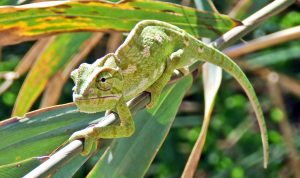
	</div>


	</div>
<div class="chapter standard " id="chapter-slug-20-7-functions-of-the-female-reproductive-system" title="18.7 Functions of the Female Reproductive System">
	<div class="chapter-title-wrap">
		<p class="chapter-number">158</p>
		<h1 class="chapter-title">18.7 Functions of the Female Reproductive System</h1>
								</div>
	<div class="ugc chapter-ugc">
				 <p>Created by CK-12 Foundation/Adapted by Christine Miller</p> <div class="wp-caption aligncenter" id="attachment_5272" aria-describedby="caption-attachment-5272" style="width: 334px"><img class="wp-image-5272" src="http://humanbiology.pressbooks.tru.ca/wp-content/uploads/sites/6/2019/06/pregnant-by-mustafa-omar-tEz8JU1j-00-unsplash-scaled.jpg" alt="18.7.1 Expecting" width="334" height="500" srcset="https://humanbiology.pressbooks.tru.ca/wp-content/uploads/sites/6/2019/06/pregnant-by-mustafa-omar-tEz8JU1j-00-unsplash-scaled.jpg 1709w, https://humanbiology.pressbooks.tru.ca/wp-content/uploads/sites/6/2019/06/pregnant-by-mustafa-omar-tEz8JU1j-00-unsplash-200x300.jpg 200w, https://humanbiology.pressbooks.tru.ca/wp-content/uploads/sites/6/2019/06/pregnant-by-mustafa-omar-tEz8JU1j-00-unsplash-684x1024.jpg 684w, https://humanbiology.pressbooks.tru.ca/wp-content/uploads/sites/6/2019/06/pregnant-by-mustafa-omar-tEz8JU1j-00-unsplash-768x1151.jpg 768w, https://humanbiology.pressbooks.tru.ca/wp-content/uploads/sites/6/2019/06/pregnant-by-mustafa-omar-tEz8JU1j-00-unsplash-1025x1536.jpg 1025w, https://humanbiology.pressbooks.tru.ca/wp-content/uploads/sites/6/2019/06/pregnant-by-mustafa-omar-tEz8JU1j-00-unsplash-1367x2048.jpg 1367w, https://humanbiology.pressbooks.tru.ca/wp-content/uploads/sites/6/2019/06/pregnant-by-mustafa-omar-tEz8JU1j-00-unsplash-65x97.jpg 65w, https://humanbiology.pressbooks.tru.ca/wp-content/uploads/sites/6/2019/06/pregnant-by-mustafa-omar-tEz8JU1j-00-unsplash-225x337.jpg 225w, https://humanbiology.pressbooks.tru.ca/wp-content/uploads/sites/6/2019/06/pregnant-by-mustafa-omar-tEz8JU1j-00-unsplash-350x524.jpg 350w" sizes="(max-width: 334px) 100vw, 334px" title="" /><div class="wp-caption-text" id="caption-attachment-5272"><em>Figure 18.7.1 The miracle of new life.</em></div></div> <div><h1>Waiting Expectantly</h1> </div> <p>A mother-to-be waits patiently for her baby to grow as her belly gradually swells. Reproduction is all about making babies, and the female reproductive system is specialized for this purpose. Its functions include producing female <span class="glossary-term">gamete<span style="font-size: 1em">s</span><span style="text-align: initial;font-size: 1em"></span></span> <span style="text-align: initial;font-size: 1em">called ova, secreting female sex hormones (such as <span class="glossary-term">estrogen</span>), providing a site for <span class="glossary-term">fertilization</span>, gestating a <span class="glossary-term">fetus</span> if fertilization occurs, giving birth to a baby, and breastfeeding a baby after birth. The only thing missing is <span class="glossary-term">sperm</span>.</span></p> <div><h1>Ova Production</h1> </div> <p>At birth, a female’s <span class="glossary-term">ovaries</span> contain all the <span class="glossary-term">ova</span> she will ever produce, which may include a million or more ova. The ova don’t start to mature, however, until she enters <span class="glossary-term">puberty</span> and attains sexual maturity. After that, one ovum typically matures each month, and is released from an ovary. This continues until a woman reaches <span class="glossary-term">menopause</span> (cessation of monthly periods), typically by age 52. By then, viable eggs may be almost depleted, and hormone levels can no longer support the monthly cycle. During the reproductive years, which of the two ovaries releases an egg in a given month seems to be a matter of chance. Occasionally, both ovaries will release an egg at the same time. If both eggs are fertilized, the offspring are fraternal twins (dizygotic, or “two-zygote,” twins), and they are no more alike genetically than non-twin siblings.</p> <h2>Oogenesis</h2> <p>The process of producing ova in the ovaries of a female fetus is called <strong><span class="glossary-term">oogenesis</span>.</strong> Ova are <span class="glossary-term">haploid</span> gametes, and their production occurs in several steps that involve different types of cells, as summarized in Figure 18.7.2. Oogenesis is completed long before birth. It occurs when diploid germ cells called <strong><span class="glossary-term">oogonia</span></strong>&nbsp;(singular, oogonium) undergo&nbsp;<span class="glossary-term">mitosis</span>. Each such&nbsp;cell division&nbsp;produces two <span class="glossary-term">diploid</span> daughter&nbsp;cells. One is called the primary oocyte, and the other is retained to help maintain a reserve of oogonia. The primary <span class="glossary-term">oocyte</span>, in turn, starts to go through the first cell division of <span class="glossary-term">meiosis</span> (meiosis I). However, it does not complete meiosis I until much later. Instead, it remains in a resting state, nestled within a tiny, immature <span class="glossary-term">follicle</span> in the ovary until the female goes through puberty.</p> <h2>Maturation of a Follicle</h2> <p>Beginning in puberty, about once a month, one of the follicles in an ovary undergoes maturation, and an egg is released. As the follicle matures, it goes through changes in the numbers and types of its cells, as shown in Figure 18.7.2. The primary oocyte within the follicle also resumes meiosis. It completes meiosis I, which began long before birth, to form a secondary oocyte and a smaller cell, called the first polar body. Both the secondary oocyte and the first polar body are haploid cells. The secondary oocyte has most of the cytoplasm from the primary oocyte and is much larger than the first polar body, which soon disintegrates and disappears. The secondary oocyte begins meiosis II, but only completes it if the egg is fertilized.</p> <div class="wp-caption aligncenter" id="attachment_5276" aria-describedby="caption-attachment-5276" style="width: 1024px"><img class="size-full wp-image-5276" src="http://humanbiology.pressbooks.tru.ca/wp-content/uploads/sites/6/2019/06/Oogenesis.png" alt="18.7.2 Oogenesis" width="1024" height="627" srcset="https://humanbiology.pressbooks.tru.ca/wp-content/uploads/sites/6/2019/06/Oogenesis.png 1024w, https://humanbiology.pressbooks.tru.ca/wp-content/uploads/sites/6/2019/06/Oogenesis-300x184.png 300w, https://humanbiology.pressbooks.tru.ca/wp-content/uploads/sites/6/2019/06/Oogenesis-768x470.png 768w, https://humanbiology.pressbooks.tru.ca/wp-content/uploads/sites/6/2019/06/Oogenesis-65x40.png 65w, https://humanbiology.pressbooks.tru.ca/wp-content/uploads/sites/6/2019/06/Oogenesis-225x138.png 225w, https://humanbiology.pressbooks.tru.ca/wp-content/uploads/sites/6/2019/06/Oogenesis-350x214.png 350w" sizes="(max-width: 1024px) 100vw, 1024px" title="" /><div class="wp-caption-text" id="caption-attachment-5276"><em>Figure 18.7.2 Formation of a secondary oocyte that may become a zygote begins with mitosis of an oogonium. This is followed by two meiotic cell divisions. In humans, the first polar body does not undergo the second meiotic division illustrated here. Instead of producing four gametes, as in spermatogenesis, this process results in one ovum and three polar bodies.</em></div></div> <h2>Release of an Egg</h2> <p>It typically takes 12 to 14 days for a <span class="glossary-term">follicle</span> to mature in an ovary, and for the secondary oocyte to form. Then, the follicle bursts open and the ovary ruptures, releasing the secondary oocyte from the ovary. This event is called&nbsp;<strong><span class="glossary-term">ovulation</span>.</strong>&nbsp;The now-empty follicle starts to change into a structure called a&nbsp;<strong><span class="glossary-term">corpus luteum</span>.</strong> The expelled secondary oocyte is usually swept into the nearby oviduct by its waving, fringe-like <span class="glossary-term">fimbriae</span>.</p> <h2>Uterine Changes</h2> <p>While the follicle is maturing in the ovary, the <span class="glossary-term">uterus</span> is also undergoing changes to prepare it for an embryo if&nbsp;fertilization&nbsp;occurs. For example, the <span class="glossary-term">endometrium</span> gets thicker and becomes more vascular. Around the time of <span class="glossary-term">ovulation</span>, the <span class="glossary-term">cervix</span> undergoes changes that help sperm reach the ovum to fertilize it. The cervical canal widens, and cervical mucus becomes thinner and more alkaline. These changes help promote the passage of sperm from the <span class="glossary-term">vagina</span> into the uterus and make the environment more hospitable to sperm.</p> <div><h1>Fertilization&nbsp;—&nbsp;or Not</h1> </div> <p><span class="glossary-term">Fertilization</span> of an ovum by a sperm normally occurs in an oviduct, most often in the part of the tube that passes above the ovary (see Figure 18.7.3). In order for fertilization to occur, sperm must “swim” from the vagina where they are deposited, through the cervical canal to the uterus, and then through the body of the uterus to one of the oviducts. Once sperm enter a oviduct, tubular fluids help carry them through the tube toward the secondary oocyte at the other end. The secondary oocyte also functions to promote fertilization. It releases molecules that guide the sperm and allow the surface of the ovum to attach to the surface of the sperm. The ovum can then absorb the sperm, allowing fertilization to occur.</p> <div class="wp-caption alignnone" id="attachment_5278" aria-describedby="caption-attachment-5278" style="width: 1024px"><img class="size-full wp-image-5278" src="http://humanbiology.pressbooks.tru.ca/wp-content/uploads/sites/6/2019/06/Blausen_0404_Fertilization.png" alt="18.7.3 Fertilization" width="1024" height="791" srcset="https://humanbiology.pressbooks.tru.ca/wp-content/uploads/sites/6/2019/06/Blausen_0404_Fertilization.png 1024w, https://humanbiology.pressbooks.tru.ca/wp-content/uploads/sites/6/2019/06/Blausen_0404_Fertilization-300x232.png 300w, https://humanbiology.pressbooks.tru.ca/wp-content/uploads/sites/6/2019/06/Blausen_0404_Fertilization-768x593.png 768w, https://humanbiology.pressbooks.tru.ca/wp-content/uploads/sites/6/2019/06/Blausen_0404_Fertilization-65x50.png 65w, https://humanbiology.pressbooks.tru.ca/wp-content/uploads/sites/6/2019/06/Blausen_0404_Fertilization-225x174.png 225w, https://humanbiology.pressbooks.tru.ca/wp-content/uploads/sites/6/2019/06/Blausen_0404_Fertilization-350x270.png 350w" sizes="(max-width: 1024px) 100vw, 1024px" title="" /><div class="wp-caption-text" id="caption-attachment-5278"><em>Figure 18.7.3 This diagram shows the structures through which sperm must pass if fertilization of an egg is to occur. It also shows the event of fertilization, and where fertilization usually occurs.</em></div></div> <h2>If Fertilization Occurs</h2> <p>If the secondary oocyte is fertilized by a sperm as it passes through the oviduct, the secondary oocyte quickly completes meiosis II, forming a <span class="glossary-term">diploid</span> <span class="glossary-term">zygote</span> and another polar body. This second polar body, like the first, normally breaks down and disappears. The zygote then continues the journey through the oviduct to the <span class="glossary-term">uterus</span>, during which it undergoes several mitotic cell divisions. By the time it reaches the uterus up to five days after fertilization, it consists of a ball of cells called a <span class="glossary-term">blastocyst</span>. Within another day or two, the blastocyst implants itself in the endometrium lining the uterus, and gestation begins.</p> <h2>If Fertilization Does Not Occur</h2> <p>What happens if the secondary oocyte is not fertilized by a sperm as it passes through the oviduct? It continues on its way to the uterus without ever completing meiosis II. It is likely to disintegrate within a few days while still in the oviduct. Any remaining material will be shed from the woman’s body during the next menstrual period.</p> <div><h1>Pregnancy&nbsp;and Childbirth</h1> </div> <p><strong><span class="glossary-term">Pregnancy</span></strong> is the carrying of one or more offspring from <span class="glossary-term">fertilization</span> until birth. This is one of the major functions of the female reproductive system. It involves virtually every other body system including the cardiovascular, urinary, and respiratory systems, to name just three. The maternal organism plays a critical role in the development of the offspring. She must provide all the nutrients and other substances needed for normal growth and development of the offspring, and she must also remove the wastes excreted by the offspring. Most nutrients are needed in greater amounts by a pregnant woman to meet fetal needs, but some are especially important, including folic acid, calcium, iron, and omega-3 fatty acids. A healthy diet (see photo in Figure 18.7.4<em>)</em>, along with prenatal vitamin supplements, is recommended for the best pregnancy outcome. A pregnant woman should also avoid ingesting substances (such as alcohol) that can damage the developing offspring, especially early in the pregnancy when all of the major organs and organ systems are forming.</p> <div class="wp-caption aligncenter" id="attachment_5281" aria-describedby="caption-attachment-5281" style="width: 400px"><img class="wp-image-5281" src="http://humanbiology.pressbooks.tru.ca/wp-content/uploads/sites/6/2019/06/Prenatal-Diet.jpg" alt="18.7.4 Prenatal Nutrition" width="400" height="261" srcset="https://humanbiology.pressbooks.tru.ca/wp-content/uploads/sites/6/2019/06/Prenatal-Diet.jpg 1024w, https://humanbiology.pressbooks.tru.ca/wp-content/uploads/sites/6/2019/06/Prenatal-Diet-300x196.jpg 300w, https://humanbiology.pressbooks.tru.ca/wp-content/uploads/sites/6/2019/06/Prenatal-Diet-768x502.jpg 768w, https://humanbiology.pressbooks.tru.ca/wp-content/uploads/sites/6/2019/06/Prenatal-Diet-65x42.jpg 65w, https://humanbiology.pressbooks.tru.ca/wp-content/uploads/sites/6/2019/06/Prenatal-Diet-225x147.jpg 225w, https://humanbiology.pressbooks.tru.ca/wp-content/uploads/sites/6/2019/06/Prenatal-Diet-350x229.jpg 350w" sizes="(max-width: 400px) 100vw, 400px" title="" /><div class="wp-caption-text" id="caption-attachment-5281"><em>Figure 18.7.4 Eating a range of colourful fruits and vegetables helps ensure adequate intake of nutrients to support a healthy pregnancy.</em></div></div> <h2>Trimesters of Pregnancy</h2> <p>When counted from the first day of the last menstrual period, the average duration of pregnancy is about 40 weeks (38 weeks when counted from the time of fertilization), but a pregnancy that lasts between 37 and 42 weeks is still considered within the normal range. From the point of view of the maternal organism, the total duration of pregnancy is typically divided into three periods, called&nbsp;<strong><span class="glossary-term">trimesters</span>,</strong>&nbsp;each of which lasts about three months. This division of the total period of gestation is useful for summarizing the typical changes a woman can expect during pregnancy. From the point of view of the developing offspring, however, the major divisions are different. They are the embryonic and fetal stages. The offspring is called an <span class="glossary-term">embryo</span> from the time it implants in the uterus through the first eight weeks of life. After that, it is called a <span class="glossary-term">fetus</span> for the duration of the pregnancy.</p> <h3>First Trimester</h3> <p>The first trimester begins at the time of <span class="glossary-term">fertilization</span> and lasts&nbsp;for&nbsp;the next 12 weeks. Even before she knows she is pregnant, a woman in the first trimester is likely to experience signs and symptoms of pregnancy. She may notice a missed menstrual period, and she may also experience tender breasts, increased appetite, and more frequent urination. Many women also experience nausea and vomiting in the first trimester. This is often called “morning sickness,” because it commonly occurs in the morning, but it may occur at any time of day. Some women may lose&nbsp;weight&nbsp;during the first trimester because of morning sickness.</p> <h3>Second Trimester</h3> <p>The second trimester occurs during weeks 13 to 28 of pregnancy. A pregnant woman may feel more energized during this trimester. If she experienced nausea and vomiting during the first trimester, these symptoms often subside during the second trimester. Weight gain starts occurring during this trimester, as well. By about week 20, the fetus is getting large enough that the mother can feel its movements. The photo in Figure 18.7.5 shows a pregnant woman at week 26, toward the end of the second trimester. (For comparison, the same woman is shown on the right at the end of the third trimester.)</p> <div class="wp-caption alignright" id="attachment_5284" aria-describedby="caption-attachment-5284" style="width: 283px"><img class="wp-image-5284" src="http://humanbiology.pressbooks.tru.ca/wp-content/uploads/sites/6/2019/06/Pregnancy_comparison.jpg" alt="18.7.5 Trimester Comparison" width="283" height="249" srcset="https://humanbiology.pressbooks.tru.ca/wp-content/uploads/sites/6/2019/06/Pregnancy_comparison.jpg 203w, https://humanbiology.pressbooks.tru.ca/wp-content/uploads/sites/6/2019/06/Pregnancy_comparison-65x57.jpg 65w" sizes="(max-width: 283px) 100vw, 283px" title="" /><div class="wp-caption-text" id="caption-attachment-5284"><em>Figure 18.7.5 The same woman is shown in both photos: on the left at week 26 of the pregnancy, and on the right at week 40 of the pregnancy.</em></div></div> <h3>Third Trimester</h3> <p>The third trimester occurs during weeks 29 through birth (at about 40 weeks). During this trimester, the uterus expands rapidly, making up a larger and larger portion of the woman’s abdomen.&nbsp;Weight&nbsp;gain is also more rapid. During the third trimester, the movements of the fetus become stronger and more frequent, and they may become disruptive to the mother. As the fetus grows larger, its weight and the space it takes up may lead to symptoms in the mother such as back pain, swelling of the lower extremities, more frequent urination, varicose veins, and heartburn. By the end of the third trimester, the woman’s abdomen often will transform in shape as it drops, due to the fetus turning to a downward position before birth so its head rests on the <span class="glossary-term">cervix</span>. This relieves pressure on the upper abdomen, but reduces bladder capacity and increases pressure on the pelvic floor and rectum.</p> <h2>Childbirth</h2> <p>Near the time of birth, the <span class="glossary-term">amniotic sac</span> — a fluid-filled membrane that encloses the <span class="glossary-term">fetus</span> within the <span class="glossary-term">uterus</span> — breaks in a gush of fluid. This is commonly called “breaking water.” Labour usually begins within a day of this event, although it may begin prior to it.&nbsp;<strong><span class="glossary-term">Labour</span></strong> is the general term for the process of childbirth in which regular uterine contractions push the fetus and placenta out of the body. Labour can be divided into three stages, which are illustrated in Figure 18.7.6: dilation, birth, and afterbirth.</p> <ol><li>During the dilation stage of labour, uterine contractions begin and become increasingly frequent and intense. The contractions push the baby’s head (most often) against the cervix, causing the cervical canal to dilate, or become wider. This lasts until the cervical canal has dilated to about 10 cm (almost 4 in.) in width, which may take 12 to 20 hours — or even longer. The cervical canal must be dilated to this extent in order for the baby’s head to fit through it.</li> <li>During birth, the baby descends (usually headfirst) through the cervical canal and vagina, and into the world outside. This is the stage when the mother generally starts bearing down during the contractions to help push out the fetus. This stage may last from about 20 minutes to two hours or more. Usually, within a minute or less of birth, the umbilical cord is cut, so the baby is no longer connected to&nbsp;the placenta.</li> <li>During the afterbirth stage,&nbsp;the placenta&nbsp;is delivered. This stage may last from a few minutes to a half hour.</li> </ol> <div class="wp-caption aligncenter" id="attachment_5287" aria-describedby="caption-attachment-5287" style="width: 700px"><img class="wp-image-5287" src="http://humanbiology.pressbooks.tru.ca/wp-content/uploads/sites/6/2019/06/Stages_of_Childbirth-02.jpg" alt="18.7.6 Stages of Labor" width="700" height="1096" srcset="https://humanbiology.pressbooks.tru.ca/wp-content/uploads/sites/6/2019/06/Stages_of_Childbirth-02.jpg 1024w, https://humanbiology.pressbooks.tru.ca/wp-content/uploads/sites/6/2019/06/Stages_of_Childbirth-02-192x300.jpg 192w, https://humanbiology.pressbooks.tru.ca/wp-content/uploads/sites/6/2019/06/Stages_of_Childbirth-02-654x1024.jpg 654w, https://humanbiology.pressbooks.tru.ca/wp-content/uploads/sites/6/2019/06/Stages_of_Childbirth-02-768x1202.jpg 768w, https://humanbiology.pressbooks.tru.ca/wp-content/uploads/sites/6/2019/06/Stages_of_Childbirth-02-981x1536.jpg 981w, https://humanbiology.pressbooks.tru.ca/wp-content/uploads/sites/6/2019/06/Stages_of_Childbirth-02-65x102.jpg 65w, https://humanbiology.pressbooks.tru.ca/wp-content/uploads/sites/6/2019/06/Stages_of_Childbirth-02-225x352.jpg 225w, https://humanbiology.pressbooks.tru.ca/wp-content/uploads/sites/6/2019/06/Stages_of_Childbirth-02-350x548.jpg 350w" sizes="(max-width: 700px) 100vw, 700px" title="" /><div class="wp-caption-text" id="caption-attachment-5287"><em>Figure 18.7.6 The three stages of labour are dilation of the cervix, birth of the baby, and delivery of the afterbirth (placenta).</em></div></div> <div><h1>Breastfeeding</h1> </div> <p>Although the <span class="glossary-term">breas<span style="text-align: initial;font-size: 1em">t</span><span style="font-size: 1em">s</span><span style="text-align: initial;font-size: 1em"></span></span><span style="text-align: initial;font-size: 1em">&nbsp;are not classified as organs of the reproductive system, they nonetheless may play an important role in&nbsp;reproduction. The physiological function of the female breast is&nbsp;</span><strong style="text-align: initial;font-size: 1em"><span class="glossary-term">lactation</span>,</strong> <span style="text-align: initial;font-size: 1em">or the production of breast milk to feed an infant. This function is illustrated in Figure 18.7.7. Besides nutrients, breast milk provides hormones, antibodies, and other substances that help ensure a healthy start after birth.</span></p> <div class="wp-caption aligncenter" id="attachment_5290" aria-describedby="caption-attachment-5290" style="width: 400px"><img class="wp-image-5290" src="http://humanbiology.pressbooks.tru.ca/wp-content/uploads/sites/6/2019/06/Breastfeeding-by-jan-kopriva-2-mS_2WkK30-unsplash-scaled.jpg" alt="18.7.7 Breastfeeding" width="400" height="266" srcset="https://humanbiology.pressbooks.tru.ca/wp-content/uploads/sites/6/2019/06/Breastfeeding-by-jan-kopriva-2-mS_2WkK30-unsplash-scaled.jpg 2560w, https://humanbiology.pressbooks.tru.ca/wp-content/uploads/sites/6/2019/06/Breastfeeding-by-jan-kopriva-2-mS_2WkK30-unsplash-300x200.jpg 300w, https://humanbiology.pressbooks.tru.ca/wp-content/uploads/sites/6/2019/06/Breastfeeding-by-jan-kopriva-2-mS_2WkK30-unsplash-1024x681.jpg 1024w, https://humanbiology.pressbooks.tru.ca/wp-content/uploads/sites/6/2019/06/Breastfeeding-by-jan-kopriva-2-mS_2WkK30-unsplash-768x511.jpg 768w, https://humanbiology.pressbooks.tru.ca/wp-content/uploads/sites/6/2019/06/Breastfeeding-by-jan-kopriva-2-mS_2WkK30-unsplash-1536x1022.jpg 1536w, https://humanbiology.pressbooks.tru.ca/wp-content/uploads/sites/6/2019/06/Breastfeeding-by-jan-kopriva-2-mS_2WkK30-unsplash-2048x1363.jpg 2048w, https://humanbiology.pressbooks.tru.ca/wp-content/uploads/sites/6/2019/06/Breastfeeding-by-jan-kopriva-2-mS_2WkK30-unsplash-65x43.jpg 65w, https://humanbiology.pressbooks.tru.ca/wp-content/uploads/sites/6/2019/06/Breastfeeding-by-jan-kopriva-2-mS_2WkK30-unsplash-225x150.jpg 225w, https://humanbiology.pressbooks.tru.ca/wp-content/uploads/sites/6/2019/06/Breastfeeding-by-jan-kopriva-2-mS_2WkK30-unsplash-350x233.jpg 350w" sizes="(max-width: 400px) 100vw, 400px" title="" /><div class="wp-caption-text" id="caption-attachment-5290"><em>Figure 18.7.7 The physiological function of the human breast is to provide nourishment and other substances to an infant.</em></div></div> <p>The Figure 18.7.7 (above) shows the correct way for an infant to suck the breast to stimulate the letdown of milk from the mammary glands (lips flanged, baby’s mouth on the nipple symmetrically). The letdown of milk when an infant sucks at the breast is one of the few examples of a <span class="glossary-term">positive feedback</span> loop in the human organism. Sucking causes a release from the posterior <span class="glossary-term">pituitary gland</span> of the hypothalamic hormone <span class="glossary-term">oxytocin</span>. Oxytocin, in turn, causes milk to flow from the alveoli in the breasts where milk is produced, through the milk ducts, and into the milk sacs behind the areola. You can trace this route of milk through the breast in Figure 18.7.8. The baby can suck the milk out of the sacs through the nipple, where they converge. The release of milk stimulates the baby to continue sucking, which in turn keeps the milk flowing.&nbsp; Oxytocin is also an important hormone for maternal-child attachment.</p> <div class="wp-caption aligncenter" id="attachment_5291" aria-describedby="caption-attachment-5291" style="width: 350px"><img class="size-full wp-image-5291" src="http://humanbiology.pressbooks.tru.ca/wp-content/uploads/sites/6/2019/06/Breast-Diagram-1.gif" alt="18.7.8 Breast Diagram" width="350" height="274" title="" /><div class="wp-caption-text" id="caption-attachment-5291"><em>Figure 18.7.8 Sucking the nipple allows the baby to drain the milk ducts, and continued sucking results in the release of more milk into the ducts.</em></div></div> <div><p><span style="font-size: 1.602em;font-weight: bold">Female Sex Hormones</span></p> </div> <p>Female&nbsp;reproduction&nbsp;could not occur without sex hormones released by the ovaries. These hormones include estrogen and progesterone.</p> <h2>Estrogen</h2> <p>Before birth, <span class="glossary-term">estrogen</span> is released by the gonads in female <span class="glossary-term">fetus<span style="font-size: 1em">es</span><span style="text-align: initial;font-size: 1em"></span></span><span style="text-align: initial;font-size: 1em">&nbsp;and leads to the&nbsp;development&nbsp;of&nbsp;female reproductive organs. At <span class="glossary-term">puberty</span>, estrogen levels rise and are responsible for sexual maturation, and for the development of female secondary sex characteristics (such as breasts). Estrogen is also needed to help regulate the&nbsp;<span class="glossary-term">menstrual cycle</span>&nbsp;and <span class="glossary-term">ovulation</span> throughout a woman’s reproductive years. Estrogen is produced primarily by follicular cells in the ovaries. During pregnancy, estrogen is also produced by&nbsp;the <span class="glossary-term">placenta</span>. There are actually three forms of estrogen in the human female: estradiol, estriol, and estrone.</span></p> <ol><li><strong>Estradiol</strong>&nbsp;is the predominant form of estrogen during the reproductive years. It is also the most potent form of estrogen.</li> <li><strong>Estriol</strong>&nbsp;is the predominant form of estrogen during pregnancy. It is also the weakest form of estrogen.</li> <li><strong>Estrone</strong>&nbsp;is the predominant form of estrogen in post-menopausal women. It is intermediate in strength between the other two forms of estrogen.</li> </ol> <h2>Progesterone</h2> <p><strong><span class="glossary-term">Progesterone</span></strong>&nbsp;stands for “pro-gestational&nbsp;hormone.” It is synthesized and secreted primarily by the corpus luteum in the ovary. Progesterone plays many physiological roles, but is best known for its role during pregnancy. In fact, it is sometimes called the “hormone of pregnancy.” Among other functions, progesterone prepares the <span class="glossary-term">uterus</span> for pregnancy each month by building up the uterine lining. If a pregnancy occurs, progesterone helps maintain the pregnancy in a number of ways, such as decreasing the maternal immune response to the genetically different embryo, and decreasing the ability of uterine muscle tissue to contract. Progesterone also prepares the <span class="glossary-term">mammary gland<span style="font-size: 1em">s</span><span style="text-align: initial;font-size: 1em"></span></span><span style="text-align: initial;font-size: 1em">&nbsp;for <span class="glossary-term">lactation</span> during pregnancy, and withdrawal of progesterone after birth is one of the triggers of milk production.</span></p> <div><h1>Feature: Myth vs. Reality</h1> </div> <p>There are many myths associated with pregnancy. Most are harmless, but some may put the pregnant woman or fetus at risk. As always, knowledge is power.</p> <table class="grid" style="border-collapse: collapse;width: 100%"><tbody><tr><th scope="col"><span style="color: #ff0000">Myth</span></th> <th scope="col"><span style="color: #008000">Reality</span></th> </tr> <tr><td><em>“You should avoid petting your cat during pregnancy.”</em></td> <td>Cat feces may be contaminated with microscopic parasites that can cause a disease called toxoplasmosis. Pregnant women who contract this disease are at risk of stillbirth, miscarriage, or giving birth to an infant with serious health problems. Pregnant women should not have contact with a cat’s litter box or feces, but petting a cat poses no real risk of infection.</td> </tr> <tr><td><em>“You should not dye your hair during pregnancy, because the chemicals can harm the fetus.”</em></td> <td>Whereas some chemicals (such as certain pesticides) have been shown to be associated with birth defects, there is no evidence that using&nbsp;hair&nbsp;dye during pregnancy increases this risk.</td> </tr> <tr><td><em>“A pregnant woman needs to eat for two, so she should double her pre-pregnancy caloric intake.”</em></td> <td>Throughout a typical pregnancy, a woman needs only about 300 extra calories per day, on average, to support her growing fetus. Most of the extra calories are needed during the last trimester, when the fetus is growing most rapidly. Doubling her caloric intake during pregnancy is likely to cause too much weight gain, which can be detrimental to her baby. Babies that weigh much more than the average 7.5 pounds (3.4 kg) at birth are more likely to develop diabetes and obesity in later life.</td> </tr> <tr><td><em>“Women who are pregnant have strange food cravings, such as ice cream with pickles.”</em></td> <td>Some women do have food cravings during pregnancy, but they are not necessarily cravings for strange foods or unusual food combinations. For example, a pregnant woman might crave starchy foods for a few weeks, or she may be put off by certain foods that she loved before pregnancy.</td> </tr> <tr><td><em>“A pregnant woman has skin that glows.”</em></td> <td>Pregnancy can actually be hard on the skin and its appearance. Besides stretch marks on the abdomen and breasts, pregnancy may lead to spider veins, varicose veins, new freckles, darkening of moles, and acne flare-ups. In addition, as many as 75 per cent of pregnant women experience chloasma, which is the emergence of blotchy brown patches of skin on the face due to high estrogen levels. Chloasma is often referred to as the “mask of pregnancy.”</td> </tr> </tbody> </table> <div><div class="textbox textbox--key-takeaways"><div class="textbox__header"><h1 class="textbox__title"><span style="color: #ffffff">18.7 Summary</span></h1> </div> <div class="textbox__content"><ul><li><span class="glossary-term">Oogenesis</span> is the process of producing <span class="glossary-term">ova</span> in the <span class="glossary-term">ovaries</span> of a female <span class="glossary-term">fetus</span>. Oogenesis begins when a <span class="glossary-term">diploid</span> <span class="glossary-term">oogonium</span> divides by <span class="glossary-term">mitosis</span> to produce a diploid primary <span class="glossary-term">oocyte</span>. The primary oocyte begins meiosis I and then remains at this stage in an immature <span class="glossary-term">ovarian follicle</span> until after birth. By birth, a female’s ovaries contain all the eggs she will ever produce, numbering at least a million.</li> <li>After <span class="glossary-term">puberty</span>, one follicle a month matures, and its primary oocyte completes meiosis I to produce a secondary oocyte, which begins meiosis II. During <span class="glossary-term">ovulation</span>, the mature follicle bursts open, and the secondary oocyte leaves the ovary and enters an <span class="glossary-term">oviduct</span>.</li> <li>While a follicle is maturing in an ovary each month, the <span class="glossary-term">endometrium</span> in the uterus is building up to prepare for an <span class="glossary-term">embryo</span>. Around the time of ovulation, cervical mucus becomes thinner and more alkaline to help <span class="glossary-term">sperm</span> reach the secondary oocyte.</li> <li>If the secondary oocyte is fertilized by a sperm, it quickly completes meiosis II and forms a diploid <span class="glossary-term">zygote</span>, which will continue through the oviduct. The zygote will go through multiple cell divisions before reaching and implanting in the <span class="glossary-term">uterus</span>. If the secondary oocyte is not fertilized, it will not complete meiosis II, and it will soon disintegrate.</li> <li>Pregnancy is the carrying of one or more offspring from <span class="glossary-term">fertilization</span> until birth. The maternal organism must provide all the&nbsp;nutrients&nbsp;and other substances needed by the developing offspring, and also remove its wastes. She should also avoid exposures that could potentially damage the offspring, especially early in the pregnancy when organ systems are developing.</li> <li>The average duration of pregnancy is 40 weeks (from the first day of the last menstrual period) and is divided into three trimesters of about three months each. Each trimester is associated with certain events and conditions that a pregnant woman may expect, such as morning sickness during the first trimester, feeling fetal movements for the first time during the second trimester, and rapid weight gain in both fetus and mother during the third trimester.</li> <li><span class="glossary-term">Labour</span>, which is the general term for the birth process, usually begins around the time the <span class="glossary-term">amniotic sac</span> breaks and its fluid leaks out. Labour occurs in three stages: dilation of the <span class="glossary-term">cervix</span>, birth of the baby, and delivery of the <span class="glossary-term">placenta</span> (afterbirth).</li> <li>The physiological function of female <span class="glossary-term">breasts</span> is <span class="glossary-term">lactation</span>, or the production of breast milk to feed an infant. Sucking on the breast by the infant stimulates the release of the hypothalamic hormone <span class="glossary-term">oxytocin</span> from the posterior pituitary, which causes the flow of milk. The release of milk stimulates the baby to continue sucking, which in turn keeps the milk flowing. This is one of the few examples of <span class="glossary-term">positive feedback</span> in the human organism.</li> <li>The <span class="glossary-term">ovaries</span> produce female sex hormones, including <span class="glossary-term">estrogen</span> and <span class="glossary-term">progesterone</span>. Estrogen is responsible for sexual differentiation before birth, as well as for sexual maturation and the&nbsp;development&nbsp;of <span class="glossary-term">secondary sex characteristics</span>&nbsp;at <span class="glossary-term">puberty</span>. It is also needed to help regulate the&nbsp;<span class="glossary-term">menstrual cycle</span>&nbsp;and <span class="glossary-term">ovulation</span> after <span class="glossary-term">puberty</span> and until <span class="glossary-term">menopause</span>. <span class="glossary-term">Progesterone</span> prepares the uterus for <span class="glossary-term">pregnancy</span> each month during the menstrual cycle, and helps maintain the pregnancy if fertilization occurs.</li> </ul> </div> </div> <div class="textbox textbox--exercises"><div class="textbox__header"><h1 class="textbox__title"><span style="color: #ffffff">18.7 Review Questions</span></h1> </div> <div class="textbox__content"><ol><li><div class="textbox interactive-content"><span class="interactive-content__icon"></span> <p>An interactive H5P element has been excluded from this version of the text. You can view it online here:<br /> <a href="https://humanbiology.pressbooks.tru.ca/?p=958#h5p-212" title="18.7 Quiz" data-url="https://humanbiology.pressbooks.tru.ca/?p=958#h5p-212">https://humanbiology.pressbooks.tru.ca/?p=958#h5p-212</a> </p> </div> </li> <li>What is pregnancy, and what is the role of the maternal organism in pregnancy?</li> <li>What is the average duration of pregnancy? Identify the trimesters of pregnancy.</li> <li>Define labour. What event is often a sign that labour will soon begin?</li> <li>Identify the stages of labour.</li> <li>Describe the physiological function of female breasts. How is this function controlled?</li> <li>Identify the functions of the female sex hormones estrogen and progesterone.</li> <li>Describe the roles of the cervix in fertilization and childbirth.</li> </ol> </div> </div> <div class="textbox textbox--examples"><div class="textbox__header"><h1 class="textbox__title"><span style="color: #ffffff">18.7 Explore More</span></h1> </div> <div class="textbox__content"><div class="textbox interactive-content interactive-content--oembed"><span class="interactive-content__icon"></span> <p>One or more interactive elements has been excluded from this version of the text. You can view them online here: <a href="#oembed-5" title="Pregnancy 101 | National Geographic" data-url="https://humanbiology.pressbooks.tru.ca/?p=958#oembed-5">https://humanbiology.pressbooks.tru.ca/?p=958#oembed-5</a> </p> </div> <p style="text-align: center">Pregnancy 101 | National Geographic, 2018.</p> <div class="textbox interactive-content interactive-content--oembed"><span class="interactive-content__icon"></span> <p>One or more interactive elements has been excluded from this version of the text. You can view them online here: <a href="#oembed-6" title="How do pregnancy tests work? - Tien Nguyen" data-url="https://humanbiology.pressbooks.tru.ca/?p=958#oembed-6">https://humanbiology.pressbooks.tru.ca/?p=958#oembed-6</a> </p> </div> <p style="text-align: center">How do pregnancy tests work? – Tien Nguyen, TED-Ed, 2015.</p> <div class="textbox interactive-content interactive-content--oembed"><span class="interactive-content__icon"></span> <p>One or more interactive elements has been excluded from this version of the text. You can view them online here: <a href="#oembed-7" title="Fertilization" data-url="https://humanbiology.pressbooks.tru.ca/?p=958#oembed-7">https://humanbiology.pressbooks.tru.ca/?p=958#oembed-7</a> </p> </div> <p style="text-align: center">Fertilization, Nucleus Medical Media, 2013.</p> <div class="textbox interactive-content interactive-content--oembed"><span class="interactive-content__icon"></span> <p>One or more interactive elements has been excluded from this version of the text. You can view them online here: <a href="#oembed-8" title="The science of milk - Jonathan J. O'Sullivan" data-url="https://humanbiology.pressbooks.tru.ca/?p=958#oembed-8">https://humanbiology.pressbooks.tru.ca/?p=958#oembed-8</a> </p> </div> <p style="text-align: center">The science of milk – Jonathan J. O’Sullivan, TED-Ed, 2017.</p> </div> </div> <p>&nbsp;</p> </div> <h2>Attributions</h2> <p><strong>Figure 18.7.1</strong></p> <p><a href="https://unsplash.com/photos/tEz8JU1j-00" data-url="https://unsplash.com/photos/tEz8JU1j-00">Pregnant</a> by <a class="_3XzpS _1ByhS _4kjHg _1O9Y0 _3l__V _1CBrG xLon9" href="https://unsplash.com/@mustafa_omar" data-url="https://unsplash.com/@mustafa_omar">Mustafa Omar</a> on <a href="https://unsplash.com/" data-url="https://unsplash.com/">Unsplash</a> is used under the <a href="https://unsplash.com/license" data-url="https://unsplash.com/license">Unsplash License</a> (https://unsplash.com/license).</p> <p><strong>Figure 18.7.2</strong></p> <p><a href="https://commons.wikimedia.org/wiki/File:Oogenesis.png" rel="cc:attributionURL" data-url="https://commons.wikimedia.org/wiki/File:Oogenesis.png">Oogenesis</a> by <a class="new" title="User:Acedatrey2 (page does not exist)" href="https://commons.wikimedia.org/w/index.php?title=User:Acedatrey2&amp;action=edit&amp;redlink=1" data-url="https://commons.wikimedia.org/w/index.php?title=User:Acedatrey2&amp;action=edit&amp;redlink=1">Acedatrey2</a> on Wikimedia Commons is used under a <a href="https://creativecommons.org/licenses/by-sa/4.0" rel="license" data-url="https://creativecommons.org/licenses/by-sa/4.0">CC BY-SA 4.0</a> (https://creativecommons.org/licenses/by-sa/4.0) license.</p> <p><strong>Figure 18.7.3</strong></p> <p><a href="https://commons.wikimedia.org/wiki/File:Blausen_0404_Fertilization.png" rel="cc:attributionURL" data-url="https://commons.wikimedia.org/wiki/File:Blausen_0404_Fertilization.png">Blausen_0404_Fertilization</a> by <a title="User:BruceBlaus" href="https://commons.wikimedia.org/wiki/User:BruceBlaus" data-url="https://commons.wikimedia.org/wiki/User:BruceBlaus">BruceBlaus</a> on Wikimedia Commons is used under a <a href="https://creativecommons.org/licenses/by/3.0/deed.en" rel="license" data-url="https://creativecommons.org/licenses/by/3.0/deed.en">CC BY 3.0</a> (https://creativecommons.org/licenses/by/3.0/deed.en) license.</p> <p><strong>Figure 18.7.4</strong></p> <p><a href="https://commons.wikimedia.org/wiki/File:Milch-Jogurt-Fr%C3%BCchte.jpg" rel="cc:attributionURL" data-url="https://commons.wikimedia.org/wiki/File:Milch-Jogurt-Fr%C3%BCchte.jpg">Prenatal Diet/ Milch-Jogurt-Früchte</a> by Peggy Greb, <a class="external text" href="http://www.ars.usda.gov/" rel="nofollow" data-url="http://www.ars.usda.gov/">Agricultural Research Service</a> (USDA) on Wikimedia Commons is in the <a class="mw-redirect" title="Public domain" href="https://commons.wikimedia.org/wiki/Public_domain" data-url="https://commons.wikimedia.org/wiki/Public_domain">public domain</a>&nbsp;(https://commons.wikimedia.org/wiki/Public_domain).</p> <p><strong style="text-align: initial;font-size: 1em">Figure 18.7.5</strong></p> <p><a href="https://commons.wikimedia.org/wiki/File:Pregnancy_comparison.jpg" rel="cc:attributionURL" data-url="https://commons.wikimedia.org/wiki/File:Pregnancy_comparison.jpg">Pregnancy_comparison</a> by <a class="extiw" title="wikipedia:User:Maustrauser" href="https://en.wikipedia.org/wiki/User:Maustrauser" data-url="https://en.wikipedia.org/wiki/User:Maustrauser">Maustrauser</a>&nbsp;at&nbsp;<a class="extiw" title="wikipedia:" href="https://en.wikipedia.org/wiki/" data-url="https://en.wikipedia.org/wiki/">English Wikipedia</a> on Wikimedia Commons is in the <a class="mw-redirect" title="Public domain" href="https://commons.wikimedia.org/wiki/Public_domain" data-url="https://commons.wikimedia.org/wiki/Public_domain">public domain</a>&nbsp;(https://commons.wikimedia.org/wiki/Public_domain).</p> <p><strong>Figure 18.7.6</strong></p> <p><a href="https://commons.wikimedia.org/wiki/File:2920_Stages_of_Childbirth-02.jpg" data-url="https://commons.wikimedia.org/wiki/File:2920_Stages_of_Childbirth-02.jpg">Stages_of_Childbirth-02</a> by <a href="https://openstax.org/books/anatomy-and-physiology/pages/28-4-maternal-changes-during-pregnancy-labor-and-birth" data-url="https://openstax.org/books/anatomy-and-physiology/pages/28-4-maternal-changes-during-pregnancy-labor-and-birth">OpenStax</a> on Wikimedia Commons is used under a <a href="https://creativecommons.org/licenses/by/4.0/" rel="license" data-url="https://creativecommons.org/licenses/by/4.0/">CC BY 4.0</a> (https://creativecommons.org/licenses/by/4.0/) license.</p> <p><strong>Figure 18.7.7</strong></p> <p><a href="https://unsplash.com/photos/2-mS_2WkK30" rel="cc:attributionURL" data-url="https://unsplash.com/photos/2-mS_2WkK30">Childhood: breast feeding</a> [photo] by <a class="_3XzpS _1ByhS _4kjHg _1O9Y0 _3l__V _1CBrG xLon9" href="https://unsplash.com/@jxk" data-url="https://unsplash.com/@jxk">Jan Kopřiva</a> on <a href="https://unsplash.com/" data-url="https://unsplash.com/">Unsplash</a> is used under the <a href="https://unsplash.com/license" data-url="https://unsplash.com/license">Unsplash License</a> (https://unsplash.com/license).</p> <p><strong>Figure 18.7.8</strong></p> <p><a href="https://commons.wikimedia.org/wiki/File:Breast-Diagram.gif" rel="cc:attributionURL" data-url="https://commons.wikimedia.org/wiki/File:Breast-Diagram.gif">Breast-Diagram</a> by <a href="https://www.womenshealth.gov/cancer/breast-cancer" data-url="https://www.womenshealth.gov/cancer/breast-cancer">Women’s Health</a> (NCI/ NIH) on Wikimedia Commons is in the <a class="mw-redirect" title="Public domain" href="https://commons.wikimedia.org/wiki/Public_domain" data-url="https://commons.wikimedia.org/wiki/Public_domain">public domain</a>&nbsp;(https://commons.wikimedia.org/wiki/Public_domain).</p> <h2>References</h2> <p class="hanging-indent">Betts, J. G., Young, K.A., Wise, J.A., Johnson, E., Poe, B., Kruse, D.H., Korol, O., Johnson, J.E., Womble, M., DeSaix, P. (2013, June 19). <span class="os-title-label"><span class="search-highlight text" data-timestamp="1598384364569" data-highlight-id="19bc3530-bc5c-494f-ab48-cb60d145045c" data-highlighted="true">Figure&nbsp;</span></span><span class="os-number"><span class="search-highlight text" data-timestamp="1598384364569" data-highlight-id="19bc3530-bc5c-494f-ab48-cb60d145045c" data-highlighted="true">28.21</span></span><span class="os-divider">&nbsp;</span><span id="88983" class="os-title" data-type="title"><span class="search-highlight text" data-timestamp="1598384364569" data-highlight-id="19bc3530-bc5c-494f-ab48-cb60d145045c" data-highlighted="true">Stages of childbirth</span></span> [digital image]. In <em>Anatomy and Physiology</em> (Section 28.4). OpenStax. https://openstax.org/books/anatomy-and-physiology/pages/28-4-maternal-changes-during-pregnancy-labor-and-birth</p> <p class="hanging-indent">Blausen.com Staff. (2014). Medical gallery of Blausen Medical 2014. <em>WikiJournal of Medicine 1</em> (2). DOI:10.15347/wjm/2014.010. ISSN 2002-4436</p> <p class="hanging-indent">National Geographic. (2018, December 20). Pregnancy 101 | National Geographic. YouTube.&nbsp; https://www.youtube.com/watch?v=XEfnq4Q4bfk&amp;feature=youtu.be</p> <p class="hanging-indent">Nucleus Medical Media. (2013, January 31). Fertilization. YouTube. https://www.youtube.com/watch?v=_5OvgQW6FG4&amp;feature=youtu.be</p> <p class="hanging-indent">TED-Ed, (2015, July 7). How do pregnancy tests work? – Tien Nguyen. YouTube. https://www.youtube.com/watch?v=aOfWTscU8YM&amp;feature=youtu.be</p> <p class="hanging-indent">TED-Ed. (2017, January 31). The science of milk – Jonathan J. O’Sullivan. YouTube. https://www.youtube.com/watch?v=xmNzUEmFZMg&amp;feature=youtu.be</p> <p>&nbsp;</p> 
	</div>


	</div>
<div class="chapter standard " id="chapter-slug-20-8-menstrual-cycle" title="18.8 Menstrual Cycle">
	<div class="chapter-title-wrap">
		<p class="chapter-number">159</p>
		<h1 class="chapter-title">18.8 Menstrual Cycle</h1>
								</div>
	<div class="ugc chapter-ugc">
				 <p>Created by CK-12 Foundation/Adapted by Christine Miller</p> <div class="wp-caption aligncenter" id="attachment_5295" aria-describedby="caption-attachment-5295" style="width: 400px"><img class="wp-image-5295" src="http://humanbiology.pressbooks.tru.ca/wp-content/uploads/sites/6/2019/06/WaterforPeople_Uganda.jpg" alt="18.8.1 Menstruation Awareness" width="400" height="300" srcset="https://humanbiology.pressbooks.tru.ca/wp-content/uploads/sites/6/2019/06/WaterforPeople_Uganda.jpg 1024w, https://humanbiology.pressbooks.tru.ca/wp-content/uploads/sites/6/2019/06/WaterforPeople_Uganda-300x225.jpg 300w, https://humanbiology.pressbooks.tru.ca/wp-content/uploads/sites/6/2019/06/WaterforPeople_Uganda-768x576.jpg 768w, https://humanbiology.pressbooks.tru.ca/wp-content/uploads/sites/6/2019/06/WaterforPeople_Uganda-65x49.jpg 65w, https://humanbiology.pressbooks.tru.ca/wp-content/uploads/sites/6/2019/06/WaterforPeople_Uganda-225x169.jpg 225w, https://humanbiology.pressbooks.tru.ca/wp-content/uploads/sites/6/2019/06/WaterforPeople_Uganda-350x263.jpg 350w" sizes="(max-width: 400px) 100vw, 400px" title="" /><div class="wp-caption-text" id="caption-attachment-5295"><em>Figure 18.8.1 It’s healthy to talk about menstruation.</em></div></div> <div><h1>Taboo Topic</h1> </div> <p>The banner in Figure 18.8.1 was carried in a 2014 march in Uganda as part of the celebration of Menstrual Hygiene Day. Menstrual Hygiene Day is an awareness day on May 28 of each year that aims to raise awareness worldwide about menstruation and menstrual hygiene. Maintaining good menstrual hygiene is difficult in developing countries like Uganda because of taboos on discussing menstruation and lack of availability of menstrual hygiene products. Poor menstrual hygiene, in turn, can lead to embarrassment, degradation, and reproductive health problems in females. May 28 was chosen as Menstrual Hygiene Day because of its symbolism. May is the fifth month of the year, and most women average five days of menstrual bleeding each month. The 28th day was chosen because the menstrual cycle averages about 28 days.</p> <div><h1>What Is the Menstrual Cycle?</h1> </div> <p>The&nbsp;<strong><span class="glossary-term">menstrual cycle</span></strong> refers to natural changes that occur in the female reproductive system each month during the reproductive years. The cycle is necessary for the production of ova and the preparation of the <span class="glossary-term">uterus</span> for <span class="glossary-term">pregnancy</span>. It involves changes in both the ovaries and the uterus, and is controlled by pituitary and ovarian hormones. Day 1 of the cycle is the first day of the menstrual period,&nbsp;when bleeding from the uterus begins as the built-up <span class="glossary-term">endometrium</span> lining the uterus is shed. The endometrium builds up again during the remainder of the cycle, only to be shed again during the beginning of the next cycle if&nbsp;<span class="glossary-term">pregnancy</span>&nbsp;does not occur. In the ovaries, the menstrual cycle includes the&nbsp;development&nbsp;of a <span class="glossary-term">follicle</span>, ovulation of a secondary oocyte, and then degeneration of the follicle if pregnancy does not occur. Both uterine and ovarian changes during the menstrual cycle are generally divided into three phases, although the phases are not the same in the two organs.</p> <h2>Menarche and Menopause</h2> <p>The female reproductive years are delineated by the start and stop of the menstrual cycle. The first menstrual period usually occurs around 12 or 13 years of age, an event that is known as&nbsp;<strong><span class="glossary-term">menarche</span>.</strong>&nbsp;There is considerable variation among individuals in the age at menarche. It may occasionally occur as early as eight years of age or as late as 16 years of age and still be considered normal. The average age is generally later in the developing world, and earlier in the developed world. This variation is thought to be largely attributable to nutritional differences.</p> <p>The cessation of menstrual cycles at the end of a woman’s reproductive years is termed&nbsp;<strong><span class="glossary-term">menopause</span>.</strong>&nbsp;The average age of menopause is 52 years, but it may occur normally at any age between about 45 and 55 years of age. The age of menopause varies due to a variety of biological and environmental factors.&nbsp;It&nbsp;may occur earlier as a result of certain illnesses or medical treatments.</p> <h2>Variation in the Menstrual Cycle</h2> <p>The length of the menstrual cycle — as well as its phases — may vary considerably, not only among different women, but also from month to month for a given woman. The average length of time between the first day of one menstrual period and the first day of the next menstrual period is 28 days, but it may range from 21 days to 45 days. Cycles are considered regular when a woman’s longest and shortest cycles differ by less than eight days. The menstrual period itself is usually about five days long, but it may vary in length from about two days to seven days.</p> <div><h1>Ovarian Cycle</h1> </div> <p>The events of the menstrual cycle that take place in the ovaries make up the&nbsp;<strong><span class="glossary-term">ovarian cycle</span>.</strong> It consists of changes that occur in the <span class="glossary-term">follicles</span> of one of the <span class="glossary-term">ovaries</span>. The ovarian cycle is divided into the following three phases: follicular phase, ovulation, and luteal phase. These phases are illustrated in Figure 18.8.2.</p> <div class="wp-caption aligncenter" id="attachment_5302" aria-describedby="caption-attachment-5302" style="width: 919px"><img class="wp-image-5302" src="http://humanbiology.pressbooks.tru.ca/wp-content/uploads/sites/6/2019/06/Ovarian-Cycle-e1593185427416.png" alt="18.8.2 Ovarian Cycle" width="919" height="473" srcset="https://humanbiology.pressbooks.tru.ca/wp-content/uploads/sites/6/2019/06/Ovarian-Cycle-e1593185427416.png 1234w, https://humanbiology.pressbooks.tru.ca/wp-content/uploads/sites/6/2019/06/Ovarian-Cycle-e1593185427416-300x154.png 300w, https://humanbiology.pressbooks.tru.ca/wp-content/uploads/sites/6/2019/06/Ovarian-Cycle-e1593185427416-1024x527.png 1024w, https://humanbiology.pressbooks.tru.ca/wp-content/uploads/sites/6/2019/06/Ovarian-Cycle-e1593185427416-768x395.png 768w, https://humanbiology.pressbooks.tru.ca/wp-content/uploads/sites/6/2019/06/Ovarian-Cycle-e1593185427416-65x33.png 65w, https://humanbiology.pressbooks.tru.ca/wp-content/uploads/sites/6/2019/06/Ovarian-Cycle-e1593185427416-225x116.png 225w, https://humanbiology.pressbooks.tru.ca/wp-content/uploads/sites/6/2019/06/Ovarian-Cycle-e1593185427416-350x180.png 350w" sizes="(max-width: 919px) 100vw, 919px" title="" /><div class="wp-caption-text" id="caption-attachment-5302"><em>Figure 18.8.2 The phases and days of the ovarian cycle are shown in this diagram. The ovarian cycle depicted in the diagram represents a cycle in which fertilization does not occur so the corpus luteum degenerates during the luteal phase.</em></div></div> <h2>Follicular Phase</h2> <p>The&nbsp;<strong><span class="glossary-term">follicular phase</span></strong>&nbsp;is the first phase of the ovarian cycle. It generally lasts about 12 to 14 days for a 28-day menstrual cycle. During this phase, several <span class="glossary-term">ovarian follicle<span style="font-size: 1em">s</span><span style="text-align: initial;font-size: 1em"></span></span> <span style="text-align: initial;font-size: 1em">are stimulated to begin maturing, but usually only one — called the Graafian follicle — matures completely so it is ready to release an egg. The other maturing follicles stop growing and disintegrate. Follicular development occurs because of a rise in the blood level of <span class="glossary-term">follicle stimulating hormone</span> (FSH), which is secreted by the <span class="glossary-term">pituitary gland</span>. The maturing follicle releases <span class="glossary-term">estrogen</span>, the level of which rises throughout the follicular phase. You can see these and other changes in hormone levels that occur during the menstrual cycle in the following chart.</span></p> <div class="wp-caption aligncenter" id="attachment_5304" aria-describedby="caption-attachment-5304" style="width: 724px"><img class="wp-image-5304 size-full" src="http://humanbiology.pressbooks.tru.ca/wp-content/uploads/sites/6/2019/06/Figure_43_04_04-e1593185848433.png" alt="18.8.3 Pituitary and Ovarian Hormones" width="724" height="457" srcset="https://humanbiology.pressbooks.tru.ca/wp-content/uploads/sites/6/2019/06/Figure_43_04_04-e1593185848433.png 724w, https://humanbiology.pressbooks.tru.ca/wp-content/uploads/sites/6/2019/06/Figure_43_04_04-e1593185848433-300x189.png 300w, https://humanbiology.pressbooks.tru.ca/wp-content/uploads/sites/6/2019/06/Figure_43_04_04-e1593185848433-65x41.png 65w, https://humanbiology.pressbooks.tru.ca/wp-content/uploads/sites/6/2019/06/Figure_43_04_04-e1593185848433-225x142.png 225w, https://humanbiology.pressbooks.tru.ca/wp-content/uploads/sites/6/2019/06/Figure_43_04_04-e1593185848433-350x221.png 350w" sizes="(max-width: 724px) 100vw, 724px" title="" /><div class="wp-caption-text" id="caption-attachment-5304"><em>Figure 18.8.3 FSH and estrogen increase during the first half of the menstrual cycle. LH surges shortly before ovulation occurs due to the rise in estrogen.</em></div></div> <h2>Ovulation</h2> <p><strong><span class="glossary-term">Ovulation</span></strong>&nbsp;is the second phase of the <span class="glossary-term">ovarian cycle</span>. It usually occurs around day 14 of a 28-day menstrual cycle. During this phase, the Graafian follicle ruptures and releases its ovum. Ovulation is stimulated by a sudden rise in the blood level of <span class="glossary-term">luteinizing hormone</span> (LH) from the <span class="glossary-term">pituitary gland</span>. This is called the LH surge. You can see the LH surge in the top hormone graph in Figure 18.8.3. The LH surge generally starts around day 12 of the cycle and lasts for a day or two. The surge in LH is triggered by a continued rise in estrogen from the maturing follicle in the ovary. During the <span class="glossary-term">follicular phase</span>, the rising estrogen level actually suppresses LH secretion by the pituitary gland. However, by the time the follicular phase is nearing its end, the level of estrogen reaches a threshold level above which this effect is reversed, and <span class="glossary-term">estrogen</span> stimulates the release of a large amount of LH. The surge in LH matures the ovum and weakens the wall of the follicle, causing the fully developed follicle to release its secondary <span class="glossary-term">oocyte</span>.</p> <h2>Luteal Phase</h2> <p>The&nbsp;<strong><span class="glossary-term">luteal phase</span></strong>&nbsp;is the third and final phase of the ovarian cycle. It typically lasts about 14 days in a 28-day menstrual cycle. At the beginning of the luteal phase, <span class="glossary-term">FSH</span> and <span class="glossary-term">LH</span> cause the Graafian follicle that ovulated the egg to transform into a structure called a <span class="glossary-term">corpus luteum</span>. The corpus luteum secretes <span class="glossary-term">progesterone</span>, which in turn suppresses FSH and LH production by the pituitary gland and stimulates the continued buildup of the <span class="glossary-term">endometrium</span> in the uterus. How this phase ends depends on whether or not the ovum has been fertilized.</p> <ul><li>If&nbsp;fertilization&nbsp;has not occurred, the falling levels of FSH and LH during the luteal phase cause the corpus luteum to atrophy, so its production of progesterone declines. Without a high level of progesterone to maintain it, the endometrium starts to break down. By the end of the luteal phase, the endometrium can no longer be maintained, and the next menstrual cycle begins with the shedding of the endometrium (menses).</li> <li>If&nbsp;<span class="glossary-term">fertilization</span>&nbsp;has occurred so a <span class="glossary-term">zygote</span> forms and then divides to become a <span class="glossary-term">blastocyst</span>, the outer layer of the blastocyst produces a&nbsp;hormone&nbsp;called <span class="glossary-term">human chorionic gonadotropin</span> (HCG). This hormone is very similar to LH and preserves the corpus luteum. The corpus luteum can then continue to secrete progesterone to maintain the new pregnancy.</li> </ul> <div><h1>Uterine Cycle</h1> </div> <p>The events of the <span class="glossary-term">menstrual cycle</span> that take place in the uterus make up the&nbsp;<strong><span class="glossary-term">uterine cycle</span></strong>. This cycle consists of changes that occur mainly in the <span class="glossary-term">endometrium</span>, which is the layer of tissue that lines the uterus. The uterine cycle is divided into the following three phases: menstruation, proliferative phase, and secretory phase. These phases are illustrated in Figure 18.8.4.</p> <div class="wp-caption aligncenter" id="attachment_5309" aria-describedby="caption-attachment-5309" style="width: 488px"><img class="wp-image-5309 size-full" src="http://humanbiology.pressbooks.tru.ca/wp-content/uploads/sites/6/2019/06/Ovarian-and-menstrual-cycle-e1593188761715.jpg" alt="18.8.4 Uterine cycle" width="488" height="206" srcset="https://humanbiology.pressbooks.tru.ca/wp-content/uploads/sites/6/2019/06/Ovarian-and-menstrual-cycle-e1593188761715.jpg 488w, https://humanbiology.pressbooks.tru.ca/wp-content/uploads/sites/6/2019/06/Ovarian-and-menstrual-cycle-e1593188761715-300x127.jpg 300w, https://humanbiology.pressbooks.tru.ca/wp-content/uploads/sites/6/2019/06/Ovarian-and-menstrual-cycle-e1593188761715-65x27.jpg 65w, https://humanbiology.pressbooks.tru.ca/wp-content/uploads/sites/6/2019/06/Ovarian-and-menstrual-cycle-e1593188761715-225x95.jpg 225w, https://humanbiology.pressbooks.tru.ca/wp-content/uploads/sites/6/2019/06/Ovarian-and-menstrual-cycle-e1593188761715-350x148.jpg 350w" sizes="(max-width: 488px) 100vw, 488px" title="" /><div class="wp-caption-text" id="caption-attachment-5309"><em>Figure 18.8.4 The uterine cycle begins with menstruation, which starts on day 1 of the cycle. The relative thickness of the endometrium in each phase is indicated in pink.</em></div></div> <h2>Menstruation</h2> <p><strong><span class="glossary-term">Menstruation</span></strong> (also called menstrual period or menses) is the first phase of the uterine cycle. It occurs if <span class="glossary-term">fertilization</span> has not taken place during the preceding menstrual cycle. During menstruation, the <span class="glossary-term">endometrium</span> of the uterus, which has built up during the preceding cycle, degenerates and is shed from the <span class="glossary-term">uterus</span>, flowing through an opening in the cervix, and out through the external opening of the vagina. The average loss of blood during menstruation is about 35 mL (about 1 oz or 2 tablespoons). The flow of blood is often accompanied by uterine cramps, which may be severe in some women.</p> <h2>Proliferative Phase</h2> <p>The&nbsp;<strong><span class="glossary-term">proliferative phase</span></strong>&nbsp;is the second phase of the uterine cycle. During this phase, <span class="glossary-term">estrogen</span> secreted by&nbsp;cells&nbsp;of the maturing <span class="glossary-term">ovarian follicle</span> causes the lining of the uterus to grow, or proliferate. Estrogen also stimulates the <span class="glossary-term">cervix</span> of the uterus to secrete larger amounts of thinner mucus that can help&nbsp;<span class="glossary-term">sperm</span>&nbsp;swim through the cervix and into the uterus, making fertilization more likely.</p> <h2>Secretory Phase</h2> <p>The&nbsp;<strong><span class="glossary-term">secretory phase</span></strong>&nbsp;is the third and final phase of the <span class="glossary-term">uterine cycle</span>. During this phase, <span class="glossary-term">progesterone</span> produced by the <span class="glossary-term">corpus luteum</span> in the ovary stimulates further changes in the <span class="glossary-term">endometrium</span> so it is more receptive to implantation of a <span class="glossary-term">blastocyst</span>. For example, progesterone increases blood flow to the uterus and promotes uterine secretions. It also decreases the contractility of <span class="glossary-term">smooth muscle</span> tissue in the uterine wall.</p> <p>&nbsp;</p> <h1>Bringing it All Together</h1> <p>It is important to note that the pituitary gland, the ovaries and the uterus are all responsible for parts of the ovarian and uterine cycles.&nbsp; The pituitary hormones, LH and FSH affect the ovarian cycle and its hormones.&nbsp; The ovarian hormones, estrogen and progesterone affect the uterine cycle and also feedback on the pituitary gland.&nbsp; Look at Figure 18.8.5 and look at what is happening on different days of the cycle in each of the sets of hormones, the ovarian cycle and the uterine cycle.</p> <div class="wp-caption aligncenter" id="attachment_5313" aria-describedby="caption-attachment-5313" style="width: 1000px"><img class="size-full wp-image-5313" src="http://humanbiology.pressbooks.tru.ca/wp-content/uploads/sites/6/2019/06/1000px-MenstrualCycle2_en.svg_.png" alt="18.8.8 Overview of ovarian and uterine cycle" width="1000" height="977" srcset="https://humanbiology.pressbooks.tru.ca/wp-content/uploads/sites/6/2019/06/1000px-MenstrualCycle2_en.svg_.png 1000w, https://humanbiology.pressbooks.tru.ca/wp-content/uploads/sites/6/2019/06/1000px-MenstrualCycle2_en.svg_-300x293.png 300w, https://humanbiology.pressbooks.tru.ca/wp-content/uploads/sites/6/2019/06/1000px-MenstrualCycle2_en.svg_-768x750.png 768w, https://humanbiology.pressbooks.tru.ca/wp-content/uploads/sites/6/2019/06/1000px-MenstrualCycle2_en.svg_-65x64.png 65w, https://humanbiology.pressbooks.tru.ca/wp-content/uploads/sites/6/2019/06/1000px-MenstrualCycle2_en.svg_-225x220.png 225w, https://humanbiology.pressbooks.tru.ca/wp-content/uploads/sites/6/2019/06/1000px-MenstrualCycle2_en.svg_-350x342.png 350w" sizes="(max-width: 1000px) 100vw, 1000px" title="" /><div class="wp-caption-text" id="caption-attachment-5313"><em>Figure 18.8.5 The pituitary gland, ovarian cycle and uterine cycle are all interrelated in their regulation and participation in the monthly reproductive cycles of women.</em></div></div> <p>&nbsp;</p> <div><div class="textbox textbox--key-takeaways"><div class="textbox__header"><h1 class="textbox__title"><span style="color: #ffffff">18.8 Summary</span></h1> </div> <div class="textbox__content"><ul><li>The <span class="glossary-term">menstrual cycle</span> refers to natural changes that occur in the female reproductive system each month during the reproductive years, except when a woman is pregnant. The cycle is necessary for the production of ova and the preparation of the <span class="glossary-term">uterus</span> for <span class="glossary-term">pregnancy</span>. It involves changes in both the <span class="glossary-term">ovaries</span> and uterus, and is controlled by <span class="glossary-term">pituitary gland</span> hormones (<span class="glossary-term">FSH</span> and <span class="glossary-term">LH</span>) and ovarian hormones (<span class="glossary-term">estrogen</span> and <span class="glossary-term">progesterone</span>).</li> <li>The female reproductive period is delineated by <span class="glossary-term">menarche</span>, or the first menstrual period, which usually occurs around age 12 or 13; and by <span class="glossary-term">menopause</span>, or the cessation of menstrual periods, which typically occurs around age 52. A typical menstrual cycle averages 28 days in length but may vary normally from 21 to 45 days. The average menstrual period is five days long, but may vary normally from two to seven days. These variations in the menstrual cycle may occur both between women and within individual women from month to month.</li> <li>The events of the menstrual cycle that take place in the ovaries make up the <span class="glossary-term">ovarian cycle</span>. It includes the <span class="glossary-term">follicular phase</span> (when a <span class="glossary-term">follicle</span> and its ovum mature due to rising levels of FSH), <span class="glossary-term">ovulation</span> (when the <span class="glossary-term">ovum</span> is released from the ovary due to a rise in estrogen and a surge in LH), and the <span class="glossary-term">luteal phase</span> (when the follicle is transformed into a structure called a corpus luteum that secretes progesterone). In a 28-day menstrual cycle, the follicular and luteal phases typically average about two weeks in length, with ovulation generally occurring around day 14 of the cycle.</li> <li>The events of the <span class="glossary-term">menstrual cycle</span> that take place in the <span class="glossary-term">uterus</span> make up the uterine cycle. It includes <span class="glossary-term">menstruation</span>, which generally occurs on days 1 to 5 of the cycle and involves shedding of endometrial tissue that built up during the preceding cycle; the <span class="glossary-term">proliferative phase</span>, during which the endometrium builds up again until <span class="glossary-term">ovulation</span> occurs; and the <span class="glossary-term">secretory phase</span>, which follows ovulation and during which the endometrium secretes substances and undergoes other changes that prepare it to receive an <span class="glossary-term">embryo</span>.</li> </ul> </div> </div> <div class="textbox textbox--exercises"><div class="textbox__header"><h1 class="textbox__title"><span style="color: #ffffff">18.8 Review Questions</span></h1> </div> <div class="textbox__content"><ol><li><div class="textbox interactive-content"><span class="interactive-content__icon"></span> <p>An interactive H5P element has been excluded from this version of the text. You can view it online here:<br /> <a href="https://humanbiology.pressbooks.tru.ca/?p=960#h5p-213" title="18.8 Quiz" data-url="https://humanbiology.pressbooks.tru.ca/?p=960#h5p-213">https://humanbiology.pressbooks.tru.ca/?p=960#h5p-213</a> </p> </div> </li> <li>What is the menstrual cycle? Why is the menstrual cycle necessary in order for pregnancy to occur?</li> <li>What organs are involved in the menstrual cycle?</li> <li>Identify the two major events that mark the beginning and end of the reproductive period in females. When do these events typically occur?</li> <li>Discuss the average length of the menstrual cycle and menstruation, as well as variations that are considered normal.</li> <li>If the LH surge did not occur in a menstrual cycle, what do you think would happen? Explain your answer.</li> <li>Give one reason why FSH and LH levels drop in the luteal phase of the menstrual cycle.</li> </ol> </div> </div> <div class="textbox textbox--examples"><div class="textbox__header"><h1 class="textbox__title"><span style="color: #ffffff">18.8 Explore More</span></h1> </div> <div class="textbox__content"><div class="textbox interactive-content interactive-content--oembed"><span class="interactive-content__icon"></span> <p>One or more interactive elements has been excluded from this version of the text. You can view them online here: <a href="#oembed-3" title="Why do women have periods?" data-url="https://humanbiology.pressbooks.tru.ca/?p=960#oembed-3">https://humanbiology.pressbooks.tru.ca/?p=960#oembed-3</a> </p> </div> <p style="text-align: center">Why do women have periods? TED-Ed, 2015.</p> <div class="textbox interactive-content interactive-content--oembed"><span class="interactive-content__icon"></span> <p>One or more interactive elements has been excluded from this version of the text. You can view them online here: <a href="#oembed-4" title="Girl's Rite of Passage | National Geographic" data-url="https://humanbiology.pressbooks.tru.ca/?p=960#oembed-4">https://humanbiology.pressbooks.tru.ca/?p=960#oembed-4</a> </p> </div> <p style="text-align: center">Girl’s Rite of Passage | National Geographic, 2007.</p> </div> </div> <p>&nbsp;</p> </div> <h2>Attributions</h2> <p><strong>Figure 18.8.1</strong></p> <p><a href="https://commons.wikimedia.org/wiki/File:WaterforPeople_Uganda.jpg" rel="cc:attributionURL" data-url="https://commons.wikimedia.org/wiki/File:WaterforPeople_Uganda.jpg">WaterforPeople_Uganda</a> by <a href="https://www.flickr.com/photos/gtzecosan/17511016219/in/album-72157626959211983/" data-url="https://www.flickr.com/photos/gtzecosan/17511016219/in/album-72157626959211983/">WaterforPeople_Uganda</a> on Wikimedia Commons is used under a <a href="https://creativecommons.org/licenses/by/2.0" rel="license" data-url="https://creativecommons.org/licenses/by/2.0">CC BY 2.0</a> (https://creativecommons.org/licenses/by/2.0) license.</p> <p><strong>Figure 18.8.2</strong></p> <p><a href="https://commons.wikimedia.org/wiki/File:Figure_43_04_04.png%20andhttps://commons.wikimedia.org/wiki/File:MenstrualCycle2_en.svg" rel="cc:attributionURL" data-url="https://commons.wikimedia.org/wiki/File:Figure_43_04_04.png%20andhttps://commons.wikimedia.org/wiki/File:MenstrualCycle2_en.svg">Ovarian Cycle</a> by <a href="https://cnx.org/contents/GFy_h8cu@10.53:Ha3dnFEx@6/Hormonal-Control-of-Human-Reproduction" data-url="https://cnx.org/contents/GFy_h8cu@10.53:Ha3dnFEx@6/Hormonal-Control-of-Human-Reproduction">CNX OpenStax</a> on Wikimedia Commons is used and adapted under a <a href="https://creativecommons.org/licenses/by/4.0/" rel="license" data-url="https://creativecommons.org/licenses/by/4.0/">CC BY 4.0 </a>(https://creativecommons.org/licenses/by/4.0) license.</p> <p><strong>Figure 18.8.3</strong></p> <p><a href="https://commons.wikimedia.org/wiki/File:Figure_43_04_04.png" rel="cc:attributionURL" data-url="https://commons.wikimedia.org/wiki/File:Figure_43_04_04.png">Figure_43_04_04</a>&nbsp;by <a href="https://cnx.org/contents/GFy_h8cu@10.53:Ha3dnFEx@6/Hormonal-Control-of-Human-Reproduction" data-url="https://cnx.org/contents/GFy_h8cu@10.53:Ha3dnFEx@6/Hormonal-Control-of-Human-Reproduction">CNX OpenStax</a> on Wikimedia Commons is used under a <a href="https://creativecommons.org/licenses/by/4.0/" rel="license" data-url="https://creativecommons.org/licenses/by/4.0/">CC BY 4.0 </a>(https://creativecommons.org/licenses/by/4.0) license. (Original: modification of work by Mikael Häggström)</p> <p><strong>Figure 18.8.4</strong></p> <p><a href="https://commons.wikimedia.org/wiki/File:Figure_28_02_07.jpg" rel="cc:attributionURL" data-url="https://commons.wikimedia.org/wiki/File:Figure_28_02_07.jpg">Ovarian and menstrual cycle</a>&nbsp;by <a href="https://openstax.org/books/anatomy-and-physiology/pages/27-2-anatomy-and-physiology-of-the-female-reproductive-system" data-url="https://openstax.org/books/anatomy-and-physiology/pages/27-2-anatomy-and-physiology-of-the-female-reproductive-system">OpenStax College</a> on Wikimedia Commons is used under a&nbsp; <a href="https://creativecommons.org/licenses/by/3.0" rel="license" data-url="https://creativecommons.org/licenses/by/3.0">CC BY 3.0</a> (https://creativecommons.org/licenses/by/3.0) license.</p> <p><strong>Figure 18.8.5</strong></p> <p><a href="https://commons.wikimedia.org/wiki/File:MenstrualCycle2_en.svg" rel="cc:attributionURL" data-url="https://commons.wikimedia.org/wiki/File:MenstrualCycle2_en.svg">1000px-MenstrualCycle2_en.svg</a> by <a title="User:Isometrik" href="https://commons.wikimedia.org/wiki/User:Isometrik" data-url="https://commons.wikimedia.org/wiki/User:Isometrik">Isometrik</a> on Wikimedia Common is used under a <a href="https://creativecommons.org/licenses/by-sa/3.0" rel="license" data-url="https://creativecommons.org/licenses/by-sa/3.0">CC BY-SA 3.0</a> (https://creativecommons.org/licenses/by-sa/3.0) license.</p> <h2>References</h2> <p class="hanging-indent">Betts, J. G., Young, K.A., Wise, J.A., Johnson, E., Poe, B., Kruse, D.H., Korol, O., Johnson, J.E., Womble, M., DeSaix, P. (2013, June 19). <span class="os-title-label">Figure&nbsp;</span><span class="os-number">27.15</span><span class="os-divider">&nbsp;</span><span id="78432" class="os-title" data-type="title">Hormone levels in ovarian and menstrual cycles</span> [digital image].&nbsp; In <em>Anatomy and Physiology</em> (Section 27.2). OpenStax. https://openstax.org/books/anatomy-and-physiology/pages/27-2-anatomy-and-physiology-of-the-female-reproductive-system</p> <p class="hanging-indent">National Geographic. (2007, May 31). Girl’s rite of passage | National Geographic. YouTube. https://www.youtube.com/watch?v=5B3Abpv0ysM&amp;feature=youtu.be</p> <p class="hanging-indent">OpenStax. (2016, May 27) Figure 4 Rising and falling hormone levels result in progression of the ovarian and menstrual cycles [digital image]. In <em>Open Stax, Biology</em> (Section 43.4). OpenStax CNX. https://cnx.org/contents/GFy_h8cu@10.53:Ha3dnFEx@6/Hormonal-Control-of-Human-Reproduction</p> <p class="hanging-indent">TED-Ed. (2015, October 19). Why do women have periods? YouTube.&nbsp; https://www.youtube.com/watch?v=cjbgZwgdY7Q&amp;feature=youtu.be</p> 
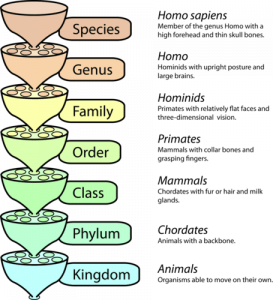
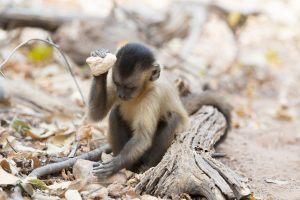
	</div>


	</div>
<div class="chapter standard " id="chapter-slug-20-9-disorders-of-the-female-reproductive-system" title="18.9 Disorders of the Female Reproductive System">
	<div class="chapter-title-wrap">
		<p class="chapter-number">160</p>
		<h1 class="chapter-title">18.9 Disorders of the Female Reproductive System</h1>
								</div>
	<div class="ugc chapter-ugc">
				 <p>Created by CK-12 Foundation/Adapted by Christine Miller</p> <div class="wp-caption aligncenter" id="attachment_5318" aria-describedby="caption-attachment-5318" style="width: 400px"><img class="wp-image-5318" src="http://humanbiology.pressbooks.tru.ca/wp-content/uploads/sites/6/2019/06/a-nurse-giving-a-young-girl-a-vaccine-shot-or-scaled.jpg" alt="18.9.1 Vaccine against Cervical Cancer" width="400" height="265" srcset="https://humanbiology.pressbooks.tru.ca/wp-content/uploads/sites/6/2019/06/a-nurse-giving-a-young-girl-a-vaccine-shot-or-scaled.jpg 2560w, https://humanbiology.pressbooks.tru.ca/wp-content/uploads/sites/6/2019/06/a-nurse-giving-a-young-girl-a-vaccine-shot-or-300x198.jpg 300w, https://humanbiology.pressbooks.tru.ca/wp-content/uploads/sites/6/2019/06/a-nurse-giving-a-young-girl-a-vaccine-shot-or-1024x677.jpg 1024w, https://humanbiology.pressbooks.tru.ca/wp-content/uploads/sites/6/2019/06/a-nurse-giving-a-young-girl-a-vaccine-shot-or-768x508.jpg 768w, https://humanbiology.pressbooks.tru.ca/wp-content/uploads/sites/6/2019/06/a-nurse-giving-a-young-girl-a-vaccine-shot-or-1536x1016.jpg 1536w, https://humanbiology.pressbooks.tru.ca/wp-content/uploads/sites/6/2019/06/a-nurse-giving-a-young-girl-a-vaccine-shot-or-2048x1354.jpg 2048w, https://humanbiology.pressbooks.tru.ca/wp-content/uploads/sites/6/2019/06/a-nurse-giving-a-young-girl-a-vaccine-shot-or-65x43.jpg 65w, https://humanbiology.pressbooks.tru.ca/wp-content/uploads/sites/6/2019/06/a-nurse-giving-a-young-girl-a-vaccine-shot-or-225x149.jpg 225w, https://humanbiology.pressbooks.tru.ca/wp-content/uploads/sites/6/2019/06/a-nurse-giving-a-young-girl-a-vaccine-shot-or-350x231.jpg 350w" sizes="(max-width: 400px) 100vw, 400px" title="" /><div class="wp-caption-text" id="caption-attachment-5318"><em>Figure 18.9.1 An ounce of prevention is worth a pound of cure.</em></div></div> <div><h1>Vaccinating Against Cancer</h1> </div> <p>Can a vaccine prevent <span class="glossary-term">cancer</span>? In the case of cervical cancer, it&nbsp;<em>can</em>. Cervical cancer is one of three disorders of the female reproductive system described in detail in this concept. Of the three, only cervical cancer can be prevented with a vaccine.</p> <div><h1>Cervical Cancer</h1> </div> <p><strong><span class="glossary-term">Cervical cancer</span></strong> occurs when cells of the <span class="glossary-term">cervix</span> (neck of the <span class="glossary-term">uterus</span>) grow abnormally and develop the ability to invade nearby tissues or spread to other parts of the body, such as the abdomen or lungs. Figure 18.9.2 shows the location of the <span class="glossary-term">cervix</span> and the appearance of normal and abnormal cervical cells when examined with a microscope.</p> <div class="wp-caption alignnone" id="attachment_5323" aria-describedby="caption-attachment-5323" style="width: 1024px"><img class="size-full wp-image-5323" src="http://humanbiology.pressbooks.tru.ca/wp-content/uploads/sites/6/2019/06/1024px-Blausen_0221_CervicalDysplasia.png" alt="18.9.2 Cervical Cancer" width="1024" height="768" srcset="https://humanbiology.pressbooks.tru.ca/wp-content/uploads/sites/6/2019/06/1024px-Blausen_0221_CervicalDysplasia.png 1024w, https://humanbiology.pressbooks.tru.ca/wp-content/uploads/sites/6/2019/06/1024px-Blausen_0221_CervicalDysplasia-300x225.png 300w, https://humanbiology.pressbooks.tru.ca/wp-content/uploads/sites/6/2019/06/1024px-Blausen_0221_CervicalDysplasia-768x576.png 768w, https://humanbiology.pressbooks.tru.ca/wp-content/uploads/sites/6/2019/06/1024px-Blausen_0221_CervicalDysplasia-65x49.png 65w, https://humanbiology.pressbooks.tru.ca/wp-content/uploads/sites/6/2019/06/1024px-Blausen_0221_CervicalDysplasia-225x169.png 225w, https://humanbiology.pressbooks.tru.ca/wp-content/uploads/sites/6/2019/06/1024px-Blausen_0221_CervicalDysplasia-350x263.png 350w" sizes="(max-width: 1024px) 100vw, 1024px" title="" /><div class="wp-caption-text" id="caption-attachment-5323"><em>Figure 18.9.2 Cancer of the cervix — the location of which is shown in the drawings on the left and top right — can be identified by abnormal cervical cells, as shown on the bottom right. CIN stands for cervical intraepithelial neoplasia, which means cancerous cells within the epithelium of the cervix. The designations CIN 1, CIN 2, and CIN 3 refer to the severity of the abnormal cells, with CIN 1 being the least severe, and CIN 3 being the most severe.</em></div></div> <h1>Cervical Cancer Prevalence and Death Rates</h1> <p>Worldwide, cervical <span class="glossary-term">cancer</span> is the second most common type of cancer in females (after breast cancer) and the fourth-most common cause of cancer death in females. In Canada and other high-income nations, the widespread use of cervical cancer screening has detected many cases of precancerous cervical changes and has dramatically reduced rates of cervical cancer deaths. About 75% of cervical cancer cases occur in developing countries, where routine screening is less likely because of cost and other factors. Cervical cancer is also the most common cause of cancer death in low-income countries.</p> <h2>Symptoms of Cervical Cancer</h2> <p>Early in the development of cervical cancer, there are typically no symptoms. As the disease progresses, however, symptoms are likely to occur. The symptoms may include abnormal vaginal bleeding, pelvic pain, or pain during sexual intercourse. Unfortunately, by the time symptoms start to occur, cervical cancer has typically progressed to a stage at which treatment is less likely to be successful.</p> <h2>Cervical Cancer Causes and Risk Factors</h2> <p>More than 90 per cent of cases of cervical cancer are caused at least in part by <strong><span class="glossary-term">human papillomavirus</span> (HPV)</strong>, which is a sexually transmitted virus that also causes genital warts. Figure 18.9.3 shows how HPV infection can cause cervical cancer by interfering with a normal cell division checkpoint. When HPV is not present, cervical cells containing mutations are not allowed to divide, so the cervix remains healthy. When HPV is present, however, cervical cells with mutations may be allowed to divide, leading to uncontrolled growth of mutated cells and the formation of a tumor.</p> <div class="wp-caption aligncenter" id="attachment_5325" aria-describedby="caption-attachment-5325" style="width: 857px"><img class="size-full wp-image-5325" src="http://humanbiology.pressbooks.tru.ca/wp-content/uploads/sites/6/2019/06/HPV-and-Cervical-Cancer-by-OpenStax.jpg" alt="18.9.3 HPV and Cervical Cancer" width="857" height="465" srcset="https://humanbiology.pressbooks.tru.ca/wp-content/uploads/sites/6/2019/06/HPV-and-Cervical-Cancer-by-OpenStax.jpg 857w, https://humanbiology.pressbooks.tru.ca/wp-content/uploads/sites/6/2019/06/HPV-and-Cervical-Cancer-by-OpenStax-300x163.jpg 300w, https://humanbiology.pressbooks.tru.ca/wp-content/uploads/sites/6/2019/06/HPV-and-Cervical-Cancer-by-OpenStax-768x417.jpg 768w, https://humanbiology.pressbooks.tru.ca/wp-content/uploads/sites/6/2019/06/HPV-and-Cervical-Cancer-by-OpenStax-65x35.jpg 65w, https://humanbiology.pressbooks.tru.ca/wp-content/uploads/sites/6/2019/06/HPV-and-Cervical-Cancer-by-OpenStax-225x122.jpg 225w, https://humanbiology.pressbooks.tru.ca/wp-content/uploads/sites/6/2019/06/HPV-and-Cervical-Cancer-by-OpenStax-350x190.jpg 350w" sizes="(max-width: 857px) 100vw, 857px" title="" /><div class="wp-caption-text" id="caption-attachment-5325"><em>Figure 18.9.3 The presence of HPV may allow cervical cells with mutations to divide, resulting in the formation of a tumor.</em></div></div> <p>Other risk factors for cervical cancer include smoking, a weakened immune system (for example, due to HIV infection), use of birth control pills, becoming sexually active at a young age, and having many sexual partners. However, these risk factors are less important than HPV infection. Instead, the risk factors are more likely to increase the risk of cervical cancer in females who are <em>already</em> infected with HPV. For example, among HPV-infected women, current and former smokers have roughly two to three times the incidence of cervical cancer as non-smokers. Passive smoking, or secondhand smoke, is also associated with an increased risk of cervical cancer, but to a lesser extent.</p> <h2>Diagnosis of Cervical Cancer</h2> <p>Diagnosis of cervical cancer is typically made by looking for microscopic abnormal cervical cells in a smear of cells scraped off the cervix. This is called a&nbsp;<strong><span class="glossary-term">Pap smear</span>.</strong>&nbsp;If cancerous cells are detected or suspected in the smear, this test is usually followed up with a biopsy to confirm the Pap smear results. Medical imaging (by CT scan or MRI, for example) is also likely to be done to provide more information, such as whether the cancer has spread.</p> <h2>Prevention of Cervical Cancer</h2> <p>It is now possible to prevent HPV infection with a vaccine. The first HPV vaccine was approved by the U.S. Food and Drug Administration in 2006. The <span class="glossary-term">vaccine</span> protects against the strains of HPV that have the greatest risk of causing cervical cancer. It is thought that widespread use of the vaccine will prevent up to 90% of cervical cancer cases. Current recommendations are for females to be given the vaccine between the ages of nine and 26. (Boys should be vaccinated against HPV, as well, because the virus may also cause cancer of the penis and certain other male cancers.) The vaccine is effective only if it is given <em>before </em>HPV infection has occurred. Using condoms during sexual intercourse can also help prevent HPV infection and cervical cancer, in addition to&nbsp;preventing pregnancy and sexually transmitted infections (such as HIV).</p> <p>Even in women who have received the HPV vaccine, there is still a small risk of developing cervical cancer. Therefore, it is recommended that women continue to be examined with regular Pap smears.</p> <h2>Treatment of Cervical Cancer</h2> <p>Treatment of cervical cancer generally depends on the stage at which the cancer is diagnosed, but it is likely to include some combination of surgery, radiation therapy, and/or <span class="glossary-term">chemotherapy</span>. Outcomes of treatment depend largely on how early the cancer is diagnosed and treated. For surgery to cure cervical cancer, the entire tumor must be removed with no cancerous cells found at the margins of the removed tissue on microscopic examination. If cancer is found and treated very early when it is still in the microscopic stage, the five-year survival rate is virtually 100%.</p> <div><h1>Vaginitis</h1> </div> <p><strong><span class="glossary-term">Vaginitis</span></strong>&nbsp;is inflammation of the vagina — and sometimes the <span class="glossary-term">vulva</span>, as well. Symptoms may include a discharge that is yellow, gray, or green; itching; pain; and a burning sensation. There may also be a foul vaginal odor and pain or irritation with <span class="glossary-term">sexual intercourse</span>.</p> <h2>Causes of Vaginitis</h2> <p>About 90% of cases of vaginitis are caused by infection with <span class="glossary-term">microorganism<span style="font-size: 1em">s</span><span style="text-align: initial;font-size: 1em"></span></span><span style="text-align: initial;font-size: 1em">. Most commonly, vaginal infections are caused by the yeast </span><em style="text-align: initial;font-size: 1em">Candida albicans</em> <span style="text-align: initial;font-size: 1em">(see Figure 18.9.4). Such infections are referred to as vaginal </span><strong style="text-align: initial;font-size: 1em"><span class="glossary-term">candidiasis</span> </strong>or more commonly as a yeast infection.<span style="text-align: initial;font-size: 1em">&nbsp;<em>Candida albicans </em>is one of the most common opportunistic infections in the world and can affect not only the vagina, but any of the mucus membranes and skin.&nbsp; Other possible causes of vaginal infections include bacteria, especially </span><em style="text-align: initial;font-size: 1em">Gardnerella vaginalis</em><span style="text-align: initial;font-size: 1em">, and some single-celled parasites, notably the protist parasite&nbsp;</span><em style="text-align: initial;font-size: 1em">Trichomonas vaginalis</em><span style="text-align: initial;font-size: 1em">, which is usually transmitted through vaginal intercourse. The risk of vaginal infections may be greater in women who wear tight clothing, are taking antibiotics for another condition, use birth control pills, or have improper hygiene. Poor&nbsp;hygiene&nbsp;allows organisms that are normally present in the stool (such as yeast) to contaminate the vagina.</span></p> <div><div class="wp-caption aligncenter" id="attachment_5331" aria-describedby="caption-attachment-5331" style="width: 792px"><img class="wp-image-5331" src="http://humanbiology.pressbooks.tru.ca/wp-content/uploads/sites/6/2019/06/Candida-by-NIH-on-Flickr.jpg" alt="18.9.3 Candida" width="792" height="396" srcset="https://humanbiology.pressbooks.tru.ca/wp-content/uploads/sites/6/2019/06/Candida-by-NIH-on-Flickr.jpg 2048w, https://humanbiology.pressbooks.tru.ca/wp-content/uploads/sites/6/2019/06/Candida-by-NIH-on-Flickr-300x150.jpg 300w, https://humanbiology.pressbooks.tru.ca/wp-content/uploads/sites/6/2019/06/Candida-by-NIH-on-Flickr-1024x512.jpg 1024w, https://humanbiology.pressbooks.tru.ca/wp-content/uploads/sites/6/2019/06/Candida-by-NIH-on-Flickr-768x384.jpg 768w, https://humanbiology.pressbooks.tru.ca/wp-content/uploads/sites/6/2019/06/Candida-by-NIH-on-Flickr-1536x768.jpg 1536w, https://humanbiology.pressbooks.tru.ca/wp-content/uploads/sites/6/2019/06/Candida-by-NIH-on-Flickr-65x33.jpg 65w, https://humanbiology.pressbooks.tru.ca/wp-content/uploads/sites/6/2019/06/Candida-by-NIH-on-Flickr-225x113.jpg 225w, https://humanbiology.pressbooks.tru.ca/wp-content/uploads/sites/6/2019/06/Candida-by-NIH-on-Flickr-350x175.jpg 350w" sizes="(max-width: 792px) 100vw, 792px" title="" /><div class="wp-caption-text" id="caption-attachment-5331"><em>Figure 18.9.4 The yeast Candida albicans — shown here growing on a culture plate — is one of the most common causes of vaginitis.</em></div></div> </div> <p>Most of the remaining cases of vaginitis are due to irritation by — or allergic reactions to — various products. These irritants may include condoms, spermicides, soaps, douches, lubricants, and even semen. Using tampons or soaking in hot tubs may be additional causes of this type of vaginitis.</p> <h2>Diagnosis of Vaginitis</h2> <p>Diagnosis of <span class="glossary-term">vaginitis</span> typically begins with symptoms reported by the patient. This may be followed by a microscopic examination or culture of the vaginal discharge in order to identify the specific cause. The colour, consistency, acidity, and other characteristics of the discharge may be predictive of the causative agent. For example, infection with <em>Candida albicans</em>&nbsp;may cause a cottage cheese-like discharge with a low <span class="glossary-term">pH</span>, whereas infection with&nbsp;<em>Gardnerella vaginalis</em>&nbsp;may cause a discharge with a fish-like odor and a high pH.</p> <h2>Prevention of Vaginitis</h2> <p>Prevention of vaginitis includes wearing loose cotton underwear that helps keep the <span class="glossary-term">vulva</span> dry.&nbsp;Yeasts and bacteria that may cause vaginitis tend to grow best in a moist environment. It is also important to avoid the use of perfumed soaps, personal hygiene sprays, and douches, all of which may upset the normal pH and bacterial balance in the vagina. To help avoid vaginitis caused by infection with&nbsp;<em>Trichomonas vaginalis</em>, the use of condoms during sexual intercourse is advised.</p> <h2>Treatment of Vaginitis</h2> <p>The appropriate treatment of vaginitis depends on the cause. In many cases of vaginitis, there is more than one cause, and all of the causes must be treated to ensure a cure.</p> <ul><li>Yeast infections of the vagina are typically treated with topical anti-fungal medications, which are available over the counter. The medications may be in the form of tablets or creams that are inserted into the vagina. Depending on the particular medication used, treatment may involve one, three, or seven days of applications.</li> <li>Bacterial infections of the vagina are usually treated with antibiotics. These may be taken orally as pills, or applied topically to the vagina in creams.</li> <li><em>Trichomonas vaginalis</em> infections of the vagina are generally treated with a single dose of an oral antibiotic. Sexual partners should be treated at the same time, and intercourse should be avoided for at least a week until both partners have completed treatment, and have been followed-up by a physician.</li> </ul> <div><h1>Endometriosis</h1> </div> <p><strong><span class="glossary-term">Endometriosis</span></strong> is a disease in which endometrial tissue, which normally grows inside the uterus, grows outside it, as shown in Figure 18.9.5. Most often, the endometrial tissue grows around the ovaries, Fallopian tubes, and uterus. In rare instances, the tissue may grow elsewhere in the body. The areas of endometriosis typically bleed each month during the menstrual period, and this often results in inflammation, pain, and scarring. An estimated six to ten per cent of women are believed to have endometriosis. It is most common in women during their thirties and forties, and only rarely occurs before menarche or after menopause.</p> <div class="wp-caption aligncenter" id="attachment_5334" aria-describedby="caption-attachment-5334" style="width: 1024px"><img class="size-full wp-image-5334" src="http://humanbiology.pressbooks.tru.ca/wp-content/uploads/sites/6/2019/06/Blausen_0349_Endometriosis.png" alt="18.9.5 Endometriosis" width="1024" height="791" srcset="https://humanbiology.pressbooks.tru.ca/wp-content/uploads/sites/6/2019/06/Blausen_0349_Endometriosis.png 1024w, https://humanbiology.pressbooks.tru.ca/wp-content/uploads/sites/6/2019/06/Blausen_0349_Endometriosis-300x232.png 300w, https://humanbiology.pressbooks.tru.ca/wp-content/uploads/sites/6/2019/06/Blausen_0349_Endometriosis-768x593.png 768w, https://humanbiology.pressbooks.tru.ca/wp-content/uploads/sites/6/2019/06/Blausen_0349_Endometriosis-65x50.png 65w, https://humanbiology.pressbooks.tru.ca/wp-content/uploads/sites/6/2019/06/Blausen_0349_Endometriosis-225x174.png 225w, https://humanbiology.pressbooks.tru.ca/wp-content/uploads/sites/6/2019/06/Blausen_0349_Endometriosis-350x270.png 350w" sizes="(max-width: 1024px) 100vw, 1024px" title="" /><div class="wp-caption-text" id="caption-attachment-5334"><em>Figure 18.9.5 In endometriosis, endometrial tissue may grow outside the uterus and cause health problems such as pain, bleeding, scarring, and infertility.</em></div></div> <h2>Signs and Symptoms of Endometriosis</h2> <p>The main symptom of <span class="glossary-term">endometriosis</span> is pelvic pain, which may range from mild to severe. There appears to be little or no relationship between the amount of endometrial tissue growing outside the uterus and the severity of the pain. For many women with the disease, the pain occurs mainly during <span class="glossary-term">menstruation</span>. However, nearly half of those affected have chronic pelvic pain. The pain of endometriosis may be caused by bleeding in the pelvis, which triggers <span class="glossary-term">inflammation</span>. Pain can also occur from internal scar tissue that binds internal organs to each other.</p> <p>Another problem often associated with endometriosis is infertility, or the inability to conceive or bear children. Among women with endometriosis, up to half may experience infertility. Infertility can be related to scar formation or to anatomical distortions due to the abnormal endometrial tissue. Other possible symptoms of endometriosis may include diarrhea or constipation, chronic fatigue, nausea and vomiting, headaches, and heavy or irregular menstrual bleeding.</p> <h2>Causes of Endometriosis</h2> <p>The causes of endometriosis are not known for certain, but several risk factors have been identified, including a family history of endometriosis. Daughters or sisters of women with endometriosis have about six times the normal risk of developing the disease themselves. It has been suggested that endometriosis results from <span class="glossary-term">mutation<span style="font-size: 1em">s</span><span style="text-align: initial;font-size: 1em"></span></span><span style="text-align: initial;font-size: 1em">&nbsp;in several <span class="glossary-term">gene</span><span style="font-size: 1em">s</span><span style="font-size: 1em;text-align: initial"></span></span><span style="font-size: 1em;text-align: initial">. It is likely that endometriosis is multifactorial, involving the interplay of several factors.</span></p> <p>At the physiological level, the predominant idea for how endometriosis comes about is retrograde menstruation. This&nbsp;happens&nbsp;when some of the endometrial debris from a woman’s menstrual flow exits the <span class="glossary-term">uterus</span> through the <span class="glossary-term">oviduct<span style="font-size: 1em">s</span><span style="text-align: initial;font-size: 1em"></span></span><span style="text-align: initial;font-size: 1em">, rather than through the </span><span style="text-align: initial;font-size: 1em"><span class="glossary-term">vagina</span></span><span style="text-align: initial;font-size: 1em">. The debris then attaches itself to the outside of organs in the abdominal cavity, or to the lining of the abdominal cavity itself. Retrograde menstruation, however, does not explain all cases of endometriosis, so other factors are apparently involved. Suggestions include environmental toxins and <span class="glossary-term">autoimmune</span> responses.</span></p> <h2>Diagnosis of Endometriosis</h2> <p>Diagnosis of endometriosis is usually based on self-reported symptoms and a physical examination by a doctor, often combined with medical imaging, such as ultrasonography. The only way to definitively diagnose endometriosis, however, is through visual inspection of the endometrial tissue. This can be done with a surgical procedure called laparoscopy, shown in Figure 18.9.6, in which a tiny camera is inserted into the abdomen through a small incision. The camera allows the physician to visually inspect the area where endometrial tissue is suspected.</p> <div class="wp-caption aligncenter" id="attachment_5335" aria-describedby="caption-attachment-5335" style="width: 516px"><img class="wp-image-5335" src="http://humanbiology.pressbooks.tru.ca/wp-content/uploads/sites/6/2019/06/1024px-Blausen_0602_Laparoscopy_02.png" alt="18.9.6 Laparoscopy" width="516" height="516" srcset="https://humanbiology.pressbooks.tru.ca/wp-content/uploads/sites/6/2019/06/1024px-Blausen_0602_Laparoscopy_02.png 1024w, https://humanbiology.pressbooks.tru.ca/wp-content/uploads/sites/6/2019/06/1024px-Blausen_0602_Laparoscopy_02-300x300.png 300w, https://humanbiology.pressbooks.tru.ca/wp-content/uploads/sites/6/2019/06/1024px-Blausen_0602_Laparoscopy_02-150x150.png 150w, https://humanbiology.pressbooks.tru.ca/wp-content/uploads/sites/6/2019/06/1024px-Blausen_0602_Laparoscopy_02-768x768.png 768w, https://humanbiology.pressbooks.tru.ca/wp-content/uploads/sites/6/2019/06/1024px-Blausen_0602_Laparoscopy_02-65x65.png 65w, https://humanbiology.pressbooks.tru.ca/wp-content/uploads/sites/6/2019/06/1024px-Blausen_0602_Laparoscopy_02-225x225.png 225w, https://humanbiology.pressbooks.tru.ca/wp-content/uploads/sites/6/2019/06/1024px-Blausen_0602_Laparoscopy_02-350x350.png 350w" sizes="(max-width: 516px) 100vw, 516px" title="" /><div class="wp-caption-text" id="caption-attachment-5335"><em>Figure 18.9.6 Visually inspecting the abdomen for endometrial growths is the most reliable way to diagnose endometriosis.</em></div></div> <h2>Treatment of Endometriosis</h2> <p>The most common treatments for endometriosis are medications to control the pain, and surgery to remove the abnormal tissue. Frequently used pain medications are non-steroidal inflammatory drugs (<span class="glossary-term">NSAIDS</span>), such as naproxen. Opiates may be used in cases of severe pain. Laparoscopy can be used to surgically treat endometriosis, as well as to diagnose the condition. In this type of surgery, an additional small incision is made to insert instruments that the surgeon can manipulate externally in order to burn (cauterize) or cut away the endometrial growths. In younger women who want to have children, surgery is conservative to keep the reproductive organs intact and functional. However, with conservative surgery, endometriosis recurs in 20–40% of cases within five years of the surgery. In older women who have completed childbearing, <span class="glossary-term">hysterectomy</span> may be undertaken to remove all or part of the internal reproductive organs. This is the only procedure that is likely to cure endometriosis and prevent relapses.</p> <div><h1>Feature: My Human Body</h1> </div> <p>A <span class="glossary-term">Pap smear</span> is a method of cervical cancer screening used to detect potentially pre-cancerous and cancerous cells in the <span class="glossary-term">cervix</span>. It is the most widely used screening test for this type of cancer, and it is very effective. The test may also detect vaginal infections and abnormal endometrial cells, but it is not designed for these purposes.</p> <p>According to <a href="https://www.healthlinkbc.ca/medical-tests/hw5266" data-url="https://www.healthlinkbc.ca/medical-tests/hw5266">HealthLink BC</a>, females should start receiving routine Pap smears by age 25. Because most cases of cervical cancer are caused by infection with <span class="glossary-term">human papillomavirus (HPV)</span>, which is a sexually transmitted infection, there is little or no benefit to screening people who have not had sexual contact. Starting at age 25, general guidelines are for Pap smears to be repeated every three years until age 69. Screening may be discontinued after 69 years of age, if the last three Pap smears were normal. If a woman has a complete <span class="glossary-term">hysterectomy</span>, she no longer has a cervix and there is no need for further Pap smears. On the other hand, if a woman has had a history of abnormal Pap smears or <span class="glossary-term">cancer</span>, she will likely be screened more frequently. Pap smears can be done safely during the first several months of pregnancy, and resumed about three months after childbirth. Generally, better results are obtained if Pap smears are not done during menstruation.</p> <p>If you’ve never had a Pap smear, knowing what to expect may help prepare you for the procedure. The patient lies on the examining table with her feet in “stirrups” to hold the legs up and apart. An instrument called a speculum is inserted into the vagina to hold back the vaginal walls and give access to the cervix. A tiny amount of tissue is brushed off the cervix and smeared onto a microscope slide. The speculum is then removed, and the procedure is over. The slide is later examined under a microscope for abnormal cells. Some women experience light spotting or mild diarrhea after a Pap smear, but most have no lasting effects.</p> <p>Pap smears are uncomfortable and may be somewhat painful for some women. If you experience pain during a Pap smear, tell your health care provider. Many steps can be taken to minimize the pain, which might include using a smaller speculum, using warm instruments and a lubricant, and applying a topical anesthetic such as lidocaine to the cervix before obtaining the smear. Any pain is generally very brief, and the potential reward is worth it. Pap tests are estimated to reduce up to 80% of cervical cancer deaths. One of the lives saved could be your own.</p> <div><div class="textbox textbox--key-takeaways"><div class="textbox__header"><h1 class="textbox__title"><span style="color: #ffffff">18.9 Summary</span></h1> </div> <div class="textbox__content"><ul><li><span class="glossary-term">Cervical cancer</span> occurs when cells of the cervix grow abnormally and develop the ability to invade nearby tissues or spread to other parts of the body. Worldwide, cervical cancer is the second-most common type of <span class="glossary-term">cancer</span> in females and the fourth-most common cause of cancer death in females. Early on, cervical cancer often has no symptoms. Later, symptoms (such as abnormal vaginal bleeding and pain) are likely.</li> <li>Most cases of cervical cancer occur because of infection with <span class="glossary-term">human papillomavirus (HPV)</span>, so the HPV vaccine is expected to greatly reduce the incidence of the disease. Other risk factors include smoking and a weakened immune system. A <span class="glossary-term">Pap smear</span> can diagnose cervical cancer at an early stage. Where Pap smears are done routinely, cervical cancer death rates have fallen dramatically. Treatment of cervical cancer generally includes surgery, which may be followed by radiation therapy or chemotherapy.</li> <li><span class="glossary-term">Vaginitis</span> is inflammation of the vagina. A discharge is likely, and there may be itching and pain. About 90% of cases of vaginitis are caused by infection with <span class="glossary-term">microorganisms</span>, typically by the yeast <em>Candida albicans</em>. A minority of cases are caused by irritants or allergens in soaps, spermicides, or douches.</li> <li>Diagnosis of vaginitis may be based on characteristics of the discharge, which can be examined microscopically or cultured. Treatment of vaginitis depends on the cause and is usually an oral or topical anti-fungal or antibiotic medication.</li> <li><span class="glossary-term">Endometriosis</span> is a disease in which endometrial tissue grows outside the <span class="glossary-term">uterus</span>. This tissue may bleed during the <span class="glossary-term">menstrual period</span> and cause inflammation, pain, and scarring. The main symptom of endometriosis is pelvic pain, which may be severe. Endometriosis may also lead to <span class="glossary-term">infertility</span>.</li> <li>Endometriosis is thought to have multiple causes, including genetic mutations. Retrograde menstruation may be the immediate cause of endometrial tissue escaping the uterus and entering the pelvic cavity. Endometriosis is usually treated with surgery to remove the abnormal tissue and medication for pain. If surgery is more conservative than hysterectomy, endometriosis may recur.</li> </ul> </div> </div> <div class="textbox textbox--exercises"><div class="textbox__header"><h1 class="textbox__title"><span style="color: #ffffff">18.9 Review Questions</span></h1> </div> <div class="textbox__content"><ol><li>What is cervical cancer? Worldwide, how prevalent is it, and how does it rank as a cause of cancer deaths?</li> <li>Identify symptoms of cervical cancer. What are causes of — and risk factors for — cervical cancer?</li> <li>What roles can Pap smears and HPV vaccines play in preventing cervical cancer cases and cervical cancer deaths?</li> <li>How is cervical cancer treated?</li> <li>Define vaginitis and identify its symptoms.</li> <li>What are some of the causes of vaginitis? Which cause is responsible for most of the cases?</li> <li>How is vaginitis diagnosed and treated?</li> <li>What is endometriosis, and what are its symptoms?</li> <li>Discuss possible causes of endometriosis.</li> <li>How is endometriosis treated? Which treatment is most likely to prevent recurrence of the disorder?</li> <li><div class="textbox interactive-content"><span class="interactive-content__icon"></span> <p>An interactive H5P element has been excluded from this version of the text. You can view it online here:<br /> <a href="https://humanbiology.pressbooks.tru.ca/?p=962#h5p-214" title="18.9 Quiz" data-url="https://humanbiology.pressbooks.tru.ca/?p=962#h5p-214">https://humanbiology.pressbooks.tru.ca/?p=962#h5p-214</a> </p> </div> </li> <li>In the case of infection with <em>Trichomonas vaginalis</em>, why is the woman’s sexual partner usually treated at the same time?</li> </ol> </div> </div> <div class="textbox textbox--examples"><div class="textbox__header"><h1 class="textbox__title"><span style="color: #ffffff">18.9 Explore More</span></h1> </div> <div class="textbox__content"><div class="textbox interactive-content interactive-content--oembed"><span class="interactive-content__icon"></span> <p>One or more interactive elements has been excluded from this version of the text. You can view them online here: <a href="#oembed-4" title="The most common STI in the world - Emma Bryce" data-url="https://humanbiology.pressbooks.tru.ca/?p=962#oembed-4">https://humanbiology.pressbooks.tru.ca/?p=962#oembed-4</a> </p> </div> <p style="text-align: center">What is HPV and how can you protect yourself from it? – Emma Bryce, TED-Ed, 2019.</p> <div class="textbox interactive-content interactive-content--oembed"><span class="interactive-content__icon"></span> <p>One or more interactive elements has been excluded from this version of the text. You can view them online here: <a href="#oembed-5" title="Endometriosis - The Mystery Disease of Women | Cécile Real | TEDxBinnenhof" data-url="https://humanbiology.pressbooks.tru.ca/?p=962#oembed-5">https://humanbiology.pressbooks.tru.ca/?p=962#oembed-5</a> </p> </div> <p style="text-align: center">Endometriosis – The Mystery Disease of Women | Cécile Real | TEDxBinnenhof, TEDx Talks, 2016.</p> <div class="textbox interactive-content interactive-content--oembed"><span class="interactive-content__icon"></span> <p>One or more interactive elements has been excluded from this version of the text. You can view them online here: <a href="#oembed-6" title="The brain and ovarian hormones | Marwa Azab | TEDxMontrealWomen" data-url="https://humanbiology.pressbooks.tru.ca/?p=962#oembed-6">https://humanbiology.pressbooks.tru.ca/?p=962#oembed-6</a> </p> </div> <p style="text-align: center">The brain and ovarian hormones | Marwa Azab | TEDxMontrealWomen, TEDxTalks, 2015.</p> </div> </div> <p>&nbsp;</p> </div> <h2>Attributions</h2> <p><strong>Figure 18.9.1</strong></p> <p><a href="http://www.freestockphotos.biz/stockphoto/16727" rel="cc:attributionURL" data-url="http://www.freestockphotos.biz/stockphoto/16727">a-nurse-giving-a-young-girl-a-vaccine-shot-or</a> by CDC/ Judy Schmidt from <a href="https://phil.cdc.gov/Details.aspx?pid=9424" data-url="https://phil.cdc.gov/Details.aspx?pid=9424">Public Health Image Library (PHIL) #9424</a> is in the <a href="https://en.wikipedia.org/wiki/Public_domain" data-url="https://en.wikipedia.org/wiki/Public_domain">public domain</a> (https://en.wikipedia.org/wiki/Public_domain).</p> <p><strong>Figure 18.9.2</strong></p> <p><a href="https://commons.wikimedia.org/wiki/File:Blausen_0221_CervicalDysplasia.png" rel="cc:attributionURL" data-url="https://commons.wikimedia.org/wiki/File:Blausen_0221_CervicalDysplasia.png">1024px-Blausen_0221_CervicalDysplasia</a> by <a class="extiw" title="en:Blausen medical" href="https://en.wikipedia.org/wiki/Blausen_medical" data-url="https://en.wikipedia.org/wiki/Blausen_medical">Blausen Medical Communications, Inc.</a> on Wikimedia Commons is used under a <a href="https://creativecommons.org/licenses/by/3.0" rel="license" data-url="https://creativecommons.org/licenses/by/3.0">CC BY&nbsp; 3.0</a> (https://creativecommons.org/licenses/by/3.0) license.</p> <p><strong>Figure 18.9.3</strong></p> <p><a href="https://commons.wikimedia.org/wiki/File:Figure_28_02_08.JPG" rel="cc:attributionURL" data-url="https://commons.wikimedia.org/wiki/File:Figure_28_02_08.JPG">HPV and Cervical Cancer by OpenStax</a>&nbsp;by <a href="https://openstax.org/books/anatomy-and-physiology/pages/27-2-anatomy-and-physiology-of-the-female-reproductive-system" data-url="https://openstax.org/books/anatomy-and-physiology/pages/27-2-anatomy-and-physiology-of-the-female-reproductive-system">OpenStax College</a> on Wikimedia Commons is used under a <a href="https://creativecommons.org/licenses/by/3.0" rel="license" data-url="https://creativecommons.org/licenses/by/3.0">CC BY 3.0</a> (https://creativecommons.org/licenses/by/3.0) license.</p> <p><strong>Figure 18.9.4</strong></p> <p><a href="https://www.flickr.com/photos/nihgov/27341966932" rel="cc:attributionURL" data-url="https://www.flickr.com/photos/nihgov/27341966932">Candida by NIH on Flickr</a> from the <a class="owner-name truncate" title="Go to NIH Image Gallery's photostream" href="https://www.flickr.com/photos/nihgov/" data-track="attributionNameClick" data-url="https://www.flickr.com/photos/nihgov/">NIH Image Gallery</a> on <a href="http://flickr.com" data-url="http://flickr.com">Flickr</a> is used under a <a href="https://creativecommons.org/licenses/by-nc/2.0/" data-url="https://creativecommons.org/licenses/by-nc/2.0/">CC BY NC 2.0</a> (https://creativecommons.org/licenses/by-nc/2.0/) license.</p> <p><strong>Figure 18.9.5</strong></p> <p><a href="https://commons.wikimedia.org/wiki/File:Blausen_0349_Endometriosis.png" rel="cc:attributionURL" data-url="https://commons.wikimedia.org/wiki/File:Blausen_0349_Endometriosis.png">Blausen_0349_Endometriosis</a> by <a title="User:BruceBlaus" href="https://commons.wikimedia.org/wiki/User:BruceBlaus" data-url="https://commons.wikimedia.org/wiki/User:BruceBlaus">BruceBlaus</a>&nbsp;on Wikimedia Commons is used under a <a href="https://creativecommons.org/licenses/by/3.0" rel="license" data-url="https://creativecommons.org/licenses/by/3.0">CC BY&nbsp; 3.0</a> (https://creativecommons.org/licenses/by/3.0) license.</p> <p><strong>Figure 18.9.6</strong></p> <p><a href="https://commons.wikimedia.org/wiki/File:Blausen_0602_Laparoscopy_02.png" rel="cc:attributionURL" data-url="https://commons.wikimedia.org/wiki/File:Blausen_0602_Laparoscopy_02.png">1024px-Blausen_0602_Laparoscopy_02</a> by <a title="User:BruceBlaus" href="https://commons.wikimedia.org/wiki/User:BruceBlaus" data-url="https://commons.wikimedia.org/wiki/User:BruceBlaus">BruceBlaus</a>&nbsp;on Wikimedia Commons is used under a <a href="https://creativecommons.org/licenses/by/3.0" rel="license" data-url="https://creativecommons.org/licenses/by/3.0">CC BY&nbsp; 3.0</a> (https://creativecommons.org/licenses/by/3.0) license.</p> <h2>References</h2> <p class="hanging-indent"><span class="os-title-label">Betts, J. G., Young, K.A., Wise, J.A., Johnson, E., Poe, B., Kruse, D.H., Korol, O., Johnson, J.E., Womble, M., DeSaix, P. (2013, June 19). Figure </span><span class="os-number">27.16</span><span class="os-divider">&nbsp;</span><span id="21419" class="os-title" data-type="title">Development of cervical cancer [digital image].&nbsp; In <em>Anatomy and Physiology</em> (Section 27.2). OpenStax. https://openstax.org/books/anatomy-and-physiology/pages/27-2-anatomy-and-physiology-of-the-female-reproductive-system</span></p> <p class="hanging-indent">Blausen.com Staff. (2014). Medical gallery of Blausen Medical 2014. <em>WikiJournal of Medicine 1</em> (2). DOI:10.15347/wjm/2014.010. ISSN 2002-4436.</p> <p class="hanging-indent">HealthLink BC. (n.d.). Pap test: British Columbia specific information. https://www.healthlinkbc.ca/medical-tests/hw5266</p> <p class="hanging-indent">TED-Ed. (2019, July 9). What is HPV and how can you protect yourself from it? – Emma Bryce. YouTube. https://www.youtube.com/watch?v=KOz-bNhEHhQ&amp;feature=youtu.be</p> <p class="hanging-indent">TEDx Talks. (2016, April 14). Endometriosis – The mystery disease of women | Cécile Real | TEDxBinnenhof.&nbsp; YouTube. https://www.youtube.com/watch?v=6HeQ4iEqAUk&amp;feature=youtu.be</p> <p class="hanging-indent">TEDx Talks. (2015, July 27). The brain and ovarian hormones | Marwa Azab | TEDxMontrealWomen. YouTube. https://www.youtube.com/watch?v=ryNjSP5VVI8&amp;feature=youtu.be</p> 
	</div>


	</div>
<div class="chapter standard " id="chapter-slug-20-10-infertility" title="18.10 Infertility">
	<div class="chapter-title-wrap">
		<p class="chapter-number">161</p>
		<h1 class="chapter-title">18.10 Infertility</h1>
								</div>
	<div class="ugc chapter-ugc">
				 <p>Created by CK-12 Foundation/Adapted by Christine Miller</p> <div class="textbox interactive-content"><span class="interactive-content__icon"></span> <p>An interactive H5P element has been excluded from this version of the text. You can view it online here:<br /> <a href="https://humanbiology.pressbooks.tru.ca/?p=964#h5p-215" title="18.9 All Kinds of Families" data-url="https://humanbiology.pressbooks.tru.ca/?p=964#h5p-215">https://humanbiology.pressbooks.tru.ca/?p=964#h5p-215</a> </p> </div> <p><em>Figure 18.10.1 Families all have something in common.</em></p> <div><h1>Family Portrait</h1> </div> <p>What do all these families (Figure 18.10.1) have in common?&nbsp; They were born!&nbsp; Every person on this planet was conceived, carried in utero and then born.&nbsp; While families come in all shapes, sizes and styles, we all came into existence in the same way.&nbsp; Virtually all human societies past and present — value having children. Indeed, for many people, parenthood is an important life goal. Unfortunately, some people are unable to achieve that goal because of infertility.</p> <div><h1>What Is Infertility?</h1> </div> <p><strong><span class="glossary-term">Infertility</span></strong> is the inability of a sexually mature adult to reproduce by natural means. For scientific and medical purposes, infertility is generally defined as the failure to achieve a successful pregnancy after at least one year of regular, unprotected sexual intercourse. Infertility may be primary or secondary. Primary infertility applies to cases in which an individual has never achieved a successful pregnancy. Secondary infertility applies to cases in which an individual has had at least one successful pregnancy, but fails to achieve another after trying for at least a year. Infertility is a common problem. The government of Canada reported that in 2019, 16% of Canadian couples experience infertility, a number which has doubled since the 1980s. If you look around at the couples you know, that means that almost 1 in 6 of them are having issues with fertility.</p> <div><h1>Causes of Infertility</h1> </div> <p><span class="glossary-term">Pregnancy</span> is the result of a multi-step process. In order for a normal pregnancy to occur, a woman must release an <span class="glossary-term">ovum</span> from one of her <span class="glossary-term">ovaries</span>, the ovum must go through an <span class="glossary-term">oviduct</span>, a man’s <span class="glossary-term">sperm</span> must fertilize the ovum as it passes through the oviduct, and then the resulting <span class="glossary-term">zygote</span> must implant in the <span class="glossary-term">uterus</span>. If there is a problem with any of these steps, <span class="glossary-term">infertility</span> can result.</p> <p>A couple’s infertility may be due to a problem with either the male or the female partner. As shown in the circle graph below (Figure 18.10.2), about 40% of infertility cases are due to female infertility, and about 30% are due to male infertility. The remaining 30% of cases are due to a combination of male and female problems or unknown causes.</p> <div class="wp-caption aligncenter" id="attachment_5342" aria-describedby="caption-attachment-5342" style="width: 900px"><img class="wp-image-5342 size-full" src="http://humanbiology.pressbooks.tru.ca/wp-content/uploads/sites/6/2019/06/Causes-of-infertility-in-Canada.png" alt="18.10.2 Causes of Infertility" width="900" height="515" srcset="https://humanbiology.pressbooks.tru.ca/wp-content/uploads/sites/6/2019/06/Causes-of-infertility-in-Canada.png 900w, https://humanbiology.pressbooks.tru.ca/wp-content/uploads/sites/6/2019/06/Causes-of-infertility-in-Canada-300x172.png 300w, https://humanbiology.pressbooks.tru.ca/wp-content/uploads/sites/6/2019/06/Causes-of-infertility-in-Canada-768x439.png 768w, https://humanbiology.pressbooks.tru.ca/wp-content/uploads/sites/6/2019/06/Causes-of-infertility-in-Canada-65x37.png 65w, https://humanbiology.pressbooks.tru.ca/wp-content/uploads/sites/6/2019/06/Causes-of-infertility-in-Canada-225x129.png 225w, https://humanbiology.pressbooks.tru.ca/wp-content/uploads/sites/6/2019/06/Causes-of-infertility-in-Canada-350x200.png 350w" sizes="(max-width: 900px) 100vw, 900px" title="" /><div class="wp-caption-text" id="caption-attachment-5342"><em>Figure 18.10.2 This graph shows that infertility affects males as often as females, and that the cause of infertility often is unexplained.</em></div></div> <h2>Causes of Male Infertility</h2> <p>Male infertility occurs when there are no, or too few, <span class="glossary-term">sperm</span>, or when the sperm are not healthy and motile and cannot travel through the female reproductive tract to fertilize an egg. A common cause of inadequate numbers or motility of sperm is varicocele, which is enlargement of blood vessels in the <span class="glossary-term">scrotum</span>. This may raise the temperature of the <span class="glossary-term">testes</span> and adversely affect sperm production. In other cases, there is no problem with the sperm, but there is a blockage in the male reproductive tract that prevents the sperm from being ejaculated.</p> <p>Factors that increase a man’s risk of infertility include heavy alcohol use, drug abuse, cigarette smoking, exposure to environmental toxins (such as pesticides or lead), certain medications, serious diseases (such as kidney disease), and radiation or chemotherapy for cancer. Another risk factor is advancing age. Male fertility normally peaks in the mid-twenties and gradually declines after about age 40, although it may never actually drop to zero.</p> <h2>Causes of Female Infertility</h2> <p>Female infertility generally occurs due to one of two problems: failure to produce viable <span class="glossary-term">ova</span> by the <span class="glossary-term">ovaries</span>, or structural problems in the <span class="glossary-term">oviduct<span style="font-size: 1em">s</span><span style="text-align: initial;font-size: 1em"></span></span><span style="text-align: initial;font-size: 1em">&nbsp;or <span class="glossary-term">uterus</span>. The most common cause of female infertility is a problem with <span class="glossary-term">ovulation</span>. Without ovulation, there are no ova to be fertilized. Anovulatory cycles (menstrual cycles in which ovulation does not occur) may be associated with no or irregular menstrual periods, but even regular menstrual periods may be anovulatory for a variety of reasons. The most common cause of anovulatory cycles is <span class="glossary-term"><strong>polycystic ovary syndrome (PCOS)</strong></span>, which causes hormone imbalances that can interfere with normal ovulation. Another relatively common cause of anovulation is primary ovarian insufficiency. In this condition, the ovaries stop working normally and producing viable eggs at a relatively early age, generally before the age of 40.</span></p> <p>Structural problems with the oviducts or uterus are less common causes of female infertility. The oviducts may be blocked as a result of <span class="glossary-term">endometriosis</span>. Another possible cause is pelvic inflammatory disease, which occurs when sexually transmitted infections spread to the oviducts or other female reproductive organs (see Figure 18.10.3). The infection may lead to scarring and blockage of the oviducts. If an ovum is produced and the oviducts are functioning — and a woman has a condition such as uterine fibroids — implantation in the uterus may not be possible. Uterine fibroids are non-cancerous clumps of tissue and muscle that form on the walls of the uterus.</p> <div class="wp-caption aligncenter" id="attachment_5344" aria-describedby="caption-attachment-5344" style="width: 1024px"><img class="size-full wp-image-5344" src="http://humanbiology.pressbooks.tru.ca/wp-content/uploads/sites/6/2019/06/1024px-Blausen_0719_PelvicInflammatoryDisease.png" alt="18.10.3 Pelvic inflammatory disease" width="1024" height="768" srcset="https://humanbiology.pressbooks.tru.ca/wp-content/uploads/sites/6/2019/06/1024px-Blausen_0719_PelvicInflammatoryDisease.png 1024w, https://humanbiology.pressbooks.tru.ca/wp-content/uploads/sites/6/2019/06/1024px-Blausen_0719_PelvicInflammatoryDisease-300x225.png 300w, https://humanbiology.pressbooks.tru.ca/wp-content/uploads/sites/6/2019/06/1024px-Blausen_0719_PelvicInflammatoryDisease-768x576.png 768w, https://humanbiology.pressbooks.tru.ca/wp-content/uploads/sites/6/2019/06/1024px-Blausen_0719_PelvicInflammatoryDisease-65x49.png 65w, https://humanbiology.pressbooks.tru.ca/wp-content/uploads/sites/6/2019/06/1024px-Blausen_0719_PelvicInflammatoryDisease-225x169.png 225w, https://humanbiology.pressbooks.tru.ca/wp-content/uploads/sites/6/2019/06/1024px-Blausen_0719_PelvicInflammatoryDisease-350x263.png 350w" sizes="(max-width: 1024px) 100vw, 1024px" title="" /><div class="wp-caption-text" id="caption-attachment-5344"><em>Figure 18.10.3 An infection of the Fallopian tubes may cause scarring and blockage of the tubes, so sperm cannot reach eggs for fertilization.</em></div></div> <p>Factors that increase a woman’s risk of infertility include tobacco smoking, excessive use of alcohol, stress, poor diet, strenuous athletic training, and being overweight or underweight. Advanced age is even more problematic for females than males. Female fertility normally peaks in the mid-twenties, and continuously declines after age 30 and until menopause around the age of 52, after which the ovary no longer releases eggs. About 1/3 of couples in which the woman is over age 35 have fertility problems. In older women, more cycles are likely to be anovulatory, and the eggs may not be as healthy.</p> <h1>Diagnosing Causes of Infertility</h1> <p>Diagnosing the cause(s) of a couple’s infertility often requires testing both the man and the woman for potential problems. In men, the <span class="glossary-term">semen</span> is likely to be examined for the number, shape, and motility of sperm. If problems are found with sperm, further studies are likely to be done, such as medical imaging to look for structural problems with the testes or ducts.</p> <p>In women, the first step is most often determining whether <span class="glossary-term">ovulation</span> is occurring. This can be done at home by carefully monitoring body temperature (it rises slightly around the time of ovulation) or using a home ovulation test kit, which is available over the counter at most drugstores. Whether or not ovulation is occurring can also be detected with blood tests or ultrasound imaging of the ovaries. If ovulation is occurring normally, then the next step may be an X-ray of the oviducts and uterus to see if there are any blockages or other structural problems. Another approach to examining the female reproductive tract for potential problems is laparoscopy. In this surgical procedure, a tiny camera is inserted into the woman’s abdomen through a small incision. This allows the doctor to directly inspect the reproductive organs.</p> <div><h1>Treating Infertility</h1> </div> <p>Infertility often can be treated successfully. The type of treatment depends on the cause of infertility.</p> <h2>Treating Male Infertility</h2> <p>Medical problems that interfere with sperm production may be treated with medications or other interventions that may lead to the resumption of normal sperm production.&nbsp;If, for example,&nbsp;an infection is interfering with sperm production, then antibiotics that clear up the infection may resolve the problem. If there is a blockage in the male reproductive tract that prevents the <span class="glossary-term">ejaculation</span> of sperm, surgery may be able to remove the blockage. Alternatively, the man’s sperm may be removed from his body and then used for artificial insemination of his partner. In this procedure, the sperm are injected into the woman’s reproductive tract.</p> <h2>Treating Female Infertility</h2> <p>In females, it may be possible to correct blocked Fallopian tubes or uterine fibroids with surgery. Ovulation problems, on the other hand, are usually treated with hormones that act either on the <span class="glossary-term">pituitary gland</span> or on the ovaries. Hormonal treatments that stimulate ovulation often result in more than one egg being ovulated at a time, thus increasing the chances of a woman having twins, triplets, or even higher multiple births. Multiple fetuses are at greater risk of being born too early or having health and developmental problems. The mother is also at greater risk of complications arising during pregnancy. Therefore, the possibility of multiple fetuses should be weighed in making a decision about this type of infertility treatment.</p> <h2>Assisted Reproductive Technology</h2> <p>Some cases of infertility are treated with&nbsp;<strong><span class="glossary-term">assisted reproductive technology (ART)</span></strong>. This is a collection of medical procedures in which ova are removed from the woman’s body and sperm are taken from the man’s body to be manipulated in ways that increase the chances of fertilization occurring. The eggs and sperm may be injected into one of the woman’s oviducts for fertilization to take place <em>in vivo</em>&nbsp;(in the body). More commonly, however, the eggs and sperm are mixed together outside the body so fertilization takes place&nbsp;<em>in vitro</em> (in a test tube or dish in a lab). The latter approach is illustrated in Figure 18.10.4. With <em>in vitro </em>fertilization, the fertilized eggs may be allowed to develop into embryos before being placed in the woman’s uterus.</p> <div class="wp-caption aligncenter" id="attachment_5346" aria-describedby="caption-attachment-5346" style="width: 508px"><img class="wp-image-5346" src="http://humanbiology.pressbooks.tru.ca/wp-content/uploads/sites/6/2019/06/1024px-Blausen_0060_AssistedReproductiveTechnology.png" alt="18.10.4 Assisted Reproductive Technology" width="508" height="381" srcset="https://humanbiology.pressbooks.tru.ca/wp-content/uploads/sites/6/2019/06/1024px-Blausen_0060_AssistedReproductiveTechnology.png 1024w, https://humanbiology.pressbooks.tru.ca/wp-content/uploads/sites/6/2019/06/1024px-Blausen_0060_AssistedReproductiveTechnology-300x225.png 300w, https://humanbiology.pressbooks.tru.ca/wp-content/uploads/sites/6/2019/06/1024px-Blausen_0060_AssistedReproductiveTechnology-768x576.png 768w, https://humanbiology.pressbooks.tru.ca/wp-content/uploads/sites/6/2019/06/1024px-Blausen_0060_AssistedReproductiveTechnology-65x49.png 65w, https://humanbiology.pressbooks.tru.ca/wp-content/uploads/sites/6/2019/06/1024px-Blausen_0060_AssistedReproductiveTechnology-225x169.png 225w, https://humanbiology.pressbooks.tru.ca/wp-content/uploads/sites/6/2019/06/1024px-Blausen_0060_AssistedReproductiveTechnology-350x263.png 350w" sizes="(max-width: 508px) 100vw, 508px" title="" /><div class="wp-caption-text" id="caption-attachment-5346"><em>Figure 18.10.4 This figure shows one way ART procedures may be used to treat infertility. An egg is removed from the female reproductive tract, injected with sperm from her partner, and allowed to develop into an embryo in the lab. Then, the embryo is placed inside the woman’s uterus for implantation and development during the remainder of gestation.</em></div></div> <p>ART has about a 40% chance of leading to a live birth in women under the age of 35, but only about a 20%t chance of success in women over the age of 35. Some studies have found a higher-than-average risk of birth defects in children produced by ART procedures, but this may be due to the generally higher ages of the parent — not the technologies used.</p> <h2>Other Approaches</h2> <p>Other approaches for certain causes of infertility include the use of a surrogate mother, a gestational carrier, or sperm donation.</p> <ul><li>A&nbsp;<strong>surrogate mother</strong>&nbsp;is a woman who agrees to become pregnant using the man’s sperm and her own egg. The child, who will be the biological offspring of the surrogate and the male partner, is given up at birth for adoption by the couple. Surrogacy might be selected by women with no eggs or unhealthy eggs.&nbsp;A&nbsp;woman who carries a mutant gene for a serious genetic disorder might choose this option to ensure that the defective gene is not passed on to the offspring.</li> <li>A&nbsp;<strong>gestational carrier</strong>&nbsp;is a woman who agrees to receive a transplanted embryo from a couple and carry it to term. The child, who will be the biological offspring of the couple, is given to the parents at birth. A gestational carrier might be used by women who have normal ovulation but no uterus, or who cannot safely carry a fetus to term because of a serious health problem (such as kidney disease or cancer).</li> <li><strong>Sperm donation</strong>&nbsp;is the use of sperm from a fertile man (generally through artificial insemination) for cases in which the male partner in a couple is infertile, or in which a woman seeks to become pregnant without a male partner.&nbsp;A&nbsp;lesbian couple may use donated sperm to enable one of them to become pregnant and have a child.&nbsp;Sperm can be obtained from a sperm bank, which buys and stores sperm for artificial insemination, or a male friend or other individual may donate sperm to a specific woman.</li> </ul> <div><h1>Social and Ethical Issues Relating to Infertility</h1> </div> <p>For people who have a strong desire for children of their own, infertility may lead to deep disappointment and depression. Individuals who are infertile may even feel biologically inadequate. Partners in infertile couples may argue and feel resentment toward each other, and married couples may get divorced because of infertility. Infertility treatments — especially ART procedures — are generally time-consuming and expensive. The high cost of the treatments can put them out of financial reach of many couples.</p> <h2>Ethical Concerns</h2> <p>Some people question whether the allocation of medical resources to infertility treatments is justified, and whether the resources could be better used in other ways. The status of embryos that are created&nbsp;<em>in vitro</em>&nbsp;and then not used for a pregnancy is another source of debate. Some people oppose their destruction on religious grounds, and couples may sometimes argue about what should be done with their extra embryos. Ethical issues are also raised by procedures that increase the chances of multiple births, because of the medical and developmental risks associated with multiple births.</p> <h2>Infertility in Developing Countries</h2> <p>Infertility is an under-appreciated problem in the poorer nations of the world, because of assumptions about overpopulation problems and high birth rates in developing countries. In fact, infertility is at least as great a problem in developing as in developed countries. High rates of health problems and inadequate health care in the poorer nations increase the risk of infertility. At the same time, infertility treatments are usually not available — or are far too expensive — for the vast majority of people who may need them. In addition, in many developing countries, the production of children is highly valued. Children may be needed for family income generation and economic security of the elderly. It is not uncommon for infertility to lead to social stigmatization, psychological problems, and abandonment by spouses.</p> <div><div class="textbox textbox--key-takeaways"><div class="textbox__header"><h1 class="textbox__title"><span style="color: #ffffff">18.10 Summary</span></h1> </div> <div class="textbox__content"><ul><li><span class="glossary-term">Infertility</span> is the inability of a sexually mature adult to reproduce by natural means. It is defined scientifically and medically as the failure to achieve a successful pregnancy after at least one year of regular, unprotected sexual intercourse.</li> <li>About 40% of infertility in couples is due to female infertility, and another 30% is due to male infertility. In the remaining cases, a couple’s infertility is due to problems in both partners, or to unknown causes.</li> <li>Male infertility occurs when there are no, or too few, healthy, motile <span class="glossary-term">sperm</span>. This may be caused by problems with <span class="glossary-term">spermatogenesis</span>, or by blockage of the male reproductive tract that prevents sperm from being ejaculated. Risk factors for male infertility include heavy alcohol use, smoking, certain medications, and advancing age, to name just a few.</li> <li>Female infertility occurs due to failure to produce viable ova by the ovaries, or structural problems in the oviducts or uterus. Polycystic ovary syndrome (PCOS) is the most common cause of failure to produce viable ova. <span class="glossary-term">Endometriosis</span> and uterine fibroids are possible causes of structural problems in the oviducts and uterus. Risk factors for female infertility include smoking, stress, poor diet, and older age, among others.</li> <li>Diagnosing the cause(s) of a couple’s infertility generally requires testing both the man and the woman for potential problems. For men, semen is likely to be examined for adequate numbers of healthy, motile sperm. For women, signs of ovulation are monitored, for example, with an ovulation test kit or ultrasound of the ovaries. For both partners, the reproductive tract may be medically imaged to look for blockages or other abnormalities.</li> <li>Treatments for infertility depend on the cause. For example, if a medical problem is interfering with sperm production, medication may resolve the underlying problem so sperm production is restored. Blockages in either the male or the female reproductive tract can often be treated surgically. If there are problems with ovulation, hormonal treatments may stimulate ovulation.</li> <li>Some cases of infertility are treated with <span class="glossary-term">assisted reproductive technology (ART)</span>. This is a collection of medical procedures in which ova and sperm are taken from the couple and manipulated in a lab to increase the chances of fertilization occurring and an embryo forming. Other approaches for certain causes of infertility include the use of a surrogate mother, gestational carrier, or sperm donation.</li> <li>Infertility can negatively impact a couple socially and psychologically, and it may be a major cause of marital friction or even divorce. Infertility treatments may raise ethical issues relating to the costs of the procedures and the status of embryos that are created&nbsp;<em>in vitro, </em>but not used for pregnancy. Infertility is an under-appreciated problem in developing countries, where birth rates are high and children have high economic — as well as social — value. In these countries, poor health care is likely to lead to more problems with infertility and fewer options for treatment.</li> </ul> </div> </div> <div class="textbox textbox--exercises"><div class="textbox__header"><h1 class="textbox__title"><span style="color: #ffffff">18.10 Review Questions</span></h1> </div> <div class="textbox__content"><ol><li>What is infertility? How is infertility defined scientifically and medically?</li> <li>What percentage of infertility in couples is due to male infertility? What percentage is due to female infertility?</li> <li>Identify causes of and risk factors for male infertility.</li> <li>Identify causes of and risk factors for female infertility.</li> <li>How are causes of infertility in couples diagnosed?</li> <li>How is infertility treated?</li> <li>Discuss some of the social and ethical issues associated with infertility or its treatment.</li> <li>Why is infertility an under-appreciated problem in developing countries?</li> <li>Describe two similarities between causes of male and female infertility.</li> <li>Explain the difference between males and females in terms of how age affects fertility.</li> <li><div class="textbox interactive-content"><span class="interactive-content__icon"></span> <p>An interactive H5P element has been excluded from this version of the text. You can view it online here:<br /> <a href="https://humanbiology.pressbooks.tru.ca/?p=964#h5p-216" title="18.10 Quiz" data-url="https://humanbiology.pressbooks.tru.ca/?p=964#h5p-216">https://humanbiology.pressbooks.tru.ca/?p=964#h5p-216</a> </p> </div> </li> <li>Do you think that taking medication to stimulate ovulation is likely to improve fertility in cases where infertility is due to endometriosis? Explain your answer.</li> </ol> </div> </div> <div class="textbox textbox--examples"><div class="textbox__header"><h1 class="textbox__title"><span style="color: #ffffff">18.10 Explore More</span></h1> </div> <div class="textbox__content"><div class="textbox interactive-content interactive-content--oembed"><span class="interactive-content__icon"></span> <p>One or more interactive elements has been excluded from this version of the text. You can view them online here: <a href="#oembed-6" title="How in vitro fertilization (IVF) works - Nassim Assefi and Brian A. Levine" data-url="https://humanbiology.pressbooks.tru.ca/?p=964#oembed-6">https://humanbiology.pressbooks.tru.ca/?p=964#oembed-6</a> </p> </div> <p>How <em>in vitro</em> fertilization (IVF) works – Nassim Assefi and Brian A. Levine, TED-Ed, 2015</p> <div class="textbox interactive-content interactive-content--oembed"><span class="interactive-content__icon"></span> <p>One or more interactive elements has been excluded from this version of the text. You can view them online here: <a href="#oembed-7" title="A journey through infertility -- over terror's edge | Camille Preston | TEDxBeaconStreet" data-url="https://humanbiology.pressbooks.tru.ca/?p=964#oembed-7">https://humanbiology.pressbooks.tru.ca/?p=964#oembed-7</a> </p> </div> <p style="text-align: center">A journey through infertility — over terror’s edge | Camille Preston | TEDxBeaconStreet, TEDx Talks, 2014.</p> <div class="textbox interactive-content interactive-content--oembed"><span class="interactive-content__icon"></span> <p>One or more interactive elements has been excluded from this version of the text. You can view them online here: <a href="#oembed-8" title="Smoking Marijuana May Lower Sperm Count by 33%" data-url="https://humanbiology.pressbooks.tru.ca/?p=964#oembed-8">https://humanbiology.pressbooks.tru.ca/?p=964#oembed-8</a> </p> </div> <p style="text-align: center">Smoking Marijuana May Lower Sperm Count by 33%, David Pakman Show, 2015.</p> <div class="textbox interactive-content interactive-content--oembed"><span class="interactive-content__icon"></span> <p>One or more interactive elements has been excluded from this version of the text. You can view them online here: <a href="#oembed-9" title="ivf embryo developing over 5 days by fertility Dr Raewyn Teirney" data-url="https://humanbiology.pressbooks.tru.ca/?p=964#oembed-9">https://humanbiology.pressbooks.tru.ca/?p=964#oembed-9</a> </p> </div> <p style="text-align: center">ivf embryo developing over 5 days by fertility Dr Raewyn Teirney, Fertility Specialist Sydney, 2014.</p> <div class="textbox interactive-content interactive-content--oembed"><span class="interactive-content__icon"></span> <p>One or more interactive elements has been excluded from this version of the text. You can view them online here: <a href="#oembed-10" title="Homosexuality: It's about survival - not sex | James O'Keefe | TEDxTallaght" data-url="https://humanbiology.pressbooks.tru.ca/?p=964#oembed-10">https://humanbiology.pressbooks.tru.ca/?p=964#oembed-10</a> </p> </div> <p style="text-align: center">Homosexuality: It’s about survival – not sex | James O’Keefe | TEDxTallaght, 2016.</p> </div> </div> <p>&nbsp;</p> </div> <h2>Attributions</h2> <p><strong>Figure 18.10.1</strong></p> <ul><li><a href="https://www.flickr.com/photos/bobjagendorf/9177582651" data-url="https://www.flickr.com/photos/bobjagendorf/9177582651">Gay Pride Parade NYC 2013 – Happy Family</a> by <a class="owner-name truncate" title="Go to Bob Jagendorf's photostream" href="https://www.flickr.com/photos/bobjagendorf/" data-track="attributionNameClick" data-url="https://www.flickr.com/photos/bobjagendorf/">Bob Jagendorf</a> on <a href="http://flickr.com" data-url="http://flickr.com">Flickr</a> is used under a <a href="https://creativecommons.org/licenses/by-nc/2.0/" data-url="https://creativecommons.org/licenses/by-nc/2.0/">CC BY-NC 2.0</a> (https://creativecommons.org/licenses/by-nc/2.0/) license.</li> <li><a href="https://unsplash.com/photos/kf3dLxBql6U" data-url="https://unsplash.com/photos/kf3dLxBql6U">#beaches #summer #family #blue #water</a> by <a class="_3XzpS _1ByhS _4kjHg _1O9Y0 _3l__V _1CBrG xLon9" href="https://unsplash.com/@theuntangled_" data-url="https://unsplash.com/@theuntangled_">Jove Duero</a> on <a href="https://unsplash.com/" data-url="https://unsplash.com/">Unsplash</a> is used under the <a class="ICezk _2GAZm _2WvKc" href="https://unsplash.com/license" data-url="https://unsplash.com/license">Unsplash License</a> (https://unsplash.com/license).</li> <li><a href="https://unsplash.com/photos/MOqAfi6GvVU" data-url="https://unsplash.com/photos/MOqAfi6GvVU">Photograph of five men near outdoor</a> by <a href="https://unsplash.com/@dollargill" data-url="https://unsplash.com/@dollargill">Dollar Gill</a> on <a style="font-size: 1em" href="https://unsplash.com/" data-url="https://unsplash.com/">Unsplash</a> <span style="font-size: 1em">is used under the </span><a class="ICezk _2GAZm _2WvKc" style="font-size: 1em" href="https://unsplash.com/license" data-url="https://unsplash.com/license">Unsplash License</a> <span style="font-size: 1em">(https://unsplash.com/license).&nbsp;</span></li> <li><a href="https://unsplash.com/photos/JYJxLjvIGWY" data-url="https://unsplash.com/photos/JYJxLjvIGWY">Família</a> by <a class="_3XzpS _1ByhS _4kjHg _1O9Y0 _3l__V _1CBrG xLon9" href="https://unsplash.com/@laerciocavalcanti" data-url="https://unsplash.com/@laerciocavalcanti">Laercio Cavalcanti</a> on <a style="font-size: 1em" href="https://unsplash.com/" data-url="https://unsplash.com/">Unsplash</a> <span style="font-size: 1em">is used under the </span><a class="ICezk _2GAZm _2WvKc" style="font-size: 1em" href="https://unsplash.com/license" data-url="https://unsplash.com/license">Unsplash License</a> <span style="font-size: 1em">(https://unsplash.com/license).&nbsp;</span></li> <li><a href="https://unsplash.com/photos/GmDVGjqeVEk" data-url="https://unsplash.com/photos/GmDVGjqeVEk">Happiness 🙂</a> by <a class="_3XzpS _1ByhS _4kjHg _1O9Y0 _3l__V _1CBrG xLon9" href="https://unsplash.com/@suicide_chewbacca" data-url="https://unsplash.com/@suicide_chewbacca">Ashwini Chaudhary</a> on <a style="font-size: 1em" href="https://unsplash.com/" data-url="https://unsplash.com/">Unsplash</a> <span style="font-size: 1em">is used under the </span><a class="ICezk _2GAZm _2WvKc" style="font-size: 1em" href="https://unsplash.com/license" data-url="https://unsplash.com/license">Unsplash License</a> <span style="font-size: 1em">(https://unsplash.com/license).&nbsp;</span></li> </ul> <p><strong>Figure 18.10.2</strong></p> <p>Causes of infertility in Canada by Christine Miller is in the <a href="https://creativecommons.org/publicdomain/mark/1.0/" rel="license" data-url="https://creativecommons.org/publicdomain/mark/1.0/">Public Domain</a> (https://creativecommons.org/publicdomain/mark/1.0/).</p> <p><strong>Figure 18.10.3</strong></p> <p><a href="https://commons.wikimedia.org/wiki/File:Blausen_0719_PelvicInflammatoryDisease.png" rel="cc:attributionURL" data-url="https://commons.wikimedia.org/wiki/File:Blausen_0719_PelvicInflammatoryDisease.png">1024px-Blausen_0719_PelvicInflammatoryDisease</a> by <a title="User:BruceBlaus" href="https://commons.wikimedia.org/wiki/User:BruceBlaus" data-url="https://commons.wikimedia.org/wiki/User:BruceBlaus">BruceBlaus</a> <span style="text-align: initial;font-size: 1em">on Wikimedia Commons is used under a <a style="text-align: initial;font-size: 1em" href="https://creativecommons.org/licenses/by/3.0" rel="license" data-url="https://creativecommons.org/licenses/by/3.0">CC BY 3.0</a> (https://creativecommons.org/licenses/by/3.0) license.&nbsp;</span></p> <p><strong>Figure 18.10.4</strong></p> <p><a href="https://commons.wikimedia.org/wiki/File:Blausen_0060_AssistedReproductiveTechnology.png" rel="cc:attributionURL" data-url="https://commons.wikimedia.org/wiki/File:Blausen_0060_AssistedReproductiveTechnology.png">1024px-Blausen_0060_AssistedReproductiveTechnology</a> by <a title="User:BruceBlaus" href="https://commons.wikimedia.org/wiki/User:BruceBlaus" data-url="https://commons.wikimedia.org/wiki/User:BruceBlaus">BruceBlaus</a> <span style="text-align: initial;font-size: 1em">on Wikimedia Commons is used under a <a style="text-align: initial;font-size: 1em" href="https://creativecommons.org/licenses/by/3.0" rel="license" data-url="https://creativecommons.org/licenses/by/3.0">CC BY 3.0</a> (https://creativecommons.org/licenses/by/3.0) license.&nbsp;</span></p> <h2>References</h2> <p class="hanging-indent">Blausen.com Staff. (2014). Medical gallery of Blausen Medical 2014. <em>WikiJournal of Medicine 1</em> (2). DOI:10.15347/wjm/2014.010. ISSN 2002-4436.</p> <p class="hanging-indent">David Pakman Show. (2015, September 1). Smoking marijuana may lower sperm count by 33%. YouTube. https://www.youtube.com/watch?v=iqA8uAjvEdM</p> <p class="hanging-indent">Fertility Specialist Sydney. (2014, April 11). ivf embryo developing over 5 days by fertility Dr Raewyn Teirney. YouTube. https://www.youtube.com/watch?v=V6-v4eF9dyA&amp;t=5s</p> <p class="hanging-indent">Public Health Agency of Canada. (2019, May 28). Fertility. Government of Canada. https://www.canada.ca/en/public-health/services/fertility/fertility.html</p> <p class="hanging-indent">TED-Ed. (2015, May 7). How <em>in vitro</em> fertilization (IVF) works – Nassim Assefi and Brian A. Levine.&nbsp; YouTube. https://www.youtube.com/watch?v=P27waC05Hdk&amp;t=4s</p> <p class="hanging-indent">TEDx Talks. (2014, June 26). A journey through infertility — over terror’s edge | Camille Preston | TEDxBeaconStreet. YouTube. https://www.youtube.com/watch?v=6BBmMtVfZ4Y&amp;t=2s</p> <p class="hanging-indent">TEDx Talks. (2016, November 15). Homosexuality: It’s about survival – not sex | James O’Keefe | TEDxTallaght. YouTube. https://www.youtube.com/watch?v=4Khn_z9FPmU&amp;t=1s</p> 
	</div>


	</div>
<div class="chapter standard " id="chapter-slug-20-11-contraception" title="18.11 Contraception">
	<div class="chapter-title-wrap">
		<p class="chapter-number">162</p>
		<h1 class="chapter-title">18.11 Contraception</h1>
								</div>
	<div class="ugc chapter-ugc">
				 <p>Created by CK-12 Foundation/Adapted by Christine Miller</p> <div class="wp-caption aligncenter" id="attachment_5348" aria-describedby="caption-attachment-5348" style="width: 322px"><img class="wp-image-5348" src="http://humanbiology.pressbooks.tru.ca/wp-content/uploads/sites/6/2019/06/512px-Marie_Stopes.jpg" alt="18.11.1 Marie Stopes" width="322" height="400" srcset="https://humanbiology.pressbooks.tru.ca/wp-content/uploads/sites/6/2019/06/512px-Marie_Stopes.jpg 512w, https://humanbiology.pressbooks.tru.ca/wp-content/uploads/sites/6/2019/06/512px-Marie_Stopes-242x300.jpg 242w, https://humanbiology.pressbooks.tru.ca/wp-content/uploads/sites/6/2019/06/512px-Marie_Stopes-65x81.jpg 65w, https://humanbiology.pressbooks.tru.ca/wp-content/uploads/sites/6/2019/06/512px-Marie_Stopes-225x279.jpg 225w, https://humanbiology.pressbooks.tru.ca/wp-content/uploads/sites/6/2019/06/512px-Marie_Stopes-350x435.jpg 350w" sizes="(max-width: 322px) 100vw, 322px" title="" /><div class="wp-caption-text" id="caption-attachment-5348"><em>Figure 18.11.1 Family planning champion, Marie Stopes.</em></div></div> <div><h1>Family Planning Pioneer</h1> </div> <p>Her name was <a href="https://en.wikipedia.org/wiki/Marie_Stopes" data-url="https://en.wikipedia.org/wiki/Marie_Stopes">Marie Stopes</a>, and she was a British author and paleobotanist who lived from 1880 to 1958. She is pictured in Figure 18.11.1 in her lab next to her microscope. Stopes made significant contributions to science and was the first woman on the faculty of the University of Manchester in England. Her primary claim to fame was her work as a family planning pioneer.</p> <p>Along with her husband, Stopes founded the first birth control clinic in Britain. She also edited a newsletter called&nbsp;<em>Birth Control News</em>, which gave explicit practical advice on how to avoid unwanted pregnancies. In 1918, she published a sex manual titled&nbsp;<em><a href="https://en.wikisource.org/wiki/Married_Love" data-url="https://en.wikisource.org/wiki/Married_Love">Married Love</a>. </em>The book was controversial and influential, bringing the subject of contraception into wide public discourse for the first time.</p> <div><h1>What Is Contraception?</h1> </div> <p>About a century&nbsp;after&nbsp;<em>Married Love</em>, more than half of all fertile married couples worldwide use some form of contraception.&nbsp;<strong><span class="glossary-term">Contraception</span>,</strong>&nbsp;also known as birth control, is any method or device used to prevent pregnancy. Birth control methods have been used for centuries, but safe and effective methods only became available in the 20th&nbsp;century, in part because of the work of people&nbsp;like&nbsp;Marie Stopes.</p> <p>Many different birth control methods are currently available, but they differ considerably in their effectiveness at preventing pregnancy. The effectiveness of contraception is generally expressed as the failure rate, which is the percentage of women who become pregnant using a given method during the first year of use. Virtually no one uses any method of birth control perfectly, so the failure rate with typical use is almost always higher — and often much higher — than the failure rate&nbsp;<em>with</em> perfect use. For example, with perfect use, a birth control method might have a failure rate of just 1%, whereas with typical use, the failure rate might be 25%. For comparison, there is an average one-year pregnancy rate of 85% if no contraception is used.</p> <p>All methods of birth control have potential adverse effects, but their health risks are less than the health risks associated with pregnancy. Using contraception to space the children in a family is also good for the children’s health and development, as well as for the health of the mother.</p> <div><h1>Types of Contraception and Their Effectiveness</h1> </div> <p>Types of birth control methods include barrier methods, hormonal methods, intrauterine devices, behavioural methods, and sterilization. With the exception of sterilization, all of these methods are reversible. Examples of each type of birth control method and their failure rates with typical use are described below. Much of the information is also summarized in Figure 18.11.2.</p> <div class="wp-caption aligncenter" id="attachment_5350" aria-describedby="caption-attachment-5350" style="width: 907px"><img class="size-full wp-image-5350" src="http://humanbiology.pressbooks.tru.ca/wp-content/uploads/sites/6/2019/06/Effectivenessofcontraceptives.png" alt="18.11.2 Comparison of Contraceptive Measures" width="907" height="659" srcset="https://humanbiology.pressbooks.tru.ca/wp-content/uploads/sites/6/2019/06/Effectivenessofcontraceptives.png 907w, https://humanbiology.pressbooks.tru.ca/wp-content/uploads/sites/6/2019/06/Effectivenessofcontraceptives-300x218.png 300w, https://humanbiology.pressbooks.tru.ca/wp-content/uploads/sites/6/2019/06/Effectivenessofcontraceptives-768x558.png 768w, https://humanbiology.pressbooks.tru.ca/wp-content/uploads/sites/6/2019/06/Effectivenessofcontraceptives-65x47.png 65w, https://humanbiology.pressbooks.tru.ca/wp-content/uploads/sites/6/2019/06/Effectivenessofcontraceptives-225x163.png 225w, https://humanbiology.pressbooks.tru.ca/wp-content/uploads/sites/6/2019/06/Effectivenessofcontraceptives-350x254.png 350w" sizes="(max-width: 907px) 100vw, 907px" title="" /><div class="wp-caption-text" id="caption-attachment-5350"><em>Figure 18.11.2 This figure compares different contraceptive methods and devices in terms of their effectiveness at preventing pregnancies with typical use.</em></div></div> <h2>Barrier Methods</h2> <p><strong><span class="glossary-term">Barrier methods</span></strong>&nbsp;are devices that are used to physically block <span class="glossary-term">sperm</span> from entering the <span class="glossary-term">uterus</span>. They include condoms and diaphragms.</p> <p>&nbsp;</p> <div class="wp-caption alignright" id="attachment_9101" aria-describedby="caption-attachment-9101" style="width: 300px"><img class="wp-image-9101 size-medium" src="http://humanbiology.pressbooks.tru.ca/wp-content/uploads/sites/6/2019/06/photo-1576071804486-b8bc22106dbf-300x192.jpg" alt="" width="300" height="192" srcset="https://humanbiology.pressbooks.tru.ca/wp-content/uploads/sites/6/2019/06/photo-1576071804486-b8bc22106dbf-300x192.jpg 300w, https://humanbiology.pressbooks.tru.ca/wp-content/uploads/sites/6/2019/06/photo-1576071804486-b8bc22106dbf-1024x654.jpg 1024w, https://humanbiology.pressbooks.tru.ca/wp-content/uploads/sites/6/2019/06/photo-1576071804486-b8bc22106dbf-768x491.jpg 768w, https://humanbiology.pressbooks.tru.ca/wp-content/uploads/sites/6/2019/06/photo-1576071804486-b8bc22106dbf-65x42.jpg 65w, https://humanbiology.pressbooks.tru.ca/wp-content/uploads/sites/6/2019/06/photo-1576071804486-b8bc22106dbf-225x144.jpg 225w, https://humanbiology.pressbooks.tru.ca/wp-content/uploads/sites/6/2019/06/photo-1576071804486-b8bc22106dbf-350x224.jpg 350w, https://humanbiology.pressbooks.tru.ca/wp-content/uploads/sites/6/2019/06/photo-1576071804486-b8bc22106dbf.jpg 1208w" sizes="(max-width: 300px) 100vw, 300px" title="" /><div class="wp-caption-text" id="caption-attachment-9101">Figure 18.11.3 Rolled up male condom.</div></div> <h3>Condoms</h3> <p><strong><span class="glossary-term">Condoms</span></strong> are the most commonly used method of birth control globally. There are condoms for females and males, but male condoms are more widely used, less expensive, and more readily available. Both types of condoms are pictured in Figures 18.11.3 and 18.11.4. A male condom is placed on a man’s erect penis, and a female condom is placed inside a woman’s vagina. Whichever type of condom is used, it must be put in place before sexual intercourse occurs. Condoms work by physically blocking ejaculated sperm from entering the vagina of the sexual partner. With typical use, male condoms have an 18% failure rate, and female condoms have a 21% failure rate. Unlike virtually all other birth control methods, condoms also help prevent the spread of sexually transmitted infections (STIs), in addition to helping to prevent pregnancy.</p> <div class="wp-caption aligncenter" id="attachment_5354" aria-describedby="caption-attachment-5354" style="width: 350px"><img class="wp-image-5354" src="http://humanbiology.pressbooks.tru.ca/wp-content/uploads/sites/6/2019/06/Female-condom.jpg" alt="18.11.4 Female Condom" width="350" height="158" srcset="https://humanbiology.pressbooks.tru.ca/wp-content/uploads/sites/6/2019/06/Female-condom.jpg 1024w, https://humanbiology.pressbooks.tru.ca/wp-content/uploads/sites/6/2019/06/Female-condom-300x135.jpg 300w, https://humanbiology.pressbooks.tru.ca/wp-content/uploads/sites/6/2019/06/Female-condom-768x346.jpg 768w, https://humanbiology.pressbooks.tru.ca/wp-content/uploads/sites/6/2019/06/Female-condom-65x29.jpg 65w, https://humanbiology.pressbooks.tru.ca/wp-content/uploads/sites/6/2019/06/Female-condom-225x101.jpg 225w, https://humanbiology.pressbooks.tru.ca/wp-content/uploads/sites/6/2019/06/Female-condom-350x158.jpg 350w" sizes="(max-width: 350px) 100vw, 350px" title="" /><div class="wp-caption-text" id="caption-attachment-5354"><em>Figure 18.11.4 Unrolled female condom.</em></div></div> <div class="wp-caption alignleft" id="attachment_5357" aria-describedby="caption-attachment-5357" style="width: 300px"><img class="wp-image-5357" src="http://humanbiology.pressbooks.tru.ca/wp-content/uploads/sites/6/2019/06/Contraceptive_diaphragm.jpg" alt="18.11.5 Diaphragm" width="300" height="350" srcset="https://humanbiology.pressbooks.tru.ca/wp-content/uploads/sites/6/2019/06/Contraceptive_diaphragm.jpg 482w, https://humanbiology.pressbooks.tru.ca/wp-content/uploads/sites/6/2019/06/Contraceptive_diaphragm-257x300.jpg 257w, https://humanbiology.pressbooks.tru.ca/wp-content/uploads/sites/6/2019/06/Contraceptive_diaphragm-65x76.jpg 65w, https://humanbiology.pressbooks.tru.ca/wp-content/uploads/sites/6/2019/06/Contraceptive_diaphragm-225x262.jpg 225w, https://humanbiology.pressbooks.tru.ca/wp-content/uploads/sites/6/2019/06/Contraceptive_diaphragm-350x408.jpg 350w" sizes="(max-width: 300px) 100vw, 300px" title="" /><div class="wp-caption-text" id="caption-attachment-5357"><em>Figure 18.11.5 A diaphragm is pictured here beside a U.S. quarter coin for size comparison. The diaphragm should fit snugly over the cervix so it blocks sperm from entering the cervical canal.</em></div></div> <h3>Diaphragms</h3> <p><strong><span class="glossary-term">Diaphragms</span></strong>, like the one pictured in Figure 18.11.5, ideally prevent sperm from passing through the cervical canal and into the uterus. A diaphragm is inserted vaginally before <span class="glossary-term">sexual intercourse</span> occurs and must be placed over the <span class="glossary-term">cervix</span> to be effective. It is usually recommended that a diaphragm be covered with spermicide before insertion for extra protection. It is also recommended that the diaphragm be left in place for at least six hours after intercourse. The failure rate of diaphragms with typical use is about 12%, which is about half that of condoms. However, diaphragms do not help prevent the spread of STIs, and their use is also associated with an increased frequency of urinary tract infections in females.</p> <p>&nbsp;</p> <h2>Hormonal Methods</h2> <p><strong><span class="glossary-term">Hormonal contraception</span></strong>&nbsp;is the administration of hormones to prevent ovulation. Hormones can be taken orally in birth control pills, implanted under the skin, injected into a muscle, or received transdermally from a skin patch. Hormonal methods are currently available only for women, although hormonal contraceptives for men are being tested in clinical trials.</p> <p>Birth control pills are the most common form of hormonal contraception. There are two types of pills: the combined pill (which contains both estrogen and progesterone) and the progesterone-only pill. Both types of pills inhibit ovulation and thicken cervical mucus. The failure rate of birth control pills is only about 1% or less, if used perfectly. However, the failure rate rises to about 10% with typical use, because women do not always remember to take the pill at the same time every day. The combined pill is associated with a slightly increased risk of blood clots, but a reduced risk of ovarian and endometrial cancers. The progesterone-only pill does not increase the risk of blood clots, but it may cause irregular menstrual periods. It may take a few weeks or even months for fertility to return to normal after long-term use of birth control pills.</p> <h2>Intrauterine Devices</h2> <p>An&nbsp;<strong><span class="glossary-term">intrauterine device (IUD)</span></strong> is a T-shaped or coiled plastic structure that is inserted into the <span class="glossary-term">uterus</span> via the vagina and cervix that contains either copper or a hormone. You can see an IUD in the uterus in the drawing of the female reproductive system in Figure 18.11.6. An IUD is inserted by a physician and may be left in place for months or even years. A physician also must remove an IUD, using the strings attached to the device. The copper in copper IUDs prevents pregnancy by interfering with the movement of sperm so they cannot reach and fertilize an egg. The copper may also prevent implantation in the unlikely circumstance of a sperm managing to reach and fertilize an ovum, in which case the blastocyst/zygote would be shed during menstruation. The hormones in hormonal IUDs prevent pregnancy by thickening cervical mucus and trapping sperm. The hormones may also interfere with ovulation, so there is no egg to fertilize.</p> <div class="wp-caption aligncenter" id="attachment_5360" aria-describedby="caption-attachment-5360" style="width: 500px"><img class="wp-image-5360" src="http://humanbiology.pressbooks.tru.ca/wp-content/uploads/sites/6/2019/06/1024px-Blausen_0585_IUD.png" alt="18.11.6 Intra-Uterine Device" width="500" height="375" srcset="https://humanbiology.pressbooks.tru.ca/wp-content/uploads/sites/6/2019/06/1024px-Blausen_0585_IUD.png 1024w, https://humanbiology.pressbooks.tru.ca/wp-content/uploads/sites/6/2019/06/1024px-Blausen_0585_IUD-300x225.png 300w, https://humanbiology.pressbooks.tru.ca/wp-content/uploads/sites/6/2019/06/1024px-Blausen_0585_IUD-768x576.png 768w, https://humanbiology.pressbooks.tru.ca/wp-content/uploads/sites/6/2019/06/1024px-Blausen_0585_IUD-65x49.png 65w, https://humanbiology.pressbooks.tru.ca/wp-content/uploads/sites/6/2019/06/1024px-Blausen_0585_IUD-225x169.png 225w, https://humanbiology.pressbooks.tru.ca/wp-content/uploads/sites/6/2019/06/1024px-Blausen_0585_IUD-350x263.png 350w" sizes="(max-width: 500px) 100vw, 500px" title="" /><div class="wp-caption-text" id="caption-attachment-5360"><em>Figure 18.11.6 An IUD is placed inside the uterus by a doctor and left in place to provide long-acting but reversible contraception.</em></div></div> <p>For both types of IUDs, the failure rates are &lt;1%, and failure rates with typical use are virtually the same as failure rates with perfect use. Their effectiveness is one reason that IUDs are among the most widely used forms of reversible contraception. Once removed, even after long-term use, fertility returns to normal immediately. On the other hand, IUDs do have a risk of complications, including increased menstrual bleeding and more painful menstrual cramps. IUDs are also occasionally expelled from the uterus, and there is a slight risk of perforation of the uterus by the IUD.</p> <h2>Behavioural Methods</h2> <p>The least effective methods of contraception are <strong>behavioural methods</strong>. They involve regulating the timing or method of intercourse to prevent introduction of sperm into the female reproductive tract, either altogether or when an egg may be present. Behavioural methods include fertility awareness methods and withdrawal. <span class="glossary-term">Abstinence</span> from sexual activity, or at least from vaginal intercourse, is sometimes considered a behavioural method, as well — but it is unlikely to be practiced consistently enough by most people to prevent pregnancy. Even teens who receive abstinence-only sex education do not have reduced rates of pregnancy. Abstinence is also ineffective in cases of non-consensual sex.</p> <h3>Fertility Awareness Methods</h3> <p><strong>Fertility awareness methods</strong> involve estimating the most fertile days of the menstrual cycle and then avoiding unprotected vaginal intercourse on those days. The most fertile days are generally a few days before ovulation occurs, the day of ovulation, and another day or two after that. Unless unprotected sex occurs on those days, pregnancy is unlikely. Techniques for estimating the most fertile days include monitoring and detecting minor changes in basal body temperature or cervical secretions. This requires daily motivation and diligence, so it is not surprising that typical-use failure rates of these methods are at least 20–25%, and for some individuals may be as high as using no contraception at all (85%).</p> <p>Basal body temperature is the lowest body temperature when the body is at rest (usually during sleep). It is most often estimated by a temperature measurement taken immediately upon awakening in the morning and before any physical activity has occurred. Basal body temperature normally rises after ovulation occurs, as shown in the graph below (Figure 18.11.7). The increase in temperature is small but consistent and may be used to determine when ovulation occurs, around which time unprotected intercourse should be avoided to prevent pregnancy. However, basal body temperature only shows when ovulation has already occurred, and it cannot predict in advance when ovulation will occur. Sperm can live for up to a week in the female reproductive tract, so determining the occurrence of ovulation only after ovulation has already happened is a major drawback of this method.</p> <div class="wp-caption aligncenter" id="attachment_5362" aria-describedby="caption-attachment-5362" style="width: 800px"><img class="wp-image-5362 size-full" src="http://humanbiology.pressbooks.tru.ca/wp-content/uploads/sites/6/2019/06/Basal_Body_Temperature-1-e1593220170819.png" alt="18.11.7 Basal Body Temperature" width="800" height="254" srcset="https://humanbiology.pressbooks.tru.ca/wp-content/uploads/sites/6/2019/06/Basal_Body_Temperature-1-e1593220170819.png 800w, https://humanbiology.pressbooks.tru.ca/wp-content/uploads/sites/6/2019/06/Basal_Body_Temperature-1-e1593220170819-300x95.png 300w, https://humanbiology.pressbooks.tru.ca/wp-content/uploads/sites/6/2019/06/Basal_Body_Temperature-1-e1593220170819-768x244.png 768w, https://humanbiology.pressbooks.tru.ca/wp-content/uploads/sites/6/2019/06/Basal_Body_Temperature-1-e1593220170819-65x21.png 65w, https://humanbiology.pressbooks.tru.ca/wp-content/uploads/sites/6/2019/06/Basal_Body_Temperature-1-e1593220170819-225x71.png 225w, https://humanbiology.pressbooks.tru.ca/wp-content/uploads/sites/6/2019/06/Basal_Body_Temperature-1-e1593220170819-350x111.png 350w" sizes="(max-width: 800px) 100vw, 800px" title="" /><div class="wp-caption-text" id="caption-attachment-5362"><em>Figure 18.11.7 A woman’s basal body temperature rises slightly when ovulation occurs and stays slightly elevated until the start of the next menstrual period.</em></div></div> <p>Monitoring cervical mucus has the potential for being more effective than monitoring basal body temperature, because it can predict ovulation ahead of time. As ovulation approaches, cervical secretions usually increase in amount and become thinner (which helps sperm swim through the cervical canal). By recognizing the changing characteristics of cervical mucus, a woman&nbsp;may be able to&nbsp;predict when she will ovulate. From this information, she can determine&nbsp;when&nbsp;she should avoid unprotected sex to prevent pregnancy.</p> <h3>Withdrawal</h3> <p><strong>Withdrawal</strong> (also called coitus interruptus) is the practice of withdrawing the penis from the vagina before <span class="glossary-term">ejaculation</span> ensues. The main risk of the withdrawal method is that the man may not perform the maneuver correctly or in a timely manner. Fluid typically released from the penis before ejaculation occurs may also contain some sperm. In addition, if sperm are ejaculated just outside of the vagina, there is a chance they will be able to enter the vagina and travel through the female reproductive tract to fertilize an egg. For all these reasons, the withdrawal method has a relatively high failure rate of about 22% with typical use.</p> <h2>Sterilization</h2> <p>The most effective contraceptive method is&nbsp;<strong><span class="glossary-term">sterilization</span>.</strong>&nbsp;In both sexes, sterilization generally involves surgical procedures that are considered irreversible. Additional surgery may be able to reverse a sterilization procedure, but there are no guarantees. Male sterilization is generally less invasive and less risky than female sterilization.</p> <h3>Male Sterilization</h3> <p>Male sterilization is usually achieved with a&nbsp;<strong><span class="glossary-term">vasectomy</span>.</strong> In this surgery, the <span class="glossary-term"><em>vas deferens</em></span> from each <span class="glossary-term">testis</span> is clamped, cut, or otherwise sealed (see Figure 18.11.8). This prevents sperm from traveling from the <span class="glossary-term">epididymis</span> to the <span class="glossary-term">ejaculatory duct<span style="font-size: 1em;">s</span><span style="text-align: initial; font-size: 1em;"></span></span><span style="text-align: initial; font-size: 1em;">&nbsp;and being ejaculated from the penis. The same amount of <span class="glossary-term">semen</span> will still be ejaculated, but it will not contain any sperm, making fertilization impossible. After a vasectomy, the testes continue to produce sperm, but the sperm are reabsorbed. It usually takes several months after a vasectomy for all remaining sperm to be ejaculated or reabsorbed. In the meantime, another method of birth control should be used.</span></p> <div class="wp-caption aligncenter" id="attachment_5365" aria-describedby="caption-attachment-5365" style="width: 463px"><img class="wp-image-5365" src="http://humanbiology.pressbooks.tru.ca/wp-content/uploads/sites/6/2019/06/1024px-Open_Vasectomy_.jpeg" alt="18.11.8 Vasectomy" width="463" height="500" srcset="https://humanbiology.pressbooks.tru.ca/wp-content/uploads/sites/6/2019/06/1024px-Open_Vasectomy_.jpeg 1024w, https://humanbiology.pressbooks.tru.ca/wp-content/uploads/sites/6/2019/06/1024px-Open_Vasectomy_-278x300.jpeg 278w, https://humanbiology.pressbooks.tru.ca/wp-content/uploads/sites/6/2019/06/1024px-Open_Vasectomy_-949x1024.jpeg 949w, https://humanbiology.pressbooks.tru.ca/wp-content/uploads/sites/6/2019/06/1024px-Open_Vasectomy_-768x829.jpeg 768w, https://humanbiology.pressbooks.tru.ca/wp-content/uploads/sites/6/2019/06/1024px-Open_Vasectomy_-65x70.jpeg 65w, https://humanbiology.pressbooks.tru.ca/wp-content/uploads/sites/6/2019/06/1024px-Open_Vasectomy_-225x243.jpeg 225w, https://humanbiology.pressbooks.tru.ca/wp-content/uploads/sites/6/2019/06/1024px-Open_Vasectomy_-350x378.jpeg 350w" sizes="(max-width: 463px) 100vw, 463px" title="" /><div class="wp-caption-text" id="caption-attachment-5365"><em>Figure 18.11.8 The vasectomy cuts and seals the vas deferens between the epididymis and seminal vesicles so that sperm have no path out of the body.</em></div></div> <h3>Female Sterilization</h3> <p>The procedure undertaken for female sterilization is usually&nbsp;<strong><span class="glossary-term">tubal ligation</span>.</strong> The oviducts may be tied or cut in a surgical procedure, which permanently blocks the tubes. Alternatively, tiny metal implants may be inserted into the oviducts in a nonsurgical procedure. Over time, scar tissue grows around the implants and permanently blocks the tubes. Either method stops eggs from traveling from the ovaries through the oviducts, where fertilization usually takes place.</p> <h2>Emergency Contraception</h2> <p><strong><span class="glossary-term">Emergency contraception</span></strong> is any form of contraception that is used after unprotected vaginal intercourse. One method is the so-called “morning-after” pill. This is essentially a high-dose birth control pill that helps prevent pregnancy by temporarily preventing ovulation. It works only if ovulation has not already occurred, and when taken within five days after unprotected sex. The sooner the pill is taken, the more likely it is to work. Another method of emergency contraception is the IUD. An IUD that is inserted up to five days after unprotected sex can prevent nearly 100% of pregnancies. It keeps sperm from reaching and fertilizing an egg, or inhibits implantation if an ovum has already been fertilized. The IUD can then be left in place to prevent future pregnancies.</p> <div><div class="textbox textbox--key-takeaways"><div class="textbox__header"><h1 class="textbox__title"><span style="color: #ffffff;">18.11 Summary</span></h1> </div> <div class="textbox__content"><ul><li>More than half of all fertile couples worldwide use contraception (birth control), which is any method or device used to prevent pregnancy. Different methods of contraception vary in their effectiveness, typically expressed as the failure rate, or the percentage of women who become pregnant using a given method during the first year of use. For most methods, the failure rate with typical use is much higher than the failure rate with perfect use.</li> <li>Types of birth control methods include barrier methods, hormonal methods, intrauterine devices, behavioural methods, and sterilization. Except for sterilization, all of the methods are reversible. All of the methods have health risks, but they are less than the risks of pregnancy.</li> <li><span class="glossary-term">Barrier methods</span> are devices that block sperm from entering the uterus. They include condoms and diaphragms. Of all birth control methods, only condoms can prevent the spread of sexually transmitted infections in addition to pregnancy.</li> <li>Hormonal methods involve the administration of hormones to prevent <span class="glossary-term">ovulation</span>. <span class="glossary-term">Hormones</span> can be administered in various ways, such as in an injection, through a skin patch, or — most commonly — in birth control pills. There are two types of birth control pills: those that contain estrogen and progesterone, and those that contain only progesterone. Both types are equally effective, but they have different potential side effects.</li> <li>An <span class="glossary-term">intrauterine device (IUD)</span> is a small T-shaped plastic structure containing copper or a hormone that is inserted into the uterus by a physician and left in place for months or even years. It is highly effective even with typical use, but it does have some risks, such as increased menstrual bleeding and, rarely, perforation of the uterus.</li> <li>Behavioural methods involve regulating the timing or method of intercourse to prevent introduction of sperm into the female reproductive tract, either altogether or when an egg may be present. In fertility awareness methods, unprotected intercourse is avoided during the most fertile days of the cycle, as estimated by basal body temperature or the characteristics of cervical mucus. In withdrawal (coitus interruptus), the penis is withdrawn from the vagina before ejaculation occurs. Behavioural methods are the least effective methods of contraception.</li> <li><span class="glossary-term">Sterilization</span> is the most effective contraceptive method, but it requires a surgical procedure and may be irreversible. Male sterility is usually achieved with a <span class="glossary-term">vasectomy</span>, in which the <em>vas deferens</em> are clamped or cut to prevent sperm from being ejaculated in semen. Female sterility is usually achieved with a <span class="glossary-term">tubal ligation</span>, in which the oviducts&nbsp; are clamped or cut to prevent sperm from reaching and fertilizing eggs.</li> <li><span class="glossary-term">Emergency contraception</span> is any form of contraception used after unprotected vaginal intercourse. One method is the “morning after” pill, which is a high-dose birth control pill that can be taken up to five days after unprotected sex. Another method is an IUD, which can be inserted up to five days after unprotected sex.</li> </ul> </div> </div> <div class="textbox textbox--exercises"><div class="textbox__header"><h1 class="textbox__title"><span style="color: #ffffff;">18.11&nbsp; Review Questions</span></h1> </div> <div class="textbox__content"><ol><li><div class="textbox interactive-content"><span class="interactive-content__icon"></span> <p>An interactive H5P element has been excluded from this version of the text. You can view it online here:<br /> <a href="https://humanbiology.pressbooks.tru.ca/?p=966#h5p-217" title="18.11 Quiz" data-url="https://humanbiology.pressbooks.tru.ca/?p=966#h5p-217">https://humanbiology.pressbooks.tru.ca/?p=966#h5p-217</a> </p> </div> </li> <li>How is the effectiveness of contraceptive methods typically measured?</li> <li>What is an IUD?</li> <li>Discuss sterilization as a birth control method. Compare sterilization in males and females.</li> <li>What is emergency contraception? When is it used? What are two forms of emergency contraception?</li> <li>How does the thickness of cervical mucus relate to fertility?&nbsp;How do two methods of contraception take advantage of this relationship?</li> <li>If a newly developed method of contraception had a 35% failure rate, would you consider this to be an effective method? Explain your answer.</li> </ol> </div> </div> <div class="textbox textbox--examples"><div class="textbox__header"><h1 class="textbox__title"><span style="color: #ffffff;">18.11 Explore More</span></h1> </div> <div class="textbox__content"><div class="textbox interactive-content interactive-content--oembed"><span class="interactive-content__icon"></span> <p>One or more interactive elements has been excluded from this version of the text. You can view them online here: <a href="#oembed-4" title="How do contraceptives work? - NWHunter" data-url="https://humanbiology.pressbooks.tru.ca/?p=966#oembed-4">https://humanbiology.pressbooks.tru.ca/?p=966#oembed-4</a> </p> </div> <p style="text-align: center;">How do contraceptives work? – NWHunter, TED-Ed, 2016.</p> <div class="textbox interactive-content interactive-content--oembed"><span class="interactive-content__icon"></span> <p>One or more interactive elements has been excluded from this version of the text. You can view them online here: <a href="#oembed-5" title="The History Of Birth Control | TIME" data-url="https://humanbiology.pressbooks.tru.ca/?p=966#oembed-5">https://humanbiology.pressbooks.tru.ca/?p=966#oembed-5</a> </p> </div> <p style="text-align: center;">The History Of Birth Control | TIME, 2015.</p> <div class="textbox interactive-content interactive-content--oembed"><span class="interactive-content__icon"></span> <p>One or more interactive elements has been excluded from this version of the text. You can view them online here: <a href="#oembed-6" title="Finally, A Male Pill?" data-url="https://humanbiology.pressbooks.tru.ca/?p=966#oembed-6">https://humanbiology.pressbooks.tru.ca/?p=966#oembed-6</a> </p> </div> <p style="text-align: center;">Finally, A Male Pill? SciShow, 2012.</p> </div> </div> <p>&nbsp;</p> </div> <h2>Attributions</h2> <p><strong>Figure 18.11.1</strong></p> <p><a href="https://commons.wikimedia.org/wiki/File:Marie_Stopes.jpg" rel="cc:attributionURL" data-url="https://commons.wikimedia.org/wiki/File:Marie_Stopes.jpg">512px-Marie_Stopes</a> [cropped] by <a class="mw-userlink" title="User:AdamBMorgan" href="https://commons.wikimedia.org/wiki/User:AdamBMorgan" data-url="https://commons.wikimedia.org/wiki/User:AdamBMorgan">AdamBMorgan</a> on Wikimedia Commons is in the <a class="extiw" title="w:public domain" href="https://en.wikipedia.org/wiki/public_domain" data-url="https://en.wikipedia.org/wiki/public_domain">public domain</a> (https://en.wikipedia.org/wiki/public_domain)<i>.</i>&nbsp;(Original by Unknown author: <a title="File:Marie Stopes in her laboratory, 1904.jpg" href="https://commons.wikimedia.org/wiki/File:Marie_Stopes_in_her_laboratory,_1904.jpg" data-url="https://commons.wikimedia.org/wiki/File:Marie_Stopes_in_her_laboratory,_1904.jpg">File:Marie Stopes in her laboratory, 1904.jpg).</a></p> <p><strong>Figure 18.11.2</strong><a style="text-align: initial; font-size: 1em;" href="https://commons.wikimedia.org/wiki/File:Effectivenessofcontraceptives.png" rel="cc:attributionURL" data-url="https://commons.wikimedia.org/wiki/File:Effectivenessofcontraceptives.png"><br /> Effectivenessofcontraceptives</a><span style="text-align: initial; font-size: 1em;">&nbsp;by <a href="https://www.cdc.gov/reproductivehealth/UnintendedPregnancy/PDF/effectiveness_of_contraceptive_methods.pdf" data-url="https://www.cdc.gov/reproductivehealth/UnintendedPregnancy/PDF/effectiveness_of_contraceptive_methods.pdf">Center for Disease Control and Prevention</a> on Wikimedia Commons is in the <a class="extiw" title="w:public domain" href="https://en.wikipedia.org/wiki/public_domain" data-url="https://en.wikipedia.org/wiki/public_domain">public domain</a> (https://en.wikipedia.org/wiki/public_domain).</span></p> <p><strong>Figure 18.11.3</strong></p> <p><a href="https://images.unsplash.com/photo-1576071804486-b8bc22106dbf?ixlib=rb-1.2.1&amp;ixid=MnwxMjA3fDB8MHxwaG90by1wYWdlfHx8fGVufDB8fHx8&amp;auto=format&amp;fit=crop&amp;w=1208&amp;q=80" target="_blank" rel="noopener noreferrer" data-auth="NotApplicable" data-linkindex="18" data-url="https://images.unsplash.com/photo-1576071804486-b8bc22106dbf?ixlib=rb-1.2.1&amp;ixid=MnwxMjA3fDB8MHxwaG90by1wYWdlfHx8fGVufDB8fHx8&amp;auto=format&amp;fit=crop&amp;w=1208&amp;q=80">Condom</a>&nbsp;by &nbsp;<a href="https://unsplash.com/@rhsupplies" target="_blank" rel="noopener noreferrer" data-auth="NotApplicable" data-linkindex="19" data-url="https://unsplash.com/@rhsupplies">Reproductive Health Supplies Coalition&nbsp;</a>on&nbsp;<a href="https://unsplash.com/" target="_blank" rel="noopener noreferrer" data-auth="NotApplicable" data-linkindex="20" data-url="https://unsplash.com/">Unsplash</a>&nbsp;is used under the&nbsp;<a href="https://unsplash.com/license" target="_blank" rel="noopener noreferrer" data-auth="NotApplicable" data-linkindex="21" data-url="https://unsplash.com/license">Unsplash License</a>&nbsp;(<a href="https://unsplash.com/license" target="_blank" rel="noopener noreferrer" data-auth="NotApplicable" data-linkindex="22" data-url="https://unsplash.com/license">https://unsplash.com/license</a>).</p> <p><strong>Figure 18.11.4</strong></p> <p><a href="https://commons.wikimedia.org/wiki/File:Pr%C3%A9servatif_f%C3%A9minin.jpg" rel="cc:attributionURL" data-url="https://commons.wikimedia.org/wiki/File:Pr%C3%A9servatif_f%C3%A9minin.jpg">Female condom</a> by <a class="new" title="User:Ceridwen (page does not exist)" href="https://commons.wikimedia.org/w/index.php?title=User:Ceridwen&amp;action=edit&amp;redlink=1" data-url="https://commons.wikimedia.org/w/index.php?title=User:Ceridwen&amp;action=edit&amp;redlink=1">Ceridwen</a> on Wikimedia Commons is used under a <a href="https://creativecommons.org/licenses/by-sa/2.0/fr/deed.en" data-url="https://creativecommons.org/licenses/by-sa/2.0/fr/deed.en">CC BY-SA 2.0 FR</a> (https://creativecommons.org/licenses/by-sa/2.0/fr/deed.en) license.</p> <p><strong>Figure 18.11.5</strong></p> <p><a href="https://commons.wikimedia.org/wiki/File:Contraceptive_diaphragm.jpg" rel="cc:attributionURL" data-url="https://commons.wikimedia.org/wiki/File:Contraceptive_diaphragm.jpg">Contraceptive_diaphragm</a> by <a class="new" title="User:Axefan2 (page does not exist)" href="https://commons.wikimedia.org/w/index.php?title=User:Axefan2&amp;action=edit&amp;redlink=1" data-url="https://commons.wikimedia.org/w/index.php?title=User:Axefan2&amp;action=edit&amp;redlink=1">Axefan2</a> on Wikimedia Commons is in the <a class="extiw" title="w:public domain" href="https://en.wikipedia.org/wiki/public_domain" data-url="https://en.wikipedia.org/wiki/public_domain">public domain</a> (https://en.wikipedia.org/wiki/public_domain).</p> <p><strong>Figure 18.11.6</strong></p> <p><a href="https://commons.wikimedia.org/wiki/File:Blausen_0585_IUD.png" rel="cc:attributionURL" data-url="https://commons.wikimedia.org/wiki/File:Blausen_0585_IUD.png">1024px-Blausen_0585_IUD</a> by <a title="User:BruceBlaus" href="https://commons.wikimedia.org/wiki/User:BruceBlaus" data-url="https://commons.wikimedia.org/wiki/User:BruceBlaus">BruceBlaus</a> on Wikimedia Commons is used under a <a href="https://creativecommons.org/licenses/by/3.0" rel="license" data-url="https://creativecommons.org/licenses/by/3.0">CC BY 3.0</a> (https://creativecommons.org/licenses/by/3.0) license.</p> <p><strong>Figure 18.11.7</strong></p> <p><a href="https://commons.wikimedia.org/wiki/File:Basal_Body_Temperature.png" rel="cc:attributionURL" data-url="https://commons.wikimedia.org/wiki/File:Basal_Body_Temperature.png">Basal_Body_Temperature</a> by <a title="User:BruceBlaus" href="https://commons.wikimedia.org/wiki/User:BruceBlaus" data-url="https://commons.wikimedia.org/wiki/User:BruceBlaus">BruceBlaus</a> on Wikimedia Commons is used under a <a href="https://creativecommons.org/licenses/by-sa/4.0/" rel="license" data-url="https://creativecommons.org/licenses/by-sa/4.0/">CC BY-SA 4.0</a> (https://creativecommons.org/licenses/by-sa/4.0) license.</p> <p><strong>Figure 18.11.8</strong></p> <p><a href="https://commons.wikimedia.org/wiki/File:Open_Vasectomy_.jpeg" rel="cc:attributionURL" data-url="https://commons.wikimedia.org/wiki/File:Open_Vasectomy_.jpeg">1024px-Open_Vasectomy_</a> by <a title="User:Timdwilliamson" href="https://commons.wikimedia.org/wiki/User:Timdwilliamson" data-url="https://commons.wikimedia.org/wiki/User:Timdwilliamson">Timdwilliamson</a> on Wikimedia Commons is used under a <a href="https://creativecommons.org/licenses/by-sa/4.0" data-url="https://creativecommons.org/licenses/by-sa/4.0">CC BY SA 4.0</a> (https://creativecommons.org/licenses/by-sa/4.0) license.</p> <h2>References</h2> <p class="hanging-indent">Blausen.com Staff. (2014). Medical gallery of Blausen Medical 2014.&nbsp;<i>WikiJournal of Medicine</i>&nbsp;<b>1</b>&nbsp;(2).&nbsp;DOI:10.15347/wjm/2014.010.&nbsp;ISSN&nbsp;2002-4436</p> <p class="hanging-indent">SciShow. (2012, August 16). Finally, a male pill? YouTube. https://www.youtube.com/watch?v=vIaL5QiKbWI&amp;feature=youtu.be</p> <p class="hanging-indent">Stopes, M. (1918). Married love. <i>Wikisource.</i>&nbsp;https://en.wikisource.org/w/index.php?title=Married_Love&amp;oldid=6230157 (Originally published with Preface and Notes by William J. Robinson, by The Critic and Guide Company. This book was banned in the United States until 1933.)</p> <p class="hanging-indent">TED-Ed. (2016, September). How do contraceptives work? – NWHunter. YouTube. https://www.youtube.com/watch?v=Zx8zbTMTncs&amp;feature=youtu.be</p> <p class="hanging-indent">Time. (2015, January 30). The history of birth control | TIME. YouTube. https://www.youtube.com/watch?v=jdr1yDO7MoY&amp;feature=youtu.be</p> <p class="hanging-indent">Wikipedia contributors. (2020, August 9). Marie Stopes. In&nbsp;<i>Wikipedia. </i>https://en.wikipedia.org/w/index.php?title=Marie_Stopes&amp;oldid=972063381</p> 
	</div>


	</div>
<div class="chapter standard " id="chapter-slug-20-12-case-study-conclusion-trying-to-conceive" title="18.12 Case Study Conclusion: Trying to Conceive">
	<div class="chapter-title-wrap">
		<p class="chapter-number">163</p>
		<h1 class="chapter-title">18.12 Case Study Conclusion: Trying to Conceive</h1>
								</div>
	<div class="ugc chapter-ugc">
				 <p>Created by CK-12 Foundation/Adapted by Christine Miller</p> <div class="wp-caption aligncenter" id="attachment_5371" aria-describedby="caption-attachment-5371" style="width: 400px"><img class="wp-image-5371" src="http://humanbiology.pressbooks.tru.ca/wp-content/uploads/sites/6/2019/06/Pregnancy-test-by-Esparta-Palma-on-Flickr.jpg" alt="18.12.1 Pregnancy Test" width="400" height="267" srcset="https://humanbiology.pressbooks.tru.ca/wp-content/uploads/sites/6/2019/06/Pregnancy-test-by-Esparta-Palma-on-Flickr.jpg 799w, https://humanbiology.pressbooks.tru.ca/wp-content/uploads/sites/6/2019/06/Pregnancy-test-by-Esparta-Palma-on-Flickr-300x200.jpg 300w, https://humanbiology.pressbooks.tru.ca/wp-content/uploads/sites/6/2019/06/Pregnancy-test-by-Esparta-Palma-on-Flickr-768x512.jpg 768w, https://humanbiology.pressbooks.tru.ca/wp-content/uploads/sites/6/2019/06/Pregnancy-test-by-Esparta-Palma-on-Flickr-65x43.jpg 65w, https://humanbiology.pressbooks.tru.ca/wp-content/uploads/sites/6/2019/06/Pregnancy-test-by-Esparta-Palma-on-Flickr-225x150.jpg 225w, https://humanbiology.pressbooks.tru.ca/wp-content/uploads/sites/6/2019/06/Pregnancy-test-by-Esparta-Palma-on-Flickr-350x233.jpg 350w" sizes="(max-width: 400px) 100vw, 400px" title="" /><div class="wp-caption-text" id="caption-attachment-5371"><em>Figure 18.12.1 Success!</em></div></div> <div><h1>Case Study Conclusion: Trying to Conceive</h1> </div> <p>The woman in Figure 18.12.1 is holding a home pregnancy test. The two pink lines in the middle are the type of result that Alicia and Victor are desperately hoping to see themselves one day — a positive pregnancy test. In the beginning of the chapter you learned that Alicia and Victor have been actively trying to get pregnant for a year, which, as you now know, is the time frame necessary for infertility to be diagnosed.</p> <p>Alicia and Victor tried having <span class="glossary-term">sexual intercourse</span> on day 14 of her <span class="glossary-term">menstrual cycle</span> to optimize their chances of having his <span class="glossary-term">sperm</span> meet her <span class="glossary-term">ovum</span>. Why might this not be successful, even if they do <em>not</em> have fertility problems? Although the average menstrual cycle is 28 days, with <span class="glossary-term">ovulation</span> occurring around day 14, many women vary widely from these averages (either consistently or variably) from month to month.&nbsp;Recall, for example, that menstrual cycles may vary from 21 to 45 days in length, and a woman’s cycle is considered to be regular if it varies within as many as eight days from shortest to longest cycle. This variability means that ovulation often does not occur on or around day 14, particularly if the woman has significantly shorter, longer, or irregular cycles — like Alicia does. Therefore, by aiming for day 14 without knowing when Alicia is actually ovulating, they may not be successful in helping Victor’s sperm encounter Alicia’s egg.</p> <p>Lack of ovulation entirely can also cause variability in menstrual cycle length. As you have learned, the regulation of the menstrual cycle depends on an interplay of <span class="glossary-term">hormones</span> from the <span class="glossary-term">pituitary gland</span> and <span class="glossary-term">ovaries</span>, including <span class="glossary-term">FSH</span> and <span class="glossary-term">LH</span> from the pituitary and <span class="glossary-term">estrogen</span> and <span class="glossary-term">progesterone</span> from the ovary — specifically from the <span class="glossary-term">follicle </span>which surrounds the maturing egg and becomes the <span class="glossary-term">corpus luteum</span> after ovulation. Shifts in these hormones and processes can affect ovulation and menstrual cycle length. This is why Alicia was concerned about her long and irregular menstrual cycles. If they are a sign that she is not ovulating, that could be the reason why she is having trouble getting pregnant.</p> <p>In order to get a better idea of whether Alicia is ovulating, Dr. Bashir recommended that she take her basal body temperature (BBT) each morning before getting out of bed, and track it throughout her menstrual cycle. As you have learned, BBT typically rises slightly and stays high after ovulation. While tracking BBT is not a particularly effective form of contraception, since the temperature rise occurs only after ovulation, it can be a good way to see whether a woman is ovulating at all. Although not every woman will see a clear shift in BBT after ovulation, it is a relatively easy way to start assessing a woman’s fertility and is used as part of a more comprehensive fertility assessment by some physicians.</p> <div class="wp-caption alignright" id="attachment_5372" aria-describedby="caption-attachment-5372" style="width: 357px"><img class="wp-image-5372" src="http://humanbiology.pressbooks.tru.ca/wp-content/uploads/sites/6/2019/06/1024px-Ovulatietest.jpg" alt="18.12.2 Ovulation Test Strips" width="357" height="268" srcset="https://humanbiology.pressbooks.tru.ca/wp-content/uploads/sites/6/2019/06/1024px-Ovulatietest.jpg 1024w, https://humanbiology.pressbooks.tru.ca/wp-content/uploads/sites/6/2019/06/1024px-Ovulatietest-300x225.jpg 300w, https://humanbiology.pressbooks.tru.ca/wp-content/uploads/sites/6/2019/06/1024px-Ovulatietest-768x576.jpg 768w, https://humanbiology.pressbooks.tru.ca/wp-content/uploads/sites/6/2019/06/1024px-Ovulatietest-65x49.jpg 65w, https://humanbiology.pressbooks.tru.ca/wp-content/uploads/sites/6/2019/06/1024px-Ovulatietest-225x169.jpg 225w, https://humanbiology.pressbooks.tru.ca/wp-content/uploads/sites/6/2019/06/1024px-Ovulatietest-350x263.jpg 350w" sizes="(max-width: 357px) 100vw, 357px" title="" /><div class="wp-caption-text" id="caption-attachment-5372"><em>Figure 18.12.2 Ovulation test strips. The pink line towards the right in both strips is the control line that is used as a comparison to the test line that detects LH in the woman’s urine, located to the left of the control line. In the top strip, the test line is barely visible, indicating that LH levels are low. In the bottom strip, the light pink line on the left indicates that the woman’s level of LH is starting to increase. When the test line is equal in intensity or darker than the control line, the LH surge is likely occurring.</em></div></div> <p>Dr. Bashir also recommended that Alicia use a home ovulation predictor kit. This is another relatively cheap and easy way to assess ovulation. Most ovulation predictor kits work by detecting the hormone LH in urine using test strips, like the ones shown in Figure 18.12.2. Why can this predict ovulation? Think about what you have learned about how ovulation is triggered. Rising levels of estrogen from the maturing follicle in the ovary causes a surge in the level of LH secreted from the pituitary gland, which triggers ovulation. This surge in LH can be detected by the home kit, which compares the level of LH in a woman’s urine to that of a control on the strip. After the LH surge is detected, ovulation will typically occur within one to two days.</p> <p>By tracking her BBT and using the ovulation predictor kit, Alicia has learned that she is most likely ovulating, but not in every cycle, and sometimes she ovulates much later than day 14. Because frequent anovulatory cycles can be a sign of an underlying hormonal disorder, such as polycystic ovary syndrome (PCOS) or problems with the pituitary or other glands that regulate the reproductive system, Dr. Bashir orders blood tests for Alicia and sets up an appointment for a physical exam.</p> <p>However, because Alicia is sometimes ovulating, the problem may not lie solely with her. Recall that infertility occurs in similar proportions in men and women, and can be due to problems in both partners. This is why it is generally recommended that both partners get assessed for fertility issues when they are having trouble getting pregnant after a year of trying.</p> <p>Therefore, Victor proceeds with the <span class="glossary-term">semen</span> analysis that Dr. Bashir recommended. In this process, the man provides a semen sample by ejaculating into a cup or special condom, and the semen is then examined under a microscope. The semen is then checked for sperm number, shape, and motility. Sperm with an abnormal shape or trouble moving will likely have trouble reaching and fertilizing an egg. A low number of sperm will also reduce the chances of conception. In this way, semen analysis can provide insight into the possible underlying causes of infertility. For instance, a low sperm count could indicate problems in sperm production or a blockage in the male reproductive tract that is preventing sperm from being emitted from the penis. Further testing would have to be done to distinguish between these two possible causes.</p> <div class="wp-caption aligncenter" id="attachment_5373" aria-describedby="caption-attachment-5373" style="width: 500px"><img class="size-full wp-image-5373" src="http://humanbiology.pressbooks.tru.ca/wp-content/uploads/sites/6/2019/06/Sperm-Count-.png" alt="18.12.3 Sperm Count" width="500" height="327" srcset="https://humanbiology.pressbooks.tru.ca/wp-content/uploads/sites/6/2019/06/Sperm-Count-.png 500w, https://humanbiology.pressbooks.tru.ca/wp-content/uploads/sites/6/2019/06/Sperm-Count--300x196.png 300w, https://humanbiology.pressbooks.tru.ca/wp-content/uploads/sites/6/2019/06/Sperm-Count--65x43.png 65w, https://humanbiology.pressbooks.tru.ca/wp-content/uploads/sites/6/2019/06/Sperm-Count--225x147.png 225w, https://humanbiology.pressbooks.tru.ca/wp-content/uploads/sites/6/2019/06/Sperm-Count--350x229.png 350w" sizes="(max-width: 500px) 100vw, 500px" title="" /><div class="wp-caption-text" id="caption-attachment-5373"><em>Figure 18.12.3 When conducting a sperm count, a lab technician will look at a sample of semen under the microscope and count the number of sperm in the field of view, as well as note an abnormalities with respect to sperm morphology (shape) and swimming patterns.</em></div></div> <div><p>&nbsp;</p> </div> <p>Victor had been worried that past injuries to his testes may have affected his fertility. You may remember the testes are where sperm are produced, and because they are external to the body, they are vulnerable to injury. In addition to physical damage to the testes and other parts of the male reproductive tract, a testicular injury could potentially cause the creation of antibodies against a man’s own sperm. As you have learned, <span class="glossary-term">Sertoli cell<span style="font-size: 1em">s</span><span style="text-align: initial;font-size: 1em"></span></span><span style="text-align: initial;font-size: 1em">&nbsp;lining the <span class="glossary-term">seminiferous tubules</span> are tightly packed so that the developing sperm are normally well-separated from the body’s immune system. However, in the case of an injury, this barrier can be breached, which can cause the creation of antisperm antibodies. These antibodies can hamper fertility by killing the sperm, or otherwise interfering with their ability to move or fertilize an egg. When infertility is due to such antibodies, it is called “immune infertility.”</span></p> <p>Victor’s semen analysis shows that he has normal numbers of healthy sperm. Dr. Bashir recommends that while they investigate whether Alicia has an underlying medical issue, she continue to track her BBT and use ovulation predictor kits to try to pinpoint when she is ovulating. She recommends that once Alicia sees an LH surge, the couple try to have intercourse within three days to maximize their chances of conception. If Alicia is found to have a medical problem that is inhibiting ovulation, depending on what it is, they may either address the problem directly, or she can take medication that stimulates ovulation, such as clomiphene citrate (often sold under the brand name Clomid). This medication works by increasing the amount of FSH secreted by the pituitary.</p> <p>Fortunately, tracking ovulation at home and timing intercourse appropriately was all Alicia and Victor needed to do to finally get pregnant! After their experience, they, like you, now have a much deeper understanding of the intricacies of the reproductive system and the complex biology that is involved in the making of a new human organism.</p> <div><div class="textbox textbox--learning-objectives"><div class="textbox__header"><h1 class="textbox__title"><span style="color: #ffffff">Chapter 18 Summary</span></h1> </div> <div class="textbox__content"><p>In this chapter, you learned about the male and female reproductive systems. Specifically, you learned that:</p> <ul><li>The reproductive system is the human organ system responsible for the production and <span class="glossary-term">fertilization</span> of <span class="glossary-term">gametes</span>&nbsp;and, in females, the carrying of a <span class="glossary-term">fetus</span>.</li> <li>Both male and female reproductive systems have organs called <span class="glossary-term">gonads</span>&nbsp;(<span class="glossary-term">testes</span> in males, <span class="glossary-term">ovaries</span> in females) that produce gametes (<span class="glossary-term">sperm</span> or <span class="glossary-term">ova</span>) and sex hormones (such as <span class="glossary-term">testosterone</span> in males and <span class="glossary-term">estrogen</span> in females). Sex hormones are endocrine hormones that control prenatal development of sex organs, sexual maturation at <span class="glossary-term">puberty</span>, and reproduction after puberty.</li> <li>The reproductive system is the only organ system that is significantly different between males and females. A Y-chromosome gene called SRY is responsible for undifferentiated embryonic tissues developing into a male reproductive system. Without a Y chromosome, the undifferentiated embryonic tissues develop into a female reproductive system.</li> <li>Male and female reproductive systems are different at birth, but immature and nonfunctioning. Maturation of the reproductive system occurs during puberty when hormones from the <span class="glossary-term">hypothalamus</span> and pituitary gland stimulate the gonads to produce sex hormones again. The sex hormones, in turn, cause the physical changes experienced during puberty.</li> <li>Male reproductive system organs include the testes, <span class="glossary-term">epididymis</span>, <span class="glossary-term">penis</span>, <span class="glossary-term"><em>vas deferens</em></span>, <span class="glossary-term">prostate gland</span>, and <span class="glossary-term">seminal vesicles</span>.</li> </ul> <ul><li style="list-style-type: none"><ul><li>The two testes are sperm- and testosterone-producing male gonads. They are contained within the <span class="glossary-term">scrotum</span>, a pouch that hangs down behind the penis. The testes are filled with hundreds of tiny, tightly coiled seminiferous tubules, where sperm are produced. The tubules contain sperm in different stages of development, as well as Sertoli cells, which secrete substances needed for sperm production. Between the tubules are <span class="glossary-term">Leydig cells</span>, which secrete testosterone.</li> <li>The two epididymides are contained within the scrotum. Each epididymis is a tightly coiled tubule where sperm mature and are stored until they leave the body during an <span class="glossary-term">ejaculation</span>.</li> <li>The two <em>vas deferens</em> are long, thin tubes that run from the scrotum up into the <span class="glossary-term">pelvic cavity</span>. During ejaculation, each <em>vas deferens</em> carries sperm from one of the epididymides to one of the pair of ejaculatory ducts.</li> <li>The two seminal vesicles are glands within the pelvis that secrete fluid through ducts into the junction of each <em>vas deferens</em> and ejaculatory duct. This alkaline fluid makes up about 70% of semen, the sperm-containing fluid that leaves the penis during ejaculation. Semen contains substances and nutrients that sperm need to survive and “swim” in the female reproductive tract.</li> <li>The prostate gland is located just below the seminal vesicles and surrounds the urethra and its junction with the ejaculatory ducts. The prostate secretes an alkaline fluid that makes up close to 30% of semen. Prostate fluid contains a high concentration of zinc, which sperm need to be healthy and motile.</li> <li>The ejaculatory ducts form where the <em>vas deferens</em> joins with the ducts of the seminal vesicles in the prostate gland. They connect the <em>vas deferens</em> with the urethra. The ejaculatory ducts carry sperm from the vas deferens, and secretions from the seminal vesicles and prostate gland that together form semen.</li> <li>The paired <span class="glossary-term">bulbourethral glands</span>&nbsp;are located just below the prostate gland. They secrete a tiny amount&nbsp;of fluid into semen. The secretions help lubricate the urethra and neutralize any acidic urine it may contain.</li> <li>The penis is the external male organ that has the reproductive function of <span class="glossary-term">intromission</span>, which is delivering sperm to the female reproductive tract. The penis also serves as the organ that excretes urine. The urethra passes through the penis and carries urine or semen out of the body. Internally, the penis consists largely of columns of spongy tissue that can fill with blood and make the penis stiff and erect. This is necessary for <span class="glossary-term">sexual intercourse</span> so intromission can occur.</li> </ul> </li> <li>Parts of a mature sperm include the <span class="glossary-term">head</span>, <span class="glossary-term">acrosome</span>, <span class="glossary-term">midpiece</span>, and <span class="glossary-term">flagellum</span>. The process of producing sperm is called <span class="glossary-term">spermatogenesis</span>. This normally starts during puberty and continues uninterrupted until death.</li> </ul> <ul><li style="list-style-type: none"><ul><li>Spermatogenesis occurs in the seminiferous tubules in the testes, and requires high concentrations of testosterone. Sertoli cells in the testes play many roles in spermatogenesis, including concentrating testosterone under the influence of follicle stimulating hormone (FSH) from the pituitary gland.</li> <li>Spermatogenesis begins with a <span class="glossary-term">diploid</span> stem cell called a <span class="glossary-term">spermatogonium</span>, which undergoes <span class="glossary-term">mitosis</span> to produce a primary spermatocyte. The primary spermatocyte undergoes meiosis I to produce haploid secondary spermatocytes, and these cells in turn, undergo meiosis II to produce spermatids. After the spermatids grow a tail and undergo other changes, they become sperm.</li> <li>Before sperm are able to “swim,” they must mature in the epididymis. The mature sperm are then stored in the epididymis until ejaculation occurs.</li> </ul> </li> <li>Ejaculation is the process in which semen is propelled by <span class="glossary-term">peristalsis</span> in the <em>vas deferens</em> and ejaculatory ducts from the urethra in the penis.</li> <li>Leydig cells in the testes secrete testosterone under the control of luteinizing hormone (LH) from the pituitary gland. Testosterone is needed for male sexual development at puberty and to maintain normal spermatogenesis after puberty. It also plays a role in prostate function and the ability of the penis to become erect.</li> <li>Disorders of the male reproductive system include <span class="glossary-term">erectile dysfunction</span> (ED), <span class="glossary-term">epididymitis</span>, <span class="glossary-term">prostate cancer</span>, and <span class="glossary-term">testicular cancer</span>.</li> </ul> <ul><li style="list-style-type: none"><ul><li>ED is a disorder characterized by the regular and repeated inability of a sexually mature male to obtain and maintain an erection. ED is a common disorder that occurs when normal blood flow to the penis is disturbed or there are problems with the nervous control of penile engorgement or arousal.</li> </ul> </li> </ul> <ul><li style="list-style-type: none"><ul><li style="list-style-type: none"><ul><li>Possible physiological causes of ED include aging, illness, drug use, tobacco smoking, and obesity, among others. Possible psychological causes of ED include stress, performance anxiety, and mental disorders.</li> <li>Treatments for ED may include lifestyle changes, such as stopping smoking and adopting a healthier diet and regular exercise. However, the first-line treatment is prescription drugs such as Viagra® or Cialis® that increase blood flow to the penis. Vacuum pumps or penile implants may be used to treat ED if other types of treatment fail.</li> </ul> </li> <li>Epididymitis is inflammation of the epididymis. It is a common disorder, especially in young men. It may be acute or chronic and is often caused by a bacterial infection. Treatments may include antibiotics, anti-inflammatory drugs, and painkillers. Treatment is important to prevent the possible spread of infection, permanent damage to the epididymis or testes, and even infertility.</li> <li>Prostate cancer is the most common type of cancer in men and the second leading cause of cancer death in men. If there are symptoms, they typically involve urination, such as frequent or painful urination. Risk factors for prostate cancer include older age, family history, a high-meat diet, and sedentary lifestyle, among others.</li> </ul> </li> </ul> <ul><li style="list-style-type: none"><ul><li style="list-style-type: none"><ul><li>Prostate cancer may be detected by a physical exam or a high level of prostate-specific antigen (PSA) in the blood, but a biopsy is required for a definitive diagnosis. Prostate cancer is typically diagnosed relatively late in life, and is usually slow growing, so no treatment may be necessary. In younger patients or those with faster-growing tumors, treatment is likely to include surgery to remove the prostate, followed by chemotherapy and/or radiation therapy.</li> </ul> </li> <li>Testicular cancer, or cancer of the testes, is the most common cancer in males between the ages of 20 and 39 years. It is more common in males of European than African ancestry. A lump or swelling in one testis, fluid in the scrotum, and testicular pain or tenderness are possible signs and symptoms of testicular cancer.</li> </ul> </li> </ul> <ul><li style="list-style-type: none"><ul><li style="list-style-type: none"><ul><li>Testicular cancer can be diagnosed by a physical exam and diagnostic tests, such as ultrasound or blood tests. Testicular cancer has one of the highest cure rates of all cancers. It is typically treated with surgery to remove the affected testis, and this may be followed by radiation therapy, and/or chemotherapy. Normal male reproductive functions are still possible after one testis is removed, if the remaining testis is healthy.</li> </ul> </li> </ul> </li> <li>The female reproductive system is made up of internal and external organs that function to produce haploid female gametes called ova, secrete female sex hormones (such as estrogen), and carry and give birth to a <span class="glossary-term">fetus</span>.</li> <li>Female reproductive system organs include the <span class="glossary-term">ovaries</span>, <span class="glossary-term">oviducts</span>, <span class="glossary-term">uterus</span>, <span class="glossary-term">vagina</span>, <span class="glossary-term">clitoris</span>, and <span class="glossary-term">labia</span>.</li> </ul> <ul><li style="list-style-type: none"><ul><li>The vagina is an elastic, muscular canal that can accommodate the penis. It is where sperm are usually ejaculated during sexual intercourse. The vagina is also the birth canal, and it channels the flow of menstrual blood from the uterus. A healthy vagina has a balance of <span class="glossary-term">symbiotic</span> <span class="glossary-term">bacteria</span> and an acidic <span class="glossary-term">pH</span>.</li> <li>The uterus is a muscular organ above the vagina where a fetus develops. Its muscular walls contract to push out the fetus during childbirth. The <span class="glossary-term">cervix</span> is the neck of the uterus that extends down into the vagina. It contains a canal connecting the vagina and uterus for sperm or an infant to pass through. The innermost layer of the uterus, the <span class="glossary-term">endometrium</span>, thickens each month in preparation for an embryo but is shed in the following menstrual period if fertilization does not occur.</li> <li>The oviducts extend from the uterus to the ovaries. Waving <span class="glossary-term">fimbriae</span> at the ovary ends of the oviducts guide ovulated ova into the tubes where fertilization may occur as the ova travel to the uterus. <span class="glossary-term">Cilia</span> and peristalsis help eggs move through the tubes. Tubular fluid helps nourish sperm as they swim up the tubes toward eggs.</li> <li>The ovaries are gonads that produce eggs and secrete sex hormones including estrogen. Nests of cells called follicles in the ovarian cortex are the functional units of ovaries. Each follicle surrounds an immature ovum. At birth, a baby girl’s ovaries contain at least a million eggs, and they will not produce any more during her lifetime. One egg matures and is typically ovulated each month during a woman’s reproductive years.</li> <li>The <span class="glossary-term">vulva</span> is a general term for external female reproductive organs. The vulva includes the <span class="glossary-term">clitoris</span>, two pairs of <span class="glossary-term">labia</span>, and openings for the <span class="glossary-term">urethra</span> and vagina. Secretions from Bartholin’s glands near the vaginal opening lubricate the vulva.</li> <li>The <span class="glossary-term">breasts</span>&nbsp;are technically not reproductive organs, but their <span class="glossary-term">mammary glands</span>&nbsp;produce milk to feed an infant after birth. Milk drains through ducts and sacs and out through the nipple when a baby sucks.</li> </ul> </li> <li><span class="glossary-term">Oogenesis</span> is the process of producing eggs in the ovaries of a female fetus. Oogenesis begins when a diploid oogonium divides by mitosis to produce a diploid primary <span class="glossary-term">oocyte</span>. The primary oocyte begins meiosis I and then remains at this stage in an immature ovarian follicle until after birth.</li> <li>After puberty, one follicle a month matures and its primary oocyte completes meiosis I to produce a secondary oocyte, which begins meiosis II. During ovulation, the mature follicle bursts open and the secondary oocyte leaves the ovary and enters a oviducts.</li> <li>While a follicle is maturing in an ovary each month, the endometrium in the uterus is building up to prepare for an <span class="glossary-term">embryo</span>. Around the time of ovulation, cervical mucus becomes thinner and more alkaline to help sperm reach the secondary oocyte.</li> <li>If the secondary oocyte is fertilized by a sperm, it quickly completes meiosis II and forms a <span class="glossary-term">diploid</span> <span class="glossary-term">zygote</span>, which will continue through the oviducts. The zygote will go through multiple cell divisions before reaching and implanting in the uterus. If the secondary oocyte is not fertilized, it will not complete meiosis II, and will soon disintegrate.</li> <li><span class="glossary-term">Pregnancy</span> is the carrying of one or more offspring from fertilization until birth. The maternal organism must provide all the nutrients and other substances needed by the developing offspring, and also remove its wastes. She should also avoid exposures that could potentially damage the offspring, especially early in the pregnancy when organ systems are developing.</li> </ul> <ul><li style="list-style-type: none"><ul><li>The average duration of pregnancy is 40 weeks (from the first day of the last menstrual period) and is divided into three trimesters of about three months each. Each trimester is associated with certain events and conditions that a pregnant woman may expect, such as morning sickness during the first trimester, feeling fetal movements for the first time during the second trimester, and rapid weight gain in both fetus and mother during the third trimester.</li> <li><span class="glossary-term">Labour</span>, which is the general term for the birth process, usually begins around the time the amniotic sac breaks and its fluid leaks out. Labour occurs in three stages: dilation of the cervix, birth of the baby, and delivery of the placenta (afterbirth).</li> </ul> </li> <li>The physiological function of female breasts is <span class="glossary-term">lactation</span>, or the production of breast milk to feed an infant. Sucking on the breast by the infant stimulates the release of the hypothalamic hormone <span class="glossary-term">oxytocin</span> from the posterior pituitary, which causes the flow of milk. The release of milk stimulates the baby to continue sucking, which in turn keeps the milk flowing. This is one of the few examples of <span class="glossary-term">positive feedback</span> in the human organism.</li> <li>The ovaries produce female sex hormones, including estrogen and <span class="glossary-term">progesterone</span>. Estrogen is responsible for sexual maturation and secondary sex characteristics at puberty. It is also needed to help regulate the menstrual cycle and ovulation after puberty until menopause. Progesterone prepares the uterus for pregnancy each month during the menstrual cycle, and helps maintain the pregnancy if fertilization occurs.</li> <li>The menstrual cycle refers to natural changes that occur in the female reproductive system each month during the reproductive years, except when a woman is pregnant. The cycle is necessary for the production of ova and the preparation of the uterus for pregnancy. It involves changes in both the ovaries and uterus and is controlled by pituitary hormones (FSH and LH) and ovarian hormones (estrogen and progesterone).</li> </ul> <ul><li style="list-style-type: none"><ul><li>The female reproductive period is delineated by <span class="glossary-term">menarche</span>, or the first menstrual period, which usually occurs around age 12 or 13; and by <span class="glossary-term">menopause</span>, or the cessation of menstrual periods, which typically occurs around age 52. A typical menstrual cycle averages 28 days in length but may vary normally from 21 to 45 days. The average menstrual period is five days long, but may vary normally from two to seven days. These variations in the menstrual cycle may occur both between women and within individual women from month to month.</li> <li>The events of the menstrual cycle that take place in the ovaries make up the <span class="glossary-term">ovarian cycle</span>. It includes the <span class="glossary-term">follicular phase</span>, when a follicle and its ovum mature due to rising levels of FSH; ovulation, when the ovum is released from the ovary due to a rise in estrogen and a surge in LH; and the <span class="glossary-term">luteal phase</span>, when the follicle is transformed into a structure called a <span class="glossary-term">corpus luteum</span> that secretes progesterone. In a 28-day menstrual cycle, the follicular and luteal phases typically average about two weeks in length, with ovulation generally occurring around day 14 of the cycle.</li> <li>The events of the menstrual cycle that take place in the uterus make up the <span class="glossary-term">uterine cycle</span>. It includes <span class="glossary-term">menstruation</span>, which generally occurs on days 1 to 5 of the cycle and involves shedding of endometrial tissue that built up during the preceding cycle; the <span class="glossary-term">proliferative phase</span>, during which the endometrium builds up again until ovulation occurs; and the <span class="glossary-term">secretory phase</span>, which follows ovulation and during which the endometrium secretes substances and undergoes other changes that prepare it to receive an <span class="glossary-term">embryo</span>.</li> </ul> </li> <li>Disorders of the female reproductive system include <span class="glossary-term">cervical cancer</span>, <span class="glossary-term">vaginitis</span>, and <span class="glossary-term">endometriosis</span>.</li> </ul> <ul><li style="list-style-type: none"><ul><li>Cervical cancer occurs when cells of the cervix grow abnormally and develop the ability to invade nearby tissues, or spread to other parts of the body. Worldwide, cervical cancer is the second-most common type of cancer in females and the fourth-most common cause of cancer death in females. Early on, cervical cancer often has no symptoms; later, symptoms such as abnormal vaginal bleeding and pain are likely.</li> </ul> </li> </ul> <ul><li style="list-style-type: none"><ul><li style="list-style-type: none"><ul><li>Most cases of cervical cancer occur because of infection with <span class="glossary-term">human papillomavirus (HPV)</span>, so the HPV vaccine is expected to greatly reduce the incidence of the disease. Other risk factors include smoking and a weakened immune system. A <span class="glossary-term">Pap smear</span> can diagnose cervical cancer at an early stage. Where Pap smears are done routinely, cervical cancer death rates have fallen dramatically. Treatment of cervical cancer generally includes surgery, which may be followed by radiation therapy or chemotherapy.</li> </ul> </li> <li>Vaginitis is inflammation of the vagina. A discharge is likely, and there may be itching and pain. About 90% of cases of vaginitis are caused by infection with <span class="glossary-term">microorganisms</span>, typically by the yeast <em>Candida albicans</em>. A minority of cases are caused by irritants or allergens in products such as soaps, spermicides, or douches.</li> </ul> </li> </ul> <ul><li style="list-style-type: none"><ul><li style="list-style-type: none"><ul><li>Diagnosis of vaginitis may be based on characteristics of the discharge, which can be examined microscopically or cultured. Treatment of vaginitis depends on the cause, and is usually an oral or topical anti-fungal or antibiotic medication.</li> </ul> </li> <li>Endometriosis is a disease in which endometrial tissue grows outside the uterus. This tissue may bleed during the menstrual period and cause inflammation, pain, and scarring. The main symptom of endometriosis is pelvic pain, which may be severe. Endometriosis may also lead to infertility.</li> </ul> </li> </ul> <ul><li style="list-style-type: none"><ul><li style="list-style-type: none"><ul><li>Endometriosis is thought to have multiple causes, including genetic mutations. Retrograde menstruation may be the immediate cause of endometrial tissue escaping the uterus and entering the pelvic cavity. Endometriosis is usually treated with surgery to remove the abnormal tissue and medication for pain. If surgery is more conservative than hysterectomy, endometriosis may recur.</li> </ul> </li> </ul> </li> <li><span class="glossary-term">Infertility</span> is the inability of a sexually mature adult to reproduce by natural means. It is defined scientifically and medically as the failure to achieve a successful pregnancy after at least one year of regular, unprotected sexual intercourse.</li> <li>About 40% of infertility in couples is due to female infertility, and another 30% is due to male infertility. In the remaining cases, a couple’s infertility is due to problems in both partners or to unknown causes.</li> <li>Male infertility occurs when there are no or too few healthy, motile sperm. This may be caused by problems with spermatogenesis or by blockage of the male reproductive tract that prevents sperm from being ejaculated. Risk factors for male infertility include heavy alcohol use, smoking, certain medications, and advancing age, to name just a few.</li> <li>Female infertility occurs due to failure to produce viable ova by the ovaries or structural problems in the oviducts or uterus. Polycystic ovary syndrome is the most common cause of failure to produce viable eggs. Endometriosis and uterine fibroids are possible causes of structural problems in the oviducts and uterus. Risk factors for female infertility include smoking, stress, poor diet, and older age, among others.</li> <li>Diagnosing the cause(s) of a couple’s infertility generally requires testing both the man and the woman for potential problems. For men, semen is likely to be examined for adequate numbers of healthy, motile sperm. For women, signs of ovulation are monitored, for example, with an ovulation test kit or ultrasound of the ovaries. For both partners, the reproductive tract may be medically imaged to look for blockages or other abnormalities.</li> </ul> <ul><li style="list-style-type: none"><ul><li>Treatments for infertility depend on the cause. For example, if a medical problem is interfering with sperm production, medication may resolve the underlying problem so sperm production is restored. Blockages in either the male or the female reproductive tract can often be treated surgically. If there are problems with ovulation, hormonal treatments may stimulate ovulation.</li> <li>Some cases of infertility are treated with <span class="glossary-term">assisted reproductive technology (ART)</span>. This is a collection of medical procedures in which eggs and sperm are taken from the couple and manipulated in a lab to increase the chances of fertilization occurring and an embryo forming. Other approaches for certain causes of infertility include the use of a surrogate mother, gestational carrier, or sperm donation.</li> </ul> </li> <li>Infertility can negatively impact a couple socially and psychologically, and it may be a major cause of marital friction or even divorce. Infertility treatments may raise ethical issues relating to the costs of the procedures and the status of embryos that are created&nbsp;<em>in vitro</em>&nbsp;but not used for pregnancy. Infertility is an under-appreciated problem in developing countries where birth rates are high and children have high economic as well as social value. In these countries, poor health care is likely to lead to more problems with infertility and fewer options for treatment.</li> <li>More than half of all fertile couples worldwide use contraception (birth control), which is any method or device used to prevent pregnancy. Different methods of contraception vary in their effectiveness, typically expressed as the failure rate, or the percentage of women who become pregnant using a given method during the first year of use. For most methods, the failure rate with typical use is much higher than the failure rate with perfect use.</li> <li>Types of birth control methods include <span class="glossary-term">barrier methods</span>, hormonal methods, intrauterine devices, behavioural methods, and <span class="glossary-term">sterilization</span>. Except for sterilization, all of the methods are reversible.</li> </ul> <ul><li style="list-style-type: none"><ul><li>Barrier methods are devices that block sperm from entering the uterus. They include condoms and diaphragms. Of all birth control methods, only condoms can also prevent the spread of sexually transmitted infections.</li> <li>Hormonal methods involve the administration of hormones to prevent ovulation. Hormones can be administered in various ways, such as in an injection, through a skin patch, or, most commonly, in birth control pills. There are two types of birth control pills: those that contain estrogen and progesterone, and those that contain only progesterone. Both types are equally effective, but they have different potential side effects.</li> <li>An intrauterine device (IUD) is a small T-shaped plastic structure containing copper or a hormone that is inserted into the uterus by a physician and left in place for months or even years. It is highly effective even with typical use, but it does have some risks, such as increased menstrual bleeding and, rarely, perforation of the uterus.</li> <li>Behavioural methods involve regulating the timing or method of intercourse to prevent introduction of sperm into the female reproductive tract, either altogether or when an egg may be present. In fertility awareness methods, unprotected intercourse is avoided during the most fertile days of the cycle as estimated by basal body temperature or the characteristics of cervical mucus. In withdrawal, the penis is withdrawn from the vagina before ejaculation occurs. Behavioural methods are the least effective methods of contraception.</li> <li>Sterilization is the most effective contraceptive method, but it requires a surgical procedure and may be irreversible. Male sterility is usually achieved with a vasectomy, in which the <em>vas deferens</em> are clamped or cut to prevent sperm from being ejaculated in semen. Female sterility is usually achieved with a tubal ligation, in which the oviducts are clamped or cut to prevent sperm from reaching and fertilizing eggs.</li> <li>Emergency contraception is any form of contraception that is used after unprotected vaginal intercourse. One method is the “morning after” pill, which is a high-dose birth control pill that can be taken up to five days after unprotected sex. Another method is an IUD, which can be inserted up to five days after unprotected sex.</li> </ul> </li> </ul> <p>In this chapter, you learned how the male and female reproductive systems work together to produce a zygote. In the next chapter, you will learn about how the human organism grows and develops throughout life — from a zygote all the way through old age.</p> </div> </div> <div class="textbox textbox--exercises"><div class="textbox__header"><h1 class="textbox__title"><span style="color: #ffffff">Chapter 18 Review</span></h1> </div> <div class="textbox__content"><ol><li><div class="textbox interactive-content"><span class="interactive-content__icon"></span> <p>An interactive H5P element has been excluded from this version of the text. You can view it online here:<br /> <a href="https://humanbiology.pressbooks.tru.ca/?p=969#h5p-218" title="Chapter 18 Review" data-url="https://humanbiology.pressbooks.tru.ca/?p=969#h5p-218">https://humanbiology.pressbooks.tru.ca/?p=969#h5p-218</a> </p> </div> </li> <li>Which glands produce the non-sperm fluids that make up semen? What is the rough percentage of each fluid in semen?</li> <li>What is one reason why semen’s alkalinity assists in reproduction?</li> <li>What are three things that pass through the cervical canal of females, going in either direction?</li> <li>Other than where the cancer originates, what is one difference between prostate and testicular cancer?</li> <li>If a woman is checking her basal body temperature each morning as a form of contraception, and today is day 12 of her menstrual cycle and her basal body temperature is still low, is it safe for her to have unprotected sexual intercourse today? Why or why not?</li> <li><div class="textbox interactive-content"><span class="interactive-content__icon"></span> <p>An interactive H5P element has been excluded from this version of the text. You can view it online here:<br /> <a href="https://humanbiology.pressbooks.tru.ca/?p=969#h5p-219" title="Chapter 18 Review Part 2" data-url="https://humanbiology.pressbooks.tru.ca/?p=969#h5p-219">https://humanbiology.pressbooks.tru.ca/?p=969#h5p-219</a> </p> </div> </li> <li>Where is a diaphragm placed? How does it work to prevent pregnancy?</li> <li>Why are the testes located outside of the body?</li> <li>Why is it important to properly diagnose the causative agent when a woman has vaginitis?</li> <li>Describe two ways in which sperm can move through the male and/or female reproductive tracts.</li> </ol> </div> </div> <h2>Attributions</h2> <p><strong>Figure 18.12.1</strong></p> <p><a href="https://flic.kr/p/7Q8YoN" data-url="https://flic.kr/p/7Q8YoN">Pregnancy test/ Dos rayitas</a> by <a title="Go to Esparta Palma's photostream" href="https://www.flickr.com/photos/esparta/" data-track="attributionNameClick" data-url="https://www.flickr.com/photos/esparta/">Esparta Palma</a> on <a href="http://flickr.com" data-url="http://flickr.com">Flickr</a> is used under a <a href="https://creativecommons.org/licenses/by/2.0/" data-url="https://creativecommons.org/licenses/by/2.0/">CC BY 2.0</a> (https://creativecommons.org/licenses/by/2.0/) license.</p> <p><strong>Figure 18.12.2</strong></p> <p><a href="https://commons.wikimedia.org/wiki/File:Ovulatietest.jpg" data-url="https://commons.wikimedia.org/wiki/File:Ovulatietest.jpg">1024px-Ovulatietest</a> by <a title="User:Sapp (page does not exist)" href="https://commons.wikimedia.org/w/index.php?title=User:Sapp&amp;action=edit&amp;redlink=1" data-url="https://commons.wikimedia.org/w/index.php?title=User:Sapp&amp;action=edit&amp;redlink=1">Sapp</a> on Wikimedia Commons is in the <a href="https://en.wikipedia.org/wiki/Public_domain" data-url="https://en.wikipedia.org/wiki/Public_domain">public domain</a> (https://en.wikipedia.org/wiki/Public_domain).</p> <p><strong>Figure 18.12.3</strong></p> <p><a href="https://www.ck12.org/book/ck-12-college-human-biology/section/20.12/" data-url="https://www.ck12.org/book/ck-12-college-human-biology/section/20.12/">Sperm Count</a>&nbsp;by <a href="https://www.ck12.org/book/ck-12-college-human-biology/section/20.12/" data-url="https://www.ck12.org/book/ck-12-college-human-biology/section/20.12/">CK-12 Foundation</a> is used under a <a href="https://creativecommons.org/licenses/by-nc/3.0/" data-url="https://creativecommons.org/licenses/by-nc/3.0/">CC BY-NC 3.0</a> (https://creativecommons.org/licenses/by-nc/3.0/) license.</p> <div><img src="https://www.ck12info.org/wp-content/uploads/2016/05/logo_ck12.png" alt="" title="" /> <span style="font-size: 1em">©</span><a style="font-size: 1em" href="http://www.ck12.org/" data-url="http://www.ck12.org/">CK-12 Foundation</a> <span style="font-size: 1em">Licensed under&nbsp;</span><a style="font-size: 1em" href="http://creativecommons.org/licenses/by-nc/3.0/" data-url="http://creativecommons.org/licenses/by-nc/3.0/"><img class="alignnone size-full wp-image-8217" title="CK-12 Foundation is licensed under Creative Commons AttributionNonCommercial 3.0 Unported (CC BY-NC 3.0)" src="https://www.ck12info.org/wp-content/uploads/2016/05/icon_licence.png" alt="CK-12 Foundation is licensed under Creative Commons AttributionNonCommercial 3.0 Unported (CC BY-NC 3.0)" /></a><span style="font-size: 1em">&nbsp;•&nbsp;</span><a style="font-size: 1em" href="http://www.ck12.org/about/terms-of-use/?_ga=2.204818768.1988667202.1598996862-1392032960.1592870652" data-url="http://www.ck12.org/about/terms-of-use/?_ga=2.204818768.1988667202.1598996862-1392032960.1592870652">Terms of Use</a><span style="font-size: 1em">&nbsp;•&nbsp;</span><a style="font-size: 1em" href="http://www.ck12.org/about/attribution/" data-url="http://www.ck12.org/about/attribution/">Attribution</a></div> </div> <h2>References</h2> <div><p class="hanging-indent">Brainard, J/ CK-12 Foundation. (2016). Figure 3 Normal vs. low sperm count [digital image]. In <em>CK-12 College Human Biology</em> (Section 20.12) [online Flexbook]. CK12.org.&nbsp; https://www.ck12.org/book/ck-12-college-human-biology/section/20.12/</p> <p>&nbsp;</p> </div> 
	</div>


	</div>

</div>
<div class="part-wrapper" id="part-review-questions-and-answers-wrapper">
    <div class="part  " id="part-review-questions-and-answers">
	<div class="part-title-wrap">
		<p class="part-number">XIX</p>
		<h1 class="part-title">Review Questions and Answers</h1>
	</div>
	<div class="ugc part-ugc">
		
	</div>
			
				
	</div>
<div class="chapter standard " id="chapter-chapter-1-answers" title="Chapter 1 Answers: Nature and Processes of Science">
	<div class="chapter-title-wrap">
		<p class="chapter-number">164</p>
		<h1 class="chapter-title">Chapter 1 Answers: Nature and Processes of Science</h1>
								</div>
	<div class="ugc chapter-ugc">
				 <h1>1.2 What is Science? Review Questions and Answers</h1> <ol><li><strong><em>Explain why science is considered both a process and a body of knowledge. </em></strong>Science is a body of knowledge, but it is also the process by which this knowledge is obtained. Scientific knowledge advances over time with repeated experimentation and testing.</li> <li><em><strong>State three specific examples of human endeavors that are based on scientific knowledge.</strong>&nbsp;</em>Answers will vary.&nbsp;<em>Sample answer:</em>&nbsp;Three specific examples of human endeavors that are based on scientific knowledge are determining the cause of a disease such as Alzheimer’s disease, designing a building that can resist the shaking of a strong earthquake without collapsing, and developing the technology needed to send astronauts to Mars.</li> <li><em><strong>How does science influence your daily life?</strong>&nbsp;</em>Answers will vary.&nbsp;<em>Sample answer.</em>&nbsp;In my daily life I take medication to treat a medical condition, ride a bus, and use computers and other technology. Science was necessary to develop all of these things.</li> <li><em><strong>Jenner used a young boy as a research subject in his smallpox vaccine research. Today, scientists must follow strict guidelines when using human subjects in their research. What unique concerns do you think might arise when human beings are used as research subjects?</strong>&nbsp;</em>Sample answer:&nbsp;Using human beings as research subjects might raise concerns about risk of physical harm to the subjects or privacy issues. These concerns would not arise in research on most other organisms.</li> <li><em><strong>What gave Jenner the idea to develop a vaccine for smallpox?</strong>&nbsp;</em>Jenner observed that people who became infected with cowpox did not get sick from smallpox.</li> <li><strong><em>Why do you think almost a century passed between the&nbsp;development&nbsp;of the first vaccine (for smallpox) and the development of the next vaccine (for cholera)</em></strong> The fact that “germs” can cause disease was not known until around the time the cholera vaccine was developed. Jenner made the lucky observation earlier that people who were infected with cowpox did not get sick from smallpox, but it is relatively rare to find similar diseases where one naturally confers immunity to the other.</li> </ol> <h1>1.3 The Nature of Science: Review Questions and Answers</h1> <ol><li><strong><em>Define science.&nbsp;</em></strong><em>Science is a distinctive way of gaining knowledge about the natural world that tries to answer questions with evidence and logic.</em></li> <li><strong><em>What is the general goal of science? </em></strong>The general goal of science is to increase our knowledge of nature.</li> <li><strong><em>Self-marking&nbsp;</em></strong></li> <li><strong><em>Identify four basic assumptions that scientists make when they study the natural world.</em></strong> Four basic assumptions that scientists make are: nature can be understood through systematic study, scientific ideas are open to revision, sound scientific ideas withstand the test of time, and science cannot provide answers to all questions.</li> <li><strong><em>Do observations in science have to be made by the naked eye? Can you think of a way in which scientists might be able to make observations about something they cannot directly see? </em></strong>Observations in science do not need to be made by the naked eye. Scientists can use tools to make observations about nature that are not observable directly by the human senses.&nbsp;Answers may vary.&nbsp;Examples may include the use of a microscope, telescope, unmanned space vehicle, etc.</li> <li><strong><em>If something cannot be observed, can it be tested scientifically? Explain your reasoning. </em></strong>No. Science relies on evidence, and if something cannot be observed, evidence cannot be gathered.</li> <li><strong><em>Scientific knowledge builds upon itself. Give an example of a scientific idea from the reading where the initial idea developed further as science advanced. </em></strong>Answers may vary. Mendel’s laws of inheritance and Dalton’s atomic theory are some possible answers.</li> <li><strong><em>Discuss this statement: “Scientific ideas are always changing, so they can’t be trusted.” Do you think this is true?&nbsp;</em></strong>While it is true that scientific ideas are open to change, scientific findings that have been repeatedly replicated and supported by different lines of evidence can be trusted to be likely to be accurate. Newer ideas that have not been as thoroughly tested, however, may be viewed with some skepticism until more evidence is obtained.</li> <li><strong><em>Why do you think that scientific knowledge expands as technology becomes more advanced?&nbsp;</em></strong><em>As technology advances, scientific instruments and tools improve, which increases our ability to do experiments and make observations about the natural world.</em></li> </ol> <h1>1.4 Scientific Investigations: Review Questions and Answers</h1> <ol><li><em><strong>Self-marking</strong></em></li> <li><em><strong>Self-marking</strong></em></li> </ol> <h1>1.5 Theories in Science: Review Questions and Answers</h1> <ol><li><em><strong>Define scientific theory.&nbsp;</strong></em>A scientific theory is a broad explanation that is widely accepted because it is strongly supported by a great deal of evidence.</li> <li><em><strong>Compare&nbsp;the way&nbsp;the word&nbsp;theory&nbsp;is used in science versus in everyday language.&nbsp;</strong></em>In everyday language, the word&nbsp;<em>theory</em>&nbsp;is used to refer to a guess or a hunch that may or may not be true. In science, the word&nbsp;<em>theory</em>&nbsp;is used to refer to an idea that is widely accepted because a great deal of evidence has accumulated in support of it.</li> <li><em><strong>What is the germ theory of disease? How did it develop?&nbsp;</strong></em>The germ theory of disease is the idea that contagious diseases are caused by “germs,” or microorganisms. The idea that tiny “seedlike entities” (or germs) cause disease was first introduced by Fracastoro in the mid-1500s, but it was largely ignored. However, over the next three centuries, evidence accumulated to support the fledgling theory. For example, van Leeuwenhoek used the microscope to discover microorganisms such as bacteria in the 1600s. In the mid-1800s, Semmelweis used hospital data to infer that germs transmitted on doctors’ unwashed hands spread puerperal fever. Unfortunately, his evidence was derided. In the 1860s and 1870s, Pasteur conducted careful experiments and found convincing evidence that microorganisms cause certain diseases, including puerperal fever. Pasteur’s evidence and strong conviction about germ theory allowed him to convince the scientific community to accept the theory.</li> <li><em><strong>Explain why Pasteur, rather than Fracastoro or Semmelweis, is called the father of germ theory.&nbsp;</strong></em>Although Fracastoro made the first clear statement of germ theory and Semmelweis provided some evidence for it, neither of them convinced other physicians or scientists to accept the theory. Pasteur is called the father of germ theory because he undertook careful experiments that provided strong evidence for germ theory and also convinced most of the scientific community to accept it.</li> <li><em><strong>Galen and Fracastoro may have come up with different explanations&nbsp;for how disease is spread, but what&nbsp;observations&nbsp;do you think they made that were similar?&nbsp;</strong></em>Galen and Fracastoro both probably observed that people became sick by being near sick people or dead bodies. This led Galen to propose miasma as the disease-causing agent, but Fracastoro ascribed the cause to “seed-like entities.”</li> <li><em><strong>Use the explanation of Semmelweis’&nbsp;research&nbsp;and the graph in Figure 1.9 to answer the following questions:</strong></em> <ul><li><em><strong>What was Semmelweis’ observation that led him to undertake this study? What question was he trying to answer?&nbsp;</strong></em>Semmelweis had observed that maternal deaths from puerperal fever occurred much more often when women gave birth at his hospital than at home. He wanted to know why this was occurring.</li> <li><em><strong>What was the hypothesis (i.e. proposed answer for a scientific question) that Semmelweis was testing?&nbsp;</strong></em> Semmelweis’ hypothesis was that puerperal fever was a contagious disease caused by some type of matter carried to pregnant patients on the hands of doctors from autopsied bodies.</li> <li><em><strong>Why did Semmelweis track death rates from puerperal fever at Dublin Maternity Hospital, where autopsies were not performed?&nbsp;</strong></em>Semmelweis used data from Dublin Maternity Hospital where autopsies were not performed so he could test his hypothesis that it was an agent transferred on the hands of physicians from autopsied bodies that was causing women to die more frequently of puerperal fever. Dublin Maternity Hospital served as a control so that Semmelweis could compare death rates between a hospital that did not perform autopsies to one that did, which helped point to autopsies as a causative factor.</li> <li><em><strong>What were two pieces of evidence shown in the graph that supported Semmelweis’ hypothesis?&nbsp;</strong></em> Two pieces of evidence that supported the idea that physicians were transferring contagious material from autopsies to women giving birth were: 1) the death rate from puerperal fever increased after autopsies started being performed, and 2) the death rate from puerperal fever went back down after hand washing was implemented.</li> <li><em><strong>Why do you think it was important that Semmelweis compared Dublin Maternity Hospital and Wien Maternity Clinic over the same years?&nbsp;</strong></em>It was important that Semmelweis compared Dublin Maternity Hospital and Wien Maternity Clinic over the same years because puerperal mortality rates fluctuated slightly year by year. There may have been other factors that affected death rate in a given year, so in order to isolate the variable he wanted to test (i.e. autopsies), he needed to compare the two hospitals in the same years.</li> </ul> </li> <li><em><strong>What is the difference between a microorganism and a pathogen?</strong></em>Microorganisms are any organism too small to be seen without magnification. Pathogens are specific types of microorganisms that cause disease.</li> <li><em><strong>Explain why the development of the microscope lent support to the germ theory of disease.&nbsp;</strong></em> Because specific microorganisms and germs could finally be seen and identified with the microscope.</li> <li><em><strong>Does the observation of microorganisms alone conclusively prove that germ theory is correct? Why or why not?&nbsp;</strong></em> Simply observing microorganisms does not conclusively prove that germ theory is correct. It was a first step and showed that microorganisms exist, but scientists also had to prove that microorganisms can be transferred from person to person and cause disease in order to support the validity of germ theory.</li> <li><em><strong>Who do you think was using more scientific reasoning: Semmelweis or the physicians that derided his results? Explain your answer.&nbsp;</strong></em> Semmelweis used scientific reasoning because he carefully collected and analyzed data, appropriately tested his hypothesis, and drew his conclusions from multiple pieces of evidence. The physicians that derided his results, however, did not gather evidence and simply went on the assumption that physicians are always clean. Therefore, they were not scientific in their reasoning.</li> </ol> <h1>1.6 Traditional Ecological Knowledge: Review Questions and Answers</h1> <ol><li><em><strong>Define Traditional Ecological Knowledge.&nbsp;</strong></em> Answers will vary.&nbsp; <em>Sample answer: </em>TEK is the knowledge base acquired by Indigenous and local people over hundreds or thousands of years through direct contact with the environment.&nbsp; It includes intimate and detailed knowledge of plants, animals and natural phenomena the development and use of appropriate technologies for hunting, fishing, trapping, agriculture, and forestry and a holistic knowledge or worldview which parallels the scientific disciplines of ecology.</li> <li><em><strong>How is TEK passed down through generations?&nbsp;</strong></em> TEK is passed down through generations by storytelling, direct teaching from elders to young generation through mentorship.</li> <li><em><strong>How does TEK differ from Western Science? </strong></em>In TEK, knowledge is passed on orally, partly through metaphor and story, and this learned knowledge is embedded into daily living. &nbsp;TEK also differs from Western Science in that TEK is tied in to morality, spirituality and individual identity, making it more than just knowledge; it is sacred knowledge.</li> <li><em><strong>What are some ways in which TEK can inform resource management?</strong></em><strong>&nbsp;</strong>TEK is a vast body of knowledge which spans extremely long periods of time.&nbsp; It can be used to predict and identify changes or cycles in plant and animal life, as well as large-scale changes in climate or landscape.</li> <li><em><strong>What are some of the ramifications of loss of TEK?&nbsp; How can TEK be maintained?&nbsp;&nbsp;</strong></em>TEK is the culmination of millennia of shared knowledge specific to an area or region.&nbsp; There are no other people groups with such detailed and long-term knowledge of their place.&nbsp; TEK can be maintained by connecting with Elders in Indigenous communities and participating in storytelling and mentorship.</li> </ol> <h1>1.7 Pseudoscience and Other Misuses of Science: Review Questions and Answers</h1> <ol><li><em><strong>Define pseudoscience. Give three examples.&nbsp;</strong></em> Pseudoscience is a claim, belief, or practice that is presented as scientific but does not adhere to the standards and methods of science. Unlike true science, pseudoscience is not based on repeated evidence gathering and testing of falsifiable hypotheses. Three examples of pseudoscience are phrenology, astrology, and&nbsp;numerology.</li> <li><em><strong>What are some indicators that a claim, belief, or practice might be pseudoscience rather than true science?&nbsp;</strong></em> <em>Sample answer:</em>&nbsp;Some indicators that a claim or idea might be pseudoscience rather than true science: a claim is vague or exaggerated, an idea is assumed to be true unless proven otherwise, an idea is expressed in scientific-sounding language to make it sound scientific when it is not.</li> <li><em><strong>Astrology was once considered a science, and it was common in academic circles. Why did its status change from a science to a pseudoscience?&nbsp;</strong></em> With the advent of modern Western science, astrology was called into question. It was challenged and tested on both theoretical and experimental grounds. Eventually, it was shown to have no scientific validity or explanatory power.</li> <li><em><strong>What are possible reasons that some pseudosciences remain popular even after they have been shown to have no scientific validity or explanatory power?&nbsp;</strong></em> <em>Sample answer:</em>&nbsp;The persistent popularity of some pseudosciences suggests a lack of scientific literacy in the general public. For example, astrology has long been known to have no scientific validity or explanatory power, yet it is still thought to be scientific by a third of Americans. This suggests that many Americans lack a correct understanding of scientific principles and methods.</li> <li><em><strong>List three other ways besides pseudoscience that science can be misused, and identify an example of each.&nbsp;</strong></em> Besides pseudoscience, science can be misused by hoaxes, frauds, and fallacies. An example of a scientific hoax is Piltdown man. Wakefield’s 1998 MMR vaccine-autism article is an example of a scientific fraud. The idea that correlation implies causation is a scientific fallacy.</li> <li><em><strong>Explain how misuses of science may waste money and effort. How can they potentially cause harm to the public?&nbsp;</strong></em> Misuses of science may waste money and effort by leading scientists to pursue blind alleys. For example, Piltdown man confused and misdirected the study of human evolution for decades. Actual fossils of early humans were ignored because they didn’t support the Piltdown paradigm. Misuses of science may harm the public by spreading dangerous misinformation. For example, Wakefield’s vaccine-autism fraud made parents afraid to have their children vaccinated. Lower vaccination rates put hundreds of thousands of children at risk of potentially fatal diseases.</li> <li><em><strong>Many claims made by pseudoscience cannot be tested with evidence. From a scientific perspective, why is it important that claims be testable?&nbsp;</strong></em> Claims must be testable in science because otherwise there is no way to determine whether they are accurate.</li> <li><em><strong>What do you think is the difference between pseudoscience and belief?&nbsp;</strong></em> Answers may vary.&nbsp;<em>Sample answer:</em>&nbsp;Beliefs do not necessarily claim to have a scientific basis, while pseudoscience does.</li> <li><em><strong>If you see a website that claims an herbal supplement causes weight loss and they use a lot of scientific terms to explain how it works, can you be assured that the drug is scientifically proven to work? If not, what are some steps you can take to determine whether or not the drug does in fact work?</strong></em>&nbsp; Answers may vary.&nbsp;<em>Sample answer:</em>&nbsp;No, it does not necessarily mean the original research was fraudulent, although it could be. It depends on the circumstances. If the researchers were found to have actively altered or made up the data, it is certainly fraudulent. However, the process of science involves repeated evidence gathering, and with extended and repeated testing, new findings may come to light that change the original interpretations of the data. Also, the original experiments may have had an unknown source of error, but that is different from being intentionally fraudulent.</li> <li><em><strong>Why do you think it was problematic that Andrew Wakefield received funding from a group of people who were suing vaccine manufacturers? </strong></em>It was problematic that Andrew Wakefield received funding from a group of people who were suing vaccine manufacturers because it is a potential conflict of interest. He had a vested financial interest in claiming that vaccines cause harm, which may have contributed to him writing a fraudulent paper.</li> <li><em><strong>What do you think it says about the 1998 Wakefield paper that ten of the 12 coauthors formally retracted their conclusions?</strong></em> Answers may vary.&nbsp;<em>Sample answer</em>: I think that the vast majority of the co-authors retracting their conclusions lends support to the idea that the research was fraudulent. These co-authors may or may not have been aware of that originally, but they did not stand by the paper when allegations of fraud came to light.</li> </ol> <h1>Chapter 1 Case Study Conclusion: Review Questions and Answers</h1> <ol><li><em><strong>Self-marking</strong></em></li> <li><em><strong>Why does a good hypothesis have to be falsifiable?&nbsp;</strong></em> A good hypothesis is falsifiable because scientists need to be able to reject it if it is not true.</li> <li><em><strong>Name one scientific law.&nbsp;</strong></em> Answers will vary.&nbsp;<em>Sample answer:</em>&nbsp;Mendel’s laws of inheritance.</li> <li><em><strong>Name one scientific theory.&nbsp;</strong></em> Answers will vary.&nbsp;<em>Sample answer:</em>&nbsp;The theory of evolution or the germ theory of disease.</li> <li><em><strong>Give an example of a scientific idea that was later discredited.&nbsp;</strong></em> Answers will vary but could include Andrew Wakefield’s assertion that the MMR vaccine causes autism or Galen’s idea that “miasma” spreads disease.</li> <li><em><strong>A statistical measurement called a P-value is often used in science to determine whether or not a difference between two groups is actually significant or simply due to chance. A P-value of 0.03 means that there is a 3% chance that the difference is due to chance alone. Do you think a P-value of 0.03 would indicate that the difference is likely to be significant? Why or why not?&nbsp;</strong></em> This is likely to be significant because there is only a 3% probability that the difference is due to random chance, and therefore a 97% probability that it is actually significant.</li> <li><em><strong>Why is it important that scientists communicate their findings to others? How do they usually do this? </strong></em>It is important that scientists communicate their findings to others so that they can be replicated. If they cannot be replicated, their findings are not likely to be accurate. Also, science builds upon prior scientific knowledge, so it is important to share results so that science can advance. Scientists publish their results in peer-reviewed scientific journals.</li> <li><em><strong>What is a “control group” in science?&nbsp;</strong></em> A control group is the comparison group against which the manipulated (experimental) group is compared in order to observe the effect of the variable of interest.</li> <li><em><strong>In a scientific experiment, why is it important to only change one variable at a time?&nbsp;</strong></em> It is important to change only one variable at a time because if you change multiple variables, you won’t know which one is responsible for causing the observed outcomes</li> <li><em><strong>Which is the dependent variable <span style="text-align: initial;font-size: 1em">– the variable that is manipulated or the variable that is being affected by the change? </span></strong></em><span style="text-align: initial;font-size: 1em">The variable that is affected by the change.</span></li> <li><em><strong><span style="text-align: initial;font-size: 1em">You see an ad for a “miracle supplement” called NQP3 that claims the supplement will reduce belly fat. They say it works by reducing the hormone cortisol and by providing your body with missing unspecified “nutrients”, but they do not cite any peer-reviewed clinical studies. They show photographs of three people who appear slimmer after taking the product. A board-certified plastic surgeon endorses the product on television. Answer the following questions about this product.</span></strong></em></li> </ol> <p class="x-ck12-indent" style="padding-left: 30px"><em><strong>a. Do you think that because a doctor endorsed the product, it really works? Explain your answer.&nbsp;</strong></em> Not necessarily. For one, the doctor is a plastic surgeon, so she or he is not necessarily an expert in weight loss or nutrition. Second, you do not know if the doctor was compensated for their endorsement, so they may have a financial interest in saying that the product works. Third, endorsement by a medical professional alone doesn’t ensure that the product works – the product must be tested using the scientific process.</p> <p class="x-ck12-indent" style="padding-left: 30px"><em><strong>b. What are two signs that these claims could actually be pseudoscience instead of true science?&nbsp;</strong></em> Answers may vary, but might include: over-exaggeration of claims (calling it a “miracle”), using scientific terms, being vague (unspecified “nutrients”), and lack of peer-reviewed studies.</p> <p class="x-ck12-indent" style="padding-left: 30px"><em><strong>c. Do you think the photographs are good evidence that the product works? Why or why not?&nbsp;</strong></em> No. Reasons will vary.&nbsp;<em>Sample answer:</em>&nbsp;Photographs can be manipulated using software, the sample size is very small, and this was not a peer-reviewed scientific study so you don’t know whether the supplement was the only variable changing in the before and after scenarios.</p> <p class="x-ck12-indent" style="padding-left: 30px"><em><strong>d. If you wanted to do a strong scientific study of whether this supplement does what it claims, what would you do? Be specific about the subjects, data collected, how you would control variables, and how you would analyze the data.&nbsp;</strong></em> Answers will vary.&nbsp;<em>Sample answer:</em>&nbsp;I would select well-matched control subjects and collect initial data on their weight, waist size, diet, and exercise levels. Then I would give half of the subjects the supplement, and the other half a placebo. This would be a double-blind experiment, so both the subjects and the researchers would not know which groups the subjects were in. Subjects would be instructed to not change any other variable of their lifestyle, such as diet or exercise. After two months, I would take the same measurements again and do inferential statistics to determine whether there is a significant difference between the supplement group compared to the placebo (control) group.</p> <p class="x-ck12-indent" style="padding-left: 30px"><em><strong>e. What are some ways that you would ensure that the subjects in your experiment in part d are treated ethically and according to human subjects protections regulations?&nbsp;</strong></em> I would make sure that all participants are fully informed of: the purpose of the experiment, any risks associated with the experiment, that they can withdraw at any time, and that they are participating voluntarily.</p> 
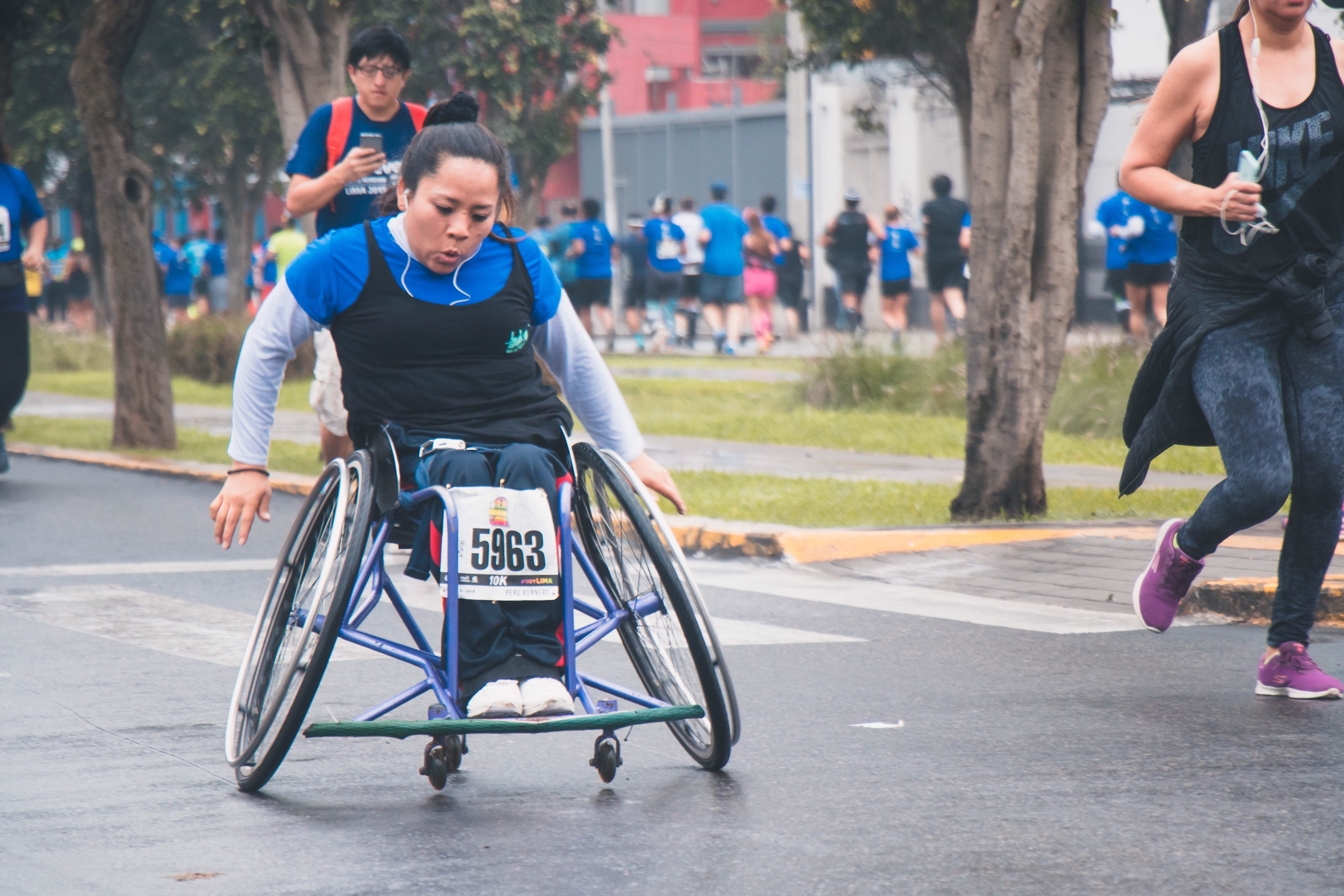
	</div>


	</div>
<div class="chapter standard " id="chapter-chapter-2-answers" title="Chapter 2 Answers: Biology: The Study of Life">
	<div class="chapter-title-wrap">
		<p class="chapter-number">165</p>
		<h1 class="chapter-title">Chapter 2 Answers: Biology: The Study of Life</h1>
								</div>
	<div class="ugc chapter-ugc">
				 <h2>2.2 Shared Traits of All Living Things: Review Questions and Answers</h2> <ol><li><em><strong>Identify the seven traits that most scientists agree are shared by all living things.&nbsp;</strong></em> Seven traits that most scientists agree are shared by all living things include homeostasis, organization, metabolism, growth, adaptation, response to environmental stimuli, and reproduction.</li> <li><em><strong>What is homeostasis? What is one way humans fulfill this criterion of living things?&nbsp; </strong></em>Homeostasis is the maintenance of a more-or-less constant internal environment. A human example is maintaining a constant internal body temperature regardless of the surrounding temperature.</li> <li><em><strong>Define reproduction and describe two different examples.&nbsp;</strong></em> Reproduction is the process by which living things give rise to offspring. An example of reproduction is a single cell dividing to form two daughter cells, which is how bacteria reproduce.</li> <li><em><strong>Assume that you found an object that looks like a dead twig. You wonder if it might be a stick insect. How could you ethically determine if it is a living thing?&nbsp;</strong></em> Answers may vary.&nbsp;<em>Sample</em>&nbsp;<em>answer</em>: To determine if the object is a living thing, I would poke it or blow on it and see if it responded to the stimulus. If it did&nbsp;—&nbsp;for example, by moving away from the stimulus&nbsp;—&nbsp;then it is probably a living thing and not just a dead twig.</li> <li><em><strong>Describe viruses and which traits they do and do not share with living things. Do you think viruses should be considered living things? Why or why not?&nbsp;</strong></em> A single virus, called a virion, consists of a set of genes (DNA or RNA) inside a protective protein coat called a capsid. Viruses have organization, but they are not cells and do not possess the cellular “machinery” that living things use to carry out life processes. As a result, viruses cannot undertake metabolism, maintain homeostasis, or grow. They do not seem to respond to their environment and they can reproduce only by invading and using “tools” inside host cells. The only traits viruses seem to share with living things is the ability to evolve adaptations to their environment. Students may or may not think viruses should be considered living things, but they should discuss recent evidence suggesting that viruses may once have existed as cells and shared an evolutionary history with cellular life.</li> <li><em><strong>People who are biologically unable to reproduce are certainly still considered alive. Discuss why this situation does not invalidate the criteria that living things must be capable of reproduction.&nbsp;</strong></em> Certain&nbsp;<em>individual</em>&nbsp;people may not be capable of reproduction, but they are still part of a larger group of organisms (the human species) that can.</li> <li><em><strong>What are the two types of metabolism described here. What are their differences?&nbsp;</strong></em> Catabolism and anabolism. Catabolism is the breaking down of matter, while anabolism is the building up of matter.</li> <li><em><strong>What are some similarities between the cells of different organisms? If you are not familiar with the specifics of cells, simply describe the similarities you see in the pictures above.&nbsp;</strong></em> <em>Sample answer:</em>&nbsp;Some similarities are having a nucleus, a cell membrane, and being the basic structural and functional unit of the organism.</li> <li><em><strong>What are two processes in a living thing that use energy?&nbsp;</strong></em> <em>Sample answer:</em>&nbsp;Maintenance of homeostasis and growth.</li> <li><em><strong>Give an example of a response to stimuli in humans.&nbsp;</strong></em> Answers may include responses to stimuli detected via any of the senses.&nbsp;<em>Sample answer:</em>&nbsp;When someone calls your name in a crowd, you probably turn to look for them.</li> <li><em><strong>Do unicellular organisms (such as bacteria) have an internal environment that they maintain through homeostasis? Why or why not?&nbsp;</strong></em> Bacteria are alive so they must maintain homeostasis of their internal environment, by definition. Their internal environment is the inside of their cell.</li> <li><em><strong>Evolution occurs through natural</strong>&nbsp; </em><span style="text-decoration: underline">selection.</span></li> <li><em><strong>If alien life is found on other planets, do you think the aliens will have cells? Discuss your answer.&nbsp;</strong></em> Answers will vary.&nbsp;<em>Sample answer:</em>&nbsp;Not necessarily. By our definition, living things must have some kind of organization, but for potential alien life forms, this organization may take a different form than that of a cell.</li> <li><em><strong>Movement in response to an external chemical is called</strong></em> <span style="text-decoration: underline">chemotaxis,</span><em><strong>while movement towards light is called</strong></em> <span style="text-decoration: underline">phototropism.</span></li> </ol> <h2>2.3 Basic Principles of Biology: Review Questions and Answers</h2> <ol><li><em><strong>Self-marking</strong></em></li> <li><em><strong>How does sweating help the human body maintain homeostasis?&nbsp;</strong></em> Sweating helps the human body maintain homeostasis by cooling the body when it starts to overheat so the internal temperature is kept more or less the same. When sweat evaporates from the skin, it uses up some of the excess heat energy on the skin, thus helping to keep the body cool.</li> <li><em><strong>Explain cell theory and gene theory.&nbsp;</strong></em> According to cell theory, all living things are made of cells, and living cells come only from other living cells. Gene theory states that the characteristics of living things are controlled by genes, which are passed from parents to their offspring.</li> <li><em><strong>Describe an example of homeostasis in the atmosphere.&nbsp;</strong></em> <em>Sample answer:</em> The concentration of oxygen in the atmosphere is maintained at 21 per cent by a balance between two opposing processes: removal of oxygen from the atmosphere by&nbsp;most&nbsp;living things and addition of oxygen to the atmosphere by living things such as plants.</li> <li><em><strong>Describe how you can apply the concepts of evolution, natural selection, adaptation, and homeostasis to the human ability to sweat.&nbsp;</strong></em> <em>Sample answer:</em>&nbsp;The human ability to sweat is an adaptation that helps maintain homeostasis in a hot environment by removing heat from the body when it evaporates. Like other adaptations, the ability to maintain homeostasis by sweating evolved by natural selection sometime in our evolutionary past.</li> <li><em><strong>Which of the four unifying principles of biology is primarily concerned with:</strong></em> <ul><li><em><strong>How DNA is passed down to offspring? </strong></em>Gene theory</li> <li><em><strong>How internal balance is maintained?&nbsp;</strong></em> Homeostasis</li> </ul> </li> <li><span style="text-decoration: underline">Genes</span><em><strong>are located on </strong></em><span style="text-decoration: underline">chromosomes</span><em><strong>.</strong></em></li> <li><em><strong>Define an adaptation and give one example.&nbsp;</strong></em> An adaptation is a trait that helps a living thing survive and reproduce in a given environment.&nbsp;<em>Sample answer:</em> The chameleon’s ability to change colour to match their background is an adaptation.</li> <li><em><strong>Explain how gene theory and evolutionary theory relate to each other.&nbsp;</strong></em> Gene theory states that genes are passed down from parents to their offspring. Genes determine the characteristics or traits of an organism. If these traits are particularly beneficial or adaptive, natural selection will cause the organisms with beneficial traits to produce more offspring compared to those without the beneficial traits. This results in a change in traits over time, which is called evolution.</li> <li><em><strong>Does evolution by natural selection occur within one generation? Why or why not?&nbsp;</strong></em> No. Evolution is defined as a change in the characteristics of living things&nbsp;<em>over time</em>. Evolution through natural selection causes differences in the amount of offspring produced. Having offspring (or not) is, by definition, more than one generation.</li> <li><em><strong>Explain why you think chameleons evolved the ability to change their colour to match their background, as well as how natural selection may have acted on the ancestors of chameleons to produce this adaptation.&nbsp;</strong></em> <em>Sample answer:</em>&nbsp;I think that when ancestors of chameleons could change their colour to match their background, they were less likely to be detected and killed by predators than those that couldn’t change their colour. Therefore, the individuals that had the colour matching ability were more likely to survive and reproduce than those that didn’t. This is an example of natural selection. Over time, this led to the population evolving the colour changing ability, as those that didn’t have the ability died out.</li> </ol> <h2>2.4 Diversity of Life: Review Questions and Answers</h2> <ol><li><em><strong>What is biodiversity? Identify three ways that biodiversity may be measured.&nbsp;</strong></em> Biodiversity refers to all the variety of life that exists on Earth.&nbsp;Three ways biodiversity may be measured are species diversity, genetic diversity, and ecosystem diversity. Species diversity, which is the commonest way of measuring biodiversity, refers to the number of different species in an ecosystem or on Earth as a whole. Genetic diversity refers to the variation in genes within all these species. Ecosystem diversity refers to the variety of ecosystems on Earth, where an ecosystem is a system formed by populations of many different species interacting with each other and their environment.</li> <li><em><strong>Define biological species. Why is this definition often difficult to apply?&nbsp;</strong></em> A biological species is a group of actually or potentially interbreeding organisms that are similar enough to each other to produce fertile offspring together. This definition is often difficult to apply because it isn’t always possible to make the observations needed to determine whether different organisms can interbreed. For one thing, many species reproduce asexually so individuals never interbreed. Also, it is usually impossible to know whether extinct organisms just represented by fossils could interbreed.</li> <li><em><strong>Explain why it is important to classify living things, and outline the Linnaean system of classification.&nbsp;</strong></em> It is important to classify living things in order to make sense of the overwhelming diversity of life on Earth. Classification is an important step in understanding the present diversity and past evolutionary history of life on Earth.&nbsp;The Linnaean system of classification consists of a hierarchy of groups called taxa that include the kingdom (most inclusive), phylum, class, order, family, genus, and species (least inclusive). Similar species are classified in the same genus, similar genera are classified in the same family, and so on all the way up to the kingdom.</li> <li><em><strong>What is binomial nomenclature? Give an example.&nbsp;</strong></em> Binomial nomenclature is the two-word method of naming species that was invented by Linnaeus. An example is the name of our own species,&nbsp;<em>Homo sapiens.</em></li> <li><em><strong>Self-marking</strong></em></li> <li><em><strong>Contrast the Linnaean and phylogenetic systems of classification.&nbsp;</strong></em> The Linnaean system of classification is based on morphological similarities and differences among living things. It presents a static, or unchanging, view of the classification of living things that may or may not reflect their evolutionary history. A phylogenetic system of classification, in contrast, is a way of classifying living things that&nbsp;takes into account&nbsp;their phylogeny. Phylogeny is the evolutionary history of a group of related organisms. A phylogenetic classification is typically represented by a phylogenetic tree or other tree-like diagram, in which branching points represent common ancestors.</li> <li><em><strong>Describe the taxon called the domain, and compare the three widely recognized domains of living things.&nbsp;</strong></em> The domain is a new taxon that is a larger and more inclusive taxon than the kingdom. The three widely recognized domains of living things are the Bacteria, Archaea, and Eukarya. The Bacteria and Archaea&nbsp;domains consist only of single-celled organisms whose cells lack a nucleus. The Eukarya&nbsp;domain consists of both single-celled and multicellular organisms whose cells have a nucleus.</li> <li><em><strong>Based on the phylogenetic tree for the three domains of life above, explain whether you think Bacteria are more closely related to Archaea or Eukarya.&nbsp;</strong></em> Based on the phylogenetic tree, Bacteria appear to be more closely related to Archaea, because the Eukarya branched off from the Archaea lineage later.</li> <li><em><strong>A scientist discovers a new single-celled organism. Answer the following questions about this discovery.</strong></em> <ul><li><em><strong>If this is all you know, can you place the organism into a particular domain? If so, what is the domain? If not, why not?&nbsp;</strong></em> No, because all three domains of life contain single-celled organisms, so you cannot immediately identify it as being a member of any one domain.</li> <li><em><strong>What is one type of information that could help the scientist classify the organism?&nbsp;</strong></em> Answers will vary.&nbsp;<em>Sample answer:</em>&nbsp;If the scientist knew whether or not the new organism had a nucleus, that would help them classify it because Eukarya have a nucleus and Archaea and Bacteria don’t.</li> </ul> </li> <li><em><strong>Define morphology. Give an example of a morphological trait in humans.&nbsp;</strong></em> Morphology refers to the form and structure of organisms. Examples will vary.&nbsp;<em>Sample example.</em>&nbsp;Having four limbs is a morphological trait of humans.</li> <li><em><strong>Which type of biodiversity is represented in the differences between humans?&nbsp;</strong></em> Genetic diversity, since the differences are within the species.</li> <li><em><strong>Why do you think it is important to the definition of a species that members of a species can produce fertile offspring?&nbsp;</strong></em> Answers will vary.&nbsp;<em>Sample answer:</em>&nbsp;If individuals can interbreed but their offspring can’t reproduce, no further generations will be produced and the line will stop there. Therefore this line does not have the ability to be self-sustaining, and so the parents are not considered to be members of the same species.</li> <li><em><strong>Go to the A-Z Animals&nbsp;<a href="https://a-z-animals.com/reference/animal-classification/" target="blank" rel="noopener noreferrer" data-url="https://a-z-animals.com/reference/animal-classification/">Animal Classification Page</a>. In the search box, put in your favorite animal and write out it’s classification.&nbsp;&nbsp;</strong></em> Answers will vary.</li> </ol> <h2>2.5 The Human Animal: Review Questions and Answers</h2> <ol><li><em><strong>Outline how humans are classified. Name their taxa, starting with the kingdom and ending with the species. </strong></em>Humans are classified in the animal kingdom, chordate phylum, mammal class, primate order, hominid family, genus&nbsp;Homo,&nbsp;and species&nbsp;Homo sapiens.</li> <li><em><strong>List several primate traits. Explain how they are related to a life in the trees.&nbsp;</strong></em> Answers may vary.&nbsp;<em>Sample answer:</em>&nbsp;Primate traits include five digits on each extremity with flat nails and sensitive pads, an opposable thumb, three-dimensional vision, and very mobile upper limbs. All of these primate traits are adaptations for life in the trees. For example, the features of the hands along with three-dimensional vision are important for being able to grasp the next limb while moving through the branches without falling to the ground.</li> <li><em><strong>Self-marking</strong></em></li> <li><em><strong>What are hominids? Describe how living hominids are classified.&nbsp;</strong></em> Hominids are the primate family in which humans are placed. This family includes four living genera: chimpanzees, gorillas, orangutans, and humans. Among these four genera are just seven living species: two in each genera except humans, with our sole living species.</li> <li><em><strong>Discuss species in the genus&nbsp;Homo.&nbsp;</strong></em> The only living species in the genus&nbsp;<em>Homo</em>&nbsp;is&nbsp;<em>Homo sapiens,</em>&nbsp;the species into which all modern living humans are placed. Several earlier&nbsp;<em>Homo</em>&nbsp;species existed but are now all extinct. An example of an earlier species of&nbsp;<em>Homo</em>&nbsp;that is now extinct is&nbsp;<em>Homo erectus.</em></li> <li><em><strong>Relate climatic changes to the evolution of the genus&nbsp;Homo&nbsp;over the last million years.&nbsp;</strong></em> During the period from about 800,000 to 100,000 years ago, the size of the brain increased dramatically in species within the genus&nbsp;<em>Homo</em>&nbsp;and modern&nbsp;<em>Homo sapiens&nbsp;</em>emerged. This was also a period of rapid climate change, and many researchers think that climate change was a major impetus for the evolution of a larger brain. As the environment became more unpredictable, a bigger, smarter brain helped our ancestors survive. We were able to use culture and technology as behavioral adaptations because of our increasing brain size.</li> <li><em><strong>Why is it significant that we share 93% to 99% of our DNA sequence with other primates?&nbsp;</strong>i The fact that we share 93 to 99 per cent of our DNA sequence with other primates indicates that we are closely related to these animals and shared recent common ancestors.</em></li> <li><em><strong>Which species do you think we are more likely to share a greater amount of DNA sequence with — non-primate mammals (i.e., horses) or non-mammalian chordates (i.e., frogs)? Explain your answer.&nbsp;</strong></em> We probably share more DNA sequence with non-primate mammals than non-mammalian chordates, because we are mammals ourselves and therefore are more closely related to other mammals than other types of chordates. The chordate phylum is a broader group than the mammalian class.</li> <li><em><strong>What is the relationship between shared DNA and shared traits?&nbsp;</strong></em> DNA encodes for certain traits. Therefore, animals with a high degree of similarity in their DNA will also likely have a high degree of similarity in their traits.</li> <li><em><strong>Compared to other mammals, primates have a relatively small area of their brain dedicated to olfactory processing. What does this tell you about the sense of smell in primates compared to other mammals? Why?&nbsp;</strong></em> This indicates that primates rely less on their sense of smell compared to other mammals because they have less brain area dedicated to the processing of smells. If their brains are not able to process as much information about odors, they cannot use that information as well, and will have a “worse” sense of smell than animals that have more brain area dedicated to olfactory processing.</li> <li><em><strong>Why do you think it is interesting that nonhuman primates can use tools?&nbsp;</strong></em> Answers will vary.&nbsp;<em>Sample answer:</em>&nbsp;Tool use indicates advanced planning and manipulation of the environment to create and use useful tools. Humans are obviously quite adept at creating tools and technology, thanks to our intelligence, so it is interesting that other species also have the intelligence to create and use tools.</li> <li><em><strong>Explain why the discovery of Homo naledi was exciting.&nbsp;</strong></em> Answers will vary.&nbsp;<em>Sample answer:</em>&nbsp;The discovery of&nbsp;<em>Homo naledi</em>&nbsp;was exciting because it was the discovery of a previously unknown early species of the same genus as modern humans. It is one of the largest samples of fossils for any extinct early&nbsp;<em>Homo</em>&nbsp;species, and the site suggests cultural practices similar to later humans. This discovery may give insight into our origins and our place in evolutionary history.</li> </ol> <h2>Chapter 2 Case Study Conclusion: Review Questions and Answers</h2> <ol><li><em><strong>What are the four basic unifying principles of biology?&nbsp;</strong></em> Cell theory, gene theory, homeostasis, and evolutionary theory</li> <li><em><strong>A scientist is exploring in a remote area with many unidentified species. He finds an unknown object that does not appear to be living. What is one way he could tell whether it is a dead organism that was once alive or an inanimate object that was never living?&nbsp;</strong></em> Answers will vary.&nbsp;<em>Sample answer:</em>&nbsp;He could look at the object under a microscope to observe whether it has cells. If it has cells, it was once alive.</li> <li><em><strong>Cows are dependent on bacteria living in their digestive systems to help break down cellulose in the plant material that they eat. Explain what characteristics these bacteria must have to be considered living organisms themselves (and not just part of the cow).&nbsp;</strong></em> The bacteria must have all the characteristics of living things, including homeostasis, organization, metabolism, growth, adaptation, response to stimuli, and reproduction.</li> <li><em><strong>What is the basic unit of structure and function in living things?&nbsp;</strong></em> Cells.</li> <li><em><strong>Give one example of homeostasis that occurs in humans.</strong></em> Answers will vary.&nbsp;<em>Sample answer:</em>&nbsp;Temperature regulation.</li> <li><em><strong>Can a living thing exist without using energy? Why or why not?&nbsp;</strong></em> No, because all living things use energy through the process of metabolism.</li> <li><em><strong>Self-marking</strong></em></li> <li><em><strong>Self-marking</strong></em></li> <li><em><strong>Give an example of a response to stimuli that occurs in a unicellular organism.&nbsp;</strong></em> Some unicellular organisms can move in response to external chemicals. This is called chemotaxis and is an example of a response to stimuli.</li> <li><em><strong>A scientist discovers two types of similar looking insects that have not been previously identified. Answer the following questions about this discovery.</strong></em> <ul><li><em><strong>What is one way she can try to determine whether the two types are the same species?&nbsp;</strong></em> Answers will vary.&nbsp;<em>Sample answer:</em>&nbsp;One way to determine whether they are the same species is to try to breed them with each other to see if they can produce fertile offspring. If they can produce fertile offspring, they are the same species.</li> <li><em><strong>If they are not the same species, what are some ways she can try to determine how closely related they are to each other?&nbsp;</strong></em> Answers will vary.&nbsp;<em>Sample answer:</em>&nbsp;She could use their morphology as well as their biochemical and genetic similarities and differences to help determine how closely related the two species are to each other.</li> <li><em><strong>What is the name for a type of diagram she can create to demonstrate their evolutionary relationship to each other and to other insects?&nbsp;</strong></em> A phylogenetic tree.</li> <li><em><strong>If she determines that the two types are different species but the same genus, create your own names for them using binomial nomenclature. You can be creative and make up the genus and species names, but be sure to put them in the format of binomial nomenclature.&nbsp;</strong></em> Answers will vary.&nbsp;<em>Sample answer:</em>&nbsp;I will call the genus&nbsp;<em>Flighty</em>&nbsp;and the two species-specific names will be&nbsp;<em>redheadus</em>&nbsp;and&nbsp;<em>greenheadus</em>. Therefore, the two species names in binomial nomenclature would be&nbsp;<em>Flighty redheadus</em>&nbsp;and&nbsp;<em>Flighty greenheadus</em>.</li> <li><em><strong>If they are the same species but have different colours, what kind of biodiversity does this most likely reflect?&nbsp;</strong></em> Genetic diversity, because it is diversity within a species. The colouration is probably controlled by genes.</li> <li><em><strong>If they are the same species, but one type of insect has a better sense of smell for their limited food source than the other type, what do you think will happen over time? Assume the insects will experience natural selection.&nbsp;</strong></em> Answers will vary.&nbsp;<em>Sample answer:</em>&nbsp;The insects with the better sense of smell for their limited food source will probably be more likely to find food than the other insects, and therefore will likely have a higher rate of survival and reproduction. Over time, this would lead to an increase in the number of individuals in the population with a good sense of smell, and this trait may evolve further to become even better adapted to the environment.</li> </ul> </li> </ol> <ol start="12"><li><em><strong>Amphibians, such as frogs, have a backbone, but no hair. What is the most specific taxon that they share with humans?&nbsp;</strong></em> Because frogs have a backbone, we know they are in the same phylum, the chordates, as humans. This is the most specific taxon that we share with frogs because they are clearly not mammals (they do not have hair), so they are not in the same class as humans.</li> <li><em><strong>What is one characteristic of extinct&nbsp;Homo&nbsp;species that was larger than that of modern humans?&nbsp;</strong></em> &nbsp;Answers may vary but can include: bigger jaws and teeth.</li> <li><em><strong>What is one characteristic of modern humans that is larger than that of&nbsp;extinct&nbsp;Homo&nbsp;species?&nbsp;</strong></em> Answers may vary but can include: bigger cranium and brain.</li> <li><em><strong>How does the long period of dependency (of infants on adults) in primates relate to learning?&nbsp;</strong></em> The long period of dependency of infants on adults in primates provides more time and opportunity for adults to teach the young animals.</li> <li><em><strong>Name one type of primate in the hominid family, other than humans.&nbsp;</strong></em> Answers will vary but can include: chimpanzees, gorillas, and orangutans.</li> <li><em><strong>Why do you think that scientists compare the bone structures (such as the feet) of extinct Homo species to ours?&nbsp;</strong></em> Answers will vary.&nbsp;<em>Sample answer:</em>&nbsp;Scientists compare structures between extinct&nbsp;<em>Homo</em>&nbsp;species and modern humans to see how similar or different they were to us. It can also give us information about how those structures functioned (such as how these species walked or used their hands)&nbsp;that&nbsp;can give us insight into their behaviors and lifestyle.</li> <li><em><strong>Some mammals other than primates — such as cats — also have their eyes placed in the front of their face. How do you think the vision of a cat compares to that of a mouse, where the eyes are placed more at the sides? </strong></em>The cat more likely has better three-dimensional vision than the mouse because the forward placement of the eyes causes increased overlap in the visual fields between the two eyes.</li> <li><em><strong>Living sponges are animals. Are we in the same kingdom as sponges? Explain your answer.&nbsp;</strong></em> Yes, we are in the same kingdom as sponges because we are both animals. You probably do not use these sponges at your sink — those are usually man-made!</li> </ol> 
	</div>


	</div>
<div class="chapter standard " id="chapter-chapter-3-answers" title="Chapter 3 Answers: Biological Molecules">
	<div class="chapter-title-wrap">
		<p class="chapter-number">166</p>
		<h1 class="chapter-title">Chapter 3 Answers: Biological Molecules</h1>
								</div>
	<div class="ugc chapter-ugc">
				 <h2>3.2 Elements and Compounds: Review Questions and Answers</h2> <ol><li><em><strong>Self-marking</strong></em></li> <li><em><strong>What is an element? Give three examples. </strong></em>An element is a pure substance that cannot be broken down into other types of substances. Examples may vary.&nbsp;<em>Sample answer:</em>&nbsp;Three examples of elements are iron, hydrogen, and carbon.</li> <li><em><strong>Define compound. Explain how compounds form.&nbsp;</strong></em></li> <li>A compound is a unique substance that consists of two or more elements combined in fixed proportions. Compounds form in chemical reactions. New chemical bonds form when substances react with one another.</li> <li><em><strong>Compare and contrast atoms and molecules. </strong></em>Atoms are the smallest particles of elements that still have the properties of the elements. Molecules are the smallest particles of compounds that still have the properties of the compounds. Atoms are extremely small and consist of subatomic particles including electrons, protons, and usually neutrons. The subatomic particles are held together by electromagnetic and nuclear forces. Molecules consist of two or more atoms so they are generally larger than individual atoms. The atoms in molecules are held together by chemical bonds in which different atoms share electrons.</li> <li><em><strong>The compound called water can be broken down into its constituent elements by applying an electric current to it. What ratio of elements is produced in this process? </strong></em>The ratio of elements produced when water breaks down into its constituent elements is two parts hydrogen to one part oxygen.</li> <li><em><strong>Relate ions and isotopes to elements and atoms. </strong></em>Ions are atoms that have more or fewer electrons than protons so they have a negative or positive charge. Isotopes are atoms that have the same number of protons, so they represent the same element, but that have different numbers of neutrons.</li> <li><em><strong>What is the most important element to life?&nbsp;</strong></em> Carbon.</li> <li><em><strong>Iron oxide is often known as rust — the reddish substance you might find on corroded metal. The chemical formula for this type of iron oxide is Fe<sub>2</sub>O<sub>3</sub>. Answer the following questions about iron oxide and briefly explain each answer.</strong></em> <ul><li><em><strong>Is iron oxide an element or a compound? </strong></em>It is a compound because it consists of atoms (Fe and O) of different elements.</li> <li><em><strong>Would one particle of iron oxide be considered a molecule or an atom? </strong></em>Since iron oxide is a compound, one particle would be called a molecule.</li> <li><em><strong>Describe the relative proportion of atoms in iron oxide. </strong></em>Iron oxide contains two atoms of iron (Fe) and three atoms of oxygen (O).</li> <li><em><strong>What causes the Fe and O to stick together in iron oxide? </strong></em>Since iron oxide is a compound, the atoms (Fe and O) are held together by chemical bonds. This is due to the sharing of electrons.</li> <li><em><strong>Is iron oxide made of metal atoms, metalloid atoms, nonmetal atoms, or a combination of any of these? </strong></em>Iron oxide is made of both metal (Fe) and nonmetal (O) atoms.</li> </ul> </li> <li><em><strong>14C is an isotope of carbon used in the radiocarbon dating of organic material. The most common isotope of carbon is 12C. Do you think 14C and 12C have different numbers of neutrons or protons? Explain your answer.&nbsp;</strong></em>They have different numbers of neutrons because they are both isotopes of carbon. Isotopes have the same number of protons but different numbers of neutrons.</li> <li><em><strong>Explain why ions have a positive or negative charge. </strong></em>Ions have a positive or negative charge because they have unequal numbers of electrons and protons. Electrons have a negative charge and protons have a positive charge. If there are equal numbers of electrons and protons, the atom will have no net charge because they cancel each other out. If there are more electrons, it will have a net negative charge and if there are more protons, it will have a net positive charge.</li> <li><em><strong>Name the three subatomic particles described in this section.&nbsp; </strong></em>Protons, neutrons, and electrons</li> </ol> <div><h2>3.3 Biochemical Compounds: Review Questions and Answers</h2> </div> <ol><li><em><strong>Why is carbon so important to life on Earth? </strong></em>Carbon is so important to life on Earth because it is the basis of biochemical compounds. Carbon can form stable bonds with many elements, including itself, so it can create a huge variety of very large and complex molecules.</li> <li><em><strong>What are biochemical compounds? </strong></em>Biochemical compounds are carbon-based compounds that are found in living things. They make up the cells and other structures of organisms and carry out life processes.</li> <li><em><strong>Describe the diversity of biochemical compounds and explain how they are classified. </strong></em>There are nearly ten million biochemical compounds in living things. All of them can be classified into one of four major classes: carbohydrates, lipids, proteins, and nucleic acids.</li> <li><em><strong>Identify two types of carbohydrates. What are the main functions of this class of biochemical compounds? </strong></em>Types of carbohydrates include sugars and starches. The main functions of this class of biochemical compounds include providing cells with energy, storing energy, and forming certain structures in living things, such as the cell walls of plants.</li> <li><em><strong>What roles are played by lipids in living things? </strong></em>In living things, lipids store energy, form cell membranes, and carry messages.</li> <li><em><strong>The enzyme amylase is found in saliva. It helps break down starches in foods into simpler sugar molecules. What type of biochemical compound do you think amylase is?&nbsp;</strong></em><em>Sample answer:</em>&nbsp;Amylase is an enzyme, so I think it is a protein. Acting as enzymes is one of the main functions of proteins in living things.</li> <li><em><strong>Explain how DNA and RNA contain the genetic code.&nbsp; </strong></em>DNA and RNA are nucleic acids, which are polymers made up of monomers called nucleotides. All nucleotides are similar except for a component called a nitrogen base. There are four different nitrogen bases and each nucleotide contains one of these four bases. The sequence of nitrogen bases in the chains of nucleotides in DNA and RNA molecules makes up the code for protein synthesis, called the genetic code.</li> <li><em><strong>What are the three elements present in every class of biochemical compound? </strong></em>Carbon, hydrogen, and oxygen</li> <li><em><strong>Classify each of the following terms as a monomer or a polymer:</strong></em> <ul><li><em><strong>Nucleic acid </strong></em>– Polymer</li> <li><em><strong>Amino acid</strong></em> – Monomer</li> <li><em><strong>Monosaccharide </strong></em>– Monomer</li> <li><em><strong>Protein </strong></em>– Polymer</li> <li><em><strong>Nucleotide </strong></em>– Monomer</li> <li><em><strong>Polysaccharide </strong></em>– Polymer</li> </ul> </li> <li><em><strong>Match each&nbsp; of the above monomers with its correct polymer and identify which class of biochemical compound is represented by each monomer/polymer pair. </strong></em>Monomer/polymer pairs: amino acid and protein; monosaccharide and polysaccharide; nucleotide and nucleic acid.</li> <li><em><strong>Is glucose a monomer or a polymer? Explain your answer. </strong></em>Glucose is a monomer because it is a monosaccharide and many glucose molecules together make up a polysaccharide (the polymer).</li> <li><em><strong>What is one element contained in proteins and nucleic acids, but not in carbohydrates?&nbsp;</strong></em> Nitrogen.</li> <li><em><strong>Describe the relationship between proteins and nucleic acids. </strong></em>Answers will vary.<em>Sample answer:</em>&nbsp;Nucleic acids and proteins are both biochemical compounds. Nucleic acids carry the instructions for making proteins and also directly assist in making proteins.</li> <li><em><strong>Why do you think it is important to eat a diet that contains a balance of carbohydrates, proteins, and fats? </strong></em>Answers will vary.<em>Sample answer:</em>&nbsp;I think it is important to eat a diet that has a balance of carbohydrates, proteins, and fats because each class of biochemical compound has different functions. We need these different compounds to carry out the variety of functions our bodies need to survive.</li> <li><em><strong>Examine the picture of the meal in Figure 3.3.6.&nbsp; What types of biochemical compounds can you identify?&nbsp;</strong></em> Answers will vary.&nbsp;&nbsp; <em>Sample Answer</em>:&nbsp; Lime has carbohydrates, simple sugars; Noodles had complex carbohydrates, starch; Spinach has carbohydrates, cellulose; Fish has protein, made of amino acids.</li> </ol> <div><h2>3.4 Carbohydrates: Review Questions and Answers</h2> </div> <ol><li><em><strong>What are carbohydrates? Describe their structure. </strong></em>Carbohydrates are the most common class of biochemical compounds. The monomers of carbohydrates are monosaccharides, such as glucose, which contain just six carbon atoms. Larger carbohydrates are polysaccharides and may contain hundreds or even thousands of monosaccharides.</li> <li><em><strong>Compare and contrast sugars and complex carbohydrates. </strong></em>Sugars are simple carbohydrates composed of just one or two monosaccharides. They taste sweet and provide the body with energy. Complex carbohydrates are polysaccharides such as starch. They consist of many monosaccharides and generally either store energy or make up structures in living things.</li> <li><em><strong>Self-marking</strong></em></li> <li><em><strong>If you chew on a starchy food (such as a saltine cracker) for several minutes, it may start to taste sweet. Explain why. </strong></em>A starchy food may start to taste sweet after you chew it for several minutes because the enzyme amylase in saliva is starting to break down the starch to its component monosaccharides, or sugars, which taste sweet.</li> <li><em><strong>True or False:&nbsp;Glucose is mainly stored by lipids in the human body.&nbsp;</strong></em> False.</li> <li><em><strong>Self-marking</strong></em></li> <li><em><strong>Name three carbohydrates that contain glucose as a monomer.&nbsp; </strong></em>Answers will vary but may include: sucrose, maltose, lactose, starches, glycogen, and cellulose.</li> <li><em><strong>Jeans are made of tough, durable cotton. Based on what you know about the structure of carbohydrates, explain how you think this fabric gets its tough qualities.</strong></em></li> <li>Answers will vary.&nbsp;<em>Sample answer:</em>&nbsp;Cotton is mostly cellulose, which is a polysaccharide chain of several hundred to many thousands of linked glucose units. These long chains probably give cotton its strength and toughness.</li> <li><em><strong>Which do you think is faster to digest — simple sugars or complex carbohydrates? Explain your answer. </strong></em>Answers will vary.&nbsp;<em>Sample answer:</em>&nbsp;Simple sugars, such as glucose, are probably faster to digest because they are already broken down into a small unit that can be used as energy by the body. Complex carbohydrates need to be broken down to their component monosaccharides, such as glucose, before they can be used by the body.</li> <li><em><strong>True or False:&nbsp;Cellulose is broken down in the human digestive system into glucose molecules.&nbsp;</strong></em>False.</li> <li><span style="text-decoration: underline">Soluble</span><em><strong>fibre dissolves in water, </strong></em><span style="text-decoration: underline">insoluble</span><em><strong>fibre does not dissolve in water.</strong></em></li> <li><em><strong>What are the similarities and differences between muscle glycogen and liver glycogen?</strong></em></li> <li>Muscle glycogen and liver glycogen are both polysaccharides of glucose and are used by the human body to store glucose. However, muscle glycogen is converted to glucose only for use by muscle cells, while liver glycogen is converted to glucose for use by the rest of the body.</li> <li><em><strong>Which carbohydrate is used directly by the cells of living things for energy? </strong></em>Glucose.</li> <li><em><strong>Which of the following is&nbsp;not&nbsp;a complex carbohydrate?&nbsp;&nbsp;</strong></em> Disaccharide.</li> </ol> <div><h2>3.5 Lipids: Review Questions and Answers</h2> </div> <ol><li><em><strong>What are lipids? </strong></em>Lipids are a major class of biochemical compounds that includes oils and fats. Lipid molecules consist mainly of repeating units called fatty acids.</li> <li><em><strong>Self-marking</strong></em></li> <li><em><strong>Compare and contrast saturated and unsaturated fatty acids. </strong></em>The carbon atoms of saturated fatty acids are bonded to as many hydrogen atoms as possible, forming straight chains. Saturated fatty acids have higher melting points and are solids at room temperature. Animals use saturated fatty acids to store energy. The carbon atoms of unsaturated fatty acids are not bonded to as many hydrogen atoms as possible, forming bent chains. Unsaturated fatty acids have lower melting points and are liquids at room temperature. Plants use unsaturated fatty acids to store energy.</li> <li><em><strong>Identify three major types of lipids. Describe differences in their structures. </strong></em>Three major types of lipids are triglycerides, phospholipids, and steroids. Triglycerides contain glycerol as well as fatty acids, phospholipids contain phosphates and glycerol in addition to fatty acids, and steroids contain a core of four 5- or 6-carbon rings with other components attached to this four-ring core.</li> <li><em><strong>How do triglycerides play an important role in human metabolism? </strong></em>Triglycerides play a major role in human metabolism as energy sources and transporters of dietary fat. When you eat, your body converts any calories it doesn’t need right away into triglycerides, which are stored in your fat cells. When you need energy between meals, hormones trigger the release of some of these stored triglycerides back into the bloodstream.</li> <li><em><strong>Explain how phospholipids form cell membranes. </strong></em>Cell membranes are basically phospholipid bilayers. A bilayer forms when many phospholipid molecules line up hydrophobic tail to hydrophobic tail. This creates an inner and outer surface of hydrophilic heads that point toward the watery extracellular space or the watery cell lumen.</li> <li><em><strong>What is cholesterol? What is its major function? </strong></em>Cholesterol is a steroid compound. Its main function is being an important component of the cell membrane.</li> <li><em><strong>Give three examples of steroid hormones in humans. </strong></em>Three examples of steroid hormones in humans include cortisone, which is a fight-or-flight hormone, and estrogen and testosterone, which are sex hormones.</li> <li><em><strong>Which type of fatty acid do you think is predominant in the cheeseburger and fries shown above? Explain your answer. </strong></em>Answers will vary.&nbsp;<em>Sample answer:</em>&nbsp;I think saturated fatty acids will predominate, because steak (red meat) and cheese both come from cows, and animals such as cows typically use saturated fatty acids to store energy.</li> <li><em><strong>Which type of fat would be the most likely to stay liquid in colder temperatures: bacon fat, olive oil, or soybean oil? Explain your answer. </strong></em>Soybean oil, because it is a good source of polyunsaturated fatty acids, which remain liquid at lower temperatures than monounsaturated fatty acids (olive oil) or saturated fatty acids (bacon fat).</li> <li><em><strong>Why do you think that the shape of the different types of fatty acid molecules affects how easily they solidify?&nbsp; Can you think of an analogy for this? </strong></em>Answers will vary.&nbsp;<em>Sample answer:</em>&nbsp;Saturated fatty acid molecules are straight chains and therefore can be packed easily and tightly together, so they solidify easily. The bent chains of the unsaturated fatty acid molecules make it harder for them to stack together tightly and solidify.</li> <li><em><strong>High cholesterol levels in the bloodstream can cause negative health effects. Explain why we wouldn’t want to get rid of&nbsp;all&nbsp;of the cholesterol in our bodies. </strong></em>Answers will vary.&nbsp;<em>Sample answer:</em>&nbsp;Cholesterol is an important component of the cell membrane, which surrounds all of our cells. Therefore, it is very important to have some cholesterol in order for our bodies to be maintained and function properly.</li> </ol> <div><h2>3.6 Proteins: Review Questions and Answers</h2> </div> <ol><li><em><strong>What are proteins? </strong></em>Proteins are a major class of biochemical compounds made up of small molecules called amino acids.</li> <li><em><strong>Outline the four levels of protein structure. </strong></em>A protein’s primary structure is the sequence of amino acids in its polypeptide chain(s). A protein’s secondary structure refers to configurations such as helices and sheets within polypeptides. A protein’s tertiary structure refers to the overall shape of the protein molecule and determines its function. A quaternary structure occurs if multiple proteins form, and work together as, a single protein complex.</li> <li><em><strong>Identify four functions of proteins. </strong></em>Answers may vary.&nbsp;<em>Sample answer:</em>&nbsp;Four functions of proteins are making up muscles, acting as enzymes to speed up chemical reactions in cells, acting as antibodies to bind to specific foreign substances and target them for destruction, and carrying materials.</li> <li><em><strong>Explain why proteins can take on so many different functions in living things. </strong></em>Proteins can take on so many different functions in living things because of their amazing diversity of structures and their ability to bind with other molecules specifically and tightly.</li> <li><em><strong>What is the role of proteins in the human diet? </strong></em>The role of proteins in the human diet is to supply amino acids that our cells need to synthesize human proteins. We cannot make all the different amino acids we need for this purpose, so we break down proteins in the foods we eat for their constituent amino acids.</li> <li><em><strong>Can you have a protein with both an alpha helix and a pleated sheet? Why or why not? </strong></em>Yes, because alpha helices and beta sheets are both types of secondary structures. Since secondary structures are local, there can be different types in different areas of the protein.</li> <li><em><strong>If there is a mutation in a gene that causes a different amino&nbsp;acid&nbsp;to be encoded than the one usually encoded in that position within the protein, would that affect:</strong></em> <ul><li><em><strong>The primary structure of the protein? Explain your answer </strong></em>Yes, because the primary structure is the sequence of amino acids encoded by the gene, so if that changes, the primary structure changes directly.</li> <li><em><strong>The higher structures (secondary, tertiary, quaternary) of the protein? Explain your answer. </strong></em>Probably, because the primary structure determines the higher structures of the protein, and the primary structure is altered by this mutation.</li> <li><em><strong>The function of the protein? Explain your answer. </strong></em>Probably, because the tertiary structure generally gives the protein its function, and if the change in the amino acid changes the tertiary structure (which is likely) it would change the function of the protein.</li> </ul> </li> <li><em><strong>What is the region of a protein responsible for binding to another molecule? Which level or levels of protein structure creates this region?&nbsp;</strong></em>The binding site.</li> <li><em><strong>What is the region of a protein responsible for binding to another molecule? Which level or levels of protein structure creates this region? </strong></em>The tertiary structure largely determines the binding site, but that in turn is determined by the primary and secondary structures.</li> <li><em><strong>&nbsp;Self-marking</strong></em></li> <li><em><strong>True or False:You can tell the function of all proteins based on their quaternary structure.&nbsp;</strong></em> False.</li> <li><em><strong>Explain what the reading means when it says that amino acids are “recycled.” </strong></em>Amino acids are recycled in the body because when proteins are broken down, their amino acids can be used again to make new proteins.</li> </ol> <div><h2>3.7 Nucleic Acids: Review Questions and Answers</h2> </div> <h4>Review Questions</h4> <ol><li><em><strong>What are nucleic acids? </strong></em>Nucleic acids are the class of biochemical compounds that includes DNA and RNA.</li> <li><em><strong>How does RNA differ structurally from DNA?&nbsp; Draw a picture of each.&nbsp;</strong></em>DNA consists of two polynucleotide chains. Each nucleotide contains the sugar deoxyribose. The four nitrogen bases found in DNA are adenine, thymine, guanine, and cytosine. RNA, in contrast, consists of just one polynucleotide chain, and each nucleotide contains the sugar ribose. Instead of the base thymine, RNA contains the base uracil.</li> <li><em><strong>Describe a nucleotide. Explain how nucleotides bind together to form a polynucleotide. </strong></em>A nucleotide is a small molecule consisting of a sugar, a phosphate group, and a nitrogen base. The sugar molecule of one nucleotide binds with the phosphate group of another nucleotide. Alternating sugars and phosphate groups form the “backbone” of a polynucleotide.</li> <li><em><strong>What role do nitrogen bases in nucleotides play in the structure and function of DNA?&nbsp; </strong></em>Bonds form between complementary nitrogen bases in the two polynucleotides of DNA, holding the two chains together and causing the molecule to take on its characteristic double helix shape. The sequence of nitrogen bases in DNA make up the genetic code, which contains the instructions for synthesizing proteins in cells.</li> <li><em><strong>What is a function of RNA?&nbsp;</strong></em>A role of RNA is helping synthesize proteins in cells.</li> <li><em><strong>Using what you learned in this article about nucleic acids, explain why twins look so similar. </strong></em>Twins look so similar because they inherited identical DNA from their parents as identical twins, and DNA contains genes that determine many of our traits.</li> <li><em><strong>Self-marking</strong></em></li> <li><em><strong>What are the nucleotides on the complementary strand of DNA below? Self-marking</strong></em></li> <li><em><strong>Arrange the following in order from the smallest to the largest level of organization: DNA, nucleotide, polynucleotide.&nbsp;</strong></em> Nucleotide, polynucleotide, DNA.</li> <li><em><strong>As part of the DNA replication process, the two polynucleotide chains are separated from each other, but each individual chain remains intact. What type of bonds are broken in this process?&nbsp;</strong></em> Hydrogen bonds.</li> <li><em><strong>Adenine, guanine, cytosine, and thymine are </strong></em><span style="text-decoration: underline">nitrogenous bases</span><em><strong>.</strong></em></li> <li><em><strong>Some diseases and disorders are caused by genes. Explain why these genetic disorders can be passed down from parents to their children. </strong></em>DNA is passed down from parents to their offspring, so if there is a gene that causes a disease or a disorder, the parents can pass that down to their children. In animals that reproduce sexually, such as humans, the offspring do not always get the disorder because they contain DNA from both parents.</li> <li><em><strong>Are there any genetic disorders that run in your family?&nbsp;</strong></em> Answers will vary.</li> </ol> <h2>3.8 Chemical Reactions: Review Questions and Answers</h2> <ol><li><em><strong>What is a chemical reaction?&nbsp;</strong></em> A chemical reaction is a process that changes some chemical substances into others.</li> <li><em><strong>Define the reactants and products in a chemical reaction.&nbsp;</strong></em>Reactants are the substances that start a chemical reaction, and products are the substances that form as a result of a chemical reaction.&nbsp;In&nbsp;a chemical reaction,&nbsp;bonds break in reactants and new bonds form in products.</li> <li><em><strong>List three examples of common changes that involve chemical reactions. </strong></em>Examples may vary.&nbsp;<em>Sample answer:</em>&nbsp;Three examples of common changes that involve chemical reactions are a candle burning, iron rusting, and organic matter rotting.</li> <li><em><strong>Define a chemical bond. </strong></em>A chemical bond is a force holding together atoms in a molecule.</li> <li><em><strong>What is a chemical equation? Give an example. </strong></em>A chemical equation is a symbolic way of representing what happens during a chemical reaction. An example of a chemical equation is the equation for the burning of methane:&nbsp;CH<sub>4</sub>&nbsp;+ 2O<sub>2</sub>&nbsp;→ CO<sub>2</sub>&nbsp;+ 2H<sub>2</sub>O.</li> <li><em><strong>What does it mean for a chemical equation to be balanced? Why must a chemical equation be balanced? </strong></em>A chemical equation is balanced when the same number of atoms of each element appears on each side of the arrow. A chemical equation must be balanced because, according to the law of conservation of mass, mass can be neither created nor destroyed. Therefore, during a chemical reaction, the total mass of products must be equal to the total mass of reactants.</li> <li><em><strong>Our cells use glucose (C<sub>6</sub>H<sub>12</sub>O<sub>6</sub>)&nbsp;to obtain&nbsp;energy&nbsp;in a chemical reaction called&nbsp;cellular respiration. In this reaction, six oxygen molecules (O<sub>2</sub>) react with one glucose molecule. Answer the following questions about this reaction:</strong></em> <ul><li><em><strong>How many oxygen atoms are in one molecule of glucose? </strong></em>Six</li> <li><em><strong>Write out what the reactant side of this equation would look like. </strong></em>C<sub>6</sub>H<sub>12</sub>O<sub>6</sub>+ 6O<sub>2</sub></li> <li><em><strong>In total, how many oxygen atoms are in the reactants? Explain how you calculated your answer. </strong></em>18. Six come from the one glucose molecule and 12 come from the six O<sub>2 </sub>molecules (6 x 2 per molecule), for a total of 18.</li> <li><em><strong>In total, how many oxygen atoms are in the products? Is it possible to answer this question without knowing what the products are? Why or why not? </strong></em>18. Yes, you can answer the question without knowing the specific products, because there is conservation of mass. If you know how many oxygen atoms are in the reactants, there will be the same number in the products.</li> </ul> </li> <li><em><strong>Answer the following questions about the following equation:&nbsp;CH<sub>4</sub>+ 2O<sub>2</sub>&nbsp;→ CO<sub>2</sub>&nbsp;+ 2H<sub>2</sub>O</strong></em> <ul><li><em><strong>Can carbon dioxide (CO<sub>2</sub>)transform&nbsp;into methane (CH<sub>4</sub>) and oxygen (O<sub>2</sub>) in this reaction? Why or why not? </strong></em>No, because carbon dioxide is a product in the reaction and the arrow only goes from the reactants to the products in this reaction.</li> <li><em><strong>How many molecules of carbon dioxide (CO<sub>2</sub>) are produced in this reaction? </strong></em>One. If there is no number, one molecule is represented.</li> </ul> </li> <li><em><strong>Is the evaporation of liquid water into water vapor a chemical reaction? Why or why not?&nbsp;</strong></em>No, because liquid water and water vapor consist of the same molecules (water, i.e., H2O), so there is no chemical change of one substance into another occurring. This is simply a physical change of state.</li> <li><em><strong>Why do bonds break in the reactants during a chemical reaction?&nbsp;</strong></em>By definition, a chemical reaction is a process that changes some chemical substances into others. In order to do this, the original chemicals (the reactants) have some of their bonds broken in order to rearrange their atoms into new molecules.</li> </ol> <div><h2>3.9 Energy in Chemical Reactions: Review Questions and Answers</h2> </div> <ol><li><em><strong>Compare endothermic and exothermic chemical reactions. Give an example of a process that involves each type of reaction.&nbsp;</strong></em>Endothermic chemical reactions absorb energy, whereas exothermic chemical reactions release energy. An example of an endothermic process is photosynthesis. An example of an exothermic process is cellular respiration.</li> <li><em><strong>Define activation energy. </strong></em>Activation energy is the energy needed to start a chemical reaction.</li> <li><em><strong>Explain why chemical reactions require activation energy. </strong></em>All chemical reactions require activation energy to start molecules moving and bumping together so they can react.</li> <li><em><strong>Heat is a form of</strong></em> <span style="text-decoration: underline">energy</span>.</li> <li><em><strong>In which type of reaction is heat added to the reactants? </strong></em>Endothermic.</li> <li><em><strong>In which type of reaction is heat produced? </strong></em>Exothermic.</li> <li><em><strong>If there was no energy added to an endothermic reaction, would that reaction occur? Why or why not? </strong></em>No, because in an endothermic reaction, an input of energy is needed for the reaction to occur.</li> <li><em><strong>If there was no energy added to an exothermic reaction, would that reaction occur? Why or why not? </strong></em>No, because even in an exothermic reaction, some energy is needed to start the reaction (activation energy).</li> <li><em><strong>Explain why a chemical cold pack feels cold when activated. </strong></em>When a tube inside the pack is broken, it releases a chemical that reacts with water inside the pack. This reaction absorbs heat energy because it is endothermic. This quickly cools down the contents of the pack.</li> <li><em><strong>Explain why cellular respiration and photosynthesis are “opposites” of each other. </strong></em>Answers may vary.<em>Sample answer:</em>&nbsp;Cellular respiration is exothermic and uses glucose to release energy. Photosynthesis is endothermic and uses energy to create glucose.</li> <li><em><strong>Explain how the sun gives our cells energy indirectly.&nbsp;</strong></em>Answers may vary. <em>Sample answer:</em>&nbsp;Plants use energy from the sun to create sugars through photosynthesis. When humans eat plants, they release that energy through the process of cellular respiration. Also, humans may eat animals that eat plants (or animals that eat other animals that eat plants!) so ultimately the energy our bodies use comes from the sun.</li> </ol> <div><h2>3.10 Chemical Reactions in Living Things: Review Questions and Answers</h2> </div> <ol><li><em><strong>What are biochemical reactions? </strong></em>Biochemical reactions are chemical reactions that take place inside living things.</li> <li><em><strong>Define metabolism. </strong></em>Metabolism refers to the sum of all the biochemical reactions in an organism.</li> <li><em><strong>Compare and contrast catabolic and anabolic reactions. </strong></em>The biochemical reactions of metabolism include both catabolic and anabolic reactions. Catabolic reactions are exothermic biochemical reactions that release energy, whereas anabolic reactions are endothermic biochemical reactions that absorb energy.</li> <li><em><strong>Explain the role of enzymes in biochemical reactions. </strong></em>Most biochemical reactions require an enzyme, which is a protein that acts as a biological catalyst. They are needed to speed up biochemical reactions, generally by lowering the activation energy needed for the reactions to begin. Each enzyme has a specific substrate, or substance that it acts upon and reaction that it catalyzes.</li> <li><em><strong>What are enzyme-deficiency disorders? </strong></em>Enzyme-deficiency disorders are inherited metabolic disorders in which a particular enzyme is defective or missing due to the inheritance of gene mutations.</li> <li><em><strong>Explain why the relatively low temperature of living things, along with the low concentration of reactants, would cause biochemical reactions to occur very slowly in the body without enzymes.&nbsp;</strong></em>Biochemical reactions require energy to get started, in order to bring the reactant molecules together. At higher temperatures, there is more heat energy, and this causes the molecules to move around and bump into each other. If the temperature is relatively low, as in the human body, the molecules are not moving around as much and there may not be sufficient energy for the reactions to occur quickly. Also, if the concentration of reactant molecules is low, there is less of a chance they will bump into each other and be able to react.</li> <li><em><strong>Answer the following questions about what happens after you eat a sandwich.</strong></em> <ul><li><em><strong>Pieces of the sandwich go into your stomach, where there are digestive <span class="glossary-term">enzymes</span> that break down the food. Which type of metabolic reaction is this? Explain your answer.</strong></em>&nbsp;This is a catabolic reaction because larger molecules in the sandwich are broken down into smaller parts.</li> <li><em><strong>During the process of digestion, some of the sandwich is broken down into glucose, which is then further broken down to release energy that your cells can use. Is this an <span class="glossary-term">exothermic</span> or <span class="glossary-term">endothermic reaction</span>? Explain your answer.&nbsp;</strong></em>Exothermic, because energy is released.</li> <li><em><strong>The proteins in the cheese, meat, and bread in the sandwich are broken down into their component amino acids. Then your body uses those amino acids to build new proteins. Which kind of metabolic reaction is represented by the building of these new proteins? Explain your answer.&nbsp;</strong></em>Anabolic, because it is the building up of bigger molecules from smaller ones.</li> </ul> </li> <li><em><strong>Explain why your body doesn’t just use one or two enzymes for all of its biochemical reactions. </strong></em>Answers will vary. <em>Sample answer:</em>&nbsp;Your body does not just use one or two enzymes for all of its biochemical reactions because enzymes are substrate-specific, so different enzymes are required for different substrates. Also, different enzymes often require specific environmental conditions (i.e. temperature or pH) so one or two enzymes would not necessarily work in all the different environments of the body.</li> <li><em><strong>A</strong></em> <span style="text-decoration: underline">substrate </span><em><strong>is</strong> <strong>the specific substance that an enzyme affects in a biochemical reaction.</strong></em></li> <li><em><strong>An enzyme is a biological </strong></em><span style="text-decoration: underline">catalyst</span><em><strong>.</strong></em></li> </ol> <div><h2>3.11 Water and Life: Review Questions and Answers</h2> </div> <ol><li><em><strong>Where is most of Earth’s fresh water found? </strong></em>Most of Earth’s fresh water is found frozen in ice caps and glaciers (about 69 per cent) or stored under the surface as ground water (about 30 per cent).</li> <li><em><strong>Identify properties of water. </strong></em>Pure water is odorless, tasteless, and transparent. Water molecules tend to stick together, so water forms drops rather than individual molecules as it drips out of a leaky faucet or off a melting icicle. Water also has a relatively high boiling point and a lower density as a solid (ice) than as a liquid.</li> <li><em><strong>What is polarity? Explain why water molecules are polar. </strong></em>Polarity is a difference in electrical charge between different parts of the same molecule. Water molecules are polar because the oxygen atom in a water molecule attracts electrons more strongly that the hydrogen atoms do. As a result, the oxygen atom has a slightly negative charge, and the hydrogen atoms have a slightly positive charge.</li> <li><em><strong>Why do water molecules tend to “stick” together? </strong></em>Water molecules tend to “stick” together because the positive (hydrogen) end of one water molecule is attracted to the negative (oxygen) end of a nearby water molecule. Because of this attraction, weak hydrogen bonds form between adjacent water molecules.</li> <li><em><strong>What role does water play in photosynthesis and cellular respiration? </strong></em>In photosynthesis, water is a reactant. It reacts with carbon dioxide to form glucose and oxygen. In cellular respiration, water is a product. It forms along with carbon dioxide when glucose and oxygen react.</li> <li><em><strong>Which do you think is stronger: the bonds between the hydrogen and oxygen atoms&nbsp;within&nbsp;a water molecule, or the bonds between the hydrogen and oxygen atoms&nbsp;between water molecules? Explain your answer.&nbsp;</strong></em>The bonds between the hydrogen and oxygen atoms within a water molecule are stronger because the bonds&nbsp;<em>between</em>&nbsp;molecules are not usually as strong as the bonds&nbsp;<em>within&nbsp;</em>molecules.</li> <li><em><strong>Given what you’ve learned about water intoxication (or hyponatremia), explain why you think drinking salt water would be bad for your cells. </strong></em>Answers may vary.&nbsp;<em>Sample answer:</em> Drinking salt water would be bad for your cells because it could cause a higher concentration of salt outside your cells than inside, which would cause water to flow out of the cells due to osmosis. That would cause the cells to shrink — the opposite of what occurs in hyponatremia. This causes dehydration and is dangerous.</li> <li><em><strong>What is the name for the bonds that form between water molecules? </strong></em>Hydrogen bonds.</li> <li><em><strong>Explain why water can dissolve other polar molecules.&nbsp;</strong></em>Water can dissolve other polar molecules because the slightly positive hydrogen atoms in water are attracted to the slightly negative atoms in the other polar molecules, and the slightly negative oxygen atoms in water are attracted to the slightly positive atoms in the other polar molecules. This causes the other polar molecules to become dispersed among the water molecules — i.e., dissolved.</li> <li><em><strong>If there is pollution in the ocean that causes the water to become more cloudy or opaque, how do you think the ocean’s photosynthetic organisms will be affected? Explain your answer.&nbsp;</strong></em>Answers may vary.&nbsp;<em>Sample answer:</em>&nbsp;If there is pollution in the ocean that causes the water to become more cloudy or opaque, it will limit the amount of sunlight that photosynthetic organisms in the ocean can receive. This will limit the amount of glucose and oxygen the photosynthetic organisms can produce, because sunlight is required for photosynthesis. This would affect the health of the photosynthetic organisms (and the rest of the food chain!)</li> <li><em><strong>Describe one way in which your body gets rid of excess water. </strong></em>Urination, perspiration.</li> <li><em><strong>True or False:&nbsp;<span style="text-align: initial;font-size: 1em">Ice floats on top of water because it is denser than water.&nbsp;</span></strong></em><span style="text-align: initial;font-size: 1em">False.</span></li> </ol> <div><h2>3.12 Acids and Bases: Review Questions and Answers</h2> </div> <ol><li><em><strong>Self-marking</strong></em></li> <li><em><strong>What is a solution? </strong></em>A solution is a mixture of two or more substances that has the same composition throughout.</li> <li><em><strong>Define acidity. </strong></em>Acidity refers to the concentration of hydronium ions in a solution.</li> <li><em><strong>Explain how acidity is measured. </strong></em>Acidity is measured on the pH scale relative to pure water, which has a pH value of 7. Pure water has a very lower hydronium ion concentration and is essentially neutral. This means that the point of neutrality on the pH scale is 7.</li> <li><em><strong>Compare and contrast acids and bases. </strong></em>Acids are sour-tasting solutions with a hydronium ion concentration greater than that of pure water and a pH lower than 7. Bases are bitter-tasting solutions with a hydronium ion concentration less than that of pure water and a pH higher than 7.</li> <li><em><strong>Hydrochloric acid is secreted by the stomach to provide an acidic environment for the enzyme pepsin. What is the pH of this acid? How strong of an acid is it compared with other acids?&nbsp;</strong></em>&nbsp;The pH of hydrochloric acid is zero, making it among the strongest of acids.</li> <li><em><strong>Define an ion. Identify the ions in the equation below, and explain&nbsp;what makes them ions:</strong></em>&nbsp;An ion is an electrically charged atom or molecule. <ul><li><em><strong>2 H<sub>2</sub>O → H<sub>3</sub>O<sup>+</sup>&nbsp;+ OH<sup>–&nbsp; </sup></strong></em>H<sub>3</sub>O+ and OH- are the ions because they have a positive (+) or negative (-) charge.</li> </ul> </li> <li><em><strong>Explain why the pancreas secretes bicarbonate into the small intestine.&nbsp;</strong></em>The pancreas secretes bicarbonate into the small intestine to neutralize the acid coming from the stomach. This is because the enzymes in the small intestine need a basic environment in which to work.</li> <li><em><strong>Do you think pepsin would work in the small intestine? Why or why not?&nbsp;</strong></em>No, because pepsin needs an acidic environment to work and the small intestine is more basic.</li> <li><em><strong>You may have mixed vinegar and baking soda and noticed that they bubble and react with each other. Explain why this happens. Explain also what happens to the pH of this solution after you mix the vinegar and baking soda. </strong></em>Vinegar is an acid and baking soda is a base. The acid and base neutralize each other, causing the observed reaction. The solution becomes closer to neutral (pH = 7) because the acid (vinegar) and base (baking soda) neutralize each other.</li> <li><em><strong>Pregnancy&nbsp;hormones can cause the lower esophageal sphincter to relax. What effect do you think this has on pregnant women? Explain your answer</strong></em>. Relaxation of the lower esophageal sphincter in pregnant women could cause the women to experience heartburn or GERD, because the stomach acids can back up into the esophagus through the relaxed sphincter.</li> </ol> <div><h2>Chapter 3 Case Study Conclusion: Review Questions and Answers</h2> </div> <ol><li><em><strong>Self-marking</strong></em></li> <li><em><strong>The chemical formula for the complex carbohydrate glycogen is C<sub>24</sub>H<sub>42</sub>O<sub>21</sub>.</strong></em> <ol type="a"><li><em><strong>What are the elements in glycogen?&nbsp;</strong></em>Carbon, hydrogen, and oxygen.</li> <li><em><strong>How many atoms are in one molecule of glycogen?&nbsp;</strong></em> 87</li> <li><em><strong>Is glycogen an ion? Why or why not?&nbsp; </strong></em>No, glycogen is not an ion because it does not have a charge.</li> <li><em><strong>Is glycogen a monosaccharide or a polysaccharide? Besides memorizing this fact, how would you know this based on the information in the question?&nbsp;</strong></em> It is a polysaccharide. You can tell this because the question mentions that glycogen is a complex carbohydrate. Complex carbohydrates are polysaccharides and are made up of many monosaccharides.</li> <li><em><strong>What is the function of glycogen in the human body?&nbsp;</strong></em>Glycogen is used to store glucose in the human body and acts as an energy reserve.</li> </ol> </li> <li><em><strong>What is the difference between an ion and a polar molecule? Give an example of each in your explanation. </strong></em>Ions are atoms or molecules with a positive or negative charge, for example Na+or OH-. They have different numbers of electrons and protons, which leads to this overall net charge. Polar molecules, such as water (H<sub>2</sub>O), have a <em>slight</em>&nbsp;electrical charge in different parts of the molecule, but they are electrically neutral overall.</li> <li><em><strong>Define monomer and polymer. </strong></em>A monomer is a small molecule that can bond in repeating units to form a larger molecule, called a polymer.</li> <li><em><strong>Self-marking</strong></em></li> <li><em><strong>What is the difference between a protein and a polypeptide?&nbsp;</strong></em>A protein consists of one or more polypeptides.</li> <li><em><strong>Self-marking</strong></em></li> <li><em><strong>People with diabetes have trouble controlling the level of glucose in their bloodstream. Knowing this, why do you think it is often recommended that people with diabetes limit their consumption of carbohydrates?&nbsp; </strong></em>Glucose is a form of carbohydrate, and other carbohydrates are easily broken down into glucose molecules. Therefore, people with diabetes are typically told to limit and/or monitor their intake of carbohydrates, because eating carbohydrates can dramatically affect their blood glucose levels.</li> <li><em><strong>Identify each of the following reactions as endothermic or exothermic.</strong></em> <ol type="a"><li><em><strong>Cellular respiration </strong></em>– exothermic</li> <li><em><strong>Photosynthesis </strong></em>– endothermic</li> <li><em><strong>Catabolic reactions </strong></em>– exothermic</li> <li><em><strong>Anabolic reactions </strong></em>– endothermic</li> </ol> </li> <li><em><strong>Pepsin is an enzyme in the stomach that helps us digest protein. Answer the following questions about pepsin:</strong></em> <ol type="a"><li><em><strong>What is the substrate for pepsin? </strong></em>The substrate for pepsin is the protein that it breaks down.</li> <li><em><strong>How does pepsin work to speed up protein digestion? </strong></em>Pepsin, like all enzymes, lowers the activation energy needed for the reaction to occur.</li> <li><em><strong>Given what you know about the structure of proteins, what do you think are some of the products of the reaction that pepsin catalyzes? </strong></em>Answers will vary. <em>Sample answer: </em>The products of protein digestion are probably smaller parts of the proteins, possibly even down to the individual amino acid level.</li> <li><em><strong>The stomach is normally acidic. What do you think would happen to the activity of pepsin and protein digestion if the pH is raised significantly? </strong></em>Pepsin requires an acidic environment to function properly. If the pH of the stomach is raised, it would become more basic. Therefore pepsin wouldn’t function properly and the digestion of proteins would be impaired.</li> </ol> </li> </ol> 
	</div>


	</div>
<div class="chapter standard " id="chapter-chapter-4-answers" title="Chapter 4 Answers: Cells">
	<div class="chapter-title-wrap">
		<p class="chapter-number">167</p>
		<h1 class="chapter-title">Chapter 4 Answers: Cells</h1>
								</div>
	<div class="ugc chapter-ugc">
				 <h2>4.2 Discovery of Cells and Cell Theory: Review Questions and Answers</h2> <ol><li><em><strong>Describe cells.&nbsp; </strong></em>Cells are the basic units of structure and function of living things, and they are the smallest units that can carry out the processes of life.</li> <li><em><strong>Explain how cells were discovered.&nbsp;</strong></em></li> <li>The first cells from an organism (cork) were observed by Hooke in the 1600s. Soon after, microscopist van Leeuwenhoek observed many other living cells.</li> <li><em><strong>Outline the development of cell theory.&nbsp; </strong></em>In the early 1800s, Schwann and Schleiden theorized that cells are the basic building blocks of all living things. Around 1850, Virchow saw cells dividing and added that living cells arise only from other living cells. These ideas led to cell theory, which states that all organisms are made of cells, all life functions occur in cells, and all cells come from other cell.</li> <li><em><strong>Self-marking</strong></em></li> <li><em><strong>Identify the structures shared by all cells.&nbsp;</strong></em> A plasma membrane, cytoplasm and genetic material.</li> <li><strong style="font-style: italic">Proteins are made on </strong><span style="text-decoration: underline">ribosomes</span><em><strong>.</strong></em></li> <li><em><strong>Self-marking</strong></em></li> <li><em><strong>Robert Hooke sketched what looked like honeycombs — or repeated circular or square units — when he observed plant cells under a microscope.</strong></em> <ol><li><em><strong>What is each unit? </strong></em>A cell.</li> <li><em><strong>Of the shared parts of all cells, what makes up the outer surface of each unit? </strong></em>The plasma membrane. In plants, this is additionally covered by a cell wall, but that is not a common part of all cells.</li> <li><em><strong>Of the shared parts of all cells, what makes up the inside of each unit? </strong></em>The cytoplasm</li> </ol> </li> </ol> <div><h2>4.3 Variation in Cells: Review Questions and Answers</h2> </div> <ol><li><em><strong>Explain why most cells are very small. </strong></em>Cells&nbsp;are usually&nbsp;very small so they do not have too much volume for their surface area to handle passing all the needed materials into and out of the cell. A larger cell has greater needs for materials transport, and at the same time has less transport capacity because of its relatively smaller surface area.</li> <li><em><strong>Discuss variations in the form and function of cells. </strong></em>Cells with different functions often have different shapes to help them carry out their functions. For example, nerve cells transmit messages to and from other cells and they have multiple projections that let them communicate with many other cells.</li> <li><em><strong>Self-marking</strong></em></li> <li><em><strong>Self-marking</strong></em></li> <li><em><strong>Do human cells have organelles? Explain your answer. </strong></em>Yes, human cells have organelles because they are eukaryotes.</li> <li><em><strong>Which are usually larger – prokaryotic or eukaryotic cells? What do you think this means for their relative ability to take in needed substances and release wastes? Discuss your answer. </strong></em><em><strong>Answers will vary.&nbsp;Sample answer:</strong></em> Eukaryotic cells are usually larger. In general, larger cells are less efficient at transporting substances across their membranes than smaller cells. However, having organelles with various functions might help the eukaryotic cells be more efficient.</li> <li><em><strong>DNA in eukaryotes is enclosed within the </strong></em><span style="text-decoration: underline">nuclear membrane</span><em><strong>.</strong></em></li> <li><em><strong>Name three different types of cells in humans. </strong><strong>Answers will vary but may include:</strong></em> nerve cells, sperm cells, and white blood cells.</li> <li><em><strong>Which organelle provides energy in eukaryotic cells? </strong></em>Mitochondria.</li> <li><em><strong>What is a function of a vesicle in a cell? </strong></em>To store substances.</li> </ol> <div><h2>4.4 Plasma Membrane: Review Questions and Answers</h2> </div> <ol><li><em><strong>What are the general functions of the plasma membrane? </strong></em>The plasma membrane forms a barrier between the cytoplasm inside the cell and the environment outside the cell. It protects and supports the cell and controls everything that enters and leaves the cell.</li> <li><em><strong>Describe the phospholipid bilayer of the plasma membrane. </strong></em>The phospholipids in the plasma membrane are arranged in two layers, called a phospholipid bilayer. The water-fearing (hydrophobic) tails of the phospholipid molecules are on the interior of the membrane, and the water-loving (hydrophilic) heads of the phospholipid molecules are on the exterior of the membrane. This arrangement allows hydrophobic but not hydrophilic molecules to pass through the membrane.</li> <li><em><strong>Identify other molecules in the plasma membrane. State their functions. </strong></em>Other molecules in the plasma membrane include the steroid cholesterol, which helps the plasma membrane keeps its shape, and transport proteins, which help other substances pass through the plasma membrane.</li> <li><em><strong>Why do some cells have plasma membrane extensions, like flagella and cilia? </strong></em>Plasma membrane extensions allow cells to have functions such as movement. For example, a single-celled organism might have a flagellum to help it move through water, while human airway cells are lined with cilia that move in a sweeping motion to clear the airways of mucus and particles.</li> <li><em><strong>Explain why hydrophilic molecules cannot easily pass through the cell membrane. What type of molecule in the cell membrane might help hydrophilic molecules pass through it? </strong></em>Hydrophilic molecules cannot easily pass through the cell membrane because they are repelled by (or “fear”) the hydrophobic inside of the membrane.</li> <li><em><strong>Which part of a phospholipid molecule in the plasma membrane is made of fatty acid chains? Is this part hydrophobic or hydrophilic?&nbsp;</strong></em>The tails of the phospholipid molecules in the plasma membrane are made of fatty acid chains. They are hydrophobic.</li> <li><em><strong>The two layers of&nbsp;phospholipids&nbsp;in the plasma membrane are called a phospholipid </strong></em><span style="text-decoration: underline">bilayer</span><em><strong>.</strong></em></li> <li><em><strong>Self-marking</strong></em></li> <li><em><strong>Steroid hormones can pass directly through cell membranes. Why do you think this is the case? </strong></em>Steroid hormones are lipids and are hydrophobic, so they can pass directly through cell membranes.</li> <li><em><strong>Some antibiotics work by making holes in the plasma membrane of bacterial cells. How do you think this kills the cells? </strong><strong>Answers may vary. Sample answer:</strong></em>&nbsp;When antibiotics make holes in the plasma membrane of a bacterial cell, this may cause the contents of the cell to leak out which kills the cell. This would also prevent the cell from keeping out harmful substances, which could also kill the cell.</li> <li><em><strong>What is the name of the long, whip-like extensions of the plasma membrane that helps some single-celled organisms move? </strong></em>Flagella</li> </ol> <div><h2>4.5 Cytoplasm and Cytoskeleton: Review Questions and Answers</h2> </div> <ol><li><em><strong>Describe the composition of cytoplasm.&nbsp; Draw a picture of a cell, including the basic components required to be considered a cell, and the organelles you have learned about in this section. </strong></em>Cytoplasm consists of a watery liquid called cytosol, which contains many dissolved substances and within which cell structures are suspended. In eukaryotic cells, the structures include a cell nucleus and other organelles.</li> <li><em><strong>What are some of the functions of cytoplasm? </strong></em>Functions of the cytoplasm include helping to give the cell shape and to hold cell structures such as organelles, and providing a site for many of the biochemical reactions that take place inside the cell.</li> <li><em><strong>Outline the structure and functions of the cytoskeleton. </strong></em>The cytoskeleton is a protein framework, or scaffolding, that crisscrosses the cytoplasm inside a cell. Its main functions are to give the cell structure and to keep cell structures, such as organelles, in place.</li> <li><em><strong>Is the cytoplasm made of cells? Why or why not? </strong></em>No, the cytoplasm is not made of cells because it makes up the interior of cells – it is not composed of cells itself.</li> <li><em><strong>Name two types of cytoskeletal structures. </strong></em>Microfilaments, intermediate filaments and microtubules.</li> <li><em><strong>In the picture of the different cytoskeletal structures above (Figure 4.5.2), what do you notice about these different structures? </strong><strong>Answers will vary. Sample answer:</strong></em>&nbsp;I notice that the different cytoskeletal structures are located in different regions of the cells. The red-labeled structures are around the outside edges of the cells, while the green-labeled structures are contained in the more interior portion of the cells surrounding the cell nuclei.</li> <li><em><strong>Describe one example of a metabolic process that happens in the cytosol.&nbsp;</strong></em><strong><em>Answers will vary. Sample answer:</em>&nbsp;</strong>Enzymes dissolved in cytosol break down larger molecules into smaller products that can then be used by organelles of the cell.</li> <li><em><strong>In eukaryotic cells, all of the material inside of the cell, but&nbsp;outside of the nucleus is called the </strong></em><span style="text-decoration: underline">cytoplasm</span><em><strong>.</strong></em></li> <li><em><strong>What is the liquid part of cytoplasm called?&nbsp;</strong></em>Cytosol.</li> <li><em><strong>What chemical substance composes most of the cytosol?&nbsp;</strong></em>Water. Cytosol is 80% water.</li> <li><em><strong>When yeast cells deprived of nutrients go dormant, their cytoplasm assumes a solid state. What effect do you think a solid cytoplasm would have on normal cellular processes? Explain your answ</strong><strong>er.&nbsp;</strong><strong>Answers will vary. Sample answer:&nbsp;</strong></em>A solid cytoplasm would prevent the free-flow of nutrients and wastes through the cell. Also, many molecules would have trouble encountering and reacting with each other in this solid state, so this would impede biochemical reactions.</li> </ol> <div><h2>4.6 Cell Organelles: Review Questions and Answers</h2> </div> <ol><li><strong>What is an organelle?&nbsp;</strong>An organelle is a structure within the cytoplasm of eukaryotic cells that is enclosed within a membrane (except in the case of ribosomes) and performs a specific job.</li> <li><strong>Describe the structure and function of the nucleus. </strong>The nucleus is the largest organelle in a eukaryotic cell. It is surrounded by a membrane, called the nuclear envelope, which has pores that allow large proteins and RNA molecules to pass through. Inside the nuclear envelope is a watery substance called nucleoplasm, most of the cell’s DNA, which makes up chromosomes, and a structure called a nucleolus that is involved in the assembly of ribosomes. Because it contains all of an organism’s genes and regulates their expression, the nucleus acts as the control center of the cell.</li> <li><strong>Explain how the nucleus, ribosomes, rough endoplasmic reticulum, and Golgi apparatus work together to make and transport proteins. </strong>The nucleus contains the genetic code in its DNA molecules. The code is carried from DNA in the nucleus to ribosomes in the cytoplasm where the code is used to synthesize proteins. The rough endoplasmic reticulum (RER) is studded with ribosomes and provides a framework for ribosomes to synthesize proteins. Bits of its membrane pinch off to form vesicles, which carry the proteins away from the RER. The Golgi apparatus processes the proteins and prepares them for use both inside and outside the cell. It packages the proteins it receives from the RER, labels them, and sends them on to their destinations.</li> <li><strong>Why are mitochondria referred to as the “power plants of the cell”? </strong>Mitochondria are referred to as the power plants of the cell because their function is to make energy available to the cell. They use energy from organic compounds such as glucose to make molecules of ATP (adenosine triphosphate), an energy-carrying molecule that is used almost universally inside cells for energy.</li> <li><strong>What roles are played by vesicles and vacuoles?&nbsp;</strong>Roles played by vesicles and vacuoles include storing and transporting materials, providing chambers for biochemical reactions, and breaking down foreign matter, dead cells, and poisons.</li> <li><strong>Why do all cells need ribosomes — even prokaryotic cells that lack a nucleus and other cell organelles?&nbsp;</strong>All cells, even prokaryotic cells, need ribosomes in order to synthesize proteins, which all living things require for basic life processes such as catalyzing biochemical reactions and transporting other substances.</li> <li><strong>Explain endosymbiotic theory as it relates to mitochondria. What is one piece of evidence that supports this theory? </strong>Endosymbiotic theory says that mitochondria were once free-living prokaryotic organisms that infected (or were engulfed by) larger prokaryotic cells. The two organisms then evolved a symbiotic relationship that benefited both of them. The larger cells provided the smaller prokaryotes with a place to live. In return, the larger cells got extra energy from the smaller prokaryotes. Eventually, the smaller prokaryotes became permanent guests of the larger cells, as organelles inside them.&nbsp;One piece of evidence that supports this theory is that mitochondria contain their own DNA.</li> <li><strong>Self-marking</strong></li> </ol> <div><h2>4.7 Passive Transport: Review Questions and Answers</h2> </div> <ol><li><em><strong>What is the main difference between passive and active transport?&nbsp; </strong></em>The main difference between passive and active transport is energy. Passive transport occurs without any input of energy from the cell, whereas active transport cannot occur without the input of energy.</li> <li><em><strong>Summarize three different ways that passive transport can occur. Give an example of a substance that is transported in each way.&nbsp;</strong></em>Three different ways that passive transport can occur are simple diffusion, osmosis, and facilitated diffusion. Simple diffusion is the movement of a substance due to a difference in concentration without any help from other molecules. Oxygen molecules are transported across the cell membrane in this way. Osmosis is a special case of simple diffusion across a membrane. It applies only to water molecules. Facilitated diffusion is the movement of a substance across a membrane due to a difference in concentration with the help of transport proteins, such as channel proteins or carrier proteins. Large or hydrophilic molecules and charged ions are transported in this way.</li> <li><em><strong>Explain how transport across the plasma membrane is related to homeostasis of the cell.&nbsp;</strong></em></li> <li>Homeostasis is the maintenance of stable conditions inside a cell. Homeostasis requires constant adjustments because conditions are always changing both inside and outside the cell. By moving substances into and out of the cell, transport across the plasma membrane keeps conditions within normal ranges inside the cell, thus playing an important role in the cell’s homeostasis.</li> <li><em><strong>In general, why can only very small, hydrophobic molecules cross the cell membrane by simple diffusion?&nbsp; </strong></em>Generally only very small, hydrophobic molecules can cross the cell membrane by simple diffusion because large molecules have trouble physically passing through the cell membrane and hydrophilic molecules can’t pass through the hydrophobic interior of the lipid bilayer without assistance.</li> <li><em><strong>Explain how facilitated diffusion assists with osmosis in cells. Define osmosis and facilitated diffusion in your answer.&nbsp;</strong></em>Osmosis is the diffusion of water molecules across a membrane. In cells, water molecules diffuse across the plasma membrane with the help of transport proteins. Diffusion with the help of transport proteins is called facilitated diffusion. Therefore facilitated diffusion assists in osmosis in cells by allowing water to diffuse across the membrane.</li> <li><em><strong>Imagine a hypothetical cell with a higher concentration of glucose inside the cell than outside. Answer the following questions about this cell, assuming all transport across the membrane is passive, not active.</strong></em> <ul><li><em><strong>Can the glucose simply diffuse across the cell membrane? Why or why not?&nbsp;</strong></em>Glucose would flow out of the cell due to diffusion because the concentration of glucose is higher inside of the cell. Molecules move via diffusion from an area of higher concentration to an area of lower concentration.</li> <li><em><strong>Assuming that there are glucose transport proteins in the cell membrane, which way would glucose flow — into or out of the cell? Explain your answer. </strong></em>No, because if the concentration of glucose is the same inside and outside of the cell, there is no force of diffusion moving the molecules. A few molecules might move back and forth randomly, but there would be no net movement in one direction or the other.</li> <li><em><strong>If the concentration of glucose was equal inside and outside of the cell, do you think there would be a net flow of glucose across the cell membrane in one direction or the other? Explain your answer.&nbsp;</strong></em> No, because a concentration gradient and/or transport proteins are required for glucose to cross the membrane.</li> </ul> </li> <li><em><strong>What are the similarities and differences between channel proteins and carrier proteins? </strong></em>Channel proteins and carrier proteins are both transport proteins in the cell membrane that allow the movement of substances across the membrane. However, they do this in different ways. Channel proteins form tiny pores in the membrane where substances can pass through, while carrier proteins bind to specific molecules, changing their shape in the process, to pass the molecules through the membrane.</li> <li><em><strong>Self-marking</strong></em></li> </ol> <div><h2>4.8 Active Transport: Review Questions and Answers</h2> </div> <ol><li><em><strong>Define active transport. </strong></em>Active transport is transport of substances across a plasma membrane that requires energy often because the substances are moving from an area of lower concentration to an area of higher concentration or because they are large molecules.</li> <li><em><strong>Self-marking</strong></em></li> <li><em><strong>What is the sodium-potassium pump? Why is it so important? </strong></em>The sodium-potassium pump is a mechanism of active transport that moves sodium ions out of the cell where they are&nbsp;less&nbsp;concentrated and potassium ions into the cell where they are more concentrated, using energy from ATP and carrier proteins in the plasma membrane. The sodium-potassium pump is so important because it is needed to pump the two kinds of ions against their concentration gradients and maintain membrane potential across the plasma membrane. Maintaining this potential is necessary for many normal functions, including the transmission of nerve&nbsp;impulses and the contraction of muscles.</li> <li><em><strong>The drawing below shows the fluid inside and outside of a cell. The dots represent molecules of a substance needed by the cell. Explain which type of transport — active or passive — is needed to move the molecules into the cell. </strong></em>Active transport is needed to move the molecules into the cell because the molecules are more concentrated inside than outside the cell so energy is needed for the molecules to cross the plasma membrane in this direction.</li> <li><em><strong>What are the similarities and differences between phagocytosis and pinocytosis? </strong></em>Phagocytosis and pinocytosis are both types of endocytosis mediated by vesicles, meaning that the vesicles are taking a substance into the cell. The difference is that phagocytosis is the taking in of whole cells or other solid particles and pinocytosis is the taking in of fluid.</li> <li><em><strong>What is the functional significance of the shape change of the carrier protein in the sodium-potassium pump after the sodium ions bind? </strong></em>When the sodium-potassium pump changes shape after binding to sodium, it causes the protein to pump the sodium ions out of the cell. This then allows potassium ions to bind with the pump, which then get pumped into the cell.</li> <li><em><strong>A potentially deadly poison derived from plants called ouabain blocks the sodium-potassium pump and prevents it from working. What do you think this does to the sodium and potassium balance in cells? Explain your answer. </strong></em>If the sodium-potassium pump is blocked with ouabain, it would cause a build up of sodium ions inside the cell and a decrease in potassium ions inside the cell because the pump wouldn’t be doing its normal job of transporting sodium ions out of the cell and bringing potassium ions into the cell.</li> </ol> <div><h2>4.9 Energy Needs of Living Things: Review Questions and Answers</h2> </div> <ol><li><em><strong>Define energy. </strong></em>Energy is defined in science as the ability to do work.</li> <li><em><strong>Why do living things need energy? </strong></em>Living things need energy to carry out life processes. Energy is required to break down and build up molecules and to transport many molecules across plasma membranes.</li> <li><em><strong>Self-marking</strong></em></li> <li><em><strong>Compare and contrast the two basic ways that organisms get energy.&nbsp;</strong></em>The two basic ways that organisms obtain energy is by making their own food or by consuming other organisms for food. Plants, algae, and some bacteria make food in the form of glucose by photosynthesis. Organisms that make food are called autotrophs or producers. Organisms that get food by consuming&nbsp;other organisms are called heterotrophs or consumers.</li> <li><em><strong>Describe the roles and relationships of the energy molecules glucose and ATP. </strong></em>Glucose stores chemical energy in a concentrated, stable form. Glucose is transported in the blood and taken up by cells, but it contains too much energy for biochemical reactions within cells. ATP stores less chemical energy but contains just the right amount to provide energy for most cellular processes. The cells of organisms obtain ATP by breaking down glucose in the process of cellular respiration.</li> <li><em><strong>Summarize how energy flows through living things. </strong></em>The flow of energy through living things begins with photosynthesis, which stores energy from light in the chemical bonds of glucose. By breaking the chemical bonds in glucose, cells release the stored energy and make the ATP they need via cellular respiration. The energy of ATP is used to carry out the work of cells, but some of it is lost as heat, so there must be a constant input of energy in living things.</li> <li><em><strong>Why does the transformation of ATP to ADP release energy? </strong></em>ATP has three phosphate groups. When it loses one phosphate group, it becomes ADP. There is energy stored in the chemical bond between the phosphate group and the ADP molecule, so when that bond is broken, energy is released.</li> </ol> <div><h2>4.10 Cellular Respiration: Review Questions and Answers</h2> </div> <ol><li><em><strong>What is the purpose of cellular respiration? Provide a concise summary of the process. </strong></em>The purpose of cellular respiration is to break down glucose, release energy, and form molecules of ATP, which is the energy-carrying molecule that cells use to power biochemical processes. The process of cellular respiration involves glucose and oxygen reacting to form carbon dioxide, water, and chemical energy (in ATP) in a complex, three-stage process.</li> <li><em><strong>State what happens during glycolysis. </strong></em>During glycolysis, a glucose molecule is split into two molecules of pyruvate in the cytoplasm of the cell. This stage results in a net gain of two molecules of ATP.</li> <li><em><strong>Describe the structure of a mitochondrion. </strong></em>A mitochondrion is an organelle that has an inner and outer membrane, separated by an intermembrane space. The space enclosed by the inner membrane is called the matrix.</li> <li><em><strong>What molecule is present at both the beginning and end of the Krebs cycle?&nbsp;</strong></em> Oxaloacetate.</li> <li><em><strong>What happens during the electron transport stage of cellular respiration? </strong></em>During the electron transport stage of cellular respiration, high-energy electrons are released from NADH and FADH2&nbsp;(from the first two stages) as they move down electron-transport chains on the inner membrane of the mitochondrion. Some of the energy of the electrons is used to pump hydrogen ions across the inner membrane, from the matrix into the intermembrane space. This creates an electrochemical gradient that causes ions to flow back across the membrane into the matrix. The compound called ATP synthase acts as a channel protein, helping the hydrogen ions cross the membrane. The compound also acts as an enzyme to catalyze the formation of ATP from ADP and phosphate. Water is formed from the “spent” electrons that were transported down the electron-transport chain when they combined with oxygen.</li> <li><em><strong>How many molecules of ATP can be produced from one molecule of glucose during all three stages of cellular respiration combined? </strong></em>During all three stages of cellular respiration combined, as many as 38 molecules of ATP can be produced from just one molecule of glucose, although typically 36 are produced.</li> <li><em><strong>Do plants undergo cellular respiration? Why or why not? </strong></em>Yes, plants undergo cellular respiration. All living things undergo cellular respiration, including autotrophs such as plants.</li> <li><em><strong>Explain why the process of cellular respiration described in this section is considered aerobic. </strong></em>This process of cellular respiration is considered aerobic because it uses oxygen.</li> <li><em><strong>Name three energy-carrying molecules involved in cellular respiration. </strong></em>Glucose, oxygen, water and carbon dioxide – ATP, NADH and FADH<sub>2&nbsp;</sub>.</li> <li><em><strong>Self-marking</strong></em></li> <li><em><strong>Which stage of aerobic cellular respiration produces the most ATP? </strong></em>Stage III, electron transport.</li> <li><em><strong>Self-marking</strong></em></li> </ol> <div><h2>4.11 Anaerobic Processes: Review Questions and Answers</h2> </div> <ol><li><em><strong>Explain the primary difference between aerobic cellular respiration and anaerobic respiration. </strong></em>Aerobic respiration&nbsp;needs oxygen to occur, while&nbsp;anaerobic&nbsp;does not.</li> <li><em><strong>What is fermentation? </strong></em>The main difference between aerobic cellular respiration and anaerobic respiration is that the former requires oxygen whereas the latter does not.</li> <li><em><strong>Compare and contrast alcoholic and lactic acid fermentation. </strong></em>Fermentation is an important way of making ATP without oxygen (anaerobic). Both alcoholic and lactic acid fermentation are anaerobic&nbsp;processes&nbsp;in which no oxygen is required. Both start with glycolysis, with is the first and only anaerobic stage of aerobic cellular respiration, in which two molecules of ATP are produced from each molecule of glucose. Alcoholic fermentation produces an alcohol (such as ethanol) and carbon dioxide. Lactic acid fermentation produces lactic acid and no carbon dioxide. Alcoholic fermentation is carried out by yeasts and some bacteria. Lactic acid fermentation is undertaken by some bacteria, including those in yogurt, as well as human muscle cells when they are being used for intense short-duration activity.</li> <li><em><strong>Identify the major pros and the major cons of anaerobic respiration relative to aerobic cellular respiration. </strong></em>The main pro of anaerobic respiration relative to cellular respiration is its speed. The main con of anaerobic respiration is the small amount of ATP it produces. Whereas cellular respiration produces up to 38 molecules of ATP per molecule of glucose, anaerobic respiration produces only two molecules of ATP per molecule of glucose.</li> <li><em><strong>What process is shared between aerobic cellular respiration and anaerobic respiration? Describe the process briefly. Why can this process happen in anaerobic respiration, as well as aerobic respiration? </strong></em>Glycolysis, which is the breakdown of glucose to products including pyruvic acid and energy stored in ATP molecules.</li> <li><em style="font-size: 1em"><strong>Self-marking</strong></em></li> <li><em style="font-size: 1em"><strong>What is the reactant (or starting material)common to aerobic respiration and both types of fermentation?&nbsp;</strong></em> Glucose.</li> </ol> <div><h2>4.12 Cell Cycle and Cell Division: Review Questions and Answers</h2> </div> <ol><li><em><strong>Self-marking</strong></em></li> <li><em><strong>Explain why cell division is more complex in eukaryotic than prokaryotic cells.&nbsp; </strong></em>Cell division is more complex in eukaryotic than prokaryotic cells because eukaryotic cells are more complex. Prokaryotic cells have a single circular chromosome, no nucleus, and few other organelles. Eukaryotic cells, in contrast, have multiple chromosomes contained within a nucleus and many other organelles. All of these cell parts must be duplicated and then separated when a eukaryotic cell divides.</li> <li><em><strong>Using a technique called flow cytometry, scientists can distinguish between cells with the normal amount of DNA and those that contain twice the normal amount of DNA as they go through the cell cycle. Which phases of the cell cycle will have cells with twice the amount of DNA? Explain your answer.&nbsp; </strong></em>The phases of the cell cycle with cells with twice the normal amount of DNA are towards the end of S phase (when the DNA is done being replicated – i.e. doubled), G2 (which follows S), and M (mitotic phase, before the cell splits in two during cytokinesis). Once the cell splits into two during cytokinesis, the daughter cells will have the normal amount of DNA again.</li> <li><em><strong>What were scientists trying to do when they took tumor cells from Henrietta Lacks? Why did they specifically use tumor cells to try to achieve their goal? </strong></em>Scientists were trying to grow human cells in the lab for use in medical testing but were not having success. They specifically used tumor cells from Henrietta Lacks because tumor cells have uncontrolled growth, so they thought they would be more likely to survive and divide in the lab.</li> </ol> <div><h2>4.13 Mitosis and Cytokinesis: Review Questions and Answers</h2> </div> <ol><li><em><strong>Describe the different forms that DNA takes before and during cell division in a eukaryotic cell. </strong></em>At the start of cell division, the DNA in a eukaryotic cell takes the form of a grainy material called chromatin. After DNA replicates and the cell is about to undergo mitosis, the DNA condenses and coils into the X-shaped form of chromosomes. Each chromosome consists of identical sister chromatids, which are joined together at a region called a centromere.</li> <li><em><strong>Self-marking</strong></em></li> <li><em><strong>Identify the four phases of mitosis in an animal cell, and summarize what happens during each phase. </strong></em>The four phases of mitosis are prophase, metaphase, anaphase, and telophase. During prophase, DNA condenses into chromosomes, the nuclear envelope breaks down, the centrioles separate and begin to move to opposite poles of the cell, and a spindle starts to form between the centrioles. During metaphase, spindle fibres attach to the centromere of each pair of sister chromatids, and the sister chromatids line up at the equator of the cell. During anaphase, sister chromatids separate, centromeres divide, and sister chromatids are pulled toward opposite poles of the cell by the shortening of the spindle fibres. During telophase, the chromosomes begin to uncoil and form chromatin, the spindle breaks down, and new nuclear envelopes form.</li> <li><em><strong>Self-marking</strong></em></li> <li><em><strong>Explain what happens during cytokinesis in an animal cell. </strong></em>During cytokinesis in an animal cell, the plasma membrane of the parent cell pinches inward along the cell’s equator until two daughter cells form.</li> <li><em><strong>What do you think would happen if the sister chromatids of one of the chromosomes did not separate during mitosis?</strong> <strong>Answers will vary.&nbsp;Sample answer:&nbsp;</strong></em>If the sister chromatids of one of the chromosomes did not separate during mitosis, those two chromatids would travel together into one of the daughter cells. This would result in one daughter cell having a double version of that chromosome and the other daughter cell missing that chromosome entirely.</li> <li><em><strong>Self-marking</strong></em></li> </ol> <div><h2>Chapter 4 Case Study Conclusion: Review Questions and Answers</h2> </div> <ol><li><em><strong>Self-marking&nbsp;</strong></em></li> <li><em><strong>Self-marking</strong></em></li> <li><em><strong>Self-marking</strong></em></li> <li><em><strong>Self-marking</strong></em></li> <li><em><strong>Briefly explain how the energy in the food you eat gets there, and how it provides energy for your neurons in the form necessary to power this process. </strong></em><strong><em>Answers will vary. Sample answer</em>:</strong> Energy stored in the food you eat ultimately comes from the sun and is stored in chemical bonds through photosynthesis in molecules such as glucose and more complex molecules that can be broken down to glucose in your body. Glucose is further broken down in the processes of aerobic cellular respiration and anaerobic respiration, both of which produce ATP. This ATP can then be used as an energy source for processes such as the active transport of sodium and potassium ions.</li> <li><em><strong>Explain why the inside of the plasma membrane — the side that faces the cytoplasm of the cell — must be hydrophilic. </strong><strong>Answers will vary. Sample answer:</strong></em> The cytoplasm is mostly water, so the inside of the plasma membrane must be hydrophilic (“water loving”).</li> <li><em><strong>Explain the relationships between interphase, mitosis, and cytokinesis.&nbsp;</strong></em><strong>Answers will vary. <em>Sample answer: </em></strong>Interphase, mitosis, and cytokinesis are all parts of cell division in eukaryotic cells. During interphase, the cell prepares to divide by replicating DNA and organelles, and by producing needed proteins. Mitosis then comes next and is the actual dividing of the nucleus into two. Cytokinesis then follows and refers to the splitting of the cytoplasm so that two identical daughter cells, each with their own nucleus, are formed.</li> </ol> <p>&nbsp;</p> 
	</div>


	</div>
<div class="chapter standard " id="chapter-chapter-5-answers" title="Chapter 5 Answers: Genetics">
	<div class="chapter-title-wrap">
		<p class="chapter-number">168</p>
		<h1 class="chapter-title">Chapter 5 Answers: Genetics</h1>
								</div>
	<div class="ugc chapter-ugc">
				 <h2>5.2 Chromosomes and Genes: Review Questions and Answers</h2> <ol><li><em><strong>What are chromosomes and genes? How are the two related?&nbsp;</strong></em>Chromosomes are coiled structures made of DNA and proteins that form during cell division and are encoded with genetic instructions for making RNA and proteins. These instructions are organized into units called genes, which are segments of DNA that code for particular pieces of RNA. The RNA molecules can then act as a blueprint for proteins, or directly help regulate various cellular processes. There may be hundreds or even thousands of genes on a single chromosome.</li> <li><em><strong>Describe human chromosomes and genes. </strong></em>Most human cells contain 23 pairs of chromosomes, for a total of 46 chromosomes. One set of chromosomes is inherited from each parent. Of the 23 pairs of chromosomes, 22 pairs are autosomes, which control traits unrelated to sex, and the remaining pair consists of sex chromosomes (XX or XY). Human chromosomes contain a total of 20,000 to 22,000 genes, the majority of which have two more possible versions, called alleles.</li> <li><em><strong>Explain the difference between autosomes and sex chromosomes. </strong></em>Autosomes are chromosomes that contain genes unrelated to sex. They are the same in males and females. Sex chromosomes differ in males and females. Normal males have the chromosomes XY and females the chromosomes XX. Genes on the X chromosome are not related to sex. Only genes on the Y chromosome play a role in determining an individual’s sex.</li> <li><em><strong>What are linked genes, and what does a linkage map show? </strong></em>Linked genes are genes that are located on the same chromosome. A linkage map shows the location of specific genes on a chromosome.</li> <li><em><strong>Explain why females are considered the default sex in humans. </strong></em>Females are considered the default sex in humans because only genes on the Y chromosome determine sex and trigger the development of the embryo into a male. Without a Y chromosome, an embryo will develop as female.</li> <li><em><strong>Explain the relationship between genes and alleles. </strong></em>Alleles are different versions of the same gene.</li> <li><em><strong>Most males and females have two sex chromosomes. Why do only females have Barr bodies? </strong></em>Only females usually have Barr bodies because Barr bodies refer to an inactivated X chromosome. This X chromosome is inactivated because cells should only have one functioning X chromosome. Since females have two X chromosomes, they need a Barr body, but since males are XY and only have one X chromosome, they do not have a Barr body.</li> <li><em><strong>Self-marking</strong></em></li> <li><em><strong>Self-marking</strong></em></li> </ol> <div><h2>5.3 DNA: Review Questions and Answers</h2> </div> <ol><li><em><strong>Outline the discoveries that led to the determination that DNA (not protein) is the biochemical molecule that contains genetic information. </strong></em>The first discovery that led to the determination that DNA is the biochemical molecule that contains genetic information was made in the 1920s, when Frederick Griffith showed that something in virulent bacteria could be transferred to nonvirulent bacteria and make them virulent as well.&nbsp;In the early 1940s, Oswald Avery and colleagues showed that the “something” Griffith found in his research was DNA and not protein. This result was confirmed by Alfred Hershey and Martha Chase who demonstrated that viruses insert DNA into bacterial cells so the cells will make copies of the viruses.</li> <li><em><strong>State Chargaff’s rules. Explain how the rules are related to the structure of the DNA molecule. </strong></em>Chargaff’s rules state that, within the DNA of any given species,&nbsp;the concentration of adenine is always the same as the concentration of thymine, and the concentration of guanine is always the same as the concentration of cytosine. Bonds between nitrogen bases hold together the two polynucleotide chains of DNA. Adenine and guanine have a two-ring structure, whereas cytosine and thymine have just one ring. If two-ring adenine, for example, were to bond with two-ring guanine as well as with one-ring thymine, the distance between the two chains would be variable. However, when two-ring adenine bonds only with one-ring thymine, and two-ring guanine bonds only with one-ring cytosine, the distance between the two chains remains constant. This maintains the uniform shape of the DNA double helix and explains how Chargaff’s rules are related to DNA’s structure.</li> <li><em><strong>Explain how the structure of a DNA molecule is like a spiral staircase. Which parts of the staircase represent the various parts of the molecule? </strong></em>The DNA molecule has a double-helix structure, which is similar to the structure of a spiral staircase. The sugar-phosphate backbones of the two polynucleotide chains of DNA are like the two outside edges, or sides, of the spiral staircase. The bonded nitrogen bases are like the steps.</li> <li><em><strong>Self-marking</strong></em></li> <li><em><strong>Why do you think dead S-strain bacteria injected into mice did not harm the mice, but killed them when mixed with living (and normally harmless) R-strain bacteria?&nbsp;</strong></em>Answers may vary.&nbsp;<em>Sample answer</em>. The DNA from the S strain bacteria was what was making the R strain bacteria harmful. It appears that the S strain DNA requires living bacteria (such as the R bacteria) to be harmful to a host organism. Therefore, it could not hurt the mice when injected alone.</li> <li><em><strong>In Griffith’s experiment, do you think the heat treatment that killed the bacteria also inactivated the bacterial DNA? Why or why not?&nbsp;</strong></em>No, because after heat treatment, the DNA from the S strain bacteria was able to make the R strain bacteria, which is normally harmless, deadly. So the DNA was still causing the same effects after the heat treatment, and therefore seemed to be functioning normally.</li> <li><em><strong>Give one example of the specific evidence that helped rule out proteins as genetic material.&nbsp;</strong></em>Answers may vary, but may include evidence from Avery’s or Hershey and Chase’s experiments.&nbsp;<em>Sample answer:</em>&nbsp;When proteins were inactivated, the dead S strain bacteria were still able to cause the normally harmless R strain bacteria to become deadly. Therefore, proteins were not the genetic material being passed to the R strain bacteria.</li> </ol> <div><h2>5.4 DNA Replication: Review Questions and Answers</h2> <ol><li><em style="text-align: initial;font-size: 1em"><strong>Self-marking</strong></em></li> <li><em style="text-align: initial;font-size: 1em"><strong>Why are Okazaki fragments formed? </strong></em><span style="font-size: 1em">Because DNA polymerase only replicates DNA in one direction.</span></li> <li><em style="text-align: initial;font-size: 1em"><strong>Self-marking</strong></em></li> </ol> </div> <h2>5.5 RNA: Review Questions and Answers</h2> <ol><li><em><strong>State the central dogma of molecular biology. </strong></em>The central dogma of molecular biology states that the genetic instructions encoded in DNA are first transcribed to RNA and then translated from RNA into a protein.</li> <li><em><strong>Self-marking</strong></em></li> <li><em><strong>Self-marking</strong></em></li> <li><em><strong>Self-marking</strong></em></li> </ol> <div><h2>5.6 Genetic Code: Review Questions and Answers</h2> </div> <ol><li><em><strong>Describe the genetic code and explain how it is “read”.&nbsp; </strong></em>The genetic code consists of the sequence of nitrogen bases in a polynucleotide chain of DNA or RNA (A, G, C, and T or U). The four bases make up the “letters” of the code. The letters are combined in groups of three to form “words” called codons. There are 64 possible codons, and each codon codes for one amino acid or for a start or stop signal. The codon AUG is the start codon that establishes the reading frame of the code. After the AUG start codon, the next three bases are read as the second codon. The next three bases after that are read as the third codon, and so on. The sequence of bases is read, codon by codon, until a stop codon is reached. UAG, UGA, and UAA are all stop codons.</li> <li><em><strong>Identify three important characteristics of the genetic code.&nbsp; </strong></em>The genetic code is universal, which means that the same code is found in all living things, providing evidence of common evolutionary origins of all organisms. The genetic code is unambiguous. This means that each codon codes for just one amino acid (or for start or stop). As a result, there is no mistaking which amino acid is encoded by a given codon. The genetic code is also redundant. This means that each amino acid is encoded by more than one codon. This helps prevent errors in protein synthesis because an accidental change in a single base often has no effect on which amino acid the codon encodes.</li> <li><em><strong>Summarize how the genetic code was deciphered.&nbsp;</strong></em>The genetic code was deciphered by a series of ingenious experiments carried out mainly by Marshall Nirenberg, along with his colleague Heinrich Matthaei. These researchers added contents of bacterial cells to 20 test tubes. This was done to provide the “machinery” needed to synthesize proteins. They also added all 20 amino acids to the test tubes, with a different amino acid “tagged” by a radioactive element in each test tube. Then they added synthetic RNA containing just one type of base to each test tube, starting with the base uracil. They discovered that an RNA molecule consisting only of uracil bases produces a polypeptide chain of the amino acid phenylalanine. The researchers used similar experiments to determine that each codon consists of three bases and eventually to discover the codons for all 20 amino acids.</li> <li><em><strong>Use the decoder above to answer the following questions:</strong></em> <ul><li><em><strong>Is the code depicted in the table from DNA or RNA? How do you know? </strong></em>RNA, because RNA has U (uracil) as a base instead of T (thymine) which is found in DNA. This code shows only U, no T, so therefore it represents the code of RNA not DNA.</li> <li><em><strong>Which amino acid does the codon CAA code for?&nbsp;</strong></em>Glutamine.</li> <li><em><strong>What does UGA code for?&nbsp; </strong></em>UGA is a stop codon, so it causes the code to stop being read.</li> <li><em><strong>Look at the codons that code for the amino acid glycine. How many of them are there and how are they similar and different?&nbsp;</strong></em>There are 4 codons for the amino acid glycine. They all start with GG, but what is different in each of them is their final base, which may be U, C, A, or G. (Note: this is a common pattern in the redundancy of the genetic code).</li> </ul> </li> <li><em><strong>Self-marking</strong></em></li> </ol> <div><h2>5.7 Protein Synthesis: Review Questions and Answers</h2> </div> <ol><li><em><strong>Relate protein synthesis and its two major phases to the central dogma of molecular biology. </strong></em>The way proteins are synthesized in cells is summed up by the central dogma of molecular biology: DNA&nbsp;→ RNA&nbsp;→ Protein. The first phase of protein synthesis, called transcription, is the DNA →&nbsp;RNA part of the central dogma. The second phase of protein synthesis, called translation, is the RNA →&nbsp;Protein part of the central dogma.</li> <li><em><strong>Explain how mRNA is processed before it leaves the nucleus. </strong></em>Before it leaves the nucleus, mRNA may be processed in several ways, including splicing, editing, and polyadenylation. Splicing removes introns (noncoding regions) from mRNA. Editing changes some of the nucleotides in mRNA, which allows different versions of proteins to be synthesized. Polyadenylation adds adenine bases to the mRNA, which serves several functions, such as helping mRNA leave the nucleus and protecting mRNA from enzymes that might break it down.</li> <li><em><strong>What additional processes might a polypeptide chain undergo after it is synthesized?&nbsp;</strong></em>After a polypeptide chain is synthesized, it may assume a folded shape due to interactions among its amino acids. It may also bind with other polypeptides or with different types of molecules, such as lipids or carbohydrates.</li> <li><em><strong>Where does transcription take place in eukaryotes? </strong></em>Transcription takes place in the nucleus of eukaryotic cells.</li> <li><em><strong>Where does translation take place? </strong></em>Translation takes place at ribosomes, which are in the cytoplasm of a cell.</li> <li><em><strong>Self-marking</strong></em></li> </ol> <div><h2>5.8 Mutations: Review Questions and Answers</h2> </div> <ol><li><em><strong>Define mutation. </strong></em>Mutation is a random change in the sequence of bases in DNA or RNA.</li> <li><em><strong>Identify causes of mutation. </strong></em>Mutations may occur spontaneously when errors occur during DNA replication or during the transcription of DNA during protein synthesis. Other mutations are caused by mutagens. Mutagens are environmental factors that cause mutations. They include radiation, certain chemicals, and some infectious agents.</li> <li><em><strong>Compare and contrast germline and somatic mutations. </strong></em>Germline mutations occur in gametes and may be passed on to offspring. Every cell in the body of the offspring will then carry the mutation. Somatic mutations occur in other cells of the body than gametes. They are confined to a single cell and its daughter cells, and they cannot be passed on to offspring. They are likely to have little or no effect on the organism in which they occur.</li> <li><em><strong>Describe chromosomal alterations, point mutations, and frameshift mutations. Identify the potential effects of each type of mutation. </strong></em>Chromosomal alterations are mutations that cause major changes in the structure of chromosomes. They are very serious and often result in the death of the organism in which they occur. If the organism survives, it may be affected in multiple ways. Point mutations are changes in a single nucleotide. Their effects depend on how they change the genetic code and may range from no effects to serious effects. Frameshift mutations change the reading frame of the genetic code. They are likely to have drastic effects on the encoded protein.</li> <li><em><strong>Why do many mutations have neutral effects?&nbsp;</strong></em>Many mutations are neutral in their effects because they do not change the amino acids in the proteins they encode or because they are repaired before protein synthesis occurs.</li> <li><em><strong>Give one example of a beneficial mutation and one example of a harmful mutation.&nbsp;</strong></em>Answers will vary.&nbsp;<em>Sample answer:</em>&nbsp;An example of a beneficial mutation is a mutation that is found in people in a small Italian town that protects from atherosclerosis. An example of a harmful mutation is the mutation that causes the genetic disorder cystic fibrosis.</li> <li><em><strong>Self-marking</strong></em></li> <li><em><strong>Why do you think that exposure to mutagens (such as cigarette smoke) can cause cancer? </strong></em>Mutagens are things in the environment that can cause mutations. Mutations in genes that control the cell cycle can cause cancer. Therefore, mutagens can cause cancer by causing mutations in these genes.</li> <li><em><strong>Explain why the insertion or deletion of a single nucleotide can cause a frameshift mutation. </strong></em>Because the genetic code is read in sets of three nucleotides (a set of three is a codon), adding or removing a single nucleotide throws the whole reading frame off by changing which three nucleotides make up each codon. All of the codons after the insertion or deletion will be changed because of this, resulting in what is known as a frameshift mutation.</li> <li><em><strong>Compare and contrast missense and nonsense mutations. </strong></em>Missense and nonsense mutations are both point mutations, where a single nucleotide is changed. The difference is that missense mutations cause an amino acid to be changed, while nonsense mutations cause a premature stop codon to be produced.</li> <li><em><strong>Explain why mutations are important to evolution.&nbsp;</strong></em>Mutations are important for evolution because they are the source of new genetic variation. This variation can lead to organisms being more or less well adapted to their environments, which, over time, leads to evolutionary changes through natural selection.</li> </ol> <div><h2>5.9 Regulation of Gene Expression: Review Questions and Answers</h2> </div> <ol><li><em><strong>Define gene expression.&nbsp; </strong></em>Gene expression means using a gene to make a protein.</li> <li><em><strong>Why must gene expression be regulated? </strong></em>Gene expression must be regulated so that the correct proteins are made where and when they are needed. This is necessary, for example, so that different types of cells have different shapes and other traits that suit them for their particular functions.</li> <li><em><strong>Explain how regulatory proteins may activate or repress transcription. </strong></em>Regulatory proteins regulate the transcription phase of protein synthesis by binding to regions of DNA called regulatory elements, which are located near promoters. Regulatory proteins typically either activate or repress transcription. Activators promote transcription by enhancing the interaction of RNA polymerase with the promoter, thus initiating transcription of DNA to mRNA. Repressors prevent transcription by impeding the progress of RNA polymerase along the DNA strand so the DNA cannot be transcribed to mRNA.</li> <li><em><strong>Self-marking</strong></em></li> <li><em><strong>What is the TATA box, and how does it work? </strong></em>The TATA box is a regulatory element that is part of the promoter of almost every eukaryotic gene. A number of regulatory proteins bind to the TATA box, forming a multi-protein complex. It is only when all of the appropriate proteins are bound to the TATA box that RNA polymerase recognizes the complex and binds to the promoter so transcription can begin.</li> <li><em><strong>Describe homeobox genes and their role in an organism’s development.&nbsp;</strong></em>Homeobox genes are a large group of similar genes that direct the formation of many body structures during the embryonic stage. In humans, homeobox genes code for chains of 60 amino acids called homeodomains. Proteins containing homeodomains are transcription factors that bind to and control the activities of other genes. They turn on certain genes in particular cells at just the right time so the individual develops normal organs and organ systems.</li> <li><em><strong>Discuss the role of regulatory gene mutations in cancer. </strong></em>Mutations in regulatory genes that normally control the cell cycle can lead to certain types of cancer. Cancer-causing mutations most often occur in two types of regulatory genes, called proto-oncogenes genes and tumor-suppressor genes. Proto-oncogenes normally help cells divide. When a proto-oncogene mutates to become an oncogene, it is expressed continuously, so the cell keeps dividing out of control, which can lead to cancer. Tumor-suppressor genes normally slow down or stop cell division. When a tumor-suppressor&nbsp;gene mutates, cell division can’t be slowed or stopped. The cell keeps dividing out of control, which can lead to cancer.</li> <li><em><strong>Explain the relationship between proto-oncogenes and oncogenes. </strong></em>Proto-oncogenes are genes that normally help cells divide. An oncogene is a mutated form of a proto-oncogene that causes the gene to be expressed continuously. This can cause cancer.</li> <li><em><strong>If a newly fertilized egg contained a mutation in a homeobox gene, how do you think this would affect the developing embryo? Explain your answer.&nbsp;</strong></em>Answers may vary.&nbsp;<em>Sample answer:</em>&nbsp;Because homeobox genes are important for the development of body structures in the embryo, including the development of organs and organ systems, I think that a mutation in one of these genes might cause the embryo to be significantly malformed. This might even result in death.</li> <li><em><strong>Compare and contrast enhancers and activators. </strong></em>Enhancers and activators both promote gene expression. However, enhancers are distant regions of DNA and activators are proteins that bind to regulatory elements on the DNA, near the promoter region of the gene.</li> </ol> <div><h2>5.10 Mendel’s Experiments and Laws of Inheritance: Review Questions and Answers</h2> </div> <ol><li><em><strong>Why were pea plants a good choice for Mendel’s experiments? </strong></em>Pea plants were a good choice for Mendel’s experiments because they are fast growing and easy to raise. They also have several visible characteristics that vary, such as seed form, flower colour, and stem length.</li> <li><em><strong>Self-marking</strong></em></li> <li><em><strong>How did the outcome of Mendel’s second set of experiments lead to his second law? </strong></em>In Mendel’s second set of experiments, he investigated two characteristics at a time. For example, he crossed plants with yellow round seeds and plants with green wrinkled seeds. The plants in the F1 generation were all alike and had the same combination of characteristics (yellow round seeds) like one of the parents, whereas the plants in the F2 generation showed all possible combinations of the two characteristics, such as greenround seeds and yellow wrinkled seeds. This outcome showed that the factors controlling different characteristics are inherited independently of each other.</li> <li><em><strong>Discuss the development of Mendel’s legacy. </strong></em>During Mendel’s lifetime, his work was largely ignored. It was only after Mendel’s results were obtained by other researchers in 1900 that his work was rediscovered and he was given the credit he was due. Now, Mendel is considered the father of genetics for his experiments and the laws he derived from them.</li> <li><em><strong>If Mendel’s law of independent assortment was&nbsp;not&nbsp;correct, and characteristics were&nbsp;always inherited together, what types of offspring do you think would have been produced by crossing plants with yellow round seeds and green wrinkled seeds? Explain your answer.&nbsp;</strong></em>There would be only offspring with yellow round seeds and green wrinkled seeds because those characteristics would always be inherited together. The other combinations would not have been observed.</li> </ol> <div><h2>5.11 Genetics of Inheritance: Review Questions and Answers</h2> </div> <ol><li><em><strong>Define genetics. </strong></em>Genetics is the science of heredity.</li> <li><em><strong>Why is Gregor Mendel called the father of genetics if genes were not discovered until after his death? </strong></em>Gregor Mendel is called the father of genetics because his laws of inheritance form the basis of the science of heredity. Mendel thought some type of “factors” control traits and are passed on to offspring, and his laws describe how the factors and the traits they control are inherited. We now call Mendel’s factors genes, and his laws of inheritance are now expressed in genetic terms.</li> <li><em><strong>Self-marking</strong></em></li> <li><em><strong>Imagine that there are two alleles, R and&nbsp;r, for a given gene.&nbsp;R&nbsp;is dominant to&nbsp;r. Answer the following questions about this gene:</strong></em> <ol type="a"><li><em><strong>What are the possible homozygous and heterozygous genotypes? </strong></em>The homozygous genotypes would be <em>RR</em>&nbsp;and&nbsp;<em>rr</em>, and the heterozygous genotype would be&nbsp;<em>Rr</em>.</li> <li><em><strong>Which genotype or genotypes express the dominant&nbsp;R&nbsp;phenotype? Explain your answer. </strong></em><em>RR </em>and&nbsp;<em>Rr</em>&nbsp;would express the dominant&nbsp;<em>R</em>&nbsp;phenotype because only one dominant allele (in this case,&nbsp;<em>R</em>) is needed to express the dominant phenotype.</li> <li><em><strong>Are R and&nbsp;r on different loci? Why or why not?&nbsp;</strong></em><em>R </em>and&nbsp;<em>r</em>&nbsp;cannot be on different loci because they are alleles of the same gene.</li> <li><em><strong>Can R and&nbsp;r be on the same exact chromosome? Why or why not? If not, where are they located?&nbsp;</strong></em>No, because there is only one version of a gene on a single chromosome. They are on homologous chromosomes.</li> </ol> </li> </ol> <div><h2>5.12 Sexual Reproduction, Meiosis, and Gametogenesis: Review Questions and Answers</h2> </div> <ol><li><em><strong>Self-marking</strong></em></li> <li><em><strong>Explain how sexual reproduction happens at the cellular level.&nbsp;</strong></em>At the cellular level, sexual reproduction occurs when two parents produce reproductive cells called gametes that unite to form offspring. Gametes are haploid cells and when they unite in the process of fertilization, they produce a diploid cell called a zygote.</li> <li><em><strong>Summarize what happens during Meiosis. </strong></em>During meiosis, homologous chromosomes separate and the cell undergoes two cell divisions to form four haploid daughter cells. Each daughter cell has just one chromosome from each homologous pair. The two cell divisions that occur during meiosis are called meiosis I and meiosis II, and each of them occurs in four phases: prophase, metaphase, anaphase, and telophase.</li> <li><em><strong>Compare and contrast gametogenesis in males and females. </strong></em>Gametogenesis is the process in which haploid daughter cells from meiosis change to become mature gametes. Gametes produced by males are called sperm, and they mature during a process known as spermatogenesis. Gametes produced by females are called eggs, and they mature during a process known as oogenesis.</li> <li><em><strong>Explain the mechanisms that increase genetic variation in the offspring produced by sexual reproduction. </strong></em>Mechanisms that increase genetic variation in offspring produced by sexual reproduction include crossing-over, independent assortment, and the random union of gametes. Crossing-over is the exchange of genetic material between non-sister chromatids of homologous chromosomes that may occur during meiosis. It results in new combinations of genes on each chromosome. Independent assortment refers to the way in which different chromosomes are distributed randomly to daughter cells during meiosis. It results in gametes that have unique combinations of chromosomes. Which two of the millions of possible gametes that are produced by two parents actually unite to produce an offspring is likely to be a matter of chance and is another major source of genetic variation in offspring.</li> <li><em><strong>Why do gametes need to be haploid? What would happen to the chromosome number after fertilization if they were diploid? </strong></em>Gametes need to be haploid (i.e. half the number of chromosomes) because during fertilization, two of them join together to make a diploid (i.e. the usual number of chromosomes) zygote. If gametes were diploid, the resulting zygote would have twice the normal amount of chromosomes, which would be problematic.</li> <li><em><strong>Describe one difference between Prophase I of Meiosis and Prophase of Mitosis. </strong></em>Answers may vary.&nbsp;<em>Sample answer:</em>&nbsp;In prophase I of meiosis, homologous chromosomes pair up, which does not occur in prophase of mitosis.</li> <li><em><strong>Do all of the chromosomes that you got from your mother go into one of your gametes? Why or why not? </strong></em>This would be highly unlikely, because homologous chromosomes segregate independently from each other into daughter cells during meiosis. So the chances of all 23 of the chromosomes that you got from your mother going into one of your gametes is very low.</li> </ol> <div><h2>5.13 Mendelian Inheritance: Review Questions and Answers</h2> </div> <ol><li><em><strong>Define genetic traits and Mendelian inheritance. </strong></em>Genetic traits are characteristics that are encoded in DNA. Mendelian inheritance refers to the inheritance of traits controlled by a single gene with two alleles, one of which may be completely dominant to the other.</li> <li><em><strong>Self-marking</strong></em></li> <li><em><strong>Explain why autosomal and X-linked Mendelian traits have different patterns of inheritance. </strong></em>Autosomal Mendelian traits do not differ between males and females. They are inherited in the same way regardless of the sex of the parent or offspring. For example, a dominant autosomal trait will show up in anyone who inherits even one copy of the dominant allele, whereas the recessive trait will show up only in people who inherit two copies of the recessive allele. X-linked Mendelian traits, in contrast, have a different pattern of inheritance than autosomal Mendelian traits because males have just one X chromosome, which they always inherit from their mother and pass on to all of their daughters but none of their sons. A recessive X-linked trait, for example, will show up in males who inherit just one copy of the recessive allele, whereas females must inherit two copies of the recessive allele (one on each of their two X chromosomes) to express the recessive trait.</li> <li><em><strong>Identify examples of human autosomal and X-linked Mendelian traits. </strong></em>Answers may vary.&nbsp;<em>Sample answer:</em> Examples of human autosomal Mendelian traits include albinism&nbsp;and Huntington’s disease. Examples of human X-linked Mendelian traits include red-green colour blindness and hemophilia.</li> <li><em><strong>Imagine a hypothetical human gene that has two alleles,Q and&nbsp;q.&nbsp;Q&nbsp;is dominant to&nbsp;q&nbsp;and the inheritance of this gene is Mendelian. Answer the following questions about this gene.</strong></em> <ol type="a"><li><em><strong>If a woman has the genotype&nbsp;Q q&nbsp;and her husband has the genotype&nbsp;QQ, list each of their possible gametes. What proportion of their gametes will have each allele? </strong></em>The woman’s gametes will be 50%<em>Q</em>&nbsp;and 50%&nbsp;<em>q</em>. Her husband’s gametes will be 100%&nbsp;<em>Q</em>.</li> <li><em><strong>What are the likely proportions of their offspring being QQ, Qq, or&nbsp;qq? </strong></em>Their offspring have a 50% chance of being <em>QQ</em>, a 50% chance of being <em>Qq</em>, and a zero per cent chance of being <em>qq.</em>&nbsp;(Hint: if you are having trouble figuring this out, make a Punnett square).</li> <li><em><strong>Is this an autosomal trait or an X-linked trait? How do you know? </strong></em>This must be an autosomal trait because the man has two alleles for the gene (i.e. he is<em>QQ</em>). X-linked traits have only one copy of the gene in males because males have only one X chromosome.</li> <li><em><strong>What are the chances of their offspring exhibiting the dominant&nbsp;Q&nbsp;trait? Explain your answer. </strong></em>Their offspring will all have the dominant <em>Q </em>trait, because their genotypes will either be&nbsp;<em>QQ</em>&nbsp;or&nbsp;<em>Qq,</em>&nbsp;and only one copy of the dominant&nbsp;<em>Q</em>&nbsp;allele is needed to express the dominant trait.</li> </ol> </li> <li><em><strong>Explain why fathers always pass their X chromosome down to their daughters. </strong></em>Fathers pass their single X chromosome down to their daughters because women have two X chromosomes and therefore receive one X chromosome from each parent.</li> </ol> <div><h2>5.14 Non-Mendelian Inheritance: Review Questions and Answers</h2> </div> <ol><li><em><strong>What is non-Mendelian inheritance? </strong></em>Non-Mendelian inheritance is&nbsp;the inheritance of traits that have a more complex genetic basis than one gene with two alleles and complete dominance.</li> <li><em><strong>Self-marking</strong></em></li> <li><em><strong>Explain why the human ABO blood group is an example of a multiple allele trait with codominance. </strong></em>The human ABO blood group is an example of a multiple allele trait because the gene for ABO blood type has more than two commonly occurring alleles: IA, IB, and i. ABO blood group is an example of codominance because the IAand IB&nbsp;alleles are codominant to one another. As a result, heterozygotes who inherit one copy of each allele produce both A and B antigens, giving them type AB blood.</li> <li><em><strong>What is incomplete dominance? Give an example of this type of non-Mendelian inheritance in humans. </strong></em>Incomplete dominance is the case in which the dominant allele for a gene is not completely dominant to a recessive allele for the gene, so an intermediate phenotype occurs in heterozygotes who inherit both alleles. A human example of incomplete dominance is Tay Sachs disease, in which heterozygotes produce half as much functional enzyme as normal homozygotes.</li> <li><em><strong>Explain the genetic basis of human skin colour. </strong></em>Human skin colour is a polygenic trait. It is controlled by several different genes, each with more than one allele. The alleles of each gene have a minor additive effect on the phenotype, producing a whole continuum of possible phenotypes and gradations of skin colour.</li> <li><em><strong>How can the human trait of adult height be influenced by the environment? </strong></em>The human trait of adult height is a polygenic trait, and the environment may affect the phenotypic expression of the trait. For example, if a child’s growth is negatively affected by poor nutrition or illness, the child may grow up to be shorter in stature than would otherwise be the case given the child’s genes for height.</li> <li><em><strong>Define pleiotropy, and give a human example. </strong></em>Pleiotropy is the situation in which one gene has multiple phenotypic effects. Examples may vary.&nbsp;<em>Sample answer</em>: A human example of pleiotropy involves the gene that codes for the main protein in collagen, a substance that helps form bones and is also important in the ears and eyes. Mutations in the gene result in problems not only in bones but also in these sensory organs, which is how the gene’s pleiotropic effects were discovered.</li> <li><em><strong>Compare and contrast epistasis and dominance. </strong></em>Epistasis is the case in which a gene affects the expression of other genes. For example, a mutation in one gene may not allow other genes to be expressed in the phenotype. This occurs with albinism, for example. Dominance is the case in which one allele masks the expression of another allele for the same gene. Epistasis is similar to dominance, except that it occurs between different genes rather than between different alleles for the same gene.</li> <li><em><strong>What is the difference between pleiotropy and epistasis? </strong></em>Pleiotropy is when one gene affects more than one phenotypic trait. Epistasis is when one gene affects the expression of other genes.</li> </ol> <div><h2>5.15 Genetic Disorders: Review Questions and Answers</h2> </div> <ol><li><em><strong>Define genetic disorder. </strong></em>A genetic disorder is a disease, syndrome, or other abnormal condition that is caused by gene mutation(s) or by chromosomal alterations.</li> <li><em><strong>Identify three genetic disorders caused by mutations in a single gene. </strong></em>Answers may vary.&nbsp;<em>Sample answer:</em>&nbsp;Three genetic disorders caused by mutations in a single gene are Marfan syndrome (autosomal dominant), sickle cell anemia (autosomal recessive), and hemophilia A (X-linked recessive).</li> <li><em><strong>Why are single-gene genetic disorders more commonly controlled by recessive than dominant mutant alleles?&nbsp;</strong></em>Single-gene genetic disorders are more commonly controlled by recessive than dominant mutant alleles because a dominant allele is always expressed. If it causes a serious genetic disorder, individuals who inherit even one copy of the allele may not live long enough to reproduce and pass on the allele to offspring. As a result, the allele is likely to die out of the population. A recessive mutant allele, in contrast, is not expressed in people who inherit just one copy of it. They carry the mutant allele and their offspring can inherit it. Thus, a recessive mutant allele is more likely than a dominant mutant allele to pass on to the next generation rather than die out.</li> <li><em><strong>What is nondisjunction? Why can it cause genetic disorders?&nbsp;</strong></em>Nondisjunction is the failure of replicated chromosomes to separate properly during meiosis. Some of the resulting gametes will be missing all or part of a chromosome, while others will have an extra copy of all or part of the chromosome. If such a gamete is fertilized and forms a new individual, the individual is likely to have a serious genetic disorder.</li> <li><em><strong>Explain why genetic disorders caused by abnormal numbers of chromosomes most often involve the X chromosome. </strong></em>Genetic disorders caused by abnormal numbers of chromosomes most often involve the X chromosome because the X and Y chromosomes are very different in size, making nondisjunction more frequent for the sex chromosomes.</li> <li><em><strong>How is Down syndrome detected&nbsp;in utero? </strong></em>One way of detecting Down syndrome&nbsp;<em>in utero</em>&nbsp;is to extract a few fetal cells from the fluid surrounding the fetus and examine the fetal chromosomes. If an extra copy of chromosome 21 is present, the fetus has Down syndrome.</li> <li><em><strong>Use the example of PKU to illustrate how the symptoms of a genetic disorder can sometimes be prevented. </strong></em>PKU is a genetic disorder in which the individual lacks a normal enzyme needed to break down the amino acid phenylalanine, which builds up in the body and causes the symptoms of PKU. If a low-phenylalanine diet is followed throughout life, the symptoms of PKU can be prevented.</li> <li><em><strong>Explain how gene therapy works. </strong></em>Gene therapy works by inserting a normal gene in cells with a mutant&nbsp;gene, so the protein encoded by the gene can be synthesized in cells. A vector, such as a virus, is genetically engineered to deliver the normal gene by infecting cells. If the treatment is successful, the new gene delivered by the vector will allow the synthesis of a functioning protein.</li> <li><em><strong>Compare and contrast genetic disorders and congenital disorders. </strong></em>Genetic disorders and congenital disorders both can be present at birth, but genetic disorders are specifically caused by problems in genes or chromosomes, while congenital disorders may be due to any cause.</li> <li><em><strong>Explain why parents that do not have Down syndrome can have a child with Down syndrome. </strong></em>Answers may vary.&nbsp;<em>Sample answer:</em>&nbsp;Down syndrome is caused by a mistake during meiosis that produces gametes with an extra copy (complete or partial) of chromosome 21. It is only the parent’s gamete or gametes that are affected. If a gamete with this chromosomal abnormality goes on to create a zygote, the child that results will have Down syndrome.</li> <li><em><strong>Hemophilia A and Turner’s syndrome both involve problems with the X chromosome. In terms of how the X chromosome is affected, what is the major difference between these two types of disorders? </strong></em>Answers may vary.&nbsp;<em>Sample answer:</em>&nbsp;Hemophilia A is a single gene mutation on the X chromosome, while Turner’s syndrome involves the loss of an entire X chromosome (XO).</li> <li><em><strong>Can you be a carrier of Marfan syndrome and not have the disorder? Explain your answer. </strong></em>No, because Marfan syndrome is dominant. Even one copy of the gene will cause the disorder. Carriers refer to people with one copy of a recessive gene.</li> </ol> <div><h2>5.16 Genetic Engineering: Review Questions and Answers</h2> </div> <h4>Review Questions</h4> <ol><li><em><strong>Define genetic engineering </strong></em>Genetic engineering&nbsp;is the use of technology to change the genetic makeup of living things for human purposes.</li> <li><em style="font-size: 1em"><strong>Self-marking</strong></em></li> <li><em style="font-size: 1em"><strong>What is recombinant DNA? </strong></em>Recombinant DNA is DNA that is formed by combining DNA from two different species of organisms.</li> <li><em><strong>Identify the steps of gene cloning. </strong></em>The steps of gene cloning are isolation, ligation, transformation, and selection. During isolation, a gene is isolated by using an enzyme to break DNA. During ligation, another enzyme is used to combine the isolated gene with plasmid DNA from bacteria, producing recombinant DNA. In transformation, the recombinant DNA is inserted into another cell, usually a bacterial cell. During selection, transformed bacteria are grown to make sure they have the recombinant DNA and only those that do are selected for further use.</li> <li><em><strong>What is the purpose of the polymerase chain reaction? </strong></em>The purpose of the polymerase chain reaction is to make many copies of a gene or other DNA segment. This might be done in order to have large quantities of the gene for genetic testing.</li> <li><em><strong>Make a flow chart outlining the steps involved in creating a transgenic crop. </strong></em>Flow charts may vary but should include the following steps in creating a transgenic crop: a. Plasmid DNA is obtained from bacteria that infect plants. b. Recombinant DNA is created by combining a desired gene with the plasmid DNA from the bacteria. c. The recombinant DNA is re-inserted into a bacterium. d. The transformed bacterium is used to insert the recombinant DNA into the chromosome of a plant cell. e. The plant cell is grown in culture. f. A plant cell clone from the culture is used to generate a plant with the desired gene.</li> <li><em><strong>Explain how bacteria can be genetically engineered to produce a human protein. </strong></em>To genetically engineer bacteria to produce a human protein, gene cloning is used to form recombinant DNA that contains the normal human gene for the protein and plasmid DNA from bacteria. The recombinant DNA is re-inserted into the bacteria. The bacteria can multiply rapidly and produce large amounts of the human protein.</li> <li><em><strong>Identify an ethical, legal, or social issue raised bygenetic engineering. State your view on the issue, and develop a logical argument to support your view. </strong></em>Answers may vary but should identify an ethical, legal, or social issue raised by&nbsp;genetic engineering; a clearly stated view on the issue; and a logical argument to support the view. Sample topics might include health, safety, privacy, and environmental issues.</li> <li><em><strong>Explain what primers are and what they do in PCR. </strong></em>Primers are short pieces of DNA that have a complementary base sequence to a DNA strand that is being used to make copies of a gene. Primers bind to the DNA strand during the annealing stage of PCR. Then an enzyme adds nucleotides to the primer to make new DNA molecules, which contain copies of the gene.</li> <li><em><strong>The enzyme Taq polymerase was originally identified from bacteria that live in very hot environments, such as hotsprings. Why does this fact make Taq polymerase particularly useful in PCR reactions?&nbsp;</strong></em>Taq polymerase is particularly useful for PCR reactions because it can function in the hot temperatures necessary for PCR, due to the fact that it comes from bacteria that live in extremely hot environments.</li> </ol> <div><h2>5.17 The Human Genome: Review Questions and Answers</h2> </div> <h4>Review Questions</h4> <ol><li><em><strong>Describe the human genome. </strong></em>The human genome refers to all the DNA of the human species. It consists of 3.3 billion base pairs divided into 20,500 genes on 23 pairs of chromosomes.</li> <li><em><strong>What is the Human Genome Project? </strong></em>The Human Genome Project is a multi-billion dollar, international biological research project that began in 1990, continued to 2003, and involved researchers at 20 universities in several different countries.</li> <li><em><strong>Identify two main goals of the Human Genome Project. </strong></em>Two main goals of the Human Genome Project were to&nbsp;sequence all of the DNA base pairs in the human genome, and to map the location and determine the function of all the genes in the human genome.</li> <li><em><strong>What is the reference genome of the Human Genome Project? What is it based on? </strong></em>The reference genome of the Human Genome Project is the sequence of DNA base pairs in a complete set of human chromosomes. It is based on a combined mosaic of a small number of anonymous donors, all of European origin.</li> <li><em><strong>Explain how knowing the sequence of DNA bases in the human genome is beneficial for molecular medicine. </strong></em>Knowing the sequence of DNA bases in the human genome is beneficial for molecular medicine because it is helping researchers identify mutations linked to different forms of cancer, yielding insights into the genetic basis of many diseases,&nbsp;such as cystic fibrosis, and helping researchers tailor medications to individual genotypes.</li> <li><em><strong>What was one surprising finding of the Human Genome Project? </strong></em>Answers may vary.&nbsp;<em>Sample answer:</em>&nbsp;One surprising finding of the HGP was the relatively small number of genes in humans.</li> <li><em><strong>Why do you think scientists didn’t just sequence the DNA from a single person for the Human Genome Project? Along those lines, why do you think it is important to include samples from different ethnic groups and genders in genome sequencing efforts? </strong></em>Answers may vary.&nbsp;<em>Sample answer:</em>&nbsp;Although all humans share the same basic genes, there is some variation in the specific sequences between individuals. If only one person was sequenced, that sequence would not necessarily be a good representative of the human species as a whole. That is why scientists sequenced several individuals and came up with a composite reference sequence. This is also why different ethnic groups and genders should be included in genome sequencing efforts, because the range of human variation should be represented to better reflect the genome of the human species as a whole.</li> <li><em><strong>What is pharmacogenomics? </strong></em>Pharmacogenomics is the study of how an individual’s genes affect the way they respond to drugs.</li> <li><em><strong>If a patient were to have pharmacogenomics done to optimize their medication, what do you think the first step would be? </strong></em>Answers may vary.<em>Sample answer:</em>&nbsp;I think the first step would be for the patient to have a test to find out the sequence of a gene or genes in their body that could affect how the medication is activated or deactivated.</li> <li><em><strong>List one advantage and one disadvantage of pharmacogenomics. </strong></em>Answers may vary.<em>Sample answer:</em>&nbsp;One advantage of pharmacogenomics is that doctors might be able to find the most effective medication for a specific patient more quickly. One disadvantage is that this technique is currently often not covered by insurance and can be expensive.</li> <li><em><strong>Explain how the sequencing of the human genome relates to ethical concerns about genetic discrimination. </strong></em>Answers may vary.<em>Sample answer:</em>&nbsp;By sequencing the human genome, genes associated with certain diseases can be discovered. This can lead to ethical concerns about potential discrimination against individuals with these genetic sequences, for instance by insurance companies or employers, who have a vested interest in having healthy clients or employees.</li> </ol> <div><h2>Chapter 5 Case Study Conclusion: Review Questions and Answers</h2> </div> <ol><li><em><strong>Self-marking</strong></em></li> <li><em><strong>What are the differences between a sequence of DNA and the sequence of mature mRNA that it produces? </strong><strong>Answers may vary. </strong><strong>Sample answer:</strong> </em>Directly after transcription, an RNA sequence is complementary to the DNA sequence that it is transcribed from, but RNA contains uracil (U) instead of the thymine (T) base that is used in DNA. Then the pre-mRNA is spliced to remove introns, possibly edited, and a “tail” of adenines is added through polyadenylation. Therefore, the mature mRNA sequence is significantly different than simply being the complementary sequence to the DNA sequence.</li> <li><em><strong>Scientists sometimes sequence DNA that they “reverse transcribe” from the mRNA in an organism’s cells, which is called complementary DNA (cDNA). Why do you think this technique might be particularly useful for understanding an organism’s proteins versus sequencing the whole genome (i.e. nuclear DNA) of the organism? </strong><strong>Answers may vary. </strong><strong>Sample answer:</strong> </em>I think this technique might be useful because the mRNA only contains the exons that code for amino acids and, ultimately, proteins. Nuclear DNA contains a lot of regions that do not code for proteins. Therefore, you might be able to gain insight into the proteins that an organism produces more quickly if you sequence the cDNA made from mRNA, rather than starting with the nuclear DNA of the entire genome.</li> <li><em><strong>A person has a hypothetical&nbsp;Aa genotype. Answer the following questions about this genotype:</strong></em> <ol type="a"><li><em><strong>What do&nbsp;A&nbsp;and&nbsp;a represent?&nbsp;</strong></em><em>A </em>and&nbsp;<em>a</em>&nbsp;are different alleles of the same gene.</li> <li><em><strong>If the person expresses only the phenotype associated with&nbsp;A, is this an example of complete dominance, codominance, or incomplete dominance? Explain your answer. Also, describe what the observed phenotypes would be if it were either of the two incorrect answers. </strong></em>This is an example of complete dominance because <em>A </em>completely dominates the phenotype over&nbsp;<em>a</em>. If it were codominance, the phenotypes for&nbsp;<em>A</em>&nbsp;and&nbsp;<em>a</em>&nbsp;would both be expressed. If it were incomplete dominance, you might see an intermediate phenotype that is between the phenotypes for&nbsp;<em>A</em>&nbsp;and&nbsp;<em>a</em>.</li> </ol> </li> <li><em><strong>Explain how a mutation that occurs in a parent can result in a genetic disorder in their child. Be sure to include which type of cell or cells in the parent must be affected in order for this to happen. </strong></em><strong>Answers may vary. <em>Sample answer:</em></strong>&nbsp;A gene mutation in a parent’s gametes, otherwise known as a germline mutation, can be passed down to their offspring. If this mutation results in a protein that does not function normally, it can cause a genetic disorder in the child.</li> <li><em><strong>What is the term for an allele that is not expressed in a heterozygote? </strong></em>A recessive allele.</li> <li><em><strong>What might happen if codons encoded for more than one amino acid? </strong></em><strong>Answers may vary. S<em>ample answer. </em></strong>If codons encoded for more than one amino acid, tRNA would bring various amino acids to the ribosome for each codon, resulting in varied proteins. These may have different functions and be detrimental to the organism.</li> <li><em><strong>Explain why a human gene can be inserted into bacteria and can still produce the correct human protein, despite being in a very different organism. </strong></em>A human gene inserted into bacteria still produces the same human protein because the genetic code is universal, meaning that it is the same among all living organisms.</li> <li><em><strong>What is gene therapy? Why is gene therapy considered a type of biotechnology?&nbsp;</strong></em>Gene therapy is an experimental technique to treat genetic disorders. In gene therapy, a normal gene is inserted into human cells to compensate for an abnormally functioning gene. This is often done using viruses as vectors to carry and insert the new DNA. Gene therapy is a type of genetic engineering because it involves changing the genetic makeup of an organism.</li> </ol> 
	</div>


	</div>
<div class="chapter standard " id="chapter-chapter-6-answers" title="Chapter 6 Answers: Human Variation">
	<div class="chapter-title-wrap">
		<p class="chapter-number">169</p>
		<h1 class="chapter-title">Chapter 6 Answers: Human Variation</h1>
								</div>
	<div class="ugc chapter-ugc">
				 <h2>6.2 Genetic Variation: Review Questions and Answers</h2> <ol><li><em><strong>Compare and contrast the significance of genetic variation at the individual and population levels. </strong></em>At the individual level, most human genetic variation is not very important biologically because it has no apparent adaptive significance. It neither enhances nor detracts from individual fitness. At the population level, genetic variation is crucial for evolution to occur. Genetically-based differences in fitness among individuals are the key to evolution by natural selection.</li> <li><em><strong>Describe genetic variation within and between human populations on different continents. </strong></em>Any two randomly selected individuals differ in only about 0.1 per cent of their DNA base pairs. Of this genetic variation, about 90 per cent occurs between individuals within continental populations, and only about 10 per cent occurs between individuals from different continents.</li> <li><em><strong>Explain why allele frequencies for the Duffy gene may be used as a genetic marker for African ancestry. </strong></em>Allele frequencies for the Duffy gene differ greatly between African (and African-derived) populations and other human populations. The allele for no Duffy antigen is very high in African populations (and relatively high in African Americans) but virtually absent from non-African populations. Therefore, allele frequencies for this gene may be used as a genetic marker for African ancestry.</li> <li><em><strong>Identify factors that increase the level of genetic variation within populations. </strong></em>Factors that tend to increase genetic variation within a population include its age and size. You would expect an older, larger population to have more genetic variation. The older a population is, the longer it has been accumulating mutations. The larger a population is, the more people there are in which mutations can occur.</li> <li><em><strong>Self-marking</strong></em></li> <li><em><strong>Discuss genetic evidence that supports the out-of-Africa hypothesis of modern human origins. </strong></em>Most studies of human genetic variation find greater genetic diversity in African than in non-African populations. This is consistent with the older age of the African population proposed by the out-of-Africa hypothesis. In addition, most of the genetic variation in non-African populations is a subset of the variation in African populations. This is consistent with the idea that part of the African population left Africa and migrated to other places in the Old World.</li> <li><em><strong>What evidence suggests that modern humans interbred with archaic human populations after modern humans left Africa? </strong></em>Recent comparisons of modern human and archaic human DNA show that interbreeding occurred between their populations to differing degrees. The comparisons reveal greater admixture with archaic humans in modern European, Asian, and Oceanic populations than in modern African populations. Populations with the greatest admixture are those in Melanesia. &nbsp;About eight per cent of their DNA came from archaic Denisovans in East Asia.</li> <li><em><strong>How do population size reductions and gene flow impact the genetic variation of populations?</strong></em></li> <li><em><strong>Describe the role of genetic variation in human disease. </strong></em>Going through a dramatic reduction in size reduces a population’s genetic variation. A high rate of migration between populations may lead to gene flow, which decreases inter-population and increases intra-population variation. Gene flow primarily between nearby populations may contribute to the formation of clines in allele frequencies.</li> <li><em><strong>Explain the reasons why variation in a DNA sequence can have no effect on the fitness of an individual. </strong></em>Variation in a DNA sequence can have no effect on fitness for a number of reasons. First, the variation may not occur in a coding or regulatory region of DNA, and therefore would not affect phenotype. Even if it did occur in a coding region of DNA, it may not affect phenotype because it might not change the amino acid sequence of the encoded protein or it might not affect how the protein functions even if it does change the amino acid sequence. If a genetic variation does not affect the phenotype, it cannot affect fitness. Finally, even if it does affect the phenotype, it does not necessarily mean that it affects fitness — i.e., it could be a neutral phenotypic change.</li> <li><em><strong>Explain why migration between populations decreases inter-population genetic variation.&nbsp;How does this relate to the development of clines in allele frequency?</strong></em> Migration between populations decreases inter-population (between population) genetic variation because when individuals move between populations, their different alleles are included in the gene pool of the population that they move to. Interbreeding will often also occur between individuals who were originally from different populations. For these reasons, there will be fewer genetic differences between these populations if individuals are moving between them. Migration relates to the development of clines (i.e. gradual differences) in allele frequency because it causes gene flow between adjacent populations. If there was no gene flow, you would expect to see discrete areas of more significant differences in allele frequency.</li> <li><em><strong>The amount of mixing of modern human DNA and archaic human DNA is an example of </strong></em><span style="text-decoration: underline">admixture</span><em><strong>.</strong></em></li> </ol> <ol id="x-ck12-NzZiODg2YTgxOGQ5OWNlZDExYzgyNzZlOTVlYjVkZTY.-p0f"></ol> <h2>6.3 Classifying Human Variation: Review Questions and Answers</h2> <ol><li style="margin-top: 0px"><em><strong>Name the 18th century taxonomist that classified virtually all known living things.&nbsp; </strong></em>Carl Linnaeus</li> <li><em><strong>Describe the typological approach to classifying human variation. </strong></em>The typological approach to classifying human variation involves creating a typology, which is a system of discrete types, or categories, such as races. People are sorted into these categories based on a few readily observable phenotypic traits, such as skin colour, hair texture, facial features, and body build.</li> <li><em><strong>Discuss why typological classifications of Homo sapiens are associated with racism. </strong></em>Typological classifications of&nbsp;<em>Homo sapiens</em>&nbsp;are associated with racism because unrelated and often negative traits are attributed to certain racial categories. This may lead to prejudice and discrimination against people based only on how they look. Race and racism are deeply ingrained in our history and culture.</li> <li><em><strong>Why is the breeding population considered to be the most meaningful biological group? </strong></em>The breeding population is considered to be the most meaningful biological group because it is the unit of evolution. It includes people who have mated and produced offspring together for many generations. As a result members of the same breeding population should share many genetic traits.</li> <li><em><strong>Explain why it is generally unrealistic to apply a populational approach to classifying the human species. </strong></em>It is generally unrealistic to apply a populational approach to classifying the human species because most human populations are not closed breeding populations. There has been and continues to be too much gene flow between populations.</li> <li><em><strong>What does a clinal map show? </strong></em>A clinal map shows the geographic distribution of a trait or allele frequency.</li> <li><em><strong>Explain how gene flow and natural selection can result in a gradual change in the frequency of a trait over geographic space. </strong></em>Gene flow tends to vary with distance between populations. Closer populations are likely to exchange genes more often than populations that are farther apart. Such differences in gene flow could produce a gradual change in the frequency of a trait over geographic space. An environmental stressor may vary gradually over space, creating a geographic continuum of selective pressure. Variation in selective pressure may produce corresponding variation in a trait over space.</li> <li><em><strong>Most human traits vary on a continuum. Explain why this presents a problem for the typological classification approach. </strong></em>Since most human traits vary on a continuum, it is difficult to create a sharp dividing line between categories of people, as is done in the typological classification approach.</li> <li><span style="font-style: italic"><b>Self-marking</b></span></li> </ol> <ol id="x-ck12-MzE2MTczZTZlMWI2ZDlmNGEyMjY5ZTA3NmNhNjcwOGM.-wjb"></ol> <h2>6.4 Human Responses to Environmental Stress: Review Questions and Answers</h2> <ol><li><em><strong>List four different types of responses that humans may make to cope with environmental stress. </strong></em>Four different types of responses that humans may make to cope with environmental stress are adaptation, developmental adjustment, acclimatization, and cultural responses.</li> <li><em><strong>Define adaptation. </strong></em>An adaptation is a genetically based trait that has evolved by natural selection because it helps living things survive and reproduce in a given environment.</li> <li><em><strong>Self-marking</strong></em></li> <li><em><strong>Explain how natural selection may have resulted in most human populations having people who can and people who cannot taste PTC. </strong></em>PTC is an artificial, harmless, bitter-tasting compound similar to toxic bitter compounds found in plants. The ability to taste PTC may have been selected for because it helped people identify bitter-tasting toxic plants so they could avoid eating them. Nontasters are hypothesized to be able to taste a different, yet-to-be-identified bitter compound. The gene for PTC tasting has two alleles,&nbsp;<em>T</em>&nbsp;for tasting PTC and&nbsp;<em>t</em>&nbsp;for nontasting PTC (or for tasting some other bitter compound). People who have both alleles&nbsp;<em>(Tt)</em>&nbsp;should be able to taste the widest range of bitter compounds, so they would be the most fit and favored by natural selection. This would result in both alleles, as well as both taster and nontaster phenotypes, being maintained in populations.</li> <li><em><strong>What is a developmental adjustment? </strong></em>A developmental adjustment is a type of nongenetic response to environmental stress. It consists of a phenotypic change that occurs during development in infancy or childhood and that may persist into adulthood. This type of change may be irreversible.</li> <li><em><strong>Define phenotypic plasticity. </strong></em>Phenotypic plasticity is the ability to change the phenotype in response to changes in the environment, allowing individuals to respond to changes that occur during their lifetime.</li> <li><em><strong>Explain why phenotypic plasticity may be particularly important in a species with a long generation time. </strong></em>Phenotypic plasticity may be particularly important in a species with a long generation time because in such species the evolution of genetic adaptations may occur too slowly to keep up with changing environmental stresses.</li> <li><em><strong>Why may stunting of growth occur in children who have an inadequate diet? Why is stunting preferable to the alternative? </strong></em>Stunting of growth may occur in children who have an inadequate diet because they do not take in enough nutrients and calories to fuel both growth and basic metabolic processes. The nutrients and calories are shunted away from growth and toward maintaining life, allowing children to survive at the expense of increased body size. The alternative would be to use nutrients and calories for growth at the expense of life processes, which could possibly result in death.</li> <li><em><strong>What is acclimatization? </strong></em>Acclimatization is the development of reversible changes to environmental stress that generally occur over a relatively short period of time. When the stress is no longer present, the acclimatized state declines, and the body returns to its normal baseline state.</li> <li><em><strong>How does acclimatization to heat come about, and what are two physiological changes that occur in heat acclimatization? </strong></em>Acclimatization to heat occurs when one gradually works out harder and longer at high temperatures. It may take up to two weeks to attain maximum heat acclimatization. Two physiological changes that occur in heat acclimatization are increased sweat output and earlier onset of sweat production. These changes help the body lose heat through the evaporation of sweat, which is called evaporative cooling.</li> <li><em><strong>Give an example of a cultural response to heat stress. </strong></em>An example of a cultural response to heat stress is the use of air conditioning to maintain a cool environment.</li> <li><em><strong>Which is more likely to be reversible — a change due to acclimatization, or a change due to developmental adjustment? Explain your answer. </strong></em>A change due to acclimatization is more likely to be reversible than a change due to developmental adjustment. This is because in acclimatization, the phenotype reverts back to the baseline state once the stressor is gone. In developmental adjustment, the changes that occur during development may or may not be permanent, depending on the circumstances.</li> </ol> <ol id="x-ck12-ZGRjZjJlYzJhZDhlMzE4ZjA1ODMyM2QwOTJlYTlhZWY.-e2p"></ol> <h2>6.5 Variation in Blood Types: Review Questions and Answers</h2> <ol><li><em><strong>Define blood type and blood group system. </strong></em>Blood type is a genetic characteristic associated with the presence or absence of antigens on the surface of the red blood cell. Blood group system refers to all of the genes, alleles, and possible genotypes and phenotypes that exist for a particular set of blood type antigens.</li> <li><em><strong>Explain the relationship between antigens and antibodies. </strong></em>Antigens are molecules that the immune system identifies as either self or nonself. If antigens are identified as nonself, the immune system responds by forming antibodies that are specific to the nonself antigens. Antibodies are large, Y-shaped proteins produced by the immune system that recognize and bind to nonself antigens. They fit together like a lock and key. When antibodies bind to antigens, it marks them for destruction by other immune system cells.</li> <li><em><strong>Identify the alleles, genotypes, and phenotypes in the ABO blood group system. </strong></em>The ABO blood group system is controlled by one gene with three common alleles, represented by A, B, and O. There are six possible genotypes with three alleles: AA, AB, BB, BO, AO, and OO. Because A and B are codominant and both are dominant to O, there are four possible phenotypes: type A (AA, AO), type B (BB, BO), type AB (AB), and type O (OO).</li> <li><em><strong>Discuss the medical significance of the ABO blood group system. </strong></em>The ABO blood group system is the most important blood group system in blood transfusions. If red blood cells containing a particular ABO antigen are transfused into a person who lacks that antigen, the person’s immune system will recognize the antigen on the red blood cells as nonself and attack them, causing agglutination.</li> <li><em><strong>Compare the relative worldwide frequencies of the three ABO alleles. </strong></em>The ABO allele for antigen B is the least common worldwide. The allele for antigen A is more common than the allele for antigen B but less common than the allele for antigen O, which is the most common ABO allele.</li> <li><em><strong>Give examples of how different ABO blood types vary in their susceptibility to diseases.</strong> <strong>Answers may vary.&nbsp;Sample answer:&nbsp;</strong></em>People with type O blood may be more susceptible to cholera, plague, and gastrointestinal ulcers; but they may be less susceptible to malaria. People with type A blood may be more susceptible to smallpox and certain cancers.</li> <li><em><strong>Describe the Rhesus blood group system. </strong></em>The Rhesus blood group system is controlled by two linked genes with many alleles on chromosome 1. There are five main Rhesus antigens: D, C, c, E, and e. The major antigen is D, which is either present (Rh+) or absent (Rh-).</li> <li><em><strong>Relate Rhesus blood groups to blood transfusions. </strong></em>People with Rh+ blood can safely receive a blood transfusion of Rh+ or Rh- blood. People with Rh- blood can safely receive a blood transfusion only of Rh- blood.</li> <li><em><strong>What causes hemolytic disease of the newborn? </strong></em>Hemolytic disease of the newborn is caused by an Rh- mother producing antibodies to the D antigen in the blood of an Rh+ fetus. The maternal antibodies may destroy fetal red blood cells, causing anemia.</li> <li><em><strong>Describe how toxoplasmosis may explain the persistence of the Rh- blood type in human populations.&nbsp;</strong></em>Toxoplasmosis is a common parasitic disease that may have lasting neurological effects such as delayed reaction times, which can lead to an increase in traffic accidents and possibly other accidental injuries. People who are heterozygous for the Rhesus D antigen appear to be less likely to develop these lasting neurological effects, so they might be selected for by natural selection. If so, this could explain why both Rh+ and Rh- phenotypes persist in human populations.</li> <li><em><strong>A woman is blood type O and Rh-, and her husband is blood type AB and Rh+. Answer the following questions about this couple and their offspring.</strong></em> <ol type="a"><li><em><strong>What are the possible genotypes of their offspring in terms of ABO blood group? </strong></em>AO or BO</li> <li><em><strong>What are the possible phenotypes of their offspring in terms of ABO blood group? </strong></em>A or B</li> <li><em><strong>Can the woman donate blood to her husband? Explain your answer. </strong></em>Yes, because O is the universal donor since it has no A or B antigens, and in any case, AB is the universal recipient since it has both antigens. Also, since she is Rh-, she can donate to an Rh+ person.</li> <li><em><strong>Can the man donate blood to his wife? Explain your answer. </strong></em>No, because he is AB which contains the antigens for both A and B, and since she is type O she has antibodies against A and B. Also, because he is Rh+ and she is Rh-, her body will create antibodies against his D antigen as well.</li> </ol> </li> <li><em><strong>Type O blood is characterized by the presence of O antigens — explain why this statement is false.&nbsp;</strong></em>This statement is false because the O allele actually codes for the absence of an antigen, which means there is no “O” allele, just the absence of an antigen.</li> <li><em><strong>Explain why newborn hemolytic disease may be more likely to occur in a second pregnancy than in a first </strong></em>Hemolytic disease of the newborn may be more likely to occur in a second pregnancy than in a first, because the generation of anti-D antibodies usually requires exposure to Rh+ blood in an Rh- person. This exposure may happen during an Rh- mother’s first birth to an Rh+ baby, and then in a subsequent pregnancy, the fetus is at risk of HDN because the anti-D antibodies are already present.</li> </ol> <h2>6.6 Human Responses to High Altitude: Review Questions and Answers</h2> <ol><li><em><strong>Define hypoxia. </strong></em>Hypoxia is a lack of oxygen.</li> <li><em><strong>Why does hypoxia occur at high altitudes? </strong></em>Hypoxia occurs at high altitudes because the atmosphere is less dense at high altitudes, so there is less oxygen in each breath and lower air pressure to move air from the lungs across cell membranes into the blood.</li> <li><em><strong>Describe the body’s immediate response to hypoxia at high altitude. </strong></em>The body’s immediate response to hypoxia at high altitude is an increase in the rate of breathing (hyperventilation) and elevation of the heart rate.</li> <li><em><strong>Self-marking</strong></em></li> <li><em><strong>What is high altitude sickness, and what are its symptoms? </strong></em>High altitude sickness is a collection of symptoms that occur in response to the hypoxia at high altitude in a person who is not acclimated or adapted to this stress. It includes symptoms such as fatigue, shortness of breath, loss of appetite, headache, dizziness, and vomiting.</li> <li><em><strong>What changes occur during acclimatization to high altitude? </strong></em>During acclimatization to high altitude, additional red blood cells are produced, capillaries become more numerous in muscle tissues, the lungs increase slightly in size, and there is a small increase in the size of the right ventricle of the heart, which is the heart chamber that pumps blood to the lungs.</li> <li><em><strong>Where would you expect to find populations with genetic adaptations to high altitude? </strong></em>You would expect to find populations with genetic adaptations to high altitude in high altitude areas above 2,500 metres where people have been living continuously for thousands of years, including the Andes Mountains, Himalaya Mountains, Tibetan Plateau, and Ethiopian Highlands.</li> <li><em><strong>Discuss variation in adaptations to high altitude in different high altitude regions. </strong></em>Different high altitude populations have evolved different adaptations to the same hypoxic stress. Tibetan highlanders, for example, have a faster rate of breathing and large arteries, whereas Peruvian highlanders have larger red blood cells and a greater concentration of the oxygen-carrying protein hemoglobin.</li> <li><em><strong>Why do you think that adaptations to living at high altitude are different in different regions of the world?</strong></em></li> <li><em><strong>Using human responses to high altitude as an example, explain the difference between acclimatization and adaptation.</strong></em></li> <li><em><strong>Why are most humans not well-adapted to living at high altitudes?</strong></em></li> <li><em><strong>If a person that normally lives at sea level wants to climb a very high mountain, do you think it is better for them to move to higher elevations gradually or more rapidly? Explain your answer.</strong></em></li> </ol> <ol id="x-ck12-N2ZkYTQ4MWI0MTExZTViN2FiYjk5YTMwNTc0YmViOWI.-nl3"></ol> <h2>6.7 Human Responses to Extreme Climates: Review Questions and Answers</h2> <ol><li><em><strong>Compare and contrast hypothermia and hyperthermia. </strong></em>Both hypothermia and hyperthermia are dangerous responses to temperature extremes. Hypothermia is a decrease in core body temperature that occurs in the cold. Hyperthermia is an in increase in core body temperature that occurs in the heat.</li> <li><em><strong>State Bergmann’s and Allen’s rules. </strong></em>Bergmann’s rule states that populations or species have larger body size in colder climates, and vice versa. Allen’s rule states that populations or species have longer extremities in warmer environments, and vice versa.</li> <li><em><strong>How do the Maasai and Inuit match the predictions based on Bergmann’s and Allen’s rules? </strong></em>The Maasai, who live in the tropics, have long, linear bodies with very long legs, so they have a heat-adapted body build as predicted by Bergmann’s and Allen’s rules. The Inuit, who live in the Arctic, have stocky bodies with relatively short limbs, so they have a cold-adapted body build as predicted by Bergmann’s and Allen’s rules.</li> <li><em><strong>Explain how sweating cools the body. </strong></em>Sweating coats the skin with moisture. When the moisture evaporates, it requires heat. The heat comes from the surface of the body, which cools the body.</li> <li><em><strong>What is the heat index? </strong></em>The heat index is a number that combines air temperature and relative humidity to indicate how hot the air feels due to the humidity.</li> <li><em><strong>Relate the heat index to evaporative cooling of the body. </strong></em>When the heat index is high for a given air temperature, it means that the relative humidity is high. With high humidity, sweat will not evaporate readily from the body, and evaporative cooling will not be very effective.</li> <li><em><strong>Identify three heat-related illnesses, from least to most serious. </strong></em>Three heat-related illnesses from least to most serious are heat cramps, heat exhaustion, and heat stroke.</li> <li><em><strong>How does heat acclimatization occur? </strong></em>Heat acclimatization occurs by gradually increasing the duration and intensity of working out at high temperatures. Maximum acclimatization may take up to 14 days. Changes that occur with acclimatization include greater sweat production, decreased salt concentration in sweat, earlier onset of sweating, and vasodilation near the skin so blood can bring heat to the surface of the body from the body core.</li> <li><em><strong>State two major ways the human body can respond to the cold, and give an example of each. </strong></em>Two major ways the body can respond to cold are by generating more heat (for example, by shivering) and by conserving more body heat (for example, by vasoconstriction).</li> <li><em><strong>Explain how and why the hunting response occurs. </strong></em>The hunting response occurs as a response to cold. It involves alternating vasoconstriction and vasodilation in the extremities. This helps conserve body heat while preventing cold injury to the extremities.</li> <li><em><strong>Define basal metabolic rate. </strong></em>Basal metabolic rate is the amount of energy a person needs to keep the body functioning at rest.</li> <li><em><strong>How does a high-fat diet help prevent hypothermia? </strong></em>A high fat diet helps prevent hypothermia by increasing the basal metabolic rate so the body generates more heat.</li> <li><em><strong>Explain why frostbite most commonly occurs in the extremities, such as the fingers and toes. </strong></em>Frostbite most commonly occurs in the extremities, such as the fingers and toes, because one of the body’s responses to cold is vasoconstriction, which moves blood away from the extremities to protect the internal organs in the body’s core. This leaves the extremities more vulnerable to cold and frostbite.</li> </ol> <ol id="x-ck12-YzEzMDBiNzZlNzIwN2Y4YWJkNjBmZjNhNmQxODIwZTM.-qbj"></ol> <h2>6.8 Nutritional Adaptation: Review Questions and Answers</h2> <ol><li><em><strong>Self-marking</strong></em></li> <li><em><strong>Distinguish between the terms lactose and lactase. </strong></em>Lactose is a disaccharide found in milk. Lactase is an enzyme that is needed to digest lactose by breaking it down into its two component sugars.</li> <li><em><strong>What is lactose intolerance, and what percentage of all people have it? </strong></em>Lactose intolerance is the inability to synthesize lactase and digest lactose after early childhood, leading to symptoms such as bloating and diarrhea if milk is consumed. Lactose intolerance occurs in about 60 per cent of all people.</li> <li><em><strong>Where and why did lactase persistence evolve? </strong></em>Lactase persistence evolved in populations that herded milking animals for thousands of years. People who were able to synthesize lactase and digest lactose throughout life were strongly favored by natural selection.</li> <li><em><strong>What is the thrifty gene hypothesis? </strong></em>The thrifty gene hypothesis posits that “thrifty genes” were selected for because they allowed people to use calories efficiently and store body fat when food was plentiful so they had a reserve to use when food was scarce. Thrifty genes become detrimental and lead to obesity and diabetes when food is plentiful all of the time.</li> <li><em><strong>How well is the thrifty gene hypothesis supported by evidence? </strong></em>Several assumptions underlying the thrifty gene hypothesis have been called into question, and genetic research has been unable to actually identify thrifty genes.</li> <li><em><strong>Describe an alternative hypothesis to the thrifty gene hypothesis. </strong></em>Several alternative hypotheses to the thrifty gene hypothesis have been proposed, so <em><strong>answers may vary.&nbsp;Sample answer:</strong></em>&nbsp;The drifty gene hypothesis explains variation in the tendency to become obese and develop diabetes by genetic drift on neutral genes.</li> <li><em><strong>Do you think that a lack of exposure to dairy products might affect a person’s lactase level? Why or why not? Answers may vary.&nbsp;Sample answer:</strong>&nbsp;</em>I think that a lack of exposure to dairy products might affect a person’s lactase level, because production of lactase may not just depend on genes—it also may depend on exposure to lactose.</li> <li><em><strong>Describe an experiment you would want to do or data you would want to analyze that would help to test the thrifty phenotype hypothesis. Remember, you are studying people, so be sure it is ethical! Discuss possible confounding factors that you should control for, or that might affect the interpretation of your results. </strong></em><strong>Answers will vary.&nbsp;<em>Sample answer: </em></strong>To test the thrifty phenotype hypothesis, I would examine data on the rates of type II diabetes in adulthood for people whose mother was pregnant with them during times and regions of famine. Times of famine might have additional factors, such as types of food available, extreme maternal stress, or other environmental conditions that could also affect the development of diabetes, other than overall lack of food. Also, you may not be able to determine whether an individual’s mother personally experienced famine, or to what extent. It may be completely unknown or you may need to rely on self-reporting of events that happened many years ago.</li> <li><em><strong>Explain the relationship between insulin, blood glucose, and type II diabetes. </strong></em>Diabetes&nbsp;is a disease that occurs when there are problems with the pancreatic hormone&nbsp;insulin,&nbsp;which normally helps cells take up glucose from the blood and controls blood glucose levels. In type II diabetes, body cells become relatively resistant to insulin, leading to high blood glucose.</li> </ol> <ol id="x-ck12-OTllZjFiM2QxN2MyMjQ4YWZkNzk1OTg1OGU4ZTM0ODY.-s54"></ol> <h2>Chapter 6 Case Study Conclusion: Review Questions and Answers</h2> <ol><li><em><strong>Explain why an evolutionarily older population is likely to have more genetic variation than a similarly-sized younger population. </strong></em>The older a population is, the longer it has been accumulating mutations, so therefore an older population is likely to have more genetic variation than a similarly-sized younger population.</li> <li><em><strong>The genetic difference between any two people on Earth is only about 0.1 per cent. Based on our evolutionary history, describe one reason why humans are relatively homogeneous genetically. </strong></em>Answers may vary, but can include: modern humans’ relatively recent evolution (less than a quarter million years ago), which is a relatively short period of time for mutations to accumulate; the relatively small human population size (possibly around 10,000 adults) in the past, which also limited genetic variability.</li> <li><em><strong>What aspect(s) of human skin colour are due to adaptation? Be sure to define adaptation in your answer. What aspect(s) of human skin colour are due to acclimatization? Be sure to define acclimatization in your answer. </strong></em>Adaptation is a genetic change that occurs through natural selection. Adaptations that influence skin colour in humans include the type and amount of melanin produced by the skin. Acclimatization is a temporary physiological change in response to environmental stress. The ability of the skin to become darker, or tan, when exposed to UV radiation is a type of acclimatization that influences skin colour.</li> <li><em><strong>For each of the following human responses to the environment, list whether it can be best described as an example of adaptation, acclimatization, or developmental adjustment:</strong></em> <ol type="a"><li><em><strong>Reduction in height due to lack of food in childhood&nbsp;</strong></em>Developmental adjustment.</li> <li><em><strong>Resistance to malaria&nbsp;</strong></em>Adaptation.</li> <li><em><strong>Shivering in the cold&nbsp;</strong></em> Acclimatization.</li> <li><em><strong>Changes in body size and dimensions to better tolerate heat or cold&nbsp;</strong></em>Adaptation.</li> </ol> </li> <li><em><strong>Give an example of a human response to environmental stress that involves changes in behavior, instead of changes in physiology. </strong></em>Answers will vary but may include: the creation of shelters, clothing, and technology such as air conditioning.</li> <li><em><strong>What are two types of environmental stresses that caused genetic changes related to hemoglobin in some populations of humans? </strong></em>Malaria and high altitude</li> <li><em><strong>The ability of an organism to change their phenotype in response to the environment is called phenotypic</strong><strong>&nbsp;</strong></em><span style="text-decoration: underline">plasticity</span>.</li> <li><em><strong>List three natural selection pressures that differ geographically across the world and contributed to the evolution of human genetic variation in different regions. </strong><strong>Answers may vary.&nbsp;Sample answer:&nbsp;</strong></em>Altitude; climate; UV levels; presence of endemic malaria.</li> <li><em><strong><span class="interactive-content__icon"></span> An interactive H5P element has been excluded from this version of the text. You can view it online here:<br /> <a href="https://humanbiology.pressbooks.tru.ca/?p=676#h5p-94" title="Chapter 6 Review" data-url="https://humanbiology.pressbooks.tru.ca/?p=676#h5p-94">https://humanbiology.pressbooks.tru.ca/?p=676#h5p-94</a> </strong></em></li> <li><em><strong>You may have noticed that when a sudden hot day occurs during a cool period, it can feel even more uncomfortable than higher temperatures during a hot period — even with the same humidity levels. Using what you learned in this chapter, explain why you think that happens.</strong> <strong>Answers may vary.&nbsp;Sample answer:</strong>&nbsp;</em>I think that a sudden hot day during a cool period feels particularly uncomfortable because your body has not yet acclimated to the heat. Full heat acclimatization can take weeks. During longer periods of heat, your body acclimatizes physiologically to cool you more effectively.</li> <li><em><strong>Out of all mammals, why are humans the only ones that evolved lactase persistence? </strong></em>Humans are the only mammals that evolved lactase persistence, because humans are the only mammals to consume milk in adulthood, due to our domestication of other species for food. It is energetically costly to produce an enzyme that is not needed, so that is probably why other mammals stop making it after the weaning period.</li> <li><em><strong>If the Inuit people who live in the Arctic were not able to get enough vitamin D from their diet, what do you think might happen to their skin colour over a long period of time? Explain your answer.</strong></em>&nbsp;<em><strong>Answers may vary.&nbsp;Sample answer:</strong></em>&nbsp;I think that if the Inuit people were not able to get enough vitamin D from their diet, over a long period of time their skin colour may become lighter. This is because vitamin D, which is important for health, can be synthesized by the skin from UV light exposure. UV light penetrates lighter skin better than darker skin, so people with lighter skin will produce vitamin D more easily. In the absence of sufficient vitamin D in the diet in the Arctic where UV levels are low, people with lighter skin may have an evolutionary advantage due to better health. Over a long period of time, that may lead to the population as a whole having lighter skin.</li> <li><em><strong>Explain why malaria has been such a strong force of natural selection on human populations. </strong><strong>Answers may vary.&nbsp;Sample answer:</strong></em>&nbsp;Malaria has been such a strong force of natural selection on human populations for several reasons. First, it is widespread in areas consistently inhabited by large numbers of humans, particularly after the advent of agriculture, because of the nature of malaria life cycle. Second, malaria has been around for a long period of human history, and natural selection causes evolutionary changes only over many generations. Third, malaria is often deadly, particularly to young children and infants, and can cause miscarriages and stillbirths. Because it affects the reproductive rate in this manner, malaria is a strong force of natural selection, dramatically reducing the fitness of individuals that are susceptible to it.</li> <li><em><strong>Give one example of “heterozygote advantage” (i.e. when the heterozygous genotype has higher relative fitness than the dominant or recessive homozygous genotype) in humans. </strong></em>Answers will vary but may include: hemoglobin adaptations in response to malaria; the Rhesus D antigen; the taster/nontaster alleles.</li> <li><em><strong>What is one way in which humans have evolved genetic adaptations in response to their food sources? </strong></em>Answers will vary but may include: lactose persistence; taster genes; the ability to survive on lower amounts of food.</li> <li><em><strong>Do you think adaptation to high altitude evolved once or several times? Explain your reasoning. Answers may vary. Sample answer:</strong></em>&nbsp;Adaptations to high altitude probably evolved independently several times because the specific adaptations are different in different regions. If it had evolved once, you would expect the adaptation to be the same in different populations.</li> </ol> 
	</div>


	</div>
<div class="chapter standard " id="chapter-chapter-7-answers" title="Chapter 7 Answers: Introduction to the Human Body">
	<div class="chapter-title-wrap">
		<p class="chapter-number">170</p>
		<h1 class="chapter-title">Chapter 7 Answers: Introduction to the Human Body</h1>
								</div>
	<div class="ugc chapter-ugc">
				 <h2>7.2 Organization of the Body</h2> <ol><li><em><strong>How is the human body like a complex machine? </strong></em>Like a complex machine, the human body consists of multiple parts that work together to perform certain functions.</li> <li><em><strong>Describe the difference between human anatomy and human physiology. </strong></em>Human biology incorporates both human anatomy and human physiology. Human anatomy is the body’s structure, and human physiology is the body’s functioning.</li> <li><em><strong>Self-marking</strong></em></li> <li><em><strong>Relate cell structure to cell function, and give examples of specific cell types in the human body.&nbsp;</strong></em>Besides maintaining basic life processes, most human cells carry out special functions, and their structures reflect their functions. <em><strong>Examples may vary. Sample answer: </strong></em>Examples of specific cell types in the human body include blood cells, bone cells, and neurons.</li> <li><em><strong>Define tissue, and identify the four types of tissues that make up the human body. </strong></em>A tissue is a group of connected cells that have a similar function. The four types of tissues that make up the human body include connective, epithelial, muscle, and nervous tissues.</li> <li><em><strong>What is an organ? Give three examples of organs in the human body. </strong></em>An organ is a structure that consists of two or more types of tissues that work together to do the same job. <em><strong>Examples may vary.&nbsp;Sample answer: </strong></em>Three examples of organs in the human body are the heart, brain, and lungs.</li> <li><em><strong>Define organ systems. Name five examples in the human body. </strong></em>An organ system is a group of organs that work together to carry out a complex overall function, with each organ in the system doing part of the larger job. <em><strong>Examples may vary.&nbsp;Sample answer:</strong></em>&nbsp;Five organ systems in the human body are the skeletal, muscular, digestive, respiratory, and nervous systems.</li> <li><em><strong>How is the human body regulated so all of its organs and organ systems work together? </strong></em>The human body is regulated by the nervous and endocrine systems so all of its organs and organ systems work together. The nervous system controls virtually all body activities, and the endocrine system secretes hormones that help to regulate these activities.</li> <li><em><strong>Self-marking</strong></em></li> <li><em><strong>Which organ system’s function is to provide structure to the body and protect internal organs? </strong></em>Skeletal system.</li> <li><em><strong>Give one example of how the respiratory and circulatory systems work together. </strong><strong>Answers may vary.&nbsp;Sample answer:&nbsp;</strong></em>The respiratory system takes in oxygen and the circulatory system transports oxygen throughout the body.</li> </ol> <ol id="x-ck12-M2M1NTI1YWEyNDE1ZTM4MDMxZDk3ZTgyMTg4YjJhZDA.-dyp"></ol> <h2>7.3 Cells and Tissues: Review Questions and Answers</h2> <ol><li><em><strong>Give an example of cells that function individually and move freely. Additionally, give an example of cells that act together and are attached to other cells of the same type. Examples may vary.&nbsp;Sample answer:</strong></em>&nbsp;An example of cells that function individually and move freely is red blood cells. An example of cells that act together and are attached to other cells of the same type is epithelial cells.</li> <li><em><strong>What is an example of cells that can readily divide? What is an example of cells that can divide only under rare circumstances?&nbsp;</strong><strong>Examples may vary.&nbsp;Sample answer:</strong></em>&nbsp;An example of cells that can readily divide are skin cells. An example of cells that can divide only under rare circumstances are certain nerve cells.</li> <li><em><strong>Identify a type of cell that secretes an important substance. Name the substance it secretes. </strong><strong>Answers may vary.&nbsp;Sample answer:</strong></em>&nbsp;A type of cell that secretes an important substance is the type of pancreatic cell that secretes insulin, the hormone that regulates the level of glucose in the blood.</li> <li><em><strong>Explain how different cell types come about when all the cells in an individual human being are genetically identical. </strong></em>The differential regulation of genes explains how different cell types come about when all the cells in an individual human being are genetically identical. Cells with the same genes can be very different because different genes are expressed depending on the cell type.</li> <li><em><strong>Compare and contrast four sub-types of human bone cells. </strong></em>Four sub-types of human bone cells are osteocytes, osteoblasts, osteogenic cells, and osteoclasts. All four are located in human bones, but each has a different form and function. Osteocytes are star-shaped bone cells that make up most of mature bone. Osteoblasts are immature bone cells that synthesize new bone. Osteogenic cells are undifferentiated stem cells that differentiate to form osteoblasts. Osteoclasts are very large, multinucleated cells that are responsible for the breakdown of bones through resorption.</li> <li><em><strong>Identify three types of human white blood cells. State their functions. </strong><strong>Answers may vary.&nbsp;Sample answer:</strong></em>&nbsp;Three types of human white blood cells are monocytes, which phagocytize pathogens in tissues; eosinophils, which attack larger parasites and set off allergic responses; and neutrophils, which phagocytize single-celled bacteria and fungi in the blood.</li> <li><em><strong>Why are bone and blood both classified as connective tissues? </strong></em>Connective tissues are made up of living cells that are separated by non-living material, called extracellular matrix, which can be solid or liquid. Bone and blood both have extracellular matrix. In bone, this matrix consists of a rigid mineral framework. In blood, this matrix consists of liquid plasma.</li> <li><em><strong>Name another type of connective tissue. Describe its role in the human body. </strong><strong>Answers may vary.&nbsp;Sample answer:</strong></em>&nbsp;Another type of connective tissues is areolar tissue. It is found in the skin and mucous membranes, where it binds the skin or membrane to underlying tissues such as muscles.</li> <li><em><strong>Based on the information above about types of epithelial tissues, list four general ways this type of tissue functions in the human body. </strong><strong>Answers may vary.&nbsp;Sample answer:</strong></em>&nbsp;Four general functions of epithelial tissues are secreting substances, absorbing substances, protecting other tissues, and allowing organs to expand and stretch.</li> <li><em><strong>Compare and contrast the three types of muscle tissues. </strong></em>The three types of muscle tissues are skeletal, smooth, and cardiac muscle tissues. Skeletal muscles are striated, attached to bones, and under voluntary control. Smooth muscles are nonstriated, found in the walls of blood vessels and internal organs, and not under voluntary control. Cardiac muscles are striated, found only in the heart, and not under voluntary control.</li> <li><em><strong>Identify the two main types of cells that make up nervous tissue. Compare their general functions. </strong></em>The two main types of cells that make up nervous tissue are neurons and glial cells. Neurons directly transmit messages, usually through an electrochemical process, while glial cells play more of a supporting role.</li> <li><em><strong>Of the main types of human tissue, name two that can secrete hormones.</strong> <strong>Answers may vary.&nbsp;Sample answer:</strong></em> epithelial endocrine glandular tissue, as found in the pancreas, and nervous tissues, which can send out neurotransmitters.</li> <li><em><strong>Cells in a particular tissue…</strong></em>(C) Work together to carry out a function.</li> <li><em><strong>Why are mucus membranes often located in regions that interface between the body and the outside world? </strong><strong>Answers may vary.&nbsp;Sample answer:</strong></em>&nbsp;Mucus is a slimy substance&nbsp;that traps pathogens, particles, and debris from the outside world to protect the body. Therefore, the mucus membranes that produce it are often located in regions of the body that interface with the outside world.</li> <li><em><strong>Skin is a type of</strong></em> epithelial <em><strong>tissue</strong><strong>.</strong></em></li> <li><em><strong>Body fat is a type of</strong> connective <strong>tissue.</strong></em></li> </ol> <ol id="x-ck12-ZjAxOTQ1MGEzZmM2OTQyZDllZWM0YWNjODY0YTYyZGM.-uac"></ol> <h2>7.4 Tissues: Review Questions and Answers</h2> <ol><li><em><strong>Define the term tissue. </strong></em>A cellular organizational level between cells and a complete organ. A tissue is an ensemble of similar cells and their extracellular matrix from the same origin that together carry out a specific function. Organs are then formed by the functional grouping together of multiple tissues.</li> <li><em><strong>Self-marking</strong></em></li> <li><em><strong>If a part of the body needed a lining that was both protective, but still able to absorb nutrients, what would be the best type of epithelial tissue to use?&nbsp;</strong></em>Simple cuboidal or simple columnar epithelial tissue.</li> <li><em><strong>Self-marking</strong></em></li> <li><em><strong>Where do you find skeletal muscle?&nbsp; Smooth muscle? Cardiac muscle?&nbsp;&nbsp;</strong></em>Skeletal muscle is found attached to bones.&nbsp; Smooth muscle is found in walls of tubes in the body.&nbsp; Cardiac muscle is found in the heart.</li> <li><em><strong>Self-marking</strong></em></li> <li><em><strong>What are some of the functions of neuroglia?&nbsp;&nbsp;</strong></em>To provide nutrients to neurons, to create the myelin sheath for neural axons, and to remove debris and cellular waste from neurons.</li> <li><em><strong>Self-marking</strong></em></li> </ol> <h2>7.5 Human Organs and Organ Systems: Review Questions and Answers</h2> <ol><li><em><strong>What is the primary tissue in the heart, and what is its role? </strong></em>The main tissue in the heart is cardiac muscle. Its role is to pump blood by making the heart beat.</li> <li><em><strong>What non-muscle tissues are found in the heart? What are their functions? </strong></em>Non-muscle tissues in the heart include nervous tissues, which control the beating of the heart; and connective tissues, which make up heart valves that keep blood flowing in just one direction through the heart.</li> <li><em><strong>Identify two vital organs in the human body. Identify their locations and functions. Answers may vary.&nbsp;Sample answer:</strong></em> Two vital organs in the human body are the heart and brain. The heart is located in the centre of the chest, and its function is to keep blood flowing through the body. The brain is located in the head, and it function is to act as the body’s control centre.</li> <li><em><strong>List three human organ systems. For each organ system, identify some of its organs and functions. Answers may vary.&nbsp;Sample answer:</strong></em>&nbsp;Three human organ systems are the integumentary, skeletal, and muscular systems. Organs of the integumentary system include skin, hair, and nails. Functions of the integumentary system include enclosing internal body structures and providing a site for sensory receptors. Organs of the skeletal system include bones and joints. Functions of the skeletal system include supporting the body and enabling movement. Organs of the muscular system include skeletal muscles and tendons. Functions of the muscular system include enabling movement and helping to regulate body temperature.</li> <li><em><strong>Compare and contrast the male and female reproductive systems. </strong></em>Both male and female reproductive systems produce sex-specific sex hormones and gametes, but the organs involved in these processes are different. The male reproductive system includes the epididymis, testes, and penis. The female reproductive system includes the uterus, ovaries, and mammary glands. The male and female systems also have different additional roles. For example, the male system delivers gametes to the female reproductive tract, whereas the female system supports an embryo and fetus until birth and also produces milk for the infant after birth.</li> <li><em><strong>For each of the following pairs of organ systems, describe one way in which they work together and/or overlap:</strong></em> <ol type="a"><li><em><strong>skeletal system and muscular system </strong></em>The skeletal system and muscular system work together to enable movement of the body.</li> <li><em><strong>muscular system and digestive system </strong></em>Smooth muscle tissue in the digestive system allows food to move through it.</li> <li><em><strong>endocrine system and reproductive system </strong></em>Some organs in the reproductive system, such as the ovaries and testes, are also in the endocrine system because they produce hormones.</li> <li><em><strong>cardiovascular system and urinary system </strong></em>Blood in the cardiovascular system is filtered by the urinary system to remove excess water and the waste product urea.</li> </ol> </li> <li><em><strong>What is the largest organ of the human body? </strong></em>The skin.</li> <li><em><strong>What are three organ systems involved in regulating human body temperature? </strong></em>The cardiovascular system, the integumentary system, and the muscular system.</li> <li><em><strong>Self-marking</strong></em></li> </ol> <ol id="x-ck12-ZGM0ODU2YjgxMTYyNmZlNGMzZGQwY2I5NWYxNWM0YjQ.-ejw"></ol> <h2>7.6 Human Body Cavities: Review Questions and Answers</h2> <ol><li><em><strong>What is a body cavity? </strong></em>A body cavity is a fluid-filled space inside the body that holds and protects internal organs.</li> <li><em><strong>Compare and contrast the ventral and dorsal body cavities. </strong></em>The ventral and dorsal body cavities are the two major human body cavities. Each is subdivided into smaller body cavities. The ventral cavity is at the front of the body, whereas the dorsal cavity is at the back of the body. The ventral cavity includes just the trunk; the dorsal cavity includes the head as well as the trunk.</li> <li><em><strong>Identify the subdivisions of the ventral cavity, and the organs each contains. </strong></em>The ventral cavity is subdivided into the thoracic cavity, which contains the lungs and heart, and the abdominopelvic cavity, which contains the kidneys digestive and reproductive organs.</li> <li><em><strong>Describe the subdivisions of the dorsal cavity and their contents. </strong></em>The dorsal cavity is subdivided into the cranial cavity and the spinal cavity. The cranial cavity fills most of the upper part of the skull and contains the brain. The spinal cavity is long and narrow and runs throughout the vertebral column. It contains the spinal cord.</li> <li><em><strong>Identify and describe all the tissues that protect the brain and spinal cord. </strong></em>The brain and spinal cord are protected by the bones of the skull and the vertebrae of the vertebral column. Within the bones, the brain and spinal cord are protected by the meninges, which is a three-layer membrane that encloses the brain and spinal cord. In addition, between two of the layers of the meninges, the brain and spinal cord are protected and cushioned by a thin layer of cerebrospinal fluid.</li> <li><em><strong>What do you think might happen if fluid were to build up excessively in one of the body cavities? </strong><strong>Answers may vary.&nbsp;Sample answer:</strong></em>&nbsp;I think that if fluid were to build up excessively in one of the body cavities, it could put pressure on the organs inside of it, which might cause problems with their functioning.</li> <li><em><strong>Explain why a woman’s body can accommodate a full-term fetus during pregnancy without damaging her internal organs.&nbsp;</strong><strong>Answers may vary.&nbsp;Sample answer:</strong></em>&nbsp;There is room within the ventral body cavity for organs to expand — such as the uterus that holds the fetus —&nbsp;without interfering with other internal organs.</li> <li><em><strong>Which body cavity does the needle enter in a lumbar puncture? </strong></em>The spinal cavity</li> <li><em><strong>What are the names given to the three body cavity divisions where the heart is located?What are the names given to the three body cavity divisions where the kidneys are located? </strong></em>Ventral, thoracic, and pericardial.&nbsp; Ventral, abdominopelvic, and abdominal.</li> <li><em><strong>Self-marking</strong></em></li> </ol> <ol id="x-ck12-ZDVlNmFkMGI4Mzk5NGJlYWI2YTUzNTNkYWU0YjY5YTU.-q8n"></ol> <h2>7.7 Interactions of Organ Systems: Review Questions and Answers</h2> <ol><li><em><strong>What is the autonomic nervous system? </strong></em>The autonomic nervous system is the part of the nervous system that controls involuntary functions, such as heart rate, blood flow, and digestion.</li> <li><em><strong>How do the autonomic nervous system and endocrine system communicate with other organ systems so the systems can interact? </strong></em>The autonomic nervous system sends out messages via chemical messengers called neurotransmitters that communicate with other parts of the nervous system or with other organ systems. The endocrine system consists of glands that secrete hormones directly into the bloodstream. These hormones can affect cells anywhere in the body.</li> <li><em><strong>Explain how the brain communicates with the endocrine system. </strong></em>The brain communicates with the endocrine system via a part of the brain called the hypothalamus. The hypothalamus secretes hormones that travel directly to cells of an&nbsp;endocrine gland called the pituitary, which is located beneath the hypothalamus. The pituitary gland controls the rest of the endocrine system.</li> <li><em><strong>What is the role of the pituitary gland in the endocrine system?&nbsp;</strong></em>The pituitary gland is the master gland of the pituitary system. Most of its hormones either turn on or turn off other endocrine glands.</li> <li><em><strong>Identify the organ systems that play a role in cellular respiration. </strong></em>Organ systems that play a role in cellular respiration include the digestive, cardiovascular, and respiratory systems.</li> <li><em><strong>How does the hormone adrenaline prepare the body to fight or flee? What specific physiological changes does it bring about?&nbsp;</strong></em>Adrenaline floods the circulation and affects other organ systems throughout the body, including the cardiovascular, respiratory, and digestive systems. Specific responses include increased heart rate, more rapid breathing, and a shunting of blood away from the digestive system and toward the muscles, brain, and other vital organs needed for fight or flight.</li> <li><em><strong>Explain the role of the muscular system in digesting food. </strong></em>Food passes through the organs of the digestive tract by rhythmic contractions of muscles in the walls of the organs.</li> <li><em><strong>Describe how three different organ systems are involved when a player makes a particular play in hockey, such as catching a fly ball. </strong></em><strong>Answers may vary.&nbsp;<em>Sample answer:</em></strong>&nbsp;Three organ systems that are involved when a player catches a fly ball include the nervous system, muscular system, and skeletal system. The player sees the ball and decides to go for it (nervous system). The player runs toward the ball and reaches out to catch it (muscular and skeletal systems).</li> <li><em><strong>Self-marking</strong></em></li> <li><em><strong>What are two types of molecules that the body uses to communicate between organ systems? </strong></em>Neurotransmitters and hormones.</li> <li><em><strong>Explain why hormones can have such a wide variety of effects on the body. </strong></em><strong>Answers may vary.&nbsp;<em>Sample answer:</em></strong>&nbsp;Hormones can have a wide variety of effects on the body because they travel throughout the body via the bloodstream, so they can affect many different organ systems.</li> </ol> <ol id="x-ck12-MDE4OGMxY2QxYTFkZDM1M2U2ZmVlMTBiYTJhNjMwOWY.-n18"></ol> <h2>7.8 Homeostasis and Feedback: Review Questions and Answers</h2> <ol><li><em><strong>Self-marking</strong></em></li> <li><em><strong>Self-marking</strong></em></li> <li><em><strong>Compare and contrast negative and positive feedback loops. </strong></em>Both negative and positive feedback loops are cycles that control a variable by feeding back to change its value. In a negative feedback loop, feedback serves to reduce an excessive response and keep a variable within the normal range. In a positive feedback loop, feedback serves to intensity a response until an end point is reached.</li> <li><em><strong>Explain how negative feedback controls body temperature. </strong></em>The human body’s temperature regulatory centre is the hypothalamus in the brain. When the hypothalamus receives data from sensors in the skin and brain that body temperature is higher or lower than the set point, it sets into motion responses that bring the temperature back to the set point. For example, if body temperature is higher than the set point, the hypothalamus sets into motion the following responses: blood vessels in the skin dilate to allow more heat to come to the body surface where it can be radiated into the environment; sweat glands in the skin are activated to increase their output of sweat so there can be more evaporative cooling; and breathing becomes deeper to increase heat loss from the lungs.</li> <li><em><strong>Give two examples of physiological processes controlled by positive feedback loops. </strong></em>Two examples of physiological processes that are controlled by positive feedback loops are blood clotting and childbirth.</li> <li><em><strong>During breastfeeding, the stimulus of the baby sucking on the nipple increases the amount of milk produced by the mother. The more sucking, the more milk is usually produced. Is this an example of negative or positive feedback? Explain your answer. What do you think might be the evolutionary benefit of the milk production regulation mechanism you described?&nbsp;</strong><strong>Answers may vary.&nbsp;Sample answer:&nbsp;</strong></em>Having a positive feedback loop for milk production helps the mother’s body produce enough milk for the baby, but not too much, because the amount of milk is matched to the amount that the baby nurses. That way the baby can be sufficiently fed without the mother’s body dedicating extra energy to making more milk than is needed. I think this would be beneficial evolutionarily by increasing the chance of survival for both the mother and the baby.</li> <li><em><strong>Explain why homeostasis is regulated by negative feedback loops, rather than positive feedback loops. </strong><strong>Answers may vary.&nbsp;Sample answer:</strong></em>&nbsp;Homeostasis is regulated by negative feedback loops, rather than positive feedback loops, because negative feedback loops serve to keep a variable within a normal range by preventing an excessive response. Homeostasis is a steady state where the body functions optimally, or at least normally. In positive feedback loops, a response is intensified instead of remaining steady.</li> <li><em><strong>The level of a sex hormone, testosterone (T), is controlled by negative feedback. Another hormone, gonadotropin-releasing hormone (GnRH), is released by the hypothalamus of the brain, which triggers the pituitary gland to release luteinizing hormone (LH). LH stimulates the gonads to produce T. When there is too much T in the bloodstream, it feeds back on the hypothalamus, causing it to produce less GnRH. While this does not describe all the feedback loops involved in regulating T, answer the following questions about this particular feedback loop.</strong></em> <ol type="a"><li><em><strong>What is the stimulus in this system? Explain your answer. </strong></em>Testosterone (T) is the stimulus, because it is the variable being regulated.</li> <li><em><strong>What is the control centre in this system? Explain your answer. </strong></em>The cells in the hypothalamus that produce GnRH are the control centre, because this is the region that matches T levels with normal levels and then adjusts output of GnRH accordingly.</li> <li><em><strong>In this system, is the pituitary considered the stimulus, sensor, control centre, or effector? Explain your answer. </strong></em>The pituitary is an effector in this system because it acts on a signal from the control centre (the hypothalamus) to move the variable (T) back to its set point by releasing more or less LH.</li> </ol> </li> </ol> <ol id="x-ck12-ZTQ0N2Y3MjMwN2QxNTRhYmVhMzY5NDgyNTQ5OWM4Yzg.-9c6"></ol> <h2>7.9 Case Study Conclusion: Review Questions and Answers</h2> <ol><li><em><strong>Compare and contrast tissues and organs. </strong><strong>Answers may vary.&nbsp;Sample answer:&nbsp;</strong></em>Tissues and organs are both units within the body that carry out a particular function, and are composed of cells. Tissues, however, consist of cells that have similar properties, while organs are made up of two or more types of tissue. Organs are generally more structurally complex than tissues.</li> <li><em><strong>Self-marking</strong></em></li> <li><em><strong>Self-marking</strong></em></li> <li><em><strong>Which type of tissue lines the inner and outer surfaces of the body? </strong></em>Epithelial.</li> <li><em><strong>What is a vital organ? What happens if a vital organ stops working? </strong></em>A vital organ is an organ that is necessary for survival. If a vital organ stops working, death will occur unless there is medical intervention to keep the person alive.</li> <li><em><strong>Name three organ systems that transport or remove wastes from the body. </strong></em>Answers will vary but may include: the digestive system, integumentary system, cardiovascular system, urinary system, and respiratory system.</li> <li><em><strong>Name two types of tissue in the digestive system. </strong><strong>Answers may vary.&nbsp;Sample answer:</strong></em>&nbsp;Epithelial tissue (such as mucous membranes) and muscle tissue.</li> <li><b><i>Self-marking</i></b></li> <li><em><strong>Describe one way in which the integumentary and cardiovascular systems work together to regulate homeostasis in the human body. </strong></em><strong>Answers may vary.&nbsp;<em>Sample answer:</em></strong>&nbsp;The skin in the integumentary system and blood and blood vessels are in the cardiovascular system. One way in which the body regulates body temperature is to dilate or constrict the blood vessels at the skin’s surface to either dissipate or conserve heat at the skin. In this way, the integumentary and cardiovascular systems work together to regulate homeostasis of body temperature.</li> <li><em><strong>Self-marking</strong></em></li> <li><em><strong>True or False: Body cavities are filled with air.&nbsp;</strong></em>False.</li> <li><em><strong>In which organ system is the pituitary gland? Describe how the pituitary gland increases metabolism.&nbsp; </strong></em>The pituitary gland secretes thyroid stimulating hormone, which travels through the circulation to the thyroid gland, which is then stimulated to secrete thyroid hormone. Thyroid hormone then travels to cells throughout the body, where it increases their metabolism.</li> <li><em><strong>When the level of thyroid hormone in the body gets too high, it acts on other cells to reduce production of more thyroid hormone. What type of feedback loop does this represent?&nbsp;</strong></em> Negative feedback.</li> <li><em><strong>Hypothetical organ A is the control centre in a feedback loop that helps maintain homeostasis. It secretes molecule A1 which reaches organ B, causing organ B to secrete molecule B1. B1 negatively feeds back onto organ A, reducing the production of A1 when the level of B1 gets too high. </strong><strong>Answers may vary.&nbsp;Sample answer:</strong></em><span style="font-size: 1em">&nbsp;A1 will likely increase because the level of B1 has dropped below the normal range and the system is trying to maintain homeostasis. A1 increases in order to increase the level of B1.</span> <ol type="a"><li><em><strong>What is the stimulus in this feedback loop? </strong></em>The level of molecule B1.</li> <li><em><strong>If the level of B1 falls significantly below the set point, what do you think happens to the production of A1? Why? </strong><strong>Answers may vary. Sample answer:</strong></em> A1 will likely increase because the level of B1 has dropped below the normal range and the system is trying to maintain homeostasis. A1 increases in order to increase the level of B1.</li> <li><em><strong>What is the effector in this feedback loop? </strong></em>Organ B.</li> <li><em><strong>If organs A and B are part of the endocrine system, what type of molecules do you think A1 and B1 are likely to be?</strong> <strong>Answers may vary. Sample answer:</strong></em> I think A1 and B1 are most likely hormones because the endocrine system secretes hormones. Also, hormones are messenger molecules that are often involved in regulation of homeostasis.</li> </ol> </li> <li><em><strong>What are the two main systems that allow various organ systems to communicate with each other? </strong></em>The autonomic nervous system and endocrine system.</li> <li><em><strong>What are two functions of the hypothalamus? </strong><strong>Answers will vary but may include:</strong> </em>controlling the endocrine system, regulating body temperature, and controlling the process of childbirth.</li> </ol> 
	</div>


	</div>
<div class="chapter standard " id="chapter-chapter-8-answers" title="Chapter 8 Answers: Nervous System">
	<div class="chapter-title-wrap">
		<p class="chapter-number">171</p>
		<h1 class="chapter-title">Chapter 8 Answers: Nervous System</h1>
								</div>
	<div class="ugc chapter-ugc">
				 <h2>8.2 Introduction to the Nervous System Review Questions and Answers</h2> <ol><li><em><strong>List the general steps through which the nervous system generates an appropriate response to information from the internal and external environments.&nbsp;</strong></em>The nervous system extracts information from the internal and external environments using sensory receptors. It then usually sends signals encoding this information to the brain, which processes the information to determine an appropriate response. Finally, the brain sends signals to muscles, organs, or glands to bring about the response.</li> <li><em><strong>What are neurons? </strong></em>Neurons are special nervous system cells that transmit nerve impulses.</li> <li><em><strong>Compare and contrast the central and peripheral nervous systems. </strong></em>The central and peripheral nervous systems are the two main divisions of the nervous system. The central nervous system includes the brain and spinal cord, whereas the peripheral nervous system consists mainly of nerves that connect the central nervous system with the rest of the body.</li> <li><em><strong>Self-marking</strong></em></li> <li><em><strong>Which major division of the peripheral nervous system allows you to walk to class? Which major division of the peripheral nervous system controls your heart rate?&nbsp;</strong></em>The somatic nervous system is the major division of the peripheral nervous system that allows you walk to class. The autonomic nervous system controls your heart rate.</li> <li><em><strong>Identify the functions of the three main divisions of the autonomic nervous system.&nbsp;</strong></em>The function of the sympathetic division of the autonomic nervous system is primarily to control the fight-or-flight response in emergency situations. The function of the parasympathetic division is to control the routine “housekeeping” functions of the body at other times. The function of the enteric division is to provide local control of the digestive system.</li> <li><em><strong>Self-marking</strong></em></li> <li><em><strong>What is an axon, and what is its function? </strong></em>An axon is a long projection of a neuron that transmits nerve impulses to other cells.</li> <li><em><strong>Define nerve impulses. </strong></em>Nerve impulses are the electrical signals sent by the nervous system.</li> <li><em><strong>Explain generally how the brain and spinal cord can interact with and control the rest of the body. </strong><strong>Answers may vary.&nbsp;Sample answer:</strong></em>&nbsp;The brain and spinal cord (i.e. the CNS) can interact and control the rest of the body through the nerves of the PNS.</li> <li><em><strong>How are nerves and neurons related? </strong></em>Nerves are bundles of axons from neurons.</li> <li><em><strong>What type of information from the outside environment do you think is detected by sensory receptors in your ears? </strong><strong>Answers may vary.&nbsp;Sample answer:</strong></em>&nbsp;I think sensory receptors in your ears detect sounds/sound waves.</li> </ol> <ol id="x-ck12-MTMyNGI2ZTI3MTk4Mzk5MjU1ZWI4YTYyYWI3OWQ3MWY.-pxb"></ol> <h2>8.3 Neurons and Glial Cells Review Questions and Answers</h2> <ol><li><em><strong>Self-marking</strong></em></li> <li><em><strong>Describe the myelin sheath and nodes of Ranvier. How does their arrangement allow nerve impulses to travel very rapidly along axons? </strong></em>The myelin sheath&nbsp;consists of the&nbsp;lipid layers that cover sections of an axon. Nodes of Ranvier are regularly spaced gaps between sections of myelin sheath along the axon. Myelin sheath is a&nbsp;good insulator, so nerve impulses can travel along a myelinated axon by skipping from node to node, allowing nerve impulses to travel along the axon very rapidly.</li> <li><em><strong>Define neurogenesis. What is the potential for neurogenesis in the human brain? </strong></em>Neurogenesis is the creation of new nerve cells by cell division. This occurs prenatally when the brain is still forming and growing. However, once the brain is mature, if neurogenesis occurs, its extent is not likely to be very great in humans.</li> <li><em><strong>Relate neurons to different types of nervous tissues. </strong></em>Gray matter is nervous tissue in the central nervous system that consists mainly of unmyelinated structures such as the cell bodies and dendrites of neurons. White matter is nervous tissue found in the central nervous system and in nerves of the peripheral nervous system that consists mainly of myelinated axons. The axons in each nerve are bundled together like wires in a cable.</li> <li><em><strong>Compare and contrast sensory and motor neurons. </strong></em>Both sensory and motor neurons carry nerve impulses in the peripheral nervous system between the central nervous system and the rest of the body. However, they carry nerve impulses in different directions. Sensory neurons carry nerve impulses away from the body and toward the brain, whereas motor neurons carry nerve impulses away from the brain and toward the body.</li> <li><em><strong>Identify the role of interneurons. </strong></em>The role of interneurons is to carry nerve impulses back and forth mainly between sensory neurons and motor neurons.</li> <li><em><strong>Identify four specific functions of neuroglia. </strong><strong>Answers may vary.&nbsp;Sample answer:&nbsp;</strong></em>Four specific functions of glial cells are to synthesize myelin, hold neurons in place, supply neurons with nutrients, and regulate the repair of neurons.</li> <li><em><strong>What is the relationship between the proportion of neuroglia to neurons and intelligence? </strong></em>In general, the greater the proportion of neuroglia to neurons, the greater the level of intelligence. This may be true between individuals within a species and also between different species.</li> <li><em><strong>Self-marking</strong></em></li> <li><em><strong>Self-marking</strong></em></li> </ol> <ol id="x-ck12-OTgyOTQ5NTk3MDViYTZmODM5Nzk3M2FkMjVmNTk4MDM.-pds"></ol> <h2>8.4 Nerve Impulses Review Questions and Answers</h2> <ol><li><em><strong>Define nerve impulse. </strong></em>A nerve impulse is an electrical phenomenon that occurs because of a difference in electrical charge across the plasma membrane of a neuron. It is a sudden reversal of the electrical gradient across the membrane.</li> <li><em><strong>What is the resting potential of a neuron, and how is it maintained? </strong></em>The resting potential of a neuron is an electrical gradient across the plasma membrane of a neuron that is not actively transmitting a nerve impulse. The resting potential is maintained by the sodium-potassium pump, which pumps ions across the cell membrane against their concentration gradients using energy in ATP and transport proteins in the plasma membrane.</li> <li><em><strong>Explain how and why an action potential occurs. </strong></em>An action potential occurs when there is a sudden reversal of the electrical gradient across the plasma membrane of a resting neuron. It travels rapidly down the axon as an electrical current. An action potential occurs because the neuron receives a chemical signal from another cell or some other type of stimulus.</li> <li><em><strong>Outline how a signal is transmitted from a presynaptic cell to a postsynaptic cell at a chemical synapse.&nbsp;</strong></em>At a chemical synapse, neurotransmitter chemicals are released from the presynaptic cell into the synaptic cleft between cells. The chemicals travel across the synaptic cleft to the postsynaptic cell and bind to receptors embedded in its membrane.</li> <li><em><strong>What generally determines the effects of a neurotransmitter on a postsynaptic cell? </strong></em>The effects of a neurotransmitter on a postsynaptic cell are generally determined by the type of receptor they bind to.</li> <li><em><strong>Identify three general types of effects that neurotransmitters may have on postsynaptic cells. </strong></em>Three general types of effects neurotransmitters may have on postsynaptic cells are excitatory effects, inhibitory effects, and effects that change the cell in more complex ways.</li> <li><em><strong>Explain how an electrical signal in a presynaptic neuron causes the transmission of a chemical signal at the synapse. </strong></em>An action potential is a type of electrical signal. When it reaches the axon terminal of the presynaptic cell, it opens channels that allow calcium to enter the terminal. Calcium causes synaptic vesicles to fuse with the membrane, releasing their contents (chemical neurotransmitter molecules) into the synaptic cleft. This chemical signal then travels to the postsynaptic cell. In this way, an electrical signal in a presynaptic cell gets translated into a chemical signal at the synapse.</li> <li><em><strong>The flow of which type of ion into a neuron results in an action potential? How do these ions get into the cell? What does this flow of ions do to the relative charge inside the neuron compared to the outside?&nbsp;</strong></em>Sodium ions.&nbsp; They flow through sodium ion channels in the cell membrane that have opened in response to a signal or stimulation. The inside of the neuron becomes more positive compared to the outside.</li> <li><em><strong>Name three neurotransmitters. </strong><strong>Answers may vary.&nbsp;Sample answer:</strong></em>&nbsp;Glutamate, GABA, and serotonin.</li> <li><em><strong>Self-marking</strong></em></li> <li><em><strong>Self-marking</strong></em></li> </ol> <ol id="x-ck12-YjMyNjJiOGYwZjg4Njc4NDQ3MTU0Nzg2YTM0OTI2N2I.-y1z"></ol> <h2>8.5 Central Nervous System Review Questions and Answers</h2> <ol><li><em><strong>What is the central nervous system? </strong></em>The central nervous system is the part of the nervous system that includes the brain and spinal cord.</li> <li><em><strong>How is the central nervous system protected? </strong></em>The central nervous system is protected physically by bones, meninges, and cerebrospinal fluid. It is protected chemically by the blood-brain barrier.</li> <li><em><strong>What is the overall function of the brain? </strong></em>The overall function of the brain is to act as the control centre of the entire organism.</li> <li><em><strong>Identify the three main parts of the brain and one function of each part. </strong><strong>Answers may vary.&nbsp;Sample answer:</strong></em>&nbsp;The three main parts of the brain are the brain stem, which controls vital functions such as breathing; cerebellum, which coordinates body movements; and cerebrum, which controls conscious thoughts.</li> <li><em><strong>Describe the hemispheres of the brain. </strong></em>The hemispheres are the right and left halves of the cerebrum, which are connected by a thick bundle of axons called the corpus callosum. The two hemispheres are similar in shape, and most areas of the cerebrum are found in both hemispheres.</li> <li><em><strong>Explain and give examples of lateralization of the brain. </strong></em>Lateralization refers to differences between brain hemispheres in particular functions. For example, in most people, language functions are more concentrated in the left hemisphere, whereas abstract reasoning and visual-spatial abilities are more concentrated in the right hemisphere.</li> <li><em><strong>Identify one function of each of the four lobes of the cerebrum. </strong><strong>Answers may vary.&nbsp;Sample answer:&nbsp;</strong></em>The frontal lobe controls reasoning. The parietal lobe controls touch. The temporal lobe controls hearing. The occipital lobe controls vision.</li> <li><em><strong>Self-marking</strong></em></li> <li><em><strong>Self-marking</strong></em></li> <li><em><strong>Summarize the structure and function of the cerebral cortex. Explain how the hypothalamus controls the endocrine system. </strong></em>The cerebral cortex is a thin layer of gray matter on the outside of the&nbsp;cerebrum and contains many folds that greatly increase its surface area. It is the part of the brain where most information processing takes place.</li> <li><em><strong>Describe the spinal cord. </strong></em>The spinal cord is a long, thin, tubular bundle of nervous tissue that extends from the brainstem and continues down the centre of the back to the pelvis. It is enclosed within the vertebral column. The centre of the spinal cord contains gray matter, and this is surrounded by white matter.</li> <li><em><strong>What is the main function of the spinal cord? </strong></em>The main function of the spinal cord is to pass nerve impulses back and forth between the brain and the body.</li> <li><em><strong>Explain how reflex actions occur. </strong></em>Reflex actions occur when sensory nerves send impulses that go to the spinal cord and from the spinal cord go to motor nerves without traveling all the way to the brain and back.</li> <li><em><strong>Why do severe spinal cord injuries usually cause paralysis? </strong></em>Severe spinal cord injuries usually cause paralysis because they interrupt the transmission of sensory nerve messages to the brain and motor nerve messages from the brain.</li> <li><em><strong>What do you think are some possible consequences of severe damage to the brain stem? How might this compare to the consequences of severe damage to the frontal lobe? Explain your answer. </strong><strong>Answers will vary.&nbsp;Sample answer:</strong></em>&nbsp;I think that severe damage to the brain stem is likely to be life-threatening, because it controls unconscious vital functions of the body, such as heart rate and breathing. Severe damage to the frontal lobe would be less likely to be life-threatening because it is involved in higher level executive functions such as planning and problem solving. It may, however, cause problems with these functions as well as abstract thought, language, attention, self-control and personality because the frontal lobe is involved in all of these functions.</li> <li><em><strong>Information travels very quickly in the nervous system, but generally, the longer the path between areas, the longer it takes. Based on this, explain why you think reflexes often occur at the spinal cord level, and do not require input from the brain. </strong><strong>Answers will vary.&nbsp;Sample answer:</strong></em>&nbsp;Reflexes often occur to protect us from harm. For instance, there is a reflex that causes you to pull your arm back when you touch something that is too hot. This needs to happen very quickly so that we don’t get hurt. If the information had to travel to the brain before the arm could be moved, the response might be too slow and damage could occur. Therefore, spinal reflexes that don’t require input from the brain allow us to respond more quickly to harmful stimuli.</li> </ol> <ol id="x-ck12-Yzk2ZjcyNGFhYzI3M2U0OTUyZDg5ZjM4MTNhZTUwNDA.-96c"></ol> <h2>8.6 Peripheral Nervous System Review Questions and Answers</h2> <ol><li><em><strong>Describe the general structure of the peripheral nervous system. State its primary function. </strong></em>The peripheral nervous system consists of all the nervous tissue that lies outside of the central nervous system. It consists of ganglia and nerves. The primary function of the peripheral nervous system is to connect the central nervous system to the rest of the organism.</li> <li><em><strong>What are ganglia? </strong></em>Ganglia are&nbsp;groups of cell bodies in the PNS.</li> <li><em><strong>Identify three types of nerves based on the direction in which they carry nerve impulses.&nbsp;</strong></em>Three types of nerves based on the direction in which they carry nerve impulses are: sensory nerves, which carry nerve impulses from the body to the CNS; motor nerves, which carry impulses from the CNS to the body; and&nbsp;mixed nerves, which contain both sensory and motor neurons.</li> <li><em><strong>Outline all of the divisions of the peripheral nervous system. </strong></em>The two major divisions of the peripheral nervous system are the somatic and autonomic nervous systems. The autonomic system, in turn, is divided into sympathetic, parasympathetic, and enteric divisions.</li> <li><em><strong>Compare and contrast the somatic and autonomic nervous systems. </strong></em>The somatic and autonomic nervous systems are the two main divisions of the peripheral nervous system. The somatic nervous system primarily senses the external environment and controls voluntary activities, generally under control of the cerebral cortex. The autonomic nervous system primarily senses the internal environment and controls involuntary activities, generally under control of the hypothalamus.</li> <li><em><strong>When and how does the sympathetic division of the autonomic nervous system affect the body? </strong></em>The sympathetic division prepares the body to fight or flee when it is faced with danger. For example, it speeds up the heart rate, widens air passages in the lungs, increases blood flow to the skeletal muscles, and temporarily shuts down the digestive system.</li> <li><em><strong>What is the function of the parasympathetic division of the autonomic nervous system? Specifically, how does it affect the body?&nbsp;</strong></em>The function of the parasympathetic division of the autonomic nervous system is to return the body to normal after a fight-or-flight response and to maintain internal homeostasis of the body at other times. Specifically, the parasympathetic division slows down the heart rate, narrows air passages in the lungs, reduces blood flow to the skeletal muscles, and stimulates the digestive system to start working again.</li> <li><em><strong>Name and describe two peripheral nervous system disorders. </strong><strong>Answers may vary.&nbsp;Sample answer:</strong></em>&nbsp;Two disorders of the peripheral nervous system include Guillain-Barre syndrome and Charcot-Marie-Tooth disease. In Guillain-Barre syndrome, the immune system attacks nerves of the PNS, leading to muscle weakness and paralysis. The exact cause is unknown, but it appears to be linked to an infection. Most people eventually make a full recovery. Charcot-Marie-Tooth disease is an incurable hereditary disorder that affects predominantly the nerves in the feet and legs. It is characterized by loss of muscle tissue and sense of touch.</li> <li><em><strong>Give one example of how the CNS interacts with the PNS to control a function in the body. </strong><strong>Answers will vary.&nbsp;Sample answer: </strong></em>The cerebral cortex of the brain, which is in the CNS, commands the somatic nervous system of the PNS to carry out voluntary motor activities.</li> <li><em><strong>For each of the following types of information, identify whether the&nbsp;neuron carrying it is sensory or motor, and whether it is most likely in the somatic or autonomic nervous system.</strong></em> <ol type="a"><li><em><strong>Visual information </strong></em>sensory, somatic</li> <li><em><strong>Blood pressure information</strong></em>&nbsp;sensory, autonomic</li> <li><em><strong>Information that causes muscle contraction in digestive organs after eating </strong></em>motor, autonomic</li> <li><em><strong>Information that causes muscle contraction in skeletal muscles based on the person’s decision to make a movement </strong></em>motor, somatic</li> </ol> </li> <li><em><strong>Self-marking</strong></em></li> </ol> <ol id="x-ck12-ZTE3ZDkwZjEzMjIyZDI1MDM5YmViYjcyZjQ2Yjk2MjU.-ybg"></ol> <h2>8.7 Human Senses Review Questions and Answers</h2> <ol><li style="list-style-type: none"><ol><li><em><strong>Compare and contrast special senses and general senses. </strong></em>Special senses have specialized sense organs and include vision (eyes), hearing (ears), balance (ears), taste (tongue), and smell (nasal passages). General senses are all associated with touch and lack special sense organs. Instead, touch receptors are found throughout the body, particularly in the skin.</li> <li><em><strong>What are sensory receptors? </strong></em>Sensory receptors are specialized nerve cells that respond to stimuli in the internal or external environment and transform them into nerve impulses.</li> <li><em><strong>Self-marking</strong></em></li> <li><em><strong>Describe the range of tactile stimuli detected in the sense of touch.&nbsp;</strong></em>Tactile stimuli that are detected in the sense of touch include pressure, vibration, temperature, and pain.</li> <li><em><strong>Explain how the eye collects and focuses light to form an image, and how it converts it to nerve impulses. </strong></em>Light passes first through the cornea, which helps to focus the light by refracting it. Light next enters the interior of the eye through an opening called the pupil. Light then passes through the lens, which refracts the light even more and focuses it on the retina at the back of the eye. The retina contains photoreceptor cells called rods and cones that convert the light that strikes them into nerve impulses.</li> <li><em><strong>Identify two common vision problems,along with their causes and their effects on vision.&nbsp;</strong><strong>Answers may vary.&nbsp;Sample answer:&nbsp;</strong></em>Two common vision problems are myopia and hyperopia. Myopia occurs when the eyeball is too long or the cornea is too curved, causing distant objects to be out of focus without affecting near vision. Hyperopia occurs when the eyeball is too long or the lens is not curved enough, causing close objects to be out of focus without affecting distant vision.</li> <li><em><strong>Self-marking</strong></em></li> <li><em><strong>Explain how structures of the ear collect and amplify sound waves and transform them to nerve impulses. </strong></em>Sound waves enter the ear canal and strike the eardrum, causing it to vibrate. The vibrations are passed through and amplified by the three tiny bones (hammer, anvil, and stirrup) of the middle ear, which passes the amplified vibrations to the fluid-filled cochlea in the inner ear. The vibrations make waves in the fluid inside the cochlea, which bends the tiny hair cells lining it. The bending of the hair cells causes them to generate nerve impulses.</li> <li><em><strong>What role does the ear play in balance? Which structures of the ear are involved in balance? </strong></em>The semicircular canals in the ear contain fluid that moves when the head changes position. Tiny hairs lining the canals sense movement of the fluid. In response, they send nerve impulses to the vestibular nerve, which carries the impulses the brain.</li> <li><em><strong>Describe two ways that the body senses chemicals. What are the special sense organs involved in these senses? </strong></em>Two ways the body senses chemicals are with the sense of taste and the sense of smell. Taste buds on the tongue contain chemoreceptors that sense chemicals in food. Olfactory chemoreceptors in the nasal passages sense chemicals in air.</li> <li><em><strong>Explain why your skin can detect different types of stimuli, such as pressure and temperature. </strong><strong>Answers may vary.&nbsp;Sample answer:</strong></em>&nbsp;Human skin can detect different types of stimuli, because it contains several different types of receptors that respond to different kinds of stimuli by generating nerve impulses. For example, skin contains mechanoreceptors which detect mechanical force or touch, nociceptors that detect painful stimuli, and thermoreceptors that detect temperature.</li> <li><em><strong>Is sensory information sent to the central nervous system via efferent or afferent nerves? </strong></em>Afferent</li> <li><em><strong>Identify a mechanoreceptor used in two different human senses. Describe the type of mechanical stimuli that each detects. </strong><strong>Answers may vary.&nbsp;Sample answer:</strong></em>&nbsp;Hair cells in the ear are mechanoreceptors that detect sound waves by moving back and forth in the cochlea in response to transmission of sound within the ear. There are also mechanoreceptors in the skin that detect the mechanical stimulation of touch stimuli, such as pressure and vibration.</li> <li><em><strong>If a person is blind, but their retina is functioning properly, where do you think the damage might be? Explain your answer. </strong><strong>Answers may vary.&nbsp;Sample answer:</strong></em>&nbsp;For a person to perceive visual stimuli, their brain must be able to interpret the information coming from their retina. Therefore, if a person is blind but their retina is functioning properly, there may be a problem later in the pathway to the brain, such as in the path the optic nerve takes, or in the visual cortex itself.</li> <li><em><strong>When you see colours, what receptor cells are activated? Where are these receptors located? What lobe of the brain is primarily used to process visual information? </strong></em>Cone photoreceptors. Cones are located in the retina, particularly in the centre of the retina. The occipital lobe.</li> <li><em><strong>The auditory nerve carries</strong></em> <span style="text-decoration: underline">sound information</span>.</li> </ol> </li> </ol> <ol><li style="list-style-type: none"><ol><li style="list-style-type: none"></li> </ol> </li> </ol> <ol id="x-ck12-YzBiODNkNWU2ZTBkNzIyYzU0YzgwNWE3NjI3ZTE5NTc.-306"></ol> <h2>8.8 Psychoactive Drugs Review Questions and Answers</h2> <ol><li><em><strong>What are psychoactive drugs? </strong></em>Psychoactive drugs are substances that change the function of the brain and result in alterations of mood, thinking, perception, and/or behavior.</li> <li><em><strong>Identify six classes of psychoactive drugs, along with an example of a drug in each class. </strong><strong>Examples may vary.&nbsp;Sample answer:</strong></em>&nbsp;Six classes of psychoactive drugs (and an example of each) are: stimulants (caffeine), depressants (ethanol), anxiolytics (diazepam), euphoriants (MDMA), hallucinogens (LSD), and empathogens (amphetamine).</li> <li><em><strong>Compare and contrast psychoactive drugs that are agonists and psychoactive drugs that are antagonists.&nbsp;</strong></em>Both agonists and antagonists produce their effects by affecting particular neurotransmitters in the brain. Agonists increase the activity of neurotransmitters, whereas antagonists decrease the activity of neurotransmitters.</li> <li><em><strong>Describe two medical uses of psychoactive drugs. </strong><strong>Answers may vary.&nbsp;Sample answer:</strong></em>&nbsp;Two medical uses of psychoactive drugs are controlling pain and stabilizing mood.</li> <li><em><strong>Give an example of a ritual use of a psychoactive drug. </strong></em>An example of a&nbsp;ritual use of a psychoactive drug is the use of the mescaline-containing peyote cactus for religious ceremonies by Native Americans.</li> <li><em><strong>Generally speaking, why do people use psychoactive drugs recreationally? </strong></em>People generally use psychoactive drugs recreationally to alter their state of consciousness and create a feeling of euphoria.</li> <li><em><strong>Define addiction. </strong></em>Addiction is the compulsive use of a drug despite negative consequences that such use may entail.</li> <li><em><strong>Identify possible withdrawal symptoms associated with physical dependence on a psychoactive drug. </strong></em>Possible withdrawal symptoms associated with physical dependence on a psychoactive drug include tremors, pain, seizures, and insomnia.</li> <li><em><strong>Why might a person with a heroin addiction be prescribed the psychoactive drug methadone? </strong></em>A person with a heroin addiction might be prescribed the psychoactive drug methadone to reduce their cravings and withdrawal symptoms.</li> <li><em><strong>The prescription drug Prozac inhibits the reuptake of the neurotransmitter serotonin, causing more serotonin to be present in the&nbsp;synapse. Prozac can elevate mood, which is why it is sometimes used to treat depression. Answer the following questions about Prozac:</strong></em> <ol type="a"><li><em><strong>Is Prozac an agonist or an antagonist for serotonin? Explain your answer. </strong></em>It is an agonist for serotonin because it causes more serotonin to be present in the synapse, increasing the activation of serotonin receptors on the postsynaptic cell.</li> <li><em><strong>Is Prozac a psychoactive drug? Explain your answer. </strong></em>Yes, Prozac is a psychoactive drug because it can alter a person’s mood.</li> </ol> </li> <li><em><strong>Name three classes of psychoactive drugs that include opioids. </strong></em>Depressants, anxiolytics, euphoriants</li> <li><em><strong>True or False: All psychoactive drugs are either illegal or available by prescription only.&nbsp;</strong></em>False</li> <li><em><strong>True or False: Anxiolytics might be prescribed by a physician.&nbsp;</strong></em>True</li> <li><em><strong>Name two drugs that activate receptors for the neurotransmitter GABA. Why do you think these drugs generally have a depressant effect?&nbsp;</strong><strong>Answers may vary.&nbsp;Sample answer:</strong></em> Ethanol (alcohol) and barbiturates. GABA normally has an inhibitory effect on neurons, so activation of GABA receptors can cause a depressant effect.</li> </ol> <ol id="x-ck12-YTM2NjgzOGVjMDE4MjFjOTg5ZDZjMWU2ZWIyMzhiODA.-6zf"></ol> <h2>8.9 Case Study Conclusion and Chapter 10 Summary Review Questions and Answers</h2> <ol><li><em><strong>Imagine that you decide to make a movement. To carry out this decision, a neuron in the cerebral cortex of your brain (neuron A) fires a nerve impulse that is sent to a neuron in your spinal cord (neuron B). Neuron B then sends the signal to a muscle cell, causing it to contract, resulting in movement. Answer the following questions about this pathway.</strong></em> <ol type="a"><li><em><strong>Which part of the brain is neuron A located in — the cerebellum, cerebrum, or brain stem? Explain how you know. </strong></em>Neuron A is in the cerebrum, because it is in the cerebral cortex which makes up the outer layer of the cerebrum.</li> <li><em><strong>The cell body of neuron A is located in a lobe of the brain that is involved in abstract thought, problem solving, and planning. Which lobe is this? </strong></em>The frontal lobe</li> <li><em><strong>Part of neuron A travels all the way down to the spinal cord to meet neuron B. Which part of neuron A travels to the spinal cord? </strong></em>The axon</li> <li><em><strong>Neuron A forms a chemical synapse with neuron B in the spinal cord. How is the signal from neuron A transmitted to neuron B? </strong></em>When the action potential in neuron A reaches the axon terminal, it opens channels that allow calcium to enter the terminal. The calcium causes synaptic vesicles containing neurotransmitter to fuse with the membrane of the terminal. This releases neurotransmitter across the synaptic cleft to neurotransmitter receptors on neuron B. This is how the signal is transmitted from neuron A to neuron B.</li> <li><em><strong>Is neuron A in the central nervous system (CNS) or peripheral nervous system (PNS)? </strong></em>CNS</li> <li><em><strong>The axon of neuron B travels in a nerve to a skeletal muscle cell. Is the nerve part of the CNS or PNS? Is this an afferent nerve or an efferent nerve? </strong></em>PNS; efferent nerve</li> <li><em><strong>What part of the PNS is involved in this pathway — the autonomic nervous system or the somatic nervous system? Explain your answer. </strong></em>The somatic nervous system, because this pathway controls a voluntary movement. The somatic nervous system controls voluntary activities and the autonomic nervous system controls involuntary activities.</li> </ol> </li> <li><em><strong>What are the differences between a neurotransmitter receptor and a sensory receptor? </strong><strong>Answers may vary.&nbsp;Sample answer:</strong></em>&nbsp;A neurotransmitter receptor is a protein embedded in the membrane of a postsynaptic cell that binds to neurotransmitter from the presynaptic cell. A sensory receptor is a specialized cell that responds to sensory stimuli and transmits the information to the CNS.</li> <li><em><strong>Self-marking</strong></em></li> <li><em><strong>If a person has a stroke and then has trouble using language correctly, which hemisphere of their brain was most likely damaged? Explain your answer. </strong><strong>Answers may vary.&nbsp;Sample answer:</strong></em>&nbsp;The left hemisphere of the brain was most likely damaged because in most people, language is concentrated (lateralized) on the left side. However, it can be different in different people.</li> <li><em><strong>Electrical gradients are responsible for the resting potential and action potential in neurons. Answer the following questions about the electrical characteristics of neurons.</strong></em> <ol type="a"><li><em><strong>Define an electrical gradient, in the context of a cell. </strong></em>An electrical gradient is a difference in electrical charge across a cell membrane.</li> <li><em><strong>What is responsible for maintaining the electrical gradient that results in the resting potential? </strong></em>The sodium-potassium pump</li> <li><em><strong>Compare and contrast the resting potential and the action potential. </strong><strong>Answers may vary.&nbsp;Sample answer:</strong></em>&nbsp;The resting potential and action potential are both differences in electrical charge across the cell membrane of a neuron, but the resting potential is the electrical potential when the neuron is at rest, and the action potential occurs when a neuron becomes sufficiently stimulated or excited. Also, the action potential is a sudden reversal of the charge difference across the membrane compared to the resting potential. This makes the inside of the membrane more positive than the outside, as opposed to the typical negative resting membrane potential.</li> <li><em><strong>Where along a myelinated axon does the action potential occur? Why does it happen here? </strong><strong>Answers may vary.&nbsp;Sample answer:&nbsp;</strong></em>In a myelinated axon, the action potential occurs at the nodes of Ranvier, which are unmyelinated gaps along the axon. This is because myelin is electrically insulating, preventing ions from flowing across, so the ion flow necessary for the action potential to occur can only happen at the nodes.</li> <li><em><strong>What does it mean that the action potential is “all-or-none?” </strong><strong>Answers may vary.&nbsp;Sample answer:</strong></em>&nbsp;The action potential is said to be “all-or-none” because it either fully happens or it doesn’t happen at all. An action potential always occurs to the same extent, there are not smaller or larger action potentials.</li> </ol> </li> <li><em><strong>Compare and contrast Schwann cells and oligodendrocytes.</strong></em>&nbsp;Schwann cells and oligodendrocytes are both glial cells in the nervous system that produce myelin sheath. However, Schwann cells are in the PNS, while oligodendrocytes are in the CNS.</li> <li><em><strong>For the senses of smell and hearing, name their respective sensory receptor cells, what type of receptor cells they are, and what stimuli they detect. </strong></em>The sensory receptor cells for hearing are called hair cells, they are mechanoreceptors, and they detect sound waves. The sensory receptor cells for smell are called olfactory receptors, they are chemoreceptors, and they detect odor molecules.</li> <li><em><strong>Nicotine is a psychoactive drug that binds to and activates a receptor for the neurotransmitter acetylcholine. Is nicotine an agonist or an antagonist for acetylcholine? Explain your answer. </strong></em>Nicotine is an agonist for acetylcholine because it activates an acetylcholine receptor, thereby mimicking its function.</li> </ol> <p id="x-ck12-ZmYwMjYyODFiNDc2N2U4NWJjYmI3MDM5NWM0ZWExNmE.-x7i"><!-- pb_fixme --></p> 
	</div>


	</div>
<div class="chapter standard " id="chapter-chapter-9-answers" title="Chapter 9 Answers: Endocrine System">
	<div class="chapter-title-wrap">
		<p class="chapter-number">172</p>
		<h1 class="chapter-title">Chapter 9 Answers: Endocrine System</h1>
								</div>
	<div class="ugc chapter-ugc">
				 <h2>9.2 Introduction to the Endocrine System</h2> <ol><li><em><strong>What is the endocrine system? What is its general function? </strong></em>The endocrine system is a system of glands that release chemical messenger molecules called hormones into the bloodstream. The general function of the endocrine system is to control cellular processes throughout the body.</li> <li><em><strong>Self-marking</strong></em></li> <li><em><strong>Self-marking</strong></em></li> <li><em><strong>Describe the role of the pituitary gland in the endocrine system. </strong></em>The pituitary gland is the master gland of the endocrine system. Most of its hormones control other endocrine glands.</li> <li><em><strong>List three endocrine glands other than the pituitary gland. Identify their functions. </strong><strong>Answers may vary.&nbsp;Sample answer:&nbsp;</strong></em>Three endocrine glands are the thyroid gland, which controls the rate of metabolism; the pineal gland, which controls the sleep-wake cycle; and the pancreas, which controls the level of glucose in the blood.</li> <li><em><strong>Which endocrine gland has an important function in the immune system? What is that function? </strong></em>The thymus gland has an important function in the immune system. Its function is to mature immune system cells called T cells, which are critical to the adaptive immune response.</li> <li><em><strong>Name an endocrine disorder in which too much of a hormone is produced. </strong><strong>Answers may vary.&nbsp;Sample answer:&nbsp;</strong></em>An endocrine disorder caused by hypersecretion of a hormone is gigantism, in which too much growth hormone is produced.</li> <li><em><strong>What are two reasons people with diabetes might have signs and symptoms of inadequate insulin?&nbsp;</strong></em>They might have hyposecretion of insulin because insulin-secreting cells of the pancreas have been destroyed, or they might have hormone resistance in which other cells throughout the body have become resistant to insulin.</li> <li><em><strong>Besides location, what is the main difference between the anterior lobe of the pituitary and the posterior lobe of the pituitary? </strong></em>The anterior lobe of the pituitary synthesizes and secretes its own endocrine hormones, while the posterior lobe of the pituitary stores and secretes hormones synthesized by the hypothalamus.</li> </ol> <ol id="x-ck12-OWM4ZDQ5NjFjMWM0ODIyMmNkOTBhMTUyMzlhOTdhNTk.-9bz"></ol> <h2>9.3 Endocrine Hormones: Review Questions and Answers</h2> <ol><li><em><strong>Self-marking</strong></em></li> <li><em><strong>Self-marking</strong></em></li> <li><em><strong>Explain how steroid hormones influence target cells. </strong></em>Steroid hormones pass through the plasma membrane of target cells and bind with receptors in the cytoplasm. The hormones and receptors form steroid complexes that move into the nucleus where they influence gene expression.</li> <li><em><strong>How do non-steroid hormones affect target cells? </strong></em>Non-steroid hormones affect target cells by binding with receptors on the plasma membrane of the cells. This activates an enzyme in the cell membrane to trigger a second messenger, which affects cell processes.</li> <li><em><strong>Compare and contrast negative and positive feedback loops. </strong></em>Both negative and positive feedback loops involve a gland or other structure producing a substance that feeds back to influence its own production. In a negative feedback loop, rising levels of a substance feed back to stop its own production, whereas falling levels of the substance feed back to stimulate its own production. In a positive feedback loop, rising levels of a substance feed back to stimulate continued production of the substance.</li> <li><em><strong>Outline the way feedback controls the production of thyroid hormones. </strong></em>As thyroid hormone levels start to rise too high, the rising levels feed back to stop the hypothalamus from producing TRH (thyrotropin releasing hormone) and the pituitary gland from producing TSH (thyroid stimulating hormone). As a result, the thyroid gland is no longer stimulated to produce its hormones, so their levels fall. The opposite occurs as thyroid hormone levels start to fall too low.</li> <li><em><strong>Describe the feedback mechanism that controls milk production by the mammary glands. </strong></em>When an infant suckles on a nipple, nerve impulses travel to the hypothalamus, which stimulates the pituitary gland to secrete prolactin. Prolactin travels in the blood to the mammary glands and stimulates them to produce milk. The release of milk causes the baby to continue suckling, which causes more prolactin to be secreted and more milk to be produced. The positive feedback loop continues until the baby stops suckling at the breast.</li> <li><em><strong>People with a condition called hyperthyroidism produce too much thyroid hormone. What do you think this does to the level of TSH? Explain your answer. </strong></em>When someone produces too much thyroid hormone, it negatively feeds back to the hypothalamus and pituitary to lower the level of TSH. This is because TSH normally stimulates the production of thyroid hormones, and in this case, the body is trying to bring the level of thyroid hormone back down to a normal range.</li> <li><em><strong>Which is more likely to maintain homeostasis— negative feedback or positive feedback? Explain your answer.&nbsp;</strong></em>Negative feedback is more likely to maintain homeostasis because in negative feedback, a substance shuts off its own production, keeping the level within a narrow, normal range (i.e. homeostasis). Positive feedback, on the other hand, causes a substance to keep increasing its own production.</li> <li><em><strong>Does testosterone bind to receptors on the plasma membrane of target cells or in the cytoplasm of target cells? Explain your answer. </strong></em>Testosterone binds to receptors in the cytoplasm of target cells because it is a sex hormone, and sex hormones are steroid hormones. Steroid hormones are lipids, so they cross the plasma membrane of target cells and bind to receptors in the cytoplasm.</li> </ol> <ol id="x-ck12-MjFmNzFjYmFlOWY0ZDc2ZDFjOWViNTdmOTljYzY2NmI.-j38"></ol> <h2>9.4 &nbsp;Pituitary Gland: Review Questions and Answers</h2> <ol><li><em><strong>Self-marking</strong></em></li> <li><em><strong>Self-marking</strong></em></li> <li><em><strong>Explain why the pituitary gland is called the master gland of the endocrine system. </strong></em>The pituitary gland is called the master gland of the endocrine system because most of the hormones of the anterior lobe of the pituitary gland control other endocrine glands.</li> <li><em><strong>Compare and contrast the two lobes of the pituitary gland and their general functions. </strong></em>The anterior lobe of the pituitary gland is the front part of the gland. The posterior lobe is the back part of the gland. The anterior lobe synthesizes and secretes several endocrine hormones, most of which influence other endocrine glands. The posterior lobe stores and secretes hormones that travel to the posterior pituitary from the hypothalamus.</li> <li><em><strong>Identify two hormones released by the anterior pituitary, their targets, and their effects. </strong><strong>Answers will vary.&nbsp;Sample answer:</strong></em>&nbsp;Two hormones released by the anterior pituitary are growth hormone and prolactin. Growth hormone targets cells throughout the body and stimulates them to grow. Prolactin targets mammary gland cells in the breast and stimulates them to produce milk.</li> <li><em><strong>Explain how the hypothalamus influences the output of hormones by the anterior lobe of the pituitary gland. </strong></em>The hypothalamus influences the output of hormones by the anterior lobe of the pituitary gland by secreting releasing hormones and inhibiting hormones that travel to the anterior lobe. The hormones stimulate the anterior pituitary to either release or stop releasing particular pituitary hormones.</li> <li><em><strong>Name and give the function of two hypothalamic hormones released by the posterior pituitary gland. </strong><strong>Answers may vary.&nbsp;Sample answer:</strong></em>&nbsp;Two hypothalamic hormones released by the posterior pituitary gland are vasopressin, which helps maintain homeostasis in body water; and oxytocin, which stimulates uterine contractions during childbirth and the letdown of milk during lactation.</li> <li><em><strong>Answer the following questions about prolactin releasing hormone (PRH) and prolactin inhibiting hormone (PIH).</strong></em> <ol type="a"><li><em><strong>Where are these hormones produced? </strong></em>The hypothalamus</li> <li><em><strong>Where are their target cells located?&nbsp;</strong></em>The anterior pituitary</li> <li><em><strong>What are their effects on their target cells? </strong></em>PRH causes the release of prolactin from the pituitary and PIH inhibits, or stops, release of prolactin from the pituitary.</li> <li><em><strong>What are their ultimate effects on milk production? Explain your answer. </strong></em>PRH increases milk production while PIH decreases milk production. This is because prolactin increases milk production and PRH increases prolactin while PIH lowers it.</li> <li><em><strong>When a baby nurses, which of these hormones is most likely released in the mother? Explain your answer. </strong></em>When a baby nurses, PRH is most likely released in the mother because the stimulation of nursing increases prolactin to increase milk production, and PRH increases prolactin.</li> </ol> </li> <li><em><strong>For each of the following hormones, state whether it is synthesized in the pituitary or the hypothalamus. </strong></em> <ol type="a"><li><em><strong>gonadotropin releasing hormone (GnRH)&nbsp;</strong></em>Hypothalamus</li> <li><em><strong>growth hormone (GH) </strong></em>Pituitary</li> <li><em><strong>oxytocin </strong></em>Hypothalamus</li> <li><em><strong>adrenocorticotropic hormone (ACTH)&nbsp;</strong></em>Pituitary</li> </ol> </li> </ol> <ol id="x-ck12-ZWE1YWZlNWRhY2ExMGM3YzQ5NTQ2N2Q4NWEwYzY4ODE.-rv9"></ol> <h2>9.5 Thyroid Gland: Review Questions and Answers</h2> <ol><li><em><strong>Describe the structure and location of the thyroid gland. </strong></em>The thyroid gland is one of the largest endocrine glands in the body. It is located in the front of the neck below the Adam’s apple. It is shaped like a butterfly and composed of two lobes connected by a narrow band of thyroid tissues called an isthmus.</li> <li><em><strong>Identify the types of cells within the thyroid gland that produce hormones. </strong></em>Follicles within the thyroid gland are small clusters of cells that are specialized to absorb iodide ions and use them to make thyroid hormones (T4 and T3). Parafollicular cells scattered among the follicles synthesize and secrete the hormone calcitonin.</li> <li><em><strong>Self-marking</strong></em></li> <li><em><strong>Compare and contrast T4 and T3. </strong></em>Both T4 (thyroxine) and T3 (triiodothyronine) regulate gene expression in cells and control the rate of cellular metabolism throughout the body. Each molecule of T4 contains four iodide ions, whereas each molecule of T3 contains three iodide ions. The thyroid gland produces much more T4 than T3, but most of the T4 is converted to T3 by target tissues. T3 is much more powerful than T4.</li> <li><em><strong>How do T4 and T3 affect body cells? </strong></em>T4 and T3 cross cell membranes everywhere in the body and bind to intracellular receptors to regulate gene expression. The hormones turn on genes that control protein synthesis. They increase the rate of cellular metabolism body-wide and also increase the rate and force of the heartbeat. In addition, T4 and T3 increase the sensitivity of cells to fight-or-flight hormones.</li> <li><em><strong>Explain how T4 and T3 production is regulated. </strong></em>The production of T4 and T3 is regulated by a negative feedback loop that includes the pituitary gland and hypothalamus in addition to the thyroid gland. Low blood levels of T4 and T3 stimulate the hypothalamus and pituitary gland to secrete thyrotropin releasing hormone (TRH) and thyroid stimulating hormone (TSH), respectively. TSH stimulates the thyroid to produce more of its hormones. High blood levels of T4 and T3 have the opposite effects on the hypothalamus and pituitary gland and decrease the production of thyroid hormones.</li> <li><em><strong>What is calcitonin’s function? </strong></em>The function of calcitonin is to help regulate blood calcium levels by stimulating the movement of calcium into bone. It is secreted in response to rising blood calcium levels. It decreases&nbsp;blood calcium levels by enhancing calcium absorption and deposition in bone.</li> <li><em><strong>Identify the chief cause and effects of hyperthyroidism. </strong></em>The chief cause of hyperthyroidism is Graves’ disease, which is an autoimmune disorder in which abnormal antibodies produced by the immune system stimulate the thyroid to secrete excessive quantities of its hormones. The effects of hyperthyroidism may include the development of a goiter as well as such signs and symptoms as protruding eyes, heart palpitations, excessive sweating, diarrhea, weight loss despite increased appetite, muscle weakness, and unusual sensitivity to heat.</li> <li><em><strong>What are two possible causes of hypothyroidism? </strong></em>Two possible causes of hypothyroidism are dietary iodine deficiency and Hashimoto’s thyroiditis, which is an autoimmune disorder that attacks and destroys the thyroid gland.</li> <li><em><strong>List signs and symptoms of hypothyroidism. </strong></em>Signs and symptoms of hypothyroidism may include the development of a goiter as well as signs and symptoms such as abnormal weight gain, tiredness, baldness, cold intolerance, and slow heart rate.</li> <li><em><strong>Why is it that both hyperthyroidism and hypothyroidism cause goiters?&nbsp;</strong></em>Both hyperthyroidism and hypothyroidism may cause goiters because in both conditions, but for different reasons, the thyroid gland is stimulated to produce more of its hormones, to which it responds by increasing in size.</li> <li><em><strong>Choose one symptom each for hyperthyroidism and hypothyroidism. Based on the functions of thyroid hormones, explain why each symptom occurs.&nbsp;</strong><strong>Answers will vary.&nbsp;Sample answer:</strong></em>&nbsp;Hyperthyroidism causes weight loss despite increased appetite because it results from an excess of thyroid hormones, which increase cellular metabolism. Hypothyroidism, on the other hand, causes weight gain because the lack of thyroid hormones slows the body’s metabolism.</li> <li><em><strong>In cases of hypothyroidism caused by Hashimoto’s thyroiditis or removal of the thyroid gland to treat hyperthyroidism, patients are often given medication to replace the missing thyroid hormone. Explain why the level of replacement thyroid hormone must be carefully monitored and adjusted if needed. </strong><strong>Answers may vary.&nbsp;Sample answer:</strong></em>&nbsp;In thyroid hormone replacement therapy, the levels must be carefully monitored and adjusted if needed because they need to stay within a certain range for the patient to be healthy. This is normally taken care of by a negative feedback loop involving the hypothalamus, pituitary, and thyroid gland. When the thyroid gland is damaged, as in the case of Hashimoto’s thyroiditis, or removed surgically, the level of thyroid hormone must be monitored and adjusted externally by a physician.</li> </ol> <ol id="x-ck12-NThhY2E1MGI1YzBhNWI3ZWYxOGVlNDZmYWI1OTExMjA.-g2m"></ol> <h2>9.6 Adrenal Glands: Review Questions and Answers</h2> <ol><li><em><strong>Describe the structure and location of the adrenal glands. </strong></em>The two adrenal glands are located on both sides of the body, just above the kidneys. The right adrenal gland is smaller and has a pyramidal shape. The left adrenal gland is larger and has a half-moon shape. Each adrenal gland has two distinct parts: an outer layer called the adrenal cortex and an inner layer called the medulla.</li> <li><em><strong>Self-marking</strong></em></li> <li><em><strong>Compare and contrast the adrenal cortex and adrenal medulla. </strong></em>The adrenal cortex and adrenal medulla both synthesize and secrete endocrine hormones. The adrenal cortex produces three different types of steroid hormones, whereas the adrenal medulla produces non-steroid catecholamine hormones.</li> <li><em><strong>Identify the three layers of the adrenal cortex and the type of hormones each layer produces. </strong></em>The three layers of the adrenal cortex are the zona glomerulosa, which is the outermost layer of the cortex and produces mineralocorticoids; zona fasciculata, which is the middle layer and produces glucocorticoids; and zona reticularis, which is the innermost layer and produces androgens.</li> <li><em><strong>Give an example of each type of corticosteroid and state its function. </strong></em>An example of a mineralocorticoid is aldosterone, which helps control the body’s electrolyte balance as well as blood volume and blood pressure. An example of a glucocorticoid is cortisol, which helps control the rate of metabolism and also suppresses the immune system. An example of an androgen is DHEA, which serves as a precursor for both male and female sex hormones.</li> <li><em><strong>Explain how the production of glucocorticoids is regulated. </strong></em>The production of glucocorticoids is stimulated by adrenocorticotropic hormone (ACTH) from the anterior pituitary, which in turn is stimulated by corticotropin releasing hormone (CRH) from the hypothalamus. When levels of glucocorticoids start to rise too high, they provide negative feedback to the hypothalamus and pituitary gland to stop secreting CRH and ACTH, respectively. The opposite occurs when levels of glucocorticoids start to fall too low.</li> <li><em><strong>What is a catecholamine? Give an example of a catecholamine and state its function. </strong></em>A catecholamine is a non-steroid, water-soluble hormone synthesized and secreted by the adrenal medulla. An example of a catecholamine is adrenaline, which is a fight-or-flight hormone that brings about such changes as increased heart rate, more rapid breathing, constriction of blood vessels in certain parts of the body, and an increase in blood pressure.</li> <li><em><strong>Compare and contrast Cushing’s syndrome and Addison’s disease. </strong></em>Both Cushing’s syndrome and Addison’s disease are adrenal gland disorders associated with abnormal production of adrenal hormones. Cushing’s syndrome involves hypersecretion of the adrenal hormone cortisol and is most commonly caused by a pituitary tumor. It leads to such signs and symptoms as obesity, diabetes, high blood pressure, and excessive body hair. Addison’s disease, in contrast, involves hyposecretion of the adrenal hormone cortisol and is generally caused by the immune system attacking cells of the adrenal cortex. It leads to such signs and symptoms as hyperpigmentation of the skin and excessive fatigue.</li> <li><em><strong>What are two ways in which the nervous system (which includes the brain, spinal cord, and nerves) controls the adrenal gland? </strong><strong>Answers may vary.&nbsp;Sample answer:</strong></em>&nbsp;One way in which the nervous system controls the adrenal gland is that the hypothalamus of the brain influences the secretion of hormones from the adrenal cortex via the pituitary gland. A second way is that the sympathetic division of the autonomic nervous system influences the secretion of catecholamines from the adrenal medulla.</li> <li><em><strong>Explain why a pituitary tumor can cause either hypersecretion or hyposecretion of cortisol. </strong><strong>Answers may vary.&nbsp;Sample answer:</strong></em>&nbsp;A pituitary tumor can cause either increased or decreased secretion of ACTH. This, in turn, causes hypersecretion or hyposecretion of cortisol, respectively.</li> </ol> <ol id="x-ck12-MWFmN2YwNDI0YTljYmVmNTFkZDZmODFhYjE1Mzk0YTk.-k2l"></ol> <h2>9.7 Pancreas: Review Questions and Answers</h2> <ol><li><em><strong>Describe the structure and location of the pancreas. </strong></em>The pancreas is about 15 centimetres (6 in.) long, and it has a flat, oblong shape. Structurally, it is divided into a head, body, and tail. The pancreas is located in the upper left abdomen behind the stomach and near the upper part of the small intestine.</li> <li><em><strong>Distinguish between the endocrine and exocrine functions of the pancreas. </strong></em>As an endocrine gland, the pancreas releases hormones such as insulin directly into the bloodstream for transport to cells throughout the body. The endocrine hormones of the pancreas are all involved in glucose metabolism and homeostasis of blood glucose levels. As an exocrine gland, the pancreas releases digestive enzymes into ducts that carry the enzymes to the gastrointestinal tract where they assist with digestion.</li> <li><em><strong>Self-marking</strong></em></li> <li><em><strong>Self-marking</strong></em></li> <li><em><strong>What is pancreatitis? What are possible causes and effects of pancreatitis? </strong></em>Pancreatitis is inflammation of the pancreas. It has a variety of possible causes including gallstones and chronic alcohol use. It occurs when pancreatic digestive enzymes damage the gland’s tissues, causing problems with fat digestion. Signs and symptoms usually include intense pain and jaundice.</li> <li><em><strong>Describe the incidence, prognosis, and risk factors of cancer of the endocrine tissues of the pancreas. </strong></em>Cancer of the endocrine tissues of the pancreas is rare, but its incidence has been rising sharply. It occurs most often in later adulthood. Pancreatic cancer is generally diagnosed at a relatively late stage when it is too late for surgery, which is the only cure. Factors that increase the risk of pancreatic cancer include smoking, chronic pancreatitis, and diabetes.</li> <li><em><strong>Compare and contrast type 1 and type 2 diabetes. </strong></em>Both type 1 and type 2 diabetes are characterized by inadequate&nbsp;activity of insulin, which leads to high blood levels of glucose. Early symptoms of both types of diabetes include excessive urination and thirst. Type 1 diabetes is caused by the immune system attacking the insulin-secreting beta cells of the pancreas. It may develop in people of any age but is most often diagnosed before adulthood. For type 1 diabetics, insulin injections are critical for survival. Type 2 diabetes is usually caused by a combination of insulin resistance and impaired insulin secretion that occur due to both genetic and environmental factors. It develops most commonly in adults. Management of type 2 diabetes typically includes changes in diet and physical activity as well as non-insulin medications. Treatment of type 2 diabetes may or may not include insulin injections.</li> <li><em><strong>If the alpha islet cells of the pancreas were damaged to the point that they no longer functioned, how would this affect blood glucose levels? Assume that no outside regulation of this system is occurring and explain your answer. Further, would administration of insulin be more likely to help or hurt this condition? Explain your answer.&nbsp;</strong></em>Blood glucose levels would probably drop because the alpha cells secrete glucagon which normally raises blood glucose levels. Administration of more insulin would probably make this condition worse, because it would lower blood glucose levels even further.</li> <li><em><strong>Explain why diabetes causes excessive thirst. </strong></em>Diabetes causes excessive thirst because the body is trying to flush excess glucose out of the blood by causing the kidneys to excrete more urine. The person then gets thirsty, signaling them to drink more to replace the lost water.</li> </ol> <ol id="x-ck12-YzE2NDU0NGQ3NjI4ZjkwYzc0ZWEzNGQ4YzI1NGNmOWU.-mxv"></ol> <h2>9.8 Case Study Conclusion: Review Questions and Answers</h2> <ol><li><em><strong>The pituitary gland is considered the master gland of the endocrine system, because its hormones control other endocrine glands. For each of the glands below, describe one way in which it is controlled by the pituitary gland.</strong></em> <ol type="a"><li><em><strong>the thyroid gland&nbsp;</strong></em>The pituitary secretes TSH, which stimulates the thyroid gland to produce T3 and T4.</li> <li><em><strong>the adrenal gland&nbsp;</strong></em>The pituitary secretes ACTH, which stimulates the adrenal gland to produce cortisol.</li> <li><em><strong>the gonads (ovaries and testes)&nbsp;</strong></em>The pituitary secretes LH, which stimulates the gonads to produce sex hormones.</li> </ol> </li> <li><em><strong>Self-marking</strong></em></li> <li><em><strong>Self-marking</strong></em></li> <li><em><strong>Give an example of an endocrine disorder involving hyposecretion. Be sure to include the name of the hormone involved. Give an example of an endocrine disorder involving hypersecretion. Be sure to include the name of the hormone involved. Examples may vary. Sample answer:&nbsp;</strong></em>Hyposecretion is when the body does not produce enough of a hormone. &nbsp;An example is Addison’s disease, where too little cortisol (and sometimes mineralocorticoids) is produced. Hypersecretion is when the body produces too much of a hormone. &nbsp;An example is gigantism, where too much growth hormone is produced.</li> <li><em><strong>Explain why non-steroid hormones typically require the activation of second messenger molecules to have their effects, instead of directly affecting intracellular processes themselves. </strong></em>Non-steroid hormones typically cannot pass through the plasma membrane of target cells, so they cannot directly affect intracellular processes. Instead, they bind to receptors on the plasma membrane that then activate second messenger molecules, which affect processes inside the cell.</li> <li><em><strong>Explain what it means that endocrine hormones are “chemical messengers.” </strong><strong>Answers may vary.&nbsp;Sample answer:</strong></em>&nbsp;Endocrine hormones are chemical messengers because they are chemical molecules that are released into the bloodstream from certain cells, which then affect the processes of other cells. Their “message” is the way they influence the activity of other cells.</li> <li><em><strong>If you were a physician, and a patient came to you complaining of excessive thirst and urination, what endocrine disorder might you suspect the patient has? In order to diagnose this disorder, what would you want to check for in the patient’s blood? Explain your answer. Answers may vary. Sample answer: </strong></em>Diabetes. I would want to check the patient’s blood glucose levels because both types of diabetes cause a problem in the regulation of blood glucose, either due to a lack of insulin or because of insulin resistance.</li> <li><em><strong>Give one example of negative feedback in the endocrine system. </strong></em><strong>Answers may vary.&nbsp;<em>Sample answer:</em></strong>&nbsp;Glucocorticoids negatively feed back to the hypothalamus and pituitary to regulate the production of CRH and ACTH, respectively. This lowers the level of glucocorticoid production when the level gets too high.</li> <li><em><strong>Explain the circumstances in which organs and hormones in a negative feedback loop can actually increase the level of a hormone. </strong></em>Organs and hormones in a negative feedback loop can increase the level of a hormone when the level gets too low. The organs and hormones in this system then act to increase production of the hormone.</li> <li><em><strong>Explain why giving iodine can treat some cases of hypothyroidism, but is not usually helpful when someone has hypothyroidism due to Hashimoto’s thyroiditis. </strong><strong>Answers may vary.&nbsp;Sample answer:</strong></em>&nbsp;In cases of hypothyroidism due to iodine deficiency, giving iodine will help because it will allow the thyroid gland to use the iodine to make thyroid hormones. In the case of Hashimoto’s thyroiditis, the thyroid gland is damaged or destroyed due to an autoimmune reaction, so it has trouble producing thyroid hormone at all.</li> <li><em><strong>For each disease below, identify the hormone involved and whether the problem involves hyposecretion or hypersecretion of this hormone.</strong></em> <ol type="a"><li><em><strong>Addison’s disease </strong></em>– Hyposecretion of cortisol</li> <li><em><strong>Graves’ disease&nbsp; </strong></em>– Hypersecretion of thyroid hormones</li> <li><em><strong>Cushing’s syndrome </strong></em>– Hypersecretion of cortisol</li> <li><em><strong>Type 1 diabetes </strong></em>– Hyposecretion of insulin</li> </ol> </li> <li><em><strong>What is an example of a disease caused by hormone resistance? </strong><strong>Answers may vary.&nbsp;Sample answer:</strong></em>&nbsp;Type 2 diabetes.</li> <li><em><strong>Explain generally how autoimmune disorders can disrupt the endocrine system. Give one example. </strong><strong>Answers will vary.&nbsp;Sample answer:</strong></em>&nbsp;Autoimmune disorders produce antibodies that can attack or otherwise alter the functioning of endocrine glands, which can cause hyposecretion or hypersecretion of hormones. One example is Type 1 diabetes, where the immune system attacks the insulin-producing beta cells of the pancreas, which causes hyposecretion of insulin.</li> </ol> 
	</div>


	</div>
<div class="chapter standard " id="chapter-chapter-10-answers" title="Chapter 10 Answers: Integumentary System">
	<div class="chapter-title-wrap">
		<p class="chapter-number">173</p>
		<h1 class="chapter-title">Chapter 10 Answers: Integumentary System</h1>
								</div>
	<div class="ugc chapter-ugc">
				 <h2>10.2 Introduction to the Integumentary System: Review Questions and Answers</h2> <ol><li><em><strong>Name the organs of the integumentary system. </strong></em>The organs of the integumentary system are the skin, hair, and nails.</li> <li><em><strong>Compare and contrast the epidermis and dermis. </strong></em>The epidermis and dermis are the two distinct layers of the skin. The epidermis is the thinner outer layer of the skin, and the dermis is the thicker inner layer of the skin. The epidermis consists mainly of epithelial cells called keratinocytes, whereas the dermis consists mainly of connective tissues. The dermis also contains such structures as blood vessels, nerves, hair follicles, and sweat and oil glands. The epidermis, in contrast, does not contain any of these structures with the exception of sensory receptor cells called Merkel cells.</li> <li><em><strong>Identify functions of the skin. </strong></em>Functions of the skin include preventing water loss from the body, serving as a barrier to the entry of microorganisms, synthesizing vitamin D, blocking UV light, and helping to regulate body temperature.</li> <li><em><strong>Self-marking</strong></em></li> <li><em><strong>What is the composition of hair?&nbsp;</strong></em>Hair is composed mainly of dead keratinocytes that are filled with keratin.</li> <li><em><strong>Describe three physiological roles played by hair. </strong><strong>Answers may vary.&nbsp;Sample answer:&nbsp;</strong></em>Three physiological roles played by hair are reducing heat loss from the head, filtering particles out of inhaled air in the nose, and keeping harmful substances out of the eyes.</li> <li><em><strong>What do nails consist of? </strong></em>Nails consist mainly of keratin-filled, dead keratinocytes.</li> <li><em><strong>List two functions of nails. </strong><strong>Answers may vary.&nbsp;Sample answer:</strong></em>&nbsp;Two functions of the&nbsp;nails are enhancing the sense of touch in the fingertips and protecting the ends of the fingers and toes.</li> <li><em><strong>In terms of composition, what do the outermost surface of the skin, the nails, and hair have in common?&nbsp;</strong><strong>Answers may vary.&nbsp;Sample answer:</strong></em>&nbsp;The outermost surface of the skin, and the nails and hair are all mainly composed of dead cells called keratinocytes that are filled with keratin.</li> <li><em><strong>Identify two types of cells found in the epidermis of the skin. Describe their functions. </strong><strong>Answers may vary.&nbsp;Sample answer:</strong></em>&nbsp;Keratinocytes are found in the epidermis and produce keratin to provide a waterproof, protective layer. Melanocytes are another type of cell in the epidermis and they produce melanin, which protects the dermis from UV radiation.</li> <li><em><strong>Which structure and layer of skin does hair grow out of? </strong></em>Hair grows out of follicles in the dermis.</li> <li><em><strong>Identify three main functions of the integumentary system. Give an example of each. </strong><strong>Answers may vary.&nbsp;Sample answer:</strong></em>&nbsp;Three main functions of the integumentary system are to protect the body, sense the environment, and help maintain homeostasis. For example, the skin helps protect the body from pathogens; nails help enhance sensation by providing counterforce; and hair helps to maintain body temperature by preventing heat loss from the head.</li> <li><em><strong>What are two ways in which the integumentary system protects the body against UV radiation? </strong></em>Two ways that the integumentary system protects the body against UV radiation are melanin in the epidermis and hair on the head ­— both of which block the damaging effects of UV light.</li> </ol> <ol id="x-ck12-ODcxYmEyMjQ1MWQzN2YyMDkxNTExMWI4YjNmMDI4NTg.-4w1"></ol> <h2>10.3 Epidermis: Review Questions and Answers</h2> <ol><li><em><strong>What is the epidermis? </strong></em>The epidermis is the outer and thinner of the two main layers of the skin, the other layer being the dermis.</li> <li><em><strong>Identify the types of cells in the epidermis. </strong></em>Types of cells in the epidermis include epithelial cells called keratinocytes that produce keratin; melanocytes that produce the brown pigment melanin;&nbsp;immune cells called Langerhans cells that fight pathogens; and Merkel cells that respond to light touch.</li> <li><em><strong>Describe the layers of the epidermis. </strong></em>The innermost layer of the epidermis is the stratum basale, which contains basal cells and melanocytes. The next layer is the stratum spinosum, which is the&nbsp;thickest&nbsp;of the layers and contains Langerhans cells as well as spiny keratinocytes. The layer after that is the stratum granulosum, in which cells are nearly filled with keratin and starting to die. The stratum lucidum occurs next, but only on the palms of the hands and soles of the feet. It consists of stacks of translucent dead keratinocytes. The outermost layer of the epidermis is the stratum corneum, which consists of flat, dead, tightly packed keratinocytes.</li> <li><em><strong>Self-marking</strong></em></li> <li><em><strong>State one function of each of the four epidermal layers found all over the body. </strong><strong>Answers may vary.&nbsp;Sample answer:</strong></em>&nbsp;One function of the stratum basale is producing new keratinocytes by the division of basal stem cells. One function of the stratum spinosum is fighting infections with Langerhans cells. One function of the stratum granulosum is releasing lipids to form a lipid barrier in the epidermis. One function of the stratum corneum is to provide a tough protective barrier for underlying layers of the skin.</li> <li><em><strong>Explain three ways the epidermis protects the body. </strong><strong>Answers may vary.&nbsp;Sample answer:</strong></em>&nbsp;Three ways the epidermis protects the body is by preventing physical damage, keeping out pathogens, and absorbing UV light so it cannot damage skin cells.</li> <li><em><strong>What makes the skin waterproof? </strong></em>The skin is waterproof because of lipids produced in the epidermis and because of tightly packed, keratin-filled epidermal cells in the stratum corneum.</li> <li><em><strong>Why is the selective permeability of the epidermis both a benefit and a risk? </strong></em>The selective permeability of the epidermis is a benefit because it allows the absorption of medications via topical ointments and skin patches. The selective permeability of the epidermis is a risk because it allows certain harmful substances such as lead to be absorbed through the epidermis.</li> <li><em><strong>How is vitamin D synthesized in the epidermis? </strong></em>Vitamin D is synthesized in the epidermis when UV light strikes vitamin D precursor molecules called 7-dehydrocholesterol and changes them to vitamin D3. The vitamin D3 is converted in the kidneys to calcitriol, which is the biologically active form of vitamin D.</li> <li><em><strong>Identify three pigments that impart colour to skin. </strong></em>The main pigment that imparts colour to the skin is melanin, the dark brown pigment produced by melanocytes in the stratum basale. In skin with low levels of melanin, two other pigments are also important. They include the pigment carotene that gives skin a yellowish tint and the pigment hemoglobin in blood vessels in the dermis that gives skin a pinkish tint.</li> <li><em><strong>Describe bacteria that normally reside on the skin, and explain why they do not usually cause infections. </strong></em>The surface of the human skin normally provides a home to countless numbers of bacteria belonging to about 1,000 bacterial species from 19 phyla. The concentrations and types of bacteria on the skin differ from one part of the body to another depending on the environment provided by the skin (such as oily or dry). The bacteria living on the skin do not usually cause infections because they keep each other in check so there is a healthy balance of microorganisms.</li> <li><em><strong>Explain why the keratinocytes at the surface of the epidermis are dead, while keratinocytes located deeper in the epidermis are still alive. </strong><strong>Answers may vary. Sample answer:</strong></em>&nbsp;Keratinocytes are born in the deepest layer of the epidermis and then are pushed outwards as new keratinocytes are born. The blood vessels in the skin are located in the dermis, below the epidermis. Therefore, as the keratinocytes get pushed further away from the blood vessels and towards the outer surface of the skin, they begin to die because they can’t get needed substances from the blood.</li> <li><em><strong>Which layer of the epidermis contains keratinocytes that have begun to die? </strong></em>Stratum granulosum.</li> <li><em><strong>Self-marking</strong></em></li> <li><em><strong>Explain why our skin is not permanently damaged if we rub off some of the surface layer by using a rough washcloth.</strong> <strong>Answers may vary. Sample answer: </strong></em>New cells are continually being produced in the stratum basale of the epidermis and being pushed up towards the surface of the skin. So if we rub off some of the dead surface cells, new cells are there to replace them. Dead cells from the stratum corneum are continually being shed and replaced anyway — this is a normal process.</li> </ol> <ol id="x-ck12-ZTM1YmYxNDdjZThlZDViZDFmZTFmZWNjMDE5MDM2ZGQ.-yav"></ol> <h2>10.4 Dermis: Review Questions and Answers</h2> <ol><li><em><strong>What is the dermis? </strong></em>The dermis is the inner of the two major layers that make up the skin.</li> <li><em><strong>Describe the basic anatomy of the dermis. </strong></em>The basic anatomy of the dermis is a matrix composed of connective tissues, including collagen fibres, which provide toughness, and elastin fibres, which provide elasticity. A gel-like protein substance surrounds the fibres. Virtually all skin structures such as sensory receptors, blood vessels, and glands are also located in the dermis.</li> <li><em><strong>Compare and contrast the papillary and reticular layers of the dermis. </strong></em>The papillary layer is the upper and thinner layer of the dermis, whereas the reticular layer is the lower and thicker layer of the dermis. The papillary layer is composed of loosely arranged collagen fibres, whereas the reticular layer is composed of densely woven collagen fibres. The papillary layer has papillae extending upward toward the epidermis; the reticular layer lacks such papillae. Both layers contain sensory receptors and blood vessels, but other skin structures, including hair follicles and glands, are located only in the reticular layer.</li> <li><em><strong>What causes epidermal ridges, and why can they be used to identify individuals? </strong></em>Epidermal ridges are caused by the papillae of the papillary layer of the dermis in the palms of the hand and soles of the feet. Epidermal ridges can be used to identify individuals because their patterns are genetically determined so no two people (other than identical twins) have exactly the same epidermal ridge pattern.</li> <li><em><strong>Name the two types of sweat glands in the dermis, and explain how they differ.&nbsp;</strong></em>The two types of sweat glands in the dermis are eccrine glands and apocrine glands. Eccrine glands occur all over the body and have ducts that empty through pores onto the skin surface. Apocrine glands occur only in the armpits and groin and have ducts that empty into hair follicles. Apocrine sweat then travels to the skin surface on the shafts of hairs. Eccrine sweat functions to cool the body. Apocrine sweat is an oily substance produced only after puberty. When bacteria digest apocrine sweat, it causes body odor.</li> <li><em><strong>What is the function of sebaceous glands? </strong></em>The function of sebaceous glands is to produce the thick, oily substance called sebum, which waterproofs the hair and skin and helps prevent them from drying out.</li> <li><em><strong>Describe the structures associated with hair follicles. </strong></em>Structures associated with hair follicles include capillaries and nerve endings. Each hair follicle also has a sebaceous gland that secretes sebum into the follicle and a tiny arrector pili muscle that moves the follicle and causes the hair to stand up when it contracts.</li> <li><em><strong>Explain how the dermis helps regulate body temperature. </strong></em>When body temperature rises, sweat glands in the dermis secrete sweat. As the sweat evaporates, it cools the body. Blood vessels in the dermis also dilate, which brings more heat to the surface, where it can radiate into the environment. When body temperature falls, sweat glands stop producing sweat, and blood vessels in the skin constrict, thus conserving body heat. The arrector pili muscles also contract, raising hairs that trap insulating air near the surface.</li> <li><em><strong>Identify three specific kinds of tactile receptors in the dermis, along with the type of stimuli they sense.</strong> <strong>Answers may vary.&nbsp;Sample answer:&nbsp;</strong></em>Three specific types of tactile receptors in the dermis are Meissner’s corpuscles, which sense&nbsp;light touch; Pacinian corpuscles, which sense pressure and vibration; and Ruffini corpuscles, which sense stretching and sustained pressure.</li> <li><em><strong>How does the dermis excrete wastes? What waste products does it excrete? </strong></em>The dermis excretes wastes in sweat. It excretes excess water and electrolytes and also certain metabolic wastes such as urea.</li> <li><em><strong>What are subcutaneous tissues? Which layer of the dermis provides cushioning for subcutaneous tissues? Why does this layer provide most of the cushioning, instead of the other layer? Answers may vary. Sample answer:&nbsp;</strong></em>Tissues that are below the skin. &nbsp;The reticular layer of the dermis provides cushioning for subcutaneous tissues because it is thicker and composed of densely woven collagen and elastin fibres. The papillary layer of the dermis is thinner and is composed of more loosely arranged collagen fibres, so it can’t provide as much cushioning for the tissues below.</li> <li><em><strong>For each of the functions listed below, describe which structure within the dermis carries it out.</strong></em> <ol type="a"><li><em><strong>Brings nutrients to and removes wastes from dermal and lower epidermal cells</strong></em> – Blood vessels</li> <li><em><strong>Causes hairs to move</strong></em> – Arrector pili muscles</li> <li><em><strong>Detects painful stimuli on the skin</strong></em> – Free nerve endings</li> </ol> </li> </ol> <ol id="x-ck12-N2ExYWY2ZjUxNjA1NzM3ZWE1ZmRjMzM3MzllZDI5NTY.-w4i"></ol> <h2>10.5 Hair: Review Questions and Answers</h2> <ol><li><em><strong>Compare and contrast the hair root and hair shaft. </strong></em>The hair root is the part of the hair that is inside the hair follicle, whereas the hair shaft is the part of the hair that is outside the hair follicle and above the surface of the skin. The only living part of a hair is the hair root. The hair shaft consists of dead cells.</li> <li><em><strong>Describe hair follicles. </strong></em>Hair follicles are structures in the dermis containing stem cells that can keep dividing and allow hair to grow. Hair follicles have sebaceous glands that produce sebum, which lubricates and waterproofs hair. Hair follicles also have tiny arrector pili muscles that make hairs stand up when they contract.</li> <li><em><strong>Self-marking</strong></em></li> <li><em><strong>Self-marking</strong></em></li> <li><em><strong>Explain variation in human hair colour. </strong></em>Hair colour is due to the presence or absence of two different forms of the pigment melanin: eumelanin and pheomelanin. Eumelanin is the dominant pigment in brown hair and black hair, and pheomelanin is the dominant pigment in red hair. Blond hair is the result of having only a small amount of melanin. Gray and white hair occur when melanin production slows down and eventually stops.</li> <li><em><strong>What factors determine the texture of hair? </strong></em>Factors that determine the texture of hair include curl pattern (due, in turn, to the shape of the hair follicle and hair shaft), thickness (which depends on follicle size), and consistency (the result of follicle volume and how open the cuticle is).</li> <li><em><strong>Describe two functions of human hair. </strong><strong>Answers may vary.&nbsp;Sample answer:</strong></em>&nbsp;One function of human head hair is to help the body retain heat and protect the skin on the head from UV light. A function of hair all over the body is to enhance the sense of touch.</li> <li><em><strong>What hypotheses have been proposed for the loss of body hair during human evolution? </strong></em>One hypothesis for the loss of body hair during human evolution is that it would have made sweating more efficient for cooling the body because sweat evaporates more quickly from less hairy skin. Another hypothesis is that it would have led to fewer parasites on the skin, which might have been especially important when humans started living together in larger, more crowded social groups.</li> <li><em><strong>Discuss the social and cultural significance of human hair. </strong></em>The social significance of hair includes its roles as indicators of biological sex, age, and ethnicity. For example, males tend to have more body hair than females, and facial hair is a notable secondary male sex characteristic. White hair is a sign of older age, and hair colour and texture can be a sign of ethnic ancestry. Culturally, hairstyle may be an indicator of social group membership. Many religious practices also involve the hair. For example, Sikh men grow their hair long and cover it with a turban.</li> <li><em><strong>Describe one way in which hair can be used as a method of communication in humans. </strong><strong>Answers may vary.&nbsp;Sample answer:</strong></em>&nbsp;Humans can use the position of their eyebrows to communicate nonverbally to each other.</li> <li><em><strong>Explain why waxing or tweezing body hair — which typically removes hair down to the root — generally keeps the skin hair-free for a longer period of time than shaving, which cuts hair off at the surface of the skin. </strong><strong>Answers may vary.&nbsp;Sample answer:&nbsp;</strong></em>When you remove a hair down to the root, it will take a longer time for a new hair to grow back through the dermis and epidermis and out to the surface of the skin, compared to shaving where the cut tip remains right at the surface of the skin.</li> </ol> <ol id="x-ck12-MGMxNWI5MGM5MmRiN2Y0YTdjNGRiZDE1MWQ1YTc3M2Y.-slf"></ol> <h2>10.6 Nails: Review Questions and Answers</h2> <ol><li><em><strong>What are nails? </strong></em>Nails are accessory organs of the skin made of sheets of dead keratinocytes. They are on the distal ends of the digits.</li> <li><em><strong>Self-marking</strong></em></li> <li><em><strong>Explain why most of the nail plate looks pink. </strong></em>Most of the nail plate looks pink because the pink colour of the underlying nail bed shows through the nail. The nail bed is pink because its dermal layer contains capillaries.</li> <li><em><strong>Describe a lunula. </strong></em>A lunula is a whitish crescent shape that shows through the nail plate at the proximal end of a nail. This is where a small amount of the nail matrix is visible under the nail plate.</li> <li><em><strong>Explain how a nail grows. </strong></em>A nail grows from a deep layer of living epidermal tissues, called the nail matrix, at the proximal end of the nail. Stem cells in the nail matrix keep dividing to allow nail growth, forming first the nail root and then the nail plate as the nail continues to grow longer and becomes visible.</li> <li><em><strong>Identify three functions of nails. </strong><strong>Answers may vary.&nbsp;Sample answer:&nbsp;</strong></em>Three functions of nails are protecting the ends of the digits, enhancing sensations and precise movements in the fingertips, and acting as tools.</li> <li><em><strong>Give several examples of how nails are related to health. </strong><strong>Answers may vary.&nbsp;Sample answer:</strong></em>&nbsp;Several examples of how nails are related to health are: the colour of the nail bed can be used to quickly assess a patient’s oxygen and blood flow; how the nail plate grows out can reflect recent health problems; and nails can absorb several harmful substances that can cause health problems.</li> <li><em><strong>What is the cuticle of the nail composed of? What is the function of the cuticle? Why is it a bad idea to cut the cuticle during a manicure?&nbsp;</strong></em>The cuticle of the nail is composed of dead epithelial cells.&nbsp;The function of the cuticle is to seal the edge of the nail to prevent infection.&nbsp;Cutting the cuticle can create breaks in the skin that allow infectious agents to enter.</li> <li><em><strong>Is the nail plate composed of living or dead cells? </strong></em>Dead cells.</li> </ol> <ol id="x-ck12-MmRhOTE3MjQwYjBlMjk0NmExNjAzYWQ4NzdkOThiMmU.-zmh"></ol> <h2>10.7 Skin Cancer: Review Questions and Answers</h2> <ol id="x-ck12-NWYzNjk1NDQ3ZDAxMDY3YjgyNjk3ZGIyZjc5MWIzNjI.-5jl"><li><em><strong>What is skin cancer? </strong></em>Skin cancer is a disease in which skin cells grow out of control due to DNA damage. It begins in the epidermis of the skin.</li> <li><em><strong>How common is skin cancer? </strong></em>Skin cancer is more common than all other cancers combined. One in five Americans develops skin cancer in his or her lifetime.</li> <li><em><strong>Self-marking</strong></em></li> <li><em><strong>Compare and contrast the three common types of skin cancer. </strong></em>The three common types of skin cancer are basal cell carcinoma, squamous cell carcinoma, and melanoma. Carcinomas are more common and unlikely to metastasize. Melanoma is rare and likely to metastasize. It causes most skin cancer deaths.</li> <li><em><strong>Identify factors that increase the risk of skin cancer. </strong></em>Factors that increase the risk of skin cancer include first and foremost exposure to UV light. The increase in cancer risk due to UV light is especially great in people who have had blistering sunburns at a young age. Besides UV light exposure, other risk factors for skin cancer include having light coloured skin, having many moles, being diagnosed with precancerous skin lesions, having a family history of skin cancer, having a personal history of skin cancer, having a weakened immune system, and being exposed to other forms of radiation or to certain toxic substances.</li> <li><em><strong>How does exposure to UV light cause skin cancer? </strong></em>UV light damages DNA in the skin, and damaged DNA can result in cancer.</li> <li><em><strong>In which layer of the skin does skin cancer normally start? </strong></em>The epidermis.</li> <li><em><strong>Which two skin cancers described in this section start in the same sub-layer? Include the name of the sub-layer and the cells affected in each of these cancers. </strong></em>Basal cell carcinoma and melanoma both start in the stratum basale layer of the epidermis. Basal cell carcinoma occurs in the basal cells and melanoma starts in the melanocytes.</li> <li><em><strong>Which type of skin cancer is most likely to spread to other organs? Explain your answer. </strong></em>Melanoma, because the other types are unlikely to spread, or metastasize.</li> <li><em><strong>Which form of skin cancer is the most deadly? </strong></em>Melanoma.</li> <li><em><strong>What are some ways people can reduce their risk of getting skin cancer? Explain your answer. </strong><strong>Answers may vary.&nbsp;Sample answer:</strong></em>&nbsp;Since UV radiation causes the vast majority of cases of skin cancer, the risk of skin cancer can be reduced by avoiding exposure to UV light. This can be done by using sunblock or sunscreen, staying in the shade, and wearing protective clothing. Also, children and teenagers should be particularly protected from the sun since having blistering sunburns early in life greatly increases the risk of skin cancer.</li> </ol> <ol id="x-ck12-MzMzZTBkZWY4OTlmMDZkMThiMWQ2N2Q1NzIyNTM5NDE.-qcl"></ol> <h2>10.8 Case Study Conclusion and Chapter 12 Summary Review Questions and Answers</h2> <ol><li><em><strong>Describe one way in which the integumentary system works with another organ system to carry out a particular function. </strong><strong>Answers will vary.&nbsp;Sample answer:</strong></em>&nbsp;The skin of the integumentary system works with the cardiovascular system to help regulate body temperature through vasoconstriction or vasodilation of blood vessels in the dermis.</li> <li><em><strong>Self-marking</strong></em></li> <li><em><strong>Describe two types of waterproofing used in the integumentary system. Include the types of molecules and where they are located. </strong><strong>Answers will vary.&nbsp;Sample answer:</strong></em>&nbsp;The stratum corneum, the uppermost layer of the epidermis, is made of tightly packed, dead keratinocytes that are filled with keratin. This provides a waterproof barrier for the skin. Oily sebum produced by the sebaceous glands at the hair follicles helps to waterproof the hair.</li> <li><em><strong>Explain why nails enhance touch sensations.</strong></em>&nbsp;Nails enhance touch sensations because they are hard and provide counterpressure to the tips of the digits. Therefore, this enhances the detection of touch sensations by the sensory receptors in the skin.</li> <li><em><strong>Why do you think light coloured skin is a risk factor for skin cancer? </strong><strong>Answers may vary.&nbsp;Sample answer:</strong></em>&nbsp;Light coloured skin is a risk factor for skin cancer because it contains less melanin that darker skin. Melanin protects the skin from UV radiation, and UV radiation can cause cancer. Therefore, people with lighter skin are at more risk of getting skin cancer.</li> <li><em><strong>Describe the similarities between how the epidermis, hair, and nails all grow. </strong><strong>Answers may vary.&nbsp;Sample answer:&nbsp;</strong></em>The epidermis, hair, and nails all grow through the division of stem cells that produce keratinocytes. The new cells are born at the base of the structure (the stratum basale; base of the hair follicle; and nail matrix, respectively) and push the older cells out.</li> <li><em><strong>What does the whitish crescent-shaped area at the base of your nails (toward your hands) represent? What is its function? </strong></em>The whitish crescent-shaped area at the base of our nails is called the lunula and consists of the part of the nail matrix that shows through the nail plate. The nail matrix contains blood vessels and nerves as well as stem cells that divide to produce keratinocytes, which make up the nail. Division of these cells allows nail growth.</li> <li><em><strong>What is one difference between human hair and the hair of non-human primates? </strong><strong>Answers may vary.&nbsp;Sample answer:</strong></em>&nbsp;Humans have much less body hair than non-human primates.</li> <li><em><strong>Describe the relationship between skin and hair.</strong> <strong>Answers may vary.&nbsp;Sample answer: </strong></em>Hair originates from hair follicles, which are found in the dermis of the skin. Hairs then travel up through the dermis and epidermis to emerge from the surface of the skin. Most of our bodies are covered in hair follicles. Also, sebaceous glands in the dermis secrete sebum that travels up the hair shaft to protect it, and arrector pili muscles in the dermis allow hairs to move.</li> <li><em><strong>What kind of skin cancer is a cancer of a type of stem cell? </strong></em>Basal cell carcinoma</li> <li><em><strong>For the skin and hair, describe one way in which they each protect the body against pathogens.</strong></em>&nbsp;<em><strong>Answers may vary.&nbsp;Sample answer:&nbsp;</strong></em>The skin provides a physical barrier against pathogens because the outer surface consists of tightly packed keratinocytes. Hairs in the nose trap pathogens and prevent them from entering deeper into the body.</li> <li><em><strong>If sweat glands are in the dermis, how is sweat released to the surface of the body?</strong></em>&nbsp;Sweat glands are in the dermis, but they have ducts that either travel through the epidermis to the surface of the skin directly, or to hair follicles so that sweat can be wicked up along the hair. This allows sweat that is produced in the glands to be released at the surface of the skin.</li> <li><em><strong>Explain why you think that physicians usually insist that patients remove any nail polish before having surgery.</strong></em></li> <li><em><strong>Describe generally how the brain gets touch information from the skin. </strong><strong>Answers may vary.&nbsp;Sample answer:</strong></em>&nbsp;Patients should remove nail polish before planned surgery, because the colour of the nail bed gives an indication of the oxygenation of the blood. If the surgical team cannot easily monitor this because of the presence of nail polish, it could seriously affect the health of the patient.</li> </ol> 
	</div>


	</div>
<div class="chapter standard " id="chapter-chapter-11-answers" title="Chapter 11 Answers: Skeletal System">
	<div class="chapter-title-wrap">
		<p class="chapter-number">174</p>
		<h1 class="chapter-title">Chapter 11 Answers: Skeletal System</h1>
								</div>
	<div class="ugc chapter-ugc">
				 <h2>11.2 Introduction to the Skeletal System: Review Questions and Answers</h2> <ol><li><em><strong>What is the skeletal system? How many bones are there in the adult skeleton? </strong></em>The skeletal system is the organ system that provides an internal framework for the human body. In adults, the skeleton contains 206 bones.</li> <li><em><strong>Describe the composition of bones. </strong></em>Bones are made of dense connective tissues, mainly the tough protein collagen. Bones also contain blood vessels, nerves, and other tissues. Bones are hard and rigid due to deposits of calcium and other mineral salts within their living tissues.</li> <li><em><strong>Besides bones, what other organs are included in the skeletal system? </strong></em>Besides bones, the skeletal system includes cartilage and ligaments.</li> <li><em><strong>Identify the two major divisions of the skeleton. </strong></em>The two major divisions of the skeleton are the axial skeleton, which includes the skull, spine, and rib cage; and the appendicular skeleton, which includes the appendages and the girdles that attach them to the axial skeleton.</li> <li><em><strong>List several functions of the skeletal system.</strong> <strong>Answers may vary.&nbsp;Sample answer:</strong></em> Functions of the skeletal system include supporting the body, giving the body shape, protecting internal organs, allowing the body to move, producing blood cells, storing minerals, helping maintain mineral homeostasis, and producing endocrine hormones.</li> <li><em><strong>Self-marking</strong></em></li> <li><em><strong>If a person has a problem with blood cell production, what type of bone tissue is most likely involved? Explain your answer. </strong></em>Red marrow, because that is where blood cells are produced in the bone.</li> <li><em><strong>What are three forms of homeostasis that the skeletal system regulates? Briefly explain how each one is regulated by the skeletal system. </strong></em>The skeletal system helps maintain mineral homeostasis by regulating the level of calcium and other minerals in the blood by storing or releasing them from bones as needed. This process also helps maintain homeostasis in blood pH because the minerals are basic. Bones also regulate blood glucose and fat deposition through the secretion of the endocrine hormone osteocalcin.</li> <li><em><strong>What do you think would happen to us if we did not have ligaments? Explain your answer.</strong> <strong>Answers may vary.&nbsp;Sample answer:&nbsp;</strong></em>Ligaments hold bones together and keep them in place, so without ligaments we would be a pile of bones and internal organs inside a bag of skin.</li> <li><em><strong>What is a joint? How is cartilage related to joints? Identify one joint in the human body and describe its function. Answers may vary.&nbsp;Sample answer:&nbsp;</strong></em>A joint is an area where two or more bones meet. Cartilage covers the ends of bones at joints, creating a smooth surface for the bones to move over. The elbow is a joint in the human body that allows the bones to move like a lever in order to bend and straighten the arm.</li> </ol> <h2>11.3 Divisions of the Skeletal System: Review Questions and Answers</h2> <ol><li><em><strong>Self-marking</strong></em></li> <li><em><strong>Self-marking</strong></em></li> <li><em><strong>What are the advantages of an S-shaped vertebral column?</strong></em>The advantages of an S-shaped vertebral column include allowing it to absorb shocks and to distribute the weight of the body.</li> <li><em><strong>What is the rib cage? What is its function?&nbsp; What types of ribs are there?</strong></em>The rib cage includes 12 thoracic vertebrae, the sternum, and 12 pairs of ribs. Its function is to hold and protect the organs of the upper part of the trunk, including the heart and lungs.</li> <li><em><strong>Explain the advantage of having some ribs that are not attached directly to the sternum.</strong> <strong>Answers may vary.&nbsp;Sample answer:&nbsp;</strong></em>The false ribs and floating ribs are not attached directly to the sternum. This allows them to move more easily to accommodate the movements of breathing.</li> <li><em><strong>What is the shoulder girdle? Why does it allow considerable upper limb mobility? </strong></em>The shoulder girdle attaches the upper limbs to the trunk of the body. It includes a right and left clavicle and a right and left scapula. The shoulder girdle allows considerable upper limb mobility because it is connected to the axial skeleton only by muscles.</li> <li><em><strong>Describe some of the similarities between the upper limbs and the lower limbs. </strong><strong>Answers may vary.&nbsp;Sample answer: </strong></em>Both the upper limbs and lower limbs have 30 bones. Also, both limbs have one bone in the top of the limb and two bones in the bottom of the limb. Finally, both the hands and feet have 14 phalanges.</li> <li><em><strong>Describe the pelvic girdle and the bones it contains. </strong></em>The pelvic girdle is the part of the skeleton that attaches the legs to the trunk of the body and supports the organs of the abdomen. It consists of two halves that are fused together in adults. Each half consists of three bones: the ilium, pubis, and ischium.</li> </ol> <ol id="x-ck12-MjVkMzEwMmQ5ZGIxNjM3NTBiZDU4MzhiMGRiN2MxZTE.-s39"></ol> <h2>11.4 Structure of Bone: Review Questions and Answers</h2> <ol><li><em><strong>Describe osseous tissue. </strong></em>Osseous tissue is the main tissue in bones. It is a type of connective tissue consisting mainly of a collagen matrix that is mineralized with calcium and phosphorus crystals.</li> <li><em><strong>Why are bones hard, but not brittle? </strong></em>Bones are hard but not brittle because they are made of a combination of flexible collagen and mineral crystals.</li> <li><em><strong>Compare and contrast the compact and spongy bone. </strong></em>The two main types of osseous tissue are compact bone tissue and spongy bone tissue. Both types consist of the same kinds of cells, but the cells have different arrangements in the two types of bone. As a result, compact bone is smooth and dense, whereas spongy bone is porous and light. Compact bone makes up the outer layer of bones, whereas spongy bone is found inside many bones.</li> <li><em><strong>What non-osseous tissues are found in bones? </strong></em>Non-osseous tissues found in bones include nerves, blood vessels, bone marrow, and periosteum.</li> <li><em><strong>List four types of bone cells and their functions. </strong></em>Four types of bone cells are osteoblasts, which form new organic bone matrix and mineralize it; osteoclasts, which break down bone; osteocytes, which regulate the formation and breakdown of bone; and osteogenic cells, which form new bone cells.</li> <li><em><strong>Identify six types of bones. Give an example of each type. </strong></em>The six types of bones are long bones such as limb bones, short bones such as wrist bones, sesamoid bones such as the patella, sutural bones in skull sutures, and irregular bones such as vertebrae.</li> <li><em><strong>Self-marking</strong></em></li> <li><em><strong>Compare and contrast yellow bone marrow and red bone marrow. </strong><strong>Answers may vary.&nbsp;Sample answer:&nbsp;</strong></em>Yellow and red bone marrow are both found in the marrow cavity of bones, but yellow marrow is mostly fat and red marrow produces blood cells. All marrow in newborns is red, but much of it changes to yellow marrow in adults.</li> <li><em><strong>Which type of bone cell divides to produce new bone cells? Where is this cell type located?&nbsp;</strong></em>Osteogenic cells, which are located in the periosteum covering the bone.</li> <li><em><strong>Where do osteoblasts and osteocytes come from? How are they related to each other? </strong></em>Osteoblasts are produced by osteogenic cells. Osteocytes, in turn, arise from osteoblasts that have become trapped in bone matrix.</li> <li><em><strong>Which type of bone is embedded in tendons? </strong></em>Sesamoid bone.</li> </ol> <ol id="x-ck12-OTBkMzBhY2RiNTcxODRkMjcwNGFlOTdlOGZkM2E5MTU.-mdc"></ol> <h2>11.5 Bone Growth, Remodeling, and Repair: Review Questions and Answers</h2> <ol><li><em><strong>Outline how bone develops starting early in the fetal stage, and through the age of skeletal maturity.&nbsp;</strong></em>Early in the development of a human fetus, the skeleton is made almost entirely of cartilage. The relatively soft cartilage gradually turns into hard bone in the process called ossification. It begins at a primary ossification centre in the middle of bone and later also occurs at secondary ossification centres in the ends of bone. Ossification of some bones continues through childhood, until the late teens or early twenties when skeletal maturity occurs. After that, bones can no longer grow in length because the areas of ossification have met and fused.</li> <li><em><strong>Describe the process of bone remodeling. When does it occur? </strong></em>Bone remodeling is the process in which osteoclasts resorb bone and osteoblasts make new bone to replace it. It occurs continuously throughout life, with about ten per cent of bone mass being remodeled each year in adults.</li> <li><em><strong>What purposes does bone remodeling serve? </strong></em>Bone remodeling serves several purposes. It shapes the skeleton, repairs tiny flaws in bones, and helps maintain mineral homeostasis in the blood.</li> <li><em><strong>Define bone repair. How long does this process take? </strong></em>Bone repair is the natural process in which a bone repairs itself following a bone fracture. This process may take several weeks.</li> <li><em><strong>Explain how bone repair occurs. </strong></em>In the process of bone repair, periosteum (the connective tissue covering bone) produces precursor cells that develop into osteoblasts. Then the osteoblasts form new bone matrix to heal the fracture.</li> <li><em><strong>Identify factors that may affect bone repair. </strong></em>Bone repair may be affected by diet, age, pre-existing bone disease, or other factors.</li> <li><em><strong>Self-marking</strong></em></li> <li><em><strong>If there is a large region between the primary and secondary ossification centres in a bone, is the person young or old? Explain your answer. </strong></em>If there is a large region between the primary and secondary ossification centres in a bone, the person is young, mostly likely well under 18 years of age. This is because as a person grows older, the primary and secondary ossification centres grow towards each other and eventually meet and fuse around the ages of 18 to 25.</li> <li><em><strong>If bones can repair themselves, why are casts and pins sometimes necessary in the process? </strong><strong>Answers may vary.&nbsp;Sample answer:</strong></em>&nbsp;Bones can repair themselves, but casts and pins are sometimes needed to hold the pieces of the broken bone together in the right positions so that they can fuse together correctly.</li> <li><em><strong>When calcium levels are low, which type of bone cell causes the release of calcium to the bloodstream? </strong></em>Osteoclasts.</li> <li><em><strong>Which tissue and bone cell type are primarily involved in bone repair after a fracture?&nbsp;</strong></em>After a bone fracture, the periosteum produces cells that develop into osteoblasts, which form new bone tissue.</li> <li><em><strong>Describe one way in which hormones are involved in bone remodeling. </strong><strong>Answers will vary.&nbsp;Sample answer:</strong></em>&nbsp;Growth hormone regulates the rate at which osteoblasts create new bone during bone remodeling.</li> </ol> <p><span style="font-size: 1.424em;font-weight: bold;text-align: initial">11.6 Joints: Review Questions and Answers</span></p> <ol id="x-ck12-NmVlYWJkYjZjNDFkNWZmYjcyZDJkZDJmNGM0YzU4Y2E.-gdf"></ol> <ol><li><em><strong>What are joints? </strong></em>Joints are locations at which bones of the skeleton connect with one another.</li> <li><em><strong>What are two ways that joints are commonly classified? </strong></em>Joints can be classified structurally or functionally, but there is significant overlap between the two types of classifications.</li> <li><em><strong>Self-marking</strong></em></li> <li><em><strong>How are joints classified structurally? </strong></em>The structural classification of joints depends on the type of tissue that binds the bones to each other at the joint. There are three types of joints in the structural classification: fibrous, cartilaginous, and synovial joints.</li> <li><em><strong>Describe the functional classification of joints. </strong></em>The functional classification of joints is based on the type and degree of movement that they allow. There are three types of joints in the functional classification: immovable, partly movable, and movable joints.</li> <li><em><strong>How are movable joints classified? </strong></em>Movable joints are classified according to the type of movement they allow.</li> <li><em><strong>Name the six classes of movable joints. Describe how they move and give an example of each. </strong></em>The six classes of movable joints are pivot, hinge, saddle, plane, condyloid, and ball-and-socket joints. A pivot joint allows one bone to rotate around another. A hinge joint allows back and forth movement like the hinge of a door. A saddle joint allows two different types of movement. For example, the thumb is a saddle joint that permits the thumb to move toward and away from the index finger and also to cross over the palm toward the little finger. A plane joint allows two bones to glide over one another. A condyloid joint is one in which an oval-shaped head on one bone moves in an elliptical cavity in another bone, allowing movement in all directs except rotation around an axis. A ball-and-socket joint allows the greatest range of movement of any movable joint. It allows forward and backward as well as upward and downward motions. It also allows rotation in a circle.</li> <li><em><strong>Which specific type of moveable joint do you think your knee joint is? Explain your reasoning.</strong> <strong>Answers may vary.&nbsp;Sample answer:</strong></em>&nbsp;I think the knee joint is a hinge joint like the elbow because it allows back and forth movement like a hinge.</li> <li></li> <li><em><strong>Explain the difference between cartilage in a cartilaginous joint and cartilage in a synovial joint. </strong></em>Cartilage in a cartilaginous joint actually holds the bones together, whereas in a synovial joint, the cartilage covers the ends of the bones which are held together by ligaments.</li> <li><em><strong>Why are fibrous joints immovable? </strong></em>Fibrous joints are immovable because they are made of dense connective tissue rich in collagen fibres, which does not allow movement.</li> <li><em><strong>What is the function of synovial fluid? </strong></em>Synovial fluid cushions the ends of bones.</li> </ol> <ol id="x-ck12-NDFmZjRiMjhjYmNlMzdhOThmZTcyNWRjYjg2ZTkwZTY.-g4a"></ol> <h2>11.7 Disorders of the Skeletal System: Review Questions and Answers</h2> <ol><li><em><strong>Create a brochure or poster about osteoporosis to educate others about this disease.&nbsp; Include information about:</strong></em> <ol type="a"><li><em><strong>A definition of osteoporosis </strong></em>Osteoporosis is an age-related disorder in which bones lose mass, weaken, and break more easily than normal bones. The basic cause of osteoporosis is an imbalance between bone formation and bone resorption in bone remodeling that results in a net loss of bone mass.&nbsp; In simpler terms, osteoporosis occurs when the creation of new bone doesn’t keep up with the loss of old bone.This may occur as a side effect of other disorders or certain medications.</li> <li><em><em><strong>Causes </strong></em></em>Osteoporosis causes bones to become weak and brittle — so brittle that a fall or even mild stresses such as bending over or coughing can cause a fracture. Osteoporosis-related fractures most commonly occur in the hip, wrist or spine.</li> <li><em><strong>Dangers of living with the disease </strong></em>Osteoporosis is dangerous because it often leads to bone fractures. Osteoporosis itself is rarely fatal and generally doesn’t even cause symptoms, but complications of fractures often are debilitating and may lead to death.</li> <li><em><strong>Canadian osteoporosis statistics</strong></em></li> <li><em><strong>Risk factors </strong></em>Risk factors for osteoporosis include older age, female sex, European or Asian ancestry, family history of osteoporosis, short stature and small bones, smoking, alcohol consumption, lack of exercise, vitamin D deficiency, poor nutrition, and consumption of soft drinks.</li> <li><em><strong>Diagnosis </strong></em>Osteoporosis is diagnosed by measuring a patient’s bone density and comparing it with the normal level of peak bone density of a young adult reference population of the same sex as the patient.</li> <li><em><strong>Treatment </strong></em>Osteoporosis is often treated with medications such as bisphosphonates that may slow or even reverse bone loss. The only way to prevent osteoporosis is to eliminate risk factors that can be controlled through changes of behavior, such as undertaking weight-bearing exercise if you have been sedentary.</li> </ol> </li> <li><em><strong>Self-marking</strong></em></li> <li><em><strong>Why is it important to build sufficient bone mass in your young adult years? </strong><strong>Answers may vary.&nbsp;Sample answer:</strong></em>&nbsp;Osteoporosis results from the loss of bone mass after the peak years of the 30s. If sufficient bone mass is not developed before and during that time, your peak bone mass will start out lower and you will be at greater risk for osteoporosis as bone mass declines in your later years.</li> <li><em><strong>Explain the difference in cause between rheumatoid arthritis and osteoarthritis. </strong></em>Rheumatoid arthritis is an autoimmune disease that arises when the body’s immune system attacks the joints. Osteoarthritis, on the other hand, is caused by mechanical stress on the joints with insufficient repair of cartilage.</li> <li><em><strong>Debunk the myth: Osteoarthritis is caused by physical activity, so people who are equally active are equally susceptible to it.&nbsp;</strong></em>False, because OA is generally caused by insufficient repair of cartilage, which does not happen equally in the general population, therefore exercise would not necessarily have the same effect on joints in different individuals.</li> <li><em><strong>Explain how we know that estrogen generally promotes production of new bone. </strong></em>Estrogen&nbsp;protects the adult skeleton against bone loss by slowing the rate of bone remodeling and by maintaining a focal balance between bone formation and resorption.</li> </ol> <ol id="x-ck12-ZjgwNTM0Y2Q1NmUwMmVjMTYyYWNlMzVjZTZlZDMxNjM.-3xc"></ol> <h2>13.8 Case Study&nbsp;Conclusion and Chapter 13 Summary: Review Questions and Answers</h2> <ol><li><em><strong>Self-marking</strong></em></li> <li><em><strong>Why does the rib cage need to be flexible? Why can it&nbsp;be flexible?</strong></em>&nbsp;<em><strong>Answers may vary.&nbsp;Sample answer:</strong></em>&nbsp;The rib cage needs to be flexible because it needs to expand and contract with breathing movements. It is able to be flexible because true ribs are attached to the sternum by cartilage, which creates partly movable joints. Also, false ribs and floating ribs are attached by cartilage to true ribs or to muscles in the abdominal wall, respectively. This also allows them the flexibility to move as the person breathes.</li> <li><em><strong>In general, what do “girdles” in the skeletal system do?</strong></em>&nbsp;<em><strong>Answers may vary.&nbsp;Sample answer:</strong></em>&nbsp;The shoulder and pelvic girdles both function to connect the limbs to the axial skeleton.</li> <li><em><strong>Would swimming be more effective as an exercise for preventing osteoporosis or as a treatment for osteoarthritis? Explain your answer.</strong></em>&nbsp;<em><strong>Answers may vary.&nbsp;Sample answer:</strong></em>&nbsp;Swimming is likely more of an effective treatment for osteoarthritis than a way to prevent osteoporosis, because it is not a weight-bearing exercise. That means it is gentle on the joints, which is needed when a person has osteoarthritis because they have lost cartilage that cushions the joints. To prevent osteoporosis, weight-bearing exercise such as running or weight training is needed because it causes stress on the bones which stimulates bone building. This helps prevent the loss of bone mass that occurs in osteoporosis.</li> <li><em><strong>Explain why some of the vertebrae become misshapen in the condition called dowager’s hump (or kyphosis).</strong></em>&nbsp;<em><strong>Answers may vary.&nbsp;Sample answer:&nbsp;</strong></em>A dowager’s hump is typically caused by osteoporosis, which is a disorder involving the loss of bone mass. This causes compression fractures in the thoracic vertebrae, because the bones are brittle and fracture easily even without a major injury. These compression fractures result in the misshapen vertebrae seen in a dowager’s hump.</li> <li><em><strong>Explain why osteoarthritis often involves inflammation in the joints.</strong></em>&nbsp;Osteoarthritis often involves inflammation in the joints because the cartilage in the joints breaks down. As cells lining the joint attempt to remove these breakdown products, inflammation results.</li> <li><em><strong>Osteoporosis can involve excess bone resorption, as well as insufficient production of new bone tissue. What are the two main bone cell types that carry out these processes, respectively?</strong></em>&nbsp;Osteoclasts carry out bone resorption and osteoblasts produce new bone tissue.</li> <li><em><strong>Describe two roles that calcium in bones play in the body.</strong></em>&nbsp;<em><strong>Answers may vary.&nbsp;Sample answer:&nbsp;</strong></em>Calcium helps make bones hard in order to support and protect the body. Also, bones serve as a storage site for calcium, so that calcium can be released from bones when the level of calcium in the blood is too low.</li> </ol> 
	</div>


	</div>
<div class="chapter standard " id="chapter-chapter-12-answers" title="Chapter 12 Answers: Muscular System">
	<div class="chapter-title-wrap">
		<p class="chapter-number">175</p>
		<h1 class="chapter-title">Chapter 12 Answers: Muscular System</h1>
								</div>
	<div class="ugc chapter-ugc">
				 <h2>12.2 Introduction to the Muscular System: Review Questions and Answers</h2> <ol><li><em><strong>What is the muscular system? </strong></em>The muscular system is the organ system that consists of all the muscles in the body.</li> <li><em><strong>Describe muscle cells and their function. </strong></em>Muscle cells (or fibres) are long, thin cells that are specialized for the function of contracting. They contain protein filaments that slide over one another using energy in ATP. The sliding filaments increase the tension in, or shorten the length of, the muscle fibres and cause contractions. Muscle contractions are responsible for virtually all the movements of the body, both inside and out.</li> <li><em><strong>Identify three types of muscle tissue and where each type is found.&nbsp;</strong></em>Three types of muscles are skeletal, smooth, and cardiac muscles. Skeletal muscle is attached to bones, cardiac muscle makes up the walls of the heart, and smooth muscle is found in the walls of internal organs and other internal structures.</li> <li><em><strong>Define muscle hypertrophy and muscle atrophy. </strong></em>Muscle hypertrophy is an increase in the size of muscle. Muscle atrophy is a decrease in the size of muscle.</li> <li><em><strong>What are possible causes of muscle hypertrophy? </strong></em>Possible causes of muscle hypertrophy include increased use (physical exercise) and hormones such as testosterone.</li> <li><em><strong>Give three reasons that muscle atrophy may occur. </strong><strong>Answers may vary.&nbsp;Sample answer:</strong></em>&nbsp;Three reasons that muscle atrophy may occur include lack of physical activity, such as might occur with immobility due to a broken bone or surgery; starvation; and certain diseases, such as AIDS&nbsp;or cancer.</li> <li><em><strong>How do muscles change when they increase or decrease in size? </strong></em>When muscles increase or decrease in size, the individual muscle fibres grow wider or narrower, respectively.</li> <li><em><strong>How do changes in muscle size affect strength? </strong></em>Muscle size is the main determinant of muscle strength. Therefore, an increase in muscle size generally causes an increase in strength, and a decrease in muscle size generally causes a decrease in strength.</li> <li><em><strong>Explain why astronauts can easily lose muscle mass in space. </strong><strong>Answers may vary.&nbsp;Sample answer:</strong></em>&nbsp;Astronauts can easily loss muscle mass in space because they are in a weightless environment. On Earth, muscle cells are continually challenged by gravity, and moving and lifting objects against gravity is a form of physical activity that helps maintain the size of muscle fibres. Without this constant challenge to the muscles, astronauts will lose muscle mass unless they proactively exercise.</li> <li><em><strong>Describe how the terms muscle cells, muscle fibres, and myocytes relate to each other. </strong></em>Both muscle fibres and myocytes are muscle cells. The term muscle fibre is mainly used to describe muscle cells in skeletal and cardiac muscles. The term myocyte is mainly used to describe muscle cells in smooth muscles.</li> <li><em><strong>Self-marking</strong></em></li> <li><em><strong>Name two systems in the body that work together with the muscular system to carry out movements. </strong><strong>Answers will vary.&nbsp;Sample answer:&nbsp;</strong></em>The skeletal system and the nervous system.</li> <li><em><strong>Describe one way in which the muscular system is involved in regulating body temperature. </strong><strong>Answers may vary.&nbsp;Sample answer:</strong></em>&nbsp;Smooth muscles in the blood vessels can contract to cause vasoconstriction, or relax to cause vasodilation. This conserves body heat or dissipates it, respectively.</li> </ol> <ol id="x-ck12-ODBjNmJiNjAwZTcwZTc1YzYyYzAzOTkyODQ5MGVlYTk.-vkt"></ol> <h2>12.3 Types of Muscle Tissue: Review Questions and Answers</h2> <ol><li><em><strong>What is muscle tissue?</strong></em>Muscle tissue is a soft tissue that makes up most of the tissues in the muscles of the human muscular system. It is the only type of tissue that has cells with the ability to contract.</li> <li><em><strong>Self-marking</strong></em></li> <li><em><strong>Self-marking</strong></em></li> <li><em><strong>Where is skeletal muscle found, and what is its general function?</strong></em>Skeletal muscle is attached to bones by tendons. Its general function is to power voluntary body movements.</li> <li><em><strong>Why do many skeletal muscles work in pairs?</strong></em>Many skeletal muscles work in opposing pairs to move bones back and forth at joints.</li> <li><em><strong>Describe the structure of a skeletal muscle.</strong></em>A skeletal muscle consists of bundles of muscle fascicles, each of which in turn consists of bundles of muscle fibres. Skeletal muscles also have connective tissue supporting and protecting the muscle tissue.</li> <li><em><strong>Relate muscle fibre structure to the functional units of muscles.</strong></em>Each muscle fibre consists of a bundle of myofibrils, which are bundles of protein filaments. The filaments are arranged in repeating units called sarcomeres, which are the basic functional units of skeletal muscles.</li> <li><em><strong>Why is skeletal muscle tissue striated?</strong></em>Skeletal muscle tissue is striated because of the pattern of sarcomeres in its fibres.</li> <li><em><strong>Where is smooth muscle found? What controls the contraction of smooth muscle?</strong></em>Smooth muscle is found in the walls of internal organs and vessels. Contractions of smooth muscles are not under conscious control. Instead, they are controlled by the autonomic nervous system, hormones, and other substances.</li> <li><em><strong>Where is cardiac muscle found? What controls its contractions? </strong></em>Cardiac muscle is found only in the wall of the heart. Contractions of cardiac muscle are involuntary like those of smooth muscle. They are controlled by electrical impulses from specialized cardiac cells and may be influenced by hormones and other factors.</li> <li><em><strong>The heart muscle is smaller and less powerful than some other muscles in the body. Why is the heart the muscle that performs the greatest amount of physical work in the course of a lifetime? How does the heart resist fatigue? </strong></em>The heart is the muscle that performs the greatest amount of physical work in the course of a lifetime because it beats continuously throughout life without rest. Its cells contains a great many mitochondria to produce ATP for energy and help the heart resist fatigue.</li> <li><em><strong>Give one example of connective tissue that is found in muscles. Describe one of its functions. </strong><strong>Answers will vary.&nbsp;Sample answer:</strong></em>&nbsp;The connective tissue called epimysium surrounds skeletal muscles and anchors the muscles to tendons.</li> </ol> <ol id="x-ck12-N2Y1OWFlZTEyYmYxYTkxYzdiODRiMjlkYjg2NzdhZjg.-ifu"></ol> <h2>12.4 Muscle Contraction: Review Questions and Answers</h2> <ol><li><em><strong>What is a skeletal muscle contraction? </strong></em>A skeletal muscle contraction is an increase in the tension or a decrease in the length of a skeletal muscle.</li> <li><em><strong>Self-marking</strong></em></li> <li><em><strong>Explain sliding filament theory and describe crossbridge cycling. </strong></em>The sliding filament theory is the most widely accepted explanation for how a muscle contraction occurs. According to this theory, thick myosin filaments repeatedly attach to and pull on thin myosin filaments. This shortens sarcomeres and thus causes contractions.</li> <li><em><strong>If the acetylcholine receptors on muscle fibres were blocked by a drug, what do you think this would do to muscle contraction? Explain your answer. </strong><strong>Answers may vary.&nbsp;Sample answer:</strong></em>&nbsp;If the acetylcholine receptors were blocked, muscle contraction would be prevented or at least inhibited. This is because the neurotransmitter acetylcholine is necessary to trigger muscle contractions at the neuromuscular junction by binding to its receptors on the muscle fibres.</li> <li><em><strong>Explain how crossbridge cycling and sliding filament theory are related to each other. </strong></em>Sliding filament theory describes how actin and myosin filaments slide past each other during muscle contraction. Crossbridge cycling is the specific mechanism by which the filaments slide past each other, which involves the use of ATP.</li> <li><em><strong>When does anaerobic respiration typically occur in human muscle cells?&nbsp;</strong></em>Anaerobic respiration typically only occurs in human muscle cells during strenuous exercise when sufficient oxygen cannot be delivered to the muscle to keep up with the demand for ATP.</li> <li><em><strong>If there were no ATP available in a muscle, how would this affect crossbridge cycling? What would this do to muscle contraction? </strong><strong>Answers may vary.&nbsp;Sample answer:</strong></em>&nbsp;ATP is required to move the myosin head into the cocked position. If this does not occur, the myosin head cannot attach to the actin filament and the “power stroke” cannot occur. The filaments would not slide past each other and therefore muscle contraction would not occur.</li> </ol> <ol id="x-ck12-ZWJhNGQyMTM1Y2M4Y2RlY2IyNzgxYTFiNzFmMjM1Y2Y.-yb4"></ol> <h2>12.5 Physical Exercise: Review Questions and Answers</h2> <ol><li><em><strong>How do we define physical exercise?</strong></em>Physical exercise is defined as any bodily activity that enhances or maintains physical fitness and overall health even if it is not done for its health benefits.</li> <li><em><strong>What are current recommendations for physical exercise for adults? </strong></em>Current recommendations for physical exercise for adults are 30 minutes a day of moderate exercise.</li> <li><em><strong>Self-marking</strong></em></li> <li><em><strong>Define flexibility exercise, and state its benefits. What are two examples of flexibility exercises? </strong></em>Flexibility exercise is any physical activity that stretches and lengthens muscles. Benefits of flexibility exercise include improving range of motion and reducing risk of injury. <em><strong>Examples may vary.&nbsp;Sample answer:</strong></em>&nbsp;Two examples of flexibility exercises include stretching and yoga.</li> <li><em><strong>In general, how does physical exercise affect health, quality of life, and longevity? </strong></em>In general, physical exercise improves physical, mental, and emotional health. It also increases quality of life and longevity.</li> <li><em><strong>What mechanism may underlie many of the general health benefits of physical exercise?&nbsp;</strong></em>The mechanism&nbsp;that may&nbsp;underlie many of the general health benefits of physical exercise is the release of hormones called myokines from contracting muscles. Myokines are endocrine hormones that promote tissue repair and growth and have anti-inflammatory effects.</li> <li><em><strong>Relate physical exercise to cardiovascular disease risk.&nbsp;</strong></em>Physical exercise can reduce risk factors for cardiovascular disease, including hypertension, high levels of “bad” and total cholesterol, and excess body weight. Physical exercise can also increase factors associated with good cardiovascular health, such as “good” cholesterol level and the mechanical efficiency of the heart.</li> <li><em><strong>What may explain the positive benefits of physical exercise on cognition? </strong></em>Positive benefits of physical exercise on cognition may be explained by an increase in blood flow to the brain, which brings more oxygen to brain cells; an increase in growth factors that promote growth of brain cells and neuronal pathways in the brain; and an increase in neurotransmitters in the brain.</li> <li><em><strong>How does physical exercise compare with antidepressant drugs in the treatment of depression? </strong></em>Numerous studies suggest that regular aerobic exercise works as well as pharmaceutical antidepressants in treating mild-to-moderate depression, possibly because it increases synthesis of natural euphoriants in the brain.</li> <li><em><strong>Identify several other health benefits of physical exercise. </strong></em>Other health benefits of physical exercise include improved sleep, better immune system function, and reduced risk of type 2 diabetes and obesity.</li> <li><em><strong>Explain how genetics may influence the way individuals respond to physical exercise. </strong></em>Genetic differences in proportions of slow-twitch and fast-twitch skeletal muscle fibres may influence how people respond to physical exercise. People with more slow-twitch fibres may be able to develop greater endurance from aerobic exercise, whereas people with more fast-twitch fibres may be able to develop greater muscle size and strength from anaerobic exercise.</li> <li><em><strong>Can too much physical exercise be harmful? </strong></em>Some adverse effects may occur if exercise is extremely intense and the body is not given proper rest between exercise sessions. Many people who overwork their muscles develop delayed onset muscle soreness (DOMS), which may be caused by tiny tears in muscle fibres.</li> </ol> <ol id="x-ck12-ODkwMTk3ZjZlNGZhNjhkNjg3NmQ4MjgyMTFiZjEzMTQ.-dxn"></ol> <h2>12.6 Disorders of the Muscular System: Review Questions and Answers</h2> <ol><li><em><strong>What are musculoskeletal disorders? What causes them? </strong></em>Musculoskeletal disorders are injuries that occur in muscles or associated tissues such as tendons because of biomechanical stresses. The disorders may be caused by sudden exertion, over-exertion, repetitive motions, and similar stresses.</li> <li><em><strong>How does a muscle strain occur? </strong></em>A muscle strain occurs when muscle fibres tear as a result of overstretching.</li> <li><em><strong>Define tendinitis. Why does it occur? </strong></em>Tendinitis is inflammation of a tendon. It occurs when a tendon is over-extended or worked too hard without rest.</li> <li><em><strong>Identify first-aid steps for treating musculoskeletal disorders, such as muscle strains and tendinitis. </strong></em>First-aid steps for treating musculoskeletal disorders such as muscle strains and tendinitis include protection, rest, ice, compression, and elevation.</li> <li><em><strong>Describe carpal tunnel syndrome and how it may be treated. </strong></em>Carpal tunnel syndrome is a biomechanical problem that occurs in the wrist when the median nerve becomes compressed between carpal bones, often due to repetitive use of the wrist and typically causing pain, numbness, and eventually muscle wasting in the thumb and first two fingers of the hand if untreated. Carpal tunnel syndrome may be treated by wearing a wrist splint, receiving corticosteroid injections, or undergoing surgery to cut the carpal ligament and reduce pressure on the median nerve.</li> <li><em><strong>Define neuromuscular disorders. </strong></em>Neuromuscular disorders are systemic disorders that occur because of problems with the nervous control of muscle contractions or with the muscle cells themselves.</li> <li><em><strong>Identify the cause and symptoms of muscular dystrophy. </strong></em>Muscular dystrophy is a genetic disorder caused by defective proteins in muscle cells. Its symptoms include progressive skeletal muscle weakness due to the death of muscle cells and tissues.</li> <li><em><strong>Outline the cause and progression of myasthenia gravis. </strong></em>Myasthenia gravis is a genetic neuromuscular disorder most often caused by immune system antibodies blocking acetylcholine receptors on muscle cells and the actual loss of acetylcholine receptors. It is characterized by fluctuating muscle weakness and fatigue, with more muscles becoming affected and muscles becoming increasingly weakened as the disorder progresses.</li> <li><em><strong>What is Parkinson’s disease? List four characteristic signs of the disorder. </strong></em>Parkinson’s disease is a degenerative disorder of the central nervous system that mainly affects the muscular system and movement. Four characteristic signs of the disorder are muscle tremor, rigidity, slowness of movement, and postural instability.</li> <li><em><strong>Self-marking</strong></em></li> <li><em><strong>What are the main differences between musculoskeletal disorders and neuromuscular disorders? </strong><strong>Answers may vary.&nbsp;Sample answer:&nbsp;</strong></em>Musculoskeletal disorders are due to biomechanical stresses; typically only affect just one or a few muscles; and are often fully treatable. Neuromuscular disorders are not due to biomechanical stresses (they often have a genetic cause); they usually affect most or all of the muscles in the body; and they are often progressive and incurable.</li> <li><em><strong>Why is padding of a strained muscle part of the typical treatment? </strong></em>A strained muscle is caused by the tearing of muscle fibres. Padding of a strained muscle protects it from further impact.</li> <li><em><strong>What are two tissues — other than muscle tissue — that can experience problems that result in muscular system disorders? </strong><strong>Answers may vary.&nbsp;Sample answer:&nbsp;</strong></em>Tendons and nervous system tissue.</li> </ol> <ol id="x-ck12-YjE2ODUyZmY5ZWIzOGMxMWEzMmZjYzY1N2E3ZjJkMTE.-0t4"></ol> <h2>12.7 Case Study Conclusion and Chapter Summary: Review Questions and Answers</h2> <ol><li><em><strong>Self-marking</strong></em></li> <li><em><strong>What are tendons? Name a muscular system disorder involving tendons. </strong></em>Tendons are bundles of collagen fibres that attach skeletal muscles to bone.&nbsp;&nbsp;<em><strong>Answers may vary. Sample answer.</strong></em> Tendonitis.</li> <li><em><strong>Describe the relationship between muscles, muscle fibres, and fascicles. </strong></em>Muscle fibres are the cells that make up skeletal muscle tissue. Muscle fibres are bundled together in fascicles. In turn, bundles of fascicles make up individual muscles.<br /> <em><strong><img class="alignnone wp-image-4274" src="http://humanbiology.pressbooks.tru.ca/wp-content/uploads/sites/6/2019/06/Biceps_PSF.jpg" alt="" width="178" height="223" srcset="https://humanbiology.pressbooks.tru.ca/wp-content/uploads/sites/6/2019/06/Biceps_PSF.jpg 444w, https://humanbiology.pressbooks.tru.ca/wp-content/uploads/sites/6/2019/06/Biceps_PSF-239x300.jpg 239w, https://humanbiology.pressbooks.tru.ca/wp-content/uploads/sites/6/2019/06/Biceps_PSF-65x82.jpg 65w, https://humanbiology.pressbooks.tru.ca/wp-content/uploads/sites/6/2019/06/Biceps_PSF-225x282.jpg 225w, https://humanbiology.pressbooks.tru.ca/wp-content/uploads/sites/6/2019/06/Biceps_PSF-350x439.jpg 350w" sizes="(max-width: 178px) 100vw, 178px" title="" /></strong></em></li> <li><em><strong>The biceps and triceps muscles are shown above. Answer the following questions about these arm muscles.</strong></em> <ol type="a"><li><em><strong>When the biceps contract and become shorter (as in the picture above), what kind of motion does this produce in the arm? </strong></em>The arm bends at the elbow and the forearm will move up.</li> <li><em><strong>Is the situation described in part (a) more likely to be an isometric or isotonic contraction? Explain your answer.</strong></em>&nbsp;It is more likely to be an isotonic contraction because the muscle is shortening and isotonic contractions involve a change in muscle length. Isometric contractions do not involve a change in muscle length.</li> <li><em><strong>If the triceps were to then contract, which way would the arm move?</strong></em>&nbsp;The arm would straighten out.</li> </ol> </li> <li><em><strong>What are Z discs? What happens to them during muscle contraction? </strong></em>Z discs are structures that mark the end of a sarcomere in a muscle fibre. They are attached to actin filaments. During muscle contraction, the sliding of the actin and myosin filaments pulls the Z discs closer together, shortening the sarcomere.</li> <li><em><strong>What is the function of mitochondria in muscle cells? Which type of muscle fibre has more mitochondria ­— slow-twitch or fast-twitch?</strong></em>&nbsp;The function of mitochondria in muscle cells is to provide energy for the muscles in the form of ATP, through aerobic respiration. Slow-twitch.</li> <li><em><strong>What is the difference between primary and secondary Parkinson’s disease? </strong></em>Primary Parkinson’s disease occurs mostly in older people, for no known reason. Secondary Parkinson’s disease occurs due to some kind of known or suspected cause, such as repeated head trauma or exposure to toxins.</li> <li><em><strong>Why can carpal tunnel syndrome cause muscle weakness in the hands? </strong><strong>Answers may vary.&nbsp;Sample answer:</strong>&nbsp;</em>Carpal tunnel syndrome is due to the compression of the median nerve in the wrist. This nerve is then unable to adequately stimulate the muscles that it innervates, causing muscle weakness.</li> </ol> 
	</div>


	</div>
<div class="chapter standard " id="chapter-chapter-13-answers" title="Chapter 13 Answers: Respiratory System">
	<div class="chapter-title-wrap">
		<p class="chapter-number">176</p>
		<h1 class="chapter-title">Chapter 13 Answers: Respiratory System</h1>
								</div>
	<div class="ugc chapter-ugc">
				 <h2>13.2 &nbsp;Structure and Function of the Respiratory System: Review Questions and Answers</h2> <ol><li><em><strong>Self-marking</strong></em></li> <li><em><strong>What is respiration, as carried out by the respiratory system? Name the two subsidiary processes it involves. </strong></em>Respiration is the process in which oxygen moves from the outside air into the body and carbon dioxide and other waste gases move from inside the body into the outside air. It involves ventilation and gas exchange.</li> <li><em><strong>Describe the respiratory tract. </strong></em>The respiratory tract is a continuous system of passages that carry air into and out of the body. It has two major divisions: the upper respiratory tract and the lower respiratory tract.</li> <li><em><strong>Identify the organs of the upper respiratory tract. What are their functions?&nbsp;</strong></em>The organs of the upper respiratory tract are the nasal cavity, pharynx, and larynx. All of these organs are involved in conduction, or the movement of air into and out of the body. Incoming air is also cleaned, humidified, and warmed as it passes through the organs of the upper respiratory tract. The larynx contains the vocal cords, which have the function of producing vocal sounds.</li> <li><em><strong>List the organs of the lower respiratory tract. Which organs are involved only in conduction? </strong></em>The organs of the lower respiratory tract are trachea, bronchi and bronchioles, and the lungs. The trachea, bronchi, and bronchioles are involved in conduction.</li> <li><em><strong>Where does gas exchange take place? </strong></em>Gas exchange takes place only in the lungs. Lung tissue consists mainly of tiny air sacs called alveoli, which is where gas exchange takes place between air in the alveoli and the blood in capillaries surrounding them.</li> <li><em><strong>How does the respiratory system protect itself from potentially harmful substances in the air? </strong></em>The respiratory system protects itself from potentially harmful substances in the air by the mucociliary escalator. This includes mucus-producing cells, which trap particles and pathogens in incoming air. It also includes tiny hair-like cilia that continually move to sweep the mucus and trapped debris away from the lungs and toward the outside of the body.</li> <li><em><strong>Explain how the rate of breathing is controlled. </strong></em>The rate of breathing is controlled by the nervous system. The level of carbon dioxide in the blood is monitored by cells in the brain. If the level becomes too high, it triggers a faster rate of breathing, which lowers the level to the normal range. The opposite occurs if the level becomes too&nbsp;low.</li> <li><em><strong>Why does the respiratory system need the cardiovascular system to help it perform its main function of gas exchange?&nbsp;</strong></em>The respiratory system exchanges gases with the outside air, but it needs the cardiovascular system to carry the gases to and from cells throughout the body.</li> <li><em><strong>Describe two ways in which the body prevents food from entering the lungs. </strong><strong>Answers may vary.&nbsp;Sample answer:&nbsp;</strong></em>The epiglottis at the entrance to the larynx closes when swallowing occurs, preventing food from entering the larynx and going deeper into the respiratory tract towards the lungs. Also, if food does start to enter the larynx, it irritates it, which triggers a cough reflex. This usually expels the food out of the larynx and into the throat.</li> <li><em><strong>What is the relationship between respiration and cellular respiration? </strong><strong>Answers may vary.&nbsp;Sample answer:</strong></em>&nbsp;Cellular respiration is the intracellular process by which cells produce energy. Aerobic cellular respiration requires oxygen to “burn” glucose for energy and produces carbon dioxide as a waste product. Respiration refers to the process by which the body obtains the oxygen necessary for cellular respiration and releases the carbon dioxide waste out to the atmosphere.</li> </ol> <ol id="x-ck12-Mjg2YzI1ZjNmZWRlY2UxYWQyMjI0ZGZhMGJhMzY5YjQ.-7wt"></ol> <h2>13.3 &nbsp;Breathing: Review Questions and Answers</h2> <ol><li><em><strong>Define breathing. </strong></em>Breathing, or ventilation, is the two-step process of drawing air into the lungs (inhaling) and letting air out of the lungs (exhaling).</li> <li><em><strong>Self-marking</strong></em></li> <li><em><strong>Give examples of activities in which breathing is consciously controlled. </strong><strong>Answers may vary.&nbsp;Sample answer:</strong> </em>Breathing is consciously controlled in swimming, speech training, singing, playing many musical instruments, and yoga.</li> <li><em><strong>Explain how unconscious breathing is controlled. </strong></em>Unconscious breathing is controlled by respiratory centres in the medulla and pons of the brainstem. These centres monitor and respond to variations in blood pH by either increasing or decreasing the rate of breathing as needed to return the pH level to the normal range.</li> <li><em><strong>Young children sometimes threaten to hold their breath until they get something they want. Why is this an idle threat? </strong></em>This is an idle threat because when they try to hold their breath, they will soon have an irrepressible urge to breathe.</li> <li><em><strong>Why is nasal breathing generally considered superior to mouth breathing? </strong></em>Nasal breathing is generally considered to be superior to mouth breathing because it does a better job of filtering, warming, and moistening incoming air. It also results in slower emptying of the lungs, which allows more oxygen to be extracted from the air.</li> <li><em><strong>Give one example of a situation that would cause blood pH to rise excessively. Explain why this occurs. </strong><strong>Answers will vary.&nbsp;Sample answer:</strong></em>&nbsp;During an asthma attack, involuntary hyperventilation can occur. This causes the loss of too much carbon dioxide from the body due to the rapid rate of breathing. Carbon dioxide decreases blood pH, so the loss of too much carbon dioxide will cause blood pH to rise excessively.</li> </ol> <ol id="x-ck12-YmZmMzA4MTc5ZTk5NTkzNmM5MmU2ZGZhMTA0NWUzYzI.-nij"></ol> <h2>13.4 &nbsp;Gas Exchange: Review Questions and Answers</h2> <ol><li><em><strong>What is gas exchange? </strong></em>Gas exchange is the biological process through which gases are transferred across cell membranes to either enter or leave the blood.</li> <li><em><strong>Summarize the flow of blood into and out of the lungs for gas exchange. </strong></em>The pulmonary artery carries deoxygenated blood from the heart to the lungs, where it travels through pulmonary capillaries, picking up oxygen and releasing carbon dioxide. The oxygenated blood then leaves the lungs through pulmonary veins, which carry it to the heart to be pumped to cells throughout the body.</li> <li><em><strong>Self-marking</strong></em></li> <li><em><strong>Describe the mechanism by which gas exchange takes place.&nbsp; </strong></em>Gas exchange takes place by diffusion across cell membranes. Gas molecules naturally move down a concentration gradient from an area of higher concentration to an area of lower concentration. This is a passive process that requires no energy.</li> <li><em><strong>Identify the two main factors upon which gas exchange by diffusion depends. </strong></em>Gas exchange by diffusion depends on the large surface area provided by the hundreds of millions of alveoli in the lungs. It also depends on a steep concentration gradient for oxygen and carbon dioxide. This gradient is maintained by continuous blood flow and constant breathing.</li> <li><em><strong>If the concentration of oxygen were higher inside of a cell than outside of it, which way would the oxygen flow? Explain your answer. </strong></em>The oxygen would flow out of the cell, because gases diffuse from an area of higher concentration to an area of lower concentration across a cell membrane.</li> <li><em><strong>Why is it important that the walls of the alveoli are only one cell thick? </strong><strong>Answers may vary.&nbsp;Sample answer:</strong></em>&nbsp;The walls of the alveoli being only one cell thick makes gas exchange much easier and more efficient because the gases only have to pass across a thin membrane to get to and from the bloodstream.</li> <li>There are so many alveoli because a large surface area is needed for the diffusion necessary for gas exchange.</li> </ol> <ol id="x-ck12-YmZkNGRkYjgyOGI2ZTFhYTY1ZjE1Njg3ZWZhNDE2OTk.-ns1"></ol> <h2>13.5 &nbsp;Disorders of the Respiratory System: Review Questions and Answers</h2> <ol><li><em style="font-size: 1em"><strong>Self-marking</strong></em></li> <li><em style="font-size: 1em"><strong>How can asthma attacks be prevented? How can symptoms of asthma attacks be controlled? </strong></em>Ways to prevent asthma attacks include taking long-term control medications such as corticosteroids and avoiding things that trigger asthma attacks. Symptoms can be controlled by the use of bronchodilators.</li> <li><em><strong>How can pneumonia be prevented? How is it treated? </strong></em>Pneumonia can often be prevented with vaccines. Treatment of pneumonia depends on its cause. In cases of bacterial pneumonia, it generally includes prescription antibiotics. Treatment may also include hospitalization and supplemental oxygen.</li> <li><em><strong>What is the difference between primary and secondary lung cancer? What is the major cause of primary lung cancer? Discuss lung cancer as a cause of death. How is lung cancer treated? </strong></em>Primary lung cancer is a malignant tumor that originates in lung tissue. Secondary lung cancer is a malignant tumor in the lung that originates elsewhere in the body and spreads to the lung. Lung cancer is the most common cause of cancer-related death in men and the second most common cause in women. Lung cancer is so deadly in part because it is generally diagnosed too late to be cured. Lung cancer typically is treated with surgery, chemotherapy, and/or radiation therapy.</li> <li><em><strong>What is the difference between how COPD and pneumonia affect the alveoli? </strong></em>COPD involves the breakdown of the walls of the alveoli, reducing their number and making them less elastic. Pneumonia involves fluid build up within the alveoli.</li> </ol> <ol id="x-ck12-ZjAxNjBjODU0OTQwZjQzMmE0YTIyM2IwZTZiNzY4MDk.-bdg"></ol> <h2>13.6 &nbsp;Smoking and Health: Review Questions and Answers</h2> <ol><li><em><strong>Create a pamphlet aimed at informing teenagers about the dangers of smoking.&nbsp; Include information about numbers of deaths associated with smoking, life expectancy of smokers, and long term healthy effects of smoking and exposure to second-hand smoke.&nbsp; Include a section on the chemicals present in tobacco smoke and e-cigarettes and some of the adverse affects associated with these chemicals.</strong></em></li> <li><em><strong>What smoking-related factors determine how smoking affects a smoker’s health? </strong></em>The detrimental health effects of smoking depend on the number of years that a person smokes and how much the person smokes.</li> <li><em><strong>What are the two sources of secondhand cigarette smoke? How does exposure to secondhand smoke affect non-smokers? </strong></em>The two sources of secondhand cigarette smoke are smoke that comes directly from burning tobacco and smoke that comes from the lungs of smokers when they exhale. Exposure to secondhand smoke affects non-smokers in much the same way as smokers are affected by smoking. For example, non-smokers exposed to secondhand smoke have as much as a 30 per cent increase in their risk of lung cancer and heart disease.</li> <li><em><strong>Why is it so difficult for smokers to quit the habit? How is their health likely to be affected by quitting? </strong></em>It is so difficult for smokers to quit the habit because tobacco smoke contains nicotine, which is a highly addictive psychoactive drug. After quitting, a former smoker’s risks of smoking-related diseases and death soon start to fall.</li> <li><em><strong>Why does smoking cause cancer? List five types of cancer that are significantly more likely in smokers than non-smokers. </strong></em>Smoking causes cancer because tobacco smoke contains dozens of chemicals that have been proven to be carcinogens. Many of these chemicals bind to DNA in a smoker’s cells and may either kill the cells or cause mutations. If the mutations inhibit programmed cell death, the cells can survive to become cancer cells. <em><strong>Answers may vary.&nbsp;Sample answer:</strong></em>&nbsp;Five types of cancer that are significantly more likely in smokers than non-smokers are cancers of the lung, kidney, larynx, mouth, and throat.</li> <li><em><strong>Explain how smoking causes COPD. </strong></em>Chemicals such as carbon monoxide and cyanide in tobacco smoke reduce the elasticity of alveoli, leading to COPD. The carcinogen in tobacco smoke called acrolein contributes to the chronic inflammation that is also present in COPD. COPD is almost completely preventable by not smoking and by avoiding exposure to secondhand smoke.</li> <li><em><strong>Do you think e-cigarettes can be addictive? Explain your reasoning. </strong><strong>Answers may vary. Sample answer:</strong></em>&nbsp;I think e-cigarettes can be addictive because they contain nicotine, which is a highly addictive drug.</li> </ol> <h2>13.7 &nbsp;Case Study Conclusion and Chapter Summary: Review Questions and Answers</h2> <ol><li><em><strong>Self-marking</strong></em></li> <li><em><strong>Describe the relationship between the bronchi, secondary bronchi, tertiary bronchi, and bronchioles. </strong></em>The bronchi are the two tubes of the airway that branch off from the trachea. The secondary bronchi branch off from the bronchi, the tertiary bronchi branch off from the secondary bronchi, and the bronchioles branch off from the tertiary bronchi. These passages get increasingly smaller as they branch off.</li> <li><em><strong>Deoxygenated and oxygenated blood both travel to the lungs. Describe what happens to each there </strong></em>Deoxygenated blood picks up oxygen in the lungs via gas exchange and then transports it to the heart and out to the body’s cells. Oxygenated blood is used by the cells of the lungs to carry out aerobic cellular respiration to provide energy for its functions.</li> <li><em><strong>Explain the difference between ventilation and gas exchange. </strong></em>Ventilation is also called breathing. It is the physical process of moving air to and from the lungs.&nbsp;Gas exchange refers to the biochemical process in which oxygen diffuses out of the air and into the blood while carbon dioxide and other waste gases diffuse out of the blood and into the air.</li> <li><em><strong>Which way do oxygen and carbon dioxide flow during gas exchange in the lungs, and why? Which way do oxygen and carbon dioxide flow during gas exchange between the blood and the body’s cells, and why?&nbsp;</strong></em>In the lungs, oxygen flows from the air inside the alveoli into the blood and carbon dioxide flows from the blood to the air inside the alveoli. This is because the oxygen concentration is higher in the air inside the alveoli and the carbon dioxide concentration is higher in the blood, and gases naturally diffuse from an area of higher concentration to an area of lower concentration. Oxygen flows from the blood to the body’s cells, and carbon dioxide flows from the body’s cells into the blood. This is because the oxygen concentration is higher in the blood and the carbon dioxide concentration is higher in the body’s cells, and gases naturally diffuse from an area of higher concentration to an area of lower concentration.</li> <li><em><strong>Why does the body require oxygen, and why does it emit carbon dioxide as a waste product?&nbsp;</strong></em>The body’s cells use oxygen and produce carbon dioxide as waste in the process called aerobic cellular respiration. This process provides energy needed for the body’s functions by “burning” glucose.</li> <li><em><strong>What do coughing and sneezing have in common? </strong><strong>Answers may vary.&nbsp;Sample answer:</strong></em>&nbsp;Coughing and sneezing are involuntary responses that occur when the nerves in the airways or nasal passages are irritated. They are forceful responses that expel mucus and debris out of the respiratory system to keep the airways clear and to keep harmful particles out.</li> <li><em><strong>COPD can cause&nbsp;too much carbon dioxide in the blood. Answer the following questions about this:</strong></em> <ol type="a"><li><em><strong>How does COPD cause there to be too much carbon dioxide in the blood? </strong><strong>Answers may vary.&nbsp;Sample answer:</strong></em>&nbsp;COPD hampers gas exchange because the walls of the alveoli are damaged. Therefore, oxygen intake and carbon dioxide removal are impaired, which can lead to a build up of carbon dioxide in the blood.</li> <li><em><strong>What does this do to the blood pH? </strong></em>Too much carbon dioxide lowers blood pH.</li> <li><em><strong>How does the body respond to this change in blood pH? </strong><strong>Answers may vary.&nbsp;Sample answer:</strong></em>&nbsp;The respiratory centres in the brain detect the drop in pH and cause the body to respond by increasing the rate of breathing.</li> </ol> </li> <li><em><strong>What are three different types of things that can enter the respiratory system and cause illness or injury? Describe the negative health effects of each in your answer.</strong></em>&nbsp;<em><strong>Answers will vary.&nbsp;Sample answer:&nbsp;</strong></em>Foreign objects such as food can get lodged in the respiratory system and cause choking. Pathogens such as bacteria and viruses can enter the respiratory system and cause infectious diseases such as a cold, flu, or pneumonia. Carcinogenic chemicals, such as those found in tobacco smoke, can enter the respiratory system and cause cancer.</li> <li><em><strong>Where are the respiratory centres of the brain located? What is the main function of the respiratory centres of the brain? </strong></em>The brainstem, specifically the medulla oblongata and the pons. The main function of the respiratory centres of the brain is to regulate the rate of breathing.</li> <li><em><strong>Smoking increases the risk of getting influenza, commonly known as the flu. Explain why this could lead to a greater risk of pneumonia. </strong></em>Pneumonia often develops as a secondary infection after an upper respiratory infection such as the flu. Therefore, a higher risk of getting the flu also raises the risk of getting pneumonia.</li> <li><em><strong>If a person has a gene that caused them to get asthma, could changes to their environment (such as more frequent cleaning) help their asthma? Why or why not? </strong><strong>Answers may vary.&nbsp;Sample answer:</strong></em>&nbsp;Even if a person has asthma due to their genetics, asthma attacks can be triggered by substances in the environment such as pet dander, dust mites, and mold. Therefore, more frequent cleaning may help lessen the frequency or severity of their asthma attacks.</li> <li><em><strong>Explain why nasal breathing generally stops particles from entering the body at an earlier stage than mouth breathing does. </strong><strong>Answers may vary.&nbsp;Sample answer:</strong></em>&nbsp;The nasal passages are lined with hairs that more effectively trap particles when you inhale, as compared to the mouth.</li> </ol> 
	</div>


	</div>
<div class="chapter standard " id="chapter-chapter-14-answers" title="Chapter 14 Answers: Cardiovascular System">
	<div class="chapter-title-wrap">
		<p class="chapter-number">177</p>
		<h1 class="chapter-title">Chapter 14 Answers: Cardiovascular System</h1>
								</div>
	<div class="ugc chapter-ugc">
				 <h2>14.2 Introduction to the Cardiovascular System: Review Questions and Answers</h2> <ol id="x-ck12-MzI4NTgyOGY4MzkwMmYyMDQwM2ZjNWRjN2JhNzNhNTc.-9iw"><li><em><strong>Describe the heart and how it functions. </strong></em>The heart is a muscular organ in the chest that consists mainly of cardiac muscle and pumps blood through blood vessels by repeated, rhythmic contractions. The heart has four chambers through which blood flows and valves that keep blood flowing in just one direction. Contractions of the heart are controlled by specialized cardiac muscle cells that send out electrical impulses.</li> <li><em><strong>Compare and contrast the pulmonary and systemic circulations. </strong></em>The pulmonary circulation includes just the heart, the lungs, and the blood vessels that connect them. It carries blood between the heart and lungs, where blood is oxygenated. The systemic circulation includes the heart and blood vessels that serve the rest of the body. It carries blood between the heart and all the cells of the body, where it delivers oxygen and other substances to the cells and picks up their wastes.</li> <li><em><strong>Self-marking</strong></em></li> <li><em><strong>What is blood? What are its chief constituents? </strong></em>Blood is a fluid connective tissue that circulates throughout the body in blood vessels. It consists of a liquid part, called plasma, which contains many dissolved substances; and cells, including erythrocytes, leukocytes and thrombocytes.</li> <li><em><strong>Name three different types of substances transported by the cardiovascular system. </strong><strong>Answers will vary.&nbsp;Sample answer:</strong></em>&nbsp;Oxygen, nutrients, and wastes.</li> <li><em><strong>Explain why the heart and lungs need blood from the systemic circulation. </strong><strong>Answers may vary.&nbsp;Sample answer:</strong></em>&nbsp;The heart and lungs need blood from the systemic circulation because it carries substances such as oxygen and nutrients that are needed for these organs to carry out their functions.</li> <li><em><strong>Do blood vessels carrying deoxygenated blood from the body back to the heart get increasingly larger or smaller? </strong></em>Larger.</li> </ol> <ol id="x-ck12-OWRlNmEwYjk1MTlkY2I1ODBiNDg5OTExOThkMzhkMjg.-7ah"></ol> <h2>14.3 Heart: Review Questions and Answers</h2> <ol id="x-ck12-NzhhYzhlMTMzZGZkMTdjNDllODMzNDkyOTlhNjk0MGE.-t4m"><li><em><strong>What is the heart, where is located, and what is its function? </strong></em>The heart is a muscular organ behind the sternum and slightly to the left of the centre of the chest. Its function is to pump blood through the blood vessels of the cardiovascular system.</li> <li><em><strong>Self-marking</strong></em></li> <li><em><strong>Describe the coronary circulation. </strong></em>The coronary circulation consists of blood vessels that carry blood to and from the heart muscle cells. There are two coronary arteries that supply the two sides of the heart with oxygenated blood. Cardiac veins drain deoxygenated blood back into the heart.</li> <li><em><strong>Summarize how blood flows into, through, and out of the heart. </strong></em>Deoxygenated blood flows into the right atrium through veins from the upper and lower body (superior and inferior vena cava, respectively), and oxygenated blood flows into the left atrium through four pulmonary veins from the lungs. Each atrium pumps the blood to the ventricle below it. From the right ventricle, deoxygenated blood is pumped to the lungs through the two pulmonary arteries. From the left ventricle, oxygenated blood is pumped to the rest of the body through the aorta.</li> <li><em><strong>Explain what controls the beating of the heart. </strong></em>The normal, rhythmic beating of the heart (sinus rhythm) is controlled by the heart’s pacemaker cells in the sinoatrial node. Electrical signals from pacemaker cells travel to the atria and cause them to contract. Then the signals travel to the atrioventricular node and from there to the ventricles, causing them to contract. Electrical stimulation from the autonomic nervous system and hormones from the endocrine system can also influence heartbeat.</li> <li><em><strong>What are the two types of cardiac muscle cells in the myocardium?&nbsp;What are the differences between these two types of cells?</strong></em>&nbsp;Cardiomyocytes and pacemaker cells. Cardiomyocytes make up 99% of the cardiac muscle cells in the myocardium and are the cells that contract to cause the heart to beat. Pacemaker cells make up only 1% of the cardiac muscle cells in the myocardium and conduct electrical impulses that cause the cardiomyocytes to contract rhythmically.</li> <li><em><strong>Explain why the blood from the cardiac veins empties into the right atrium of the heart. Focus on function (rather than anatomy) in your answer. </strong><strong>Answers may vary.&nbsp;Sample answer:&nbsp;</strong></em>The cardiac veins carry deoxygenated blood that was utilized by the heart muscle. It empties into the right atrium so that it can then travel to the right ventricle and out to the lungs, where it can become oxygenated again.</li> </ol> <h2>14.4 Blood Vessels: Review Questions and Answers</h2> <ol><li><em><strong>What are blood vessels? Name the three major types of blood vessels. </strong></em>Blood vessels are long, hollow, tube-like structures that carry blood throughout the body. The three major types of blood vessels are arteries, veins, and capillaries.</li> <li><em><strong>Self-marking</strong></em></li> <li><em><strong>Compare and contrast how blood moves through arteries and veins. </strong></em>Blood moves through arteries due to pressure from the beating of the heart. Blood moves through veins by the squeezing action of surrounding skeletal muscles. Valves in veins also help move blood by preventing it from flowing backward.</li> <li><em><strong>What are capillaries, and what is their function? </strong></em>Capillaries are the smallest&nbsp;blood vessels, which connect arterioles and venules. They form capillary beds that function to exchange substances between the blood and surrounding tissues.</li> <li><em><strong>Does the blood in most veins have any oxygen at all? Explain your answer. </strong></em>Yes. The blood in most veins has hemoglobin that is 75% saturated with oxygen. This is relatively unsaturated compared to the blood in arteries (which is 95–100% saturated), but there is still some oxygen.</li> <li><em><strong>Explain why it is important that the walls of capillaries are very thin. </strong></em>The walls of capillaries must be very thin because their main function is to exchange substances between the blood and surrounding tissues, including oxygen, water, nutrients, and wastes. The thin walls of capillaries allow these substances to flow easily across them.</li> </ol> <ol id="x-ck12-MGM1MDlhOGJiNDE4ODE4NDFiYmQyYjkwNjJjYTAyZDk.-rg7"></ol> <h2>14.5 Blood: Review Questions and Answers</h2> <ol><li><em><strong>What is blood? Why is blood considered a connective tissue? </strong></em>Blood is a fluid connective tissue that circulates throughout the body in the cardiovascular system. Blood is considered to be a connective tissue because&nbsp;it forms in bones.</li> <li><em><strong>Identify four physiological roles of blood in the body. </strong></em><strong>Answers may vary.&nbsp;<em>Sample answer:</em>&nbsp;</strong>Four roles of blood in the body are supplying tissues with oxygen and nutrients, removing metabolic wastes produced by cells, helping to defend the body from pathogens and other threats, and transporting hormones and other substances.</li> <li><em><strong>Describe plasma and its components. </strong></em>Plasma is the straw yellow liquid component of blood that makes up about 55 per cent of blood by volume. It consists of water and many dissolved substances. It also contains blood cells.</li> <li><em><strong>Self-marking</strong></em></li> </ol> <h2>14.6 Cardiovascular Disease: Review Questions and Answers</h2> <ol><li><em><strong>What is cardiovascular disease? How much mortality do cardiovascular diseases cause? </strong></em>Cardiovascular disease is a class of diseases that involve the cardiovascular system. Worldwide, cardiovascular diseases are the leading cause of mortality, causing about a third of all deaths annually.</li> <li><em><strong>List risk factors for cardiovascular disease. </strong></em>Risk factors for cardiovascular disease include advanced age, male sex, smoking, obesity, diabetes, high blood cholesterol, and lack of exercise.</li> <li><em><strong>Self-marking</strong></em></li> <li><em><strong>What is coronary artery disease? Identify two specific coronary artery diseases. </strong></em>Coronary artery disease is a group of diseases that result from atherosclerosis of coronary arteries. Two specific coronary artery diseases are angina and myocardial infarction (heart attack). In angina, cardiac cells receive inadequate oxygen, which causes chest pain. In a heart attack, cardiac cells die because blood flow to part of the heart is blocked. In addition to causing chest pain, a heart attack may cause death or lead to heart arrhythmias, heart failure, or cardiac arrest.</li> <li><em><strong>Explain how a stroke occurs, and how it affects the patient. </strong></em>A stroke occurs when blocked or broken arteries in the brain result in the death of brain cells. This may occur when an artery is blocked by a clot or plaque or when an artery ruptures and bleeds in the brain. In both cases, part of the brain is damaged and functions such as speech and controlled movements may be impaired in the patient, either temporarily or permanently.</li> <li><em><strong>Describe the cause of peripheral artery disease. </strong></em>Peripheral artery disease occurs when atherosclerosis narrows peripheral arteries, usually in the legs, often causing pain when walking.</li> <li><em><strong>What are the similarities between angina and ischemic stroke? </strong><strong>Answers may vary.&nbsp;Sample answer: </strong></em>Angina and ischemic stroke both result in reduced or blocked blood flow to the body’s tissues, which causes them to not receive adequate oxygen.</li> <li><em><strong>How can kidney disease be caused by problems in the cardiovascular system?&nbsp;</strong><strong>Answers may vary.&nbsp;Sample answer:</strong></em>&nbsp;Kidney disease can be caused by problems in the cardiovascular system such as atherosclerosis, because it can result in reduced blood flow to the kidneys.</li> <li><em><strong>Name three components of the plaque that can build up in arteries. </strong><strong>Answers will vary.&nbsp;Sample answer:</strong></em>&nbsp;Cholesterol, white blood cells, and smooth muscle cells.</li> </ol> <ol id="x-ck12-OTZjYThhOWRkNjFhZGI0YjFlZjg3NzA5YWZkOTcxMjk.-9tf"></ol> <h2>14.7 Case Study Conclusion and Chapter Summary: Review Questions and Answers</h2> <ol><li><em><strong>Self-marking</strong></em></li> <li><em><strong>Alex goes to the doctor and learns that his blood pressure is 135/90 mm Hg. Answer the following questions about his blood pressure:</strong></em> <ol type="a"><li><em><strong>Is this a normal blood pressure? Why or why not? </strong></em>No, this is not a normal blood pressure because higher than 120/80 mm Hg.</li> <li><em><strong>Which number refers to the systolic pressure? Which number refers to the diastolic pressure? </strong></em>135 is the systolic pressure; 90 is the diastolic pressure</li> <li><em><strong>Describe what the atria and ventricles of Alex’s heart are doing when the pressure is at 135 mm Hg.</strong></em>&nbsp;135 mm Hg is the systolic pressure, when the atria relax and fill with blood and the ventricles contract to push blood out of the heart.</li> <li><em><strong>Alex’s doctor would like him to lower his blood pressure. Why do you think he would like Alex to do this, and what are some ways in which he may be able to lower his blood pressure? </strong><strong>Answers may vary.&nbsp;Sample answer:&nbsp;</strong></em>High blood pressure, or hypertension, can lead to several cardiovascular diseases. Since Alex’s blood pressure is high, his doctor would like him to lower it to avoid these serious health risks. Some ways Alex may be able to reduce his blood pressure are: lowering the salt in his diet, adopting a healthier diet, or using medications.</li> </ol> </li> <li><em><strong>What are three functions of the cardiovascular system? </strong><strong>Answers will vary.&nbsp;Sample answer:</strong></em>&nbsp;Three functions of the cardiovascular system are to: transport oxygen and nutrients to cells in the body; remove waste products; and defend the body against infection.</li> <li><em><strong>Which are the chambers of the heart that receive blood? </strong></em>The right and left atria. <em><strong>Which are the chambers of the heart that pump blood? </strong></em>The right and left ventricles.</li> <li><em><strong>Valves prevent blood from flowing backward in the cardiovascular system. Why do you think this is important? </strong><strong>Answers may vary.&nbsp;Sample answer:&nbsp;</strong></em>The cardiovascular system needs to carry oxygen and nutrients to the body’s cells and then remove carbon dioxide and other wastes from those cells. It depends on a one-way flow of blood from the heart, to the body’s cells, and then back again for this to work. Therefore, preventing backwards flow is important because if it were to occur, deoxygenated blood would remain near the body’s cells instead of moving forward to get oxygenated again.</li> <li><em><strong>Compare the coronary arteries, pulmonary arteries, and arteries elsewhere in the body in terms of their target tissues (i.e. where they bring blood to) and whether they are carrying oxygenated or deoxygenated blood. </strong></em>The coronary arteries bring oxygenated blood to the heart. The pulmonary arteries bring deoxygenated blood to the lungs. Arteries elsewhere in the body carry oxygenated blood away from the heart to tissues throughout the body.</li> <li><em><strong>Due to a reduction in the amount of oxygen that gets to the cells of the body, anemia causes weakness and fatigue. Explain how oxygen is transported to the cells of the body, and which blood cells are affected in anemia. </strong></em>Oxygen binds to the protein hemoglobin, which is in red blood cells. Erythrocytes transport the oxygen to the cells of the body. It is the erythrocytes that are affected in anemia.</li> <li><em><strong>What are the two conditions that are precursors to virtually all cases of cardiovascular disease? </strong></em>Hypertension (high blood pressure) and atherosclerosis.</li> <li><em><strong>What are the main differences between the coronary circulation, pulmonary circulation, and systemic circulation? </strong></em>The coronary circulation carries blood to and from the muscle cells of the heart so that these cells can receive necessary substances and have their wastes removed. The pulmonary circulation carries blood between the heart and lungs so that deoxygenated blood can become oxygenated. The systemic circulation brings oxygenated blood from the heart out to the cells of the body and returns deoxygenated blood back to the heart.</li> <li><em><strong>Define sinus rhythm. </strong></em>The sinus rhythm refers to the normal rhythmic beating of the heart.</li> <li><em><strong>Generally speaking, which is a more serious and immediately life-threatening condition: heart failure or cardiac arrest? Explain your answer. </strong></em>Cardiac arrest is generally more serious and immediately life-threatening than heart failure because it occurs when the heart no longer pumps blood or pumps blood so poorly that vital organs can no longer function. This is a medical emergency requiring immediate intervention. Heart failure, on the other hand, occurs when the pumping action of the heart is impaired so that tissues get some oxygen, but not enough. This is a chronic condition that tends to get worse over time, although it can be managed with medications.</li> </ol> 
	</div>


	</div>
<div class="chapter standard " id="chapter-chapter-15-answers" title="Chapter 15 Answers: Digestive System">
	<div class="chapter-title-wrap">
		<p class="chapter-number">178</p>
		<h1 class="chapter-title">Chapter 15 Answers: Digestive System</h1>
								</div>
	<div class="ugc chapter-ugc">
				 <h2>15.2 Introduction to the Digestive System: Review Questions and Answers</h2> <ol><li><em><strong>What is the digestive system? </strong></em>The digestive system consists of organs that break down food, absorb its nutrients, and expel any remaining food waste.</li> <li><em><strong>What are the three main functions of the digestive system? Define each function. </strong></em>The three main functions of the digestive system are digestion, absorption, and elimination. Digestion is the process of breaking down food into components that the body can absorb. It includes mechanical digestion and chemical digestion. Absorption is the process of taking up nutrients from food by body fluids for circulation to the rest of the body. Elimination is the process of excreting any remaining food waste after digestion and absorption are finished.</li> <li><em><strong>Self-marking</strong></em></li> <li><em><strong>Relate the tissues in the walls of GI tract organs to the functions the organs perform. </strong></em>Digestion and/or absorption take place in all the organs of the GI tract. Organs of the GI tract have walls that consist of several tissue layers that enable them to carry out these functions. For example, the inner mucosa has cells that secrete digestive enzymes and other digestive substances and also cells that absorb nutrients. The muscle layer of the organs enables them to contract and relax in waves of peristalsis to move food through the GI tract.</li> </ol> <ol id="x-ck12-MWQ1NmQxNzQ3NDY5MDdhOTIzNmMzMTNjMjA3YzcwZGU.-42m"></ol> <h2>15.3 Digestion and Absorption: Review Questions and Answers</h2> <ol><li><em><strong>Define digestion. Where does it occur? </strong></em>Digestion is a form of catabolism, in which food is broken down into small molecules that the body can absorb and use for energy, growth, and repair. Digestion occurs in the organs of the digestive system that make up the gastrointestinal tract.</li> <li><em><strong>Self-marking</strong></em></li> <li><em><strong>Identify two organ systems that control the process of digestion by the digestive system. </strong></em>The process of digestion by the digestive system is controlled by the endocrine system and the nervous system.</li> <li><em><strong>What is mechanical digestion? Where does it occur? </strong></em>Mechanical digestion is a physical process in which food is broken into smaller pieces without becoming chemically changed. It occurs mainly in the mouth and stomach.</li> <li><em><strong>Describe chemical digestion. </strong></em>Chemical digestion is a chemical process in which macromolecules in food are broken down into simple nutrient molecules that can be absorbed into body fluids. Carbohydrates are chemically digested to sugars, proteins to amino acids, lipids to fatty acids, and nucleic acids to individual nucleotides.</li> <li><em><strong>What is the role of enzymes in chemical digestion? </strong></em>Chemical digestion requires digestive enzymes to catalyze the chemical reactions involved in digesting food.</li> <li><em><strong>What is absorption? When does it occur? </strong></em>Absorption is the process in which simple nutrient molecules are absorbed into blood or lymph. It occurs after the process of digestion.</li> <li><em><strong>Where does most absorption occur in the digestive system? Why does most of the absorption occur in this organ, and not earlier in the GI tract?&nbsp;</strong></em>The small intestine. <em><strong>Answers may vary. Sample answer:</strong></em>&nbsp;Food needs to be broken down into small nutrient molecules to be absorbed by the body. Food is increasingly broken down into smaller units through the process of digestion as it travels from the mouth to the small intestine. Therefore, many of the molecules are not small enough to be absorbed prior to the small intestine. Also, the small intestine has structural features that allow for absorption including villi, microvilli, and close proximity between the thin epithelial tissue and capillaries and lacteals that absorb nutrients into the blood and lymph.</li> </ol> <ol id="x-ck12-MTg5MTIzMzYyY2JhZTI5Y2E4NDU1MzFiNTE3N2I0NGY.-uiy"></ol> <h2>15.4 Upper Gastrointestinal Tract: Review Questions and Answers</h2> <ol><li><em><strong>Self-marking</strong></em></li> <li><em><strong>Identify structures in the mouth that are specialized for digestion. </strong></em>Structures in the mouth that are specialized for digestion include salivary glands, tongue, and teeth.</li> <li><em><strong>Describe digestion in the mouth. </strong></em>Both mechanical digestion and chemical digestion of carbohydrates and fats begin in the mouth.</li> <li><em><strong>What general role do the pharynx and esophagus play in the digestion of food? </strong></em>The pharynx and esophagus play the general role of transport by moving food from the mouth to the stomach.</li> <li><em><strong>How does food travel through the esophagus? </strong></em>Food travels through the esophagus by peristalsis. A wave of muscular contractions pushes food through the esophagus from the pharynx to the stomach.</li> <li><em><strong>Describe digestion in the stomach. </strong></em>Both mechanical and chemical digestion occur in the stomach. The squeezing and churning of stomach muscles mix and break food into smaller pieces. Acid and digestive enzymes secreted by the stomach start the chemical digestion of proteins. The stomach turns masticated food into a semi-fluid mixture called chyme.</li> <li><em><strong>Describe the differences between how air and food normally move past the pharynx. </strong></em>Air travels through the pharynx and into the larynx. When swallowing food, the epiglottis over the larynx closes, so that food doesn’t enter the larynx. The food then enters the esophagus.</li> <li><em><strong>Name two structures in the mouth that contribute to mechanical digestion. </strong><strong>Answers may vary.&nbsp;Sample answer:</strong></em>&nbsp;Teeth and the hard palate.</li> <li><em><strong>What structure normally keeps stomach contents from backing up into the esophagus? </strong></em>The lower esophageal sphincter (sometimes referred to as the cardiac sphincter).</li> <li><em><strong>Thirty minutes after you eat a meal, where is most of your food located? Explain your answer. </strong></em>Thirty minutes after a meal, most of the food is located in the stomach because it takes about an hour for the stomach to turn the food into chyme, which it then passes on to the small intestine.</li> <li><em><strong>What are two roles of mucus in the upper GI tract? </strong></em>Two roles of mucus in the upper GI tract are: to moisten, soften, and lubricate food in the mouth; and to protect the stomach from damage from gastric acid.</li> </ol> <ol id="x-ck12-ZmYxYmQ4YjRlZWRhYWRjOTgzMjBkNjBiZTY5N2M0Nzg.-46f"></ol> <h2>15.5 Lower Gastrointestinal Tract: Review Questions and Answers</h2> <ol><li><em><strong>Self-marking</strong></em></li> <li><em><strong>How is the mucosa of the small intestine specialized for digestion and absorption? </strong></em>The mucosa of the small intestine is specialized for digestion and absorption by being very wrinkled and covered with villi and microvilli, giving the small intestine a huge surface area for these processes.</li> <li><em><strong>What digestive substances are secreted into the duodenum? What compounds in food do they help digest? </strong></em>The duodenum secretes digestive enzymes including sucrase and lactase to digest disaccharides, as well as bicarbonate that helps to neutralize the acidic chyme entering the duodenum from the stomach. The chyme must be neutralized for digestive enzymes in the duodenum to do their work. The duodenum also receives bile from the liver or gallbladder to help neutralize acidity, and it receives digestive enzymes and bicarbonate from the pancreas. The digestive enzymes from the pancreas include amylase, which digests starches; trypsin and chymotrypsin, which digest proteins; and lipase, which digests lipids with the help of liver bile that breaks lipids into much smaller particles called micelles.</li> <li><em><strong>What is the main function of the jejunum? </strong></em>The main function of the jejunum is absorbing nutrients, including the absorption of simple sugars, amino acids, fatty acids, and many vitamins.</li> <li><em><strong>What roles does the ileum play?&nbsp;</strong></em>The small intestine consists of three parts: the duodenum, jejunum, and ileum.</li> <li>The roles played by the ileum include digesting and absorbing any remaining nutrients. However, the main role of the ileum is to absorb vitamin B12 and bile salts.</li> <li><em><strong>How do beneficial bacteria in the large intestine help the human organism? </strong></em>Beneficial bacteria in the large intestine help digest certain compounds, produce vitamins, stimulate the immune system, and break down toxins, among other important functions for the human organism.</li> <li><em><strong>When diarrhea occurs, feces leaves the body in a more liquid state than normal. What part of the digestive system do you think is involved in diarrhea? Explain your answer </strong></em>The large intestine is involved in diarrhea because it is normally removes excess water from feces.</li> <li><em><strong>What causes intestinal gas, or flatulence? </strong></em>The bacterial breakdown of undigested polysaccharides in the large intestine produces nitrogen, carbon dioxide, methane, and other gases that are responsible for intestinal gas, or flatulence.</li> </ol> <ol id="x-ck12-YjdhNDVlZGU0ZjFmOGYwNzhmZjhhNTBiMWQ0Njk2N2E.-dvn"></ol> <h2>15.6 Accessory Organs of Digestion: Review Questions and Answers</h2> <ol><li><em><strong>Name three accessory organs of digestion. How do these organs differ from digestive organs that are part of the GI tract? </strong></em>Three accessory organs of digestion are the liver, gallbladder, and pancreas. Unlike digestive organs that are part of the GI tract, accessory organs are not directly involved in digestion or absorption because food does not actually pass through them. Instead, the accessory organs release substances needed for the chemical digestion of food in the duodenum of the small intestine.</li> <li><em><strong>Self-marking</strong></em></li> <li><em><strong>Describe the liver and its blood supply. </strong></em>The liver is large organ in the abdomen that is divided into lobules consisting of metabolic hepatic cells. The liver receives oxygen in blood from the aorta through the hepatic artery. Through the portal vein, it receives nutrients in blood from the GI tract and wastes in blood from the spleen.</li> <li><em><strong>Explain the main digestive function of the liver and describe the components of bile and it’s importance in the digestive process. </strong></em>The main digestive function of the liver is the production of the alkaline liquid called bile. Bile goes directly to the duodenum through the common bile duct or to the gallbladder for storage until it is needed for digestion. Bile neutralizes acidic chyme that enters the duodenum from the stomach, which is necessary for digestive enzymes in the duodenum to work. Bile also emulsifies fat globules into smaller particles called micelles that are dispersed throughout the watery chyme and easier to digest chemically by the enzyme lipase.</li> <li><em><strong>What type of secretions does the pancreas release as part of each body system? </strong></em>Both the endocrine system and the digestive system include the pancreas. As an endocrine gland, the pancreas secretes endocrine hormones, such as insulin and glucagon that regulate blood sugar. As a digestive organ, the pancreas secretes digestive enzymes that help carry out chemical digestion in the duodenum.</li> <li><em><strong>List pancreatic enzymes that work in the duodenum, along with the substances they help digest. </strong></em>Pancreatic enzymes that work in the duodenum include amylase (starches), trypsin and chymotrypsin (proteins); lipase (lipids); and (deoxy)ribonucleases (DNA, RNA).</li> <li><em><strong>What are two substances produced by accessory organs of digestion that help neutralize chyme in the small intestine? Where are they produced? </strong></em>Two substances produced by accessory organs of digestion that help neutralize chyme are bile, which is produced by the liver; and bicarbonate, which is produced by the pancreas.</li> <li><em><strong>People who have their gallbladder removed sometimes have digestive problems after eating high-fat meals. Why do you think this happens? </strong><strong>Answers may vary.&nbsp;Sample answer:</strong></em>&nbsp;The gallbladder stores and releases bile from the liver, which aids in the digestion of fats. When a person has their gallbladder removed, they will not have this additional storage and release of bile, and may therefore have trouble digesting high-fat meals.</li> <li><em><strong>Which accessory organ of digestion synthesizes cholesterol? </strong></em>The liver</li> </ol> <ol id="x-ck12-NTBkNDE3NGViODZkMGUwNWY3ZDhiNGZhNDZkYzIzZTc.-lf0"></ol> <ol id="x-ck12-ZWM3NWQzNDc0ZjAzYjc5NjZjODc1ZDhkZWE0YmIxYmU.-xvb"></ol> <h2>15.7 Disorders of the Gastrointestinal Tract: Review Questions and Answers</h2> <ol><li><em><strong>Self-marking</strong></em></li> <li><em><strong>Self-marking</strong></em></li> <li><em><strong>Compare and contrast Crohn’s disease and ulcerative colitis. </strong></em>Crohn’s disease and ulcerative colitis are the two principal inflammatory bowel diseases. They have similar causes, symptoms, and treatments. However, Crohn’s disease may affect any part of the GI tract from the mouth to the anus among other body tissues, whereas ulcerative colitis affects only the colon and/or rectum.</li> <li><em><strong>How are diverticulosis and diverticulitis related? </strong></em>Diverticulosis found in some people in which the lining of the large intestine develops little pouches called diverticula. People with diverticulosis may develop diverticulitis, in which one or more of the diverticula become infected and inflamed. Diverticulitis is generally treated with antibiotics and bowel rest; sometimes surgery is required.</li> <li><em><strong>Identify the cause of giardiasis. Why may it cause malabsorption? </strong></em>Giardiasis is a type of gastroenteritis caused by infection of the GI tract with the protozoa parasite&nbsp;<em>Giardia lamblia</em>. This infection may cause malabsorption because the parasites inhibit intestinal digestive enzyme production and cause detrimental changes to microvilli.</li> <li><em><strong>Name three disorders of the GI tract that can be caused by bacteria.&nbsp;</strong><strong>Answers may vary.&nbsp;Sample answer:</strong></em>&nbsp;Gastroenteritis, diverticulitis, and peptic ulcers.</li> <li><em><strong>Name one disorder of the GI tract that can be&nbsp;helped&nbsp;by anti-inflammatory medications, and one that can be&nbsp;caused by chronic use of anti-inflammatory medications.&nbsp;</strong></em>Inflammatory bowel disease can be helped by anti-inflammatory medications and peptic ulcers can be caused by chronic use of non-steroidal anti-inflammatory medications.</li> <li><em><strong>Describe one reason why it can be dangerous to drink untreated water. </strong><strong>Answers may vary.&nbsp;Sample answer:</strong></em>&nbsp;Giardiasis often occurs when people drink untreated water that contains&nbsp;<em>G. lamblia</em>.</li> </ol> <ol id="x-ck12-YmY0NGJiMmM2ZTU3YTM0NjA0NDcyZTc2OGZmZjJiNmU.-j5i"></ol> <h2>15.8 Case Study Conclusion and Chapter Summary: Review Questions and Answers</h2> <ol><li><em><strong>Self-marking</strong></em></li> <li><em><strong>Explain how the accessory organs of digestion interact with the GI tract. </strong></em>The accessory organs of digestion are all involved in secreting substances needed for chemical digestion into the duodenum of the small intestine, which is part of the GI tract.</li> <li><em><strong>If the pH in the duodenum was too low (acidic), what effect do you think this would have on the processes of the digestive system? </strong><strong>Answers may vary.&nbsp;Sample answer:</strong></em>&nbsp;I think that if the pH in the duodenum were too acidic, digestion would be impaired because digestive enzymes in the duodenum require a more alkaline environment in which to work.</li> <li><em><strong>Discuss whether digestion occurs in the large intestine. </strong><strong>&nbsp;Answers may vary.&nbsp;Sample answer:&nbsp;</strong></em>Although what we normally think of as digestion is completed before food reaches the large intestine, remaining food is further broken down in the large intestine by fermentation by bacteria. So in a sense, food is “digested” in the large intestine, but it is due to the activity of microorganisms living there and not the organ itself.</li> <li><em><strong>Lipids are digested at different points in the digestive system. Describe how lipids are digested at two of these points. </strong><strong>Answers may vary.&nbsp;Sample answer:&nbsp;</strong></em>Lipids staring being chemically digested in the mouth by lipase from the salivary glands. Most lipid digestion occurs in the small intestine. Bile from the liver and gall bladder emulsifies lipids into smaller globules called micelles in the small intestine. Lipase from the pancreas then further digests the lipids in the small intestine into individual fatty acid molecules.</li> <li><em><strong>Describe two different functions of stomach acid. </strong><strong>Answers may vary.&nbsp;Sample answer:&nbsp;</strong></em>Stomach acid lowers the pH to a level that is required for digestive enzymes in the stomach, such as pepsin, to work. Stomach acid also can kill pathogens that enter the digestive system.</li> <li><em><strong>Name and describe the location and function of three of the valves of the GI tract.&nbsp;</strong></em>Esophageal sphincter, pyloric sphincter, ileocecal sphincter.</li> <li><em><strong>What is the name of the rhythmic muscle contractions that move food through the GI tract? </strong></em>Peristalsis.</li> <li><em><strong>What are the major roles of the upper GI tract? </strong><strong>Answers may vary.&nbsp;Sample answer:</strong></em>&nbsp;The major roles of the upper GI tract are to start the digestion process and to move food further down into the lower GI tract.</li> <li><em><strong>What is the physiological cause of heartburn?</strong></em>Heartburn is due to the contents of the stomach backing up into the esophagus, usually due to a failure of the lower esophageal sphincter to remain completely closed.</li> <li><em><strong>What are two ways in which the tongue participates in digestion? </strong><strong>Answers will vary.&nbsp;Sample answer:</strong></em>&nbsp;The tongue helps move food so that it can be chewed and swallowed. It also contains taste receptors which, when activated, stimulate the secretion of saliva from the salivary glands which helps digest food by moistening it and chemically digesting it with enzymes.</li> <li><em><strong>Where is the epiglottis located? If the epiglottis were to not close properly, what might happen? </strong></em>The epiglottis is a flap of cartilage located at the opening of the larynx. If the epiglottis were to not close properly, food might enter the larynx where air normally travels.</li> </ol> <p id="x-ck12-Y2ZlNzEzYTEyMzhjNTc4ODZiNTVhYjA5NzE0ZTM0Njc.-akx"><!-- pb_fixme --></p> 
	</div>


	</div>
<div class="chapter standard " id="chapter-chapter-16-answers" title="Chapter 16 Answers: Excretory System">
	<div class="chapter-title-wrap">
		<p class="chapter-number">179</p>
		<h1 class="chapter-title">Chapter 16 Answers: Excretory System</h1>
								</div>
	<div class="ugc chapter-ugc">
				 <h2>16.2 Organs of Excretion: Review Questions and Answers</h2> <ol><li><em><strong>What is excretion, and what is its significance? </strong></em>Excretion is the process of removing wastes and excess water from the body. It is an essential process in all living things and a major way the human body maintains homeostasis.</li> <li><em><strong>Self-marking</strong></em></li> <li><em><strong>Describe the excretory functions of the liver. </strong></em>The liver detoxifies and breaks down many substances in the blood including toxins. The liver also excretes bilirubin, a waste product of hemoglobin catabolism, in bile, which is eventually excreted in feces by the large intestine.</li> <li><em><strong>What are the main excretory functions of the large intestine?&nbsp;</strong></em>The main excretory function of the large intestine is to eliminate solid waste that remains after food is digested and water is extracted from the indigestible matter.</li> <li><em><strong>List organs of the urinary system. </strong></em>Organs of the urinary system include the kidneys, ureters, urinary bladder, and urethra.</li> <li><em><strong>Describe the physical states in which the wastes from the human body are excreted. </strong></em>Wastes excreted from the human body include solids, liquids, and gases.</li> <li><em><strong>Give one example of why ridding the body of excess water is important. </strong></em><strong>Answers may vary.&nbsp;</strong><em><strong>Sample answer:</strong></em>&nbsp;One example of why it is important to rid the body of excess water is that the correct volume of extracellular fluid needs to be maintained, which is important for homeostasis throughout the body.</li> <li><em><strong>What gives feces its brown colour? Why is that substance produced?</strong></em>Bilirubin, which is produced from the breakdown of hemoglobin from dead red blood cells.</li> </ol> <ol id="x-ck12-Y2ZhZDIxMjJhOTJmNDI2OGU5N2QzNjRmM2I4Mjg2YWE.-d2s"></ol> <h2>16.3 Introduction to the Urinary System: Review Questions and Answers</h2> <ol><li><em><strong>Self-marking</strong></em></li> <li><em><strong>State the main function of the urinary system. </strong></em>The main function of the urinary system is to eliminate the waste products of metabolism from the body by forming and excreting urine.</li> <li><em><strong>What are nephrons? </strong></em>Nephrons are the tiny structural and functional units of the kidneys that filter blood, reabsorb needed materials, and form urine. There are at least a million nephrons in each kidney.</li> <li><em><strong>Other than the elimination of waste products, identify functions of the urinary system. </strong></em>Besides the elimination of waste products, functions of the urinary system include maintaining homeostasis of mineral ions in extracellular fluid, regulating acid-base balance in the blood, regulating the volume of extracellular fluids, and controlling blood pressure.</li> <li><em><strong>How is the formation of urine regulated? </strong></em>The formation of urine is regulated by endocrine hormones, including antidiuretic hormone from the&nbsp;posterior pituitary gland, parathyroid hormone from the parathyroid glands, and aldosterone from the adrenal glands.</li> <li><em><strong>Explain why it is important to have voluntary control over the sphincter at the end of the urethra. </strong></em>It is important to have voluntary control over the sphincter at the end of the urethra, because it allows us to control when and where we urinate. You know, so we don’t pee our pants.</li> <li><em><strong>In terms of how they affect the kidneys, compare aldosterone to antidiuretic hormone. </strong></em>Both aldosterone and antidiuretic hormone cause the kidneys to excrete less water in urine. Aldosterone additionally causes less sodium to be excreted as well.</li> <li><em><strong>If your body needed to retain more calcium, which of the hormones described in this concept is most likely to increase? Explain your reasoning. </strong></em>Parathyroid hormone, because it causes less calcium to be excreted in urine and therefore more is retained by the body.</li> </ol> <ol id="x-ck12-ZWNjYTQ1MDU3M2ViNGVkOTAzNzY0YzQ4NThkNjhlMWM.-h6u"></ol> <h2>16.4 Kidneys: Review Questions and Answers</h2> <ol><li><em><strong>Self-marking</strong></em></li> <li><em><strong>Contrast the renal artery and renal vein. </strong></em>A renal artery connects each kidney with the aorta and transports unfiltered blood to the kidney. A renal vein connects each kidney with the inferior vena cava and transports filtered blood back to the circulation.</li> <li><em><strong>Identify the functions of a nephron. Describe in detail what happens to fluids (blood, filtrate, and urine) as they pass through the parts of a nephron.&nbsp;</strong></em>The functions of a nephron are filtering materials out of the blood, allowing needed materials to be absorbed back into the blood, and secreting additional materials from the blood to form urine. As blood passes through capillaries in the glomerulus, substances are filtered out of blood and pass into Bowman’s capsule and then the renal tubule. The filtered substances form a fluid called filtrate. As filtrate passes through the renal tubule, some substances are reabsorbed into the blood from the filtrate, and other substances are secreted from the blood into the filtrate, forming urine.</li> <li><em><strong>Identify two endocrine hormones secreted by the kidneys, along with the functions they control. </strong></em>The kidneys secrete the endocrine hormones calcitriol, which helps control the blood calcium level; and erythropoietin, which stimulates the bone marrow to produce of red blood cells.</li> <li><em><strong>Name two regions in the kidney where water is reabsorbed. </strong></em>Two regions in the kidney where water is reabsorbed are: from the renal tubule into the peritubular capillaries and from the collecting ducts.</li> <li><em><strong>Is the blood in the glomerular capillaries more or less filtered than the blood in the peritubular capillaries? Explain your answer. </strong></em>Blood in the glomerular capillaries is less filtered than blood in the peritubular capillaries because it is just starting to be filtered in the glomerular capsule. Blood in the peritubular capillaries comes in large part from filtered blood that is reabsorbed from the renal tubule.</li> <li><em><strong>What do you think would happen if blood flow to the kidneys is blocked?&nbsp;</strong><strong>Answers will vary.&nbsp;Sample answer:&nbsp;</strong></em>If blood flow to the kidneys is blocked, I think that wastes would build up in the blood, as well as excess water and ions. This would be very dangerous and potentially deadly.</li> </ol> <ol id="x-ck12-Y2MxZDM2MjVmNTU5NzZkOTM2OGJjMmNhNzE3OGEyODE.-ps6"></ol> <h2>16.5 Ureters, Urinary Bladder, and Urethra: Review Questions and Answers</h2> <ol><li><em><strong>What are ureters?&nbsp; Describe the location of the ureters relative to other urinary tract organs. </strong></em>Ureters are tube-like structures that are part of the urinary system.</li> <li><em><strong>Identify layers in the walls of a ureter. How do they contribute to the ureter’s function? </strong></em>The walls of the ureter contain smooth muscle that can contract to push urine through the ureter by peristalsis. They are lined with transitional epithelium that can expand and stretch to allow urine to pass through.</li> <li><em><strong>Describe the urinary bladder. What is the function of the urinary bladder? </strong></em>The urinary bladder is a hollow, muscular organ that rests on the pelvic floor. It is lined with transitional epithelium. The function of the urinary bladder is to collect and store urine from the kidneys before the urine is eliminated through urination.</li> <li><em><strong>Self-marking</strong></em></li> <li><em><strong>How does the nervous system control the urinary bladder? </strong></em>As the urinary bladder fills with urine, the autonomic nervous system causes the detrusor muscle in the bladder wall to relax so the bladder can hold more urine. Once the bladder is about half full, it triggers the sensation of needing to urinate. When the individual is ready to void, conscious control by the somatic nervous system causes the detrusor muscle to relax and the bladder sphincter to contract and open. This forces urine out of the bladder and allows it to flow into the urethra.</li> <li><em><strong>What is the urethra? </strong></em>The urethra is a tube that connects the urinary bladder to the external urethral orifice.</li> <li><em><strong>How does the nervous system control urination? </strong></em>Somatic nerves control the sphincter at the distal end of the urethra. This allows the opening of the sphincter for urination to be under voluntary control.</li> <li><em><strong>Identify the sphincters that are located along the pathway from the ureters to the external urethral orifice. </strong></em>The first sphincter is at the entrance of the bladder. Next, the internal urethral sphincter is at the base of the bladder and allows urine to flow into the urethra when open. Finally the external urethral sphincter controls the flow of urine out of the body.</li> <li><em><strong>What are two differences between the male and female urethra? </strong></em>The male urethra is longer than the female urethra because it travels through the penis. The male urethra also carries semen in addition to urine.</li> <li><em><strong>When the bladder muscle contracts, the smooth muscle in the walls of the urethra </strong></em>relax<em><strong>.</strong></em></li> </ol> <ol id="x-ck12-OGViMWIyNWVkNWNmYjU0OWI1MWExZmRjMTE0YTBiZDc.-e3x"></ol> <h2>16.6 Disorders of the Urinary System: Review Questions and Answers</h2> <ol><li><em style="font-size: 1em"><strong>Self-marking</strong></em></li> <li><em style="font-size: 1em"><strong>Define kidney failure. </strong></em>Kidney failure is a condition that may be caused by diabetic nephropathy, PKD, or chronic hypertension in which the kidneys are no longer able to adequately filter metabolic wastes from the blood.</li> <li><em><strong>When kidney function drops below the level needed to sustain life, what are potential treatments for kidney failure? </strong></em>Potential treatments for kidney failure when kidney function drops below the level needed to sustain life include kidney transplantation or repeated, frequent hemodialysis.</li> <li><em><strong>Describe hemodialysis. </strong></em>Hemodialysis is a medical procedure in which a patient’s blood is filtered artificially through a machine and then returned to the patient’s circulation.</li> <li><em><strong>How may a large kidney stone be removed from the body? </strong></em>A large kidney stone may be shattered with high-intensity ultrasound into pieces small enough to pass through the urinary tract, or it may be removed surgically.</li> <li><em><strong>How are bladder infections usually treated? </strong></em>A bladder infection is generally caused by bacteria, so treatment usually includes antibiotic drugs.</li> <li><em><strong>Why are bladder infections much more common in females than in males? </strong></em>Bladder infections are much more common in females than in males because the female urethra is much shorter and closer to the anus.</li> <li><em><strong>Compare and contrast stress incontinence and urge incontinence. </strong></em>Stress incontinence is caused by stretching of pelvic floor muscles during childbirth. It involves leakage of small amounts of urine when coughing, sneezing, or lifting. Urge incontinence is caused by an “overactive bladder” that empties without warning. It involves leakage of large amounts of urine while experiencing a sudden urge to urinate.</li> <li><em><strong>Why is the presence of a protein(such as albumin) in the urine a cause for concern? </strong></em>Proteins such as albumin are not usually filtered out of the blood in the glomeruli of the kidneys. When the glomerular capillaries are damaged, it allows albumin to leak into the filtrate from the blood. As a result, albumin ends up being excreted in the urine. Therefore, the presence of proteins such as albumin in the urine is a cause for concern because it may indicate that there is a problem with kidney function.</li> <li><em><strong>Patients undergoing hemodialysis usually have to do this procedure a few times a week. Why does it need to be done so frequently?&nbsp;</strong><strong>Answers may vary.&nbsp;Sample answer:&nbsp;</strong></em>Hemodialysis artificially filters the blood when kidney function is significantly impaired. It needs to be done frequently because wastes build up continually in the blood as the body carries out its functions. Therefore, these wastes need to be removed frequently to avoid health problems or even death.</li> </ol> <ol id="x-ck12-MGViNDJlMWQzY2ViZTY5NmQ5NDVlZWIzYjQ3ZDNlZGM.-4yz"></ol> <h2>16.7 Case Study Conclusion and Chapter Summary: Review Questions and Answers</h2> <ol><li><em><strong>Self-marking</strong></em></li> <li><em><strong>In what ways can the alveoli of the lungs be considered analogous to the nephrons of the kidney? </strong><strong>Answers may vary.&nbsp;Sample answer:&nbsp;</strong></em>Both the alveoli and the nephrons are tiny functional units within a larger organ that take wastes from the blood and excrete them. The alveoli are in the lungs and excrete waste gases, while the nephrons are in the kidneys and excrete wastes in urine.</li> <li><em><strong>What is urea?&nbsp;Where is urea produced, and what is it produced from?&nbsp;How is urea excreted from the body?</strong></em>&nbsp;<span style="font-size: 1em">Urea is a waste product produced by the body as a result of protein catabolism. </span>Urea is produced in the liver from ammonia, which is a by-product of protein catabolism. Urea is mainly excreted in the urine after being filtered out from the blood by the kidney, but small amounts are also excreted in sweat.</li> <li><em><strong>If a person has a large kidney stone preventing urine that has left the kidney from reaching the bladder, where do you think this kidney stone is located? Explain your answer.&nbsp;</strong></em>The kidney stone is located in a ureter because the ureters connect the kidney to the bladder.</li> <li><em><strong>As it relates to urine production, explain what is meant by “Excretion = Filtration – Reabsorption + Secretion. </strong></em>“Excretion = Filtration – Reabsorption + Secretion” means that what is excreted from the kidney in the form of urine is the product of what is filtered out by the nephron (filtrate), minus what is reabsorbed back into the body from the filtrate, plus what is secreted from the blood into the filtrate.</li> <li><em><strong>Which disease discussed in the chapter specifically affects the glomerular capillaries of the kidneys? Where are the glomerular capillaries located within the kidneys, and what is their function?&nbsp;</strong></em>Diabetic nephropathy. The glomerular capillaries are located in the nephrons of the kidney. Their function is to filter substances out of the blood and into the Bowman’s capsule.</li> <li><em><strong>Describe one way in which the excretory system helps maintain homeostasis in the body. </strong><strong>Answers will vary.&nbsp;Sample answer:</strong></em>&nbsp;One way in which the excretory system helps maintain homeostasis in the body is by regulating water and salt balance through the function of the kidneys.</li> <li><em><strong>High blood pressure can both contribute to the development of kidney disorders and be a symptom of kidney disorders.&nbsp;What is a kidney disorder that can be caused by high blood pressure? </strong></em>Kidney failure. <em><strong>What is a kidney disorder that has high blood pressure as a symptom? </strong></em>Polycystic kidney disease. <em><strong>How does blood pressure generally relate to the function of the kidney? </strong></em>The kidneys help regulate blood pressure by regulating the amount of water and salts in the blood. Because blood flows into the kidney to be filtered, changes in blood pressure (such as hypertension) can affect the functioning of the kidney itself.</li> <li><em><strong>If the body is dehydrated, what do the kidneys do? What does this do to the appearance of the urine produced?</strong></em>&nbsp;If the body is dehydrated, the kidneys retain more water, releasing less into the urine. This causes the urine to appear darker and more concentrated.</li> <li><em><strong>Identify three risk factors for the development of kidney stones.</strong></em>&nbsp;<em><strong>Answers will vary.&nbsp;Sample answer:</strong></em>&nbsp;Three risk factors for the development of kidney stones are: high consumption of cola soft drinks, not drinking enough fluids, and being overweight.</li> </ol> 
	</div>


	</div>
<div class="chapter standard " id="chapter-chapter-17-answers" title="Chapter 17 Answers: Immune System">
	<div class="chapter-title-wrap">
		<p class="chapter-number">180</p>
		<h1 class="chapter-title">Chapter 17 Answers: Immune System</h1>
								</div>
	<div class="ugc chapter-ugc">
				 <h2>17.2 Introduction to the Immune System: Review Questions and Answers</h2> <ol><li><em><strong>Self-marking</strong></em></li> <li><em><strong>What is a pathogen? </strong></em>A pathogen is an agent that can cause disease. Most human pathogens are microorganisms such as bacteria and viruses.</li> <li><em><strong>State the purpose of the immune system. </strong></em>The purpose of the immune system is to defend the human&nbsp;body&nbsp;from pathogens and cancerous cells.</li> <li><em><strong>Compare and contrast the innate and adaptive immune systems. </strong></em>The innate immune system is a subset of the immune system that provides very quick but non-specific responses to pathogens. It includes multiple types of barriers to pathogens, leukocytes that phagocytize pathogens, and several other general responses. The adaptive immune system is a subset of the immune system that provides specific responses tailored to particular pathogens. It takes longer to put into effect, but it may lead to immunity to the pathogens.</li> <li><em><strong>Explain how the immune system distinguishes self molecules from non-self molecules. </strong></em>Most body cells have major histocompatibility complex (MHC) proteins that identify them as self. Pathogens and tumor cells have non-self antigens that the immune system recognizes as foreign.</li> <li><em><strong>What are antigens? </strong></em>Antigens are proteins that bind to specific receptors on immune system cells and elicit an adaptive immune response. Generally they are non-self molecules on pathogens or infected cells.</li> <li><em><strong>Define tumor surveillance. </strong></em>Tumor surveillance is an important role of the immune system in which killer T cells of the adaptive immune system find and destroy tumor cells, which they can identify from their abnormal antigens.</li> <li><em><strong>Briefly describe the lymphatic system and its role in immune function. </strong></em>The lymphatic system is a human organ system that consists of several organs and a system of vessels that transport lymph. The main immune function of the lymphatic system is to produce, mature, and circulate lymphocytes, which are the main cells in the adaptive immune system.</li> <li><em><strong>Identify the neuroimmune system. </strong></em>The neuroimmune system is a system that protects the&nbsp;brain and spinal cord&nbsp;from pathogens and other causes of disease. It includes the blood-brain and blood-spinal cord barriers. Glial cells also play role in this system, for example, by carrying out phagocytosis.</li> <li><em><strong>What does it mean that the immune system is not just composed of organs? </strong><strong>Answers may vary.&nbsp;Sample answer:</strong></em>&nbsp;While organs are included in the immune system, a major component of the immune system is individual cells, such as white blood cells, which identify and destroy pathogens or damaged body cells.</li> <li><em><strong>Why is the immune system considered “layered?” </strong><strong>Answers may vary.&nbsp;Sample answer:</strong>&nbsp;</em>The immune system is considered to be layered because it has different layers of defenses that are increasingly more specific for pathogens or cancerous cells. For example, the skin and mucous membranes are first layers of defense against pathogens. If pathogens penetrate this layer, immune cells generate a non-specific, innate response against them. If that is not sufficient, the adaptive immune response is activated which is tailored to the particular pathogen.</li> </ol> <ol id="x-ck12-OGM3ODY4NWE0YTMyZjI1MDdiZjNlN2JjYWI2ZWNjMGY.-75t"></ol> <h2>17.3 Lymphatic System: Review Questions and Answers</h2> <ol><li><em><strong>What is the lymphatic system? </strong></em>The lymphatic system is a collection of organs involved in the production, maturation, and harboring of white blood cells called lymphocytes. It also includes a network of vessels that transport or filter the fluid called lymph in which lymphocytes circulate.</li> <li><em style="font-size: 1em"><strong>Self-marking</strong></em></li> <li><em style="font-size: 1em"><strong>Summarize the immune function of the lymphatic system. </strong></em>The immune function of the lymphatic system is producing mature lymphocytes and circulating them in lymph. Lymphocytes, which include B cells and T cells, are the subset of white blood cells that are involved in adaptive immune responses. They may create a lasting memory of and immunity to specific pathogens.</li> <li><em><strong>Explain the difference between lymphocyte maturation and lymphocyte activation. </strong></em>Lymphocyte maturation involves gaining the ability to distinguish between self and non-self. Lymphocyte activation occurs after exposure to a pathogen and involves the development pathogen-specific adaptive responses.</li> </ol> <ol id="x-ck12-NzU1ZThmZGExM2YwZTIyNzE1MmJhYmY1ODVhMTBhMzU.-weh"></ol> <h2>17.4 Innate Immune System: Review Questions and Answers</h2> <ol><li><em><strong>What is the innate immune system? </strong></em>The innate immune system is a subset of the human immune system that produces rapid but non-specific responses to pathogens and does not confer long-lasting immunity. The innate immune system includes surface barriers, inflammation, the complement system, and a variety of cellular responses by leukocytes.</li> <li><em><strong>Identify the body’s first line of defense. </strong></em>The body’s first line of defense consists of three different types of barriers that keep most pathogens out of body tissues. The types of barriers are mechanical, chemical, and biological barriers.</li> <li><em><strong>Self-marking</strong></em></li> <li><em><strong>What are biological barriers? How do they protect the body? </strong></em>Biological barriers are the trillions of harmless bacteria that normally live in or on the human body. These harmless bacteria protect the body by using up food and space so pathogenic bacteria cannot colonize the body.</li> <li><em><strong>State the purposes of inflammation. What triggers inflammation, and what signs and symptoms does it cause? </strong></em>The purposes of inflammation include creating a physical barrier against the spread of infection, killing pathogens, removing debris, and repairing tissue damage. Inflammation is triggered by chemicals such as cytokines and histamines that are released by infected or damaged cells or by certain types of leukocytes. Signs and symptoms caused by inflammation include swelling, redness, warmth, and pain.</li> <li><em><strong>Define the complement system. How does it help destroy pathogens?</strong></em>The complement system is a complex biochemical mechanism that helps antibodies kill pathogens. Once activated, the complement system consists of a cascade of more than two dozen proteins that lead eventually to disruption of the cell membrane of pathogens and bursting of the cells.</li> <li><em><strong>Describe two ways that pathogens can evade the innate immune system. </strong><strong>Answers may vary.&nbsp;</strong><strong>Sample answer:</strong> </em>Two ways that pathogens may evade the innate immune system include forming a protective capsule around themselves so leukocytes cannot kill them and mimicking host cells so the immune system does not recognize them as foreign.</li> <li><em><strong>What are the ways in which phagocytes can encounter pathogens in the body? </strong></em>Phagocytes usually circulate through the body in order to encounter pathogens, but they may also be called to a specific location by cytokines when inflammation occurs, or may permanently reside in certain tissues and wait for pathogens to appear there.</li> <li><em><strong>Describe two different ways in which enzymes play a role in the innate immune response. </strong><strong>Answers may vary. Sample answer:&nbsp;</strong></em>Enzymes play roles as both chemical barriers and in cellular responses such as phagocytosis. For example, protease enzymes in the stomach act as a chemical barrier by killing pathogens that enter the gastrointestinal tract. Digestive enzymes in lysosomes in phagocytes kill and digest pathogens that were enveloped by the phagocyte.</li> </ol> <ol id="x-ck12-MTI1N2ViMTNkNWE4ODlhYzMwNWMxNmM1NTA5NmE2OWY.-xo2"></ol> <h2>17.5 Adaptive Immune Responses: Review Questions and Answers</h2> <ol><li><em><strong>What is the adaptive immune system? </strong></em>The adaptive immune system is a subsystem of the overall immune system that recognizes and makes a tailored attack against specific pathogens or tumor cells. It is a slower but more effective response than the innate immune response and also usually leads to immunity to particular pathogens.</li> <li><em><strong>Define immunity. </strong></em>Immunity is the ability to identify and quickly respond to specific pathogens, generally because the immune system has an immunological memory of the pathogens through the formation of memory B and T cells.</li> <li><em><strong>Self-marking</strong></em></li> <li><em><strong>How are lymphocytes activated? </strong></em>Lymphocytes are activated by exposure to foreign antigens, either by being presented with antigens by other immune cells (called antigen-presenting cells) or by engulfing pathogens and their antigens.</li> <li><em><strong>Identify two common types of T cells and their functions. </strong></em>Two common types of T cells are killer T cells and helper T cells. Killer T cells destroy cells that are infected with pathogens or are cancerous. Helper T cells manage the immune response by releasing cytokines that control other types of leukocytes.</li> <li><em><strong>How do activated B cells help defend against pathogens? </strong></em>Activated B cells form plasma cells that secrete antibodies, which bind to specific antigens on pathogens or infected cells. The antibody-antigen complexes that form generally lead to the destruction of the cells, for example, by attracting phagocytes or triggering the complement system.</li> <li><em><strong>How does passive immunity differ from active immunity? How may passive immunity occur?&nbsp;</strong></em>Passive immunity, unlike adaptive immunity, does not result from an adaptive immune response. Instead, it occurs by the transfer of antibodies or activated T cells to an individual who has no prior exposure to a specific pathogen. Passive immunity is short term, lasting only as long as the transferred antigens or T cells are alive, whereas activity immunity is long term and may even last for life. Passive immunity may occur naturally when a mother passes antibodies from her blood directly to the blood of her fetus or to her infant through breast milk. Passive immunity may occur artificially in older children and adults by the injection of antibodies or activated T cells.</li> <li><em><strong>What are two ways that active immunity may come about? </strong></em>Active immunity may come about naturally as the result of an infection or artificially as the result of immunization.</li> <li><em><strong>What ways of evading the human adaptive immune system evolved in human immunodeficiency virus (HIV)? </strong></em>Human immunodeficiency virus (HIV) evolved two ways of evading the human adaptive immune system. It frequently changes its antigens so the adaptive immune system cannot form immunological memory to the virus, and it forms its outer envelope from the host’s cell membrane so its antigens cannot be detected by the host’s immune system.</li> <li><em><strong>Why do vaccinations expose a person to a version of a pathogen?&nbsp;</strong></em><strong>Answers may vary.&nbsp;<em>Sample answer:</em>&nbsp;</strong>Vaccinations work by triggering the body’s own adaptive immune response to generate long-term immunity to that pathogen through the creation of specific memory cells. A modified version of the pathogen is used in the vaccine so that the immune system can launch a specific response to that pathogen if the person later becomes naturally exposed to it, but the vaccination itself does not make the person sick.</li> </ol> <ol id="x-ck12-YzNiNzBhNTY0MTM2N2NjMjc5NjAyODFmZDU5ZjIyMjE.-zoa"></ol> <h2>17.6 Disorders of the Immune System: Review Questions and Answers</h2> <ol><li><em><strong>Self-marking</strong></em></li> <li><em><strong>How does immunotherapy for allergies work? </strong></em>Immunotherapy for allergies involves injecting increasing amounts of allergens to desensitize the immune system to them. After the immune system has been desensitized to the allergens, it no longer reacts to them.</li> <li><em><strong>What are autoimmune diseases? </strong></em>Autoimmune diseases are diseases that occur when the immune system fails to recognize the body’s own molecules as self and attacks them, causing damage to tissues and organs.</li> <li><em><strong>Identify two risk factors for autoimmune diseases. </strong></em>Risk factors for autoimmune diseases include a family history of autoimmunity and female gender.</li> <li><em><strong>Autoimmune diseases may be specific to particular tissues, or they may be systemic. Give an example of each type of autoimmune disease. </strong><strong>Answers may vary.&nbsp;Sample answer: </strong></em>Type I diabetes is an example of an autoimmune disease that is specific to particular tissues. Rheumatoid arthritis is an example of an autoimmune disease that is systemic.</li> <li><em><strong>What is immunodeficiency? Compare and contrast primary and secondary immunodeficiency. Give an example of each. </strong></em>Immunodeficiency is a condition in which the immune system is not working properly, generally because one or more of its components are inactive. As a result, the immune system is unable to fight off pathogens or cancers that a normal immune system would be able to resist.</li> <li><em><strong>What is the most common cause of immunodeficiency in the world today? How does this affect the immune system? </strong></em>The most common cause of immunodeficiency in the world today is human immunodeficiency virus (HIV). It causes immunodeficiency by infecting and destroying helper T cells.</li> <li><em><strong>Distinguish between HIV and AIDS. </strong></em>HIV is a virus that may infect the human immune system. In some people, HIV infection progresses to AIDS, or acquired immunodeficiency syndrome. AIDS is diagnosed when HIV causes such low levels of helper T cells that opportunistic infections occur.</li> </ol> <ol id="x-ck12-ZTZmNjEzZjIxODNiYjg5ZTFkMmY0OTI0NzBmMDY0Y2I.-5k4"></ol> <h2>17.7 Case Study Conclusion and Chapter Summary: Review Questions and Answers</h2> <ol><li><em><strong>Self-marking</strong></em></li> <li><em><strong>Compare and contrast a pathogen and an allergen.</strong></em>&nbsp;A pathogen and an allergen are both usually small particles that trigger an immune response when they enter the body. However, a pathogen is actually harmful to the body whereas an allergen is a substance that is normally harmless, but the body mistakenly perceives it as harmful.</li> <li><em><strong>Describe three ways in which pathogens can enter the body. </strong><strong>Answers will vary.&nbsp;Sample answer:</strong></em>&nbsp;Three ways in which pathogens can enter the body are: through a cut in the skin; inhalation through the nose; or through food and drink via the gastrointestinal tract.</li> <li><em><strong>The complement system involves the activation of several proteins to kill pathogens. Why do you think this is considered part of the innate immune system, instead of the adaptive immune system? </strong><strong>Answers will vary.&nbsp;Sample answer:</strong></em>&nbsp;I think that the complement system is considered part of the innate immune system because these molecules have a non-specific effect against pathogens, which is a characteristic of the innate immune system. Although they work alongside specific antibodies, they themselves are more generalized molecules that are not precisely matched to particular pathogens.</li> <li><em><strong>Why are innate immune responses generally faster than adaptive immune responses?</strong></em>&nbsp;<em><strong>Answers may vary.&nbsp;Sample answer:</strong></em>&nbsp;Innate immune responses are generally faster than adaptive immune responses because they do not require exposure to a pathogen and subsequent cell activation to launch a response, unlike adaptive immune responses. For instance, the skin is part of the innate immune system and it simply protects the body against pathogens at all times, while B and T cells (adaptive immune response) require a more time-consuming process involving exposure to a pathogen and subsequent cellular responses in order to defend against the pathogen.</li> <li><em><strong>Explain how an autoimmune disease could be triggered by a pathogen.</strong></em>&nbsp;Some autoimmune diseases are thought to be caused by exposure to pathogens that have antigens similar to the body’s own molecules. After this exposure, the immune system responds to body cells as though they were pathogens.</li> <li><em><strong>What is an opportunistic infection? Name two diseases or conditions that could result in opportunistic infections. Explain your answer.&nbsp;</strong></em>An opportunistic infection is an infection that occurs because a person’s immune system is abnormally suppressed. <strong>Answers will vary. <em style="font-size: 1em">Sample answer:</em></strong><span style="font-size: 1em">&nbsp;HIV and disease of the thymus both could result in opportunistic infections because they suppress the immune response by damaging the immune system.</span></li> <li><em><strong>Which cell type in the immune system can be considered an “antibody factory?” </strong></em>Plasma cells.</li> <li><em><strong>Besides foreign pathogens, what is one thing that the immune system protects the body against? </strong><strong>Answers may vary.&nbsp;Sample answer:</strong></em>&nbsp;Cancerous cells.</li> <li><em><strong>What cell type in the immune system is infected and killed by HIV?</strong></em> Helper T cells.</li> <li><em><strong>Name two types of cells that produce cytokines in the immune system.&nbsp;What are two functions of cytokines in the immune system?</strong></em>&nbsp;<em><strong>Answers will vary.&nbsp;</strong><strong>Sample answer:</strong></em>&nbsp;Helper T cells and macrophages both produce cytokines.</li> <li><em><strong>Many pathogens evade the immune system by altering their outer surface in some way. Based on what you know about the functioning of the immune system, why is this often a successful approach?</strong></em>&nbsp;<em><strong>Answers may vary.&nbsp;Sample answer:</strong></em>&nbsp;Pathogens are usually recognized by the immune system because of antigens on their surface. If pathogens are able to change or hide these antigens, they can often evade detection by the immune system.</li> <li><em><strong>What is “missing self?” How does this condition arise?</strong></em>&nbsp;“Missing self” refers to cells that have abnormally low levels of MHC cell-surface proteins that identify the cell as self. This condition can arise when a cell becomes damaged due to being cancerous or being infected with a pathogen.</li> </ol> 
	</div>


	</div>
<div class="chapter standard " id="chapter-chapter-18-answers" title="Chapter 18 Answers: Reproductive System">
	<div class="chapter-title-wrap">
		<p class="chapter-number">181</p>
		<h1 class="chapter-title">Chapter 18 Answers: Reproductive System</h1>
								</div>
	<div class="ugc chapter-ugc">
				 <h2>18.2 Introduction to the Reproductive System: Review Questions and Answers</h2> <ol><li><em><strong>What is the reproductive system? </strong></em>The reproductive system is the organ system responsible for the production and fertilization of gametes and, in females, the carrying of a fetus.</li> <li><em><strong>Self-marking</strong></em></li> <li><em><strong>Explain the difference between the vulva and the vagina. </strong></em>The vagina is a specific internal tract in females that connects the uterus to the outside of the body. The vulva refers to all of the external structures of the female reproductive system, including the clitoris, labia, and openings of the urethra and vagina.</li> </ol> <ol id="x-ck12-NThmMTNkZmMwZWExZDk2MDFkY2E2OTU0ODJhM2FiOTI.-0ce"></ol> <h2>18.3 Structures of the Male Reproductive System: Review Questions and Answers</h2> <ol><li><em><strong>Self-marking</strong></em></li> <li><em><strong>Describe the structure of a testis. </strong></em>The testes are filled with hundreds of tiny, tightly coiled seminiferous tubules, where sperm are produced. The tubules contain sperm in different stages of development and also Sertoli cells, which secrete substances needed for sperm production. Between the tubules are Leydig cells, which secrete testosterone.</li> <li><em><strong>Which parts of the male reproductive system are connected by the ejaculatory ducts? What fluids enter and leave the ejaculatory ducts?&nbsp;</strong></em>The paired ejaculatory ducts form where the vas deferens join with the ducts of the seminal vesicles in the prostate gland. The ejaculatory ducts connect the vas deferens with the urethra. Sperm enter the ejaculatory ducts from the vas deferens, glandular secretions enter the ejaculatory ducts from seminal vesicles and prostate gland. The resulting fluid is semen, which leaves the ejaculatory ducts and enters the urethra during ejaculation.</li> <li><em><strong>A vasectomy is a form of birth control for men that is performed by surgically cutting or blocking the vas deferens so that sperm cannot be ejaculated out of the body. Do you think men who have a vasectomy emit semen when they ejaculate? Why or why not? </strong></em>Men who have their vas deferens cut or blocked due to a vasectomy do emit semen when they ejaculate because the glands that produce semen, including the seminal vesicles, prostate, and bulbourethral glands, are still connected to the urethra. The semen will just lack sperm because the sperm will not be able to travel from the epididymis to the rest of the male reproductive tract.</li> </ol> <ol id="x-ck12-ZmQ0OWM0MjU5ZDNmMzk5NmIwZDY2N2EzZjFhYjI5ZDM.-dy4"></ol> <h2>18.4 Functions of the Male Reproductive System: Review Questions and Answers</h2> <ol><li><em><strong>Self-marking</strong></em></li> <li><em><strong>Compare and contrast the terms: erection, ejaculation, and intromission. </strong></em>Erection usually occurs with sexual arousal as the columns of spongy tissue inside the penis become engorged with blood. Ejaculation is the process in which semen is propelled by peristalsis in the vas deferens and ejaculatory ducts from the urethra in the penis. Intromission is the event of depositing sperm in the female vagina. This requires the penis to become stiff and erect, a state referred to as an erection.</li> <li><em><strong>Describe semen and its components. </strong></em>Semen is a thick, whitish fluid that contains sperm and secretions from the seminal vesicles, prostate gland, and bulbourethral glands. These secretions are important for sperm survival and motility.</li> <li><em><strong>Explain how erection occurs. </strong></em>Erection usually occurs with sexual arousal as the columns of spongy tissue inside the penis become engorged with blood.</li> </ol> <ol id="x-ck12-MzRjMjk4NmE1ZGRhZWY5ODQxMDkxNDI1NzIwZTJkNTk.-4v5"></ol> <h2>18.5 Disorders of the Male Reproductive System: Review Questions and Answers</h2> <ol><li><em><strong>Self-marking</strong></em></li> <li><em><strong>Identify some of the underlying causes of erectile dysfunction. Discuss types of treatment for erectile dysfunction.&nbsp;</strong></em>Erectile dysfunction is a disorder characterized by the regular and repeated inability of a sexually mature male to obtain and maintain an erection. Erectile dysfunction occurs when normal blood flow to the penis is disturbed or there are problems with the nervous control of penile engorgement or arousal.</li> <li><em><strong>Identify possible treatments for epididymitis. Why is treatment important, even when there are no symptoms? </strong></em>Treatments for epididymitis may include antibiotics, anti-inflammatory drugs, and painkillers. Treatment is important, even when there are no symptoms, in order to prevent the possible spread of infection, permanent damage to the epididymis or testes, and infertility.</li> <li><em><strong>What are some of the symptoms of prostate cancer? List risk factors for prostate cancer. How is prostate cancer detected? </strong></em>Prostate cancer is the most common type of cancer in men and the second leading cause of cancer death in men. If there are symptoms, they typically involve urination, such as frequent or painful urination. Prostate cancer may be detected by a physical exam or a high level of prostate-specific antigen (PSA) in the blood, but a biopsy is required for a definitive diagnosis. Risk factors for prostate cancer include older age, family history, high-meat diet, and sedentary lifestyle, among others. In younger patients or those with faster-growing tumors, treatment is necessary and likely to include surgery to remove the prostate followed by chemotherapy and/or radiation therapy.</li> <li><em><strong>In many cases, treatment for prostate cancer is unnecessary. Why? </strong></em>When is treatment necessary, and what are treatment options? Prostate cancer is typically diagnosed relatively late in life and is usually slow growing, so no treatment may be necessary. In younger patients or those with faster-growing tumors, treatment is necessary and likely to include surgery to remove the prostate followed by chemotherapy and/or radiation therapy.</li> <li><em><strong>Testicular cancer is generally rare, but it is the most common cancer in one age group. What age group is it? </strong></em>Testicular cancer is the most common cancer in males between the ages of 20 and 39 years.</li> <li><em><strong>Identify possible signs and symptoms of testicular cancer. How can testicular cancer be diagnosed?Describe how testicular cancer is typically treated. </strong></em>A lump or swelling in one testis, fluid in the scrotum, and testicular pain or tenderness are possible signs and symptoms of testicular cancer. Testicular cancer can be diagnosed by a physical exam and diagnostic tests such as ultrasound or blood tests. Testicular cancer is typically treated with surgery to remove the affected testis, and this may be followed by radiation therapy and/or chemotherapy.</li> </ol> <ol id="x-ck12-OWJlYTZjNDQzNWRhMmJhYTg4MjdmNjE4Mzk0NDllZTk.-dor"></ol> <h2>18.6 Structures the Female Reproductive System: Review Questions and Answers</h2> <ol><li><em><strong>Self-marking</strong></em></li> <li><em><strong>State the general functions of the female reproductive system. </strong></em>The general functions of the female reproductive system are to produce haploid female gametes called eggs, secrete female sex hormones such as estrogen, provide a site for fertilization to occur, and carry and give birth to a fetus.</li> <li><em><strong>Describe the vagina and its reproductive functions. </strong></em>The vagina is an elastic, muscular canal that can accommodate the penis and is where sperm are usually ejaculated during sexual intercourse. The vagina is also the birth canal, through which a baby passes during childbirth. In addition, the vagina channels the flow of menstrual blood from the uterus.</li> <li><em><strong>Outline the structure and basic functions of the uterus. </strong></em>The uterus is a muscular organ above the vagina in the centre of the pelvis where a fetus develops. Its muscular walls contract to push out the fetus during childbirth. The cervix is the neck of the uterus that extends down into the vagina. It contains a canal connecting the vagina and uterus and through which sperm or an infant can pass.</li> <li><em><strong>What is the endometrium? How does it change during the monthly cycle? </strong></em>The endometrium is the innermost layer of the uterus. It thickens each month in preparation for an embryo but is shed in the following menstrual period if fertilization does not occur. If fertilization does occur, the endometrium is not shed but is maintained to nourish the embryo and develop into a maternal-fetal structure called the placenta.</li> <li><em><strong>Why are breasts included in discussions of reproduction, if they are not organs of the female reproductive system? </strong></em>Although the breasts are not organs of the reproductive system, they contain mammary glands that can produce milk to feed an infant after birth, so they are important for reproduction&nbsp;to be successful. Milk drains through ducts and sacs and out through the nipple when a baby sucks at the breast.</li> <li><em><strong>What is the function of the folds in the mucous membrane lining of the vagina? </strong></em>The folds in the mucous membrane lining of the vagina allow the vagina to widen and stretch in length. This allows it to accommodate the penis during intercourse and allows a baby to pass through it during childbirth.</li> <li><em><strong>What are two ways in which the female reproductive system protects itself from pathogens? </strong><strong>Answers will vary.&nbsp;Sample answer:</strong></em>&nbsp;Two ways in which the female reproductive system protects itself from pathogens are: 1. the cervix can produce thick mucus to keep pathogens out of the uterus; 2. the pH in the vagina is normally acidic which keeps pathogens from colonizing it.</li> </ol> <ol id="x-ck12-YWZmN2U1ZTk4NWFkNzNkNjdhNjVhNWI2MzFjODU0YWE.-x80"></ol> <h2>18.7 Functions of the Female Reproductive System: Review Questions and Answers</h2> <ol><li><em><strong>Self-marking</strong></em></li> <li><em><strong>What is pregnancy, and what is the role of the maternal organism in pregnancy? </strong></em>Pregnancy is the carrying of one or more offspring from fertilization until birth. The maternal organism provides a protected environment for the offspring. She also provides all the nutrients and other substances needed by the offspring and removes its wastes.</li> <li><em><strong>What is the average duration of pregnancy? Identify the trimesters of pregnancy. </strong></em>The average duration of pregnancy is 40 weeks (from the first day of the last menstrual period). Pregnancy is divided into three trimesters of about three months each. Each trimester is associated with certain events and conditions that a pregnant woman may expect, such as morning sickness during the first trimester, feeling fetal movements for the first time during the second trimester, and rapid weight gain in both fetus and mother during the third trimester.</li> <li><em><strong>Define labour. What event is often a sign that labour will soon begin? </strong></em>Labour is the general term for the entire birth process. Breaking of the amniotic sac and leaking of amniotic fluid often indicates that labour will soon begin.</li> <li><em><strong>Identify the stages of labour. </strong></em>There are three stages of labour: dilation of the cervix, birth of the baby, and delivery of the placenta (afterbirth).</li> <li><em><strong>Describe the physiological function of female breasts. How is this function controlled? </strong></em>The physiological function of female breasts is lactation, or the production of breastmilk to feed an infant. This is controlled by a positive feedback mechanism. Sucking on the breast by the infant stimulates the release of oxytocin from&nbsp;posterior pituitary gland, which causes the flow of milk. The release of milk stimulates the baby to continue sucking, which in turn keeps the milk flowing.</li> <li><em><strong>Identify the functions of the female sex hormones estrogen and progesterone. </strong></em>Estrogen is responsible for prenatal sex differentiation and for sexual maturation and the development of secondary sex characteristics at puberty. It also helps to regulate the menstrual cycle and ovulation after puberty until menopause. Progesterone prepares the uterus for pregnancy each month during the menstrual cycle and helps maintain the pregnancy if fertilization occurs.</li> <li><em><strong>Describe the roles of the cervix in fertilization and childbirth. </strong></em>Around the time of ovulation, the cervix makes fertilization more likely by widening the cervical canal (to promote the passage of sperm into the uterus) and the cervical mucus changes to become thinner and more alkaline (making it easier and more hospitable for sperm to survive and travel). During childbirth, the cervical canal dilates greatly to allow the baby to pass from the uterus into the vagina.</li> </ol> <ol id="x-ck12-YTc5NjFkMGQwMTlmZjFlMjYyMzc1NzhmNTJjYjllZjg.-58k"></ol> <h2>18.8 Menstrual Cycle: Review Questions and Answers</h2> <ol><li><em style="font-size: 1em"><strong>Self-marking</strong></em></li> <li><em style="font-size: 1em"><strong>What is the menstrual cycle? Why is the menstrual cycle necessary in order for pregnancy to occur? </strong></em>The menstrual cycle refers to natural changes that occur in the female reproductive system each month during the reproductive years except when a woman is pregnant.</li> <li><em><strong>What organs are involved in the menstrual cycle? </strong></em>The menstrual cycle involves changes in both the ovaries and uterus. It is controlled by the pituitary hormones follicle-stimulating hormone (FSH) and luteinizing hormone (LH) and also by the ovarian hormones estrogen and progesterone.</li> <li><em><strong>Identify the two major events that mark the beginning and end of the reproductive period in females. When do these events typically occur? </strong></em>The female reproductive period is delineated by menarche, or the first menstrual period, which usually occurs around age 12 or 13; and by menopause, or the cessation of menstrual periods, which typically occurs around age 52.</li> <li><em><strong>Discuss the average length of the menstrual cycle and menstruation, as well as variations that are considered normal. </strong></em>The menstrual cycle averages 28 days but may vary normally from 21 to 45 days. The average menstrual period is five days long, but may vary normally from two to seven days. These variations in the menstrual cycle occur both between women and within individual women from month to month.</li> <li><em><strong>If the LH surge did not occur in a menstrual cycle, what do you think would happen? Explain your answer. </strong><strong>Answers may vary.&nbsp;Sample answer: </strong></em>If the LH surge did not occur, I think that ovulation would not occur in this cycle because ovulation is stimulated by the LH surge.</li> <li><em><strong>Give one reason why FSH and LH levels drop in the luteal phase of the menstrual cycle. </strong></em>In the luteal phase of the menstrual cycle, the corpus luteum secretes progesterone, which suppresses FSH and LH production.</li> </ol> <ol id="x-ck12-ZjUwYjc0OGM3YTUxYTMzNmY5YTBhNWY1MDJmMmMxMGE.-oj1"></ol> <h2>18.9 Disorders of the Female Reproductive System: Review Questions and Answers</h2> <ol><li><em><strong>What is cervical cancer? Worldwide, how prevalent is it, and how does it rank as a cause of cancer deaths? </strong></em>Cervical cancer is cancer of the cervix, or neck of the uterus. It occurs when cells of the cervix grow abnormally and develop the ability to invade nearby tissues or spread to other parts of the body. Worldwide, cervical cancer is the second-most common type of cancer in females, and it is the fourth-most common cause of cancer death in females.</li> <li><em><strong>Identify symptoms of cervical cancer. What are causes of — and risk factors for — cervical cancer? </strong></em>Early on, cervical cancer often has no symptoms. However, as the disease progresses, it may cause symptoms such as abnormal vaginal bleeding and pain. Most cases of cervical cancer are caused by infection with human papillomavirus (HPV). Risk factors for cervical cancer include smoking and a weakened immune system.</li> <li><em><strong>What roles can Pap smears and HPV vaccines play in preventing cervical cancer cases and cervical cancer deaths? </strong></em>A Pap smear can diagnose cervical cancer at an early stage. Where Pap smears are done routinely, cervical cancer death rates have fallen dramatically. The HPV vaccine is expected to greatly reduce the incidence of cervical cancer by preventing HPV infections.</li> <li><em><strong>How is cervical cancer treated? </strong></em>Cervical cancer is generally treated with surgery to remove the cancerous cells. This may be followed by radiation therapy and/or chemotherapy.</li> <li><em><strong>Define vaginitis and identify its symptoms. </strong></em>Vaginitis is inflammation of the vagina. Symptoms usually include a vaginal discharge, itching, and pain.</li> <li><em><strong>What are some of the causes of vaginitis? Which cause is responsible for most of the cases? </strong></em>Vaginitis may be caused by infections with microorganisms or by chemicals in soaps or other products that cause irritation or allergic reactions in the vagina. Infections with microorganisms cause about 90 per cent of cases of vaginitis, with yeast infections being the most common cause.</li> <li><em><strong>How is vaginitis diagnosed and treated? </strong></em>Diagnosis of vaginitis may be based on characteristics of the discharge, such as its appearance and pH. The discharge can also be examined microscopically or cultured to determine its exact cause. Treatment of vaginitis depends on the cause and is usually an oral or topical anti-fungal medication (for yeast infections) or antibiotic medication (for bacterial infections).</li> <li><em><strong>What is endometriosis, and what are its symptoms? </strong></em>Endometriosis is a disease in which endometrial tissue grows outside the uterus. The tissue commonly grows around the ovaries and Fallopian tubes, and it may bleed during the menstrual period and cause inflammation, pain, and scarring. The main symptom of endometriosis is pelvic pain, which may be severe. Endometriosis may also lead to infertility.</li> <li><em><strong>Discuss possible causes of endometriosis. </strong></em>Endometriosis is thought to have multiple causes, including genetic mutations. Retrograde menstruation may be the immediate cause of endometrial tissue escaping the uterus and entering the pelvic cavity. Other possible causes that have been suggested include environmental toxins and autoimmune responses.</li> <li><em><strong>How is endometriosis treated? Which treatment is most likely to prevent recurrence of the disorder? </strong></em>Endometriosis is usually treated with surgery to remove the abnormal tissue and medications for pain. A complete hysterectomy in which the internal reproductive organs are removed is most likely to prevent recurrence of endometriosis.</li> <li><em><strong>Self-marking</strong></em></li> <li><em><strong>In the case of infection with Trichomonas vaginalis, why is the woman’s sexual partner usually treated at the same time? </strong><strong>Answers may vary.&nbsp;Sample answer:</strong></em>&nbsp;<em>Trichomonas vaginalis</em>&nbsp;is usually spread through vaginal intercourse, so if the woman’s sexual partner is not also treated, they can potentially re-introduce the parasite back to the woman or to other sexual partners. Also, if the sexual partner is also infected, they should be treated to protect their own health.</li> </ol> <ol id="x-ck12-MjEyNGQyNmU4YTVkODE5NWE2MGViY2ZiMWZkMjczMmY.-u1j"></ol> <h2>18.10 Infertility: Review Questions and Answers</h2> <ol><li><em><strong>What is infertility? How is infertility defined scientifically and medically? </strong></em>Infertility is the inability of a sexually mature adult to reproduce by natural means. It is defined scientifically and medically as the failure to achieve a successful pregnancy after at least one year of regular, unprotected sexual intercourse.</li> <li><em><strong>What percentage of infertility in couples is due to male infertility? What percentage is due to female infertility? </strong></em>About 30 per cent of infertility in couples is due to male infertility, and about 40 per cent is due to female infertility.</li> <li><em><strong>Identify causes of and risk factors for male infertility. </strong></em>Male infertility occurs when there are no or too few healthy, motile sperm. This may be caused by problems with spermatogenesis or by blockage of the male reproductive tract that prevents sperm from being ejaculated. Risk factors for male infertility include heavy alcohol use, smoking, certain medications, and advancing age, to name just a few.</li> <li><em><strong>Identify causes of and risk factors for female infertility. </strong></em>Female infertility occurs due to failure to produce viable eggs by the ovaries or structural problems in the Fallopian tubes or uterus. Polycystic ovary syndrome is the most common cause of ovulation failures. Endometriosis and uterine fibroids are possible causes of structural problems in the Fallopian tubes and uterus. Risk factors for female infertility include smoking, stress, poor diet, and older age, among others.</li> <li><em><strong>How are causes of infertility in couples diagnosed? </strong></em>Diagnosing the causes of couple infertility generally requires testing both the man and the woman for potential problems. For men, semen is likely to be examined for adequate numbers of healthy, motile sperm. For women, signs of ovulation are monitored, for example, with an ovulation test kit or ultrasound of the ovaries. For both partners, the reproductive tract may be medically imaged to look for blockages or other abnormalities.</li> <li><em><strong>How is infertility treated? </strong></em>Treatments for infertility depend on the cause. For example, if a medical problem is interfering with sperm production, medication may resolve the underlying problem so sperm production is restored. Blockages in either the male or the female reproductive tract can often be treated surgically. If there are problems with ovulation, hormonal treatments may stimulate ovulation. Some cases of infertility are treated with assisted reproductive technology (ART). This is a collection of medical procedures in which eggs and sperm are taken from the couple and manipulated in a lab to increase the chances of fertilization occurring and an embryo forming. Other approaches for certain causes of infertility include the use of a surrogate mother, gestational carrier, or sperm donation.</li> <li><em><strong>Discuss some of the social and ethical issues associated with infertility or its treatment. </strong></em>Infertility can negatively impact a couple socially and psychologically, and it may be a major cause of marital friction or even divorce. Infertility treatments may raise ethical issues relating to the costs of the procedures and the status of embryos that are created&nbsp;<em>in vitro</em>&nbsp;but not used for pregnancy.</li> <li><em><strong>Why is infertility an under-appreciated problem in developing countries? </strong></em>Infertility is an underappreciated problem in developing countries because birth rates are high and children have high economic as well as social value. In these countries, poor health care is likely to lead to more problems with infertility and fewer options for treatment.</li> <li><em><strong>Describe two similarities between causes of male and female infertility. </strong><strong>Answers may vary.&nbsp;Sample answer:</strong></em>&nbsp;Male and female infertility both may arise from problems in the production of mature gametes (sperm and eggs, respectively) or from blockages in either sex’s reproductive tract.</li> <li><em><strong>Explain the difference between males and females in terms of how age affects fertility. </strong></em>While age reduces fertility in both males and females, it is more significant in females. For instance, in females, fertility continuously declines after age 30 and stops completely after menopause. Male fertility gradually declines after age 40, but may never drop to zero.</li> <li><em><strong>Self-marking</strong></em></li> <li><em><strong>Do you think that taking medication to stimulate ovulation is likely to improve fertility in cases where infertility is due to endometriosis? Explain your answer. </strong><strong>Answers may vary.&nbsp;Sample answer:</strong></em>&nbsp;I think this would be unlikely to help, because in cases where infertility is due to endometriosis, the problem is usually structural — i.e. blockages in the reproductive tract — not a lack of ovulation. The medication may cause more eggs to be ovulated, which could theoretically increase the chance of fertilization slightly, but if the uterus and/or Fallopian tubes were still blocked due to endometriosis, the eggs are unlikely to ever encounter the sperm.</li> </ol> <ol id="x-ck12-OGRkMWQyNzI3OWQ3NDZjZTg3YjgzOGJkZWEwY2UwYzY.-f5b"></ol> <h2>18.11 Contraception: Review Questions and Answers</h2> <ol><li><em><strong>Self-marking</strong></em></li> <li><em><strong>How is the effectiveness of contraceptive methods typically measured? </strong></em>The effectiveness of contraceptive methods is typically measured as the failure rate. This is the percentage of women who become pregnant using a given method during the first year of use. This can be expressed as the failure rate when the method is used perfectly or as the method is typically used, which is generally much higher.</li> <li><em><strong>What is an IUD? </strong></em>An IUD, or intrauterine device, is a small T-shaped plastic structure containing copper or a hormone. It is inserted into the uterus by a physician to prevent pregnancy and can be left in place for months or even years.</li> <li><em><strong>Discuss sterilization as a birth control method. Compare sterilization in males and females. </strong></em>Sterilization is the most effective contraceptive method but it requires a surgical procedure and may be irreversible. Male sterilization is usually achieved with a vasectomy, in which the vas deferens are clamped or cut to prevent sperm from being ejaculated in semen. Female sterilization is usually achieved with a tubal ligation, in which the Fallopian tubes are usually&nbsp;tied&nbsp;or cut to prevent sperm from reaching and fertilizing eggs.</li> <li><em><strong>What is emergency contraception? When is it used? What are two forms of emergency contraception?</strong></em>Emergency contraception is any form of contraception that is used after unprotected vaginal intercourse. One method is the “morning after” pill, which is a high-dose birth control pill that can be taken up to five days after unprotected sex. Another method is the IUD, which can be inserted up to five days after unprotected sex.</li> <li><em><strong>How does the thickness of cervical mucus relate to fertility? How do two methods of contraception take advantage of this relationship?&nbsp;</strong></em>Thinner cervical mucus helps sperm swim through the cervical canal into the uterus. The cervical mucus becomes thinner around the time of ovulation, which increases the chances that the egg will be fertilized. Hormonal birth control pills make the cervical mucus thicker, which makes it harder for sperm to swim through the cervical canal. Also, monitoring cervical mucus thickness and avoiding unprotected intercourse when the cervical mucus becomes thinner is a behavioural method of contraception.</li> <li><em><strong>If a newly developed method of contraception had a 35% failure rate, would you consider this to be an effective method? Explain your answer. </strong><strong>Answers may vary.&nbsp;Sample answer:</strong></em>&nbsp;No, I would not consider a method of contraception with a 35% failure rate to be a particularly effective method because the&nbsp;<em>least</em> effective methods — behavioural methods such as the fertility awareness method and withdrawal — have a failure rate of around 20–25% at best. The new method would be more effective than nothing (85% pregnancy rate), but nowhere near the effectiveness of other common forms of contraception, such as birth control pills or condoms.</li> </ol> <ol id="x-ck12-NGZiYmQ0NGE4ZTYyYmYxOGRmZDJmNTFlMTgyMDYwNmU.-3cj"></ol> <h2>18.12 Case Study Conclusion and Chapter Summary: Review Questions and Answers</h2> <ol><li><em><strong>Self-marking</strong></em></li> <li><em><strong>Which glands produce the non-sperm fluids that make up semen? What is the rough percentage of each fluid in semen? </strong></em>The prostate gland, seminal vesicles, and bulbourethral glands produce non-sperm fluids that make up semen. Fluid from the seminal vesicles makes up about 70% of semen; fluid from the prostate makes up about 30% of semen; and fluid from the bulbourethral glands makes up a tiny amount of semen.</li> <li><em><strong>What is one reason why semen’s alkalinity assists in reproduction? </strong><strong>Answers may vary.&nbsp;Sample answer:</strong></em>&nbsp;Semen is alkaline in part because it helps protect the sperm when they encounter acidic secretions inside the female vagina.&nbsp; This gives them a greater chance of being able to survive to fertilize an egg.</li> <li><em><strong>What are three things that pass through the cervical canal of females, going in either direction? </strong><strong>Answers may vary.&nbsp;Sample answer:</strong></em>&nbsp;Semen (or sperm); shed endometrial lining (menstrual period); a baby during childbirth.</li> <li><em><strong>Other than where the cancer originates, what is one difference between prostate and testicular cancer? </strong><strong>Answers may vary.&nbsp;Sample answer:</strong></em>&nbsp;Testicular cancer often affects younger men, while prostate cancer usually affects older men.</li> <li><em><strong>If a woman is checking her basal body temperature each morning as form of contraception, and today is day 12 of her menstrual cycle and her basal body temperature is still low, is it safe for her to have unprotected sexual intercourse today? Why or why not? </strong></em>Answers may vary.&nbsp;<em>Sample answer</em>. No, it is not safe for her to have unprotected intercourse today if she does not want to get pregnant. This is because basal body temperature rises only&nbsp;<em>after</em>&nbsp;ovulation has already occurred. On day 12, she is likely close to ovulating — if she hasn’t already — because day 14 is the average day of ovulation for a 28 day cycle and the timing can vary. Also, sperm can live for up to a week in the female reproductive tract, so if they have unprotected sex today and she ovulates within the next few days, she can become pregnant.</li> <li><em><strong>Self-marking</strong></em></li> <li><em><strong>Where is a diaphragm placed? How does it work to prevent pregnancy? </strong></em>A diaphragm is placed over the woman’s cervix before sexual intercourse. This blocks sperm in the vagina from entering the cervical canal. If the sperm are blocked here, they cannot enter the uterus and Fallopian tubes to fertilize the egg.</li> <li><em><strong>Why are the testes located outside of the body? </strong></em>The testes are located outside of the body because the optimal temperature for spermatogenesis is about 2 degrees Celsius (almost 4 degrees Fahrenheit) lower than core body temperature.</li> <li><em><strong>Why is it important to properly diagnose the causative agent when a woman has vaginitis?</strong></em>&nbsp;<em><strong>Answers may vary.&nbsp;Sample answer:</strong></em>&nbsp;Although vaginitis is most commonly caused by yeast, it can also be caused by bacteria or other types of microorganisms. Vaginitis also may or may not be transmitted sexually. Therefore, it is important to know the specific causative agent so it can be treated effectively, because different microorganisms need to be treated with different medications (for instance, anti-fungal vs. antibiotics) and the woman’s sexual partner may need to be treated if it is sexually transmitted.</li> <li><em><strong>Describe two ways in which sperm can move through the male and/or female reproductive tracts. </strong><strong>Answers may vary.&nbsp;Sample answer:</strong></em>&nbsp;Sperm can move by using their tails to swim. Another way they can move is through peristalsis of the muscles in parts of the male reproductive tract (such as the vas deferens) that force sperm through the tract and out of the penis during an ejaculation.</li> </ol> 
	</div>


	</div>

</div>
<div class="back-matter appendix " id="back-matter-appendix" title="Statement of Adaption">
	<div class="back-matter-title-wrap">
		<p class="back-matter-number">1</p>
		<h1 class="back-matter-title"><span class="display-none">Statement of Adaption</span></h1>
								</div>
	<div class="ugc back-matter-ugc">
				 <p>This book is an adaptation of the CK-12 Foundation textbook “College Human Biology” (which can be found at https://www.ck12.org/book/ck-12-human-biology/) and was authored by <span data-radium="true">Jean Brainard, Ph.D.</span><span data-radium="true">, Rachel Henderson, Ph.D in 2016.&nbsp; </span><span style="text-align: initial;font-size: 1em">College Human Biology&nbsp; by CK-12 Foundation is licensed as CC BY NC.&nbsp; I would like to wholeheartedly thank Dr. Brainard and Dr. Henderson as well as the CK-12 Foundation for their tremendous work in this area of open educational resources.</span></p> <h3>The following changes were made to this book as a whole:</h3> <ul><li>Canadian spellings were used.</li> <li>Imperial measurements were changed to metric.</li> <li>American statistics and examples were replaced with Canadian statistics and examples.</li> <li>References to American governmental organizations were removed and replaced with Canadian organizations when appropriate.</li> <li>Eurocentric/colonial images were replaced with images more representative of the diversity in student population.</li> <li>Names in case studies were replaced to better represent the diversity in student population.</li> <li>Images and diagrams were replaced with more appealing or higher quality graphics where applicable.</li> <li>The supplementary videos at the end of each section were updated and expanded.</li> <li>A selection of existing review questions were converted to self-marking H5P activities.</li> <li>H5P activities/multimedia were inserted into sections to reinforce concepts.</li> <li>Chapters that did not align with the British Columbia ABE Provincial Level Biology Curriculum were removed.</li> <li>A glossary function was added, which shows definitions when students hover their mouse over a term.</li> <li>The glossary section was expanded to include more vocabulary.</li> <li>Learning objectives, review questions and summaries were colour-coded.</li> <li>The following hyperlinks were created in the text: <ul><li>People of note were linked to their page on Wikipedia.</li> <li>Diseases and disorders were linked to a reliable information page (Mayo Clinic, CDC, etc.).</li> </ul> </li> </ul> <h3>The following chapter sections were created or substantially expanded:</h3> <ul><li>1.6 Traditional Ecological Knowledge.</li> <li>5.4 DNA Replication.</li> <li>7.4 Tissues.</li> </ul> <h3>The following additions have been made to these chapters:</h3> <h4>Chapter 3</h4> <p>Section 3.5: Addition of Cultural Connection: Fats in Tanning</p> <h4>Chapter 4</h4> <p>Section 4.4: Inclusion of vaping in the Feature: My Human Body about smoking</p> <p>Section 4.10 Addition of transition reaction as an intermediate step in aerobic cellular respiration</p> <p>Section 4.11 Addition of paragraph about fermentation in food production</p> <p>Section 4.11 Addition of Cultural Connection: Fermentation of Oolichan (candle fish) by Indigenous people in British Columbia</p> <h4>Chapter 5</h4> <p>Section 5.3 Addition of Interactive Timeline of Pivotal Events in DNA Research</p> <p>Section 5.7 Addition of the paragraph Processing RNA</p> <p>Section 5.10 Addition of Cultural Connection: Agricultural Management of Corn by Indigenous People</p> <h4>Chapter 8</h4> <p>Section 8.5 Organization of the structures of the brain into the regions of the hindbrain, midbrain and forebrain.</p> <p>Section 8.5 Addition of sections on the pons, medulla oblongata, reticular activating system, limbic system, hippocampus, and amygdala.</p> <h4>Chapter 9</h4> <p>Section 9.2 Changed introductory paragraph to “Your Body the Chemist”</p> <h4>Chapter 16</h4> <p>Section 16.3 Changed introductory paragraph to “Surprising Uses of Pee”</p> <h4>Chapter 18</h4> <p>Section 18.8 Addition of paragraph “Bringing It All Together”</p> <p>&nbsp;</p> <p>&nbsp;</p> <p>&nbsp;</p> <p>&nbsp;</p> <p>&nbsp;</p> <p>&nbsp;</p> <p>&nbsp;</p> <p>&nbsp;</p> <p>&nbsp;</p> 
	</div>


	</div>
<div class="back-matter glossary " id="back-matter-glossary" title="Glossary">
	<div class="back-matter-title-wrap">
		<p class="back-matter-number">2</p>
		<h1 class="back-matter-title">Glossary</h1>
								</div>
	<div class="ugc back-matter-ugc">
				 <dl data-type="glossary"><dt data-type="glossterm"><dfn id="dfn-slug-1n">1N</dfn></dt> <dd data-type="glossdef"><p>The term used when a cell has half the usual number of chromosomes.</p> </dd> <dt data-type="glossterm"><dfn id="dfn-abdominal-cavity">Abdominal cavity</dfn></dt> <dd data-type="glossdef"><p>A large cavity found in the torso of mammals between the thoracic cavity, which it is separated from by the thoracic diaphragm, and the pelvic cavity. Organs of the abdominal cavity include the stomach, liver, gallbladder, spleen, pancreas, small intestine, kidneys, large intestine, and adrenal glands.</p> </dd> <dt data-type="glossterm"><dfn id="dfn-abdominopelvic-cavities">Abdominopelvic cavities</dfn></dt> <dd data-type="glossdef"><p>Body cavity that fills the lower half of the trunk and holds the kidneys and the digestive and reproductive organs.</p> </dd> <dt data-type="glossterm"><dfn id="dfn-absorption">Absorption</dfn></dt> <dd data-type="glossdef"><p>Process in which substances such as nutrients pass into the blood or lymph.</p> </dd> <dt data-type="glossterm"><dfn id="dfn-abstinence">Abstinence</dfn></dt> <dd data-type="glossdef"><p>The practice of refraining from some or all aspects of sexual activity.</p> </dd> <dt data-type="glossterm"><dfn id="dfn-acclimatization">Acclimatization</dfn></dt> <dd data-type="glossdef"><p>The process in which an individual organism adjusts to a change in its environment, allowing it to maintain performance across a range of environmental conditions. Acclimatization occurs in a short period of time, and within the organism's lifetime.</p> </dd> <dt data-type="glossterm"><dfn id="dfn-acetylcholine">Acetylcholine</dfn></dt> <dd data-type="glossdef"><p>An organic chemical that functions in the brain and body of many types of animals (and humans) as a neurotransmitter—a chemical message released by nerve cells to send signals to other cells, such as neurons, muscle cells and gland cells.</p> </dd> <dt data-type="glossterm"><dfn id="dfn-acid">Acid</dfn></dt> <dd data-type="glossdef"><p>An acid is a chemical substance which contains hydrogen and can react with other substances to form salts. Some acids burn or dissolve other substances that they come into contact with.</p> </dd> <dt data-type="glossterm"><dfn id="dfn-acidic">Acidic</dfn></dt> <dd data-type="glossdef"><p>Having a higher proportion of hydronium ions than hydroxide ions; having the properties of an acid; having a pH below 7.</p> </dd> <dt data-type="glossterm"><dfn id="dfn-acidity">Acidity</dfn></dt> <dd data-type="glossdef"><p>The level of acid in a substance.</p> </dd> <dt data-type="glossterm"><dfn id="dfn-acne">Acne</dfn></dt> <dd data-type="glossdef"><p>A common skin disorder in which pimples, blackheads, nodules, or other skin lesions occur when bacteria infect sebum-clogged pores.</p> </dd> <dt data-type="glossterm"><dfn id="dfn-acquired-immunodeficiency-syndrome-aids">Acquired immunodeficiency syndrome (AIDS)</dfn></dt> <dd data-type="glossdef"><p>The late stage of HIV infection that occurs when the body's immune system is badly damaged because of the virus.</p> </dd> <dt data-type="glossterm"><dfn id="dfn-acrosome">Acrosome</dfn></dt> <dd data-type="glossdef"><p>An organelle covering the head of animal sperm and containing enzymes that digest the egg cell coating, thus permitting the sperm to enter the egg.</p> </dd> <dt data-type="glossterm"><dfn id="dfn-actin">Actin</dfn></dt> <dd data-type="glossdef"><p>A protein that forms (together with myosin) the contractile filaments of muscle cells, and is also involved in motion in other types of cells.</p> </dd> <dt data-type="glossterm"><dfn id="dfn-action-potential">Action potential</dfn></dt> <dd data-type="glossdef"><p>Reversal of electrical charge across the membrane of a resting neuron that travels down the axon of the neuron as a nerve impulse.</p> </dd> <dt data-type="glossterm"><dfn id="dfn-activation-energy">Activation energy</dfn></dt> <dd data-type="glossdef"><p>The minimum energy required to cause a reaction to occur.</p> </dd> <dt data-type="glossterm"><dfn id="dfn-activators">Activators</dfn></dt> <dd data-type="glossdef"><p>Regulatory proteins that promote transcription by enhancing the interaction of RNA polymerase with the promoter.</p> </dd> <dt data-type="glossterm"><dfn id="dfn-active-immunity">Active immunity</dfn></dt> <dd data-type="glossdef"><p>The ability to resist a specific pathogen that results when an adaptive immune response to the pathogen produces memory lymphocytes for that pathogen.</p> </dd> <dt data-type="glossterm"><dfn id="dfn-active-transport">Active transport</dfn></dt> <dd data-type="glossdef"><p>The movement of ions or molecules across a cell membrane into a region of higher concentration, assisted by enzymes and requiring energy.</p> </dd> <dt data-type="glossterm"><dfn id="dfn-adaptation">Adaptation</dfn></dt> <dd data-type="glossdef"><p>A genetically-based trait that has evolved because it helps living things survive and reproduce in a given environment.</p> </dd> <dt data-type="glossterm"><dfn id="dfn-adaptive-immune-system">Adaptive immune system</dfn></dt> <dd data-type="glossdef"><p>A subset of the immune system that makes tailored attacks against specific pathogens or tumor cells such as the production of antibodies that match specific antigens.</p> </dd> <dt data-type="glossterm"><dfn id="dfn-addiction">Addiction</dfn></dt> <dd data-type="glossdef"><p>The compulsive use of a drug, despite negative consequences that such use may entail.</p> </dd> <dt data-type="glossterm"><dfn id="dfn-addisons-disease">Addison’s disease</dfn></dt> <dd data-type="glossdef"><p>A disorder characterized by hyposecretion of the adrenal cortex hormone cortisol, generally because the immune system attacks and destroys the adrenal gland.</p> </dd> <dt data-type="glossterm"><dfn id="dfn-admixture">Admixture</dfn></dt> <dd data-type="glossdef"><p>The presence of DNA in an individual from a distantly-related population or species, as a result of interbreeding between populations or species who have been reproductively isolated and genetically differentiated. Admixture results in the introduction of new genetic lineages into a population.</p> </dd> <dt data-type="glossterm"><dfn id="dfn-adrenal-cortex">Adrenal cortex</dfn></dt> <dd data-type="glossdef"><p>The outer layer of the adrenal gland that produces steroid hormones such as cortisol and aldosterone.</p> </dd> <dt data-type="glossterm"><dfn id="dfn-adrenal-gland">Adrenal gland</dfn></dt> <dd data-type="glossdef"><p>one of a pair of glands located on top of the kidneys that secretes hormones such as cortisol and adrenaline</p> </dd> <dt data-type="glossterm"><dfn id="dfn-adrenal-medulla">Adrenal medulla</dfn></dt> <dd data-type="glossdef"><p>The central part of an adrenal gland that is surrounded by the adrenal cortex and that produces catecholamine hormones including adrenaline.</p> </dd> <dt data-type="glossterm"><dfn id="dfn-adrenaline">Adrenaline</dfn></dt> <dd data-type="glossdef"><p>A non-steroid catecholamine hormone produced by the medulla of the adrenal glands that stimulates the fight-or-flight response.</p> </dd> <dt data-type="glossterm"><dfn id="dfn-aerobic">Aerobic</dfn></dt> <dd data-type="glossdef"><p>Relating to, involving, or requiring free oxygen.</p> </dd> <dt data-type="glossterm"><dfn id="dfn-aerobic-exercise">Aerobic exercise</dfn></dt> <dd data-type="glossdef"><p>Any physical activity in which muscles are used well below their maximum contraction strength but for a relatively long period of time, consuming a large amount of oxygen.</p> </dd> <dt data-type="glossterm"><dfn id="dfn-aerobic-respiration">Aerobic respiration</dfn></dt> <dd data-type="glossdef"><p>The process of producing cellular energy involving oxygen. Cells break down food in the mitochondria in a long, multi-step process that produces roughly 36 ATP. The first step in is glycolysis, the second is the Krebs cycle and the third is the electron transport system.</p> </dd> <dt data-type="glossterm"><dfn id="dfn-agonists">Agonists</dfn></dt> <dd data-type="glossdef"><p>A drug that increases the activity or effect of a neurotransmitter.</p> </dd> <dt data-type="glossterm"><dfn id="dfn-aids">AIDS</dfn></dt> <dd data-type="glossdef"><p>Acquired Immunodeficiency Syndrome - a chronic, potentially life-threatening condition caused by the human immunodeficiency virus (HIV). By damaging your immune system, HIV interferes with your body's ability to fight infection and disease.</p> </dd> <dt data-type="glossterm"><dfn id="dfn-alcoholic-fermentation">Alcoholic fermentation</dfn></dt> <dd data-type="glossdef"><p>A biological process which converts sugars such as glucose, fructose, and sucrose into cellular energy, producing ethanol and carbon dioxide as by-products.</p> </dd> <dt data-type="glossterm"><dfn id="dfn-aldosterone">Aldosterone</dfn></dt> <dd data-type="glossdef"><p>The main mineralocorticoid hormone which is responsible for sodium conservation in the kidney, salivary glands, sweat glands and colon.</p> </dd> <dt data-type="glossterm"><dfn id="dfn-allele">Allele</dfn></dt> <dd data-type="glossdef"><p>A variant form of a given gene, meaning it is one of two or more versions of a known mutation at the same place on a chromosome. It can also refer to different sequence variations for a several-hundred base-pair or more region of the genome that codes for a protein.</p> </dd> <dt data-type="glossterm"><dfn id="dfn-allens-rule">Allen’s rule</dfn></dt> <dd data-type="glossdef"><p>The principle holding that in a warm-blooded animal species having distinct geographic populations, the limbs, ears, and other appendages of the animals living in cold climates tend to be shorter than in animals of the same species living in warm climates.</p> </dd> <dt data-type="glossterm"><dfn id="dfn-allergen">Allergen</dfn></dt> <dd data-type="glossdef"><p>Any substance, typically an antigen, that causes an allergy.</p> </dd> <dt data-type="glossterm"><dfn id="dfn-allergies">Allergies</dfn></dt> <dd data-type="glossdef"><p>A damaging immune response by the body to a substance, especially pollen, fur, a particular food, or dust, to which it has become hypersensitive.</p> </dd> <dt data-type="glossterm"><dfn id="dfn-alveolus-plural-alveoli">Alveolus (plural, alveoli)</dfn></dt> <dd data-type="glossdef"><p>One of a cluster of tiny sacs at the ends of bronchioles in the lungs where pulmonary gas exchange takes place.</p> </dd> <dt data-type="glossterm"><dfn id="dfn-amino-acid">Amino acid</dfn></dt> <dd data-type="glossdef"><p>Amino acids are organic compounds that combine to form proteins.</p> </dd> <dt data-type="glossterm"><dfn id="dfn-ammonia">Ammonia</dfn></dt> <dd data-type="glossdef"><p>A compound of nitrogen and hydrogen with the formula NH3. It is a common nitrogenous waste produced by the breakdown of amino acids in various cells in the body.</p> </dd> <dt data-type="glossterm"><dfn id="dfn-amniocentesis">Amniocentesis</dfn></dt> <dd data-type="glossdef"><p>A medical procedure used primarily in prenatal diagnosis of chromosomal abnormalities and fetal infections as well as for sex determination. In this procedure, a small amount of amniotic fluid, which contains fetal tissues, is sampled from the amniotic sac surrounding a developing fetus.</p> </dd> <dt data-type="glossterm"><dfn id="dfn-amniotic-sac">Amniotic sac</dfn></dt> <dd data-type="glossdef"><p>The fluid-filled sac that contains and protects a fetus in the womb.</p> </dd> <dt data-type="glossterm"><dfn id="dfn-amygdala">Amygdala</dfn></dt> <dd data-type="glossdef"><p>A roughly almond-shaped mass of gray matter inside each cerebral hemisphere, involved with the experiencing of emotions. Responsible for the perception of emotions such as anger, fear, and sadness, as well as the controlling of aggression. The amygdala helps to store memories of events and emotions so that an individual may be able to recognize similar events in the future.</p> </dd> <dt data-type="glossterm"><dfn id="dfn-amylase">Amylase</dfn></dt> <dd data-type="glossdef"><p>An enzyme, found chiefly in saliva and pancreatic fluid, that converts starch and glycogen into simple sugars.</p> </dd> <dt data-type="glossterm"><dfn id="dfn-anabolic-reaction">Anabolic reaction</dfn></dt> <dd data-type="glossdef"><p>Anabolic reactions are endergonic, meaning they require an input of energy to progress and are not spontaneous. They involve creation of larger molecules from smaller units.</p> </dd> <dt data-type="glossterm"><dfn id="dfn-anabolic-steroid">Anabolic steroid</dfn></dt> <dd data-type="glossdef"><p>A synthetic steroid hormone that resembles testosterone in promoting the growth of muscle. Such hormones are used medicinally to treat some forms of weight loss and (illegally) by some athletes and others to enhance physical performance.</p> </dd> <dt data-type="glossterm"><dfn id="dfn-anabolism">Anabolism</dfn></dt> <dd data-type="glossdef"><p>Synthesis of larger molecules from smaller ones.</p> </dd> <dt data-type="glossterm"><dfn id="dfn-anaerobic">Anaerobic</dfn></dt> <dd data-type="glossdef"><p>Carried out in or pertaining to the absence of oxygen.</p> </dd> <dt data-type="glossterm"><dfn id="dfn-anaerobic-exercise">Anaerobic exercise</dfn></dt> <dd data-type="glossdef"><p>Any physical activity in which muscles are used at close to their maximum contraction strength but for a relatively short period to time, consuming a small amount of oxygen.</p> </dd> <dt data-type="glossterm"><dfn id="dfn-anaerobic-respiration">Anaerobic respiration</dfn></dt> <dd data-type="glossdef"><p>Respiration using electron acceptors other than molecular oxygen. Although oxygen is not the final electron acceptor, the process still uses a respiratory electron transport chain.</p> </dd> <dt data-type="glossterm"><dfn id="dfn-anaphase">Anaphase</dfn></dt> <dd data-type="glossdef"><p>The stage of mitosis after metaphase and before telophase, when replicated chromosomes are split and the newly-copied chromosomes (daughter chromatids) are moved to opposite poles of the cell.</p> </dd> <dt data-type="glossterm"><dfn id="dfn-anaphylaxis">Anaphylaxis</dfn></dt> <dd data-type="glossdef"><p>An acute, potentially life-threatening hypersensitivity reaction, involving the release of mediators from mast cells, basophils and recruited inflammatory cells. Anaphylaxis is defined by a number of signs and symptoms, alone or in combination, which occur within minutes, or up to a few hours, after exposure to a provoking agent. It can be mild, moderate to severe, or severe. Most cases are mild but any anaphylaxis has the potential to become life-threatening.</p> </dd> <dt data-type="glossterm"><dfn id="dfn-anatomy">Anatomy</dfn></dt> <dd data-type="glossdef"><p>The study of the structure of the body.</p> </dd> <dt data-type="glossterm"><dfn id="dfn-androgen">Androgen</dfn></dt> <dd data-type="glossdef"><p>The general term for a sex hormone predominant in males, such as testosterone.</p> </dd> <dt data-type="glossterm"><dfn id="dfn-anemia">Anemia</dfn></dt> <dd data-type="glossdef"><p>A condition in which you don't have enough healthy red blood cells to carry adequate oxygen to the body's tissues resulting in symptoms including weakness and fatigue.</p> </dd> <dt data-type="glossterm"><dfn id="dfn-angina">Angina</dfn></dt> <dd data-type="glossdef"><p>The chest pain or pressure that occurs when heart muscle cells do not receive adequate blood flow and become starved of oxygen.</p> </dd> <dt data-type="glossterm"><dfn id="dfn-antagonists">Antagonists</dfn></dt> <dd data-type="glossdef"><p>A drug that decreases the activity of a particular neurotransmitter.</p> </dd> <dt data-type="glossterm"><dfn id="dfn-anterior-pituitary">Anterior pituitary</dfn></dt> <dd data-type="glossdef"><p>The front lobe of the pituitary gland that synthesizes and secretes pituitary hormones.</p> </dd> <dt data-type="glossterm"><dfn id="dfn-anterior-pituitary-gland">Anterior pituitary gland</dfn></dt> <dd data-type="glossdef"><p>The front lobe of the pituitary gland that synthesizes and secretes pituitary hormones.</p> </dd> <dt data-type="glossterm"><dfn id="dfn-antibodies">Antibodies</dfn></dt> <dd data-type="glossdef"><p>An antibody, also known as an immunoglobulin, is a large, Y-shaped protein produced mainly by plasma cells that is used by the immune system to neutralize pathogens such as pathogenic bacteria and viruses.</p> </dd> <dt data-type="glossterm"><dfn id="dfn-anticodon">Anticodon</dfn></dt> <dd data-type="glossdef"><p>A three-nucleotide sequence found at one end of a tRNA complementary to that of a corresponding codon in a messenger RNA (mRNA) sequence.</p> </dd> <dt data-type="glossterm"><dfn id="dfn-antidepressant">Antidepressant</dfn></dt> <dd data-type="glossdef"><p>Medications used to treat major depressive disorder, some anxiety disorders, some chronic pain conditions, and to help manage some addictions. Common side-effects of antidepressants include dry mouth, weight gain, dizziness, headaches, and sexual dysfunction.</p> </dd> <dt data-type="glossterm"><dfn id="dfn-antidiuretic-hormone">Antidiuretic hormone</dfn></dt> <dd data-type="glossdef"><p>A hormone made by the hypothalamus in the brain and stored in the posterior pituitary gland. It tells your kidneys how much water to conserve. ADH constantly regulates and balances the amount of water in your blood. Higher water concentration increases the volume and pressure of your blood.</p> </dd> <dt data-type="glossterm"><dfn id="dfn-antidiuretic-hormone-adh">Antidiuretic hormone (ADH)</dfn></dt> <dd data-type="glossdef"><p>also called vasopressin. A hormone made by the hypothalamus in the brain and stored in the posterior pituitary gland. It tells your kidneys how much water to conserve. ADH constantly regulates and balances the amount of water in your blood.</p> </dd> <dt data-type="glossterm"><dfn id="dfn-antigen">Antigen</dfn></dt> <dd data-type="glossdef"><p>Molecules on the surface of cells or viruses that the immune system identifies as either self (produced by your own body) or non-self (not produced by your own body).</p> </dd> <dt data-type="glossterm"><dfn id="dfn-antigen-presenting-cell">Antigen-presenting cell</dfn></dt> <dd data-type="glossdef"><p>A type of immune cell that enables a T lymphocyte (T cell) to recognize an antigen and mount an immune response against the antigen. Antigen-presenting cells (APCs) include macrophages, dendritic cells, and B lymphocytes (B cells).</p> </dd> <dt data-type="glossterm"><dfn id="dfn-antihistamine">Antihistamine</dfn></dt> <dd data-type="glossdef"><p>Drugs that combat the histamine released during an allergic reaction by blocking the action of the histamine on the tissue.</p> </dd> <dt data-type="glossterm"><dfn id="dfn-anus">Anus</dfn></dt> <dd data-type="glossdef"><p>The final part of the large intestine with an opening to the outside for feces to pass through.</p> </dd> <dt data-type="glossterm"><dfn id="dfn-anxiolytics">Anxiolytics</dfn></dt> <dd data-type="glossdef"><p>Type of psychoactive drug that has a tranquilizing effect and inhibits anxiety.</p> </dd> <dt data-type="glossterm"><dfn id="dfn-aorta">Aorta</dfn></dt> <dd data-type="glossdef"><p>The main artery of the body, supplying oxygenated blood to the circulatory system. In humans it passes over the heart from the left ventricle and runs down in front of the backbone.</p> </dd> <dt data-type="glossterm"><dfn id="dfn-aortic-semilunar-valve">Aortic semilunar valve</dfn></dt> <dd data-type="glossdef"><p>A semilunar valve in the hearth that separates the left ventricle and the aorta; preventing backflow of blood.</p> </dd> <dt data-type="glossterm"><dfn id="dfn-apocrine-sweat-gland">Apocrine sweat gland</dfn></dt> <dd data-type="glossdef"><p>Sweat glands that secrete their products into a hair follicle. Present only in certain places in the human body including the armpits, nipples, ear canal, eyelids, and parts of the external genitalia.</p> </dd> <dt data-type="glossterm"><dfn id="dfn-appendicular-skeleton">Appendicular skeleton</dfn></dt> <dd data-type="glossdef"><p>The bones of the upper and lower limbs, shoulder girdle, and pelvic girdle.</p> </dd> <dt data-type="glossterm"><dfn id="dfn-appendix">Appendix</dfn></dt> <dd data-type="glossdef"><p>A tube-shaped sac attached to and opening into the lower end of the large intestine in humans and some other mammals. Some of the functions of the appendix include maintaining gut flora and immune and lymphatic function.</p> </dd> <dt data-type="glossterm"><dfn id="dfn-aqueous-humor">Aqueous humor</dfn></dt> <dd data-type="glossdef"><p>A&nbsp;transparent watery fluid similar to plasma, but containing low protein concentrations. It is secreted from the ciliary&nbsp;epithelium, a structure supporting the lens.</p> </dd> <dt data-type="glossterm"><dfn id="dfn-arrector-pili">Arrector pili</dfn></dt> <dd data-type="glossdef"><p>Small muscles attached to hair follicles in mammals. Contraction of these muscles causes the hairs to stand on end, known colloquially as goose bumps.</p> </dd> <dt data-type="glossterm"><dfn id="dfn-arrhythmias">Arrhythmias</dfn></dt> <dd data-type="glossdef"><p>A condition in which the heart beats with an irregular or abnormal rhythm.</p> </dd> <dt data-type="glossterm"><dfn id="dfn-artery">Artery</dfn></dt> <dd data-type="glossdef"><p>A type of blood vessel that carries blood away from the heart and toward the lungs or body.</p> </dd> <dt data-type="glossterm"><dfn id="dfn-artificial-selection">Artificial selection</dfn></dt> <dd data-type="glossdef"><p>The identification by humans of desirable traits in plants and animals, and the steps taken to enhance and perpetuate those traits in future generations.</p> </dd> <dt data-type="glossterm"><dfn id="dfn-assisted-reproductive-technology-art">Assisted reproductive technology (ART)</dfn></dt> <dd data-type="glossdef"><p>A collection of medical procedures in which eggs and sperm are removed from an infertile couple and manipulated in ways that increase the chances of fertilization occurring, such as in-vitro fertilization</p> </dd> <dt data-type="glossterm"><dfn id="dfn-asthma">Asthma</dfn></dt> <dd data-type="glossdef"><p>Chronic inflammatory disease of the respiratory system in which airways periodically become inflamed, causing swelling and narrowing of the airways, which makes breathing difficult.</p> </dd> <dt data-type="glossterm"><dfn id="dfn-astrocytes">Astrocytes</dfn></dt> <dd data-type="glossdef"><p>Star-shaped neuroglia that have a number of functions, including support of the blood-brain barrier, provision of nutrients to neurons, repair to nervous tissue following injury, and facilitation of neurotransmission.</p> </dd> <dt data-type="glossterm"><dfn id="dfn-atherosclerosis">Atherosclerosis</dfn></dt> <dd data-type="glossdef"><p>A condition in which plaque builds up inside arteries, eventually causing the lumen inside to narrow and the arterial walls to stiffen.</p> </dd> <dt data-type="glossterm"><dfn id="dfn-atom">Atom</dfn></dt> <dd data-type="glossdef"><p>The smallest particle of an element that still has the properties of that element.</p> </dd> <dt data-type="glossterm"><dfn id="dfn-atomic-nucleus">Atomic nucleus</dfn></dt> <dd data-type="glossdef"><p>A small dense region in the center of an atom containing protons and neutrons.</p> </dd> <dt data-type="glossterm"><dfn id="dfn-atp">ATP</dfn></dt> <dd data-type="glossdef"><p>A complex organic chemical that provides energy to drive many processes in living cells, e.g. muscle contraction, nerve impulse propagation, and chemical synthesis. Found in all forms of life, ATP is often referred to as the "molecular unit of currency" of intracellular energy transfer.</p> </dd> <dt data-type="glossterm"><dfn id="dfn-atrioventricular-node">Atrioventricular node</dfn></dt> <dd data-type="glossdef"><p>A part of the electrical conduction system of the heart that coordinates the top of the heart. It electrically connects the atria and ventricles.</p> </dd> <dt data-type="glossterm"><dfn id="dfn-atrium">Atrium</dfn></dt> <dd data-type="glossdef"><p>One of the two upper chambers of the heart that pumps blood to the ventricle below it.&nbsp; Plural form is atria.</p> </dd> <dt data-type="glossterm"><dfn id="dfn-atrophy">Atrophy</dfn></dt> <dd data-type="glossdef"><p>The decrease in the size of a structure, such as a decrease in the size of a muscle through non-use.</p> </dd> <dt data-type="glossterm"><dfn id="dfn-autoimmune-disease">Autoimmune disease</dfn></dt> <dd data-type="glossdef"><p>A type of disease, such as Type 1 Diabetes, in which the immune system attacks the body’s own cells as though they were pathogens.</p> </dd> <dt data-type="glossterm"><dfn id="dfn-autonomicnervous-system">Autonomic&nbsp;nervous system</dfn></dt> <dd data-type="glossdef"><p>A division of the peripheral nervous system that controls involuntary activities.</p> </dd> <dt data-type="glossterm"><dfn id="dfn-autonomic-nervous-system">Autonomic nervous system</dfn></dt> <dd data-type="glossdef"><p>division of the peripheral nervous system that controls involuntary activities</p> </dd> <dt data-type="glossterm"><dfn id="dfn-autosomes">Autosomes</dfn></dt> <dd data-type="glossdef"><p>Any chromosome that is not a sex chromosome.</p> </dd> <dt data-type="glossterm"><dfn id="dfn-autotroph">Autotroph</dfn></dt> <dd data-type="glossdef"><p>An organism that produces complex organic compounds (such as carbohydrates, fats, and proteins) from simple substances present in its surroundings, generally using energy from light (photosynthesis) or inorganic chemical reactions (chemosynthesis).</p> </dd> <dt data-type="glossterm"><dfn id="dfn-axial-skeleton">Axial skeleton</dfn></dt> <dd data-type="glossdef"><p>A division of the skeleton that includes the skull, rib cage, and vertebral column.</p> </dd> <dt data-type="glossterm"><dfn id="dfn-axon">Axon</dfn></dt> <dd data-type="glossdef"><p>A long extension of the cell body of a neuron that transmits nerve impulses to other cells.</p> </dd> <dt data-type="glossterm"><dfn id="dfn-b-cell">B cell</dfn></dt> <dd data-type="glossdef"><p>A type of white blood cell and, specifically, a type of lymphocyte.</p> <p>Many B cells mature into what are called plasma cells that produce antibodies (proteins) necessary to fight off infections while other B cells mature into memory B cells.</p> </dd> <dt data-type="glossterm"><dfn id="dfn-bacteria">Bacteria</dfn></dt> <dd data-type="glossdef"><p>Any member of a large group of unicellular microorganisms which have cell walls but lack organelles and an organized nucleus, including some which can cause disease.</p> </dd> <dt data-type="glossterm"><dfn id="dfn-balance">Balance</dfn></dt> <dd data-type="glossdef"><p>The ability to sense and maintain an appropriate body position.</p> </dd> <dt data-type="glossterm"><dfn id="dfn-ball-and-socket-joint">Ball-and-socket joint</dfn></dt> <dd data-type="glossdef"><p>A natural or manufactured joint or coupling, such as the hip joint, in which a partially spherical end lies in a socket, allowing multi-directional movement and rotation.</p> </dd> <dt data-type="glossterm"><dfn id="dfn-barr-body">Barr body</dfn></dt> <dd data-type="glossdef"><p>The inactive X chromosome in a female somatic cell, rendered inactive in a process called lyonization.</p> </dd> <dt data-type="glossterm"><dfn id="dfn-barrier-method">Barrier method</dfn></dt> <dd data-type="glossdef"><p>A type of contraception in which a device such as a condom or diaphragm is used to physically block sperm from entering the uterus.</p> </dd> <dt data-type="glossterm"><dfn id="dfn-basal-cell">Basal cell</dfn></dt> <dd data-type="glossdef"><p>Found at the bottom of the epidermis — the outermost layer of skin. Basal cells produce new skin cells. As new skin cells are produced, they push older cells toward the skin's surface, where the old cells die and are sloughed off.</p> </dd> <dt data-type="glossterm"><dfn id="dfn-basal-cell-carcinoma">Basal cell carcinoma</dfn></dt> <dd data-type="glossdef"><p>The most common type of skin cancer that occurs in basal cells of the epidermis and rarely metastasizes.</p> </dd> <dt data-type="glossterm"><dfn id="dfn-basal-metabolic-rate">Basal metabolic rate</dfn></dt> <dd data-type="glossdef"><p>The number of calories required to keep your body functioning at rest.</p> </dd> <dt data-type="glossterm"><dfn id="dfn-base">Base</dfn></dt> <dd data-type="glossdef"><p>Substances that, in aqueous solution, release hydroxide ions, are slippery to the touch, can taste bitter if an alkali.</p> </dd> <dt data-type="glossterm"><dfn id="dfn-basement-membrane">Basement membrane</dfn></dt> <dd data-type="glossdef"><p>A thin, fibrous, extracellular matrix that separates the lining of an internal or external body surface from underlying connective tissue.</p> </dd> <dt data-type="glossterm"><dfn id="dfn-basophil">Basophil</dfn></dt> <dd data-type="glossdef"><p>A type of immune cell that has granules (small particles) with enzymes that are released during allergic reactions and asthma. A basophil is a type of white blood cell and a type of granulocyte.</p> </dd> <dt data-type="glossterm"><dfn id="dfn-bergmanns-rule">Bergmann's rule</dfn></dt> <dd data-type="glossdef"><p>An ecogeographical rule that states that within a broadly distributed taxonomic clade, populations and species of larger size are found in colder environments, and species of smaller size are found in warmer regions.</p> </dd> <dt data-type="glossterm"><dfn id="dfn-bicuspid-atrioventricular-valve">Bicuspid atrioventricular valve</dfn></dt> <dd data-type="glossdef"><p>A valve which permits blood to flow one way only, from the left atrium into the left ventricle This valve is more commonly called the mitral valve because it has two flaps (cusps) and looks like a bishop's miter or headdress.</p> </dd> <dt data-type="glossterm"><dfn id="dfn-bile">Bile</dfn></dt> <dd data-type="glossdef"><p>Fluid produced by the liver and stored in the gall bladder that is secreted into the small intestine to help digest lipids and neutralize acid from the stomach.</p> </dd> <dt data-type="glossterm"><dfn id="dfn-bilirubin">Bilirubin</dfn></dt> <dd data-type="glossdef"><p>A brown pigment secreted into bile by the liver that is a byproduct of catabolism of dead red blood cells and is excreted in feces by the large intestine.</p> </dd> <dt data-type="glossterm"><dfn id="dfn-biochemical-reaction">Biochemical reaction</dfn></dt> <dd data-type="glossdef"><p>The transformation of one molecule to a different molecule inside a cell.</p> </dd> <dt data-type="glossterm"><dfn id="dfn-biodiversity">Biodiversity</dfn></dt> <dd data-type="glossdef"><p>The variety of life in the world, ecosystem, or in a particular habitat.</p> </dd> <dt data-type="glossterm"><dfn id="dfn-biofuel">Biofuel</dfn></dt> <dd data-type="glossdef"><p>A fuel that is produced through contemporary processes from biomass, rather than a fuel produced by the very slow geological processes involved in the formation of fossil fuels, such as oil.</p> </dd> <dt data-type="glossterm"><dfn id="dfn-biopsy">Biopsy</dfn></dt> <dd data-type="glossdef"><p>The surgical removal of a tissue specimen for analysis in a medical laboratory, usually to diagnose cancer</p> </dd> <dt data-type="glossterm"><dfn id="dfn-bladder-infection">Bladder infection</dfn></dt> <dd data-type="glossdef"><p>A common type of urinary tract infection in which the bladder becomes infected, usually by bacteria but occasionally by fungi.</p> </dd> <dt data-type="glossterm"><dfn id="dfn-blastocyst">Blastocyst</dfn></dt> <dd data-type="glossdef"><p>A fluid-filled ball of cells that develops a few days after fertilization in the process of blastulation.</p> </dd> <dt data-type="glossterm"><dfn id="dfn-blood">Blood</dfn></dt> <dd data-type="glossdef"><p>A body fluid in humans and other animals that delivers necessary substances such as nutrients and oxygen to the cells and transports metabolic waste products away from those same cells. In vertebrates, it is composed of blood cells suspended in blood plasma.</p> </dd> <dt data-type="glossterm"><dfn id="dfn-blood-pressure">Blood pressure</dfn></dt> <dd data-type="glossdef"><p>The measure of the force exerted by circulating blood on the walls of arteries.</p> </dd> <dt data-type="glossterm"><dfn id="dfn-blood-type">Blood type</dfn></dt> <dd data-type="glossdef"><p>A classification of blood, based on the presence and absence of antibodies and inherited antigenic substances on the surface of red blood cells.</p> </dd> <dt data-type="glossterm"><dfn id="dfn-blood-vessel">Blood vessel</dfn></dt> <dd data-type="glossdef"><p>A hollow, tube-like structure through which blood flows in the cardiovascular system; vein, artery, or capillary.</p> </dd> <dt data-type="glossterm"><dfn id="dfn-blood-brain-barrier">Blood-brain barrier</dfn></dt> <dd data-type="glossdef"><p>A highly selective membrane formed of epithelial cells that separates circulating blood from extracellular fluid in the brain and spinal cord.</p> </dd> <dt data-type="glossterm"><dfn id="dfn-body-cavity">Body cavity</dfn></dt> <dd data-type="glossdef"><p>A fluid-filled space inside the body that holds and protects internal organs.</p> </dd> <dt data-type="glossterm"><dfn id="dfn-bolus">Bolus</dfn></dt> <dd data-type="glossdef"><p>A lump of swallowed food.</p> </dd> <dt data-type="glossterm"><dfn id="dfn-bone">Bone</dfn></dt> <dd data-type="glossdef"><p>A rigid organ that constitutes part of the vertebrate skeleton in animals.</p> </dd> <dt data-type="glossterm"><dfn id="dfn-bone-marrow">Bone marrow</dfn></dt> <dd data-type="glossdef"><p>A soft connective tissue in spongy bone that produces blood cells.</p> </dd> <dt data-type="glossterm"><dfn id="dfn-bone-remodeling">Bone remodeling</dfn></dt> <dd data-type="glossdef"><p>The continuous, lifelong process in which existing bone is resorbed by osteoclasts and new bone is made by osteoblasts.</p> </dd> <dt data-type="glossterm"><dfn id="dfn-bone-repair">Bone repair</dfn></dt> <dd data-type="glossdef"><p>The process in which bone heals itself following a bone fracture.</p> </dd> <dt data-type="glossterm"><dfn id="dfn-bone-tissue">Bone tissue</dfn></dt> <dd data-type="glossdef"><p>The hard connective tissue in bones that consists mainly of mineralized collagen matrix; also called osseous tissue.</p> </dd> <dt data-type="glossterm"><dfn id="dfn-botox">Botox</dfn></dt> <dd data-type="glossdef"><p>A drug prepared from the bacterial toxin botulin, used medically to treat certain muscular conditions and cosmetically to remove wrinkles by temporarily paralyzing facial muscles.</p> </dd> <dt data-type="glossterm"><dfn id="dfn-brain">Brain</dfn></dt> <dd data-type="glossdef"><p>The central nervous system organ inside the skull that is the control center of the nervous system.</p> </dd> <dt data-type="glossterm"><dfn id="dfn-breast">Breast</dfn></dt> <dd data-type="glossdef"><p>Refers to the front of the chest or, more specifically, to the mammary gland. The mammary gland is a milk producing gland. It is composed largely of fat.</p> </dd> <dt data-type="glossterm"><dfn id="dfn-breeding-population">Breeding population</dfn></dt> <dd data-type="glossdef"><p>A population within which free interbreeding takes place and evolutionary change may appear and be preserved.</p> </dd> <dt data-type="glossterm"><dfn id="dfn-bronchioles">Bronchioles</dfn></dt> <dd data-type="glossdef"><p>Any of the minute branches into which a bronchus divides.</p> </dd> <dt data-type="glossterm"><dfn id="dfn-bronchitis">Bronchitis</dfn></dt> <dd data-type="glossdef"><p>Inflammation of the mucous membrane in the bronchial tubes. It typically causes bronchospasm and coughing</p> </dd> <dt data-type="glossterm"><dfn id="dfn-bronchus">Bronchus</dfn></dt> <dd data-type="glossdef"><p>One of many tubes of various sizes that carry air between the trachea and the alveoli in the lungs.</p> </dd> <dt data-type="glossterm"><dfn id="dfn-buffer">Buffer</dfn></dt> <dd data-type="glossdef"><p>A solution which can resist changes in pH.</p> </dd> <dt data-type="glossterm"><dfn id="dfn-bulbourethral-gland">Bulbourethral gland</dfn></dt> <dd data-type="glossdef"><p>One of a pair of glands in the male reproductive system that secretes a fluid to help lubricate the urethra and neutralize any urine it may contain before ejaculation occurs (also called Cowper’s gland).</p> </dd> <dt data-type="glossterm"><dfn id="dfn-caffeine">Caffeine</dfn></dt> <dd data-type="glossdef"><p>A central nervous system stimulant of the methylxanthine class. It is the world's most widely consumed psychoactive drug. Unlike many other psychoactive substances, it is legal and unregulated in nearly all parts of the world. There are several known mechanisms of action to explain the effects of caffeine.</p> </dd> <dt data-type="glossterm"><dfn id="dfn-calcitonin">Calcitonin</dfn></dt> <dd data-type="glossdef"><p>A hormone that is produced in humans by the parafollicular cells (commonly known as C-cells) of the thyroid gland. Calcitonin is involved in helping to regulate levels of calcium and phosphate in the blood, opposing the action of parathyroid hormone.</p> </dd> <dt data-type="glossterm"><dfn id="dfn-calcitriol">Calcitriol</dfn></dt> <dd data-type="glossdef"><p>The active form of vitamin D, normally made in the kidney. A manufactured form is used to treat kidney disease with low blood calcium, hyperparathyroidism due to kidney disease, low blood calcium due to hypoparathyroidism, osteoporosis, osteomalacia, and familial hypophosphatemia.</p> </dd> <dt data-type="glossterm"><dfn id="dfn-calcium">Calcium</dfn></dt> <dd data-type="glossdef"><p>A mineral that is necessary for life. In addition to building bones and keeping them healthy, calcium enables our blood to clot, our muscles to contract, and our heart to beat. About 99% of the calcium in our bodies is in our bones and teeth.</p> </dd> <dt data-type="glossterm"><dfn id="dfn-cancer">Cancer</dfn></dt> <dd data-type="glossdef"><p>A group of diseases involving abnormal cell growth with the potential to invade or spread to other parts of the body.</p> </dd> <dt data-type="glossterm"><dfn id="dfn-candidiasis">Candidiasis</dfn></dt> <dd data-type="glossdef"><p>Infection of the mouth or vagina that is caused by the yeast Candida.</p> </dd> <dt data-type="glossterm"><dfn id="dfn-canine-tooth">Canine tooth</dfn></dt> <dd data-type="glossdef"><p>One of four pointed teeth on either side of the front teeth that are used for tearing foods.</p> </dd> <dt data-type="glossterm"><dfn id="dfn-capillary">Capillary</dfn></dt> <dd data-type="glossdef"><p>The smallest type of blood vessel that connects arterioles and venules and that transfers substances between blood and tissues.</p> </dd> <dt data-type="glossterm"><dfn id="dfn-carbohydrates">Carbohydrates</dfn></dt> <dd data-type="glossdef"><p>A biomolecule consisting of carbon (C), hydrogen (H) and oxygen (O) atoms, usually with a hydrogen–oxygen atom ratio of 2:1. Complex carbohydrates are polymers made from monomers of simple carbohydrates, also termed monosaccharides.</p> </dd> <dt data-type="glossterm"><dfn id="dfn-carbon-monoxide-poisoning">Carbon monoxide poisoning</dfn></dt> <dd data-type="glossdef"><p>Occurs when carbon monoxide builds up in your bloodstream. When too much carbon monoxide is in the air, your body replaces the oxygen in your red blood cells with carbon monoxide. This can lead to serious tissue damage, or even death.</p> </dd> <dt data-type="glossterm"><dfn id="dfn-carcinogen">Carcinogen</dfn></dt> <dd data-type="glossdef"><p>A substance capable of causing cancer in living tissue.</p> </dd> <dt data-type="glossterm"><dfn id="dfn-cardiac-arrest">Cardiac arrest</dfn></dt> <dd data-type="glossdef"><p>A sudden, sometimes temporary, cessation of function of the heart.</p> </dd> <dt data-type="glossterm"><dfn id="dfn-cardiac-cycle">Cardiac cycle</dfn></dt> <dd data-type="glossdef"><p>The performance of the human heart from the ending of one heartbeat to the beginning of the next. It consists of two periods: one during which the heart muscle relaxes and refills with blood, called diastole, following a period of robust contraction and pumping of blood, dubbed systole.</p> </dd> <dt data-type="glossterm"><dfn id="dfn-cardiac-muscle">Cardiac muscle</dfn></dt> <dd data-type="glossdef"><p>Involuntary, striated muscle found only in the walls of the heart; also called myocardium.</p> </dd> <dt data-type="glossterm"><dfn id="dfn-cardiomyocyte">Cardiomyocyte</dfn></dt> <dd data-type="glossdef"><p>A cardiac muscle cell. The cell is striated, containing thick and thin proteins arranged linearly. These filaments are composed, like other striated muscle cells, largely of actin and myosin. The cell has an abundant supply of mitochondria that supply the energy needed by the cell for regular muscular contraction.</p> </dd> <dt data-type="glossterm"><dfn id="dfn-cardiovascular-disease">Cardiovascular disease</dfn></dt> <dd data-type="glossdef"><p>A class of diseases that involve the heart or blood vessels.</p> </dd> <dt data-type="glossterm"><dfn id="dfn-cardiovascular-system">Cardiovascular system</dfn></dt> <dd data-type="glossdef"><p>Refers to the body system consisting of the heart, blood vessels and the blood. Blood contains oxygen and other nutrients which your body needs to survive. The body takes these essential nutrients from the blood.</p> </dd> <dt data-type="glossterm"><dfn id="dfn-carotene">Carotene</dfn></dt> <dd data-type="glossdef"><p>A pigment in the epidermis that gives skin a yellowish tint, especially in skin with low levels of melanin.</p> </dd> <dt data-type="glossterm"><dfn id="dfn-carpal-tunnel-syndrome">Carpal tunnel syndrome</dfn></dt> <dd data-type="glossdef"><p>A musculoskeletal disorder that occurs when a nerve becomes compressed between carpal bones in the wrist, leading to reduced innervation of the thumb and first two fingers.</p> </dd> <dt data-type="glossterm"><dfn id="dfn-carrier">Carrier</dfn></dt> <dd data-type="glossdef"><p>A person or other organism that has inherited a recessive allele for a genetic trait or mutation but usually does not display that trait or show symptoms of the disease.</p> </dd> <dt data-type="glossterm"><dfn id="dfn-carrierproteins">Carrier&nbsp;proteins</dfn></dt> <dd data-type="glossdef"><p>Proteins that carry substances from one side of a biological membrane to the other. Many carrier proteins are found in a cell's membrane, though they may also be found in the membranes of internal organelles such as the mitochondria, chloroplasts, nucleolus, and others.</p> </dd> <dt data-type="glossterm"><dfn id="dfn-cartilage">Cartilage</dfn></dt> <dd data-type="glossdef"><p>Supportive connective tissue that provides a smooth surface for the movement of bones at joints.&nbsp; Contains cells called chondrocytes.</p> </dd> <dt data-type="glossterm"><dfn id="dfn-cartilaginous-joint">Cartilaginous joint</dfn></dt> <dd data-type="glossdef"><p>A partly movable joint in which bones are joined by cartilage.</p> </dd> <dt data-type="glossterm"><dfn id="dfn-catabolic-reaction">Catabolic reaction</dfn></dt> <dd data-type="glossdef"><p>A type of metabolic reaction that takes place within a cell in which larger molecules are separated to form smaller molecules.</p> </dd> <dt data-type="glossterm"><dfn id="dfn-catabolism">Catabolism</dfn></dt> <dd data-type="glossdef"><p>The breakdown of larger molecules into smaller ones.</p> </dd> <dt data-type="glossterm"><dfn id="dfn-catalyst">Catalyst</dfn></dt> <dd data-type="glossdef"><p>A substance that increases the rate of a chemical reaction without itself undergoing any permanent chemical change.</p> </dd> <dt data-type="glossterm"><dfn id="dfn-catecholamine">Catecholamine</dfn></dt> <dd data-type="glossdef"><p>A class of molecules that includes the non-steroid hormones produced by the medulla of the adrenal gland, such as adrenaline, that stimulate the fight-or-flight response.</p> </dd> <dt data-type="glossterm"><dfn id="dfn-cecum">Cecum</dfn></dt> <dd data-type="glossdef"><p>A pouch connected to the junction of the small and large intestines.</p> </dd> <dt data-type="glossterm"><dfn id="dfn-celiac-disease">Celiac disease</dfn></dt> <dd data-type="glossdef"><p>A serious autoimmune disease that occurs in genetically predisposed people where the ingestion of gluten leads to damage in the small intestine. It is estimated to affect 1% of the population worldwide.</p> </dd> <dt data-type="glossterm"><dfn id="dfn-cell">Cell</dfn></dt> <dd data-type="glossdef"><p>The smallest unit of life, consisting of at least a membrane, cytoplasm, and genetic material.</p> </dd> <dt data-type="glossterm"><dfn id="dfn-cell-body">Cell body</dfn></dt> <dd data-type="glossdef"><p>The central part of a neuron that contains the nucleus and other cell organelles.</p> </dd> <dt data-type="glossterm"><dfn id="dfn-cell-cycle">Cell cycle</dfn></dt> <dd data-type="glossdef"><p>A cycle of growth and division that cells go through. It includes interphase (G1, S, and G2) and the mitotic phase.</p> </dd> <dt data-type="glossterm"><dfn id="dfn-cell-division">Cell division</dfn></dt> <dd data-type="glossdef"><p>The process by which a parent cell divides into two or more daughter cells. Cell division usually occurs as part of a larger cell cycle.</p> </dd> <dt data-type="glossterm"><dfn id="dfn-cell-membrane">Cell membrane</dfn></dt> <dd data-type="glossdef"><p>The semipermeable membrane surrounding the cytoplasm of a cell.</p> </dd> <dt data-type="glossterm"><dfn id="dfn-cell-theory">Cell theory</dfn></dt> <dd data-type="glossdef"><p>A historic scientific theory consisting of 3 statements: all living organisms of made of one or more cells, the cell is the basic unit of all living things, and all cells arise from pre-existing cells.</p> </dd> <dt data-type="glossterm"><dfn id="dfn-cellular-respiration">Cellular respiration</dfn></dt> <dd data-type="glossdef"><p>A set of metabolic reactions and processes that take place in the cells of organisms to convert biochemical energy from nutrients into adenosine triphosphate (ATP).</p> </dd> <dt data-type="glossterm"><dfn id="dfn-cellulose">Cellulose</dfn></dt> <dd data-type="glossdef"><p>A substance that makes up most of a plant's cell walls. It is a polymer made up of many linked glucose monomers. Since it is made by all plants, it is probably the most abundant organic compound on Earth.</p> </dd> <dt data-type="glossterm"><dfn id="dfn-central-dogma-of-molecular-biology">Central dogma of molecular biology</dfn></dt> <dd data-type="glossdef"><p>An explanation of the flow of genetic information within a biological system. It is often stated as "DNA makes RNA and RNA makes protein."</p> </dd> <dt data-type="glossterm"><dfn id="dfn-central-nervous-system">Central nervous system</dfn></dt> <dd data-type="glossdef"><p>One of two main divisions of the nervous system that includes the brain and spinal cord.</p> </dd> <dt data-type="glossterm"><dfn id="dfn-centriole">Centriole</dfn></dt> <dd data-type="glossdef"><p>A cylindrical organelle composed of microtubules located near the nucleus in animal cells, occurring in pairs and involved in the development of spindle fibers in cell division.</p> </dd> <dt data-type="glossterm"><dfn id="dfn-centromere">Centromere</dfn></dt> <dd data-type="glossdef"><p>The region in a chromosome that attaches to a spindle fibre at metaphase of mitosis or meiosis.</p> </dd> <dt data-type="glossterm"><dfn id="dfn-cerebellum">Cerebellum</dfn></dt> <dd data-type="glossdef"><p>The part of the brain below the cerebrum and behind the brain stem that coordinates body movements.</p> </dd> <dt data-type="glossterm"><dfn id="dfn-cerebral-cortex">Cerebral cortex</dfn></dt> <dd data-type="glossdef"><p>The highly folded, thin outer layer of the cerebrum where most information processing in the brain takes place.</p> </dd> <dt data-type="glossterm"><dfn id="dfn-cerebrospinal-fluid">Cerebrospinal fluid</dfn></dt> <dd data-type="glossdef"><p>Clear fluid produced by the brain that forms a thin layer within the meninges and provides protection and cushioning for the brain and spinal cord.</p> </dd> <dt data-type="glossterm"><dfn id="dfn-cerebrum">Cerebrum</dfn></dt> <dd data-type="glossdef"><p>The largest part of the brain that controls conscious functions such as reasoning and sight.</p> </dd> <dt data-type="glossterm"><dfn id="dfn-cervical">Cervical</dfn></dt> <dd data-type="glossdef"><p>The region of the spinal column containing the vertebrae of the neck, immediately below the skull.</p> </dd> <dt data-type="glossterm"><dfn id="dfn-cervical-cancer">Cervical cancer</dfn></dt> <dd data-type="glossdef"><p>Cancer of the cervix of the uterus, usually caused by infection with human papillomavirus (HPV).</p> </dd> <dt data-type="glossterm"><dfn id="dfn-cervix">Cervix</dfn></dt> <dd data-type="glossdef"><p>The neck of the uterus that protrudes down into the vagina and through which a canal connects the vagina and uterus.</p> </dd> <dt data-type="glossterm"><dfn id="dfn-chargaffs-rules">Chargaff’s rules</dfn></dt> <dd data-type="glossdef"><p>The rules developed by Erwin Chargaff stating that in a double stranded strand of DNA, the amount of adenine is always equal to the amount of thymine, and the amount of guanine is always equal to the amount of cytosine.</p> </dd> <dt data-type="glossterm"><dfn id="dfn-chemical-bond">Chemical bond</dfn></dt> <dd data-type="glossdef"><p>A chemical bond is a lasting attraction between atoms, ions or molecules that enables the formation of chemical compounds.</p> </dd> <dt data-type="glossterm"><dfn id="dfn-chemical-bonds">Chemical bonds</dfn></dt> <dd data-type="glossdef"><p>A lasting attraction between atoms, ions or molecules that enables the formation of chemical compounds.</p> </dd> <dt data-type="glossterm"><dfn id="dfn-chemical-digestion">Chemical digestion</dfn></dt> <dd data-type="glossdef"><p>Chemical breakdown of large, complex food molecules into smaller, simpler nutrient molecules that can be absorbed by blood or lymph. Usually involves a digestive enzyme.</p> </dd> <dt data-type="glossterm"><dfn id="dfn-chemical-equation">Chemical equation</dfn></dt> <dd data-type="glossdef"><p>An expression that gives the identities and quantities of the substances involved in a reaction. A chemical equation shows the starting compound(s)—the reactants—on the left and the final compound(s)—the products—on the right, separated by an arrow.</p> </dd> <dt data-type="glossterm"><dfn id="dfn-chemical-reaction">Chemical reaction</dfn></dt> <dd data-type="glossdef"><p>A chemical reaction is a process that leads to the chemical transformation of one set of chemical substances to another.</p> </dd> <dt data-type="glossterm"><dfn id="dfn-chemical-substance">Chemical substance</dfn></dt> <dd data-type="glossdef"><p>A form of matter having constant chemical composition and characteristic properties which cannot be separated into its constituent elements without breaking chemical bonds.</p> </dd> <dt data-type="glossterm"><dfn id="dfn-chemoreceptor">Chemoreceptor</dfn></dt> <dd data-type="glossdef"><p>A type of sensory receptor that responds to presence of chemicals.</p> </dd> <dt data-type="glossterm"><dfn id="dfn-chemotaxis">Chemotaxis</dfn></dt> <dd data-type="glossdef"><p>The movement of a living structure in response to a chemical signal, (example, as when chemical signals from an egg direct the movement of sperm toward the egg).</p> </dd> <dt data-type="glossterm"><dfn id="dfn-chemotherapy">Chemotherapy</dfn></dt> <dd data-type="glossdef"><p>The treatment of disease by the use of chemical substances, especially the treatment of cancer by cytotoxic (cell-killing) and other drugs.</p> </dd> <dt data-type="glossterm"><dfn id="dfn-chitin">Chitin</dfn></dt> <dd data-type="glossdef"><p>A long-chain polymer of linked derivatives of glucose. It is an important structural component in the cell walls of fungi, exoskeletons of insects and crustaceans, and in fish scales.</p> </dd> <dt data-type="glossterm"><dfn id="dfn-cholesterol">Cholesterol</dfn></dt> <dd data-type="glossdef"><p>A lipid. Cholesterol and its derivatives are important constituents of cell membranes and precursors of other steroid compounds, but a high proportion in the blood of low-density lipoprotein (which transports cholesterol to the tissues) is associated with an increased risk of coronary heart disease.</p> </dd> <dt data-type="glossterm"><dfn id="dfn-chondrocyte">Chondrocyte</dfn></dt> <dd data-type="glossdef"><p>A cell which has secreted the matrix of cartilage and become embedded in it.</p> </dd> <dt data-type="glossterm"><dfn id="dfn-chordae-tendineae">Chordae tendineae</dfn></dt> <dd data-type="glossdef"><p>Tendon-resembling fibrous cords of connective tissue (sometimes referred to as the heart strings) that connect the papillary muscles to the tricuspid AV valve and the bicuspid AV valve in the heart.</p> </dd> <dt data-type="glossterm"><dfn id="dfn-chromatin">Chromatin</dfn></dt> <dd data-type="glossdef"><p>A mass of genetic material composed of DNA and proteins that condense to form chromosomes during eukaryotic cell division.</p> </dd> <dt data-type="glossterm"><dfn id="dfn-chromosomal-alteration">Chromosomal alteration</dfn></dt> <dd data-type="glossdef"><p>A mutation that changes the structure of an individual chromosome, leading to imbalance involving only a part of a chromosome, such as duplication, deletion, or translocation.</p> </dd> <dt data-type="glossterm"><dfn id="dfn-chromosome">Chromosome</dfn></dt> <dd data-type="glossdef"><p>A threadlike structure of nucleic acids and protein found in the nucleus of most living cells, carrying genetic information in the form of genes.</p> </dd> <dt data-type="glossterm"><dfn id="dfn-chronic-kidney-disease">Chronic kidney disease</dfn></dt> <dd data-type="glossdef"><p>Also called chronic kidney failure, describes the gradual loss of kidney function. Your kidneys normally filter wastes and excess fluids from your blood, which are then excreted in your urine.</p> </dd> <dt data-type="glossterm"><dfn id="dfn-chronic-obstructive-pulmonary-disease">Chronic obstructive pulmonary disease</dfn></dt> <dd data-type="glossdef"><p>A lung disease characterized by chronic poor airflow, most often following years of tobacco smoking.</p> </dd> <dt data-type="glossterm"><dfn id="dfn-chyle">Chyle</dfn></dt> <dd data-type="glossdef"><p>A milky fluid consisting of fat droplets and lymph. It drains from the lacteals of the small intestine into the lymphatic system during digestion.</p> </dd> <dt data-type="glossterm"><dfn id="dfn-chyme">Chyme</dfn></dt> <dd data-type="glossdef"><p>A thick, semi-liquid mixture that food in the gastrointestinal tract becomes by the time it leaves the stomach.</p> </dd> <dt data-type="glossterm"><dfn id="dfn-chymotrypsin">Chymotrypsin</dfn></dt> <dd data-type="glossdef"><p>A digestive enzyme which breaks down proteins in the small intestine. It is secreted by the pancreas and converted into an active form by trypsin.</p> </dd> <dt data-type="glossterm"><dfn id="dfn-cilia">Cilia</dfn></dt> <dd data-type="glossdef"><p>Tiny hairlike organelles, identical in structure to flagella, that line the surfaces of certain cells and beat in rhythmic waves, providing locomotion to ciliate protozoans and moving liquids along internal epithelial tissue in animals.</p> </dd> <dt data-type="glossterm"><dfn id="dfn-classify">Classify</dfn></dt> <dd data-type="glossdef"><p>To arrange a group of living things into classes or categories according to shared qualities or characteristics.</p> </dd> <dt data-type="glossterm"><dfn id="dfn-climate">Climate</dfn></dt> <dd data-type="glossdef"><p>The long-term average of weather, typically averaged over a period of 30 years. Some of the meteorological variables that are commonly measured are temperature, humidity, atmospheric pressure, wind, and precipitation.</p> </dd> <dt data-type="glossterm"><dfn id="dfn-cline">Cline</dfn></dt> <dd data-type="glossdef"><p>A measurable gradient in a single character (or biological trait) of a species across its geographical range.</p> </dd> <dt data-type="glossterm"><dfn id="dfn-clitoris">Clitoris</dfn></dt> <dd data-type="glossdef"><p>The small, sensitive external female organ that is part of the vulva and may lead to sexual arousal and/or orgasm when stimulated.</p> </dd> <dt data-type="glossterm"><dfn id="dfn-coagulation">Coagulation</dfn></dt> <dd data-type="glossdef"><p>The process by which blood changes from a liquid to a gel to form a blood clot</p> </dd> <dt data-type="glossterm"><dfn id="dfn-coccygeal">Coccygeal</dfn></dt> <dd data-type="glossdef"><p>Relating to the coccyx. The coccyx, also known as the tailbone, is a small, triangular bone resembling a shortened tail located at the bottom of the spine.The vertebrae may be fused together to form a single bone; however, in some cases, the first vertebra is separate from the others.</p> </dd> <dt data-type="glossterm"><dfn id="dfn-cochlea">Cochlea</dfn></dt> <dd data-type="glossdef"><p>A coiled, fluid-filled tube in the inner ear that changes mechanical sound vibrations and positional information to nerve impulses that travel to the brain.</p> </dd> <dt data-type="glossterm"><dfn id="dfn-codominance">Codominance</dfn></dt> <dd data-type="glossdef"><p>Means that neither allele can mask the expression of the other allele.</p> </dd> <dt data-type="glossterm"><dfn id="dfn-codon">Codon</dfn></dt> <dd data-type="glossdef"><p>A sequence of 3 DNA or RNA nucleotides that corresponds with a specific amino acid or stop signal during protein synthesis.</p> </dd> <dt data-type="glossterm"><dfn id="dfn-collagen">Collagen</dfn></dt> <dd data-type="glossdef"><p>The main structural protein in the extracellular matrix in the various connective tissues in the body. As the main component of connective tissue, it is the most abundant protein in mammals, making up from 25% to 35% of the whole-body protein content.</p> </dd> <dt data-type="glossterm"><dfn id="dfn-collecting-duct">Collecting duct</dfn></dt> <dd data-type="glossdef"><p>One of a network of ducts in a kidney where additional water may be reabsorbed from urine.</p> </dd> <dt data-type="glossterm"><dfn id="dfn-colon">Colon</dfn></dt> <dd data-type="glossdef"><p>The main part of the large intestine between the small intestine and rectum where water and salts are removed from liquid food wastes to form feces.</p> </dd> <dt data-type="glossterm"><dfn id="dfn-common-bile-duct">Common bile duct</dfn></dt> <dd data-type="glossdef"><p>A tube that carries bile from the liver and the gallbladder through the pancreas and into the duodenum (the upper part of the small intestine). It is formed where the ducts from the liver and gallbladder are joined. It is part of the biliary duct system.</p> </dd> <dt data-type="glossterm"><dfn id="dfn-compact-bone-tissue">Compact bone tissue</dfn></dt> <dd data-type="glossdef"><p>A type of bone tissue that is smooth and dense and makes up the outer layer of bones.</p> </dd> <dt data-type="glossterm"><dfn id="dfn-complement-system">Complement system</dfn></dt> <dd data-type="glossdef"><p>An innate immune response that consists of a cascade of proteins that complement the killing of pathogens by antibodies.</p> </dd> <dt data-type="glossterm"><dfn id="dfn-complementary-base-pairing">Complementary base pairing</dfn></dt> <dd data-type="glossdef"><p>Complementary base pairing is the phenomenon where in DNA, guanine always hydrogen bonds to cytosine, and adenine always binds to thymine. In RNA, guanine always hydrogen bonds with cytosine, and adenine always hydrogen bonds with uracil.</p> </dd> <dt data-type="glossterm"><dfn id="dfn-complex-carbohydrate">Complex carbohydrate</dfn></dt> <dd data-type="glossdef"><p>A polysaccharide (such as starch, cellulose or chitin) consisting of usually hundreds or thousands of monosaccharide units.</p> </dd> <dt data-type="glossterm"><dfn id="dfn-compound">Compound</dfn></dt> <dd data-type="glossdef"><p>A substance consisting of atoms or ions of two or more different elements in definite proportions joined by chemical bonds into a molecule.</p> </dd> <dt data-type="glossterm"><dfn id="dfn-concentration">Concentration</dfn></dt> <dd data-type="glossdef"><p>The amount of particles of a substance in a given amount of solution.</p> </dd> <dt data-type="glossterm"><dfn id="dfn-condom">Condom</dfn></dt> <dd data-type="glossdef"><p>A thin rubber sheath worn on a man's penis during sexual intercourse as a contraceptive or as a protection against infection.</p> </dd> <dt data-type="glossterm"><dfn id="dfn-condyloid-joint">Condyloid joint</dfn></dt> <dd data-type="glossdef"><p>A synovial joint in which an oval-shaped process of one bone fits into a roughly elliptical cavity of the other, allowing movement in two planes.</p> </dd> <dt data-type="glossterm"><dfn id="dfn-cone-cells">Cone cells</dfn></dt> <dd data-type="glossdef"><p>One of the two types of photoreceptor cells that are in the retina of the eye which are responsible for color vision as well as eye color sensitivity; they function best in relatively bright light, as opposed to rod cells that work better in dim light.</p> </dd> <dt data-type="glossterm"><dfn id="dfn-congenital-disorder">Congenital disorder</dfn></dt> <dd data-type="glossdef"><p>A medical condition that is present at or before birth. These conditions, also referred to as birth defects, can be acquired during the fetal stage of development or from the genetic make up of the parents.</p> </dd> <dt data-type="glossterm"><dfn id="dfn-connective-tissue">Connective tissue</dfn></dt> <dd data-type="glossdef"><p>One of the four basic types of tissue, connective tissue is found in between other tissues everywhere in the body, including the nervous system and generally forms a framework and support structure for body tissues and organs.</p> </dd> <dt data-type="glossterm"><dfn id="dfn-consumer">Consumer</dfn></dt> <dd data-type="glossdef"><p>Organisms that eat organisms from a different population in order to satisfy their energy needs.</p> </dd> <dt data-type="glossterm"><dfn id="dfn-contraception">Contraception</dfn></dt> <dd data-type="glossdef"><p>Any method or device used to prevent pregnancy; also called birth control.</p> </dd> <dt data-type="glossterm"><dfn id="dfn-control-center">Control center</dfn></dt> <dd data-type="glossdef"><p>Component of a homeostatic control mechanism that monitors a variable and sends signals to the effector as needed to keep the variable in homeostasis.</p> </dd> <dt data-type="glossterm"><dfn id="dfn-cornea">Cornea</dfn></dt> <dd data-type="glossdef"><p>The transparent front part of the eye that covers the iris, pupil, and anterior chamber.</p> </dd> <dt data-type="glossterm"><dfn id="dfn-coronary-artery">Coronary artery</dfn></dt> <dd data-type="glossdef"><p>One of two arteries that supply the cells of the heart with oxygen and nutrients.</p> </dd> <dt data-type="glossterm"><dfn id="dfn-coronary-artery-disease">Coronary artery disease</dfn></dt> <dd data-type="glossdef"><p>A class of diseases that result from atherosclerosis of coronary arteries; includes angina and myocardial infarction (heart attack).</p> </dd> <dt data-type="glossterm"><dfn id="dfn-coronarycirculation">Coronary&nbsp;circulation</dfn></dt> <dd data-type="glossdef"><p>Part of the systemic circulatory system that supplies blood to and provides drainage from the tissues of the heart.</p> </dd> <dt data-type="glossterm"><dfn id="dfn-corpus-callosum">Corpus callosum</dfn></dt> <dd data-type="glossdef"><p>A thick band of nerve fibers that divides the cerebral cortex lobes into left and right hemispheres. It connects the left and right sides of the brain, allowing for communication between both hemispheres.</p> </dd> <dt data-type="glossterm"><dfn id="dfn-corpus-cavernosum">Corpus cavernosum</dfn></dt> <dd data-type="glossdef"><p>Either of two masses of erectile tissue forming the bulk of the penis and the clitoris.</p> </dd> <dt data-type="glossterm"><dfn id="dfn-corpus-luteum">Corpus luteum</dfn></dt> <dd data-type="glossdef"><p>An ovarian structure that forms from a follicle after it matures and ovulates an egg.</p> </dd> <dt data-type="glossterm"><dfn id="dfn-corpus-spongiosum">Corpus spongiosum</dfn></dt> <dd data-type="glossdef"><p>A mass of erectile tissue alongside the corpora cavernosa of the penis and terminating in the glans.</p> </dd> <dt data-type="glossterm"><dfn id="dfn-corticosteroid">Corticosteroid</dfn></dt> <dd data-type="glossdef"><p>Any steroid hormone produced by the cortex of the adrenal gland; includes mineralocorticoids, glucocorticoids, and androgens.</p> </dd> <dt data-type="glossterm"><dfn id="dfn-cortisol">Cortisol</dfn></dt> <dd data-type="glossdef"><p>A glucocorticoid hormone produced by the cortex of the adrenal gland that is released in response to stress and also helps control metabolic rate, suppression of the immune system, and other functions</p> </dd> <dt data-type="glossterm"><dfn id="dfn-cranial-cavity">Cranial cavity</dfn></dt> <dd data-type="glossdef"><p>A cavity that fills most of the upper part of the skull and contains the brain.</p> </dd> <dt data-type="glossterm"><dfn id="dfn-cranium">Cranium</dfn></dt> <dd data-type="glossdef"><p>The upper part of the skull that encloses and protects the brain.</p> </dd> <dt data-type="glossterm"><dfn id="dfn-creatine-phosphate">Creatine phosphate</dfn></dt> <dd data-type="glossdef"><p>An organic compound of creatine and phosphate, also known as phosphocreatine, which when hydrolyzed (split apart) releases energy for muscle contraction.</p> </dd> <dt data-type="glossterm"><dfn id="dfn-crohns-disease">Crohn’s disease</dfn></dt> <dd data-type="glossdef"><p>An inflammatory bowel disease that may affect any part of the gastrointestinal tract from the mouth to the anus.</p> </dd> <dt data-type="glossterm"><dfn id="dfn-cross-pollination">Cross-pollination</dfn></dt> <dd data-type="glossdef"><p>When one plant pollinates a plant of another variety. The two plants' genetic material combines and the resulting seeds from that pollination will have characteristics of both varieties and is a new variety.</p> </dd> <dt data-type="glossterm"><dfn id="dfn-crossbridge-cycling">Crossbridge cycling</dfn></dt> <dd data-type="glossdef"><p>A sequence of molecular events that forms crossbridges between myosin and actin filaments in muscle fibers, allowing for muscle contraction. "Heads" on the myosin filaments essentially form a connection with specific locations on the actin, and then the head bends in order to pull the myosin strand along the actin to shorten the sarcomere.</p> </dd> <dt data-type="glossterm"><dfn id="dfn-crossing-over">Crossing-over</dfn></dt> <dd data-type="glossdef"><p>The exchange of genetic material between two homologous chromosomes non-sister chromatids that results in recombinant chromosomes during sexual reproduction.</p> </dd> <dt data-type="glossterm"><dfn id="dfn-cushings-syndrome">Cushing’s syndrome</dfn></dt> <dd data-type="glossdef"><p>A disorder in which there is hypersecretion of the adrenal cortex hormone cortisol, most commonly due to a tumor of the pituitary gland.</p> </dd> <dt data-type="glossterm"><dfn id="dfn-cuticle">Cuticle</dfn></dt> <dd data-type="glossdef"><p>A layer of clear skin located along the bottom edge of your finger or toe. The cuticle function is to protect new nails from bacteria when they grow out from the nail root. The area around the cuticle is delicate. It can get dry, damaged, and infected.</p> </dd> <dt data-type="glossterm"><dfn id="dfn-cytokine">Cytokine</dfn></dt> <dd data-type="glossdef"><p>A chemical released by injured, infected, or immune cells that triggers inflammation or other immune responses.</p> </dd> <dt data-type="glossterm"><dfn id="dfn-cytokinesis">Cytokinesis</dfn></dt> <dd data-type="glossdef"><p>The part of the cell division process during which the cytoplasm of a single eukaryotic cell divides into two daughter cells. Cytoplasmic division begins during or after the late stages of nuclear division in mitosis and meiosis.</p> </dd> <dt data-type="glossterm"><dfn id="dfn-cytoplasm">Cytoplasm</dfn></dt> <dd data-type="glossdef"><p>The jellylike material that makes up much of a cell inside the cell membrane, and, in eukaryotic cells, surrounds the nucleus. The organelles of eukaryotic cells, such as mitochondria, the endoplasmic reticulum, and (in green plants) chloroplasts, are contained in the cytoplasm.</p> </dd> <dt data-type="glossterm"><dfn id="dfn-cytoskeleton">Cytoskeleton</dfn></dt> <dd data-type="glossdef"><p>A complex network of interlinking protein filaments that extends from the cell nucleus to the cell membrane, gives the cell its shape and help organize the cell's parts.</p> </dd> <dt data-type="glossterm"><dfn id="dfn-cytosol">Cytosol</dfn></dt> <dd data-type="glossdef"><p>The aqueous component of the cytoplasm of a cell, within which various organelles and particles are suspended.</p> </dd> <dt data-type="glossterm"><dfn id="dfn-data">Data</dfn></dt> <dd data-type="glossdef"><p>Facts and statistics collected together for reference or analysis.</p> </dd> <dt data-type="glossterm"><dfn id="dfn-deep-vein-thrombosis-dvt">Deep vein thrombosis (DVT)</dfn></dt> <dd data-type="glossdef"><p>A condition which occurs when a blood clot (thrombus) forms in one or more of the deep veins in your body, usually in your legs. Deep vein thrombosis can cause leg pain or swelling, but also can occur with no symptoms. It is a particular hazard of long-haul flying.</p> </dd> <dt data-type="glossterm"><dfn id="dfn-defecation">Defecation</dfn></dt> <dd data-type="glossdef"><p>The discharge of feces from the body... commonly called pooping.</p> </dd> <dt data-type="glossterm"><dfn id="dfn-dementia">Dementia</dfn></dt> <dd data-type="glossdef"><p>A chronic or persistent disorder of the mental processes caused by brain disease or injury and marked by memory disorders, personality changes, and impaired reasoning.</p> </dd> <dt data-type="glossterm"><dfn id="dfn-dendrite">Dendrite</dfn></dt> <dd data-type="glossdef"><p>An extension of the cell body of a neuron that receives nerve impulses from other neurons.&nbsp; A neuron will have several dendrites extending from the cell body.</p> </dd> <dt data-type="glossterm"><dfn id="dfn-dendritic-cell">Dendritic cell</dfn></dt> <dd data-type="glossdef"><p>A special type of immune cell that is found in tissues, such as the skin, and boosts immune responses by showing antigens on its surface to other cells of the immune system. A dendritic cell is a type of phagocyte and a type of antigen-presenting cell (APC).</p> </dd> <dt data-type="glossterm"><dfn id="dfn-denisovan">Denisovan</dfn></dt> <dd data-type="glossdef"><p>An extinct species or subspecies of archaic human that ranged across Asia during the Lower and Middle Paleolithic. Denisovans are known from few remains, and, consequently, most of what is known about them comes from DNA evidence.</p> </dd> <dt data-type="glossterm"><dfn id="dfn-deoxyribose">Deoxyribose</dfn></dt> <dd data-type="glossdef"><p>A sugar derived from ribose by replacing a hydroxyl group with hydrogen.</p> </dd> <dt data-type="glossterm"><dfn id="dfn-dependence">Dependence</dfn></dt> <dd data-type="glossdef"><p>A state of reliance upon a drug such that when the drug is withdrawn, several physiologic reactions occur.</p> </dd> <dt data-type="glossterm"><dfn id="dfn-depressant">Depressant</dfn></dt> <dd data-type="glossdef"><p>A type of psychoactive drug that calms the brain, reduces anxious feelings, and induces sleepiness.</p> </dd> <dt data-type="glossterm"><dfn id="dfn-depression-major-depressive-disorder">Depression (major depressive disorder)</dfn></dt> <dd data-type="glossdef"><p>A common and serious medical illness that negatively affects how you feel, the way you think and how you act. Fortunately, it is also treatable. Depression causes feelings of sadness and/or a loss of interest in activities once enjoyed. It can lead to a variety of emotional and physical problems and can decrease a person’s ability to function at work and at home.</p> </dd> <dt data-type="glossterm"><dfn id="dfn-dermis">Dermis</dfn></dt> <dd data-type="glossdef"><p>The inner layer of skin that is made of tough connective tissue and contains blood vessels, nerve endings, hair follicles, and glands.</p> </dd> <dt data-type="glossterm"><dfn id="dfn-diabetes">Diabetes</dfn></dt> <dd data-type="glossdef"><p>A disease caused by problems with the pancreatic hormone insulin, which leads to high blood glucose levels and symptoms such as excessive thirst and urination; includes type 1 and type 2 diabetes.</p> </dd> <dt data-type="glossterm"><dfn id="dfn-diabetes-mellitus">Diabetes mellitus</dfn></dt> <dd data-type="glossdef"><p>A disorder in which blood sugar (glucose) levels are abnormally high because the body does not produce enough insulin to meet its needs.</p> </dd> <dt data-type="glossterm"><dfn id="dfn-diabetic-nephropathy">Diabetic nephropathy</dfn></dt> <dd data-type="glossdef"><p>A progressive kidney disease caused by damage to capillaries in the glomeruli of the kidneys due to poor blood sugar control in people with diabetes.</p> </dd> <dt data-type="glossterm"><dfn id="dfn-diaphragm-birth-control">Diaphragm (birth control)</dfn></dt> <dd data-type="glossdef"><p>A barrier method of birth control. It is a dome-shaped piece of silicon placed over the cervix with spermicide before sex and left in place for at least six hours after sex. Fitting by a healthcare provider is generally required.</p> </dd> <dt data-type="glossterm"><dfn id="dfn-diaphragm-breathing-muscle">Diaphragm (breathing muscle)</dfn></dt> <dd data-type="glossdef"><p>A large, dome-shaped muscle below the lungs that allows breathing to occur when it alternately contracts and relaxes.</p> </dd> <dt data-type="glossterm"><dfn id="dfn-diarrhea">Diarrhea</dfn></dt> <dd data-type="glossdef"><p>A condition in which feces are discharged from the bowels frequently and in a liquid form.</p> </dd> <dt data-type="glossterm"><dfn id="dfn-diastole">Diastole</dfn></dt> <dd data-type="glossdef"><p>A part of a heartbeat&nbsp; (cardiac cycle) in which the atria contract and pump blood into the ventricles, while the ventricles relax and fill with blood from the atria.</p> </dd> <dt data-type="glossterm"><dfn id="dfn-diffusion">Diffusion</dfn></dt> <dd data-type="glossdef"><p>The movement of a substance from an area of high concentration to an area of low concentration.</p> </dd> <dt data-type="glossterm"><dfn id="dfn-digestion">Digestion</dfn></dt> <dd data-type="glossdef"><p>The process of breaking down food into nutrients that can be absorbed by blood or lymph.</p> </dd> <dt data-type="glossterm"><dfn id="dfn-digestive-system">Digestive system</dfn></dt> <dd data-type="glossdef"><p>A body system including a series of hollow organs joined in a long, twisting tube from the mouth to the anus. The hollow organs that make up the GI tract are the mouth, esophagus, stomach, small intestine, large intestine, and anus. The liver, pancreas, and gallbladder are the solid organs of the digestive system.</p> </dd> <dt data-type="glossterm"><dfn id="dfn-diploid">Diploid</dfn></dt> <dd data-type="glossdef"><p>Describes a cell that contain two copies of each chromosome.</p> </dd> <dt data-type="glossterm"><dfn id="dfn-disaccharide">Disaccharide</dfn></dt> <dd data-type="glossdef"><p>The sugar formed when two monosaccharides are joined by glycosidic linkage.</p> </dd> <dt data-type="glossterm"><dfn id="dfn-distal-convoluted-tubule">Distal convoluted tubule</dfn></dt> <dd data-type="glossdef"><p>A portion of kidney nephron between the loop of Henle and the collecting tubule. It is the part of the nephron and that is concerned especially with the concentration of urine.</p> </dd> <dt data-type="glossterm"><dfn id="dfn-diverticulitis">Diverticulitis</dfn></dt> <dd data-type="glossdef"><p>A disease in which one or more pouches (diverticula) in the large intestine become infected and inflamed.</p> </dd> <dt data-type="glossterm"><dfn id="dfn-diverticulosis">Diverticulosis</dfn></dt> <dd data-type="glossdef"><p>A condition in which pouches called diverticula form in the wall of the large intestine.</p> </dd> <dt data-type="glossterm"><dfn id="dfn-dna">DNA</dfn></dt> <dd data-type="glossdef"><p>Deoxyribonucleic acid - the molecule carrying genetic instructions for the development, functioning, growth and reproduction of all known organisms and many viruses.</p> </dd> <dt data-type="glossterm"><dfn id="dfn-dna-replication">DNA replication</dfn></dt> <dd data-type="glossdef"><p>The process by which DNA is copied. </p> </dd> <dt data-type="glossterm"><dfn id="dfn-domain">Domain</dfn></dt> <dd data-type="glossdef"><p>A taxon that is larger and more inclusive than the kingdom.</p> </dd> <dt data-type="glossterm"><dfn id="dfn-dominance">Dominance</dfn></dt> <dd data-type="glossdef"><p>The phenomenon of one variant of a gene on a chromosome masking or overriding the effect of a different variant of the same gene on the other copy of the chromosome.</p> </dd> <dt data-type="glossterm"><dfn id="dfn-dominant">Dominant</dfn></dt> <dd data-type="glossdef"><p>Refers to the relationship between two versions of a gene. Individuals receive two versions of each gene, known as alleles, from each parent. If the alleles of a gene are different, one allele will be expressed; it is the dominant gene. The effect of the other allele, called recessive, is masked.</p> </dd> <dt data-type="glossterm"><dfn id="dfn-dorsal-cavity">Dorsal cavity</dfn></dt> <dd data-type="glossdef"><p>A major human body cavity that includes the head and the posterior (back) of the trunk and holds the brain and spinal cord.</p> </dd> <dt data-type="glossterm"><dfn id="dfn-double-helix">Double helix</dfn></dt> <dd data-type="glossdef"><p>The shape formed by two parallel lines that twist around each other.</p> </dd> <dt data-type="glossterm"><dfn id="dfn-duodenum">Duodenum</dfn></dt> <dd data-type="glossdef"><p>The first and shortest of three parts of the small intestine where most chemical digestion occurs.</p> </dd> <dt data-type="glossterm"><dfn id="dfn-e-cigarette">E-cigarette</dfn></dt> <dd data-type="glossdef"><p>An electronic device that simulates tobacco smoking. It consists of an atomizer, a power source such as a battery, and a container such as a cartridge or tank. Instead of cigarette smoke, the user inhales vapor, so using an e-cigarette is called "vaping".</p> </dd> <dt data-type="glossterm"><dfn id="dfn-ear">Ear</dfn></dt> <dd data-type="glossdef"><p>A special sensory organ that collects and amplifies sound waves and information on body position and transforms them into nerve impulses that travel to the brain.</p> </dd> <dt data-type="glossterm"><dfn id="dfn-eccrine-sweat-gland">Eccrine sweat gland</dfn></dt> <dd data-type="glossdef"><p>The major sweat glands of the human body, sometimes called merocrine glands, found in virtually all skin, with the highest density in palm and soles, then on the head, but much less on the trunk and the extremities.</p> </dd> <dt data-type="glossterm"><dfn id="dfn-ecosystem">Ecosystem</dfn></dt> <dd data-type="glossdef"><p>A community of livings things interrelated with their physical and chemical environment.</p> </dd> <dt data-type="glossterm"><dfn id="dfn-effector">Effector</dfn></dt> <dd data-type="glossdef"><p>A component of a homeostatic control mechanism, such as a gland or an organ, that acts on a signal from the control center to move the variable back toward the set point.</p> </dd> <dt data-type="glossterm"><dfn id="dfn-egg-or-ovum">Egg or ovum</dfn></dt> <dd data-type="glossdef"><p>A mature female reproductive cell, especially of a human or other animal, which can divide to give rise to an embryo usually only after fertilization by a male cell.</p> </dd> <dt data-type="glossterm"><dfn id="dfn-ejaculation">Ejaculation</dfn></dt> <dd data-type="glossdef"><p>The process in males in which muscle contractions propel sperm from the epididymes and out through the urethra in semen.</p> </dd> <dt data-type="glossterm"><dfn id="dfn-ejaculatory-duct">Ejaculatory duct</dfn></dt> <dd data-type="glossdef"><p>One of two tubes in the male reproductive system that joins the vas deferens with the urethra and carries semen during ejaculation.</p> </dd> <dt data-type="glossterm"><dfn id="dfn-elastin">Elastin</dfn></dt> <dd data-type="glossdef"><p>A key protein of the extracellular matrix. It is highly elastic and present in connective tissue allowing many tissues in the body to resume their shape after stretching or contracting. Elastin helps skin to return to its original position when it is poked or pinched.</p> </dd> <dt data-type="glossterm"><dfn id="dfn-electrochemical-gradient">Electrochemical gradient</dfn></dt> <dd data-type="glossdef"><p>A gradient of electrochemical potential, usually for an ion that can move across a membrane. The gradient consists of two parts, the chemical gradient, or difference in solute concentration across a membrane, and the electrical gradient, or difference in charge across a membrane.</p> </dd> <dt data-type="glossterm"><dfn id="dfn-electromagnetic-force">Electromagnetic force</dfn></dt> <dd data-type="glossdef"><p>A type of physical interaction that occurs between electrically charged particles.</p> </dd> <dt data-type="glossterm"><dfn id="dfn-electron">Electron</dfn></dt> <dd data-type="glossdef"><p>A sub-atomic particle with a charge of -1.</p> </dd> <dt data-type="glossterm"><dfn id="dfn-electron-transport">Electron transport</dfn></dt> <dd data-type="glossdef"><p>A series of electron transporters embedded in the inner mitochondrial membrane that shuttles electrons from NADH and FADH2 to molecular oxygen. In the process, protons are pumped from the mitochondrial matrix to the intermembrane space, and oxygen is reduced to form water.</p> </dd> <dt data-type="glossterm"><dfn id="dfn-element">Element</dfn></dt> <dd data-type="glossdef"><p>Elements are chemically the simplest substances and hence cannot be broken down using chemical reactions. An element is a substance whose atoms all have the same number of protons.</p> </dd> <dt data-type="glossterm"><dfn id="dfn-elimination">Elimination</dfn></dt> <dd data-type="glossdef"><p>The process in which wastes pass out of the body.</p> </dd> <dt data-type="glossterm"><dfn id="dfn-embryo">Embryo</dfn></dt> <dd data-type="glossdef"><p>A stage of growth and development that occurs from implantation in the uterus through the eighth week after fertilization.</p> </dd> <dt data-type="glossterm"><dfn id="dfn-embryonic">Embryonic</dfn></dt> <dd data-type="glossdef"><p>An early stage of development of a multicellular organism. In general, in organisms that reproduce sexually, embryonic development refers to the portion of the life cycle that begins just after fertilization and continues through the formation of body structures, such as tissues and organs.</p> </dd> <dt data-type="glossterm"><dfn id="dfn-emergency-contraception">Emergency contraception</dfn></dt> <dd data-type="glossdef"><p>Any form of birth control that is used after unprotected vaginal intercourse.</p> </dd> <dt data-type="glossterm"><dfn id="dfn-empathogens">Empathogens</dfn></dt> <dd data-type="glossdef"><p>A type of psychoactive drug that produces feelings of empathy with other people.</p> </dd> <dt data-type="glossterm"><dfn id="dfn-endergonic-reaction">Endergonic reaction</dfn></dt> <dd data-type="glossdef"><p>A chemical reaction which happens spontaneously and results in the release of energy.</p> </dd> <dt data-type="glossterm"><dfn id="dfn-endocardium">Endocardium</dfn></dt> <dd data-type="glossdef"><p>The thin, smooth membrane which lines the inside of the chambers of the heart and forms the surface of the valves.</p> </dd> <dt data-type="glossterm"><dfn id="dfn-endocrine-gland">Endocrine gland</dfn></dt> <dd data-type="glossdef"><p>Any gland of the endocrine system, which is the system of glands that releases hormones directly into the blood.</p> </dd> <dt data-type="glossterm"><dfn id="dfn-endocrine-system">Endocrine system</dfn></dt> <dd data-type="glossdef"><p>The body system which acts as a chemical messenger system comprising feedback loops of the hormones released by internal glands of an organism directly into the circulatory system, regulating distant target organs. In humans, the major endocrine glands are the thyroid gland and the adrenal glands.</p> </dd> <dt data-type="glossterm"><dfn id="dfn-endocytosis">Endocytosis</dfn></dt> <dd data-type="glossdef"><p>Endocytosis is a cellular process in which substances are brought into the cell. The material to be internalized is surrounded by an area of cell membrane, which then buds off inside the cell to form a vesicle containing the ingested material. Endocytosis includes pinocytosis and phagocytosis.</p> </dd> <dt data-type="glossterm"><dfn id="dfn-endometriosis">Endometriosis</dfn></dt> <dd data-type="glossdef"><p>A disease in which endometrial tissue grows outside the uterus, typically causing pain and bleeding.</p> </dd> <dt data-type="glossterm"><dfn id="dfn-endometrium">Endometrium</dfn></dt> <dd data-type="glossdef"><p>The innermost layer of the uterus that builds up during each menstrual cycle and helps nourish the embryo if fertilization occurs or is shed from the uterus as menstrual flow if fertilization does not occur.</p> </dd> <dt data-type="glossterm"><dfn id="dfn-endomysium">Endomysium</dfn></dt> <dd data-type="glossdef"><p>Meaning within the muscle, is a wispy layer of areolar connective tissue that envelopes each individual muscle fiber. It also contains capillaries, nerves, and lymphatics. It overlies the muscle fiber's cell membrane.</p> </dd> <dt data-type="glossterm"><dfn id="dfn-endoplasmic-reticulum">Endoplasmic reticulum</dfn></dt> <dd data-type="glossdef"><p>A network of membranous tubules within the cytoplasm of a eukaryotic cell, continuous with the nuclear membrane. It often has ribosomes attached and is involved in protein and lipid synthesis.</p> </dd> <dt data-type="glossterm"><dfn id="dfn-endosymbiotic-theory">Endosymbiotic theory</dfn></dt> <dd data-type="glossdef"><p>An evolutionary theory of the origin of eukaryotic cells from prokaryotic organisms.</p> </dd> <dt data-type="glossterm"><dfn id="dfn-endothermic-reaction">Endothermic reaction</dfn></dt> <dd data-type="glossdef"><p>Any reaction which requires or absorbs energy from its surroundings, usually in the form of heat.</p> </dd> <dt data-type="glossterm"><dfn id="dfn-energy">Energy</dfn></dt> <dd data-type="glossdef"><p>The ability to do work.</p> </dd> <dt data-type="glossterm"><dfn id="dfn-energy-coupling">Energy coupling</dfn></dt> <dd data-type="glossdef"><p>When the energy produced by one reaction or system is used to drive another reaction or system.</p> </dd> <dt data-type="glossterm"><dfn id="dfn-enhancers">Enhancers</dfn></dt> <dd data-type="glossdef"><p>Regulatory DNA sequences that, when bound by specific proteins called transcription factors, enhance the transcription of an associated gene.</p> </dd> <dt data-type="glossterm"><dfn id="dfn-enteric-division">Enteric division</dfn></dt> <dd data-type="glossdef"><p>A division of the autonomic nervous system that controls digestive functions.</p> </dd> <dt data-type="glossterm"><dfn id="dfn-environmental-stress">Environmental stress</dfn></dt> <dd data-type="glossdef"><p>Any physical, chemical, and biological constraints on the productivity of species and on the development of ecosystems.</p> </dd> <dt data-type="glossterm"><dfn id="dfn-enzyme">Enzyme</dfn></dt> <dd data-type="glossdef"><p>Biological molecules that lower amount the energy required for a reaction to occur.</p> </dd> <dt data-type="glossterm"><dfn id="dfn-eosinophil">Eosinophil</dfn></dt> <dd data-type="glossdef"><p>A type of immune cell that has granules (small particles) with enzymes that are released during infections, allergic reactions, and asthma. An eosinophil is a type of white blood cell and a type of granulocyte.</p> </dd> <dt data-type="glossterm"><dfn id="dfn-epidermis">Epidermis</dfn></dt> <dd data-type="glossdef"><p>The outer layer of skin that consists mainly of epithelial cells and lacks nerve endings, blood vessels, and other structures.</p> </dd> <dt data-type="glossterm"><dfn id="dfn-epididymis-plural-epididymes">Epididymis (plural, epididymes)</dfn></dt> <dd data-type="glossdef"><p>One of two male reproductive organs where sperm mature and are stored until they leave the body during ejaculation.</p> </dd> <dt data-type="glossterm"><dfn id="dfn-epididymitis">Epididymitis</dfn></dt> <dd data-type="glossdef"><p>inflammation of the epididymis, which may be acute or chronic</p> </dd> <dt data-type="glossterm"><dfn id="dfn-epiglottis">Epiglottis</dfn></dt> <dd data-type="glossdef"><p>A flap of cartilage at the root of the tongue, which is depressed during swallowing to cover the opening of the windpipe.</p> </dd> <dt data-type="glossterm"><dfn id="dfn-epimysium">Epimysium</dfn></dt> <dd data-type="glossdef"><p>A sheath of fibrous elastic tissue surrounding a muscle.</p> </dd> <dt data-type="glossterm"><dfn id="dfn-epiphyseal-plate">Epiphyseal plate</dfn></dt> <dd data-type="glossdef"><p>Also known as the growth plate, a thin layer of cartilage that lies between the epiphyses and metaphyses,&nbsp; where the growth of long bones takes place.</p> </dd> <dt data-type="glossterm"><dfn id="dfn-epistasis">Epistasis</dfn></dt> <dd data-type="glossdef"><p>A phenomenon in genetics in which the effect of a gene mutation is dependent on the presence or absence of mutations in one or more other genes, respectively termed modifier genes. In other words, the effect of the mutation is dependent on the genetic background in which it appears.</p> </dd> <dt data-type="glossterm"><dfn id="dfn-epithelial-tissue">Epithelial tissue</dfn></dt> <dd data-type="glossdef"><p>Tissue which lines the outer surfaces of organs and blood vessels throughout the body, as well as the inner surfaces of cavities in many internal organs. An example is the epidermis, the outermost layer of the skin. There are three principal shapes of epithelial cell: squamous, columnar, and cuboidal.</p> </dd> <dt data-type="glossterm"><dfn id="dfn-erectile-dysfunction">Erectile dysfunction</dfn></dt> <dd data-type="glossdef"><p>A disorder characterized by the regular and repeated inability of a sexually mature male to obtain or maintain an erection of the penis.</p> </dd> <dt data-type="glossterm"><dfn id="dfn-erection">Erection</dfn></dt> <dd data-type="glossdef"><p>A state in which the penis becomes stiff and erect, usually during sexual arousal, as its columns of spongy tissue become engorged with blood.</p> </dd> <dt data-type="glossterm"><dfn id="dfn-erythrocyte">Erythrocyte</dfn></dt> <dd data-type="glossdef"><p>A red blood cell that (in humans) is typically a biconcave disc without a nucleus. Erythrocytes contain the pigment hemoglobin, which imparts the red color to blood, and transport oxygen and carbon dioxide to and from the tissues.</p> </dd> <dt data-type="glossterm"><dfn id="dfn-erythropoietin">Erythropoietin</dfn></dt> <dd data-type="glossdef"><p>A hormone secreted by the kidneys that increases the rate of production of red blood cells in response to falling levels of oxygen in the tissues.</p> </dd> <dt data-type="glossterm"><dfn id="dfn-esophagus">Esophagus</dfn></dt> <dd data-type="glossdef"><p>A long, narrow, tube-like digestive organ through which food passes from the pharynx to the stomach.</p> </dd> <dt data-type="glossterm"><dfn id="dfn-estrogen">Estrogen</dfn></dt> <dd data-type="glossdef"><p>The female sex hormone secreted mainly by the ovaries.</p> </dd> <dt data-type="glossterm"><dfn id="dfn-eukaryotic">Eukaryotic</dfn></dt> <dd data-type="glossdef"><p>Cells which have a nucleus enclosed within membranes, unlike prokaryotes, which have no membrane-bound organelles.</p> </dd> <dt data-type="glossterm"><dfn id="dfn-eumelanin">Eumelanin</dfn></dt> <dd data-type="glossdef"><p>A dark pigment that predominates in black and brunette hair. There are two different types of eumelanin (brown eumelanin and black eumelanin). A small amount of brown eumelanin in the absence of other pigments causes blond hair.</p> </dd> <dt data-type="glossterm"><dfn id="dfn-euphoriant">Euphoriant</dfn></dt> <dd data-type="glossdef"><p>A type of drug that tends to induce a feeling or state of intense excitement and happiness.</p> </dd> <dt data-type="glossterm"><dfn id="dfn-evidence">Evidence</dfn></dt> <dd data-type="glossdef"><p>The available body of facts or information indicating whether a belief or proposition is true or valid.</p> </dd> <dt data-type="glossterm"><dfn id="dfn-evolution">Evolution</dfn></dt> <dd data-type="glossdef"><p>The change in characteristics of a population over several generations.</p> </dd> <dt data-type="glossterm"><dfn id="dfn-evolutionary-theory">Evolutionary theory</dfn></dt> <dd data-type="glossdef"><p>A theory of evolution by natural selection, first formulated in Darwin's book "On the Origin of Species" in 1859, is the process by which organisms change over time as a result of changes in heritable physical or behavioral traits.</p> </dd> <dt data-type="glossterm"><dfn id="dfn-excitatory-neurotransmitter">Excitatory neurotransmitter</dfn></dt> <dd data-type="glossdef"><p>A neurotransmitter that will have excitatory effects on the neuron, meaning it will increase the likelihood that a neuron will fire an action potential.</p> </dd> <dt data-type="glossterm"><dfn id="dfn-excretion">Excretion</dfn></dt> <dd data-type="glossdef"><p>The process of removing wastes and excess water from the body.</p> </dd> <dt data-type="glossterm"><dfn id="dfn-excretory-system">Excretory system</dfn></dt> <dd data-type="glossdef"><p>The body system responsible for the elimination of wastes produced by homeostasis. There are several parts of the body that are involved in this process, such as sweat glands, the liver, the lungs and the kidney system. ... From there, urine is expelled through the urethra and out of the body.</p> </dd> <dt data-type="glossterm"><dfn id="dfn-exergonic-reactions">Exergonic reactions</dfn></dt> <dd data-type="glossdef"><p>A specific type of exothermic reaction which not only releases energy, but also occurs spontaneously.</p> </dd> <dt data-type="glossterm"><dfn id="dfn-exhalation">Exhalation</dfn></dt> <dd data-type="glossdef"><p>The action of exhaling or breathing out. Exhalation happens when air or other gases exit the lungs.</p> </dd> <dt data-type="glossterm"><dfn id="dfn-exocrine-gland">Exocrine gland</dfn></dt> <dd data-type="glossdef"><p>Gland such as a sweat gland, salivary gland, or mammary gland that secretes a substance into a duct that carries the secretion to the outside of the body.</p> </dd> <dt data-type="glossterm"><dfn id="dfn-exocytosis">Exocytosis</dfn></dt> <dd data-type="glossdef"><p>An important process of plant and animal cells as it performs the opposite function of endocytosis. In exocytosis, membrane-bound vesicles containing cellular molecules are transported to the cell membrane and released into the area surrounding the cell.</p> </dd> <dt data-type="glossterm"><dfn id="dfn-exothermic-reaction">Exothermic reaction</dfn></dt> <dd data-type="glossdef"><p>A chemical reaction that releases energy through light or heat.</p> </dd> <dt data-type="glossterm"><dfn id="dfn-exothermic-reactions">Exothermic reactions</dfn></dt> <dd data-type="glossdef"></dd> <dt data-type="glossterm"><dfn id="dfn-extracellular-matrix">Extracellular matrix</dfn></dt> <dd data-type="glossdef"><p>A three-dimensional network of extracellular macromolecules, such as collagen, enzymes, and glycoproteins, that provide structural and biochemical support to surrounding cells.</p> </dd> <dt data-type="glossterm"><dfn id="dfn-eyebrow">Eyebrow</dfn></dt> <dd data-type="glossdef"><p>The strip of hair growing on the ridge above a person's eye socket.</p> </dd> <dt data-type="glossterm"><dfn id="dfn-eyelash">Eyelash</dfn></dt> <dd data-type="glossdef"><p>Each of the short curved hairs growing on the edges of the eyelids, serving to protect the eyes from dust particles.</p> </dd> <dt data-type="glossterm"><dfn id="dfn-facilitated-diffusion">Facilitated diffusion</dfn></dt> <dd data-type="glossdef"><p>The passive movement of molecules across the cell membrane with the aid of a membrane protein.</p> </dd> <dt data-type="glossterm"><dfn id="dfn-falsifiable">Falsifiable</dfn></dt> <dd data-type="glossdef"><p>In the philosophy of science, falsifiability or refutability is the capacity for a statement, theory or hypothesis to be contradicted by evidence. For example, the statement "All swans are white" is falsifiable because one can observe the existence of black swans.</p> </dd> <dt data-type="glossterm"><dfn id="dfn-fast-twitch-muscle-fibers">Fast-twitch muscle fibers</dfn></dt> <dd data-type="glossdef"><p>A type of skeletal muscle cell that is mainly responsible for anaerobic activities such as weight lifting.</p> </dd> <dt data-type="glossterm"><dfn id="dfn-fatty-acids">Fatty acids</dfn></dt> <dd data-type="glossdef"><p>Long chains of hydrocarbons with a carboxyl group and a methyl group at opposite ends. Can be either saturated, containing mostly single bonds between adjacent carbons, or unsaturated, containing many double bonds between adjacent carbons.</p> </dd> <dt data-type="glossterm"><dfn id="dfn-feces">Feces</dfn></dt> <dd data-type="glossdef"><p>Solid waste that remains after food is digested and that is eliminated from the body through the anus.</p> </dd> <dt data-type="glossterm"><dfn id="dfn-feedback-mechanism">Feedback mechanism</dfn></dt> <dd data-type="glossdef"><p>A loop system wherein the system responds to a perturbation. The response may be in the same direction (as in positive feedback) or in the opposite direction (as in negative feedback). A feedback mechanism may be observed at the level of cells, organisms, ecosystems, or the biosphere.</p> </dd> <dt data-type="glossterm"><dfn id="dfn-fermentation">Fermentation</dfn></dt> <dd data-type="glossdef"><p>A metabolic process that produces chemical changes in organic substrates through the action of enzymes. In biochemistry, it is narrowly defined as the extraction of energy from carbohydrates in the absence of oxygen.</p> </dd> <dt data-type="glossterm"><dfn id="dfn-fertilization">Fertilization</dfn></dt> <dd data-type="glossdef"><p>The fusion of haploid gametes, egg and sperm, to form the diploid zygote.</p> </dd> <dt data-type="glossterm"><dfn id="dfn-fetus">Fetus</dfn></dt> <dd data-type="glossdef"><p>An unborn offspring of a mammal, in particular an unborn human baby more than eight weeks after conception.</p> </dd> <dt data-type="glossterm"><dfn id="dfn-fibroblast">Fibroblast</dfn></dt> <dd data-type="glossdef"><p>A cell in connective tissue which produces collagen and/or other protein fibers.</p> </dd> <dt data-type="glossterm"><dfn id="dfn-fibrous-joint">Fibrous joint</dfn></dt> <dd data-type="glossdef"><p>An immovable joint in which bones are connected by collagen fibers; also called a suture.</p> </dd> <dt data-type="glossterm"><dfn id="dfn-fight-or-flight-response">Fight-or-flight response</dfn></dt> <dd data-type="glossdef"><p>An involuntary human body response mediated by the nervous and endocrine systems that prepares the body to fight or flee from perceived danger.</p> </dd> <dt data-type="glossterm"><dfn id="dfn-filtrate">Filtrate</dfn></dt> <dd data-type="glossdef"><p>The fluid filtered from blood, called filtrate, passes through the nephron, much of the filtrate and its contents are reabsorbed into the body.</p> </dd> <dt data-type="glossterm"><dfn id="dfn-fimbriae">Fimbriae</dfn></dt> <dd data-type="glossdef"><p>Small, fingerlike projections at the end of the oviducts, through which eggs move from the ovaries to the uterus. The fimbriae are connected to the ovary.</p> </dd> <dt data-type="glossterm"><dfn id="dfn-flagella">Flagella</dfn></dt> <dd data-type="glossdef"><p>A whip-like structure that allows a cell to move.</p> </dd> <dt data-type="glossterm"><dfn id="dfn-flat-bones">Flat bones</dfn></dt> <dd data-type="glossdef"><p>Bones made up of a layer of spongy bone between two thin layers of compact bone. They have a flat shape, not rounded. Examples include the skull and rib bones. Flat bones have marrow, but they do not have a bone marrow cavity.</p> </dd> <dt data-type="glossterm"><dfn id="dfn-flexibility-exercise">Flexibility exercise</dfn></dt> <dd data-type="glossdef"><p>Any physical activity that stretches and lengthens muscles.</p> </dd> <dt data-type="glossterm"><dfn id="dfn-fluid-connective-tissue">Fluid connective tissue</dfn></dt> <dd data-type="glossdef"><p>A form of connective tissue in which the matrix is in a liquid state. Examples include blood and lymph.</p> </dd> <dt data-type="glossterm"><dfn id="dfn-follicle">Follicle</dfn></dt> <dd data-type="glossdef"><p>An anatomical structure that consists of a small cluster of cells, surrounding a central cavity.</p> </dd> <dt data-type="glossterm"><dfn id="dfn-follicle-stimulatinghormone">Follicle stimulating&nbsp;hormone</dfn></dt> <dd data-type="glossdef"><p>A hormone secreted by the anterior pituitary gland which promotes the formation of ova or sperm.</p> </dd> <dt data-type="glossterm"><dfn id="dfn-follicular-phase">Follicular phase</dfn></dt> <dd data-type="glossdef"><p>The phase of the ovarian cycle during which follicles in the ovary mature. It ends with ovulation. The main hormones controlling this stage are follicle-stimulating hormone and gonadotropin-releasing hormone.</p> </dd> <dt data-type="glossterm"><dfn id="dfn-food">Food</dfn></dt> <dd data-type="glossdef"><p>Any substance consumed to provide nutritional support for an organism.</p> </dd> <dt data-type="glossterm"><dfn id="dfn-foreskin">Foreskin</dfn></dt> <dd data-type="glossdef"><p>The retractable roll of skin covering the end of the penis.</p> </dd> <dt data-type="glossterm"><dfn id="dfn-founder-effect">Founder effect</dfn></dt> <dd data-type="glossdef"><p>The loss of genetic variation that occurs when a new population is established by a very small number of individuals from a larger population.</p> </dd> <dt data-type="glossterm"><dfn id="dfn-frameshift-mutation">Frameshift mutation</dfn></dt> <dd data-type="glossdef"><p>A genetic mutation caused by a deletion or insertion in a DNA sequence that shifts the way the sequence is read.</p> </dd> <dt data-type="glossterm"><dfn id="dfn-free-margin">Free margin</dfn></dt> <dd data-type="glossdef"><p>The part of the nail that protrudes beyond the end of the finger or toe; the part that is cut or filed to keep the nail trimmed.</p> </dd> <dt data-type="glossterm"><dfn id="dfn-frenulum">Frenulum</dfn></dt> <dd data-type="glossdef"><p>The location where the foreskin meets the underside of the penis. It looks like a small V just below the glans. Usually part of it remains after circumcision.</p> </dd> <dt data-type="glossterm"><dfn id="dfn-frontal-lobe">Frontal lobe</dfn></dt> <dd data-type="glossdef"><p>A part of each hemisphere of the cerebrum that controls executive functions such as reasoning and language.</p> </dd> <dt data-type="glossterm"><dfn id="dfn-frostbite">Frostbite</dfn></dt> <dd data-type="glossdef"><p>An injury to body tissues caused by exposure to extreme cold, typically affecting the nose, fingers, or toes and sometimes resulting in gangrene.</p> </dd> <dt data-type="glossterm"><dfn id="dfn-gaba">GABA</dfn></dt> <dd data-type="glossdef"><p>A naturally occurring amino acid that works as a neurotransmitter in your brain. Neurotransmitters function as chemical messengers. GABA is considered an inhibitory neurotransmitter because it blocks, or inhibits, certain brain signals and decreases activity in your nervous system.</p> </dd> <dt data-type="glossterm"><dfn id="dfn-gallbladder">Gallbladder</dfn></dt> <dd data-type="glossdef"><p>A sac-like organ that stores bile from the liver and secretes it into the duodenum of the small intestine as needed for digestion.</p> </dd> <dt data-type="glossterm"><dfn id="dfn-gamete">Gamete</dfn></dt> <dd data-type="glossdef"><p>A mature haploid male or female germ cell which is able to unite with another of the opposite sex in sexual reproduction to form a zygote.</p> </dd> <dt data-type="glossterm"><dfn id="dfn-gametogenesis">Gametogenesis</dfn></dt> <dd data-type="glossdef"><p>The process whereby a haploid cell (n) is formed from a diploid cell (2n) through meiosis and cell differentiation. Gametogenesis in the male is known as spermatogenesis and produces spermatozoa. Gametogenesis in the female is known as oogenesis and result in the formation of ova.</p> </dd> <dt data-type="glossterm"><dfn id="dfn-ganglia">Ganglia</dfn></dt> <dd data-type="glossdef"><p>A structure containing neuronal cell bodies in the peripheral nervous system.</p> </dd> <dt data-type="glossterm"><dfn id="dfn-ganglion">Ganglion</dfn></dt> <dd data-type="glossdef"><p>Structures containing neuronal cell bodies in the peripheral nervous system.</p> </dd> <dt data-type="glossterm"><dfn id="dfn-gas-exchange">Gas exchange</dfn></dt> <dd data-type="glossdef"><p>Biological process through which gases are transferred across cell membranes to either enter or leave the blood.</p> </dd> <dt data-type="glossterm"><dfn id="dfn-gastroenteritis">Gastroenteritis</dfn></dt> <dd data-type="glossdef"><p>An acute and usually self-limiting infection of the gastrointestinal tract by pathogens; also known as infectious diarrhea.</p> </dd> <dt data-type="glossterm"><dfn id="dfn-gastrointestinal-gi-tract">Gastrointestinal (GI) tract</dfn></dt> <dd data-type="glossdef"><p>The organs of the digestive system through which food passes during digestion, including the mouth, pharynx, esophagus, stomach, and small and large intestines.</p> </dd> <dt data-type="glossterm"><dfn id="dfn-gene">Gene</dfn></dt> <dd data-type="glossdef"><p>A sequence of nucleotides in DNA or RNA that codes for a molecule that has a function.</p> </dd> <dt data-type="glossterm"><dfn id="dfn-gene-cloning">Gene cloning</dfn></dt> <dd data-type="glossdef"><p>The process of isolating and making copies of a gene.</p> </dd> <dt data-type="glossterm"><dfn id="dfn-gene-expression">Gene expression</dfn></dt> <dd data-type="glossdef"><p>The process by which information from a gene is used in the synthesis of a functional protein.</p> </dd> <dt data-type="glossterm"><dfn id="dfn-gene-flow">Gene flow</dfn></dt> <dd data-type="glossdef"><p>The transfer of genetic variation from one population to another. If the rate of gene flow is high enough, then two populations are considered to have equivalent allele frequencies and therefore effectively be a single population.</p> </dd> <dt data-type="glossterm"><dfn id="dfn-gene-theory">Gene theory</dfn></dt> <dd data-type="glossdef"><p>A theory which states that the characteristics of living things are controlled by genes that pass from parents to offspring.</p> </dd> <dt data-type="glossterm"><dfn id="dfn-gene-therapy">Gene therapy</dfn></dt> <dd data-type="glossdef"><p>An experimental technique that uses genes to treat or prevent disease.</p> </dd> <dt data-type="glossterm"><dfn id="dfn-general-senses">General senses</dfn></dt> <dd data-type="glossdef"><p>A sense which lacks specialized sensory organs and is monitored instead by sensory receptors all over the body, such as the sense of touch.</p> </dd> <dt data-type="glossterm"><dfn id="dfn-generalist">Generalist</dfn></dt> <dd data-type="glossdef"><p>An organism able to utilize many food sources and therefore able to flourish in many habitats.</p> </dd> <dt data-type="glossterm"><dfn id="dfn-genetic-disorders">Genetic disorders</dfn></dt> <dd data-type="glossdef"><p>Diseases, syndromes, or other abnormal conditions caused by mutations in one or more genes, or by chromosomal alterations.</p> </dd> <dt data-type="glossterm"><dfn id="dfn-genetic-drift">Genetic drift</dfn></dt> <dd data-type="glossdef"><p>Variation in the relative frequency of different genotypes in a small population, owing to the chance disappearance of particular genes as individuals die or do not reproduce.</p> </dd> <dt data-type="glossterm"><dfn id="dfn-genetic-engineering">Genetic engineering</dfn></dt> <dd data-type="glossdef"><p>The use of technology to change the genetic makeup of living things for human purposes.</p> </dd> <dt data-type="glossterm"><dfn id="dfn-genetics">Genetics</dfn></dt> <dd data-type="glossdef"><p>A branch of biology concerned with the study of genes, genetic variation, and heredity in organisms.</p> </dd> <dt data-type="glossterm"><dfn id="dfn-genotype">Genotype</dfn></dt> <dd data-type="glossdef"><p>The part of the genetic makeup of a cell, and therefore of any individual, which determines one of its characteristics (phenotype).</p> </dd> <dt data-type="glossterm"><dfn id="dfn-germ-theory-of-disease">Germ theory of disease</dfn></dt> <dd data-type="glossdef"><p>Microorganisms, known as pathogens, can lead to disease.</p> </dd> <dt data-type="glossterm"><dfn id="dfn-germline-mutation">Germline mutation</dfn></dt> <dd data-type="glossdef"><p>Mutation in cells destined to become egg or sperm cells. These mutations can be passed to offspring.</p> </dd> <dt data-type="glossterm"><dfn id="dfn-giardiasis">Giardiasis</dfn></dt> <dd data-type="glossdef"><p>A type of gastroenteritis caused by a single-celled protozoan parasite named Giardia lamblia that typically spreads through contaminated food or water via a fecal-oral route.</p> </dd> <dt data-type="glossterm"><dfn id="dfn-gland">Gland</dfn></dt> <dd data-type="glossdef"><p>A group of cells in an animal's body that synthesizes substances (such as hormones) for release into the bloodstream (endocrine gland) or into cavities inside the body or its outer surface (exocrine gland).</p> </dd> <dt data-type="glossterm"><dfn id="dfn-glans-penis">Glans penis</dfn></dt> <dd data-type="glossdef"><p>The rounded head (or tip) of the penis.</p> </dd> <dt data-type="glossterm"><dfn id="dfn-glial-cell-neuroglia">Glial cell (neuroglia)</dfn></dt> <dd data-type="glossdef"><p>A nervous system cell that provides support for neurons and helps them transmit nerve impulses.</p> </dd> <dt data-type="glossterm"><dfn id="dfn-glomerular-capsule">Glomerular capsule</dfn></dt> <dd data-type="glossdef"><p>A structure surrounding the glomerulus of a nephron in a kidney,&nbsp;also known as the Bowman's capsule, into which substances that are filtered out of blood are passed to the renal tubule.</p> </dd> <dt data-type="glossterm"><dfn id="dfn-glomerulus-plural-glomeruli">Glomerulus (plural glomeruli)</dfn></dt> <dd data-type="glossdef"><p>A network of capillaries in the nephron of a kidney where substances are filtered out of the blood.</p> </dd> <dt data-type="glossterm"><dfn id="dfn-glucagon">Glucagon</dfn></dt> <dd data-type="glossdef"><p>A peptide hormone, produced by alpha cells of the pancreas. It works to raise the concentration of glucose and fatty acids in the bloodstream, and is considered to be the main catabolic hormone of the body. It is also used as a medication to treat a number of health conditions.</p> </dd> <dt data-type="glossterm"><dfn id="dfn-glucose">Glucose</dfn></dt> <dd data-type="glossdef"><p>Glucose (also called dextrose) is a simple sugar with the molecular formula C6H12O6. Glucose is the most abundant monosaccharide, a subcategory of carbohydrates. Glucose is mainly made by plants and most algae during photosynthesis from water and carbon dioxide, using energy from sunlight.</p> </dd> <dt data-type="glossterm"><dfn id="dfn-glutamate">Glutamate</dfn></dt> <dd data-type="glossdef"><p>A chemical that nerve cells use to send signals to other cells. It is by a wide margin the most abundant excitatory neurotransmitter in the vertebrate nervous system.</p> </dd> <dt data-type="glossterm"><dfn id="dfn-gluten">Gluten</dfn></dt> <dd data-type="glossdef"><p>A substance present in cereal grains, especially wheat, that is responsible for the elastic texture of dough. A mixture of two proteins, it causes illness in people with celiac disease.</p> </dd> <dt data-type="glossterm"><dfn id="dfn-glycogen">Glycogen</dfn></dt> <dd data-type="glossdef"><p>A multi-branched polysaccharide of glucose that serves as a form of energy storage in animals, fungi, and bacteria.</p> </dd> <dt data-type="glossterm"><dfn id="dfn-glycolysis">Glycolysis</dfn></dt> <dd data-type="glossdef"><p>The metabolic pathway that converts glucose C₆H₁₂O₆, into pyruvate. The free energy released in this process is used to form the high-energy molecules ATP and NADH. Glycolysis is a sequence of ten enzyme-catalyzed reactions.</p> </dd> <dt data-type="glossterm"><dfn id="dfn-goiter">Goiter</dfn></dt> <dd data-type="glossdef"><p>An abnormal enlargement of the thyroid gland.</p> </dd> <dt data-type="glossterm"><dfn id="dfn-golgi-apparatus">Golgi apparatus</dfn></dt> <dd data-type="glossdef"><p>A membrane-bound organelle found in eukaryotic cells made up of a series of flattened stacked pouches with the purpose of collecting and dispatching protein and lipid products received from the endoplasmic reticulum (ER). Also referred to as the Golgi complex or the Golgi body.</p> </dd> <dt data-type="glossterm"><dfn id="dfn-gonad">Gonad</dfn></dt> <dd data-type="glossdef"><p>One of a pair of organs that secrete sex hormones and produce gametes; testis in males and ovary in females.</p> </dd> <dt data-type="glossterm"><dfn id="dfn-graves-disease">Graves’ disease</dfn></dt> <dd data-type="glossdef"><p>An autoimmune disorder in which abnormal antibodies produced by the immune system stimulate the thyroid gland to secrete excessive quantities of its hormones.</p> </dd> <dt data-type="glossterm"><dfn id="dfn-gray-matter">Gray matter</dfn></dt> <dd data-type="glossdef"><p>A type of nervous tissue that is found only in the brain and spinal cord and consists mainly of un-myelinated cell bodies and dendrites of neurons.</p> </dd> <dt data-type="glossterm"><dfn id="dfn-growth-hormone">Growth hormone</dfn></dt> <dd data-type="glossdef"><p>A hormone secreted by the anterior pituitary gland that stimulates growth in cells all over the body.</p> </dd> <dt data-type="glossterm"><dfn id="dfn-hair">Hair</dfn></dt> <dd data-type="glossdef"><p>A filament made of tightly packed, keratin-filled keratinocytes that grows out of a hair follicle in the dermis of the skin.</p> </dd> <dt data-type="glossterm"><dfn id="dfn-hair-cortex">Hair cortex</dfn></dt> <dd data-type="glossdef"><p>Located between the hair cuticle and medulla and is the thickest hair layer. It also contains most of the hair's pigment, giving the hair its color. The pigment in the cortex is melanin, which is also found in skin.</p> </dd> <dt data-type="glossterm"><dfn id="dfn-hair-cuticle">Hair cuticle</dfn></dt> <dd data-type="glossdef"><p>The outermost part of the hair shaft. It is formed from dead cells, overlapping in layers, which form scales that strengthen and protect the hair shaft.</p> </dd> <dt data-type="glossterm"><dfn id="dfn-hair-follicle">Hair follicle</dfn></dt> <dd data-type="glossdef"><p>A structure in the dermis of skin where a hair originates.</p> </dd> <dt data-type="glossterm"><dfn id="dfn-hair-medulla">Hair medulla</dfn></dt> <dd data-type="glossdef"><p>The innermost layer of the hair shaft. This nearly invisible layer is the most soft and fragile, and serves as the pith or marrow of the hair.</p> </dd> <dt data-type="glossterm"><dfn id="dfn-hair-root">Hair root</dfn></dt> <dd data-type="glossdef"><p>The part of a hair that is located within the hair follicle and consists of living keratinocytes.</p> </dd> <dt data-type="glossterm"><dfn id="dfn-hair-shaft">Hair shaft</dfn></dt> <dd data-type="glossdef"><p>A part of a hair that is visible above the surface of the skin and consists of dead keratinocytes.</p> </dd> <dt data-type="glossterm"><dfn id="dfn-hallucinogens">Hallucinogens</dfn></dt> <dd data-type="glossdef"><p>A type of psychoactive drug that causes hallucinations and other perceptual anomalies, as well as subjective changes in thoughts, emotions, and consciousness.</p> </dd> <dt data-type="glossterm"><dfn id="dfn-haploid">Haploid</dfn></dt> <dd data-type="glossdef"><p>The term used when a cell has half the usual number of chromosomes.</p> </dd> <dt data-type="glossterm"><dfn id="dfn-head-of-sperm">Head of sperm</dfn></dt> <dd data-type="glossdef"><p>The part of the sperm that contains the nucleus.</p> </dd> <dt data-type="glossterm"><dfn id="dfn-hearing">Hearing</dfn></dt> <dd data-type="glossdef"><p>The ability to sense sound waves.</p> </dd> <dt data-type="glossterm"><dfn id="dfn-heart">Heart</dfn></dt> <dd data-type="glossdef"><p>A muscular organ in the chest that pumps blood through blood vessels when it contracts.</p> </dd> <dt data-type="glossterm"><dfn id="dfn-heart-attack">Heart attack</dfn></dt> <dd data-type="glossdef"><p>The blockage of blood flow to heart muscle tissues that may result in the death of cardiac muscle fibers.</p> </dd> <dt data-type="glossterm"><dfn id="dfn-heart-failure">Heart failure</dfn></dt> <dd data-type="glossdef"><p>A term used to describe a heart that cannot keep up with its workload. The body may not get the oxygen it needs. Heart failure is a serious condition, and usually there's no cure.</p> </dd> <dt data-type="glossterm"><dfn id="dfn-hela-cells">HeLa cells</dfn></dt> <dd data-type="glossdef"><p>An immortal cell line used in scientific research. It is the oldest and most commonly used human cell line. The line was derived from cervical cancer cells taken on February 8, 1951 from Henrietta Lacks, a patient who died of cancer on October 4, 1951. The cell line was found to be remarkably durable and prolific, which warrants its extensive use in scientific research.</p> </dd> <dt data-type="glossterm"><dfn id="dfn-helper-t-cell">Helper T cell</dfn></dt> <dd data-type="glossdef"><p>A type of immune cell that stimulates killer T cells, macrophages, and B cells to make immune responses. A helper T cell is a type of white blood cell and a type of lymphocyte.</p> </dd> <dt data-type="glossterm"><dfn id="dfn-hematopoiesis">Hematopoiesis</dfn></dt> <dd data-type="glossdef"><p>The process in which red blood cells, white blood cells, and platelets are produced by red bone marrow.</p> </dd> <dt data-type="glossterm"><dfn id="dfn-hemisphere-of-the-brain">Hemisphere (of the brain)</dfn></dt> <dd data-type="glossdef"><p>One of two halves (left and right) of the cerebrum of the human brain.</p> </dd> <dt data-type="glossterm"><dfn id="dfn-hemodialysis">Hemodialysis</dfn></dt> <dd data-type="glossdef"><p>A medical procedure for patients with kidney failure in which wastes and excess water are artificially filtered out of blood by passing it through a machine.</p> </dd> <dt data-type="glossterm"><dfn id="dfn-hemoglobin">Hemoglobin</dfn></dt> <dd data-type="glossdef"><p>An oxygen-binding protein containing iron that is the principal component of red blood cells.</p> </dd> <dt data-type="glossterm"><dfn id="dfn-hemophilia">Hemophilia</dfn></dt> <dd data-type="glossdef"><p>Any of several genetic disorders that cause dysfunction in the blood-clotting process, leading to uncontrolled bleeding from even minor injuries.</p> </dd> <dt data-type="glossterm"><dfn id="dfn-hemorrhagic-stroke">Hemorrhagic stroke</dfn></dt> <dd data-type="glossdef"><p>An event which occurs when a weakened blood vessel ruptures. Two types of weakened blood vessels usually cause hemorrhagic stroke: aneurysms and arteriovenous malformations (AVMs).</p> </dd> <dt data-type="glossterm"><dfn id="dfn-hemostasis">Hemostasis</dfn></dt> <dd data-type="glossdef"><p>A process to prevent and stop bleeding, meaning to keep blood within a damaged blood vessel (the opposite of hemostasis is hemorrhage). It is the first stage of wound healing. This involves coagulation, blood changing from a liquid to a gel.</p> </dd> <dt data-type="glossterm"><dfn id="dfn-heparin">Heparin</dfn></dt> <dd data-type="glossdef"><p>A compound occurring in the liver and other tissues which inhibits blood coagulation.</p> </dd> <dt data-type="glossterm"><dfn id="dfn-hepatocyte">Hepatocyte</dfn></dt> <dd data-type="glossdef"><p>A liver cell.</p> </dd> <dt data-type="glossterm"><dfn id="dfn-heterotroph">Heterotroph</dfn></dt> <dd data-type="glossdef"><p>An organism that cannot produce its own food, relying instead on the intake of nutrition from other sources of organic carbon, mainly plant or animal matter. In the food chain, heterotrophs are primary, secondary and tertiary consumers, but not producers.</p> </dd> <dt data-type="glossterm"><dfn id="dfn-heterozygote">Heterozygote</dfn></dt> <dd data-type="glossdef"><p>An individual who has two different forms of a particular gene, one inherited from each parent.</p> </dd> <dt data-type="glossterm"><dfn id="dfn-high-altitude-sickness">High altitude sickness</dfn></dt> <dd data-type="glossdef"><p>The negative health effect of high altitude,&nbsp;the mildest form being acute mountain sickness (AMS), caused by rapid exposure to low amounts of oxygen at high elevation. Symptoms may include headaches, vomiting, tiredness, trouble sleeping, and dizziness.</p> </dd> <dt data-type="glossterm"><dfn id="dfn-hilum-of-the-kidney">Hilum (of the kidney)</dfn></dt> <dd data-type="glossdef"><p>The entry and exit site for structures servicing the kidneys: vessels, nerves, lymphatics, and ureters.</p> </dd> <dt data-type="glossterm"><dfn id="dfn-hindbrain">Hindbrain</dfn></dt> <dd data-type="glossdef"><p>One of the three major regions of the human brain, located at the lower back part of the brain. It includes most of the brainstem and a dense coral-shaped structure called the cerebellum. The brainstem is one of the most important parts of the entire central nervous system, because it connects the brain to the spinal cord and coordinates many vital functions, such as breathing and heartbeat.</p> </dd> <dt data-type="glossterm"><dfn id="dfn-hinge-joint">Hinge joint</dfn></dt> <dd data-type="glossdef"><p>A synovial bone joint in which the articular surfaces are molded to each other in such a manner as to permit motion only in one plane.</p> </dd> <dt data-type="glossterm"><dfn id="dfn-hippocampus">Hippocampus</dfn></dt> <dd data-type="glossdef"><p>A complex brain structure embedded deep into temporal lobe. It has a major role in learning and memory.</p> </dd> <dt data-type="glossterm"><dfn id="dfn-histamine">Histamine</dfn></dt> <dd data-type="glossdef"><p>A compound which is released by cells in response to injury and in allergic and inflammatory reactions, causing contraction of smooth muscle and dilation of capillaries.</p> </dd> <dt data-type="glossterm"><dfn id="dfn-histology">Histology</dfn></dt> <dd data-type="glossdef"><p>The study of the microscopic anatomy and cells and tissues.</p> </dd> <dt data-type="glossterm"><dfn id="dfn-hiv-human-immunodeficiency-viruses">HIV (human immunodeficiency viruses)</dfn></dt> <dd data-type="glossdef"><p>Either of&nbsp;two species of Lentivirus that infect humans. Over time, they cause acquired immunodeficiency syndrome, a condition in which progressive failure of the immune system allows life-threatening opportunistic infections and cancers to thrive.</p> </dd> <dt data-type="glossterm"><dfn id="dfn-hoax">Hoax</dfn></dt> <dd data-type="glossdef"><p>An intentional deception for the purpose of humour or malice.</p> </dd> <dt data-type="glossterm"><dfn id="dfn-homeobox-genes">Homeobox genes</dfn></dt> <dd data-type="glossdef"><p>A large group of similar genes that direct the formation of many body structures during early embryonic development.</p> </dd> <dt data-type="glossterm"><dfn id="dfn-homeodomain">Homeodomain</dfn></dt> <dd data-type="glossdef"><p>The part of a protein that attaches (binds) to specific regulatory regions of the target genes.</p> </dd> <dt data-type="glossterm"><dfn id="dfn-homeostasis">Homeostasis</dfn></dt> <dd data-type="glossdef"><p>The ability of an organism to maintain constant internal conditions despite external changes.</p> </dd> <dt data-type="glossterm"><dfn id="dfn-homeostatic-imbalance">Homeostatic imbalance</dfn></dt> <dd data-type="glossdef"><p>A condition in which cells may not get everything they need or toxic wastes may accumulate because of the failure of a homeostatic mechanism.</p> </dd> <dt data-type="glossterm"><dfn id="dfn-hominid">Hominid</dfn></dt> <dd data-type="glossdef"><p>Of, relating to, or being a member of a family (Hominidae) of erect, bipedal, primate mammals that includes recent humans together with extinct ancestral and related forms and in some recent classifications the gorilla, chimpanzee, and orangutan.</p> </dd> <dt data-type="glossterm"><dfn id="dfn-homologous-chromosomes">Homologous chromosomes</dfn></dt> <dd data-type="glossdef"><p>Two pieces of DNA within a diploid organism which carry the same types genes, one from each parental source. </p> </dd> <dt data-type="glossterm"><dfn id="dfn-homologous-structure">Homologous structure</dfn></dt> <dd data-type="glossdef"><p>Structures that are similar in related species because it was inherited from a common ancestor; or structure that develops from the same undifferentiated embryonic tissue in males and females of the same species, such as the testis and ovary in humans.</p> </dd> <dt data-type="glossterm"><dfn id="dfn-homozygote">Homozygote</dfn></dt> <dd data-type="glossdef"><p>An organism with identical pairs of genes (or alleles) for a specific trait. If both of the two gametes (sex cells) that fuse during fertilization carry the same form of the gene for a specific trait, the organism is said to be homozygous for that trait.</p> </dd> <dt data-type="glossterm"><dfn id="dfn-hormonal-contraception">Hormonal contraception</dfn></dt> <dd data-type="glossdef"><p>A method of birth control which makes use of hormones such as estrogen and/or progesterone to prevent pregnancy by interfering with ovulation.</p> </dd> <dt data-type="glossterm"><dfn id="dfn-hormones">Hormones</dfn></dt> <dd data-type="glossdef"><p>A hormone is a signaling molecule produced by glands in multicellular organisms that target distant organs to regulate physiology and behavior.</p> </dd> <dt data-type="glossterm"><dfn id="dfn-human-biology">Human biology</dfn></dt> <dd data-type="glossdef"><p>An interdisciplinary area of study that examines humans through the influences and interplay of many diverse fields including genetics, evolution, physiology, anatomy, nutrition, ecology, etc.</p> </dd> <dt data-type="glossterm"><dfn id="dfn-human-chorionic--hcg">Human chorionic (hCG)</dfn></dt> <dd data-type="glossdef"><p>Human chorionic gonadotropin is a hormone produced by cells that are surrounding a growing embryo, which eventually forms the placenta after implantation. The presence of hCG is detected in some pregnancy tests.</p> </dd> <dt data-type="glossterm"><dfn id="dfn-human-genome">Human genome</dfn></dt> <dd data-type="glossdef"><p>Refers to all the DNA of the human species.</p> </dd> <dt data-type="glossterm"><dfn id="dfn-human-genome-project">Human Genome Project</dfn></dt> <dd data-type="glossdef"><p>An international scientific research project with the goal of determining the base pairs that make up human DNA, and of identifying and mapping all of the genes of the human genome from both a physical and a functional standpoint.</p> </dd> <dt data-type="glossterm"><dfn id="dfn-humanpapillomavirus-hpv">Humanpapillomavirus (HPV)</dfn></dt> <dd data-type="glossdef"><p>A sexually transmitted virus that may cause genital warts and cervical cancer.</p> </dd> <dt data-type="glossterm"><dfn id="dfn-hunting-response-lewis-reaction">Hunting response (Lewis reaction)</dfn></dt> <dd data-type="glossdef"><p>A process of alternating vasoconstriction and vasodilation in extremities exposed to cold. The term Lewis reaction is used too, named after Thomas Lewis, who first described the effect in 1930.</p> </dd> <dt data-type="glossterm"><dfn id="dfn-hybrids">Hybrids</dfn></dt> <dd data-type="glossdef"><p>The offspring resulting from combining the qualities of two organisms of different breeds, varieties, species or genera through sexual reproduction.</p> </dd> <dt data-type="glossterm"><dfn id="dfn-hydrocephalus">Hydrocephalus</dfn></dt> <dd data-type="glossdef"><p>A condition where there is an abnormal build up of CSF (cerebrospinal fluid) in the cavities (ventricles) of the brain,&nbsp;also called water in the brain. The build-up is often caused by an obstruction that prevents proper fluid drainage.</p> </dd> <dt data-type="glossterm"><dfn id="dfn-hydrogen-bond">Hydrogen bond</dfn></dt> <dd data-type="glossdef"><p>A hydrogen bond is the attractive force between the hydrogen attached to an electronegative atom of one molecule and an electronegative atom of a different molecule.</p> </dd> <dt data-type="glossterm"><dfn id="dfn-hydronium-ion">Hydronium ion</dfn></dt> <dd data-type="glossdef"><p>the common name for the&nbsp;aqueous cation H3O+.</p> </dd> <dt data-type="glossterm"><dfn id="dfn-hydrophilic">Hydrophilic</dfn></dt> <dd data-type="glossdef"><p>Attracted to water.</p> </dd> <dt data-type="glossterm"><dfn id="dfn-hydrophobic">Hydrophobic</dfn></dt> <dd data-type="glossdef"><p>Repelled by water.</p> </dd> <dt data-type="glossterm"><dfn id="dfn-hyperopia">Hyperopia</dfn></dt> <dd data-type="glossdef"><p>A vision problem in which close objects are out of focus but distant vision is unaffected; also called farsightedness.</p> </dd> <dt data-type="glossterm"><dfn id="dfn-hypersecretion">Hypersecretion</dfn></dt> <dd data-type="glossdef"><p>A secretion of more than the normal amount of a substance, such as secretion of too much hormone by an endocrine gland.</p> </dd> <dt data-type="glossterm"><dfn id="dfn-hypertension">Hypertension</dfn></dt> <dd data-type="glossdef"><p>A persistently high blood pressure, generally defined as 140/90 mm Hg or higher.</p> </dd> <dt data-type="glossterm"><dfn id="dfn-hyperthermia">Hyperthermia</dfn></dt> <dd data-type="glossdef"><p>A group of heat-related conditions characterized by an abnormally high body temperature — in other words, the opposite of hypothermia. The condition occurs when the body's heat-regulation system becomes overwhelmed by outside factors, causing a person's internal temperature to rise.</p> </dd> <dt data-type="glossterm"><dfn id="dfn-hyperthyroidism">Hyperthyroidism</dfn></dt> <dd data-type="glossdef"><p>A disorder in which the thyroid gland produces excessive amounts of hormones.</p> </dd> <dt data-type="glossterm"><dfn id="dfn-hypertrophy">Hypertrophy</dfn></dt> <dd data-type="glossdef"><p>An increase in the size of a structure, such as an increase in the size of a muscle through exercise.</p> </dd> <dt data-type="glossterm"><dfn id="dfn-hyperventilation">Hyperventilation</dfn></dt> <dd data-type="glossdef"><p>Breathing more quickly and shallowly than normal.</p> </dd> <dt data-type="glossterm"><dfn id="dfn-hyponatremia">Hyponatremia</dfn></dt> <dd data-type="glossdef"><p>A low sodium concentration in the blood often caused by over consumption of water. Mild symptoms include a decreased ability to think, headaches, nausea, and poor balance.</p> </dd> <dt data-type="glossterm"><dfn id="dfn-hyposecretion">Hyposecretion</dfn></dt> <dd data-type="glossdef"><p>The secretion of less than the normal amount of a substance, such as secretion of too much hormone by an endocrine gland.</p> </dd> <dt data-type="glossterm"><dfn id="dfn-hypothalamus">Hypothalamus</dfn></dt> <dd data-type="glossdef"><p>A part of the brain that secretes hormones and connects the brain with the endocrine system.</p> </dd> <dt data-type="glossterm"><dfn id="dfn-hypothermia">Hypothermia</dfn></dt> <dd data-type="glossdef"><p>A medical emergency that occurs when your body loses heat faster than it can produce heat, causing a dangerously low body temperature. Normal body temperature is around 98.6 F (37 C). Hypothermia occurs as your body temperature falls below 95 F (35 C).</p> </dd> <dt data-type="glossterm"><dfn id="dfn-hypothesis">Hypothesis</dfn></dt> <dd data-type="glossdef"><p>A testable proposed explanation for a phenomenon.</p> </dd> <dt data-type="glossterm"><dfn id="dfn-hypothyroidism">Hypothyroidism</dfn></dt> <dd data-type="glossdef"><p>A disorder in which the thyroid gland produces inadequate amounts of hormones.</p> </dd> <dt data-type="glossterm"><dfn id="dfn-hypoxia">Hypoxia</dfn></dt> <dd data-type="glossdef"><p>A condition in which the body or a region of the body is deprived of adequate oxygen supply at the tissue level.</p> </dd> <dt data-type="glossterm"><dfn id="dfn-hysterectomy">Hysterectomy</dfn></dt> <dd data-type="glossdef"><p>An operation to remove a woman's uterus.</p> </dd> <dt data-type="glossterm"><dfn id="dfn-ileum">Ileum</dfn></dt> <dd data-type="glossdef"><p>The third portion of the small intestine, between the jejunum and the cecum.The ileum helps to further digest food coming from the stomach and other parts of the small intestine.</p> </dd> <dt data-type="glossterm"><dfn id="dfn-immovable-joint">Immovable joint</dfn></dt> <dd data-type="glossdef"><p>An articulation between bones in which no movement occurs. It is also referred to as synarthrotic (meaning immovable).</p> </dd> <dt data-type="glossterm"><dfn id="dfn-immune-surveillance">Immune surveillance</dfn></dt> <dd data-type="glossdef"><p>A function of the immune system in which it identifies and eliminates tumor cells.</p> </dd> <dt data-type="glossterm"><dfn id="dfn-immune-system">Immune system</dfn></dt> <dd data-type="glossdef"><p>The body system in humans and other animals that protects the organism by distinguishing foreign tissue and neutralizing potentially pathogenic organisms or substances.</p> </dd> <dt data-type="glossterm"><dfn id="dfn-immunity">Immunity</dfn></dt> <dd data-type="glossdef"><p>The state of being immune from or insusceptible to a particular disease or the like. the condition that permits either natural or acquired resistance to disease. the ability of a cell to react immunologically in the presence of an antigen.</p> </dd> <dt data-type="glossterm"><dfn id="dfn-immunization">Immunization</dfn></dt> <dd data-type="glossdef"><p>The deliberate exposure of a person to a pathogen in order to provoke an immune response and the formation of memory cells specific to that pathogen.</p> </dd> <dt data-type="glossterm"><dfn id="dfn-immunodeficiency">Immunodeficiency</dfn></dt> <dd data-type="glossdef"><p>The inability of the immune system to fight off pathogens that a normal, healthy immune system would be able to resist because the immune system is damaged.</p> </dd> <dt data-type="glossterm"><dfn id="dfn-immunotherapy">Immunotherapy</dfn></dt> <dd data-type="glossdef"><p>A treatment for an allergy in which a patient is gradually desensitized to an allergen through periodic injections with increasing amounts of the allergen; or treatment for cancer that attempts to stimulate the immune system to destroy cancer cells.</p> </dd> <dt data-type="glossterm"><dfn id="dfn-incisor">Incisor</dfn></dt> <dd data-type="glossdef"><p>One of eight (four upper and four lower) blade-like teeth at the front of the mouth that are used to slice off pieces of food.</p> </dd> <dt data-type="glossterm"><dfn id="dfn-incomplete-dominance">Incomplete dominance</dfn></dt> <dd data-type="glossdef"><p>A heredity pattern in which phenotype of the heterozygous genotype is distinct from and often intermediate to the phenotypes of the homozygous genotypes.</p> </dd> <dt data-type="glossterm"><dfn id="dfn-independent-alignment">Independent alignment</dfn></dt> <dd data-type="glossdef"><p>The way in which different genes independently separate from one another when reproductive cells develop. During meiosis, the pairs of homologous chromosome are divided in half to form haploid cells, and this separation, or assortment, of homologous chromosomes is random.</p> </dd> <dt data-type="glossterm"><dfn id="dfn-infertility">Infertility</dfn></dt> <dd data-type="glossdef"><p>The failure to achieve a successful pregnancy after at least one year of regular, unprotected sexual intercourse.</p> </dd> <dt data-type="glossterm"><dfn id="dfn-inflammation">Inflammation</dfn></dt> <dd data-type="glossdef"><p>The response of the innate immune system that establishes a physical barrier against the spread of infection and repairs tissue damage while causing redness, swelling, and warmth.</p> </dd> <dt data-type="glossterm"><dfn id="dfn-inflammatory-bowel-disease">Inflammatory bowel disease</dfn></dt> <dd data-type="glossdef"><p>A type of disease in which the immune system attacks the intestines, causing diarrhea and abdominal pain; for example, Crohn’s disease or ulcerative colitis.</p> </dd> <dt data-type="glossterm"><dfn id="dfn-infundibula">Infundibula</dfn></dt> <dd data-type="glossdef"><p>The the wide distal (outermost) portion of each oviduct which catches and channels the ova released by the ovaries.</p> </dd> <dt data-type="glossterm"><dfn id="dfn-inhalation">Inhalation</dfn></dt> <dd data-type="glossdef"><p>Inhalation happens when air or other gases enter the lungs. The action of inhaling or breathing in.</p> </dd> <dt data-type="glossterm"><dfn id="dfn-inhibin">Inhibin</dfn></dt> <dd data-type="glossdef"><p>A gonadal hormone which inhibits the secretion of follicle-stimulating hormone, under consideration as a potential male contraceptive.</p> </dd> <dt data-type="glossterm"><dfn id="dfn-inhibitory-neurotransmitter">Inhibitory neurotransmitter</dfn></dt> <dd data-type="glossdef"><p>A neurotransmitter that decreases the likelihood that a neuron will fire an action potential.</p> </dd> <dt data-type="glossterm"><dfn id="dfn-innate-immune-system">Innate immune system</dfn></dt> <dd data-type="glossdef"><p>A subset of the immune system that makes generic attacks such as inflammation against invading pathogens.</p> </dd> <dt data-type="glossterm"><dfn id="dfn-insomnia">Insomnia</dfn></dt> <dd data-type="glossdef"><p>A sleep disorder in which one has trouble falling and/or staying asleep.</p> </dd> <dt data-type="glossterm"><dfn id="dfn-insulin">Insulin</dfn></dt> <dd data-type="glossdef"><p>A hormone made by the pancreas that allows your body to use sugar (glucose) from carbohydrates in the food that you eat for energy or to store glucose for future use.</p> </dd> <dt data-type="glossterm"><dfn id="dfn-integumentary-system">Integumentary system</dfn></dt> <dd data-type="glossdef"><p>The body system comprised of skin and its appendages acting to protect the body from various kinds of damage, such as loss of water or damages from outside.</p> </dd> <dt data-type="glossterm"><dfn id="dfn-intercalated-discs">Intercalated discs</dfn></dt> <dd data-type="glossdef"><p>Unique structural formations found between the myocardial cells of the heart. They play vital roles in bonding cardiac muscle cells together and in transmitting signals between cells.</p> </dd> <dt data-type="glossterm"><dfn id="dfn-intermembrane-space">Intermembrane space</dfn></dt> <dd data-type="glossdef"><p>The space occurring between two or more membranes. In cell biology, it's most commonly described as the region between the inner membrane and the outer membrane of a mitochondrion or a chloroplast.</p> </dd> <dt data-type="glossterm"><dfn id="dfn-interneurons">Interneurons</dfn></dt> <dd data-type="glossdef"><p>A type of neuron that carries nerve impulses between other neurons, often between sensory and motor neurons.</p> </dd> <dt data-type="glossterm"><dfn id="dfn-interphase">Interphase</dfn></dt> <dd data-type="glossdef"><p>The longest stage in the eukaryotic cell cycle during which the cell acquires nutrients, creates and uses proteins and other molecules, and starts the process of cell division by replicating the DNA.</p> </dd> <dt data-type="glossterm"><dfn id="dfn-interstitial-fluid">Interstitial fluid</dfn></dt> <dd data-type="glossdef"><p>Fluid found in the spaces around cells. ... It helps bring oxygen and nutrients to cells and to remove waste products from them. As new interstitial fluid is made, it replaces older fluid, which drains towards lymph vessels. When it enters the lymph vessels, it is called lymph. Also called tissue fluid.</p> </dd> <dt data-type="glossterm"><dfn id="dfn-intervertebral-disc">Intervertebral disc</dfn></dt> <dd data-type="glossdef"><p>Discs which lie between adjacent vertebrae in the vertebral column. Each disc forms a fibrocartilaginous joint (a symphysis), to allow slight movement of the vertebrae, to act as a ligament to hold the vertebrae together, and to function as a shock absorber for the spine.</p> </dd> <dt data-type="glossterm"><dfn id="dfn-intrauterine-device-iud">Intrauterine device (IUD)</dfn></dt> <dd data-type="glossdef"><p>A T-shaped contraceptive structure containing copper, or a hormone that is inserted into the uterus by a physician and may be left in place for months or years.</p> </dd> <dt data-type="glossterm"><dfn id="dfn-intromission">Intromission</dfn></dt> <dd data-type="glossdef"><p>The process in which a male’s penis deposits sperm in a female’s vagina.</p> </dd> <dt data-type="glossterm"><dfn id="dfn-involuntary">Involuntary</dfn></dt> <dd data-type="glossdef"><p>Actions which are not under one's conscious control.</p> </dd> <dt data-type="glossterm"><dfn id="dfn-iodine">Iodine</dfn></dt> <dd data-type="glossdef"><p>An essential mineral commonly found in seafood. Your thyroid gland uses it to make thyroid hormones, which help control growth, repair damaged cells and support a healthy metabolism.</p> </dd> <dt data-type="glossterm"><dfn id="dfn-ion">Ion</dfn></dt> <dd data-type="glossdef"><p>An atom or molecule with a net electric charge due to the loss or gain of one or more electrons.</p> </dd> <dt data-type="glossterm"><dfn id="dfn-iris">Iris</dfn></dt> <dd data-type="glossdef"><p>A thin, annular structure in the eye, responsible for controlling the diameter and size of the pupil and thus the amount of light reaching the retina.</p> </dd> <dt data-type="glossterm"><dfn id="dfn-irregular-bones">Irregular bones</dfn></dt> <dd data-type="glossdef"><p>Bones which vary in shape and structure and therefore do not fit into any other category (flat, short, long, or sesamoid). They often have a fairly complex shape, which helps protect internal organs. For example, the vertebrae, irregular bones of the vertebral column, protect the spinal cord.</p> </dd> <dt data-type="glossterm"><dfn id="dfn-ischemia">Ischemia</dfn></dt> <dd data-type="glossdef"><p>An inadequate blood supply to an organ or part of the body, especially the heart muscles.</p> </dd> <dt data-type="glossterm"><dfn id="dfn-ischemic-stroke">Ischemic stroke</dfn></dt> <dd data-type="glossdef"><p>The most common type of stroke. It is usually caused by a blood clot that blocks or plugs a blood vessel in the brain. This keeps blood from flowing to the brain. Within minutes, brain cells begin to die. Another cause is stenosis, or narrowing of the artery.</p> </dd> <dt data-type="glossterm"><dfn id="dfn-isometric-muscle-contraction">Isometric muscle contraction</dfn></dt> <dd data-type="glossdef"><p>Referring to a muscle contraction in which muscle tension increases but muscle length remains the same.</p> </dd> <dt data-type="glossterm"><dfn id="dfn-isotonic-muscle-contraction">Isotonic muscle contraction</dfn></dt> <dd data-type="glossdef"><p>Referring to a muscle contraction in which muscle length decreases but muscle tension remains the same.</p> </dd> <dt data-type="glossterm"><dfn id="dfn-isotopes">Isotopes</dfn></dt> <dd data-type="glossdef"><p>Variants of a type of atom which differ in the number of neutrons in the nucleus and therefore differ in atomic mass.</p> </dd> <dt data-type="glossterm"><dfn id="dfn-jejunum">Jejunum</dfn></dt> <dd data-type="glossdef"><p>One of three sections that make up the small intestine. The jejunum is located between the duodenum and the ileum.The jejunum makes up about two-fifths of the small intestine. The main function of the jejunum is absorption of important nutrients such as sugars, fatty acids, and amino acids.</p> </dd> <dt data-type="glossterm"><dfn id="dfn-joint">Joint</dfn></dt> <dd data-type="glossdef"><p>A structure where two or more bones of the skeleton come together.</p> </dd> <dt data-type="glossterm"><dfn id="dfn-keratin">Keratin</dfn></dt> <dd data-type="glossdef"><p>A tough, fibrous protein in skin, hair, and nails.</p> </dd> <dt data-type="glossterm"><dfn id="dfn-keratinocytes">Keratinocytes</dfn></dt> <dd data-type="glossdef"><p>A type of epithelial cell found in the skin, hair, and nails that produces keratin.</p> </dd> <dt data-type="glossterm"><dfn id="dfn-kidney">Kidney</dfn></dt> <dd data-type="glossdef"><p>One of a pair of organs of the excretory and urinary systems that filters wastes and excess water out of blood and forms urine.</p> </dd> <dt data-type="glossterm"><dfn id="dfn-kidney-failure">Kidney failure</dfn></dt> <dd data-type="glossdef"><p>The loss of the ability of nephrons in the kidney to function fully due to a progressive kidney disease such as diabetic nephropathy or polycystic kidney disease.</p> </dd> <dt data-type="glossterm"><dfn id="dfn-kidney-stone">Kidney stone</dfn></dt> <dd data-type="glossdef"><p>A solid crystal that forms in a kidney from minerals such as calcium in urine.</p> </dd> <dt data-type="glossterm"><dfn id="dfn-killer-t-cell-cytotoxic-t-cell">Killer T Cell (cytotoxic T cell)</dfn></dt> <dd data-type="glossdef"><p>A T lymphocyte (a type of white blood cell), also known as a cytoxic T cell) that kills cancer cells, cells that are infected (particularly with viruses), or cells that are damaged in other ways.</p> </dd> <dt data-type="glossterm"><dfn id="dfn-kingdom">Kingdom</dfn></dt> <dd data-type="glossdef"><p>A major category in the classification of living things. It ranks below domain and above phylum.</p> </dd> <dt data-type="glossterm"><dfn id="dfn-krebs-cycle-citric-acid-cycle">Krebs cycle (citric acid cycle)</dfn></dt> <dd data-type="glossdef"><p>A series of chemical reactions used by all aerobic organisms to release stored energy through the oxidation of acetyl-CoA derived from carbohydrates, fats, and proteins.</p> </dd> <dt data-type="glossterm"><dfn id="dfn-kyphosis">Kyphosis</dfn></dt> <dd data-type="glossdef"><p>An excessive outward curvature of the spine, causing hunching of the back.</p> </dd> <dt data-type="glossterm"><dfn id="dfn-labia-singular-labium">Labia (singular: labium)</dfn></dt> <dd data-type="glossdef"><p>The “lips” of the vulva, consisting of folds of tissue that protect the urethral and vaginal openings.</p> </dd> <dt data-type="glossterm"><dfn id="dfn-labor">Labor</dfn></dt> <dd data-type="glossdef"><p>A general term for the process of childbirth, which includes three stages: dilation of the cervical canal, birth of the child, and delivery of the placenta (afterbirth).</p> </dd> <dt data-type="glossterm"><dfn id="dfn-lactation">Lactation</dfn></dt> <dd data-type="glossdef"><p>The production of breastmilk to feed an infant.</p> </dd> <dt data-type="glossterm"><dfn id="dfn-lacteal">Lacteal</dfn></dt> <dd data-type="glossdef"><p>A lymphatic capillary that absorbs dietary fats in the villi of the small intestine.</p> </dd> <dt data-type="glossterm"><dfn id="dfn-lacticacidfermentation">Lactic&nbsp;acid&nbsp;fermentation</dfn></dt> <dd data-type="glossdef"><p>A metabolic process by which glucose and other six-carbon sugars are converted into cellular energy and the metabolite lactate, which is lactic acid in solution.</p> </dd> <dt data-type="glossterm"><dfn id="dfn-lacunae">Lacunae</dfn></dt> <dd data-type="glossdef"><p>A small space containing an osteocyte in bone or chondrocyte in cartilage.</p> </dd> <dt data-type="glossterm"><dfn id="dfn-langerhans-cell">Langerhans cell</dfn></dt> <dd data-type="glossdef"><p>A cell found in the epidermis that functions as an antigen-presenting cell which binds antigens entering through the skin.</p> </dd> <dt data-type="glossterm"><dfn id="dfn-large-intestine">Large intestine</dfn></dt> <dd data-type="glossdef"><p>An organ of the digestive system that removes water and salts from food waste and forms solid feces for elimination.</p> </dd> <dt data-type="glossterm"><dfn id="dfn-larynx">Larynx</dfn></dt> <dd data-type="glossdef"><p>An organ of the respiratory system between the pharynx and trachea, also called the voice box because it contains the vocal cords that allow the production of vocal sounds.</p> </dd> <dt data-type="glossterm"><dfn id="dfn-lateralization">Lateralization</dfn></dt> <dd data-type="glossdef"><p>The concentration of particular functions in one hemisphere of the cerebrum of the brain.</p> </dd> <dt data-type="glossterm"><dfn id="dfn-law">Law</dfn></dt> <dd data-type="glossdef"><p>A statement based on repeated experimental observations that describes some aspect of the world.</p> </dd> <dt data-type="glossterm"><dfn id="dfn-law-of-conservation-of-mass">Law of conservation of mass</dfn></dt> <dd data-type="glossdef"><p>The law of conservation of mass states that mass can neither be created nor destroyed in a chemical reaction. Thus, the amount of matter cannot change.</p> </dd> <dt data-type="glossterm"><dfn id="dfn-law-of-independent-assortment">Law of independent assortment</dfn></dt> <dd data-type="glossdef"><p>The alleles of two (or more) different genes get sorted into gametes independently of one another.</p> </dd> <dt data-type="glossterm"><dfn id="dfn-law-of-segregation">Law of segregation</dfn></dt> <dd data-type="glossdef"><p>Allele pairs separate or segregate during gamete formation and randomly unite at fertilization.</p> </dd> <dt data-type="glossterm"><dfn id="dfn-ldl-low-density-lipoprotein">LDL (low density lipoprotein)</dfn></dt> <dd data-type="glossdef"><p>The form of lipoprotein in which cholesterol is transported in the blood.</p> </dd> <dt data-type="glossterm"><dfn id="dfn-lens">Lens</dfn></dt> <dd data-type="glossdef"><p>A transparent biconvex structure in the eye that, along with the cornea, helps to refract light to be focused on the retina.</p> </dd> <dt data-type="glossterm"><dfn id="dfn-leukemia">Leukemia</dfn></dt> <dd data-type="glossdef"><p>A group of cancers of the blood-forming tissues in bone marrow.</p> </dd> <dt data-type="glossterm"><dfn id="dfn-leukocyte">Leukocyte</dfn></dt> <dd data-type="glossdef"><p>a colorless cell that circulates in the blood and body fluids and is involved in counteracting foreign substances and disease; a white (blood) cell. There are several types, all amoeboid cells with a nucleus, including lymphocytes, granulocytes, monocytes, and macrophages.</p> </dd> <dt data-type="glossterm"><dfn id="dfn-leutenizing-hormone">Leutenizing hormone</dfn></dt> <dd data-type="glossdef"><p>A hormone secreted by the anterior pituitary gland that stimulates ovulation in females and the synthesis of androgen in males.</p> </dd> <dt data-type="glossterm"><dfn id="dfn-lewy-body">Lewy body</dfn></dt> <dd data-type="glossdef"><p>Abnormal aggregations of protein that develop inside nerve cells, contributing to Parkinson's disease (PD), the Lewy body dementias (Parkinson's disease dementia and dementia with Lewy bodies), and some other disorders.</p> </dd> <dt data-type="glossterm"><dfn id="dfn-leydig-cell">Leydig cell</dfn></dt> <dd data-type="glossdef"><p>A type of cell found between seminiferous tubules in the testes that produces and secretes testosterone.</p> </dd> <dt data-type="glossterm"><dfn id="dfn-ligament">Ligament</dfn></dt> <dd data-type="glossdef"><p>A band of dense fibrous connective tissue that holds bones together.</p> </dd> <dt data-type="glossterm"><dfn id="dfn-limbic-system">Limbic system</dfn></dt> <dd data-type="glossdef"><p>A set of brain structures located on both sides of the thalamus, immediately beneath the medial temporal lobe of the cerebrum primarily in the forebrain.&nbsp;It supports a variety of functions including emotion, behavior, motivation, long-term memory, and olfaction. Emotional life is largely housed in the limbic system, and it critically aids the formation of memories.</p> </dd> <dt data-type="glossterm"><dfn id="dfn-linked-genes">Linked genes</dfn></dt> <dd data-type="glossdef"><p>Genes that are likely to be inherited together because they are physically close to one another on the same chromosome.</p> </dd> <dt data-type="glossterm"><dfn id="dfn-lipase">Lipase</dfn></dt> <dd data-type="glossdef"><p>A pancreatic enzyme that catalyzes the breakdown of fats to fatty acids and glycerol.</p> </dd> <dt data-type="glossterm"><dfn id="dfn-lipid">Lipid</dfn></dt> <dd data-type="glossdef"><p>A substance that is insoluble in water. Examples include fats, oils and cholesterol. Lipids are made from monomers such as glycerol and fatty acids.</p> </dd> <dt data-type="glossterm"><dfn id="dfn-liver">Liver</dfn></dt> <dd data-type="glossdef"><p>An organ of digestion and excretion that secretes bile for lipid digestion and breaks down excess amino acids and toxins in the blood.</p> </dd> <dt data-type="glossterm"><dfn id="dfn-living-donor">Living donor</dfn></dt> <dd data-type="glossdef"><p>A person who donates one kidney or a portion of their liver or a part of their lung to someone who needs those organs to survive. Transplants from living donors have been extremely successful and most donors recover with very few complications.</p> </dd> <dt data-type="glossterm"><dfn id="dfn-locus-plural-loci">Locus (plural: loci)</dfn></dt> <dd data-type="glossdef"><p>A specific, fixed position on a chromosome where a particular gene or genetic marker is located.</p> </dd> <dt data-type="glossterm"><dfn id="dfn-long-bone">Long bone</dfn></dt> <dd data-type="glossdef"><p>A hard, dense bone that provide strength, structure, and mobility. The thigh bone (femur) is an example of a long bone. A long bone has a shaft and two ends.</p> </dd> <dt data-type="glossterm"><dfn id="dfn-loop-of-henle-also-called-loop-of-the-nephron">Loop of Henle (also called loop of the nephron)</dfn></dt> <dd data-type="glossdef"><p>The part of a kidney tubule which forms a long loop in the medulla of the kidney, from which water and salts are resorbed into the blood.</p> </dd> <dt data-type="glossterm"><dfn id="dfn-lower-gi-tract">Lower GI tract</dfn></dt> <dd data-type="glossdef"><p>The part of the GI tract that includes the small and large intestines.</p> </dd> <dt data-type="glossterm"><dfn id="dfn-lower-respiratory-tract">Lower respiratory tract</dfn></dt> <dd data-type="glossdef"><p>Refers to following airway structures: trachea (windpipe) and lungs with its substructures bronchi, bronchioles, and alveoli.</p> </dd> <dt data-type="glossterm"><dfn id="dfn-lumbar-vertebrae">Lumbar vertebrae</dfn></dt> <dd data-type="glossdef"><p>Any of the five vertebrae situated between the thoracic vertebrae above and the sacrum below.</p> </dd> <dt data-type="glossterm"><dfn id="dfn-lung-cancer">Lung cancer</dfn></dt> <dd data-type="glossdef"><p>A malignant tumor characterized by uncontrolled cell growth in tissues of the lung.</p> </dd> <dt data-type="glossterm"><dfn id="dfn-lungs">Lungs</dfn></dt> <dd data-type="glossdef"><p>Two paired organs of the respiratory system in which gas exchange takes place between the blood and the atmosphere.</p> </dd> <dt data-type="glossterm"><dfn id="dfn-lunula">Lunula</dfn></dt> <dd data-type="glossdef"><p>The white area at the base of a fingernail.</p> </dd> <dt data-type="glossterm"><dfn id="dfn-luteal-phase">Luteal phase</dfn></dt> <dd data-type="glossdef"><p>The later phase of the ovarian cycle. It begins with the formation of the corpus luteum and ends in either pregnancy or degeneration of the corpus luteum.</p> </dd> <dt data-type="glossterm"><dfn id="dfn-luteinizing-hormone">Luteinizing hormone</dfn></dt> <dd data-type="glossdef"><p>A hormone secreted by the anterior pituitary gland that stimulates ovulation in females and the synthesis of androgen in males.</p> </dd> <dt data-type="glossterm"><dfn id="dfn-lymph">Lymph</dfn></dt> <dd data-type="glossdef"><p>A fluid that leaks out of capillaries into spaces between cells and circulates in the vessels of the lymphatic system.</p> </dd> <dt data-type="glossterm"><dfn id="dfn-lymph-node">Lymph node</dfn></dt> <dd data-type="glossdef"><p>One of many small structures located along lymphatic vessels where pathogens are filtered from lymph and destroyed by lymphocytes.</p> </dd> <dt data-type="glossterm"><dfn id="dfn-lymphatic-system">Lymphatic system</dfn></dt> <dd data-type="glossdef"><p>A body system consisting of a network of tissues and organs that help rid the body of toxins, waste and other unwanted materials. The primary function of the lymphatic system is to transport lymph, a fluid containing infection-fighting white blood cells, throughout the body.</p> </dd> <dt data-type="glossterm"><dfn id="dfn-lymphocyte">Lymphocyte</dfn></dt> <dd data-type="glossdef"><p>A type of leukocyte produced by the lymphatic system that is a key cell in the adaptive immune response to a specific pathogen or tumor cell.</p> </dd> <dt data-type="glossterm"><dfn id="dfn-lymphoma">Lymphoma</dfn></dt> <dd data-type="glossdef"><p>A cancer that begins in infection-fighting cells of the immune system, called lymphocytes.</p> </dd> <dt data-type="glossterm"><dfn id="dfn-lysosome">Lysosome</dfn></dt> <dd data-type="glossdef"><p>An organelle in the cytoplasm of eukaryotic cells containing digestive enzymes enclosed in a membrane.</p> </dd> <dt data-type="glossterm"><dfn id="dfn-macromolecule">Macromolecule</dfn></dt> <dd data-type="glossdef"><p>A very large molecule, such as protein, commonly created by the polymerization of smaller subunits (monomers).</p> </dd> <dt data-type="glossterm"><dfn id="dfn-macrophage">Macrophage</dfn></dt> <dd data-type="glossdef"><p>A large phagocytic cell found in stationary form in the tissues or as a mobile white blood cell, especially at sites of infection.</p> </dd> <dt data-type="glossterm"><dfn id="dfn-major-histocompatibility-complex-mhc">Major histocompatibility complex (MHC)</dfn></dt> <dd data-type="glossdef"><p>A set of molecules normally found on most human cells that provide a way for the immune system to recognize body cells as self.</p> </dd> <dt data-type="glossterm"><dfn id="dfn-malabsorption">Malabsorption</dfn></dt> <dd data-type="glossdef"><p>The imperfect absorption of food material by the small intestine.</p> </dd> <dt data-type="glossterm"><dfn id="dfn-mammary-gland">Mammary gland</dfn></dt> <dd data-type="glossdef"><p>An exocrine gland in humans and other mammals that produces milk to feed young offspring. Mammals get their name from the Latin word mamma, "breast".</p> </dd> <dt data-type="glossterm"><dfn id="dfn-mast-cell">Mast cell</dfn></dt> <dd data-type="glossdef"><p>A type of white blood cell&nbsp; found in connective tissues all through the body, especially under the skin, near blood vessels and lymph vessels, in nerves, and in the lungs and intestines. Mast cells play an important role in how the immune system responds to certain pathogens by releasing chemicals such as histamines and cytokines during allergic reactions and certain immune responses.</p> </dd> <dt data-type="glossterm"><dfn id="dfn-matrix-of-the-mitochondria">Matrix (of the mitochondria)</dfn></dt> <dd data-type="glossdef"><p>In the mitochondrion, the matrix is the space within the inner membrane. The word "matrix" stems from the fact that this space is viscous, compared to the relatively aqueous cytoplasm.</p> </dd> <dt data-type="glossterm"><dfn id="dfn-matter">Matter</dfn></dt> <dd data-type="glossdef"><p>Anything that takes up space and has mass.</p> </dd> <dt data-type="glossterm"><dfn id="dfn-mechanical-barriers-of-the-immune-system">Mechanical barriers of the immune system</dfn></dt> <dd data-type="glossdef"><p>A physical barrier which pathogens cannot cross, protecting the body. These barriers include: The outer layer of the skin and mucous membranes.</p> </dd> <dt data-type="glossterm"><dfn id="dfn-mechanical-digestion">Mechanical digestion</dfn></dt> <dd data-type="glossdef"><p>The physical breakdown of chunks of food into smaller pieces by organs of the digestive system, for example chewing food.</p> </dd> <dt data-type="glossterm"><dfn id="dfn-mechanoreceptor">Mechanoreceptor</dfn></dt> <dd data-type="glossdef"><p>A type of sensory receptor that responds to mechanical forces.</p> </dd> <dt data-type="glossterm"><dfn id="dfn-medulla-oblongata">Medulla oblongata</dfn></dt> <dd data-type="glossdef"><p>A long stem-like structure which makes up part of the brainstem. It is anterior and partially inferior to the cerebellum. It is responsible for autonomic (involuntary) functions ranging from vomiting to sneezing.</p> </dd> <dt data-type="glossterm"><dfn id="dfn-meiosis">Meiosis</dfn></dt> <dd data-type="glossdef"><p>A special type of cell division in sexually-reproducing organisms used to produce the gametes, such as sperm or egg cells. It involves two rounds of division that ultimately result in four cells with only one copy of each chromosome.</p> </dd> <dt data-type="glossterm"><dfn id="dfn-melanin">Melanin</dfn></dt> <dd data-type="glossdef"><p>A brown pigment produced by melanocytes in the skin that gives skin most of its color and prevents UV light from penetrating the skin.</p> </dd> <dt data-type="glossterm"><dfn id="dfn-melanocyte">Melanocyte</dfn></dt> <dd data-type="glossdef"><p>A special skin cell that is responsible for producing melanin.</p> </dd> <dt data-type="glossterm"><dfn id="dfn-melanoma">Melanoma</dfn></dt> <dd data-type="glossdef"><p>A rare but most serious type of skin cancer that affects melanocytes and usually metastasizes if not treated.</p> </dd> <dt data-type="glossterm"><dfn id="dfn-melanosome">Melanosome</dfn></dt> <dd data-type="glossdef"><p>A small organelle in a melanocyte that synthesizes, stores, and transports melanin.</p> </dd> <dt data-type="glossterm"><dfn id="dfn-melatonin">Melatonin</dfn></dt> <dd data-type="glossdef"><p>A hormone that regulates the sleep–wake cycle, primarily released by the pineal gland.</p> </dd> <dt data-type="glossterm"><dfn id="dfn-membrane-potential">Membrane potential</dfn></dt> <dd data-type="glossdef"><p>The difference in electric potential between the interior and the exterior of a cell due to differences in the concentrations of ions on opposite sides of a cellular membrane.</p> </dd> <dt data-type="glossterm"><dfn id="dfn-memory-cell">Memory cell</dfn></dt> <dd data-type="glossdef"><p>A lymphocyte (B or T cell) that retains a “memory” of a specific pathogen after an infection is over and thus provides immunity to the pathogen.</p> </dd> <dt data-type="glossterm"><dfn id="dfn-menarche">Menarche</dfn></dt> <dd data-type="glossdef"><p>The beginning of menstruation; first monthly period in a female.</p> </dd> <dt data-type="glossterm"><dfn id="dfn-mendels-lawsof-inheritance">Mendel's laws&nbsp;of inheritance</dfn></dt> <dd data-type="glossdef"><p>Consists of two laws: Mendel's Law of Segregation states individuals possess two alleles and a parent passes only one allele to his/her offspring. Mendel's Law of Independent Assortment states the inheritance of one pair of factors ( genes ) is independent of the inheritance of the other pair.</p> </dd> <dt data-type="glossterm"><dfn id="dfn-mendelian-inheritance">Mendelian inheritance</dfn></dt> <dd data-type="glossdef"><p>A type of biological inheritance that follows the principles originally proposed by Gregor Mendel in 1865 and 1866, re-discovered in 1900 and popularised by William Bateson.</p> </dd> <dt data-type="glossterm"><dfn id="dfn-meninges">Meninges</dfn></dt> <dd data-type="glossdef"><p>A three-layered membrane that encloses and protects the brain and spinal cord and contains cerebrospinal fluid.</p> </dd> <dt data-type="glossterm"><dfn id="dfn-menopause">Menopause</dfn></dt> <dd data-type="glossdef"><p>The cessation of a woman’s menstrual cycles, usually by age 52.</p> </dd> <dt data-type="glossterm"><dfn id="dfn-menstrual-cycle">Menstrual cycle</dfn></dt> <dd data-type="glossdef"><p>The monthly cycle of processes and events in the ovaries and uterus of a sexually mature human female until menopause.</p> </dd> <dt data-type="glossterm"><dfn id="dfn-menstruation">Menstruation</dfn></dt> <dd data-type="glossdef"><p>The process in which the endometrium of the uterus is shed from the body during the first several days of the menstrual cycle; also called monthly period or menses.</p> </dd> <dt data-type="glossterm"><dfn id="dfn-merkel-cell">Merkel cell</dfn></dt> <dd data-type="glossdef"><p>Oval-shaped mechanoreceptors essential for light touch sensation and found in the skin.</p> </dd> <dt data-type="glossterm"><dfn id="dfn-messenger-rna">Messenger RNA</dfn></dt> <dd data-type="glossdef"><p>A large family of RNA molecules that convey genetic information from DNA to the ribosome, where they specify the amino acid sequence of the protein products of gene expression.</p> </dd> <dt data-type="glossterm"><dfn id="dfn-metabolism">Metabolism</dfn></dt> <dd data-type="glossdef"><p>The chemical processes that occur in a living organism to sustain life.</p> </dd> <dt data-type="glossterm"><dfn id="dfn-metaphase">Metaphase</dfn></dt> <dd data-type="glossdef"><p>A stage of mitosis in the eukaryotic cell cycle in which condensed chromosomes align in the equator of the cell before being separated into each of the two daughter cells.</p> </dd> <dt data-type="glossterm"><dfn id="dfn-metastasis">Metastasis</dfn></dt> <dd data-type="glossdef"><p>A new cancer that forms at a distant site when cancer cells from a primary tumor travel through the bloodstream.</p> </dd> <dt data-type="glossterm"><dfn id="dfn-microglial-cells">Microglial cells</dfn></dt> <dd data-type="glossdef"><p>A specialized population of macrophages found in the central nervous system (CNS). They remove damaged neurons and infections and are important for maintaining the health of the CNS.</p> </dd> <dt data-type="glossterm"><dfn id="dfn-microorganism">Microorganism</dfn></dt> <dd data-type="glossdef"><p>An organisms that is so small it is invisible to the human eye.</p> </dd> <dt data-type="glossterm"><dfn id="dfn-microvilli-singular-microvillus">Microvilli (singular, microvillus)</dfn></dt> <dd data-type="glossdef"><p>One of many tiny projections covering each villus in the mucosal lining the small intestine that increases its absorptive surface.</p> </dd> <dt data-type="glossterm"><dfn id="dfn-midpiece-of-sperm">Midpiece of sperm</dfn></dt> <dd data-type="glossdef"><p>The central part of the sperm cell between the head and the tail.</p> </dd> <dt data-type="glossterm"><dfn id="dfn-mitochondria-singular-mitochondrion">Mitochondria (singular: mitochondrion)</dfn></dt> <dd data-type="glossdef"><p>A double-membrane-bound organelle found in most eukaryotic organisms. Mitochondria convert oxygen and nutrients into adenosine triphosphate (ATP). ATP is the chemical energy "currency" of the cell that powers the cell's metabolic activities.</p> </dd> <dt data-type="glossterm"><dfn id="dfn-mitosis">Mitosis</dfn></dt> <dd data-type="glossdef"><p>A part of the cell cycle when replicated chromosomes are separated into two new nuclei and then subsequent cell division gives rise to genetically identical cells in which the number of chromosomes is maintained.</p> </dd> <dt data-type="glossterm"><dfn id="dfn-mixed-nerve">Mixed nerve</dfn></dt> <dd data-type="glossdef"><p>Nerve of the peripheral nervous system that contains both sensory and motor neurons so it can transmit signals to and from the central nervous system.</p> </dd> <dt data-type="glossterm"><dfn id="dfn-molar">Molar</dfn></dt> <dd data-type="glossdef"><p>One of twelve teeth with cusps in the back of the mouth behind the premolars used for crushing and grinding food.</p> </dd> <dt data-type="glossterm"><dfn id="dfn-molecule">Molecule</dfn></dt> <dd data-type="glossdef"><p>A molecule is an electrically neutral group of two or more atoms held together by chemical bonds.</p> </dd> <dt data-type="glossterm"><dfn id="dfn-monomer">Monomer</dfn></dt> <dd data-type="glossdef"><p>A molecule that can undergo polymerization, creating macromolecules. Large numbers of monomers combine to form polymers in a process called polymerization.</p> </dd> <dt data-type="glossterm"><dfn id="dfn-monosaccharide">Monosaccharide</dfn></dt> <dd data-type="glossdef"><p>The simplest form of sugar and the most basic units of carbohydrates, also called simple sugars.</p> </dd> <dt data-type="glossterm"><dfn id="dfn-monozygotic">Monozygotic</dfn></dt> <dd data-type="glossdef"><p>Relating to twins, derived from a single ovum, and so identical.</p> </dd> <dt data-type="glossterm"><dfn id="dfn-motor-nerve">Motor nerve</dfn></dt> <dd data-type="glossdef"><p>Nerve of the peripheral nervous system that transmits information from the central nervous system to muscles, organs, and glands.</p> </dd> <dt data-type="glossterm"><dfn id="dfn-motor-neuron">Motor neuron</dfn></dt> <dd data-type="glossdef"><p>A type of neuron that carries nerve impulses from the central nervous system to muscles and glands; also called efferent neuron.</p> </dd> <dt data-type="glossterm"><dfn id="dfn-mouth">Mouth</dfn></dt> <dd data-type="glossdef"><p>The opening in the lower part of the human face, surrounded by the lips, through which food is taken in and from which speech and other sounds are emitted.</p> </dd> <dt data-type="glossterm"><dfn id="dfn-movable-joint">Movable joint</dfn></dt> <dd data-type="glossdef"><p>A joint in which the opposing bony surfaces are covered with a layer of hyaline cartilage or fibrocartilage and in which some degree of free movement is possible.</p> </dd> <dt data-type="glossterm"><dfn id="dfn-mrna">mRNA</dfn></dt> <dd data-type="glossdef"><p>A large family of RNA molecules that convey genetic information from DNA to the ribosome, where they specify the amino acid sequence of the protein products of gene expression.</p> </dd> <dt data-type="glossterm"><dfn id="dfn-mucociliary-escalator">Mucociliary escalator</dfn></dt> <dd data-type="glossdef"><p>Term for the apparatus of mucus and cilia responsible for movement of mucus up and out of the respiratory tract. Mucus traps particles and cilia propel mucus up and out of the lungs where the fluid and mucus is then swallowed and the debris eliminated by the digestive system.</p> </dd> <dt data-type="glossterm"><dfn id="dfn-mucosa-digestive-tract">Mucosa (digestive tract)</dfn></dt> <dd data-type="glossdef"><p>The innermost tunic of the wall. It lines the lumen of the digestive tract. The mucosa consists of epithelium, an underlying loose connective tissue layer called lamina propria, and a thin layer of smooth muscle called the muscularis mucosa.</p> </dd> <dt data-type="glossterm"><dfn id="dfn-mucous-membrane">Mucous membrane</dfn></dt> <dd data-type="glossdef"><p>Epithelial tissue that lines inner body surfaces and body openings and produces mucus.</p> </dd> <dt data-type="glossterm"><dfn id="dfn-mucus">Mucus</dfn></dt> <dd data-type="glossdef"><p>A slimy substance produced by mucous membranes that traps pathogens, particles, and debris.</p> </dd> <dt data-type="glossterm"><dfn id="dfn-multiple-allele-traits">Multiple allele traits</dfn></dt> <dd data-type="glossdef"><p>Traits controlled by a single gene with more than two alleles.</p> </dd> <dt data-type="glossterm"><dfn id="dfn-multiple-sclerosis">Multiple sclerosis</dfn></dt> <dd data-type="glossdef"><p>A chronic, typically progressive autoimmune disease involving damage to the sheaths of nerve cells in the brain and spinal cord, whose symptoms may include numbness, impairment of speech and of muscular coordination, blurred vision, and severe fatigue.</p> </dd> <dt data-type="glossterm"><dfn id="dfn-muscle-contraction">Muscle contraction</dfn></dt> <dd data-type="glossdef"><p>Increase in the tension or decrease in the length of a muscle that occurs when muscle fibers receive stimulation from the nervous system.</p> </dd> <dt data-type="glossterm"><dfn id="dfn-muscle-fascicles">Muscle fascicles</dfn></dt> <dd data-type="glossdef"><p>A bundle of skeletal muscle fibers surrounded by perimysium, a type of connective tissue.</p> </dd> <dt data-type="glossterm"><dfn id="dfn-muscle-fiber">Muscle fiber</dfn></dt> <dd data-type="glossdef"><p>A long, thin muscle cell that has the ability to contract.</p> </dd> <dt data-type="glossterm"><dfn id="dfn-muscle-strain">Muscle strain</dfn></dt> <dd data-type="glossdef"><p>An injury in which muscle fibers tear due to overstretching of a muscle.</p> </dd> <dt data-type="glossterm"><dfn id="dfn-muscular-dystrophy">Muscular dystrophy</dfn></dt> <dd data-type="glossdef"><p>A genetic neuromuscular disorder caused by defective proteins in muscle cells and characterized by death of skeletal muscles and progressive weakness.</p> </dd> <dt data-type="glossterm"><dfn id="dfn-muscular-system">Muscular system</dfn></dt> <dd data-type="glossdef"><p>The body system responsible for the movement of the human body. Attached to the bones of the skeletal system are about 700 named muscles that make up roughly half of a person's body weight. Each of these muscles is a discrete organ constructed of skeletal muscle tissue, blood vessels, tendons, and nerves.</p> </dd> <dt data-type="glossterm"><dfn id="dfn-muscular-tissue">Muscular tissue</dfn></dt> <dd data-type="glossdef"><p>A soft tissue that composes muscles in animal bodies, and gives rise to muscles' ability to contract. This is opposed to other components or tissues in muscle such as tendons or perimysium.</p> </dd> <dt data-type="glossterm"><dfn id="dfn-muscularis-externa-digestive-tract">Muscularis externa (digestive tract)</dfn></dt> <dd data-type="glossdef"><p>Consists of smooth muscle in most of the digestive tract, but is striated muscle in the upper part of the esophagus. Along most of the tract the externa consists of an inner circular and outer longitudinal layer.</p> </dd> <dt data-type="glossterm"><dfn id="dfn-musculoskeletal-disorder">Musculoskeletal disorder</dfn></dt> <dd data-type="glossdef"><p>An injury to muscles or tendons caused by biomechanical stresses.</p> </dd> <dt data-type="glossterm"><dfn id="dfn-musculoskeletal-system">Musculoskeletal system</dfn></dt> <dd data-type="glossdef"><p>A body system which provides form, support, stability, and movement to the body. It is made up of the bones of the skeleton, muscles, cartilage, tendons, ligaments, joints, and other connective tissue that supports and binds tissues and organs together.</p> </dd> <dt data-type="glossterm"><dfn id="dfn-mutagen">Mutagen</dfn></dt> <dd data-type="glossdef"><p>A physical or chemical agent that changes the genetic material, usually DNA, of an organism.</p> </dd> <dt data-type="glossterm"><dfn id="dfn-mutation">Mutation</dfn></dt> <dd data-type="glossdef"><p>An alteration in the nucleotide sequence of the genome of an organism.</p> </dd> <dt data-type="glossterm"><dfn id="dfn-myasthenia-gravis">Myasthenia gravis</dfn></dt> <dd data-type="glossdef"><p>A genetic neuromuscular disorder caused by the immune system blocking or destroying acetylcholine receptors on muscle cells and characterized by progressive muscle weakness and fatigue.</p> </dd> <dt data-type="glossterm"><dfn id="dfn-myelin-sheath">Myelin sheath</dfn></dt> <dd data-type="glossdef"><p>The lipid layer around the axon of a neuron that allows nerve impulses to travel more rapidly down the axon.</p> </dd> <dt data-type="glossterm"><dfn id="dfn-myocardial-infarction-mi">Myocardial infarction (MI)</dfn></dt> <dd data-type="glossdef"><p>Damage to heart muscle from death of myocardial cells that occurs when blood flow is blocked to part of the heart; also called heart attack.</p> </dd> <dt data-type="glossterm"><dfn id="dfn-myocardium">Myocardium</dfn></dt> <dd data-type="glossdef"><p>The muscular tissue of the heart.</p> </dd> <dt data-type="glossterm"><dfn id="dfn-myocyte">Myocyte</dfn></dt> <dd data-type="glossdef"><p>A type of muscle cell that makes up smooth muscle tissue.</p> </dd> <dt data-type="glossterm"><dfn id="dfn-myofibril">Myofibril</dfn></dt> <dd data-type="glossdef"><p>Long filaments that run parallel to each other to form muscle (myo) fibers.&nbsp; The muscle fibers are single multinucleated cells that combine to form the muscle. Myofibrils are made up of repeating subunits called sarcomeres.</p> </dd> <dt data-type="glossterm"><dfn id="dfn-myoglobin">Myoglobin</dfn></dt> <dd data-type="glossdef"><p>A red protein containing heme, which carries and stores oxygen in muscle cells. It is structurally similar to a subunit of hemoglobin.</p> </dd> <dt data-type="glossterm"><dfn id="dfn-myokine">Myokine</dfn></dt> <dd data-type="glossdef"><p>One of several hundred cytokines or other small proteins produced and released by muscle cells (myocytes) in response to muscular contractions with an endocrine function.</p> </dd> <dt data-type="glossterm"><dfn id="dfn-myometrium">Myometrium</dfn></dt> <dd data-type="glossdef"><p>The middle layer of the uterine wall, consisting mainly of uterine smooth muscle cells (also called uterine myocytes) but also of supporting stromal and vascular tissue. Its main function is to induce uterine contractions.</p> </dd> <dt data-type="glossterm"><dfn id="dfn-myopia">Myopia</dfn></dt> <dd data-type="glossdef"><p>A vision problem in which distant objects are out of focus but close vision is unaffected; also called nearsightedness.</p> </dd> <dt data-type="glossterm"><dfn id="dfn-myosin">Myosin</dfn></dt> <dd data-type="glossdef"><p>A fibrous protein that forms (together with actin) the contractile filaments of muscle cells and is also involved in motion in other types of cells.</p> </dd> <dt data-type="glossterm"><dfn id="dfn-nail">Nail</dfn></dt> <dd data-type="glossdef"><p>accessory organ of the skin made of sheets of dead keratinocytes at the distal ends of the fingers and toes</p> </dd> <dt data-type="glossterm"><dfn id="dfn-nail-bed">Nail bed</dfn></dt> <dd data-type="glossdef"><p>The pink skin under the nail plate visible through the nail.</p> </dd> <dt data-type="glossterm"><dfn id="dfn-nail-fold">Nail fold</dfn></dt> <dd data-type="glossdef"><p>The tissue that encloses the nail matrix at the root of the nail.</p> </dd> <dt data-type="glossterm"><dfn id="dfn-nail-matrix">Nail matrix</dfn></dt> <dd data-type="glossdef"><p>A deep layer of epidermal tissue at the proximal end of a nail where nail growth occurs.</p> </dd> <dt data-type="glossterm"><dfn id="dfn-nail-plate">Nail plate</dfn></dt> <dd data-type="glossdef"><p>visible part of a nail that is external to the skin</p> </dd> <dt data-type="glossterm"><dfn id="dfn-nail-root">Nail root</dfn></dt> <dd data-type="glossdef"><p>A portion of a nail that is under the surface of the skin at the proximal end of the nail.</p> </dd> <dt data-type="glossterm"><dfn id="dfn-nasal-cavity">Nasal cavity</dfn></dt> <dd data-type="glossdef"><p>A large, air-filled space in the skull above and behind the nose that helps conduct air in and out of the body as part of the upper respiratory tract.</p> </dd> <dt data-type="glossterm"><dfn id="dfn-natural-killer-cell">Natural killer cell</dfn></dt> <dd data-type="glossdef"><p>A type of immune cell that has granules (small particles) with enzymes that can kill tumor cells or cells infected with a virus. A natural killer cell is a type of white blood cell.</p> </dd> <dt data-type="glossterm"><dfn id="dfn-natural-selection">Natural selection</dfn></dt> <dd data-type="glossdef"><p>The differential survival and reproduction of individuals due to differences in phenotype. It is a key mechanism of evolution, the change in the heritable traits characteristic of a population over generations.</p> </dd> <dt data-type="glossterm"><dfn id="dfn-neanderthal">Neanderthal</dfn></dt> <dd data-type="glossdef"><p>An extinct species or subspecies of archaic humans who lived in Eurasia until about 40,000 years ago. They probably went extinct due to competition with or extermination by immigrating modern humans or due to great climatic change, disease, or a combination of these factors.</p> </dd> <dt data-type="glossterm"><dfn id="dfn-negative-feedback">Negative feedback</dfn></dt> <dd data-type="glossdef"><p>A control mechanism that serves to reduce an excessive response and keep a variable within its normal range.</p> </dd> <dt data-type="glossterm"><dfn id="dfn-negative-feedback-loop">Negative feedback loop</dfn></dt> <dd data-type="glossdef"><p>A control mechanism that serves to reduce an excessive response and keep a variable within its normal range.</p> </dd> <dt data-type="glossterm"><dfn id="dfn-nephron">Nephron</dfn></dt> <dd data-type="glossdef"><p>One of the million tiny structural and functional units of the kidney that filters blood and forms urine.</p> </dd> <dt data-type="glossterm"><dfn id="dfn-nerve">Nerve</dfn></dt> <dd data-type="glossdef"><p>A structure in the nervous system that consists of cable-like bundles of axons and makes up the majority of the peripheral nervous system.</p> </dd> <dt data-type="glossterm"><dfn id="dfn-nerve-impulse">Nerve impulse</dfn></dt> <dd data-type="glossdef"><p>A signal transmitted along a nerve fiber.</p> </dd> <dt data-type="glossterm"><dfn id="dfn-nervous-system">Nervous system&nbsp;</dfn></dt> <dd data-type="glossdef"><p>The&nbsp;highly complex body system of an animal that coordinates its actions and sensory information by transmitting signals to and from different parts of its body. The nervous system detects environmental changes that impact the body, then works in tandem with the endocrine system to respond to such events.</p> </dd> <dt data-type="glossterm"><dfn id="dfn-nervous-tissue">Nervous tissue</dfn></dt> <dd data-type="glossdef"><p>A specialized tissue found in the central nervous system and the peripheral nervous system. It consists of neurons and supporting cells called neuroglia. The nervous system is responsible for the control of the body and the communication among its parts.</p> </dd> <dt data-type="glossterm"><dfn id="dfn-neurochemical">Neurochemical</dfn></dt> <dd data-type="glossdef"><p>A neurotransmitter or other chemical substance that affects the nervous system.</p> </dd> <dt data-type="glossterm"><dfn id="dfn-neurodegenerative-disorder">Neurodegenerative disorder</dfn></dt> <dd data-type="glossdef"><p>A type of disease in which cells of the central nervous system stop working or die. Neurodegenerative disorders usually get worse over time and have no cure. They may be genetic or be caused by a tumor or stroke.</p> </dd> <dt data-type="glossterm"><dfn id="dfn-neurogenesis">Neurogenesis</dfn></dt> <dd data-type="glossdef"><p>The formation of new neurons by cell division.</p> </dd> <dt data-type="glossterm"><dfn id="dfn-neuroglia">Neuroglia</dfn></dt> <dd data-type="glossdef"><p>A class of nervous system cell that provides support for neurons and helps them transmit nerve impulses.</p> </dd> <dt data-type="glossterm"><dfn id="dfn-neuroimmune-system">Neuroimmune system</dfn></dt> <dd data-type="glossdef"><p>A part of the immune system that protects the central nervous system.</p> </dd> <dt data-type="glossterm"><dfn id="dfn-neuromuscular-disorder">Neuromuscular disorder</dfn></dt> <dd data-type="glossdef"><p>A disorder that occurs due to problems with the nervous control of muscle contractions or with muscle cells themselves.</p> </dd> <dt data-type="glossterm"><dfn id="dfn-neuromuscular-junction">Neuromuscular junction</dfn></dt> <dd data-type="glossdef"><p>A chemical synapse where a motor neuron transmits a signal to a muscle fiber to initiate a muscle contraction.</p> </dd> <dt data-type="glossterm"><dfn id="dfn-neuron">Neuron</dfn></dt> <dd data-type="glossdef"><p>A functional unit of the nervous system that transmits nerve impulses; also called a nerve cell.</p> </dd> <dt data-type="glossterm"><dfn id="dfn-neurotransmitter">Neurotransmitter</dfn></dt> <dd data-type="glossdef"><p>A type of chemical that transmits signals from the axon of a neuron to another cell across a synapse.</p> </dd> <dt data-type="glossterm"><dfn id="dfn-neutrons">Neutrons</dfn></dt> <dd data-type="glossdef"><p>A sub-atomic particle with a charge of 0.</p> </dd> <dt data-type="glossterm"><dfn id="dfn-neutrophil">Neutrophil</dfn></dt> <dd data-type="glossdef"><p>A type of immune cell that is one of the first cell types to travel to the site of an infection. Neutrophils help fight infection by ingesting microorganisms and releasing enzymes that kill the microorganisms. A neutrophil is a type of white blood cell, a type of granulocyte, and a type of phagocyte.</p> </dd> <dt data-type="glossterm"><dfn id="dfn-nicotine">Nicotine</dfn></dt> <dd data-type="glossdef"><p>A highly addictive psychoactive stimulant drug that is found in tobacco and tobacco smoke.</p> </dd> <dt data-type="glossterm"><dfn id="dfn-nipple">Nipple</dfn></dt> <dd data-type="glossdef"><p>A raised, coloured region of tissue on the surface of the breast from which, in females, milk leaves the breast through the lactiferous ducts to feed an infant.</p> </dd> <dt data-type="glossterm"><dfn id="dfn-nociceptor">Nociceptor</dfn></dt> <dd data-type="glossdef"><p>A type of sensory receptor that responds to pain.</p> </dd> <dt data-type="glossterm"><dfn id="dfn-nodes-of-ranvier">Nodes of Ranvier</dfn></dt> <dd data-type="glossdef"><p>One of the regularly spaced gaps in the myelin sheath along an axon that allows the action potential (electrical signal) to travel very rapidly.</p> </dd> <dt data-type="glossterm"><dfn id="dfn-non-mendelian-inheritance">Non-Mendelian inheritance</dfn></dt> <dd data-type="glossdef"><p>Any pattern of inheritance in which traits do not segregate in accordance with Mendel's laws. This includes inheritance of multiple allele traits, codominance, incomplete dominance and polygenic traits.</p> </dd> <dt data-type="glossterm"><dfn id="dfn-non-self-proteins">Non-self proteins</dfn></dt> <dd data-type="glossdef"><p>Foreign proteins on the surface of a cell that triggers an immune response.</p> </dd> <dt data-type="glossterm"><dfn id="dfn-non-steroid-hormone">Non-steroid hormone</dfn></dt> <dd data-type="glossdef"><p>Any type of endocrine hormone that is made of amino acids and binds with a receptor on the plasma membrane of a target cell.</p> </dd> <dt data-type="glossterm"><dfn id="dfn-nondisjunction">Nondisjunction</dfn></dt> <dd data-type="glossdef"><p>The failure of homologous chromosomes or sister chromatids to separate properly during cell division.</p> </dd> <dt data-type="glossterm"><dfn id="dfn-noonan-syndrome-with-multiple-lentigines">Noonan Syndrome with Multiple Lentigines</dfn></dt> <dd data-type="glossdef"><p>A rare genetic disorder characterized by abnormalities of the skin, the structure and function of the heart, the inner ear, the head and facial (craniofacial) area, and/or the genitals.</p> </dd> <dt data-type="glossterm"><dfn id="dfn-noradrenaline">Noradrenaline</dfn></dt> <dd data-type="glossdef"><p>A substance that is released predominantly from the ends of sympathetic nerve fibres and that acts to increase the force of skeletal muscle contraction and the rate and force of contraction of the heart.</p> </dd> <dt data-type="glossterm"><dfn id="dfn-normal-range">Normal range</dfn></dt> <dd data-type="glossdef"><p>The spread of values around the set point of a biological variable such as body temperature that is considered normal, with no negative effects on health.</p> </dd> <dt data-type="glossterm"><dfn id="dfn-norovirus">Norovirus</dfn></dt> <dd data-type="glossdef"><p>Any of various single-stranded RNA viruses including the Norwalk virus and closely related viruses which cause gastroenteritis.</p> </dd> <dt data-type="glossterm"><dfn id="dfn-nsaids">NSAIDs</dfn></dt> <dd data-type="glossdef"><p>Non-steroidal anti-inflammatory drugs; ex. ibuprofen.</p> </dd> <dt data-type="glossterm"><dfn id="dfn-nuclear-envelope">Nuclear envelope</dfn></dt> <dd data-type="glossdef"><p>A structure made up of two lipid bilayer membranes which in eukaryotic cells surrounds the nucleus, which encases the genetic material. Also know as the nuclear membrane.</p> </dd> <dt data-type="glossterm"><dfn id="dfn-nuclear-force">Nuclear force</dfn></dt> <dd data-type="glossdef"><p>A force that acts between the protons and neutrons of atoms.</p> </dd> <dt data-type="glossterm"><dfn id="dfn-nuclear-pore">Nuclear pore</dfn></dt> <dd data-type="glossdef"><p>A protein-lined channel in the nuclear envelope that regulates the transportation of molecules between the nucleus and the cytoplasm.</p> </dd> <dt data-type="glossterm"><dfn id="dfn-nucleic-acids">Nucleic acids</dfn></dt> <dd data-type="glossdef"><p>Large biomolecules, essential to all known forms of life. The term nucleic acid is the overall name for DNA and RNA. They are composed of nucleotides, which are the monomers made of three components: a 5-carbon sugar, a phosphate group and a nitrogenous base.</p> </dd> <dt data-type="glossterm"><dfn id="dfn-nucleolus">Nucleolus</dfn></dt> <dd data-type="glossdef"><p>A structure in the nucleus of eukaryotic cells which is the site of ribosome synthesis/production.</p> </dd> <dt data-type="glossterm"><dfn id="dfn-nucleoplasm">Nucleoplasm</dfn></dt> <dd data-type="glossdef"><p>A solution, similar to the cytoplasm of a cell, enveloped by the nuclear envelope and surrounding the chromosomes and nucleolus.</p> </dd> <dt data-type="glossterm"><dfn id="dfn-nucleotide">Nucleotide</dfn></dt> <dd data-type="glossdef"><p>One of the structural components, or building blocks, of DNA and RNA. A nucleotide consists of a base (one of four chemicals: adenine, thymine, guanine, and cytosine) plus a molecule of sugar and one of phosphoric acid.</p> </dd> <dt data-type="glossterm"><dfn id="dfn-nucleus">Nucleus</dfn></dt> <dd data-type="glossdef"><p>A central organelle containing hereditary material.</p> </dd> <dt data-type="glossterm"><dfn id="dfn-obesity">Obesity</dfn></dt> <dd data-type="glossdef"><p>Abnormal or excessive fat accumulation that presents a risk to health. Obesity has been more precisely defined by the National Institutes of Health (the NIH) as a BMI (Body Mass Index) of 30 and above.</p> </dd> <dt data-type="glossterm"><dfn id="dfn-observation">Observation</dfn></dt> <dd data-type="glossdef"><p>Receiving knowledge of the outside world through our senses, or recording information using scientific tools and instruments.</p> </dd> <dt data-type="glossterm"><dfn id="dfn-occipital-lobe">Occipital lobe</dfn></dt> <dd data-type="glossdef"><p>A part of each hemisphere of the cerebrum that is dedicated almost solely to vision.</p> </dd> <dt data-type="glossterm"><dfn id="dfn-oligodendrocyte">Oligodendrocyte</dfn></dt> <dd data-type="glossdef"><p>A type of neuroglia whose main functions are to provide support and insulation to axons in the central nervous system of some vertebrates, equivalent to the function performed by Schwann cells in the peripheral nervous system.</p> </dd> <dt data-type="glossterm"><dfn id="dfn-oocyte">Oocyte</dfn></dt> <dd data-type="glossdef"><p>A cell in an ovary which may undergo meiotic division to form an ovum.</p> </dd> <dt data-type="glossterm"><dfn id="dfn-oogenesis">Oogenesis</dfn></dt> <dd data-type="glossdef"><p>The production or development of an ovum.</p> </dd> <dt data-type="glossterm"><dfn id="dfn-oogonium-plural-oogonia">Oogonium (plural: oogonia)</dfn></dt> <dd data-type="glossdef"><p>A diploid stem cell in an ovary that undergoes mitosis to begin the process of oogenesis.</p> </dd> <dt data-type="glossterm"><dfn id="dfn-opioids">Opioids</dfn></dt> <dd data-type="glossdef"><p>A class of drug derived from the opium poppy or a synthetic version of such a drug, including heroin and painkillers such as codeine, morphine, or OxyContin.</p> </dd> <dt data-type="glossterm"><dfn id="dfn-optic-disc">Optic disc</dfn></dt> <dd data-type="glossdef"><p>The point of exit for ganglion cell axons leaving the eye. Because there are no rods or cones overlying the optic disc, it corresponds to a small blind spot in each eye. The ganglion cell axons form the optic nerve after they leave the eye.</p> </dd> <dt data-type="glossterm"><dfn id="dfn-organ">Organ</dfn></dt> <dd data-type="glossdef"><p>A group of tissues in a living organism that have been adapted to perform a specific function. In higher animals, organs are grouped into organ systems; e.g., the esophagus, stomach, and liver are organs of the digestive system.</p> </dd> <dt data-type="glossterm"><dfn id="dfn-organ-system">Organ system</dfn></dt> <dd data-type="glossdef"><p>A group of organs that work together to perform one or more functions. Each does a particular job in the body, and is made up of certain tissues.</p> </dd> <dt data-type="glossterm"><dfn id="dfn-organelle">Organelle</dfn></dt> <dd data-type="glossdef"><p>A tiny cellular structure that performs specific functions within a cell.</p> </dd> <dt data-type="glossterm"><dfn id="dfn-organism">Organism</dfn></dt> <dd data-type="glossdef"><p>An individual living thing.</p> </dd> <dt data-type="glossterm"><dfn id="dfn-osmosis">Osmosis</dfn></dt> <dd data-type="glossdef"><p>The movement of water or other solvent through a plasma membrane from a region of low solute concentration to a region of high solute concentration.</p> </dd> <dt data-type="glossterm"><dfn id="dfn-ossification">Ossification</dfn></dt> <dd data-type="glossdef"><p>The process in which cartilage is changed into bone.</p> </dd> <dt data-type="glossterm"><dfn id="dfn-osteoarthritis">Osteoarthritis</dfn></dt> <dd data-type="glossdef"><p>The degeneration of joint cartilage and the underlying bone, most common from middle age onward. It causes pain and stiffness, especially in the hip, knee, and thumb joints.</p> </dd> <dt data-type="glossterm"><dfn id="dfn-osteoblast">Osteoblast</dfn></dt> <dd data-type="glossdef"><p>A type of bone cell that makes and mineralizes bone matrix.</p> </dd> <dt data-type="glossterm"><dfn id="dfn-osteocalcin">Osteocalcin</dfn></dt> <dd data-type="glossdef"><p>An endocrine hormone secreted by bone cells that helps to regulate blood glucose and fat deposition.</p> </dd> <dt data-type="glossterm"><dfn id="dfn-osteoclast">Osteoclast</dfn></dt> <dd data-type="glossdef"><p>A type of bone cell that breaks down bone, dissolves its minerals, and releases them into the blood.</p> </dd> <dt data-type="glossterm"><dfn id="dfn-osteocyte">Osteocyte</dfn></dt> <dd data-type="glossdef"><p>A type of bone cell that helps regulate the formation and breakdown of bone tissue.</p> </dd> <dt data-type="glossterm"><dfn id="dfn-osteogenic-cell">Osteogenic cell</dfn></dt> <dd data-type="glossdef"><p>A type of stem cell that can divide and differentiate to form new bone cells.</p> </dd> <dt data-type="glossterm"><dfn id="dfn-osteoporosis">Osteoporosis</dfn></dt> <dd data-type="glossdef"><p>A medical condition in which the bones become brittle and fragile from loss of tissue, typically as a result of hormonal changes, or deficiency of calcium or vitamin D.</p> </dd> <dt data-type="glossterm"><dfn id="dfn-ovarian-cycle">Ovarian cycle</dfn></dt> <dd data-type="glossdef"><p>The series of events of the menstrual cycle that occur in the ovaries, including maturation of a follicle, ovulation, and development of the corpus luteum.</p> </dd> <dt data-type="glossterm"><dfn id="dfn-ovarian-follicle">Ovarian follicle</dfn></dt> <dd data-type="glossdef"><p>The functional unit of an ovary that consists of a nest of epithelial cells surrounding an egg.</p> </dd> <dt data-type="glossterm"><dfn id="dfn-ovaries">Ovaries</dfn></dt> <dd data-type="glossdef"><p>A pair of female reproductive organs that produces eggs and secretes estrogen.</p> </dd> <dt data-type="glossterm"><dfn id="dfn-oviduct-also-known-as-fallopian-tubes">Oviduct (also known as Fallopian tubes)</dfn></dt> <dd data-type="glossdef"><p>One of two female reproductive organs that carry eggs from an ovary to the uterus and are the site where fertilization usually takes place.</p> </dd> <dt data-type="glossterm"><dfn id="dfn-ovulation">Ovulation</dfn></dt> <dd data-type="glossdef"><p>The release of a secondary oocyte from an ovary about half way through the menstrual cycle.</p> </dd> <dt data-type="glossterm"><dfn id="dfn-ovum-plural-ova">Ovum (plural: ova)</dfn></dt> <dd data-type="glossdef"><p>The gamete produced by a female.</p> </dd> <dt data-type="glossterm"><dfn id="dfn-oxytocin">Oxytocin</dfn></dt> <dd data-type="glossdef"><p>An endocrine hormone secreted by the pituitary gland that controls a variety of functions, including during childbirth to stimulate uterine contractions and during lactation to trigger milk letdown.</p> </dd> <dt data-type="glossterm"><dfn id="dfn-pacemaker-cells">Pacemaker cells</dfn></dt> <dd data-type="glossdef"><p>A type of cells located in the heart that create electrical signals to stimulate heart muscles to contract.</p> </dd> <dt data-type="glossterm"><dfn id="dfn-pancreas">Pancreas</dfn></dt> <dd data-type="glossdef"><p>A long, flat gland that sits tucked behind the stomach in the upper abdomen. The pancreas produces enzymes that help digestion and hormones that help regulate the way your body processes sugar (glucose).</p> </dd> <dt data-type="glossterm"><dfn id="dfn-pancreatic-duct">Pancreatic duct</dfn></dt> <dd data-type="glossdef"><p>The excretory duct of the pancreas, extending through the gland from tail to head, where it empties into the duodenum.</p> </dd> <dt data-type="glossterm"><dfn id="dfn-pancreatic-islets">Pancreatic islets</dfn></dt> <dd data-type="glossdef"><p>One of millions of clusters of cells in the pancreas that secrete endocrine hormones such as insulin and glucagon; also called islet of Langerhans.</p> </dd> <dt data-type="glossterm"><dfn id="dfn-pancreatic-polypeptide">Pancreatic polypeptide</dfn></dt> <dd data-type="glossdef"><p>A non-steroid hormone which helps the pancreas self-regulate secretion.</p> </dd> <dt data-type="glossterm"><dfn id="dfn-pancreatitis">Pancreatitis</dfn></dt> <dd data-type="glossdef"><p>A painful inflammation of the pancreas due to gallstones, chronic alcohol use, or other cause.</p> </dd> <dt data-type="glossterm"><dfn id="dfn-pap-smear">Pap smear</dfn></dt> <dd data-type="glossdef"><p>A medical test in which cells are scraped from the cervix and examined under a microscope in order to detect cancer cells, or precancerous cells, if they are present.</p> </dd> <dt data-type="glossterm"><dfn id="dfn-papillae">Papillae</dfn></dt> <dd data-type="glossdef"><p>Nodules on the surface of the tongue that increase the surface area for the taste buds. Not all papillae, however, contain taste buds. The papillae also appear to aid in the mechanical handling of food, providing a rough surface.</p> </dd> <dt data-type="glossterm"><dfn id="dfn-papillary-layer-of-the-dermis">Papillary layer of the dermis</dfn></dt> <dd data-type="glossdef"><p>The upper layer of the dermis with papillae extending upward into the epidermis.</p> </dd> <dt data-type="glossterm"><dfn id="dfn-papillary-muscle">Papillary muscle</dfn></dt> <dd data-type="glossdef"><p>One of the small bundles of muscles attached to the ventricle walls and to the chordae tendineae that tighten these tendons during ventricular contraction.</p> </dd> <dt data-type="glossterm"><dfn id="dfn-parafollicular-cells">Parafollicular cells</dfn></dt> <dd data-type="glossdef"><p>Neuroendocrine cells in the thyroid. The primary function of these cells is to secrete calcitonin. They are located adjacent to the thyroid follicles and reside in the connective tissue.</p> </dd> <dt data-type="glossterm"><dfn id="dfn-paralysis">Paralysis</dfn></dt> <dd data-type="glossdef"><p>The loss of sensation and movement in part of the body, such as may occur with a stroke or spinal cord injury.</p> </dd> <dt data-type="glossterm"><dfn id="dfn-parasite">Parasite</dfn></dt> <dd data-type="glossdef"><p>A species that lives in or on another species, called the host, and causes harm to the host while benefitting from the relationship.</p> </dd> <dt data-type="glossterm"><dfn id="dfn-parasites">Parasites</dfn></dt> <dd data-type="glossdef"></dd> <dt data-type="glossterm"><dfn id="dfn-parasympathetic-division">Parasympathetic division</dfn></dt> <dd data-type="glossdef"><p>The division of the autonomic nervous system that returns the body to normal after the fight-or-flight response and maintains homeostasis at other times.</p> </dd> <dt data-type="glossterm"><dfn id="dfn-parathyroid-gland">Parathyroid gland</dfn></dt> <dd data-type="glossdef"><p>One of a pair of small endocrine glands in the neck that secretes hormones that regulate blood calcium.</p> </dd> <dt data-type="glossterm"><dfn id="dfn-parathyroid-hormone">Parathyroid hormone</dfn></dt> <dd data-type="glossdef"><p>A hormone secreted by the parathyroid gland which helps regulate blood calcium.</p> </dd> <dt data-type="glossterm"><dfn id="dfn-parietal-lobe">Parietal lobe</dfn></dt> <dd data-type="glossdef"><p>The part of each hemisphere of the cerebrum that is involved in functions such as touch, reading, and arithmetic.</p> </dd> <dt data-type="glossterm"><dfn id="dfn-parkinsons-disease">Parkinson’s disease</dfn></dt> <dd data-type="glossdef"><p>A degenerative brain disorder caused by progressive death of neurons in the midbrain, resulting in muscular symptoms of tremor, rigidity, slowness of movement, and postural instability.</p> </dd> <dt data-type="glossterm"><dfn id="dfn-parotid-gland">Parotid gland</dfn></dt> <dd data-type="glossdef"><p>Either of a pair of large salivary glands situated just in front of each ear.</p> </dd> <dt data-type="glossterm"><dfn id="dfn-partly-movable-joint">Partly movable joint</dfn></dt> <dd data-type="glossdef"><p>An articulation between bones (also called an amphiarthrotic joint) in which the motion is limited due to either fibrous tissue or cartilage.</p> </dd> <dt data-type="glossterm"><dfn id="dfn-passive-immunity">Passive immunity</dfn></dt> <dd data-type="glossdef"><p>Short-term immunity to a particular pathogen that results when antibodies or activated T cells are transferred to a person who has never been exposed to the pathogen.</p> </dd> <dt data-type="glossterm"><dfn id="dfn-passive-transport">Passive transport</dfn></dt> <dd data-type="glossdef"><p>a type of movement of substances across the cell membrane which does not require energy because the substances are moving with the concentration gradient (from high to low concentration).</p> </dd> <dt data-type="glossterm"><dfn id="dfn-pathogen">Pathogen</dfn></dt> <dd data-type="glossdef"><p>A microorganism which causes disease.</p> </dd> <dt data-type="glossterm"><dfn id="dfn-pectoral-girdle-also-known-as-the-shoulder-girdle">Pectoral girdle (also known as the shoulder girdle)</dfn></dt> <dd data-type="glossdef"><p>Paired clavicles (collar bones) and scapulas (shoulder blades) that together form the shoulders and attach the arms to the trunk; also called shoulder girdle.</p> </dd> <dt data-type="glossterm"><dfn id="dfn-pedigree">Pedigree</dfn></dt> <dd data-type="glossdef"><p>A diagram that shows the occurrence and appearance of phenotypes of a particular gene or organism and its ancestors from one generation to the next, most commonly humans, show dogs, and race horses.</p> </dd> <dt data-type="glossterm"><dfn id="dfn-pelvic-cavity">Pelvic cavity</dfn></dt> <dd data-type="glossdef"><p>A body cavity that is bounded by the bones of the pelvis. Its oblique roof is the pelvic inlet (the superior opening of the pelvis). Its lower boundary is the pelvic floor. The pelvic cavity primarily contains reproductive organs, the urinary bladder, the pelvic colon, and the rectum.</p> </dd> <dt data-type="glossterm"><dfn id="dfn-pelvic-girdle">Pelvic girdle</dfn></dt> <dd data-type="glossdef"><p>Paired, fused bones (ilium, pubis, and ischium) that form the hips and attach the legs to the trunk.</p> </dd> <dt data-type="glossterm"><dfn id="dfn-penis">Penis</dfn></dt> <dd data-type="glossdef"><p>The male reproductive organ containing the urethra, through which semen and urine pass out of the body.</p> </dd> <dt data-type="glossterm"><dfn id="dfn-pepsin">Pepsin</dfn></dt> <dd data-type="glossdef"><p>The chief digestive enzyme in the stomach, which breaks down proteins into polypeptides.</p> </dd> <dt data-type="glossterm"><dfn id="dfn-peptic-ulcer">Peptic ulcer</dfn></dt> <dd data-type="glossdef"><p>A sore that develops in the lining of the stomach or duodenum most often caused by infection with the bacterium Helicobacter pylori.</p> </dd> <dt data-type="glossterm"><dfn id="dfn-peptidase">Peptidase</dfn></dt> <dd data-type="glossdef"><p>An enzyme which breaks down peptides into amino acids.</p> </dd> <dt data-type="glossterm"><dfn id="dfn-pericardium">Pericardium</dfn></dt> <dd data-type="glossdef"><p>The membrane enclosing the heart, consisting of an outer fibrous layer and an inner double layer of serous membrane.</p> </dd> <dt data-type="glossterm"><dfn id="dfn-perimetrium">Perimetrium</dfn></dt> <dd data-type="glossdef"><p>The outer serous layer of the uterus. The serous layer secretes a lubricating fluid that helps to reduce friction.</p> </dd> <dt data-type="glossterm"><dfn id="dfn-perimysium">Perimysium</dfn></dt> <dd data-type="glossdef"><p>The sheath of connective tissue surrounding a bundle of muscle fibers.</p> </dd> <dt data-type="glossterm"><dfn id="dfn-periosteum">Periosteum</dfn></dt> <dd data-type="glossdef"><p>A tough, fibrous membrane that covers the outer surface of bones.</p> </dd> <dt data-type="glossterm"><dfn id="dfn-peripheral-artery-disease-pad">Peripheral artery disease (PAD)</dfn></dt> <dd data-type="glossdef"><p>The narrowing of peripheral arteries, usually in the legs, due to atherosclerosis and generally causing intermittent pain in the legs when walking.</p> </dd> <dt data-type="glossterm"><dfn id="dfn-peripheral-immune-system">Peripheral immune system</dfn></dt> <dd data-type="glossdef"><p>The part of the immune system that protects all of the body except for the central nervous system (which is protected by the neuroimmune system).</p> </dd> <dt data-type="glossterm"><dfn id="dfn-peripheral-nervous-system">Peripheral nervous system</dfn></dt> <dd data-type="glossdef"><p>One of two major divisions of the nervous system that consists of all the nervous tissue that lies outside the central nervous system.</p> </dd> <dt data-type="glossterm"><dfn id="dfn-peristalsis">Peristalsis</dfn></dt> <dd data-type="glossdef"><p>A distinctive pattern of smooth muscle contractions that propels foodstuffs distally through the esophagus and intestines.</p> </dd> <dt data-type="glossterm"><dfn id="dfn-peritubular-capillary-network">Peritubular capillary network</dfn></dt> <dd data-type="glossdef"><p>Tiny blood vessels, supplied by the efferent arteriole, that travel alongside nephrons allowing reabsorption and secretion between blood and the inner lumen of the nephron.</p> </dd> <dt data-type="glossterm"><dfn id="dfn-ph">pH</dfn></dt> <dd data-type="glossdef"><p>A measure of the acidity or basicity of aqueous or other liquid solutions. The term translates the values of the concentration of the hydrogen ion in a scale ranging from 0 and 14. In pure water, which is neutral (neither acidic nor alkaline), the concentration of the hydrogen ion corresponds to a pH of 7. A solution with a pH less than 7 is considered acidic; a solution with a pH greater than 7 is considered basic, or alkaline.</p> </dd> <dt data-type="glossterm"><dfn id="dfn-ph-scale">PH scale</dfn></dt> <dd data-type="glossdef"><p>A scale used to specify how acidic or basic a water-based solution is. Acidic solutions have a lower pH, while basic solutions have a higher pH.</p> </dd> <dt data-type="glossterm"><dfn id="dfn-phagocytosis">Phagocytosis</dfn></dt> <dd data-type="glossdef"><p>The process by which a cell uses its plasma membrane to engulf a large particle, giving rise to an internal compartment called the phagosome.</p> </dd> <dt data-type="glossterm"><dfn id="dfn-pharmacogenomics">Pharmacogenomics</dfn></dt> <dd data-type="glossdef"><p>The study of how our genes affect the way we respond to drugs.</p> </dd> <dt data-type="glossterm"><dfn id="dfn-pharynx">Pharynx</dfn></dt> <dd data-type="glossdef"><p>Tubular organ that connects the mouth and nasal cavity with the larynx and through which air and food pass.</p> </dd> <dt data-type="glossterm"><dfn id="dfn-phenotype">Phenotype</dfn></dt> <dd data-type="glossdef"><p>The set of observable characteristics of an individual resulting from the interaction of its genotype with the environment.</p> </dd> <dt data-type="glossterm"><dfn id="dfn-pheomelanin">Pheomelanin</dfn></dt> <dd data-type="glossdef"><p>A lighter pigment found in red hair, and is concentrated in the redder areas of the skin such as the lips. Because people with red hair are less able to make the dark eumelanin pigment, their skin is generally quite pale and burns easily with sun exposure.</p> </dd> <dt data-type="glossterm"><dfn id="dfn-pheromone">Pheromone</dfn></dt> <dd data-type="glossdef"><p>A secreted or excreted chemical factor that triggers a social response in members of the same species. Pheromones are chemicals capable of acting like hormones outside the body of the secreting individual, to impact the behavior of the receiving individuals.</p> </dd> <dt data-type="glossterm"><dfn id="dfn-phospholipid">Phospholipid</dfn></dt> <dd data-type="glossdef"><p>A type of biological molecule consisting of two hydrophobic fatty acid "tails" and a hydrophilic "head" consisting of a phosphate group. Phospholipids are a major component of all cell membranes.</p> </dd> <dt data-type="glossterm"><dfn id="dfn-phospholipid-bilayer">Phospholipid bilayer</dfn></dt> <dd data-type="glossdef"><p>A thin polar membrane made of two layers of phospholipid molecules. These membranes are flat sheets that form a continuous barrier around all cells.</p> </dd> <dt data-type="glossterm"><dfn id="dfn-phosphorus">Phosphorus</dfn></dt> <dd data-type="glossdef"><p>The second most plentiful mineral in your body. The first is calcium. Your body needs phosphorus for many functions, such as filtering waste and repairing tissue and cells.</p> </dd> <dt data-type="glossterm"><dfn id="dfn-photoreceptor">Photoreceptor</dfn></dt> <dd data-type="glossdef"><p>A type of sensory receptor that responds to light.</p> </dd> <dt data-type="glossterm"><dfn id="dfn-photosynthesis">Photosynthesis</dfn></dt> <dd data-type="glossdef"><p>Photosynthesis is a process used by plants and other organisms to convert light energy into chemical energy that can later be released to fuel the organisms' activities.</p> </dd> <dt data-type="glossterm"><dfn id="dfn-phylogenetic-tree">Phylogenetic tree</dfn></dt> <dd data-type="glossdef"><p>A tree diagram used to show the hypothesized evolutionary relationships between groups of organisms.</p> </dd> <dt data-type="glossterm"><dfn id="dfn-phylogeny">Phylogeny</dfn></dt> <dd data-type="glossdef"><p>The evolutionary development and history of a species or trait of a species or of a higher taxonomic grouping of organisms.</p> </dd> <dt data-type="glossterm"><dfn id="dfn-physical-exercise">Physical exercise</dfn></dt> <dd data-type="glossdef"><p>Any bodily activity that enhances or maintains physical fitness and good health.</p> </dd> <dt data-type="glossterm"><dfn id="dfn-physiology">Physiology</dfn></dt> <dd data-type="glossdef"><p>The study of the functioning of the human organism.</p> </dd> <dt data-type="glossterm"><dfn id="dfn-pineal-gland">Pineal gland</dfn></dt> <dd data-type="glossdef"><p>An endocrine gland that secretes the hormone melatonin, which regulates the sleep-wake cycle.</p> </dd> <dt data-type="glossterm"><dfn id="dfn-pinocytosis">Pinocytosis</dfn></dt> <dd data-type="glossdef"><p>The ingestion of liquid into a cell by the budding of small vesicles from the cell membrane.</p> </dd> <dt data-type="glossterm"><dfn id="dfn-pituitary-gland">Pituitary gland</dfn></dt> <dd data-type="glossdef"><p>The master gland of the endocrine system that secretes many hormones, the majority of which regulate other endocrine glands.</p> </dd> <dt data-type="glossterm"><dfn id="dfn-pivot-joint">Pivot joint</dfn></dt> <dd data-type="glossdef"><p>The joints that allow bones to rotate. In a pivot joint, a cylinder shaped bone rotates inside another bone or ligament that forms a ring around it.</p> </dd> <dt data-type="glossterm"><dfn id="dfn-placenta">Placenta</dfn></dt> <dd data-type="glossdef"><p>A temporary organ that consists of a large mass of maternal and fetal blood vessels through which the mother’s and embryo’s or fetus’s blood exchange substances.</p> </dd> <dt data-type="glossterm"><dfn id="dfn-plane-joint">Plane joint</dfn></dt> <dd data-type="glossdef"><p>A type of structure in the body, also called gliding joint,&nbsp;formed between two bones in which the articular, or free, surfaces of the bones are flat or nearly flat, enabling the bones to slide over each other.</p> </dd> <dt data-type="glossterm"><dfn id="dfn-plasma">Plasma</dfn></dt> <dd data-type="glossdef"><p>A straw-yellow fluid part of blood that contains many dissolved substances and blood cells.</p> </dd> <dt data-type="glossterm"><dfn id="dfn-plasma-cell">Plasma cell</dfn></dt> <dd data-type="glossdef"><p>A fully differentiated B cell that produces a single type of antibody.</p> </dd> <dt data-type="glossterm"><dfn id="dfn-plasma-membrane">Plasma membrane</dfn></dt> <dd data-type="glossdef"><p>A semi-permeable lipid bilayer that separates the interior of all cells from their surroundings.</p> </dd> <dt data-type="glossterm"><dfn id="dfn-pleiotropy">Pleiotropy</dfn></dt> <dd data-type="glossdef"><p>Describes the genetic effect of a single gene on multiple phenotypic traits. The underlying mechanism is genes that code for a product that is either used by various cells or has a cascade-like signaling function that affects various targets.</p> </dd> <dt data-type="glossterm"><dfn id="dfn-pleura">Pleura</dfn></dt> <dd data-type="glossdef"><p>Each of a pair of serous membranes lining the thorax and enveloping the lungs.</p> </dd> <dt data-type="glossterm"><dfn id="dfn-pneumonia">Pneumonia</dfn></dt> <dd data-type="glossdef"><p>A disease in which the alveoli of the lungs become inflamed and filled with fluid, usually as a result of infection, causing symptoms such as shortness of breath, coughing, chest pain, and fever.</p> </dd> <dt data-type="glossterm"><dfn id="dfn-point-mutation">Point mutation</dfn></dt> <dd data-type="glossdef"><p>A mutation that only affects a single nucleotide of nucleic acid.</p> </dd> <dt data-type="glossterm"><dfn id="dfn-polarity">Polarity</dfn></dt> <dd data-type="glossdef"><p>A separation of electric charge leading to a molecule or its chemical groups having a negatively charged end and a positively charged end.</p> </dd> <dt data-type="glossterm"><dfn id="dfn-pollination">Pollination</dfn></dt> <dd data-type="glossdef"><p>The act of transferring pollen grains from the male anther of a flower to the female stigma.</p> </dd> <dt data-type="glossterm"><dfn id="dfn-polyadenylation">Polyadenylation</dfn></dt> <dd data-type="glossdef"><p>The addition of a poly(A) tail to a messenger RNA. The poly(A) tail consists of multiple adenosine monophosphates.</p> </dd> <dt data-type="glossterm"><dfn id="dfn-polycystic-kidney-disease-pkd">Polycystic kidney disease (PKD)</dfn></dt> <dd data-type="glossdef"><p>A genetic disorder in which multiple abnormal cysts develop and grow in the kidneys.</p> </dd> <dt data-type="glossterm"><dfn id="dfn-polycystic-ovary-syndrome-pcos">Polycystic ovary syndrome (PCOS)</dfn></dt> <dd data-type="glossdef"><p>a hormonal disorder common among women of reproductive age. Women with PCOS may have infrequent or prolonged menstrual periods or excess male hormone (androgen) levels. The ovaries may develop numerous small collections of fluid (follicles) and fail to regularly release eggs.</p> </dd> <dt data-type="glossterm"><dfn id="dfn-polygenic-traits">Polygenic traits</dfn></dt> <dd data-type="glossdef"><p>One whose phenotype is influenced by more than one gene. Traits that display a continuous distribution, such as height or skin color, are polygenic.</p> </dd> <dt data-type="glossterm"><dfn id="dfn-polymer">Polymer</dfn></dt> <dd data-type="glossdef"><p>A large molecule, or macromolecule, composed of many repeated subunits.</p> </dd> <dt data-type="glossterm"><dfn id="dfn-polymerase-chain-reaction-pcr">Polymerase chain reaction (PCR)</dfn></dt> <dd data-type="glossdef"><p>A method used widely in molecular biology to make millions to billions of copies of a specific DNA sample rapidly, allowing scientists to take a very small sample of DNA and amplify it to a large enough amount to study in detail.</p> </dd> <dt data-type="glossterm"><dfn id="dfn-polymorphism">Polymorphism</dfn></dt> <dd data-type="glossdef"><p>A discontinuous genetic variation resulting in the occurrence of several different forms or types of individuals among the members of a single species.</p> </dd> <dt data-type="glossterm"><dfn id="dfn-polynucleotide">Polynucleotide</dfn></dt> <dd data-type="glossdef"><p>A polymer composed of 13 or more nucleotide monomers covalently bonded in a chain. DNA and RNA are examples of polynucleotides with distinct biological function.</p> </dd> <dt data-type="glossterm"><dfn id="dfn-polysaccharide">Polysaccharide</dfn></dt> <dd data-type="glossdef"><p>Polysaccharides are carbohydrate molecules composed of long chains of monosaccharide units bound together. They range in structure from linear to highly branched.</p> </dd> <dt data-type="glossterm"><dfn id="dfn-pons">Pons</dfn></dt> <dd data-type="glossdef"><p>Part of the central nervous system, located at the base of the brain, between the medulla oblongata and the midbrain. It is part of the brainstem. The pons serves as a message station between several areas of the brain. It helps relay messages from the cortex and the cerebellum</p> </dd> <dt data-type="glossterm"><dfn id="dfn-positive-feedback-loop">Positive feedback loop</dfn></dt> <dd data-type="glossdef"><p>A control mechanism that serves to intensify a response until an endpoint is reached.</p> </dd> <dt data-type="glossterm"><dfn id="dfn-posterior-pituitary-gland">Posterior pituitary gland</dfn></dt> <dd data-type="glossdef"><p>The back lobe of the pituitary gland that stores and secretes hypothalamic hormones.</p> </dd> <dt data-type="glossterm"><dfn id="dfn-postsynaptic-cell">Postsynaptic cell</dfn></dt> <dd data-type="glossdef"><p>The cell that receives the nerve impulse.</p> </dd> <dt data-type="glossterm"><dfn id="dfn-pregnancy">Pregnancy</dfn></dt> <dd data-type="glossdef"><p>The carrying of one or more offspring from fertilization until birth.</p> </dd> <dt data-type="glossterm"><dfn id="dfn-premolar">Premolar</dfn></dt> <dd data-type="glossdef"><p>One of eight cusped teeth in the sides of the jaws between the canine teeth and molars that are used for crushing food.</p> </dd> <dt data-type="glossterm"><dfn id="dfn-presbyopia">Presbyopia</dfn></dt> <dd data-type="glossdef"><p>Farsightedness caused by loss of elasticity of the lens of the eye, occurring typically in middle and old age.</p> </dd> <dt data-type="glossterm"><dfn id="dfn-presynaptic-cell">Presynaptic cell</dfn></dt> <dd data-type="glossdef"><p>The cell that sends the nerve impulse.</p> </dd> <dt data-type="glossterm"><dfn id="dfn-primary-immunodeficiency">Primary immunodeficiency</dfn></dt> <dd data-type="glossdef"><p>A group of more than 400 rare, chronic disorders in which part of the body’s immune system is missing or functions improperly. While not contagious, these diseases are caused by hereditary or genetic defects, and, although some disorders present at birth or in early childhood, the disorders can affect anyone, regardless of age or gender.</p> </dd> <dt data-type="glossterm"><dfn id="dfn-primary-lymphoid-organ">Primary lymphoid organ</dfn></dt> <dd data-type="glossdef"><p>Any organ where lymphocytes are formed and mature. They provide an environment for stem cells to divide and mature into B- and T- cells: There are two primary lymphatic organs: the red bone marrow and the thymus gland.</p> </dd> <dt data-type="glossterm"><dfn id="dfn-primary-ossification-center">Primary ossification center</dfn></dt> <dd data-type="glossdef"><p>The first area of a bone to start ossifying. It usually appears during prenatal development in the central part of each developing bone. In long bones the primary centers occur in the diaphysis/shaft and in irregular bones the primary centers occur usually in the body of the bone.</p> </dd> <dt data-type="glossterm"><dfn id="dfn-primate">Primate</dfn></dt> <dd data-type="glossdef"><p>A groups of mammals characterized by flexible hands and feet, each with five digits, including humans, great apes, monkeys, and lemurs.</p> </dd> <dt data-type="glossterm"><dfn id="dfn-producers-also-known-as-autotrophs">Producers (also known as autotrophs)</dfn></dt> <dd data-type="glossdef"><p>Organisms that make their own food. They get energy from chemicals or the sun, and with the help of water, convert that energy into useable energy in the form of sugar, or food. The most common example of a producer are plants.</p> </dd> <dt data-type="glossterm"><dfn id="dfn-product">Product</dfn></dt> <dd data-type="glossdef"><p>A substance that is formed as the result of a chemical reaction.</p> </dd> <dt data-type="glossterm"><dfn id="dfn-progesterone">Progesterone</dfn></dt> <dd data-type="glossdef"><p>The female sex hormone secreted mainly by the ovaries that helps maintain a successful pregnancy.</p> </dd> <dt data-type="glossterm"><dfn id="dfn-prokaryotic">Prokaryotic</dfn></dt> <dd data-type="glossdef"><p>Cells which lack membrane-bound structures, specifically a nucleus. Instead they generally have a single circular chromosome located in an area of the cell called the nucleoid.</p> </dd> <dt data-type="glossterm"><dfn id="dfn-prolactin">Prolactin</dfn></dt> <dd data-type="glossdef"><p>The hormone that tells the body to make breast milk when a person is pregnant or breast-feeding. Production of prolactin takes place in the pituitary gland. For those who are not pregnant or breast-feeding, there are only low levels of prolactin in the body.</p> </dd> <dt data-type="glossterm"><dfn id="dfn-prolapse">Prolapse</dfn></dt> <dd data-type="glossdef"><p>In medicine, prolapse is a condition in which organs fall down or slip out of place. It is used for organs protruding through the vagina, rectum, or for the misalignment of the valves of the heart.</p> </dd> <dt data-type="glossterm"><dfn id="dfn-proliferative-phase">Proliferative phase</dfn></dt> <dd data-type="glossdef"><p>The second phase of the uterine cycle when estrogen causes the endometrium lining of the uterus to grow, or proliferate, during this time.</p> </dd> <dt data-type="glossterm"><dfn id="dfn-promoter">Promoter</dfn></dt> <dd data-type="glossdef"><p>A sequence of DNA to which proteins bind that initiate transcription of a single mRNA from the DNA downstream of it.</p> </dd> <dt data-type="glossterm"><dfn id="dfn-prophase">Prophase</dfn></dt> <dd data-type="glossdef"><p>The first stage of cell division in both mitosis and meiosis. Beginning after interphase, DNA has already been replicated when the cell enters prophase. The main occurrences in prophase are the condensation of the chromatin and the disappearance of the nucleolus.</p> </dd> <dt data-type="glossterm"><dfn id="dfn-prostate-cancer">Prostate cancer</dfn></dt> <dd data-type="glossdef"><p>A tumor in the prostate gland of the male reproductive system that is the most common type of cancer in men.</p> </dd> <dt data-type="glossterm"><dfn id="dfn-prostate-gland">Prostate gland</dfn></dt> <dd data-type="glossdef"><p>A gland in the male reproductive system that secretes fluid into semen and provides nourishing substances to sperm.</p> </dd> <dt data-type="glossterm"><dfn id="dfn-protein">Protein</dfn></dt> <dd data-type="glossdef"><p>A class of biological molecule consisting of linked monomers of amino acids and which are the most versatile macromolecules in living systems and serve crucial functions in essentially all biological processes.</p> </dd> <dt data-type="glossterm"><dfn id="dfn-protein-synthesis">Protein synthesis</dfn></dt> <dd data-type="glossdef"><p>The process of creating protein molecules.</p> </dd> <dt data-type="glossterm"><dfn id="dfn-proto-oncogenes">Proto-oncogenes</dfn></dt> <dd data-type="glossdef"><p>A normal gene which, when altered by mutation, becomes an oncogene that can contribute to cancer. Proto-oncogenes may have many different functions in the cell. Some proto-oncogenes provide signals that lead to cell division. Other proto-oncogenes regulate programmed cell death (apoptosis).</p> </dd> <dt data-type="glossterm"><dfn id="dfn-proton">Proton</dfn></dt> <dd data-type="glossdef"><p>A sub-atomic particle with a charge of +1.</p> </dd> <dt data-type="glossterm"><dfn id="dfn-proximal-convoluted-tubule">Proximal convoluted tubule</dfn></dt> <dd data-type="glossdef"><p>The portion of the nephron that lies between the glomerular capsule and the loop of Henle and functions especially in the resorption of sugar, sodium and chloride ions, and water from the glomerular filtrate.</p> </dd> <dt data-type="glossterm"><dfn id="dfn-pseudoscience">Pseudoscience</dfn></dt> <dd data-type="glossdef"><p>A collection of beliefs or practices mistakenly regarded as being based on scientific method.</p> </dd> <dt data-type="glossterm"><dfn id="dfn-psychoactive-drugs">Psychoactive drugs</dfn></dt> <dd data-type="glossdef"><p>A drug that affects the central nervous system, generally by influencing neurotransmitters in the brain.</p> </dd> <dt data-type="glossterm"><dfn id="dfn-puberty">Puberty</dfn></dt> <dd data-type="glossdef"><p>A period during which humans become sexually mature.</p> </dd> <dt data-type="glossterm"><dfn id="dfn-pulmonary">Pulmonary</dfn></dt> <dd data-type="glossdef"><p>Relating to the lungs.</p> </dd> <dt data-type="glossterm"><dfn id="dfn-pulmonary-artery">Pulmonary artery</dfn></dt> <dd data-type="glossdef"><p>The artery carrying blood from the right ventricle of the heart to the lungs for oxygenation.</p> </dd> <dt data-type="glossterm"><dfn id="dfn-pulmonary-circuit">Pulmonary circuit</dfn></dt> <dd data-type="glossdef"><p>The part of the cardiovascular system that carries blood between the heart and lungs.</p> </dd> <dt data-type="glossterm"><dfn id="dfn-pulmonary-embolism">Pulmonary embolism</dfn></dt> <dd data-type="glossdef"><p>A blockage in one of the pulmonary arteries in your lungs. In most cases, pulmonary embolism is caused by blood clots that travel to the lungs from deep veins in the legs or, rarely, from veins in other parts of the body (deep vein thrombosis).</p> </dd> <dt data-type="glossterm"><dfn id="dfn-pulmonary-semilunar-valve">Pulmonary semilunar valve</dfn></dt> <dd data-type="glossdef"><p>The semilunar valve of the heart that lies between the right ventricle and the pulmonary artery and has three cusps (sometimes referred to as the pulmonic valve).</p> </dd> <dt data-type="glossterm"><dfn id="dfn-pulmonary-vein">Pulmonary vein</dfn></dt> <dd data-type="glossdef"><p>A vein carrying oxygenated blood from the lungs to the left atrium of the heart.</p> </dd> <dt data-type="glossterm"><dfn id="dfn-punnett-square">Punnett square</dfn></dt> <dd data-type="glossdef"><p>A square diagram that is used to predict the genotypes of a particular cross or breeding experiment. Named after Reginald C. Punnett, who devised the approach, this diagram is used by biologists to determine the probability of an offspring having a particular genotype.</p> </dd> <dt data-type="glossterm"><dfn id="dfn-pupil">Pupil</dfn></dt> <dd data-type="glossdef"><p>A hole located in the center of the iris of the eye that allows light to strike the retina.</p> </dd> <dt data-type="glossterm"><dfn id="dfn-pyelonephritis">Pyelonephritis</dfn></dt> <dd data-type="glossdef"><p>An inflammation of the substance of the kidney as a result of bacterial infection.</p> </dd> <dt data-type="glossterm"><dfn id="dfn-racism">Racism</dfn></dt> <dd data-type="glossdef"><p>The prejudice, discrimination, or antagonism directed against someone of a different race based on the belief that one's own race is superior.</p> </dd> <dt data-type="glossterm"><dfn id="dfn-reabsorption">Reabsorption</dfn></dt> <dd data-type="glossdef"><p>The process by which the nephron removes water and solutes from the tubular fluid (pre-urine) and returns them to the circulating blood.</p> </dd> <dt data-type="glossterm"><dfn id="dfn-reactant">Reactant</dfn></dt> <dd data-type="glossdef"><p>A substance that takes part in and undergoes change during a chemical reaction.</p> </dd> <dt data-type="glossterm"><dfn id="dfn-reading-frame">Reading Frame</dfn></dt> <dd data-type="glossdef"><p>The specific location in DNA where a set of codons will code for a certain protein. The reading frame begins with the start codon (AUG).</p> </dd> <dt data-type="glossterm"><dfn id="dfn-receptor">Receptor</dfn></dt> <dd data-type="glossdef"><p>A protein on a cell membrane or inside of a cell that binds with a hormone, neurotransmitter, or other chemical signal to produce a response.</p> </dd> <dt data-type="glossterm"><dfn id="dfn-recessive">Recessive</dfn></dt> <dd data-type="glossdef"><p>A gene that can be masked by a dominant gene. In order to have a trait that is expressed by a recessive gene, such as blue eyes, you must get the gene for blue eyes from both of your parents.</p> </dd> <dt data-type="glossterm"><dfn id="dfn-rectum">Rectum</dfn></dt> <dd data-type="glossdef"><p>A short part of the large intestine between the colon and anus where feces is stored until it is eliminated through the anus.</p> </dd> <dt data-type="glossterm"><dfn id="dfn-redbloodcell-also-known-as-an-erythrocyte">Red&nbsp;blood&nbsp;cell (also known as an erythrocyte)</dfn></dt> <dd data-type="glossdef"><p>A type of cell in blood that contains hemoglobin and carries oxygen.</p> </dd> <dt data-type="glossterm"><dfn id="dfn-red-bone-marrow">Red bone marrow</dfn></dt> <dd data-type="glossdef"><p>A delicate, highly vascular fibrous tissue containing hematopoietic stem cells. These are blood-forming stem cells.</p> </dd> <dt data-type="glossterm"><dfn id="dfn-regulatory-elements">Regulatory elements</dfn></dt> <dd data-type="glossdef"><p>Regions of non-coding DNA which regulate the transcription of neighboring genes.</p> </dd> <dt data-type="glossterm"><dfn id="dfn-regulatory-protein">Regulatory protein</dfn></dt> <dd data-type="glossdef"><p>Any protein that influences the regions of a DNA molecule that are transcribed by RNA polymerase during the process of transcription.</p> </dd> <dt data-type="glossterm"><dfn id="dfn-renal-capsule">Renal capsule</dfn></dt> <dd data-type="glossdef"><p>A thin membranous sheath that covers the outer surface of each kidney. The capsule is composed of tough fibres, chiefly collagen and elastin (fibrous proteins), that help to support the kidney mass and protect the vital tissue from injury.</p> </dd> <dt data-type="glossterm"><dfn id="dfn-renal-column">Renal column</dfn></dt> <dd data-type="glossdef"><p>An extension of the renal cortex in between the renal pyramids. It allows the cortex to be better anchored. Each column consists of lines of blood vessels and urinary tubes and a fibrous material.</p> </dd> <dt data-type="glossterm"><dfn id="dfn-renal-cortex">Renal cortex</dfn></dt> <dd data-type="glossdef"><p>The outer portion of the kidney between the renal capsule and the renal medulla.</p> </dd> <dt data-type="glossterm"><dfn id="dfn-renal-medulla">Renal medulla</dfn></dt> <dd data-type="glossdef"><p>The innermost part of the kidney. The renal medulla is split up into a number of sections, known as the renal pyramids.</p> </dd> <dt data-type="glossterm"><dfn id="dfn-renal-pelvis">Renal pelvis</dfn></dt> <dd data-type="glossdef"><p>The funnel-like end of a ureter where it enters the kidney and where urine collects before it is transported through the ureter.</p> </dd> <dt data-type="glossterm"><dfn id="dfn-renal-pyramid">Renal pyramid</dfn></dt> <dd data-type="glossdef"><p>Any of the triangular sections of tissue that constitute the medulla, or inner substance, of the kidney. The pyramids consist mainly of tubules that transport urine from the cortical, or outer, part of the kidney, where urine is produced, to the calyces, or cup-shaped cavities in which urine collects before it passes through the ureter to the bladder.</p> </dd> <dt data-type="glossterm"><dfn id="dfn-renal-tubule">Renal tubule</dfn></dt> <dd data-type="glossdef"><p>A tubular structure of a nephron in a kidney through which filtered substances pass and where some filtered substances are reabsorbed by the blood and additional substances are secreted from the blood.</p> </dd> <dt data-type="glossterm"><dfn id="dfn-renin">Renin</dfn></dt> <dd data-type="glossdef"><p>An enzyme secreted by and stored in the kidneys which promotes the production of the protein angiotensin.</p> </dd> <dt data-type="glossterm"><dfn id="dfn-repressors">Repressors</dfn></dt> <dd data-type="glossdef"><p>Regulatory proteins that prevent transcription by impeding the progress of RNA polymerase along the DNA strand, so the DNA cannot be transcribed to mRNA.</p> </dd> <dt data-type="glossterm"><dfn id="dfn-reproduction">Reproduction</dfn></dt> <dd data-type="glossdef"><p>The production of offspring by sexual or asexual process.</p> </dd> <dt data-type="glossterm"><dfn id="dfn-reproductive-system">Reproductive system</dfn></dt> <dd data-type="glossdef"><p>The body system by which humans reproduce and bear live offspring.</p> </dd> <dt data-type="glossterm"><dfn id="dfn-respiration">Respiration</dfn></dt> <dd data-type="glossdef"><p>The exchange of gases between the body and the outside air.</p> </dd> <dt data-type="glossterm"><dfn id="dfn-respiratory-center">Respiratory center</dfn></dt> <dd data-type="glossdef"><p>One of several areas in the medulla oblongata and pons of the brain stem that help control unconscious breathing.</p> </dd> <dt data-type="glossterm"><dfn id="dfn-respiratory-conduction">Respiratory conduction</dfn></dt> <dd data-type="glossdef"><p>The movement of air into and out of the body.</p> </dd> <dt data-type="glossterm"><dfn id="dfn-respiratory-system">Respiratory system</dfn></dt> <dd data-type="glossdef"><p>The body system responsible for taking in oxygen and expelling carbon dioxide. The primary organs of the respiratory system are the lungs, which carry out this exchange of gases as we breathe.</p> </dd> <dt data-type="glossterm"><dfn id="dfn-respiratory-tract">Respiratory tract</dfn></dt> <dd data-type="glossdef"><p>The continuous system of passages through which air flows into and out of the body.</p> </dd> <dt data-type="glossterm"><dfn id="dfn-resting-potential">Resting potential</dfn></dt> <dd data-type="glossdef"><p>The difference in electrical charge across the plasma membrane of a neuron that is not actively transmitting a nerve impulse.</p> </dd> <dt data-type="glossterm"><dfn id="dfn-reticular-activating-system">Reticular activating system</dfn></dt> <dd data-type="glossdef"><p>A diffuse network of nerve pathways in the brainstem connecting the spinal cord, cerebrum, and cerebellum, and mediating the overall level of consciousness.</p> </dd> <dt data-type="glossterm"><dfn id="dfn-reticular-layerof-the-dermis">Reticular layer&nbsp;of the dermis</dfn></dt> <dd data-type="glossdef"><p>The lower layer of the dermis that gives the dermis strength and elasticity and contains many dermal structures such as glands and hair follicles.</p> </dd> <dt data-type="glossterm"><dfn id="dfn-retina">Retina</dfn></dt> <dd data-type="glossdef"><p>A layer at the back of the eyeball containing cells that are sensitive to light and that trigger nerve impulses that pass via the optic nerve to the brain, where a visual image is formed.</p> </dd> <dt data-type="glossterm"><dfn id="dfn-rheumatoid-arthritis">Rheumatoid arthritis</dfn></dt> <dd data-type="glossdef"><p>A chronic progressive disease causing inflammation in the joints and resulting in painful deformity and immobility, especially in the fingers, wrists, feet, and ankles.</p> </dd> <dt data-type="glossterm"><dfn id="dfn-rib-cage">Rib cage</dfn></dt> <dd data-type="glossdef"><p>A bony “cage” enclosing the thoracic cavity and consisting of the ribs, thoracic vertebrae, and sternum.</p> </dd> <dt data-type="glossterm"><dfn id="dfn-ribcage">Ribcage</dfn></dt> <dd data-type="glossdef"><p>bony “cage” enclosing the thoracic cavity and consisting of the ribs, thoracic vertebrae, and sternum</p> </dd> <dt data-type="glossterm"><dfn id="dfn-ribose">Ribose</dfn></dt> <dd data-type="glossdef"><p>A simple sugar and carbohydrate with molecular formula C5H10O5.</p> </dd> <dt data-type="glossterm"><dfn id="dfn-ribosomal-rna-also-known-as-rrna">Ribosomal RNA (also known as rRNA)</dfn></dt> <dd data-type="glossdef"><p>A type of RNA that acts as the primary building block for ribosomes and the assembly line on which protein synthesis occurs in those ribosomes.</p> </dd> <dt data-type="glossterm"><dfn id="dfn-ribosome">Ribosome</dfn></dt> <dd data-type="glossdef"><p>A large complex of RNA and protein which acts as the site of RNA translation, building proteins from amino acids using messenger RNA as a template.</p> </dd> <dt data-type="glossterm"><dfn id="dfn-rna-ribonucleic-acid">RNA (ribonucleic acid)</dfn></dt> <dd data-type="glossdef"><p>A nucleic acid of which many different kinds are now known, including messenger RNA, transfer RNA and ribosomal RNA.</p> </dd> <dt data-type="glossterm"><dfn id="dfn-rod-cells">Rod cells</dfn></dt> <dd data-type="glossdef"><p>Photoreceptor cells in the retina of the eye that can function in lower light than the other type of visual photoreceptor, cone cells. Rods are usually found concentrated at the outer edges of the retina and are used in peripheral vision.</p> </dd> <dt data-type="glossterm"><dfn id="dfn-rotavirus">Rotavirus</dfn></dt> <dd data-type="glossdef"><p>Any of a group of RNA viruses, some of which cause acute enteritis (inflammation of the lower digestive tract and possibly diarrhea) in humans.</p> </dd> <dt data-type="glossterm"><dfn id="dfn-rough-endoplasmic-reticulum">Rough endoplasmic reticulum</dfn></dt> <dd data-type="glossdef"><p>An organelle found in eukaryotic cells. Its main function is to produce proteins. It is a portion of the endoplasmic reticulum which is studded with attached ribosomes.</p> </dd> <dt data-type="glossterm"><dfn id="dfn-rrna-also-known-as-ribosomal-rna">rRNA (also known as ribosomal RNA)</dfn></dt> <dd data-type="glossdef"><p>A type of RNA that acts as the primary building block for ribosomes and the assembly line on which protein synthesis occurs in those ribosomes.</p> </dd> <dt data-type="glossterm"><dfn id="dfn-sacral-vertebrae">Sacral vertebrae</dfn></dt> <dd data-type="glossdef"><p>A large, triangular bone at the base of the spine that forms by the fusing of sacral vertebrae S1–S5 between 18 and 30 years of age.</p> </dd> <dt data-type="glossterm"><dfn id="dfn-saddle-joint">Saddle joint</dfn></dt> <dd data-type="glossdef"><p>A type of synovial joint that allow articulation by reciprocal reception. Both bones have concave-convex articular surfaces which interlock like two saddles opposed to one another (example, the base of the thumb).</p> </dd> <dt data-type="glossterm"><dfn id="dfn-saliva">Saliva</dfn></dt> <dd data-type="glossdef"><p>A fluid secreted by salivary glands that keeps the mouth moist and contains the digestive enzymes amylase and lipase.</p> </dd> <dt data-type="glossterm"><dfn id="dfn-salivary-gland">Salivary gland</dfn></dt> <dd data-type="glossdef"><p>One of many exocrine glands in the mouth that secrete saliva into the mouth through ducts.</p> </dd> <dt data-type="glossterm"><dfn id="dfn-sarcomere">Sarcomere</dfn></dt> <dd data-type="glossdef"><p>The basic functional unit of skeletal and cardiac muscles, containing actin and myosin protein filaments that slide over one another to produce a shortening of the sarcomere resulting in a muscle contraction.</p> </dd> <dt data-type="glossterm"><dfn id="dfn-sarcopenia">Sarcopenia</dfn></dt> <dd data-type="glossdef"><p>A gradual decrease in the ability to maintain skeletal muscle mass that occurs in later adulthood.</p> </dd> <dt data-type="glossterm"><dfn id="dfn-saturated-fatty-acid">Saturated fatty acid</dfn></dt> <dd data-type="glossdef"><p>A type of fat in which the fatty acid chains have all or predominantly single bonds.</p> </dd> <dt data-type="glossterm"><dfn id="dfn-schistosomiasis">Schistosomiasis</dfn></dt> <dd data-type="glossdef"><p>A disease caused by parasitic flatworms called schistosomes, also known as snail fever and bilharzia. The urinary tract or the intestines may be infected. Symptoms include abdominal pain, diarrhea, bloody stool, or blood in the urine.</p> </dd> <dt data-type="glossterm"><dfn id="dfn-schwann-cell">Schwann cell</dfn></dt> <dd data-type="glossdef"><p>A variety of neuroglia that keep peripheral nerve fibres (both myelinated and unmyelinated) alive. In myelinated axons, Schwann cells form the myelin sheath.</p> </dd> <dt data-type="glossterm"><dfn id="dfn-science">Science</dfn></dt> <dd data-type="glossdef"><p>A large body of knowledge and the process by which this knowledge is obtained.</p> </dd> <dt data-type="glossterm"><dfn id="dfn-scientific-investigation">Scientific investigation</dfn></dt> <dd data-type="glossdef"><p>The way in which scientists and researchers use a systematic approach to answer questions about the world around us.</p> </dd> <dt data-type="glossterm"><dfn id="dfn-scientific-law">Scientific law</dfn></dt> <dd data-type="glossdef"><p>A scientific law is a statement based on repeated experimental observations that describes some aspect of the world.</p> </dd> <dt data-type="glossterm"><dfn id="dfn-scientific-method">Scientific method</dfn></dt> <dd data-type="glossdef"><p>Principles and procedures for the systematic pursuit of knowledge involving the recognition and formulation of a problem, the collection of data through observation and experiment, and the formulation and testing of hypotheses.</p> </dd> <dt data-type="glossterm"><dfn id="dfn-scientific-racism">Scientific racism</dfn></dt> <dd data-type="glossdef"><p>A falsely held, pseudoscientific belief, sometimes termed biological racism, that empirical evidence exists to support or justify racism (racial discrimination).</p> </dd> <dt data-type="glossterm"><dfn id="dfn-scrotum">Scrotum</dfn></dt> <dd data-type="glossdef"><p>A pouch-like external structure of the male reproductive system, located behind the penis, that contains the testes, epididymes, and part of the vas deferens.</p> </dd> <dt data-type="glossterm"><dfn id="dfn-sebaceous-gland">Sebaceous gland</dfn></dt> <dd data-type="glossdef"><p>A gland in the dermis of the skin that produces sebum, an oily substance that waterproofs the skin and hair.</p> </dd> <dt data-type="glossterm"><dfn id="dfn-sebum">Sebum</dfn></dt> <dd data-type="glossdef"><p>An oily secretion of the sebaceous glands.</p> </dd> <dt data-type="glossterm"><dfn id="dfn-secondary-immunodeficiency">Secondary immunodeficiency</dfn></dt> <dd data-type="glossdef"><p>Occurs when the immune system is compromised due to an environmental factor. Examples of these outside forces include HIV, chemotherapy, severe burns or malnutrition.</p> </dd> <dt data-type="glossterm"><dfn id="dfn-secondary-lymphoid-organs">Secondary lymphoid organs</dfn></dt> <dd data-type="glossdef"><p>A set of organs which includes lymph nodes and the spleen) maintain mature naive lymphocytes and initiate an adaptive immune response.</p> </dd> <dt data-type="glossterm"><dfn id="dfn-secondary-ossification-center">Secondary ossification center</dfn></dt> <dd data-type="glossdef"><p>The area of ossification that appears after the primary ossification center has already appeared – most of which appear during the postnatal and adolescent years. Most bones have more than one secondary ossification center. In long bones, the secondary centers appear in the epiphyses.</p> </dd> <dt data-type="glossterm"><dfn id="dfn-secondary-sex-characteristic">Secondary sex characteristic</dfn></dt> <dd data-type="glossdef"><p>A trait that is different in males and females but is not directly involved in reproduction, such as male facial hair and female breasts.</p> </dd> <dt data-type="glossterm"><dfn id="dfn-secondhand-smoke">Secondhand smoke</dfn></dt> <dd data-type="glossdef"><p>Smoke that enters the air from burning cigarettes or from the lungs of smokers.</p> </dd> <dt data-type="glossterm"><dfn id="dfn-secretion">Secretion</dfn></dt> <dd data-type="glossdef"><p>Transport which occurs in the proximal tubule section of the nephron, and is responsible for the movement of certain molecules out of the blood and into the urine.</p> </dd> <dt data-type="glossterm"><dfn id="dfn-secretory-phase">Secretory phase</dfn></dt> <dd data-type="glossdef"><p>The stage of the menstrual cycle immediately following ovulation, during which the womb lining is at full thickness and its mucus glands are actively secreting.</p> </dd> <dt data-type="glossterm"><dfn id="dfn-selective-breeding">Selective breeding</dfn></dt> <dd data-type="glossdef"><p>As artificial selection, is a process used by humans to develop new organisms with desirable characteristics. Breeders select two parents that have beneficial phenotypic traits to reproduce, yielding offspring with those desired traits.</p> </dd> <dt data-type="glossterm"><dfn id="dfn-selectivelypermeable">Selectively&nbsp;permeable</dfn></dt> <dd data-type="glossdef"><p>A membrane which allows the passage of some molecules or ions and inhibits the passage of others. The capacity to filter molecular transport in this manner is called selective permeability.</p> </dd> <dt data-type="glossterm"><dfn id="dfn-self-molecules">Self molecules</dfn></dt> <dd data-type="glossdef"><p>Components of an organism’s body that can be distinguished from foreign substances by the immune system.</p> </dd> <dt data-type="glossterm"><dfn id="dfn-self-pollination">Self-pollination</dfn></dt> <dd data-type="glossdef"><p>The pollination of a flower by pollen from the same flower or from another flower on the same plant.</p> </dd> <dt data-type="glossterm"><dfn id="dfn-semen">Semen</dfn></dt> <dd data-type="glossdef"><p>Fluid containing sperm and glandular secretions, which nourishes sperm and carries them through the urethra and out of the body.</p> </dd> <dt data-type="glossterm"><dfn id="dfn-semicircular-canals">Semicircular canals</dfn></dt> <dd data-type="glossdef"><p>Three tiny, fluid-filled tubes in your inner ear that help you keep your balance. When your head moves around, the liquid inside the semicircular canals sloshes around and moves the tiny hairs that line each canal.</p> </dd> <dt data-type="glossterm"><dfn id="dfn-seminal-vesicle">Seminal vesicle</dfn></dt> <dd data-type="glossdef"><p>One of a pair of glands of the male reproductive system that secretes fluid into semen.</p> </dd> <dt data-type="glossterm"><dfn id="dfn-seminiferous-tubules">Seminiferous tubules</dfn></dt> <dd data-type="glossdef"><p>One of the many tiny tubes contained within the testes where sperm are produced.</p> </dd> <dt data-type="glossterm"><dfn id="dfn-sensor">Sensor</dfn></dt> <dd data-type="glossdef"><p>Component of a homeostatic mechanism that senses the value of a variable and sends data on it to the control center.</p> </dd> <dt data-type="glossterm"><dfn id="dfn-sensory-nerve">Sensory nerve</dfn></dt> <dd data-type="glossdef"><p>Nerve of the peripheral nervous system that transmits information from sensory receptors in the body to the central nervous system.</p> </dd> <dt data-type="glossterm"><dfn id="dfn-sensory-neuron">Sensory neuron</dfn></dt> <dd data-type="glossdef"><p>Type of neuron that carries nerve impulses from sensory receptors in tissues and organs to the central nervous system; also called afferent neuron.</p> </dd> <dt data-type="glossterm"><dfn id="dfn-sensory-receptor">Sensory receptor</dfn></dt> <dd data-type="glossdef"><p>Specialized nerve cell that responds to a particular type of stimulus such as light or chemicals by generating a nerve impulse.</p> </dd> <dt data-type="glossterm"><dfn id="dfn-serosa-digestive-tract">Serosa (digestive tract)</dfn></dt> <dd data-type="glossdef"><p>A smooth membrane that consists of a thin connective tissue layer and a thin layer of cells that secrete serous fluid. </p> </dd> <dt data-type="glossterm"><dfn id="dfn-serotonin">Serotonin</dfn></dt> <dd data-type="glossdef"><p>A neurotransmitter. It has a popular image as a contributor to feelings of well-being and happiness, though its actual biological function is complex and multifaceted, modulating cognition, reward, learning, memory, and numerous physiological processes such as vomiting and vasoconstriction.</p> </dd> <dt data-type="glossterm"><dfn id="dfn-sertoli-cell">Sertoli cell</dfn></dt> <dd data-type="glossdef"><p>A type of cell that lines the seminiferous tubules in the testes and plays several roles in sperm production.</p> </dd> <dt data-type="glossterm"><dfn id="dfn-sesamoid-bones">Sesamoid bones</dfn></dt> <dd data-type="glossdef"><p>A small independent bone or bony nodule developed in a tendon where it passes over an angular structure, typically in the hands and feet. The kneecap is a particularly large sesamoid bone.</p> </dd> <dt data-type="glossterm"><dfn id="dfn-set-point">Set point</dfn></dt> <dd data-type="glossdef"><p>A physiologically optimum value for a given biological variable such as body temperature.</p> </dd> <dt data-type="glossterm"><dfn id="dfn-sex-chromosomes">Sex chromosomes</dfn></dt> <dd data-type="glossdef"><p>A pair of chromosomes that determines biological sex.</p> </dd> <dt data-type="glossterm"><dfn id="dfn-sex-hormone">Sex hormone</dfn></dt> <dd data-type="glossdef"><p>An endocrine hormone secreted mainly by gonads that controls sexual development and reproduction.</p> </dd> <dt data-type="glossterm"><dfn id="dfn-sex-linked-genes">Sex-linked genes</dfn></dt> <dd data-type="glossdef"><p>Traits in which a gene is located on a sex chromosome. In humans, the term generally refers to traits that are influenced by genes on the X chromosome.</p> </dd> <dt data-type="glossterm"><dfn id="dfn-sex-linked-traits">Sex-linked traits</dfn></dt> <dd data-type="glossdef"><p>A trait in which a gene is located on a sex chromosome. This is because the X chromosome is large and contains many more genes than the smaller Y chromosome. In a sex-linked disease, it is usually males who are affected because they have a single copy of X chromosome that carries the mutation</p> </dd> <dt data-type="glossterm"><dfn id="dfn-sexual-dimorphism">Sexual dimorphism</dfn></dt> <dd data-type="glossdef"><p>Differences between the phenotypes of males and females of the same species.</p> </dd> <dt data-type="glossterm"><dfn id="dfn-sexual-intercourse">Sexual intercourse</dfn></dt> <dd data-type="glossdef"><p>The physical activity of sex between two people.</p> </dd> <dt data-type="glossterm"><dfn id="dfn-sexual-reproduction">Sexual reproduction</dfn></dt> <dd data-type="glossdef"><p>A type of reproduction that involves a complex life cycle in which a gamete with a single set of chromosomes combines with another to produce an organism composed of cells with two sets of chromosomes.</p> </dd> <dt data-type="glossterm"><dfn id="dfn-short-bones">Short bones</dfn></dt> <dd data-type="glossdef"><p>Bones that are as wide as they are long. Their primary function is to provide support and stability with little to no movement.</p> </dd> <dt data-type="glossterm"><dfn id="dfn-single-nucleotide-polymorphism">Single nucleotide polymorphism</dfn></dt> <dd data-type="glossdef"><p>A substitution of a single nucleotide that occurs at a specific position in the genome, where each variation is present at a level of 0.5% from person to person in the population.</p> </dd> <dt data-type="glossterm"><dfn id="dfn-sinoatrial-node">Sinoatrial node</dfn></dt> <dd data-type="glossdef"><p>A small body of specialized muscle tissue in the wall of the right atrium of the heart that acts as a pacemaker by producing a contractile signal at regular intervals.</p> </dd> <dt data-type="glossterm"><dfn id="dfn-sinus-rhythm">Sinus rhythm</dfn></dt> <dd data-type="glossdef"><p>The normal, rhythmical beating of the heart.</p> </dd> <dt data-type="glossterm"><dfn id="dfn-sister-chromatids">Sister chromatids</dfn></dt> <dd data-type="glossdef"><p>Two identical copies formed by the DNA replication of a chromosome, with both copies joined together by a common centromere.</p> </dd> <dt data-type="glossterm"><dfn id="dfn-skeletal-muscle">Skeletal muscle</dfn></dt> <dd data-type="glossdef"><p>Voluntary, striated muscle that is attached to bones of the skeleton and helps the body move.</p> </dd> <dt data-type="glossterm"><dfn id="dfn-skeletal-system">Skeletal system</dfn></dt> <dd data-type="glossdef"><p>The body system composed of bones and cartilage and performs the following critical functions for the human body: supports the body. The skeletal system facilitates movement, protects internal organs, and produces blood cells.</p> </dd> <dt data-type="glossterm"><dfn id="dfn-skin">Skin</dfn></dt> <dd data-type="glossdef"><p>The major organ of the integumentary system that covers and protects the body and helps maintain homeostasis, for example, by regulating body temperature.</p> </dd> <dt data-type="glossterm"><dfn id="dfn-skull">Skull</dfn></dt> <dd data-type="glossdef"><p>The part of the human skeleton that provides a bony framework for the head and includes bones of the cranium and face.</p> </dd> <dt data-type="glossterm"><dfn id="dfn-sleep-apnea">Sleep apnea</dfn></dt> <dd data-type="glossdef"><p>A disorder characterized by pauses in breathing during sleep, usually because of physical blockage of air flow.</p> </dd> <dt data-type="glossterm"><dfn id="dfn-sliding-filament-theory">Sliding filament theory</dfn></dt> <dd data-type="glossdef"><p>A theory that explains muscle contraction by the sliding of myosin filaments over actin filaments within muscle fibers.</p> </dd> <dt data-type="glossterm"><dfn id="dfn-slow-twitch-muscle-fibers">Slow-twitch muscle fibers</dfn></dt> <dd data-type="glossdef"><p>A type of skeletal muscle cell that is mainly responsible for aerobic activities such as long-distance running.</p> </dd> <dt data-type="glossterm"><dfn id="dfn-small-intestine">Small intestine</dfn></dt> <dd data-type="glossdef"><p>A long, narrow, tube-like organ of the digestive system where most chemical digestion of food and virtually all absorption of nutrients take place.</p> </dd> <dt data-type="glossterm"><dfn id="dfn-smell">Smell</dfn></dt> <dd data-type="glossdef"><p>A chemoreception (ability to detect the presence of certain chemicals) that, through the sensory olfactory system, forms the perception of smell.</p> </dd> <dt data-type="glossterm"><dfn id="dfn-smooth-endoplasmic-reticulum">Smooth endoplasmic reticulum</dfn></dt> <dd data-type="glossdef"><p>An organelle found in eukaryotic cells with the function of making cellular products such as hormones and lipids. The smooth endoplasmic reticulum is a part of the endoplasmic reticulum that does not have attached ribosomes.</p> </dd> <dt data-type="glossterm"><dfn id="dfn-smooth-muscle">Smooth muscle</dfn></dt> <dd data-type="glossdef"><p>An involuntary, nonstriated muscle that is found in the walls of internal organs such as the stomach.</p> </dd> <dt data-type="glossterm"><dfn id="dfn-sodium-potassium-pump">Sodium-potassium pump</dfn></dt> <dd data-type="glossdef"><p>A solute pump that pumps potassium into cells while pumping sodium out of cells, both against their concentration gradients. This pumping is active and occurs at the ratio of 2 potassium for every 3 calcium.</p> </dd> <dt data-type="glossterm"><dfn id="dfn-solution">Solution</dfn></dt> <dd data-type="glossdef"><p>A mixture of two or more substances that has the same composition throughout.</p> </dd> <dt data-type="glossterm"><dfn id="dfn-somatic-mutation">Somatic mutation</dfn></dt> <dd data-type="glossdef"><p>Mutations acquired by a cell that can be passed to future cells arising from the mutated cell in the course of cell division.</p> </dd> <dt data-type="glossterm"><dfn id="dfn-somatic-nervous-system">Somatic nervous system</dfn></dt> <dd data-type="glossdef"><p>A division of the peripheral nervous system that controls voluntary activities.</p> </dd> <dt data-type="glossterm"><dfn id="dfn-somatostatin">Somatostatin</dfn></dt> <dd data-type="glossdef"><p>An endocrine hormone that inhibits the production of growth hormone by the pituitary and the secretion of insulin and glucagon by the pancreas, in addition to other functions.</p> </dd> <dt data-type="glossterm"><dfn id="dfn-special-senses">Special senses</dfn></dt> <dd data-type="glossdef"><p>A sense, such as vision or hearing, that has special sense organs that gather sensory information and change it into nerve impulses.</p> </dd> <dt data-type="glossterm"><dfn id="dfn-species">Species</dfn></dt> <dd data-type="glossdef"><p>A population of similar organisms able to breed with one another.</p> </dd> <dt data-type="glossterm"><dfn id="dfn-sperm">Sperm</dfn></dt> <dd data-type="glossdef"><p>The male reproductive cell.</p> </dd> <dt data-type="glossterm"><dfn id="dfn-spermatogenesis">Spermatogenesis</dfn></dt> <dd data-type="glossdef"><p>The production or development of mature spermatozoa.</p> </dd> <dt data-type="glossterm"><dfn id="dfn-spermatogonium">Spermatogonium</dfn></dt> <dd data-type="glossdef"><p>A diploid stem cell in a testis that undergoes mitosis to begin the process of spermatogenesis.</p> </dd> <dt data-type="glossterm"><dfn id="dfn-sphincter">Sphincter</dfn></dt> <dd data-type="glossdef"><p>A ring of muscles that can contract to close off an opening between structures, such as between the esophagus and stomach.</p> </dd> <dt data-type="glossterm"><dfn id="dfn-spinal-cavity">Spinal cavity</dfn></dt> <dd data-type="glossdef"><p>A long, narrow body cavity inside the vertebral column that runs the length of the trunk and contains the spinal cord.</p> </dd> <dt data-type="glossterm"><dfn id="dfn-spinal-cord">Spinal cord</dfn></dt> <dd data-type="glossdef"><p>A thin, tubular bundle of central nervous system tissue that extends from the brainstem down the back to the pelvis and connects the brain with the peripheral nervous system.</p> </dd> <dt data-type="glossterm"><dfn id="dfn-spleen">Spleen</dfn></dt> <dd data-type="glossdef"><p>A secondary organ of the lymphatic system where blood and lymph are filtered.</p> </dd> <dt data-type="glossterm"><dfn id="dfn-spongy-bone-tissue">Spongy bone tissue</dfn></dt> <dd data-type="glossdef"><p>A light-weight, porous inner layer of bone that contains bone marrow.</p> </dd> <dt data-type="glossterm"><dfn id="dfn-squamous-cell-carcinoma">Squamous cell carcinoma</dfn></dt> <dd data-type="glossdef"><p>A common type of skin cancer that affects squamous cells in the epidermis and rarely metastasizes.</p> </dd> <dt data-type="glossterm"><dfn id="dfn-stable-angina">Stable angina</dfn></dt> <dd data-type="glossdef"><p>A chest pain or discomfort that most often occurs with activity or emotional stress. Angina is due to poor blood flow through the blood vessels in the heart.</p> </dd> <dt data-type="glossterm"><dfn id="dfn-starch">Starch</dfn></dt> <dd data-type="glossdef"><p>A stored form of glucose used by plants.</p> </dd> <dt data-type="glossterm"><dfn id="dfn-stem-cell">Stem cell</dfn></dt> <dd data-type="glossdef"><p>An undifferentiated cell that can develop into specialized types of cells.</p> </dd> <dt data-type="glossterm"><dfn id="dfn-stenosis">Stenosis</dfn></dt> <dd data-type="glossdef"><p>The abnormal narrowing of a passage in the body.</p> </dd> <dt data-type="glossterm"><dfn id="dfn-stereogram">Stereogram</dfn></dt> <dd data-type="glossdef"><p>A diagram or computer-generated image giving a three-dimensional representation of a solid object or surface.</p> </dd> <dt data-type="glossterm"><dfn id="dfn-sterilization">Sterilization</dfn></dt> <dd data-type="glossdef"><p>Surgical procedure that is generally irreversible, and makes it impossible for a woman to become pregnant or for a man to ejaculate viable, motile sperm.</p> </dd> <dt data-type="glossterm"><dfn id="dfn-steroid">Steroid</dfn></dt> <dd data-type="glossdef"><p>A biologically active organic compound with four rings arranged in a specific molecular configuration. Steroids have two principal biological functions: as important components of cell membranes which alter membrane fluidity; and as signaling molecules.</p> </dd> <dt data-type="glossterm"><dfn id="dfn-steroid-hormone">Steroid hormone</dfn></dt> <dd data-type="glossdef"><p>A type of endocrine hormone that is made of lipids and crosses the plasma membrane to bind with a receptor inside a target cell.</p> </dd> <dt data-type="glossterm"><dfn id="dfn-stimulant">Stimulant</dfn></dt> <dd data-type="glossdef"><p>A type of psychoactive drug that stimulates the brain and increases alertness and wakefulness.</p> </dd> <dt data-type="glossterm"><dfn id="dfn-stimulus">Stimulus</dfn></dt> <dd data-type="glossdef"><p>Something that triggers a behavior or other response.</p> </dd> <dt data-type="glossterm"><dfn id="dfn-stomach">Stomach</dfn></dt> <dd data-type="glossdef"><p>A sac-like organ of the digestive system between the esophagus and small intestine in which both mechanical and chemical digestion take place.</p> </dd> <dt data-type="glossterm"><dfn id="dfn-stratum-basale">Stratum basale</dfn></dt> <dd data-type="glossdef"><p>The innermost (deepest) layer of the epidermis. Consists of a single layer of columnar or cuboidal basal cells.</p> </dd> <dt data-type="glossterm"><dfn id="dfn-stratum-corneum">Stratum corneum</dfn></dt> <dd data-type="glossdef"><p>The outer layer of the skin (epidermis). It serves as the primary barrier between the body and the environment.</p> </dd> <dt data-type="glossterm"><dfn id="dfn-stratum-granulosum">Stratum granulosum</dfn></dt> <dd data-type="glossdef"><p>A thin layer of cells in the epidermis. Keratinocytes migrating from the underlying stratum spinosum become known as granular cells in this layer. Function is to help to form a waterproof barrier that functions to prevent fluid loss from the body.</p> </dd> <dt data-type="glossterm"><dfn id="dfn-stratum-lucidum">Stratum lucidum</dfn></dt> <dd data-type="glossdef"><p>a thin, clear layer of dead skin cells in the epidermis named for its translucent appearance under a microscope. It is readily visible by light microscopy only in areas of thick skin, which are found on the palms of the hands and the soles of the feet.</p> </dd> <dt data-type="glossterm"><dfn id="dfn-stratum-spinosum">Stratum spinosum</dfn></dt> <dd data-type="glossdef"><p>A layer of the epidermis found between the stratum granulosum and stratum basale. The main function of the stratum spinosum is to allow keratinocytes (cells that produce keratin) to mature.</p> </dd> <dt data-type="glossterm"><dfn id="dfn-stress-urinary-incontinence">Stress urinary incontinence</dfn></dt> <dd data-type="glossdef"><p>The unintentional loss of urine. Stress incontinence happens when physical movement or activity — such as coughing, laughing, sneezing, running or heavy lifting — puts pressure (stress) on your bladder, causing you to leak urine.</p> </dd> <dt data-type="glossterm"><dfn id="dfn-stroke">Stroke</dfn></dt> <dd data-type="glossdef"><p>A cerebrovascular accident in which a broken artery or blood clot results in lack of blood flow to part of the brain, causing death of brain cells.</p> </dd> <dt data-type="glossterm"><dfn id="dfn-sublingual-gland">Sublingual gland</dfn></dt> <dd data-type="glossdef"><p>A salivary gland that is located under the floor of the mouth, close to the midline.</p> </dd> <dt data-type="glossterm"><dfn id="dfn-submandibular-gland">Submandibular gland</dfn></dt> <dd data-type="glossdef"><p>A salivary gland that is located deep under the mandible (jawbone).</p> </dd> <dt data-type="glossterm"><dfn id="dfn-submucosa-digestive-tract">Submucosa (digestive tract)</dfn></dt> <dd data-type="glossdef"><p>The layer of dense, irregular connective tissue or loose connective tissue that supports the mucosa, as well as joins the mucosa to the bulk of underlying smooth muscle (fibers that run circularly within a layer of longitudinal muscle).</p> </dd> <dt data-type="glossterm"><dfn id="dfn-substrate">Substrate</dfn></dt> <dd data-type="glossdef"><p>A specific reactant in a chemical reaction which works with a specific enzyme.</p> </dd> <dt data-type="glossterm"><dfn id="dfn-sugar">Sugar</dfn></dt> <dd data-type="glossdef"><p>The generic name for sweet-tasting, soluble carbohydrates, many of which are used in food. The various types of sugar are derived from different sources. Simple sugars are called monosaccharides and include glucose, fructose, and galactose.</p> </dd> <dt data-type="glossterm"><dfn id="dfn-sunburn">Sunburn</dfn></dt> <dd data-type="glossdef"><p>The reddening of the skin that occurs when the outer layer of the skin is damaged by UV light from the sun or tanning lamps.</p> </dd> <dt data-type="glossterm"><dfn id="dfn-surface-area">Surface area</dfn></dt> <dd data-type="glossdef"><p>The measure of how much exposed area a solid object has, expressed in square units.</p> </dd> <dt data-type="glossterm"><dfn id="dfn-surfactant">Surfactant</dfn></dt> <dd data-type="glossdef"><p>A mixture of lipids and proteins which is secreted by the epithelial type II cells into the alveolar space. Its main function is to reduce the surface tension at the air/liquid interface in the lung.</p> </dd> <dt data-type="glossterm"><dfn id="dfn-sutural-bones">Sutural bones</dfn></dt> <dd data-type="glossdef"><p>Accessory bones which occur within the skull. They get a different name, derivative from the suture or sutures they are in contact with or with the center of ossification or fontanel where they originate.</p> </dd> <dt data-type="glossterm"><dfn id="dfn-sweat">Sweat</dfn></dt> <dd data-type="glossdef"><p>Salty fluid secreted into ducts by sweat glands in the dermis that excretes wastes and helps cool the body; also called perspiration.</p> </dd> <dt data-type="glossterm"><dfn id="dfn-sweat-gland">Sweat gland</dfn></dt> <dd data-type="glossdef"><p>An exocrine gland in the dermis of the skin that produces the salty fluid called sweat through a duct to the skin surface.</p> </dd> <dt data-type="glossterm"><dfn id="dfn-symbiotic">Symbiotic</dfn></dt> <dd data-type="glossdef"><p>Any type of a close and long-term biological interaction between two different biological organisms.</p> </dd> <dt data-type="glossterm"><dfn id="dfn-sympathetic-division">Sympathetic division</dfn></dt> <dd data-type="glossdef"><p>The division of the autonomic nervous system that controls the fight-or-flight response.</p> </dd> <dt data-type="glossterm"><dfn id="dfn-synapse">Synapse</dfn></dt> <dd data-type="glossdef"><p>The place where the axon terminal of a neuron transmits a chemical or electrical signal to another cell.</p> </dd> <dt data-type="glossterm"><dfn id="dfn-synaptic-cleft">Synaptic cleft</dfn></dt> <dd data-type="glossdef"><p>A space that separates two neurons. It forms a junction between two or more neurons and helps nerve impulse pass from one neuron to the other.</p> </dd> <dt data-type="glossterm"><dfn id="dfn-synaptic-vesicles">Synaptic vesicles</dfn></dt> <dd data-type="glossdef"><p>These membrane-bound organelles store various neurotransmitters that are released at the synapse. The release is regulated by a voltage-dependent calcium channel. Vesicles are essential for propagating nerve impulses between neurons and are constantly recreated by the cell.</p> </dd> <dt data-type="glossterm"><dfn id="dfn-synovial-joint">Synovial joint</dfn></dt> <dd data-type="glossdef"><p>A movable joint in which a fluid-filled synovial cavity separates bones at the joint.</p> </dd> <dt data-type="glossterm"><dfn id="dfn-systemic-circuit">Systemic circuit</dfn></dt> <dd data-type="glossdef"><p>The part of the cardiovascular system that carries blood between the heart and body.</p> </dd> <dt data-type="glossterm"><dfn id="dfn-systemic-lupus-erythematosus">Systemic lupus erythematosus</dfn></dt> <dd data-type="glossdef"><p>A chronic disease that causes inflammation in connective tissues, such as cartilage and the lining of blood vessels, which provide strength and flexibility to structures throughout the body.</p> </dd> <dt data-type="glossterm"><dfn id="dfn-systole">Systole</dfn></dt> <dd data-type="glossdef"><p>The part of a heartbeat in which the atria relax and fill with blood from the lungs and body, while the ventricles contract and pump blood out of the heart.</p> </dd> <dt data-type="glossterm"><dfn id="dfn-t-cell">T cell</dfn></dt> <dd data-type="glossdef"><p>A type of lymphocyte that kills infected or cancerous cells (killer T cell) or helps regulate the immune response (helper T cell).</p> </dd> <dt data-type="glossterm"><dfn id="dfn-t3">T3</dfn></dt> <dd data-type="glossdef"><p>An endocrine hormone secreted by the thyroid gland that increases the rate of metabolism in cells throughout the body.</p> </dd> <dt data-type="glossterm"><dfn id="dfn-t4">T4</dfn></dt> <dd data-type="glossdef"><p>An endocrine hormone secreted by the thyroid gland that increases the rate of metabolism in cells throughout the body.</p> </dd> <dt data-type="glossterm"><dfn id="dfn-target-cell">Target cell</dfn></dt> <dd data-type="glossdef"><p>A type of cell on which a particular hormone has an effect because it has receptor molecules for the hormone.</p> </dd> <dt data-type="glossterm"><dfn id="dfn-taste">Taste</dfn></dt> <dd data-type="glossdef"><p>The perception produced or stimulated when a substance in the mouth reacts chemically with taste receptor cells located on taste buds in the oral cavity, mostly on the tongue.</p> </dd> <dt data-type="glossterm"><dfn id="dfn-taste-bud">Taste bud</dfn></dt> <dd data-type="glossdef"><p>A small structure on the tongue containing chemoreceptor cells that sense chemicals in food.</p> </dd> <dt data-type="glossterm"><dfn id="dfn-taste-pore">Taste pore</dfn></dt> <dd data-type="glossdef"><p>Small openings in the tongue epithelium, which allow parts of the food dissolved in saliva come into contact with taste receptors.</p> </dd> <dt data-type="glossterm"><dfn id="dfn-tata-box">TATA box</dfn></dt> <dd data-type="glossdef"><p>A DNA sequence that indicates where a genetic sequence can be read and decoded. It is a type of promoter sequence, which specifies to other molecules where transcription begins.</p> </dd> <dt data-type="glossterm"><dfn id="dfn-taxonomy">Taxonomy</dfn></dt> <dd data-type="glossdef"><p>The science of classifying organisms.</p> </dd> <dt data-type="glossterm"><dfn id="dfn-teeth">Teeth</dfn></dt> <dd data-type="glossdef"><p>A hard structure, embedded in the jaws of the mouth, that functions in chewing. Made of a dentin and covered in enamel, the hardest tissue in the body.</p> </dd> <dt data-type="glossterm"><dfn id="dfn-telophase">Telophase</dfn></dt> <dd data-type="glossdef"><p>The final phase of cell division, between anaphase and interphase, in which the chromatids or chromosomes move to opposite ends of the cell and two nuclei are formed.</p> </dd> <dt data-type="glossterm"><dfn id="dfn-temporal-lobe">Temporal lobe</dfn></dt> <dd data-type="glossdef"><p>Part of each hemisphere of the cerebrum that is involved in functions such as hearing, memories, and sensory integration.</p> </dd> <dt data-type="glossterm"><dfn id="dfn-tendinitis">Tendinitis</dfn></dt> <dd data-type="glossdef"><p>Inflammation of a tendon when it is over-extended or worked too hard without rest.</p> </dd> <dt data-type="glossterm"><dfn id="dfn-tendon">Tendon</dfn></dt> <dd data-type="glossdef"><p>Dense fibrous connective tissue that attaches skeletal muscle to bones.</p> </dd> <dt data-type="glossterm"><dfn id="dfn-testes-singular-testis">Testes (singular: testis)</dfn></dt> <dd data-type="glossdef"><p>Two male reproductive organs that produce sperm and secrete testosterone; male gonad.</p> </dd> <dt data-type="glossterm"><dfn id="dfn-testicular-cancer">Testicular cancer</dfn></dt> <dd data-type="glossdef"><p>Cancer of the testes, which is more common in younger men.</p> </dd> <dt data-type="glossterm"><dfn id="dfn-testosterone">Testosterone</dfn></dt> <dd data-type="glossdef"><p>The male sex hormone secreted mainly by the testes.</p> </dd> <dt data-type="glossterm"><dfn id="dfn-thalamus">Thalamus</dfn></dt> <dd data-type="glossdef"><p>The inner part of the brain that is a major hub for nerve impulses traveling back and forth between the cerebrum and spinal cord.</p> </dd> <dt data-type="glossterm"><dfn id="dfn-theory">Theory</dfn></dt> <dd data-type="glossdef"><p>An explanation of an aspect of the natural world that can be repeatedly tested and verified in accordance with the scientific method.</p> </dd> <dt data-type="glossterm"><dfn id="dfn-thermoreceptor">Thermoreceptor</dfn></dt> <dd data-type="glossdef"><p>A type of sensory receptor that senses temperature.</p> </dd> <dt data-type="glossterm"><dfn id="dfn-thoracic-cavity">Thoracic cavity</dfn></dt> <dd data-type="glossdef"><p>A body cavity in the chest that holds the lungs and heart.</p> </dd> <dt data-type="glossterm"><dfn id="dfn-thoracic-vertebrae">Thoracic vertebrae</dfn></dt> <dd data-type="glossdef"><p>each of the twelve bones of the backbone to which the ribs are attached.</p> </dd> <dt data-type="glossterm"><dfn id="dfn-threshold">Threshold</dfn></dt> <dd data-type="glossdef"><p>The critical level to which a membrane potential must be depolarized to initiate an action potential.</p> </dd> <dt data-type="glossterm"><dfn id="dfn-thrifty-gene-hypothesis">Thrifty gene hypothesis</dfn></dt> <dd data-type="glossdef"><p>A hypothesis which suggests that the carriers of the 'thrifty genes' survive because they deposit fat between famines. The implication of this is that the primary factor causing famine mortality is running out of energy reserves—that is, starvation, and that fatter people run out of reserves more slowly.</p> </dd> <dt data-type="glossterm"><dfn id="dfn-thrombocyte">Thrombocyte</dfn></dt> <dd data-type="glossdef"><p>Another term for platelet; a small colorless disk-shaped cell fragment without a nucleus, found in large numbers in blood and involved in clotting.</p> </dd> <dt data-type="glossterm"><dfn id="dfn-thymus">Thymus</dfn></dt> <dd data-type="glossdef"><p>An organ of the lymphatic system where lymphocytes called T cells mature.</p> </dd> <dt data-type="glossterm"><dfn id="dfn-thymus-gland">Thymus gland</dfn></dt> <dd data-type="glossdef"><p>An organ of the lymphatic system where lymphocytes called T cells mature.</p> </dd> <dt data-type="glossterm"><dfn id="dfn-thyroglobulin">Thyroglobulin</dfn></dt> <dd data-type="glossdef"><p>A glycoprotein produced by the follicular cells of the thyroid and used entirely within the thyroid gland.</p> </dd> <dt data-type="glossterm"><dfn id="dfn-thyroid-gland">Thyroid gland</dfn></dt> <dd data-type="glossdef"><p>A large endocrine gland in the neck whose hormones control the rate of cellular metabolism and help maintain calcium homeostasis.</p> </dd> <dt data-type="glossterm"><dfn id="dfn-thyroid-stimulating-hormone-tsh">Thyroid stimulating hormone (TSH)</dfn></dt> <dd data-type="glossdef"><p>A pituitary hormone that stimulates the thyroid gland to produce thyroxine, and then triiodothyronine which stimulates the metabolism of almost every tissue in the body.</p> </dd> <dt data-type="glossterm"><dfn id="dfn-thyrotropin-releasing-hormone-trh">Thyrotropin releasing hormone (TRH)</dfn></dt> <dd data-type="glossdef"><p>A hormone, produced by neurons in the hypothalamus, that stimulates the release of thyroid-stimulating hormone and prolactin from the anterior pituitary.</p> </dd> <dt data-type="glossterm"><dfn id="dfn-thyroxine">Thyroxine</dfn></dt> <dd data-type="glossdef"><p>An endocrine hormone secreted by the thyroid gland that increases the rate of metabolism in cells throughout the body.</p> </dd> <dt data-type="glossterm"><dfn id="dfn-tissue">Tissue</dfn></dt> <dd data-type="glossdef"><p>A cellular organizational level between cells and a complete organ. A tissue is an ensemble of similar cells and their extracellular matrix from the same origin that together carry out a specific function. Organs are then formed by the functional grouping together of multiple tissues.</p> </dd> <dt data-type="glossterm"><dfn id="dfn-tongue">Tongue</dfn></dt> <dd data-type="glossdef"><p>The fleshy muscular organ in the mouth used for tasting, licking, swallowing, and articulating speech.</p> </dd> <dt data-type="glossterm"><dfn id="dfn-tonsil">Tonsil</dfn></dt> <dd data-type="glossdef"><p>An organ of the lymphatic system where lymphocytes called T cells mature.</p> </dd> <dt data-type="glossterm"><dfn id="dfn-touch">Touch</dfn></dt> <dd data-type="glossdef"><p>The ability to sense pressure, vibration, temperature, pain, and other tactile stimuli.</p> </dd> <dt data-type="glossterm"><dfn id="dfn-toxoplasmosis">Toxoplasmosis</dfn></dt> <dd data-type="glossdef"><p>A disease that results from infection with the Toxoplasma gondii parasite, one of the world's most common parasites. Infection usually occurs by eating undercooked contaminated meat, exposure from infected cat feces, or mother-to-child transmission during pregnancy.</p> </dd> <dt data-type="glossterm"><dfn id="dfn-trachea">Trachea</dfn></dt> <dd data-type="glossdef"><p>A tubular organ of the respiratory system that carries air between the larynx and bronchi; also called windpipe.</p> </dd> <dt data-type="glossterm"><dfn id="dfn-transcription">Transcription</dfn></dt> <dd data-type="glossdef"><p>The process by which DNA is copied (transcribed) to mRNA in order transfer the information needed for protein synthesis.</p> </dd> <dt data-type="glossterm"><dfn id="dfn-transfer-rna-trna">Transfer RNA (tRNA)</dfn></dt> <dd data-type="glossdef"><p>A small RNA molecule that participates in protein synthesis. Each tRNA molecule has two important areas: an anticodon and a region for attaching a specific amino acid.</p> </dd> <dt data-type="glossterm"><dfn id="dfn-transgenic-crops">Transgenic crops</dfn></dt> <dd data-type="glossdef"><p>Plants used in agriculture, the DNA of which has been modified using genetic engineering methods. In most cases, the aim is to introduce a new trait to the plant which does not occur naturally in the species.</p> </dd> <dt data-type="glossterm"><dfn id="dfn-translation">Translation</dfn></dt> <dd data-type="glossdef"><p>The process in which mRNA along with transfer RNA (tRNA) and ribosomes work together to produce polypeptides.</p> </dd> <dt data-type="glossterm"><dfn id="dfn-transport-protein">Transport protein</dfn></dt> <dd data-type="glossdef"><p>A membrane protein involved in the movement of ions, small molecules, or macromolecules, such as another protein, across a biological membrane.</p> </dd> <dt data-type="glossterm"><dfn id="dfn-traumatic-brain-injury">Traumatic brain injury</dfn></dt> <dd data-type="glossdef"><p>Sudden damage to the brain caused by a blow or jolt to the head. Common causes include car or motorcycle crashes, falls, sports injuries, and assaults. Injuries can range from mild concussions to severe permanent brain damage.</p> </dd> <dt data-type="glossterm"><dfn id="dfn-tricuspid-atrioventricular-valve">Tricuspid atrioventricular valve</dfn></dt> <dd data-type="glossdef"><p>A valve in the heart which forms the boundary between the right ventricle and the right atrium. Deoxygenated blood enters the right side of the heart via the inferior and superior vena cava. It contains three flap-like cusps that, when closed, keep blood from regressing back into the right atrium.</p> </dd> <dt data-type="glossterm"><dfn id="dfn-triglycerides">Triglycerides</dfn></dt> <dd data-type="glossdef"><p>A type of lipid consisting of a glycerol and three fatty acids. Triglycerides are a form of energy storage used in animals (fats) and plants (oils).</p> </dd> <dt data-type="glossterm"><dfn id="dfn-triiodothyronine">Triiodothyronine</dfn></dt> <dd data-type="glossdef"><p>An endocrine hormone secreted by the thyroid gland that increases the rate of metabolism in cells throughout the body.</p> </dd> <dt data-type="glossterm"><dfn id="dfn-trimester">Trimester</dfn></dt> <dd data-type="glossdef"><p>One of three, approximately three-month periods into which a pregnancy is divided.</p> </dd> <dt data-type="glossterm"><dfn id="dfn-trypsin">Trypsin</dfn></dt> <dd data-type="glossdef"><p>A digestive enzyme that breaks down proteins in the small intestine. It is secreted by the pancreas in an inactive form, trypsinogen.</p> </dd> <dt data-type="glossterm"><dfn id="dfn-tubal-ligation">Tubal ligation</dfn></dt> <dd data-type="glossdef"><p>Surgical sterilization procedure in females in which the Fallopian tubes are blocked so sperm cannot reach and fertilize an egg.</p> </dd> <dt data-type="glossterm"><dfn id="dfn-tumor">Tumor</dfn></dt> <dd data-type="glossdef"><p>A mass of tissue that's formed by an accumulation of abnormal cells.</p> </dd> <dt data-type="glossterm"><dfn id="dfn-tumor-suppressor-genes">Tumor suppressor genes</dfn></dt> <dd data-type="glossdef"><p>Normal genes that slow down cell division, repair DNA mistakes, or tell cells when to die (a process known as apoptosis or programmed cell death). When tumor suppressor genes don't work properly, cells can grow out of control, which can lead to cancer.</p> </dd> <dt data-type="glossterm"><dfn id="dfn-tunica-albuginea">Tunica albuginea</dfn></dt> <dd data-type="glossdef"><p>The middle layer of the tunica of the testes. It is a dense layer of fibrous tissue that encases the testis. It also extends into the testis, creating the septa between lobules.</p> </dd> <dt data-type="glossterm"><dfn id="dfn-tunica-externa">Tunica externa</dfn></dt> <dd data-type="glossdef"><p>The outermost layer of a blood vessel, surrounding the tunica media. It is mainly composed of collagen and, in arteries, is supported by external elastic lamina.</p> </dd> <dt data-type="glossterm"><dfn id="dfn-tunica-intima">Tunica intima</dfn></dt> <dd data-type="glossdef"><p>The innermost layer of an artery or vein. It is made up of one layer of endothelial cells and is supported by an internal elastic lamina. The endothelial cells are in direct contact with the blood flow.</p> </dd> <dt data-type="glossterm"><dfn id="dfn-tunica-media">Tunica media</dfn></dt> <dd data-type="glossdef"><p>The middle layer of an artery or vein. It lies between the tunica intima on the inside and the tunica externa on the outside. It consists of connective tissues, elastic fibers and smooth muscle.</p> </dd> <dt data-type="glossterm"><dfn id="dfn-tunica-vaginalis">Tunica vaginalis</dfn></dt> <dd data-type="glossdef"><p>The outmost layer of the tunica of the testes. It actually consists of two layers of tissue separated by a thin layer of serous fluid which reduces&nbsp;friction&nbsp;between the testes and the scrotum.</p> </dd> <dt data-type="glossterm"><dfn id="dfn-tunica-vasculosa">Tunica vasculosa</dfn></dt> <dd data-type="glossdef"><p>The innermost layer of the tunica of the testes. It consists of connective tissue and contains arteries and veins that carry&nbsp;blood&nbsp;to and from the testis.</p> </dd> <dt data-type="glossterm"><dfn id="dfn-type-1-diabetes">Type 1 diabetes</dfn></dt> <dd data-type="glossdef"><p>An autoimmune disorder in which the immune system destroys insulin-secreting beta cells in the pancreas, leading to loss of glucose control and high levels of blood glucose.</p> </dd> <dt data-type="glossterm"><dfn id="dfn-type-2diabetes">Type 2&nbsp;diabetes</dfn></dt> <dd data-type="glossdef"><p>A multifactorial disorder in which a combination of insulin resistance and impaired insulin production lead to loss of glucose control and high levels of blood glucose.</p> </dd> <dt data-type="glossterm"><dfn id="dfn-type-2-diabetes">Type 2 diabetes</dfn></dt> <dd data-type="glossdef"><p>A multifactorial disorder in which a combination of insulin resistance and impaired insulin production lead to loss of glucose control and high levels of blood glucose.</p> </dd> <dt data-type="glossterm"><dfn id="dfn-typology">Typology</dfn></dt> <dd data-type="glossdef"><p>A classification according to general type, especially in archaeology, psychology, or the social sciences.</p> </dd> <dt data-type="glossterm"><dfn id="dfn-ulcerative-colitis">Ulcerative colitis</dfn></dt> <dd data-type="glossdef"><p>An inflammatory bowel disease that causes ulcers (sores) in the colon and rectum.</p> </dd> <dt data-type="glossterm"><dfn id="dfn-unsaturated-fatty-acid">Unsaturated fatty acid</dfn></dt> <dd data-type="glossdef"><p>A fat or fatty acid in which there is at least one double bond within the fatty acid chain. A fatty acid chain is monounsaturated if it contains one double bond, and polyunsaturated if it contains more than one double bond.</p> </dd> <dt data-type="glossterm"><dfn id="dfn-unstable-angina">Unstable angina</dfn></dt> <dd data-type="glossdef"><p>A condition in which your heart doesn't get enough blood flow and oxygen. It may lead to a heart attack. Angina is a type of chest discomfort caused by poor blood flow through the blood vessels (coronary vessels) of the heart muscle (myocardium).</p> </dd> <dt data-type="glossterm"><dfn id="dfn-upper-gi-tract">Upper GI tract</dfn></dt> <dd data-type="glossdef"><p>The part of the gastrointestinal tract that includes the mouth, pharynx, esophagus, and stomach.</p> </dd> <dt data-type="glossterm"><dfn id="dfn-upper-respiratory-tract">Upper respiratory tract</dfn></dt> <dd data-type="glossdef"><p>Refers to following airway structures: nasal cavities and passages (sinuses), pharynx, tonsils, and larynx (voice box).</p> </dd> <dt data-type="glossterm"><dfn id="dfn-urea">Urea</dfn></dt> <dd data-type="glossdef"><p>Waste product of protein catabolism that is mainly filtered from blood in the kidneys and excreted in urine.</p> </dd> <dt data-type="glossterm"><dfn id="dfn-ureter">Ureter</dfn></dt> <dd data-type="glossdef"><p>A muscular, tube-like organ of the urinary system that moves urine by peristalsis from a kidney to the bladder.</p> </dd> <dt data-type="glossterm"><dfn id="dfn-urethra">Urethra</dfn></dt> <dd data-type="glossdef"><p>A tube-like organ of the urinary system that carries urine out of the body from the bladder and, in males, also carries semen out of the body.</p> </dd> <dt data-type="glossterm"><dfn id="dfn-urge-urinary-incontinence">Urge urinary incontinence</dfn></dt> <dd data-type="glossdef"><p>When you have a strong, sudden need to urinate that is difficult to delay. The bladder then squeezes, or spasms, and you lose urine.</p> </dd> <dt data-type="glossterm"><dfn id="dfn-uricacid">Uric&nbsp;acid</dfn></dt> <dd data-type="glossdef"><p>A waste product of nucleic acid catabolism that is mainly filtered from blood by the kidneys and excreted in urine.</p> </dd> <dt data-type="glossterm"><dfn id="dfn-urinalysis">Urinalysis</dfn></dt> <dd data-type="glossdef"><p>An analysis of urine by physical, chemical, and microscopical means to test for the presence of disease, drugs, etc.</p> </dd> <dt data-type="glossterm"><dfn id="dfn-urinary-bladder">Urinary bladder</dfn></dt> <dd data-type="glossdef"><p>A sac-like organ that stores urine until it is excreted from the body.</p> </dd> <dt data-type="glossterm"><dfn id="dfn-urinary-incontinence">Urinary incontinence</dfn></dt> <dd data-type="glossdef"><p>A common chronic problem of uncontrolled leakage of urine.</p> </dd> <dt data-type="glossterm"><dfn id="dfn-urinary-system-also-known-as-the-renal-system">Urinary system (also known as the renal system)</dfn></dt> <dd data-type="glossdef"><p>The body system that produces, stores and eliminates urine, the fluid waste excreted by the kidneys. The kidneys make urine by filtering wastes and extra water from blood. Urine travels from the kidneys through two thin tubes called ureters and fills the bladder.</p> </dd> <dt data-type="glossterm"><dfn id="dfn-urination">Urination</dfn></dt> <dd data-type="glossdef"><p>The process in which urine leaves the body through the external urethral orifice.</p> </dd> <dt data-type="glossterm"><dfn id="dfn-urine">Urine</dfn></dt> <dd data-type="glossdef"><p>A liquid waste product of the body that is formed by the kidneys and excreted by the other organs of the urinary system.</p> </dd> <dt data-type="glossterm"><dfn id="dfn-uterine-cycle">Uterine cycle</dfn></dt> <dd data-type="glossdef"><p>The events of the menstrual cycle that occur in the uterus, including menses and the buildup of the endometrium.</p> </dd> <dt data-type="glossterm"><dfn id="dfn-uterus">Uterus</dfn></dt> <dd data-type="glossdef"><p>The female reproductive organ in which first an embryo and then a fetus grows and develops until birth.</p> </dd> <dt data-type="glossterm"><dfn id="dfn-uv-light">UV light</dfn></dt> <dd data-type="glossdef"><p>A form of electromagnetic radiation with wavelength shorter than that of visible light but longer than X-rays. UV radiation is present in sunlight, and constitutes about 10% of the total electromagnetic radiation output from the sun.</p> </dd> <dt data-type="glossterm"><dfn id="dfn-vaccine">Vaccine</dfn></dt> <dd data-type="glossdef"><p>A substance used to stimulate the production of antibodies and provide immunity against one or several diseases, prepared from the causative agent of a disease, its products, or a synthetic substitute, treated to act as an antigen without inducing the disease.</p> </dd> <dt data-type="glossterm"><dfn id="dfn-vacuole">Vacuole</dfn></dt> <dd data-type="glossdef"><p>A membrane-bound organelle which is present in all plant and fungal cells and some protist, animal and bacterial cells. It's function is storage of substances and to maintain the rigidity of plant cells.</p> </dd> <dt data-type="glossterm"><dfn id="dfn-vagina">Vagina</dfn></dt> <dd data-type="glossdef"><p>The female reproductive organ that receives sperm during sexual intercourse and provides a passageway for a baby to leave the mother’s body during birth.</p> </dd> <dt data-type="glossterm"><dfn id="dfn-vaginitis">Vaginitis</dfn></dt> <dd data-type="glossdef"><p>An inflammation of the vagina usually caused by an infection with microbes.</p> </dd> <dt data-type="glossterm"><dfn id="dfn-vas-deferens">Vas deferens</dfn></dt> <dd data-type="glossdef"><p>One of a pair of thin tubes that transports sperm from an epididymis to an ejaculatory duct during ejaculation; also called sperm duct.</p> </dd> <dt data-type="glossterm"><dfn id="dfn-vasectomy">Vasectomy</dfn></dt> <dd data-type="glossdef"><p>Surgical sterilization procedure in males in which the vas deferens are blocked so sperm cannot be ejaculated.</p> </dd> <dt data-type="glossterm"><dfn id="dfn-vasoconstriction">Vasoconstriction</dfn></dt> <dd data-type="glossdef"><p>A narrowing of blood vessels so less blood can flow through them.</p> </dd> <dt data-type="glossterm"><dfn id="dfn-vasodilation">Vasodilation</dfn></dt> <dd data-type="glossdef"><p>The widening of blood vessels. It results from relaxation of smooth muscle cells within the vessel walls, in particular in the large veins, large arteries, and smaller arterioles. The process is the opposite of vasoconstriction, which is the narrowing of blood vessels.</p> </dd> <dt data-type="glossterm"><dfn id="dfn-vasopressin">Vasopressin</dfn></dt> <dd data-type="glossdef"><p>A nonapeptide synthesized in the hypothalamus, also referred to as antidiuretic hormone (ADH) or arginine vasopressin (AVP). Science has known it to play essential roles in the control of the body's osmotic balance, blood pressure regulation, sodium homeostasis, and kidney functioning.</p> </dd> <dt data-type="glossterm"><dfn id="dfn-vector">Vector</dfn></dt> <dd data-type="glossdef"><p>A carrier genetically engineered to deliver a gene. Certain viruses are often used as vectors because they can deliver the new gene by infecting the cell.</p> </dd> <dt data-type="glossterm"><dfn id="dfn-vein">Vein</dfn></dt> <dd data-type="glossdef"><p>A type of blood vessel that carries blood toward the heart from the lungs or body.</p> </dd> <dt data-type="glossterm"><dfn id="dfn-vena-cava">Vena cava</dfn></dt> <dd data-type="glossdef"><p>A large vein carrying deoxygenated blood into the heart. There are two in humans, the inferior vena cava (carrying blood from the lower body) and the superior vena cava (carrying blood from the head, arms, and upper body).</p> </dd> <dt data-type="glossterm"><dfn id="dfn-ventilation">Ventilation</dfn></dt> <dd data-type="glossdef"><p>The process of moving air into and out of the lungs; also called breathing.</p> </dd> <dt data-type="glossterm"><dfn id="dfn-ventral-cavity">Ventral cavity</dfn></dt> <dd data-type="glossdef"><p>A major human body cavity at the anterior (front) of the trunk that contains such organs as the lungs, heart, stomach, intestines, and internal reproductive organs.</p> </dd> <dt data-type="glossterm"><dfn id="dfn-ventricle">Ventricle</dfn></dt> <dd data-type="glossdef"><p>One of two lower chambers of the heart that pumps blood out of the heart.</p> </dd> <dt data-type="glossterm"><dfn id="dfn-vertebrae">Vertebrae</dfn></dt> <dd data-type="glossdef"><p>One of 33 small bones that make up the vertebral column.</p> </dd> <dt data-type="glossterm"><dfn id="dfn-vertebral-column">Vertebral column</dfn></dt> <dd data-type="glossdef"><p>A flexible column of vertebrae that connects the trunk to the skull and encloses the spinal cord; also called spine or backbone.</p> </dd> <dt data-type="glossterm"><dfn id="dfn-vesicle">Vesicle</dfn></dt> <dd data-type="glossdef"><p>A structure within a cell, consisting of lipid bilayer. Vesicles form naturally during the processes of secretion, uptake and transport of materials within the plasma membrane.</p> </dd> <dt data-type="glossterm"><dfn id="dfn-vesicle-transport">Vesicle transport</dfn></dt> <dd data-type="glossdef"><p>A form of active transport in which substances cross the plasma membrane with the help of a vesicle.</p> </dd> <dt data-type="glossterm"><dfn id="dfn-villi-singular-villus">Villi (singular, villus)</dfn></dt> <dd data-type="glossdef"><p>A microscopic, finger-like projections in a mucous membrane that form a large surface area for absorption.</p> </dd> <dt data-type="glossterm"><dfn id="dfn-virus">Virus</dfn></dt> <dd data-type="glossdef"><p>A tiny, nonliving particle that contains nucleic acids but lacks other characteristics of living cells and may cause human disease.</p> </dd> <dt data-type="glossterm"><dfn id="dfn-vision">Vision</dfn></dt> <dd data-type="glossdef"><p>The ability to sense light and see; also called sight.</p> </dd> <dt data-type="glossterm"><dfn id="dfn-vitreous-humor">Vitreous humor</dfn></dt> <dd data-type="glossdef"><p>The clear gel that fills the space between the lens and the retina of the eyeball of humans and other vertebrates. It is often referred to as the vitreous humor or simply "the vitreous".</p> </dd> <dt data-type="glossterm"><dfn id="dfn-vocal-cords">Vocal cords</dfn></dt> <dd data-type="glossdef"><p>Two folded pairs of membranes in the larynx (voice box) that vibrate when air that is exhaled passes through them, producing sound.</p> </dd> <dt data-type="glossterm"><dfn id="dfn-voice-box-also-known-as-the-larynx">Voice box (also known as the larynx)</dfn></dt> <dd data-type="glossdef"><p>The portion of the respiratory (breathing) tract containing the vocal cords which produce sound.</p> </dd> <dt data-type="glossterm"><dfn id="dfn-voluntary">Voluntary</dfn></dt> <dd data-type="glossdef"><p>Actions which take place according to the one's desire or are under control.</p> </dd> <dt data-type="glossterm"><dfn id="dfn-vomiting">Vomiting</dfn></dt> <dd data-type="glossdef"><p>The involuntary process of ejecting matter from the stomach through the mouth.</p> </dd> <dt data-type="glossterm"><dfn id="dfn-vulva">Vulva</dfn></dt> <dd data-type="glossdef"><p>External female reproductive structures, including the clitoris, labia, and vaginal and urethral openings.</p> </dd> <dt data-type="glossterm"><dfn id="dfn-white-matter">White matter</dfn></dt> <dd data-type="glossdef"><p>A type of nervous tissue that consists mainly of the myelinated axons of neurons.</p> </dd> <dt data-type="glossterm"><dfn id="dfn-x-linked-genes">X-linked genes</dfn></dt> <dd data-type="glossdef"><p>Genes causing a trait or disorder which are present on the X sex determining chromosome.</p> </dd> <dt data-type="glossterm"><dfn id="dfn-x-linked-trait">X-linked trait</dfn></dt> <dd data-type="glossdef"><p>A trait where a gene is located on the X chromosome.</p> </dd> <dt data-type="glossterm"><dfn id="dfn-zona-fasciculata">Zona fasciculata</dfn></dt> <dd data-type="glossdef"><p>The middle layer of the adrenal cortex. It is the largest of the three zones, accounting for nearly 80% of the adrenal cortex.</p> </dd> <dt data-type="glossterm"><dfn id="dfn-zona-glomerulosa">Zona glomerulosa</dfn></dt> <dd data-type="glossdef"><p>The outermost layer of the adrenal cortex. It lies immediately under the outer fibrous capsule that encloses the adrenal gland.</p> </dd> <dt data-type="glossterm"><dfn id="dfn-zona-reticularis">Zona reticularis</dfn></dt> <dd data-type="glossdef"><p>The innermost layer of the adrenal cortex. It is directly adjacent to the medulla of the adrenal gland.</p> </dd> <dt data-type="glossterm"><dfn id="dfn-zygote">Zygote</dfn></dt> <dd data-type="glossdef"><p>The union of the sperm cell and the egg cell. Also known as a fertilized ovum, the zygote begins as a single cell but divides rapidly in the days following fertilization. After this two-week period of cell division, the zygote eventually becomes an embryo.</p> </dd> </dl> 
	</div>


	</div>
<div class="back-matter appendix " id="back-matter-appendix-2" title="Appendix">
	<div class="back-matter-title-wrap">
		<p class="back-matter-number">3</p>
		<h1 class="back-matter-title"><span class="display-none">Appendix</span></h1>
								</div>
	<div class="ugc back-matter-ugc">
				 
	</div>


	</div>

</body>
</html>